Transforming a sloped landscape into a functional masterpiece often requires a bit of creative thinking and strategic planning. A split-level backyard offers a unique opportunity to define different zones for relaxation, dining, and play without using physical walls. Many homeowners struggle with uneven terrain, but these multi-level designs prove that elevation changes can actually enhance the aesthetic appeal of your outdoor space. By utilizing tiers, you can create a sense of movement and discovery throughout the garden. Whether you are dealing with a steep hill or a slight incline, these ideas will help you maximize every square inch of your property effectively while providing a luxury feel.
1. Stone retaining wall
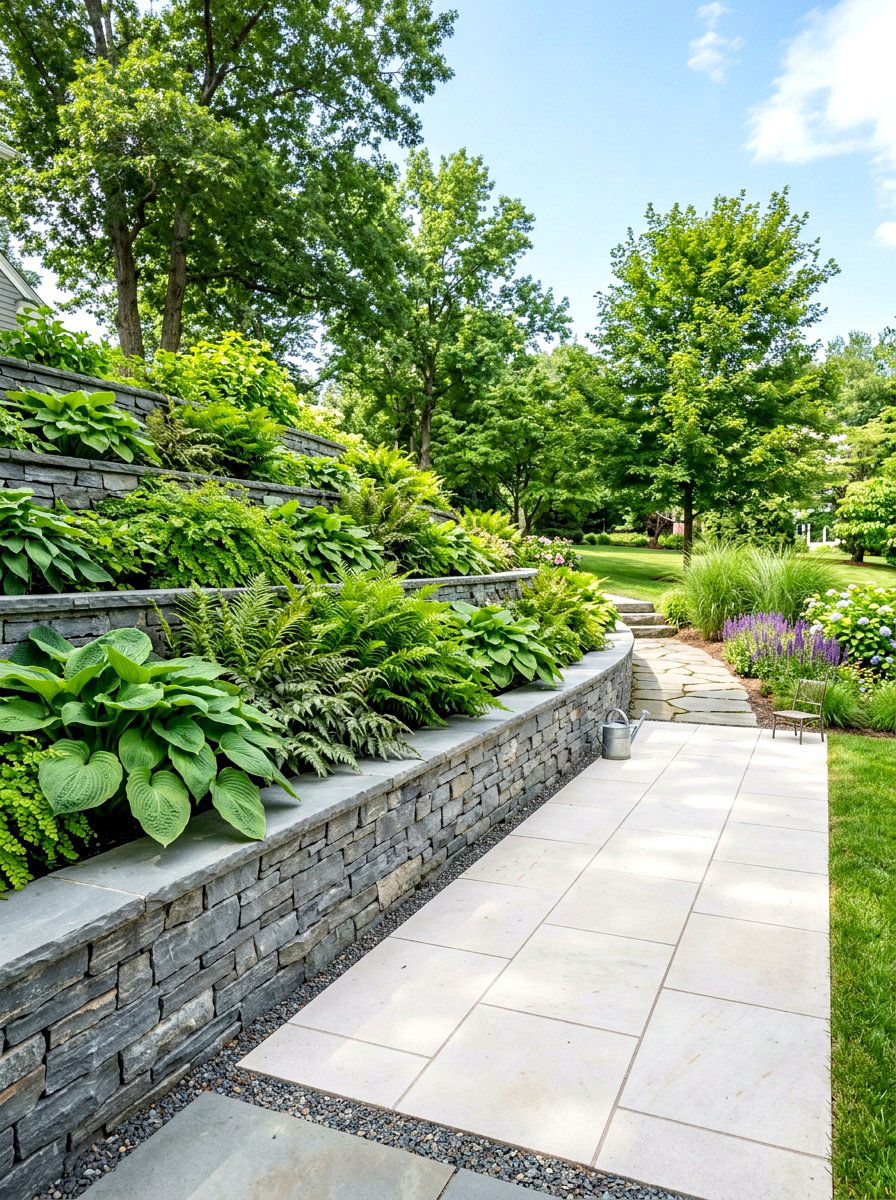
Using natural stone to build retaining walls is one of the most effective ways to manage a split-level backyard. These structures provide essential support to prevent soil erosion while adding a timeless, organic look to the landscape. You can choose from stacked slate, fieldstone, or large boulders to match your home's exterior style perfectly. Integrating built-in planters into the wall design allows for lush greenery to soften the hardscape. This approach creates distinct layers that can be used for different purposes, such as a garden bed on top and a smooth patio area right below. It makes the slope look intentional and beautiful.
2. Wood deck level
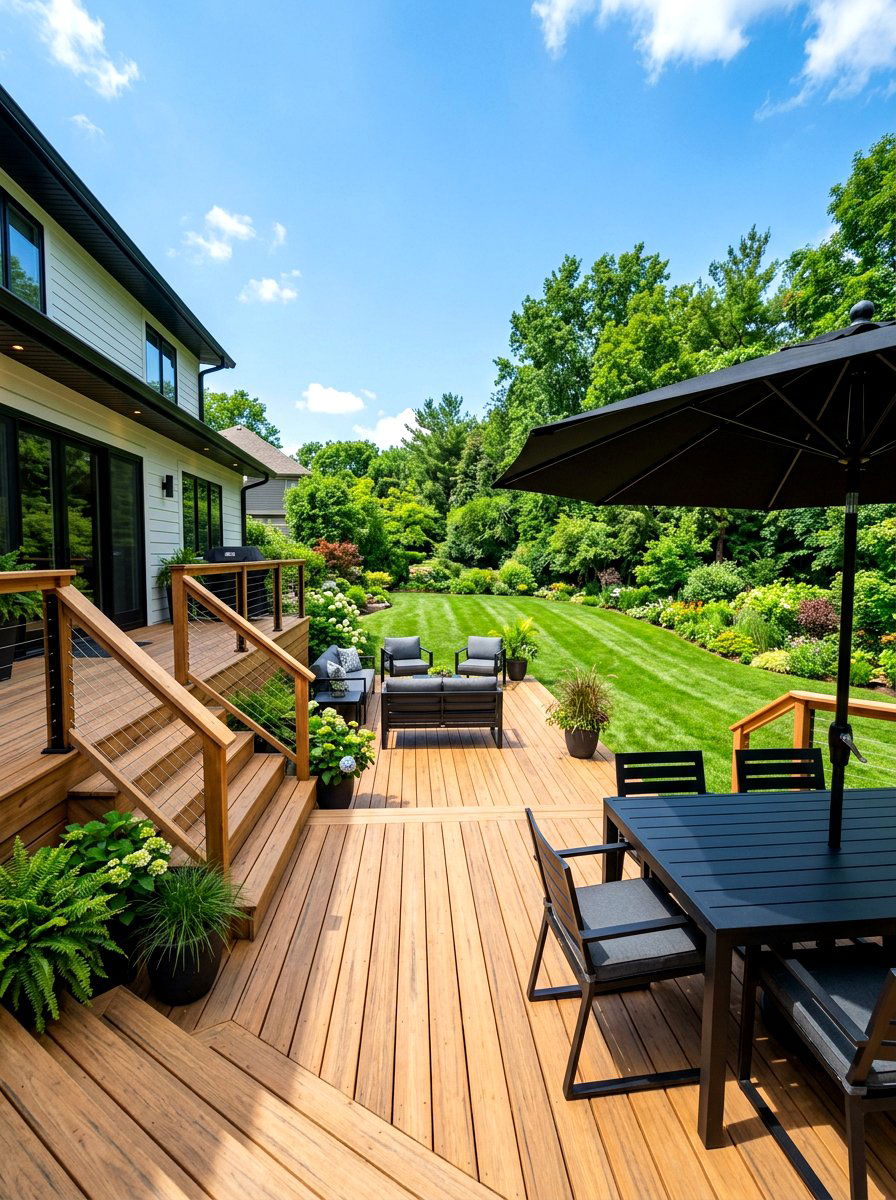
Adding a wooden deck is a fantastic way to create a flat living surface on a sloped lot. You can design the deck to sit slightly higher than the lawn, providing a clean transition between the indoors and the outdoors. Pressure-treated lumber, cedar, or composite materials offer various aesthetic choices and durability levels for your project. A raised deck acts as a natural viewing platform, allowing you to overlook the rest of your garden from a comfortable height. It provides a perfect spot for outdoor furniture, grills, and social gatherings while keeping feet away from muddy grass or uneven soil.
3. Sunken fire pit
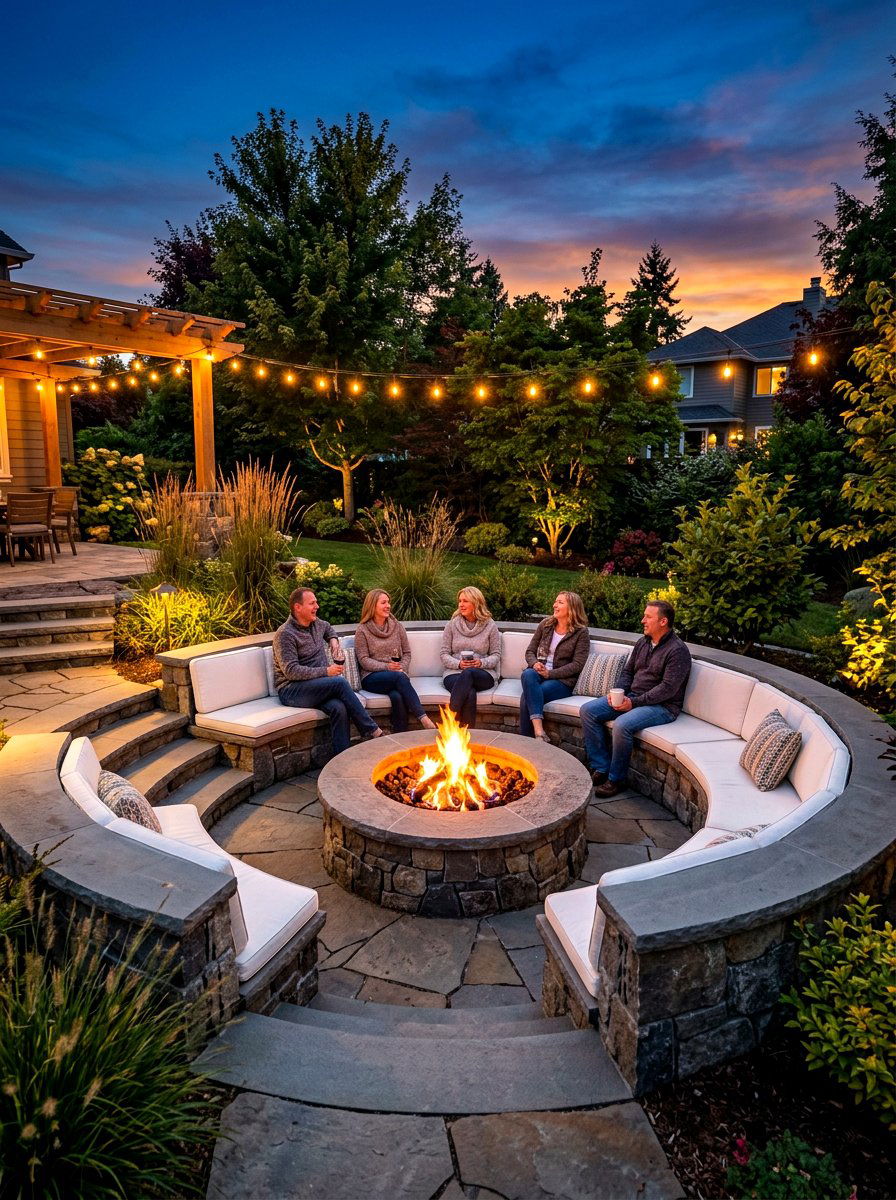
Creating a sunken fire pit area adds an element of cozy intimacy to a multi-level backyard design. By carving out a circular or square space in the lower tier, you create a protected nook that feels separate from the rest of the yard. This architectural choice helps block the wind and keeps the warmth concentrated around the seating area. You can surround the pit with built-in stone benches or comfortable outdoor armchairs to encourage long conversations under the stars. Using contrasting materials like gravel or pavers for the floor helps define this specific zone as a dedicated relaxation hub.
4. Concrete patio stairs
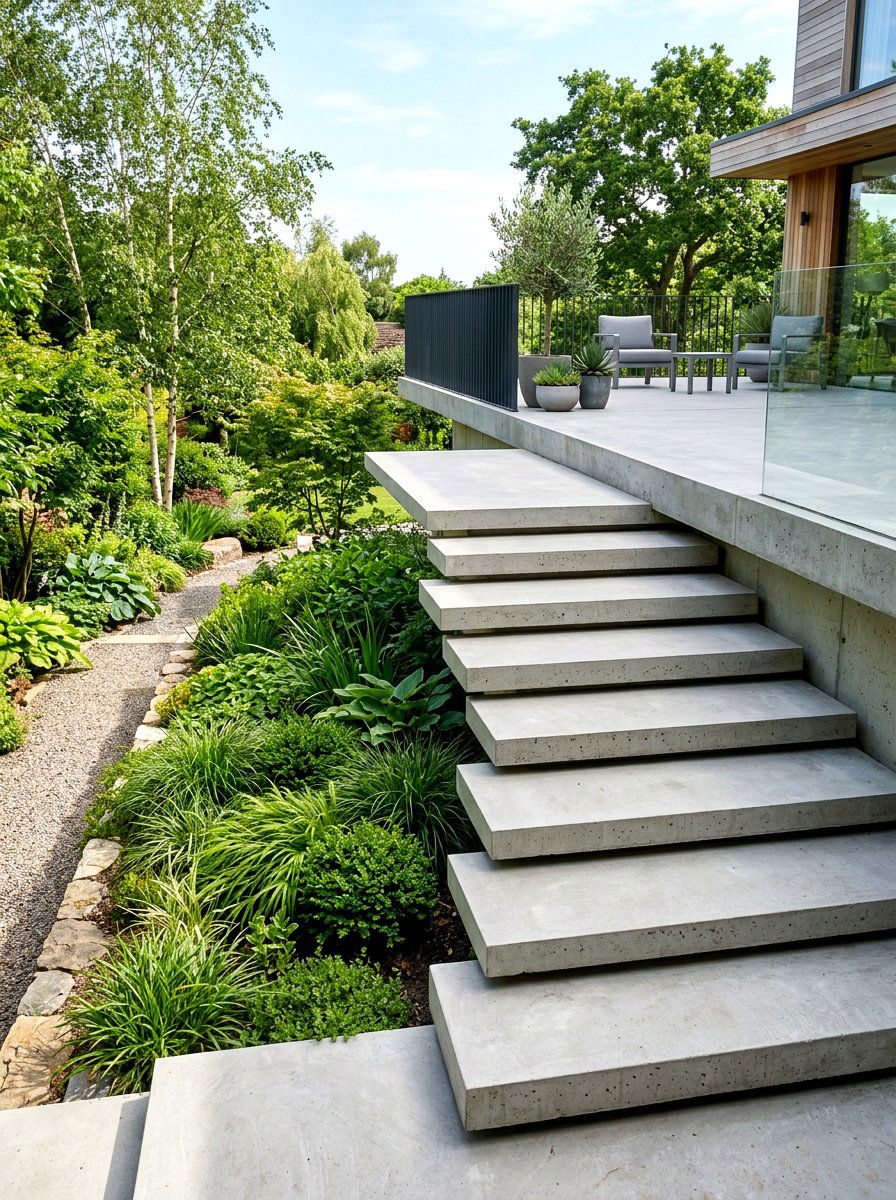
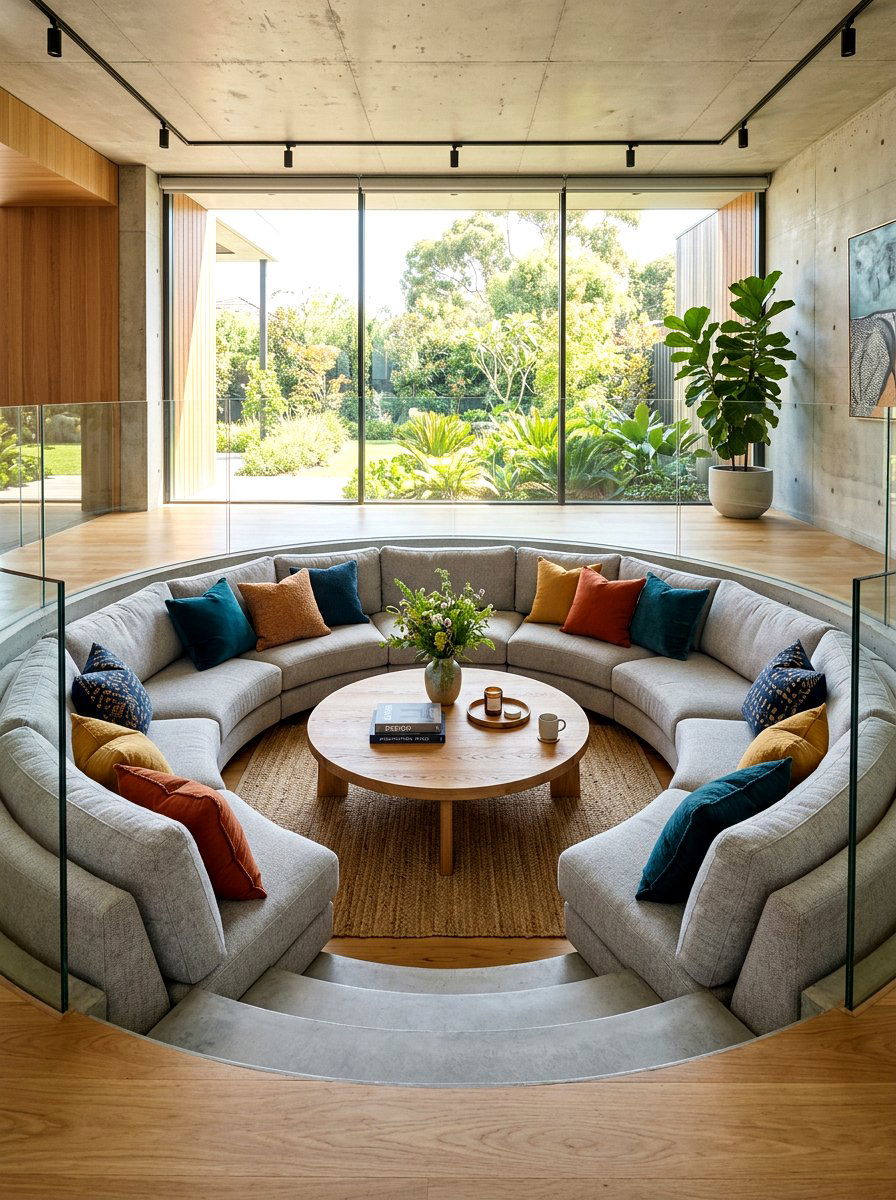
Smooth concrete stairs offer a modern and minimalist way to connect different levels in your backyard. Large, floating concrete slabs create a sleek look that fits well with contemporary architectural styles. These steps are incredibly durable and require very little maintenance over the years compared to wood or gravel. You can flank the stairs with low-profile LED lighting to ensure safety during the evening while highlighting the geometric lines of the design. This setup works beautifully when transitioning from a high-level sliding glass door down to a spacious lower-level lounge area or a bright green manicured lawn.
5. Terraced flower bed
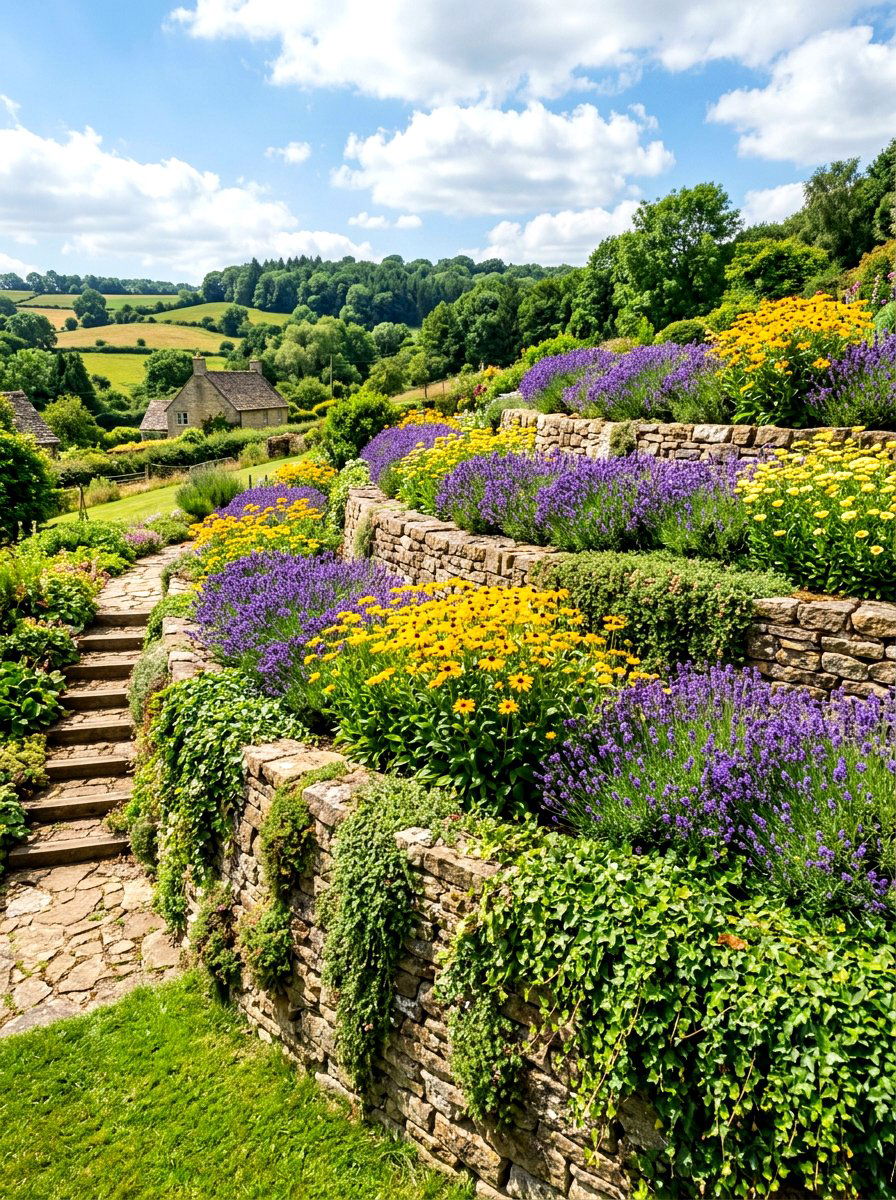
A terraced flower bed is a brilliant way to turn a steep incline into a vibrant explosion of color. By building several shallow tiers, you create perfect pockets for various plant species to thrive without washing away during heavy rain. You can mix perennial flowers, ornamental grasses, and cascading vines to create a lush, overflowing effect that covers the structural elements. This vertical gardening technique makes it much easier to prune and water your plants since they are organized at accessible heights. It also acts as a natural privacy screen if the highest tier is planted with tall shrubs.
6. Modern glass railing
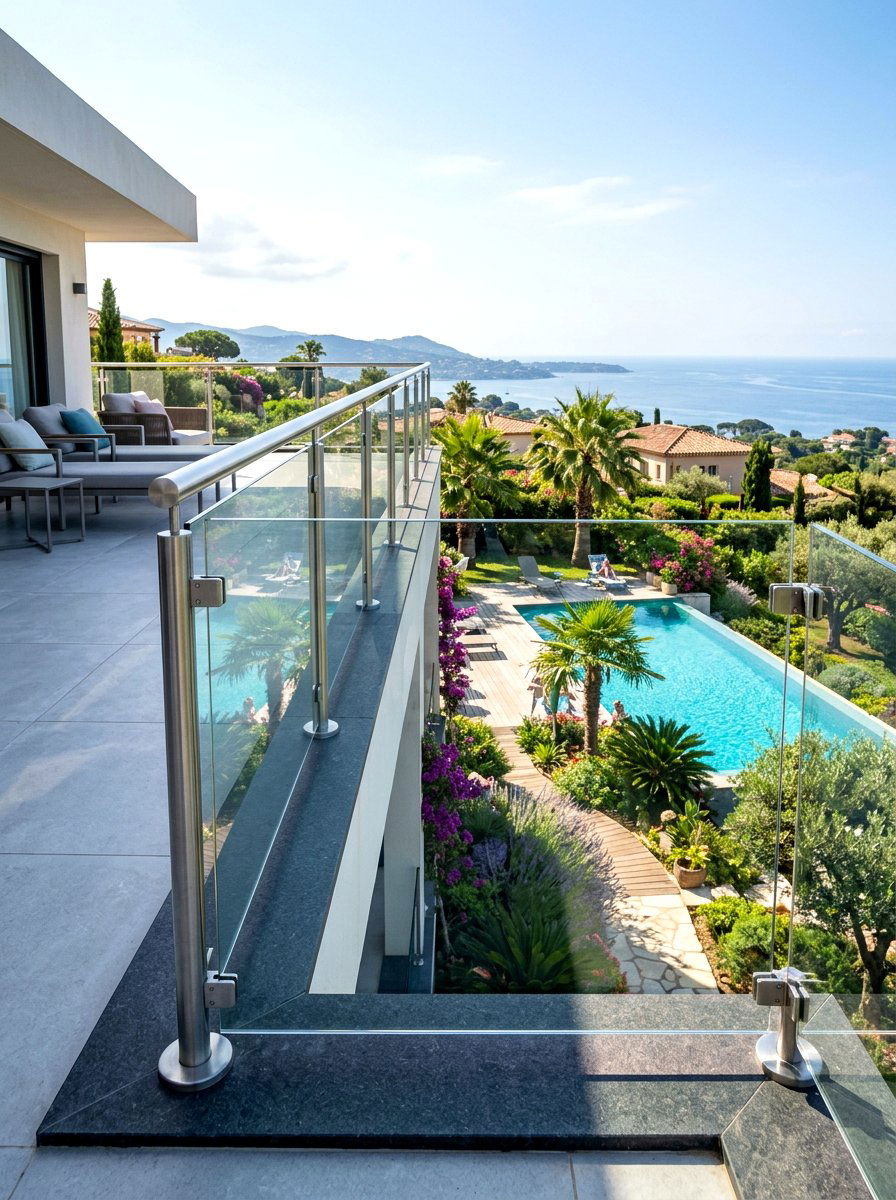
Installing a glass railing along the edge of an upper tier provides safety without obstructing the beautiful views of your garden. This design choice is perfect for homeowners who want to maintain a sense of openness and flow between different levels. The transparent panels allow light to pass through, making the entire backyard feel much larger than it actually is. Paired with metal or wooden posts, glass railings add a sophisticated, high-end touch to any deck or patio. They are particularly effective when you have a stunning lower-level feature, like a pool or a designer garden, that you want to see.
7. Elevated dining area
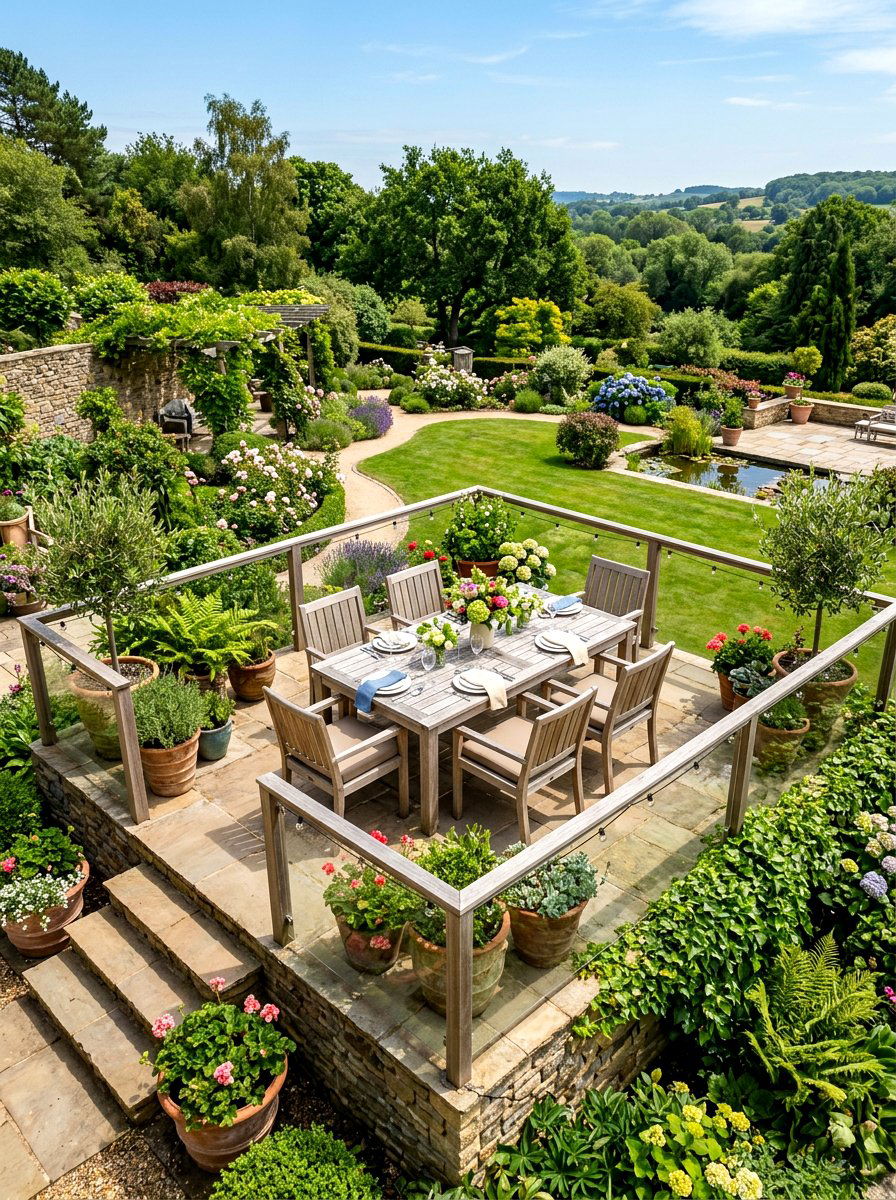
Designating the highest part of your split-level backyard for dining creates a scenic experience for every meal. Placing a large outdoor table and comfortable chairs on an upper platform allows you to enjoy the breeze and the full perspective of your landscape. This separation keeps the "active" zone of the yard away from the quiet relaxation areas below. You can define the space further with a stylish outdoor rug or a modern dining set that complements the surrounding architecture. Having the dining area near the house entrance makes it much more convenient for carrying food and drinks outside.
8. Natural stone steps
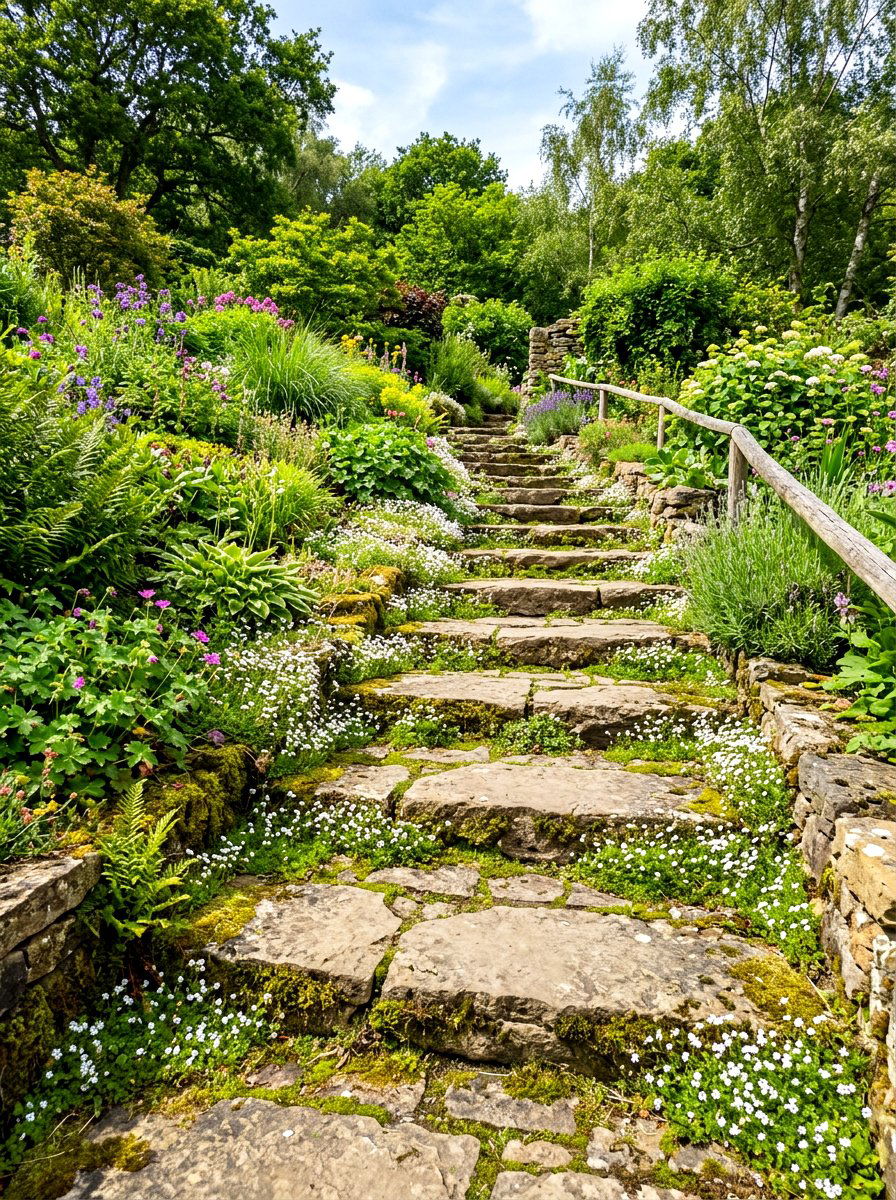
Using large, irregular natural stone slabs for steps creates a rustic and charming transition between tiers. These "stepping stones" blend seamlessly into the environment, making the landscape look like it was formed by nature rather than constructed by hand. You can fill the gaps between the stones with creeping thyme or moss to add a touch of greenery and texture. This style works exceptionally well in cottage-style or woodland gardens where a formal look isn't desired. The weight of the stones ensures they remain stable over time, providing a safe and sturdy path through the various levels.
9. Small sloped yard
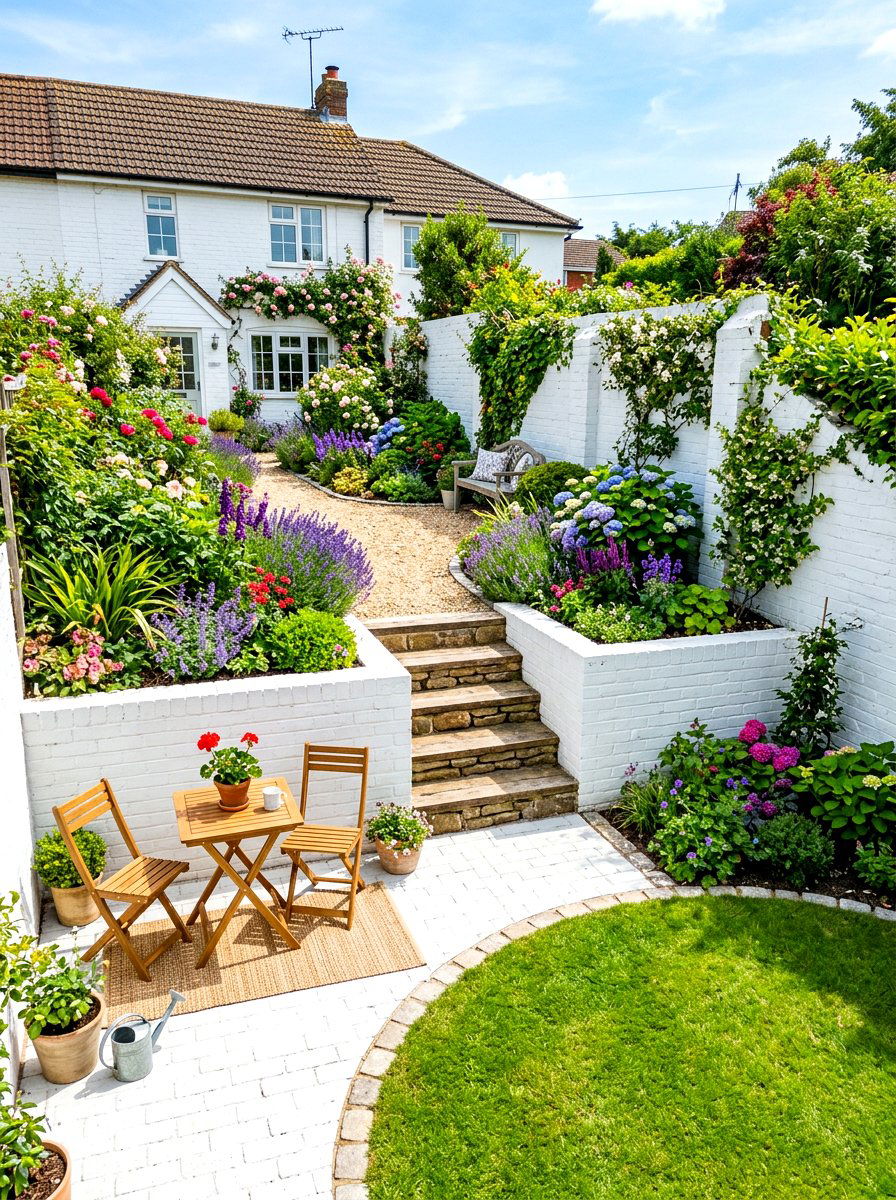
Managing a small backyard with a slope requires smart space-saving solutions and clever vertical planning. By creating just two distinct levels, you can double the usable square footage of your outdoor area. For example, a small upper patio can hold a cafe set, while the lower level features a compact patch of grass or a gravel garden. Using light-colored materials like white gravel or pale wood can help make the small space feel airy and bright. Built-in seating along the retaining walls is a great way to provide plenty of room for guests without cluttering the yard with extra furniture.
10. Multilevel pavers
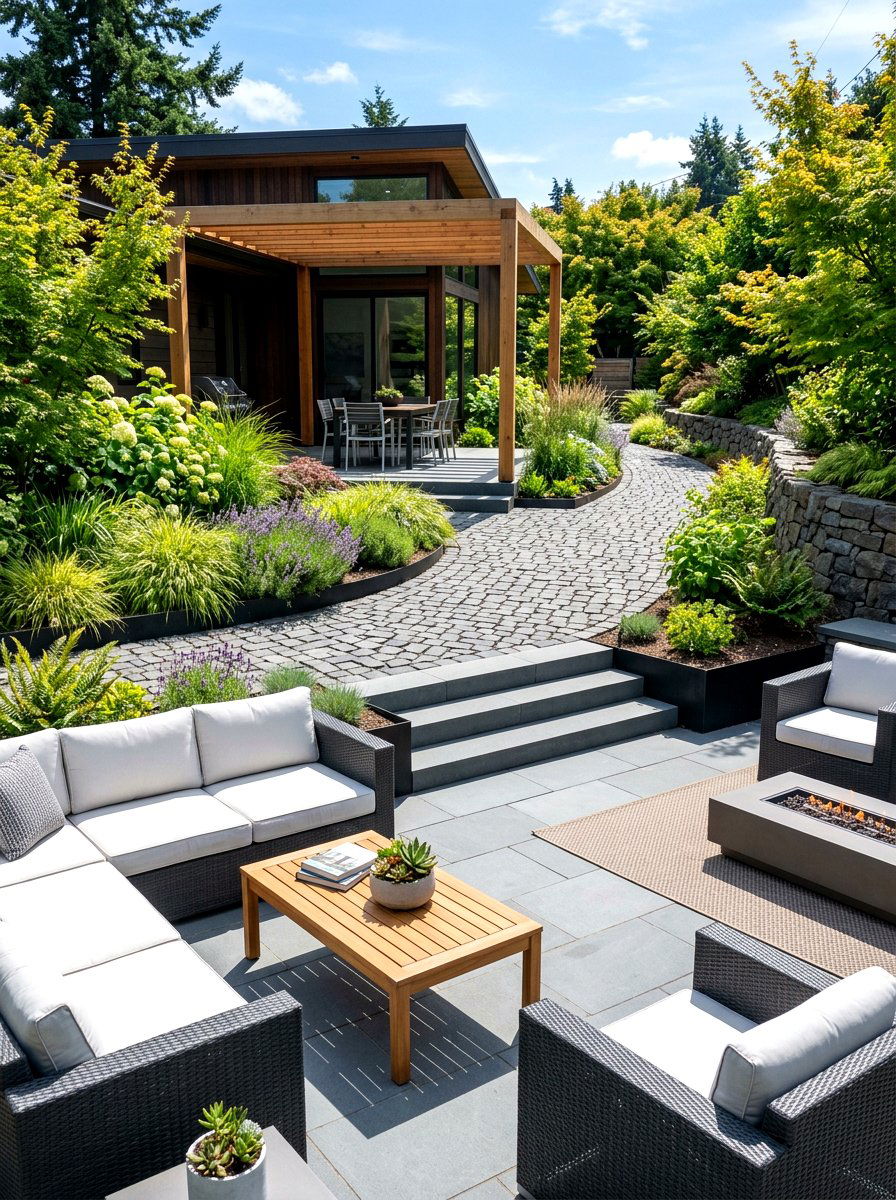
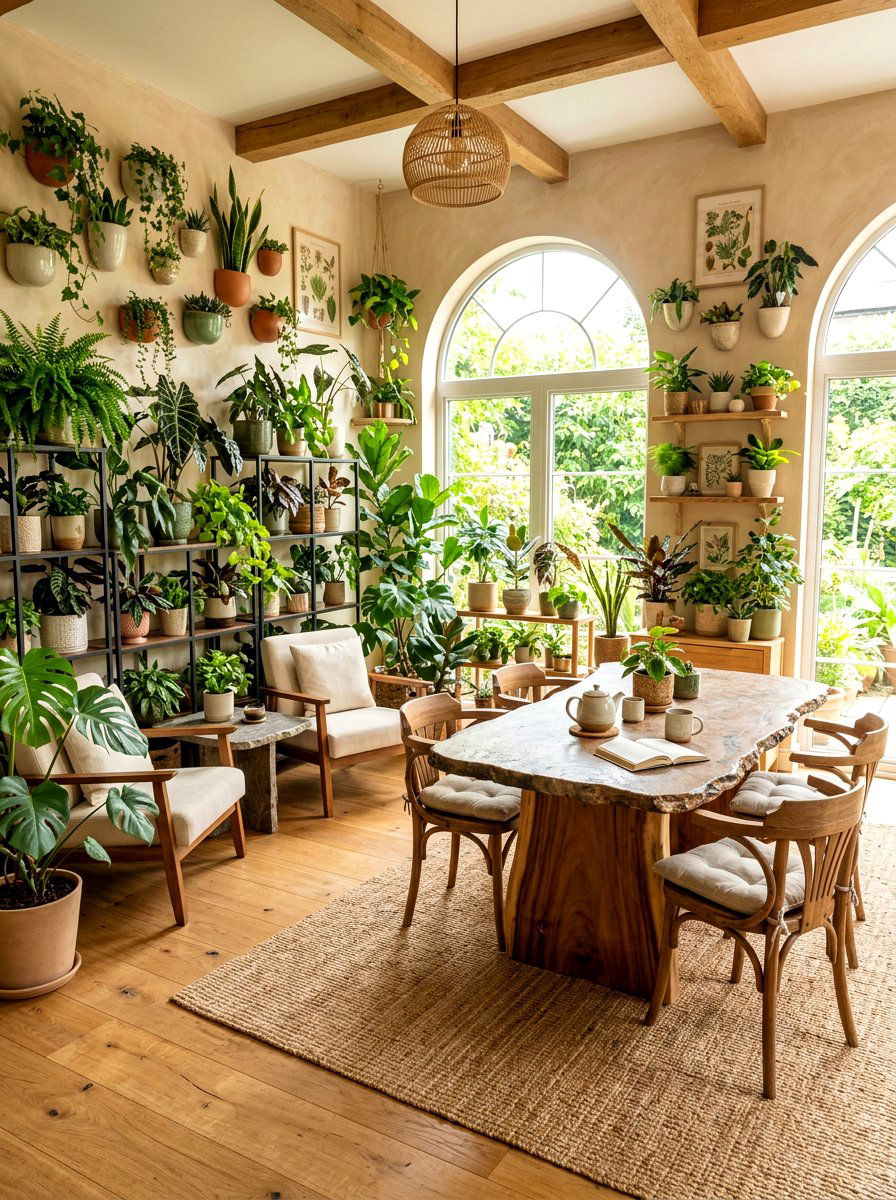
Using different types or patterns of pavers on each level is a creative way to define the function of every space. For instance, you could use large format grey pavers for a modern lounge area on the bottom level and smaller cobblestones for a path above. This visual contrast helps guide the eye and creates a sense of variety throughout the backyard. Pavers are highly versatile and come in many colors, allowing you to match them to your home's color palette. They provide a stable, level surface that is ideal for heavy patio furniture and high-traffic areas.
11. Outdoor kitchen tier
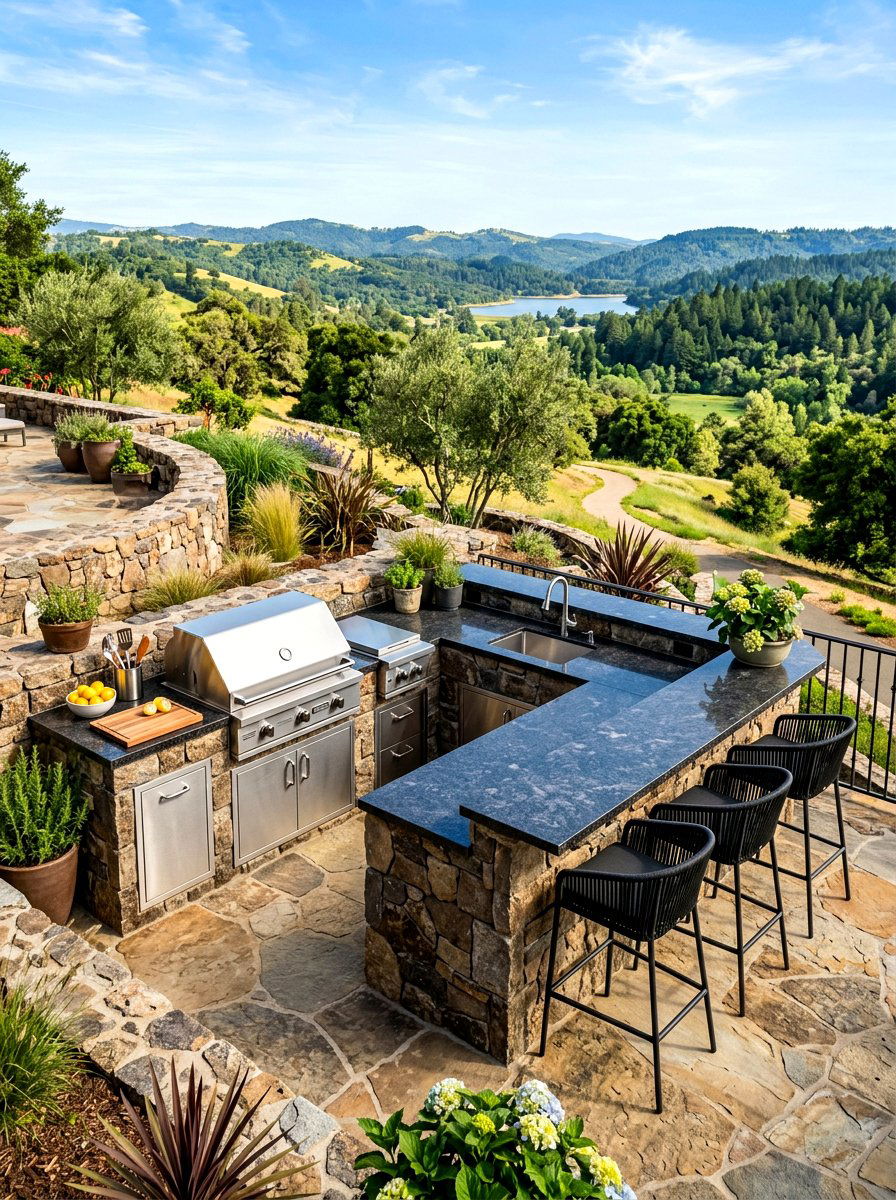
Installing an outdoor kitchen on its own dedicated level turns your backyard into a premium entertainment destination. Having a grill, prep counter, and small fridge on a mid-level tier keeps the cooking process organized and separate from the lounging zones. You can use durable materials like stainless steel and granite that stand up to the elements while looking incredibly professional. This setup allows the cook to remain part of the conversation without being in the way of guests. Adding a few bar stools along the counter creates a casual spot for friends to sit and chat while food is being prepared.
12. Vertical garden wall
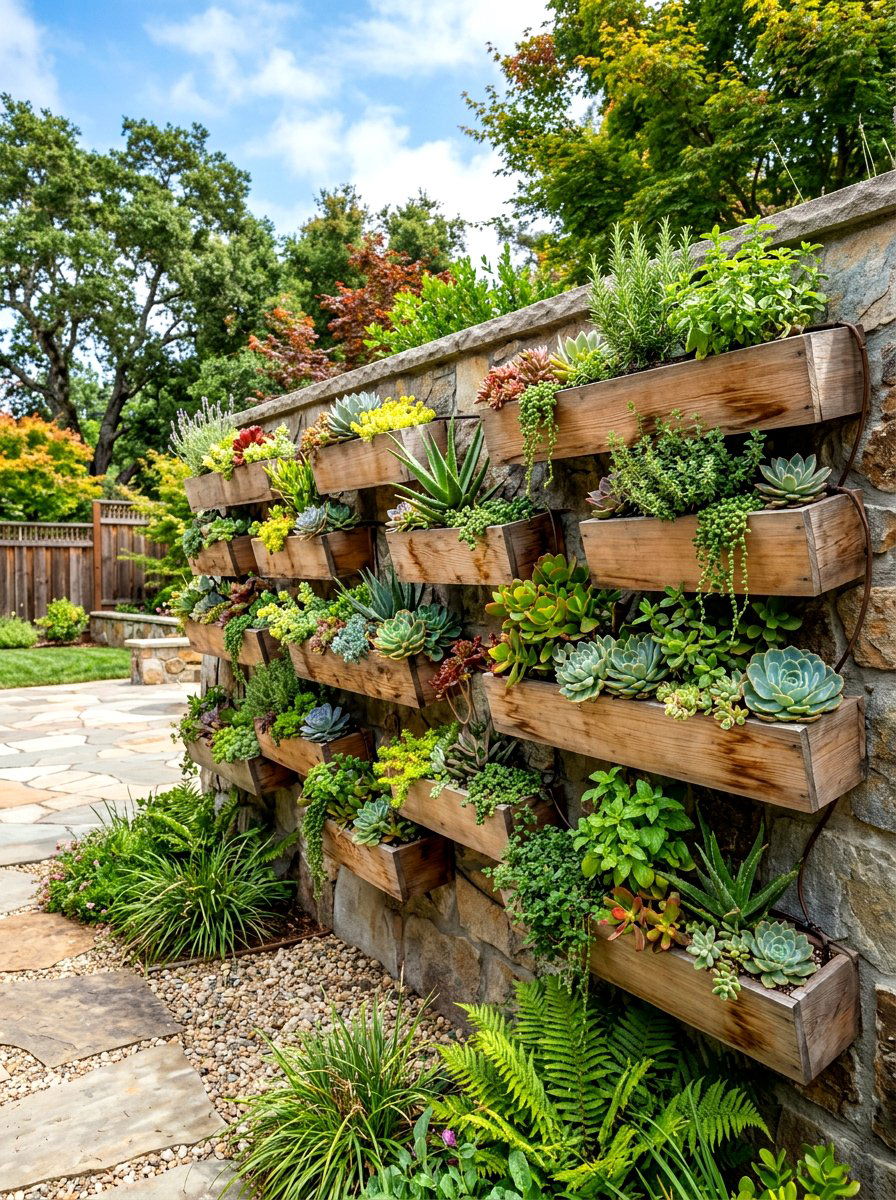
A vertical garden wall is an excellent way to add greenery to a split-level backyard without taking up precious floor space. You can mount planters directly onto the retaining walls that separate your levels to create a "living wall" effect. This technique is perfect for growing herbs, succulents, or trailing ivy that hangs down gracefully over the stone or wood. It adds a soft, organic texture to the hard lines of the landscape and can even help with sound insulation from neighbors. This lush backdrop makes any level of your yard feel more private, cozy, and connected to nature.
13. Gravel path transition
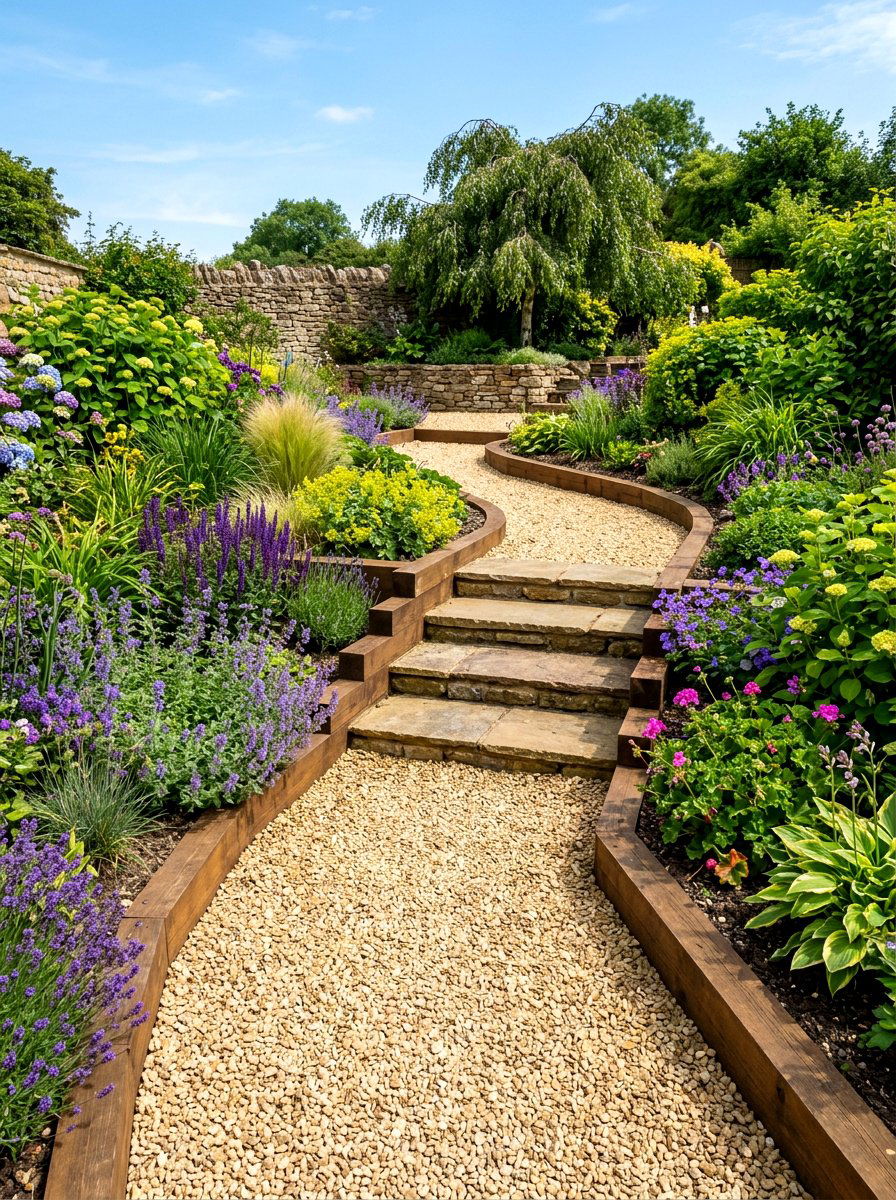
Using pea gravel or crushed stone to create a path between levels offers a budget-friendly and attractive landscaping solution. Gravel provides a crunching sound underfoot that adds a sensory element to your garden walks. It is also an excellent drainage material, preventing water from pooling on the different tiers during the rainy season. You can use timber or metal edging to keep the gravel neatly contained and prevent it from spilling onto the grass or patio. A winding gravel path creates a sense of mystery and encourages people to explore the different heights and hidden corners of your backyard.
14. Grass terrace seating
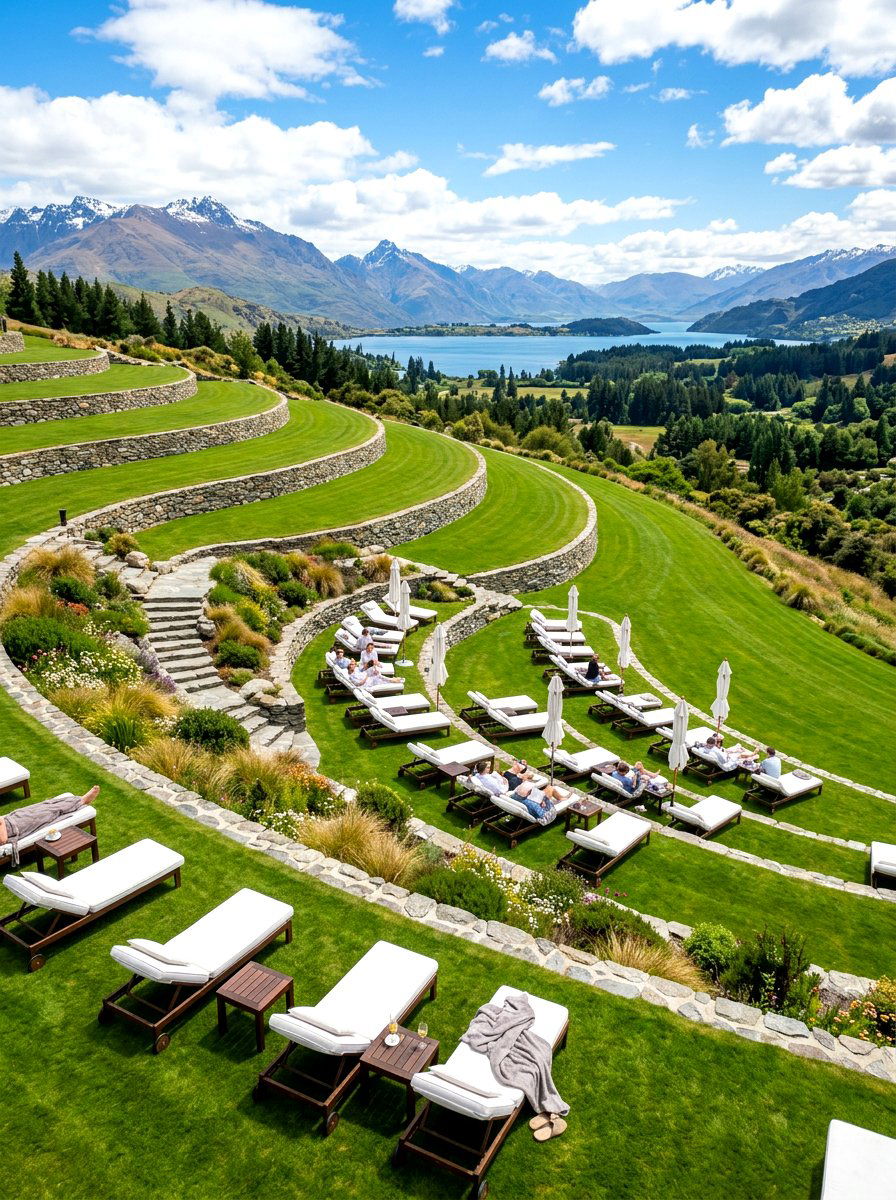
Creating wide terraces covered in lush green grass offers a soft and natural place for lounging or playing. Instead of traditional stone patios, these "living" platforms provide a cooling effect during hot summer days. You can place lightweight lounge chairs directly on the turf or use the space for yoga and outdoor exercise. Grass terraces require regular mowing, but the visual impact of deep green levels cascading down a hill is truly stunning. This approach is ideal for families with children who need a safe, soft area to run around while the adults relax on a higher tier.
15. Built in bench
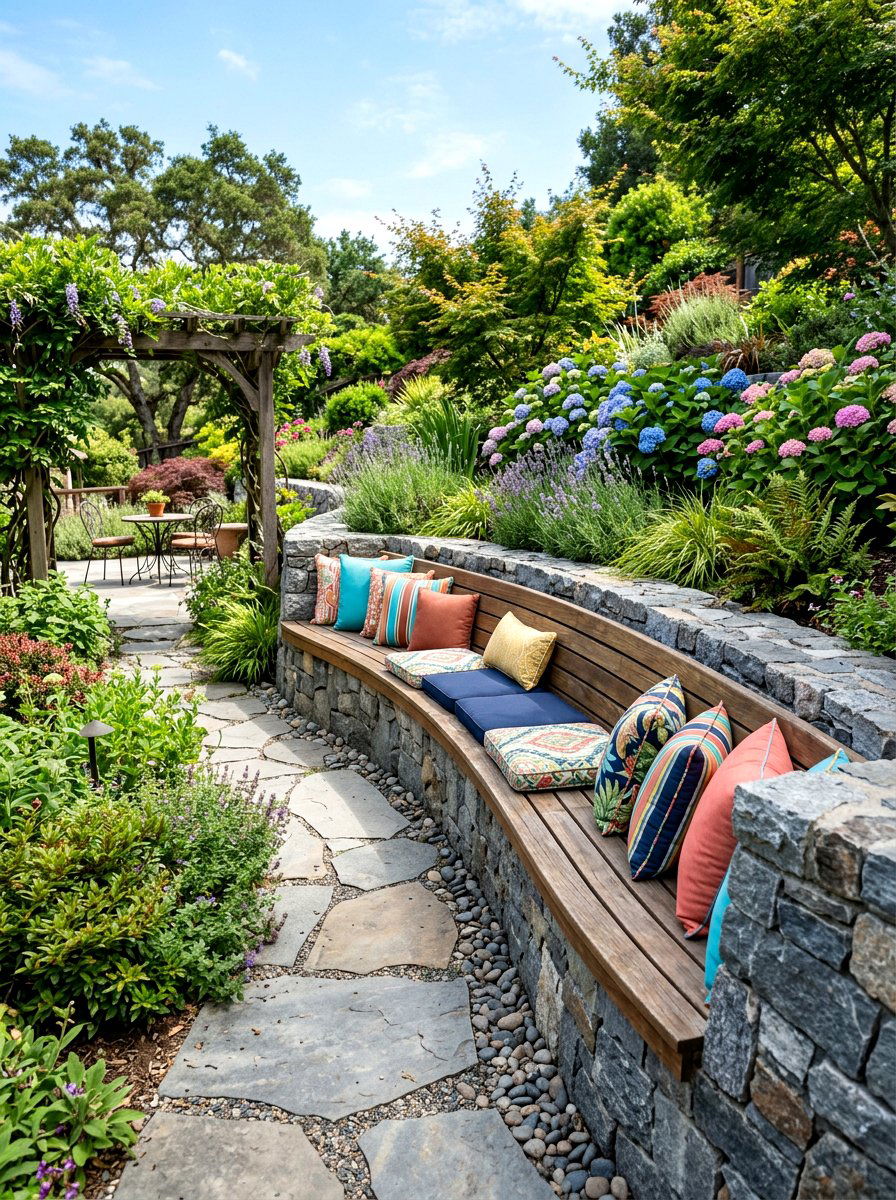
Integrating a built-in bench directly into a retaining wall is a brilliant way to maximize seating in a split-level backyard. These benches save space because they don't require the footprint of individual chairs and can be customized to fit any curve or angle. You can use the same material as the wall, such as wood or stone, for a seamless and high-end look. Adding a few weather-resistant cushions and throw pillows makes the seating area comfortable and inviting. This design encourages people to linger and enjoy the different views offered by the various elevations of the garden landscape.
16. Waterfall feature hill
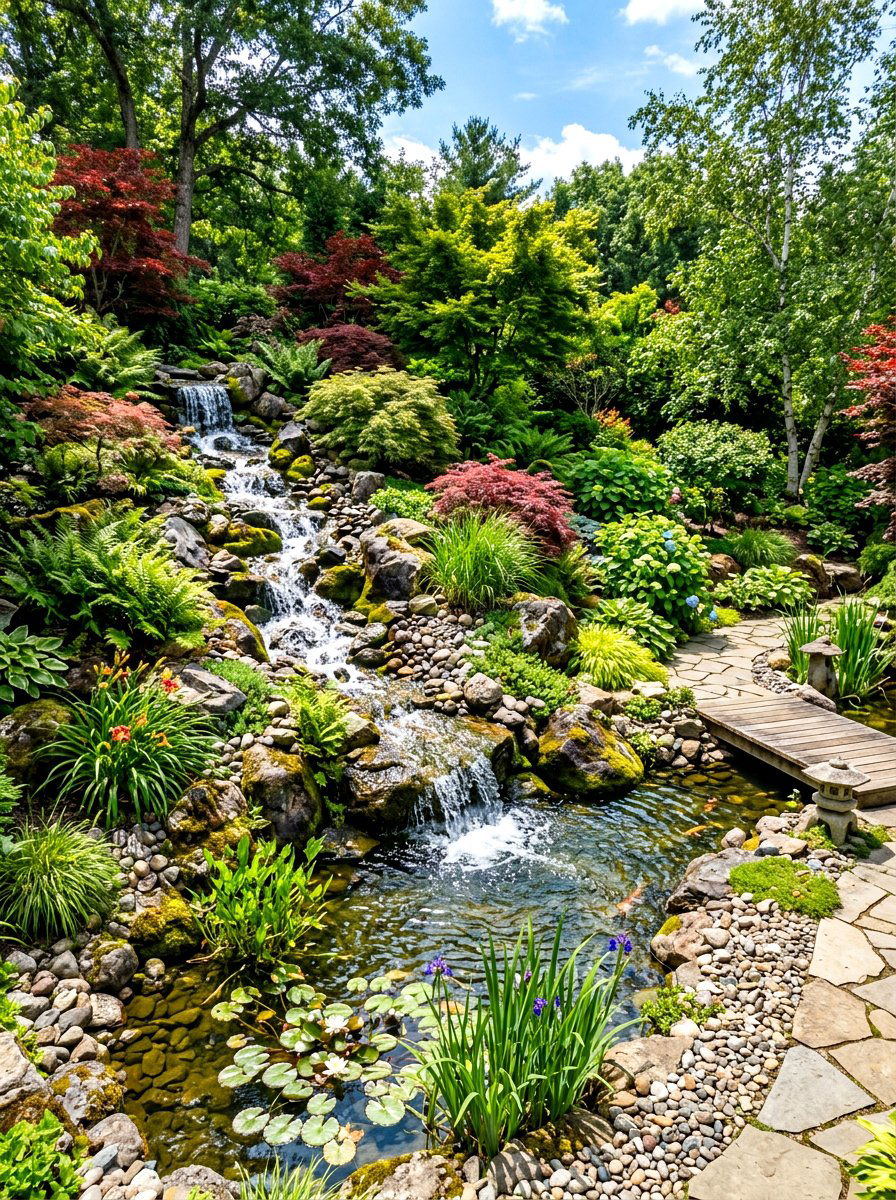
A cascading water feature built into a slope adds both visual beauty and the soothing sound of running water. You can design a series of small ponds and falls that follow the natural incline of your split-level backyard. This creates a focal point that ties the different tiers together harmoniously. Water features attract birds and butterflies, bringing more life and movement into your outdoor space. Using local rocks and aquatic plants ensures the waterfall looks like a natural part of the hillside. The sound of the water also helps mask neighborhood noise, creating a peaceful and private oasis.
17. Lighting for steps
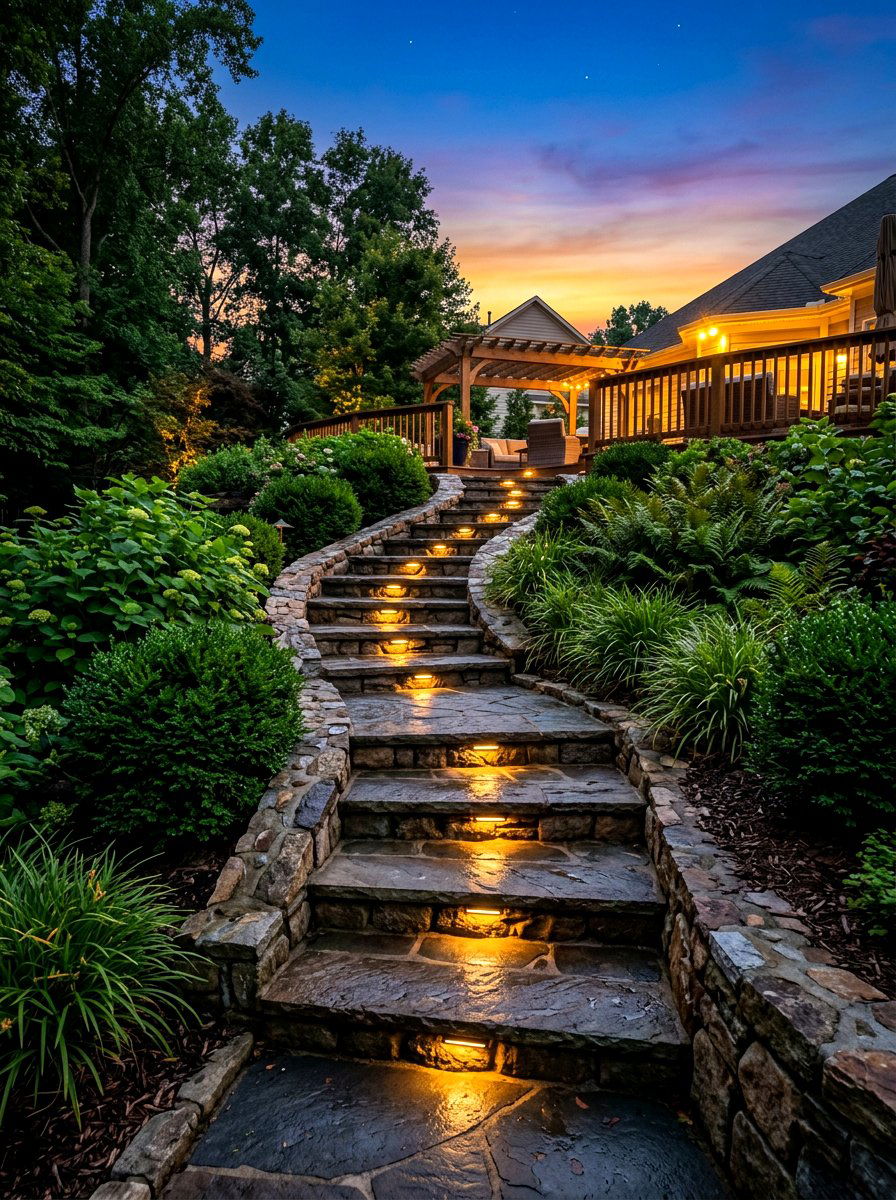
Proper lighting is essential for any multi-level backyard to ensure safety and create a magical evening atmosphere. Recessed lights tucked into the risers of your stairs provide a subtle glow that illuminates the path without being overpowering. You can also use path lights along the edges of the different tiers to highlight the transitions between levels. Solar-powered or low-voltage LED options are energy-efficient and easy to install yourself. Well-placed lighting accentuates the architectural lines of your retaining walls and decks, making the backyard look professionally designed even after the sun goes down and the stars come out.
18. Hot tub platform
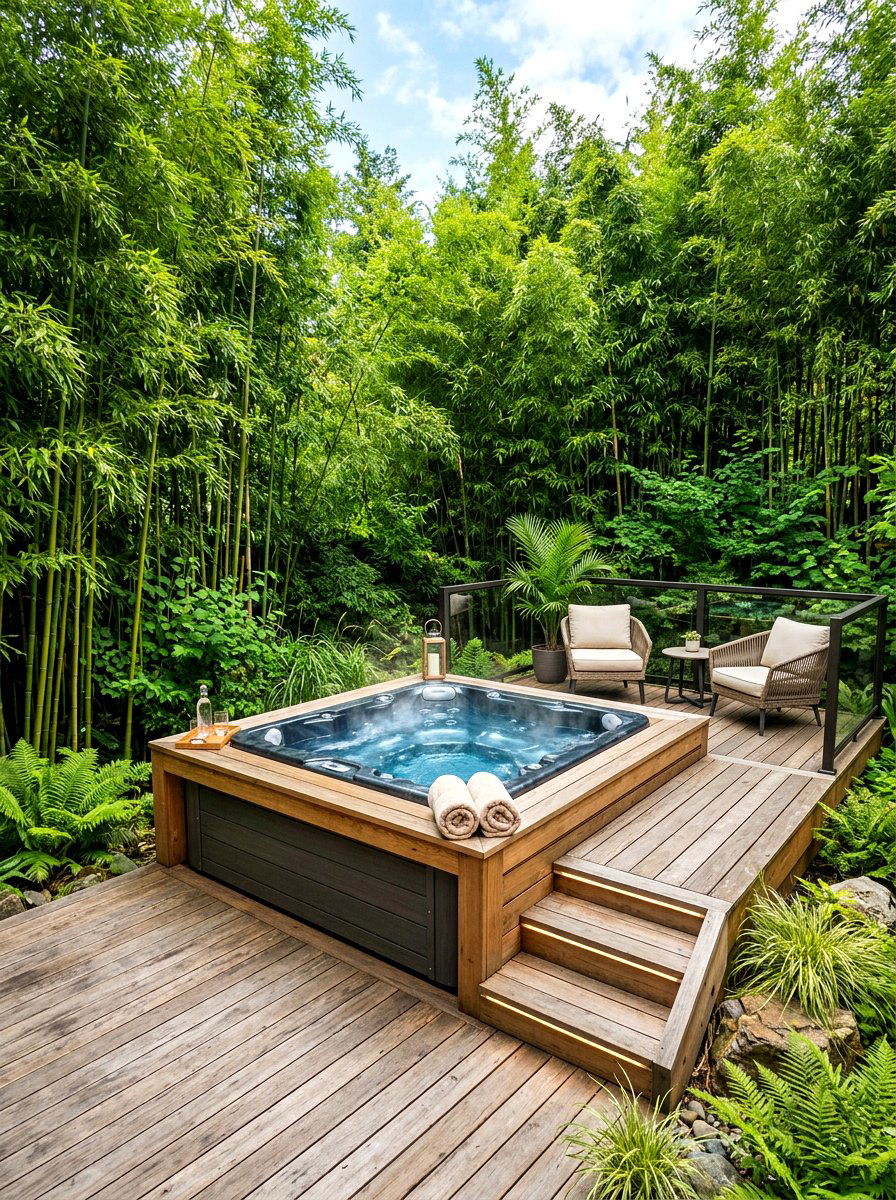
A dedicated platform for a hot tub on a mid-level tier provides a sense of luxury and seclusion. By placing the spa on its own level, you can create a private retreat that is tucked away from the main social areas. Surrounding the tub with tall plants or a decorative screen adds an extra layer of privacy for those using it. Having the hot tub slightly elevated allows you to enjoy the view while soaking in the warm water. Make sure the platform is built with a reinforced structure to handle the significant weight of the tub when it is filled with water.
19. Kids play zone
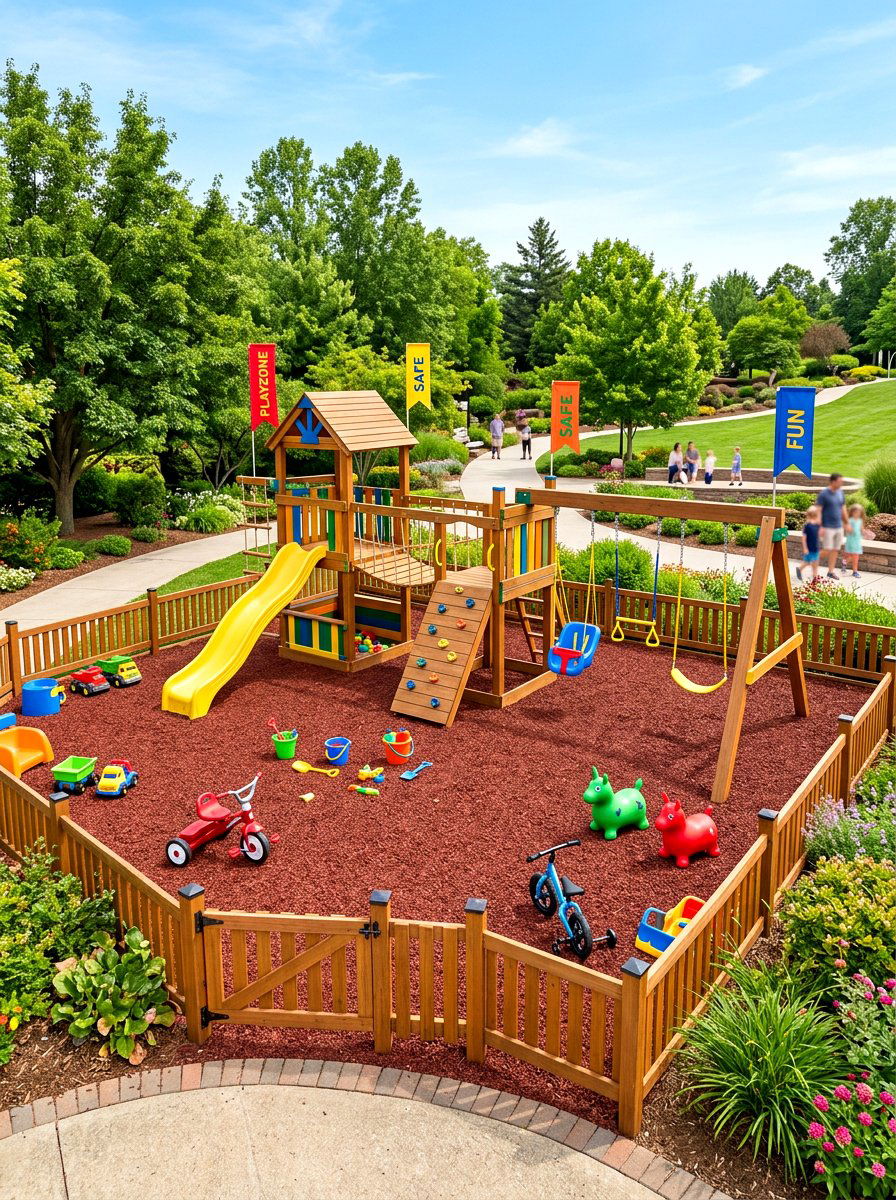
Designing a specific level for a kids' play area keeps toys and equipment organized in one designated spot. You can use soft rubber mulch or artificial turf on this tier to provide a safe landing surface for active play. This separation allows children to have their own space for a swing set or a playhouse without interfering with the adult lounge areas. Since it is on a different level, you can easily monitor the kids from a higher deck or patio. This organized approach prevents the entire backyard from feeling cluttered with toys, maintaining a clean and sophisticated aesthetic throughout the garden.
20. Pergola on top
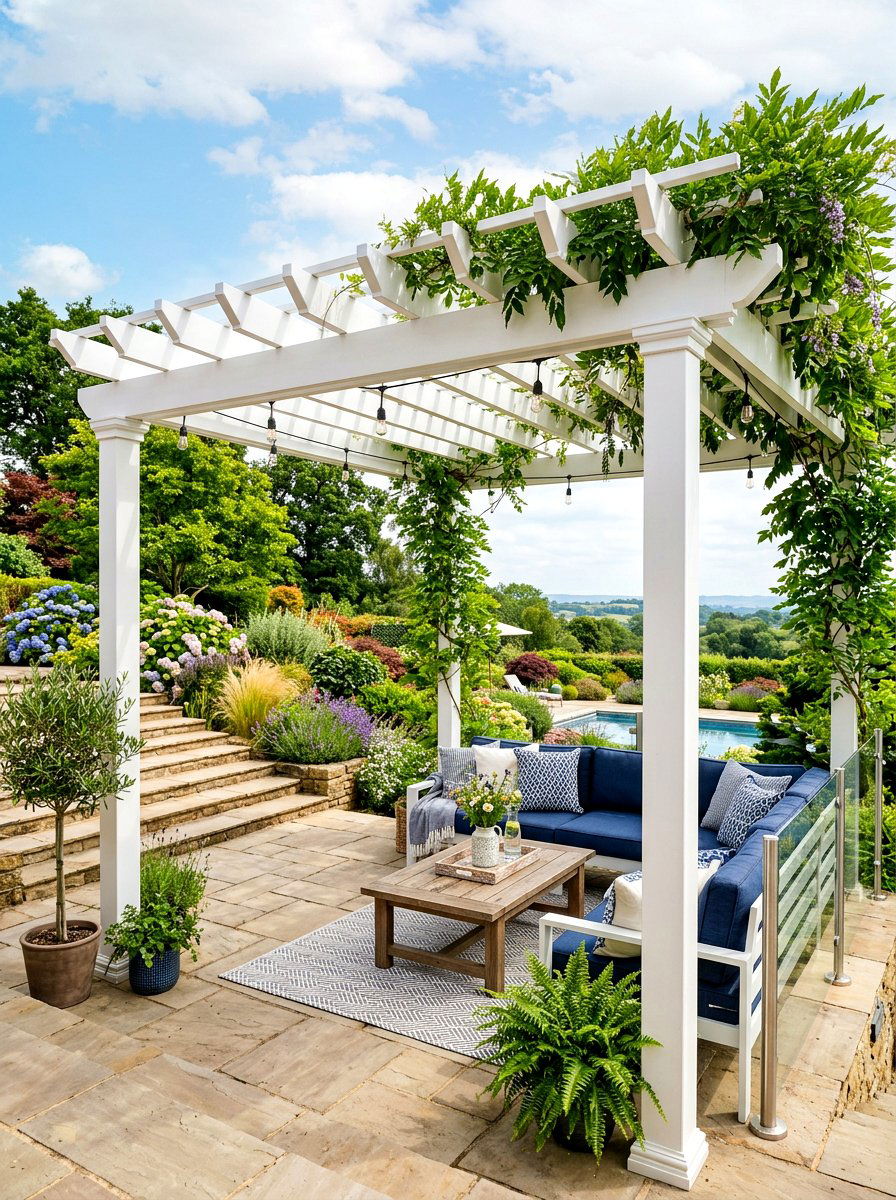
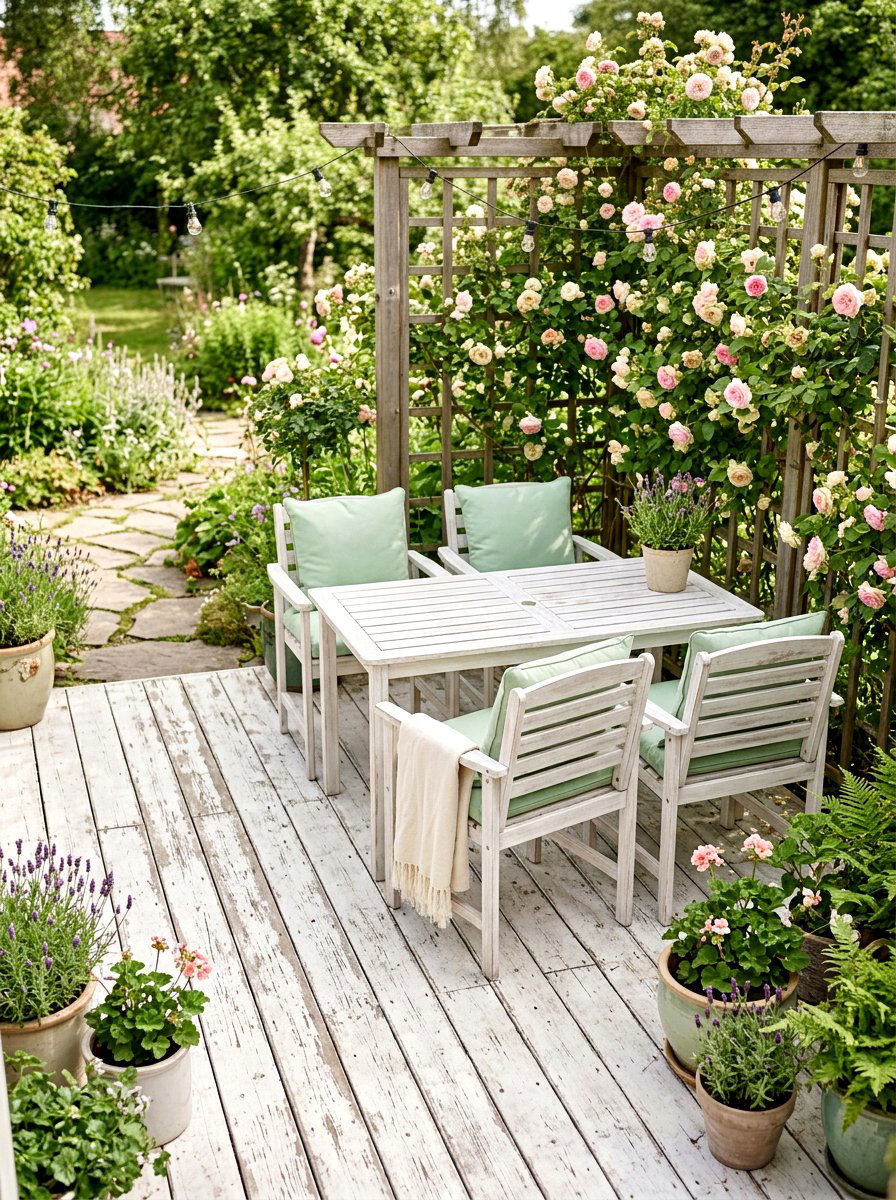
Placing a pergola on the highest level of your backyard creates a stunning architectural statement and provides much-needed shade. The structure defines the space as a primary gathering point for friends and family. You can grow climbing roses or wisteria over the beams to add fragrance and natural beauty to the area. A pergola also offers a place to hang outdoor curtains or string lights for an even more intimate feel. This elevated feature acts as a landmark in your yard, drawing people upward to enjoy the best vantage point and the most comfortable environment for relaxing during the day.
21. Flagstone walkway slope
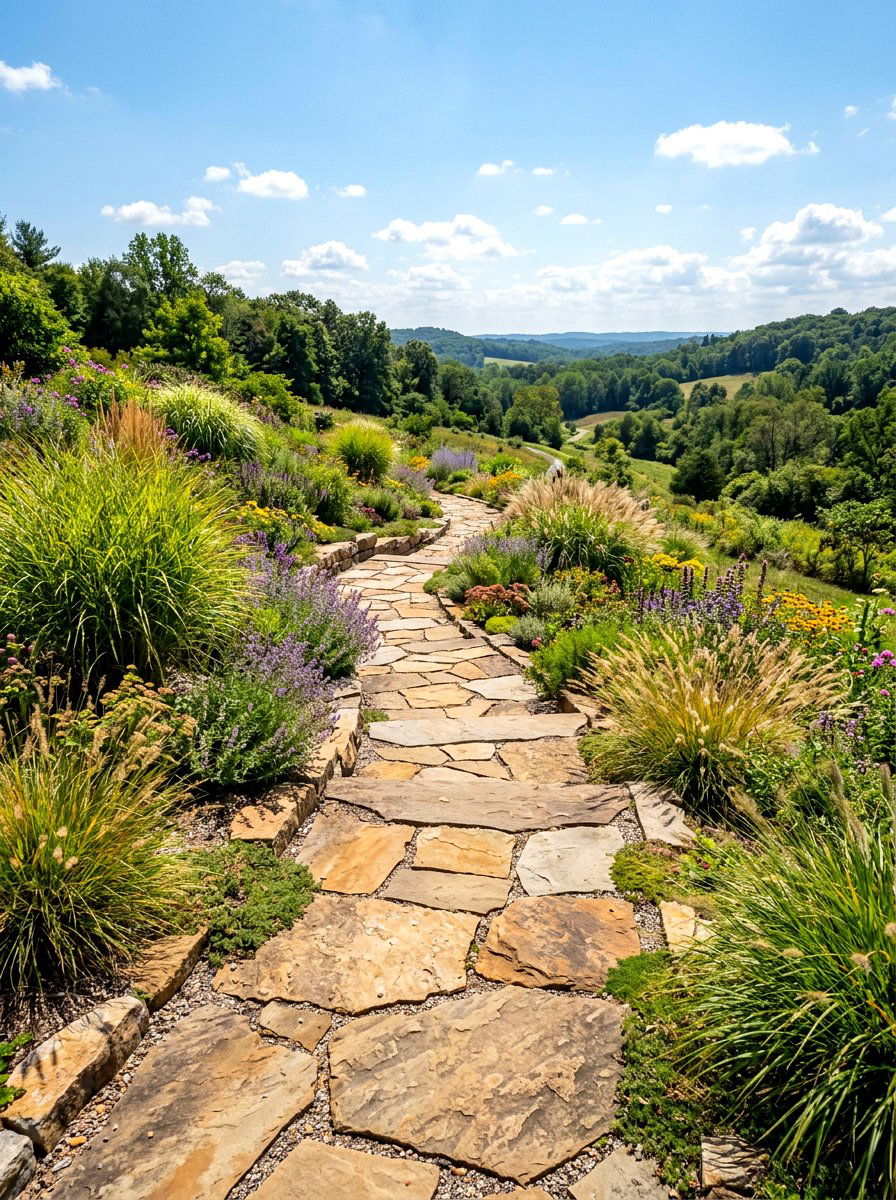
Flagstone is a popular choice for creating walkways on a slope because of its flat, stable surface and natural appearance. The irregular shapes of the stones fit together like a puzzle, creating a unique and handcrafted look. You can use larger stones for the main path and smaller pieces to fill in the gaps for a cohesive design. Flagstone comes in various earthy tones, from warm tans to cool blues, allowing you to complement your home's color scheme perfectly. A flagstone walkway provides a safe and non-slip surface for moving between the different tiers of your backyard in any weather.
22. Gabion wall fence
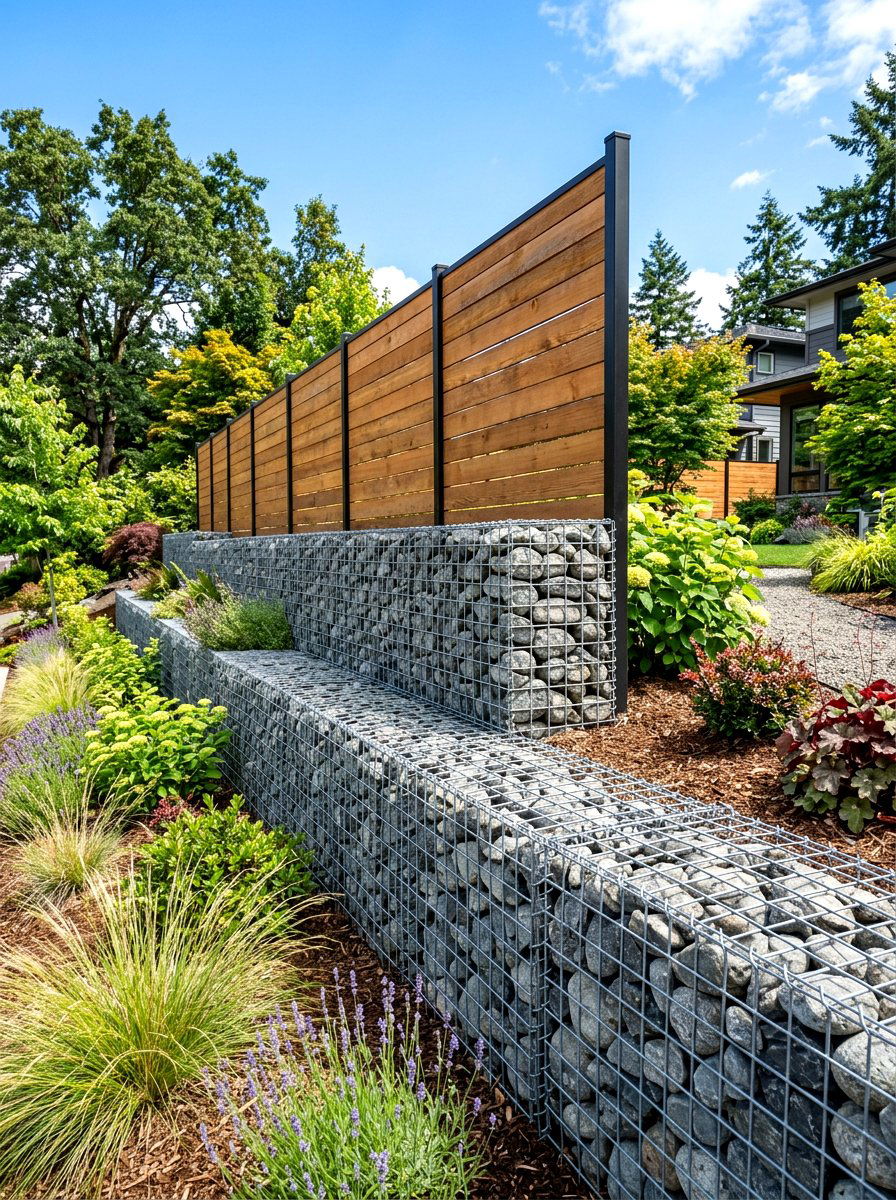
Gabion walls, which are wire cages filled with rocks, offer a modern and industrial way to manage split levels. They are incredibly strong and provide excellent drainage, making them perfect for steep slopes that need significant support. You can choose different types of stones to fill the cages, creating various textures and colors that add visual interest. Gabion walls have a very unique look that stands out compared to traditional wood or concrete retaining walls. They are also environmentally friendly, as they allow water to pass through naturally and can be filled with recycled or locally sourced stones from your area.
23. Mixed material stairs
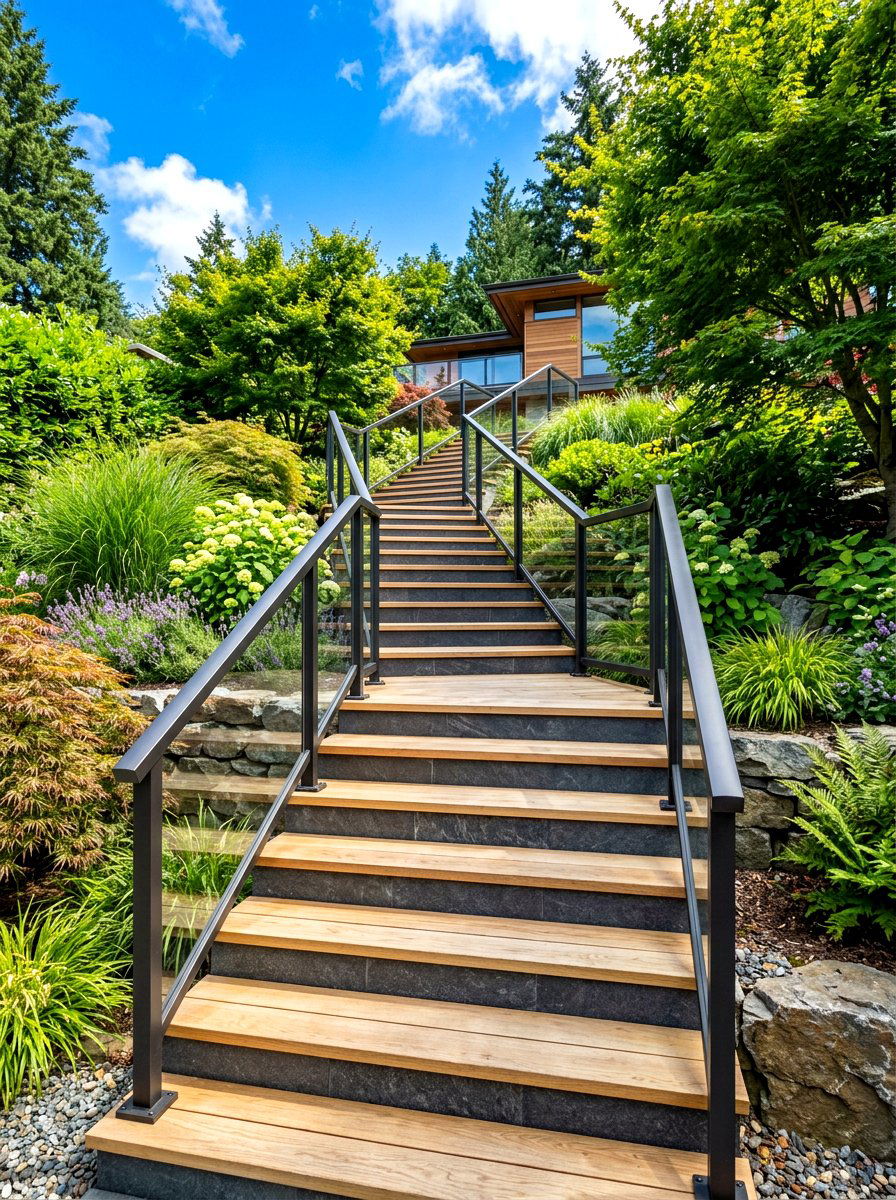
Combining different materials for your stairs, such as wood treads with stone risers, adds a sophisticated layer of detail to your garden. This mix of textures creates a visually interesting transition that ties various elements of the backyard together. For example, using the same wood as your deck for the stairs and the same stone as your walls for the supports creates a unified look. This design approach allows you to play with colors and finishes to match your personal style. It breaks up the monotony of using a single material and gives the backyard a high-end, custom-designed feel that visitors will admire.
24. Vegetable garden tiers
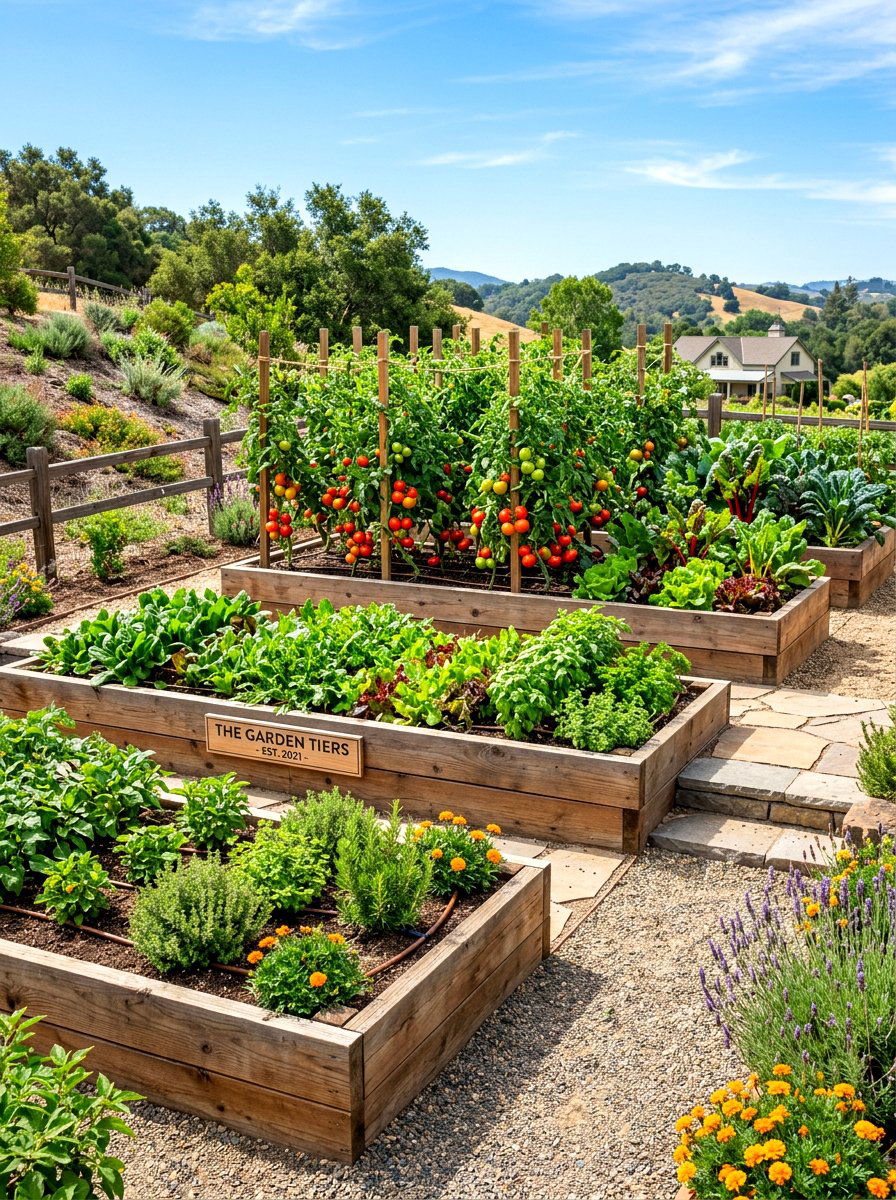
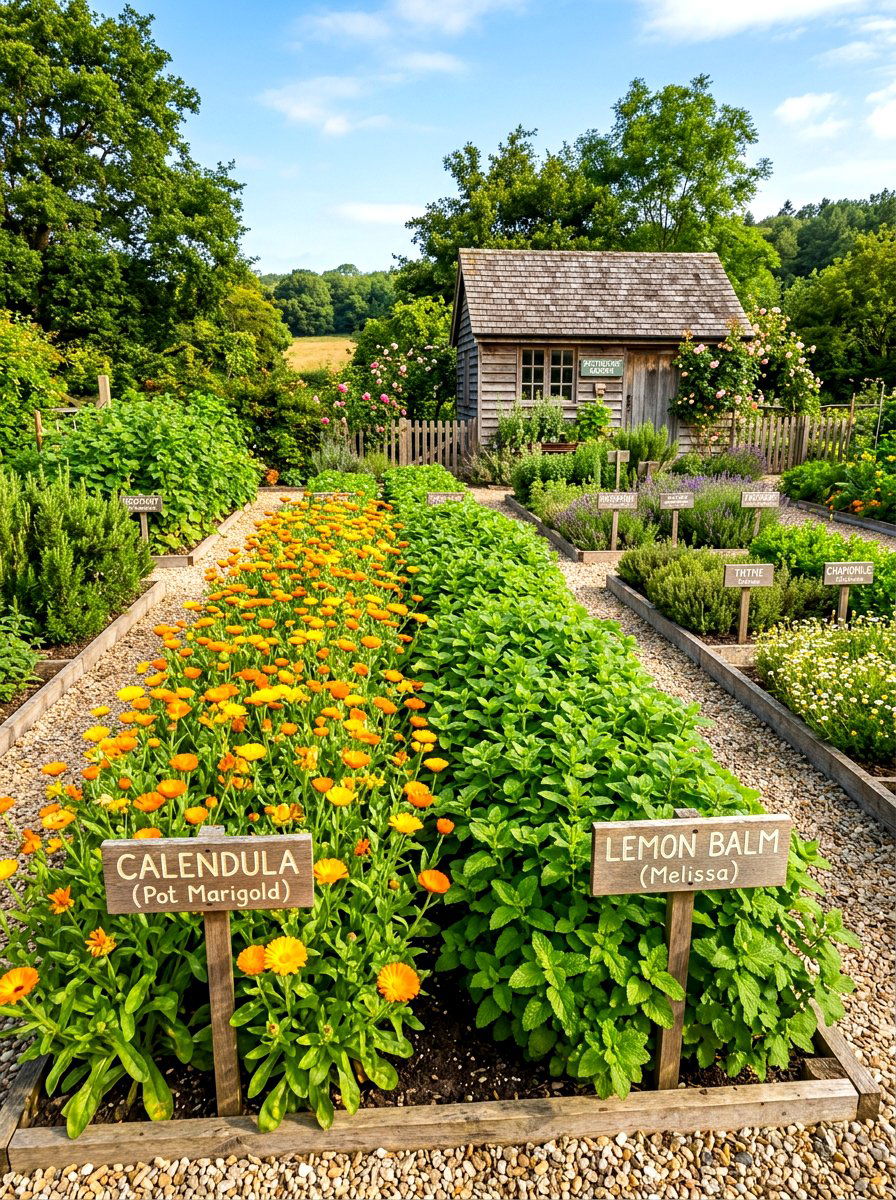
Turning the sunny levels of a sloped backyard into a productive vegetable garden is a smart use of space. Tiers allow you to organize different crops by their water and light needs while keeping them easy to reach for harvesting. You can use raised wooden beds on each level to contain rich soil and prevent it from washing down the hill. This layout makes gardening more ergonomic, as you don't have to bend down as far to tend to your plants. Growing your own food in a tiered system turns a difficult slope into a functional and rewarding part of your home landscape.

25. Covered patio level
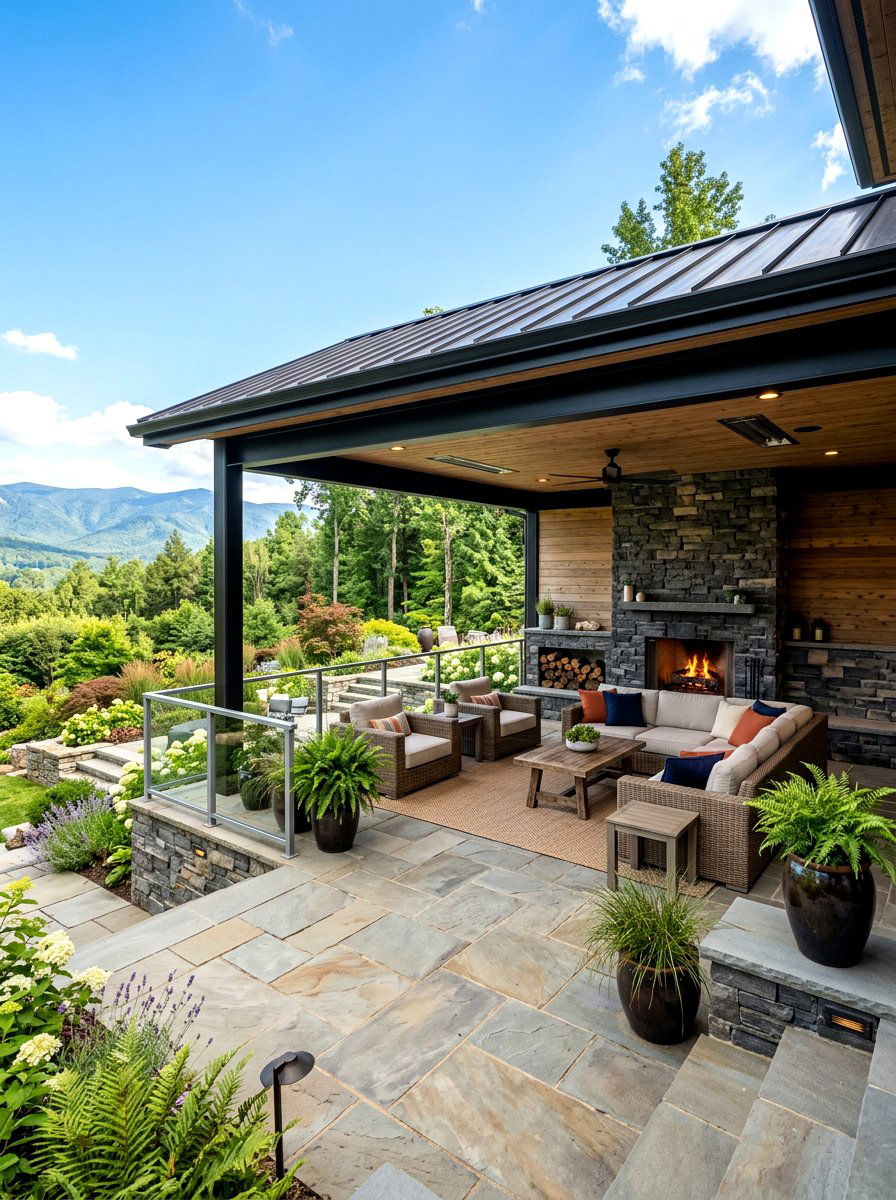
Adding a roof or a permanent cover to one level of your backyard ensures you can enjoy the outdoors regardless of the weather. A covered patio provides a cool escape from the sun and a dry spot during light rain showers. You can furnish this area with outdoor sofas and a coffee table to create a true outdoor living room. Installing a ceiling fan or a wall-mounted heater can extend the usability of the space throughout the seasons. This protected tier becomes a reliable hub for entertainment, allowing you to plan gatherings without worrying about a sudden change in the local weather.
26. Dry creek bed
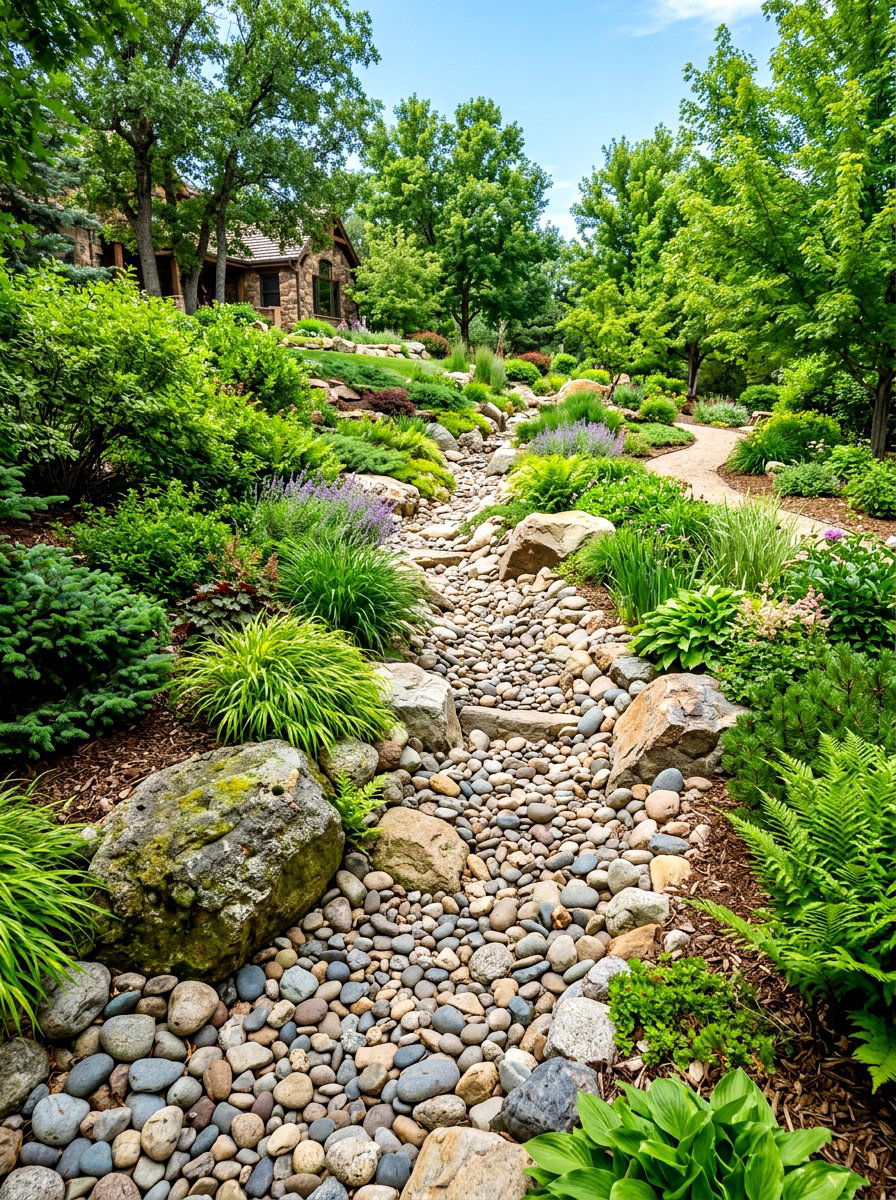
A dry creek bed is a beautiful and functional feature that helps manage water runoff on a sloped property. By lining a natural drainage path with river rocks and boulders, you create a feature that looks like a dried-up stream. During rain, the creek bed safely directs water away from your home and prevents soil erosion on the different levels. You can plant ornamental grasses and flowering perennials along the edges to enhance the natural look. This feature adds a rugged, landscape-inspired aesthetic to the backyard while solving common drainage issues associated with split-level yards in a very attractive way.
27. Artificial grass layers
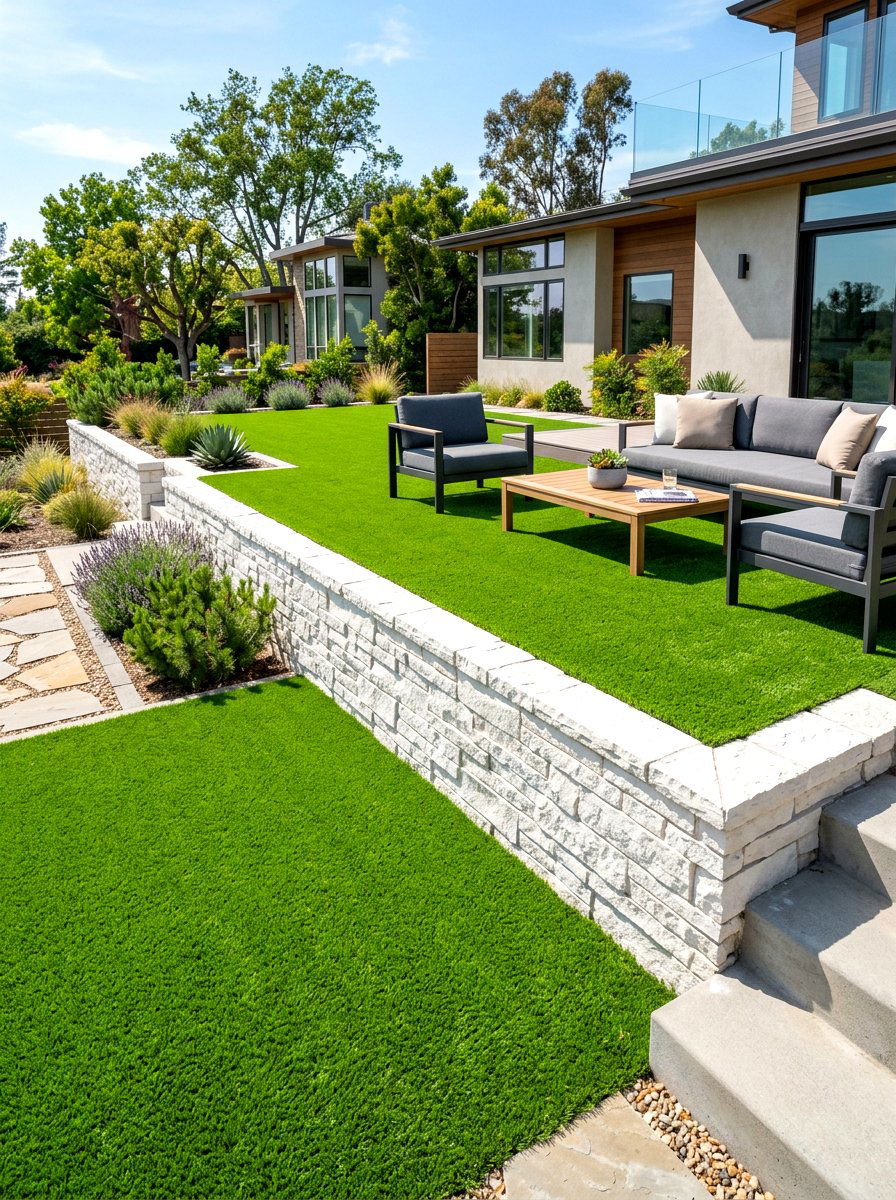
Using high-quality artificial grass on different levels provides a perfectly manicured look all year round with zero maintenance. Synthetic turf is an excellent option for areas that are difficult to mow or receive very little sunlight. It creates a vibrant green backdrop that contrasts beautifully with stone walls and wooden decks. Modern artificial grass feels soft underfoot and is durable enough to handle kids and pets. By installing it on several tiers, you can create a clean and consistent look throughout the entire backyard. It stays green even in the middle of a drought, ensuring your yard always looks its best.
28. Modern metal edging
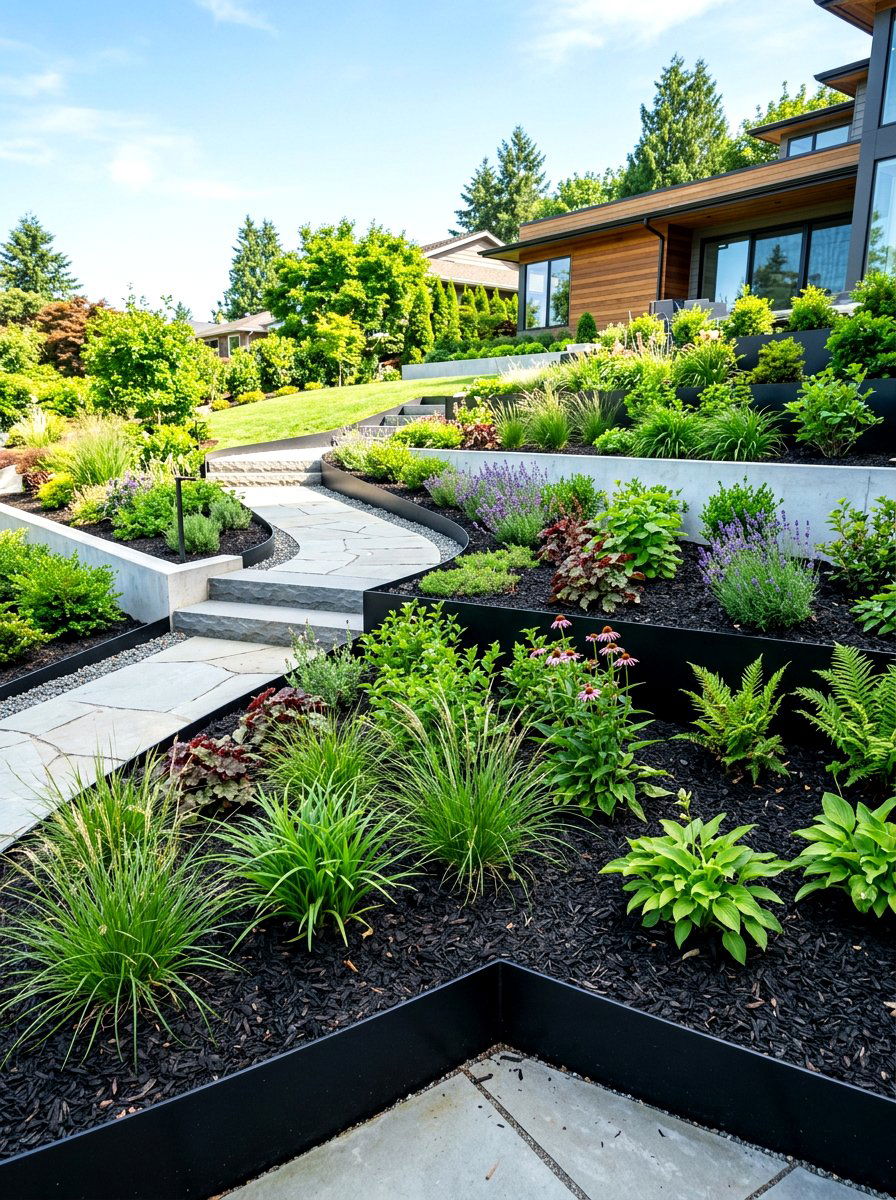
Thin metal edging provides a sleek and crisp border for garden beds and pathways on different levels. Using steel or aluminum edging helps keep soil, mulch, and gravel exactly where they belong, preventing them from spilling over onto other tiers. The low-profile look of metal is perfect for contemporary designs where clean lines are a priority. It is also very flexible, allowing you to create smooth curves or sharp angles depending on your backyard 's layout. Metal edging is incredibly durable and won' t rot or warp over time like wood, making it a long-lasting solution for defining your multi-level garden spaces.
29. Swimming pool terrace
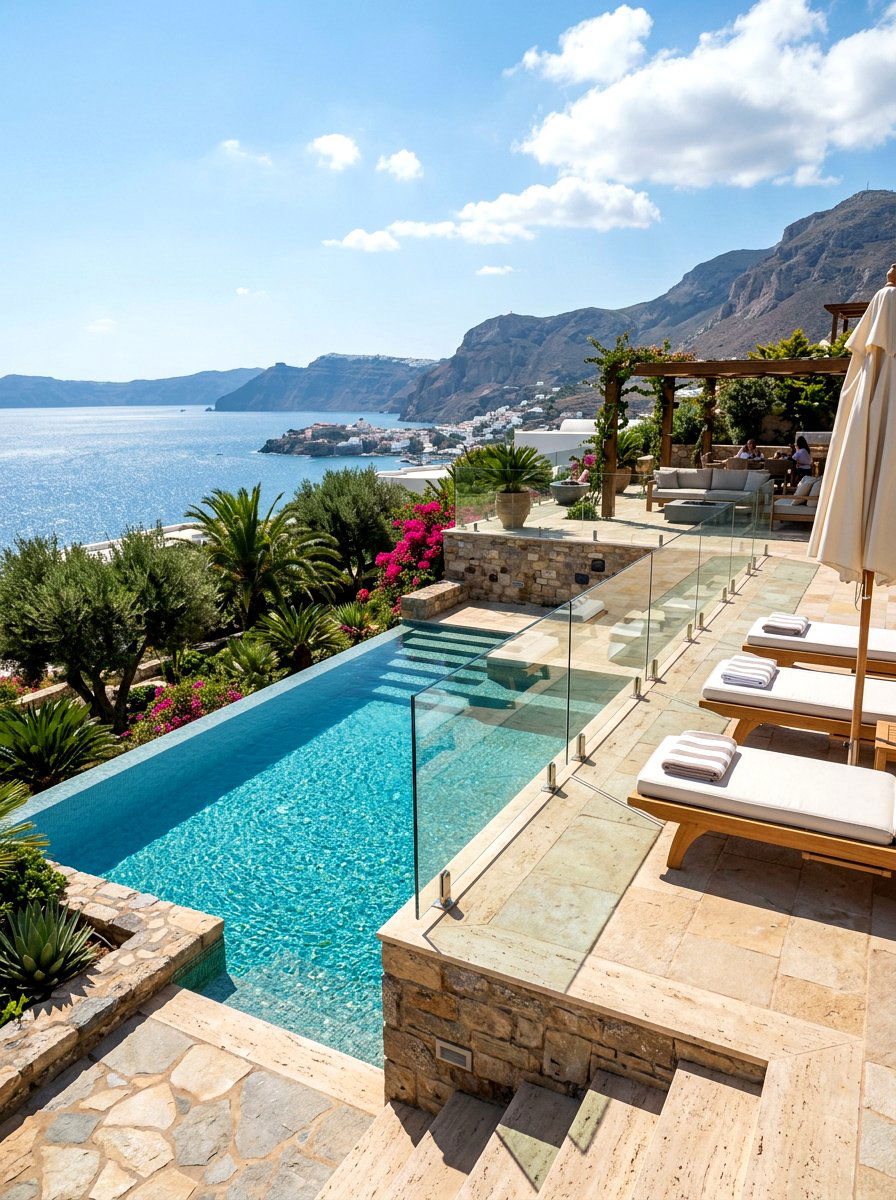
Integrating a swimming pool into a split-level backyard creates a stunning, resort-like atmosphere. You can place the pool on a lower level to provide privacy from neighbors and the street. An upper deck can serve as a sunbathing area with lounge chairs, offering a great view of the water below. Using glass fencing around the pool keeps the area safe without blocking the visual flow between the tiers. The elevation change allows for unique features like a vanishing edge or a waterfall that spills from an upper level into the pool. This layout turns the backyard into a spectacular and luxurious private retreat.
30. Zen garden slope
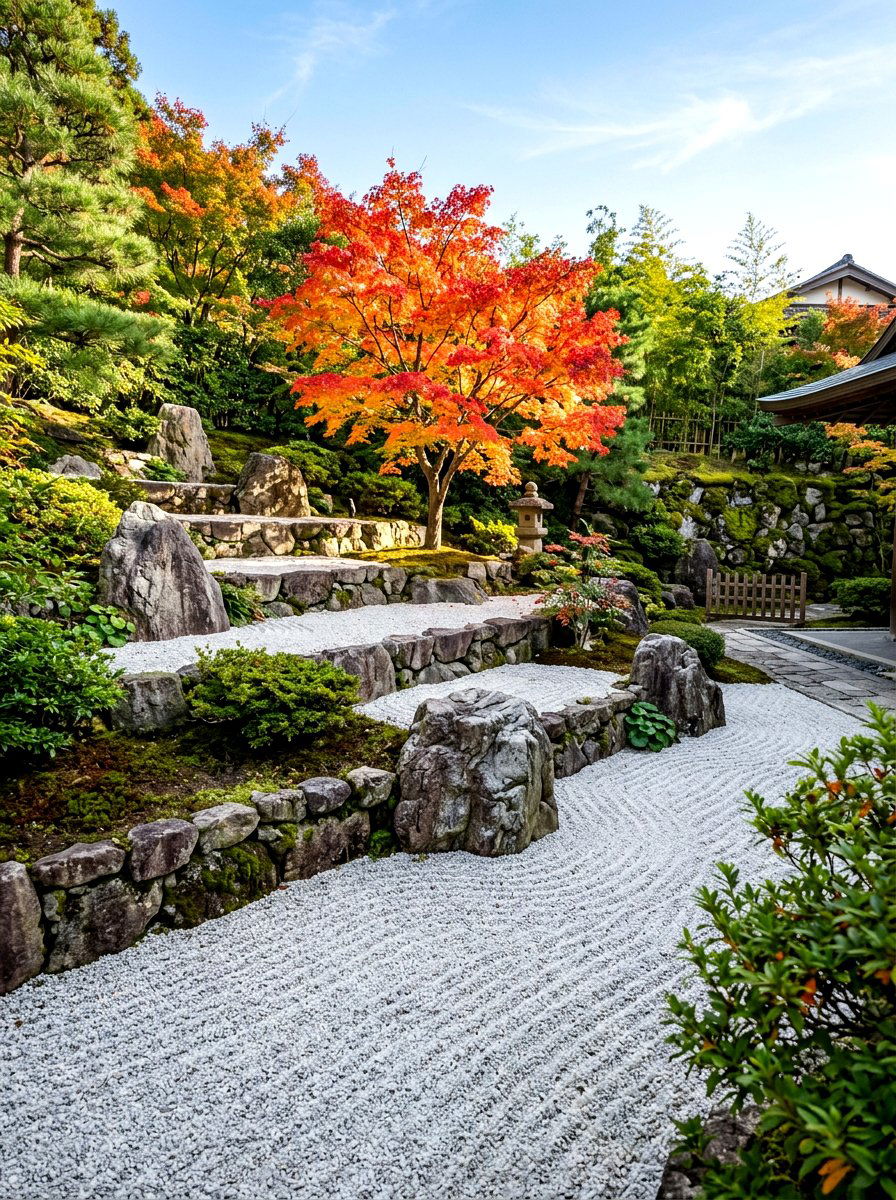
A Zen garden approach uses minimalist design and natural elements to create a peaceful and meditative split-level space. You can use raked gravel, large accent boulders, and carefully pruned shrubs like boxwood or Japanese maple on the different tiers. This style focuses on simplicity and balance, providing a calm environment for reflection. Incorporating a small stone basin or a bamboo water feature adds to the tranquil atmosphere. A tiered Zen garden is perfect for homeowners who want a low-maintenance outdoor space that feels like a quiet sanctuary. The clean lines and muted colors help to soothe the mind after a busy day.
Conclusion:
Designing a split-level backyard allows you to embrace the natural topography of your land while creating a highly functional and beautiful outdoor retreat. By breaking up a steep slope into manageable tiers, you add visual interest and clear purpose to every section of your property. Whether you prioritize a quiet place for morning coffee or a grand area for evening entertainment, the possibilities for customization are nearly endless. These multi-dimensional layouts offer a sense of privacy and luxury that flat yards often lack. With the right combination of materials and greenery, your tiered garden will become a stunning focal point that increases both your enjoyment and home value.

Related posts: