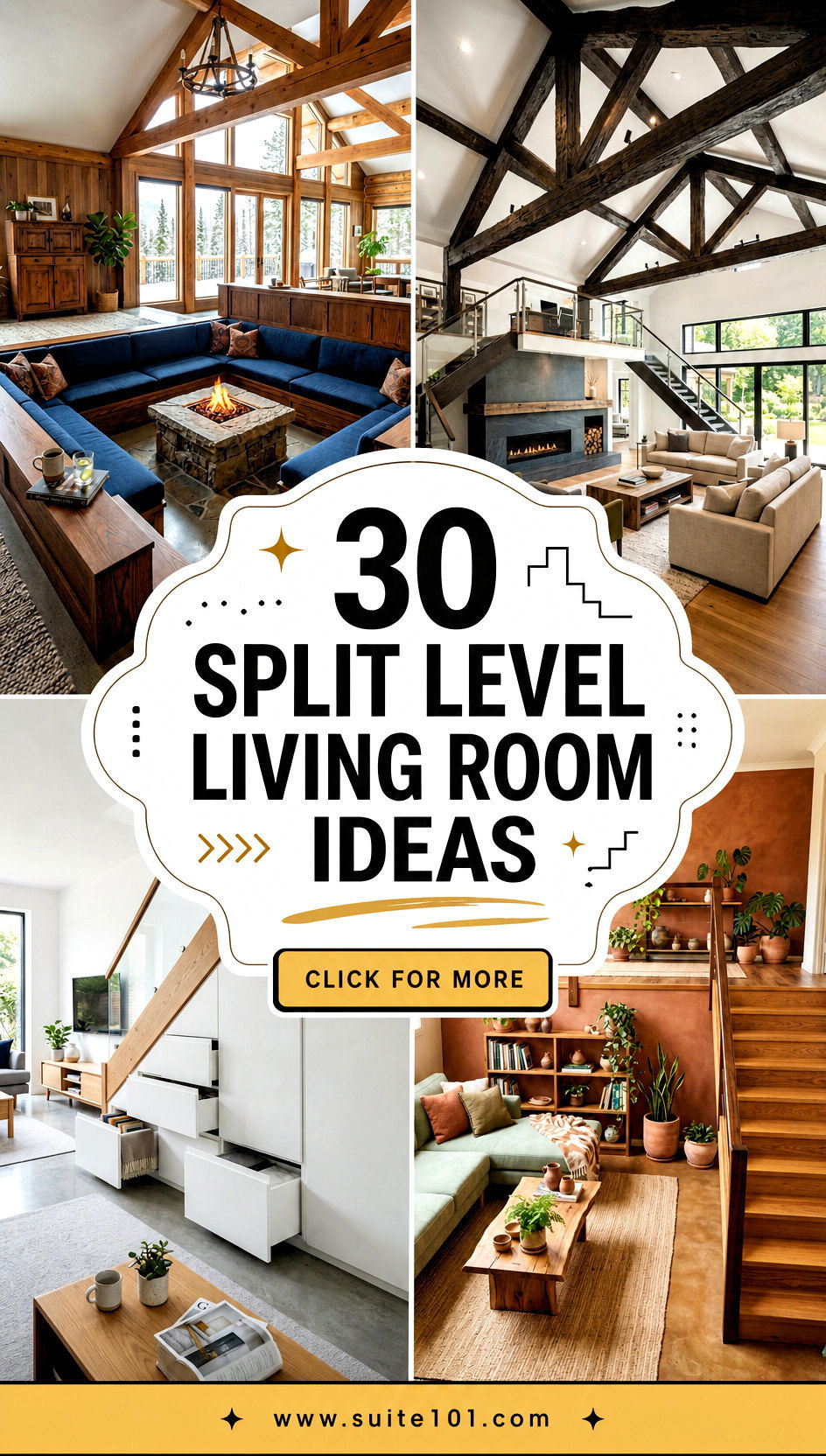
Split level living rooms offer a unique architectural charm that transforms traditional home layouts into dynamic, multi-dimensional environments. These spaces effectively utilize vertical transitions to create distinct functional zones without the need for restrictive walls or barriers. By embracing the natural elevation changes within your home, you can cultivate an atmosphere that feels both expansive and intimate simultaneously. Modern design strategies for bi-level areas focus on enhancing flow, maximizing natural light, and using clever furniture placement to anchor each level. Whether you are dealing with a sunken conversation pit or a raised lounging platform, the right approach ensures a cohesive aesthetic.
1. Modern split level living room layout
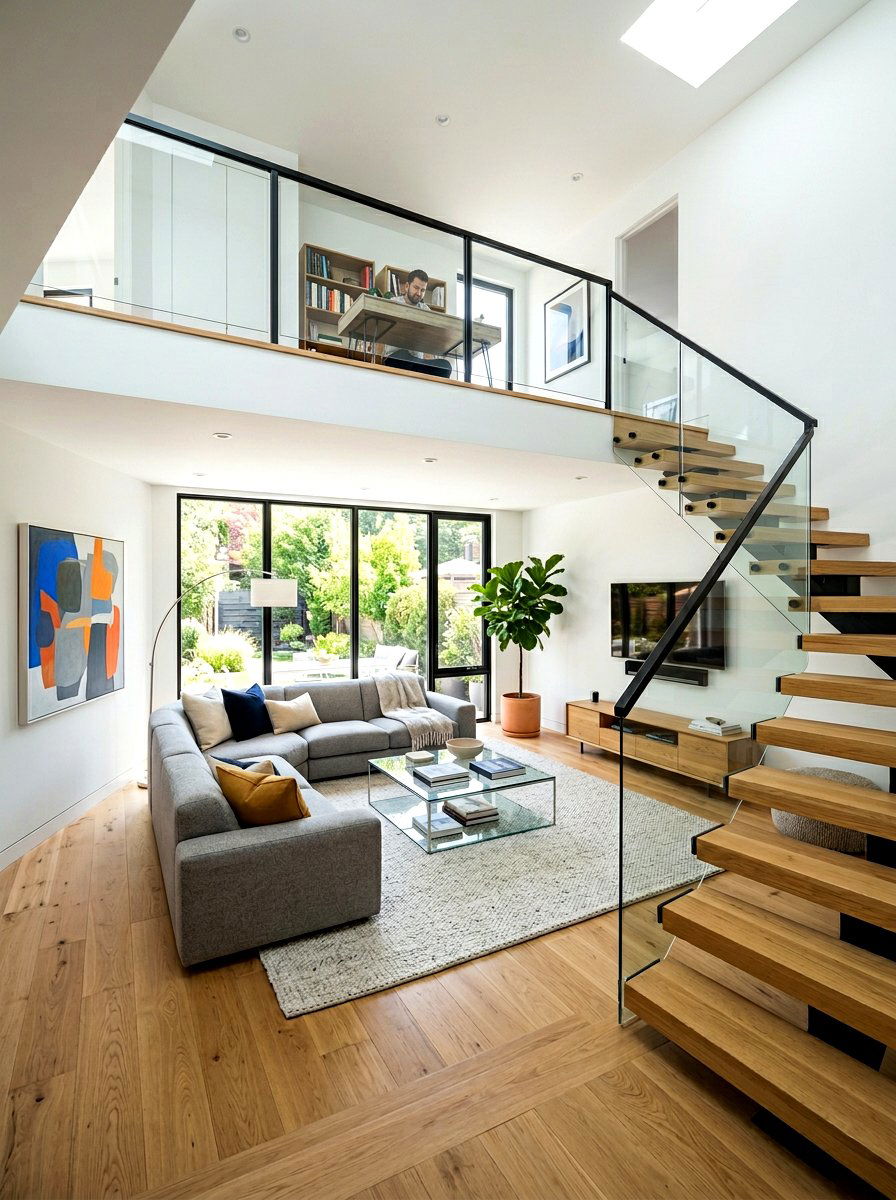
Creating a modern layout in a split level space requires a focus on clean lines and unobstructed views between the two tiers. You should prioritize low-profile furniture that does not block the visual connection between the upper and lower levels. This approach allows light to travel freely, making the entire room feel much larger than its actual footprint. Using a consistent color palette across both heights is essential for maintaining a sense of harmony. Consider placing your primary seating area on the lower level to create a cozy, grounded feeling. This strategic arrangement naturally invites guests to gather and relax in the heart of the home.
2. Sunken conversation pit seating
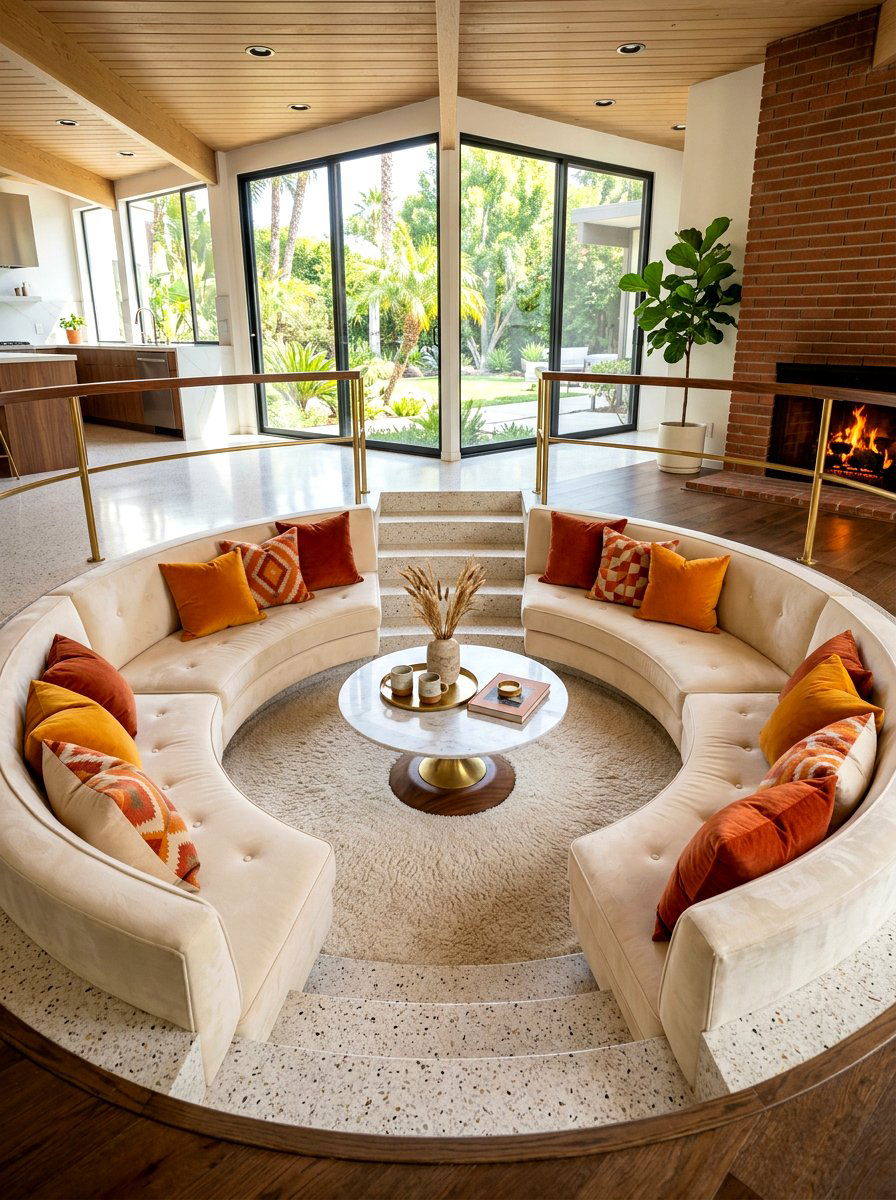
A sunken conversation pit brings a nostalgic yet sophisticated vibe to any home while providing an incredibly intimate area for socializing. This architectural feature relies on built-in upholstered seating that lines the perimeter of the recessed floor. You can enhance the comfort of this space by adding plenty of plush throw pillows and a central oversized ottoman or coffee table. The physical drop in floor height creates a natural boundary that separates the lounging area from high-traffic zones. By keeping the top of the cushions level with the upper floor, you maintain a sleek and flush look that emphasizes the room's unique structural depth.
3. Open floor plan split level transition
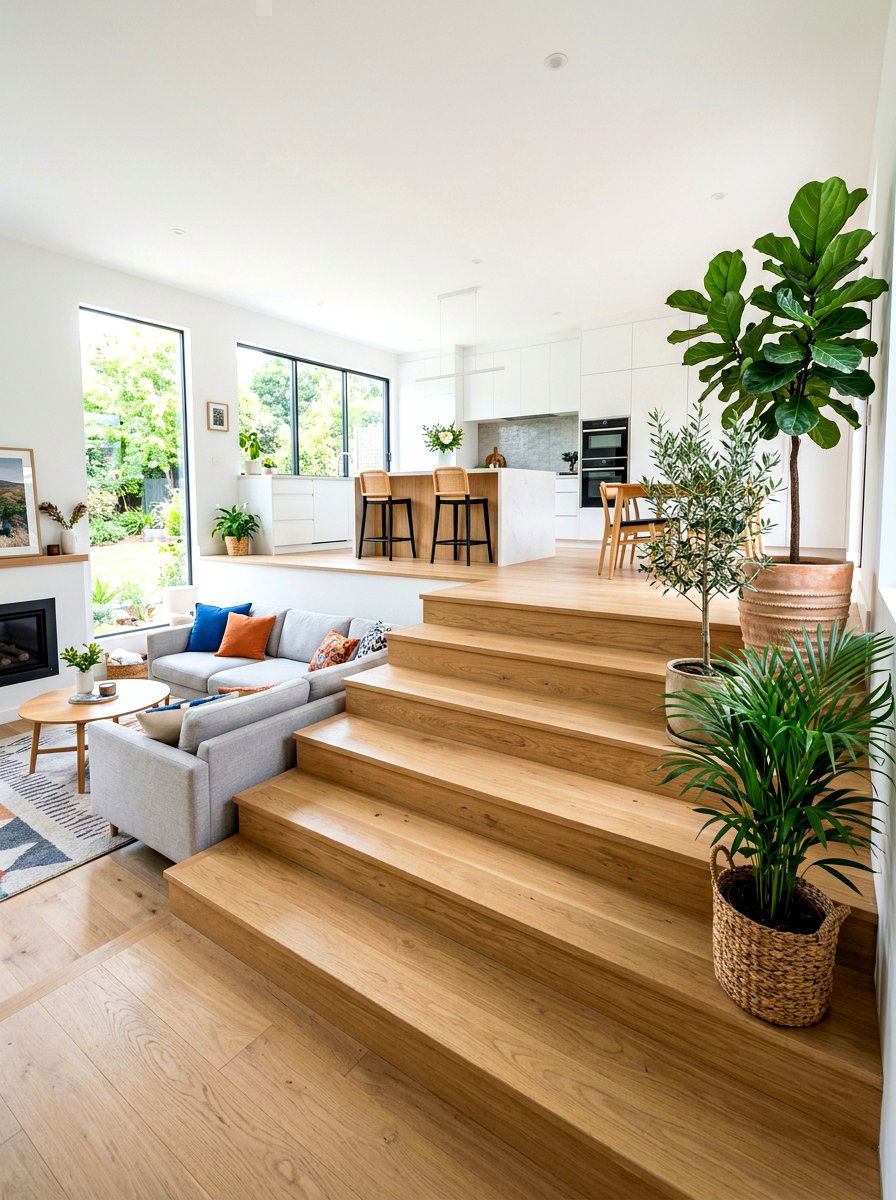
Transitioning between levels in an open floor plan works best when you treat the steps as a decorative element rather than a hurdle. Wide, shallow steps can double as casual seating or a place to display large potted plants. You should avoid heavy partitions or tall bookshelves near the transition point to keep the sightlines clear. This ensures that the person in the kitchen on the upper level can still interact with those in the living area below. Using the same hardwood or tile across both levels will provide a seamless look. This continuity helps blur the boundaries between different functional living zones.
4. Mid century modern bi level living area
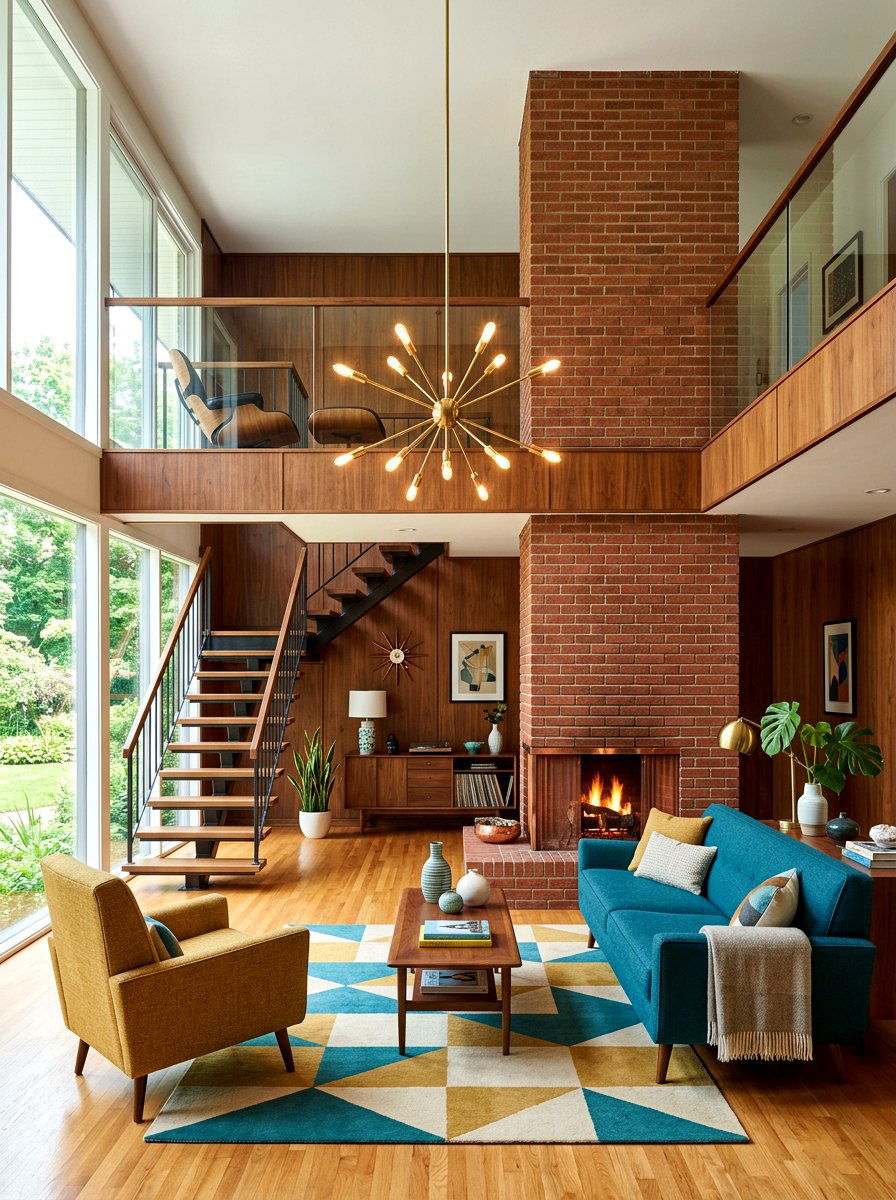
The mid century modern style is perfectly suited for bi-level homes because it celebrates geometric forms and functional simplicity. You can achieve this look by incorporating tapered wood legs on your sofas and chairs, which adds a sense of lightness to the space. Walnut wall paneling or a brick fireplace that extends across both levels can serve as a stunning vertical anchor. Choose furniture with organic shapes to contrast the sharp angles of the stairs. Adding a bold, atomic-style chandelier over the lower level creates a striking focal point. This aesthetic honors the architectural roots while feeling fresh and completely relevant today.
5. Small split level living room storage
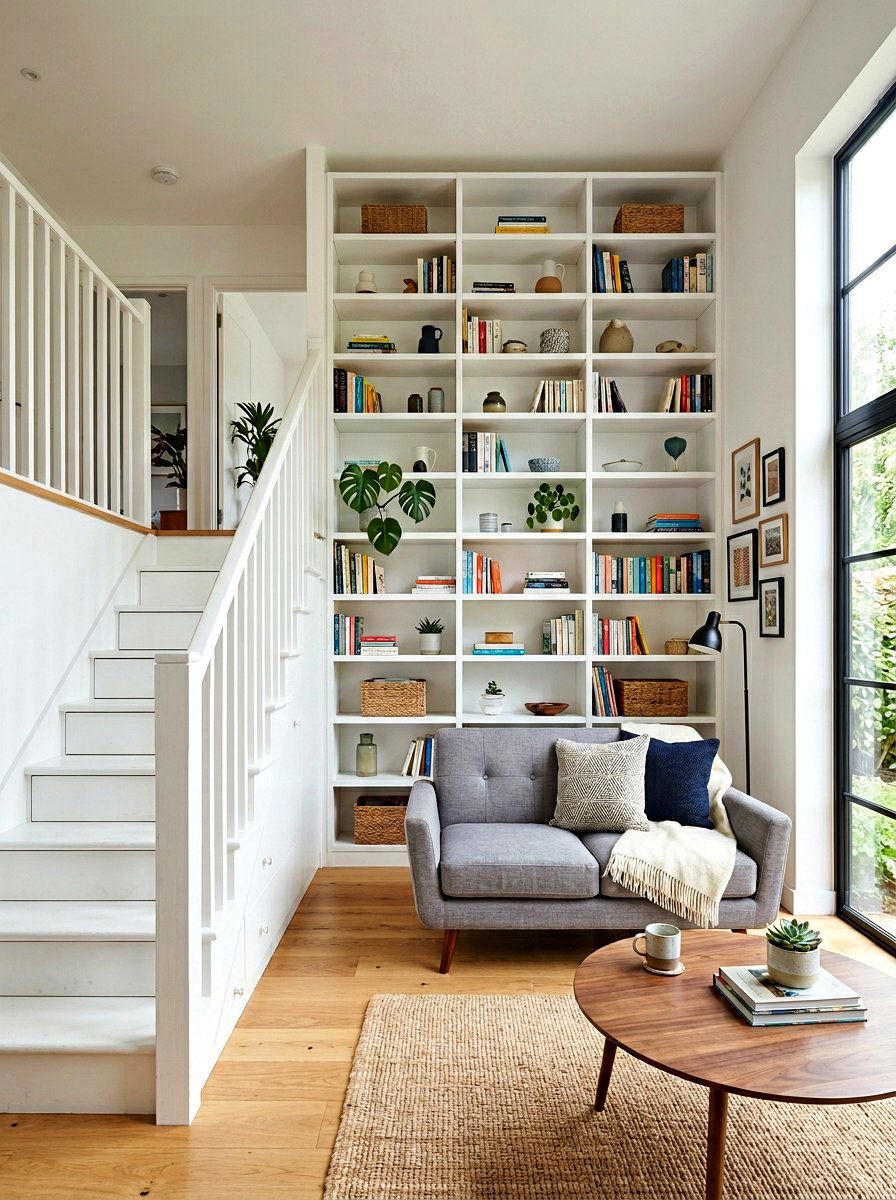
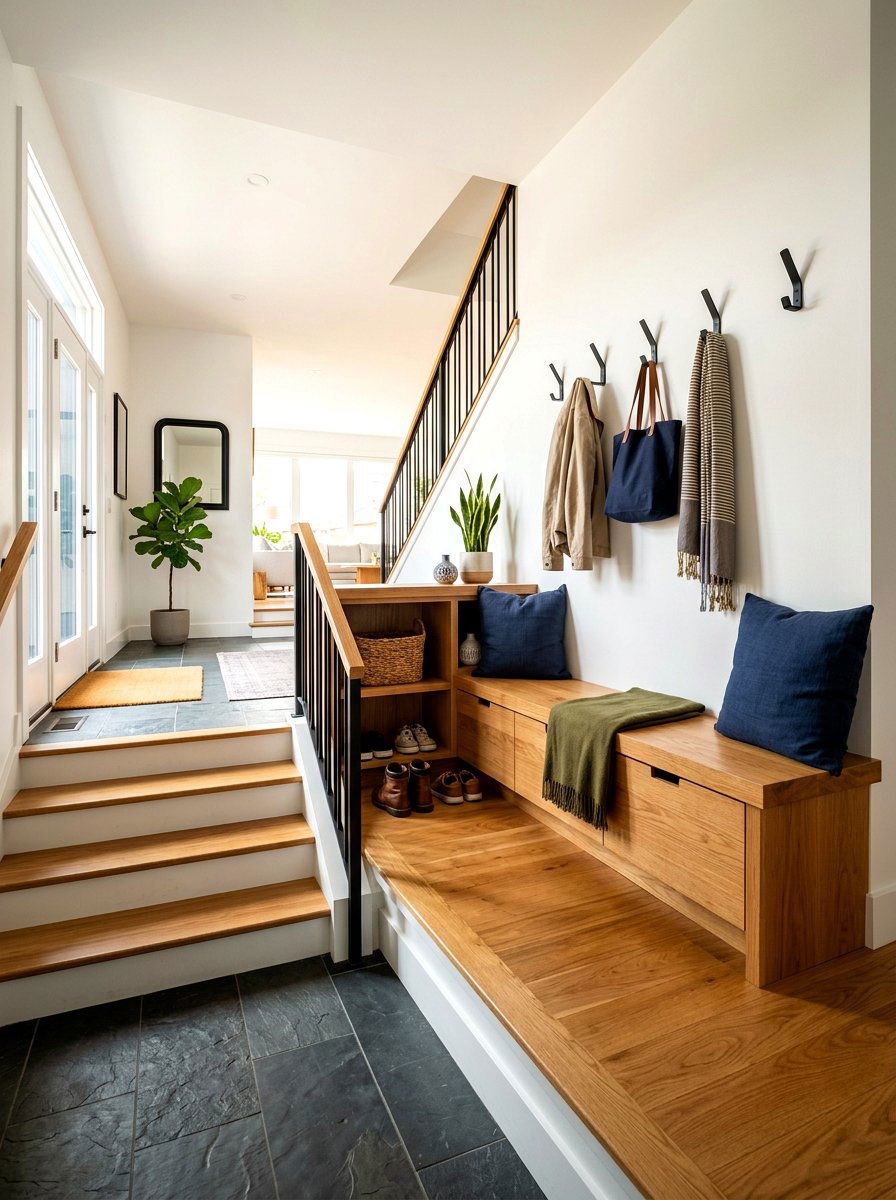
Managing a small split level room is much easier when you integrate smart storage solutions directly into the architecture. You can install custom drawers or open cubbies into the risers of the stairs to hold books, blankets, or media accessories. Using wall-mounted shelving that spans the height of both levels draws the eye upward and provides ample space for decor. Floating media consoles are another great option because they keep the floor clear and maintain an airy feel. By utilizing every vertical inch, you prevent the room from feeling cluttered. This focus on functionality ensures that even a compact space remains organized and stylish.
6. Raised dining area overlooking living room
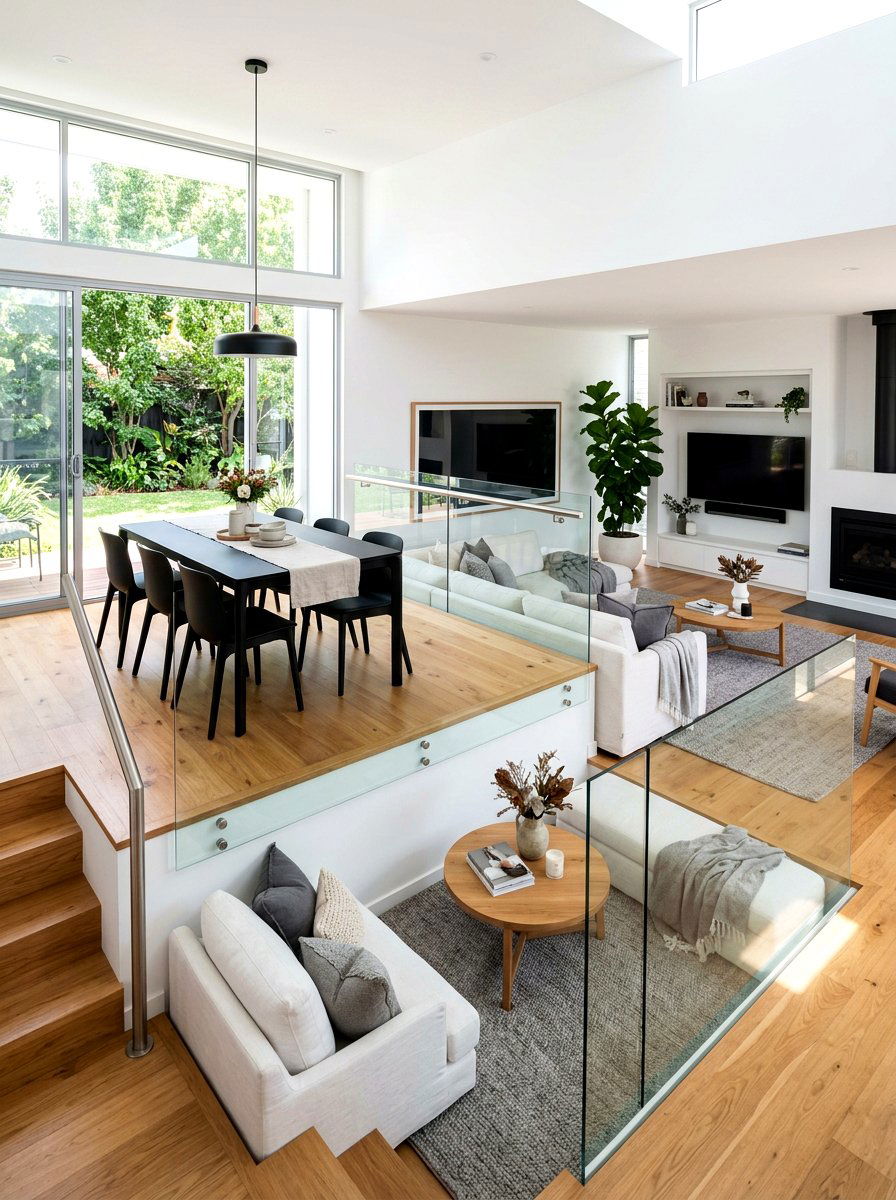
Positioning your dining area on the raised level creates a beautiful overlook that feels like a private balcony within your home. This setup is ideal for entertaining because guests can see the entire living space while enjoying their meal. You should use a simple, elegant dining set that does not compete with the view of the lower lounge. A low-profile buffet or sideboard against the back wall provides storage without blocking the open railing. Consider hanging a statement pendant light over the table to define the dining zone. This layout fosters a social atmosphere where food and conversation flow easily between both levels.
7. Glass railing for split level stairs
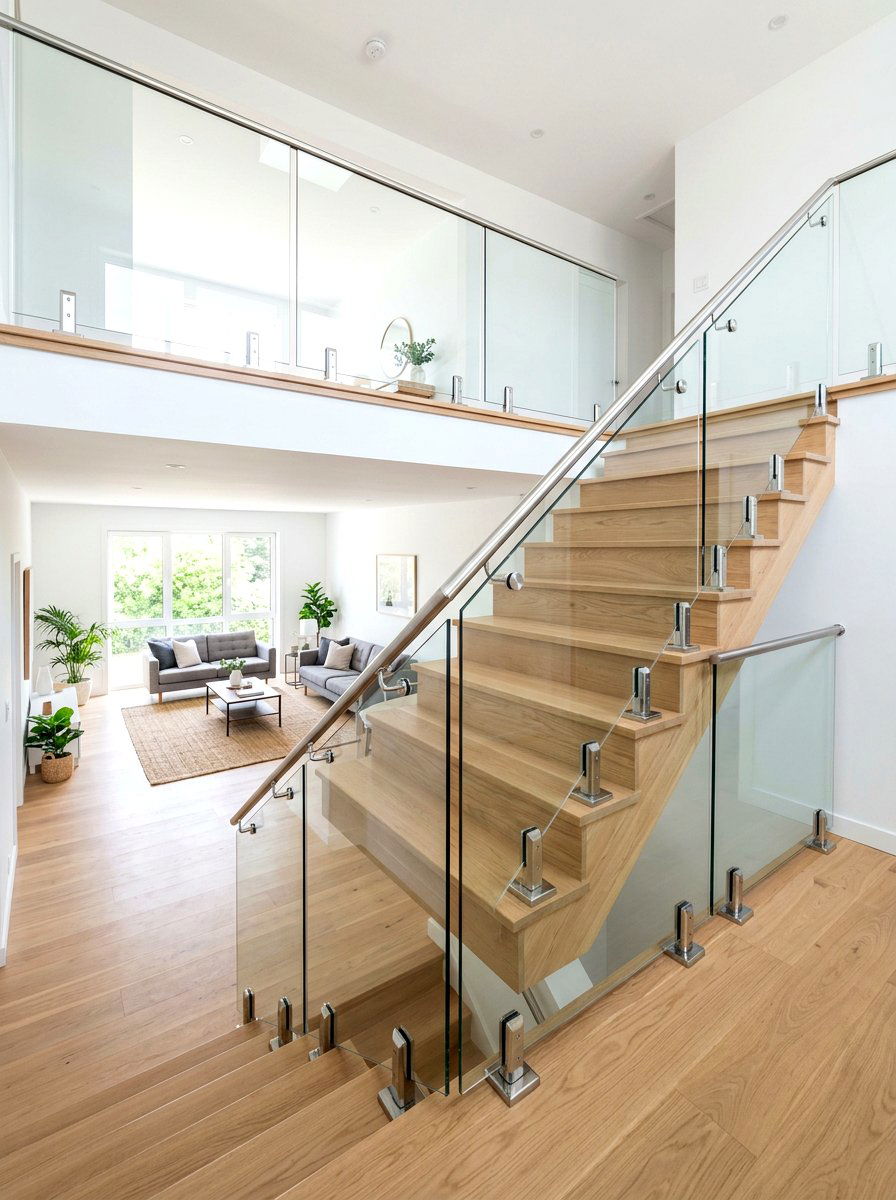
Installing a glass railing is one of the most effective ways to modernize a split level home and maximize visual flow. The transparency of the glass allows for uninterrupted views, making the transition between the upper and lower floors feel almost invisible. This choice is particularly beneficial in rooms with limited natural light, as it prevents shadows from being cast by traditional wooden spindles. You can choose frameless glass for a minimalist look or pair it with sleek metal handrails for an industrial touch. This design choice elevates the sophistication of the room while highlighting the architectural beauty of the level change.
8. Floating stairs in multi level living room
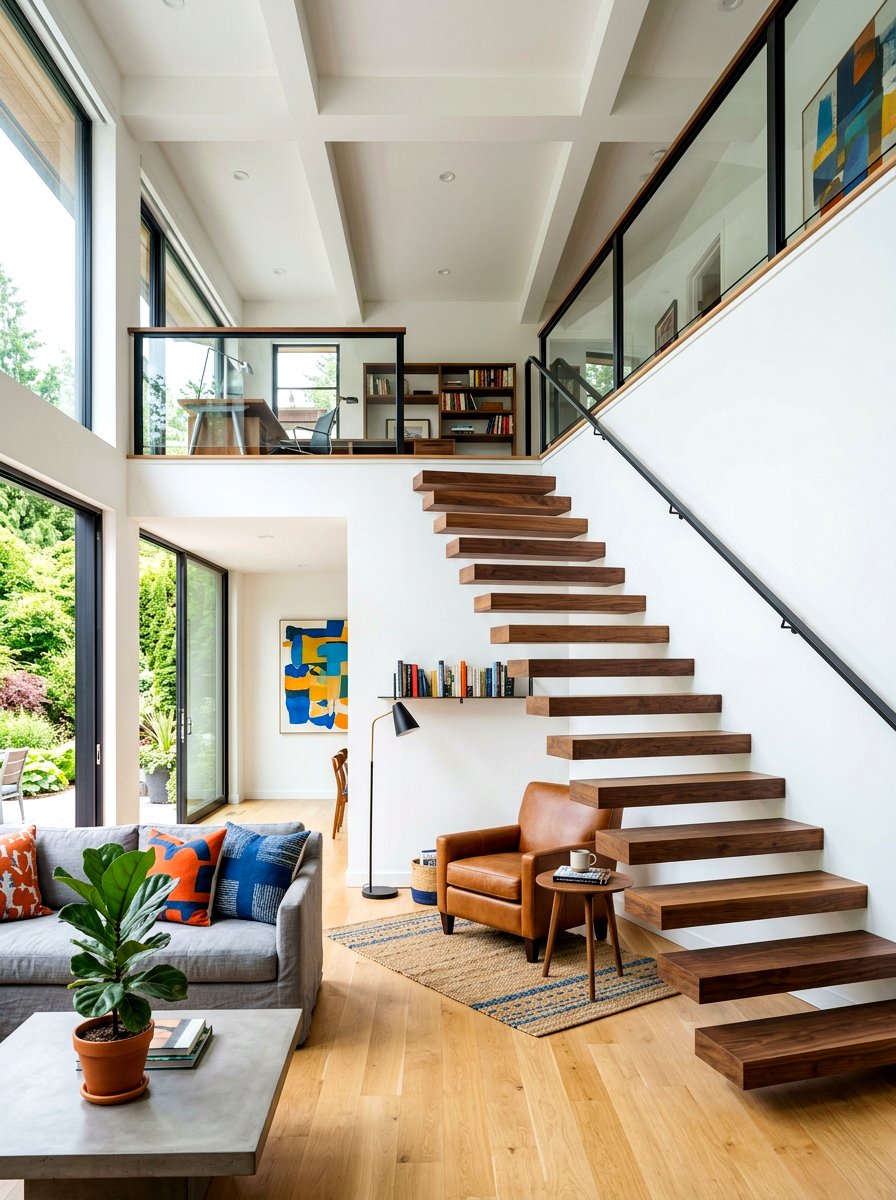
Floating stairs provide a striking contemporary look that adds a sense of weightlessness to your split level living room. These steps are typically anchored to a single side wall, leaving the space beneath them open and airy. You can use this reclaimed floor area for a small indoor garden, a reading chair, or even a minimalist desk. The open risers allow light to pass through, which prevents the staircase from feeling like a heavy barrier. Using high-quality wood or stone for the treads adds a luxurious texture to the room. This architectural feature serves as a functional piece of modern sculpture.
9. Double height split level accent wall
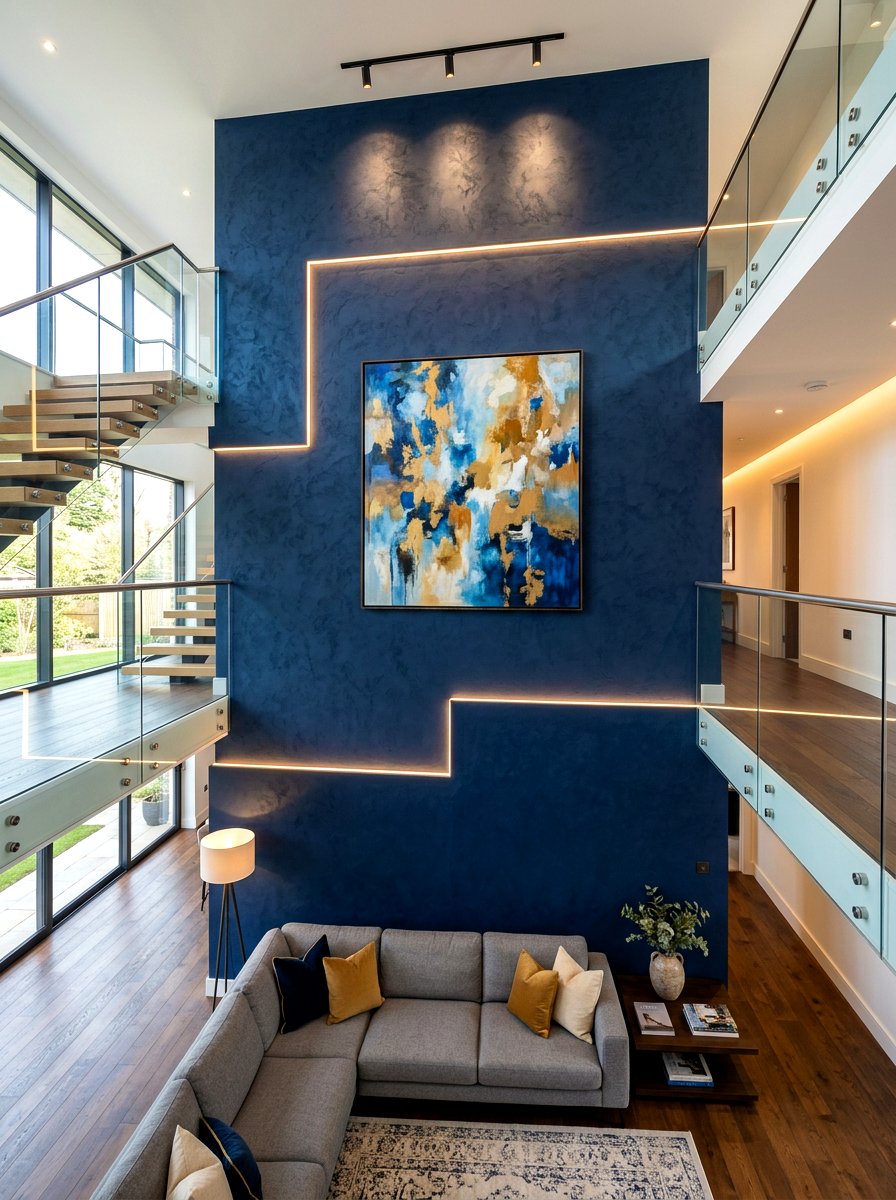
A double height accent wall is a powerful design tool that connects the upper and lower levels through a single visual element. You can use large-scale art, textured wallpaper, or a dramatic paint color to draw the eye from the floor to the ceiling. This vertical continuity makes the ceiling feel much higher and gives the room a grander presence. Integrating built-in lighting or wall sconces at different heights can further highlight the texture and depth of the wall. This feature acts as a backdrop for the entire room, unifying the different levels into one cohesive and impressive design statement.
10. Built in seating for sunken living rooms
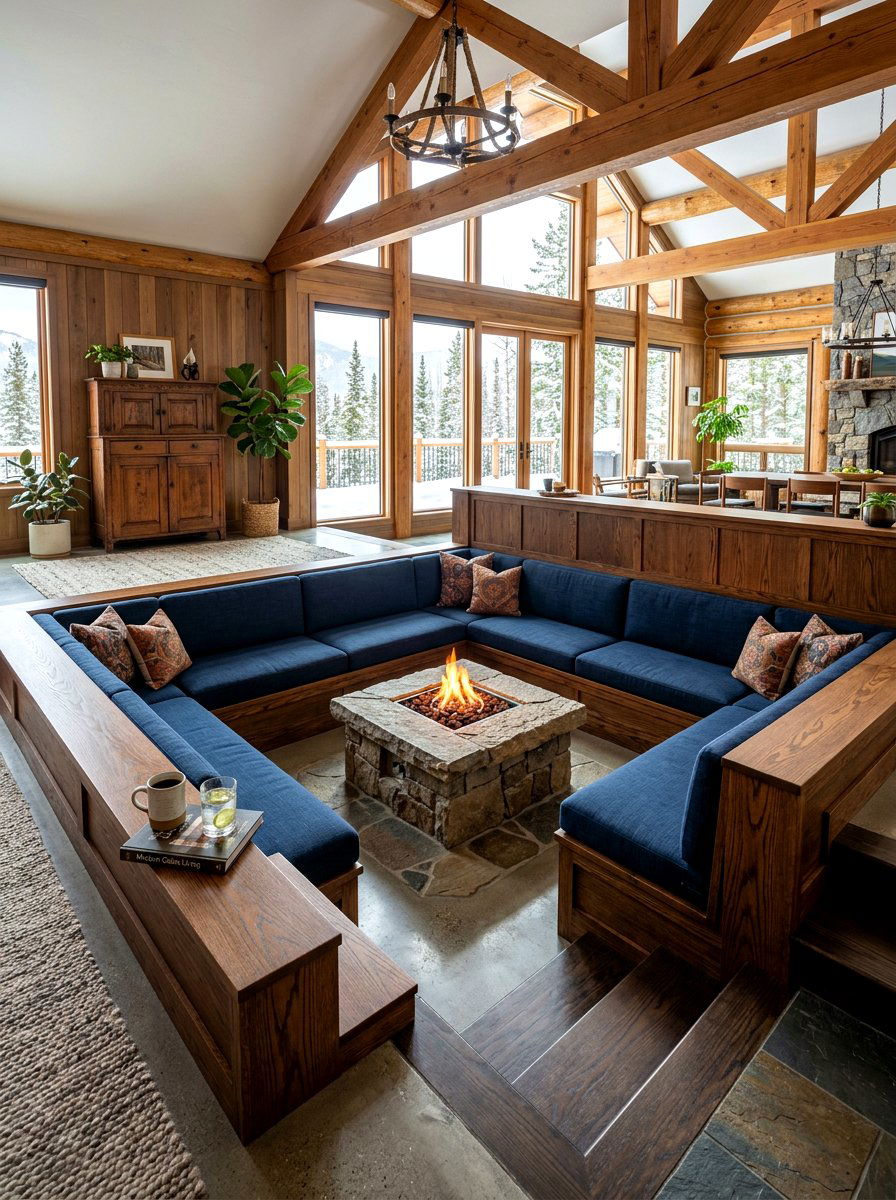
Built-in seating is a practical and stylish way to maximize the footprint of a sunken living area. By following the contours of the recessed walls, you create a custom lounge that accommodates many people without needing bulky standalone furniture. You should choose durable, high-quality upholstery fabrics that can withstand frequent use in a high-traffic social zone. Adding integrated side tables or ledges into the wooden frame provides a convenient place for drinks and lamps. This approach creates a clean, streamlined look that feels permanent and intentional. It turns the architectural "pit" into a highly functional and cozy gathering destination.
11. Minimalist split level furniture arrangement
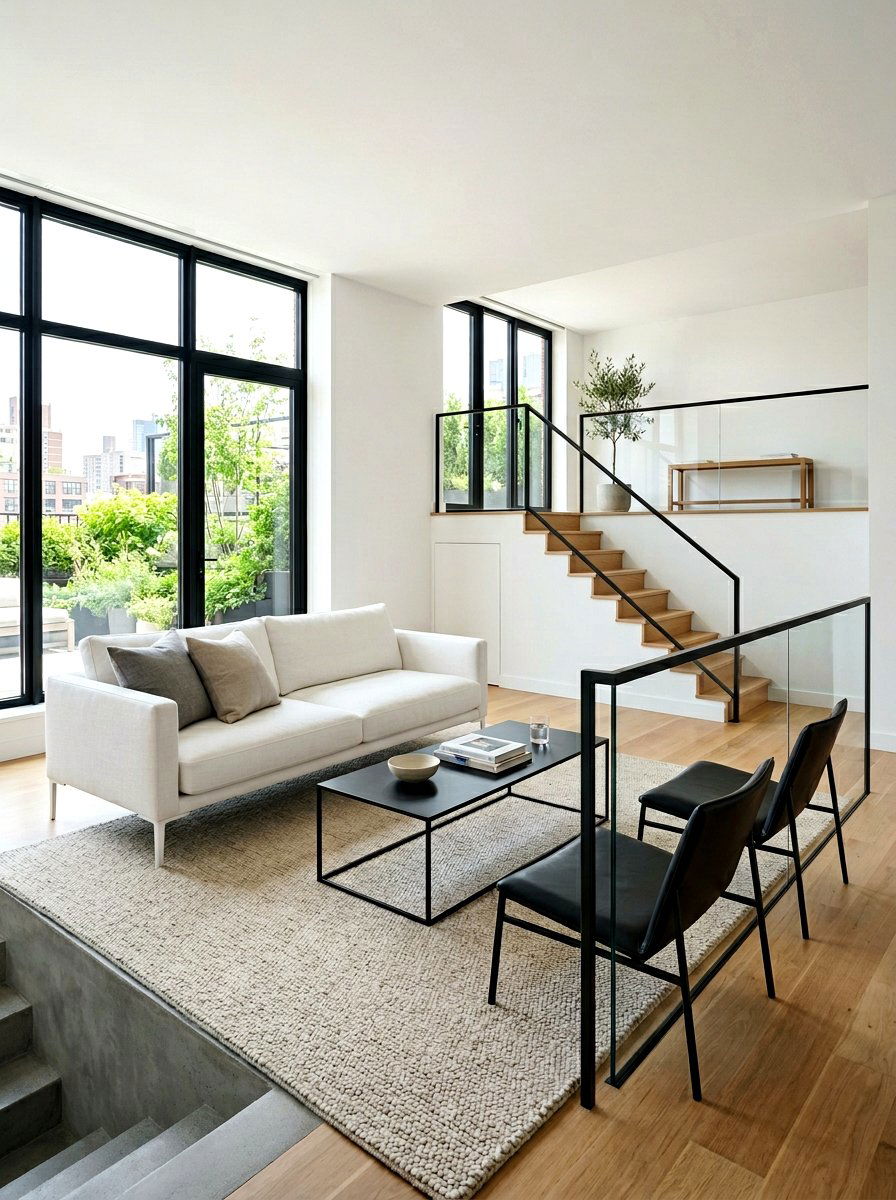
A minimalist approach to furniture arrangement helps emphasize the unique architecture of a split level room without overwhelming it. You should select a few high-quality pieces with slim profiles and neutral tones to keep the space feeling open. Avoid pushing all your furniture against the walls; instead, float the sofa to create clear walking paths around the room. Using a single large area rug can help anchor the primary seating zone on the lower level. This restrained styling allows the different floor heights and stair details to take center stage. The result is a calm, orderly environment that feels sophisticated and very spacious.
12. Cohesive flooring for multiple floor levels
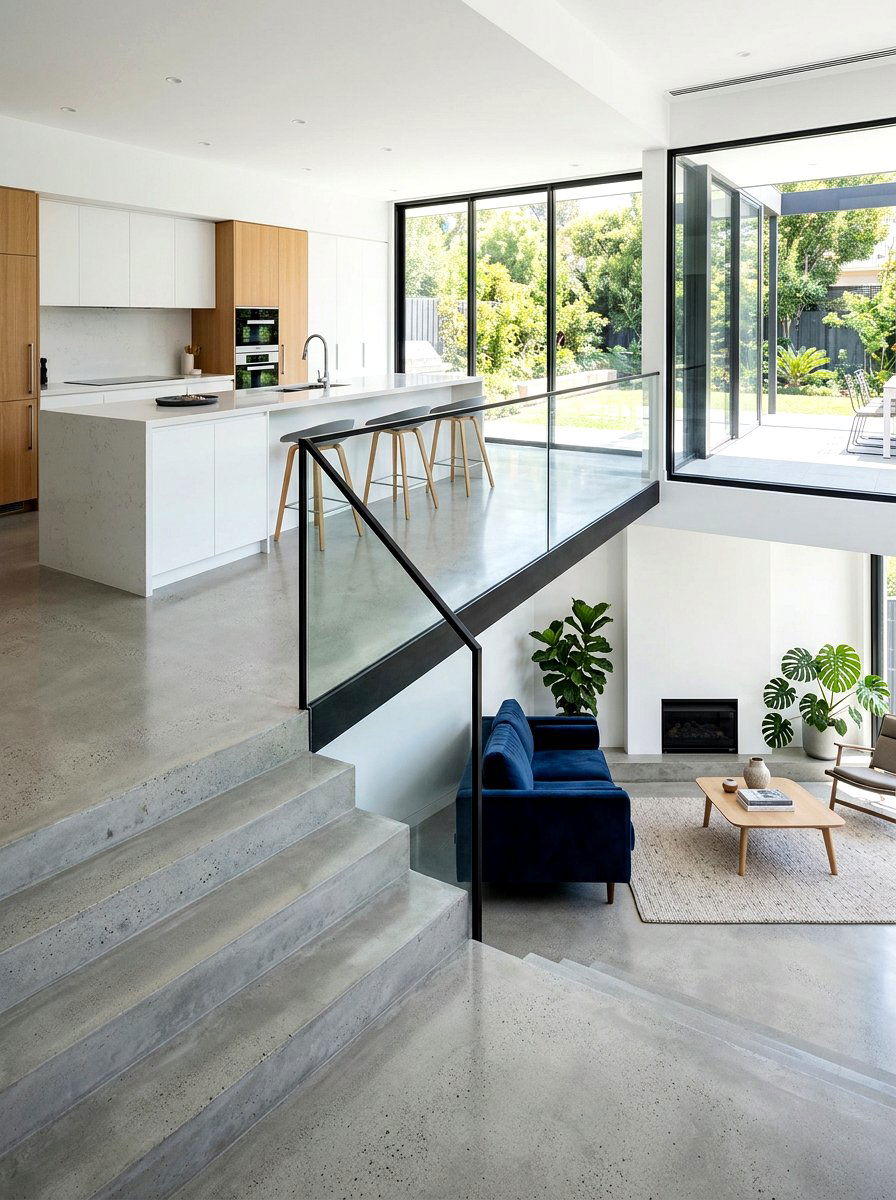
Using the same flooring material across all levels is the best way to create a unified and harmonious look in a split level home. Whether you prefer light oak planks, polished concrete, or large-format tiles, the visual continuity will make the transitions feel smoother. When the flooring changes at every step, it can make the space feel fragmented and smaller. If you want to add variety, use area rugs to define specific zones rather than changing the permanent flooring. This consistent base provides a neutral foundation that allows you to be more creative with your furniture and wall decor.
13. Indoor plants for split level decoration
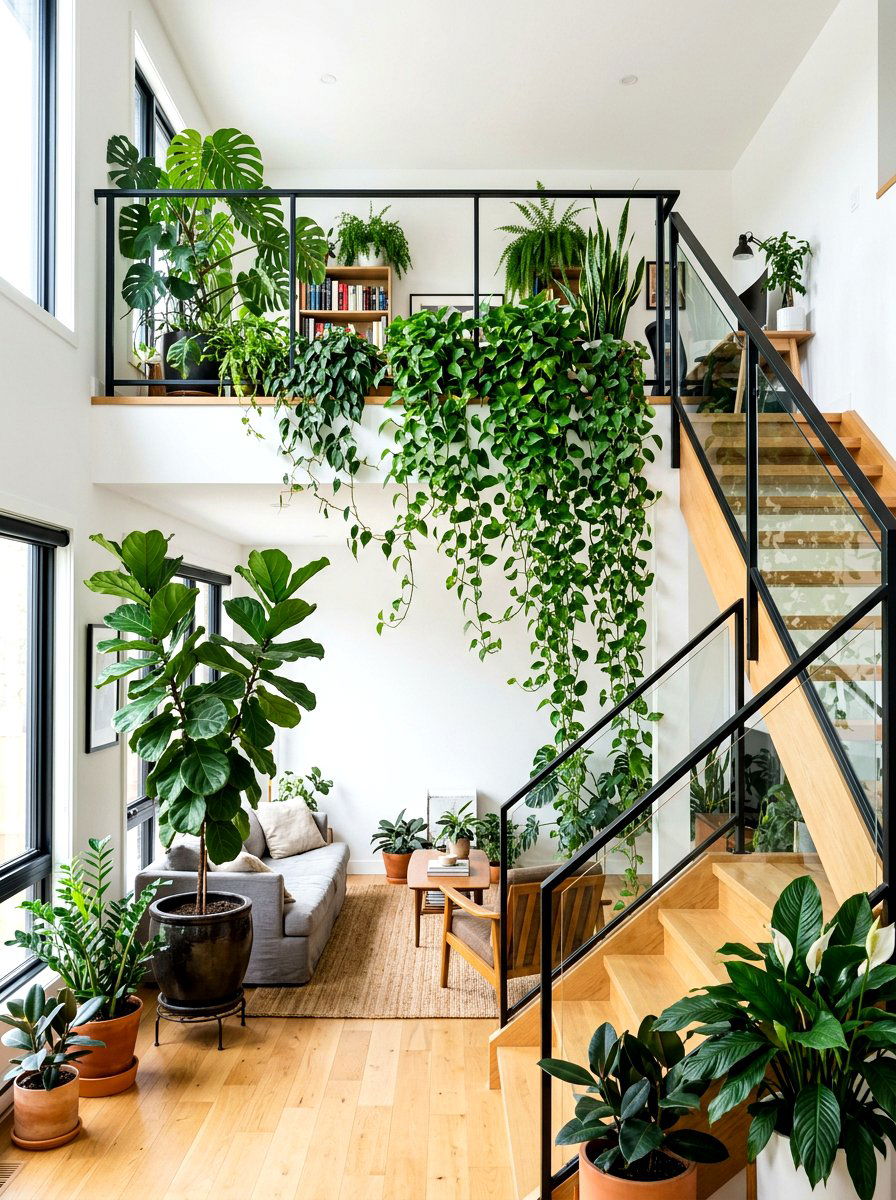
Indoor plants are fantastic for softening the hard lines and vertical transitions often found in split level living rooms. You can place tall leafy plants, like a fiddle leaf fig, on the lower level to reach toward the upper floor. Trailing vines placed on the upper railing or shelving can cascade down, creating a lush connection between the two tiers. This use of greenery adds life and color to the room while improving the overall air quality. Plants also help to fill empty corners and landing spaces that might otherwise feel neglected. They bring a refreshing, organic element to the interior.
14. Natural light in sunken living spaces
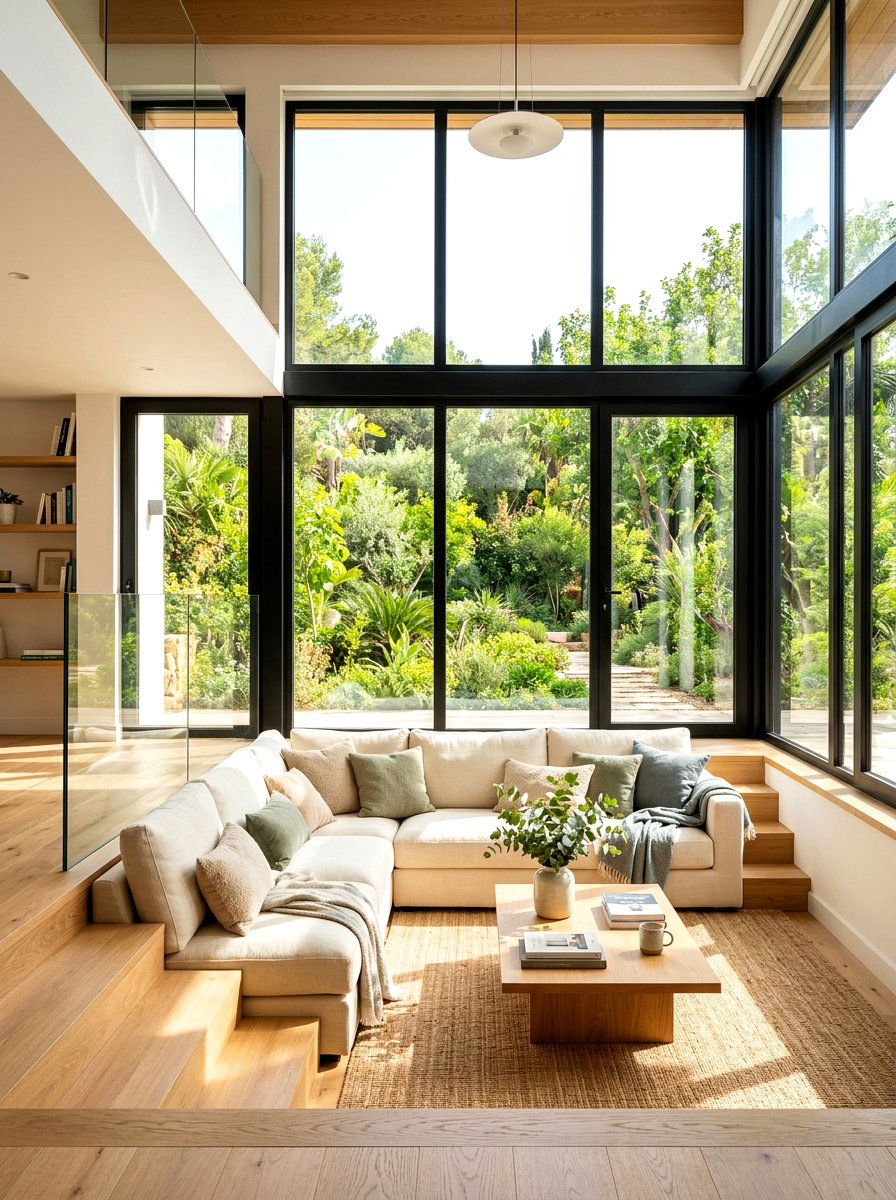
Maximizing natural light is crucial for ensuring that a sunken living area feels bright and inviting rather than dark or cave-like. You should prioritize large, floor-to-ceiling windows that allow sunlight to flood both the upper and lower tiers. Skylights positioned directly over the sunken section can also provide a dramatic vertical light source. Using light-colored walls and reflective surfaces like mirrors or glass tables will help bounce the light around the room. Avoid heavy drapes that block the sun; instead, opt for sheer panels or motorized shades. A well-lit split level room feels more energetic and connected to the outdoors.
15. Contemporary split level fireplace focal point
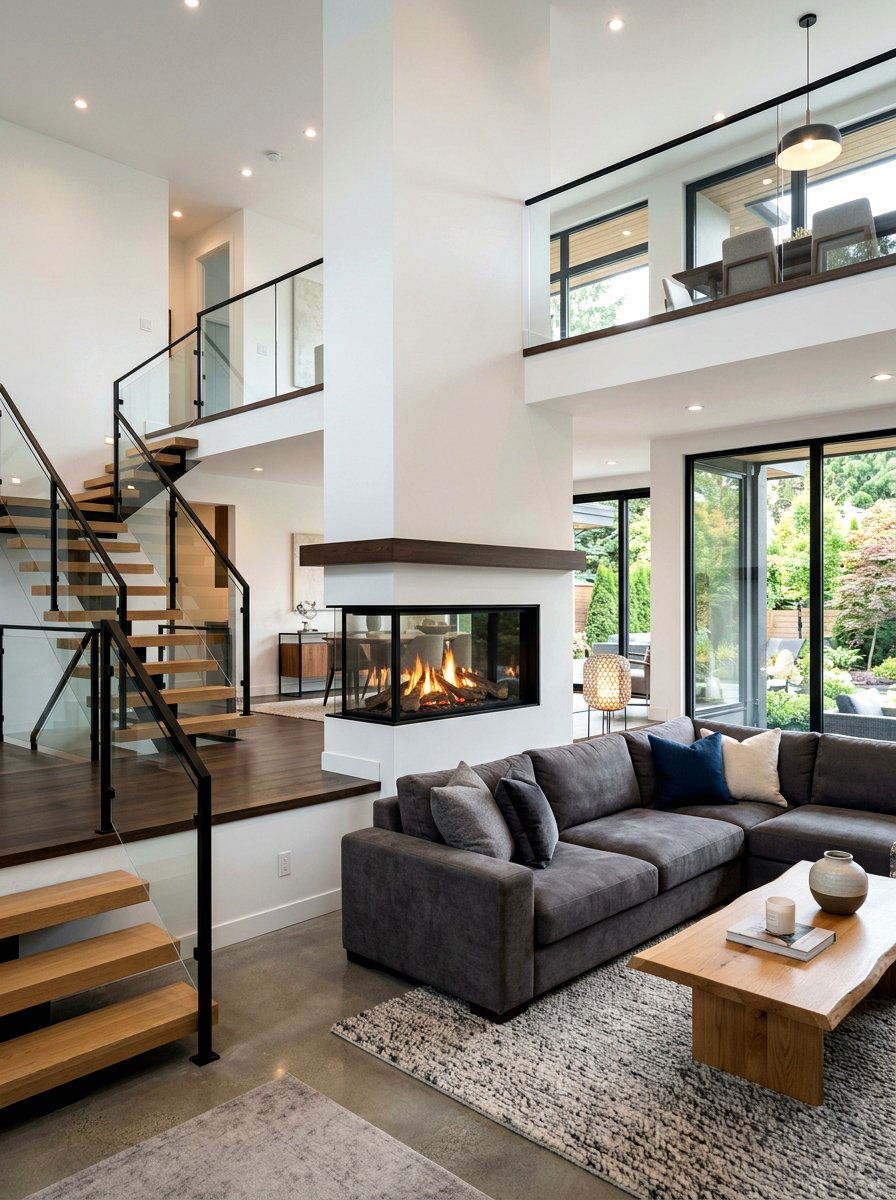
A fireplace that spans the height of both levels can serve as a magnificent focal point in a split level living room. You can use a floor-to-ceiling stone or tile surround to emphasize the verticality of the space. A double-sided or three-sided glass fireplace allows the warmth and glow to be enjoyed from both the upper and lower areas. Positioning the hearth on the lower level creates a cozy atmosphere for the main seating group. This architectural feature provides both physical warmth and a sense of luxury. It acts as an anchor that ties the entire multi-level design together perfectly.
16. Industrial style split level living room
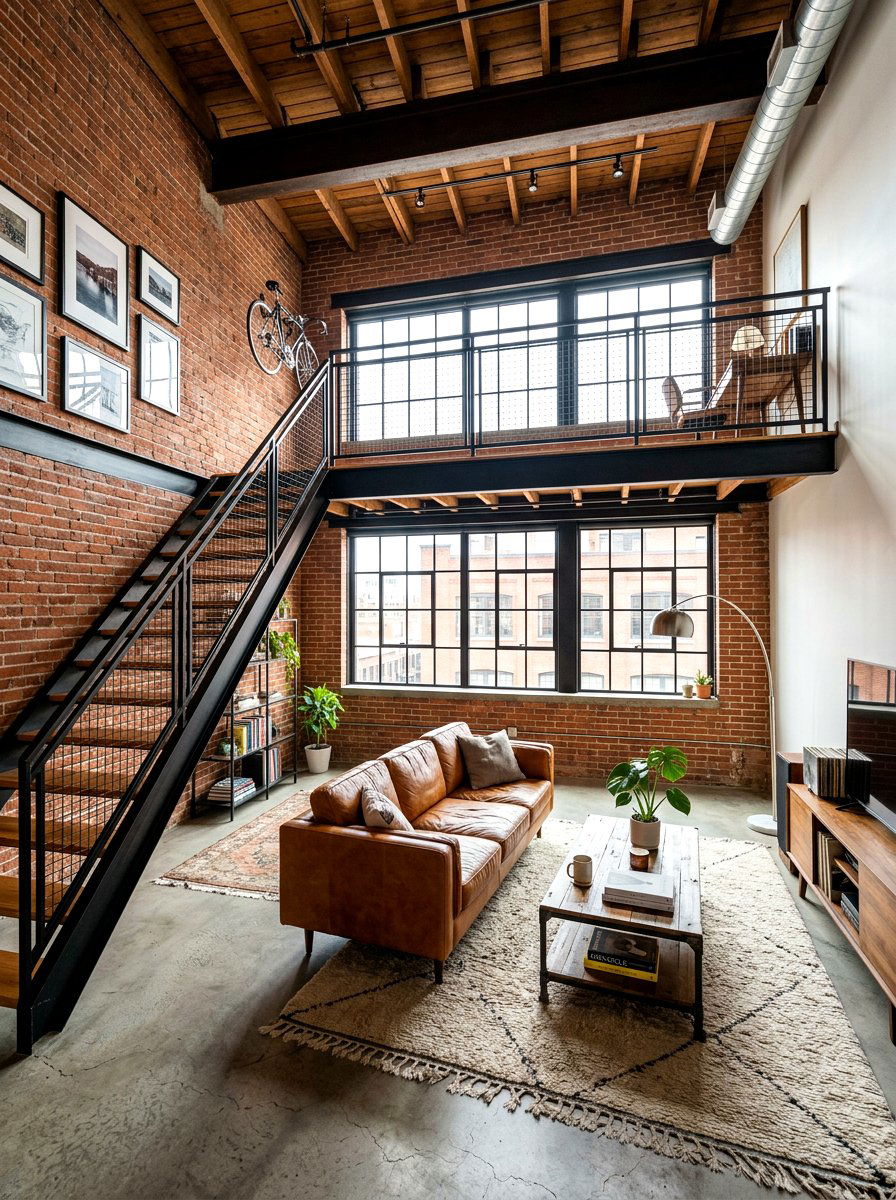
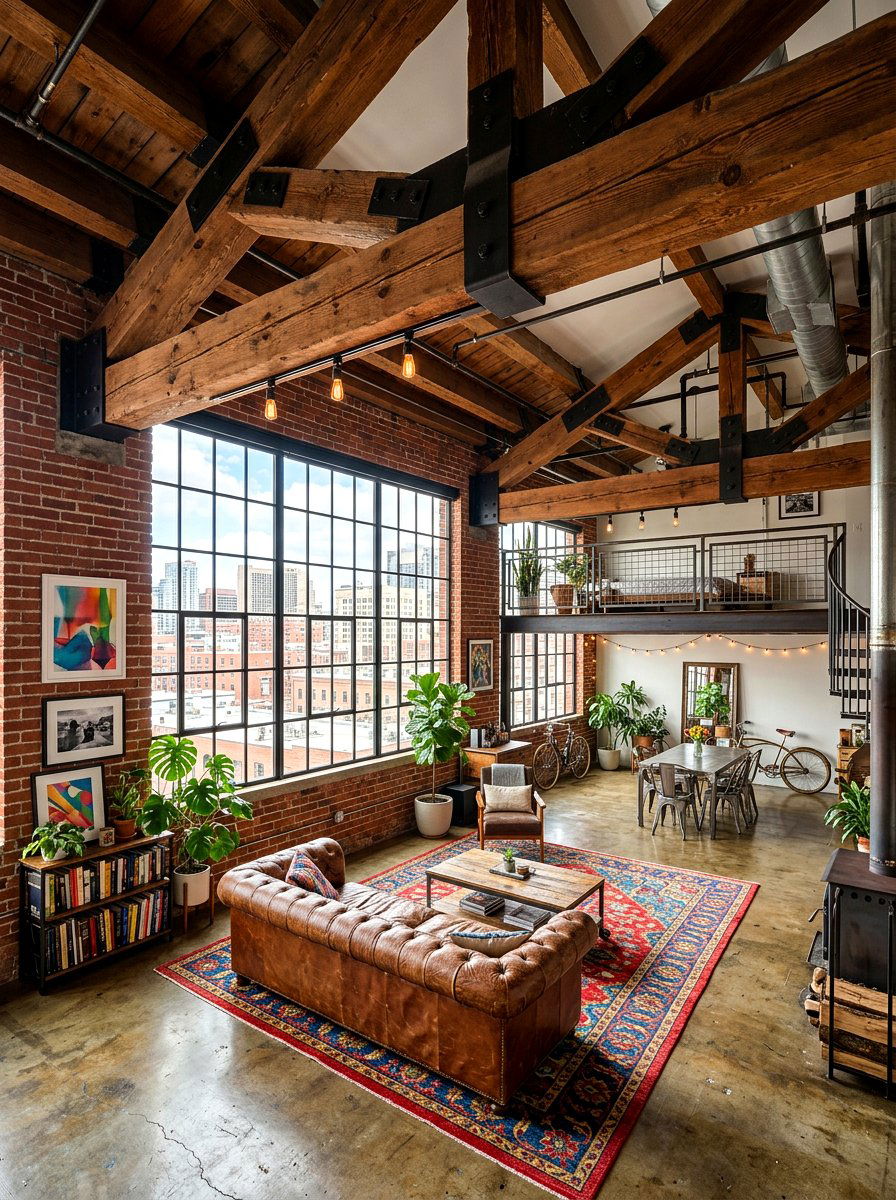
The industrial style works exceptionally well in split level homes because it embraces raw materials like exposed brick, steel, and concrete. You can use black metal railings and open-riser stairs to reinforce the urban loft aesthetic. Large warehouse-style windows are perfect for bringing in plenty of light and highlighting the various floor levels. Incorporate leather sofas and reclaimed wood coffee tables to add warmth to the cooler metal elements. Using exposed ductwork or industrial pendant lights can further enhance the character of the space. This design direction feels rugged yet refined, making the multi-level layout look intentionally edgy and modern.
17. Boho chic bi level living space
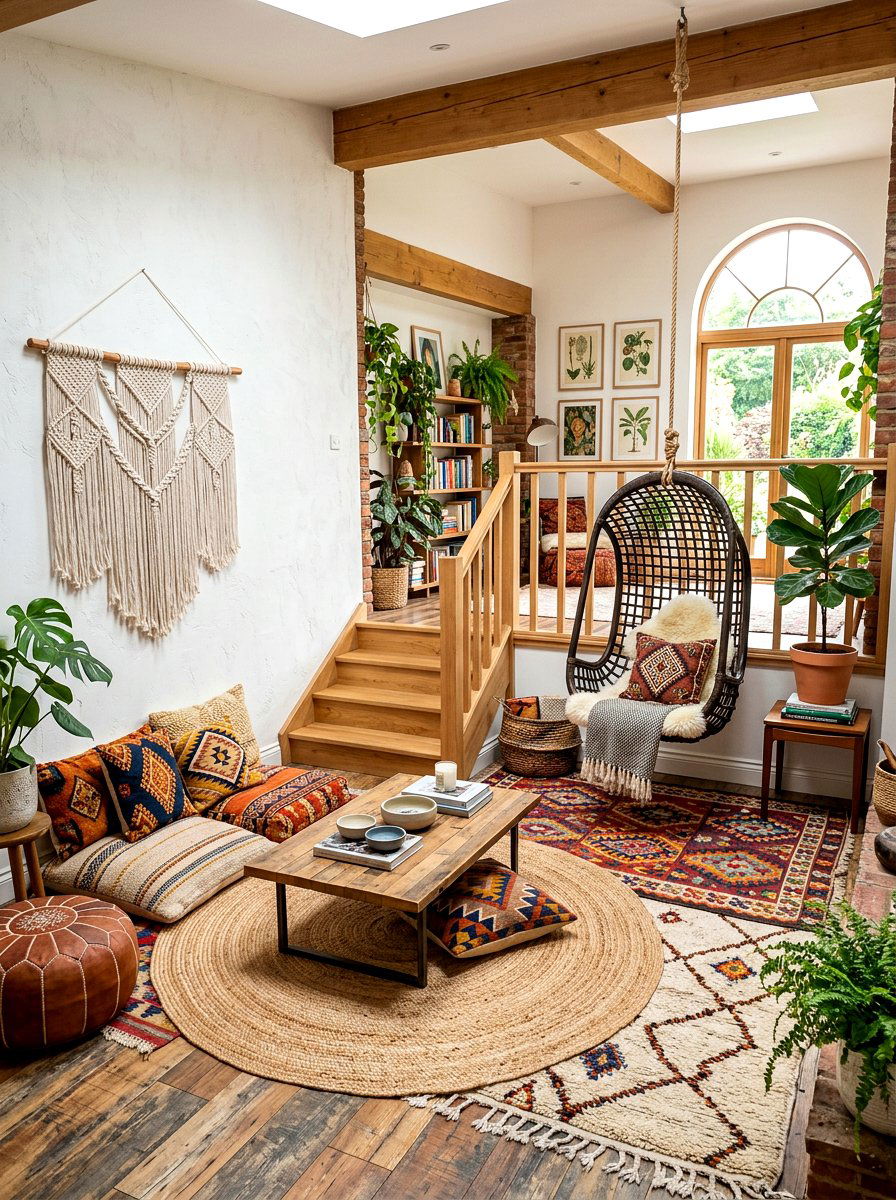
A boho chic style can turn a split level room into a relaxed and eclectic sanctuary filled with texture and personality. You should layer different rugs, such as jute and Persian styles, to define the lounging and transition areas. Incorporate a mix of vintage furniture, woven baskets, and plenty of colorful textiles like Moroccan floor cushions. Macramé wall hangings or beaded curtains can be used to subtly divide zones without blocking light. Use the different levels to create varied "moods, " such as a vibrant social area below and a quiet reading nook above. This approach celebrates a comfortable and lived-in aesthetic.
18. Wood beam ceiling for split levels
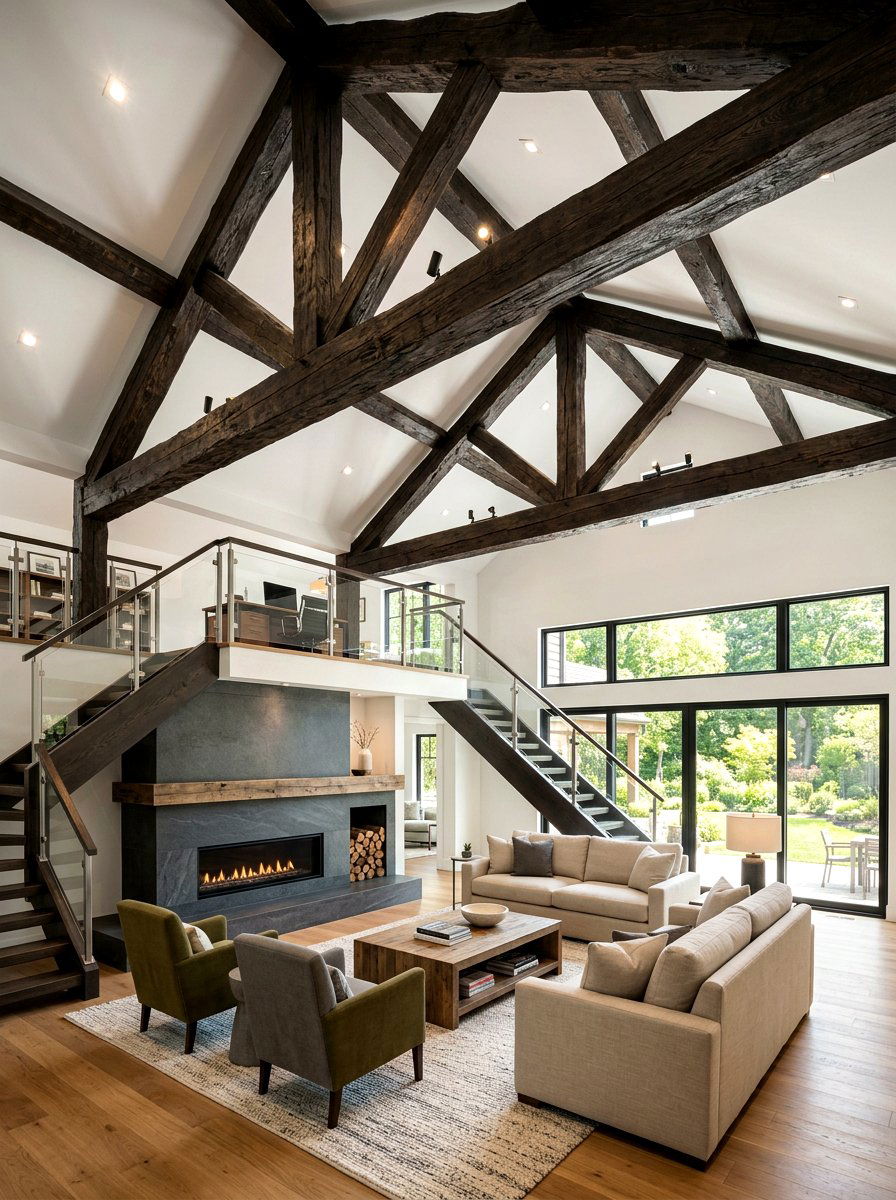
Exposed wood beams on the ceiling can add incredible warmth and architectural interest to a split level living room. If you have a vaulted or double-height ceiling, the beams help to draw the eye upward and emphasize the volume of the space. You can choose reclaimed rustic timber for a farmhouse feel or sleek dark-stained wood for a more modern look. The beams provide a sense of structure and history to the room, making the newer layout feel more grounded. This feature works beautifully when paired with neutral walls and plenty of natural textures like linen and wool throughout the space.
19. Hidden storage under living room steps
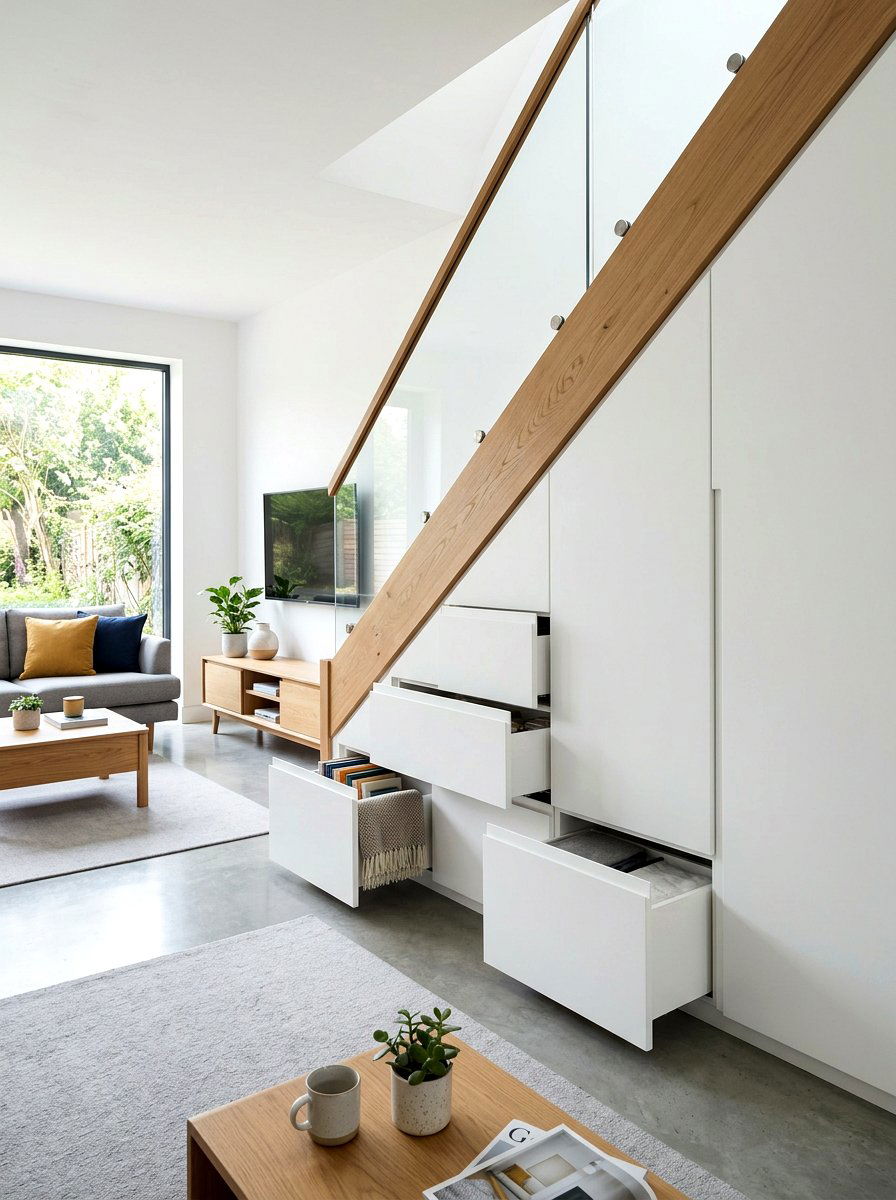
Utilizing the empty space beneath the stairs is a brilliant way to add hidden storage to a split level living room. You can install custom-built pull-out drawers or a small closet to store shoes, toys, or seasonal decorations. This clever use of square footage keeps the main living areas clutter-free and highly organized. For a more open look, consider building a small recessed bookshelf or a wine rack into the side of the staircase. By integrating storage into the steps, you turn a purely functional transition into a hard-working design feature. It is an ideal solution for smaller homes needing extra space.
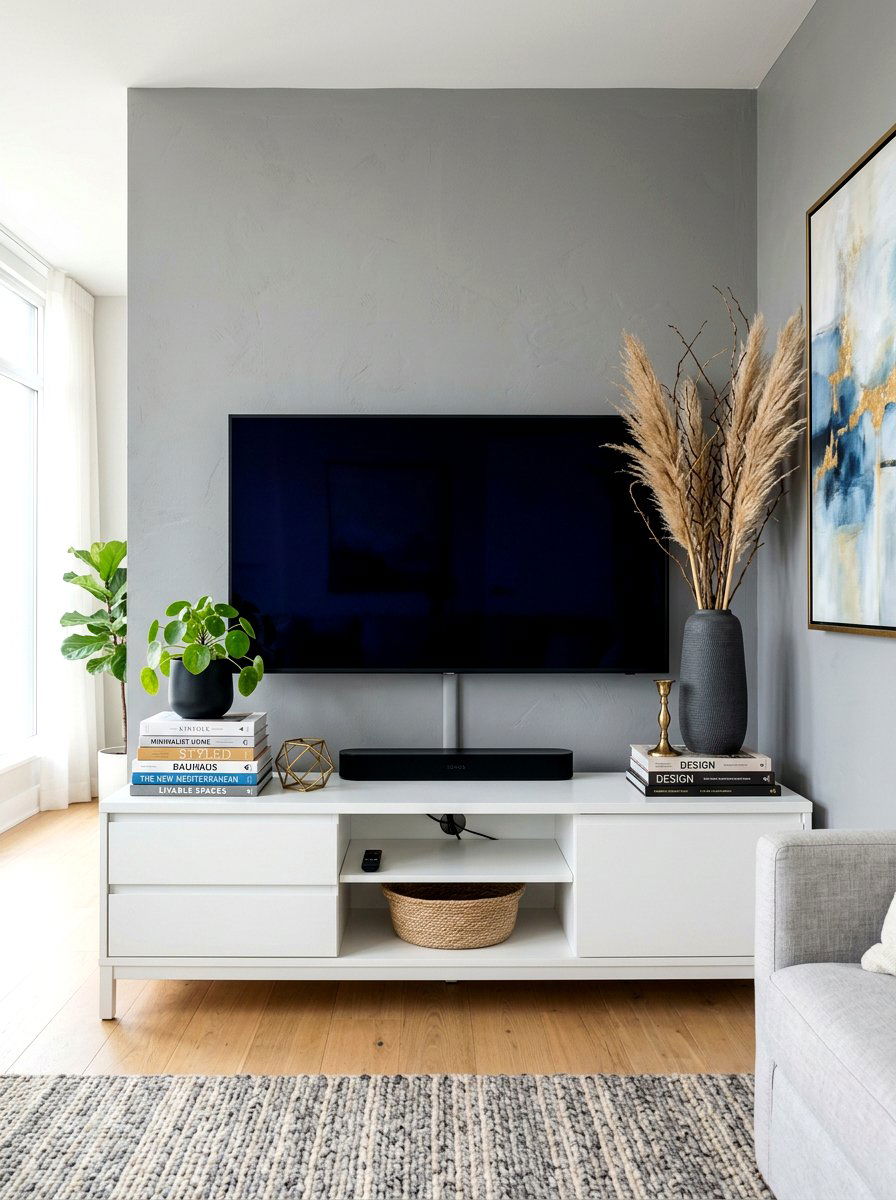
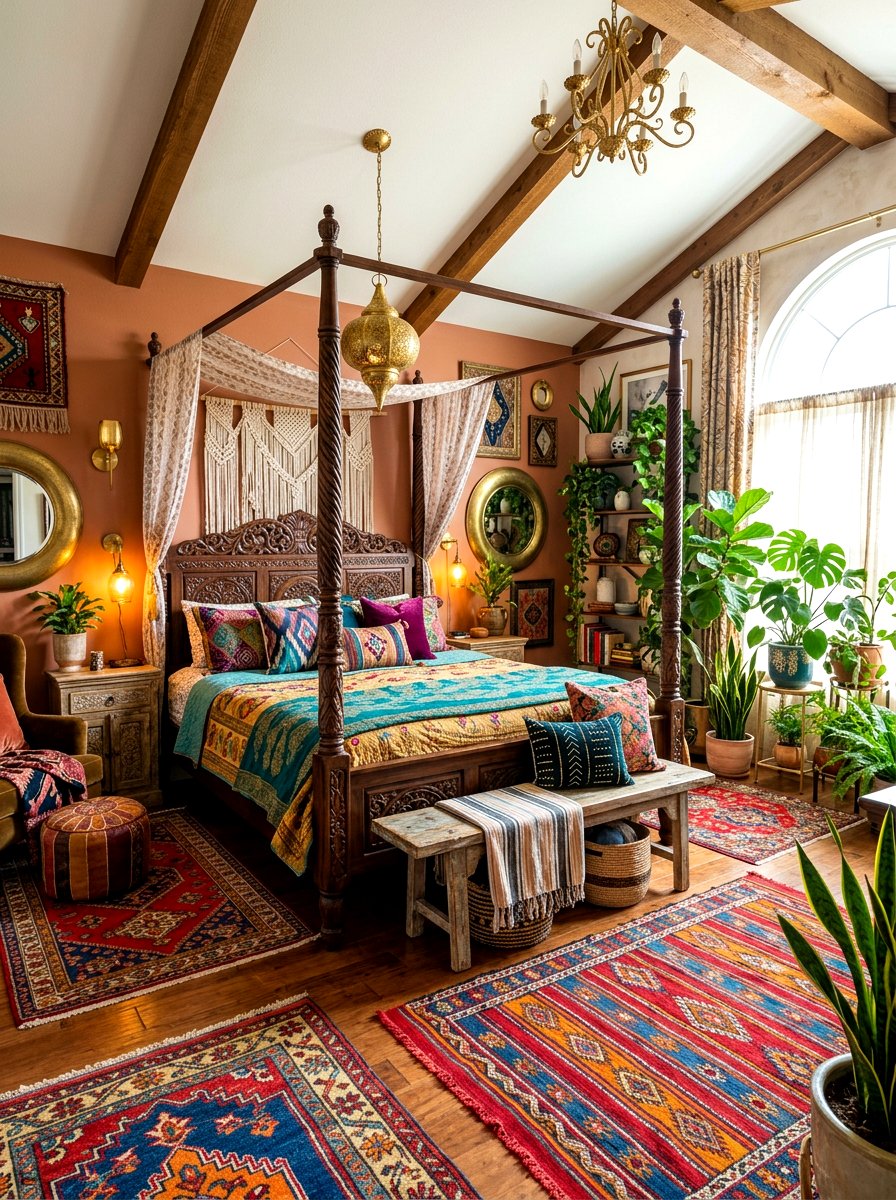
20. Large windows for split level homes
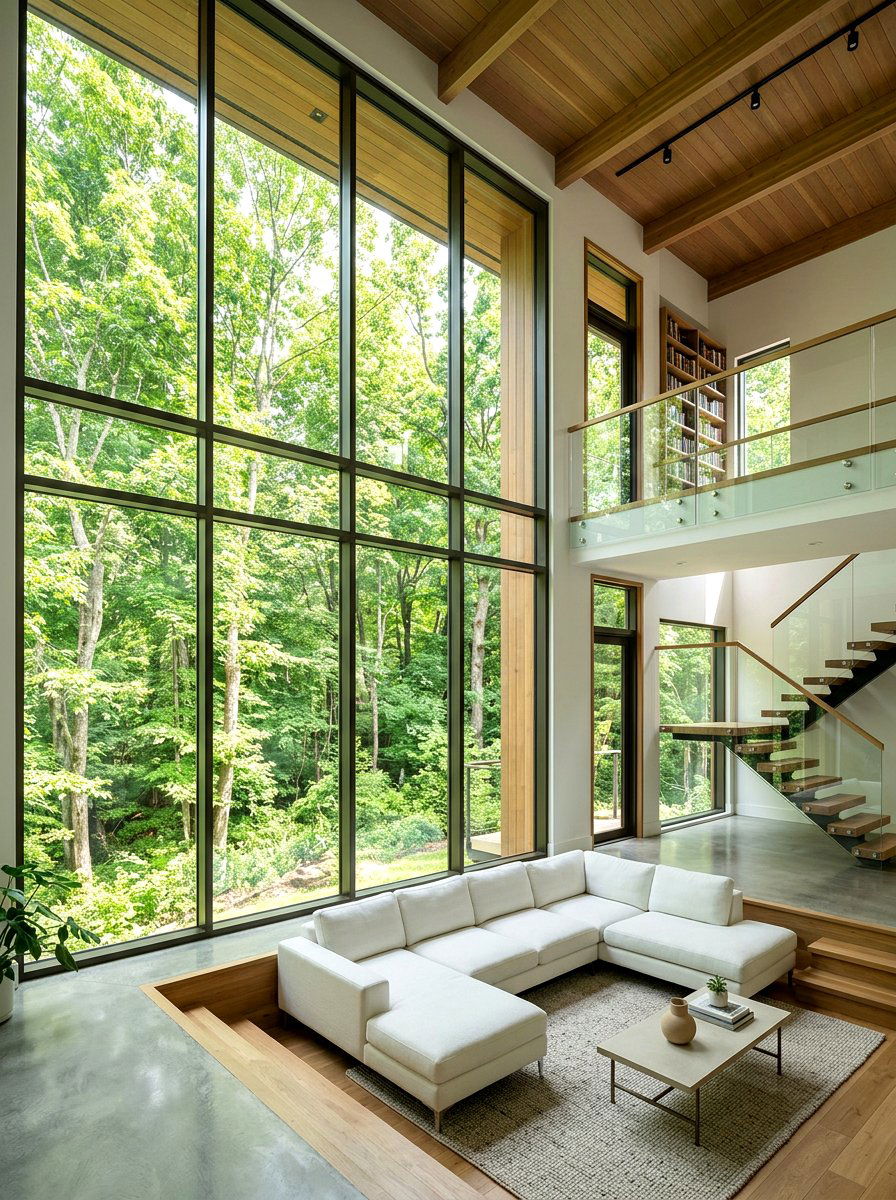
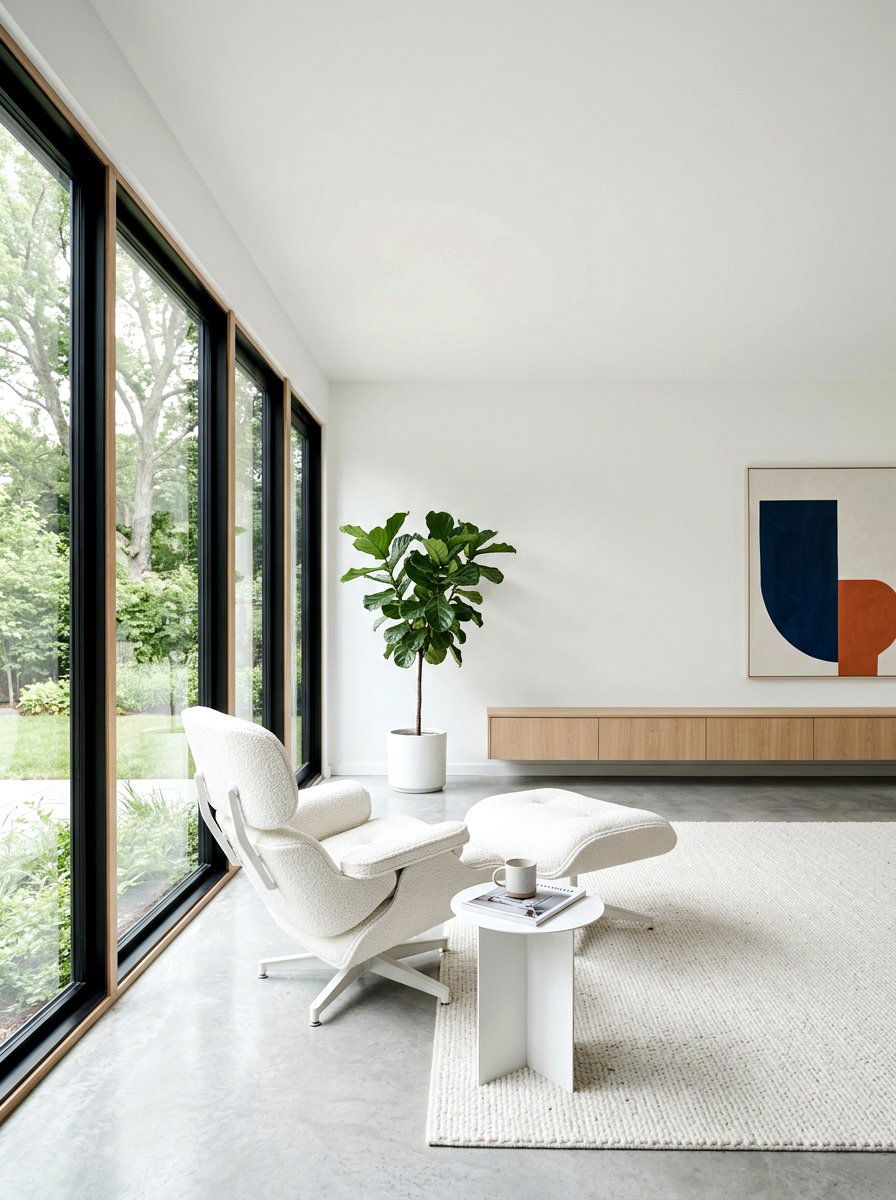
Installing large windows is essential for creating a sense of openness and connection to the landscape in a split level home. Tall windows that span both levels can provide breathtaking views and make the interior feel like it extends into the garden. You should position your main seating area to take advantage of these views, creating a peaceful and scenic environment. Using thin black or white frames will give the windows a modern, clean look that does not distract from the outside scenery. This abundance of glass ensures that every corner of the multi-level room receives plenty of natural daylight throughout the day.
21. Mirrored walls in small split levels
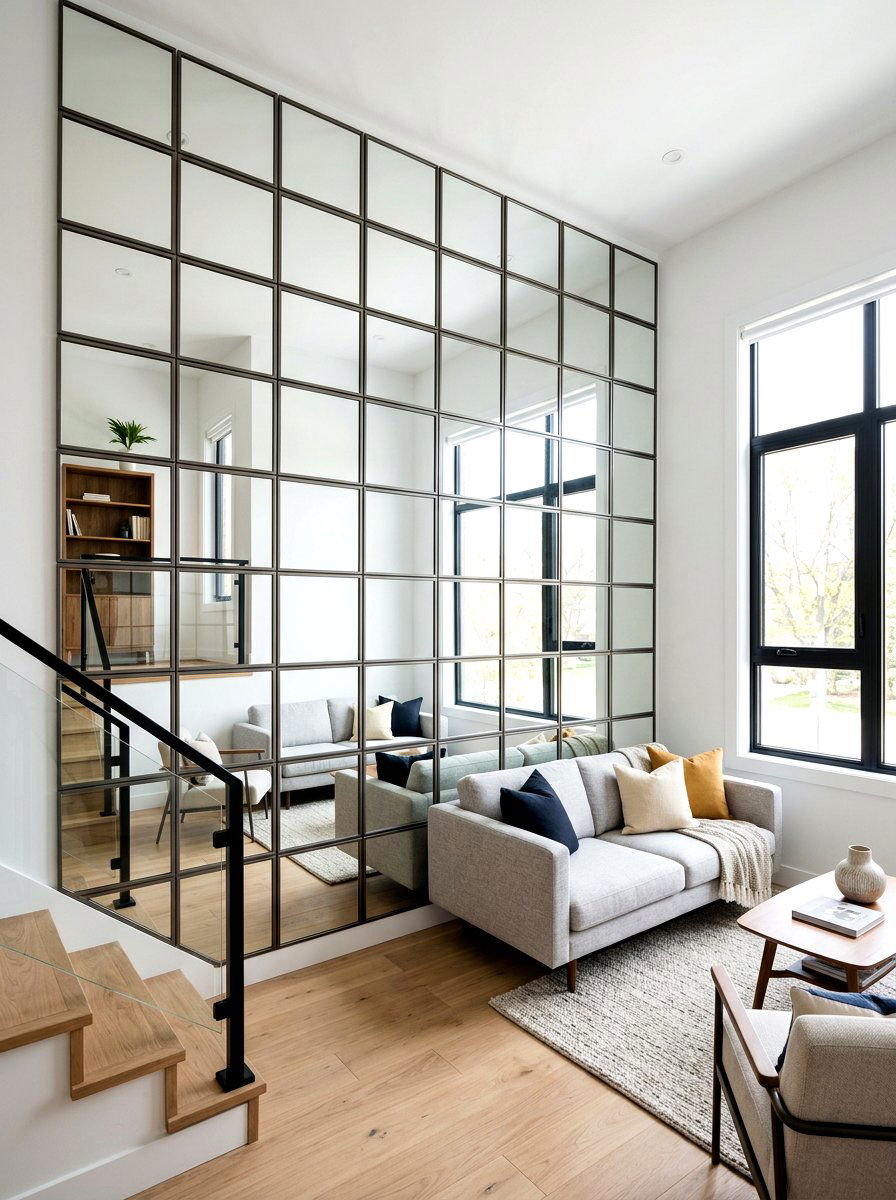
Mirrored walls are a classic design trick that can significantly enhance the perceived size of a small split level living room. By placing a large mirror on the wall opposite a window, you can reflect light and double the visual depth of the space. In a bi-level layout, mirrors help to bounce light from the upper level down into the lower area. You can use a single large framed mirror or a grid of smaller mirror panels for a more decorative effect. This simple addition makes the room feel much airier and less enclosed. It is an affordable way to add a touch of glamour.
22. Colorful dopamine decor for bi levels
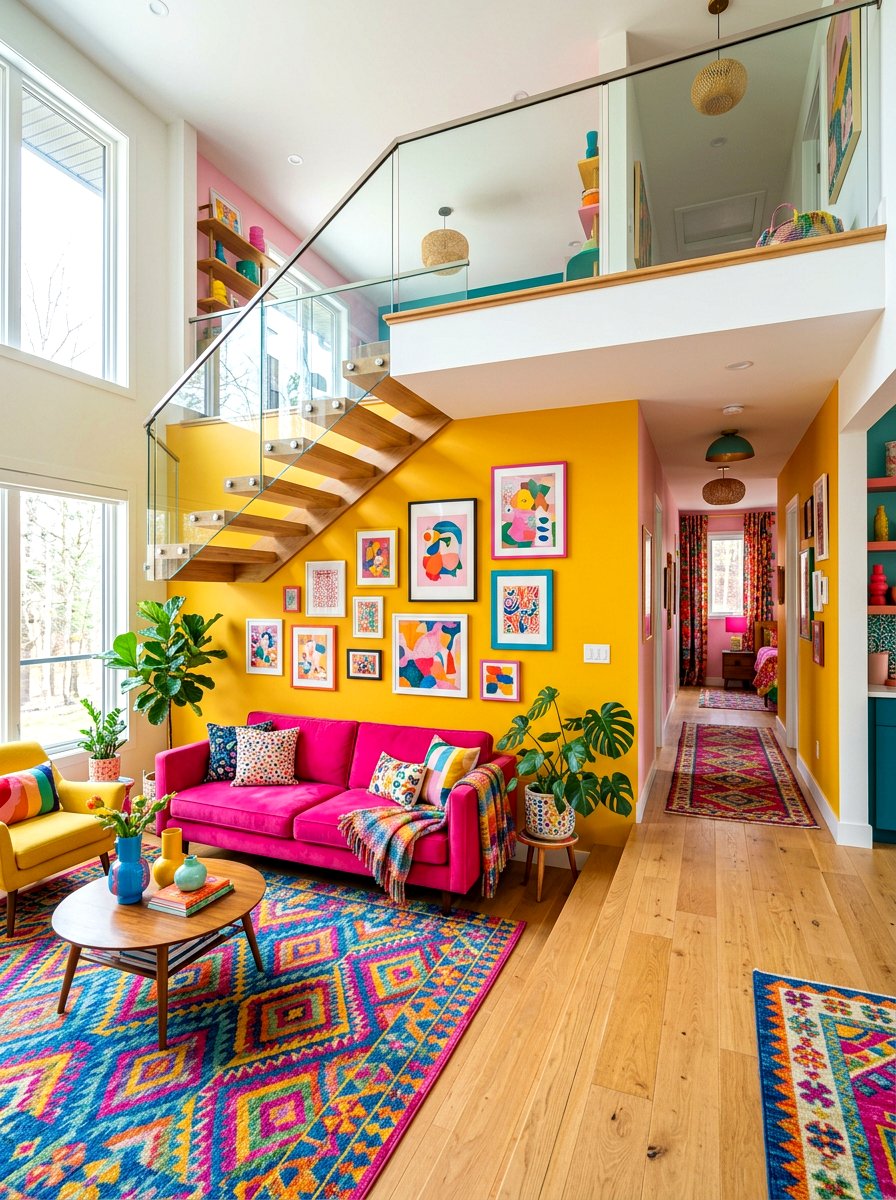
Dopamine decor focuses on using bright colors and playful patterns to create a joyful and energetic split level living space. You can use the different levels to experiment with various color palettes, such as a sunny yellow on the lower tier and a cool teal above. Incorporate quirky artwork, neon signs, and bold patterned upholstery to infuse the room with personality. Using colorful tiles on the stair risers can add an unexpected pop of fun to the transition area. This style is all about expressing your personal taste and creating a home that makes you feel happy every time you enter.
23. Earthy tone split level interior style
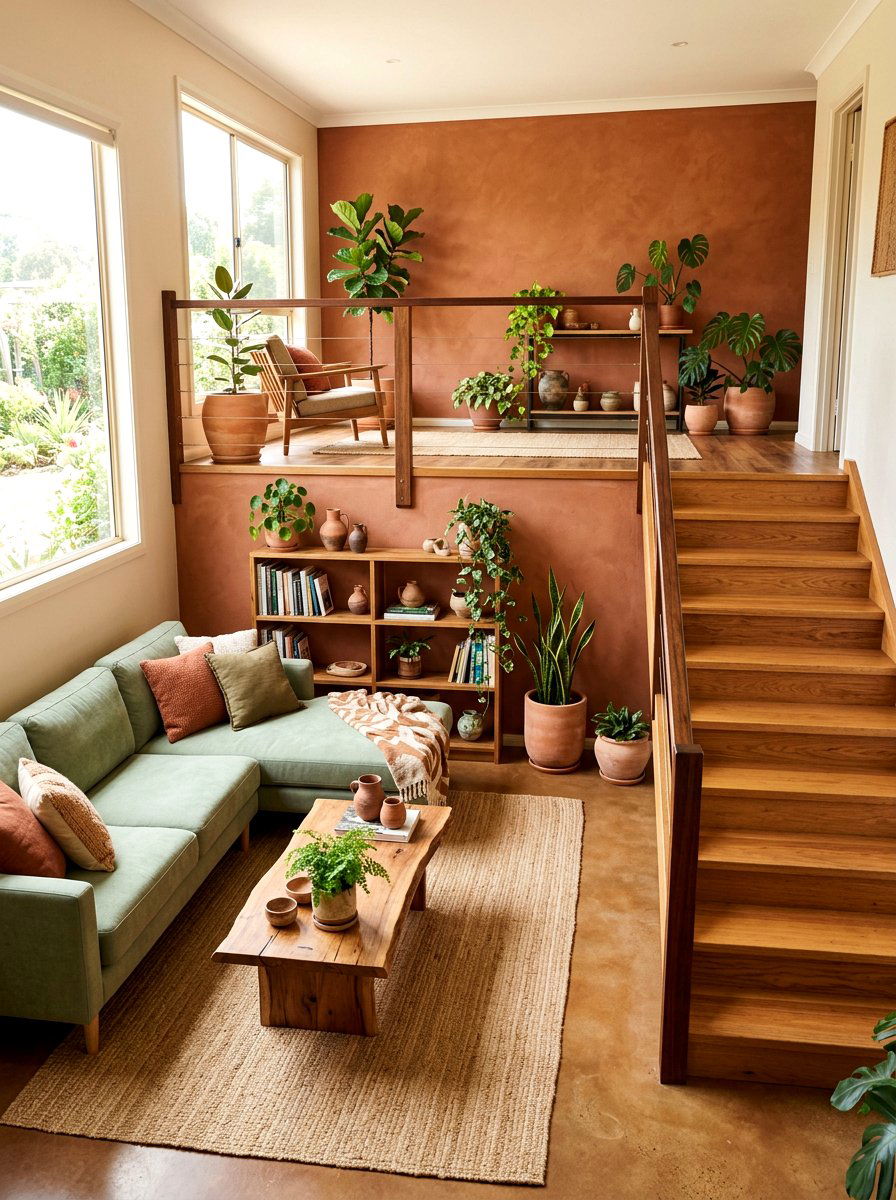
An earthy color palette creates a serene and grounded atmosphere that perfectly complements the tiered structure of a split level room. You should use shades like terracotta, sage green, sandy beige, and soft brown to evoke a connection to nature. These warm neutrals help to soften the architectural transitions and make the large space feel more cozy. Incorporate natural materials like clay pottery, linen drapes, and woven seagrass rugs to add rich texture. This style works best with plenty of natural light and wooden accents. It provides a timeless and sophisticated look that makes your home feel like a peaceful retreat.
24. Integrated lighting for living room steps
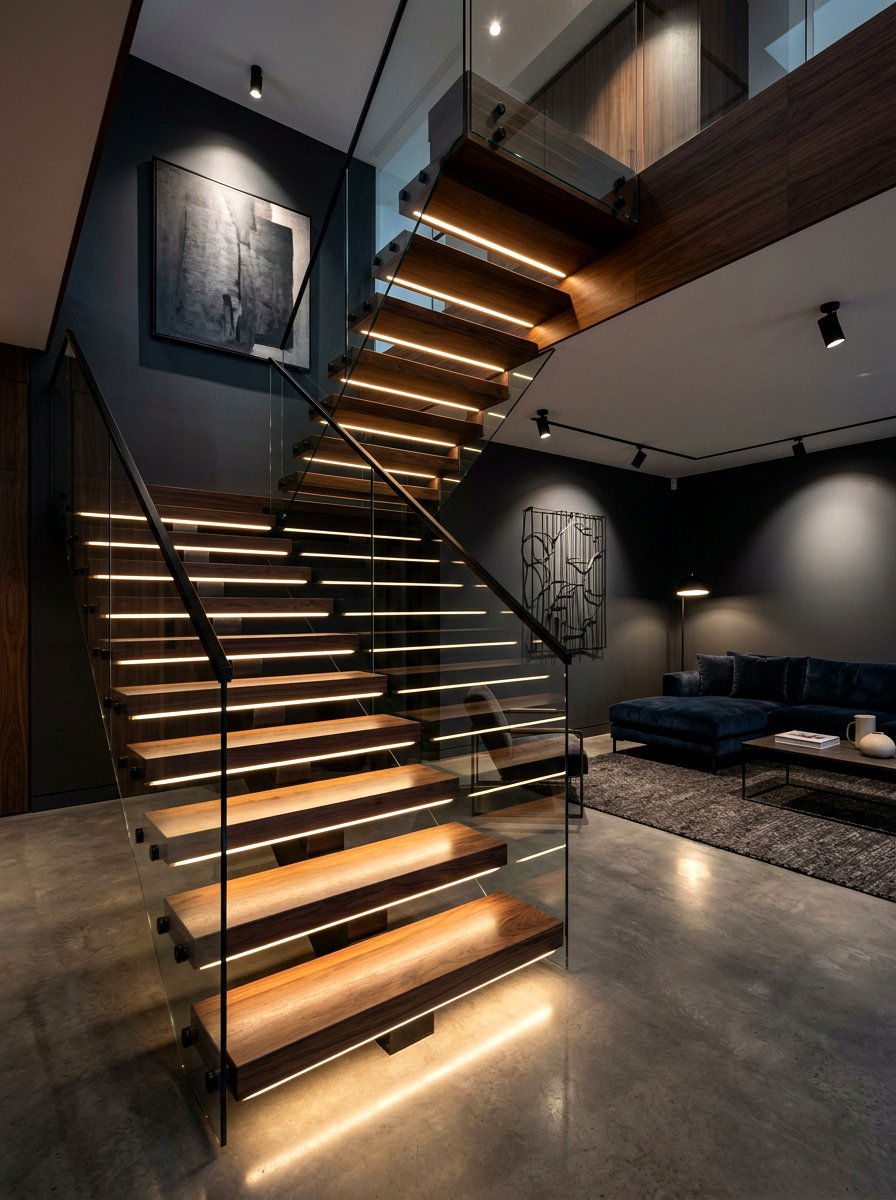
Safety and style go hand-in-hand when you add integrated lighting to the steps of your split level living room. Small LED strip lights or recessed puck lights installed under each tread provide a soft, ambient glow that prevents tripping at night. This lighting also serves to highlight the architectural beauty of the staircase, making it a focal point in the room. You can connect these lights to a smart home system or a motion sensor for added convenience. This subtle glow adds a layer of sophistication to the overall lighting plan. It ensures that the transition between levels is both functional and beautiful.
25. Smart home technology for split levels
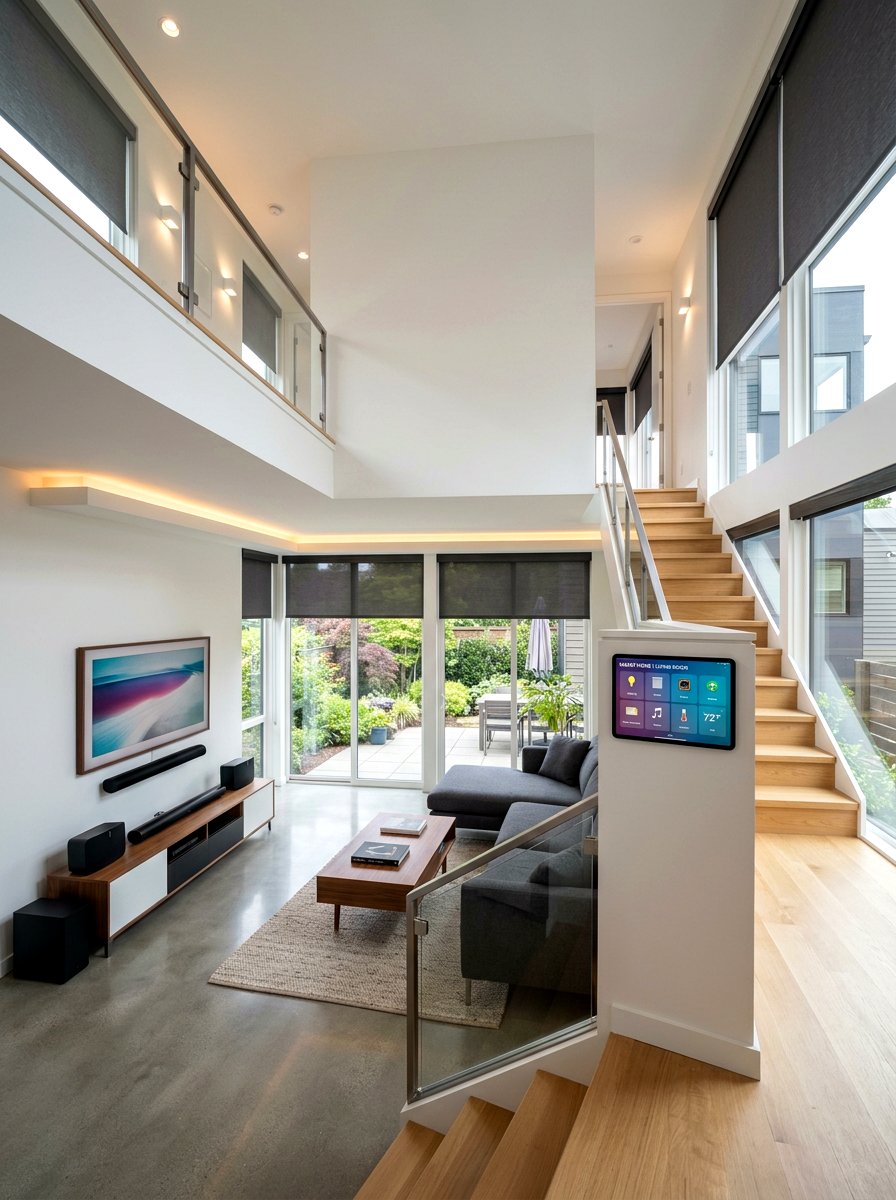
Integrating smart home technology can make managing the various zones of a split level living room effortless. You can install automated window shades that adjust based on the sun's position to keep both levels at a comfortable temperature. Multi-zone audio systems allow you to play different music on the upper and lower tiers, perfect for hosting parties. Smart lighting scenes can be programmed to highlight specific architectural features or dim the lights for movie nights in the sunken area. Using a central hub or voice commands makes it easy to control the entire environment from anywhere in the room. This adds a modern layer of convenience.
26. Open concept kitchen and sunken living room
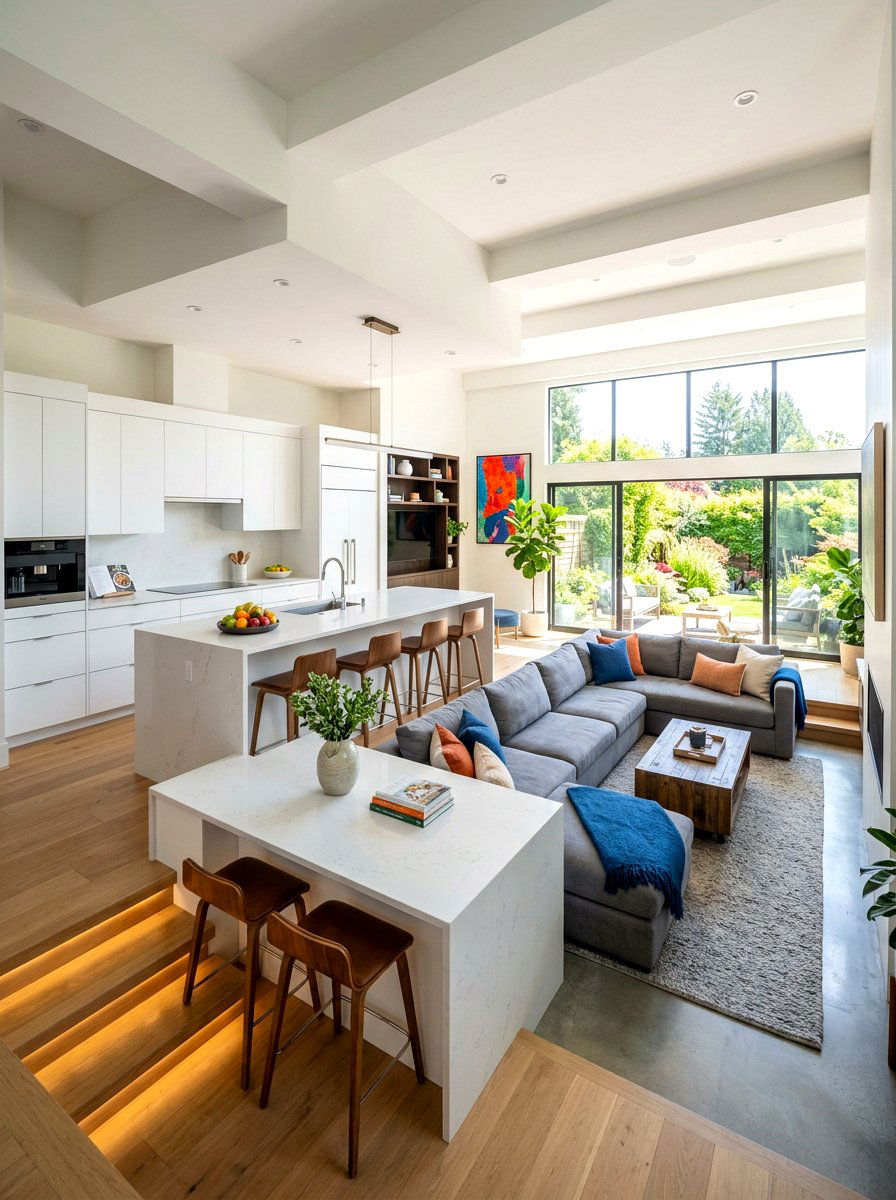
An open concept kitchen that looks down into a sunken living room is the ultimate layout for modern family living. The elevation change provides a natural boundary between the cooking and lounging areas without the need for walls. This allows the person preparing meals to remain part of the conversation happening in the lower tier. You should use matching cabinetry and counter materials to ensure the kitchen feels like a cohesive part of the overall design. Adding a breakfast bar or island on the edge of the upper level provides additional seating and a perfect place for guests to perch.
27. Reading nook on split level landing
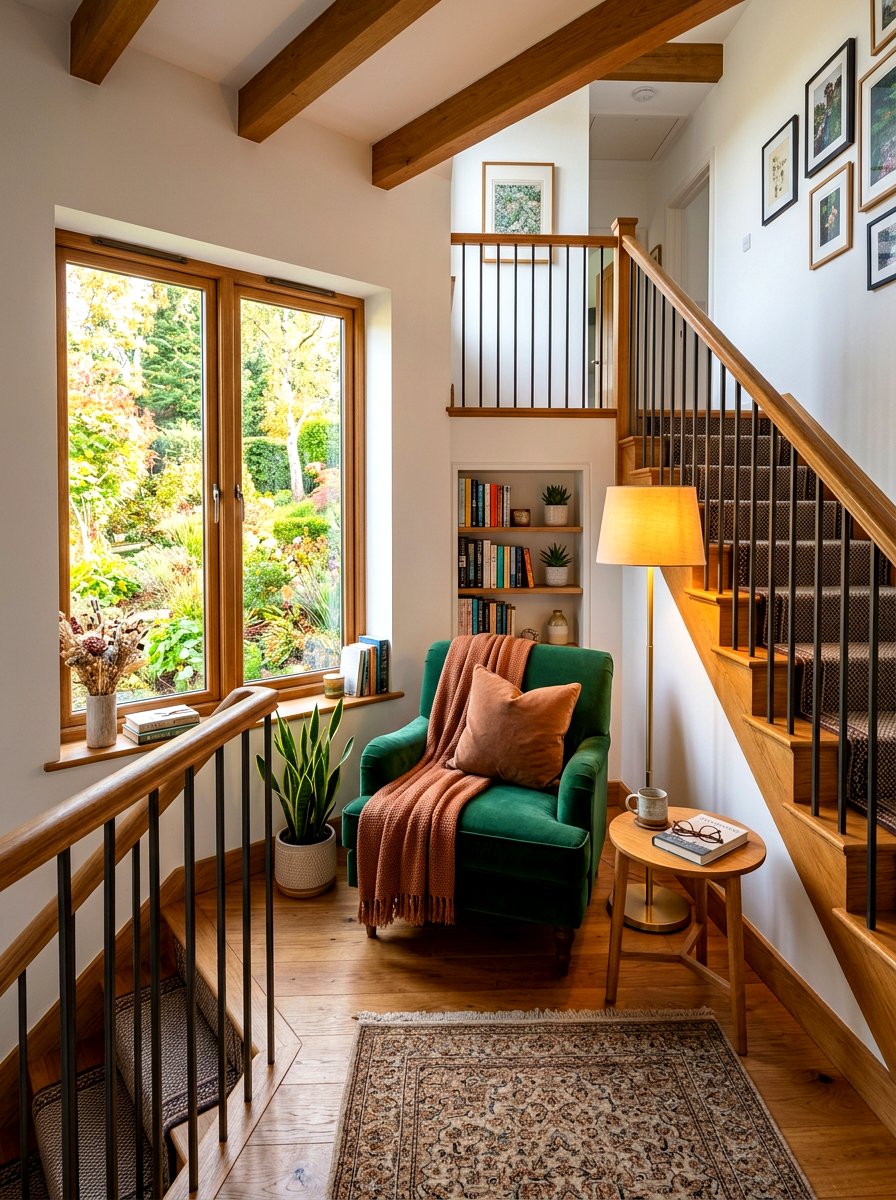
If your split level home features a wide landing between the floors, you can transform it into a charming and quiet reading nook. A comfortable armchair, a small side table, and a dedicated floor lamp are all you need to create this cozy retreat. This use of "dead space" adds extra functionality to your home and provides a private spot away from the main social areas. You can add built-in bookshelves along the wall to keep your favorite titles within reach. This little corner becomes a peaceful transition point that encourages you to slow down and enjoy the unique layout of your house.
28. Wrap around sofa for conversation pits
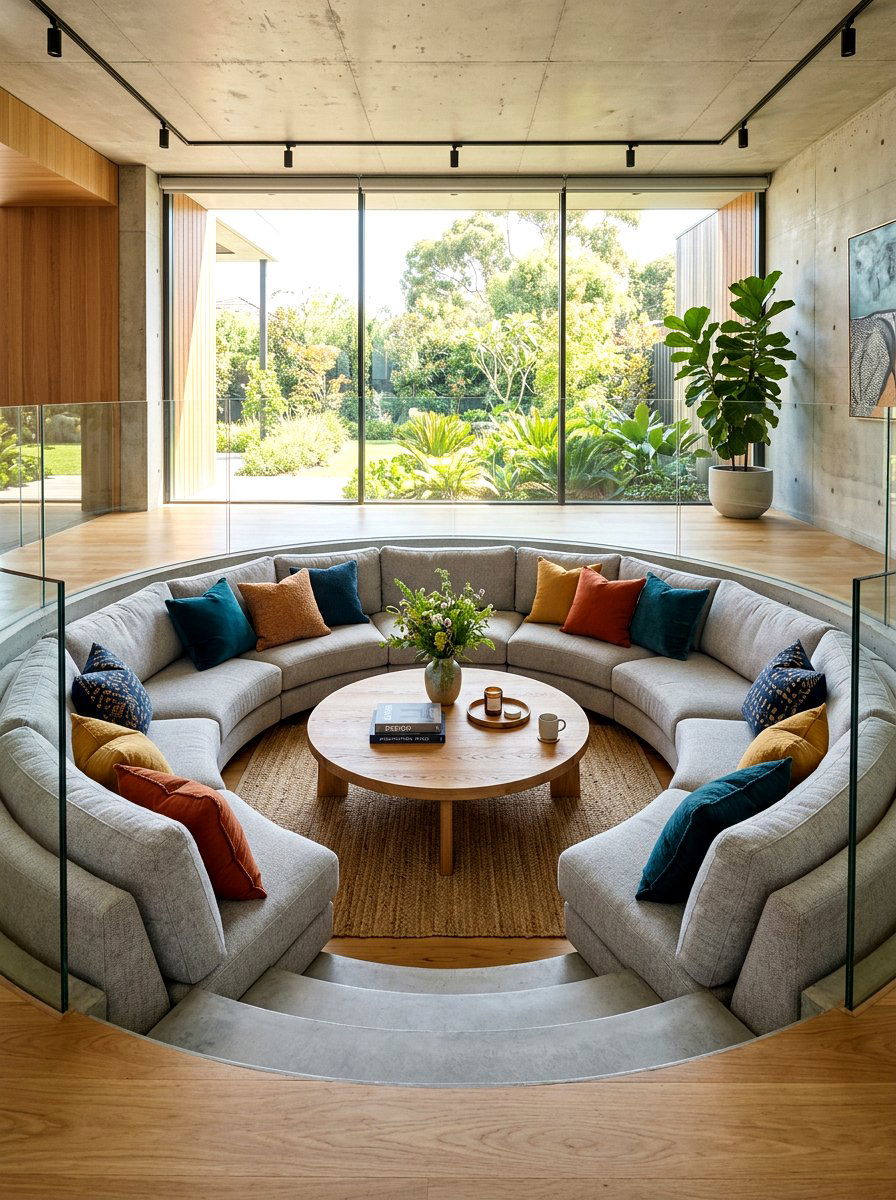
A large wrap-around sectional is the perfect furniture choice for a sunken living room or conversation pit. This seating configuration maximizes the available space and encourages everyone to face each other, fostering a social and inclusive environment. You should choose a sofa with a low back so that it doesn't obstruct the view from the upper level looking down. Adding an oversized matching ottoman in the center can serve as extra seating or a soft coffee table. This arrangement anchors the room and defines the purpose of the sunken tier as a place for relaxation and deep connection with friends and family.
29. Textured wallpaper for double height walls
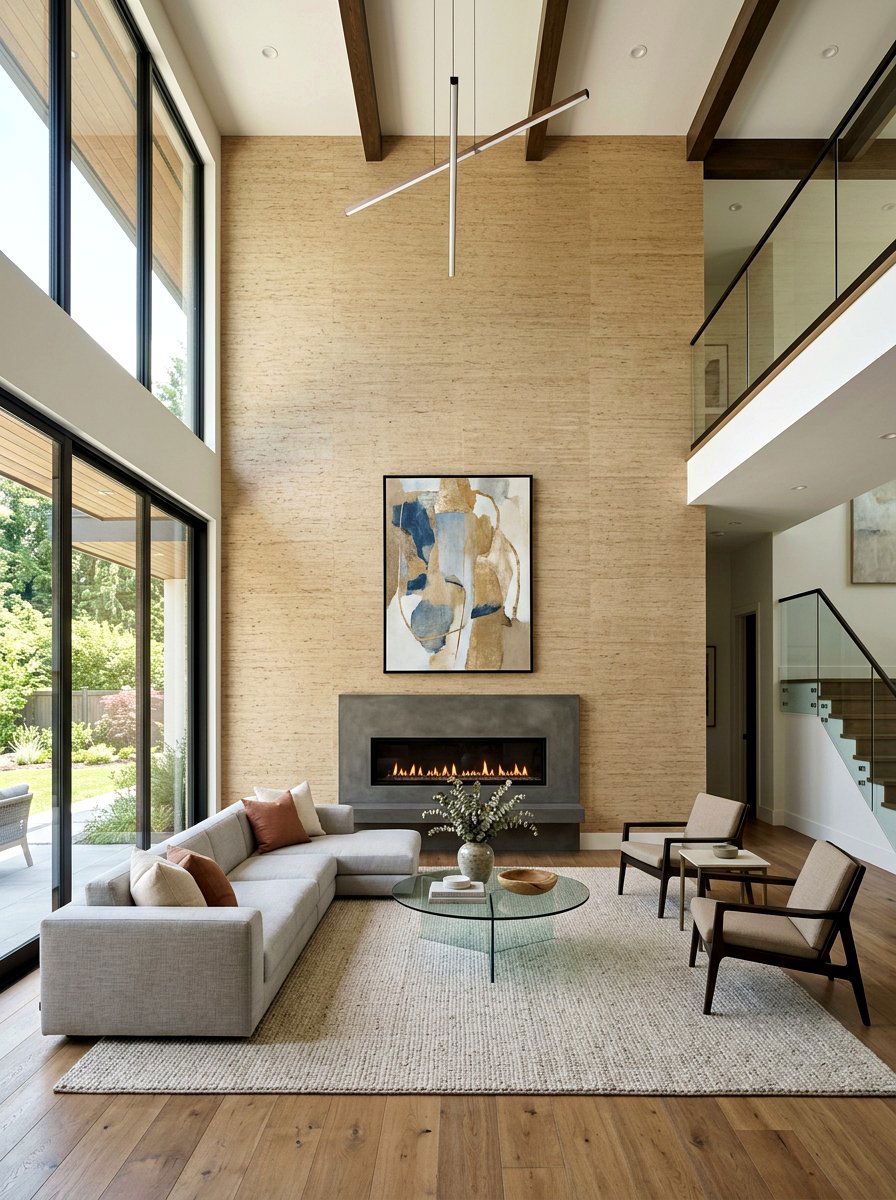
Textured wallpaper is a fantastic way to add depth and interest to the large, double-height walls often found in split level homes. You can choose from materials like grasscloth, embossed vinyl, or even 3D wall panels to create a tactile and sophisticated look. This feature wall draws the eye upward, connecting the two floor levels and emphasizing the volume of the space. Using a subtle neutral texture adds warmth without being overwhelming, while a bold metallic or patterned design can make a dramatic statement. This wall treatment provides a high-end, finished look that elevates the entire living area's design.
30. Vaulted ceiling split level living room
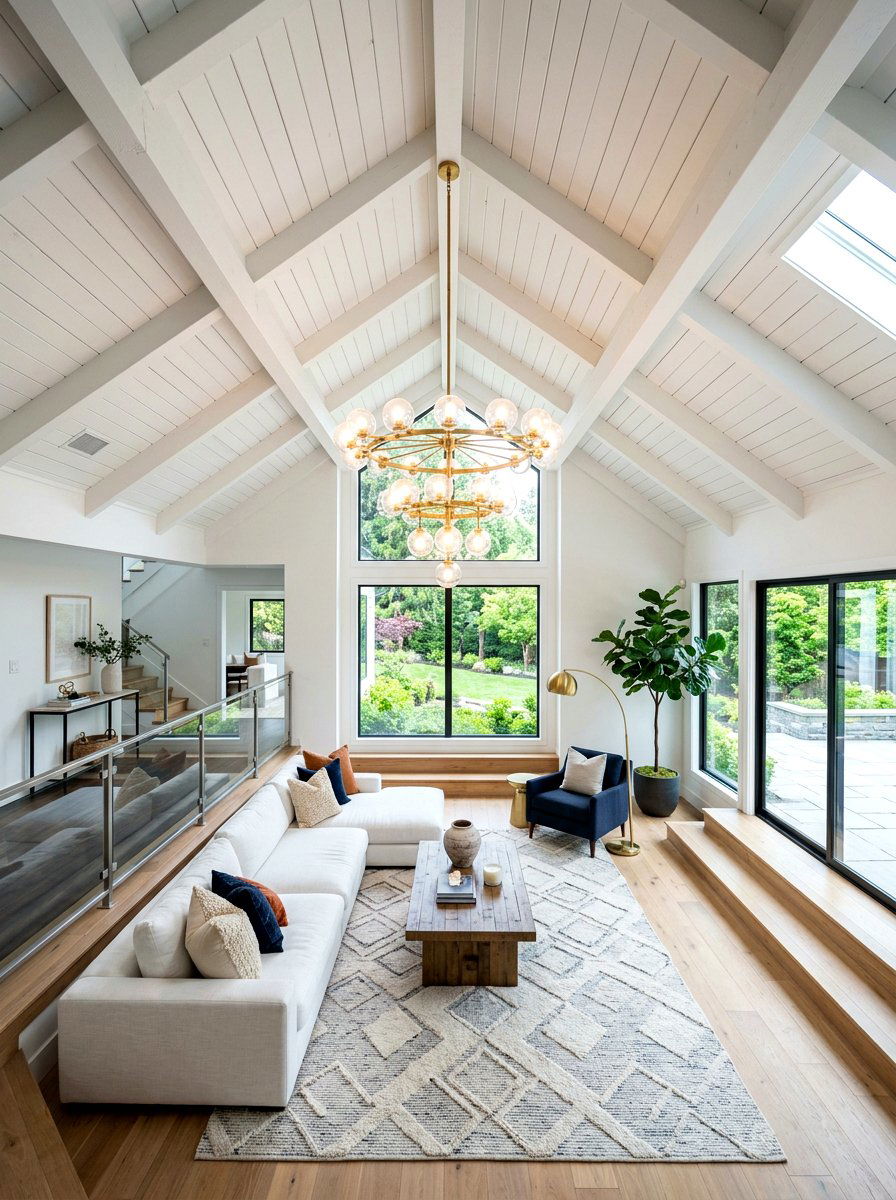
A vaulted ceiling adds an incredible sense of grandeur and airiness to a split level living room, making the transition between tiers feel even more dramatic. The extra height allows for larger windows and the inclusion of statement lighting fixtures like oversized chandeliers or pendant groups. You can leave the ceiling white for a clean, modern look or add wood planks for a more rustic and cozy feel. This architectural feature makes the room feel incredibly spacious and filled with light. It provides a sense of freedom and openness that perfectly complements the dynamic and multi-dimensional nature of a split level home.
Conclusion:
Designing a split level living room is a rewarding challenge that allows you to play with vertical space and architectural depth in creative ways. By focusing on flow, light, and cohesive materials, you can transform a tiered layout into a functional and stylish masterpiece. Whether you prefer the nostalgic charm of a sunken conversation pit or the modern elegance of a raised dining area, the key is to embrace the level changes. Strategic furniture placement and thoughtful lighting ensure that every tier feels connected and intentional. These 30 ideas demonstrate that a bi-level home offers endless possibilities for crafting a unique and inviting environment.

Related posts: