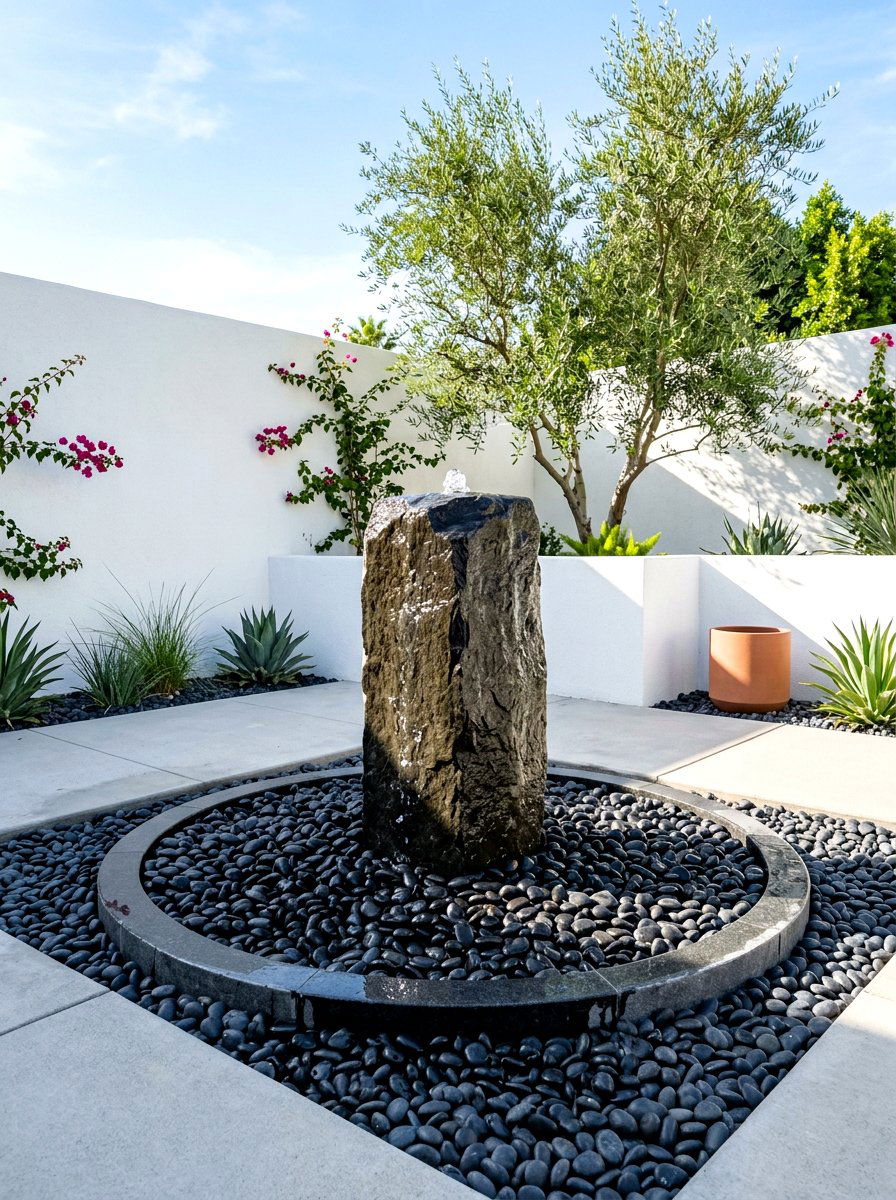
Selecting the perfect neutral for your home often feels like a balancing act between warm beige and cool gray. Putty color walls have emerged as a viral favorite because they bridge this gap with effortless sophistication. This earthy, "greige" tone provides a soft, mushroom-like quality that adapts beautifully to changing light throughout the day. Whether you are aiming for a cozy cottage feel or a sleek modern aesthetic, putty offers a grounded foundation that makes furniture pop. It is more interesting than off-white but less stark than true gray, creating an inviting atmosphere that feels timeless and high-end. In this guide, we explore the most effective ways to utilize this versatile shade.
1. Putty Color Living Room
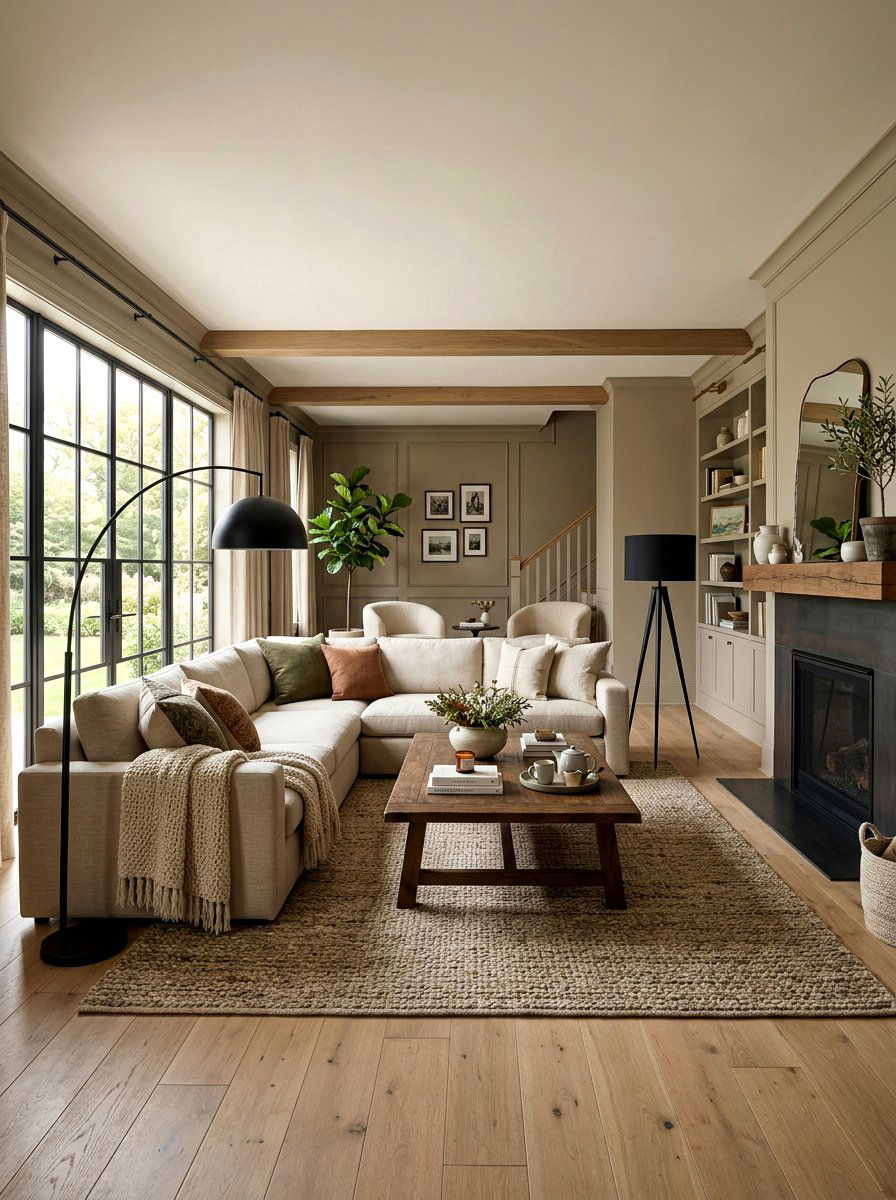
A putty color living room serves as the ultimate backdrop for a relaxed yet refined gathering space. This specific shade works exceptionally well when applied to all four walls, creating a cohesive envelope that feels expansive. You can pair these walls with a textured linen sectional and a mix of wooden coffee tables to enhance the organic vibe. Incorporating matte black floor lamps or curtain rods adds a necessary touch of contrast that keeps the room from looking washed out. Large indoor plants like a fiddle-leaf fig look particularly vibrant against this earthy neutral. The result is a space that feels curated, calm, and perfect for long evenings spent with family.
2. Putty Color Kitchen Cabinets
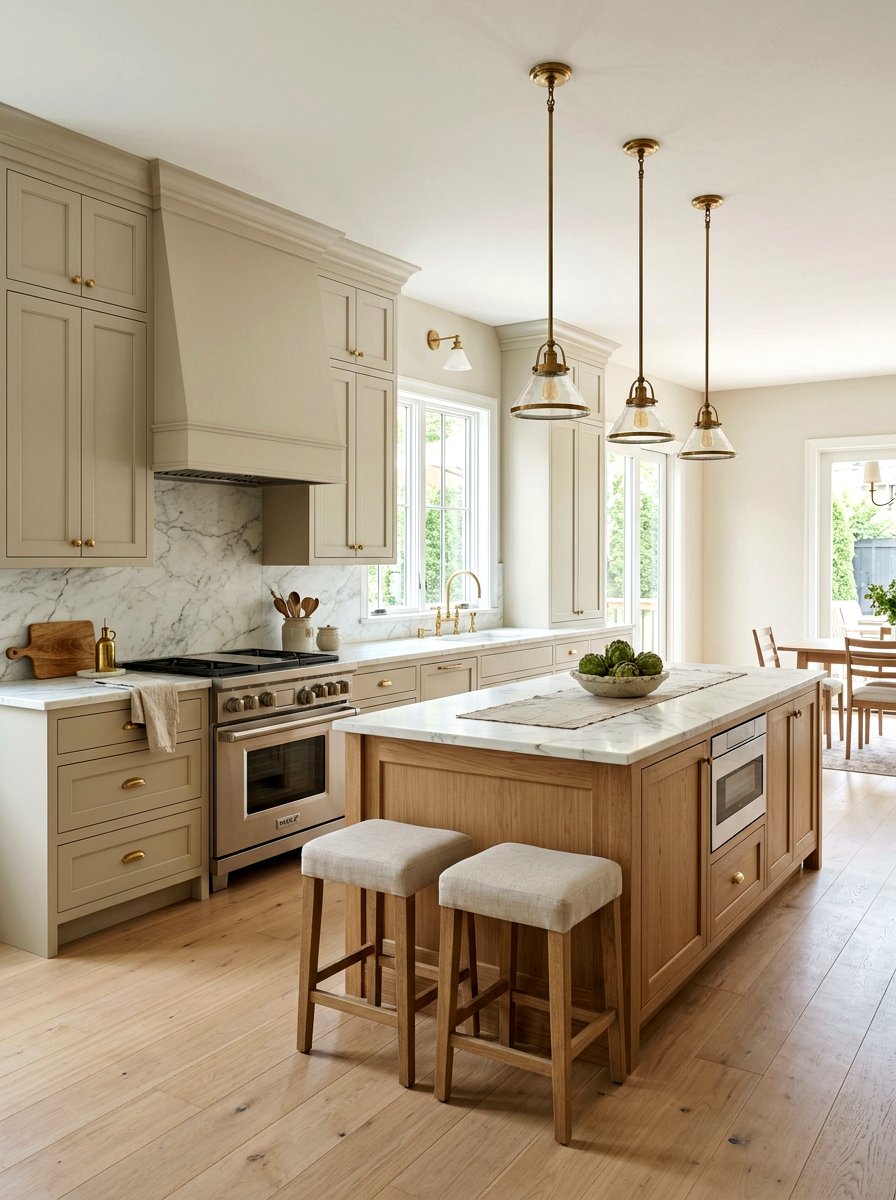
Transforming your kitchen with putty color cabinets offers a refreshing alternative to the standard white or navy options. This warm mushroom tone pairs beautifully with marble countertops and unlacquered brass hardware, creating a look that feels both historic and current. When the walls are painted a slightly lighter version of the same hue, the kitchen gains a sophisticated monochromatic depth. You can add a natural wood kitchen island to ground the space and bring out the beige undertones of the paint. Soft pendant lighting over the prep area ensures the color looks rich and velvety rather than flat. It is a durable choice that hides smudges better than bright white.
3. Putty Color Master Bedroom
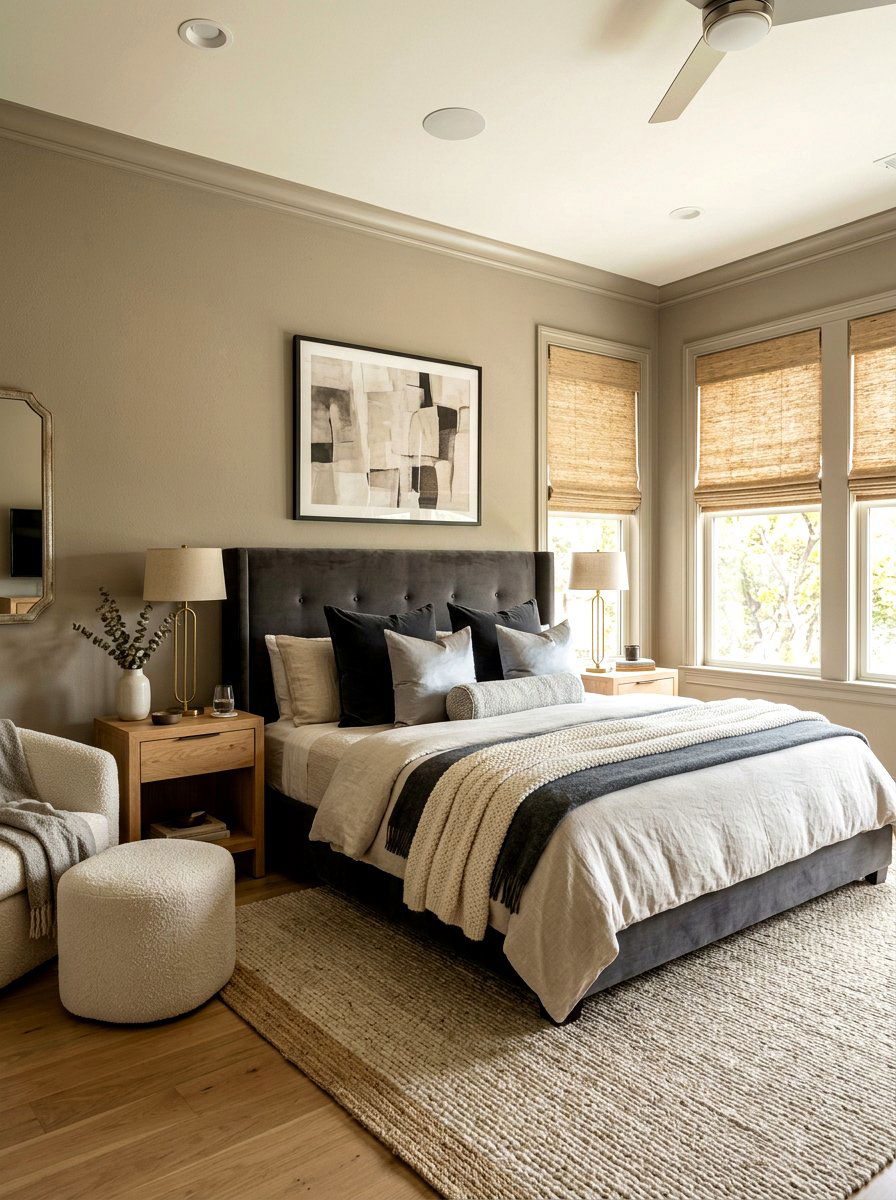
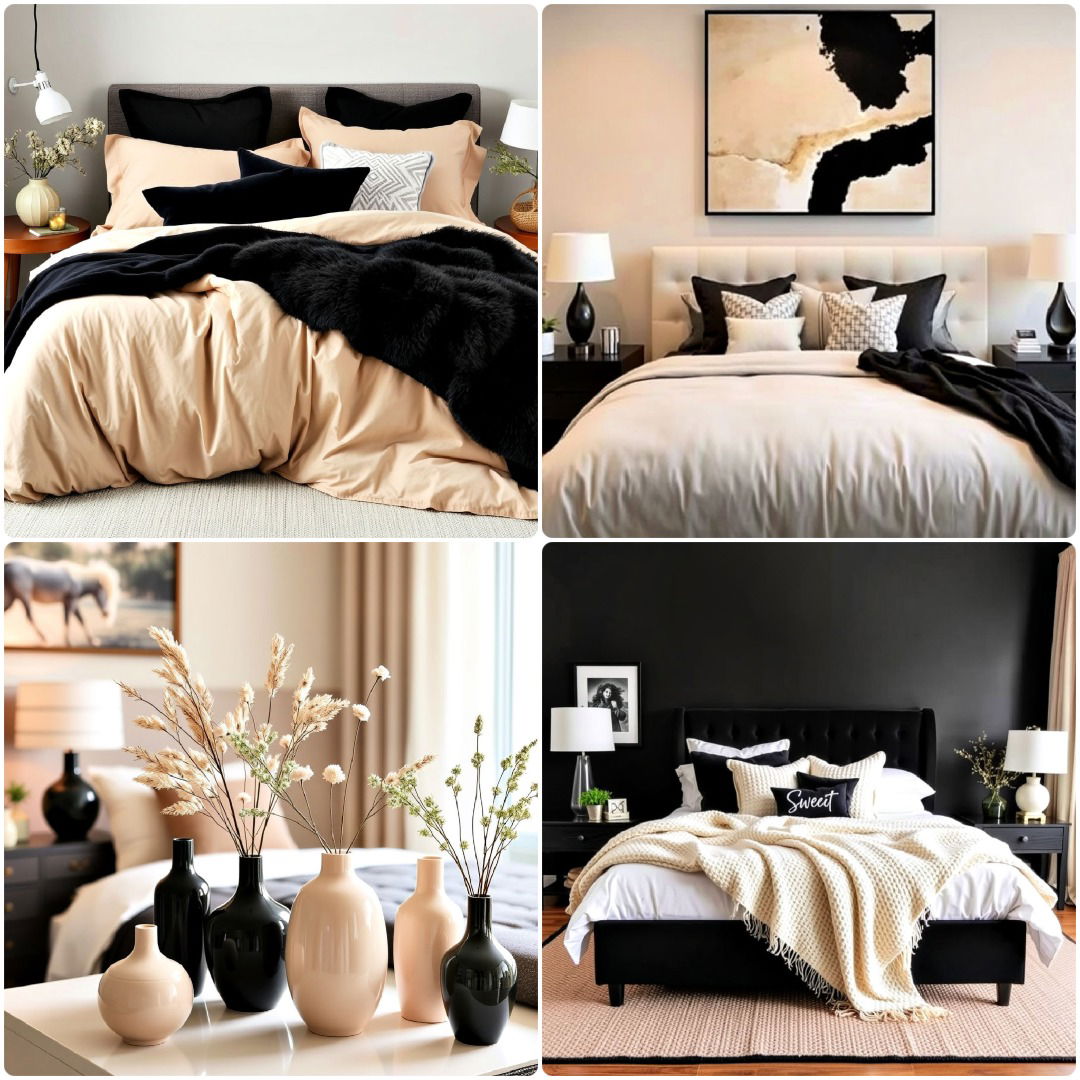
Creating a putty color master bedroom focuses on establishing a serene sanctuary that promotes deep rest. This muted tone creates a soft glow when hit by morning sunlight, making the room feel airy and bright. To complete the design, use a velvet upholstered headboard in a slightly darker charcoal or taupe shade to create a focal point. Layering the bed with various textures like chunky wool throws and silk pillows adds visual interest without needing bold colors. Light oak nightstands and woven window shades complement the wall color perfectly. This palette allows your bedding choices to take center stage while providing a comforting, cocoon-like environment every single night.
4. Light Putty Bathroom Walls
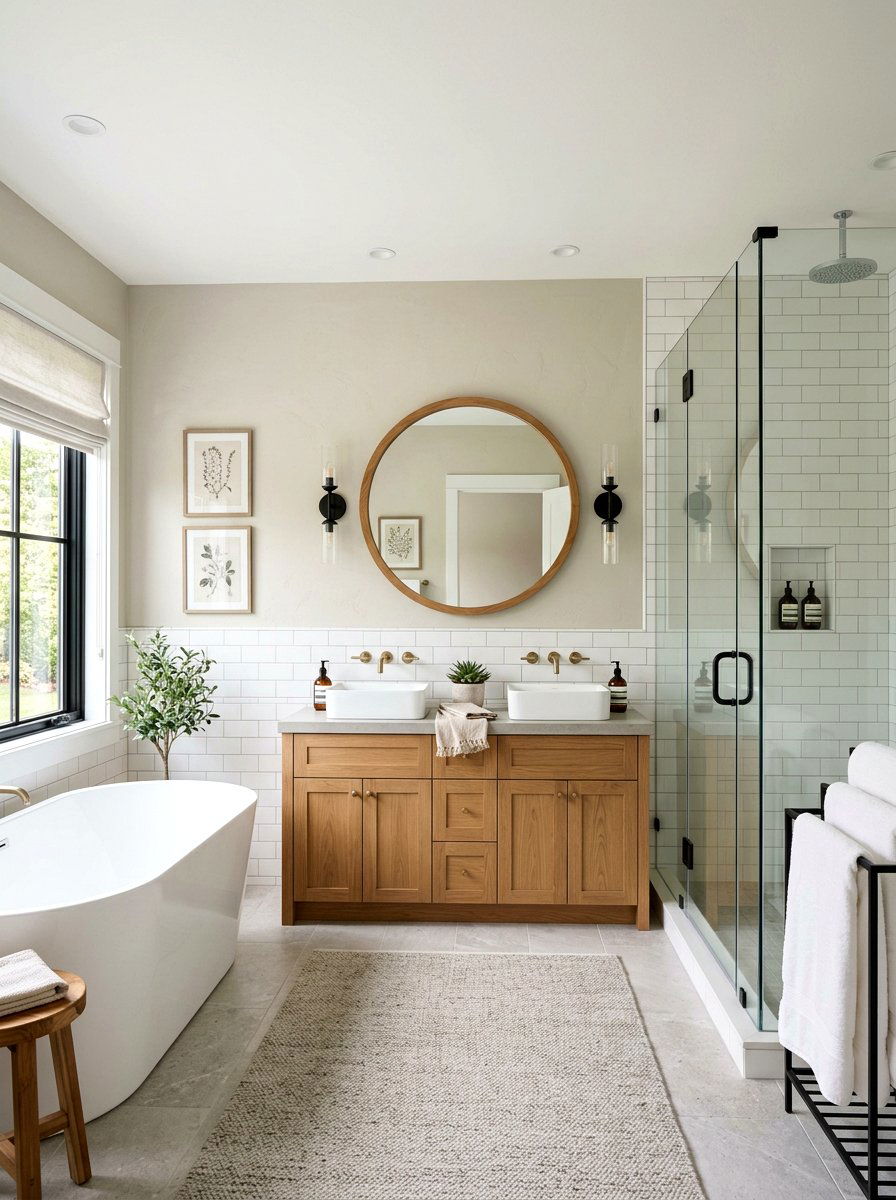
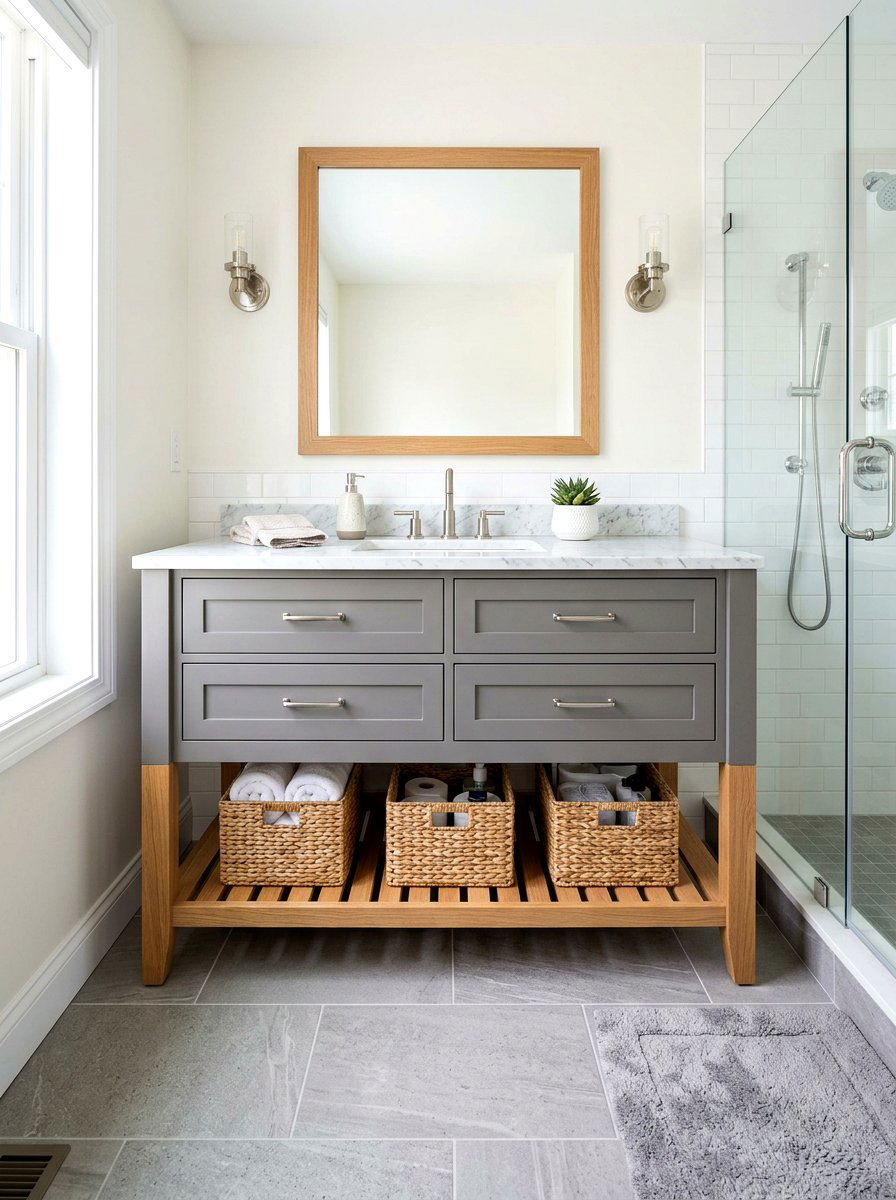
Applying light putty bathroom walls is a brilliant way to make a small utilitarian space feel like a high-end spa. Unlike cold grays, putty has enough warmth to make white porcelain fixtures and soaking tubs feel inviting rather than clinical. You can enhance this design by installing white subway tiles with a subtle gray grout that echoes the wall tone. A wood vanity with a stone top provides a natural element that anchors the room beautifully. Adding plush white towels and a simple glass walk-in shower keeps the sightlines clear and the mood tranquil. This color choice is excellent for bathrooms because it complements most skin tones in the mirror.
5. Putty Color Dining Room
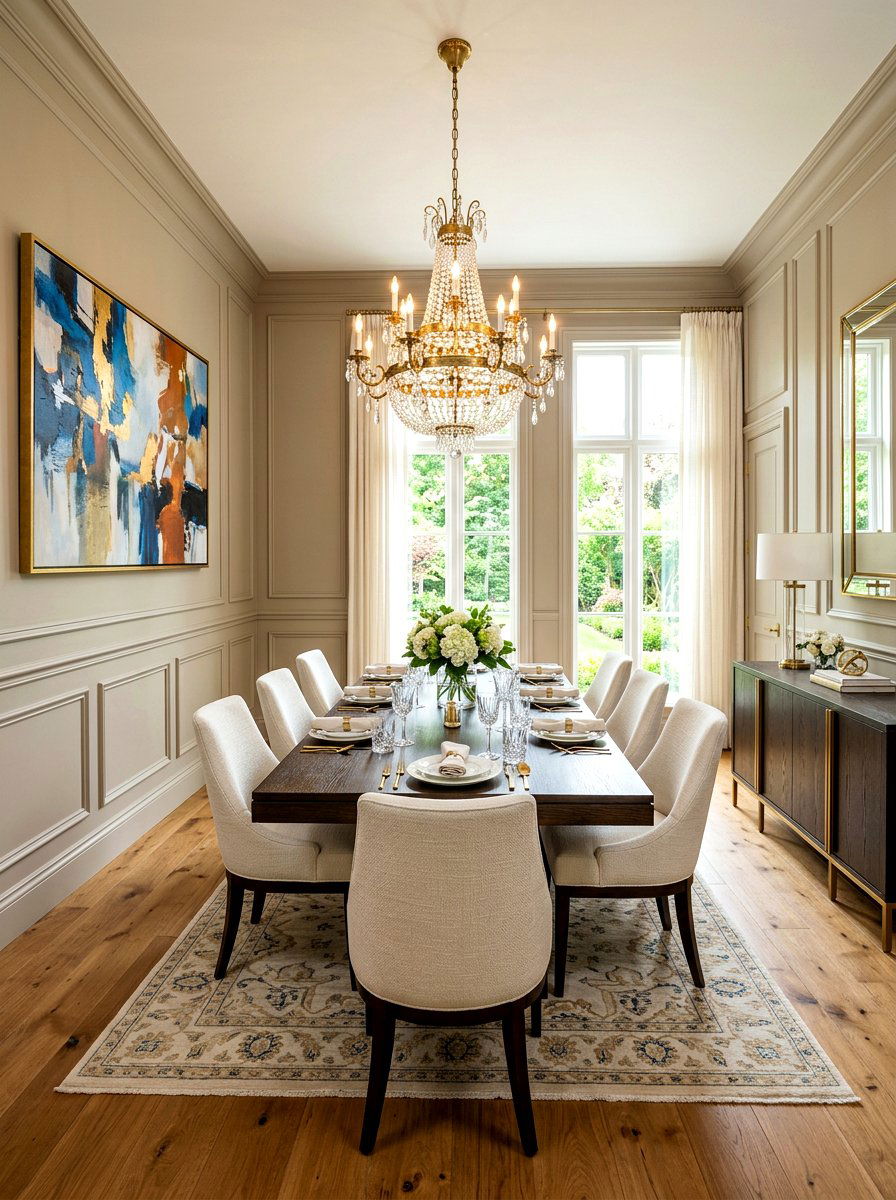
A putty color dining room sets a sophisticated stage for dinner parties and holiday gatherings alike. This versatile neutral looks stunning when paired with a dark oak dining table and upholstered chairs in a cream fabric. You might consider adding architectural interest through wainscoting or crown molding painted in the same putty shade for a modern, seamless look. A large brass chandelier provides a warm metallic glow that brings out the golden undertones in the paint during the evening. Large-scale abstract art with hints of black and gold can serve as a striking focal point against the muted walls. It creates a space that feels elegant and very welcoming.
6. Putty Color Home Office
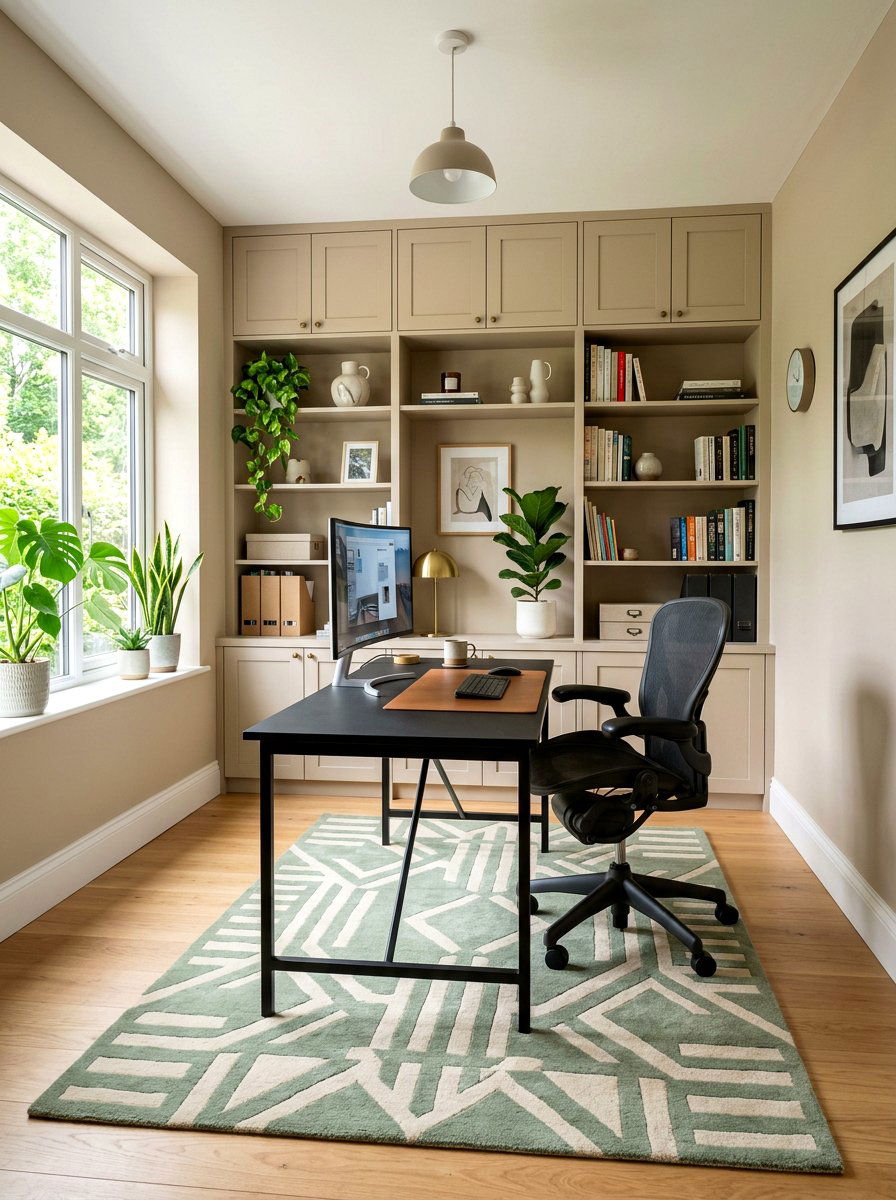
Designing a putty color home office helps foster a productive environment that remains visually calm and clutter-free. This shade is less distracting than vibrant colors, allowing you to focus on your tasks while still enjoying a stylish surroundings. Pair the walls with a sleek black desk and a leather ergonomic chair for a professional and contemporary aesthetic. Built-in shelving painted in the same putty tone creates a high-end, custom appearance that makes the room feel organized. You can add a patterned rug featuring sage green or navy to introduce a bit of personality without overwhelming the quiet mood. Natural light makes this color look exceptionally fresh during the workday.
7. Putty Color Entryway Walls
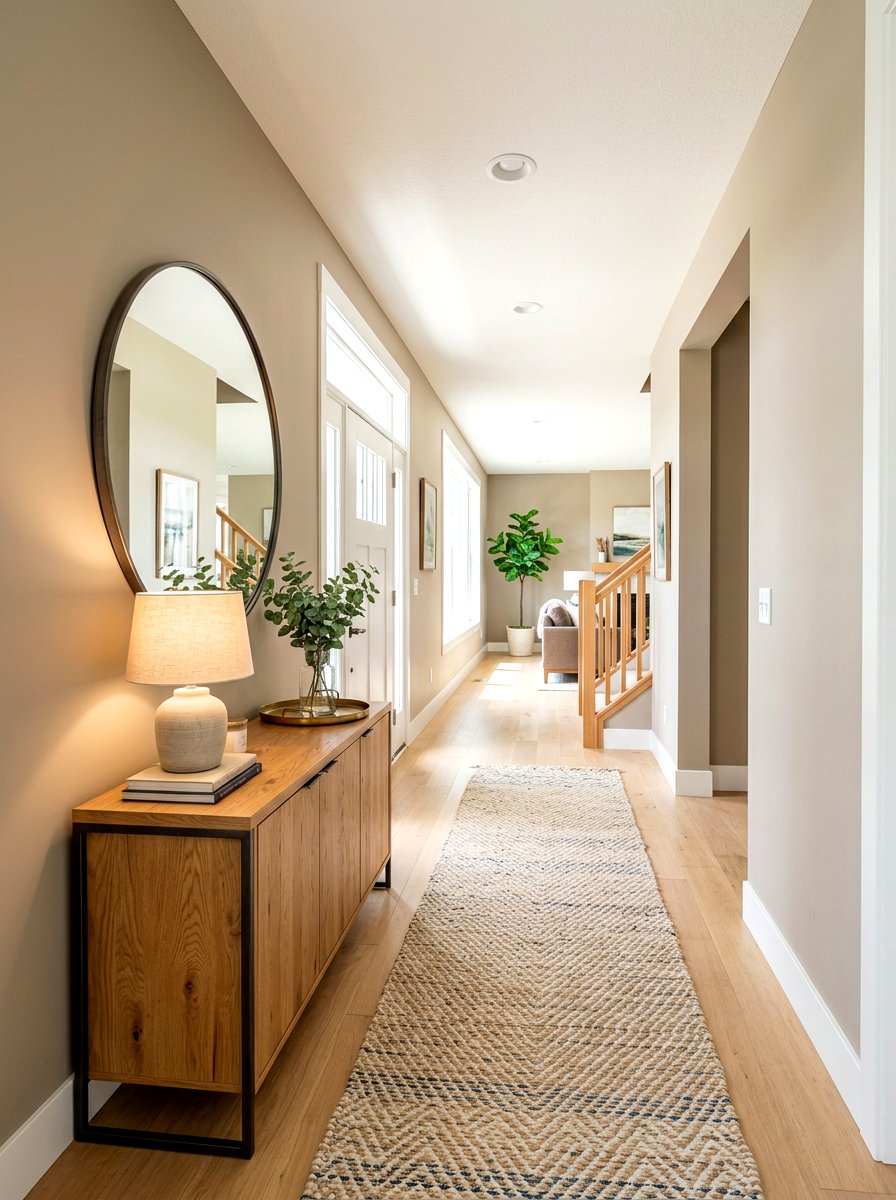
Choosing putty color entryway walls ensures that the very first impression of your home is one of warmth and sophistication. This transitional space benefits from a color that is durable and hides minor scuffs while still feeling bright and welcoming. You can style the area with a narrow wooden console table, a large round mirror, and a ceramic bowl for keys. A runner rug with a subtle geometric pattern in earth tones helps to define the walkway. Because entryways often lead into other rooms, putty serves as a perfect "bridge" color that coordinates with almost any palette in the rest of the house. It feels incredibly timeless and intentional.
8. Dark Putty Accent Wall
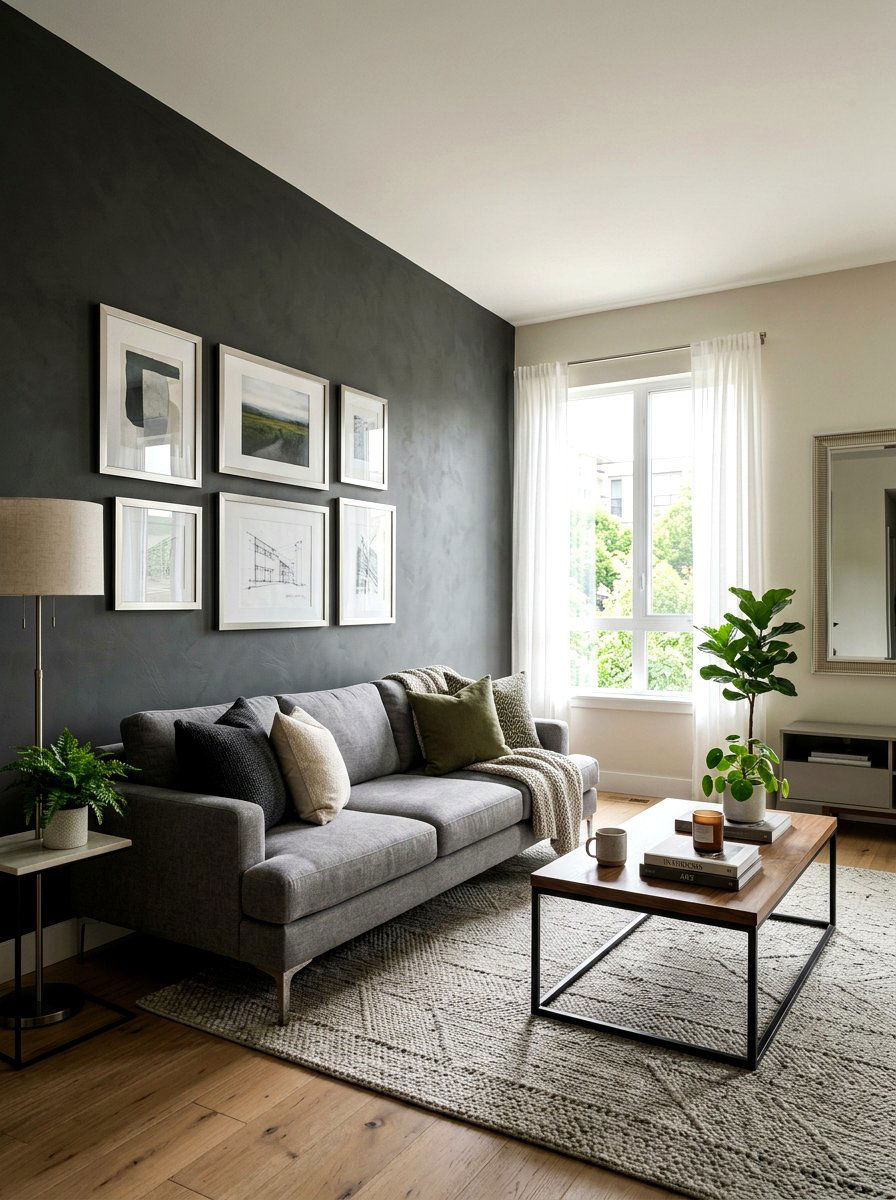
Creating a dark putty accent wall is a fantastic way to introduce depth and drama without committing to a black or navy room. This deeper mushroom tone works perfectly behind a bed or a sofa to anchor the furniture and create a clear focal point. Pair this accent wall with lighter putty or off-white on the remaining walls to maintain a sense of balance. Use metallic accents like silver or gold frames to make the wall pop and reflect light into the space. The darkness of the paint provides a moody, cozy atmosphere that is especially effective in media rooms or bedrooms. It feels modern, sophisticated, and very high-fashion.
9. Putty Color Laundry Room
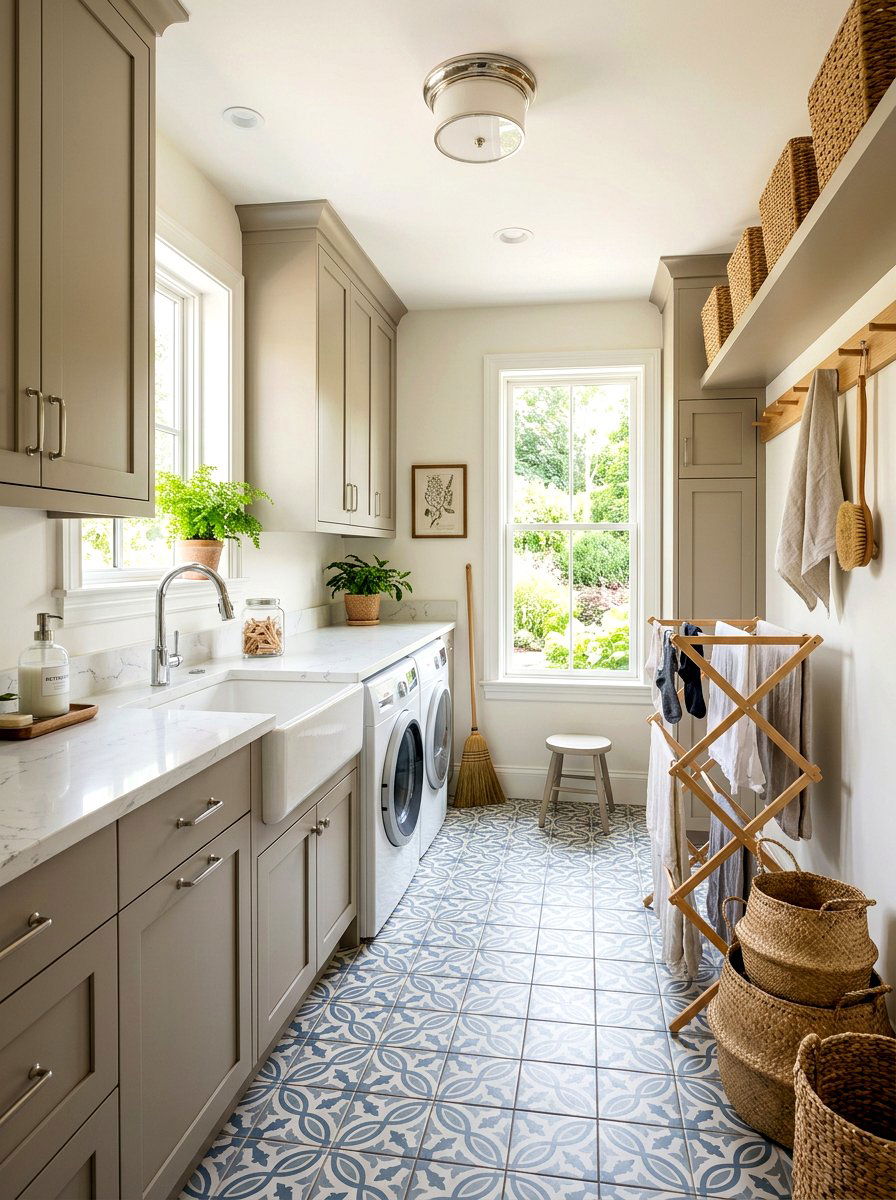
A putty color laundry room elevates a typically overlooked space into something beautiful and enjoyable to use. Painting the cabinetry or the walls in this soft neutral makes the chores feel less like a burden. Combine the putty color with crisp white countertops and patterned floor tiles to add a touch of whimsy and movement. Woven baskets for organization and wooden drying racks complement the earthy nature of the paint perfectly. Bright overhead lighting is essential in a laundry room, and putty reflects it softly without the harsh glare of a pure white. This design turns a functional area into a seamless extension of your home's overall interior style.
10. Putty Color Nursery Walls
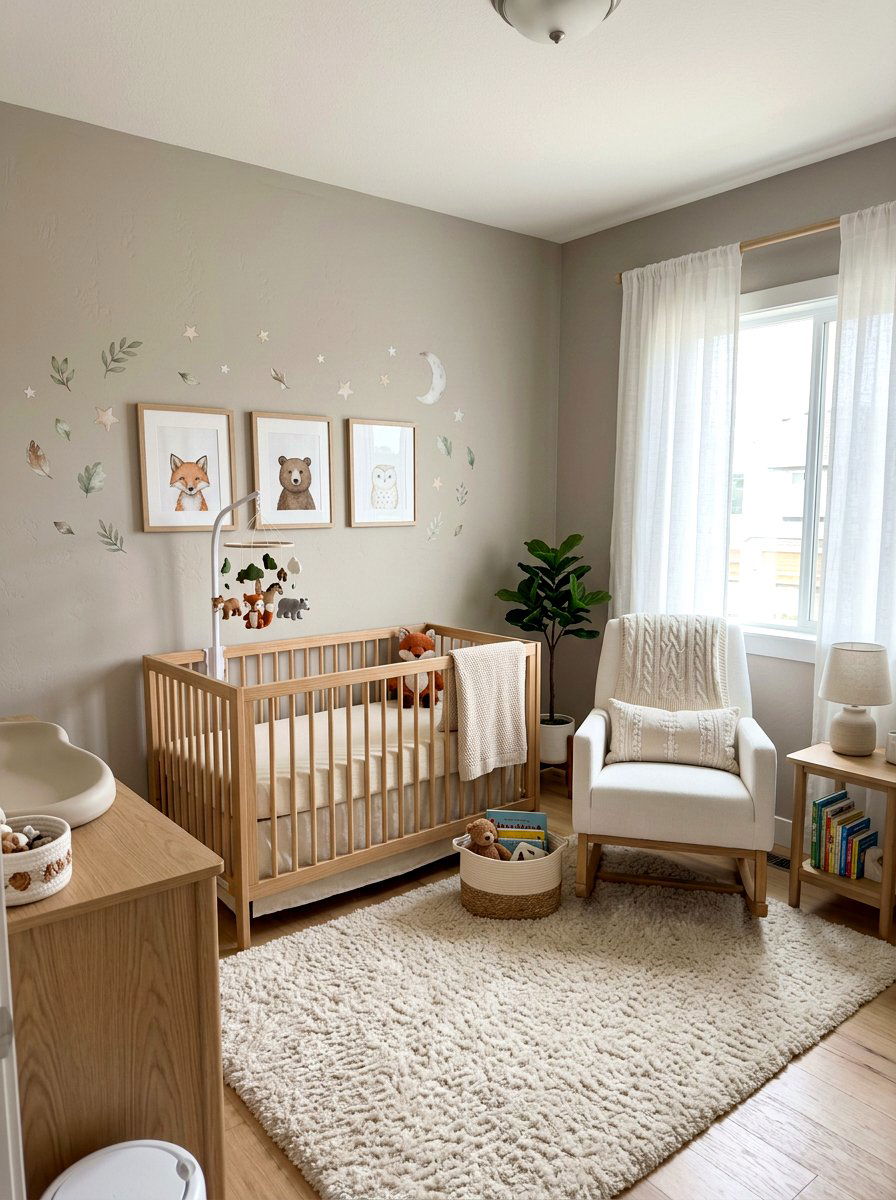
Opting for putty color nursery walls provides a gender-neutral and calming environment that can grow with your child over the years. This soft shade is much more versatile than traditional pinks or blues, allowing you to change decor easily as the child matures. You can pair the walls with a light wood crib and a cozy white rocking chair for a Scandinavian-inspired look. Adding wall decals or framed animal prints provides a playful touch while keeping the overall aesthetic sophisticated. A soft shag rug in a cream tone adds comfort for floor play. This color choice creates a peaceful backdrop that is perfect for both sleep and daytime activities.
11. Putty Color Mudroom Cabinets
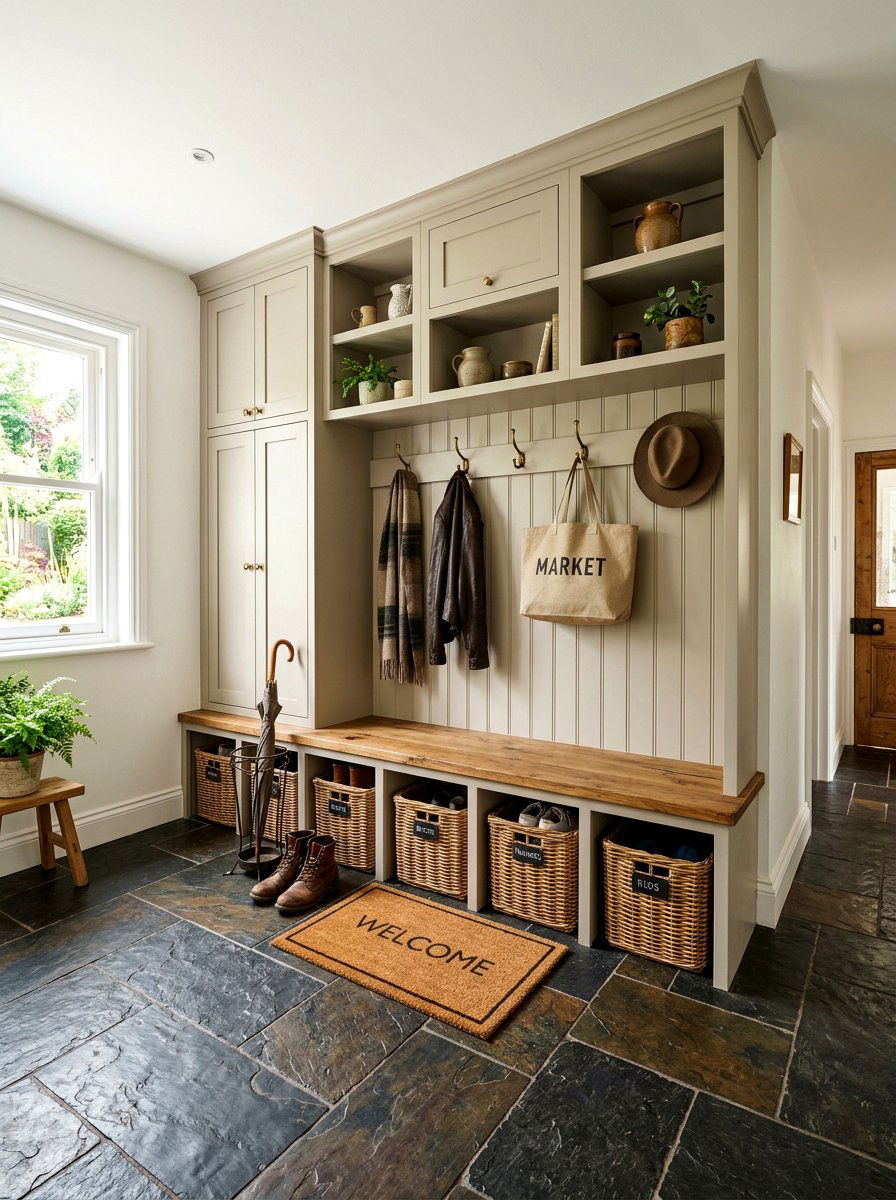
Using putty color mudroom cabinets is a practical and stylish way to handle the high traffic of a home's entrance. This color is excellent at hiding the inevitable dust and fingerprints that come with daily use by active families. Pair the cabinets with a natural slate floor and a wooden bench to create a sturdy, functional space that looks designer-approved. Antique brass hooks for coats and hats add a touch of vintage charm against the modern neutral paint. You can include open cubbies with wicker baskets to keep shoes and accessories tucked away. This design ensures your transition area remains organized while maintaining a cohesive look with the rest of the interior.
12. Putty Color Basement Walls
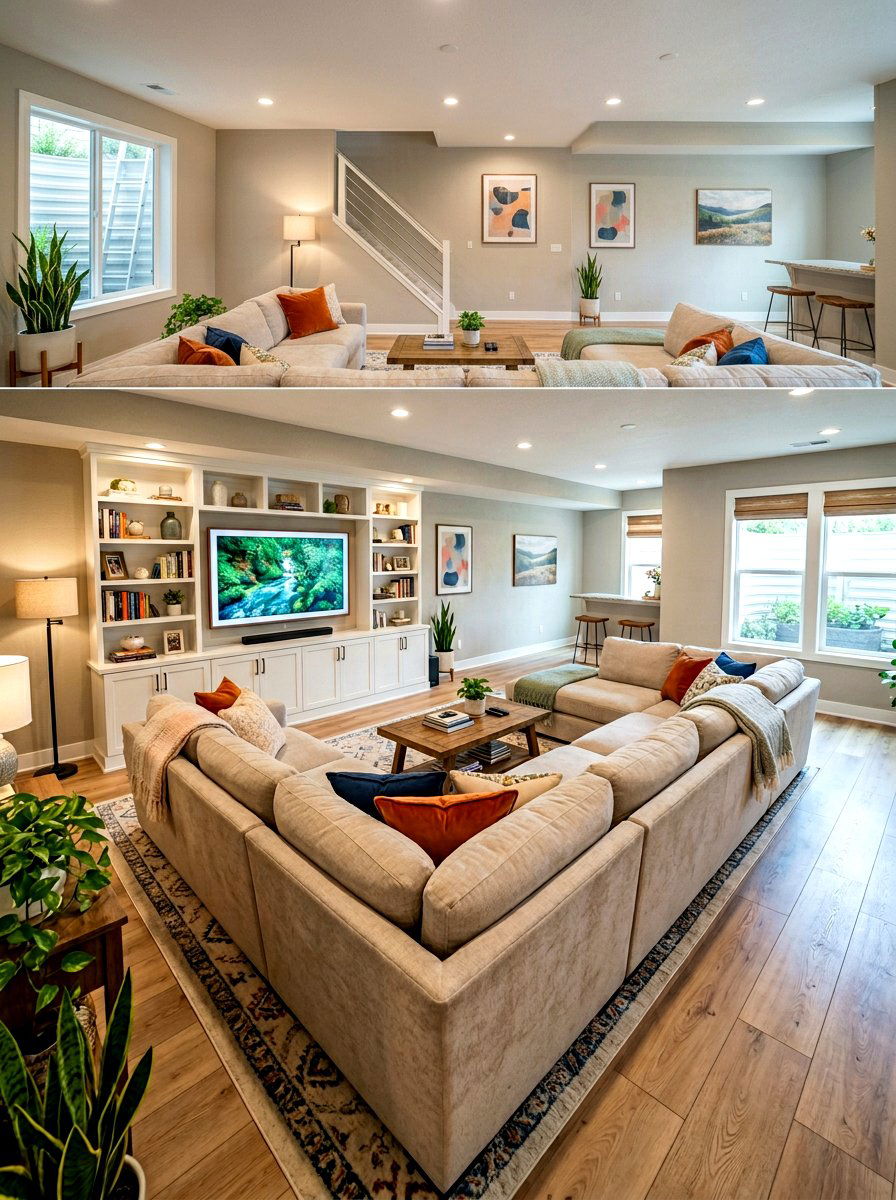
Transforming a lower level with putty color basement walls helps to counteract the lack of natural light often found in these spaces. Putty has a unique ability to feel warm even in rooms with small windows, preventing the basement from feeling cold or subterranean. You can create a cozy family room by adding a large plush sectional and built-in media units in a matching or slightly darker tone. Using light-colored wood flooring or a neutral carpet helps to bounce what little light there is around the room. This color choice makes the basement feel like a true extension of the upstairs living area rather than an unfinished afterthought.
13. Putty Color Guest Room
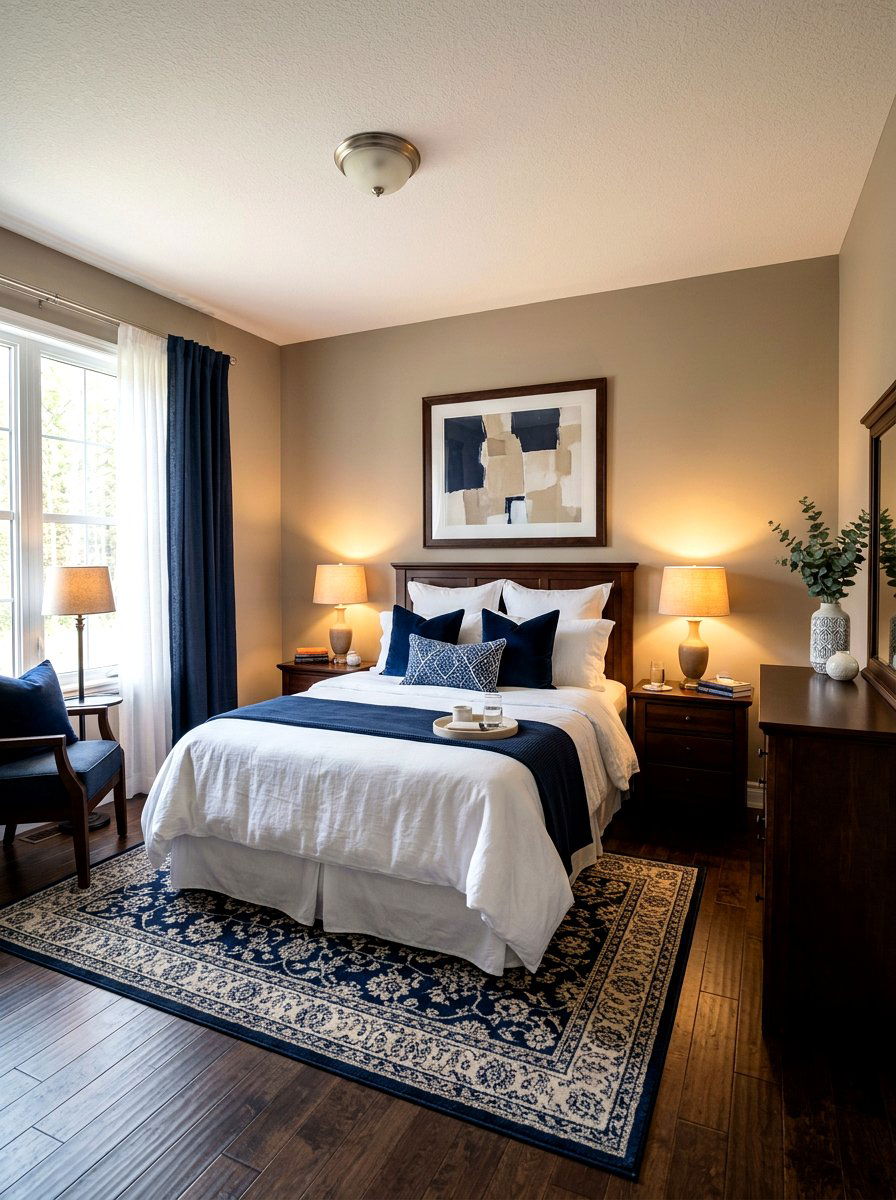
A putty color guest room offers a welcoming and hotel-like experience for anyone staying in your home. This universally appealing neutral ensures that every guest feels comfortable, regardless of their personal style preferences. You can style the room with crisp white bed linens and a few navy or forest green accent pillows for a classic look. A small desk or vanity in a dark wood finish provides a functional space for visitors. Soft bedside lamps with linen shades will cast a warm glow against the putty walls in the evening. This design creates a quiet, restful retreat that makes your guests feel truly pampered and at home during their visit.
14. Putty Color Hallway Walls
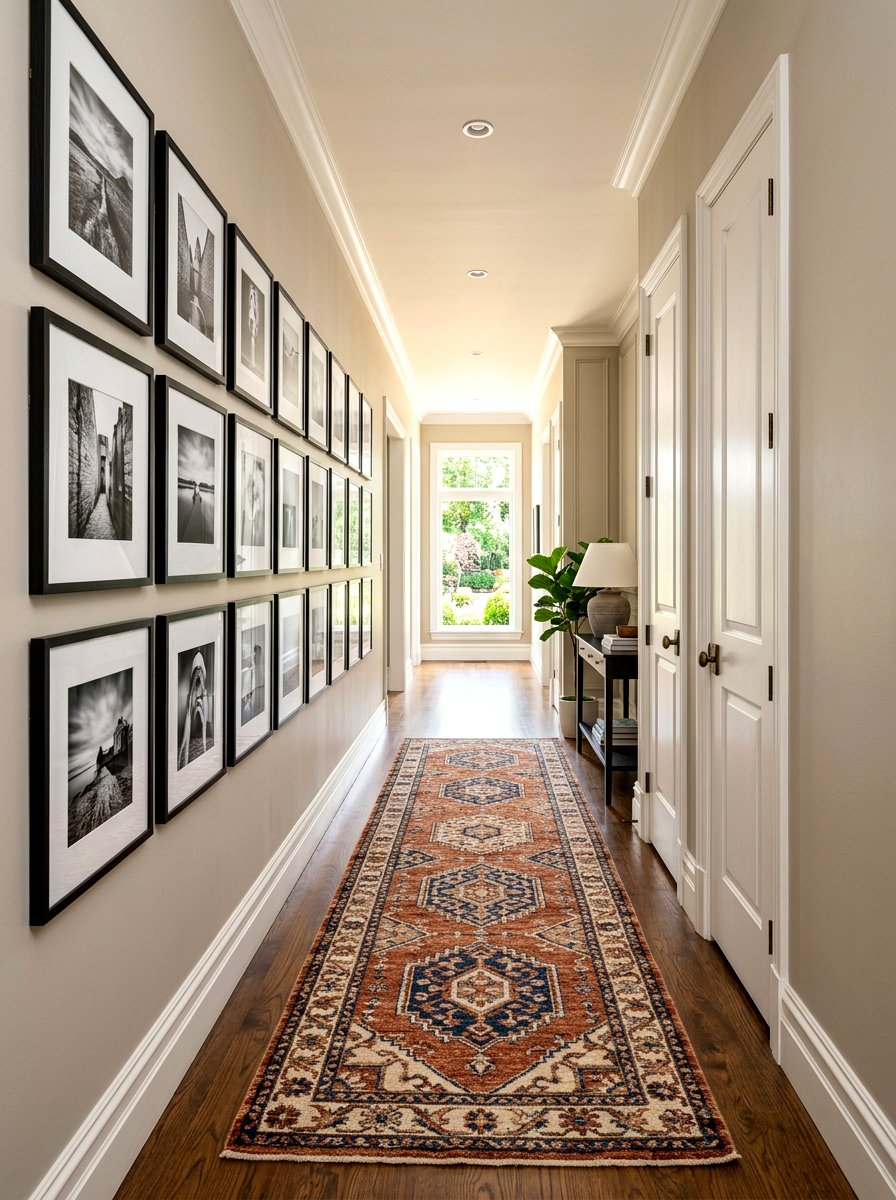
Painting putty color hallway walls is an effective strategy for unifying different areas of a home that may have varied color schemes. Hallways are the connectors of the house, and this sophisticated greige acts as a neutral palate cleanser as you move from room to room. You can enhance the long stretch of wall by hanging a gallery of black and white family photographs in uniform frames. A slim runner rug with a subtle texture adds warmth underfoot without cluttering the narrow passage. Using a slightly higher sheen, like satin, allows the walls to reflect more light and makes them easier to wipe down in high-traffic zones.

15. Putty Color Reading Nook
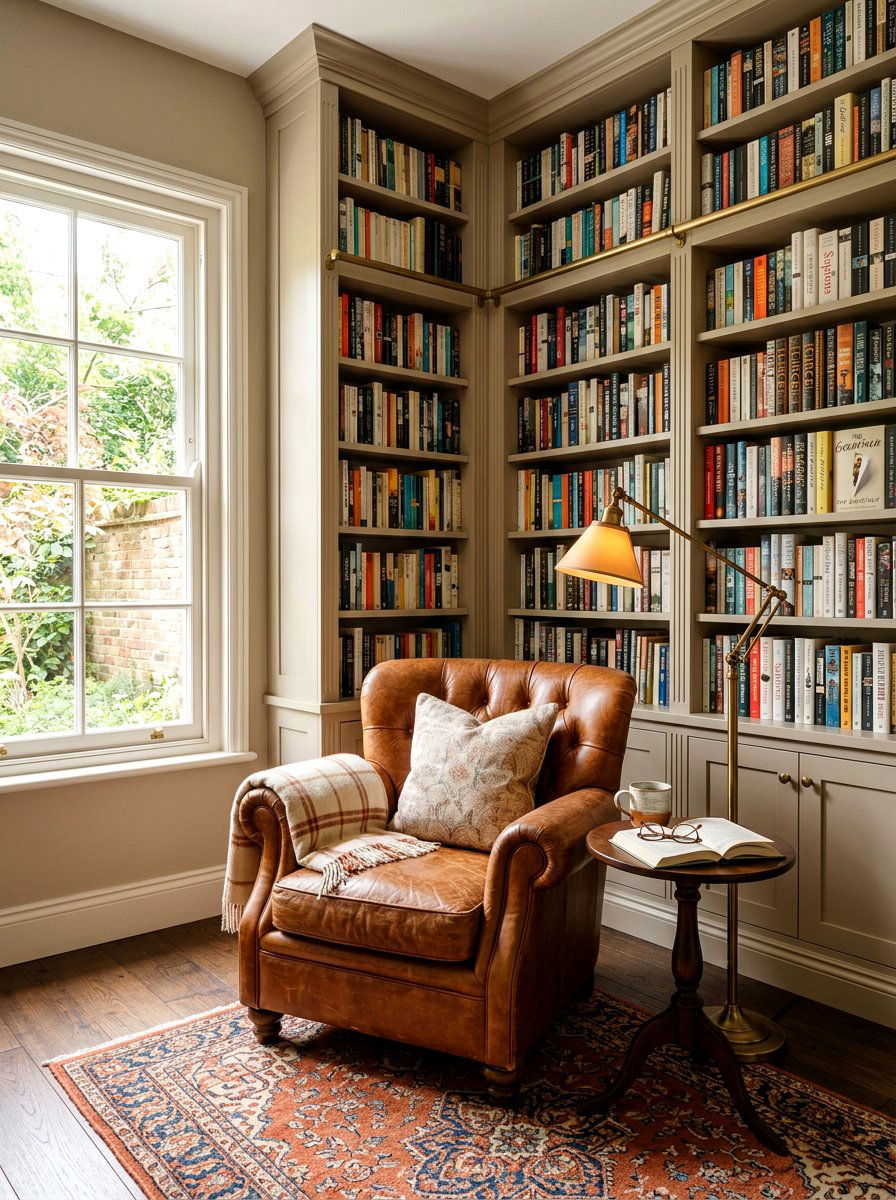
Creating a putty color reading nook turns a small corner of your home into a cozy destination for book lovers. This muted, earthy tone encourages relaxation and focus, making it the perfect choice for a quiet retreat. You can anchor the space with a large, comfortable armchair in a cognac leather or a soft boucle fabric. Add a floor-to-ceiling bookshelf painted in the same putty color to create a built-in, seamless look that feels very custom. A small side table for your tea and a bright, adjustable reading lamp are essential finishing touches. This design makes even a tiny footprint feel intentional and incredibly stylish.
16. Putty Color Breakfast Nook
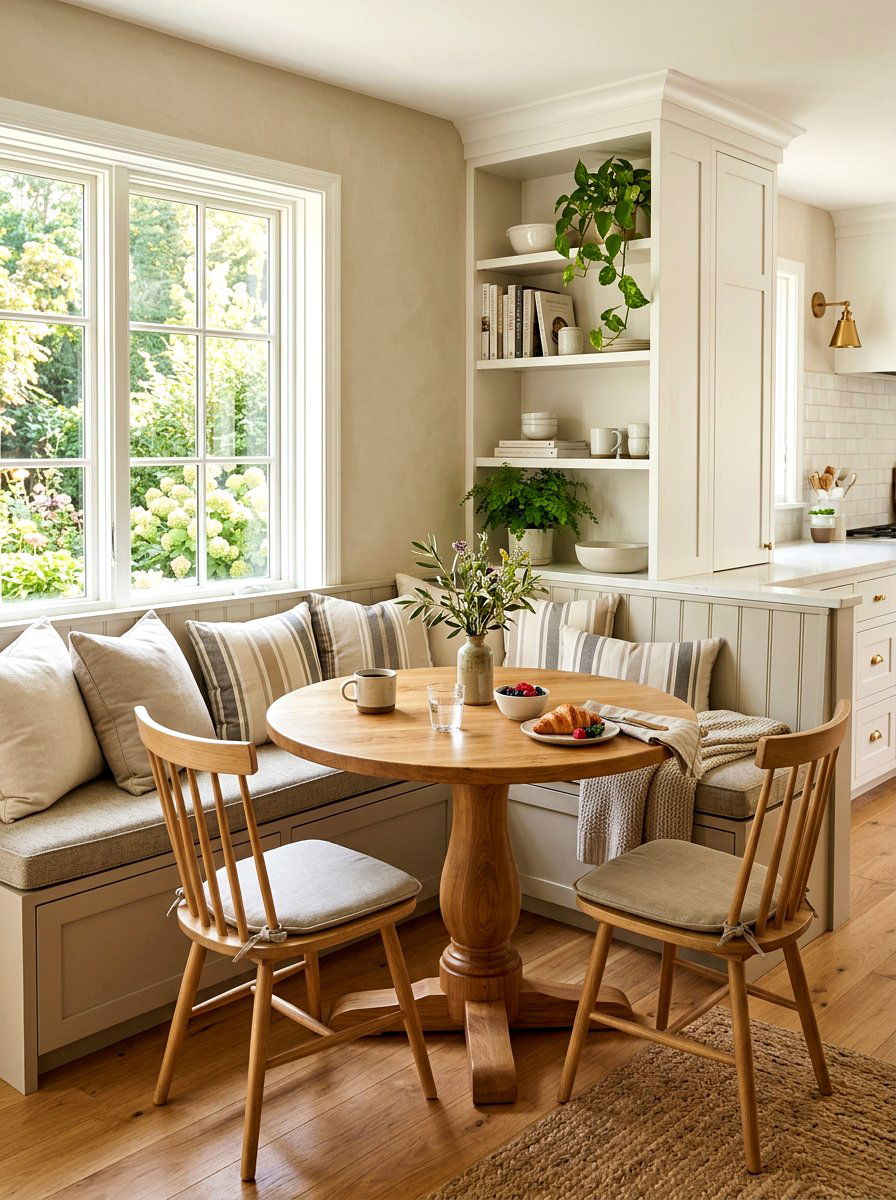
A putty color breakfast nook provides a soft and inviting start to the morning for the whole family. This shade looks particularly beautiful in the soft light of dawn, creating a gentle atmosphere for enjoying coffee and breakfast. You can pair the walls with a built-in banquette featuring cushions in a striped neutral fabric. A round pedestal table in a light oak finish helps to maximize the space while complementing the wall tone. Adding a few colorful throw pillows or a bowl of fresh fruit provides just enough pop to make the area feel lively. This design turns a small kitchen corner into a favorite gathering spot.
17. Putty Color Library Walls
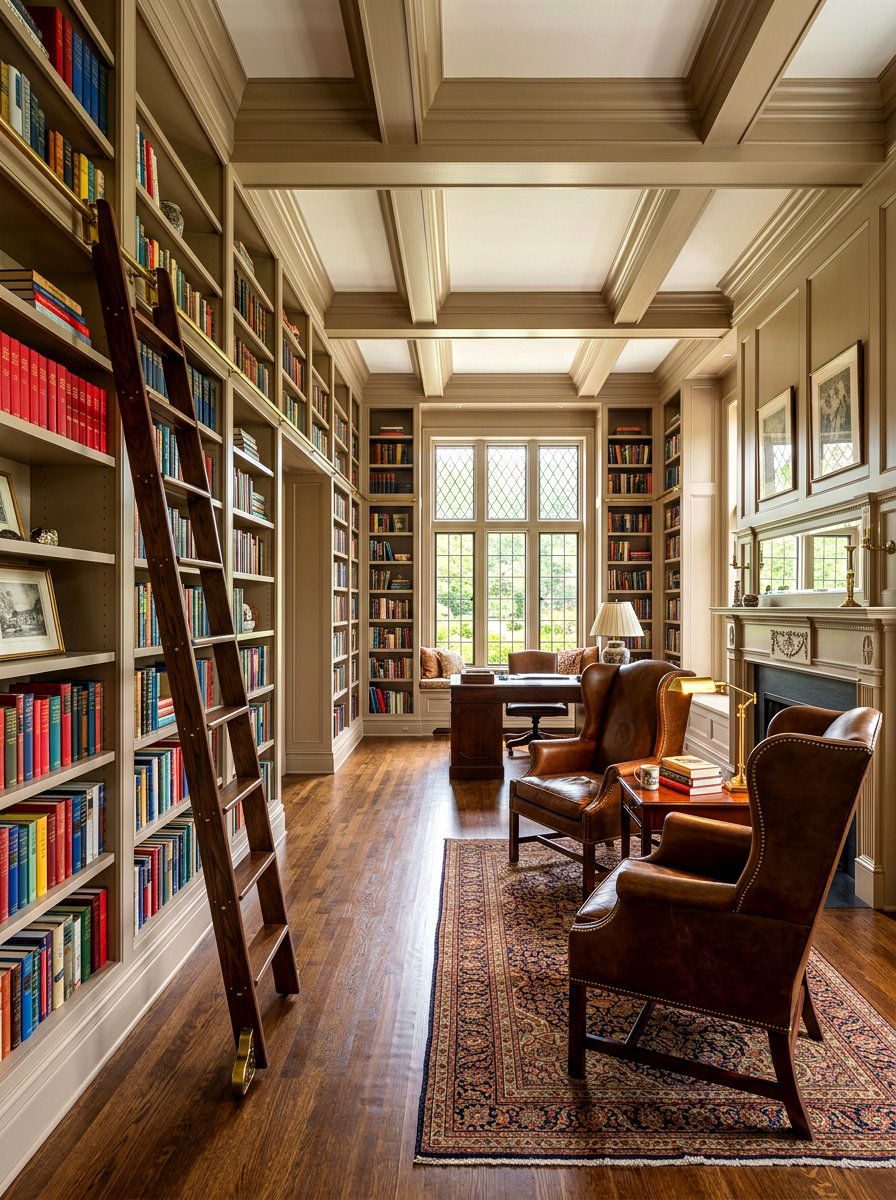
Designing putty color library walls creates a sophisticated and studious atmosphere that feels both historic and modern. This deep neutral provides a wonderful backdrop for rows of colorful book spines, making the collection the true star of the room. You can use a monochromatic approach by painting the shelves, trim, and ceiling in the same putty shade for a high-end "color drench" effect. Pair this look with a pair of traditional wingback chairs and a dark wood library ladder. The warmth of the putty prevents the room from feeling too stuffy, making it a place where you actually want to spend hours reading or working quietly.
18. Putty Color Media Room
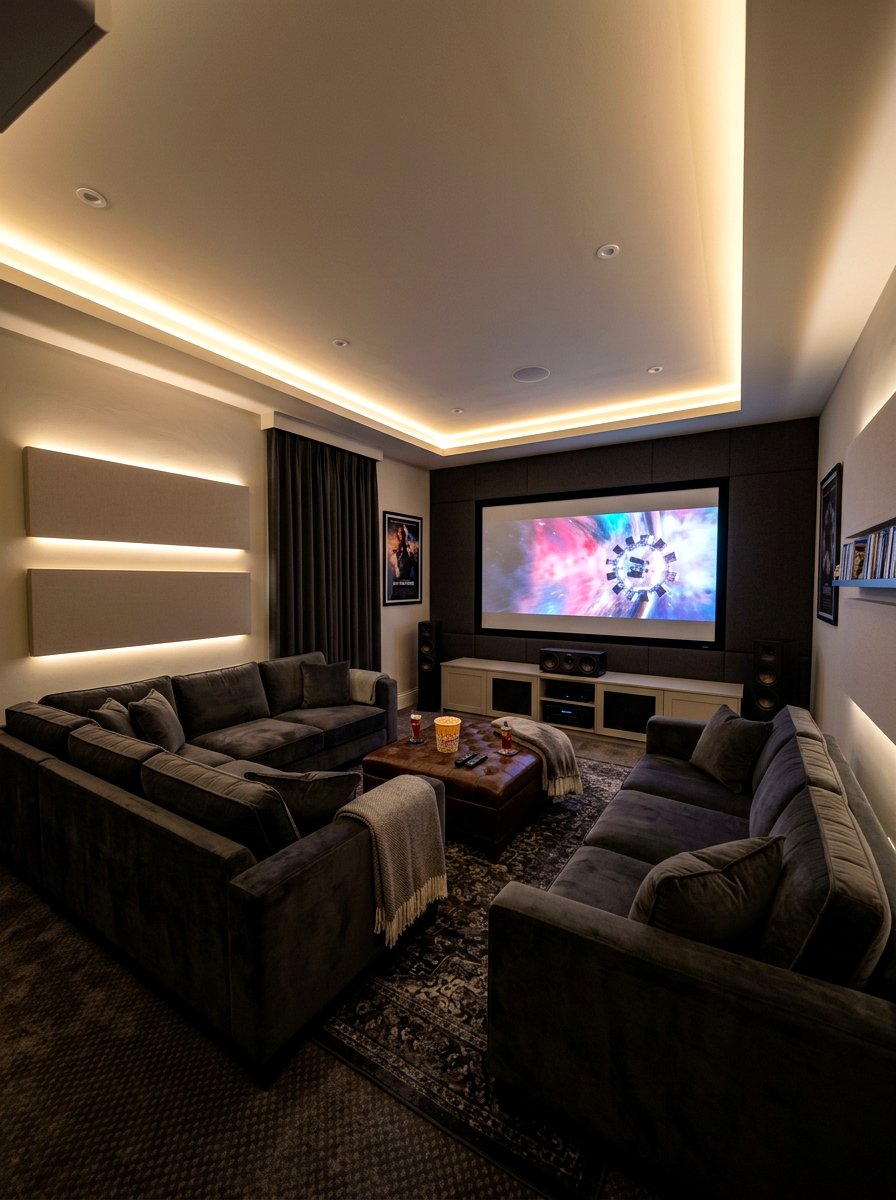
Choosing putty color media room walls offers a softer alternative to the typical dark blues or blacks often used in theaters. While it is still dark enough to minimize screen glare, it keeps the room from feeling like a cave when the lights are on. You can enhance the cinematic experience by adding large, reclining velvet sofas in a deep charcoal or chocolate brown. Sound-absorbing panels wrapped in a matching neutral fabric can be both functional and decorative. Incorporating dimmable LED strip lighting along the baseboards adds a modern, high-tech touch. This design ensures your entertainment space is comfortable for movies but still stylish for everyday use.
19. Putty Color Sunroom Walls
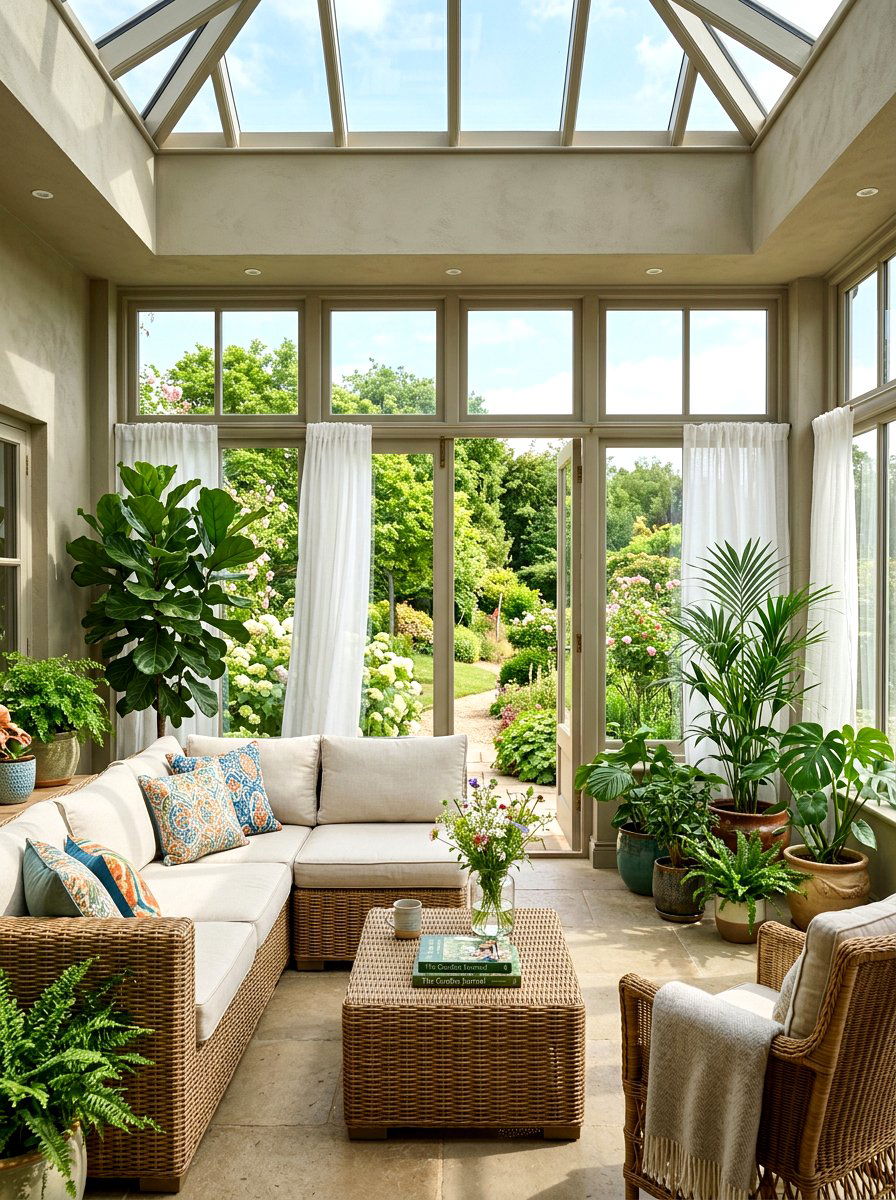
Applying putty color sunroom walls is a smart way to bridge the gap between your indoor living space and the natural world outside. This earthy tone complements the green of garden views and the blue of the sky without competing with them. You can style the room with rattan or wicker furniture and plenty of large potted plants to emphasize the botanical theme. Sheer white curtains allow plenty of natural light to filter through while maintaining a sense of privacy. The putty walls stay cool and crisp during the day but feel warm and cozy as the sun begins to set. It is a perfect choice for year-round enjoyment.
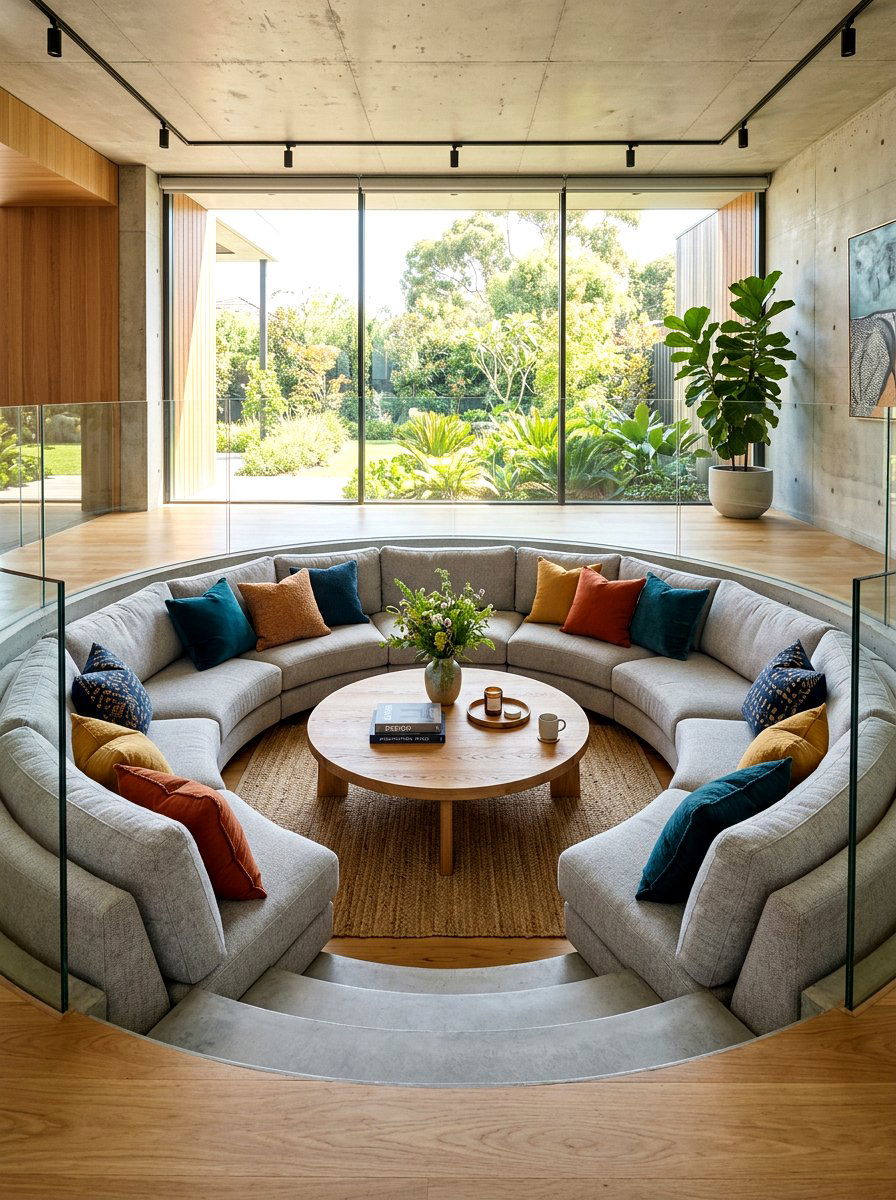
20. Putty Color Fireplace Wall
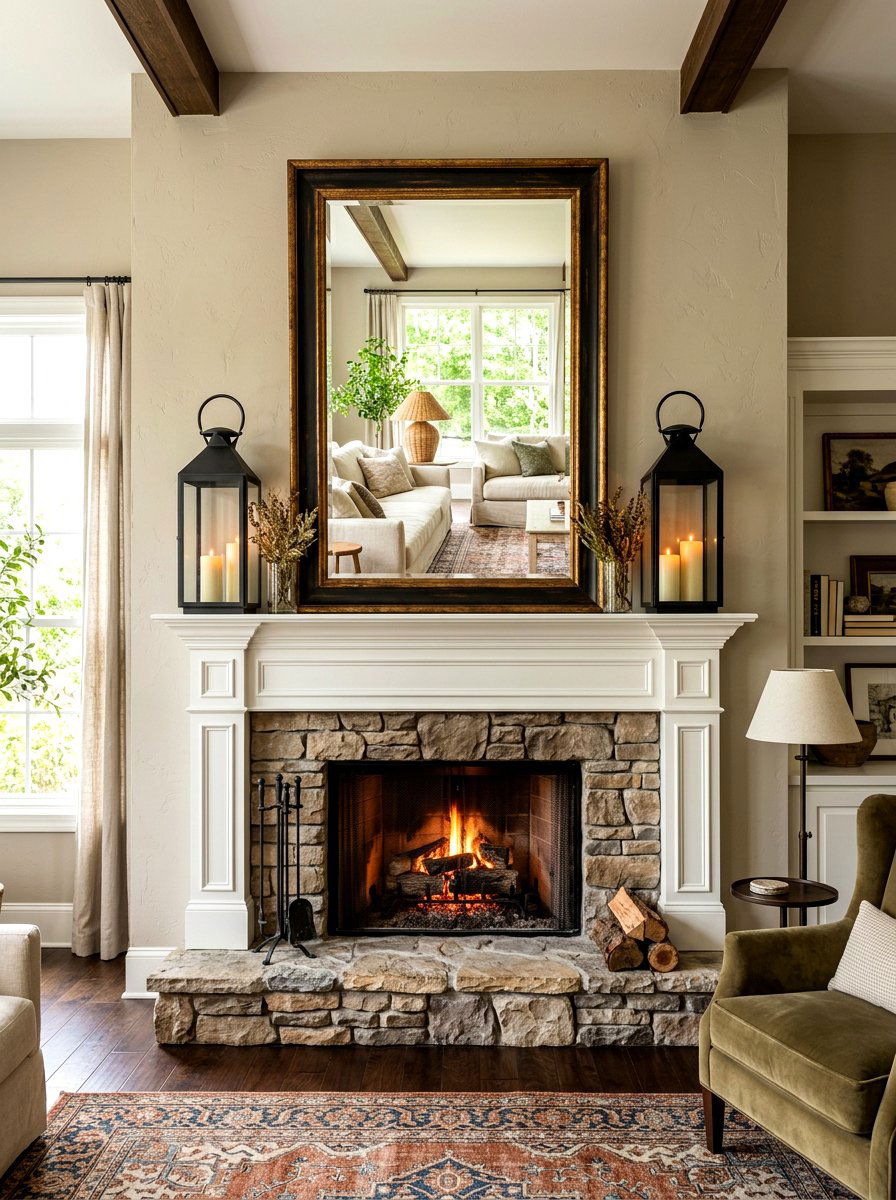
Focusing on a putty color fireplace wall creates a stunning architectural focal point that anchors the entire living area. Whether your fireplace is made of stone, brick, or wood, a putty backdrop helps the materials stand out without looking dated. You can paint the mantel in a slightly darker shade or a crisp white to add a layer of definition. Style the hearth with oversized lanterns and a stack of natural wood logs to enhance the rustic yet refined aesthetic. A large piece of art or a statement mirror above the mantel will reflect the room's light and make the putty color appear even more luminous.
21. Putty Color Staircase Walls
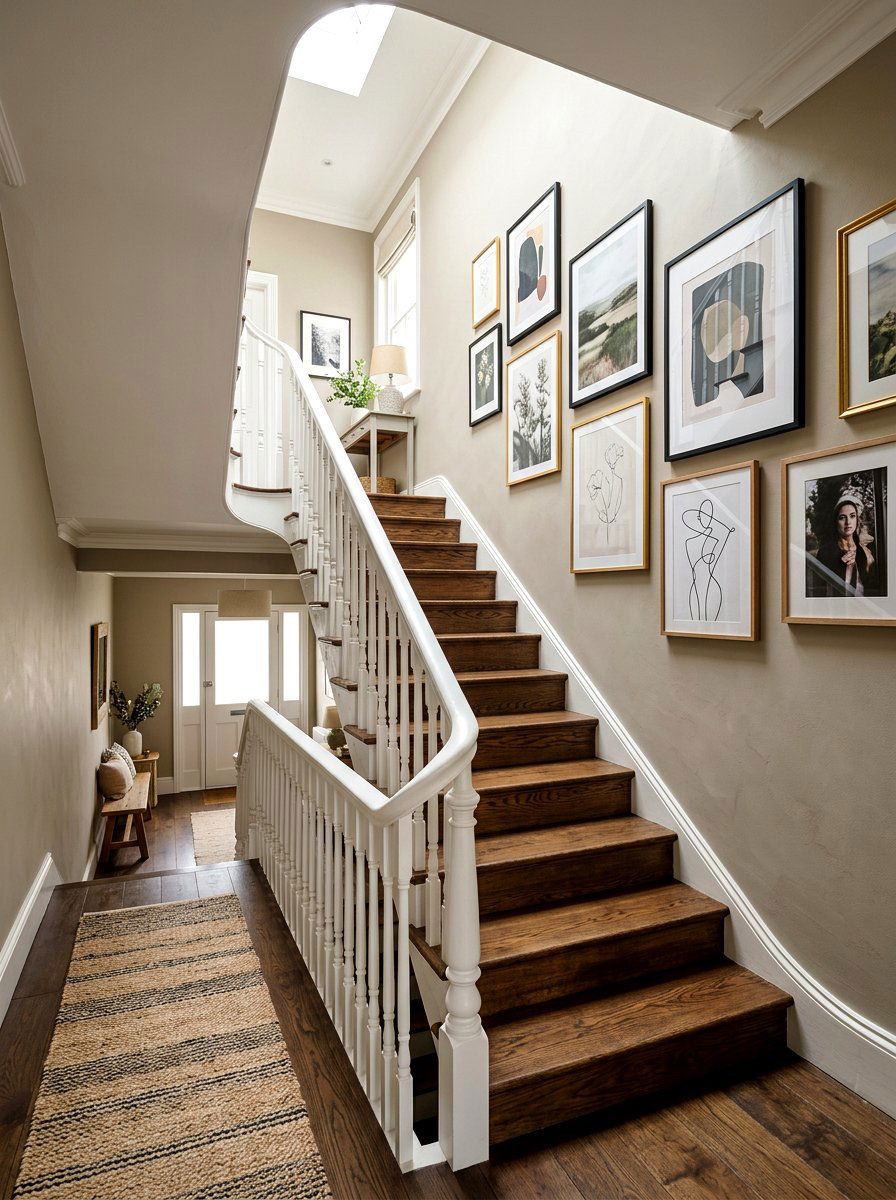
Updating your staircase with putty color walls is an excellent way to refresh the central spine of your home. This high-traffic area often suffers from fingerprints, and the putty tone is remarkably forgiving while still looking bright and clean. You can pair the walls with dark wood treads and a white banister for a high-contrast, traditional look. Alternatively, a completely monochromatic staircase with putty walls and matching painted railings creates a very modern, minimalist feel. Hanging a series of vertical artworks along the ascent helps to draw the eye upward and makes the ceiling feel higher. It creates a smooth transition between the different levels.
22. Putty Color Walk In Closet
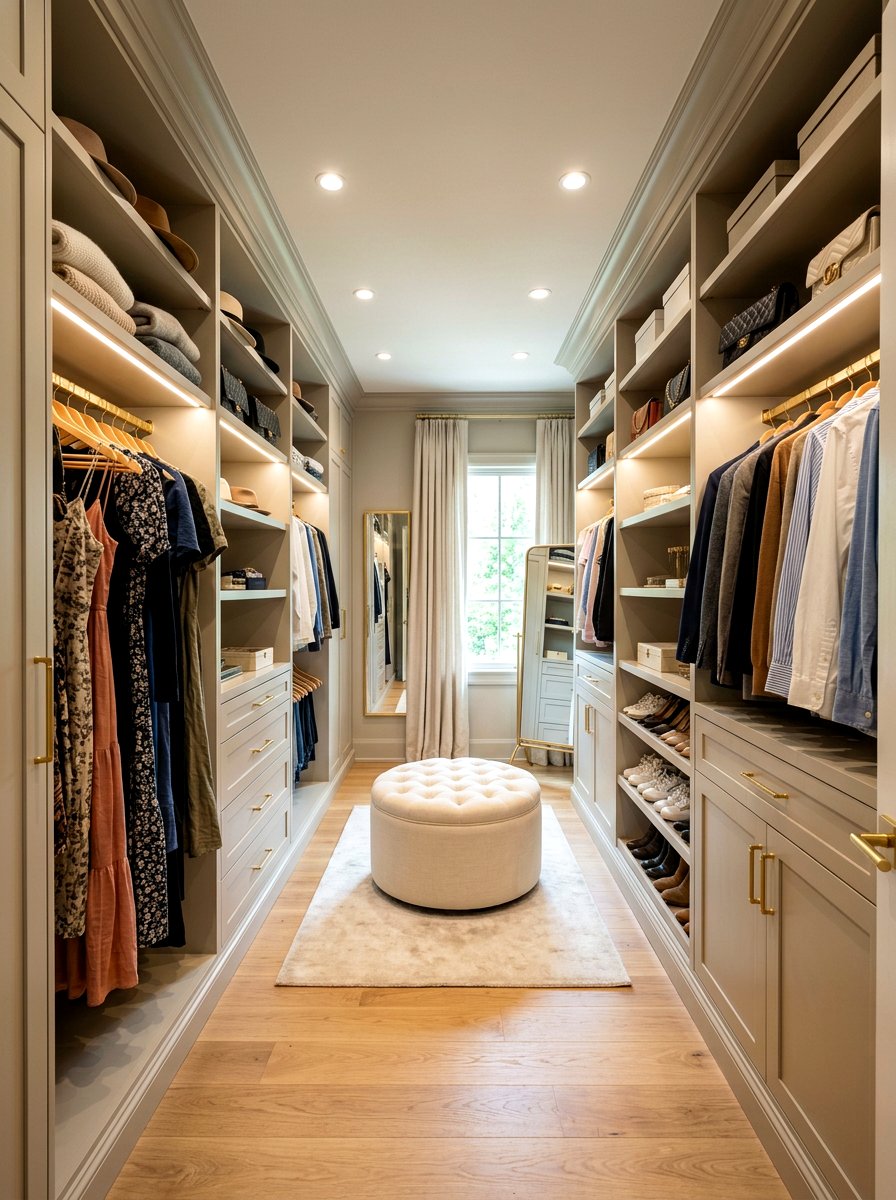
A putty color walk in closet turns your storage space into a boutique-like dressing room that feels incredibly luxurious. This neutral shade is perfect for a closet because it doesn't cast odd colors onto your clothes, making it easier to coordinate outfits. You can install custom shelving with a putty finish and add gold or acrylic hardware for a touch of glamour. A small ottoman in a plush cream fabric provides a place to sit while putting on shoes. Bright, high-CRI lighting is essential here to ensure you see the true colors of your wardrobe. This design makes the daily task of getting dressed feel like a special event.
23. Putty Color Kitchen Island
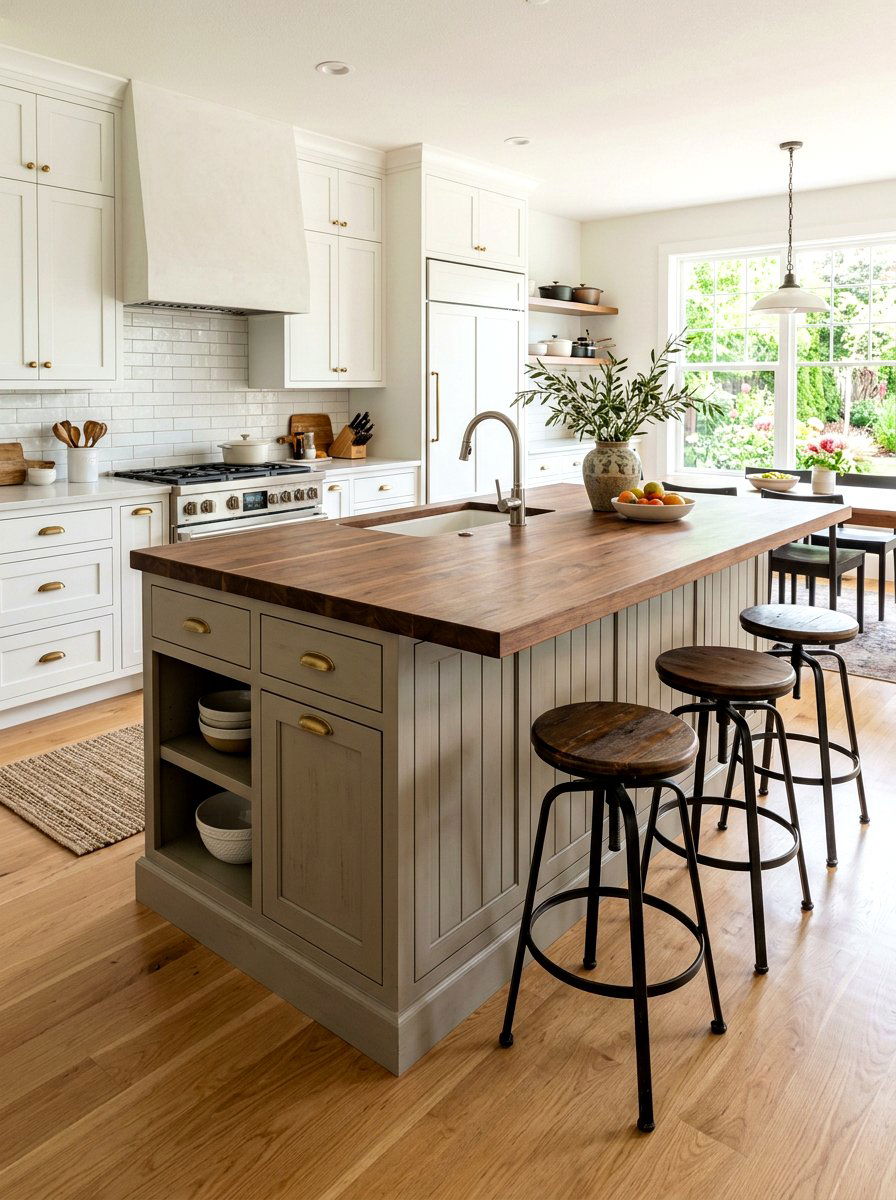
Incorporating a putty color kitchen island is a fantastic way to introduce a secondary neutral that adds depth to your kitchen design. If your main cabinets are white, a putty island provides a soft contrast that grounds the center of the room. Pair the island with a thick butcher block or a white quartz countertop to create a functional and beautiful workspace. Stools with black metal legs and wooden seats offer an industrial-meets-organic vibe that coordinates perfectly with the earthy paint. This approach allows you to experiment with color in a way that is easily changeable but feels very permanent and designer-quality in its execution.
24. Putty Color Ceiling Paint
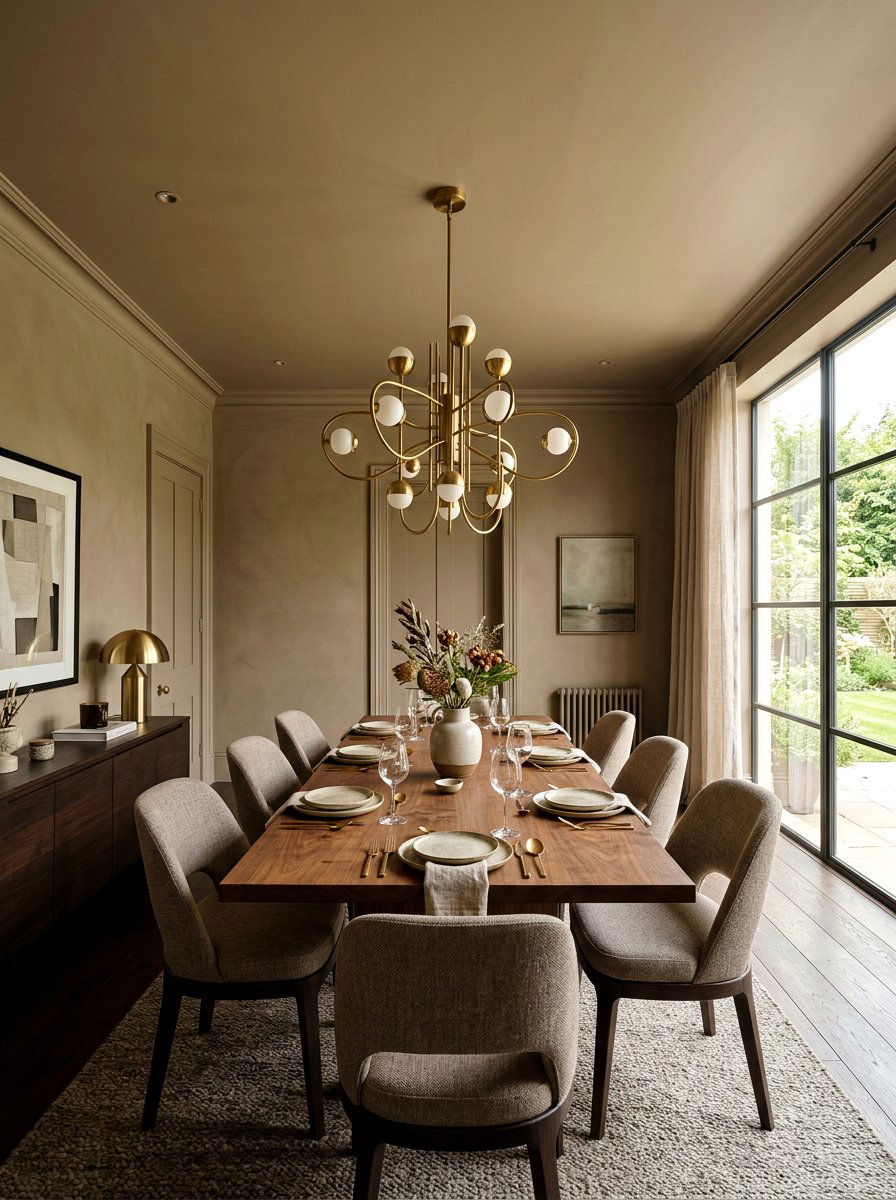
Trying out putty color ceiling paint is a bold design move that can make a room feel infinitely more cozy and intentional. This technique, often called "fifth wall" design, is especially effective in bedrooms or dining rooms with high ceilings. By bringing the putty color overhead, you eliminate the harsh line where the wall meets a white ceiling, creating a seamless and sophisticated "envelope" effect. This works best when the walls are either the same color or a slightly lighter shade. Pair it with a statement light fixture in a contrasting material like brass or black iron to draw the eye upward and highlight the unique paint choice.
25. Putty Color Open Concept
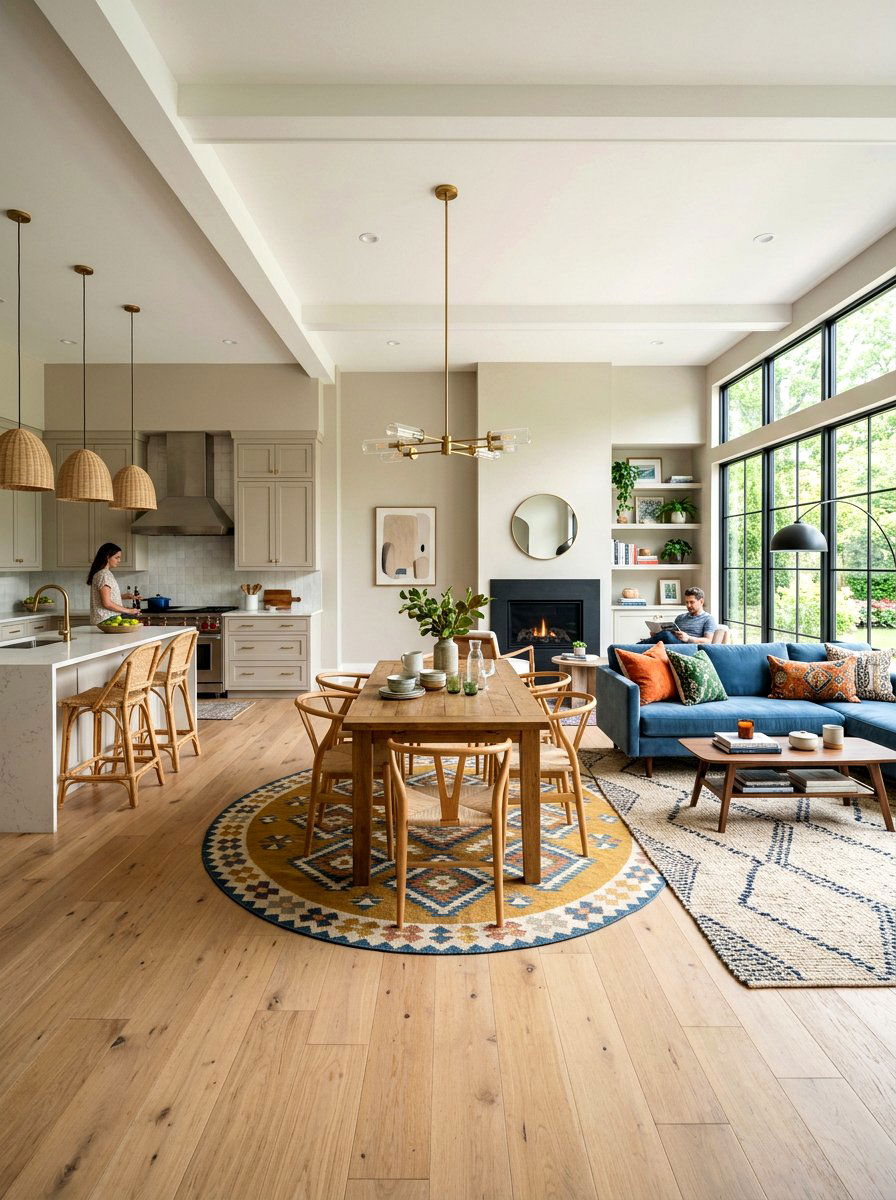
Using a putty color open concept floor plan is the most effective way to create a cohesive flow through a large, multi-functional living area. When the kitchen, dining, and living rooms all share the same wall color, the boundaries between spaces feel natural and unobstructed. You can define different zones using furniture, such as a large area rug in the living room or a specific pendant light over the dining table. The putty walls act as a unifying thread that allows you to use different accent colors in each zone while maintaining a sense of harmony. It makes a large house feel connected and well-planned from every angle.
26. Putty Color Modern Farmhouse
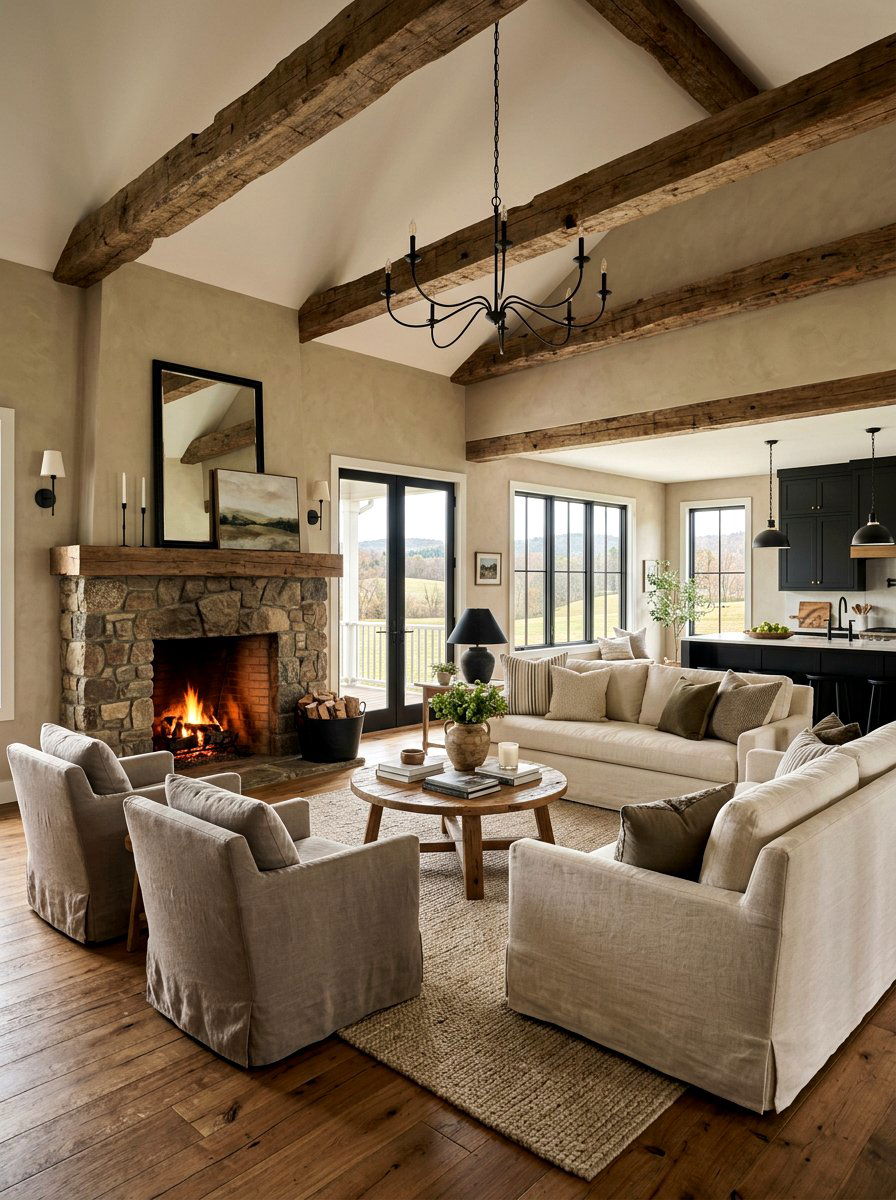
A putty color modern farmhouse design offers a sophisticated twist on the popular rustic aesthetic. Instead of the stark whites often associated with this style, putty adds a layer of warmth and "lived-in" comfort. Pair the walls with reclaimed wood beams on the ceiling and wide-plank oak flooring for an authentic feel. Use matte black hardware on doors and windows to provide that signature farmhouse contrast. Large, comfortable slipcovered furniture in neutral tones keeps the look relaxed and family-friendly. This color choice helps the home feel more grounded and connected to the landscape, making the "farmhouse" element feel more genuine and less like a passing trend.
27. Putty Color Industrial Loft
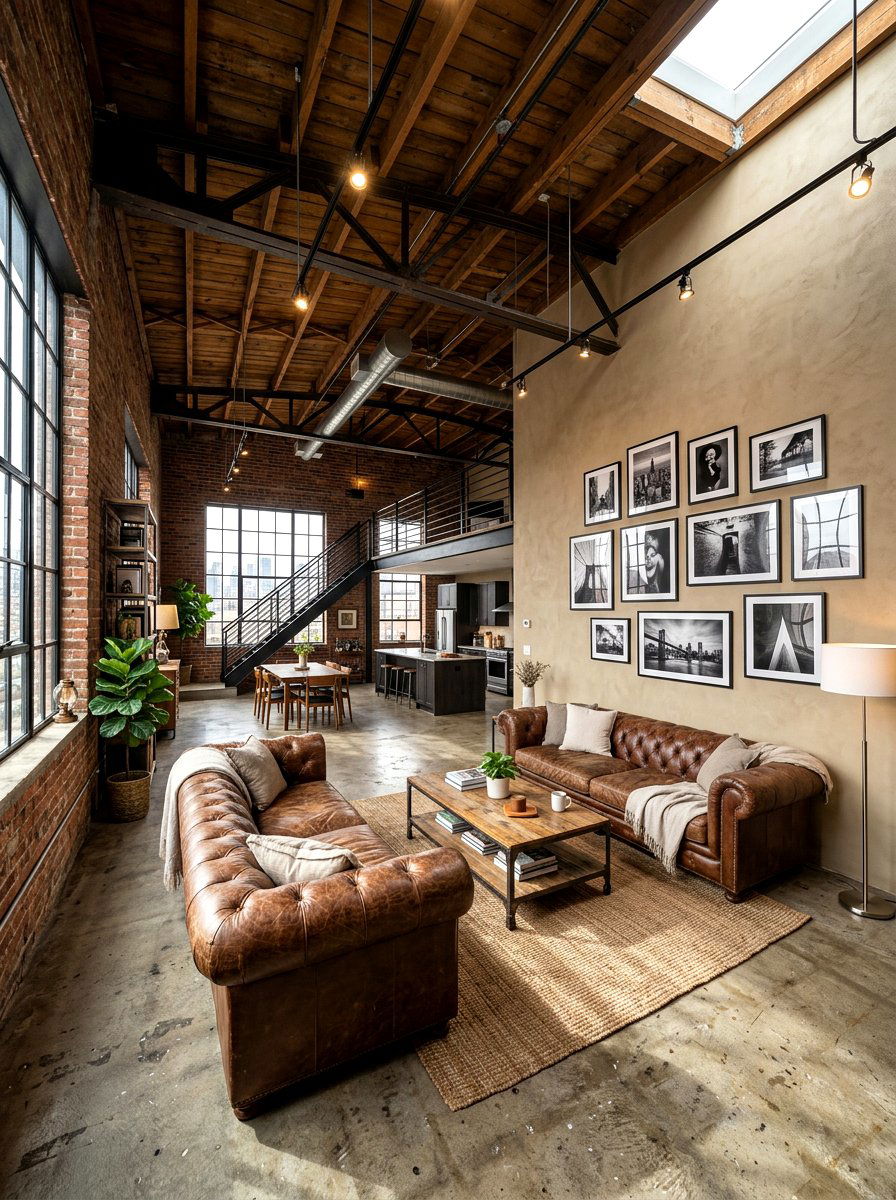
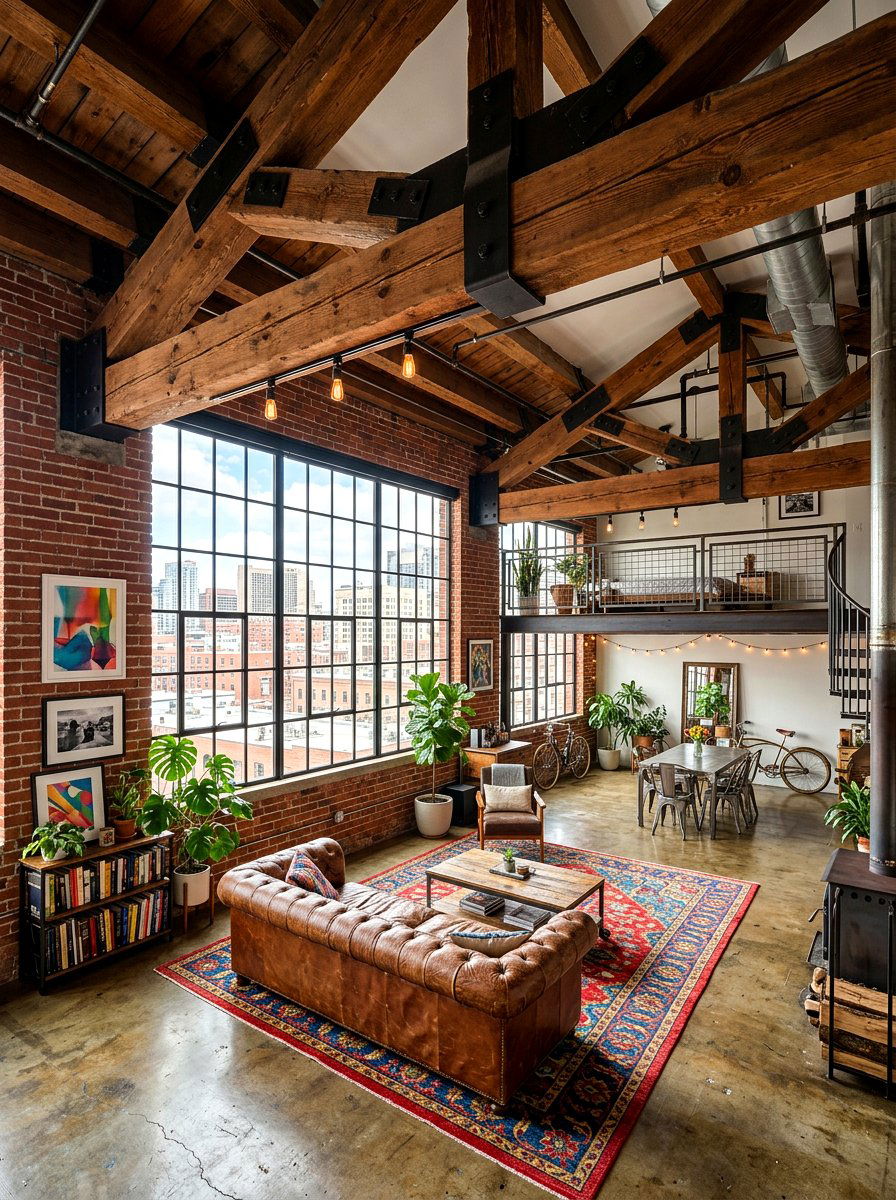
Designing a putty color industrial loft helps to soften the hard edges often found in urban living spaces. Exposed brick, concrete floors, and black metal piping can sometimes feel cold, but putty walls introduce a much-needed organic warmth. You can pair the paint with oversized leather sofas and large-scale industrial lighting fixtures to maintain the loft's edgy character. The neutral tone provides a perfect backdrop for bold, colorful street art or large black-and-white photography. This balance of "gritty" materials and "soft" color creates a space that feels cool and modern but remains incredibly comfortable for daily living in a busy city environment.
28. Putty Color Coastal Interior
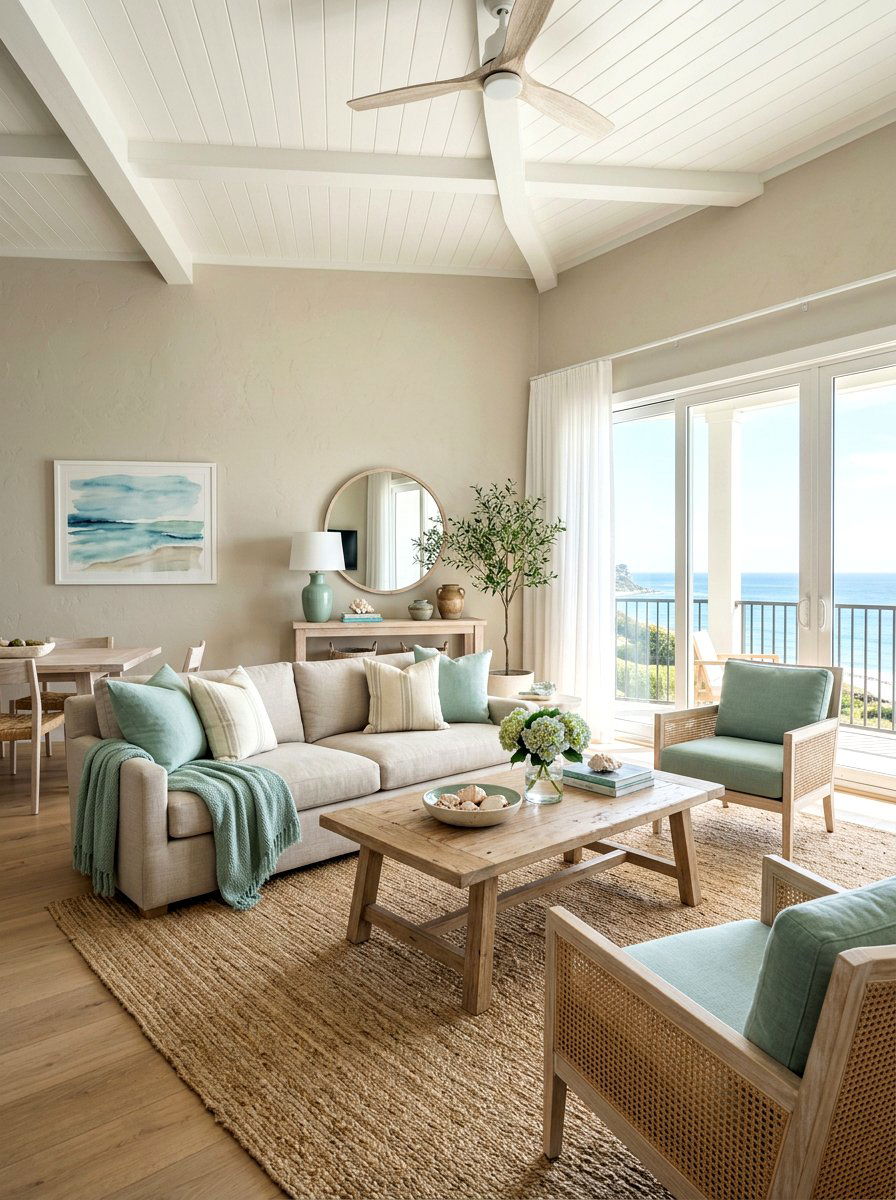
A putty color coastal interior provides a more sophisticated and earthy take on the traditional blue-and-white beach house. This "sand" inspired shade mimics the natural tones of the shoreline, creating a space that feels deeply connected to the ocean. Pair the walls with bleached wood furniture, jute rugs, and accents in soft seafoam green or navy blue. Using linen fabrics for curtains and upholstery enhances the breezy, relaxed atmosphere. The putty walls look particularly beautiful in the bright, direct light often found in coastal homes. This design approach feels timeless and elegant, avoiding the literal "seashell" cliches while still capturing the essence of the coast.
29. Putty Color Traditional Home
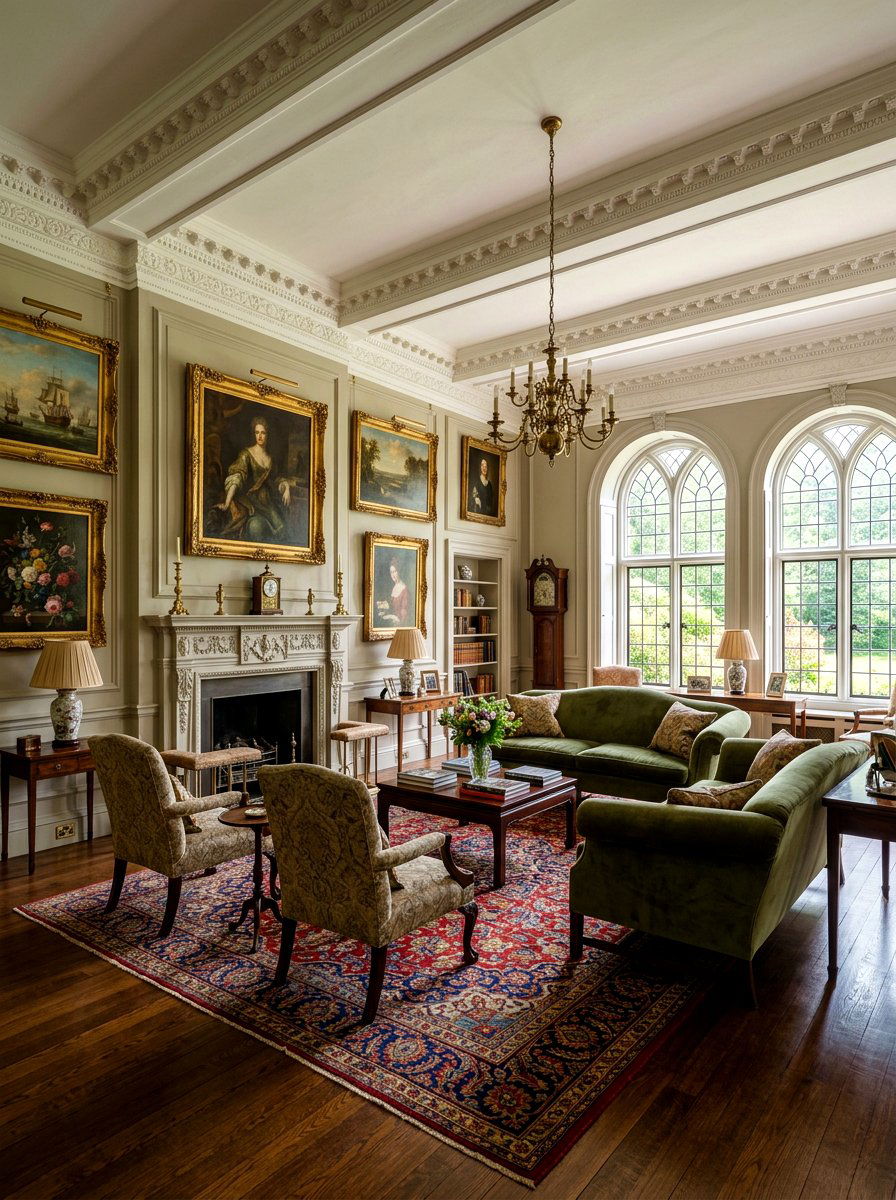
Integrating putty color in a traditional home is a wonderful way to bridge the gap between classic architecture and modern sensibilities. This shade looks exceptional when paired with detailed moldings, wainscoting, and antique furniture. It provides a more updated feel than the yellow-based beiges of the past, making the home feel fresh without losing its historical character. You can style the rooms with oriental rugs and oil paintings in ornate gold frames to lean into the classic aesthetic. The putty walls act as a quiet, respectful background that allows the fine craftsmanship of the home's features and the quality of the antiques to truly shine.
30. Putty Color Minimalist Space
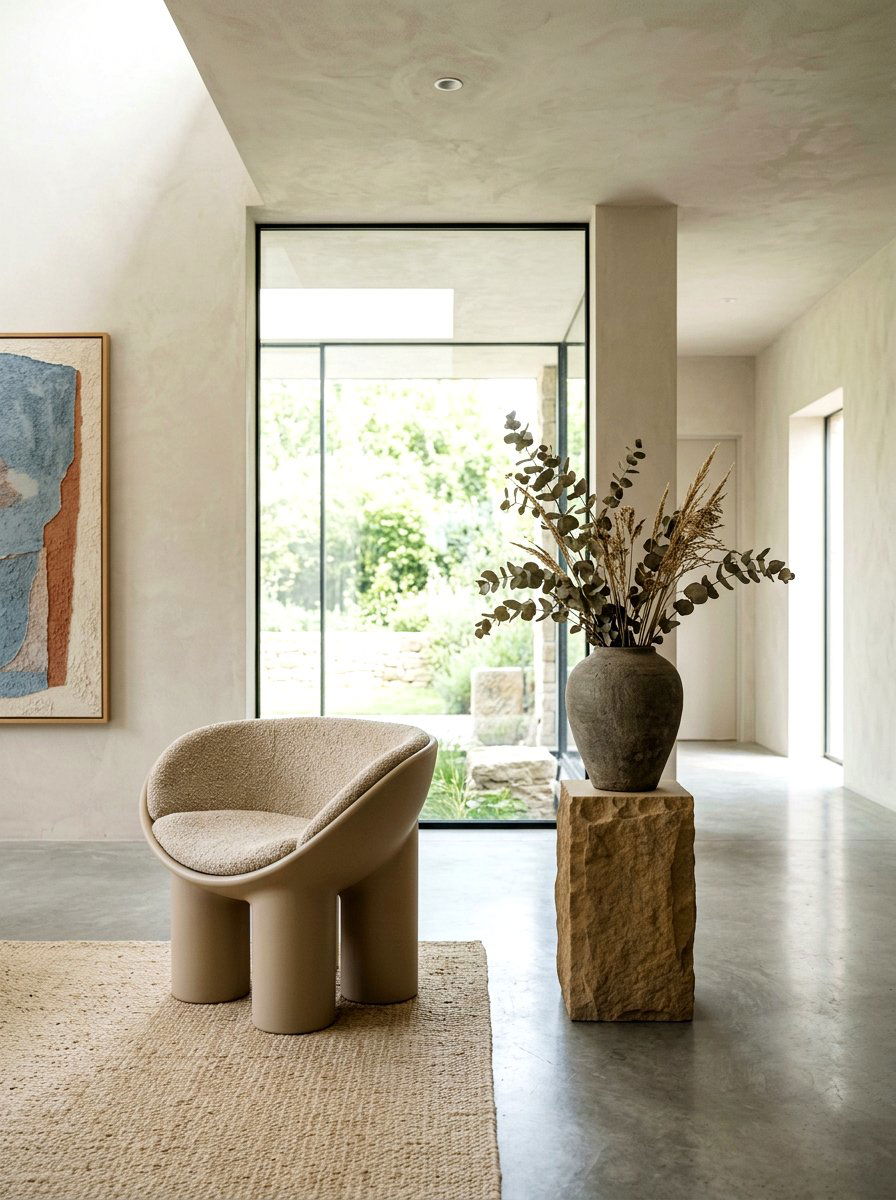
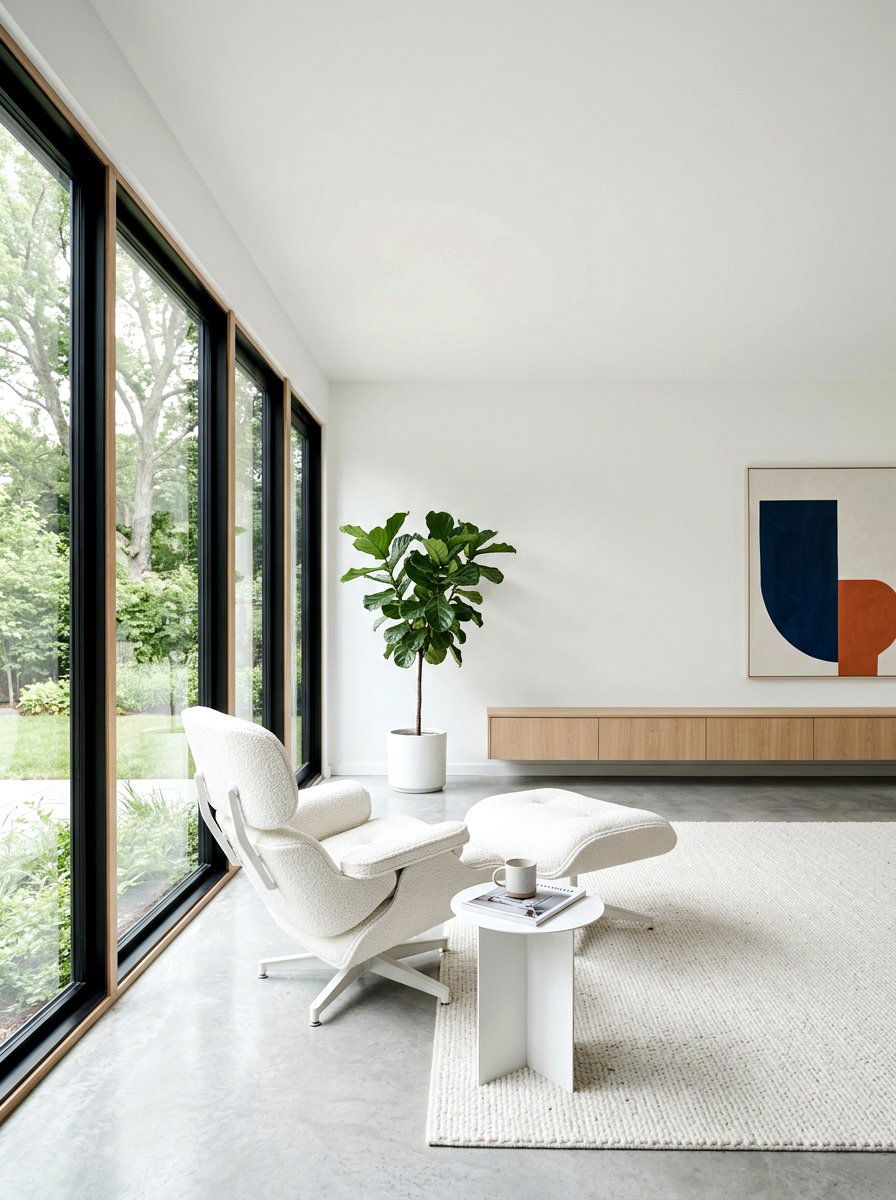
Creating a putty color minimalist space is all about the beauty of simplicity and the power of subtle texture. In a room with very little furniture, the wall color becomes a primary design element that sets the entire mood. This warm greige adds enough visual weight to prevent the room from feeling empty or sterile. Pair the walls with a single statement piece, like a sculptural lounge chair or a large, simple vase on a low pedestal. Use a mix of materials like wool, stone, and wood in the same neutral palette to add depth through texture rather than color. It results in a peaceful, zen-like retreat.
Conclusion:
Putty color walls are far more than just another neutral paint trend; they represent a move toward more soulful and grounded home interiors. By choosing a shade that balances gray and beige, you create a versatile canvas that supports almost any design style, from traditional to ultra-modern. This color's unique ability to shift with the light ensures that your home feels dynamic and alive throughout the day. Whether you use it as a subtle backdrop or a bold "color drench" on the ceiling, putty brings an undeniable sense of sophistication and warmth. Embracing this earthy neutral will surely transform your space into a timeless sanctuary.

Related posts: