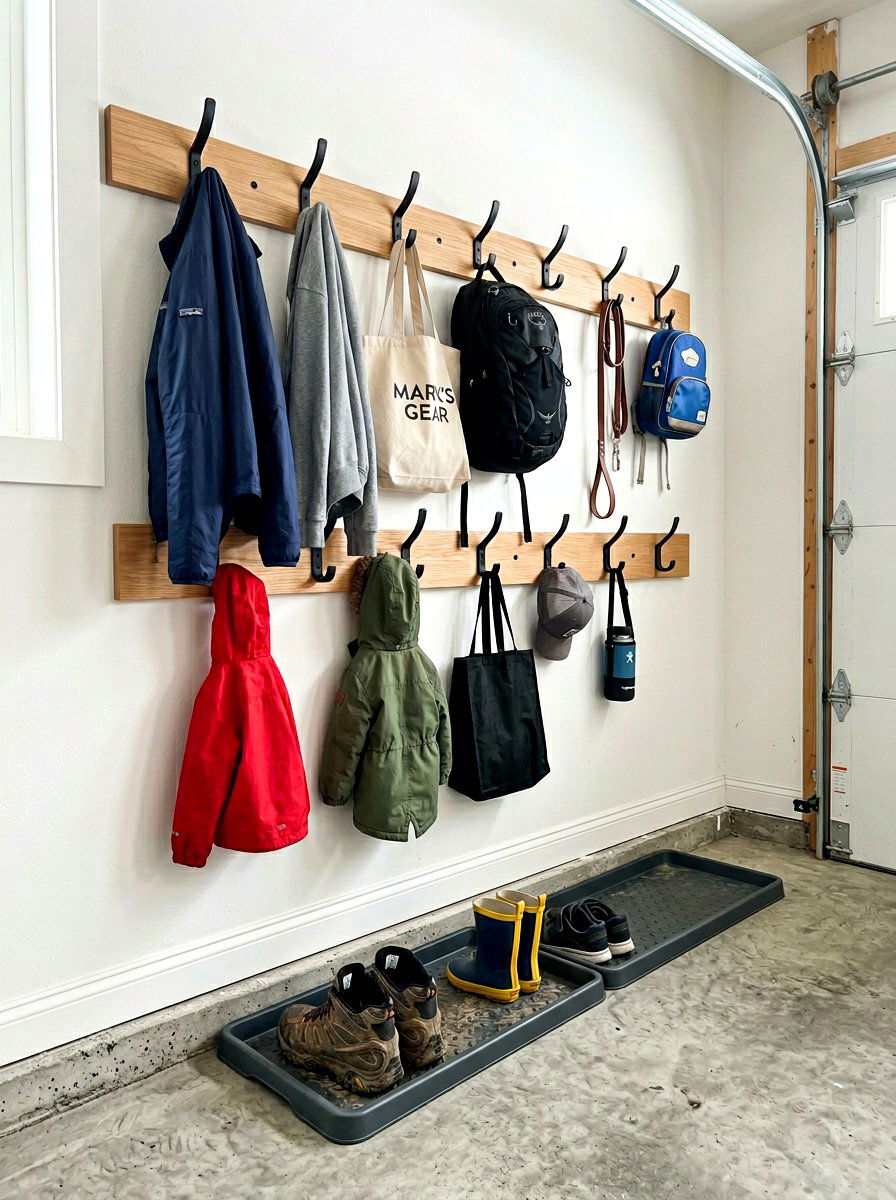
Puzzles are a beloved hobby for many families, providing hours of entertainment and mental stimulation. However, managing hundreds or even thousands of small pieces can quickly become a chaotic mess without a proper system. If you love the challenge of a complex jigsaw but hate the clutter of cardboard boxes, you need a smart organization strategy. Effective storage not only keeps your home tidy but also protects your puzzles from missing pieces and damage. Whether you have a dedicated hobby room or a small apartment, finding the right solution is essential for maintaining your collection. This guide explores creative and practical ways to organize your puzzles efficiently while keeping them accessible for your next assembly session.
1. Plastic mesh bags
Plastic mesh bags are a favorite for puzzle enthusiasts who want to save space. These durable bags allow you to discard bulky cardboard boxes that take up too much room on shelves. You can cut out the picture from the original box and slide it inside the bag for easy reference. The mesh material is breathable and strong, preventing pieces from falling out or getting lost. Because they are flexible, you can stack many puzzles in a single drawer or basket. This method works perfectly for children’s puzzles or smaller sets. It transforms a messy pile into a sleek, organized system that is easy to browse whenever you want to start a new project.
2. Clear stackable bins
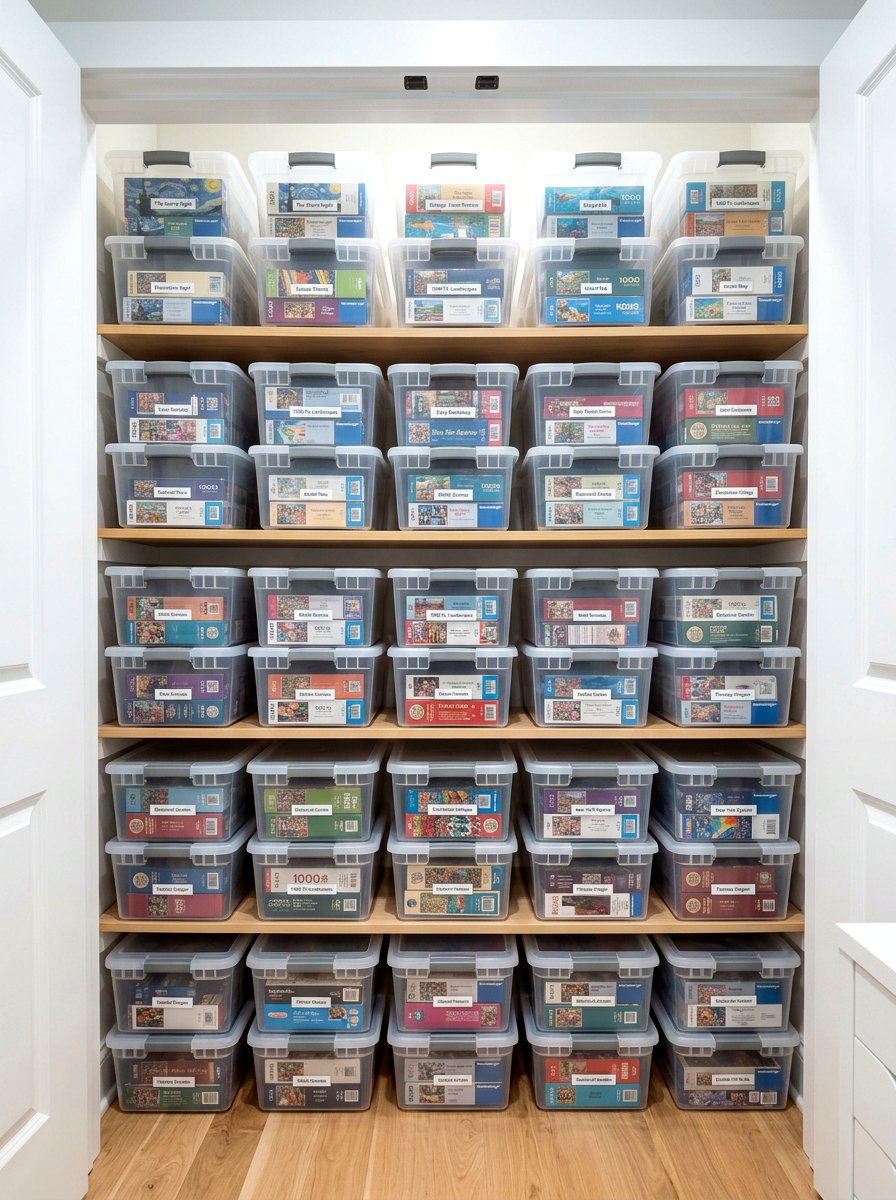
Clear stackable bins provide a high level of visibility for your entire puzzle collection. Using transparent plastic allows you to see the contents and the reference images without opening every single container. These bins often come with secure latches that keep the lid tight, ensuring no pieces spill out if the bin is dropped. They stack neatly on top of one another, making them an excellent choice for vertical storage in a closet or on a bookshelf. You can choose different sizes to accommodate various piece counts, from small 500-piece sets to massive 2, 000-piece challenges. This uniform look creates a clean and professional appearance in any craft room or living area.
3. Puzzle board with drawers
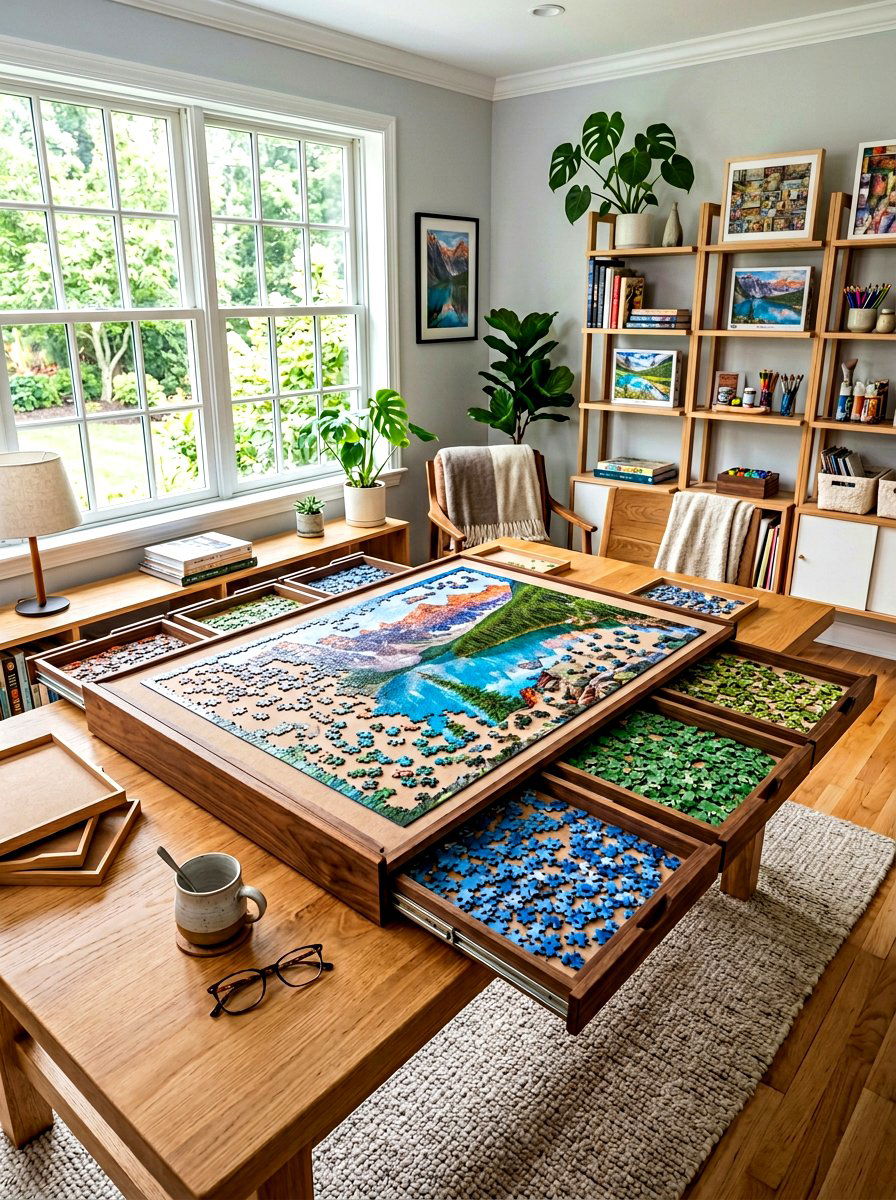
A puzzle board with built-in drawers is the ultimate solution for people who work on long-term projects. These boards provide a large, flat surface for assembly, while the integrated drawers offer a place to sort pieces by color or edge. When you need to clear the table, you can simply slide the drawers shut and move the entire board to a safe location. Some models even come with a cover to protect the unfinished puzzle from pets or dust. This setup turns any flat surface into a temporary hobby station without permanently taking over the dining table. It is a highly functional and organized way to manage active jigsaw projects.
4. Hanging closet organizer
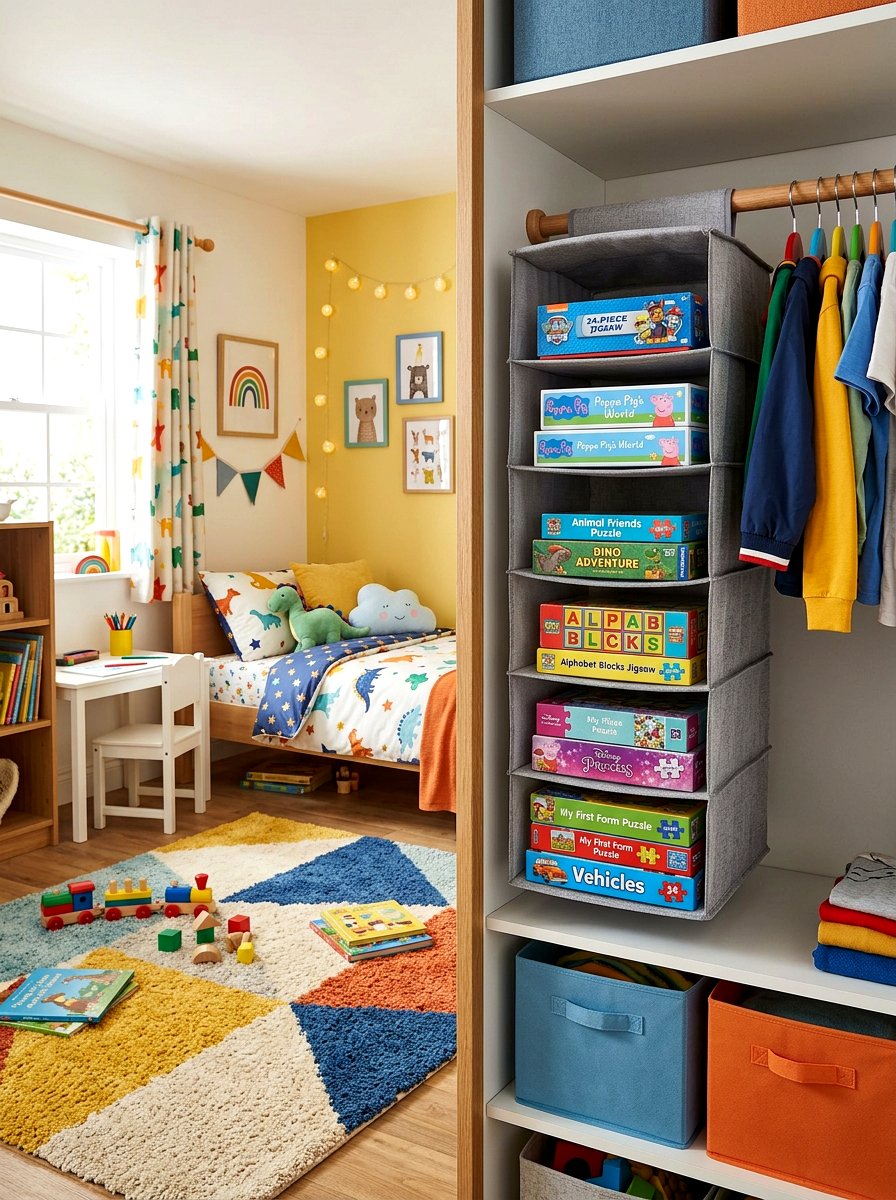
Hanging closet organizers are surprisingly effective for storing large boxes or bags of puzzles. These fabric shelves hang directly from the closet rod, utilizing vertical space that might otherwise go to waste. You can group puzzles by theme or difficulty level on different tiers, making it easy for children to reach their favorite sets. This storage method keeps your collection hidden behind closed doors while maintaining a high level of organization. It is particularly useful for those living in smaller apartments where shelf space is limited. By moving your hobby items into the closet, you can keep your main living areas free from clutter and visual noise.
5. Photo box storage
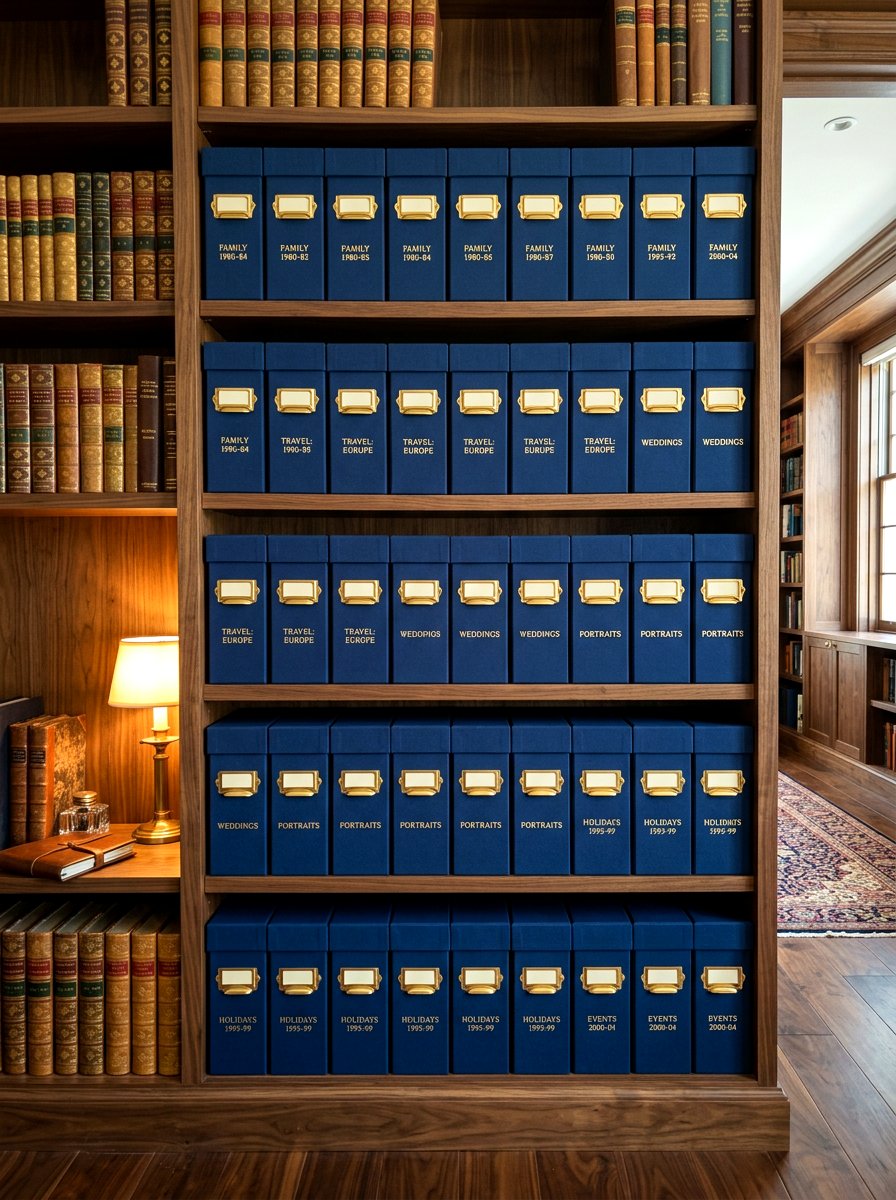
Photo boxes are a stylish and uniform way to store smaller puzzle sets without their original packaging. These boxes are usually made of sturdy cardstock or plastic and come in a wide variety of colors and patterns. You can label the front of each box with the puzzle’s name and piece count for quick identification. Because they are designed to be uniform in size, they look beautiful when lined up on a shelf or stored inside a larger decorative bin. This approach is perfect for those who want their hobby storage to blend seamlessly with their home decor. It turns a collection of mismatched boxes into a curated library.
6. Large accordion folders
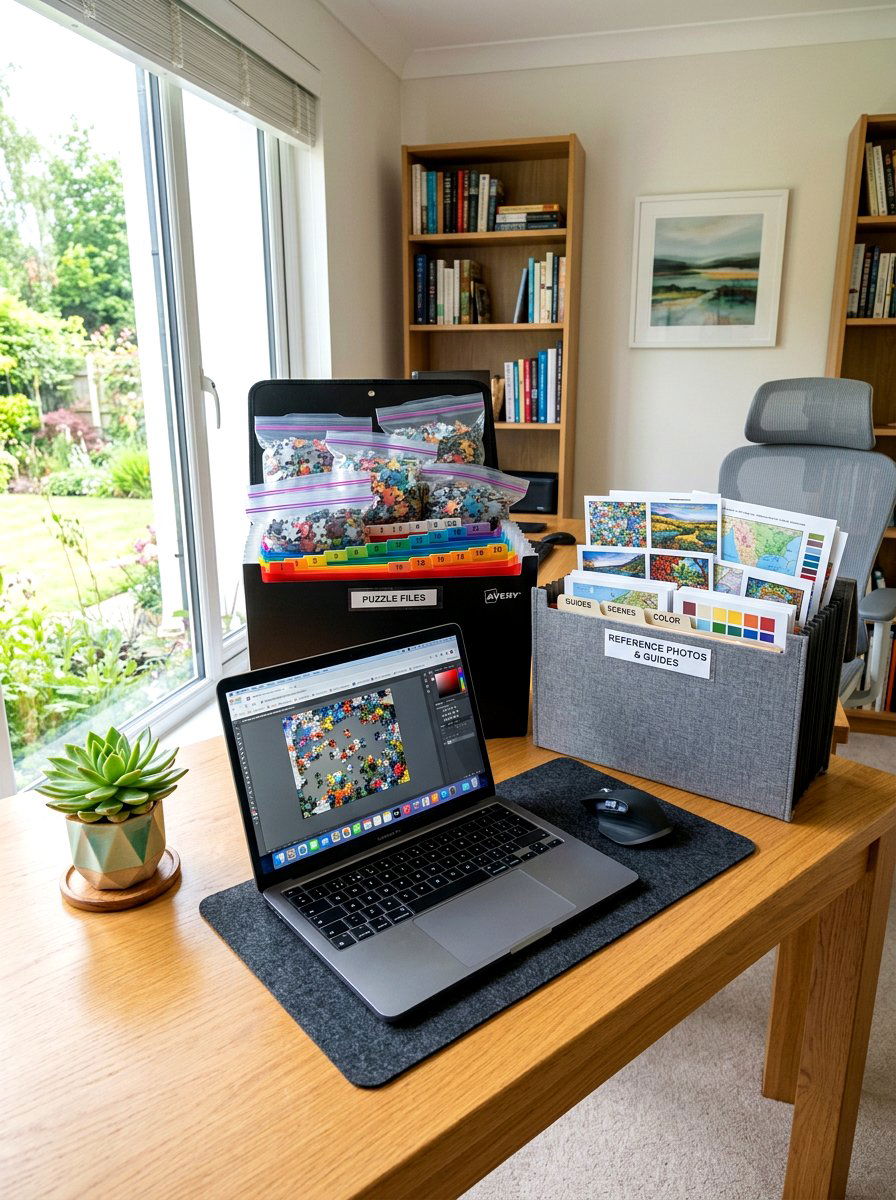
Large accordion folders or expanding file jackets are an ingenious way to store puzzles flat. If you prefer to keep your puzzles partially assembled or if you have discarded the boxes, these folders offer a slim profile. You can slide the pieces into separate sections along with the reference photo or the box lid. This method is incredibly space-efficient, as a dozen puzzles can fit into the same space as two traditional boxes. You can store these folders vertically on a bookshelf just like a series of thick novels. It is a brilliant solution for anyone who wants a compact and highly portable way to organize their collection.
7. Underbed storage containers
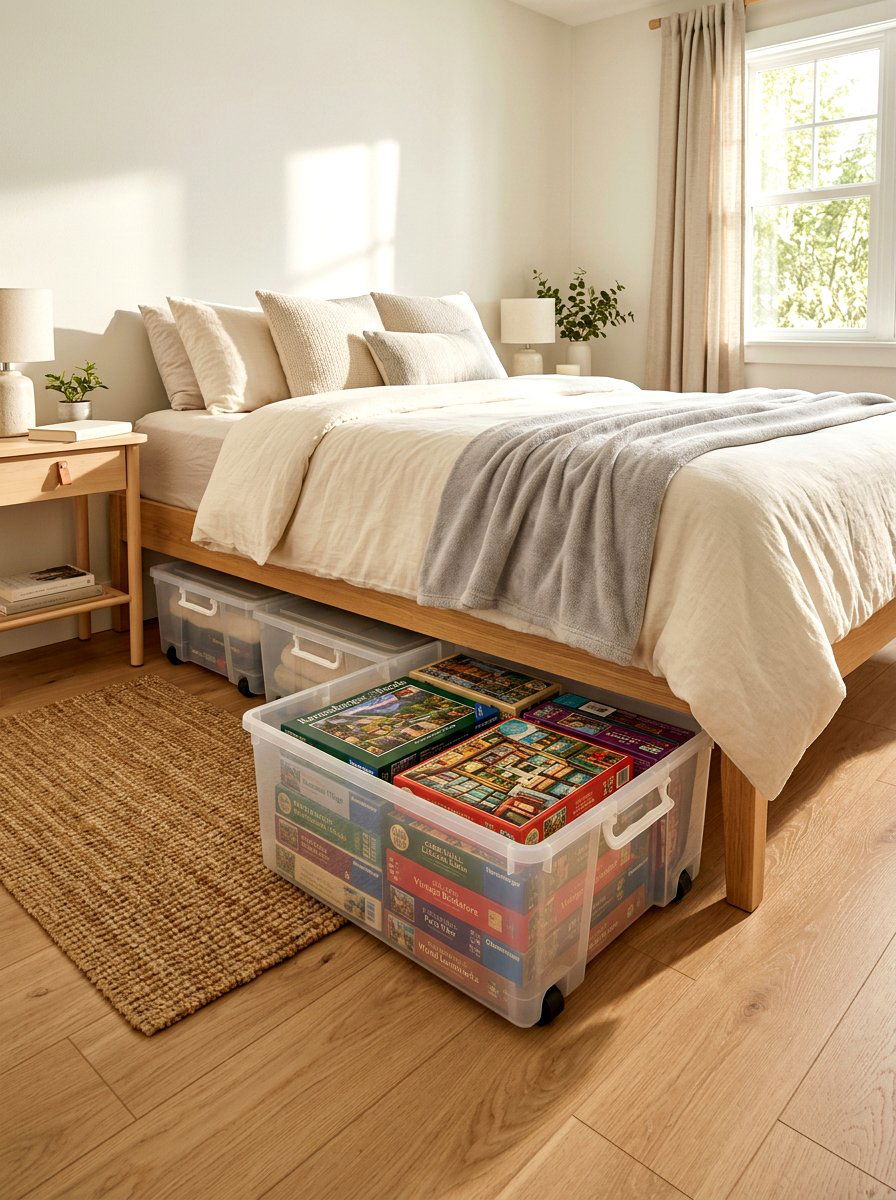
Underbed storage containers are ideal for hiding away a large puzzle collection that you do not access daily. These long, flat bins are designed to slide easily under a standard bed frame, making use of often-forgotten floor space. You can fit multiple boxes or bags into a single bin, keeping them protected from dust and light. This is a great option for seasonal puzzles or very large sets that take up too much room in the living area. Some containers even feature wheels for effortless access. Utilizing the space under your bed helps maintain a minimalist look in your bedroom while keeping your favorite hobby close at hand.
8. Rolling utility cart
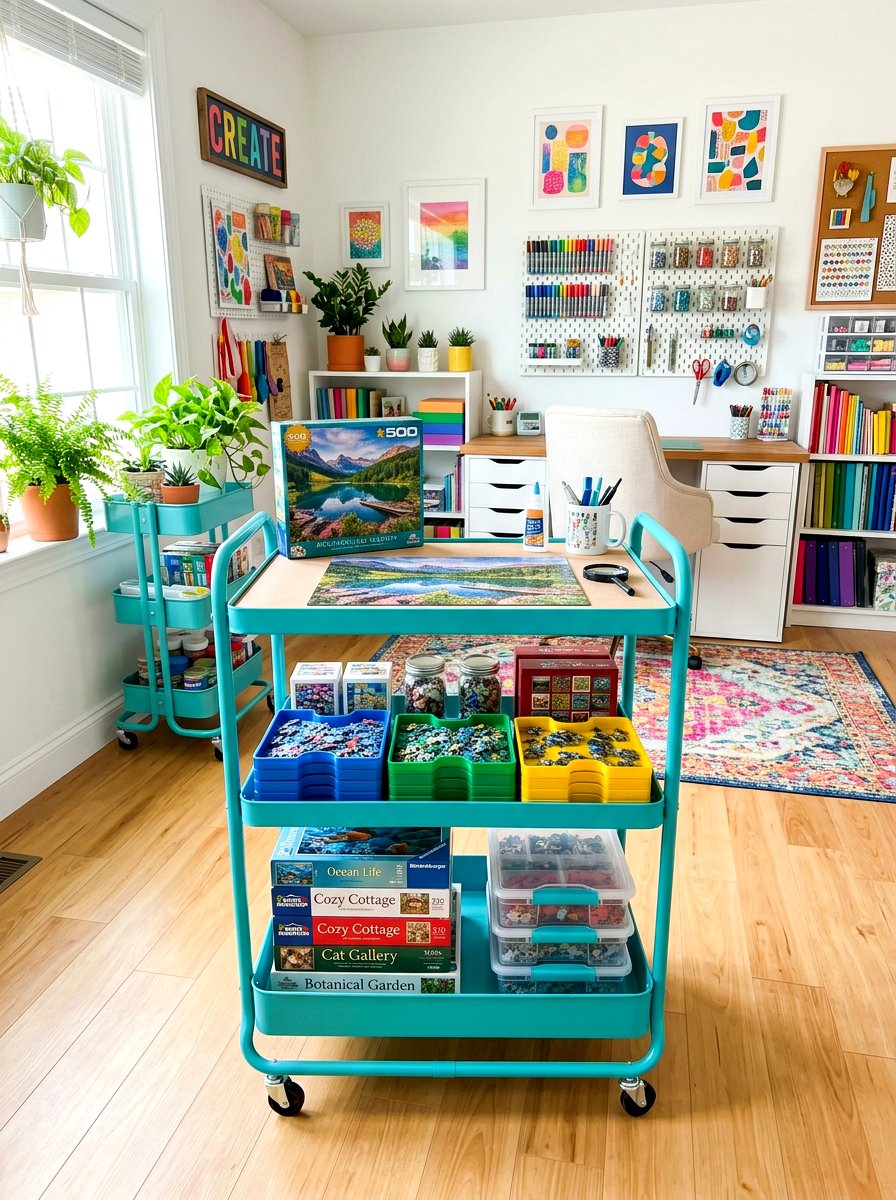
A rolling utility cart is a versatile mobile storage station for any dedicated puzzler. These three-tier metal carts can hold your current project, sorting trays, and several boxes of future puzzles all in one place. You can easily wheel the cart from the craft room to the living room depending on where you want to work. The sturdy shelves keep everything organized and prevent pieces from getting mixed up with other household items. Many people use the top shelf as a small assembly area for mini puzzles. This mobile setup is perfect for homes with limited table space, as it can be tucked into a corner when not in use.
9. Scrapbook cases
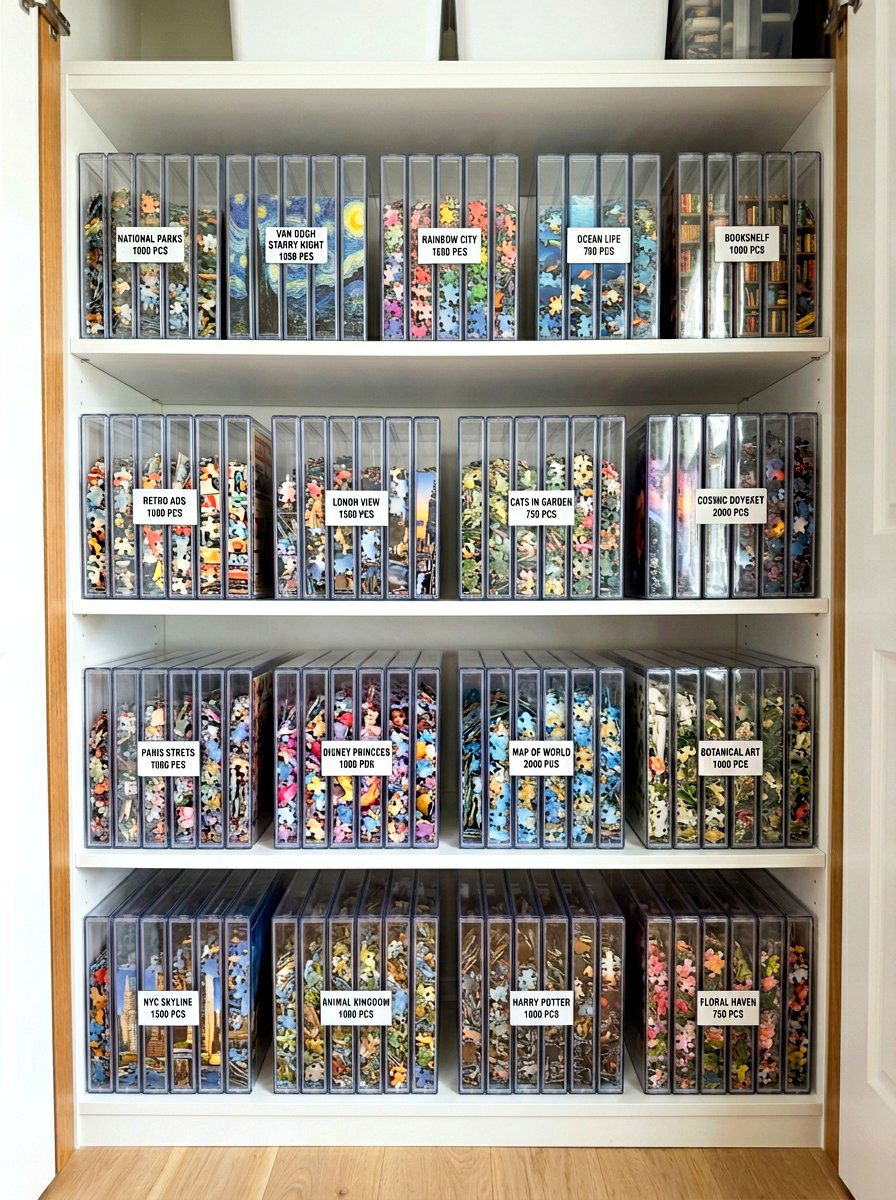
Scrapbook cases, often referred to as project cases, are clear plastic containers designed to hold 12x12 paper. These cases are the perfect size for many small to medium-sized puzzles. Because they are thin and flat, they can be stacked or stored vertically on their side like books. The snap-tight lids ensure that no pieces escape, even if the case is tilted. You can clearly see the puzzle through the plastic, which eliminates the need for extensive labeling. These cases are also great for transporting a puzzle to a friend’s house or on a family vacation. They offer a rigid structure that protects the contents from being crushed.
10. Slide out puzzle tray
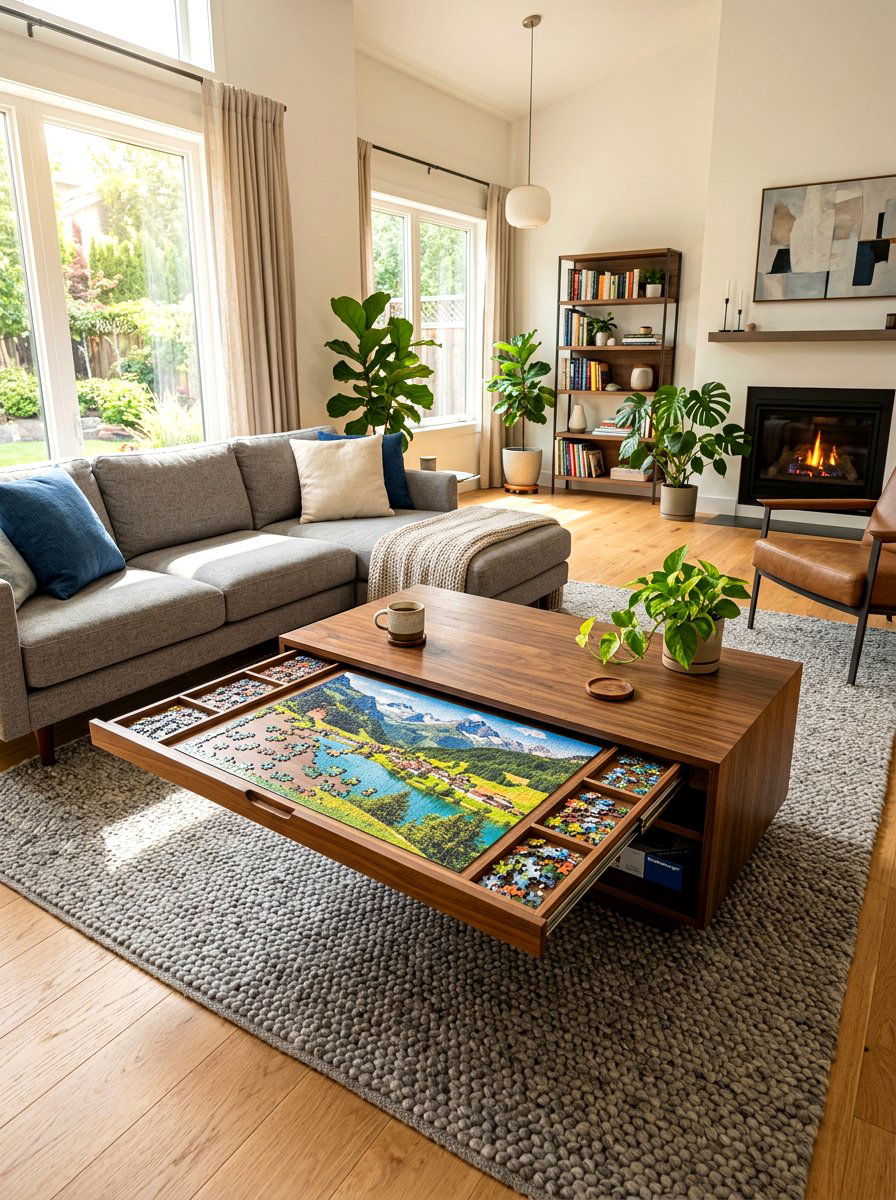
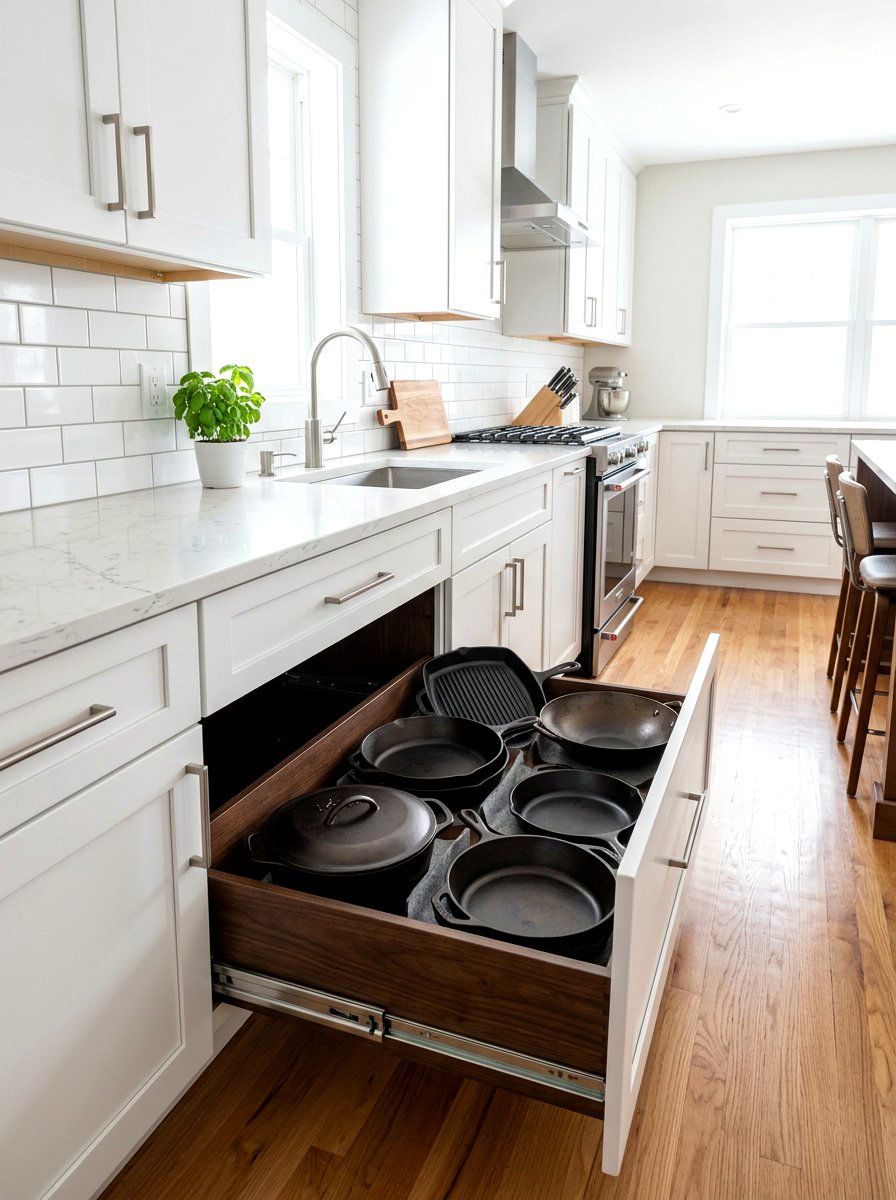
A slide-out puzzle tray is a custom storage solution that can be integrated into your existing furniture. This design often involves installing a flat drawer or pull-out shelf under a coffee table or inside a cabinet. When you are ready to work, you simply pull out the tray to reveal your puzzle in progress. Once you are finished for the day, the tray slides back under the surface, hiding the mess and keeping the pieces safe. This is a high-end organizational feature that maximizes functionality in a multipurpose room. It allows you to keep your hobby completely hidden while ensuring it is always ready for a quick session.
11. Framed puzzle wall
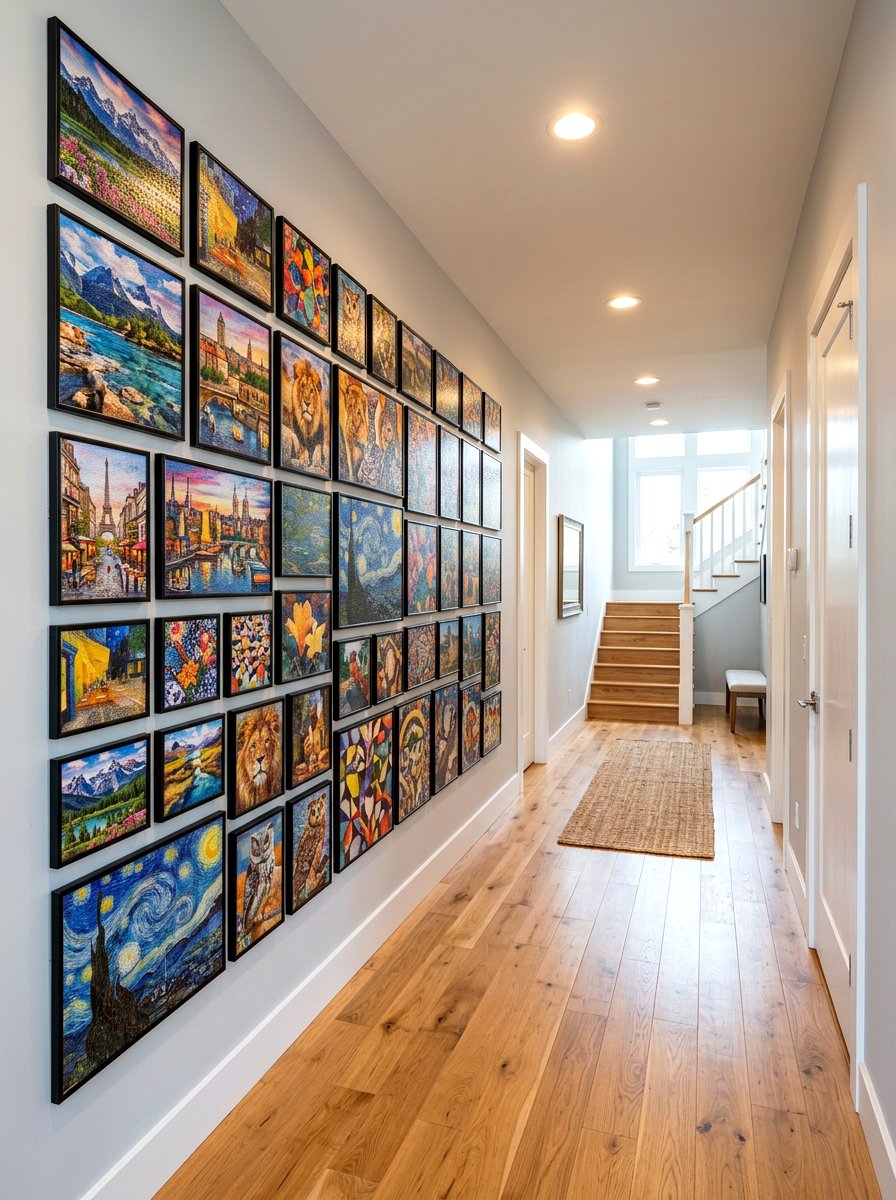
A framed puzzle wall is a creative way to store and display your completed masterpieces. Instead of taking the puzzle apart and putting it back in a box, you can glue the pieces together and place them in a beautiful frame. This turns your hard work into unique wall art that adds personality to your home. You can create a gallery wall featuring puzzles of different sizes and styles. This method not only saves storage space but also allows you to enjoy the final result long after the assembly is finished. It is a great conversation starter and a rewarding way to commemorate the time spent on a difficult challenge.
12. Over the door rack
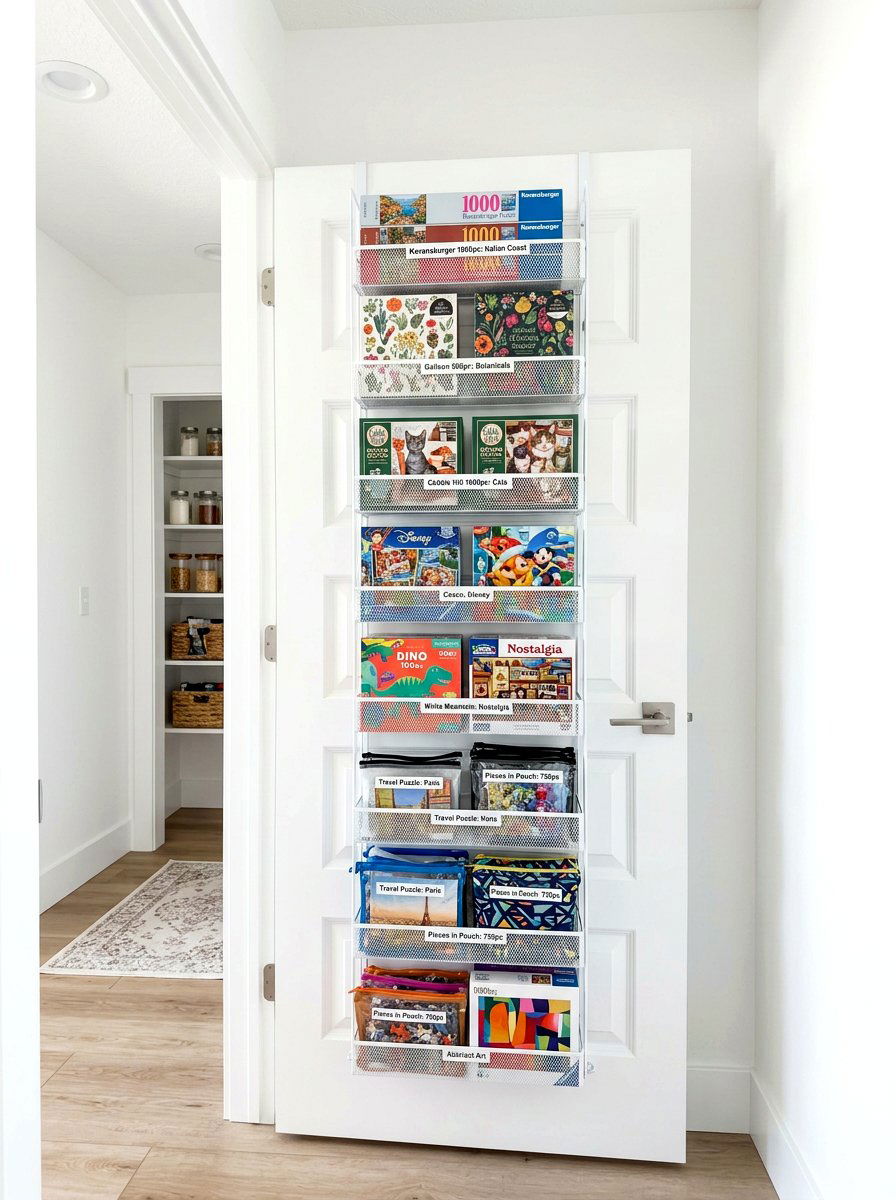
An over-the-door rack is a brilliant space-saver for organizing puzzles in a playroom or hallway closet. These racks usually feature multiple wire or fabric pockets that can hold boxes or pouches of different sizes. By utilizing the back of a door, you free up valuable shelf and floor space for other items. This system keeps puzzles at eye level, making it easy for both kids and adults to browse the collection. It is a low-cost solution that requires no permanent installation, making it ideal for renters. This organizational setup ensures that your puzzles are always within reach but never in the way of your daily activities.
13. Glass display cabinet
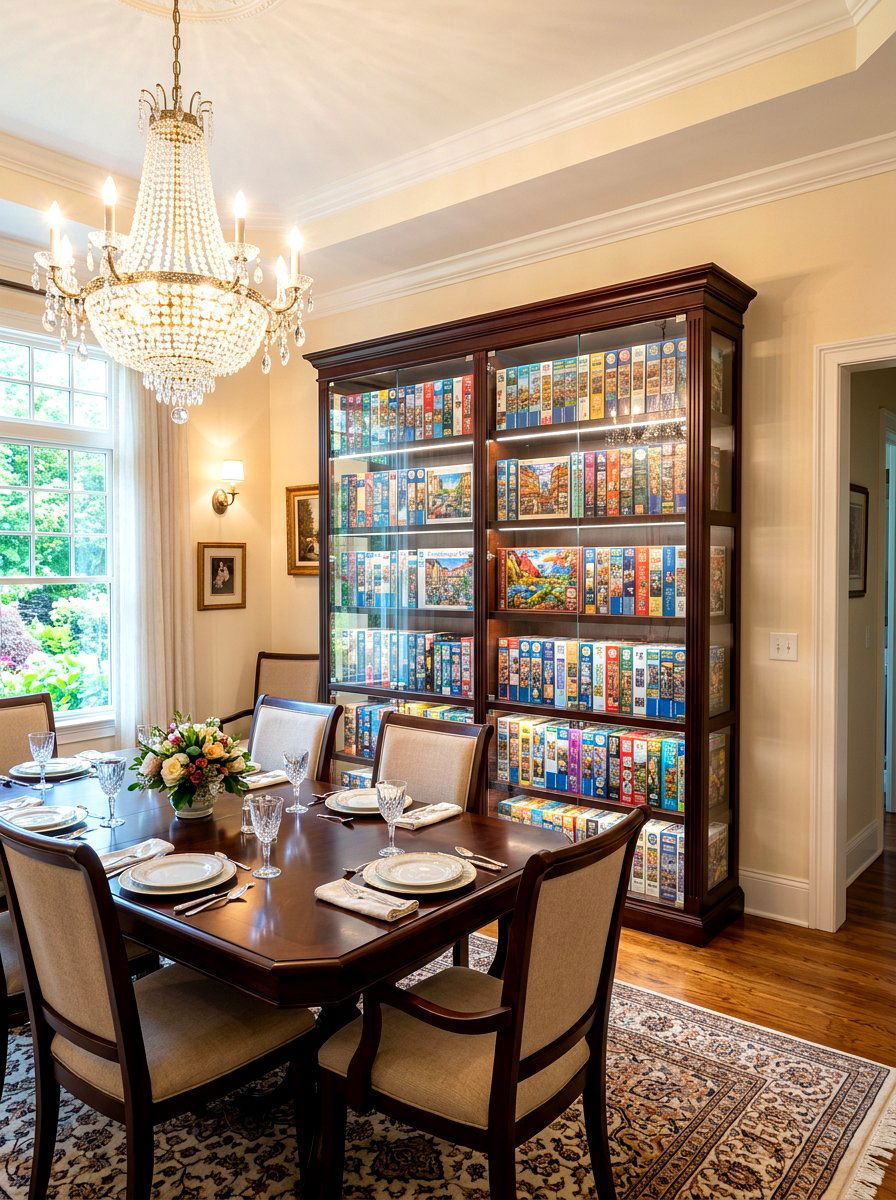
A glass display cabinet provides a sophisticated way to store your puzzle collection while keeping it visible. These cabinets protect your boxes from dust and moisture while allowing you to show off the beautiful artwork on the packaging. You can arrange the boxes by color, brand, or theme to create an aesthetically pleasing display. This approach works well in a library, den, or dining room where you want to maintain a refined atmosphere. It transforms your hobby into a part of your interior design. The adjustable glass shelves can accommodate various box sizes, ensuring that every puzzle in your collection has a dedicated and prominent spot.
14. Fabric storage cubes
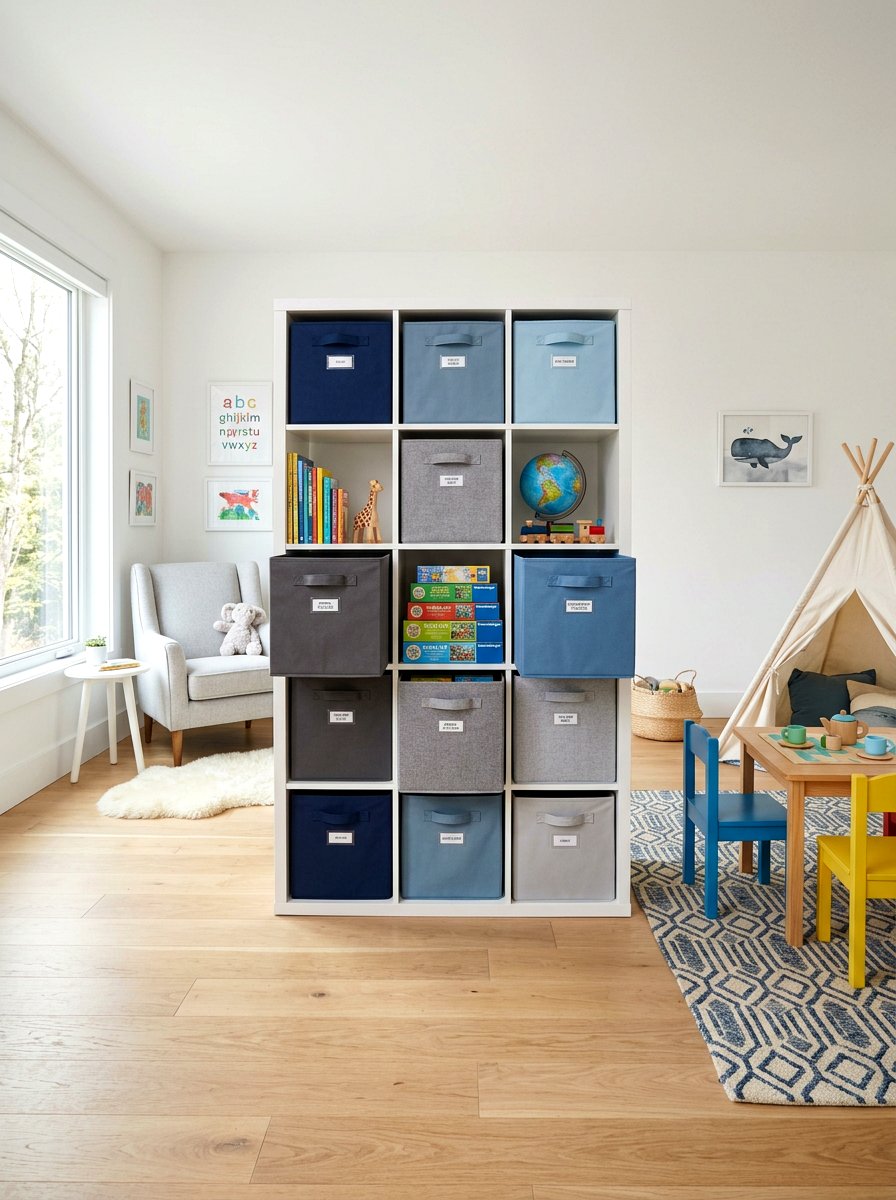
Fabric storage cubes are a soft and stylish option for organizing puzzles in a nursery or living room. These cubes fit perfectly into popular square shelving units and can hide a large number of puzzles inside. You can use different colored cubes to categorize puzzles by piece count or age group. This system is especially helpful for families with young children, as the cubes are lightweight and easy for small hands to pull out. They provide a clean, uniform look that hides the visual clutter of mismatched cardboard boxes. This storage method is highly flexible and can be easily updated as your puzzle collection grows or changes.
15. Wooden puzzle rack
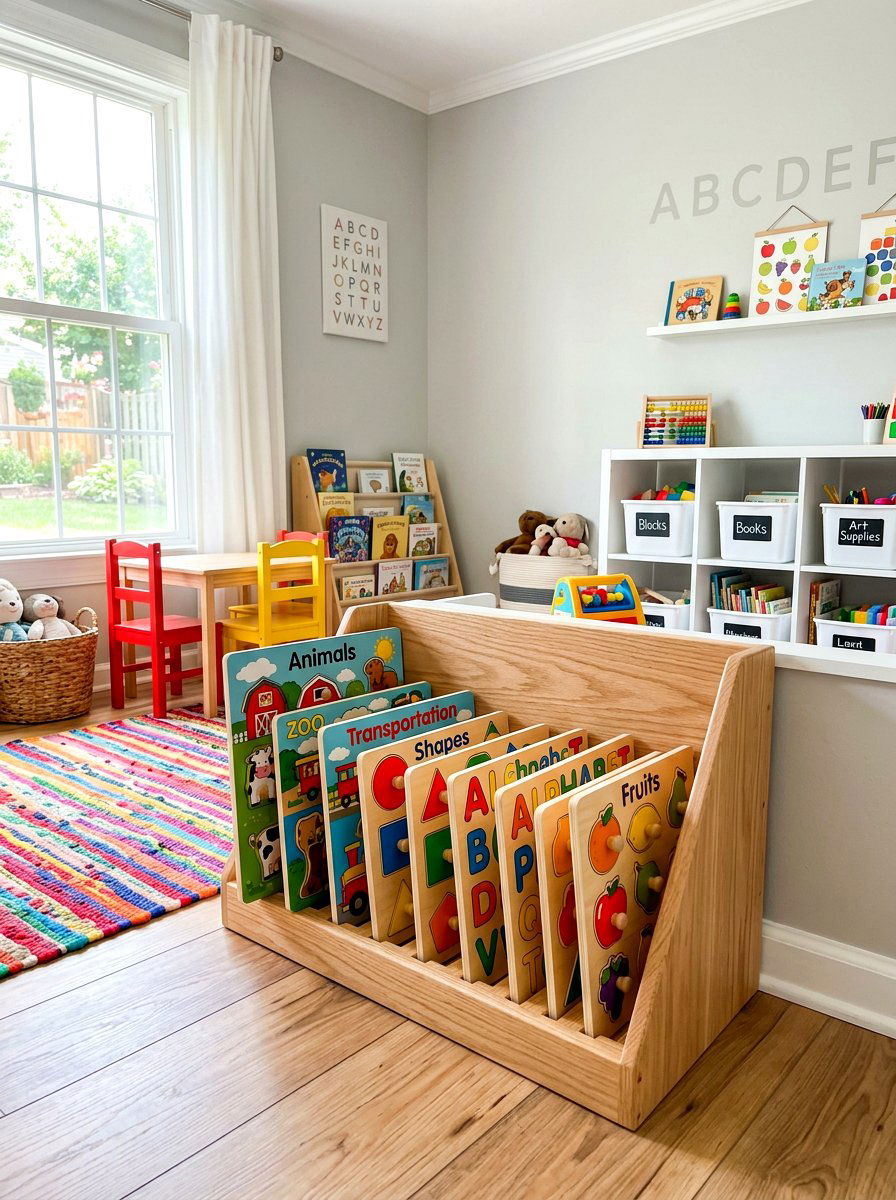
A wooden puzzle rack is a classic storage solution specifically designed for flat wooden puzzles. These racks feature several slots that allow you to slide puzzles in horizontally, keeping them organized and accessible. This is the perfect setup for chunky toddler puzzles or peg puzzles that don't come in traditional boxes. The sturdy wooden construction ensures the rack lasts for years and looks great on a playroom shelf. By keeping the puzzles stacked vertically in the rack, you prevent the pieces from falling out and getting lost. It is an essential organizational tool for maintaining a tidy play area for young children.
16. Portfolio carrying case
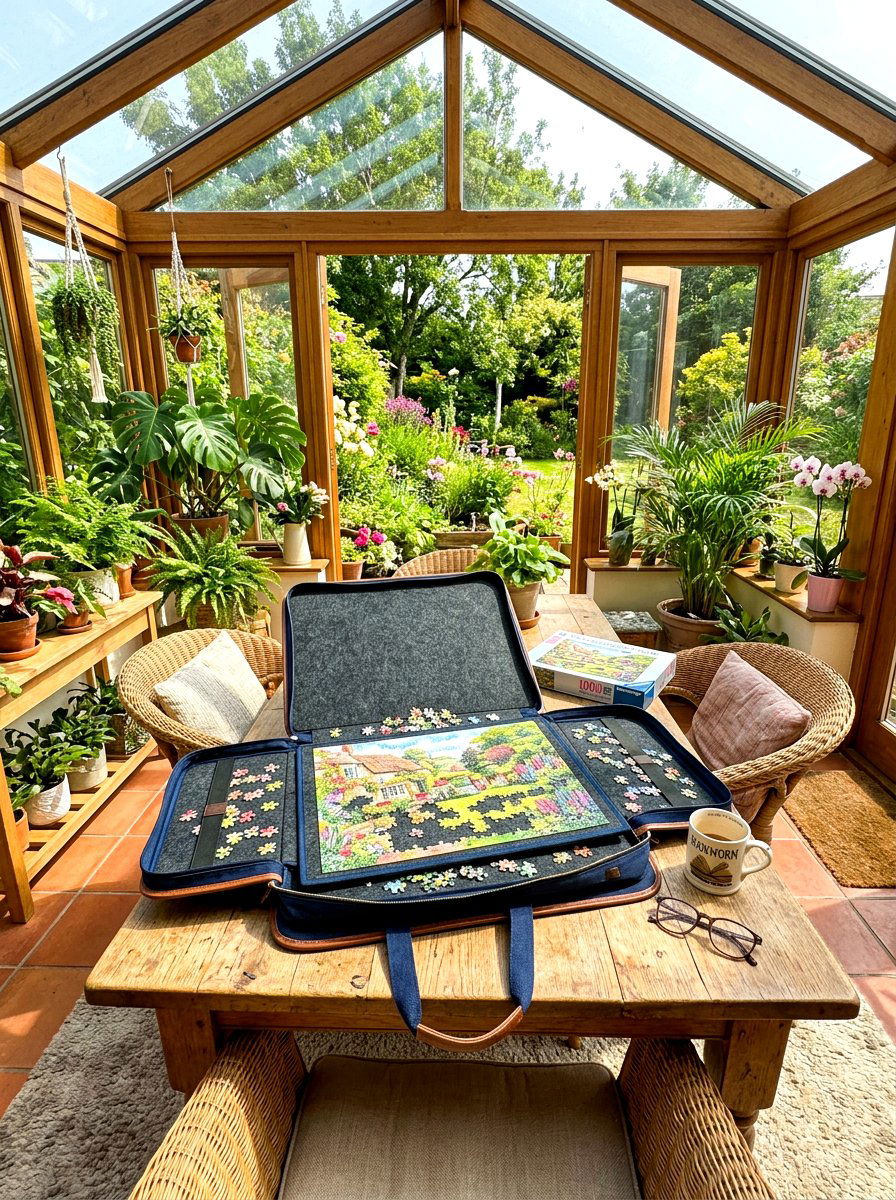
A portfolio carrying case is an excellent choice for serious puzzlers who need a portable and secure storage option. These cases are often zippered and feature a non-slip interior surface that keeps pieces in place during transport. Many portfolios include separate sorting mats that can be removed for easier assembly. When you are finished, you simply zip the case shut and store it under a sofa or behind a door. This is a professional-grade solution that protects your puzzles from pets, children, and spills. It is particularly useful for those who enjoy working on puzzles while traveling or visiting family during the holidays.
17. Document boxes
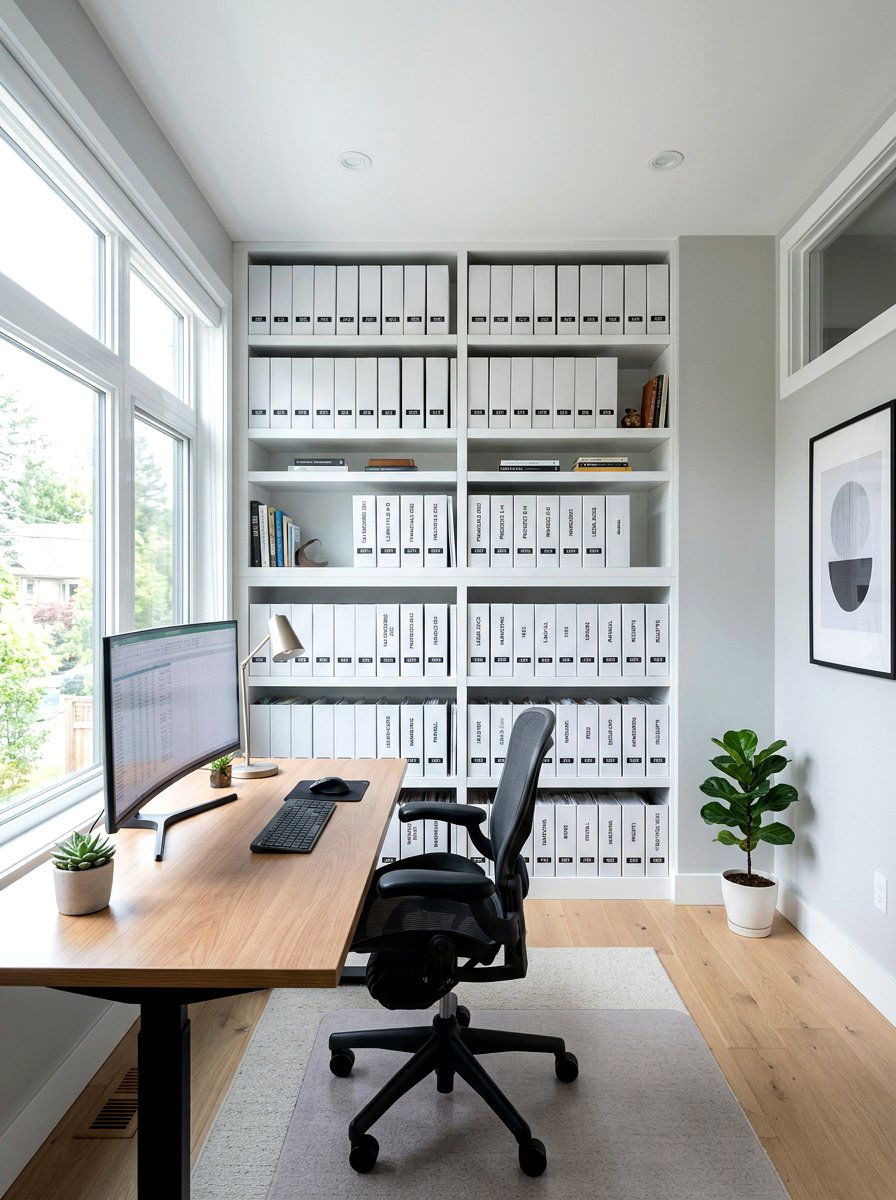
Document boxes offer a minimalist and efficient way to store puzzles that have been removed from their original boxes. These containers are designed for filing papers, so they are the perfect size for standard shelving. You can choose high-quality cardboard or plastic document boxes in neutral colors to create a cohesive look in your office or hobby room. Simply place the puzzle pieces in a bag inside the box and attach a label to the spine. This system allows you to store dozens of puzzles in a very small footprint. It is a sophisticated organizational method that appeals to those who value a clean and orderly environment.
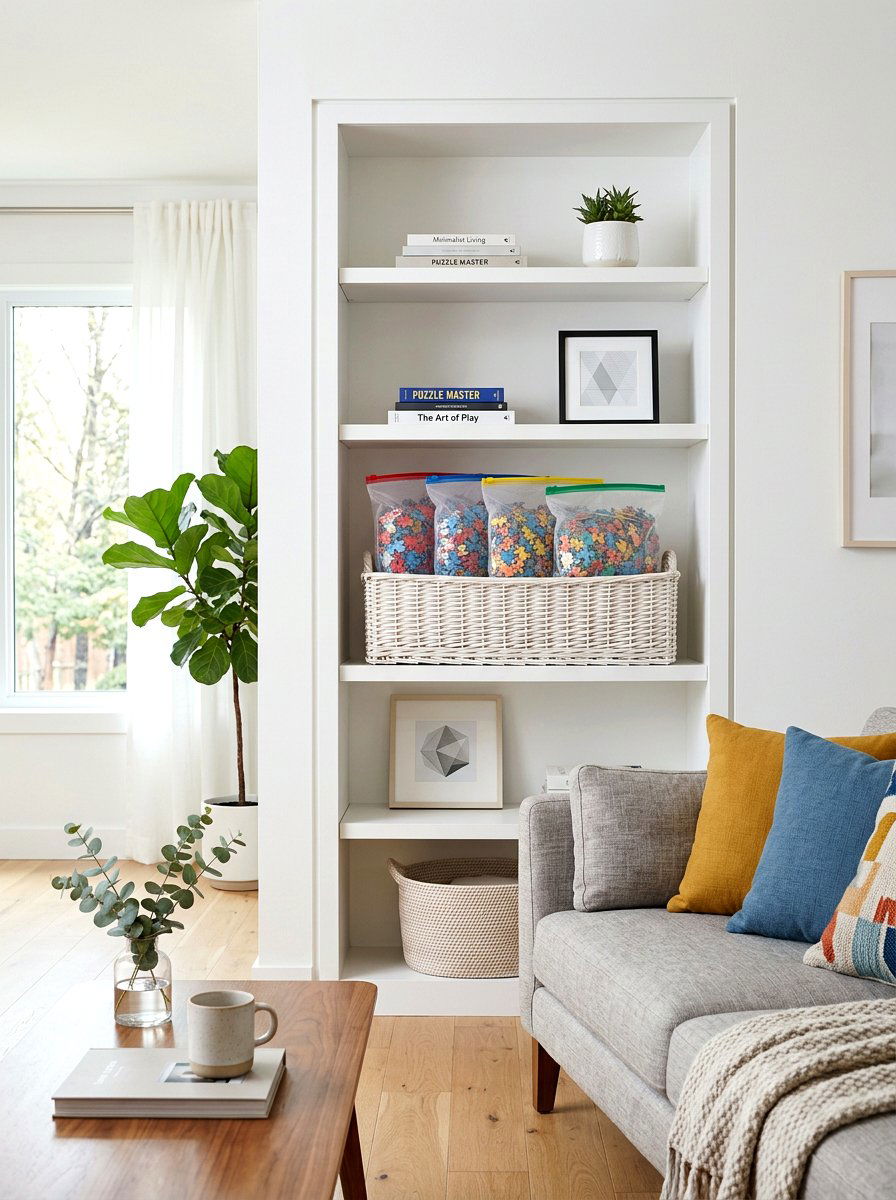
18. Ziploc bag organization
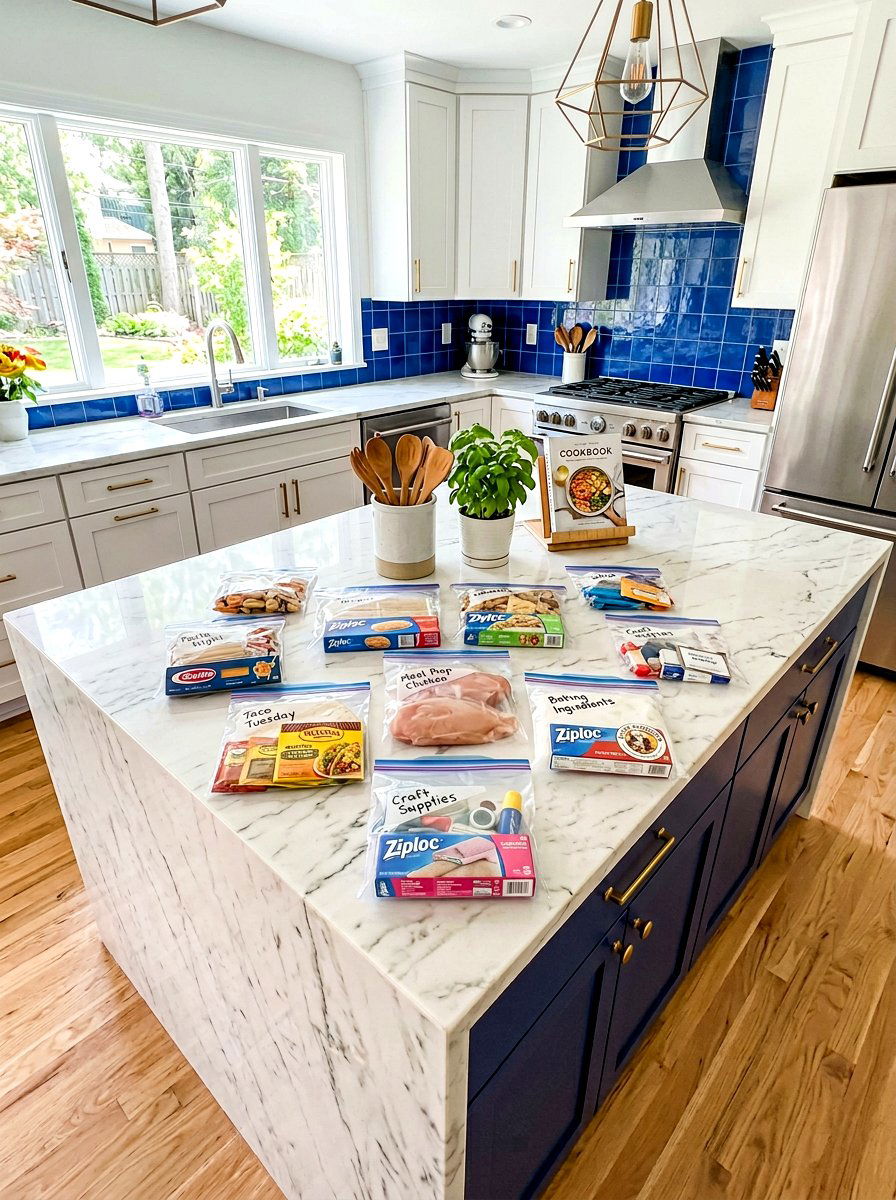
Ziploc bag organization is a budget-friendly and highly effective method for sorting puzzle pieces. Gallon-sized bags are typically large enough to hold puzzles with up to 1, 000 pieces. You can squeeze out the air to make the bags flat and easy to stack. To keep things organized, cut the front of the box out and place it inside the bag so the image is always visible. These bags can then be stored in a large basket, a drawer, or a plastic bin. This method is incredibly space-efficient compared to keeping large, half-empty cardboard boxes. It is a practical solution for anyone looking to declutter their home quickly.
19. Rotating puzzle table
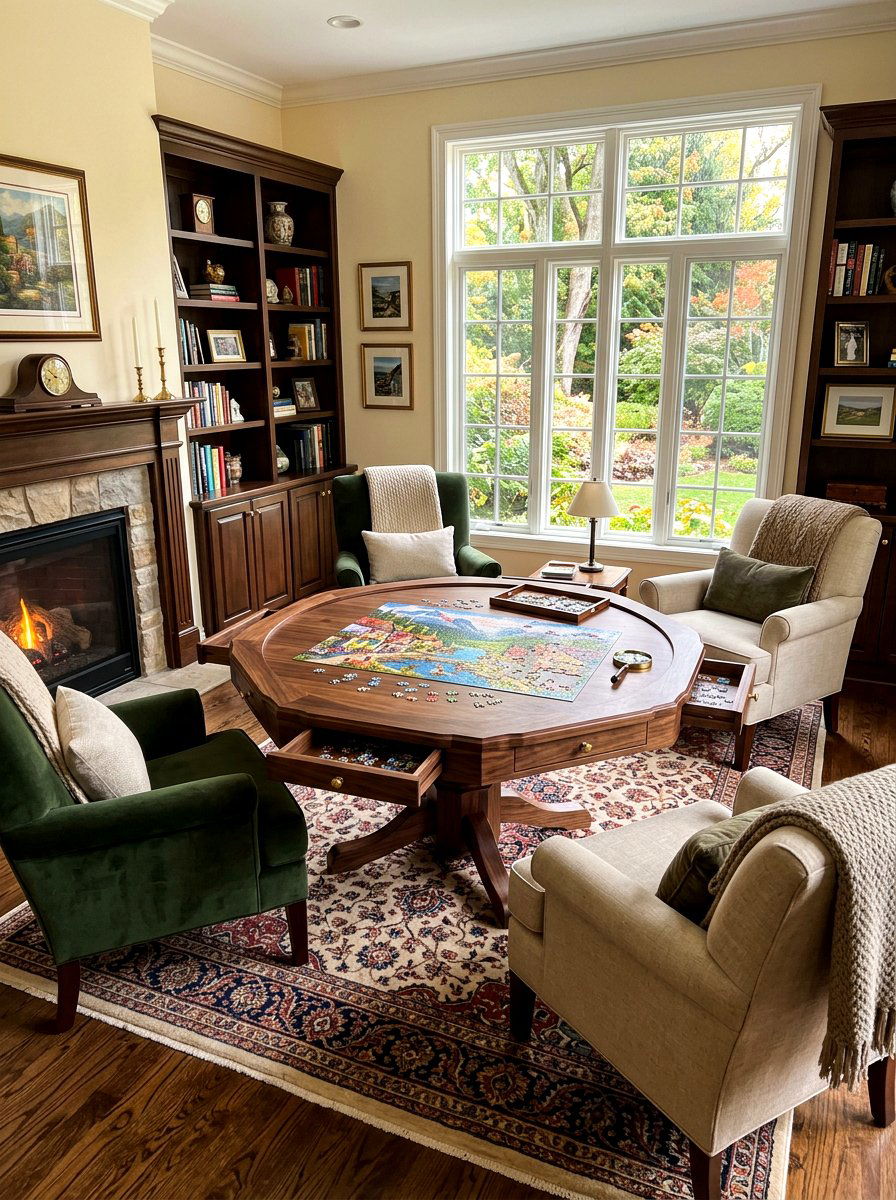
A rotating puzzle table is a specialized piece of furniture that enhances both the assembly and storage experience. These tables feature a Lazy Susan mechanism that allows you to spin the board, making every part of the puzzle easily accessible. Many of these tables also include drawers or a cover for temporary storage of pieces and the in-progress work. This setup is perfect for dedicated puzzle areas where you want a permanent station that doesn't feel cluttered. The ability to rotate the puzzle means you can sit in one spot while working on different sections. It is a comfortable and highly organized way to enjoy your favorite hobby.
20. Coffee table with storage
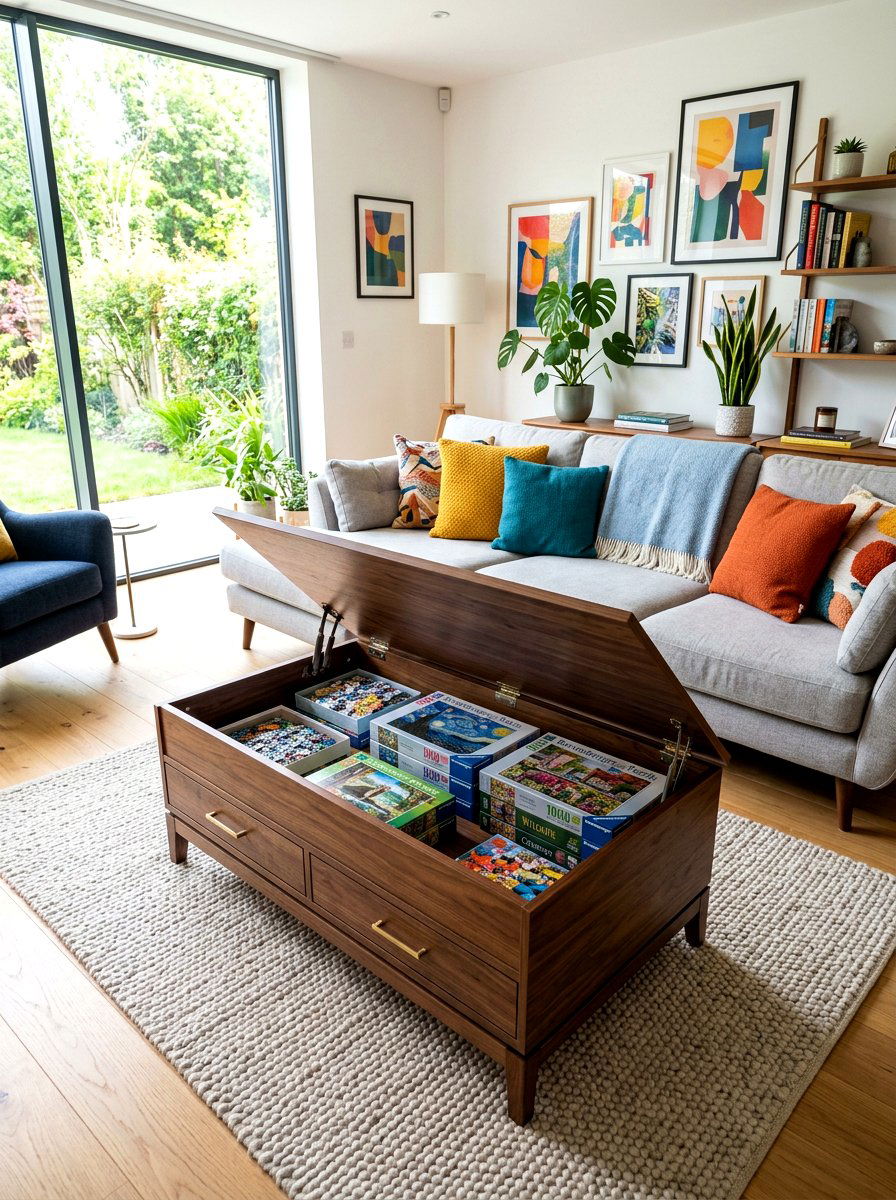
A coffee table with built-in storage is a multi-functional piece of furniture that is perfect for puzzle lovers. Some coffee tables feature a lift-top design that reveals a hidden compartment specifically for puzzles. You can store your boxes or bags underneath the surface and use the top for assembly. Other styles include deep drawers or open shelving where you can keep your collection organized and out of sight. This is a smart solution for living rooms where you want to keep your hobby items close to the social center of the home without creating a mess. It blends perfectly with your existing decor while providing ample space.
21. Floating shelves
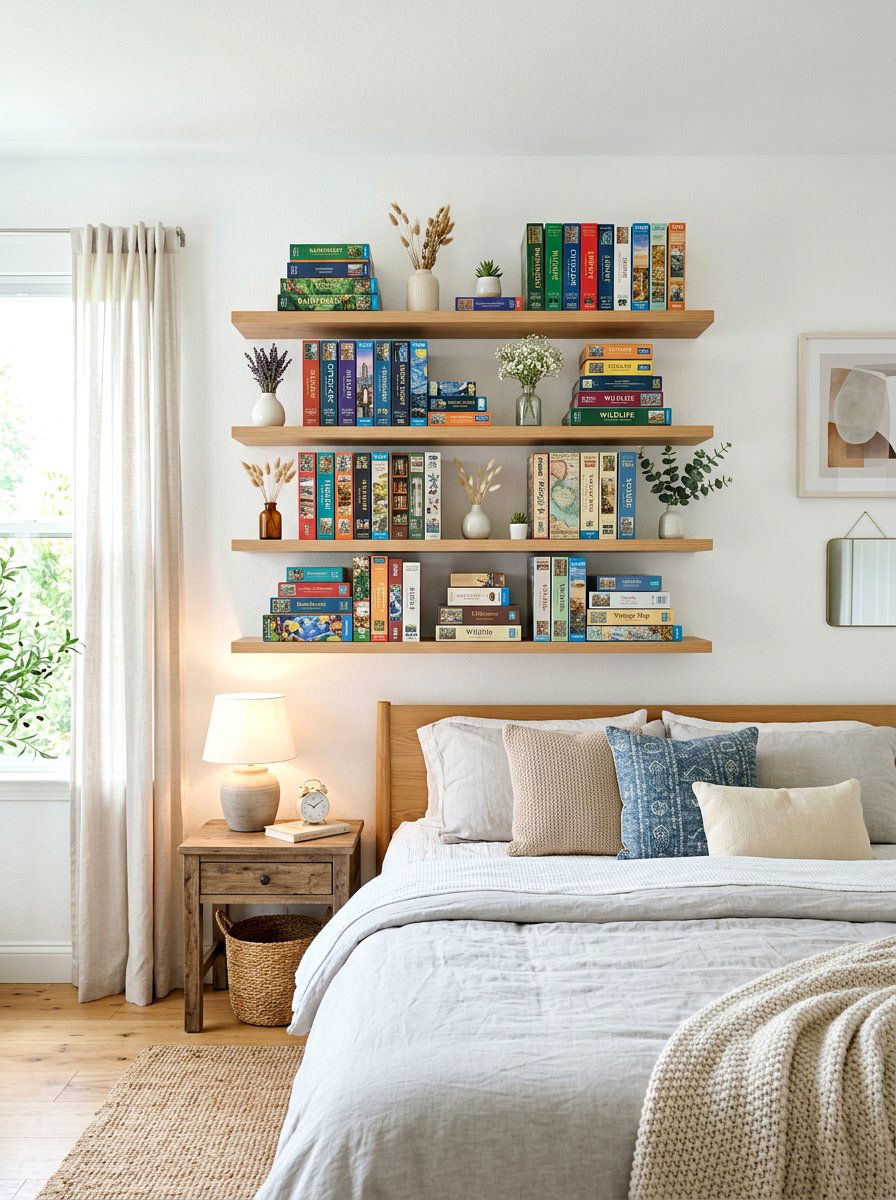
Floating shelves provide a modern and airy way to store your puzzle collection. By mounting shelves on the wall, you utilize vertical space and create a dedicated area for your hobby. You can line up your favorite puzzle boxes like books, showcasing the beautiful cover art. This setup works well in a home office or a hallway where floor space is limited. Adding a few decorative items between the boxes can make the shelves feel like a curated display rather than just storage. Floating shelves are a great way to keep your puzzles organized and within reach while adding a touch of style to your room.
22. Pegboard wall system
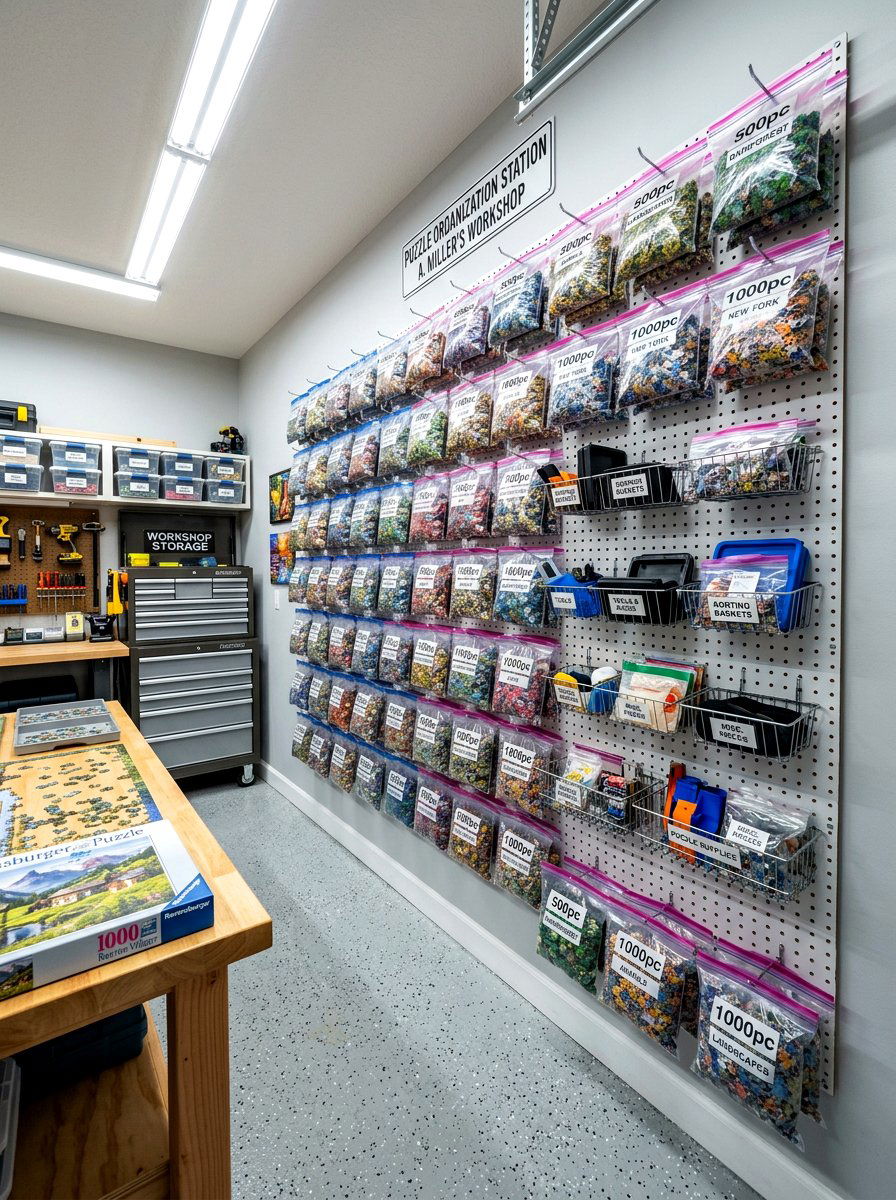
A pegboard wall system is a highly customizable storage solution for a craft room or garage. You can use hooks and baskets to hang puzzle bags or small boxes, keeping everything visible and easy to access. This modular system allows you to rearrange your storage as your collection grows. You can also hang sorting trays and other puzzle accessories on the pegboard, ensuring everything you need is in one place. The industrial look of a pegboard adds a creative vibe to your workspace. It is an efficient way to keep your surfaces clear and your puzzles organized in a visually interesting way.
23. Built in cabinetry
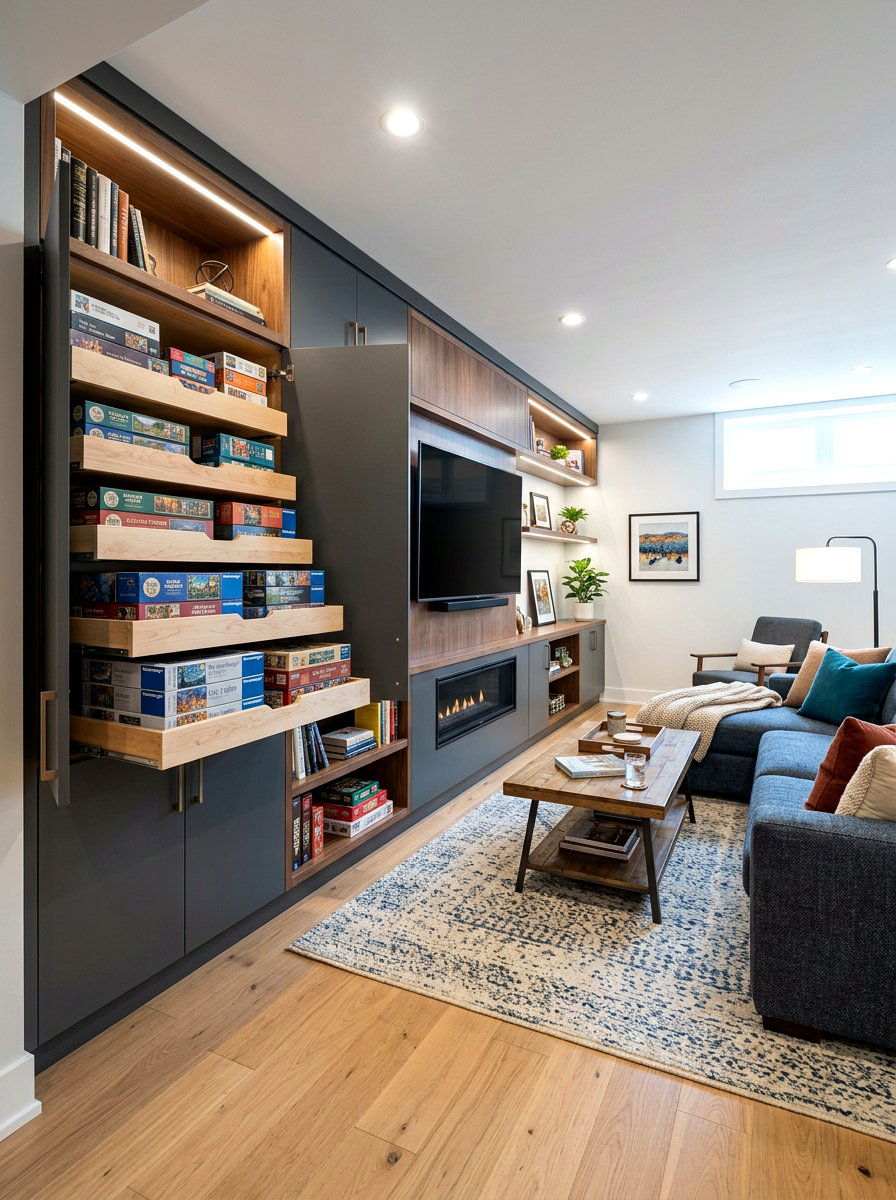
Built-in cabinetry offers the most seamless and permanent storage solution for a large puzzle collection. Custom cabinets can be designed with shallow drawers specifically for puzzles, allowing you to store them flat and organized. This approach is ideal for a dedicated hobby room or a finished basement. You can hide all your boxes and accessories behind beautiful doors, maintaining a completely clutter-free home. The large amount of storage provided by built-ins means you can grow your collection without worrying about running out of space. This is a high-end investment that adds value to your home while providing the ultimate organizational experience for your puzzles.
24. Wicker baskets
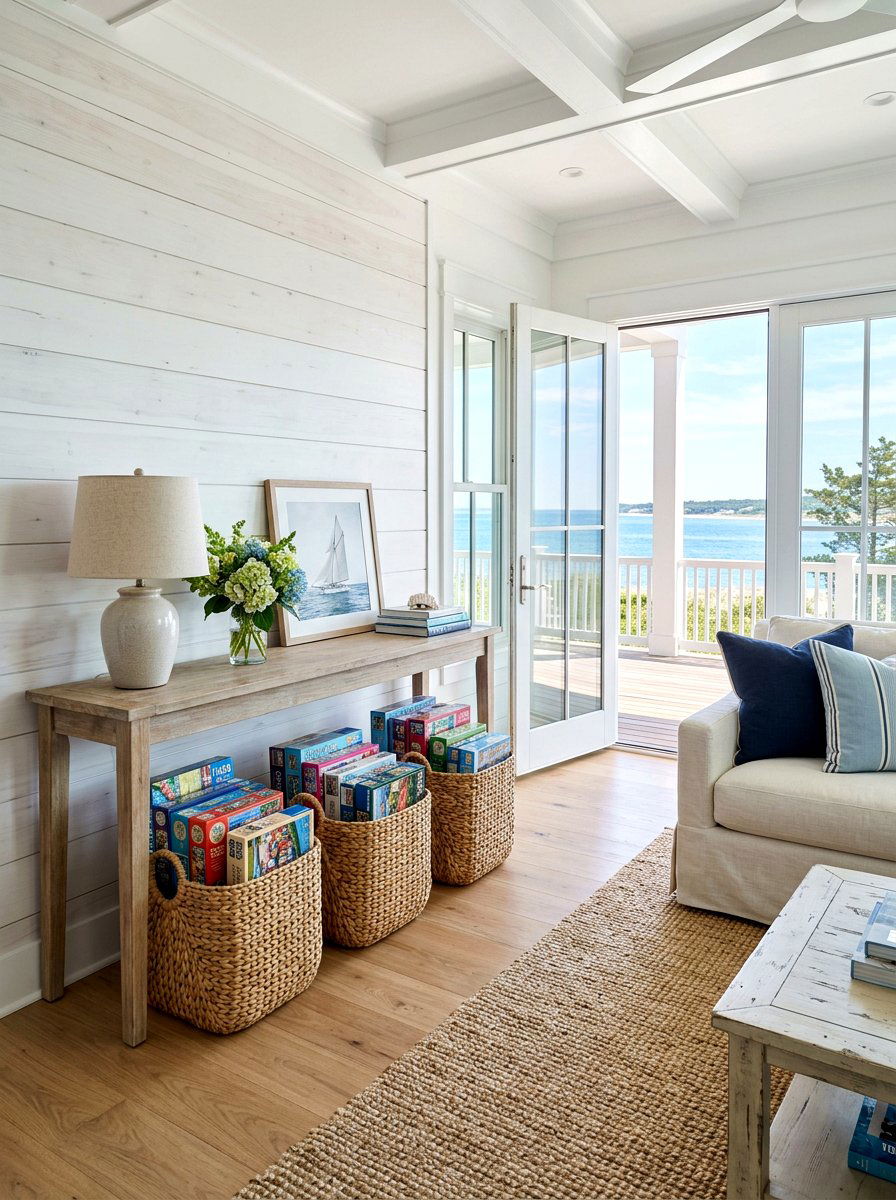
Wicker baskets are a charming and natural storage option that fits well in farmhouse or coastal-style homes. You can use large baskets to hold multiple puzzle boxes or pouches, keeping them gathered in one place. Baskets are easy to move from room to room, allowing you to take your hobby wherever you go. They also add a touch of texture and warmth to your decor. You can tuck a basket under a side table or in a corner of the nursery for easy access. This is a simple and effective way to organize your puzzles while maintaining a cozy and inviting atmosphere in your living space.
25. Hidden ottoman storage
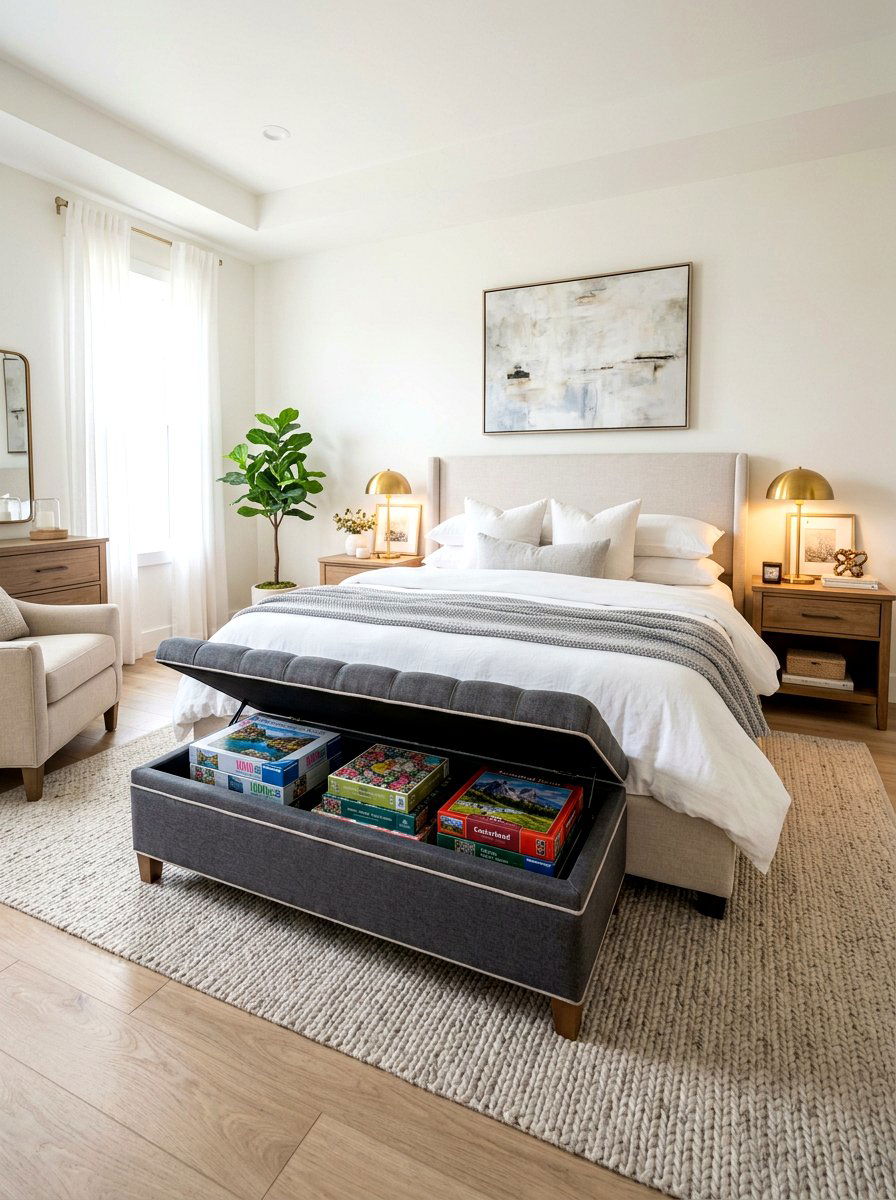
Hidden ottoman storage is a clever way to keep your puzzles organized in a living room or bedroom. These furniture pieces feature a removable or hinged top that reveals a large hollow interior. You can stack many puzzle boxes inside, keeping them completely out of sight when not in use. Ottomans also serve as extra seating or a place to rest your feet, making them highly versatile. This storage method is perfect for those who want to maintain a tidy, minimalist look but still want easy access to their hobby. It is a great way to maximize the utility of your furniture in a small home.
26. Multi tier tray
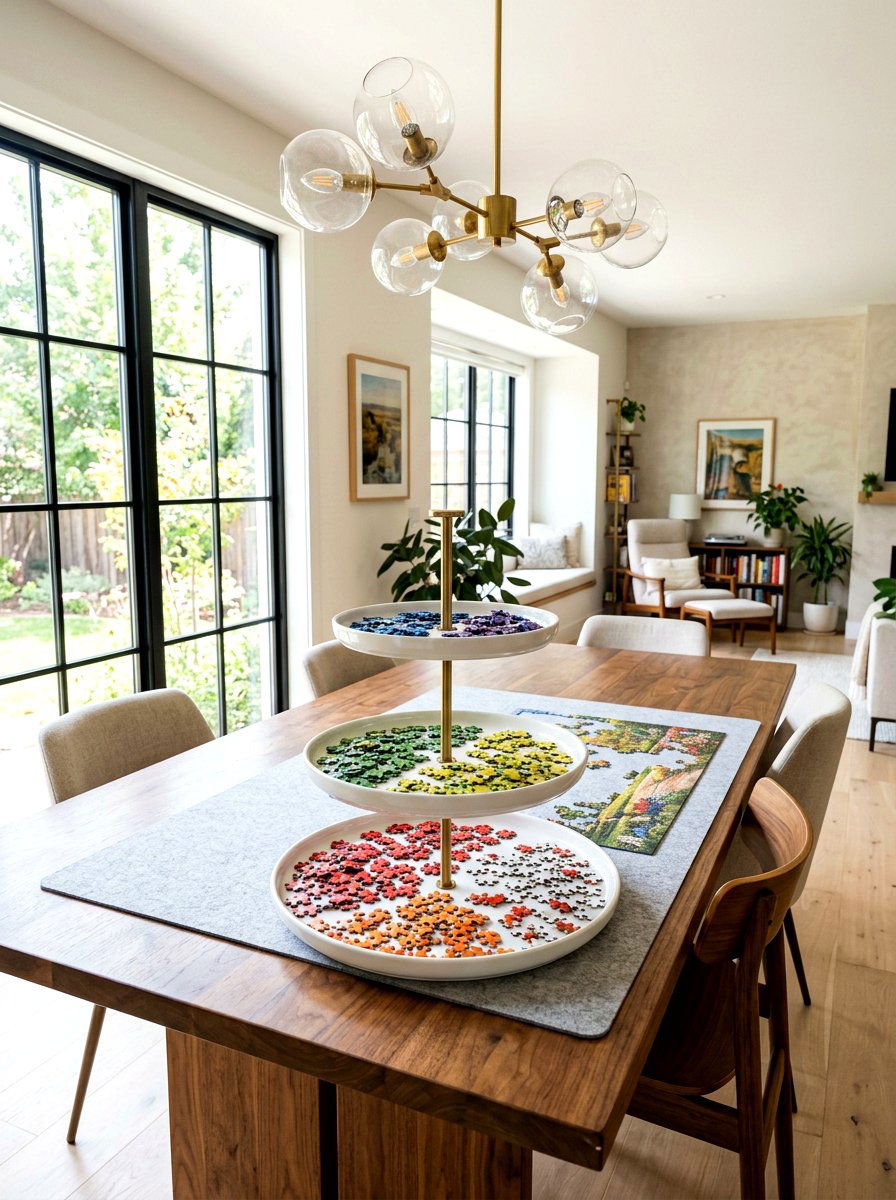
A multi-tier tray is a beautiful and compact way to store small puzzles or sorting trays. These tiered stands are often used for serving food, but they work perfectly for keeping puzzle pieces organized during assembly. You can use each level for a different color or section of the puzzle. When you are not working on a project, the tray can hold small boxed puzzles or accessories on a desk or shelf. This setup adds a touch of elegance to your hobby area and keeps your small items from getting lost. It is a functional and decorative solution that helps you stay organized in style.
27. Magnetic board display
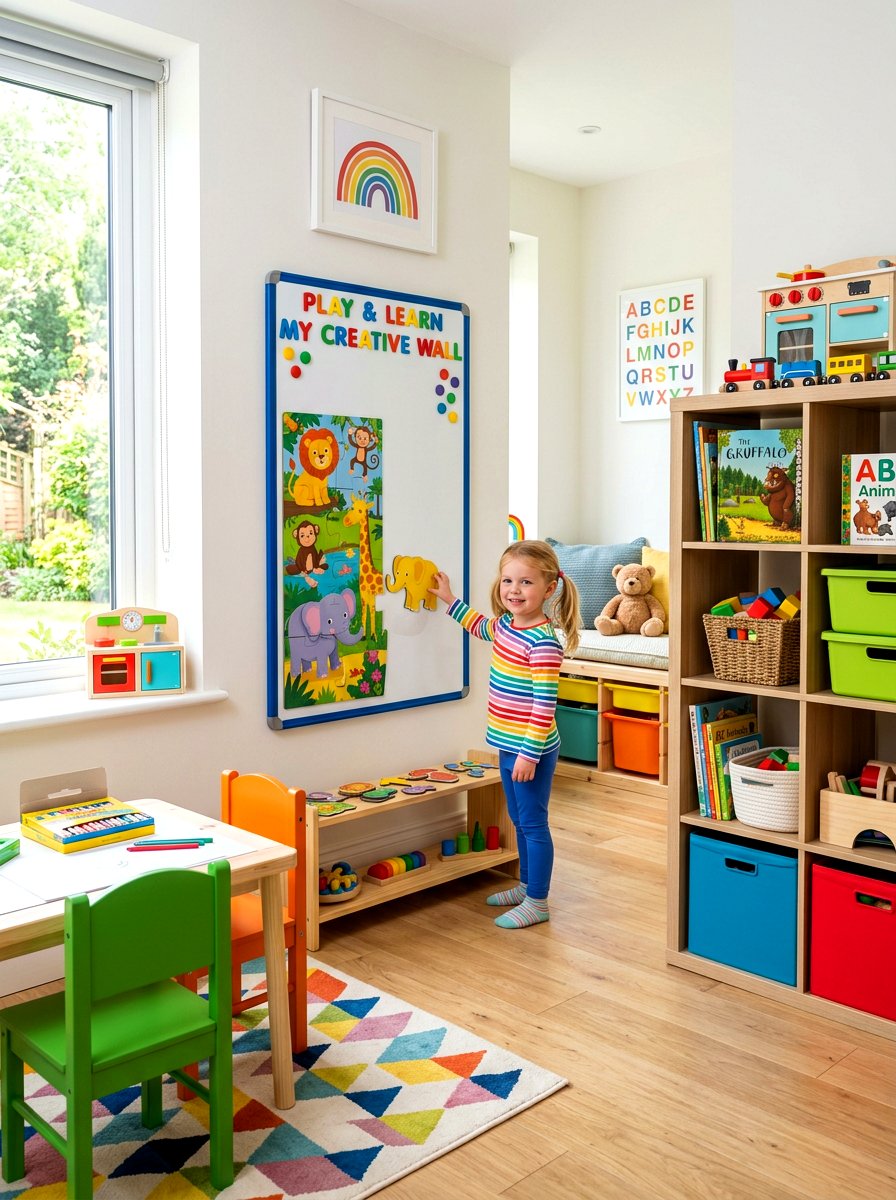
A magnetic board display is a unique and innovative way to store and work on puzzles. You can attach small magnets to the back of puzzle pieces or use a magnetic board as an assembly surface. This allows you to work on puzzles vertically, which is a great space-saver for small rooms. You can hang the board on the wall and display your progress like a piece of art. This method is also helpful for people with back or neck issues who find it difficult to lean over a table for long periods. It turns your puzzle into a dynamic and interactive part of your home decor.
28. Labelled plastic drawers
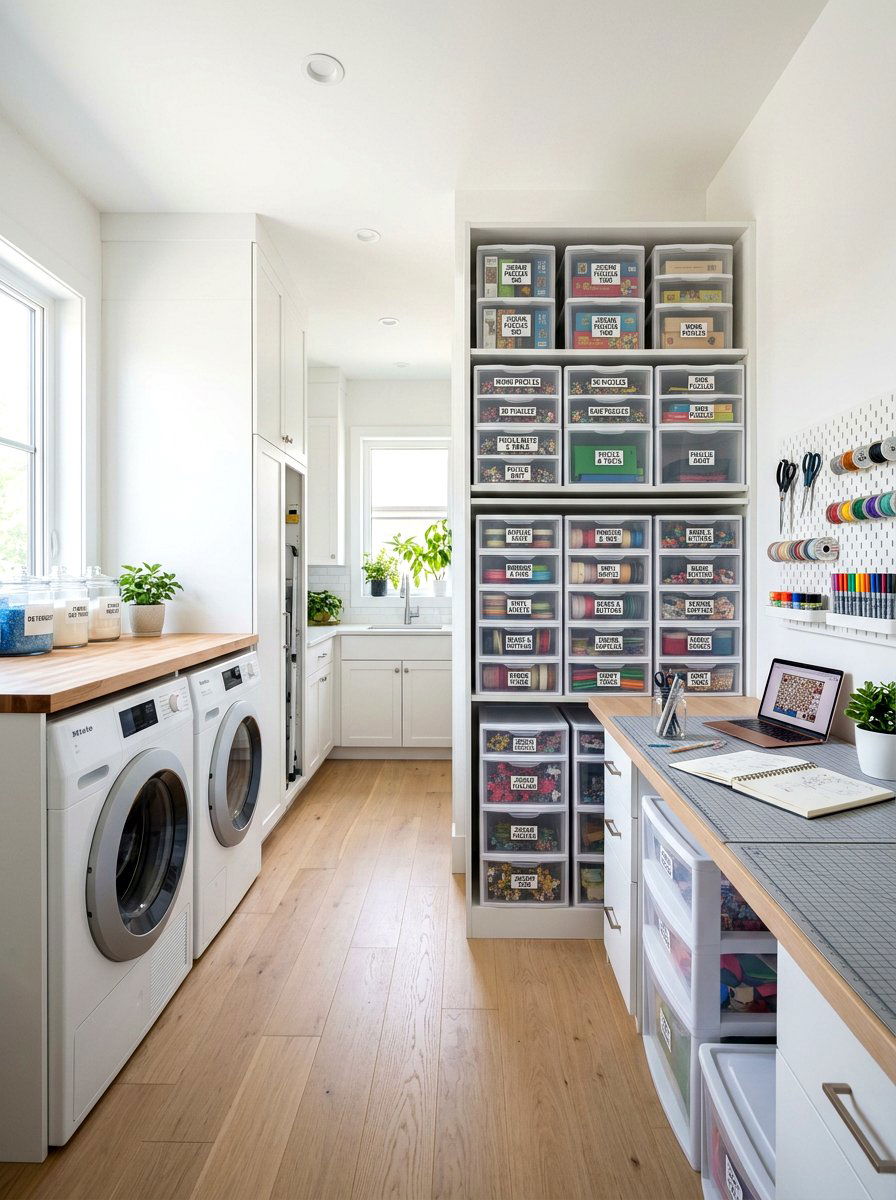
Labelled plastic drawers are a practical and highly organized storage solution for a large collection of puzzles. You can use a set of clear drawers and apply labels to the front of each one, indicating the puzzle theme or piece count. This system makes it incredibly easy to find exactly what you are looking for without having to dig through bins. Plastic drawers are durable and easy to clean, making them a great choice for a child’s playroom. They stack neatly and take up minimal floor space. This organizational setup ensures that every puzzle has a dedicated home, reducing the chances of pieces getting mixed up.
29. Vintage suitcase storage
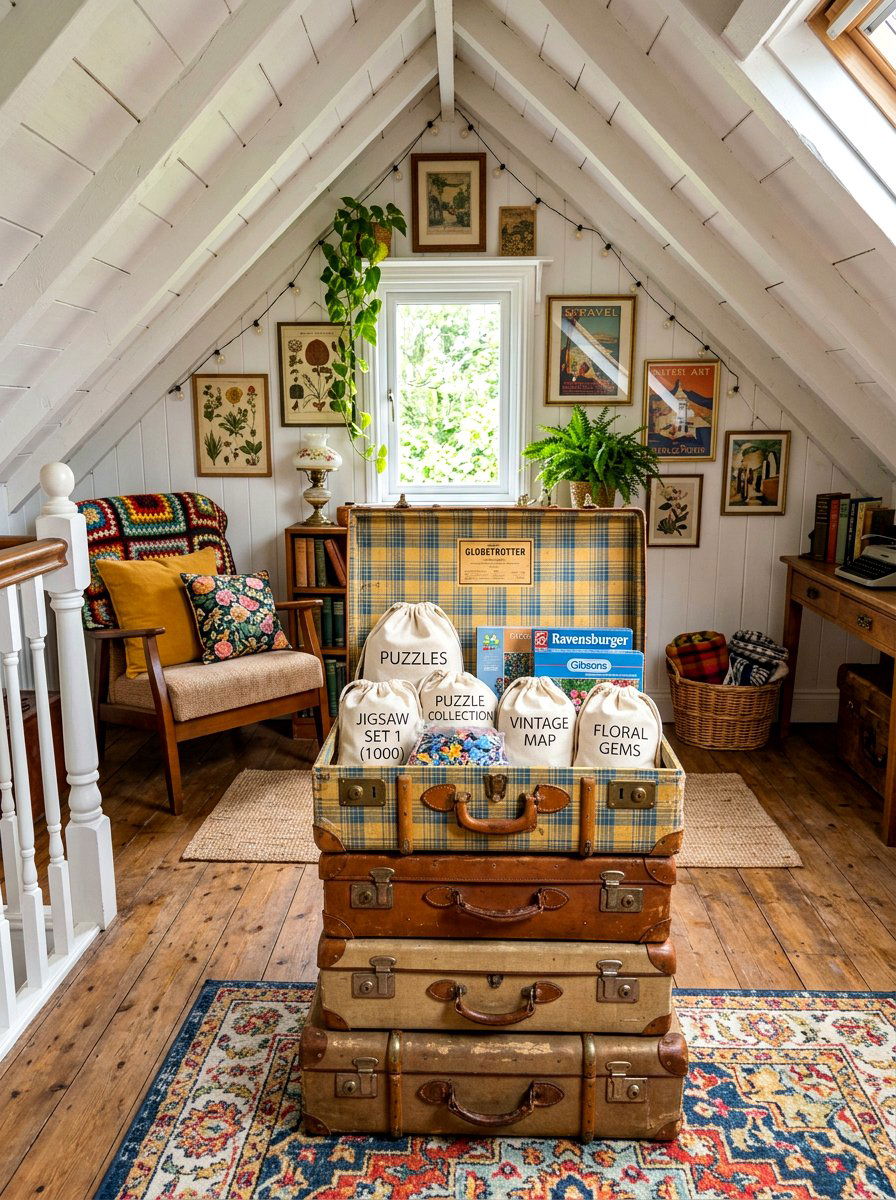
Vintage suitcase storage is a whimsical and creative way to house your puzzle collection. You can find old suitcases at thrift stores and use them to store boxes or bags of puzzles. This approach adds a touch of character and history to your home decor. The suitcases can be stacked in a corner or used as a unique side table. When you want to work on a puzzle, simply open the suitcase to reveal your treasures. This is a great conversation starter and a fun way to incorporate your hobby into your personal style. It provides a portable and organized home for your entire collection.
30. Felt roll up mat
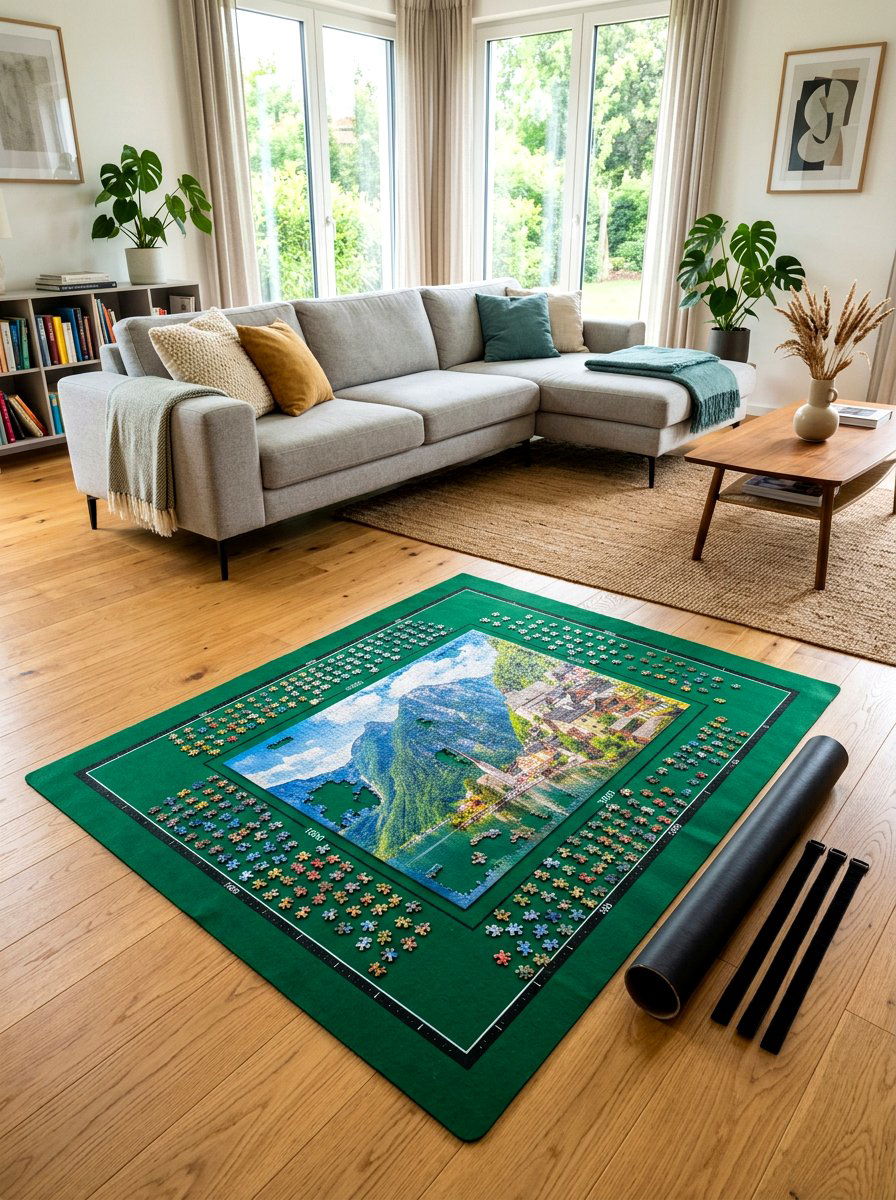
A felt roll-up mat is a classic and essential storage tool for any serious jigsaw puzzle enthusiast. These mats allow you to work on a puzzle and then roll it up when you need to clear the table. The felt material provides enough friction to keep the pieces in place, even when stored vertically. Many mats come with an inflatable tube or a rigid core to prevent the puzzle from bending. This is a perfect solution for people who don't have a dedicated puzzle table and need to share their space with other activities. It is a simple, effective, and highly portable organization method.
Conclusion:
Finding the right puzzle storage solution can transform your hobby from a cluttered mess into a streamlined and enjoyable experience. Whether you prefer the simplicity of mesh bags, the functionality of a dedicated puzzle table, or the aesthetic appeal of framed wall art, there is an option that fits your home and style. Proper organization not only saves space but also protects your puzzles for years to come. By implementing these ideas, you can keep your pieces safe, your surfaces clear, and your collection ready for your next big challenge. Happy puzzling as you enjoy your newly organized and beautiful home environment!

Related posts: