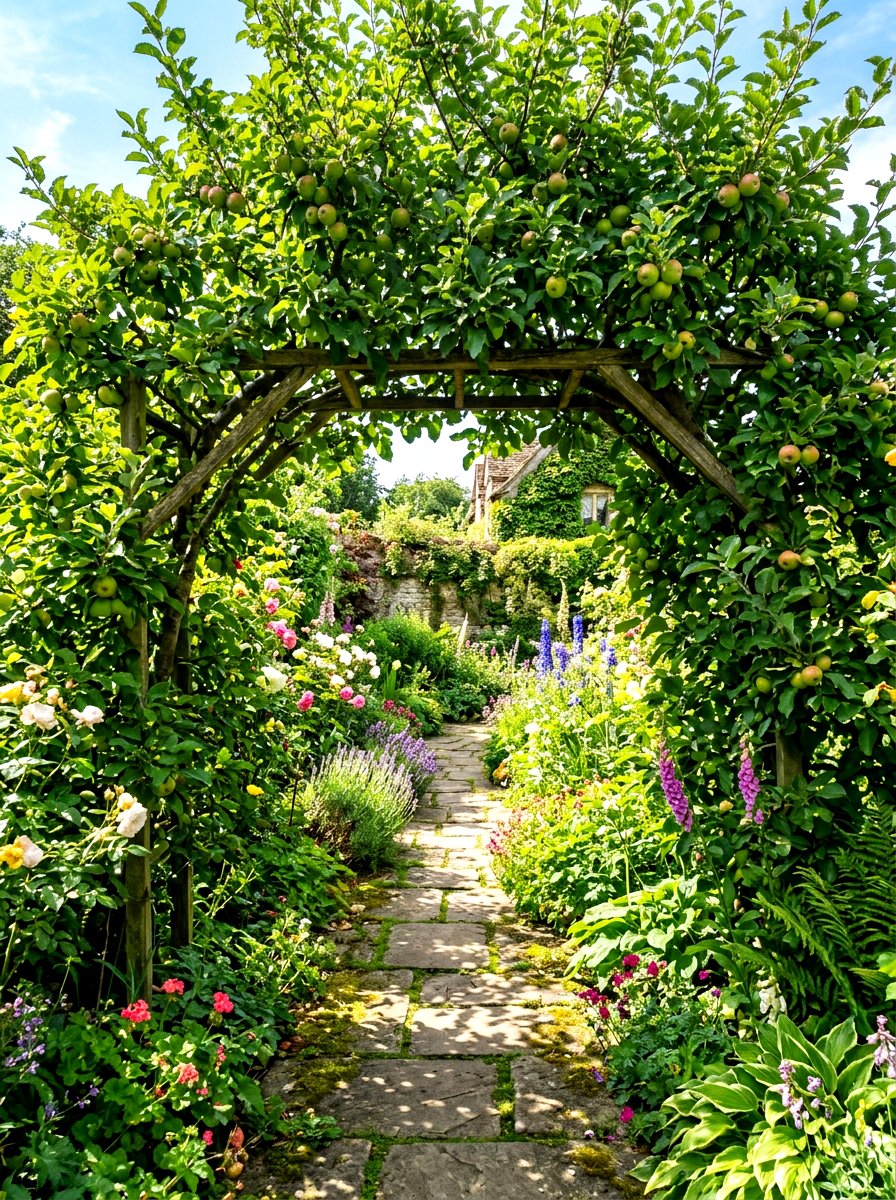
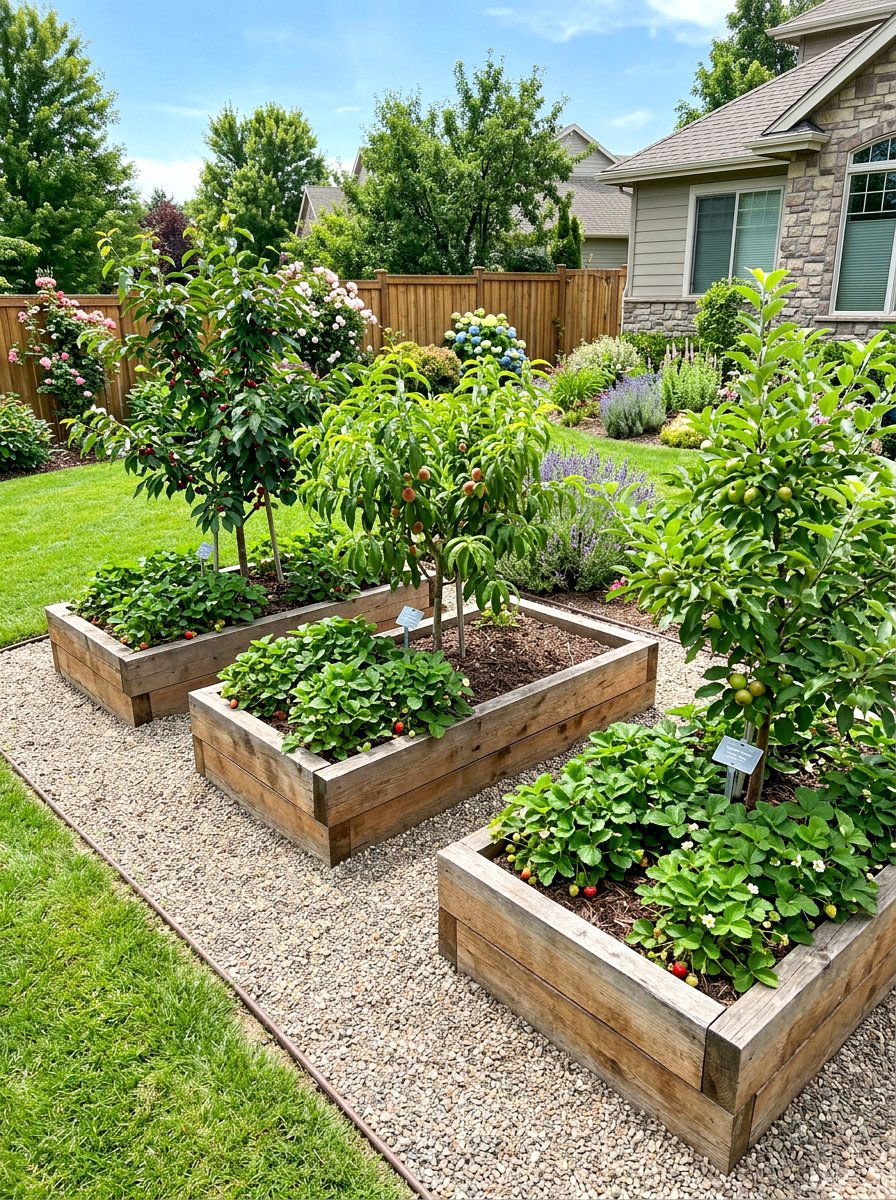
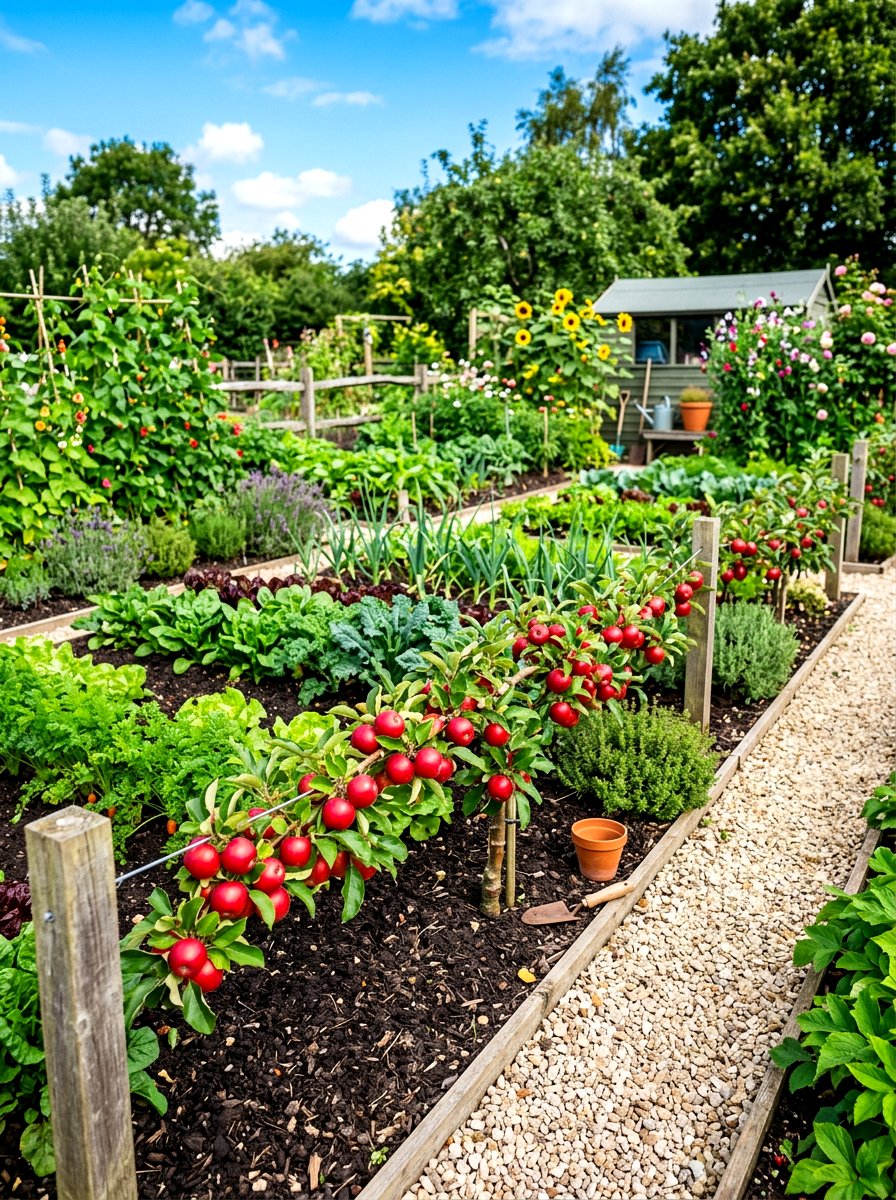
Growing fresh fruit in a limited garden space is easier than you think when you use the ancient art of espalier. This unique gardening technique involves training fruit trees to grow flat against a wall, fence, or free-standing trellis system. It turns a standard orchard into a living piece of functional art that saves significant ground space. You can enjoy a massive harvest of apples, pears, and stone fruits even in a small urban backyard or on a sunny balcony. These structured trees provide year-round architectural interest while maximizing the sunlight each branch receives for better fruit quality. Whether you prefer formal geometric patterns or a more relaxed look, espaliering offers a beautiful way to grow your own food efficiently.
1. Apple tree horizontal cordon
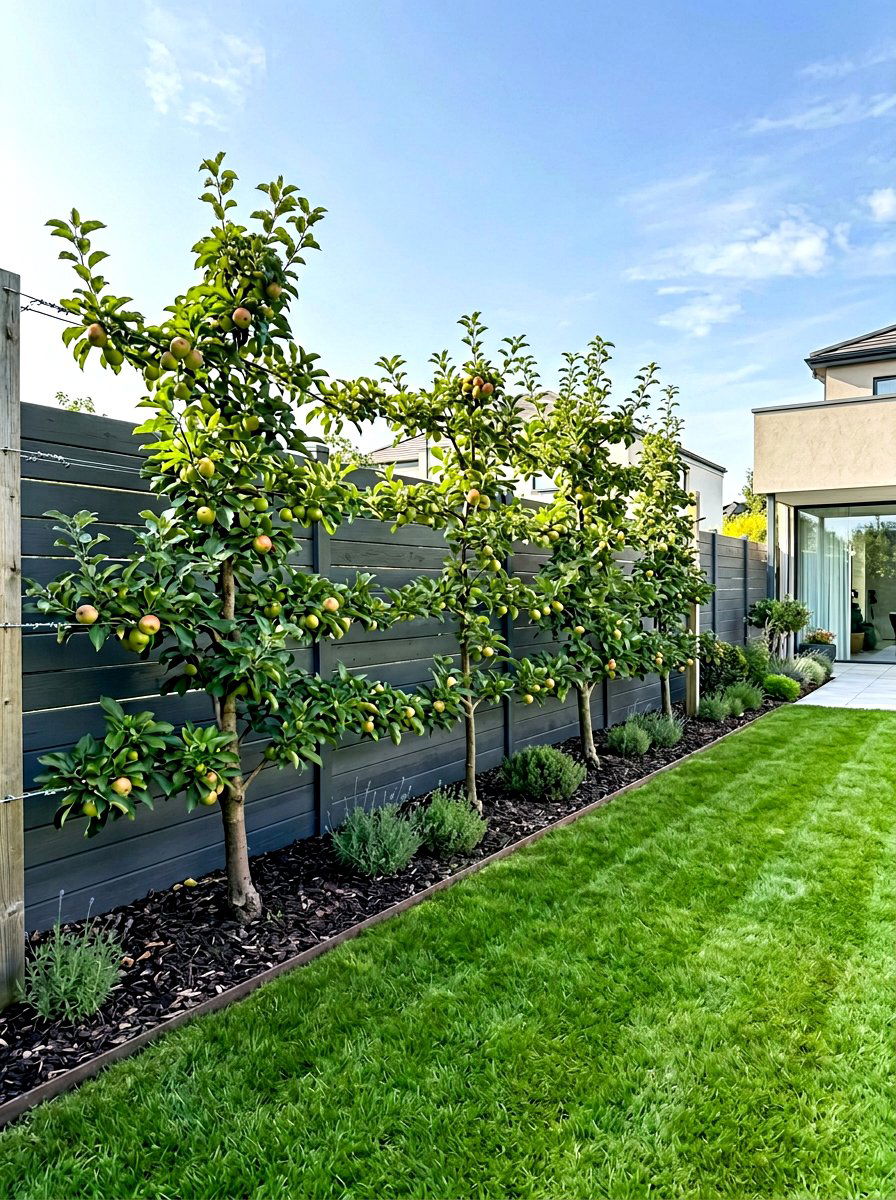
Training an apple tree into a horizontal cordon is one of the most classic and effective methods for small gardens. This design features a central vertical trunk with multiple pairs of branches extending perfectly sideways along a wire support. It is an ideal way to transform a plain garden fence into a productive fruit-bearing wall. Because the branches are kept low and flat, the fruit is very easy to reach during harvest season. This pattern encourages the development of fruiting spurs along the entire length of the lateral branches. It works best with spur-bearing apple varieties like Gala or Honeycrisp, providing a neat and highly structured aesthetic for any modern landscape design.
2. Pear tree Belgian fence
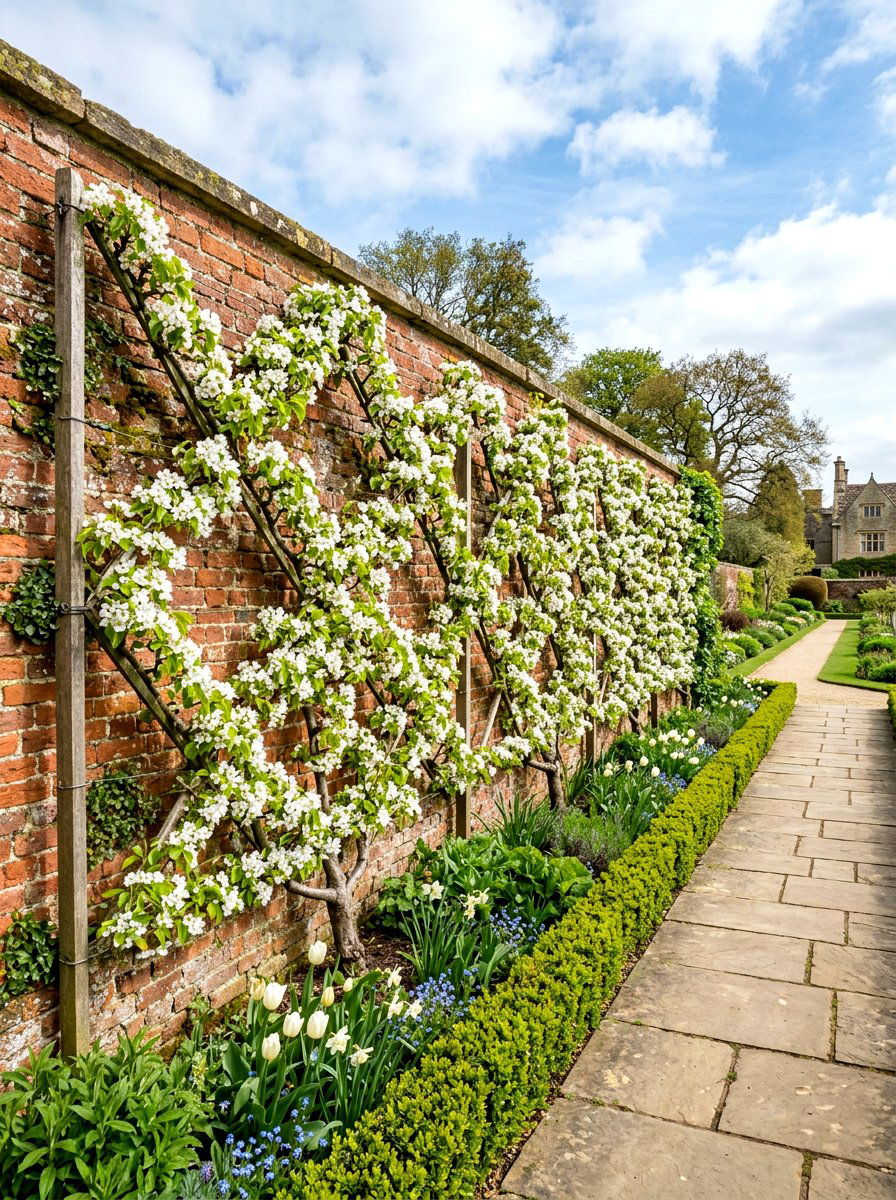
A Belgian fence is a stunning architectural feature that uses several pear trees to create a living diamond-shaped lattice. This design is perfect for creating a decorative property boundary or a garden divider that still allows light and air to pass through. You plant the trees at a distance and train their branches at 45-degree angles so they cross each other in a repeating pattern. Pears are particularly suited for this style because their branches are flexible and easy to manipulate when young. As the trees mature, they form a sturdy, self-supporting structure that produces a large quantity of fruit. This lattice looks beautiful in every season, especially when covered in spring blossoms.
3. Peach tree fan shape
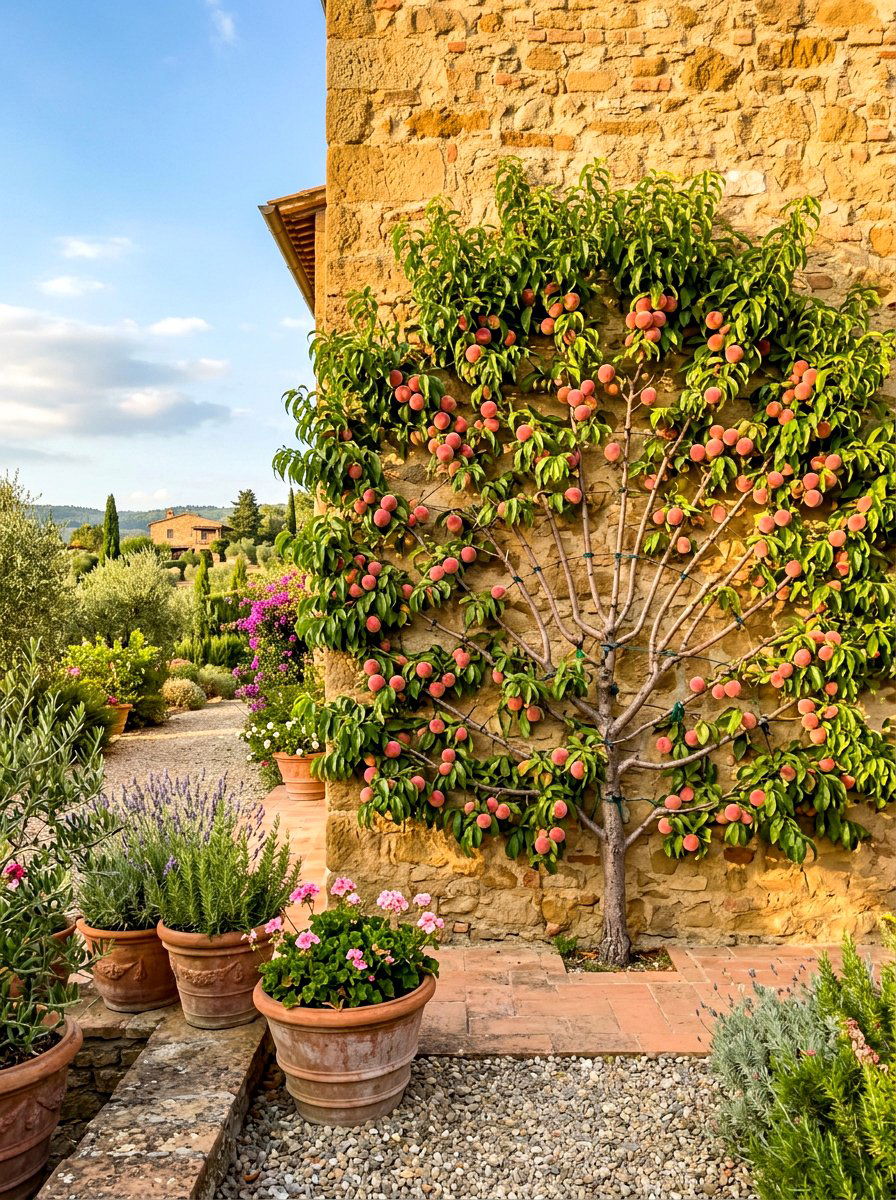
Peaches thrive when grown in a fan shape against a warm, south-facing brick wall. This design radiates branches from a low central point, spreading them out like the ribs of a hand fan. Because peaches fruit on wood produced the previous year, the fan shape makes it easy to prune and replace old branches regularly. This structure ensures that every peach receives maximum sunlight, which is essential for developing sweetness and deep color. The wall behind the tree acts as a heat sink, protecting the delicate blossoms from late spring frosts. It is a practical and visually striking way to grow stone fruit in a very compact backyard area.
4. Cherry tree fan shape
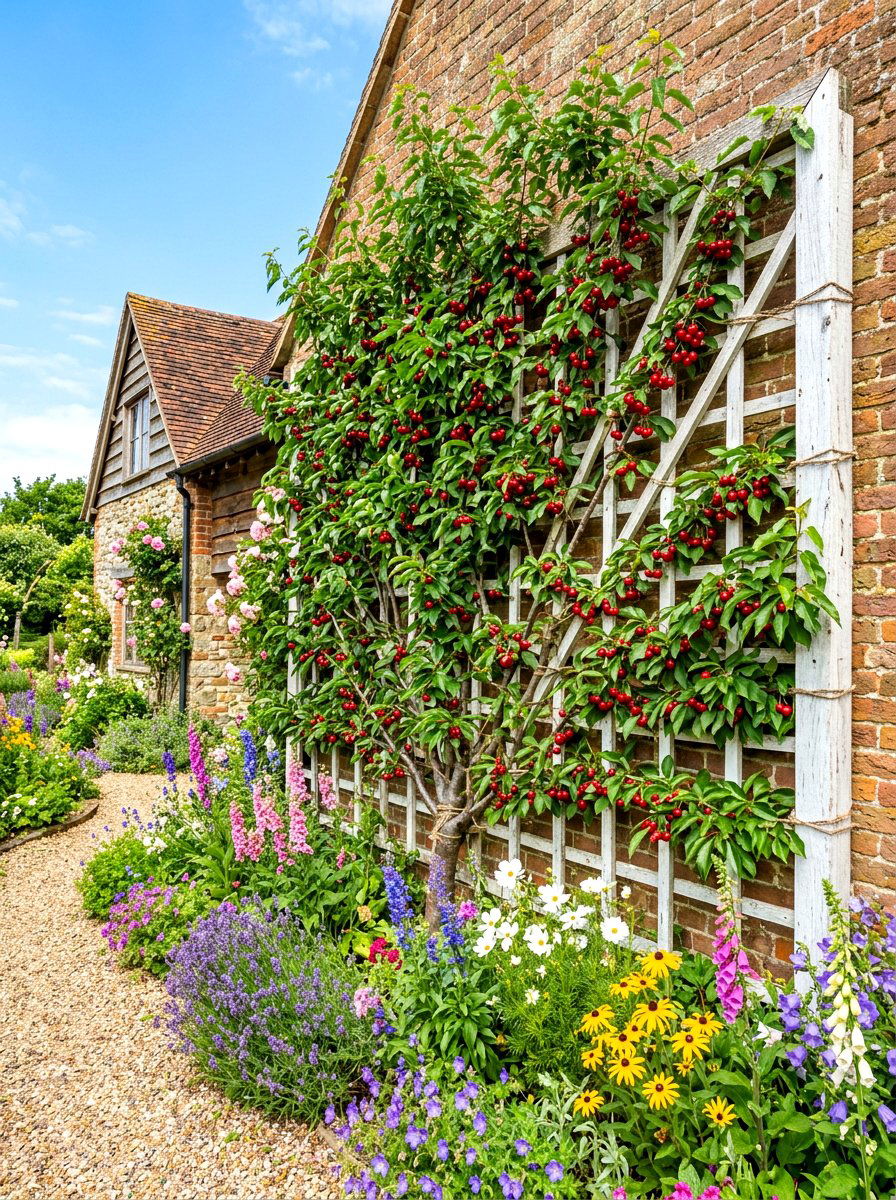
Cherry trees are excellent candidates for fan training, especially when you want to cover a vertical surface with lush foliage and bright red fruit. This design allows for better air circulation around the branches, which helps prevent common fungal diseases that often affect cherry varieties. By spreading the branches flat against a trellis, you make it much easier to net the tree against hungry birds. The fan shape also controls the vigor of the tree, keeping it at a manageable height for picking without a ladder. Sweet or sour cherries look spectacular when the white flowers bloom in spring, followed by a heavy canopy of ripening summer fruit.
5. Plum tree horizontal cordon
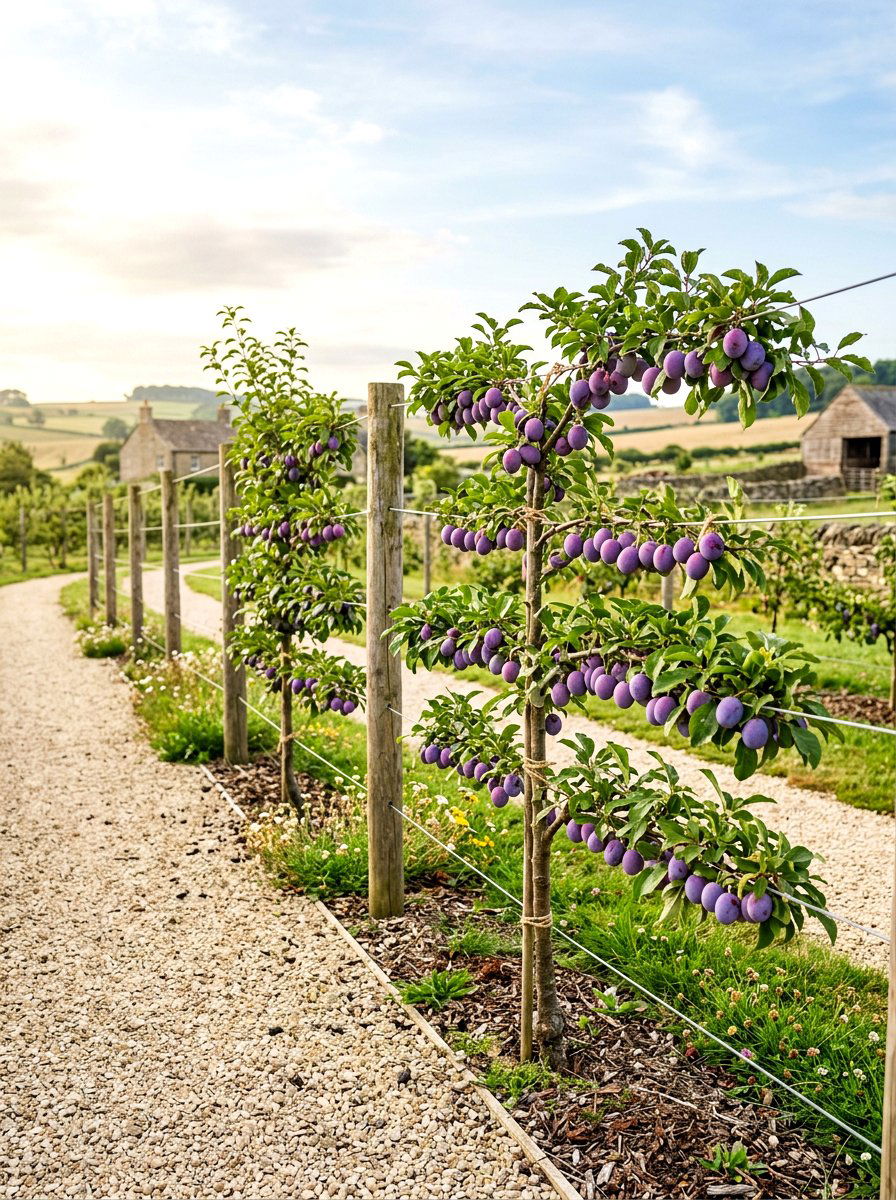
Plum trees can be successfully trained into horizontal cordons to line a walkway or define a garden room. While stone fruits are more commonly grown in fans, a horizontal cordon works well for plums if you choose a variety with a manageable growth habit. This design keeps the fruit accessible and allows for uniform ripening across the entire tree. The structured tiers of branches create a formal look that adds a sense of order to an edible landscape. Regular summer pruning is necessary to keep the horizontal shape tidy and to encourage the formation of fruiting buds. This method turns a vigorous plum tree into a neat, space-saving garden feature.
6. Apricot tree fan shape
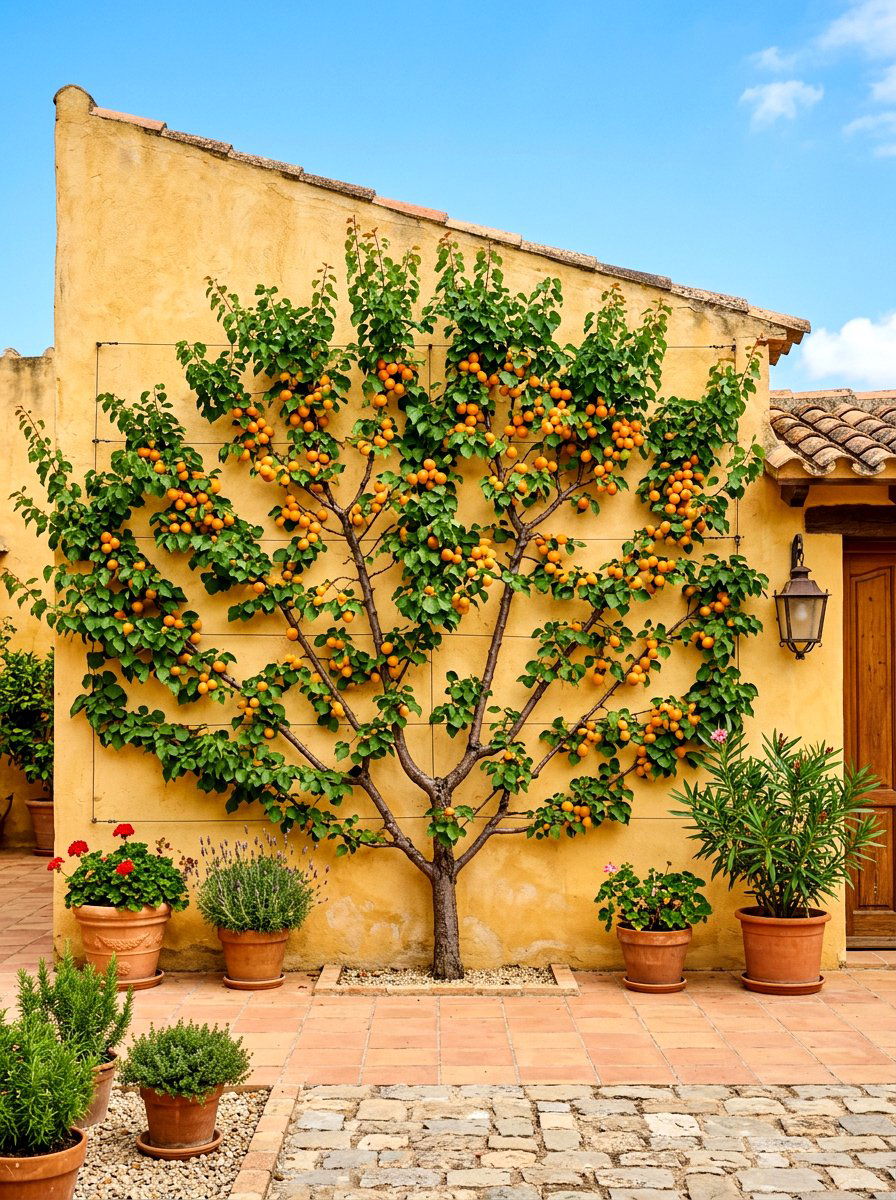
An apricot tree trained in a fan shape is a masterpiece of garden design that offers both beauty and a delicious summer harvest. Apricots need plenty of sun and warmth to ripen properly, making a fan against a sheltered wall the perfect solution. This layout maximizes the surface area exposed to the sun while keeping the tree close to the heat-retaining masonry. The open structure of the fan makes it simple to thin the fruit, ensuring that the remaining apricots grow to a large, juicy size. In early spring, the delicate pink blossoms create a breathtaking display against the wall, signaling the start of the growing season.
7. Fig tree informal espalier
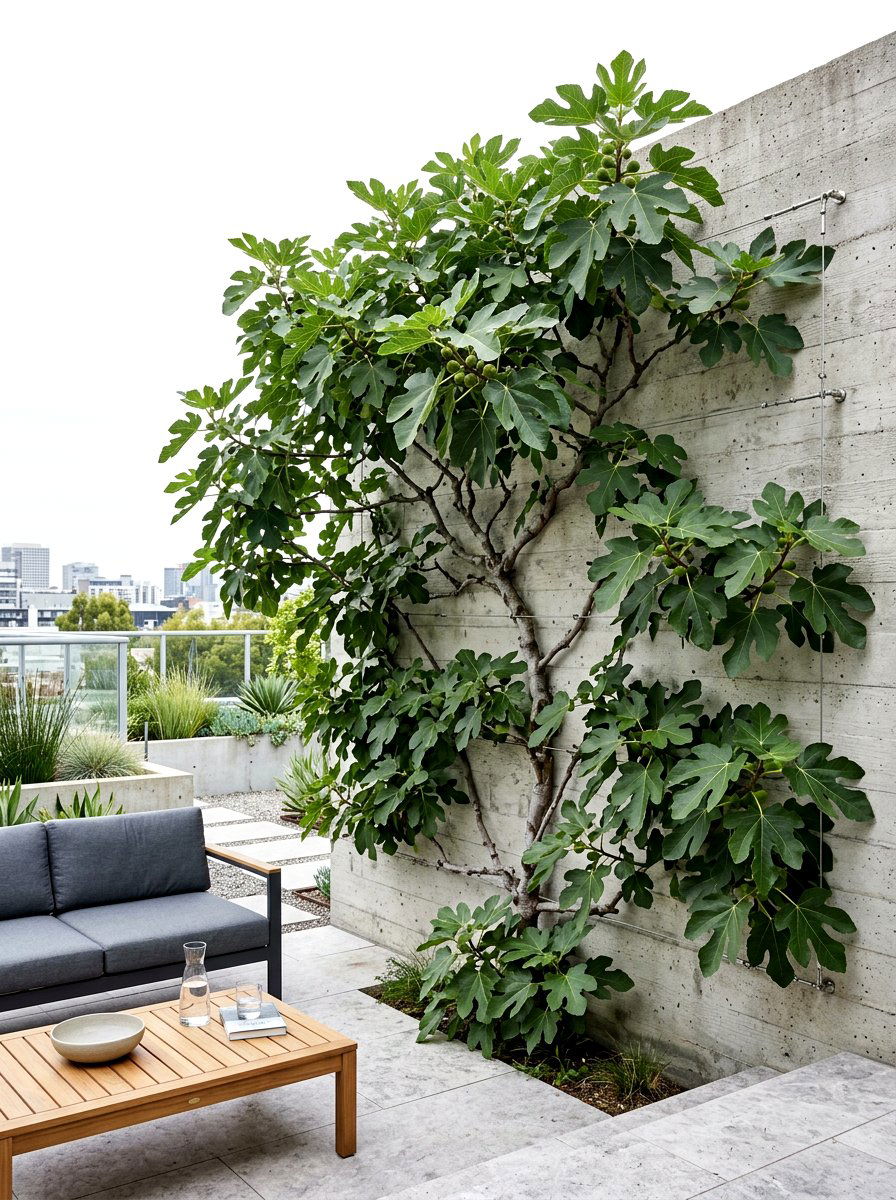
Fig trees have a naturally vigorous and flexible growth habit, making them ideal for an informal espalier design. Unlike highly geometric patterns, an informal espalier follows a more relaxed and natural shape while still keeping the tree flat against a support. This approach is perfect for covering a large, blank wall with bold, Mediterranean foliage. Since figs can grow quite rapidly, training them flat helps control their size and makes the fruit much easier to find among the large leaves. The architectural quality of the fig leaves adds a tropical feel to the garden, while the structured training ensures a heavy crop of sweet, sun-ripened fruit.
8. Lemon tree fan shape
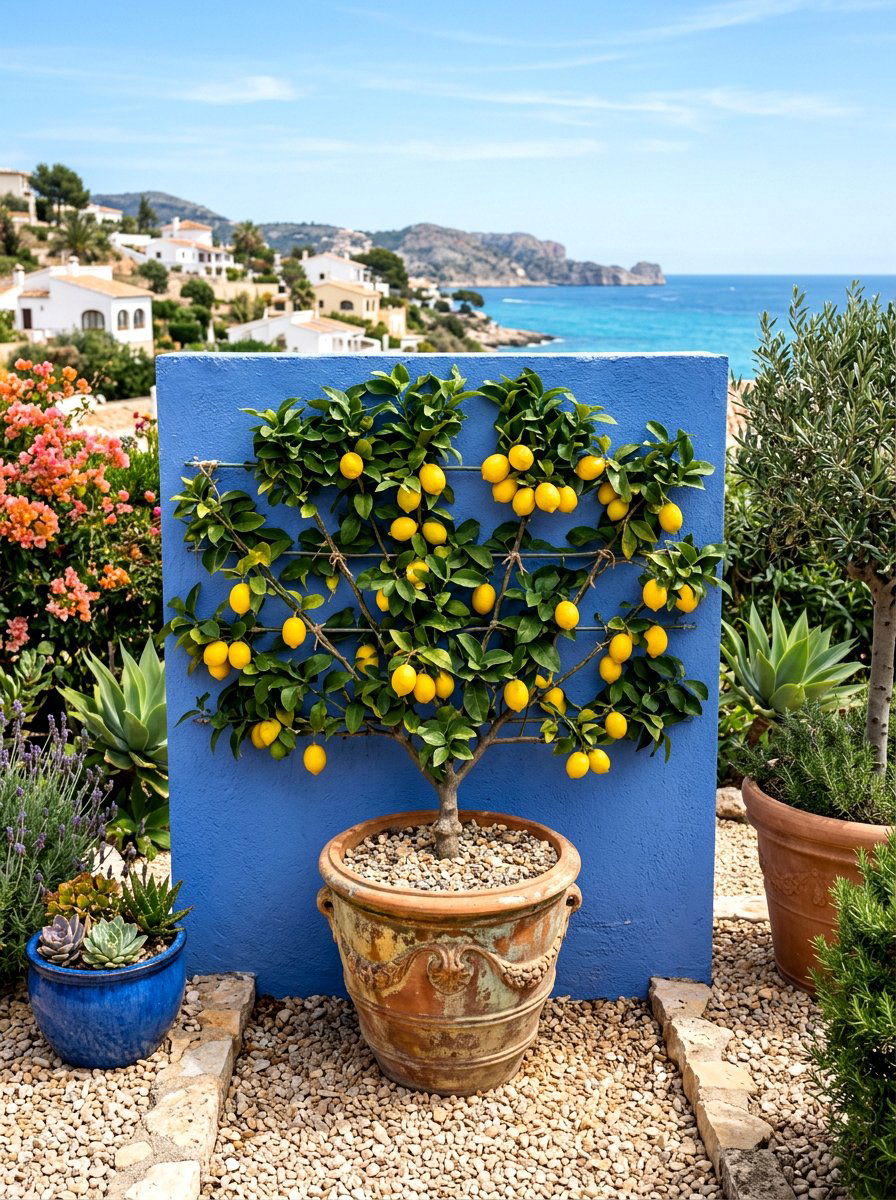
Growing a lemon tree in a fan shape is a brilliant way to incorporate citrus into a small patio or courtyard garden. Citrus trees generally love the extra heat provided by a wall, and the fan shape allows for excellent light penetration into the center of the canopy. This design is particularly useful if you live in a marginal climate, as the tree can be easily covered or protected during cold snaps. The glossy green leaves and bright yellow fruit provide a vibrant contrast against a white or light-colored wall. A fan-shaped lemon tree serves as a fragrant and functional focal point that produces fresh fruit for many months.
9. Lime tree fan shape
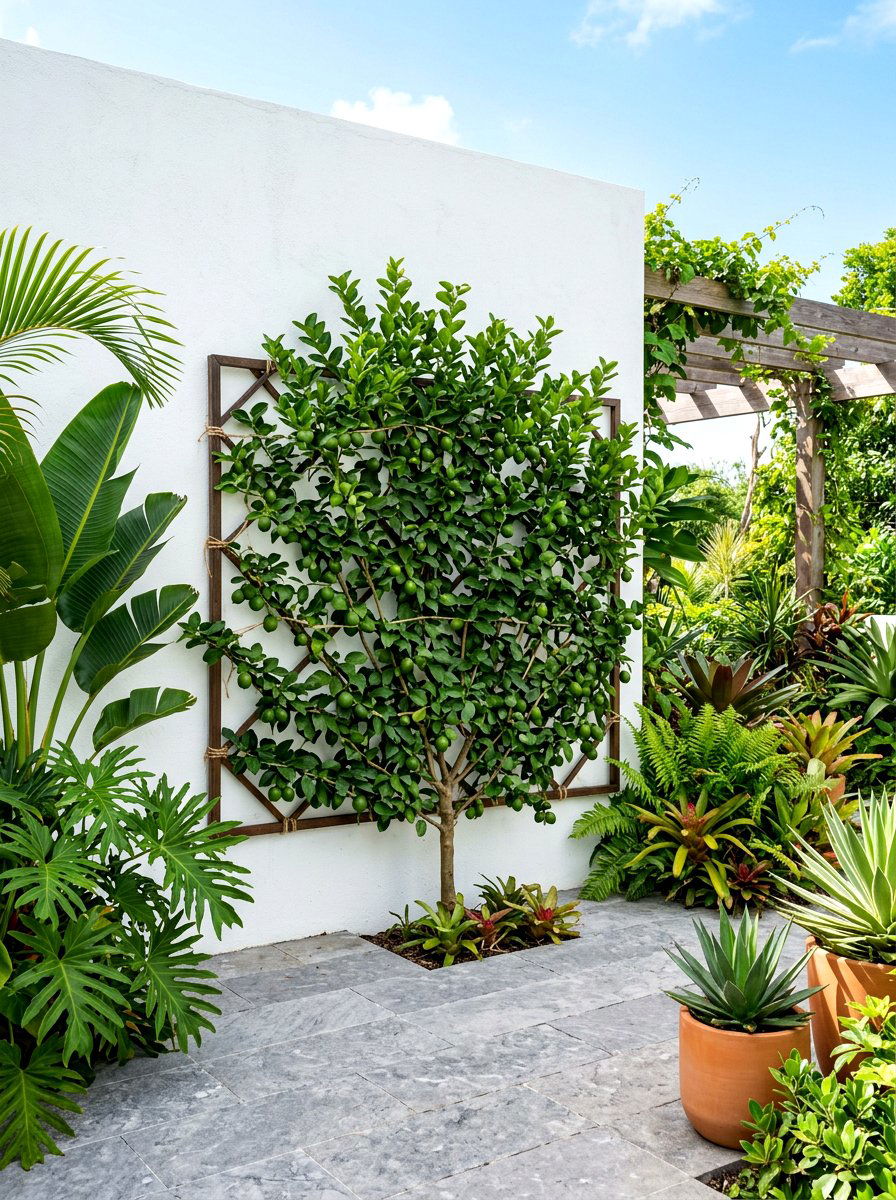
A fan-trained lime tree is a perfect addition to a sunny terrace where space is limited but a tropical vibe is desired. Limes are often quite bushy, so training them into a flat fan helps to manage their density and keep the branches tidy. This design ensures that the fruit is visible and easy to harvest, while the flattened canopy takes up very little floor space. The dark green foliage provides a lush backdrop for the small, bright green limes. Using this espalier technique allows you to grow citrus even in narrow passages between buildings, turning an unused area into a productive and attractive citrus grove.
10. Orange tree fan shape
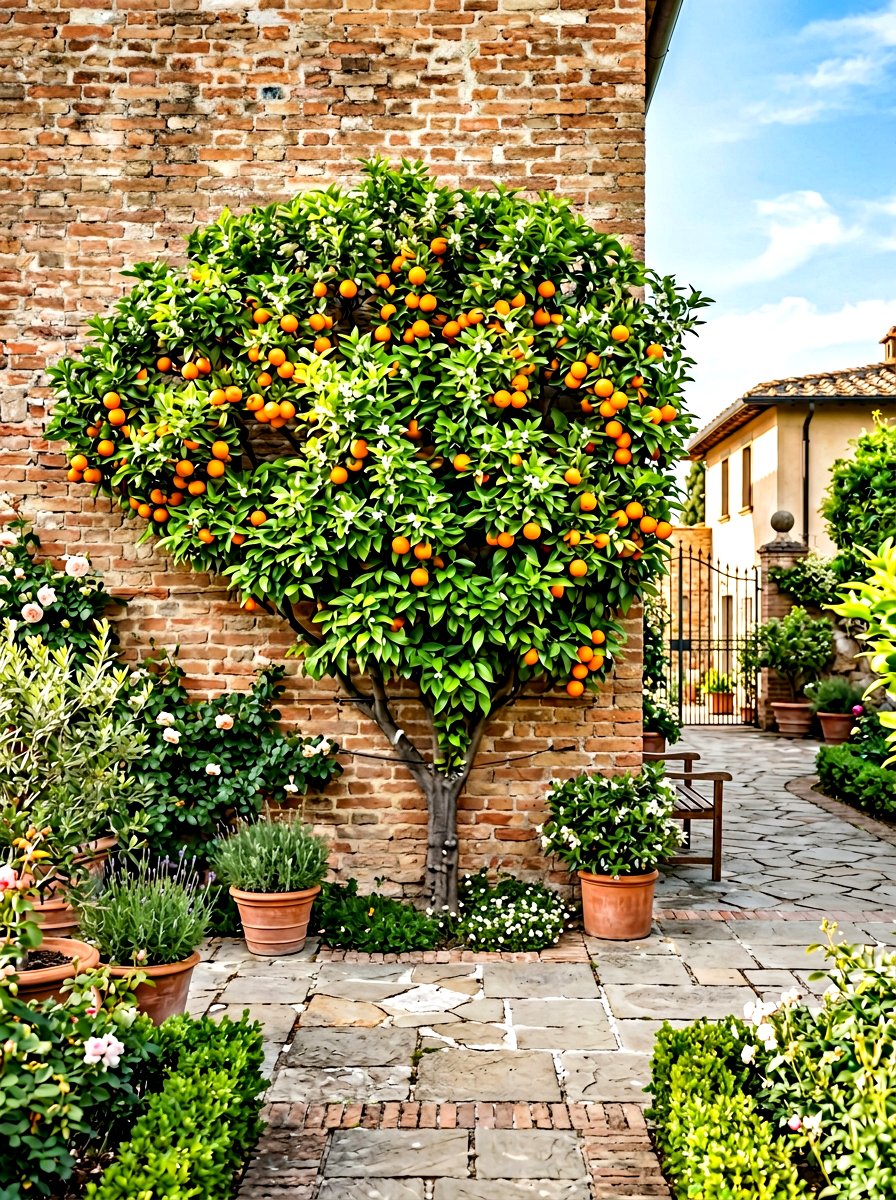
Orange trees look magnificent when trained in a fan shape, offering a combination of evergreen beauty, fragrant blossoms, and colorful fruit. The fan structure helps the tree maintain a healthy balance between leaf growth and fruit production by ensuring every branch gets enough light. This design is especially effective for dwarf orange varieties, which can be easily maintained at eye level. The structured look of the fan provides a sophisticated touch to any garden wall or sturdy fence. As the oranges ripen, they hang like ornaments against the green foliage, creating a stunning visual display that lasts for several months in the warm sun.
11. Apple tree step over
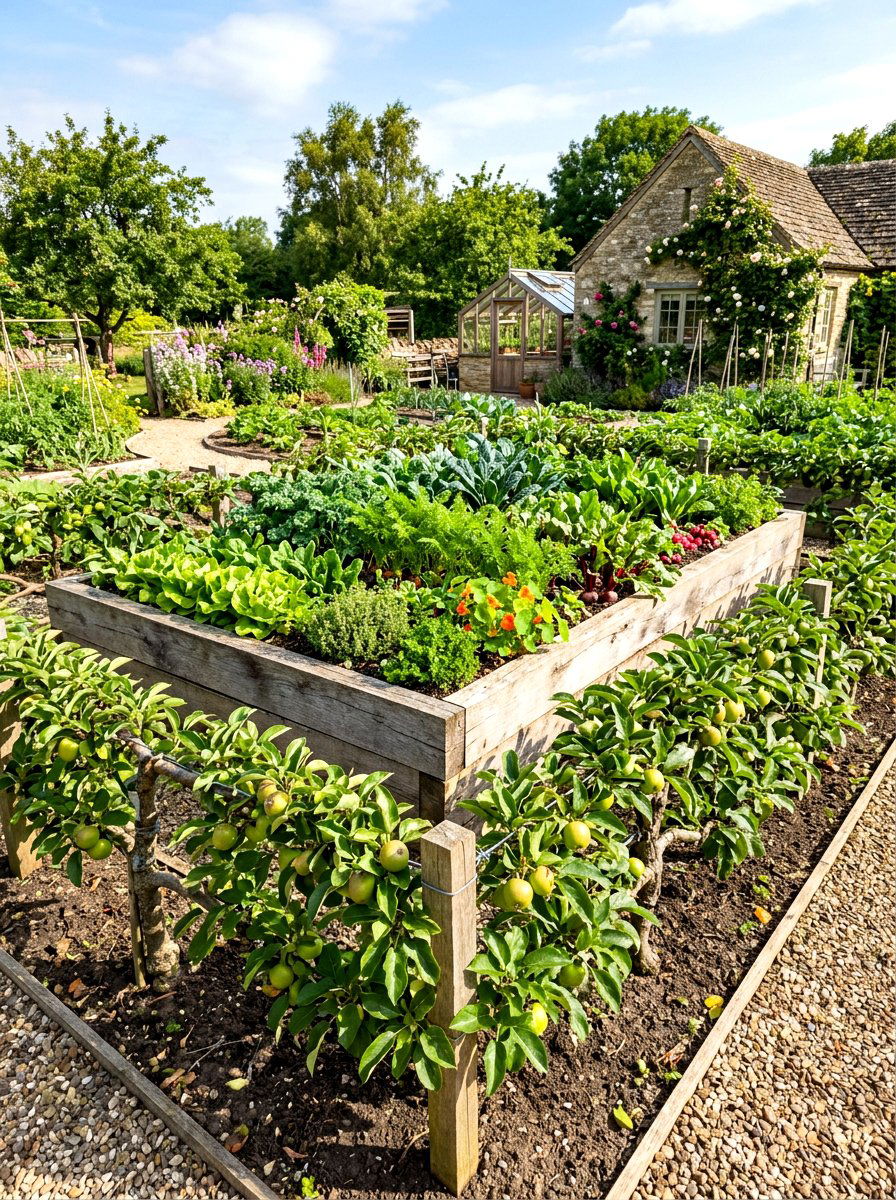
The step-over apple tree is a unique low-growing espalier that functions as a productive garden border or edging. This design consists of a very short trunk, usually only a foot tall, with two horizontal branches extending in opposite directions. It is called a step-over because the tree is low enough to literally step over. This is a perfect way to maximize space in a vegetable garden by lining the beds with fruit trees that do not cast a shadow. Step-overs are incredibly easy to prune and harvest, as the fruit is located right at your feet. They provide a neat, formal edge that defines the garden layout.
12. Pear tree step over

Training a pear tree into a step-over design creates a charming and functional boundary for a kitchen garden or flower bed. This low-profile espalier keeps the pear tree very compact, focusing all its energy into a single horizontal tier of fruiting wood. Pears are well-suited for this method because they develop strong fruiting spurs that produce heavy crops even on small frames. The step-over shape allows you to grow several different pear varieties in a very small area by planting them in a long row. It is a fantastic design for gardeners who want to enjoy fresh pears without committing to the height of a traditional tree.
13. Apple tree palmette verrier
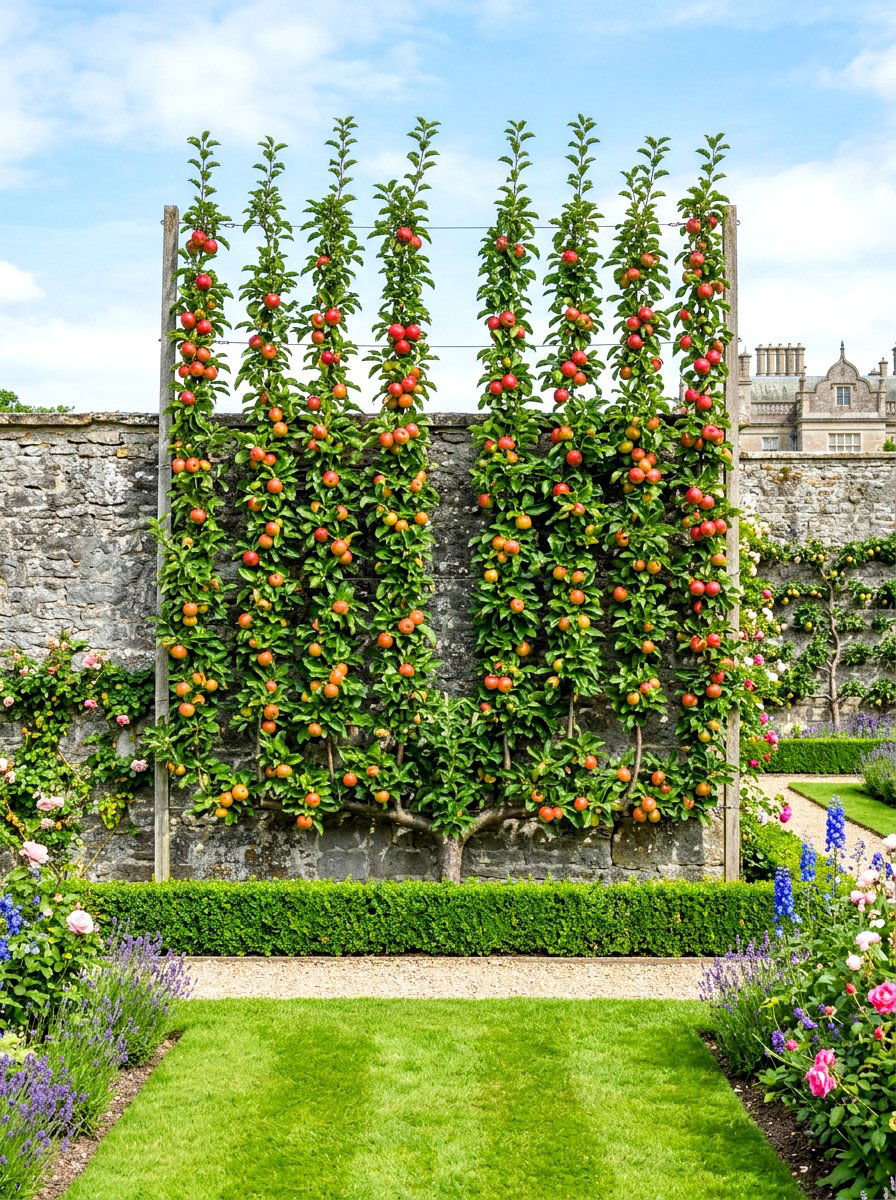
The palmette verrier is a sophisticated U-shaped espalier that brings a sense of grand symmetry to the garden. In this design, the lower horizontal branches are bent upward at the ends to create a series of vertical columns. This creates a candelabra-like effect that looks incredibly formal and artistic against a tall wall or building. It is a traditional European style that maximizes the vertical space while keeping the tree very thin. Apple trees trained this way are highly productive and easy to maintain once the initial framework is established. This design is perfect for adding an elegant, old-world feel to a modern landscape or urban garden.
14. Pear tree palmette verrier
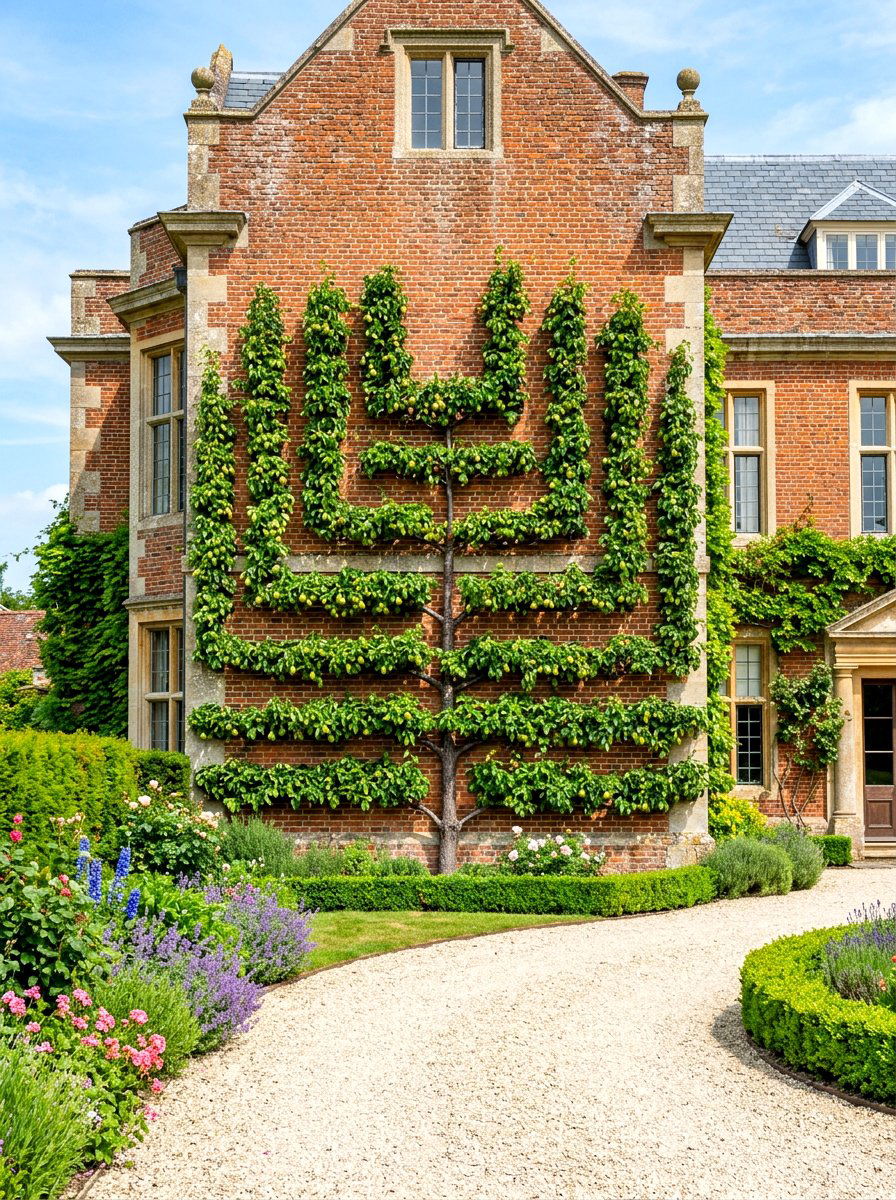
A palmette verrier pear tree is a true showstopper, combining the grace of curved branches with the rigid structure of vertical growth. This pattern involves training several tiers of horizontal branches and then turning them upward to form a nested U-shape. It is a classic choice for large masonry walls where the tree can grow to its full height and width. Pear trees respond well to this type of training, as the vertical tips help maintain the vigor of the tree while the horizontal sections focus on fruit production. The result is a balanced and beautiful living sculpture that provides a bountiful harvest of pears every single autumn.
15. Apple tree double U shape
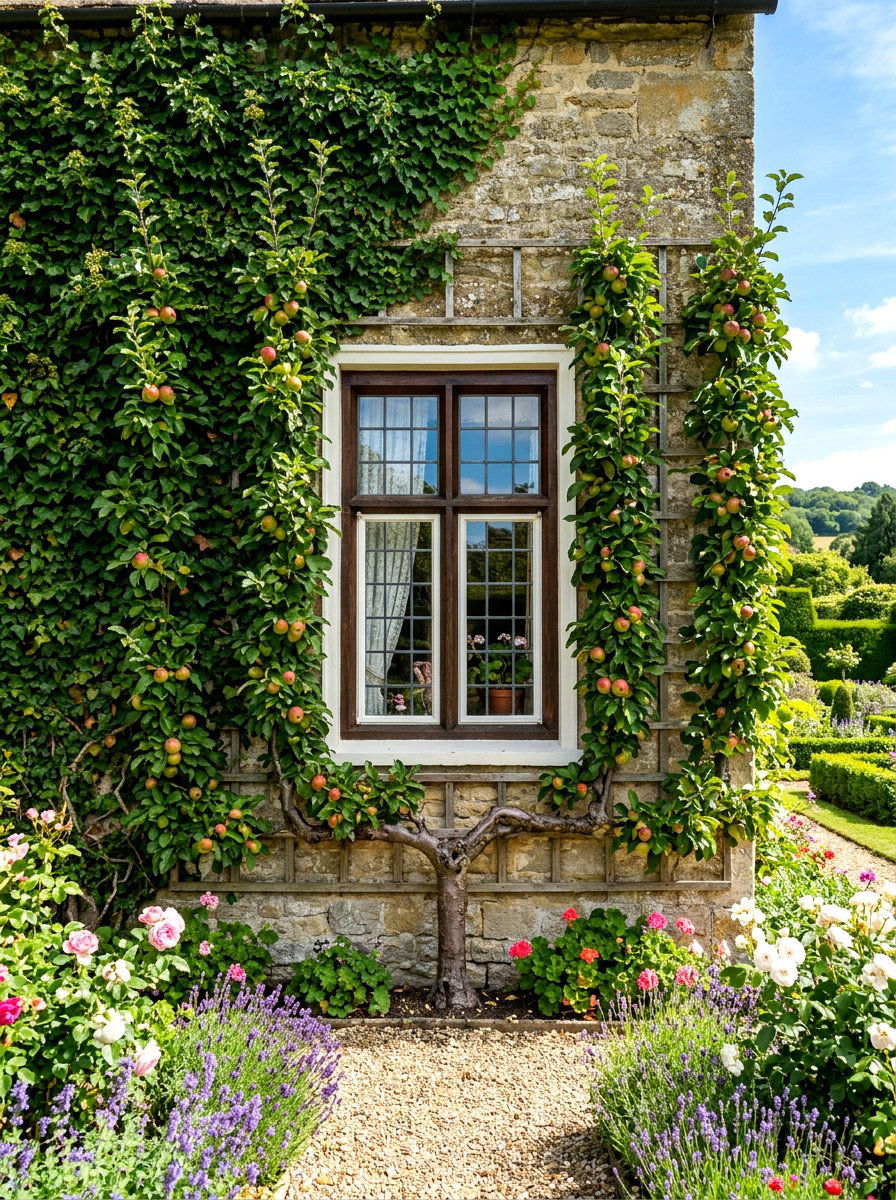
The double U-shape is a geometric espalier design that features a central trunk splitting into two branches, which then split again to form four vertical arms. This creates a very balanced and symmetrical look that is perfect for framing a window or a garden gate. The vertical growth of the arms makes it easy to manage the tree's height, while the flat profile ensures it stays close to the support. This design provides a clean and modern aesthetic that works well in both contemporary and traditional garden settings. Apple trees thrive in this configuration, offering a consistent and easy-to-reach crop of fruit along the vertical columns.
16. Pear tree double U shape
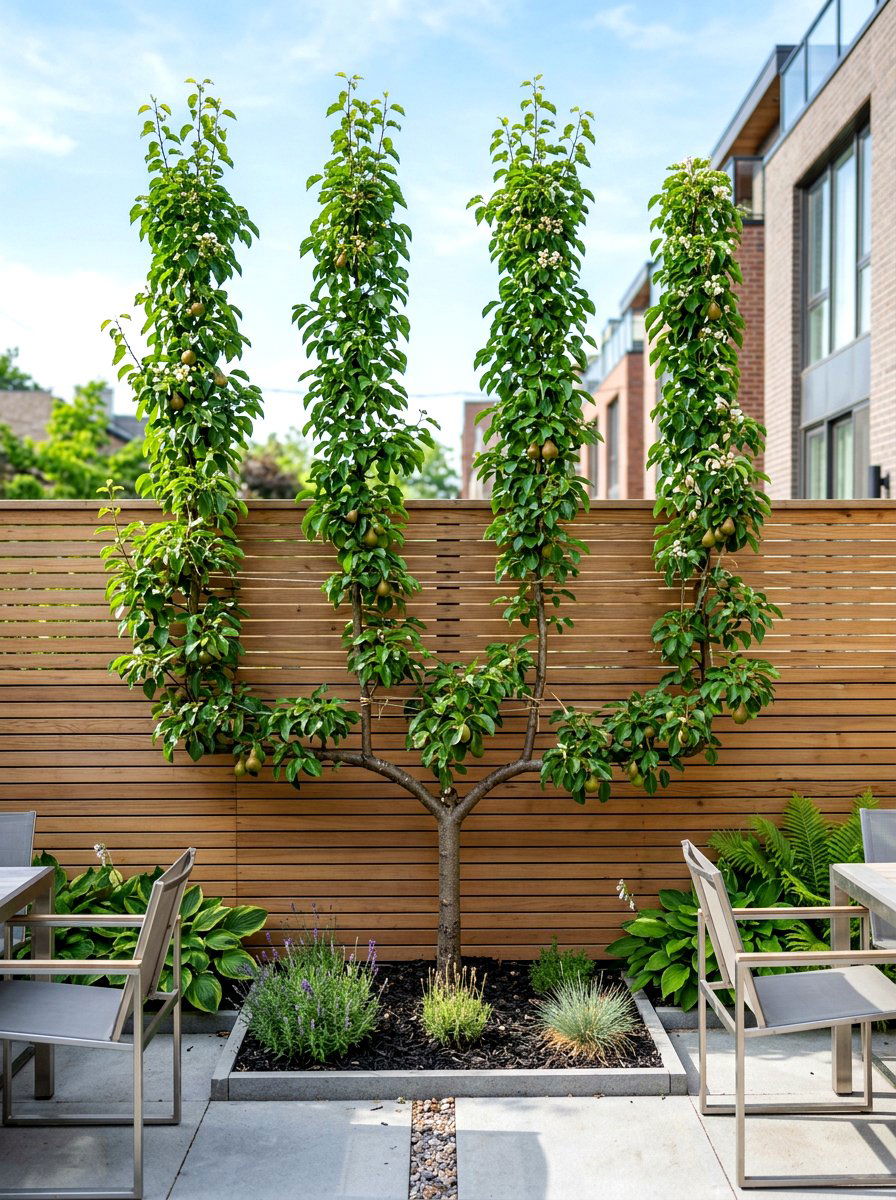
Training a pear tree into a double U-shape provides a unique and eye-catching vertical element for narrow garden spaces. This design creates four distinct vertical fruit-bearing stems that grow from a low, split trunk. It is an excellent way to grow a lot of fruit on a very small footprint, as the tree grows primarily upward rather than outward. The double U-shape allows for fantastic air circulation and light penetration, which leads to healthier trees and better-quality pears. This formal pattern is highly rewarding to create, as it transforms a simple fruit tree into a sophisticated piece of living architecture that enhances the entire garden.
17. Apple tree Belgian fence
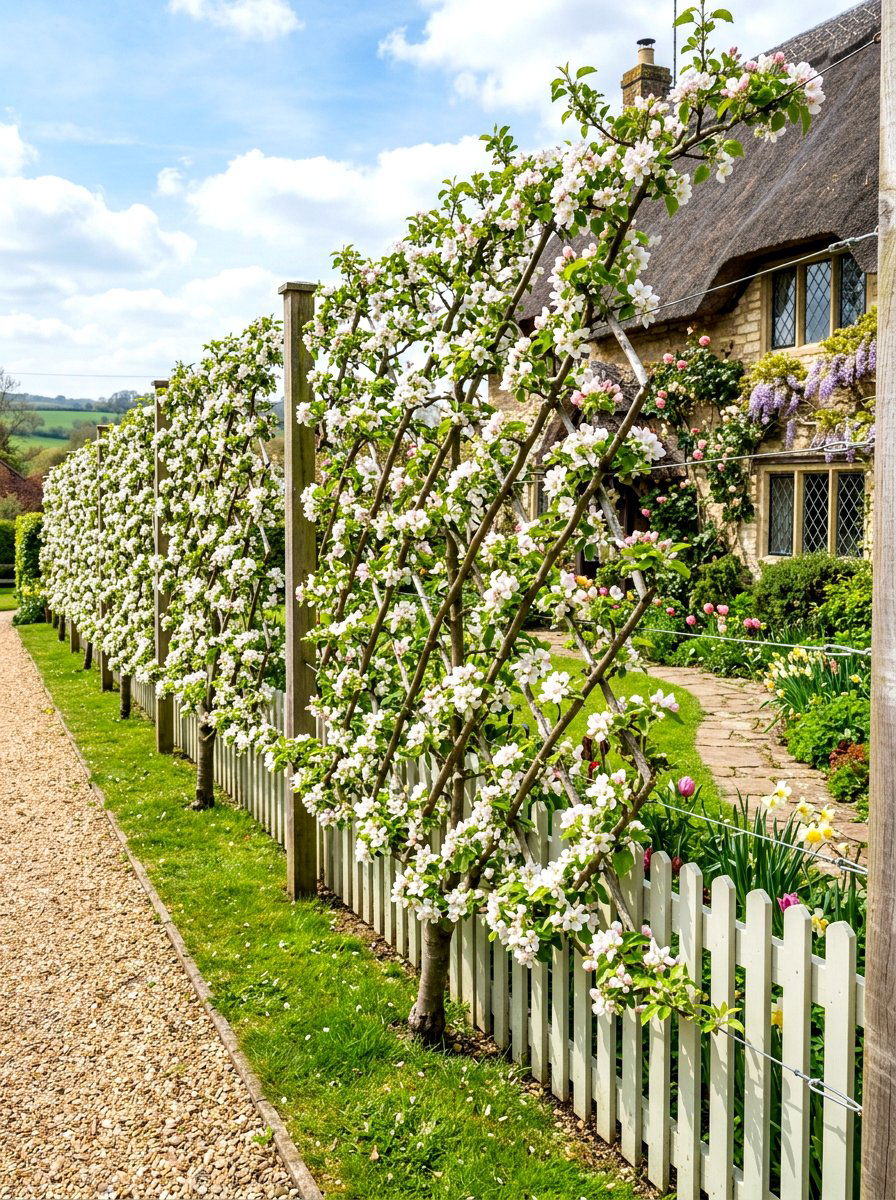
Creating an apple tree Belgian fence is a wonderful way to build a productive living screen that offers privacy and food. Unlike a single tree, this design involves planting multiple apple trees in a row and training their branches to cross at 45-degree angles. This creates a lattice or diamond pattern that is both strong and visually appealing. As the branches grow together, they can sometimes be grafted at the crossing points for extra stability. This design is perfect for dividing different areas of the garden or for lining a long driveway. The Belgian fence provides a year-round structure that looks as good in winter as in summer.
18. Nectarine tree fan shape
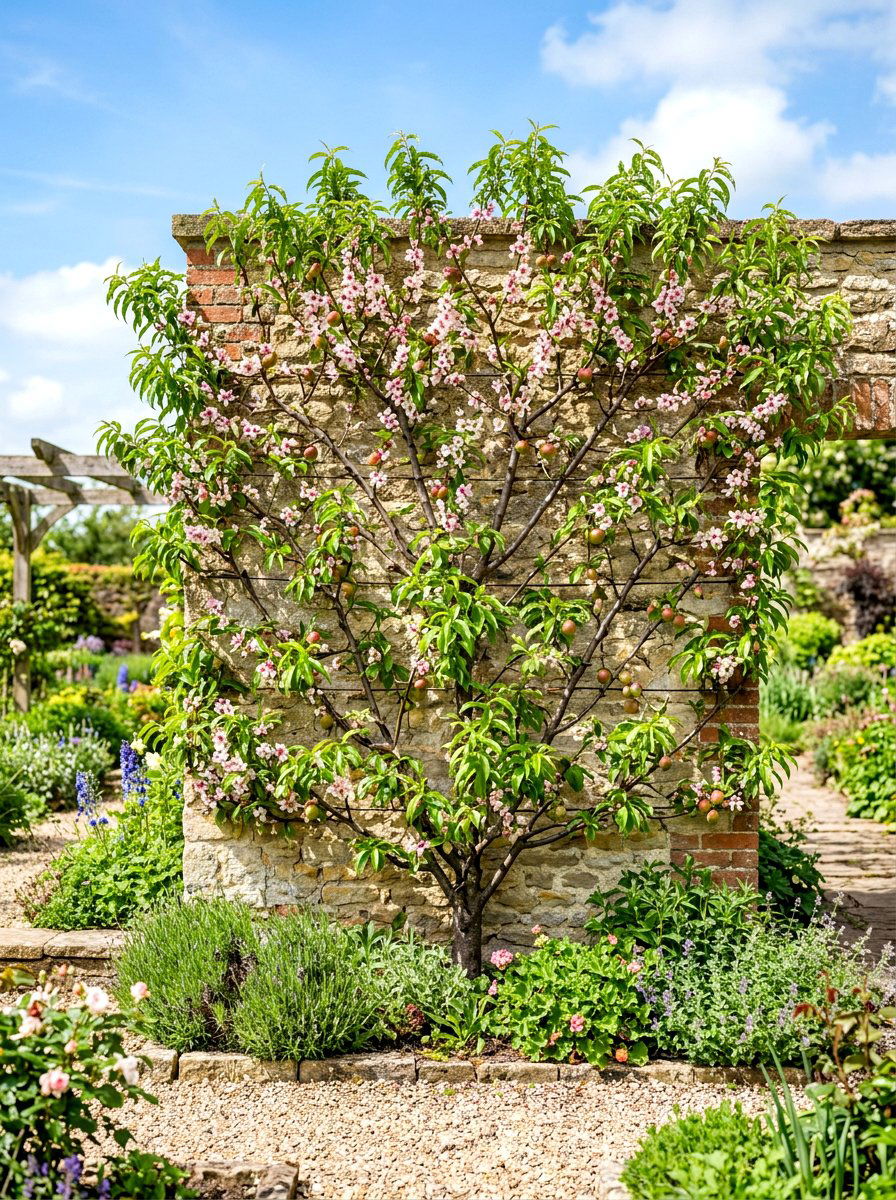
Nectarines are essentially smooth-skinned peaches and they thrive under the same fan-shaped espalier training. This design is ideal for nectarines because it allows for the precise pruning needed to encourage new fruiting wood each year. The fan shape spreads the branches out to ensure that every piece of fruit gets the sun it needs to develop a sweet, intense flavor. Growing nectarines against a sunny wall also helps protect the blossoms from early spring rains, which can lead to disease. The flat profile of the fan makes it easy to monitor the ripening fruit and enjoy the beautiful spring flowers up close in your garden.
19. Pomegranate tree fan shape
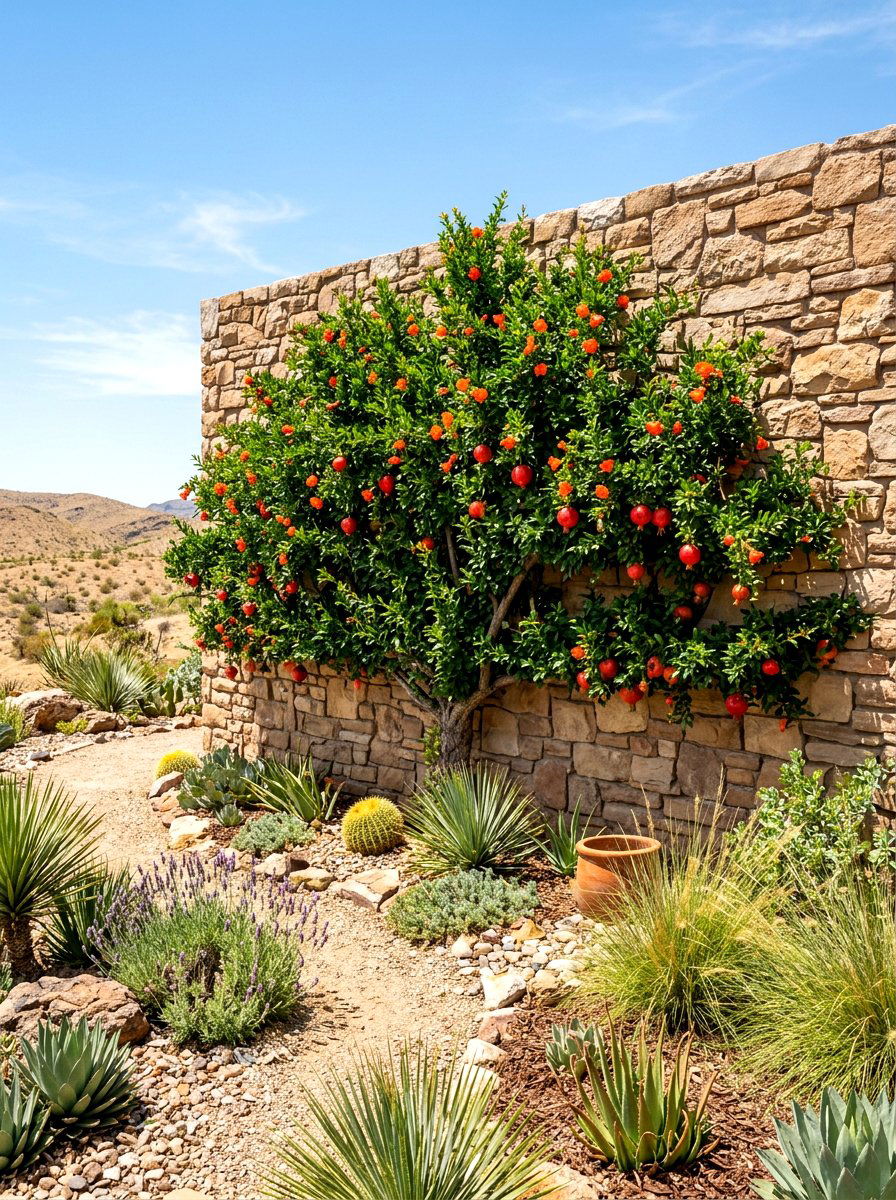
Pomegranates are a unique and exotic addition to the espalier garden, and they look particularly striking when trained in a fan shape. This design highlights the pomegranate's naturally arching branches and beautiful orange-red flowers. Training the tree flat against a wall helps it capture the high amount of heat required to ripen the large, leathery fruits in cooler climates. Pomegranates are quite hardy and respond well to the pruning required for espalier. The fan shape provides a stunning vertical accent, especially when the heavy fruits begin to hang from the branches in the fall. It is a creative way to grow a drought-tolerant and productive tree.



20. Persimmon tree fan shape
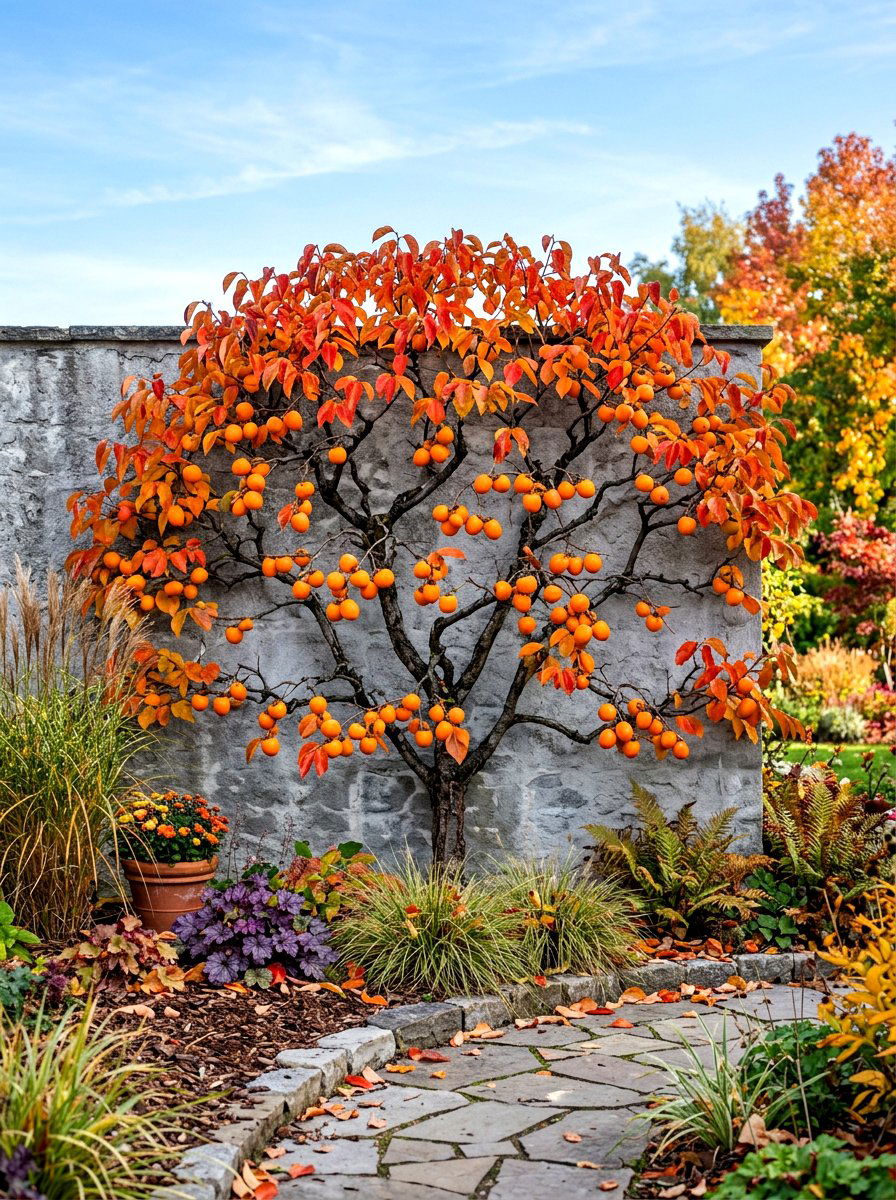
A persimmon tree trained in a fan shape offers spectacular autumn color and a unique late-season harvest. This design is perfect for showcasing the bright orange fruits that often stay on the tree long after the leaves have fallen. Persimmons have strong, flexible wood that is well-suited to being trained against a flat surface. The fan shape allows for excellent light exposure, which is crucial for the fruit to lose its astringency and become sweet. This espalier pattern turns the persimmon into a living piece of art that provides visual interest from the spring blossoms through to the vibrant winter fruit display on a wall.
21. Apple tree candelabra
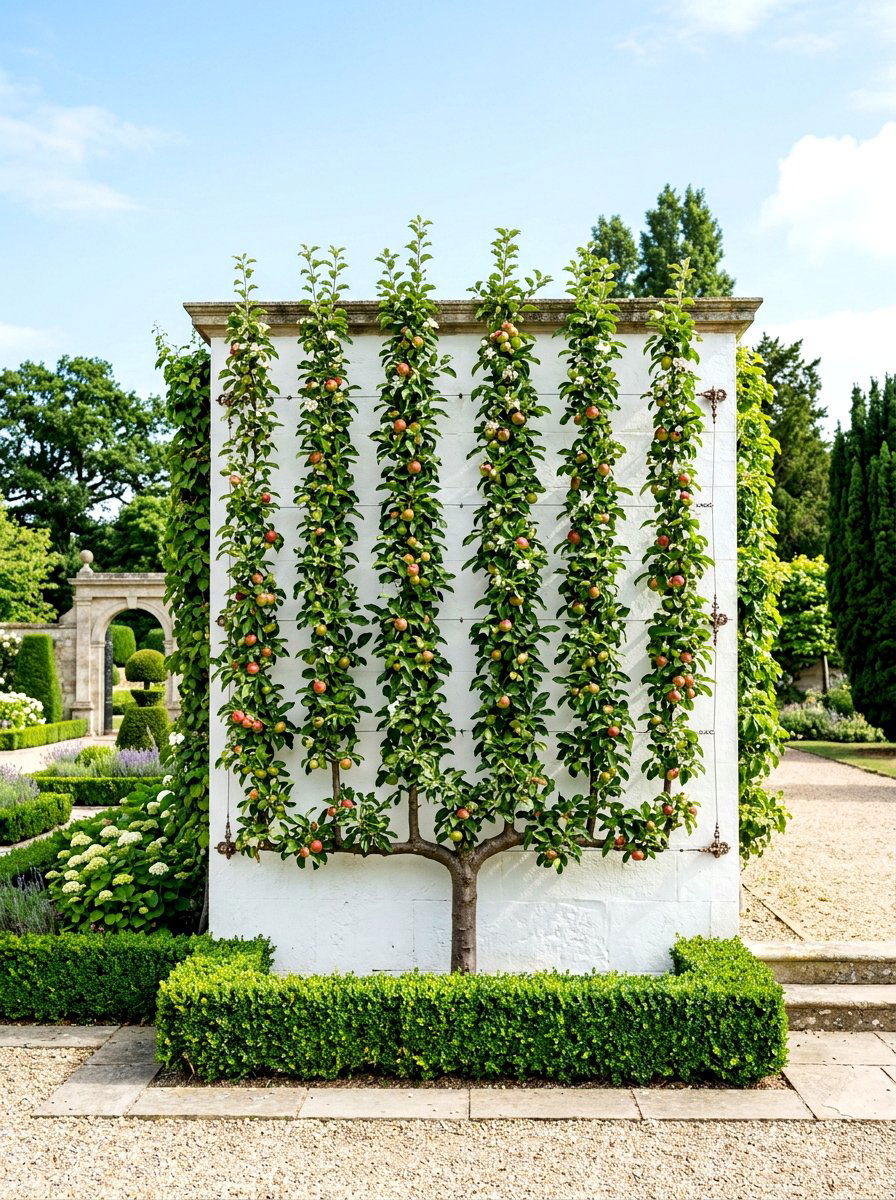
The candelabra espalier is a highly formal and decorative design that features a single horizontal base branch with several vertical arms growing upward. This pattern resembles a traditional candle holder and provides a very structured, vertical look for the garden. It is an excellent way to cover a wide, low wall or to create a dramatic focal point in a formal courtyard. Apple trees are perfect for this style because they produce fruit along the vertical arms on short spurs. The candelabra design is a testament to the gardener's skill and provides a neat, organized way to grow a large amount of fruit in a small horizontal space.
22. Pear tree candelabra
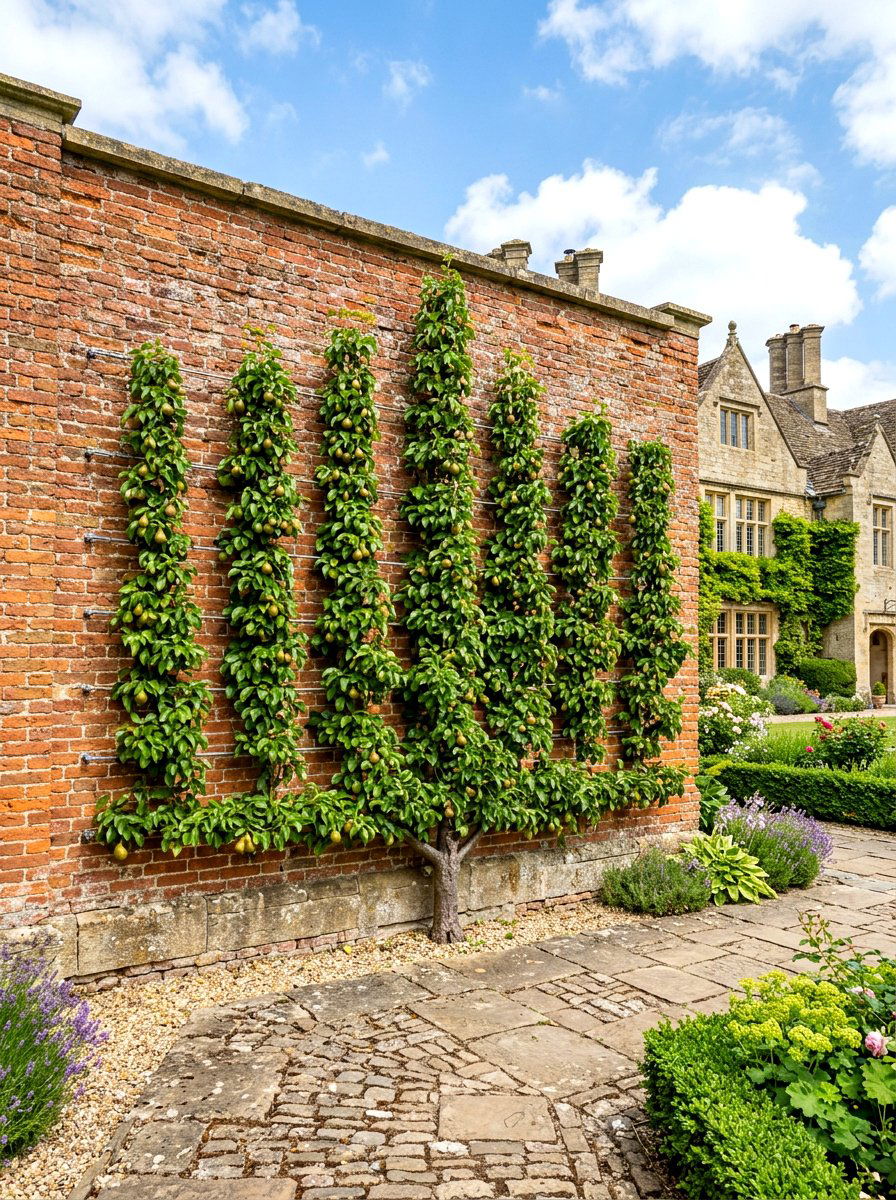
Training a pear tree into a candelabra shape creates a majestic and symmetrical feature that anchors any garden design. This pattern consists of a main horizontal stem that supports several evenly spaced vertical columns. It is a fantastic way to utilize the height of a building or a tall garden wall while keeping the depth of the tree to a minimum. Pear trees are naturally suited to this upward growth, and the candelabra shape encourages a heavy and accessible crop. The vertical arms provide a sense of rhythm and order, making this espalier style a popular choice for grand estates and smaller, high-end residential gardens alike.
23. Crabapple tree horizontal cordon
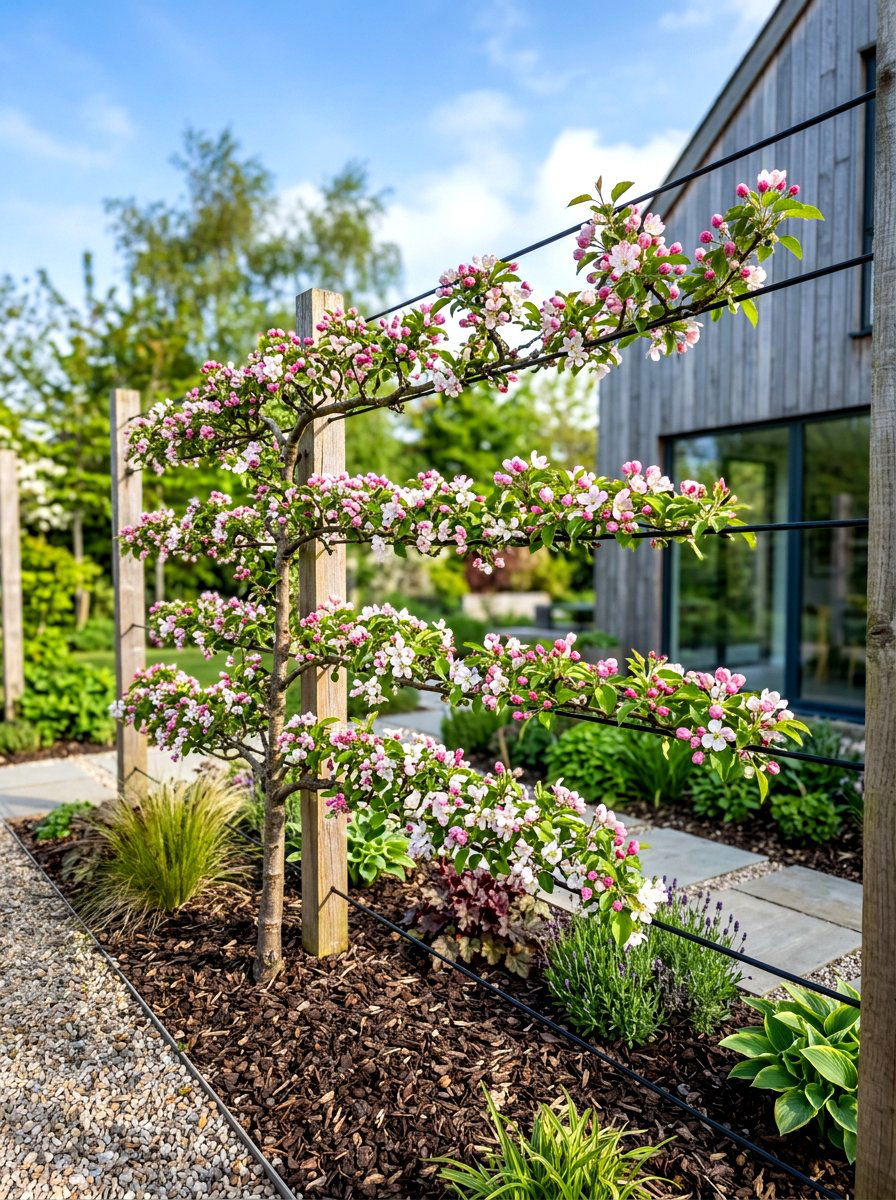
Crabapple trees are often grown for their ornamental value, but training them into a horizontal cordon adds a productive and structured element to the garden. This design features tiers of horizontal branches that are covered in clouds of blossoms in the spring and small, colorful fruits in the fall. Crabapples are excellent pollinators for other apple trees, so growing them as an espalier along a fence is a practical way to boost your orchard's productivity. The low-profile horizontal cordon keeps the tree manageable and allows you to enjoy the decorative fruit at eye level. It is a beautiful way to combine ornamental beauty with functional gardening.
24. Quince tree fan shape
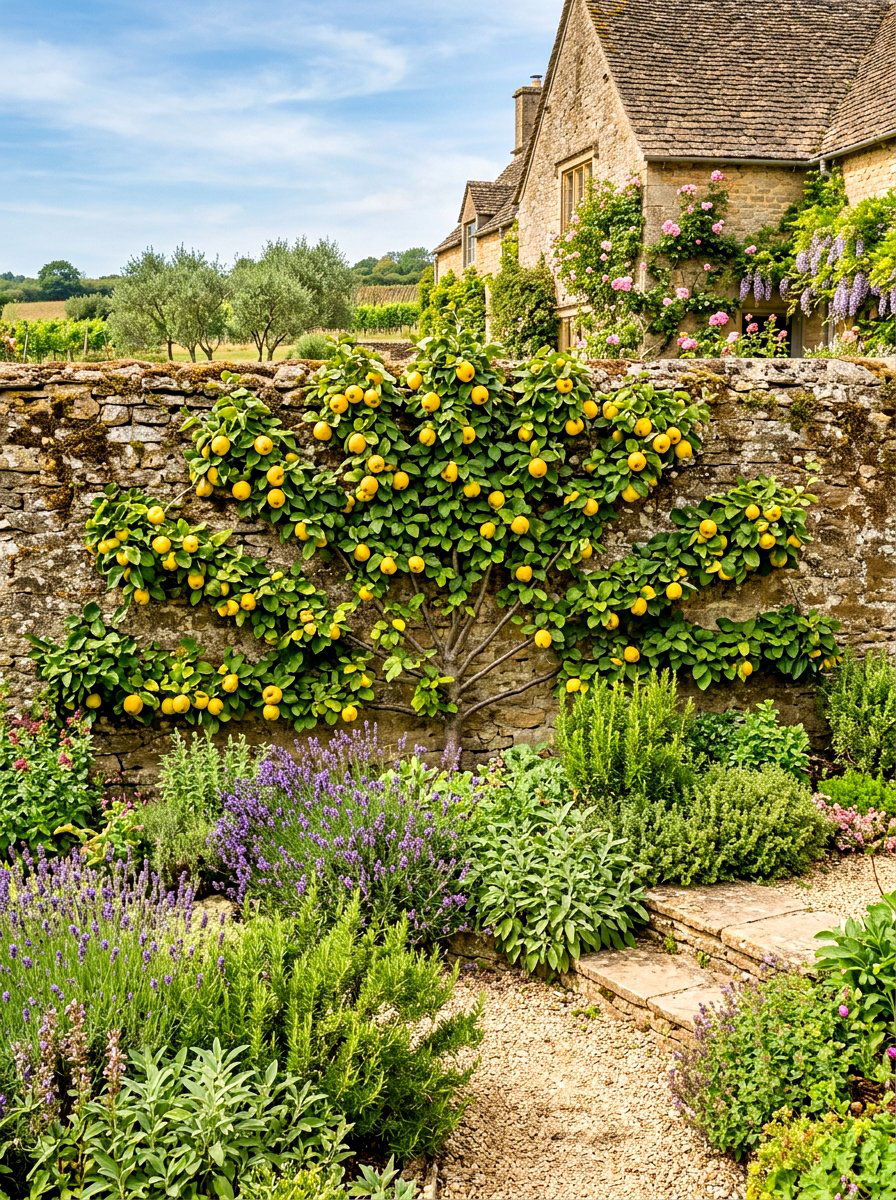
Quince trees are often overlooked, but they make excellent espalier subjects when trained in a fan shape. This design is ideal for managing the quince's somewhat sprawling growth habit and ensuring the fruit receives enough sun to ripen to its signature golden yellow. Quince flowers are large and beautiful, and the fan shape puts them on full display against a wall or fence. The aromatic fruit is a delight to harvest in the late fall, and the structured training makes it easy to reach every single quince. A fan-trained quince tree provides an old-fashioned charm and a unique harvest for jellies and slow-cooked winter desserts.


25. Apple tree fan shape
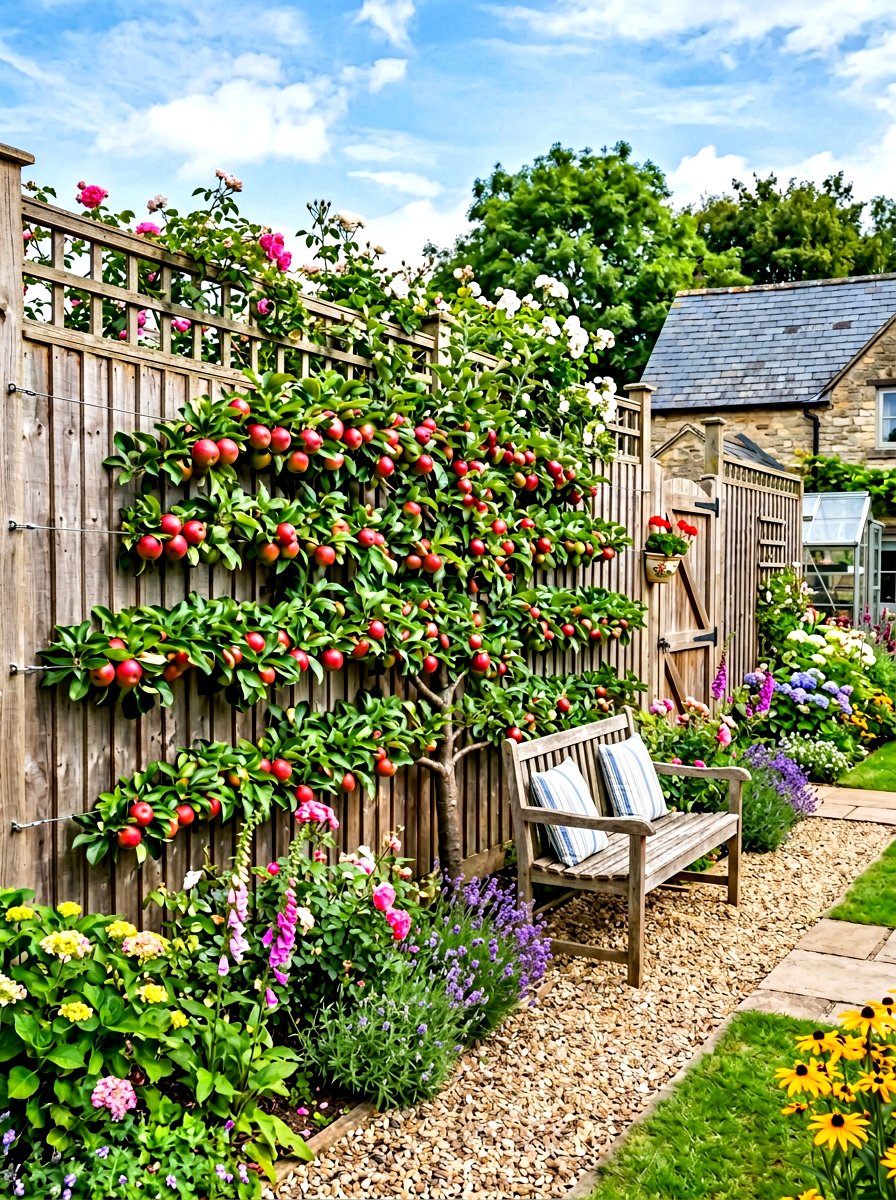
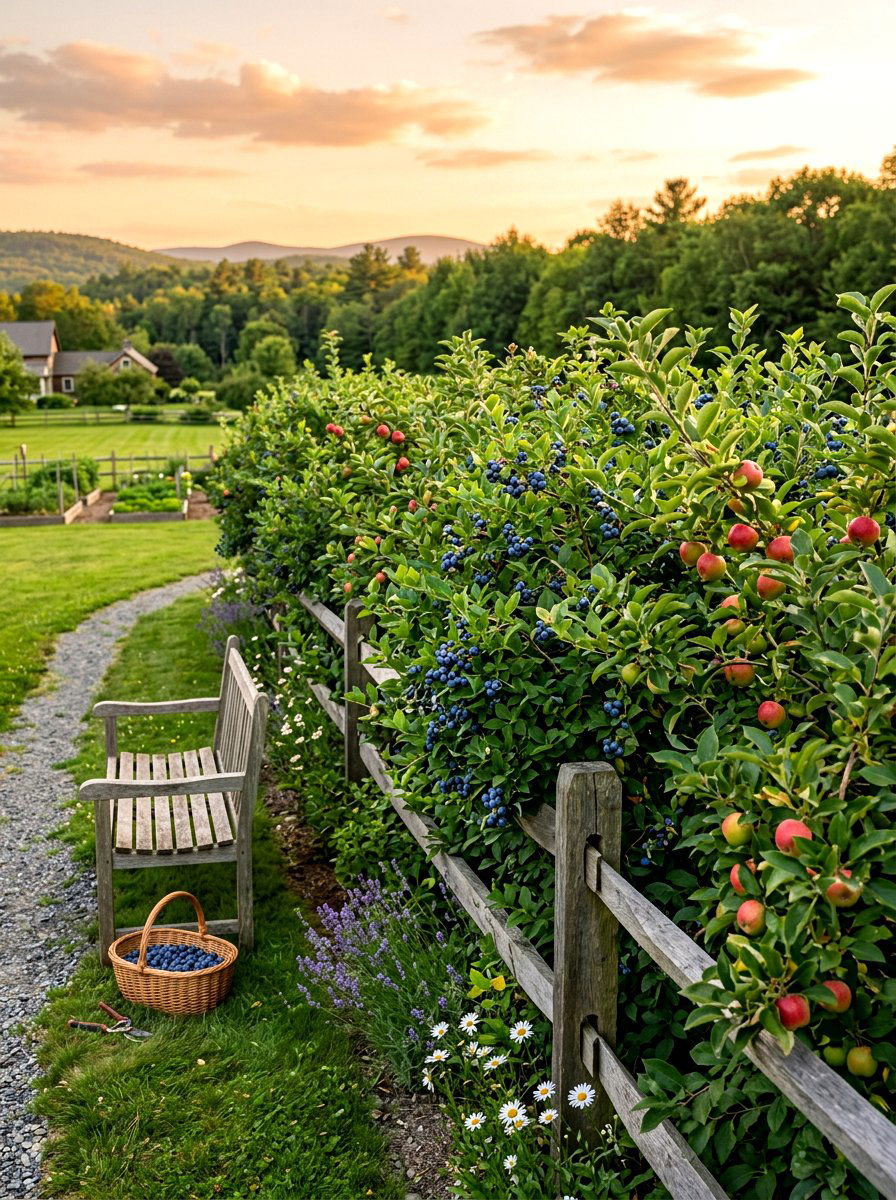
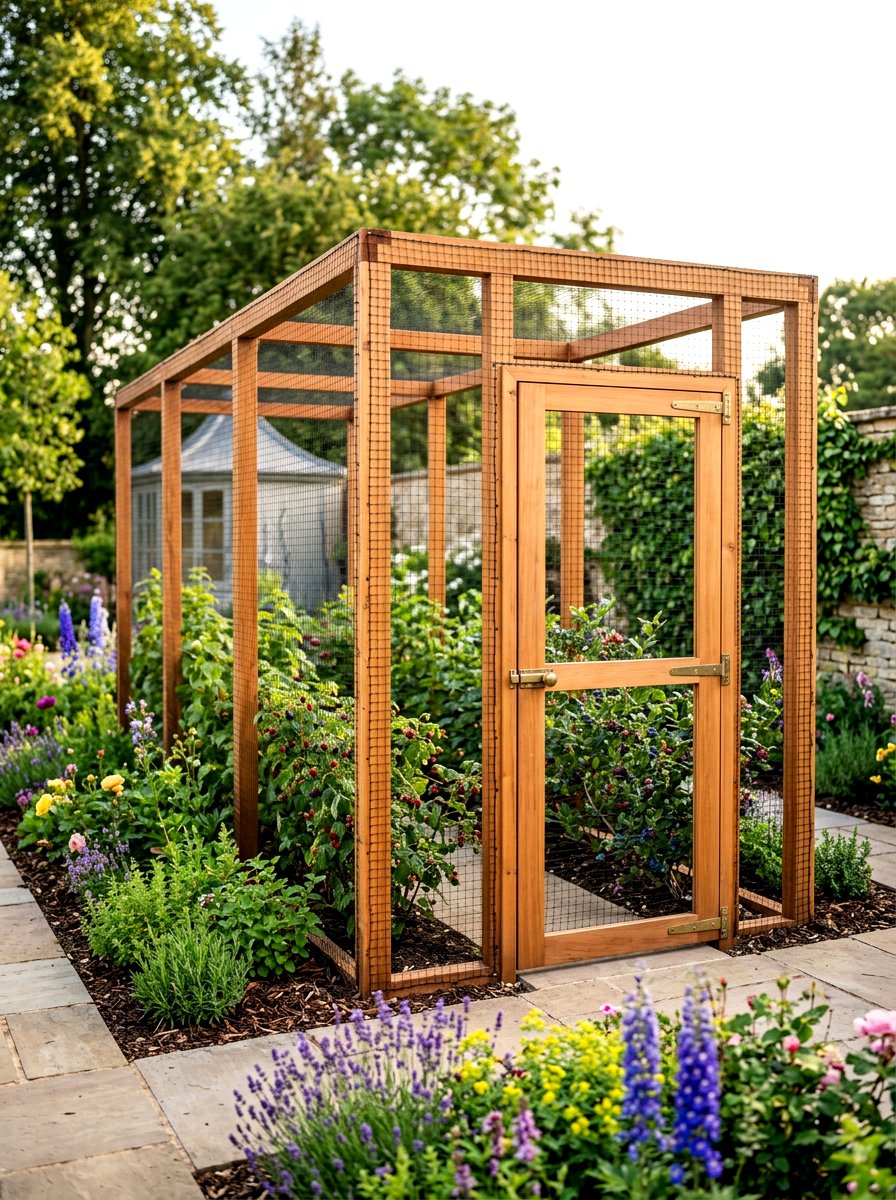
While apples are frequently grown in horizontal cordons, the fan shape is a wonderful alternative for varieties that are more vigorous or tip-bearing. This design allows for a more flexible pruning approach, which can be easier for beginners to master. A fan-shaped apple tree provides a lush, green screen that covers a large surface area with leaves and fruit. It is a great choice for filling a wide gap in a garden wall or for creating a living privacy screen. The radiating branches create a soft and natural look that still maintains the space-saving benefits of espalier, offering a heavy harvest of fresh apples every year.
26. Pear tree triple cordon
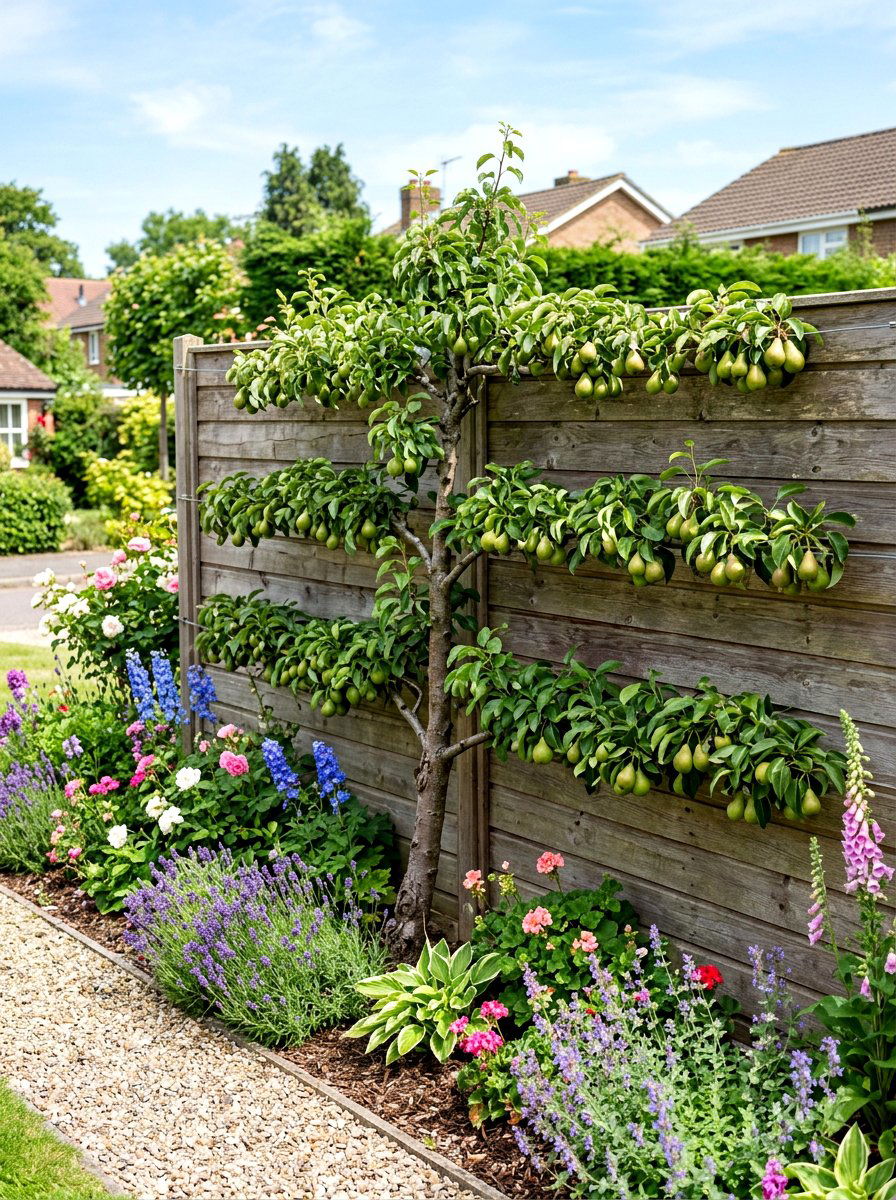
The triple cordon is a variation of the horizontal cordon that features three parallel horizontal branches on either side of a central trunk. This design is highly efficient and provides a very balanced and symmetrical appearance. It is a classic choice for training pear trees against a standard garden fence, as the three tiers fit perfectly within the height of most fencing panels. The triple cordon maximizes the amount of fruit you can grow in a narrow space without the tree becoming too tall or unwieldy. It is a practical and beautiful way to organize a small home orchard into a neat and productive row.
27. Apple tree oblique cordon
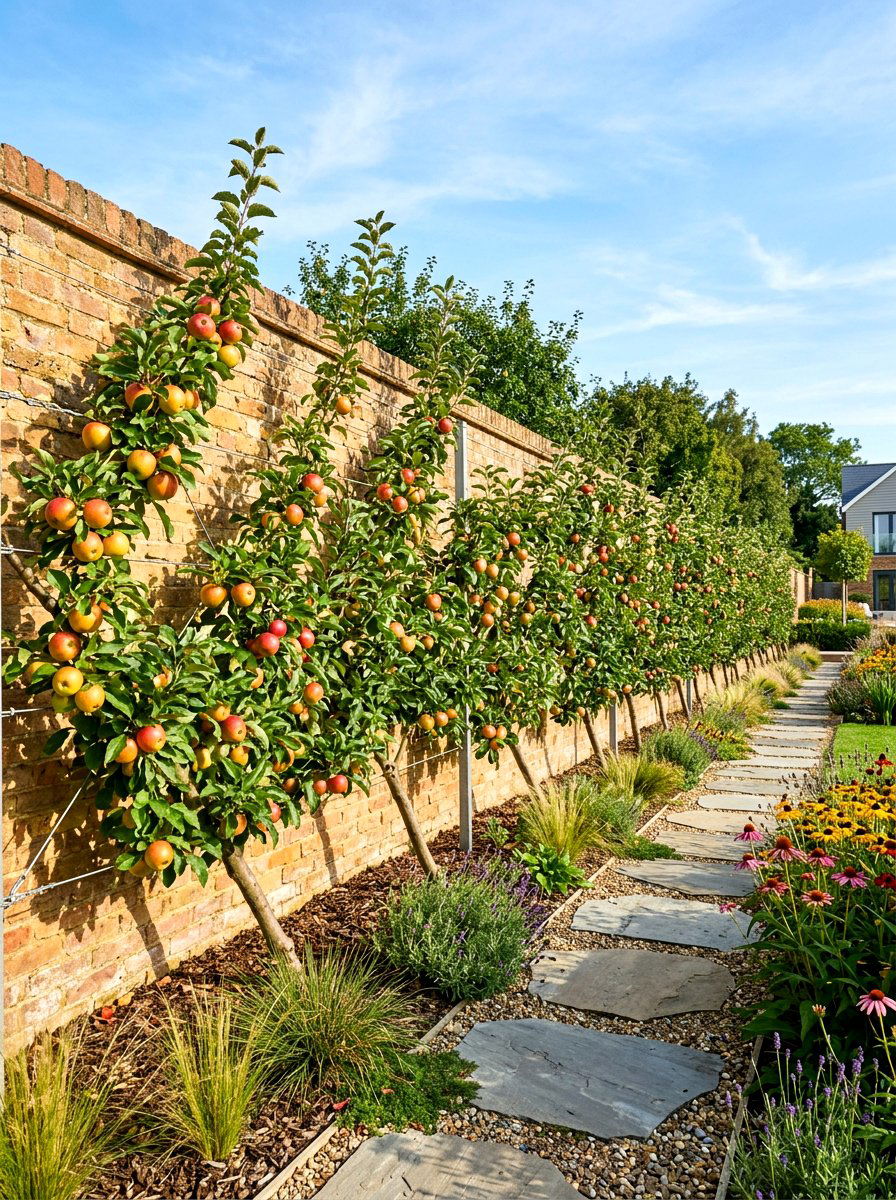
An oblique cordon is a simple yet effective espalier design where the main stem of the tree is trained at a 45-degree angle. This slanted growth helps to check the tree's vigor and encourages the formation of more fruiting spurs along the length of the trunk. Oblique cordons are often planted in a row to create a repeating pattern of diagonal lines, which looks modern and dynamic. This design is perfect for very narrow spaces where even a horizontal cordon might be too wide. Apple trees trained this way are incredibly productive and easy to care for, making them a favorite for small urban fruit gardens.
28. Pear tree oblique cordon
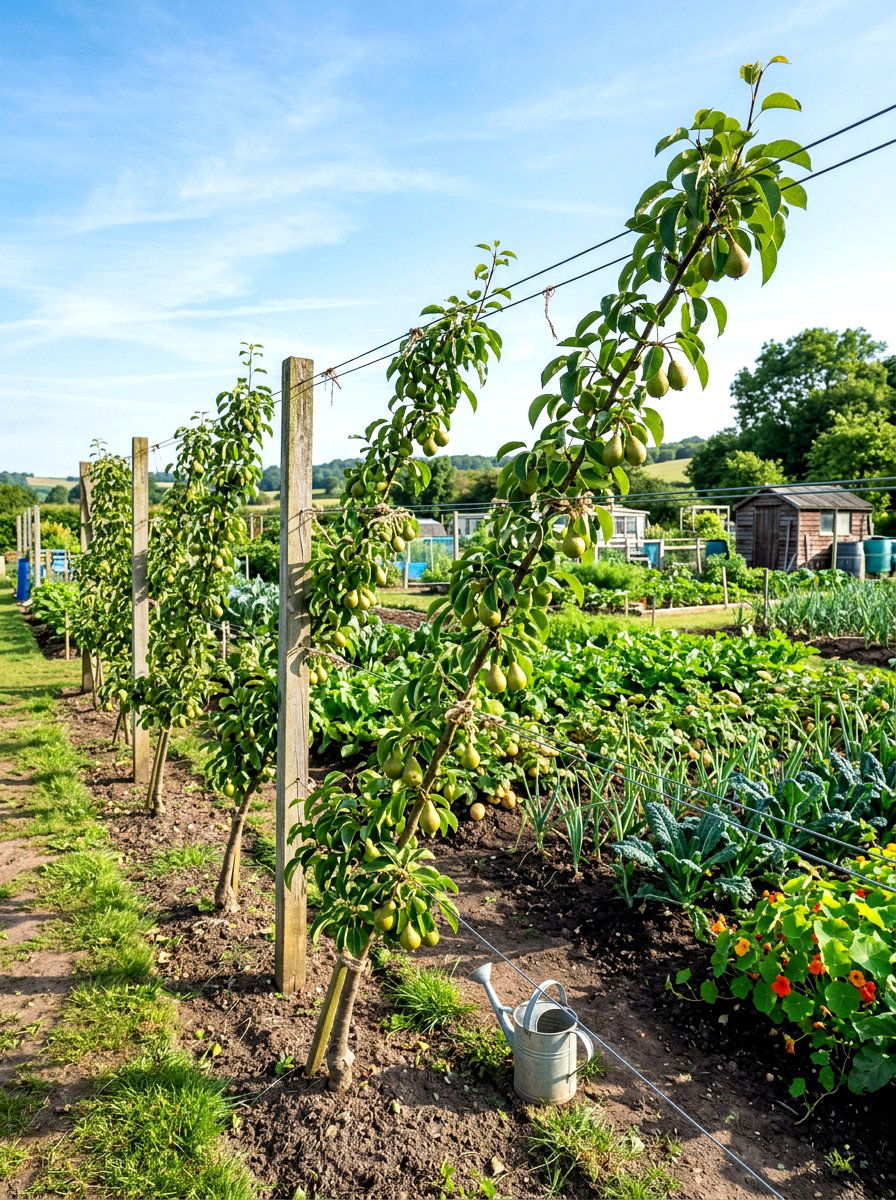
Training pear trees into oblique cordons is a traditional commercial technique that works beautifully in a home garden setting. The diagonal orientation of the trees allows you to plant them closer together, which is ideal if you want to grow several different pear varieties in a limited space. This design provides excellent light penetration to all parts of the tree, resulting in high-quality fruit that is easy to pick. The repeating slanted lines create a sense of movement and interest along a wall or fence. Oblique cordons are a smart and stylish solution for anyone looking to maximize their fruit yield in a small backyard.
29. Loquat tree fan shape
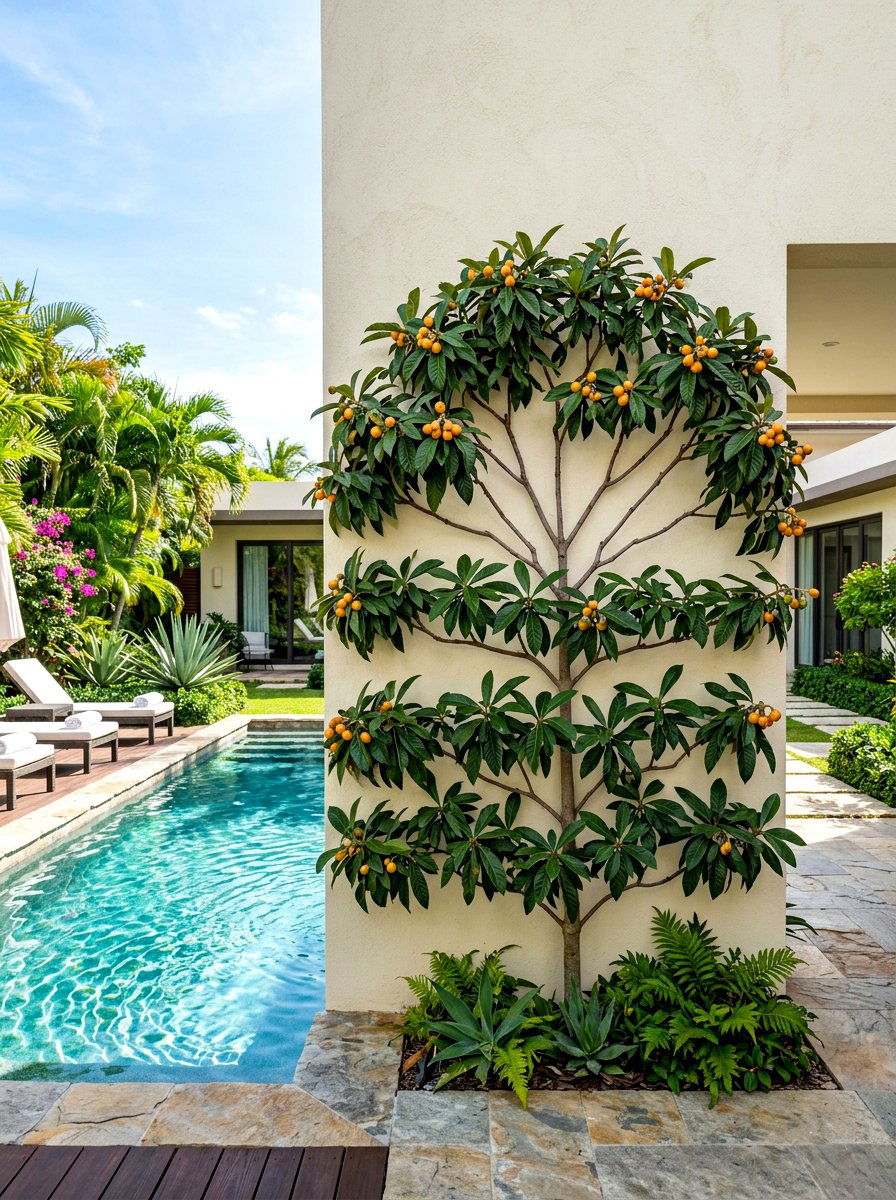
The loquat is an evergreen fruit tree with large, tropical-looking leaves that looks spectacular when trained in a fan shape. This espalier design highlights the architectural beauty of the foliage while keeping the tree close to a warm wall. Loquats bloom in the winter and fruit in the spring, so the protection of a wall is beneficial in cooler climates. The fan shape makes it much easier to reach the clusters of sweet, orange fruit that grow at the ends of the branches. A fan-trained loquat provides a year-round green screen that adds a lush, exotic feel to any garden or patio space.
30. Plum tree fan shape
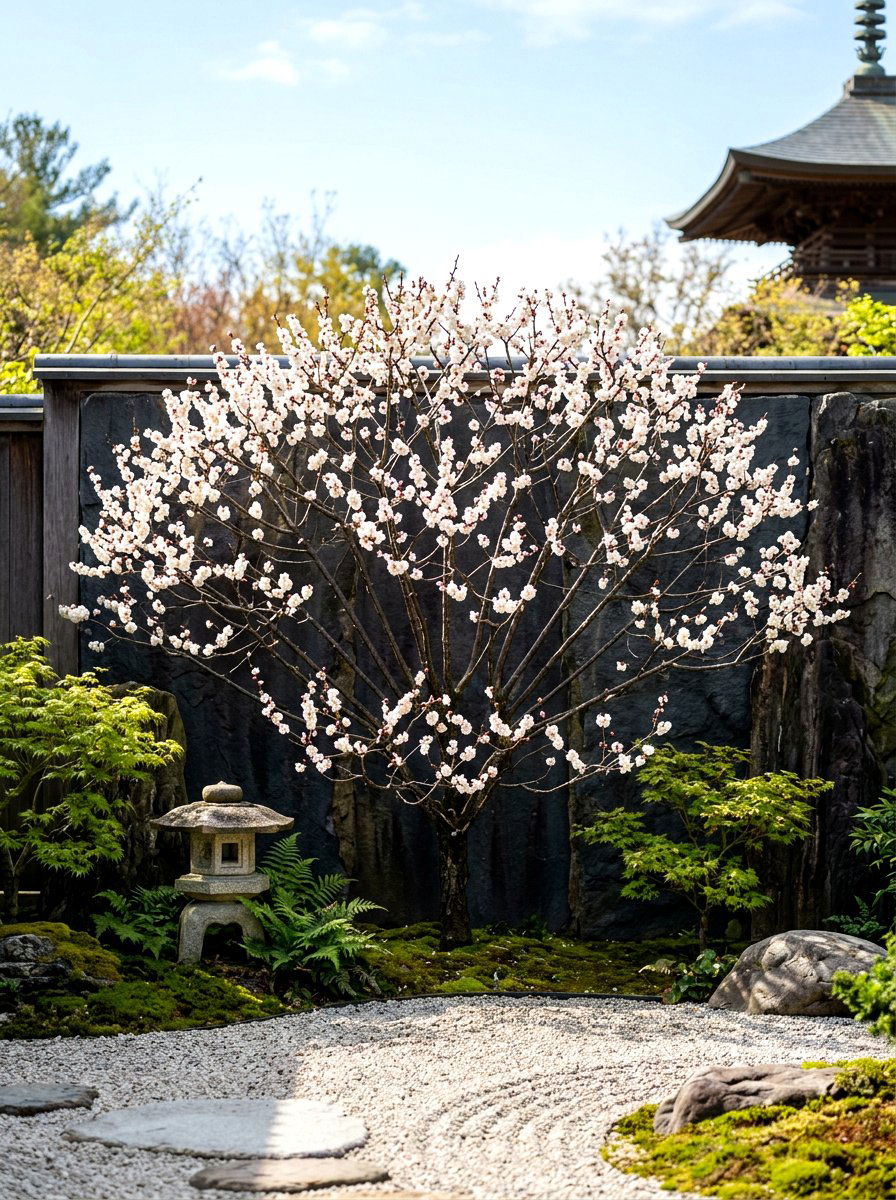
A plum tree trained in a fan shape is a practical and beautiful way to manage the growth of this vigorous stone fruit. This design spreads the branches out to prevent the center of the tree from becoming too dense and shaded. By keeping the branches flat against a trellis, you ensure that every plum gets the sunlight it needs to develop a rich, sweet flavor. The fan shape also makes it easier to prune the tree after harvest, which is essential for maintaining the health of plum varieties. In the spring, the wall is completely covered in white blossoms, creating a stunning vertical display of color.
Conclusion:
Espalier fruit trees are the perfect solution for modern gardeners who want to grow their own food without sacrificing valuable space. These 30 ideas demonstrate how versatile and beautiful this ancient technique can be in any landscape. By choosing the right tree and pattern, you can transform a simple wall or fence into a productive and artistic feature. Whether you choose a formal Belgian fence or a relaxed informal fan, the benefits of easier harvesting and higher-quality fruit are clear. With a little patience and regular pruning, your espaliered orchard will provide years of beauty and delicious harvests for your family to enjoy.

Related posts: