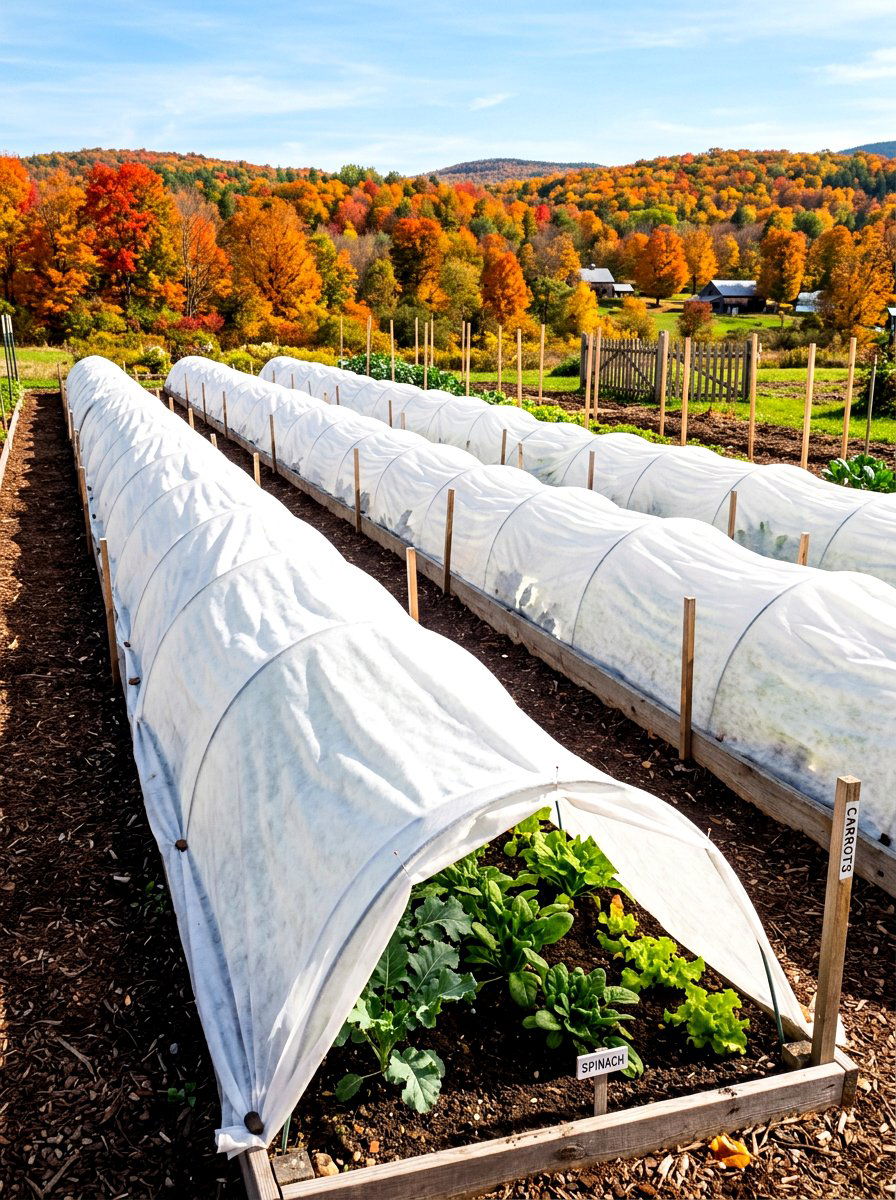
Growing a bountiful harvest no longer requires acres of rolling farmland or a massive backyard. Dwarf fruit trees have revolutionized home gardening by offering full-sized, delicious fruit on compact, manageable specimens that fit into almost any space. Whether you have a tiny urban balcony, a narrow side yard, or a sprawling patio, these miniature powerhouses allow you to enjoy the magic of picking sun-ripened apples, peaches, and citrus right from your own home. Beyond their productivity, dwarf varieties add incredible aesthetic value to your landscape with their stunning spring blossoms and lush green foliage. This guide explores thirty creative ways to integrate these versatile trees into your unique outdoor or indoor environment effectively.
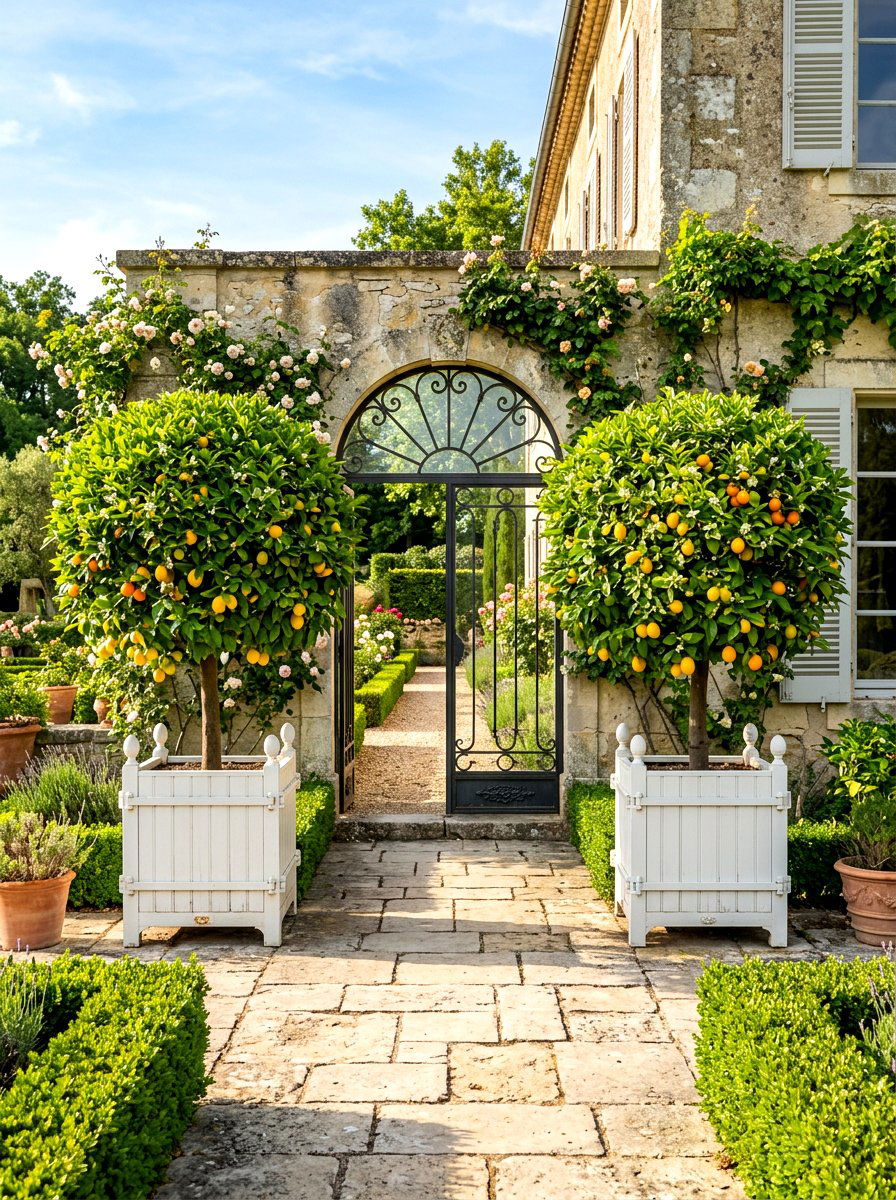
1. Container Fruit Tree Patio
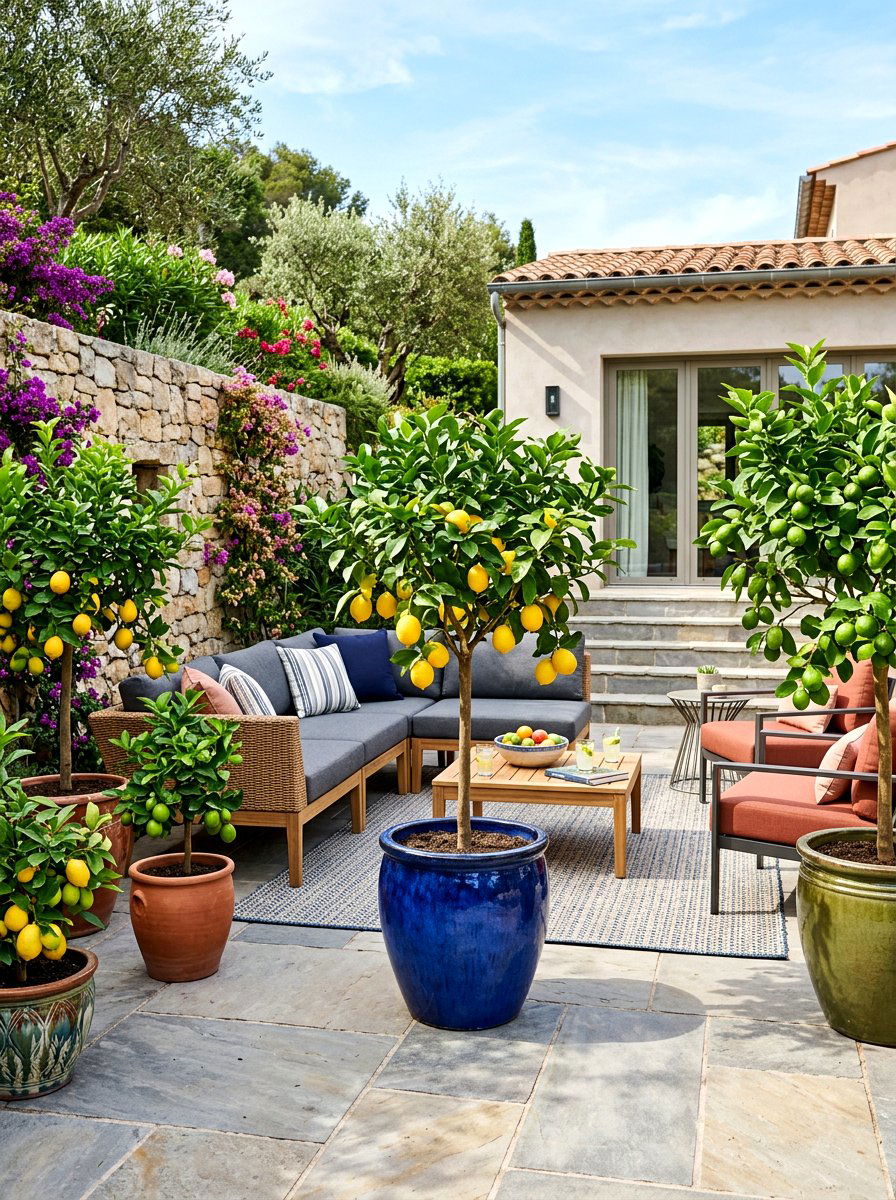
Transforming your patio into a productive oasis is easily achievable by using large, decorative containers for your dwarf fruit trees. This approach provides the flexibility to move your trees to follow the sun or protect them during harsh winter months. Select high-quality, well-draining pots like terracotta or glazed ceramic to provide a stable home for roots while adding visual charm to your outdoor living space. By grouping different varieties together, such as dwarf lemons and limes, you create a lush, Mediterranean-inspired atmosphere that is both beautiful and functional. Ensure you use a premium potting mix and establish a consistent watering schedule to keep these container-bound trees thriving and producing sweet harvests throughout the season.
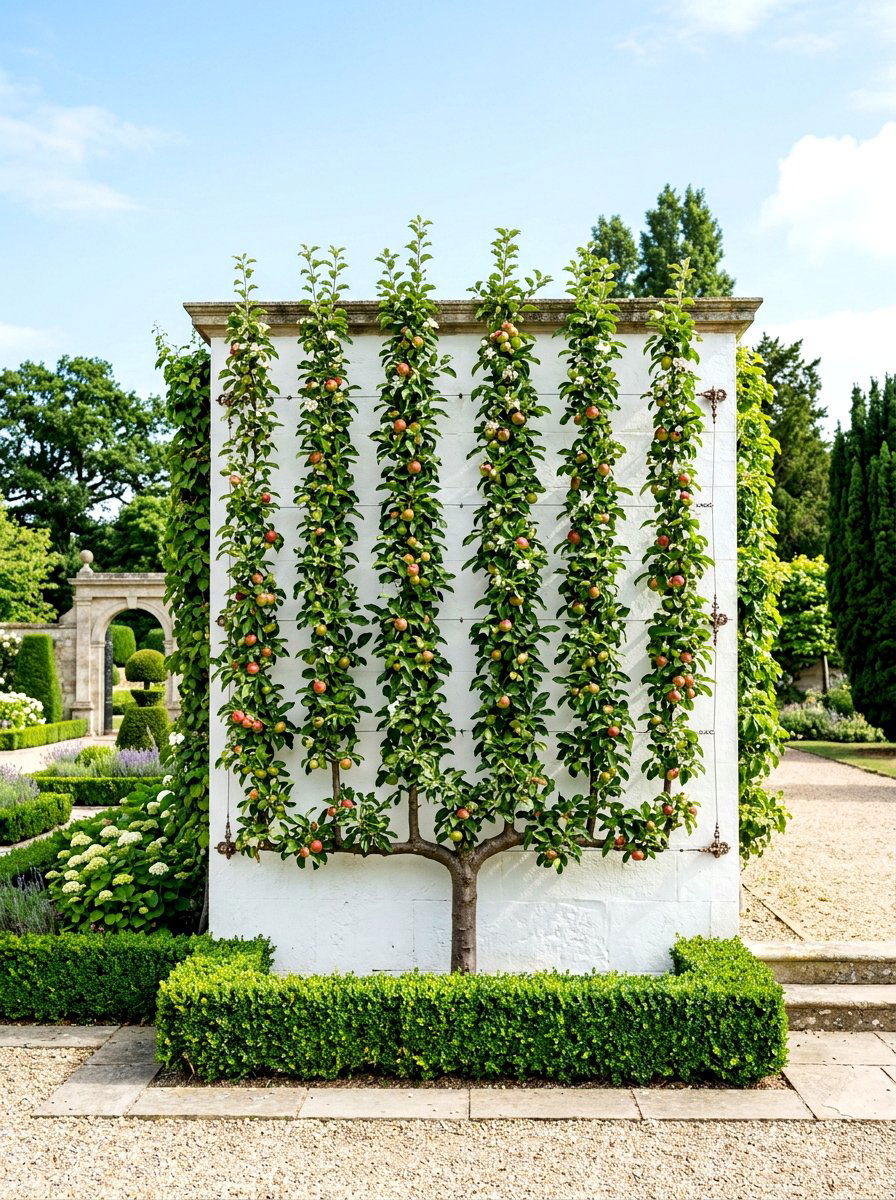
2. Espalier Apple Tree Fence
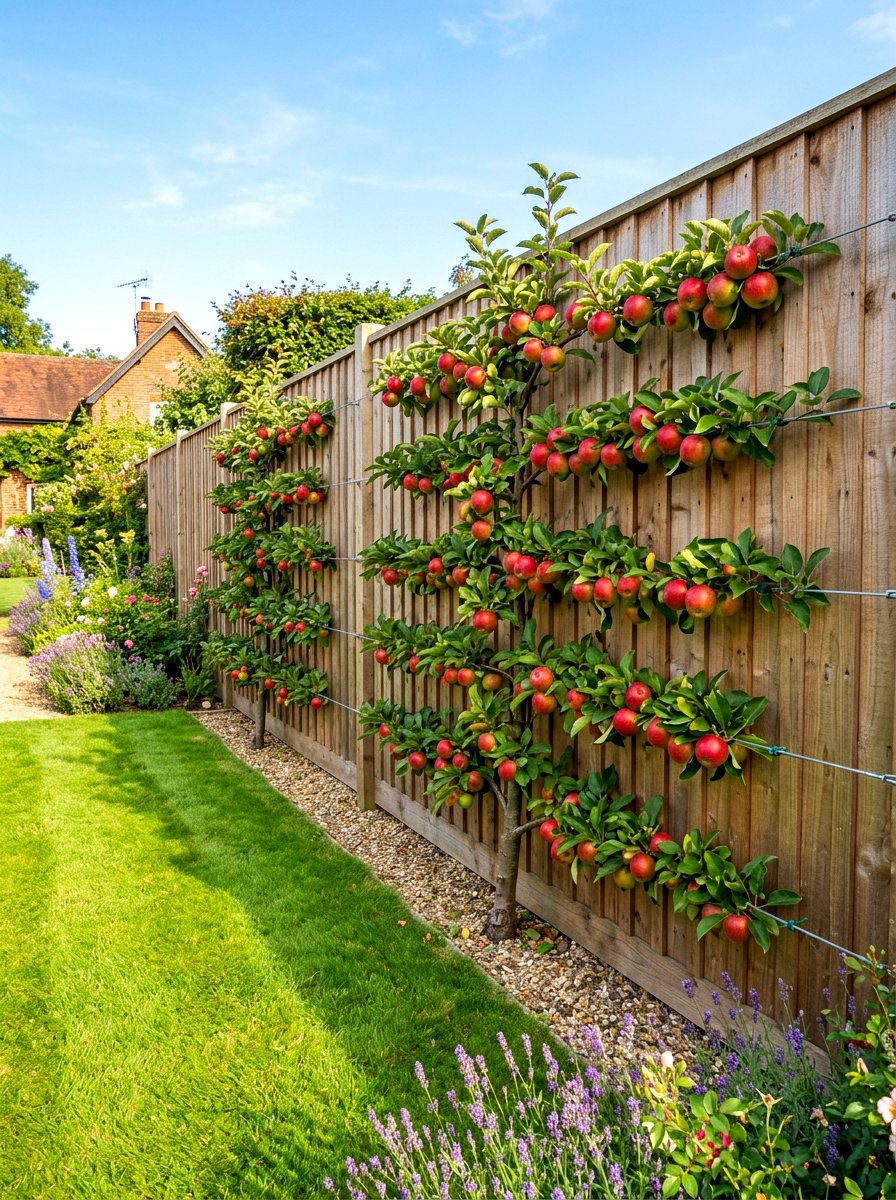
An espalier apple tree fence is a classic European technique that turns a functional boundary into a living work of art. By training the flexible branches of dwarf apple trees to grow horizontally along wires or a wooden fence, you save significant ground space while maximizing sunlight exposure for the fruit. This method not only creates a stunning visual pattern against your garden walls but also makes harvesting incredibly simple since the fruit is presented in a flat, accessible plane. It is an ideal solution for narrow side yards where traditional trees would be too bulky. Regular pruning is key to maintaining the structured look and encouraging the development of productive fruiting spurs.
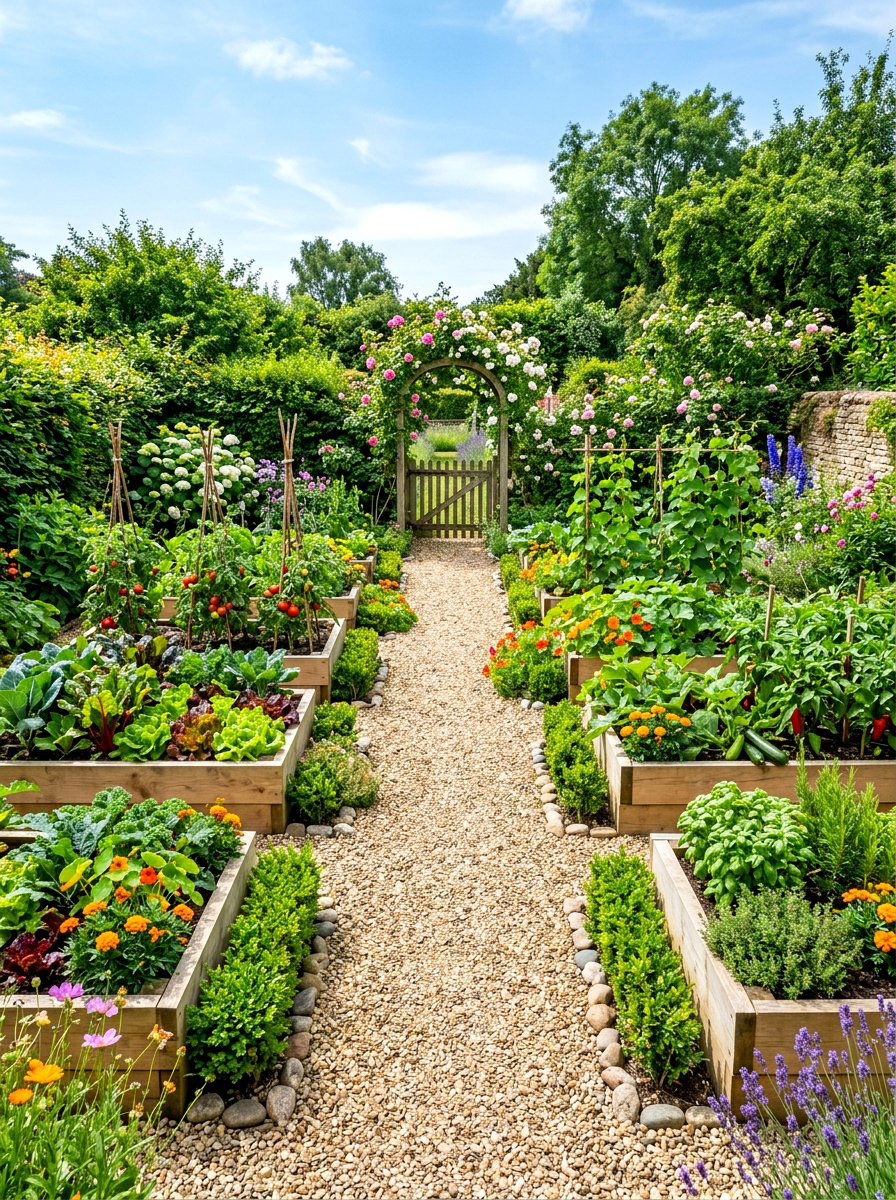
3. Raised Bed Dwarf Orchard
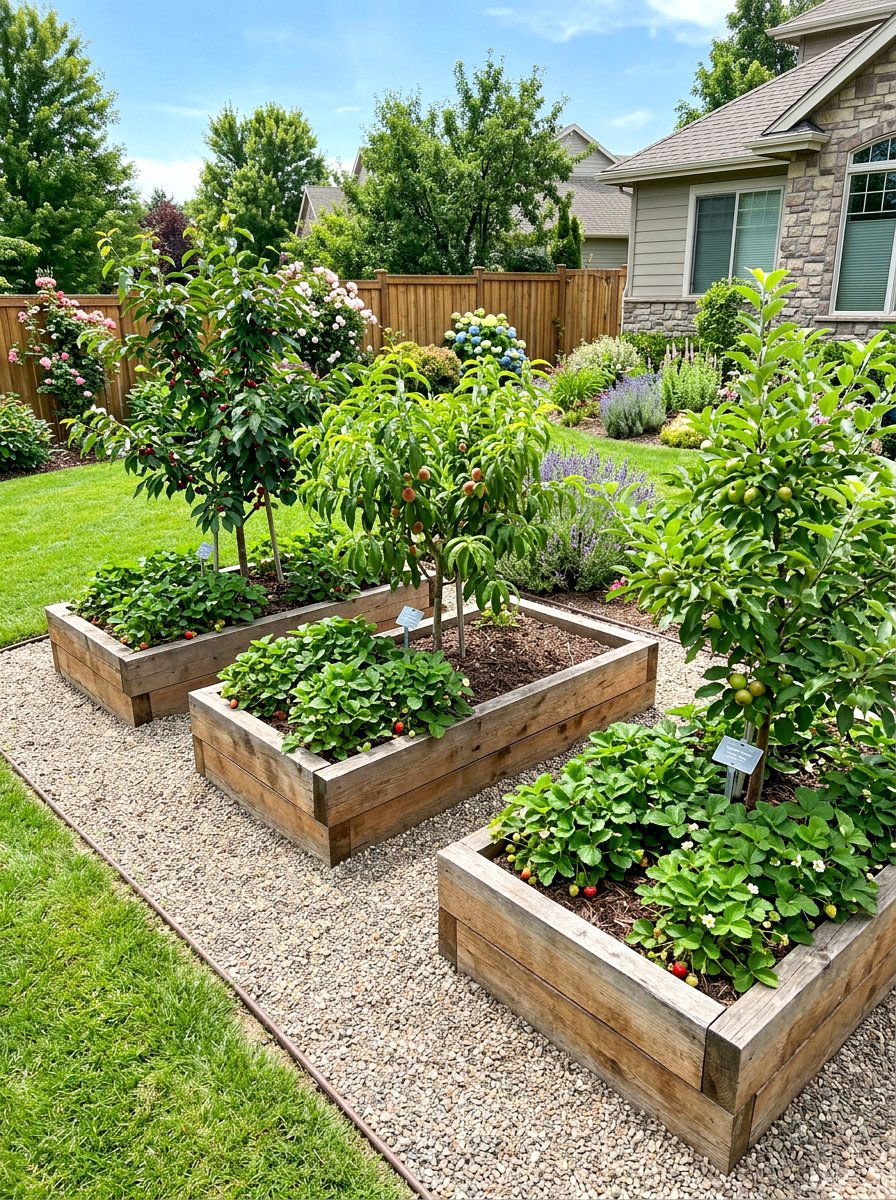
Creating a dedicated mini orchard using raised beds offers superior control over soil quality and drainage, which is vital for the health of dwarf fruit trees. By elevating the planting area, you can customize the soil blend with organic compost and minerals to meet the specific needs of different species like cherries or apricots. This structured layout helps define the garden space and prevents aggressive grass from competing for nutrients around the tree bases. You can interplant the beds with strawberries or herbs to create a multi-layered edible landscape that maximizes every square inch. The defined edges of the raised beds also provide a clean, organized aesthetic that complements modern and traditional garden styles perfectly.
4. Columnar Apple Tree Driveway
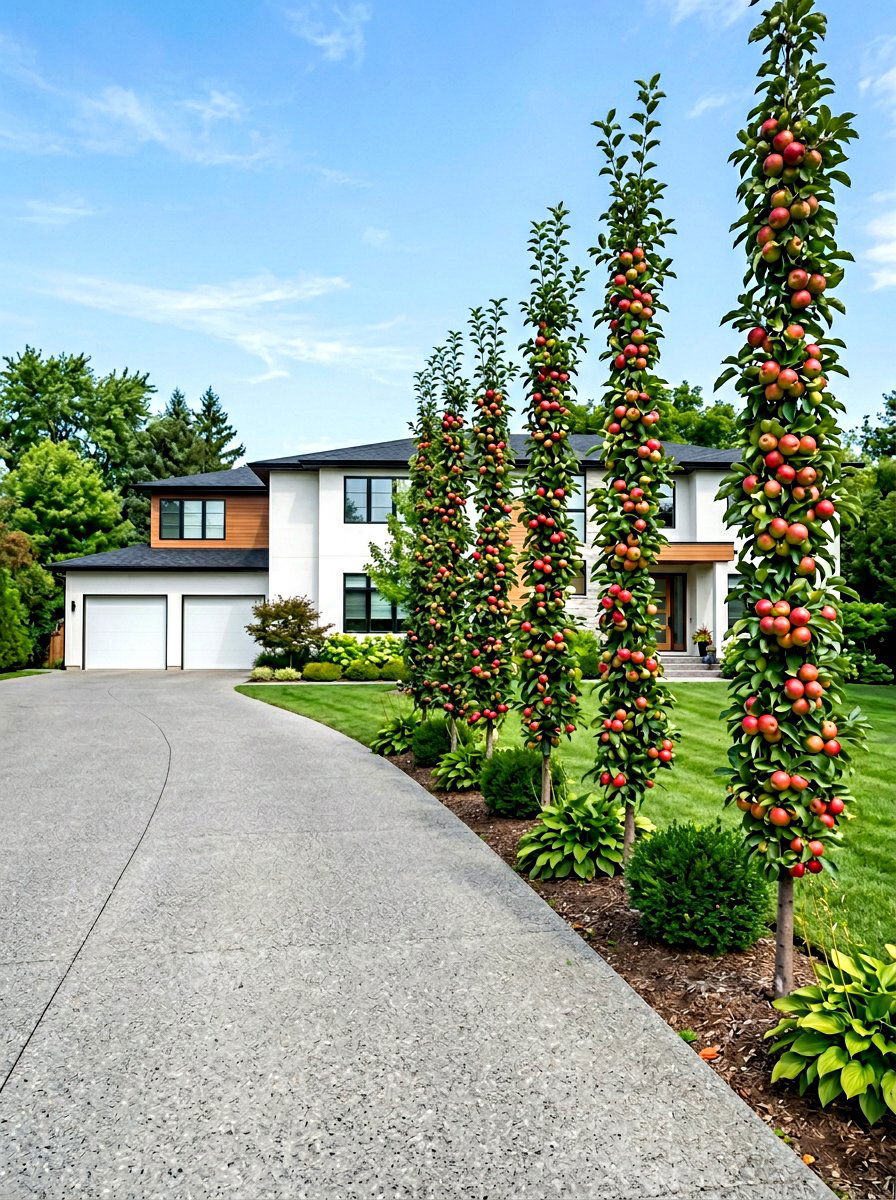
Lining your driveway with columnar apple trees creates a striking and productive entryway that takes up very little horizontal space. These unique trees grow in a narrow, upright fashion, reaching up to eight feet tall while staying only two feet wide. They do not require complex pruning to maintain their sleek shape, making them perfect for busy homeowners who want a high-impact look with low maintenance. Planting a row of these "spire" trees provides a rhythmic architectural element to your home's exterior while offering a surprisingly large harvest of full-sized apples. Their vertical growth habit allows you to tuck them into tight spots where a traditional branching tree could never survive.
5. Dwarf Citrus Balcony Garden
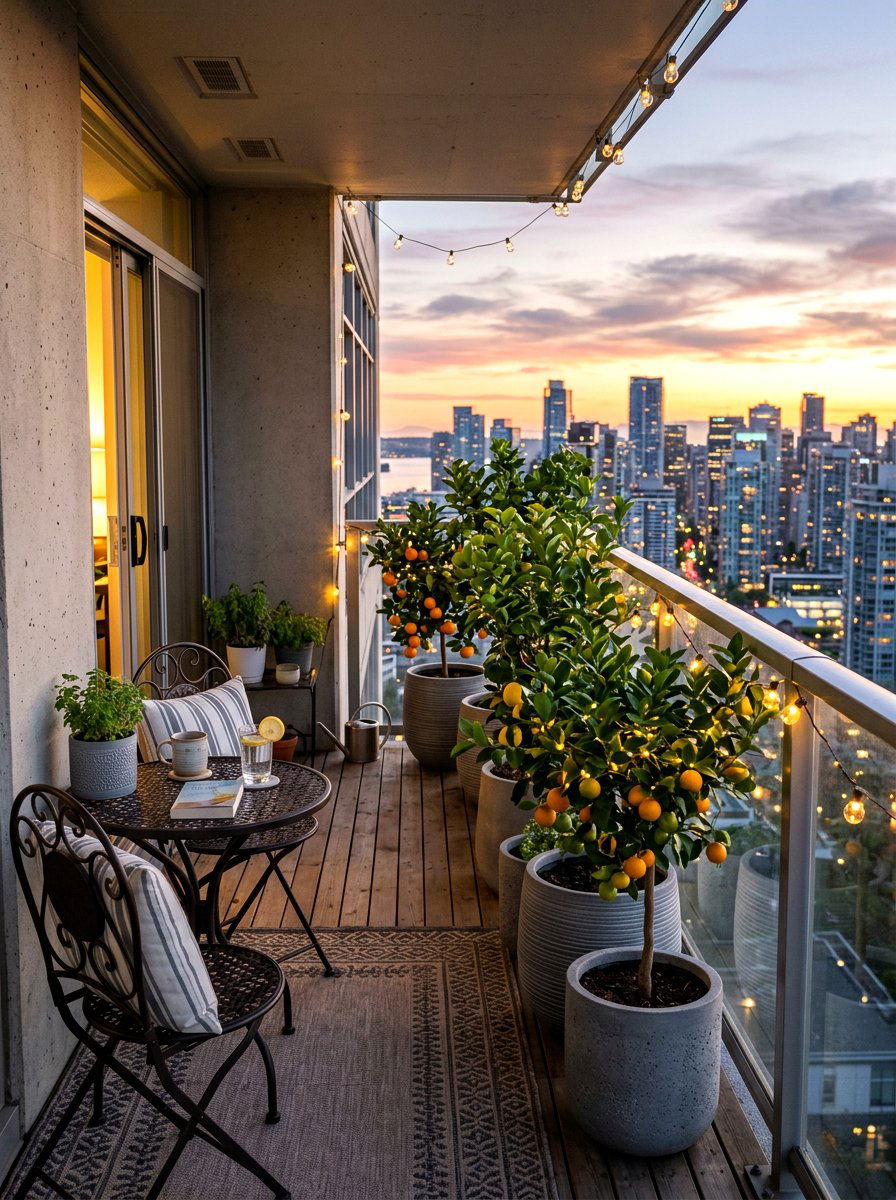
Even the smallest apartment balcony can become a source of fresh vitamins with a dwarf citrus garden. Varieties like Improved Meyer Lemon or Kaffir Lime thrive in pots and love the reflected heat from building walls. To maximize your limited space, use vertical shelving or tiered plant stands to house multiple smaller pots. These trees provide a beautiful sensory experience with their incredibly fragrant white blossoms and glossy evergreen leaves. During the winter, you can easily move the pots indoors near a sunny window to keep the harvest going. This compact setup proves that urban living is no barrier to enjoying the luxury of picking fresh citrus for your morning tea or cooking.
6. Edible Landscape Front Yard
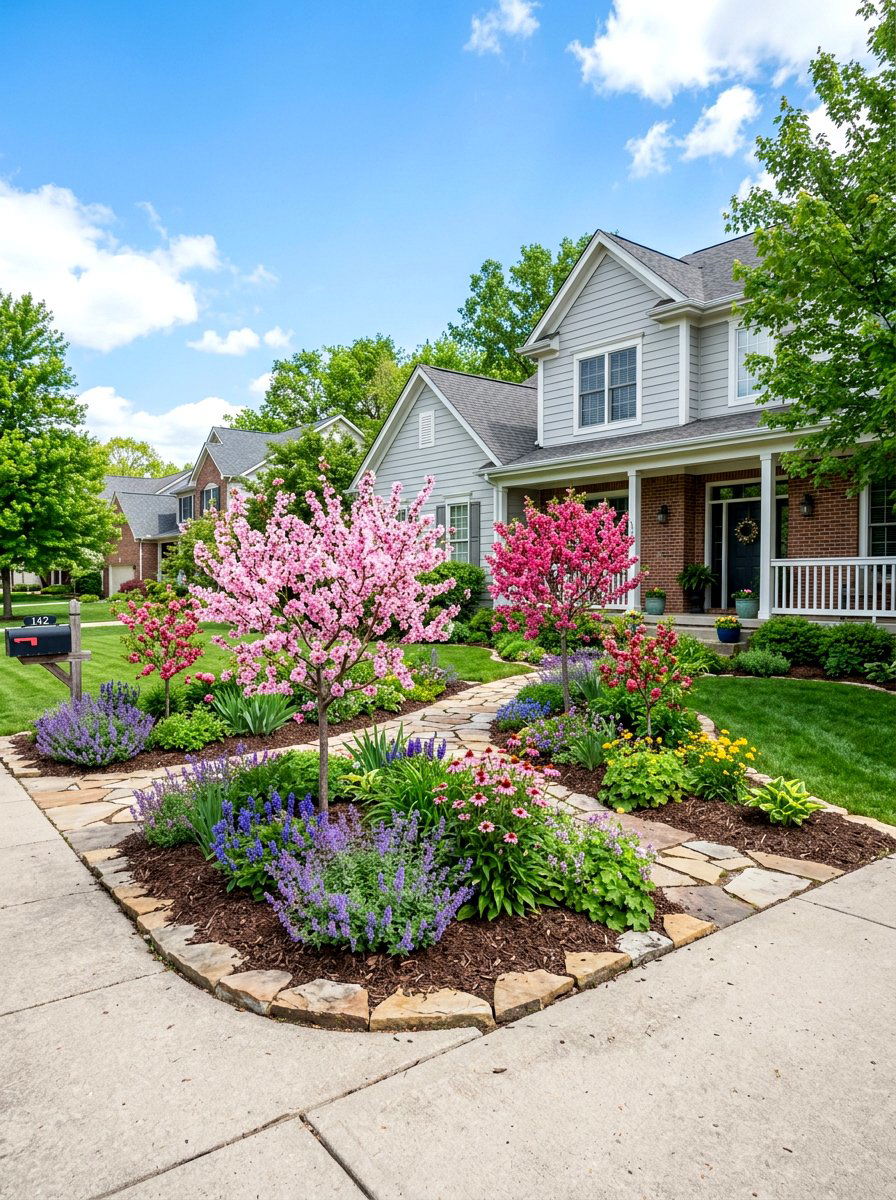
Replacing traditional ornamental shrubs with dwarf fruit trees is a brilliant way to make your front yard both beautiful and productive. Many dwarf varieties, such as dwarf peaches or pomegranates, offer spectacular spring flowers that rival common landscaping plants. Integrating these trees into your existing flower beds creates a diverse and interesting visual texture that neighbors will admire. This approach to "ediblescaping" allows you to utilize every part of your property for food production without sacrificing curb appeal. Choosing self-pollinating varieties ensures a great harvest even if you only have room for one or two specimens. It is a sustainable gardening trend that balances aesthetics with the utility of home-grown food.
7. Multi Graft Fruit Tree Garden
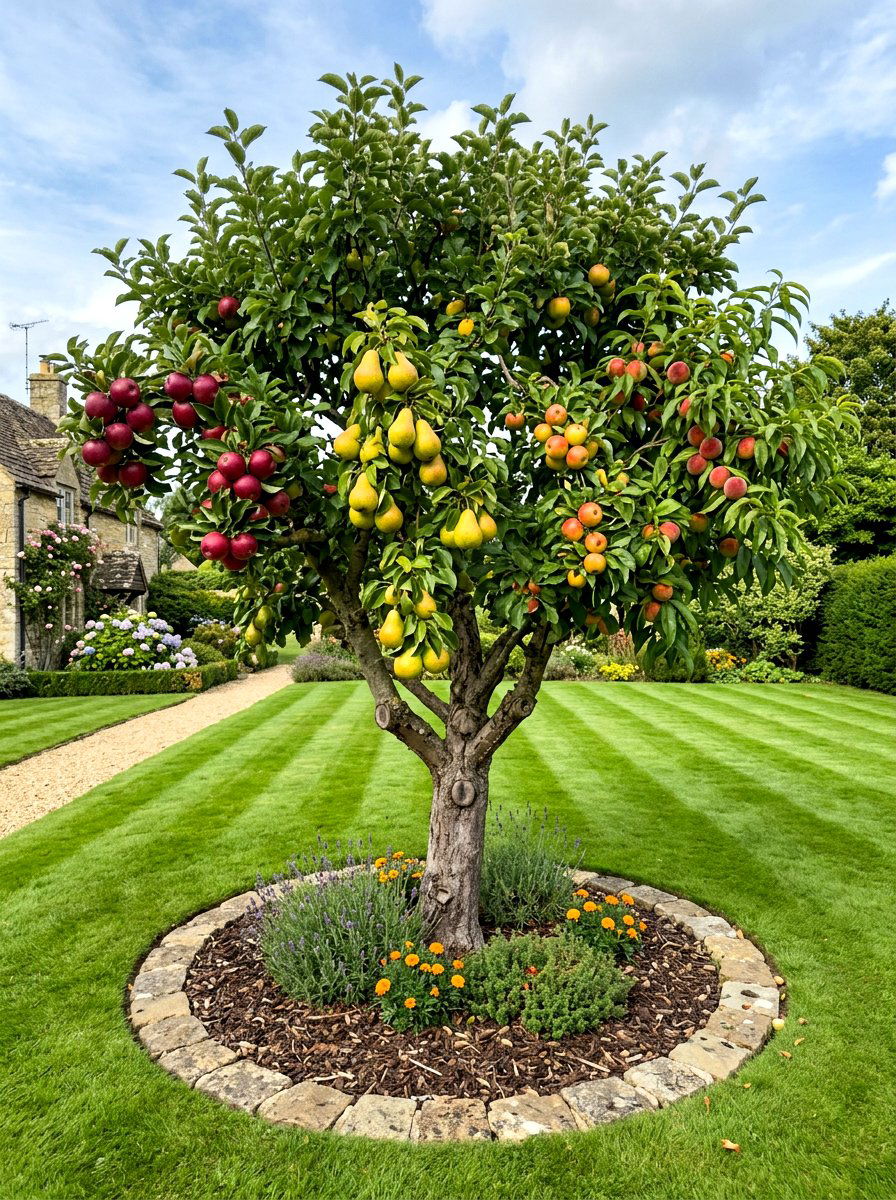
A multi-graft fruit tree, often called a "fruit salad tree, " is the ultimate space-saving solution for enthusiasts who want variety but only have room for one plant. These fascinating trees have several different cultivars of the same fruit type, like three types of apples or a mix of stone fruits, grafted onto a single dwarf rootstock. This setup provides a staggered harvest, as different varieties ripen at different times throughout the summer and fall. It also solves pollination issues, as the different grafts can pollinate each other on the same trunk. Placing one of these as a focal point in a small garden provides a long-lasting and diverse supply of fresh fruit.
8. Mini Orchard Garden Path
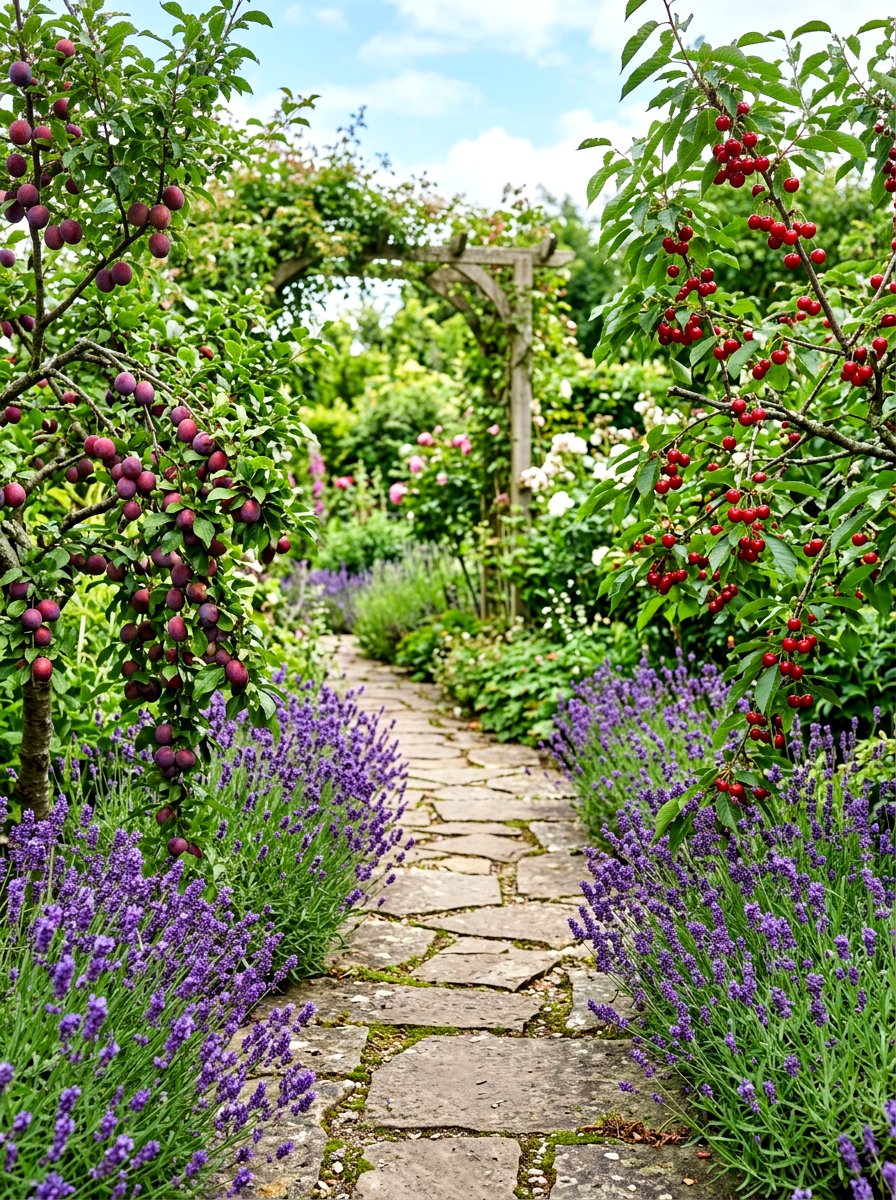
Lining a winding garden path with miniature fruit trees creates an enchanting "walk-through" orchard experience. As you stroll through your backyard, you are surrounded by low-hanging fruit that is easy to reach and admire. Using dwarf cherries or plums along the walkway adds structure and helps guide movement through the outdoor space. This layout allows for easy maintenance, as you can prune and harvest while standing on the firm path. To enhance the look, consider underplanting the trees with shade-tolerant groundcovers or flowering perennials that attract beneficial pollinators. This design turns a simple transition area into one of the most productive and visually stunning parts of your entire home landscape.
9. Dwarf Fig Tree Terrace
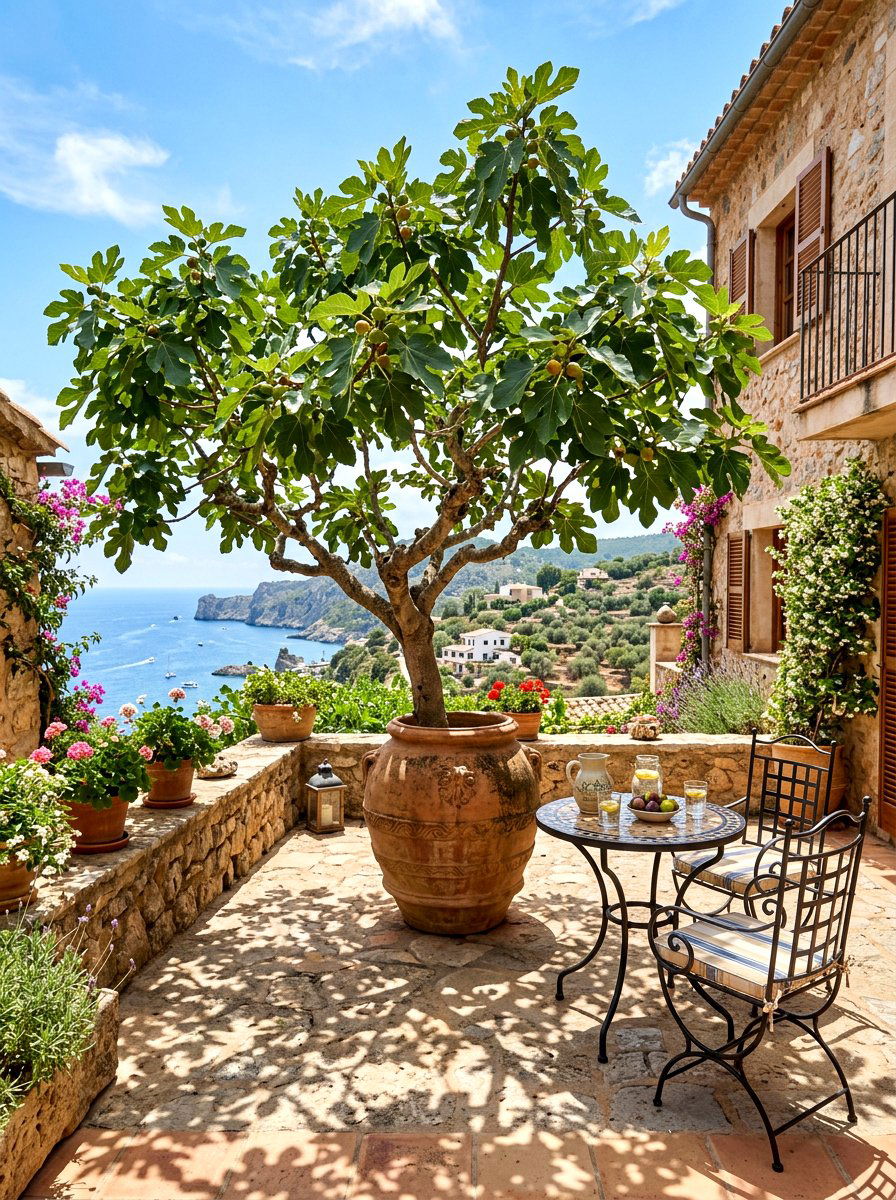
Dwarf fig trees are particularly well-suited for stone or paved terraces because they respond exceptionally well to the root restriction found in large planters. Varieties like "Little Ruby" or "Fignomenal" stay naturally small, often reaching only three feet in height, making them perfect for cozy seating areas. Their large, architectural leaves provide a tropical vibe and a bit of dappled shade for your terrace during hot afternoons. Figs are incredibly hardy and productive, often bearing fruit twice in a single growing season. Placing a few potted figs around your outdoor lounge furniture creates a luxurious, Mediterranean retreat where you can pluck a sweet snack while relaxing with a book or coffee.
10. Small Fruit Tree Border
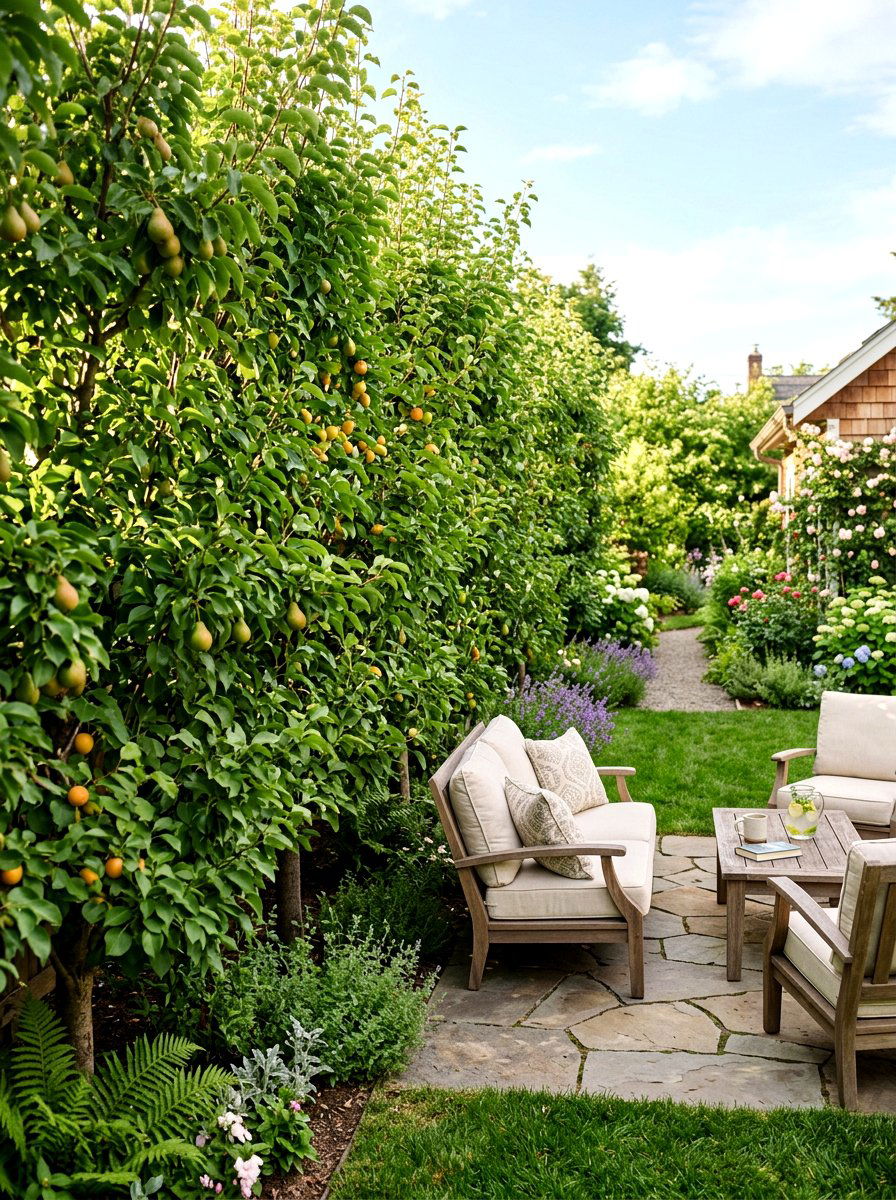
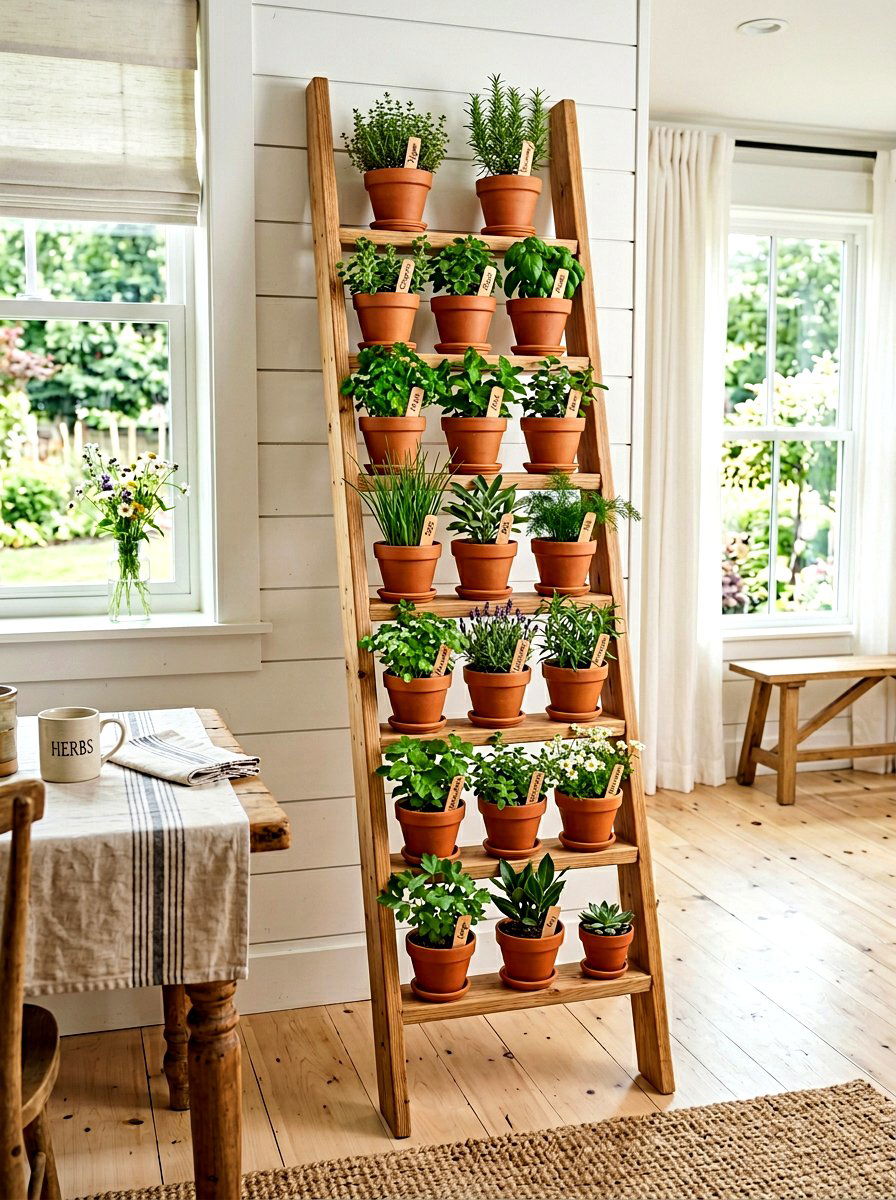
Using dwarf fruit trees to create a perimeter border is a smart way to define your property lines while growing food. Instead of a boring wooden fence, a row of compact fruit trees provides a soft, living screen that changes with the seasons. During the spring, your border will be a wall of delicate blossoms, while the summer brings dense green foliage and ripening fruit. This design is perfect for suburban yards where you want to maintain privacy from neighbors without feeling enclosed by heavy structures. You can mix and match different species of similar heights to create a varied and resilient edible hedge that feeds your family and supports local birds.
11. Potted Dwarf Peach Deck
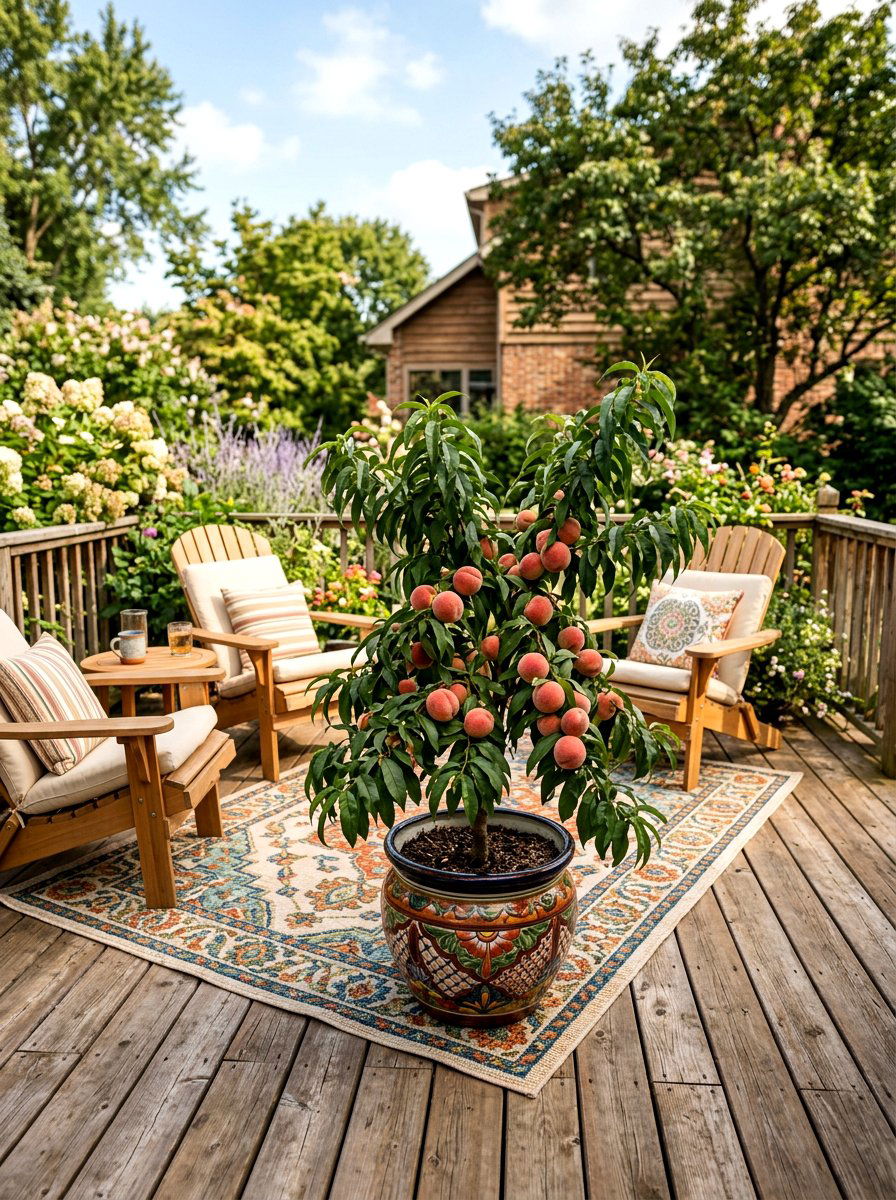
Adding a dwarf peach tree to your wooden deck brings a splash of color and a touch of farmhouse charm to your outdoor living area. Dwarf peaches, such as the "Bonanza" variety, are naturally genetic dwarfs that stay small and bushy without intensive pruning. Their dense, lush foliage provides excellent privacy when placed strategically around the edges of your deck. In the spring, these trees are covered in vibrant pink blossoms that eventually turn into full-sized, juicy peaches by mid-summer. Because they are self-fertile, you only need one tree to get a successful crop. This makes them a top choice for beginners who want to experience the thrill of home-grown stone fruit.
12. Compact Pear Tree Trellis
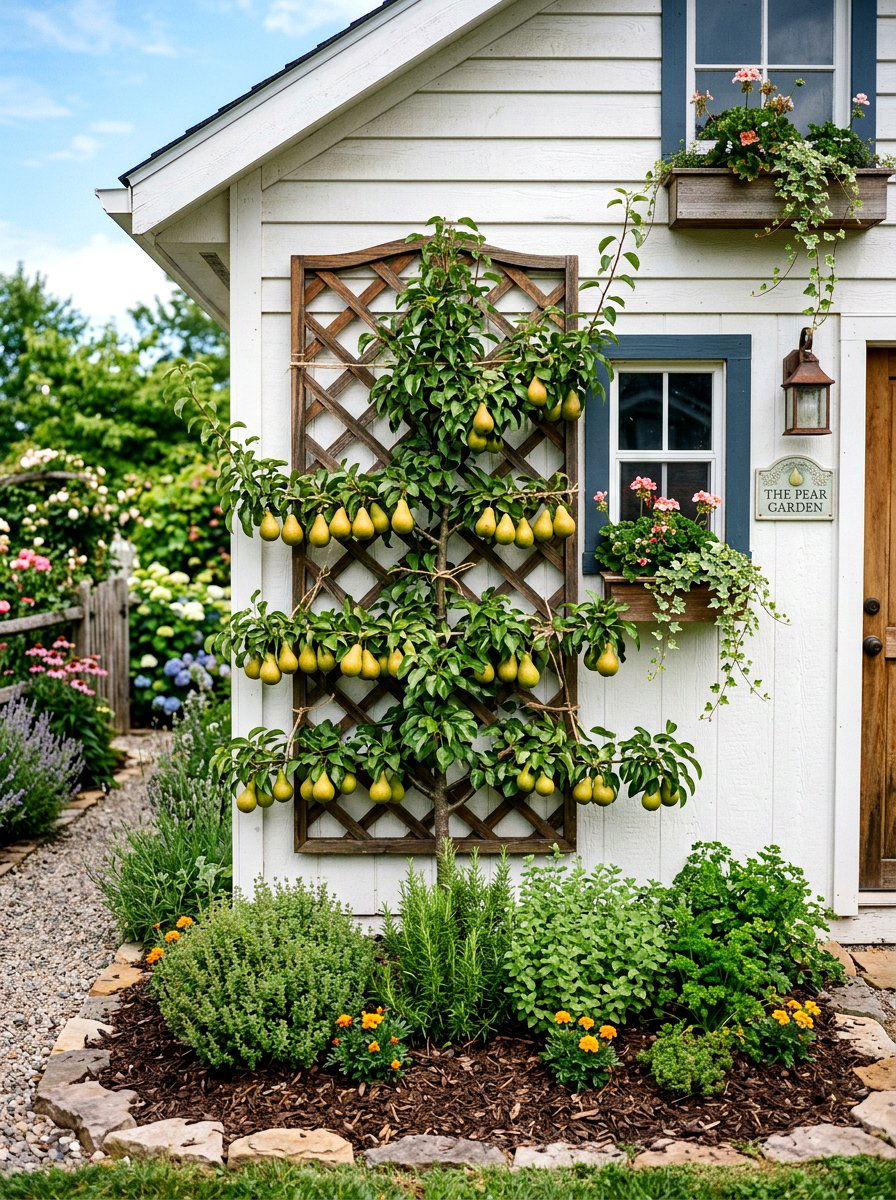
Training compact pear trees against a sturdy trellis system is a brilliant way to utilize vertical space against a garage or shed wall. Pears have naturally upright growth habits that lend themselves perfectly to being flattened against a support structure. This method, similar to espalier, keeps the tree footprint incredibly small while allowing for maximum air circulation around the developing fruit. The trellis acts as a beautiful architectural feature even during the winter months when the tree is dormant. For a stunning visual effect, choose a trellis with a decorative lattice pattern and watch as the pear branches fill in the gaps over time. This setup ensures your pears stay healthy and easy to pick.
13. Dwarf Cherry Tree Courtyard
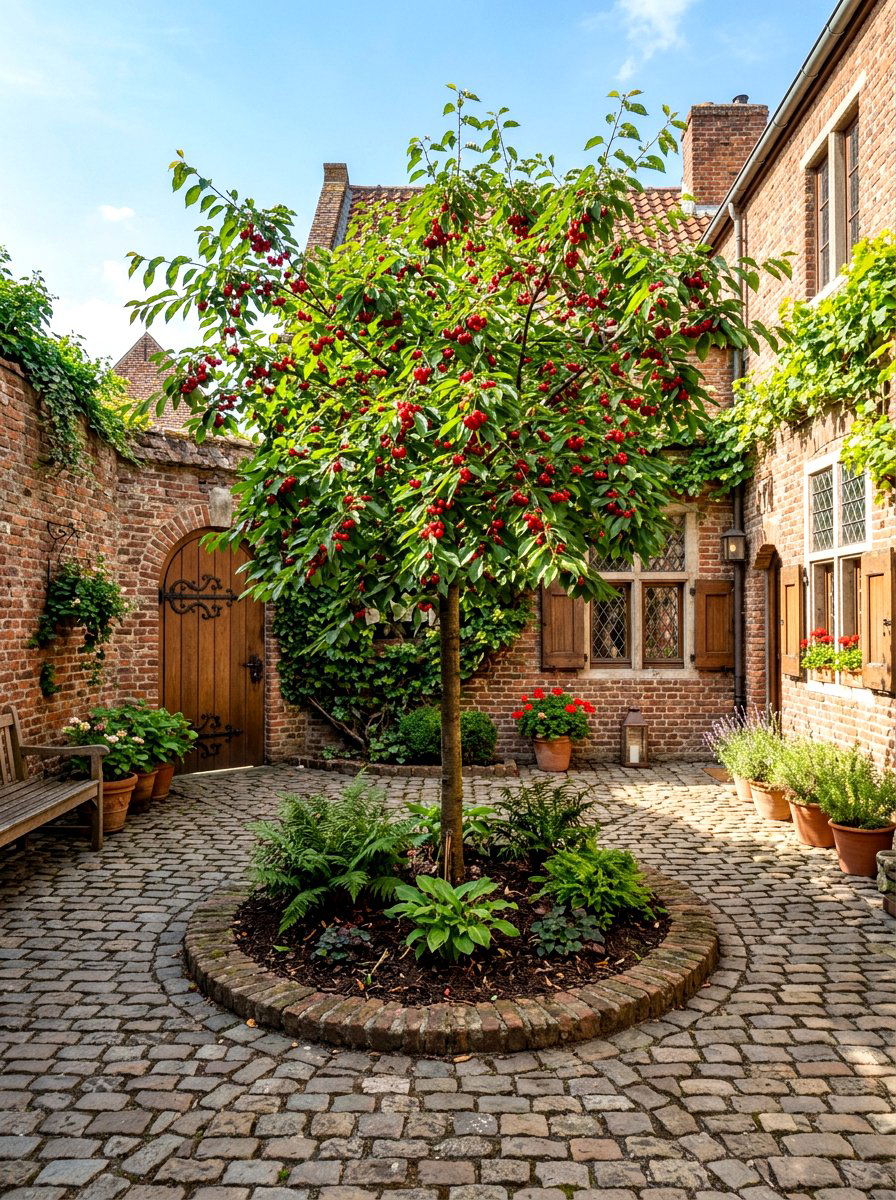
A central courtyard is the perfect protected microclimate for delicate dwarf cherry trees. The walls of a courtyard trap heat, which can help extend the growing season and protect early blossoms from late spring frosts. Dwarf cherries, like "Stella" or "Compact Stella, " are self-fertile and produce clusters of deep red, sweet fruit that looks like jewelry hanging from the branches. Placing a single cherry tree in the center of a paved courtyard creates a romantic focal point that draws the eye. Surround the base with a small mulch ring or low-growing flowers to keep the roots cool. This intimate garden setting makes the harvest season feel like a special celebration right outside your door.
14. Urban Rooftop Fruit Garden
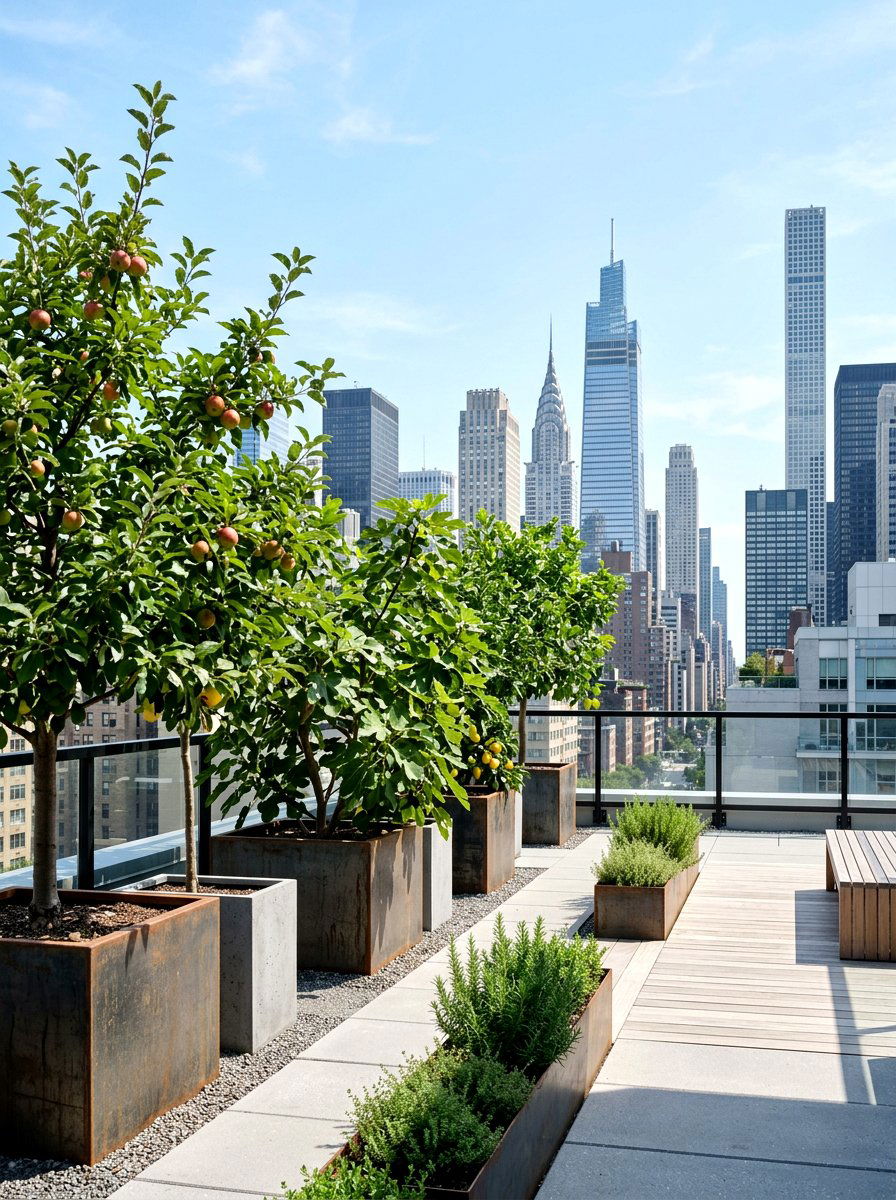
Rooftop gardens face unique challenges like high winds and intense sun, making dwarf fruit trees in heavy, stable containers an ideal choice for urban dwellers. These trees provide much-needed greenery and a sense of nature in a concrete environment. By selecting wind-resistant dwarf varieties and using self-watering pots, you can create a thriving high-altitude orchard. The elevation often keeps pests away that might plague ground-level gardens, resulting in cleaner fruit. A rooftop orchard not only provides fresh food but also helps cool the building and creates a private sanctuary above the noisy city streets. It is a modern solution for sustainable urban living that turns unused roof space into a productive paradise.
15. Dwarf Apricot Tree Backyard
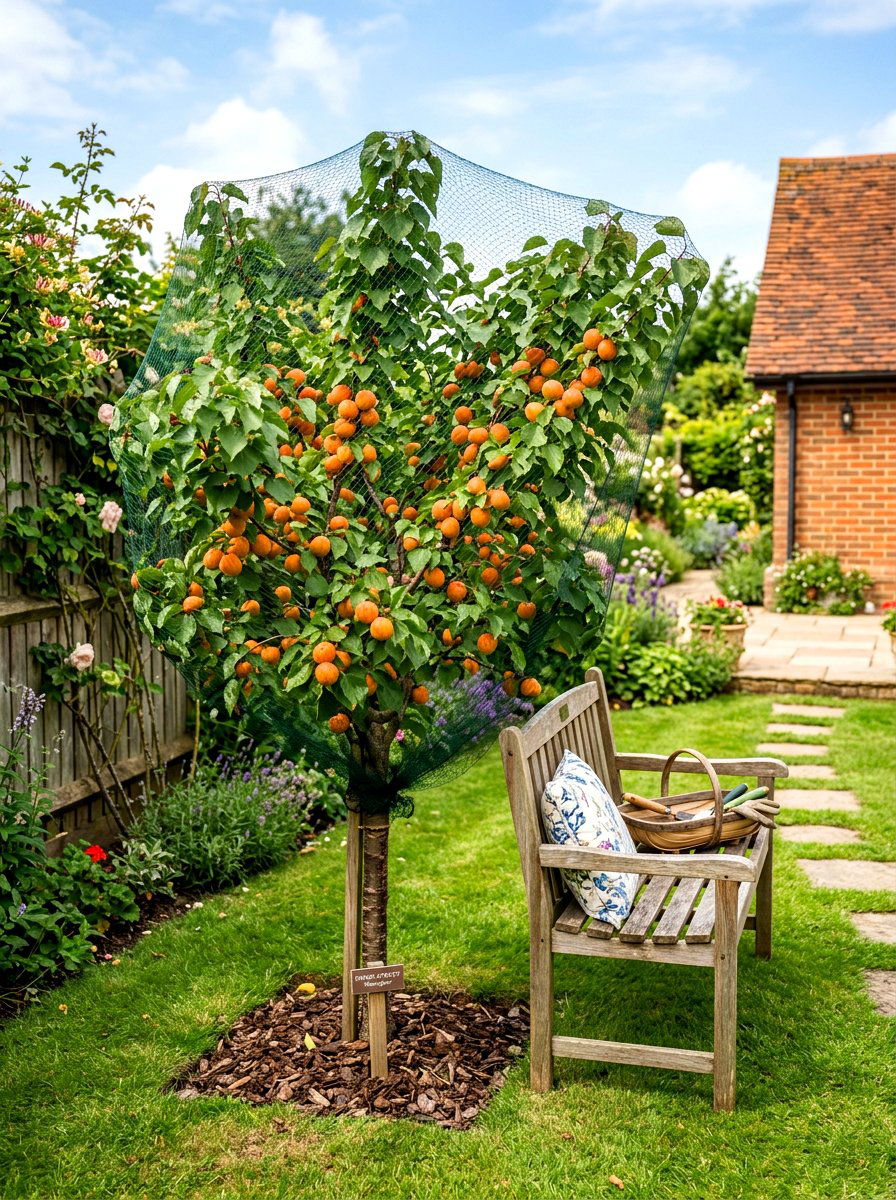
Dwarf apricot trees are prized for their early spring blooms and delicious, velvety fruit that is often hard to find at peak ripeness in stores. Integrating these into a small backyard provides a reliable source of sweetness that signifies the start of the summer harvest. Dwarf varieties like "Pixie-cot" are manageable and can be easily covered with netting to protect the precious fruit from birds. Their compact size makes them easy to tuck into a sunny corner where they can soak up the heat they need to sweeten the fruit. Apricots are surprisingly cold-hardy, making them a versatile choice for many different climates. Having one in your yard ensures you get the best-tasting fruit possible.
16. Fruit Tree Companion Planting
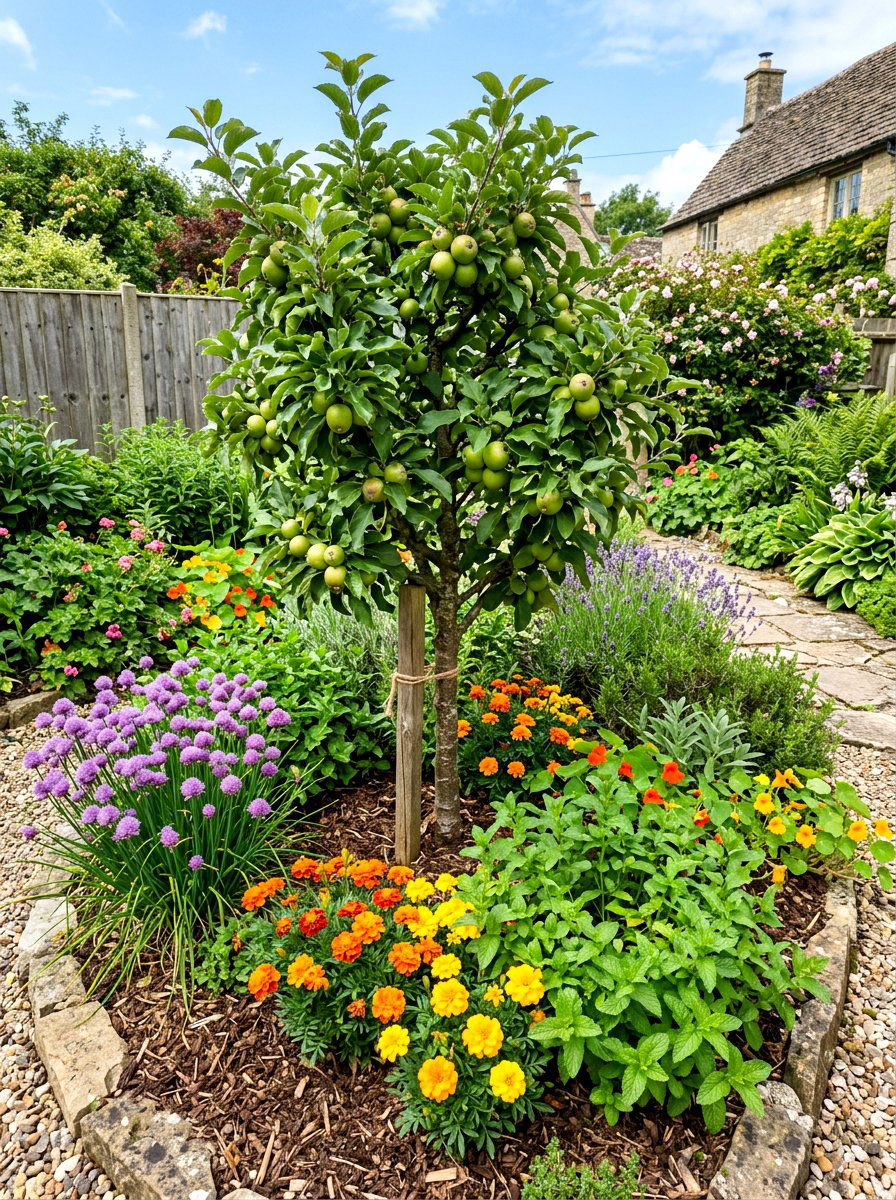
Maximizing the health and productivity of your dwarf fruit trees can be achieved through a thoughtful companion planting garden. By surrounding your trees with specific herbs and flowers, you create a mini-ecosystem that deters pests and attracts beneficial pollinators. For example, planting chives or garlic around the base of a dwarf apple tree can help repel aphids and apple scabs. Marigolds and lavender add a beautiful pop of color while drawing in bees that are essential for fruit set. This holistic approach reduces the need for chemical sprays and creates a lush, diverse garden bed that looks intentional and professional. It turns a single tree into a rich, multi-functional landscape feature.
17. Dwarf Nectarine Tree Patio
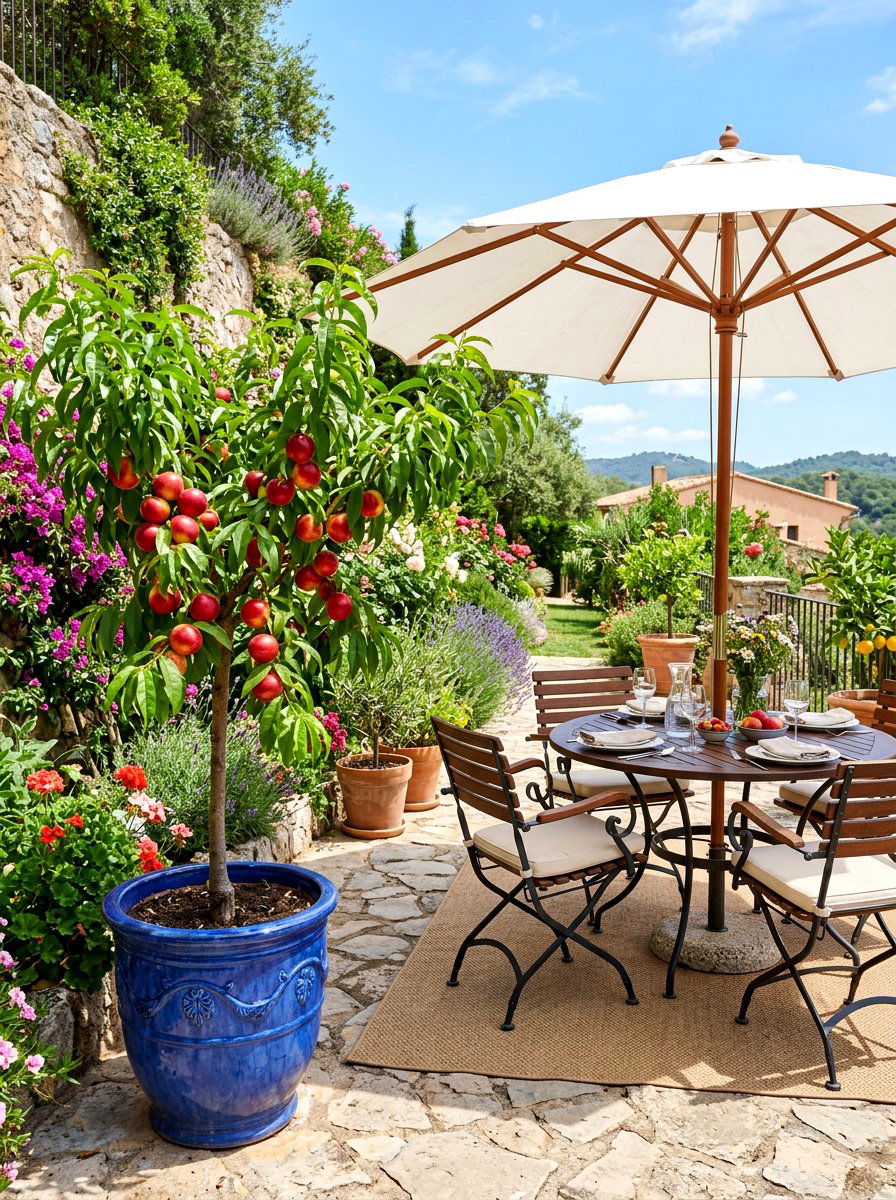
Dwarf nectarines offer all the flavor of a peach without the fuzzy skin, making them a favorite for many home gardeners. These trees are exceptionally well-suited for patio life because they stay compact and produce stunning, dark green foliage that looks great all season. Placing a dwarf nectarine in a bright, colorful pot near your outdoor dining table creates a conversation piece that is also a source of fresh snacks. They thrive in the warmth of a sunny patio and are generally self-fertile, simplifying the growing process for those with limited space. Watching the fruit change from green to vibrant red right before your eyes is a rewarding experience that connects you to your food.
18. Modern Minimalist Fruit Garden
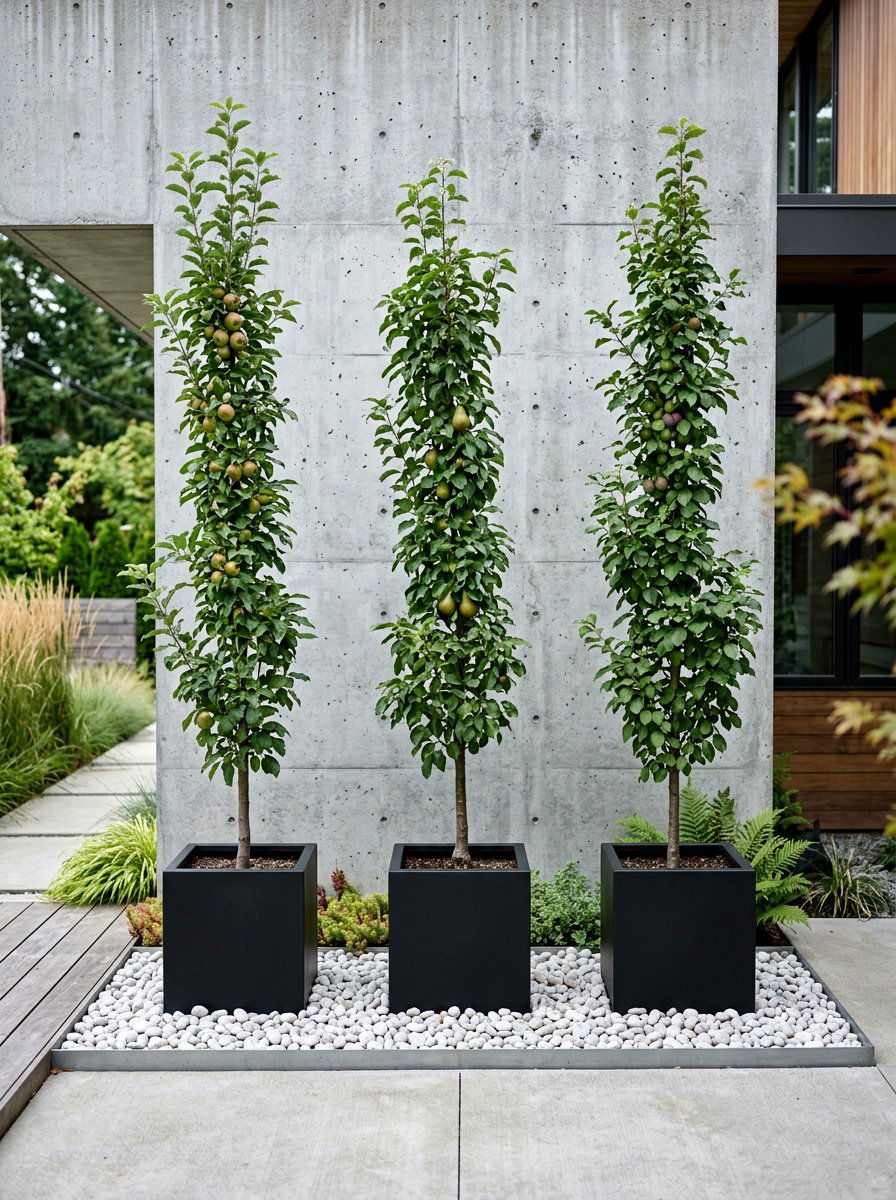
For homes with a modern aesthetic, a minimalist fruit garden using dwarf trees provides clean lines and a sophisticated look. Using identical, sleek planters in a geometric arrangement allows the natural form of the trees to shine. Columnar varieties are especially effective in this style, as their narrow, vertical silhouette complements contemporary architecture perfectly. A monochromatic color palette for the pots and surrounding gravel keeps the focus on the vibrant fruit and green leaves. This approach proves that an edible garden does not have to look cluttered or wild; it can be a highly designed, elegant part of a luxury outdoor space. It is the perfect blend of high-end style and practical home food production.
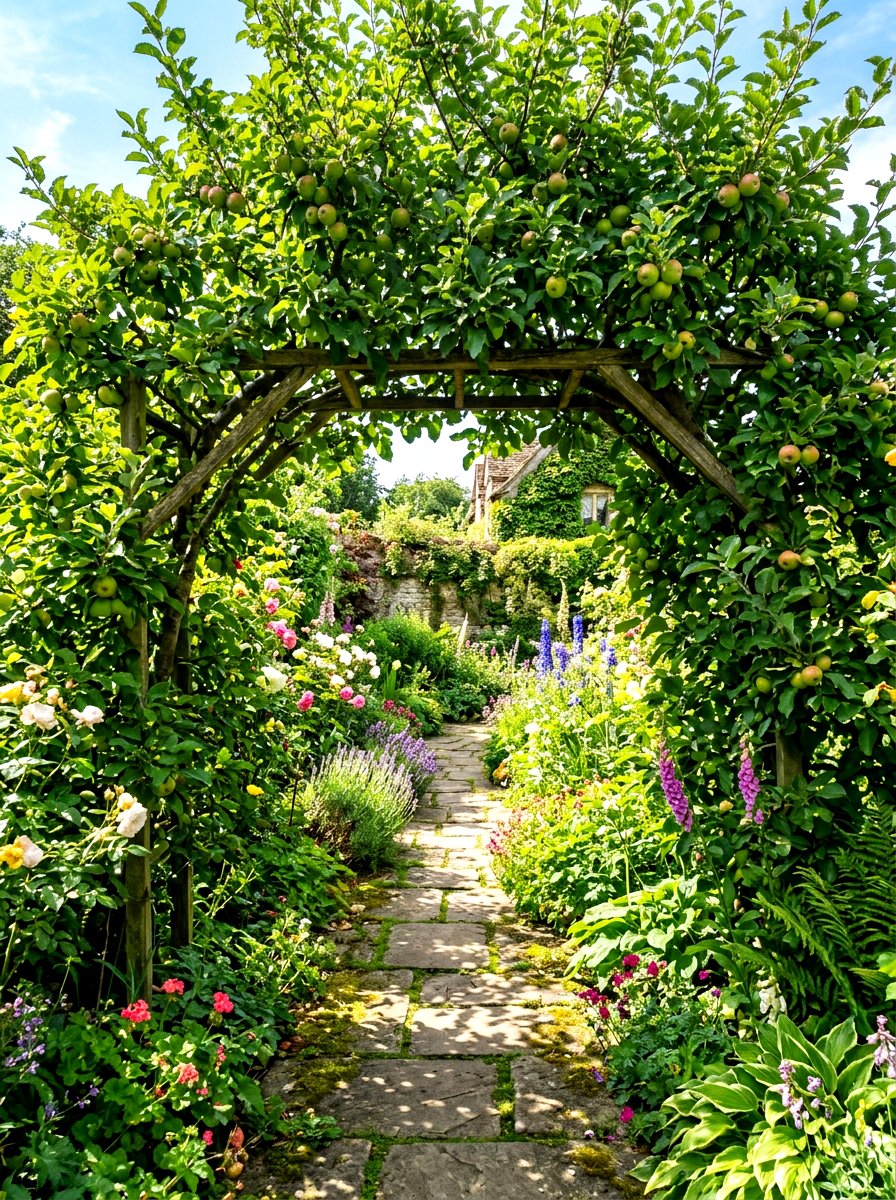
19. Cottage Style Fruit Orchard
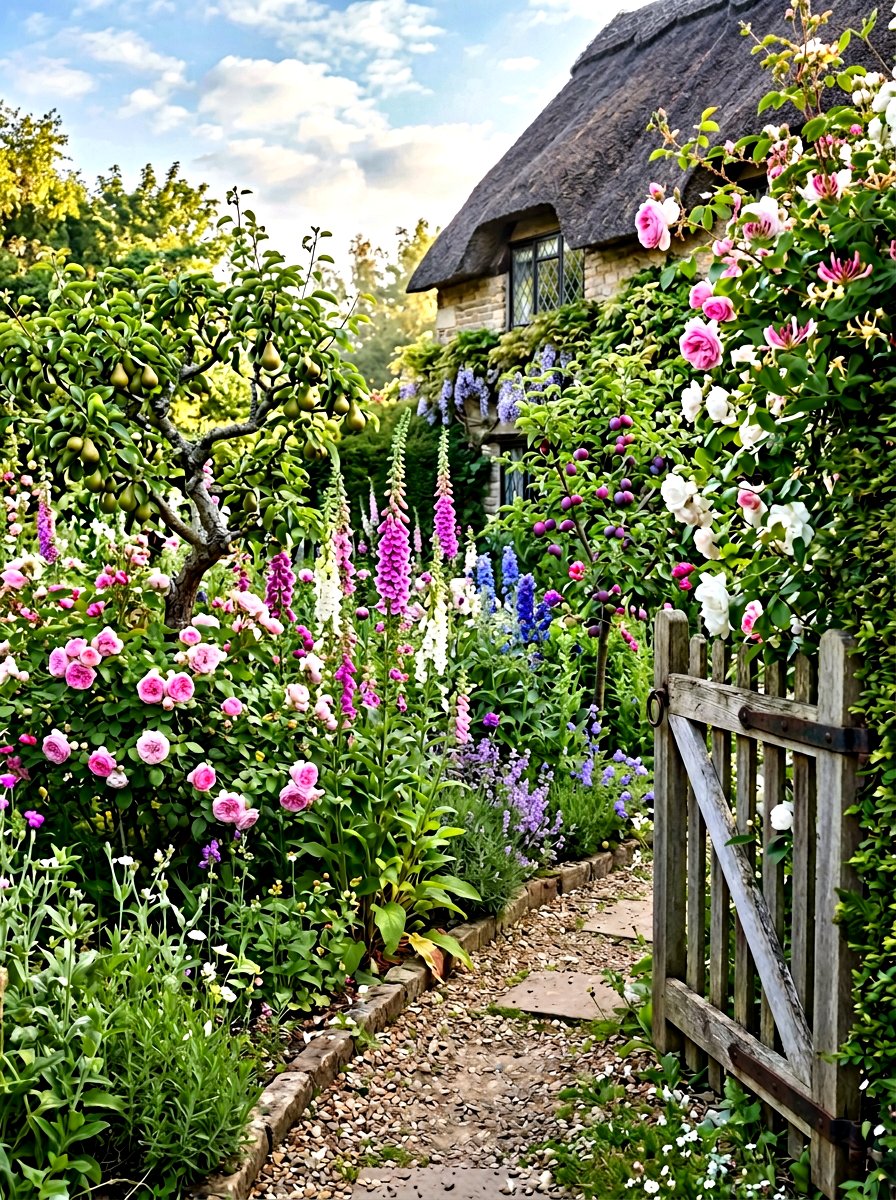
A cottage-style garden is all about abundance and charm, and dwarf fruit trees fit this aesthetic perfectly when mingled with roses and perennials. Instead of a formal orchard, tuck dwarf pears, apples, and plums into informal, overflowing garden beds. This creates a romantic, "secret garden" feel where fruit-laden branches peek out from behind flowering shrubs. The variety of heights and textures makes the garden feel established and lived-in. Using natural materials like wicker baskets for harvesting and rustic wooden stakes for support enhances the cozy, country atmosphere. This style of fruit gardening celebrates the beauty of imperfection and the joy of a diverse, humming landscape that is full of life and flavor.
20. Dwarf Plum Tree Corner
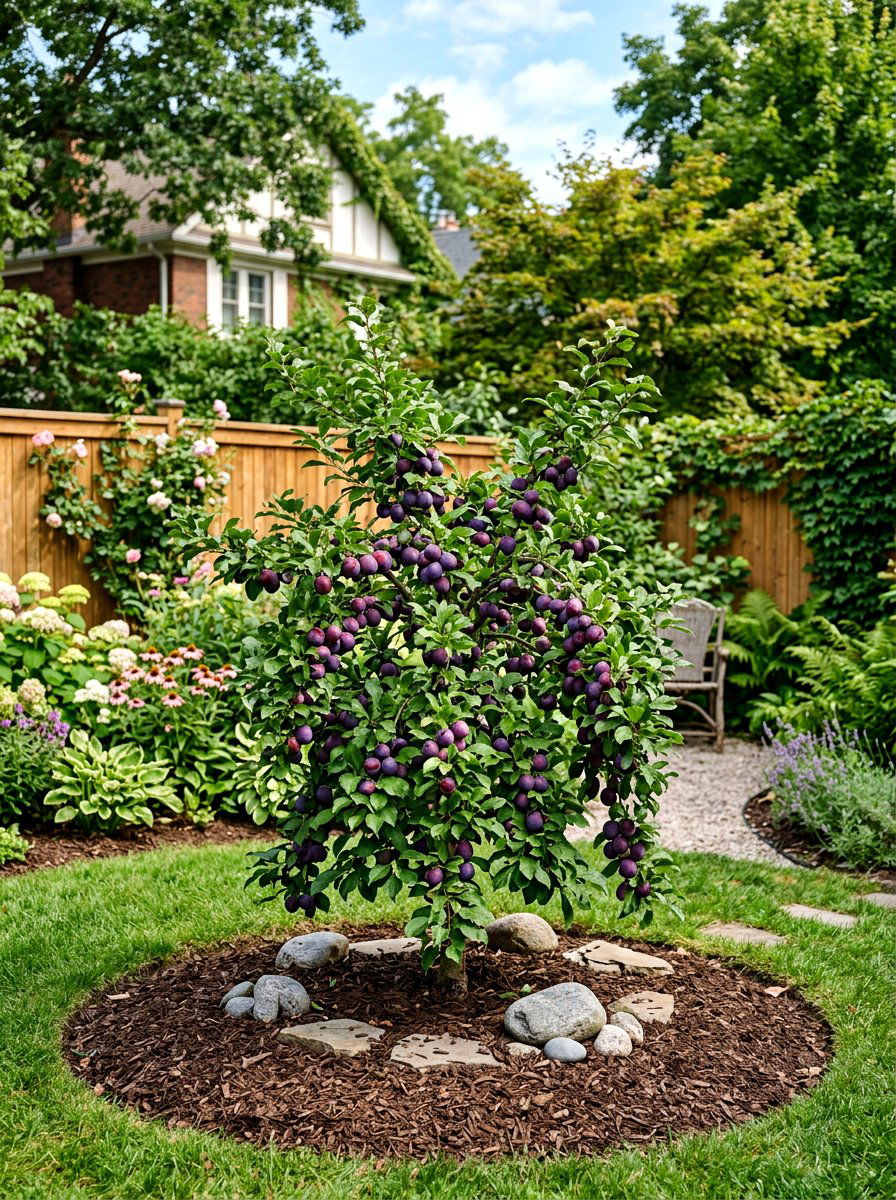
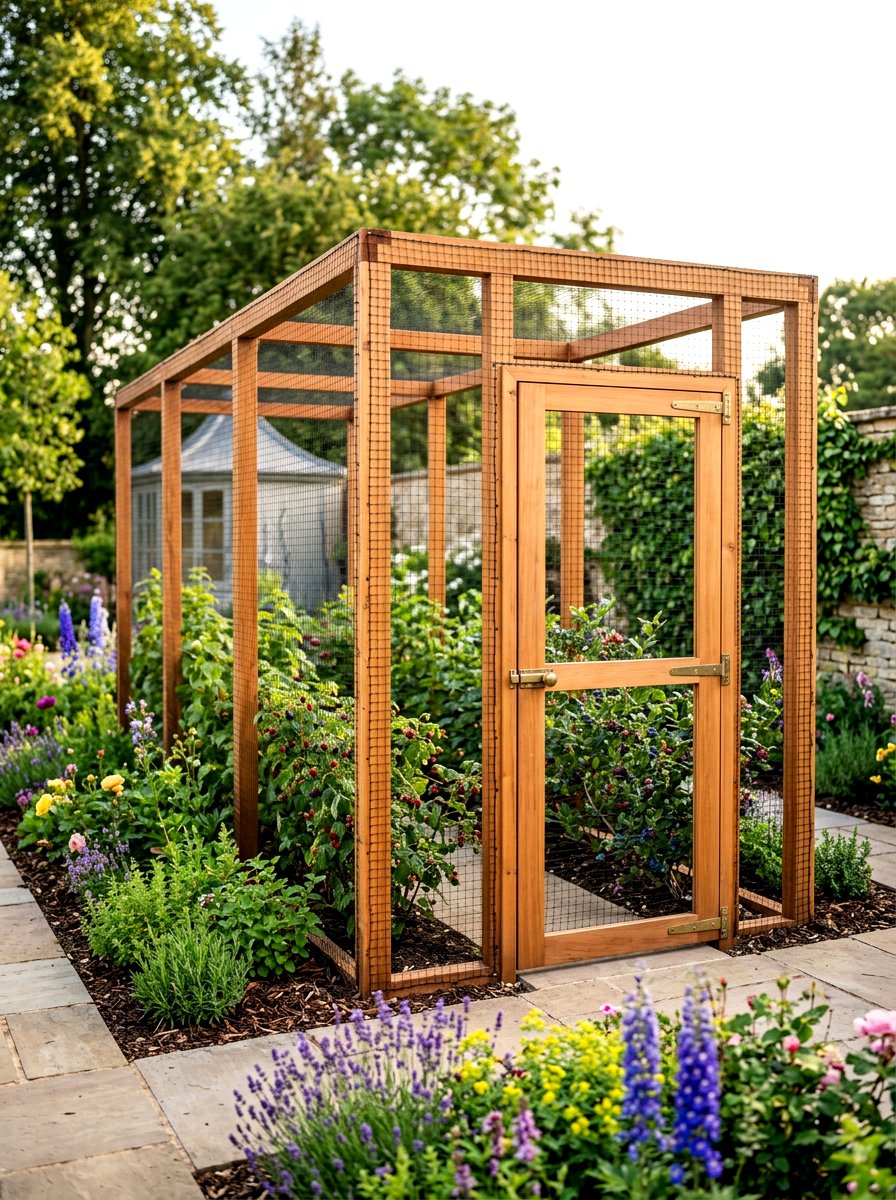
Tucking a dwarf plum tree into a sunny corner of your yard is an efficient use of space that often goes overlooked. Plum trees are known for their spectacular white or pink blossoms that appear early in the year, providing a vital food source for early-season bees. Varieties like "Johnson" or "Superior" on dwarf rootstock stay small enough that they won't overwhelm a corner spot. The corner location often provides extra protection from wind, which can prevent fruit drop during summer storms. A single plum tree can produce an astonishing amount of fruit, perfect for making home-made jams or eating fresh. It turns a neglected part of the yard into a highly productive and beautiful focal point.
21. Mediterranean Dwarf Fruit Garden
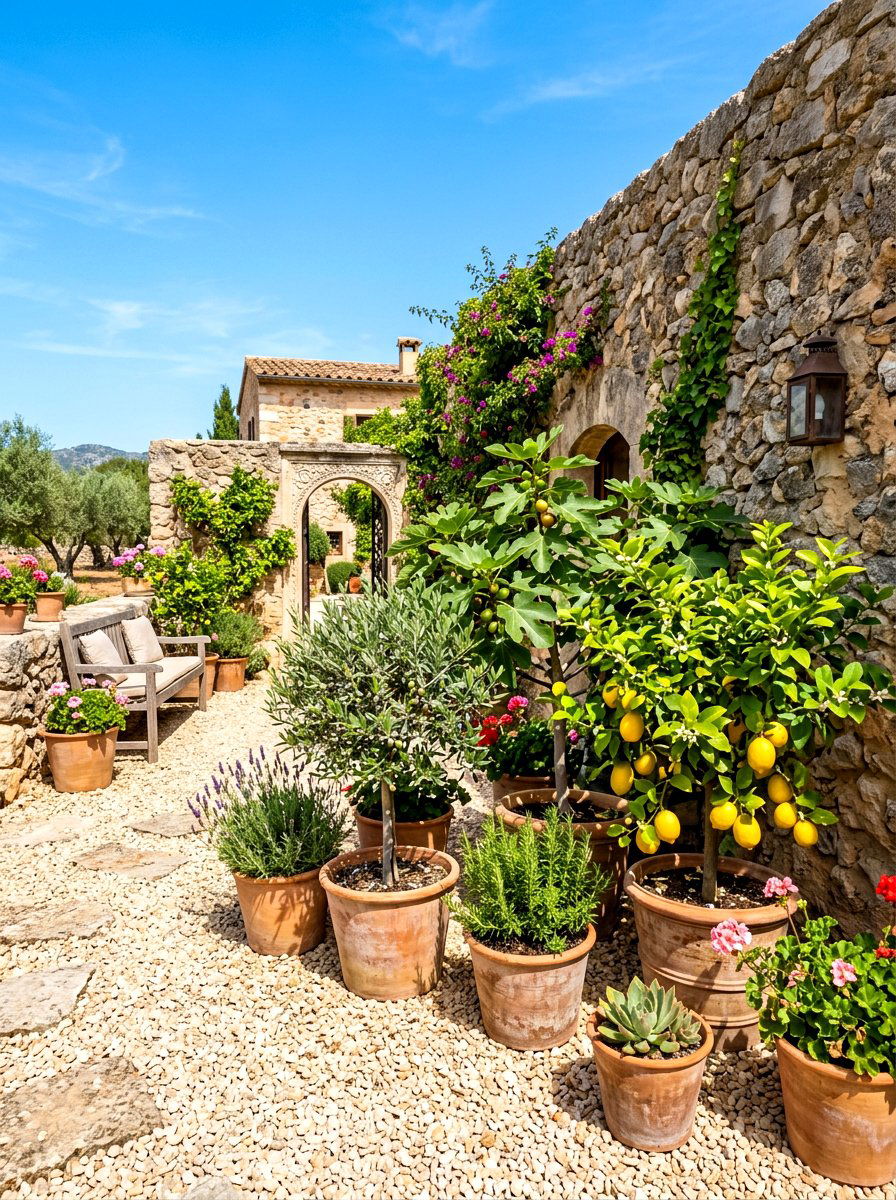
You can recreate the sun-drenched feel of the Mediterranean by grouping dwarf olives, figs, and citrus trees together in a warm, sheltered spot. Use gravel mulch and terracotta pots to enhance the theme and provide the well-drained conditions these trees love. Dwarf olive trees like "Little Ollie" offer silvery-green foliage that shimmers in the sunlight, adding a sophisticated and calming element to the garden. While the fruit is the main draw, the overall ambiance of this setup provides a relaxing vacation-like atmosphere right at home. This style is particularly effective in drought-prone areas, as these species are often more resilient once established in large, high-quality containers with proper irrigation.
22. Low Maintenance Dwarf Orchard
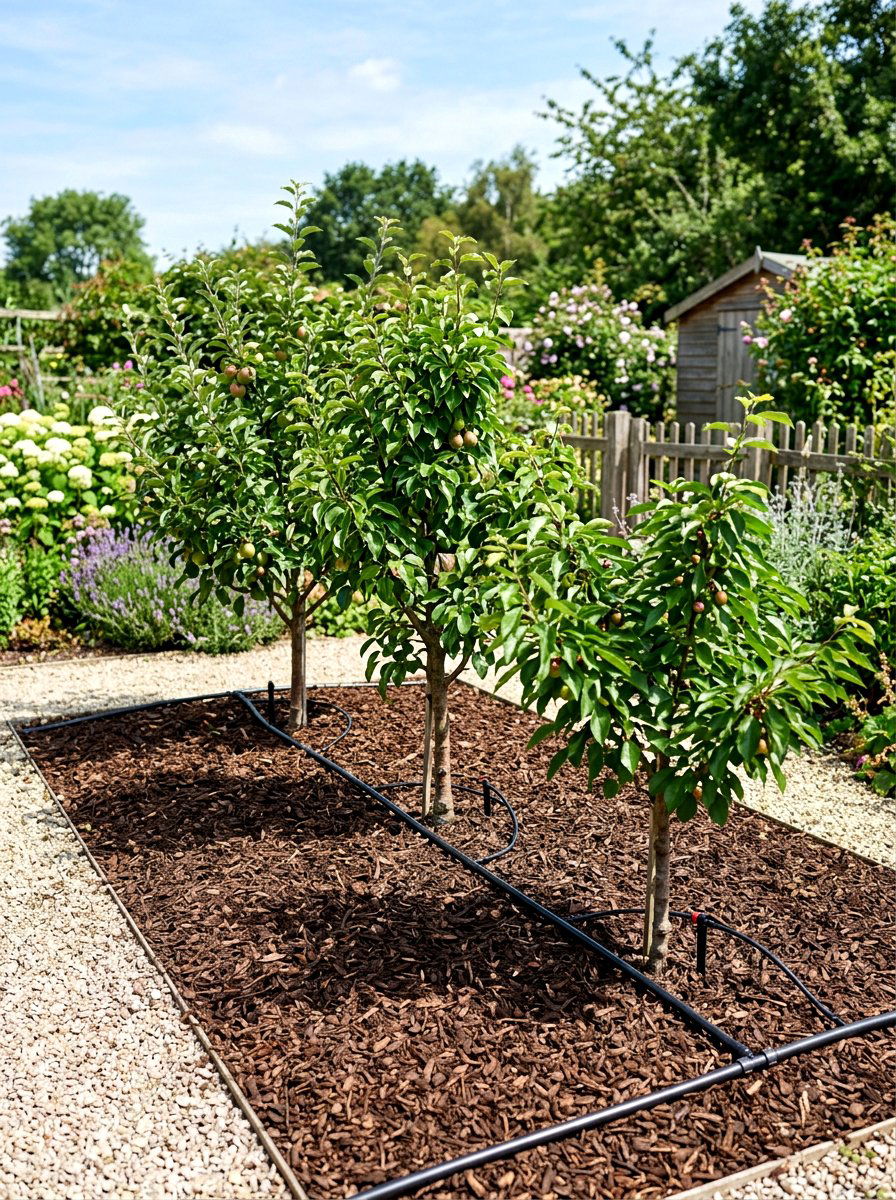
For the busy gardener, a low-maintenance dwarf orchard focuses on self-fertile varieties and automated care systems. By selecting naturally disease-resistant dwarf trees and installing a simple drip irrigation system, you can enjoy a harvest with minimal effort. Using a heavy layer of organic mulch around the base of the trees helps retain moisture and suppress weeds, reducing the need for constant attention. Columnar and genetic dwarf varieties are best for this approach as they require very little pruning to maintain their shape and health. This "set it and forget it" strategy allows you to reap the rewards of home-grown fruit without the time commitment often associated with traditional, large-scale orchards or complex garden layouts.
23. Dwarf Mulberry Tree Backyard
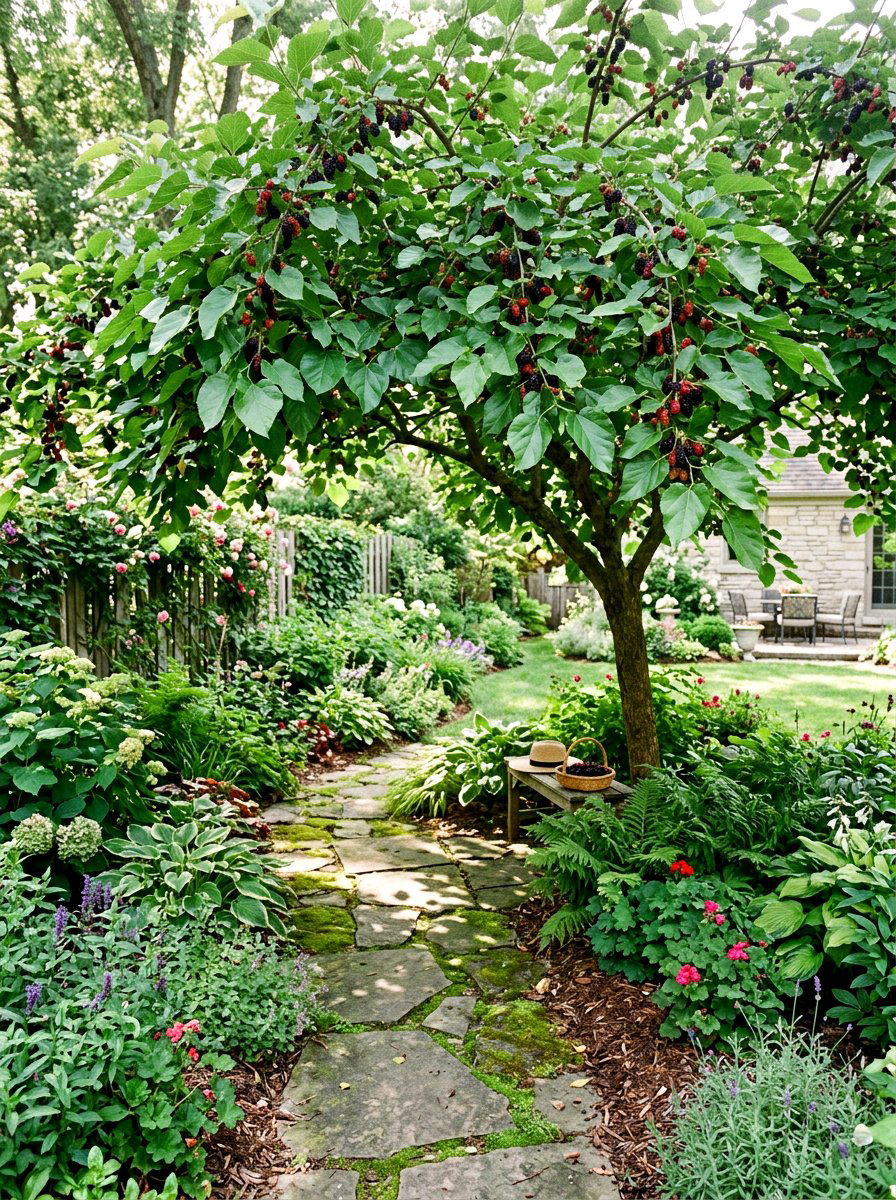
Dwarf mulberries are a hidden gem for small backyards, offering sweet, blackberry-like fruit on trees that are much easier to manage than their giant relatives. The "Dwarf Everbearing" variety is particularly popular because it produces fruit over a long period, rather than all at once. These trees have beautiful, large leaves that provide excellent shade and a lush, tropical feel to a small space. Because they are fast growers, they can quickly establish themselves as a focal point in your yard. Pruning them to a manageable height is simple, ensuring that the delicious, staining berries are always within reach and off your walkways. It is a unique and productive addition for any fruit enthusiast.
24. Tropical Dwarf Fruit Garden
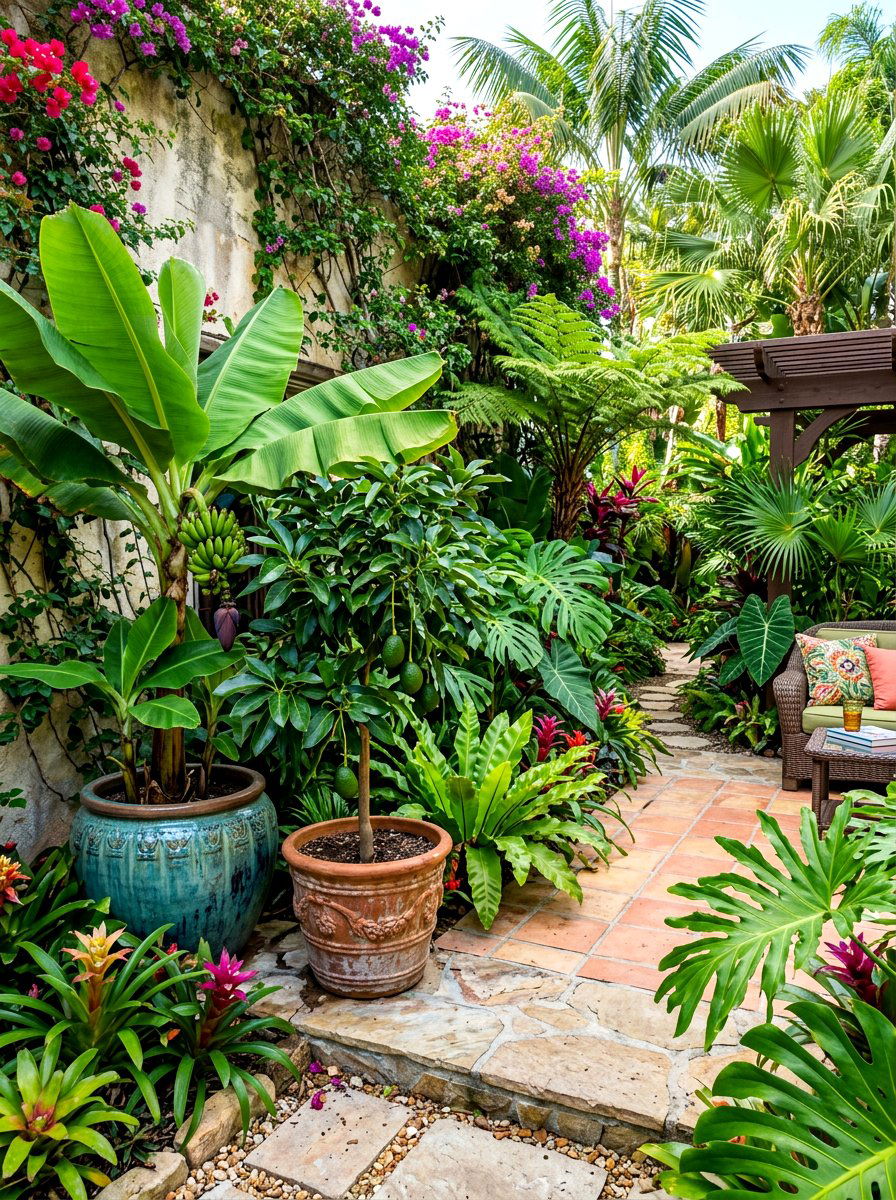
If you live in a warm climate or have a sunroom, a tropical dwarf fruit garden featuring avocados, bananas, and mangoes is a dream come true. Dwarf banana varieties like "Dwarf Cavendish" only reach about six to eight feet, making them perfectly sized for large pots on a patio. These plants provide an instant tropical vibe with their enormous leaves and exotic-looking flowers. Dwarf avocados like "Holiday" allow you to grow your own creamy fruit in a fraction of the space. This lush, high-impact garden style brings a sense of adventure to your home. The key to success is providing high humidity and protection from frost, allowing you to harvest exotic treats right from your doorstep.
25. Self Pollinating Dwarf Tree
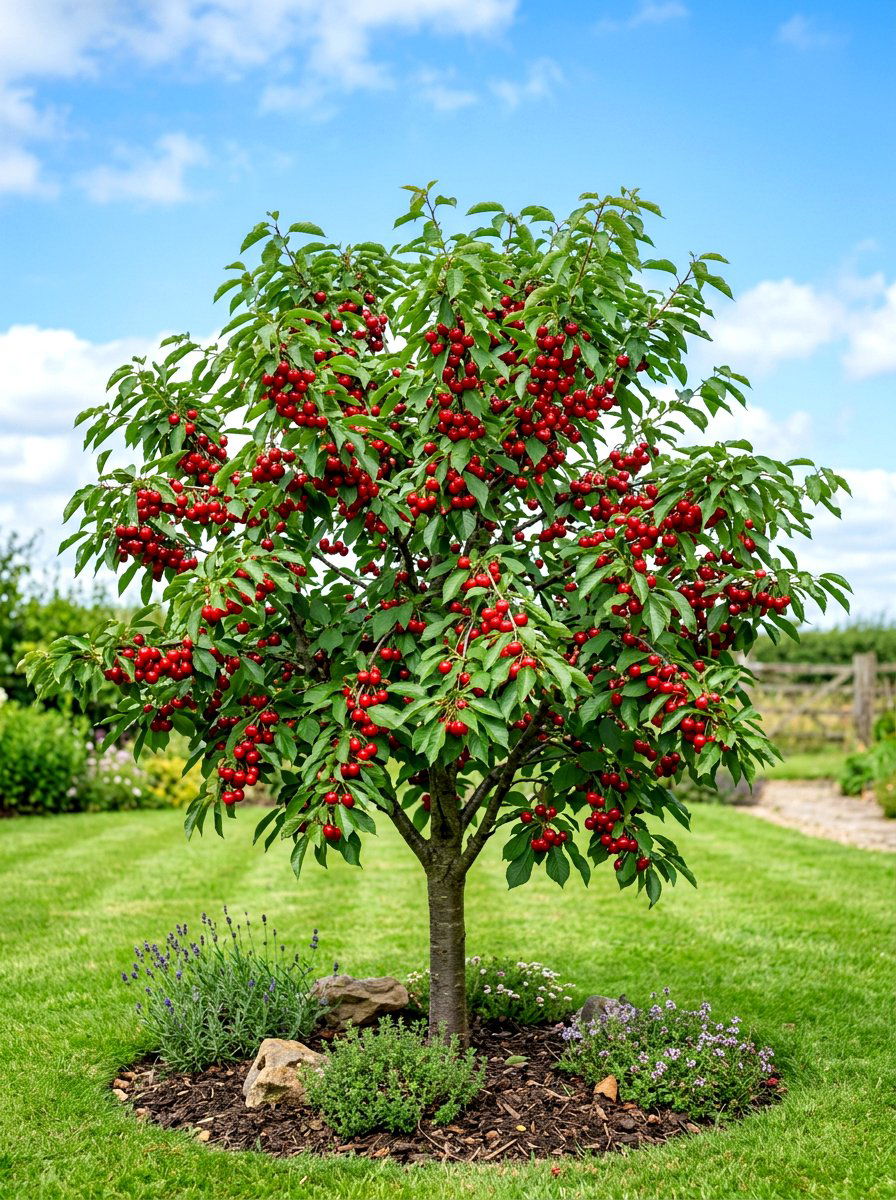
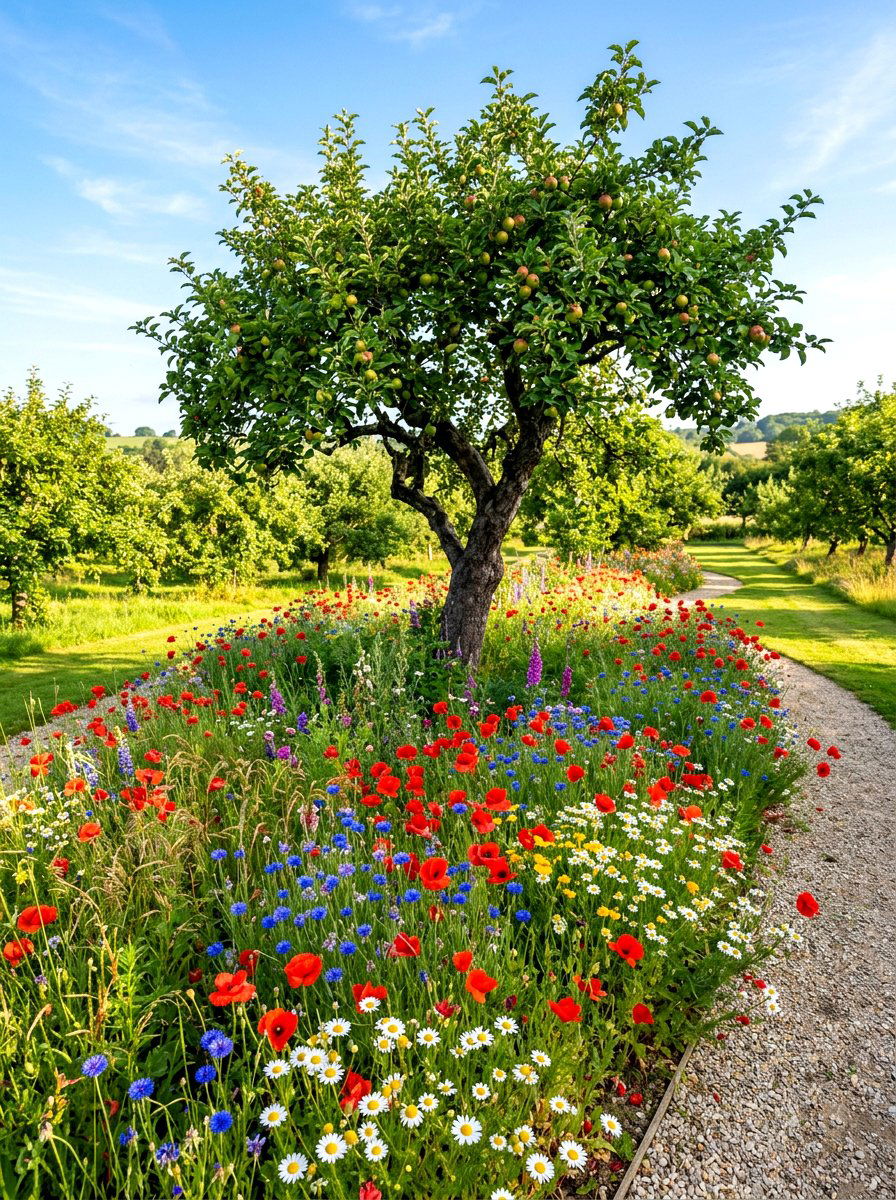
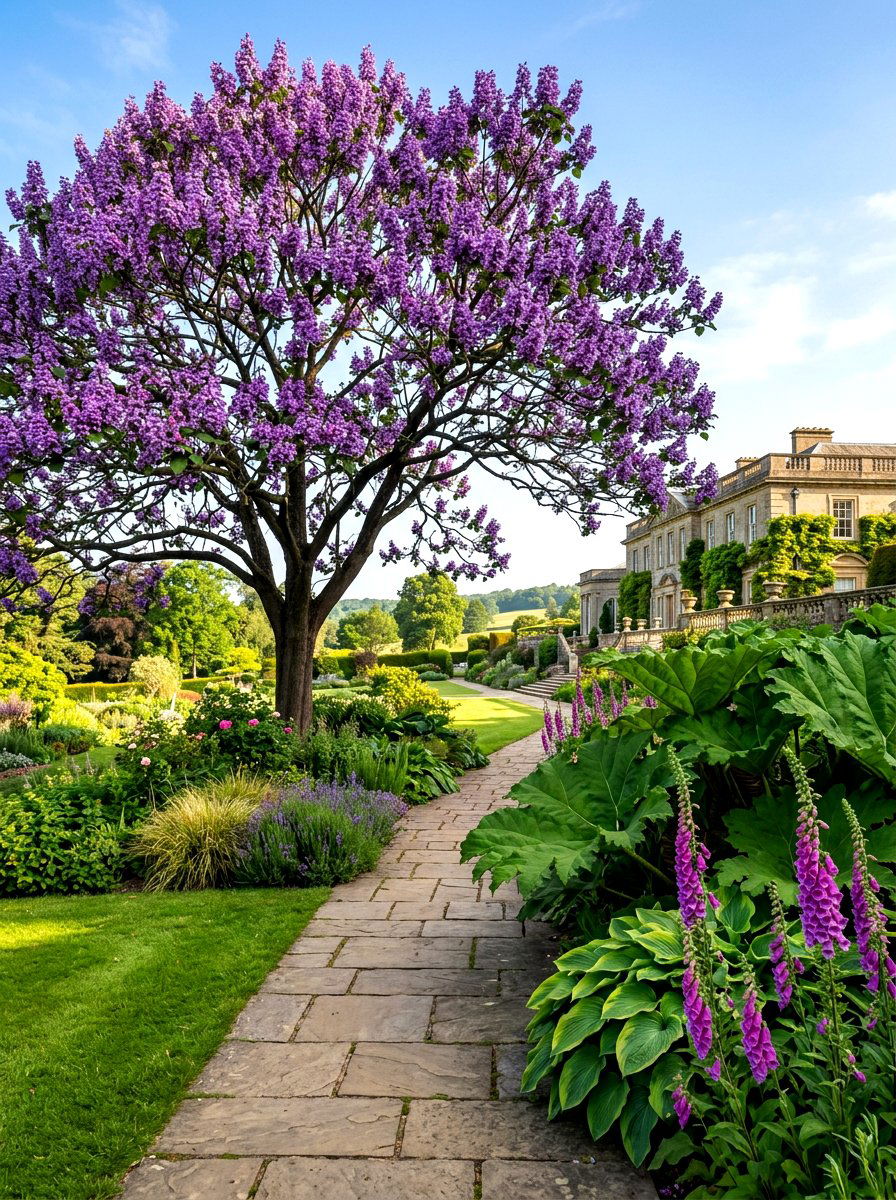
Choosing a self-pollinating dwarf fruit tree is the smartest move for a gardener with room for only one specimen. Many people don't realize that some trees require a second variety nearby to produce fruit, but self-fertile dwarfs like certain apples, peaches, and cherries do the job all on their own. This simplifies your garden design and ensures a successful harvest regardless of what your neighbors are growing. Placing a single, high-yielding tree like a self-fertile dwarf cherry in a prominent spot allows you to focus all your care and attention on one plant. It is an efficient and foolproof way to enter the world of fruit gardening without needing a lot of technical knowledge or space.
26. Fruit Tree Privacy Screen
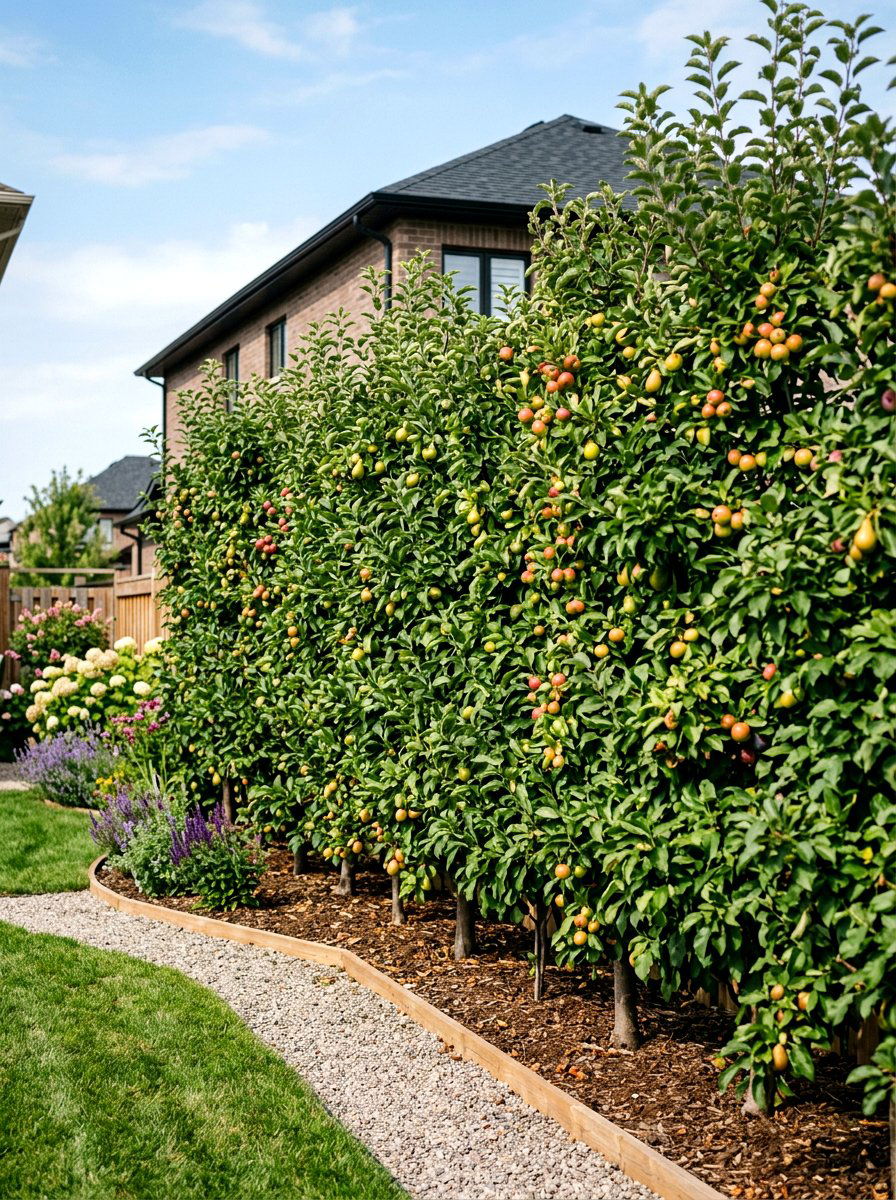
Dwarf fruit trees can be planted closely together to create a dense, productive privacy screen that blocks unwanted views while feeding your family. By selecting varieties with similar growth rates and heights, you can form a seamless green wall that is far more attractive than a standard fence. This living barrier provides a habitat for birds and beneficial insects, adding life to your garden. During the harvest season, your "fence" becomes a source of fresh snacks for you and your guests. This dual-purpose design is excellent for narrow suburban lots where you need to maximize every inch for both function and beauty. It transforms a boundary into a highlight of your outdoor living area.
27. Dwarf Pomegranate Tree Patio
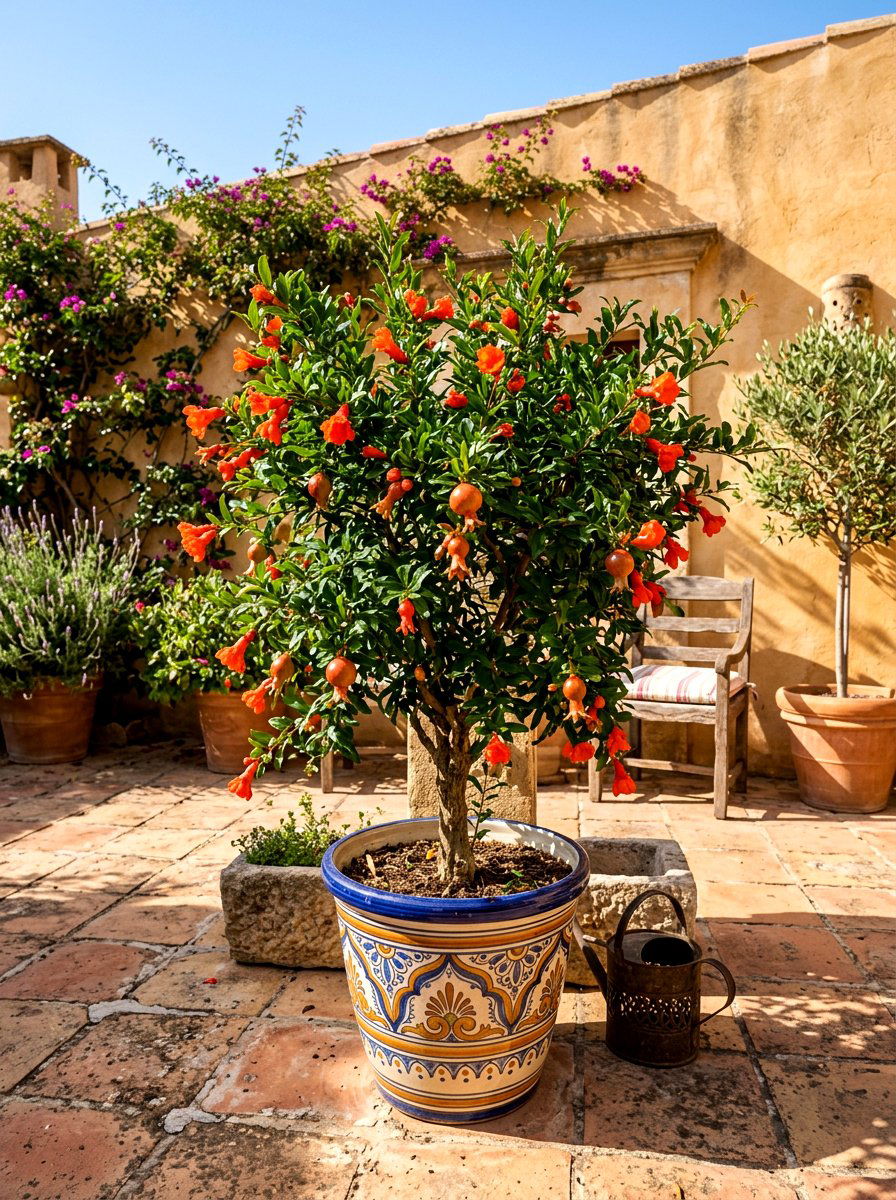
Dwarf pomegranates are incredibly ornamental plants that thrive in the heat and sun of a paved patio. The "Nana" variety is a true dwarf, reaching only about three feet in height, making it an excellent candidate for decorative containers. These trees feature stunning, bell-shaped orange flowers that are followed by small, jewel-like fruits. Their fine-textured, glossy foliage provides a delicate look that contrasts beautifully with bolder plants. Pomegranates are very drought-tolerant, making them a resilient choice for forgotten corners of a sunny patio. They add a touch of ancient, exotic history to your garden and provide healthy, antioxidant-rich fruit that is as beautiful to look at as it is to eat.
28. Vertical Dwarf Fruit Garden
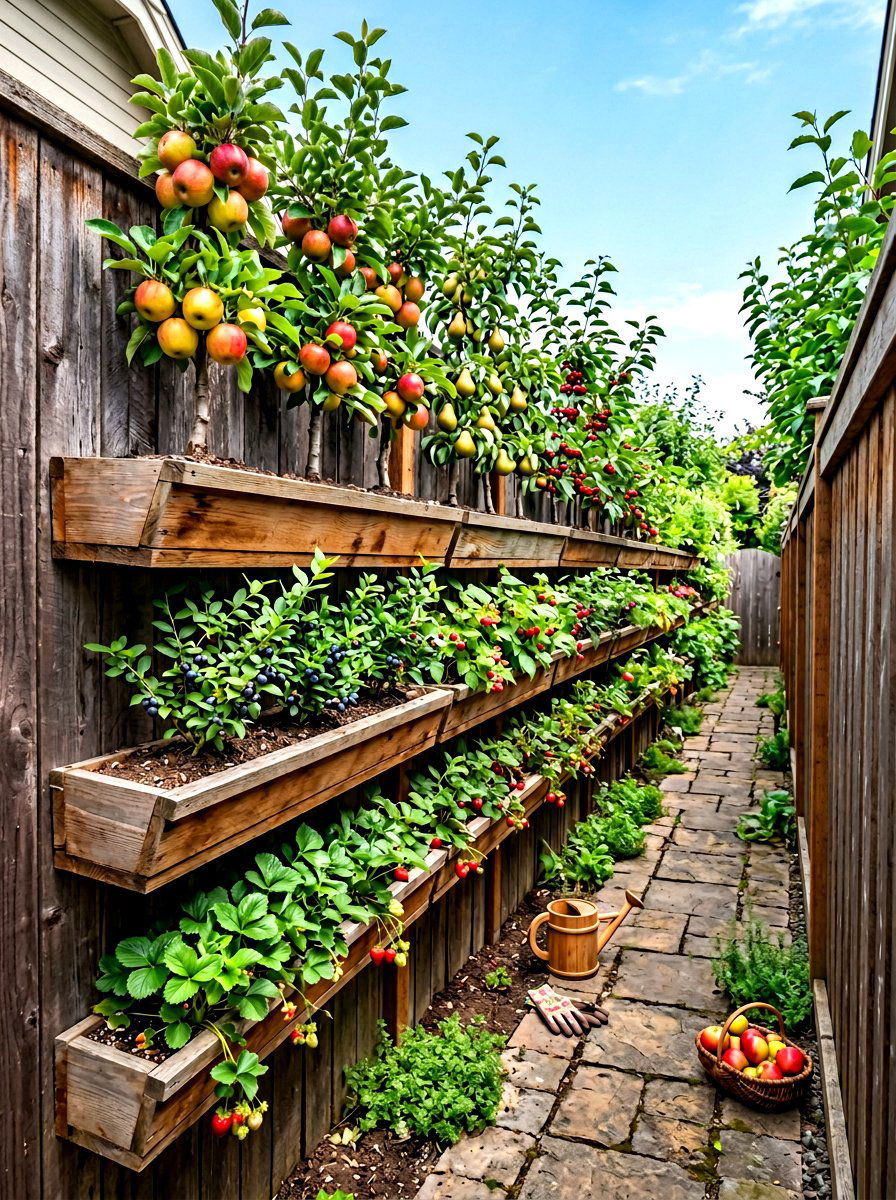
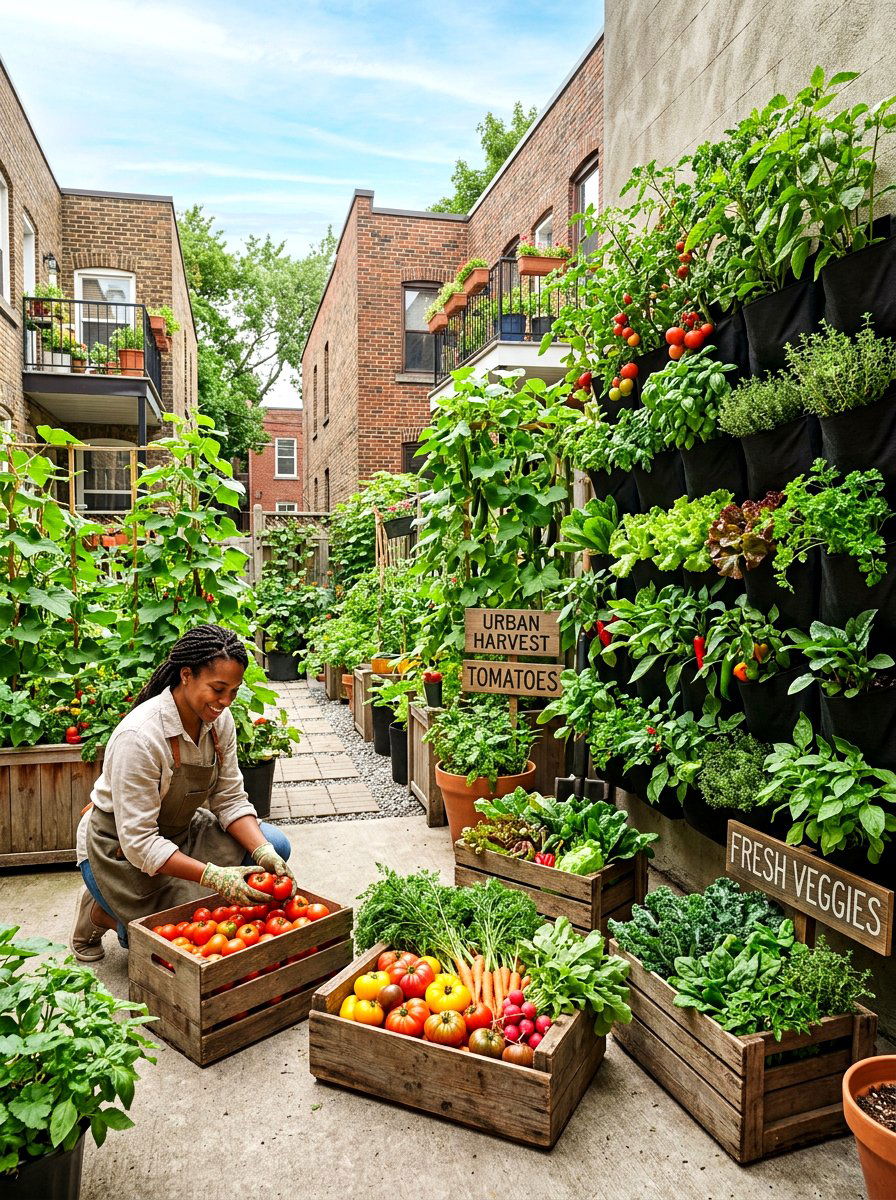
A vertical fruit garden utilizes wall-mounted planters or tiered structures to grow dwarf trees upwards rather than outwards. This is the ultimate solution for extremely tight spaces like side alleys or small balconys where floor space is a premium. By using lightweight, modern containers and sturdy wall brackets, you can create a literal wall of fruit. This setup makes for an incredibly easy harvest, as the trees are at eye level. It also keeps the fruit away from ground pests like slugs or rabbits. With proper irrigation and nutrient management, a vertical orchard can be just as productive as a traditional one, proving that where there is a will and a wall, there is a way to garden.
29. Seasonal Color Fruit Orchard
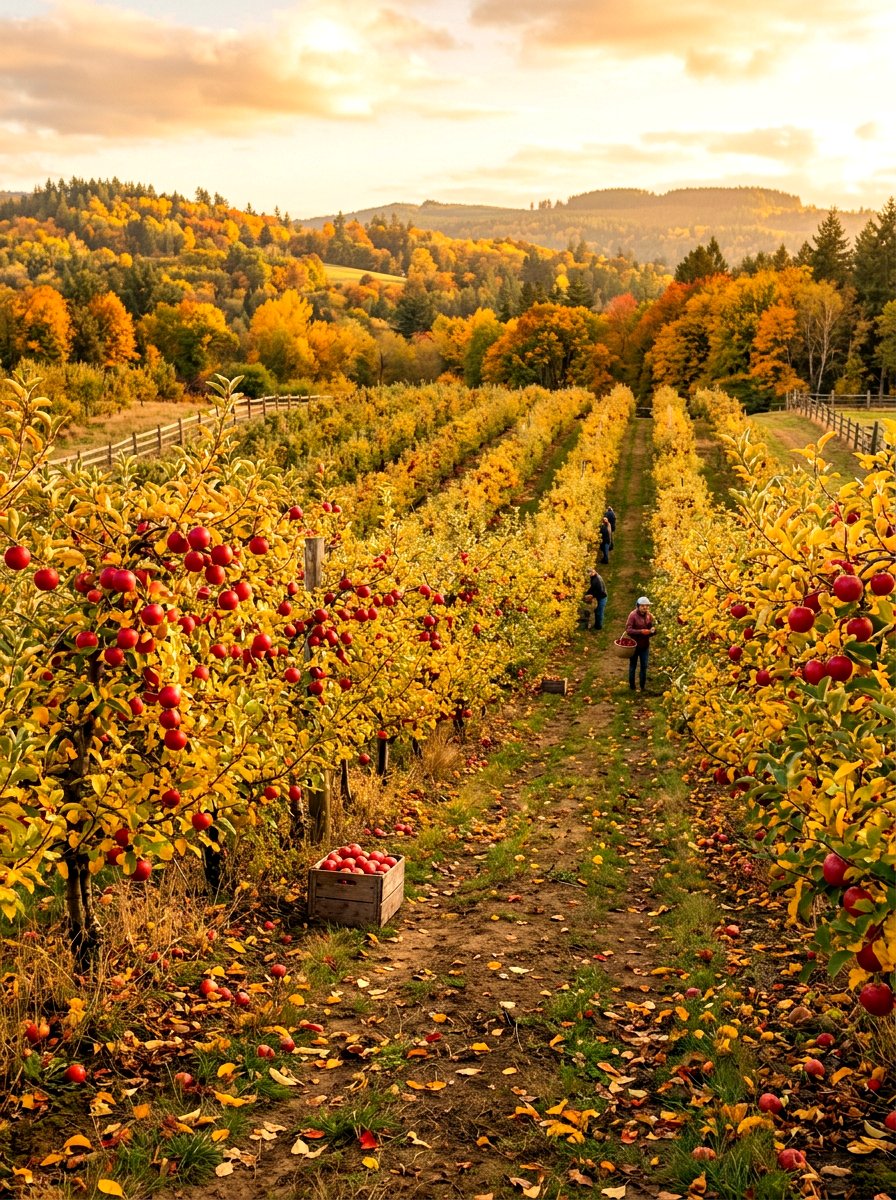
Designing your dwarf orchard with seasonal color in mind ensures your garden is a visual treat all year long. By selecting a mix of trees that bloom and fruit at different times, you create a dynamic landscape that is constantly changing. Start with early-blooming apricots and cherries for spring color, followed by the lush green of summer peaches, and ending with the vibrant red and gold of autumn apples. Even in winter, the structured silhouettes of pruned dwarf trees provide architectural interest against the snow or grey sky. This thoughtful planning turns your fruit garden into a year-round artistic display that celebrates the passing of the seasons through color, texture, and delicious, home-grown flavors.
30. Indoor Dwarf Fruit Tree Room
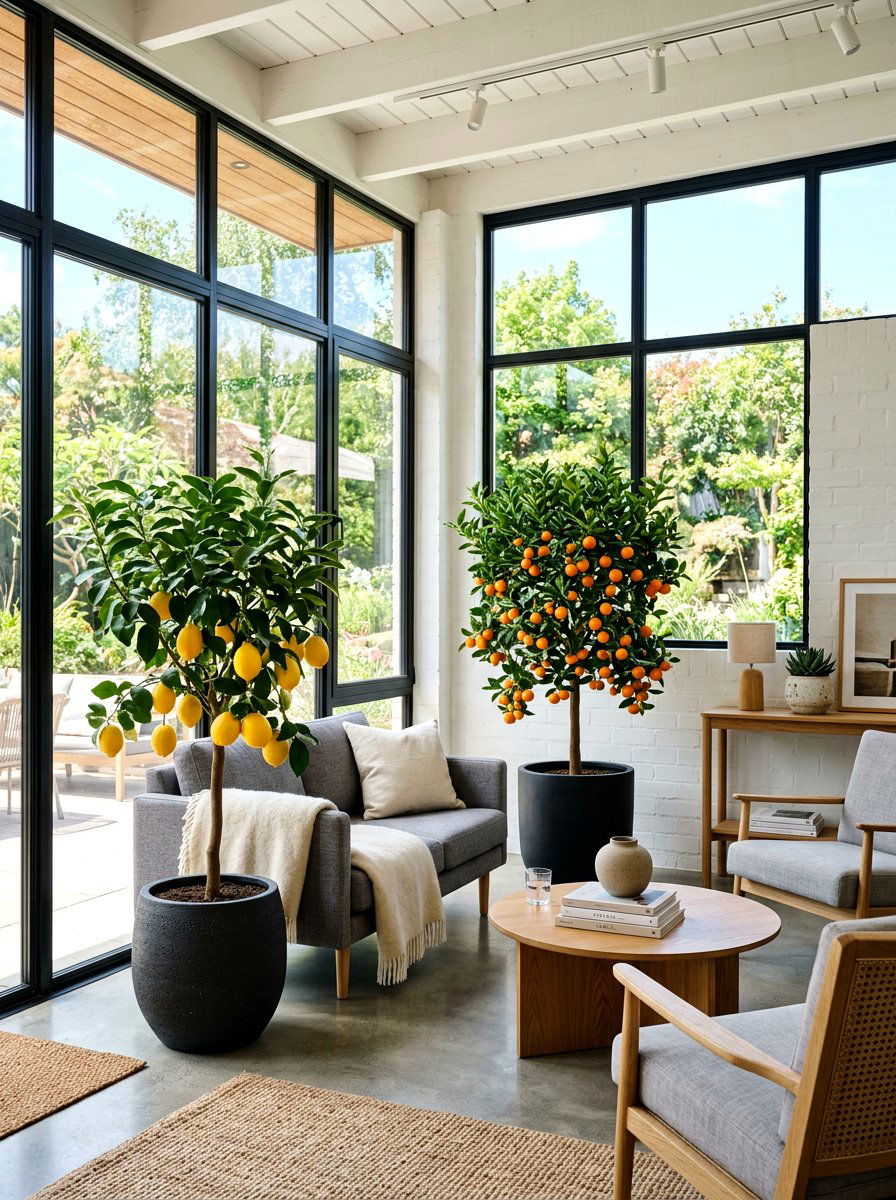
For those without any outdoor space, an indoor fruit room or a sunny nook with dwarf trees brings the outdoors in. Dwarf citrus trees, like calamondins or lemons, are famous for their ability to thrive indoors if given enough light from a south-facing window or grow lights. The fragrance of citrus blossoms can fill an entire room, providing a natural air freshener and a mood boost. Growing fruit indoors allows you to control the environment perfectly, protecting your plants from pests and extreme weather. It turns a corner of your living room or kitchen into a lush, green sanctuary where you can literally pick a fresh garnish for your evening meal or a healthy snack.
Conclusion:
Integrating dwarf fruit trees into your home environment is one of the most rewarding gardening projects you can undertake. These versatile plants prove that you do not need a massive estate to enjoy the unparalleled taste of sun-ripened, organic fruit. From the structured elegance of espalier to the convenience of container gardening, there is a dwarf fruit tree solution for every style and space. By choosing the right varieties and layouts, you can transform your patio, balcony, or backyard into a productive and beautiful oasis. Not only do these trees provide a healthy food source, but they also enhance your home's aesthetic and connect you deeply with the natural cycle of growth. Start your miniature orchard today and experience the simple joy of a home-grown harvest that fits perfectly into your modern lifestyle.

Related posts: