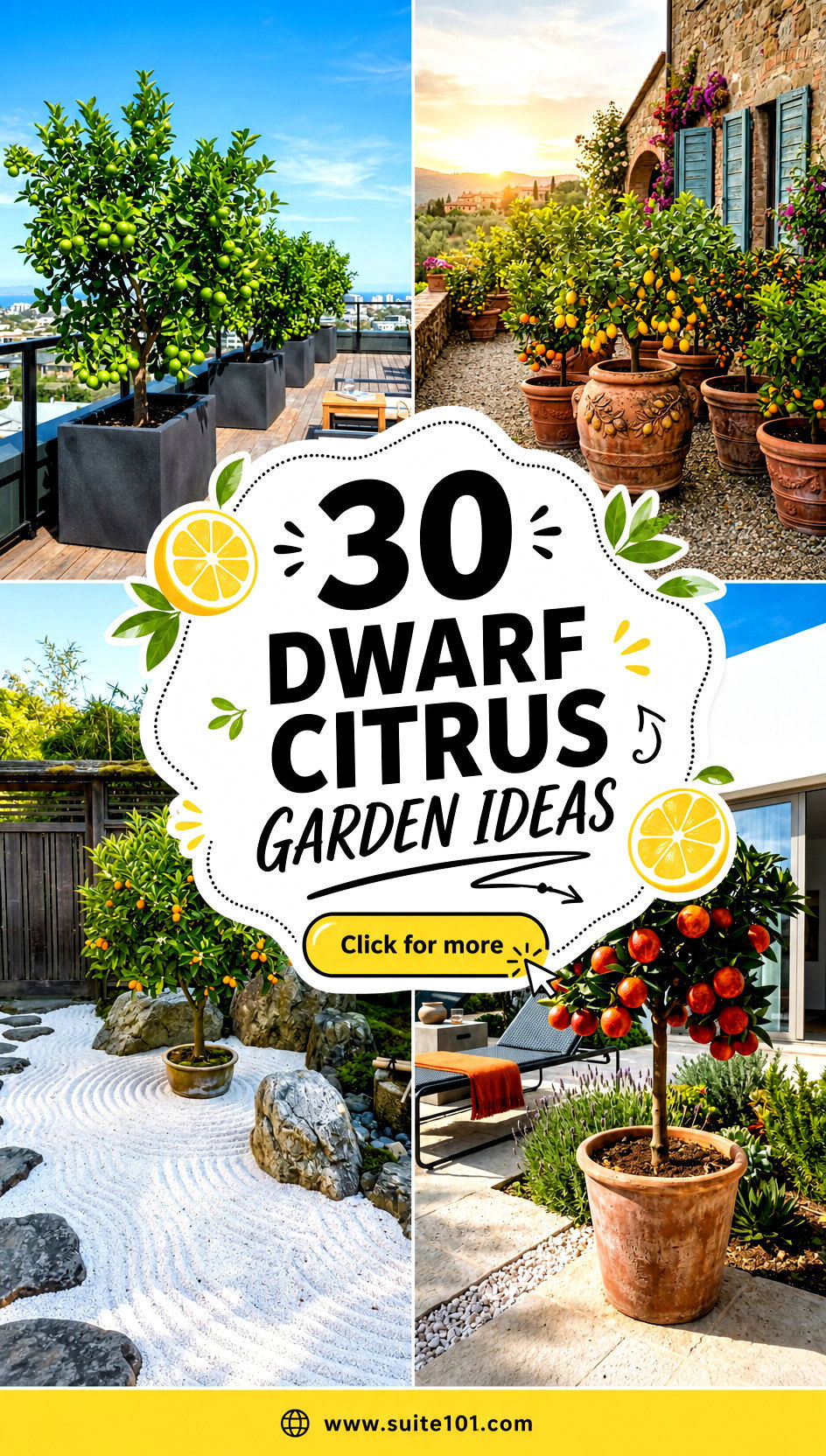
Bringing the fresh scent and vibrant colors of a Mediterranean landscape to your doorstep is easier than ever with dwarf citrus garden ideas. These miniature marvels allow anyone, regardless of space constraints, to experience the joy of harvesting homegrown fruit. Whether you have a sprawling suburban backyard or a compact urban balcony, dwarf citrus trees provide a perfect blend of ornamental beauty and practical utility. Their glossy evergreen leaves, fragrant white blossoms, and bright, sun-kissed fruits create a multi-sensory experience that enhances any outdoor or indoor living area. This guide explores creative ways to integrate these versatile trees into your home environment for maximum visual impact and productivity.
1. Meyer Lemon Patio Garden
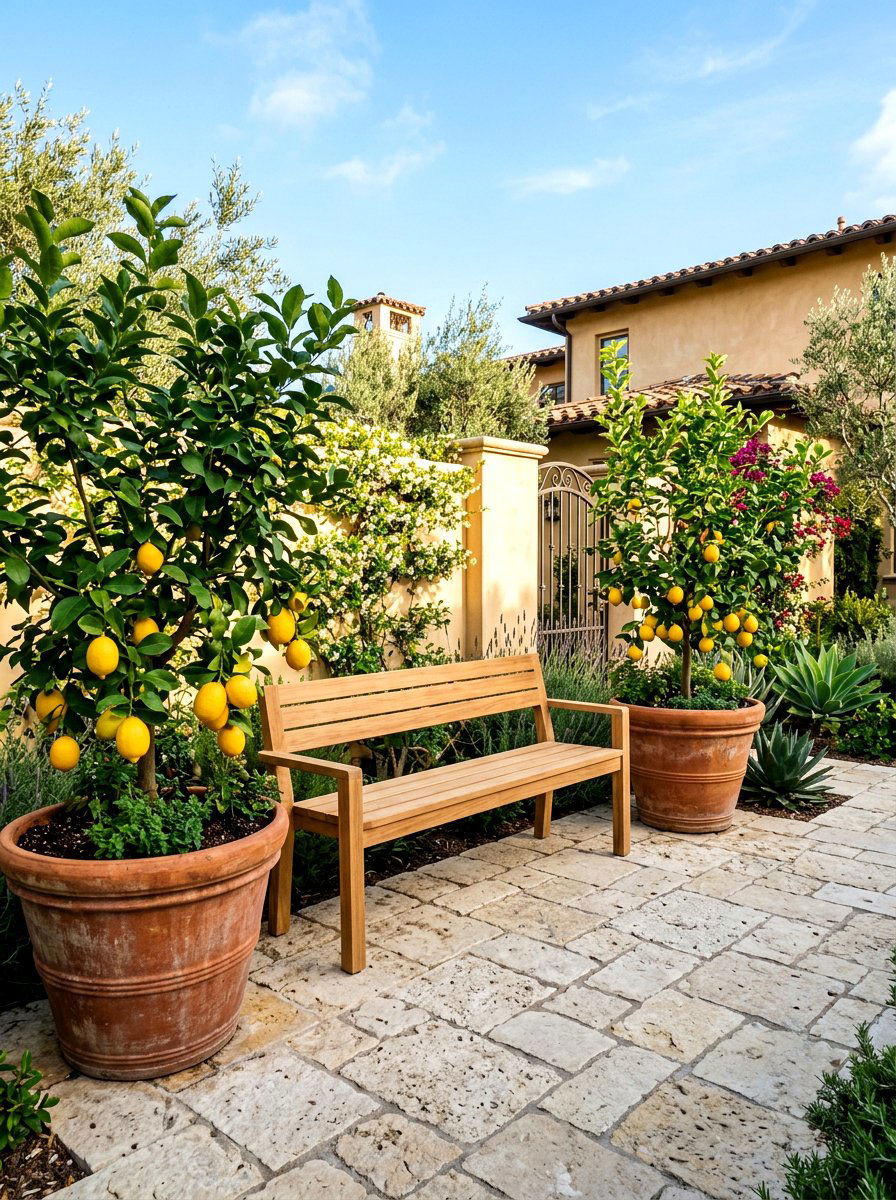
Creating a Meyer lemon patio garden is a fantastic way to blend functionality with high-end aesthetic appeal. These trees are famous for their thin-skinned, sweet fruit and their ability to thrive in large, well-draining pots. To design this space, place a pair of matched terracotta or glazed ceramic planters on either side of a seating area to create a symmetrical, inviting look. The vibrant yellow lemons contrast beautifully against deep green foliage, providing a natural pop of color that feels both fresh and sophisticated. Regular pruning helps maintain a rounded, compact shape, ensuring the tree remains a manageable and stunning focal point for your outdoor relaxation zone.
2. Calamondin Balcony Pots
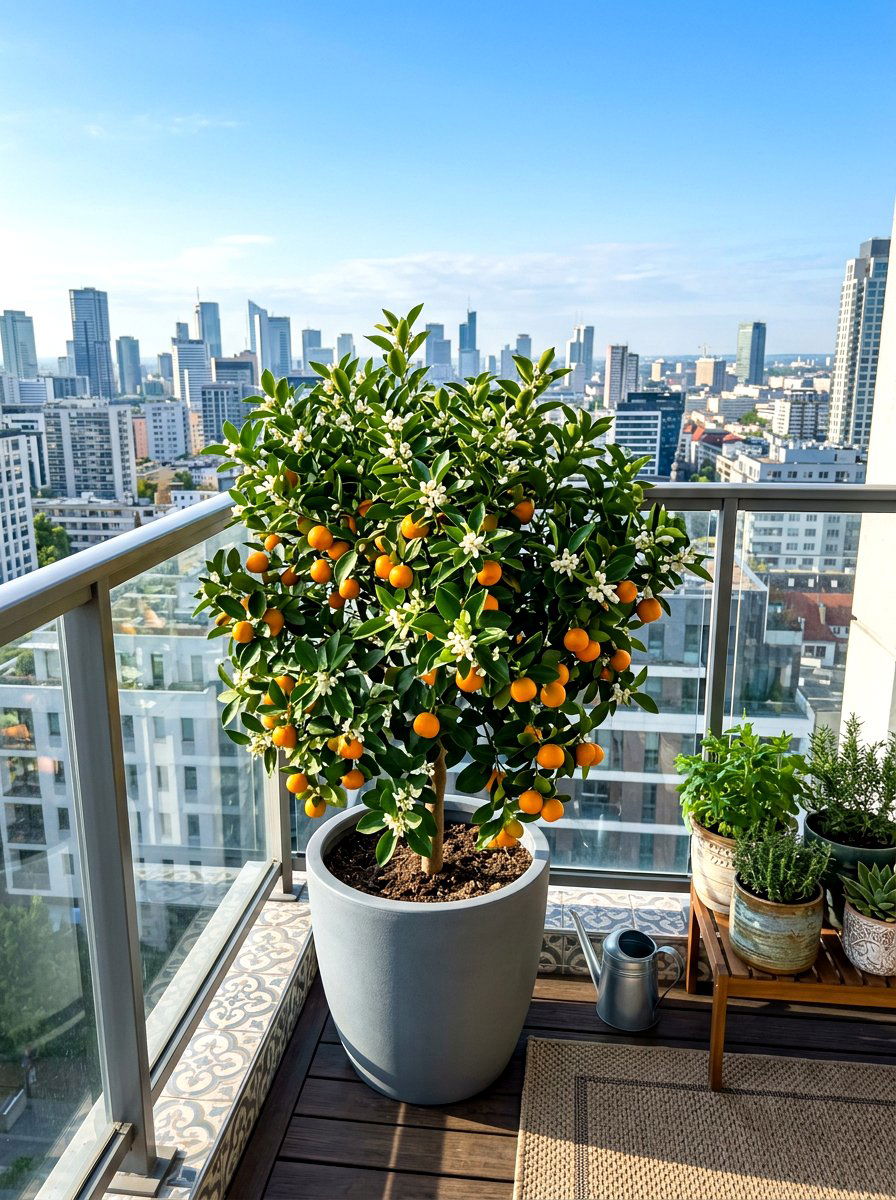
For those with limited square footage, calamondin balcony pots offer a productive and decorative solution that fits perfectly into urban living. Calamondin trees are naturally small and highly prolific, often covered in tiny, orange-like fruits and intensely fragrant flowers simultaneously. When designing your balcony, choose sleek, modern fiberglass planters to keep the weight manageable while providing a contemporary look. Position the pots in the sunniest corner to ensure the fruit ripens fully. These trees act as living screens, offering a bit of privacy while filling the air with a sweet, citrusy perfume that makes a small outdoor space feel like a private oasis.
3. Small Backyard Citrus Orchard
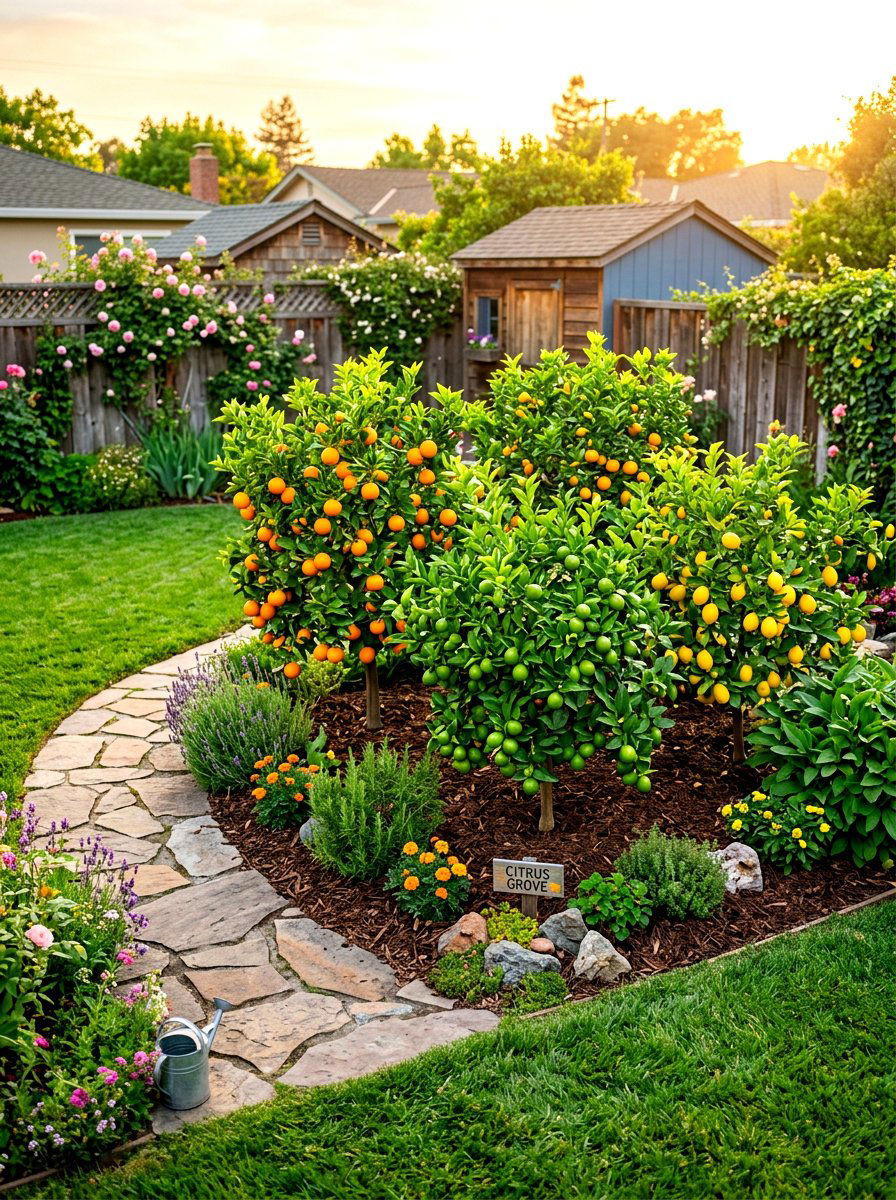
Transforming a modest lawn into a small backyard citrus orchard allows you to enjoy a variety of flavors without needing an acre of land. By grouping different dwarf varieties like limes, oranges, and mandarins together, you create a lush, tiered effect that maximizes every inch of soil. Use organic mulch around the base of the trees to retain moisture and keep the garden looking tidy and professional. Planting them in a semi-circle or a dedicated corner creates a cozy, "secret garden" vibe. This setup not only provides an abundance of fresh fruit throughout the year but also increases the biodiversity and visual interest of your landscape.
4. Potted Lime Tree Terrace
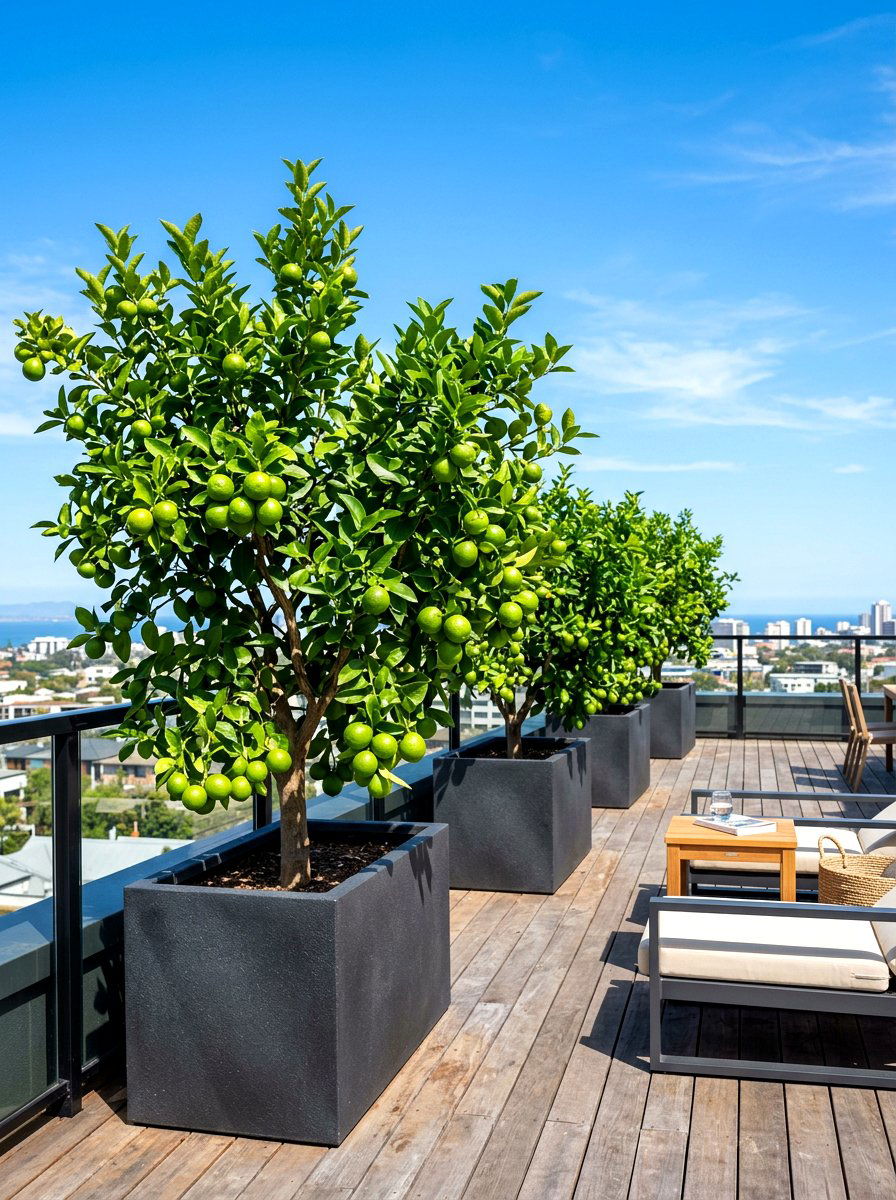
A potted lime tree terrace brings a crisp, refreshing energy to any elevated outdoor space, making it perfect for entertaining and summer cocktails. Dwarf Bearss or Mexican limes are excellent choices for large containers because they maintain a manageable size while producing heavy crops. Arrange several pots in a row along a terrace railing to define the space and provide a lush, green border. Using neutral-toned pots like slate gray or sandy beige allows the bright green limes to stand out as the star of the design. The architectural shape of the lime tree adds a structural element that complements modern outdoor furniture and clean lines.
5. Dwarf Orange Tree Landscaping
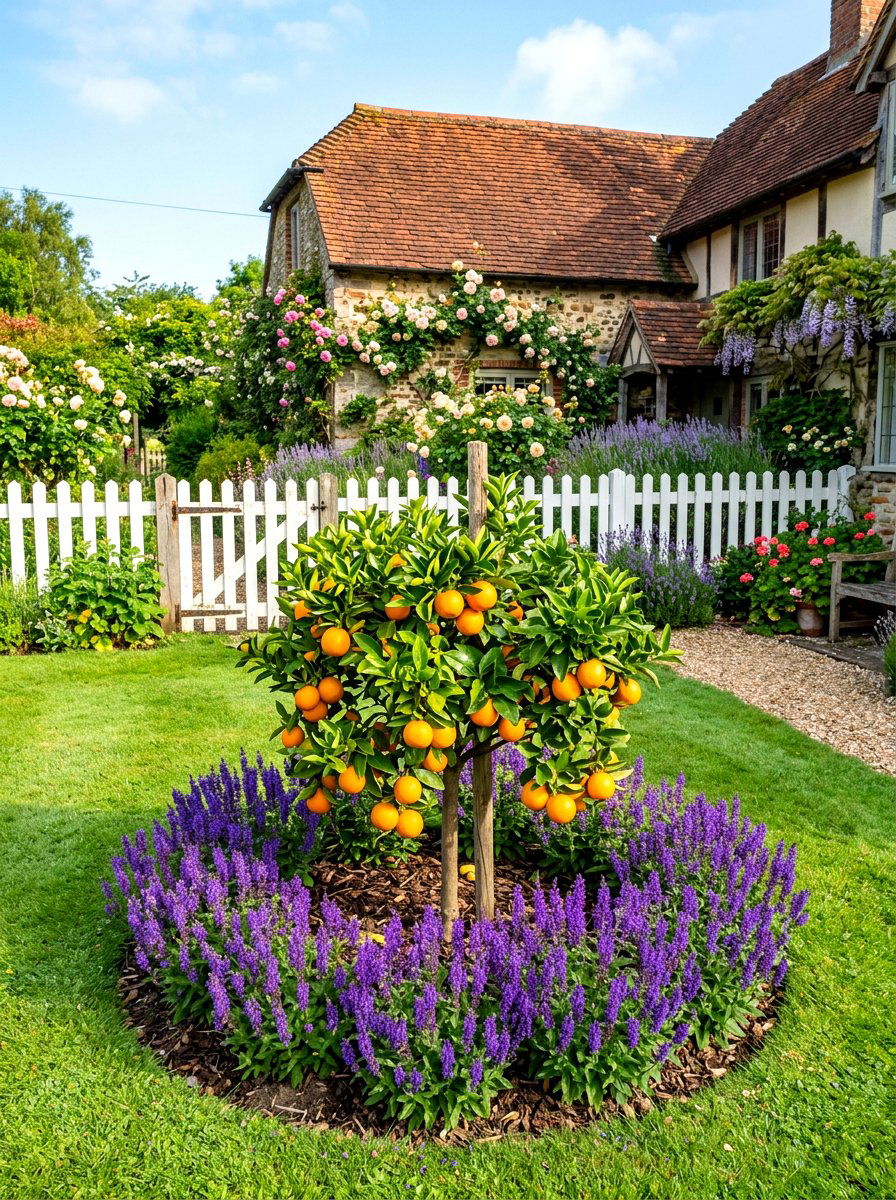
Integrating dwarf orange tree landscaping into your front or back yard adds a classic, timeless feel that boosts curb appeal and provides delicious snacks. These trees work beautifully when planted directly in the ground as part of a mixed shrub border or as standalone specimens in a manicured lawn. Choose a dwarf Navel or Trovita variety to ensure the tree stays under eight feet tall, making harvesting easy without a ladder. Surround the base with low-growing flowering perennials or silver-toned groundcovers to create a layered, professional garden look. The sight of bright orange fruit against a backdrop of dark green leaves is a perennial favorite for many homeowners.
6. Kumquat Entry Walkway
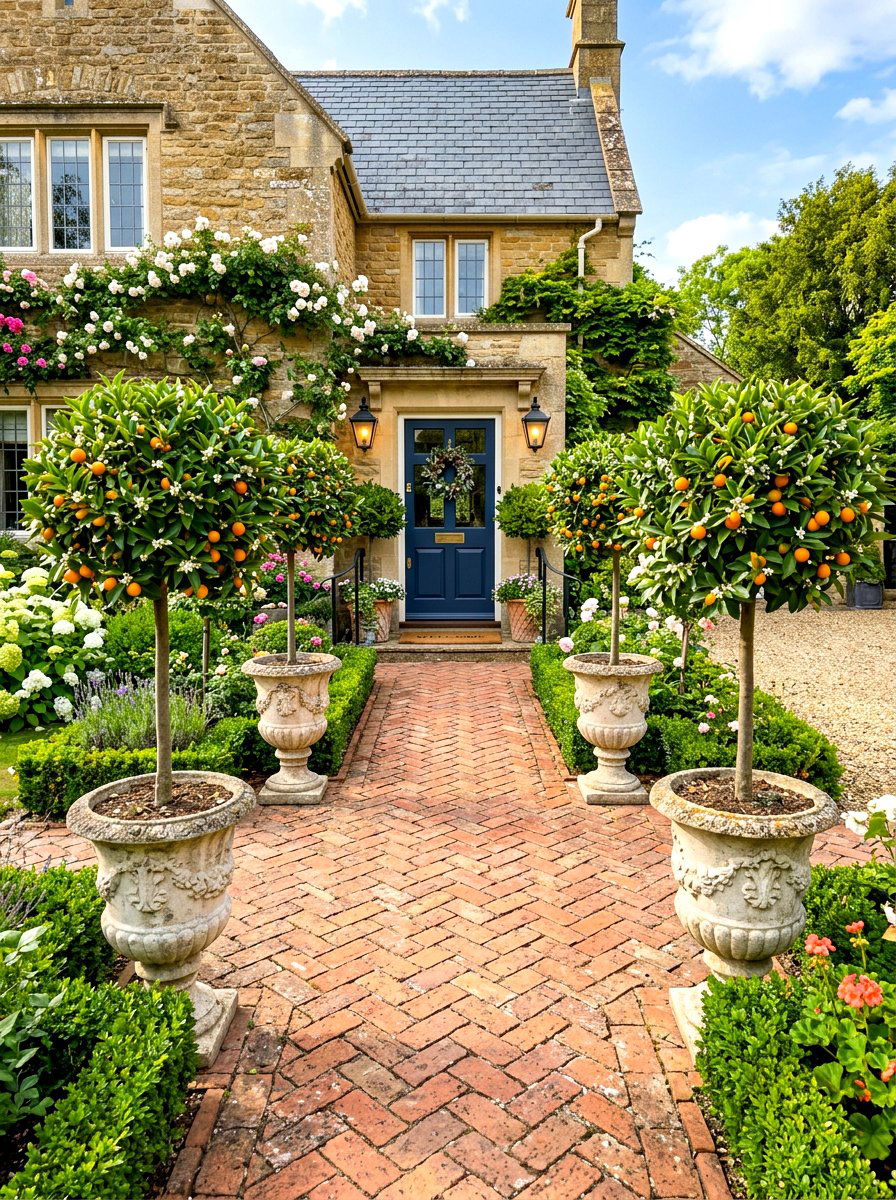
Designing a kumquat entry walkway creates a warm and fruitful welcome for guests as they approach your front door. Kumquats are unique because they are small, hardy, and can be eaten whole, skin and all, making them a fun conversation piece. Plant them in decorative urns and space them evenly along the path to create a sense of rhythm and formal elegance. Their dense, shrub-like growth habit makes them ideal for shaping into neat globes or pyramids. As visitors walk by, they can enjoy the sweet scent of the blossoms and the charming sight of hundreds of tiny, glowing orange fruits hanging from the branches.
7. Rooftop Citrus Container Garden
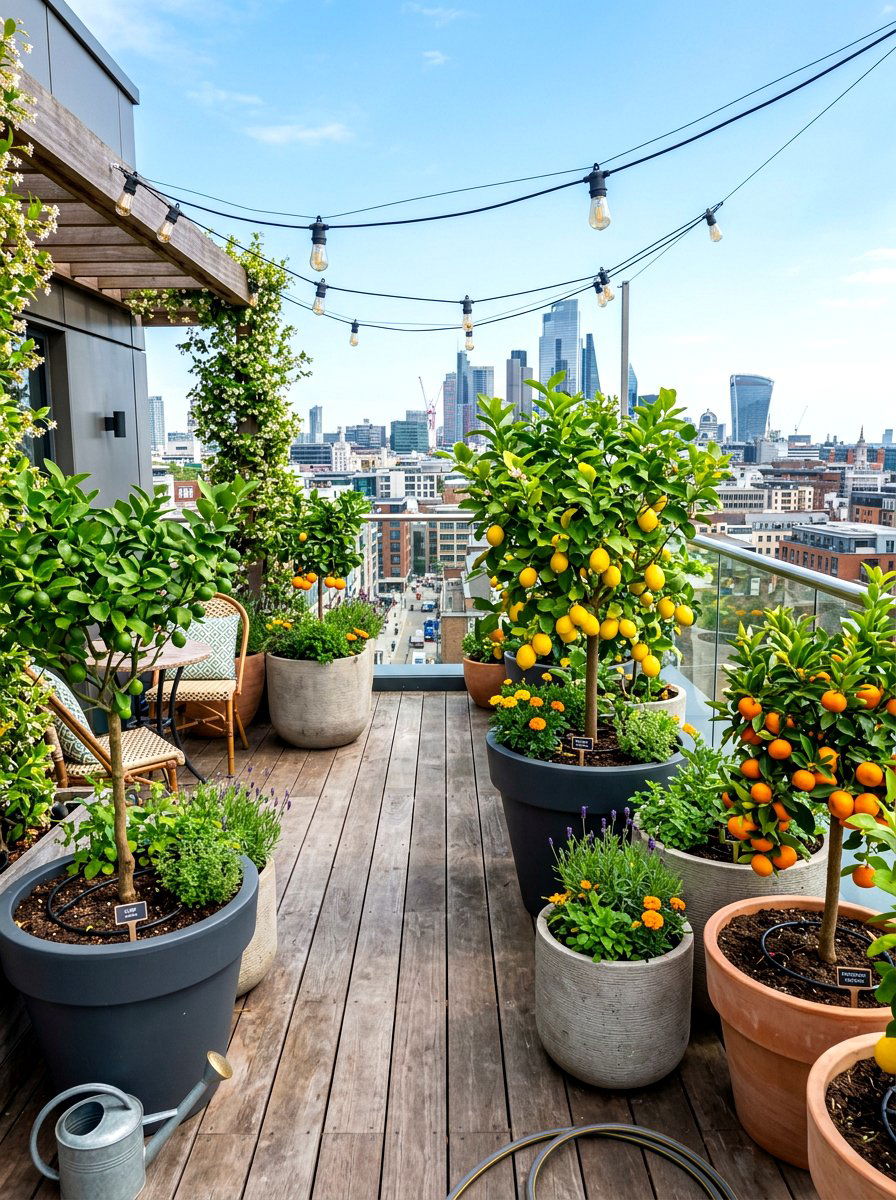
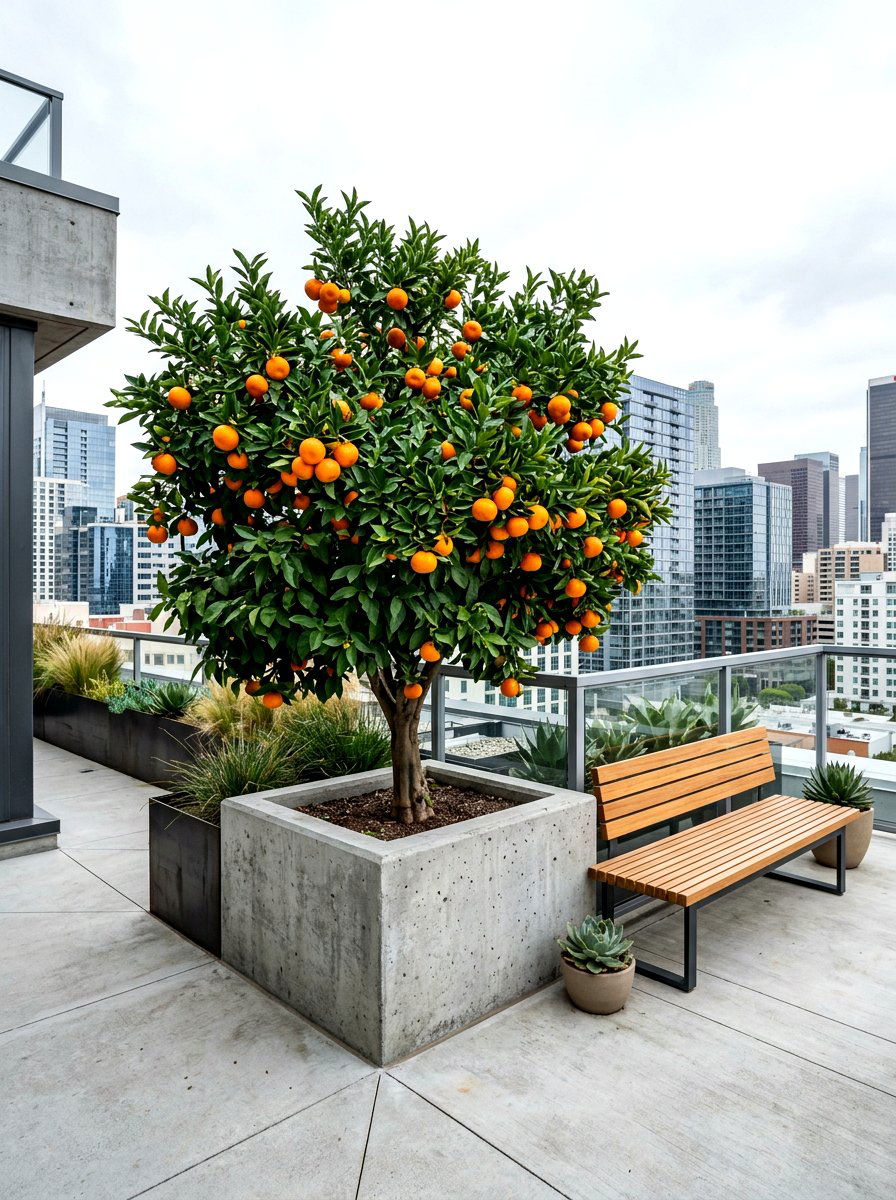
A rooftop citrus container garden turns an underutilized urban space into a high-yielding, sun-drenched sanctuary that feels miles away from the city bustle. Because rooftops often experience high winds and intense sun, choosing sturdy, heavy pots and dwarf citrus varieties like the Australian Finger Lime or Eustis Limequat is essential. Arrange the containers in clusters to create microclimates that protect the plants and retain humidity. Using automated drip irrigation ensures the trees stay hydrated in the exposed environment. The result is a lush, green skyline retreat where you can pick fresh fruit for your morning juice while enjoying panoramic views of the surrounding city architecture.
8. Espaliered Lemon Wall
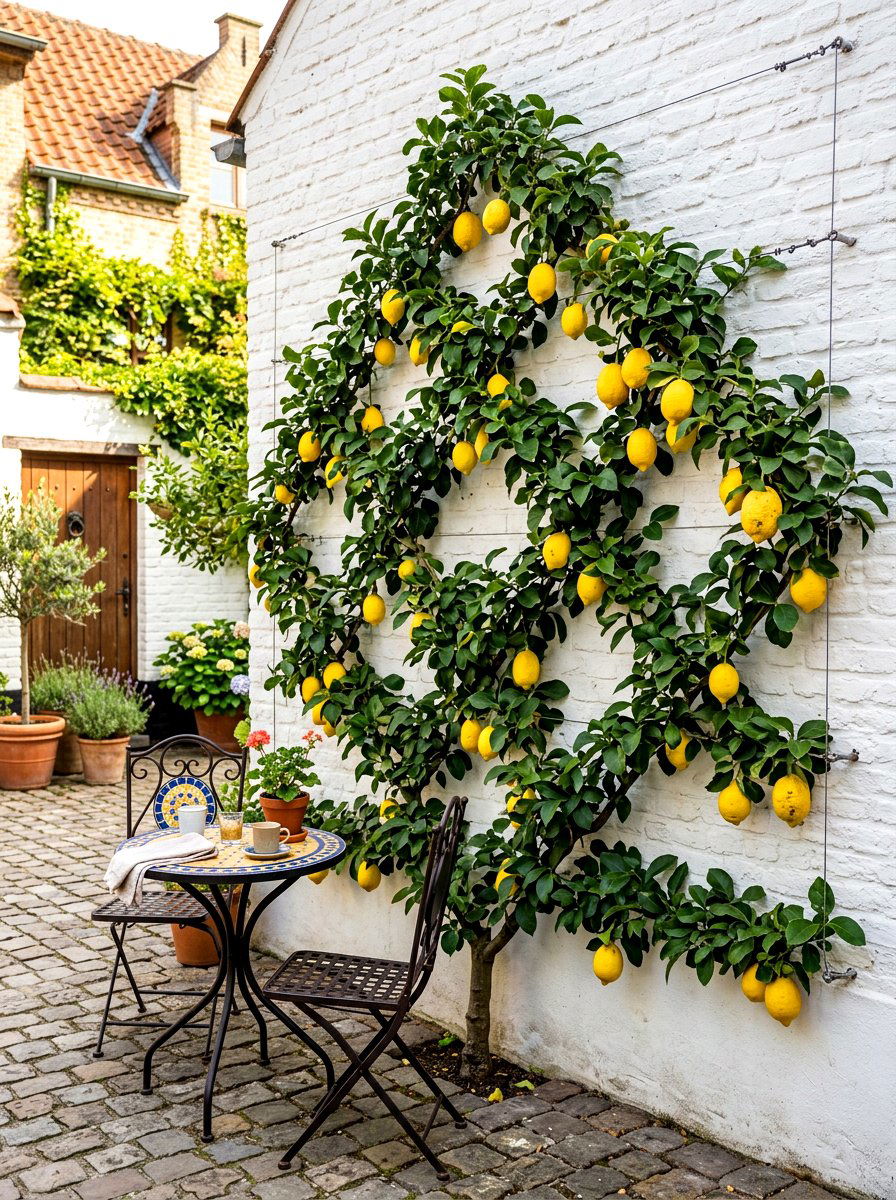
Creating an espaliered lemon wall is a brilliant space-saving technique that turns a plain fence or brick wall into a living work of art. By training a dwarf lemon tree to grow flat against a support structure, you maximize sunlight exposure and airflow, which often leads to larger, healthier fruit. This design is perfect for narrow side yards or small courtyards where traditional tree shapes might feel too cramped. Use heavy-duty wire and eye bolts to create a pattern, such as a fan or a diamond, and prune regularly to maintain the silhouette. It is a sophisticated way to add vertical greenery and a touch of European charm.
9. Miniature Citrus Patio Hedge
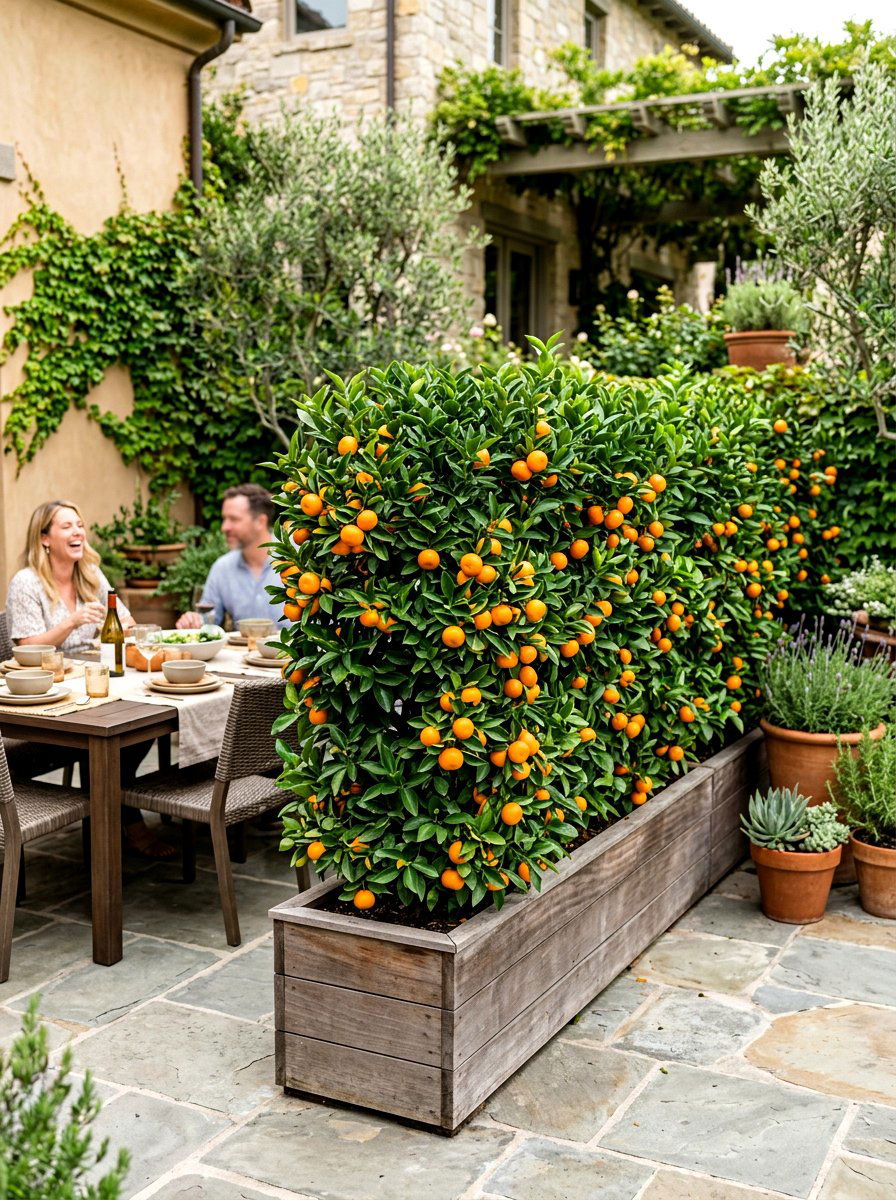
A miniature citrus patio hedge offers a functional and fragrant way to divide different zones in your outdoor living area without using heavy fencing. By planting dwarf varieties like the "Indio" Mandarinquat closely together in a long, rectangular planter, you create a dense wall of foliage and fruit. This living partition can separate a dining area from a lounge space, providing a sense of intimacy and seclusion. The constant cycle of white flowers and colorful fruit ensures the hedge remains visually interesting throughout every season. It is a natural, eco-friendly alternative to plastic screens that adds value and beauty to your home’s exterior.
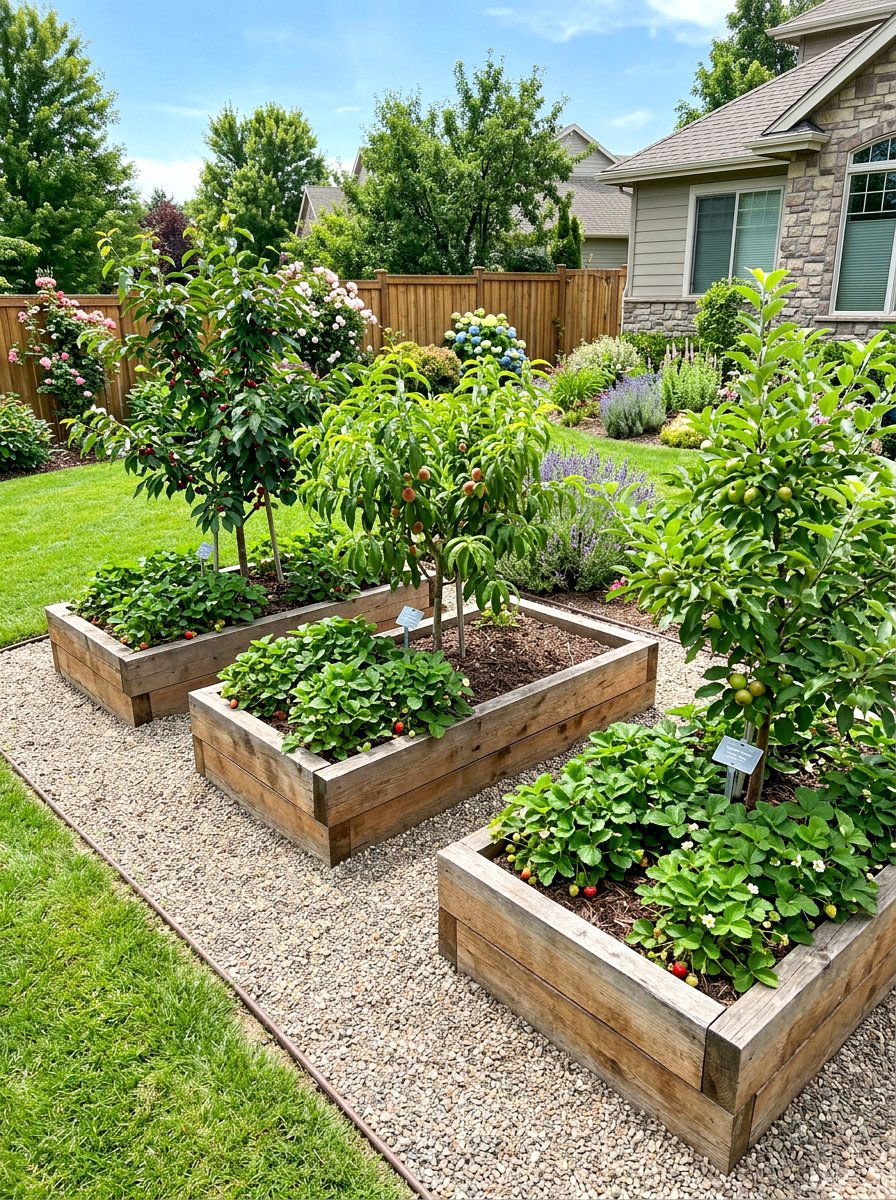
10. Mixed Citrus Herb Garden
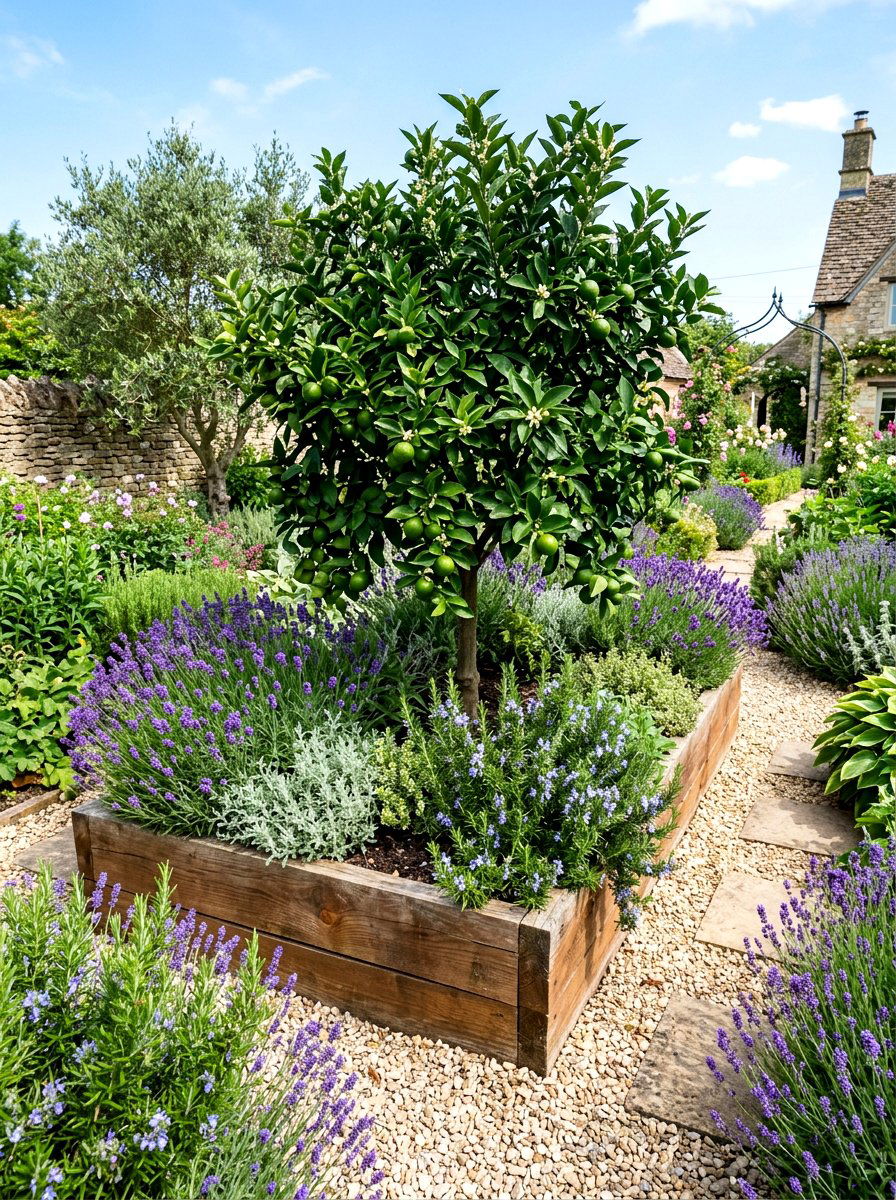
Combining a mixed citrus herb garden brings together the best of culinary and ornamental gardening in one cohesive and highly fragrant space. Plant a dwarf citrus tree, such as a Kaffir lime, in the center of a large raised bed and surround it with Mediterranean herbs like rosemary, thyme, and lavender. The herbs act as a living mulch, suppressing weeds and attracting beneficial pollinators that help the citrus tree thrive. This design works exceptionally well near a kitchen door, providing easy access to fresh ingredients for cooking. The blend of silver-green herbs and dark citrus leaves creates a beautiful, textured tapestry that smells absolutely incredible.
11. Indoor Dwarf Citrus Corner
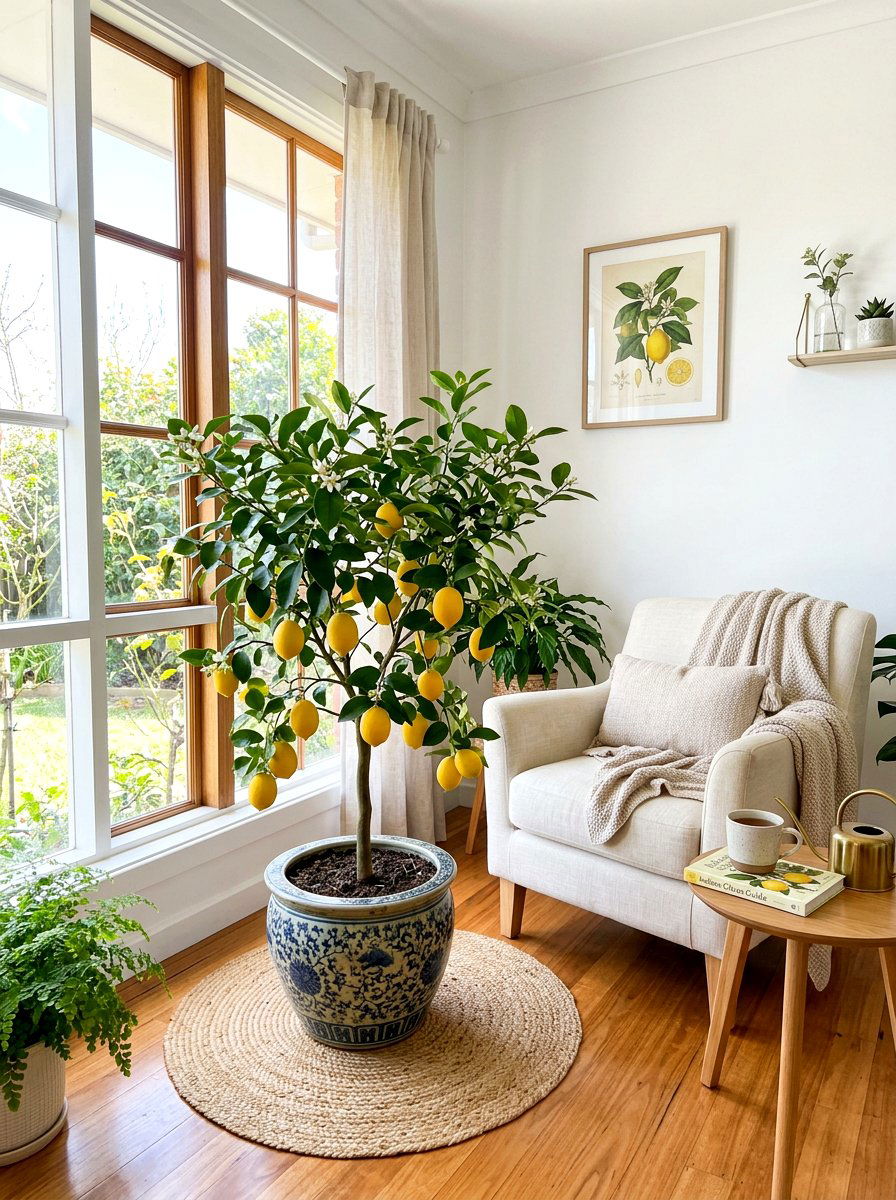
An indoor dwarf citrus corner allows you to enjoy the tropical beauty of fruit trees even if you live in a cold climate or lack outdoor space. Choose a high-light spot near a south-facing window and place a dwarf Calamondin or Meyer lemon in a decorative, well-draining pot. To enhance the look, set the pot on a saucer filled with pebbles and water to increase local humidity, which these trees love. Surround the tree with smaller indoor plants like ferns or pothos to create a lush, indoor jungle vibe. The bright fruit acts as a natural decor element that brings warmth and life to your interior design.
12. Buddha's Hand Specimen Garden
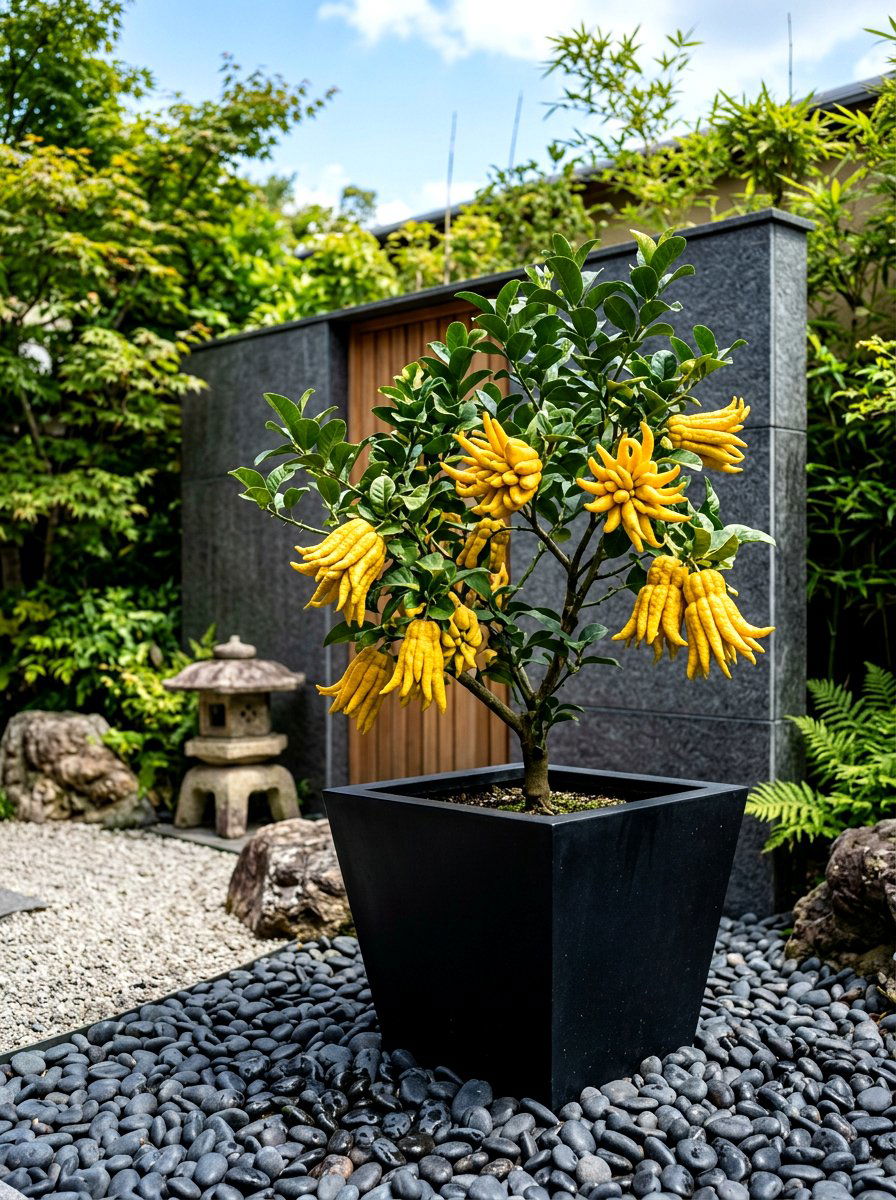
A Buddha's hand specimen garden focuses on the extraordinary and exotic shape of this unique citrus variety, making it a true centerpiece of the yard. Unlike traditional citrus, this fruit consists of long, finger-like segments and is grown primarily for its incredible fragrance and ornamental value. Plant it in a prominent spot where its unusual form can be appreciated, perhaps in a large, minimalist stone planter. Surround the base with dark river rocks or simple groundcovers to let the complex structure of the tree and fruit stand out. It serves as a fantastic focal point in a modern or Zen-inspired garden layout that sparks curiosity.
13. Dwarf Grapefruit Raised Beds
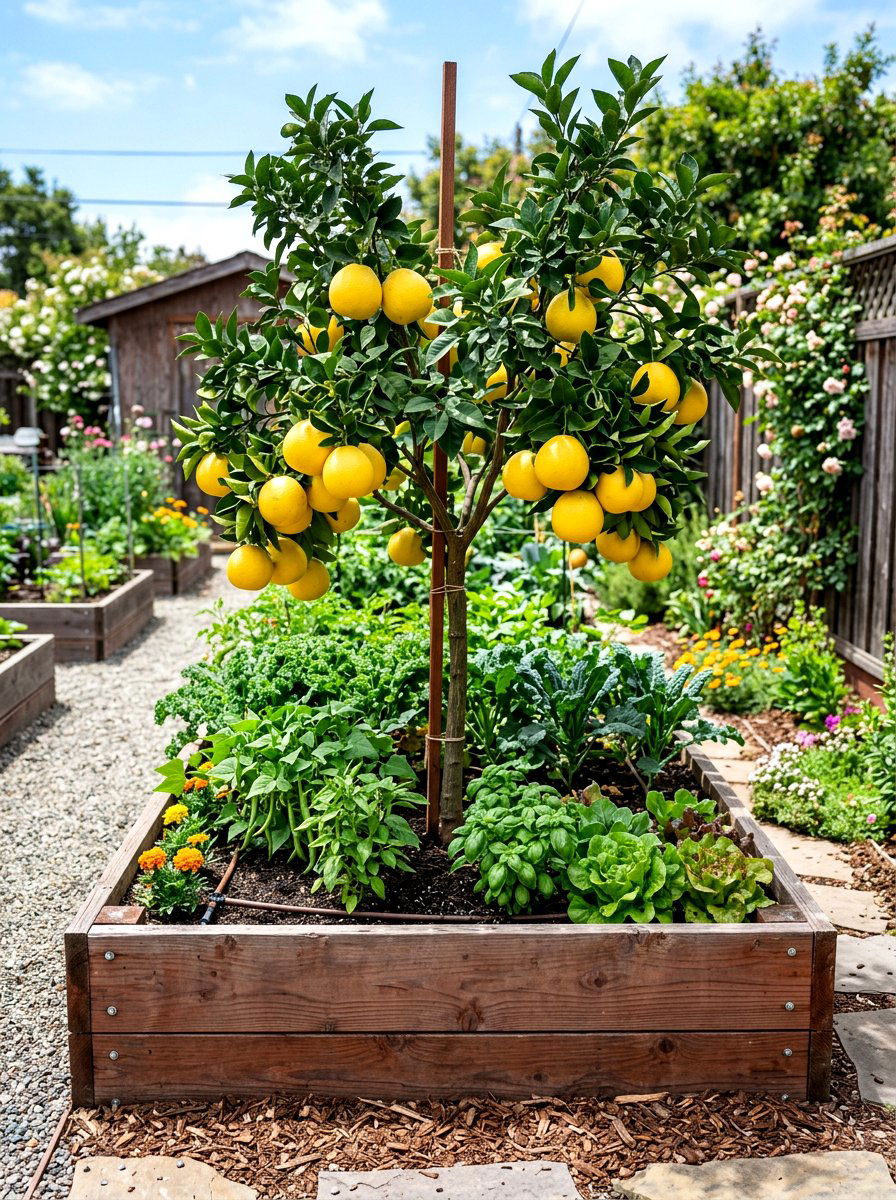
Dwarf grapefruit raised beds provide the perfect controlled environment for these larger-fruiting trees to flourish while keeping the garden organized and accessible. Raised beds allow for optimal soil drainage and aeration, which is critical for the health of citrus roots. By choosing a dwarf "Rio Red" or "Oro Blanco" variety, you get full-sized, juicy fruit on a tree that won't overwhelm your yard. Construct the beds from cedar or redwood for a natural look that ages beautifully over time. This setup makes maintenance like fertilizing and weeding much easier on the back, while the elevated fruit is kept safe from many ground-dwelling garden pests.
14. Key Lime Poolside Planters
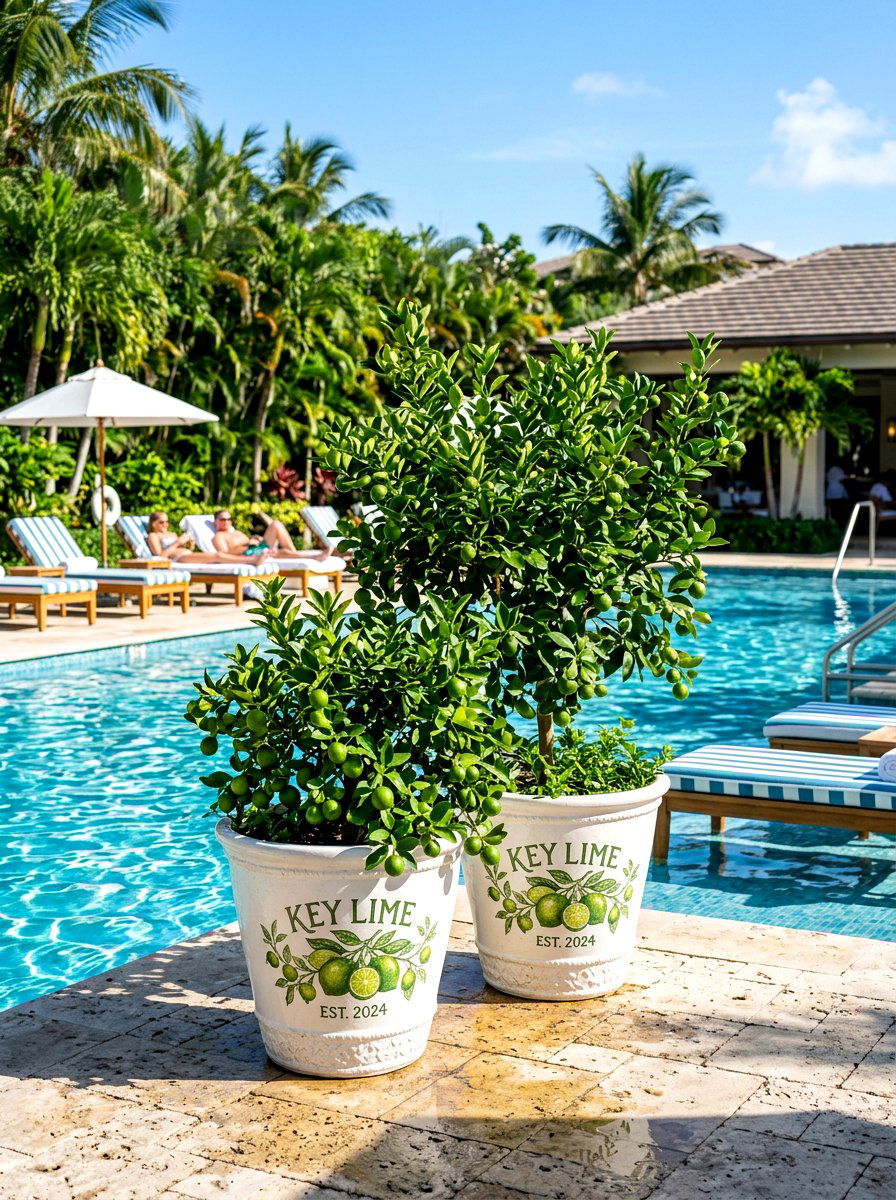
Placing key lime poolside planters creates a resort-style atmosphere that feels both luxurious and practical for those who enjoy outdoor living. The compact size of dwarf key lime trees makes them ideal for placing near lounge chairs or outdoor bars, where their scent can be fully enjoyed. Choose white or light blue ceramic pots to reflect the water and create a cohesive, coastal aesthetic. Ensure the planters are positioned in full sun and away from direct splashes of chlorinated water. Having fresh limes just steps away from your pool makes it incredibly convenient to garnish drinks during a summer party or family gathering.
15. Potted Mandarin Sunroom
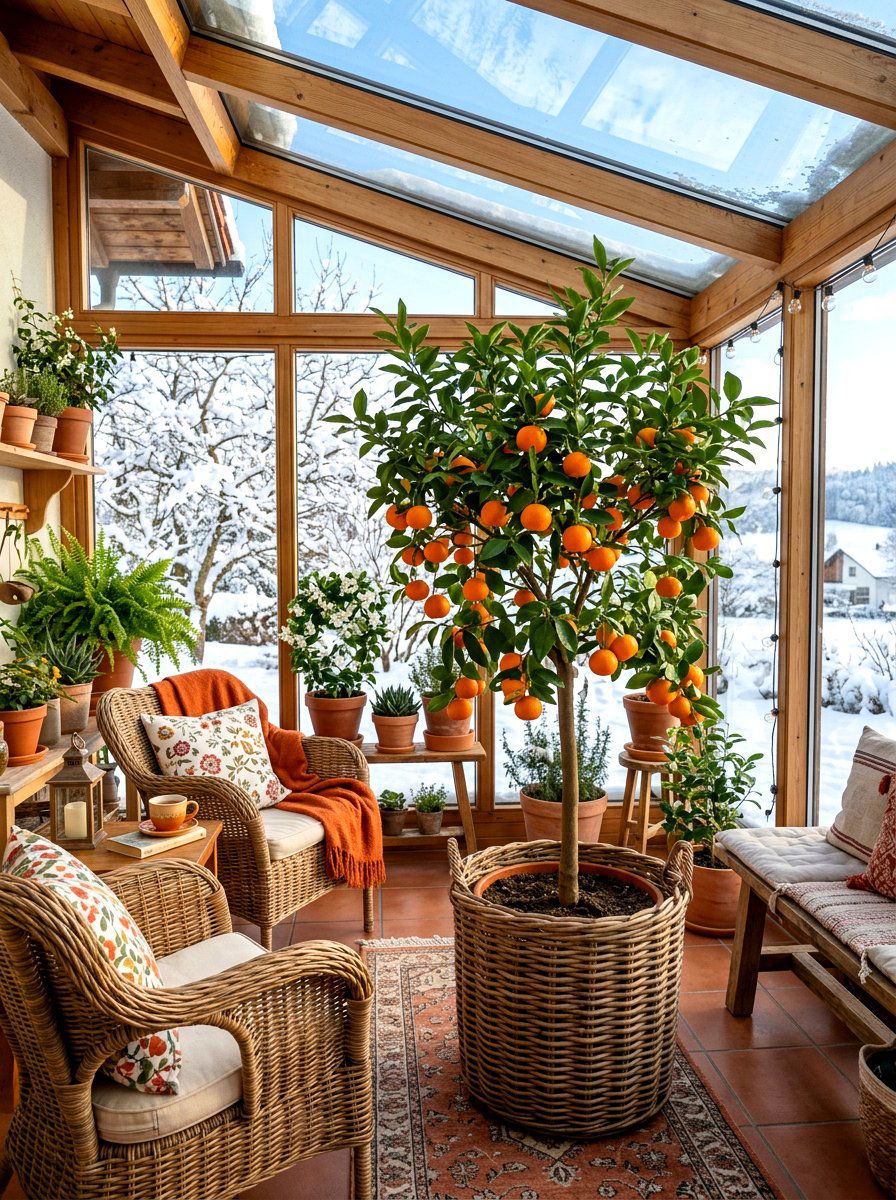
A potted mandarin sunroom setup brings a burst of orange color and sweet fragrance indoors, creating a cozy and productive retreat during the winter months. Dwarf mandarins, such as the Satsuma or Clementine, are particularly well-suited for containers because they have a naturally rounded growth habit. In a sunroom, these trees can receive the intense light they need while being protected from harsh winds and frost. Arrange them in a corner with a comfortable chair and a small side table to create a serene reading nook. The sight of ripening mandarins against the backdrop of a winter landscape outside provides a cheerful and uplifting contrast.
16. Citrus Topiary Patio
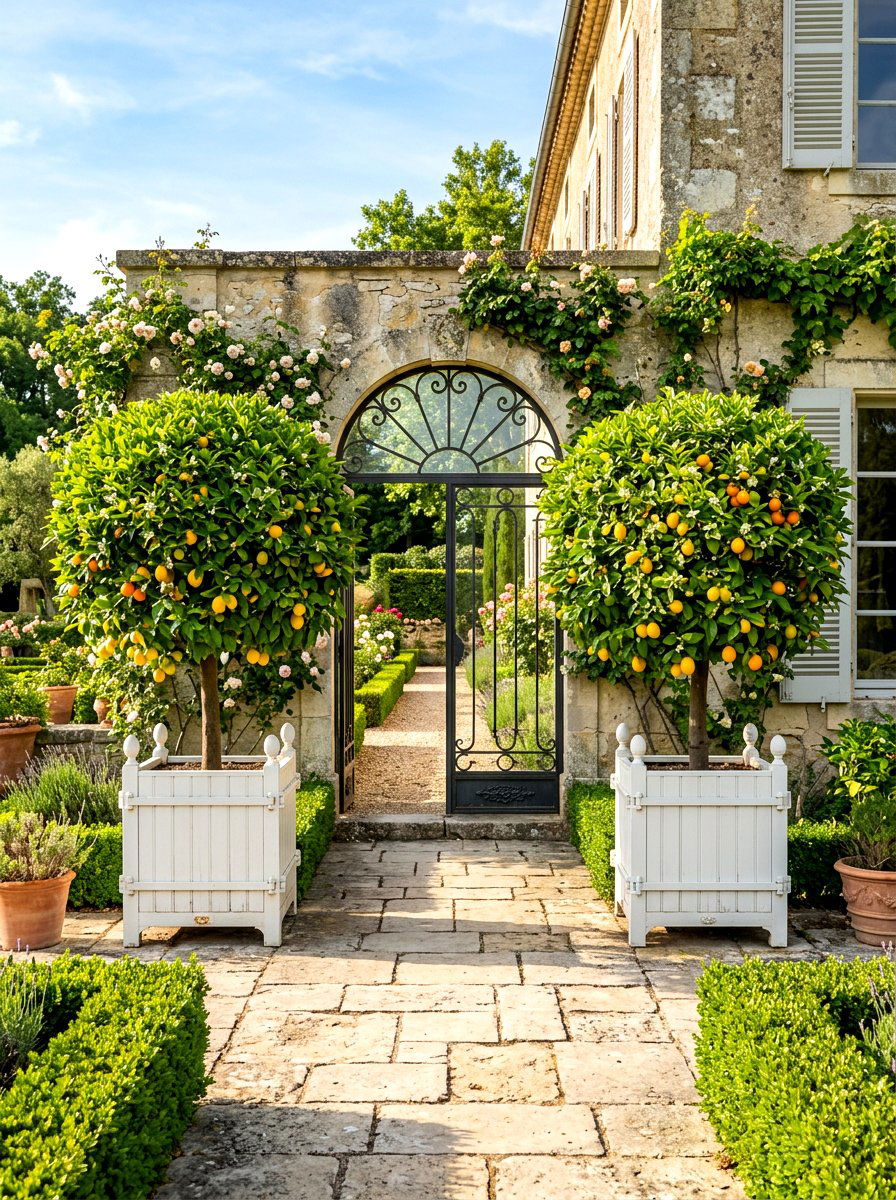
A citrus topiary patio adds a touch of formal elegance and architectural structure to your outdoor space, turning simple trees into living sculptures. Many dwarf citrus varieties can be trained into standard forms, where a clear trunk supports a perfectly manicured ball of foliage. This look is particularly striking when used in pairs to flank a doorway or a garden gate. Use high-quality, classic planters like Versailles-style boxes to enhance the traditional feel. Regular clipping is required to keep the shape tight, but the reward is a sophisticated, high-end garden feature that provides both fragrant blossoms and edible fruit in a very tidy package.
17. Tropical Dwarf Citrus Courtyard
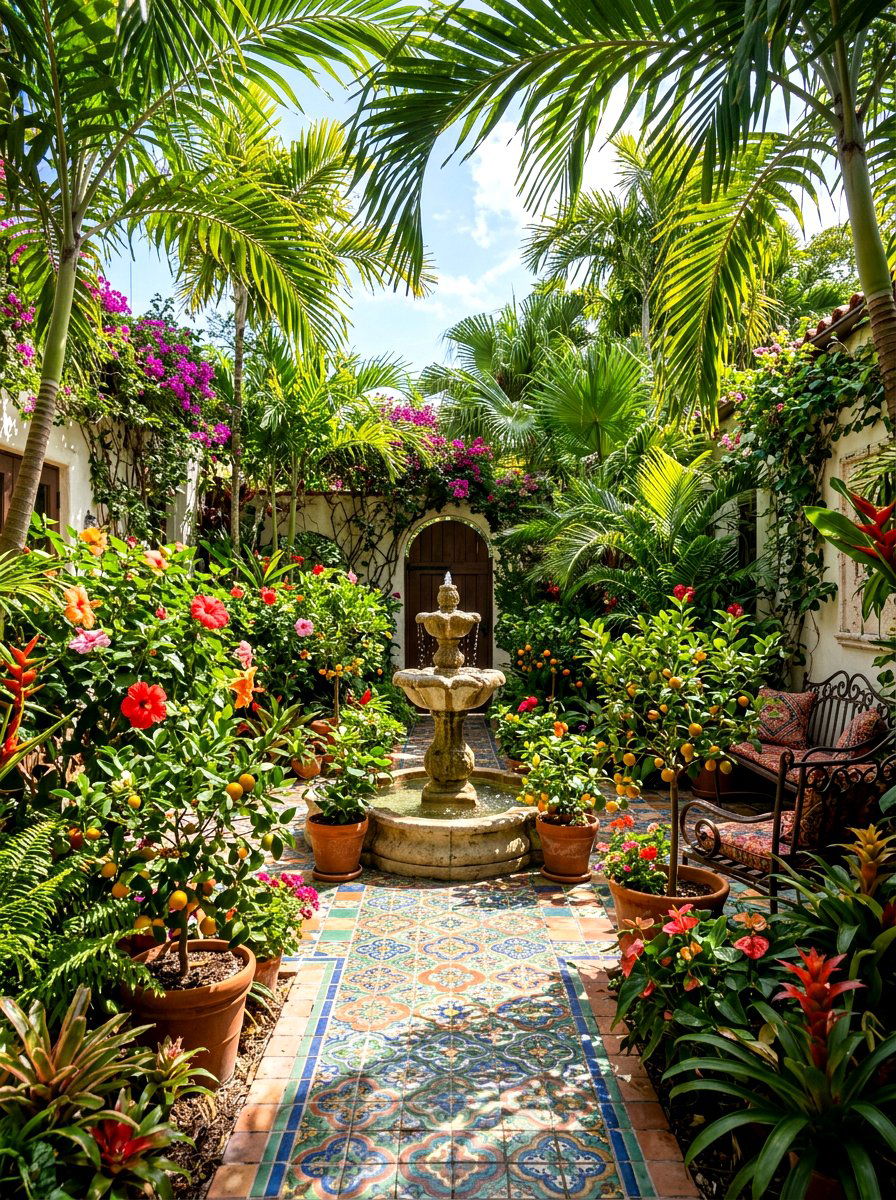
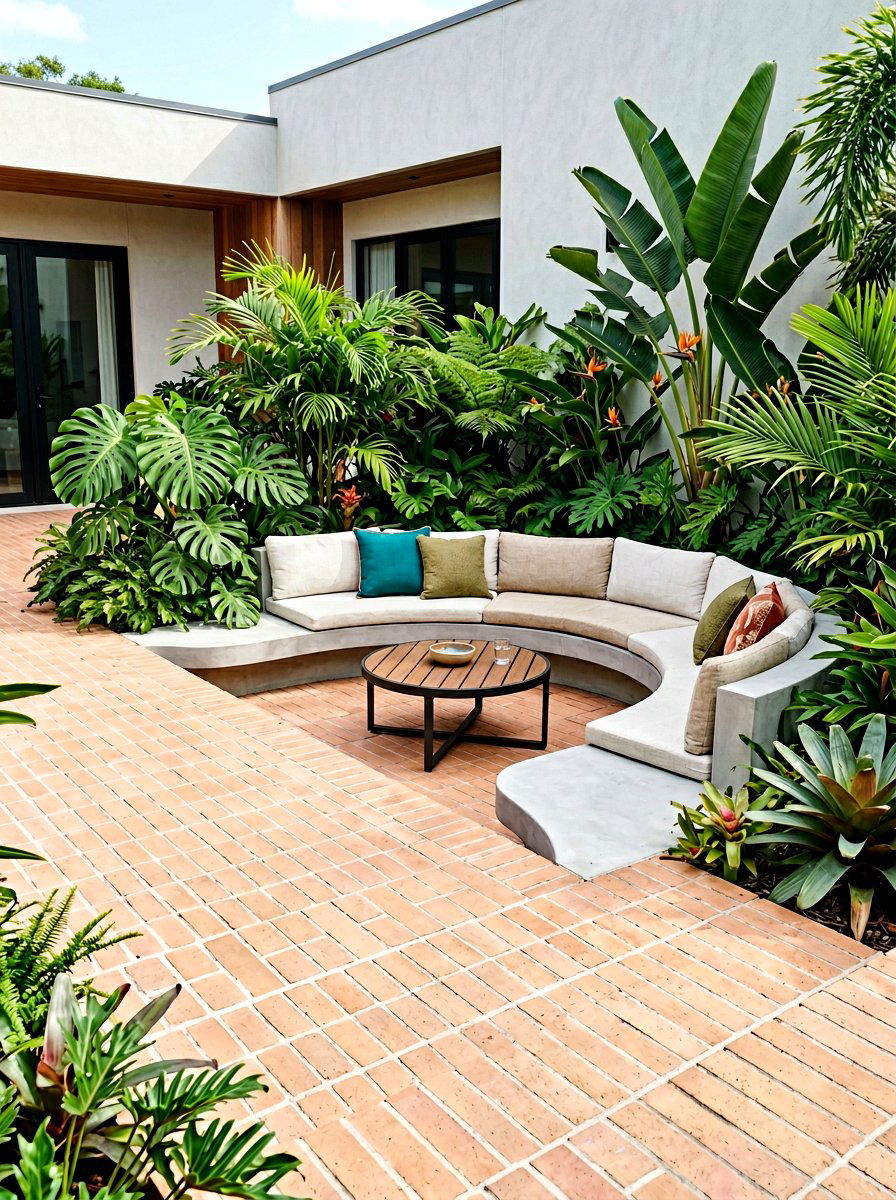
Designing a tropical dwarf citrus courtyard involves layering different textures and colors to create a lush, secluded environment that feels like a private getaway. Use dwarf citrus trees as the mid-level canopy, surrounded by large-leafed plants like bird of paradise or hibiscus. The citrus adds a practical element to the tropical aesthetic, with their glossy leaves fitting perfectly into the theme. Incorporate a small water feature, like a wall fountain, to add soothing sound and help maintain the humidity levels that citrus trees crave. This multi-layered approach creates a dense, green sanctuary that provides shade, fragrance, and a bounty of fresh, tropical-style fruit.
18. Finger Lime Container Display
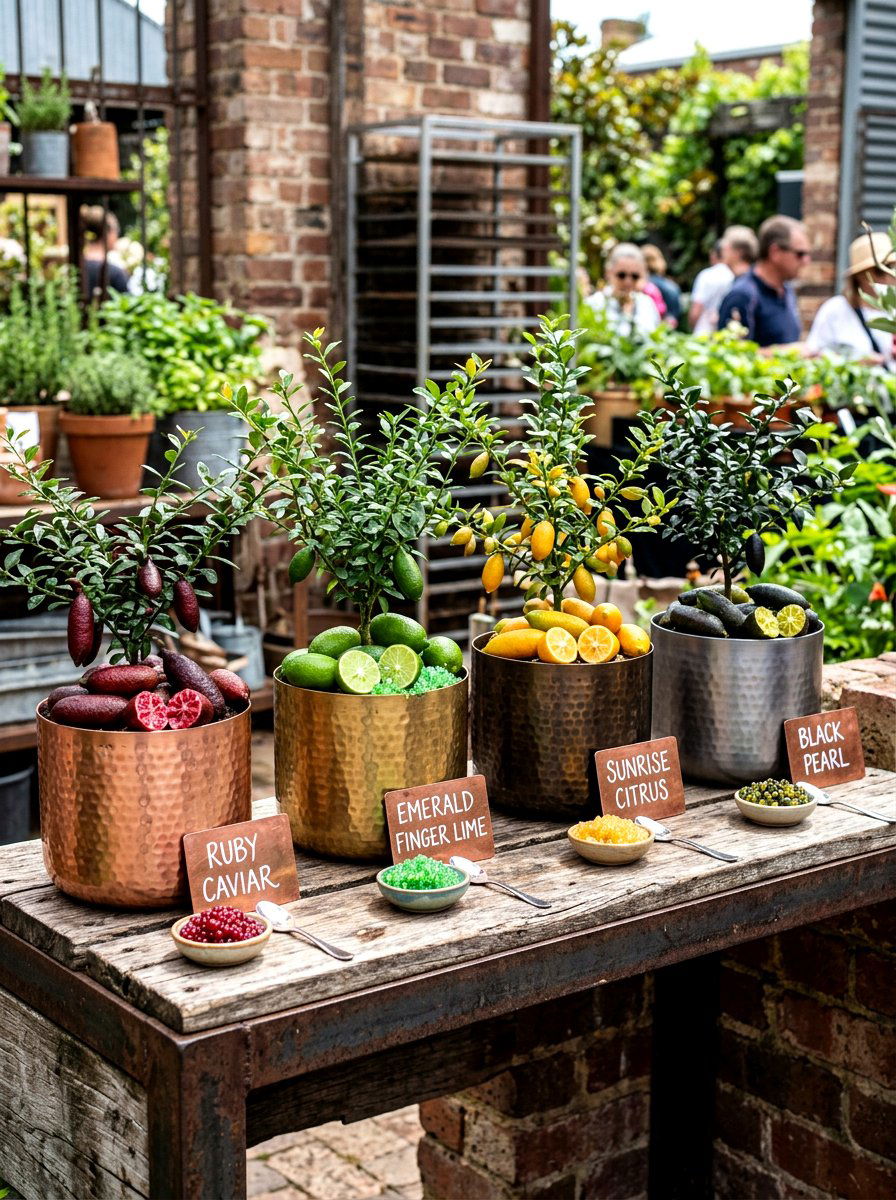
A finger lime container display highlights the unique "citrus caviar" fruit that has become a favorite among gourmet chefs and home cooks alike. These Australian natives have small, delicate leaves and a thorny, shrub-like habit that looks beautiful in a modern, industrial-style container. Because the fruit comes in various colors like green, pink, and burgundy, planting a few different varieties together creates a stunning visual contrast. Place the containers on a pedestal or a raised ledge to make harvesting the small fruits easier. This design is perfect for foodies who want to grow something unusual and high-value in a very small, manageable footprint.
19. Small Deck Citrus Grove
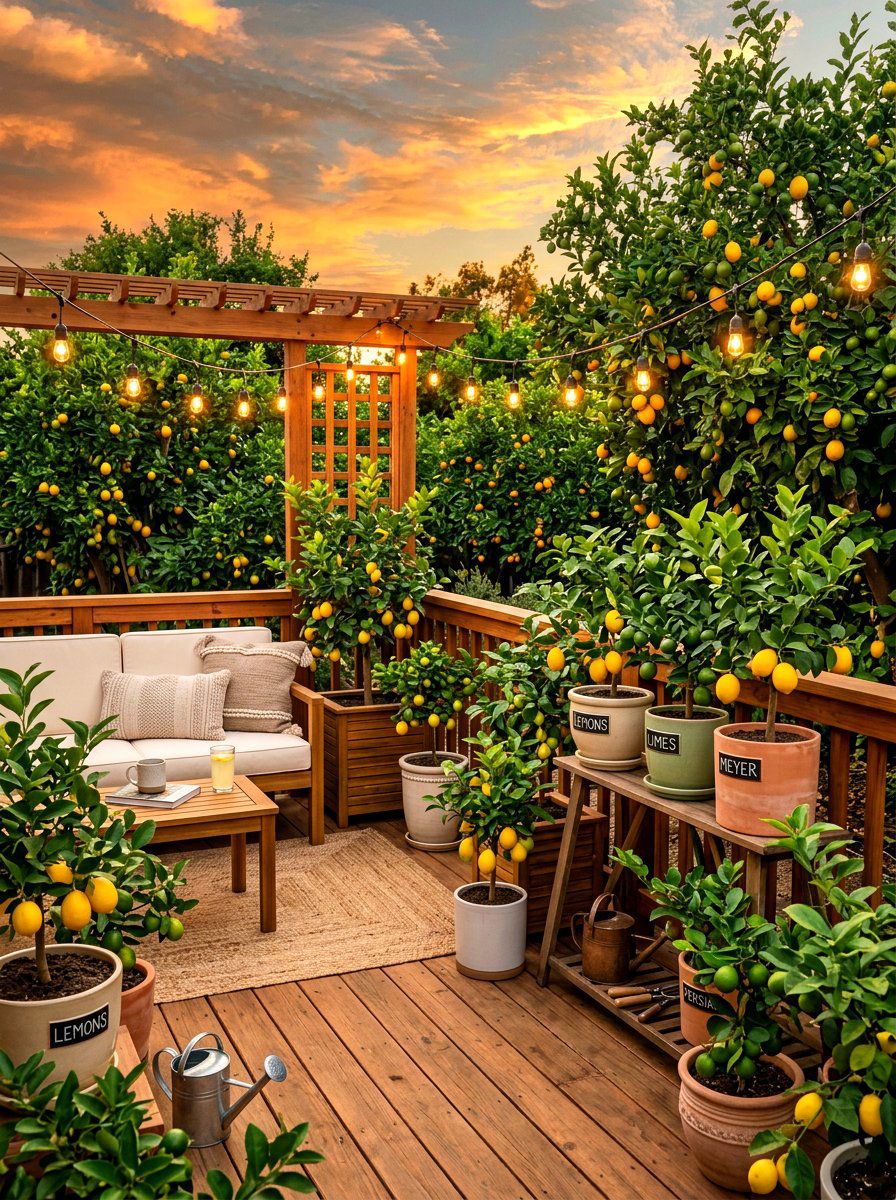
Creating a small deck citrus grove is an excellent way to use vertical and horizontal space to maximize fruit production on a wooden platform. Use a variety of pot sizes and heights to create visual depth and interest, ensuring that the taller trees are in the back and smaller ones are in the front. This "grove" effect provides a sense of abundance and can help screen out neighbors or unsightly views. Incorporate some outdoor string lights among the branches to create a magical, glowing atmosphere at night. It turns a standard wooden deck into a productive, lush extension of your indoor living space that feels incredibly cozy.

20. Winter Garden Citrus Room
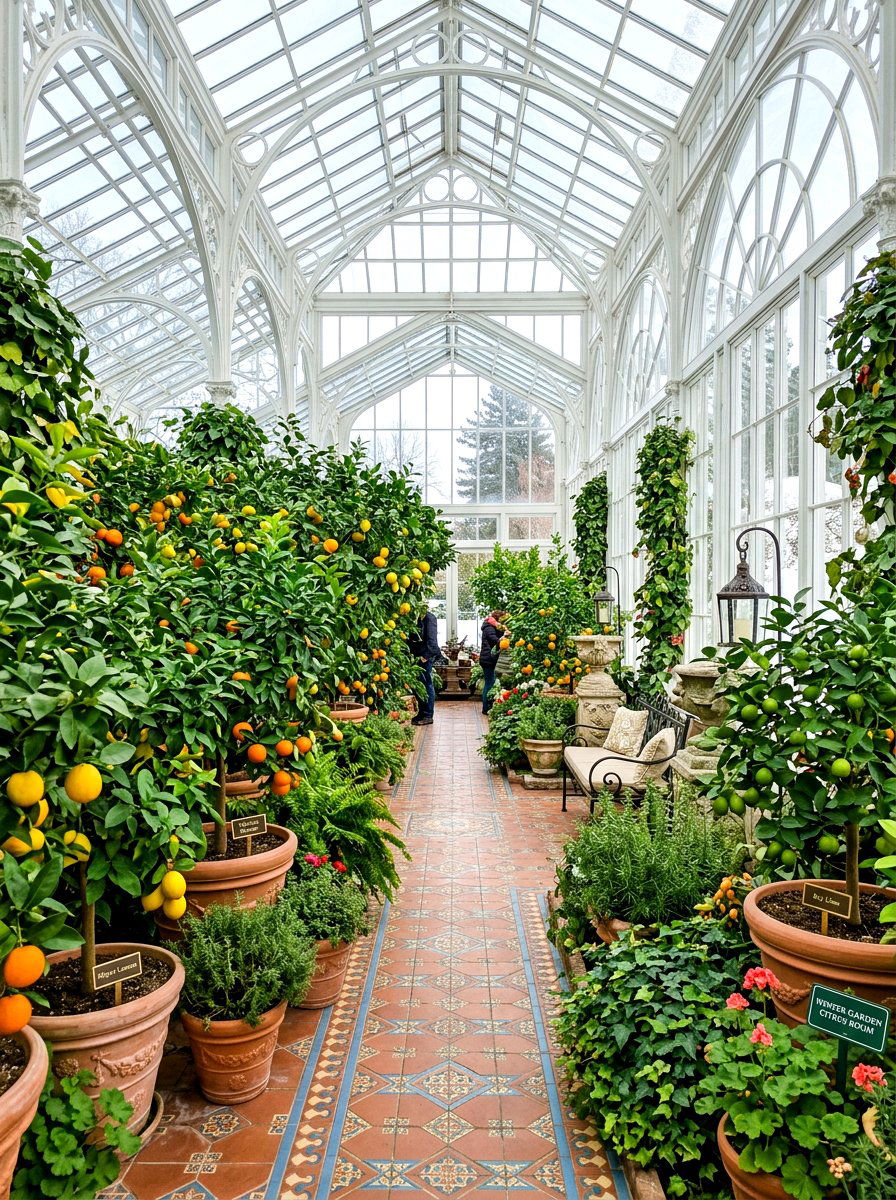
A winter garden citrus room is a dedicated indoor space, often a glass-enclosed porch or conservatory, where citrus trees can thrive year-round regardless of the weather. This setup allows you to grow a wider variety of dwarf citrus, as you can carefully control the temperature and humidity. Arrange the trees according to their size and light needs, creating a mini-forest of lemons, limes, and oranges. Use beautiful, coordinated pots to keep the space looking like an intentional part of your home's decor. This room becomes a fragrant sanctuary during the cold months, offering a bright, green escape when the outdoor garden is dormant.
21. Modern Concrete Citrus Planters
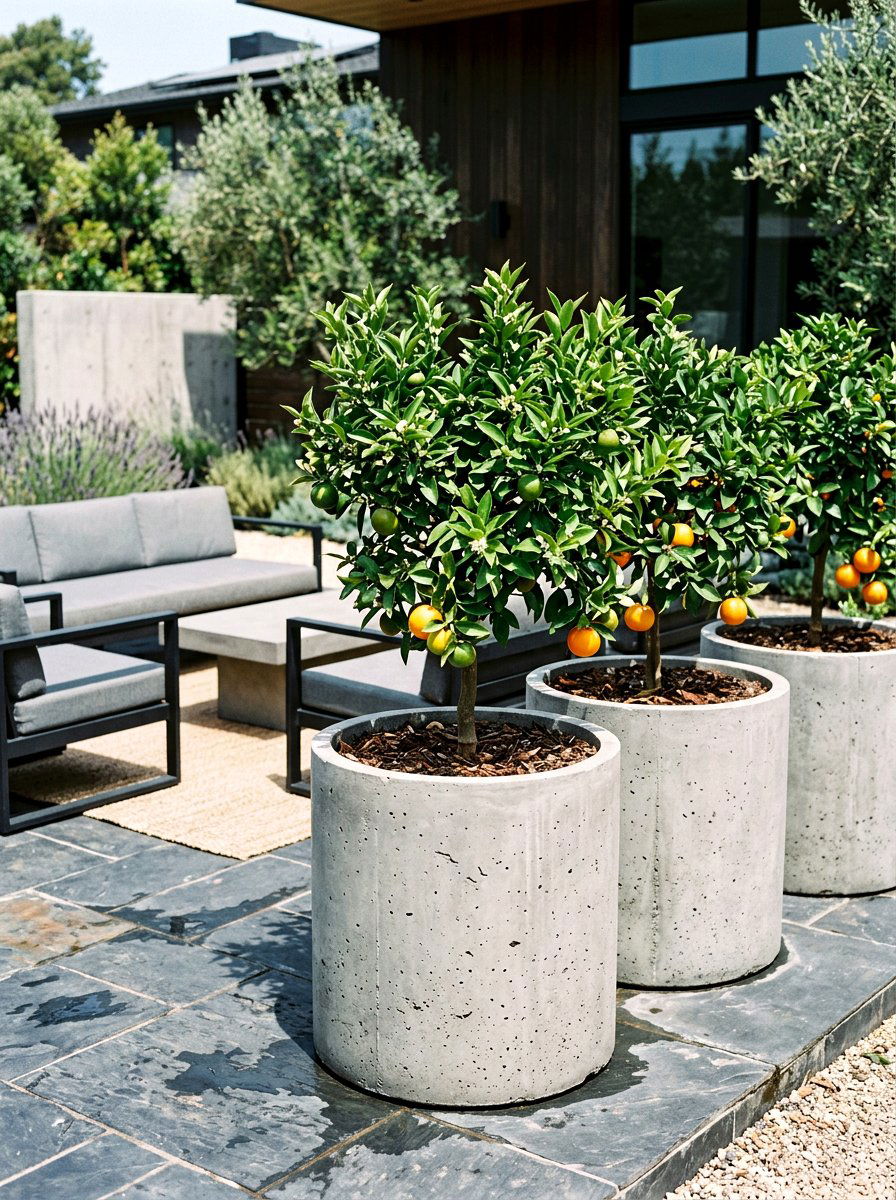
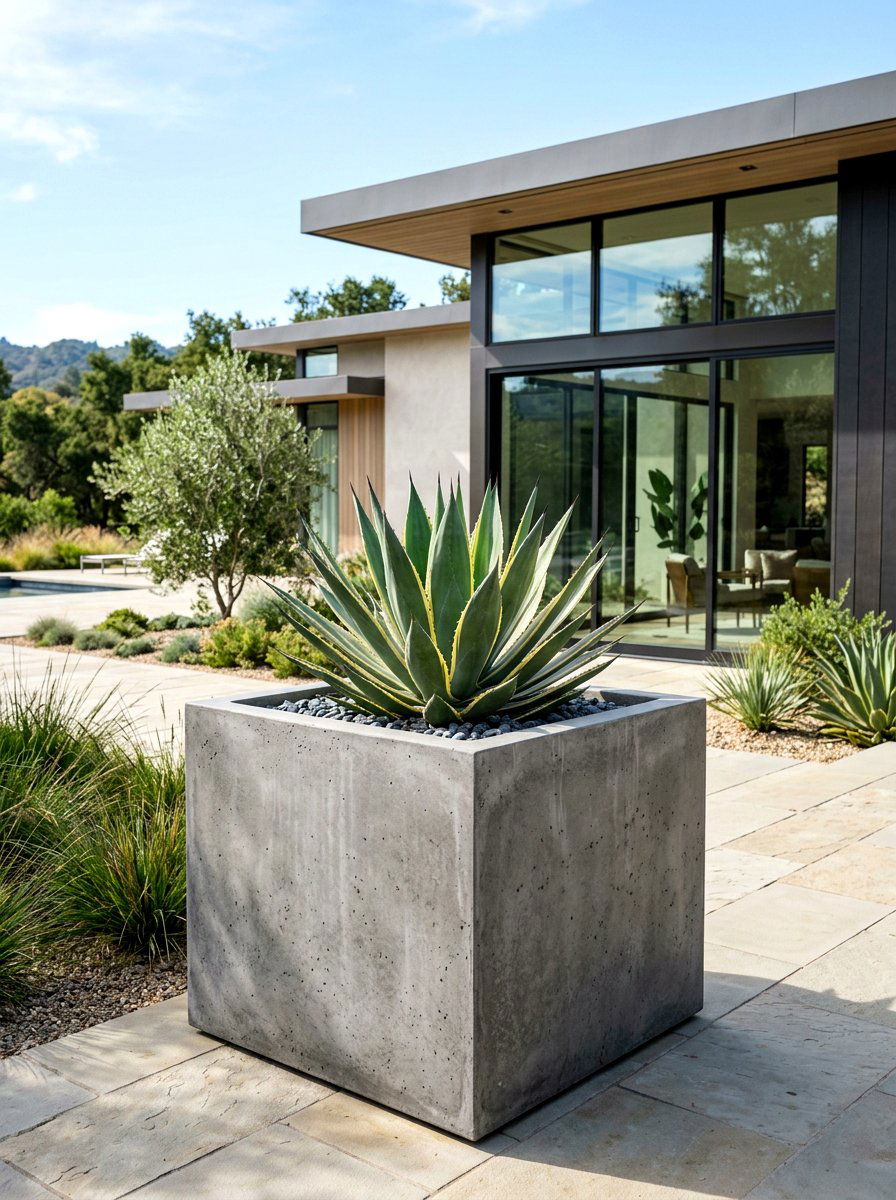
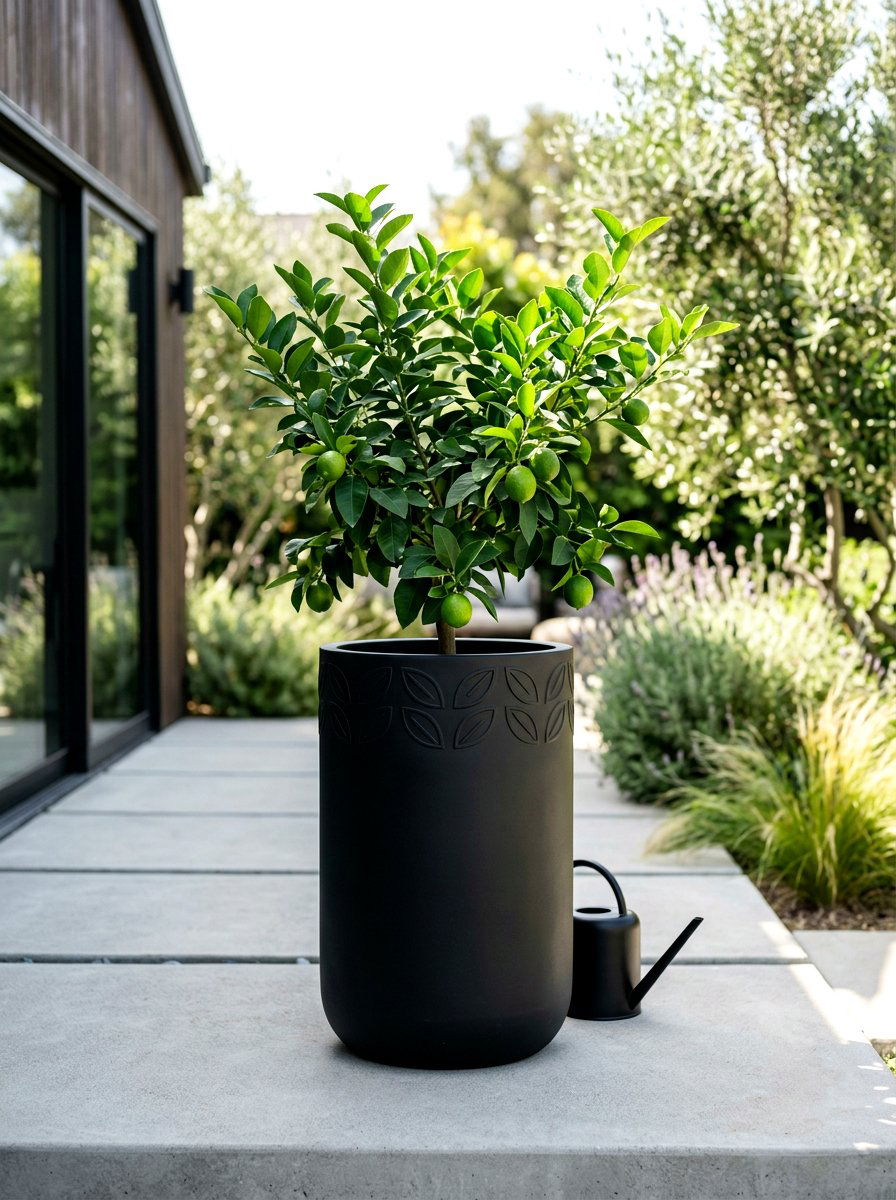
Using modern concrete citrus planters provides a minimalist and industrial look that grounds the vibrant colors of the trees and fruit. The heavy, textured appearance of concrete offers a wonderful contrast to the delicate white blossoms and shiny green leaves of a dwarf orange or lemon tree. These planters are incredibly durable and provide excellent insulation for the roots against temperature fluctuations. Arrange three different sizes of cylindrical or square concrete pots in a cluster to create a professional, tiered display. This style works perfectly in contemporary landscapes, on sleek patios, or in urban courtyards where clean lines and simple materials are the primary focus.
22. Terracotta Pot Citrus Collection
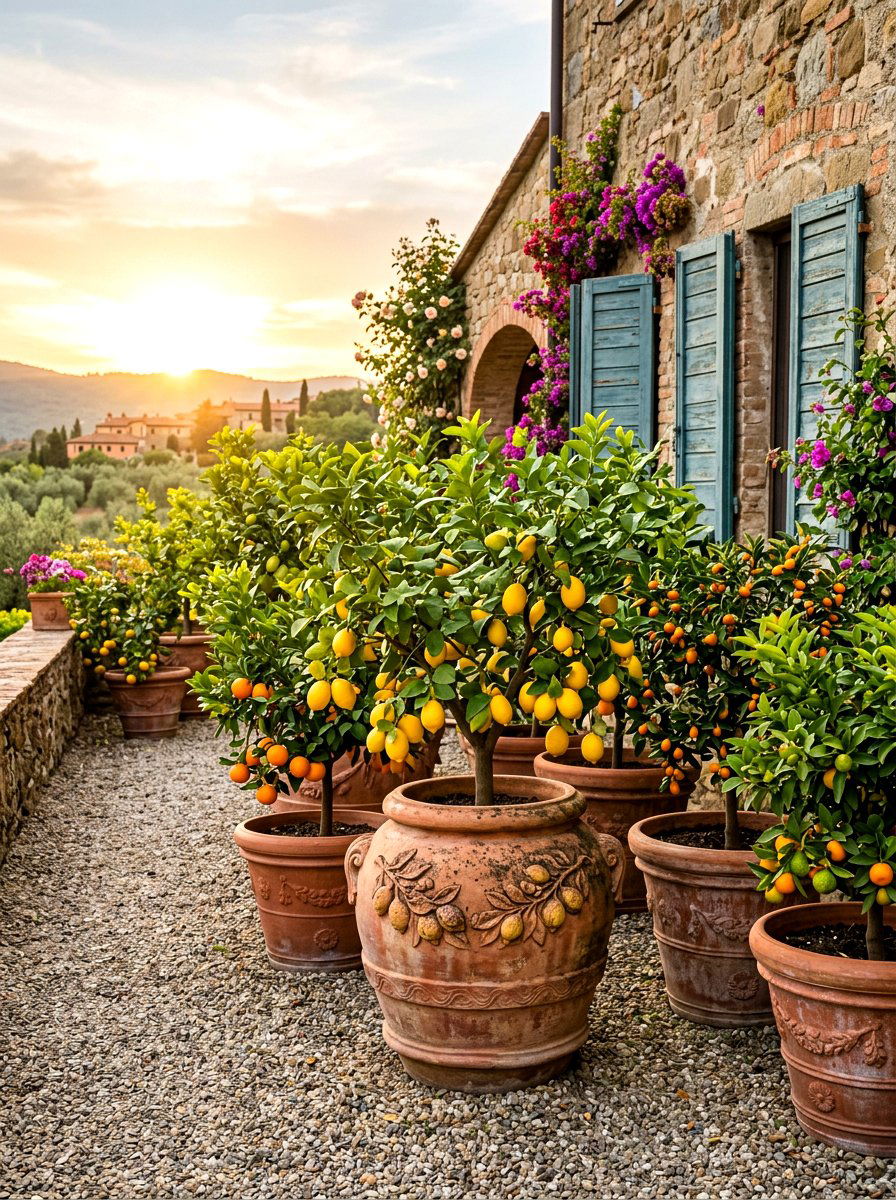
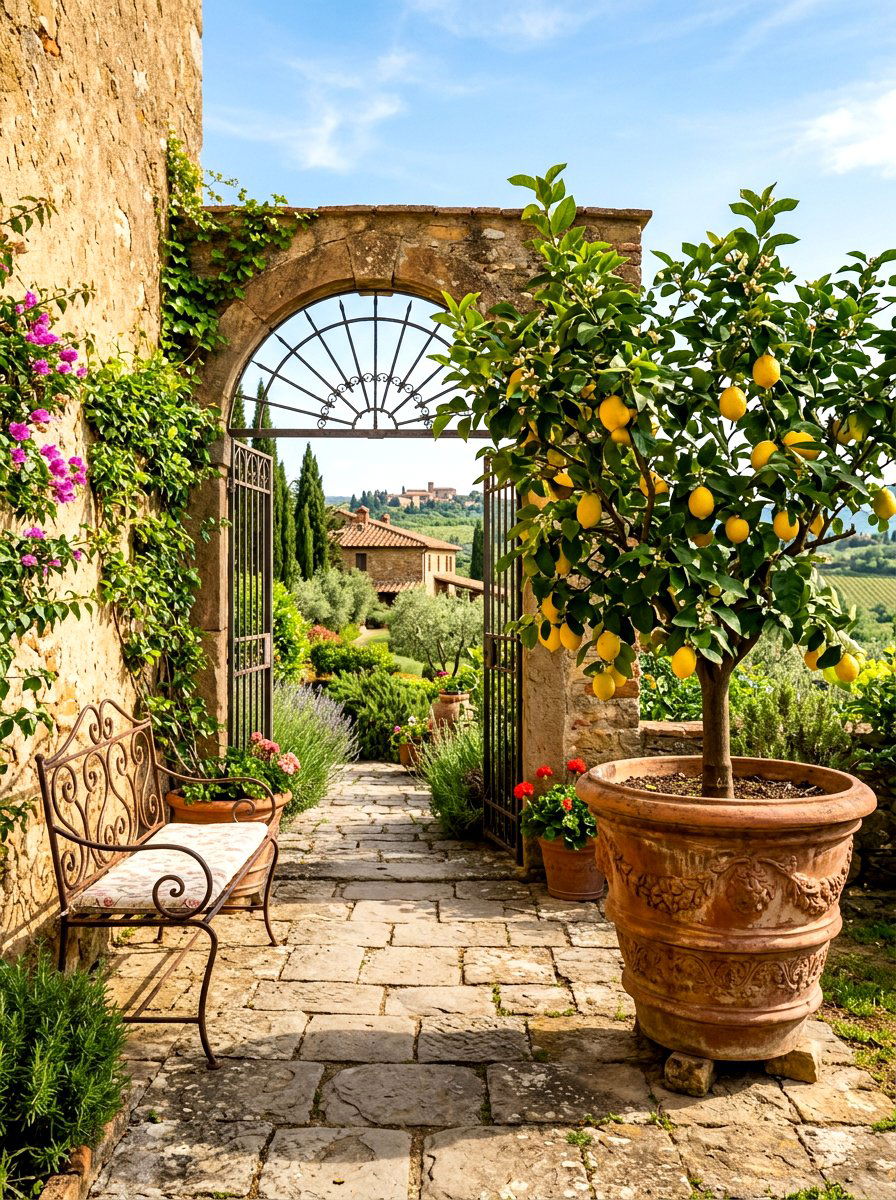
A terracotta pot citrus collection offers a warm, traditional, and earthy aesthetic that never goes out of style and suits almost any garden. Terracotta is a breathable material that allows air and moisture to move through the walls, which is very beneficial for preventing root rot in citrus trees. Grouping several trees in varying sizes of terracotta pots creates a cohesive and charming "potager" look. To add interest, choose pots with different rim details or aged patinas. This classic Mediterranean style brings a sense of history and rustic beauty to your garden, making it feel like a sun-drenched terrace in Italy or Spain.
23. Self-Watering Citrus Balcony
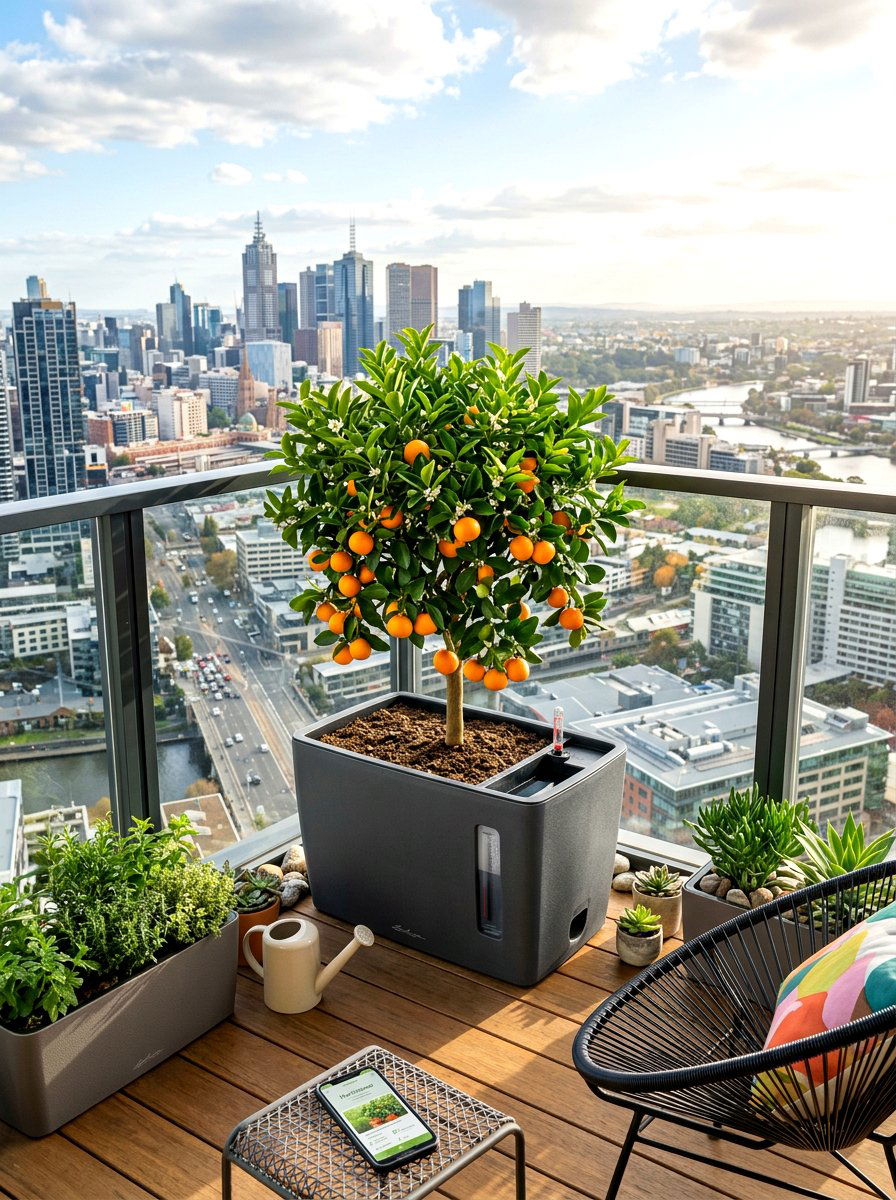
A self-watering citrus balcony is the ultimate solution for busy urban gardeners who want the benefits of fresh fruit without the daily maintenance. These specialized containers have a reservoir at the bottom that provides a consistent supply of moisture to the roots, preventing the common problem of underwatering in windy, high-rise environments. Choose compact dwarf varieties like the "Flying Dragon" orange, which has interesting twisted branches and stays very small. This setup allows you to enjoy a lush, green balcony even if you travel frequently. It's a smart, efficient way to integrate nature into a high-paced lifestyle while ensuring your citrus trees remain healthy and productive.
24. Zen Citrus Rock Garden
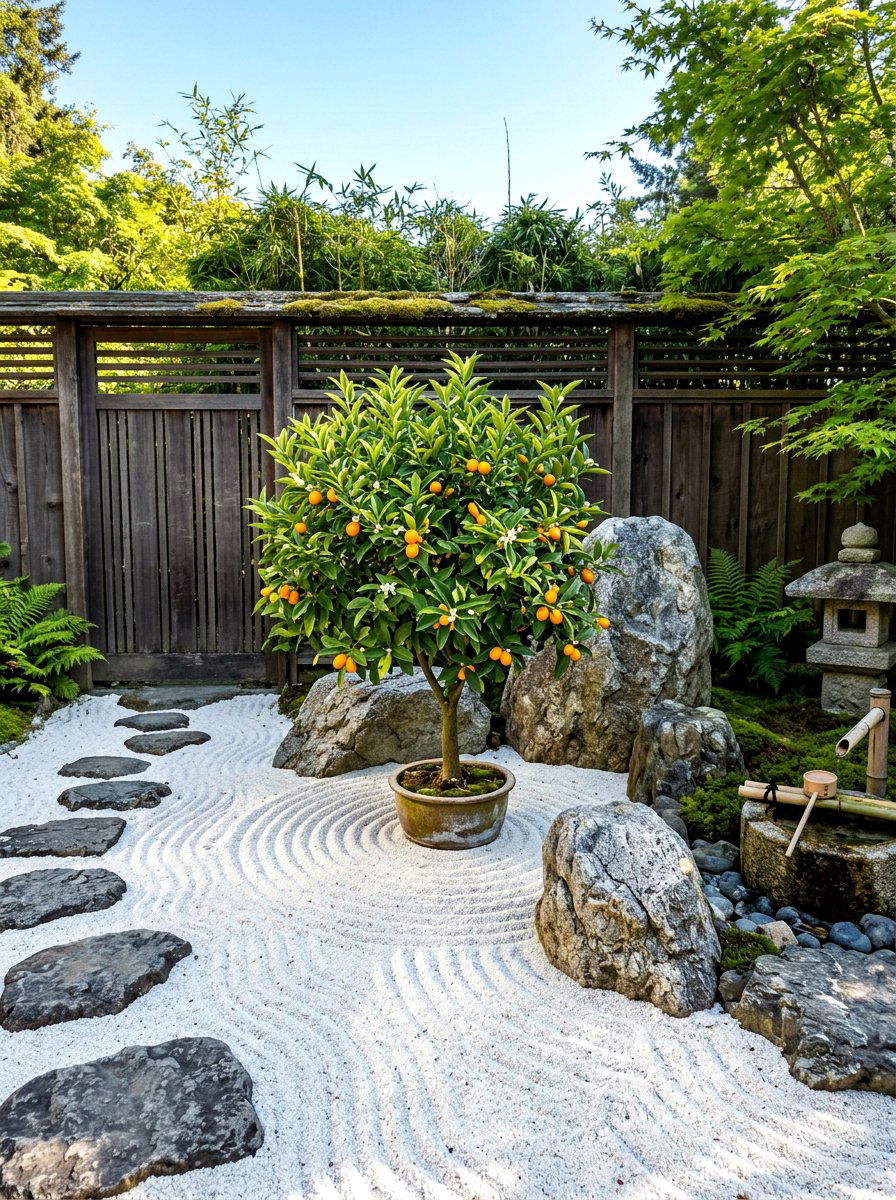
A Zen citrus rock garden combines the peaceful simplicity of Japanese landscaping with the productive beauty of dwarf fruit trees. Plant a single, well-shaped dwarf citrus, like a Yuzu, in a bed of fine gravel or raked sand. Use large, weathered boulders and a few low-growing mosses or grasses to create a balanced, asymmetrical composition. The evergreen nature of the citrus tree provides year-round structure, while the seasonal fruit adds a temporary splash of color. This minimalist approach encourages contemplation and creates a quiet, serene corner in your yard where the focus is on the natural beauty and form of the tree itself.
25. Miniature Blood Orange Garden
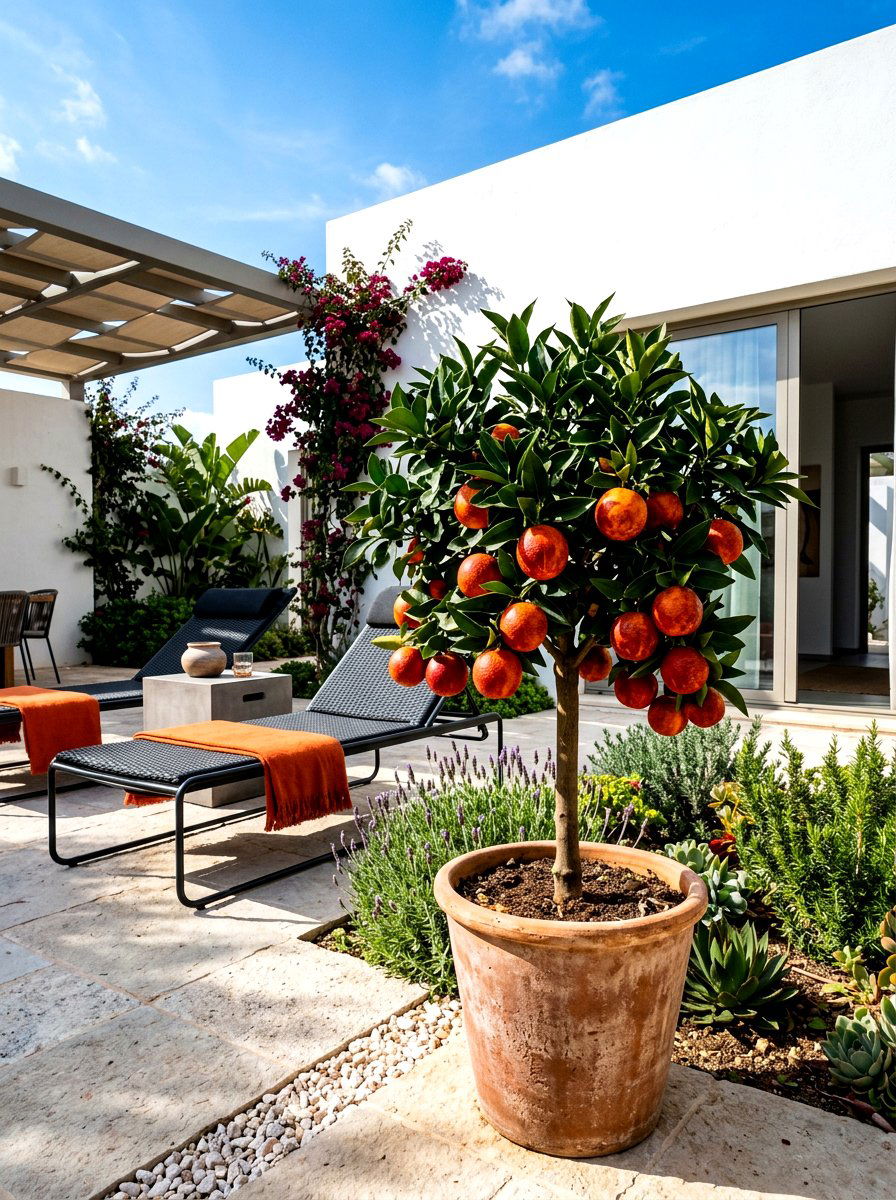
A miniature blood orange garden focuses on the dramatic and beautiful fruit known for its deep red interior and complex, berry-like flavor. These trees are stunning when in fruit, with the dark oranges hanging like ornaments against the deep green canopy. Plant them in a dedicated area with bright, white walls or fences to make the colors of the fruit and foliage really stand out. Using a dwarf "Moro" or "Sanguinelli" variety ensures the tree stays small enough for easy care. This garden is not only a visual delight but also provides a unique and gourmet harvest that is perfect for fresh juices and sophisticated desserts.
26. Dwarf Citrus Flower Bed
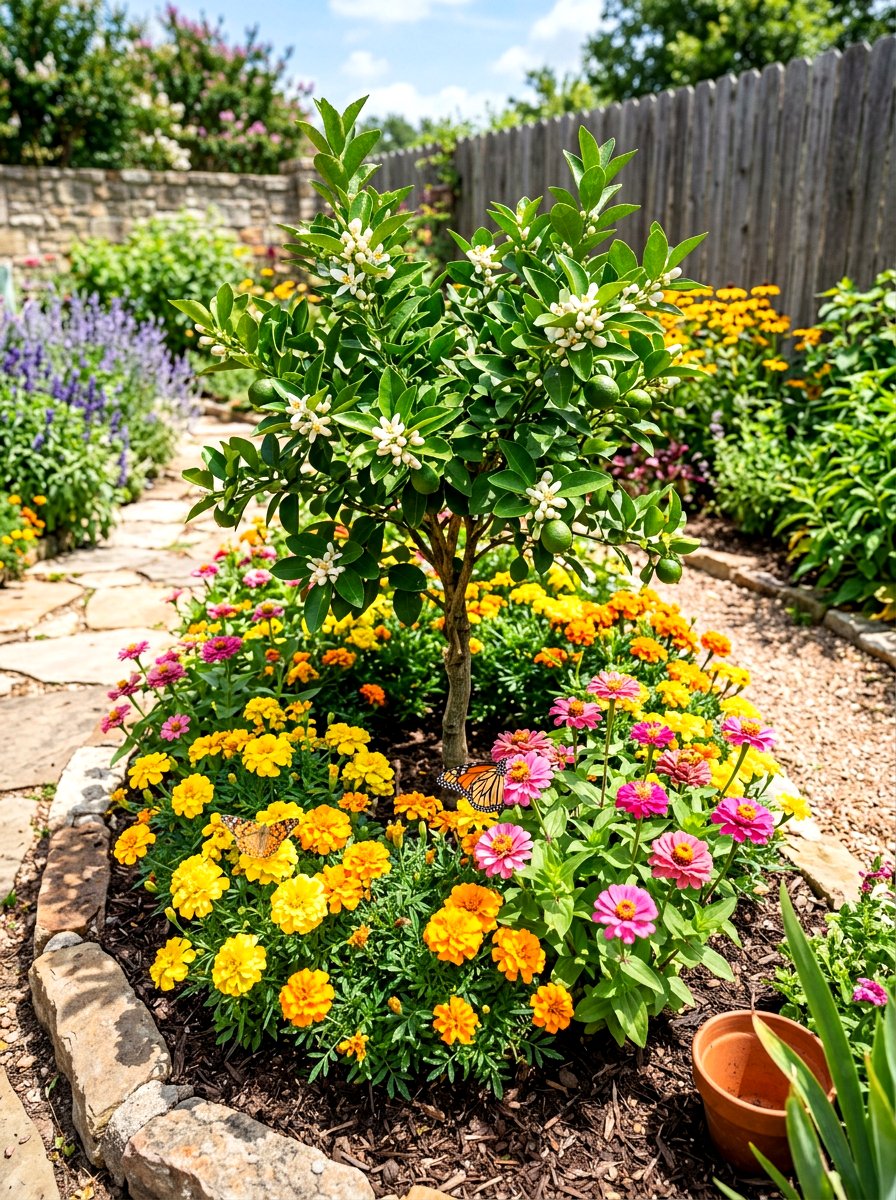
Integrating a dwarf citrus flower bed involves planting fruit trees directly into your existing ornamental garden for a seamless and lush look. Choose a sunny spot in the middle of a flower border and plant a dwarf lime or lemon as a central anchor. Surround it with pollinator-friendly flowers like marigolds, zinnias, and salvia to create a vibrant, buzzing ecosystem. The citrus tree provides height and structure, while the flowers offer seasonal color and help deter pests. This "edimental" (edible + ornamental) approach is a popular trend in modern gardening, as it maximizes the productivity of the landscape without sacrificing any aesthetic appeal.
27. Vertical Citrus Wall Garden
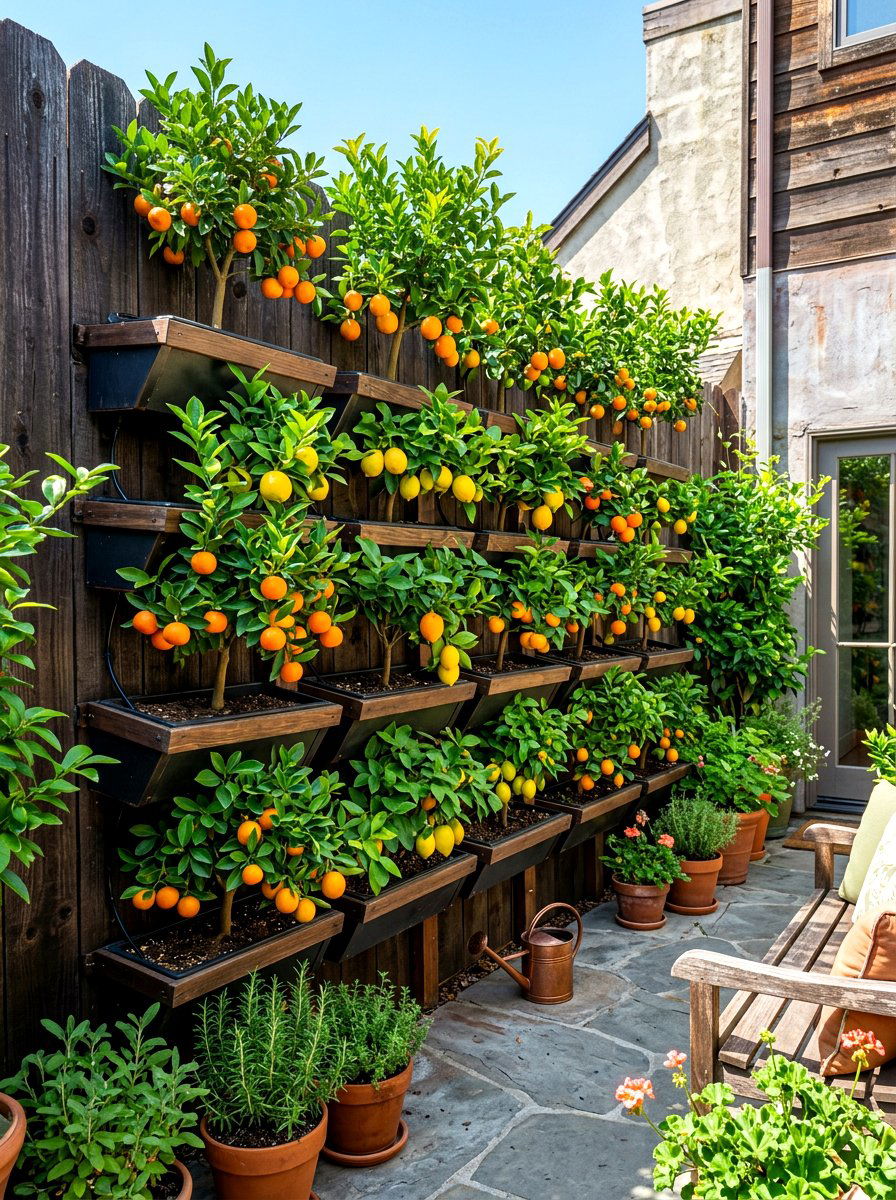
A vertical citrus wall garden uses tiered shelving or wall-mounted planters to grow small citrus varieties upwards, making it perfect for narrow balconies or alleyways. Choose very small cultivars like the "Calamondin" or small kumquats that can thrive in smaller volumes of soil. By stacking the plants, you create a wall of greenery that acts as a natural insulator and sound barrier. This design requires careful attention to watering, as smaller pots dry out faster, but the visual impact of a "fruit wall" is truly spectacular. It’s a creative way to defy the limits of a small footprint and turn a vertical surface into a harvestable garden.
28. Cottage Style Citrus Patch
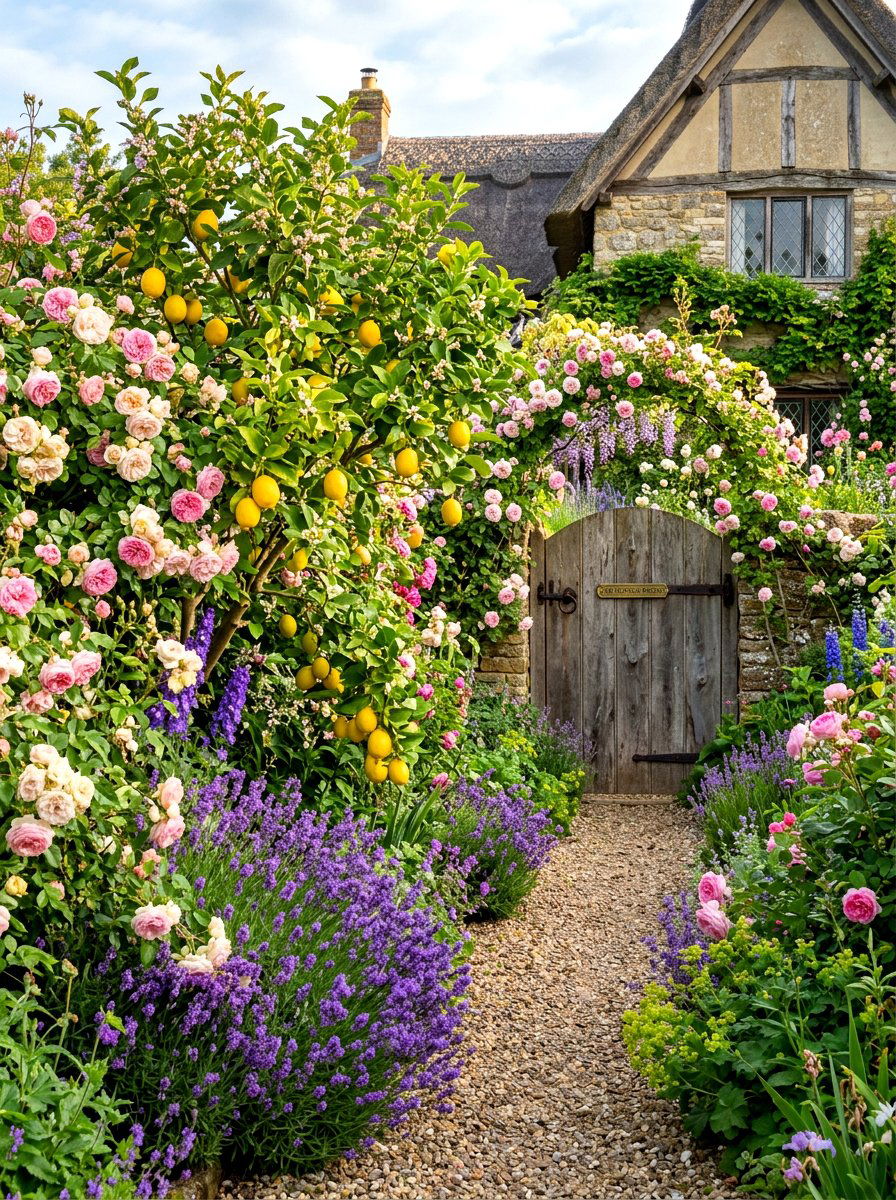
A cottage style citrus patch embraces a more relaxed, informal, and overflowing look that feels romantic and lived-in. Plant dwarf citrus trees alongside rambling roses, foxgloves, and lavender in a loosely defined area of the yard. Allow the plants to intermingle, creating a soft, textured landscape where the fruit trees provide a steady, evergreen presence. Use natural materials like reclaimed wood or stone for any edging or paths to enhance the rustic charm. This style is all about abundance and sensory delight, where the sweet smell of citrus blossoms mixes with the fragrance of traditional garden flowers for a truly magical atmosphere.
29. Dwarf Kaffir Lime Garden
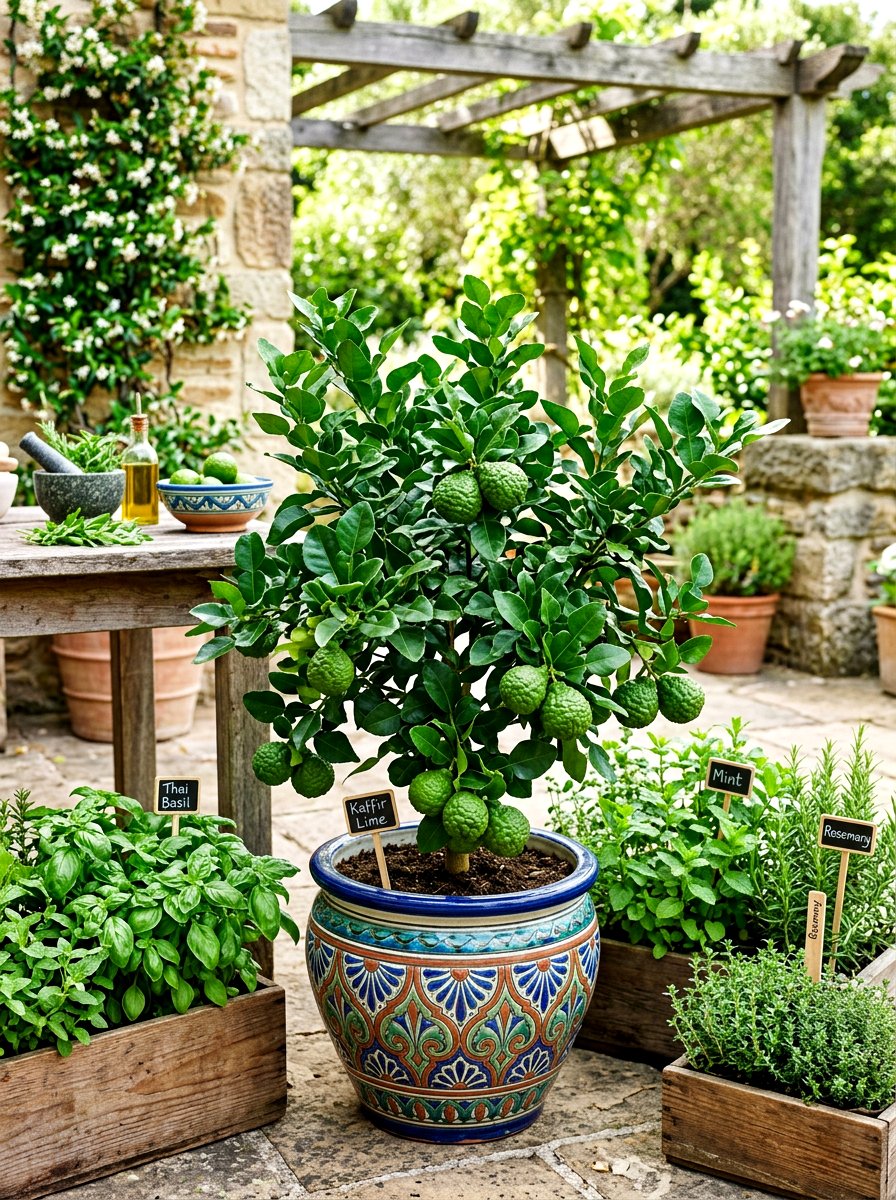
A dwarf Kaffir lime garden (also known as Makrut lime) focuses on the unique, double-lobed leaves that are a staple in Southeast Asian cuisine. These trees have a distinct, bumpy fruit and a very aromatic foliage that is used more often than the juice itself. Plant them in a spot where you can easily brush against the leaves to release their refreshing scent. Because they are often grown as multi-stemmed shrubs, they work well as a low, textured hedge or as part of a culinary-themed container collection. This garden is a must-have for any home cook who loves authentic flavors and wants a beautiful, exotic-looking plant.
30. Mediterranean Dwarf Citrus Patio
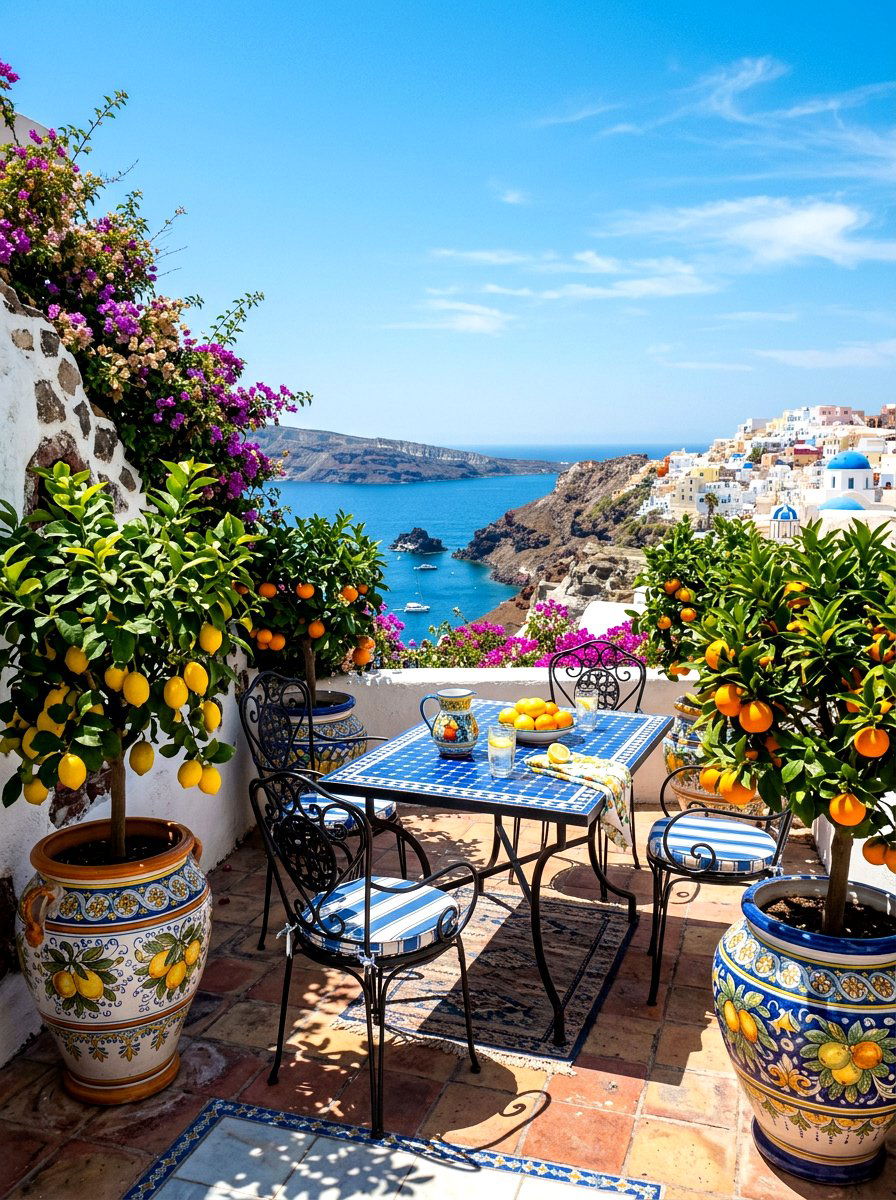
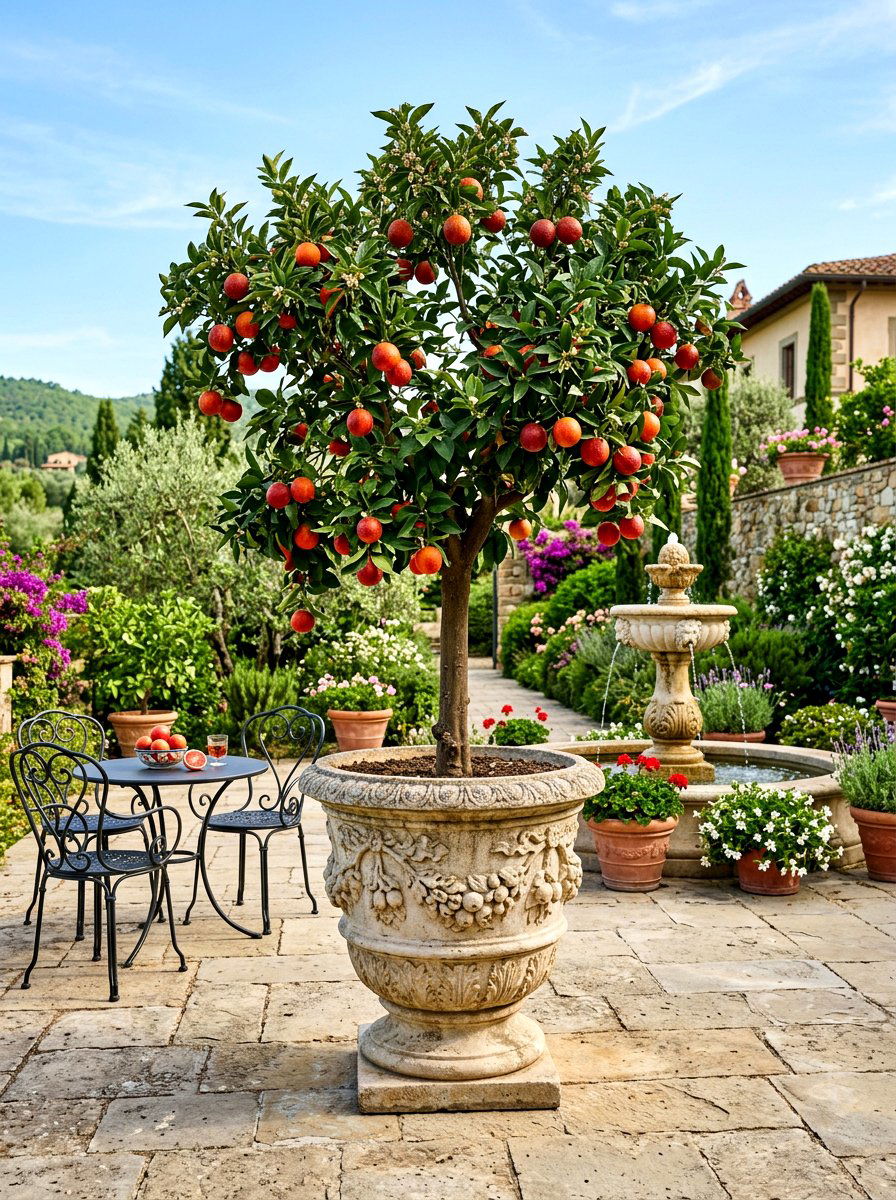
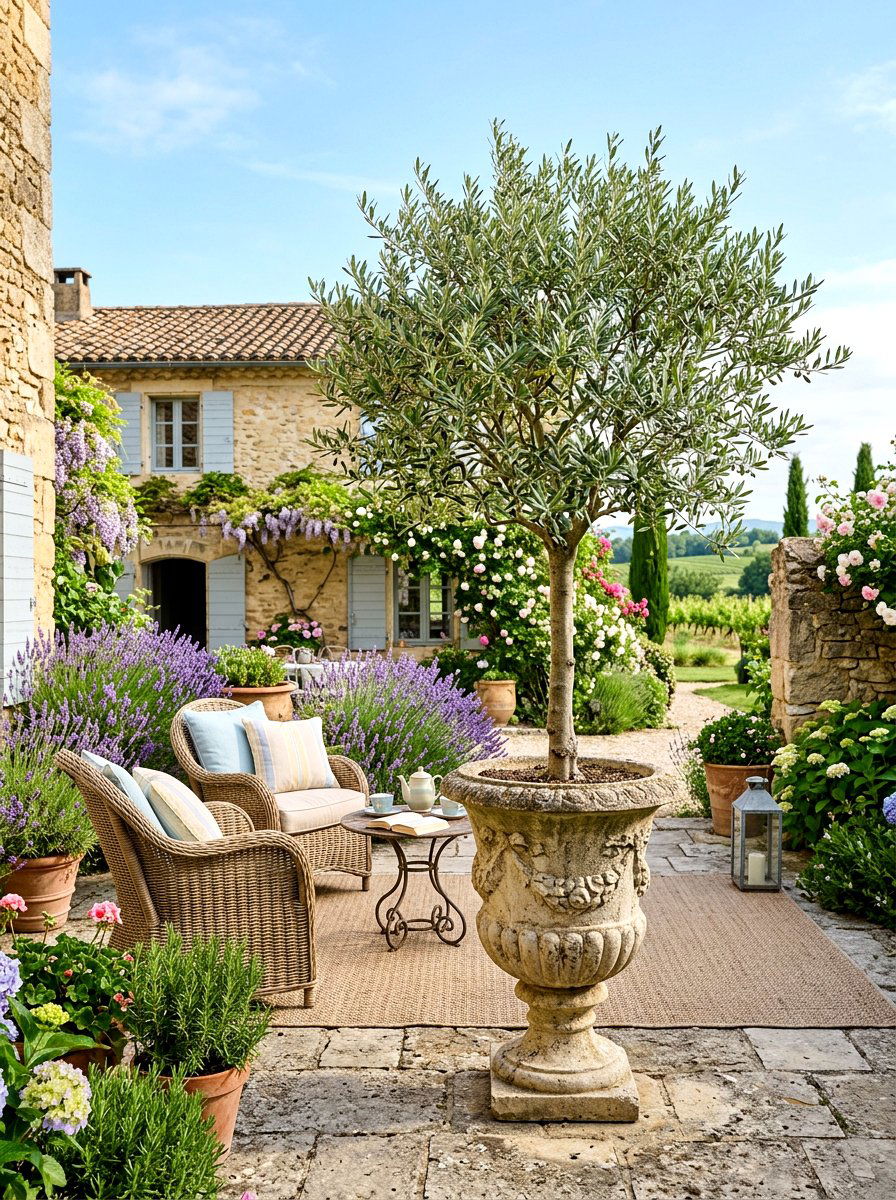
A Mediterranean dwarf citrus patio brings the essence of the coast of Greece or Italy to your backyard with a focus on sun, stone, and citrus. Use a combination of lemons, oranges, and limes planted in oversized, aged stone urns. Incorporate elements like blue and white tiled accents, wrought iron furniture, and a gravel floor to complete the look. The citrus trees provide the essential greenery and fruit that anchor the entire theme. This design is built for lounging and long afternoons in the sun, surrounded by the sights and smells of a fruitful landscape that feels like a permanent vacation right at home.
Conclusion:
Building a dwarf citrus garden is a rewarding endeavor that perfectly marries the art of landscaping with the joy of homegrown food. These thirty ideas demonstrate that no matter how much space you have, there is a creative way to incorporate these beautiful, fragrant trees into your life. From the formal elegance of topiary patios to the innovative utility of self-watering balconies, dwarf citrus varieties offer endless possibilities for customization and style. By choosing the right pots, placement, and companion plants, you can create a vibrant, productive sanctuary that enhances your home's value and your daily well-being. Start your miniature orchard today and enjoy the fresh, sun-ripened rewards for many years to come.

Related posts: