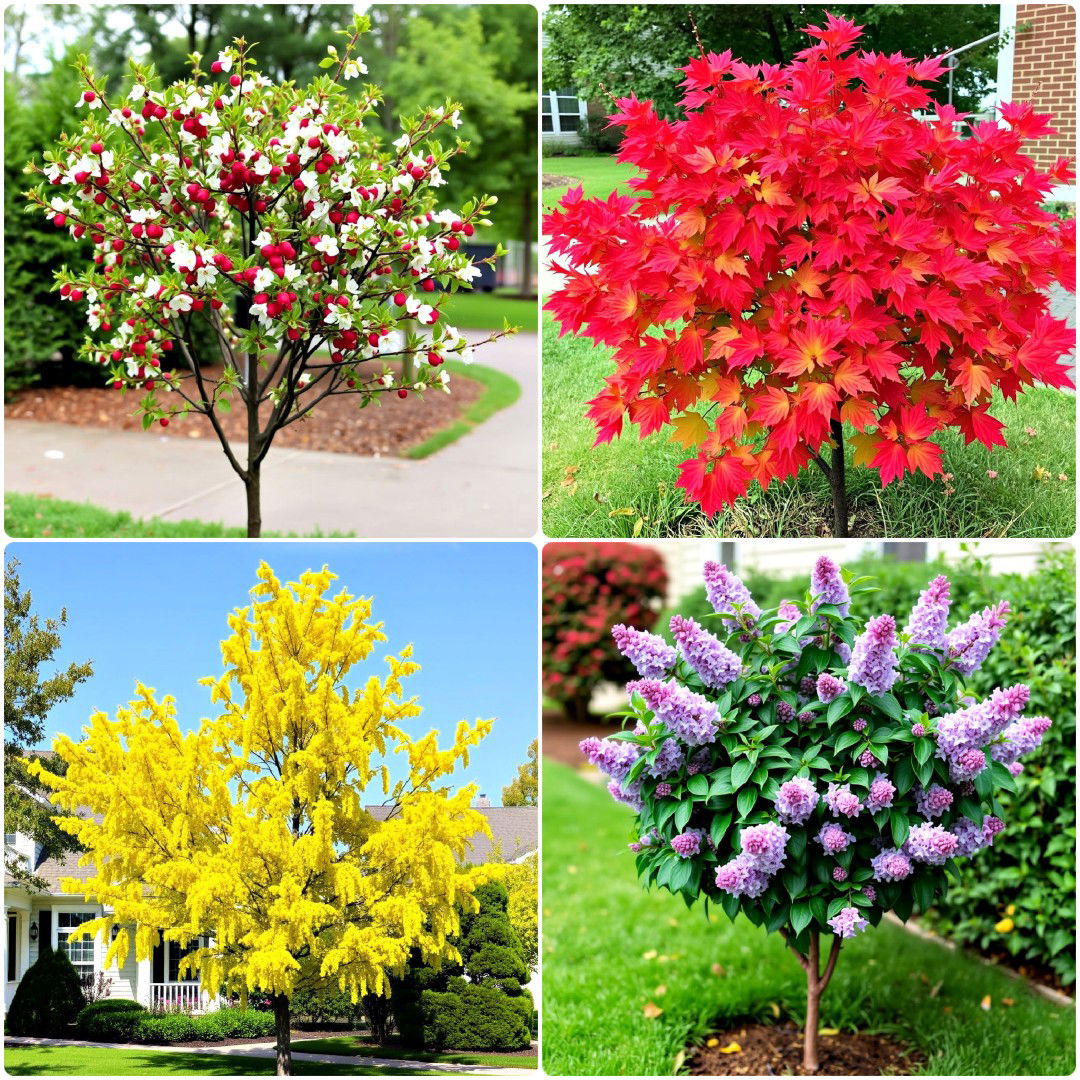
Adding a tree to your front yard is one of the most impactful decisions you can make for your home's curb appeal and overall property value. Trees provide structure, shade, and a sense of permanence that flowers and shrubs alone simply cannot achieve. Whether you are looking for a burst of spring color, architectural interest in the winter, or a lush privacy screen, choosing the right species is crucial for long-term success. You must consider your hardiness zone, the available space, and how the tree will look against your home’s architecture throughout the four seasons. From small ornamental specimens to majestic shade providers, the right tree acts as a living anchor for your entire landscape design. It creates a welcoming first impression for guests while providing essential benefits like improved air quality and a habitat for local wildlife in your neighborhood.
1. Japanese Maple
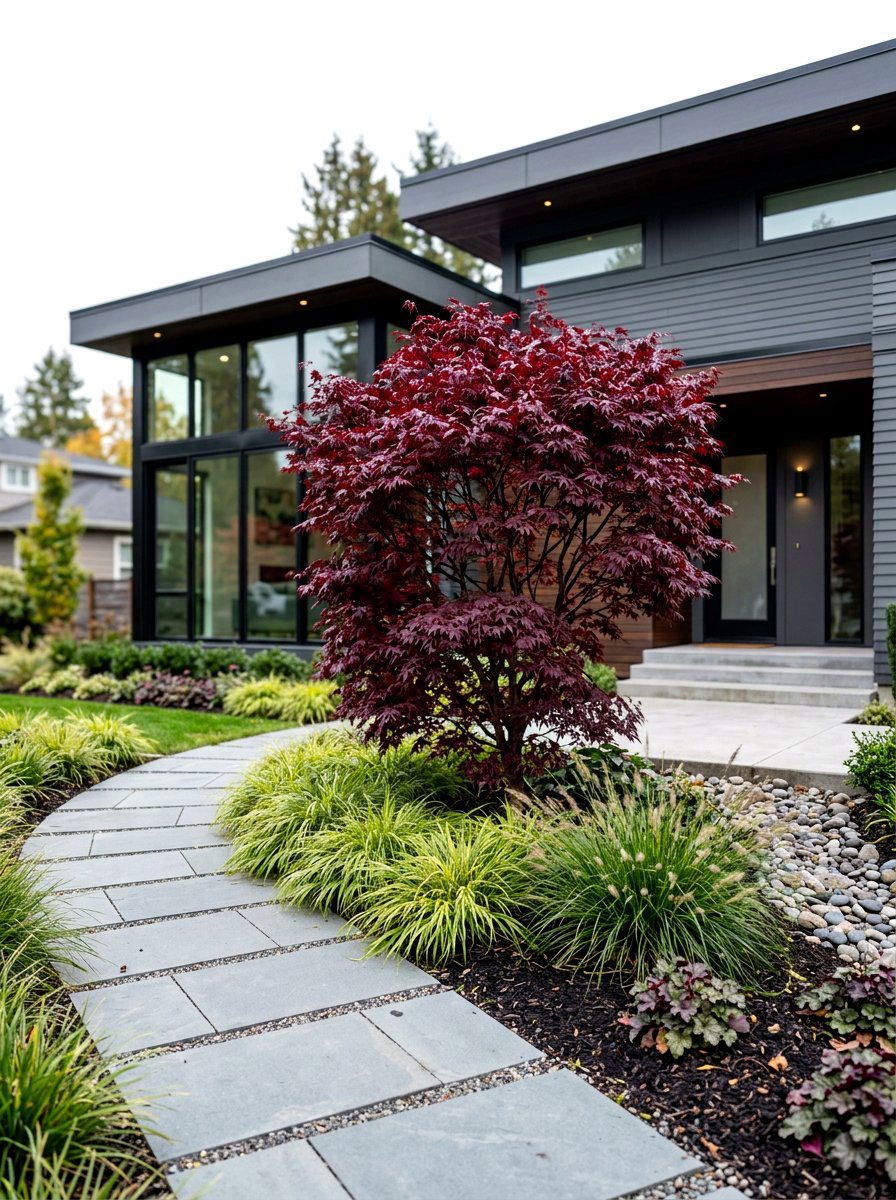
A Japanese Maple is often the crown jewel of modern front yard landscaping because of its delicate foliage and striking structural form. These trees come in an incredible variety of colors, ranging from deep burgundy to vibrant chartreuse, allowing you to create a specific mood for your entryway. Because they are relatively slow-growing and compact, they are ideal for smaller properties where a large shade tree might be too overwhelming. You should place this tree in a spot where it receives partial sunlight to highlight its translucent leaves and intricate branching. Their artistic appearance provides year-round visual interest even during the winter months. It remains a timeless choice for homeowners who want to add a layer of sophistication to their outdoor space.
2. Flowering Dogwood
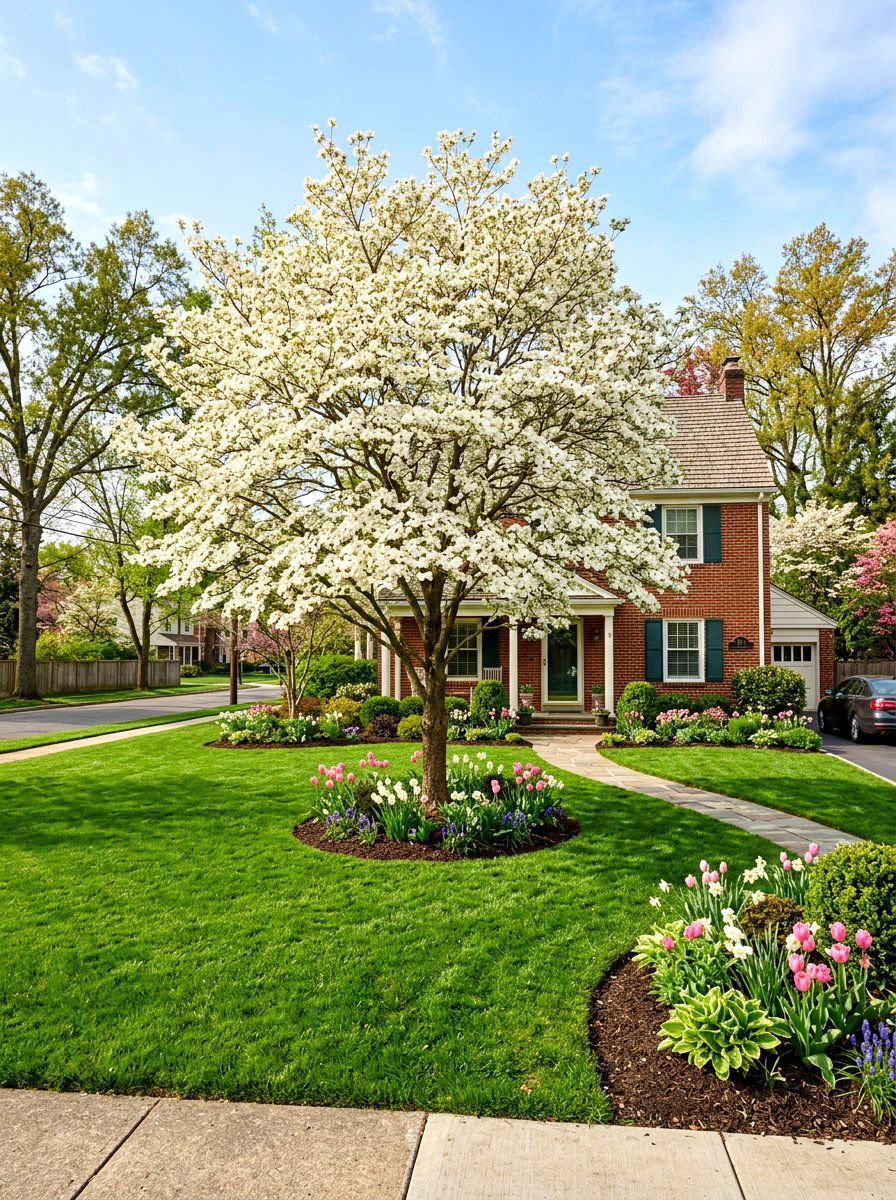
Flowering Dogwood trees are beloved for their stunning spring display of white, pink, or red bracts that appear before the leaves fully emerge. This native beauty offers multi-season interest, transitioning from lush green summer foliage to a brilliant reddish-purple hue in the autumn. As the leaves fall, they reveal bright red berries that attract a variety of songbirds to your front yard during the cooler months. Their horizontal branching habit creates a graceful silhouette that frames your home perfectly without blocking too much light. Dogwoods thrive in well-drained soil and appreciate a bit of afternoon shade in hotter climates. It is a classic choice that brings a sense of natural elegance and historical charm to any suburban landscape.
3. Saucer Magnolia
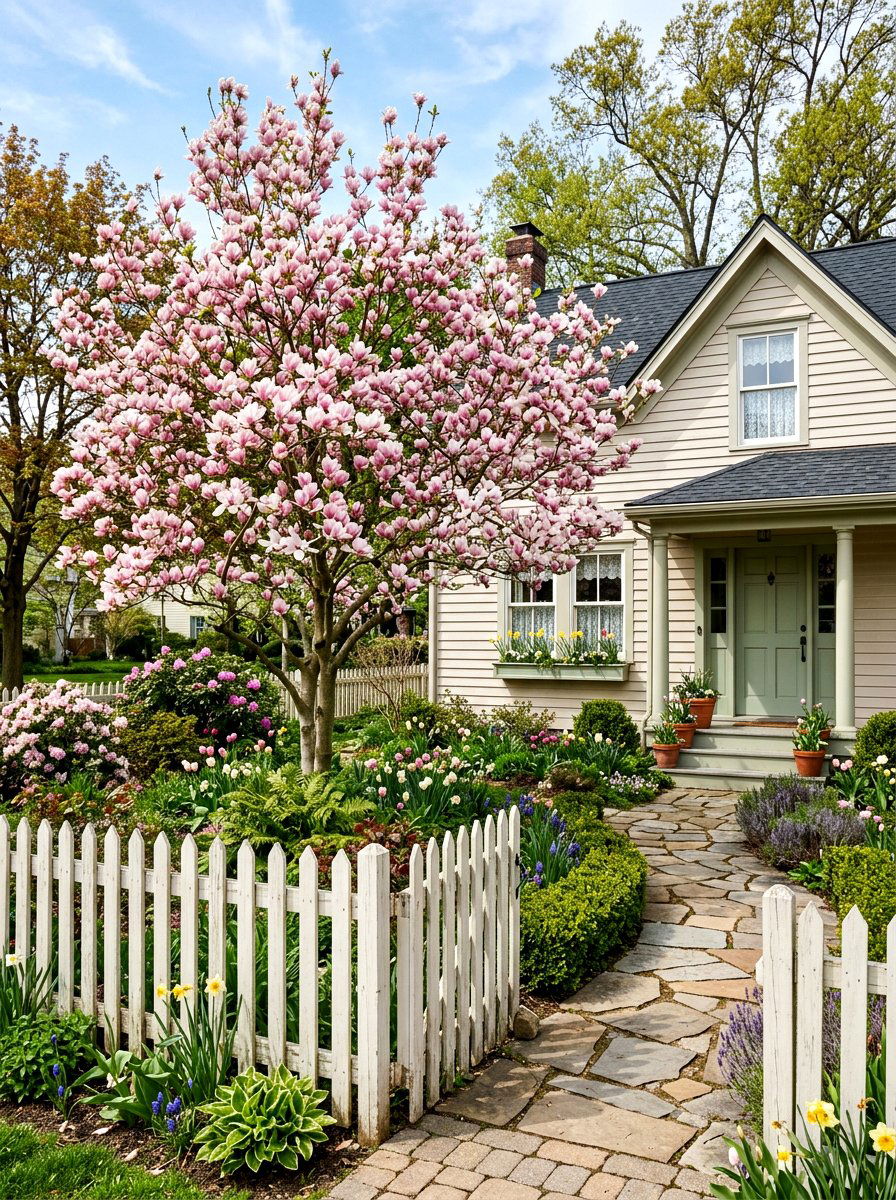
A Saucer Magnolia is a show-stopping specimen that welcomes spring with enormous, waxy blooms that resemble pink and white teacups. This tree typically grows in a multi-stemmed fashion, which adds a sense of volume and texture to your front lawn. Because it flowers early in the season, it provides one of the first major splashes of color after a long winter. The silver-gray bark and fuzzy buds offer unique visual interest during the dormant season, ensuring your yard never looks bare. While it requires a bit of space to spread its wide canopy, the shade it provides is light and airy. It is the perfect choice for homeowners who want a romantic, cottage-inspired look for their main property entrance.
4. Crape Myrtle
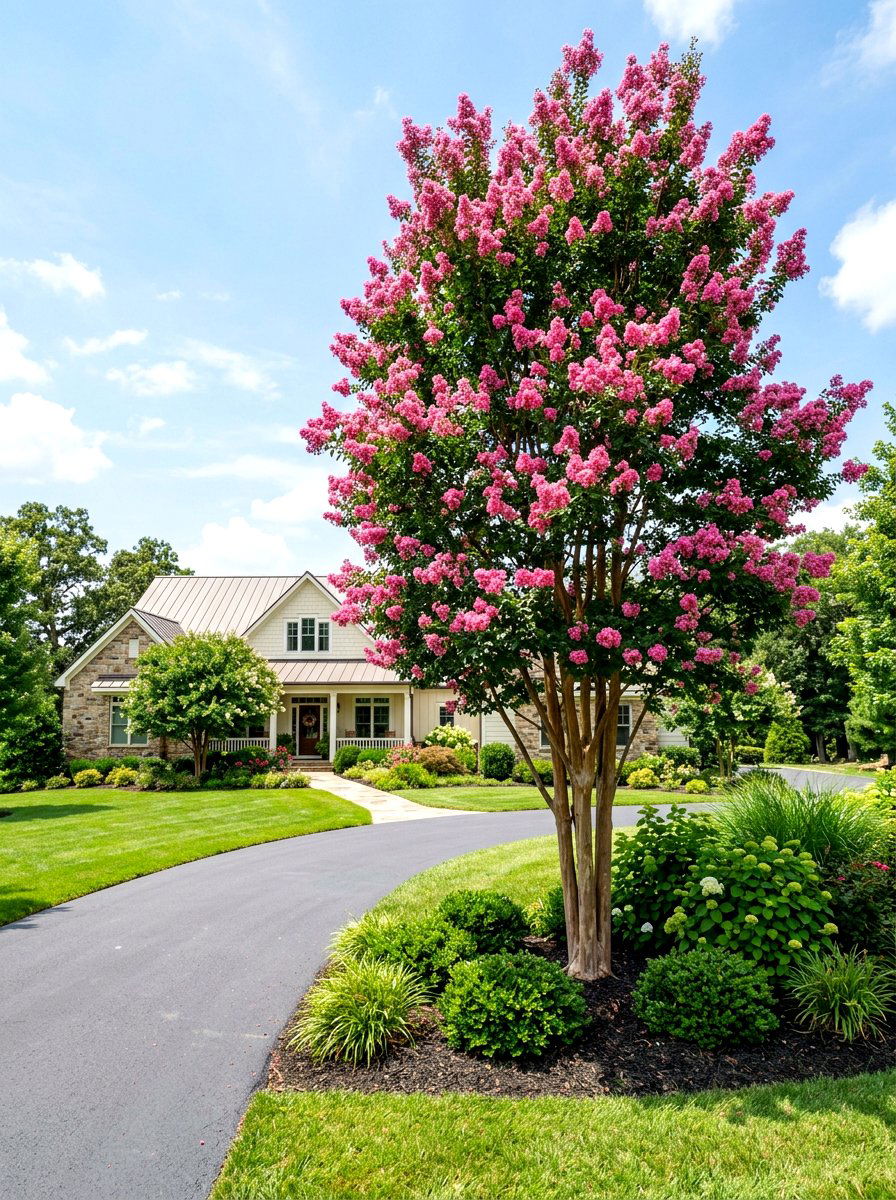
Crape Myrtle trees are famous for their long-lasting summer blooms and their distinctive, smooth bark that peels to reveal beautiful shades of cinnamon and gray. These trees are incredibly resilient, handling heat and drought with ease while providing vibrant clusters of flowers in shades of red, pink, or lavender. Because they come in various sizes from dwarf to tall specimens, you can easily find a variety that fits your specific yard dimensions. Their upright growth habit makes them excellent for framing a driveway or adding vertical interest near a porch. In the fall, their foliage turns brilliant shades of orange and red. This tree is a low-maintenance favorite for creating a lush, southern-style atmosphere in your landscape.
5. River Birch
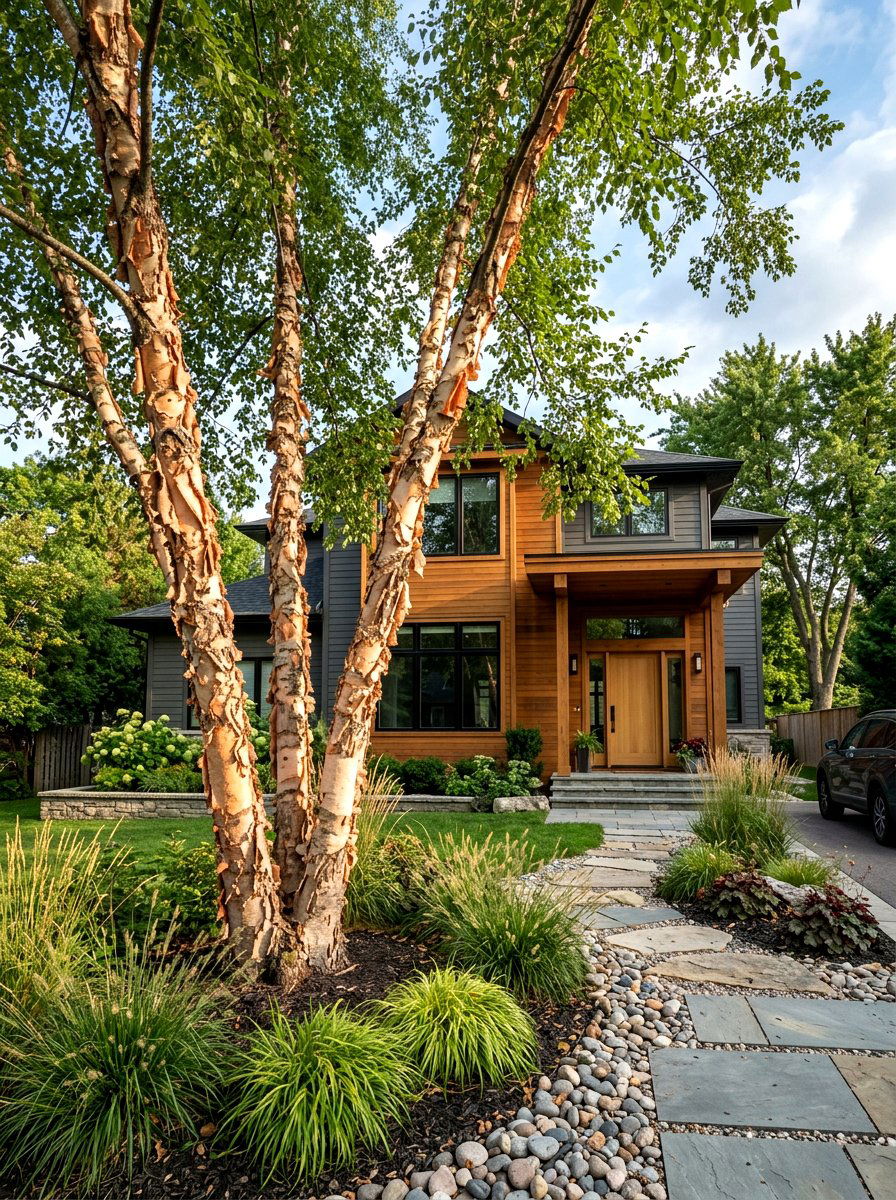
The River Birch is a fast-growing tree that is highly valued for its unique, papery bark that exfoliates in layers of cream, salmon, and brown. This architectural feature makes the tree a standout focal point during the winter when other plants have lost their leaves. It features a graceful, pyramidal shape and triangular green leaves that turn a bright, cheery yellow in the autumn. Unlike some other birch species, the River Birch is more resistant to common pests and can tolerate wetter soil conditions. Planting a small grove of these trees can create a natural, woodland feel that adds privacy and depth to a larger front yard. It is a fantastic choice for modern or rustic home designs.
6. Eastern Redbud
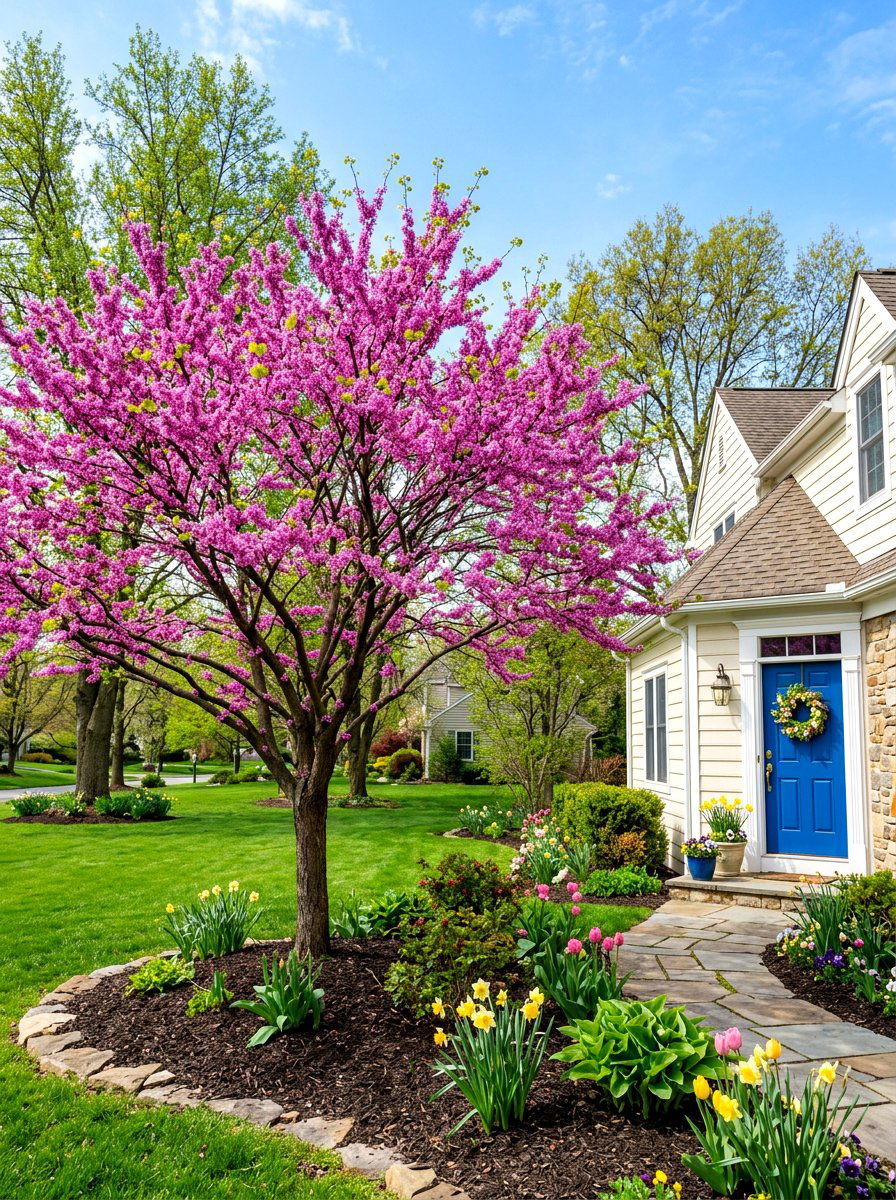
The Eastern Redbud is a true sign of spring, producing tiny, neon-pink flowers that cling directly to the branches and even the trunk. This unique flowering habit creates a striking "electric" look that captures attention from across the street. Beyond its spring show, the tree features beautiful heart-shaped leaves that provide a lush, green canopy throughout the summer months. Many cultivars offer deep purple or variegated foliage for added interest. Redbuds are relatively small and adaptable, making them perfect for planting near utility lines or as an accent under taller canopy trees. Their gentle, spreading habit adds a soft, organic touch to the hard lines of a house. It is a durable and pollinator-friendly landscape addition.
7. Flowering Cherry
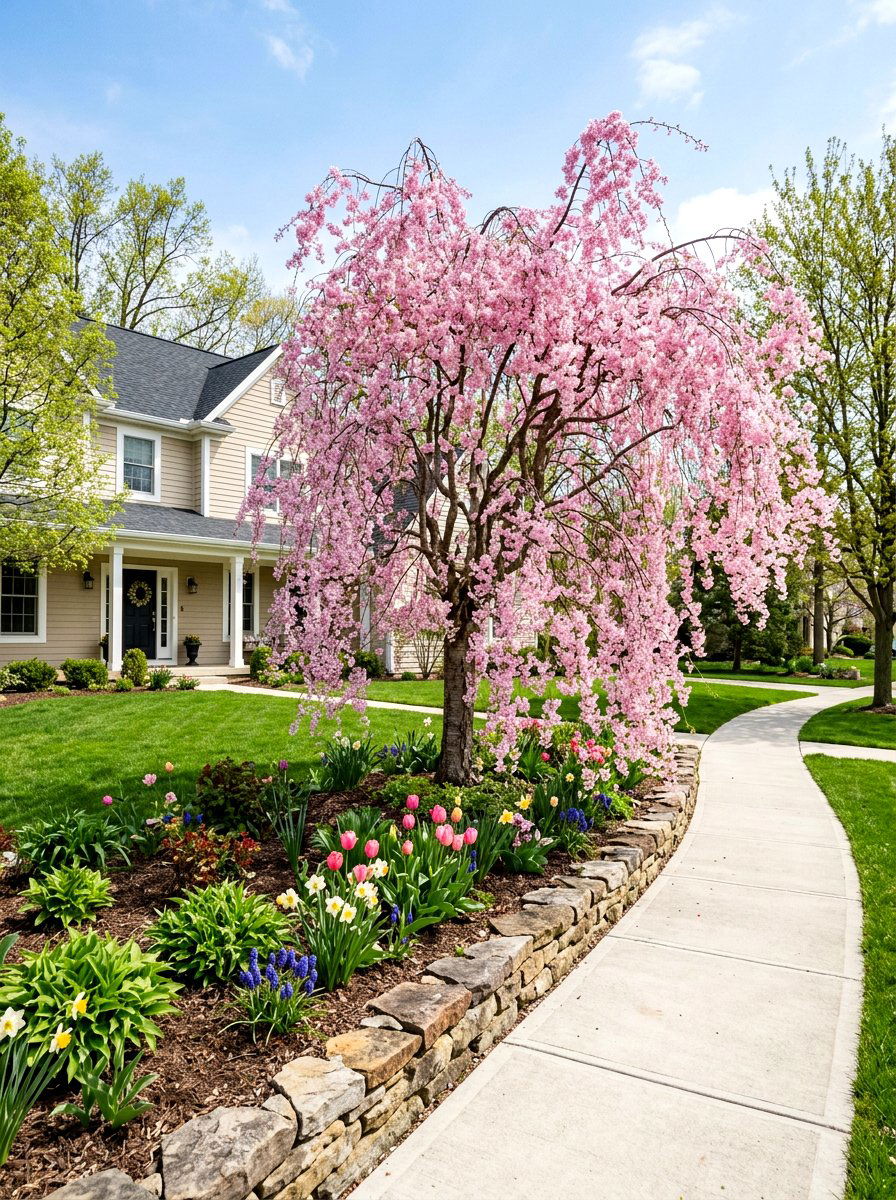
Flowering Cherry trees, such as the Kwanzan or Yoshino varieties, provide an iconic and breathtaking canopy of blossoms that feel like a dream in early spring. These trees are synonymous with beauty and grace, offering clouds of pink or white petals that eventually blanket the ground like snow. Their dark, glossy bark provides a lovely contrast to the delicate flowers and maintains a polished look throughout the year. Flowering cherries are often used as focal points in the center of a front lawn or to line a walkway for a grand entrance. While they require regular watering during dry spells, the visual reward is unmatched. It is the ultimate choice for achieving a high-impact, picturesque front yard design.
8. Serviceberry
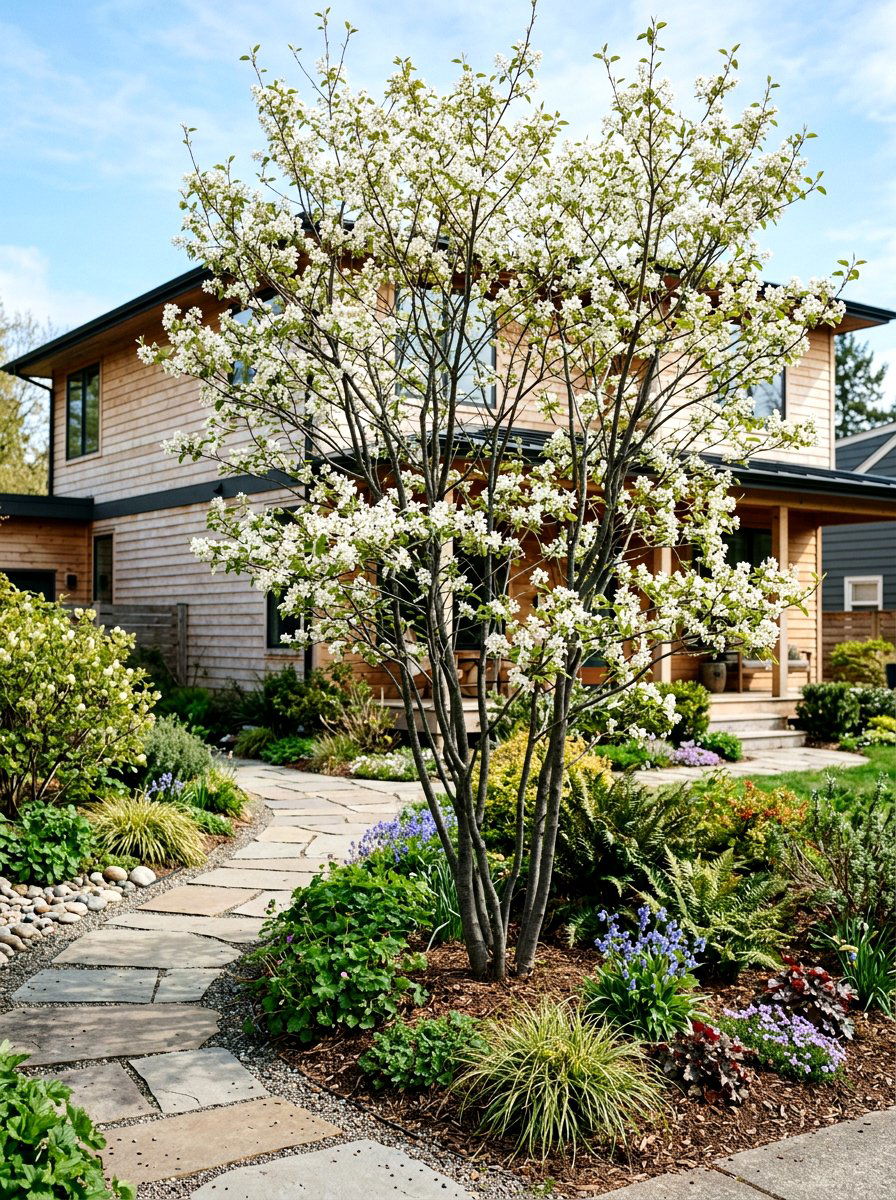
The Serviceberry is an underrated gem that offers four full seasons of beauty in a compact, yard-friendly package. In spring, it is covered in delicate white flowers, which are followed by edible purple berries that taste similar to blueberries. The summer foliage is a clean, dark green that transitions into some of the most vibrant orange and red tones you will see in the fall. During the winter, its smooth gray bark and fine branching structure provide a subtle, elegant look against the snow. Serviceberries are very hardy and can be grown as either a single-trunk tree or a multi-stemmed shrub. It is an excellent choice for homeowners who value both aesthetics and wildlife-friendly gardening.
9. Crabapple
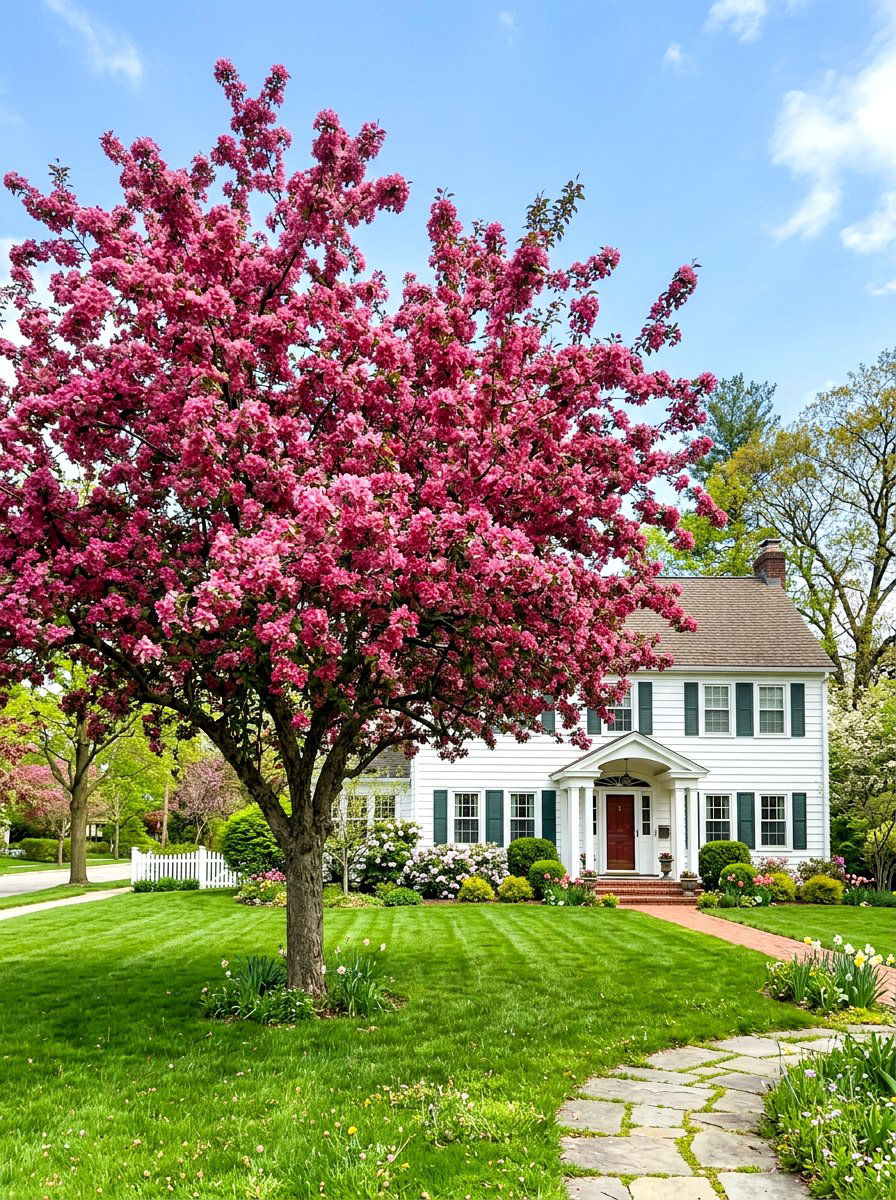
Crabapple trees are a staple of the American front yard because of their immense flower production and cold hardiness. In the spring, they erupt in dense clusters of fragrant blossoms that range from pure white to deep magenta. Following the flowers, small, colorful fruits develop and often persist into the winter, providing a vital food source for birds. Many modern varieties are bred for disease resistance, ensuring the foliage stays healthy and green all through the summer. Their rounded or weeping forms make them versatile for various landscape styles, from traditional to contemporary. A Crabapple tree provides a cheerful and hardworking presence that changes beautifully with every season. It is a reliable choice for long-term curb appeal.
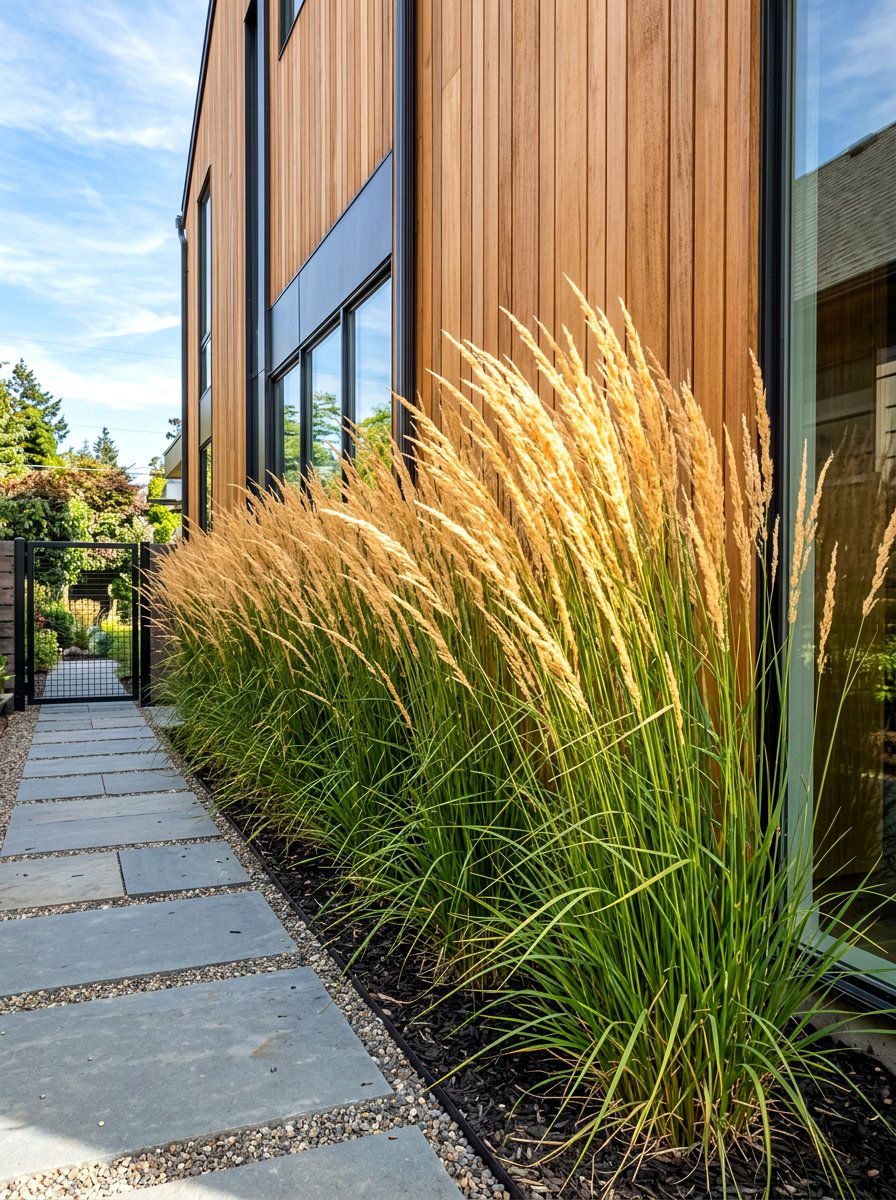
10. Ginkgo Biloba
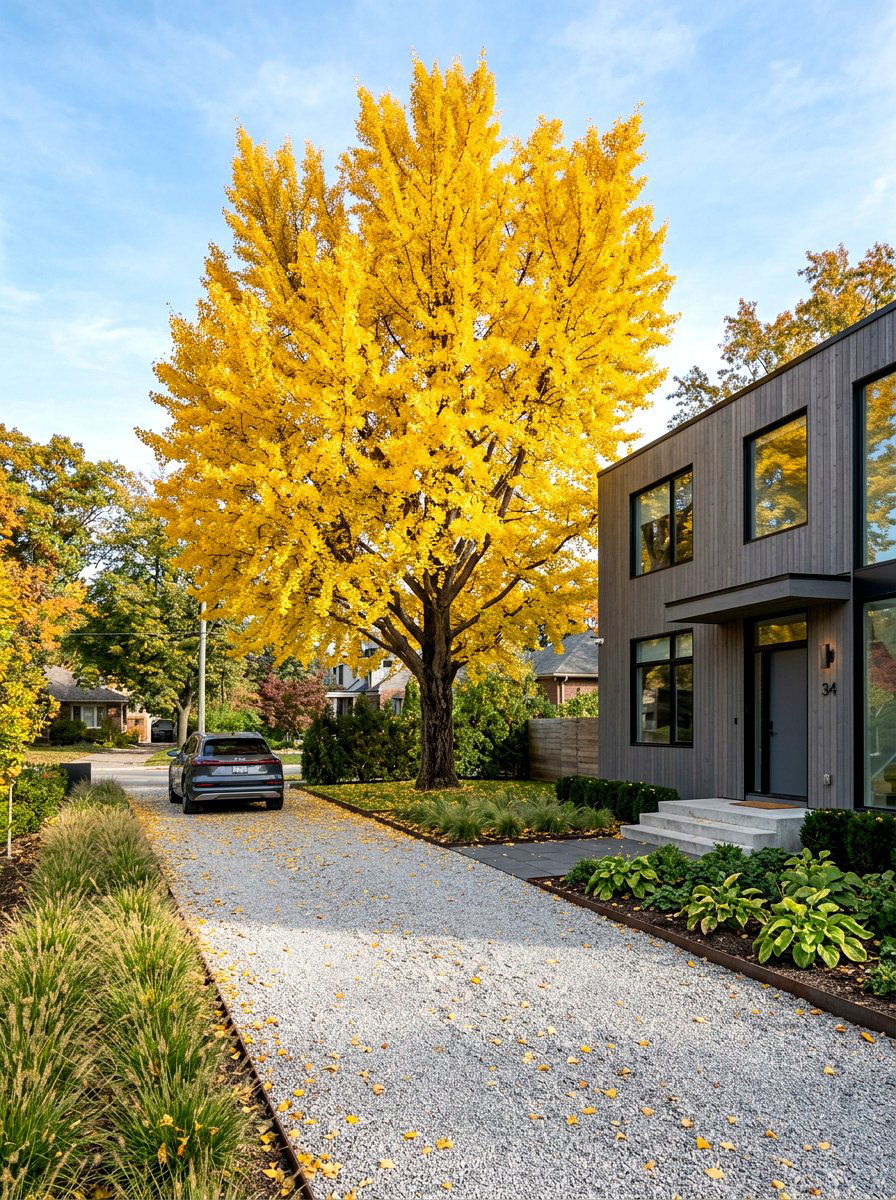
The Ginkgo Biloba, also known as the Maidenhair tree, is a living fossil with unique, fan-shaped leaves that turn a brilliant, uniform gold in the fall. This tree is incredibly tough, tolerating urban pollution, heat, and poor soil conditions with ease. Because it grows in a stately, upright manner, it works well as a shade tree that won't take up too much horizontal space in its youth. You should always choose a male cultivar to avoid the messy fruit produced by female trees. The structural elegance of the Ginkgo makes it a favorite for minimalist and modern architectural styles. It is a long-lived investment that will provide beauty and shade for generations of homeowners to enjoy.
11. Italian Cypress
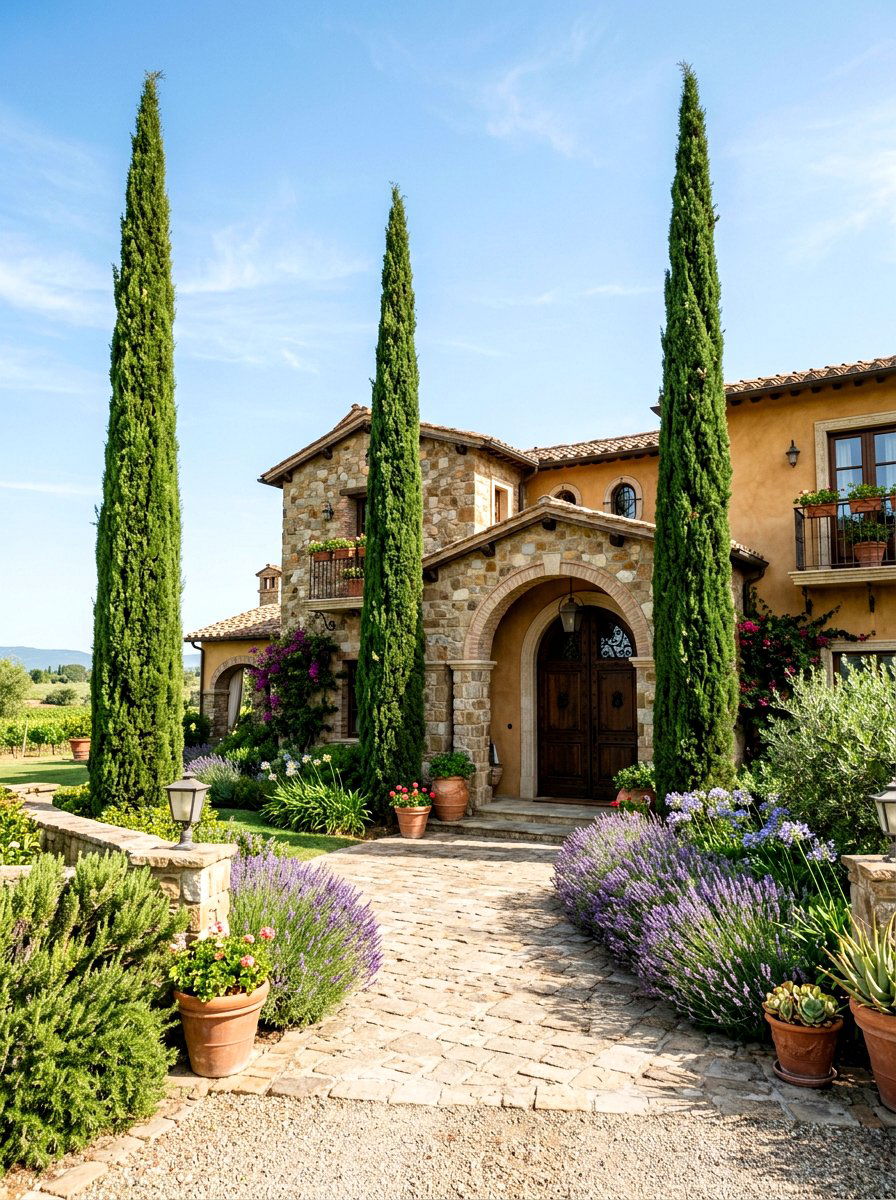
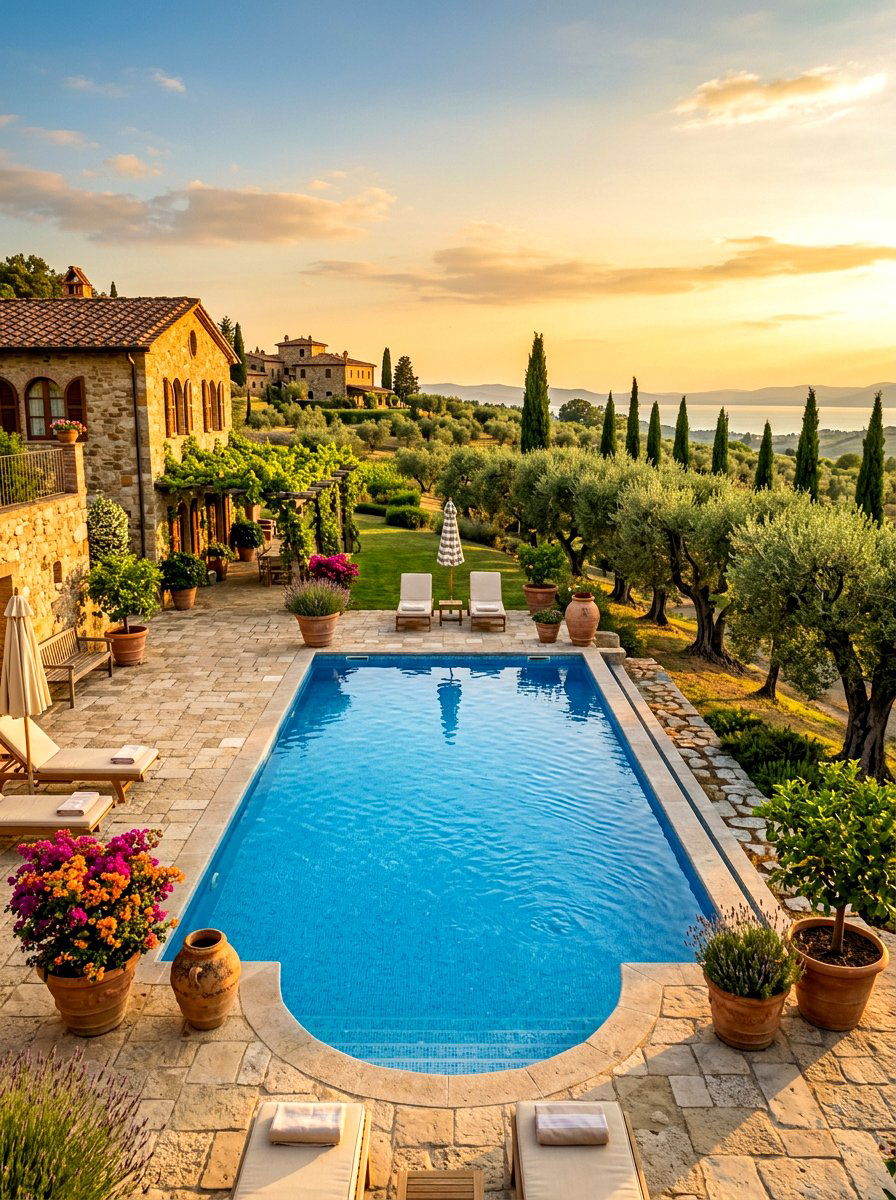
Italian Cypress trees are the ultimate choice for homeowners seeking a formal, Mediterranean-inspired look for their front yard. These tall, slender evergreens act like living exclamation points, providing dramatic vertical interest without taking up much ground space. They are perfect for framing a grand entryway, lining a long driveway, or creating a narrow privacy screen along a property line. Their dense, dark green foliage remains vibrant all year, ensuring your home looks polished even in the dead of winter. Because they are drought-tolerant once established, they are excellent for water-wise landscapes. Using these trees can instantly elevate the perceived value and sophistication of your property. It is a bold, architectural choice for any climate that supports them.
12. Blue Spruce
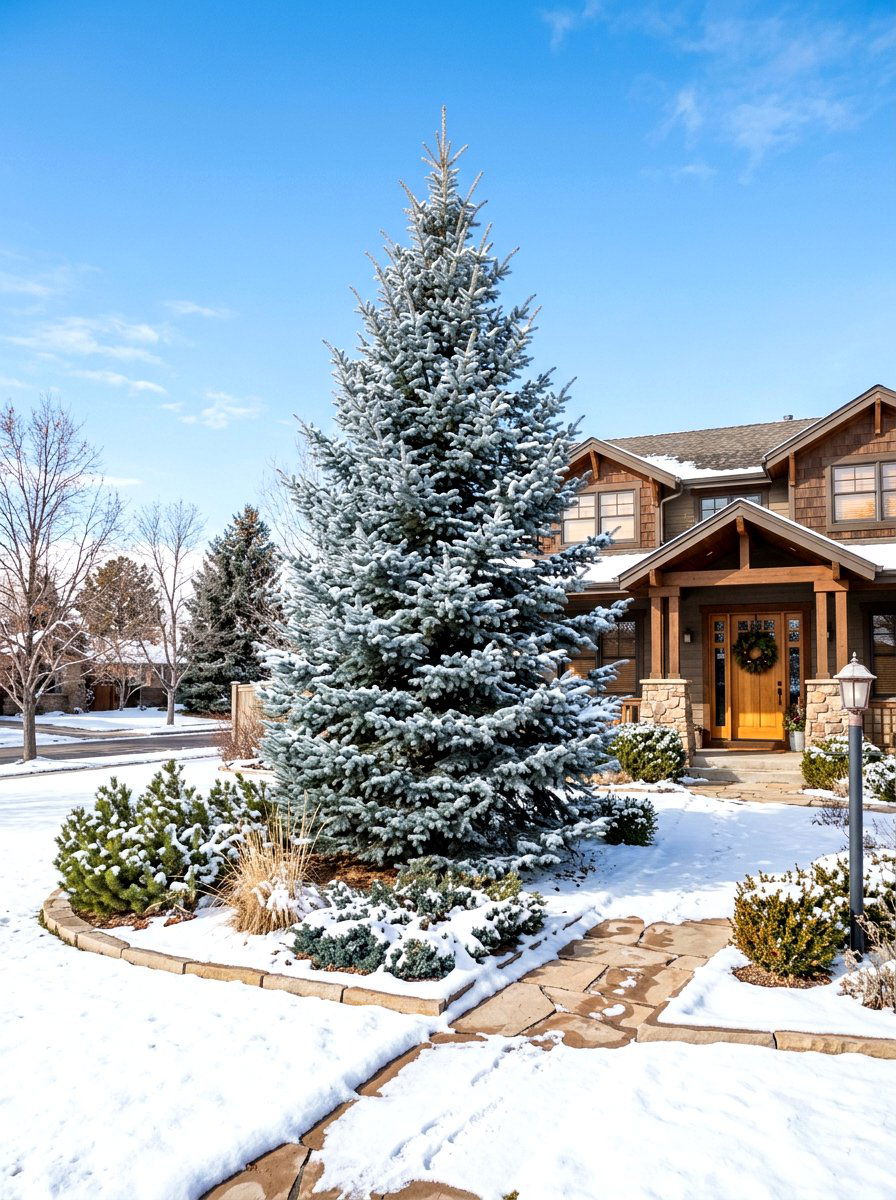
The Blue Spruce is a classic evergreen that adds a cool, silvery-blue tone and a rugged texture to your front yard. Its stiff, needle-covered branches grow in a perfect pyramidal shape, making it a natural choice for a year-round focal point. While the standard species can grow quite large, there are many dwarf cultivars available that are much better suited for suburban front lawns. This tree is exceptionally hardy and provides excellent wind protection and privacy throughout the year. Its unique color creates a beautiful contrast when planted near traditional green shrubs or bright flowering perennials. It is a popular choice for those who want a tree that looks just as beautiful covered in winter frost as it does in summer.
13. Olive Tree
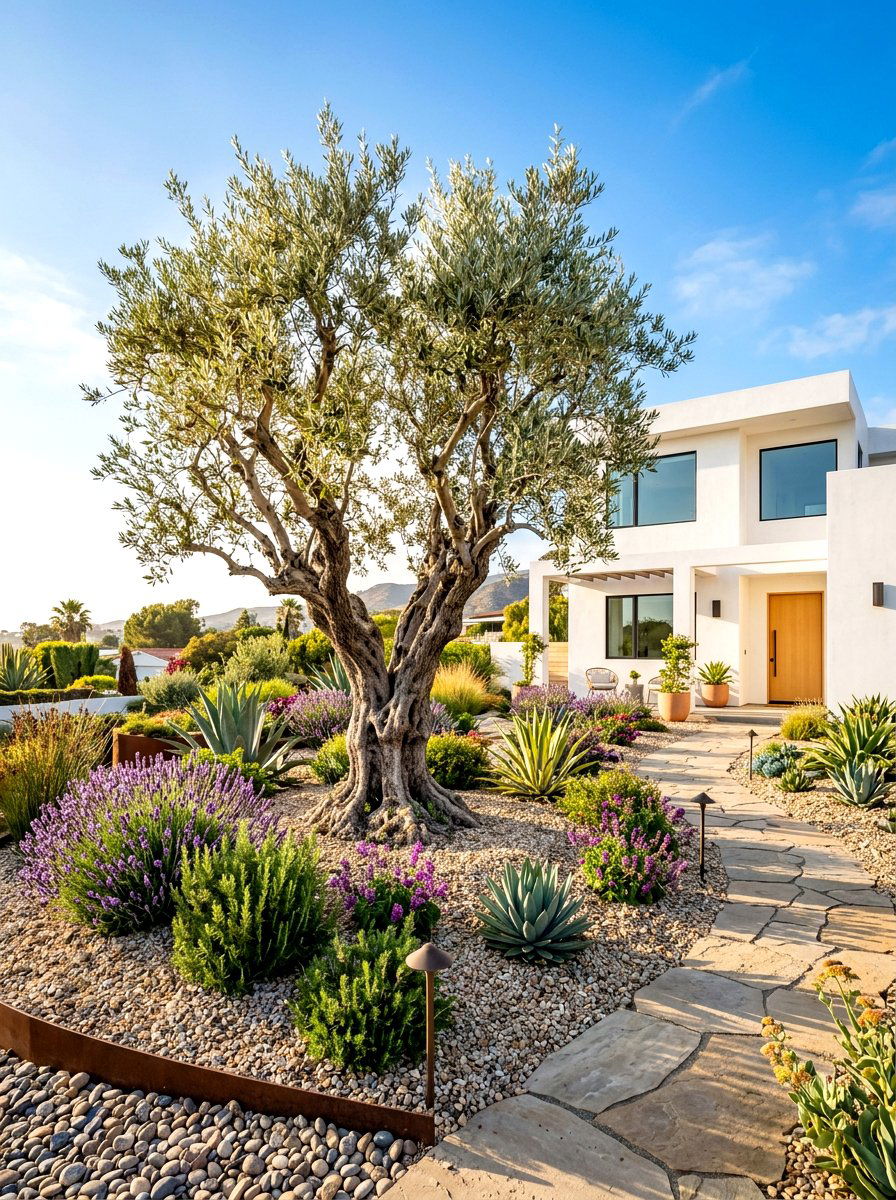
Olive trees have become a massive trend in modern landscaping due to their silvery foliage and rustic, gnarled trunks. They bring an instant Mediterranean or Californian vibe to a front yard, evoking a sense of peace and timelessness. These trees are incredibly drought-tolerant and thrive in sunny locations with well-drained soil. Even in cooler climates, dwarf varieties can be grown in large ornamental pots to flank a front door. Their airy canopy allows light to filter through, making them perfect for underplanting with lavender or rosemary. Whether you choose a fruiting or fruitless variety, the Olive tree adds a sophisticated, earthy texture to your home’s exterior. It is a stylish choice for contemporary and farmhouse-style homes.
14. Smoke Tree
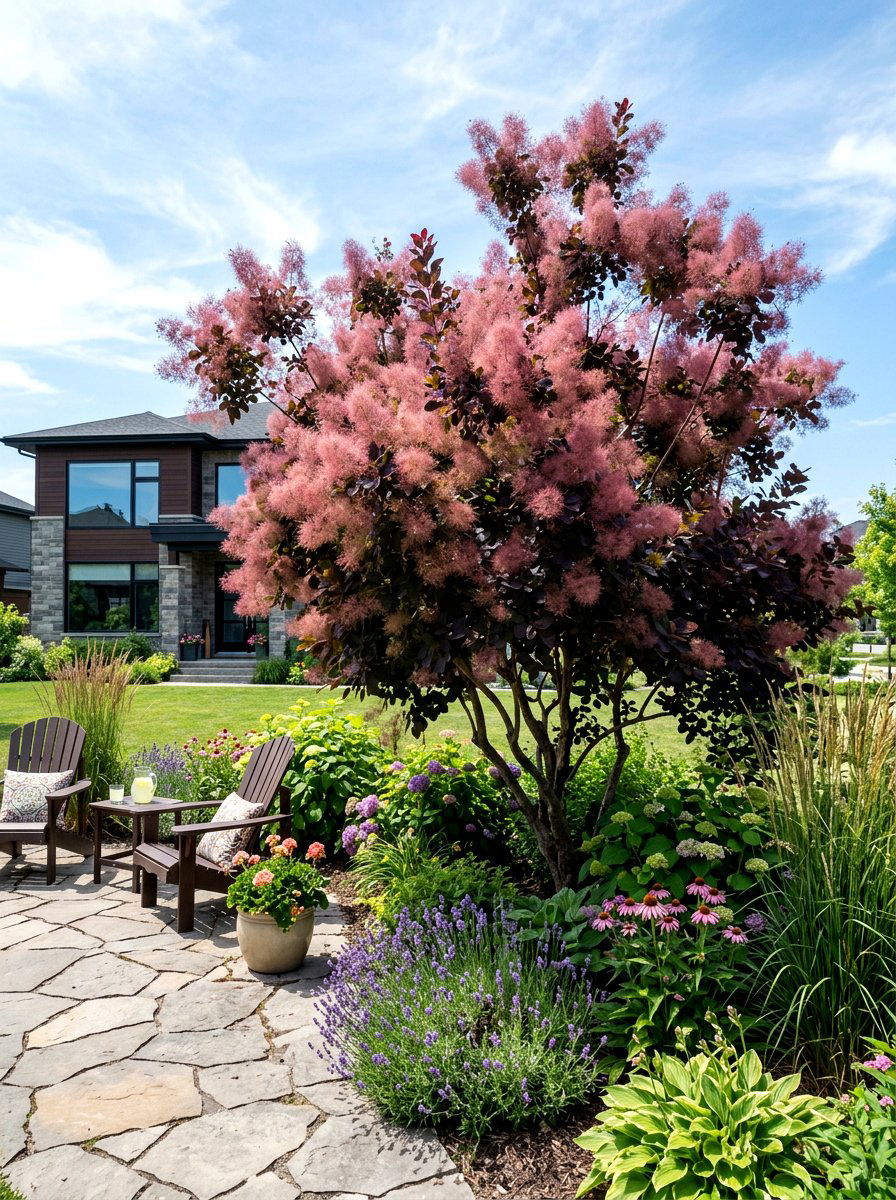
The Smoke Tree is named for the billowy, hair-like clusters of flowers that appear in summer, resembling clouds of smoke floating among the leaves. This tree is a fantastic choice for homeowners who want to add an unusual texture and a splash of deep color to their landscape. Many varieties feature striking purple or burgundy foliage that stays vibrant throughout the entire growing season. In the fall, the leaves turn brilliant shades of orange, amber, and red. Smoke trees are very adaptable and can be pruned into a small tree or left as a large shrub. Their unique appearance makes them a conversation piece and a favorite for Pinterest-worthy garden designs. It is a hardy, drought-tolerant, and visually stunning option.
15. Star Magnolia
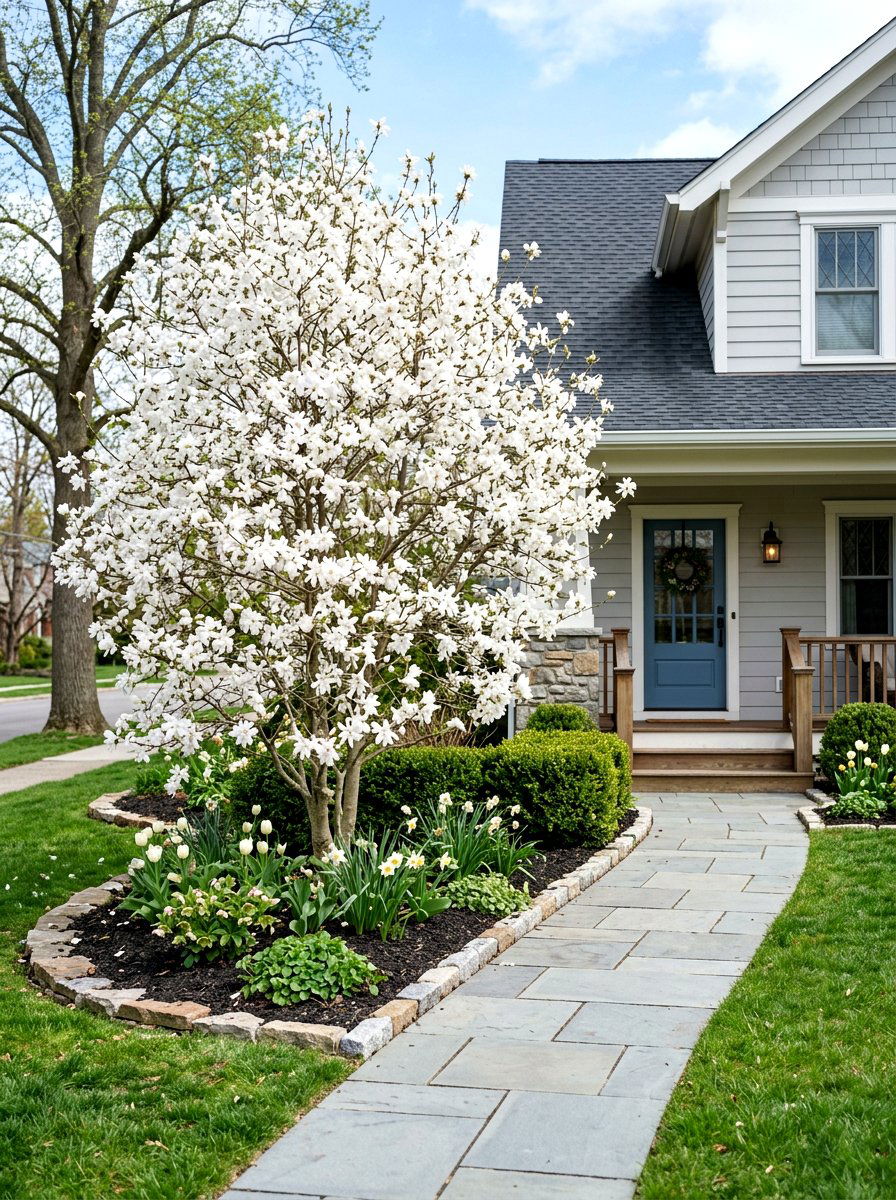
Star Magnolia is a smaller, slower-growing relative of the Saucer Magnolia, making it an ideal fit for compact front yards. It is one of the earliest trees to bloom in the spring, producing masses of white, star-shaped flowers that have a light, pleasant fragrance. The multi-stemmed growth habit and smooth gray bark provide a refined, shrub-like appearance that works well in foundation plantings. Because it stays relatively short, it won't block windows or dominate the view of your house. During the summer, its dark green leaves provide a clean backdrop for other flowering plants. It is a resilient and graceful tree that offers a delicate, high-end look. This species is perfect for adding a touch of classic elegance to smaller spaces.
16. Hydrangea Tree
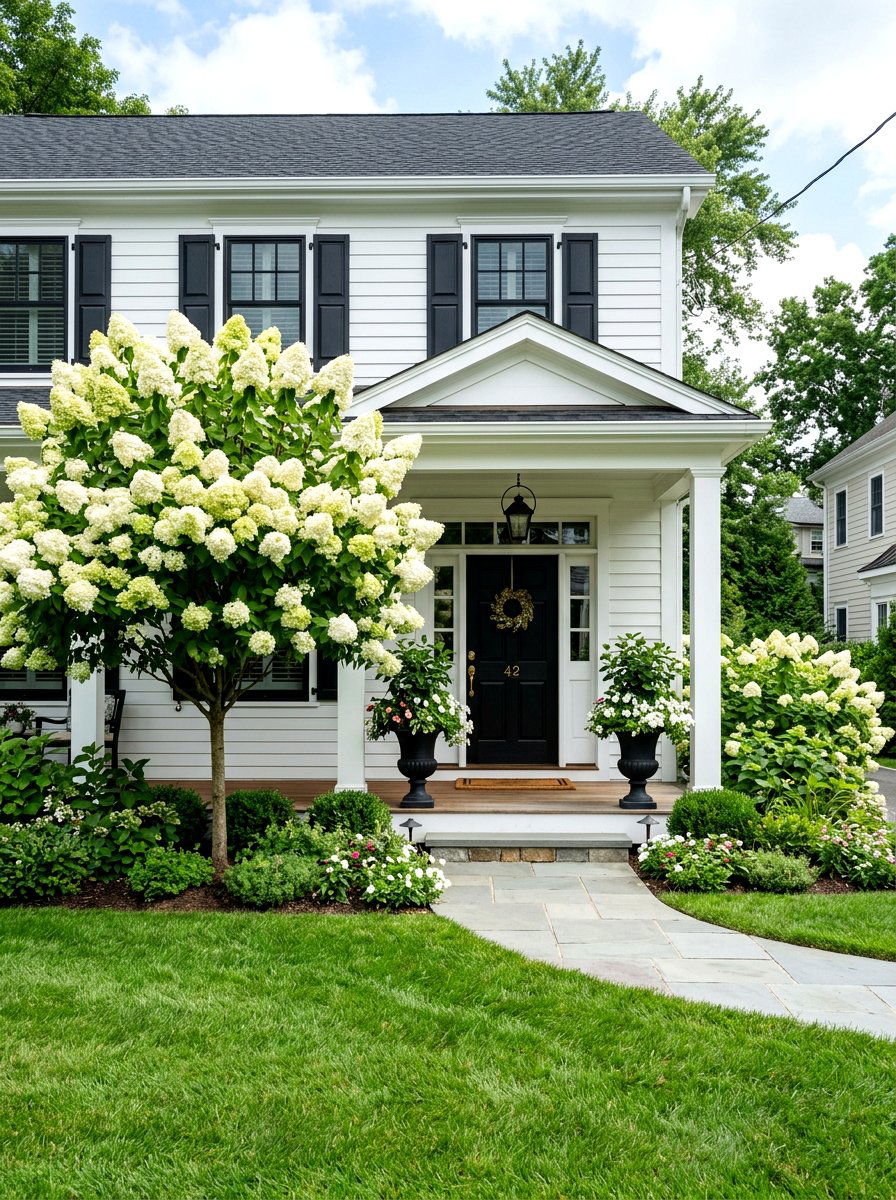
A Hydrangea Tree is created by pruning certain panicle hydrangea varieties into a single-trunk standard form. This results in a stunning "bouquet on a stick" look that is perfect for framing a front porch or walkway. These trees are famous for their massive, cone-shaped flower clusters that start white and often fade to a beautiful dusty pink or lime green as the season progresses. Because they bloom on new wood, they are very reliable even after harsh winters. Their compact size makes them excellent for small gardens or large decorative containers. The long-lasting blooms provide summer-long color when many other trees have finished flowering. It is a trendy and feminine choice for creating a welcoming, floral-focused entryway.
17. Paperbark Maple
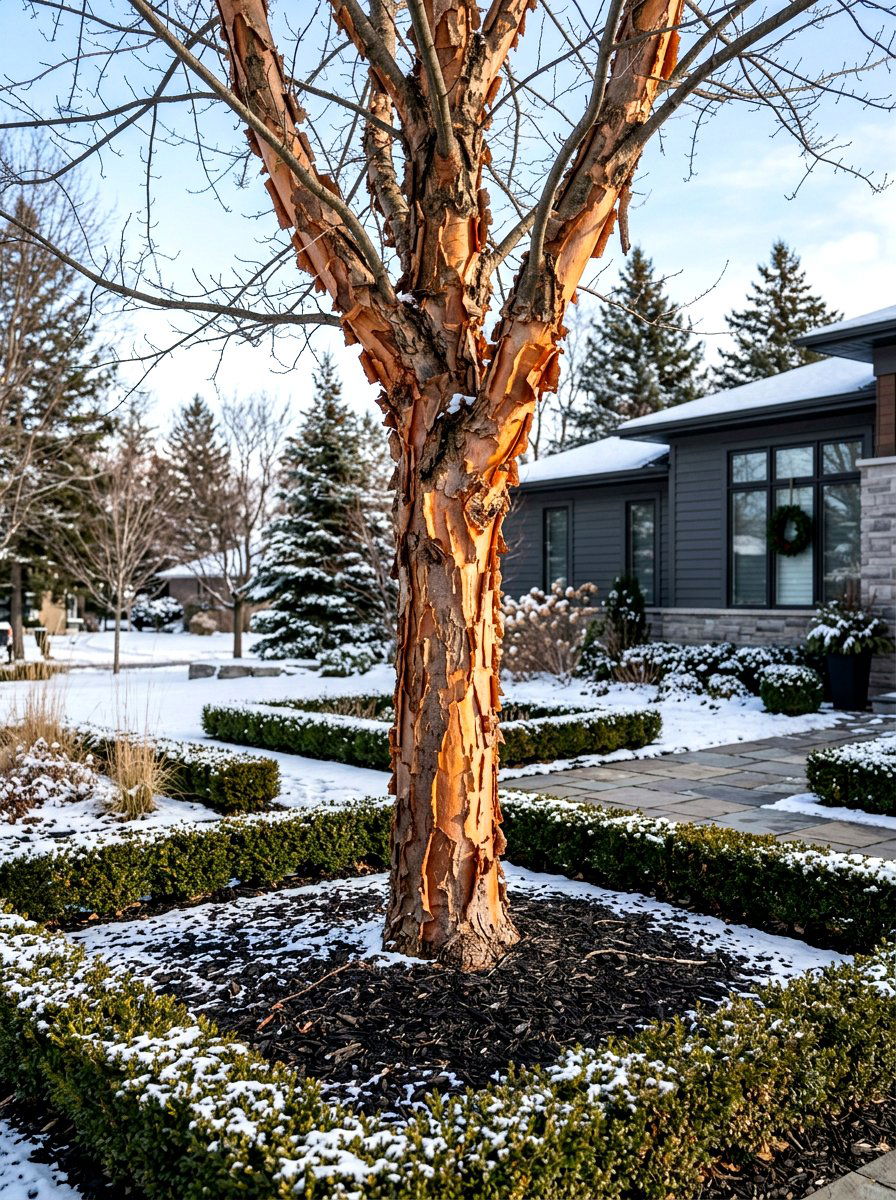
The Paperbark Maple is a connoisseur's choice for a front yard tree, prized primarily for its extraordinary, cinnamon-colored peeling bark. This feature provides incredible winter interest, as the curled translucent layers of bark glow when caught in the sunlight. It is a slow-growing deciduous tree with a neat, upright habit that fits perfectly into small to medium-sized yards. The trifoliate leaves are a soft green in the summer and turn a magnificent brilliant red or orange in the fall. Because of its unique texture and refined growth, it is often used as a specimen tree near a patio or front entrance. It is a hardy and low-maintenance option that adds a layer of artistry and rare beauty to your landscape.
18. Fringe Tree
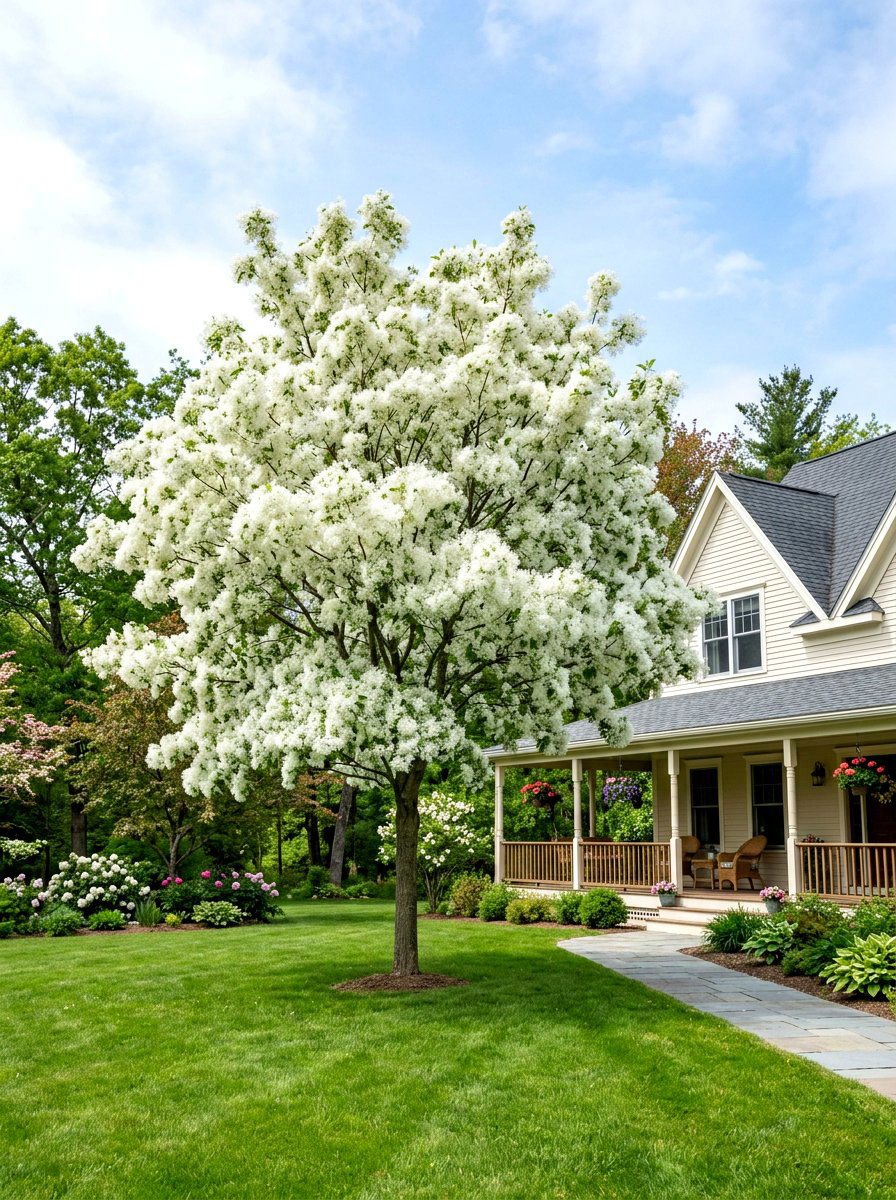
The Fringe Tree is a hidden gem of the horticultural world, featuring delicate, fragrant white flowers that hang in lace-like clusters in late spring. This native tree has a soft, airy appearance that makes it feel like a cloud is resting in your front yard. It is a slow-grower with a wide, rounded canopy that provides gentle shade without being too dense. The leaves are a lustrous green and turn a bright yellow in the autumn, while female trees may produce small blue-black fruits that attract birds. It is highly resistant to pests and diseases, making it a very easy tree to maintain. If you want a tree that feels unique and ethereal, the Fringe Tree is an excellent selection.
19. Seven-Son Flower
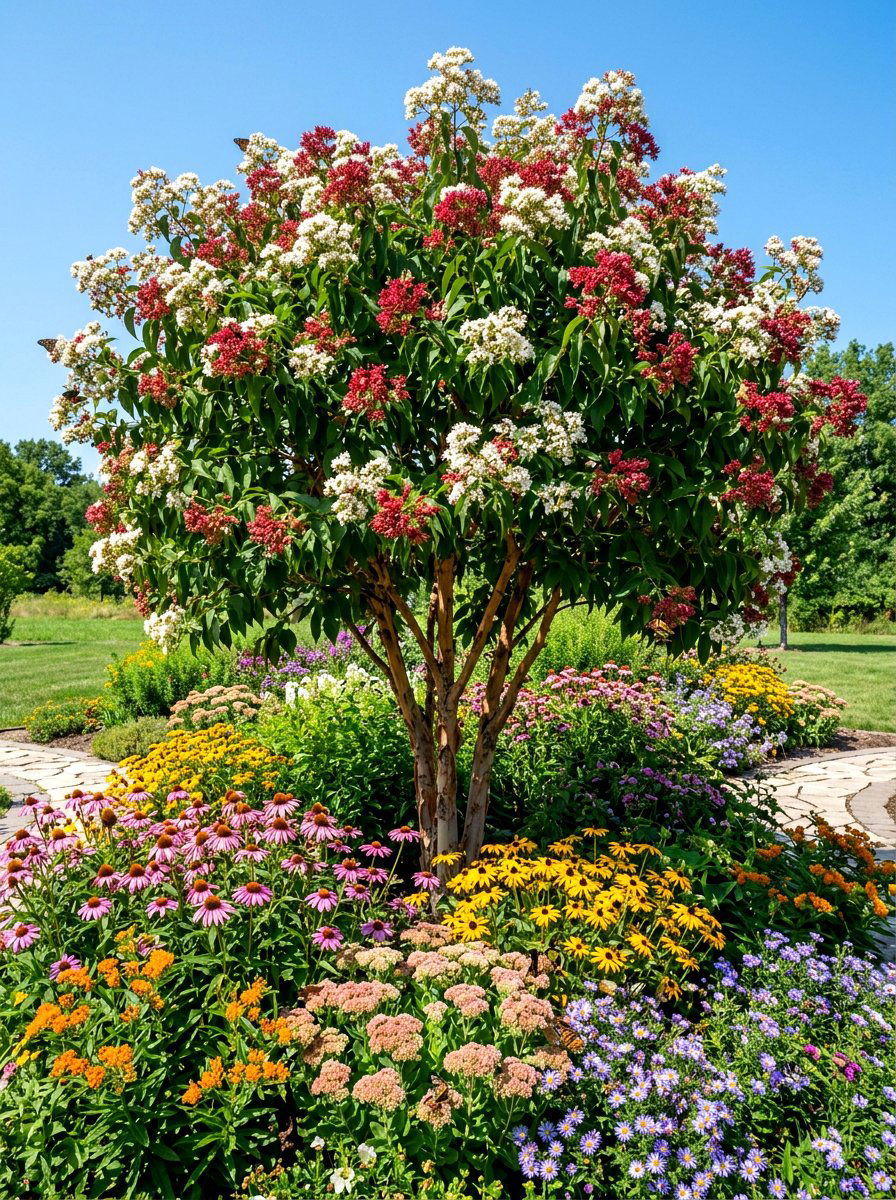
The Seven-Son Flower is a unique and versatile tree that offers interest during the late summer when most other trees are dormant. It produces clusters of fragrant white flowers in August, which are followed by showy, cherry-red calyxes that persist well into the autumn. This provides a second "bloom" of color that is absolutely stunning. The tree also features attractive, peeling tan bark that adds architectural interest during the winter months. It can be grown as a single-trunk tree or a multi-stemmed specimen, depending on your landscape needs. Its ability to attract butterflies and bees makes it a great choice for eco-conscious homeowners. This is a rare and sophisticated tree that will make your yard stand out.
20. Columnar European Hornbeam
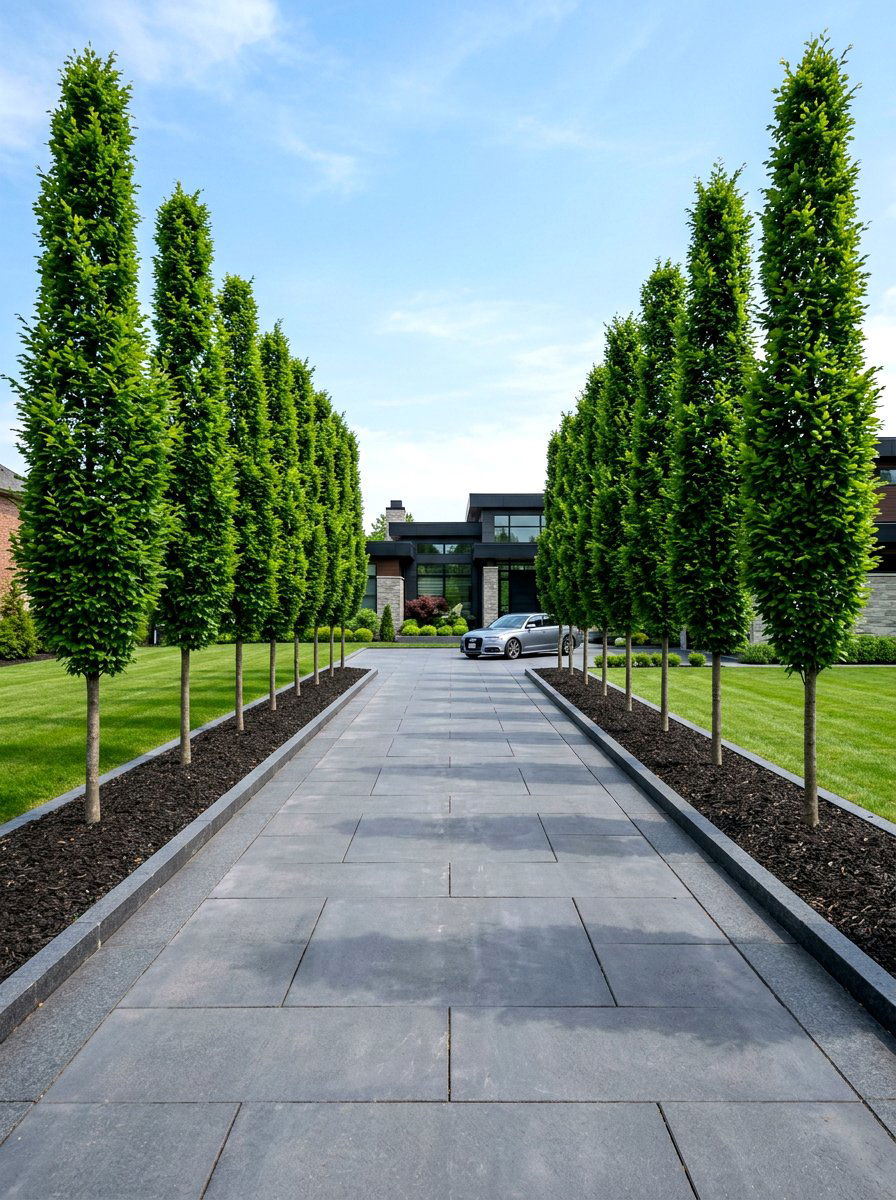
The Columnar European Hornbeam is the perfect solution for narrow front yards or for homeowners who want a very tidy, manicured look. This tree grows in a tight, upright columnar shape, resembling a tall green pillar. Its dense, dark green foliage is very clean and turns a lovely golden yellow in the fall. Because it takes pruning exceptionally well, it is often used to create formal "hedges on stilts" or to line a driveway with perfect symmetry. It is a very sturdy tree that can withstand heavy winds and urban conditions. Its architectural form makes it a favorite for modern and contemporary home designs. It provides a sense of order and high-end structure to any front garden.
21. American Holly
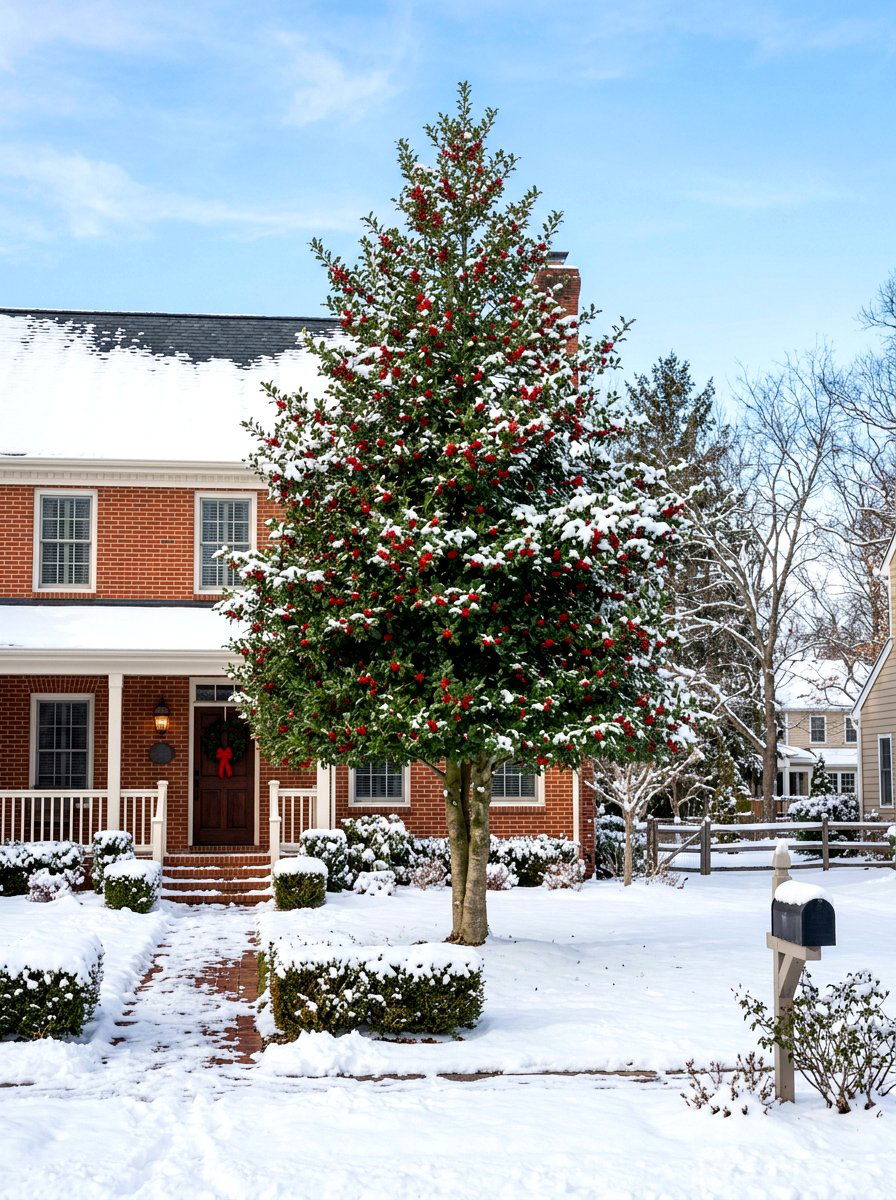
American Holly is a classic evergreen that brings a sense of tradition and year-round structure to your front yard. It is easily recognized by its glossy, spiny green leaves and bright red berries that provide a festive pop of color during the winter months. This tree grows in a natural pyramidal shape and can serve as an excellent privacy screen or a majestic specimen tree. Because it is an evergreen, it provides a consistent backdrop for seasonal flowers and maintains curb appeal even when other plants are bare. It is also a vital sanctuary for birds during the cold season. American Holly is a durable, long-lived choice that adds a timeless, stately feel to a residential property.
22. Weeping White Spruce
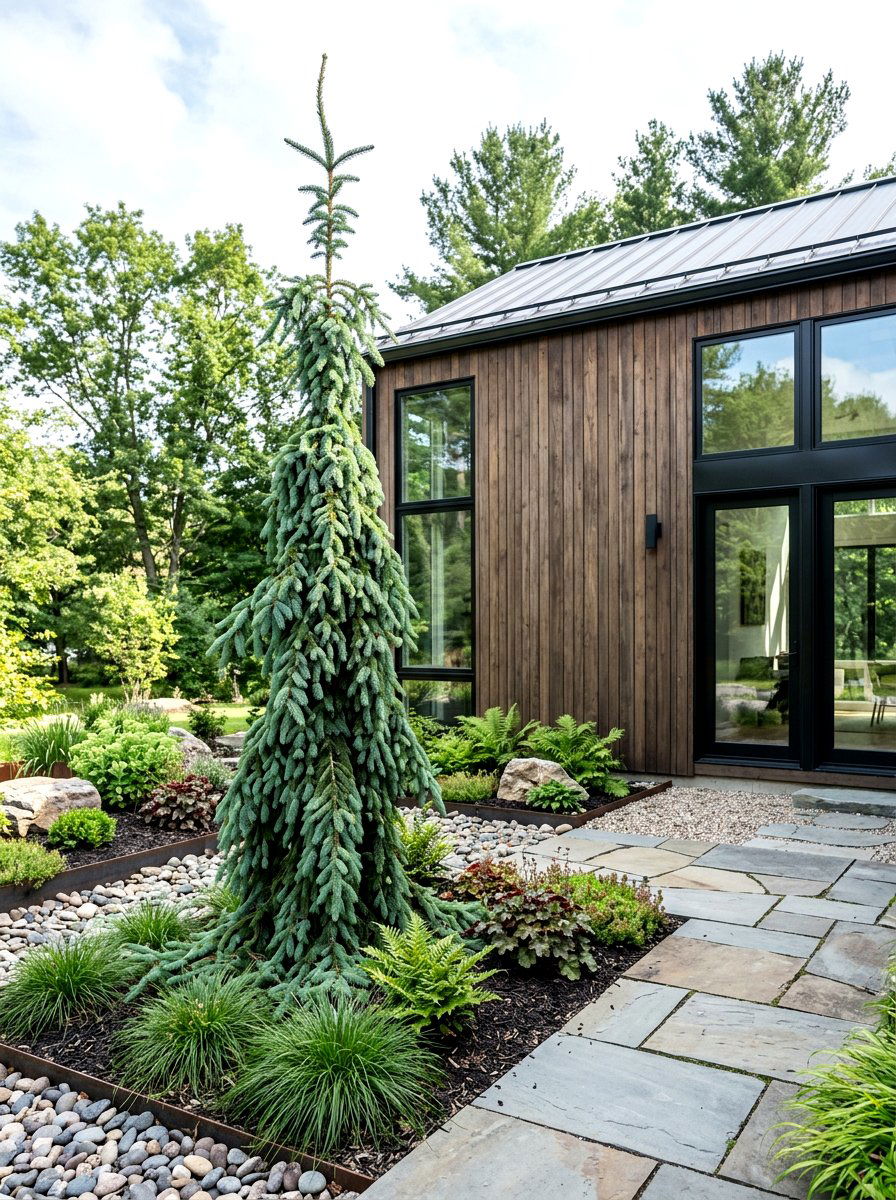
The Weeping White Spruce is an enchanting evergreen that features a very narrow, upright trunk and branches that drape elegantly toward the ground. This unique growth habit gives it a whimsical, almost sculptural appearance that works beautifully in small front yards. It takes up very little horizontal space, making it ideal for planting near a front door or in a tight corner of the garden. The needles have a soft, blue-green color that stays vibrant throughout the year. It is a very hardy tree that can handle cold climates with ease while maintaining its graceful form. This tree is a fantastic choice for homeowners who want an evergreen that is more artistic and less traditional than a standard spruce.
23. Hawthorn Tree
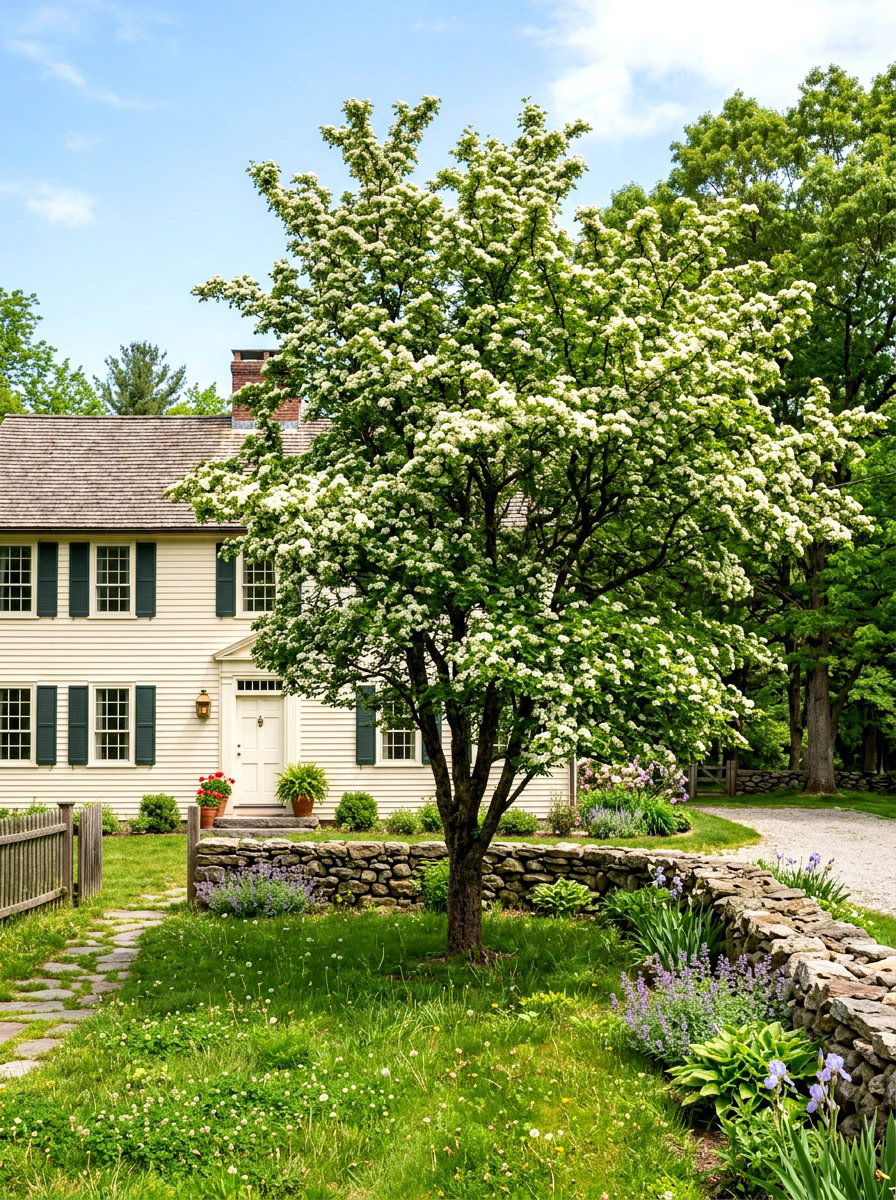
Hawthorn trees are celebrated for their toughness and their beautiful displays of white or pink flowers in late spring. Many varieties, like the Washington Hawthorn, also offer exceptional fall color and clusters of bright red fruit that last through the winter. The fine-textured foliage and thorny branches provide a natural deterrent for intruders while offering a safe nesting place for small birds. These trees are very adaptable to different soil types and can handle urban pollution better than many other species. Their moderate size makes them a perfect fit for a suburban front lawn. A Hawthorn tree provides a rustic, charming look that changes significantly with the seasons. It is a hardy and reliable landscape workhorse.
24. Quaking Aspen
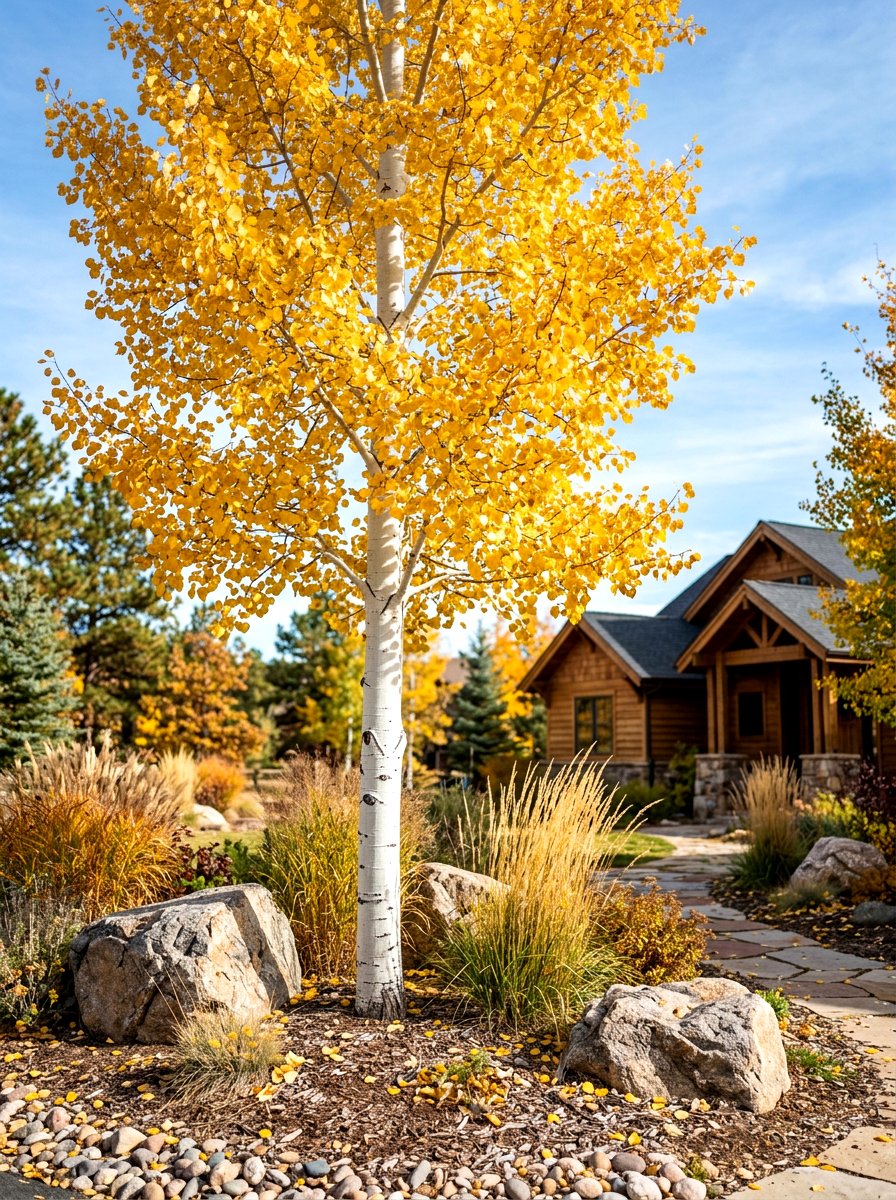
The Quaking Aspen is a North American native famous for its smooth, white bark and heart-shaped leaves that "quake" or flutter in the slightest breeze. This movement creates a soothing, rustling sound that adds a sensory layer to your front yard experience. In the fall, the leaves turn a brilliant, glowing yellow that is truly spectacular against the white trunk. While they often grow in groves in the wild, a single specimen can make a bold statement in a large front lawn. They are best suited for cooler climates and provide a natural, mountain-inspired aesthetic. Planting an Aspen is a great way to bring a piece of the wild wilderness into your managed home landscape.


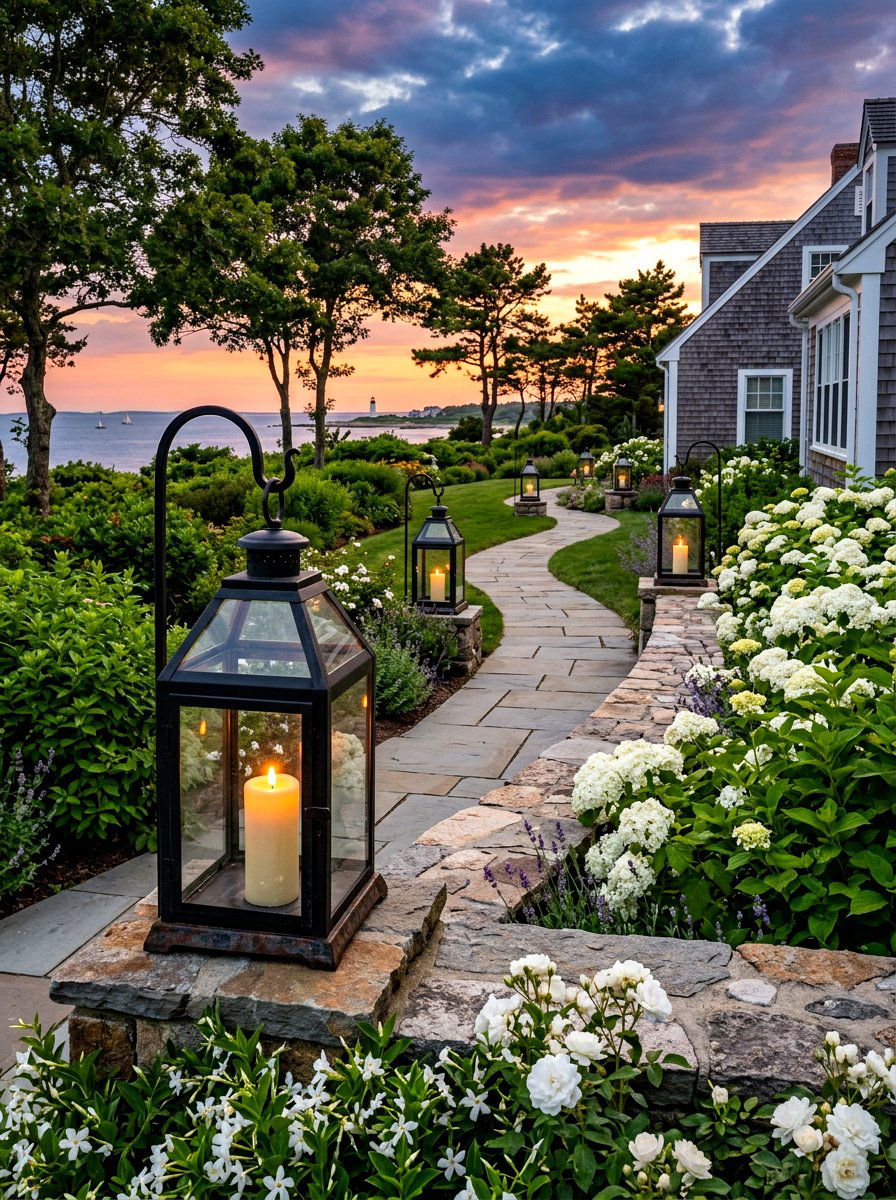
25. Little Gem Magnolia
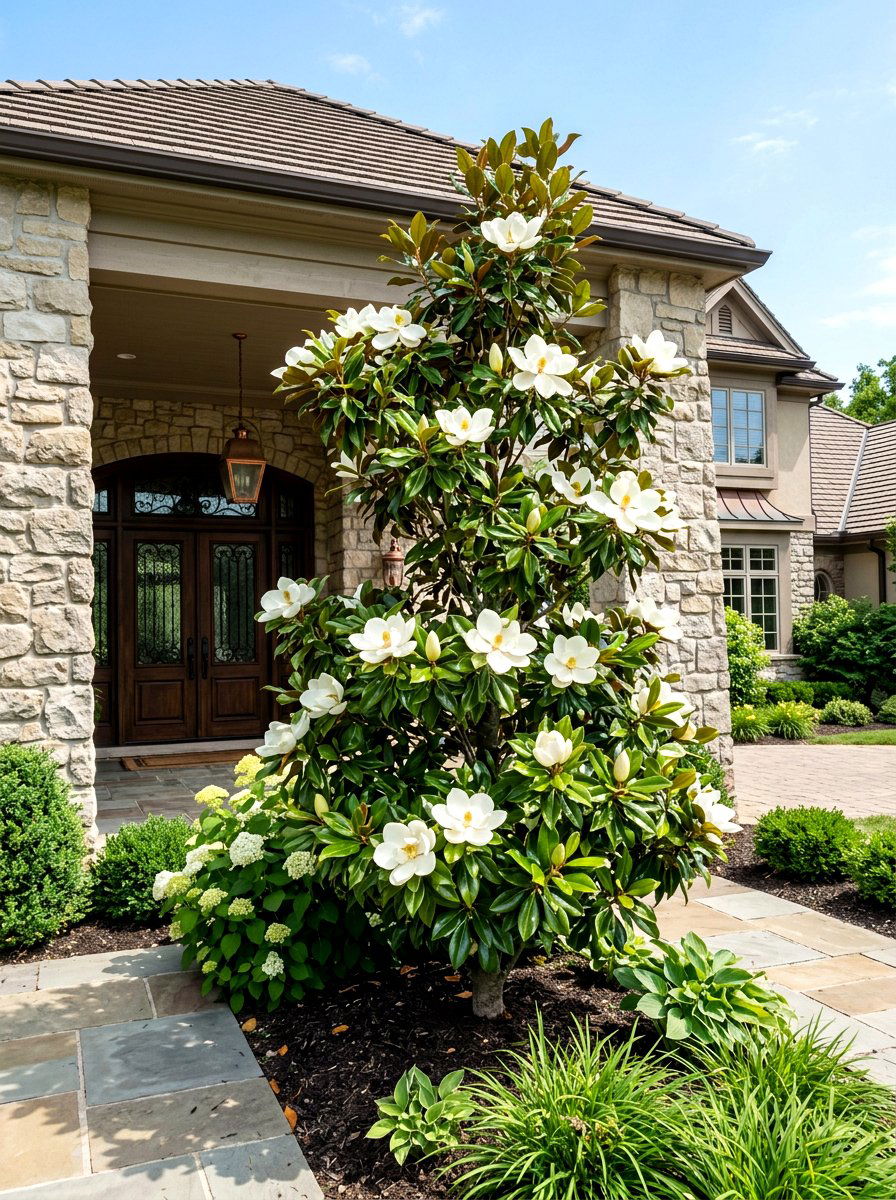
The Little Gem Magnolia is a dwarf version of the classic Southern Magnolia, offering all the beauty of the original in a much more manageable size. It features large, glossy evergreen leaves with a fuzzy brown underside and produces massive, fragrant white flowers throughout the summer. Because it stays relatively small and narrow, it is perfect for planting near a house or along a walkway. It provides excellent privacy and a high-end, tropical feel to the landscape. The waxy leaves and elegant blooms make it a favorite for Pinterest-worthy curb appeal. This tree is a fantastic choice for homeowners who want a luxurious, evergreen flowering tree that won't eventually overwhelm their entire front yard.
26. Arborvitae Tree
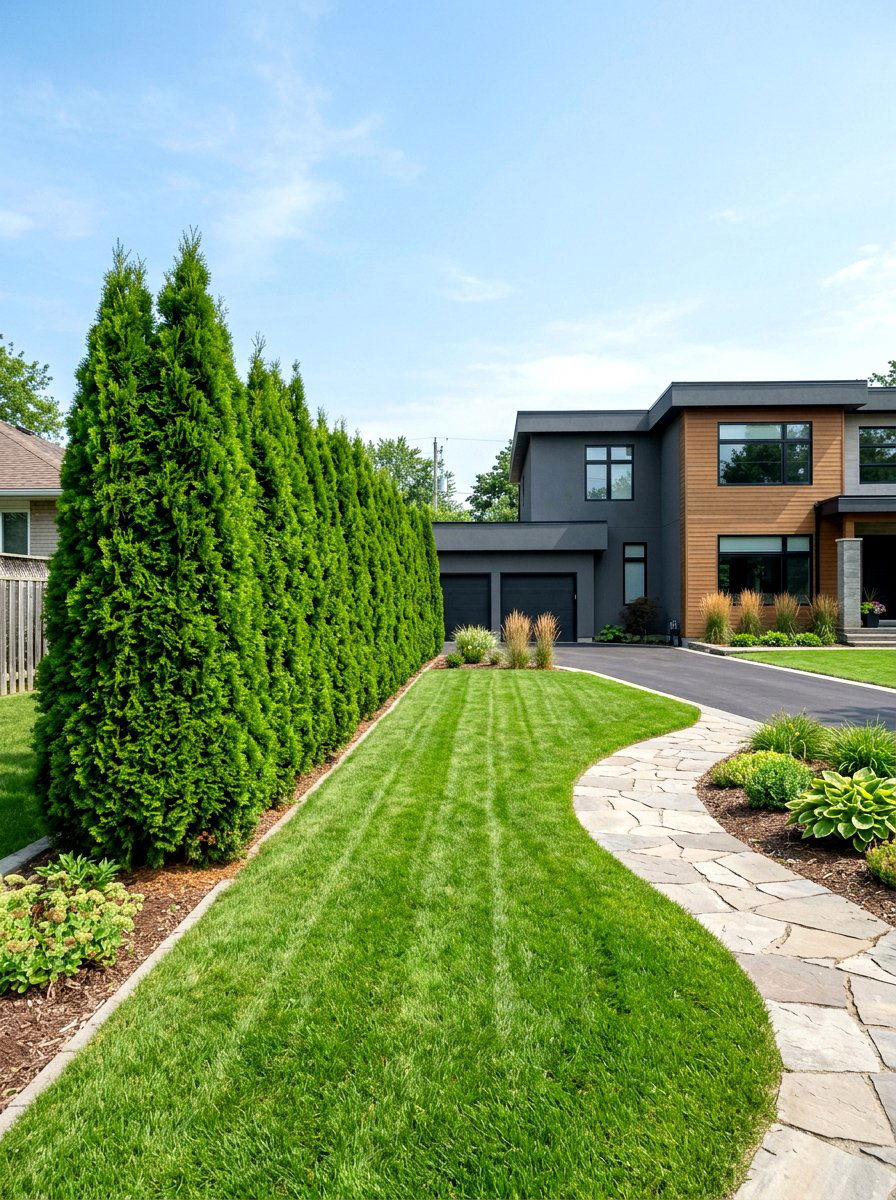
Arborvitae trees, particularly varieties like 'Emerald Green' , are the gold standard for creating narrow, dense privacy screens in front yards. These evergreens grow in a tight, upright fashion with flat, fan-like foliage that stays bright green all year long. They are perfect for defining property lines, hiding unsightly utilities, or framing the corners of a house. Because they are very low-maintenance and don't require frequent pruning to stay neat, they are a favorite for busy homeowners. Their symmetrical shape provides a formal and organized look that complements many different architectural styles. Using Arborvitae is a practical and effective way to add structure and a sense of seclusion to your main outdoor living space.
27. Palo Verde
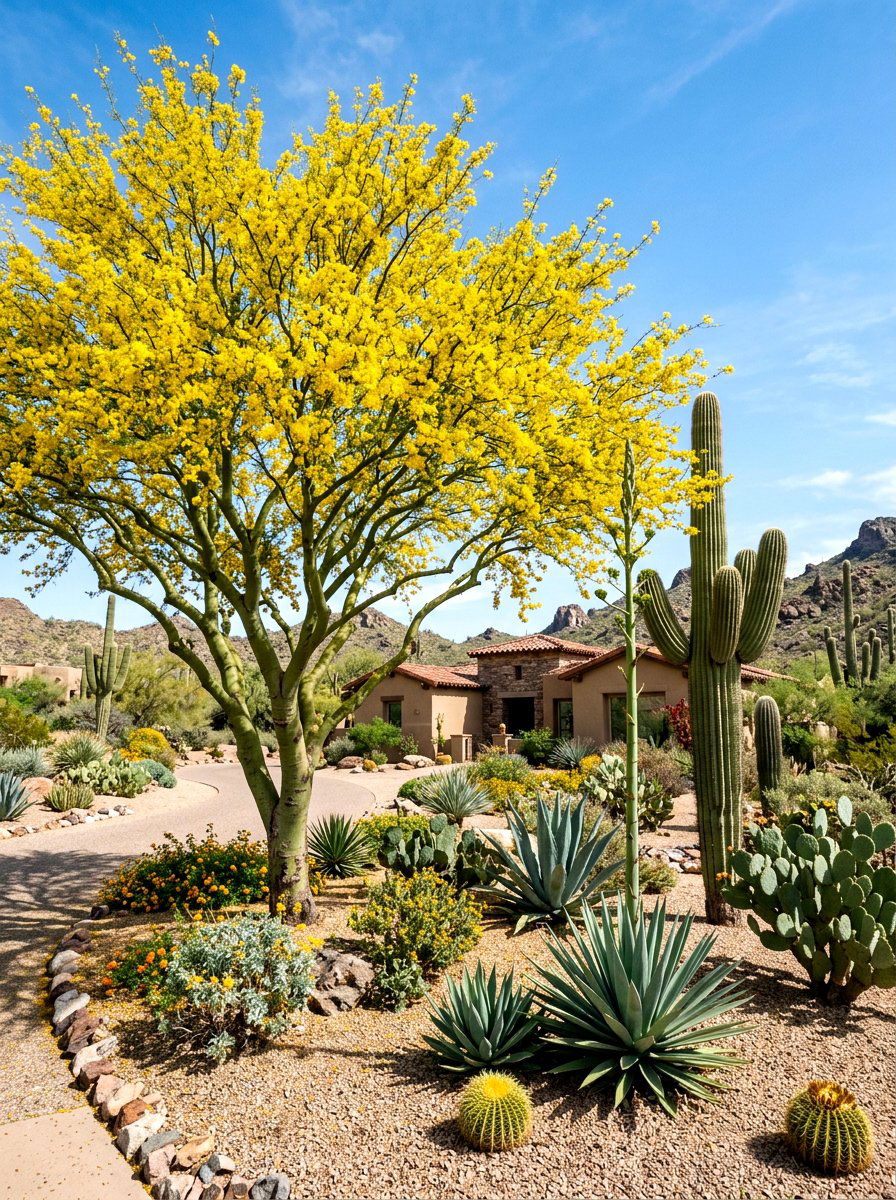
The Palo Verde is an iconic desert tree that is perfect for water-wise or xeriscape front yards in warmer climates. It is easily recognized by its distinctive green bark, which actually performs photosynthesis, and its airy, delicate foliage. In the spring, the tree is completely covered in a blanket of bright yellow flowers that create a stunning, sunny glow. Its sculptural, multi-stemmed form adds a modern and artistic element to a dry garden. Because it is exceptionally drought-tolerant, it is an environmentally friendly choice for regions with limited rainfall. The Palo Verde provides light, filtered shade that allows other desert plants to thrive beneath it. it is a bold and sustainable choice for a contemporary landscape.
28. Chaste Tree
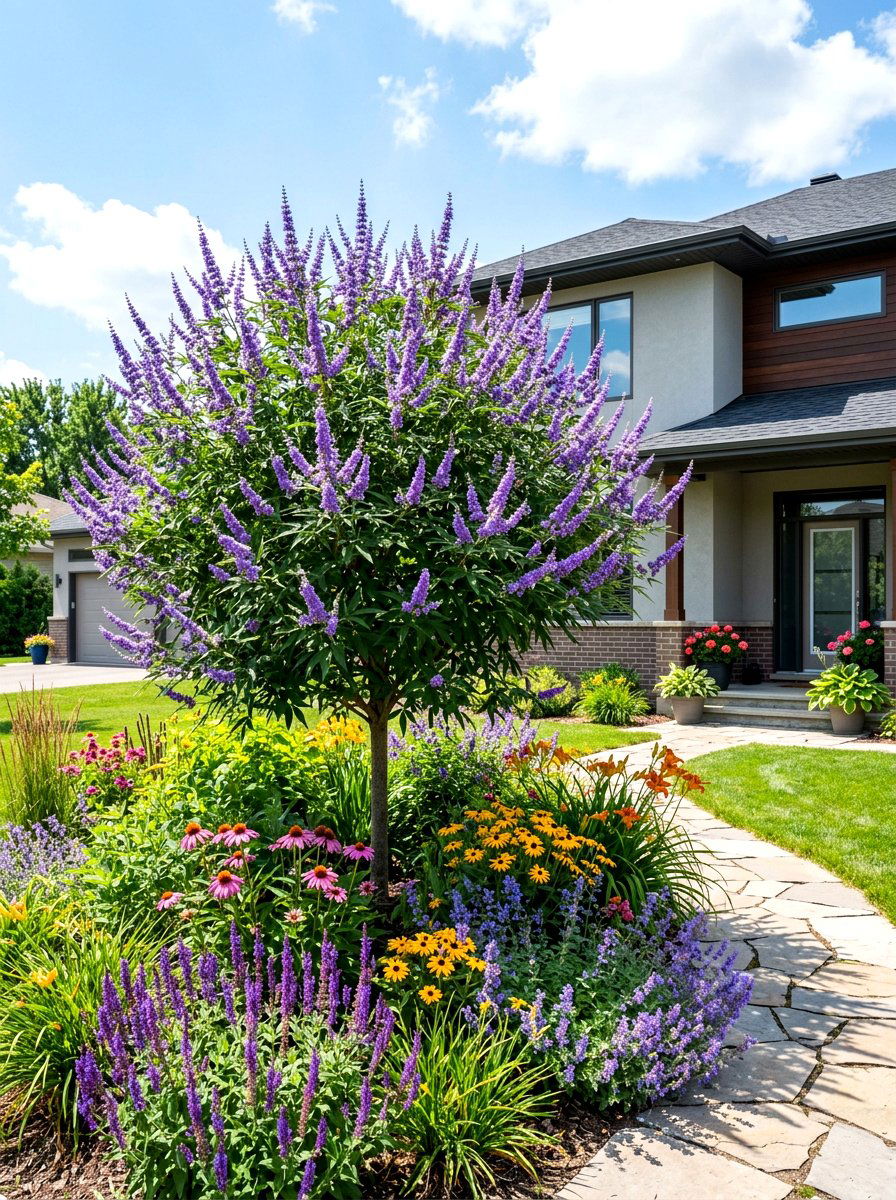
The Chaste Tree, or Vitex, is a fast-growing small tree that provides a unique display of spike-like lavender flowers in mid-to-late summer. These blooms are highly attractive to butterflies, hummingbirds, and bees, making your front yard a hub of activity. The foliage is aromatic and resembles a palm leaf, adding a touch of exotic texture to the garden. It is a very tough and drought-tolerant tree that thrives in full sun and well-drained soil. Because it stays relatively small, it can be used as a specimen tree or as part of a larger shrub border. Its late-season color is a welcome addition when many other spring-flowering trees have faded. It is a vibrant and easy-to-grow choice.
29. Red Buckeye
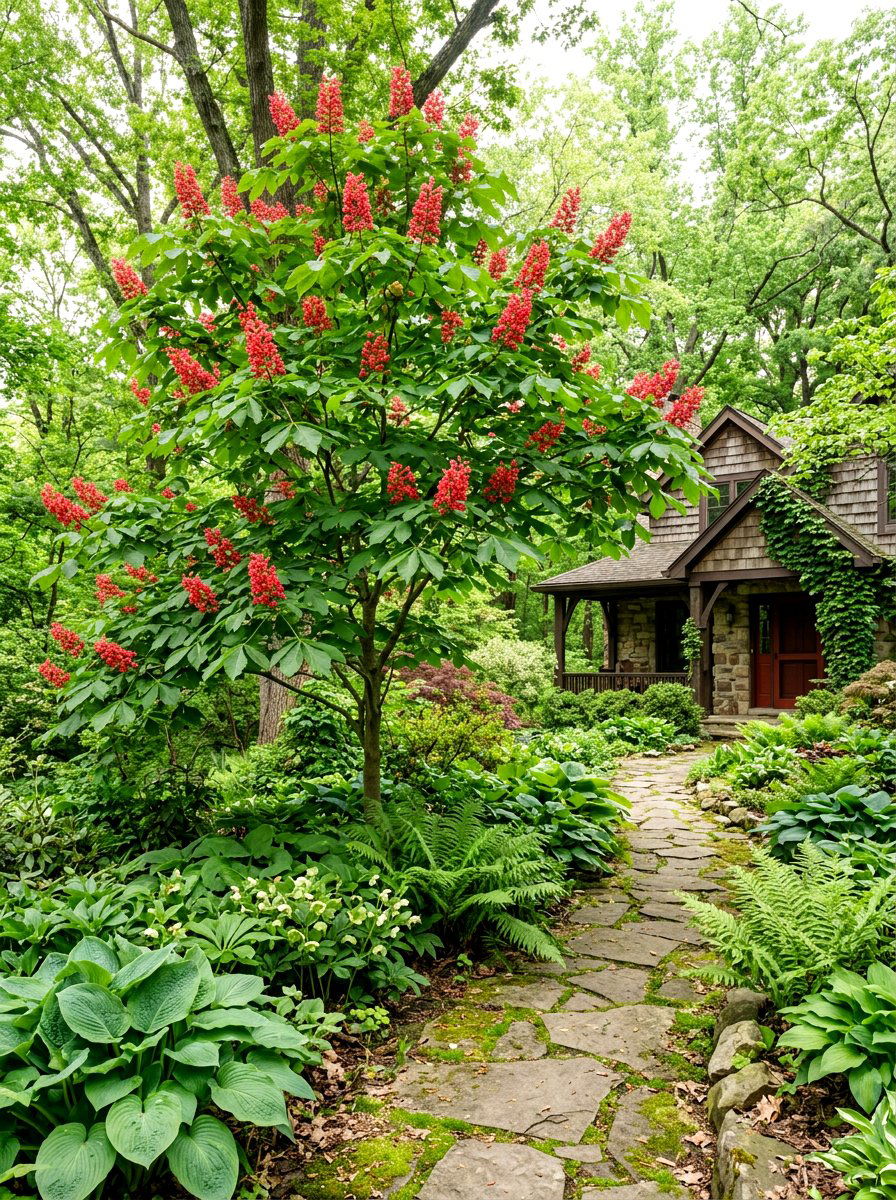
The Red Buckeye is a spectacular native tree that produces upright clusters of bright red, tubular flowers in early spring. These blooms are a primary nectar source for returning hummingbirds, making it a must-have for bird lovers. It is a relatively small tree with large, palmately compound leaves that provide a lush, tropical appearance. The Red Buckeye thrives in moist, well-drained soil and can tolerate a fair amount of shade, which is rare for many flowering trees. Its compact size and unique flowers make it a great focal point for a woodland-themed front yard. While it may drop its leaves early in the fall, its spring performance is so dramatic that it remains a highly sought-after landscape specimen.
30. Japanese Tree Lilac
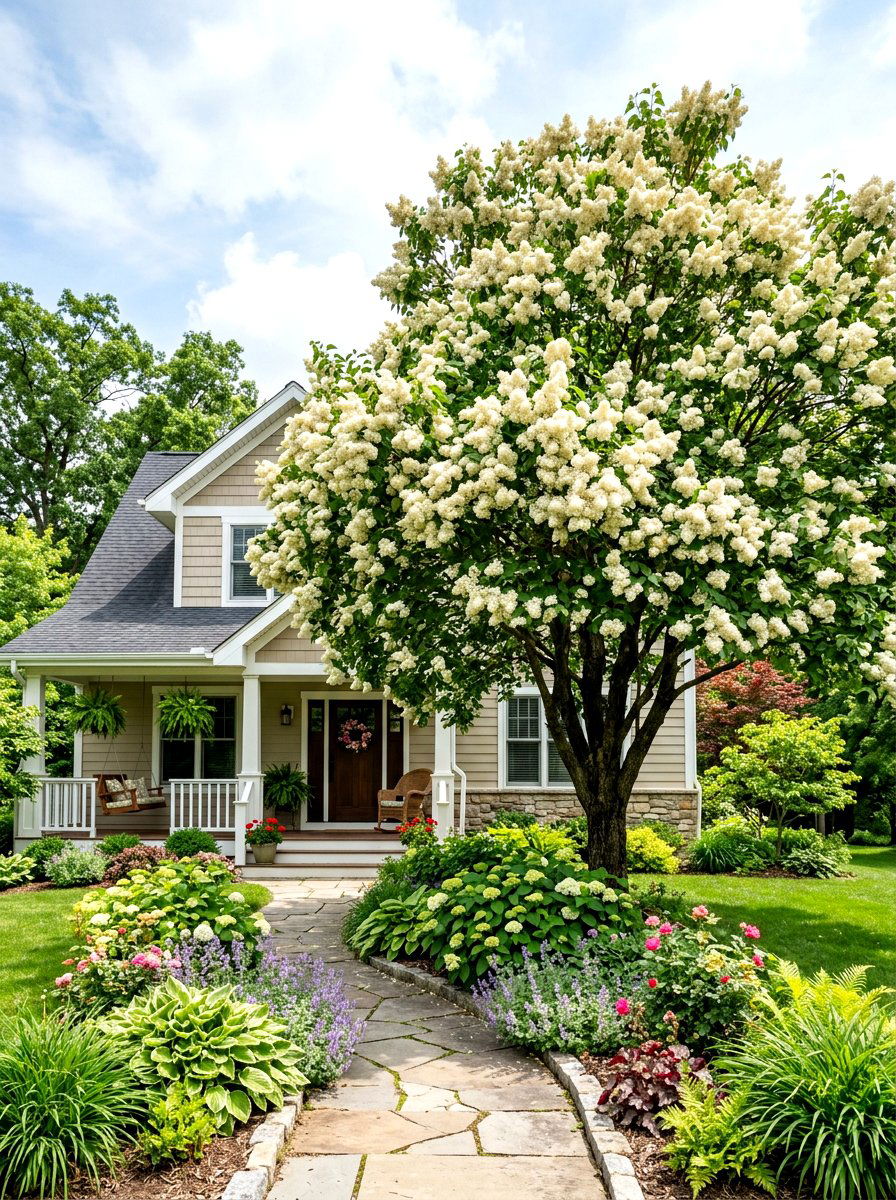
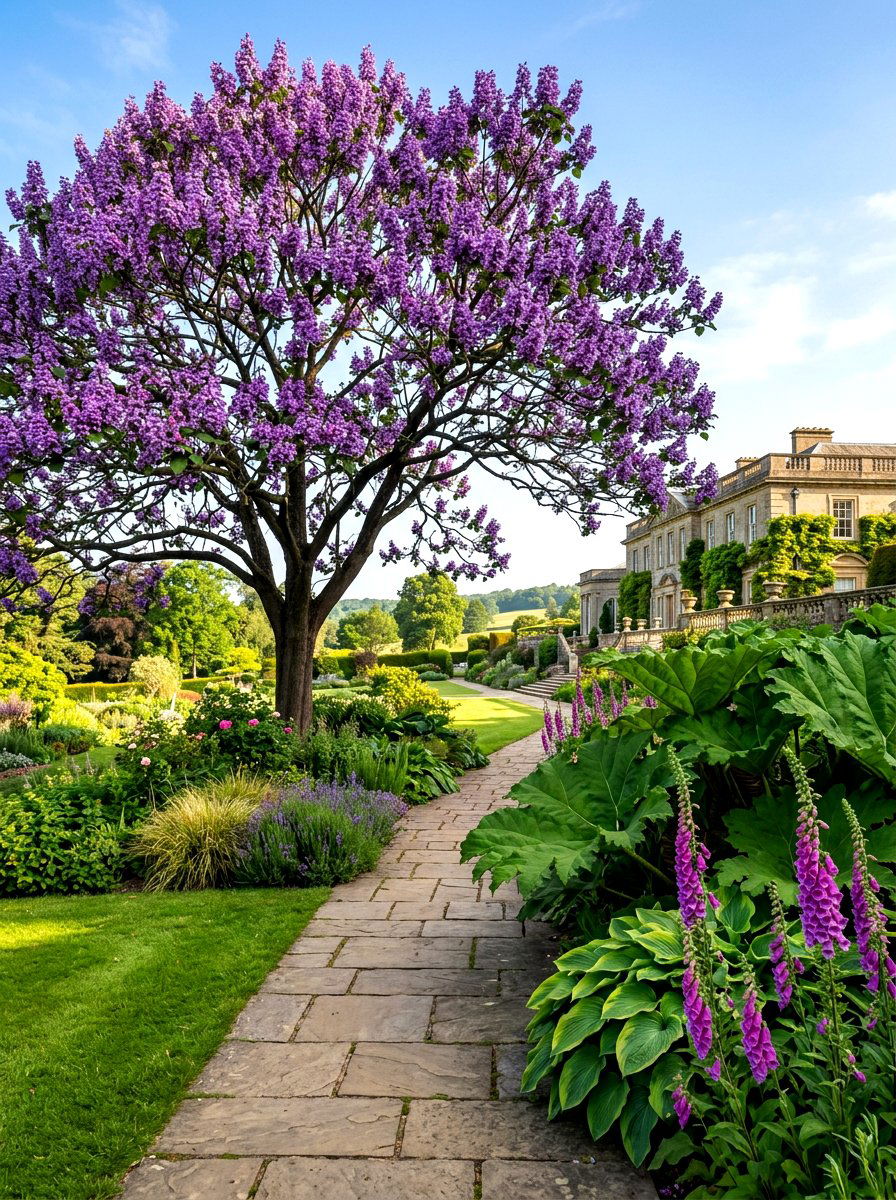
The Japanese Tree Lilac is a hardy and beautiful tree that offers a massive display of fragrant, creamy-white flower clusters in early summer. Unlike common lilac shrubs, this species grows into a sturdy, single-trunk tree with a neat, rounded canopy. Its bark is dark and glossy, similar to a cherry tree, providing year-round visual appeal. Because it blooms later than most spring trees, it helps extend the flowering season in your front yard. It is highly resistant to many common lilac pests and diseases, making it a very reliable choice for the landscape. Its moderate size and pleasant fragrance make it ideal for planting near a bedroom window or a front porch where the scent can be enjoyed.
Conclusion:
Choosing the perfect tree for your front yard is an investment that pays dividends in beauty, shade, and property value for decades to come. By selecting a species that matches your climate and the scale of your home, you can create a personalized landscape that reflects your style. Whether you prefer the romantic blooms of a Magnolia or the modern structure of a Columnar Hornbeam, each tree brings a unique personality to your entryway. Remember to research the mature height and width of your chosen tree to ensure it has plenty of room to grow. A well-placed tree not only enhances your curb appeal but also creates a lasting legacy of greenery for your neighborhood to enjoy. Take the time to plant carefully, and your front yard will truly flourish.

Related posts: