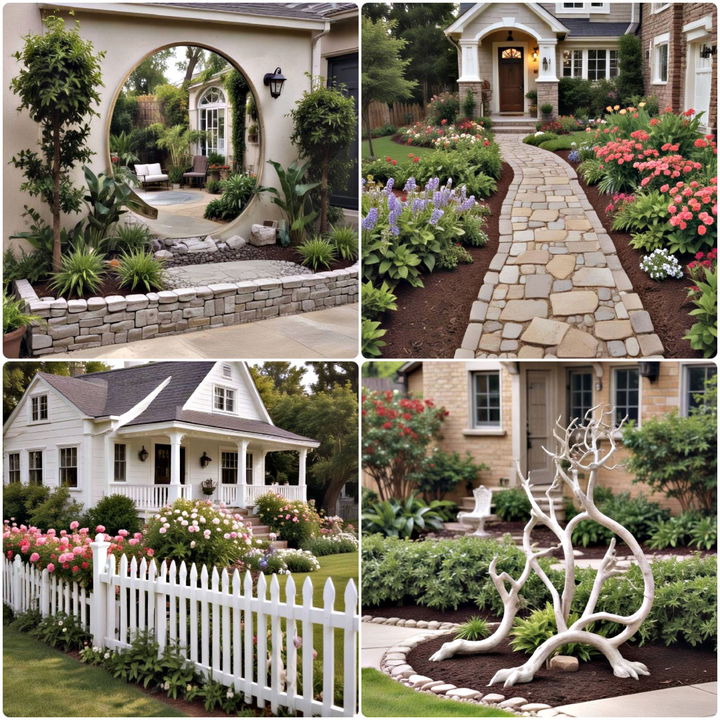
thought 30 tree border landscaping ideas. Expert, high-quality, viral Pinterest content writer. 30 H2 sections (as specified by the number in the title) , Introduction, Conclusion.
- Intro: Min 101 words (no heading). * Each H2 Section: Min 101 words, Max 125 words. * Conclusion: Min 101 words (heading: ## Conclusion). * Headings: Search query style, singular keyword-focused, Heading Case, no "ideas/designs". * Image Prompts: Min 50 words each, tailored to the section, specific structure for outdoor/garden.
- US English. * Helpful, natural, plain, informative. * Vary opening sentences. * No H3s or other separators. * No text before intro or after image prompts. * Google Search is required first.
- Search Query: "tree border landscaping ideas" * Findings: Popular trends include stone edging, mulch beds, flower surrounds, evergreen screens, brick borders, hosta gardens, tiered retaining walls, rock gardens, cottage style borders, formal boxwood edges, lighting for trees, native plant borders, drought-tolerant borders, etc.
1. Natural Stone Edging 2. Mulch Ring Landscape 3. Brick Tree Surround 4. Flower Bed Border 5. Hosta Garden Base 6. Evergreen Privacy Screen 7. Raised Stone Planter 8. Modern Metal Edging 9. Gravel Ground Cover 10. Native Shrub Perimeter 11. Rock Garden Edge 12. Paver Walkway Border 13. Wood Log Edging 14. Perennial Plant Border 15. Drought Tolerant Landscaping 16. Boxwood Hedge Surround 17. Tropical Plant Border 18. Woodland Shade Garden 19. Retaining Wall Tree Base 20. Lighting Accent Border 21. Cottage Garden Edge 22. Ornamental Grass Border 23. Fern Underplanting 24. Wildflower Meadow Edge 25. Bamboo Privacy Border 26. River Rock Surround 27. Tiered Landscape Bed 28. Concrete Curb Edging 29. Succulent Garden Border 30. Groundcover Vine Edge
- Intro: * Needs to be exactly min 101 words. Focus on the beauty of tree borders, curb appeal, and the purpose of the article. * *Sections 1-30: * Each needs to be between 101 and 125 words. * *Conclusion: * Min 101 words. * *Image Prompts: * One per section, min 50 words.
- Section 1: Natural Stone Edging. * Start with a sensory description. Explain how stones provide a rugged, timeless look. Discuss placement and drainage. * *Section 2: Mulch Ring Landscape. * Use a question. Explain how mulch protects the trunk and keeps moisture in. * *Section 3: Brick Tree Surround. * Use a relatable scenario. Traditional look, ease of mowing. *. . . (Repeat for all 30). . .
- (Self-Correction during drafting) *: Ensure headings don't have "Ideas" or "Designs". - "Natural Stone Edging" (Check) - "Mulch Ring Landscape" (Check) - "Brick Tree Surround" (Check)
- (Word Count Check) *: I need to be very precise. Let's aim for 110 words per section to be safe within the 101-125 range.
- Structure for GARDEN/OUTDOOR: "Professional full size outdoor photograph of [element], featuring [plants], [hardscape], [design style], [lighting], atmosphere, photography style, clutter-free, detailed view of [singular keyword] design. 4K High quality. . . "
- 30 sections? Yes. * H2 only? Yes. * Intro min 101 words? Yes. * Conclusion min 101 words? Yes. * Section word counts 101-125? Yes. * US English? Yes. * Search query style headings? Yes. * No "ideas/designs" in headings? Yes. * Image prompts min 50 words? Yes. * No dark lighting in prompts? Yes. Creating a beautiful landscape often starts with the way you frame the natural focal points in your yard. Trees are the anchors of any outdoor space, providing shade, structure, and seasonal beauty that evolves over the years. By focusing on tree border landscaping, you can transform a simple trunk into a stunning destination that draws the eye and enhances your home’s overall curb appeal. Whether you prefer the clean lines of modern metal edging or the rustic charm of natural stone, the right border serves both aesthetic and functional purposes. It protects the roots from lawnmowers, retains essential moisture for growth, and creates a clear definition between your garden beds and the grass.
1. Natural Stone Tree Ring
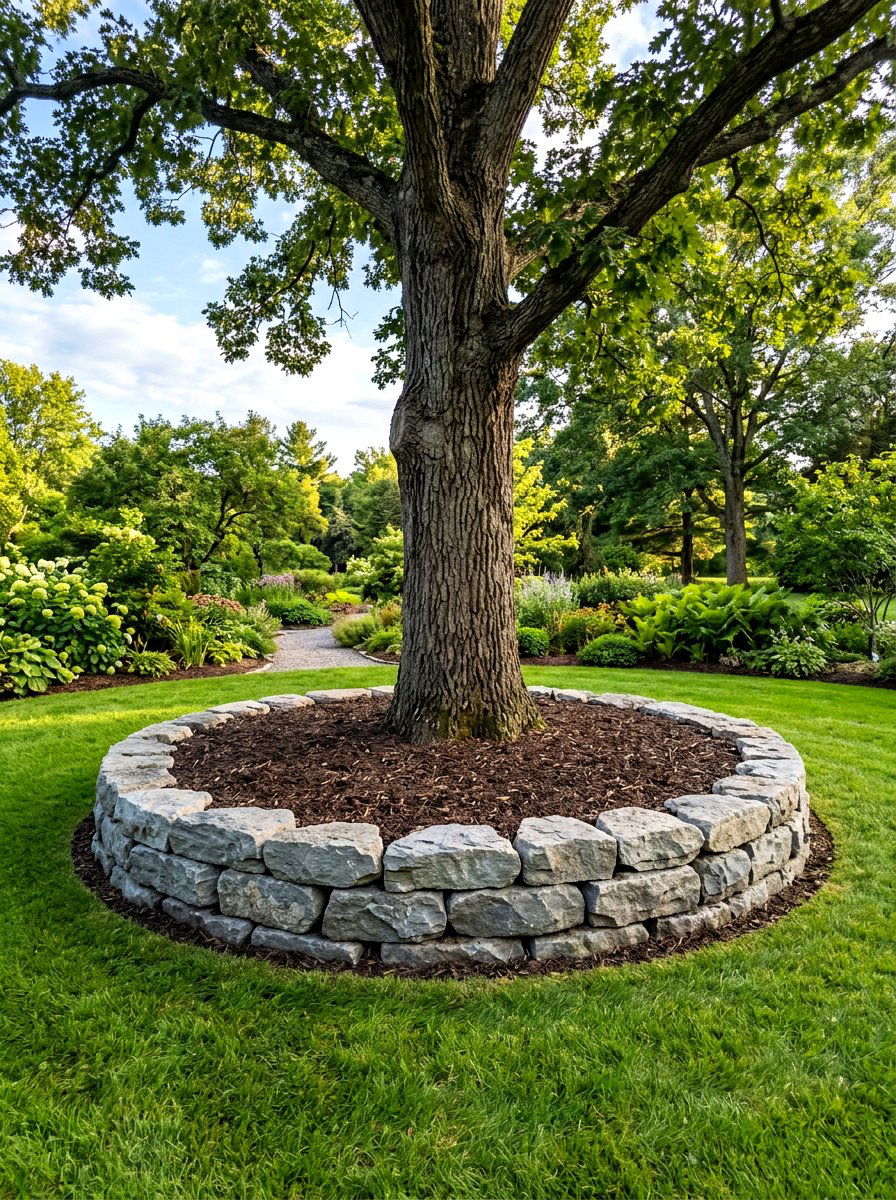
Using natural stone to create a ring around your favorite tree brings a rugged and timeless feel to the yard. You can gather large fieldstones or flat flagstones to build a low-profile wall that feels completely organic. This design works exceptionally well in traditional or rustic landscapes where you want the elements to look like they have always been there. The varying shapes and earthy colors of the stones provide a beautiful contrast against green grass and brown mulch. Beyond looks, a stone ring provides a sturdy barrier that prevents soil erosion during heavy rains. It also creates a dedicated space for adding seasonal flowers or shade-loving perennials that thrive under the canopy.
2. Mulch Bed Landscape
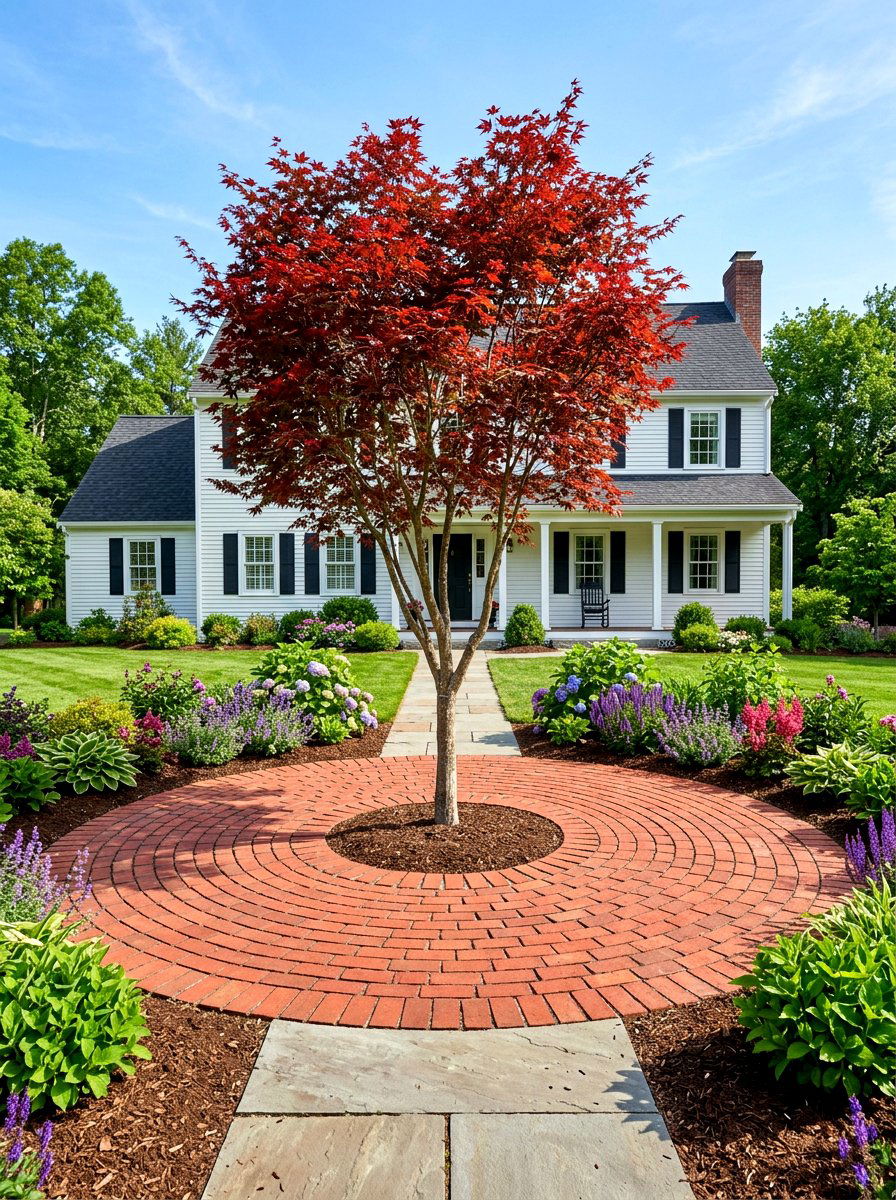
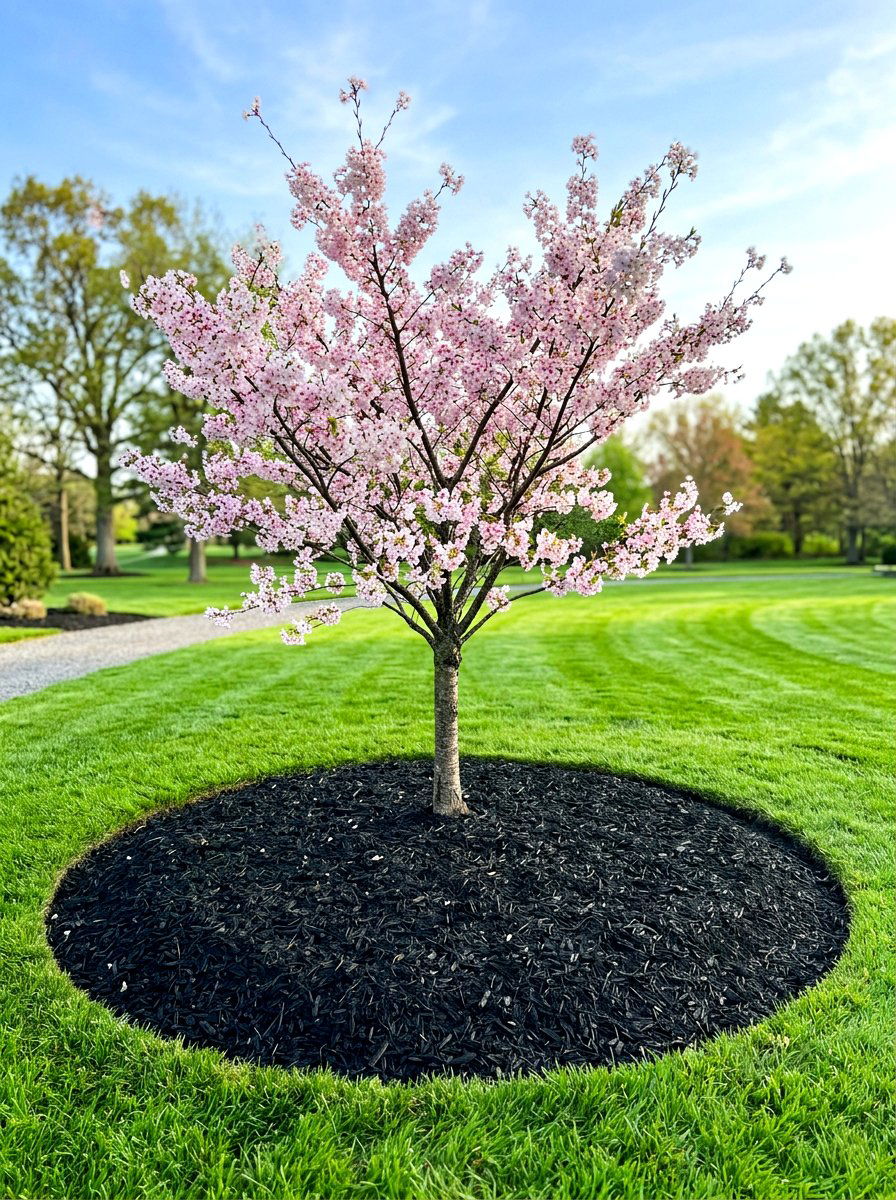
A simple mulch bed is one of the most effective and healthy ways to border a tree while keeping the design clean. Instead of a hard physical barrier, you use a crisp, hand-dug edge to separate the turf from a wide circle of organic wood chips. This approach is highly recommended by arborists because it mimics the natural forest floor, providing nutrients as the mulch breaks down over time. You can choose dark brown, black, or red mulch to complement the color of your home’s siding or shutters. This minimalist design ensures that the focus remains entirely on the tree's bark and foliage, offering a tidy and professional appearance.
3. Brick Edging Surround
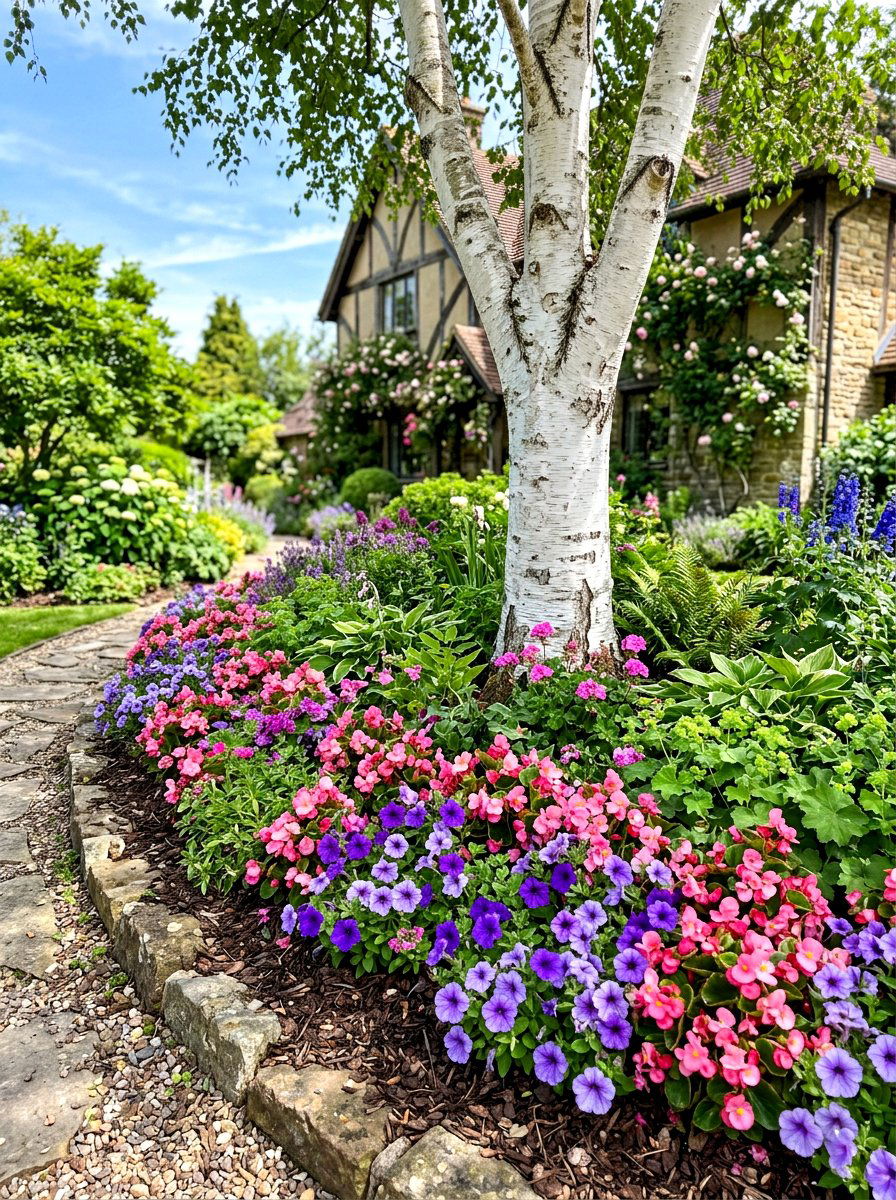
For a classic and formal look, a brick edging surround offers a sense of permanence and architectural interest. You can lay the bricks in a flat "mowing strip" style or angle them in a decorative "sawtooth" pattern for extra texture. Red clay bricks pair beautifully with traditional brick homes, while gray or tan pavers can suit a more contemporary aesthetic. This border is incredibly durable and stays in place much better than plastic alternatives. It makes lawn maintenance a breeze because the mower can glide right over the flat bricks. This eliminates the need for string trimming and ensures your tree beds always look perfectly manicured and sharp.
4. Flower Garden Perimeter
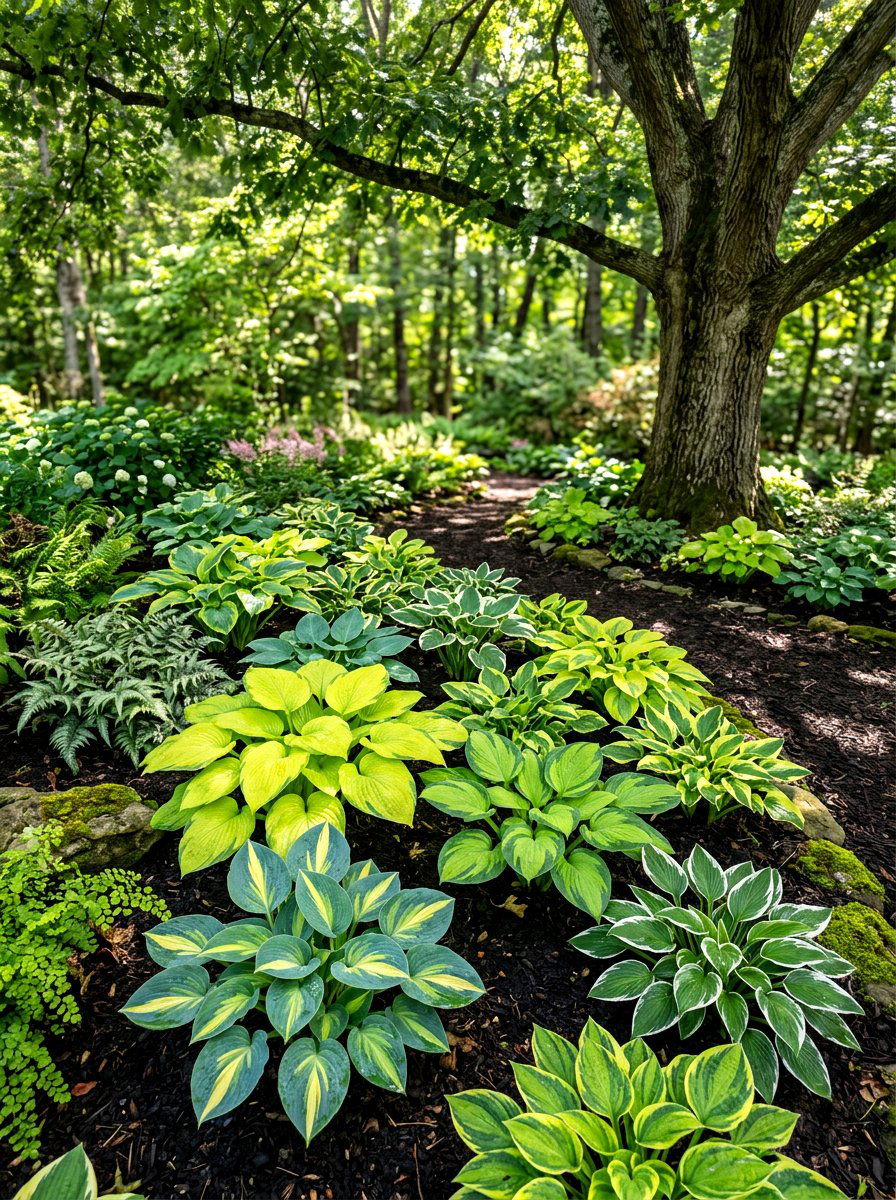
Transforming the area beneath a tree into a vibrant flower garden perimeter is a wonderful way to add layers of color. You can select a variety of shade-tolerant annuals and perennials like begonias, impatiens, or bleeding hearts to create a lush, blooming carpet. This design focuses on a full-circle planting scheme that transitions through the seasons, offering visual interest from spring through autumn. By choosing flowers with different heights, you create a sense of depth that makes the tree feel like a central masterpiece. The soft textures of the petals and leaves provide a delicate balance to the strong, vertical lines of the trunk and the surrounding lawn.
5. Hosta Shade Garden
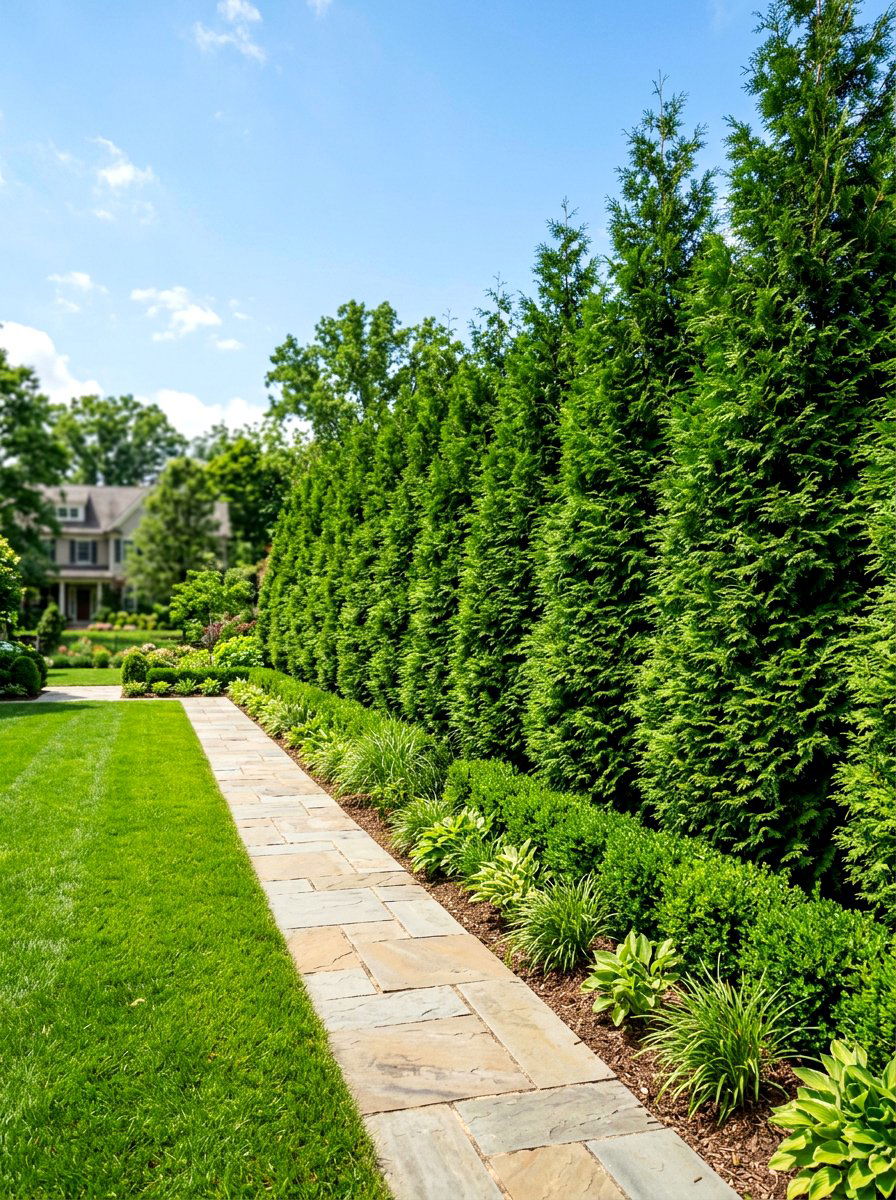
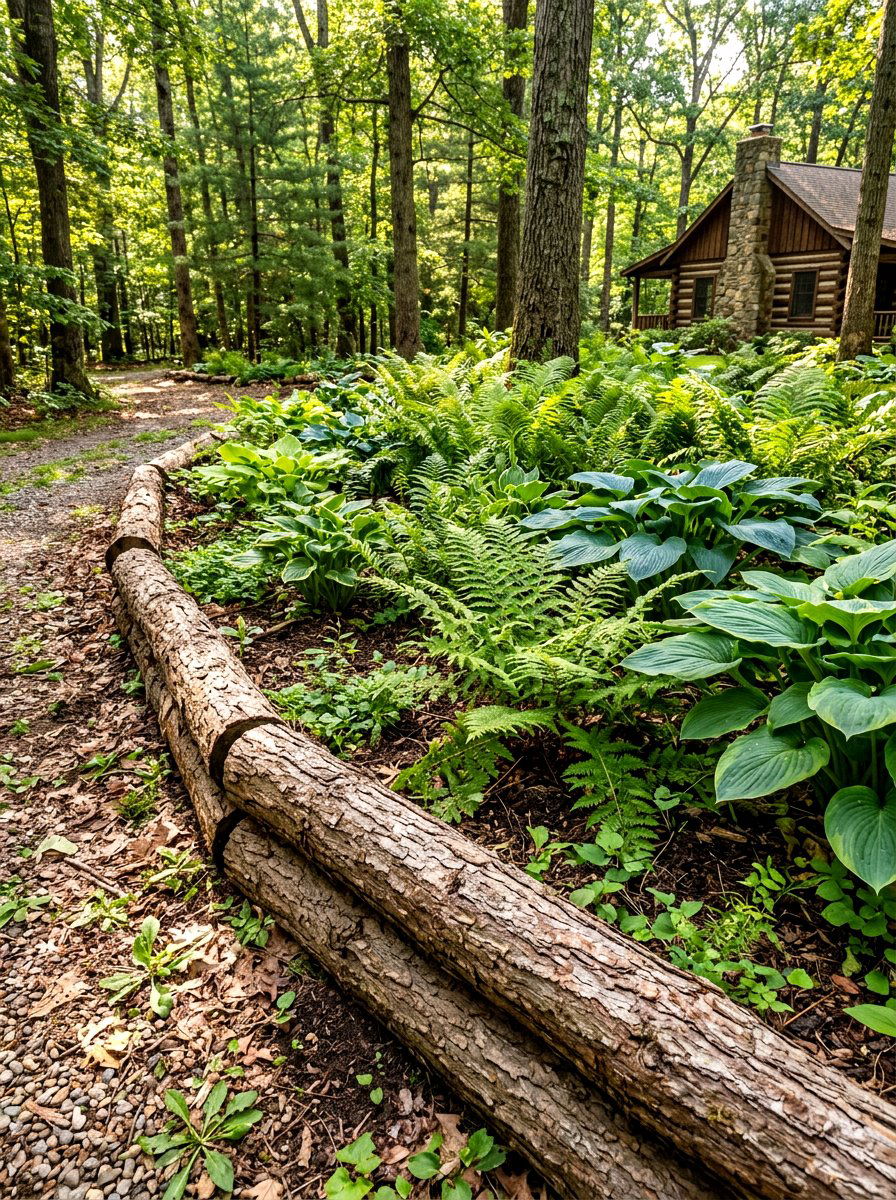
Creating a dedicated hosta shade garden around the base of a large tree is a fantastic solution for low-light areas. Hostas come in a stunning array of colors, from deep forest green to bright chartreuse and variegated blues. Their large, architectural leaves fill in the space quickly, creating a dense groundcover that naturally suppresses weeds. This design is perfect for homeowners who want a high-impact look with very little maintenance throughout the year. The broad leaves catch the light filtering through the branches above, creating a serene and cooling atmosphere. You can mix different hosta varieties to create a rich tapestry of texture that looks lush and inviting.
6. Evergreen Privacy Hedge
An evergreen privacy hedge serves as a living border that offers year-round greenery and a sense of seclusion. Using trees like Arborvitae or Boxwood as a boundary creates a dense, green wall that effectively blocks out noise and unwanted views. This design is highly functional for properties that sit close to neighbors or busy streets. You can keep the hedge neatly trimmed for a formal appearance or let it grow naturally for a more relaxed, cottage feel. The consistent color provides a perfect backdrop for smaller flowering plants or decorative garden statues. This living fence not only defines your property lines but also provides a safe habitat for local birds.
7. Raised Stone Retaining Wall
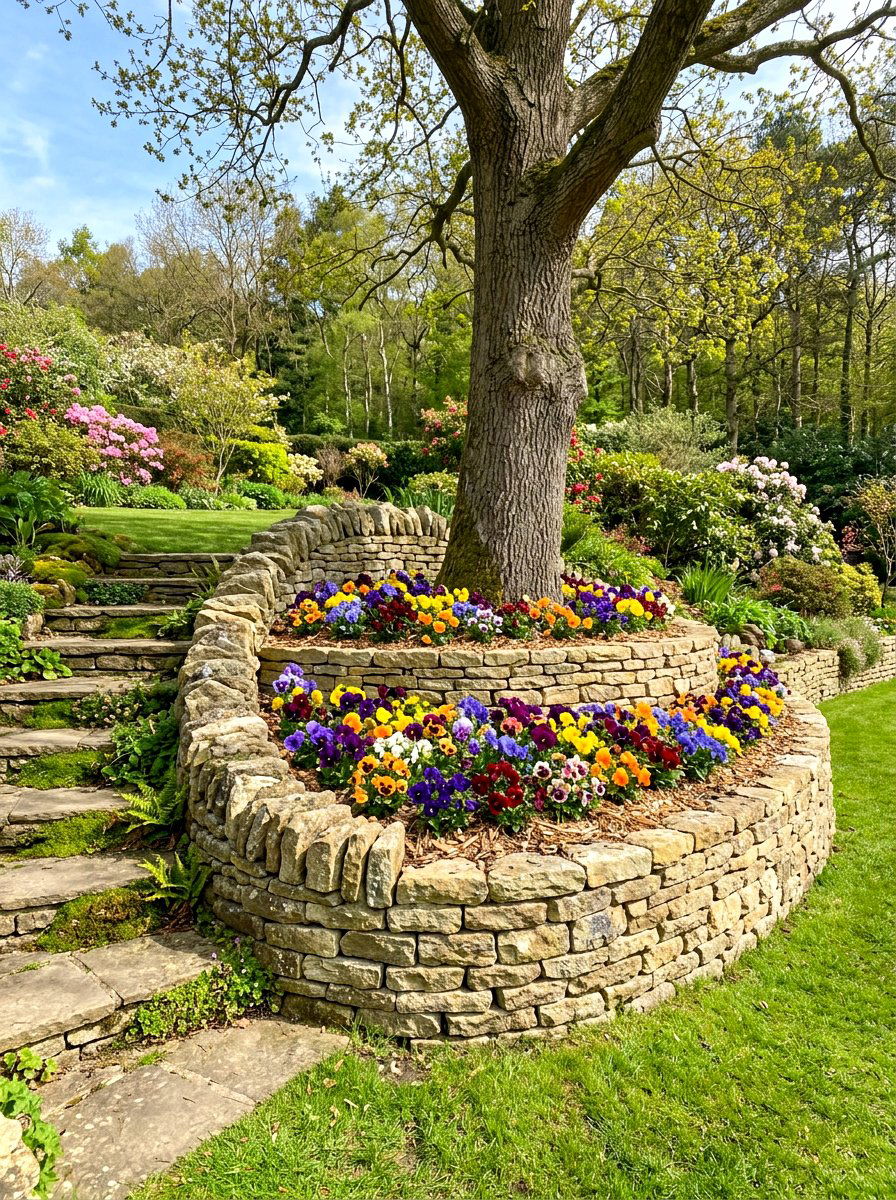
A raised stone retaining wall is an excellent choice for trees located on a slope or for creating a dramatic focal point. By building up the earth around the tree, you can create a level planting bed that stands out from the rest of the lawn. This design uses stacked stones or interlocking wall blocks to provide structural support and a sense of height. It is a great way to add "hardscaping" to your yard, giving it a more established and expensive look. The top of the wall can even serve as extra seating during outdoor gatherings. Just be sure to leave enough space so the tree’s trunk isn't buried too deeply.
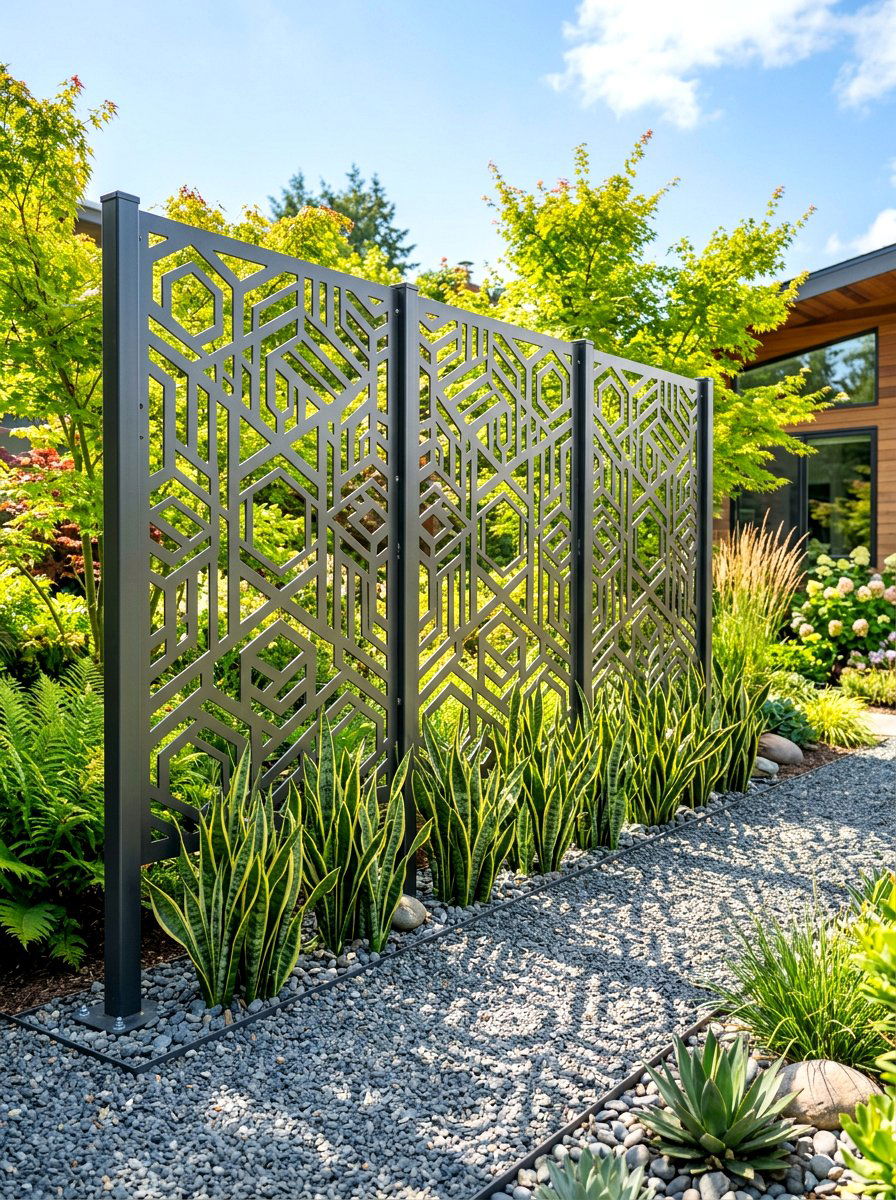
8. Modern Metal Border
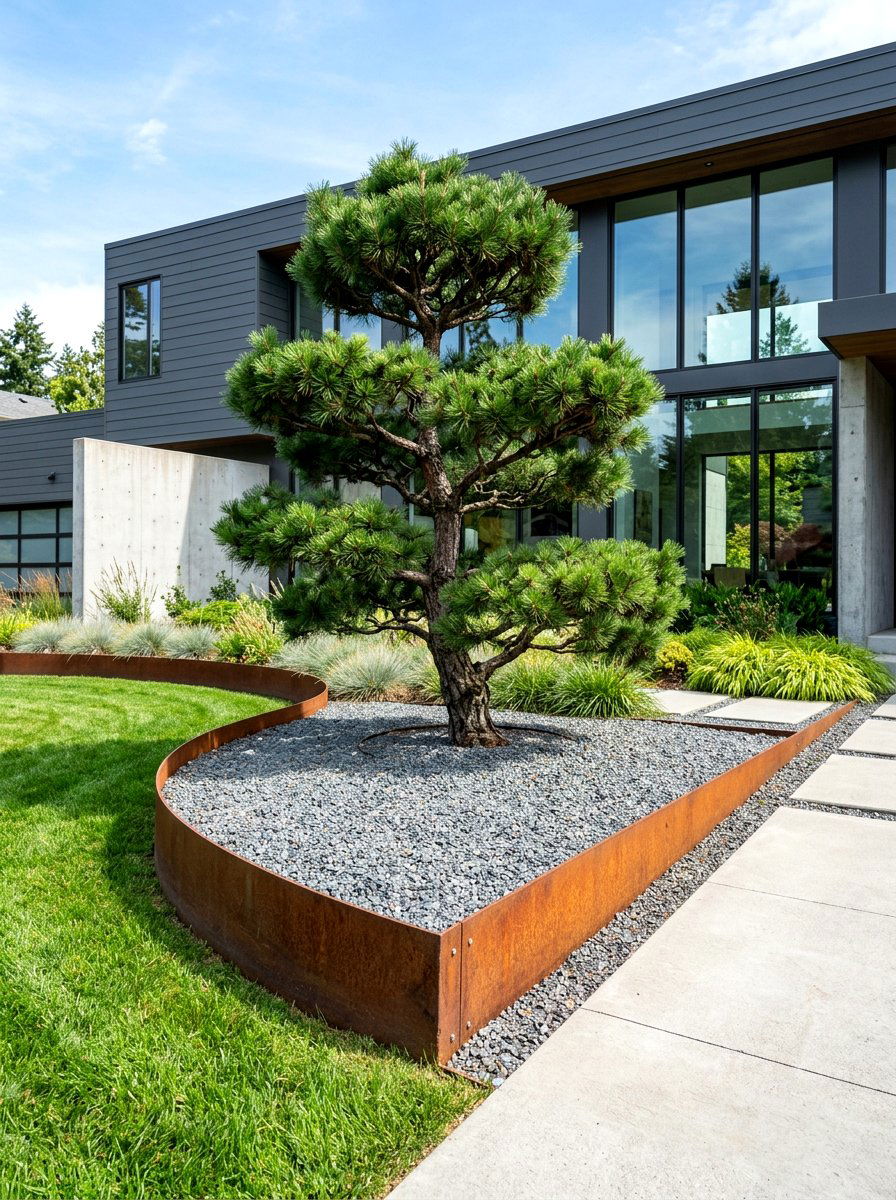
For a sleek and contemporary look, a modern metal border provides the ultimate in clean lines and minimalist style. Materials like Corten steel or aluminum create a thin, nearly invisible edge that keeps mulch and grass strictly separated. Corten steel is particularly popular because it develops a beautiful rust-colored patina over time, which looks striking against deep green foliage. This design is perfect for modern homes with linear architecture and simple landscaping. The metal is incredibly flexible, allowing you to create perfect circles or unique geometric shapes around your trees. It is also extremely durable, lasting for decades without rotting, warping, or losing its shape in extreme weather.
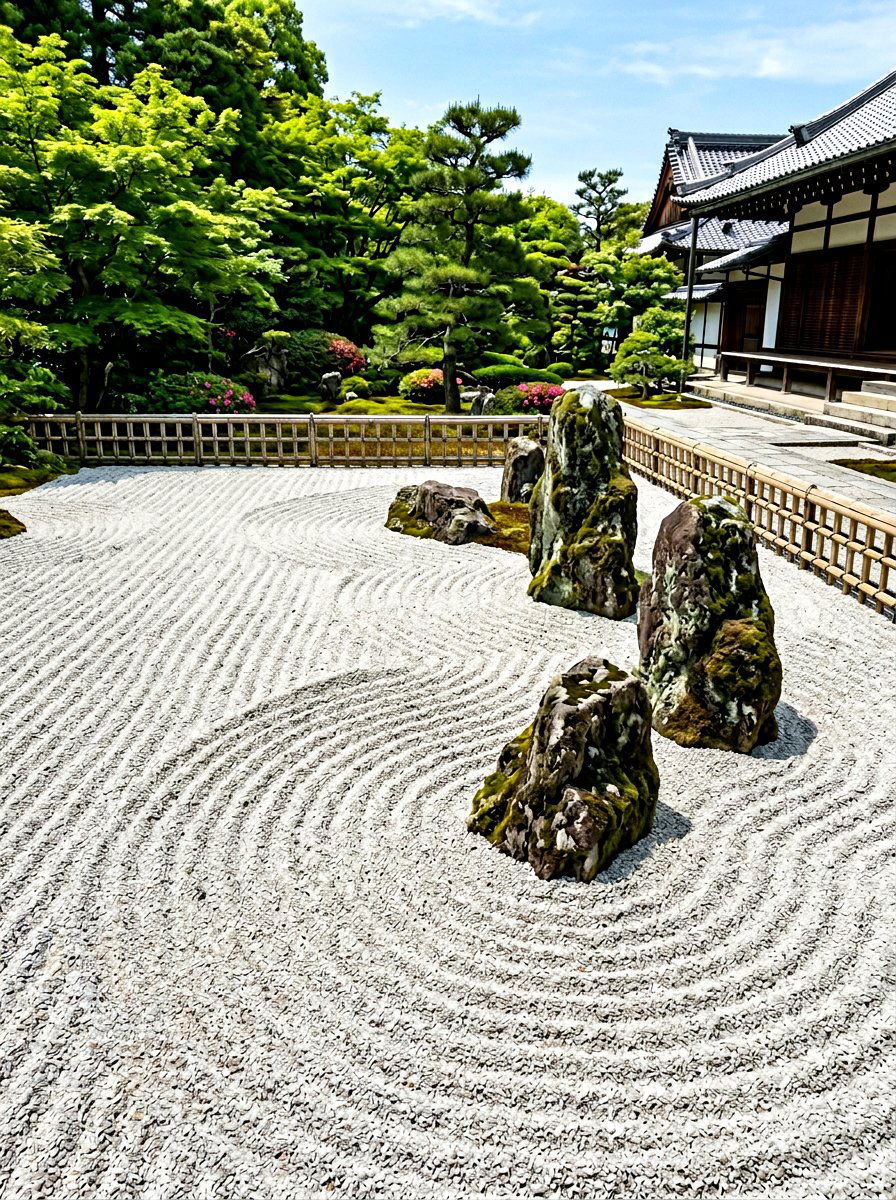
9. Gravel Path Edging
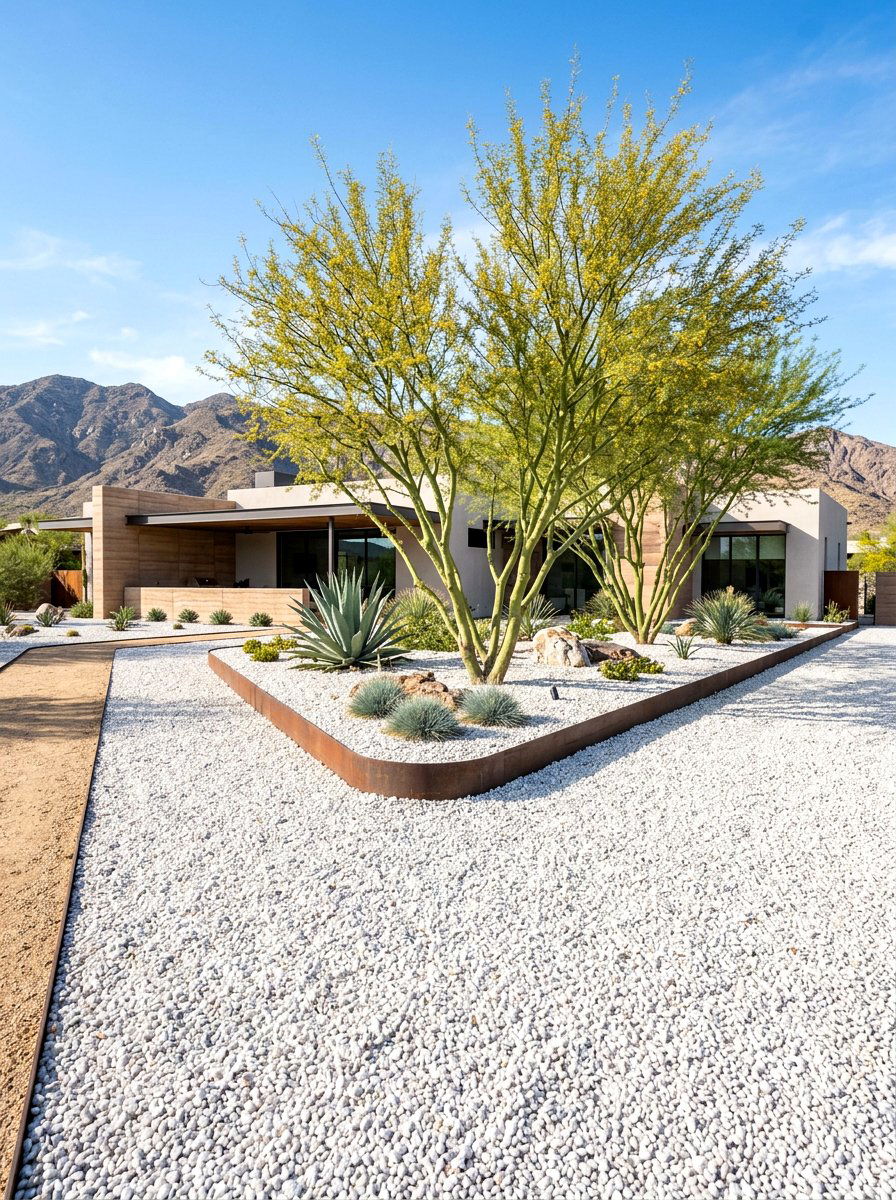
Using gravel path edging around your trees creates a textured and low-maintenance border that works well in many garden styles. You can use pea gravel, crushed granite, or river pebbles to fill the space, providing excellent drainage for the tree's root system. This design often incorporates a hidden plastic or metal edge to keep the small stones from migrating into the grass. The sound of crunching gravel underfoot adds a sensory element to your garden walks. You can also place a few larger boulders within the gravel to create a miniature Japanese-inspired rock garden. This look is particularly effective for xeriscaping or in areas where grass struggles to grow.
10. Mixed Shrub Border
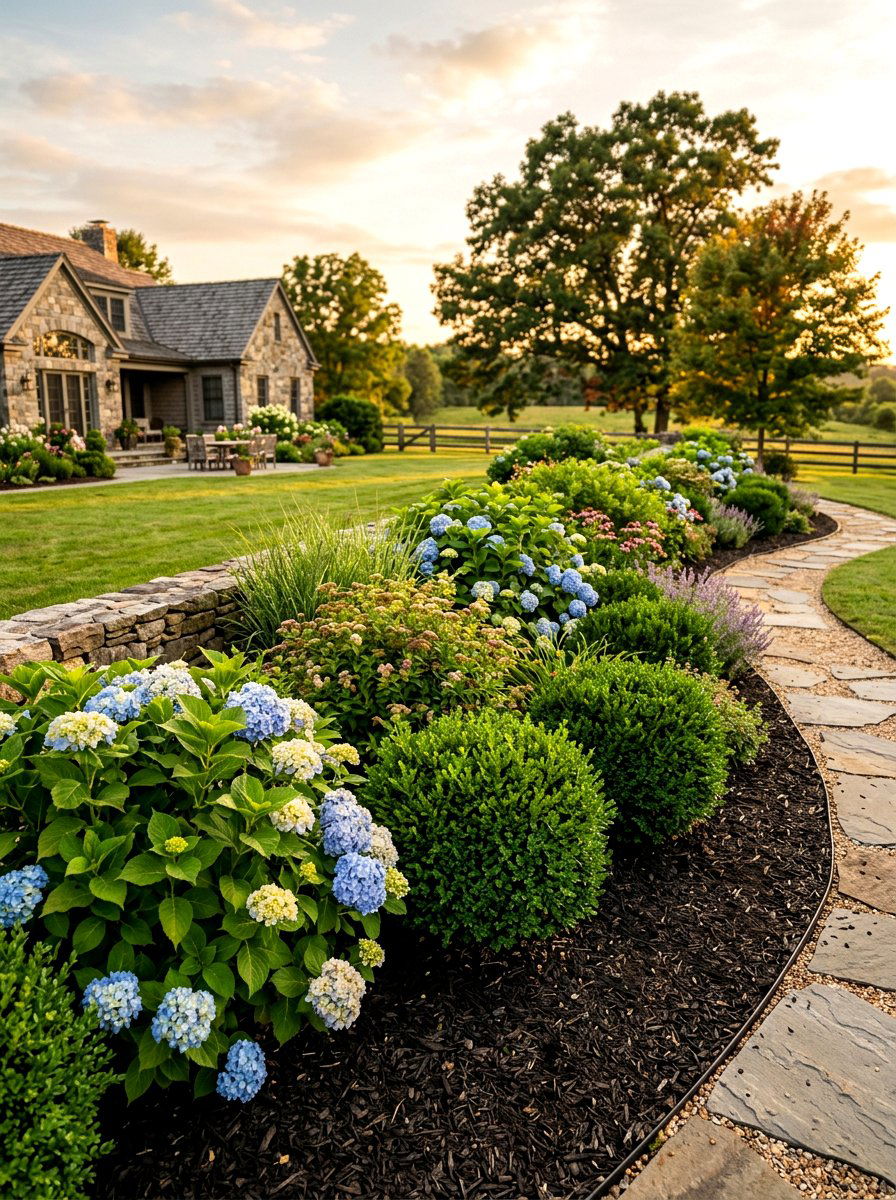
A mixed shrub border combines different species of small bushes to create a textured and layered look around the perimeter of your yard. By blending evergreens with deciduous shrubs, you ensure that the border remains interesting even in the middle of winter. You can choose shrubs with varied foliage colors, such as purple-leaved barberry or golden spireas, to add pops of brightness. This design provides a more natural and informal feel than a single-species hedge. The varying heights and widths of the shrubs create a soft, undulating line that leads the eye through the landscape. It also provides excellent cover and food sources for butterflies and beneficial garden insects.
11. Rock Garden Foundation
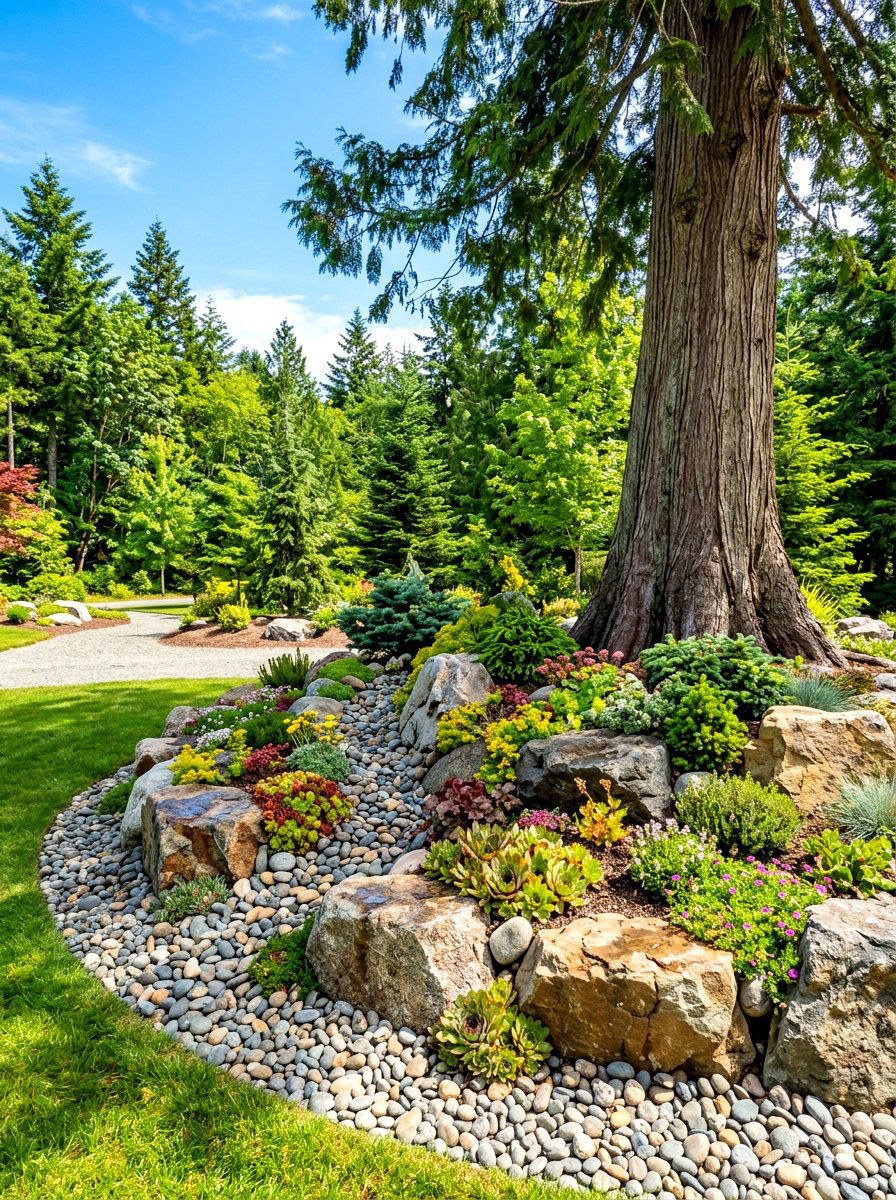
A rock garden foundation uses stones of various sizes to create an alpine or desert-inspired border around the base of a tree. This design is particularly well-suited for drought-tolerant landscapes where water conservation is a priority. You can tuck small succulents or alpine flowers into the crevices between the rocks for a pop of living color. The heavy stones act as a natural mulch, keeping the soil cool and moist while preventing weeds from taking hold. This look creates a rugged, naturalistic aesthetic that pairs perfectly with conifers or hardy desert trees. It is a long-lasting solution that requires very little upkeep once the initial placement of the rocks is finished.
12. Paver Stone Surround
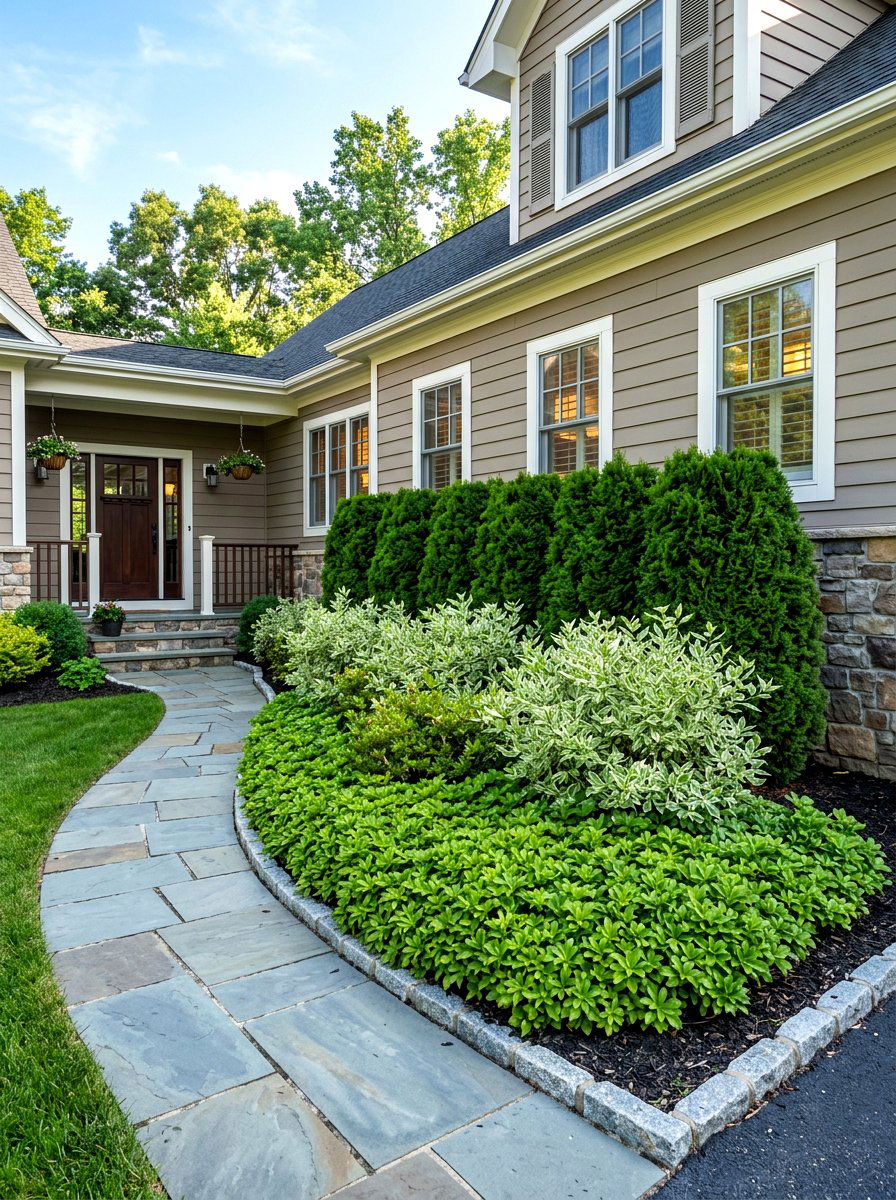
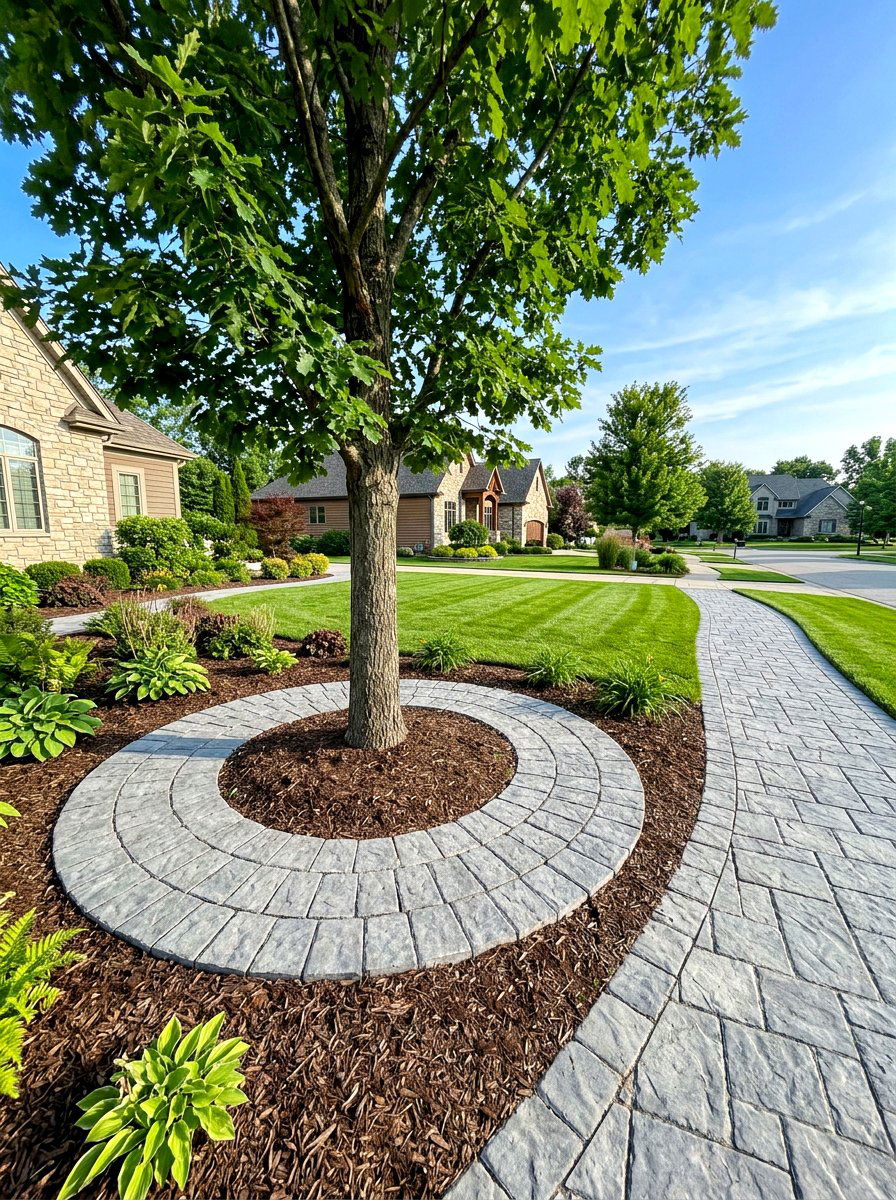
Installing a paver stone surround gives your trees a polished and "built-in" look that mimics the appearance of professional public parks. You can use the same pavers from your driveway or patio to create a cohesive design language across your entire property. The uniform shape of the pavers allows for tight joints and a very clean finish. This border is wide enough to walk on, making it easy to prune the tree or adjust the mulch without stepping on delicate roots. The gray or charcoal tones of modern pavers provide a sophisticated contrast to the organic textures of the tree bark. It’s a durable choice that adds significant value and style.
13. Rustic Log Border
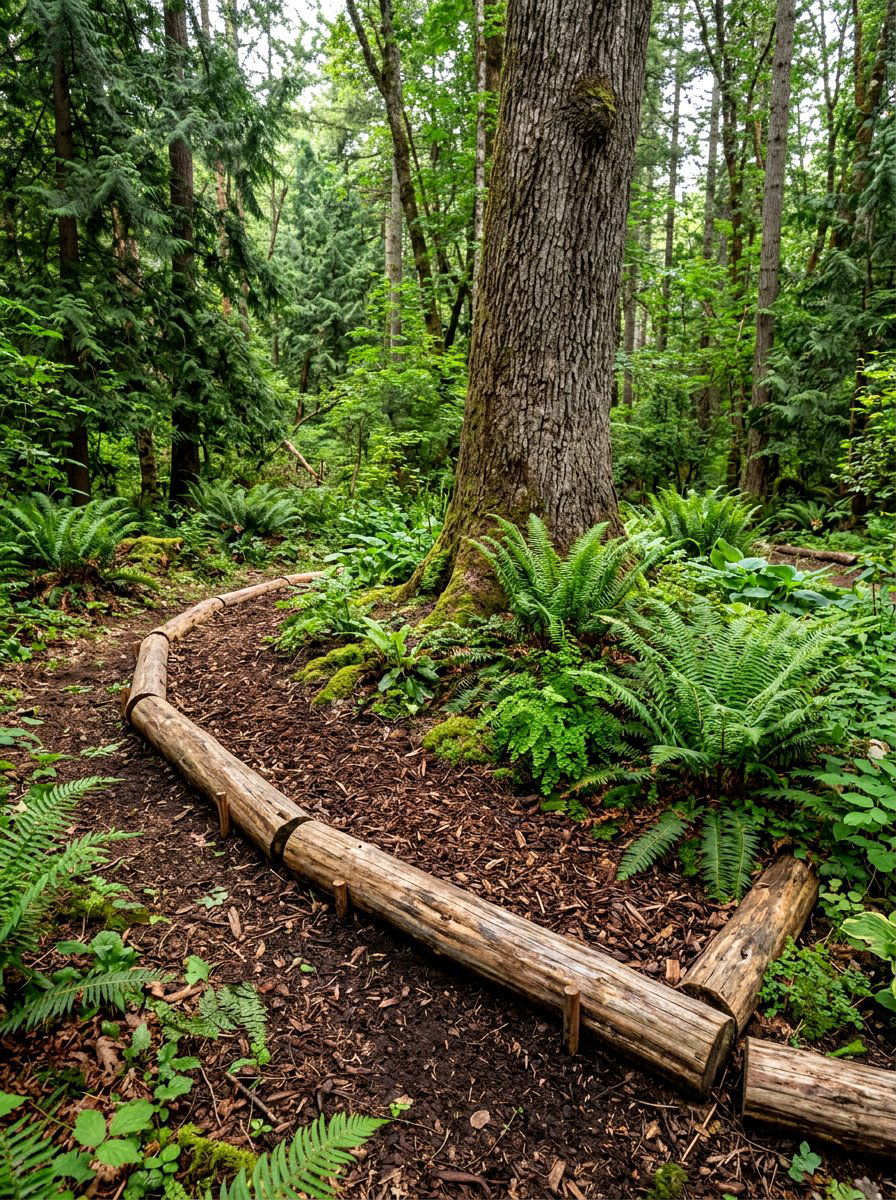
A rustic log border is a budget-friendly and eco-conscious way to frame your trees using fallen timber or reclaimed wood. You can use cedar logs, pressure-treated timbers, or even thick branches to create a sturdy, horizontal frame. This look is ideal for woodland gardens, cabins, or anyone who loves a natural, "forest floor" aesthetic. The wood will slowly weather to a beautiful silvery-gray, blending seamlessly into the environment. To ensure longevity, it is best to place the logs on a bed of gravel to prevent them from rotting too quickly. This design feels very grounded and provides a perfect habitat for beneficial fungi and small garden-dwelling creatures.
14. Perennial Garden Edge
Planting a perennial garden edge around your tree ensures that you have a beautiful border that returns year after year. You can select a mix of heights, including low-growing groundcovers at the front and taller flowers like columbine or astilbe closer to the trunk. This design focuses on creating a "living" border that changes with the seasons, offering new colors and textures each month. Once established, perennials are very hardy and require less maintenance than annuals. The dense root systems of these plants help to hold the soil in place and compete with weeds. This approach creates a lush, full look that feels like a private botanical sanctuary.
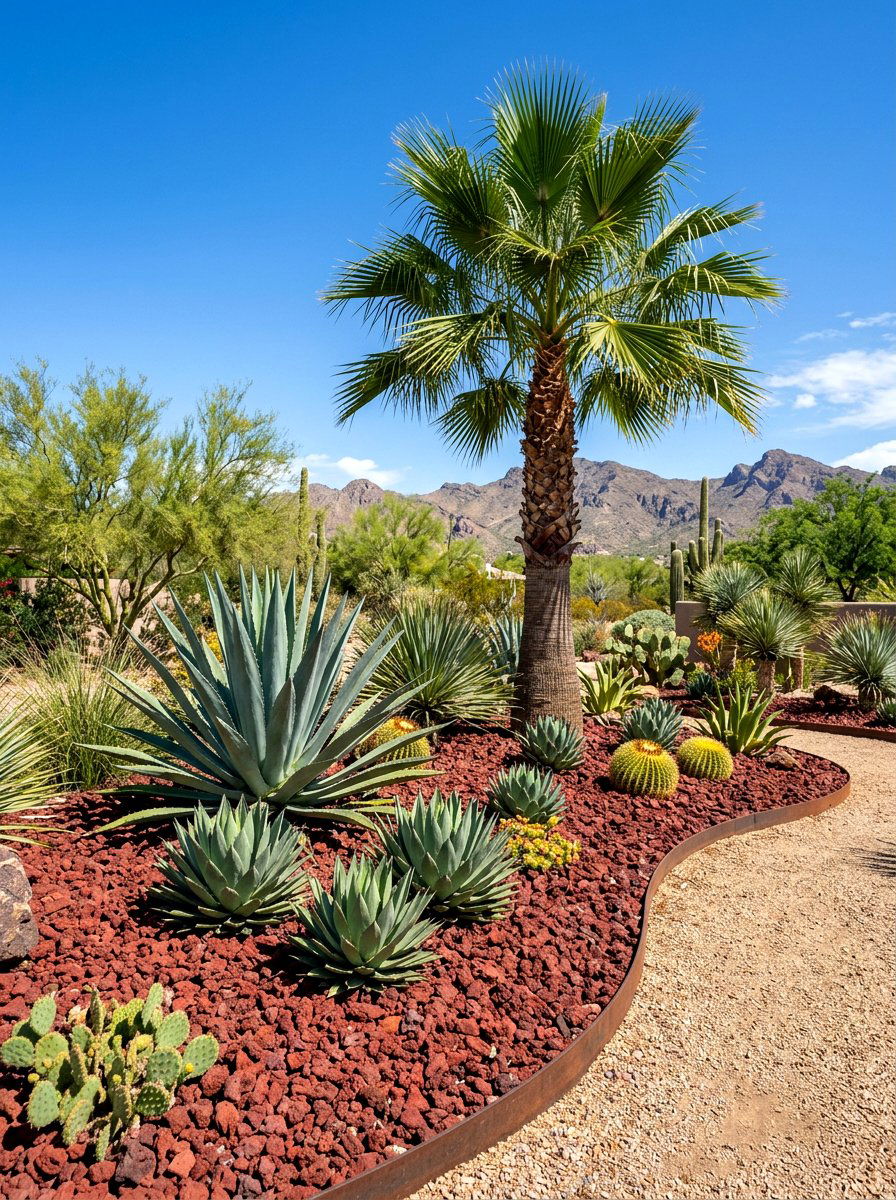
15. Xeriscape Tree Base
A xeriscape tree base is designed for sustainability and water efficiency, using hardy plants and inorganic mulches like lava rock. This approach is perfect for arid climates where traditional lawns are difficult to maintain. You can border the tree with large decorative boulders and fill the remaining space with drought-resistant groundcovers or ornamental grasses. This design emphasizes texture and form over traditional green grass. It creates a striking, high-contrast look that requires almost no irrigation once the plants are established. By choosing native species, you also support the local ecosystem. This modern approach to landscaping is both environmentally responsible and visually stunning, proving that conservation can be beautiful.
16. Formal Boxwood Border
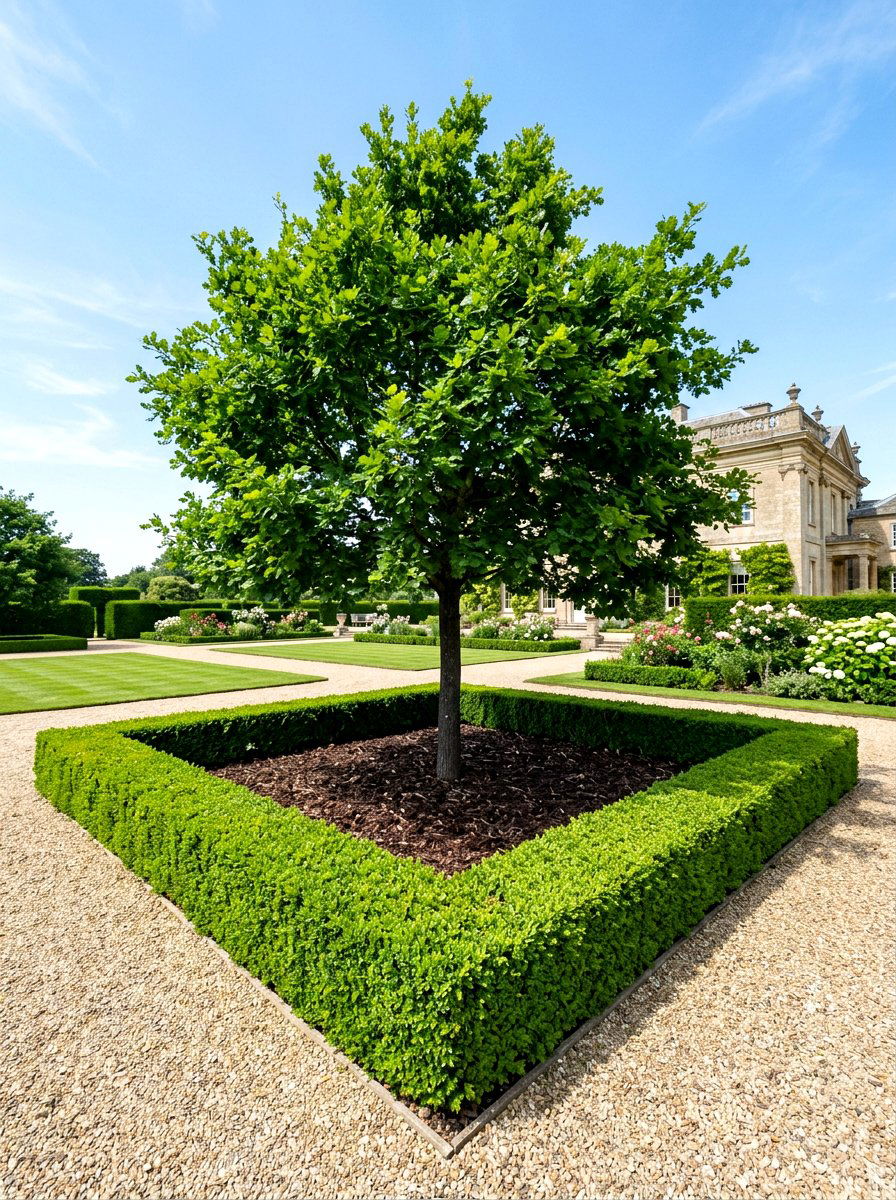
A formal boxwood border uses low, tightly clipped evergreen hedges to create a crisp and elegant frame around your trees. This classic European style brings a sense of order and sophistication to any garden design. You can shape the boxwoods into perfect circles or sharp squares, depending on the architecture of your home. The deep green foliage provides a consistent color throughout the winter months when other plants have gone dormant. This design is excellent for front yards where you want to make a strong first impression. While it requires regular pruning to keep the lines sharp, the resulting high-end look is well worth the effort and maintenance.
17. Tropical Garden Island
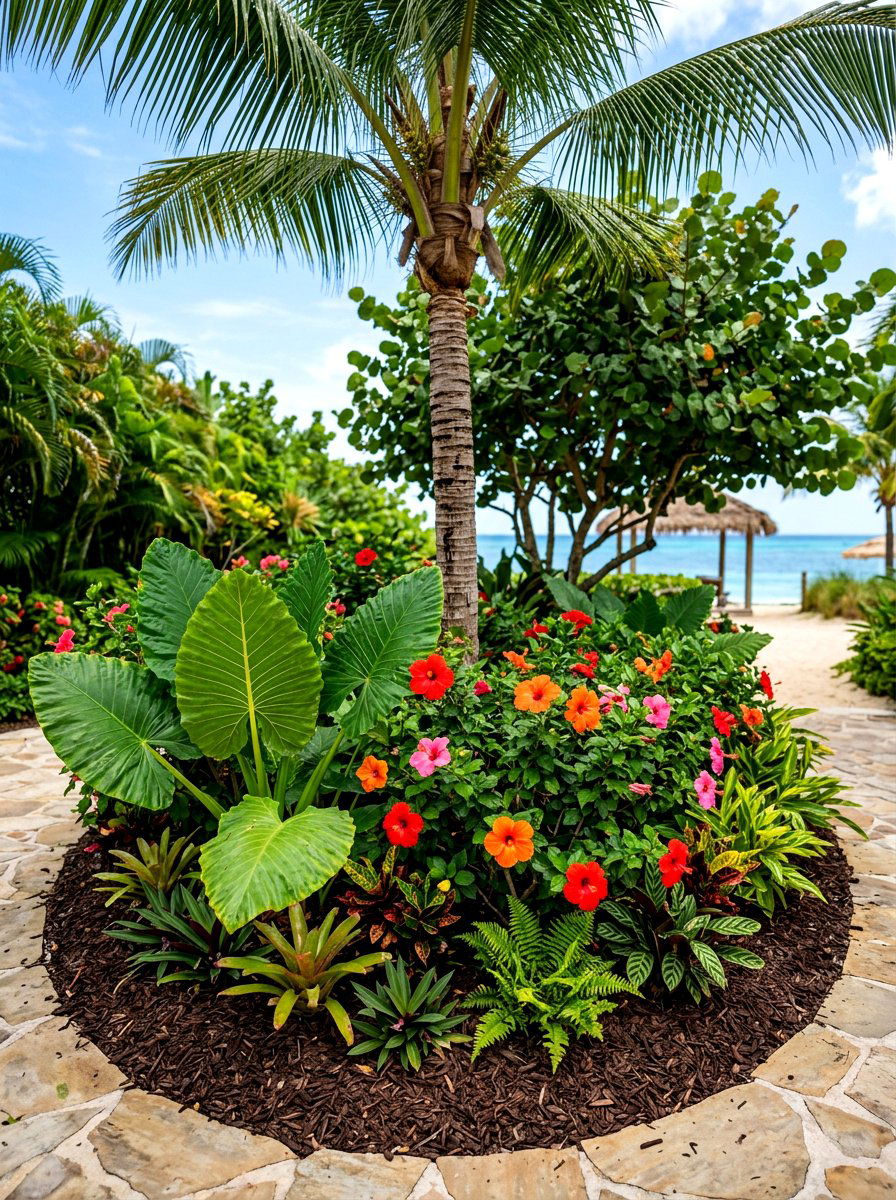
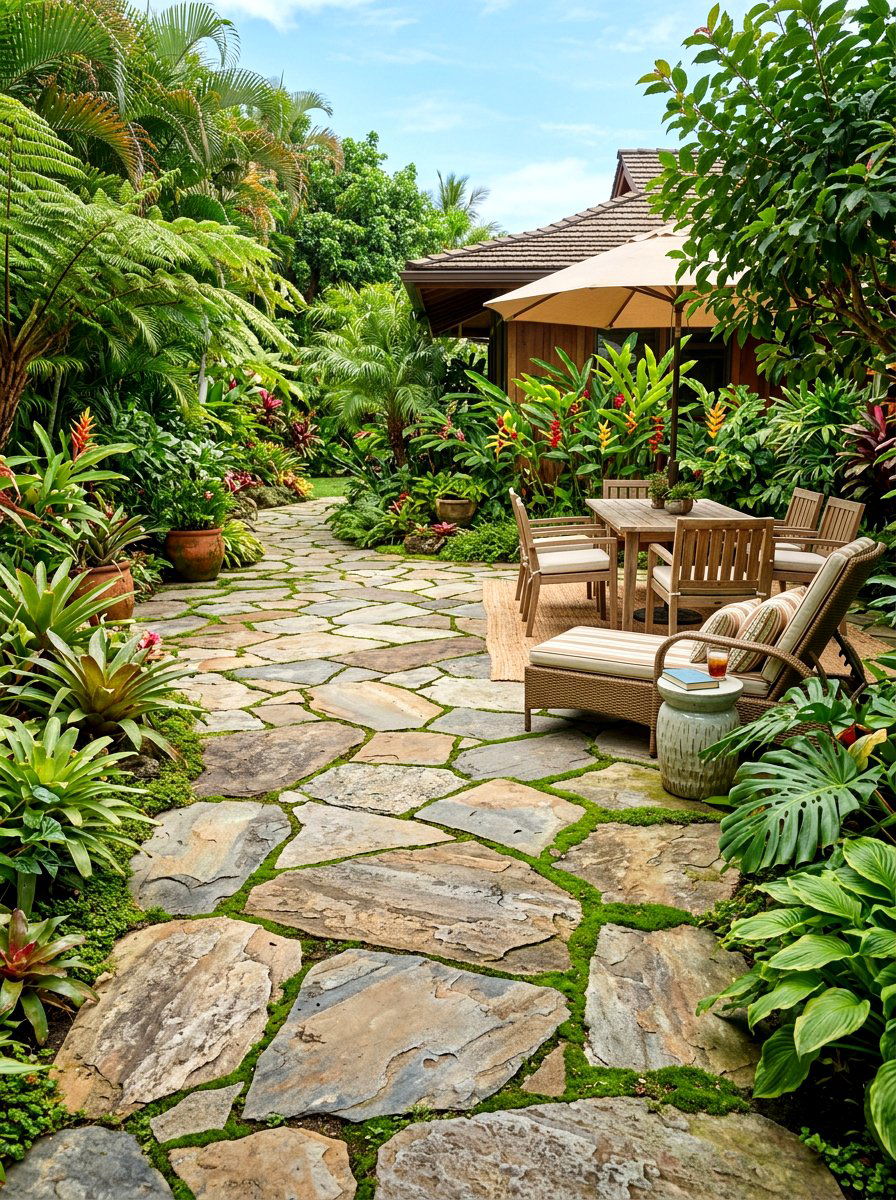
Creating a tropical garden island around a tree is a great way to bring vacation vibes to your own backyard. You can use large-leafed plants like canna lilies, elephant ears, and hibiscus to create a dense and colorful jungle-like border. This design focuses on lush textures and bold, saturated colors that thrive in warm and humid conditions. To finish the look, use a border of bamboo edging or dark river rocks. The tree provides the necessary shade for the more delicate tropical species to flourish during the hot summer months. This creates a vibrant destination in your yard that feels exotic and provides a stunning contrast to a typical lawn.
18. Woodland Canopy Garden
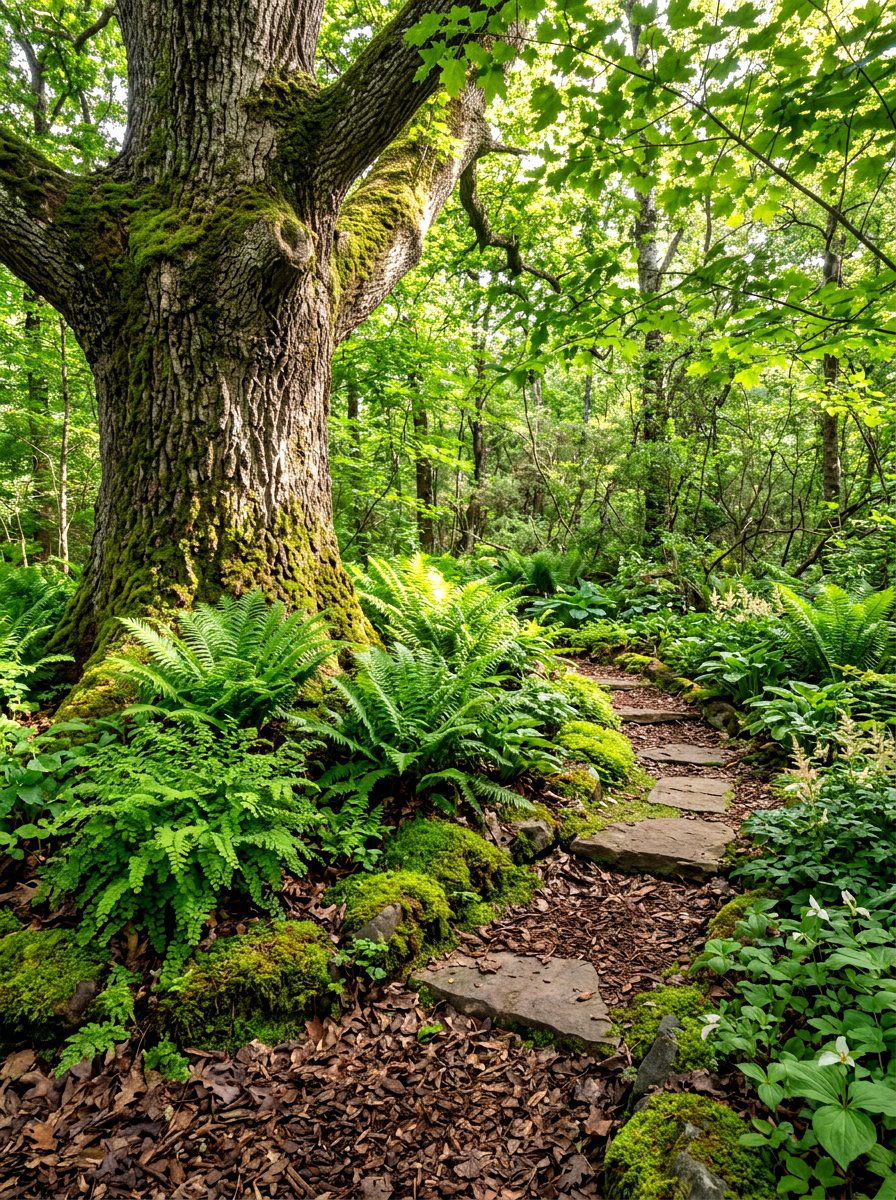
A woodland canopy garden embraces the natural environment of the tree, using plants that would typically grow in a forest setting. This design incorporates a mix of ferns, mosses, and native wildflowers to create a soft and ethereal border. Instead of hard edges, the plantings are allowed to spread naturally, creating a blurred line between the garden and the grass. This look is perfect for large oak or maple trees that cast a wide shadow. It creates a peaceful, meditative space where you can enjoy the quiet beauty of nature. Using shredded leaf mulch further enhances the forest aesthetic and provides a healthy, nutrient-rich environment for the tree roots.
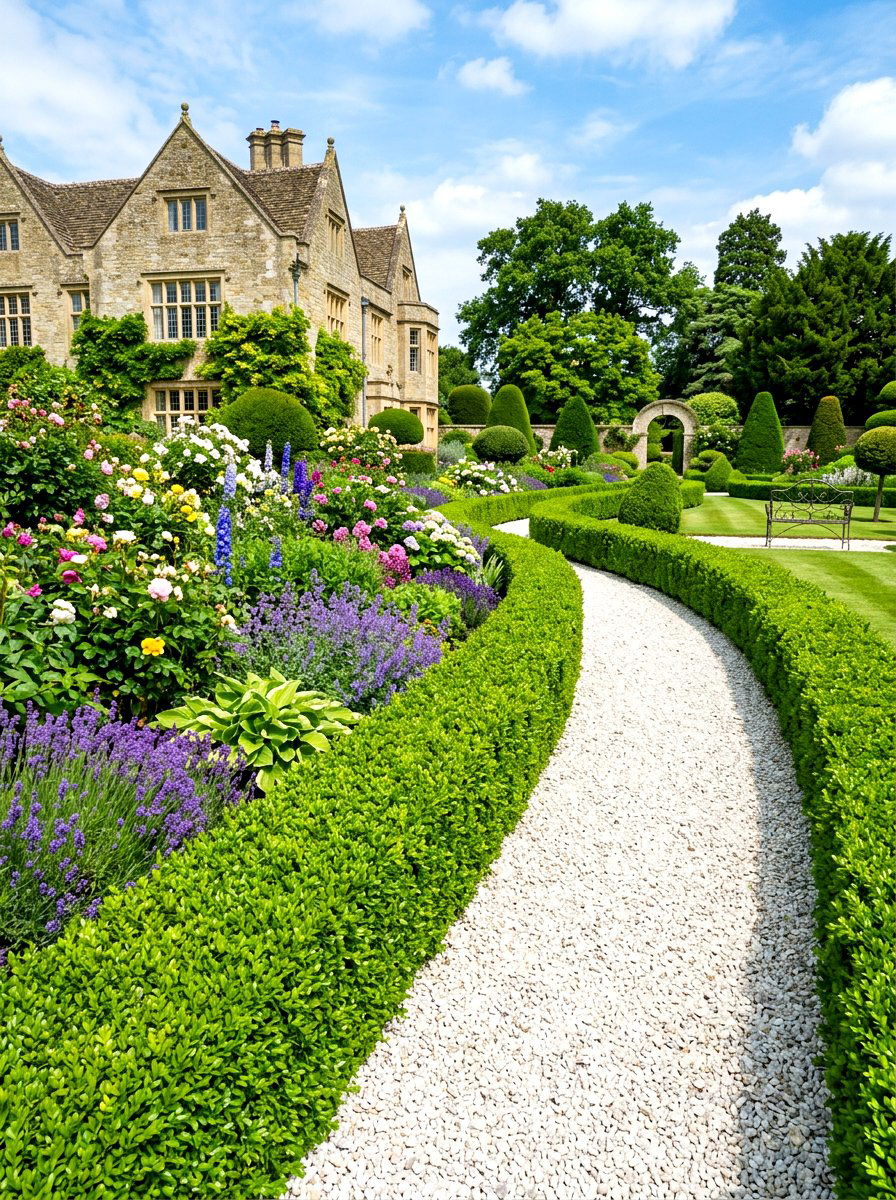
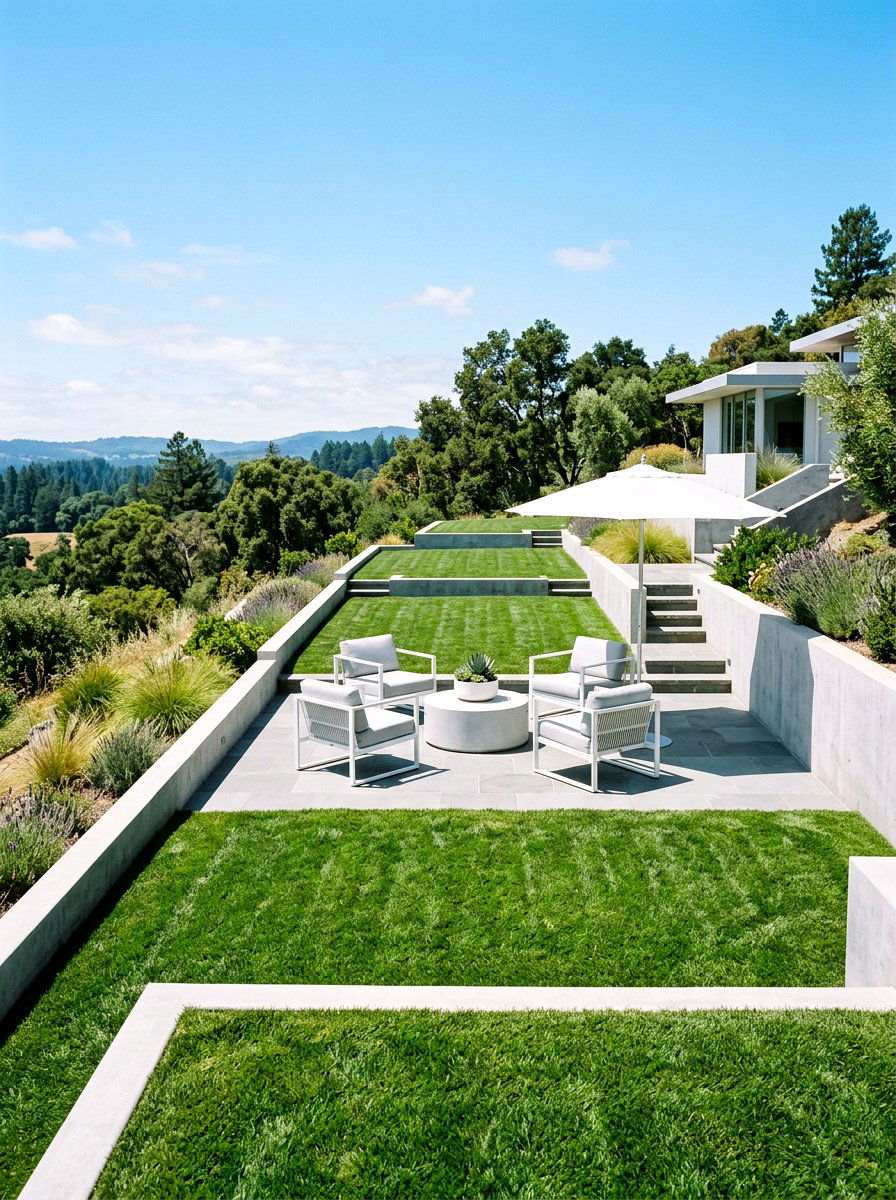
19. Tiered Stone Terrace
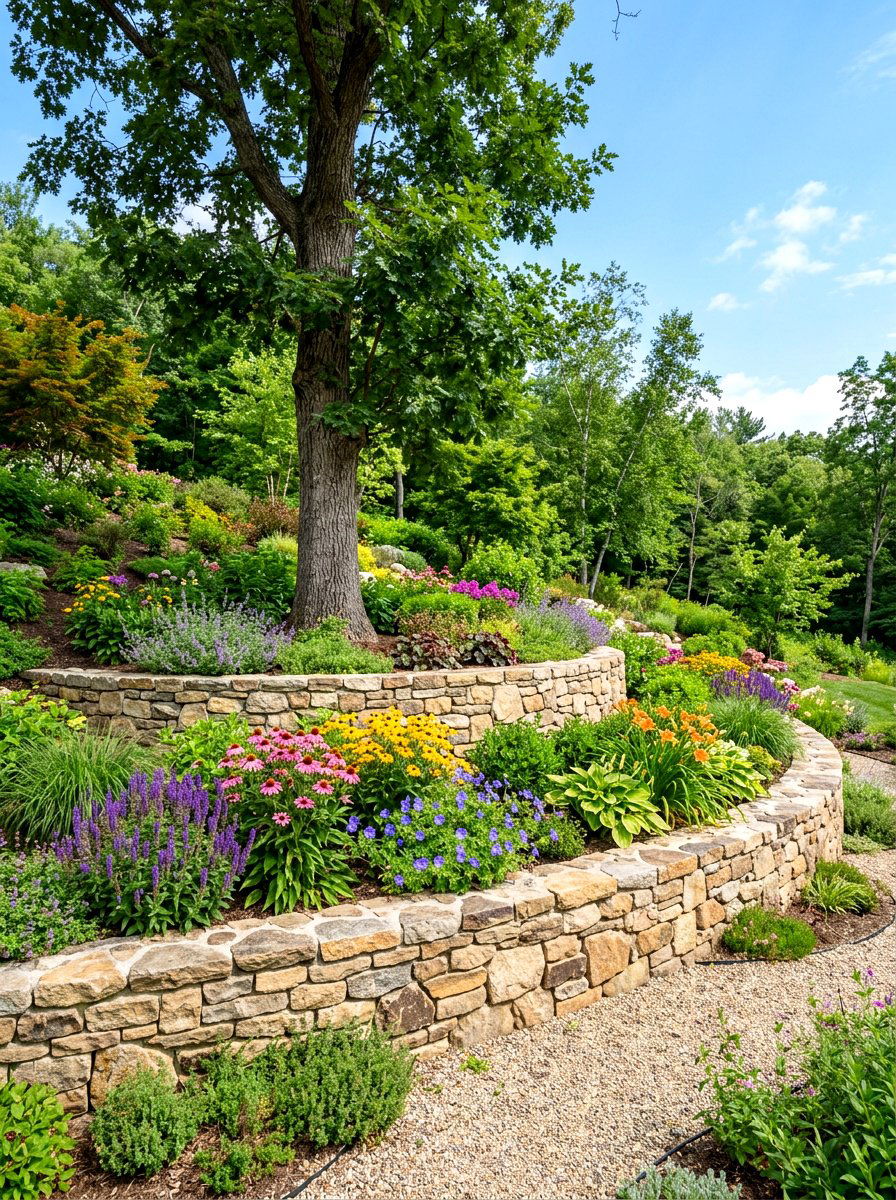
A tiered stone terrace is a sophisticated design that uses multiple levels of stone walls to border a tree on a slope. This approach prevents soil runoff and creates several flat "steps" for planting different types of flowers or shrubs. Each level can have its own color scheme or theme, adding a lot of visual complexity to the landscape. The use of natural stone blocks or pavers gives the structure a sturdy and permanent feel. This design is highly functional for managing drainage issues while simultaneously creating a breathtaking focal point. It turns a difficult hillside into a beautifully organized garden that adds massive curb appeal to your property.
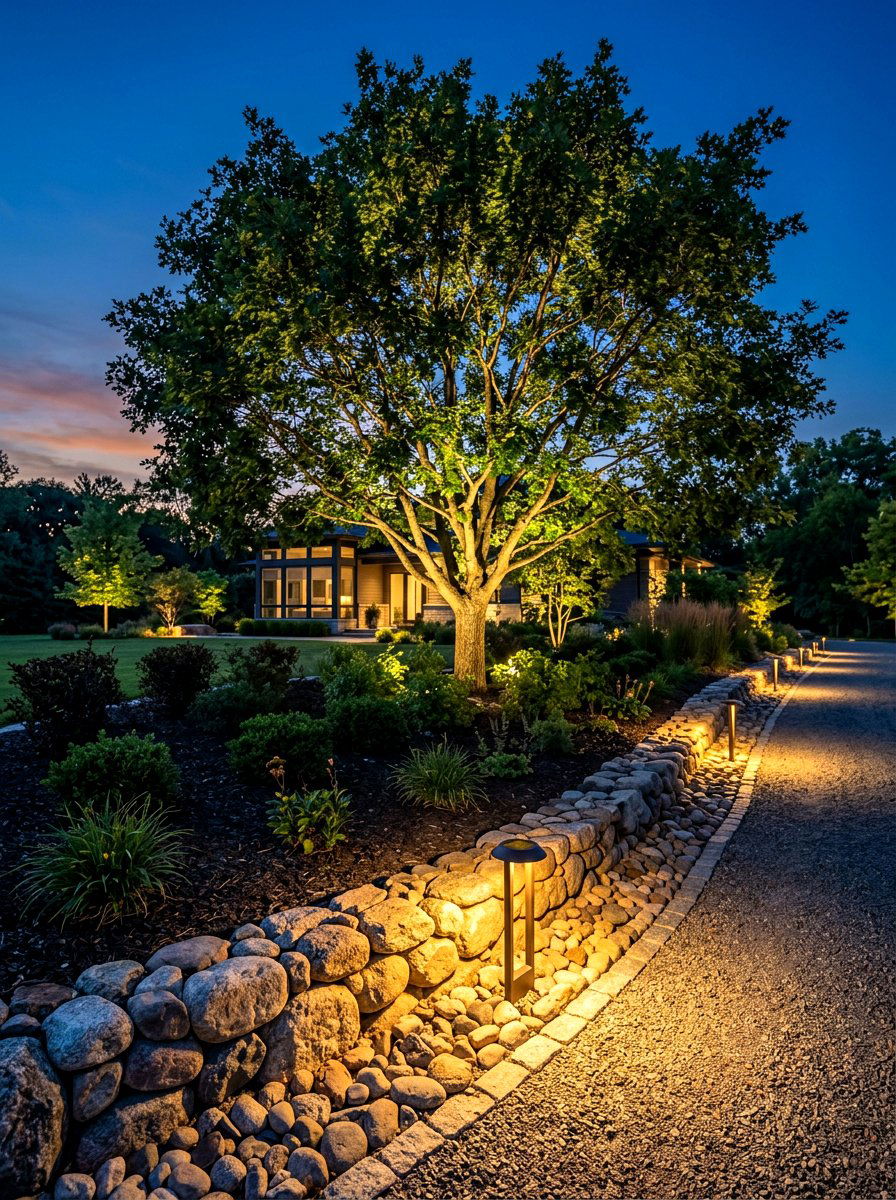
20. Solar Light Perimeter
Adding a solar light perimeter around your tree border allows you to enjoy your landscaping long after the sun goes down. You can tuck small LED spotlights into the mulch to highlight the texture of the bark or use path lights along the edge of the border. This design not only looks magical at night but also improves safety by lighting up the walkways. During the day, the sleek solar fixtures act as a modern decorative element. Illuminating the canopy from below creates dramatic shadows and makes the tree feel like a living sculpture. This is an easy and energy-efficient way to elevate the look of your outdoor space.
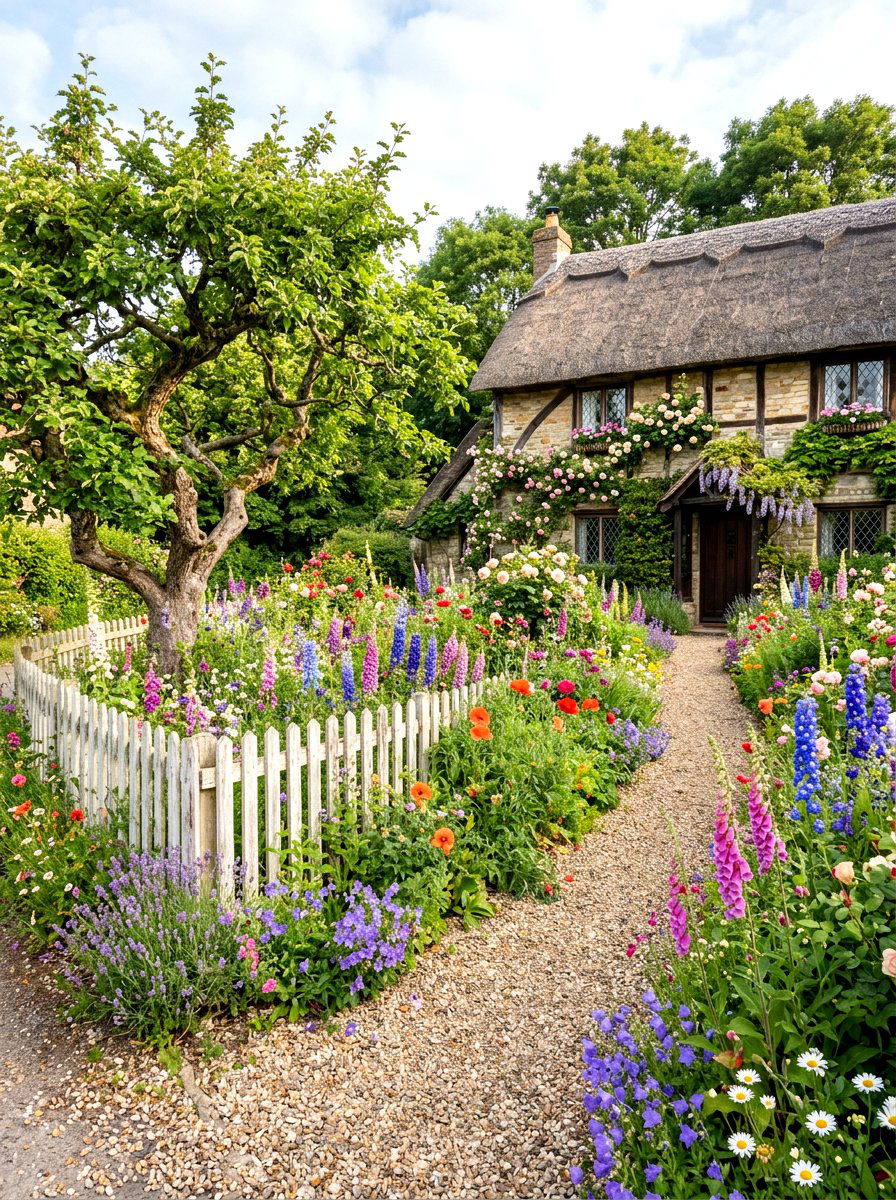
21. Cottage Style Border
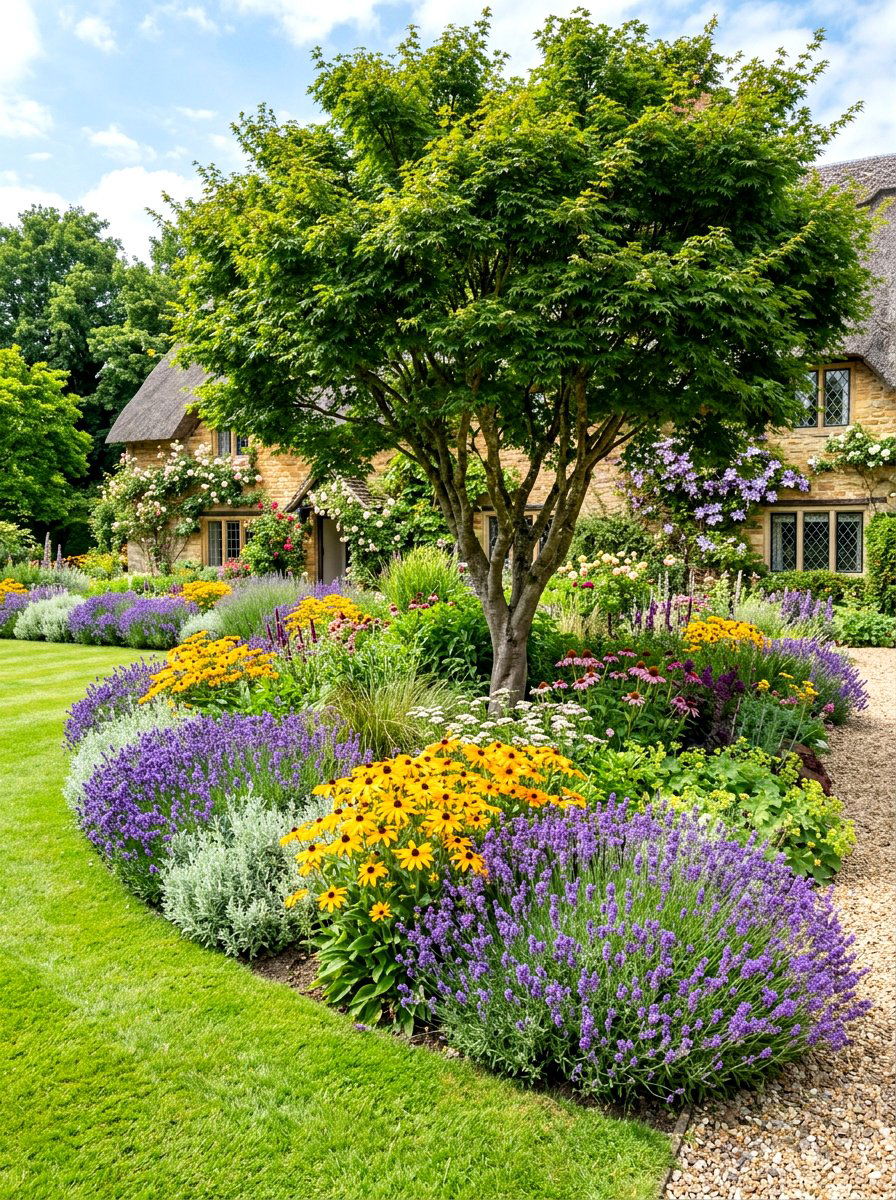
A cottage style border is all about charming abundance and a relaxed, "untamed" aesthetic. This design uses a wide mix of flowering perennials, herbs, and self-seeding annuals to create a colorful and fragrant frame around the tree. You might see lavender, daisies, and foxgloves growing together in a delightful jumble. A low picket fence or a border of weathered bricks can help contain the enthusiastic growth while adding to the vintage feel. This look is perfect for anyone who loves a garden that feels lived-in and full of life. It attracts plenty of bees and butterflies, turning your tree border into a bustling hub of natural activity.
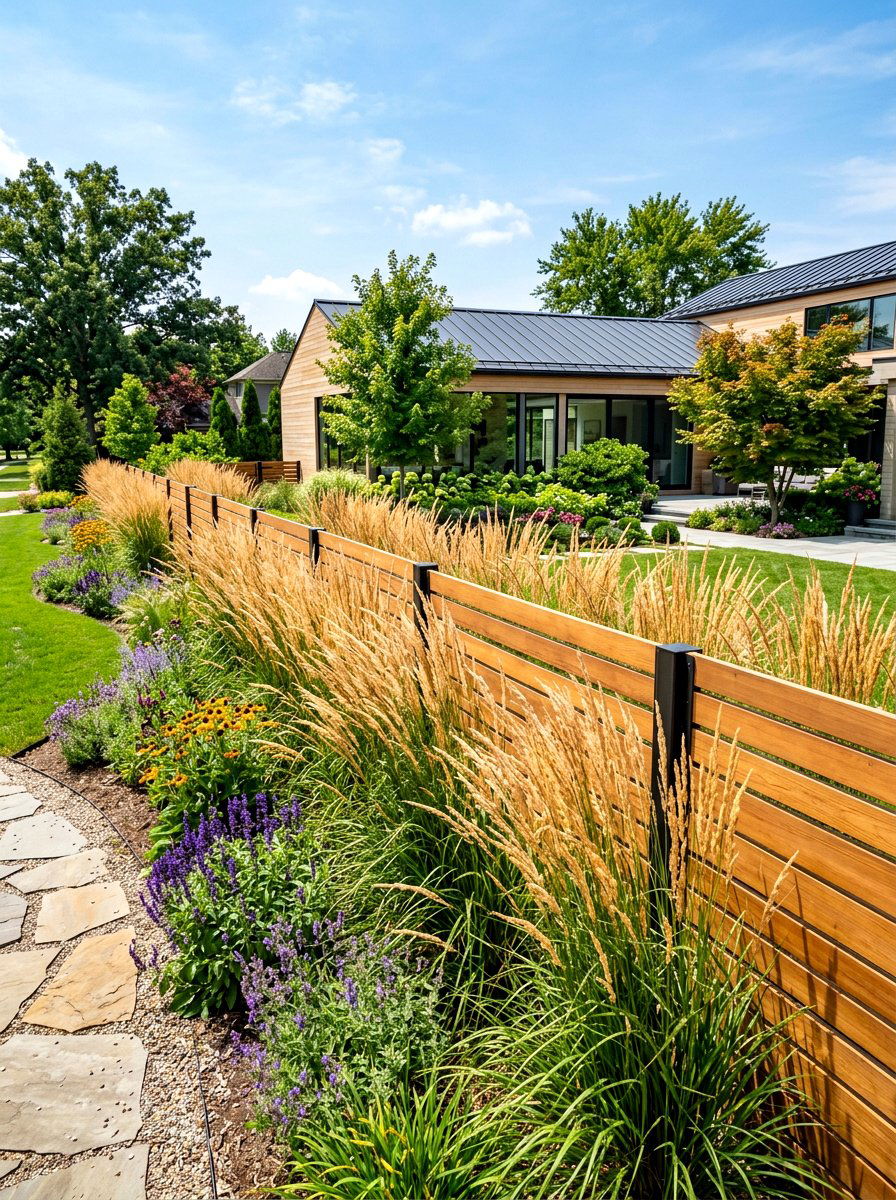
22. Tall Grass Screen
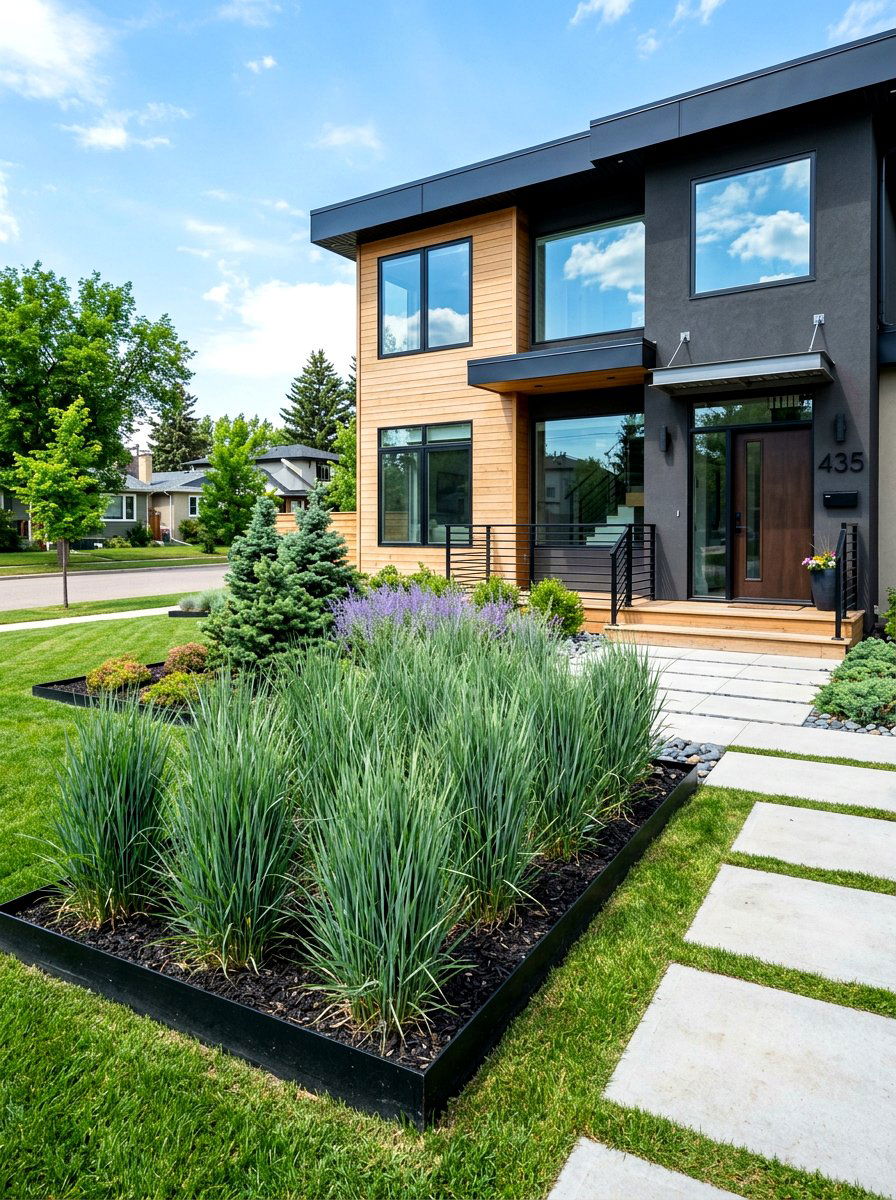
Using a tall grass screen as a border around your property provides a soft, whispering boundary that moves beautifully with the wind. Ornamental grasses like Maiden Grass or Switchgrass can grow several feet tall, creating a flexible and semi-transparent privacy screen. This design is modern yet organic, offering a different look each season as the grasses transition from green to golden brown. The seed heads provide winter interest and a food source for local birds. This border requires very little maintenance, needing only one major cutback in the early spring. It’s an excellent way to add height and a sense of movement to a static landscape.
23. Lush Fern Garden
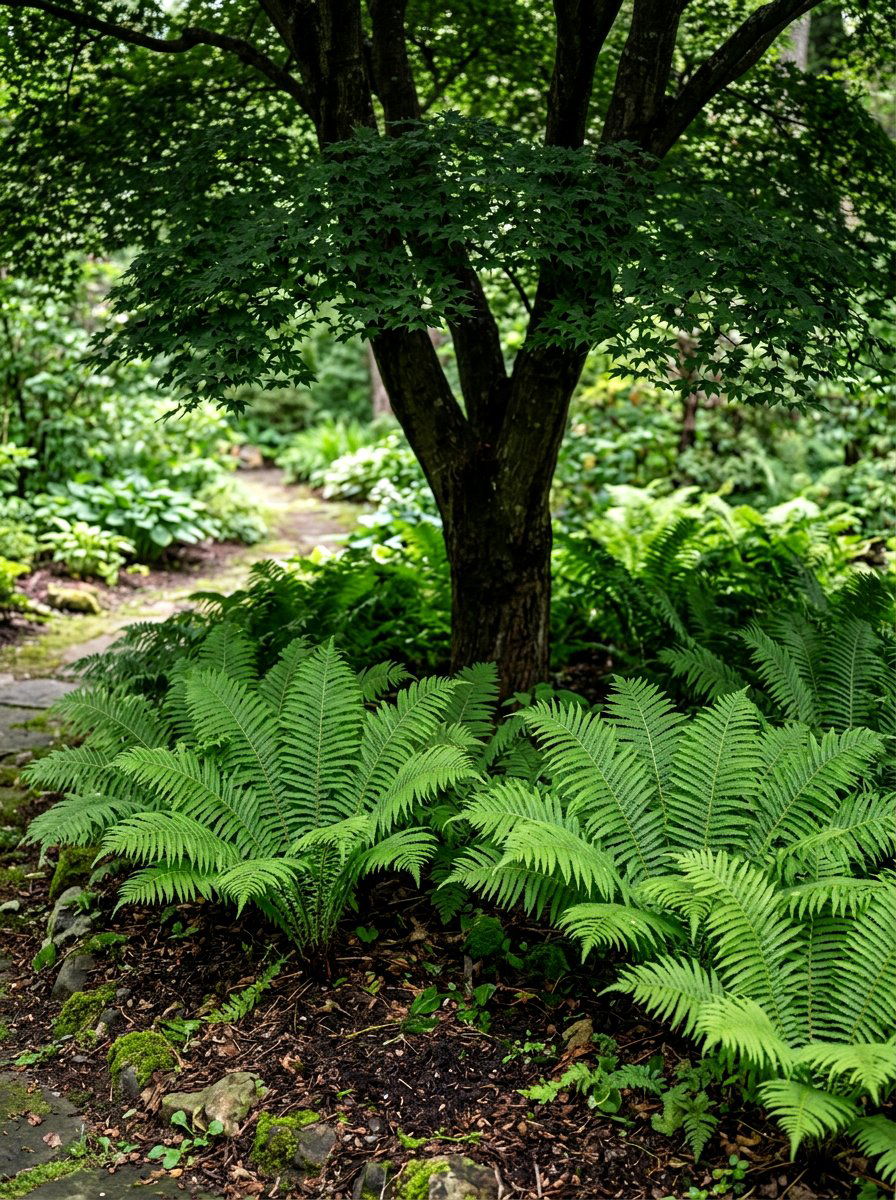
A lush fern garden creates a cooling and prehistoric-looking border that is perfect for the deep shade beneath mature trees. Ferns like Ostrich or Japanese Painted Ferns offer delicate, feathery textures that look incredibly elegant when planted in large groups. This design relies on shades of green and intricate leaf patterns rather than bright flowers. The result is a serene and sophisticated look that feels like a hidden forest glen. Ferns love the moist, sheltered environment provided by the tree's canopy. By using a dark wood mulch, you can make the bright green fronds truly pop, creating a refreshing oasis in the middle of a hot summer day.
24. Wildflower Pollinator Border
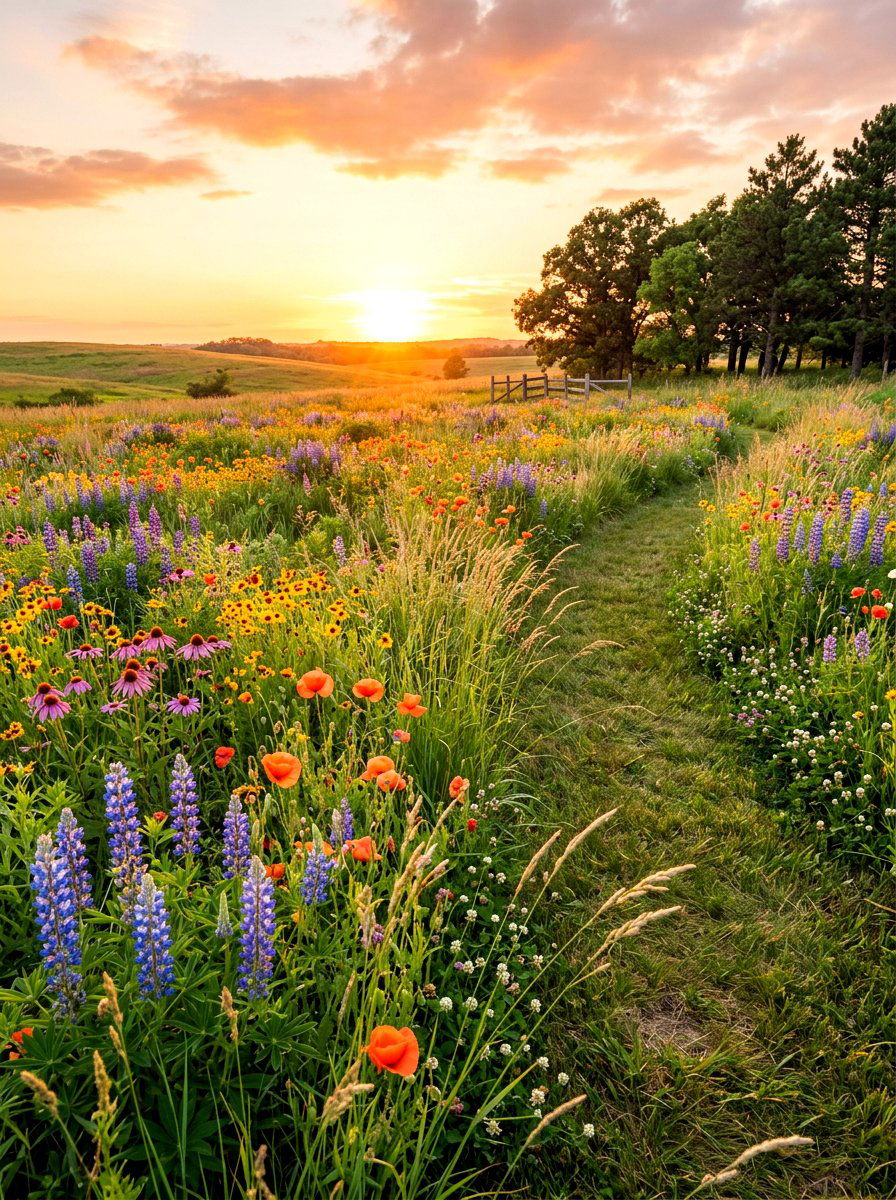
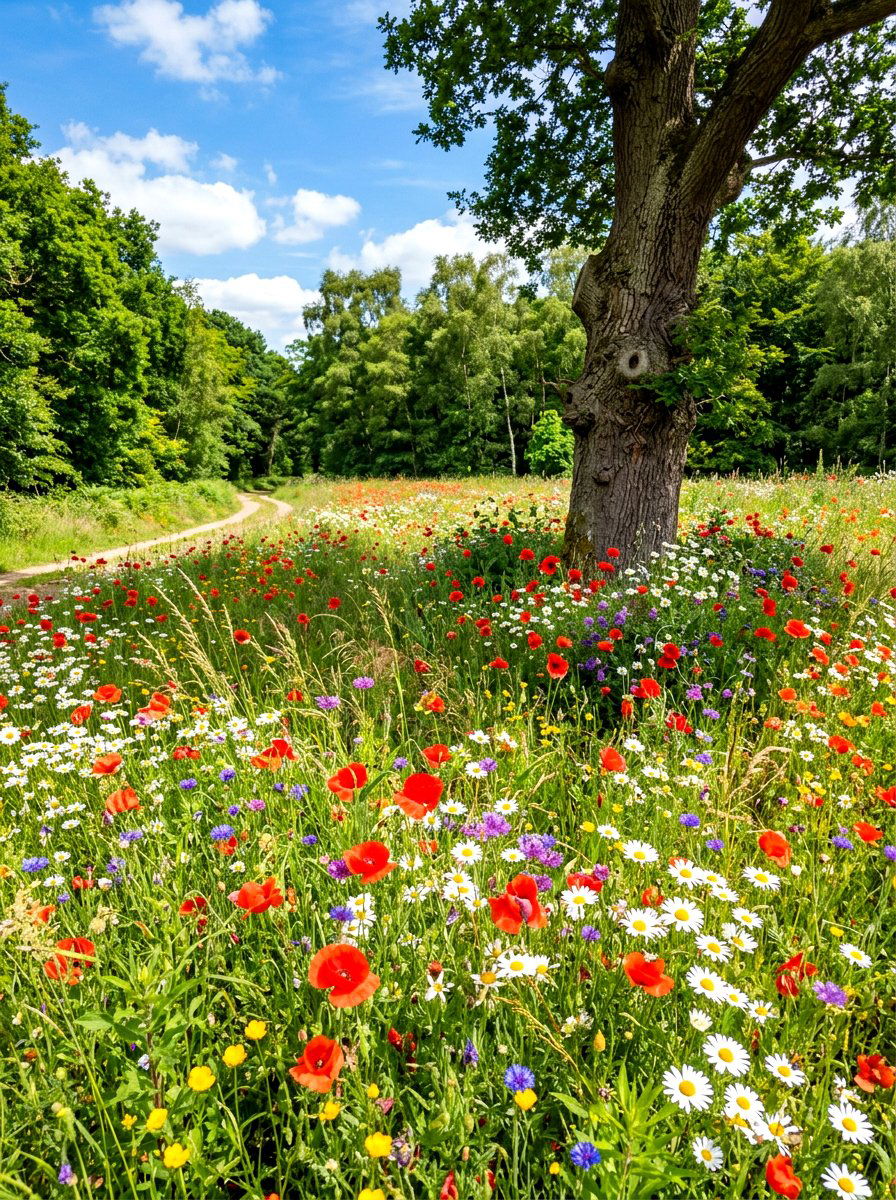
Planting a wildflower pollinator border around your trees is a beautiful way to support local biodiversity while adding a splash of color. You can use a mix of native seeds to create a naturalistic meadow look that requires very little water or fertilizer. This design is intentionally informal, with flowers of all shapes and sizes blooming at different times throughout the year. It provides a vital habitat for bees, butterflies, and hummingbirds. Not only does this look stunning, but it also creates a teaching moment for children about the importance of the environment. The tall stems and vibrant blooms create a soft, romantic frame that contrasts beautifully with the lawn.
25. Bamboo Screen Fence
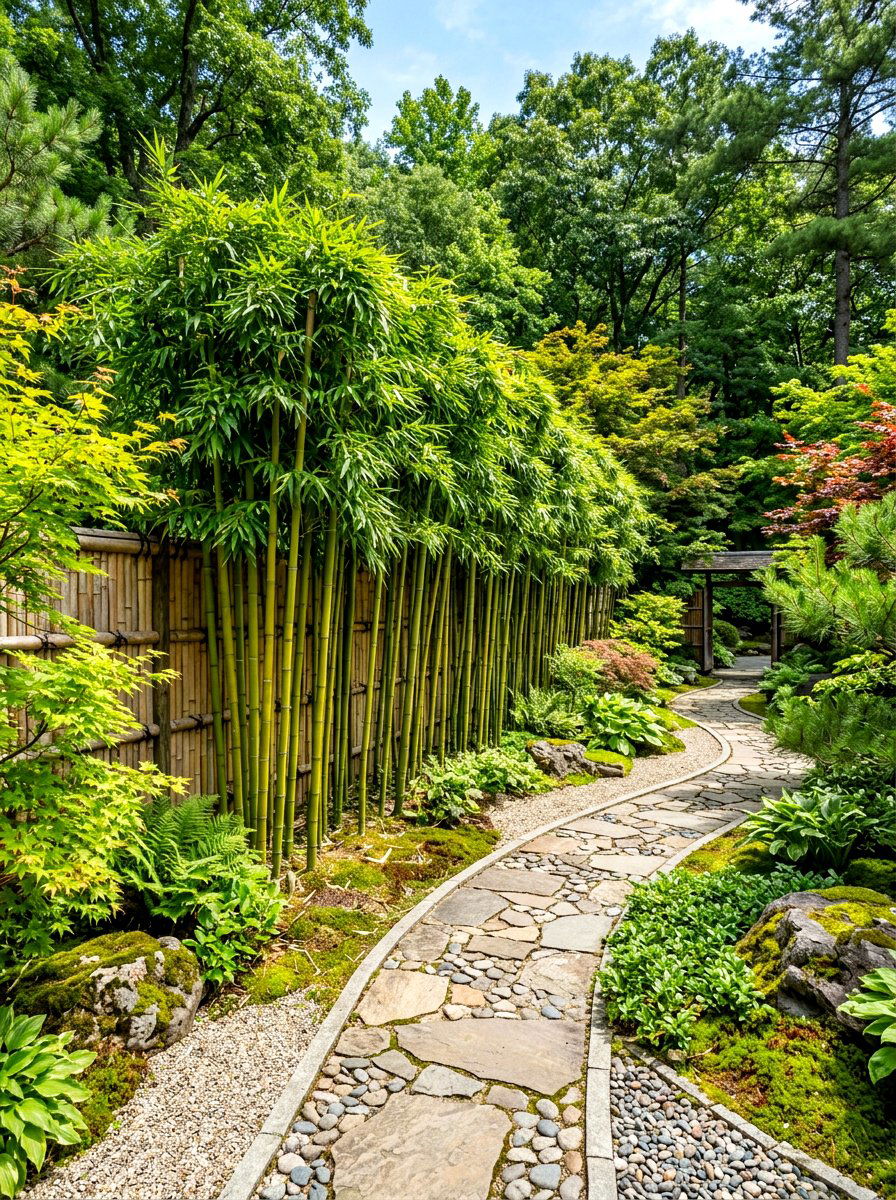
A bamboo screen fence offers a fast-growing and sustainable way to border your property with a tropical or Zen-like flair. Whether you use living bamboo or pre-made bamboo panels, this material provides a unique texture and a very high level of privacy. This design works well in modern or Asian-inspired landscapes. The vertical lines of the bamboo stalks complement the verticality of your trees, creating a harmonious and structured look. Living bamboo should be contained with a root barrier to prevent it from spreading too far. As a border, it creates a peaceful backdrop that filters the light and produces a gentle rustling sound when the wind blows.
26. Smooth River Rock Ring
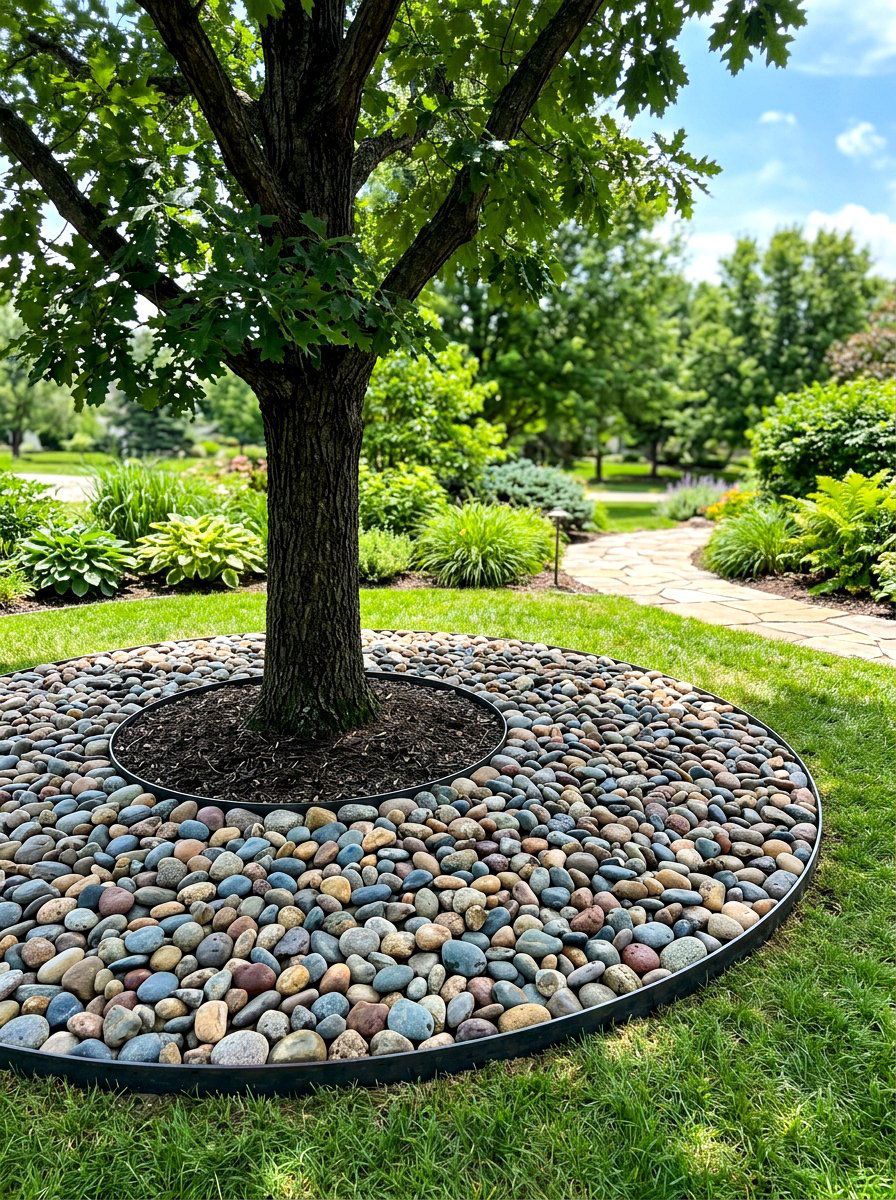
Using smooth river rocks to create a wide ring around a tree provides a clean and balanced look that feels very grounding. The stones, shaped by water over many years, come in soothing tones of gray, tan, and blue. This design is highly effective at preventing weeds and requires almost zero maintenance once the rocks are in place. You can use a mix of sizes to create a more natural, "streambed" appearance. This look is particularly effective under trees with interesting root structures that you want to highlight rather than hide. The cool, smooth surface of the rocks provides a nice visual break from the texture of the surrounding grass.
27. Multi Level Planter
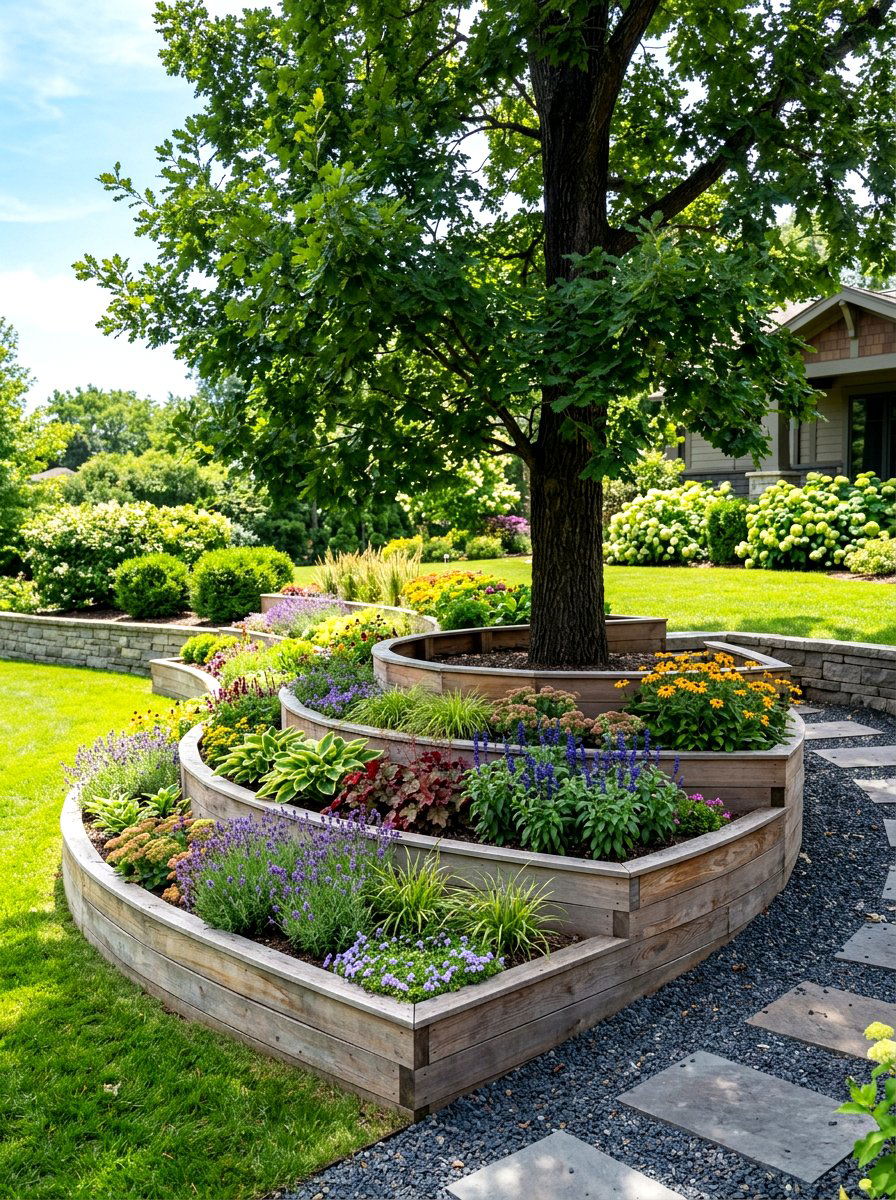
A multi-level planter uses tiered wooden or stone boxes to create a structured and architectural border around a tree. This design is perfect for adding a lot of variety in a small space, as you can plant different species on each level. The height of the planter can also help to protect the tree from pets or high-traffic areas. You can use cedar or redwood for a warm, natural look that resists rot. This approach allows you to control the soil quality for each plant, ensuring that your flowers and shrubs have the best possible environment. It turns the base of the tree into a complex, vertical garden.
28. Decorative Concrete Curbing
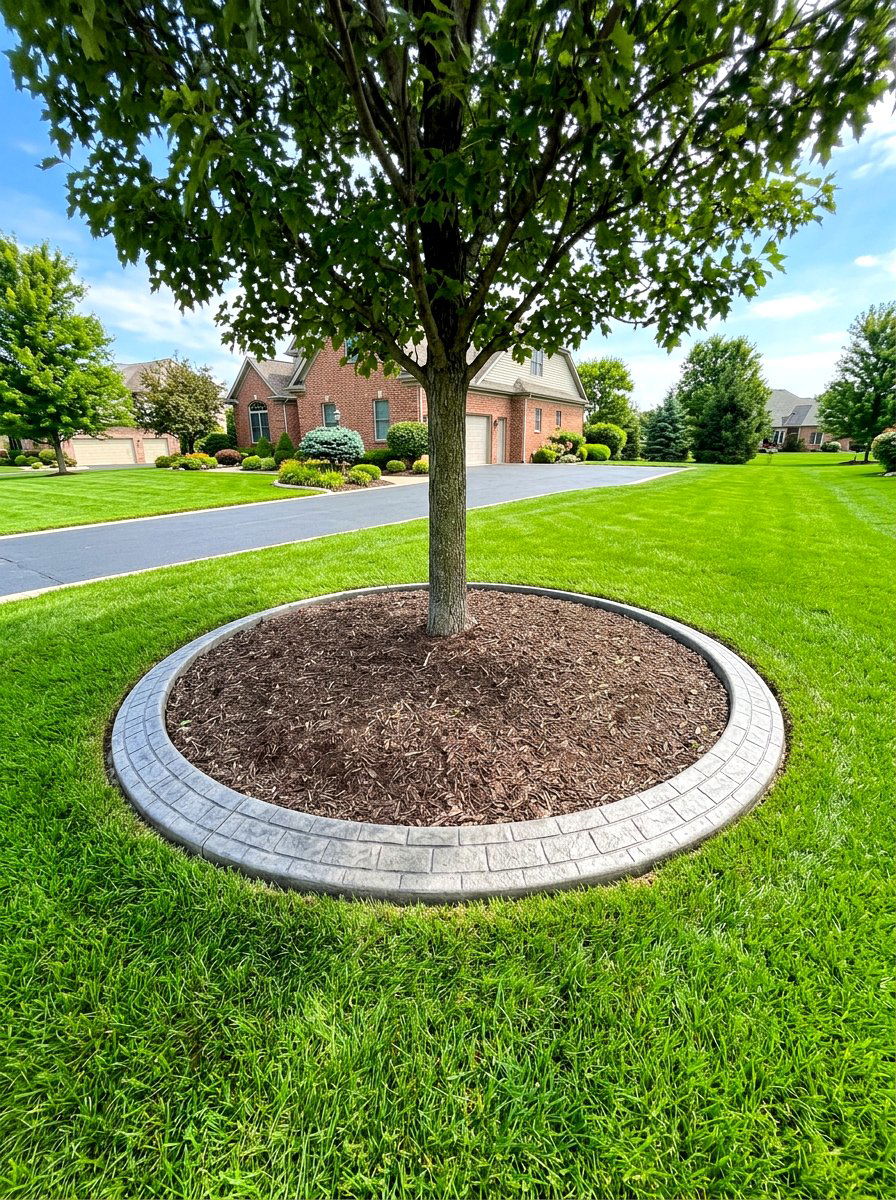
Decorative concrete curbing is a permanent and highly customizable way to border your trees and garden beds. Professionals can pour a continuous "curb" in various colors and stamped patterns, such as faux brick or stone. This design is incredibly durable and won't shift or move like individual pavers can. It creates a very clean and defined edge that is easy to mow against, saving you time on yard work. The solid barrier also does an excellent job of keeping grass roots from creeping into your mulch beds. It’s a high-end solution that gives your entire landscape a professional, custom-designed look that will last for many years.
29. Desert Succulent Border
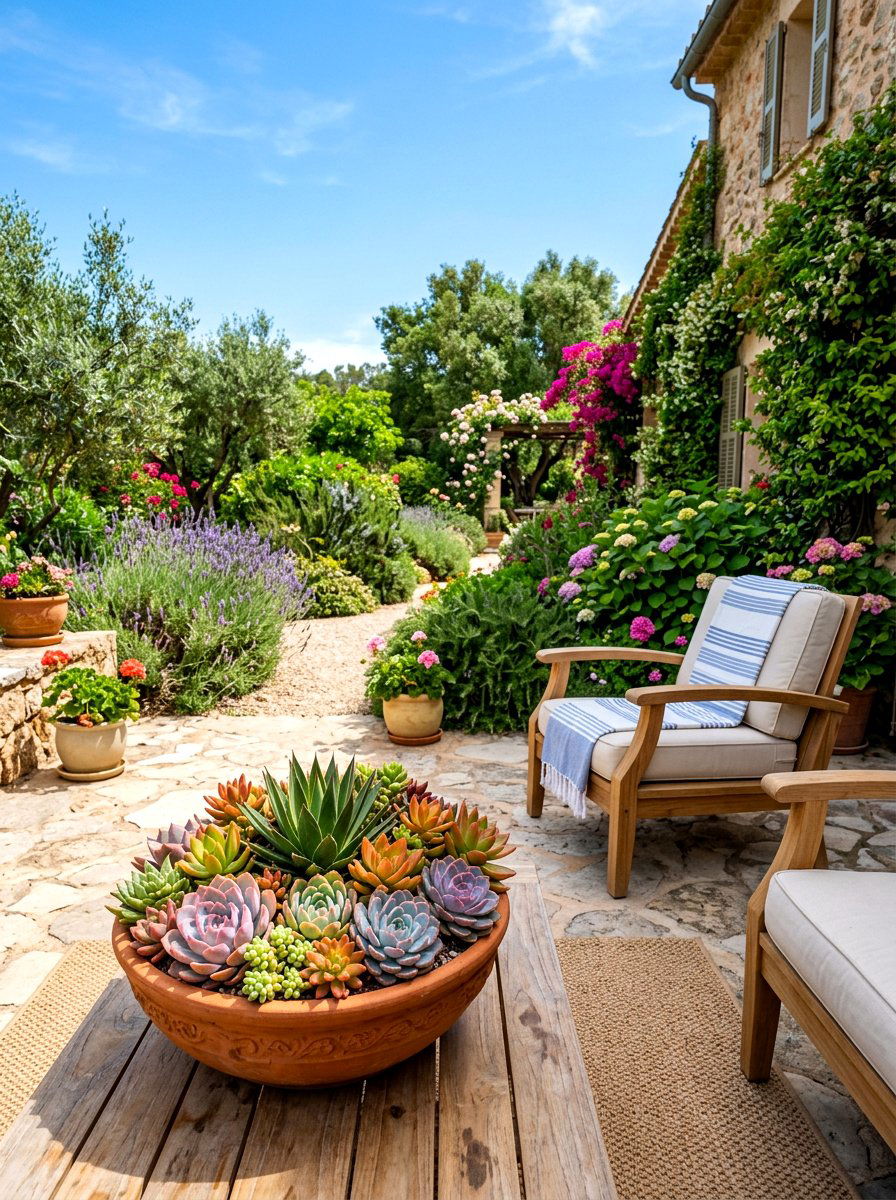
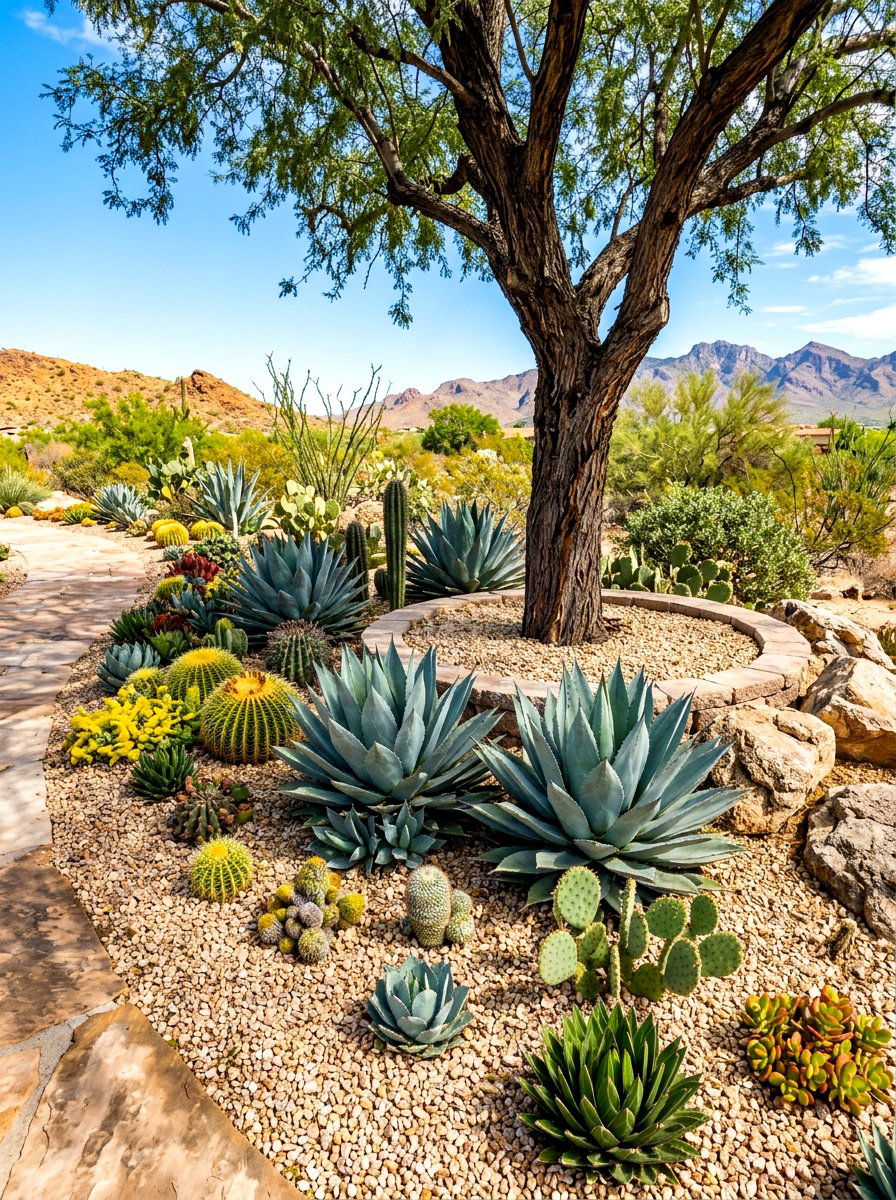
A desert succulent border is an eye-catching and modern choice for sun-drenched yards in warmer climates. You can use a variety of agaves, aloes, and echeverias to create a sculptural and low-water border. This design emphasizes unique shapes and unusual colors, like blue-gray and deep burgundy. By using a light-colored gravel mulch, you can make the architectural forms of the succulents stand out. This border is extremely hardy and requires almost no maintenance once established. It’s a great way to bring a contemporary "West Coast" vibe to your home. The slow-growing nature of succulents means the border will maintain its tidy and organized look with very little effort.
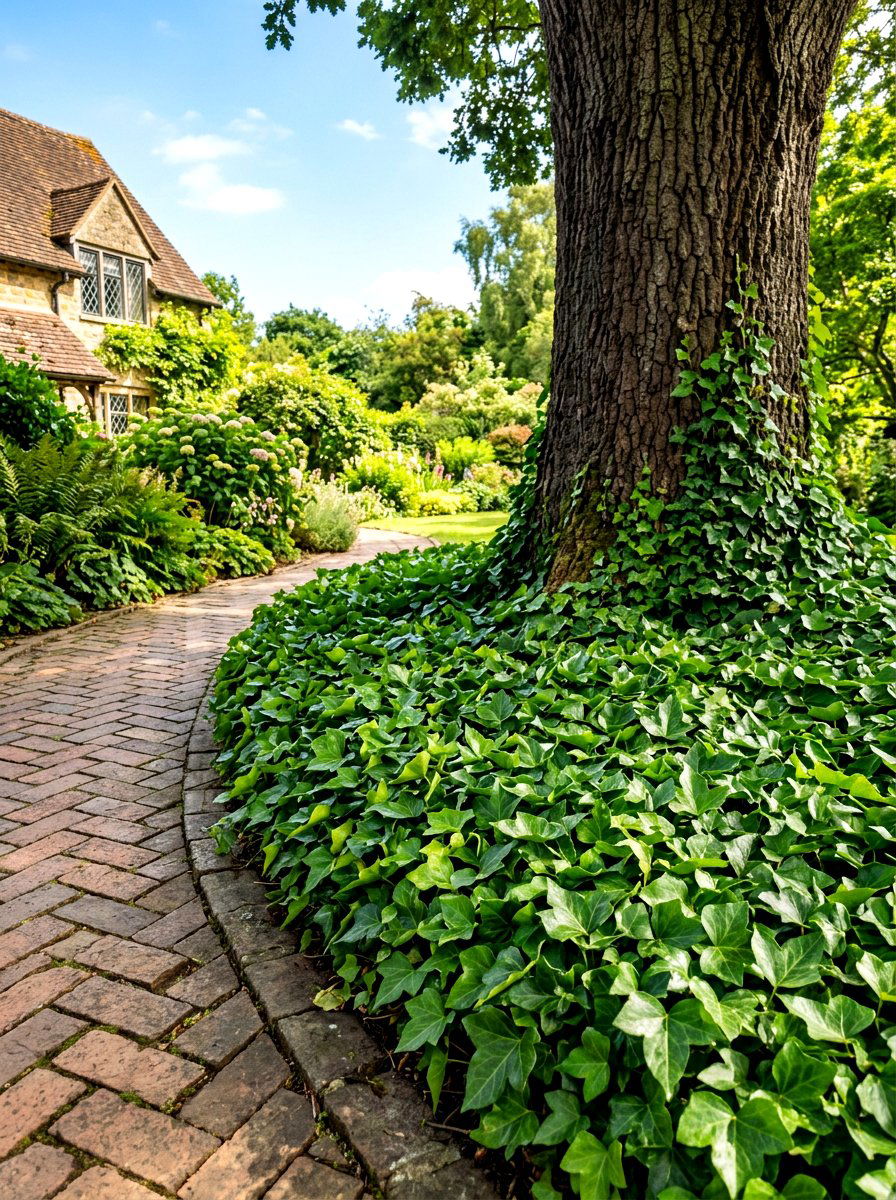
30. Ivy Groundcover Bed
An ivy groundcover bed creates a classic, "Old World" look that feels very established and traditional. You can allow English or Algerian ivy to blanket the ground beneath your trees, creating a dense, evergreen carpet that stays green all year long. This design is excellent for suppressing weeds and hiding uneven ground or exposed roots. To keep it under control, you simply need to trim the edges once or twice a year to prevent it from climbing the trunk or spreading into the grass. The dark, glossy leaves provide a beautiful and consistent texture that complements any home style. It creates a lush, cohesive look that feels timeless and elegant.
Conclusion:
Selecting the right tree border landscaping is a transformative step in elevating the overall beauty and health of your outdoor environment. By moving beyond simple grass and trunk transitions, you create intentional spaces that highlight the majesty of your trees while protecting their vital root systems. Whether you choose the rugged durability of natural stone, the modern efficiency of metal edging, or the vibrant life of a perennial garden, each design adds a unique layer of personality to your yard. A well-designed border not only defines the boundaries of your garden but also significantly increases your home’s value and curbside appeal. Taking the time to research and install a thoughtful border ensures that your landscape feels finished, professional, and inviting. Your trees are the anchors of your property, and they deserve a frame that reflects their natural importance and beauty for years to come.

Related posts: