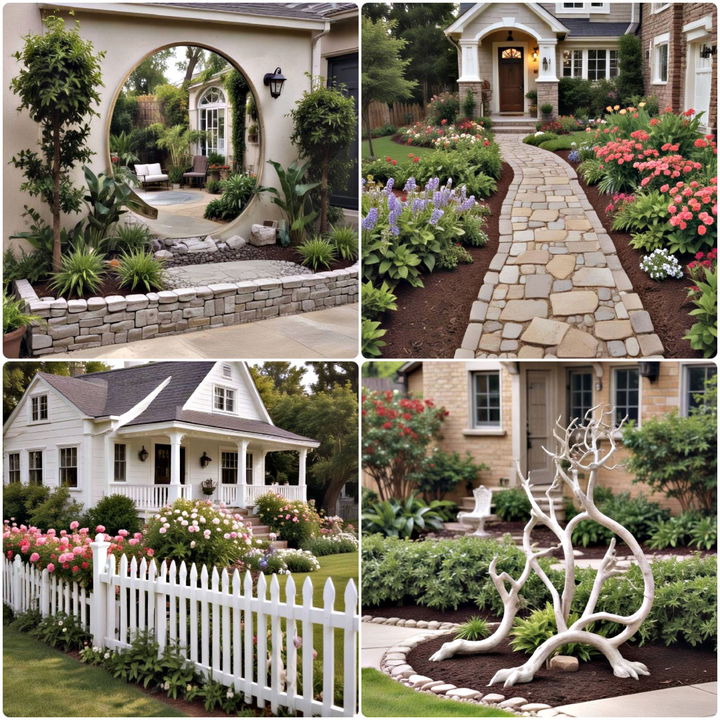
Creating a beautiful front yard often begins with defining the space through thoughtful and strategic borders. These boundaries serve as the architectural framework for your home's exterior, significantly boosting curb appeal while providing a tidy, organized look. Whether you are aiming for a lush cottage garden or a sleek modern aesthetic, the right border helps to contain mulch and prevent grass from encroaching on flower beds. From the rustic charm of natural stones to the industrial appeal of steel, your choice of edging reflects your personal style. Investing in quality bordering techniques improves your home’s value and makes maintenance much easier. A well-defined border is the secret to a professional-looking landscape that remains vibrant and orderly throughout every season.
1. Low Maintenance Rock Border
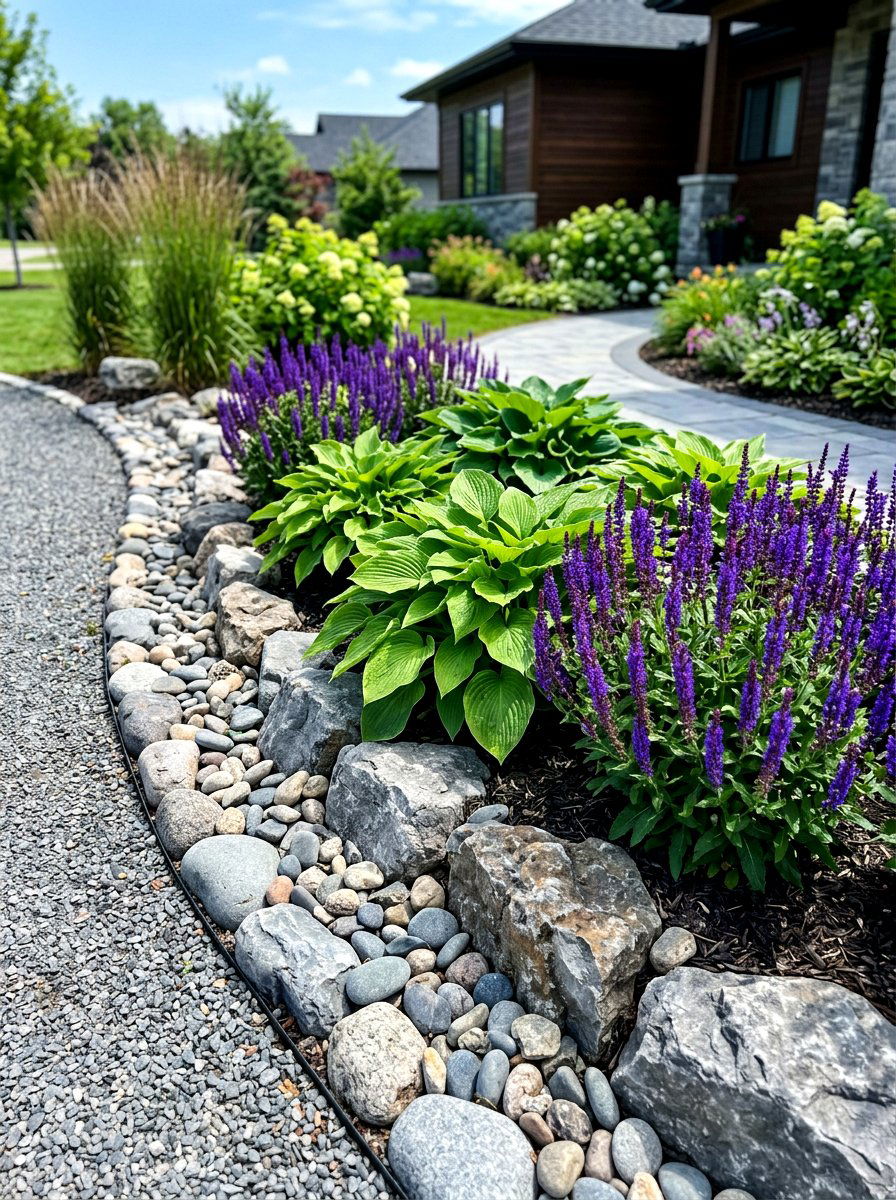
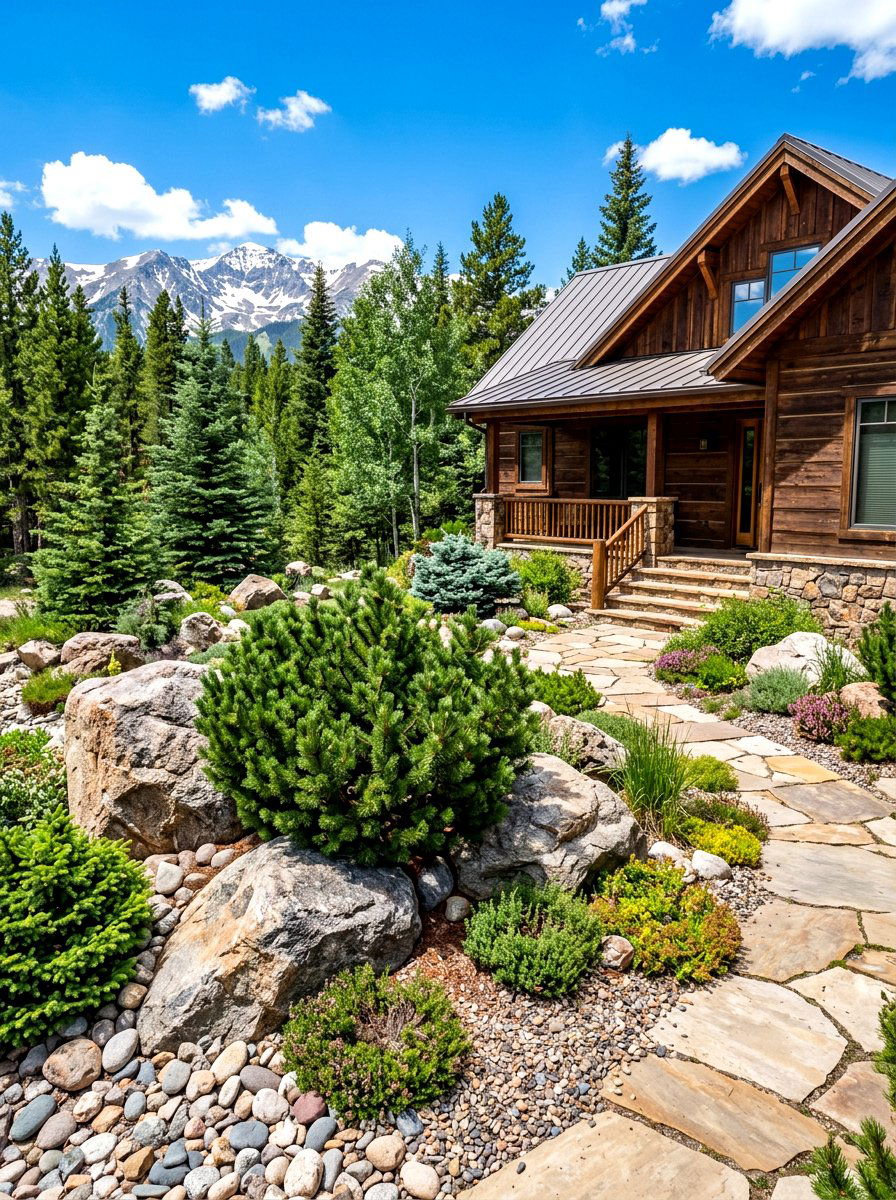
Installing a rock border is one of the most effective ways to achieve a clean look with minimal effort. This design uses various sizes of stones to create a permanent boundary that never needs painting or replacement. You can choose smooth river rocks for a soft appearance or jagged lava rocks for more texture. Because stones do not decompose like wood, they stay in place for years while providing excellent drainage for your plants. This type of edging works perfectly for homeowners who want to reduce their weekend chores. It creates a rugged yet intentional aesthetic that complements both traditional and contemporary homes while keeping your flower beds looking sharp.
2. Modern Metal Landscape Edging
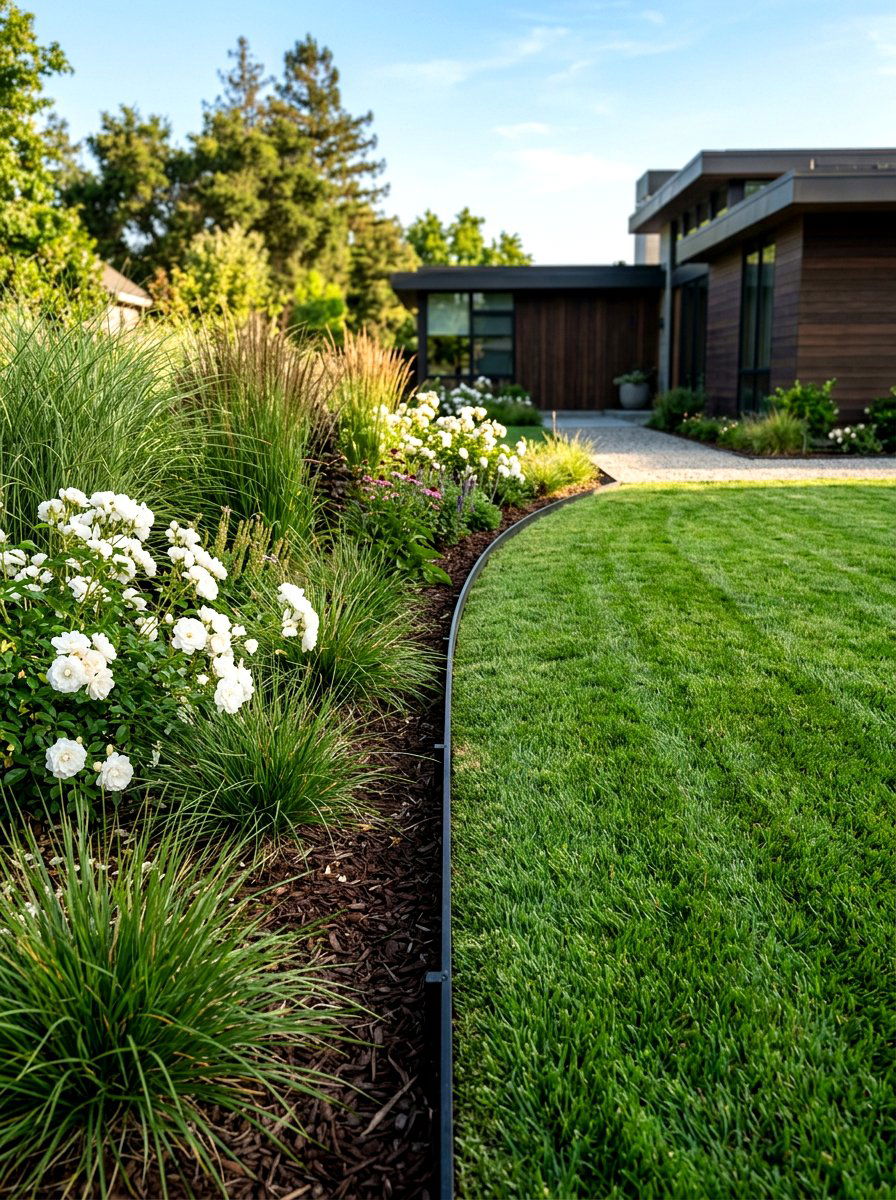
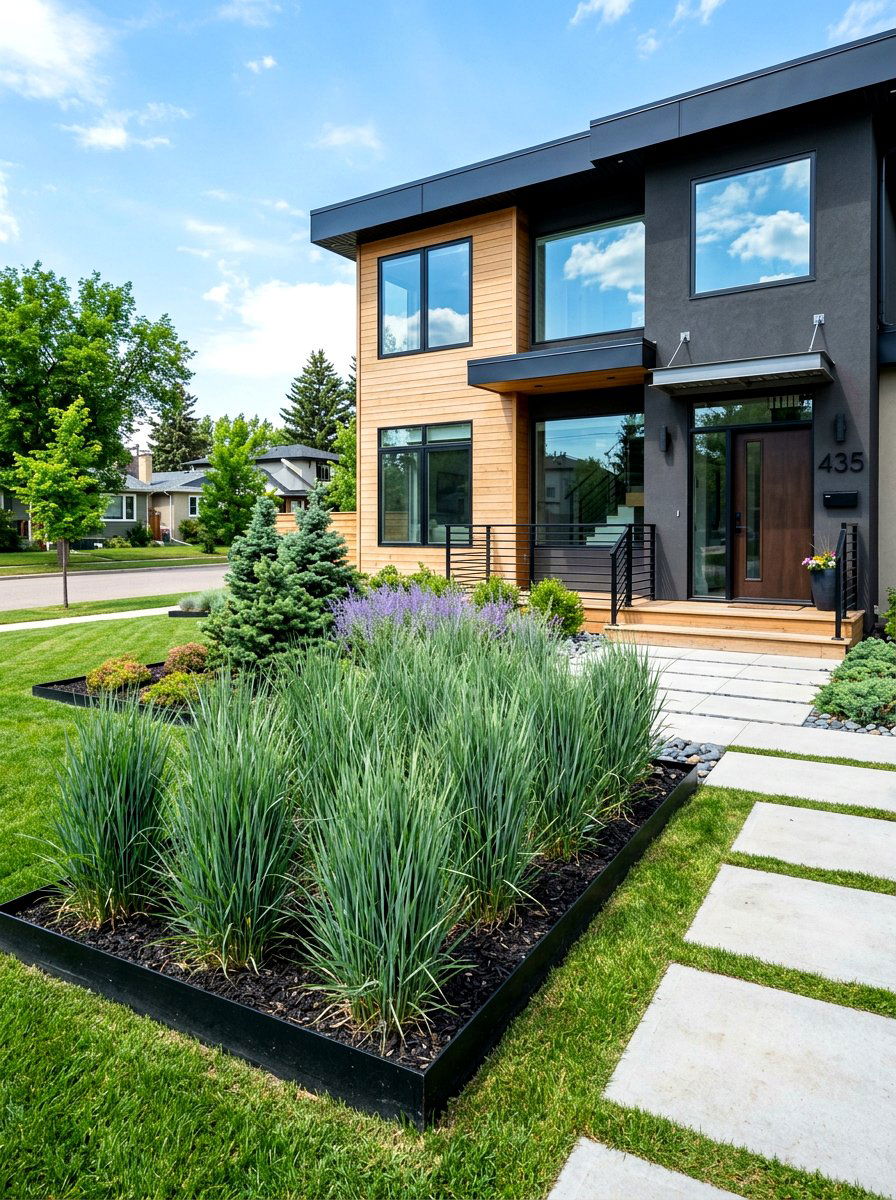
Metal edging offers a sleek and thin profile that is ideal for modern architectural styles. Usually made from steel or aluminum, this border creates a sharp, crisp line between your lawn and garden beds. Corten steel is a popular choice because it develops a beautiful rusted patina over time, adding a warm industrial feel to the landscape. The thin nature of the metal allows for very precise straight lines or gentle, sweeping curves. It is incredibly durable and can withstand the pressure of lawnmowers and heavy foot traffic. By using metal, you give your front yard a professional, high-end finish that remains hidden yet highly functional for many decades.
3. Natural Stone Garden Edge
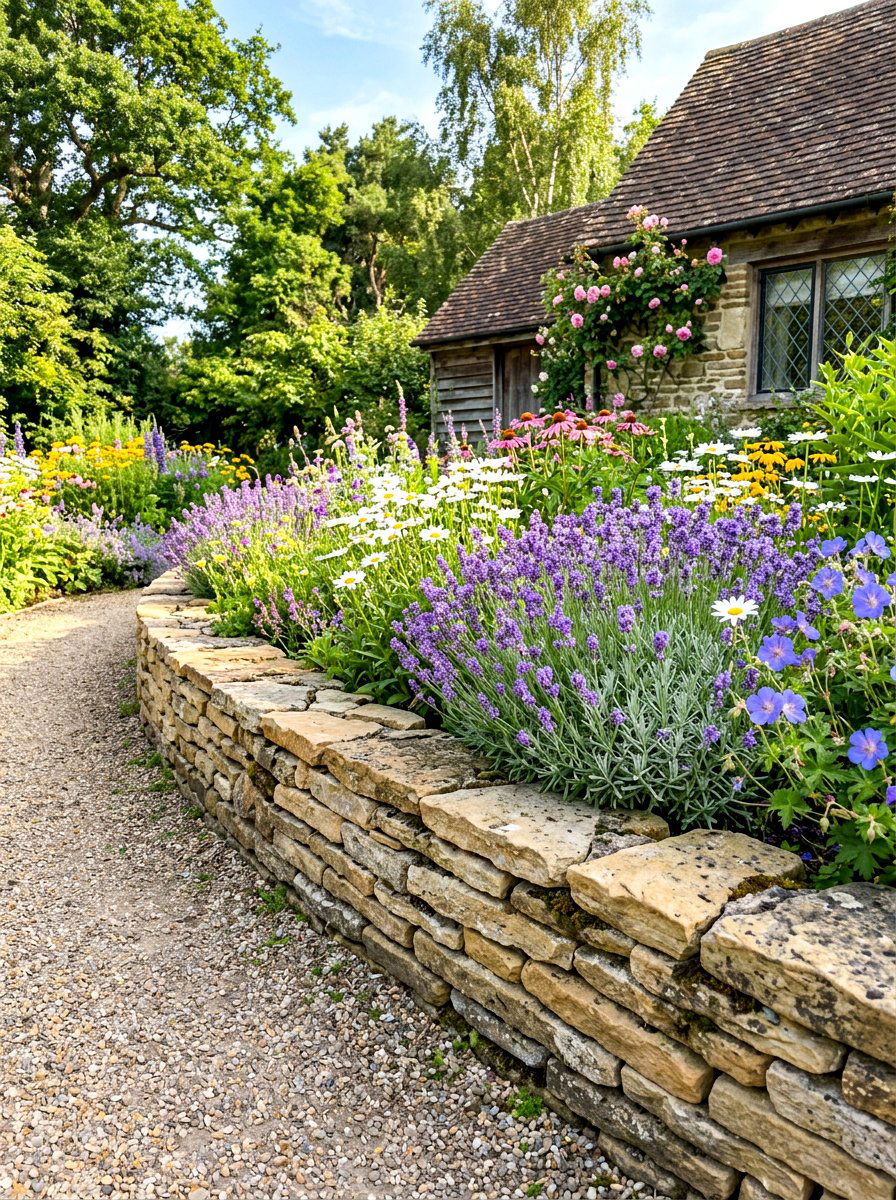
Using natural stones for your front yard border provides an organic and timeless feel that blends seamlessly with nature. These stones are typically stacked or laid end-to-end to create a rugged barrier that looks like it has always been there. Because every stone is unique in shape and color, your border will have a one-of-a-kind character that manufactured materials cannot replicate. This style is particularly effective for sloped yards where the stones can act as a mini retaining wall. Natural stone is heavy and stays in place well, making it a reliable choice for holding back soil and mulch during heavy rainstorms while looking incredibly beautiful.
4. Cottage Garden Flower Border
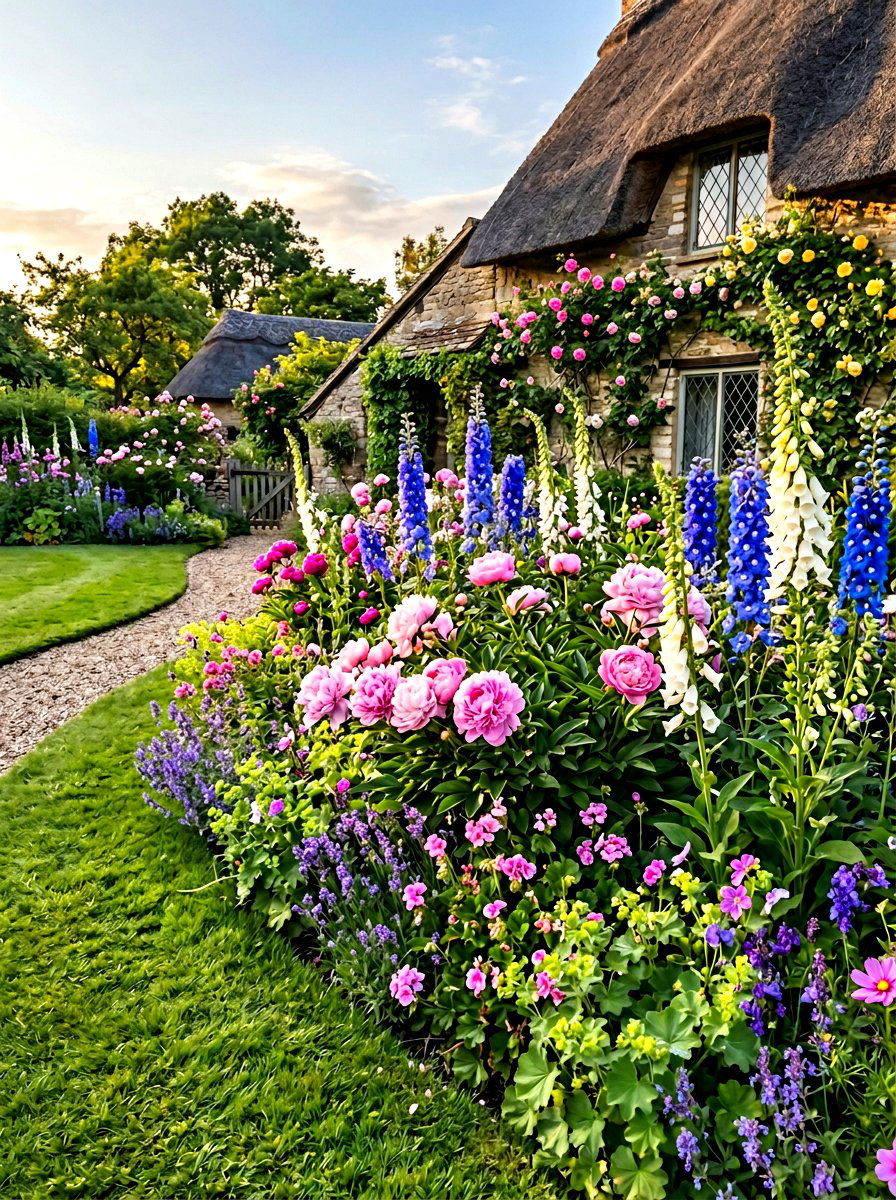
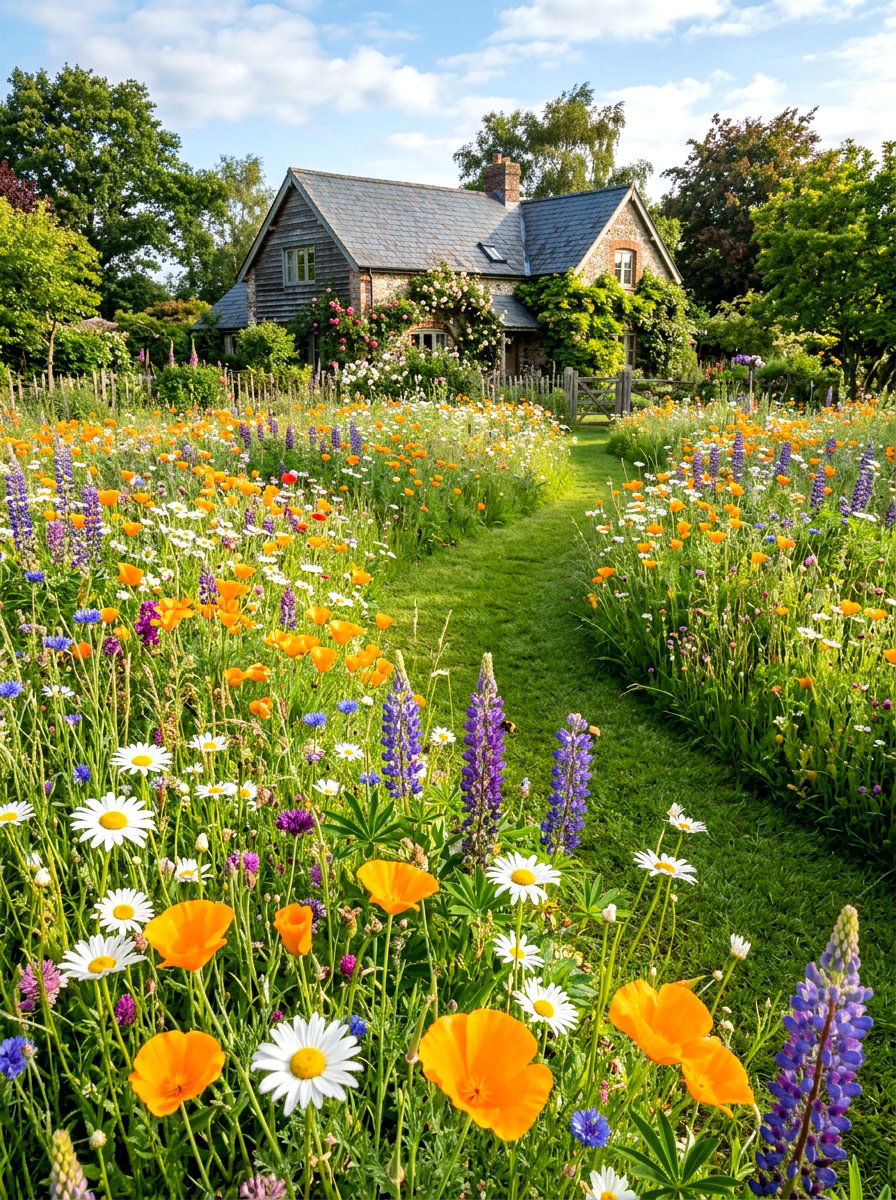
A cottage garden border is all about abundance, color, and a relaxed atmosphere. This design typically involves wide beds filled with a dense mix of flowering perennials like peonies, foxgloves, and roses. Instead of a hard, visible edge, the plants themselves often spill over the boundary, softening the transition to the lawn. This look is perfect for older homes or anyone wanting a romantic, storybook feel in their front yard. The variety of heights and textures creates a sensory experience that changes with the seasons. It requires more maintenance in terms of pruning and deadheading, but the visual reward of a blooming, fragrant border is worth every minute.
5. Boxwood Hedge Front Yard
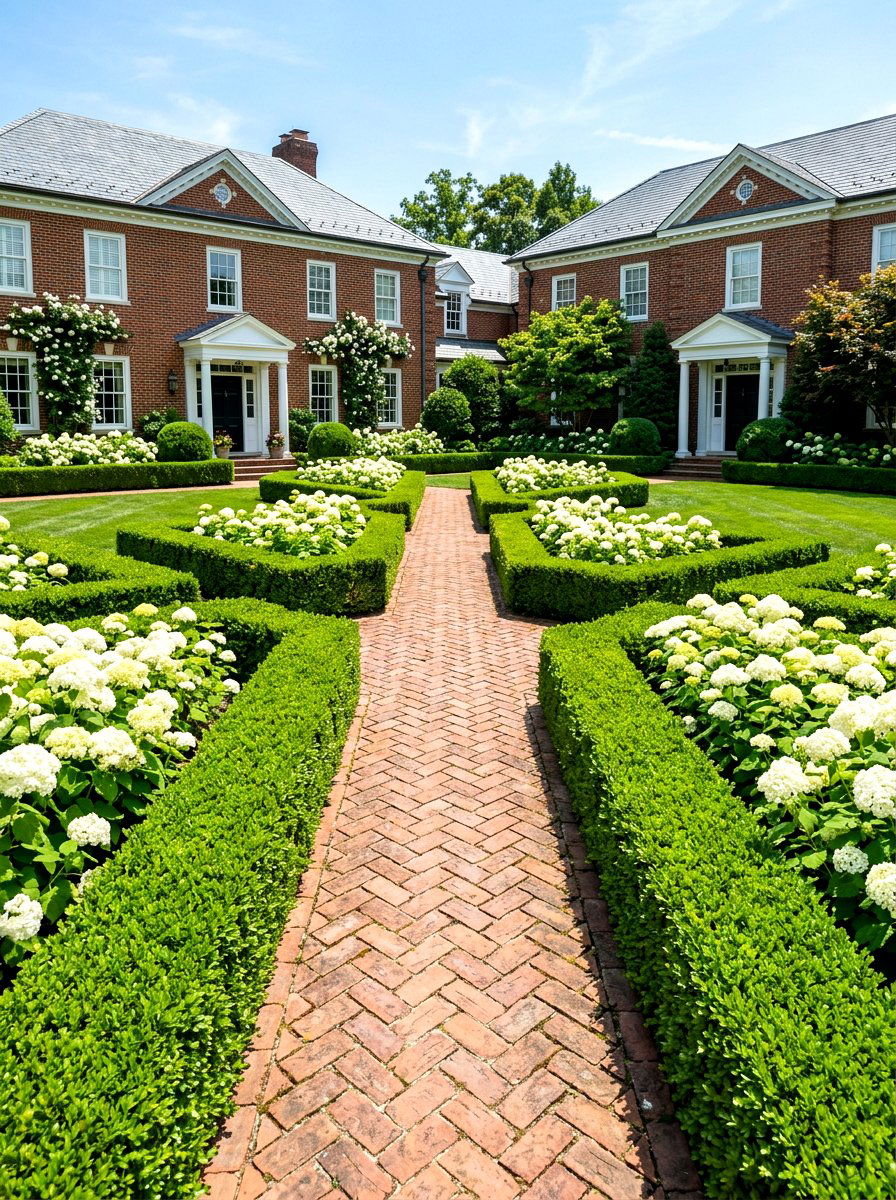
For a formal and structured appearance, nothing beats a neatly trimmed boxwood hedge. This evergreen border provides a consistent green frame for your front yard throughout the entire year. You can keep them clipped into tight geometric shapes for a traditional look or let them grow a bit more naturally for a softer feel. Boxwoods are excellent for defining walkways and separating different zones of the garden. Their dense foliage makes them a great backdrop for colorful seasonal flowers. While they do require regular shearing to keep their shape, the result is a sophisticated and upscale curb appeal that never goes out of style for any home.
6. Perennial Flower Bed Edging
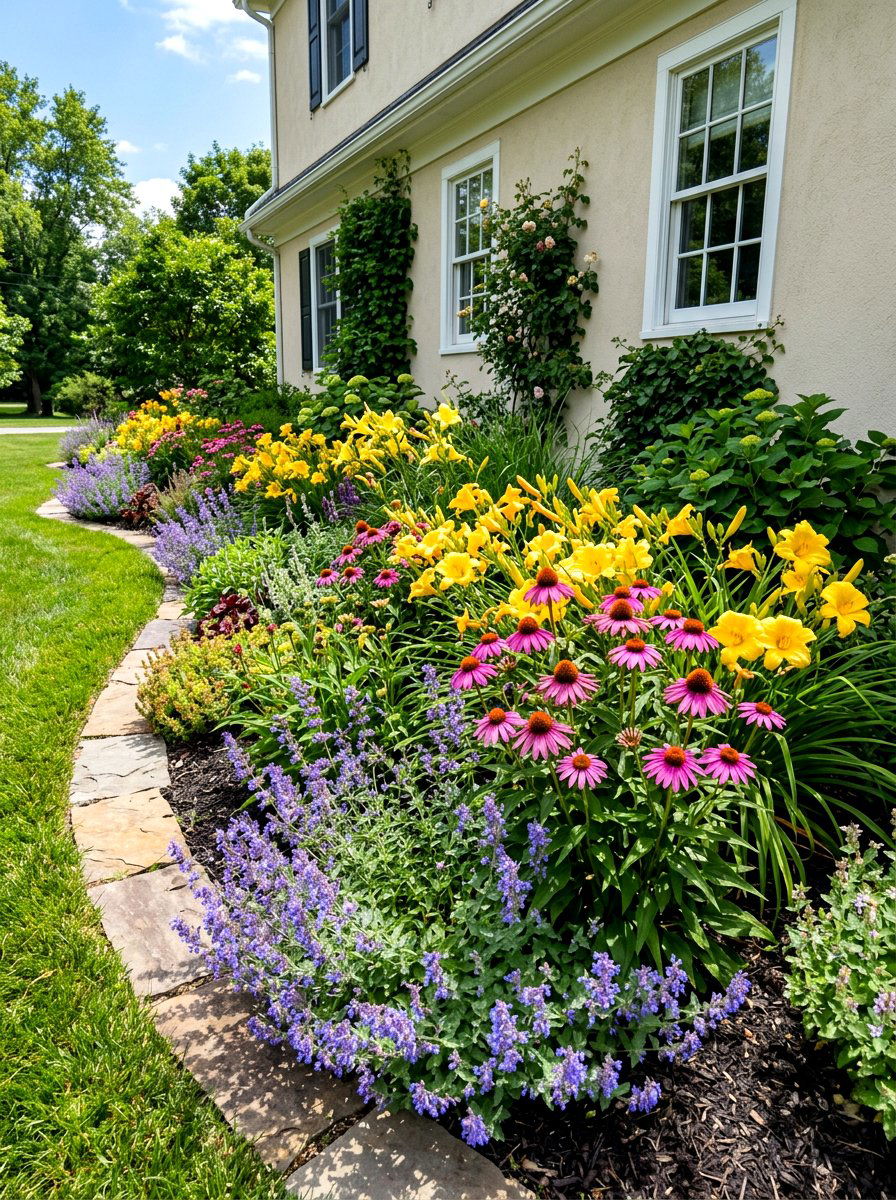
Creating a border with perennials ensures that your front yard looks beautiful year after year without the need for replanting every spring. By choosing a mix of plants that bloom at different times, you can maintain a colorful edge from early spring through late autumn. Hostas, daylilies, and salvia are popular choices for this type of border because they are hardy and provide great coverage. This design focuses on layering plants by height, with shorter varieties in the front and taller ones in the back. Using perennials is a sustainable way to garden, as these plants grow larger and more impressive as they mature in your landscape.
7. Classic Brick Garden Border
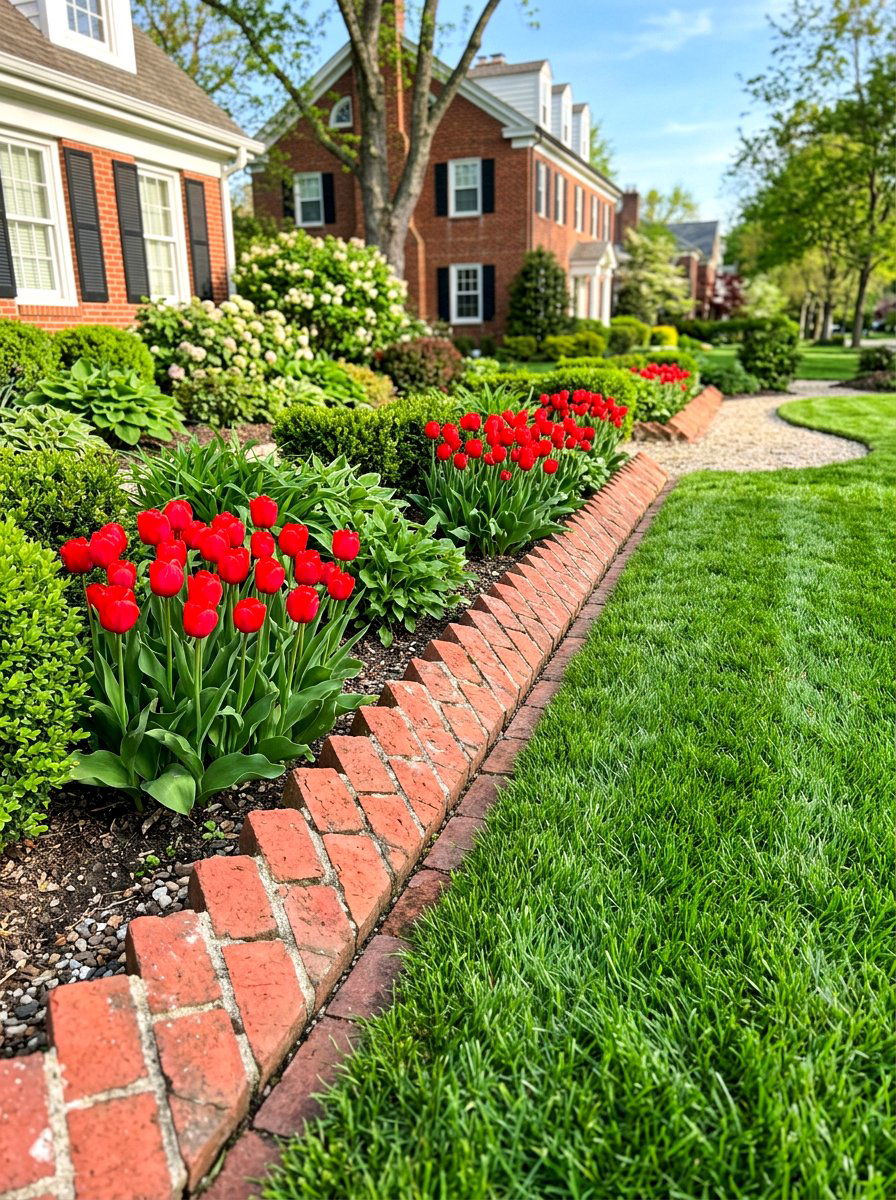
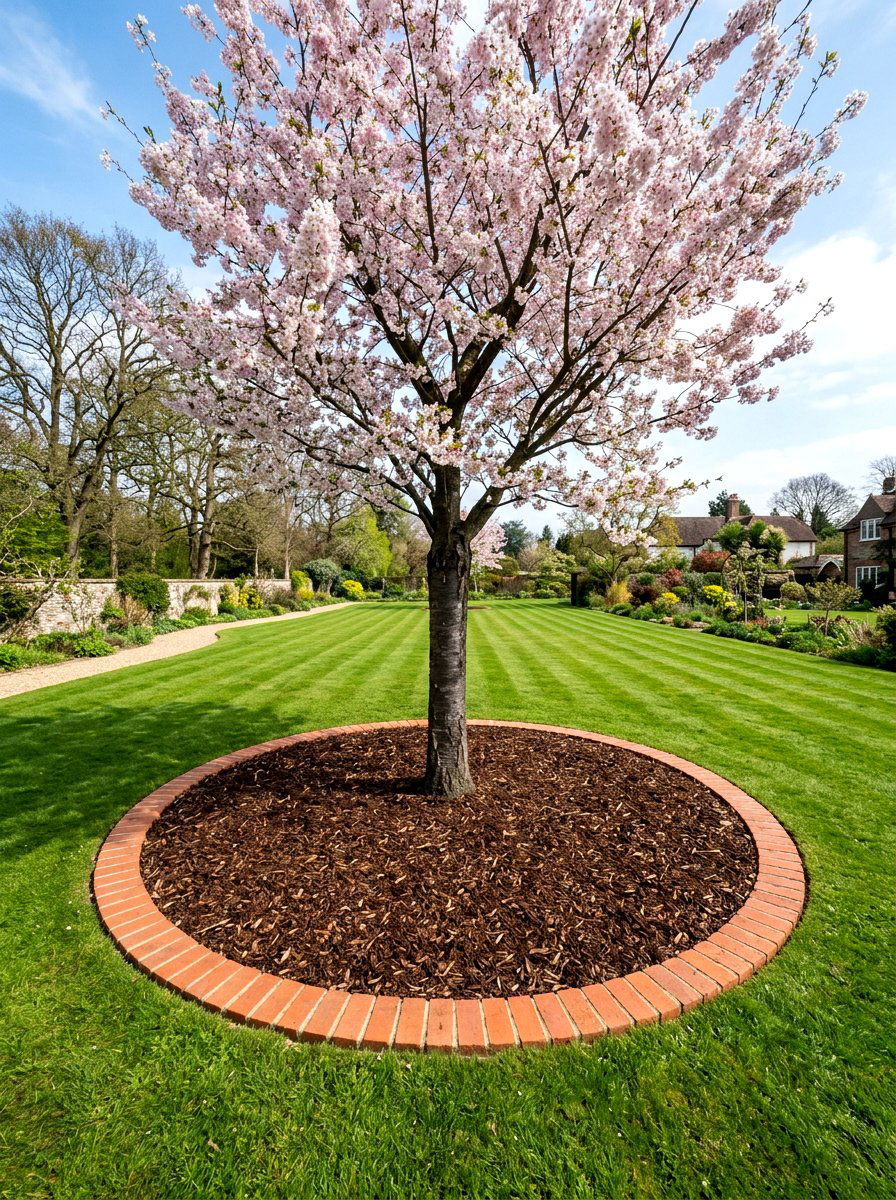
Brick edging is a traditional choice that offers a sense of permanence and classic charm. You can lay bricks flat, on their side, or even at an angle to create a "sawtooth" pattern that adds visual interest. Bricks come in various shades of red, tan, and gray, allowing you to match them to your home’s exterior or walkway. This type of border is very effective at keeping grass from creeping into your flower beds. Because bricks are small and modular, they are easy to install in both straight and curved patterns. They provide a sturdy, heavy boundary that withstands the elements while providing a very neat and tidy appearance.
8. Native Plant Border Garden
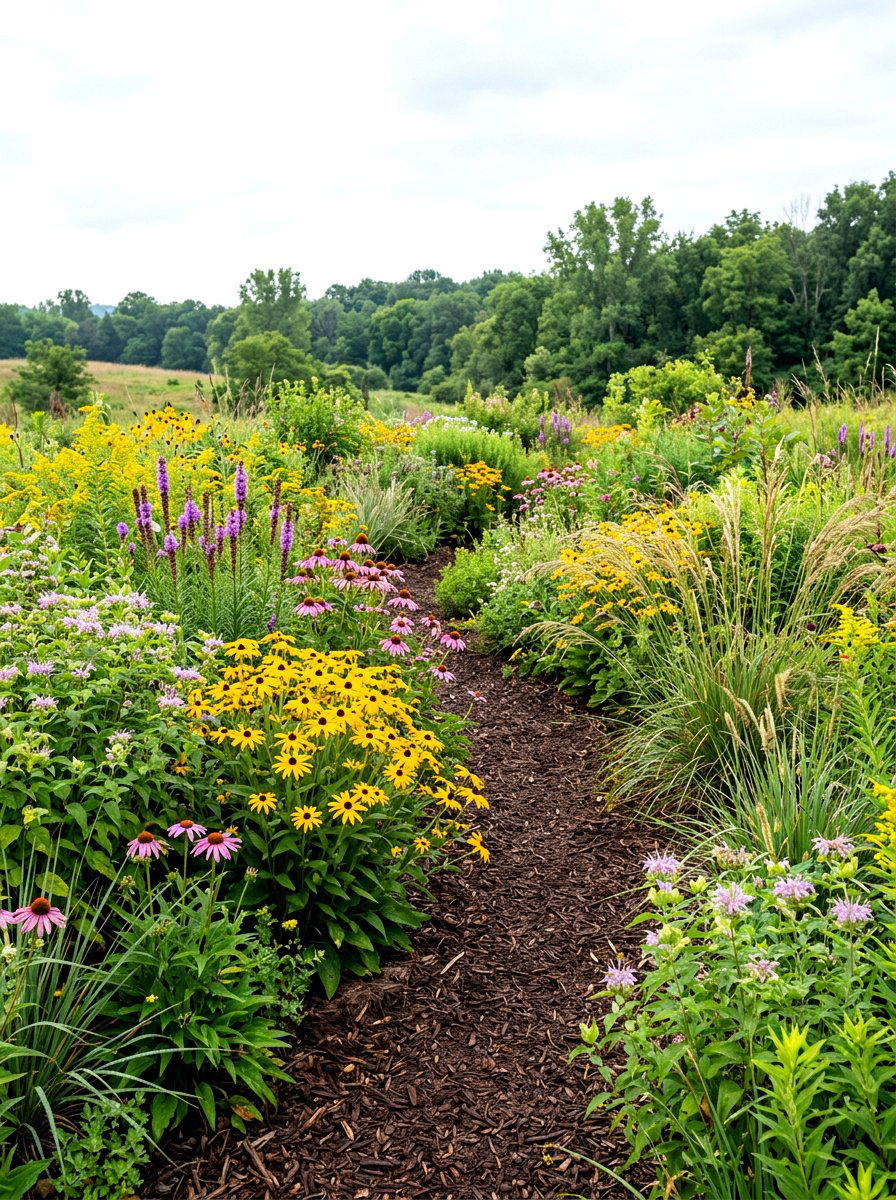
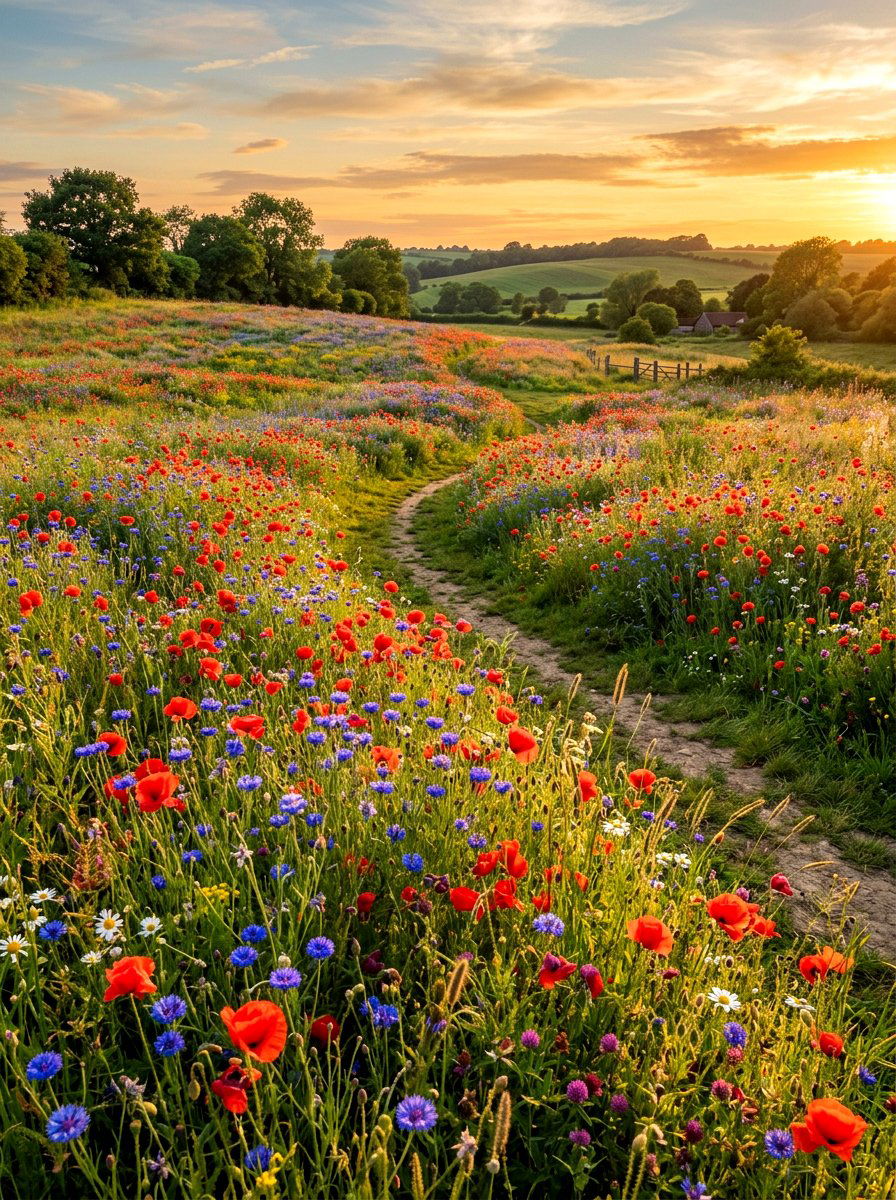
Designing a border using native plants is an eco-friendly way to boost your home’s curb appeal. Native species are already adapted to your local climate and soil, which means they require less water and fewer fertilizers than exotic plants. These borders often attract local pollinators like butterflies and bees, adding life and movement to your front yard. This style usually looks more natural and informal, mimicking the local landscape. Using native grasses and wildflowers creates a low-maintenance garden that supports the local ecosystem. It is a smart choice for sustainable living while ensuring your front yard remains vibrant and healthy with very little intervention from you.
9. Raised Garden Bed Front Yard
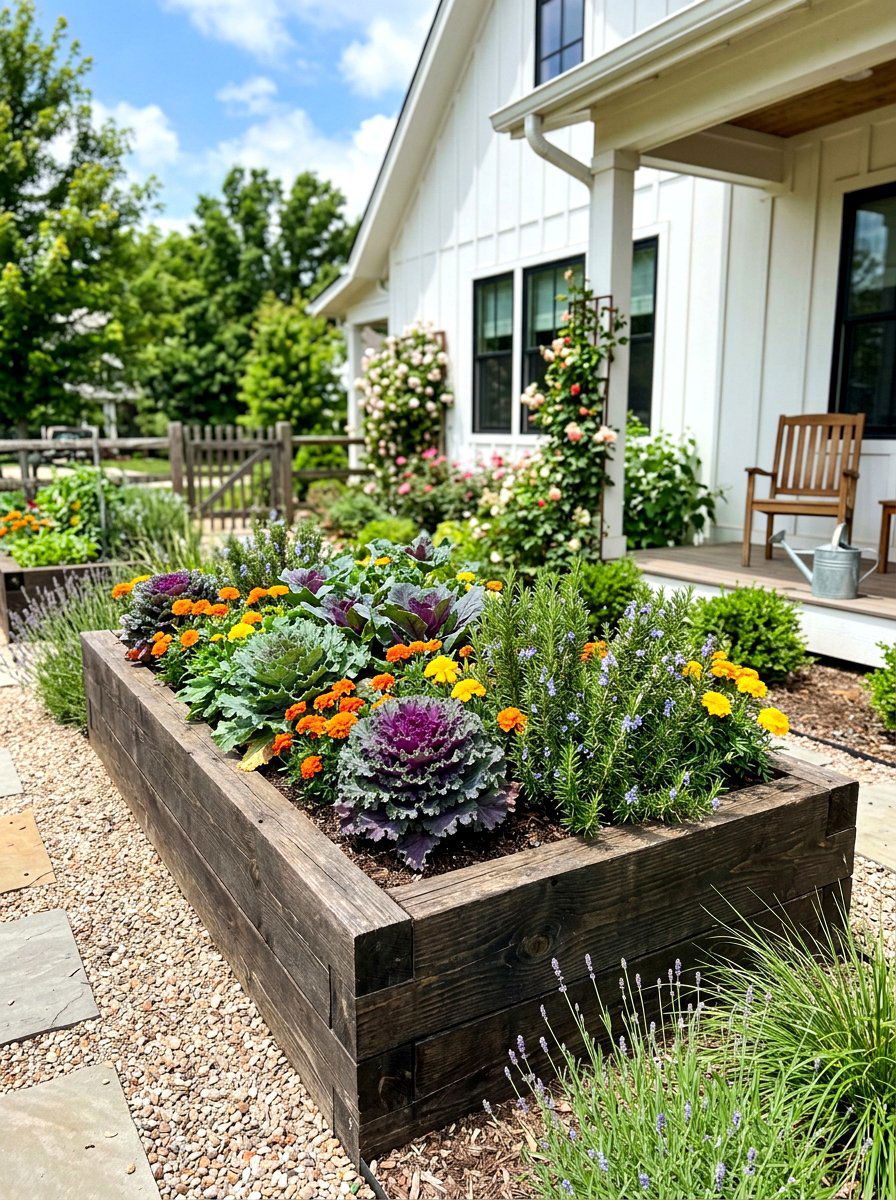
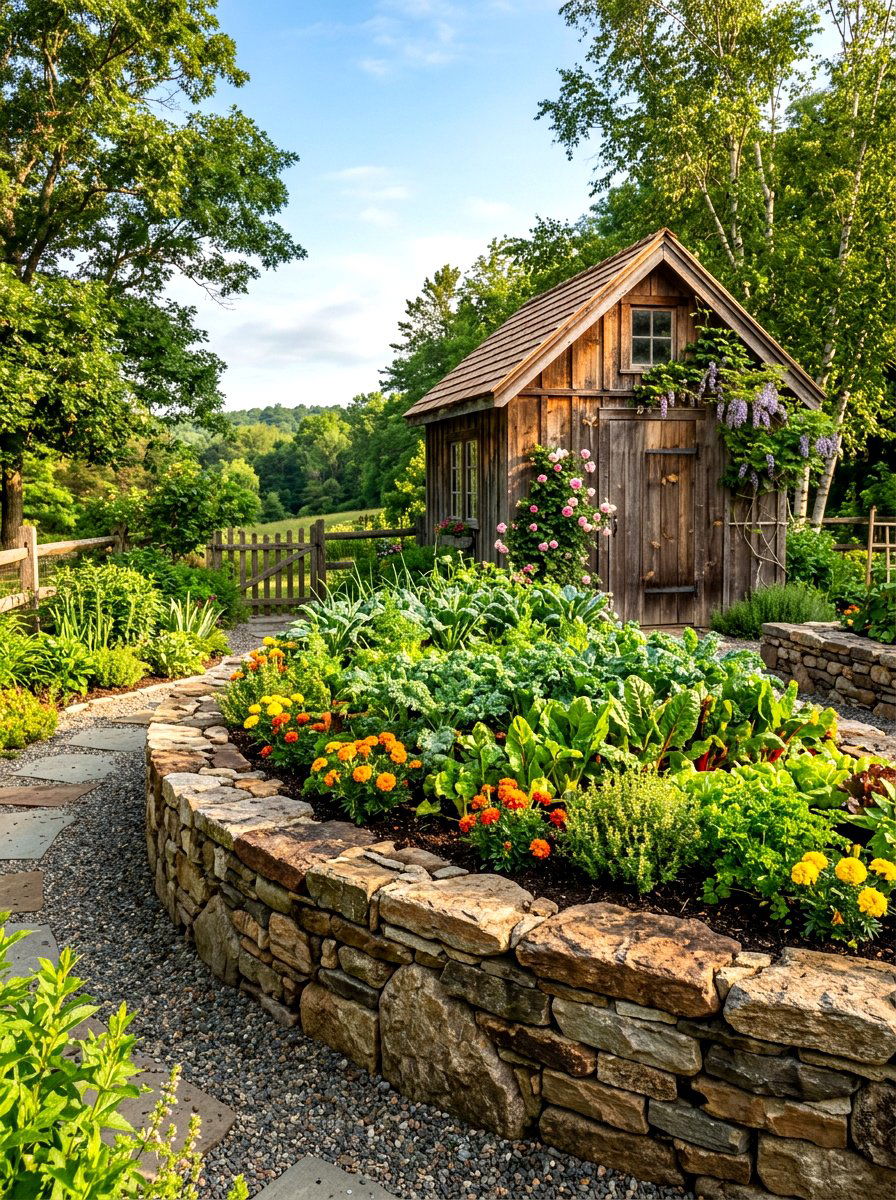
Raised garden beds are a fantastic way to add height and dimension to your front yard border. By lifting the planting area above the ground level, you create a distinct focal point that draws the eye. These beds can be constructed from wood, stone, or metal to match your home’s aesthetic. Raised borders are excellent for areas with poor soil quality, as you can fill them with a high-quality potting mix. They also make gardening easier on your back and knees. This design allows for very clear organization and can even be used to grow a mix of ornamental plants and edible herbs right in your front yard.
10. Mulch Border Landscape
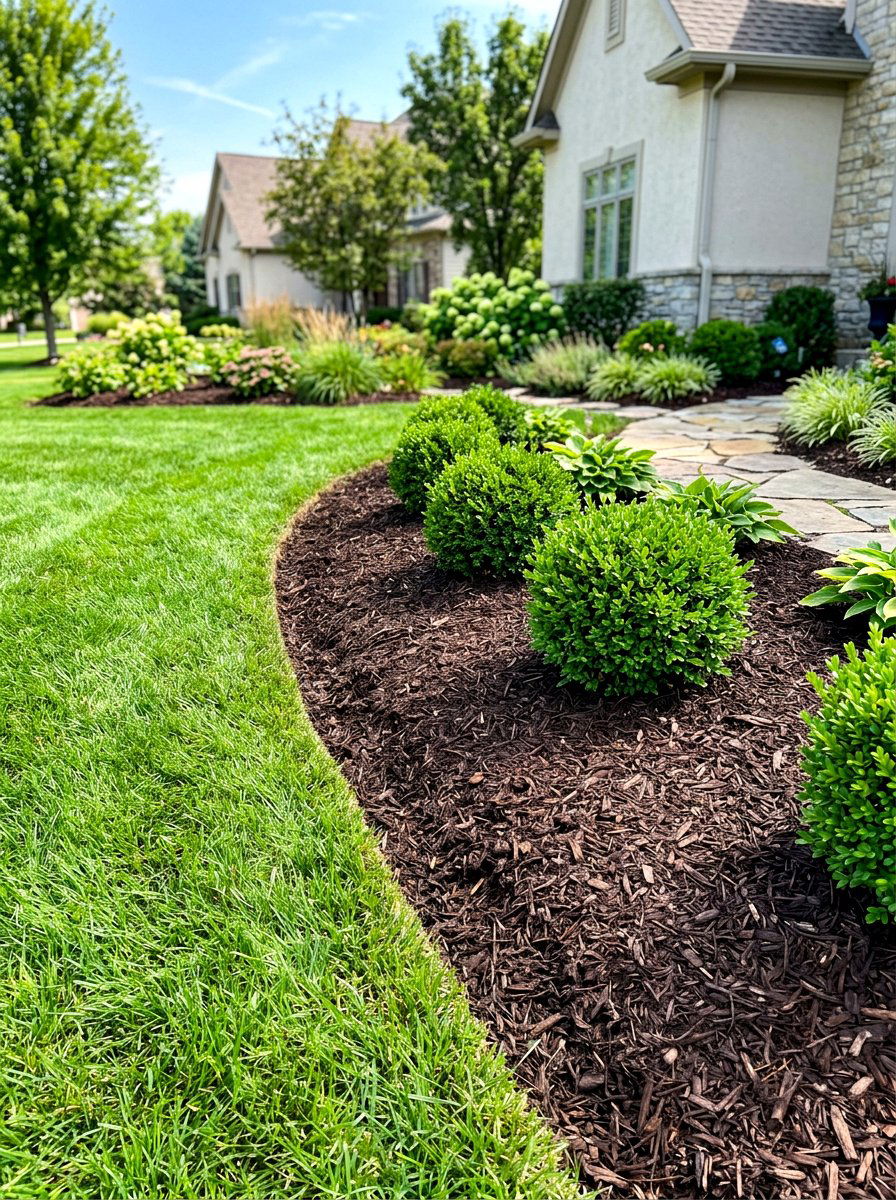
A simple mulch border is one of the most cost-effective and easy-to-install options for any homeowner. By cutting a clean trench between the lawn and the garden bed, you create a natural edge that looks sharp and professional. Filling the bed with dark bark or wood chips provides a beautiful contrast against green grass and colorful plants. Mulch is excellent for retaining moisture in the soil and suppressing weeds, which helps your plants thrive. While you will need to refresh the mulch once or twice a year, it is a very flexible design that can be easily reshaped if you decide to expand your garden beds later.
11. Drought Tolerant Garden Border
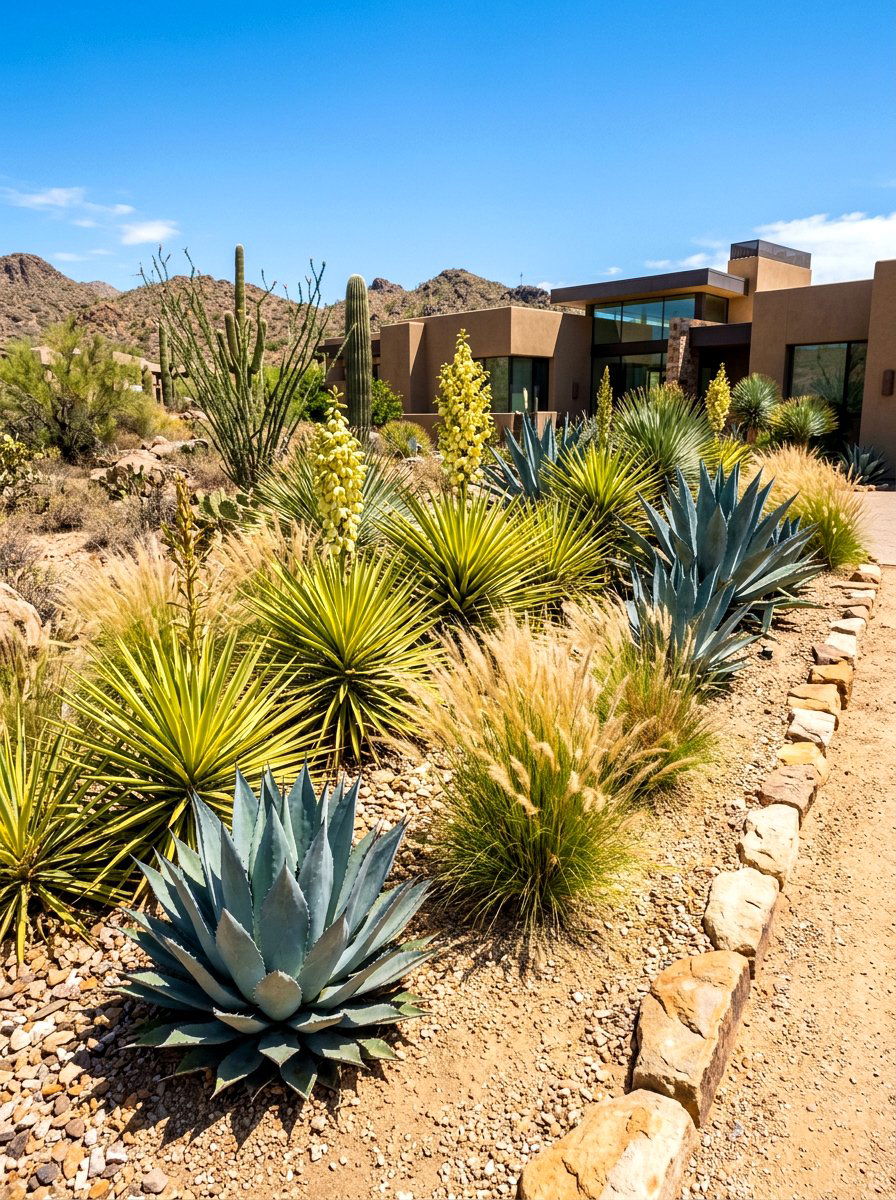
In dry climates or for those wanting to conserve water, a drought-tolerant border is an excellent and stylish choice. This design often incorporates hardier plants like agave, yucca, and ornamental grasses that thrive with very little irrigation. By using a palette of silvery-blue and dusty green foliage, you can create a sophisticated Mediterranean or desert-inspired look. These borders often use gravel or decomposed granite instead of traditional mulch to further reduce water needs. This type of landscaping is not only environmentally responsible but also incredibly low-maintenance. It provides a modern, clean aesthetic that stays looking great even during the hottest and driest months of the summer.
12. Natural Stone Garden Wall
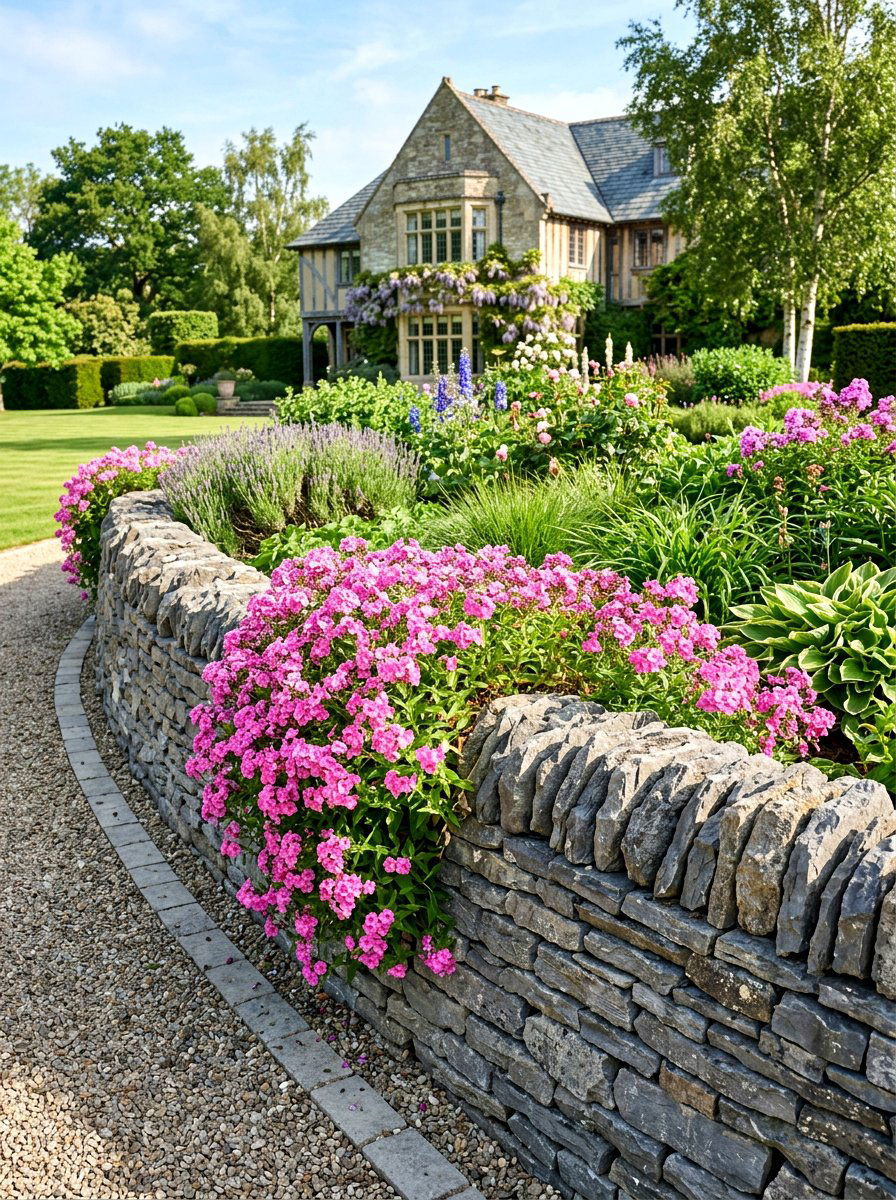
Building a low stone wall as a front yard border adds a significant sense of structure and luxury to your property. These walls can be dry-stacked without mortar for a rustic look or professionally built with concrete for a more formal feel. A stone wall acts as a clear physical barrier and can help level out uneven terrain. It provides a perfect backdrop for cascading plants like creeping phlox or ivy that can spill over the edges. While it is a more expensive and labor-intensive option, a well-built stone wall lasts a lifetime. It creates a grand entrance that immediately increases the perceived value of your entire home.
13. Decorative Gravel Border
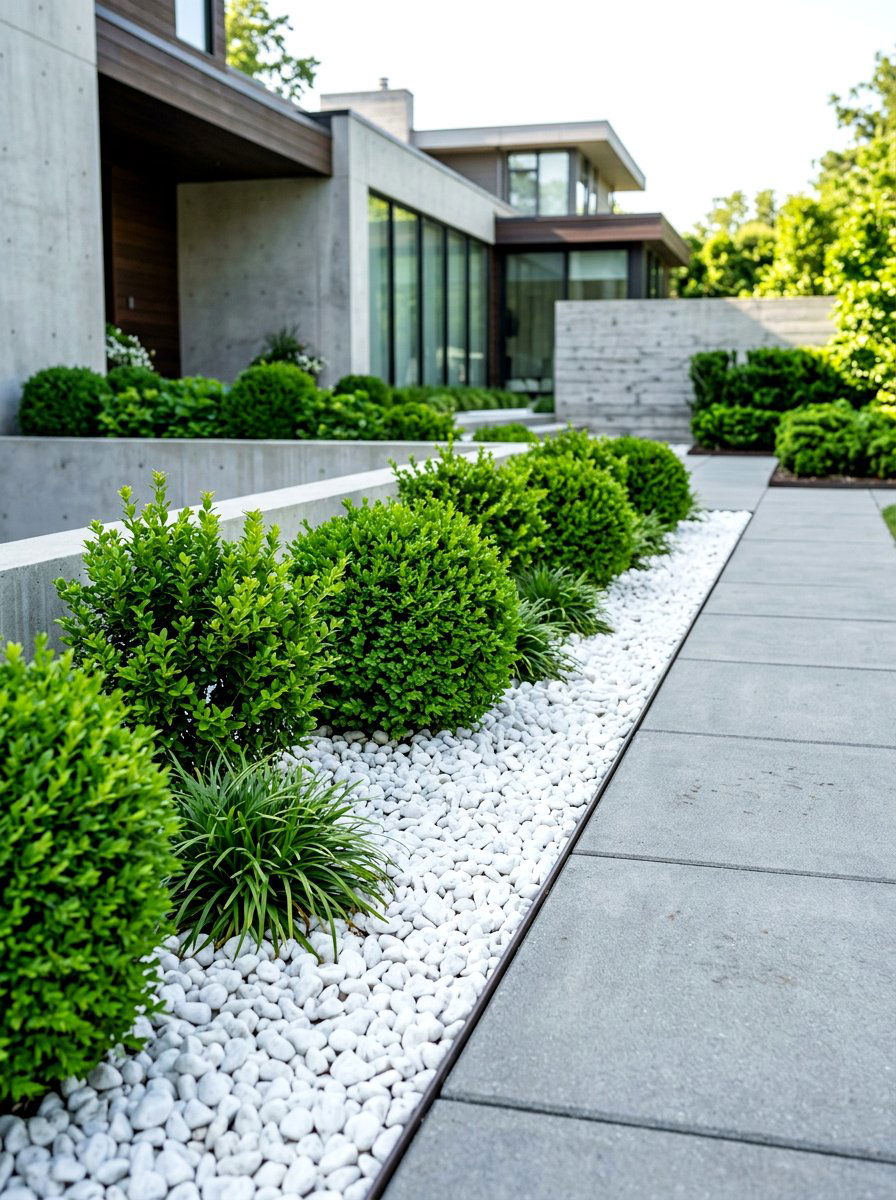
Decorative gravel borders offer a clean, textural look that works well in modern and Zen-inspired landscapes. You can find gravel in many colors, from bright white and slate gray to warm tan and deep black. This material is excellent for creating a border around walkways or at the very edge of the house foundation. Using a landscape fabric underneath the gravel prevents weeds from popping through, keeping the area looking pristine. Gravel provides a satisfying crunch underfoot and allows water to soak through easily, preventing puddles. It is a versatile choice that looks great when paired with minimalist plantings like single shrubs or architectural grasses.
14. Modern Concrete Garden Border
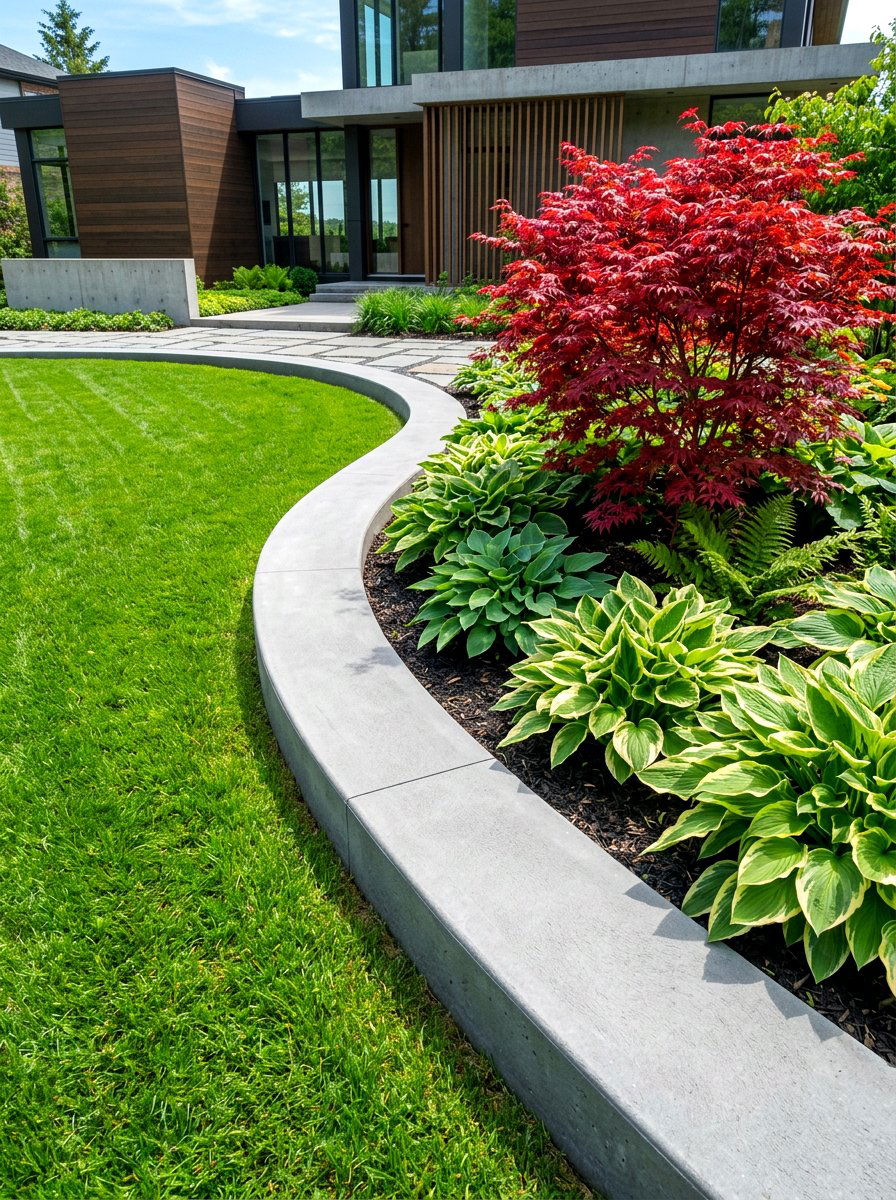
A poured concrete border provides a seamless and incredibly durable edge that is perfect for contemporary homes. This design offers a very clean, permanent line that defines your garden beds with architectural precision. You can choose from various finishes, such as smooth, stamped, or colored concrete, to complement your home's exterior. Concrete borders are excellent for keeping grass out of flower beds because they create a deep physical barrier. While professional installation is often required, the result is a maintenance-free edge that will not shift or decay over time. It gives your front yard a polished and custom-built appearance that looks intentional and high-end.
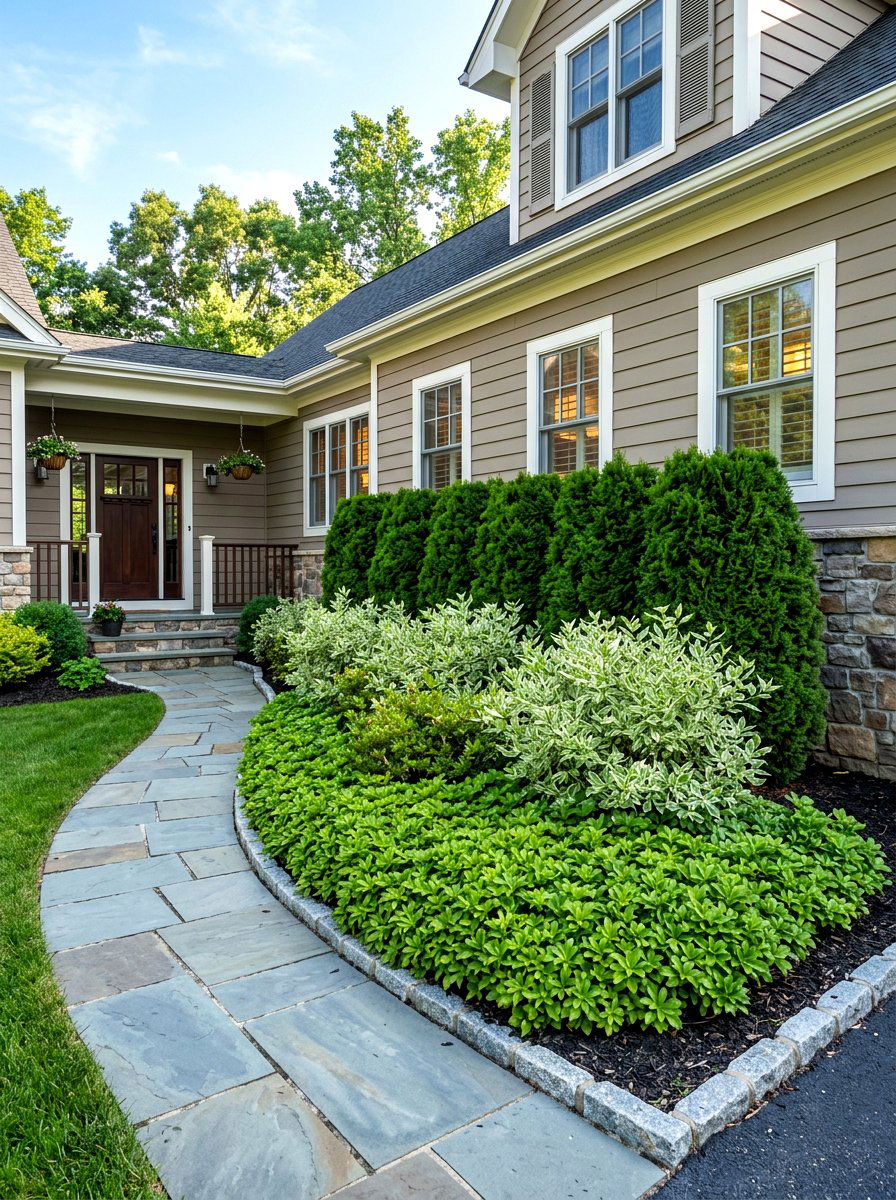
15. Log Garden Edging
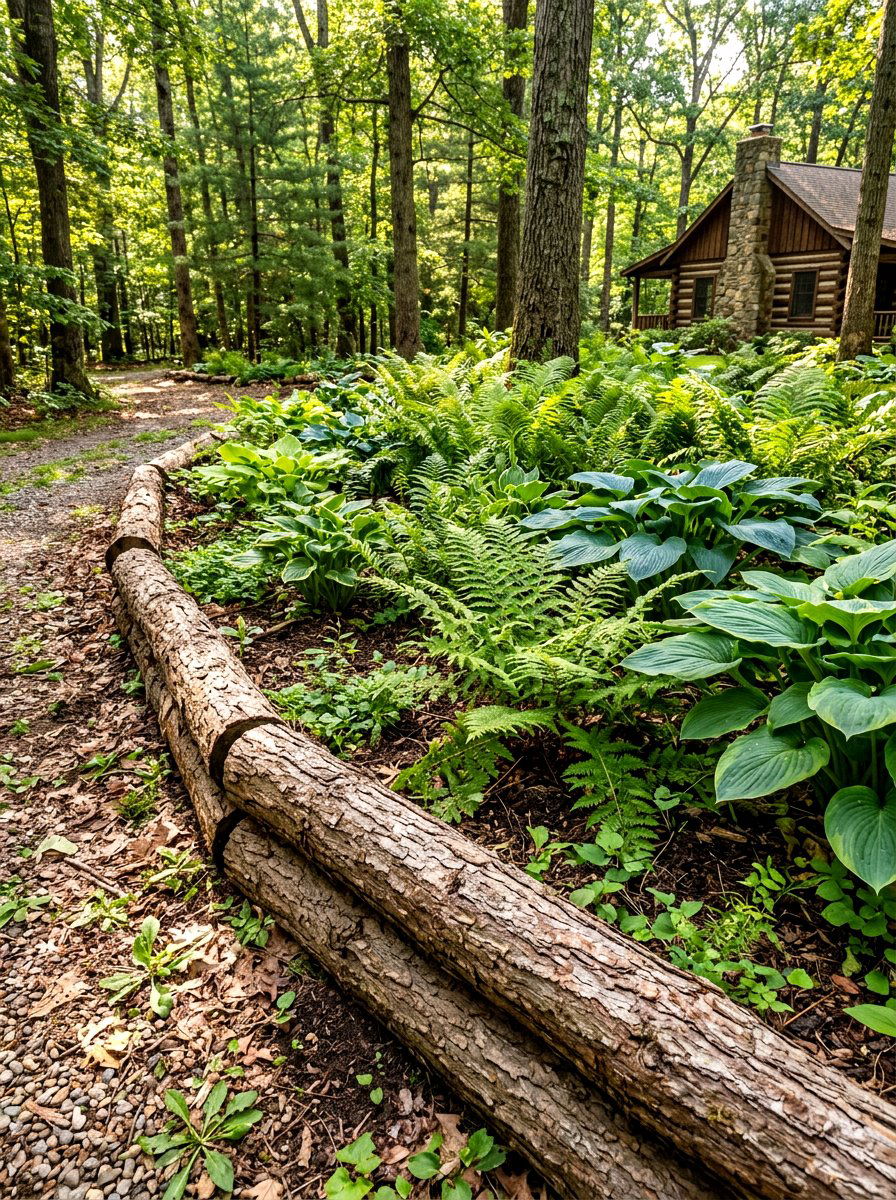
For a rustic or wooded look, log garden edging is an affordable and charming way to define your front yard space. You can use reclaimed timber, pressure-treated logs, or even cedar branches to create a natural boundary. This style works beautifully for cabin-style homes or informal woodland gardens. The logs can be laid horizontally or cut into short vertical sections of varying heights to create a more dynamic and textured border. Over time, the wood will weather to a beautiful silvery-gray, blending in with the surrounding plants. It is an easy DIY project that adds immediate character and a cozy, organic feel to your outdoor environment.
16. Lavender Flower Border
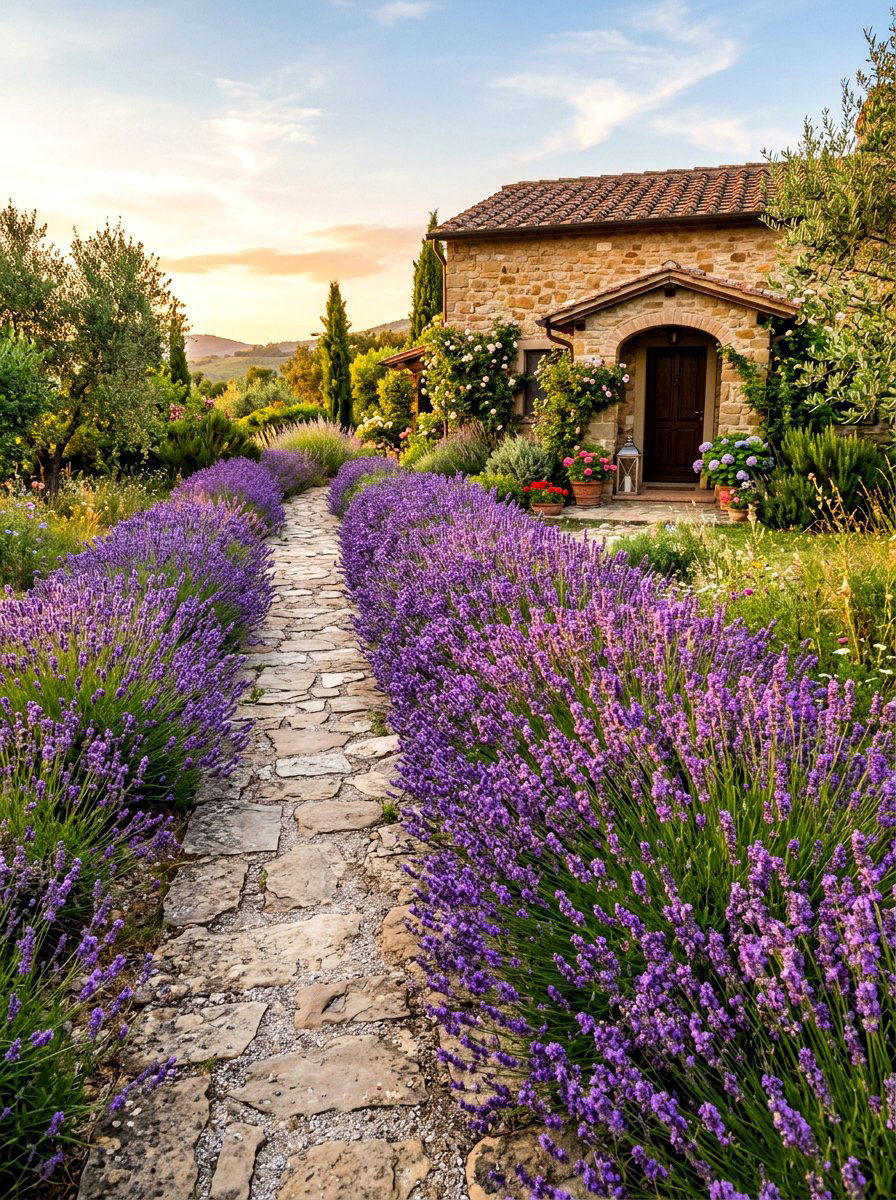
A lavender border is a sensory delight that brings color, fragrance, and structure to your front yard. Planting lavender in a row along a walkway or property line creates a soft, purple hedge that blooms beautifully in the summer. The silvery-green foliage remains attractive even when the plant is not in flower. Lavender is a hardy perennial that loves full sun and well-drained soil, making it perfect for borders near hot pavement or sidewalks. The scent is incredibly calming and welcoming for guests as they walk toward your front door. It also attracts beneficial pollinators like bees and butterflies, adding life and charm to your home.
17. Succulent Garden Border
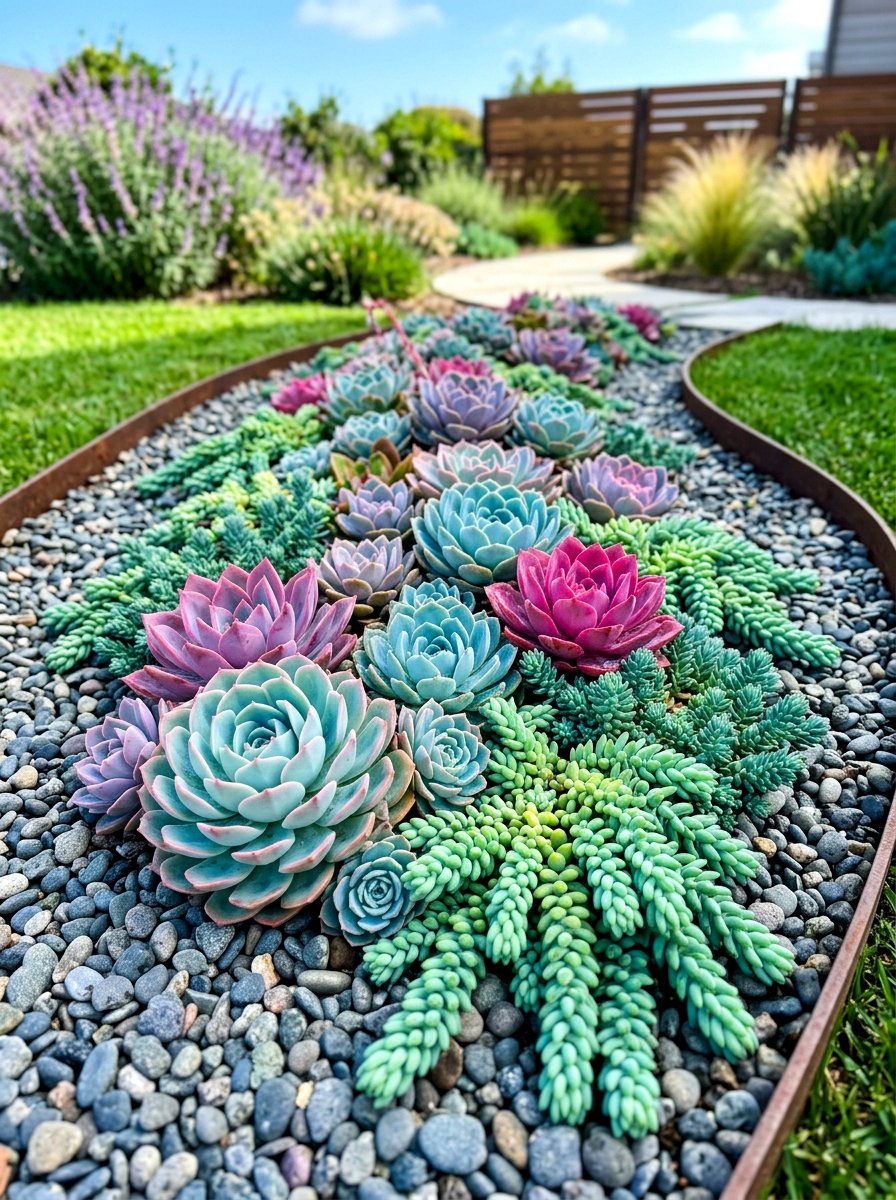
Using succulents for a front yard border is a trendy and visually striking way to add texture and color. These plants come in an incredible variety of shapes, from rosettes to trailing vines, and often feature unique colors like teal, purple, and orange. Succulents are extremely drought-tolerant and require very little care once established. A succulent border looks best when nestled into a bed of small pebbles or decorative sand. This design creates a miniature, intricate landscape that draws people in to look closer at the different varieties. It is an ideal choice for smaller front yards where every detail counts and water conservation is a priority.
18. Ornamental Grass Landscape Border
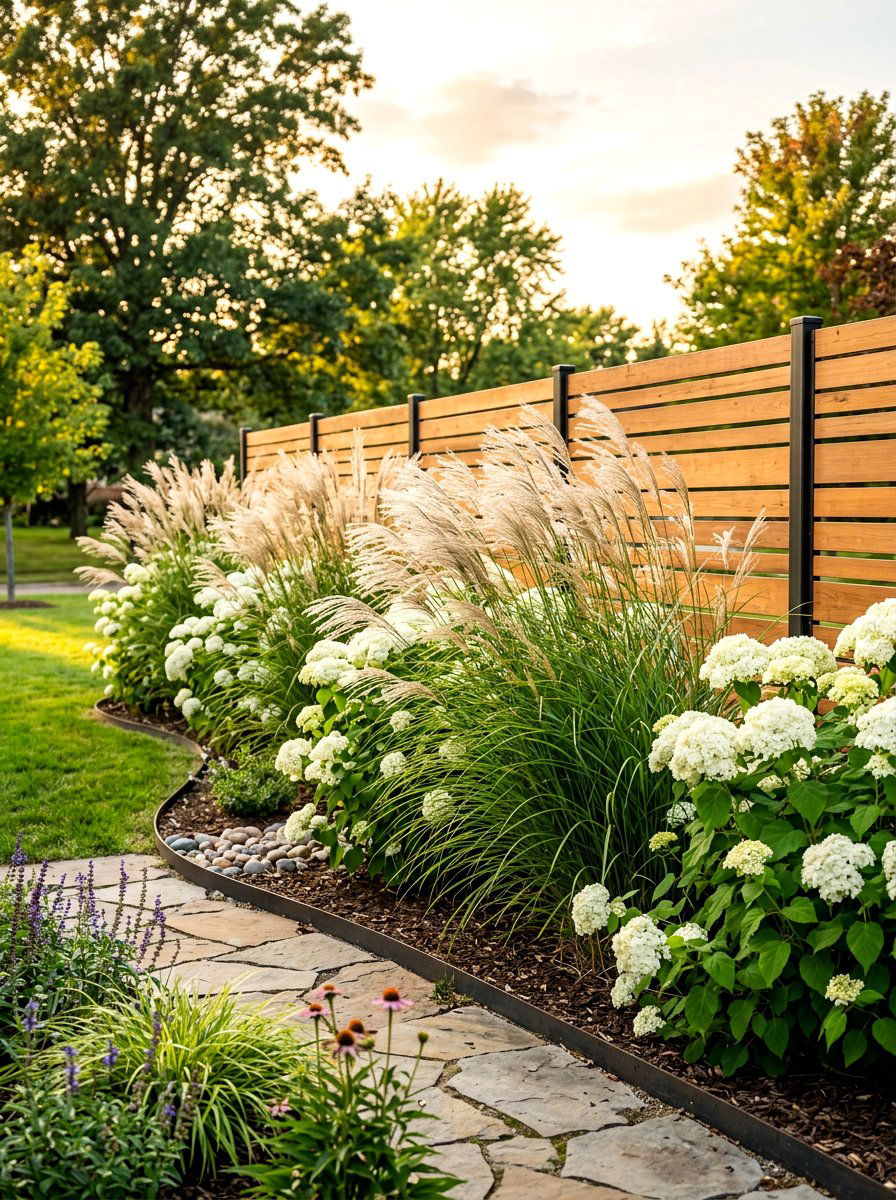
Ornamental grasses provide movement, height, and a soft texture that few other plants can offer. Using them as a border creates a dynamic screen that sways gently in the breeze. Tall varieties like fountain grass can provide privacy, while shorter ones like blue fescue add a pop of color at the ground level. These grasses are generally very low-maintenance and look beautiful throughout the winter when they turn a golden tan color. They offer a modern yet natural aesthetic that works well in a variety of home styles. Planting them in a dense row creates a lush, meadow-like boundary that feels both relaxed and contemporary.
19. Traditional Picket Fence Border
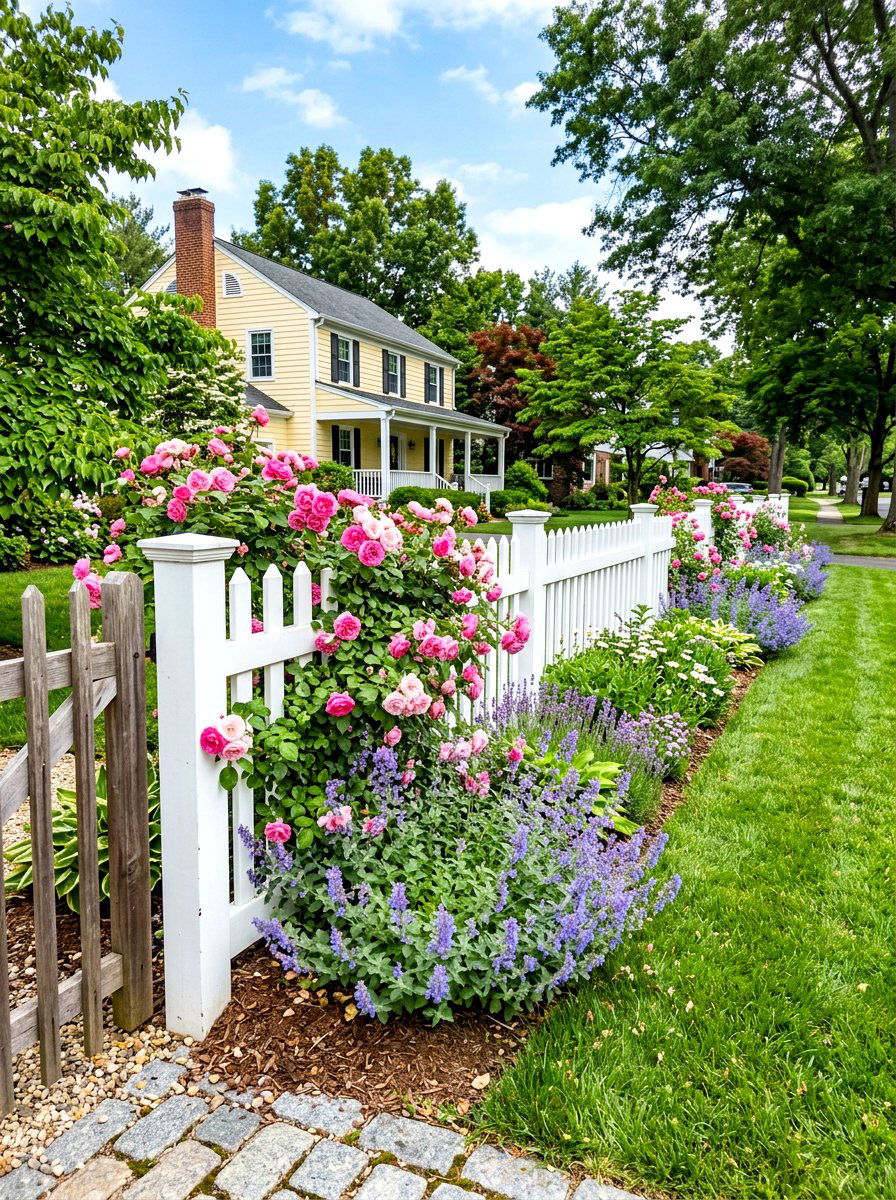
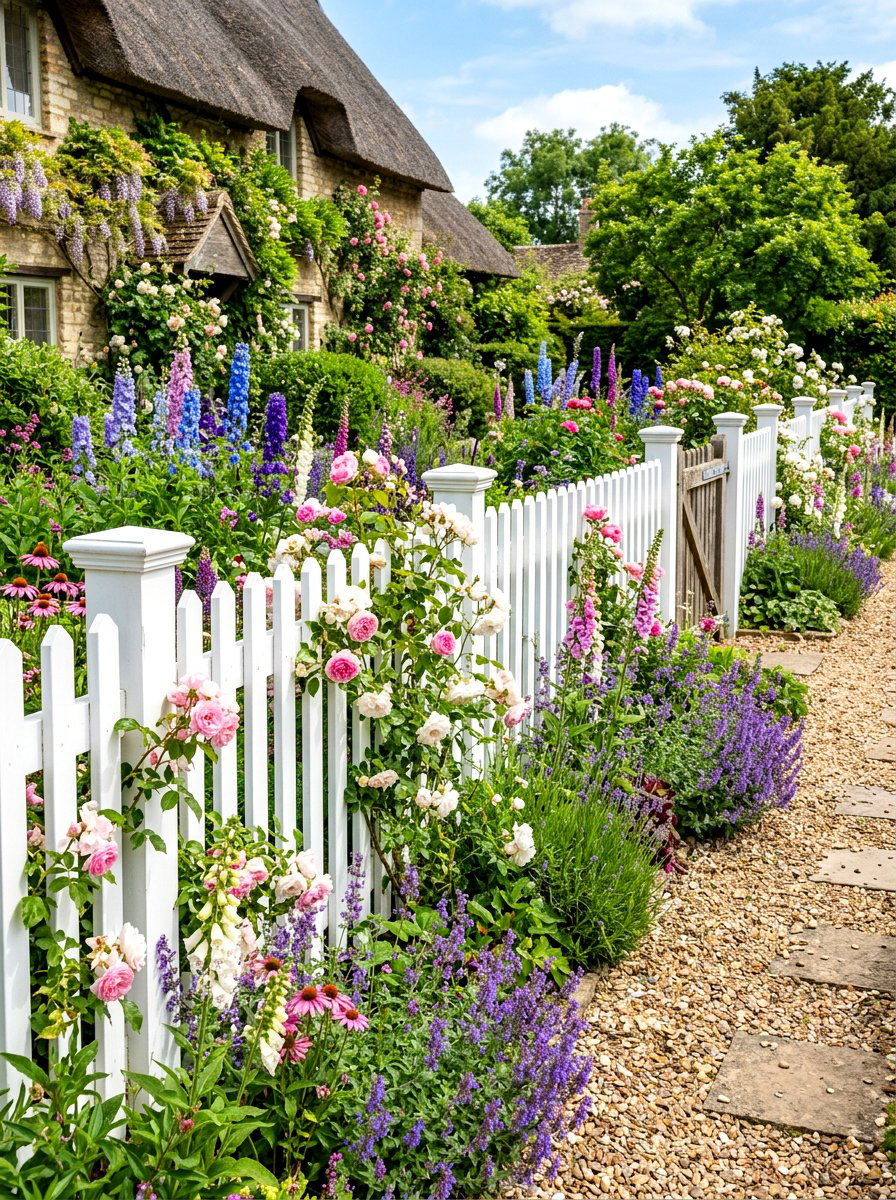
The white picket fence is an iconic front yard border that evokes feelings of classic Americana and cottage charm. This design provides a clear physical boundary while still feeling open and welcoming to the neighborhood. You can use a low fence to define the property line without blocking the view of your beautiful landscaping. Many homeowners plant colorful flowers like hydrangeas or climbing roses along the fence to soften the look. Whether made of traditional wood or low-maintenance vinyl, a picket fence adds a sense of order and nostalgia. It is an enduring design choice that creates a safe, framed look for your home and garden.
20. Curved Flower Bed Edging
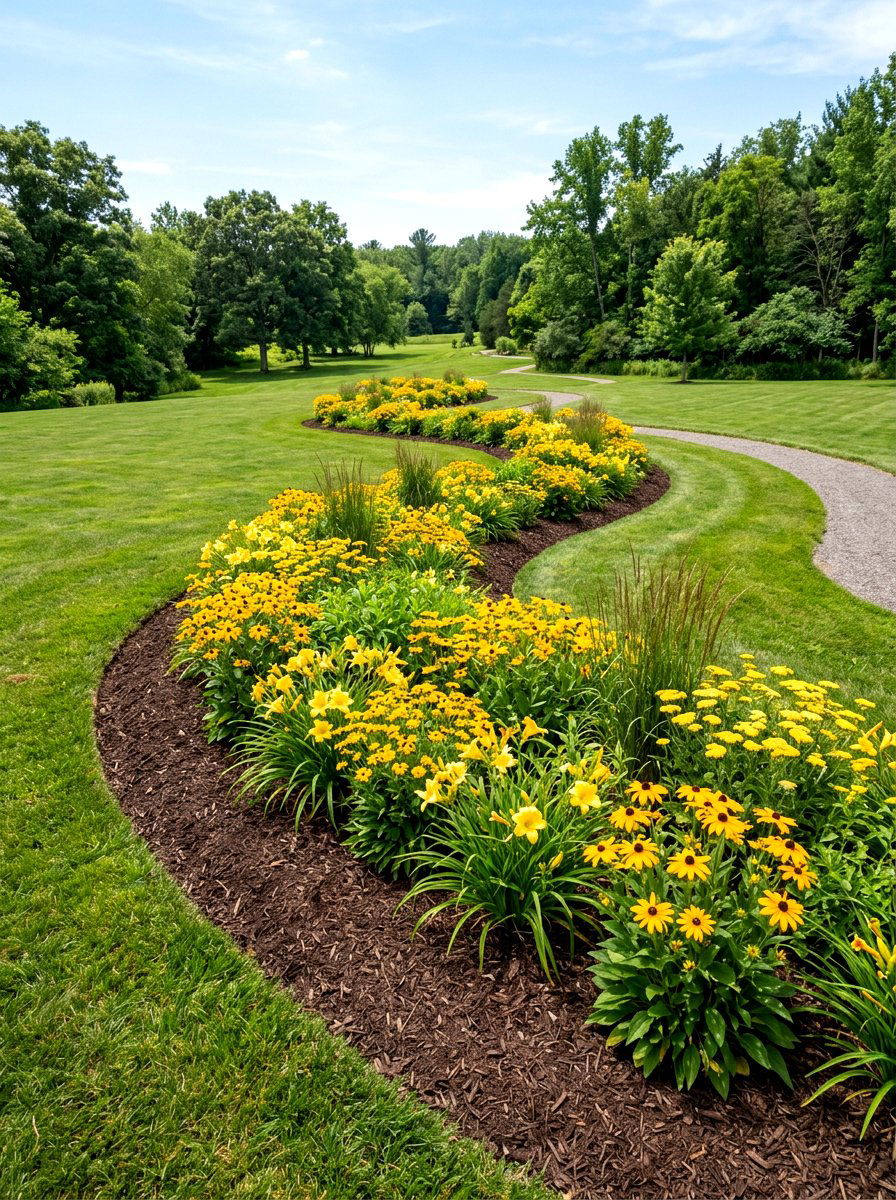
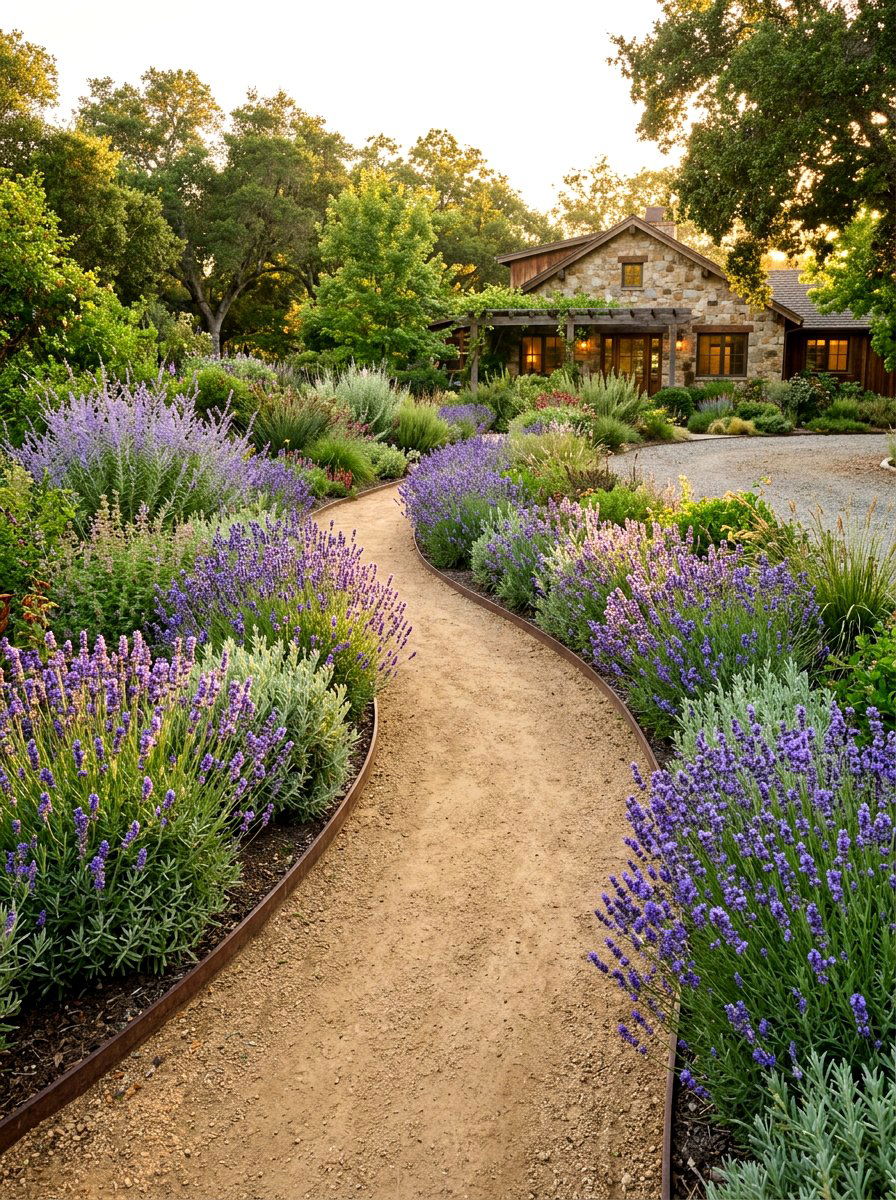
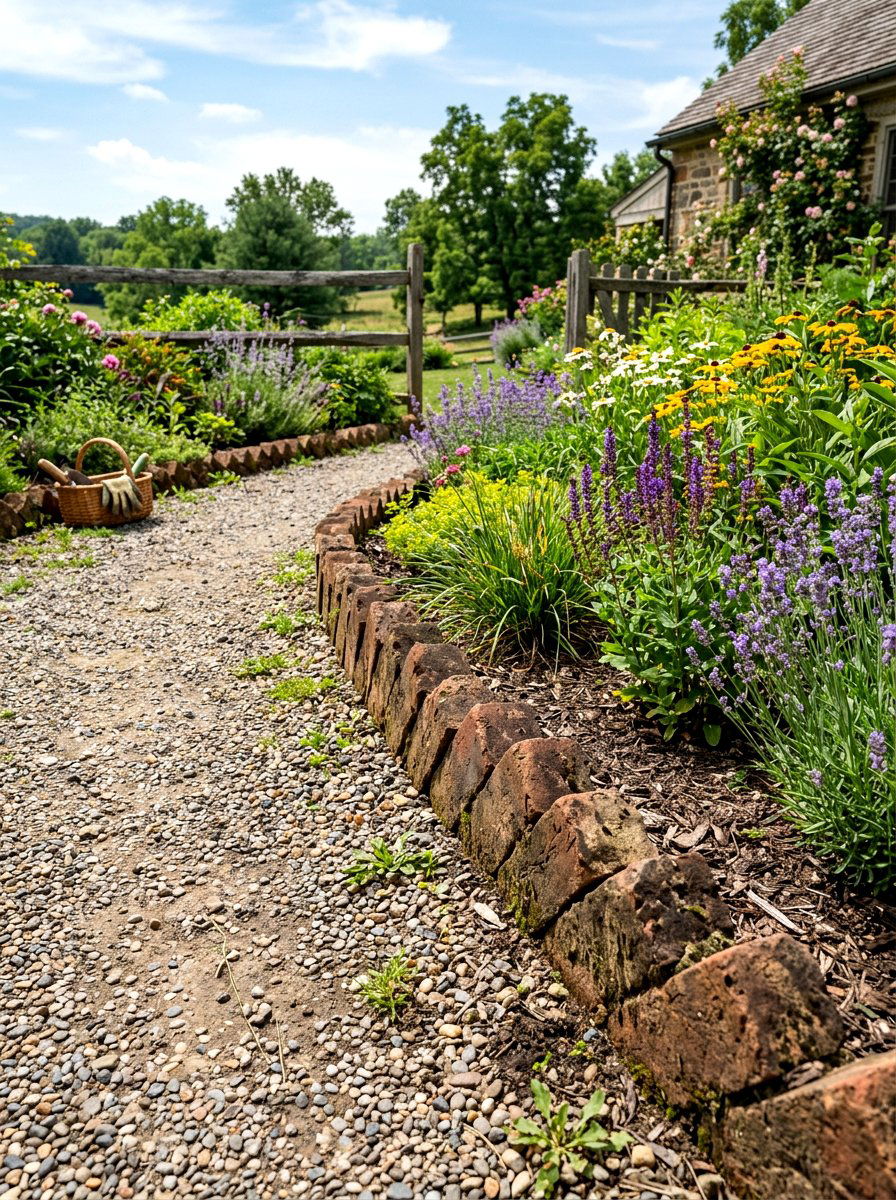
Moving away from straight lines and incorporating curved edging can make your front yard feel more natural and expansive. Soft, flowing curves mimic the shapes found in nature and can help guide the eye toward your home’s entrance. You can achieve this look using flexible metal, plastic, or even by carefully cutting the sod in a wavy pattern. Curved borders are excellent for softening the harsh corners of a house or driveway. They provide a sense of movement and can make a small yard feel much larger and more interesting. This design choice is perfect for creating a relaxing, informal landscape that feels inviting and expertly designed.
21. Sloped Front Yard Border
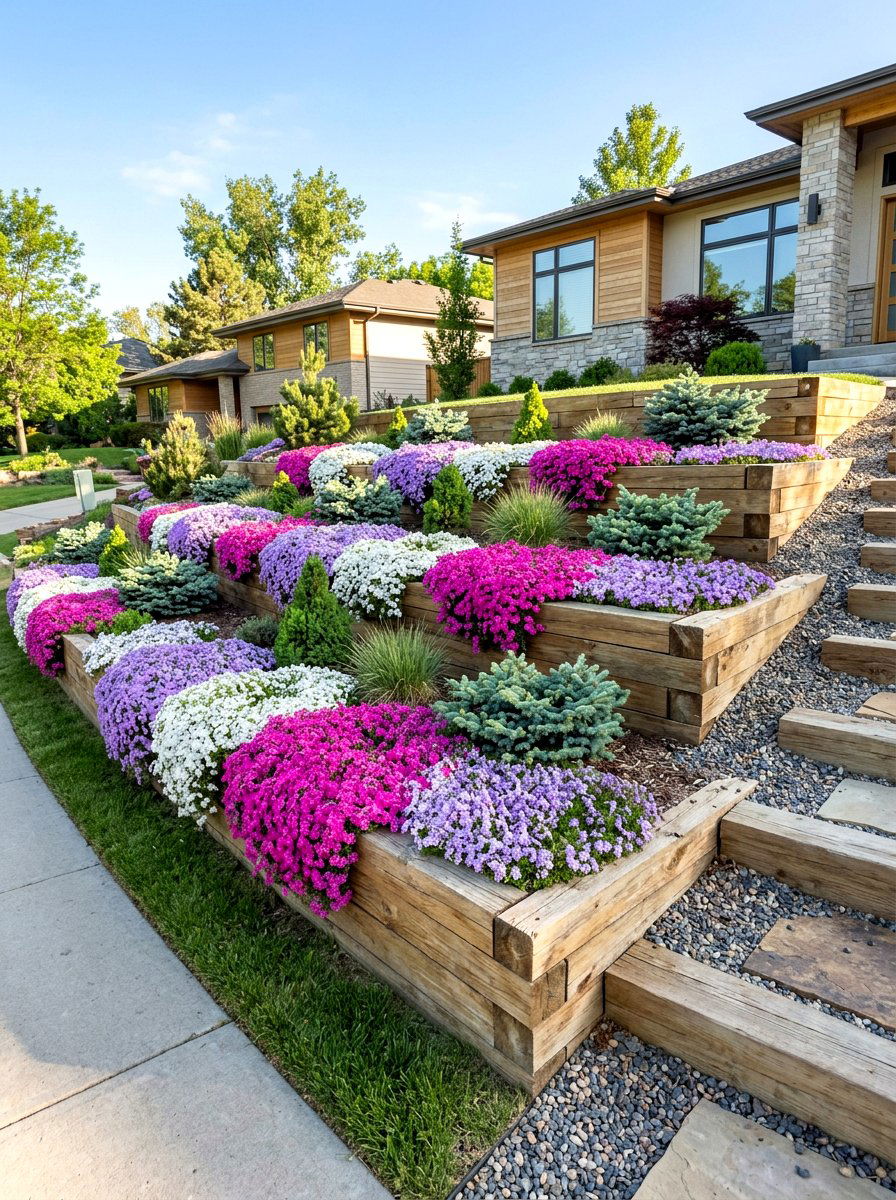
Landscaping a slope can be challenging, but a well-designed border can turn a steep hill into a beautiful feature. Using tiered borders or small retaining walls helps to prevent soil erosion and creates flat areas for planting. You can use large boulders or heavy timbers to hold back the earth while adding visual interest. Planting groundcovers that spread quickly will help stabilize the soil and fill in the spaces between your border materials. This type of border adds architectural depth to your front yard and allows you to display a wider variety of plants at different eye levels. It transforms a difficult area into a structured masterpiece.
22. Solar Light Landscape Border
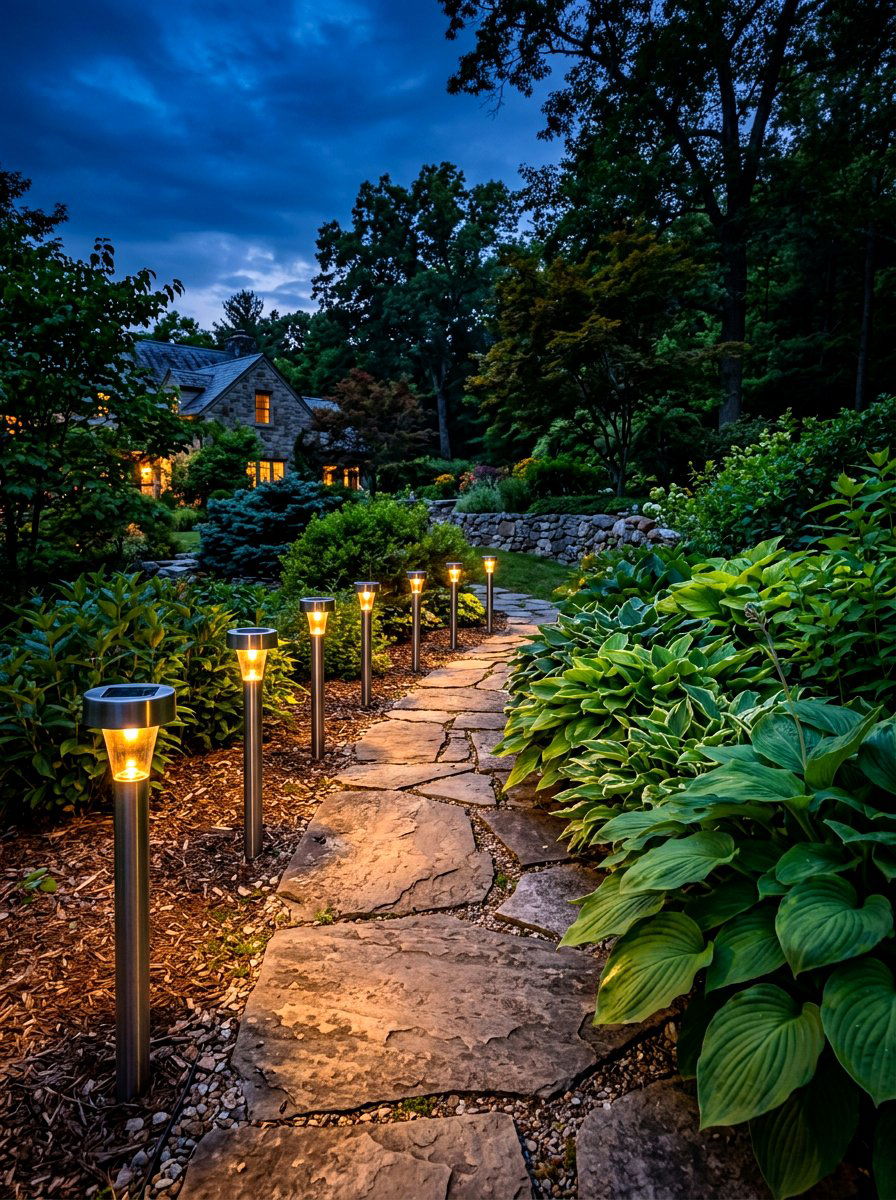
Adding solar lights to your front yard border is a practical and beautiful way to enhance your home’s curb appeal after dark. These lights are easy to install as they require no wiring; you simply stake them into the ground along your garden edge. They illuminate your walkways for safety and highlight your favorite plants and textures at night. Modern solar lights come in many styles, from sleek stainless steel to decorative lanterns. By placing them along a border, you create a glowing path that welcomes you home every evening. This design detail adds a layer of sophistication and security to your landscape with almost no extra cost.
23. Layered Shrub Garden Border
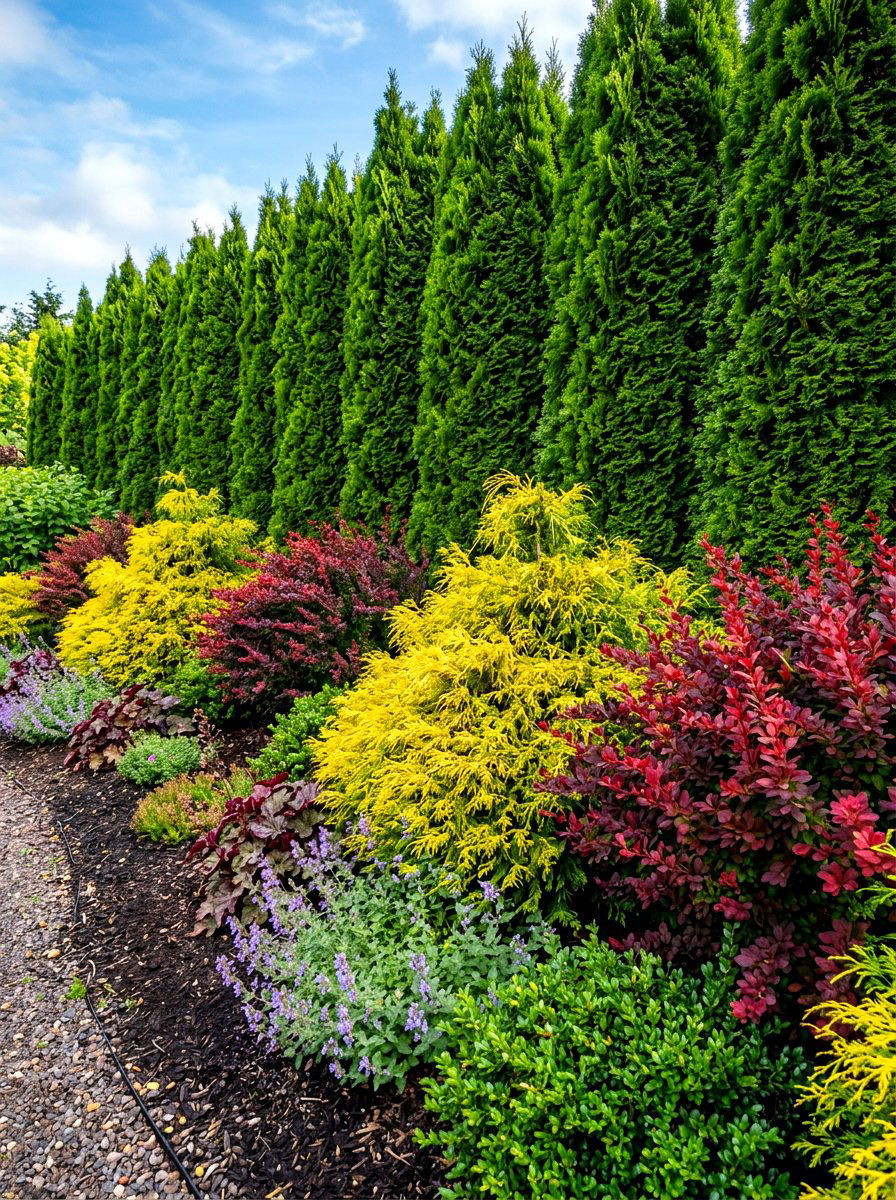
A layered shrub border uses different heights and colors of bushes to create a lush, three-dimensional boundary. By placing taller evergreens in the back and shorter, colorful shrubs in the front, you create a dense wall of greenery that provides year-round interest. This approach is excellent for adding privacy and blocking noise from the street. You can mix flowering shrubs like azaleas with structural evergreens like boxwoods for a diverse and vibrant look. This type of border feels substantial and professional, giving your front yard a "finished" appearance. It requires some pruning to maintain the different levels, but the result is a beautiful and enduring landscape frame.
24. Flagstone Garden Path Border
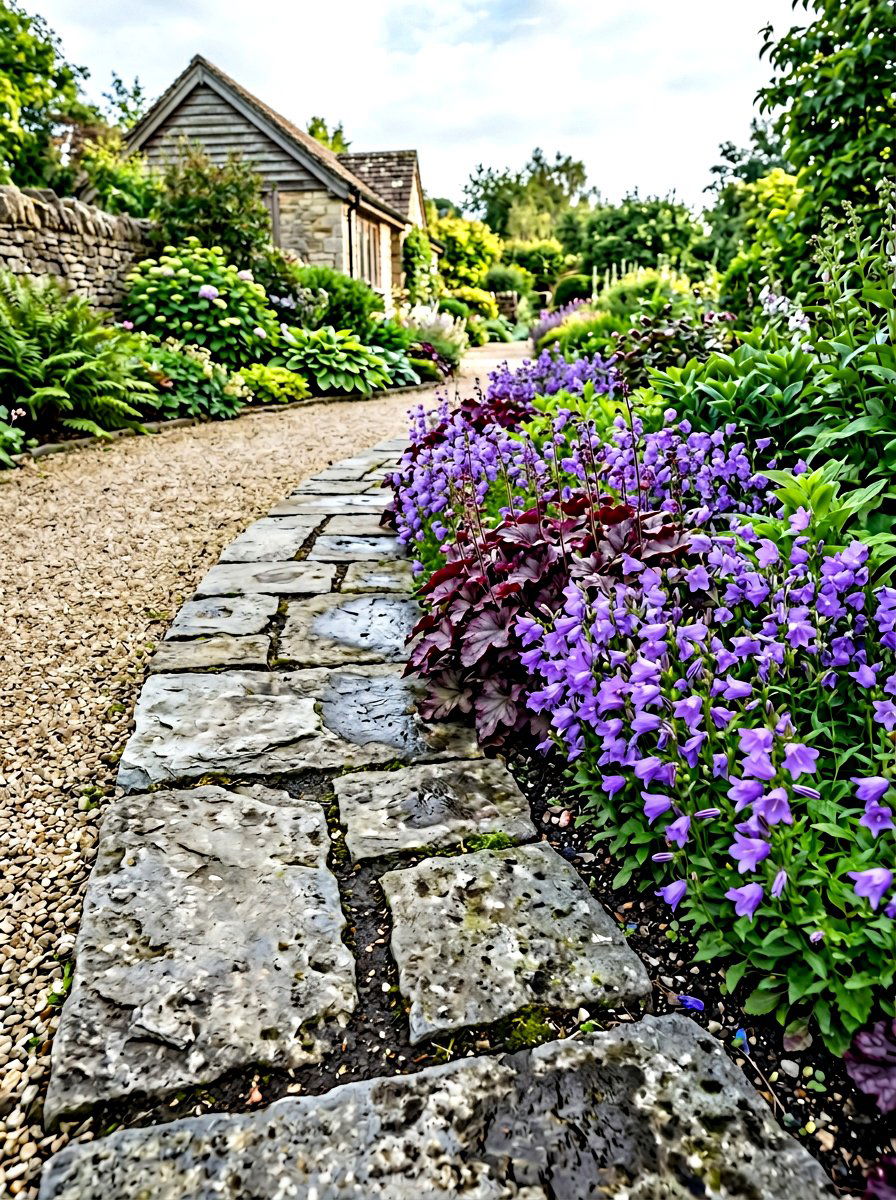
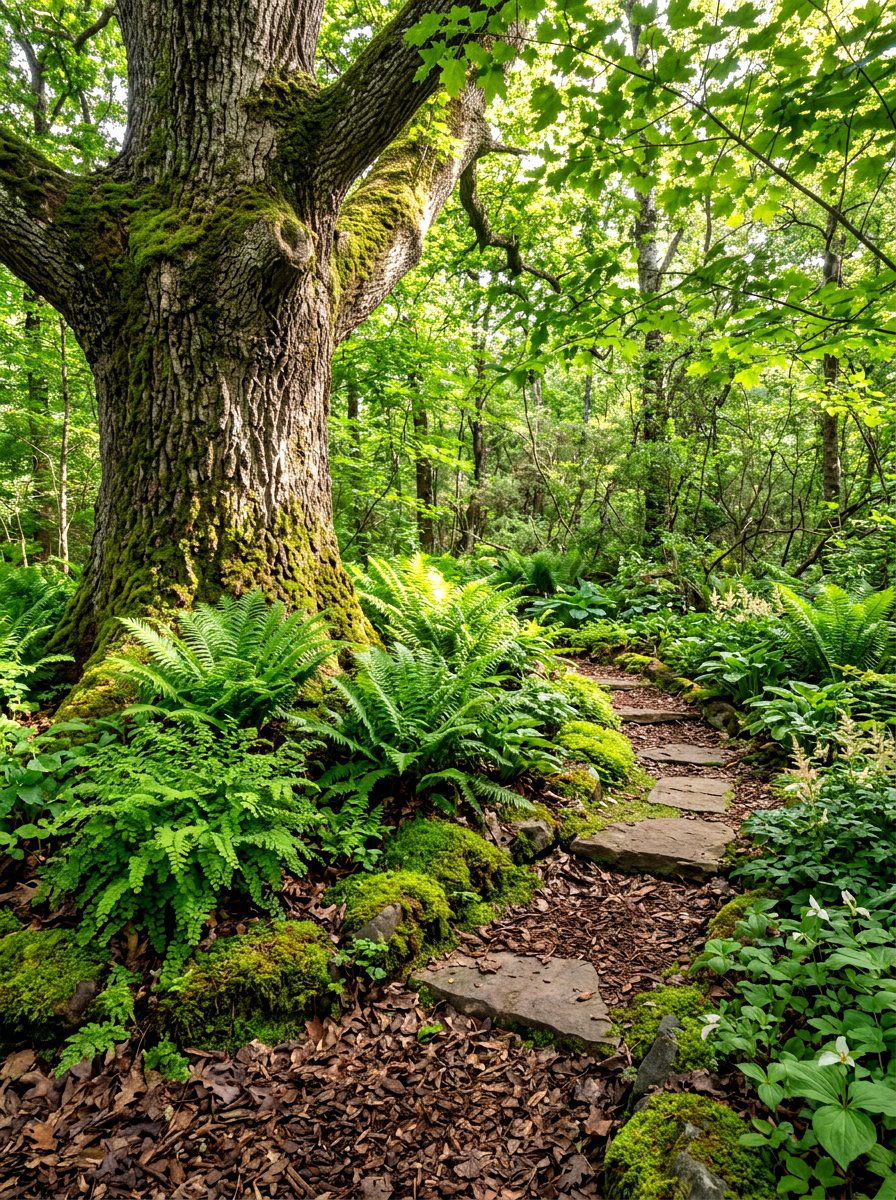
Flagstone is a premium natural material that adds an elegant and high-end feel to any front yard. Using large, flat stones to border a garden bed or walkway creates an organic and slightly rustic appearance. The irregular shapes of the stones provide a beautiful puzzle-like texture that draws the eye. You can leave small gaps between the stones for low-growing plants like creeping thyme to grow through, adding even more charm. Flagstone is incredibly durable and can withstand all types of weather without losing its beauty. It is a timeless choice that works perfectly for traditional, Mediterranean, or modern homes, providing a sturdy and attractive boundary for your landscape.
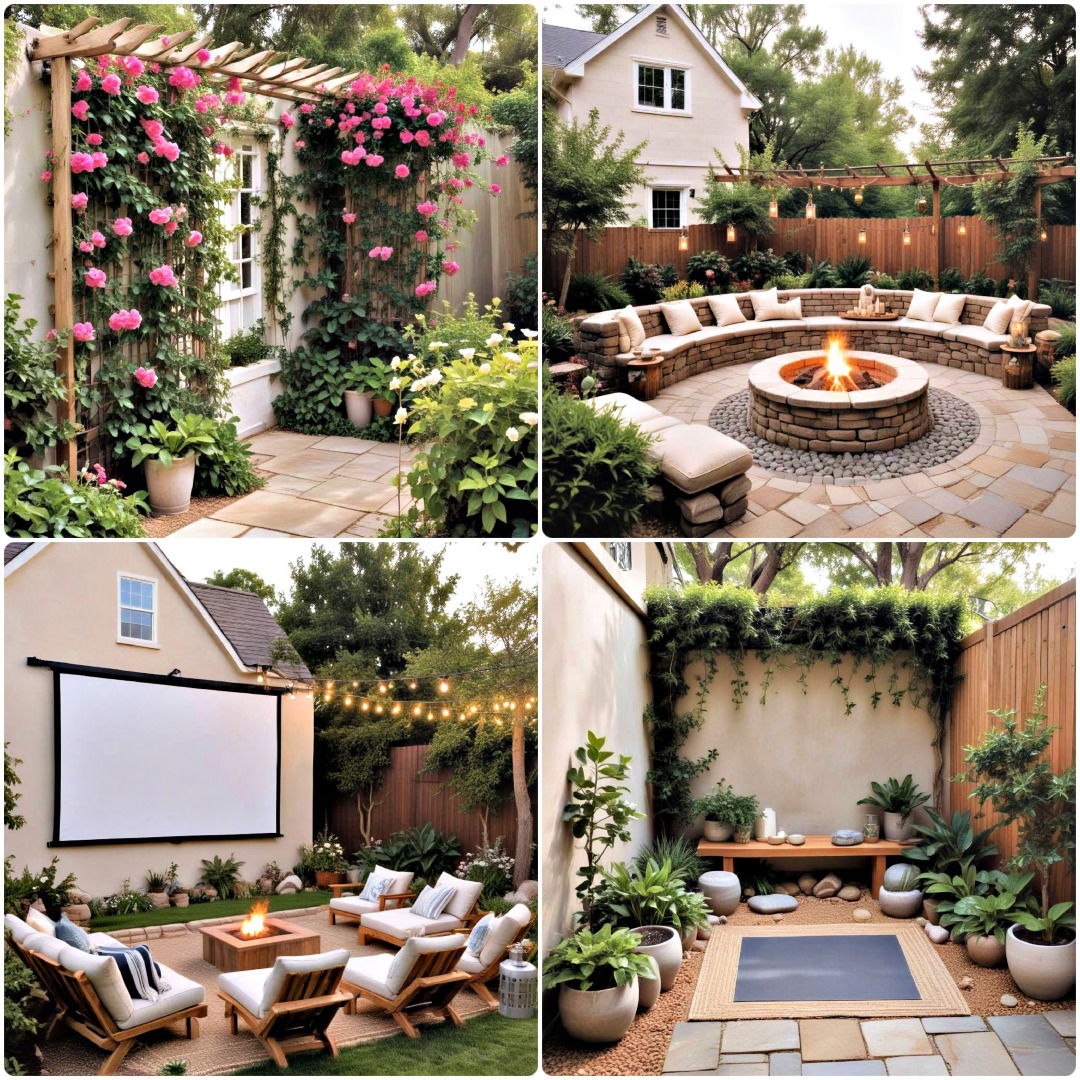
25. White Rock Garden Border
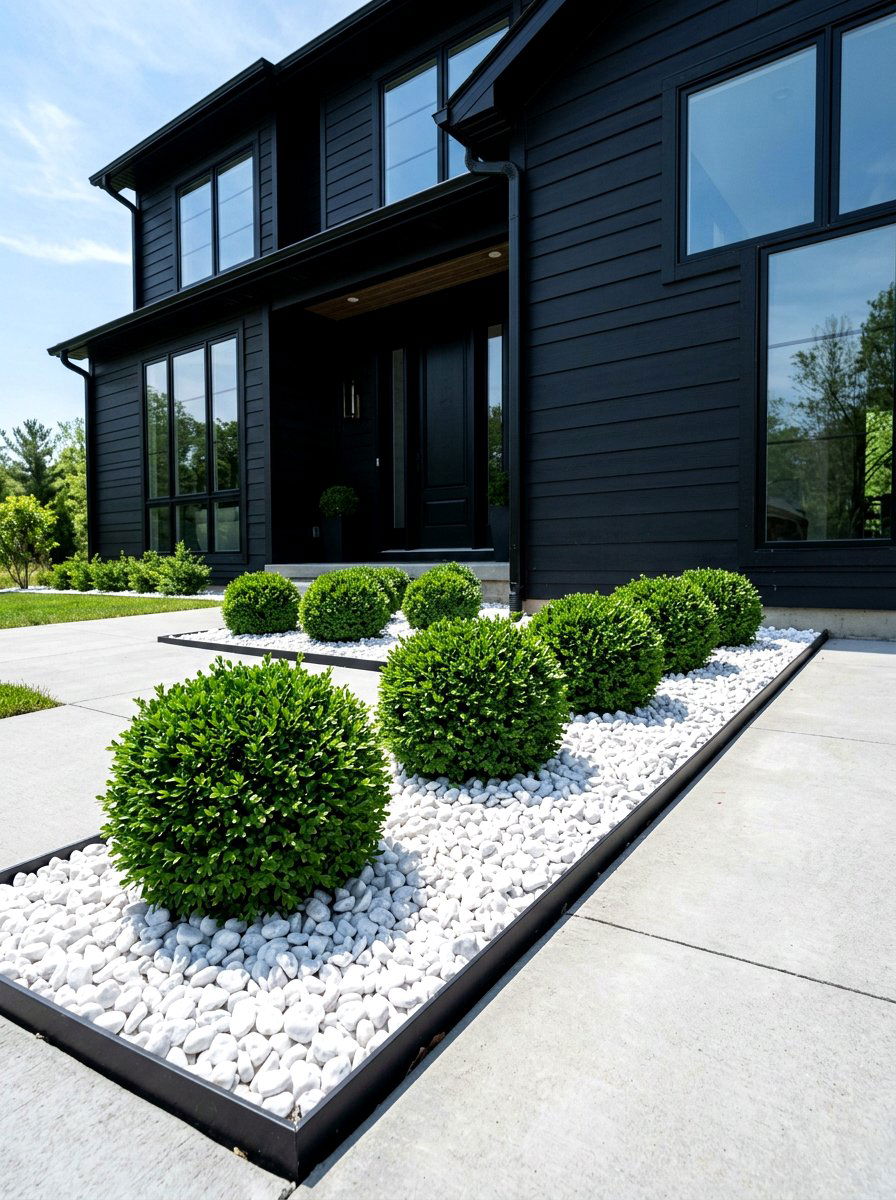
Using white rocks or marble chips for your front yard border creates a bright, clean, and high-contrast look. These stones reflect light, which can make a shady area feel more vibrant and open. White rock borders look particularly striking when paired with dark green foliage or black mulch. This design is popular in modern and minimalist landscapes where clean lines and simple color palettes are preferred. The stones stay in place well and provide a permanent, low-maintenance solution for defining your garden beds. Because they are so bright, they clearly mark the boundaries of your lawn, giving the entire yard a very manicured and organized feel.
26. River Rock Drainage Border
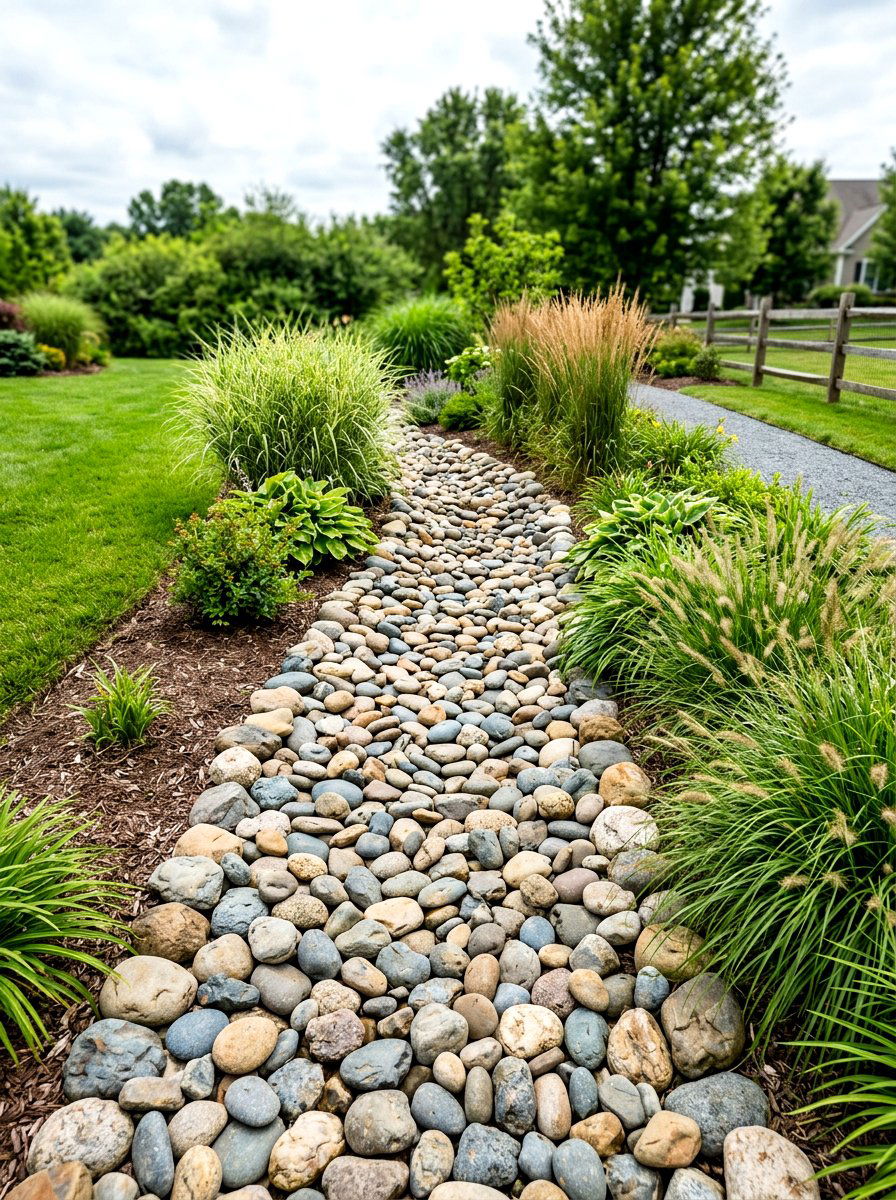
River rocks are smooth, rounded stones that come in various shades of tan, gray, and brown, creating a very natural and water-inspired look. Using them as a border is not only beautiful but also functional, as they are excellent for managing water runoff. If you have an area in your front yard where water tends to pool, a river rock border can act as a dry creek bed to guide the water away. These stones add a tranquil and serene feeling to the landscape, similar to a Japanese garden. They are heavy enough to stay in place during rain and require almost no maintenance to look great year-round.
27. Evergreen Garden Border
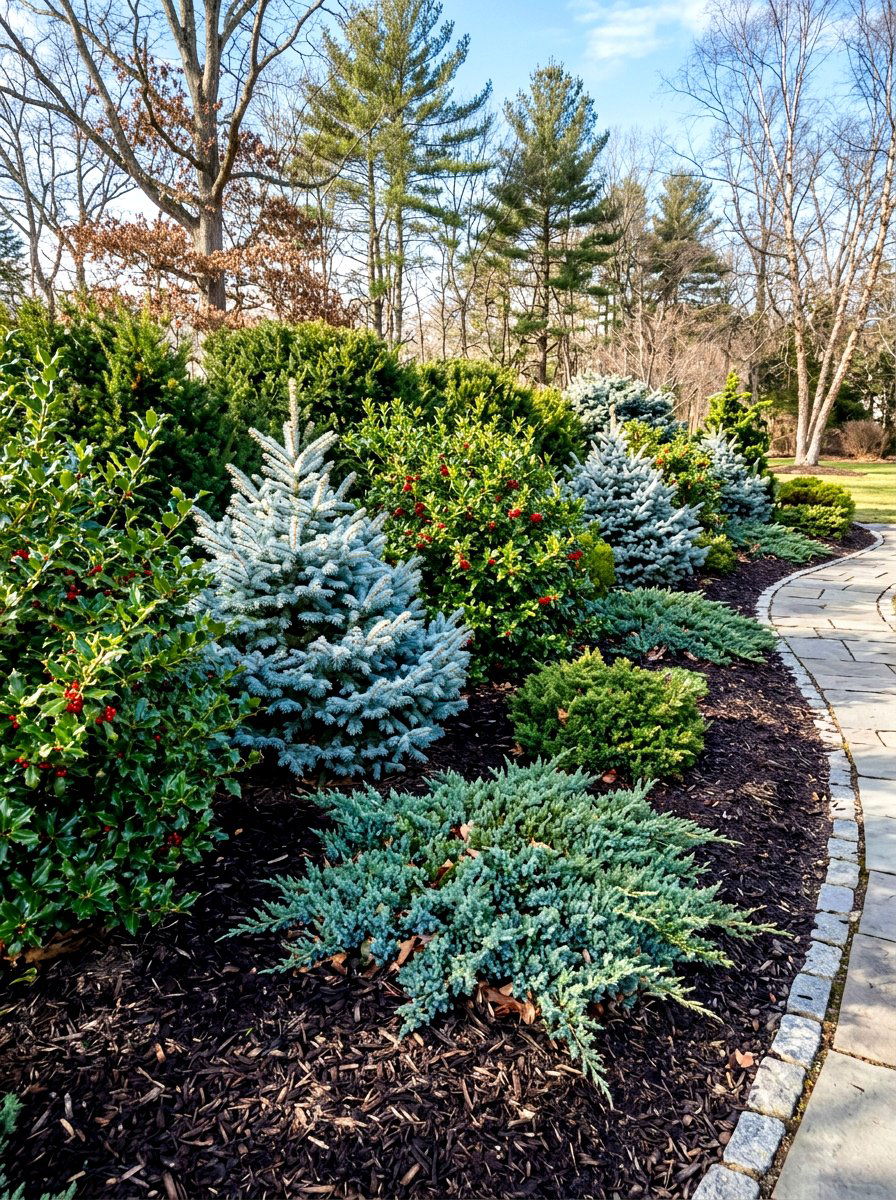
An evergreen border ensures that your front yard stays green and vibrant even during the cold winter months. By using a mix of coniferous shrubs, hollies, and junipers, you create a permanent structure that never goes dormant. These plants provide a consistent backdrop for seasonal flowers and help your home maintain its curb appeal through every season. Evergreens come in many shades, from deep forest green to bright chartreuse and blue-gray. They are also excellent for providing shelter for birds and other local wildlife. This type of border is a smart long-term investment that provides privacy, structure, and beauty with minimal seasonal cleanup required by the homeowner.
28. Cedar Wood Garden Edging
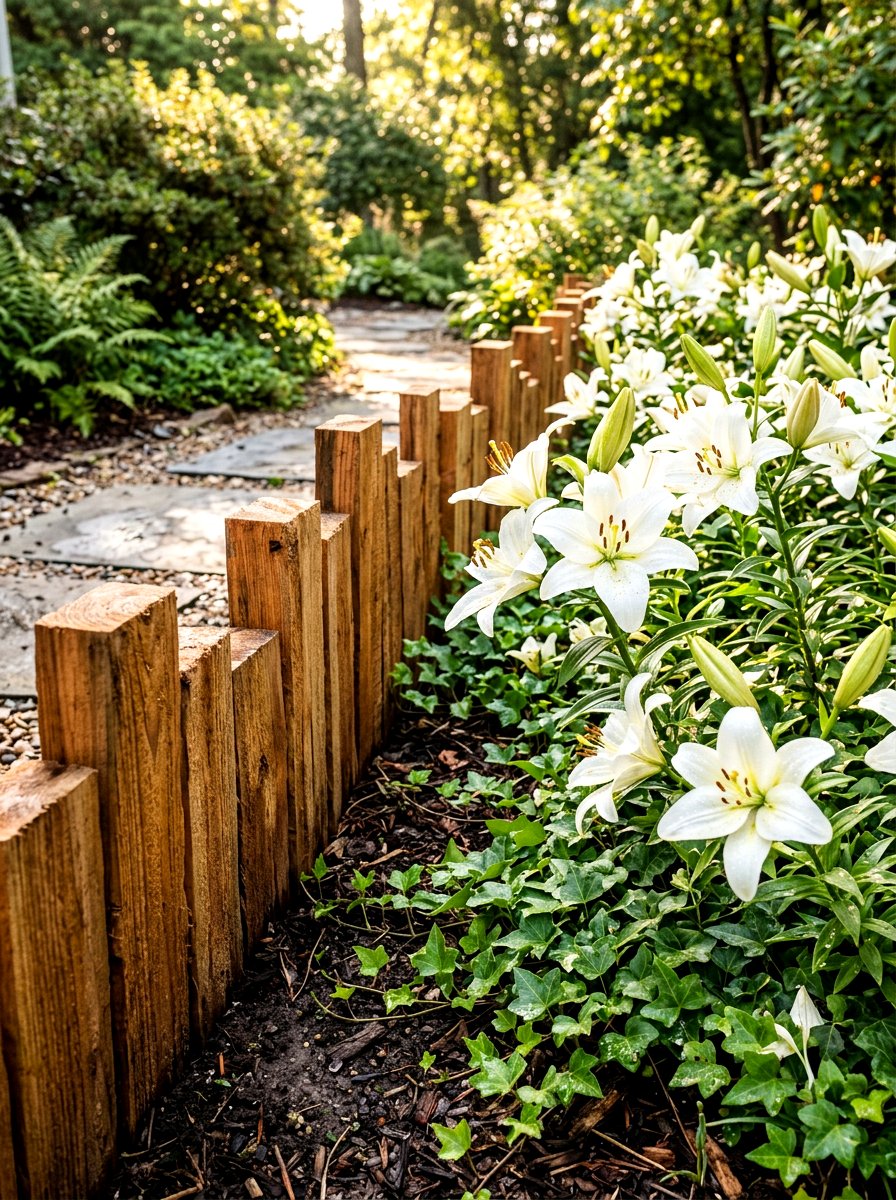
Cedar is a popular choice for wood edging because it is naturally resistant to rot and insects, making it more durable than other softwoods. Using cedar planks or small cedar logs provides a warm, organic look that smells wonderful. The wood will eventually weather to a beautiful silvery-gray if left untreated, or you can stain it to match your home’s trim. Cedar borders are relatively easy to install and provide a very neat, structured look for flower beds. This material is perfect for creating straight lines or rectangular raised beds. It is a classic, eco-friendly option that adds a touch of natural elegance and warmth to your front yard.
29. Mixed Perennial Garden Border
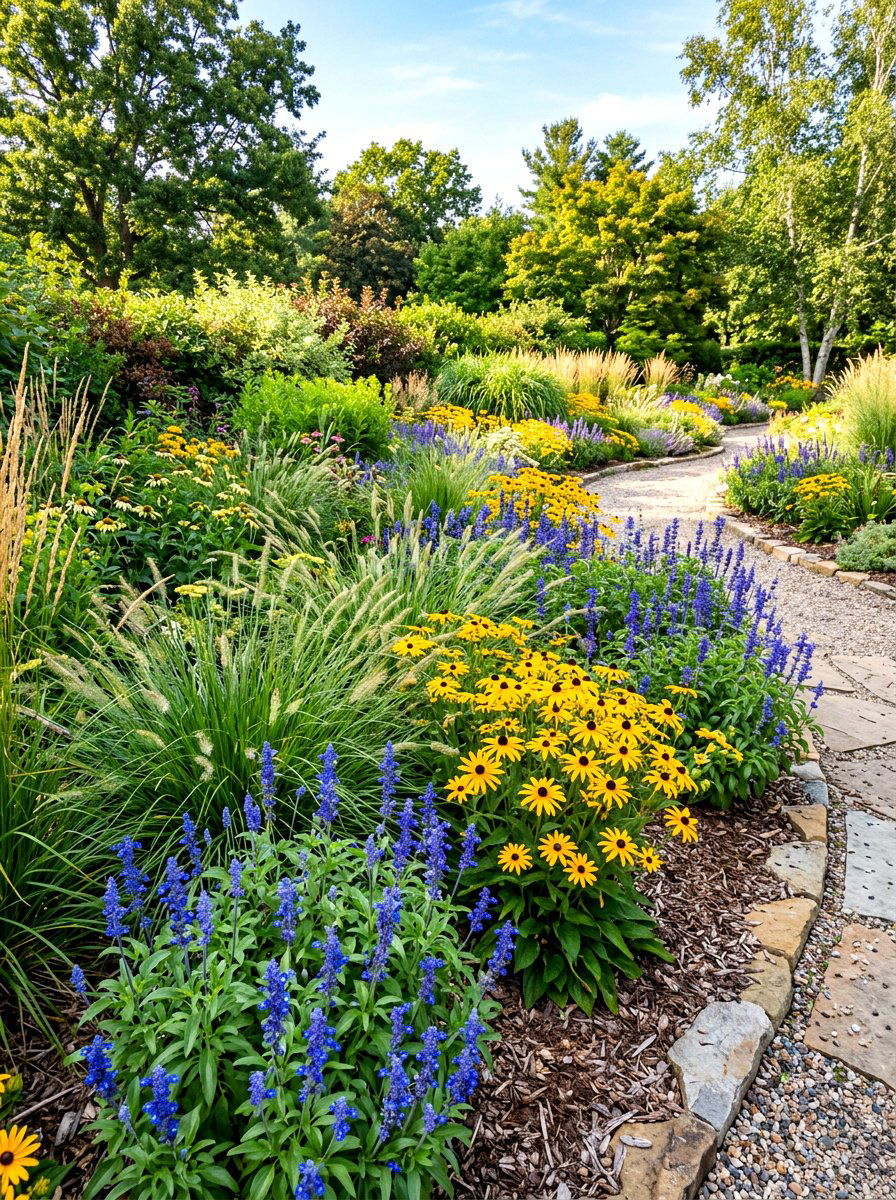
A mixed perennial border combines various types of plants, including flowers, grasses, and small shrubs, to create a diverse and exciting boundary. This design focuses on variety, with different textures and colors appearing at different times throughout the year. It feels less formal than a hedge and more intentional than a wild garden. By carefully choosing plants that thrive in your specific light conditions, you can create a lush border that feels unique to your home. This approach is perfect for gardeners who love to experiment with different species. A mixed border provides a rich habitat for pollinators and keeps your front yard looking dynamic and fresh every week.
30. Formal Garden Border
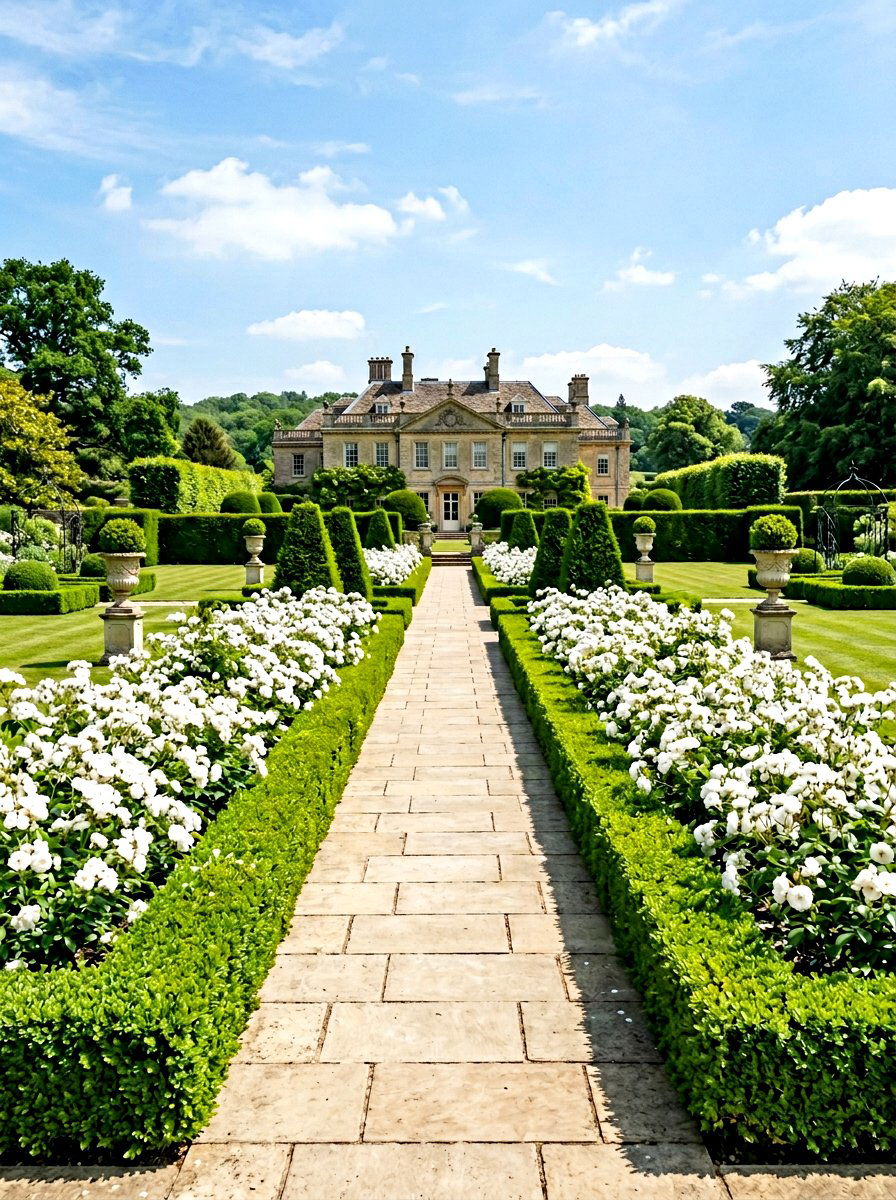
A formal border is characterized by perfect symmetry, straight lines, and a very controlled plant palette. This design often features mirrored planting on both sides of a walkway, creating a grand and balanced entrance to the home. You might see identical rows of clipped shrubs, neatly spaced flowers, and a very clear, hard edge made of stone or brick. Formal borders are perfect for traditional architecture and homes with a centered front door. This style conveys a sense of elegance, order, and high-level maintenance. While it requires regular attention to keep everything perfectly aligned, the sophisticated result is a stunning and high-impact front yard that makes a powerful impression.
Conclusion:
Choosing the right border for your front yard is a transformative step in home landscaping that blends artistic expression with practical function. Whether you prefer the sleek lines of modern metal or the timeless charm of natural stone, each option offers a unique way to frame your home and showcase your personal style. A well-designed border not only keeps your garden beds organized but also serves as a lasting investment in your property’s curb appeal. By considering your local climate, maintenance preferences, and home architecture, you can create a beautiful and welcoming entrance that will delight both you and your neighbors for many years to come.

Related posts: