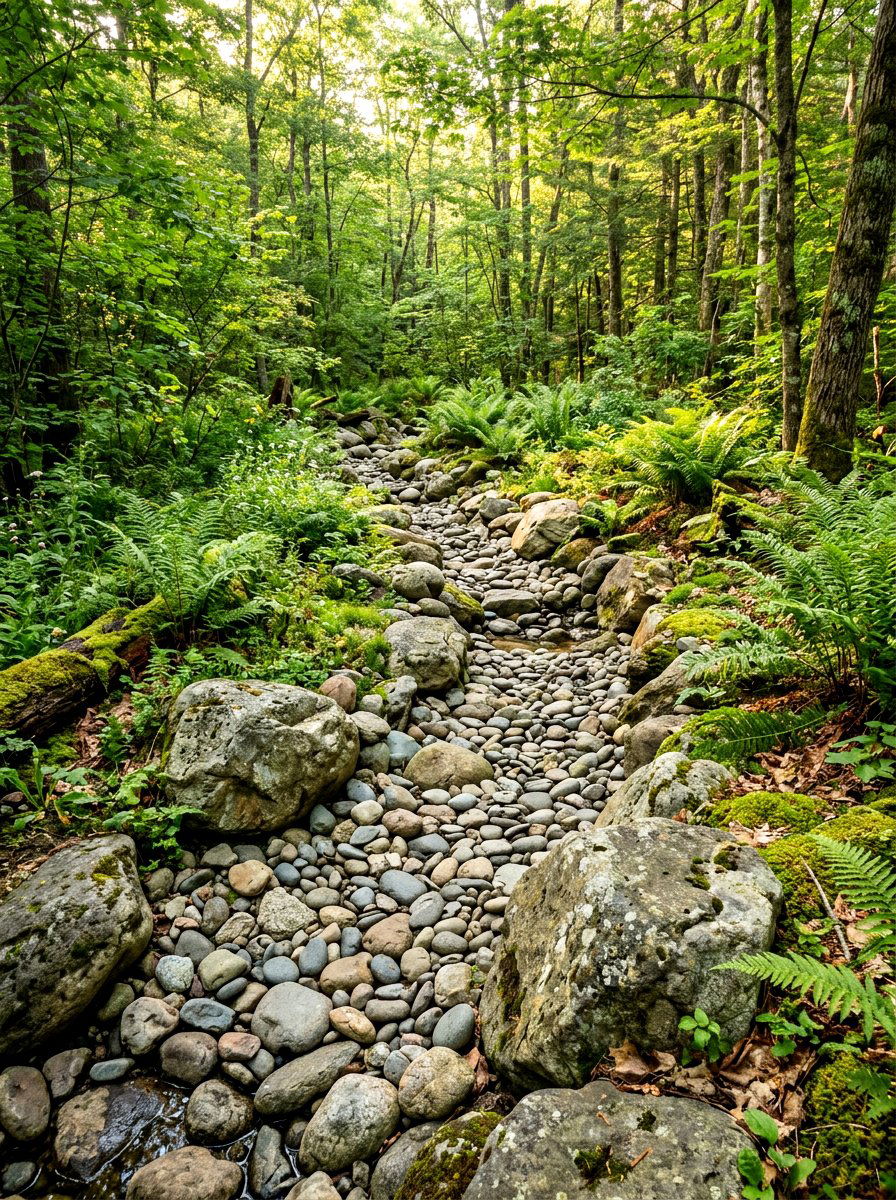
Transforming your outdoor space into a lush sanctuary doesn 't require harsh chemicals or constant mowing. Natural landscaping focuses on working with the environment rather than fighting against it. This approach uses native plants, local stones, and organic shapes to create a balanced ecosystem right in your backyard. By choosing species that naturally thrive in your climate, you reduce water consumption and provide essential food for local pollinators. It is a wonderful way to bring a sense of peace and wild beauty to your home. This guide explores thirty unique ways to embrace nature' s charm while creating a functional and stunning outdoor living area for your family. Each concept prioritizes sustainability and effortless visual appeal.
1. Native Plant Garden
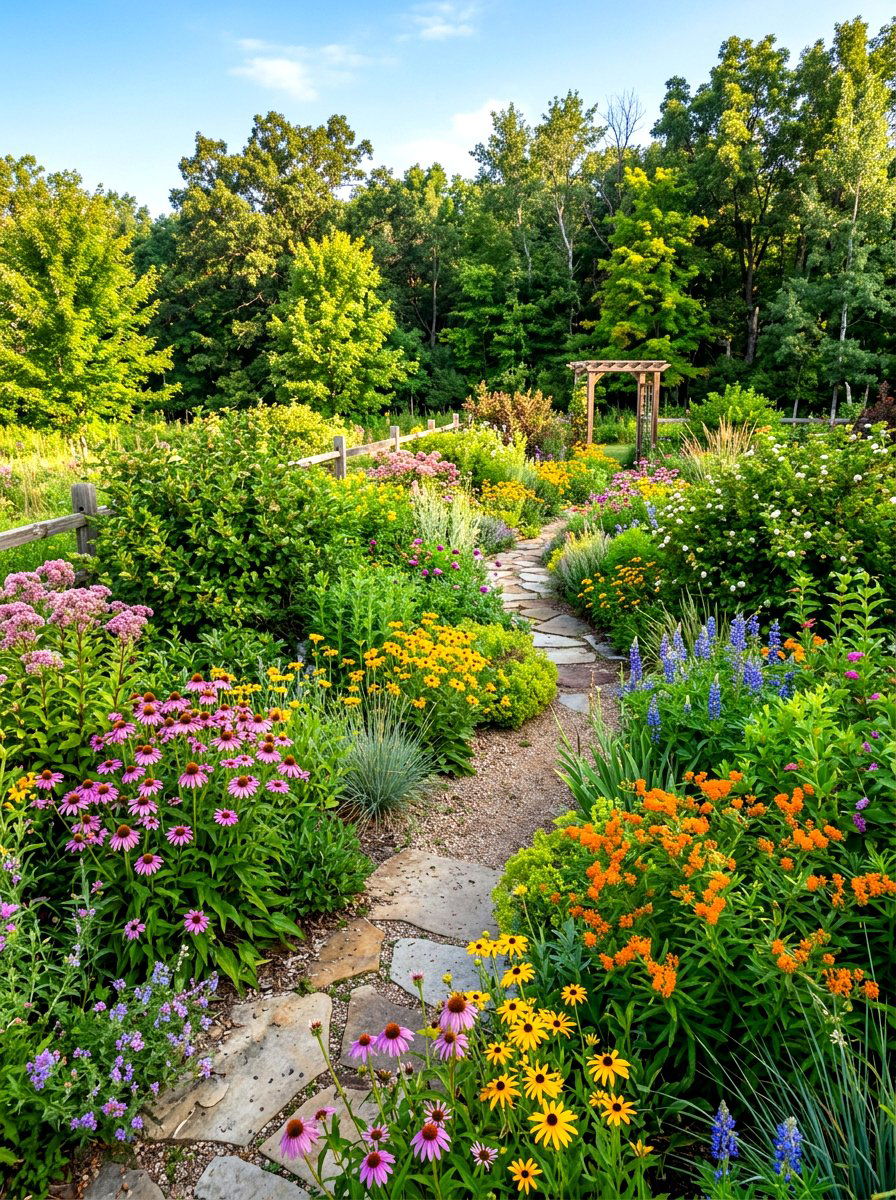
Have you ever noticed how beautiful local forests and fields look without any human intervention? A native plant garden recreates that effortless charm by using species that have lived in your area for centuries. These plants are perfectly adapted to the local soil and weather patterns. This means they require less watering once they are established in your yard. The entire landscape feels cohesive as the colors and textures match the surrounding environment perfectly. You will see more birds and butterflies visiting your space because you are providing their favorite food sources. It creates a vibrant, living portrait that changes beautifully with every passing season while remaining very low maintenance for you.
2. Wildflower Meadow
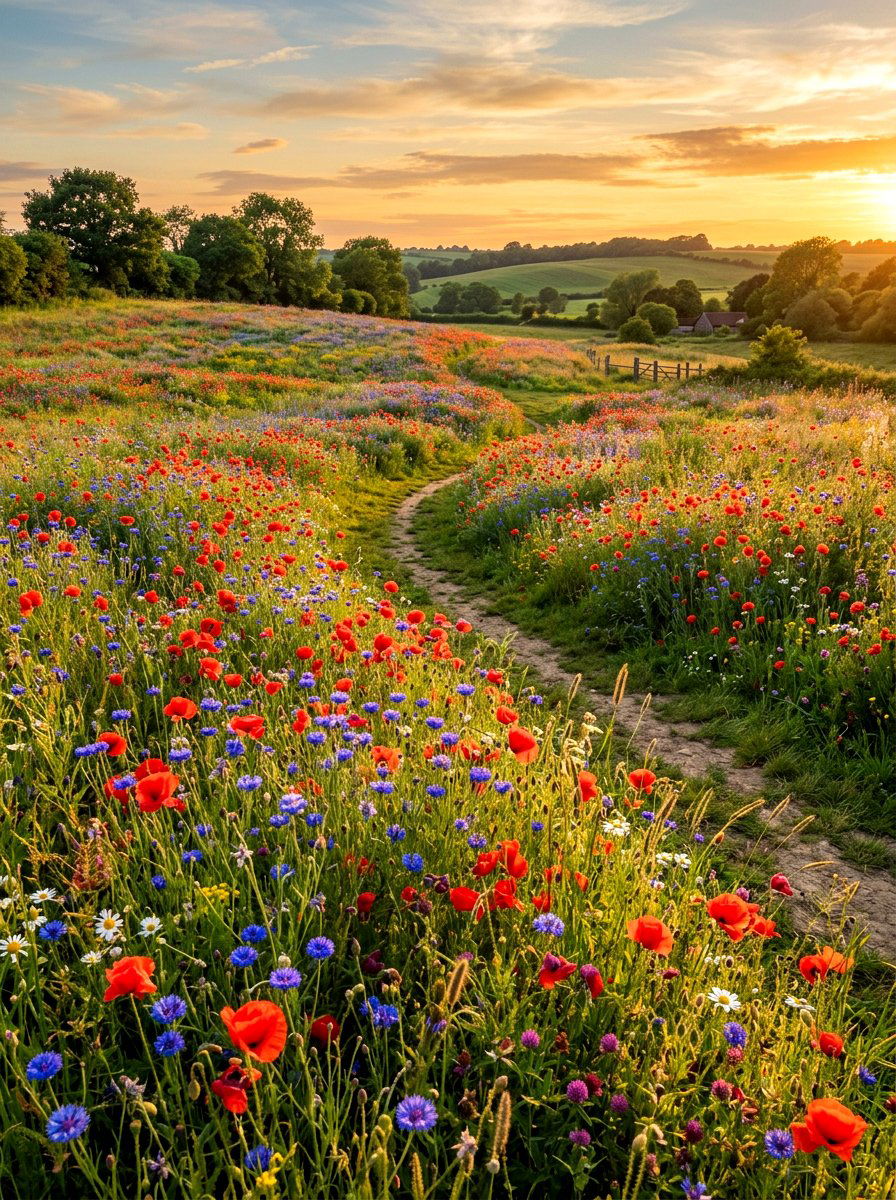
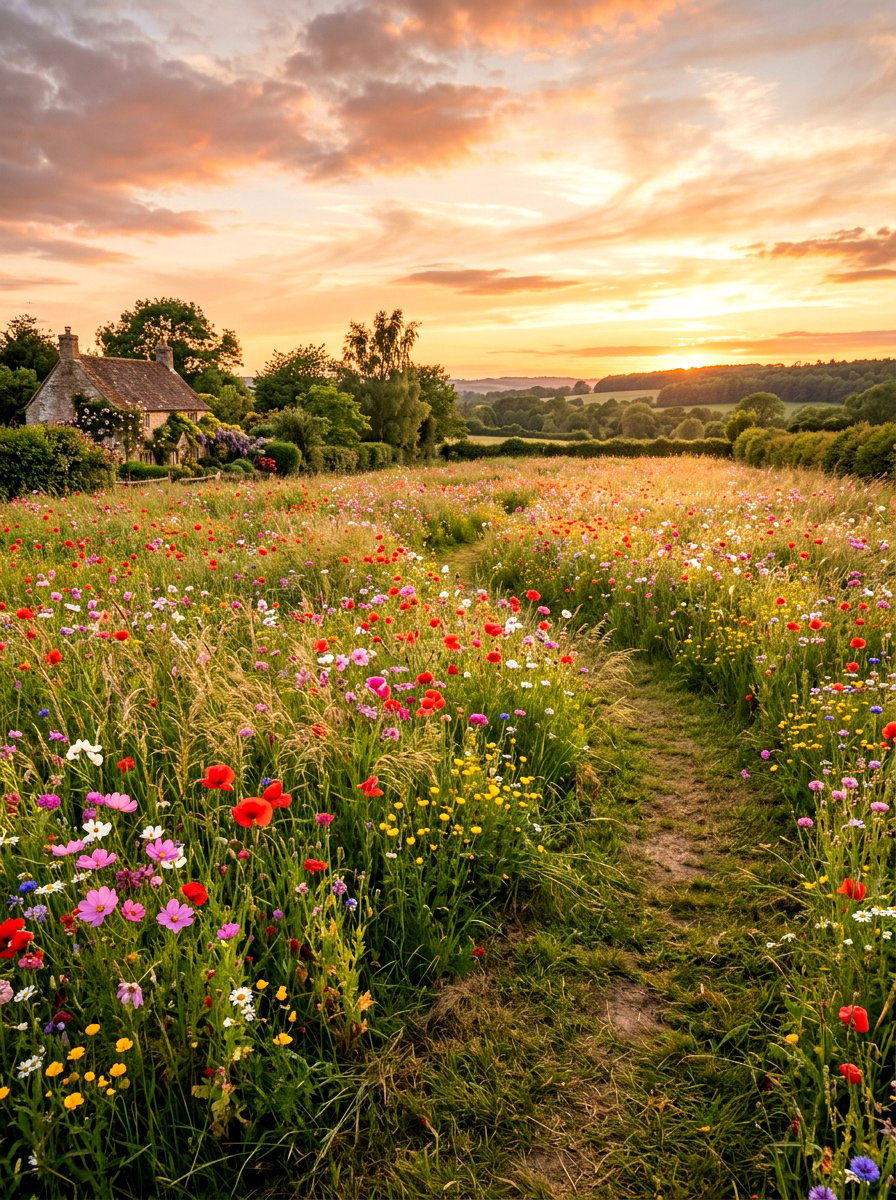
Instead of a high-maintenance lawn, imagine a vibrant sea of colorful blooms waving in the gentle breeze. A wildflower meadow replaces traditional grass with a mix of annuals and perennials that grow densely and naturally. This design offers a romantic, untamed aesthetic that feels like a private escape into the countryside. It is an excellent choice for large open spaces or slopes where mowing is difficult. You only need to mow it once or twice a year to keep it healthy. The variety of flowers provides a continuous source of nectar for bees and other beneficial insects. It creates a dynamic landscape full of life, movement, and incredible seasonal color transitions.
3. Backyard Rock Garden
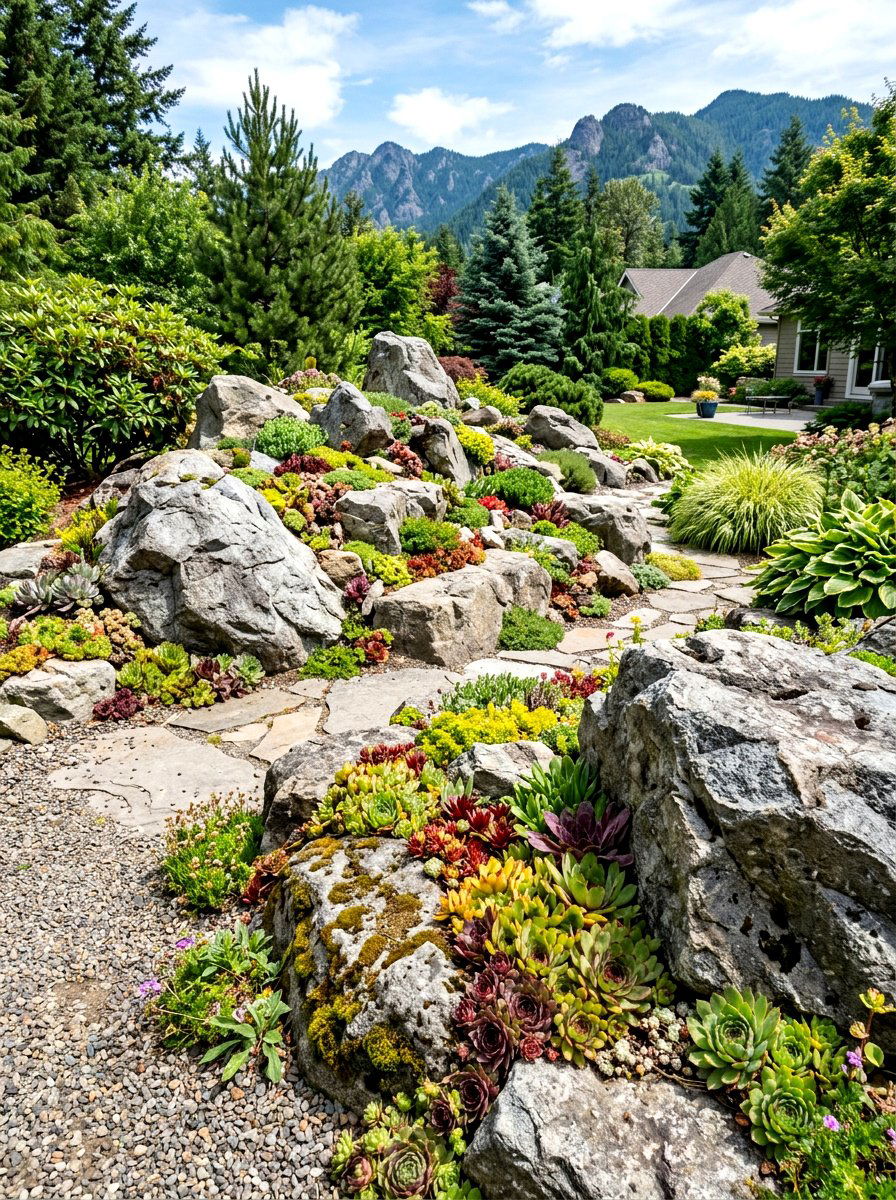
Using large boulders and smaller stones can add incredible texture and structural interest to your outdoor environment. A backyard rock garden mimics the rugged beauty of mountain landscapes or rocky coastlines. You can tuck alpine plants or succulents into the crevices between the stones for a pops of greenery and color. This design is exceptionally durable and works well in areas with poor soil quality where other plants might struggle. The arrangement of the rocks provides a permanent framework that looks beautiful even in the dead of winter. It offers a grounded, peaceful atmosphere that requires almost no supplemental watering or weeding once the plants have fully matured.
4. Stone Path
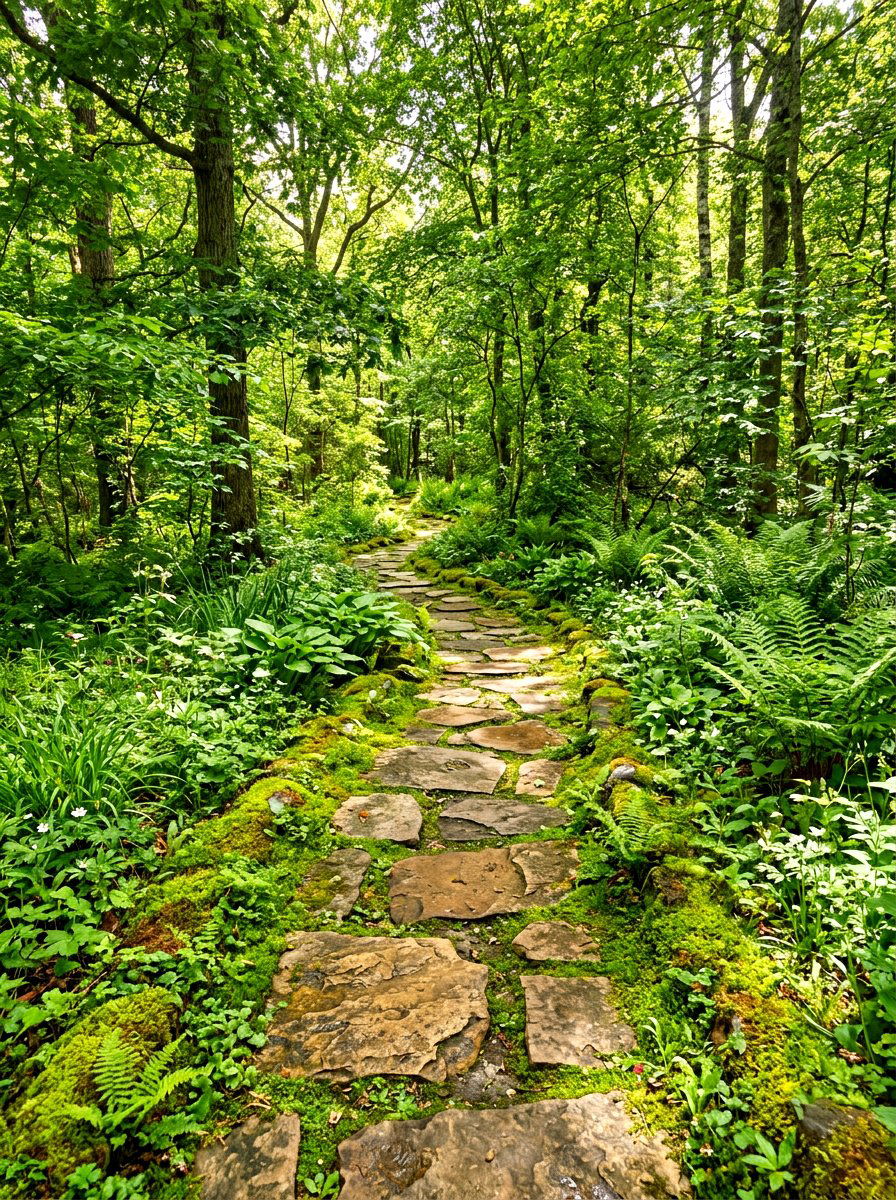
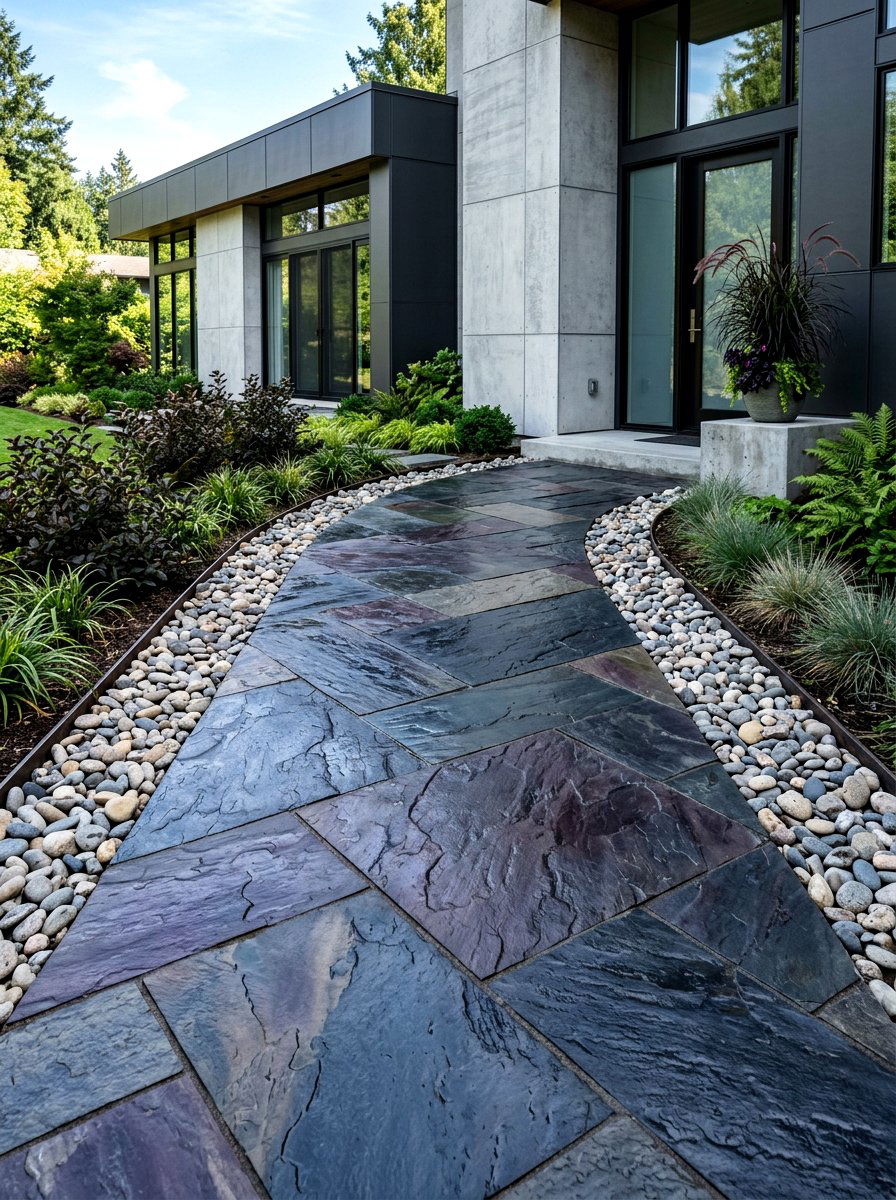
Winding through your greenery with a sense of purpose, a stone path adds both function and a rustic touch. Using flat, irregular flagstones or stepping stones creates a journey through your yard that feels organic rather than forced. These paths help define different zones in your garden while protecting your plants from foot traffic. You can plant low-growing moss or thyme in the gaps between the stones to soften the edges and add a pleasant fragrance. This design choice blends seamlessly into the earth and prevents soil compaction in high-traffic areas. It makes your backyard feel larger by inviting exploration and creating a visual flow that leads the eye toward focal points.
5. Woodland Garden
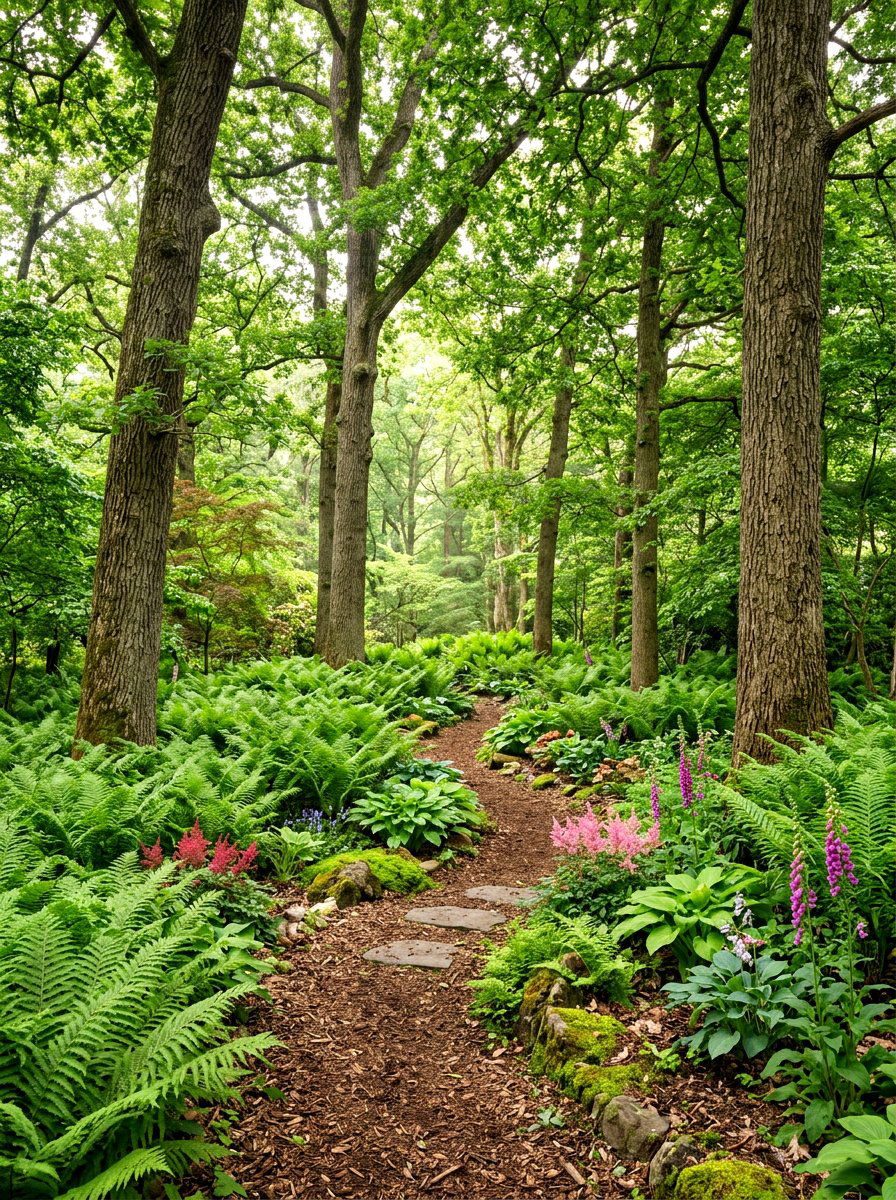
If your yard has mature trees and plenty of shade, a woodland garden is the perfect way to embrace that environment. This design focuses on layering plants like tall trees, medium shrubs, and low ferns to mimic a forest floor. You can use decaying logs or leaf mulch to keep the soil rich and moist for shade-loving species. The result is a cool, quiet retreat that feels like a hidden sanctuary far away from the busy world. It is a haven for birds and woodland creatures who enjoy the dense cover and natural food sources. The soft, dappled light creates a magical atmosphere that makes every walk outside feel like a peaceful hike.
6. Rain Garden
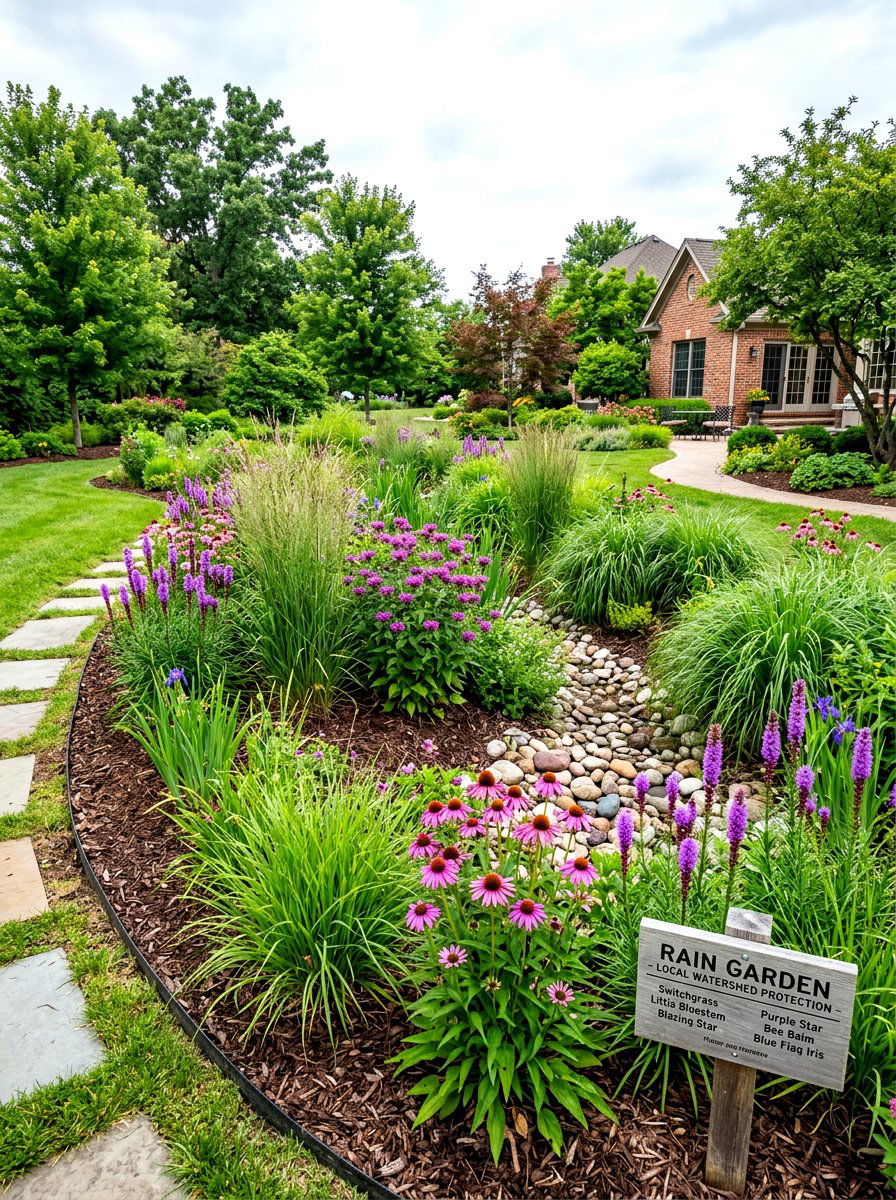
Managing excess water after a heavy storm can be both beautiful and functional with a well-planned rain garden. This design involves creating a shallow depression in your yard where rainwater can naturally collect and slowly soak into the ground. You fill this area with deep-rooted native plants that enjoy occasional wet feet and can handle dry spells too. It prevents erosion and keeps polluted runoff from entering local waterways or your home's foundation. The lush growth in a rain garden often becomes a focal point of the yard, attracting dragonflies and colorful songbirds. It is a clever way to turn a potential drainage problem into a thriving and sustainable landscape feature.
7. Drought Tolerant Backyard
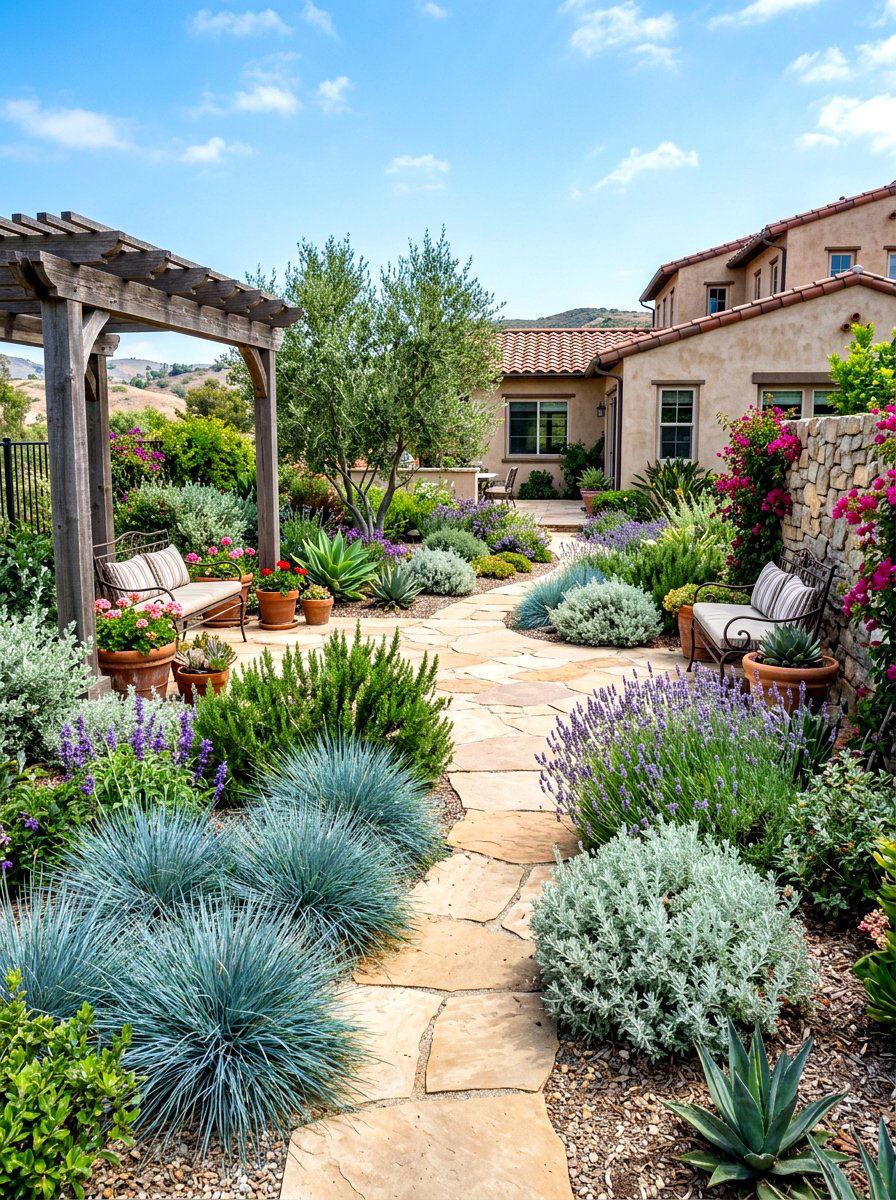
Creating a stunning landscape in an arid climate is possible when you prioritize plants that thrive with very little water. A drought tolerant backyard uses a mix of ornamental grasses, silver-foliaged shrubs, and hardy perennials to create a resilient environment. These plants often have deep roots or specialized leaves that store moisture, making them incredibly tough during hot summers. You can use organic mulches or gravel to help keep the soil cool and prevent evaporation. This design not only saves you money on water bills but also reduces the time spent on maintenance. The resulting look is modern, clean, and perfectly in sync with the natural beauty of sun-drenched regions.
8. Wildlife Habitat
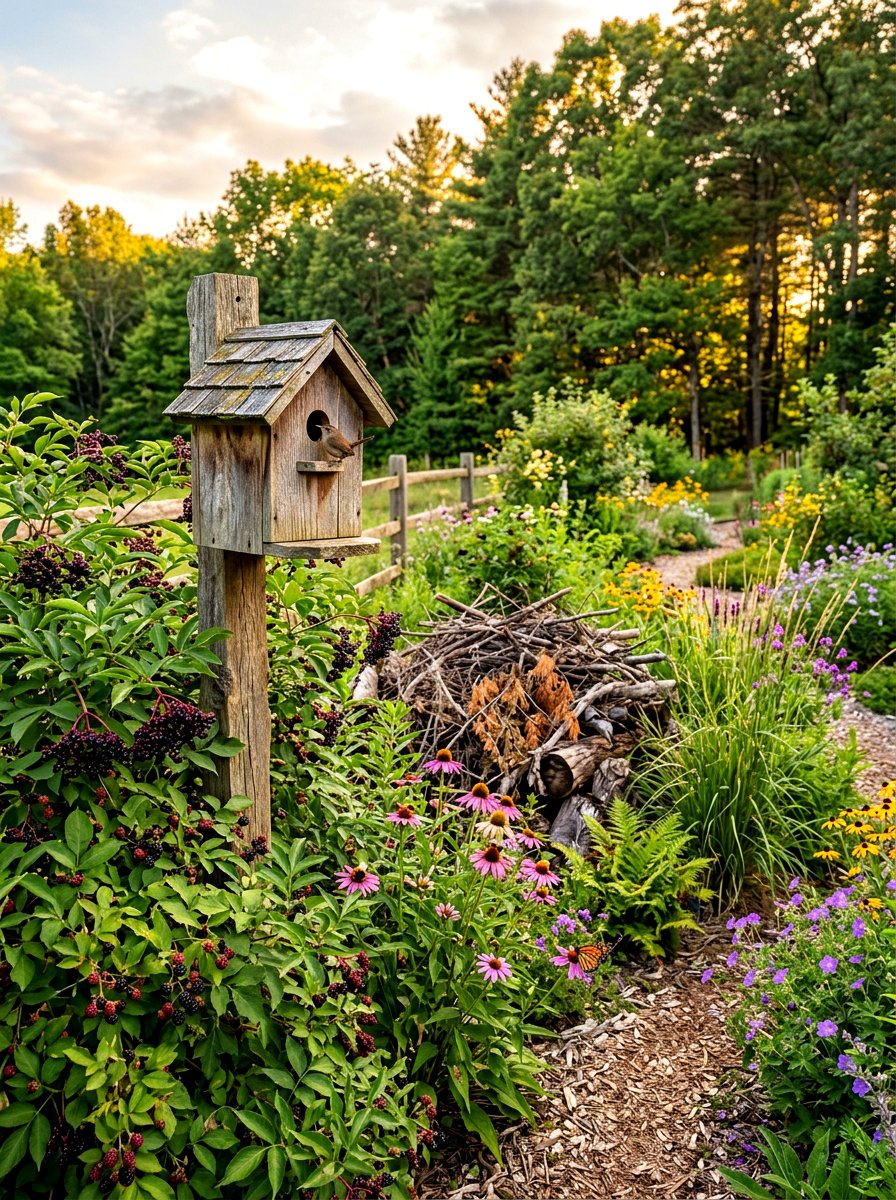
Transforming your yard into a sanctuary for local animals brings a unique sense of joy and connection to nature. A wildlife habitat landscape provides the four essential elements every creature needs: food, water, cover, and a place to raise young. You can include brush piles for small mammals, birdhouses, and a variety of berry-producing shrubs. By avoiding pesticides and using a wide range of native plants, you create a healthy ecosystem that supports everything from tiny insects to majestic owls. Observing the daily activities of your wild neighbors becomes a rewarding part of your lifestyle. It is a garden that feels truly alive and serves a greater purpose for the local environment.
9. Edible Forest
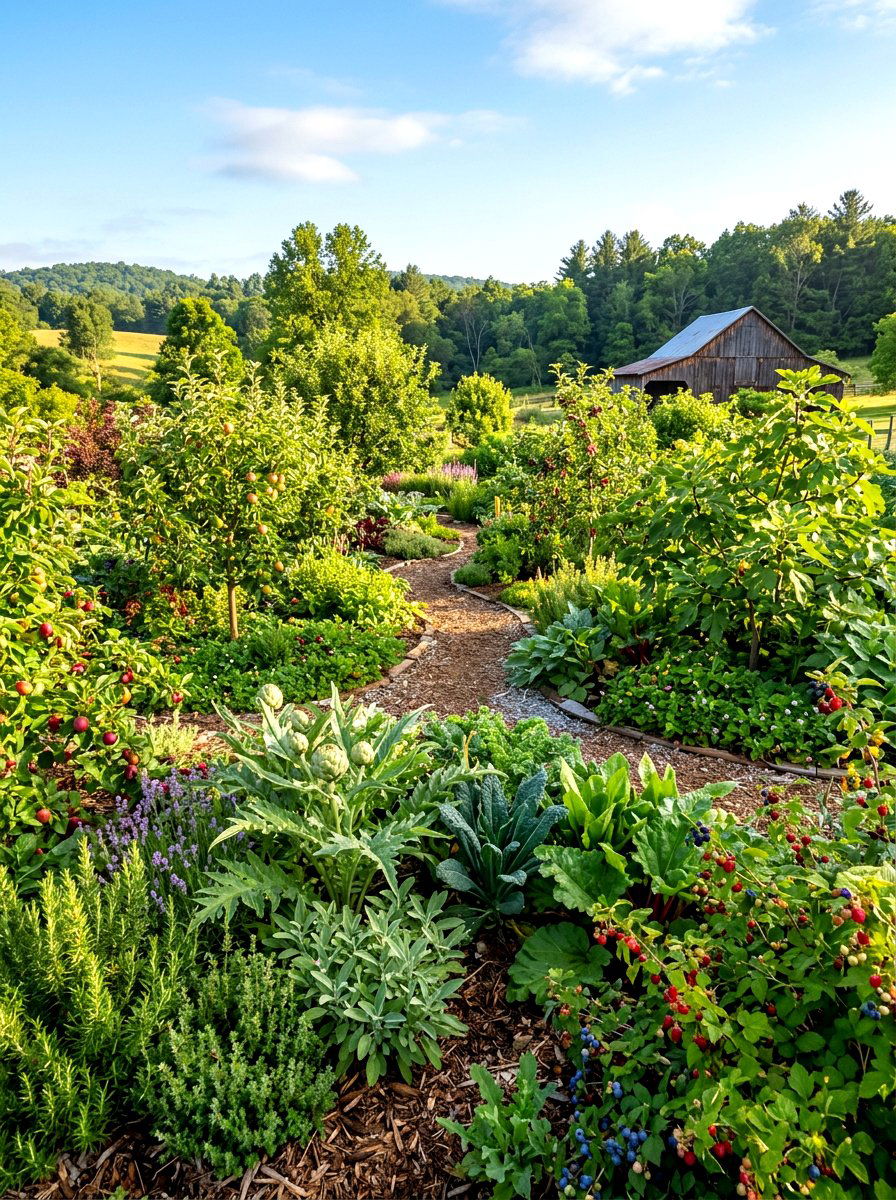
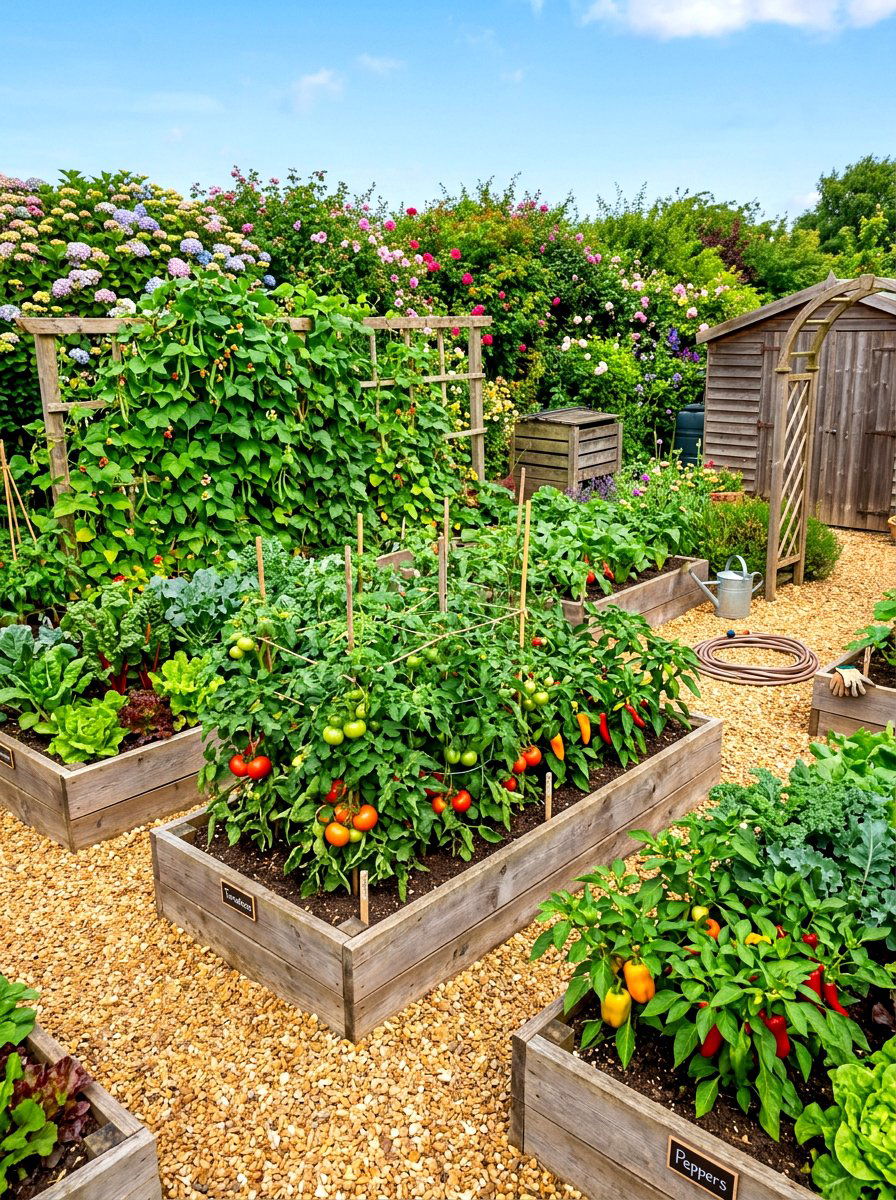
Imagine walking through your backyard and snacking on fresh berries or picking fruit directly from the branch. An edible forest garden combines the principles of natural landscaping with the production of food for your family. It uses a tiered system of fruit trees, nut bushes, and perennial vegetables that grow together in a self-sustaining way. This design reduces the need for heavy tilling or fertilizing because the plants support each other’s growth. It creates a lush, productive environment that looks just as beautiful as an ornamental garden. You get to enjoy the freshest organic harvests while also providing a rich habitat for beneficial insects and birds in your neighborhood.
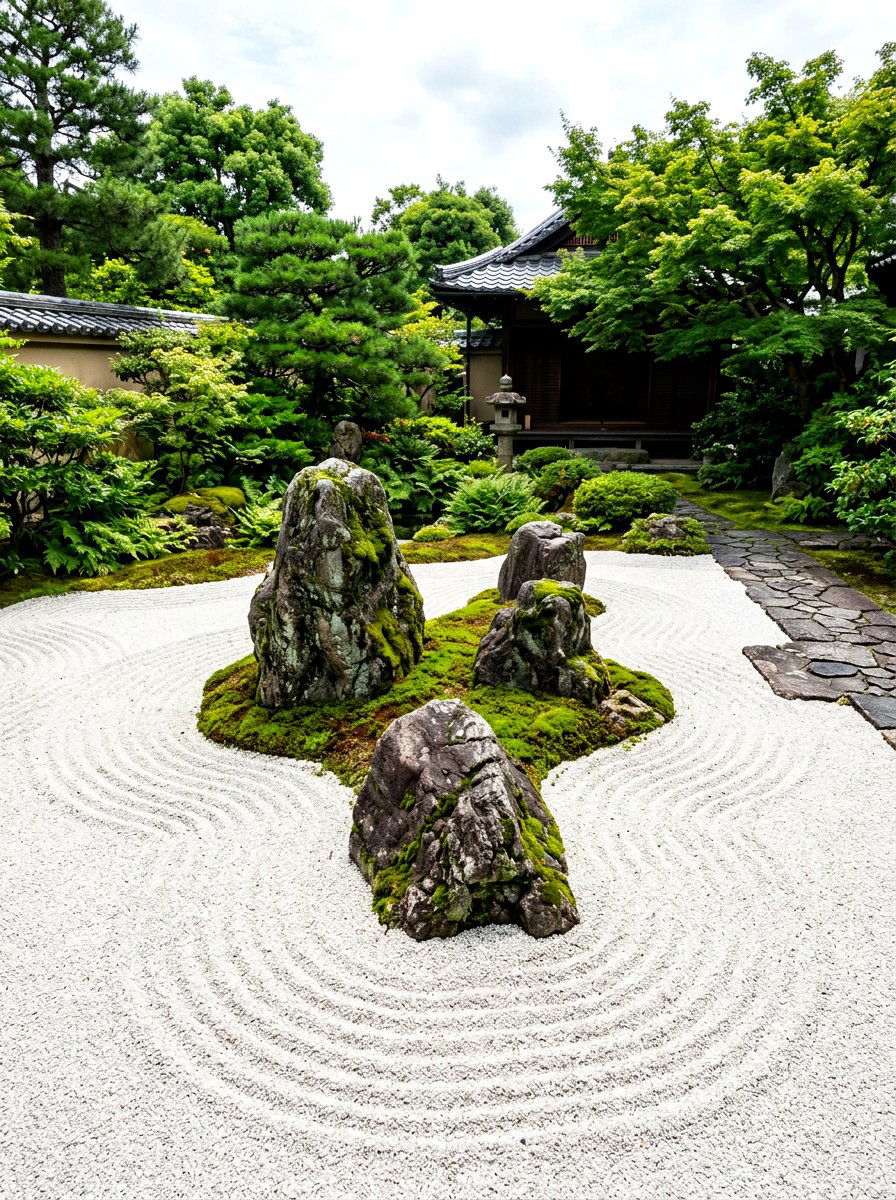
10. Pollinator Garden
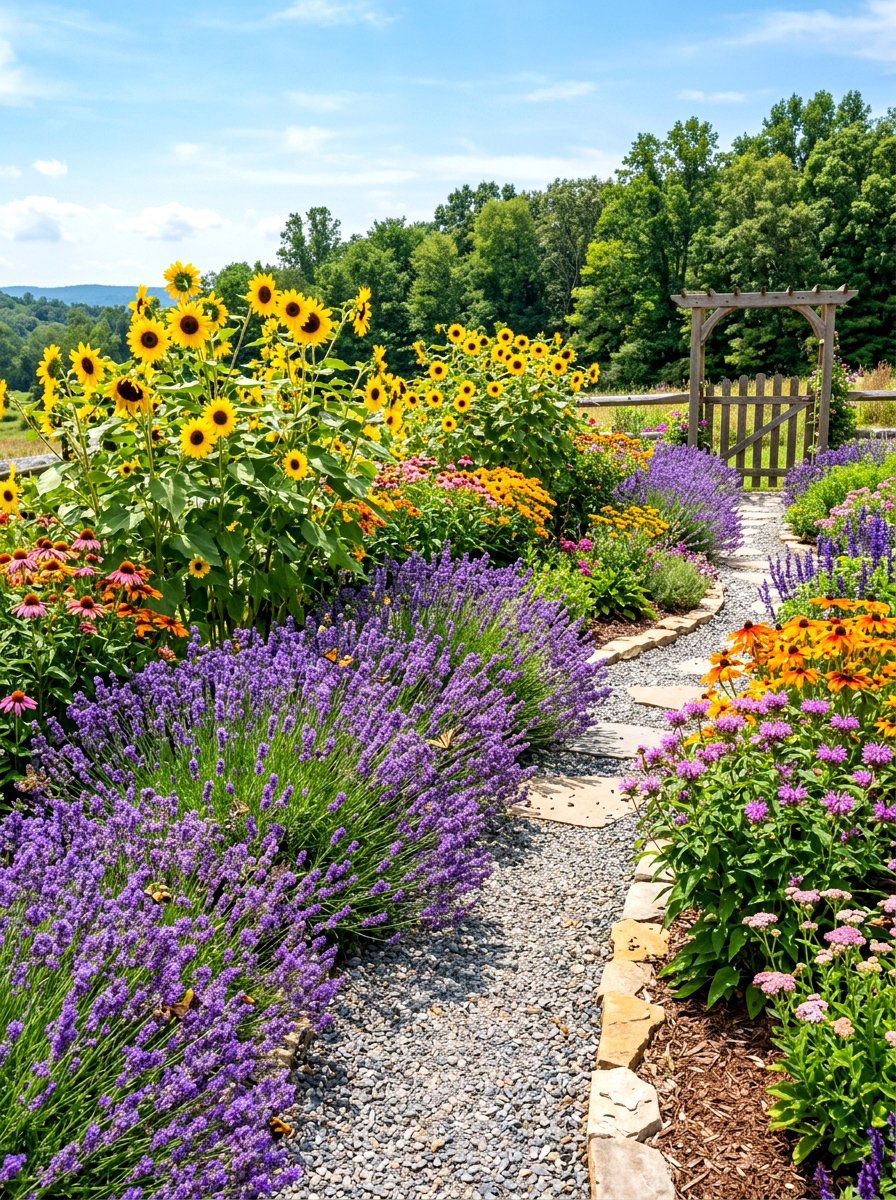
Bees, butterflies, and hummingbirds are essential for a healthy planet, and you can help them thrive in your own yard. A pollinator garden features a wide variety of nectar-rich flowers that bloom at different times throughout the growing season. This ensures that your local winged visitors have a reliable food source from early spring until late autumn. Use groups of the same plant to make it easier for pollinators to find them as they fly by. Including host plants for caterpillars is also vital for supporting the full life cycle of beautiful butterflies. The constant buzzing and fluttering of life in this garden create a sense of wonder and ecological health.
11. Dry Creek Bed
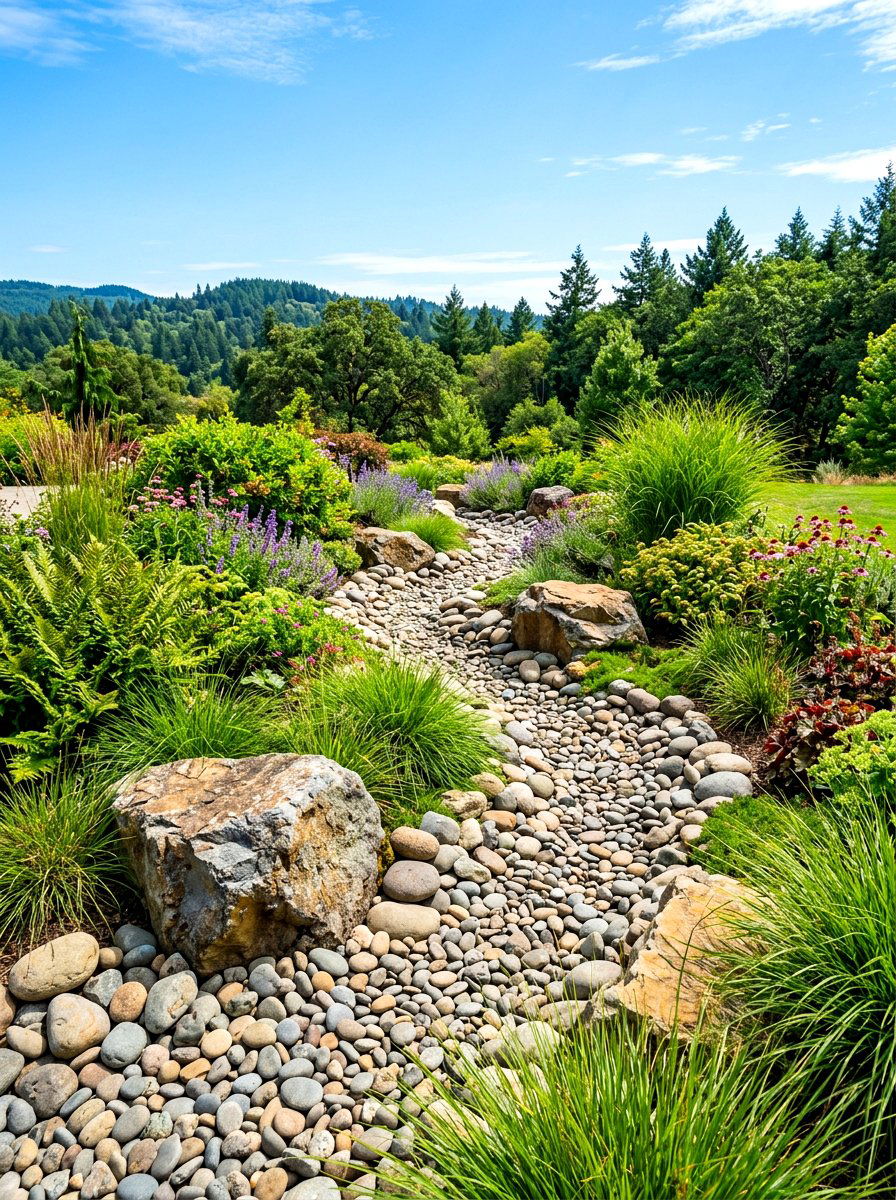
A dry creek bed is a creative way to handle drainage issues while adding a striking visual element to your landscape. This feature consists of a winding path of various sized river rocks and boulders that looks like a natural stream. During heavy rains, it safely directs water away from your home, preventing flooding and soil erosion. When it is dry, it serves as a beautiful textural contrast to the soft green plants surrounding it. You can line the edges with moisture-loving grasses or flowering perennials to enhance the realistic look. It adds a sense of movement and tranquility to the yard without the maintenance required for a running water feature.
12. Natural Swimming Pond
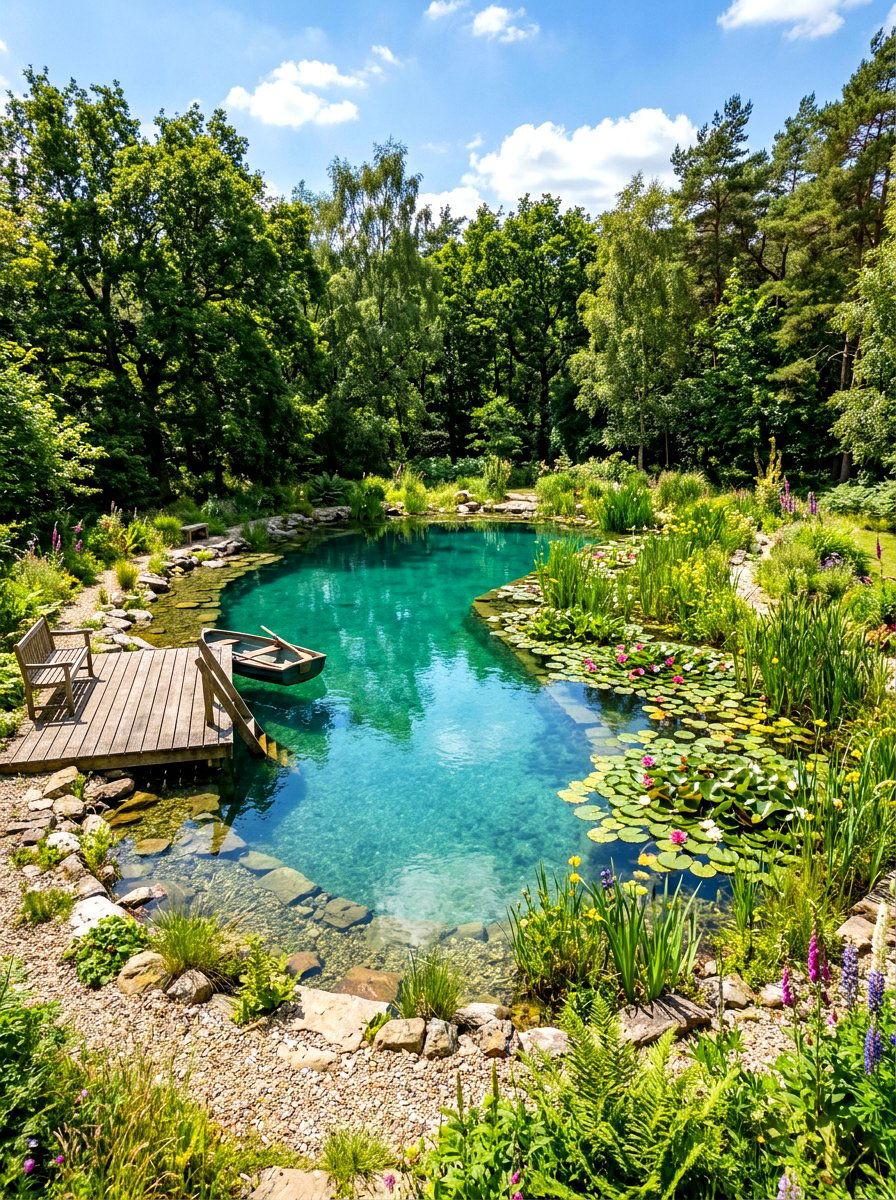
If you love the idea of a backyard pool but hate the chemicals, a natural swimming pond is an incredible alternative. This design uses a dedicated zone of aquatic plants to naturally filter and clean the water instead of using chlorine. The pond is divided into a deep swimming area and a shallow "regeneration zone" where reeds and water lilies thrive. It looks like a beautiful, clear lake that has always been part of your property. The water is soft on the skin and stays crystal clear through biological balance. It creates a stunning focal point that attracts wildlife and provides a refreshing, chemical-free place for your family to swim and relax.
13. Shady Fern Garden
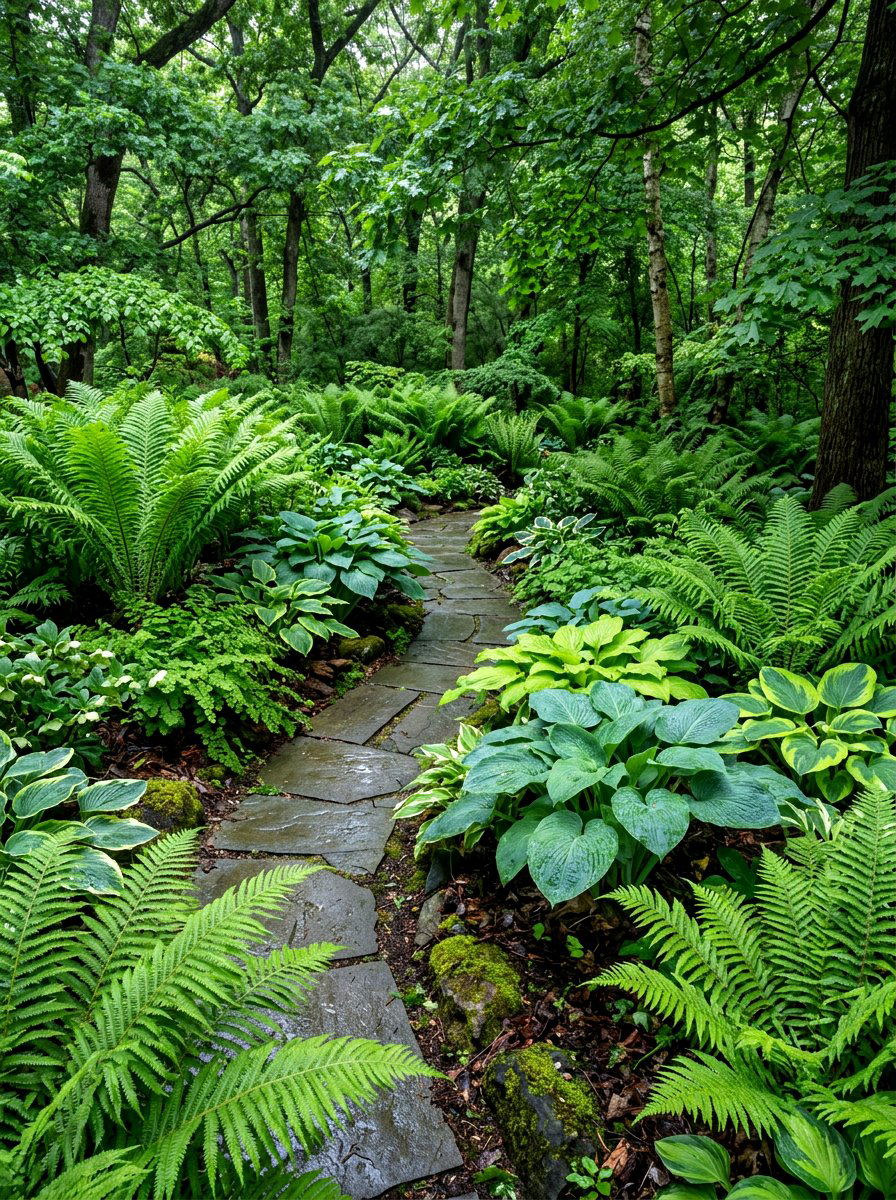
Areas under large shade trees often struggle with traditional grass, but they are the perfect environment for a lush fern garden. Ferns come in an amazing variety of shapes, sizes, and shades of green, from delicate maidenhairs to robust ostrich ferns. Their feathery fronds add a soft, prehistoric elegance to the landscape that feels cool and refreshing. You can pair them with hostas or bleeding hearts to add different leaf textures and occasional pops of color. A thick layer of leaf mulch keeps the soil moist and mimics the natural forest floor where these plants truly thrive. It turns a dark, difficult corner into a vibrant and low-maintenance green tapestry.
14. Prairie Landscape
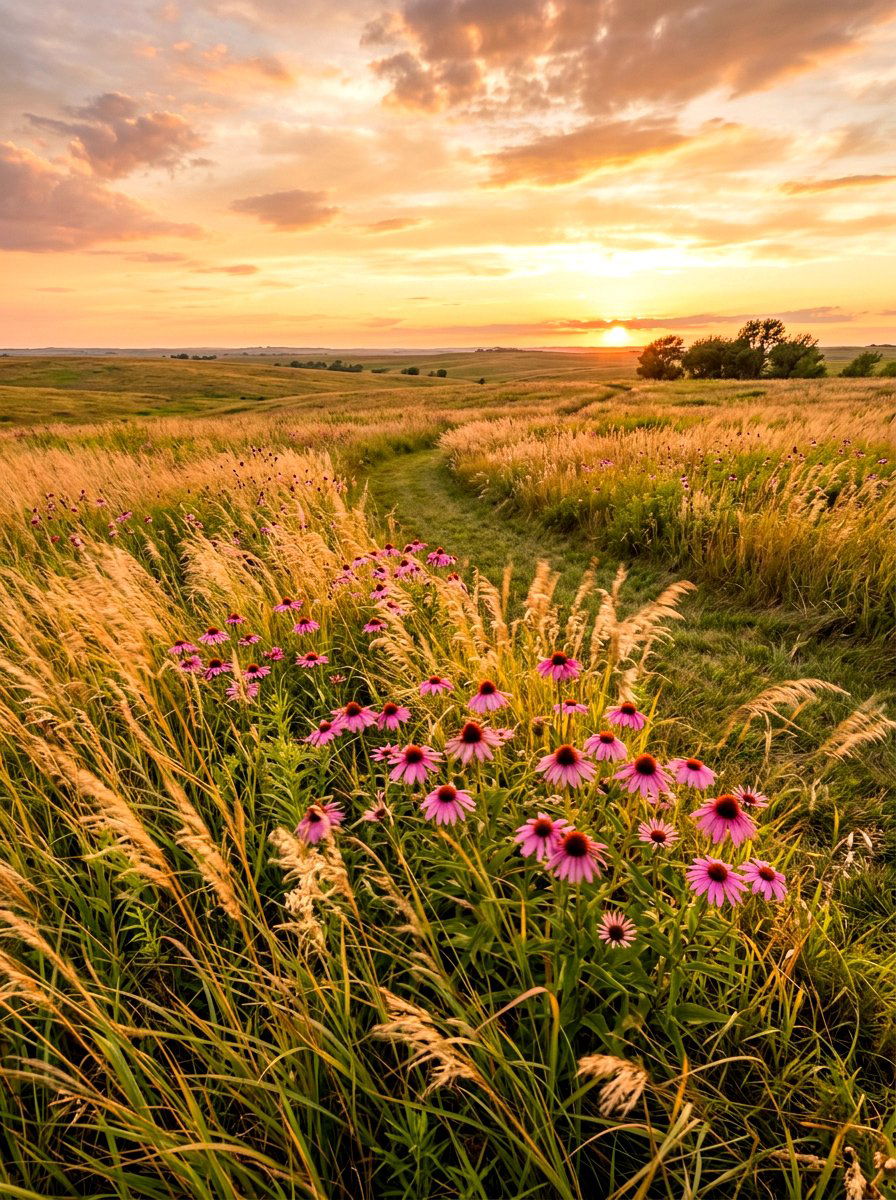
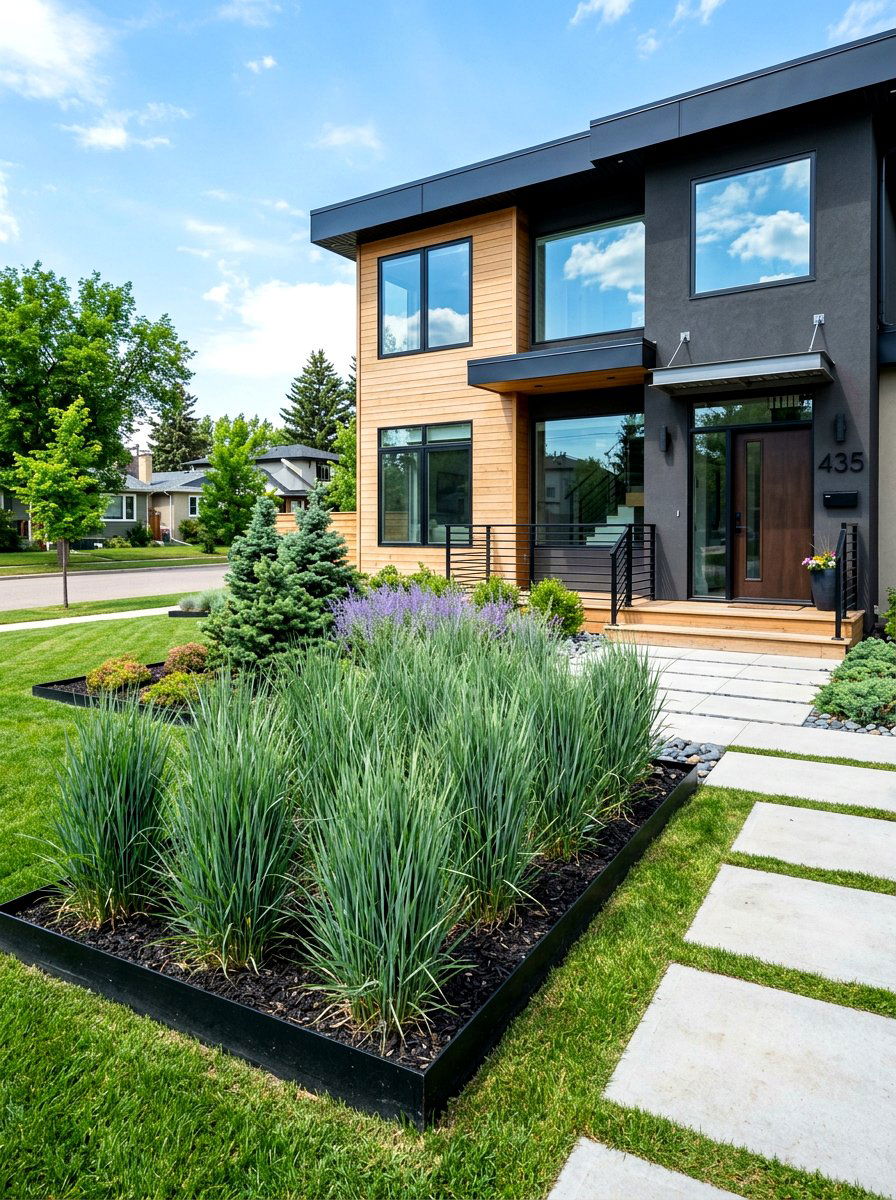
Inspired by the vast open grasslands, a prairie landscape uses a mix of tall native grasses and hardy flowering perennials. This design is known for its incredible height and movement, as the long stems sway gracefully in the wind. The deep root systems of prairie plants make them extremely resilient to both drought and cold winters. They also do a fantastic job of improving soil health and capturing carbon from the atmosphere. During the autumn months, the grasses turn beautiful shades of gold, bronze, and copper, providing interest long after the flowers have faded. It is a bold, sustainable choice that celebrates the natural heritage of the open plains.
15. Meadow Grass
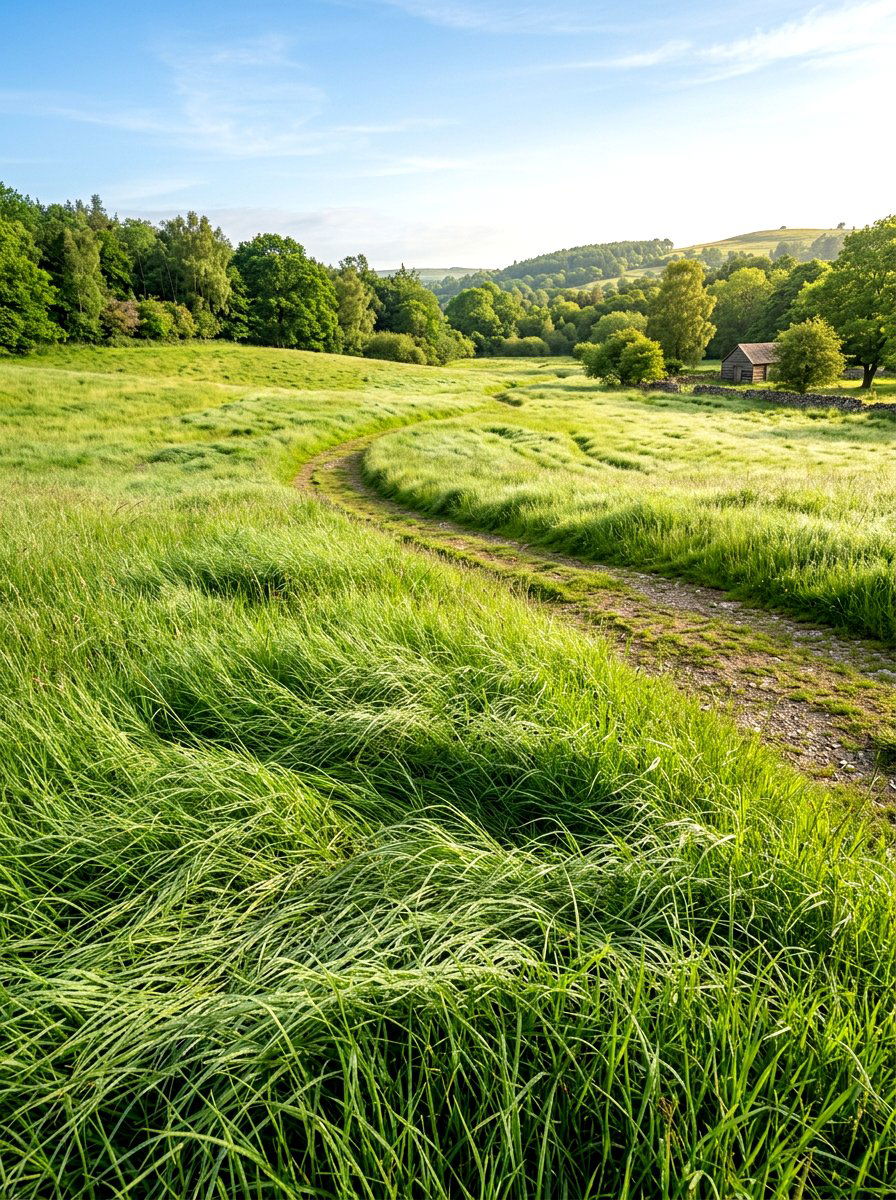
Replacing a high-maintenance lawn with low-growing meadow grasses can significantly reduce your weekend chores. These grasses are typically finer and more drought-tolerant than standard turf, often requiring much less water and fertilizer. They can be left to grow long for a soft, wavy look or mown occasionally for a more controlled appearance. This choice creates a soft, natural carpet that feels wonderful underfoot and looks much more integrated with the surrounding landscape. It provides a better habitat for small insects and requires no chemical treatments to stay green. It is a practical and environmentally friendly way to maintain an open green space for children and pets to enjoy safely.
16. Coastal Native Backyard
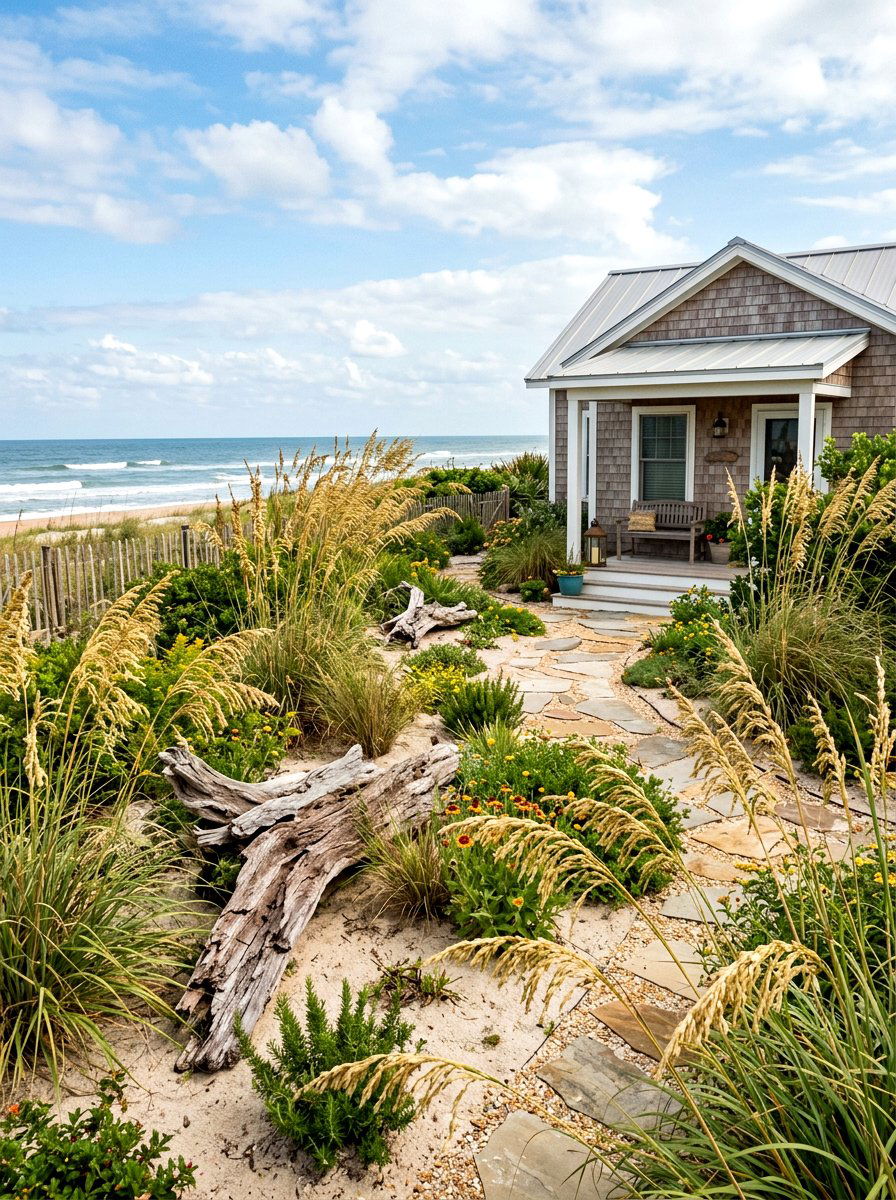
Properties near the ocean face unique challenges like salt spray, sandy soil, and high winds, which coastal native plants handle with ease. A coastal native backyard uses hardy species like sea oats, bayberry, and beach plums that have evolved to thrive in these conditions. These plants help stabilize dunes and prevent sand from blowing into your outdoor living areas. The colors often lean toward soft grays, blues, and muted greens that perfectly complement the seaside light and atmosphere. Using weathered driftwood or local shells as decorative accents adds to the authentic coastal feel. This design is incredibly low-maintenance and protects the delicate balance of the nearby shoreline environment.
17. Moss Garden
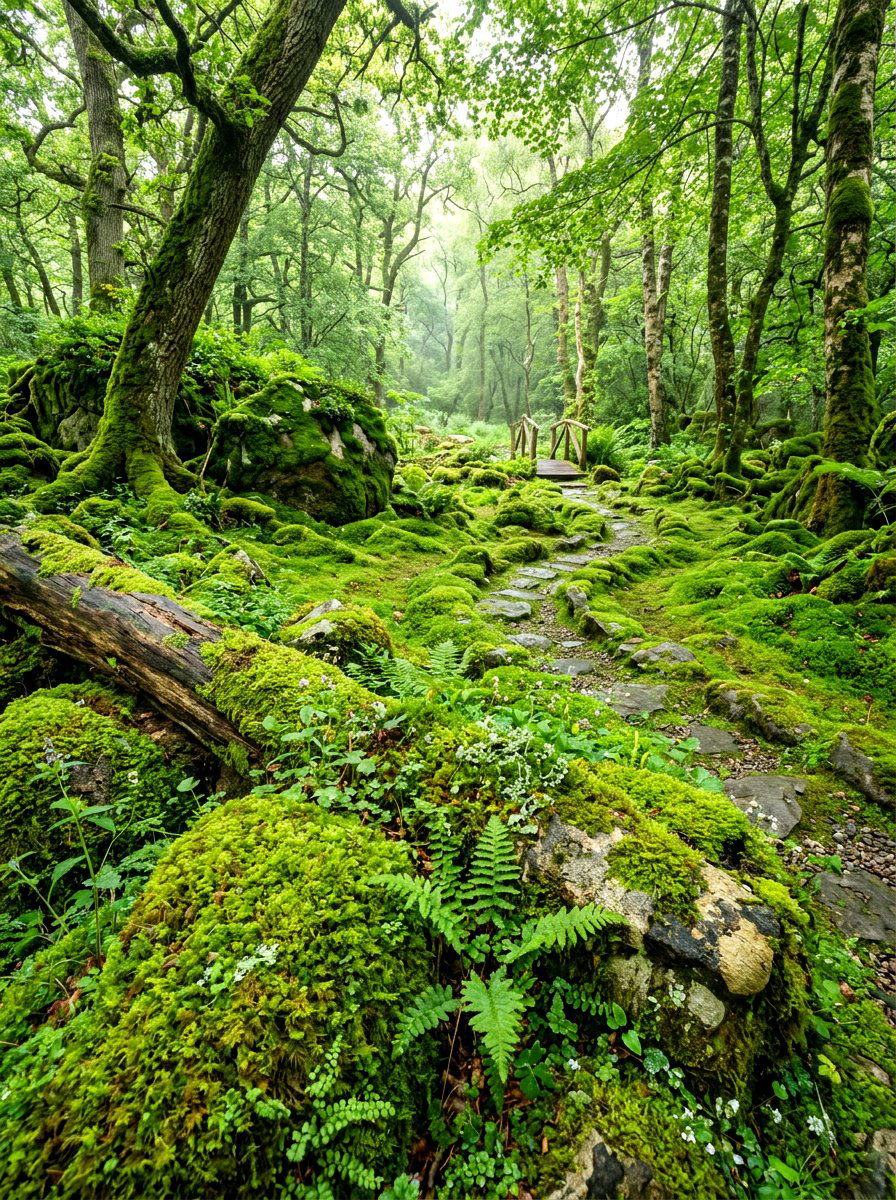
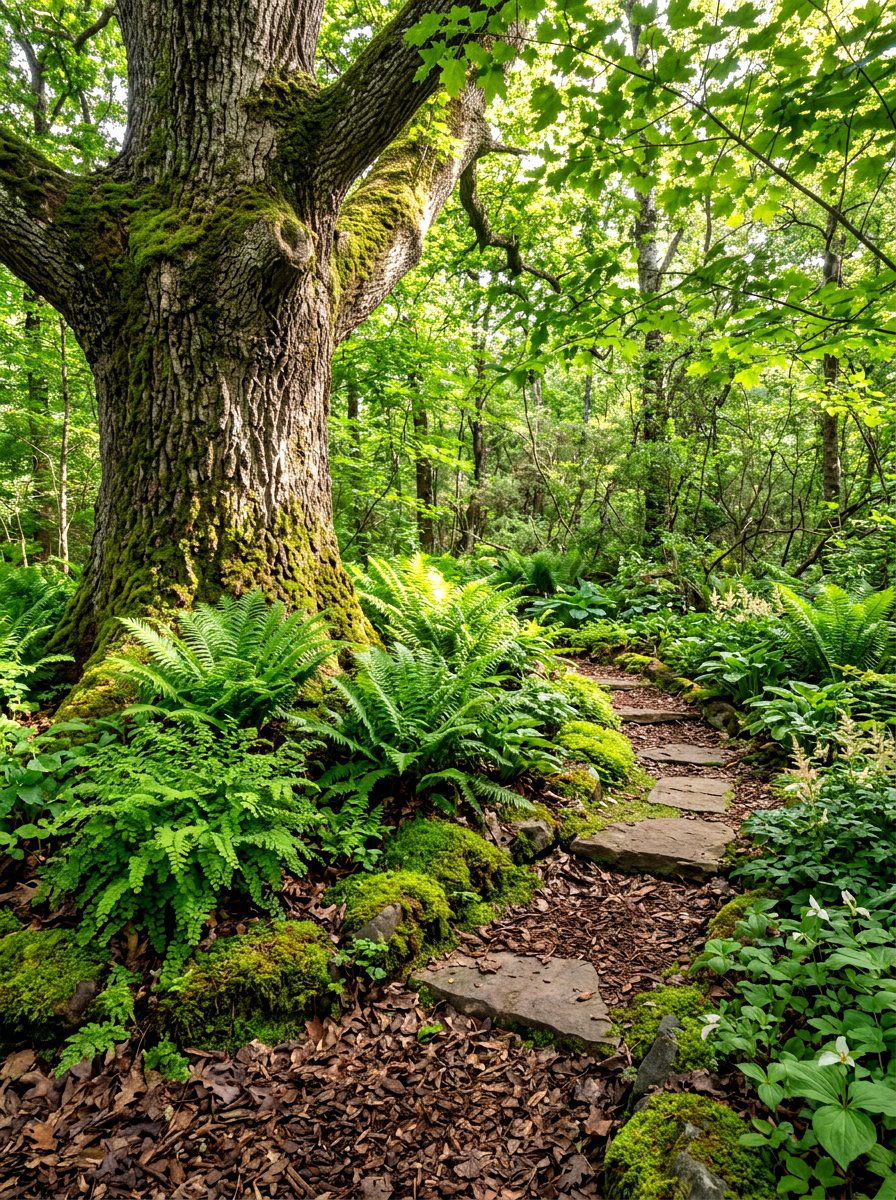
For a truly serene and magical atmosphere, consider encouraging moss to grow in the damp, shaded parts of your yard. A moss garden creates a velvety green carpet that feels incredibly soft and looks like something out of a fairy tale. Moss doesn't have traditional roots, so it can grow on rocks, logs, and compacted soil where other plants fail. It requires no mowing, no fertilizer, and very little water once it is established in the right environment. Walking barefoot on a thick bed of moss is a wonderful sensory experience that connects you directly to the earth. It provides a peaceful, evergreen foundation that stays beautiful even during the coldest winter months.
18. Log Retaining Wall
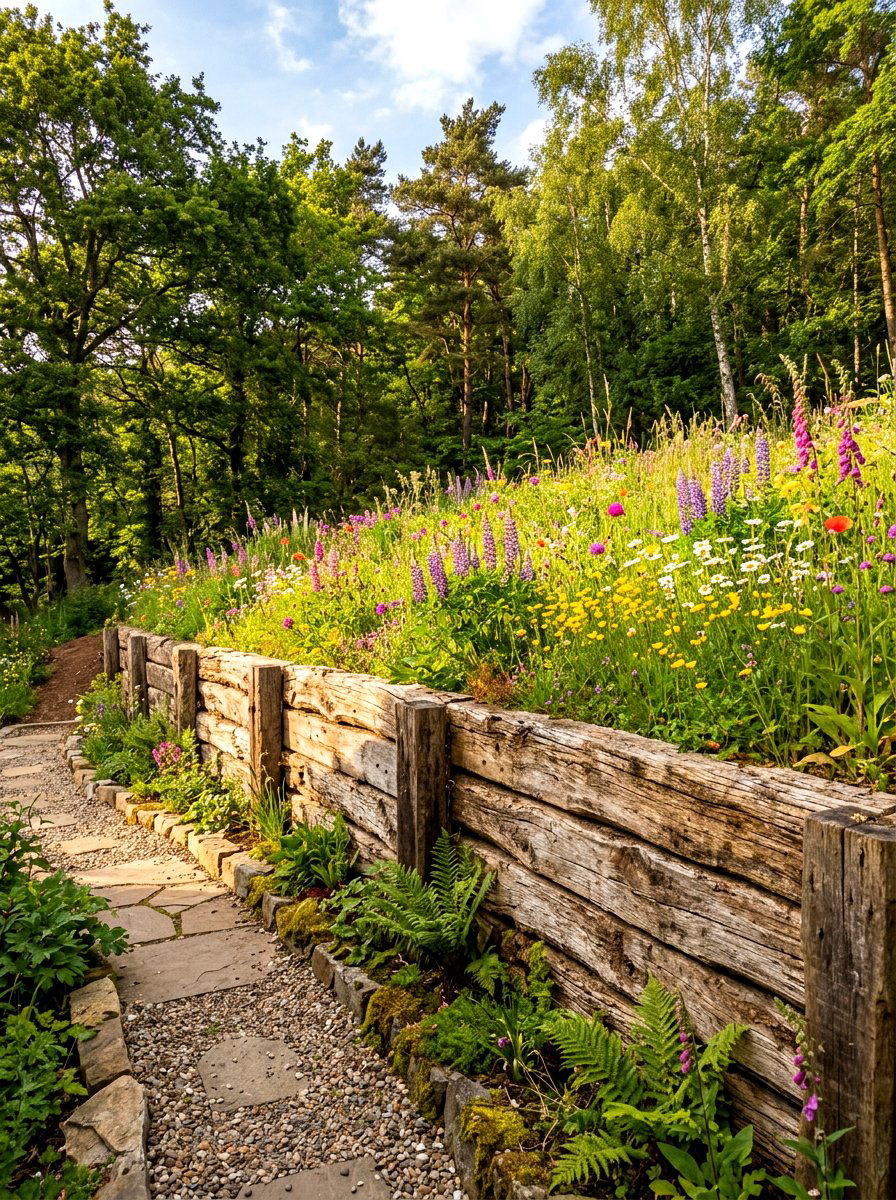
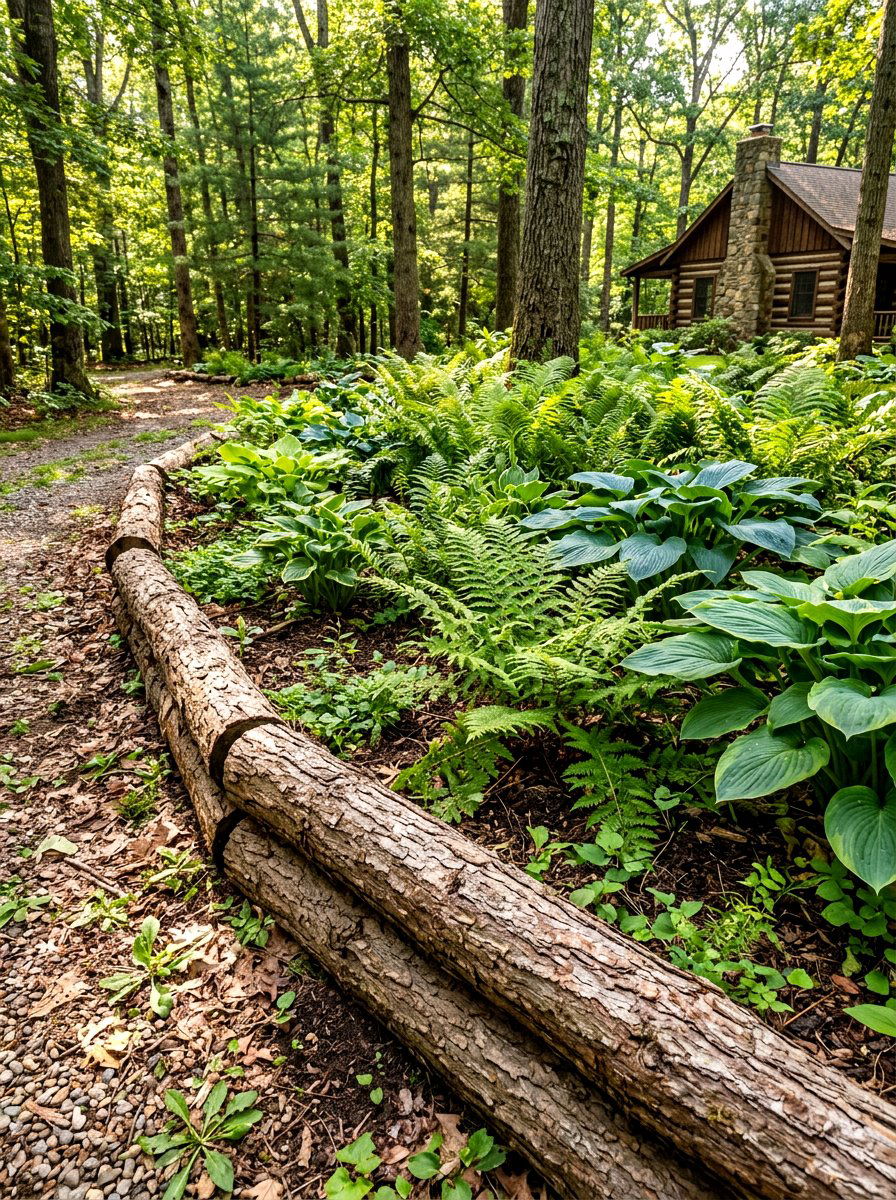
Instead of using cold concrete or expensive treated lumber, a log retaining wall uses natural timber to manage slopes and elevation changes. This choice blends perfectly into a rustic or woodland landscape, looking more like a fallen tree than a man-made structure. As the wood slowly ages and weathers, it develops a beautiful patina and may even host interesting fungi or mosses. You can plant trailing flowers or ferns in the gaps to further soften the appearance and anchor the soil. It is an eco-friendly way to use local materials and create distinct levels in your yard. The natural texture of the wood provides a warm and inviting feel to the entire outdoor space.
19. Gravel Garden
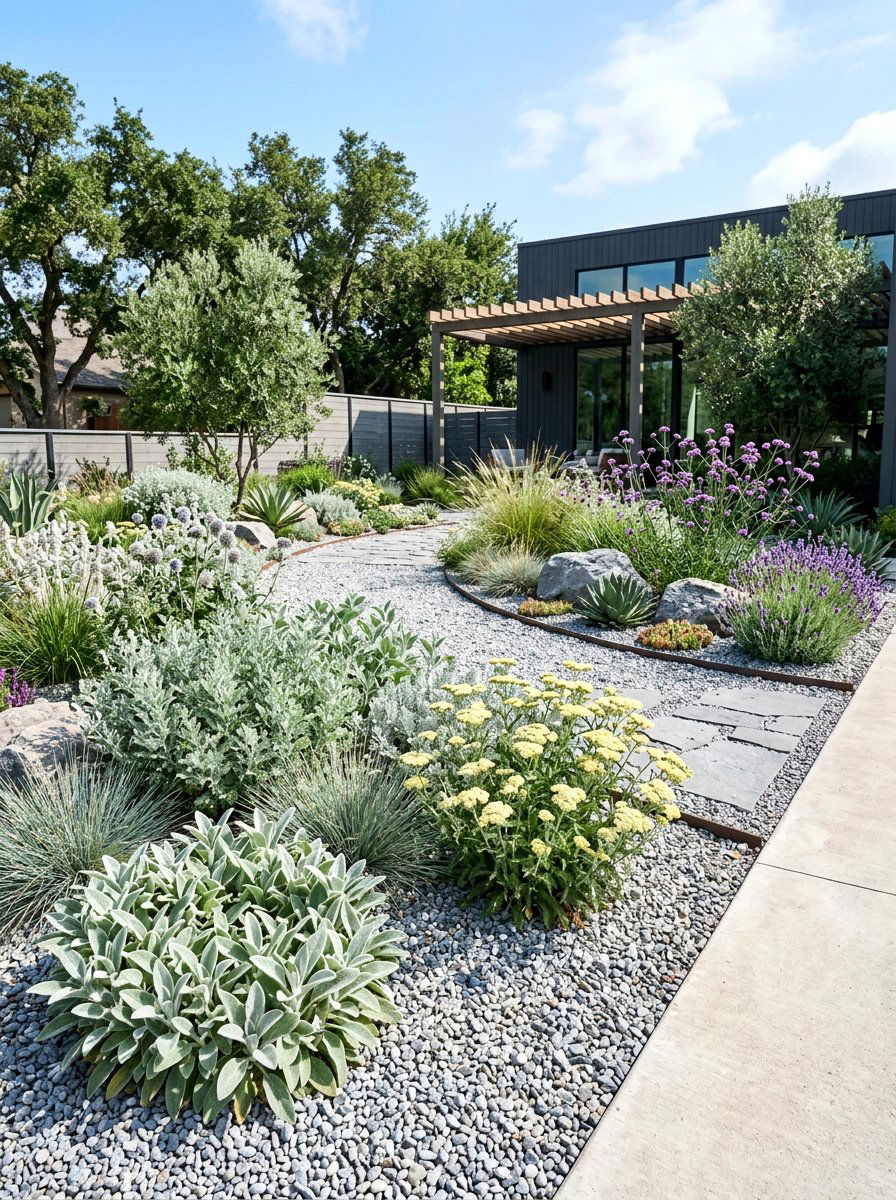
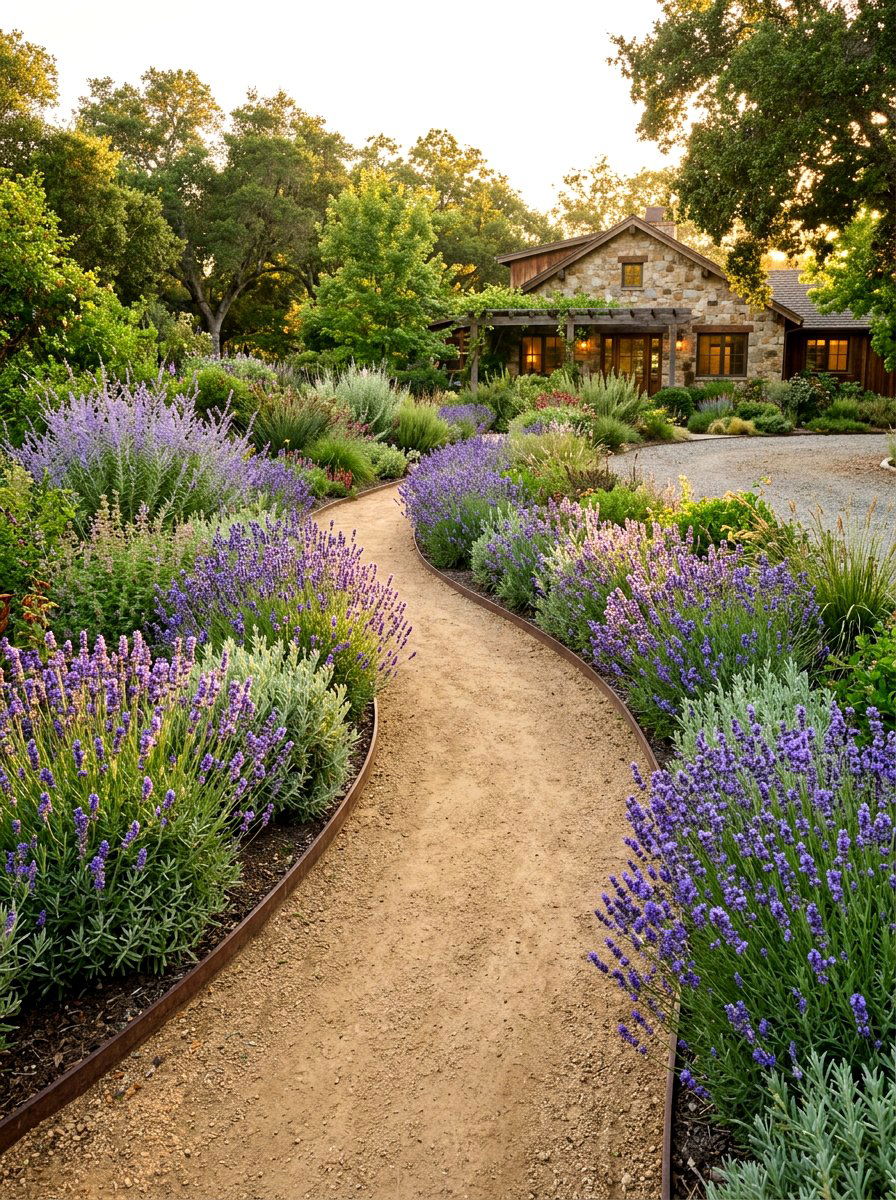
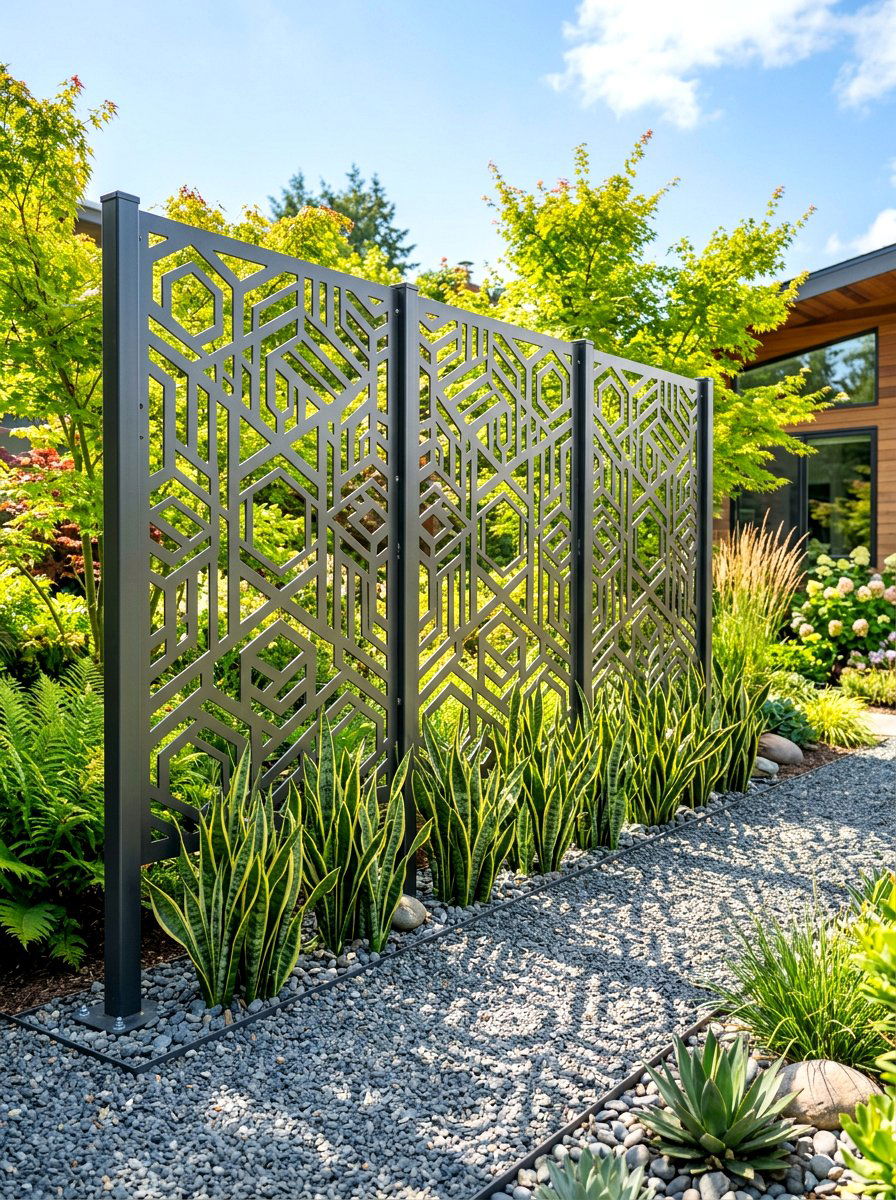
A gravel garden is a sophisticated and highly sustainable option for those who want a clean, minimalist look with very little work. This design involves planting hardy perennials and grasses directly into a thick layer of crushed stone or gravel. The gravel acts as a permanent mulch, suppressing weeds and helping the soil retain moisture while providing excellent drainage. Plants like lavender, sage, and ornamental grasses look stunning against the neutral tones of the stones. This style is particularly effective in Mediterranean or contemporary landscapes where structure and simplicity are key. It eliminates the need for a lawn entirely, making it one of the most water-wise and low-maintenance options available.
20. Native Hedge
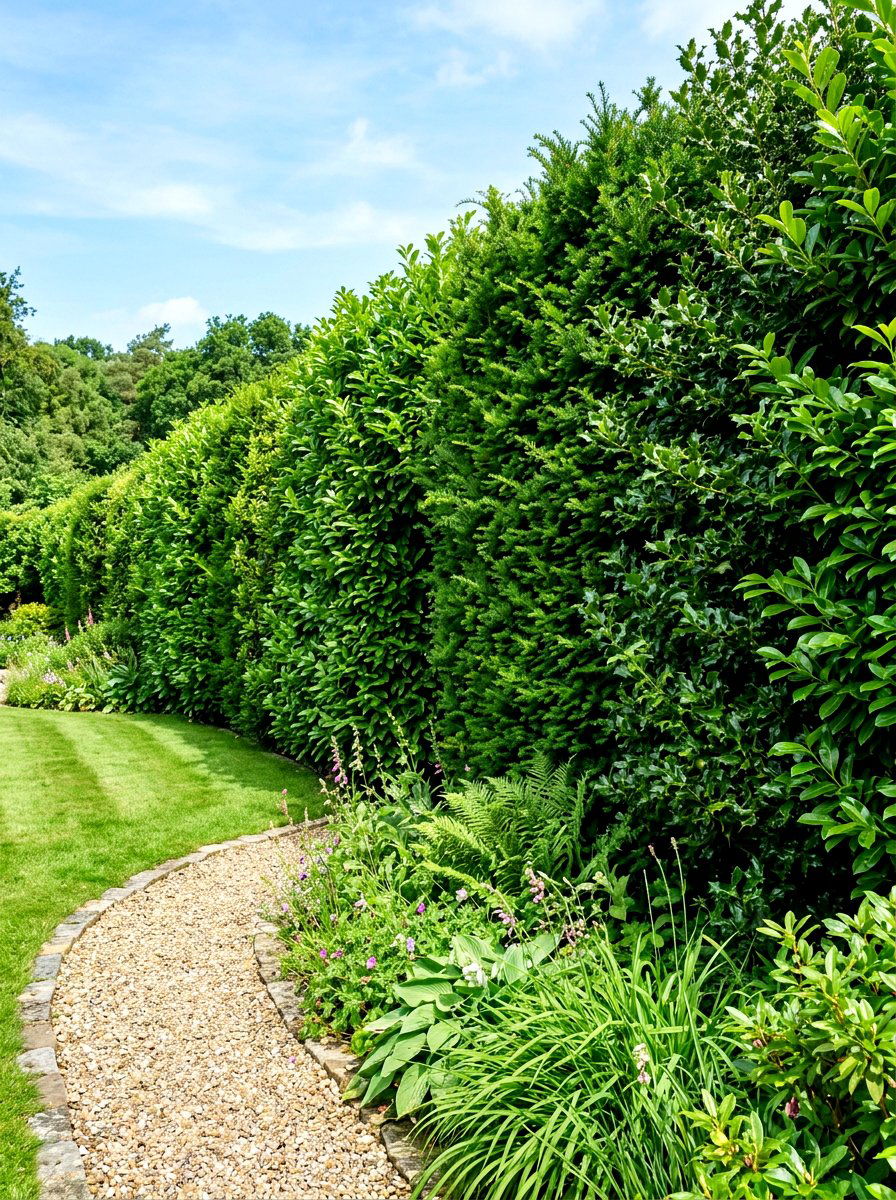
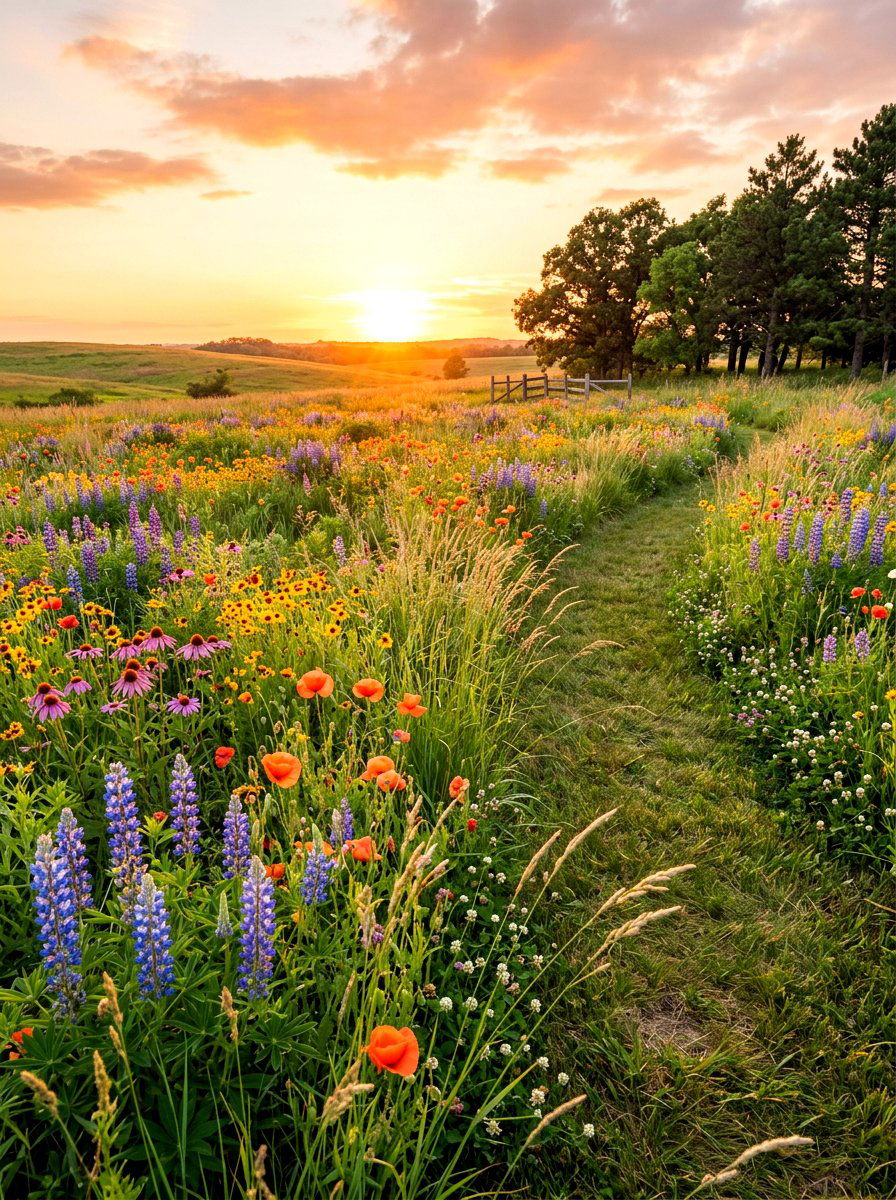
Traditional privacy fences can feel cold and restrictive, but a native hedge provides a living boundary that serves multiple purposes. By using indigenous shrubs like viburnum, cedar, or wax myrtle, you create a thick wall of greenery that blocks unwanted views and muffles street noise. Unlike a wooden fence, a living hedge provides food and nesting sites for birds throughout the year. These plants are already adapted to your local pests and weather, so they stay healthy with minimal pruning. The changing colors of the leaves and the appearance of berries or flowers add seasonal interest that a static fence simply cannot offer. It is a beautiful and ecological way to secure your privacy.
21. Bird Friendly Yard
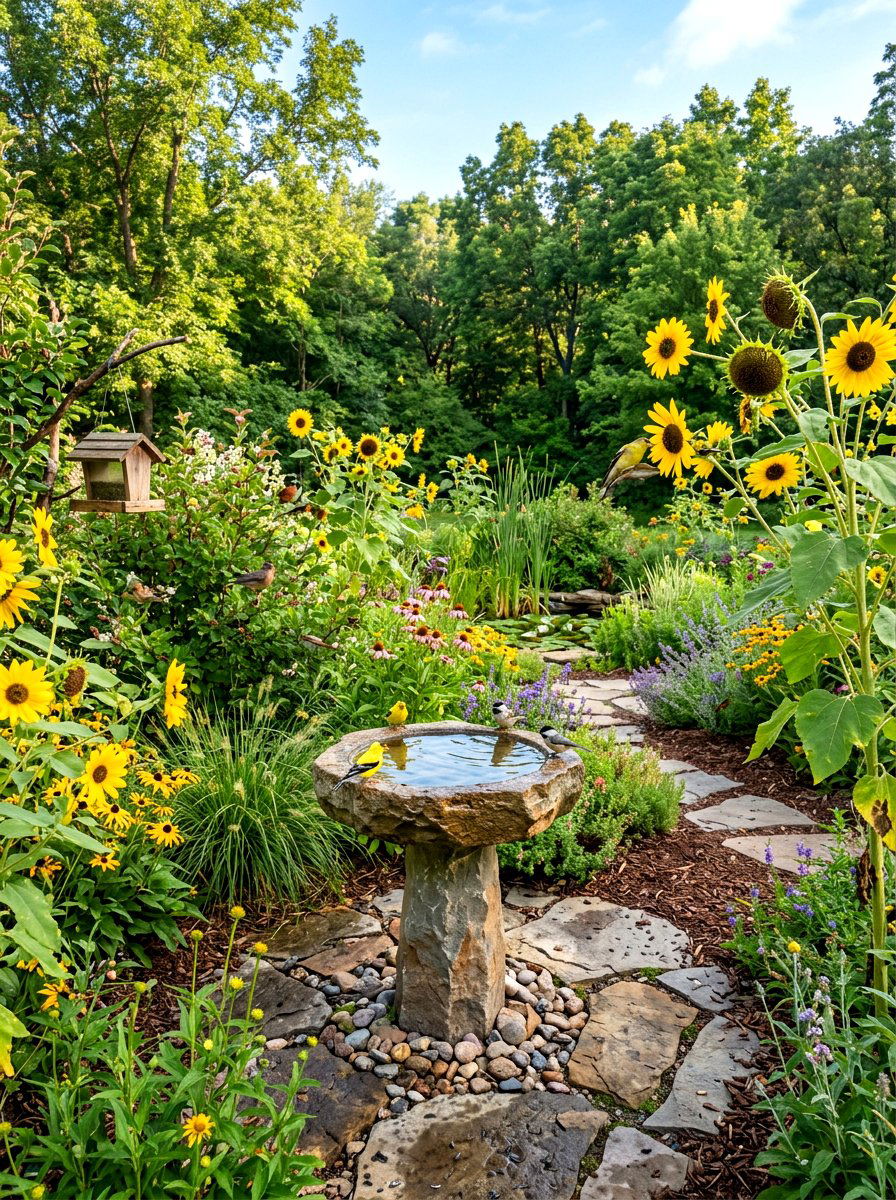
If you enjoy the cheerful songs and vibrant colors of local birds, you can design your entire landscape to attract them. A bird friendly yard prioritizes plants that produce seeds, nectar, and berries that birds love to eat. Providing different layers of vegetation, such as tall trees for nesting and dense shrubs for protection, makes birds feel safe and welcome. You can also include a clean water source, like a simple birdbath or a small fountain, for them to drink and bathe in. By avoiding pesticides, you ensure there are plenty of healthy insects for mother birds to feed their young. It turns your backyard into a lively and entertaining theater of nature.
22. Butterfly Garden
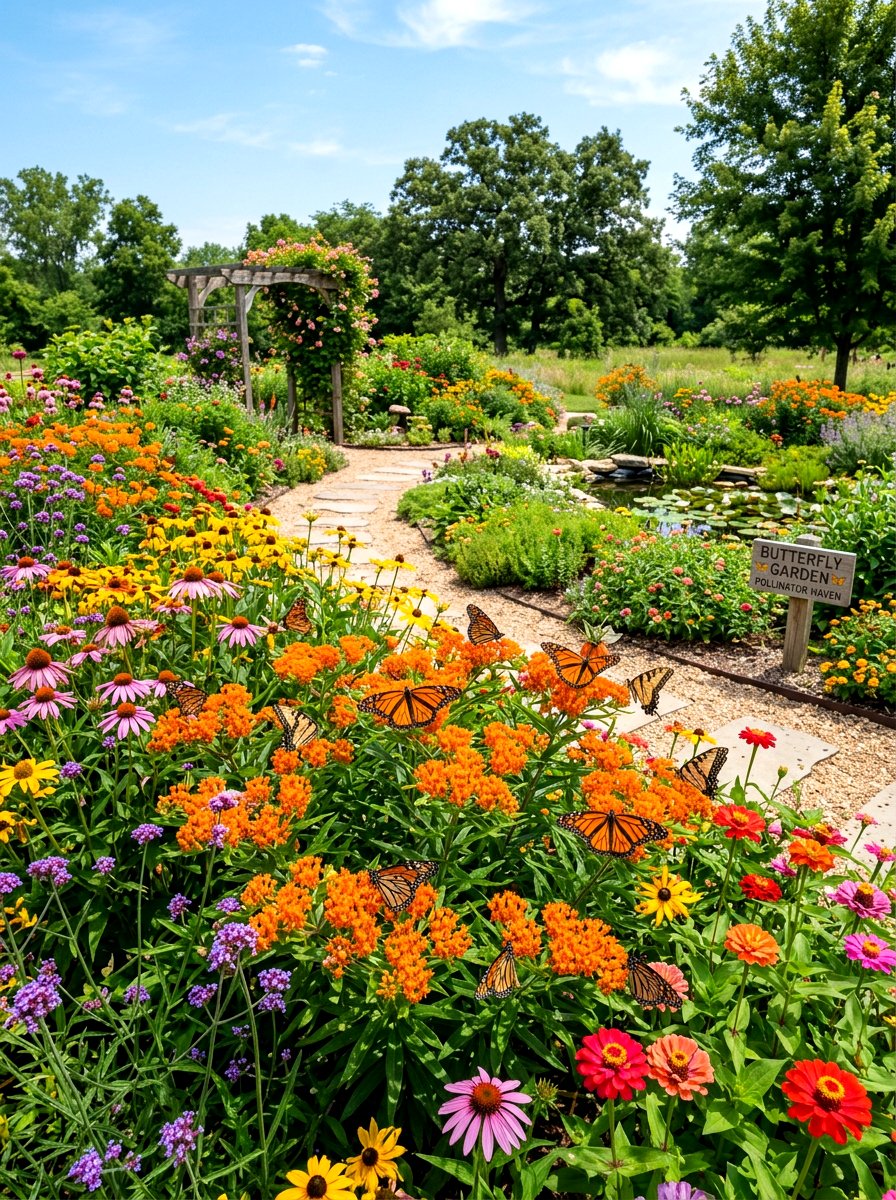
Focusing your landscaping efforts on the needs of butterflies can turn your yard into a colorful and fluttering paradise. A butterfly garden needs plenty of sunlight and shelter from strong winds, along with a variety of nectar-rich flowers. It is important to include specific "host plants" where butterflies can lay their eggs and caterpillars can feed, such as milkweed for Monarchs. Adding a few flat stones in sunny spots gives butterflies a place to warm their wings and rest. A shallow "puddling" area with moist sand provides them with essential minerals. This design creates a magical environment that is educational for children and incredibly beneficial for these delicate and beautiful insects.
23. Natural Water Feature
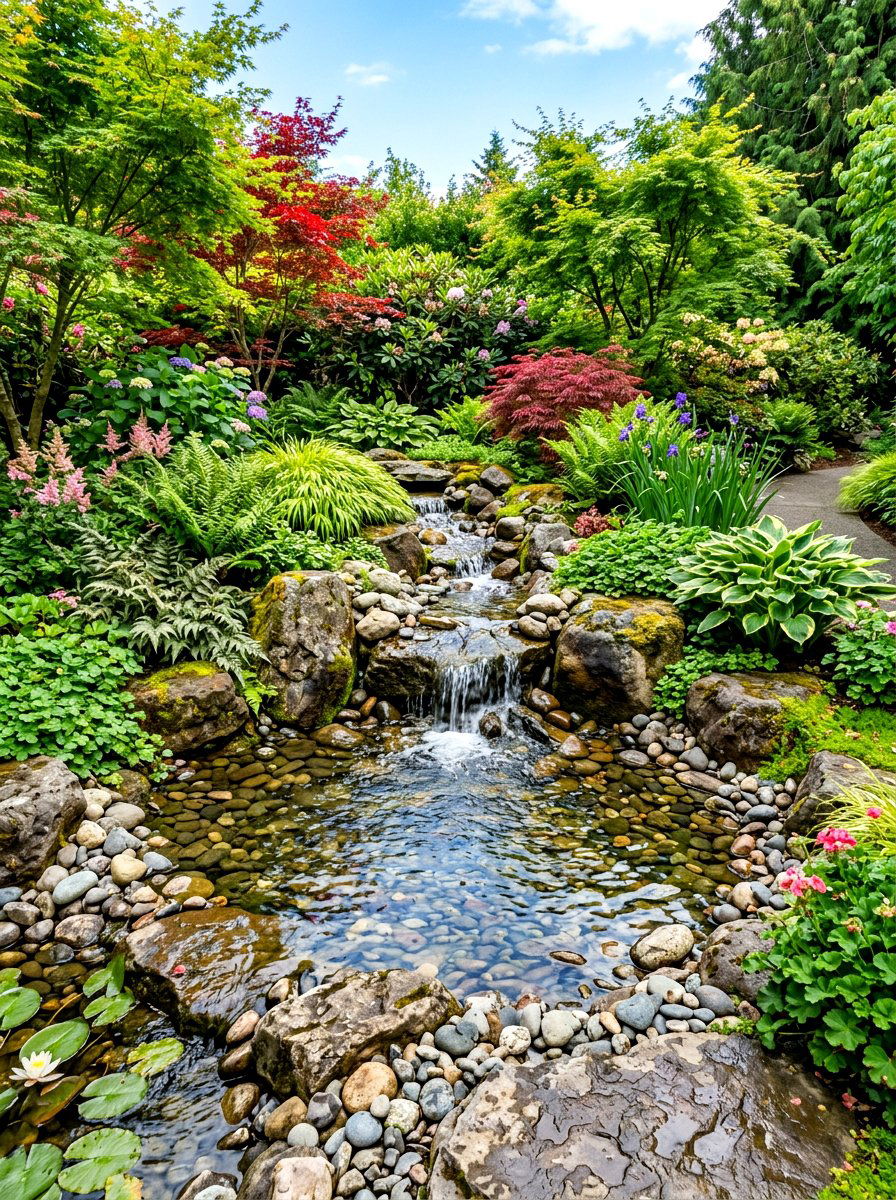
The sound of trickling water can instantly lower stress and create a sense of peace in any outdoor environment. A natural water feature, such as a small waterfall or a bubbling boulder, adds a focal point that feels like it belongs in the wild. Unlike formal fountains, these designs use local stones and aquatic plants to blend into the surrounding greenery. The movement of the water keeps it oxygenated and prevents mosquitoes from breeding, while also attracting thirsty wildlife. Whether it is a tiny pond or a simple stone basin, the reflection of the sky and the gentle sound bring a new dimension of tranquility to your daily outdoor experience.
24. Xeriscape Front Yard
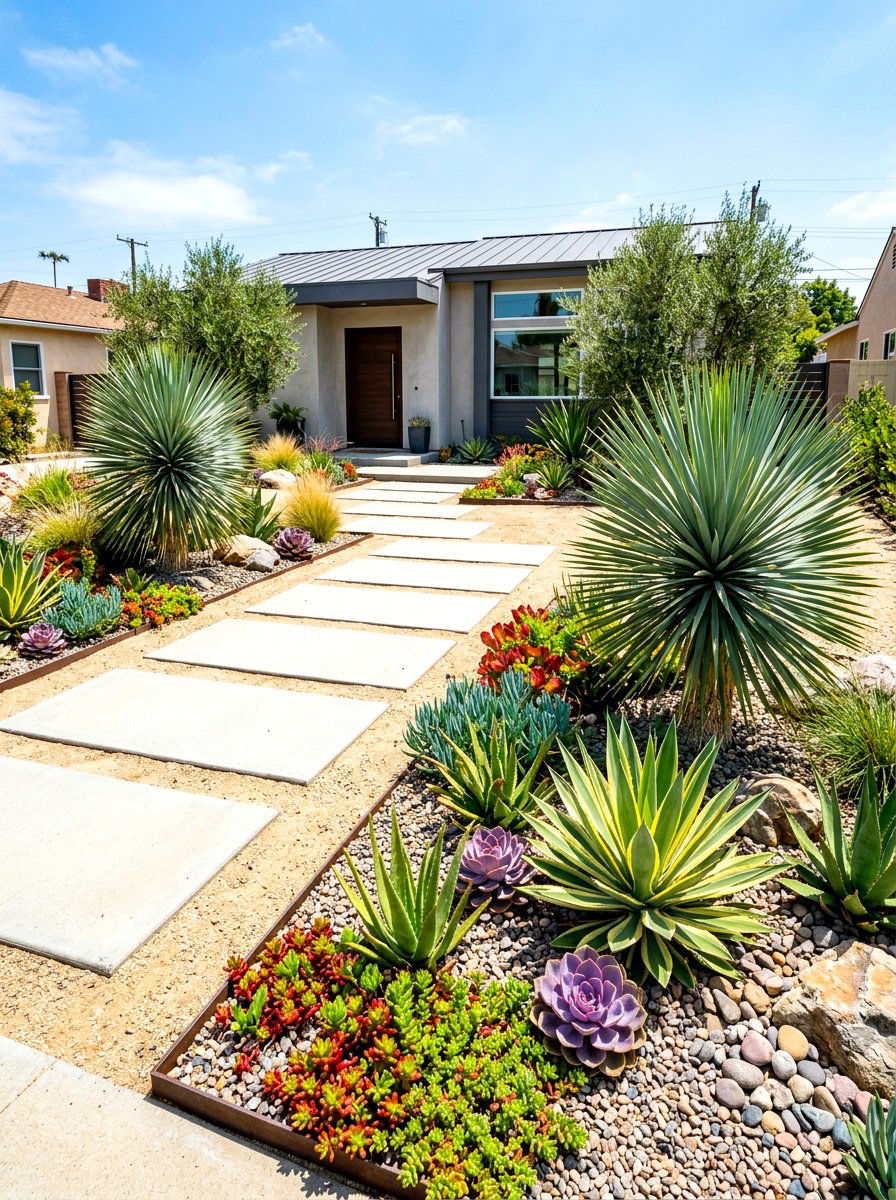
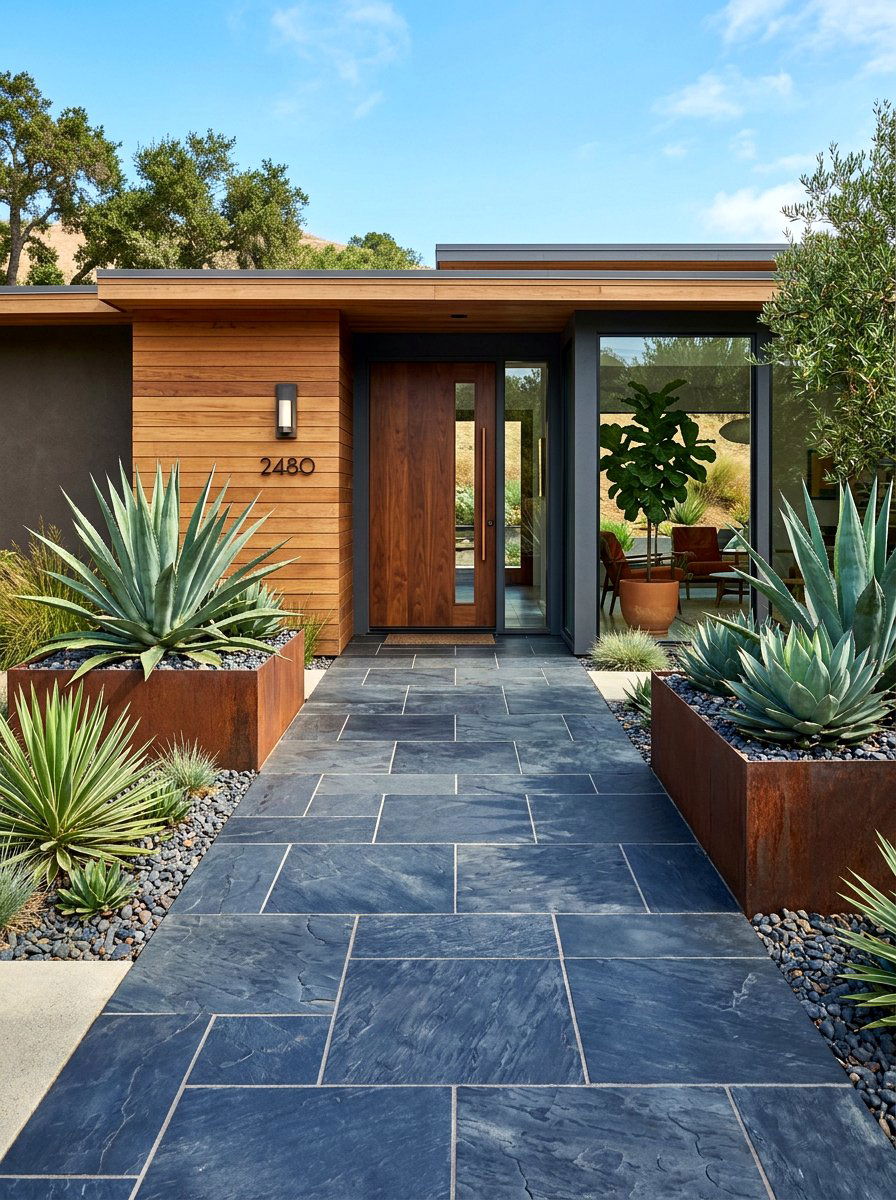
First impressions matter, and a xeriscape front yard offers a modern and environmentally responsible way to boost your home's curb appeal. This landscaping style eliminates the need for traditional irrigation by using extremely drought-tolerant plants and decorative mulches. You can use a mix of colorful succulents, architectural yuccas, and hardy groundcovers to create a visual feast that requires almost no water. This design looks professional and intentional, showing that a sustainable yard can be just as beautiful as a manicured lawn. It saves you time and money on maintenance while making a positive statement about water conservation in your community. The textures and shapes are uniquely striking and memorable.
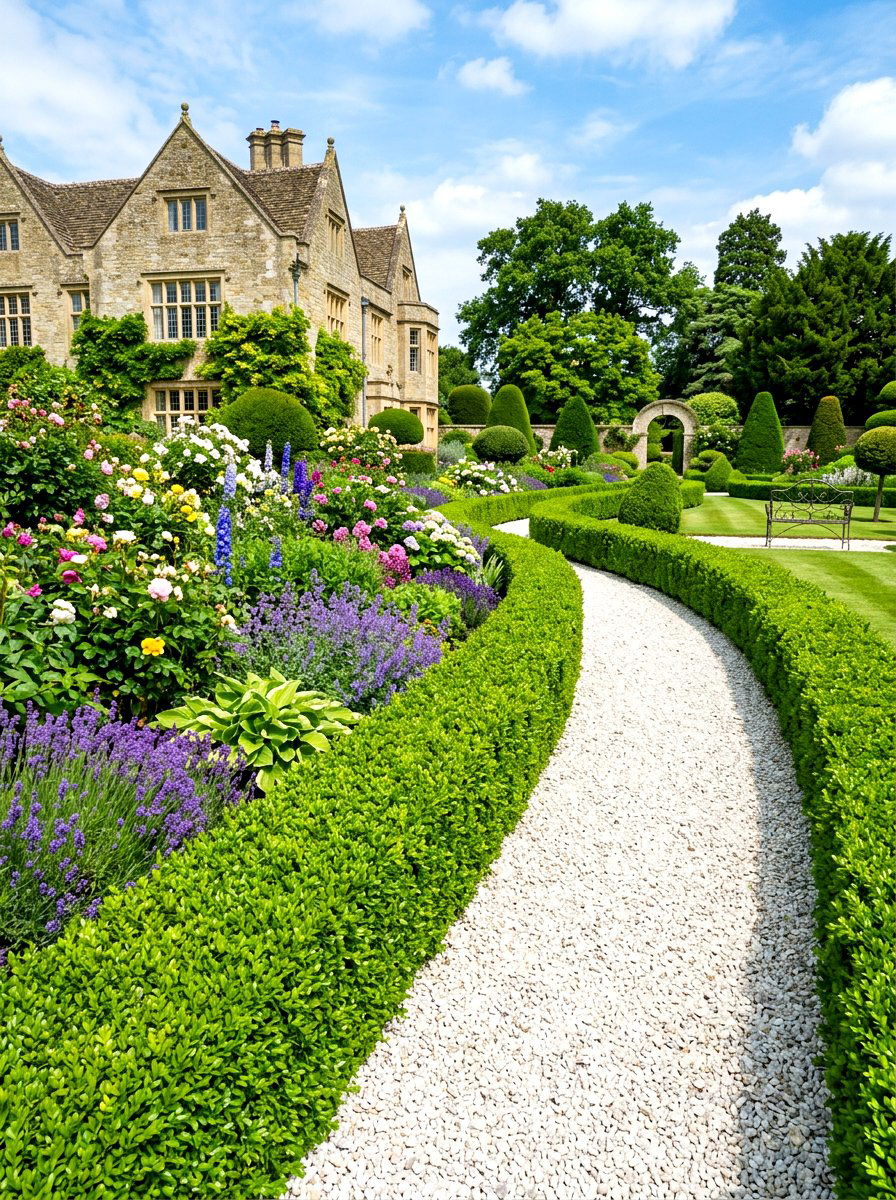
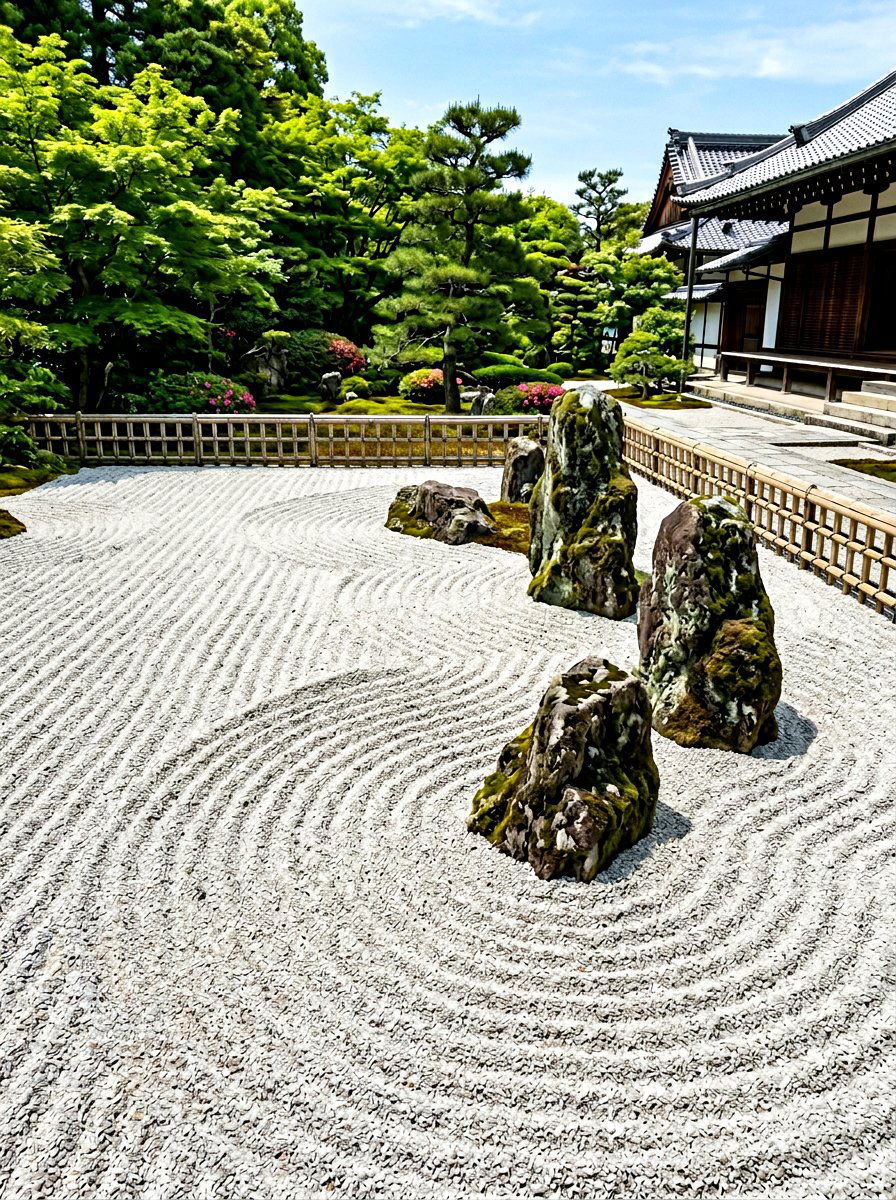
25. Rustic Wood Fence
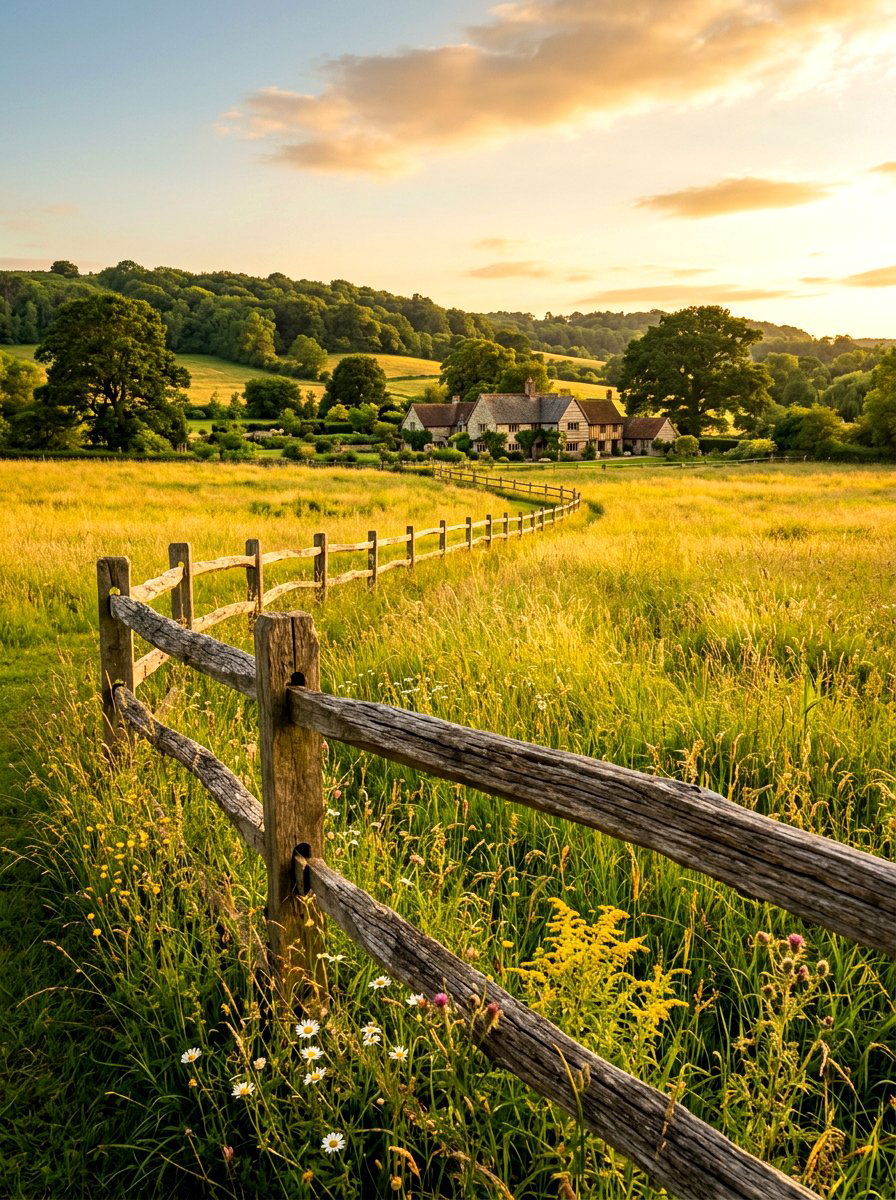
Framing your natural landscape with a rustic wood fence can add a sense of charm and boundary without feeling too formal. Using reclaimed timber, split-rail fencing, or wattle hurdles made from woven branches keeps the look organic and earthy. These types of fences allow some light and air to pass through, making the yard feel open and connected to the wider world. You can grow climbing plants like honeysuckle or native clematis along the fence to add fragrance and color. Over time, the wood will silver and age naturally, blending perfectly into the trees and shrubs around it. It provides a classic, timeless look that enhances the overall natural aesthetic of your property.
26. Ground Cover Lawn
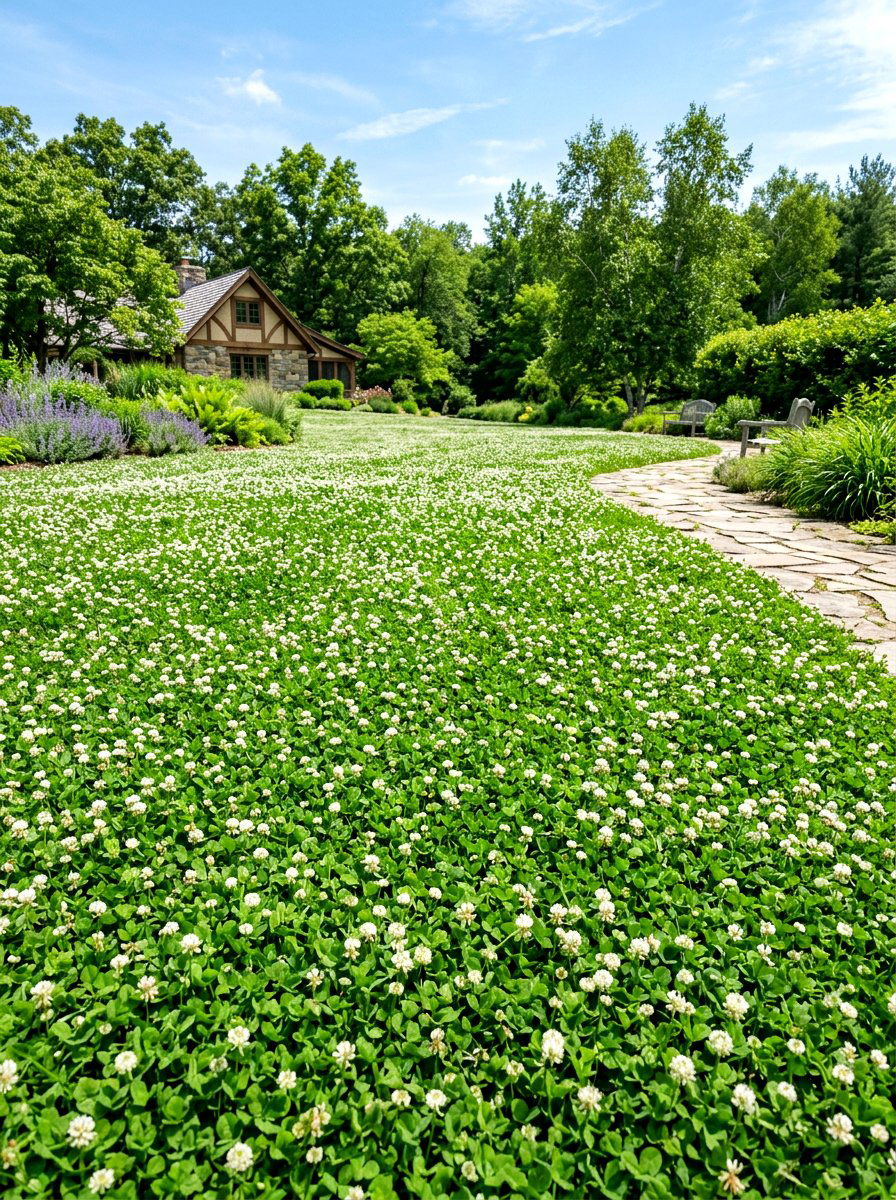
For those who want the look of a green carpet without the constant mowing, a ground cover lawn is an excellent alternative. Using low-growing plants like clover, creeping thyme, or sedum creates a dense mat of foliage that stays short naturally. These plants often produce tiny flowers that provide food for bees and add a delicate beauty to the ground. They are generally much more resistant to foot traffic and pet waste than traditional turf grass. Most ground covers require significantly less water and no chemical fertilizers to stay lush and green. It is a practical and ecological solution for maintaining open spaces while supporting the health of your local soil and environment.
27. Permeable Path
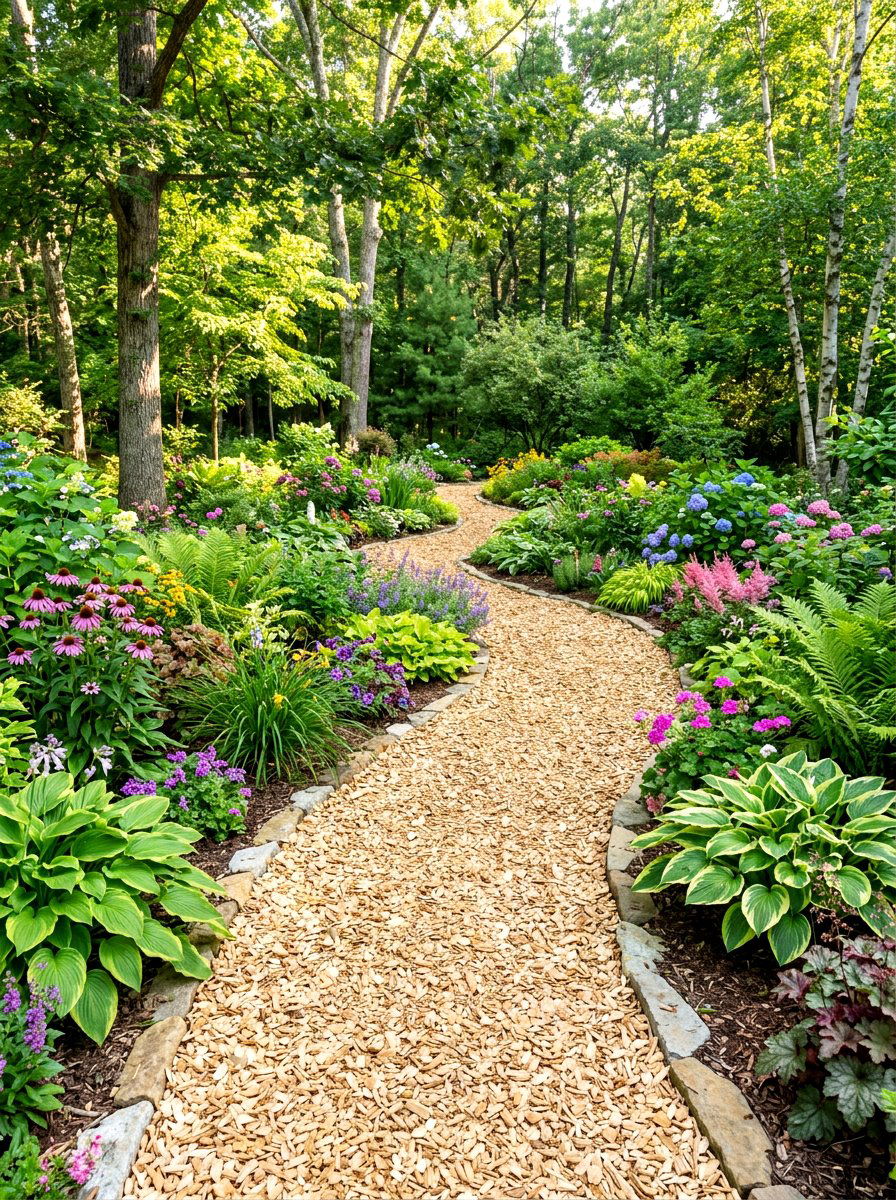
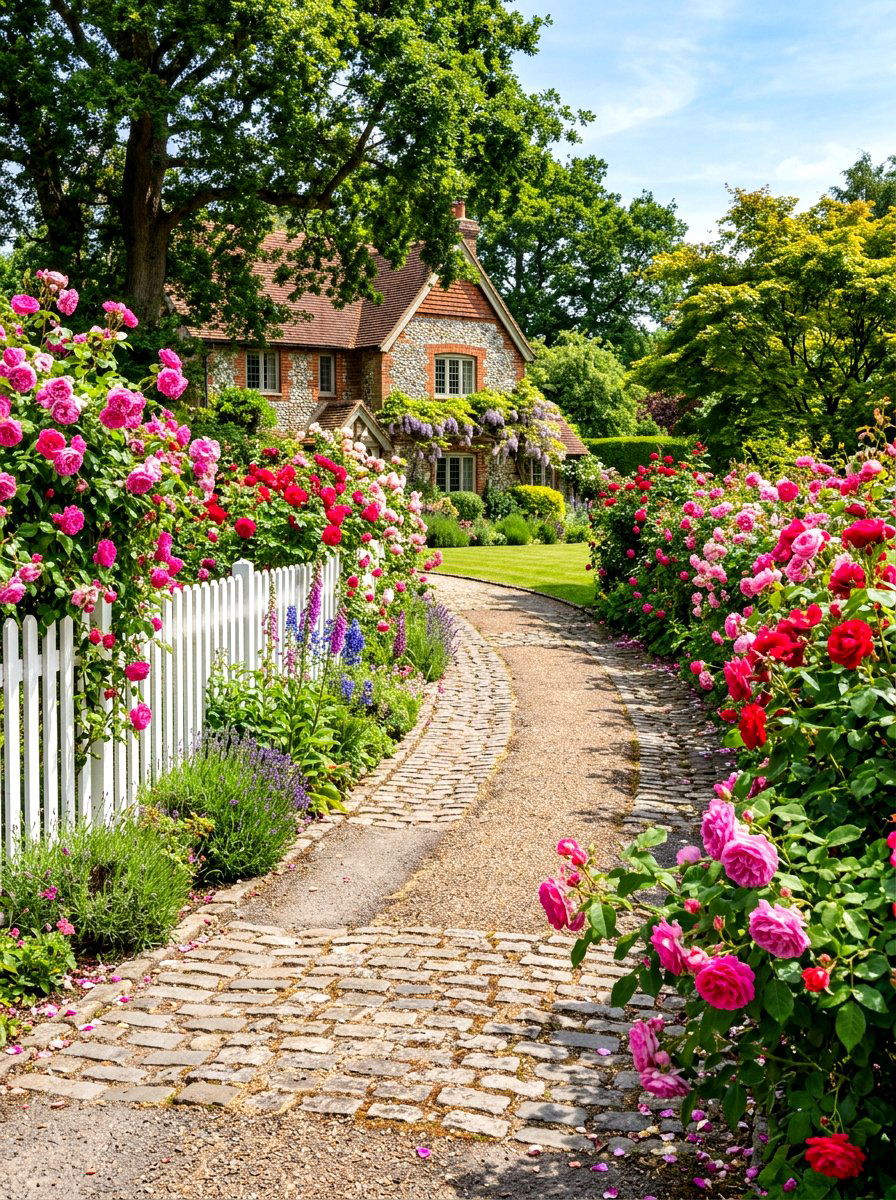
Walking on a surface that allows water to soak through is a key principle of sustainable and natural landscaping. A permeable path can be made from materials like wood chips, pea gravel, or specially designed porous pavers. This design prevents large puddles from forming and ensures that rainwater reaches the roots of nearby trees and shrubs instead of running off into the street. It feels softer and more natural underfoot than cold concrete or asphalt. You can line the path with native grasses or small flowering plants to tie it into the rest of the garden. It is a functional and eco-friendly way to navigate your outdoor space while protecting the local water table.
28. Alpine Rockery
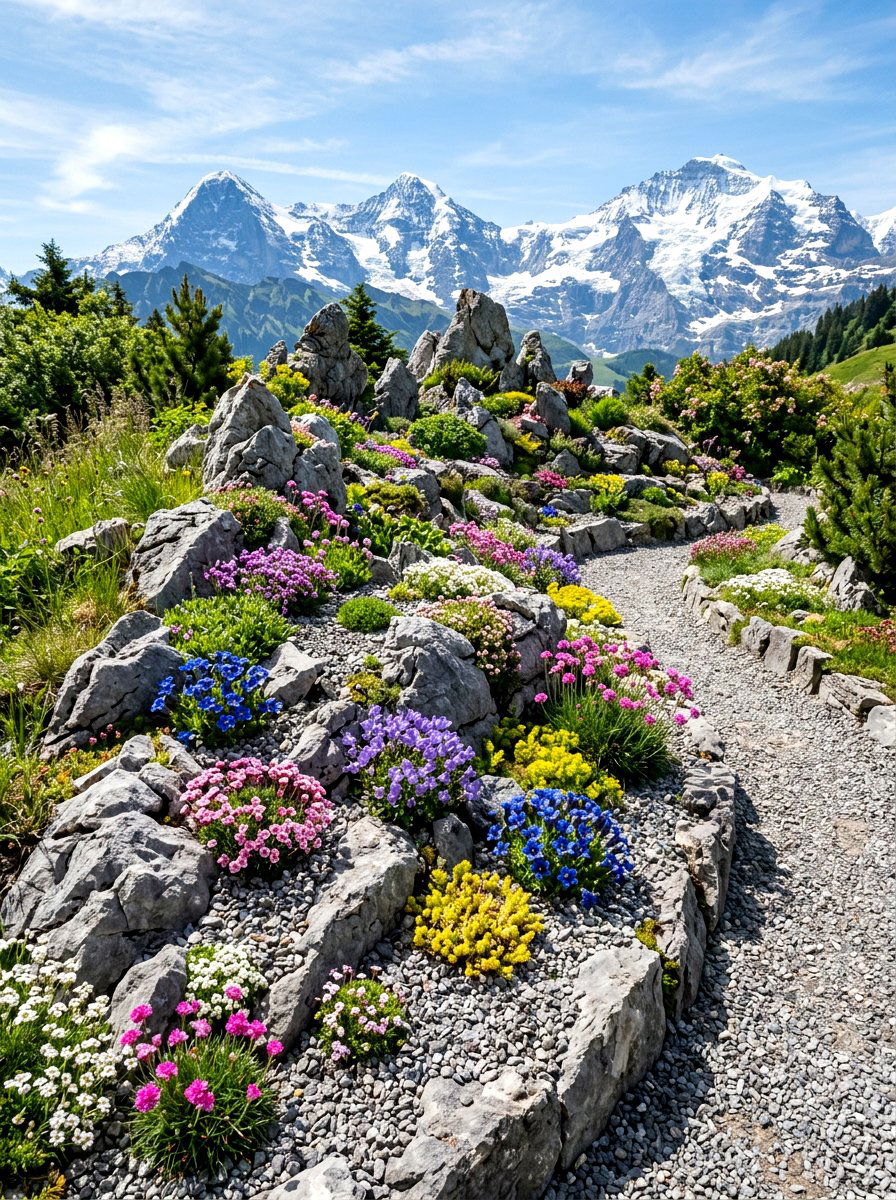
If you have a sunny spot with excellent drainage, an alpine rockery can bring the rugged beauty of high-mountain peaks to your yard. This design uses smaller rocks and gravel to create a specialized habitat for tiny, tough plants that thrive in harsh conditions. These plants often grow in compact mounds or cushions, producing surprisingly vibrant flowers in the spring. The arrangement of the stones creates different microclimates, allowing you to grow a wide variety of unique species in a small area. It is a fascinating and low-maintenance feature that offers incredible detail and texture when viewed up close. It adds a touch of adventure and high-altitude charm to any garden.
29. Sloped Hillside Garden
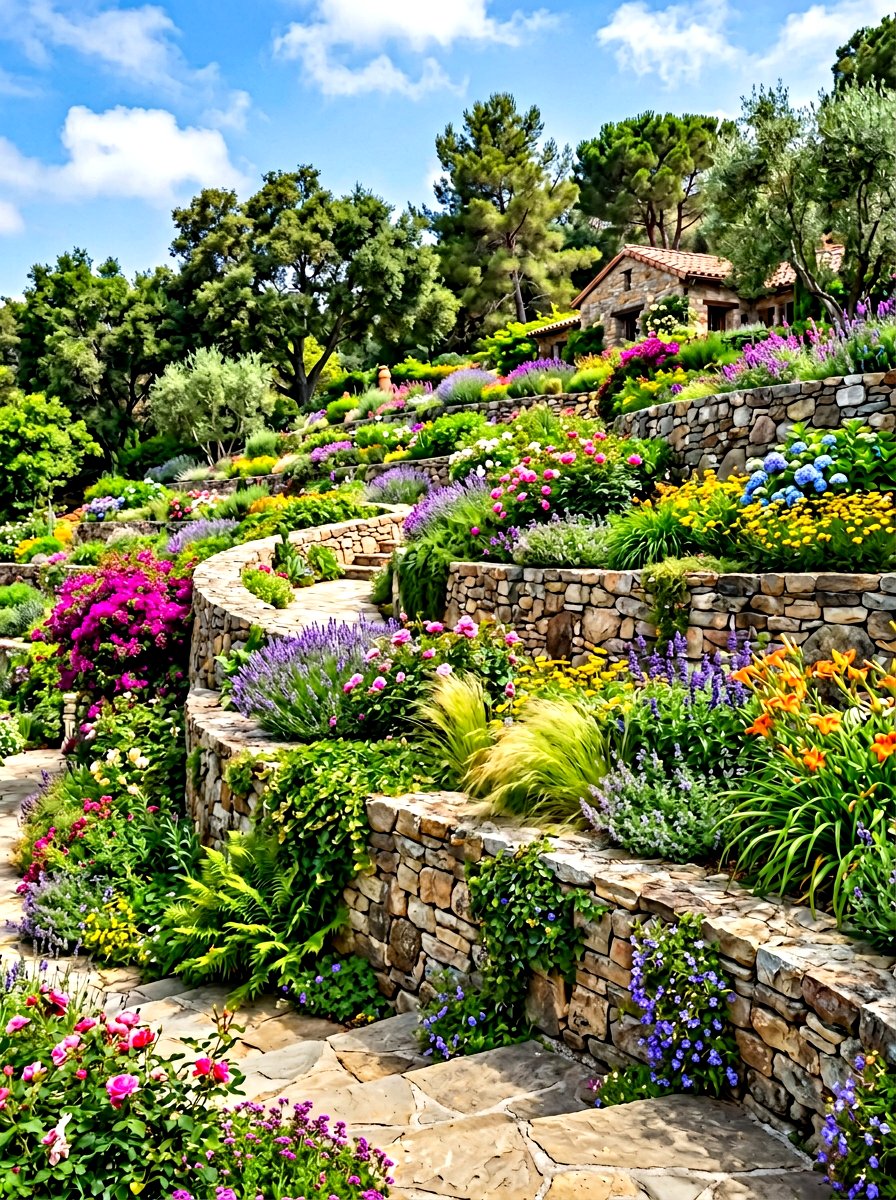
Managing a steep slope doesn't have to be a struggle when you embrace natural landscaping techniques. A sloped hillside garden uses deep-rooted plants and strategic boulder placement to hold the soil in place and prevent erosion. Instead of a dangerous mowing task, you can create a beautiful tapestry of cascading shrubs, ornamental grasses, and perennial flowers. Terracing the slope with natural stone or logs can create small flat areas for seating or specialized planting beds. This approach turns a difficult area into a dramatic vertical landscape that provides a stunning backdrop for the rest of your yard. It maximizes your planting space and creates a sense of depth and adventure.
30. Desert Landscape
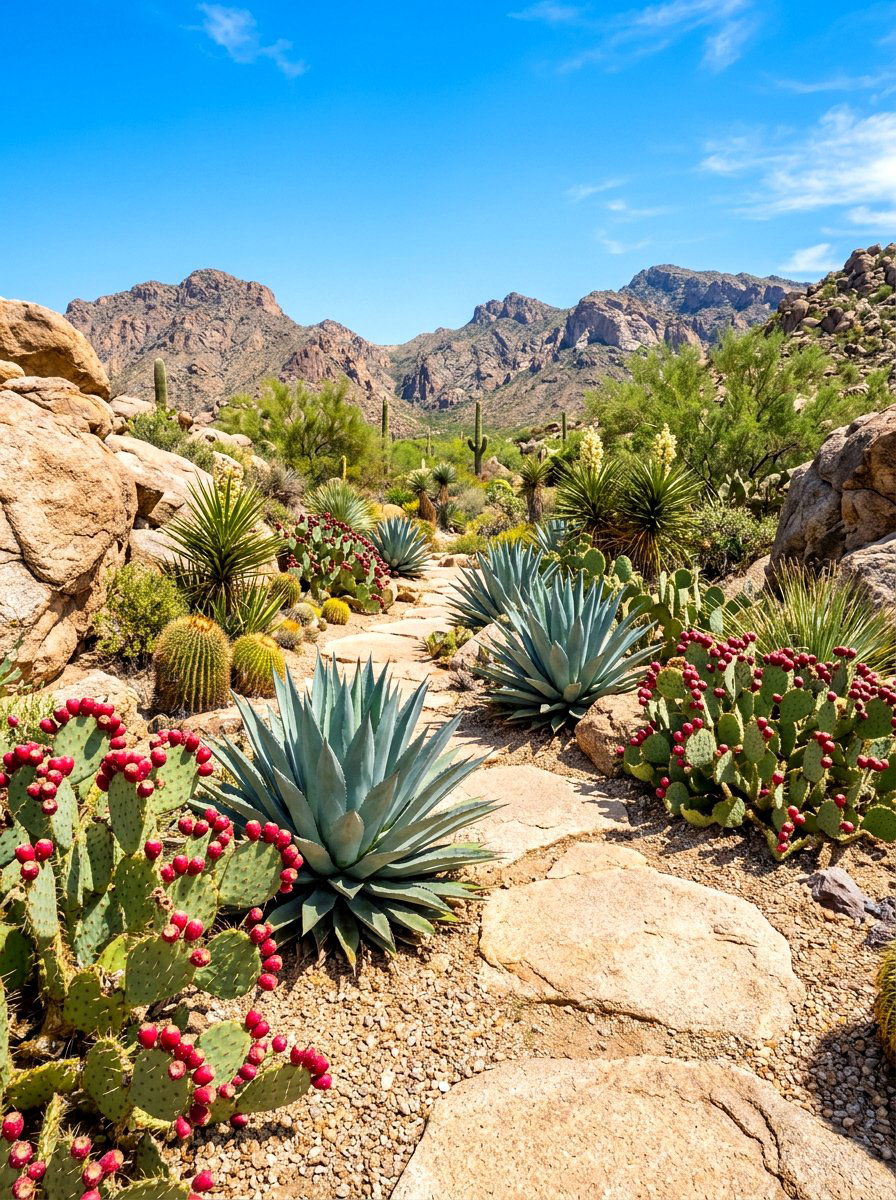
Celebrating the stark and sculptural beauty of arid regions, a desert landscape uses heat-loving plants and striking textures. This design features iconic species like agave, prickly pear, and desert willow that can survive on almost no supplemental water. The use of warm-toned gravels and decomposed granite creates a clean, bright foundation that reflects the sun. These landscapes are incredibly low-maintenance and stay looking sharp and intentional throughout the year. The architectural shapes of the plants provide strong visual interest and look especially beautiful when lit from below at night. It is a bold and sophisticated way to create a sustainable outdoor space that thrives in the hottest and driest of conditions.
Conclusion:
Embracing natural landscaping is more than just a design choice; it is a commitment to living in harmony with the world around you. By choosing native plants, reducing water waste, and creating habitats for local wildlife, you transform your yard into a thriving ecosystem. These thirty ideas prove that sustainable spaces are incredibly beautiful, offering textures and colors that traditional lawns simply cannot match. Whether you have a tiny shaded corner or a vast sunny field, there is a natural approach that will work for your unique environment. You will enjoy a lower-maintenance lifestyle while feeling a deeper connection to the seasons and the creatures that share your home.

Related posts: