Your front yard serves as the very first handshake between your home and the outside world, setting the tone for everything that lies within. A well-designed pathway is more than just a functional track to the front door; it is a visual guide that enhances curb appeal and creates a welcoming atmosphere for guests. Whether you prefer the rustic charm of natural stone or the sleek precision of modern concrete, the right path transforms a plain lawn into a curated landscape. Choosing the perfect materials and layout can significantly increase your property value while providing a beautiful transition through your garden space. Let us explore some of the most inspiring ways to elevate your home's exterior with these thoughtful and stylish walkway designs.
1. Flagstone walkway
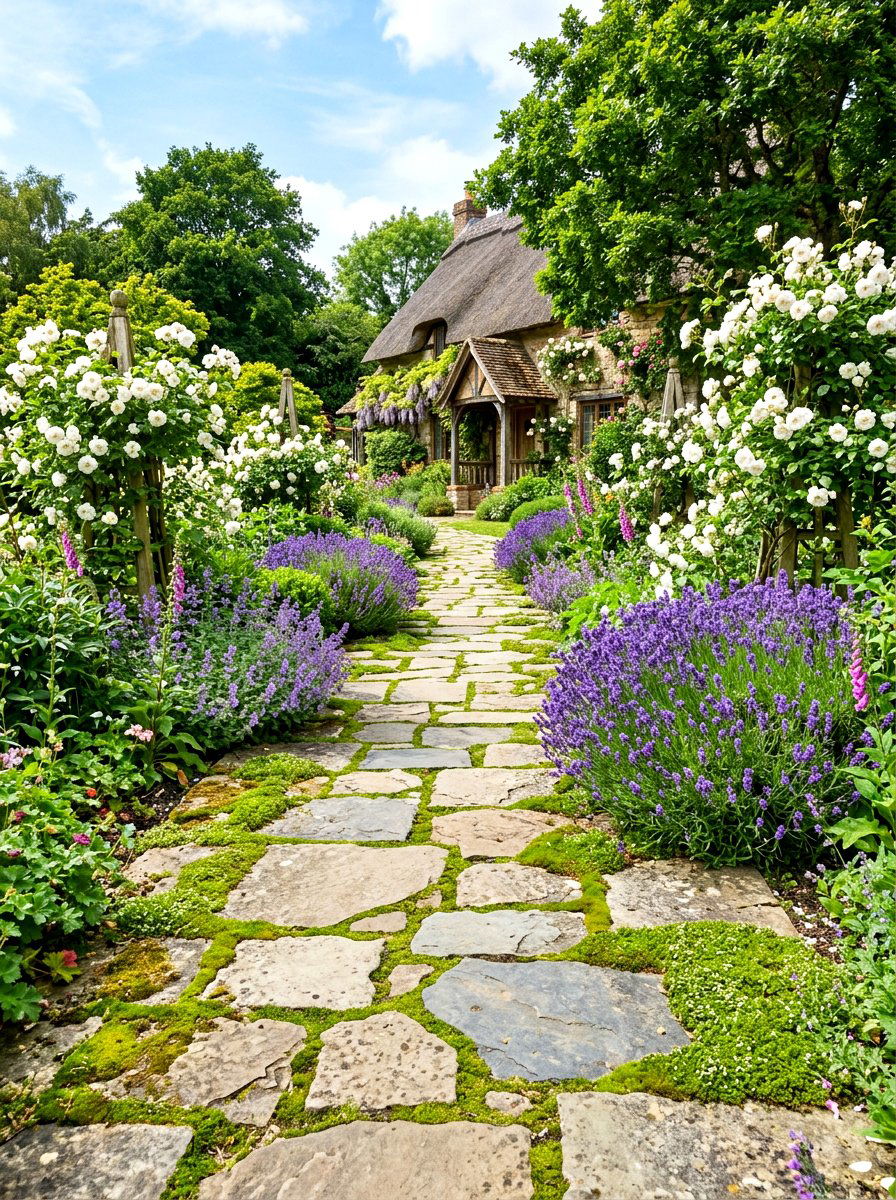
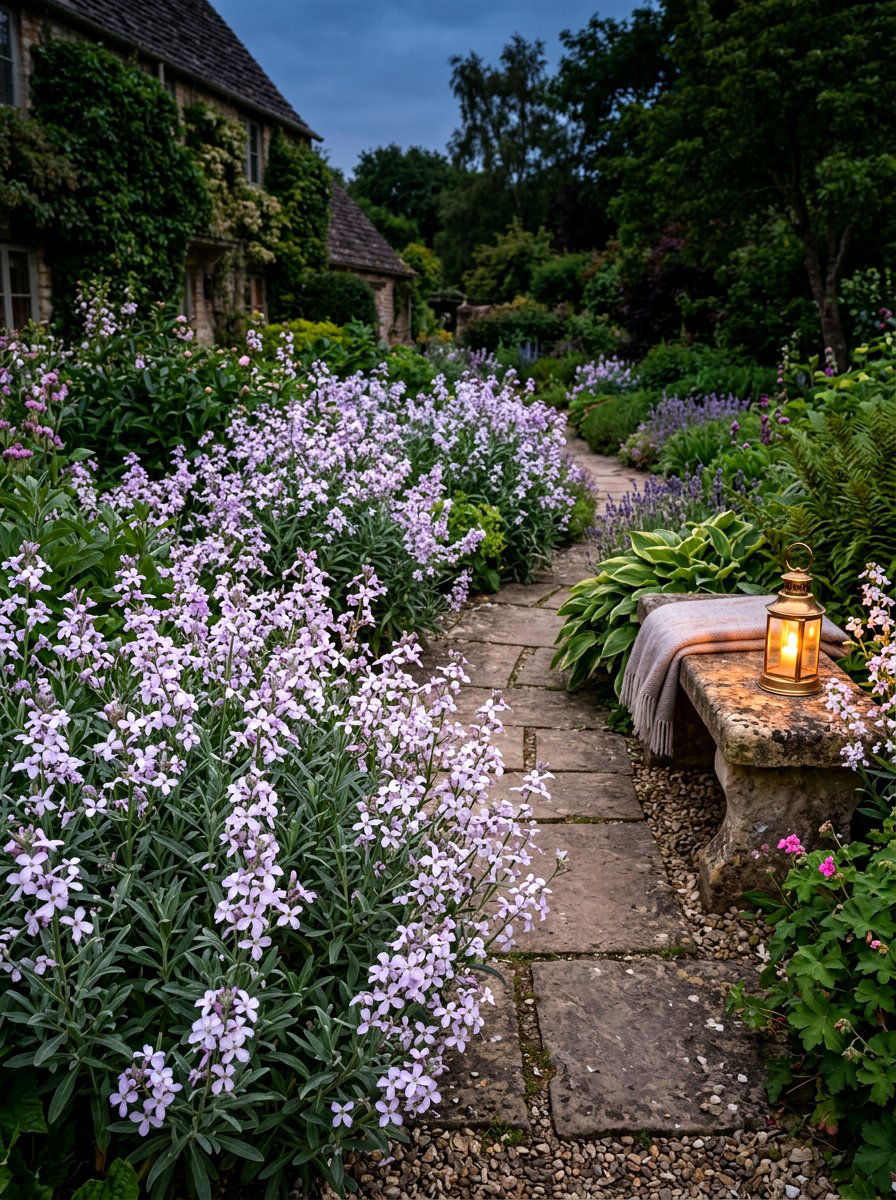
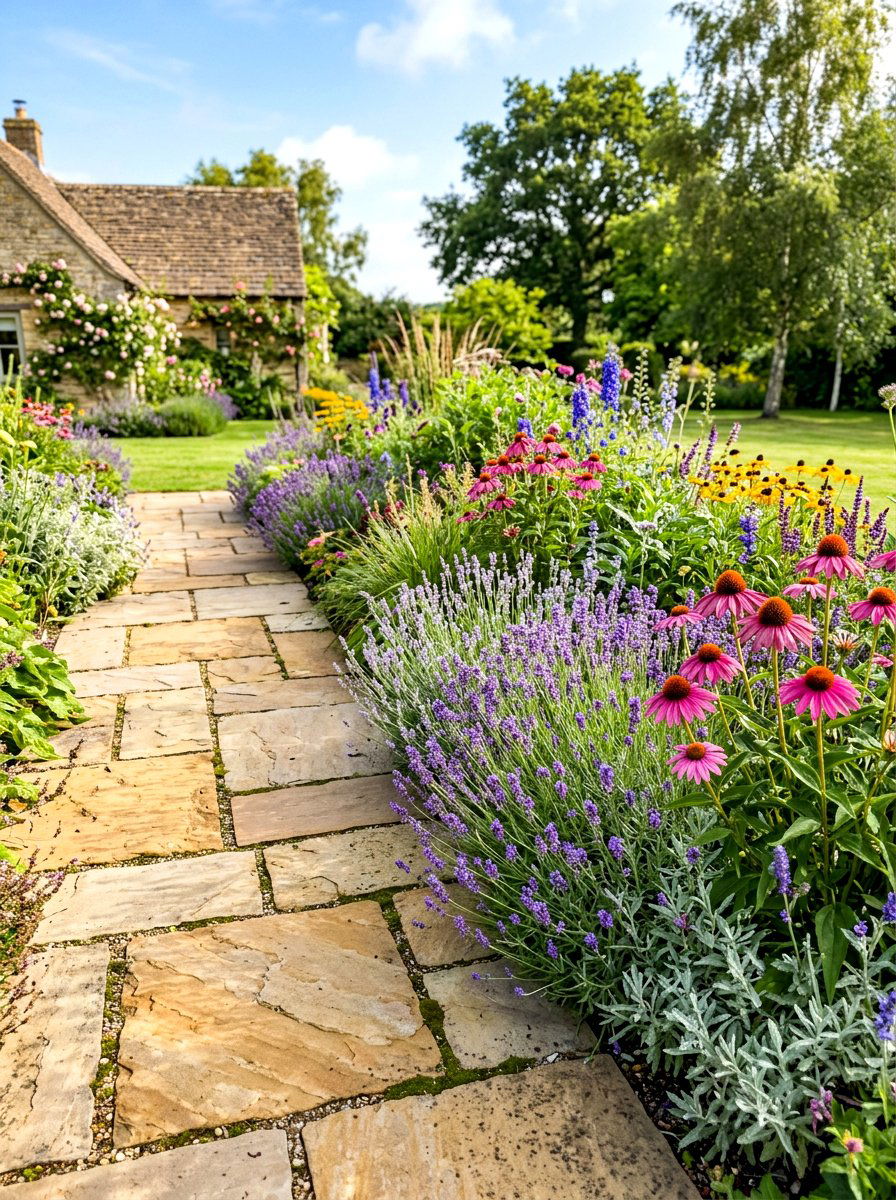
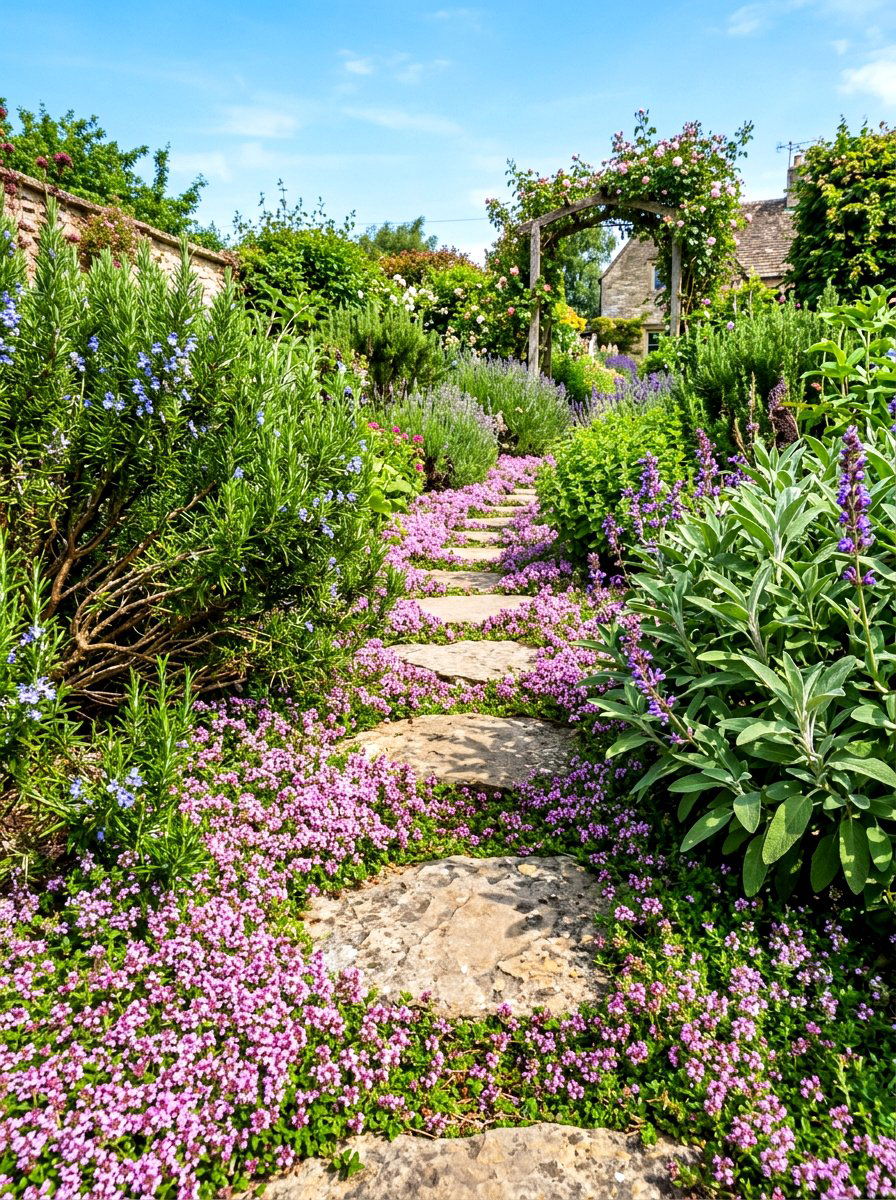
A flagstone walkway offers an organic and timeless look that perfectly complements traditional or cottage-style homes. These irregular, flat stones create a unique puzzle-like pattern that invites visitors to slow down and enjoy the surrounding garden landscape. To enhance the natural aesthetic, you can fill the gaps between the stones with low-growing ground covers like creeping thyme or soft green moss. This design works exceptionally well when framed by lush flower beds featuring a mix of perennials and ornamental grasses. The earthy tones of the stone provide a grounded feel, making the entrance to your home feel like a serene path through a private woodland retreat. It is a durable and beautiful choice.
2. Concrete paver path
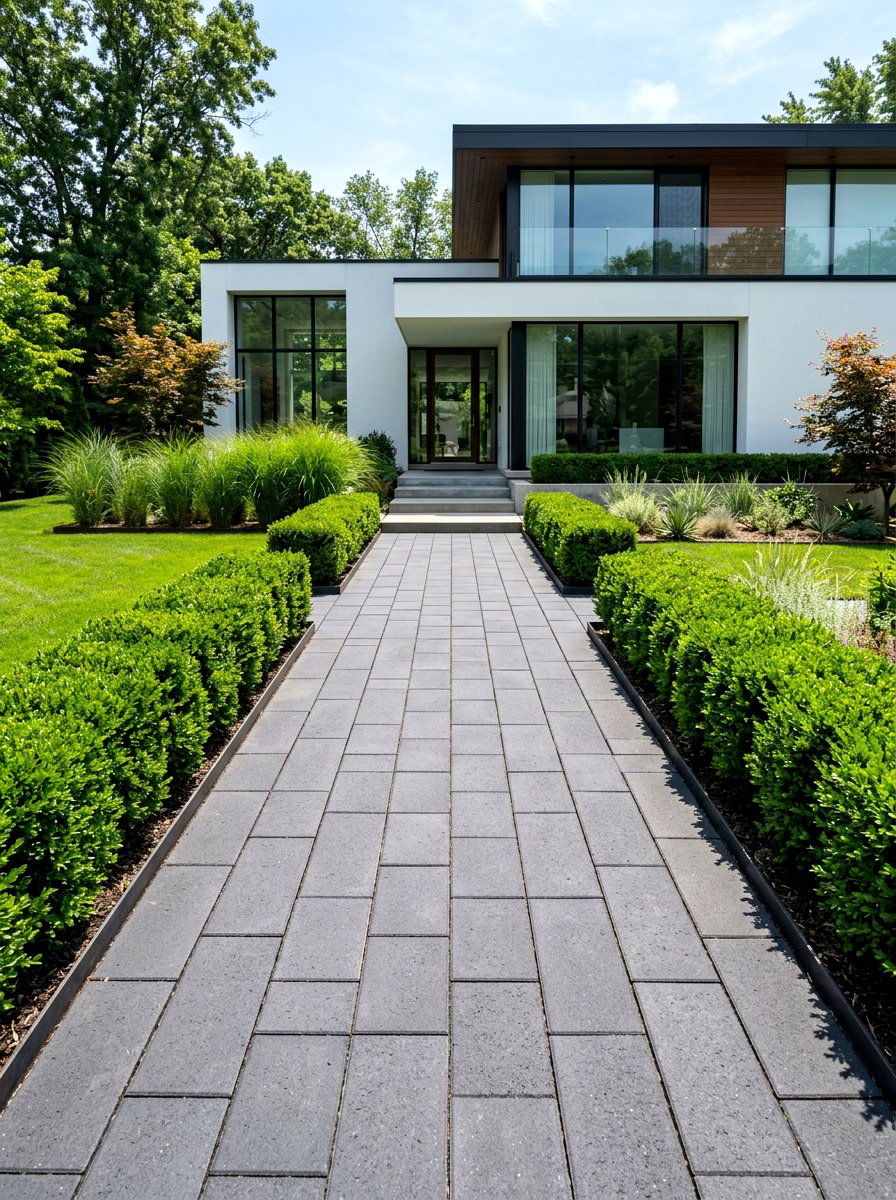
Modern concrete pavers are an excellent choice for homeowners seeking a clean and structured entrance with a contemporary edge. These factory-made stones come in various sizes and colors, allowing for precise geometric layouts that look polished and professional. A gray or charcoal palette often pairs beautifully with minimalist architecture and white exterior walls. You can arrange them in a standard running bond pattern or a more intricate modular design to add visual interest to the flat surface. When combined with symmetrical boxwood hedges and sleek outdoor lighting, this pathway creates a sophisticated first impression. The smooth surface is easy to maintain and provides a safe, level walking area for all your guests.
3. Brick herringbone walkway
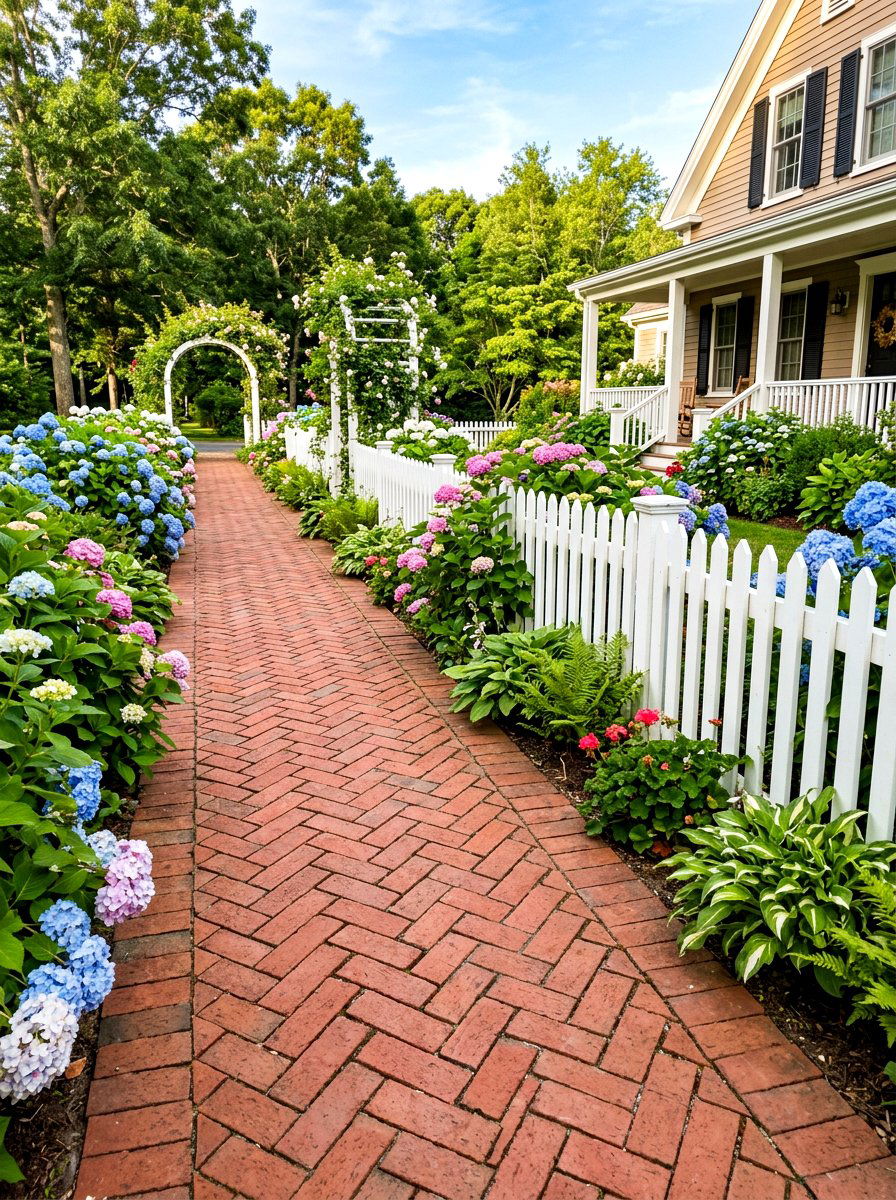
Choosing a brick herringbone walkway brings a sense of classic sophistication and historical charm to any front yard environment. This intricate pattern uses standard rectangular bricks set at forty-five-degree angles to create a dynamic visual texture that guides the eye toward the front door. The warm red and orange tones of traditional clay bricks contrast beautifully against a green lawn and white picket fences. This design is not only visually stunning but also incredibly stable, as the interlocking pattern prevents the bricks from shifting over time. Frame the edges with a soldier course border to give the path a finished look that feels both traditional and very high-end.
4. Pea gravel path
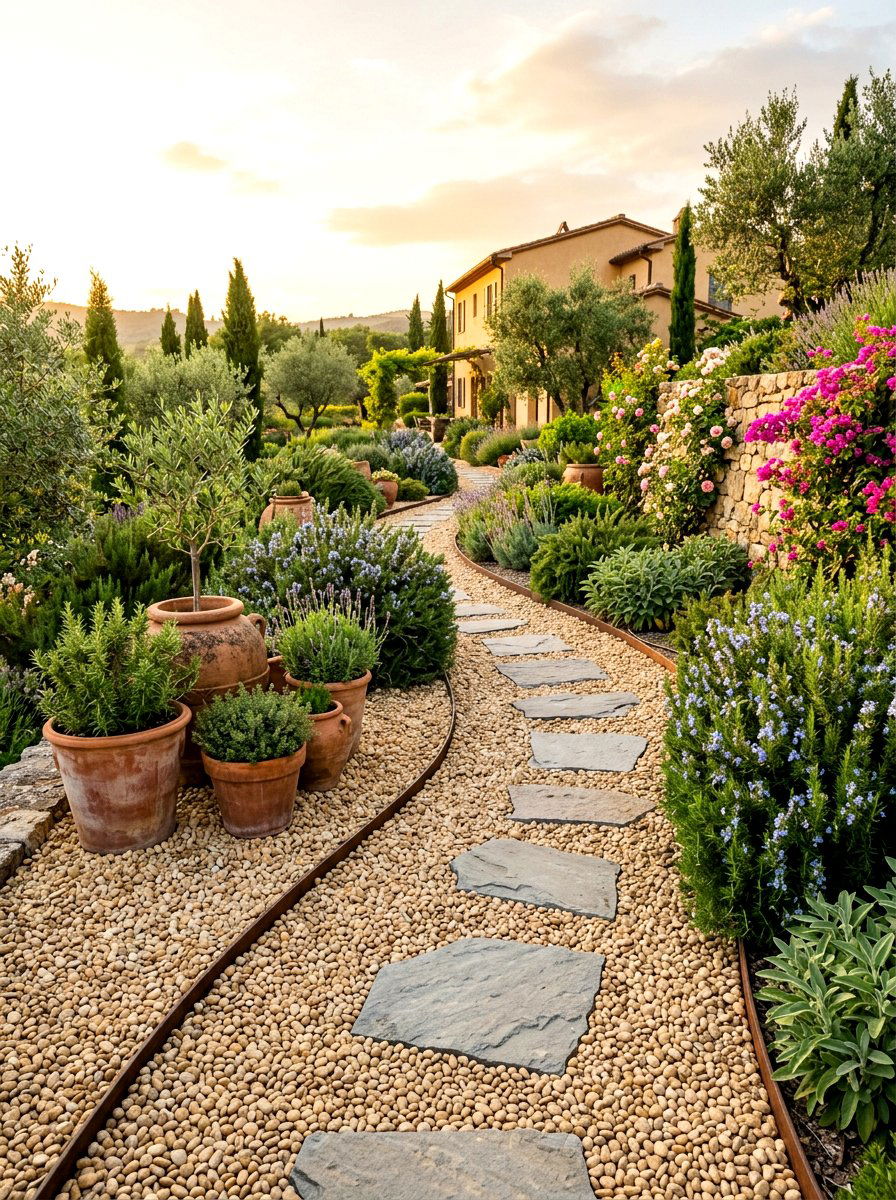
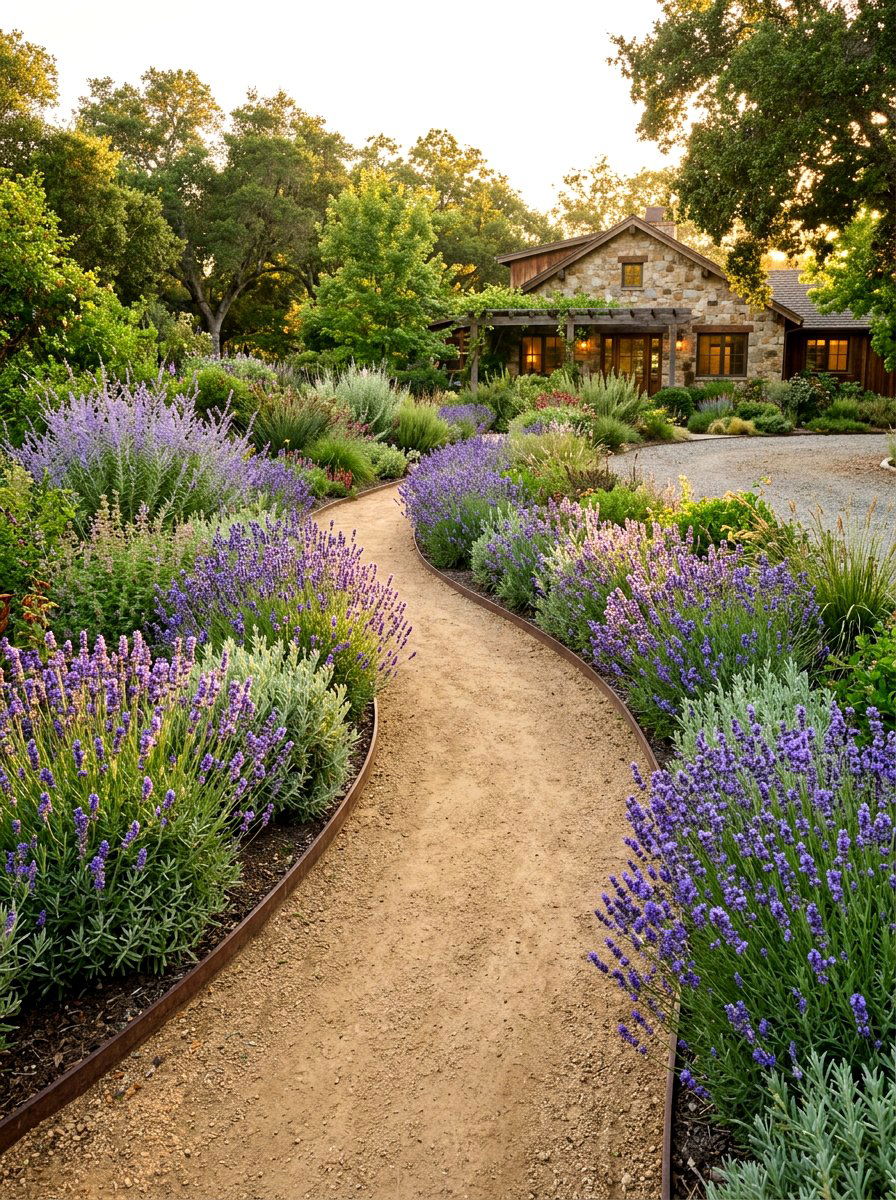
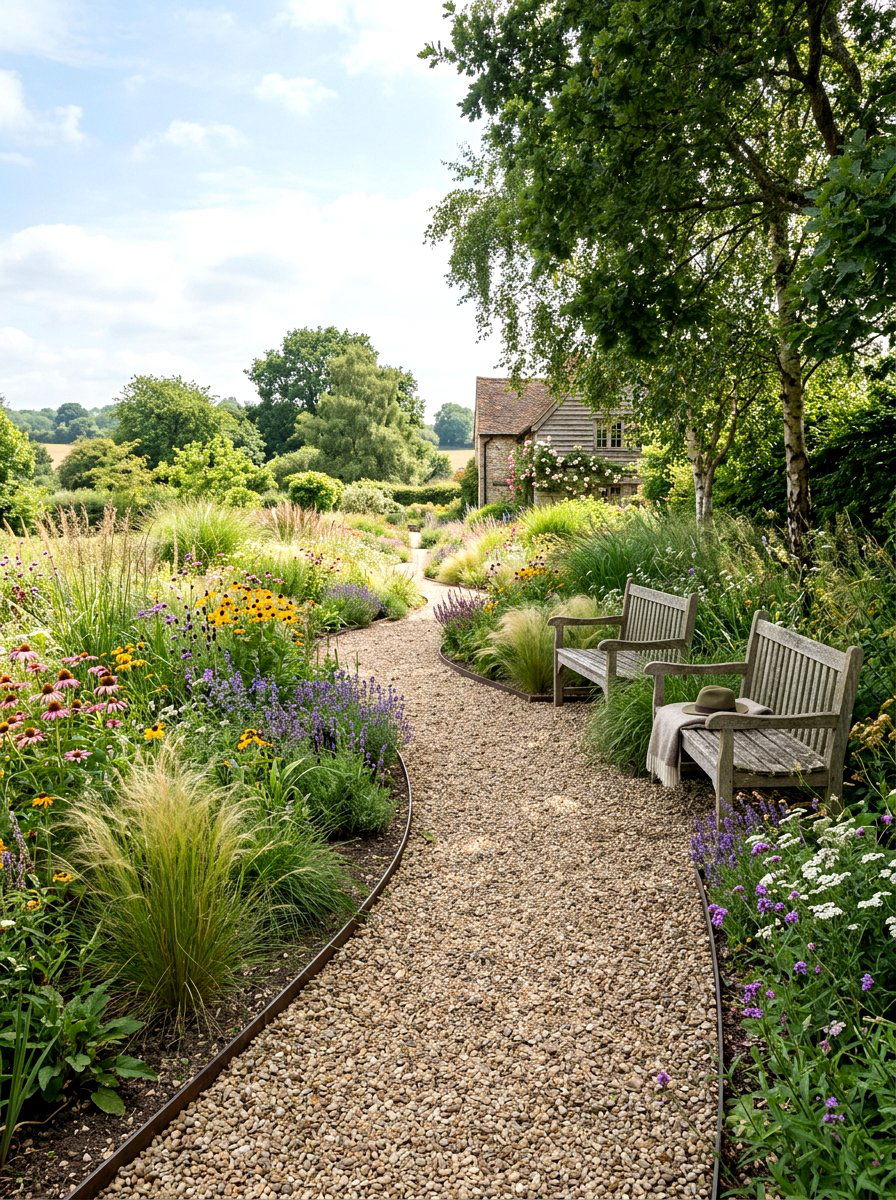
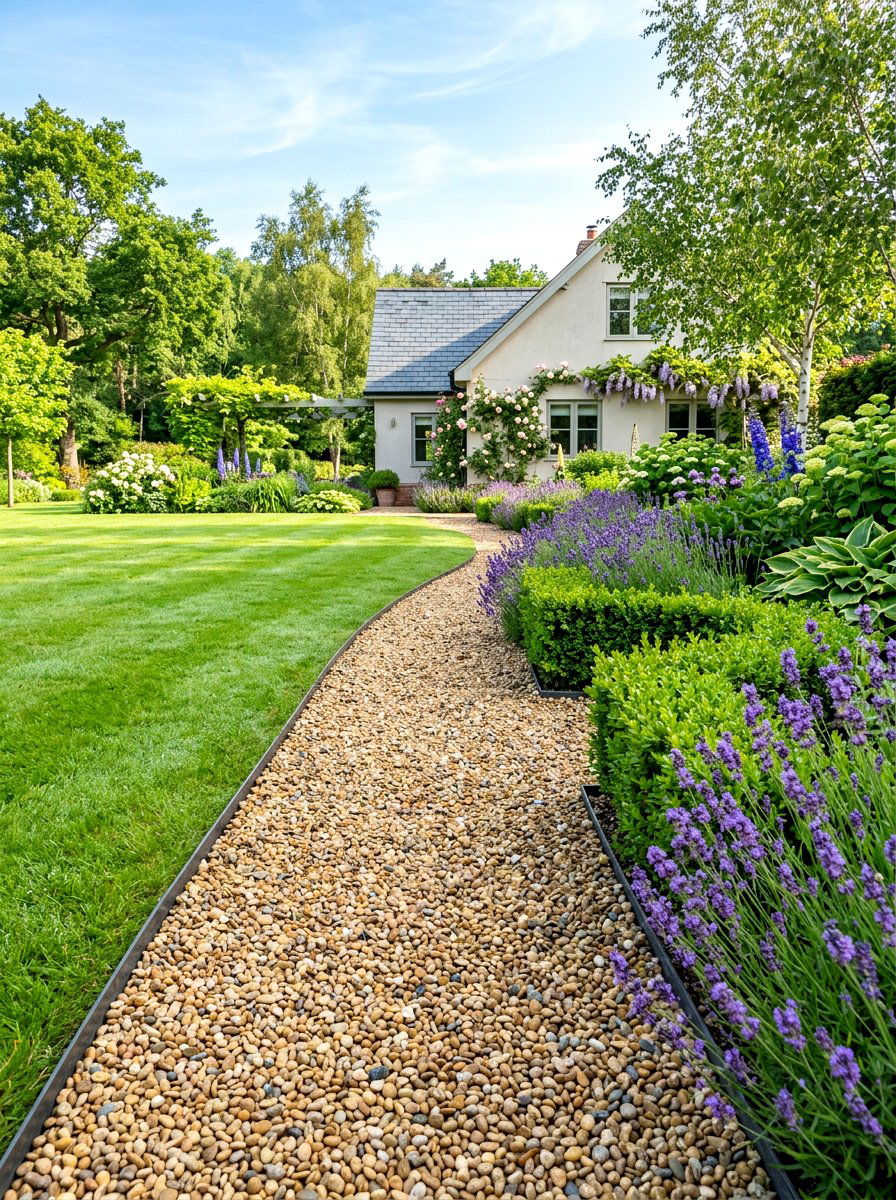
For a more relaxed and budget-friendly option, a pea gravel path offers a soft and crunching texture underfoot that feels wonderfully nostalgic. This material is ideal for Mediterranean or English cottage garden styles where a less formal structure is desired. To keep the gravel in place, use metal or wood edging to define the boundaries of the walkway clearly. You can place large stepping stones within the gravel to provide a more solid footing while maintaining the loose, airy feel of the surrounding stones. Pairing this path with lavender, rosemary, and other drought-tolerant plants creates an inviting and fragrant entryway that requires very little maintenance throughout the seasons.
5. Modern concrete slab walk
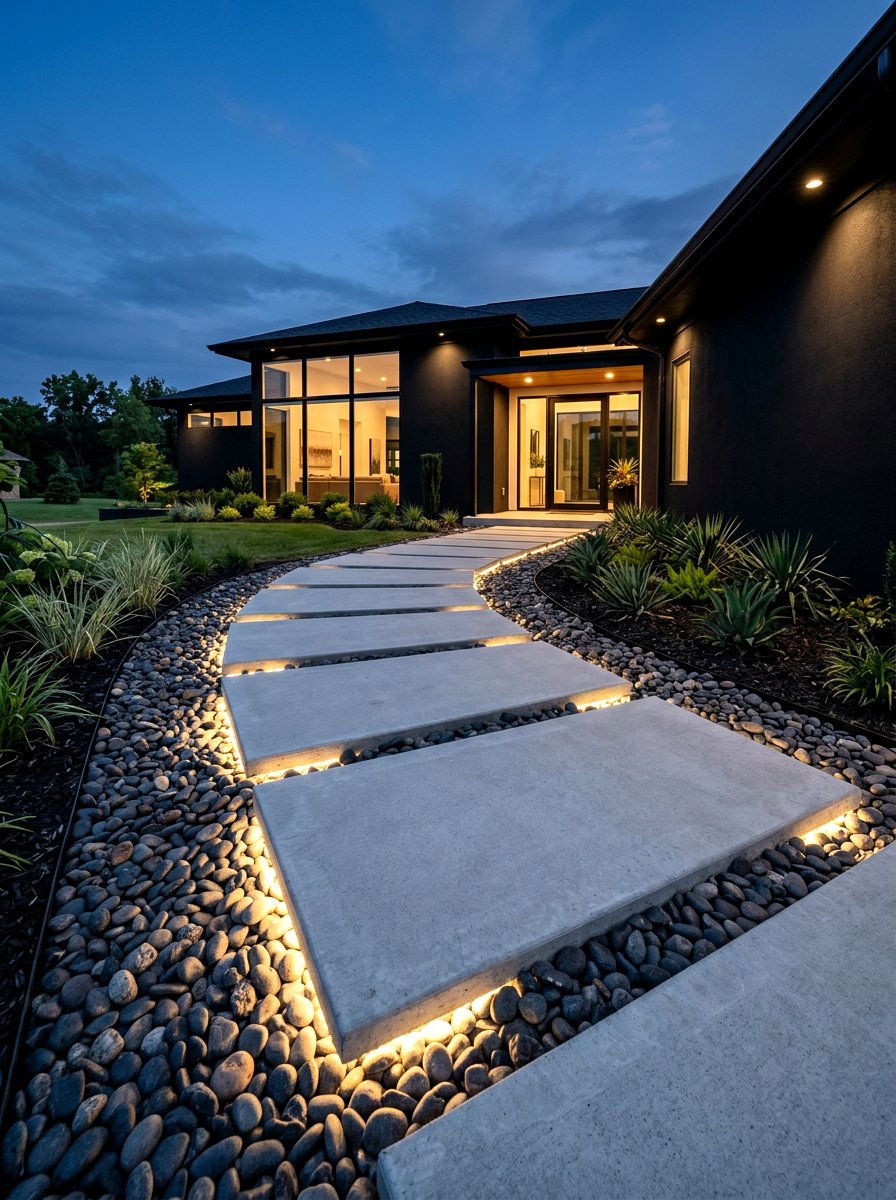
Large-format modern concrete slabs are the gold standard for achieving a high-end, minimalist look in a contemporary front yard. These oversized rectangular pieces are often laid with wide gaps between them, which can be filled with dark river rocks or contrasting turf. The exaggerated scale of the slabs creates a bold architectural statement that makes a small yard feel much larger and more organized. This style emphasizes straight lines and open space, reflecting the clean aesthetic of modern home designs. When illuminated by recessed ground lights, the slabs appear to float, providing a dramatic and futuristic entrance that is sure to capture the attention of everyone who passes by.
6. Stepping stones in grass
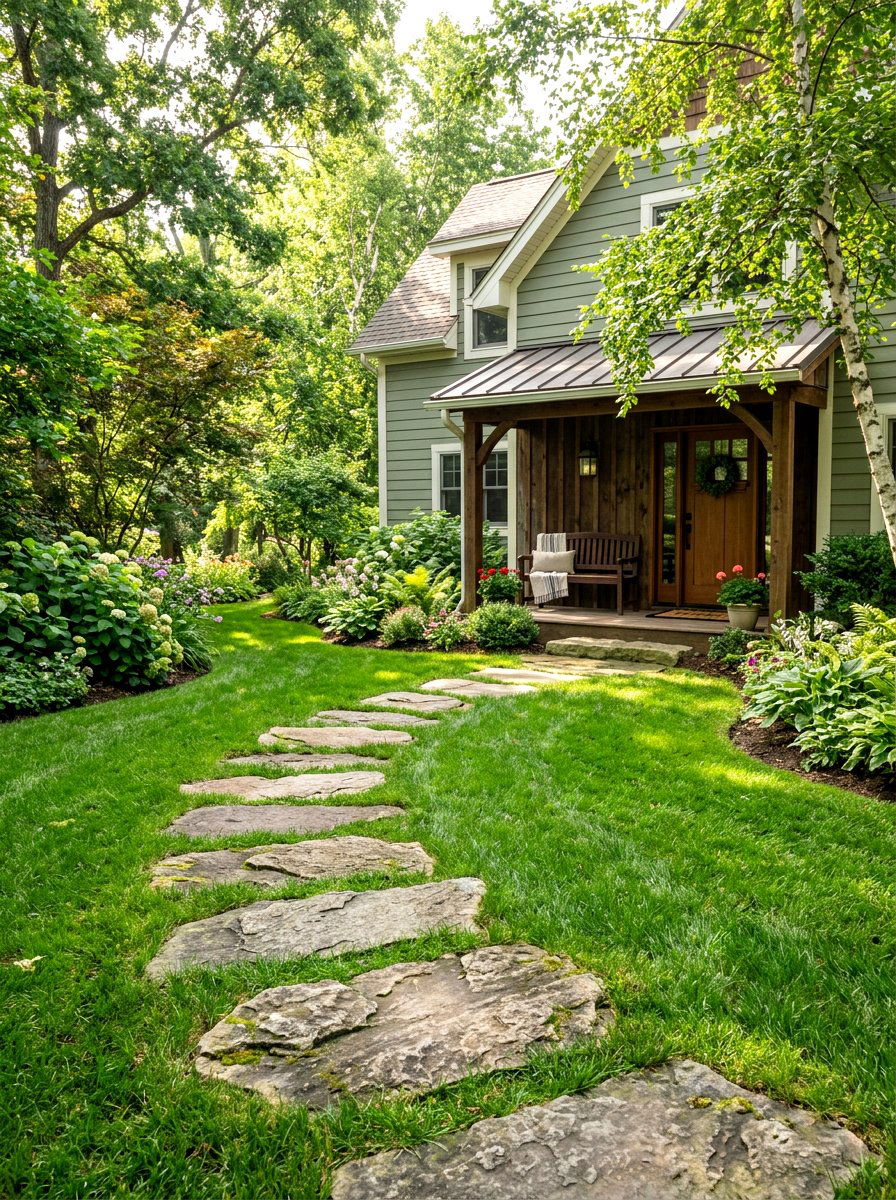
Creating a pathway with stepping stones in grass is a simple yet effective way to maintain a lush, green landscape while providing a clear route. This design minimizes the use of hardscaping materials, allowing the lawn to remain the primary focus of the front yard. Large, flat stones are spaced at natural walking intervals, tucked slightly into the soil so they are level with the grass for easy mowing. This approach is perfect for casual or rustic homes where a formal paved walk might feel too heavy or industrial. It offers a playful, meandering feel that encourages guests to enjoy the softness of the yard while heading toward the porch.
7. Slate tile entry
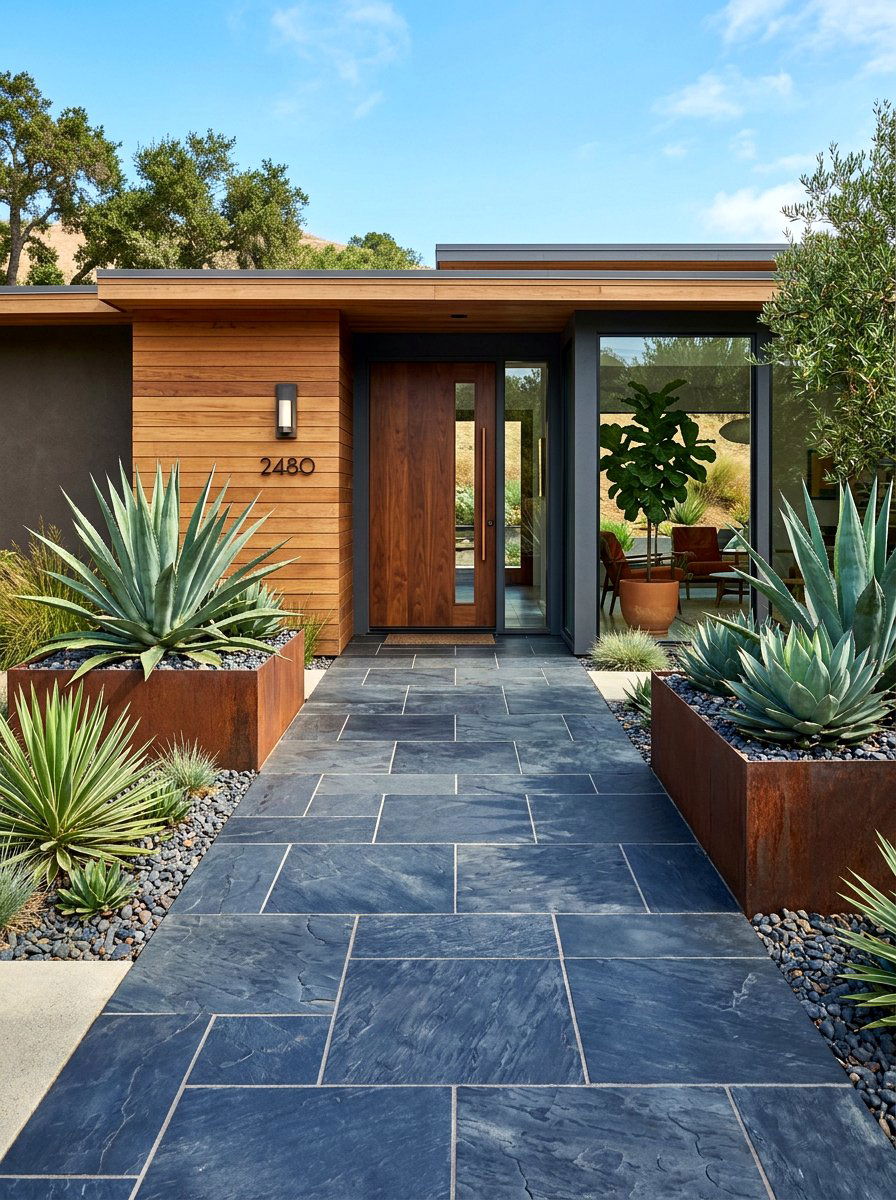
A slate tile entry provides a sophisticated and high-contrast look that works exceptionally well with mid-century modern or transitional home styles. The natural cleft surface of slate offers a rich texture and a variety of dark blue, gray, and purple hues that change beautifully when wet. These tiles can be laid in a formal stacked bond or a more varied ashlar pattern to create a sense of movement. Because slate is a dense and durable material, it holds up well in high-traffic areas and various weather conditions. When paired with sleek metal railings and structural plantings like yuccas or agaves, this pathway exudes a sense of quiet luxury and modern elegance.
8. Crushed stone walkway
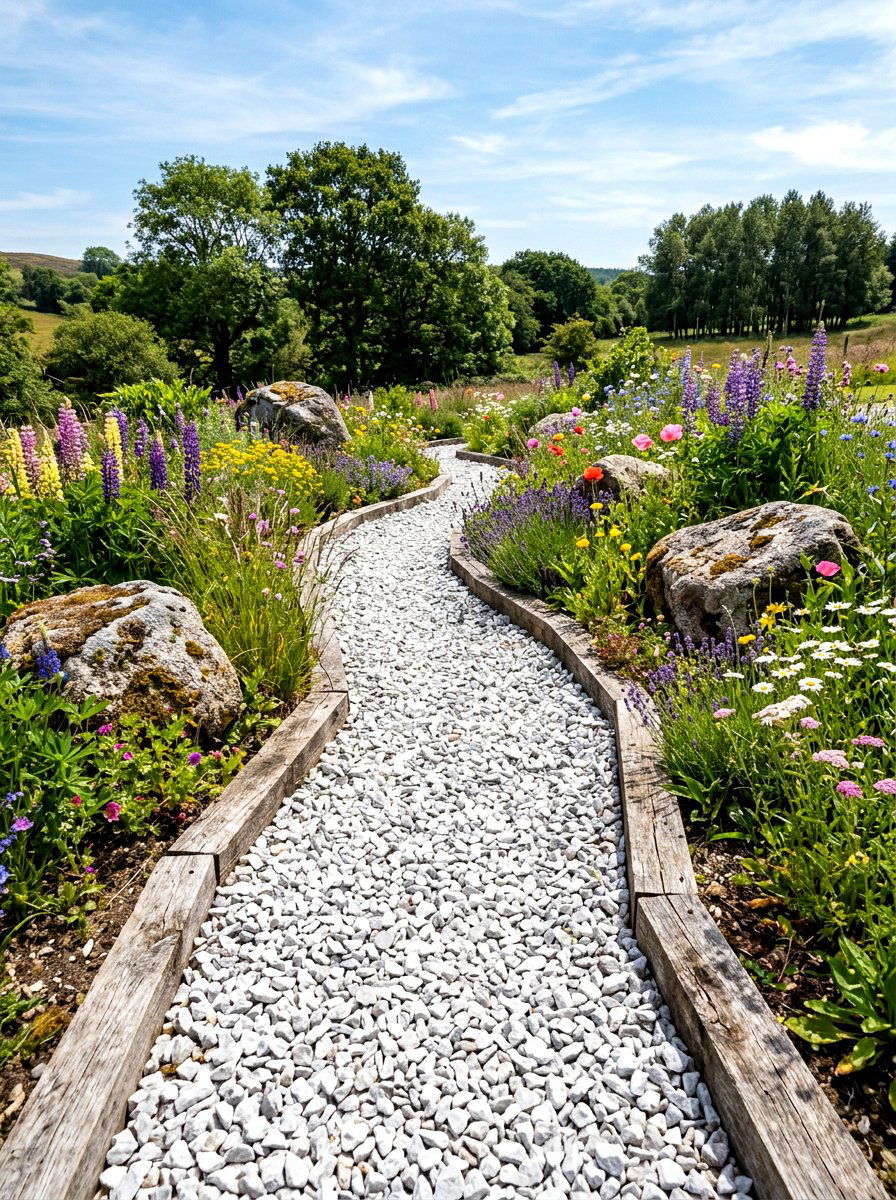
A crushed stone walkway is a versatile and permeable solution that fits perfectly into eco-friendly and naturalistic garden designs. Unlike rounded pea gravel, crushed stone has sharp edges that lock together, providing a much more stable surface for walking and pushing strollers. This material comes in various colors, from stark white to deep charcoal, allowing you to match it with your home’s exterior trim or stone accents. It is an excellent choice for managing drainage in wet climates, as water flows directly through the stones into the earth. Bordering the path with large boulders or timber beams adds a rugged, structural element that enhances the overall rustic appeal.
9. Cobblestone garden path
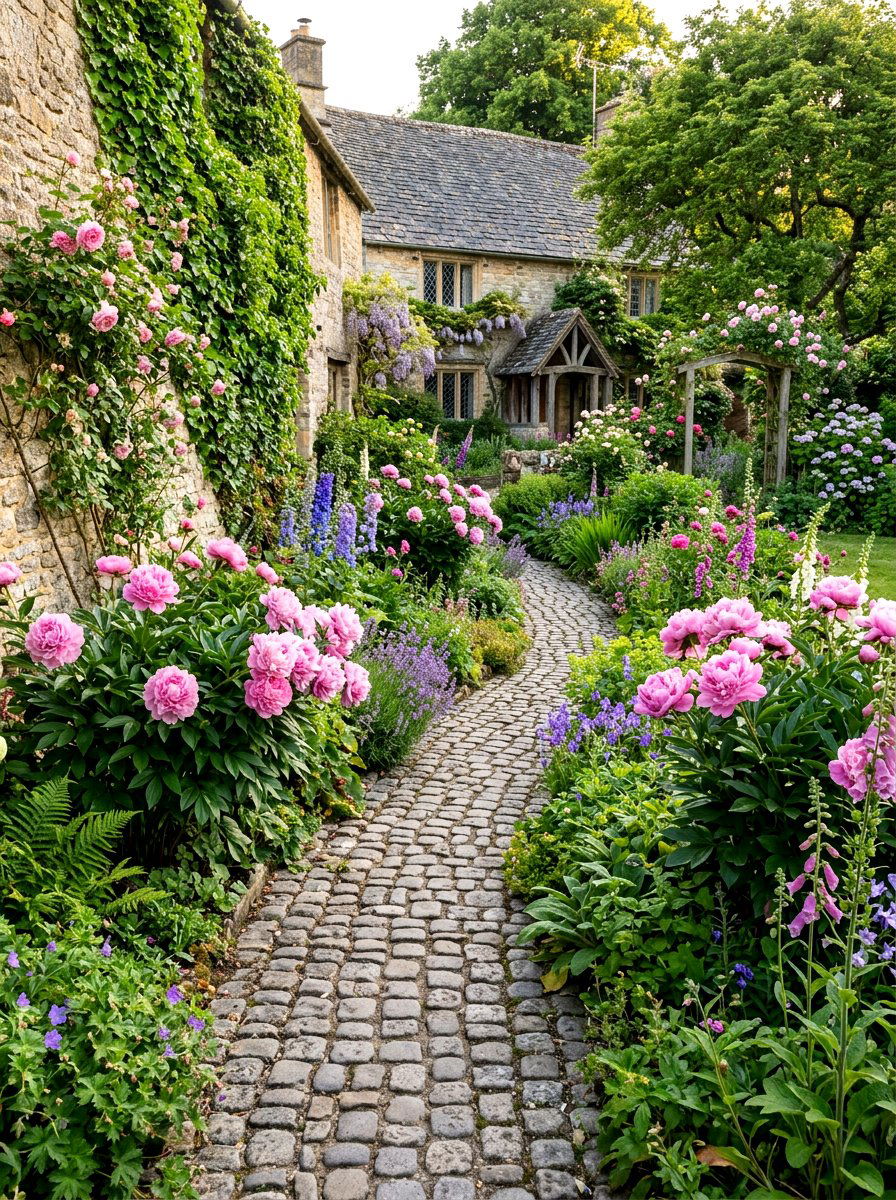
If you want to evoke the feeling of an old European village, a cobblestone garden path is the ultimate choice for your front yard. These small, rounded stones are packed closely together to create a durable and charmingly uneven surface that has been used for centuries. Cobblestones are incredibly tough and can withstand heavy foot traffic without showing signs of wear or tear. They look best when winding through a lush garden filled with climbing roses, hydrangeas, and weathered stone statues. The irregular shapes and natural color variations of the stones add a layer of texture that feels deeply authentic and full of character, making your entryway feel truly unique.
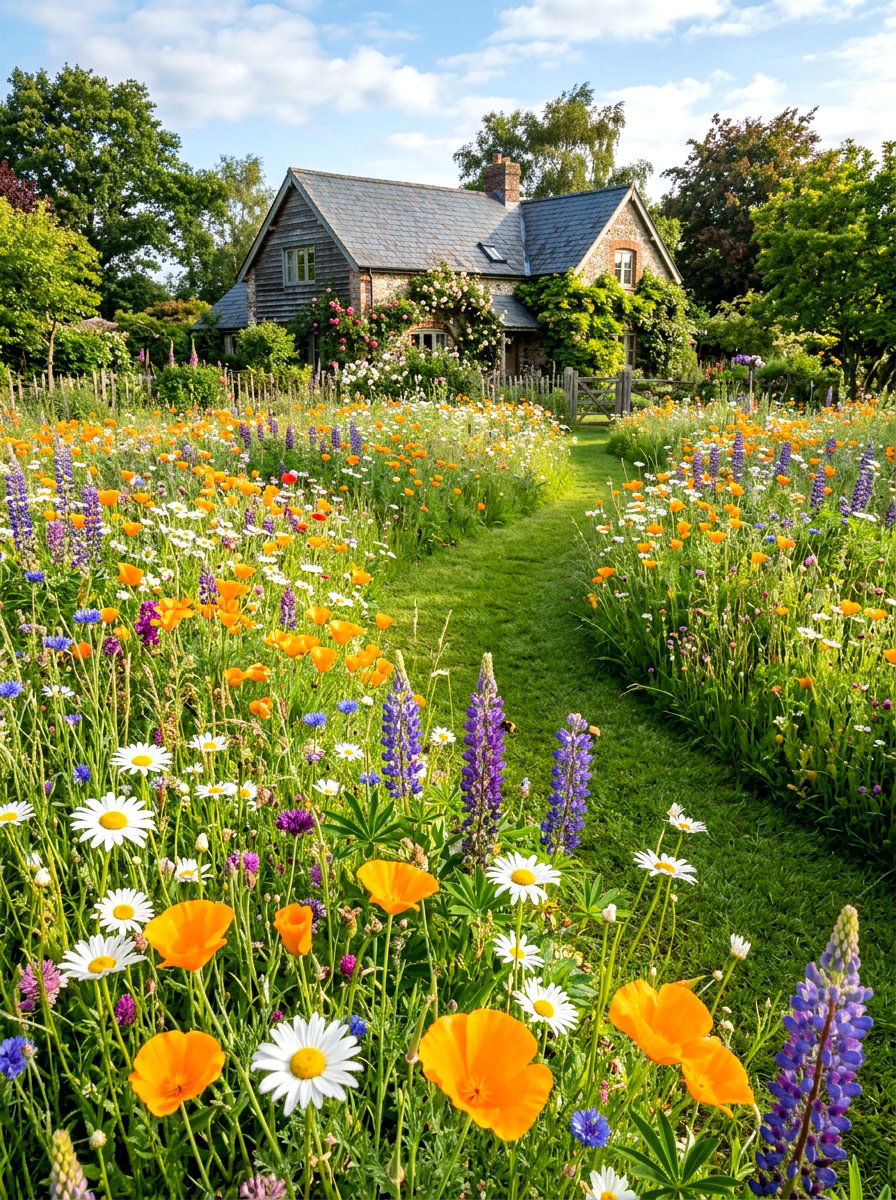
10. Decomposed granite walkway
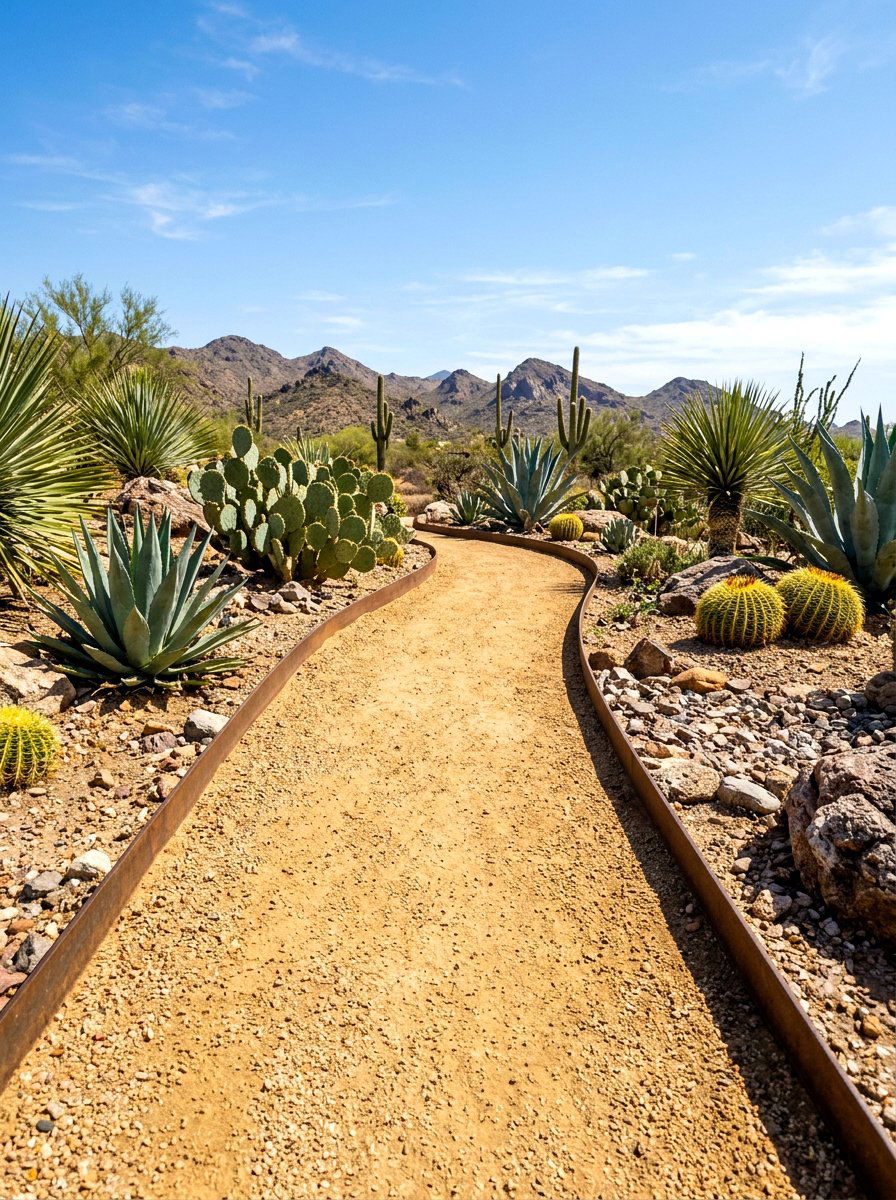
Decomposed granite is a popular material for creating smooth, natural-looking walkways that blend seamlessly into desert or Southwestern landscapes. This fine-grained material provides a firm surface that is softer than concrete but more structured than loose gravel. It is often used in modern, minimalist designs where a neutral, earthy color palette is desired to highlight architectural plants and bold home features. Decomposed granite is highly permeable and environmentally friendly, making it a great option for water-conscious gardening. When framed by steel edging and surrounded by succulents and ornamental grasses, it creates a clean, intentional look that is both stylish and very low-maintenance for busy homeowners.
11. Limestone slab path
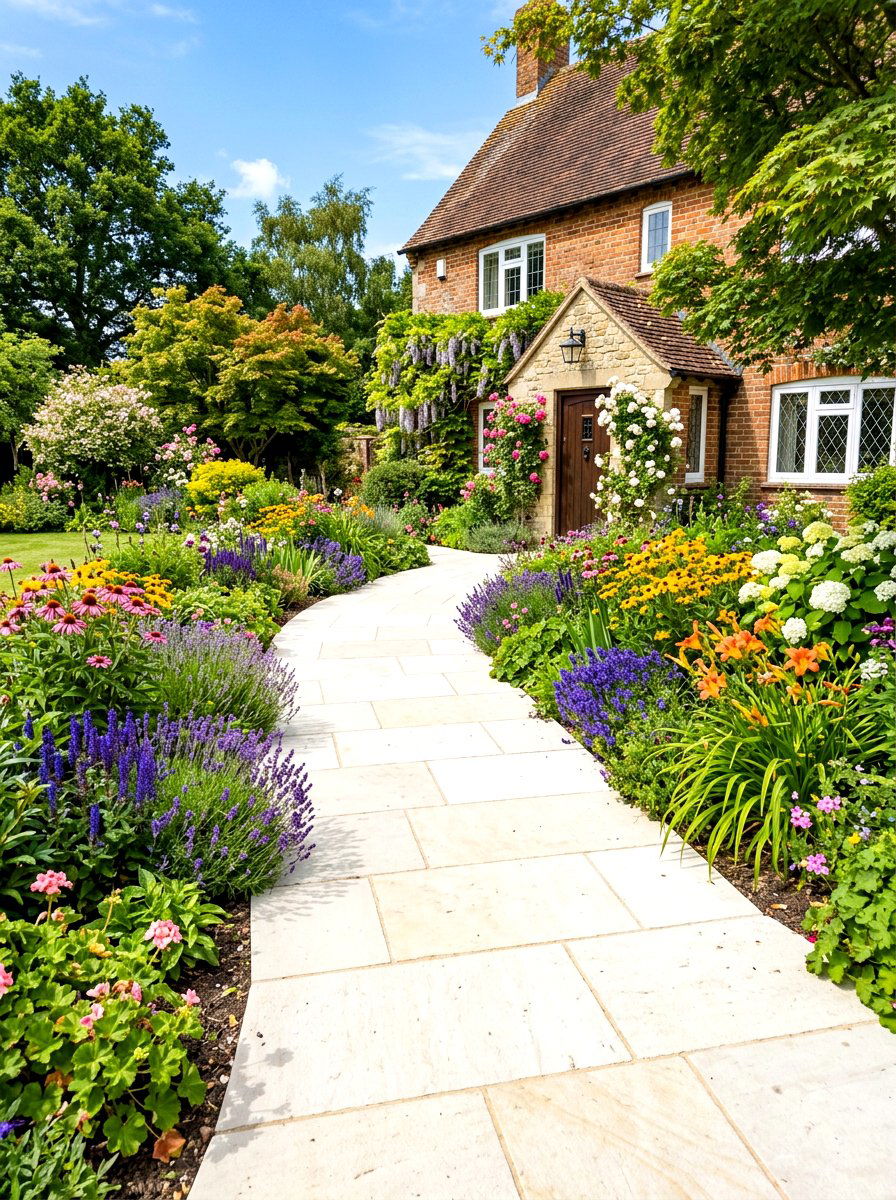
A limestone slab path exudes a bright and airy feel that can instantly lift the appearance of a shaded or dark front yard. The light tan or creamy white tones of limestone reflect sunlight, making the entrance feel more expansive and welcoming even on cloudy days. These large, heavy slabs are typically cut into rectangles or squares for a formal look, but they can also be left with natural edges for a more organic vibe. Limestone is a classic material that pairs well with both traditional brick homes and modern stucco exteriors. Its smooth yet slip-resistant surface makes it a practical choice for a front walkway that sees daily use.
12. Wood plank walkway
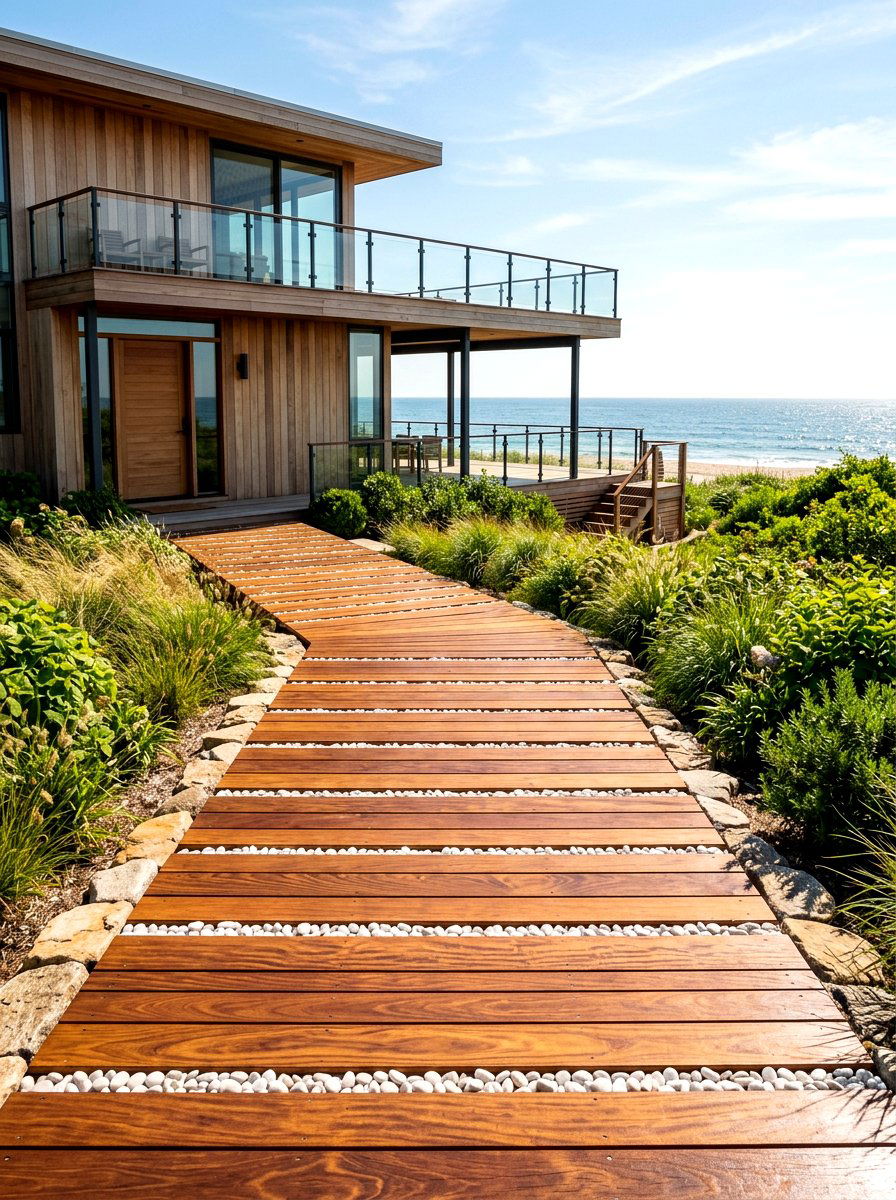
Bringing the warmth of interior flooring outside, a wood plank walkway creates a coastal or farmhouse-inspired entrance that feels incredibly inviting. Using durable hardwoods like ipe or rot-resistant cedar, these paths can be built slightly off the ground like a low bridge or laid directly on a gravel base. The linear nature of the planks draws the eye forward, making the path to the front door feel intentional and designed. This style is particularly effective in wooded or beachside settings where natural materials are favored. To maintain its beauty, the wood can be stained to match your front porch or left to weather into a soft, silvery gray over time.
13. Paver and pebble path
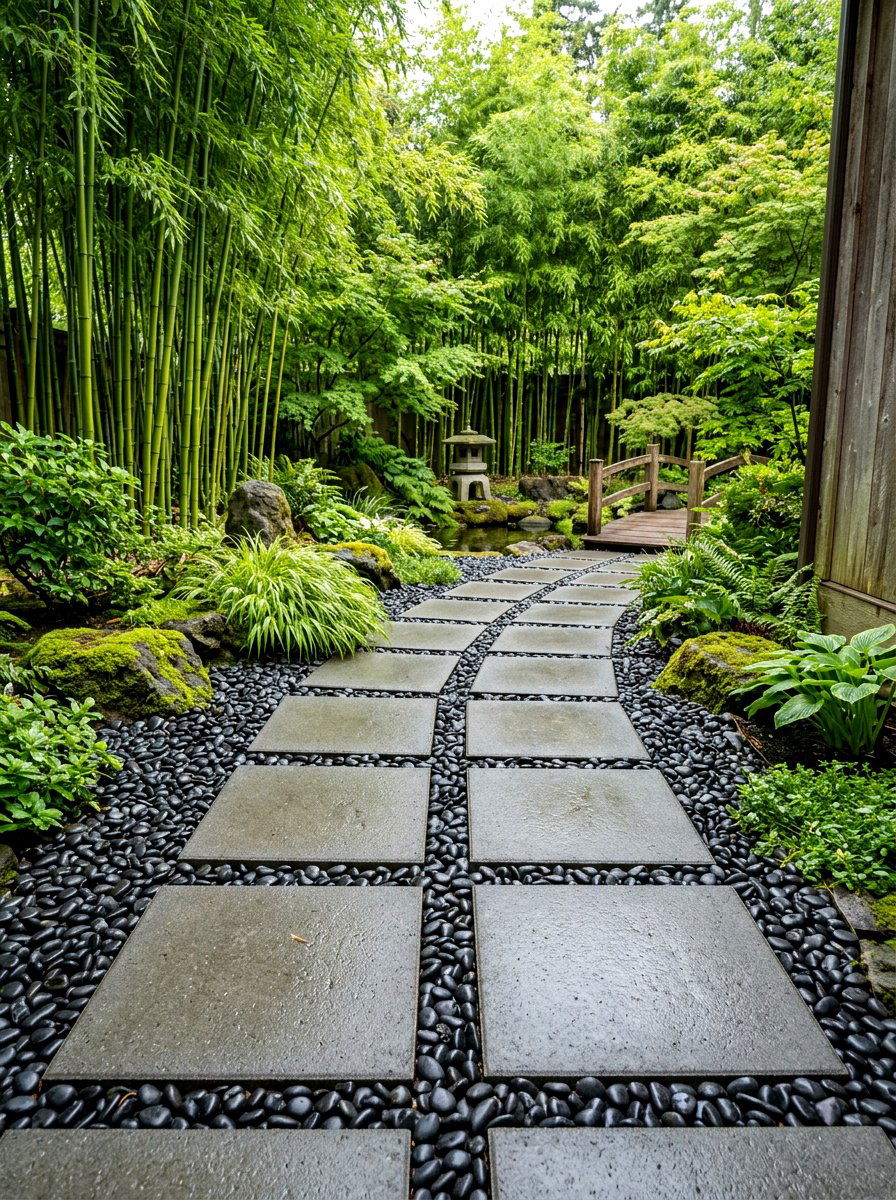
Combining two different materials, a paver and pebble path offers a high-contrast and textured look that is visually engaging. This design typically involves laying large, smooth pavers as the main walking surface and filling the surrounding borders or gaps with small, dark river pebbles. The mix of the solid, geometric pavers and the loose, organic pebbles creates a sophisticated balance between structure and nature. It is a fantastic way to add a modern, Zen-like quality to your front yard. This style also allows for excellent drainage and can be easily adjusted to fit around existing trees or garden features, making it as functional as it is beautiful.
14. Curved stone walkway
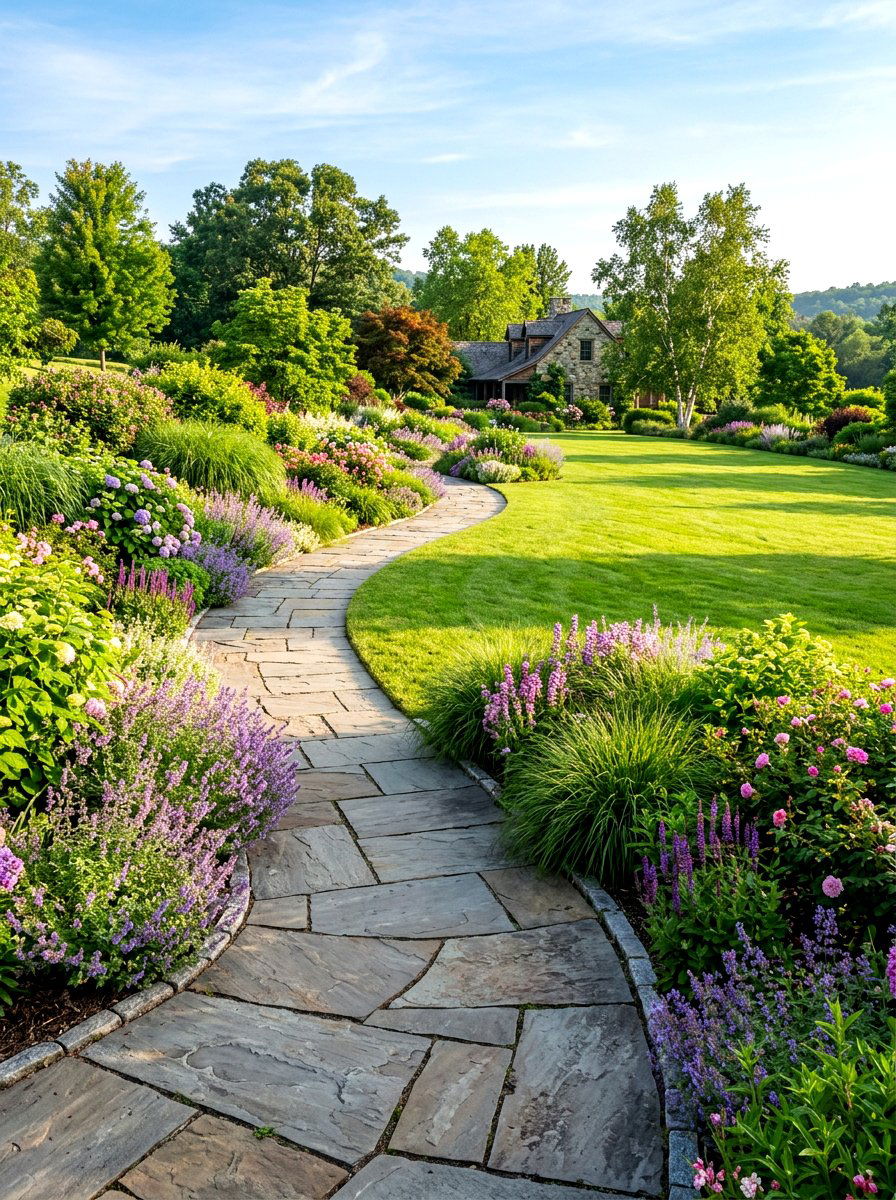
A curved stone walkway adds a sense of flow and grace to your front yard, breaking up the harsh angles of a typical rectangular lot. Instead of a direct line to the door, a meandering path encourages a slower pace and allows guests to appreciate different angles of your landscaping. Using natural stone pieces that follow a gentle arc creates a soft and welcoming transition from the sidewalk to your home. This layout is particularly effective for large front yards where you want to create distinct zones or hide the front door slightly for a sense of privacy. Frame the curves with mounded perennials and flowering shrubs for a truly picturesque look.


15. Straight modern path
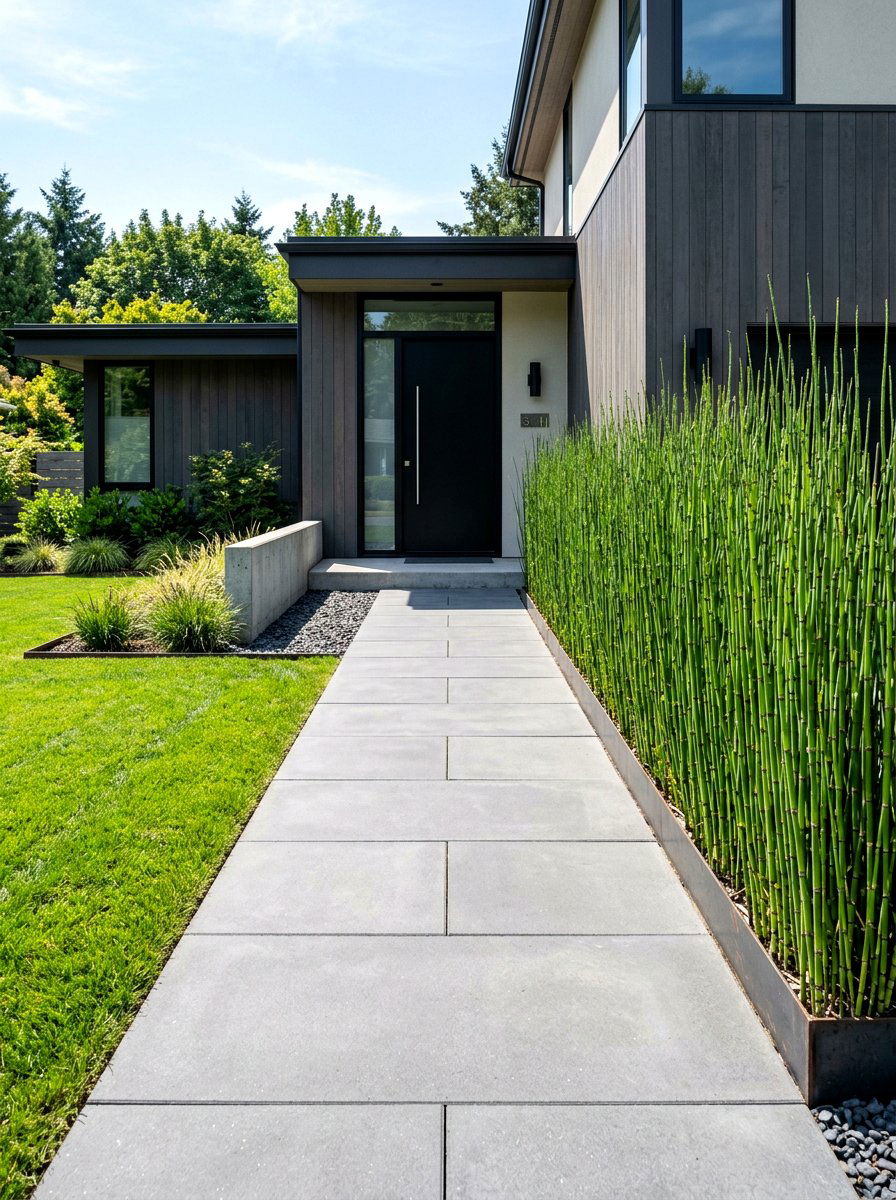
For those who appreciate order and precision, a straight modern path provides a bold and direct line to the home’s entrance. This layout emphasizes the architecture of the house, drawing immediate focus to the front door and creating a sense of formal symmetry. Using oversized concrete tiles or dark slate slabs with perfect ninety-degree angles reinforces the minimalist aesthetic. To prevent the design from feeling too cold, you can line the path with architectural plants like horsetail reed or structural agaves. This type of walkway is ideal for urban settings or homes with clean, linear facades, offering a professional and highly organized appearance that speaks to contemporary design sensibilities.
16. Zen garden walkway

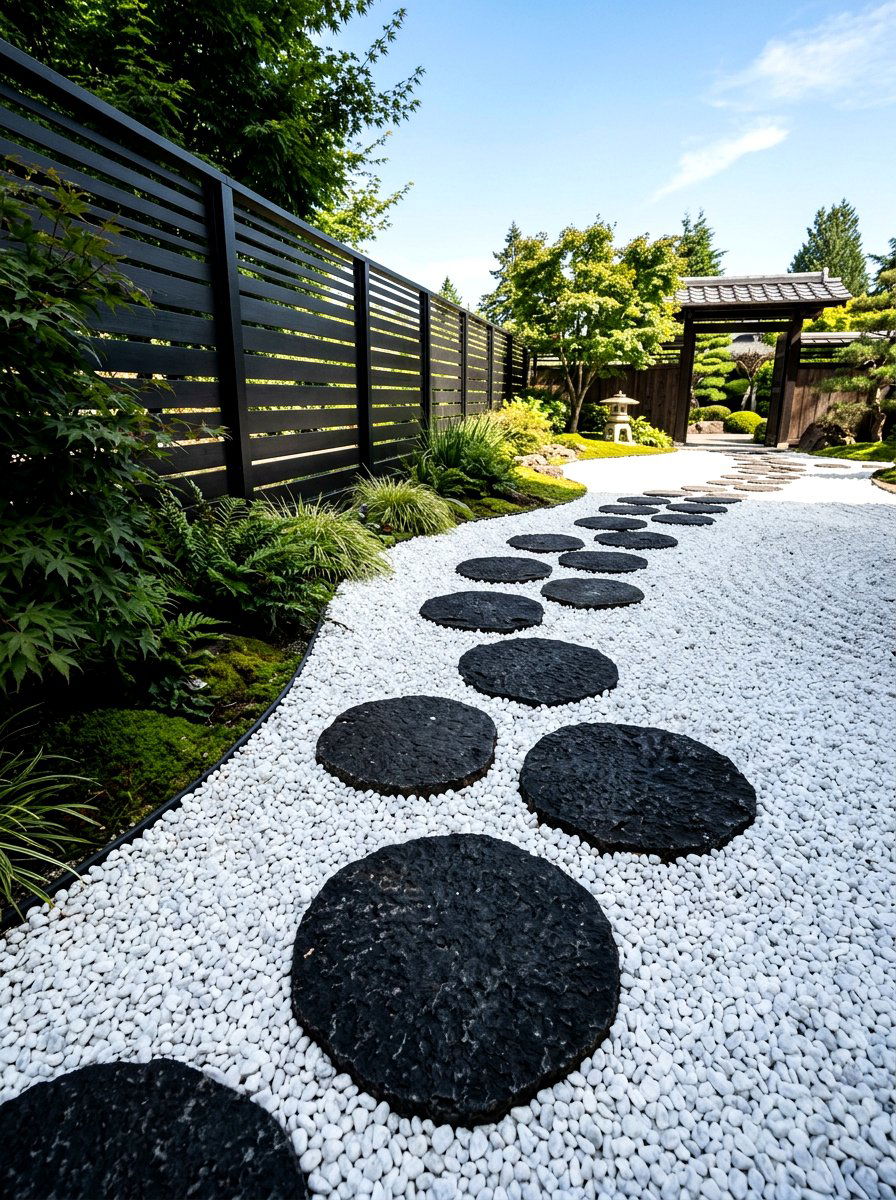
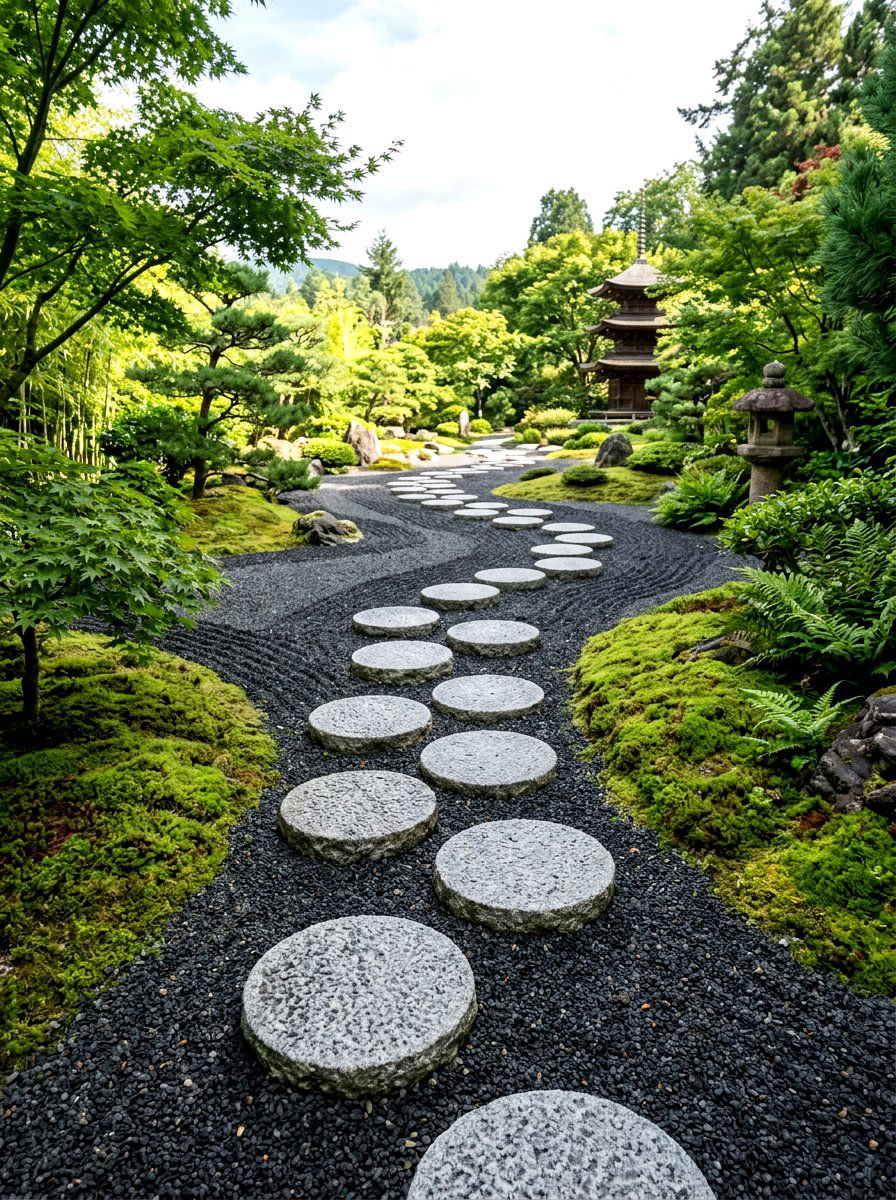
A Zen garden walkway focuses on tranquility and balance, often incorporating elements of Japanese design to create a peaceful entry. This style might feature large, flat granite stones placed carefully within a bed of raked sand or fine gravel. The placement of each stone is intentional, meant to guide the walker through a moment of reflection before entering the house. Surround the path with traditional Zen plants like Japanese maples, bamboo, and moss-covered rocks to complete the serene atmosphere. This design is perfect for homeowners who want their front yard to be a sanctuary away from the busy street, providing a calm and beautiful transition into the living space.
17. Reclaimed wood walk
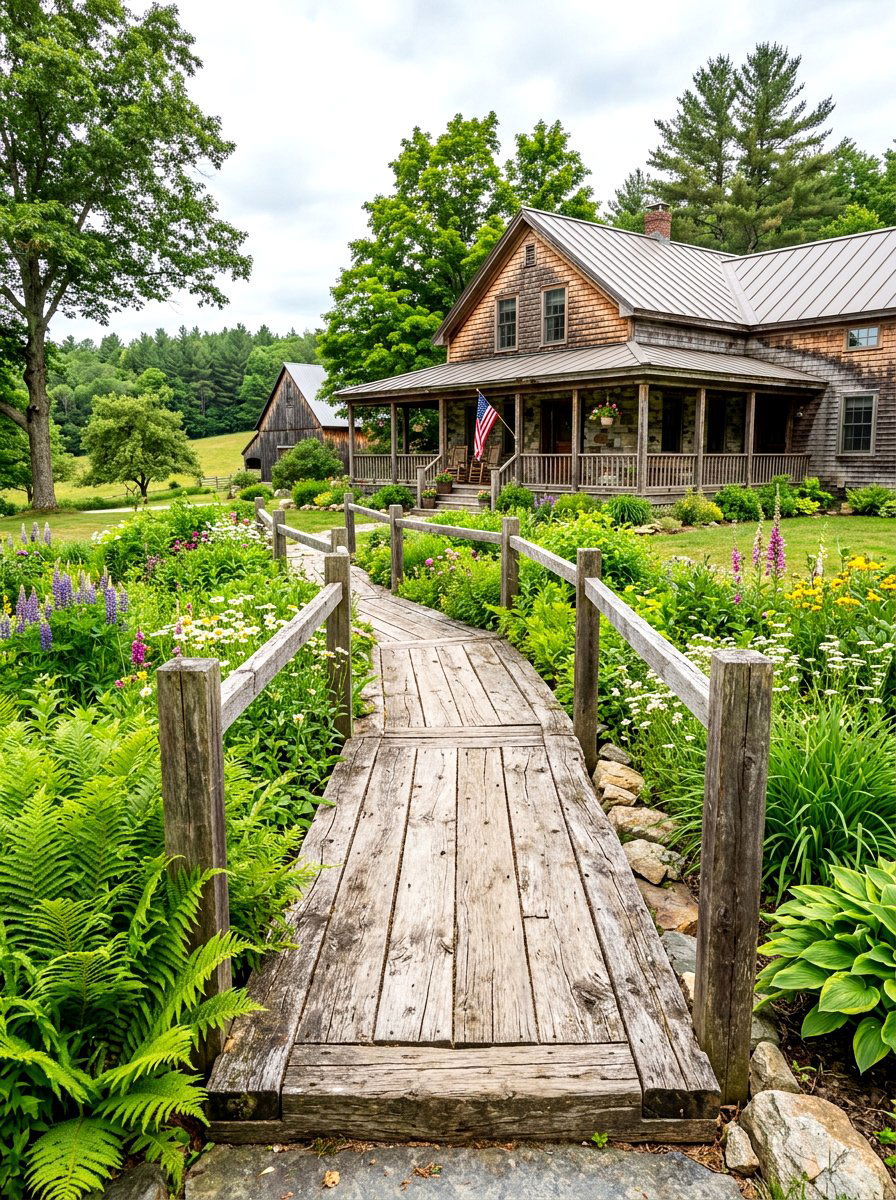
Using reclaimed wood for a front yard walkway is a sustainable and character-filled choice that appeals to fans of rustic or industrial design. Old barn wood, railway ties, or salvaged timber can be repurposed to create a path that feels weathered and historic. Each piece of wood tells a story through its unique knots, cracks, and grain patterns, adding a layer of authenticity to your home’s exterior. This style works beautifully with cottage-style homes or modern farmhouses where natural materials are celebrated. Pairing the rugged wood with soft ferns and wildflowers creates a lovely contrast between the sturdy, aged timber and the delicate, living greenery surrounding the entry.
18. River rock walkway
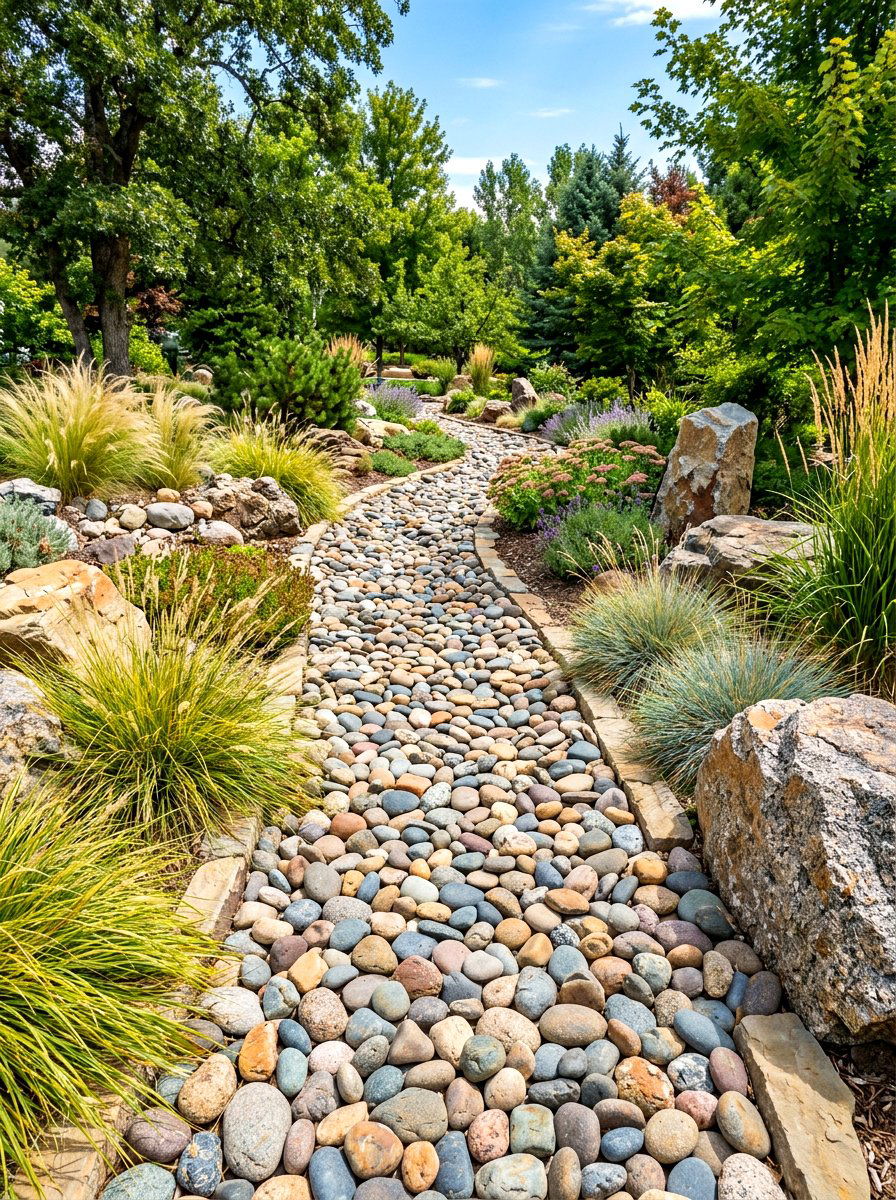
A river rock walkway uses smooth, water-worn stones of varying sizes to create a path that mimics the look of a dry creek bed. This design is highly textural and adds a unique auditory element as the stones shift slightly underfoot. While the main walking area should be made of flatter rocks for stability, the edges can feature larger boulders and ornamental grasses to enhance the natural look. This style is particularly effective in sloping yards where it can help manage water runoff during heavy rains. The varied earthy tones of the river rocks provide a neutral backdrop that makes the vibrant greens and colorful blooms of your garden stand out.
19. Travertine outdoor path
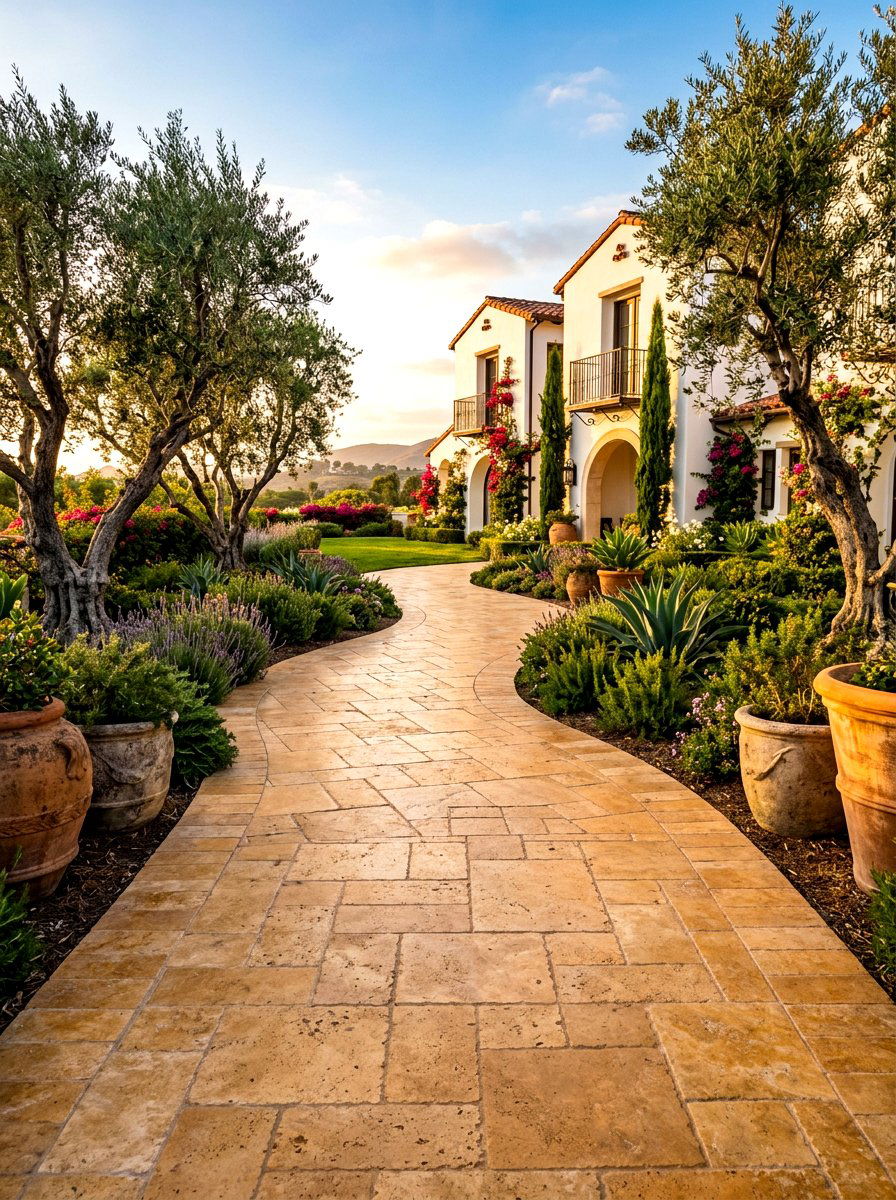
Travertine is a premium natural stone that offers a sophisticated and Mediterranean feel to a front yard walkway. Known for its subtle pitted texture and warm sandy tones, travertine stays relatively cool under the sun, making it a comfortable surface for barefoot walking in warmer climates. When laid in a French pattern — a mix of different sized rectangles and squares — it creates a complex and high-end visual effect. This material pairs beautifully with stucco walls, wrought iron accents, and olive trees. Because it is a natural stone, each tile has unique veining and color shifts, ensuring that your pathway looks like a custom piece of art leading to your door.
20. Poured concrete walk
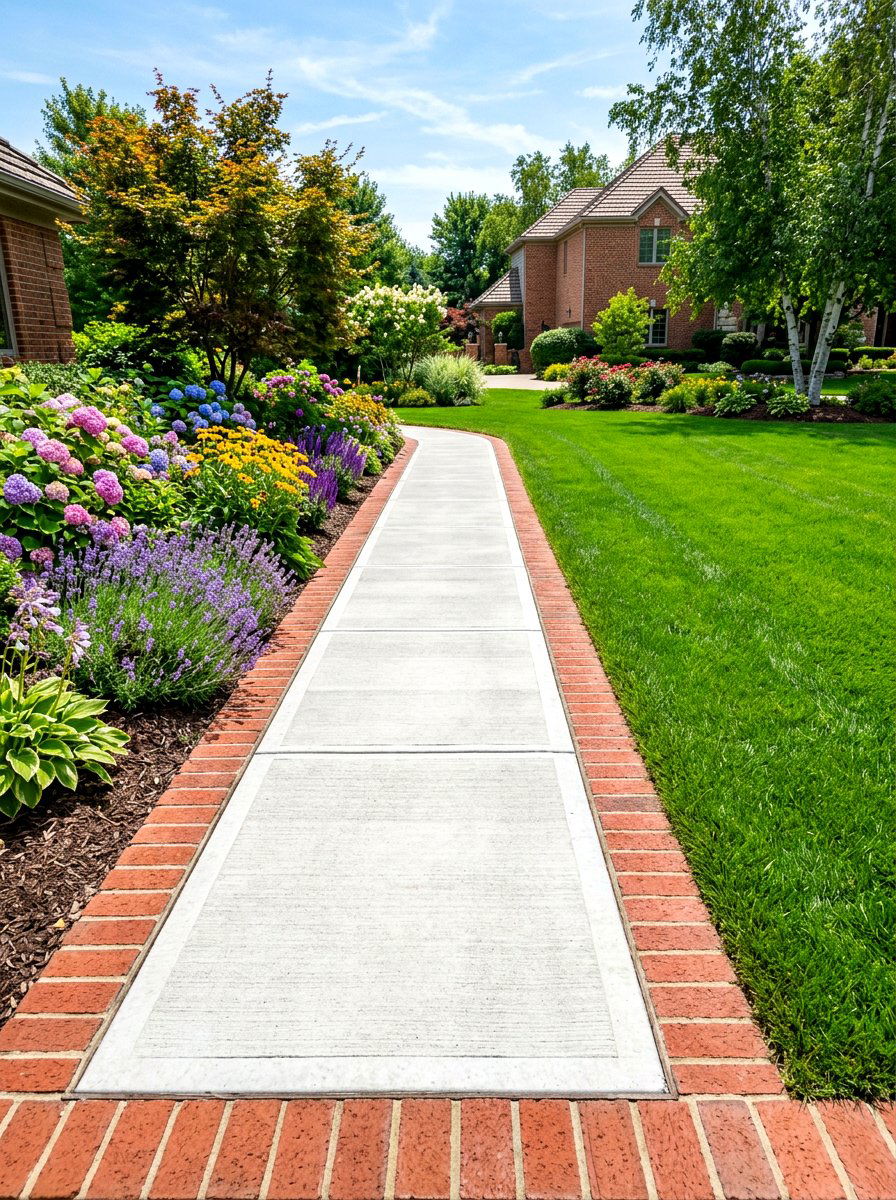
A poured concrete walk is one of the most versatile and cost-effective ways to create a durable entrance that lasts for decades. Modern techniques like stamping or acid staining allow you to transform plain gray concrete into a surface that mimics stone, brick, or even wood. A simple broom-finished concrete path offers a clean, non-slip surface that works well with any architectural style. You can add visual interest by including decorative joints or bordering the concrete with a different material like brick or stone. This option is ideal for homeowners who want a low-maintenance, high-durability solution that can be easily customized to fit their specific aesthetic preferences and budget.
21. Grass jointed pavers
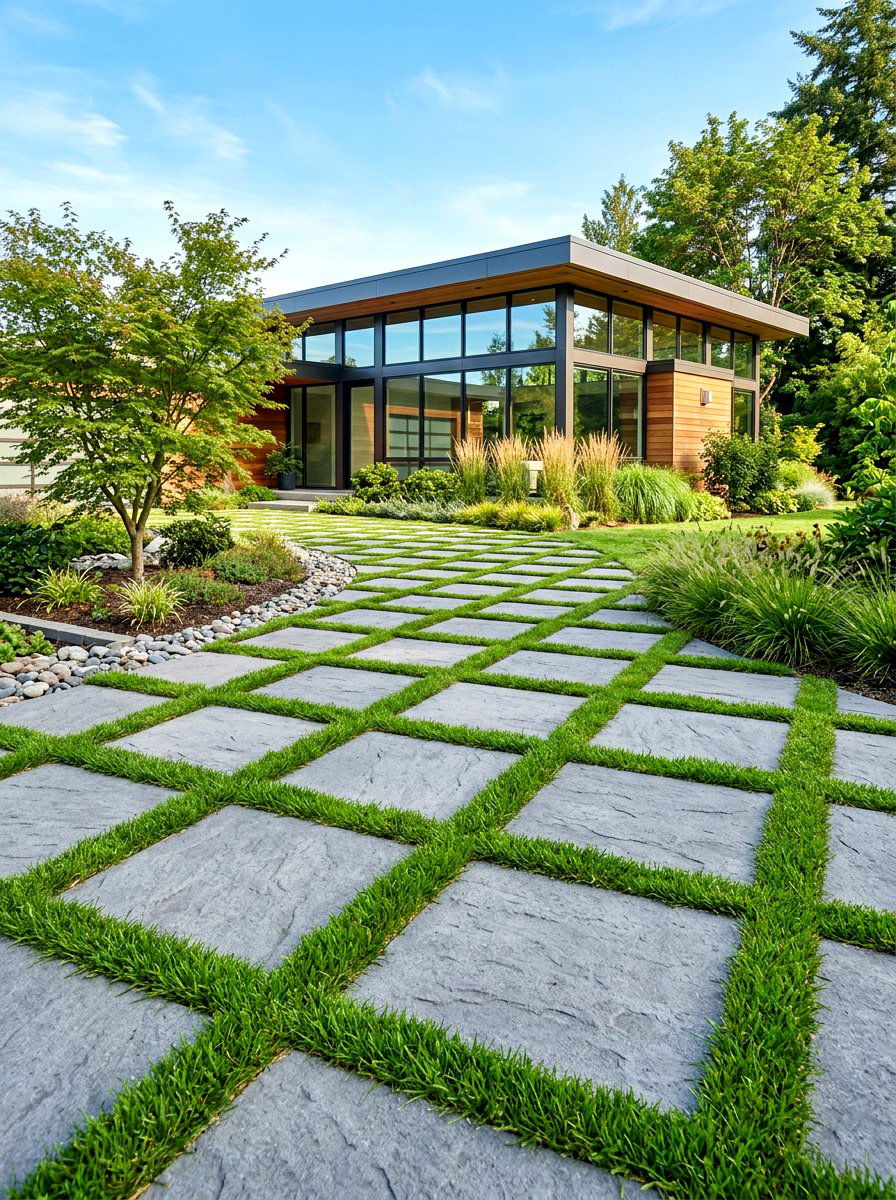
Grass jointed pavers are a wonderful way to blend hardscaping with the natural environment, creating a "living" walkway that feels soft and integrated. This design involves laying pavers with significant gaps between them, which are then filled with soil and planted with grass or low-profile ground covers. The result is a beautiful grid-like pattern where the greenery softens the hard edges of the stone. This style is not only visually appealing but also environmentally friendly, as it allows rainwater to soak into the ground rather than running off. It is a perfect choice for creating a seamless transition between a driveway and a front lawn while maintaining a lush appearance.
22. Large format stone walk
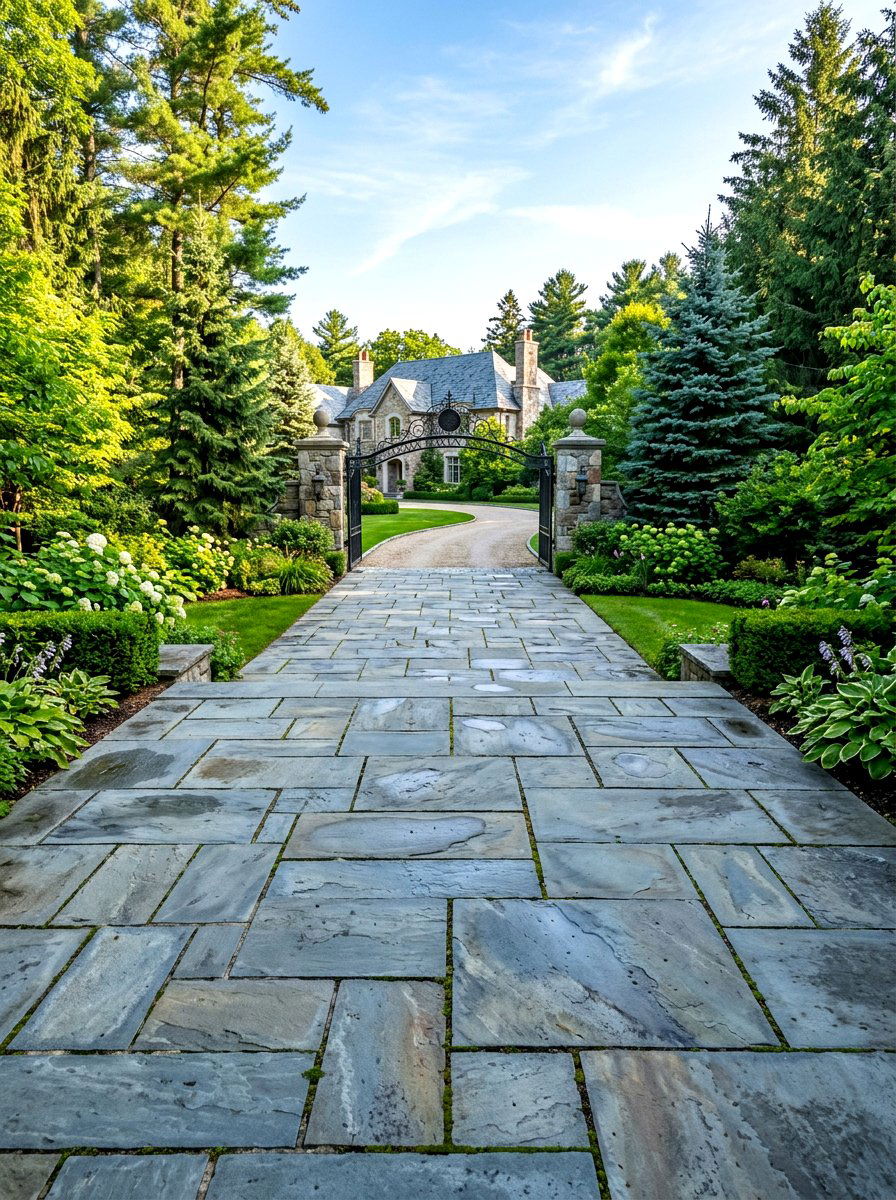
Using oversized stones for a walkway creates a sense of grandeur and permanence that can make a modest home look much more impressive. Large format stones, such as giant slabs of bluestone or granite, require fewer joints, resulting in a cleaner and more expansive look. This style emphasizes the weight and quality of the material, suggesting a high level of craftsmanship. The broad surfaces are easy to walk on and provide a stable foundation for guests of all ages. To keep the look modern, you can lay them in a straight, linear fashion, or for a more traditional feel, use stones with naturally irregular edges that feel hand-carved and historic.
23. Bluestone walkway
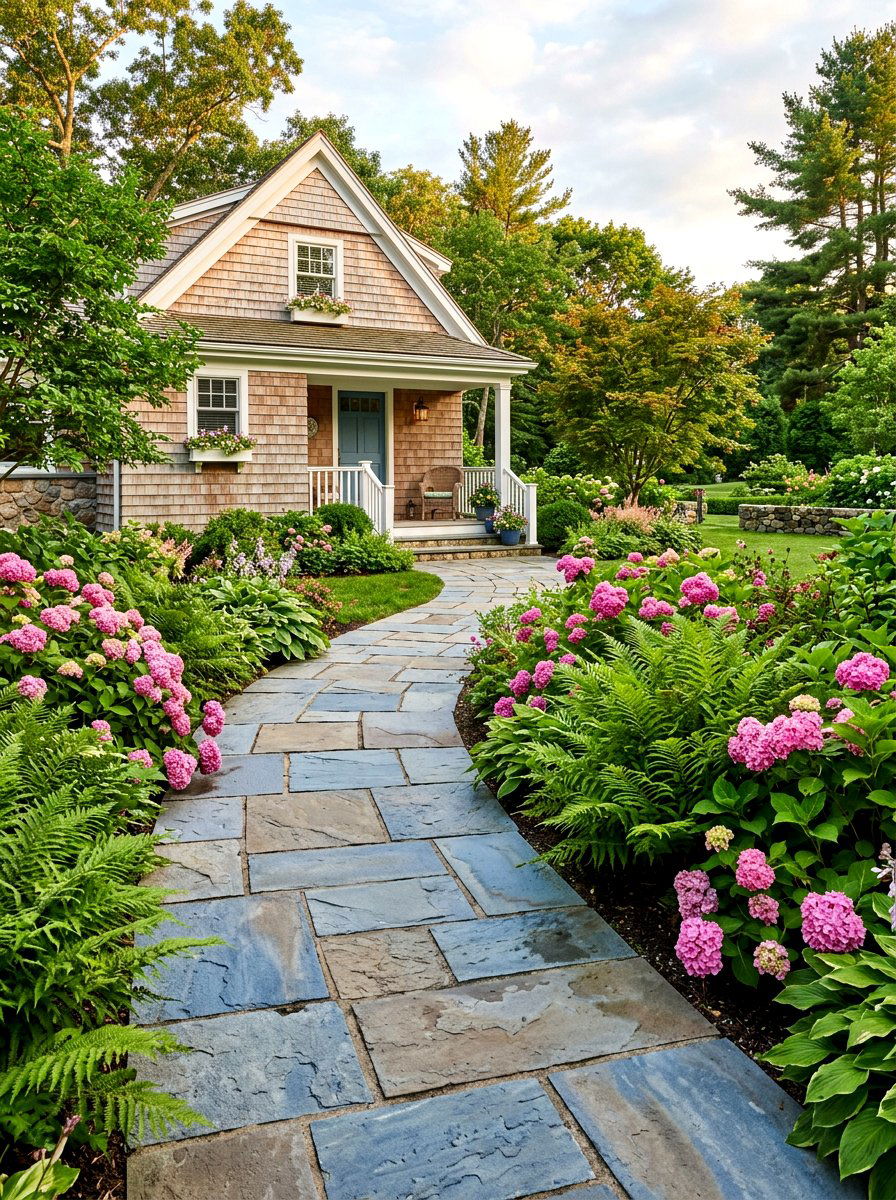
Bluestone is a highly prized material for front yard walkways due to its stunning deep blue and gray tones and its incredible durability. This natural sandstone is often split into thin layers, providing a naturally non-slip surface that is perfect for outdoor use. Whether you choose "full color" bluestone with its varied brown and rust accents or "select blue" for a more uniform look, the result is always elegant. Bluestone looks particularly striking when wet, as the colors become deep and saturated. It pairs beautifully with traditional shingle-style homes and modern glass-heavy architecture alike, offering a timeless quality that never goes out of style or loses its visual appeal.
24. Red brick entry
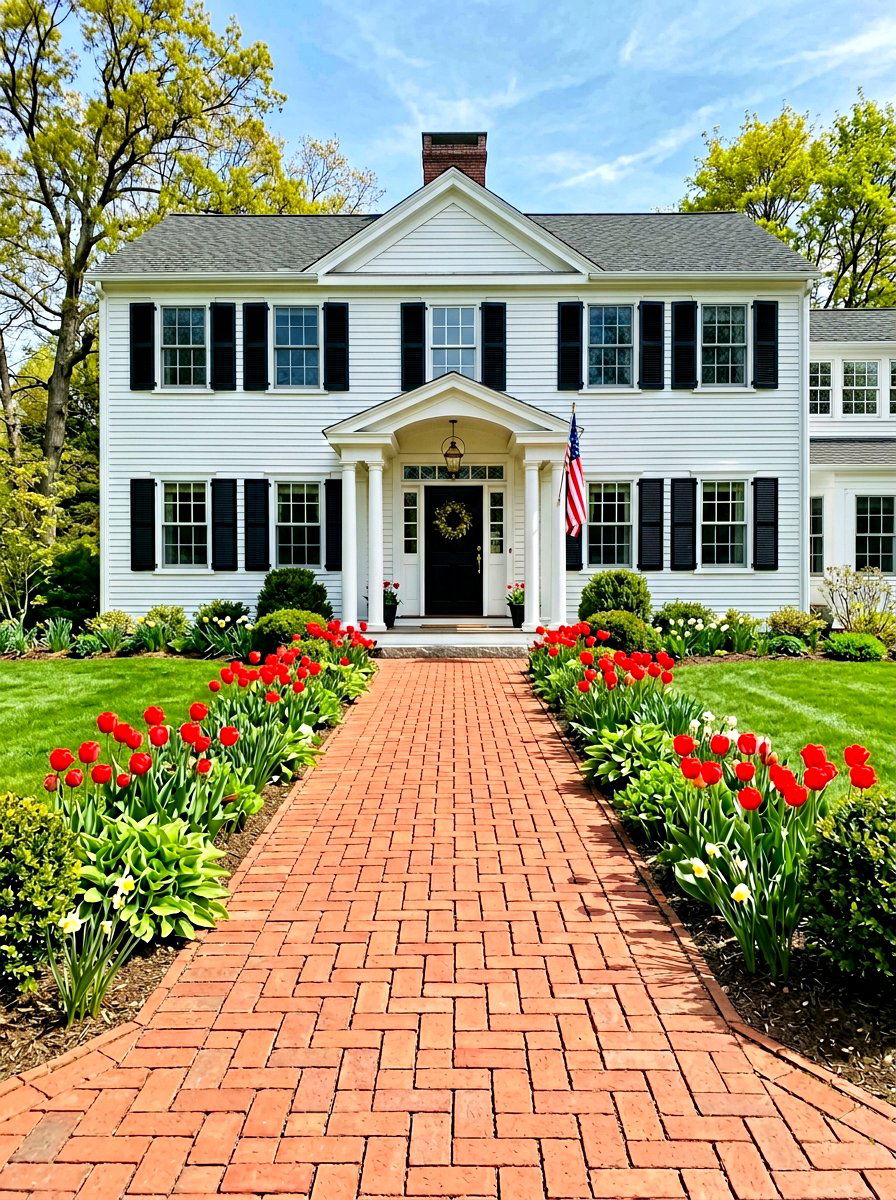
A red brick entry is a quintessential choice for colonial, federal, or craftsman-style homes, providing a sense of warmth and reliability. The rich, earthy red color of the bricks creates a sharp contrast against white trim and dark shutters, making the entrance pop from the street. Bricks can be laid in numerous patterns, such as the classic basketweave or the sturdy running bond, each offering a different visual rhythm. Beyond its aesthetic appeal, brick is a sustainable and long-lasting material that develops a beautiful patina as it ages. Surrounding the path with traditional flowers like tulips or hydrangeas enhances the classic, "all-American" feel of this welcoming and sturdy front yard design.
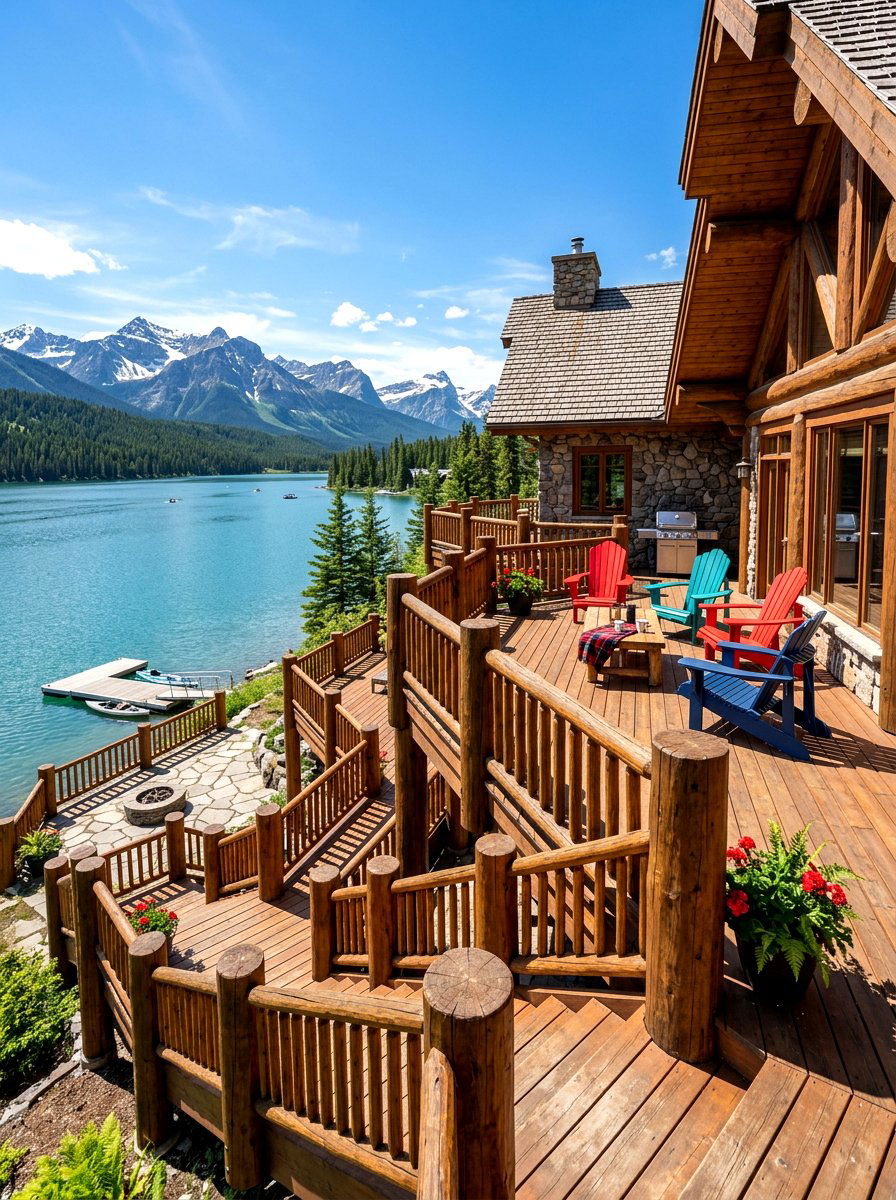



25. Timber sleeper path
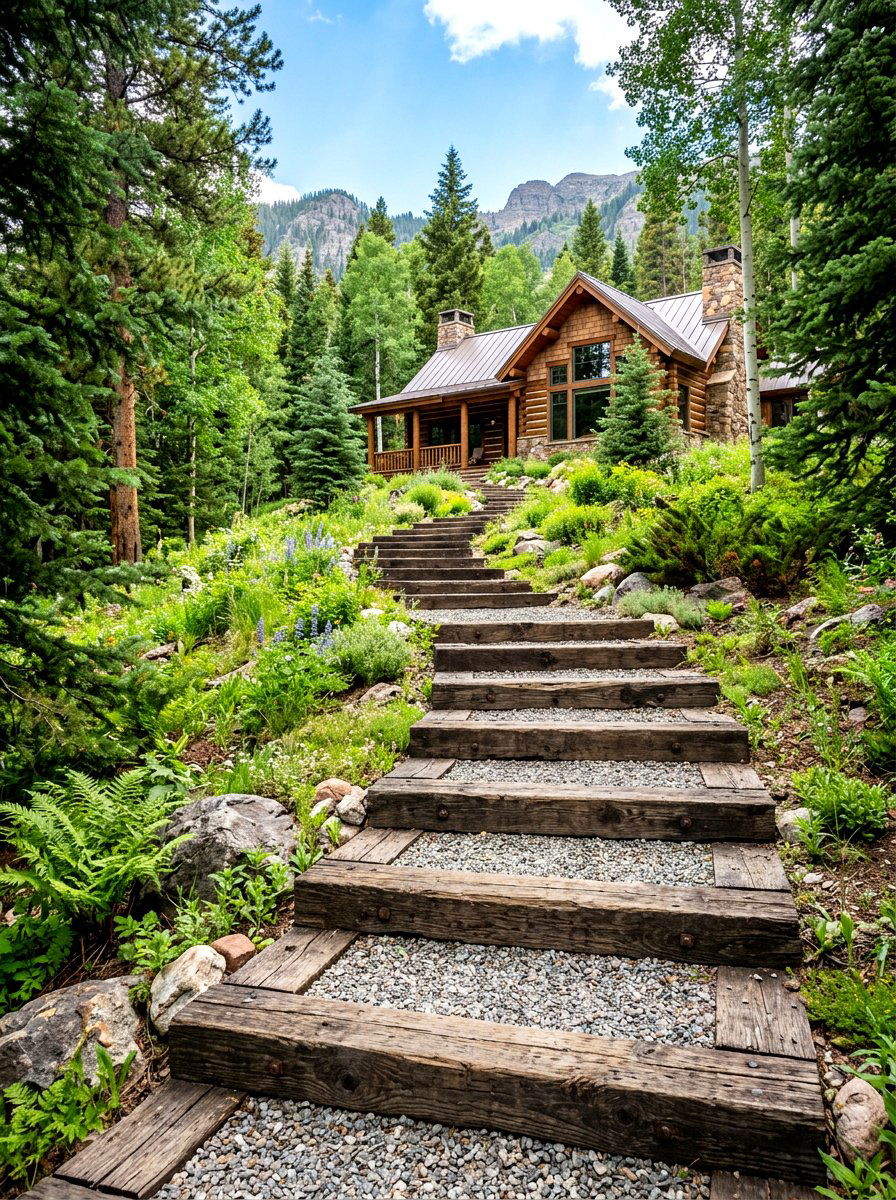
Timber sleepers, or large wooden beams, can be used to create a rugged and tiered walkway that is perfect for sloping front yards. These heavy-duty pieces of wood can be set into a hillside to create wide, shallow steps that make navigating a steep grade easy and attractive. The space between the sleepers can be filled with gravel, mulch, or even low-lying plants to add texture and color. This design has a sturdy, grounded feel that works well with mountain cabins or rustic suburban homes. The natural wood grain adds a touch of organic warmth to the landscape, creating a path that feels integrated with the surrounding trees and shrubs.
26. Patterned tile walkway
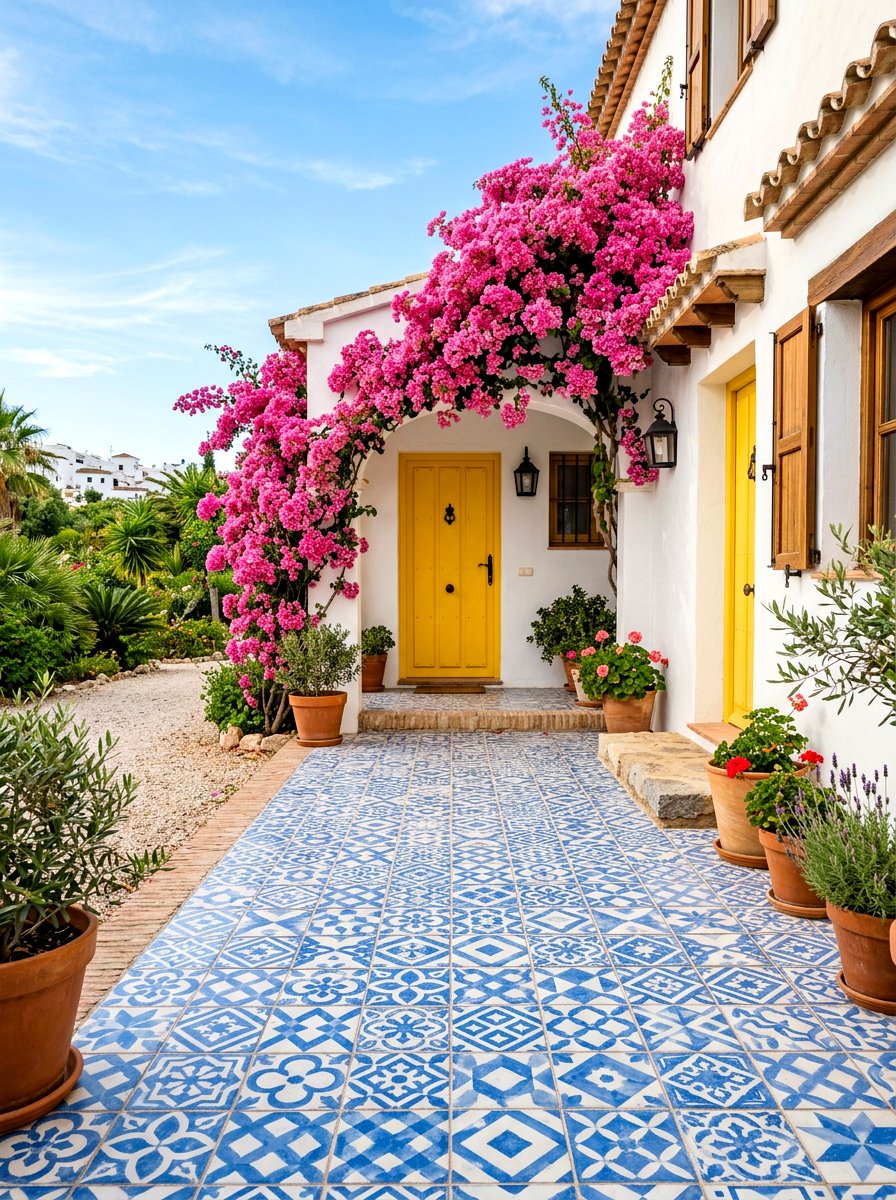
For homeowners who want to make a bold artistic statement, a patterned tile walkway is a fantastic way to introduce color and personality to the front yard. Using weather-resistant encaustic or porcelain tiles, you can create intricate geometric designs or Mediterranean-inspired motifs that serve as a focal point. This style is particularly effective for small front entries or porches where the pattern can be fully appreciated. The vibrant colors and detailed designs can tie together the colors of your front door and garden blooms. It is a sophisticated way to add a "wow" factor to your curb appeal, turning a simple functional path into a stunning piece of outdoor floor art.
27. Circular stone path
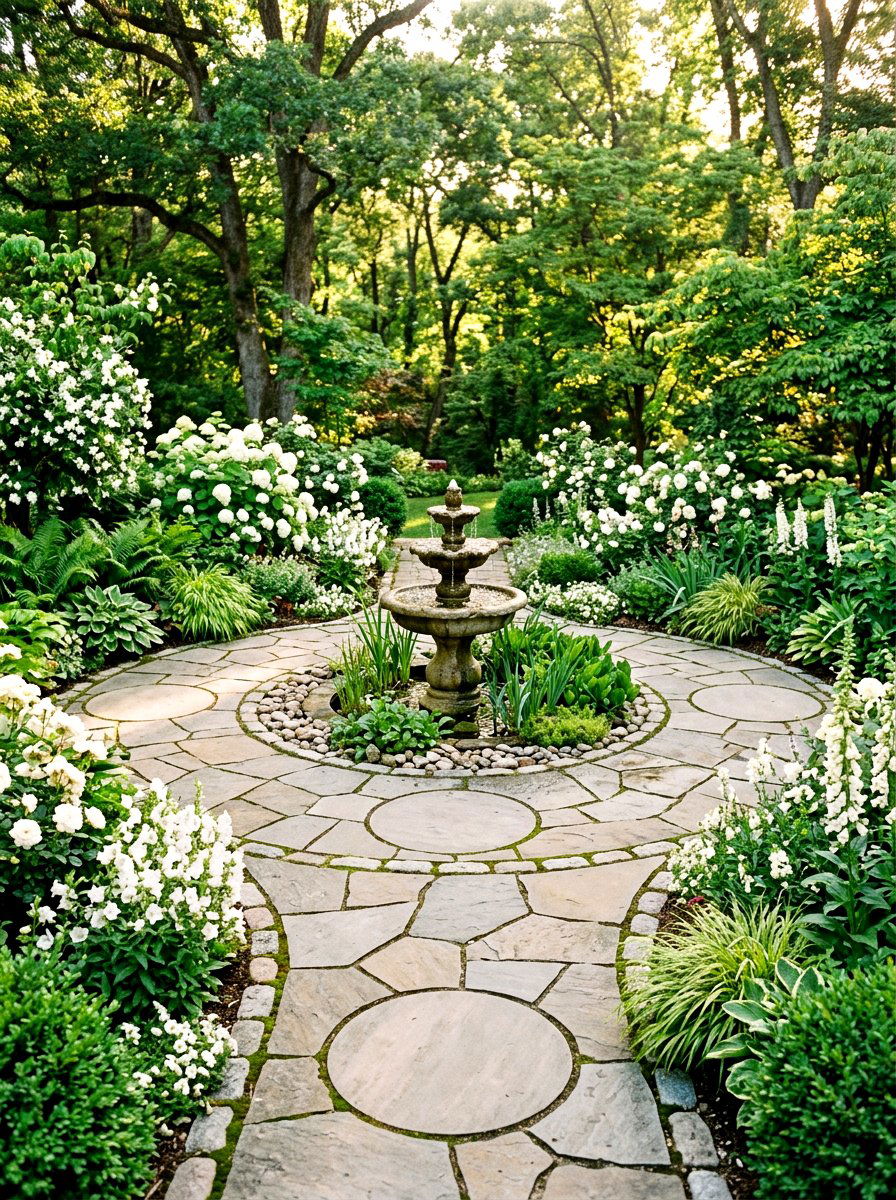
A circular stone path uses rounded stones or curved layouts to create a sense of softness and movement in the front yard. Instead of rigid lines, this design features circular landing pads or a winding path made of circular stepping stones. This approach is excellent for creating a focal point, such as a small fountain or a specimen tree, that the path meanders around. The circular shapes provide a friendly and approachable vibe that breaks up the squareness of a typical house and lot. It is a creative way to lead guests to the door while adding a touch of whimsical charm and visual interest to the overall landscape design.
28. Permeable paver walkway
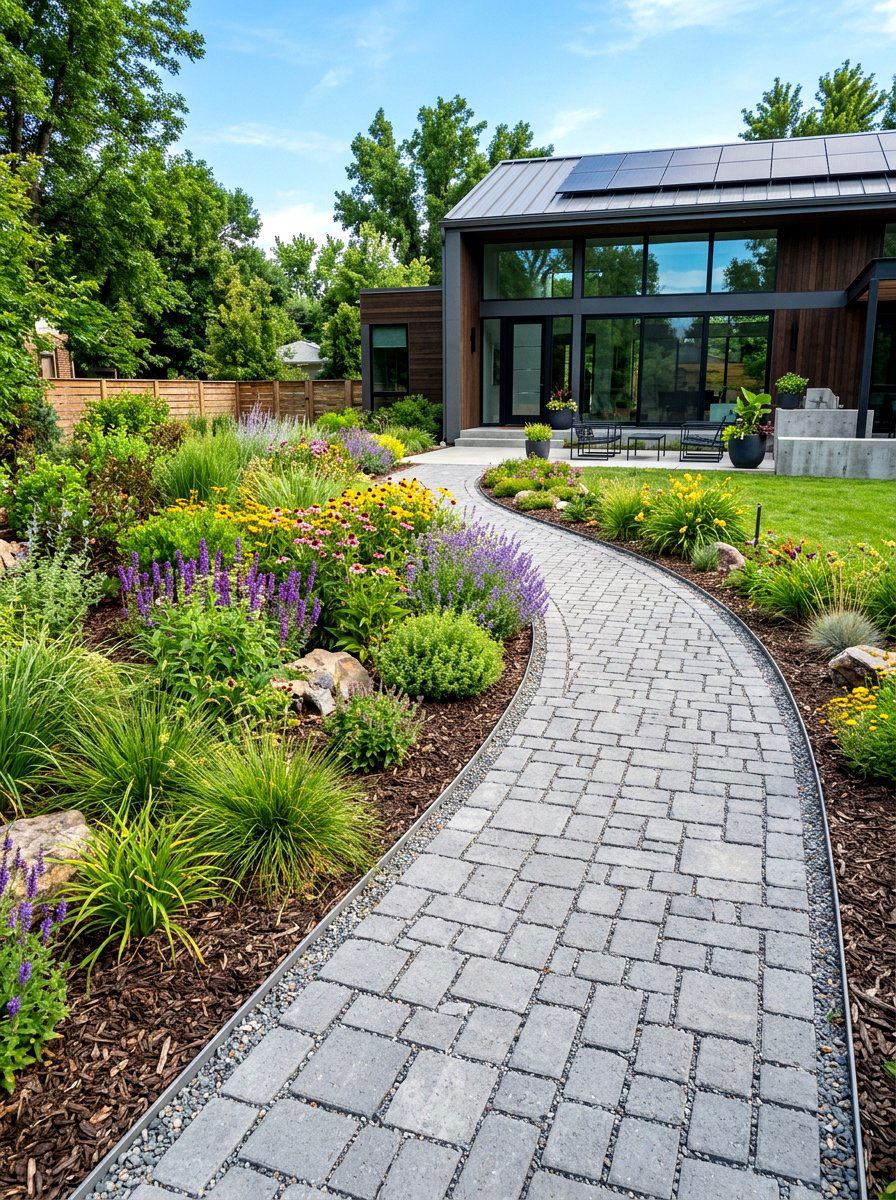
Permeable pavers are a smart and stylish solution for modern homeowners who prioritize sustainability without sacrificing aesthetics. These pavers are designed with specialized joints that allow water to filter through the surface and into a crushed stone base below, reducing stormwater runoff and recharging the groundwater. They come in many styles, from traditional brick looks to contemporary geometric shapes, making them suitable for any home. This type of walkway is often required by local building codes in certain areas, but it is also a great choice for any yard prone to puddling. It combines high-end design with practical environmental benefits, creating a responsible and beautiful entryway.
29. Terraced garden walk
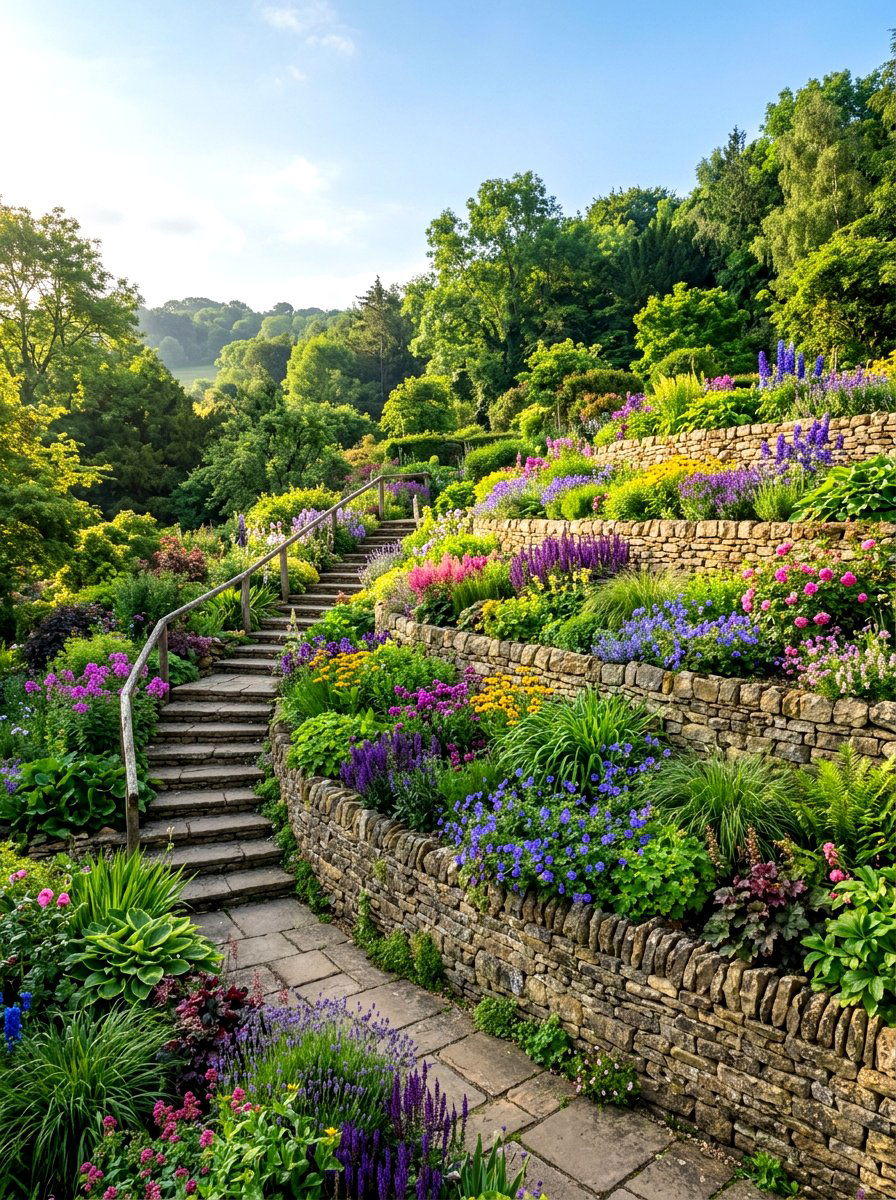
A terraced garden walk is the perfect solution for homes built on a significant incline, turning a challenging slope into a series of beautiful garden levels. By using stone walls or timber beams to create flat landings, the pathway becomes a journey through different layers of planting. Each level can feature a different theme, such as a succulent garden on the sunniest tier and ferns in the shaded areas. This design not only makes the walk to the front door safer and easier but also creates a dramatic and lush visual experience. It maximizes the usable space in a small, hilly yard, making the entire front area feel like a curated botanical garden.
30. Mulch garden path
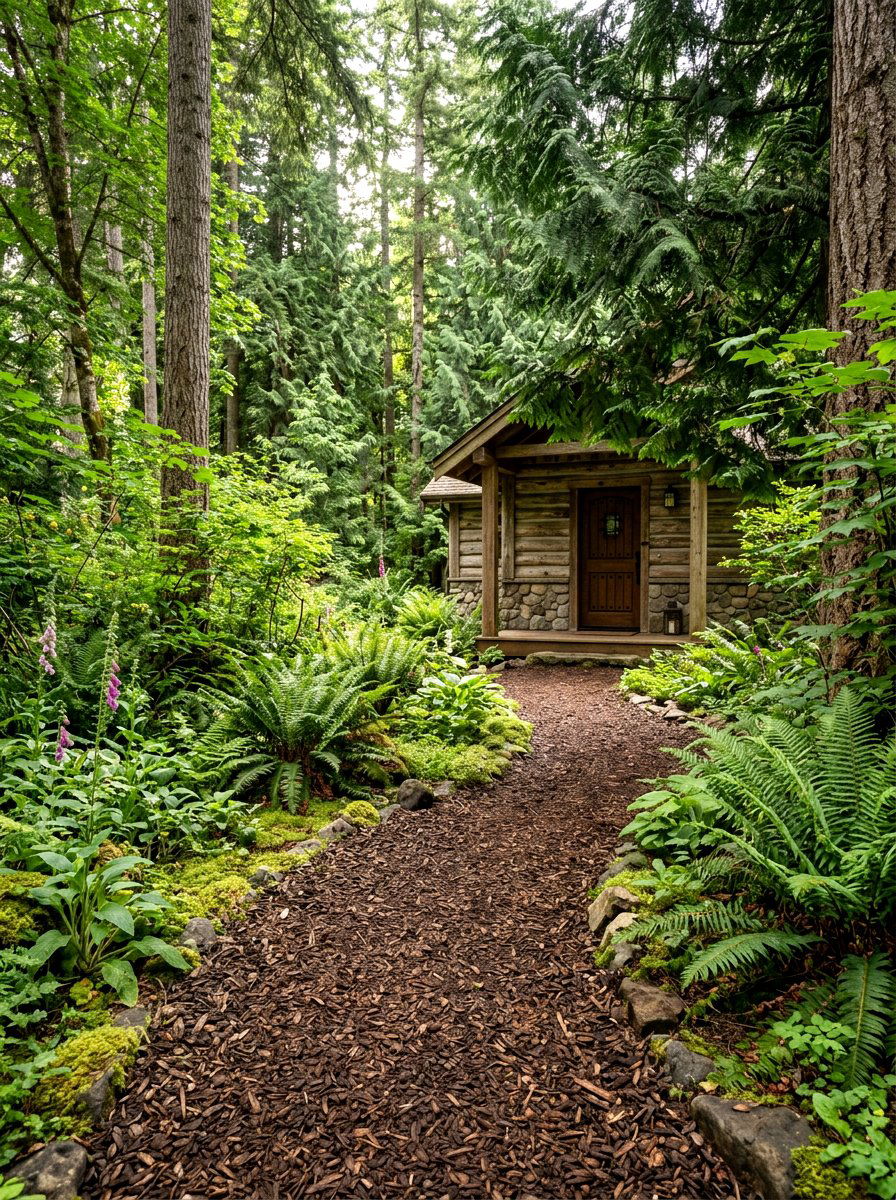
A mulch garden path is the ultimate low-cost and high-texture option for a naturalistic or woodland front yard. Using shredded bark or wood chips creates a soft, cushiony surface that feels like walking through a forest trail. This material is excellent for suppressing weeds and retaining moisture for the surrounding plants, making it a functional choice for a healthy garden. To give the path more structure, you can define the edges with logs, rocks, or metal strips. This style is perfect for casual homes or side entries where a formal paved surface isn't necessary. It provides a rustic, organic look that blends perfectly with large trees and shade-loving perennials.
Conclusion:
A well-crafted front yard pathway is the ultimate finishing touch that ties your home’s exterior design together. By choosing the right materials and layout, you can guide your guests on a journey that reflects your personal style and enhances the overall beauty of your property. From the structured elegance of modern pavers to the soft, natural charm of a mulch trail, each option offers a unique way to welcome visitors and improve your daily experience of coming home. Investing in your walkway not only boosts curb appeal but also creates a safe and inviting environment that stands the test of time. Take the time to plan a design that complements your architecture and landscape for a truly stunning result.

Related posts: