Enhancing your outdoor living space with a beautiful backyard walkway is one of the most effective ways to add character and functionality to your property. A well-designed path does more than just connect two points; it guides the eye, protects your lawn from heavy foot traffic, and creates a sense of order in your landscape. Whether you are dealing with a muddy side yard or simply want to elevate your garden's aesthetic, choosing the right materials is essential for long-term success. From the rustic charm of natural stones to the sleek sophistication of modern concrete pavers, there are countless options to suit every home style and budget. By incorporating thoughtful textures and colors, you can transform a simple transit route into a stunning focal point that enhances your overall curb appeal. Let’s explore some of the most popular and creative ways to pave your way toward a more inviting and organized outdoor environment.

1. Flagstone Path
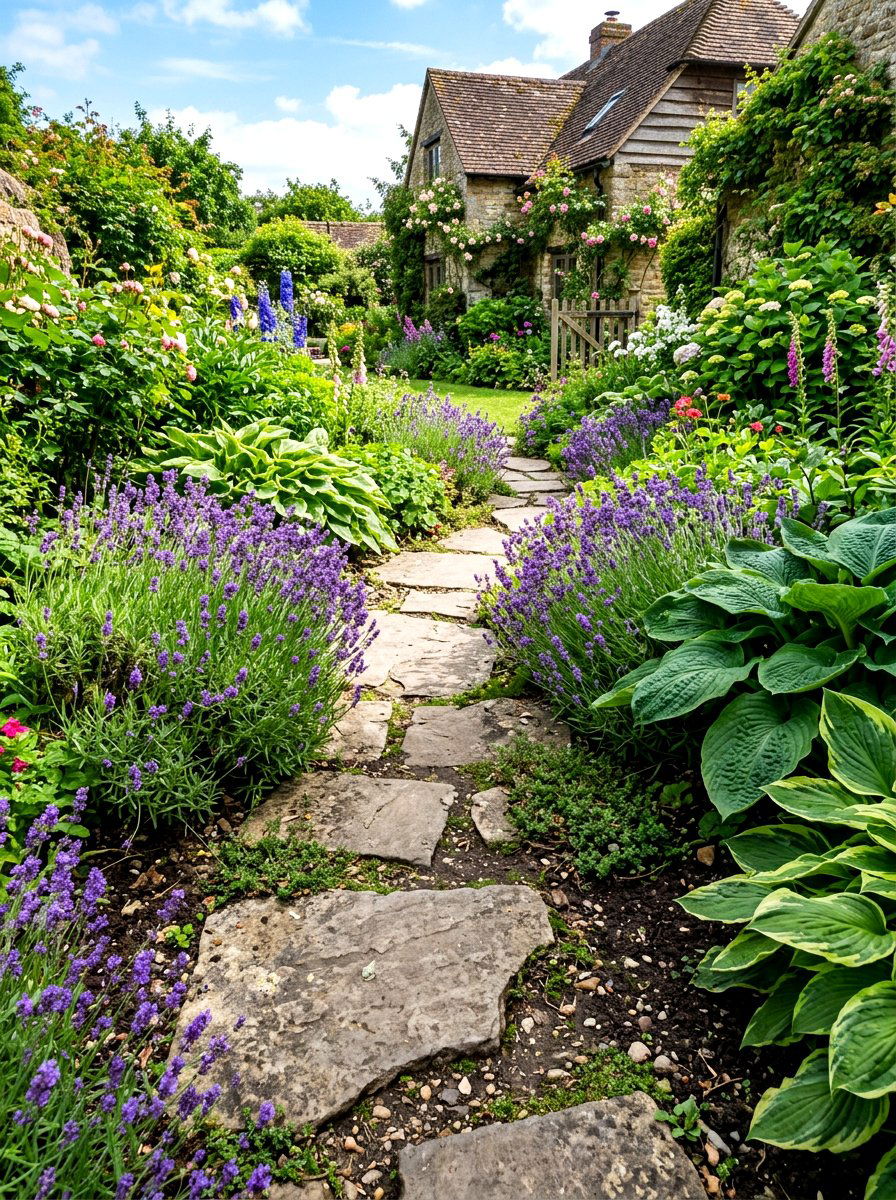
Flagstone is a perennial favorite for homeowners who want a timeless and organic look in their garden. These natural flat stones come in various irregular shapes and earthy tones, allowing you to create a unique puzzle-like pattern that blends perfectly with the surrounding greenery. You can set them directly into the soil for a casual appearance or surround them with groundcover plants like creeping thyme for added texture and fragrance. Because flagstone is heavy and durable, it provides a stable walking surface that can withstand all types of weather conditions. The natural slip-resistant surface makes it a safe choice for paths leading to pools or through shaded areas where moisture might collect. Its versatility ensures it complements both traditional and modern homes.
2. Gravel Walkway
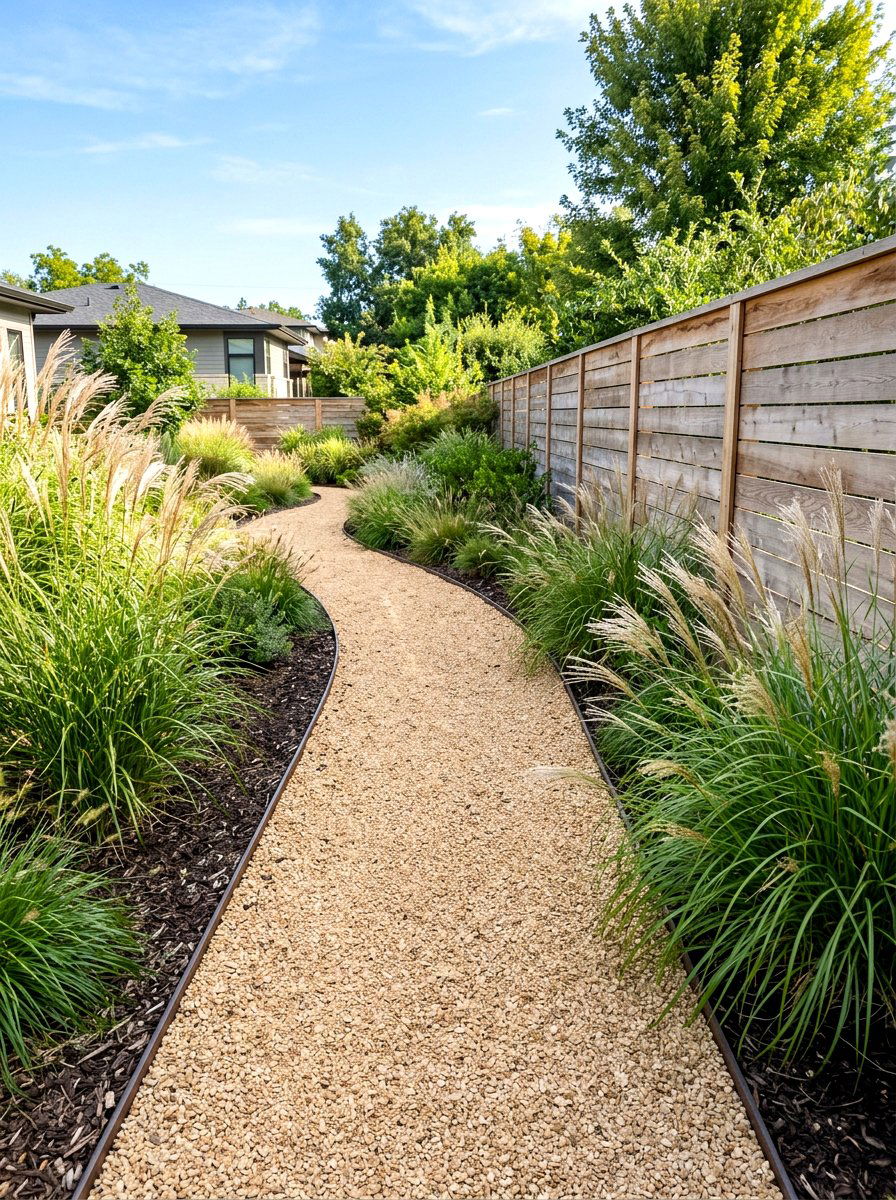
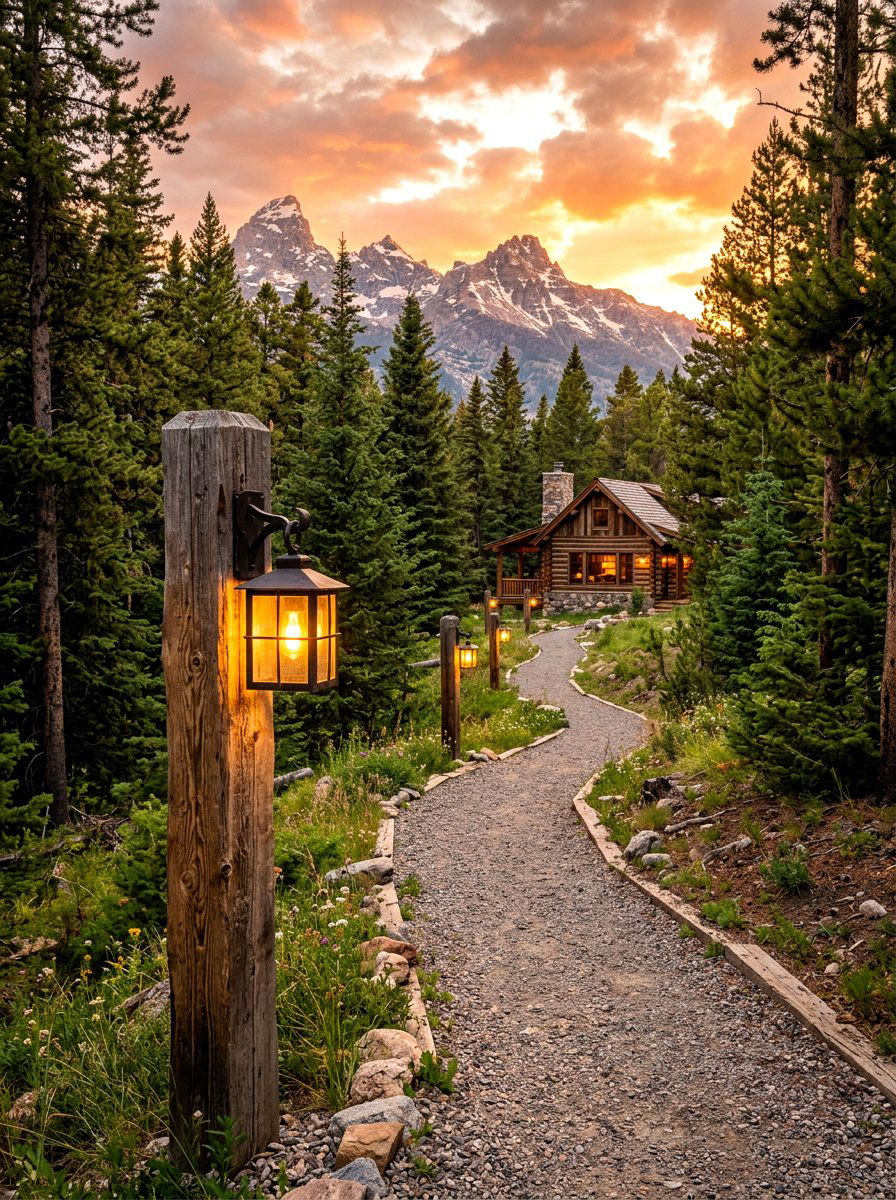
If you are looking for an affordable and easy-to-install option, a gravel walkway is an excellent choice for any backyard layout. Gravel provides exceptional drainage, ensuring that your path remains dry even after heavy rainfall, which helps prevent puddles and mud. To keep the loose stones in place, it is best to use a sturdy edging material like metal, wood, or brick borders. This containment prevents the gravel from migrating into your lawn or flower beds over time. The crunching sound of gravel underfoot adds a sensory element to your garden while providing a subtle security feature. You can choose from various colors, ranging from light tan to dark charcoal, to match your home’s exterior palette perfectly.
3. Modern Concrete Paver
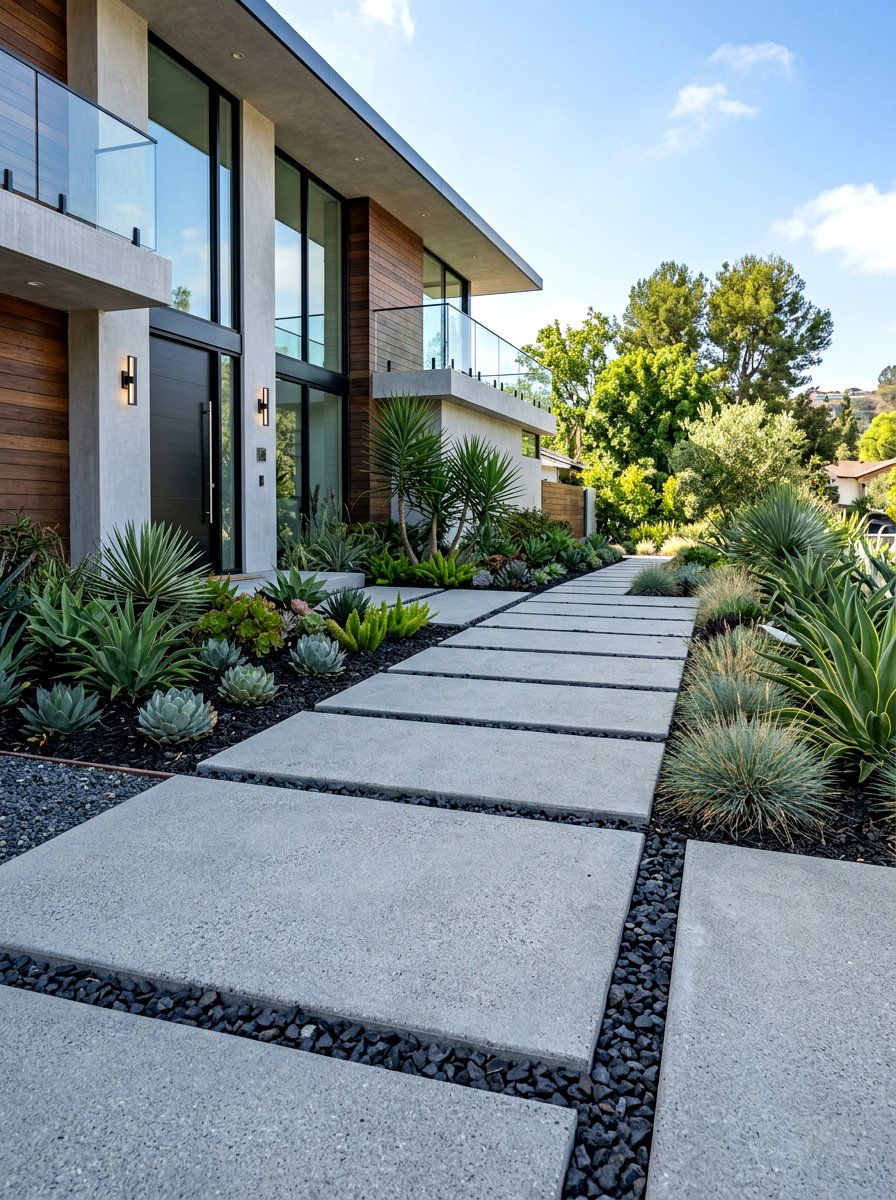
For a contemporary and polished look, modern concrete pavers offer clean lines and a structured aesthetic that works well in minimalist landscapes. These pavers are available in various geometric shapes, such as large squares or long rectangles, which help create a sense of order and space. You can arrange them in a linear fashion with narrow gaps filled with dark basalt or emerald green grass to create high-contrast visual appeal. Concrete is incredibly durable and resistant to shifting, making it a low-maintenance solution for high-traffic areas. This style of walkway is particularly effective for mid-century modern or industrial homes where simplicity is prioritized. The uniform size and shape of the pavers make the installation process fast and straightforward for any project.
4. Red Brick Garden Path
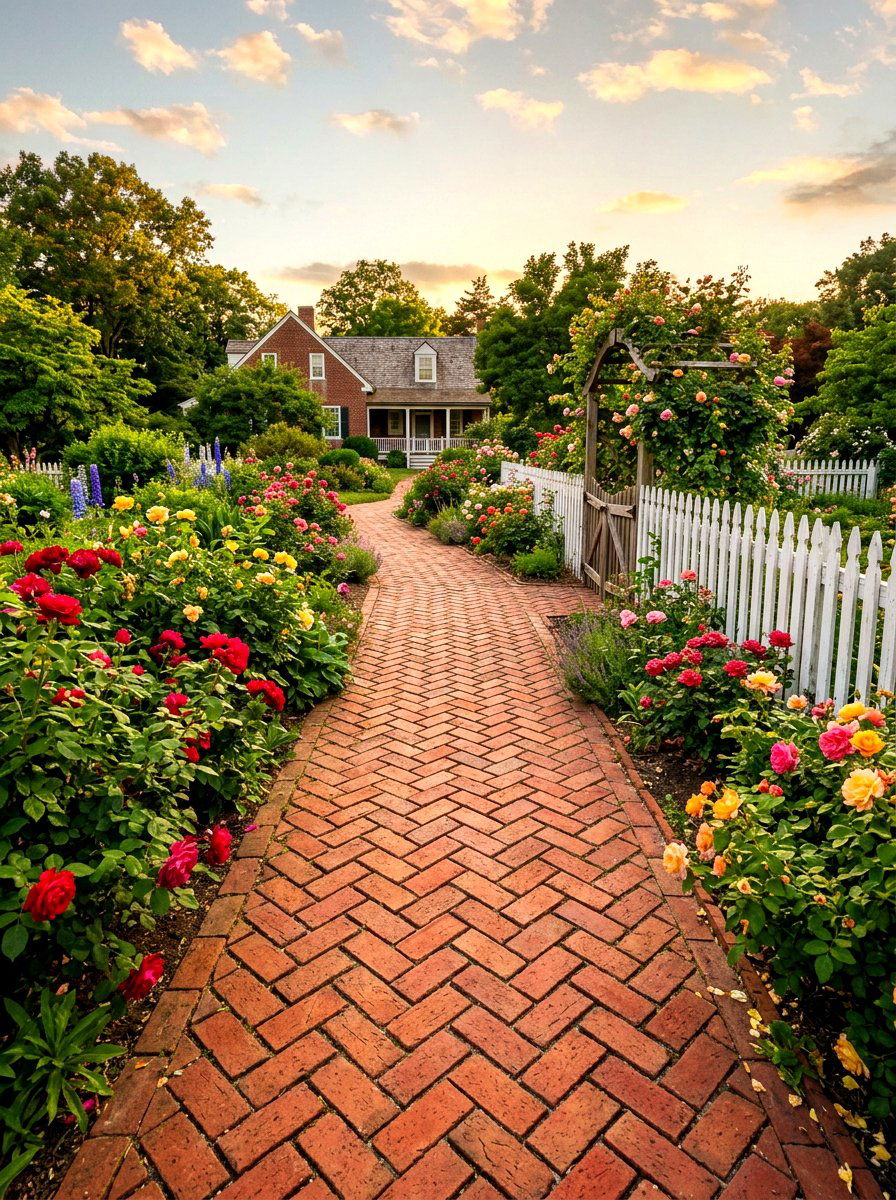
The red brick garden path is a classic choice that brings a sense of warmth and history to your outdoor environment. Brick is highly versatile and can be laid in several traditional patterns, such as the running bond, basketweave, or the intricate herringbone design. Over time, the colors may fade slightly, giving the path a beautiful weathered character that looks even better as it ages. Bricks are also quite durable and can be easily replaced if one becomes damaged or cracked. This material works exceptionally well in cottage gardens or alongside colonial-style homes, providing a structured yet inviting route. The rich red and orange tones of the brick provide a striking contrast against lush green lawns and colorful flower borders.
5. Wooden Boardwalk
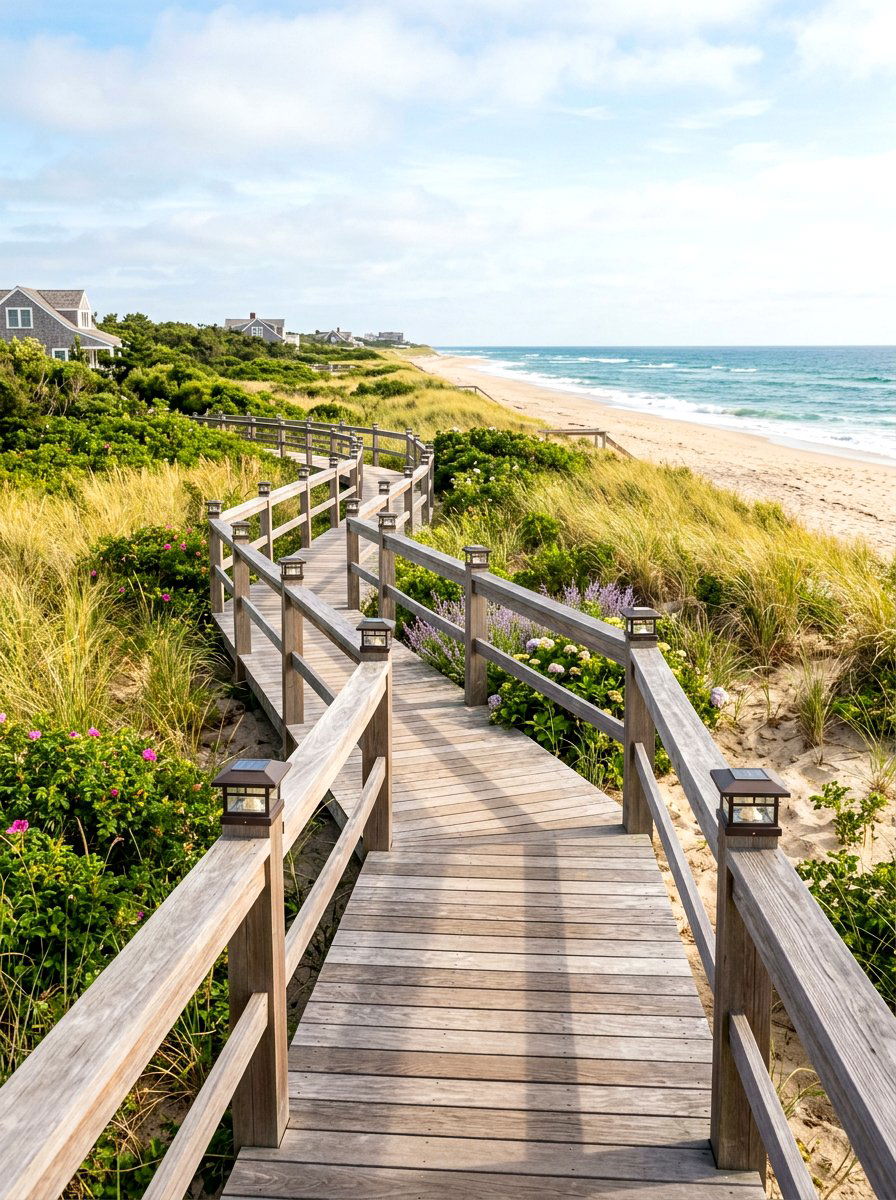
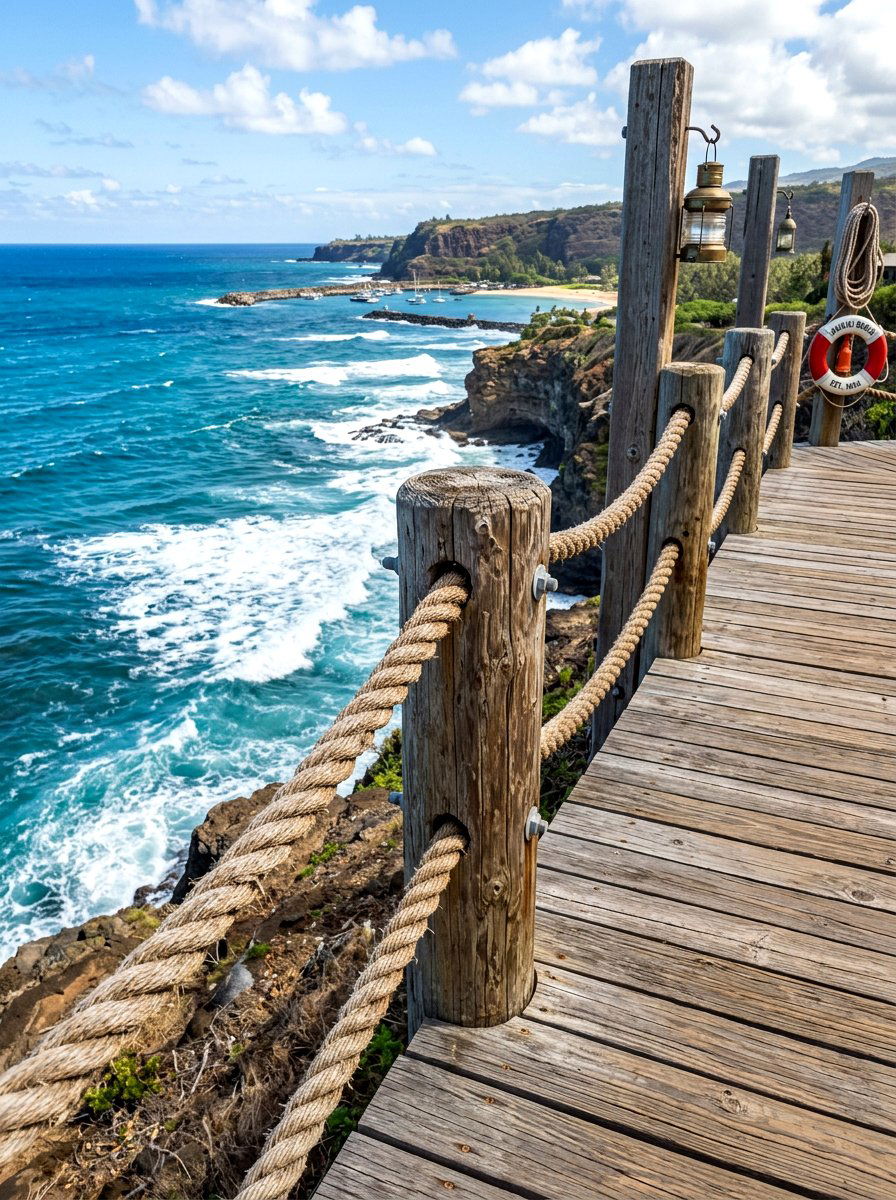
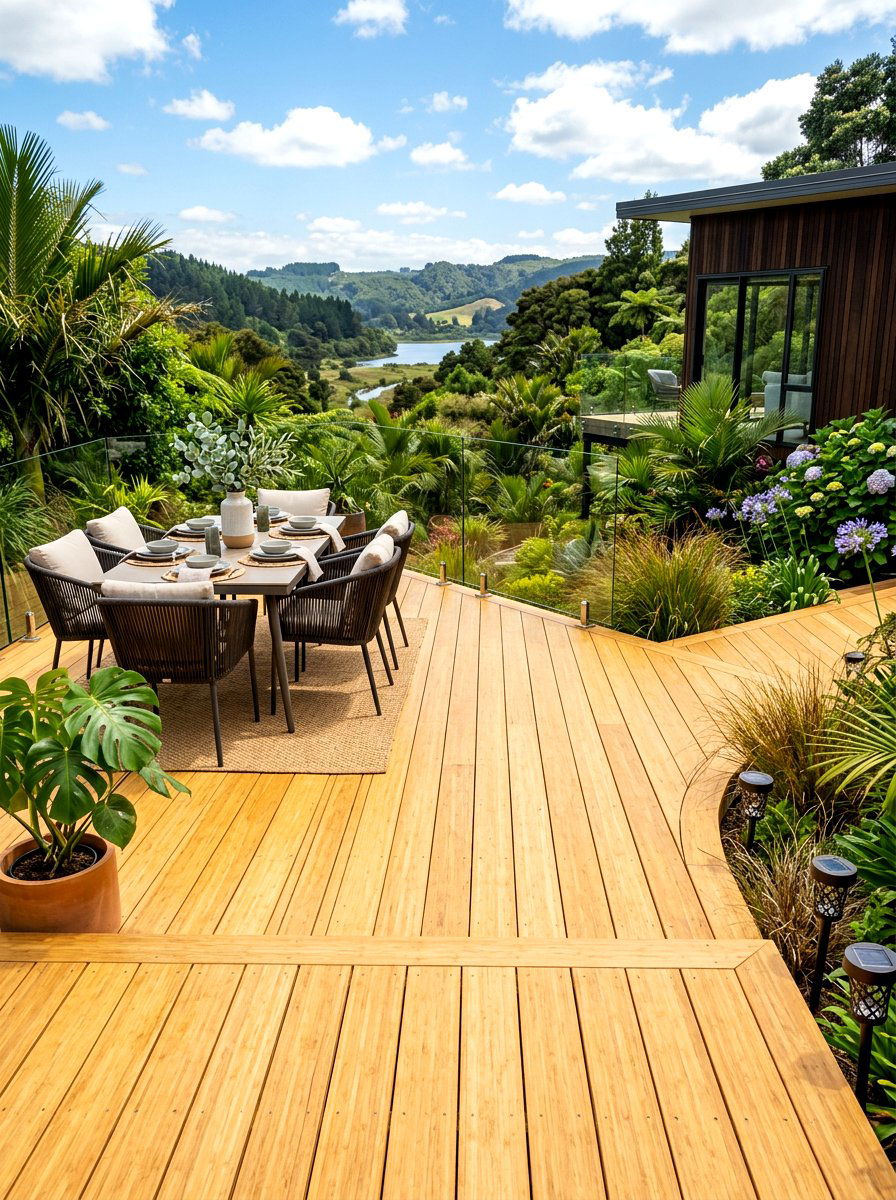
A wooden boardwalk is a fantastic way to navigate uneven terrain or damp areas where traditional stone might sink or shift. Using pressure-treated lumber or naturally rot-resistant woods like cedar and redwood ensures that your walkway remains sturdy for many years. This design creates an elevated feel that makes your backyard seem like a professional resort or a serene coastal retreat. Boardwalks are especially useful for bridging gaps over low-lying ground or connecting a patio to a distant garden shed. The horizontal or vertical placement of the wooden planks can also influence the perceived length or width of your yard. Adding solar-powered post lights along the edges of the wood can enhance safety and ambiance during the evening hours.
6. Natural Stepping Stones
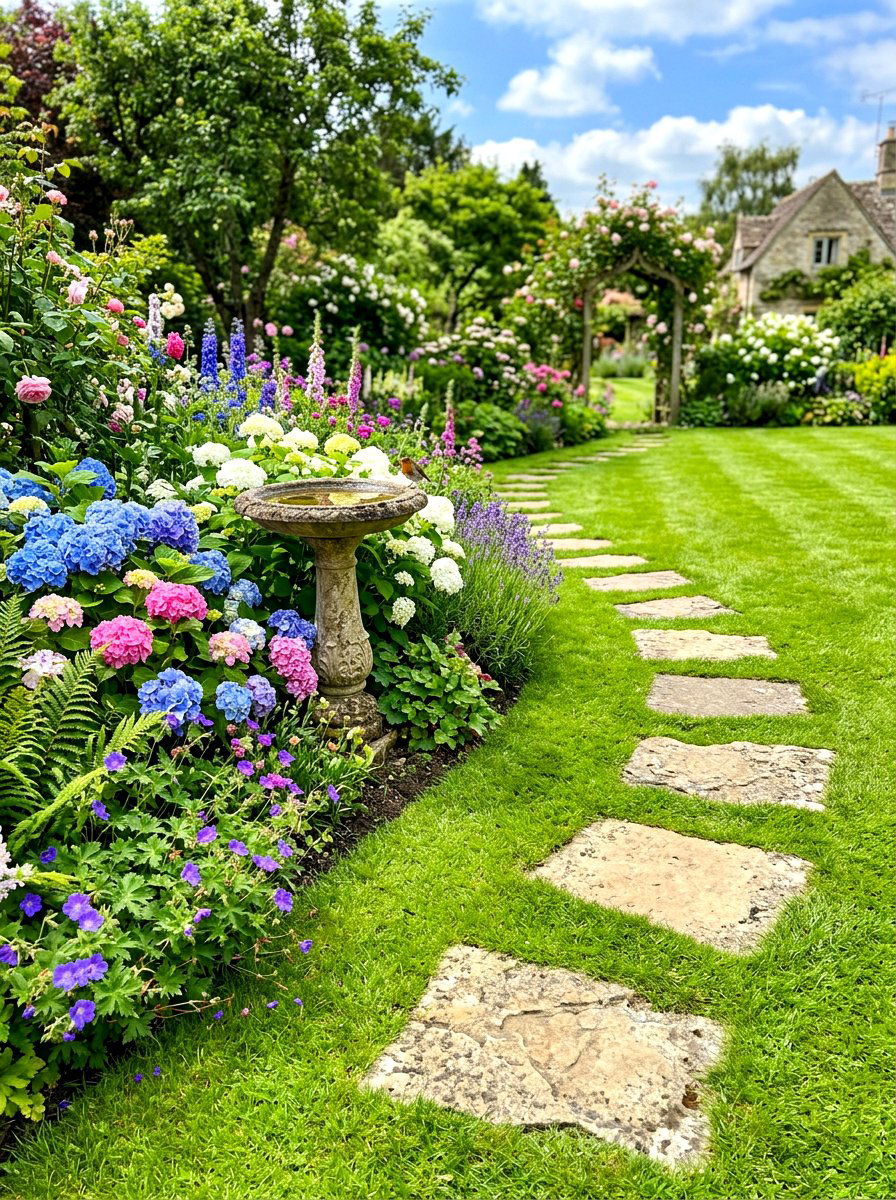
Natural stepping stones offer a whimsical and low-impact way to guide guests through your garden without the need for a solid paved surface. This design involves placing large, flat stones at a comfortable stride length apart, allowing the grass or groundcover to grow between them. It is one of the most budget-friendly options because it requires minimal excavation and fewer materials than a continuous path. Stepping stones are perfect for creating a secondary trail through flower beds or leading to a hidden seating area under a tree. You can use irregular pieces of limestone or slate to maintain a rustic forest vibe. This approach preserves the maximum amount of green space while providing a clear and clean place to step.
7. Pea Shingle Walkway
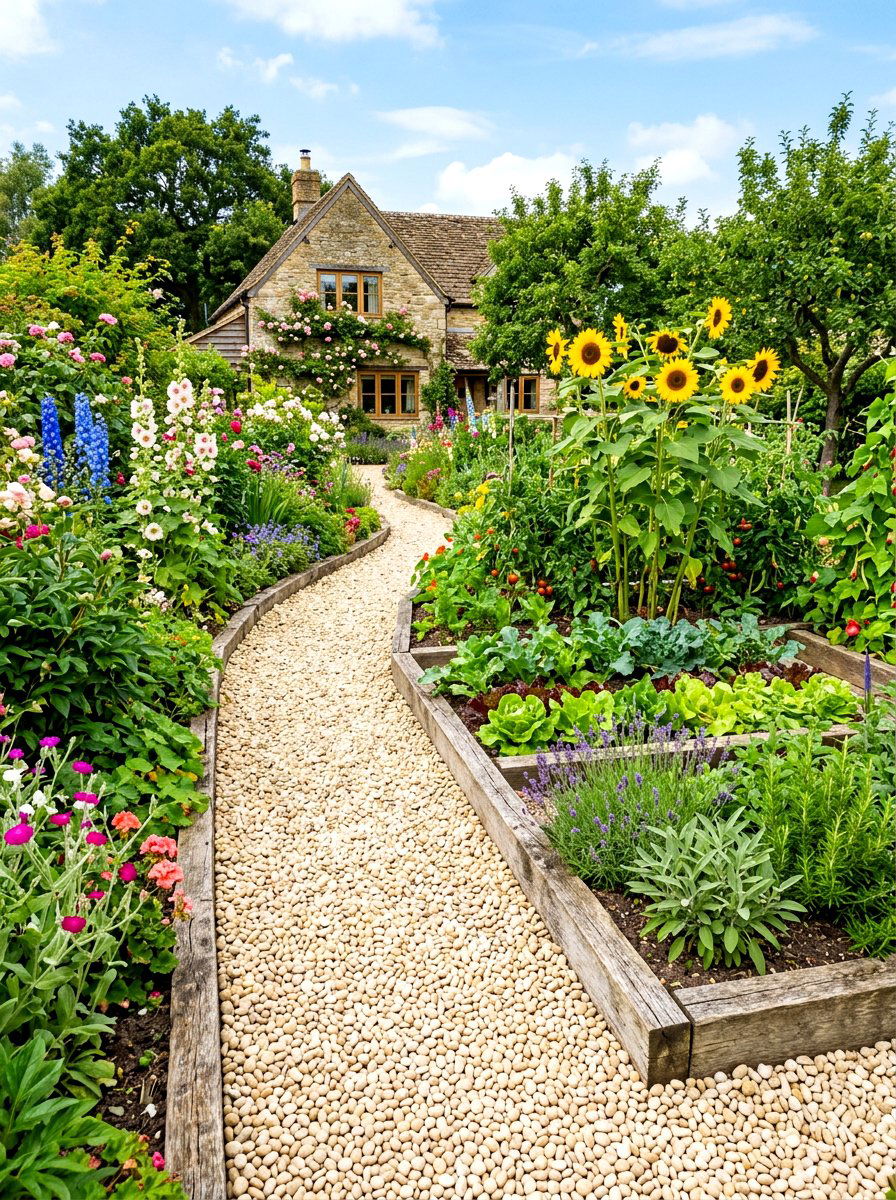
Pea shingle is a popular choice for cottage-style landscapes because of its soft texture and neutral color palette. These small, rounded stones are comfortable to walk on even with bare feet, making them a great choice for family-friendly yards. Pea shingle is very easy to spread and can conform to any curved or winding path layout you desire. To ensure the walkway stays neat, you should install a layer of landscape fabric underneath to prevent weeds from growing through the stones. The light colors of pea shingle can brighten up a dark or shaded corner of your backyard, making the entire area feel more spacious. It is a highly permeable material that helps manage rainwater runoff efficiently and effectively.
8. Herringbone Brick Pattern
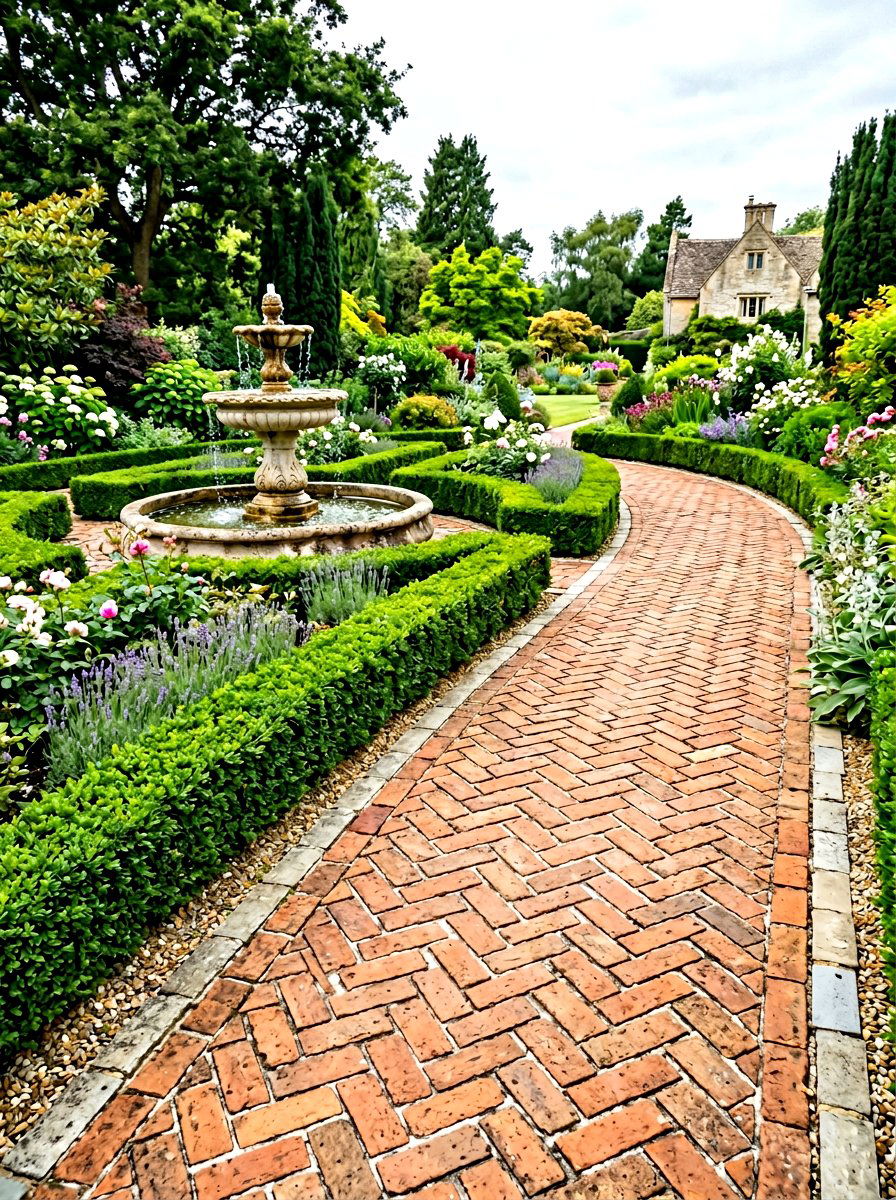
The herringbone brick pattern is a sophisticated design choice that adds a sense of movement and professional craftsmanship to your backyard walkway. By laying bricks at a forty-five-degree angle to each other, you create an interlocking structure that is incredibly strong and resistant to shifting. This pattern has been used for centuries in European gardens and city streets, giving it a refined and historic feel. While it requires more careful cutting and planning than a simple linear layout, the visual payoff is well worth the extra effort. The repetitive geometric design catches the eye and makes even a small path feel like a grand architectural feature. It is a perfect choice for formal entryways or main garden thoroughfares.
9. Decomposed Granite Path
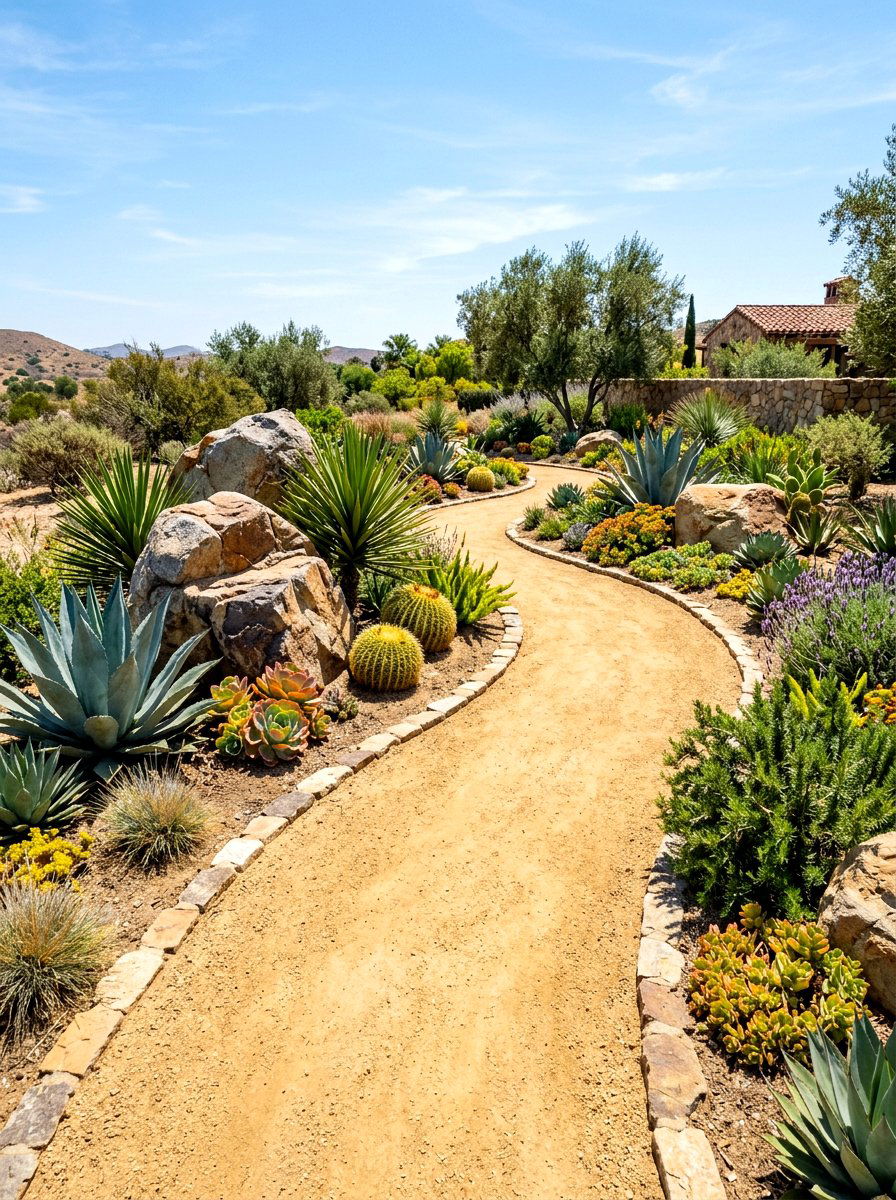
Decomposed granite is a versatile and earthy material that creates a firm, stable surface while maintaining a completely natural appearance. It consists of fine granite particles that pack down tightly, providing a smooth walking surface that is less "loose" than traditional gravel. This material is often used in Mediterranean or desert-style landscapes because of its warm, sandy tones and excellent durability in dry climates. You can add a stabilizer to the granite to make it even more resistant to erosion and heavy foot traffic. The neutral colors blend seamlessly with boulders, succulents, and drought-tolerant plantings. It is an affordable alternative to solid paving that still offers a very high-end and professional finish for your yard.
10. Mulch Garden Trail
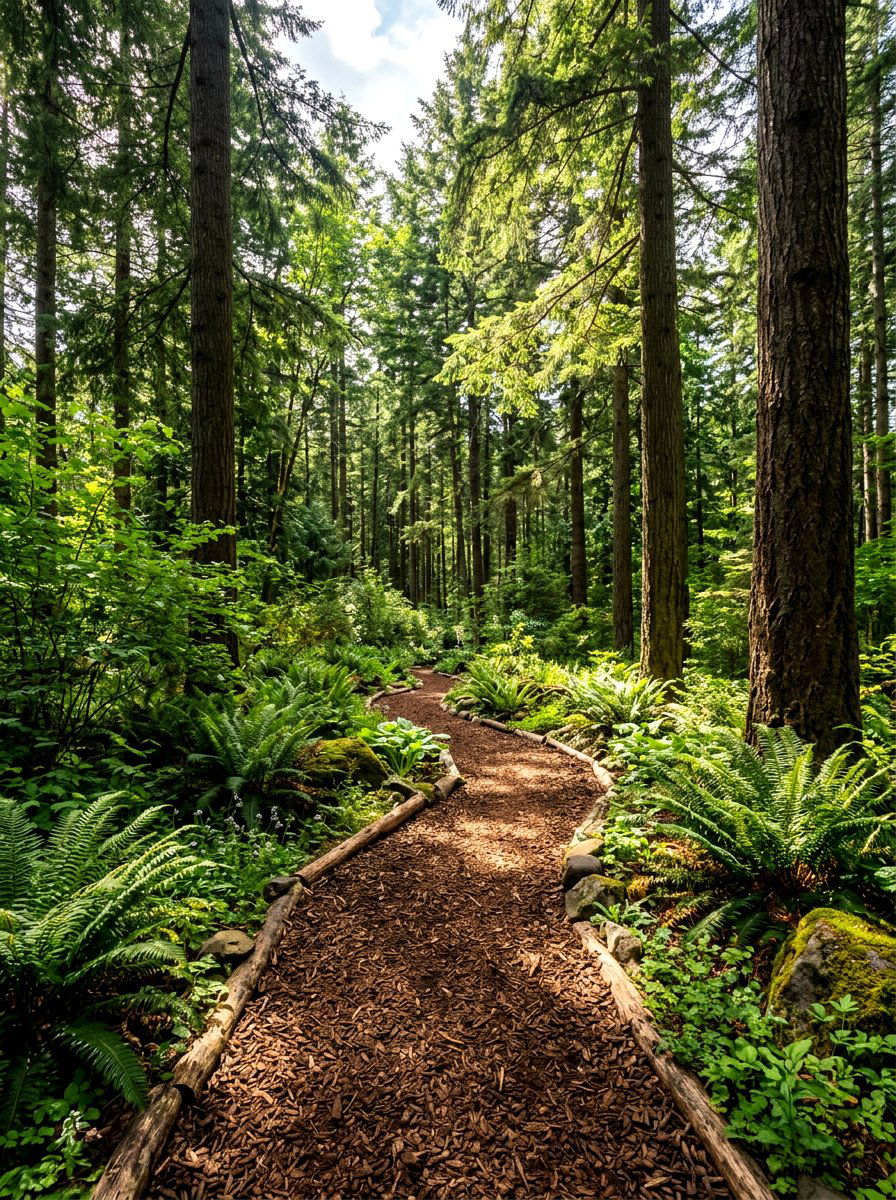
A mulch garden trail is the most natural and cost-effective way to create a path through a wooded area or a large vegetable garden. Mulch is soft underfoot and helps to suppress weeds while retaining moisture for the nearby plants as it slowly breaks down over time. It is incredibly easy to install; you simply clear the path and spread a thick layer of wood chips or bark. This type of walkway is ideal for informal settings where you want the path to disappear into the landscape rather than stand out as a hard structure. Because mulch is an organic material, it will need to be refreshed every year or two to maintain its depth and fresh appearance.
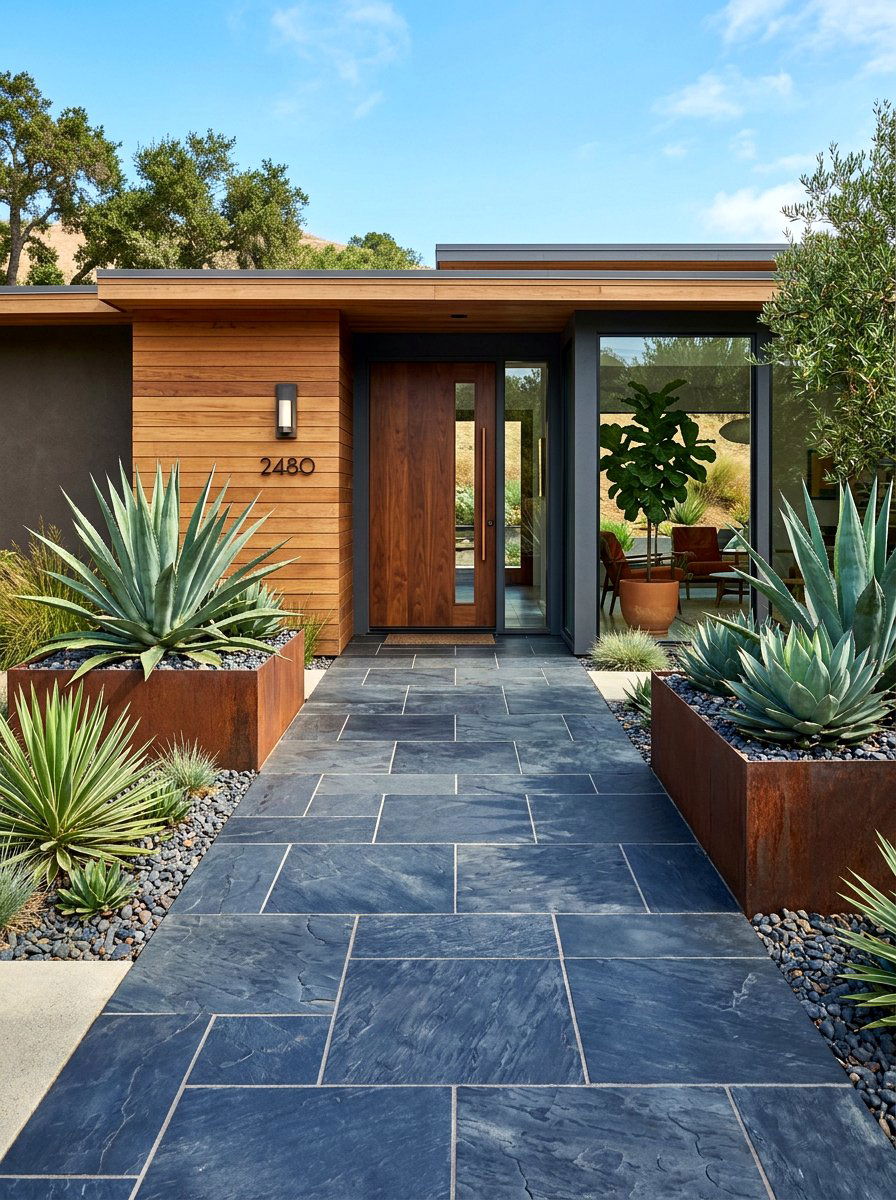
11. Slate Tile Walkway
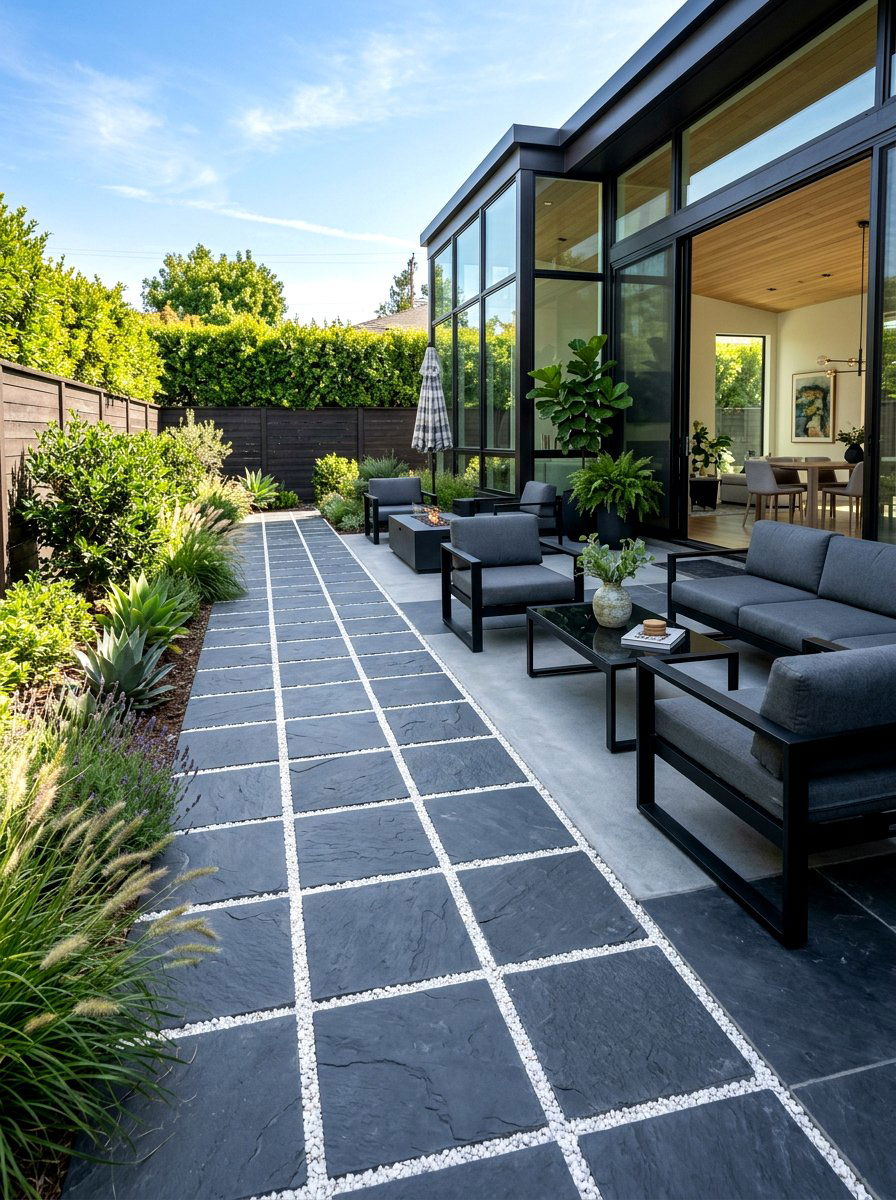
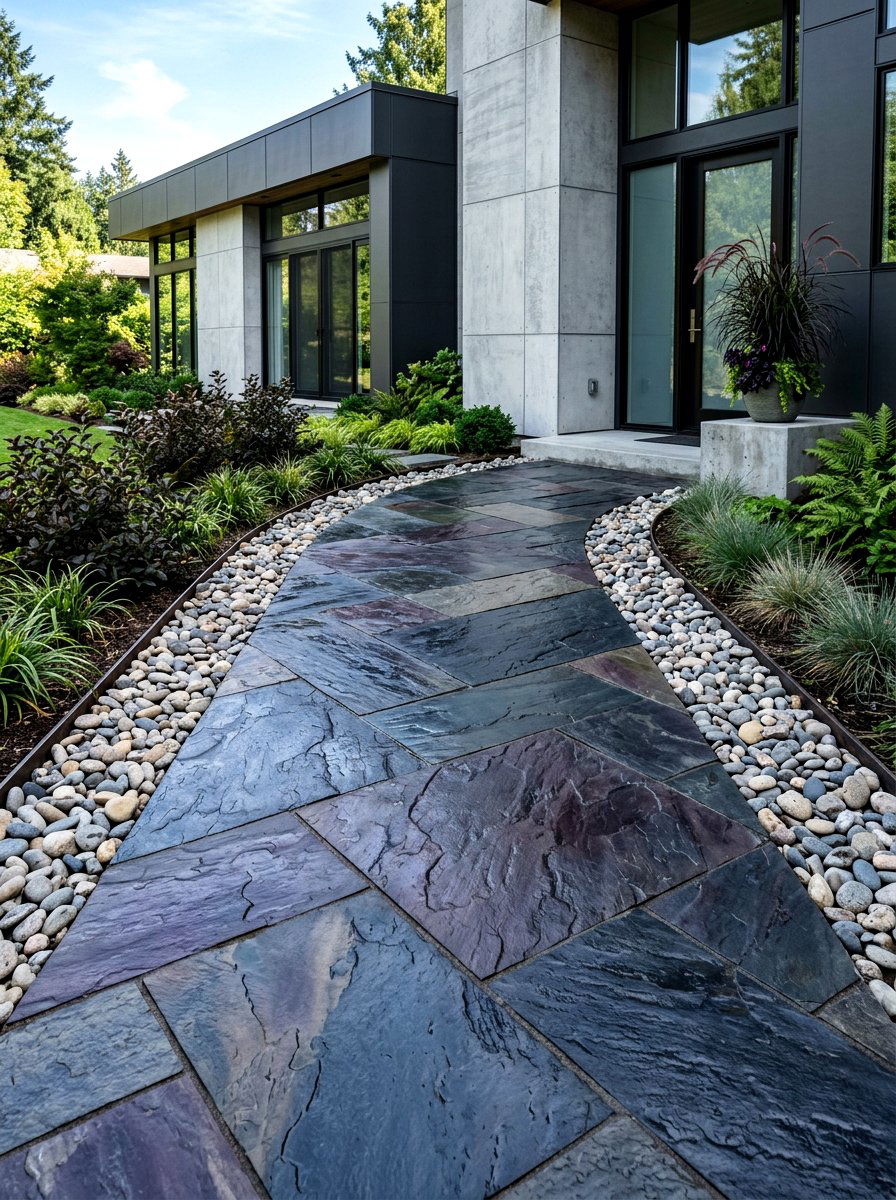
Slate tiles provide a sleek and upscale look that is perfect for modern patios and entryways where aesthetics are the top priority. These tiles feature a naturally cleft surface that provides excellent grip while showcasing a beautiful range of charcoal, blue, and purple hues. The uniform thickness of the tiles makes them easy to lay in a perfectly flat and level pattern, which is ideal for accessibility and preventing trip hazards. Slate is a very dense stone that does not absorb much water, making it resistant to staining and damage from freezing temperatures. Pairing these dark tiles with light-colored grout or surrounding them with white pebbles creates a high-contrast design that looks incredibly luxurious.
12. Cobblestone Path
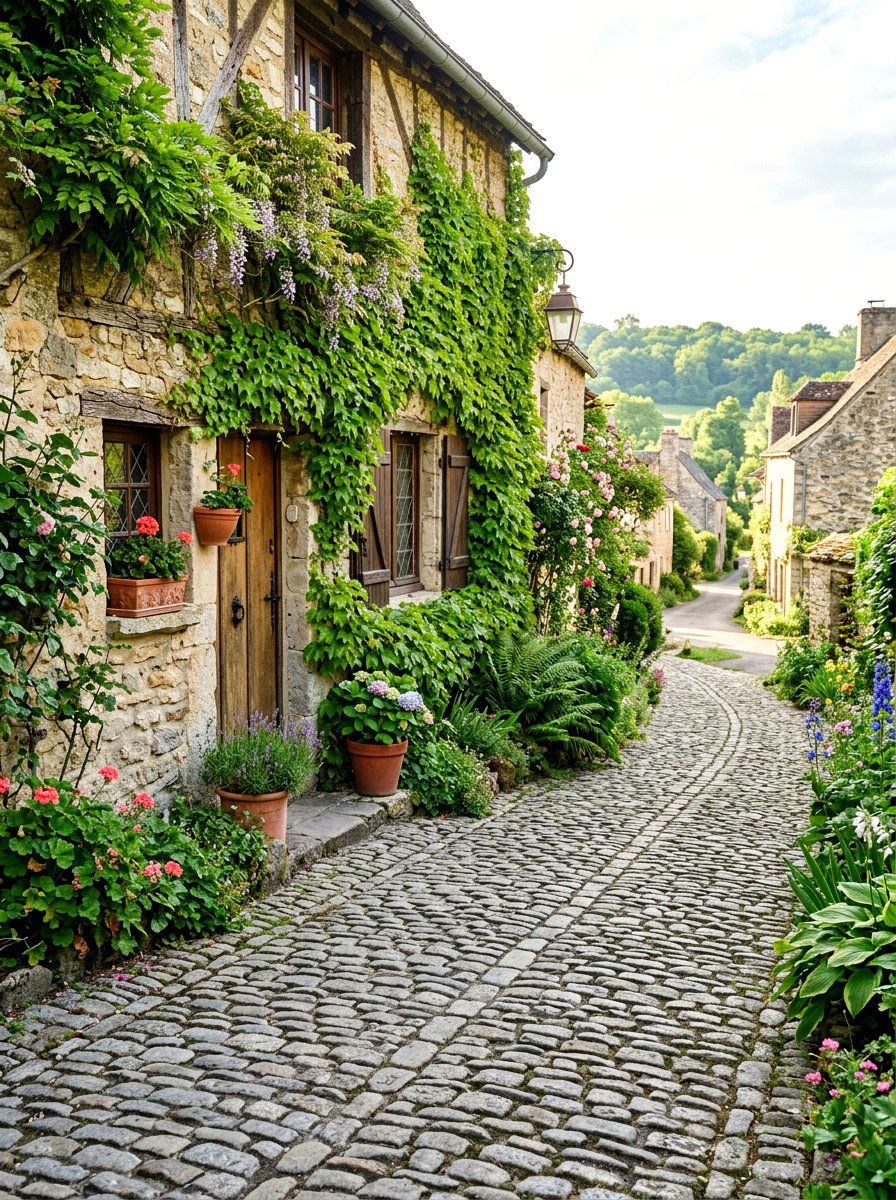
The cobblestone path is the ultimate choice for homeowners who want to evoke an old-world charm and European village aesthetic. Traditionally made from durable granite or basalt, these rounded or squared stones are incredibly tough and can last for generations with very little maintenance. The uneven surface of cobblestones adds a wonderful texture to your landscape and forces you to slow down and enjoy the journey through your garden. They are excellent for creating a rustic border along a flower bed or a full driveway that connects to your backyard. While the initial installation can be more labor-intensive due to the various sizes of the stones, the result is a timeless and character-filled walkway.
13. Wood Slice Walkway
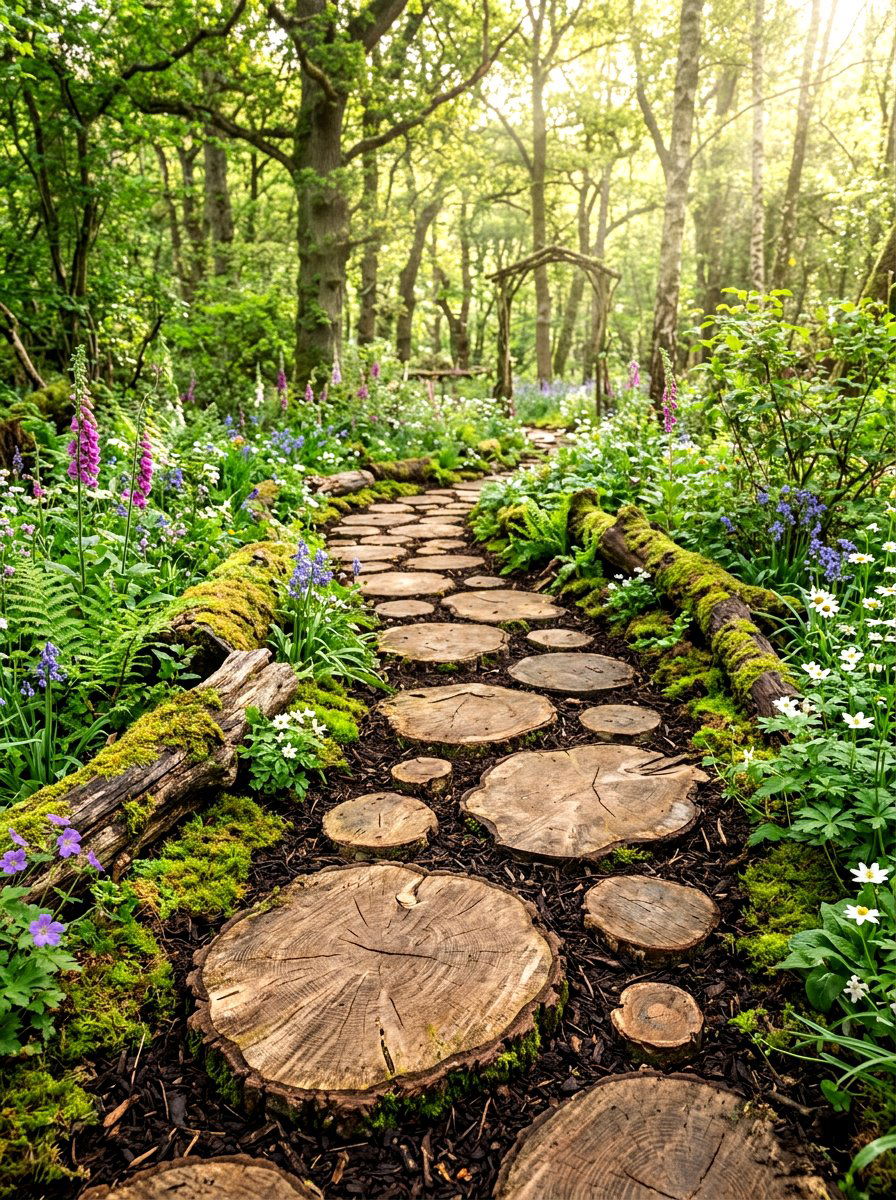
A wood slice walkway is a creative and whimsical design that uses cross-sections of logs to create a series of rustic stepping stones. This DIY-friendly project is perfect for woodland gardens or fairytale-themed backyards where you want to emphasize natural elements. To ensure longevity, the wood slices should be treated with a preservative or set into a bed of sand and gravel to improve drainage. The different diameters of the logs create a playful and organic rhythm as you move through the space. Surrounding the slices with moss or dark mulch helps to highlight the beautiful rings and textures of the wood. This approach is an excellent way to repurpose fallen trees from your own property into something functional.
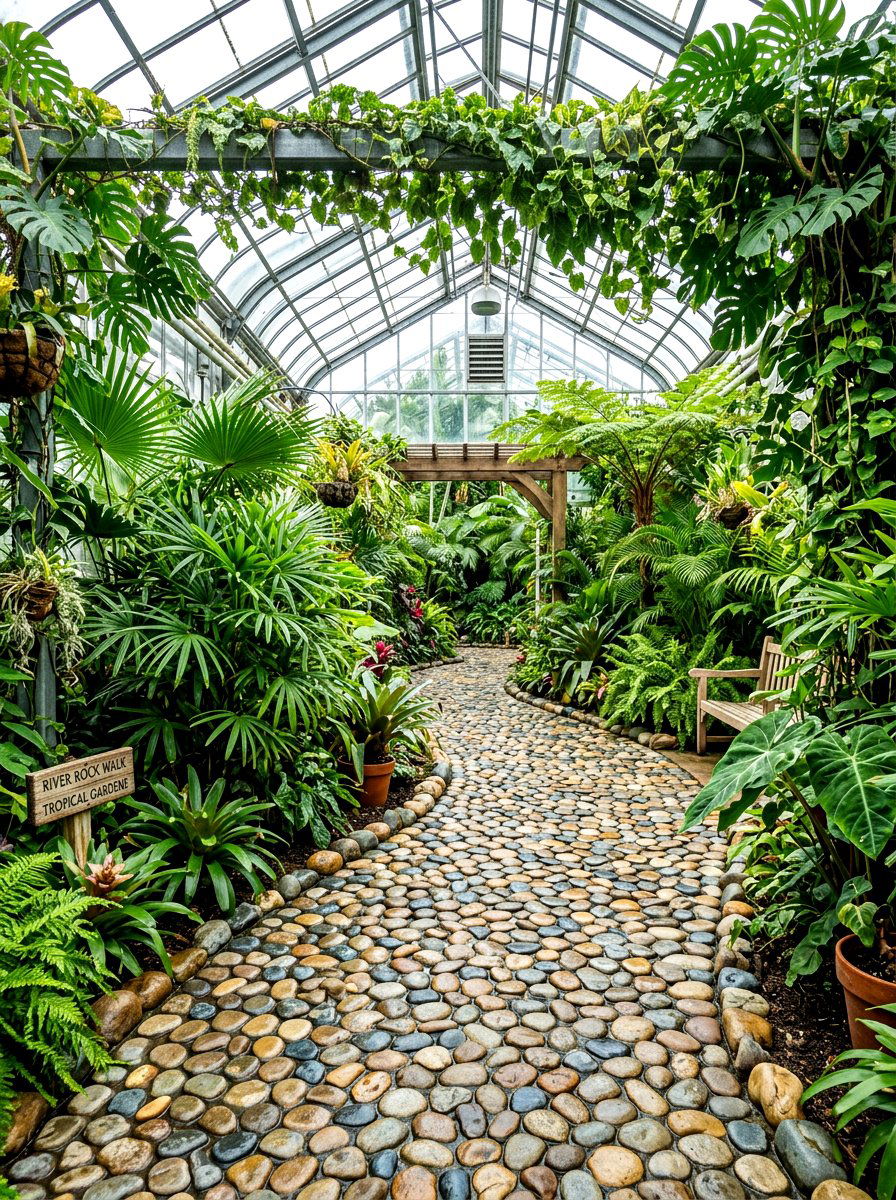
14. River Rock Path
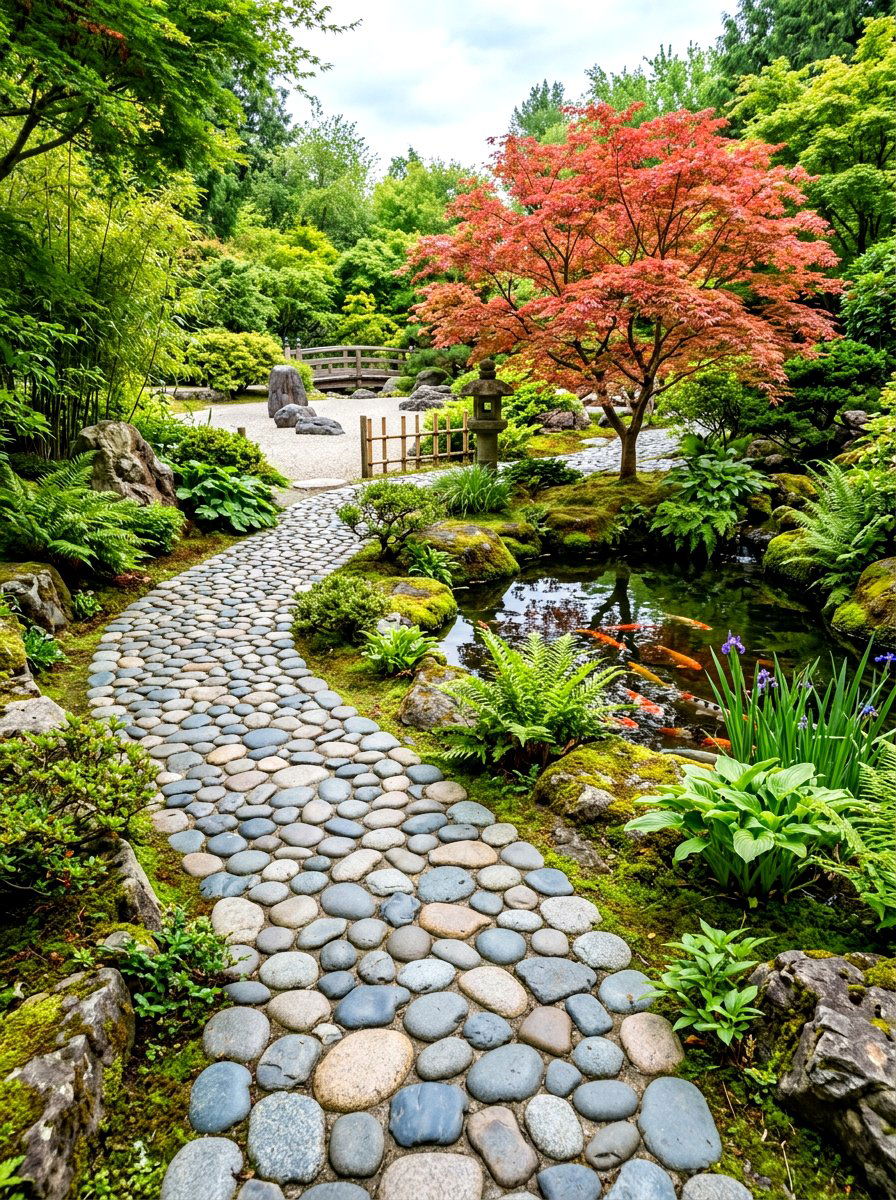
A river rock path brings the soothing and tranquil vibes of a Zen garden or a mountain stream directly to your backyard. These smooth, water-worn stones come in a variety of sizes and soft colors, such as grays, tans, and muted greens. While walking directly on large river rocks can be difficult, they are often used as decorative borders or as a filler between large, flat stepping stones. This design works exceptionally well in areas where you want to mimic a dry creek bed or manage drainage issues in a stylish way. The rounded shapes of the rocks soften the appearance of hard edges and provide a lovely contrast to spiky ornamental grasses or leafy ferns.
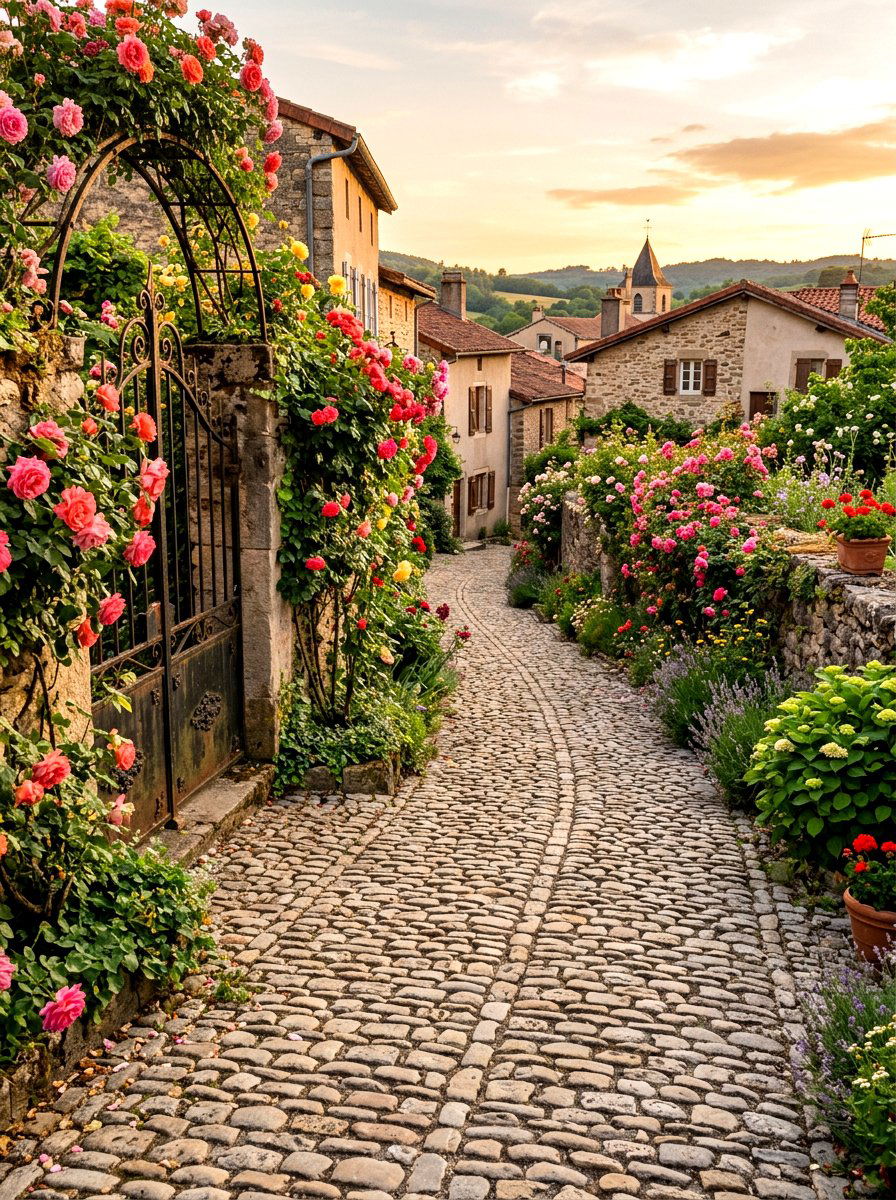
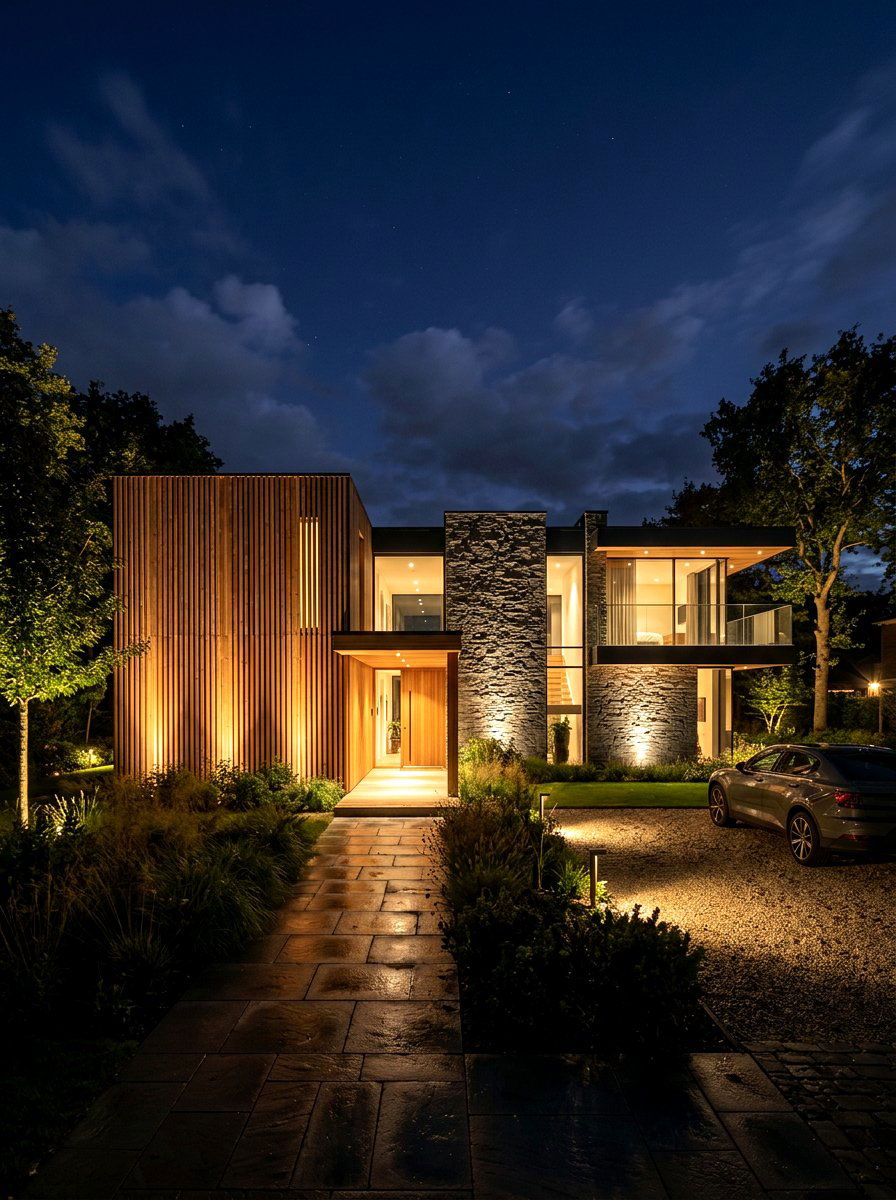
15. Bluestone Pavers
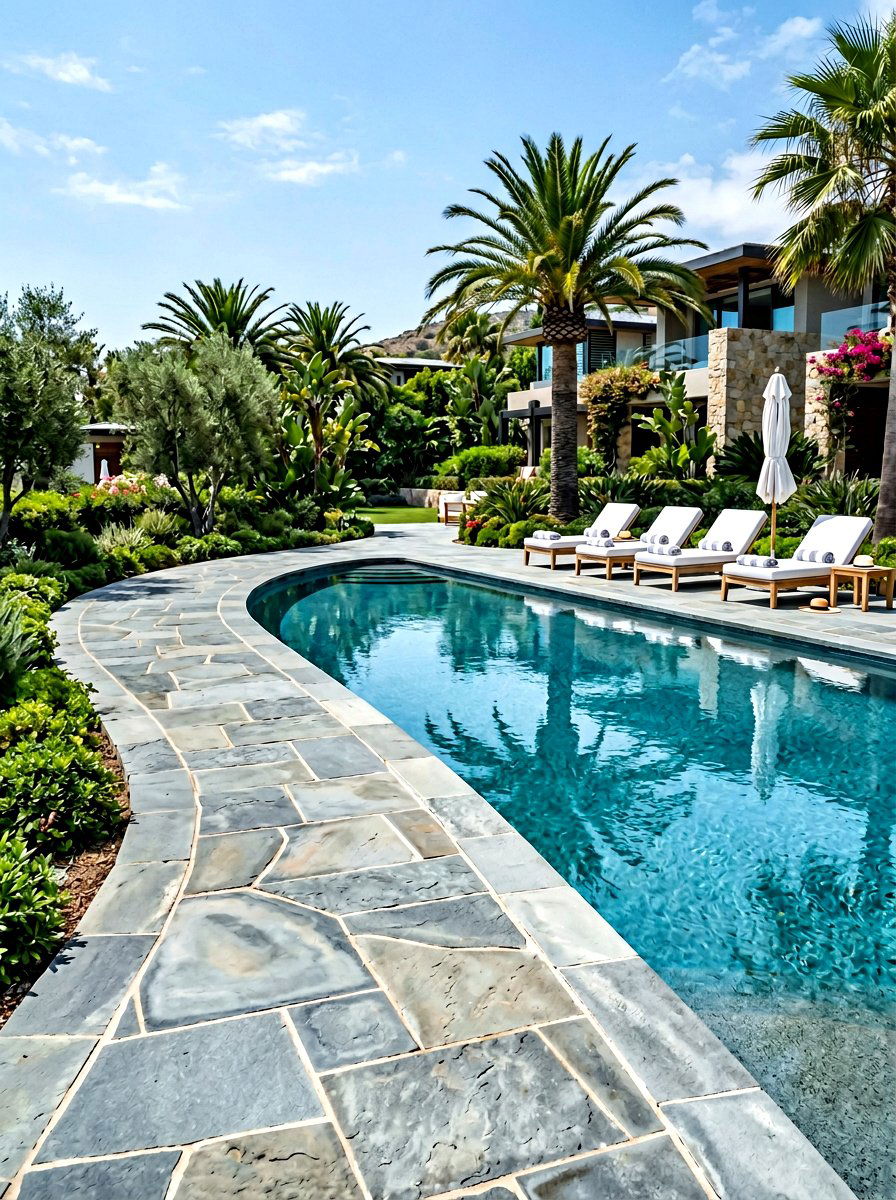
Bluestone pavers are a premium landscaping material known for their elegant blue-gray color and incredible durability. These natural stones are quarried in the northeastern United States and are highly valued for their uniform thickness and clean, square edges. You can choose from a "thermal" finish for a perfectly smooth surface or a "natural cleft" finish for a more textured, organic feel. Bluestone stays relatively cool in the sun compared to darker materials, making it a comfortable choice for walkways near a swimming pool or sun deck. When wet, the colors of the stone deepen significantly, creating a dramatic and beautiful look during or after a rainstorm. It is a sophisticated choice for any high-end landscape project.
16. Rectangular Concrete Slab
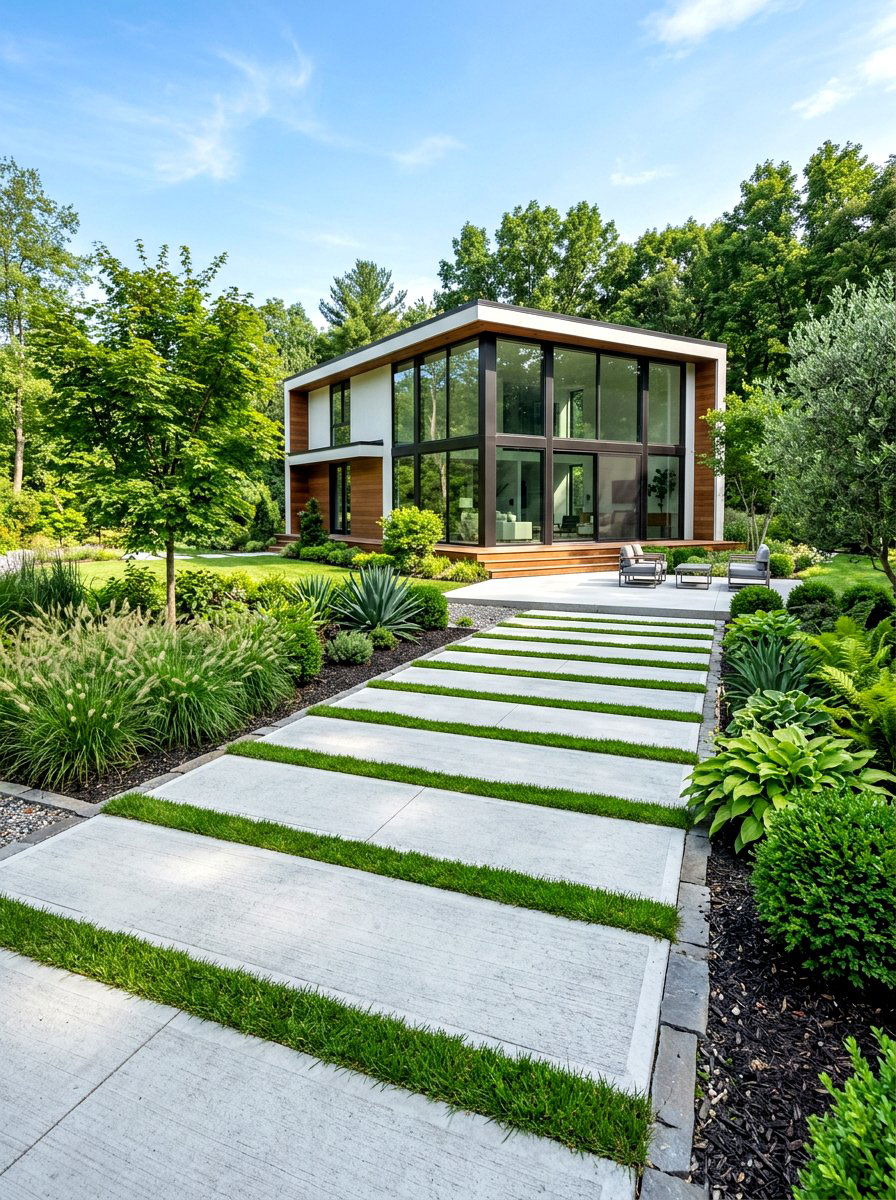
The rectangular concrete slab walkway is a hallmark of modern landscape design, offering a bold and architectural look that emphasizes horizontal lines. These large-format slabs are often custom-poured or pre-cast and can be finished with a smooth or brushed texture for added slip resistance. By spacing the slabs several inches apart and filling the joints with decorative stone or low-growing groundcover, you create a striking "floating" effect. This design is perfect for leading guests toward a minimalist fire pit or a contemporary outdoor kitchen. The oversized nature of the slabs makes the pathway feel more like a series of platforms, which can make a small backyard feel much more substantial and thoughtfully designed.
17. Grass and Stone Checkerboard
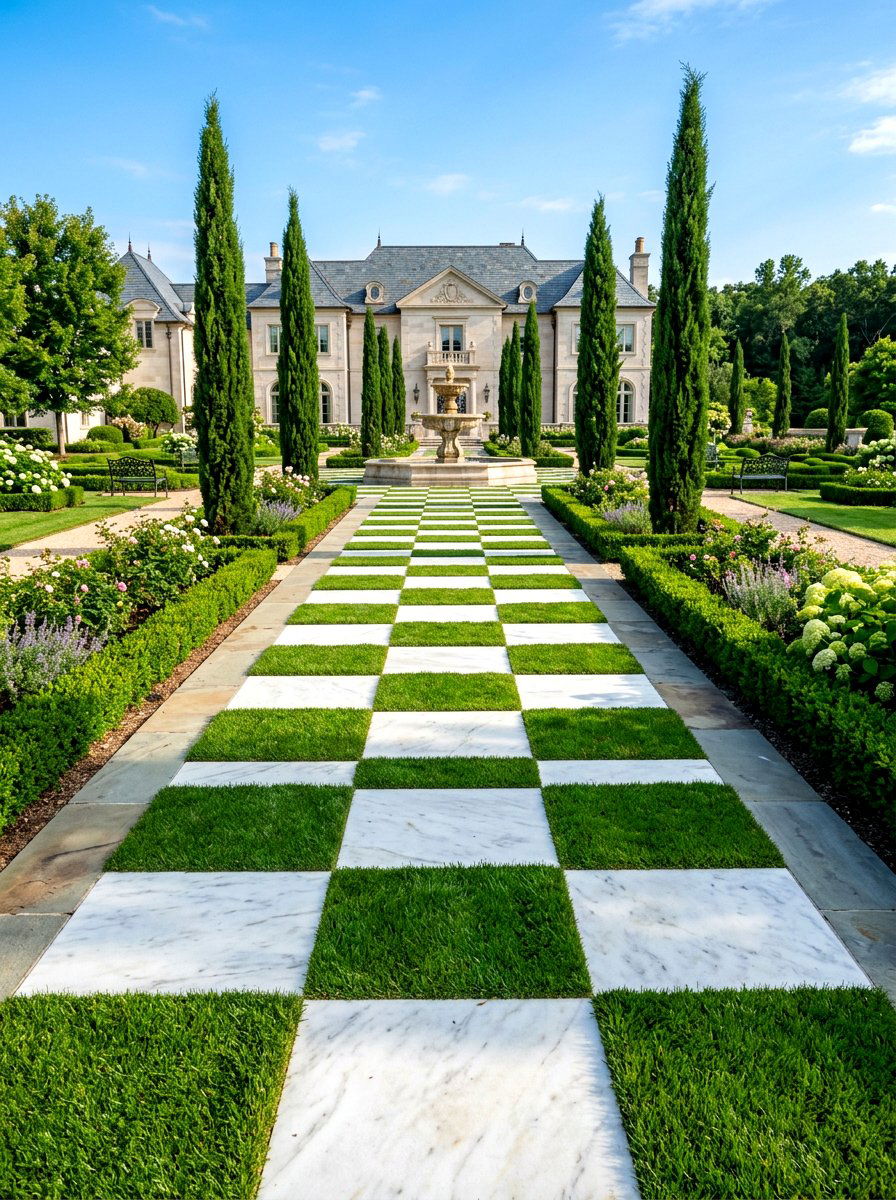
A grass and stone checkerboard design is a high-impact visual choice that combines the softness of a lawn with the structure of hardscaping. This pattern involves laying large square pavers in a grid with equal-sized patches of grass or moss in between each stone. It creates a lush and luxurious feel that is often seen in high-end estate gardens or modern luxury homes. This walkway style requires a bit more maintenance than a solid path, as the grass between the stones must be trimmed regularly to keep the lines crisp. However, the unique aesthetic and the way it blends the built environment with nature make it a show-stopping feature for any backyard that prioritizes design.
18. Mossy Rock Path
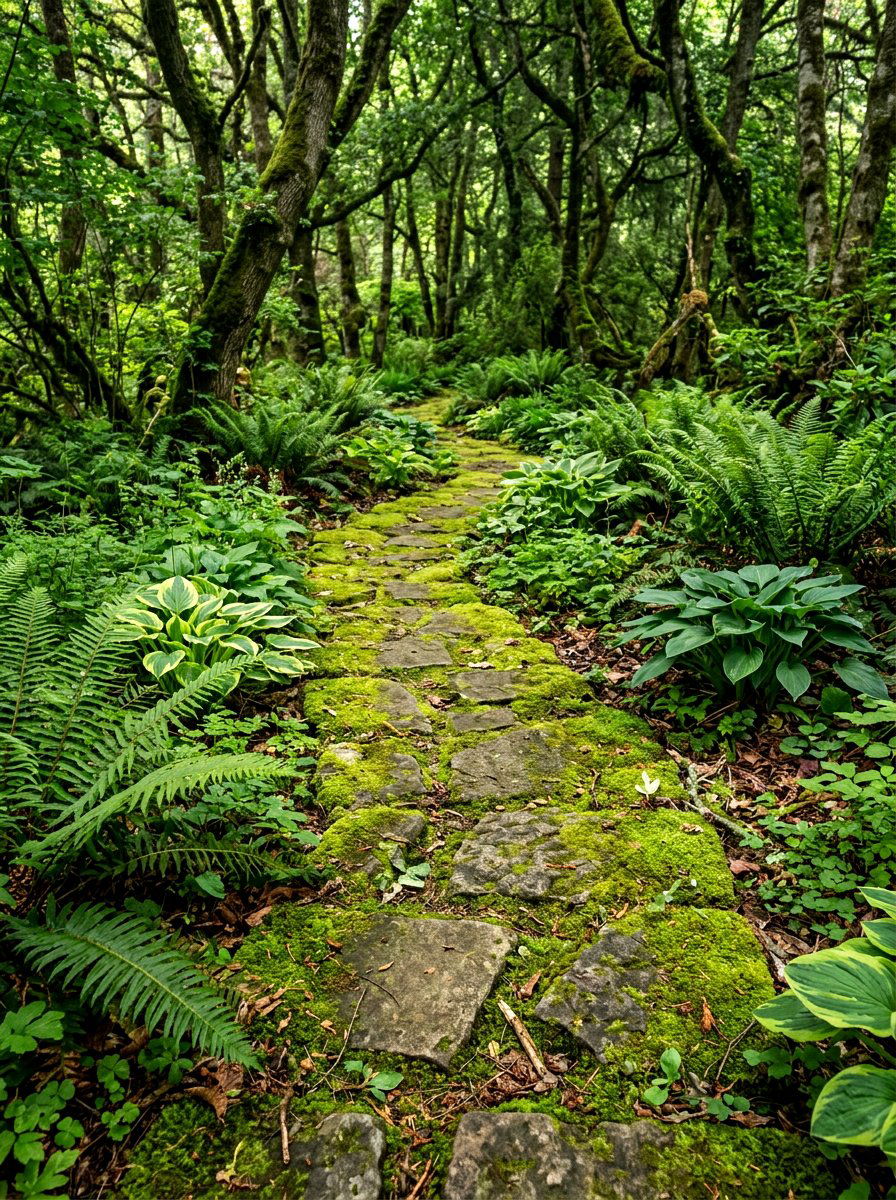
A mossy rock path is ideal for creating an enchanted and ancient atmosphere in shaded or damp parts of your yard. By using rough-hewn stones and encouraging moss to grow in the crevices, you create a walkway that looks like it has been part of the landscape for centuries. This design is perfect for woodland settings where ferns and hostas thrive. Moss is soft underfoot and provides a vibrant green color that stays beautiful throughout the year in the right conditions. If your yard isn't naturally damp, you can "seed" the moss between the stones using a mixture of moss fragments and buttermilk to speed up the growth process for a fast result.
19. Timber and Gravel Stairs
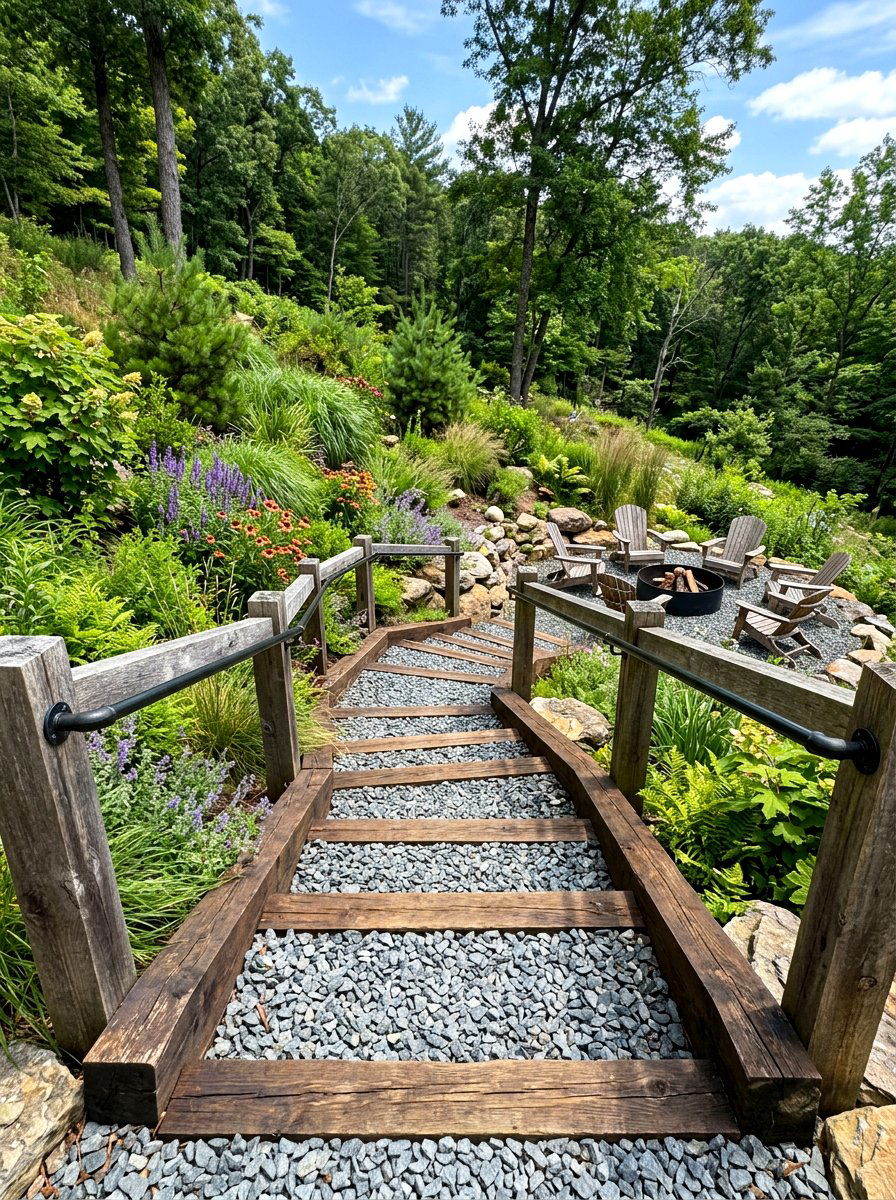
For backyards with a slope or incline, timber and gravel stairs provide a functional and rustic solution for safe navigation. This design uses heavy landscape timbers or railroad ties to create the "risers" of the steps, while the "treads" are filled with compacted gravel or crushed stone. This combination is much more affordable than solid stone steps and is easier for a DIY homeowner to install on a weekend. The timber provides a strong structural frame that prevents the gravel from washing away during heavy rain. This style of walkway feels very grounded and industrial-rustic, making it a great fit for mountain homes or farmhouse-style gardens with plenty of vertical interest.

20. Curved Limestone Walkway
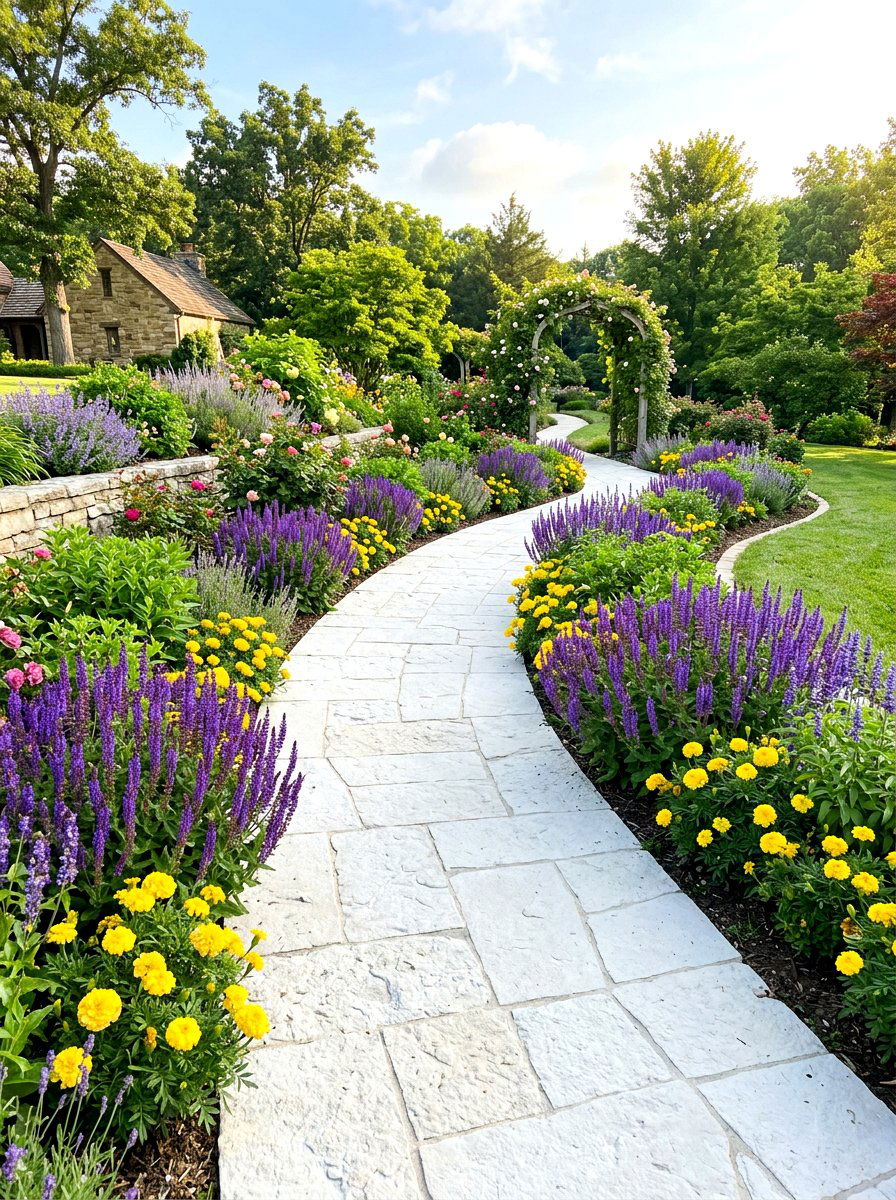
A curved limestone walkway adds a sense of elegance and fluidity to your backyard, softening the harsh angles of fences and house walls. Limestone is a bright and airy material that reflects light, making a small garden feel much larger and more open. Designing the path with gentle curves instead of straight lines creates a "journey" through your landscape, encouraging visitors to slow down and notice the different plants along the way. Limestone is easy to cut, which allows for precise edges on a winding path. You can use large slabs for a formal look or smaller crushed pieces for a more casual, Mediterranean vibe. The pale color looks stunning when paired with dark green shrubbery.
21. Recycled Pallet Path
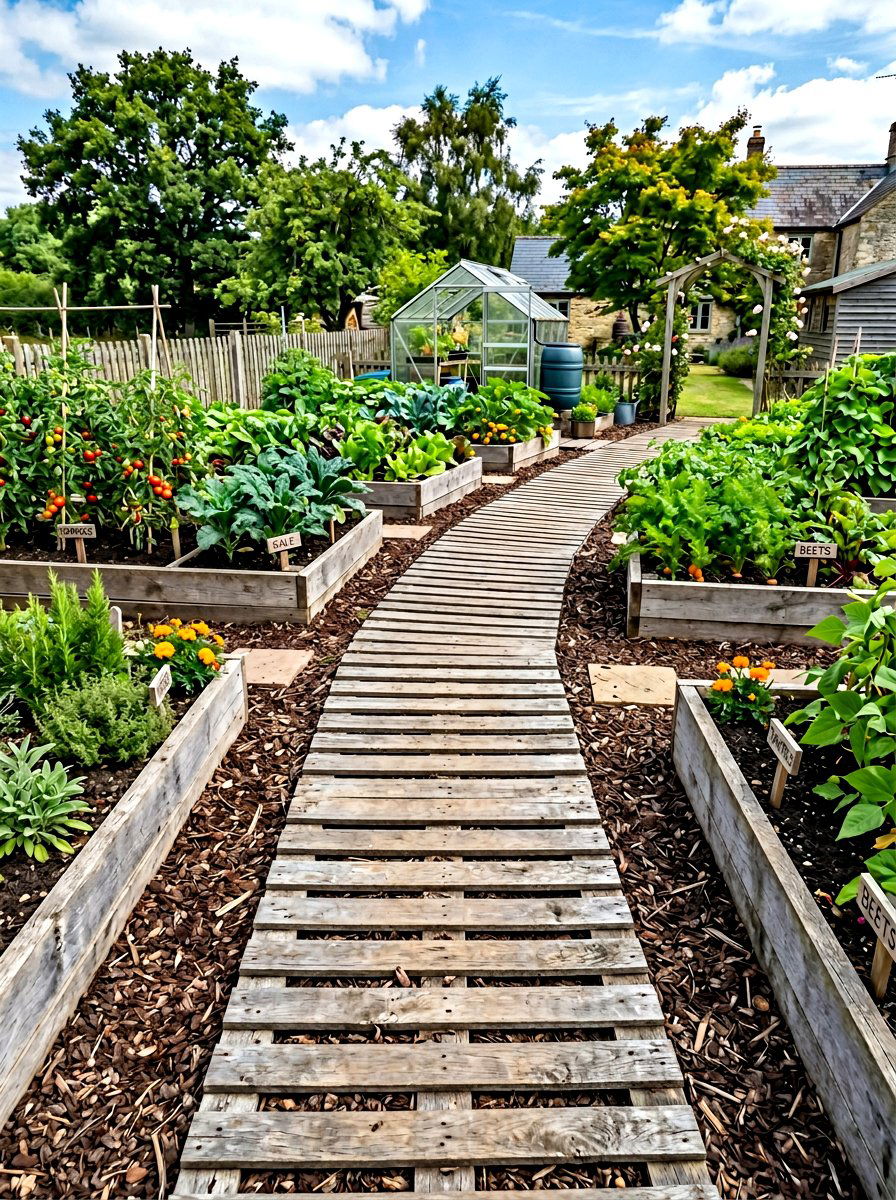
A recycled pallet path is a brilliant and eco-friendly way to create a temporary or permanent walkway on a strict budget. By dismantling old wooden pallets and using the slats as "stepping planks, " you can create a rustic boardwalk look for almost no cost. This project is perfect for vegetable gardens or utility areas where you need a clean surface but don't want to invest in expensive stone. To make the wood last longer, it is a good idea to sand the planks and apply a weather-resistant stain or sealant. You can lay the planks directly on a bed of mulch or gravel to keep them out of the mud and improve the overall drainage of the area.
22. Decorative Pebble Mosaic
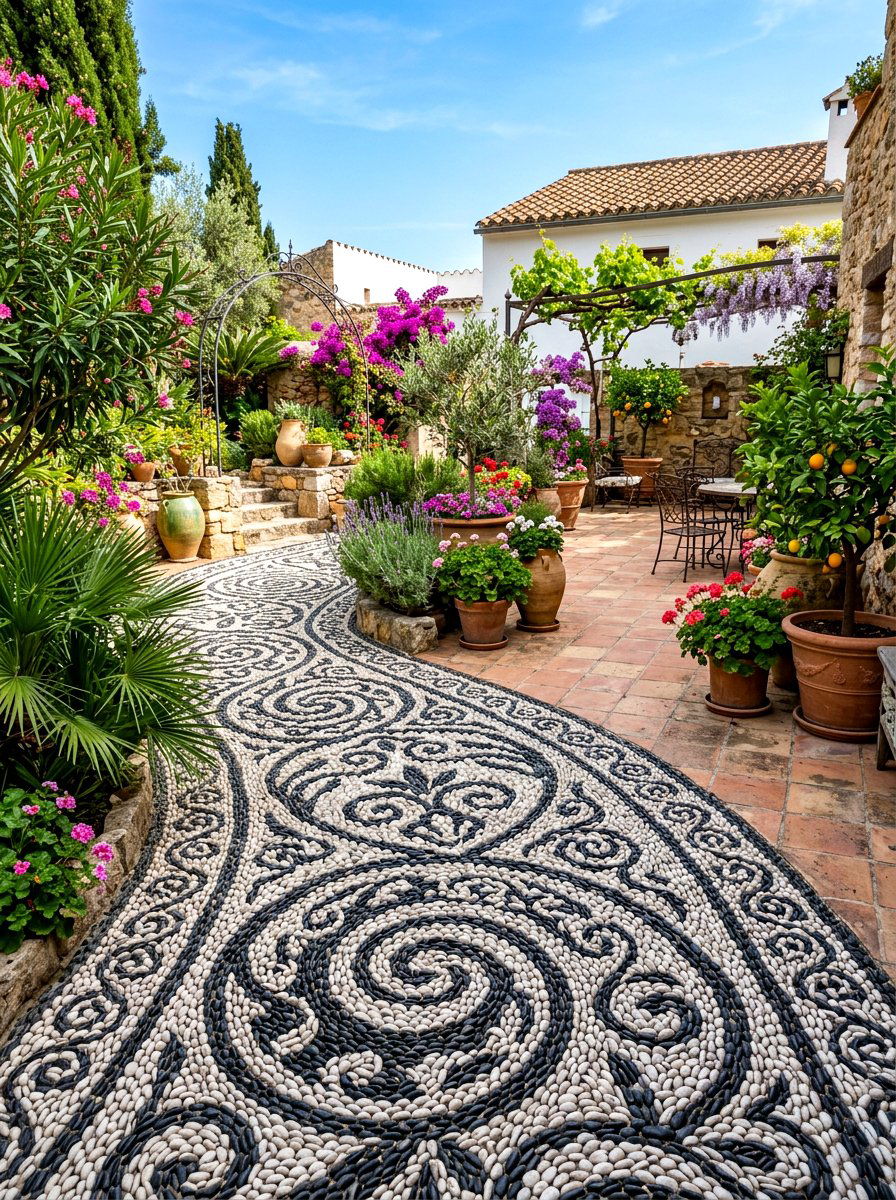
For those who want their backyard walkway to be a true work of art, a decorative pebble mosaic is the ultimate design statement. This involves hand-setting small, colorful pebbles into a mortar base to create intricate swirls, floral patterns, or geometric shapes. While this is a very labor-intensive process, the resulting path is completely unique and adds an incredible level of detail to your garden. You can use pebbles in contrasting colors like white, black, and red to make the patterns pop. Mosaic paths are often used as a small focal point near a fountain or at the entrance of a garden gate to welcome guests with something beautiful and unexpected under their feet.
23. Travertine Patio Path
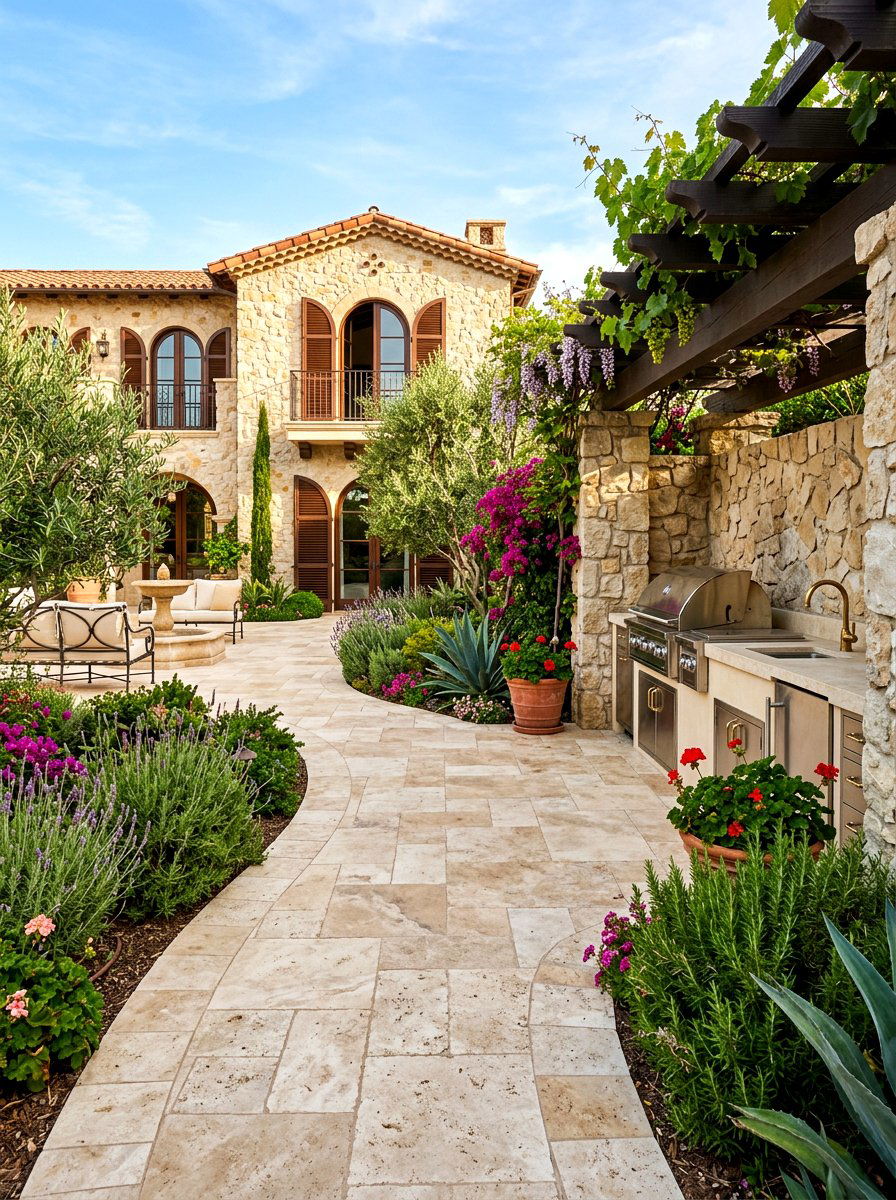
Travertine is a natural stone that offers a luxurious and high-end feel, often associated with resort-style living and Mediterranean villas. One of the biggest advantages of travertine is its natural ability to stay cool underfoot, even in direct sunlight, which makes it perfect for warm climates. The stone features unique pits and textures that give it an aged and sophisticated character. You can find travertine in warm shades of cream, gold, and tan that harmonize beautifully with outdoor furniture and swimming pools. Using large travertine pavers to create a path from your patio to a seating area creates a seamless and elegant transition that elevates the entire aesthetic of your outdoor living space.
24. Large Slate Slabs
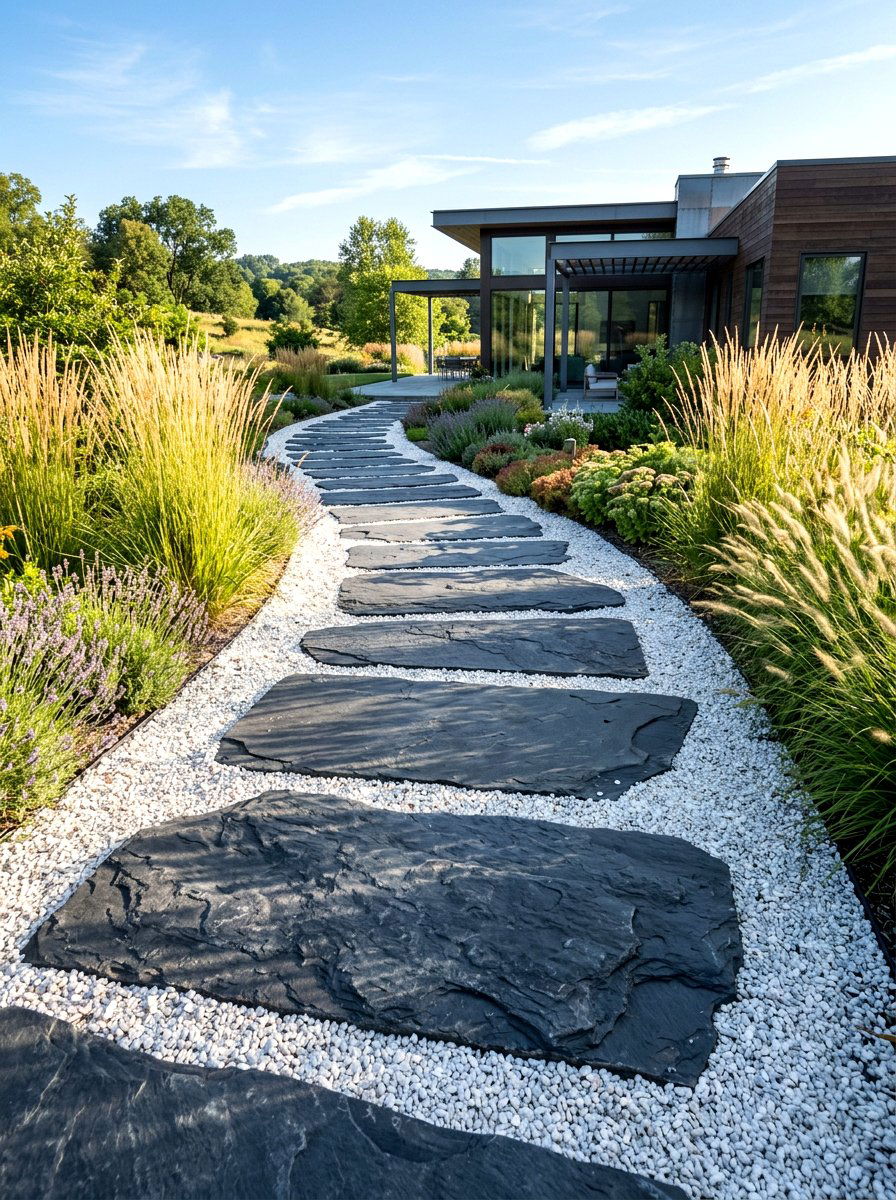
Large slate slabs are a bold choice for creating a dramatic and modern walkway that emphasizes natural texture. These oversized stones provide a wide and stable surface that is easy to walk on, even for those with limited mobility. The dark gray or black color of the slate provides a stunning backdrop for vibrant flowers and lime-green foliage, making your garden colors appear more saturated and bright. Because the slabs are so large, you only need a few to cover a significant distance, which can simplify the installation process. Placing these slabs in a staggered or offset pattern adds a modern and artistic touch to the layout, breaking up the monotony of a straight path.

25. Crushed Shell Walkway
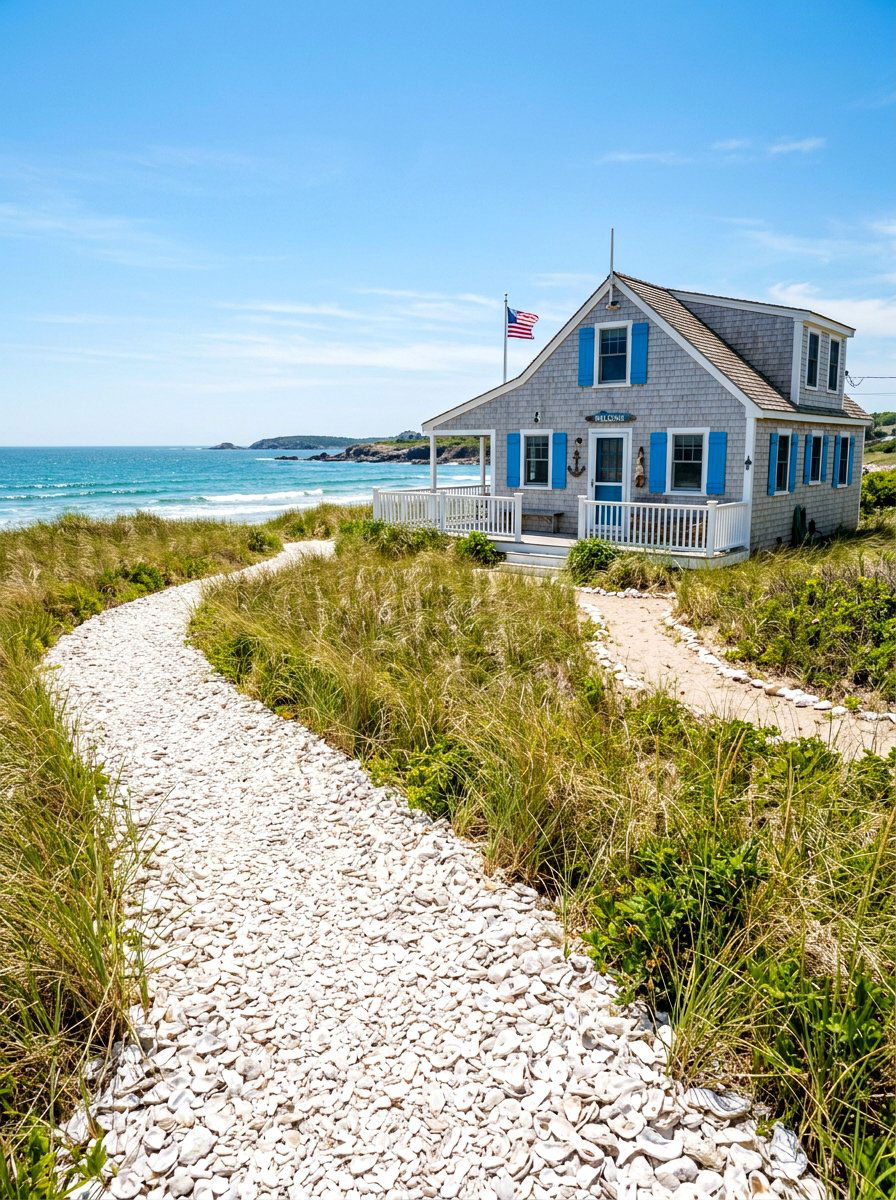
A crushed shell walkway is the perfect choice for coastal homes or anyone who wants to bring a beachy, nautical vibe to their backyard. Often made from crushed oyster or clam shells, this material provides a bright white or off-white surface that crunches satisfyingly underfoot. As the shells break down over time, they actually provide beneficial calcium to the surrounding soil, making it a great choice for areas near garden beds. Shells are highly permeable and eco-friendly, as they are a repurposed natural byproduct. The light color of the shells helps to illuminate the path during the evening, making it easier to navigate your yard safely after the sun has gone down.
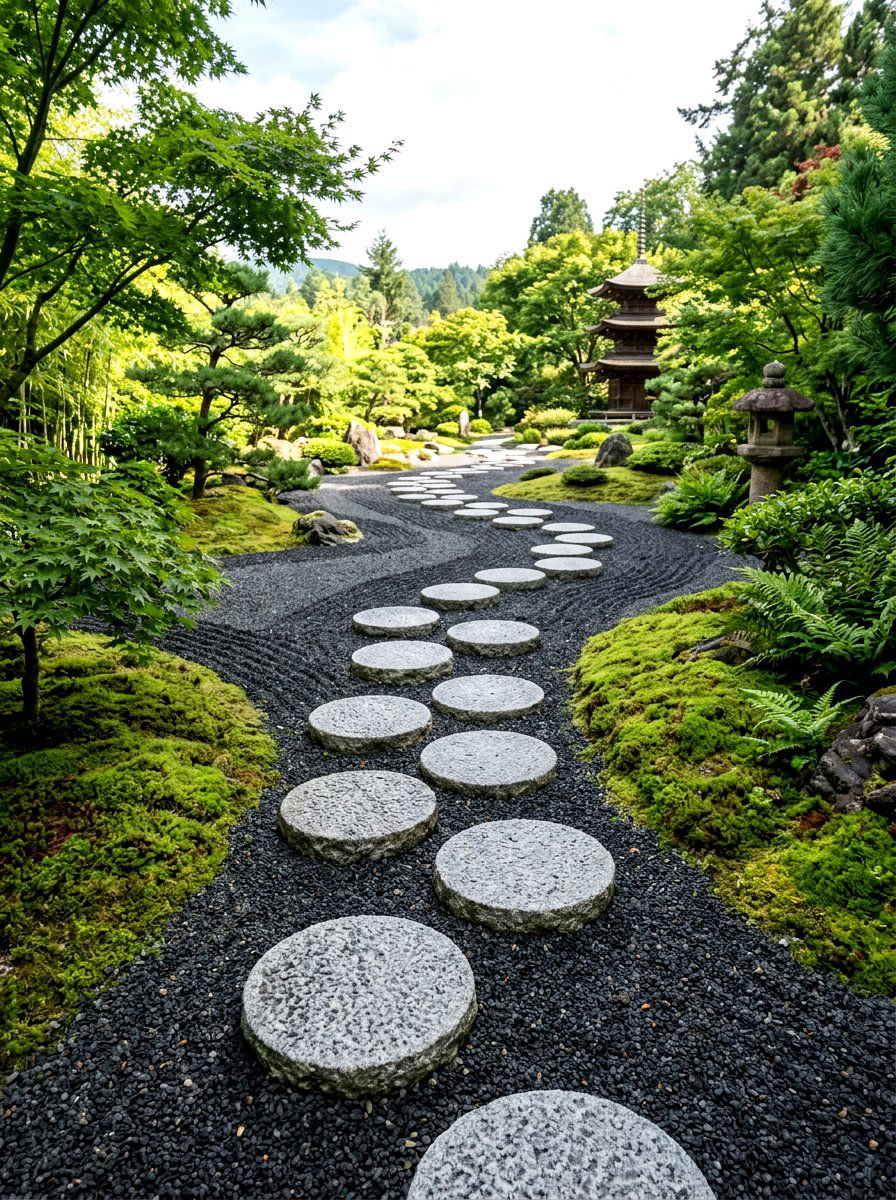
26. Basalt Stepping Stones
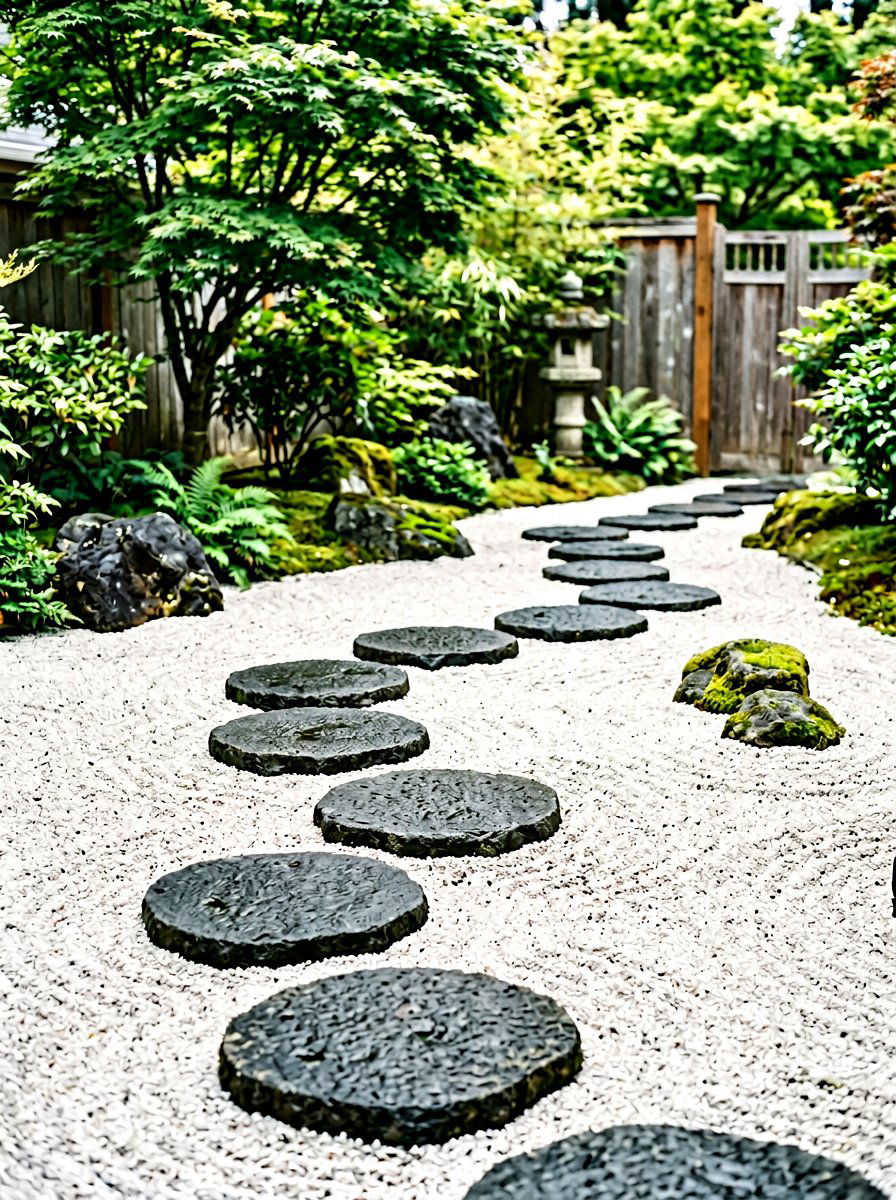
Basalt stepping stones offer a sleek and dark aesthetic that is often used in contemporary or Japanese-inspired garden designs. This volcanic rock is incredibly hard and durable, with a deep charcoal or black color that turns almost jet-black when wet. You can find basalt in pre-cut geometric shapes or as natural "pillar" sections for a more organic and rugged look. Because of its density, basalt is extremely resistant to moss and algae growth, ensuring that your path remains safe and non-slip for many years. Pairing these dark stones with light-colored pea gravel or white marble chips creates a sophisticated and high-contrast look that is sure to impress any visitor to your garden.
27. Porcelain Outdoor Tiles
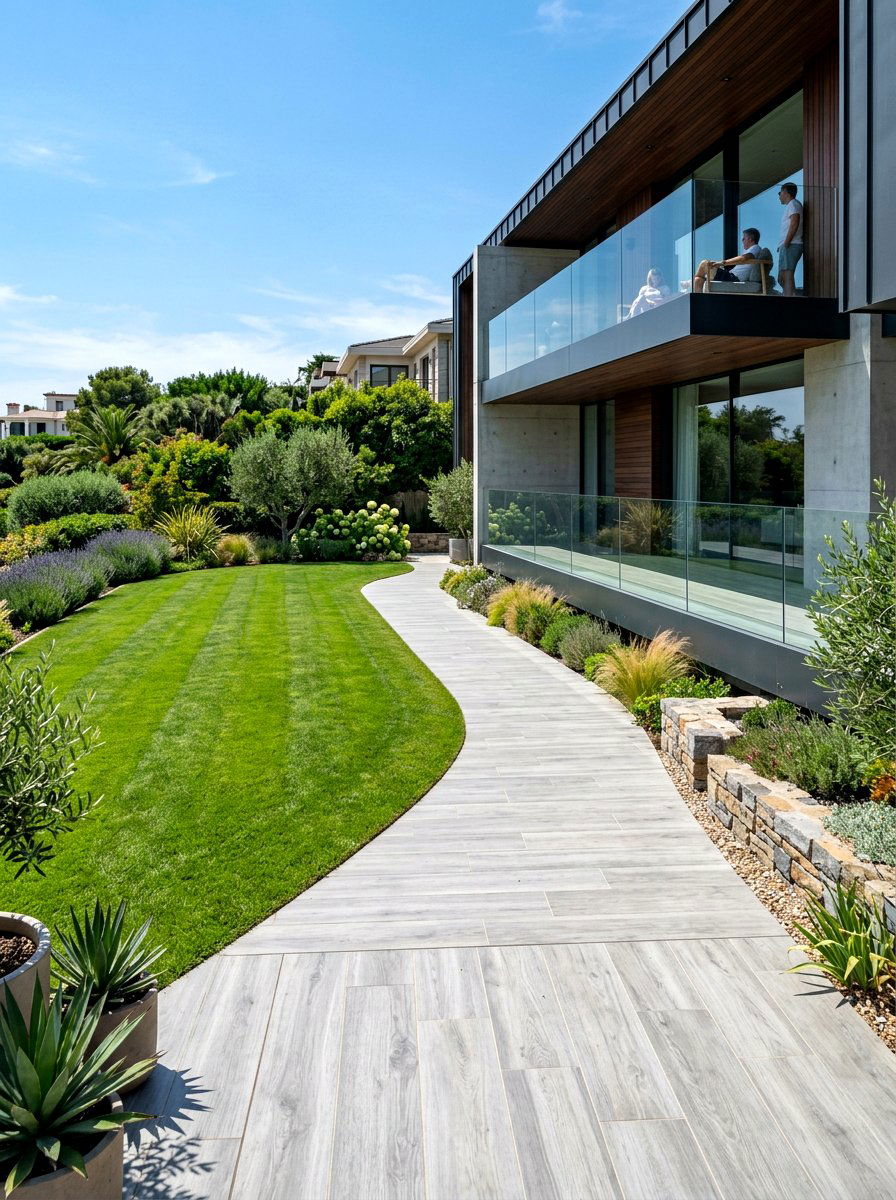
Porcelain outdoor tiles are a relatively new trend in backyard design, offering a level of cleanliness and precision that is hard to achieve with natural stone. These tiles are engineered to be extremely strong and completely frost-resistant, so they won't crack in cold climates. They come in an endless variety of finishes, including those that mimic wood grain, concrete, or expensive marble. Porcelain is incredibly low-maintenance because it does not require sealing and can be easily cleaned with a garden hose. This material is ideal for modern, minimalist backyards where you want a perfectly level and stylish path that feels like an extension of your indoor living room flooring.
28. Terracotta Brick Walkway
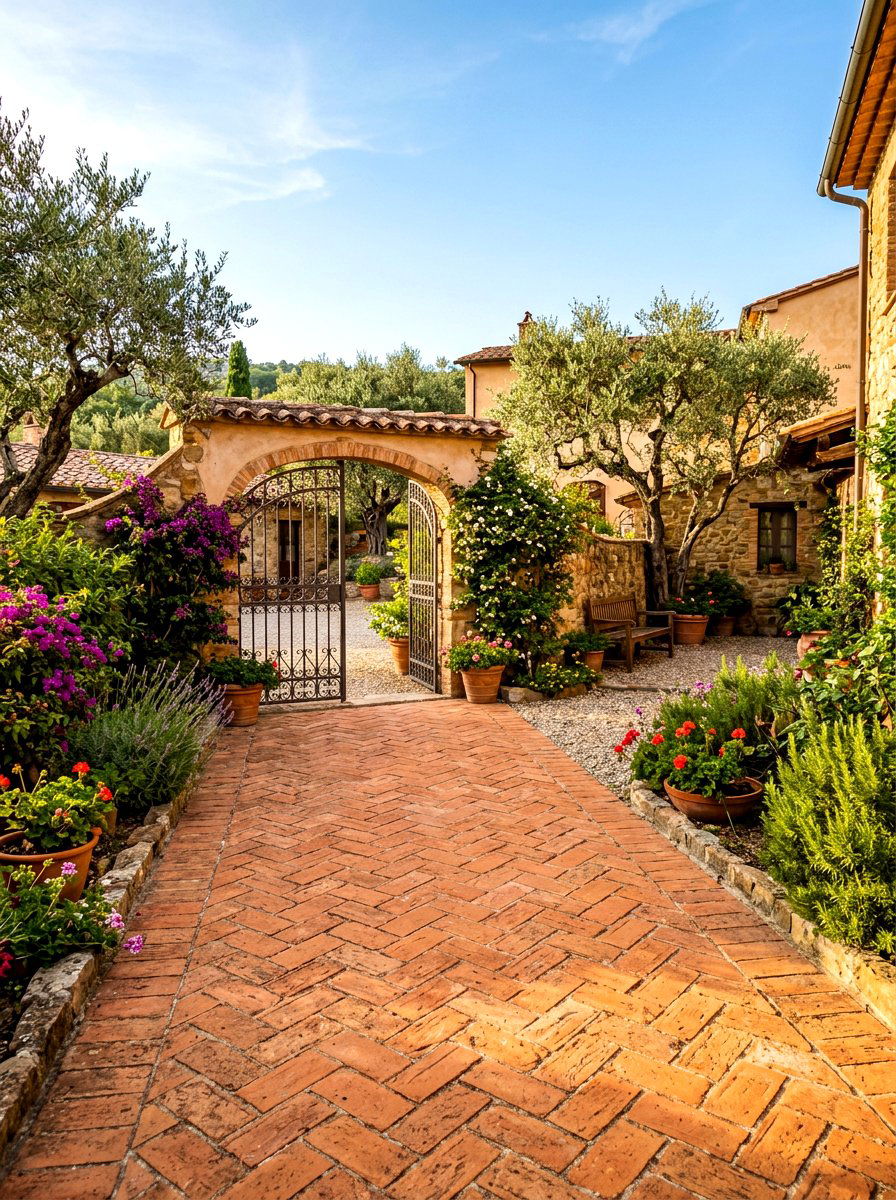
A terracotta brick walkway brings an instant sense of Mediterranean warmth and rustic charm to your outdoor space. These clay bricks feature a beautiful orange-red hue that looks stunning in the sunlight and pairs perfectly with wrought iron furniture and terracotta planters. Because they are porous, they have a natural slip-resistant texture that is great for safety. Over time, terracotta bricks can develop a beautiful patina, including small bits of moss or a slightly weathered surface, which only adds to their timeless appeal. This style of walkway is perfect for a courtyard garden or a path that leads to a sun-drenched patio where you can relax and enjoy the outdoor air.
29. Lava Rock Path
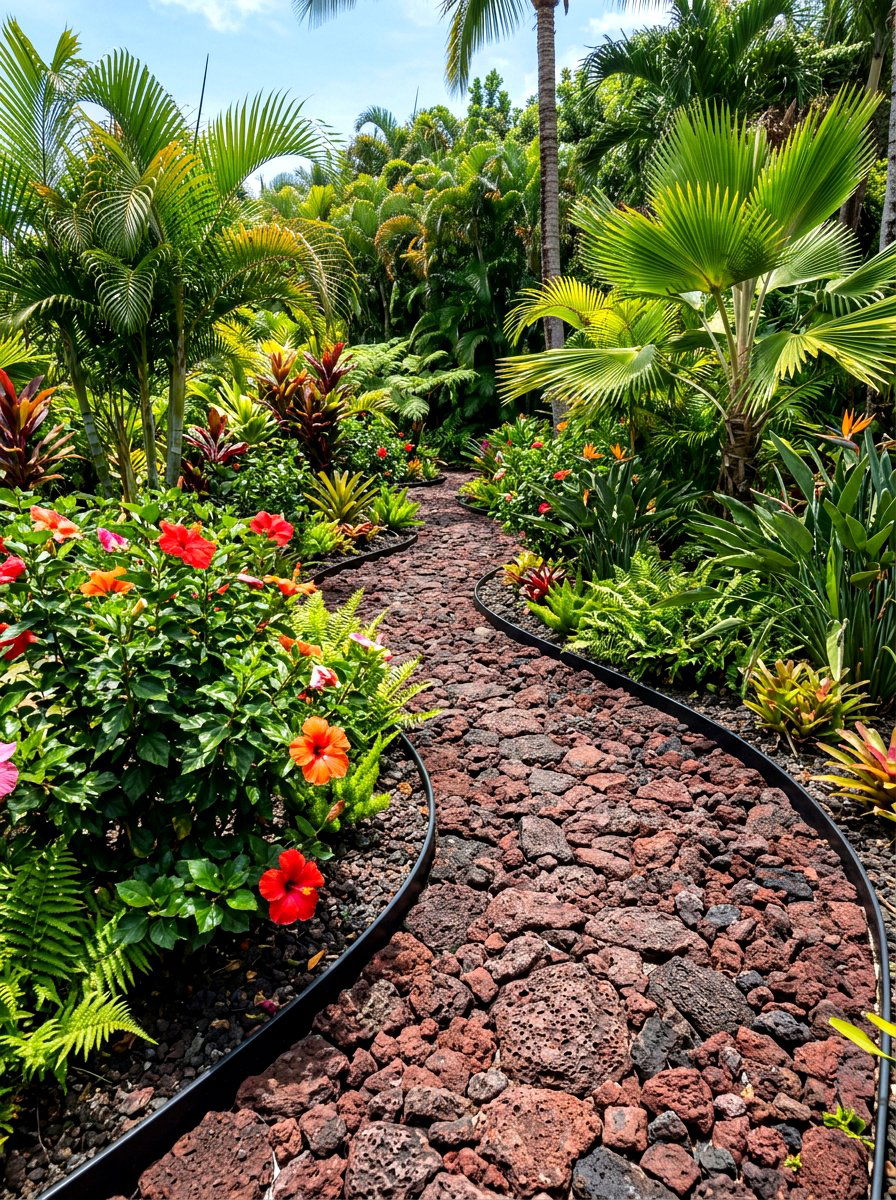
Lava rock is a unique and highly textured material that adds a rugged and exotic feel to any backyard walkway. These porous, lightweight stones come in striking shades of deep red and black, providing a high-contrast look against green plants. While lava rock is often used as a mulch, it can be used to create a stunning path when contained within a sturdy border. It is an excellent choice for drainage-prone areas because of its ability to absorb and slowly release water. The sharp, irregular edges of the rocks provide a very different tactile experience than smooth river stones. It is a bold choice for homeowners who want a landscape that stands out from the crowd.
30. Sandstone Garden Path
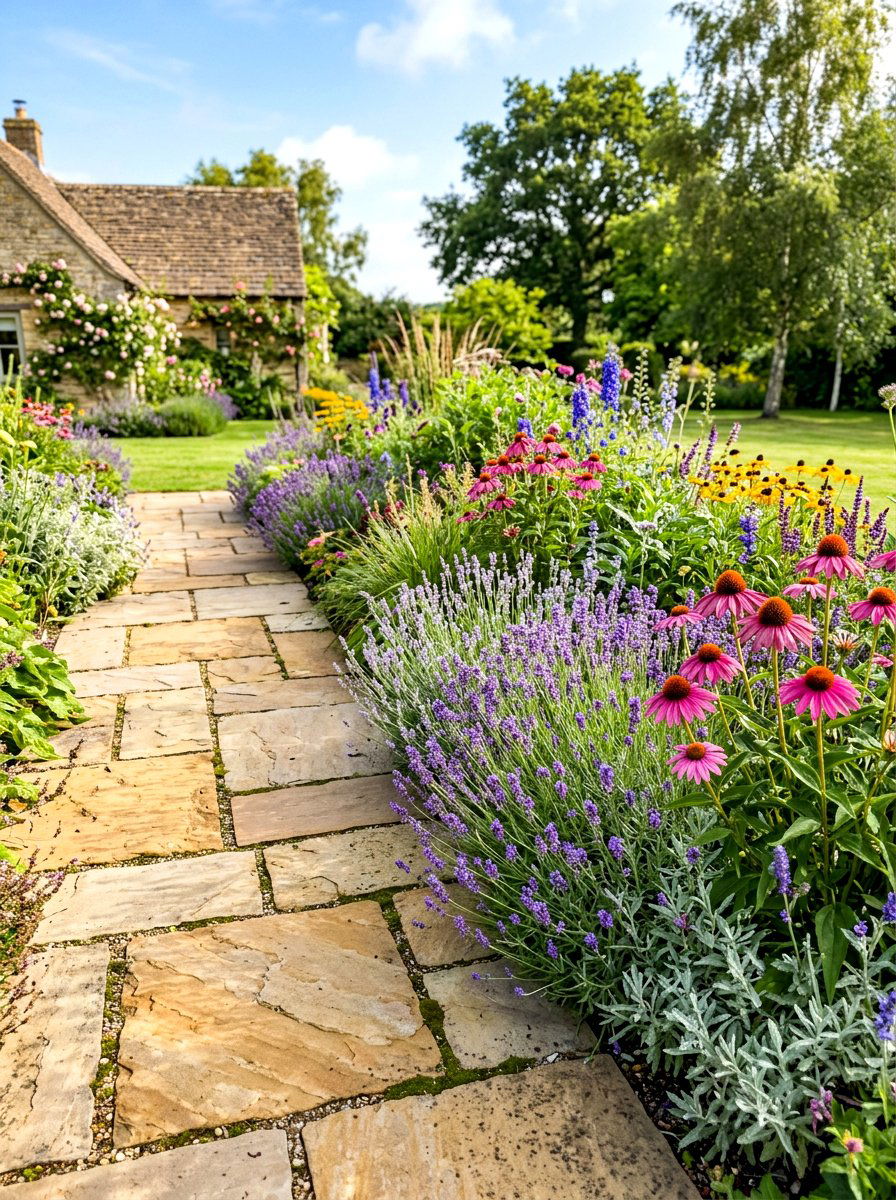
Sandstone is a classic landscaping material that offers a soft and inviting aesthetic with its warm tones and natural rippled texture. It is a very versatile stone that can be easily cut into uniform slabs for a formal path or used in its natural, irregular state for a more casual garden trail. Sandstone is naturally slip-resistant, making it a practical choice for all-weather walkways. The subtle color variations within each stone — ranging from tan and gold to pink and gray — ensure that no two paths look exactly the same. It is a durable material that ages gracefully, maintaining its structural integrity and beauty for decades while blending perfectly with a wide variety of architectural styles.
Conclusion:
In conclusion, designing a backyard walkway is a creative opportunity to enhance both the beauty and the utility of your outdoor living space. By carefully selecting materials that complement your home's architecture and the local climate, you can create a path that stands the test of time. Whether you opt for the budget-friendly appeal of gravel or the luxurious look of bluestone, a well-placed walkway brings harmony and order to your landscape. It protects your lawn, guides your guests, and provides a clean surface to enjoy your garden year-round. Investing in high-quality materials and thoughtful design will not only increase your property value but also your daily enjoyment of your home. Now that you have explored these diverse ideas, you are ready to start planning a stunning walkway that perfectly reflects your personal style and elevates your entire backyard environment.

Related posts: