Breezeways are more than just functional connectors; they are architectural transitions that bridge the gap between indoor comfort and the natural beauty of the outdoors. These unique spaces, often found between a main residence and a detached garage or guest house, offer a blank canvas for creative gardening and landscaping. By thoughtfully integrating greenery, hardscaping, and lighting, you can transform a simple walkway into a stunning visual journey. Whether you prefer a lush tropical escape or a minimalist zen retreat, a well-designed breezeway garden enhances curb appeal while providing a refreshing, airy passage that celebrates the seasons and the architecture of your home.

1. Modern concrete breezeway

A modern concrete breezeway offers a sleek and sophisticated transition between two structures, emphasizing clean lines and architectural simplicity. This design typically features large-scale concrete pavers separated by thin strips of emerald moss or decorative river stones to create a rhythmic pattern underfoot. To soften the industrial feel, you can incorporate built-in concrete planters filled with structural ornamental grasses like fountain grass or horsetail. The open-air nature of the breezeway allows natural light to highlight the smooth texture of the walls and floor throughout the day. Minimalist black metal railings or glass panels can provide safety without obstructing the view of the surrounding landscape, ensuring the space feels airy.
2. Tropical walkway garden
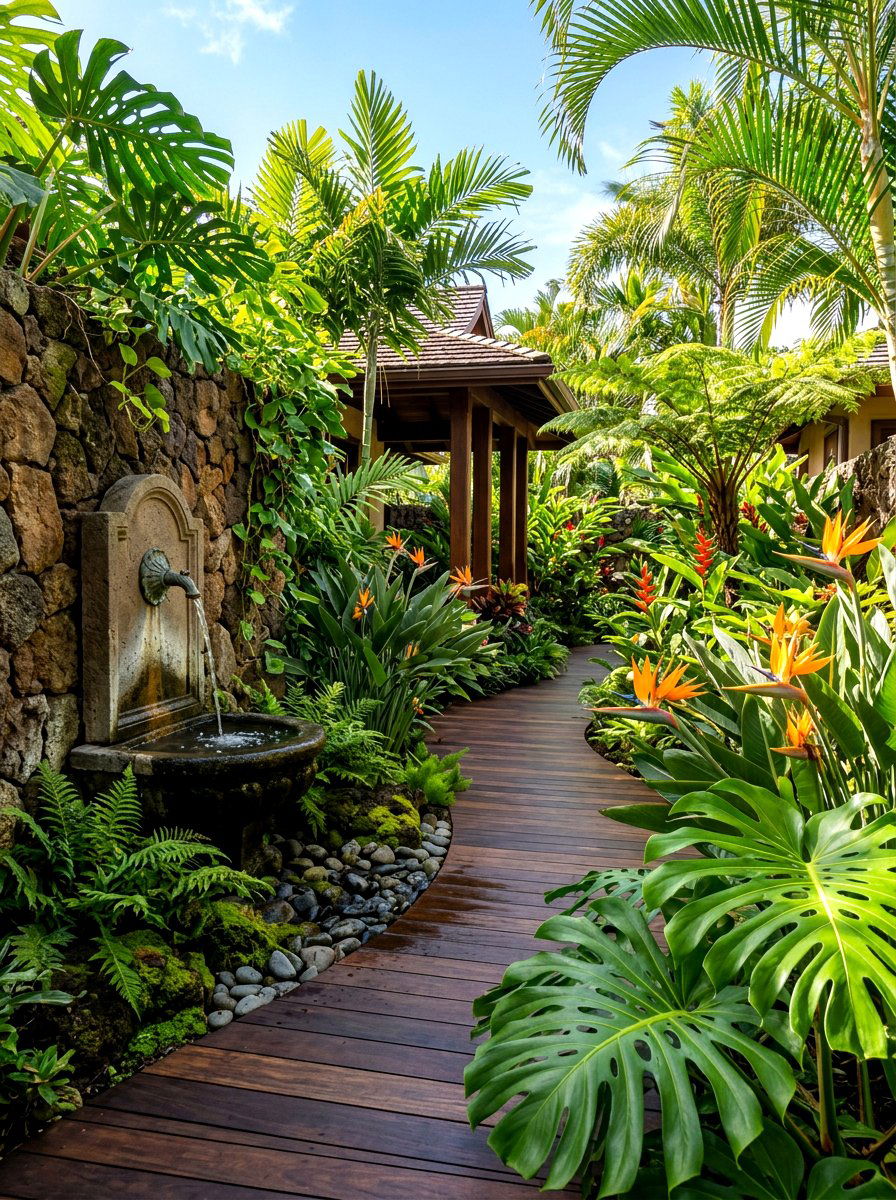
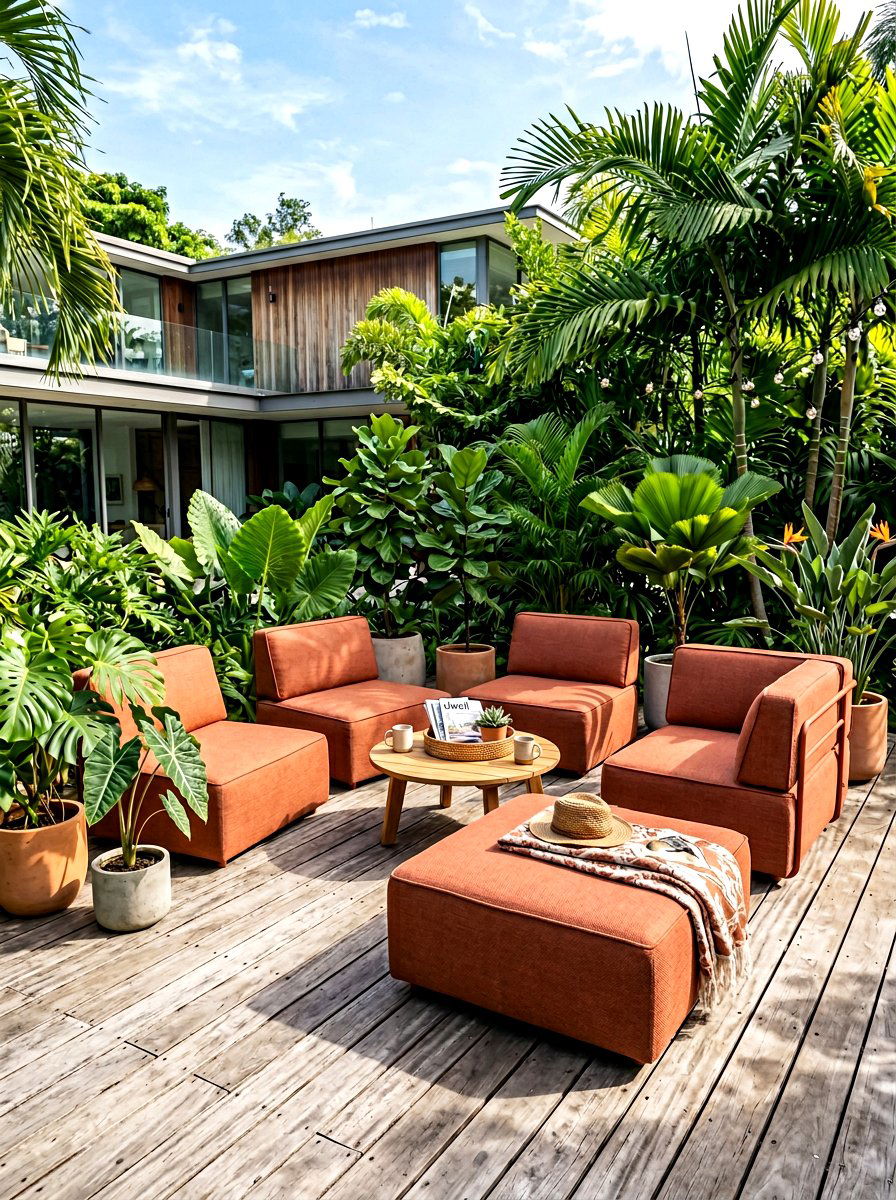
A tropical walkway garden transforms a standard breezeway into an exotic jungle escape filled with vibrant textures and bold colors. This design relies on oversized foliage plants like elephant ears, monstera, and bird of paradise to create a lush, immersive environment. The walkway itself can be made of dark hardwood decking or natural stone to enhance the organic island atmosphere. Incorporating a small wall-mounted water feature adds the soothing sound of trickling water, which complements the humid, green setting. Bright orchids or bromeliads can be tucked into the foliage for splashes of color. This setup thrives in humid climates and creates a refreshing microclimate that feels private and serene.
3. Zen rock garden path
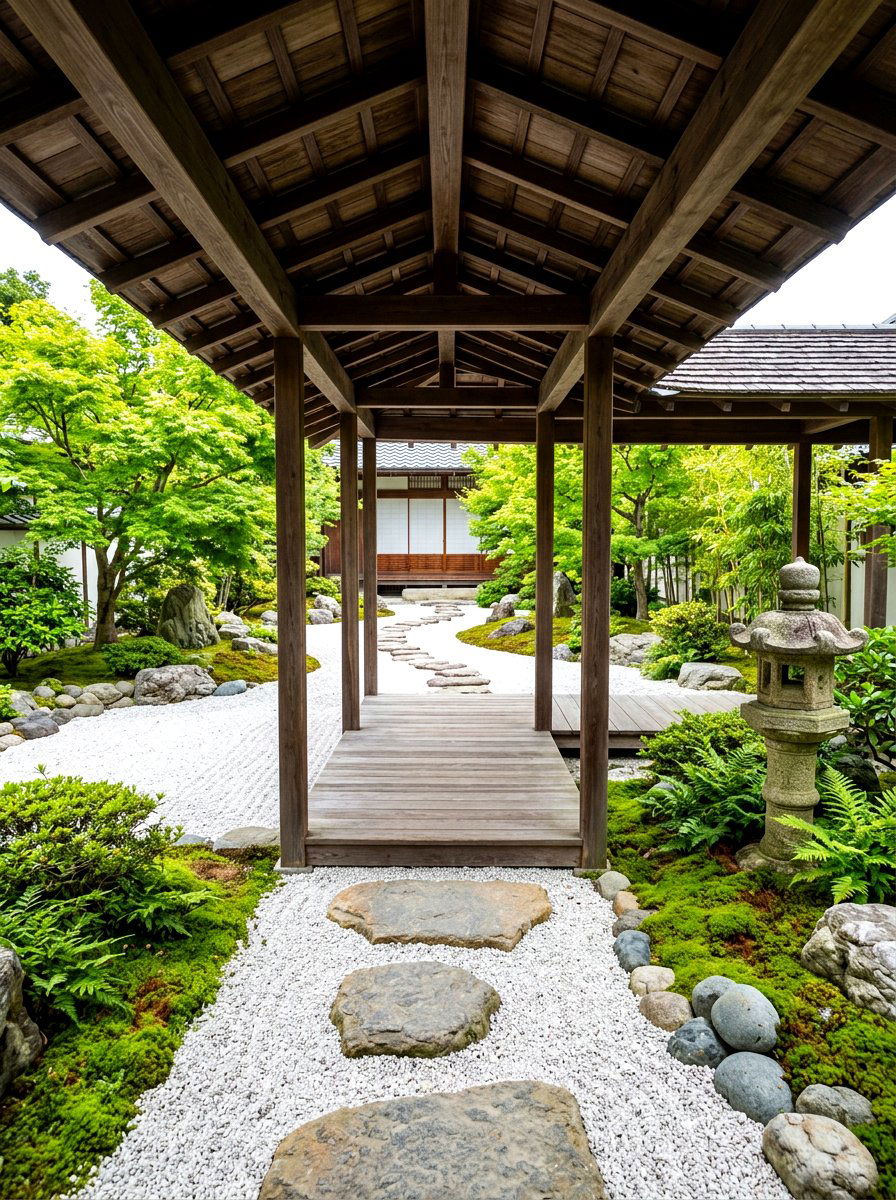
Creating a zen rock garden path within a breezeway introduces a sense of peace and mindfulness to your daily transitions. This style focuses on the Japanese aesthetic of "Ma, " or the beauty of empty space, using raked white gravel and carefully placed boulders. Low-growing Japanese forest grass and neatly trimmed boxwood globes provide subtle greenery without overwhelming the minimalist layout. A stone lantern or a small bamboo water spout can serve as a focal point at one end of the passage. The contrast between the crunch of gravel and the smooth architecture of the home creates a sensory experience that grounds you as you move through the space.
4. Cottage style breezeway
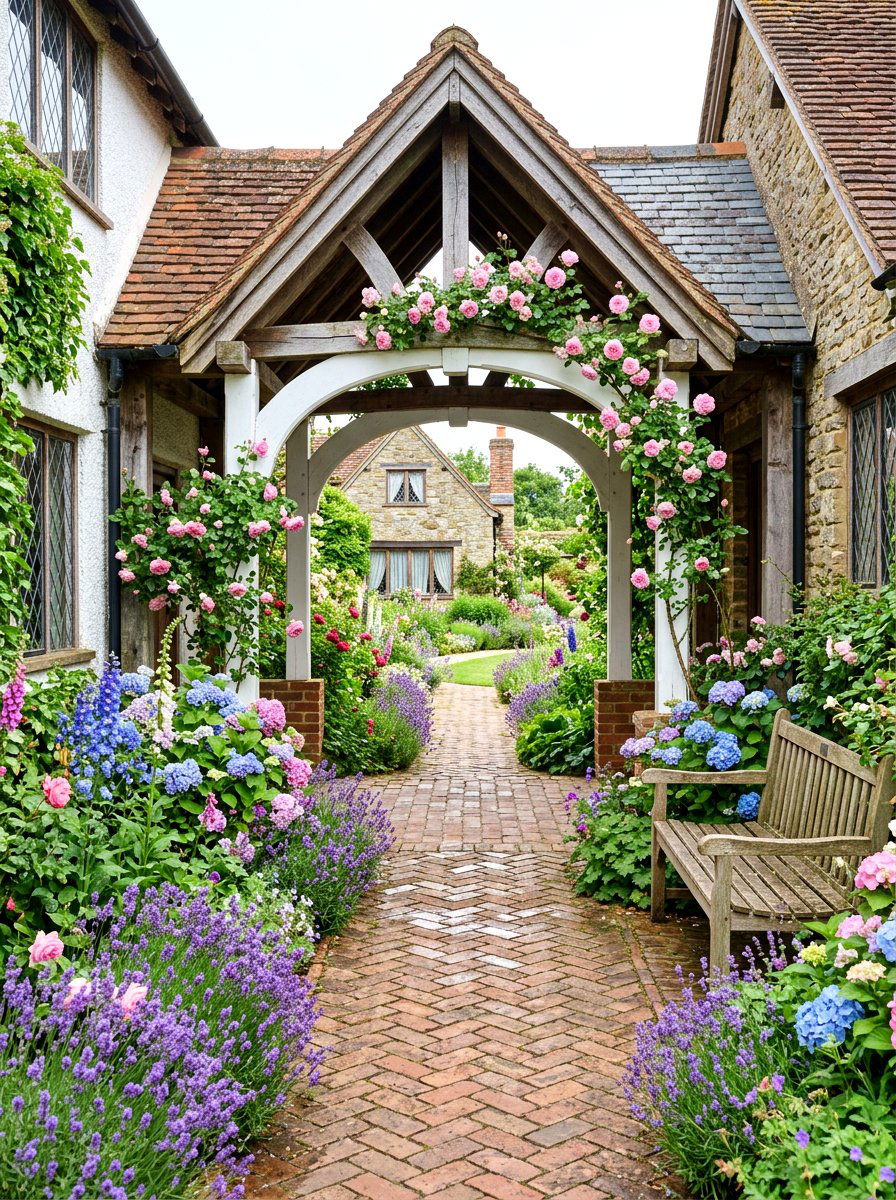
A cottage style breezeway radiates charm and nostalgia, making it the perfect choice for traditional or farmhouse-style homes. This design features climbing roses or clematis trained over the breezeway columns to create a floral canopy overhead. Underfoot, weathered brick pavers laid in a herringbone pattern add warmth and a sense of history to the transition. Low-maintenance perennials like lavender, catmint, and hydrangeas line the edges of the path, providing fragrance and soft colors throughout the summer. Wrought iron benches or small wooden chairs can be tucked into corners to invite a moment of rest. The overall effect is a romantic, overflowing garden that feels lived-in and welcoming.
5. Vertical garden wall

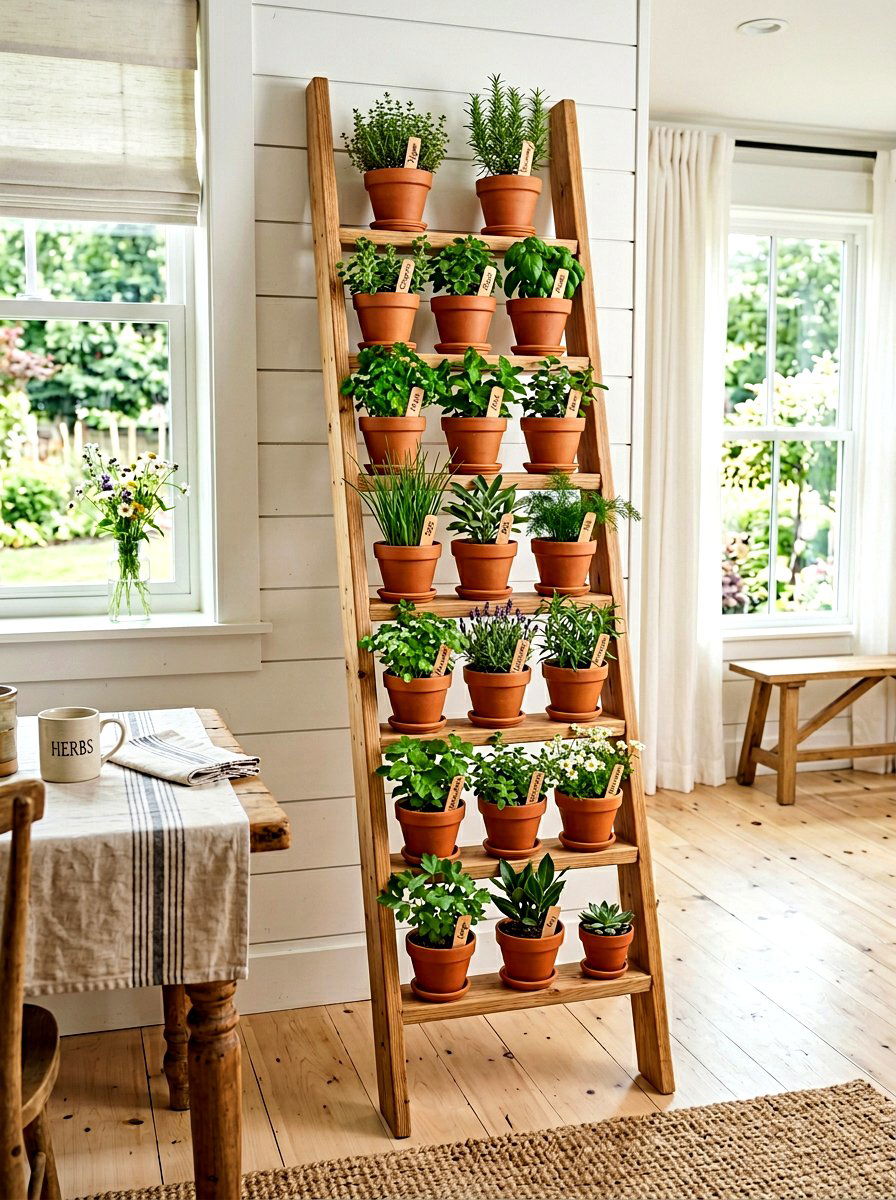
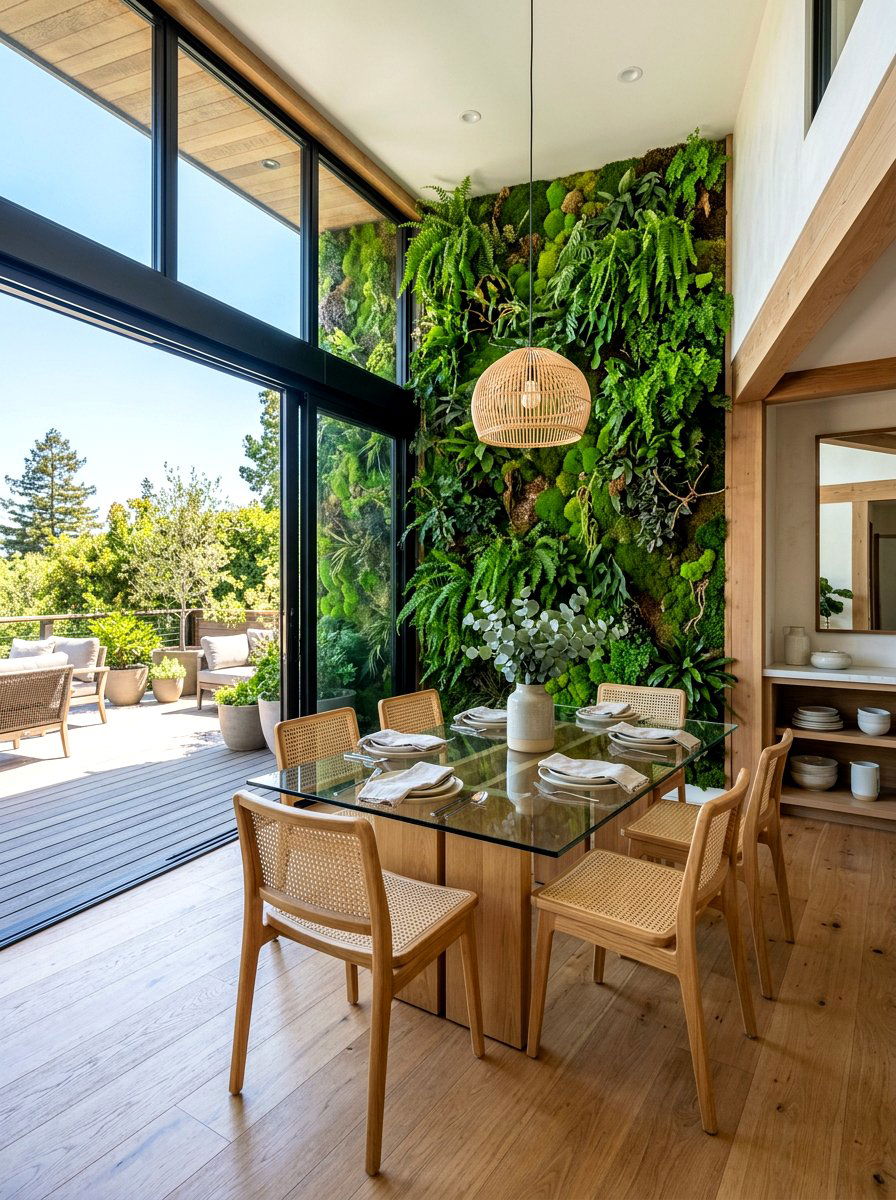
A vertical garden wall is an excellent solution for narrow breezeways where ground space is limited but greenery is desired. This concept uses modular wall planters or a trellis system to cover one side of the walkway in a living tapestry of ferns, ivy, and succulents. The verticality of the plants draws the eye upward, making the passage feel taller and more spacious than it actually is. Drip irrigation systems can be hidden behind the structure to ensure the plants stay hydrated with minimal effort. Choosing different shades of green and leaf shapes creates a sophisticated, modern texture that acts as living wallpaper for your home’s outdoor connection.
6. Mediterranean courtyard transition
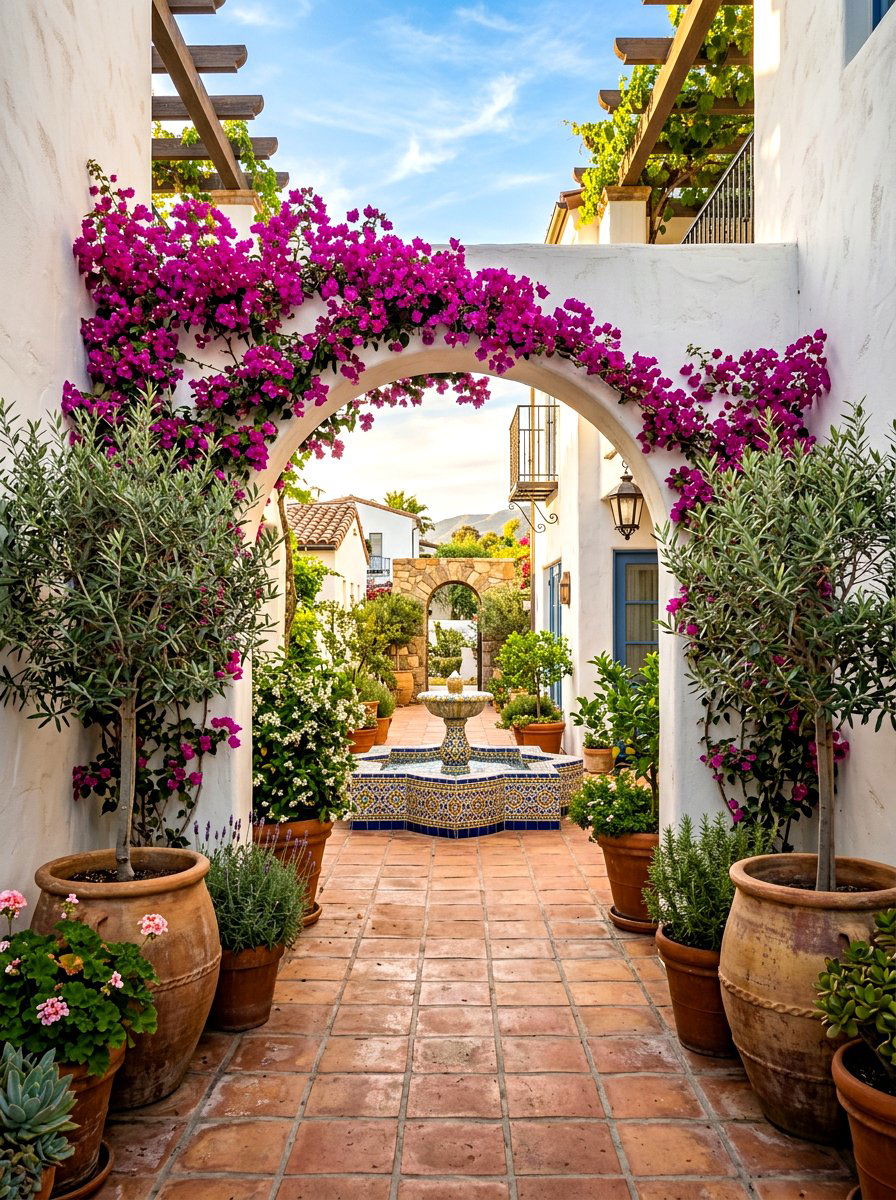
The Mediterranean courtyard transition brings the warmth and sun-drenched beauty of southern Europe to your home’s architectural connector. This design often features terracotta floor tiles and stucco walls adorned with climbing bougainvillea in vibrant shades of magenta or purple. Large ceramic pots filled with citrus trees or olive saplings are placed strategically along the path to provide height and structure. A small central mosaic fountain can act as a cooling element on hot days. Wrought iron sconces and decorative tiles embedded in the walls add authentic charm. This style is perfect for those who want a breezeway that feels like a sun-soaked villa walkway with earthy, warm tones.
7. Rustic timber breezeway
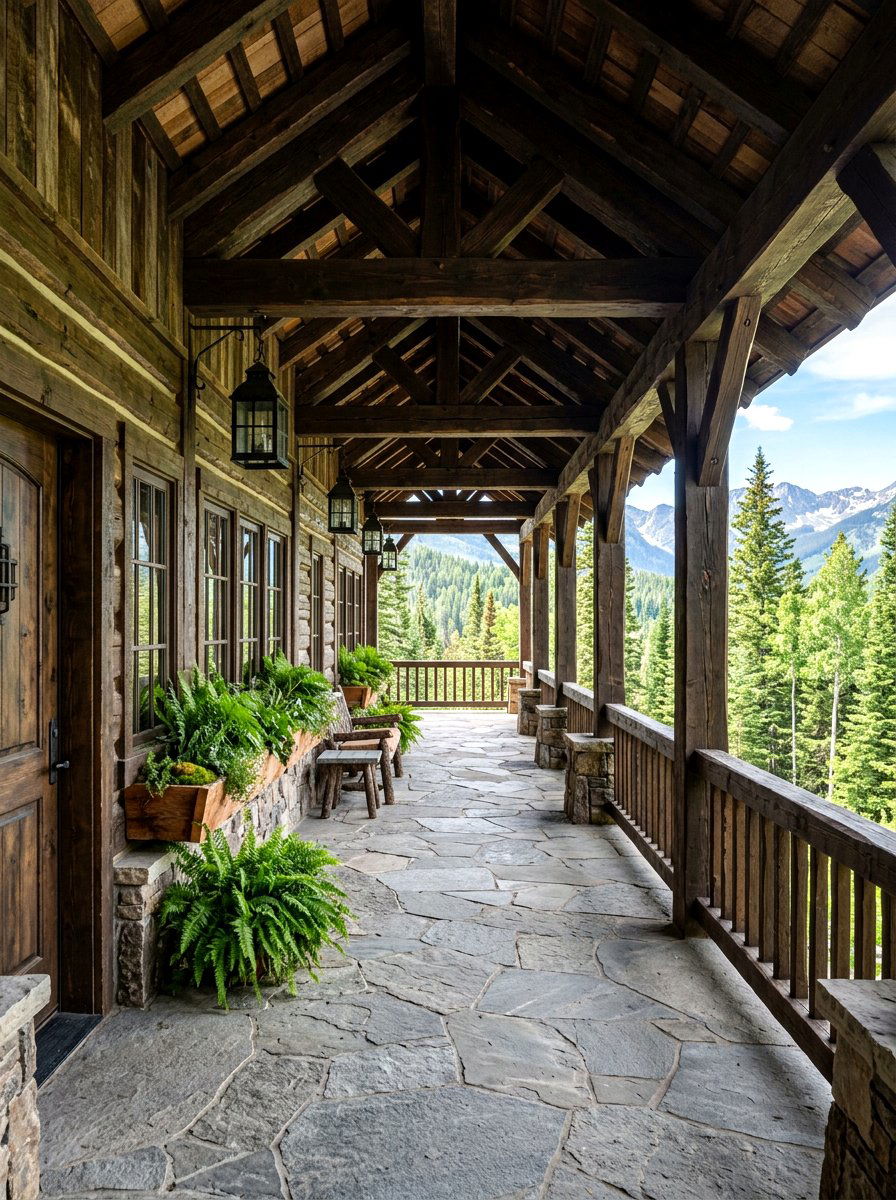
A rustic timber breezeway uses heavy wood beams and natural materials to create a sturdy, cabin-like feel between buildings. The flooring might consist of reclaimed wood planks or thick flagstone slabs that emphasize an unpolished, organic look. Native ferns and wildflowers can be planted in cedar window boxes attached to the support posts to blend the structure into the surrounding woods. To enhance the cozy atmosphere, hanging lanterns with warm-toned bulbs can be suspended from the rafters. This design works beautifully for mountain retreats or rural homes where the goal is to celebrate the raw beauty of the forest while providing a sheltered, durable walkway.
8. Minimalist gravel garden
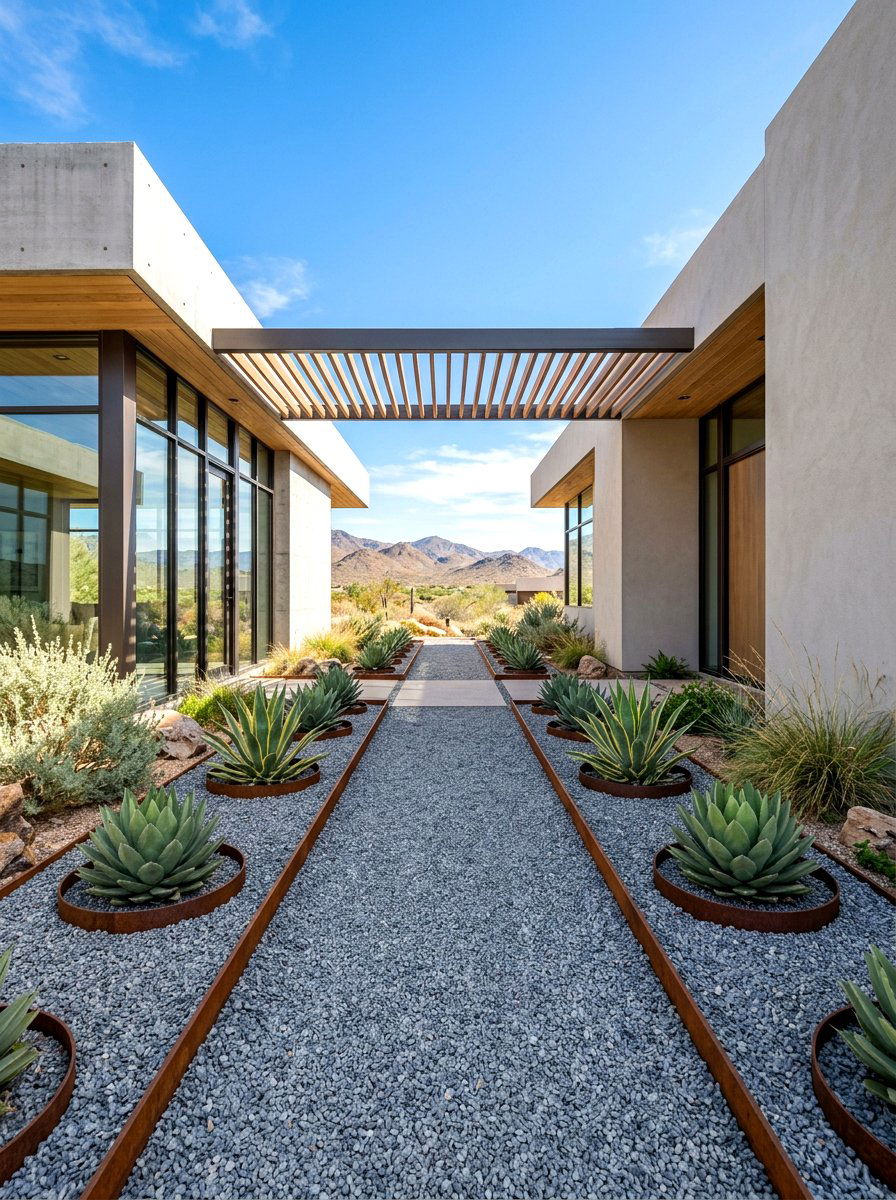
A minimalist gravel garden focuses on clean aesthetics and low-maintenance functionality, making it ideal for busy homeowners who appreciate modern design. This breezeway uses fine crushed granite or pea gravel in a neutral gray or tan shade to create a uniform walking surface. Single, sculptural specimens like a lone agave or a multi-trunked desert willow are planted in precisely spaced gaps to act as living art pieces. Edging made of weathering steel or aluminum keeps the gravel neatly contained against the foundation of the house. This style prioritizes texture and silhouette over floral abundance, resulting in a crisp, architectural look that remains tidy and beautiful year-round.
9. Japanese maple walkway
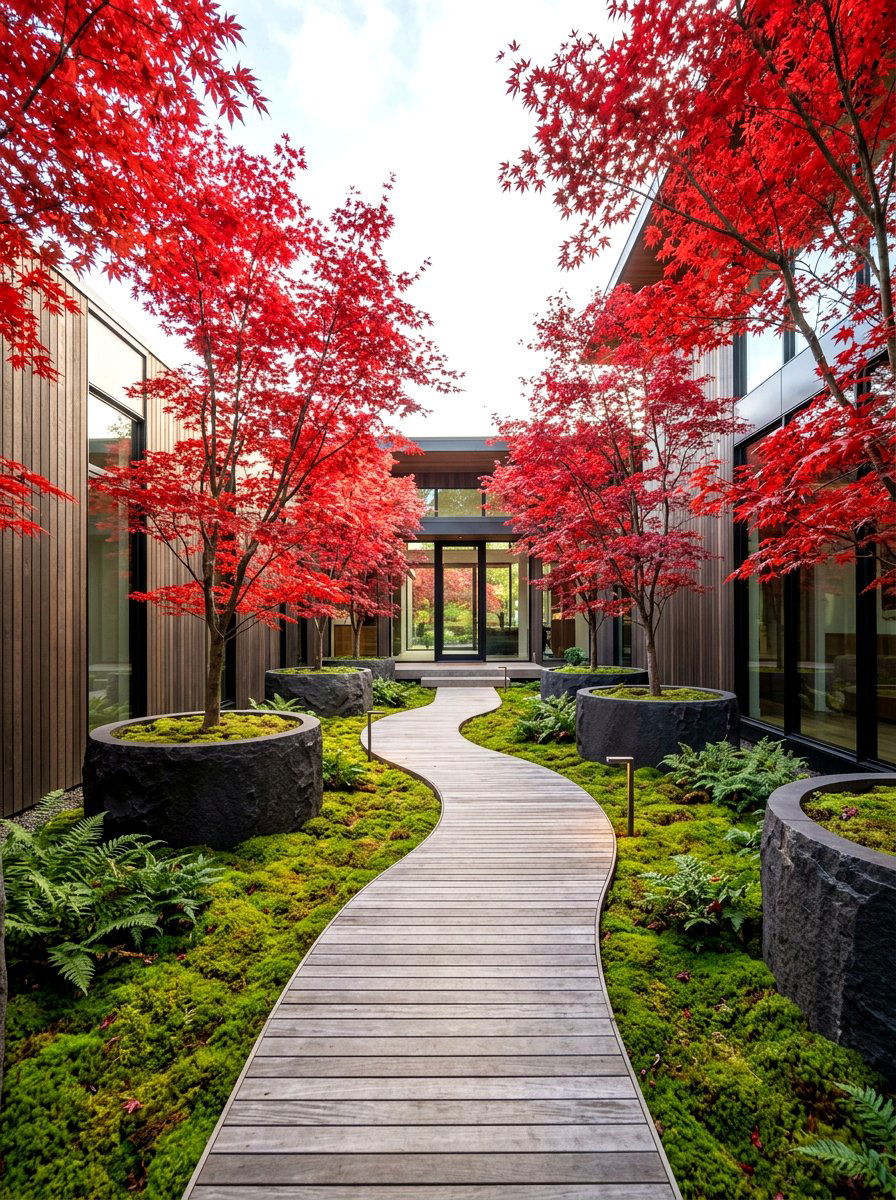
Designing a Japanese maple walkway creates a stunning seasonal display within the sheltered confines of a home's breezeway. The delicate, lacy leaves of laceleaf Japanese maples offer a range of colors from lime green in spring to fiery crimson in autumn. These trees are often planted in large, minimalist stone containers or directly into the ground with low-growing moss at their base. The breezeway provides the dappled shade these trees love, protecting their sensitive foliage from harsh afternoon sun. Soft, low-voltage uplighting can be used to showcase the intricate branch structures at night, turning the breezeway into a high-end landscape gallery that changes with every season.

10. Enclosed glass breezeway

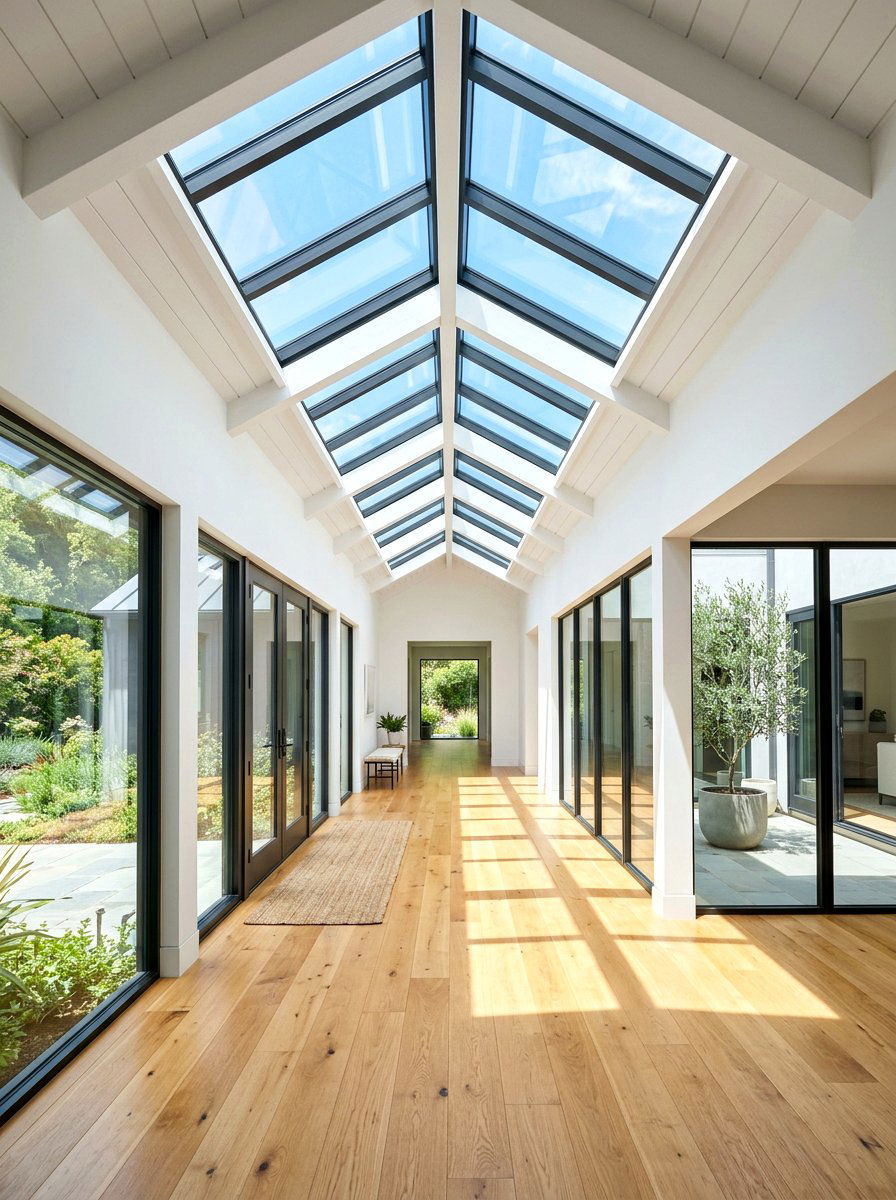
An enclosed glass breezeway offers the unique benefit of a garden that can be enjoyed regardless of the weather outside. With floor-to-ceiling glass panels, this space becomes a sunroom-style conservatory that acts as a greenhouse for delicate indoor plants and tropical ferns. You can line the interior with tiered plant stands or built-in stone planters filled with peace lilies, palms, and snake plants. The transparent walls maintain a constant visual connection to the outdoor yard while protecting the plants and the walkway from wind and rain. This design creates a bright, cheerful corridor that feels like an indoor botanical garden, providing a warm and inviting transition.
11. Desert xeriscape path
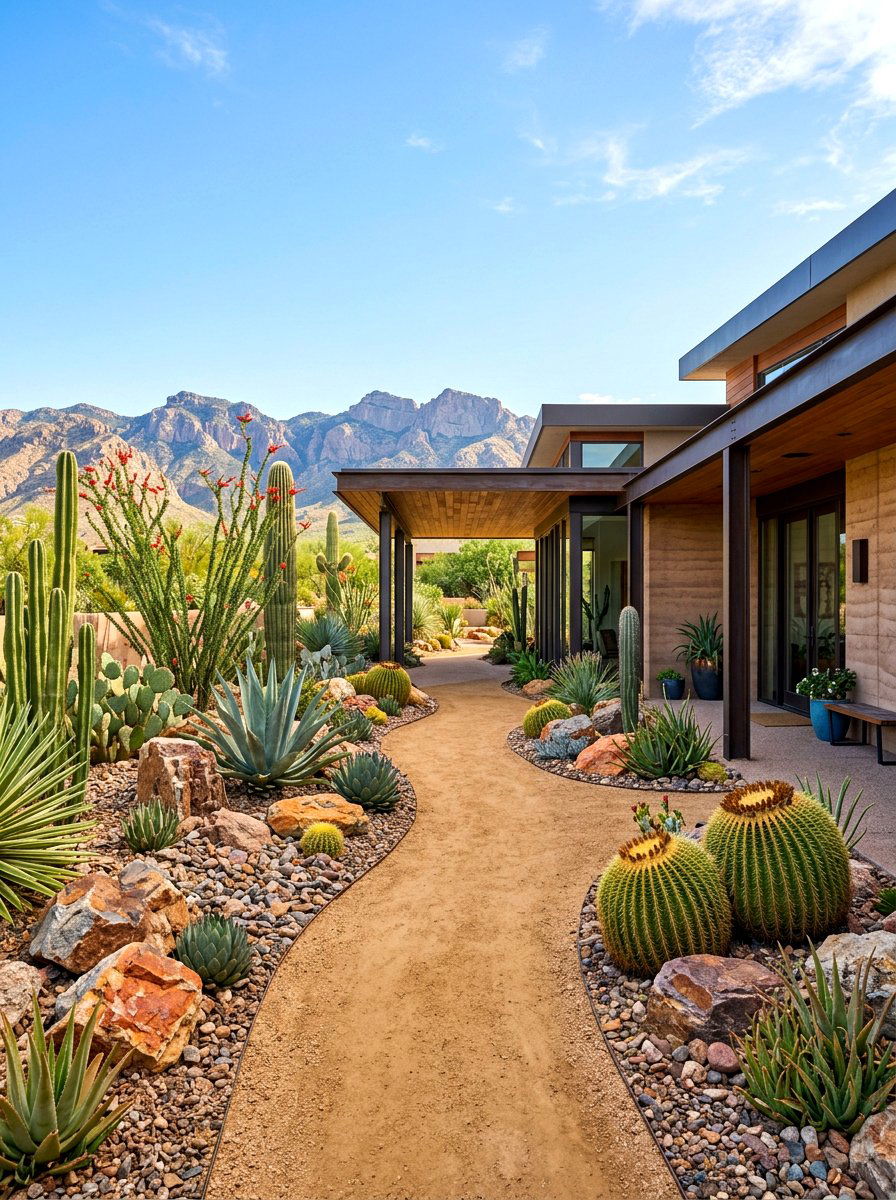
A desert xeriscape path is a sustainable and visually striking choice for arid climates where water conservation is a priority. This breezeway garden features a variety of drought-tolerant plants such as aloe, yucca, and ornamental cacti arranged among colorful desert rocks and boulders. The ground is typically covered in decomposed granite or river rock to help suppress weeds and retain what little moisture is available. Strategically placed solar-powered path lights highlight the unique shapes of the succulents after sunset. This style is not only environmentally friendly but also offers a rugged, natural beauty that requires very little pruning or watering to look its absolute best throughout the year.
12. Hydrangea lined breezeway
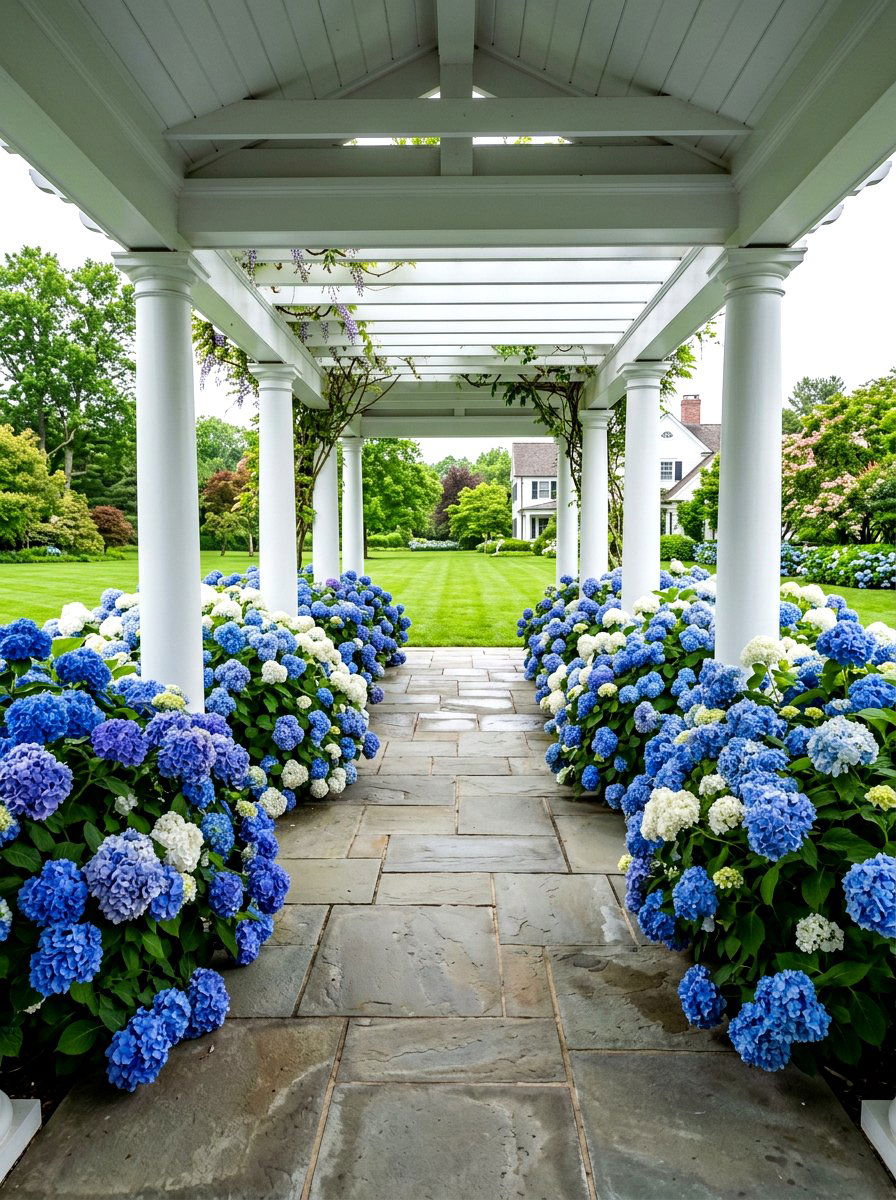
A hydrangea lined breezeway creates a soft, voluminous wall of flowers that defines the transition with classic elegance. Large, mounded hydrangea shrubs produce massive blooms in shades of blue, pink, or white, depending on the soil acidity and variety chosen. These plants thrive in the partial shade often provided by the breezeway roof, making them a perfect fit for this specific location. The dense foliage of the hydrangeas provides privacy and a lush feel, while the flower heads can be dried and left on the stalks for winter interest. Pairing these shrubs with a simple bluestone or flagstone path ensures a timeless look that feels both grand and cozy.
13. Traditional brick walkway
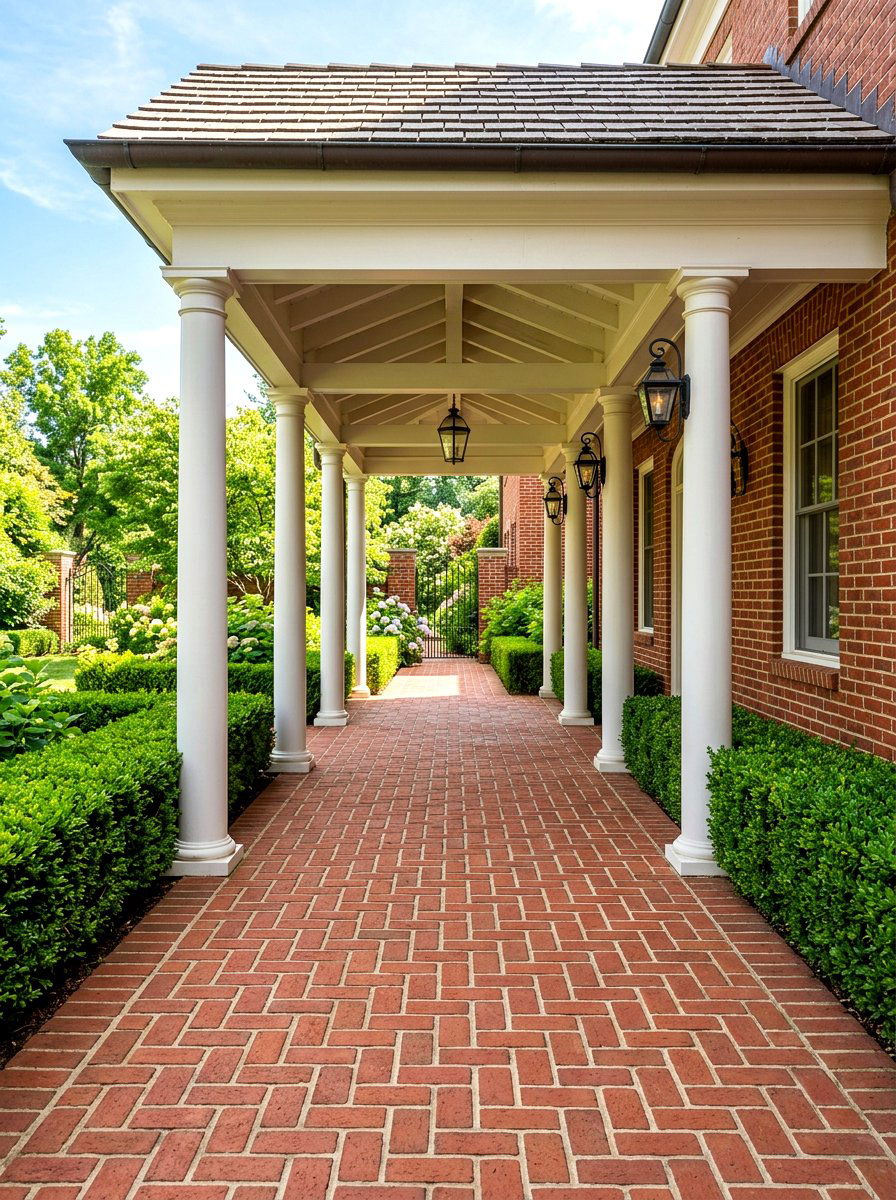
The traditional brick walkway is a classic breezeway design that offers a sense of permanence and architectural continuity. Using red or reclaimed bricks in a basketweave or herringbone pattern provides a rich texture that complements colonial, federal, or Georgian style architecture. Small, formal boxwood hedges often edge the brick path to maintain a clean and orderly appearance. To break up the masonry, you can leave small pockets in the brickwork for creeping thyme or chamomile to grow, which releases a pleasant scent when stepped upon. This style of breezeway feels established and dignified, providing a sturdy and beautiful path that ages gracefully over many decades.
14. Modernist light breezeway
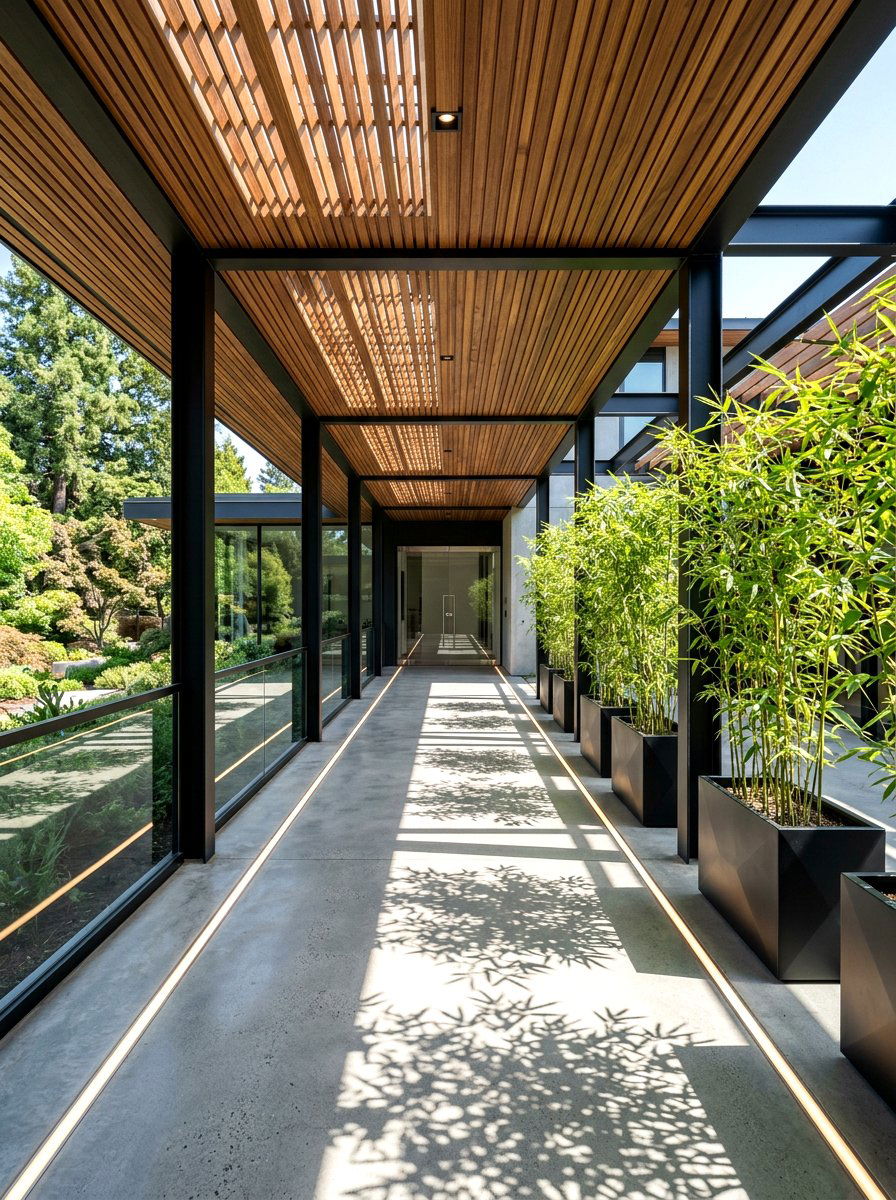
A modernist light breezeway focuses on the interplay between shadow and illumination to create a dramatic architectural experience. This design often incorporates slatted wood ceilings or laser-cut metal screens that cast intricate geometric shadows across the floor during the day. Integrated LED strip lighting is hidden under the edges of floating stairs or along the baseboards to provide a futuristic glow at night. The landscaping is kept minimal, perhaps consisting of a single row of white birch trees or tall, slender bamboo to maintain the vertical theme. This style is perfect for contemporary homes where the structure itself is the main attraction, using light as a primary design element.

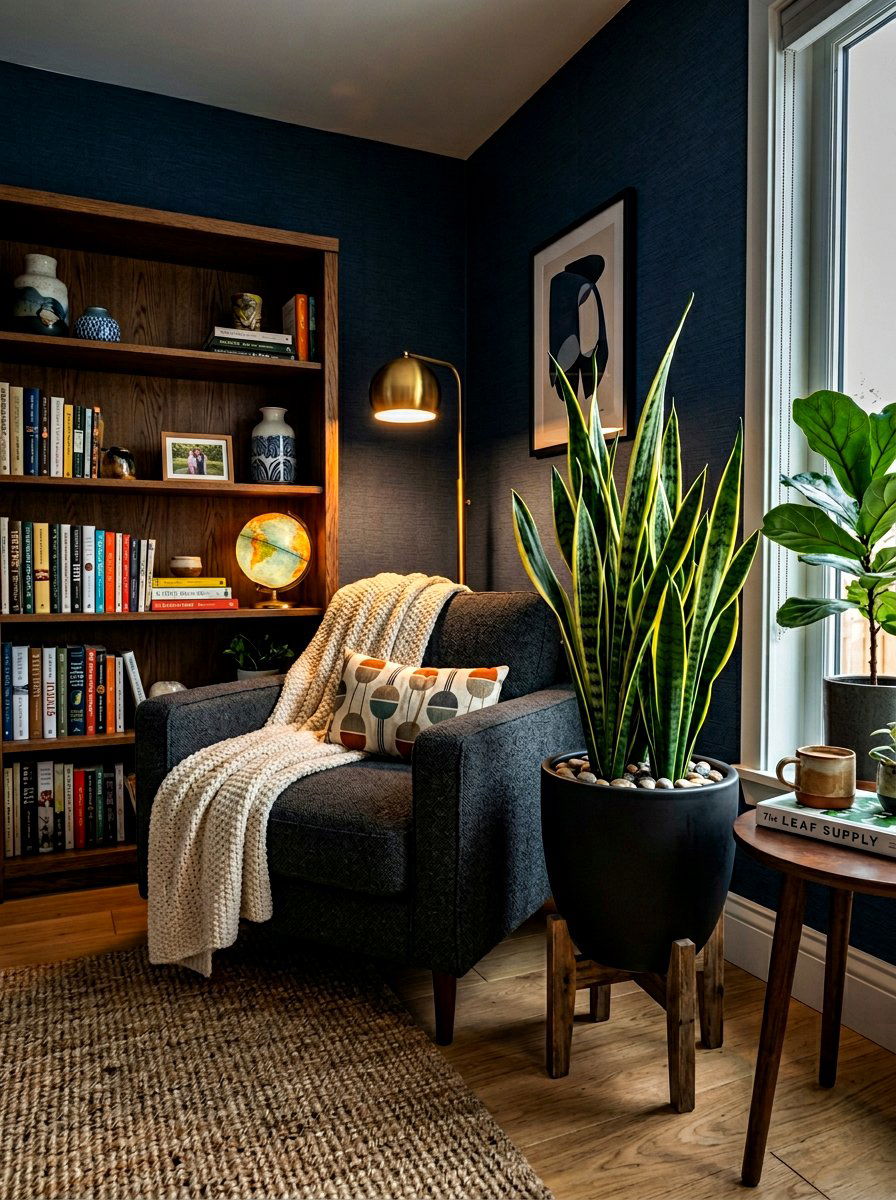
15. Secret garden passage
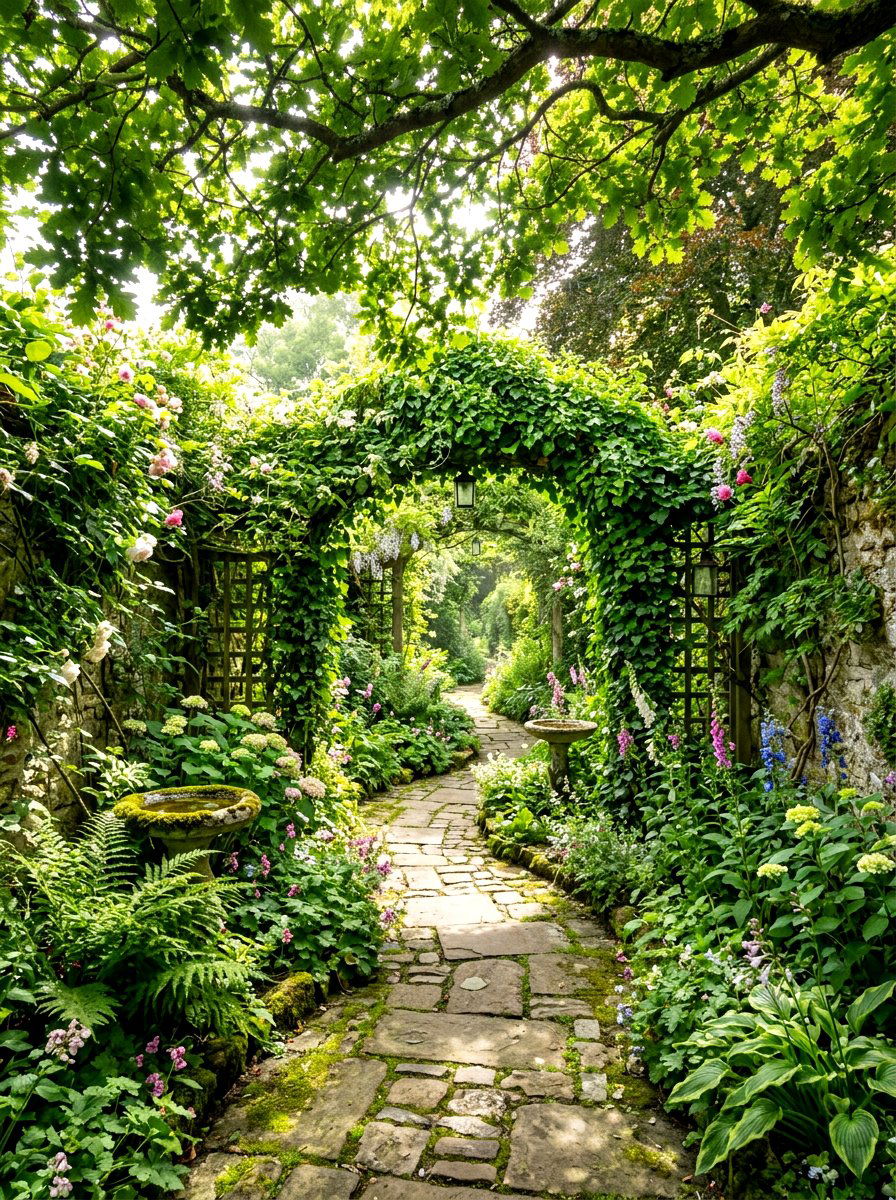
Transforming your breezeway into a secret garden passage creates a sense of mystery and enchantment as you move through your property. This design uses tall trellises and archways covered in thick ivy or wisteria to partially obscure the view of what lies at the other end. Wind chimes, small stone statues, and hidden bird feeders can be tucked among the greenery to surprise guests. A winding path made of irregular stepping stones encourages a slower pace, inviting you to notice the details of the plants. This approach turns a functional walkway into an emotional experience, making the short journey between buildings feel like a brief escape into a fairytale.
16. Mid century modern breezeway
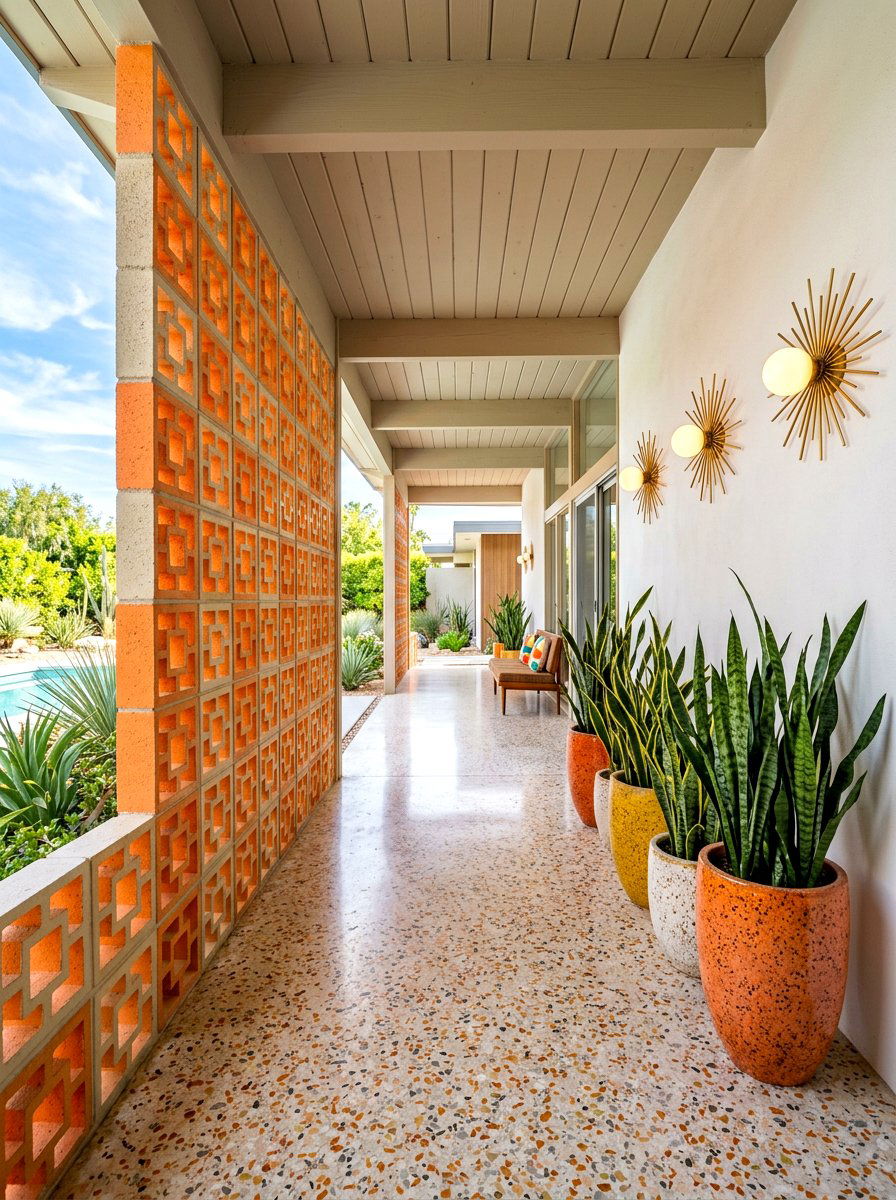
A mid century modern breezeway celebrates the fusion of indoor and outdoor living that defined the 1950s and 60s. This style features "atomic" shapes, such as starburst light fixtures and geometric breeze blocks that provide privacy while allowing air to circulate. The plantings often include structural favorites like snake plants, agaves, and ornamental grasses set in round, colorful ceramic planters. The flooring is usually smooth poured concrete or terrazzo, reflecting the era's love for industrial yet refined materials. This design creates a nostalgic yet timeless aesthetic that feels optimistic and bright, perfectly bridging the gap between a vintage-inspired home and its modern garage or studio.
17. Urban jungle transition
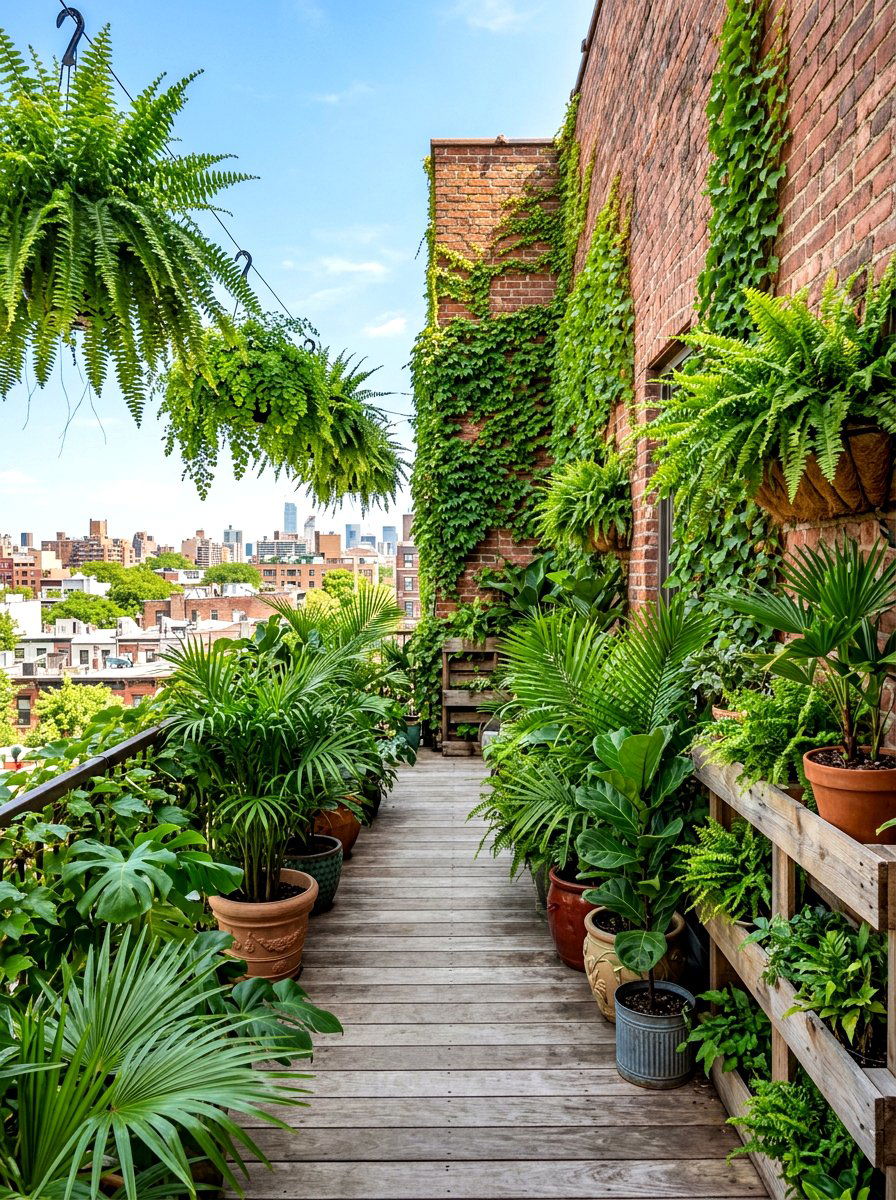
An urban jungle transition is perfect for city dwellers who want to maximize every inch of their outdoor space with intense greenery. This breezeway is packed with plants at various heights, from hanging baskets overhead to large potted palms on the floor and creeping vines on the walls. The dense layering of plants helps to muffle city noise and filter the air, creating a healthy micro-environment. Using a mix of recycled materials like wooden pallets for vertical planters or galvanized steel buckets adds a trendy, industrial-chic vibe. This style proves that even a small, narrow breezeway can become a thriving ecosystem that provides a much-needed connection to nature.
18. Paver stone path

A paver stone path offers endless versatility for breezeways, allowing you to customize the color, shape, and pattern of your transition. Modern interlocking pavers come in various textures that can mimic the look of natural slate, granite, or even wood planks. By choosing a color that contrasts with your home’s siding, you can make the walkway a prominent design feature. Surrounding the pavers with low-profile ground covers like silver carpet or dwarf mondo grass adds a touch of softness to the hardscaping. This approach is highly durable and handles heavy foot traffic with ease, making it a practical and stylish choice for families and pet owners.
19. Hanging plant breezeway

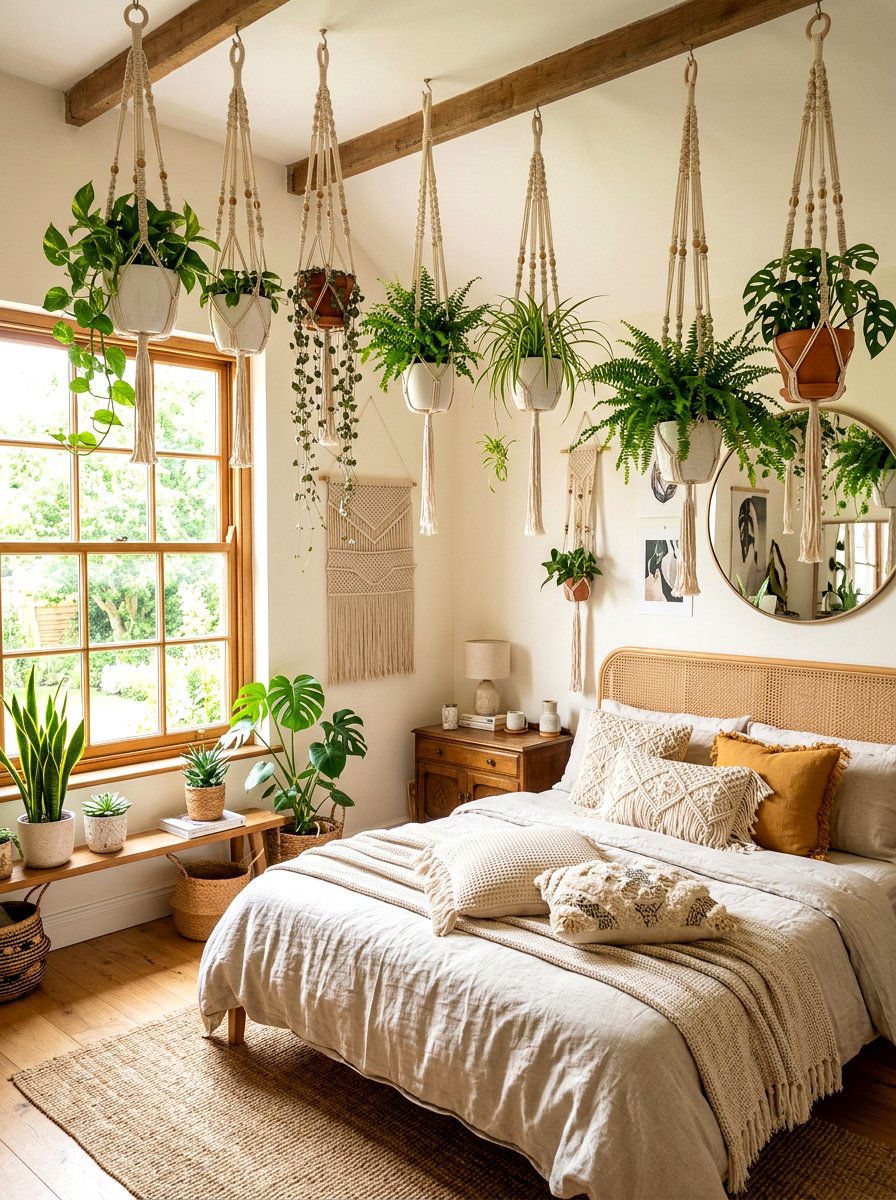
A hanging plant breezeway utilizes the overhead space to create a floating canopy of greenery that keeps the floor clear and easy to navigate. Sturdy hooks or a custom metal grid are installed in the ceiling to support an array of ferns, spider plants, and trailing ivy. This setup is particularly effective in shaded breezeways where many indoor-outdoor hanging plants thrive. The swaying foliage adds movement and life to the structure, catching the breeze as it flows through. For a cohesive look, use matching pots or a specific color palette for the containers. This design feels airy and light, providing a lush atmosphere without taking up any precious walking room.


20. Farmhouse porch connection
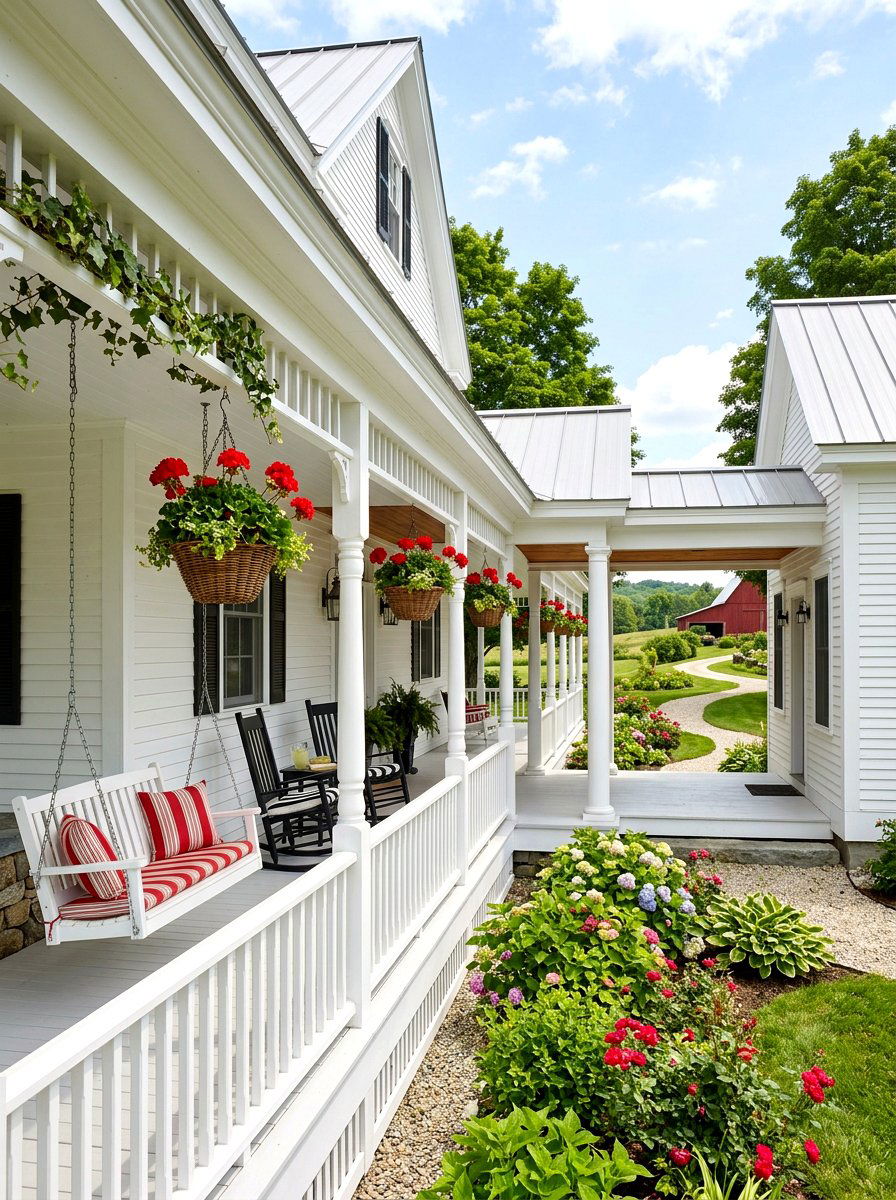
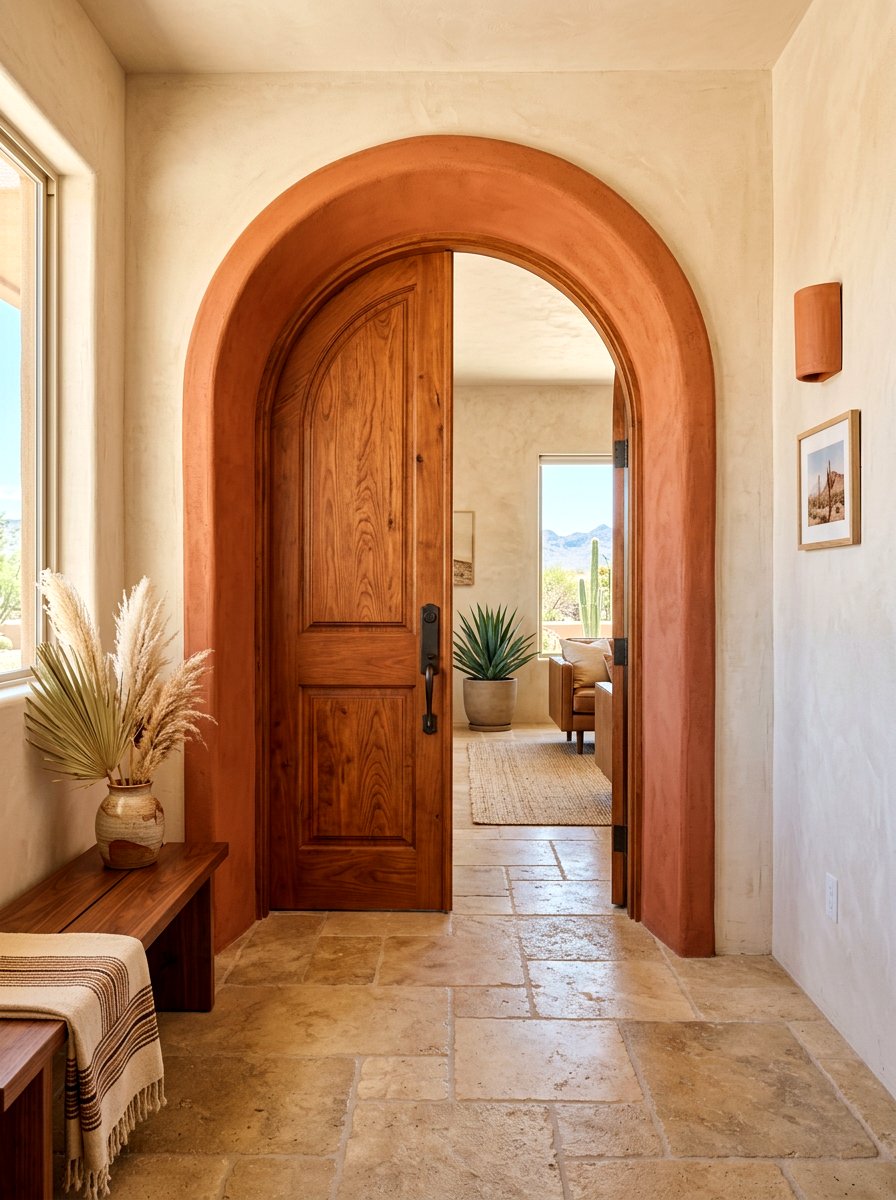
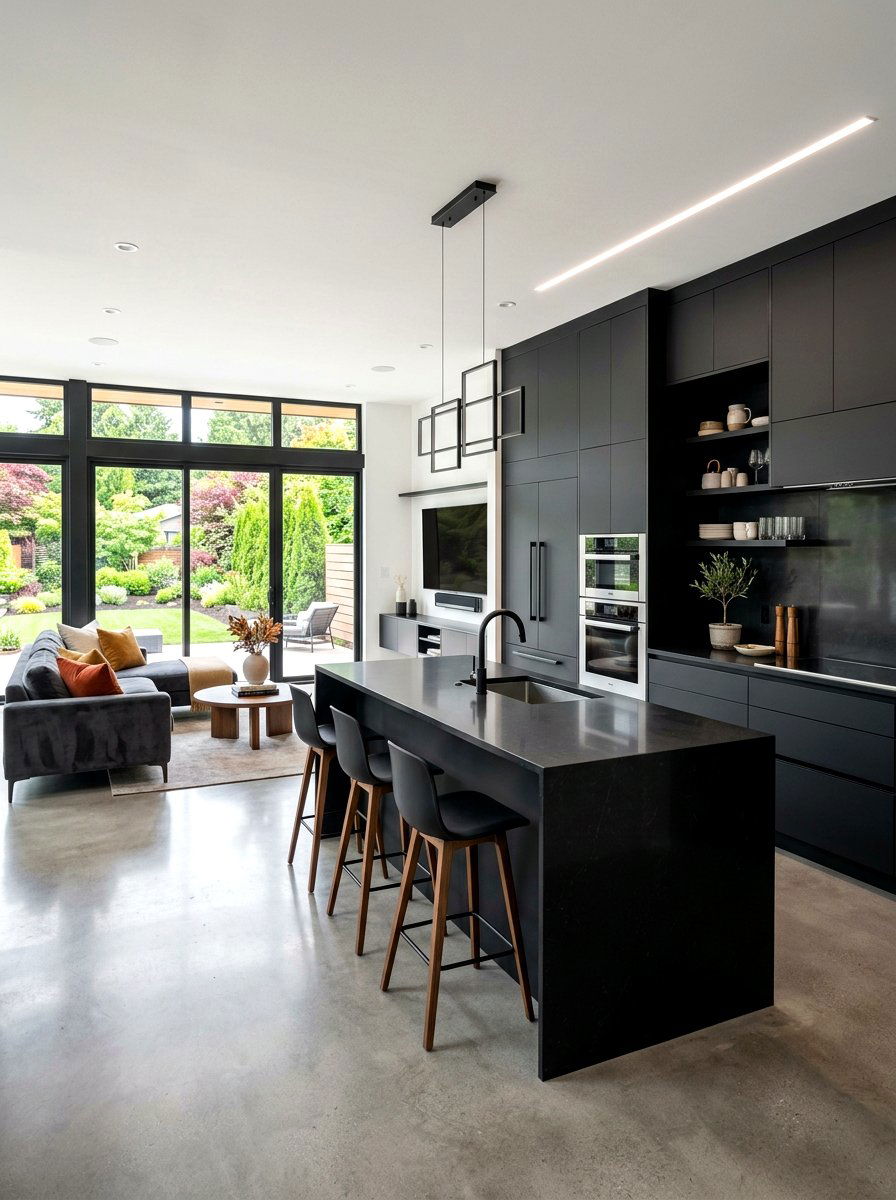
The farmhouse porch connection treats the breezeway as an extension of a wrap-around porch, complete with classic American details. This design often features white-painted railings, a beadboard ceiling, and wide wooden floorboards that match the main house. To enhance the garden feel, large rocking chairs or a porch swing are placed in the breezeway to encourage relaxation. Window boxes filled with seasonal geraniums or petunias are attached to the railings for a pop of traditional color. This style emphasizes comfort and hospitality, creating a seamless flow from the indoor living areas to the outdoor landscape while maintaining a cozy, protected environment that feels like a summer retreat.
21. Floating wood deck walkway
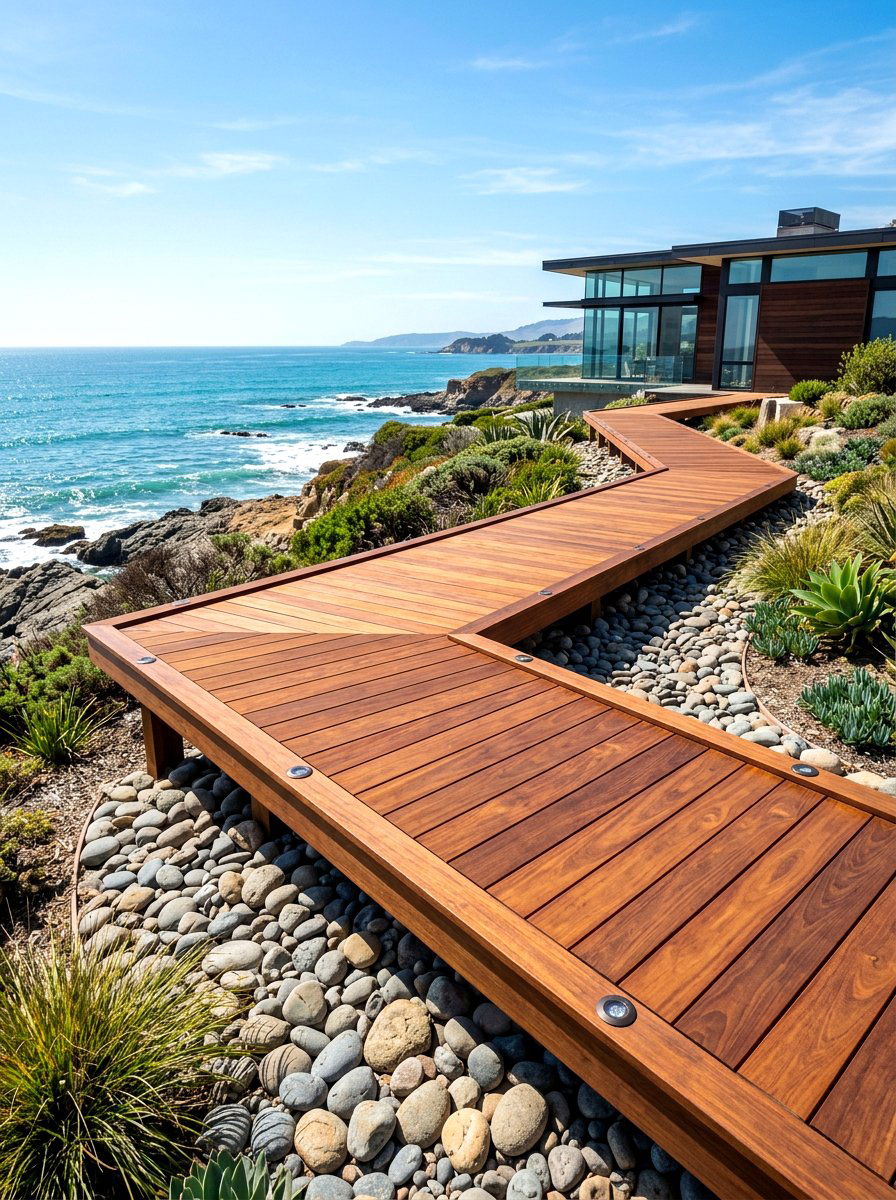
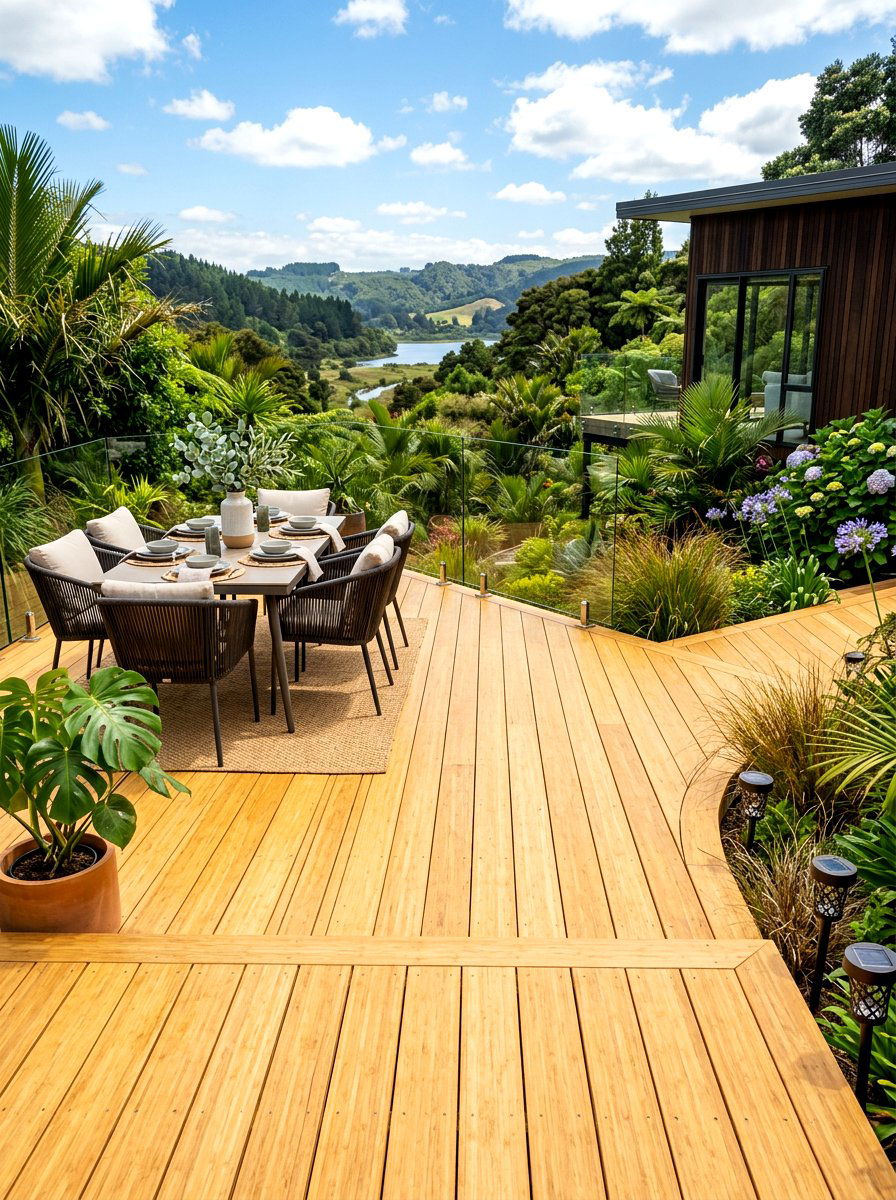
A floating wood deck walkway creates a clean, elevated feel that is perfect for modern or coastal home designs. By raising the floor slightly off the ground, the breezeway feels more like a boardwalk or a pier, providing a distinct separation from the surrounding garden. Using high-quality woods like Ipe, cedar, or sustainable composite materials ensures longevity and a high-end look. Underneath the edges of the deck, you can place river rocks and recessed lighting to create a "floating" effect at night. This design is excellent for areas with uneven terrain or drainage issues, as it allows water to flow freely beneath the walking surface while keeping your feet dry.
22. Night lighting landscape
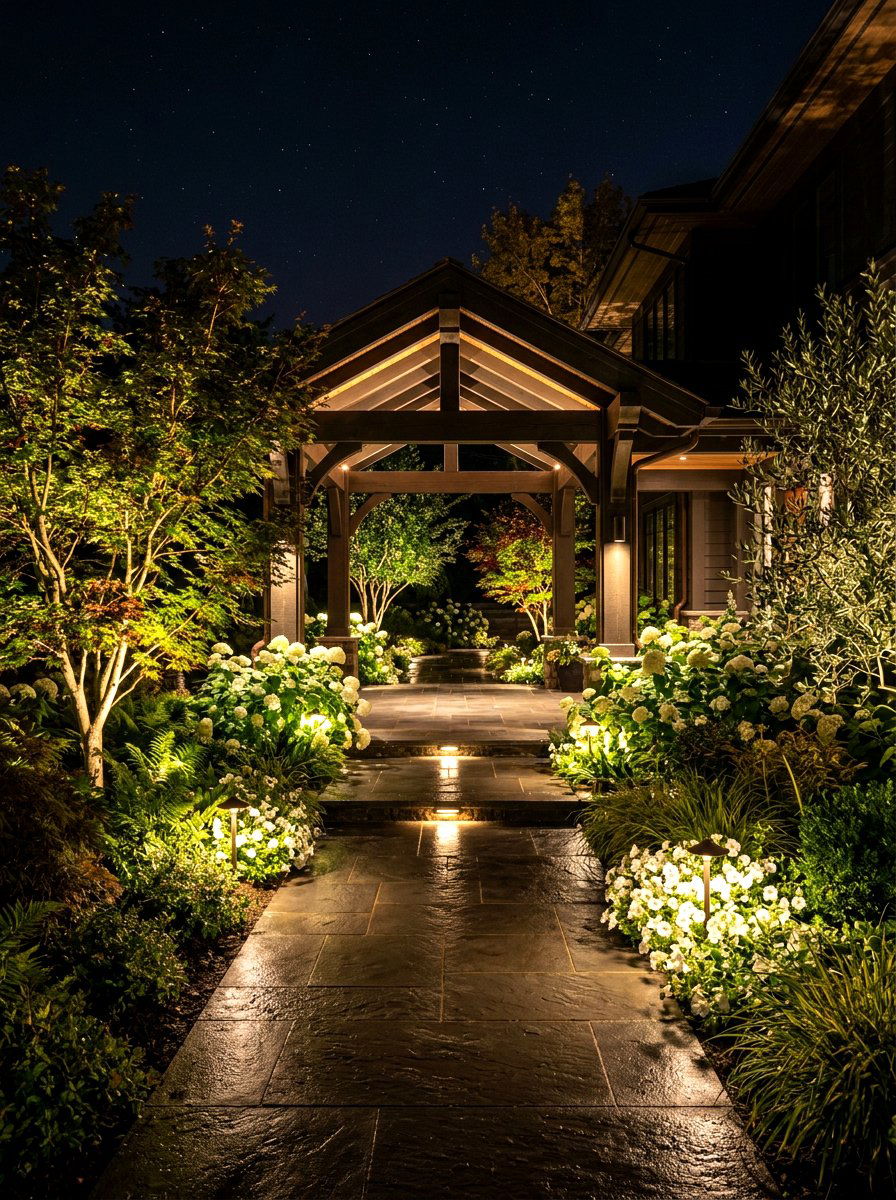
A night lighting landscape prioritizes the visual appeal of the breezeway after the sun goes down, turning it into a glowing focal point. This design uses a combination of path lights, uplights for trees, and "moonlighting" fixtures placed high in the rafters to mimic natural light. The garden beds along the walkway are filled with white-flowering plants like jasmine or moonflowers that reflect the light and stand out in the dark. Strategic shadows can be used to highlight architectural textures or interesting plant silhouettes. This approach ensures that the breezeway is not only safe to navigate at night but also serves as a beautiful piece of illuminated art.
23. Butterfly garden breezeway
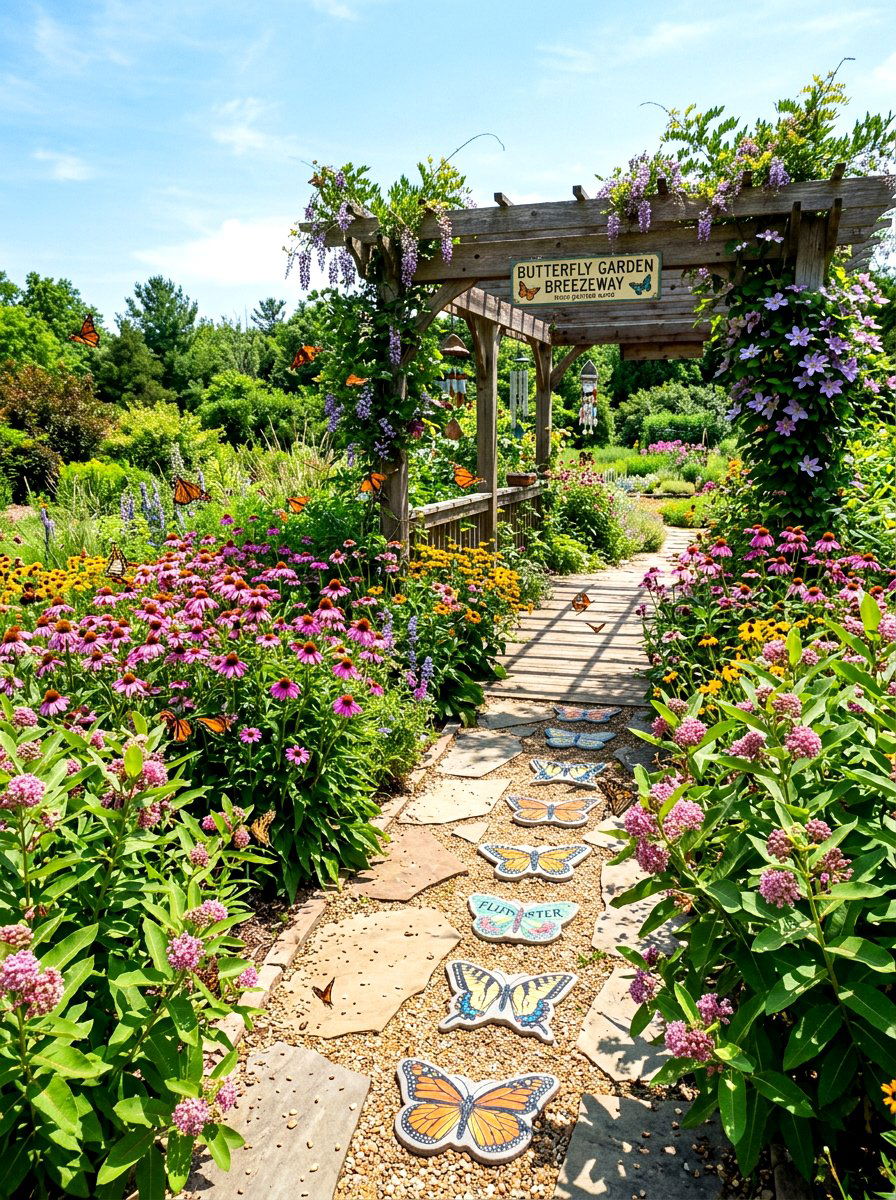
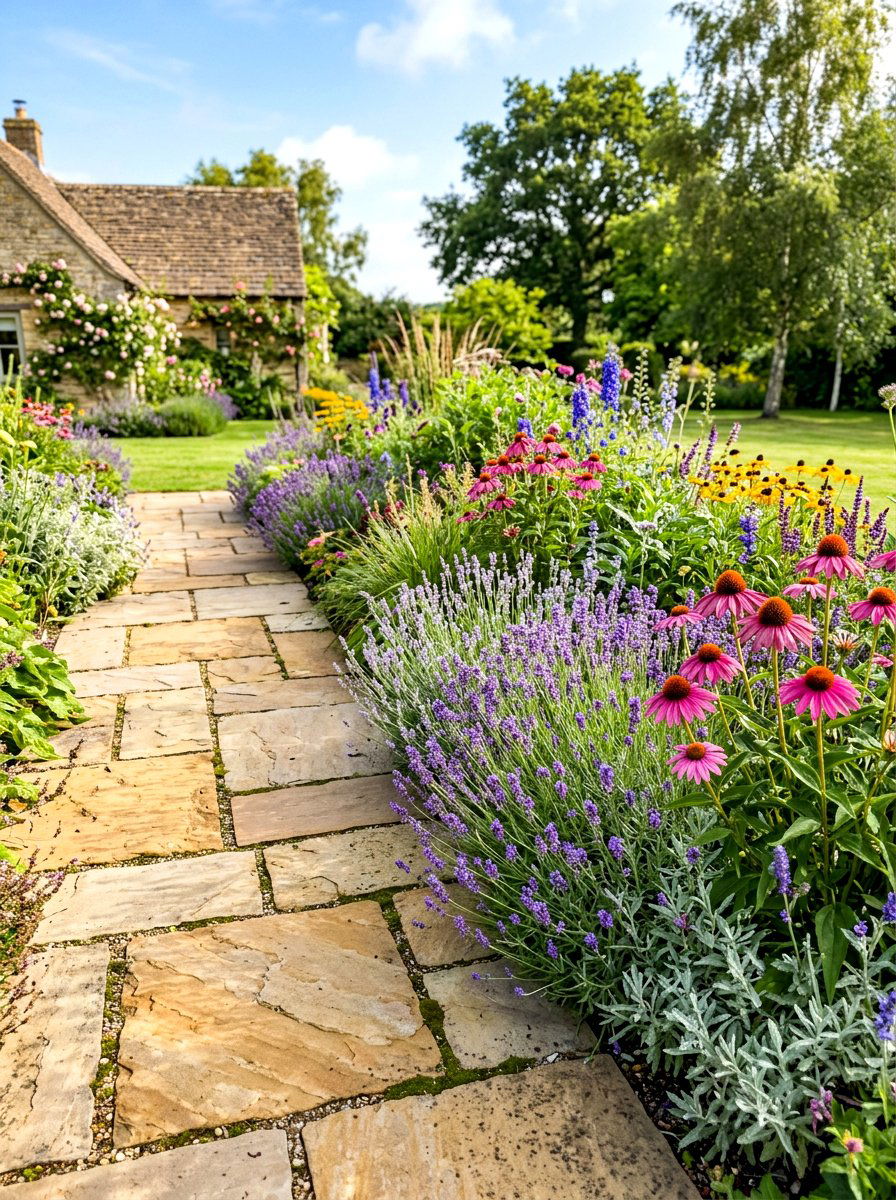
A butterfly garden breezeway is designed to attract and support local pollinators, turning your daily walk into an educational nature experience. This garden features nectar-rich plants like milkweed, buddleia, and coneflowers that provide food for butterflies and hummingbirds. Because breezeways are often sheltered from strong winds, they provide a perfect resting and feeding spot for these delicate creatures. You can add a small butterfly puddling stone or a decorative insect hotel to the design to encourage them to stay. This style is full of life and movement, offering a colorful and environmentally friendly way to connect your buildings while supporting the health of your local ecosystem.
24. Coastal style breezeway
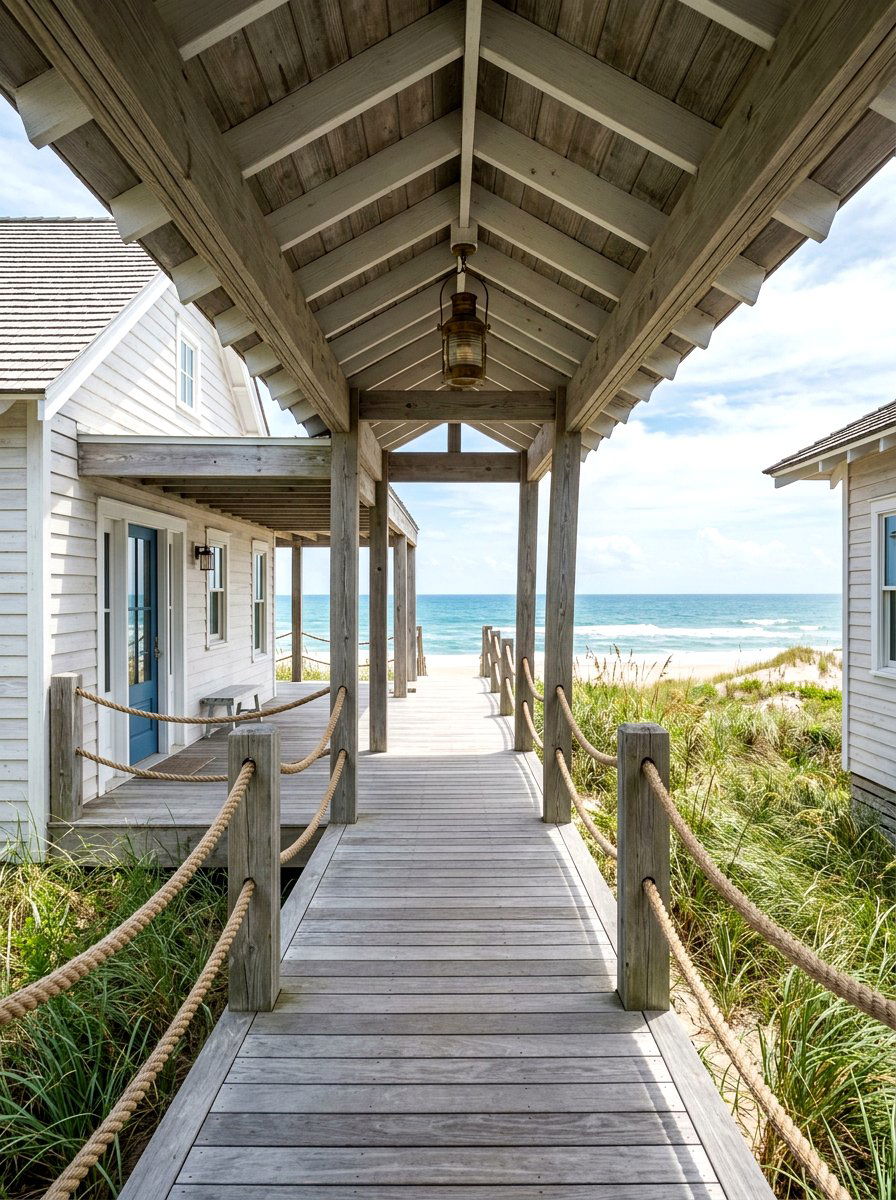
A coastal style breezeway captures the breezy, relaxed atmosphere of a beach house through the use of light colors and seaside textures. This design typically features weathered gray wood or light-colored stone flooring and crisp white-washed walls. Landscaping includes salt-tolerant plants like sea oats, lavender, and dune grasses that sway gently in the wind. Decorative accents such as nautical rope railings, oversized lanterns, and blue-toned ceramic pots add to the maritime theme. This style feels fresh and airy, making even a suburban breezeway feel like a getaway to the shore. It is an excellent choice for homes in bright, sunny locations where a cool aesthetic is desired.


25. Formal boxwood hedge
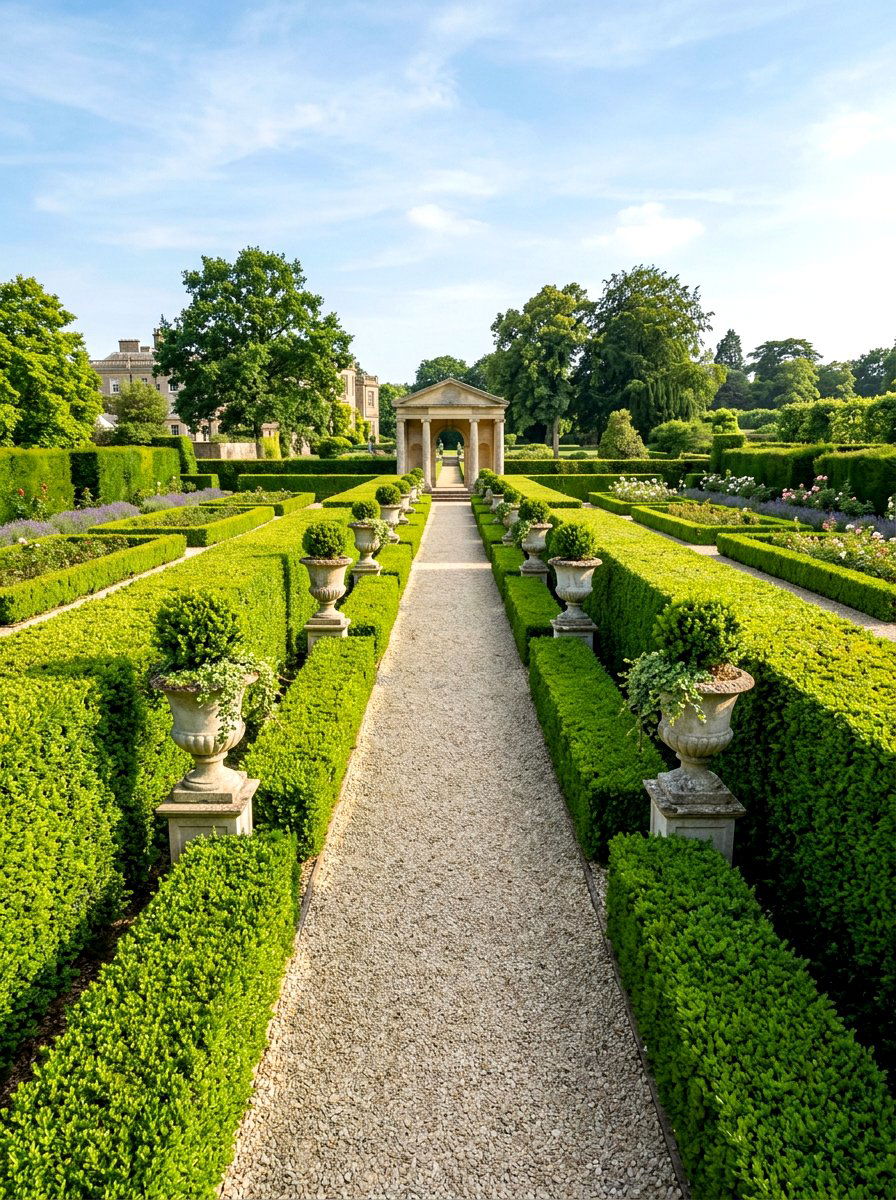
The formal boxwood hedge breezeway is the epitome of disciplined, high-end landscape design. This style uses tightly clipped evergreen boxwood to create low walls or geometric patterns that define the boundaries of the walkway. The precision of the hedges provides a strong contrast to the natural lines of the house and garage, lending an air of sophistication and order. The path itself is usually made of fine gravel or neatly cut stone slabs to match the formal aesthetic. Occasionally, a single topiary or a classic stone urn is placed as a centerpiece to draw the eye. This design is low-maintenance in terms of debris but requires regular trimming to stay crisp.
26. Wildflower meadow path
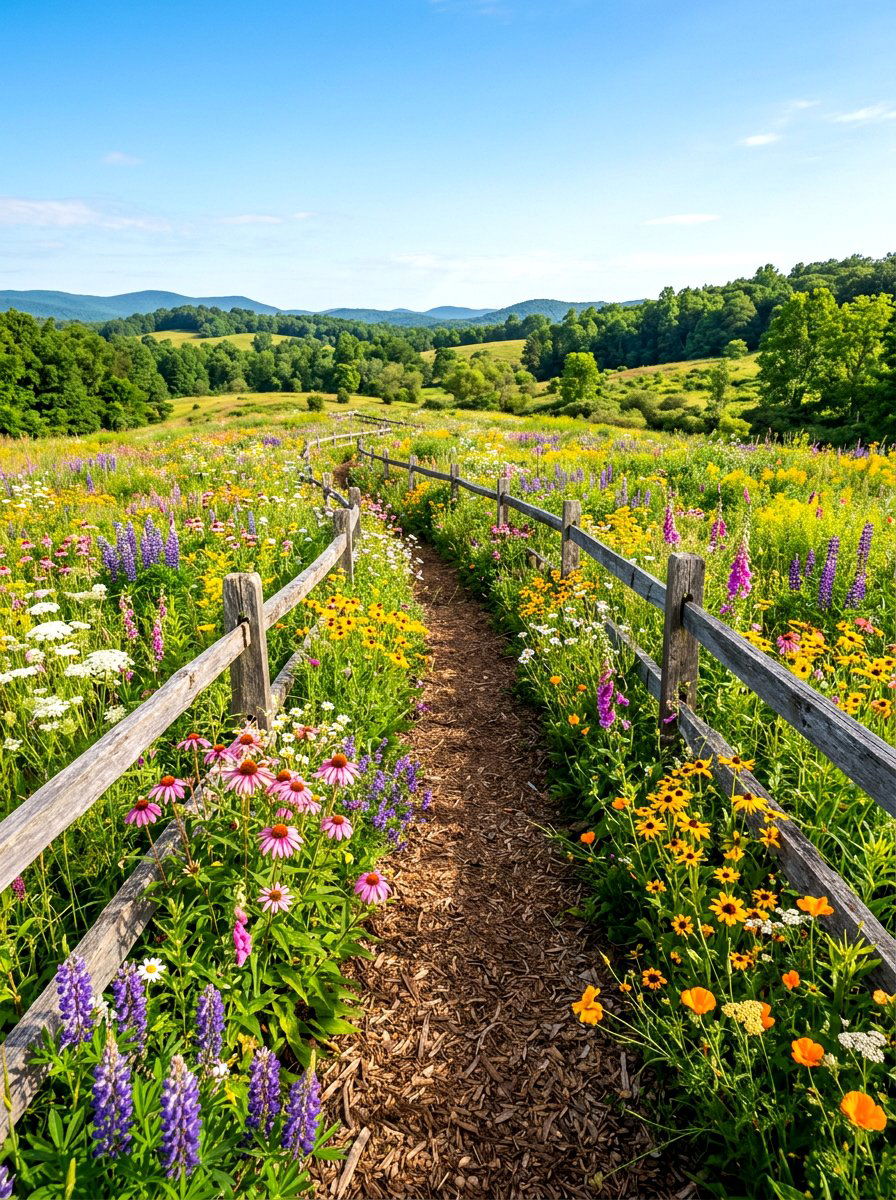
A wildflower meadow path offers a casual, eco-friendly alternative to traditional manicured gardens within a breezeway setting. This design involves planting a mix of native grasses and colorful wildflowers that are allowed to grow to their natural heights. The walkway is often a simple mown path or a series of rustic wooden planks that seem to float through the tall blooms. This approach requires very little water or fertilizer and provides a changing tapestry of color from spring through autumn. It feels natural and unpretentious, making it a wonderful choice for rural properties or homeowners who want to embrace a "rewilding" aesthetic that supports local bees and birds.
27. Shade garden breezeway
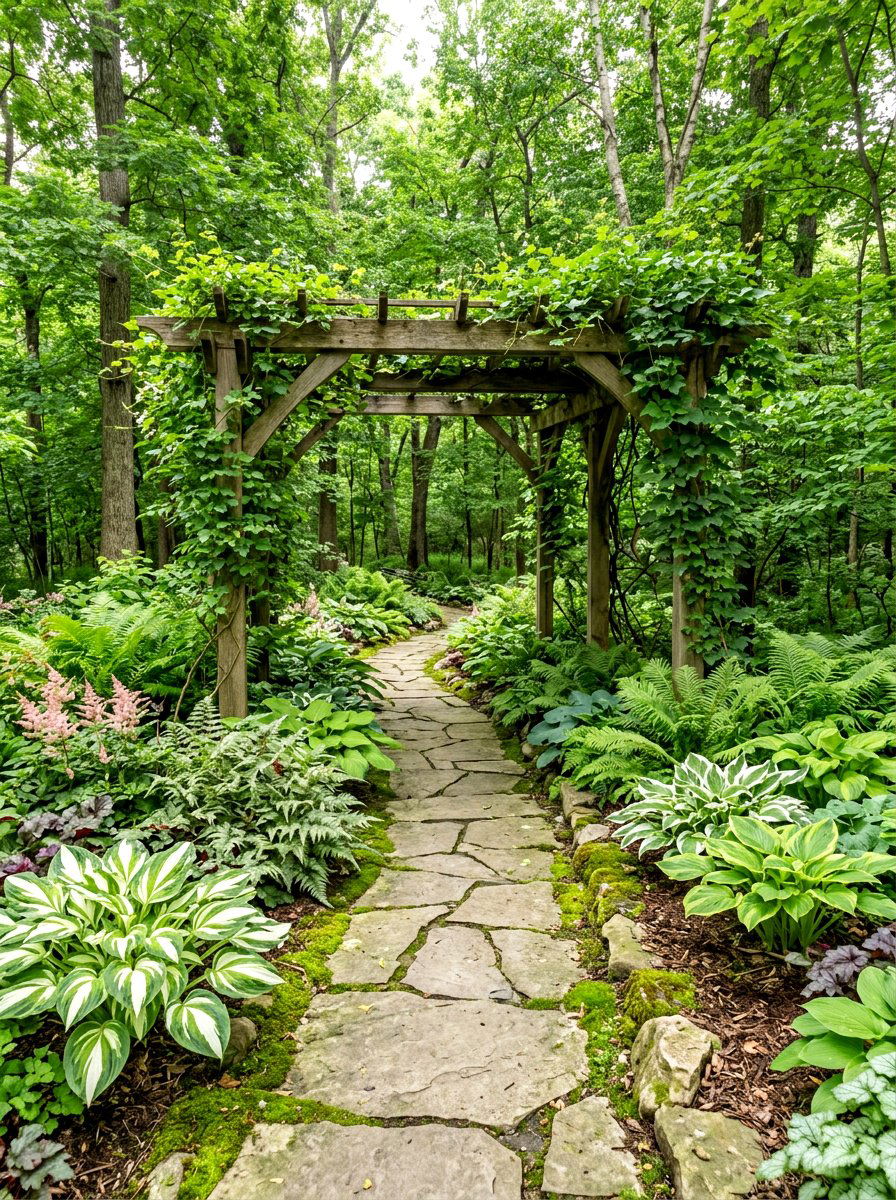
A shade garden breezeway is the perfect solution for walkways that are tucked between tall buildings or under heavy tree cover. This design focuses on plants that thrive in low-light conditions, such as hostas, ferns, and astilbes. These plants offer a wide variety of leaf shapes and shades of green, creating a cool and calming atmosphere. To brighten up the space, you can use variegated plants with white or silver markings on their leaves. The flooring should be a light-colored material like limestone or white gravel to help bounce whatever natural light is available around the space. This style feels like a hidden woodland gully, providing a refreshing retreat.
28. Pergola covered walkway
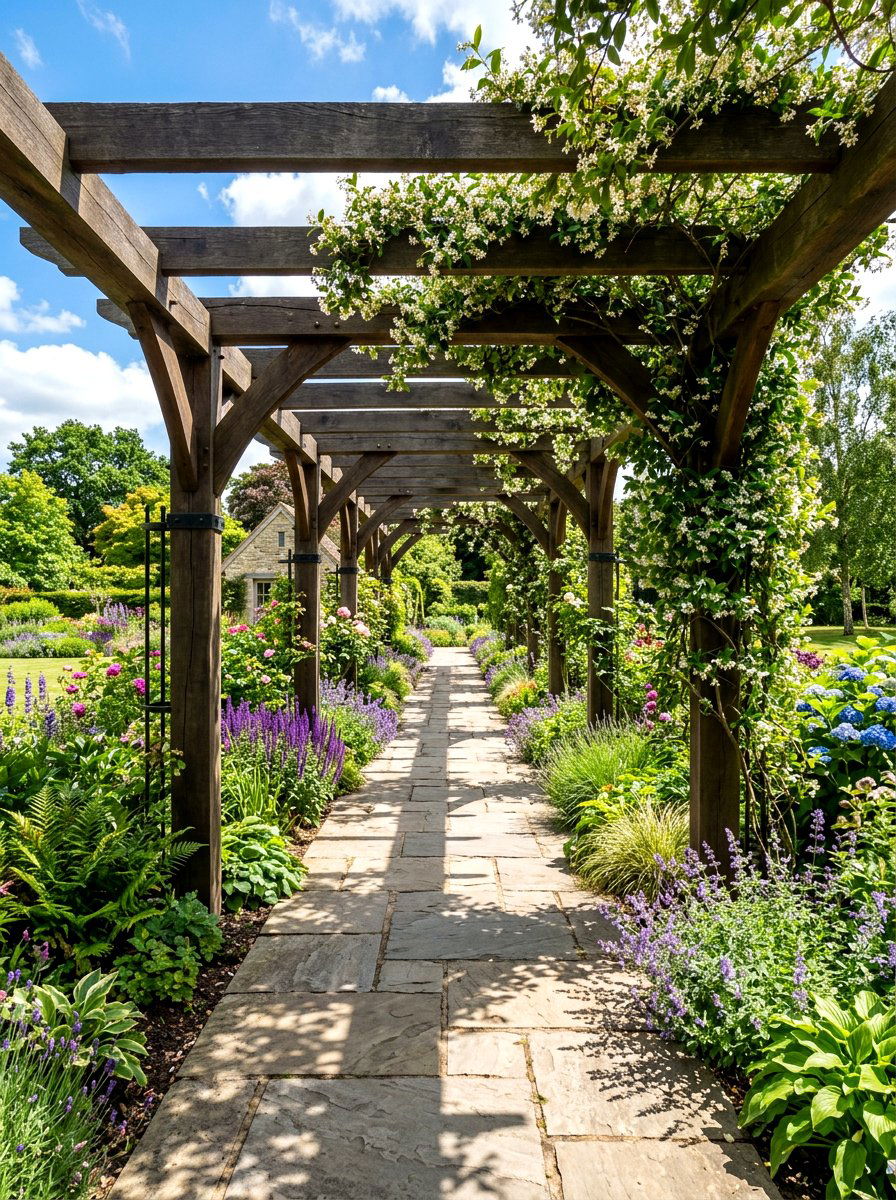
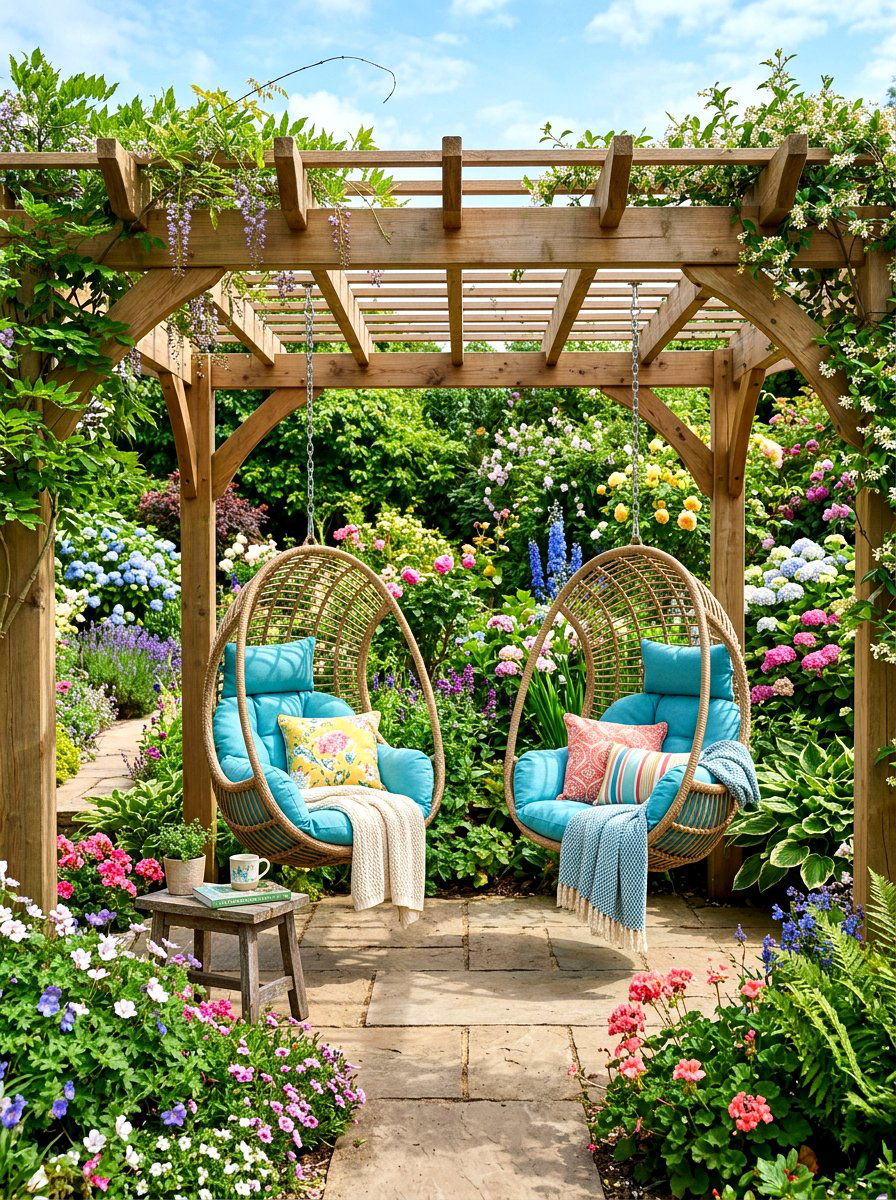
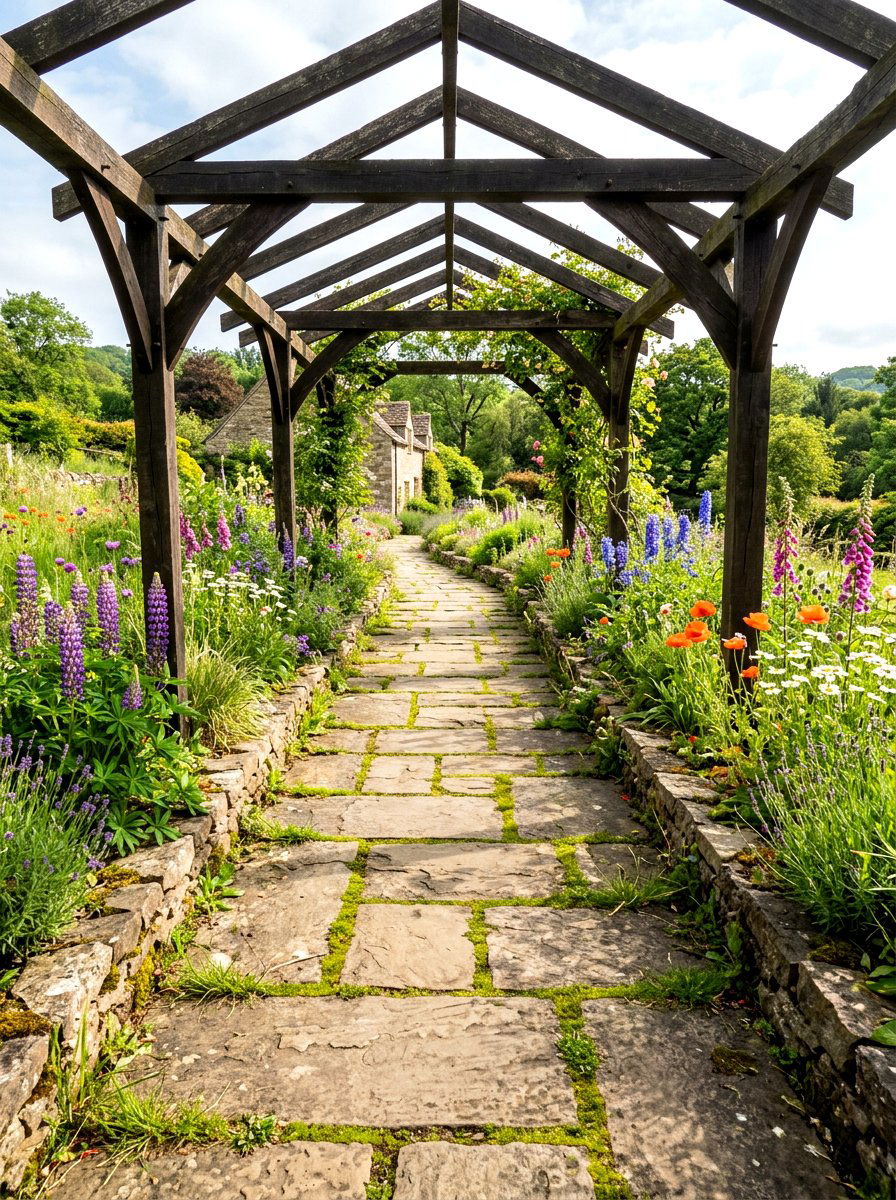
A pergola covered walkway adds a beautiful architectural layer to a breezeway, providing partial shade and a structure for climbing plants. This design uses a series of wooden or metal beams overhead that create a rhythmic pattern of light and shadow on the path below. Grapes, jasmine, or trumpet vines can be trained to grow up the posts and across the top, eventually forming a thick, green ceiling. This setup creates a cozy, tunnel-like effect that feels very private and romantic. The ground can be finished with rustic flagstone or simple mulch to maintain the garden-focused theme. This is an ideal way to add vertical interest to a flat landscape.
29. Succulent garden path
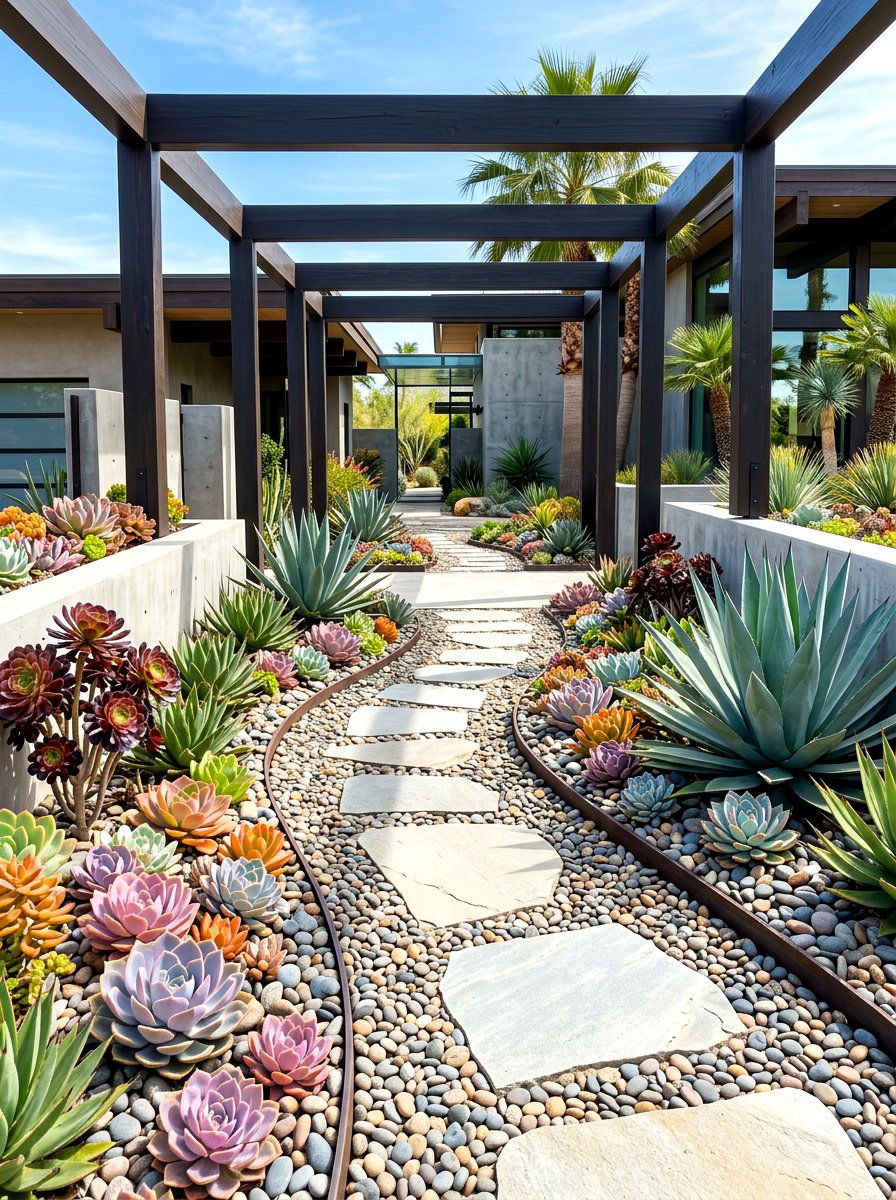
A succulent garden path is a modern, low-maintenance choice that offers incredible detail and texture in a small space. This breezeway garden features a variety of rosette-forming succulents, trailing sedums, and tall architectural plants like sansevieria arranged in a bed of decorative pebbles. Because succulents store water in their leaves, they can handle the heat and occasional neglect that can happen in a transitional space. You can create artistic patterns by mixing different colors, from icy blues to deep burgundies. This style is very tidy and doesn't produce much leaf litter, keeping your walkway clean and looking sharp with very little effort or upkeep on your part.
30. Indoor outdoor breezeway
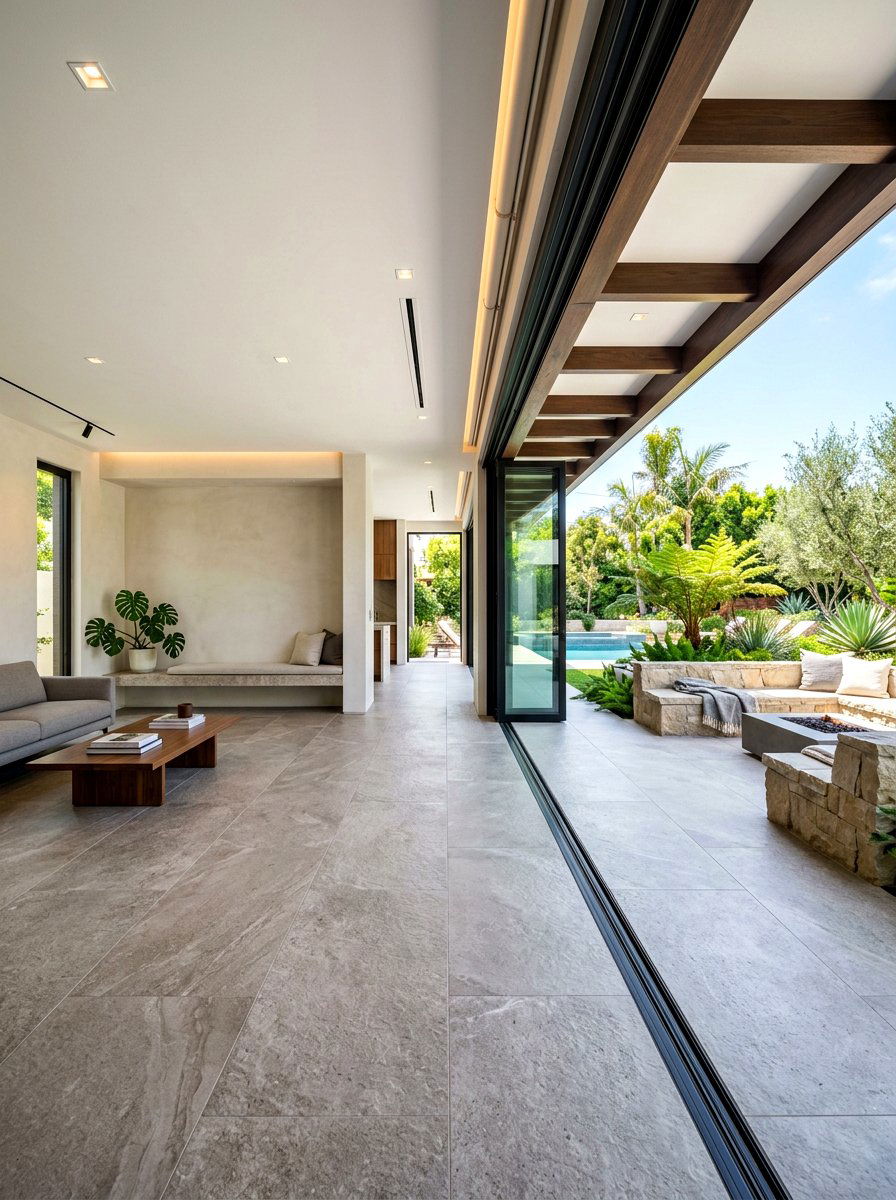
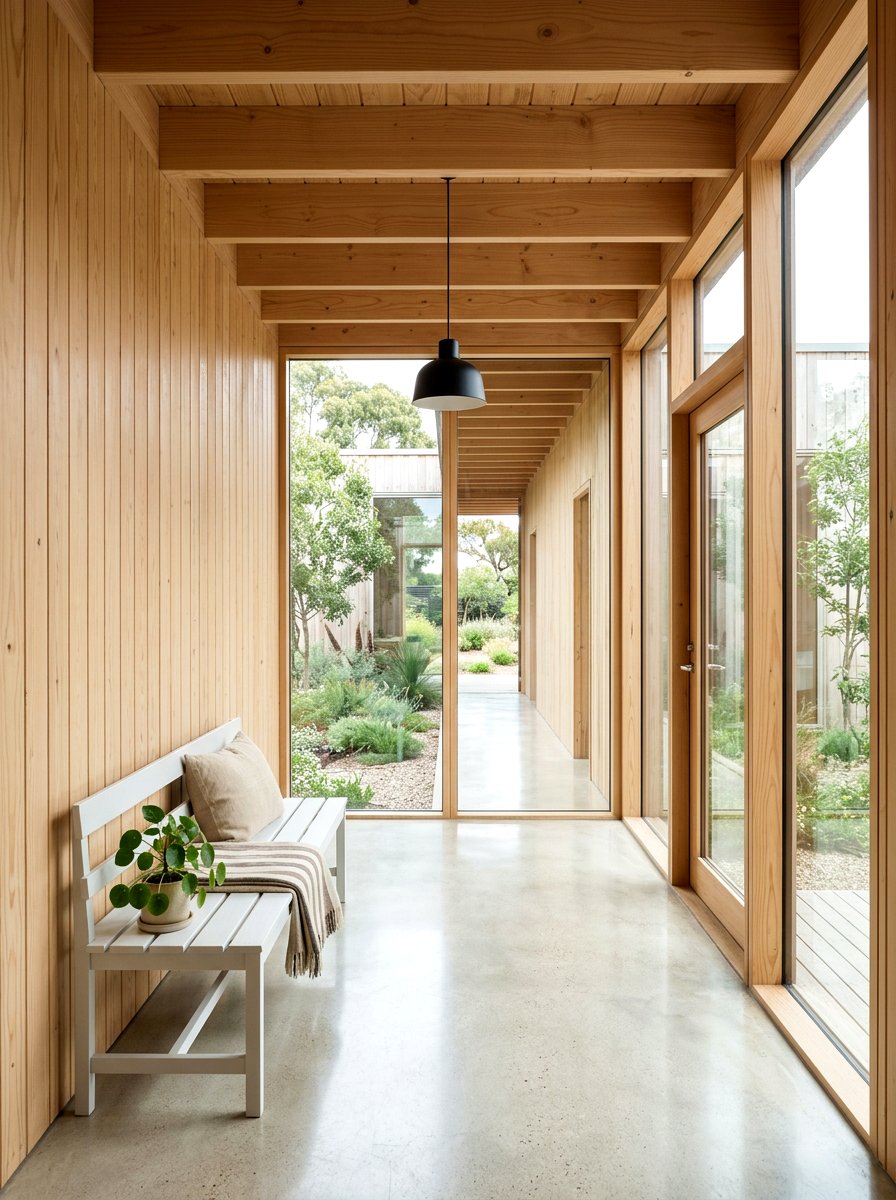
An indoor outdoor breezeway blurs the line between the two environments by using consistent materials and design themes. This concept often features the same flooring material, like large porcelain tiles, inside the house and out through the breezeway to the garage. Retractable glass walls or large folding doors can be opened to completely merge the walkway with the adjacent living rooms. The landscaping is kept clean and architectural, with built-in stone benches and minimalist planters that feel like furniture. This high-end design approach makes the entire home feel larger and more connected to the site, creating a sophisticated and luxurious flow that is perfect for entertaining and modern living.
Conclusion:
A breezeway garden is a powerful design tool that can dramatically improve the aesthetic and functional value of your property. By treating this transitional space as a primary garden zone rather than an afterthought, you create a cohesive link between your buildings and the surrounding landscape. From the structured elegance of a formal boxwood hedge to the wild beauty of a meadow path, there is a style to suit every architectural theme. These gardens not only provide a pleasant journey through your home but also improve air circulation and offer a unique space to express your personal style. Investing in a well-designed breezeway ensures that every step you take outdoors is a beautiful experience.

Related posts: