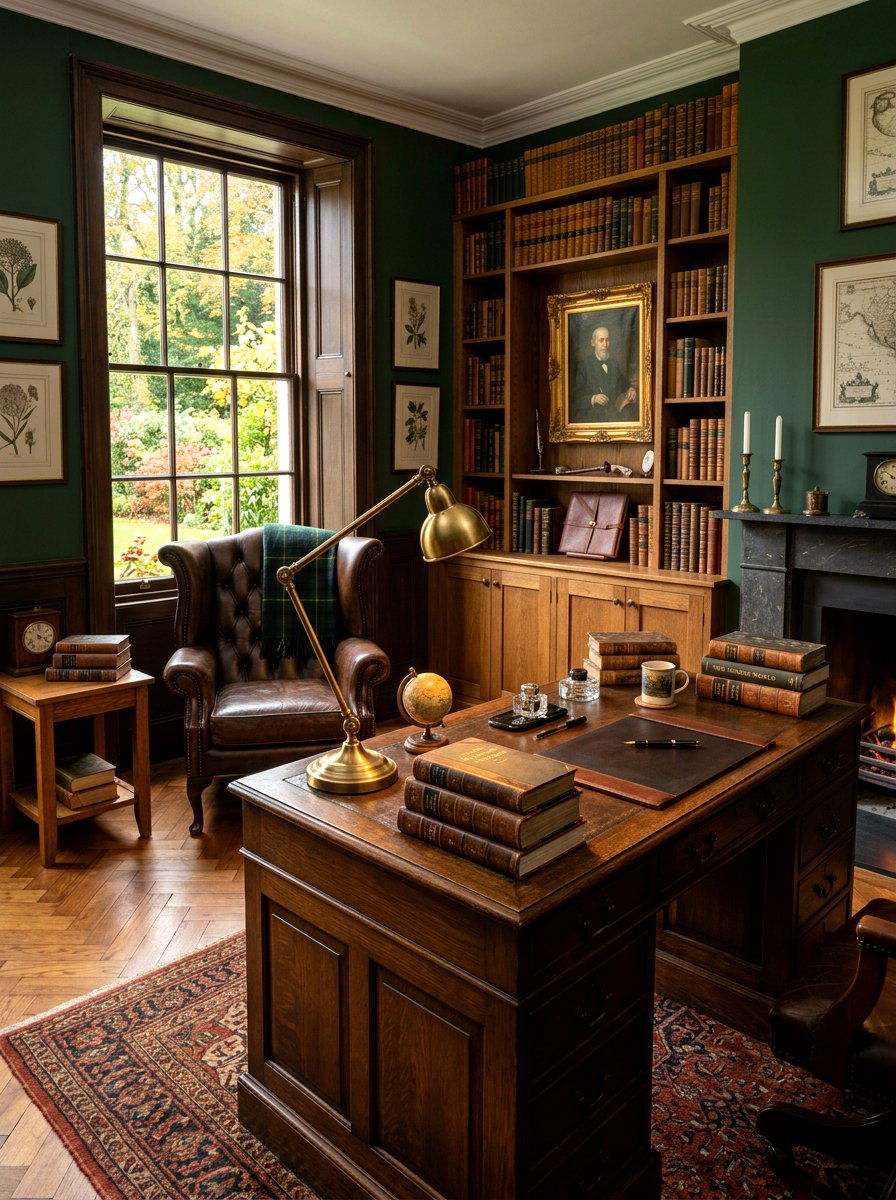
Creating a dedicated sanctuary for your literary pursuits is more than just a matter of aesthetics; it is about building an environment that actively nurtures your creative spirit. Every author knows that the right atmosphere can be the difference between a productive writing session and a day spent battling writer's block. Whether you dream of a moody library filled with leather-bound books or a sleek, minimalist studio that keeps your mind clear of distractions, your office should reflect your unique voice. This collection explores various layouts and themes designed to inspire focus, comfort, and the endless flow of new stories.
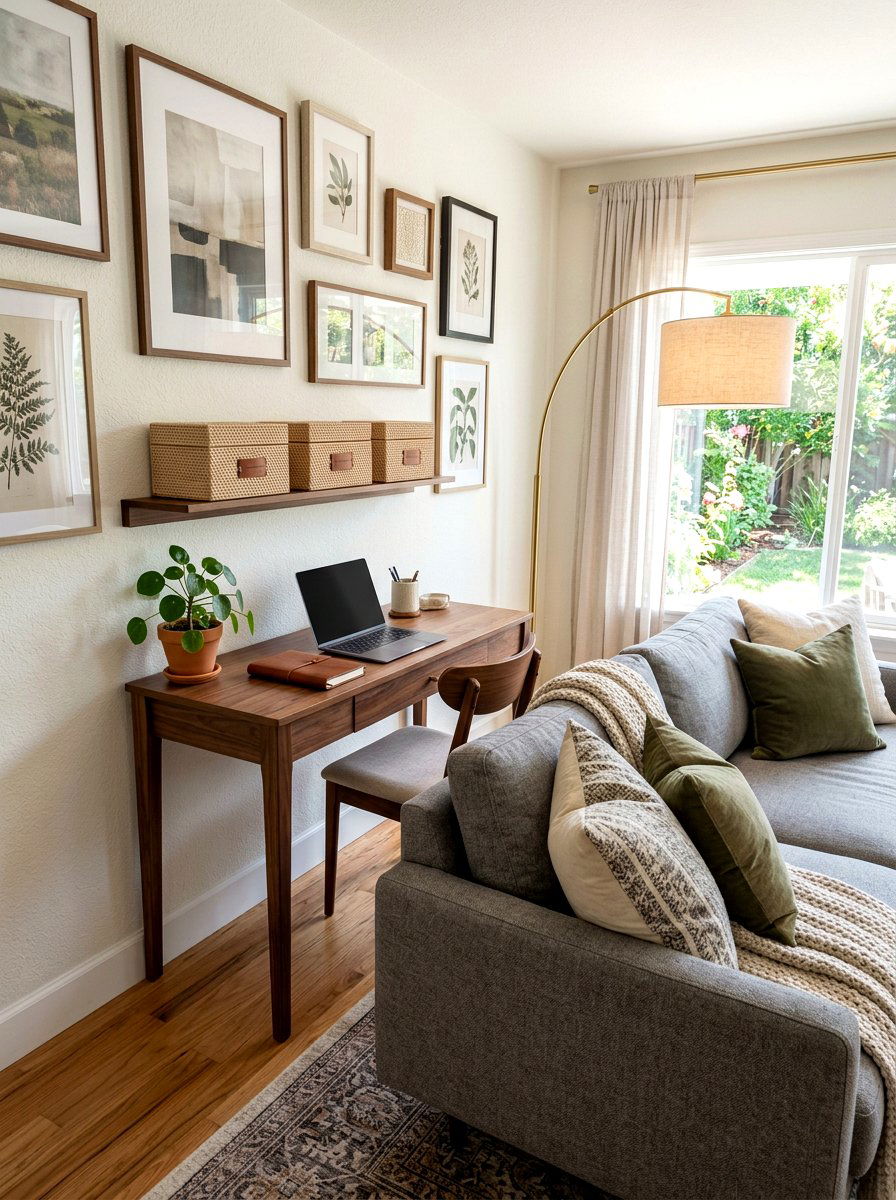
1. Poetcore Writing Space
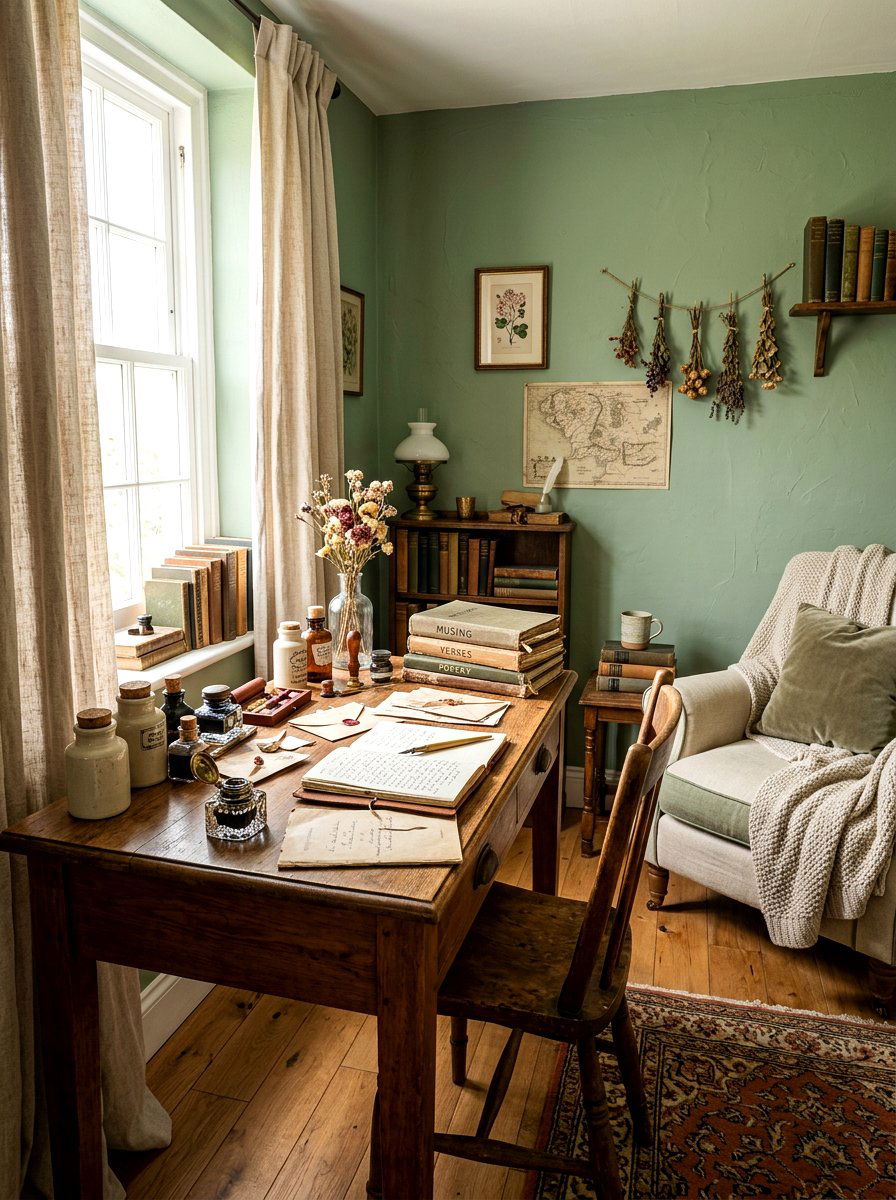
This emerging trend focuses on creating a moody, evocative atmosphere that feels like stepping back in time. To achieve this look, incorporate muted colors like sage green, dusky pink, and various shades of beige that mimic the appearance of aged paper. Use tactile fabrics such as linen curtains and chunky knit throws to add warmth and a sense of history to the room. A solid wooden table serves as the primary workstation, paired with vintage stationery and ink pots to encourage an analogue lifestyle. This design prioritizes a slow, thoughtful pace of life, making it the perfect retreat for poets and novelists alike.
2. Dark Academia Home Office
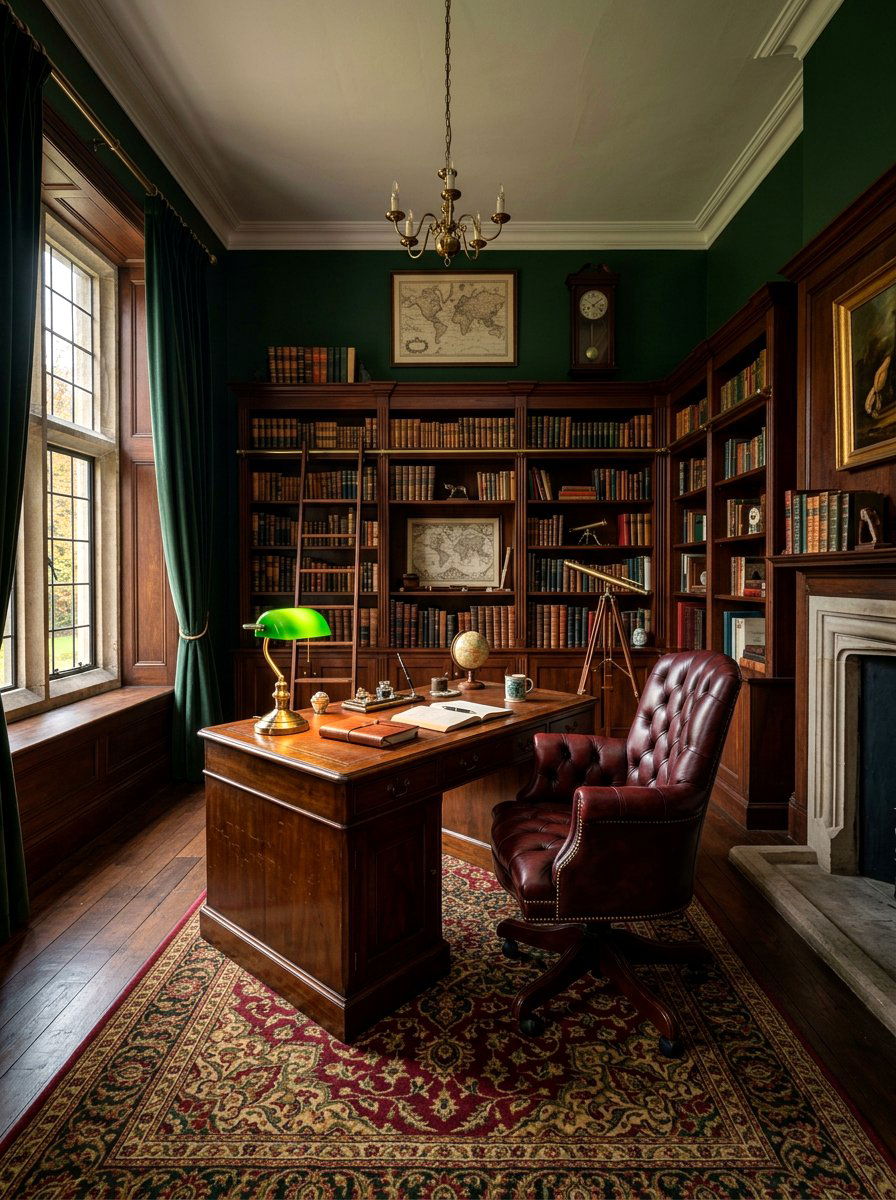
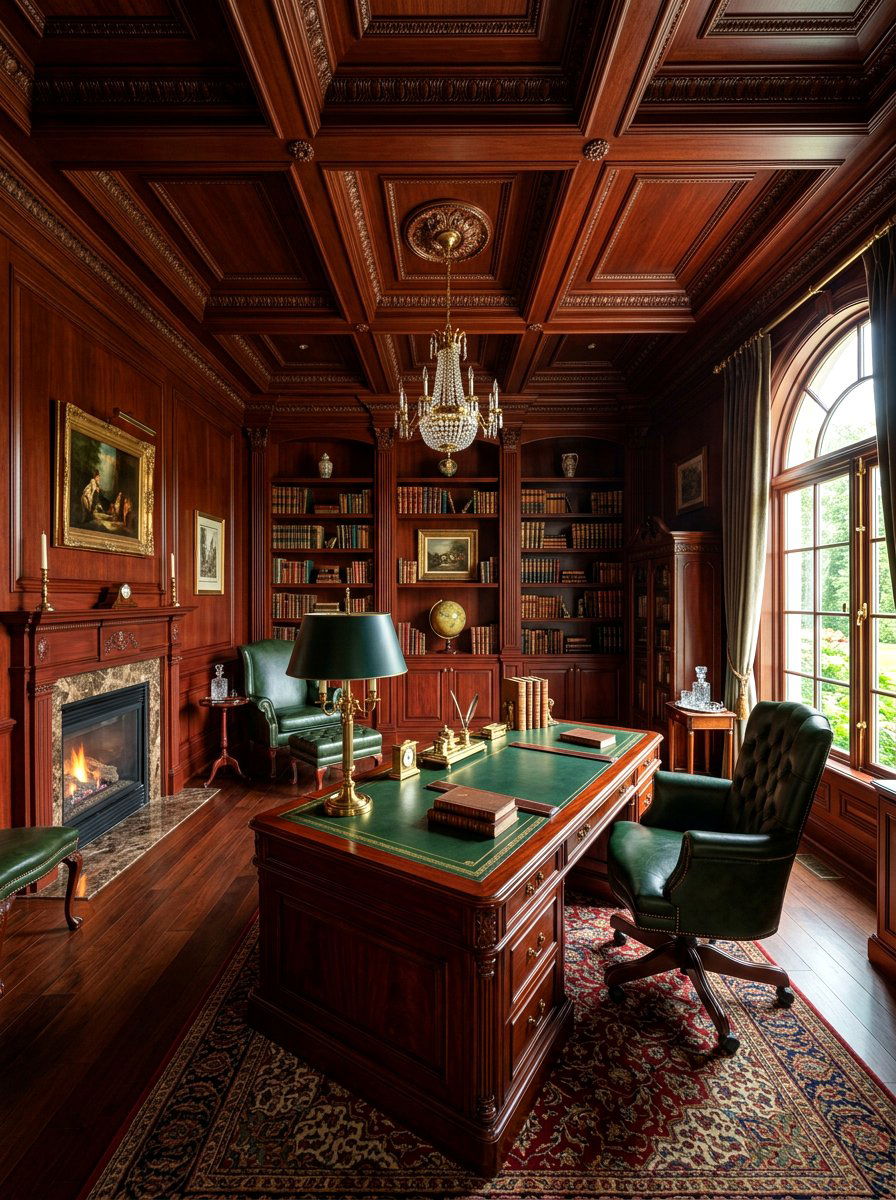
Embracing the dark academia aesthetic means leaning into a scholarly and slightly mysterious vibe with deep, rich tones. Opt for heavy mahogany or walnut furniture that feels grounded and permanent, creating a sense of serious intellectual pursuit. Surround your desk with overflowing bookshelves and use brass banker’s lamps to provide a focused, warm glow during late-night drafting sessions. Plaid rugs and tufted leather chairs enhance the classic university feel, making the space feel like a private hideaway in an old library. Every element should contribute to a feeling of deep wisdom and historical significance, perfect for researchers and historical fiction writers.
3. Floor To Ceiling Bookshelf
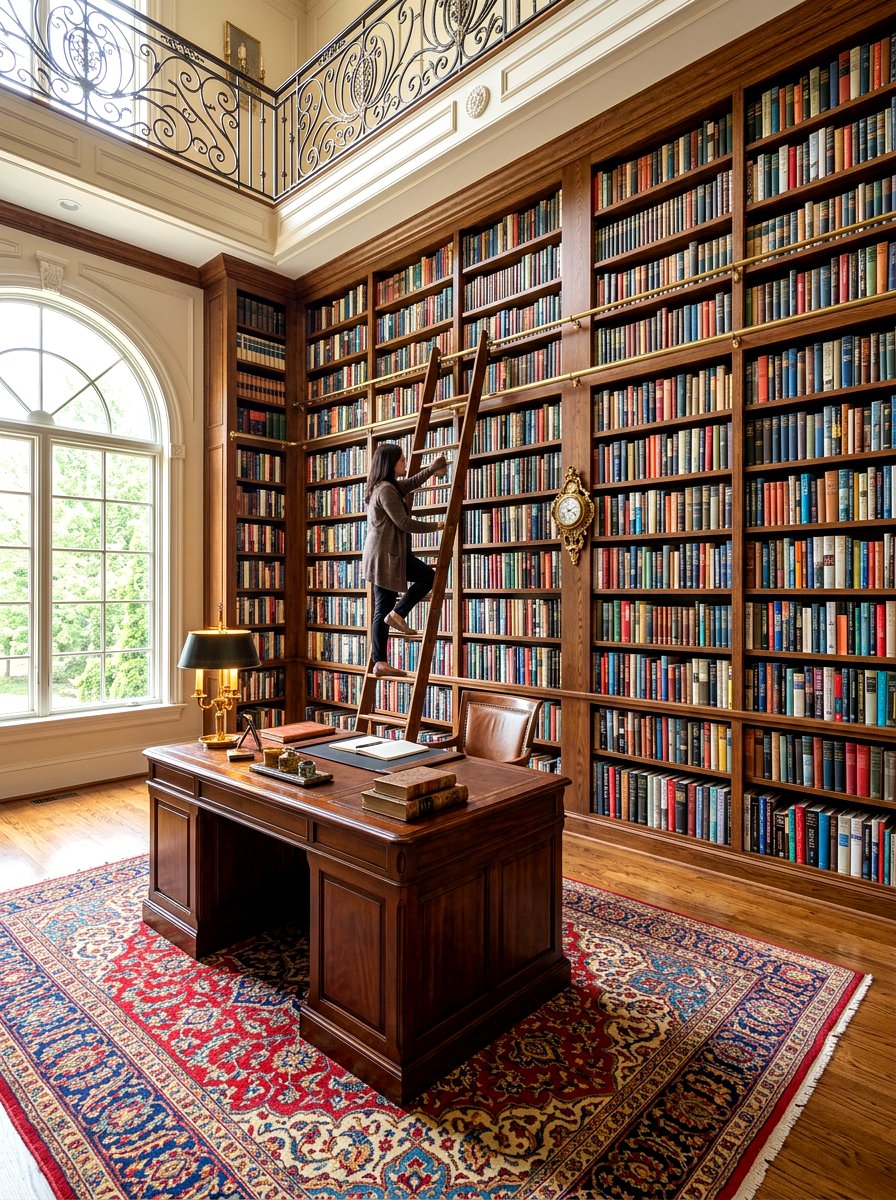
There is nothing quite as inspiring for an author as being physically surrounded by the great works of literature that came before. Installing floor-to-ceiling bookshelves transforms a standard room into a magnificent private library that maximizes vertical storage for your growing collection. Organize your books by color, genre, or even by the mood they evoke to turn your library into a piece of living art. Using a rolling ladder allows you to access the highest shelves while adding a sophisticated, old-world charm to the space. This layout ensures that your favorite reference materials and sources of inspiration are always within your immediate reach.
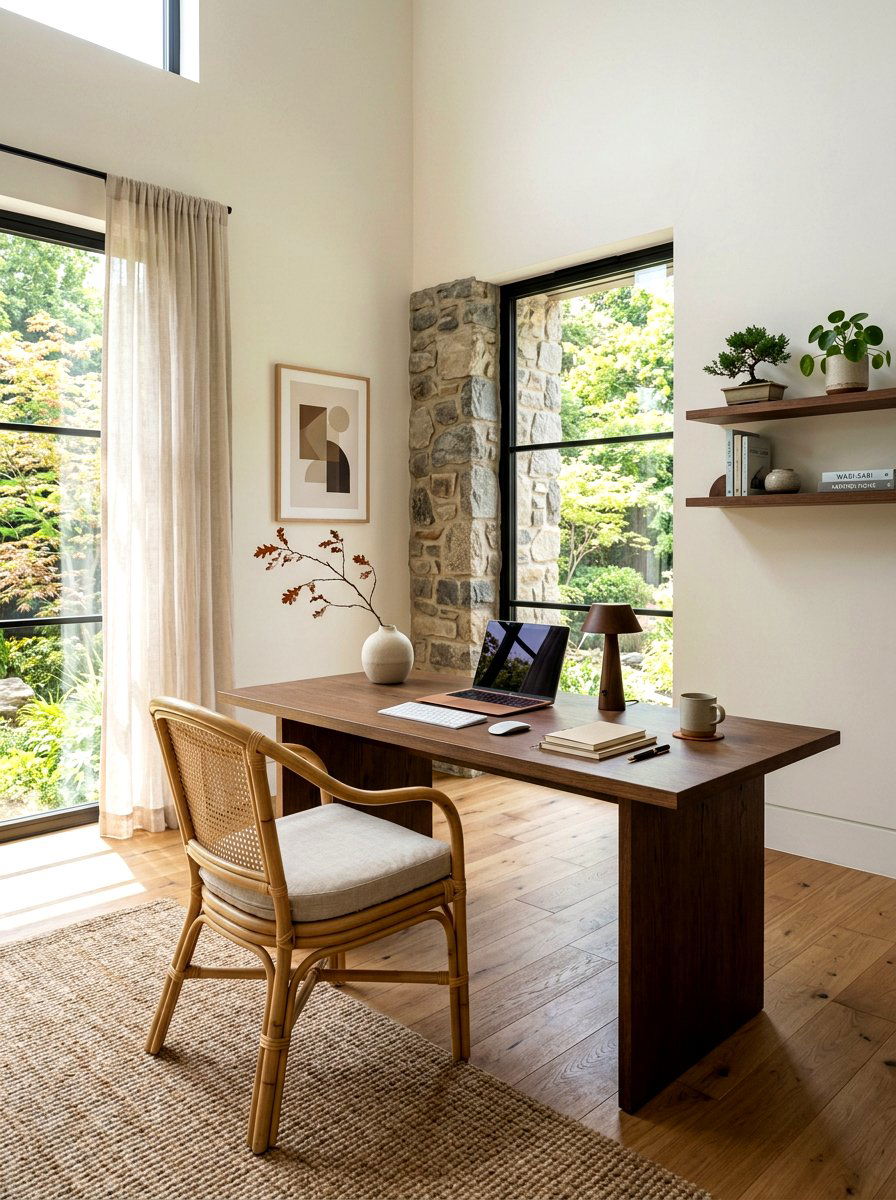
4. Window Facing Writing Desk
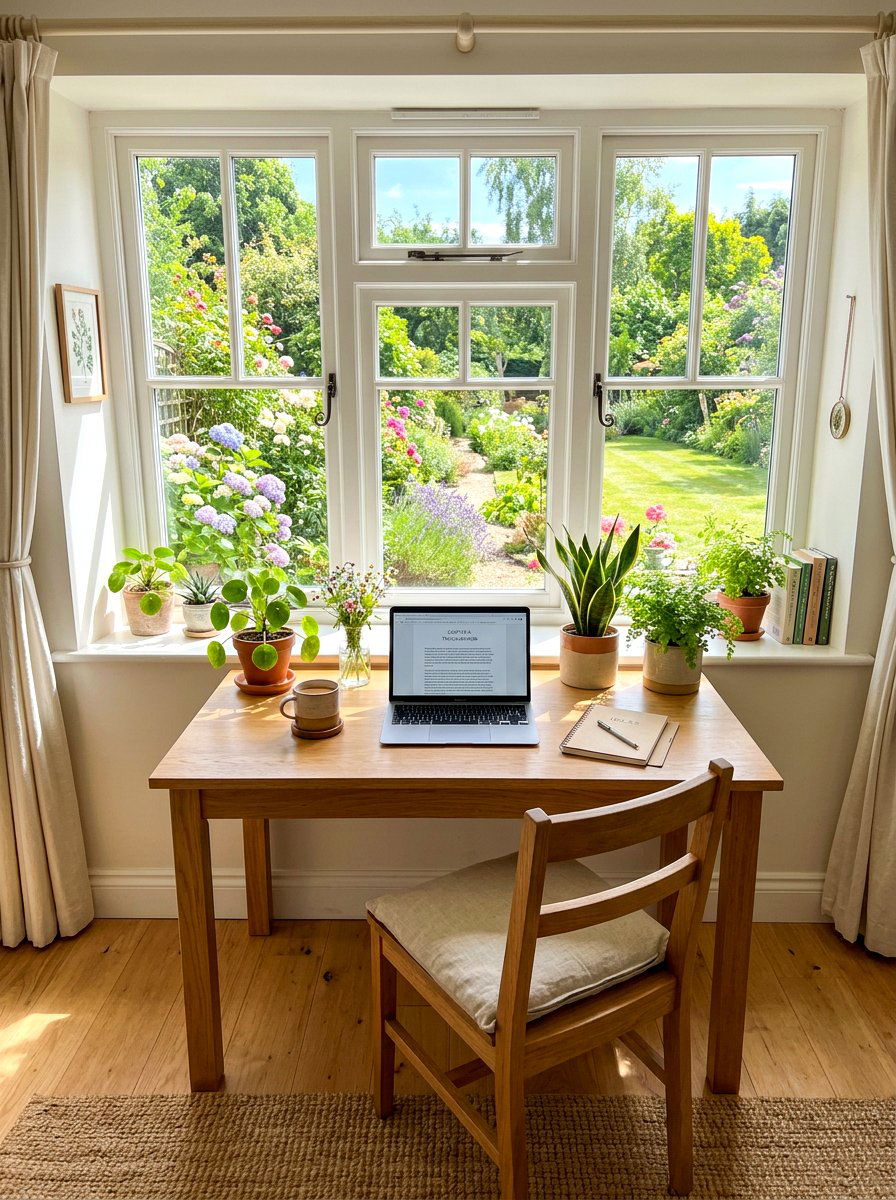
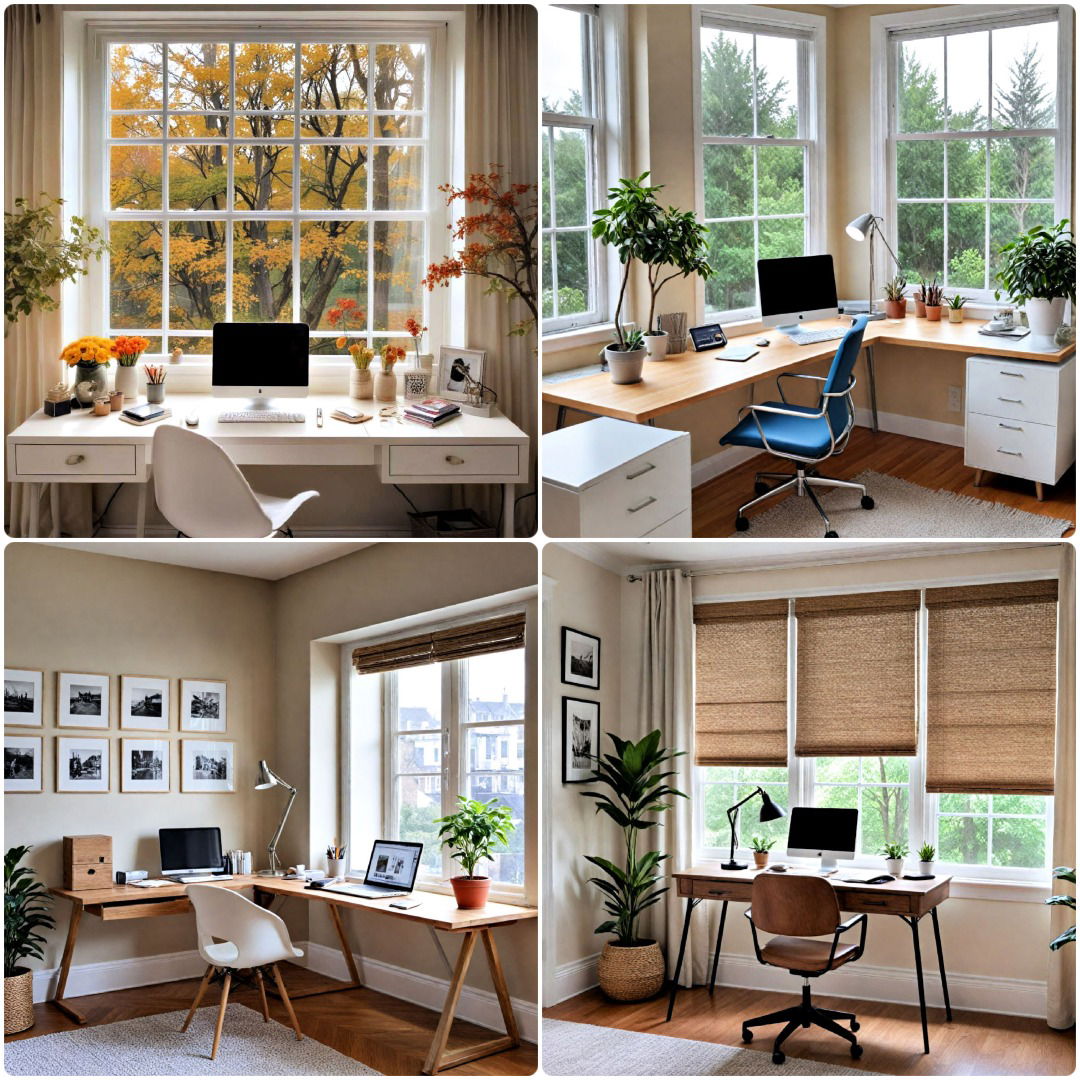
Placing your desk directly in front of a window is one of the best ways to boost your mood and maintain focus. Natural light provides a steady stream of Vitamin D and keeps your circadian rhythm in check during long hours of creative work. A window view offers a much-needed mental break, allowing your eyes to rest on the horizon or a garden between intense chapters. Choose a simple, clean desk design that doesn't compete with the outside scenery, keeping the focus on the world beyond your glass. This setup is ideal for writers who draw inspiration from nature and the changing seasons outside.
5. Minimalist Author Studio
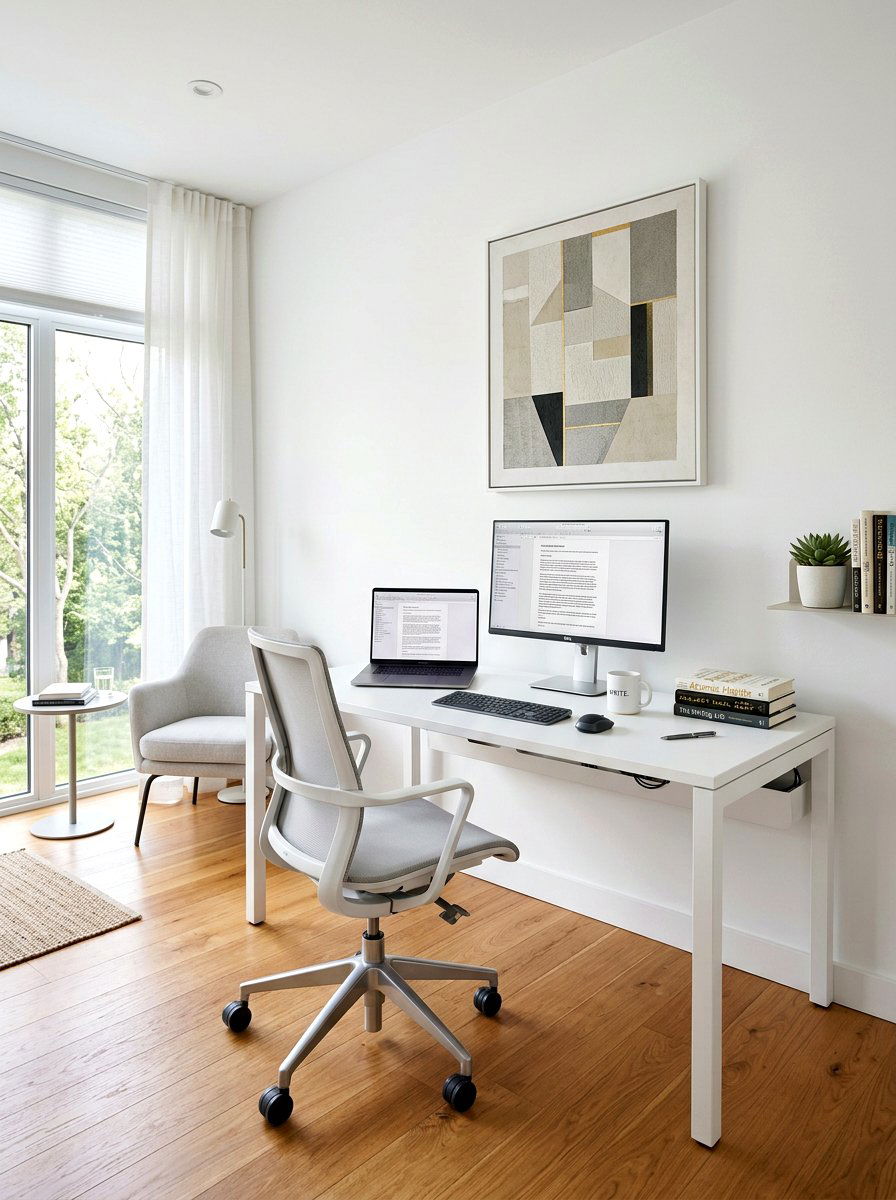
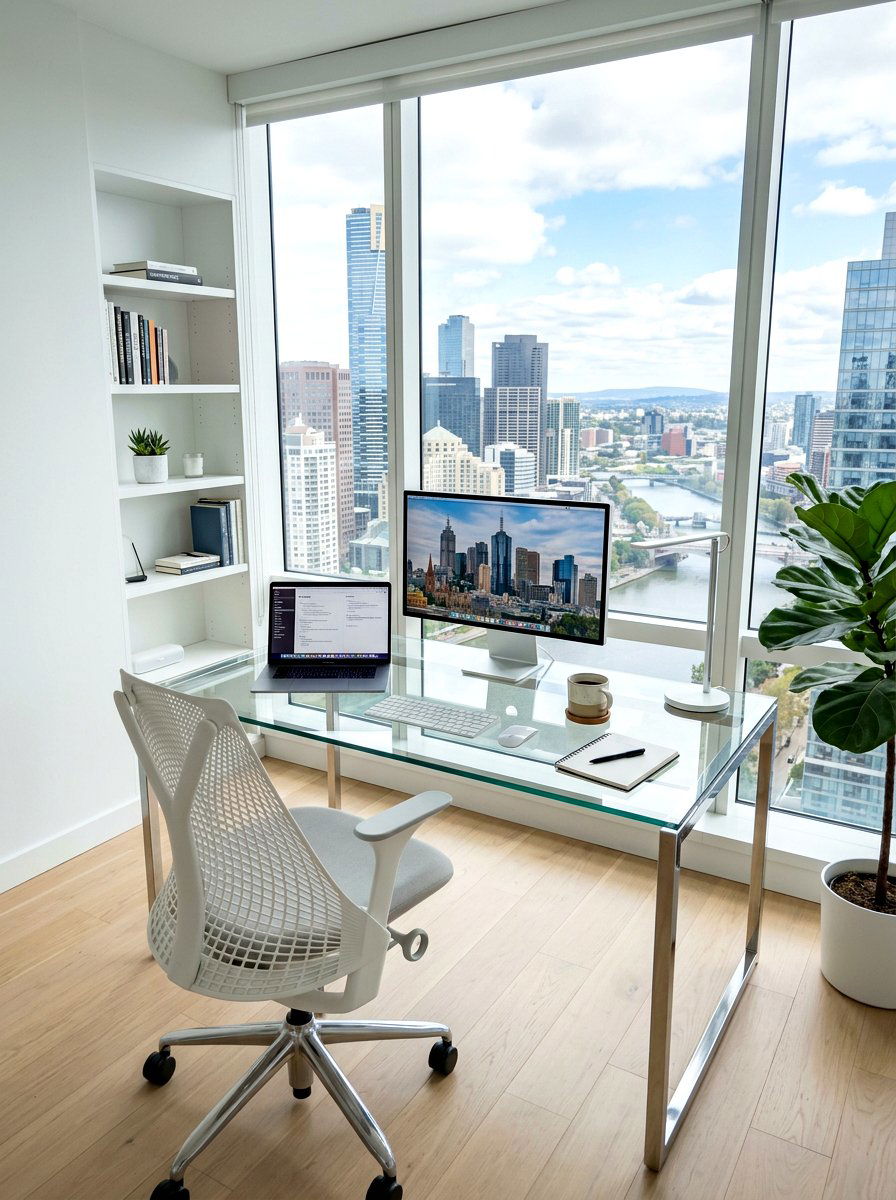
For many writers, a cluttered room leads to a cluttered mind, making a minimalist studio the ultimate choice for productivity. This design style uses a neutral color palette, such as crisp whites and soft grays, to create a calm and distraction-free environment. Select a sleek desk with hidden cable management to keep your workspace looking tidy and professional at all times. Use one or two high-quality decorative pieces, like a single plant or a piece of abstract art, to add personality without overwhelming the senses. A minimalist approach allows your thoughts to take center stage, facilitating a deeper and more focused writing flow.
6. Vintage Typewriter Workspace

Integrating a vintage typewriter into your office adds a nostalgic and tactile element that can help break through modern digital fatigue. Even if you primarily use a computer for final drafts, having a dedicated spot for a manual machine encourages a different kind of thinking. Surround the typewriter with antique accessories, such as a magnifying glass, fountain pens, and old-fashioned letter trays, to complete the historical theme. Using an aged wooden desk with plenty of character will make the clicking sounds of the keys feel even more authentic. This setup celebrates the craft of writing and honors the traditional tools used by literary legends.
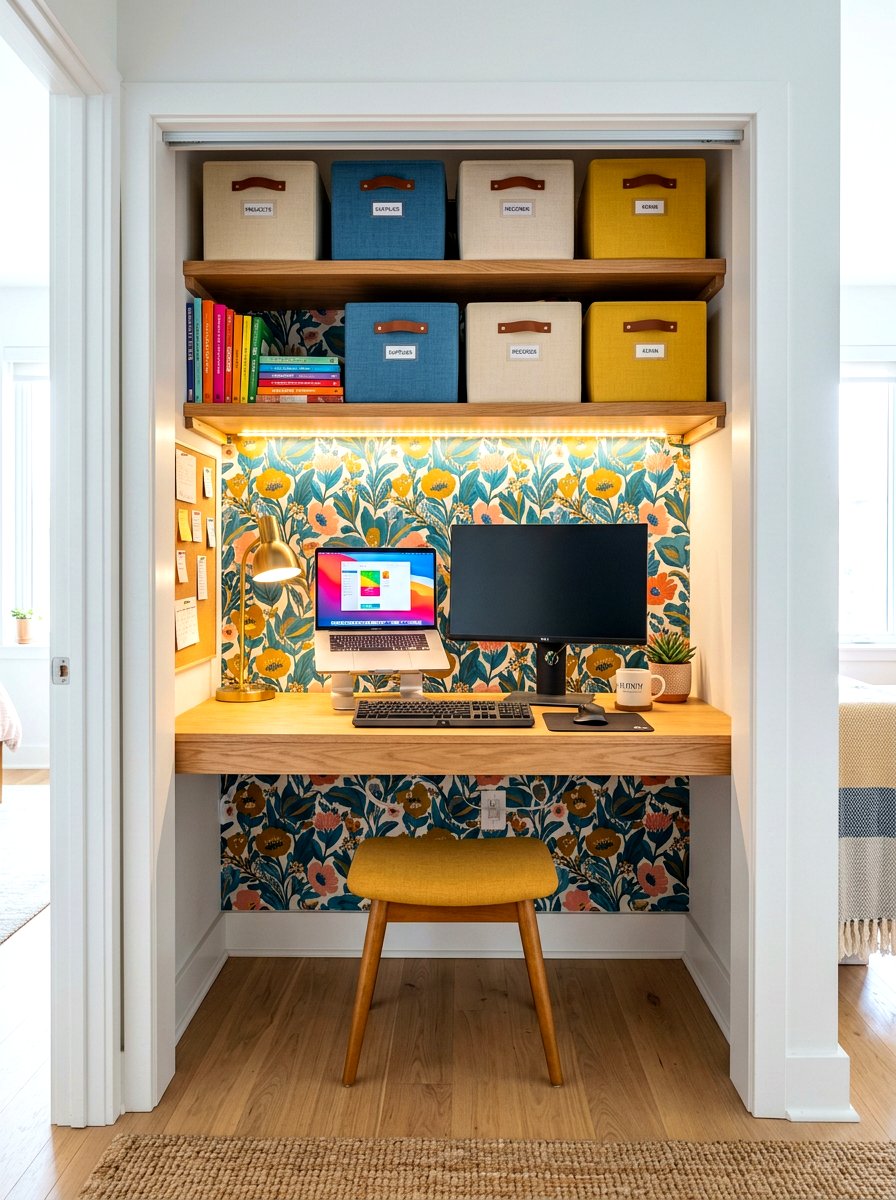
7. Small Closet Writing Nook
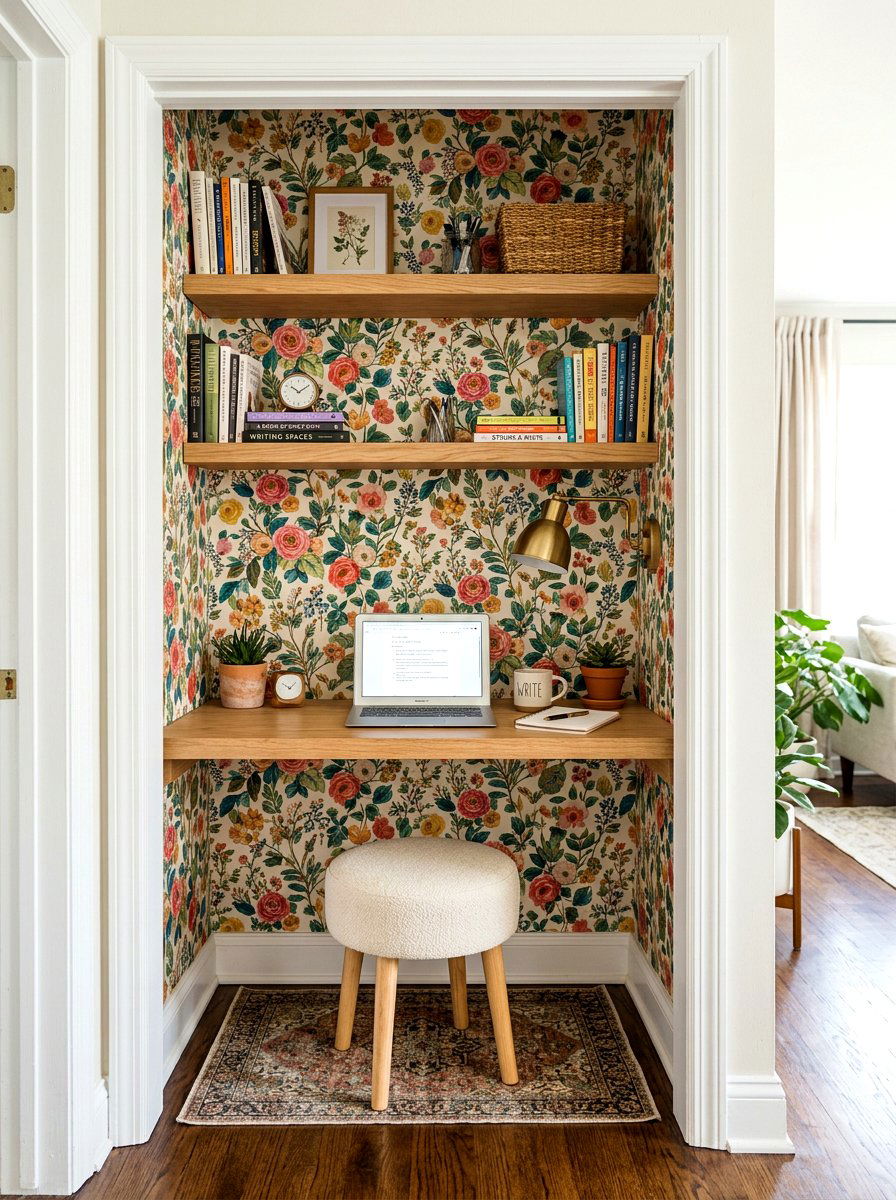
You don't need a massive room to create a powerful writing sanctuary; a converted closet can provide the perfect cozy nook. By removing the doors and installing a built-in desktop, you can transform a small storage space into a highly functional workstation. Paint the interior a bold color or use vibrant wallpaper to define the area and make it feel like a separate world. Floating shelves above the desk offer plenty of storage for notebooks and reference books without taking up valuable floor space. This "cloffice" setup is an excellent solution for urban authors who need to maximize every square inch of their home.
8. Corner Desk Office Layout
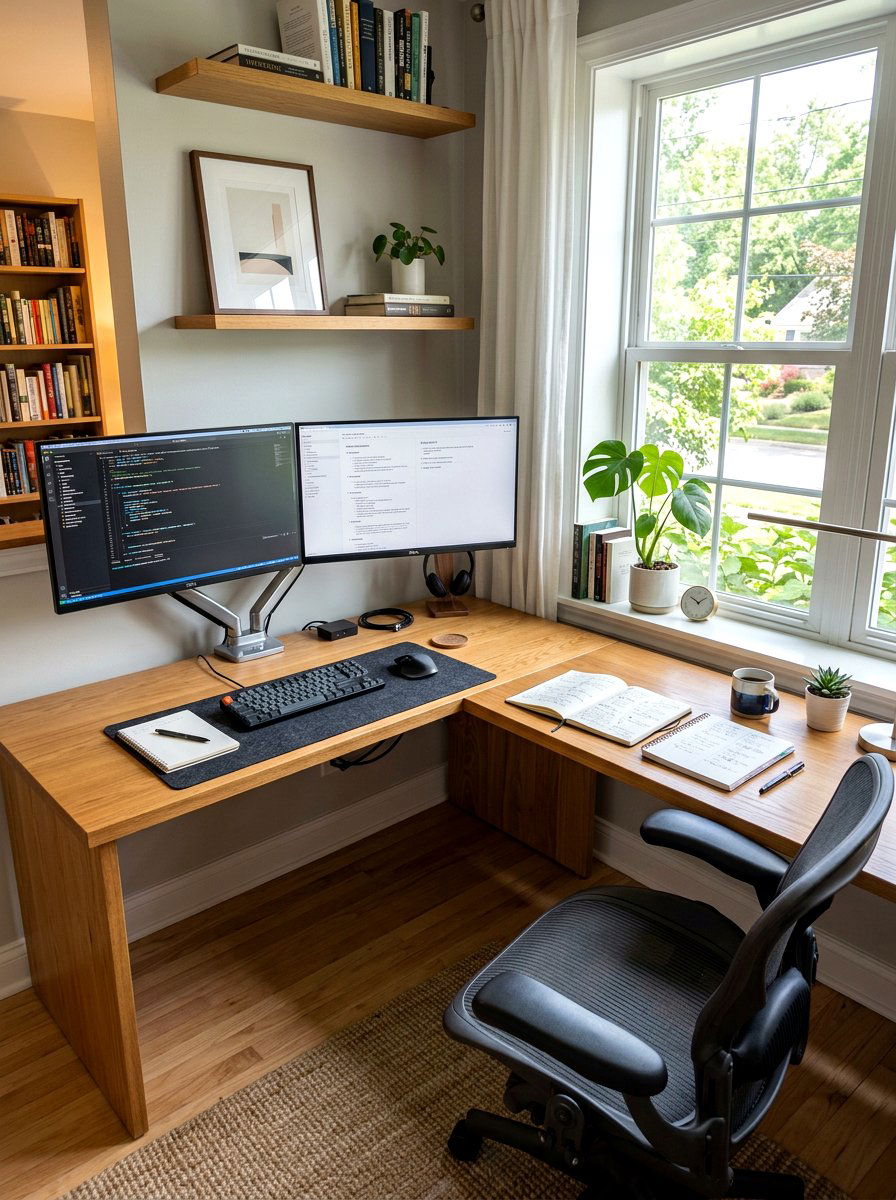
Utilizing the corner of a room is a smart way to create a dedicated writing zone while leaving the rest of the space open. An L-shaped desk provides ample surface area for your computer, several open notebooks, and a printer without feeling cramped. This layout allows you to separate different tasks, such as research on one side and active drafting on the other side. Position the desk so you are facing away from the door to minimize visual distractions and create a more private feeling. A corner setup often feels more protected and secure, providing a "cocoon" effect that helps many writers concentrate.
9. Author Mood Board Wall
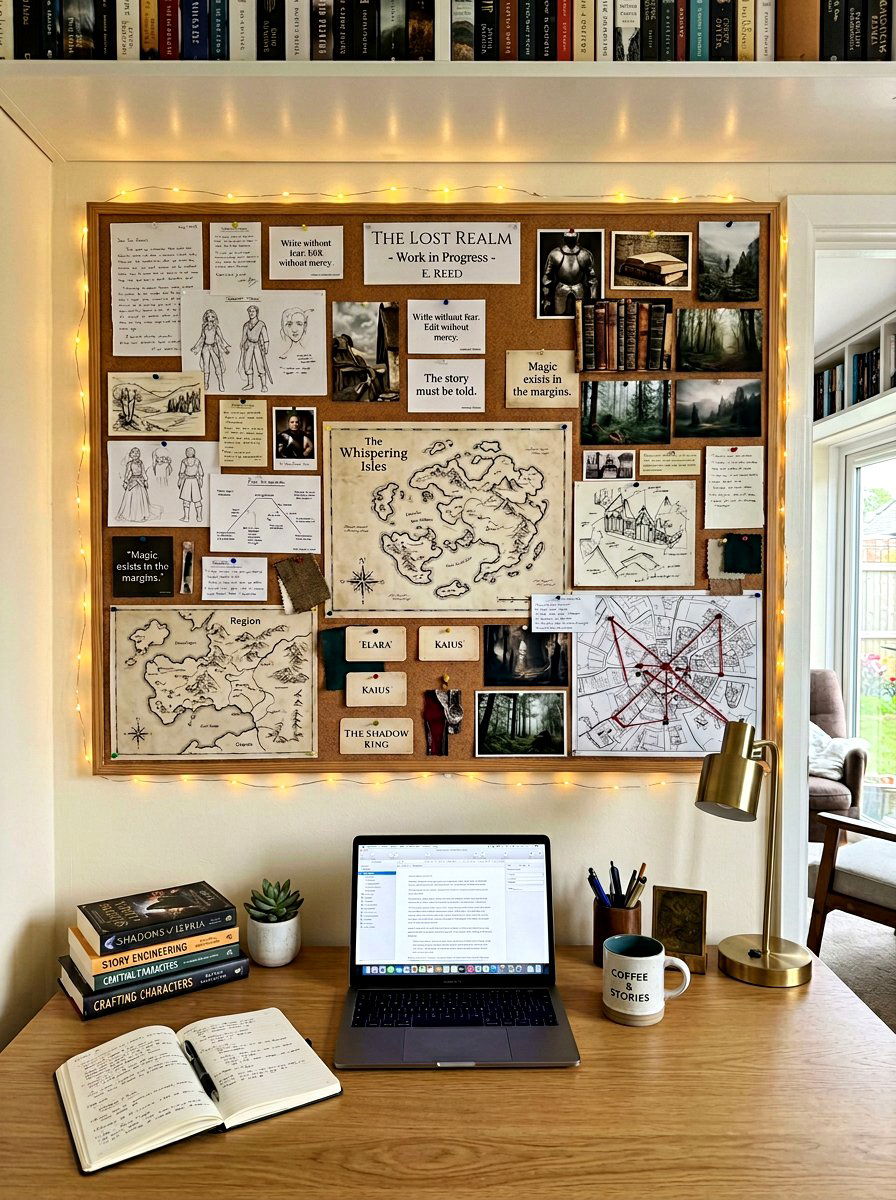
A mood board wall serves as a visual manifestation of your current work-in-progress, helping you stay connected to your story's themes. Use a large corkboard or a wire grid to display character sketches, setting photos, color swatches, and inspiring quotes. This rotating gallery allows you to see the connections between different plot points and keeps your creative vision front and center. Surround the board with soft fairy lights to make it a focal point of the room that glows even when the sun goes down. Visualizing your story in this way can spark new ideas and help you maintain consistency throughout the writing process.
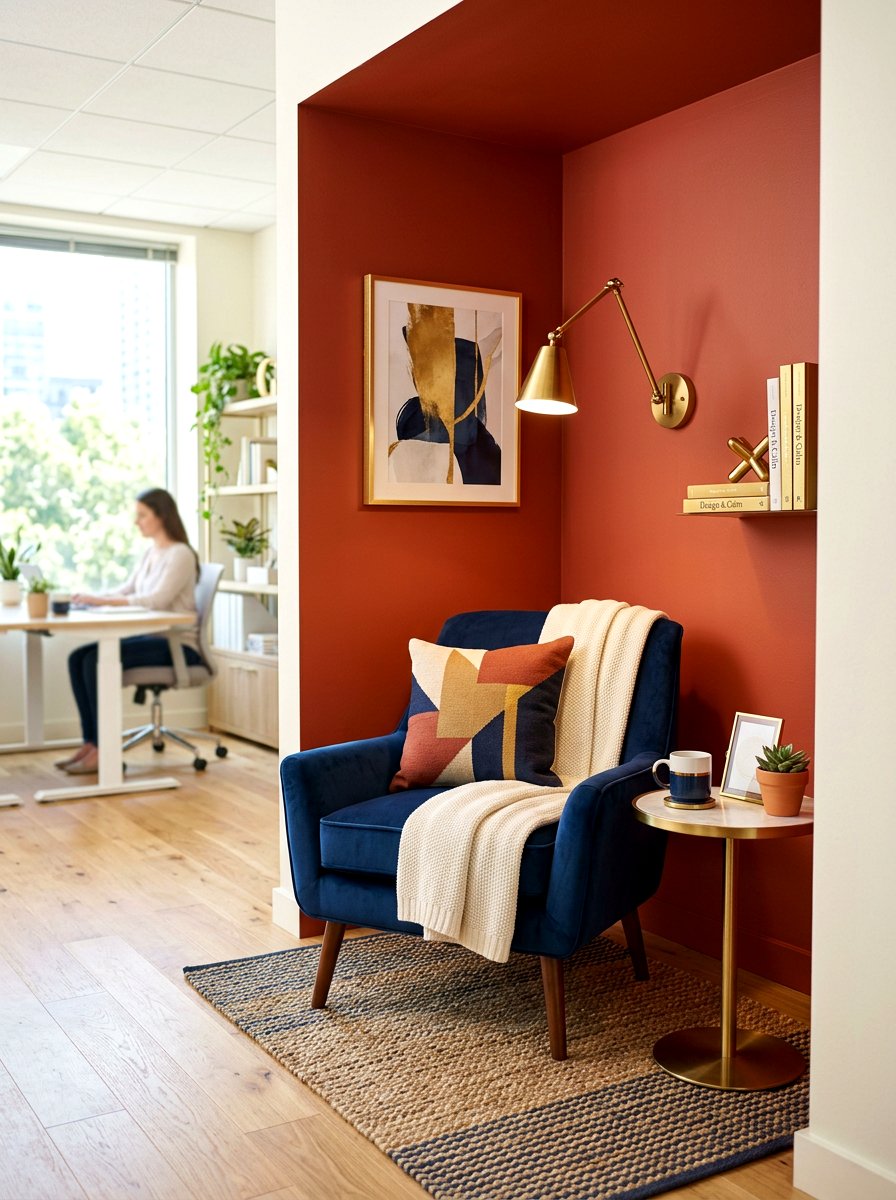
10. Cozy Reading Chair Corner
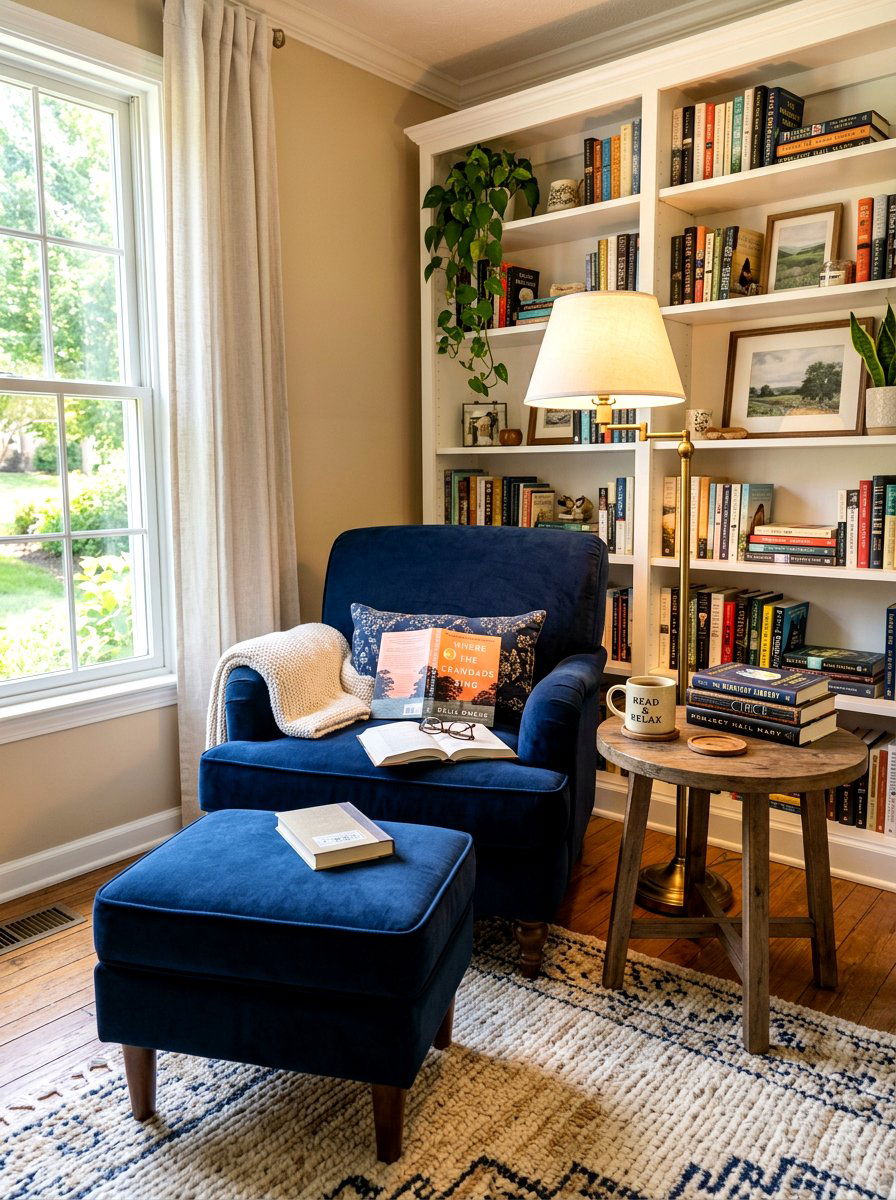
Every author needs a comfortable place to step away from the desk and engage in the essential task of reading. Creating a dedicated reading corner with a plush armchair and a soft footstool provides a mental bridge between writing and relaxation. Position a small side table nearby to hold your coffee mug and a stack of books you are currently studying. A dedicated floor lamp with a warm bulb ensures you have perfect lighting for long afternoon sessions spent reviewing your latest manuscript. Adding a soft rug under the chair helps define the zone and adds an extra layer of physical comfort.
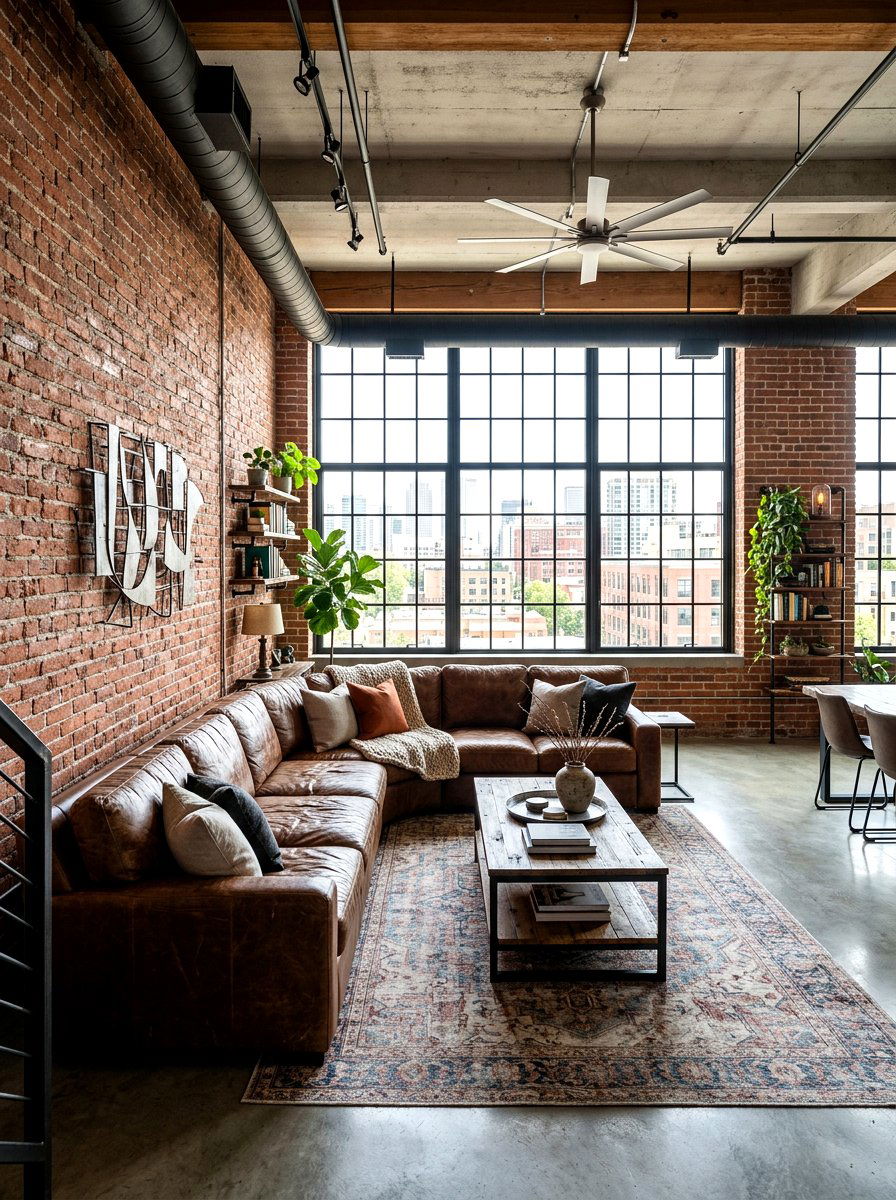
11. Industrial Style Writer Studio
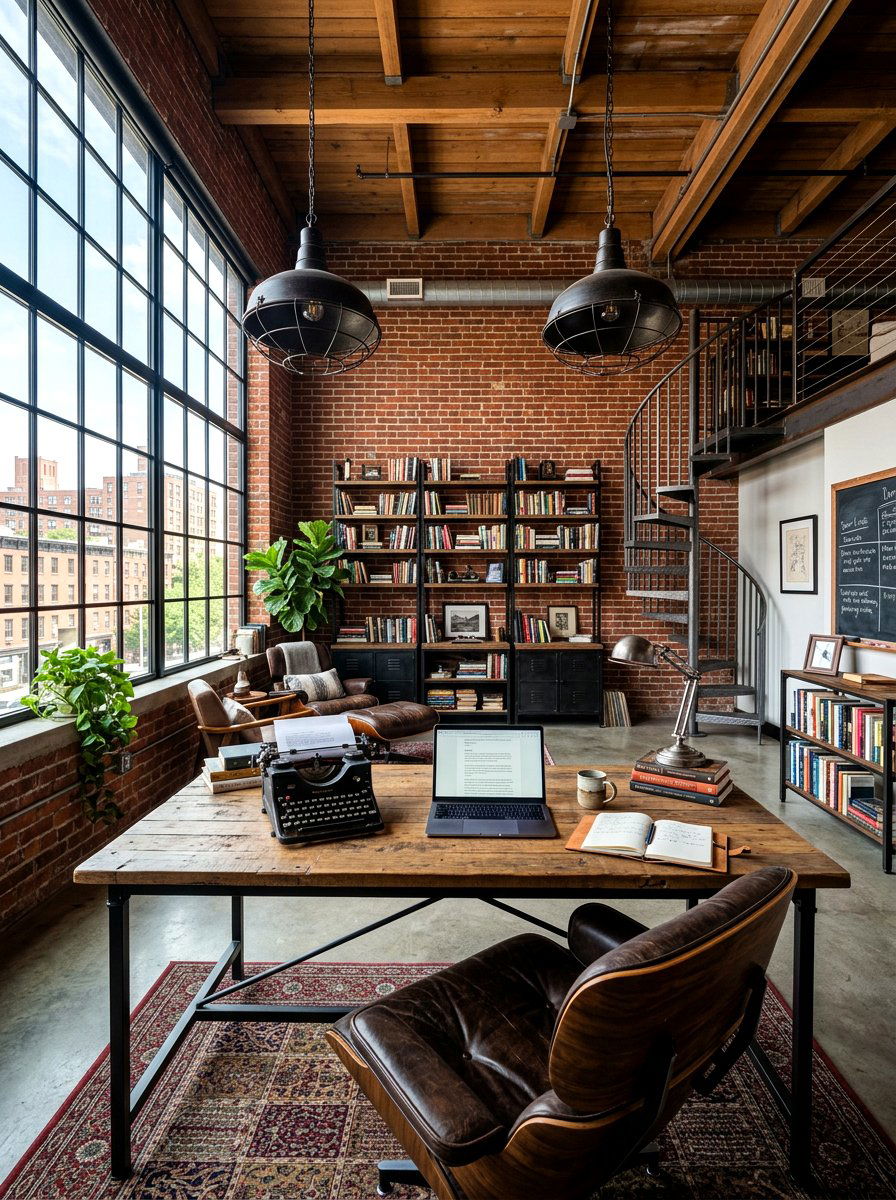
An industrial-style office uses raw materials like exposed brick, reclaimed wood, and metal accents to create a modern and edgy workspace. This aesthetic feels solid and unpretentious, making it a great fit for authors who prefer a more urban or masculine design. Use a desk made from a thick wooden slab and iron legs to serve as a sturdy foundation for your creative work. Large windows with black frames and Edison-style light fixtures contribute to the factory-inspired look while providing plenty of light. This style is often associated with warehouse lofts and creative studios, offering a sense of grit and determination to the writer.
12. Botanical Themed Home Office
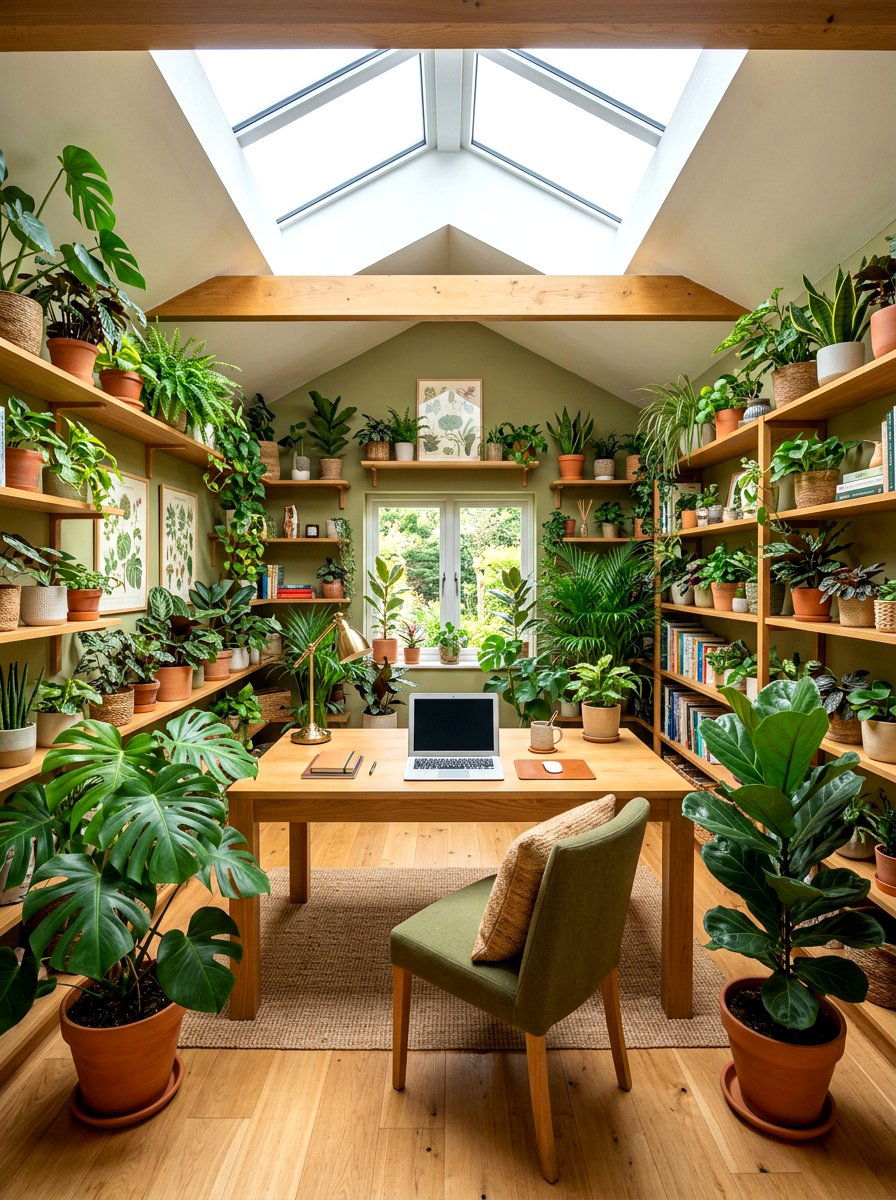
Bringing nature indoors with a botanical theme can significantly reduce stress and improve the air quality of your writing environment. Fill your office with various indoor plants, such as leafy monsteras, trailing pothos, and architectural snake plants, to create a lush, living backdrop. Use botanical prints on the walls and choose furniture in natural wood tones to complement the greenery. Large windows that let in plenty of sunlight will keep your plants thriving and make the whole room feel more vibrant and alive. This biophilic approach connects you to the natural world, which can be incredibly grounding during intense periods of creative output.
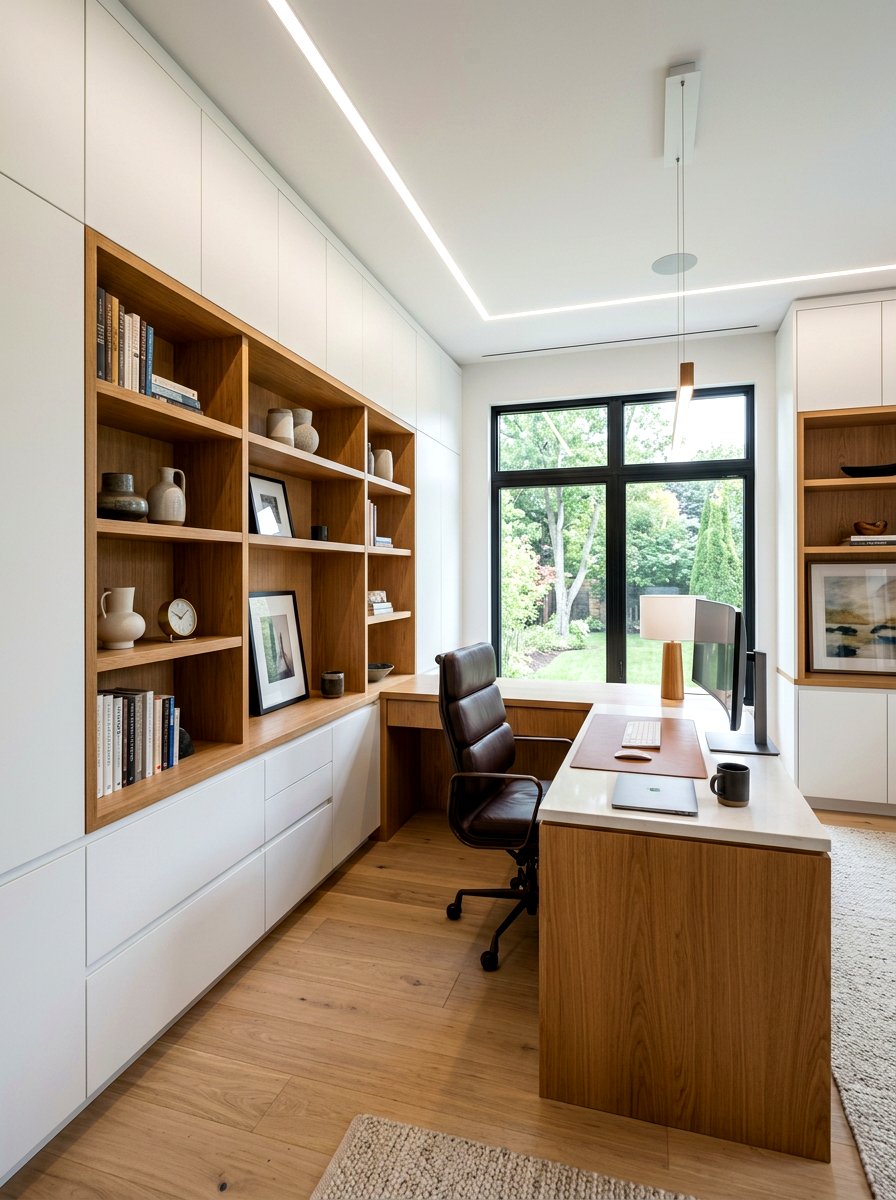
13. Built In Wall Desk
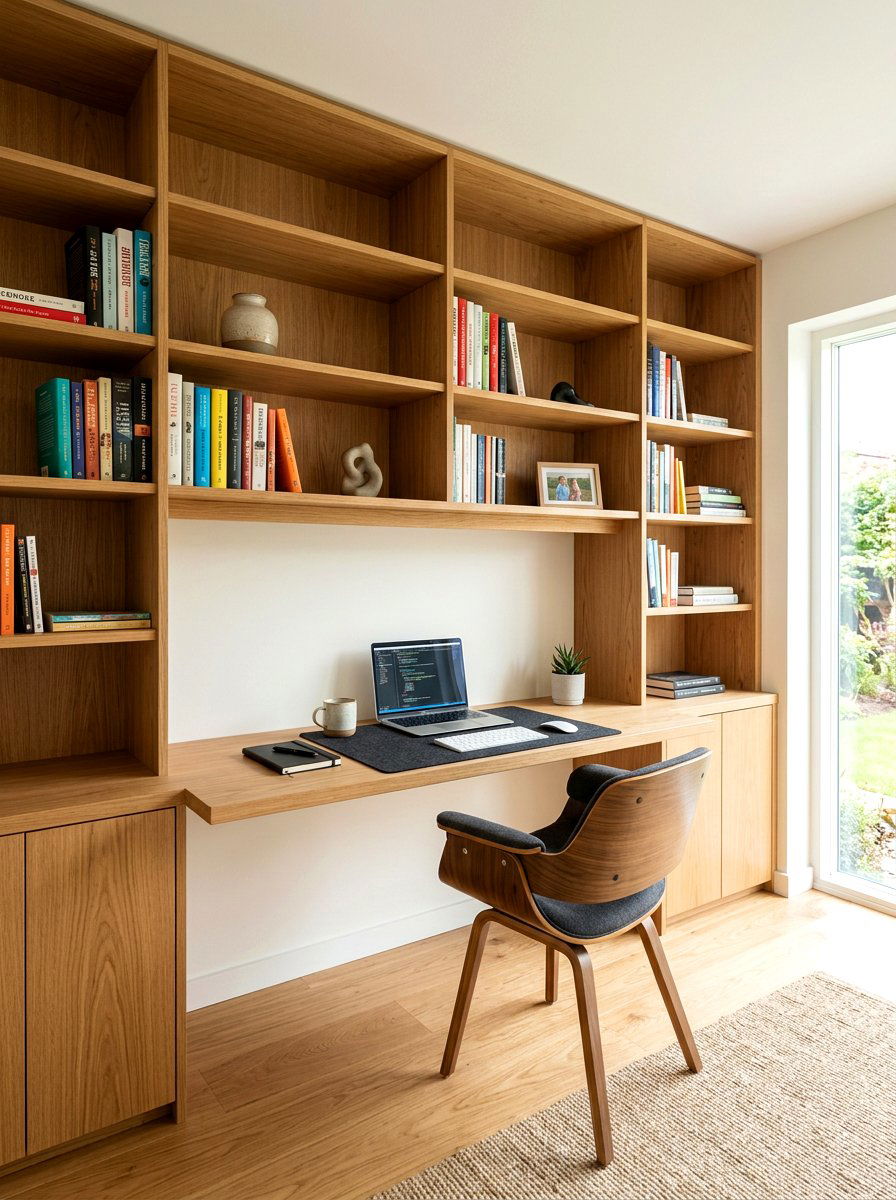
A built-in wall desk is a sleek and permanent solution that integrates your workspace directly into the architecture of your home. This custom approach allows you to design a desk that perfectly fits your specific needs, whether you need extra-long surfaces or specialized drawers. By using the same materials as the surrounding walls or shelving, the desk feels like a seamless part of the room rather than an afterthought. This layout is particularly effective in long, narrow rooms where a traditional free-standing desk might block the flow of traffic. It provides a clean, professional appearance that helps you transition into a work-focused mindset instantly.
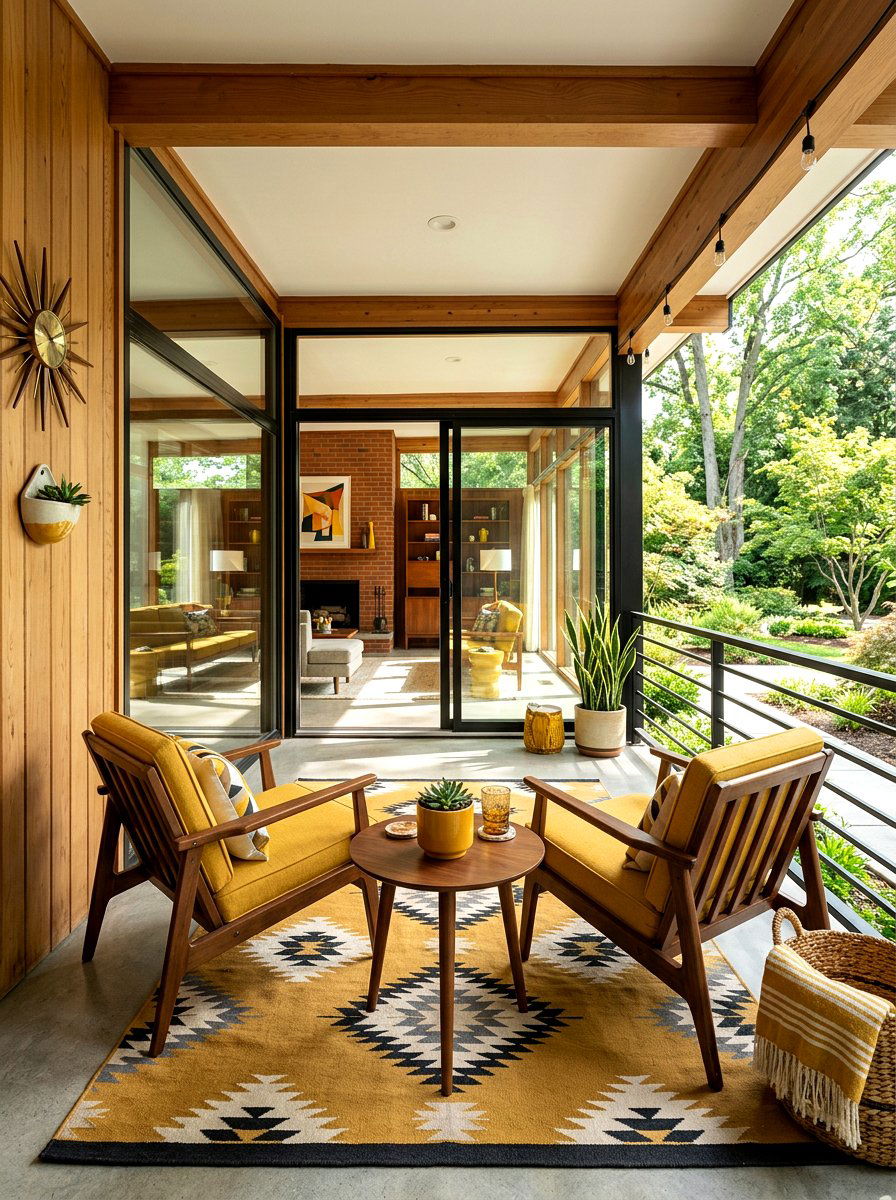
14. Mid Century Modern Office
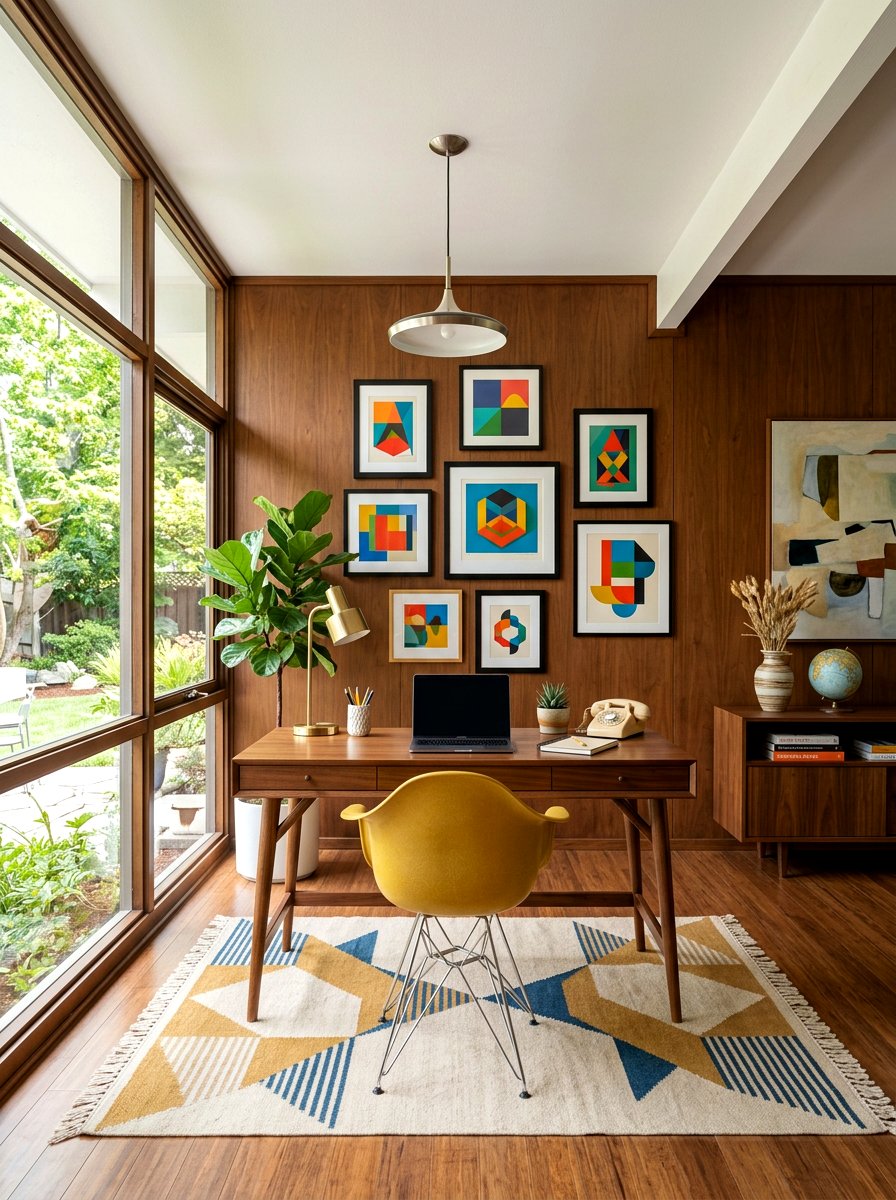
Mid-century modern design is famous for its clean lines, organic shapes, and functional elegance, making it a timeless choice for a writer. Look for a desk with tapered legs and rich wood grain, paired with an iconic Eames-style chair for a sophisticated look. Use a palette of warm teals, mustard yellows, and oranges to add a pop of vintage color to the space. Minimalist shelving and geometric wall art complete the aesthetic without creating unnecessary clutter. This style balances form and function beautifully, providing an inspiring environment that feels both historic and forward-thinking, which is ideal for authors across all different genres.
15. Attic Writing Room
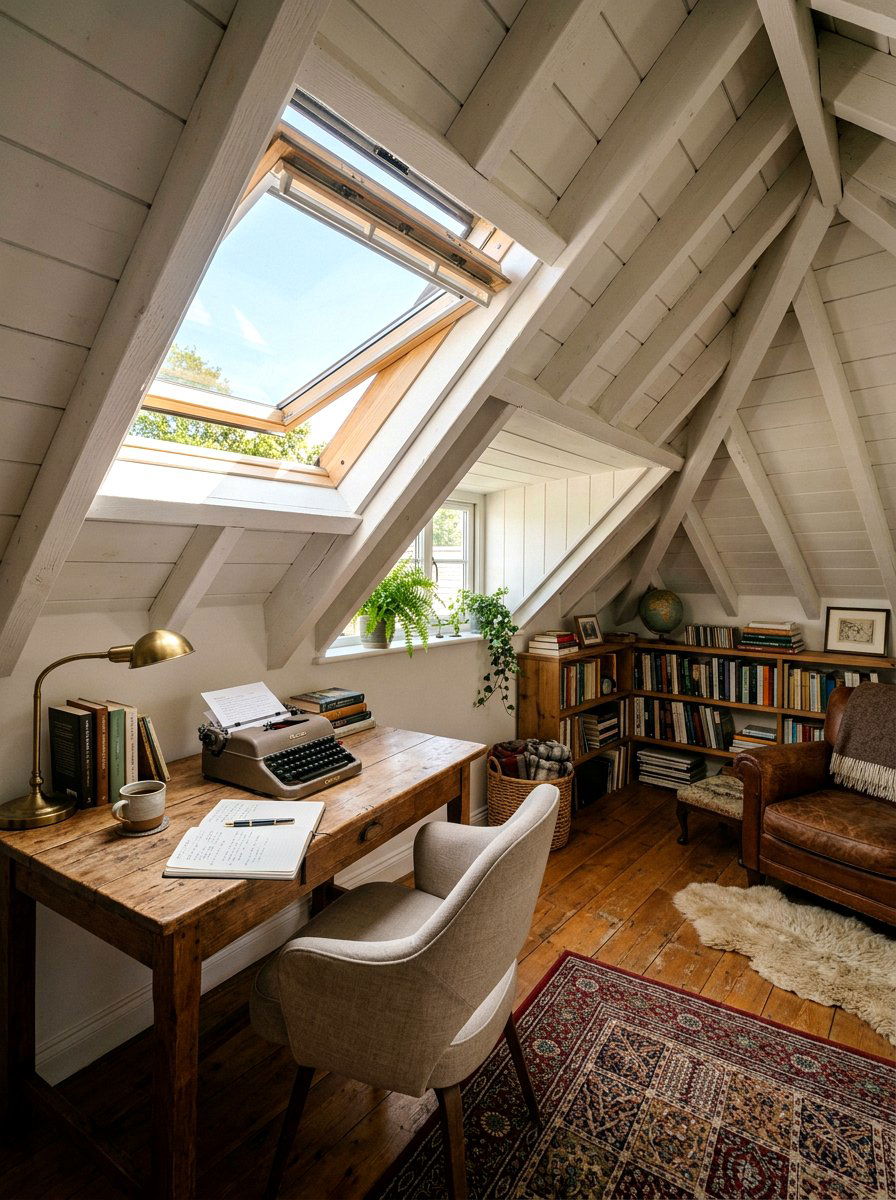
Converting an attic into a writing room offers a unique sense of seclusion and elevation from the rest of the household. The sloped ceilings and interesting architectural angles create a cozy, "garret" feel that has been favored by writers for centuries. Install skylights to flood the space with natural light and provide a direct view of the sky, which is perfect for daydreaming. Use the low walls under the eaves for built-in bookshelves to maximize storage in the unconventional space. This tucked-away sanctuary provides the ultimate quietude, allowing you to fully immerse yourself in your fictional worlds without any external interruptions.
16. Floating Shelf Library
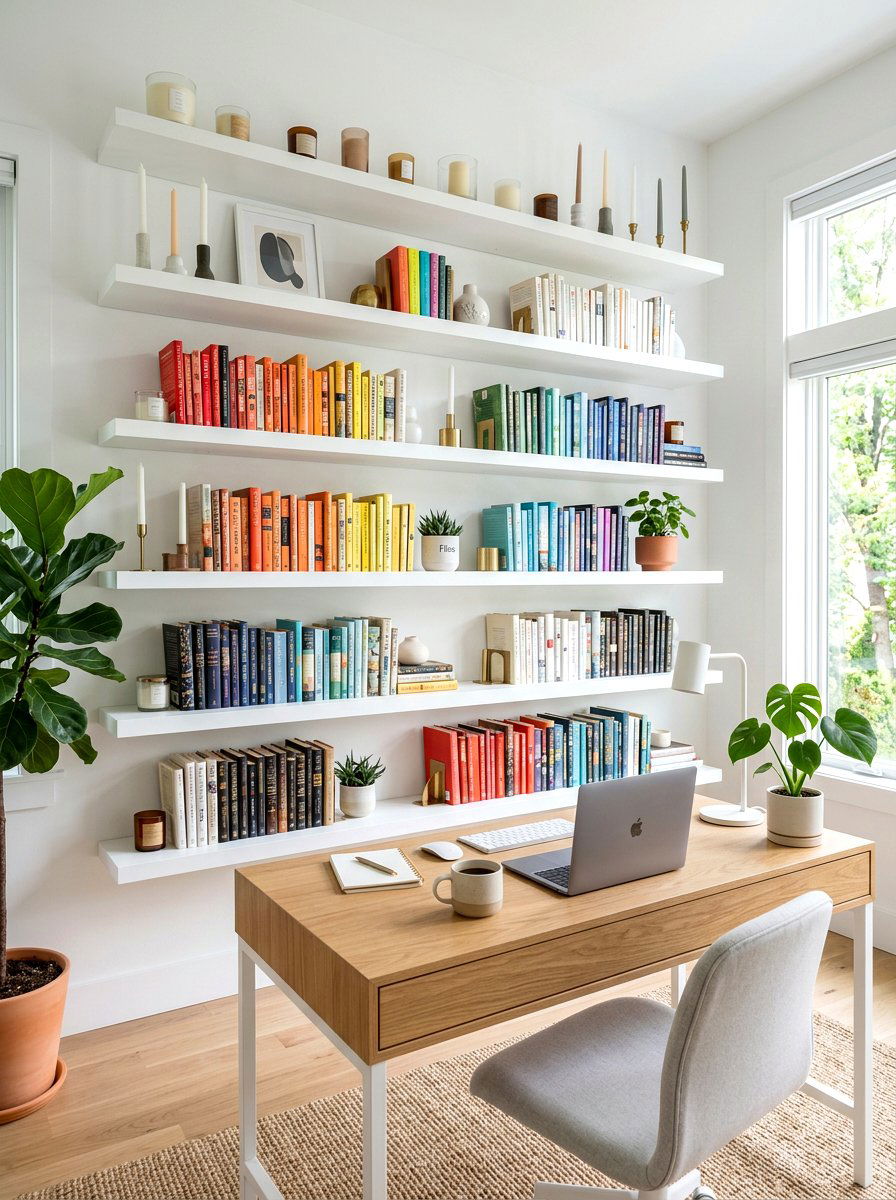
Floating shelves offer a modern and airy alternative to traditional bulky bookcases, making your book collection appear as if it is hovering. This style is perfect for smaller offices where you want to maintain a sense of openness and light. Arrange your most important reference books and favorite novels on these shelves to create an inspiring wall of knowledge. You can also mix in small decorative items, like candles or framed photos, to break up the lines of books and add visual interest. Floating shelves are highly customizable, allowing you to create unique patterns and layouts that reflect your personal style and storage needs.
17. Creative Gallery Wall Decor
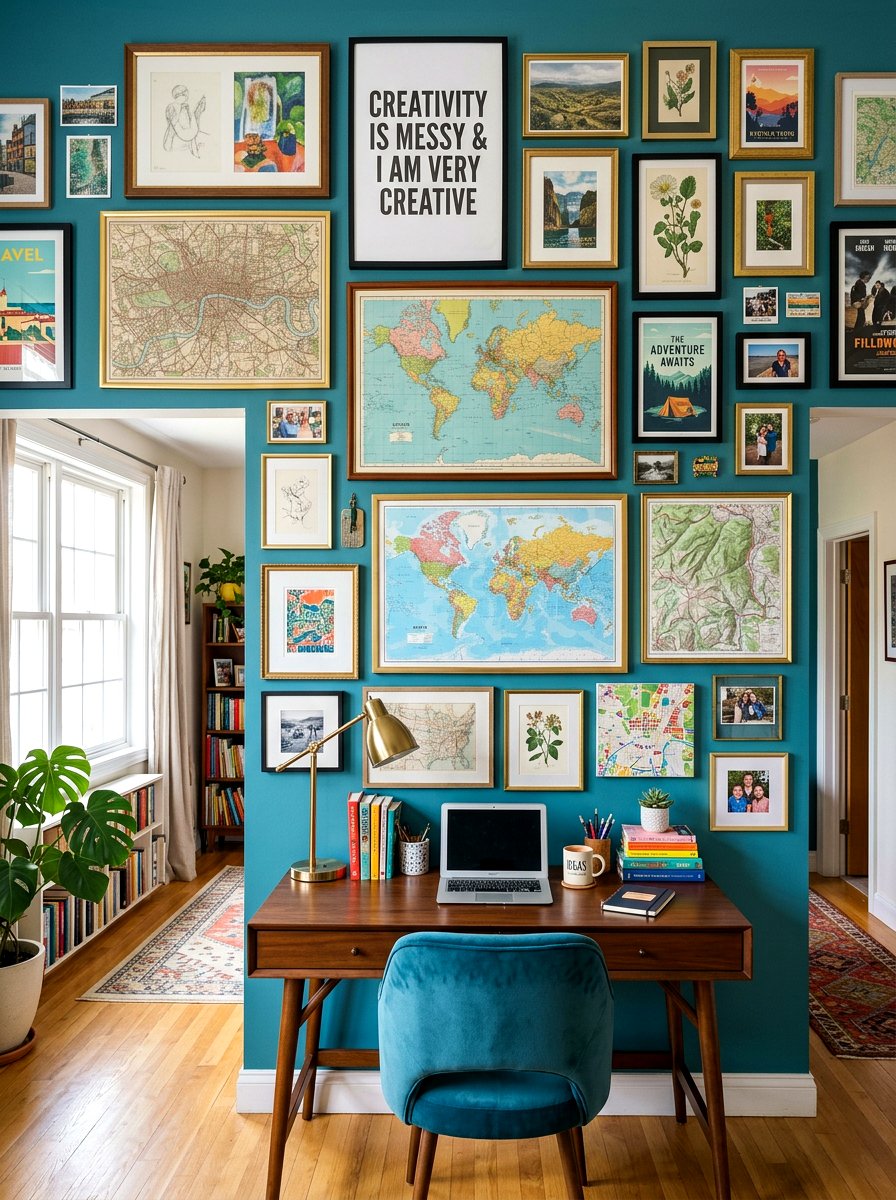
A gallery wall filled with art that inspires your storytelling can transform a blank office into a vibrant source of creative energy. Mix different types of frames and art styles, such as vintage maps, classic movie posters, and original paintings, to create a layered look. You can also include personal mementos, such as framed rejection letters or your first published piece, to serve as a reminder of your progress. This visual collage acts as a continuous brainstorming tool, providing new ideas whenever you look up from your computer screen. A gallery wall is an ever-evolving project that can grow and change with every book you write.
18. Soundproof Writing Room
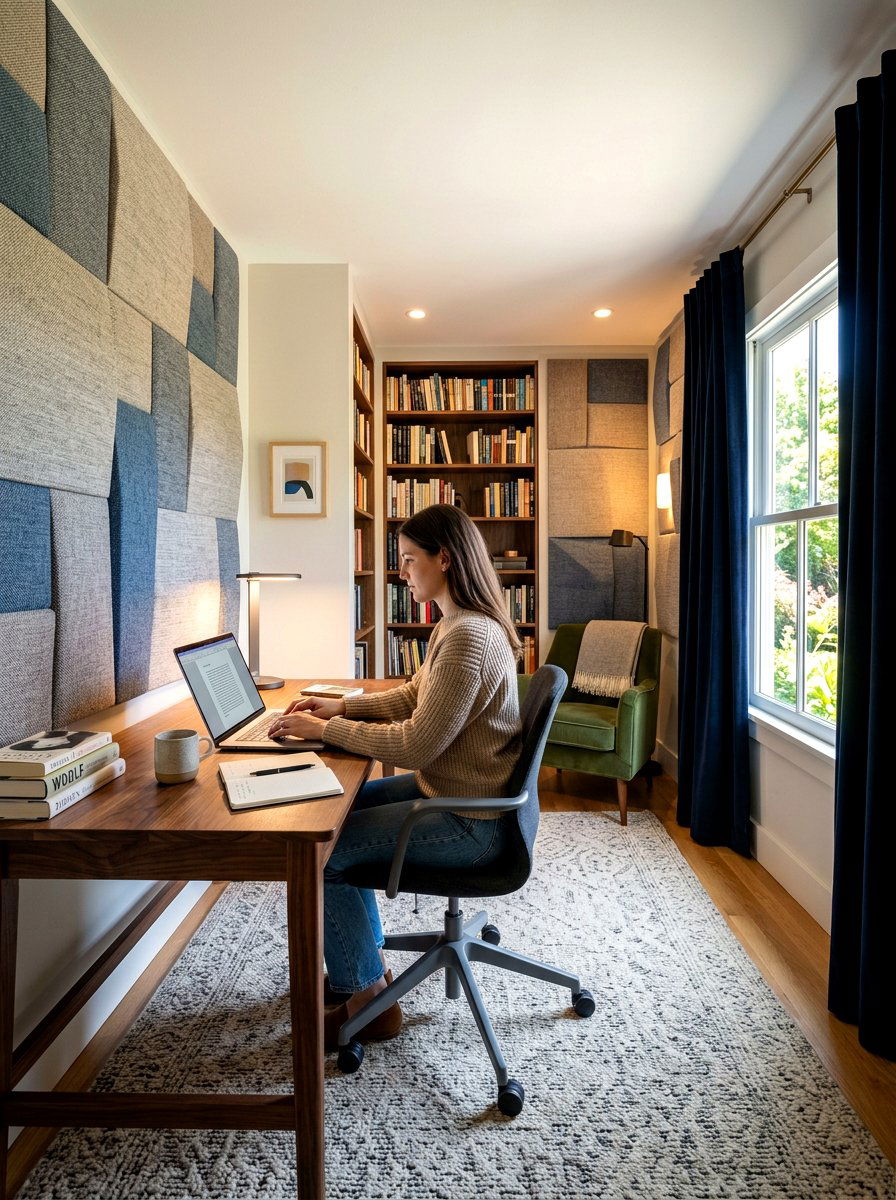
For authors who live in busy households or noisy neighborhoods, soundproofing is a practical investment that protects your precious focus. Installing acoustic panels on the walls can significantly reduce external noise while also improving the sound quality inside the room for dictation. Choose panels in stylish colors or fabrics that double as wall decor to keep the space looking professional and inviting. Adding heavy rugs and thick curtains further dampens sound, creating a quiet "bubble" where you can hear your own thoughts clearly. A silent environment is often the most important tool for writers who need deep concentration to tackle complex plot lines.
19. Natural Wood Writing Surface
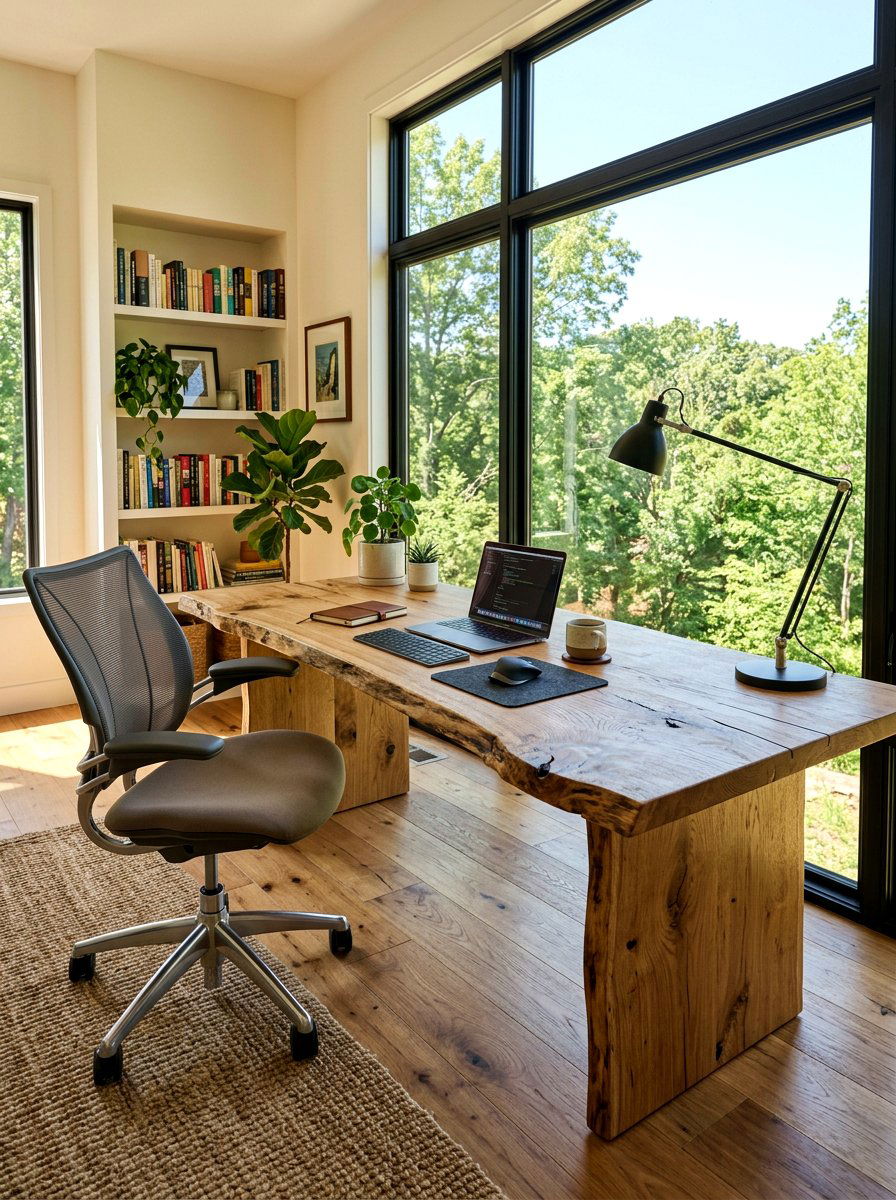
There is something deeply grounding about working on a solid, natural wood surface that feels warm and organic to the touch. A live-edge desk or a simple oak tabletop brings a piece of the outdoors into your office, fostering a sense of calm. The unique grain patterns and textures of the wood provide a subtle visual interest that doesn't distract from the task at hand. Pair a wooden desk with a comfortable ergonomic chair in a neutral fabric to balance the rustic feel with modern comfort. This design choice emphasizes durability and timelessness, reflecting the long-lasting nature of the stories you are working to create.
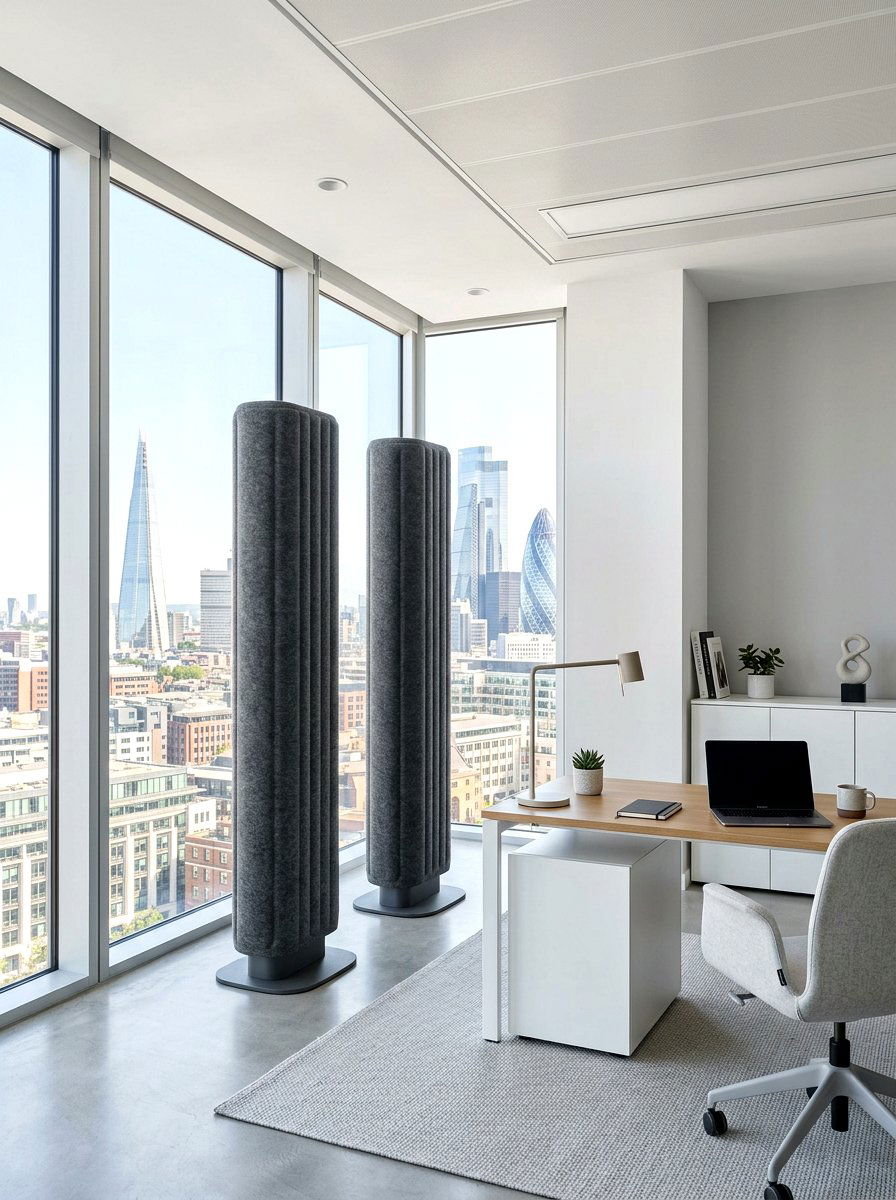
20. White Minimalist Studio
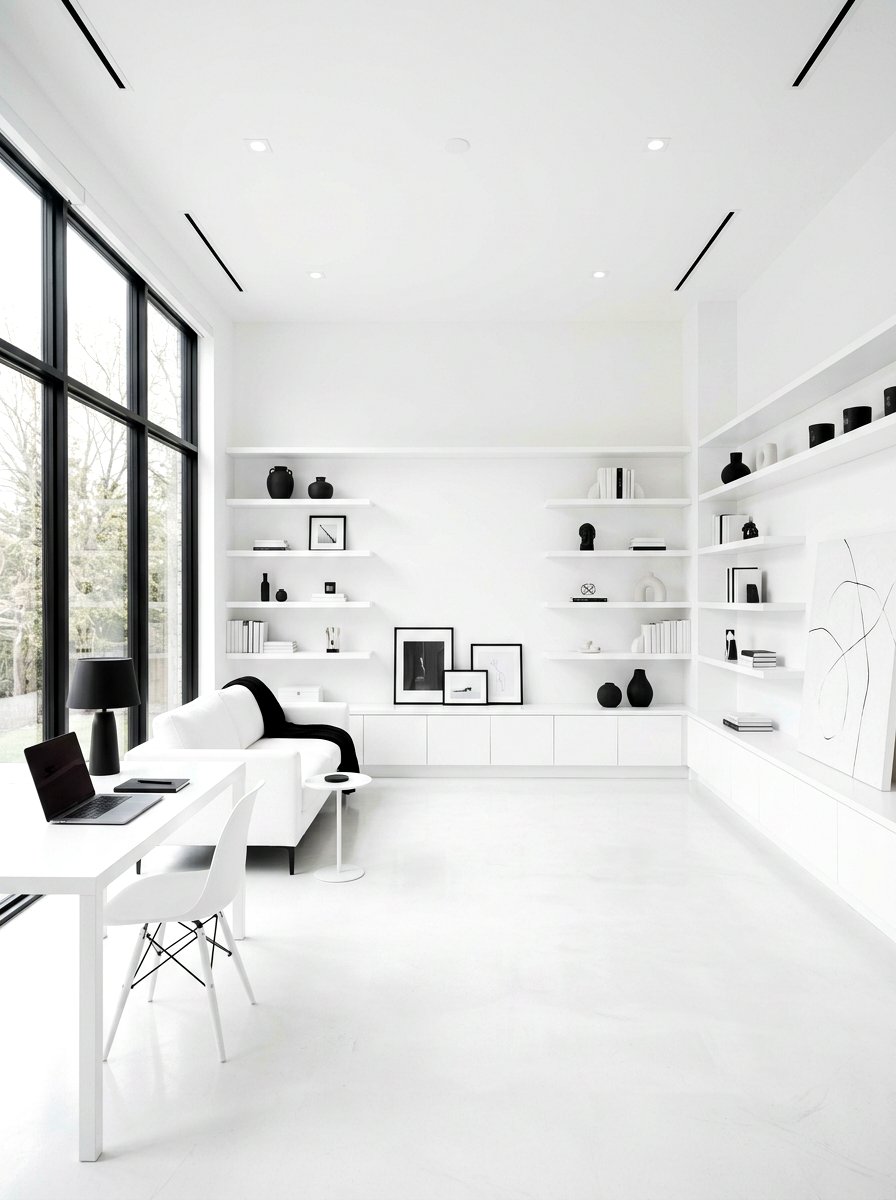
A completely white studio provides a literal blank canvas that encourages your imagination to fill in the gaps. By using various shades of white for the walls, desk, and shelving, you create a bright and airy environment that feels incredibly spacious. This high-contrast look works exceptionally well with black accents, such as a desk lamp or a monitor stand, for a modern finish. The lack of visual noise helps reduce decision fatigue, allowing you to focus all your mental energy on your manuscript. A white minimalist space is easy to keep clean and organized, ensuring that you always start your day with a fresh perspective.
21. French Country Style Office
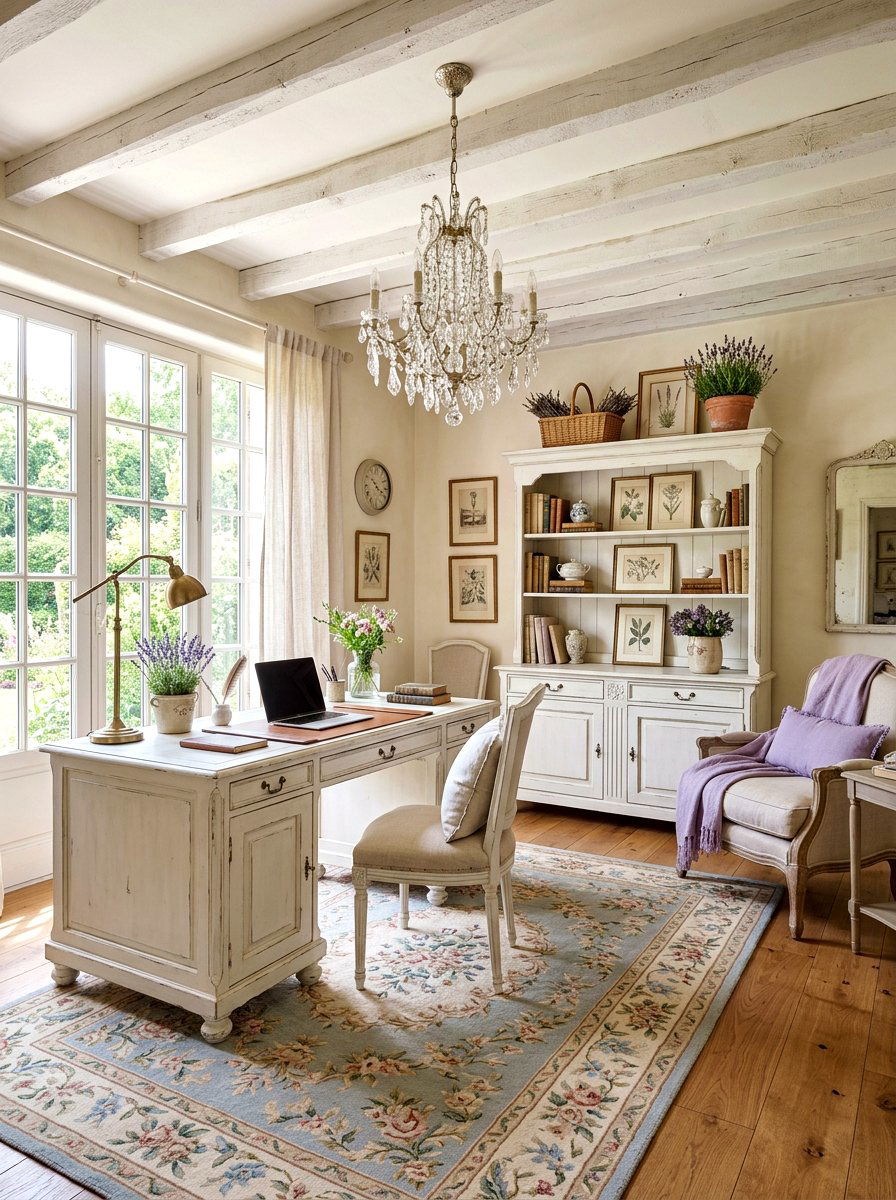
The French country aesthetic combines rustic charm with refined elegance, creating a writing space that feels both cozy and sophisticated. Use distressed wooden furniture, such as a weathered desk or a whitewashed bookcase, to achieve a lived-in and comfortable look. Soft floral patterns, lace curtains, and antique chandeliers add a touch of romance that is perfect for writers of historical or romantic fiction. A palette of soft creams, blues, and lavenders keeps the room feeling light and serene throughout the day. This style invites you to slow down and enjoy the process of writing, making every session feel like a special occasion.
22. Library Ladder System
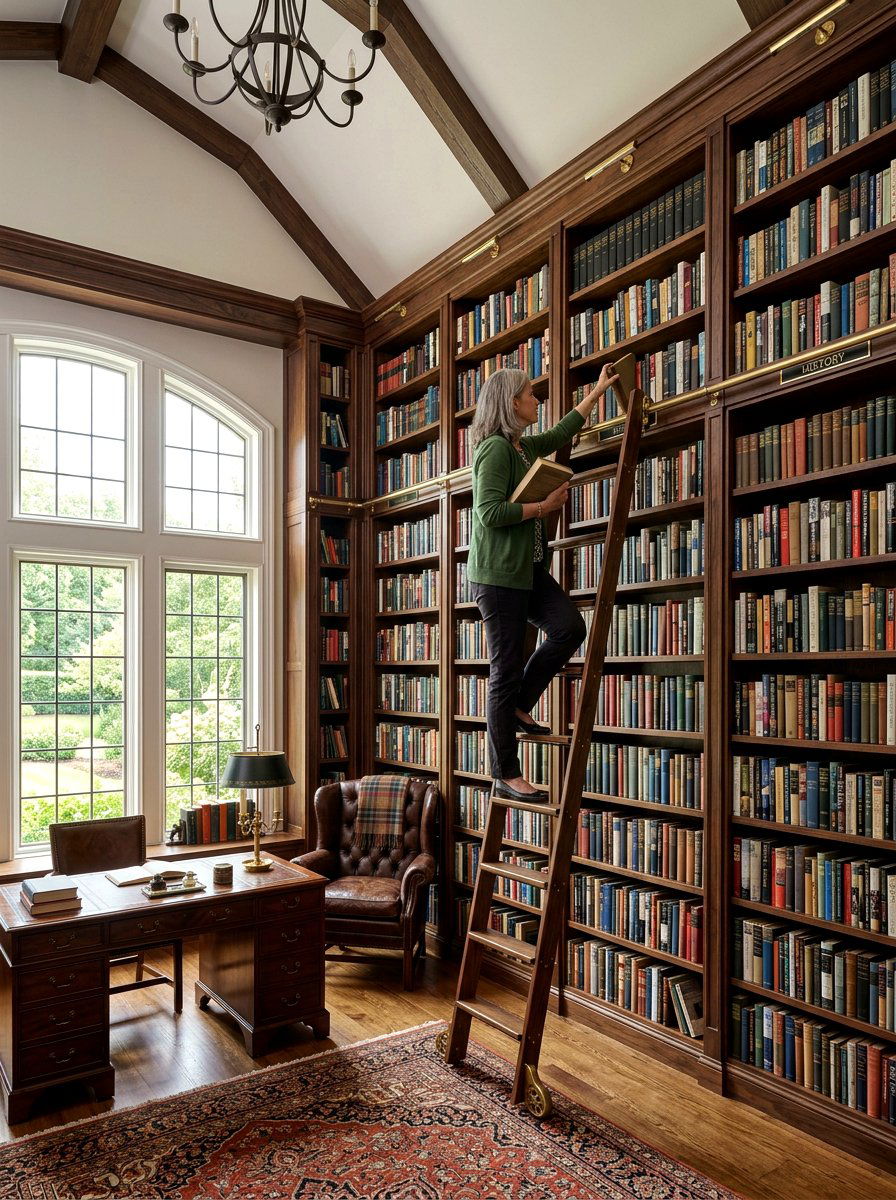
Nothing says "serious author" quite like a tall bookshelf equipped with a sliding library ladder system. This functional and decorative element allows you to utilize every inch of wall space, right up to the ceiling, for book storage. The ladder itself becomes a major design feature, adding a sense of verticality and grandeur to even a modest-sized office. Choose a wooden ladder that matches your shelving for a classic look, or opt for a metal version for a more industrial feel. Having a library ladder makes the act of searching for a book feel like a grand adventure, sparking joy and curiosity.
23. Ergonomic Author Workstation
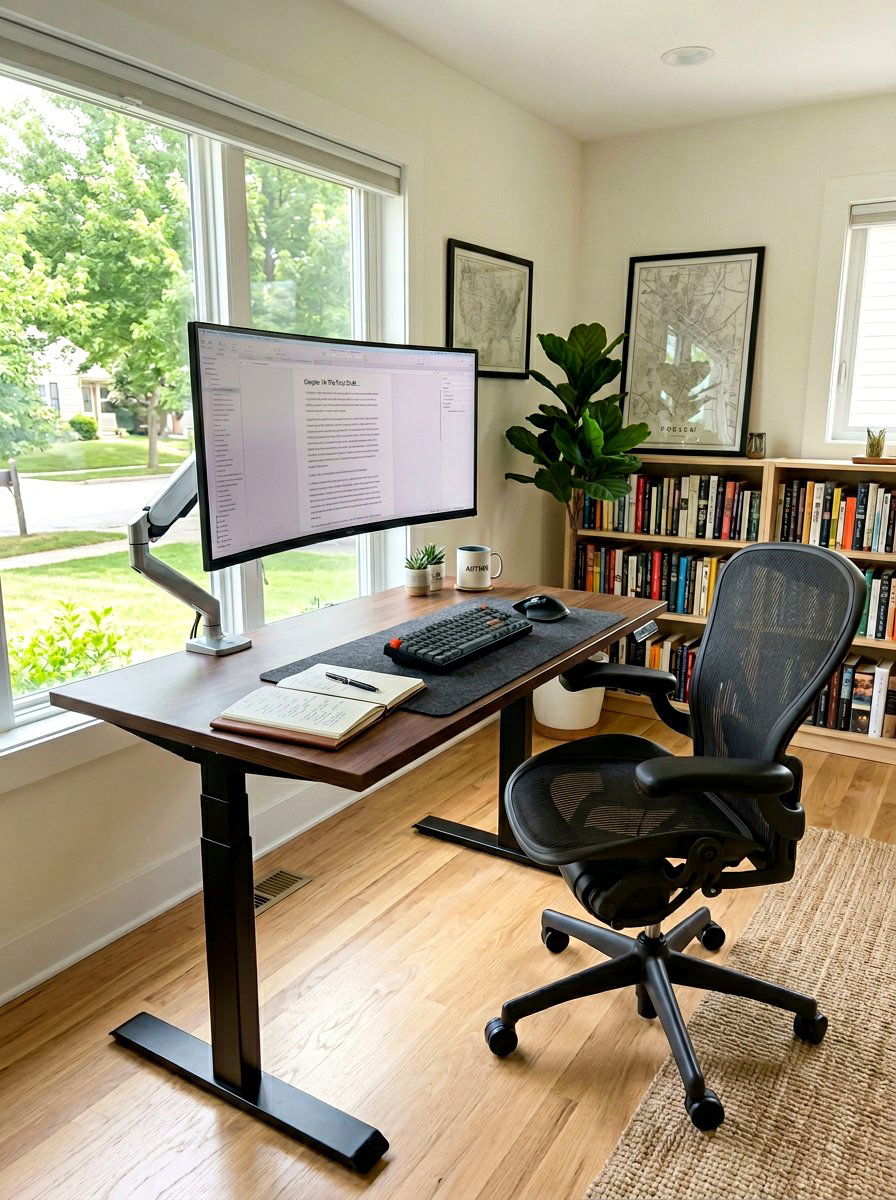
Writing for several hours a day can take a toll on your body, making an ergonomic workstation a vital necessity for any author. Invest in a high-quality adjustable chair that supports your lower back and encourages a healthy posture throughout your writing session. A sit-stand desk allows you to change your position frequently, which can help maintain your energy levels and prevent physical fatigue. Position your monitor at eye level and use a separate keyboard and mouse to reduce strain on your neck and wrists. Prioritizing your physical well-being ensures that you can continue writing comfortably and effectively for many years to come.
24. Pastel Aesthetic Workspace
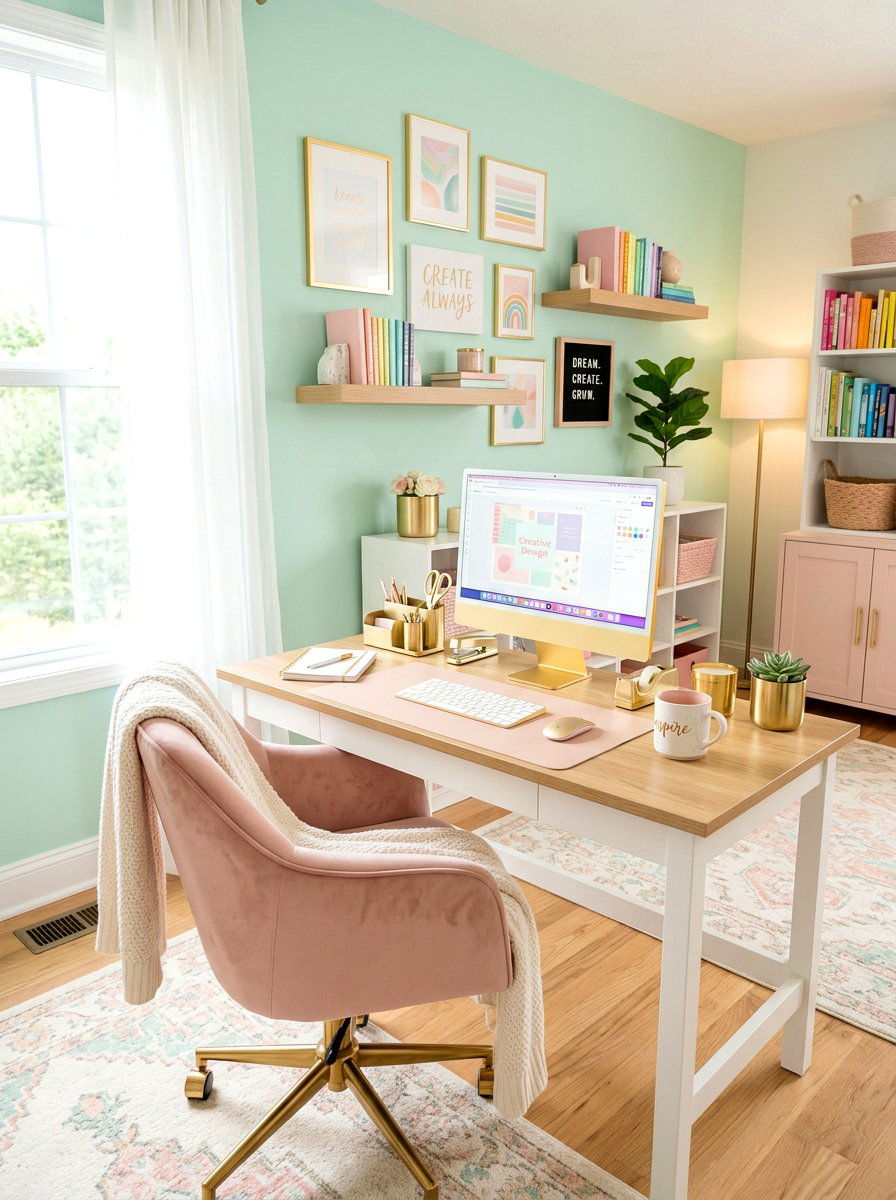
A pastel-themed office uses soft hues like mint green, lavender, and blush pink to create a cheerful and uplifting writing environment. This aesthetic is often associated with creativity and playfulness, making it a great fit for children's book authors or lifestyle bloggers. Use white furniture to keep the pastels looking fresh and modern, and add gold or rose gold accessories for a touch of glamour. Soft textures, such as velvet cushions and fluffy rugs, enhance the cozy and inviting feel of the room. This color palette can boost your mood and keep your spirits high, even during the most difficult editing phases.
25. Antique Roll Top Desk
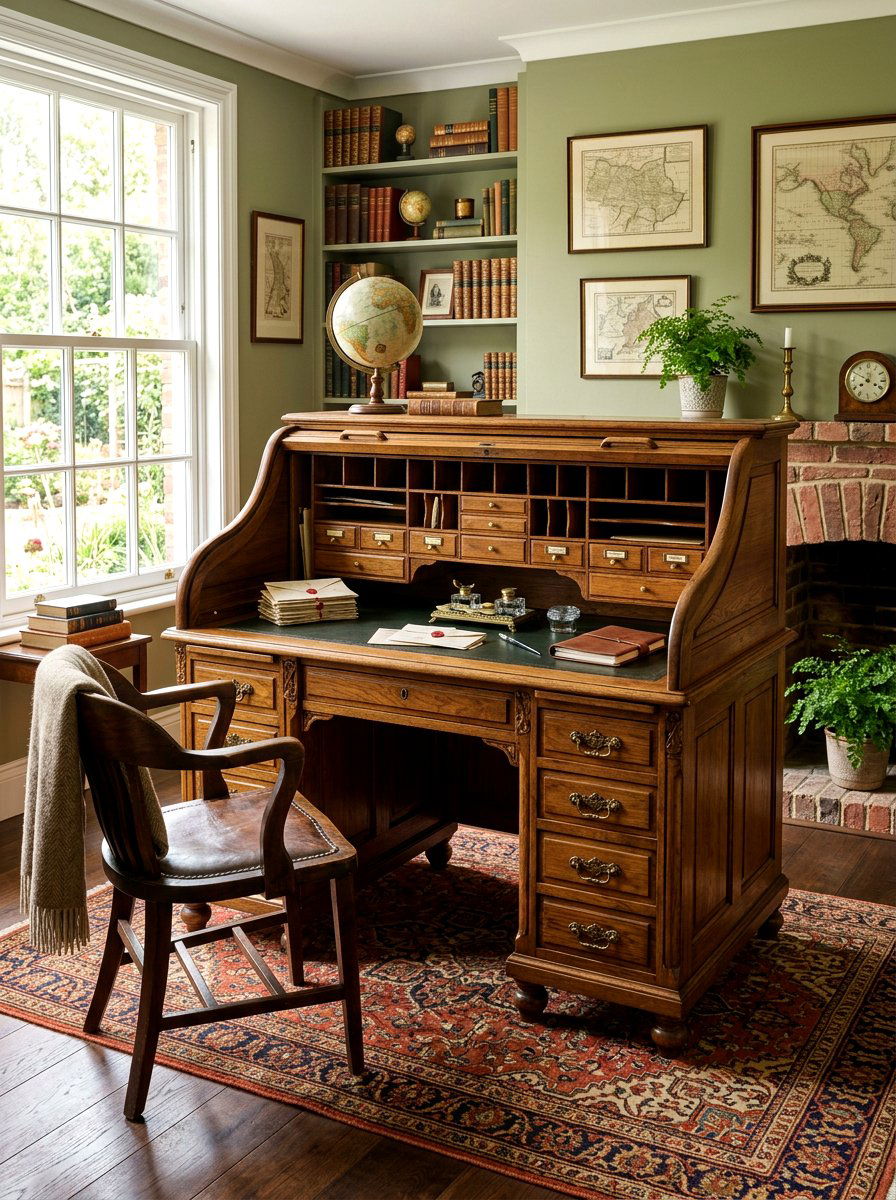
An antique roll-top desk is a beautiful and functional piece of furniture that offers a sense of privacy and organization. These desks are famous for their many small drawers and cubbyholes, which are perfect for storing pens, stamps, and various writing supplies. The ability to "roll down" the top and hide your work at the end of the day provides a clear psychological boundary between work and home. This traditional style evokes the feeling of 19th-century authors, making you feel connected to a long lineage of writers. An antique desk serves as a stunning centerpiece that adds character and history to your office space.
26. Glass Door Bookcase
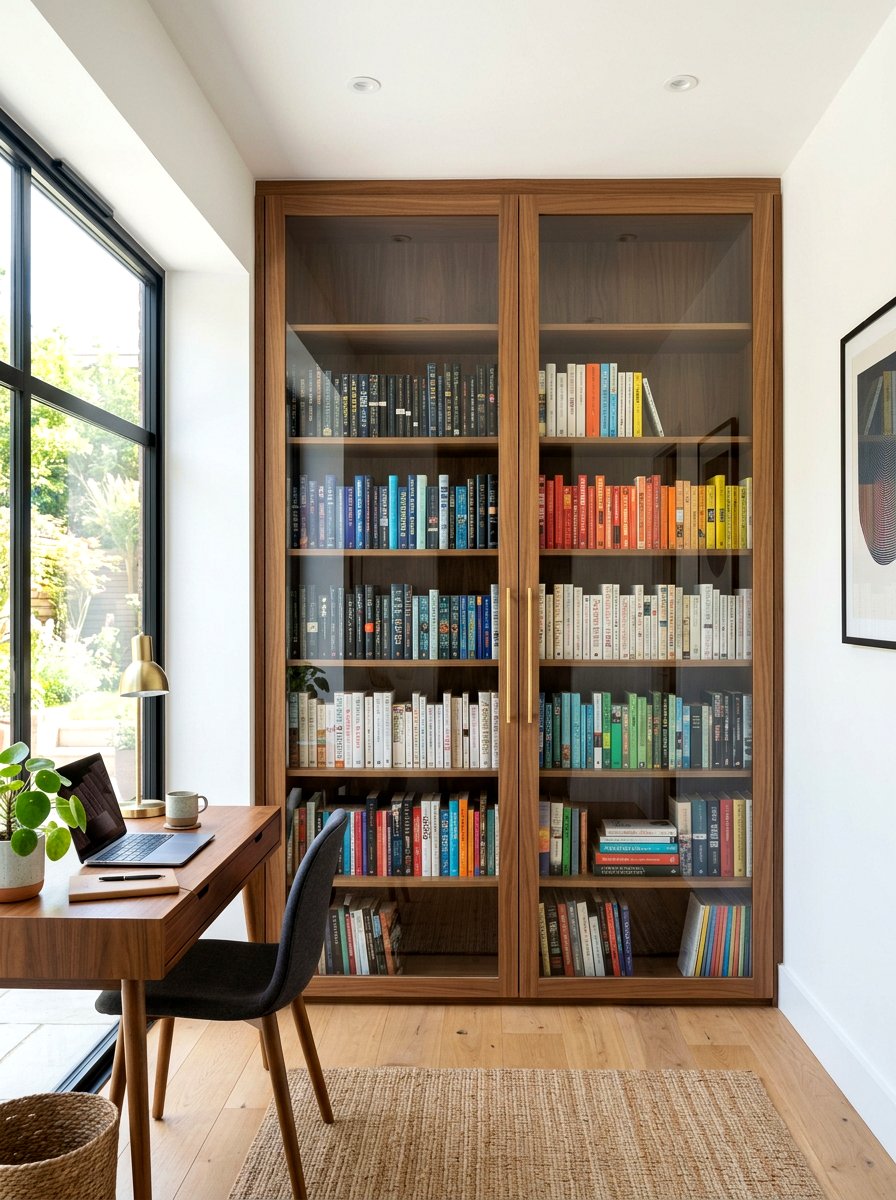
If you want to display your book collection while protecting it from dust, a glass-door bookcase is the perfect elegant solution. The glass panels allow you to see your favorite titles and decorative objects without having to clean the shelves as frequently. This design also adds a layer of sophistication to the room, making it look more like a curated gallery than a simple storage area. Choose a bookcase with internal lighting to highlight your most prized first editions or signed copies of your own books. Glass-door cabinets help keep the room feeling open and light by reflecting the natural light from the windows.
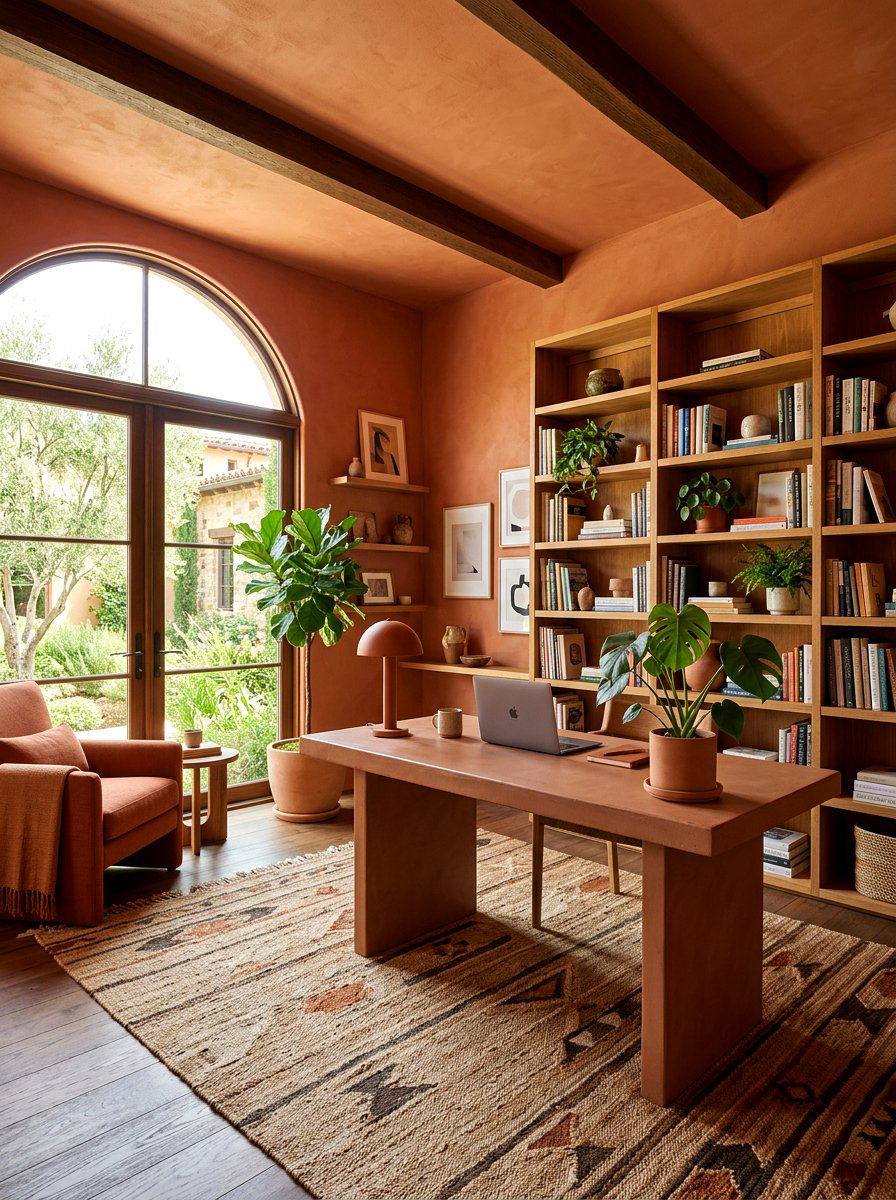
27. Statement Rug Layout
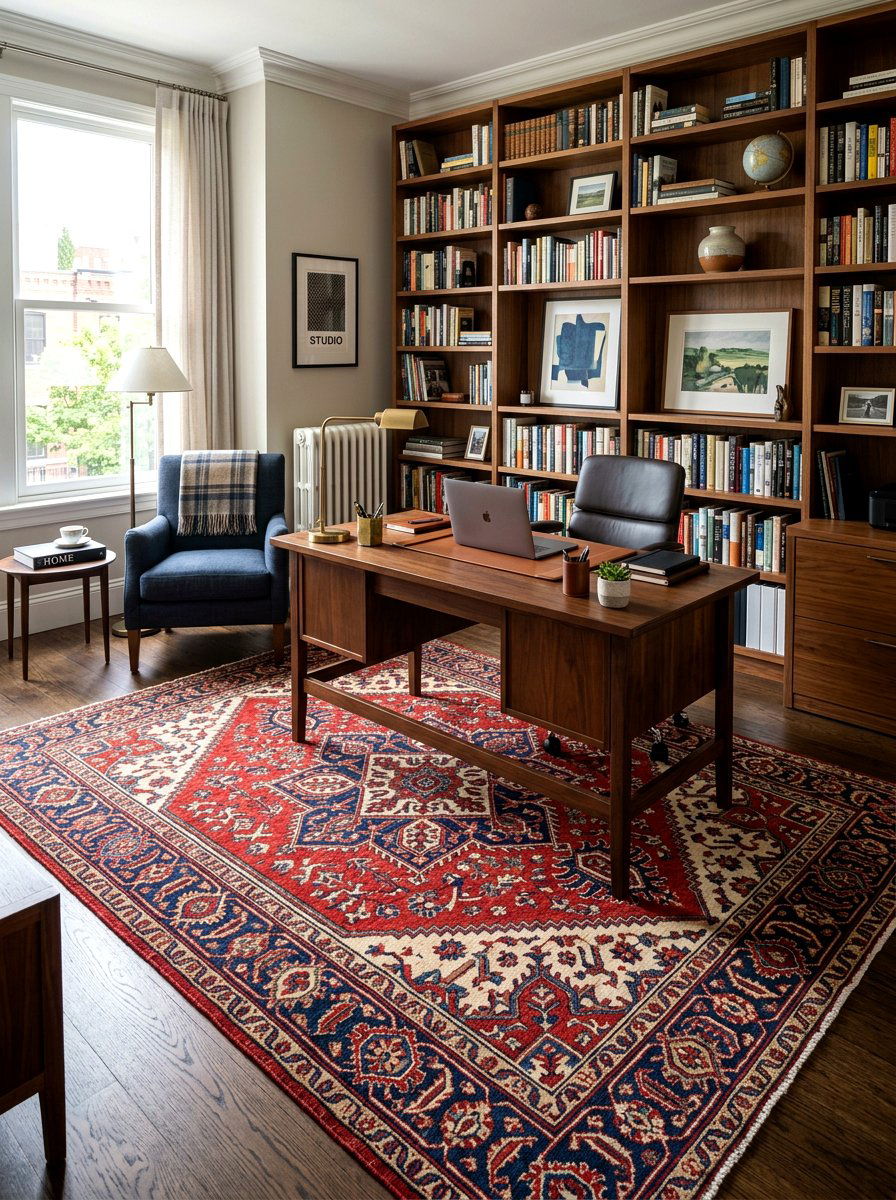
A large, vibrant statement rug can serve as the foundation of your office design, tying all the different elements of the room together. Choose a rug with a bold pattern or rich colors that reflect the tone of your writing, whether it’s a chaotic abstract print or a structured geometric design. The rug helps define the central workspace and provides a soft surface for your feet, adding a layer of physical comfort to the room. It also helps dampen sound, which is essential for maintaining a quiet environment for focused work. A well-chosen rug adds personality and warmth, making your office feel more like a home.
28. Blue Accent Wall Office
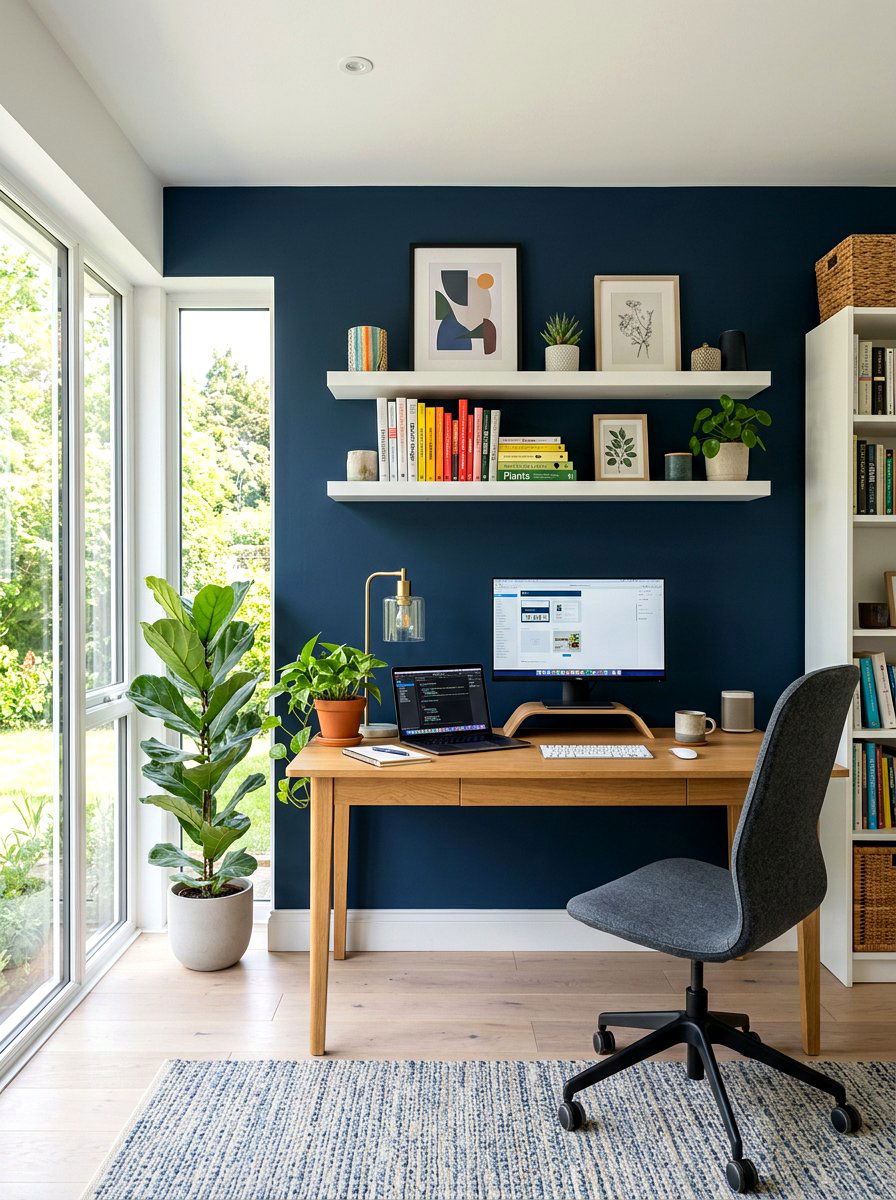
Blue is often associated with calm, focus, and productivity, making it an excellent choice for an accent wall in a writer’s office. A deep navy blue wall creates a sophisticated and grounding backdrop for a wooden desk and white shelving. Lighter shades of blue can make a small room feel more spacious and airy, providing a sense of mental clarity as you write. Use the accent wall to hang your most important awards or a large whiteboard for outlining your next big project. This pop of color adds depth to the room without being overwhelming, helping you stay centered during long hours of creative work.
29. Scandinavian Writing Room
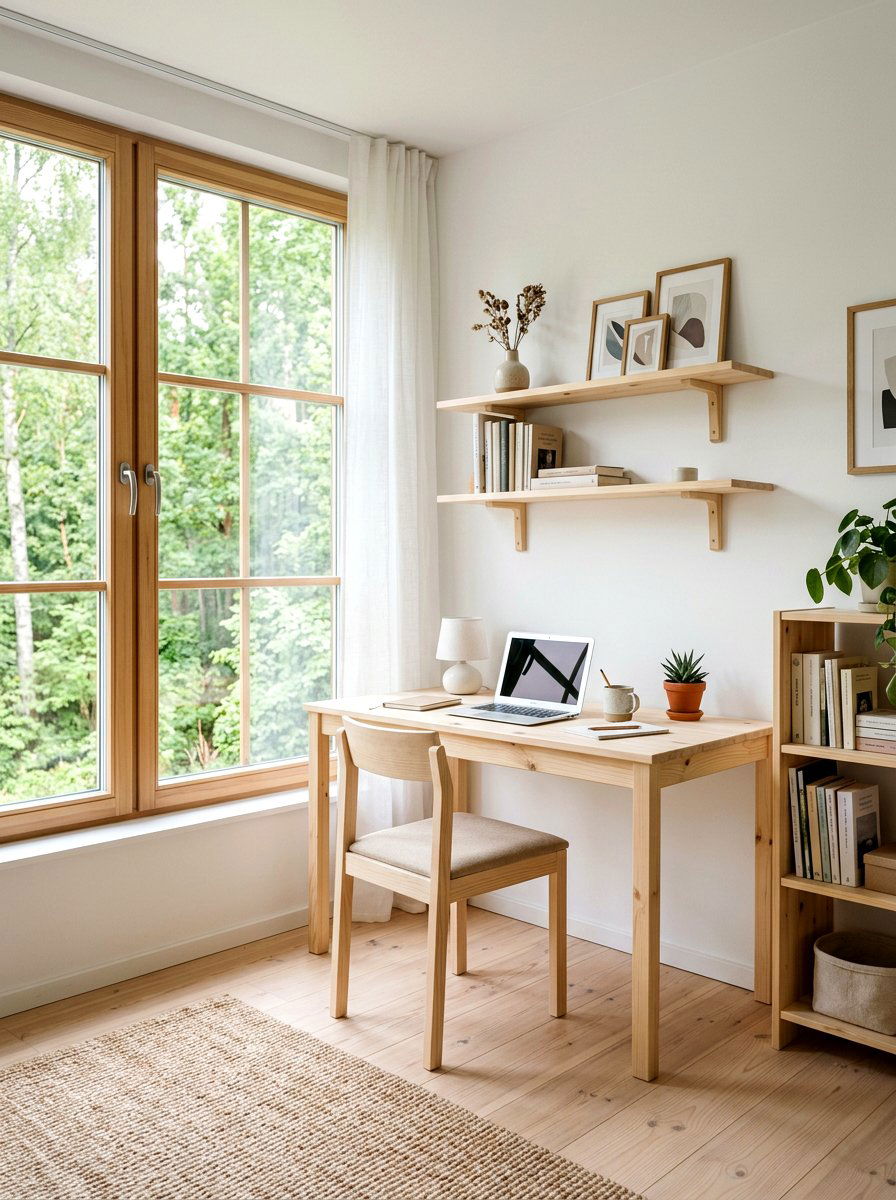
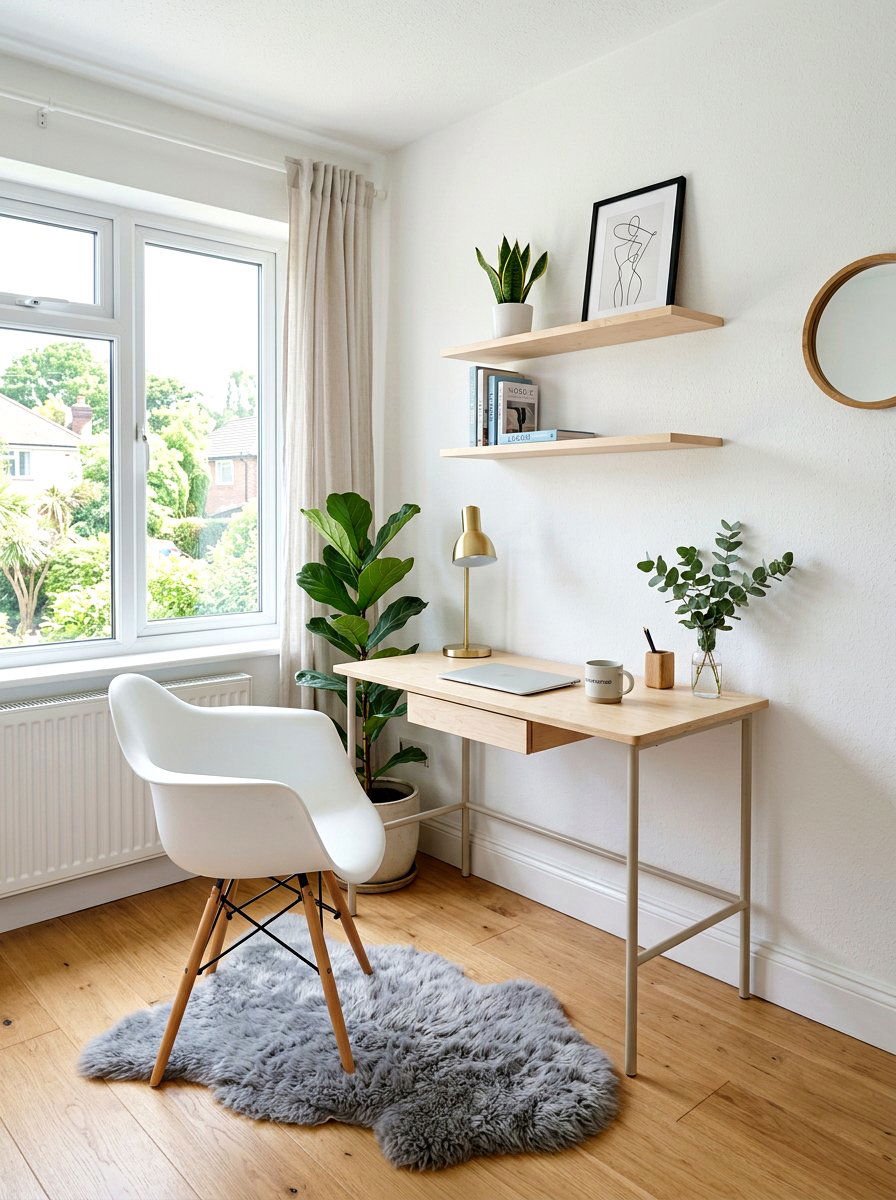
Scandinavian design focuses on simplicity, functionality, and a strong connection to natural light, making it a favorite for modern authors. This style uses light-colored woods, such as birch or pine, and a neutral palette of whites and soft grays to create a peaceful atmosphere. Large, unobstructed windows are a key feature, ensuring that the room remains bright and inviting even on cloudy days. Use minimal decor and focus on high-quality, functional pieces of furniture that serve a specific purpose. This "less is more" philosophy helps eliminate distractions, allowing you to fully immerse yourself in the world of your story without any clutter.
30. Multi Person Writer Office
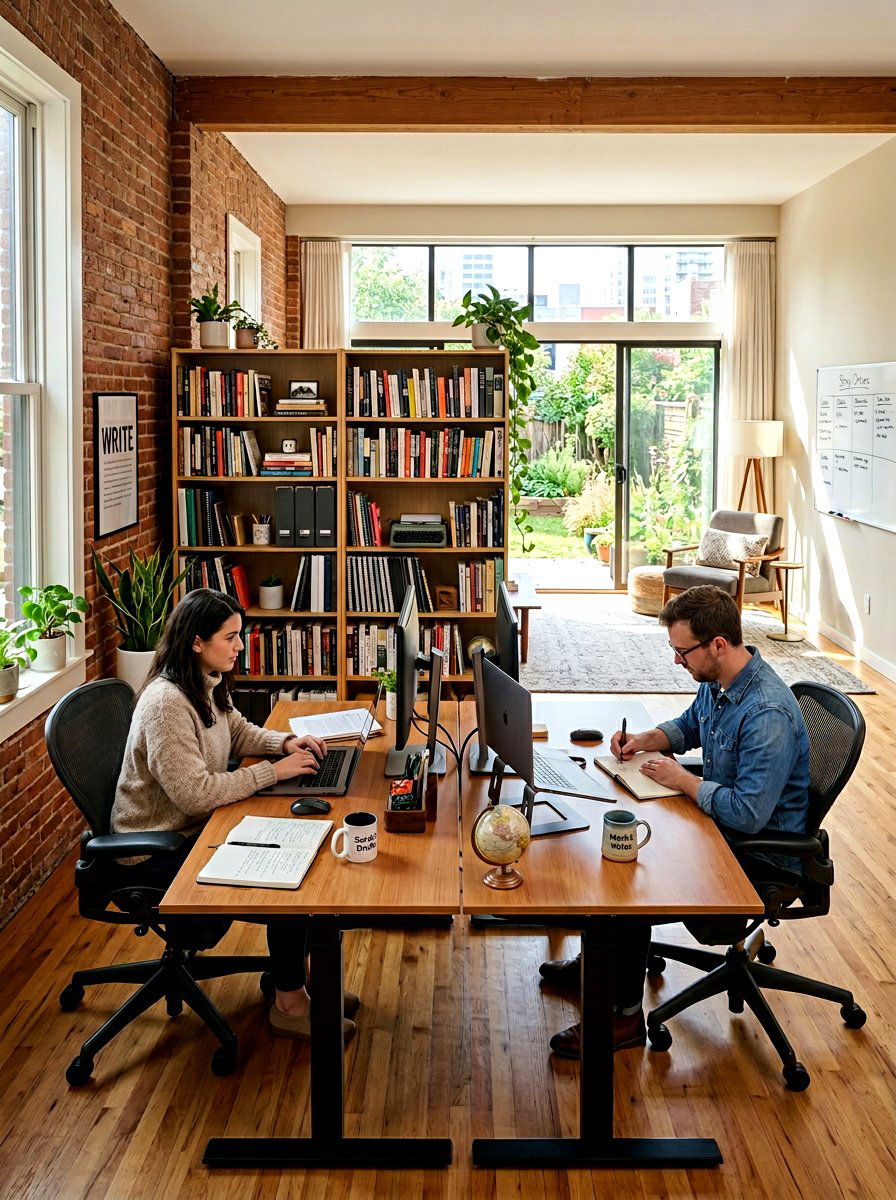
If you share your workspace with a partner or another creative, a multi-person office requires a layout that balances collaboration with individual focus. Using two identical desks placed side-by-side or back-to-back creates a sense of symmetry and equality in the space. You can use a shared central bookshelf or storage unit to divide the workstations while keeping common resources easily accessible for both people. Ensure that each person has their own dedicated lighting and ergonomic chair to prevent physical strain. A shared office can provide a sense of community and mutual inspiration, making the writing process feel less solitary and more like a team effort.
Conclusion:
Designing an author office is a personal journey that involves finding the perfect balance between practical function and creative inspiration. Your workspace should be a sanctuary that reflects your unique personality and supports the specific demands of your writing process. Whether you prefer the moody atmosphere of a library or the clean lines of a minimalist studio, the key is to create an environment where you feel focused and comfortable. By thoughtfully selecting your furniture, lighting, and decor, you can build a room that not only looks beautiful but also actively helps you bring your stories to life. Happy writing in your new, perfectly curated space!

Related posts: