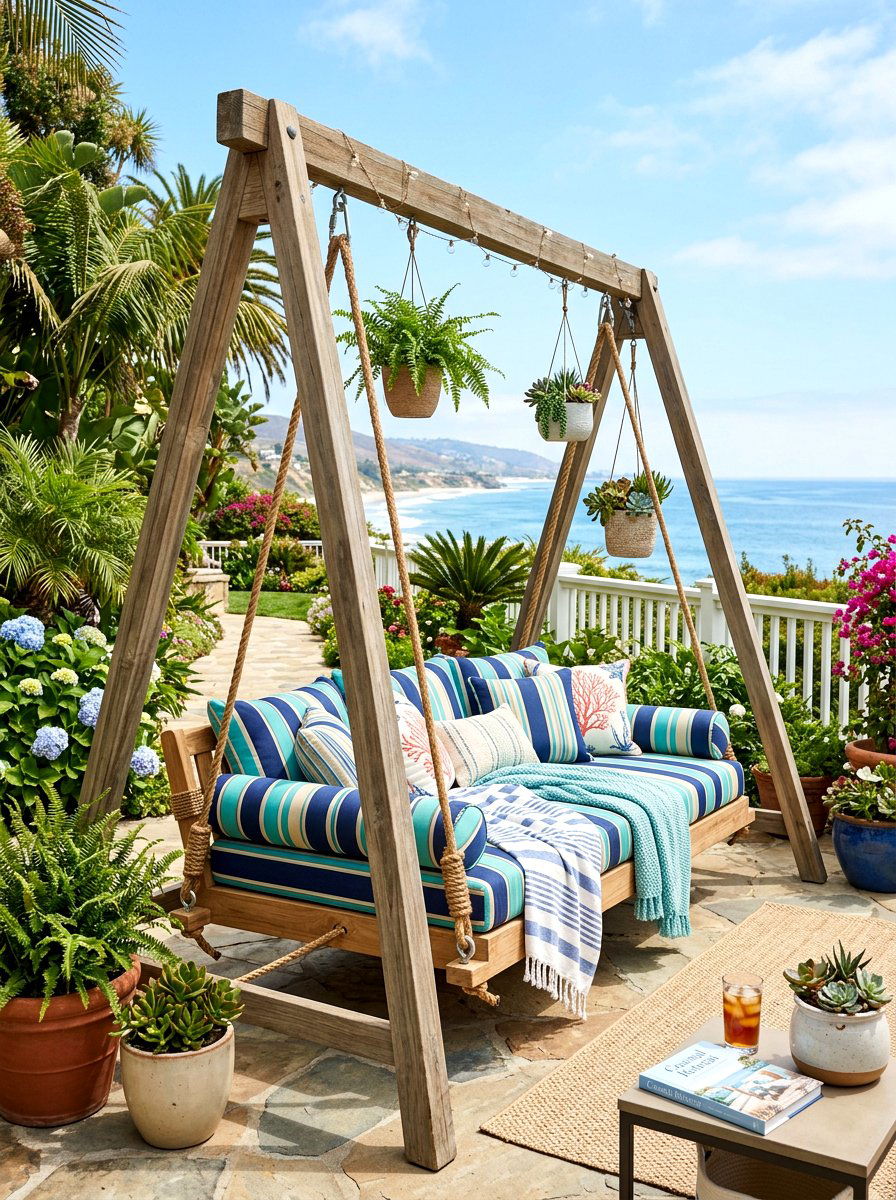
Establishing a dedicated space for self-reflection can significantly enhance your mental clarity and creative flow during daily writing sessions. A journaling corner serves as a personal sanctuary where you can escape the noise of the world and focus entirely on your thoughts. Whether you prefer a small nook by a window or a more structured desk setup, the environment you create plays a vital role in your consistency. By carefully selecting furniture, lighting, and textures, you transform a simple area into an inspiring retreat. This guide explores various ways to curate a functional and beautiful space that invites you to pick up your pen.

1. Minimalist desk setup
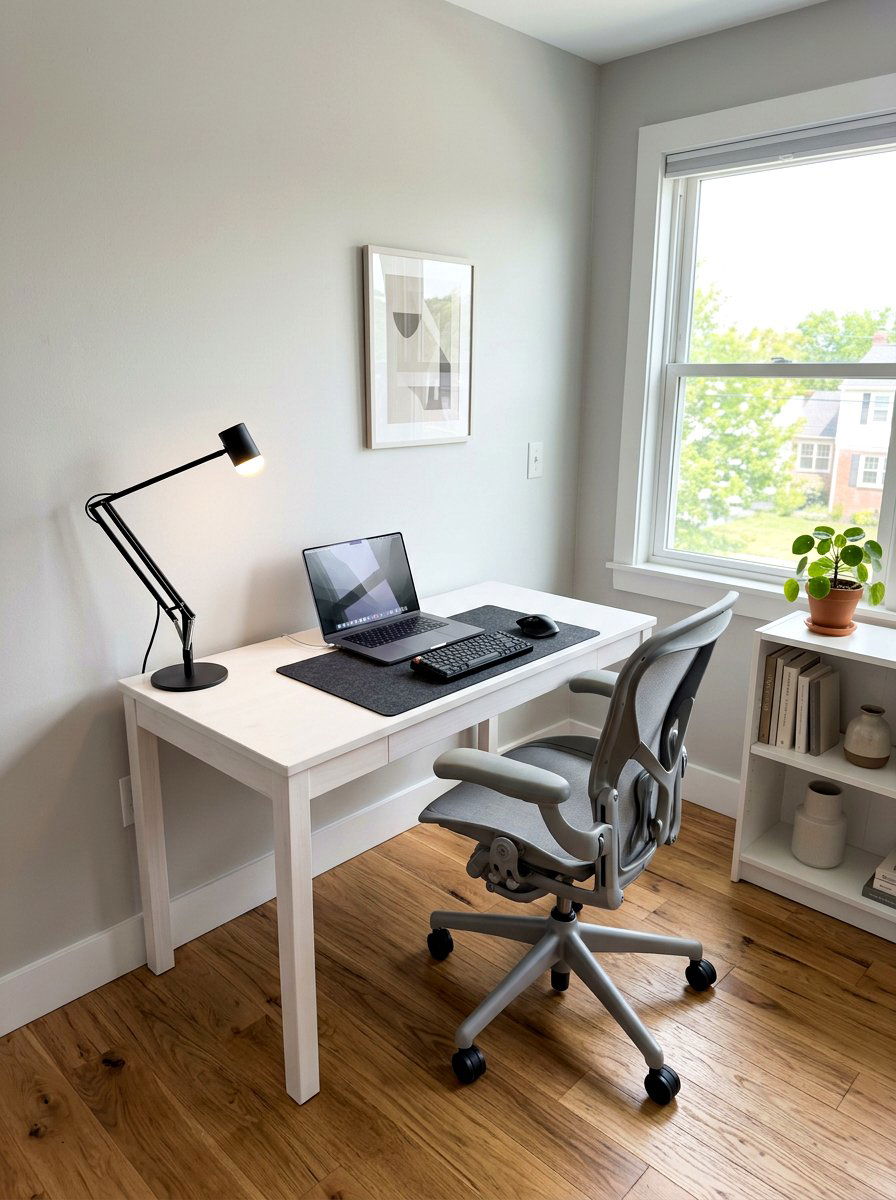
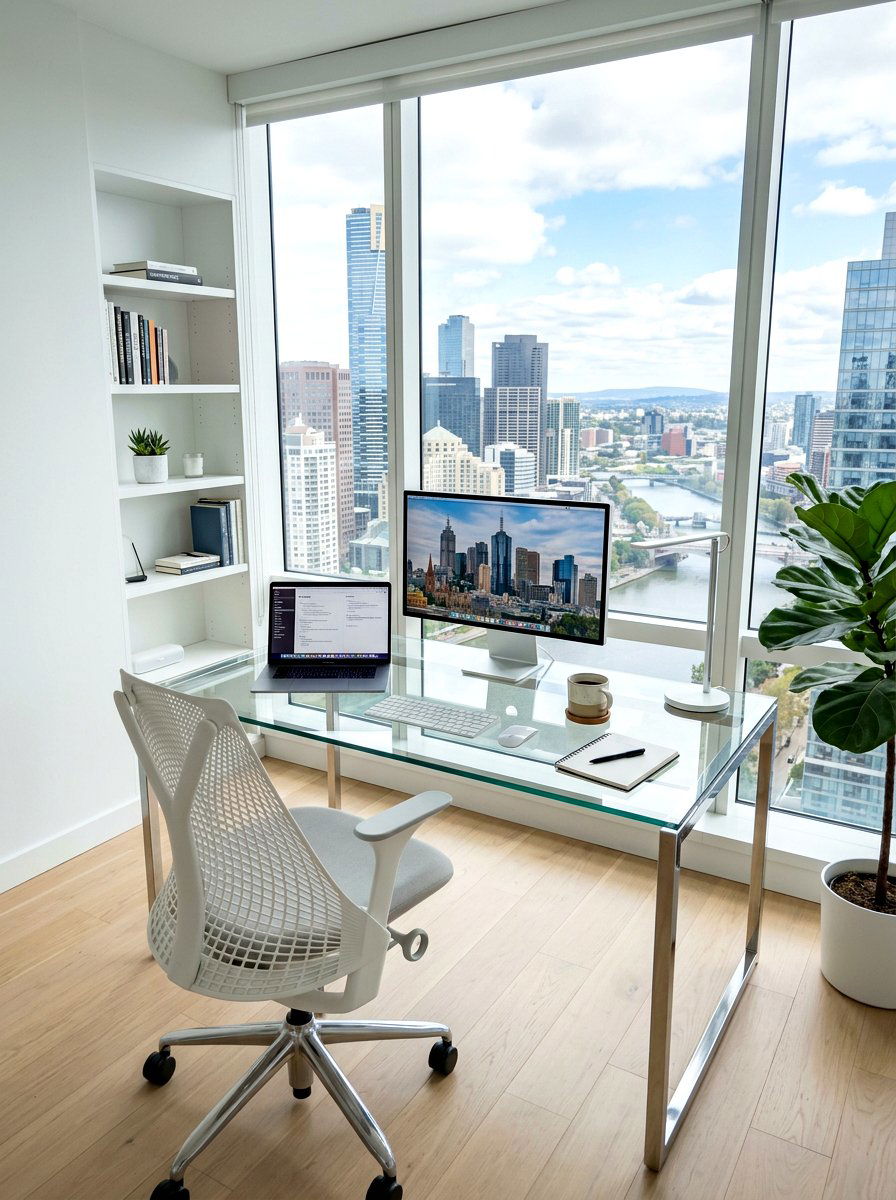
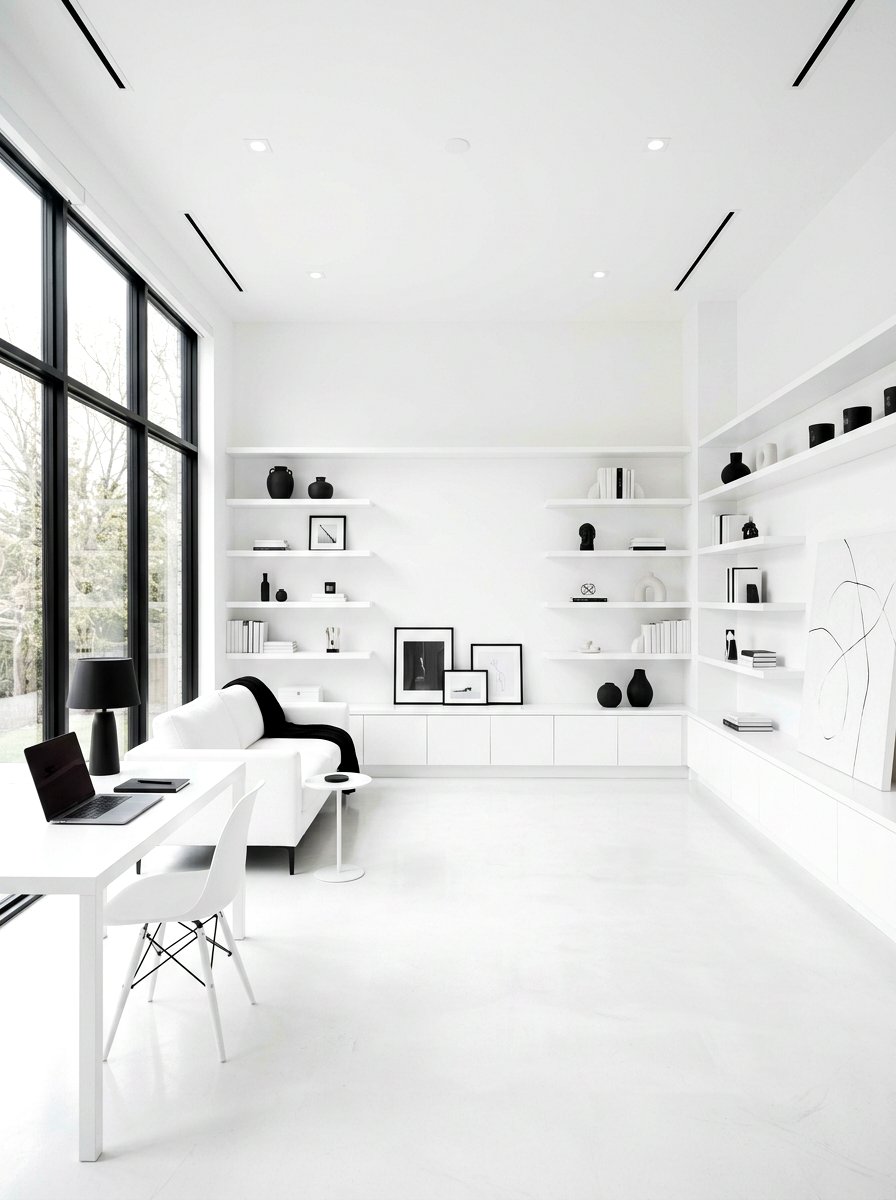
A clean and simple writing area helps reduce mental clutter and allows your thoughts to flow more freely onto the page. You should focus on a sleek white desk with thin legs to maintain an airy feel in the room. Pair this with a comfortable ergonomic chair that provides support without looking too bulky or overwhelming. Keep the surface mostly clear, perhaps only featuring a high-quality lamp and a single pen holder for your favorite tools. Using neutral tones like beige or soft grey will create a calming atmosphere that prevents visual distractions. This approach is perfect for those who find peace in organized and open environments.
2. Window seat nook
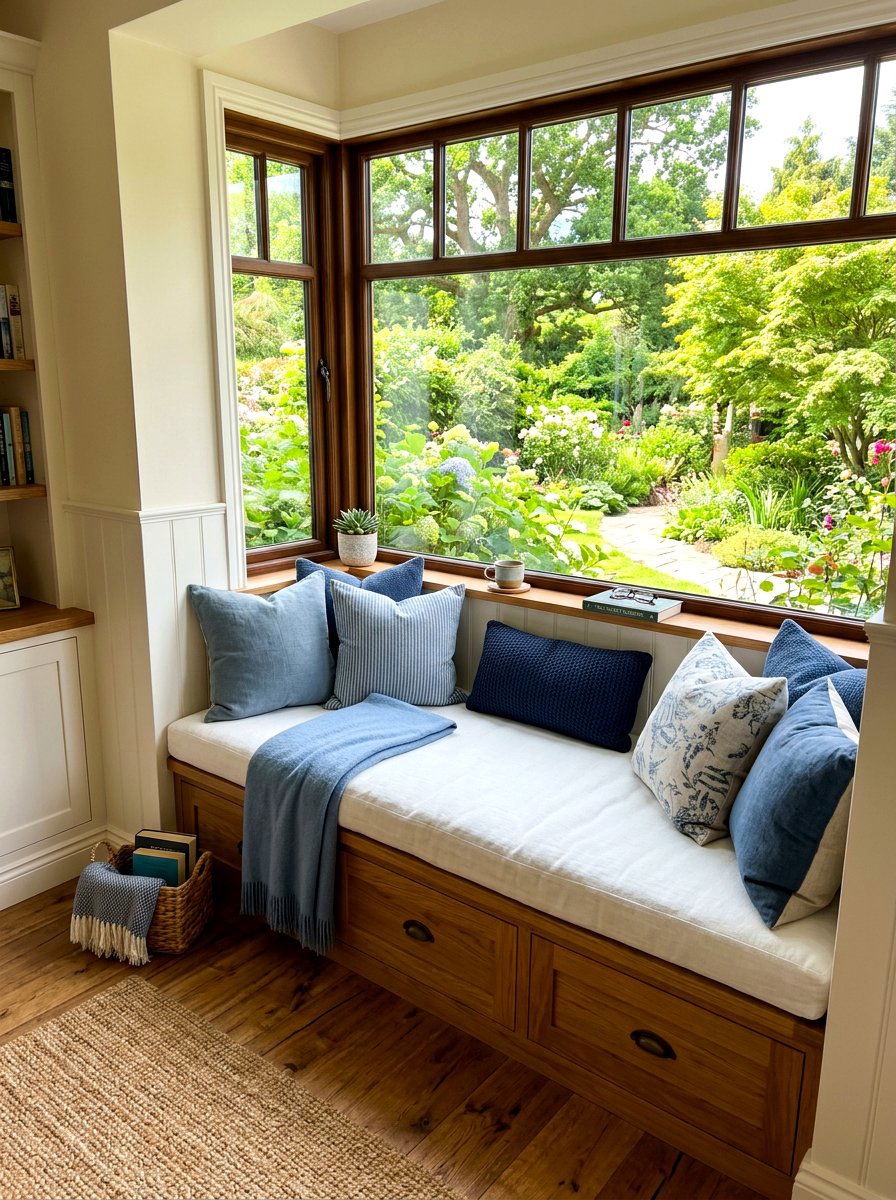
Positioning your writing space near a large window offers the benefit of natural light and a refreshing view of the outdoors. You can install a custom built-in bench or simply place a sturdy storage chest with a plush cushion on top. Add several soft throw pillows and a lightweight blanket to make the area feel extra cozy during cooler mornings. Watching the movement of trees or the changing sky provides gentle inspiration when you are feeling stuck or unmotivated. Natural light also improves your mood and helps reduce eye strain while you focus on fine lines in your notebook. It is a wonderful way to connect with nature.
3. Floor seating area
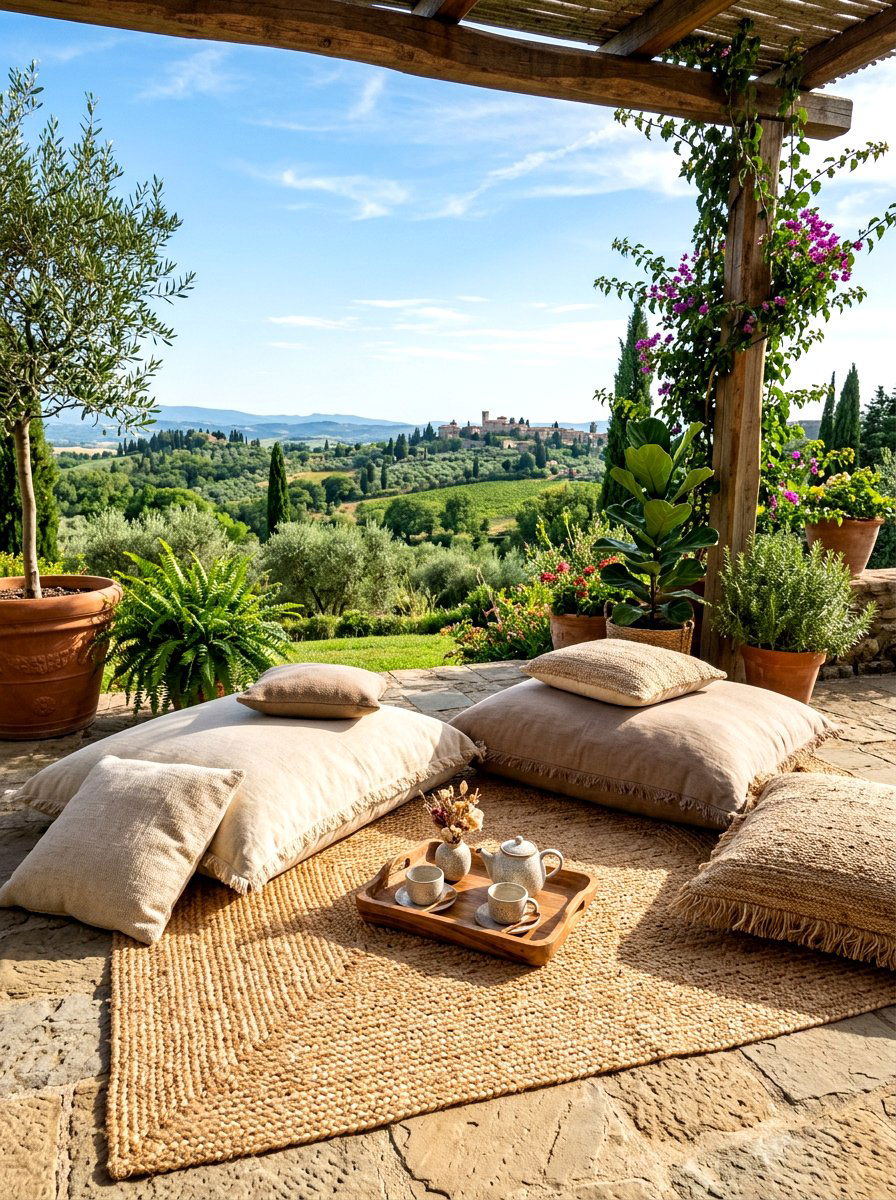
Embracing a low-profile arrangement can make your journaling habit feel more grounded and relaxed than a traditional desk setup. You can start by placing a large, thick rug or a woven jute mat on the floor to define the space. Layer several oversized floor cushions or a firm bean bag to provide enough comfort for longer writing sessions. A low coffee table or a simple wooden tray can serve as a stable surface for your journal and a warm cup of tea. This setup encourages a slower pace and feels much more informal, making it easier to dive deep into your personal reflections without any pressure.
4. Small bedroom corner
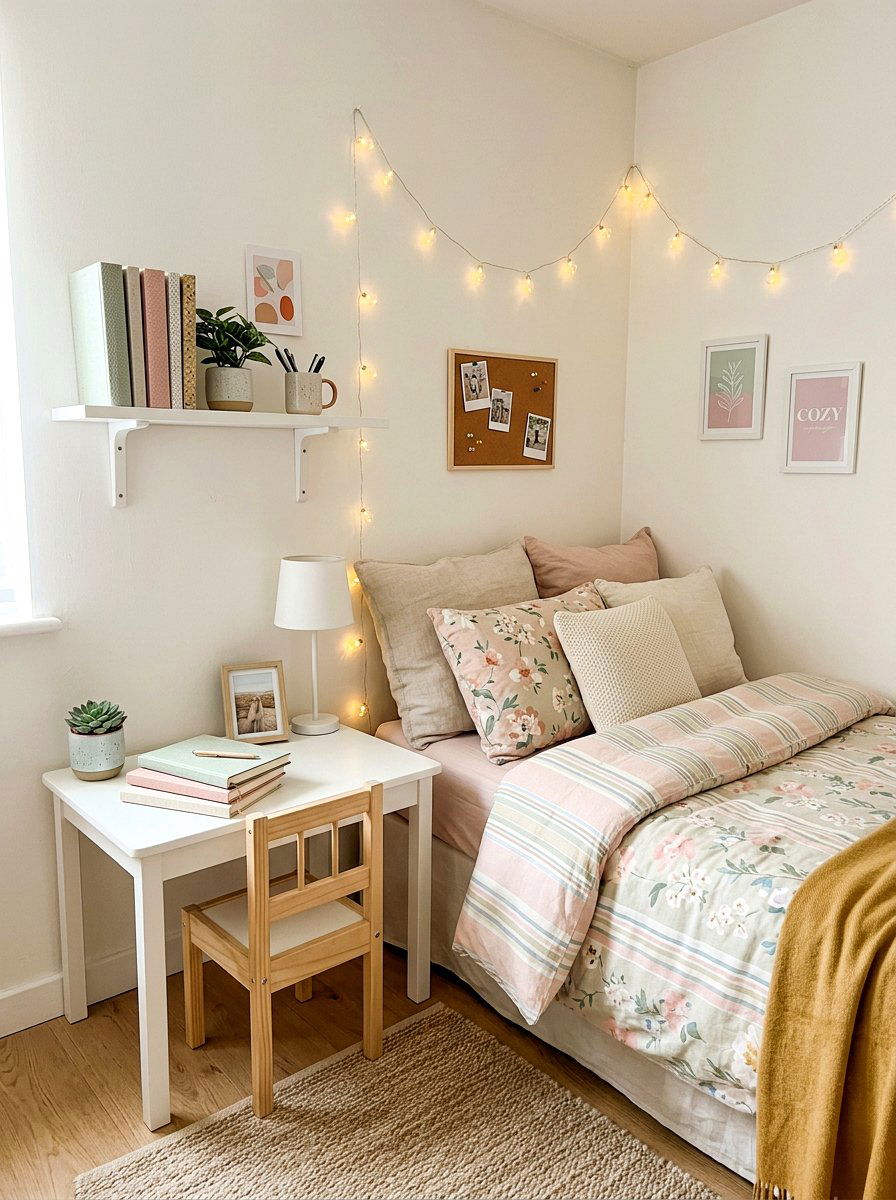
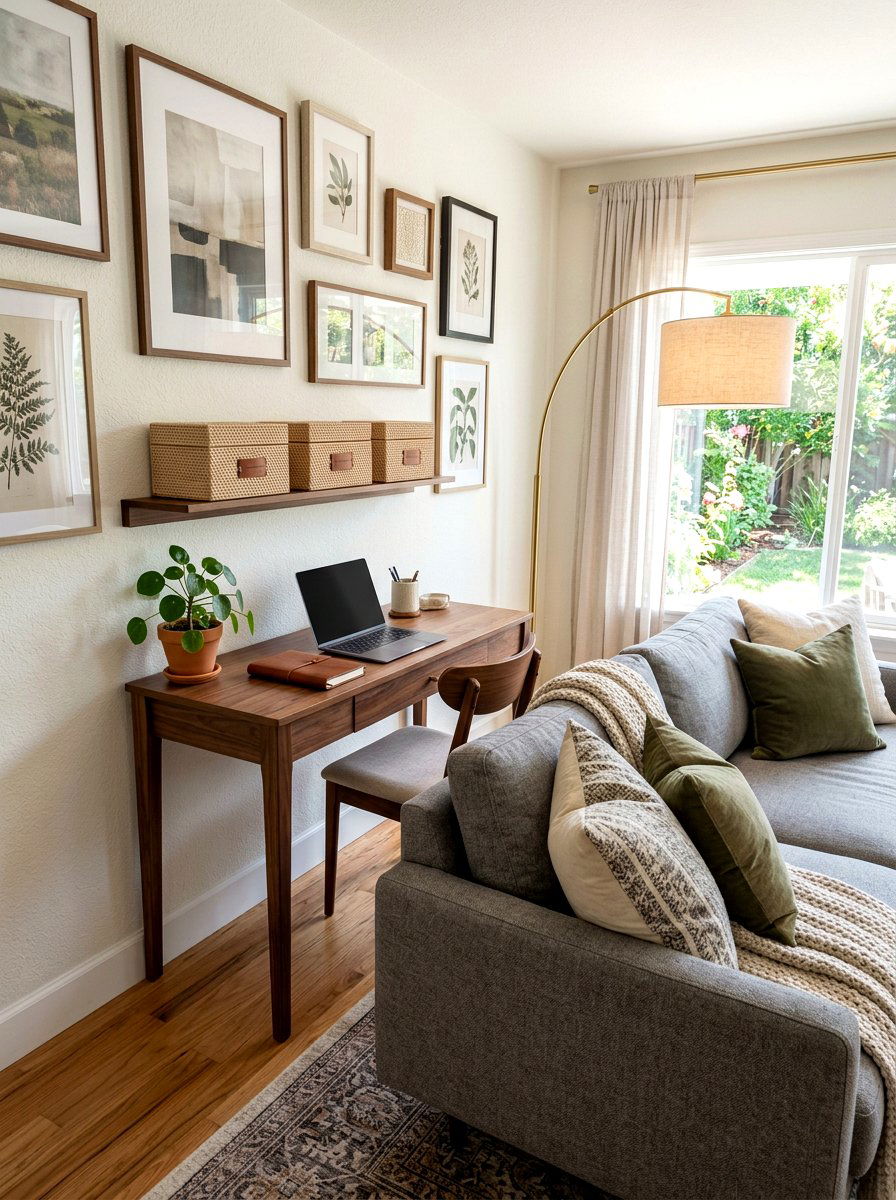
Utilizing a quiet corner of your bedroom allows you to journal in private before you start your day or just before bed. You can fit a compact writing desk into a small alcove or place it directly next to your nightstand. Use a stylish wall-mounted shelf above the desk to store your collection of notebooks and stationery without taking up extra floor space. Soft ambient lighting from a small table lamp or string lights can help set a peaceful mood for evening reflection. Keeping this area tidy is essential for maintaining the overall calm of your sleeping environment while still having a dedicated workspace.
5. Boho writing space
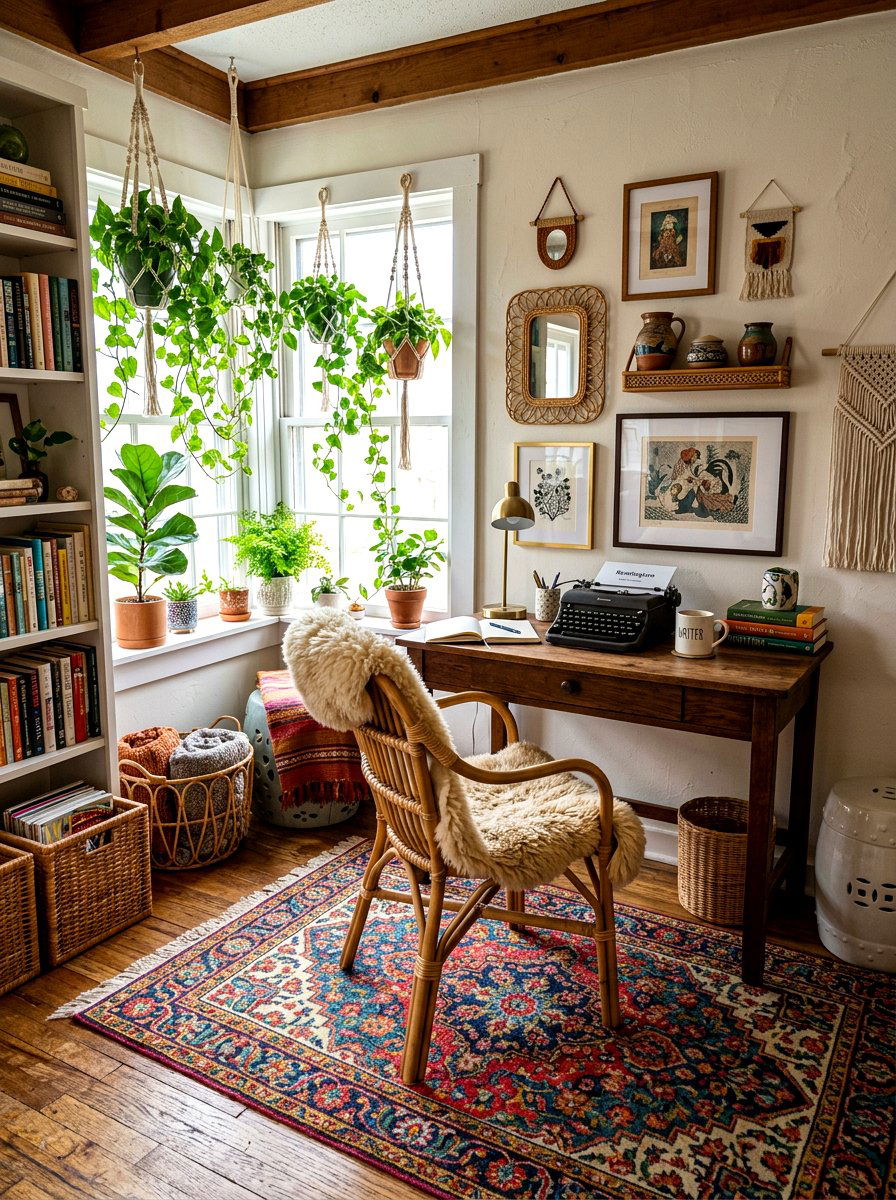
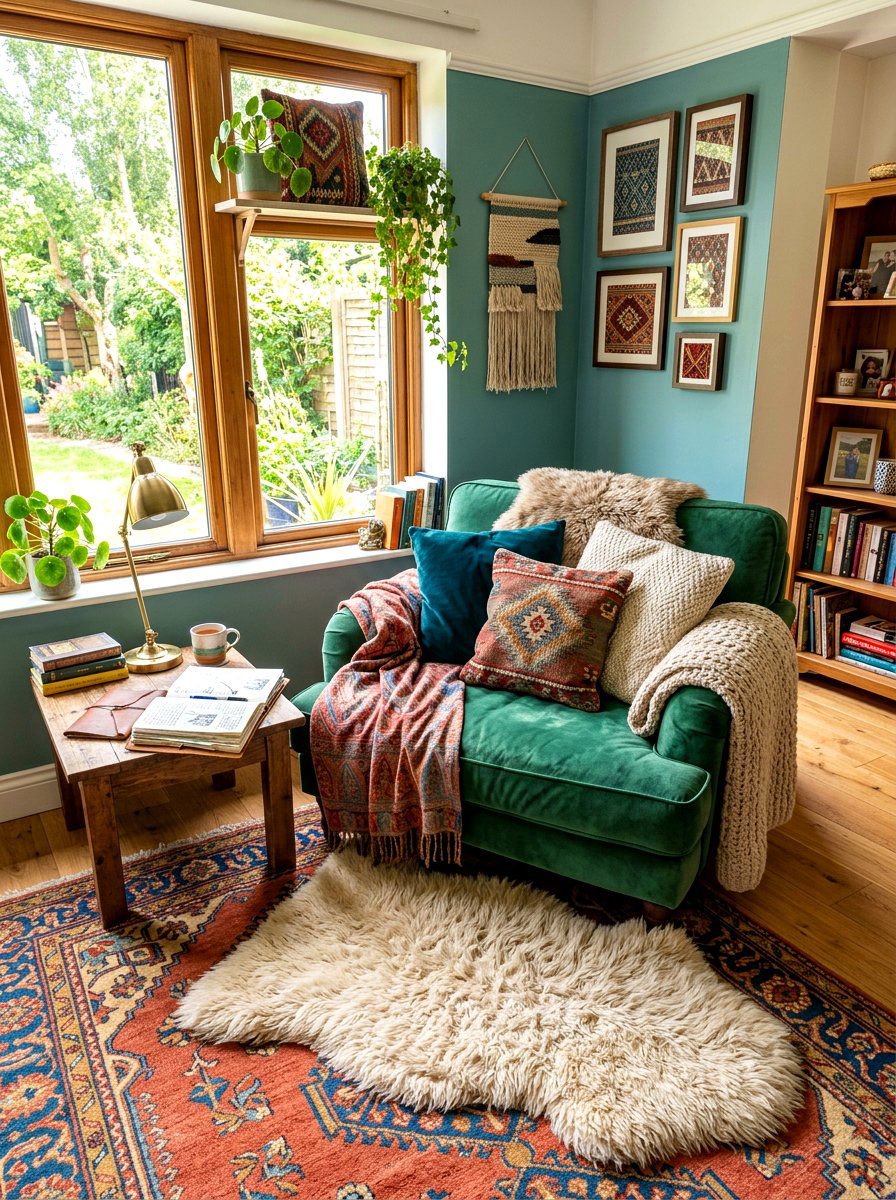
Creating a bohemian-inspired sanctuary involves mixing various textures, patterns, and natural materials to produce a vibrant and cozy atmosphere. You might choose a rattan chair with a sheepskin throw and surround the area with several hanging plants like ivy or pothos. Incorporate a colorful Persian-style rug to add warmth and a touch of personality to the floor. Use small wicker baskets to organize your pens, washi tape, and other creative supplies while keeping them within easy reach. The eclectic mix of decor elements makes the space feel lived-in and welcoming, which can help spark your imagination and make the writing process feel more like a joy.
6. Modern home office
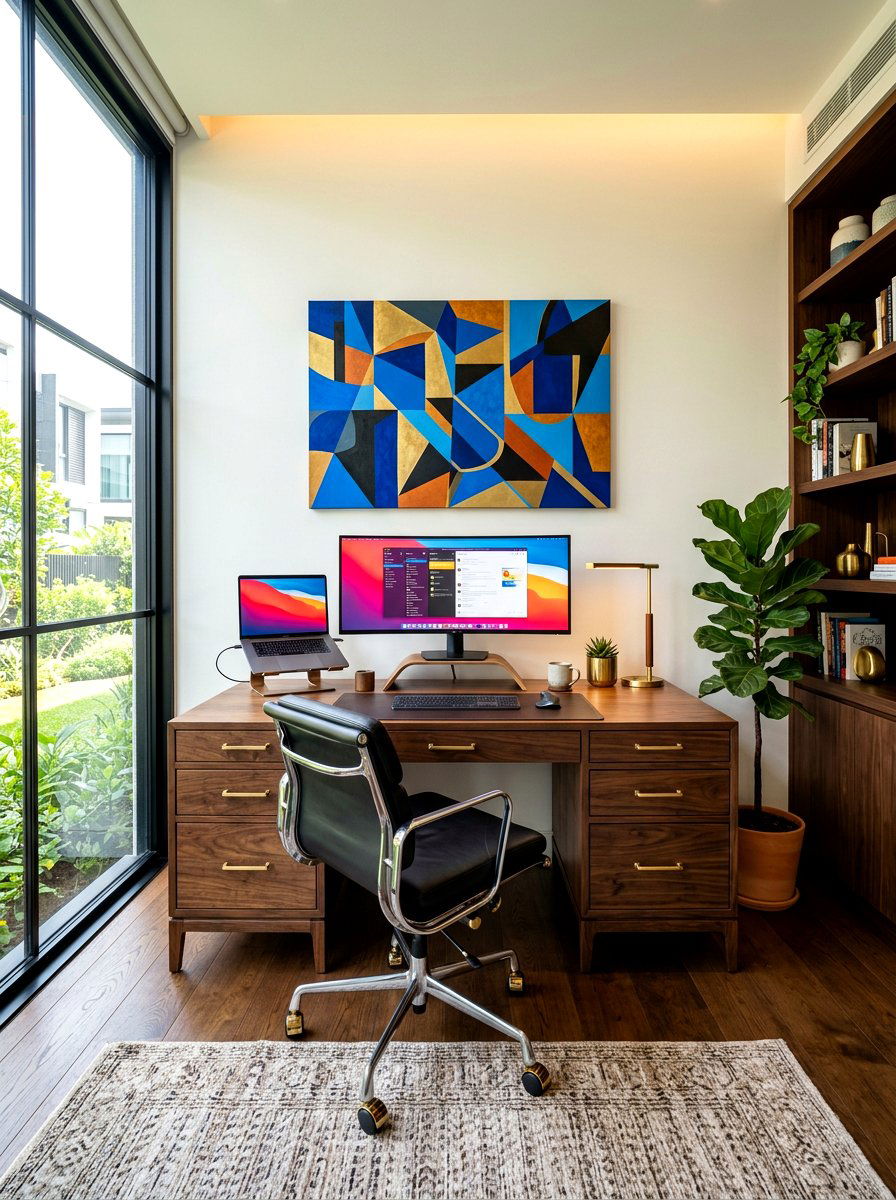
For those who prefer a more professional and streamlined look, a modern office setup provides a structured environment for focused journaling. Choose a desk with built-in drawers to hide away any loose papers and keep the top surface completely organized. Metallic accents like brass or matte black drawer pulls can add a touch of sophistication to the overall design. Consider adding a sleek monitor riser if you occasionally use digital tools alongside your traditional paper notebooks. A large piece of abstract art on the wall behind the desk can serve as a focal point without being too distracting. This style is excellent for maintaining a productive and clear mindset.
7. Vintage aesthetic desk
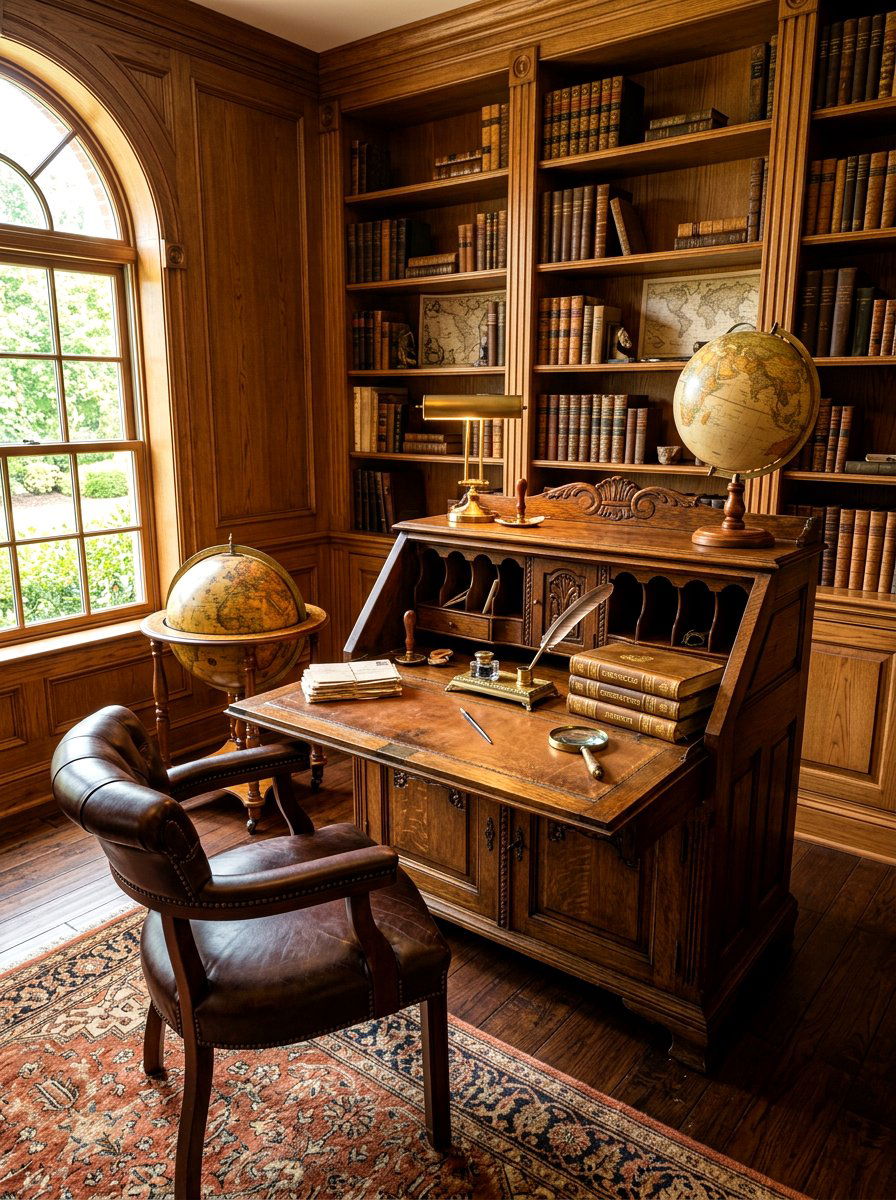
A vintage-inspired workspace brings a sense of history and nostalgia to your daily writing routine, making it feel like a special ritual. Look for an antique wooden secretaire or a roll-top desk with plenty of small compartments for storing stamps and letters. Decorate the surface with a classic brass inkwell, a fountain pen, and a stack of aged leather-bound journals. You can find unique decor items at thrift stores, such as an old rotary phone or a vintage globe, to complete the look. The warm wood tones and traditional craftsmanship create a cozy environment that feels like a step back in time, away from modern technology.
8. Closet journaling spot
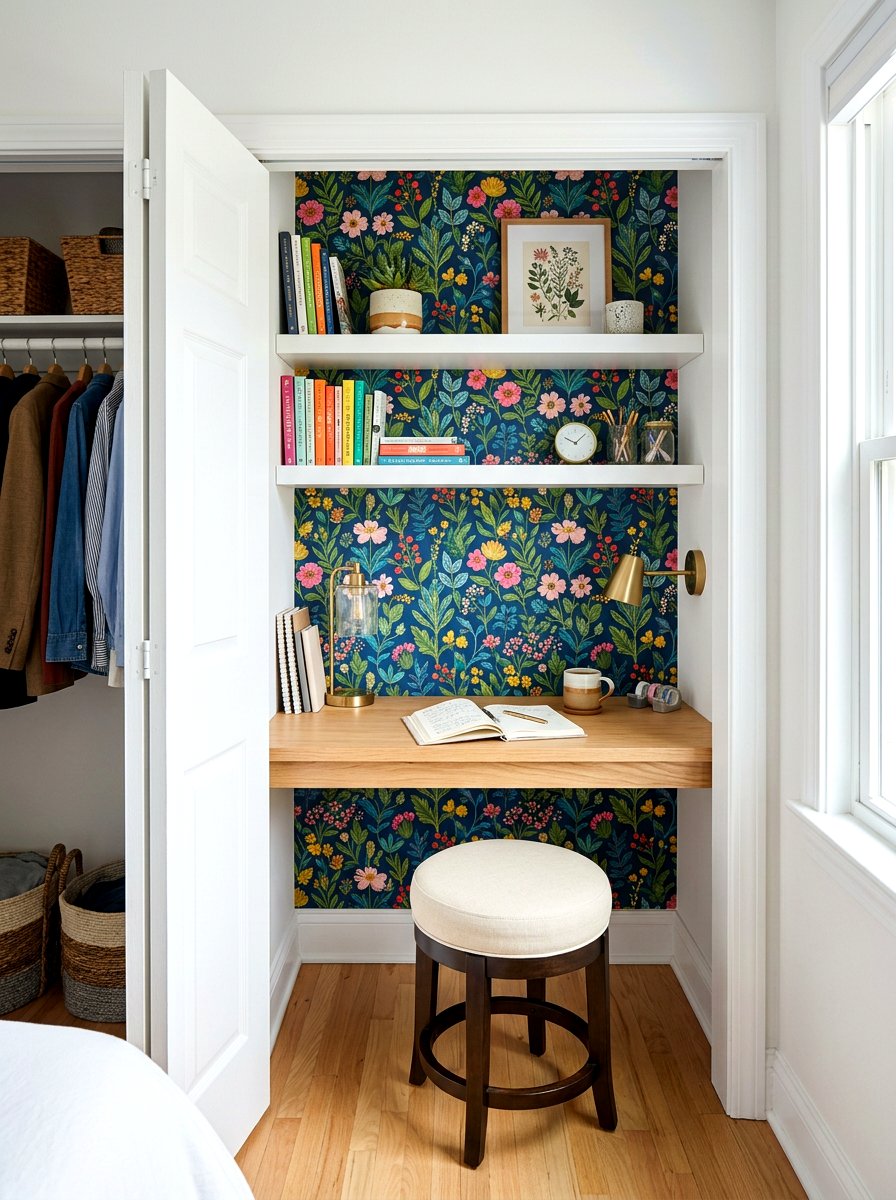
Transforming an underused closet into a "cloffice" is a brilliant way to save space while creating a completely private writing retreat. You can remove the closet doors to make the nook feel more open or keep them to hide the space away. Install a sturdy shelf at desk height and add a few floating shelves above for books and decorative items. Line the back wall with colorful wallpaper or a corkboard to pin up inspiring quotes and photographs. This enclosed area provides a sense of seclusion, helping you focus intensely on your entries without being disturbed by the rest of the household activities or noise.
9. Nature inspired corner
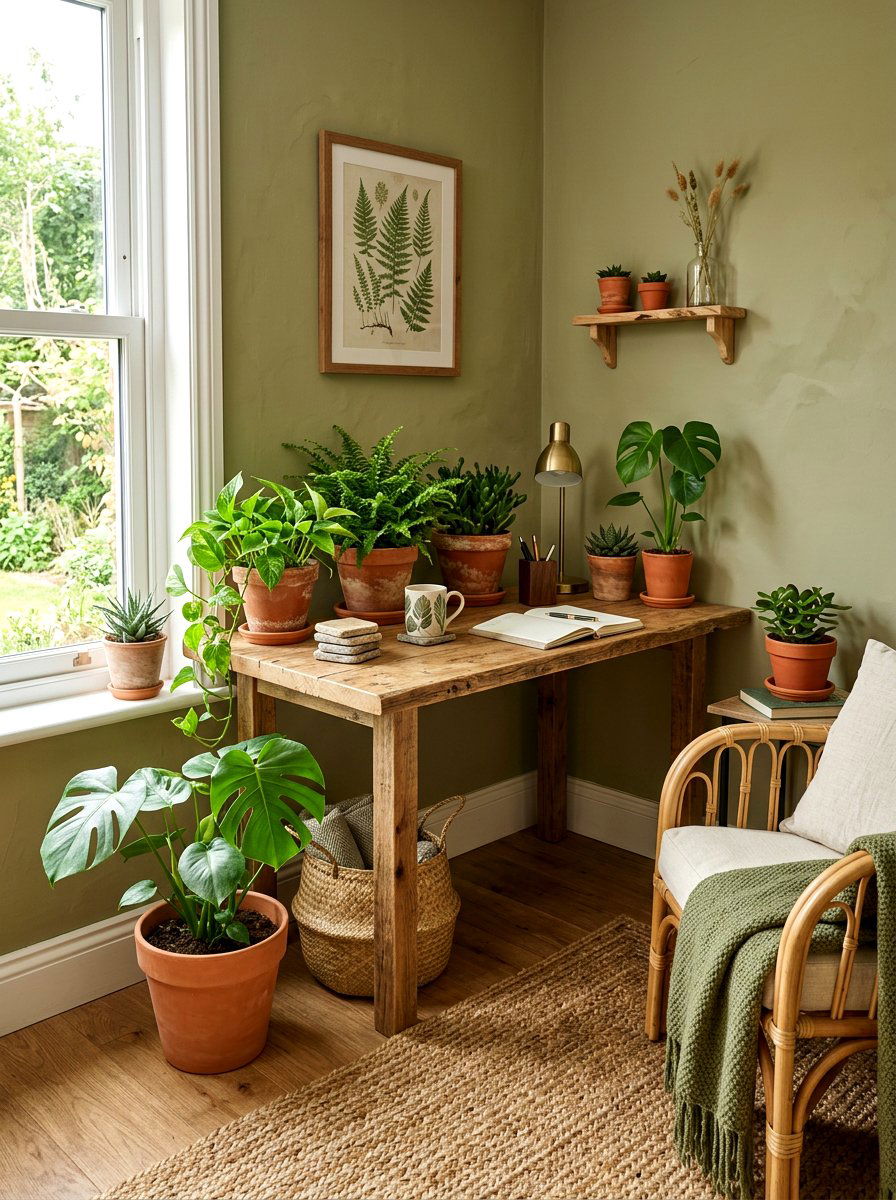
Bringing elements of the outdoors inside can create a very tranquil and grounding environment for your daily mindfulness and writing practices. Start by selecting a desk made from reclaimed wood that shows off the natural grain and textures of the material. Fill the surrounding area with a variety of indoor plants in terracotta pots to improve air quality and add greenery. Use natural stone coasters for your drinks and wooden organizers for your various writing instruments and supplies. A soft green or earthy brown color palette on the walls can further enhance the organic feel. This setup helps you feel connected to the earth while you write.
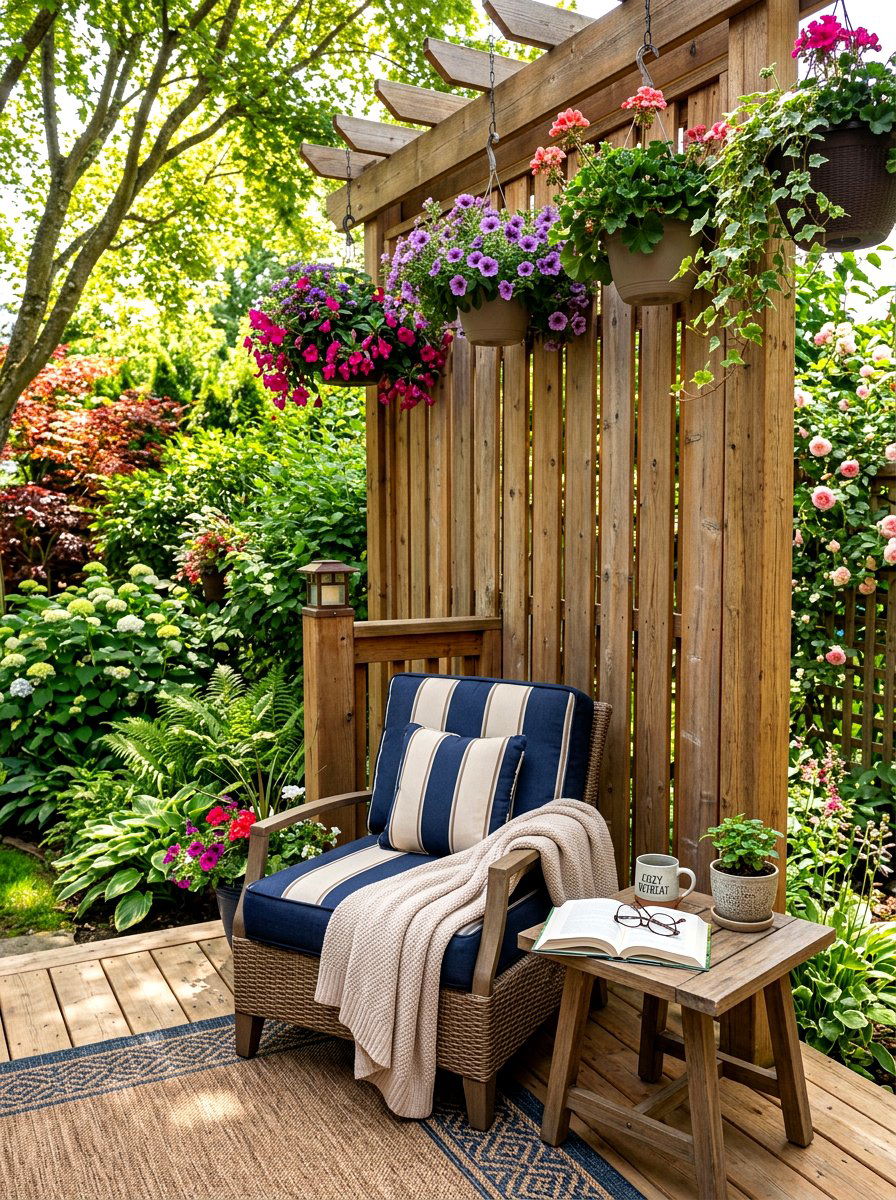
10. Floating shelf workstation
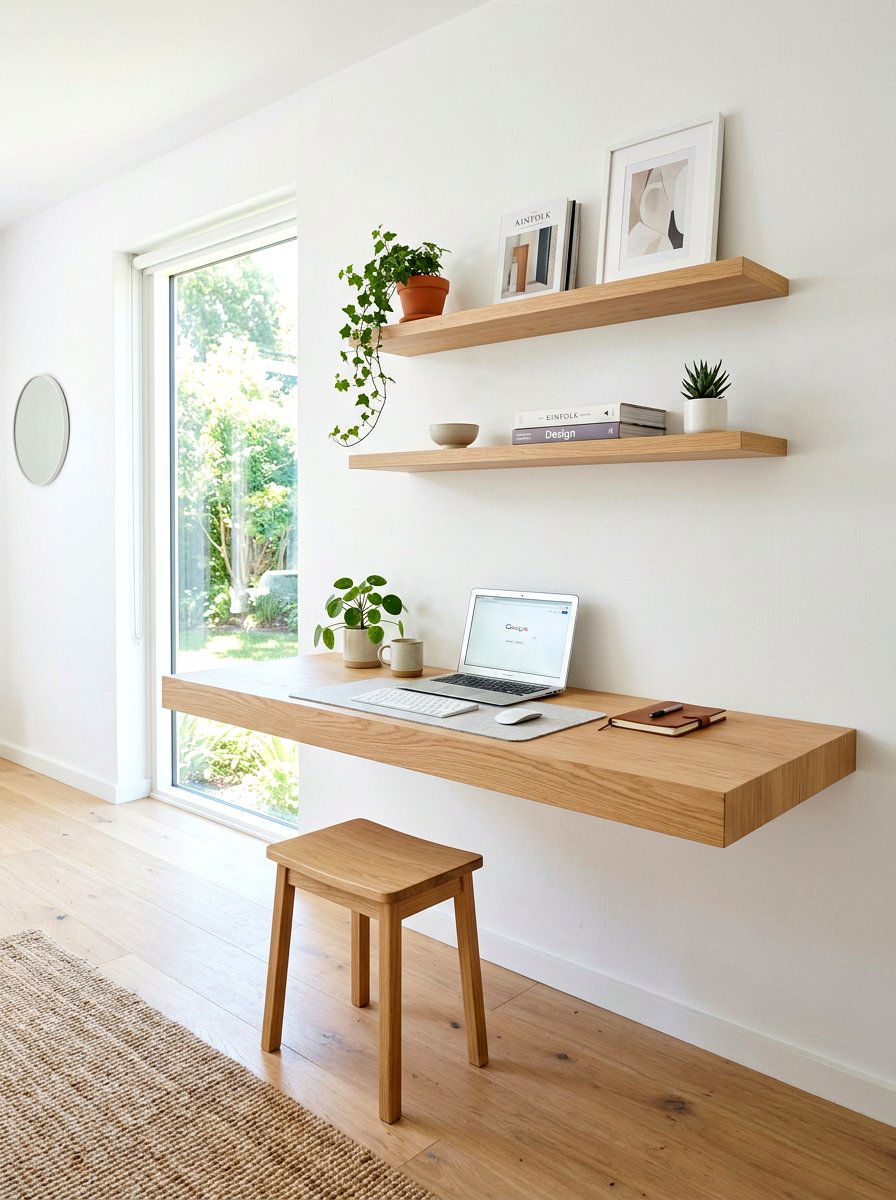
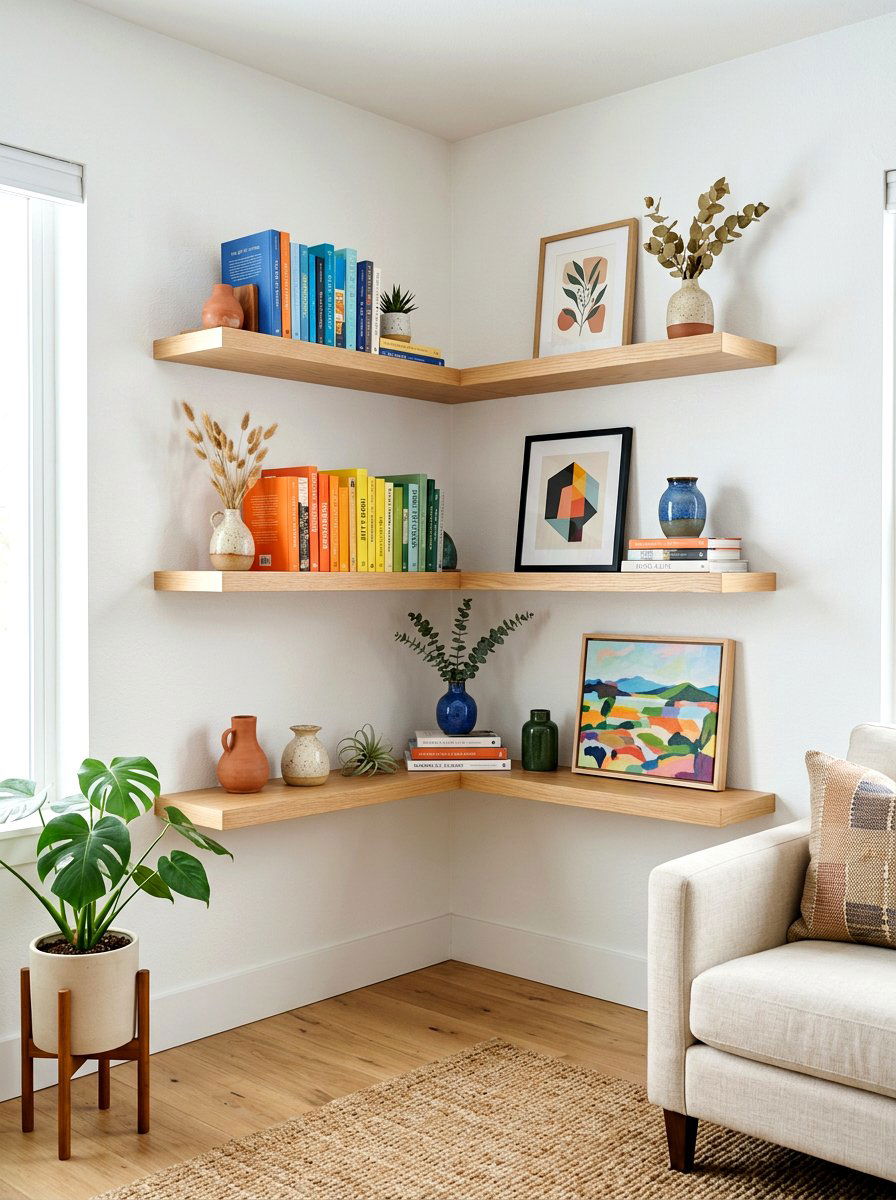
If you are dealing with a very limited amount of floor space, a wall-mounted floating desk is an excellent functional solution. You can install a wide, sturdy shelf at the perfect height for your chair and use it as a dedicated writing surface. This leaves the area underneath open, which helps the room feel larger and much less cluttered than with a standard desk. Add a couple of smaller shelves above the main surface to hold your journals and a small succulent. This minimalist approach works well in hallways, bedrooms, or even living rooms where you need a designated spot without taking up much room.
11. Cozy armchair retreat
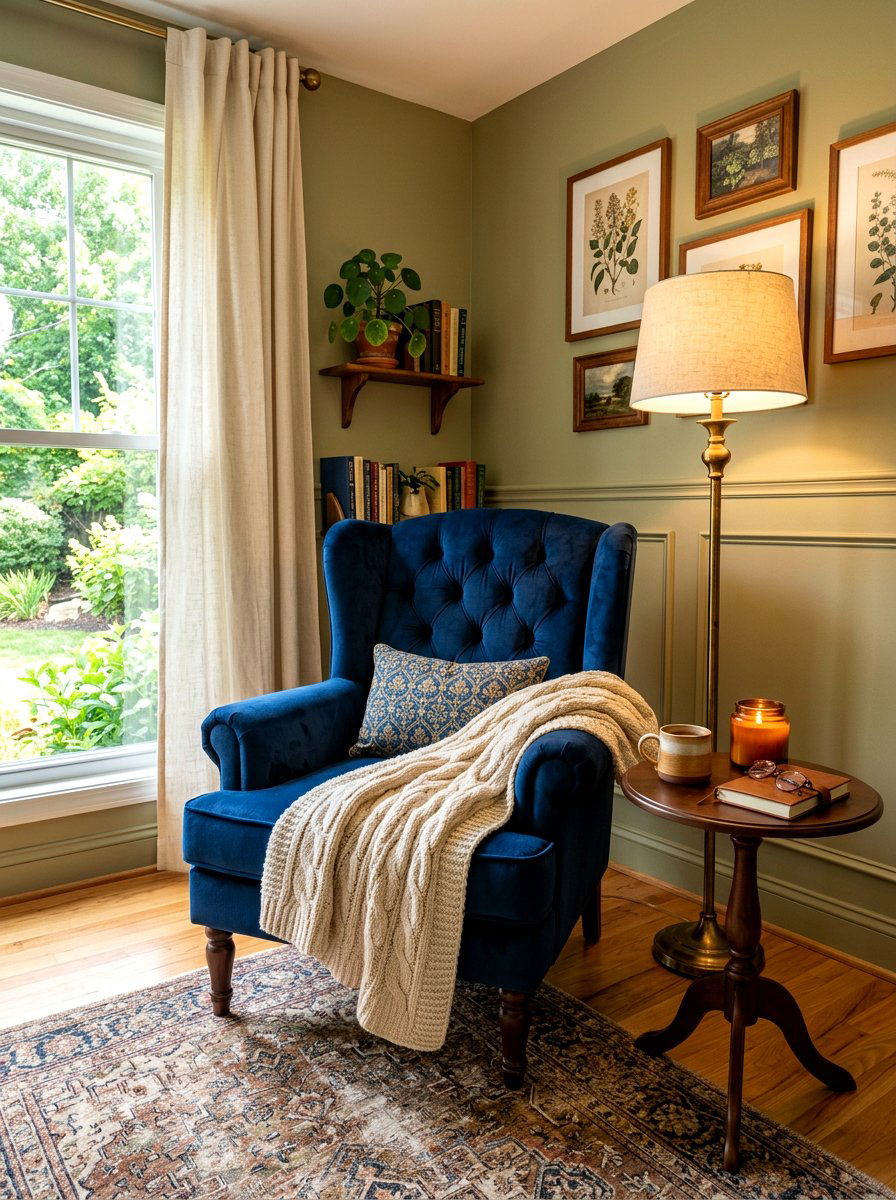
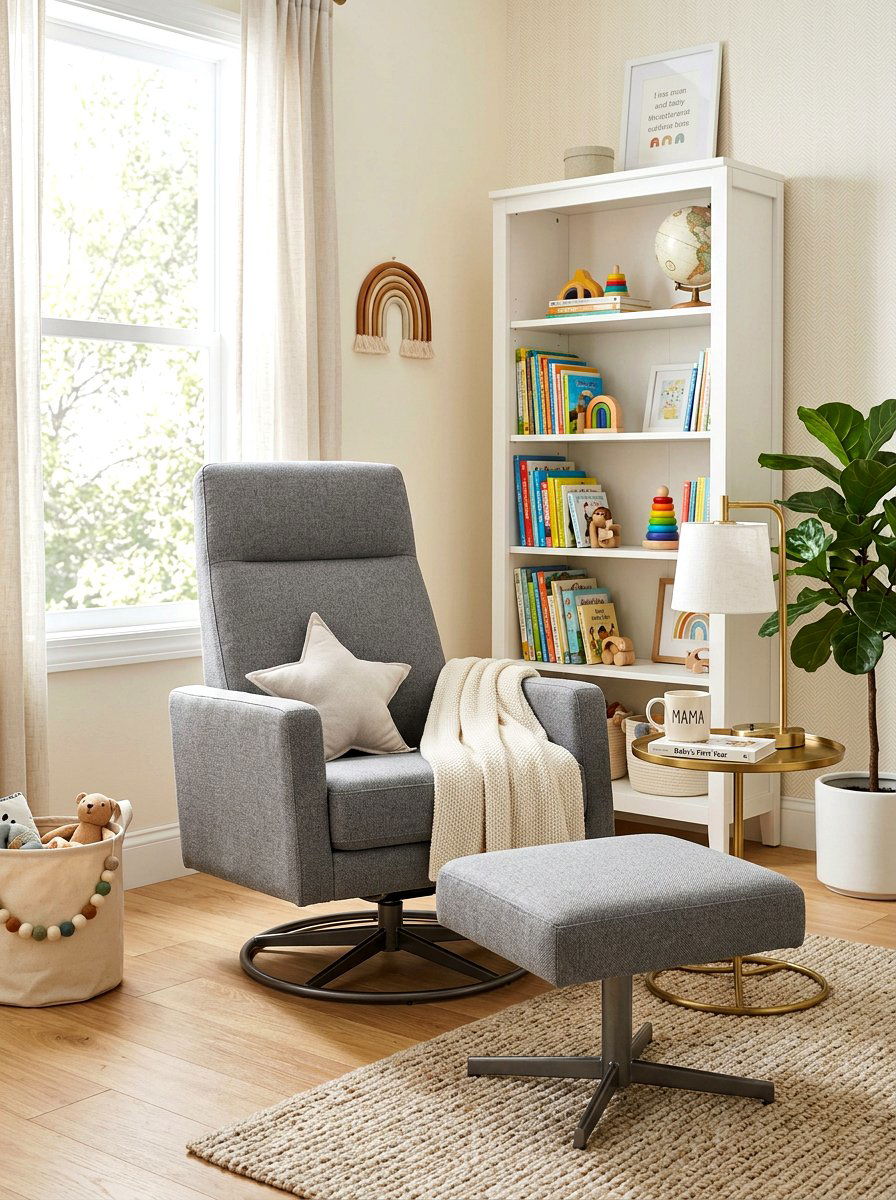
Sometimes the best place to write is not at a desk at all, but rather tucked into a very comfortable chair. Choose a high-backed armchair with soft fabric and place a small side table next to it for your supplies. Make sure you have a warm footstool or ottoman so you can stretch out your legs and stay comfortable for hours. A floor lamp with a warm bulb positioned just behind the chair will provide the perfect amount of light for reading and writing. This setup is ideal for long-form journaling or creative storytelling, as it allows you to fully relax and get comfortable.
12. Industrial style desk
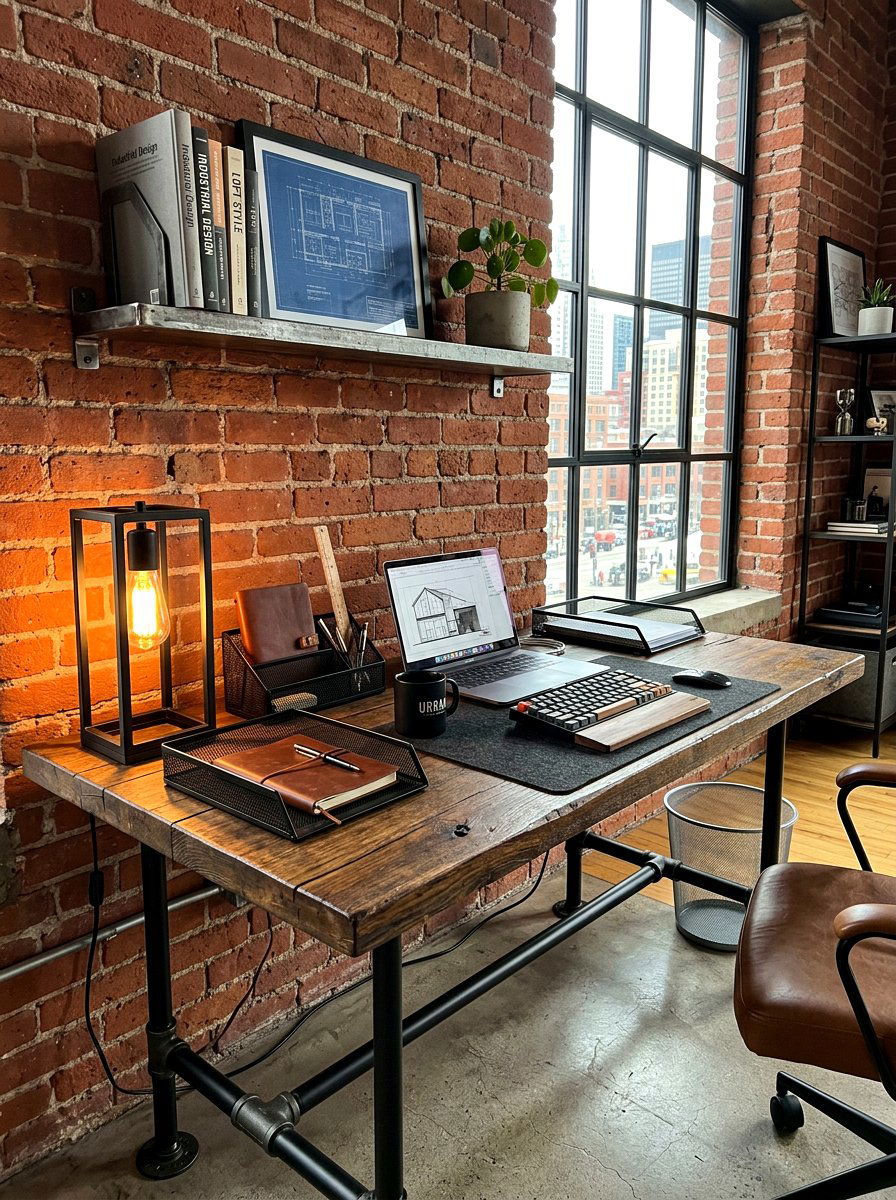
An industrial-themed corner uses raw materials like metal and dark wood to create a bold and modern look for your writing. You can choose a desk with a thick wooden top and sturdy black metal legs for a very solid feel. Use metal mesh bins or repurposed wooden crates to organize your various notebooks, pens, and other stationery items. Exposed brick walls or dark grey paint can serve as a great backdrop for this specific aesthetic. Adding an Edison bulb desk lamp will provide a warm, vintage glow that complements the rugged materials. This style feels strong and purposeful, which can help you stay focused.
13. Scandinavian writing nook
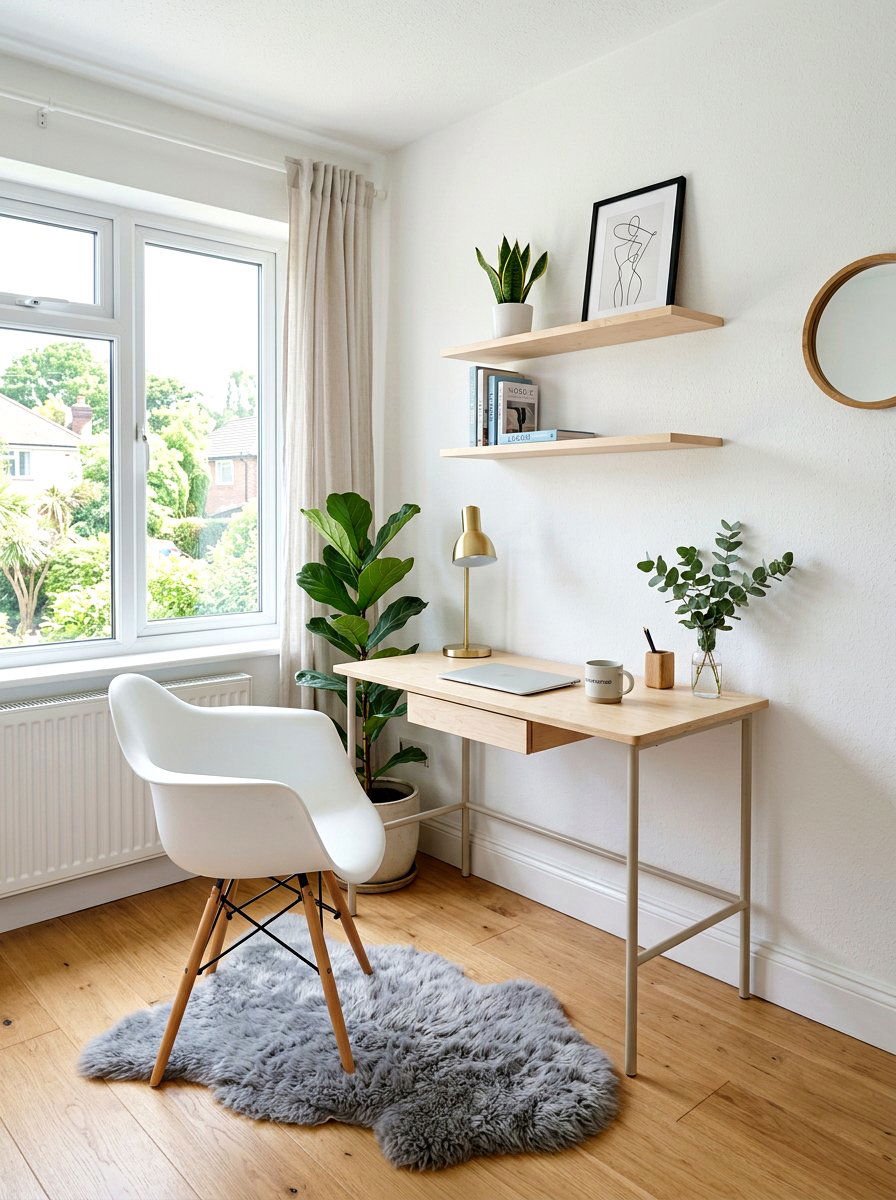
The Scandinavian design philosophy focuses on light, functionality, and a strong connection to nature, making it perfect for a peaceful journaling area. Use a light wood desk and a simple white chair to keep the overall look bright and very clean. Incorporate a soft knit throw or a sheepskin rug to add a layer of warmth and "hygge" to the space. Keep the decorations to a minimum, choosing only a few high-quality items that you truly love and use regularly. Large windows and light-colored walls help maximize the natural light, creating an inviting and airy atmosphere that encourages a calm and very clear state of mind.
14. Pastel colored workspace
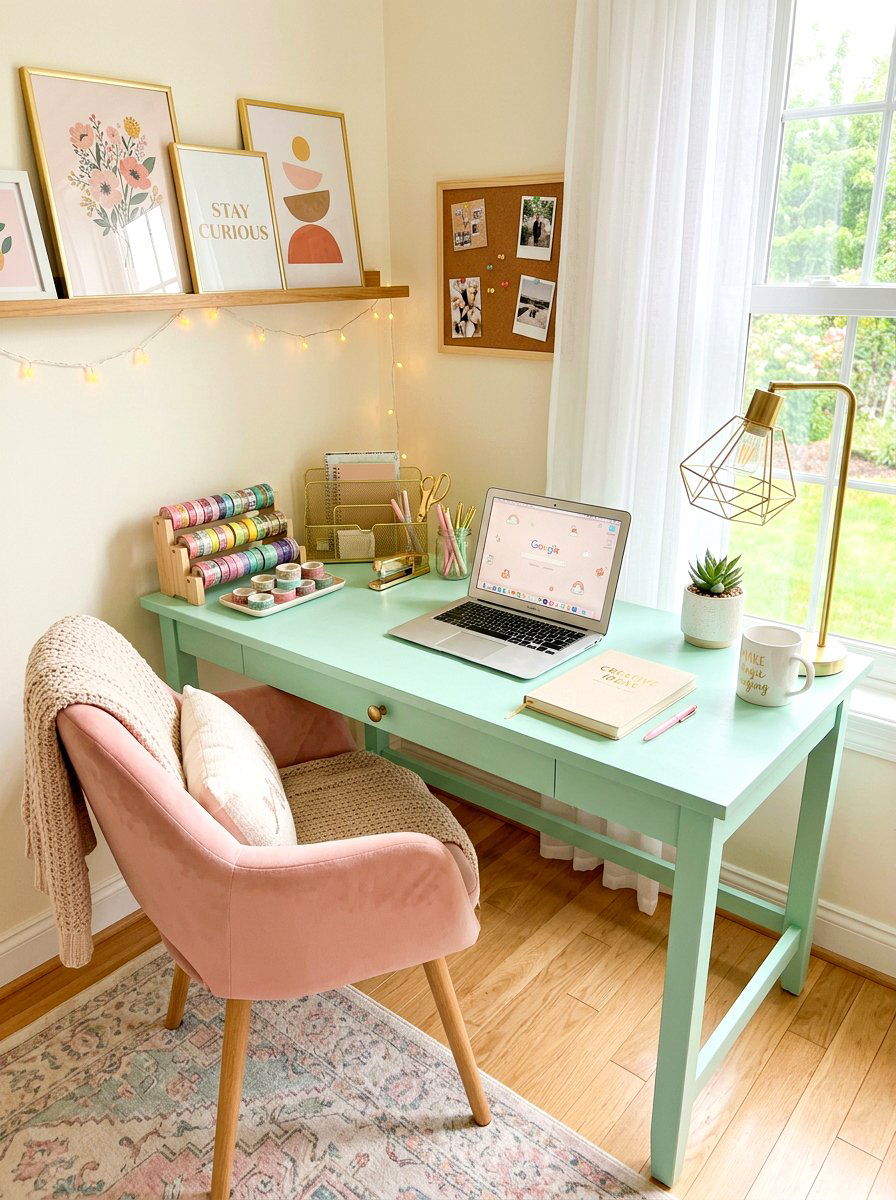
Using a palette of soft pastel colors can make your journaling area feel whimsical, lighthearted, and incredibly inviting for creative projects. You might choose a desk in a soft mint green or a pale blush pink to serve as the main focal point. Accentuating the space with gold or silver hardware adds a touch of elegance without being too overwhelming. Use colorful washi tapes and vibrant stickers as part of your decor to reflect the fun and creative nature of your writing. Soft lighting and white furniture help balance the colors, ensuring the space remains bright and airy rather than feeling too cluttered or childish.
15. Dark academia study
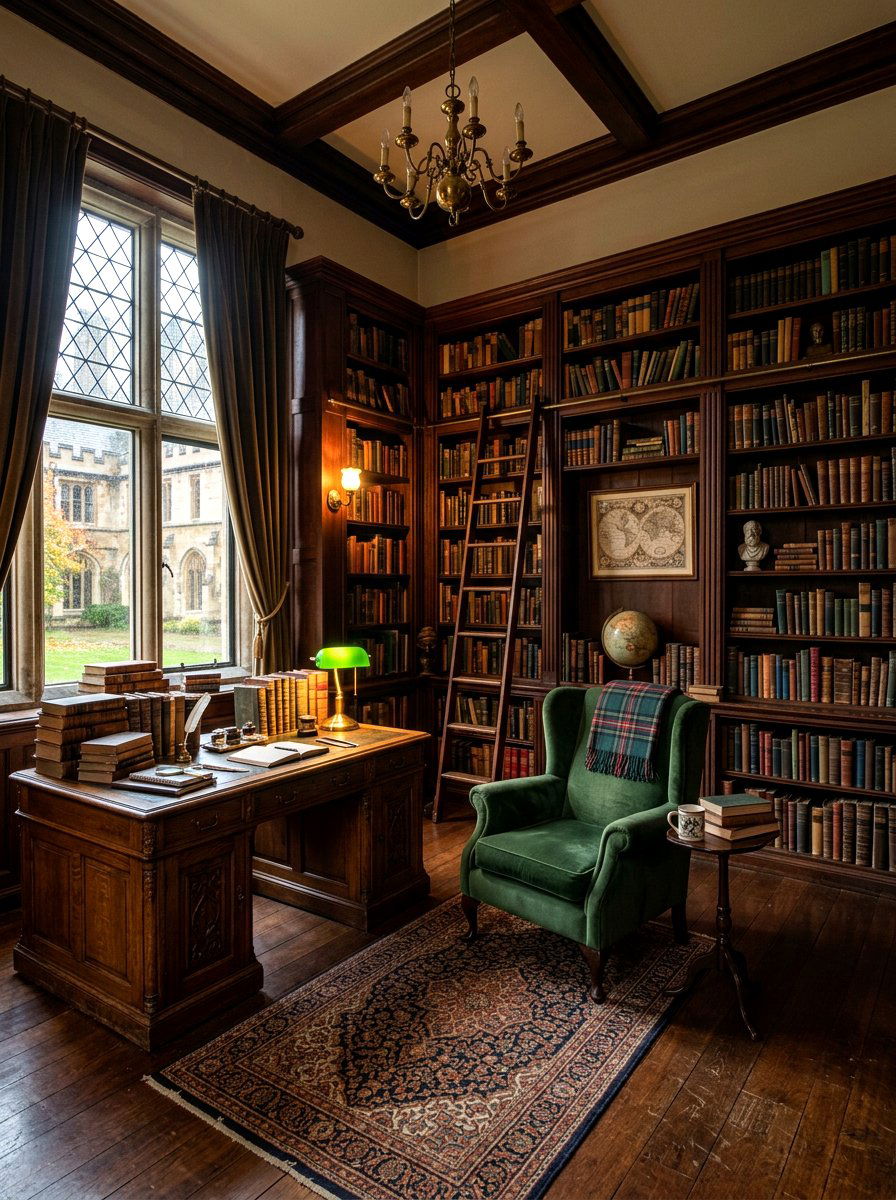
A dark academia aesthetic creates a moody and intellectual atmosphere that is perfect for deep thought and serious reflective writing sessions. Focus on using dark wood furniture, deep green or navy blue walls, and plenty of vintage-style accessories like old brass lamps. Line your walls with tall bookshelves filled with classic literature and leather-bound journals to create a studious vibe. Incorporate textures like velvet or heavy linen for your chair cushions to add a sense of luxury and comfort. This style is all about embracing a love for learning and literature, providing a quiet and sophisticated space where your ideas can truly grow and flourish.
16. Hidden corner nook
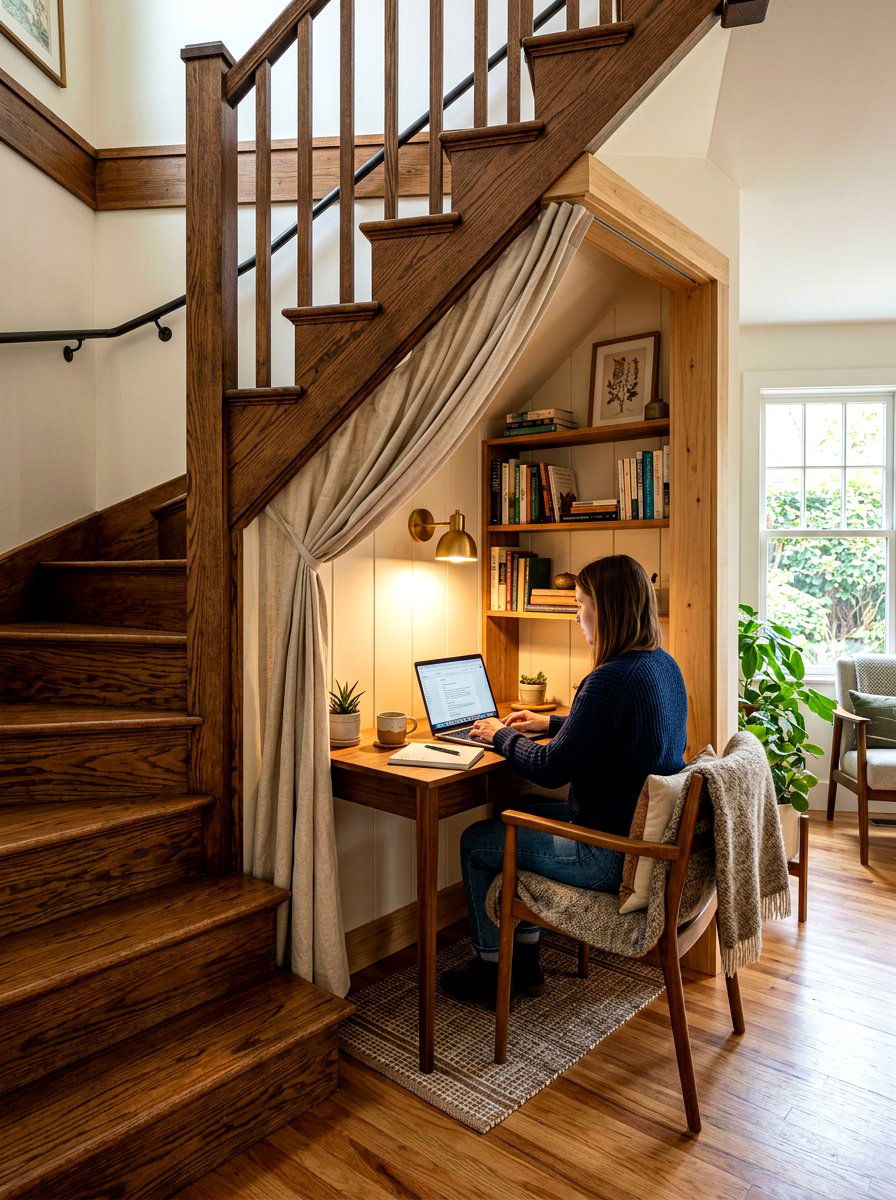
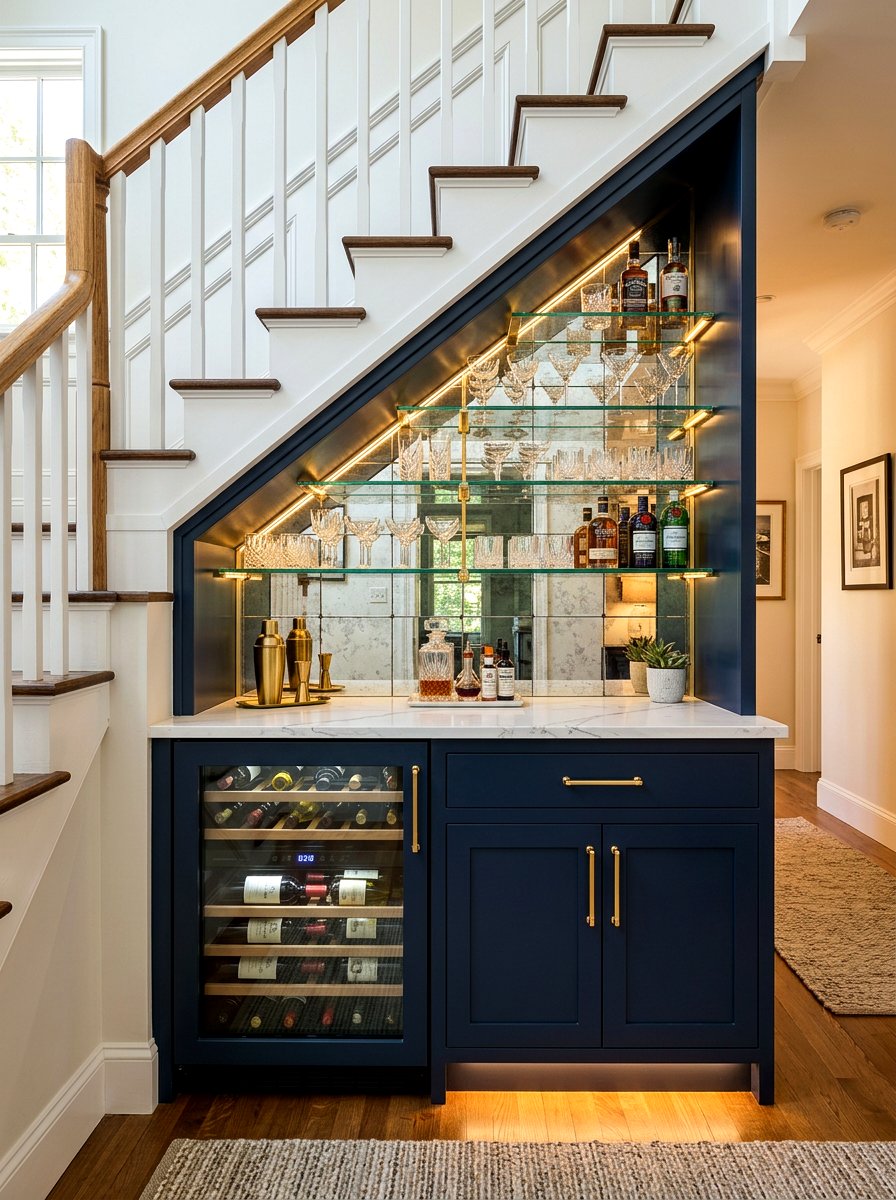
Finding a secret or tucked-away spot in your home can provide the ultimate level of privacy for your most personal journal entries. You might utilize the space underneath a staircase or a small alcove at the end of a long hallway. Use a small curtain or a decorative room divider to close off the area when you want to feel completely alone. A tiny wall-mounted desk and a foldable chair can make the most of the limited space available in these types of locations. This hidden retreat becomes a special place where you can truly be yourself and express your thoughts without any fear of interruption.
17. Attic writing space
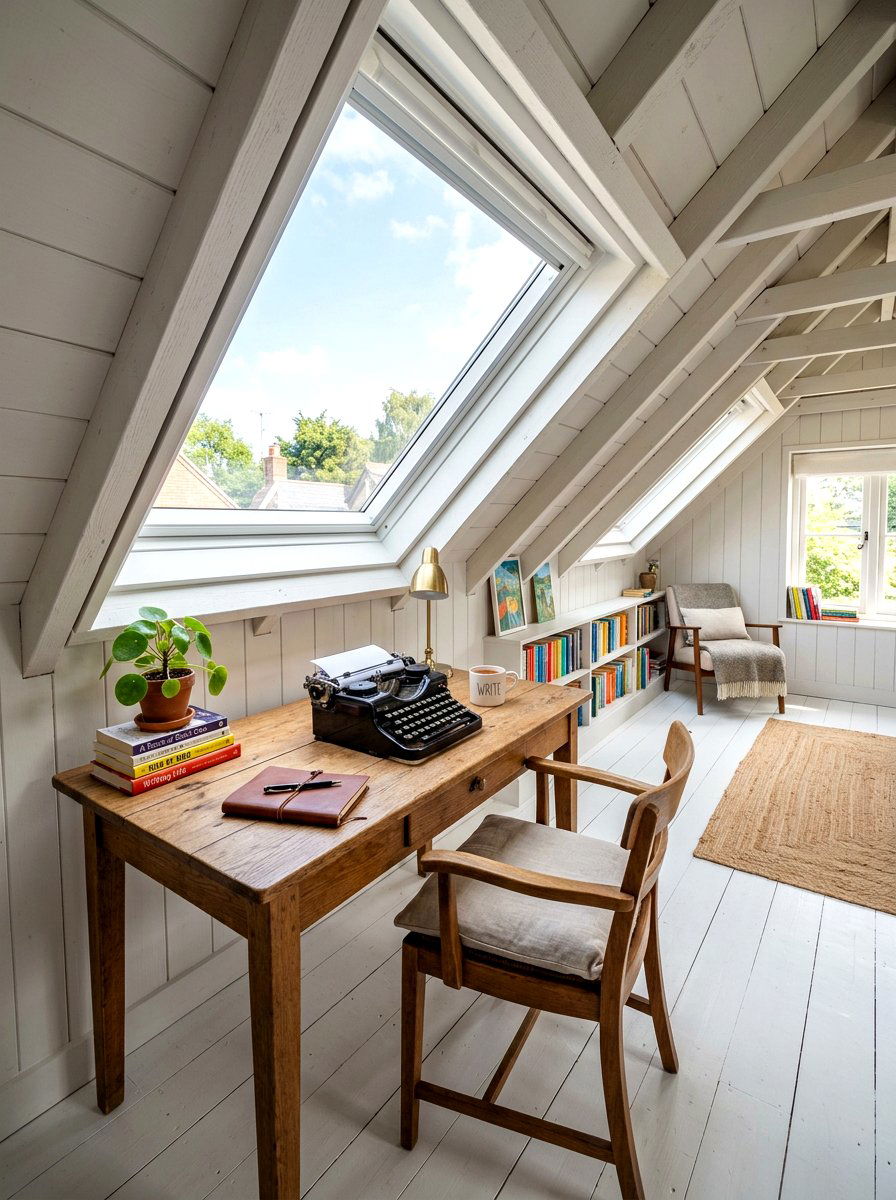
An attic can be transformed into a beautiful and secluded studio for writing, away from the distractions of the main living areas. The slanted ceilings and unique architectural features often found in attics add a lot of character and charm to the space. Place your desk near a skylight to benefit from the direct sunlight and a view of the sky throughout the day. Use light colors on the walls and floors to make the small space feel much larger and more open. This elevated position provides a physical separation from your daily chores, making it easier to enter a deep state of creative flow.
18. Sunroom journaling area
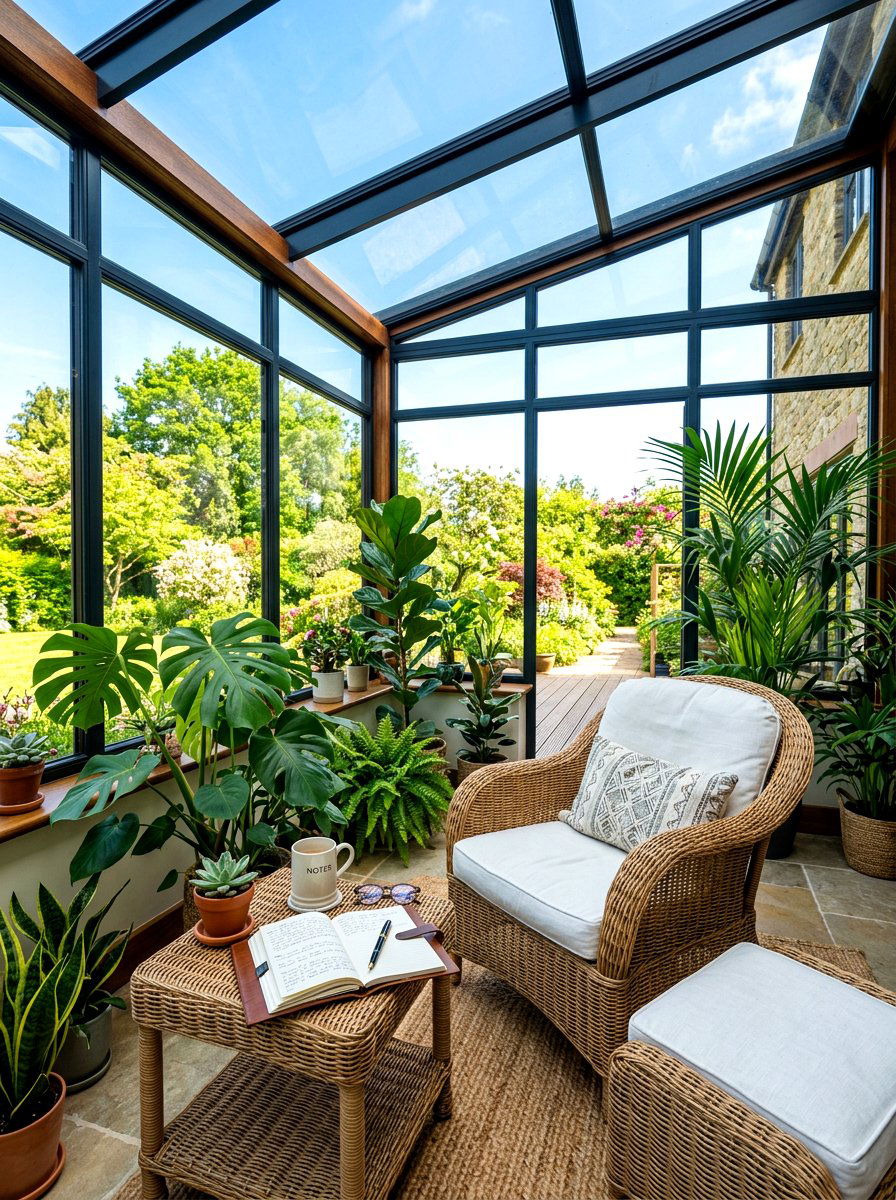
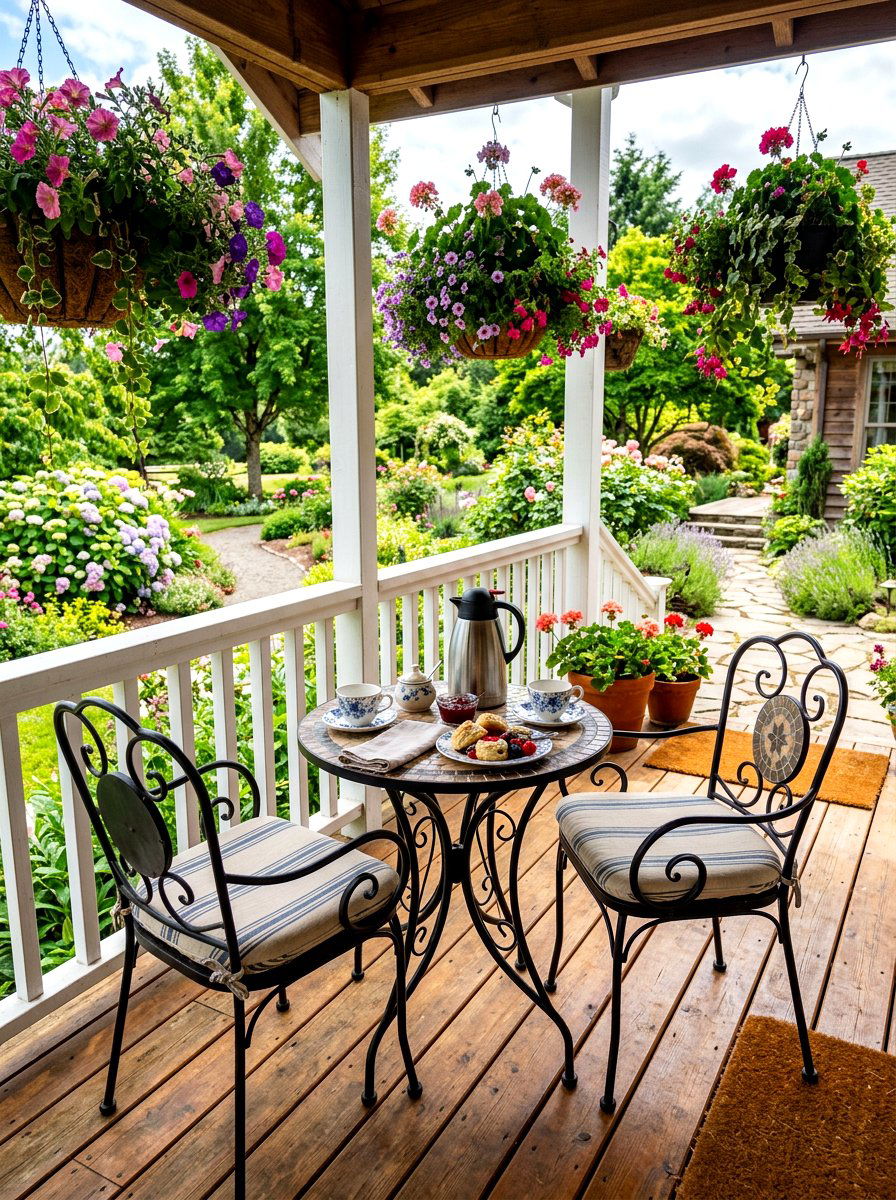
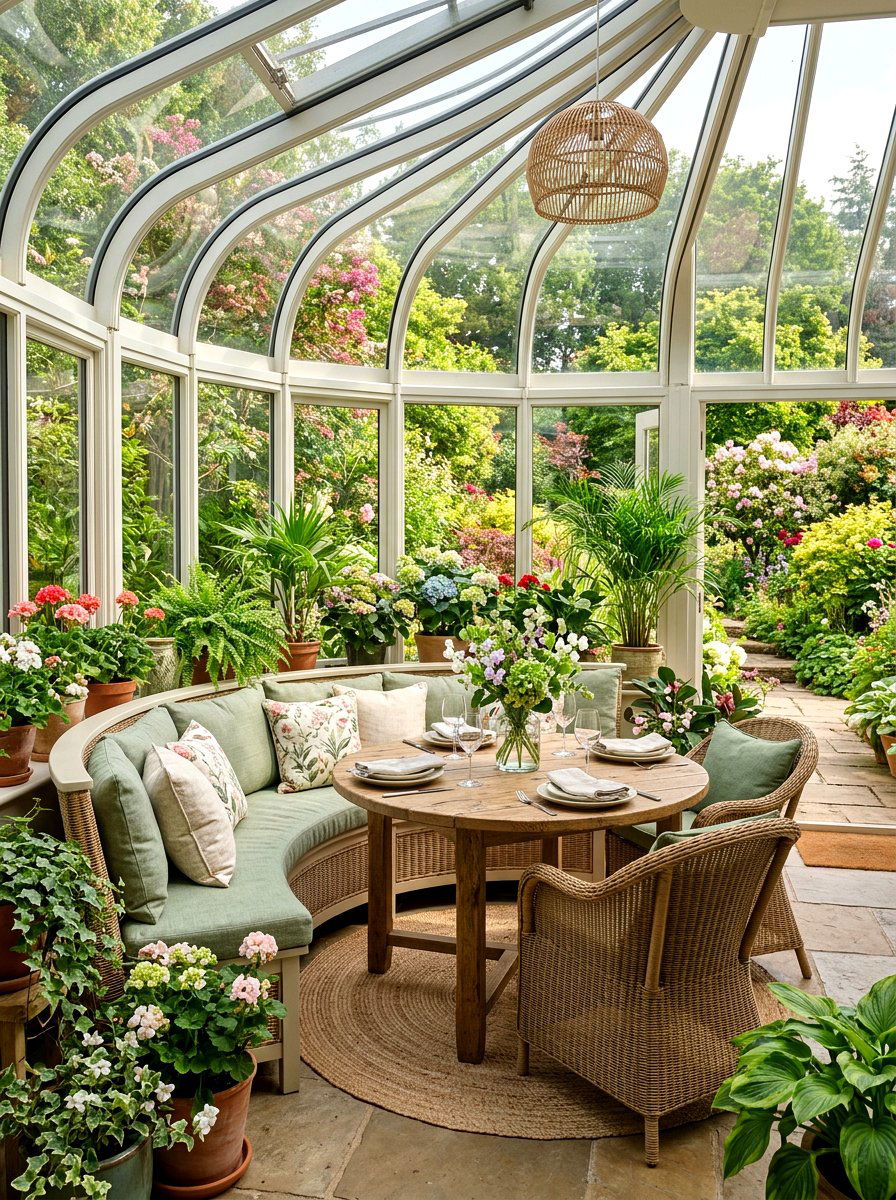
A sunroom or an enclosed porch offers the perfect blend of indoor comfort and an outdoor feel for your morning writing routine. Because these rooms are surrounded by glass, you will have an abundance of natural light that changes beautifully throughout the day. Use lightweight furniture made from materials like wicker or light-colored wood to keep the space feeling casual and very airy. Surround yourself with large potted plants and comfortable seating to create a lush, greenhouse-like atmosphere. Writing in such a bright and vibrant environment can be incredibly energizing and help you start your day with a very positive and clear mindset.
19. Floating desk setup
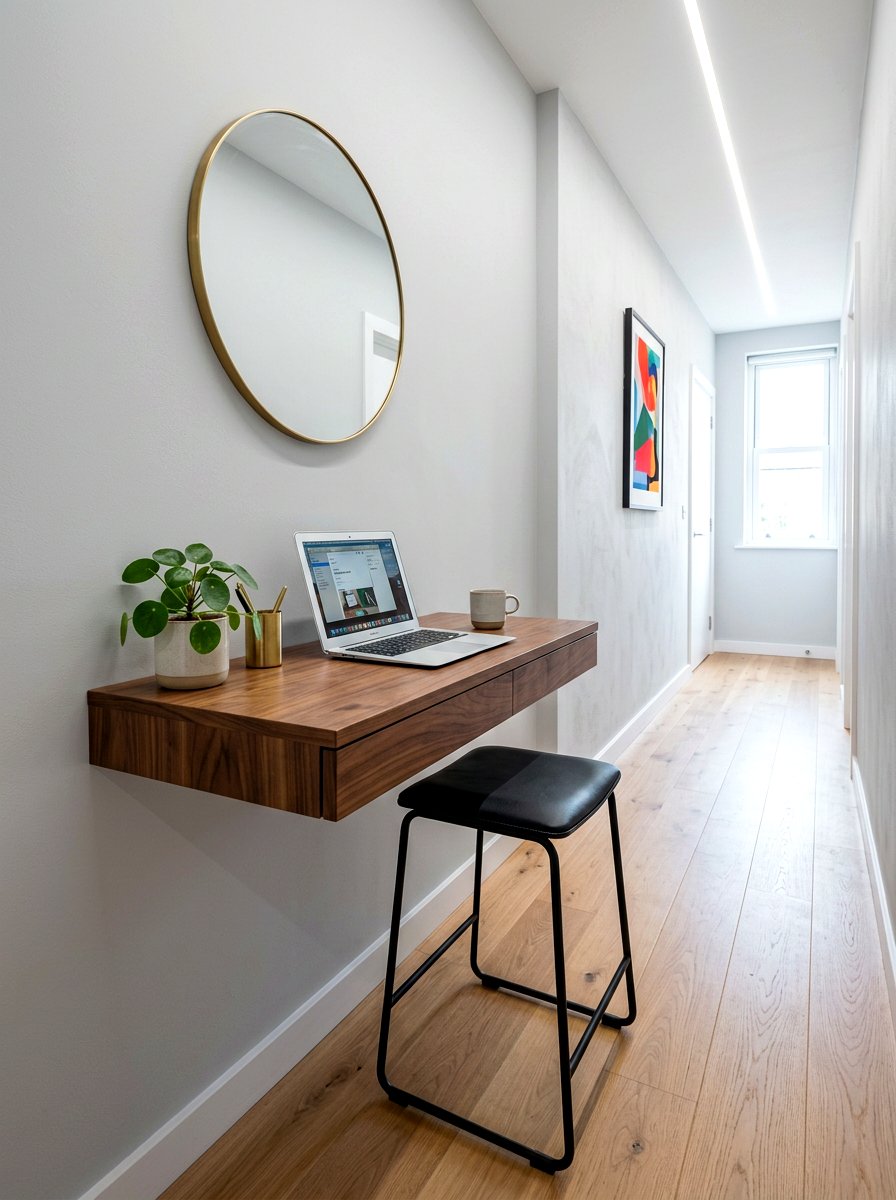
A floating desk is a modern and space-saving option that can be installed almost anywhere in your home to create a writing spot. By attaching the desk surface directly to the wall, you eliminate the need for bulky legs, which keeps the floor space clear. This is particularly useful in narrow hallways or small bedrooms where every square inch of space counts for movement. You can choose a desk with a small drawer or a flip-top lid to keep your pens and journals organized and out of sight. Pair it with a stylish stool that can be tucked underneath when it is not in use.
20. Maximalist creative space
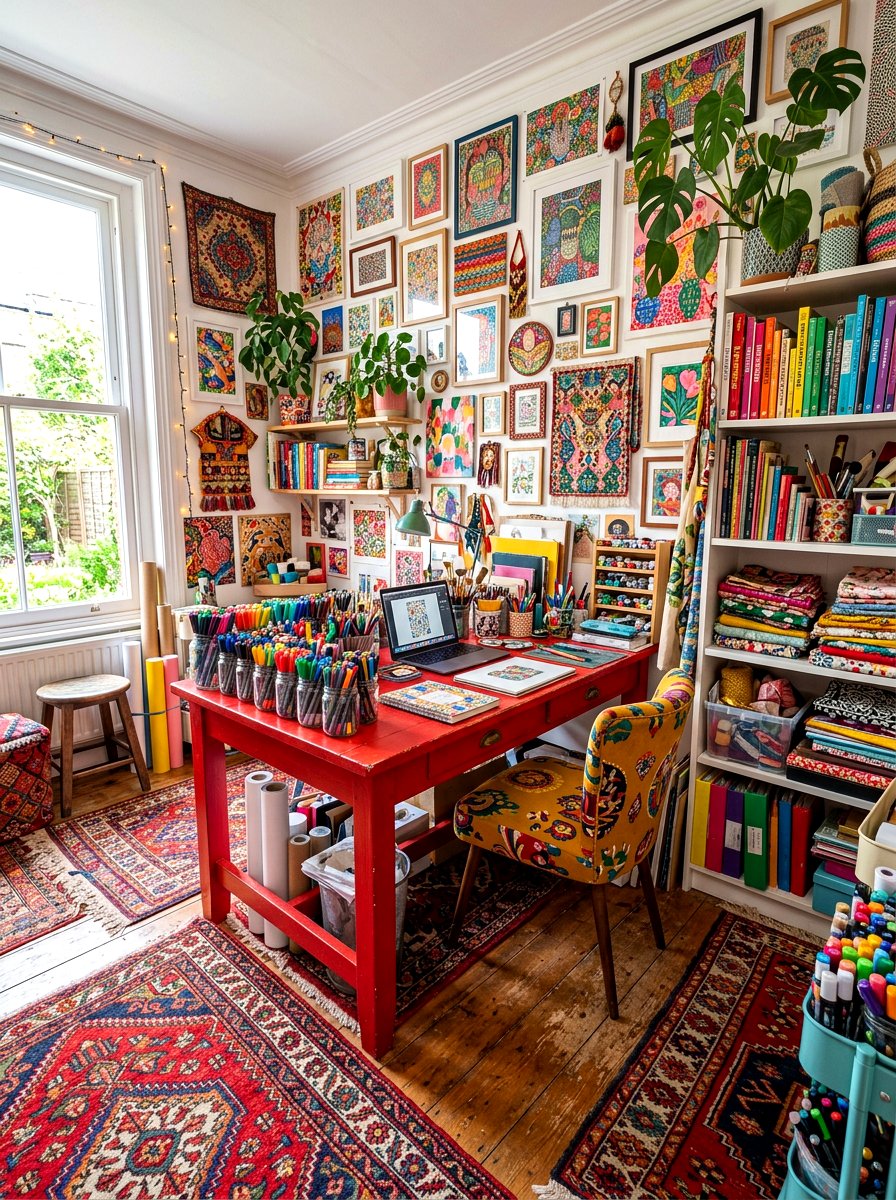
For those who feel most inspired by a lot of color and visual stimuli, a maximalist journaling corner is a great choice. You can fill the walls with a gallery of art, photographs, and postcards that represent your favorite memories and future dreams. Use a desk with a colorful finish and layer different patterns of rugs and cushions on the floor and chair. Organize your vast collection of pens, markers, and craft supplies in glass jars so you can see all the colors available. This vibrant and busy environment can spark new ideas and make the act of journaling feel like a fun and artistic exploration.
21. Rustic wood desk
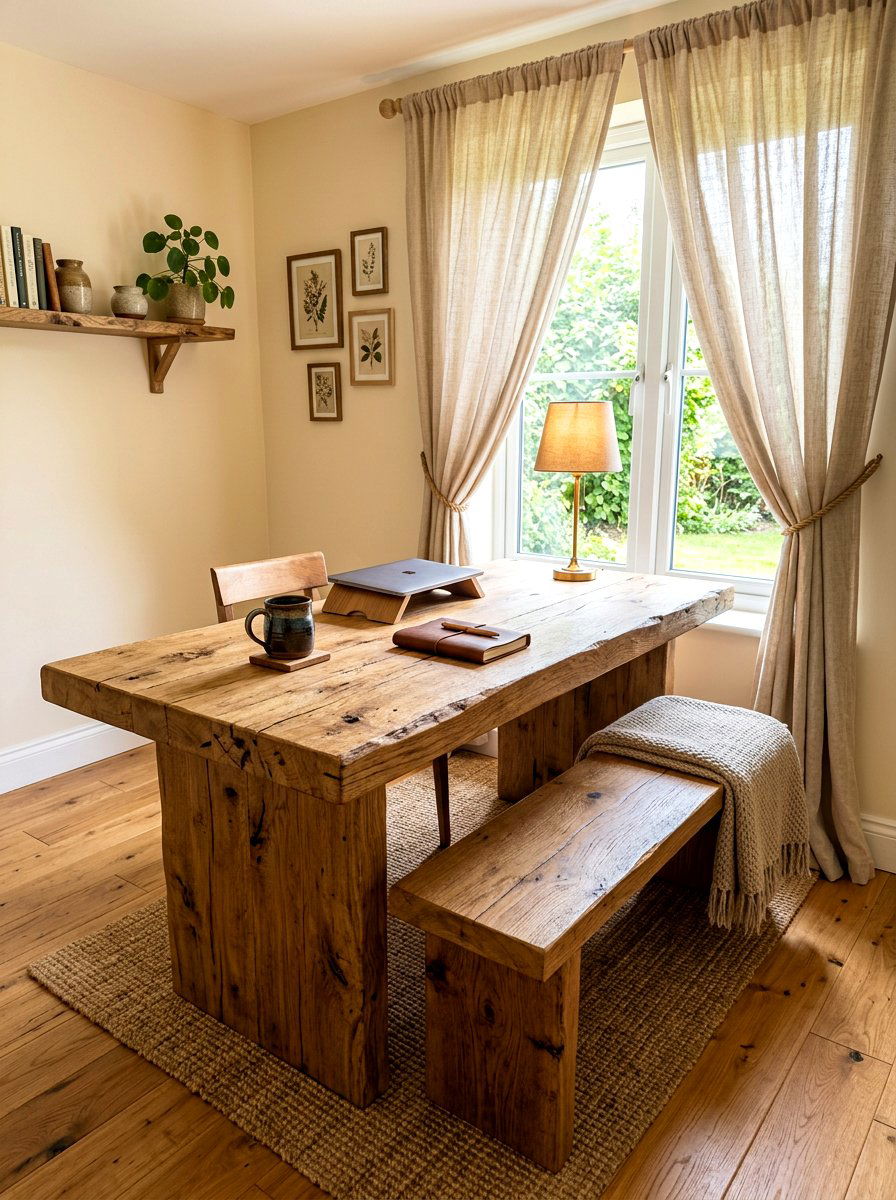
A rustic writing area emphasizes the beauty of natural materials and simple, sturdy construction to create a very warm and inviting space. You should look for a desk made from thick planks of solid wood with visible knots and a slightly weathered finish. Pair this with a traditional wooden chair or a sturdy stool that complements the overall rugged aesthetic of the furniture. Use burlap or linen textiles for your cushions and window treatments to add a touch of soft texture to the room. This style feels very timeless and grounded, providing a stable and comfortable environment for recording your daily thoughts and life experiences.
22. Monochrome minimalist nook
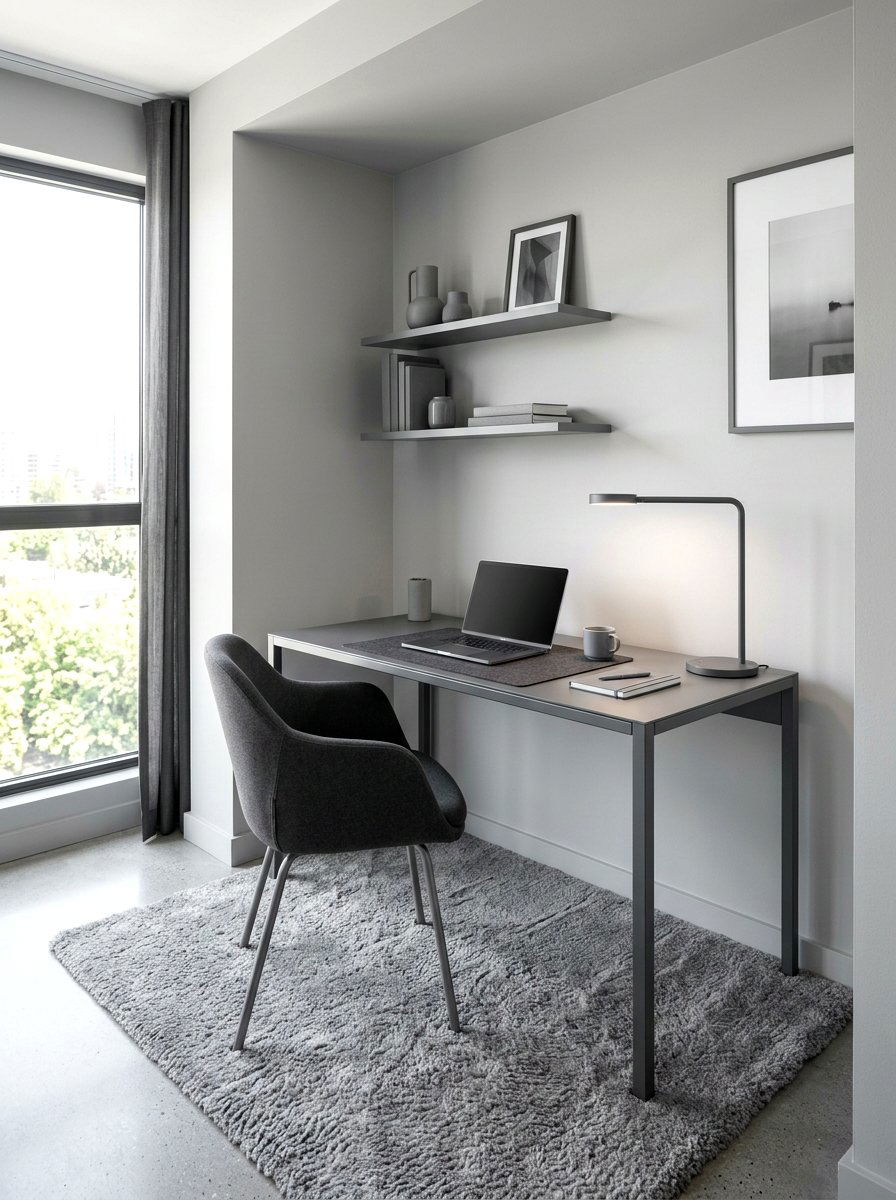
A monochrome color scheme uses different shades of a single color, such as grey or white, to create a very cohesive look. This approach simplifies the visual landscape of your journaling corner, which can help you focus more intensely on your writing. Choose a desk, chair, and desk lamp that are all in the same color family to create a seamless and modern appearance. You can add interest by mixing different textures, such as a smooth metal desk with a soft woolly rug in the same shade. This sophisticated and clean style is perfect for those who want a workspace that feels calm and very organized.
23. Garden view station
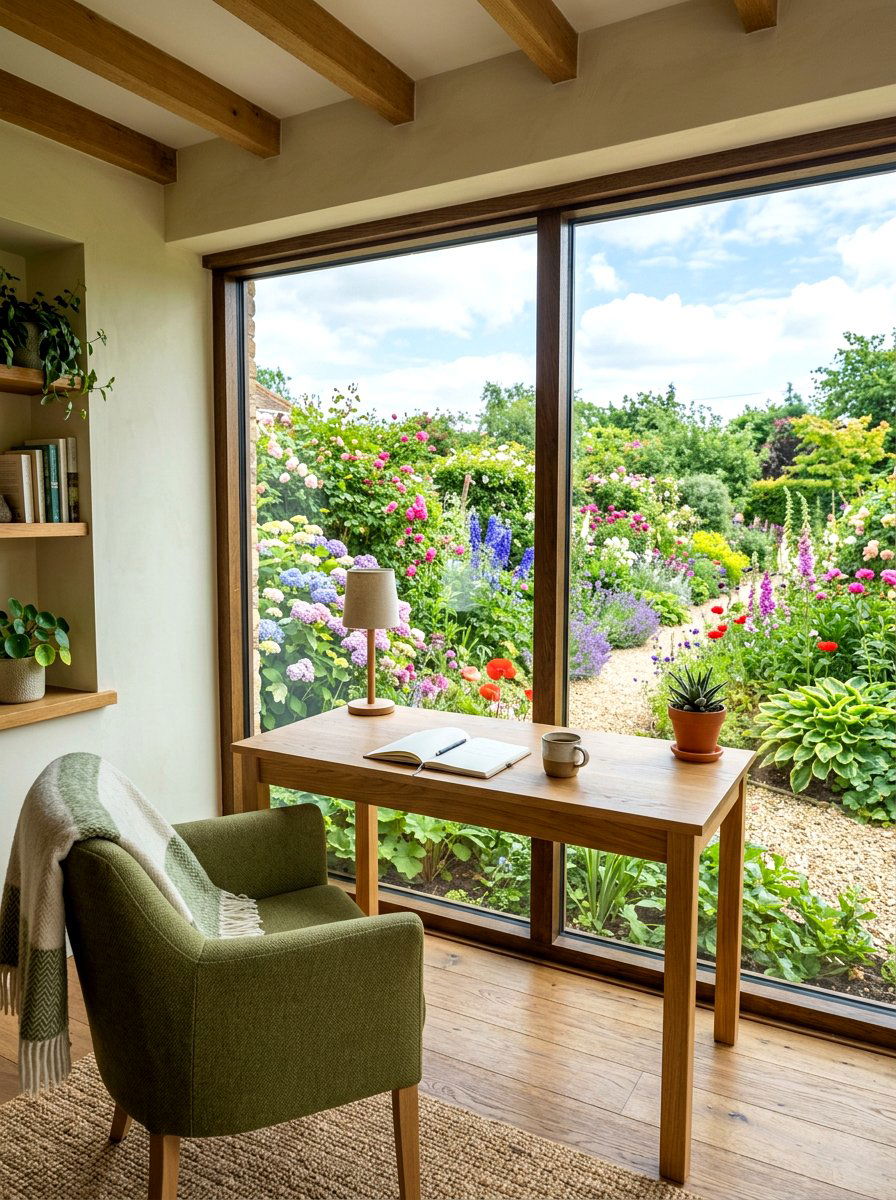
Setting up your writing desk to face the garden allows you to enjoy the beauty of nature while staying indoors and comfortable. You can watch birds, butterflies, and the changing seasons through the window as you reflect on your personal goals and daily life. Choose a desk with a simple design so it does not compete with the vibrant colors and movements of the garden outside. Keep a set of binoculars or a nature identification book nearby to help you document the different creatures you see. This connection to the natural world can be very soothing and provide endless inspiration for your creative writing.
24. Mid century modern corner
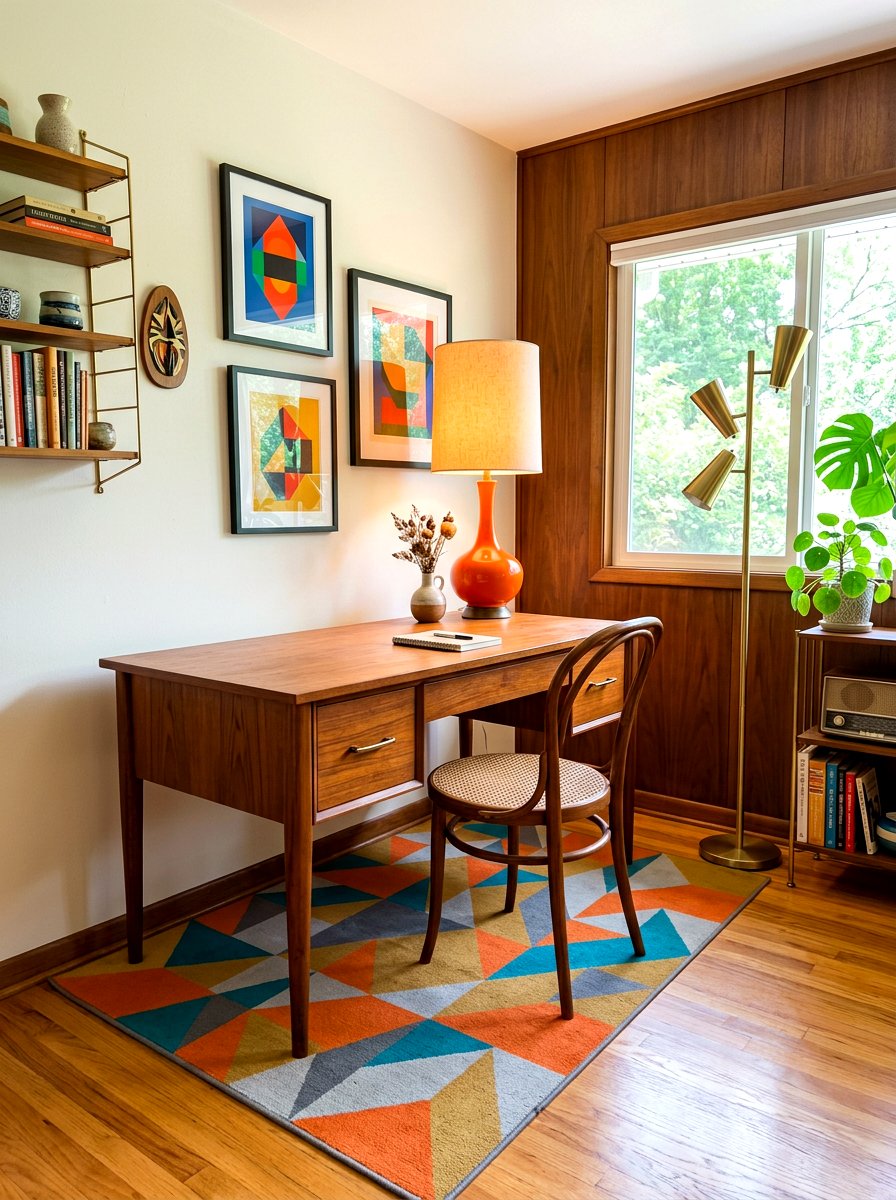
Mid-century modern design features clean lines, organic shapes, and a mix of natural and man-made materials for a very stylish look. You can choose a desk with tapered legs and a warm teak finish to serve as the main focal point of the area. Pair it with a classic molded plastic or bentwood chair that offers both style and comfort for long writing sessions. Use a geometric-patterned rug and a vintage-style desk lamp to add a touch of personality and period-accurate detail. This sophisticated aesthetic feels both nostalgic and contemporary, creating a very inspiring environment for your daily mindfulness and journaling practices.
25. Plywood wall desk
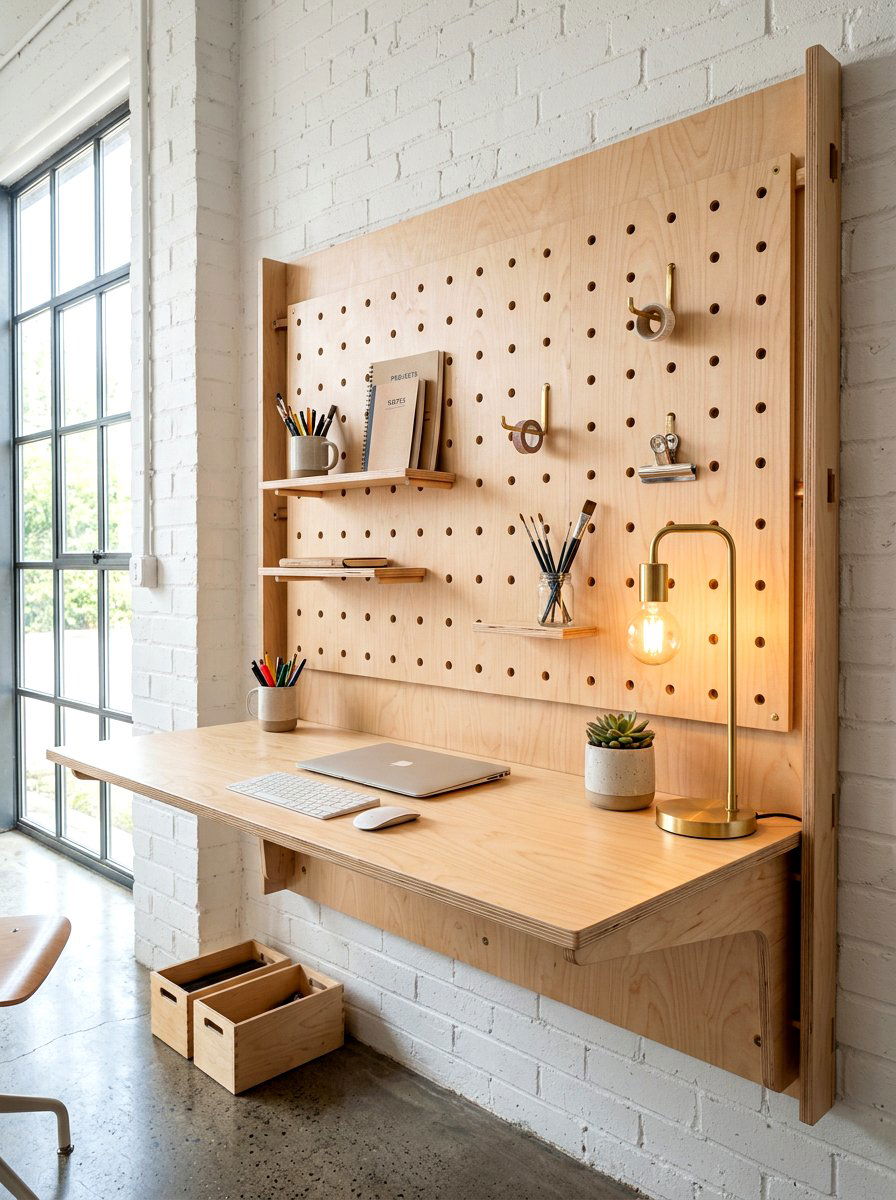
A plywood wall desk is a modern and affordable DIY option that can give your journaling corner a very unique and architectural feel. You can use a large sheet of high-quality plywood to create both a desk surface and a backboard for organization. Cut small slots into the backboard to hold shelves, pen holders, and even a small tablet or phone stand for digital tools. The light color and visible grain of the plywood create a bright and natural look that works well in modern homes. This custom solution allows you to tailor the space exactly to your needs while keeping it very simple.
26. Library corner nook
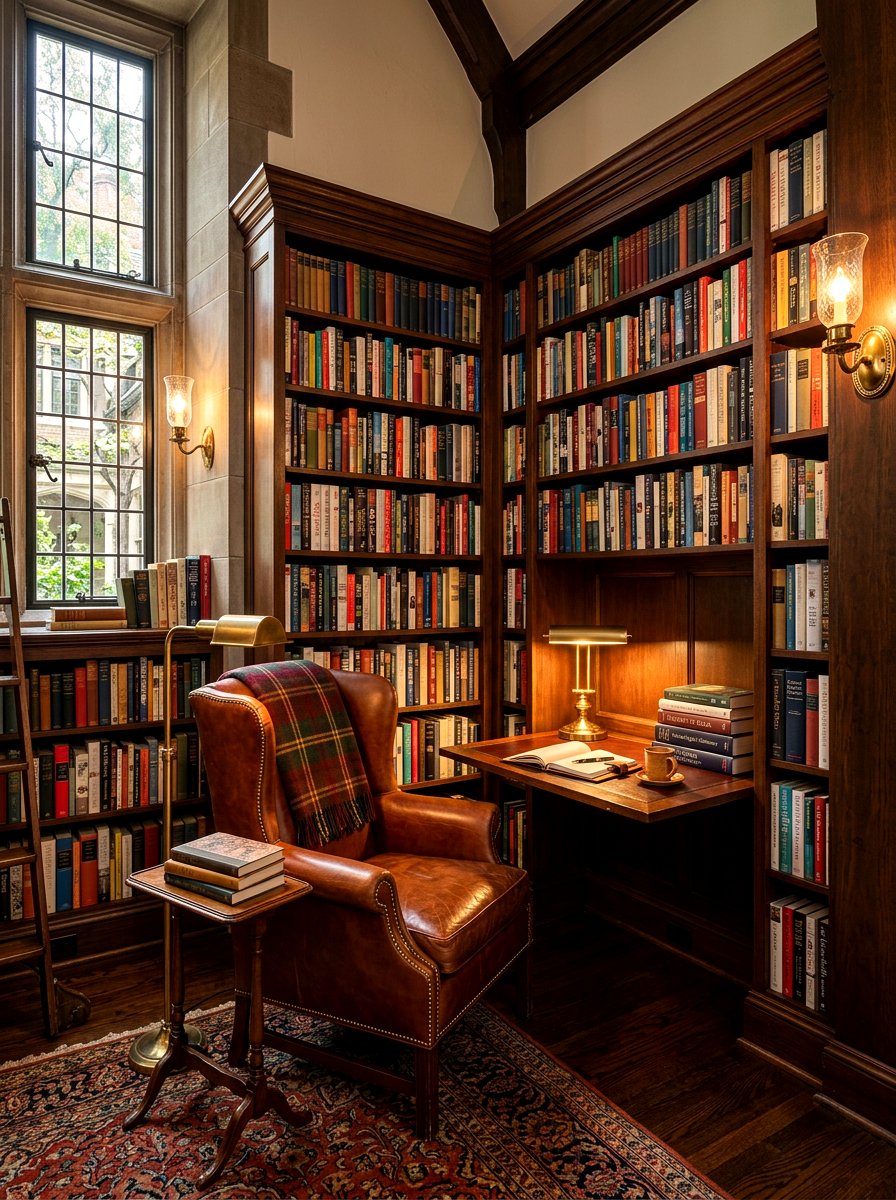
If you have a large collection of books, setting up your journaling spot among your bookshelves can feel incredibly cozy and inspiring. You can clear out a small section of a lower shelf to act as a pull-out desk or place a small table nearby. Being surrounded by the wisdom and stories of others can help motivate you to write your own personal narrative every day. Use comfortable seating and soft lighting to make the area feel like a private library retreat within your own home. The quiet and studious atmosphere is perfect for deep reflection and long-form creative writing projects.
27. Loft bed workspace
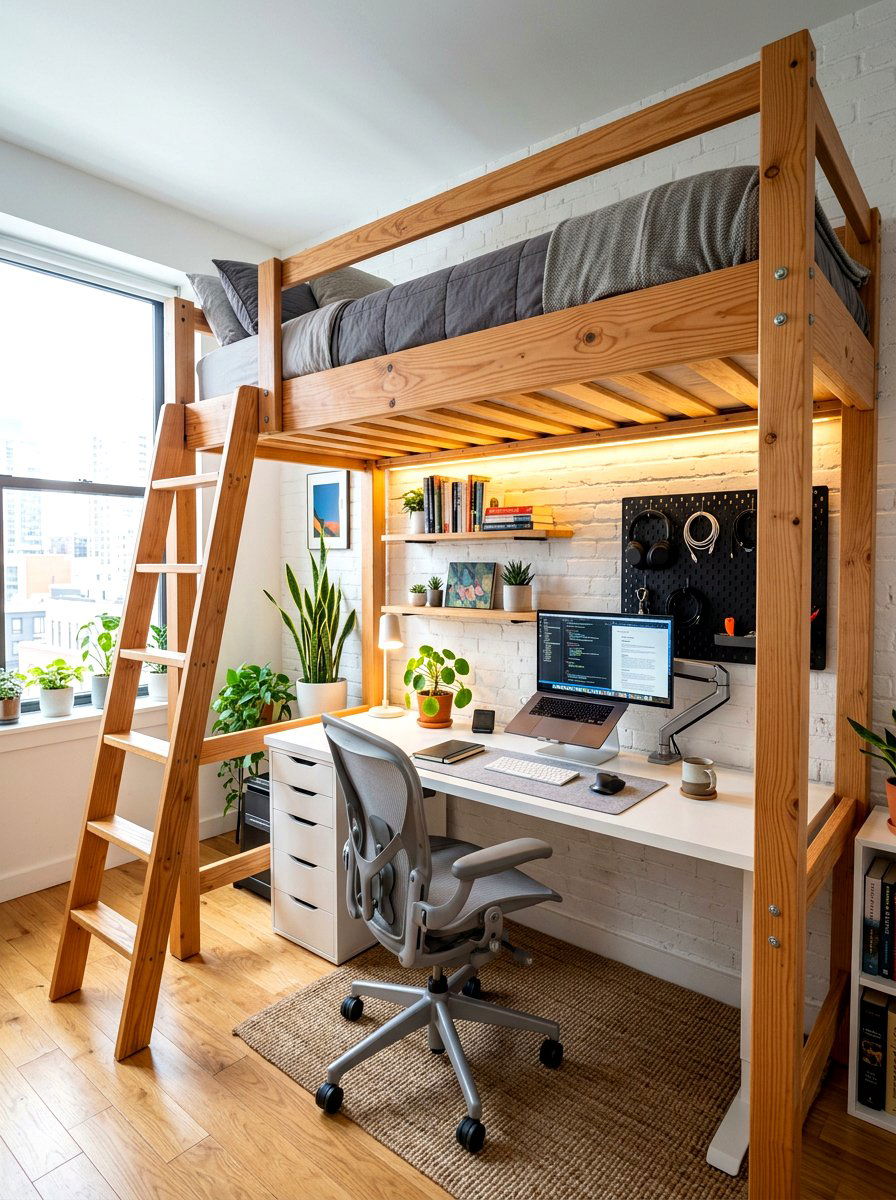
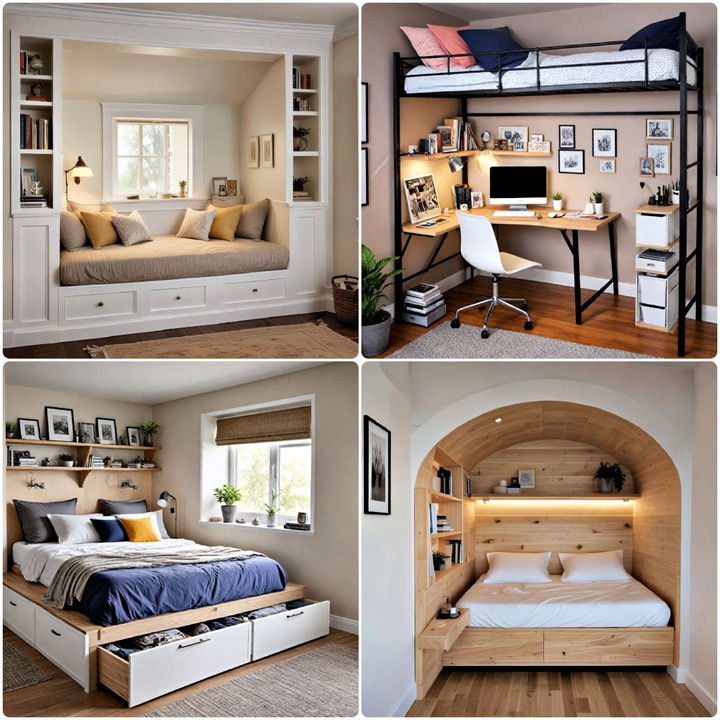
Utilizing the space under a loft bed is a smart way to create a dedicated office or writing area in a small bedroom. This built-in nook provides a sense of enclosure and privacy, making it feel like a completely separate room within your sleep space. You can install a long desk that spans the entire width of the bed frame to provide plenty of room for all your supplies. Add LED strip lights under the bed slats to illuminate your workspace without taking up valuable desk surface with a traditional lamp. This clever use of vertical space is ideal for students or those living in compact apartments.
28. Corner gallery wall
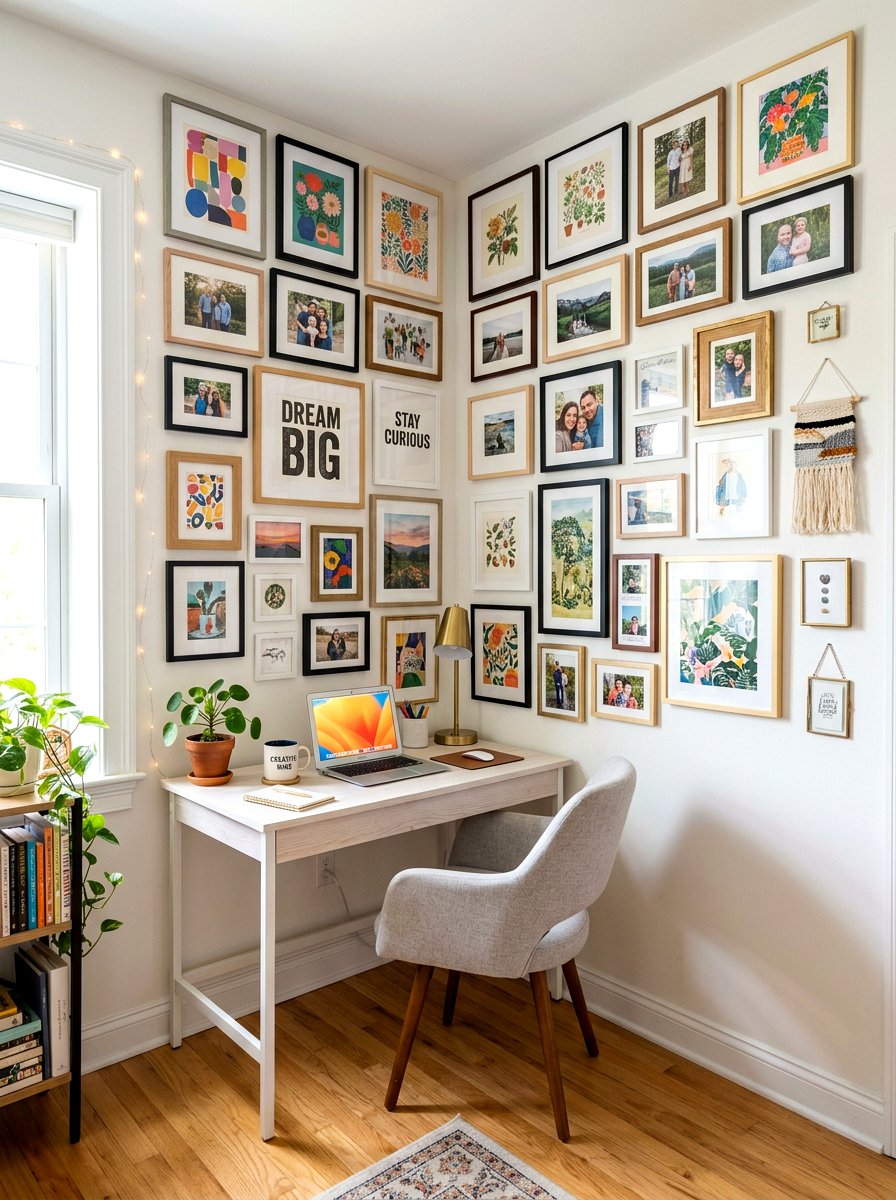
A gallery wall can serve as a powerful source of inspiration for your daily journaling and creative thinking sessions. You can surround your desk with a curated collection of framed quotes, personal photographs, and beautiful art prints that resonate with you. Choose frames in different sizes and finishes to create a dynamic and visually interesting arrangement that covers both walls in the corner. This personal display acts as a vision board, reminding you of your values, dreams, and favorite memories as you write. It transforms a plain corner into a vibrant and deeply meaningful part of your home that encourages self-expression.
29. Soft textile corner
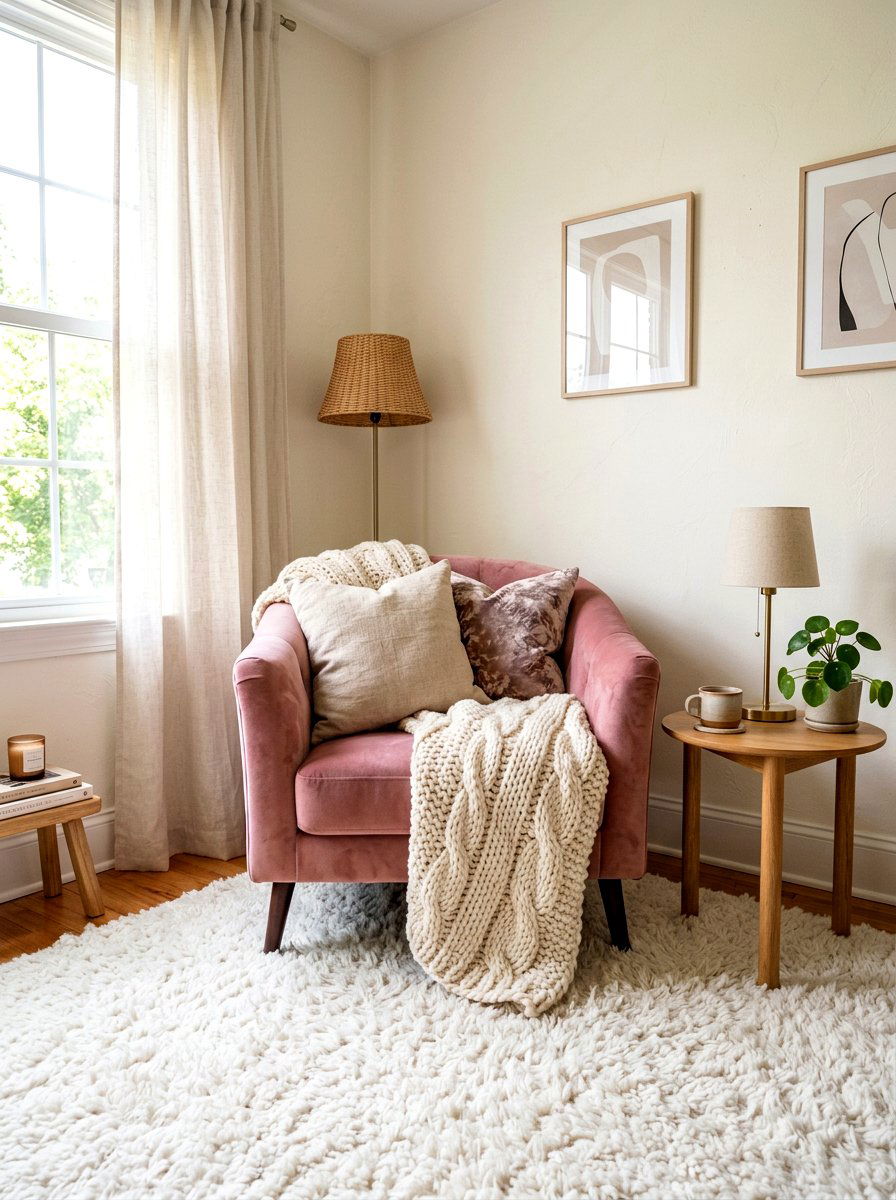
Focusing on soft textiles can turn a simple writing area into a very luxurious and comforting retreat for your daily reflections. You should use a plush velvet chair and layer the floor with a thick, high-pile rug that feels wonderful under your feet. Drape a chunky knit blanket over the back of your chair so you can wrap yourself up while you write on cold days. Using soft, tactile materials helps lower your stress levels and makes the time you spend journaling feel like a pampering self-care ritual. This approach is all about creating a sense of physical comfort and emotional safety.
30. Mirrored desk space
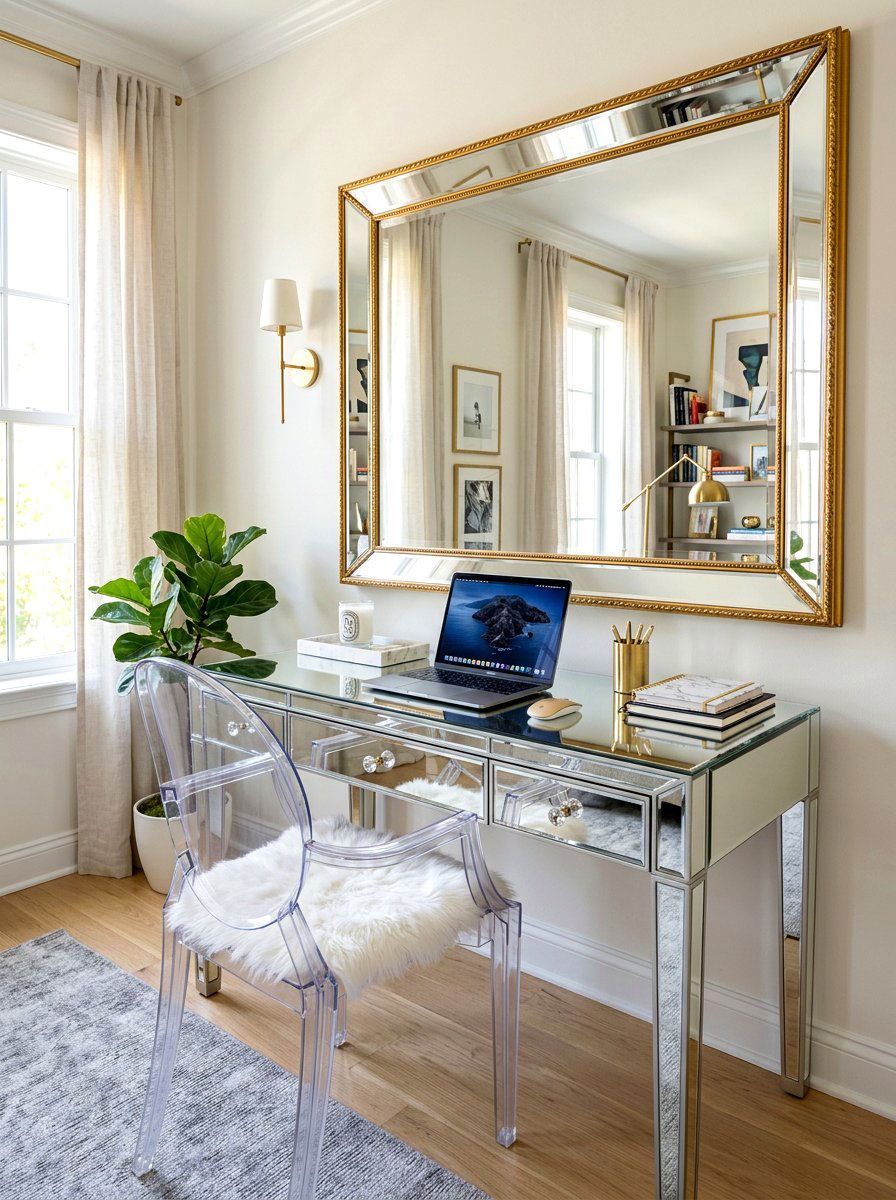
Using a mirrored desk or placing a large mirror behind your writing area can help make a small space feel much larger. The reflective surfaces bounce light around the room, creating a bright and energizing environment for your morning or afternoon journaling sessions. A mirrored desk adds a touch of glamour and sophistication to your corner, making it feel like a very special and high-end workspace. You can pair it with a clear acrylic chair to maintain the open and airy feel of the room. This stylish setup is perfect for those who want a modern and elegant space for their daily reflections.
Conclusion:
Creating a dedicated journaling corner is one of the most effective ways to nurture a consistent writing habit and improve your overall well-being. Whether you choose a minimalist desk, a cozy armchair, or a vibrant bohemian sanctuary, the key is to design a space that feels authentic to your personal style. By prioritizing comfort, lighting, and organization, you ensure that your writing retreat remains a place of peace rather than a source of stress. We hope these thirty different concepts have provided you with the inspiration needed to transform an underused area of your home into a beautiful sanctuary for your thoughts.

Related posts: