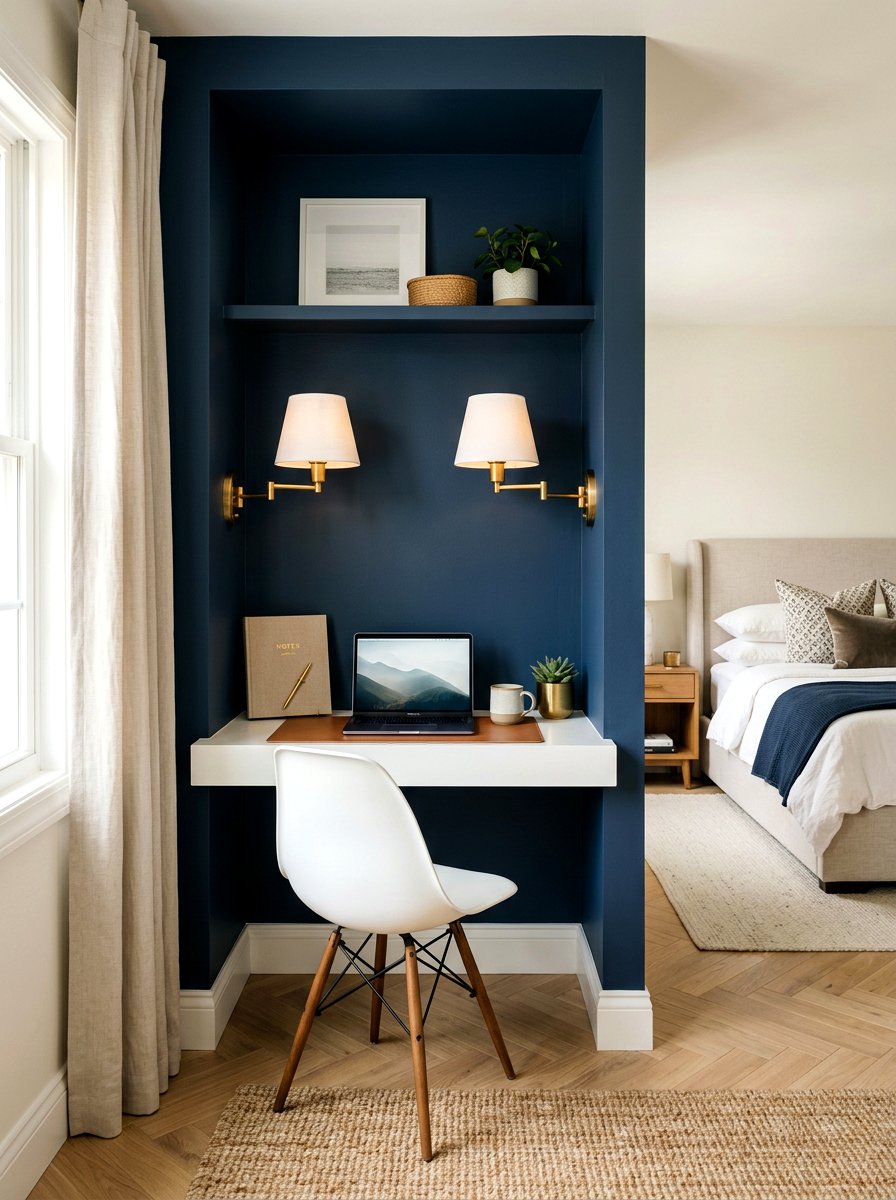
Every dedicated writer knows that the environment where stories come to life is just as important as the ink on the page. A well-designed writing room serves as a sanctuary that filters out the noisy outside world and invites focus, creativity, and flow into your daily routine. Whether you are drafting a novel or simply journal your thoughts, having a curated space allows your mind to settle and your imagination to expand without limits. From small cozy nooks to grand home libraries, the right atmosphere can transform your productivity levels and make the act of writing feel like a luxurious escape from reality.
1. Small Writing Nook
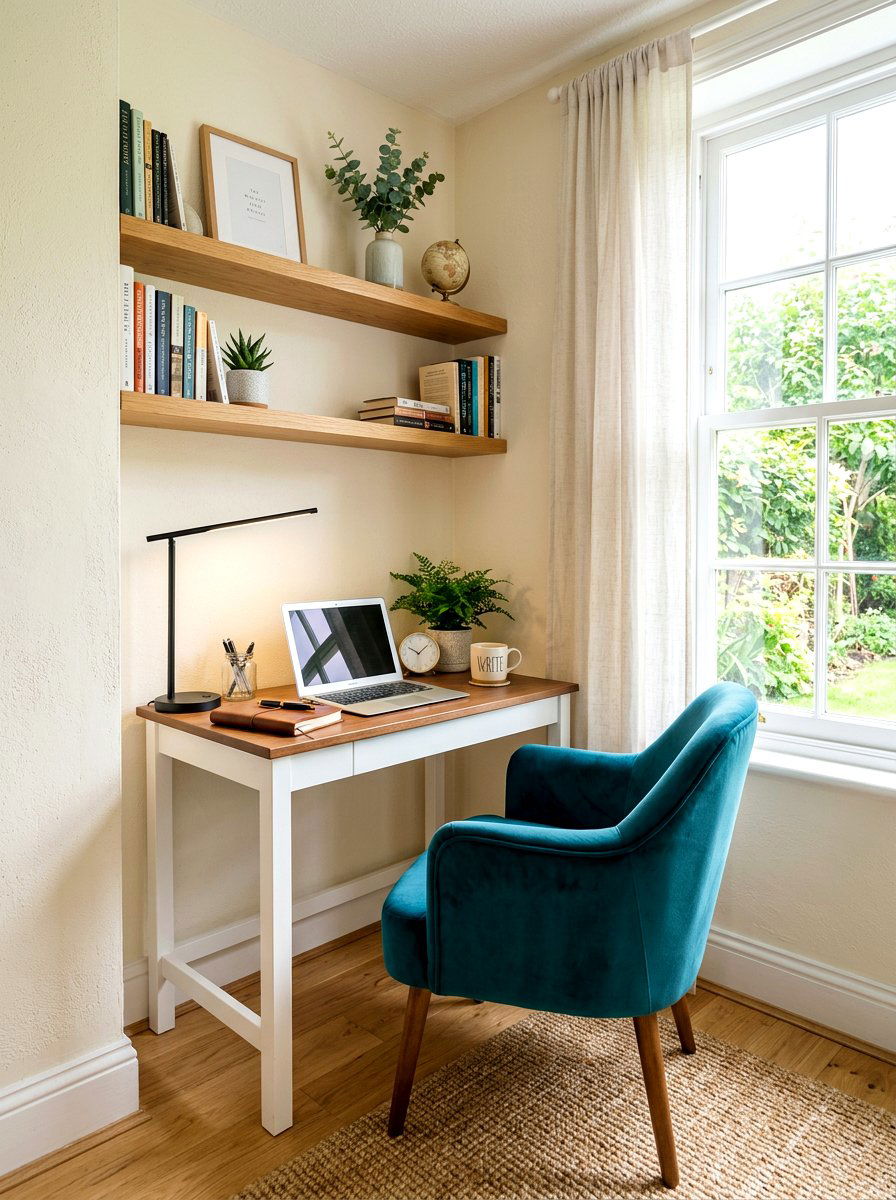
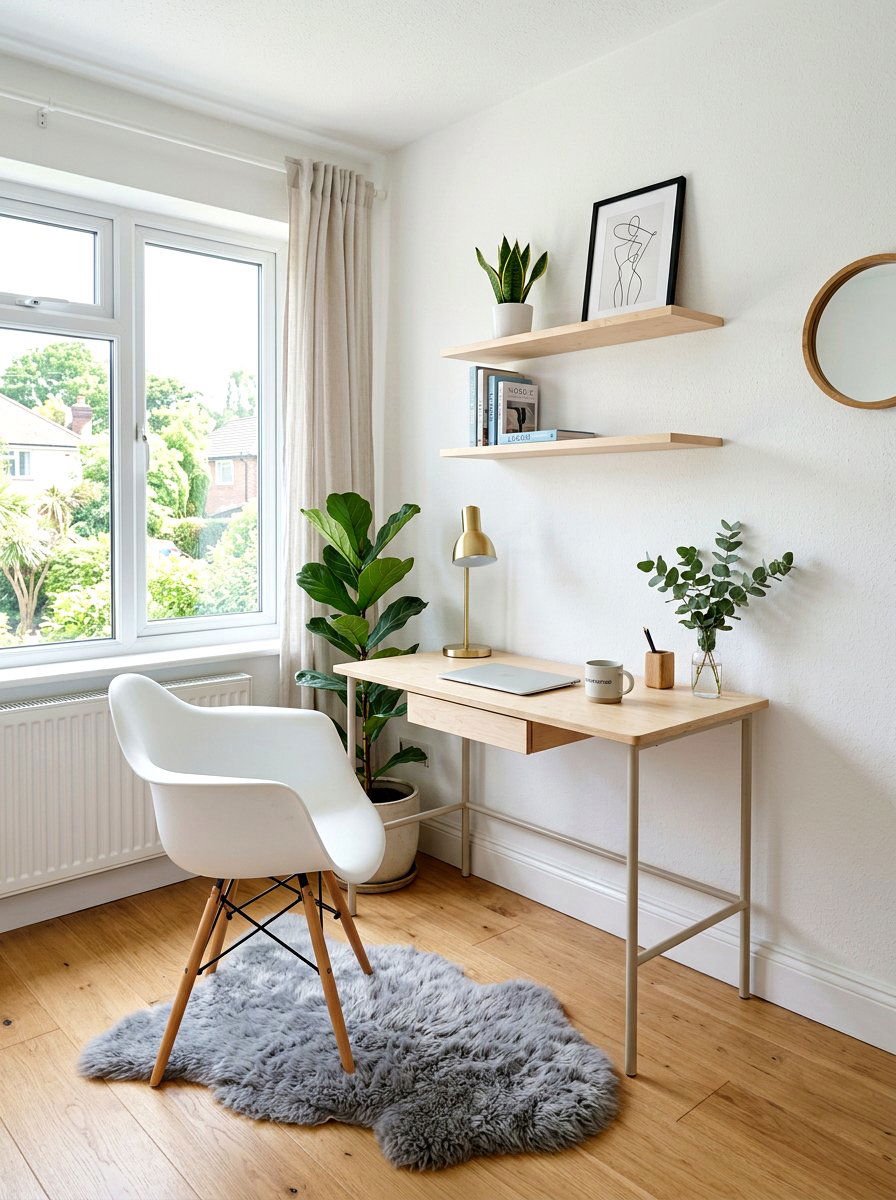
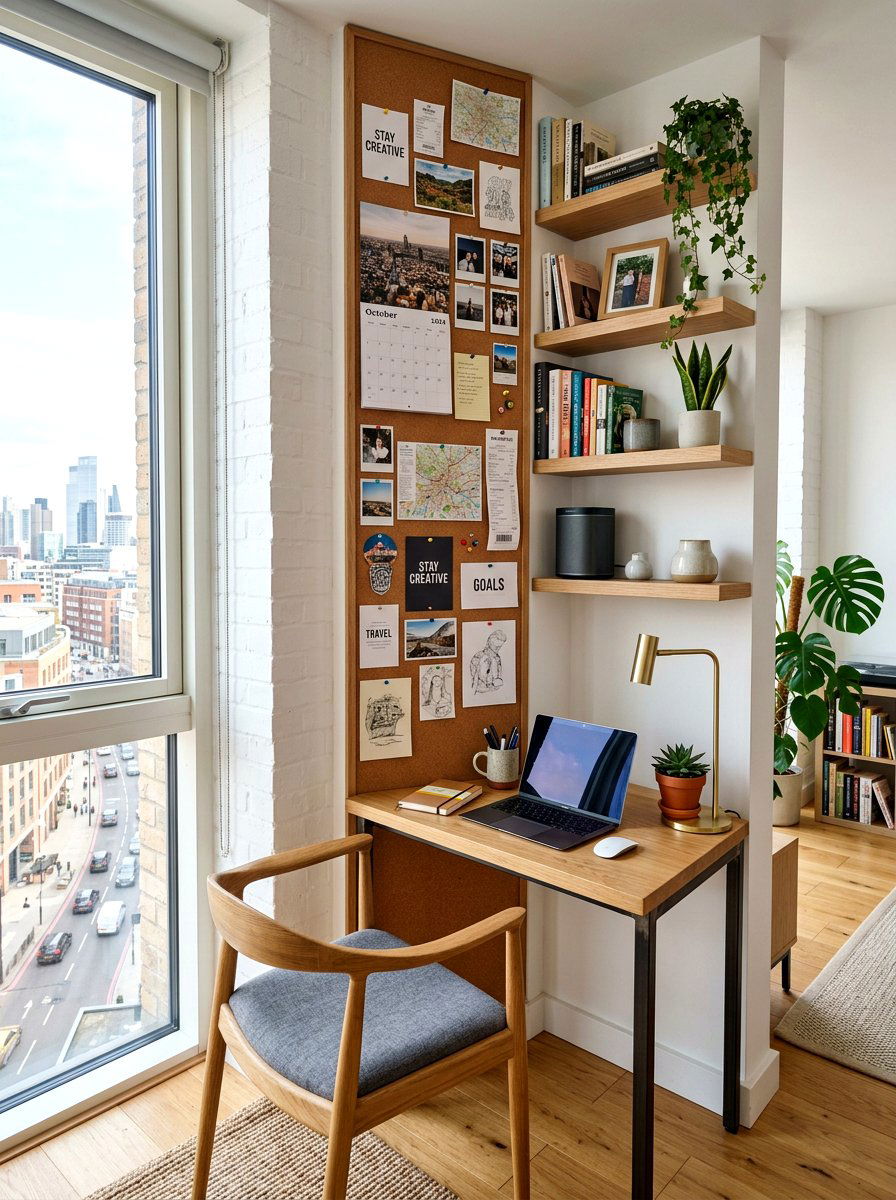
Creating a functional writing space in a small home requires a clever approach to unused corners and tight spaces. You can easily carve out a productive sanctuary by selecting a compact desk that fits snugly against a wall or within an alcove. Incorporating light, neutral colors helps to make the area feel more open and less cramped while you work. To maximize efficiency, use vertical shelving to store your reference books and stationery, keeping the desk surface clutter-free for your laptop or notebook. Adding a comfortable chair with soft textures ensures that even the smallest nook remains an inviting place for long and focused creative sessions.
2. Minimalist Home Office
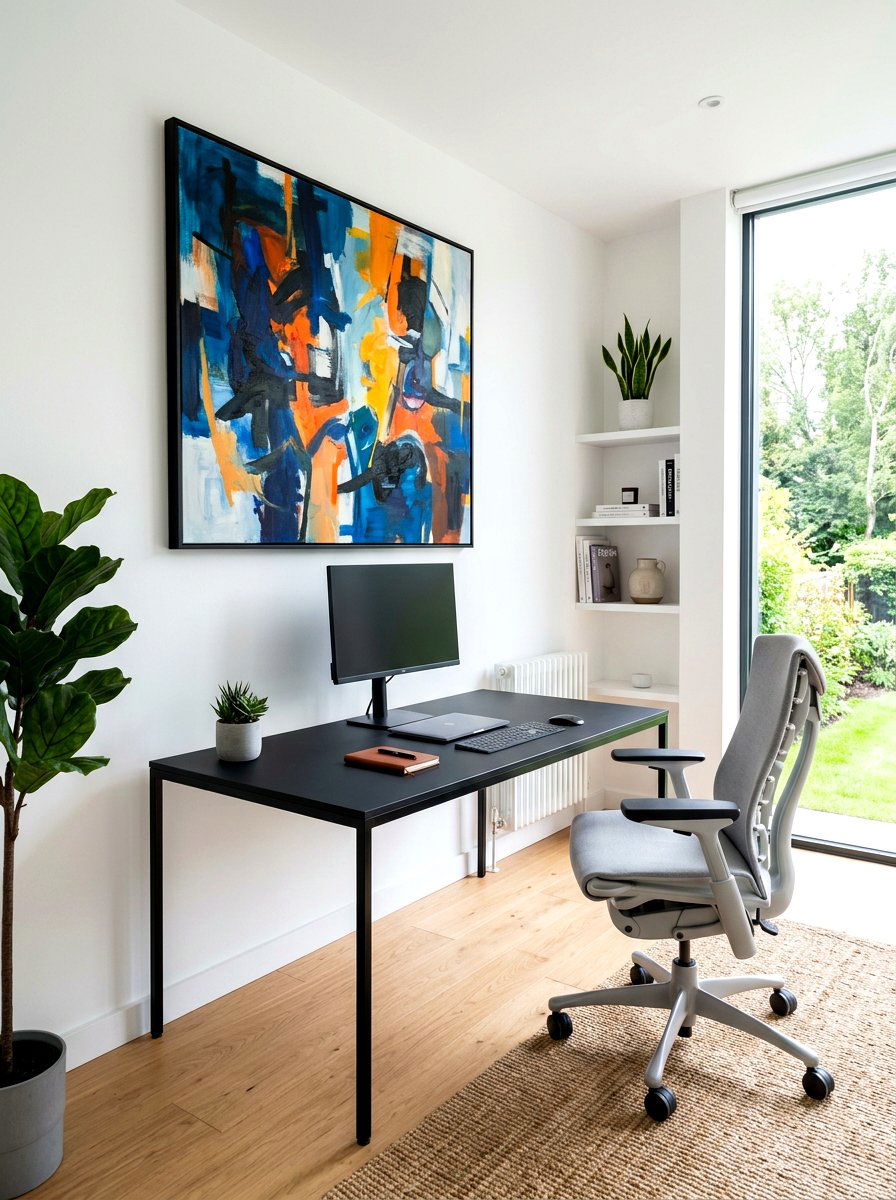
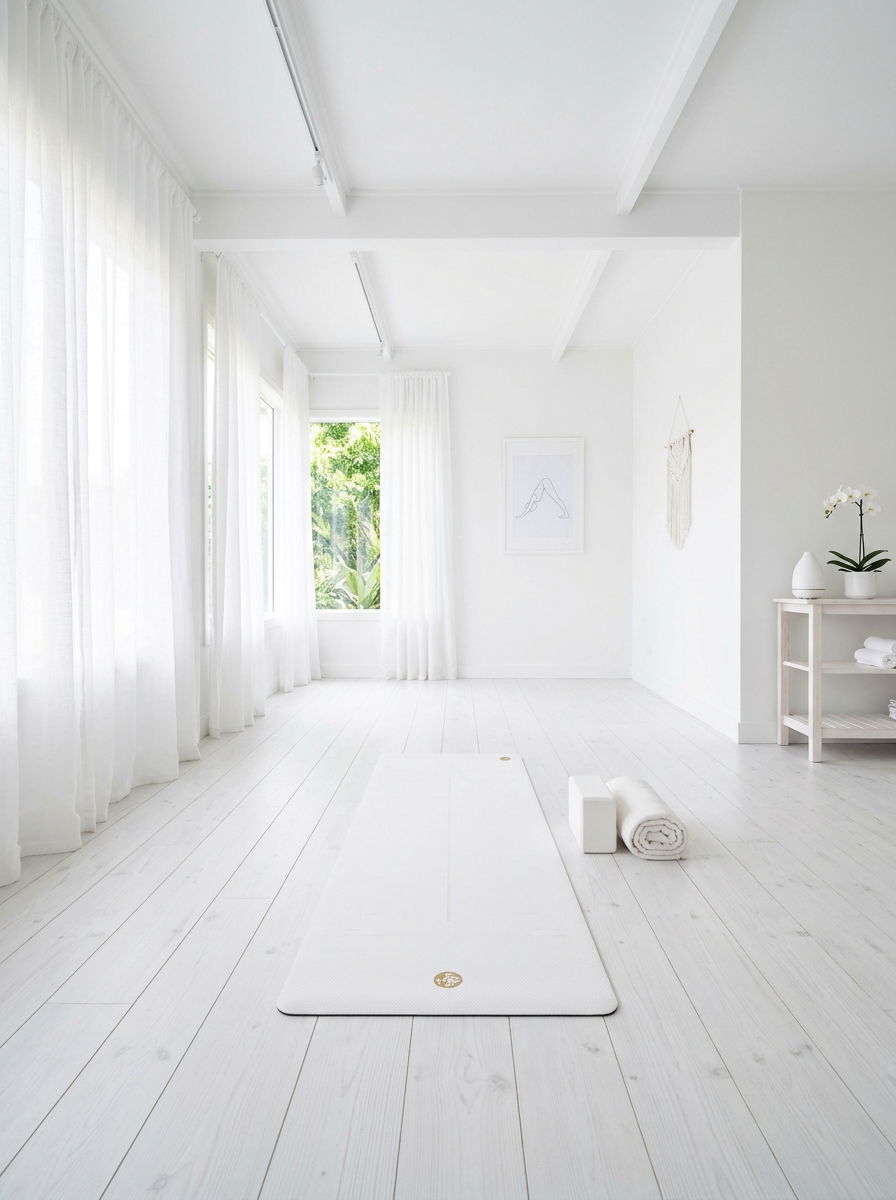
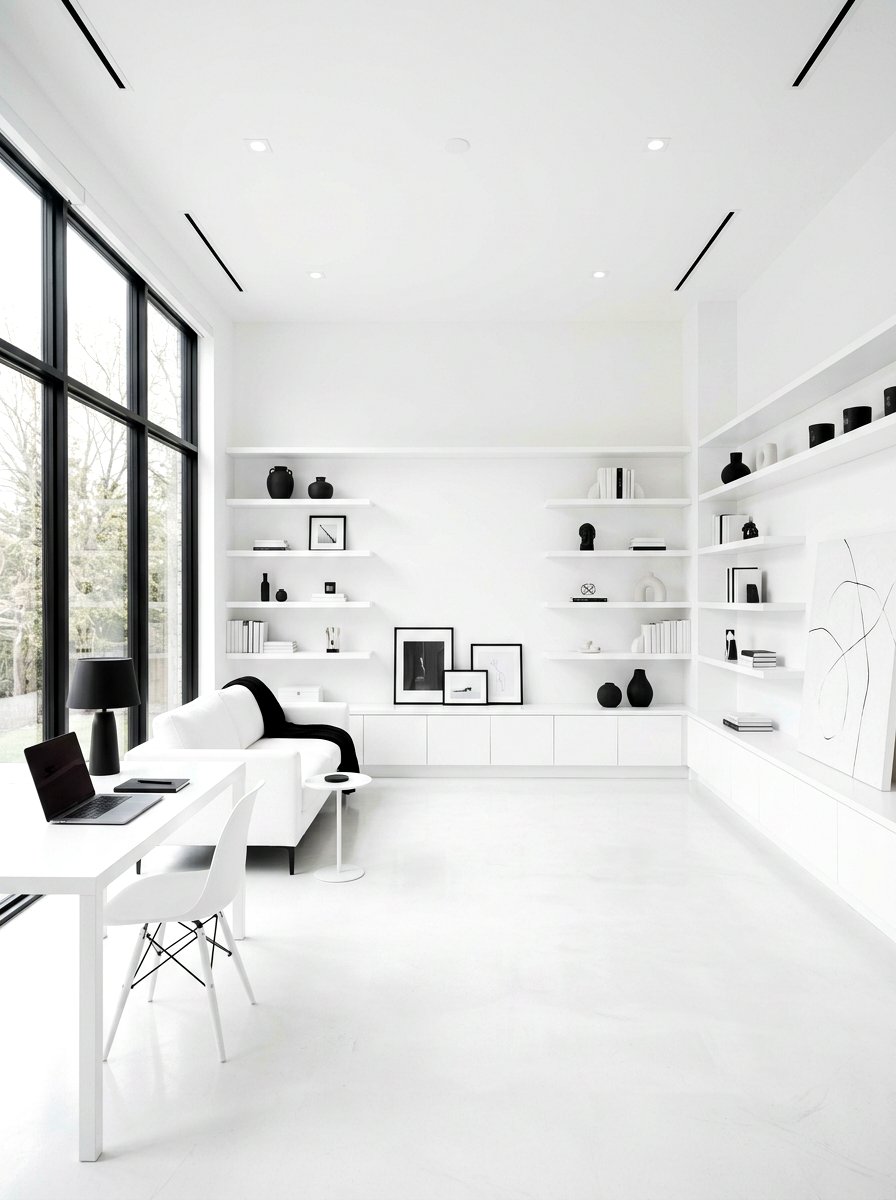
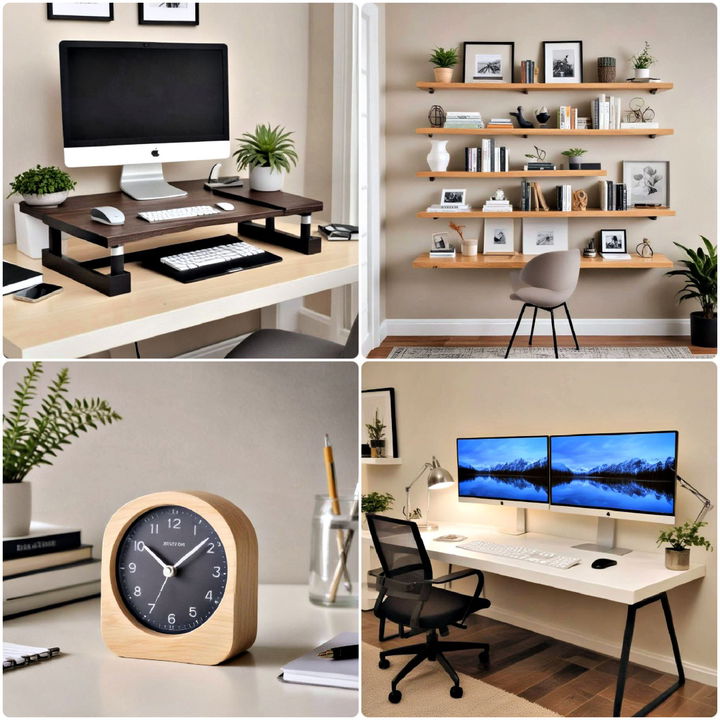
A minimalist home office focuses on the philosophy that a clear space leads to a clear and focused mind. By eliminating unnecessary distractions and visual clutter, you create an environment where your thoughts can take center stage without interruption. Choose a sleek, simple desk with clean lines and pair it with a single piece of inspiring artwork to ground the room. Neutral tones like soft grays and whites provide a calm backdrop that allows you to concentrate on your projects for hours. Functional storage solutions that hide away cables and supplies are essential for maintaining this polished, professional, and tranquil writing environment every day.
3. Dark Academia Study
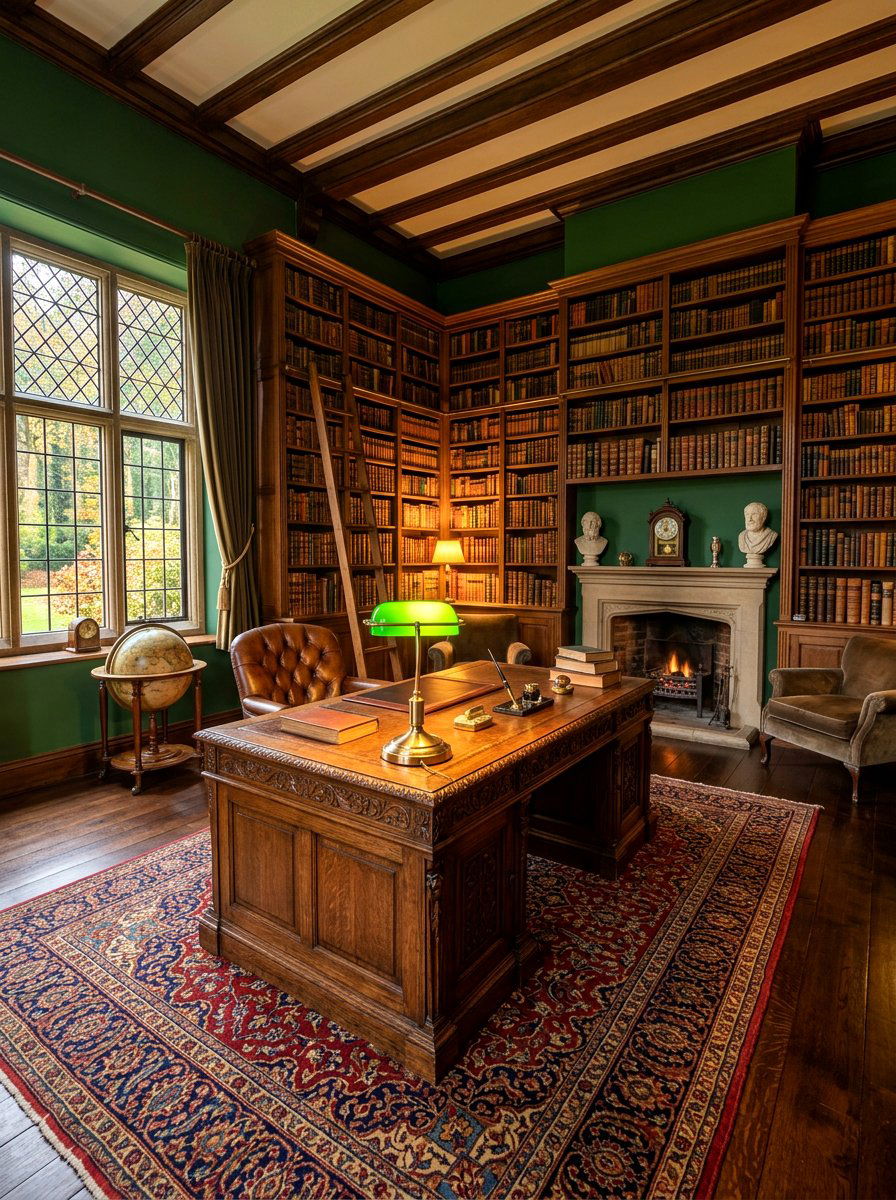
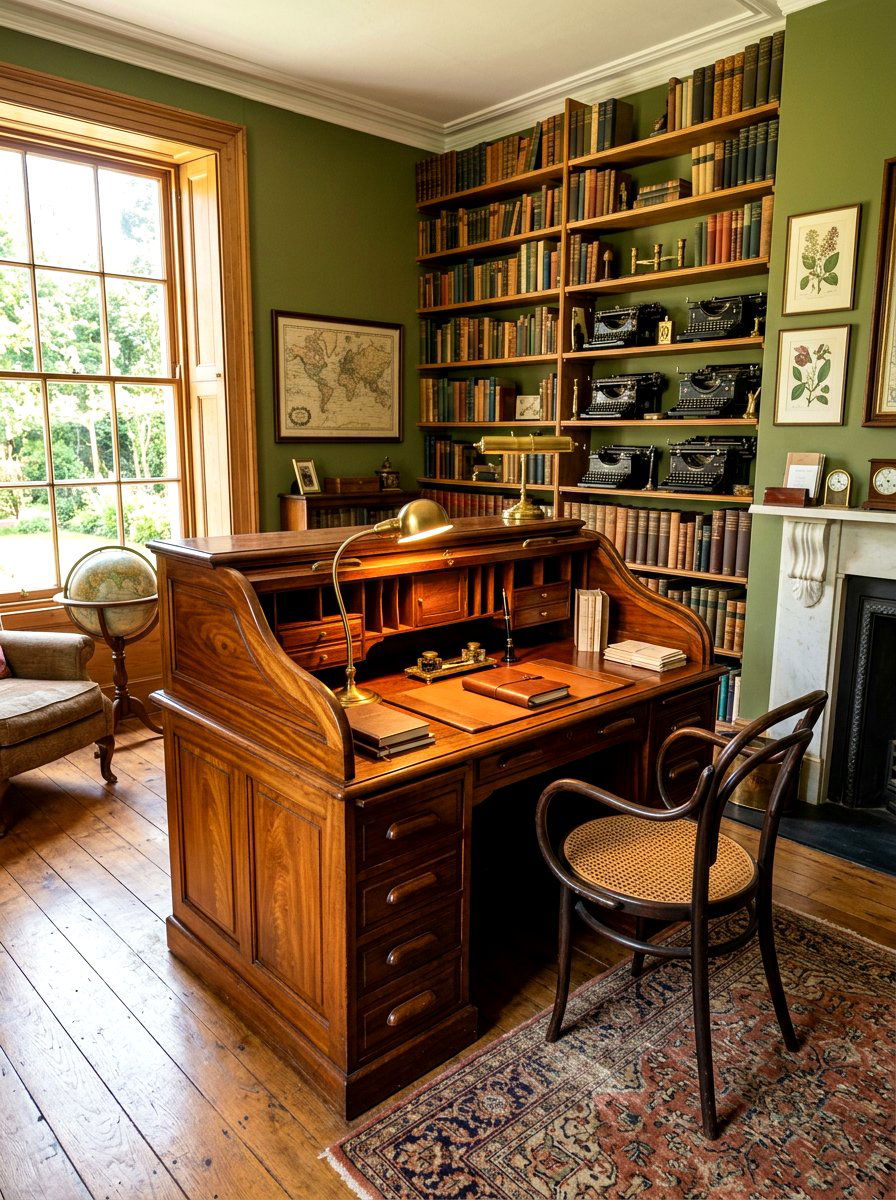
Embracing the dark academia aesthetic transforms a standard writing room into a moody, intellectual retreat that feels like a classic library. Use deep colors like forest green, navy blue, or charcoal on the walls to create a sense of mystery and sophistication. Rich wooden furniture, such as a heavy oak desk and floor-to-ceiling bookshelves, anchors the space and provides ample room for your collection of classic literature. Soft, warm lighting from brass desk lamps and flickering candles adds to the atmospheric vibe, making it the perfect spot for late-night drafting. Touches of vintage decor, like globes and inkwells, complete this deeply scholarly and inspiring environment.
4. Attic Writing Space
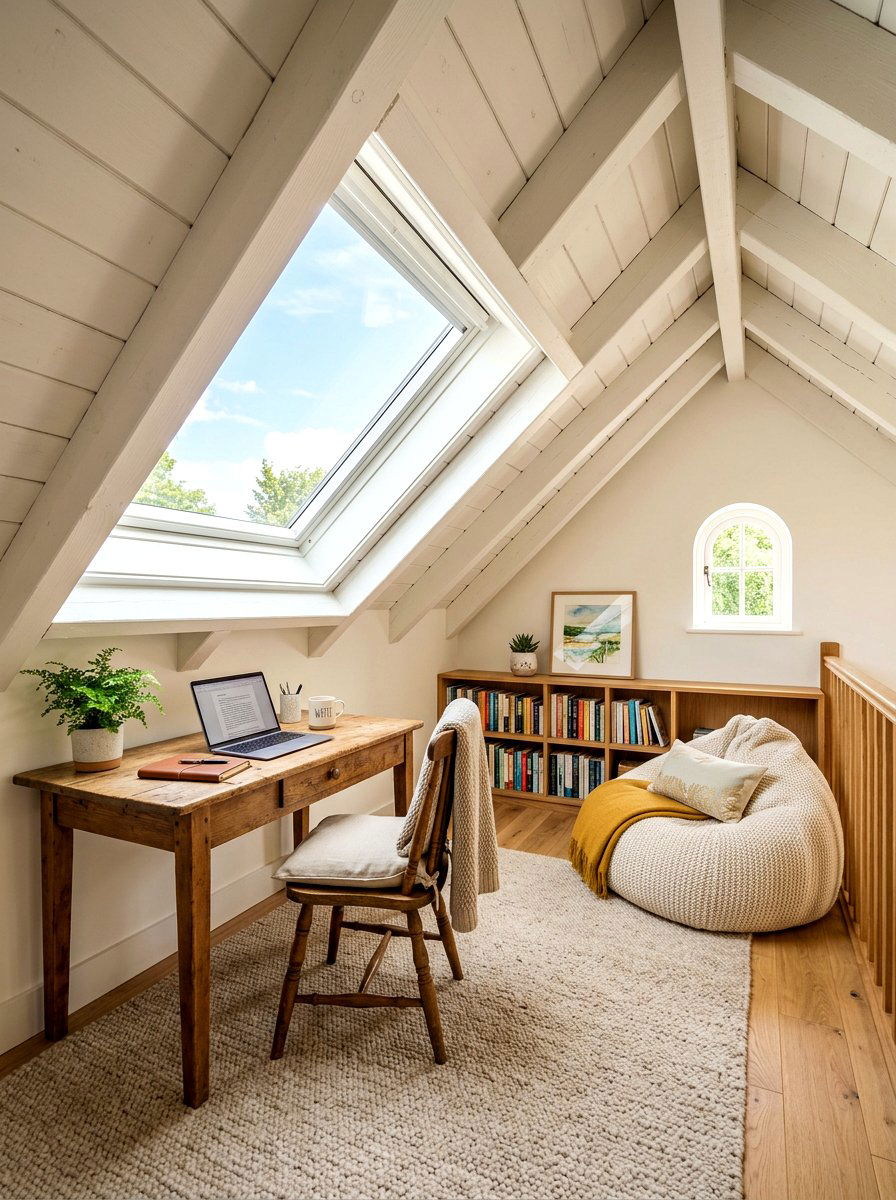
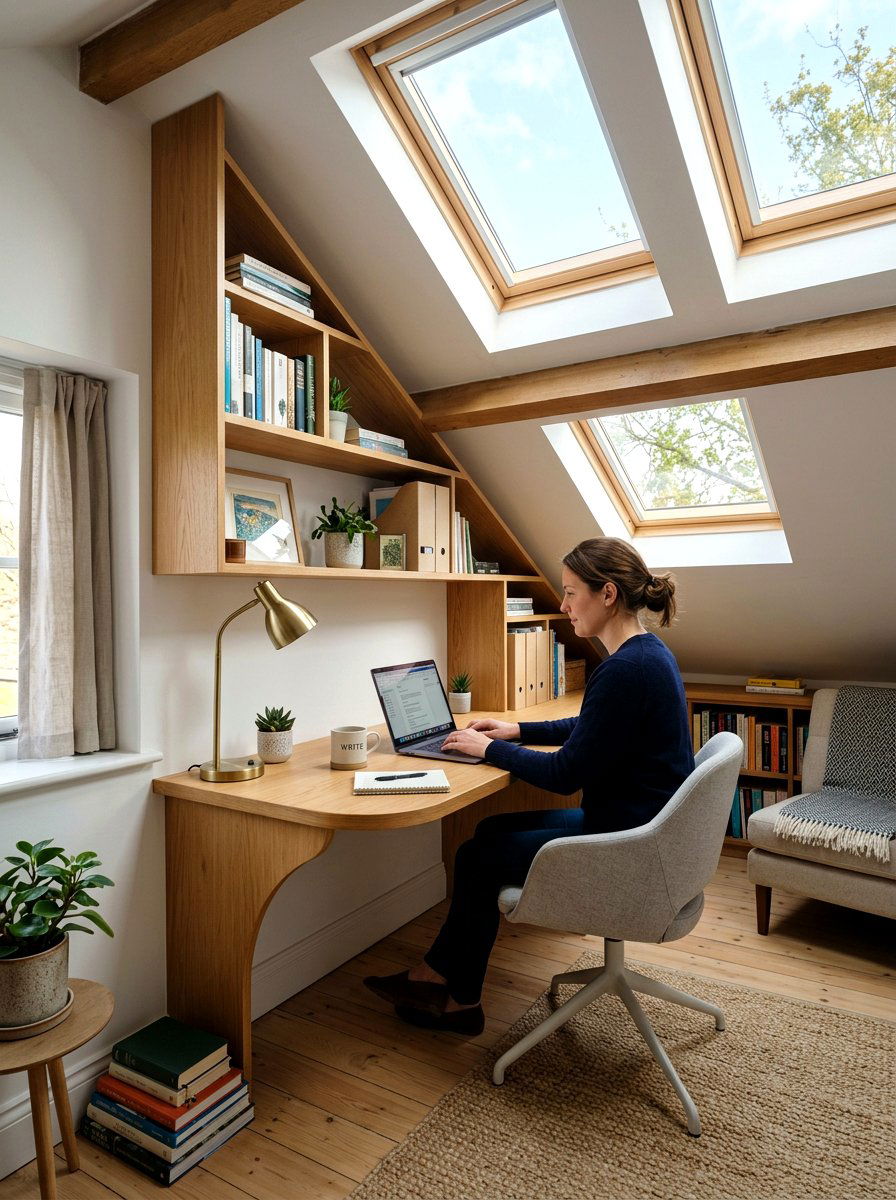
Converting an attic into a dedicated writing area offers a unique sense of privacy and seclusion away from the main living quarters. The slanted ceilings and architectural quirks of a loft provide a cozy, cocoon-like atmosphere that naturally fosters deep concentration and creative thinking. Position your desk under a skylight to take full advantage of natural light, which keeps the space feeling bright and airy throughout the day. Soft rugs and plush seating can help dampen sound, ensuring that your sanctuary remains quiet and peaceful. This elevated retreat allows you to literally rise above daily distractions and fully immerse yourself in your current project.
5. Library Wall Room
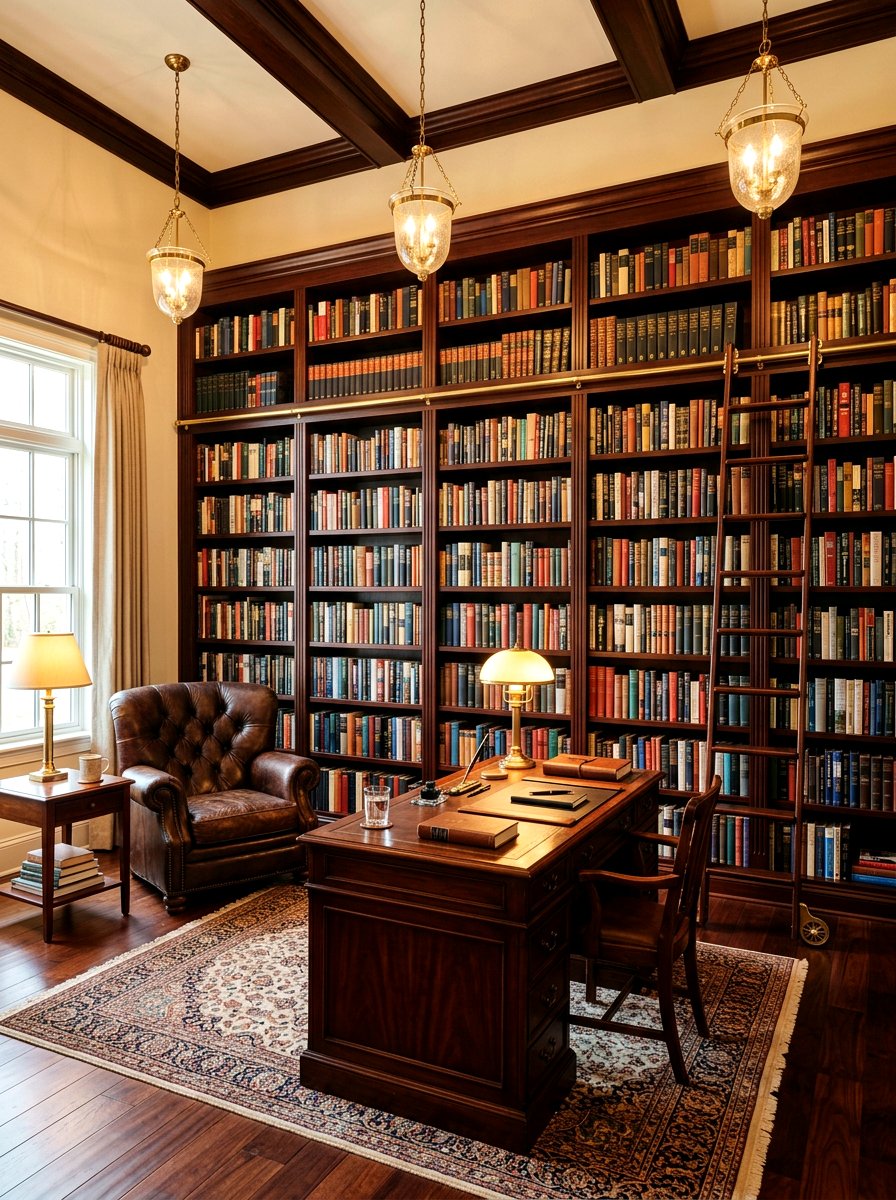
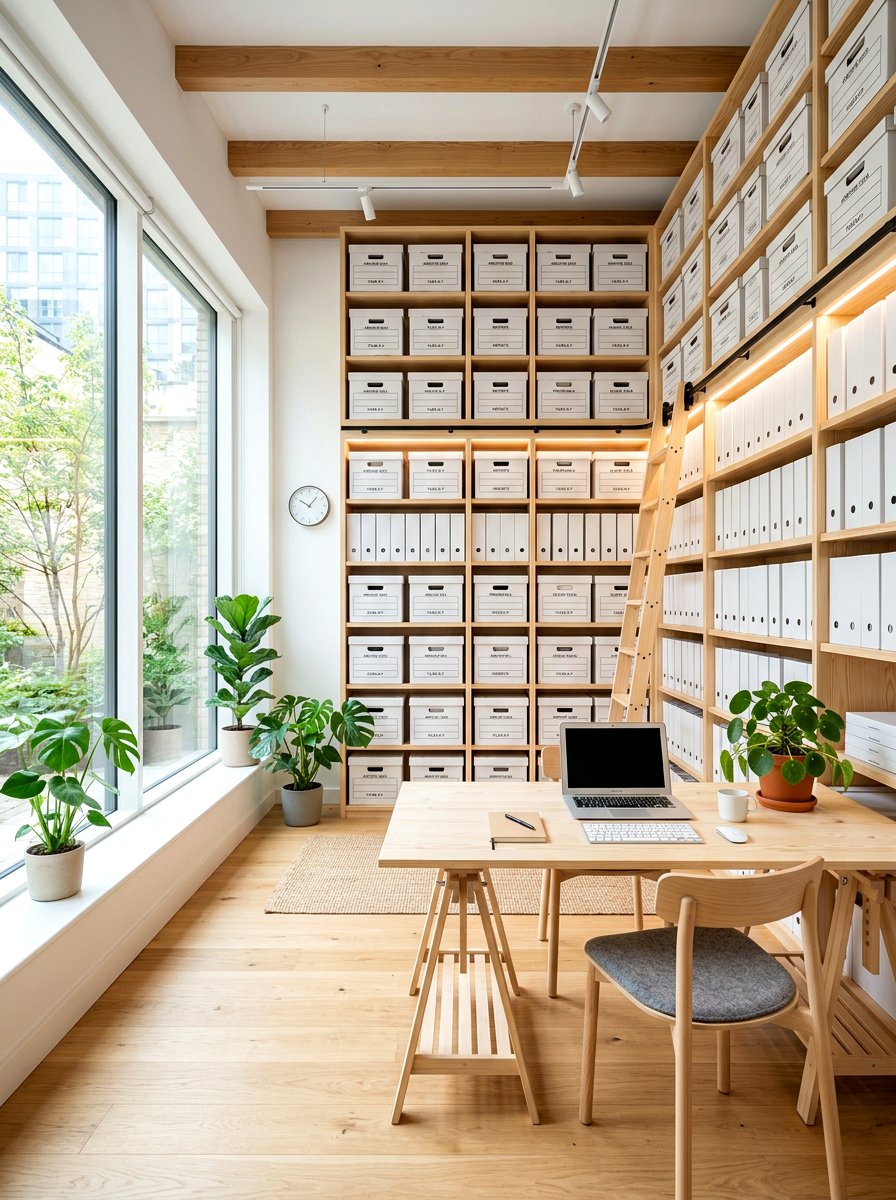
A writing room centered around a massive library wall serves as a constant source of inspiration for any dedicated literary enthusiast. Surrounding yourself with rows of books not only provides easy access to reference materials but also creates a beautiful and textured backdrop. You can arrange your desk to face the bookshelves or place it in the center of the room to feel enveloped by knowledge. Integrated ladder systems add a touch of traditional charm and allow you to reach higher volumes with ease. This design approach celebrates the written word and creates a sophisticated atmosphere that encourages a life of constant reading and writing.
6. Garden Writing Shed
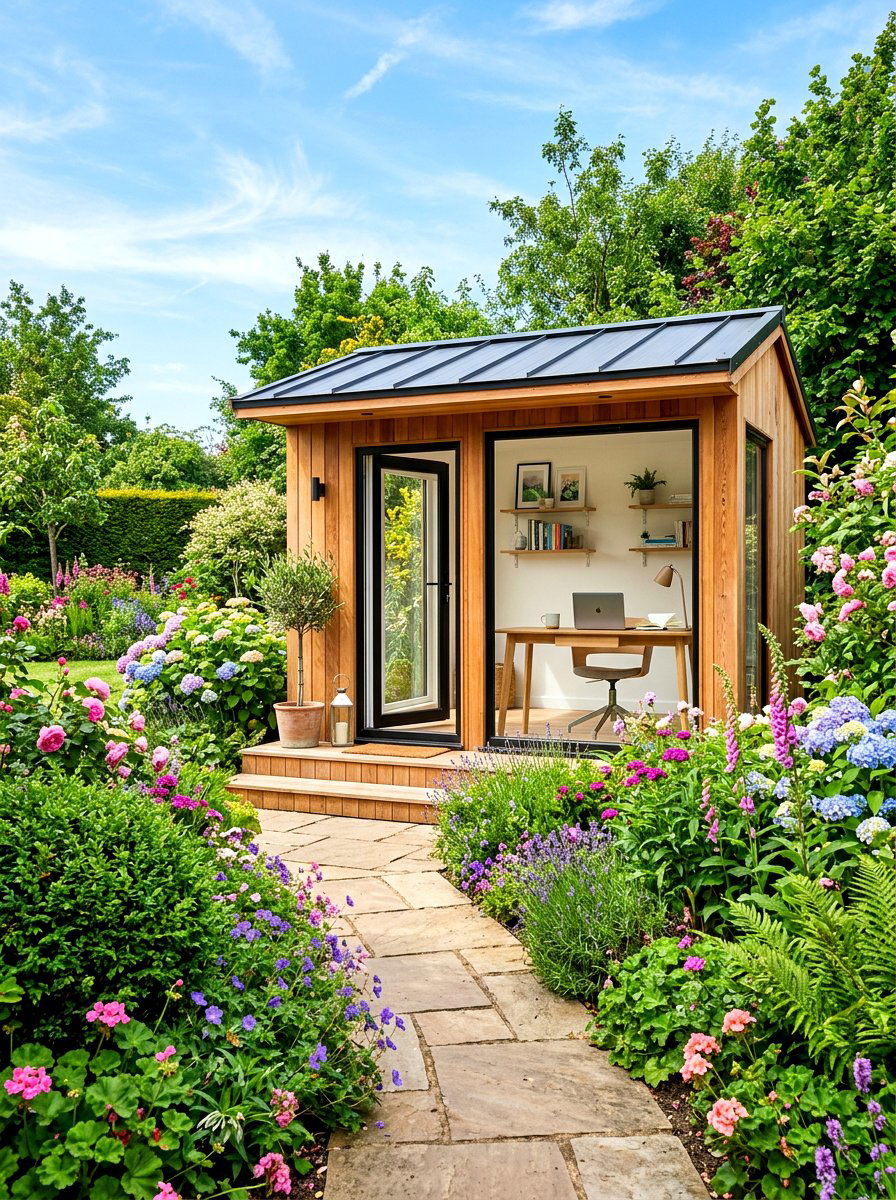
Stepping away from the main house and into a garden writing shed provides a physical and mental boundary for your creative work. This detached sanctuary allows you to connect with nature while maintaining a professional environment that is free from household noises and chores. Large windows or glass doors should be used to frame views of the surrounding greenery, bringing the calming effect of the outdoors inside. Use natural materials like light woods and woven textures to complement the garden setting and create a serene, rustic vibe. This peaceful outdoor office is ideal for writers who find their best ideas while breathing in fresh air.
7. Vintage Secretary Desk
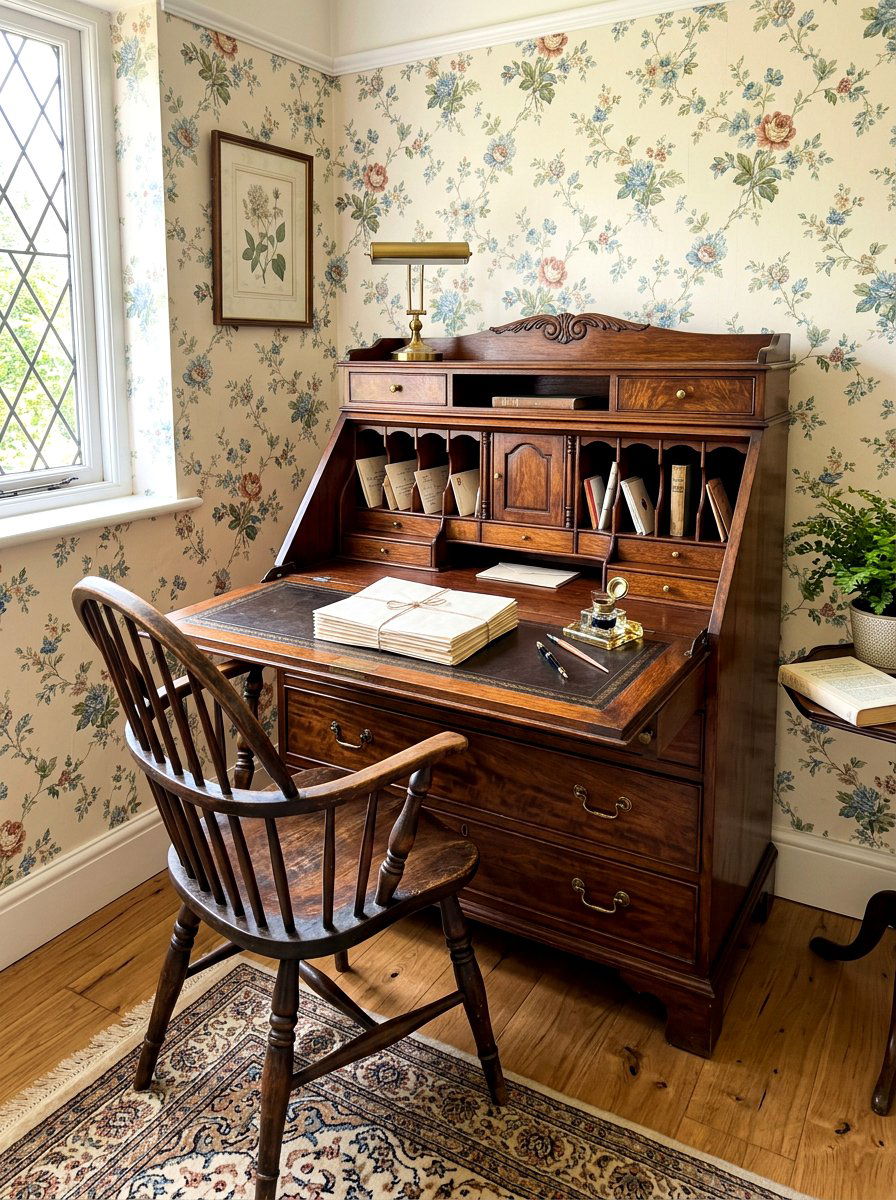
A vintage secretary desk is a timeless piece of furniture that brings a sense of history and elegance to any writing room. These desks often feature intricate drawers and cubbies that are perfect for organizing stationery, pens, and personal letters in a stylish way. The fold-down surface allows you to tuck your work away when you are finished, helping to maintain a clean and organized appearance. Pair the desk with an antique chair and a classic table lamp to enhance the traditional feel of the space. This setup is perfect for those who appreciate the tactile nature of handwriting and want a classic focal point.
8. Built In Bookshelves
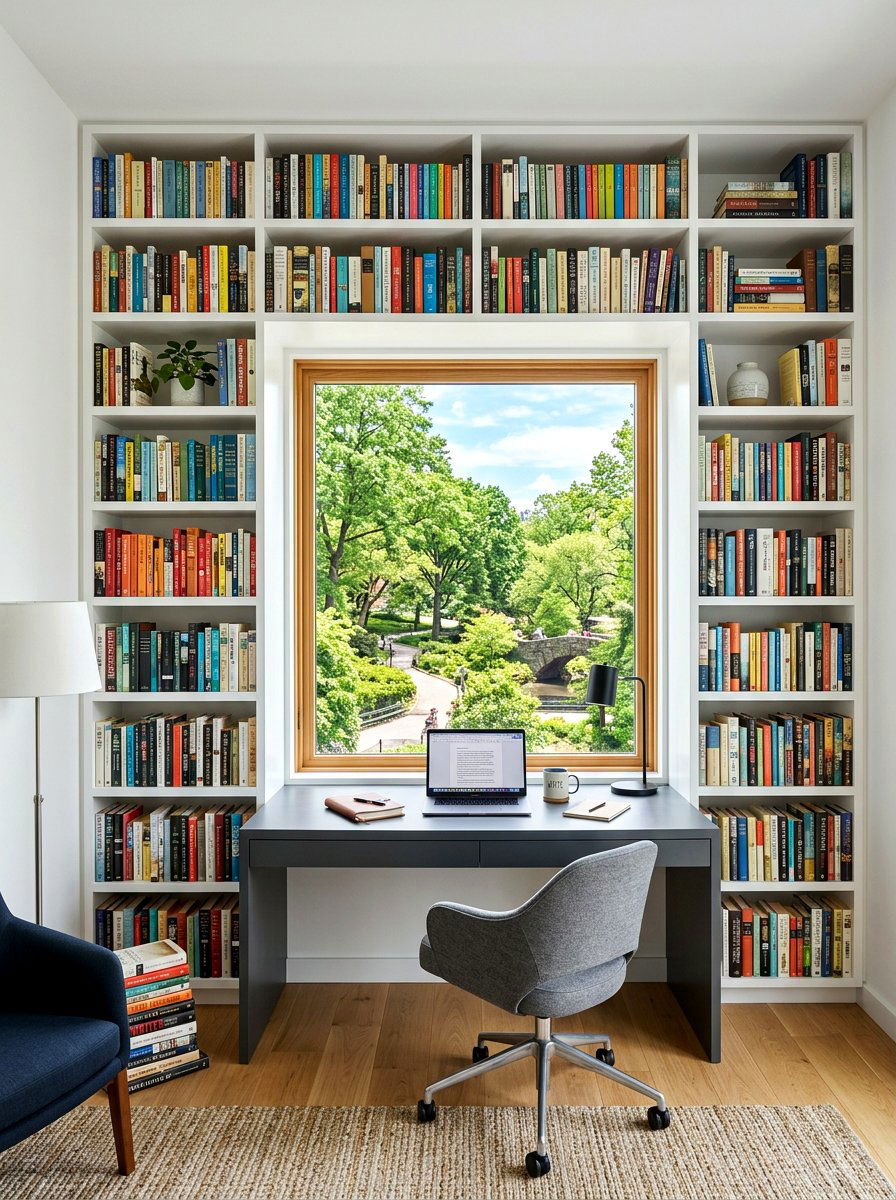
Installing built-in bookshelves is a sophisticated way to create a permanent and organized home for your growing library and writing tools. These structures can be customized to fit the exact dimensions of your room, making the most of every inch of available wall space. By integrating storage directly into the architecture, you create a seamless and high-end look that feels both intentional and incredibly functional. You can leave space in the center for a built-in desk or use the shelves to frame a large window for a picturesque view. This permanent installation adds value to your home while providing a highly organized creative environment.
9. Window Seat Writer
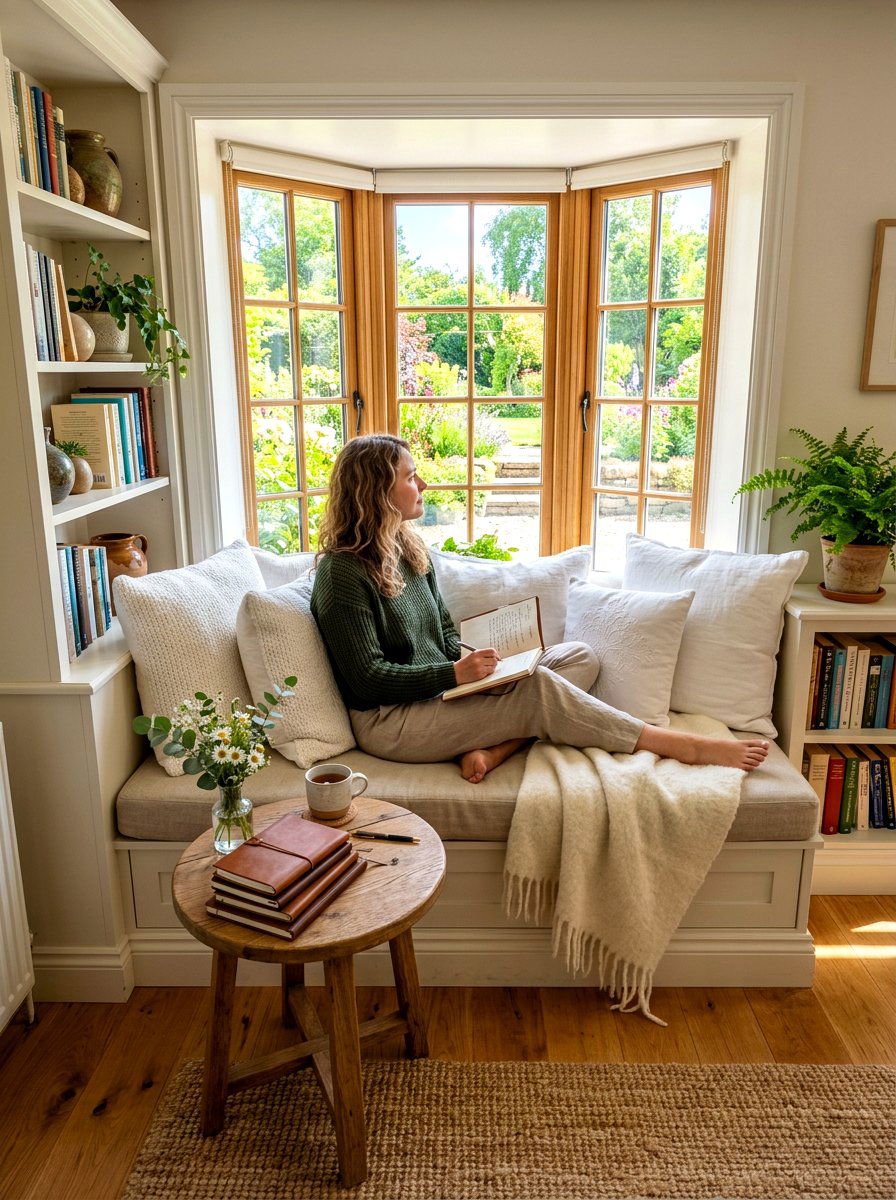
A built-in window seat provides a comfortable and scenic spot for the brainstorming and reading phases of your creative writing process. Nestling a desk right next to a large window allows you to switch between typing and lounging while staying bathed in natural light. This setup is particularly effective for writers who enjoy people-watching or staring at the landscape to find fresh inspiration for their stories. Use plush cushions and decorative pillows to make the nook as cozy as possible for long afternoon sessions. The combination of a functional workspace and a relaxing viewing area creates a balanced and highly productive environment.
10. Industrial Style Workspace
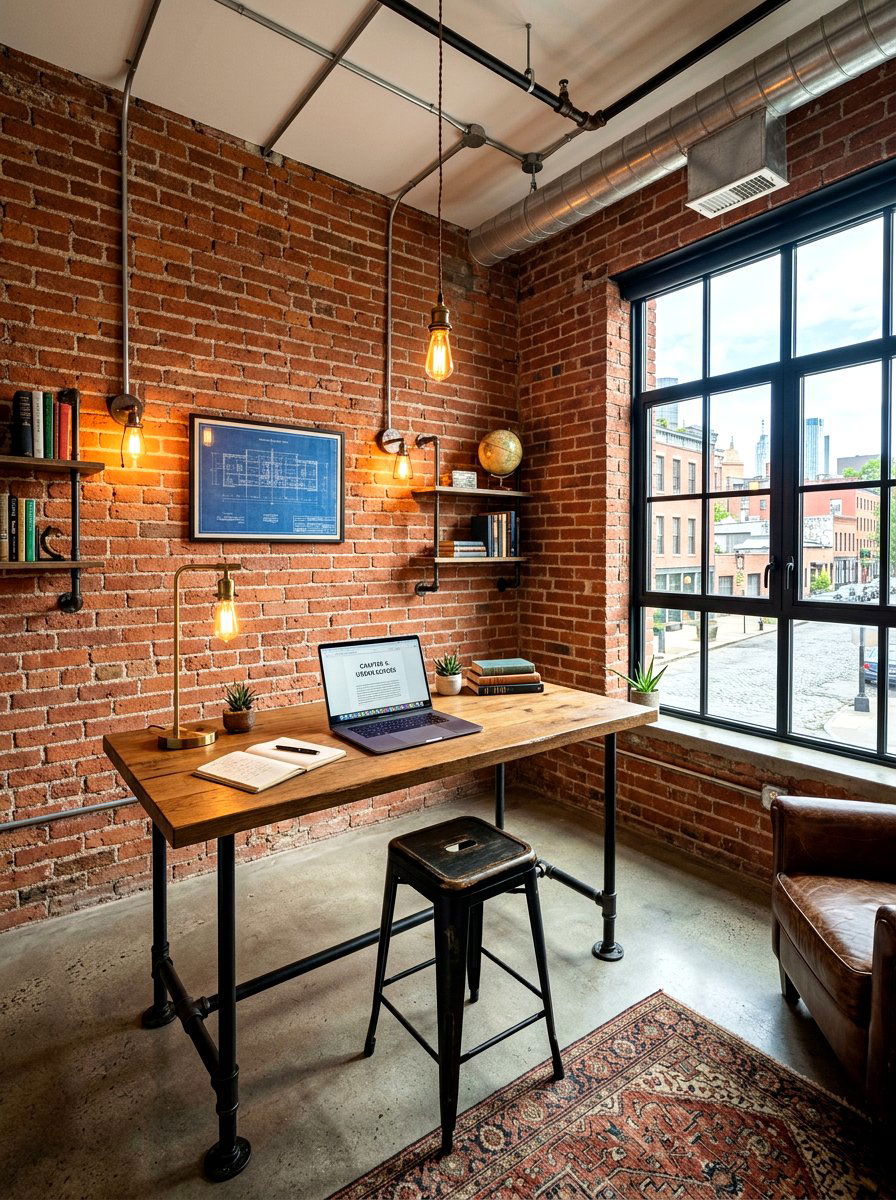
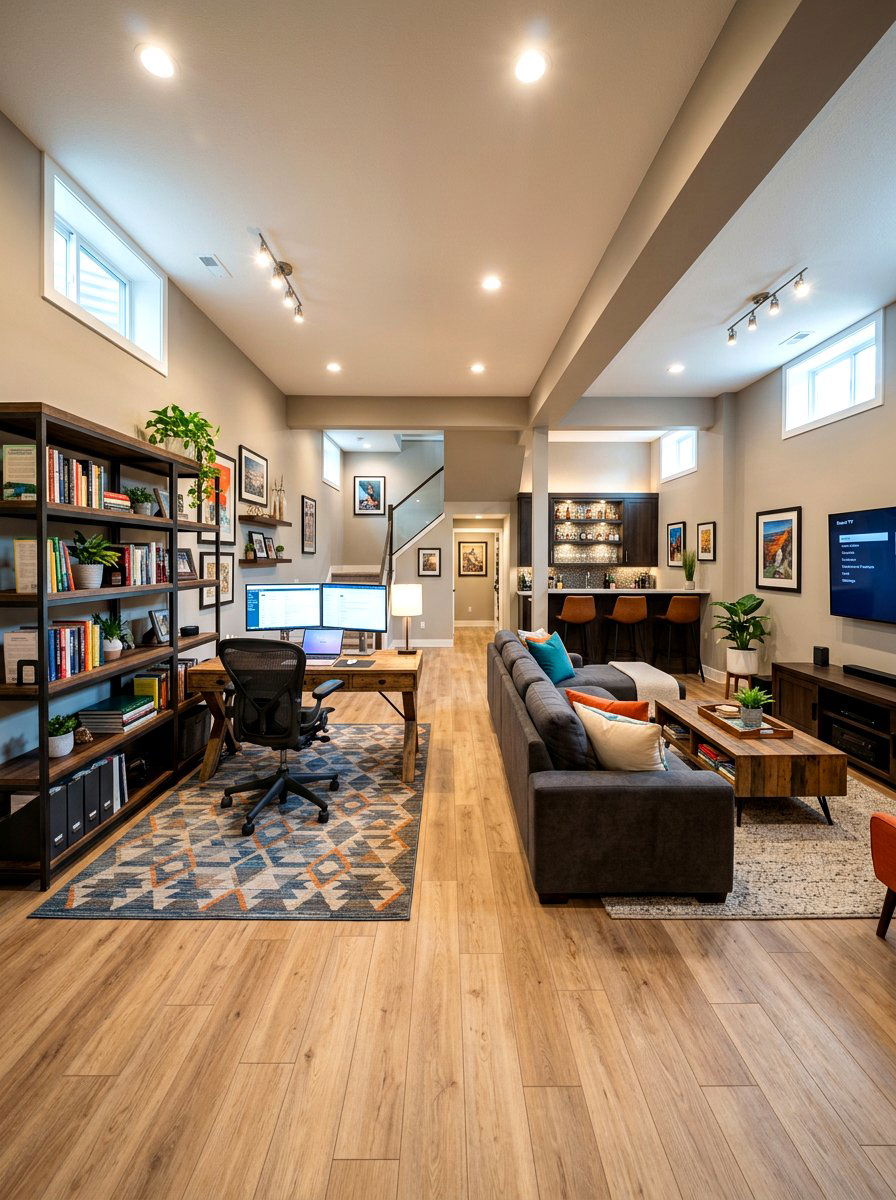
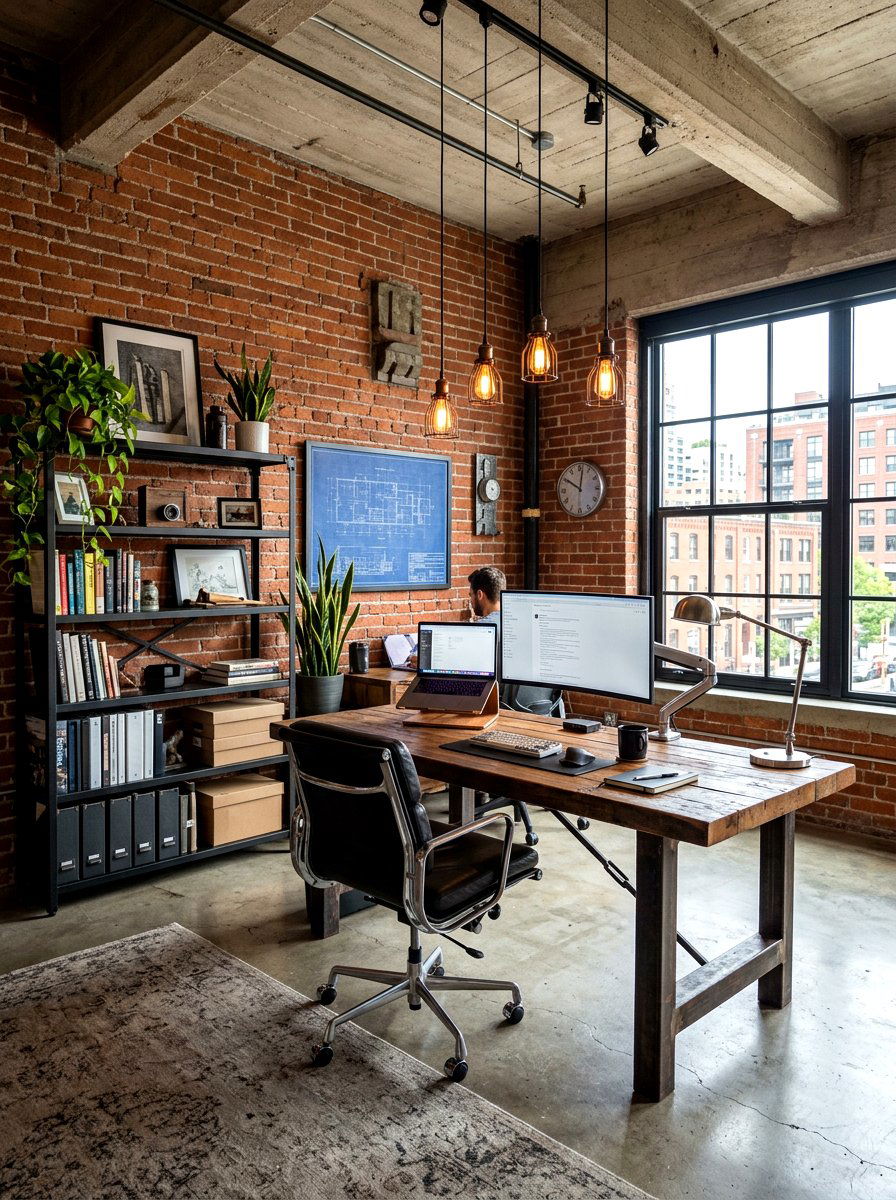
An industrial style workspace combines raw materials and modern functionality to create a bold and energizing environment for creative professionals. Use a mix of metal, reclaimed wood, and exposed brick to establish a rugged aesthetic that feels both urban and highly sophisticated. Large industrial windows allow plenty of light to flood the room, while minimalist furniture keeps the focus on your work. Adding vintage factory lighting or Edison bulbs provides a warm glow that softens the hard edges of the design. This style is perfect for writers who want a space that feels grounded, durable, and full of unique architectural character.
11. Cozy Corner Space
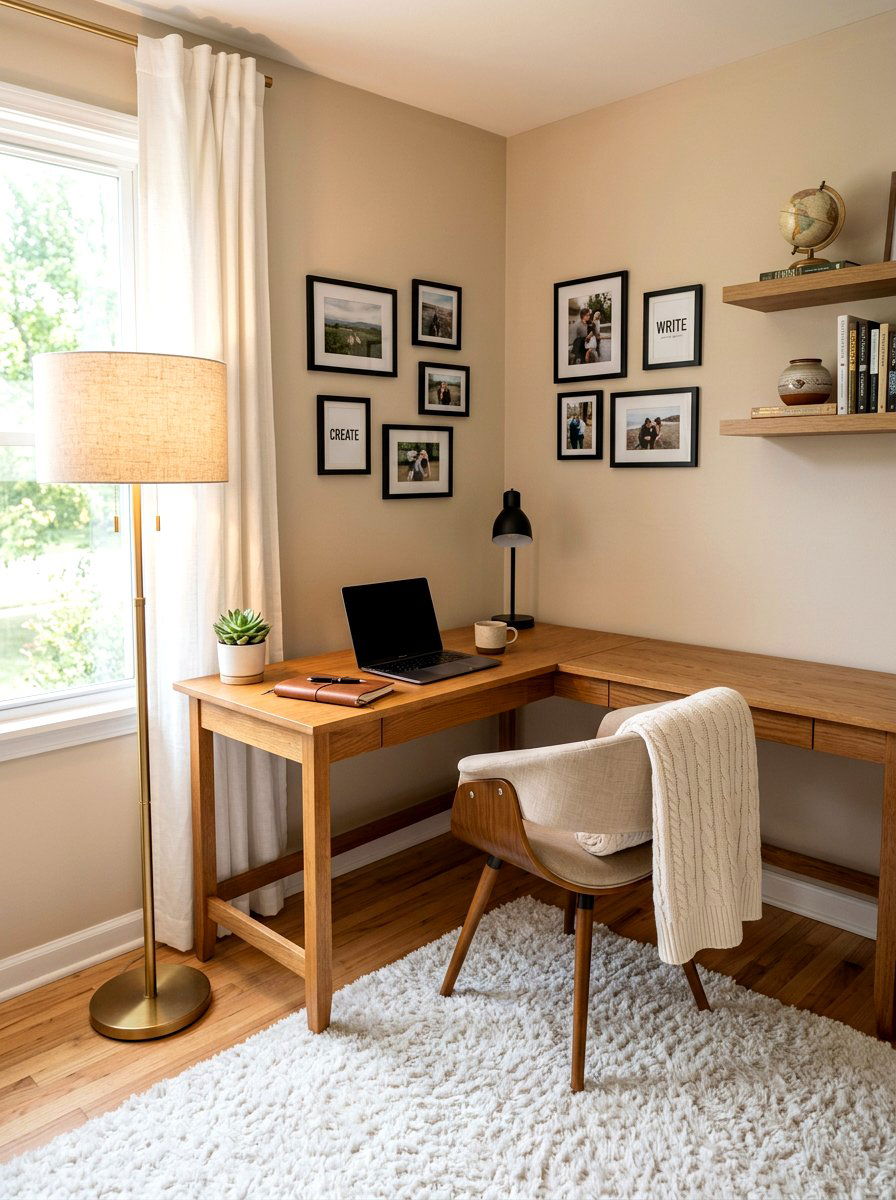
Tucking your writing station into a cozy corner is a great way to make a large room feel more intimate and focused. By positioning your desk in a corner, you create a natural boundary that helps to minimize peripheral distractions while you are working. Use a small L-shaped desk to maximize the available surface area without taking up too much floor space in the rest of the room. A warm floor lamp and a soft rug can help to define the area and make it feel like a separate, dedicated sanctuary. This layout is approachable, easy to implement, and perfect for creating a private creative retreat.
12. Scandinavian Writing Room
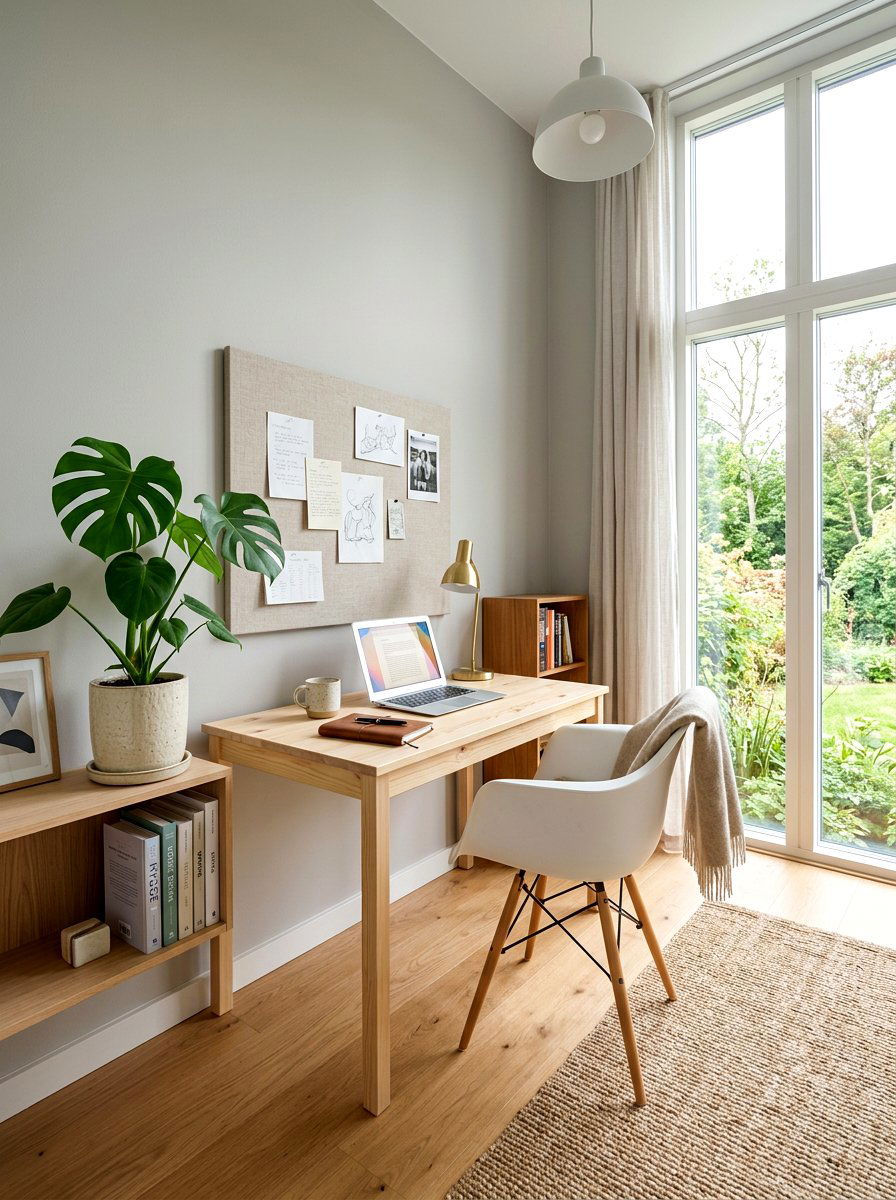
The Scandinavian design aesthetic emphasizes light, simplicity, and functionality, making it an ideal choice for a serene and modern writing room. Use a palette of white, soft wood tones, and muted pastels to create a bright and airy atmosphere that promotes mental clarity. Furniture should feature clean lines and ergonomic designs to ensure you remain comfortable during long sessions at the keyboard. Incorporate natural elements like a small potted plant or a sheepskin throw to add warmth and a touch of organic texture. This clean and uncluttered approach allows your creative ideas to breathe and flourish in a peaceful, modern setting.
13. Floating Wall Desk
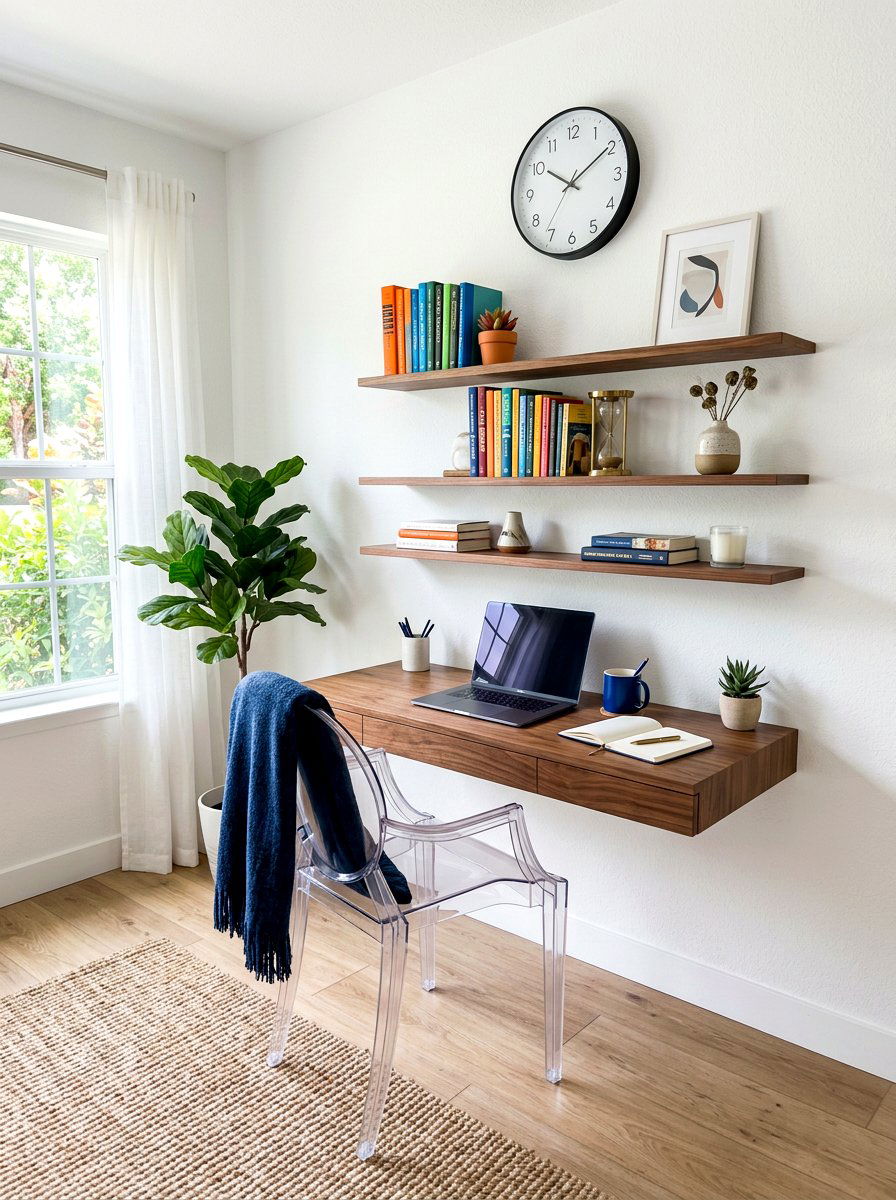
A floating wall desk is a modern and space-saving solution that keeps your writing room feeling open, airy, and very contemporary. By mounting the desk directly to the wall, you eliminate the need for bulky legs, which creates a sleek and minimalist look. This setup is perfect for small rooms or multi-functional spaces where you want to maintain a sense of floor area. You can pair the floating desk with a stylish ghost chair or a slim stool to further enhance the lightweight feel. Adding a few floating shelves above the desk provides essential storage for your books without cluttering the visual landscape.
14. Mid Century Modern Office
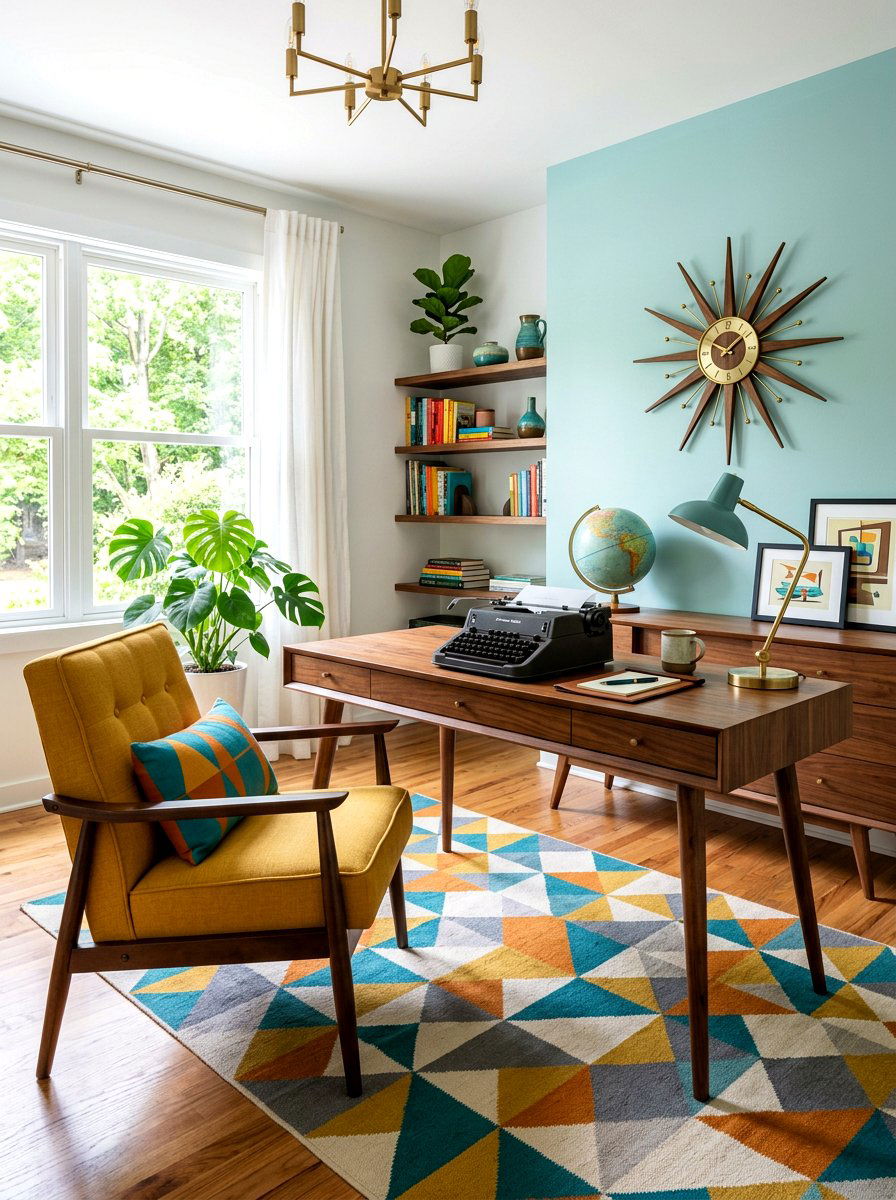
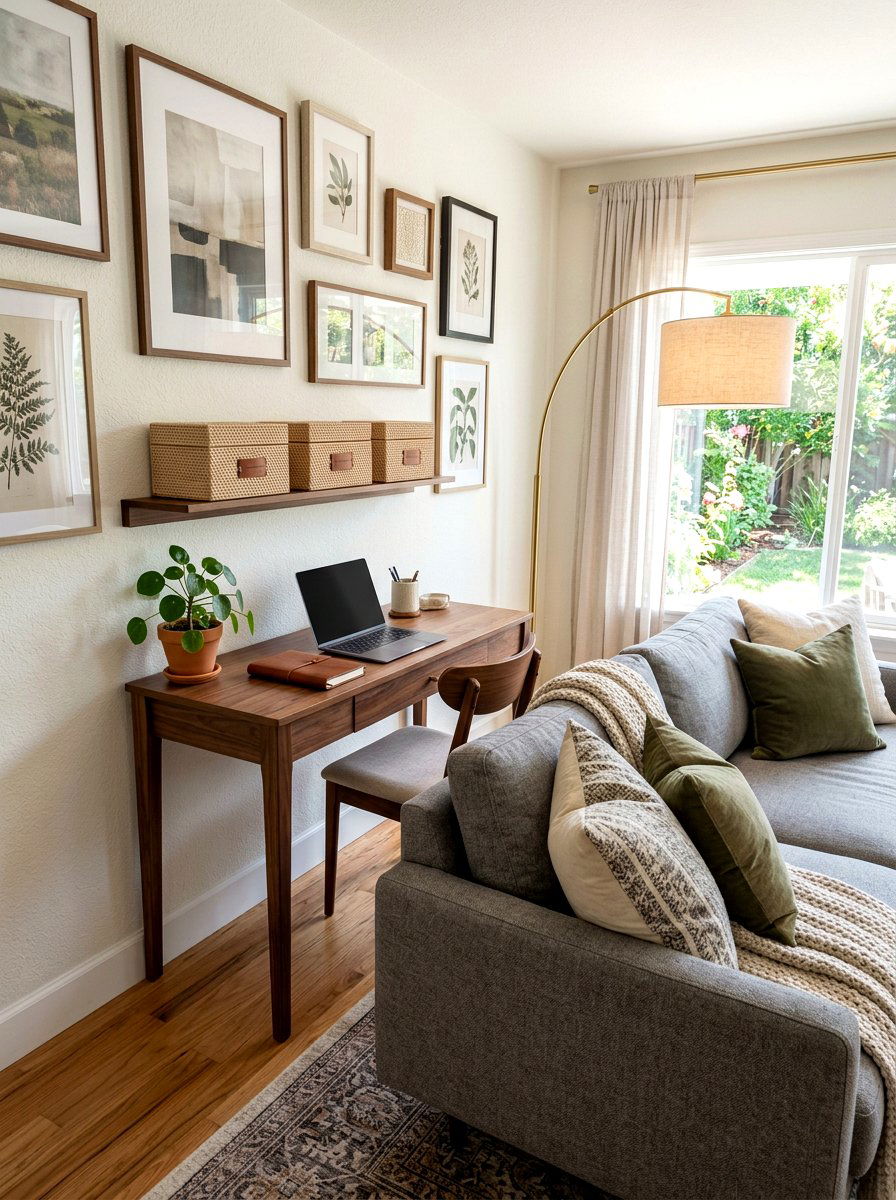
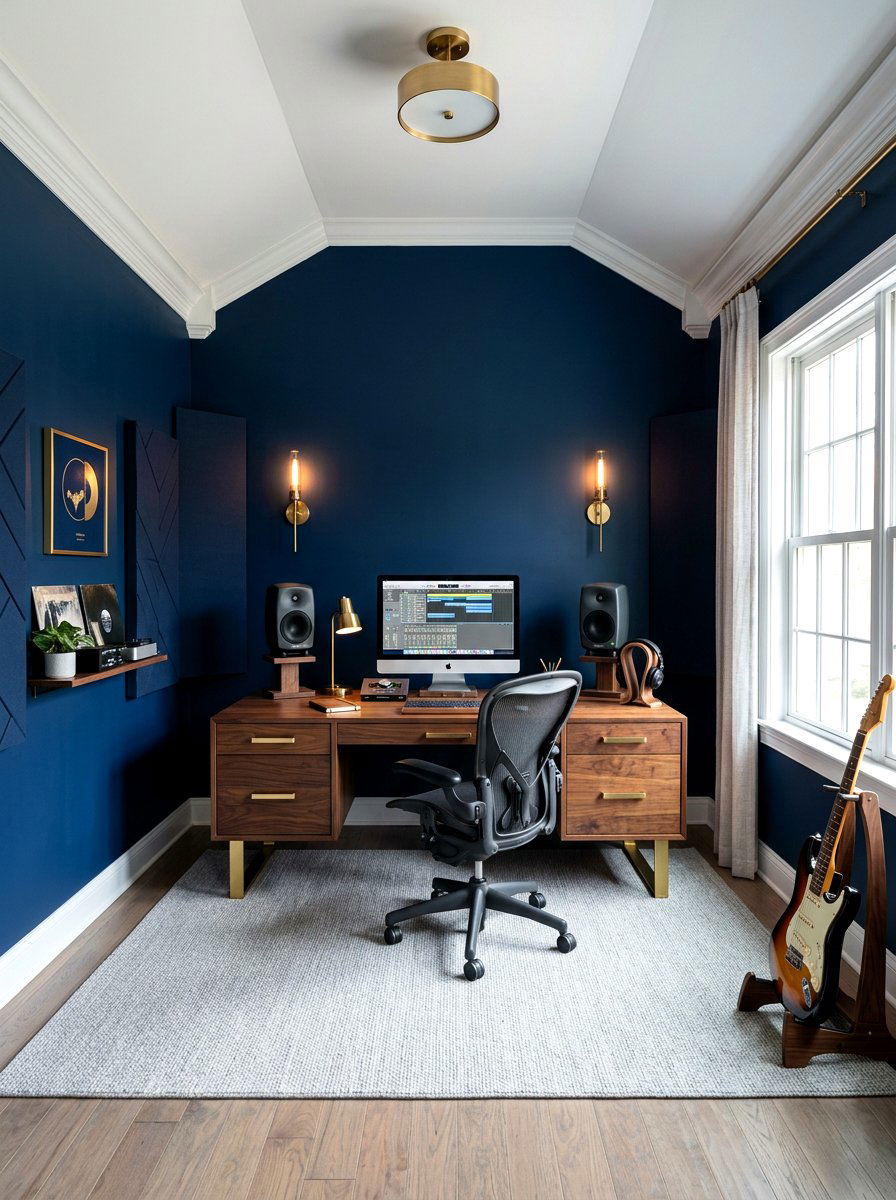
A mid century modern office brings a touch of retro flair and sophisticated style to your daily creative writing routine. Look for a desk with tapered legs and warm walnut finishes to serve as the primary focal point of the entire room. Incorporate iconic furniture designs, such as an Eames-style chair, to provide both comfort and a high-end, timeless aesthetic for your workspace. Bold geometric patterns and pops of mustard yellow or teal can be used in the decor to add energy and personality. This design style is perfect for writers who appreciate classic architecture and want a workspace that feels stylishly vintage.
15. Moody Reading Room
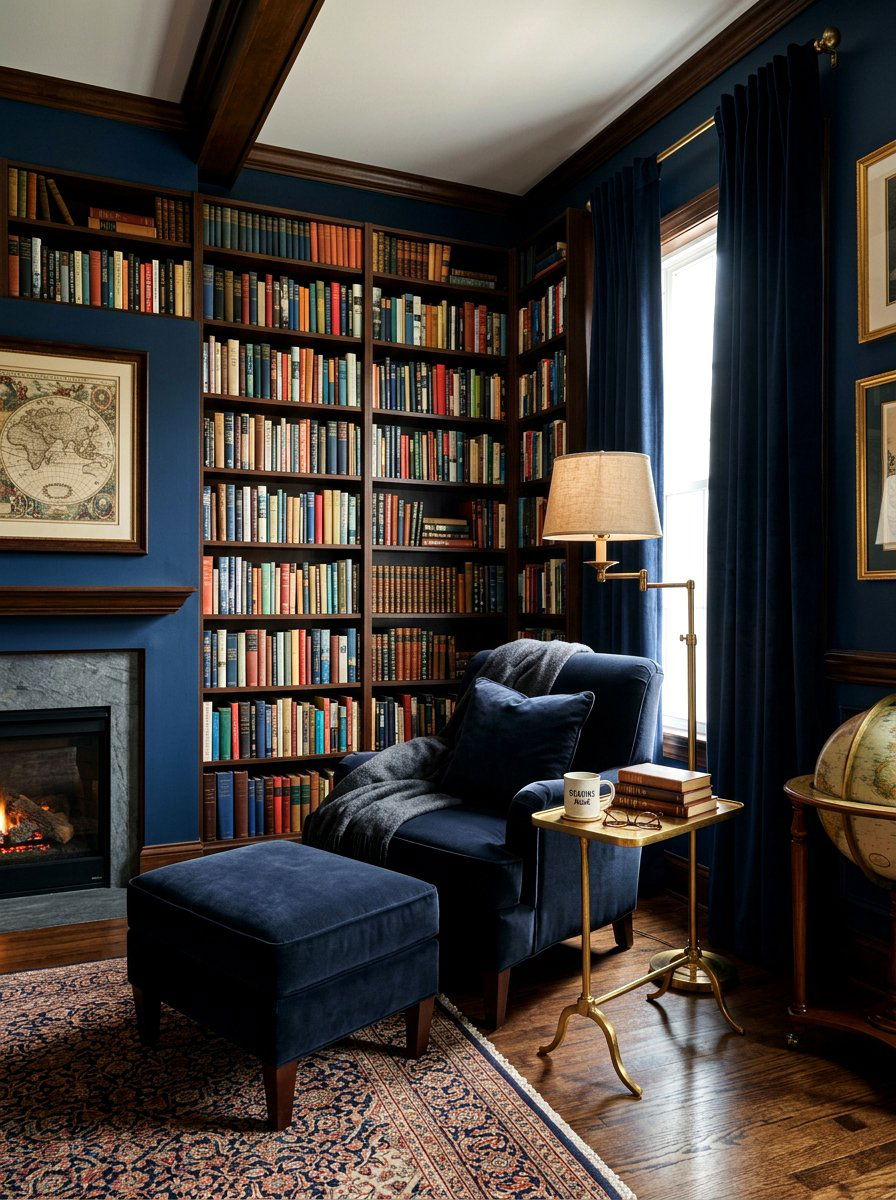
A moody reading and writing room uses deep, saturated colors to create an intimate and cocoon-like environment for serious creative work. Dark walls in shades of emerald, plum, or navy help to draw the focus inward, making the outside world feel miles away. Use plush velvet armchairs and heavy drapes to add a layer of luxury and soundproofing to your private creative sanctuary. Task lighting should be strategic, with focused lamps illuminating your desk while the rest of the room remains in a soft, atmospheric shadow. This setup is ideal for writers who thrive in quiet, dramatic, and highly immersive interior environments.
16. Botanical Home Office
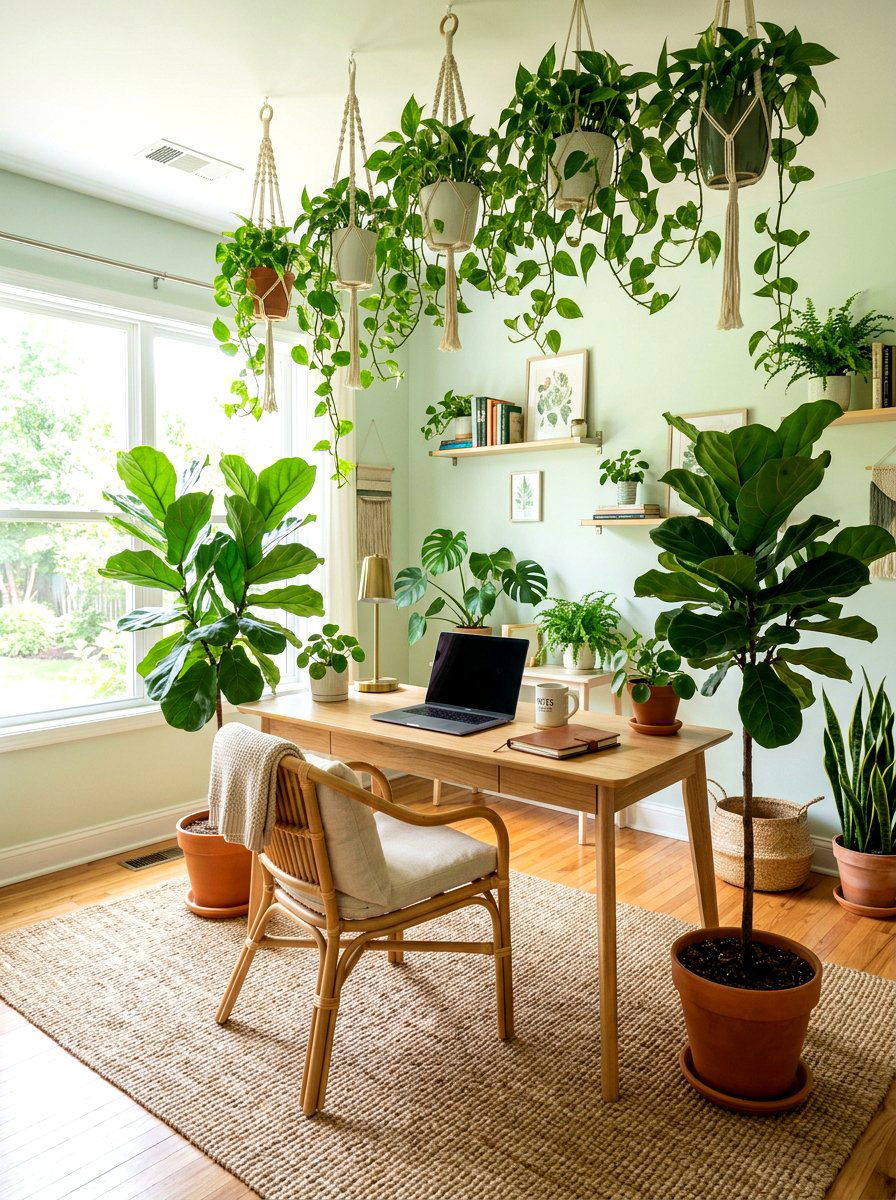
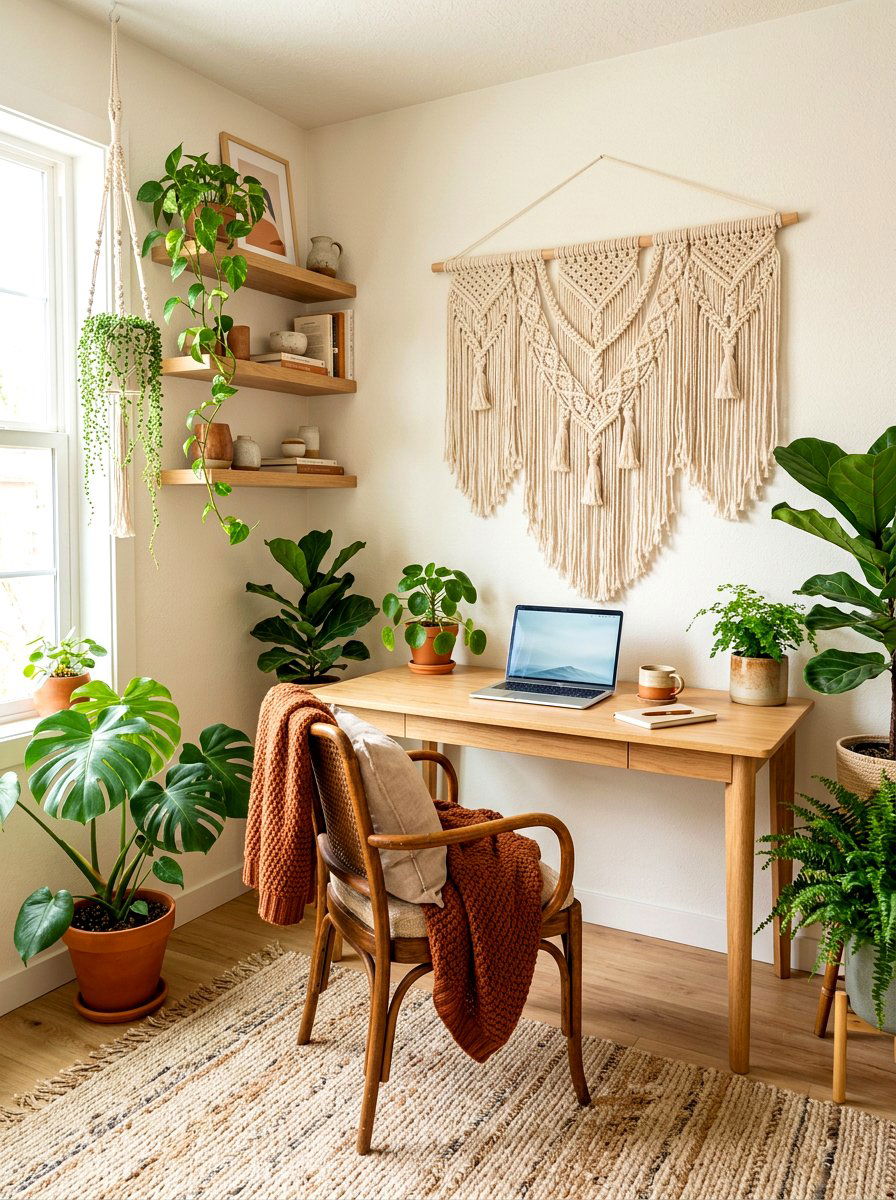
Integrating plenty of indoor plants into your writing room creates a botanical oasis that feels fresh, vibrant, and naturally full of life. Greenery has been shown to reduce stress and boost creativity, making it a perfect companion for any writer facing a block. Place large potted trees in the corners and smaller succulents on your desk to bring the calming essence of nature indoors. Use natural materials like rattan, jute, and light-colored woods to complement the organic theme and create a cohesive, earthy look. This refreshing environment is perfect for those who want their workspace to feel like a lush, indoor garden.
17. Double Sided Desk
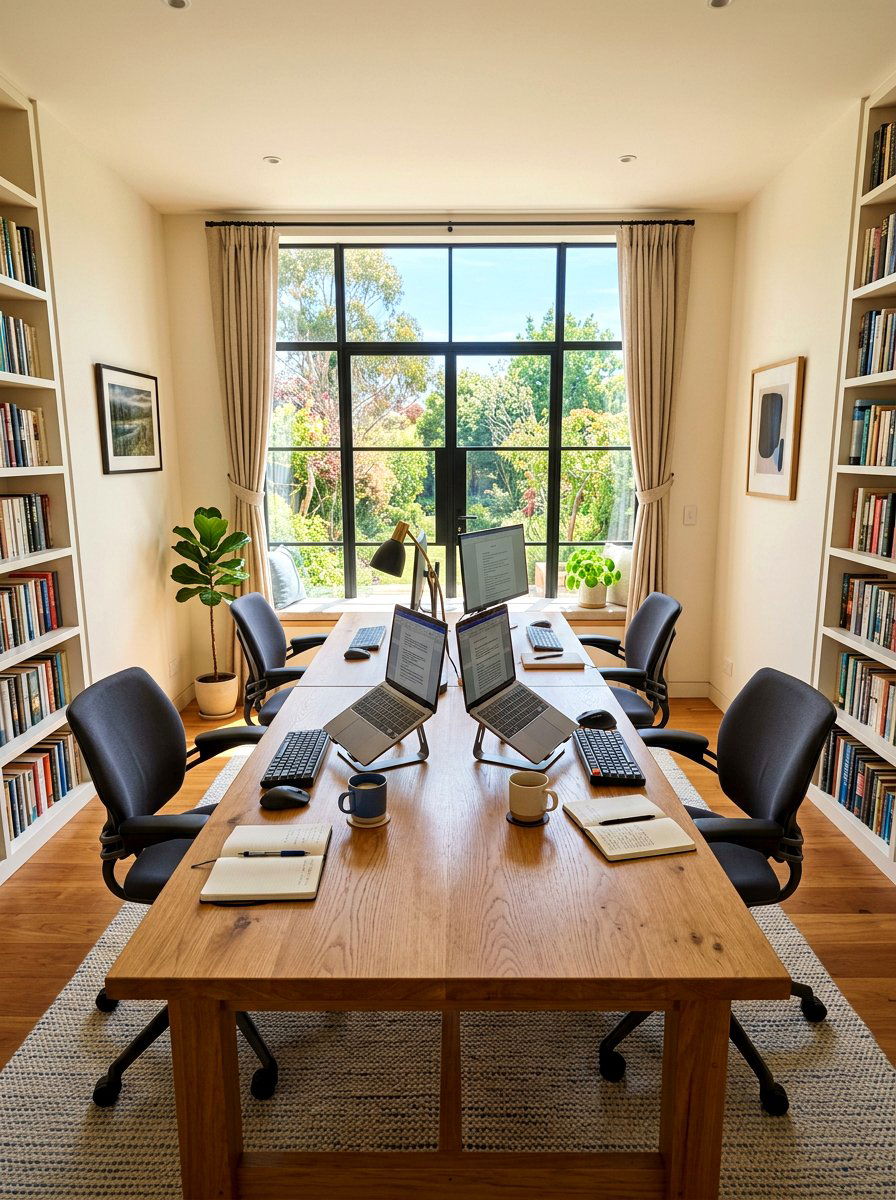
A double-sided desk is an excellent choice for writers who share their workspace with a partner or need extra room for different tasks. This layout allows two people to work facing each other, fostering a collaborative and supportive environment for shared creative projects. If you work alone, one side can be dedicated to your computer while the other remains clear for longhand writing or research. Use a large, sturdy table in the center of the room to serve as the anchor for this spacious and highly functional setup. This design promotes productivity and offers plenty of room for spreading out your notes.
18. Under Stairs Office
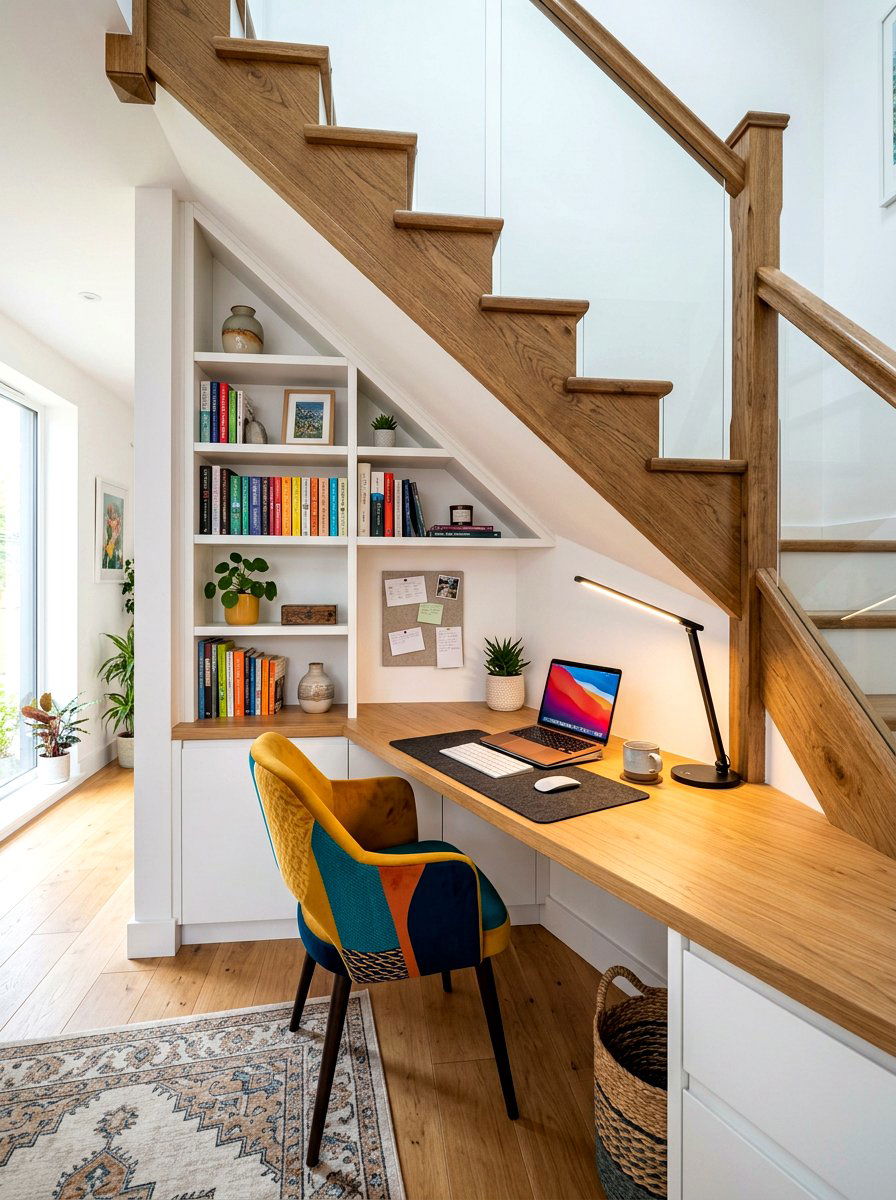
The space under a staircase is often overlooked, but it can be transformed into a surprisingly effective and private writing nook. Custom-built shelving and a fitted desk allow you to utilize every inch of this unique architectural feature for your creative needs. Because the space is naturally enclosed, it provides a sense of protection and quiet that is ideal for deep, focused work. Use bright task lighting and light-colored paint to keep the nook from feeling too dark or cramped during the day. This clever use of space proves that you do not need a whole room to create a professional office.
19. Traditional Executive Suite
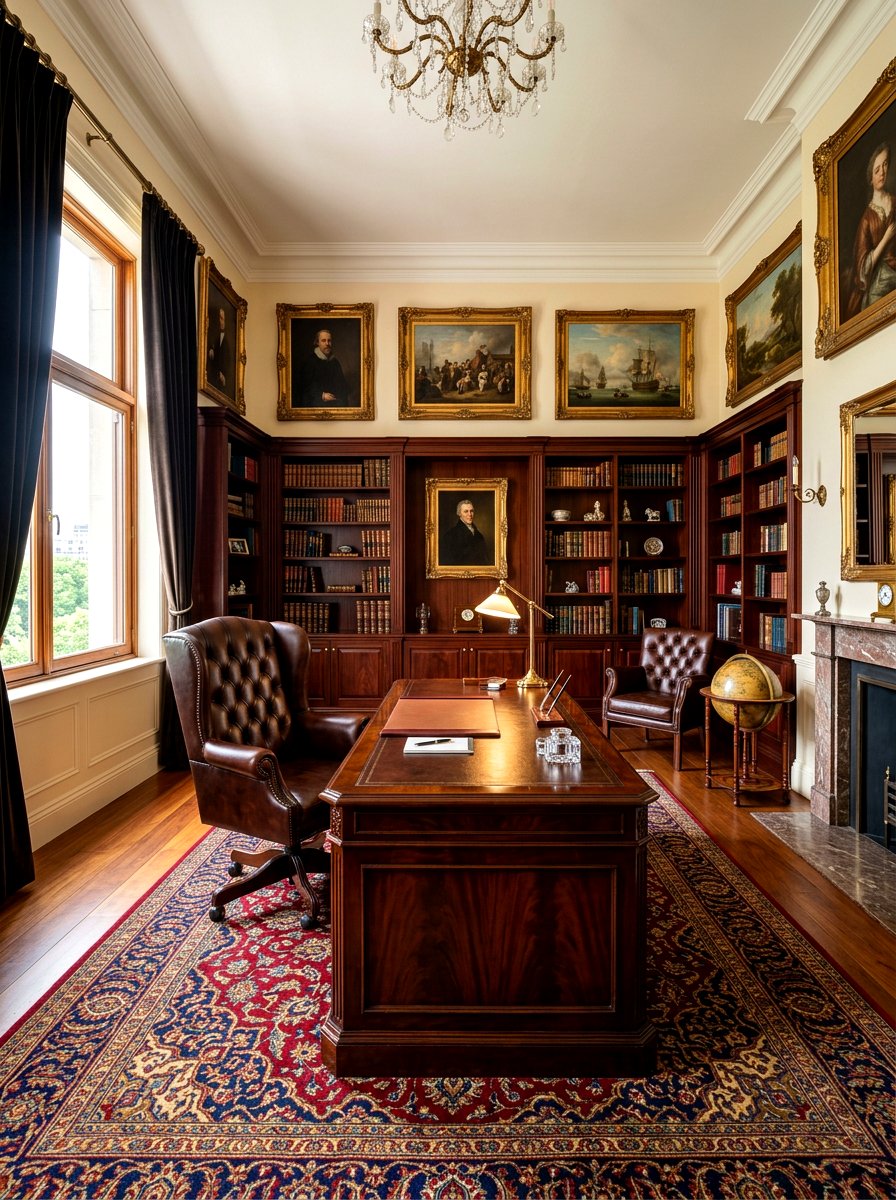
A traditional executive suite offers a formal and grand environment that makes every writing session feel important and highly professional. Centering the room around a large, ornate mahogany desk creates a commanding presence that encourages a disciplined and focused work ethic. Pair the desk with a leather-bound swivel chair and a set of matching bookcases to complete the classic, high-end look of the office. Brass accents, framed diplomas, and a traditional Persian rug add layers of sophistication and warmth to the overall design. This style is perfect for authors who want a workspace that reflects a sense of authority and timeless academic tradition.
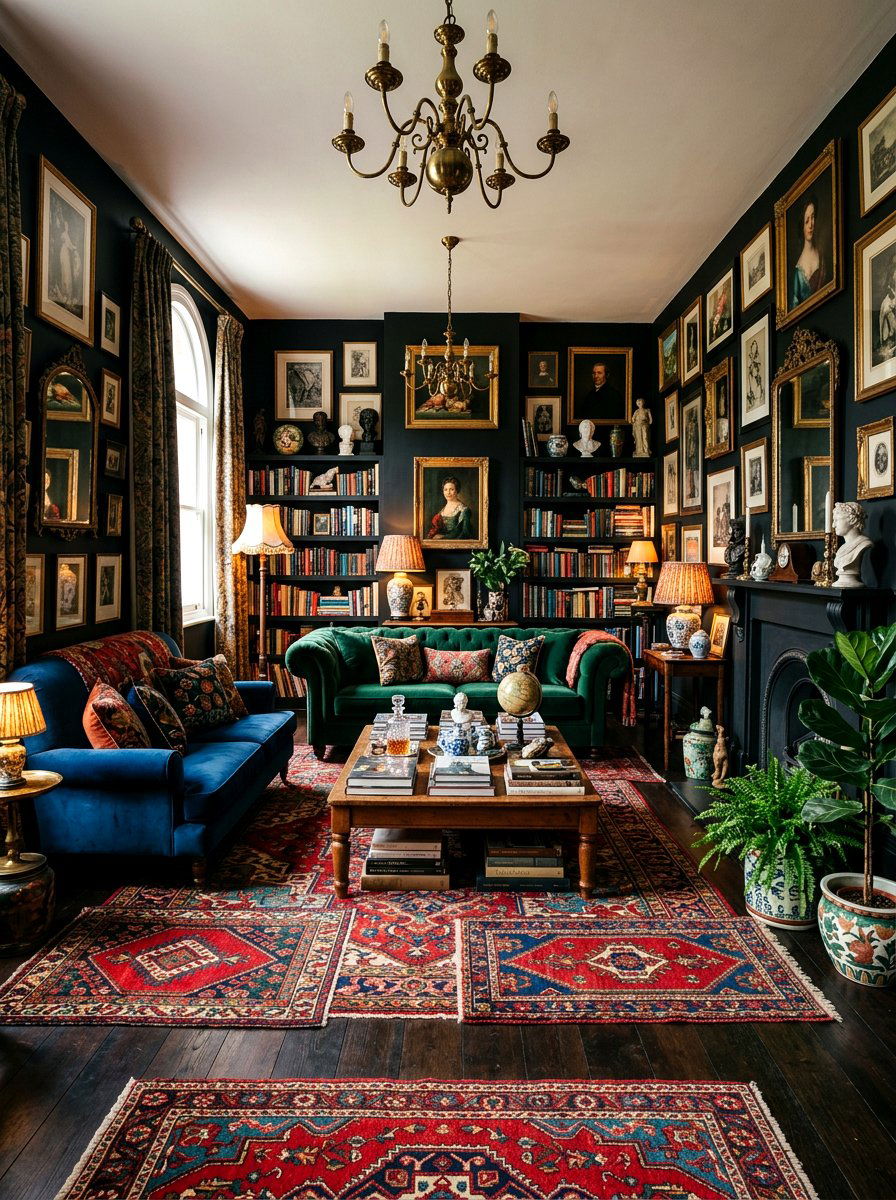
20. Bohemian Creative Studio
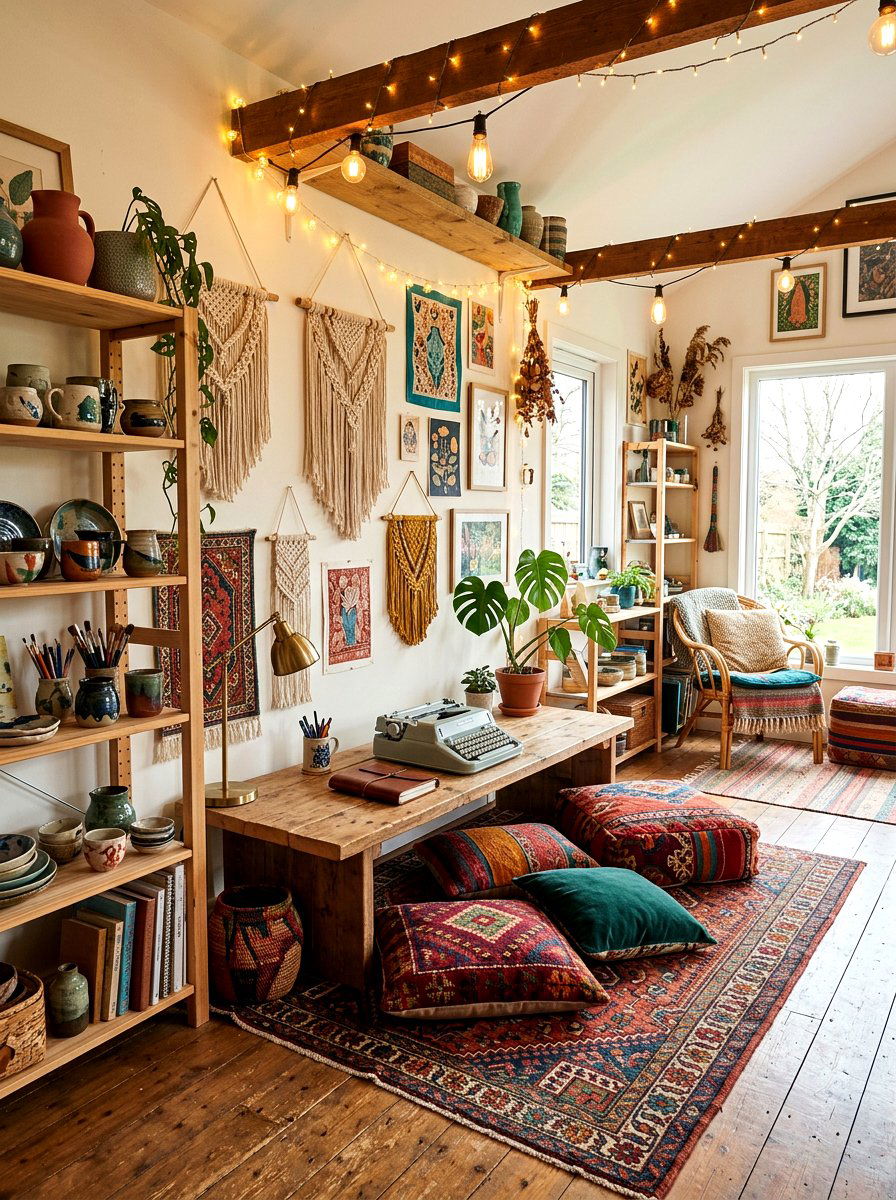
A bohemian creative studio is all about self-expression, comfort, and an eclectic mix of colors, patterns, and global-inspired textures. Use low seating, such as floor cushions and a low desk, to create a relaxed and unconventional atmosphere for your writing sessions. Layered rugs, hanging tapestries, and string lights add a sense of whimsy and warmth to the room, making it feel very personal. This style encourages a free-spirited approach to creativity, where you can surround yourself with objects that tell a story and inspire your imagination. It is the perfect environment for writers who want a space that feels artistic, lived-in, and cozy.
21. Monochrome Writing Space
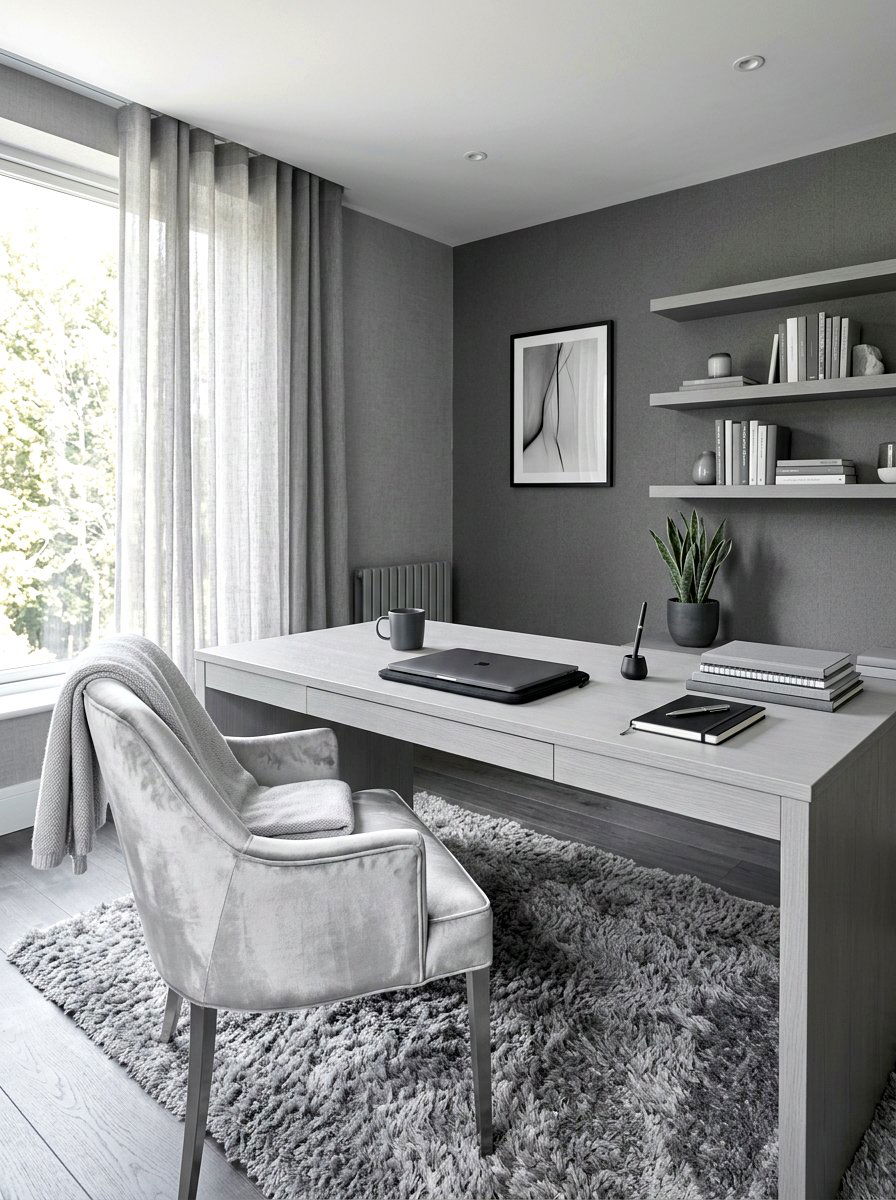
A monochrome writing space uses a single color palette to create a cohesive and visually striking environment that minimizes all external distractions. By using different shades and textures of the same color, you add depth and interest without introducing any jarring visual noise. For example, an all-grey room can feature charcoal walls, a light grey desk, and a plush silver rug for a sophisticated look. This streamlined approach helps to calm the mind and allows you to focus entirely on the words appearing on your screen. It is a bold design choice that feels incredibly modern, organized, and very professional for any writer.
22. Glass Desk Setup
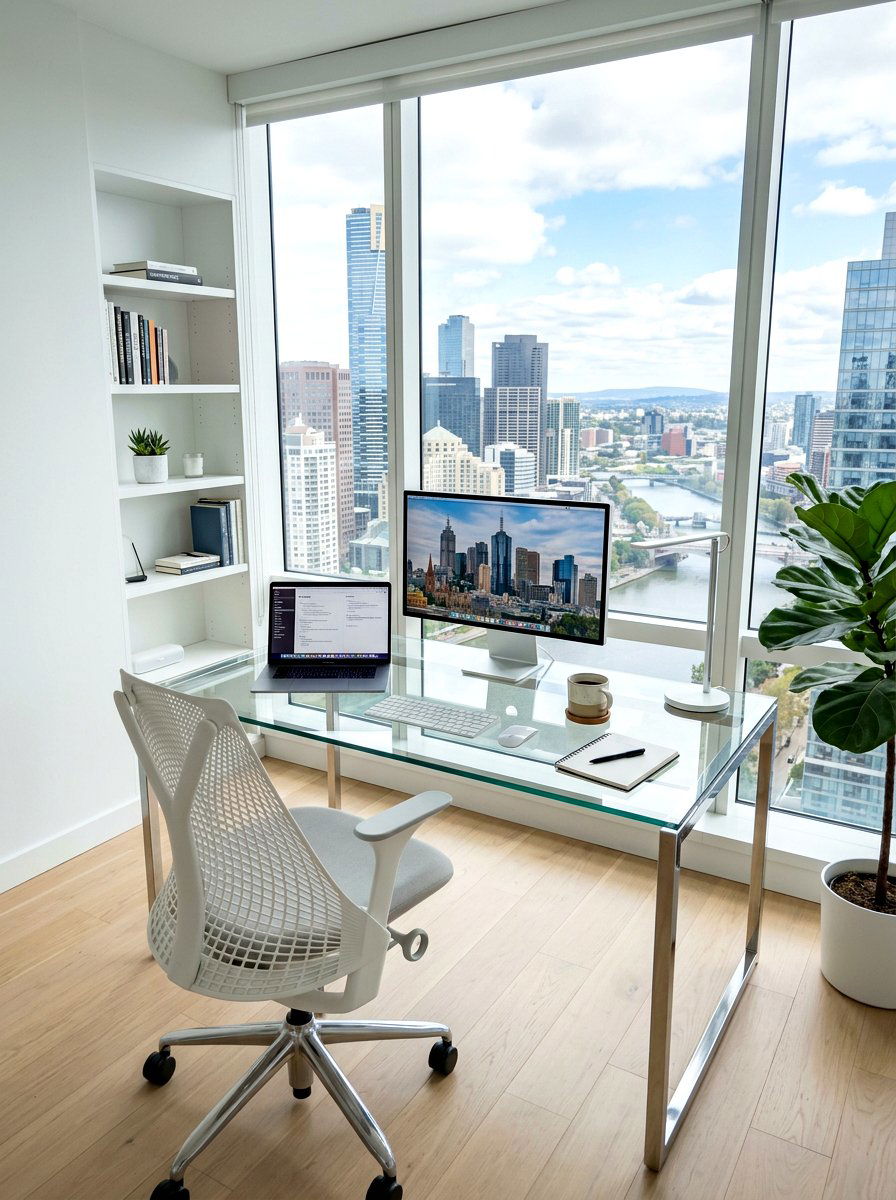
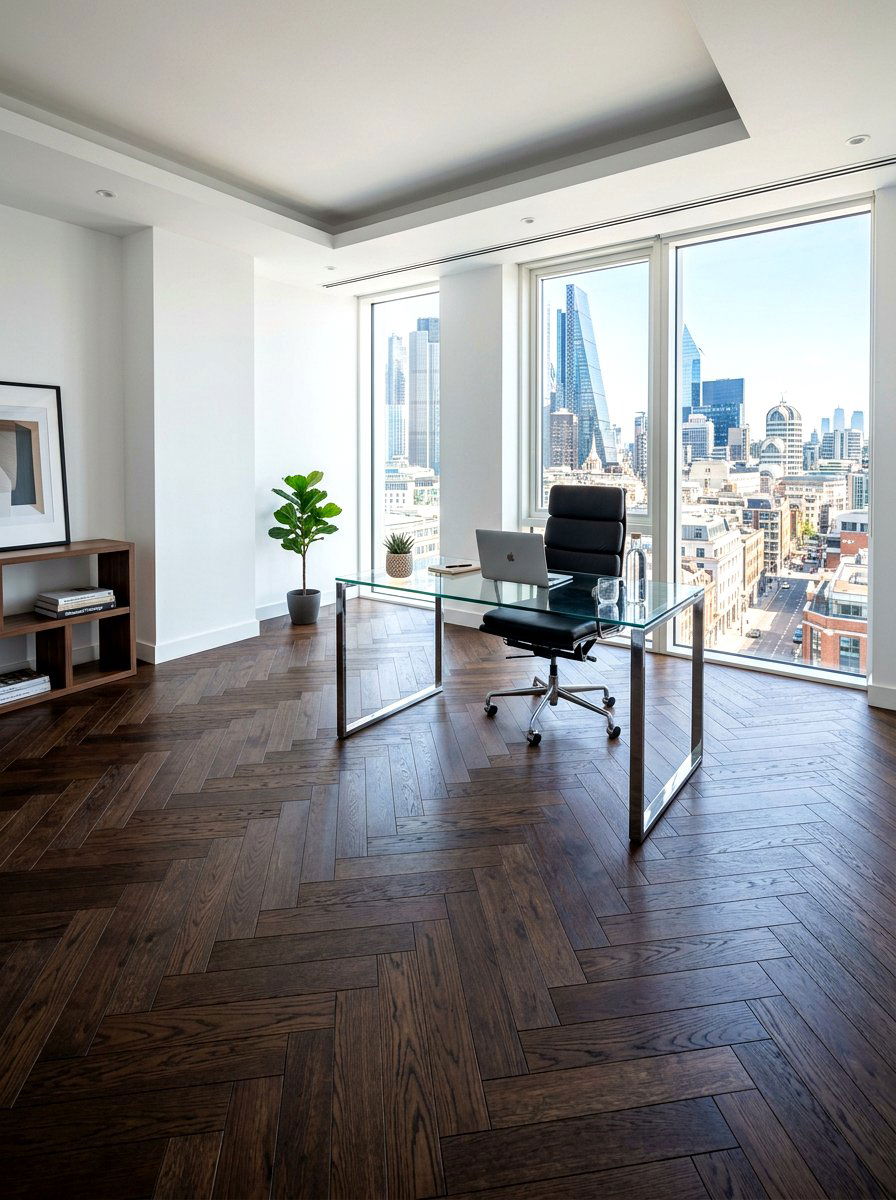
Using a glass desk in your writing room is a brilliant way to maintain a sense of openness and light within the space. Because the surface is transparent, it does not block your line of sight, making a small room feel much larger and less cluttered. Pair the desk with a stylish, modern chair and minimalist accessories to keep the overall look clean and very sophisticated. Glass surfaces are also easy to clean and provide a smooth, professional feel for both typing and organizing your daily notes. This contemporary setup is perfect for writers who prefer a sleek, high-tech, and very airy creative environment.
23. Farmhouse Style Office
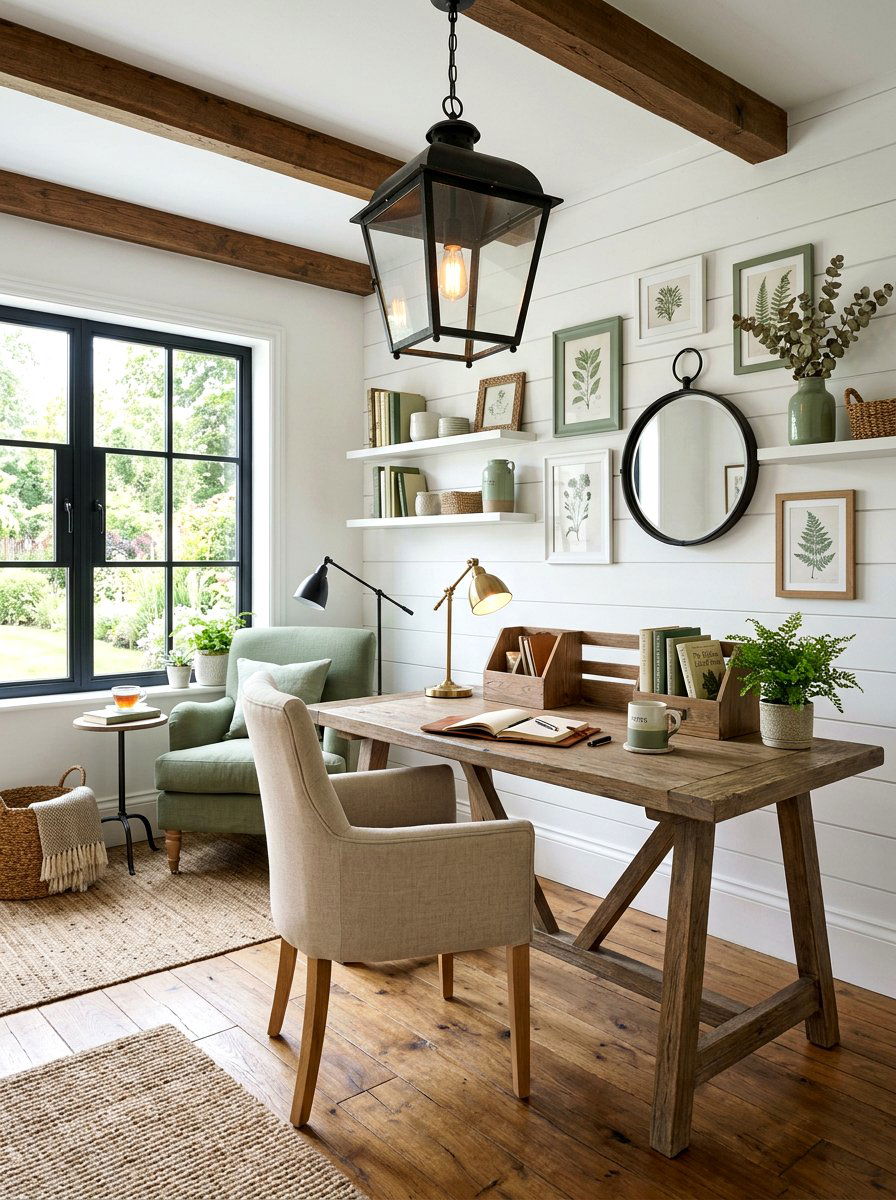
The farmhouse style office combines rustic charm with modern comfort to create a warm and inviting atmosphere for your daily writing work. Use shiplap walls, reclaimed wood beams, and a large farmhouse-style desk to establish a sense of history and grounded, natural simplicity. Soft, neutral colors like cream and sage green help to keep the room feeling bright and airy while providing a calm backdrop. Decorate with vintage-inspired accessories, such as galvanized metal bins and antique wooden crates, to add a touch of authentic character. This cozy and practical design is perfect for writers who want a space that feels like home.
24. Hidden Closet Office
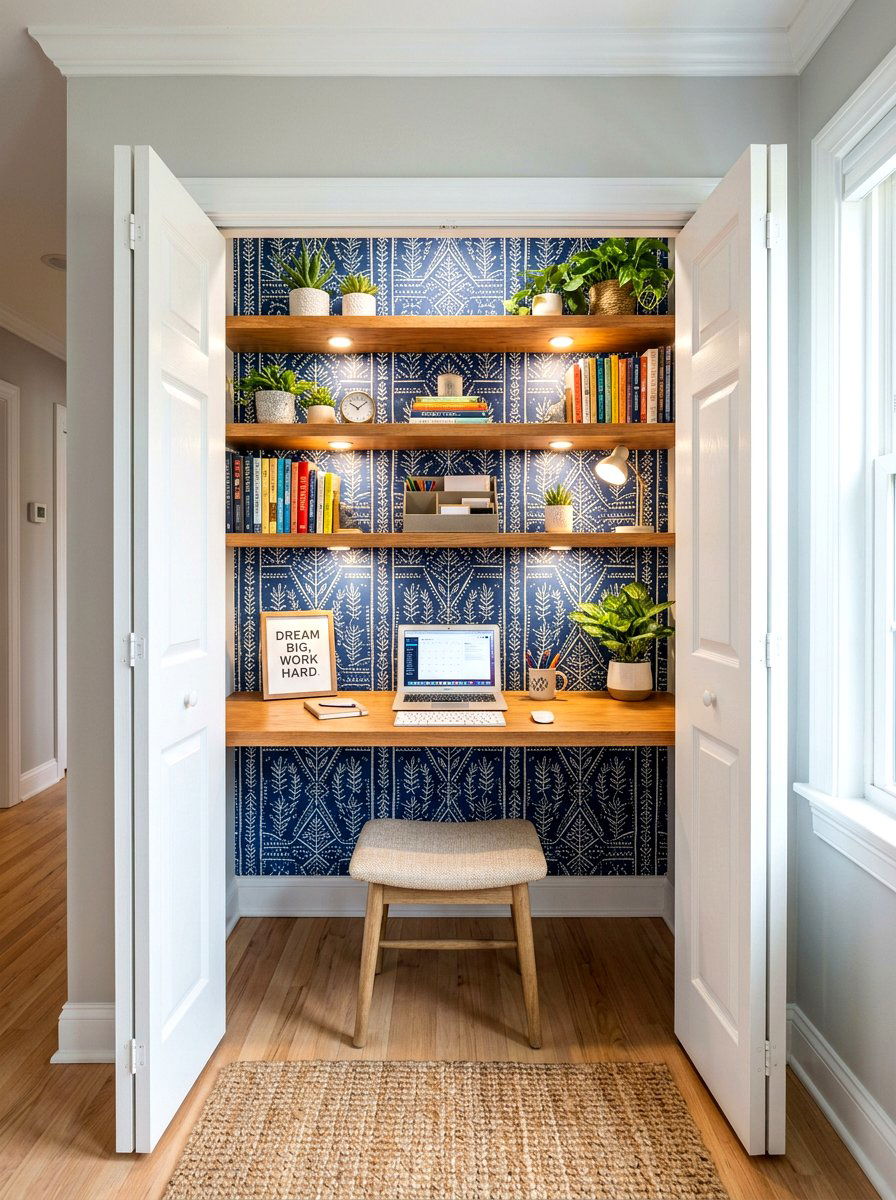
A hidden closet office, often called a cloffice, is a genius solution for creating a dedicated workspace without sacrificing an entire room. By removing the doors or using sliding panels, you can transform a standard reach-in closet into a fully functional and very private writing nook. Install floating shelves for storage and a built-in desktop that spans the width of the closet for a seamless, integrated look. When you are finished working for the day, you can simply close the doors to hide your office from view. This setup is perfect for urban dwellers and those who appreciate a tidy and organized home environment.
25. Luxury Home Library
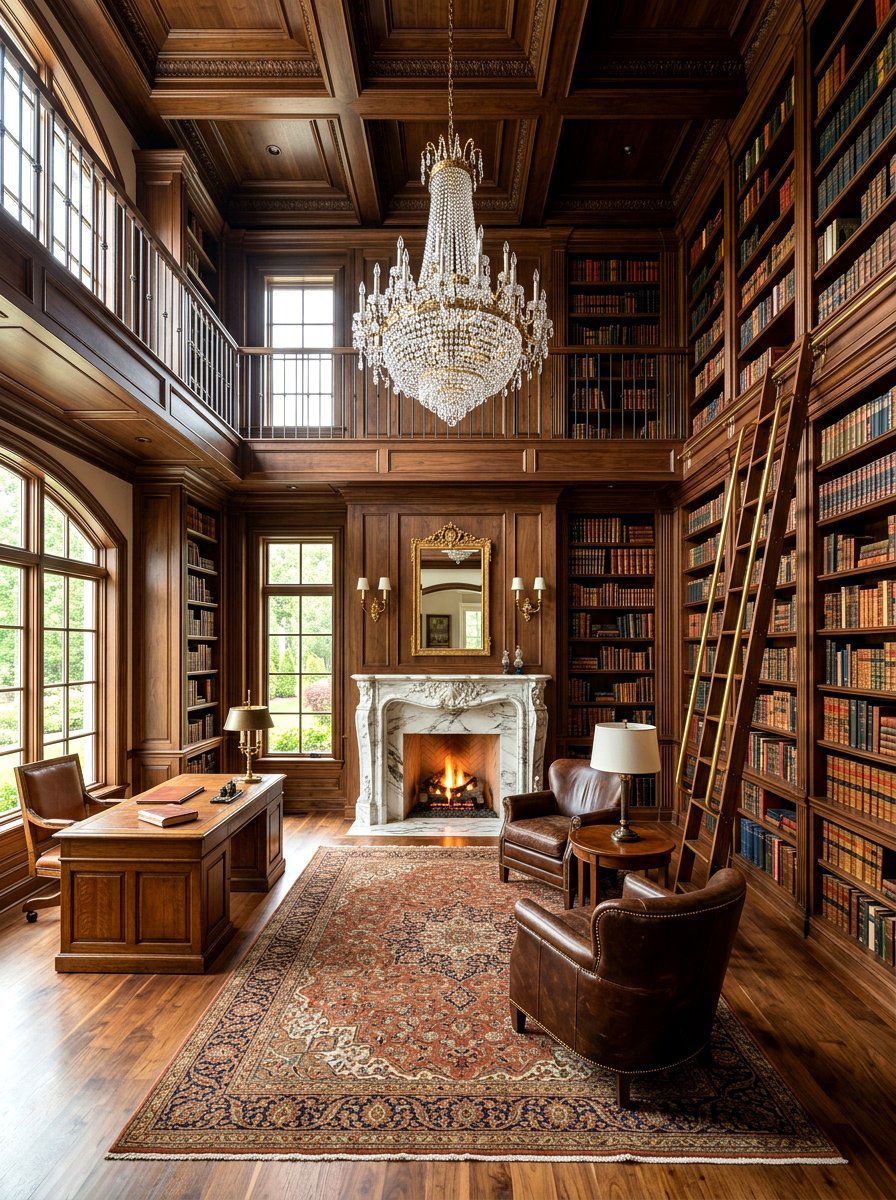
A luxury home library represents the ultimate dream for many writers, offering a grand and dedicated space for both reading and creative work. High ceilings, ornate crown molding, and customized floor-to-ceiling cabinetry create an atmosphere of opulence and serious intellectual pursuit in your own home. A large, plush area rug and several comfortable armchairs provide plenty of spots for deep thinking and research between your active writing sessions. Incorporate a rolling library ladder and a fireplace to add a sense of warmth and timeless charm to the grand design. This magnificent setting is designed to inspire epic stories and a lifetime of dedicated scholarly study.
26. Contemporary Workspace
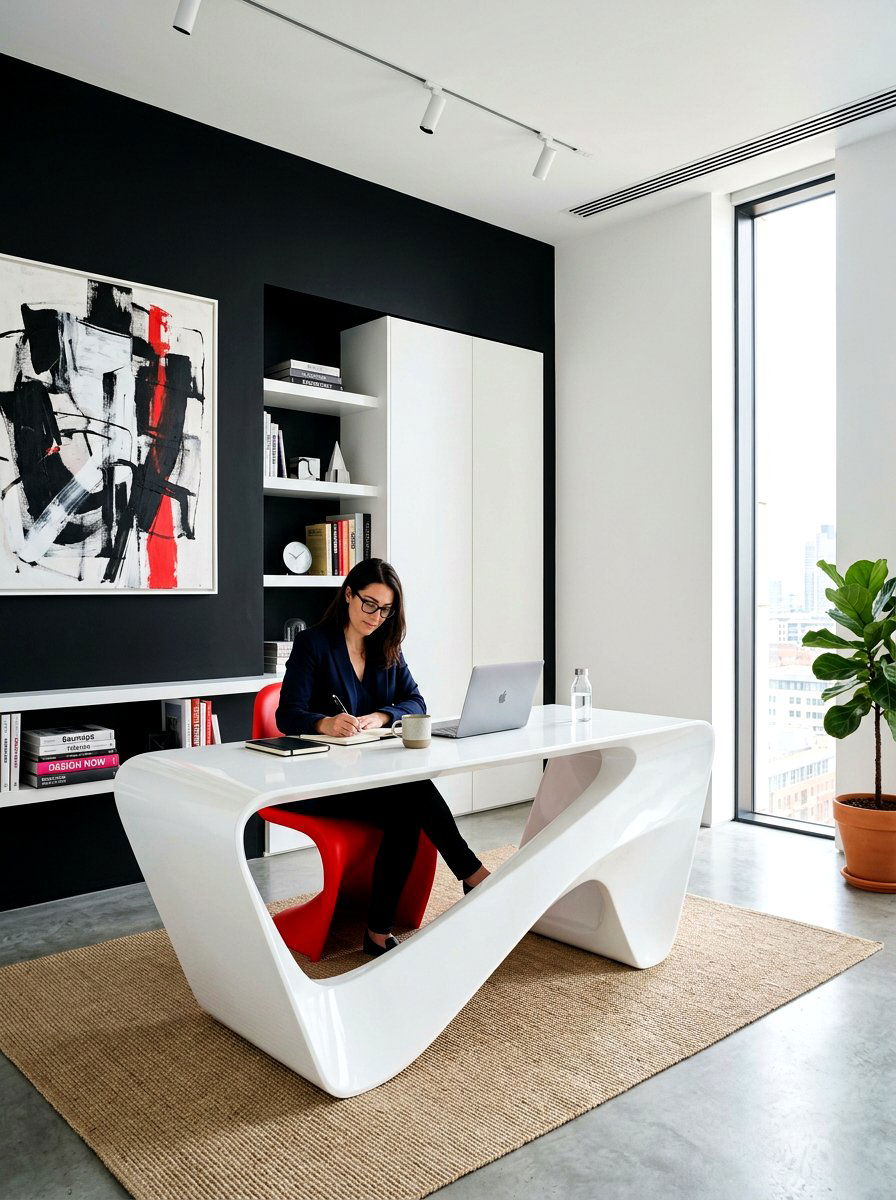
A contemporary workspace focuses on the latest trends in interior design, featuring bold shapes, innovative materials, and a very clean aesthetic. Look for furniture with unique silhouettes, such as a sculptural desk or an avant-garde chair, to make a strong visual statement in the room. Use a high-contrast color palette, like black and white, to create a sharp and professional look that feels very current and energizing. Large-scale modern art and sleek, hidden storage solutions help to keep the space feeling organized and gallery-like. This style is perfect for writers who want a forward-thinking environment that reflects their modern and sophisticated personal taste.
27. Rustic Wood Desk
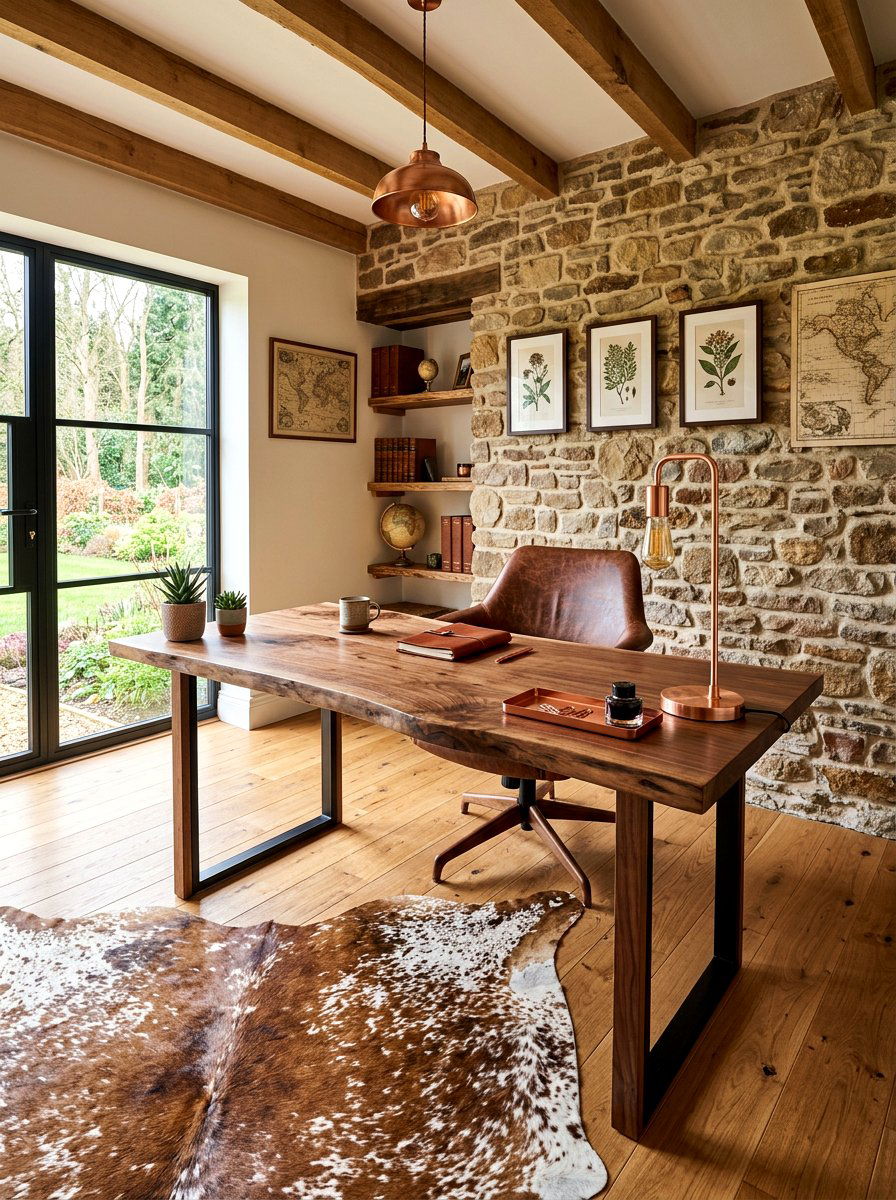
Centering your writing room around a rustic wood desk brings a sense of warmth, history, and organic beauty to your daily creative process. A heavy, live-edge timber desk serves as a powerful focal point that connects you to the natural world while you are working. Pair the desk with leather accents and earth-toned decor to enhance the rugged and grounded feel of the entire room. The unique grains and knots in the wood provide a tactile and visual interest that mass-produced furniture simply cannot replicate for a writer. This design is ideal for those who find their best inspiration in natural materials and timeless, simple craftsmanship.
28. Pastel Writing Room
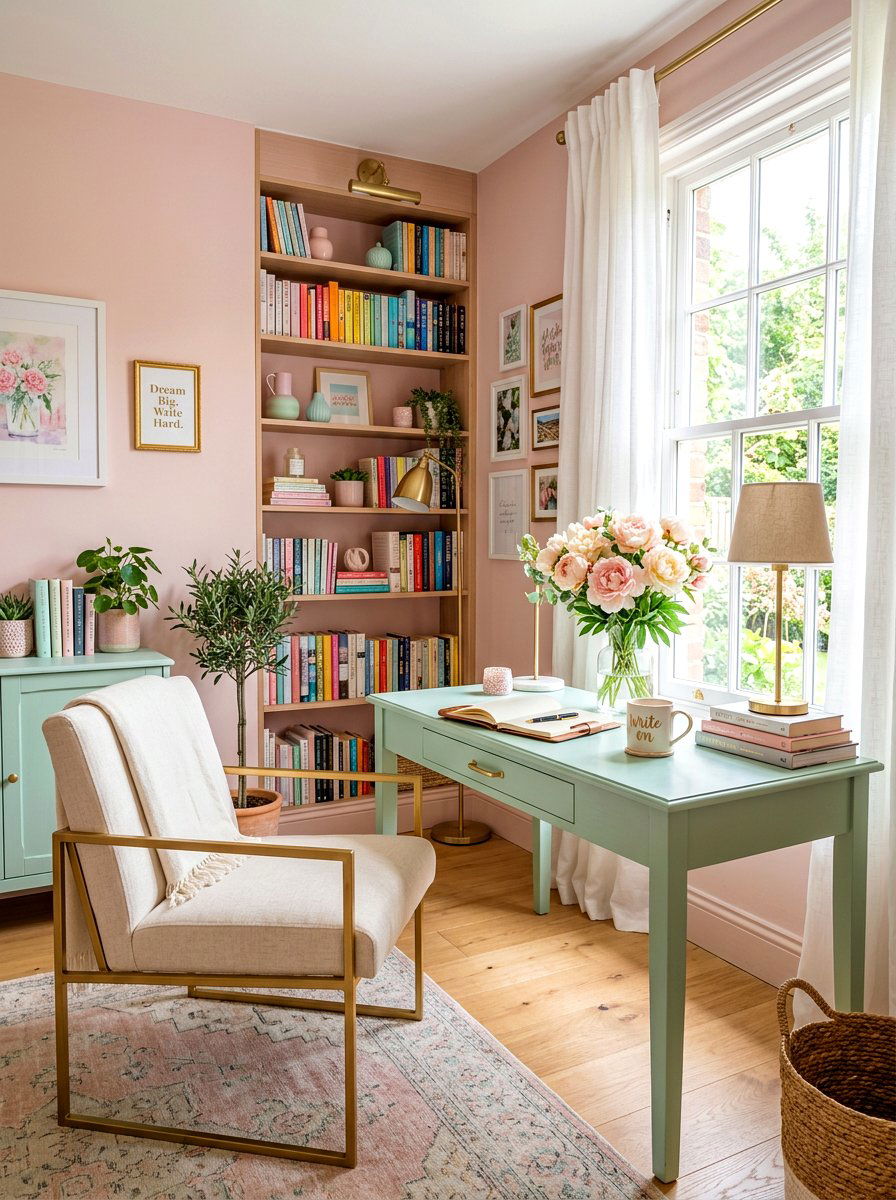
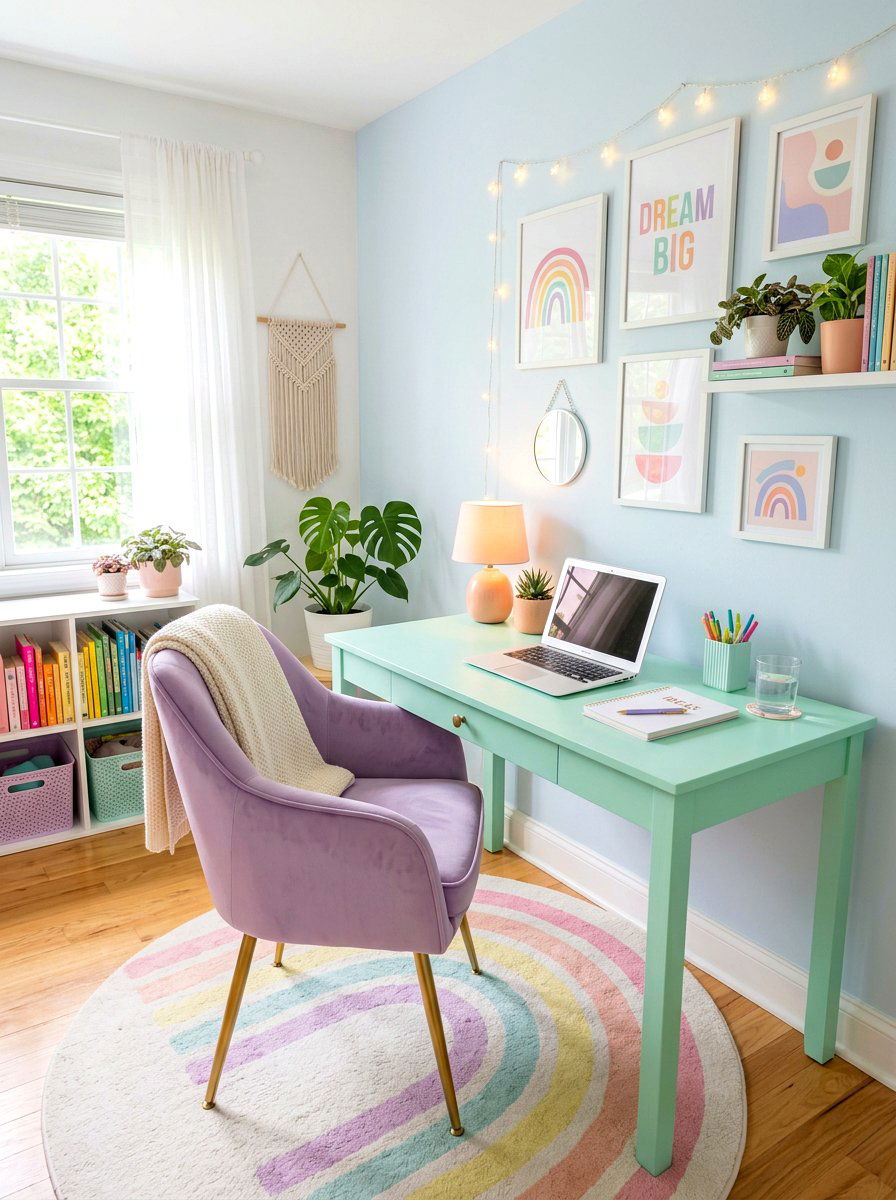
A pastel writing room uses soft, muted colors to create a gentle and uplifting atmosphere that feels both airy and incredibly calming. Shades of blush pink, mint green, and sky blue can be used on the walls or in the furniture to brighten the space. This light-hearted palette is perfect for writers who want to avoid the heavy feel of traditional offices and prefer a cheerful environment. Incorporate gold or brass accents to add a touch of sophistication and modern elegance to the soft and playful color scheme. This refreshing design is perfect for fostering a positive, creative, and very light-filled writing experience.
29. Eclectic Gallery Wall
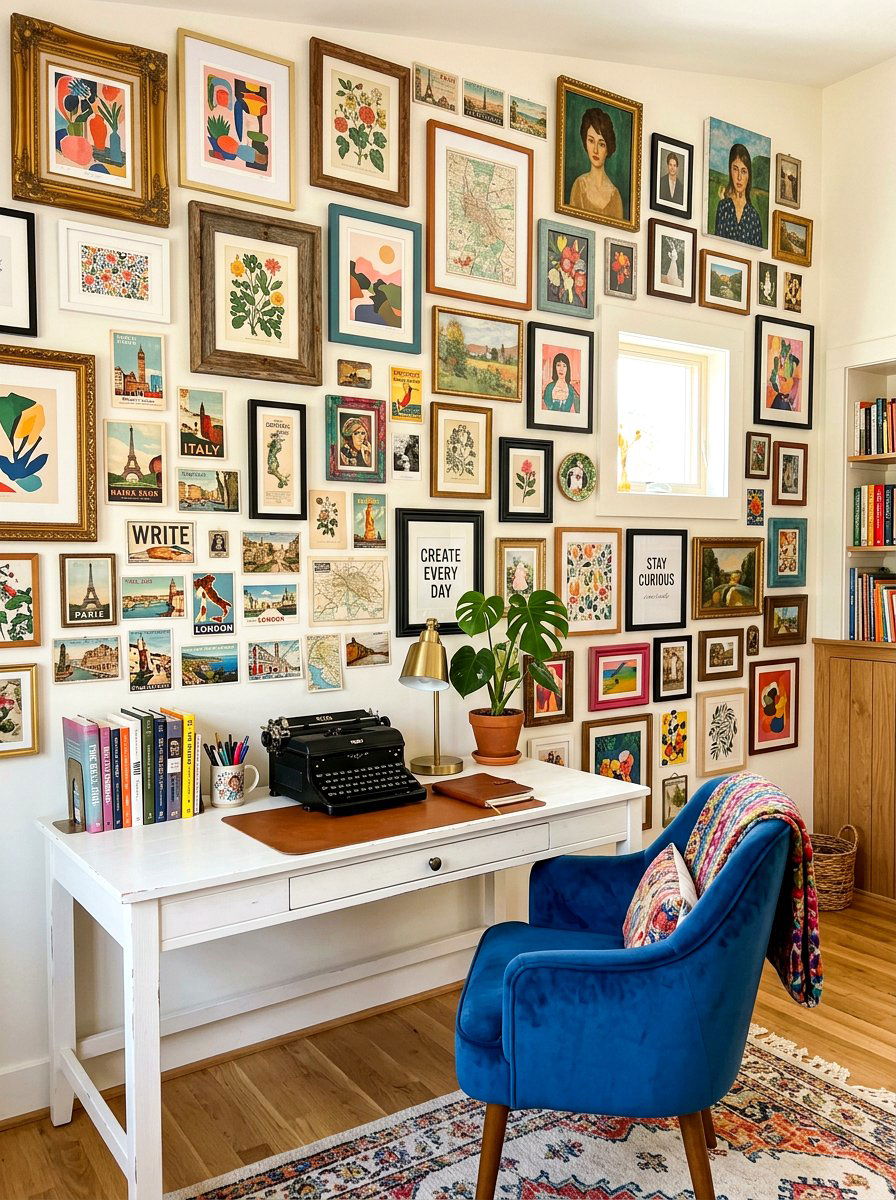
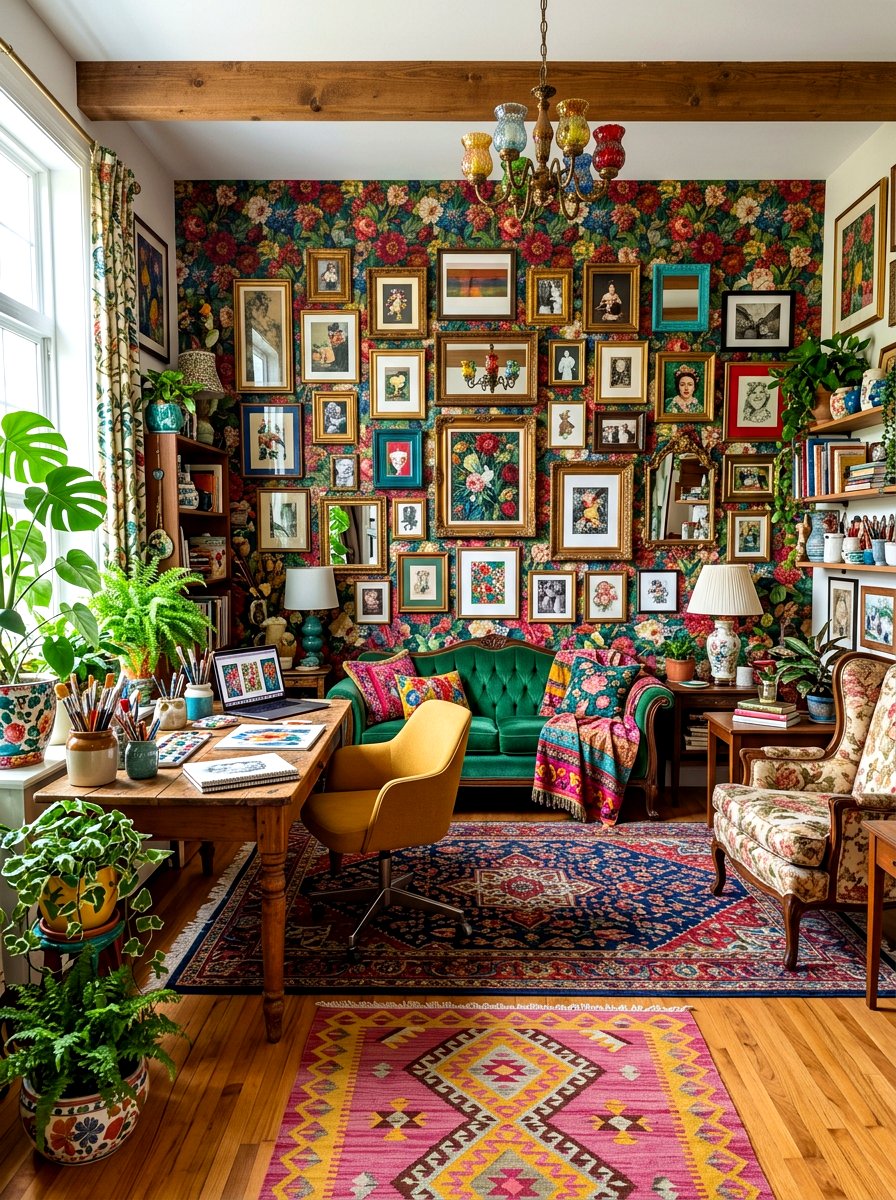
An eclectic gallery wall turns your writing room into a vibrant visual diary that showcases your personal inspirations and unique creative journey. By surrounding your desk with a curated collection of art, photographs, and quotes, you create a backdrop that is constantly fueling your imagination. Mix and match different frame styles and sizes to create a dynamic and lived-in look that feels very personal and full of life. This design approach allows you to constantly update the space as you discover new influences or finish different writing projects. It is a perfect way to make your office feel like a true reflection of your personality.
30. Ergonomic Standing Desk
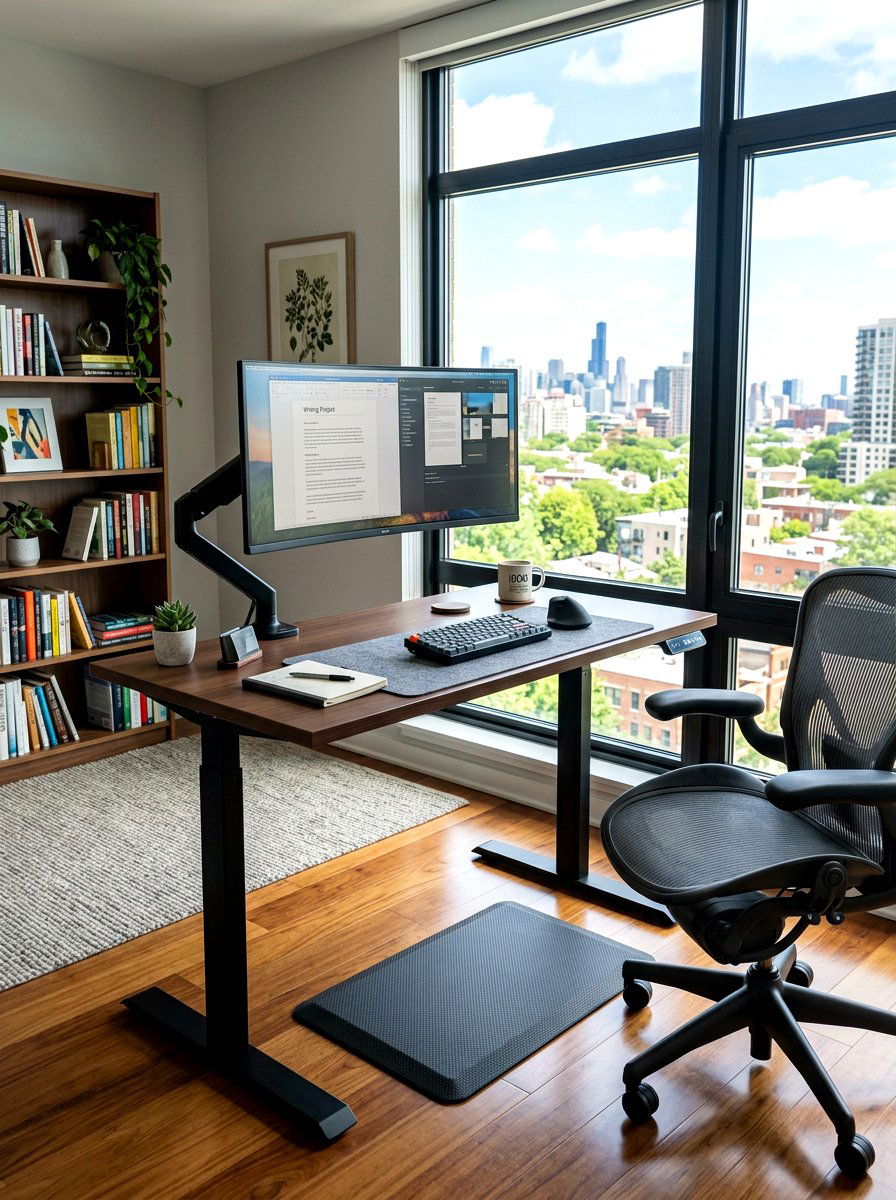
An ergonomic standing desk is a practical and health-conscious choice for writers who spend long hours at their computers every single day. Being able to easily switch between sitting and standing helps to maintain your energy levels and prevent the physical strain of a sedentary lifestyle. Modern standing desks come in a variety of styles, from sleek minimalist designs to more traditional wooden options that fit any decor theme. Pair the desk with an anti-fatigue mat and an ergonomic chair to ensure you are fully supported throughout your entire workday. This functional setup is designed to maximize both your physical well-being and your long-term creative productivity.
Conclusion:
Designing the perfect writing room is a deeply personal journey that combines your aesthetic preferences with the functional needs of your creative craft. Whether you prefer the moody atmosphere of a dark academia study or the bright simplicity of a Scandinavian nook, the key is to create a space that makes you feel inspired and focused. By intentionally curating your environment, you build a sanctuary where the outside world fades away and your stories can finally take center stage. Take the time to personalize your workspace with books, plants, and art that reflect your unique voice and passion for the written word.

Related posts: