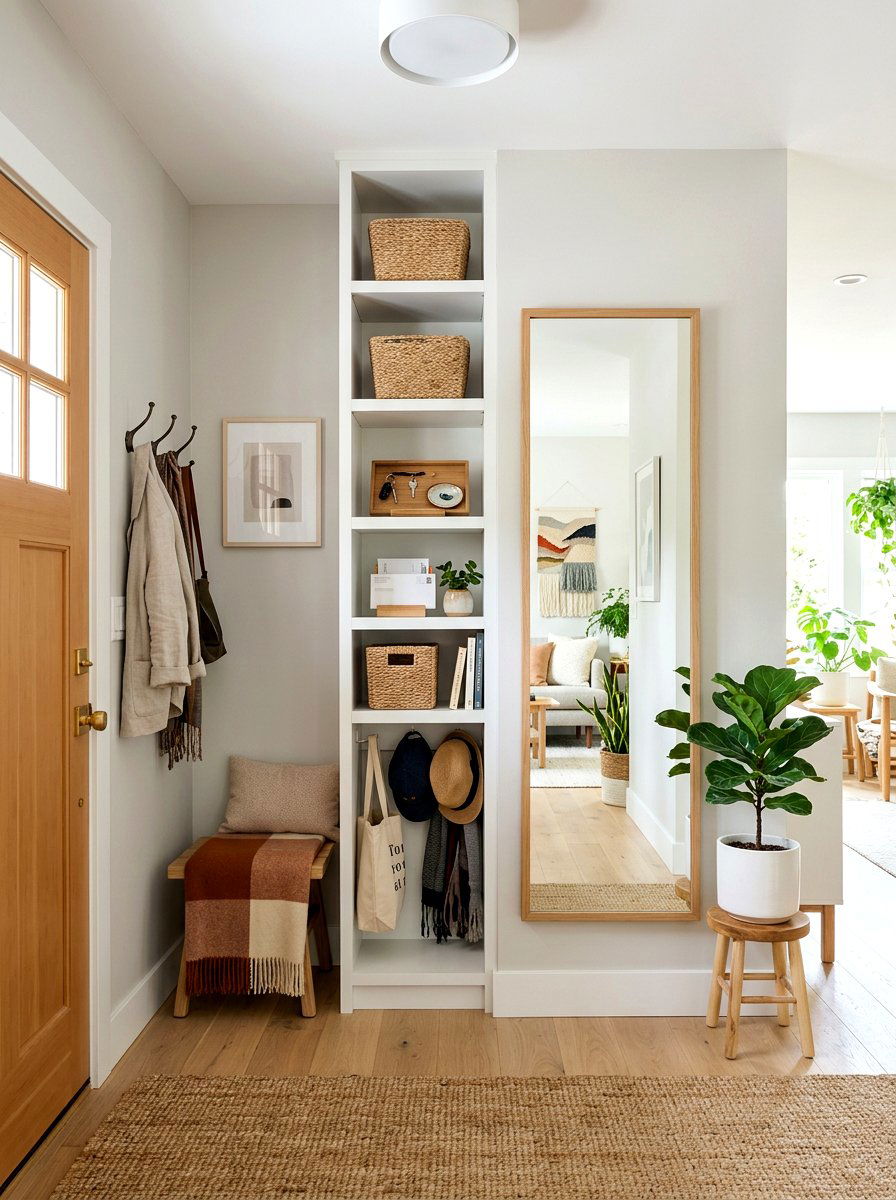
Creating an effective learning environment at home is essential for fostering academic success and maintaining focus in a distracting world. A dedicated zone for schoolwork helps children and teenagers transition into a productive mindset the moment they sit down. Whether you have a sprawling house or a tiny apartment, there are countless ways to integrate a functional workspace that matches your interior aesthetic perfectly. By carefully selecting furniture, lighting, and organization tools, you can transform a quiet corner or a busy kitchen area into an inspiring hub for creativity. This guide explores a wide variety of setups designed to fit different ages, styles, and spatial constraints to help every student in your home succeed.
1. Small Space Desk
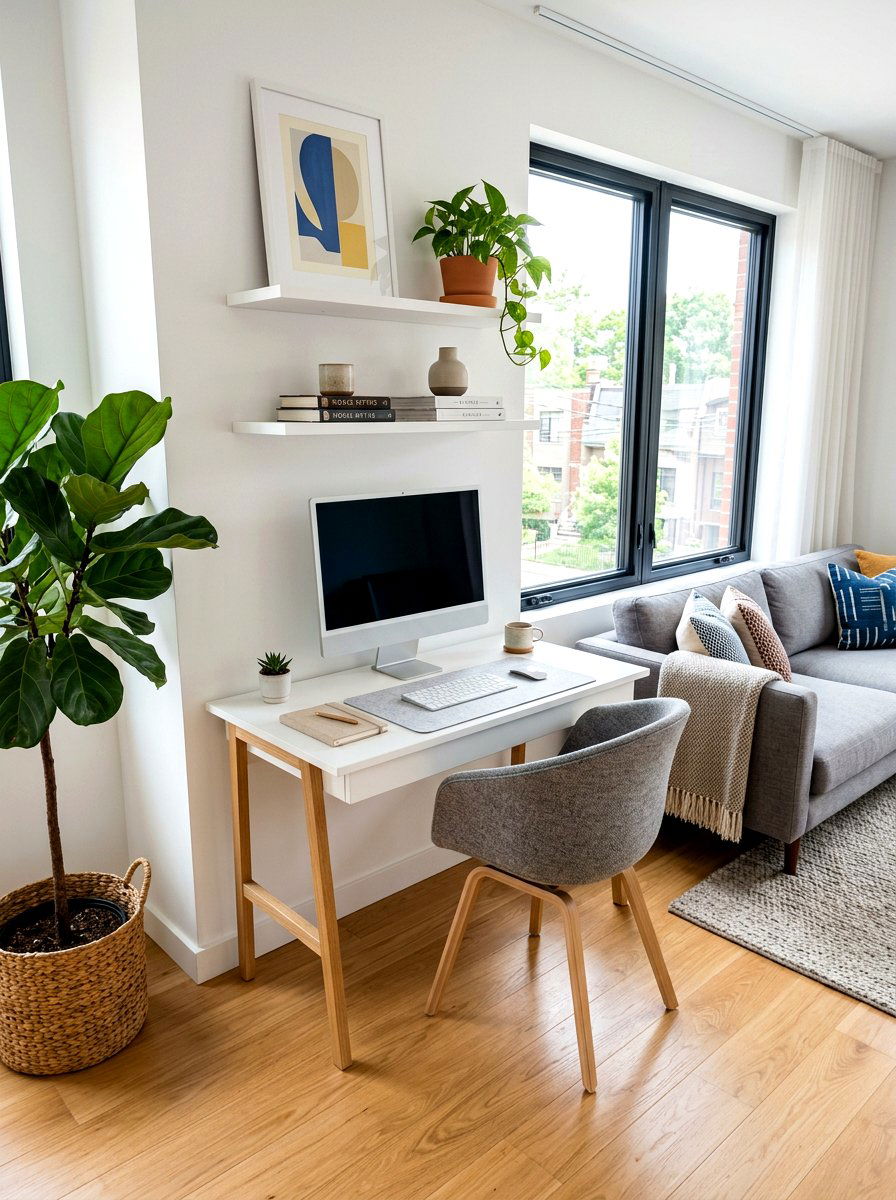
A compact workspace is the perfect solution for homes where every square inch counts. You can tuck a slim desk into a quiet corner of the living room or a hallway to create a dedicated study zone without a major renovation. Use light-colored furniture and minimalist accessories to keep the area feeling open and airy. Adding a comfortable, ergonomic chair ensures that the student can focus for longer periods without physical strain. Wall-mounted organizers or small floating shelves can hold essential supplies while keeping the desk surface completely clear for writing. This approach proves that you do not need a massive room to provide a very high-quality learning environment.
2. Built-In Desk Nook
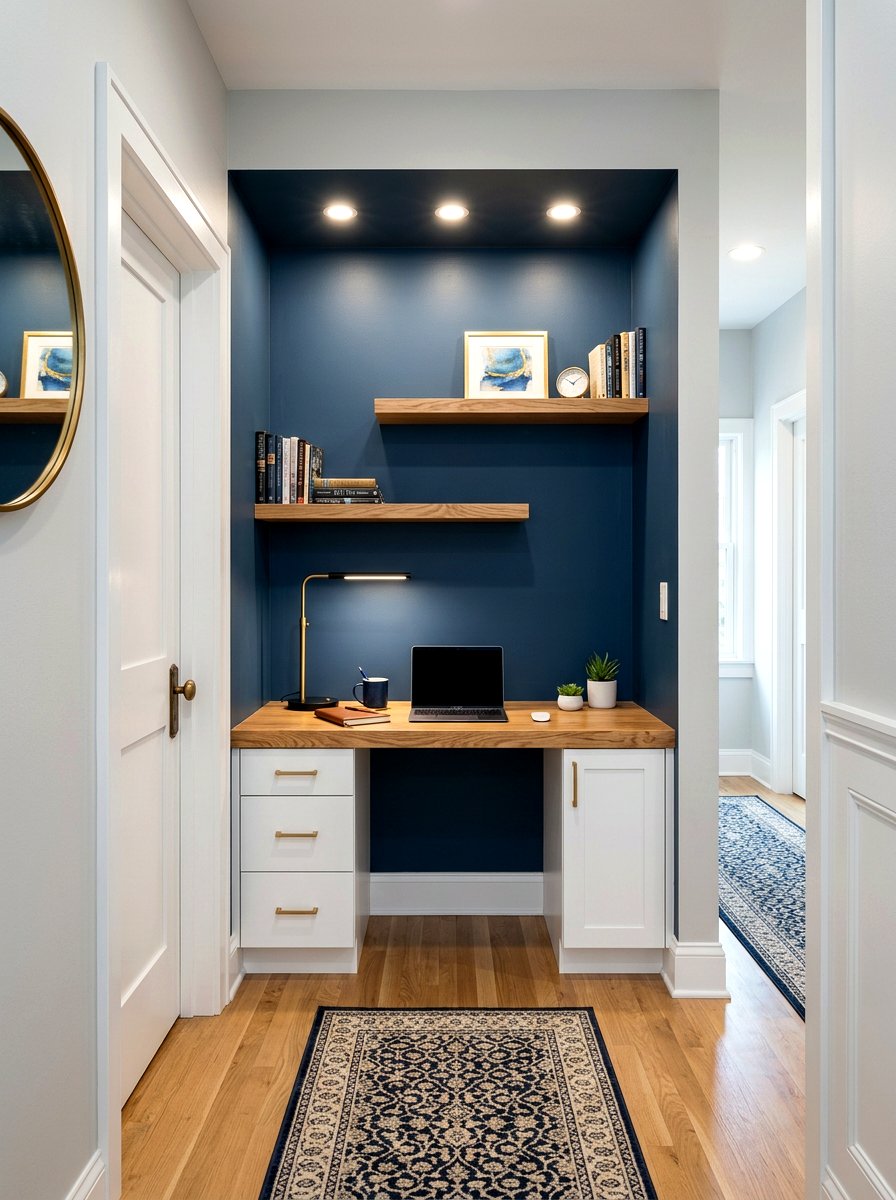
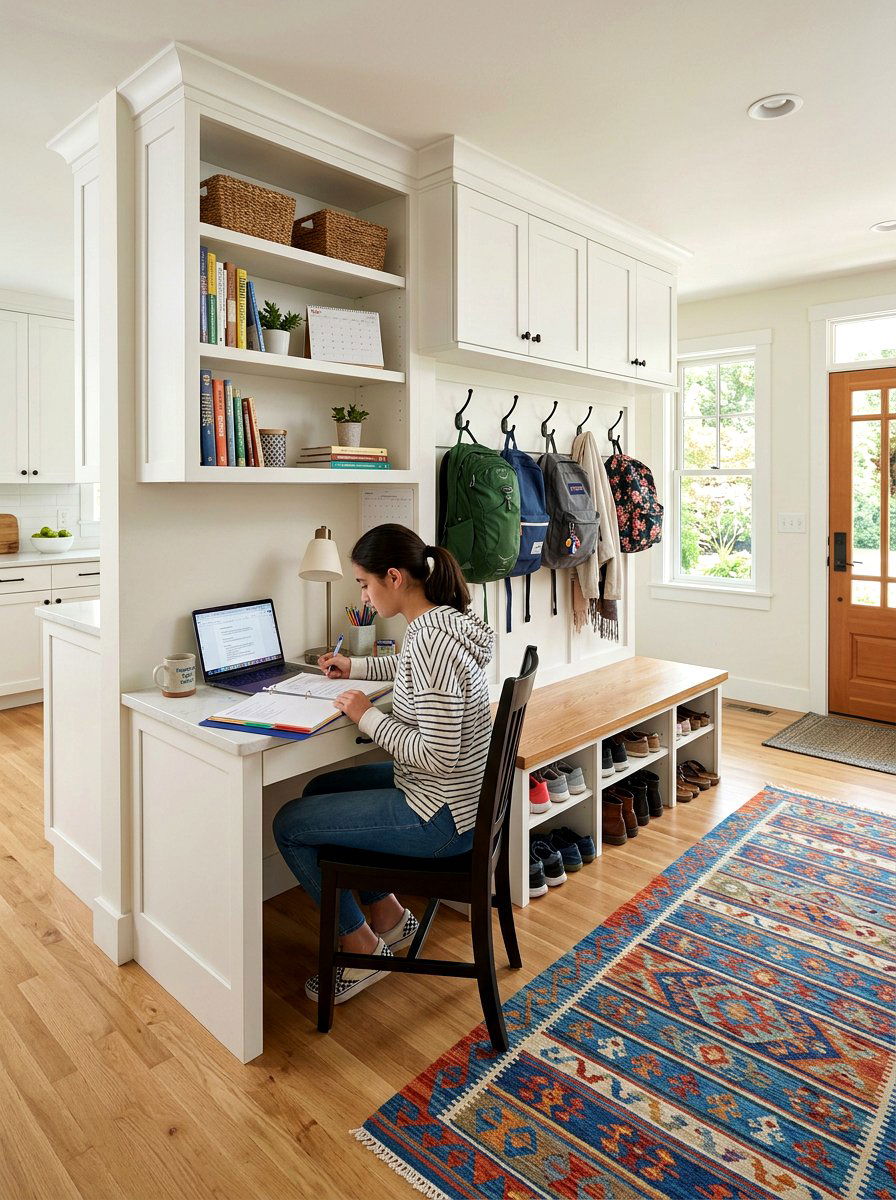
Utilizing an architectural alcove or an unused nook can result in a sophisticated and seamless study area. Custom-built surfaces that stretch from wall to wall provide ample room for computers, textbooks, and art supplies. You can paint the interior of the nook a contrasting color to visually define the workspace from the rest of the room. Overhead recessed lighting or a sleek desk lamp will provide the necessary brightness for late-night study sessions. Incorporating lower cabinets or drawers into the build-in allows for hidden storage of cluttered papers and electronics. This permanent setup creates a professional atmosphere that encourages students to take their academic responsibilities seriously every single day.
3. Double Student Desk
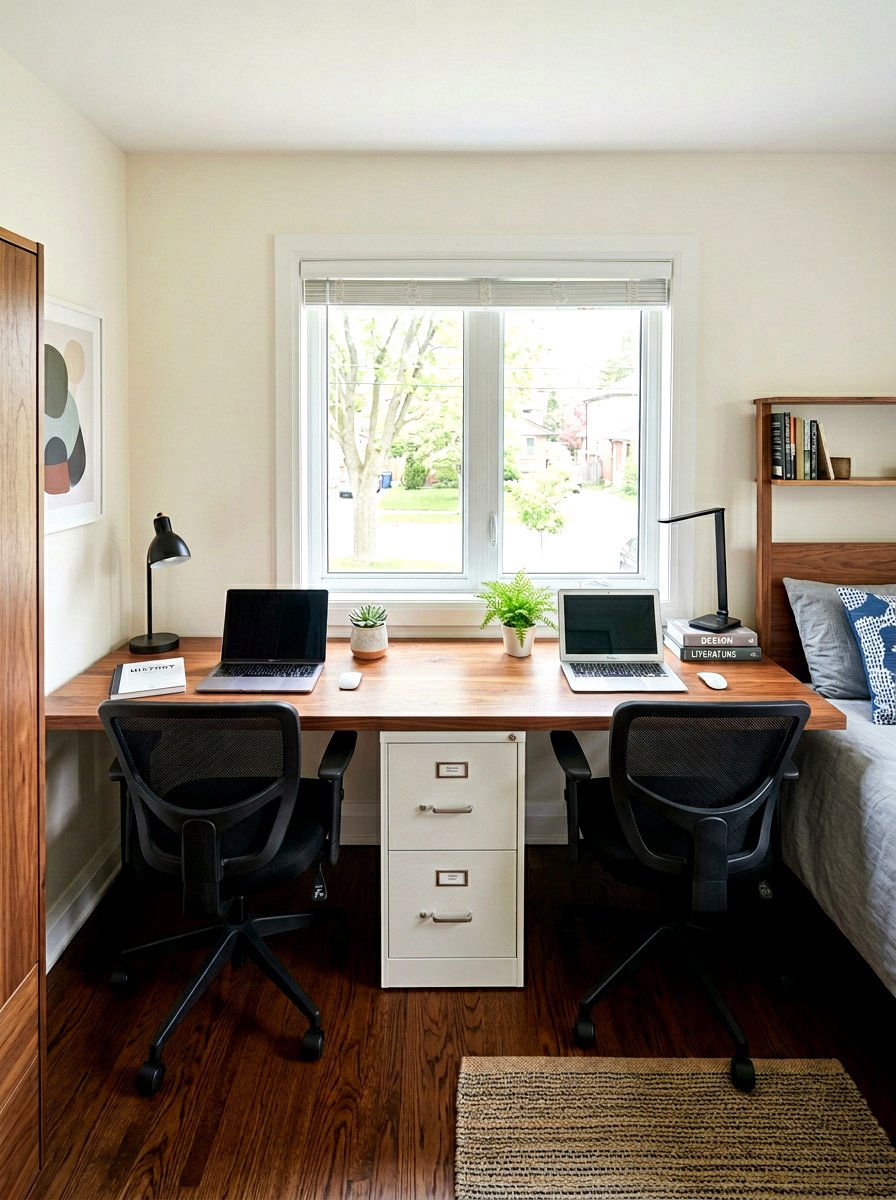
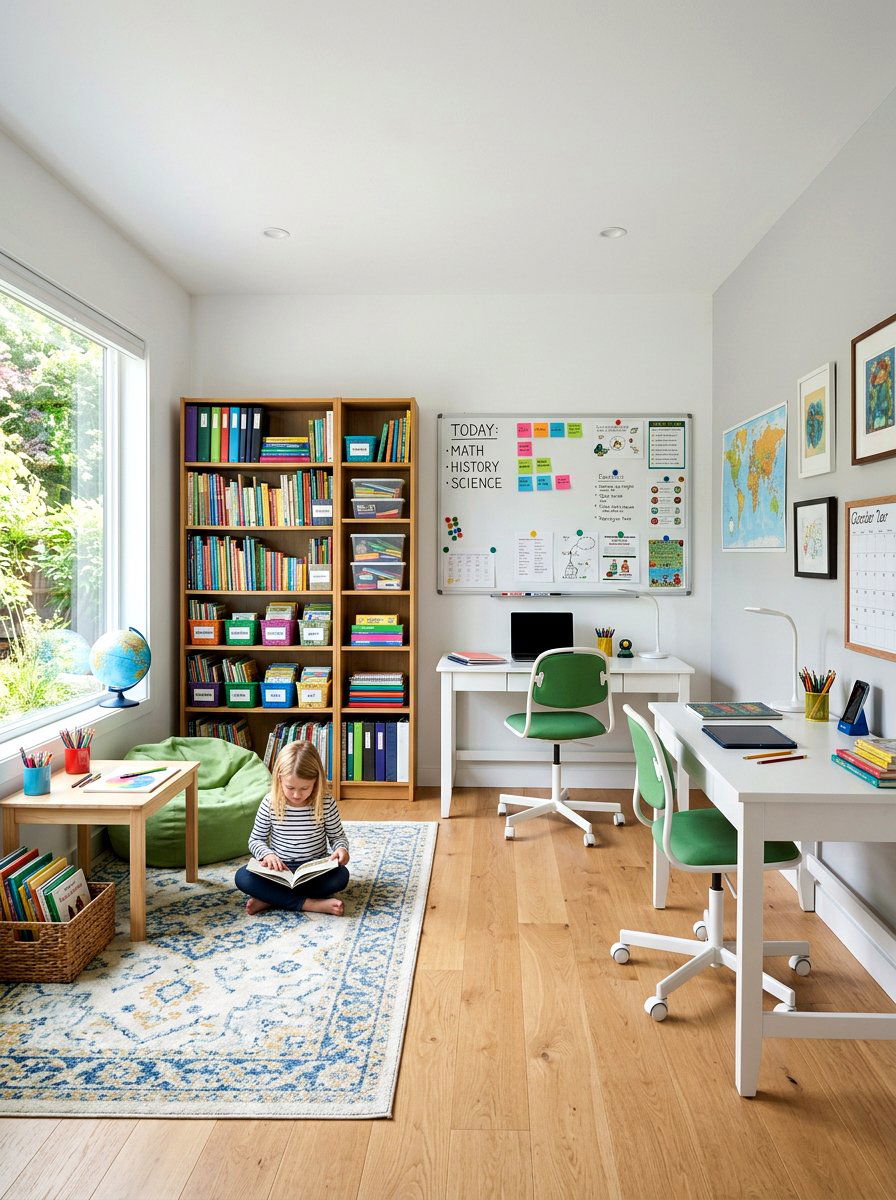
If you have two children sharing a space, a long, double-sided desk is a game-changer for maintaining order and peace. Placing two identical chairs side by side with a shared central storage unit helps define individual boundaries while maximizing floor space. You can use a long wooden countertop supported by sturdy filing cabinets to create a DIY version that looks high-end. This layout encourages collaborative learning while still allowing each child to have their own personalized zone for focus. Bright, uniform lighting across the entire surface prevents shadows and eye strain for both students. It is an efficient way to handle multiple homework schedules within a single, well-organized room.
4. Floating Wall Desk
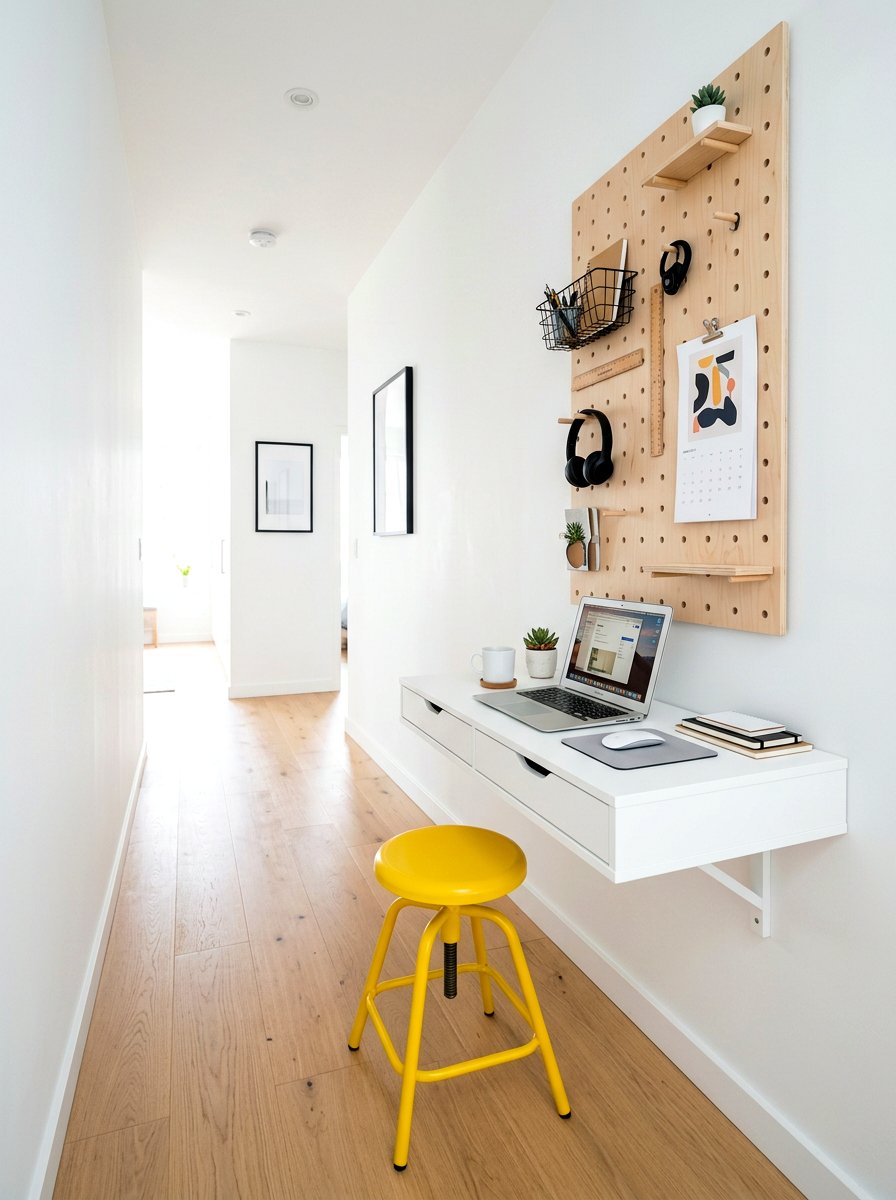
A floating desk is an excellent choice for a modern, minimalist look that keeps the floor area completely unobstructed. These desks are mounted directly to the wall at a custom height, making them ideal for growing children or unique architectural spaces. You can pair a sleek white or wood-toned floating shelf with a stylish stool that slides underneath when not in use. This design is particularly effective in narrow hallways or small bedrooms where a traditional four-legged desk would feel too bulky. Enhancing the wall with a large corkboard or pegboard above the desk adds functional vertical storage. It creates a clean and inspiring workspace that feels very contemporary.
5. Bedroom Study Corner
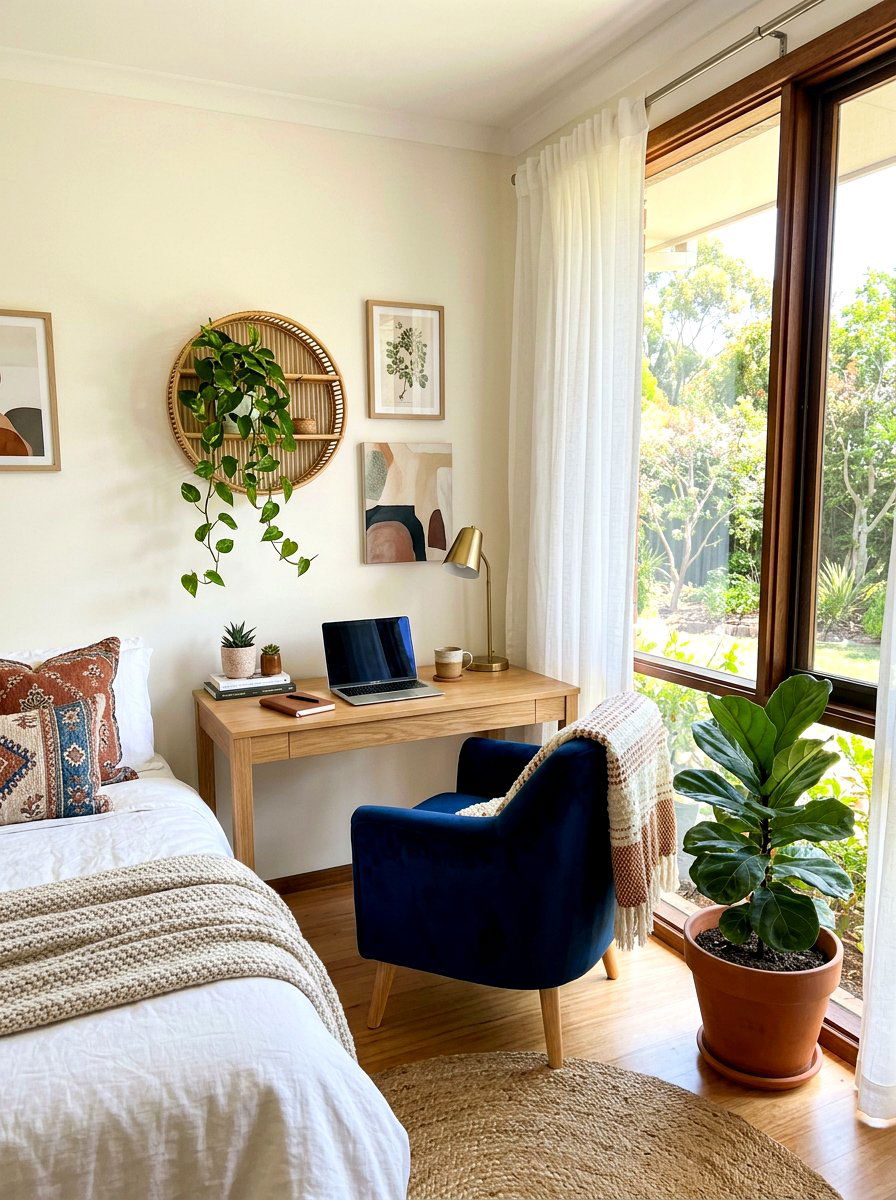
Integrating a workspace into a bedroom provides a private and quiet retreat for students who need deep concentration. Position the desk near a window to take advantage of natural light, which is known to boost mood and productivity. Choose a desk style that complements the existing bedroom furniture to maintain a cohesive and relaxing aesthetic throughout the entire space. Using a stylish table lamp and some decorative plants can make the area feel more inviting and less like a clinical office. A plush rug under the desk adds a layer of comfort and helps dampen sound within the room. This setup allows for a seamless transition between rest and academic work.
6. Closet Office Conversion
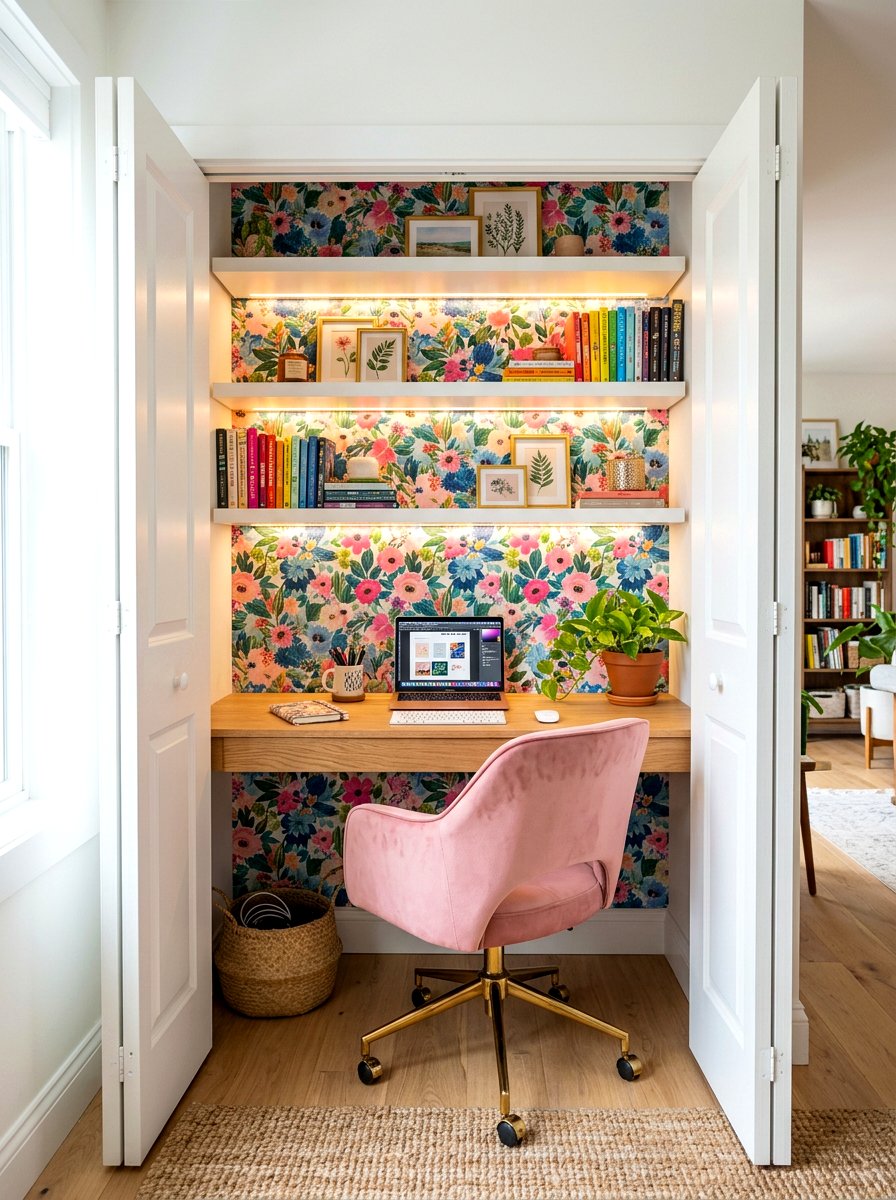
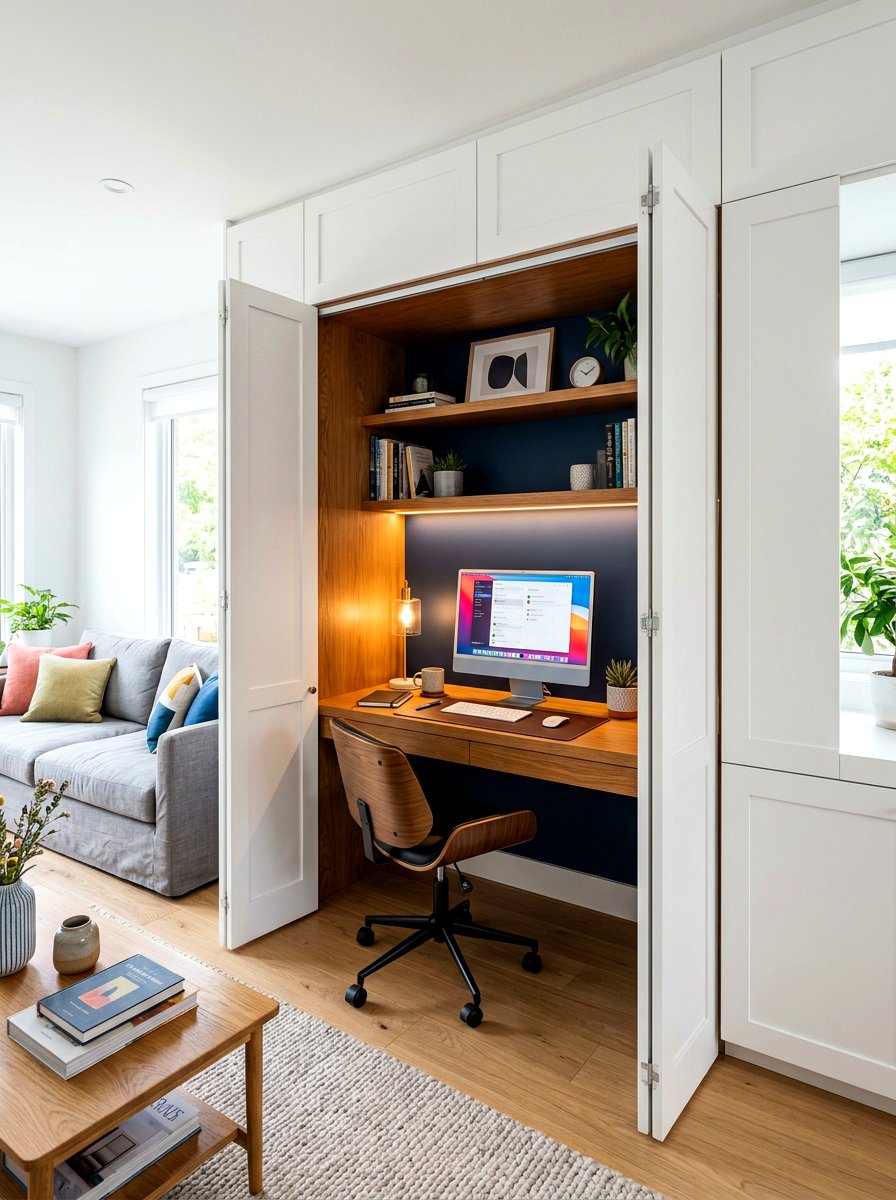
Transforming an unused closet into a "cloffice" is a brilliant way to hide a workspace when it is not in use. By removing the closet doors or using stylish curtains, you can fit a desk and several shelves into the recessed space. This setup keeps all school supplies and computers contained within a specific footprint, preventing clutter from spreading into the main living areas. You can install bright LED strip lighting under the shelves to ensure the interior is well-lit and functional. Wallpapering the back of the closet adds a pop of personality and makes the small space feel like a separate, intentional room. It is a creative space-saving hack.
7. Loft Bed Desk
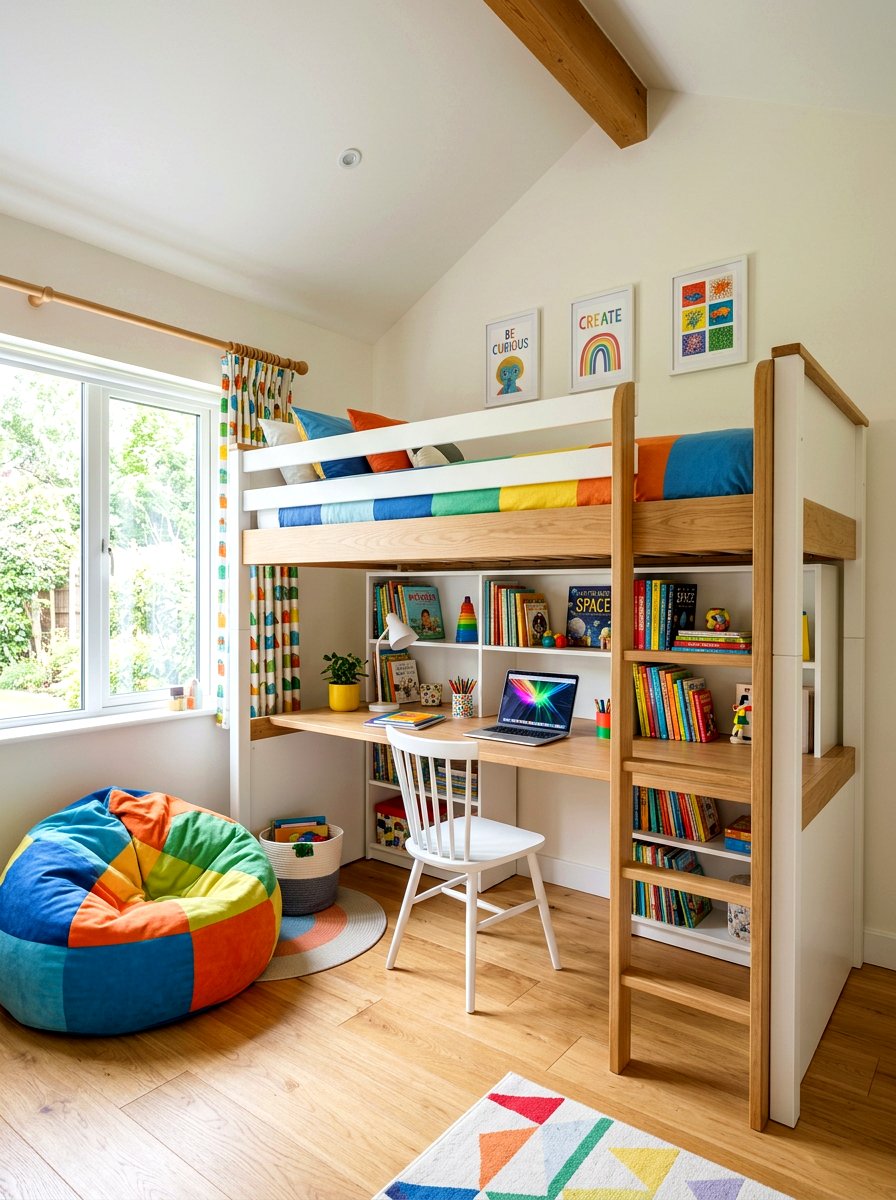
Loft beds are the ultimate multi-functional furniture for kids' rooms because they utilize vertical space effectively. Placing a full-sized desk underneath the elevated sleeping area creates a cozy and private den for studying and creative projects. You can add a small bookshelf and a comfortable task chair to complete the look and make it a fully functional hub. Using bright, focused lighting is important here to ensure the area under the bed does not feel too dark or enclosed. This layout frees up the rest of the room for play or additional storage, making it perfect for smaller homes. It provides a sense of independence and ownership for the student.
8. Fold Down Wall Desk
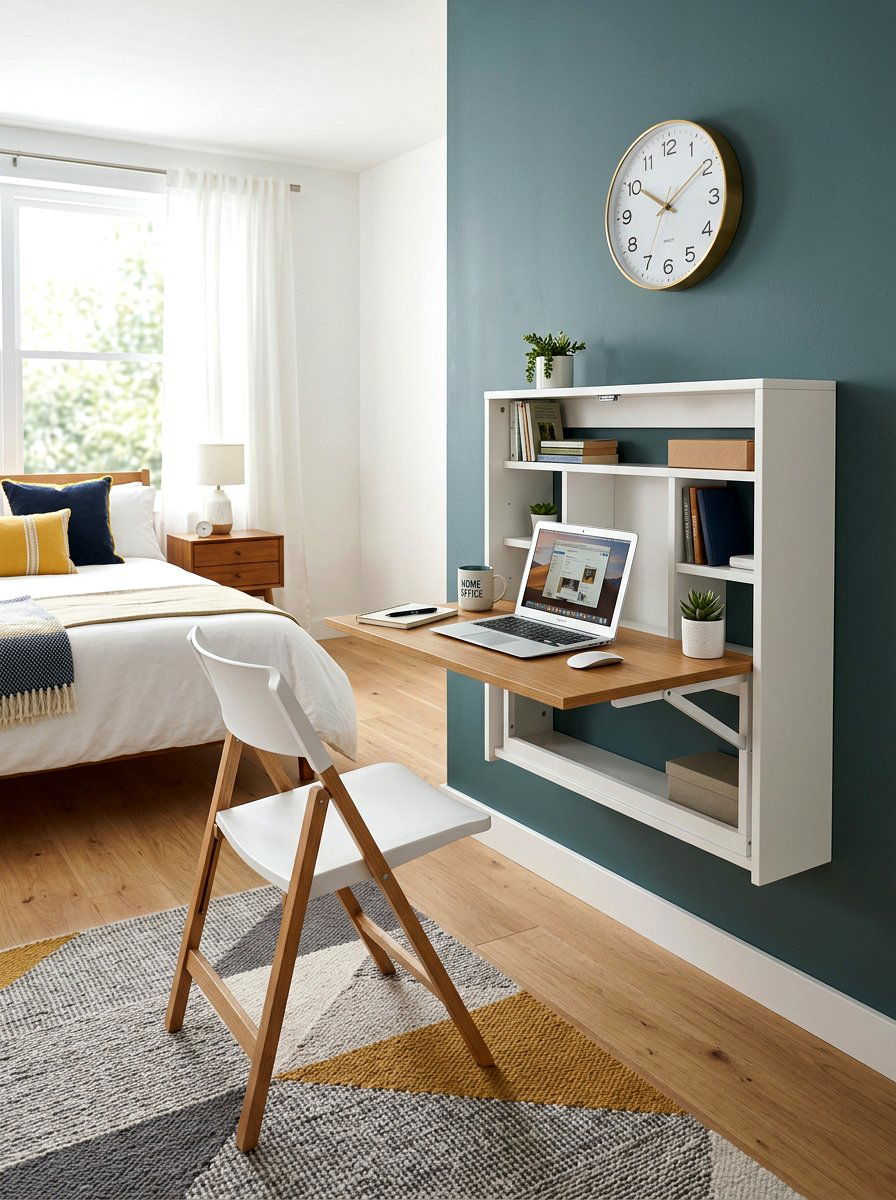
A fold-down wall desk is a genius invention for multi-purpose rooms where a permanent desk is not always desirable. When the workday is over, the desk surface simply folds up against the wall, often revealing a decorative panel or a chalkboard. This allows a guest room or a living area to return to its original function in seconds. You can store a folding chair nearby or use a stylish accent chair that fits the room’s decor when the desk is hidden. These units often include small interior cubbies for pens and notebooks, keeping essentials organized even when the station is closed. It is a highly practical and space-efficient solution.
9. Kitchen Island Homework Area
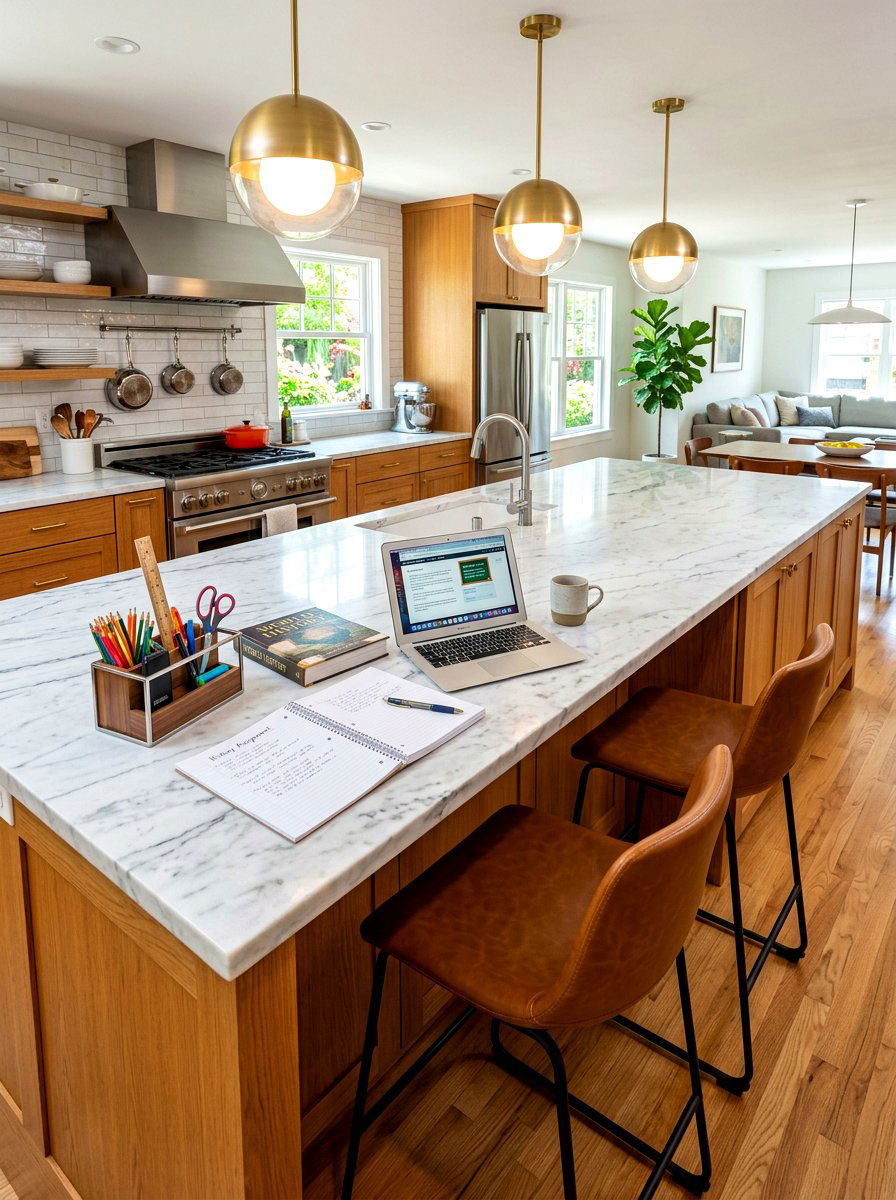
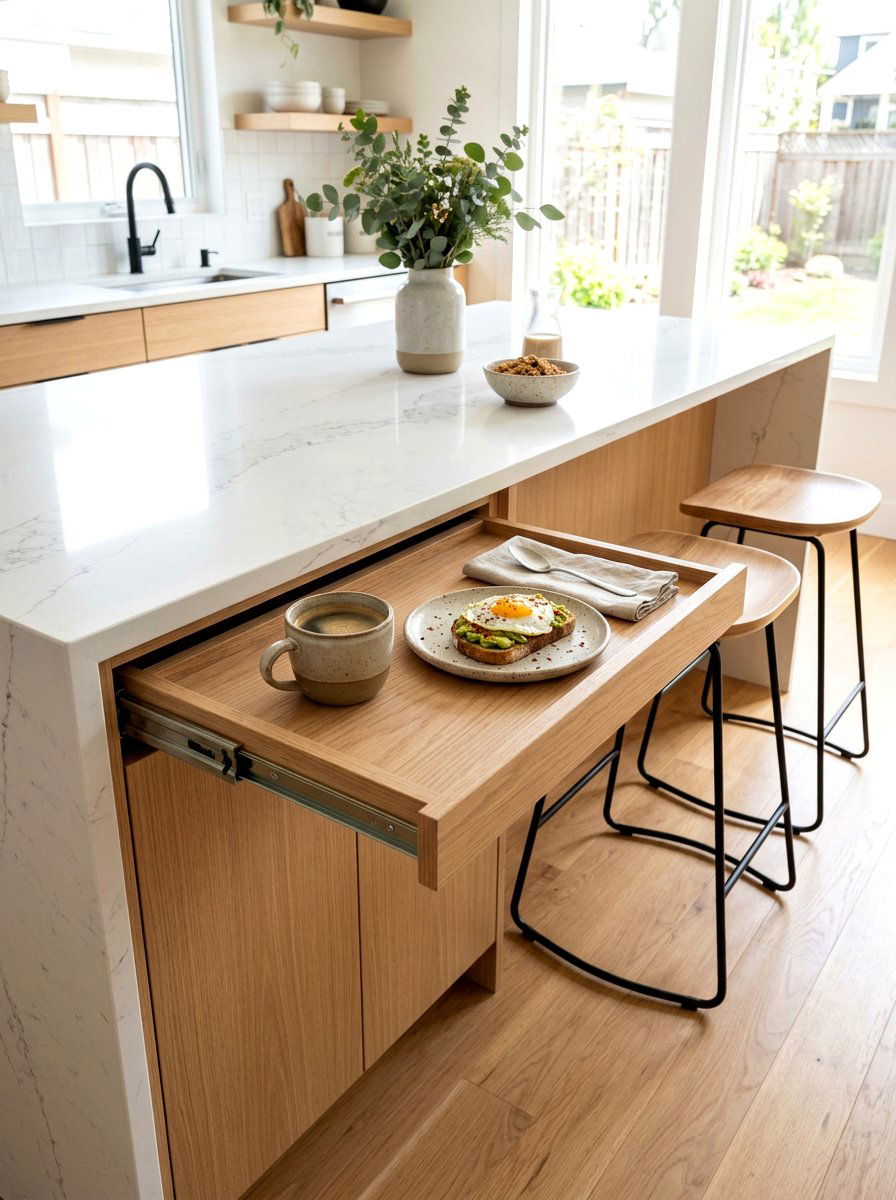
The kitchen is often the heart of the home, making it a natural place for younger children to do their homework while parents prepare dinner. You can designate one end of a large kitchen island as the official study zone by adding comfortable bar stools and a nearby supply caddy. This allows for easy supervision and help with assignments without the child feeling isolated in another room. Keeping a dedicated basket for school papers nearby ensures that the kitchen counter stays organized and ready for meals. Bright pendant lighting over the island provides excellent visibility for reading and writing tasks. It fosters a supportive and connected family atmosphere.
10. Kids Art And Study Table
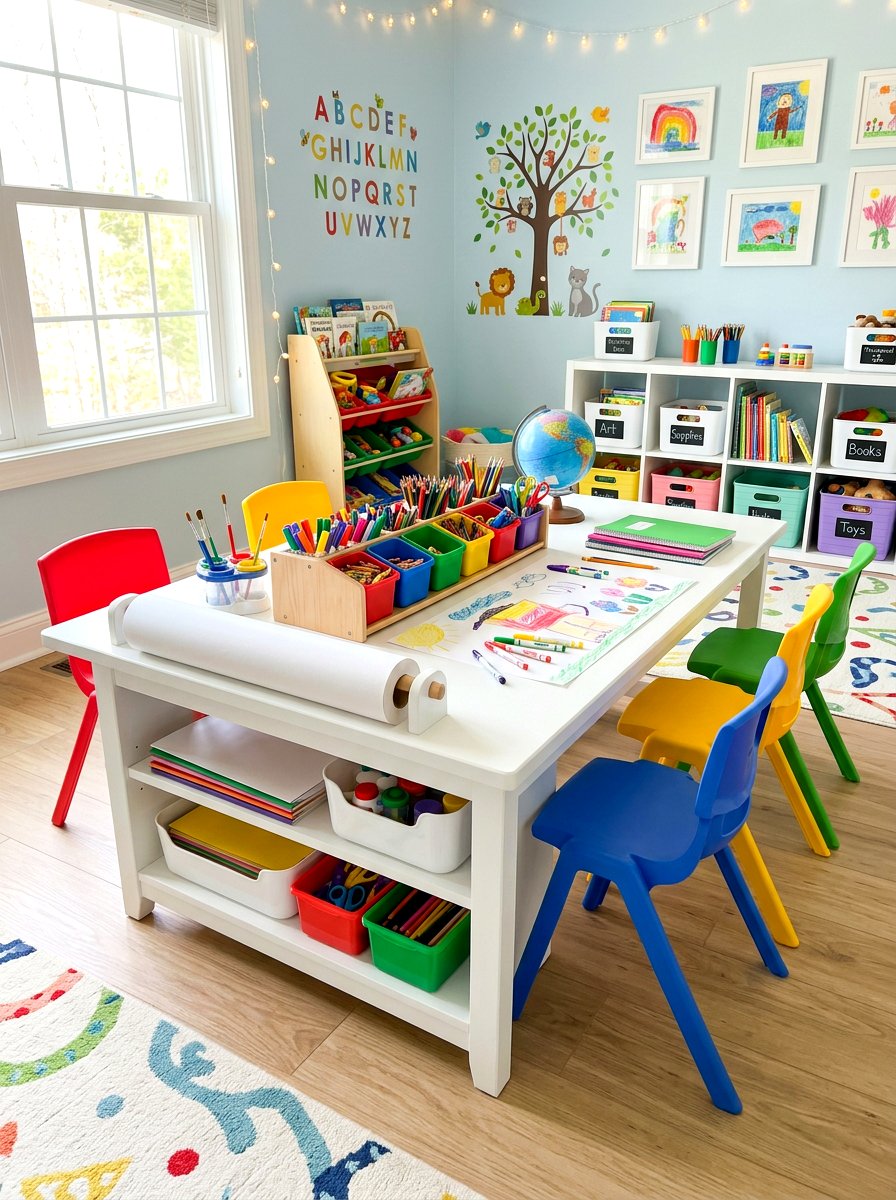
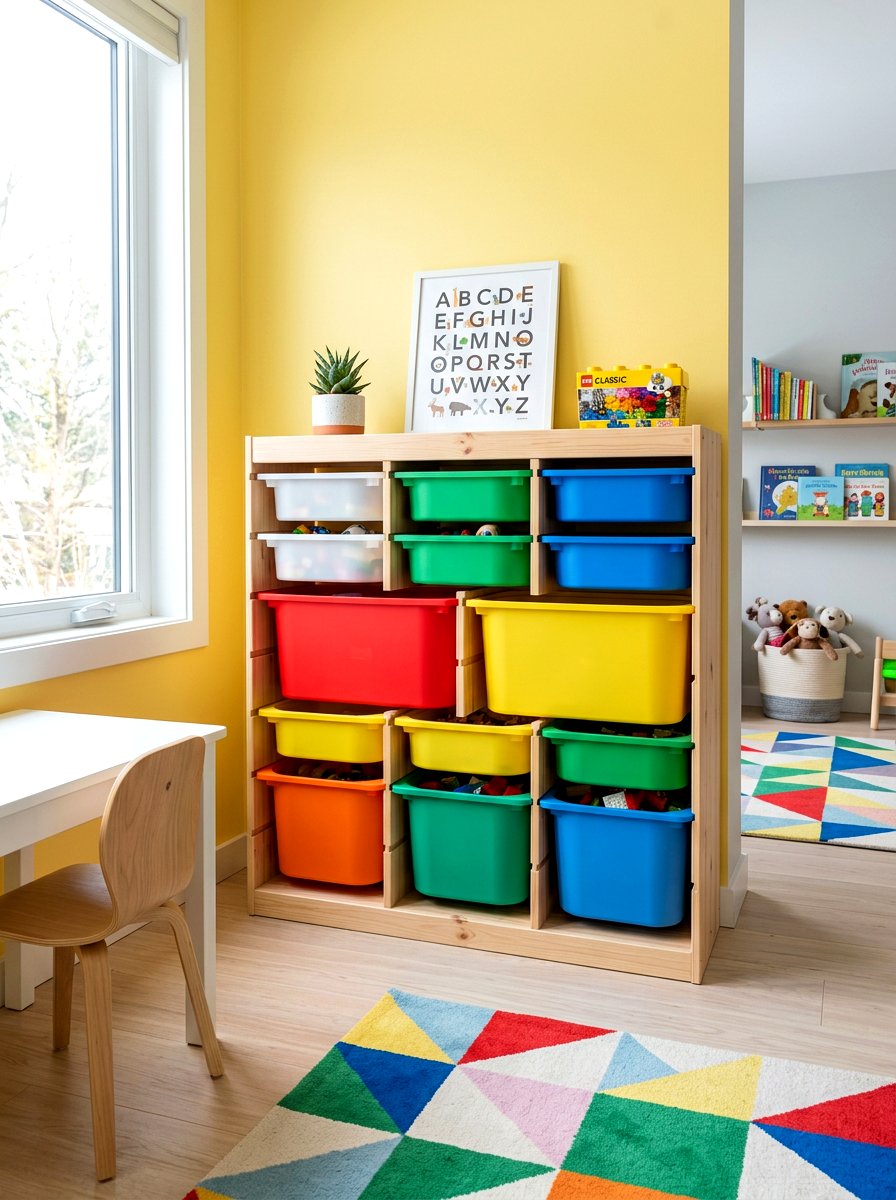
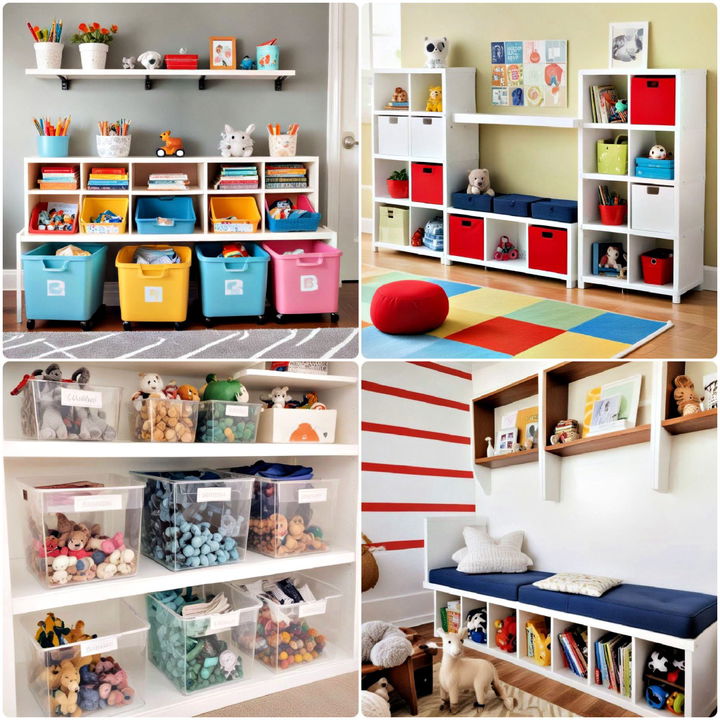
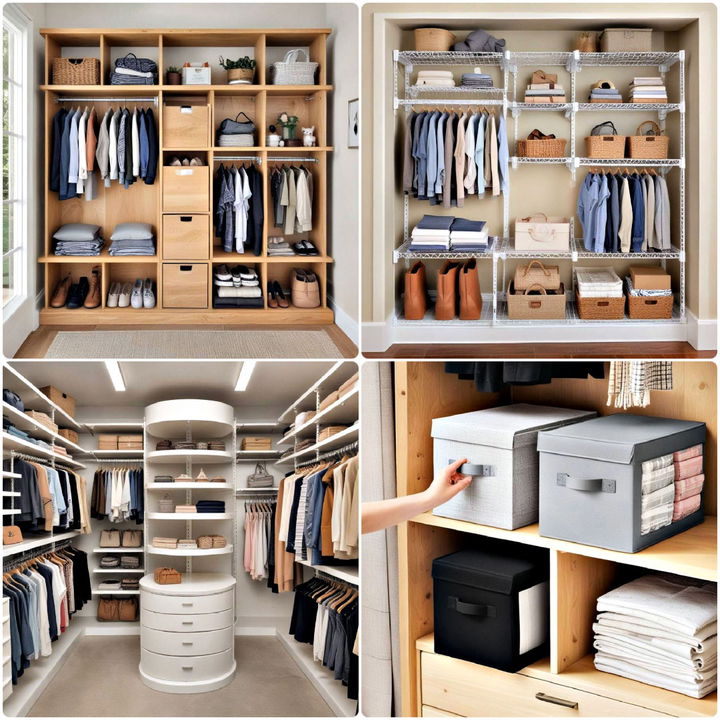
For younger students, a dedicated art and study table should be durable, easy to clean, and appropriately sized for their height. Choosing a table with a smooth, white surface allows for various creative projects, from painting to practicing penmanship. Surround the table with colorful bins or rolling carts filled with supplies like crayons, markers, and paper to encourage independence. A large paper roll attached to one end of the table can provide an endless canvas for brainstorming and drawing. Placing this station in a playroom or a sunlit corner makes learning feel like a fun and engaging activity. It is the perfect foundation for developing early academic habits.
11. Teenager Study Space
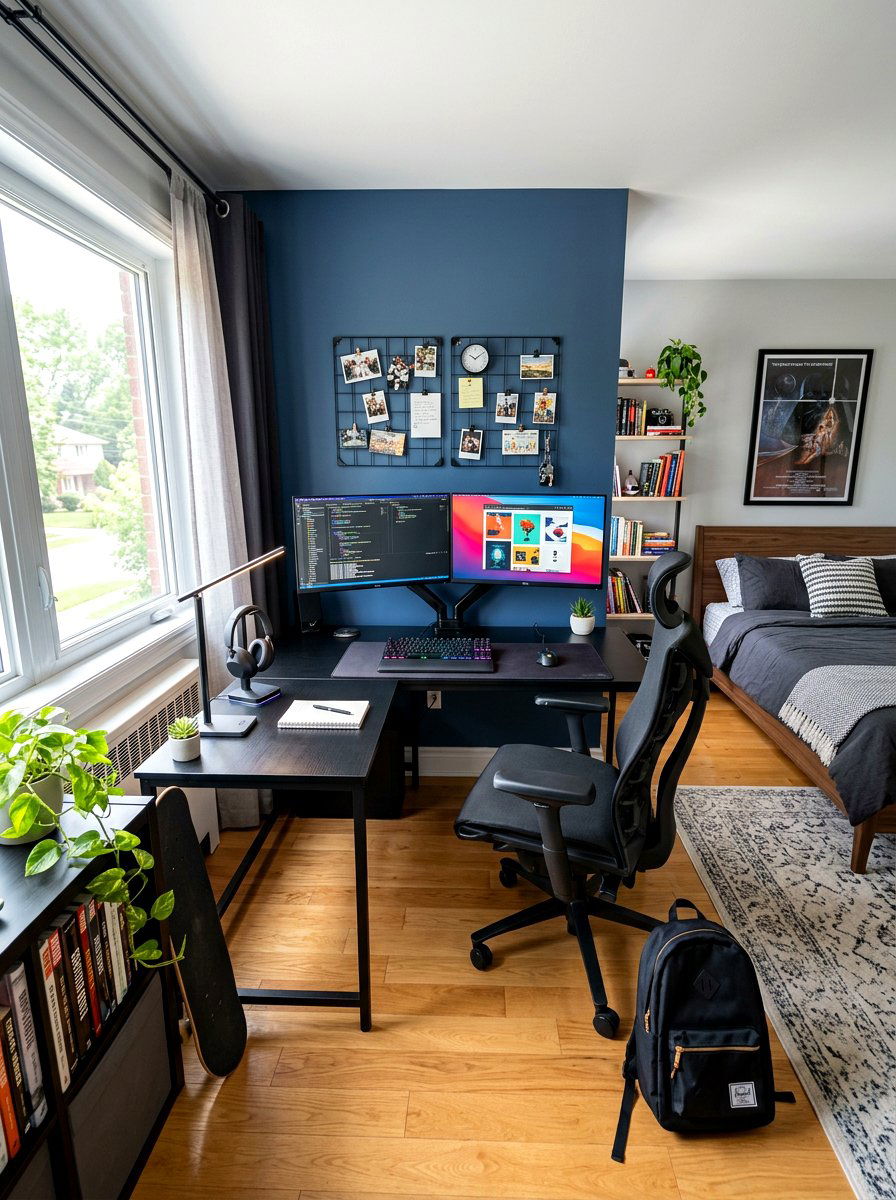
Teenagers require a more mature and sophisticated workspace that can accommodate laptops, multiple monitors, and heavy textbooks. Use a larger desk with a sleek, modern design and pair it with a professional-grade ergonomic office chair. Incorporating neutral colors with bold accents allows the teen to express their personality while maintaining a focused environment. High-quality task lighting and a power strip for charging various devices are essential components of this setup. You can add a large wall calendar or a whiteboard to help them manage complex schedules and project deadlines independently. This space should feel like a bridge between a childhood bedroom and a professional adult home office.
12. Minimalist Student Desk
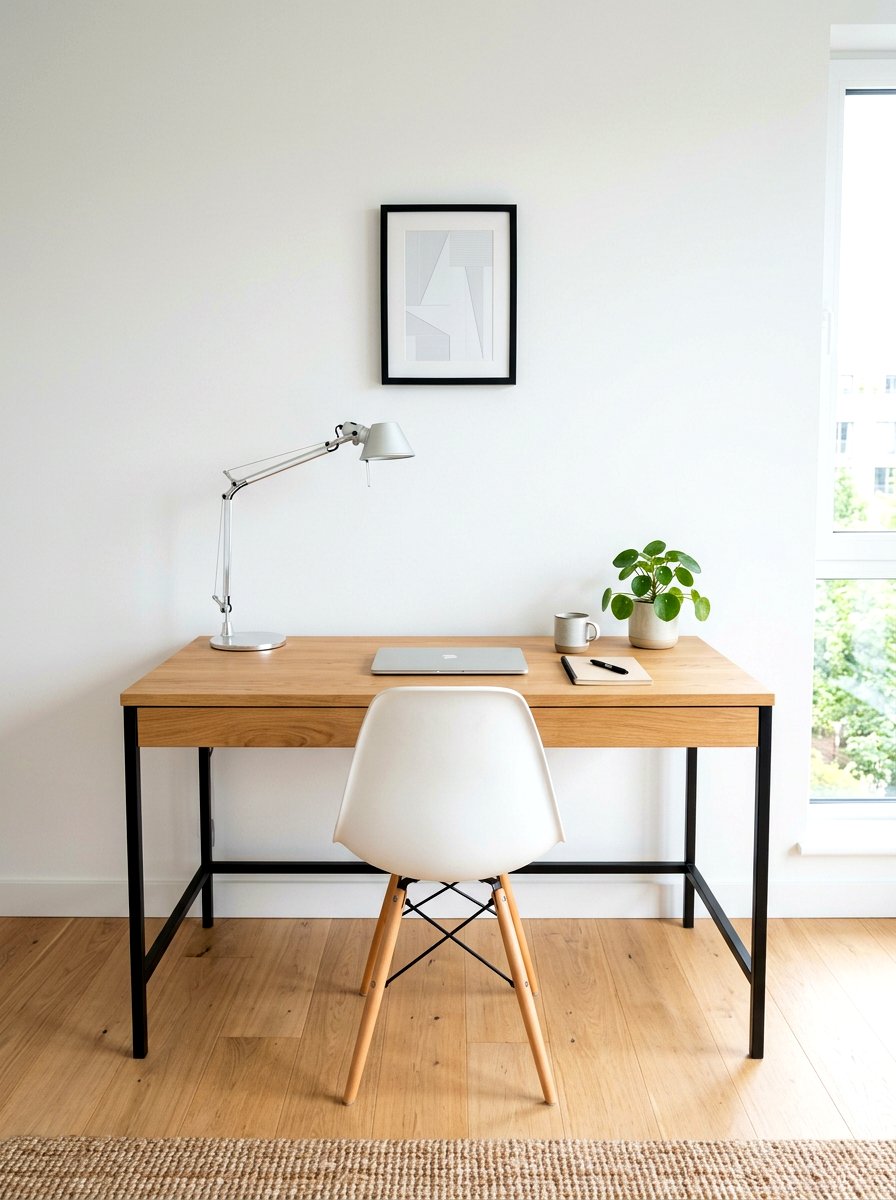
A minimalist approach to a study area focuses on removing all unnecessary distractions to promote deep focus. Use a simple, clean-lined desk in a neutral color like white, gray, or light wood to create a serene environment. Keep the desktop almost entirely clear, with only a laptop and a single lamp visible to the eye. Hidden cable management is crucial here to prevent the visual clutter of tangled wires and chargers. You can hang a single piece of inspiring art or a simple clock on the wall to complete the look. This design philosophy is perfect for students who are easily overwhelmed by busy patterns or excessive amounts of decorative objects.
13. Adjustable Height Kids Desk
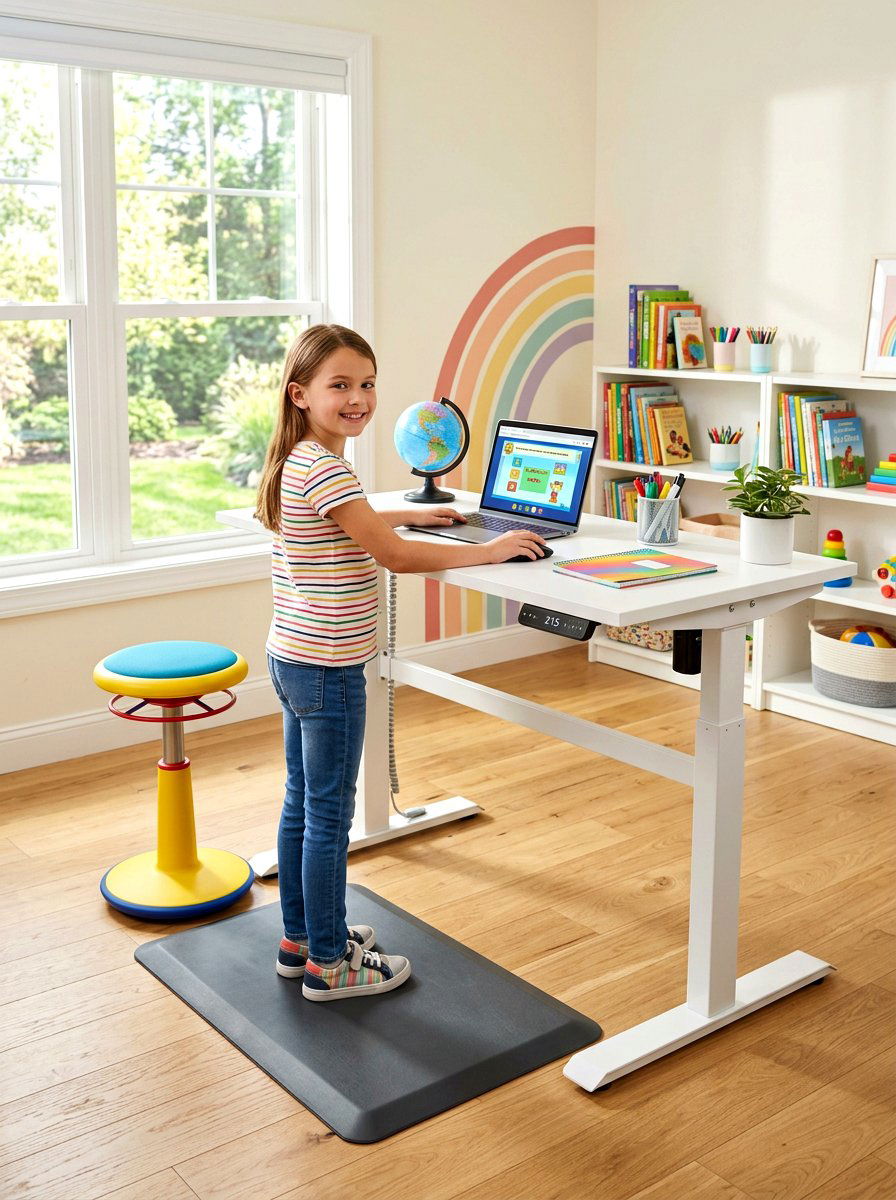
Investing in an adjustable height desk is a smart long-term strategy because the furniture grows alongside your child. These desks can be raised or lowered to ensure perfect ergonomics at every stage of their physical development. Pairing the desk with an adjustable chair ensures that the child’s feet are always flat on the floor and their back is supported. Many models also allow the student to alternate between sitting and standing, which can improve circulation and concentration during long study hours. This versatility makes the workspace adaptable for different types of tasks, from drawing to computer work. It is a sustainable and health-conscious choice for any family.
14. Basement Study Area
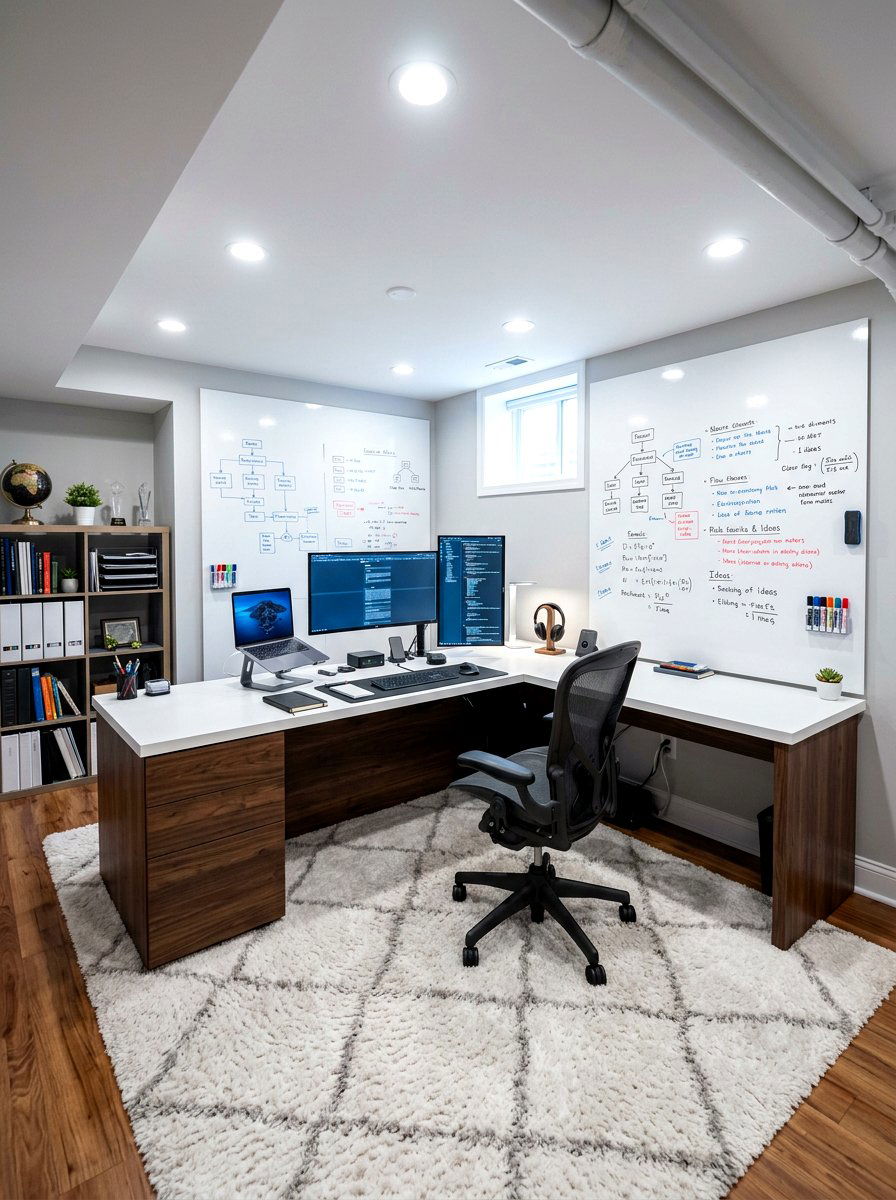
A finished basement can provide a quiet and secluded area for a large, comprehensive homework station. Because basements often have more floor space, you can create a sprawling desk setup with plenty of room for storage and projects. Use bright, warm lighting and light-colored area rugs to prevent the space from feeling dark or underground. Adding a small lounge area with bean bags or a sofa provides a comfortable spot for reading and taking breaks. You can also install large whiteboards on the walls for solving complex math problems or mapping out essays. This separation from the main living floors ensures a distraction-free environment for serious academic work.
15. Attic Playroom Desk
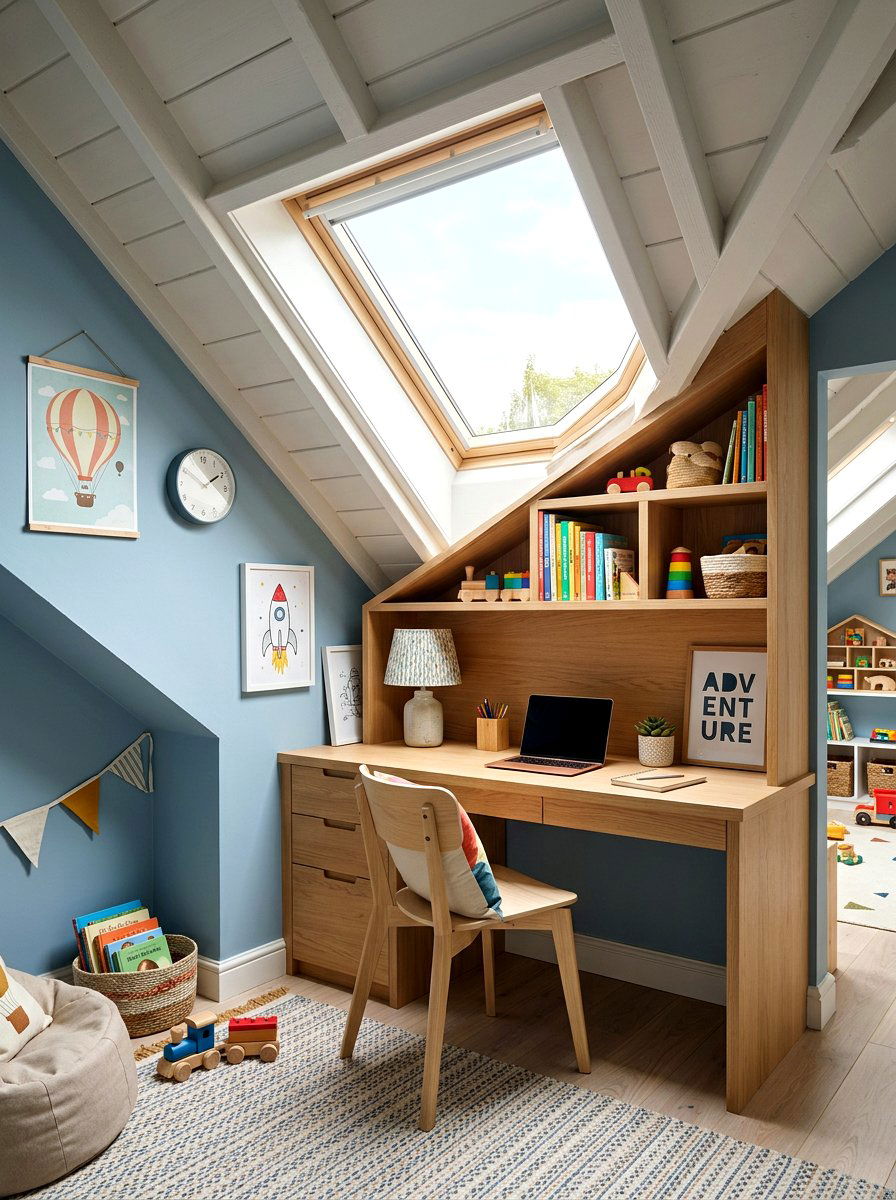
An attic conversion offers a unique and cozy atmosphere for a homework station, especially when positioned under a sloped ceiling. You can install a custom desk along the shortest wall to maximize the use of otherwise awkward architectural spaces. Natural light from a skylight can create a bright and uplifting environment that feels far away from the noise of the household. Use built-in shelving in the eaves to store books and supplies without taking up valuable floor space. Adding soft textiles and a comfortable chair makes the attic feel like a private sanctuary for learning. It is an imaginative way to turn a forgotten area into a highly productive zone.
16. Sunroom Homework Spot
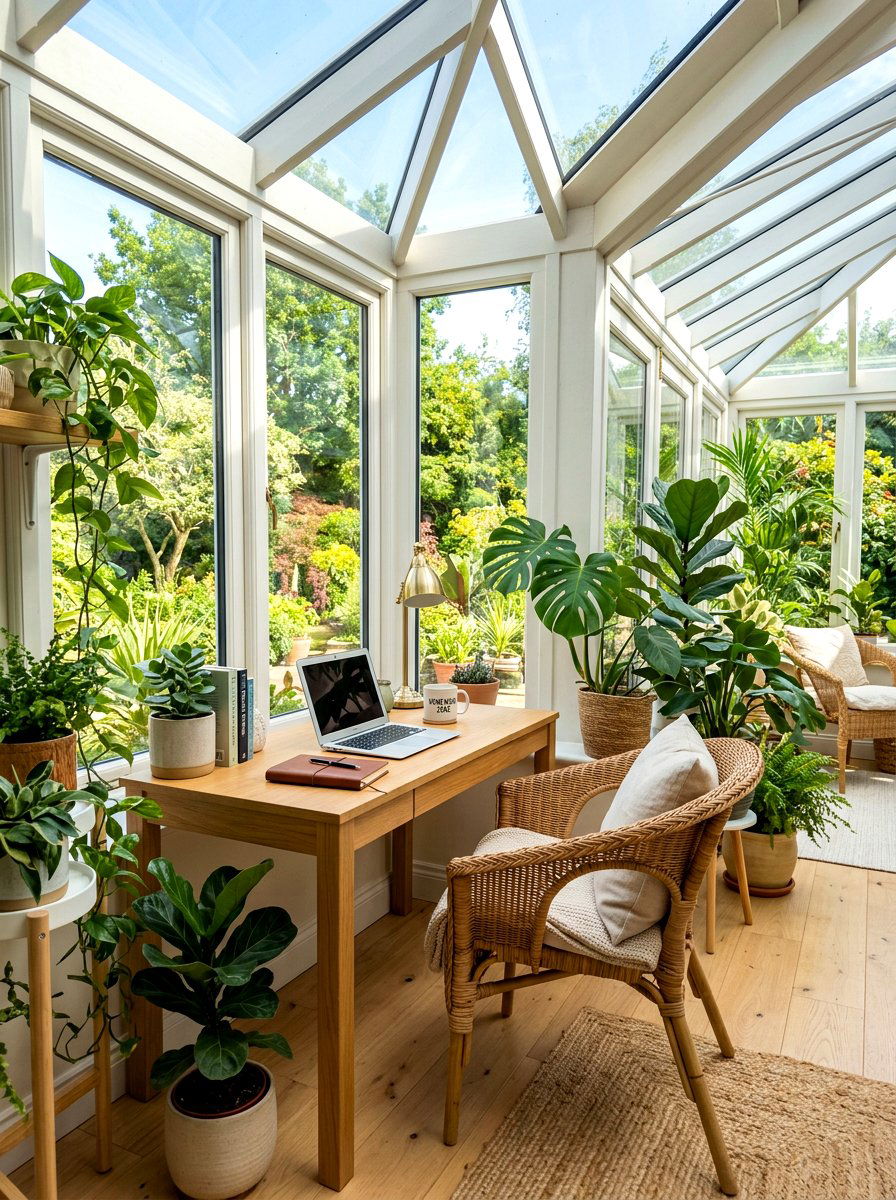
A sunroom provides a beautiful and naturally lit environment that can make doing homework feel much more enjoyable. Placing a desk in a room surrounded by windows allows the student to enjoy views of the garden while they work. The abundance of natural light is excellent for eye health and helps maintain a high level of energy throughout the afternoon. Use simple, weather-resistant furniture or classic wooden pieces that complement the bright and airy feel of the room. Adding several indoor plants further enhances the connection to nature, creating a calm and biophilic workspace. It is an ideal setting for creative writing and thoughtful reflection.
17. Living Room Desk Hutch
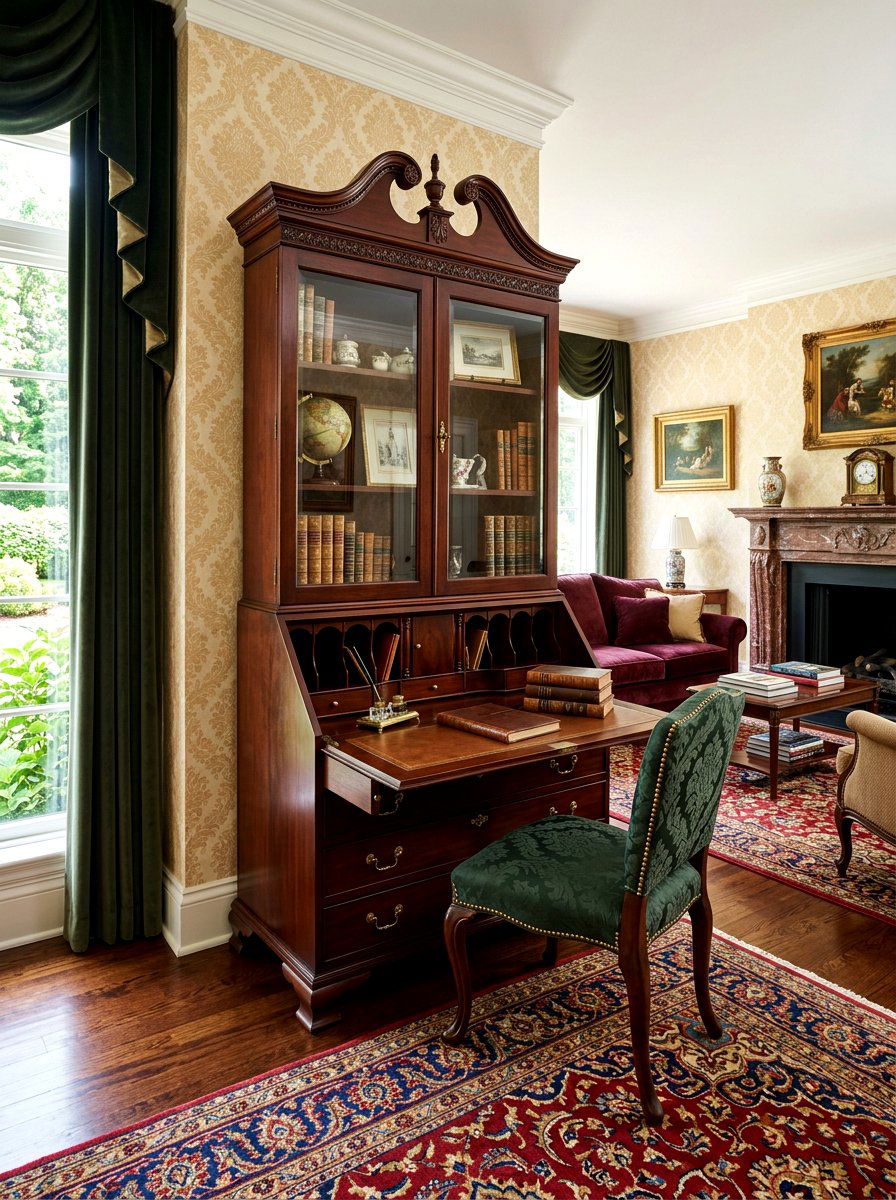
A traditional hutch or secretary desk is a stylish way to integrate a homework station into a formal living room. These pieces of furniture often feature a fold-down desktop and plenty of small drawers for organizing pens, stamps, and stationery. When the schoolwork is finished, you can simply close the hutch to hide all the papers and maintain a tidy living space. This is a perfect solution for families who want to keep an eye on their children’s progress while relaxing nearby. Choosing a hutch in a wood finish that matches your other furniture ensures it looks like an intentional piece of decor. It combines classic elegance with modern functionality perfectly.
18. Library Style Study Table
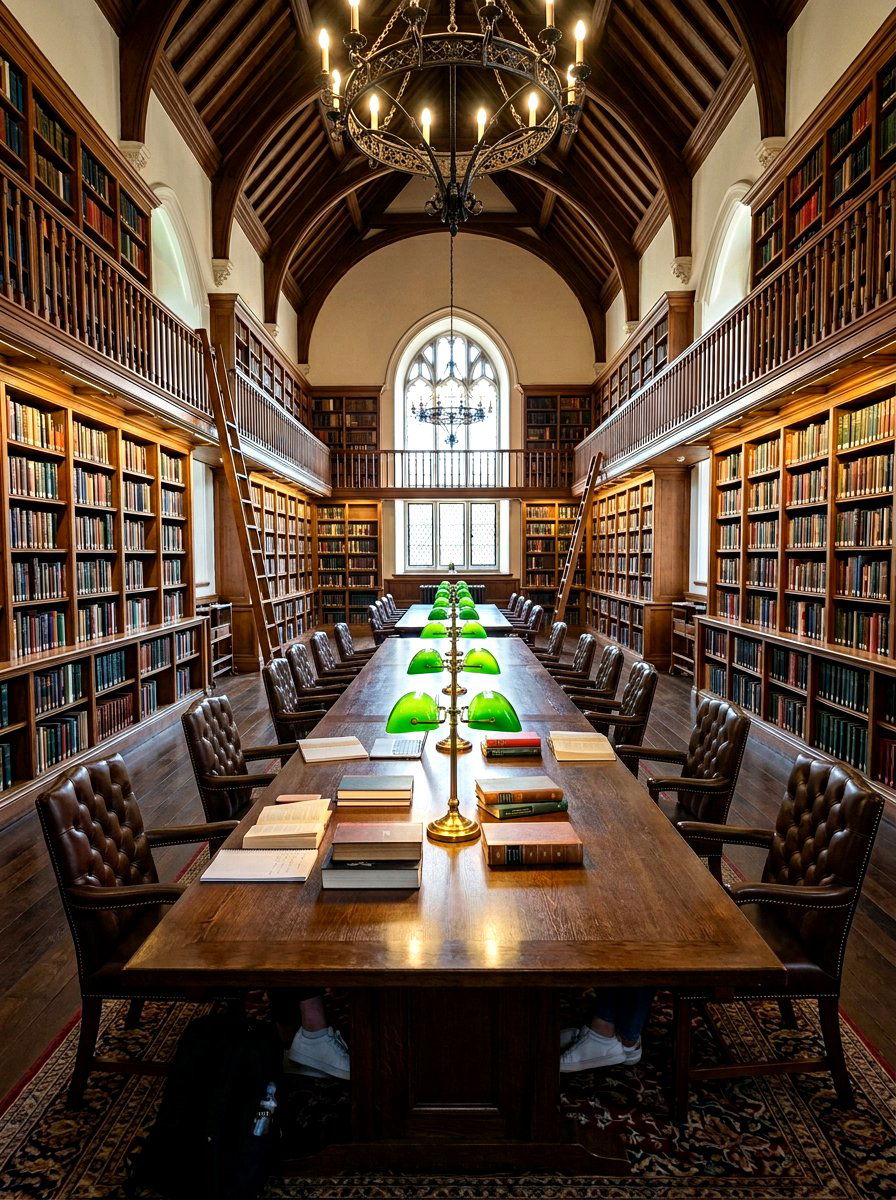
Creating a library-inspired atmosphere can encourage a serious and scholarly approach to home learning. Use a large, heavy wooden table as the centerpiece and surround it with comfortable, upholstered chairs for a sophisticated look. Adding classic green banker’s lamps or modern task lights provides targeted illumination for reading and research. You can line the nearby walls with floor-to-ceiling bookshelves filled with reference materials and favorite novels to complete the aesthetic. This setup is perfect for older students or families with multiple children who enjoy working in a quiet, shared environment. It transforms a standard room into a magnificent hall of learning that inspires academic excellence every day.
19. Industrial Pipe Desk
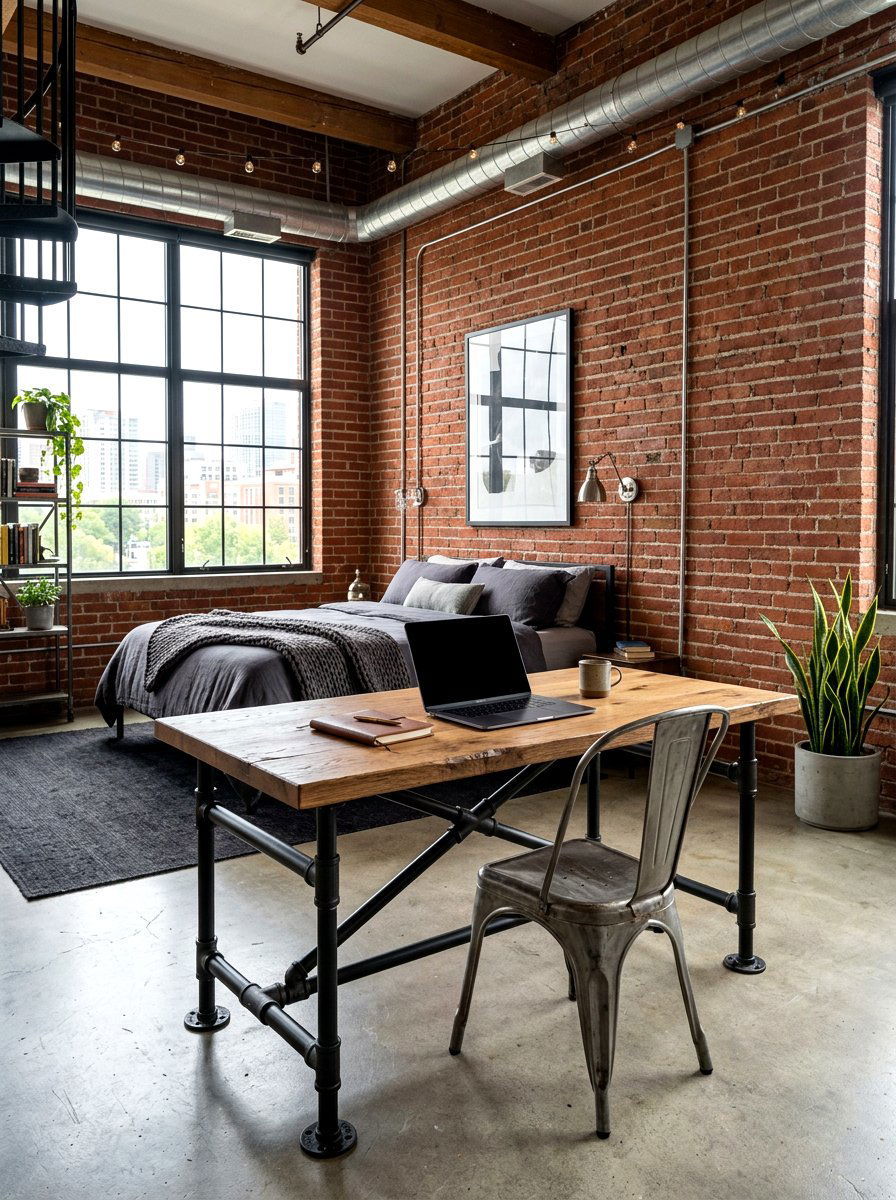
An industrial-style desk made from metal pipes and reclaimed wood offers a rugged and trendy look for a modern student room. This DIY-friendly design is incredibly sturdy and can be customized to fit any wall length or corner perfectly. Pair the desk with a vintage metal chair and Edison-bulb lighting to enhance the urban, loft-like aesthetic. The open shelving above the desk provides a great place to display cool collectibles and store textbooks in an organized fashion. This style is particularly popular with teenagers who want a workspace that feels edgy and unique rather than traditional. It is a durable and stylish choice that stands up to heavy daily use.
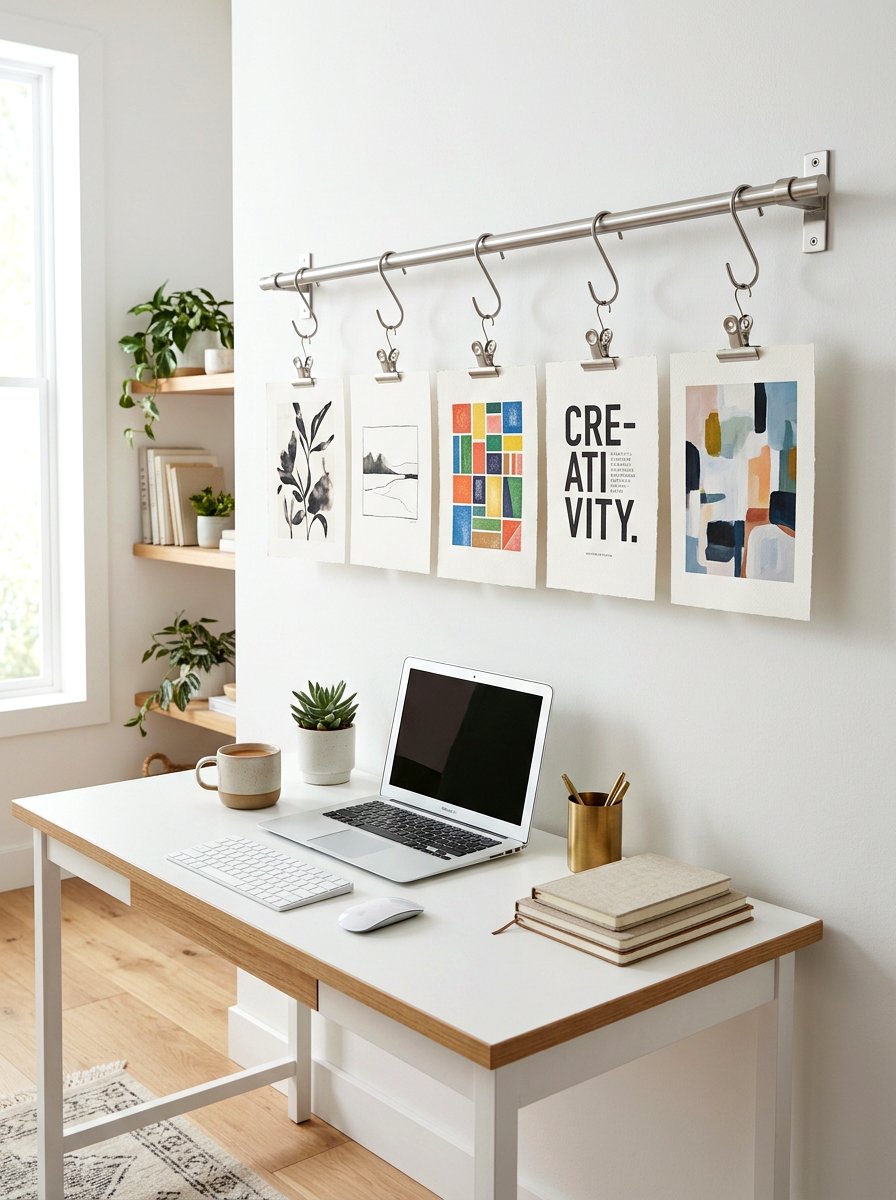
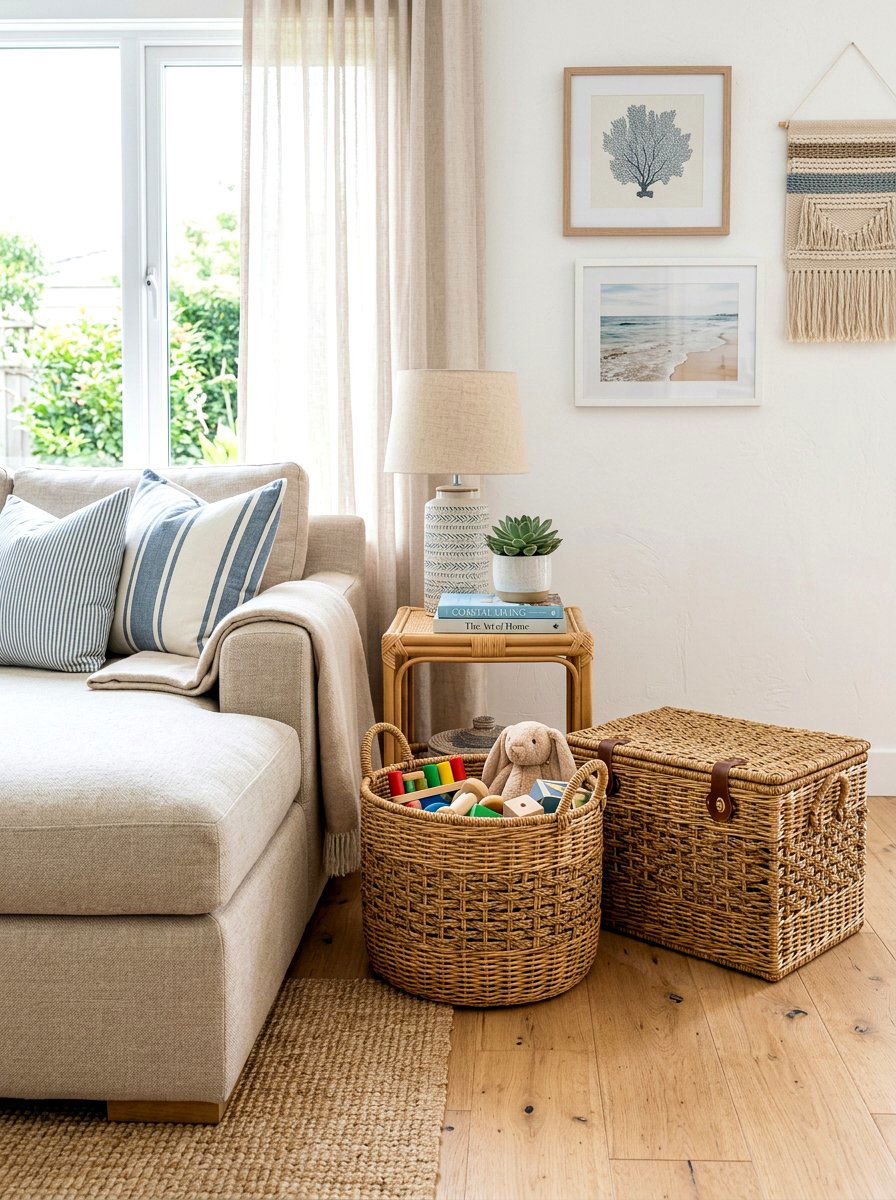
20. Pastel Colored Study Zone
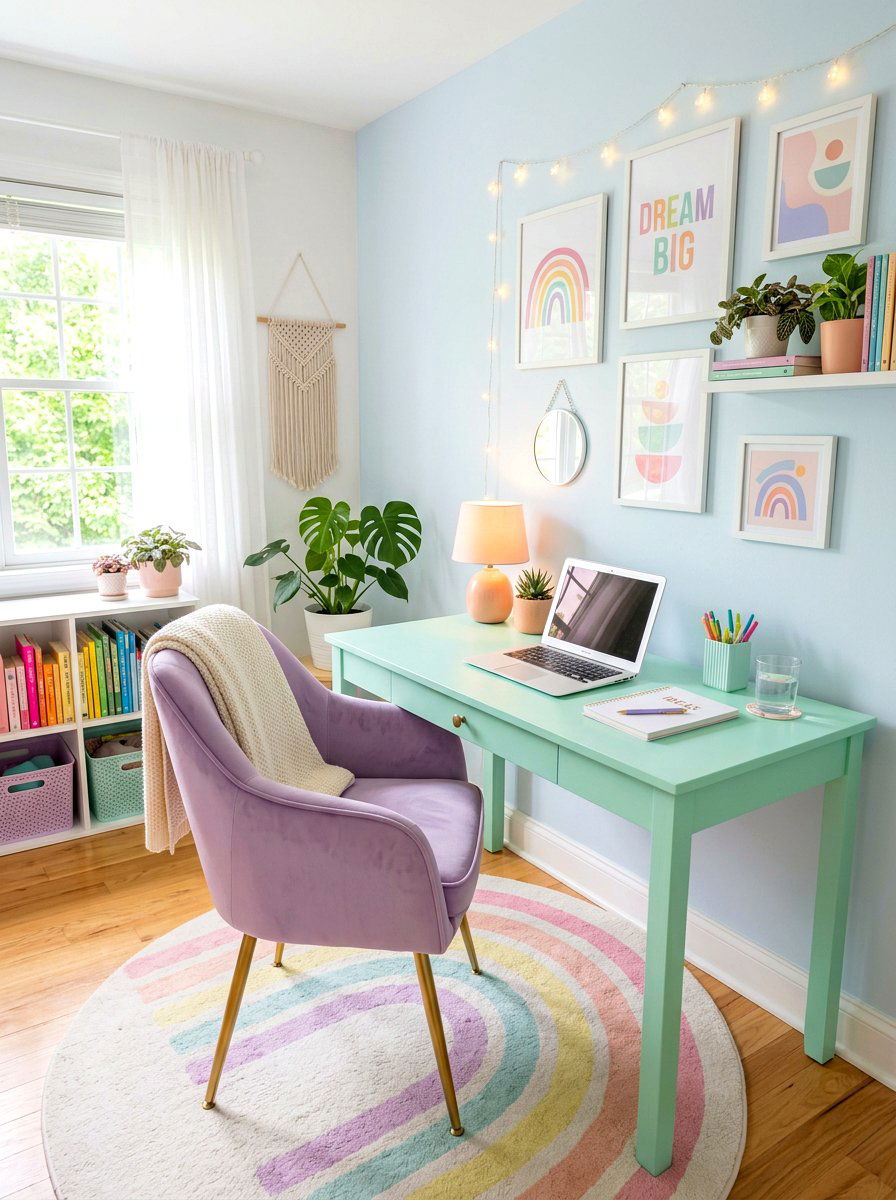
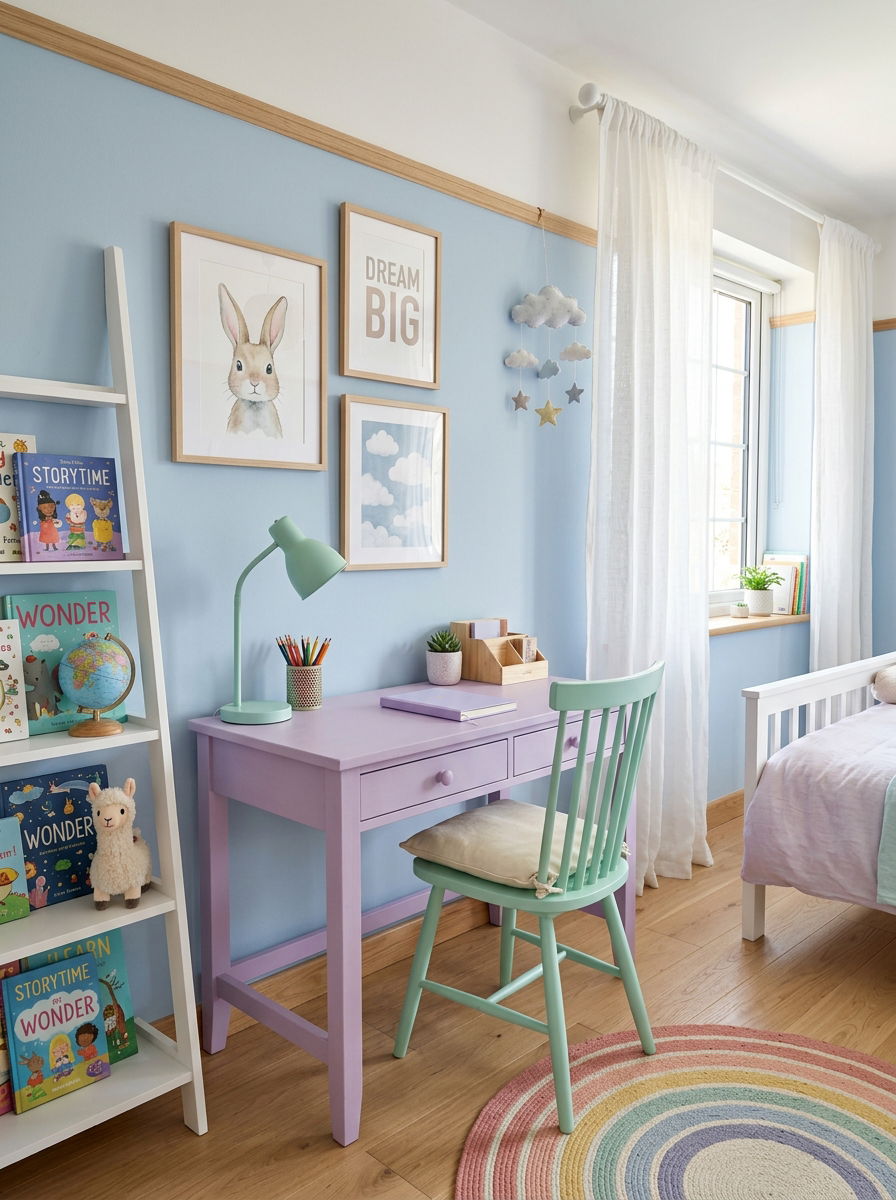
A soft pastel color palette can create a calming and cheerful environment that reduces stress during difficult school assignments. Use shades like mint green, lavender, or pale blue for the desk, chair, and wall decor to create a cohesive look. These light colors reflect more light, making the entire workspace feel larger and much brighter than it actually is. You can add fun accessories like colorful organizers, patterned rugs, and soft cushions to make the area feel personalized and inviting. This gentle aesthetic is perfect for younger students who may feel intimidated by a more formal or dark office setup. It fosters a very positive and creative mindset.
21. Montessori Floor Desk
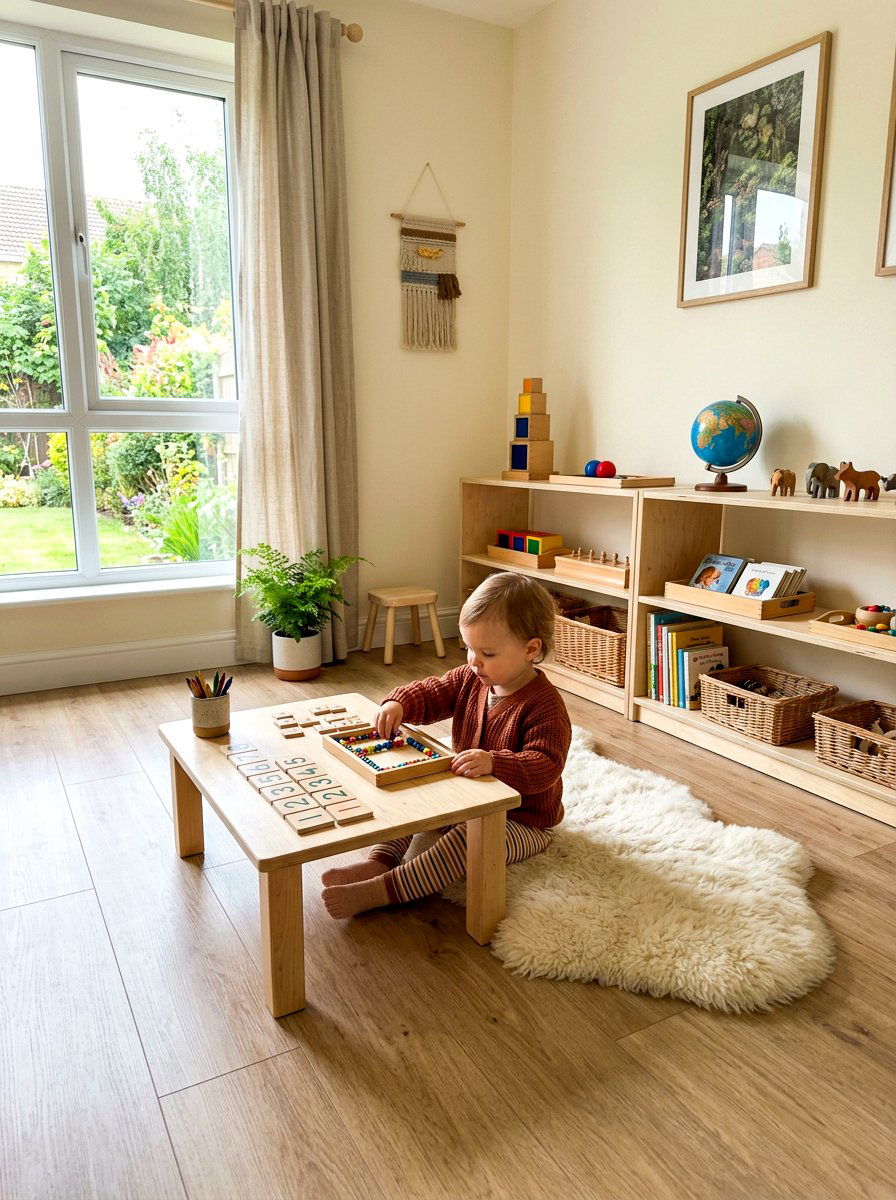
A Montessori-inspired floor desk is a wonderful option for very young children who are just beginning to explore academic tasks. These low-profile desks allow children to sit comfortably on a soft rug or a small cushion while they work on puzzles or drawing. Being close to the ground provides a sense of security and freedom of movement that traditional chairs sometimes lack. Surround the area with low, open shelves where the child can easily reach their own supplies and choose their own activities. This setup encourages independence and a love for self-directed learning from a very early age. It is a simple, effective, and beautiful way to start.
22. Standing Desk For Kids
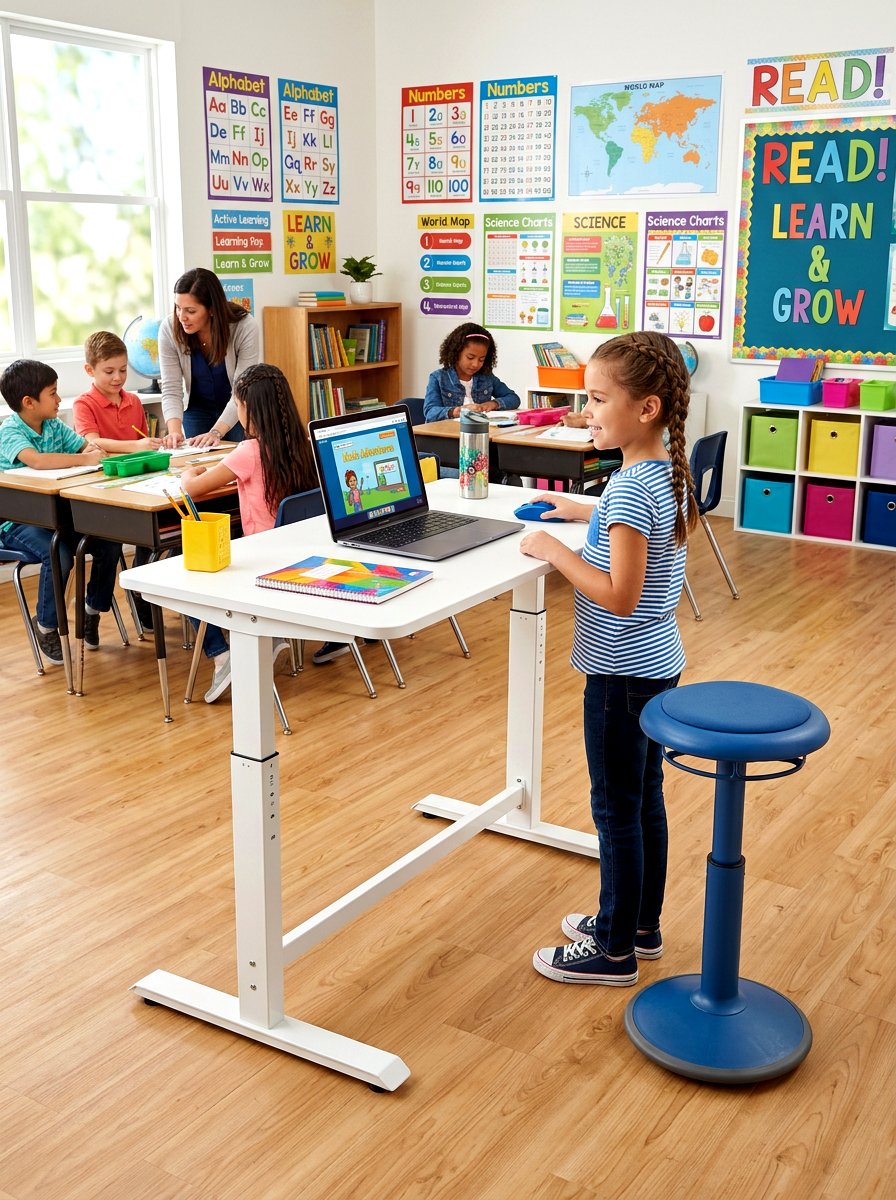
Standing desks are becoming increasingly popular for students who have a lot of energy and find it difficult to sit still for long periods. These desks allow the child to move their body and shift their weight while they focus on their schoolwork or creative projects. Many standing desks are height-adjustable, so they can be used as a traditional sitting desk whenever the student needs a break. Placing a soft anti-fatigue mat on the floor ensures they remain comfortable during their standing sessions. This dynamic way of working can improve concentration and overall physical health by reducing sedentary behavior. It is a modern solution for active and engaged young learners.
23. Ladder Desk With Shelves
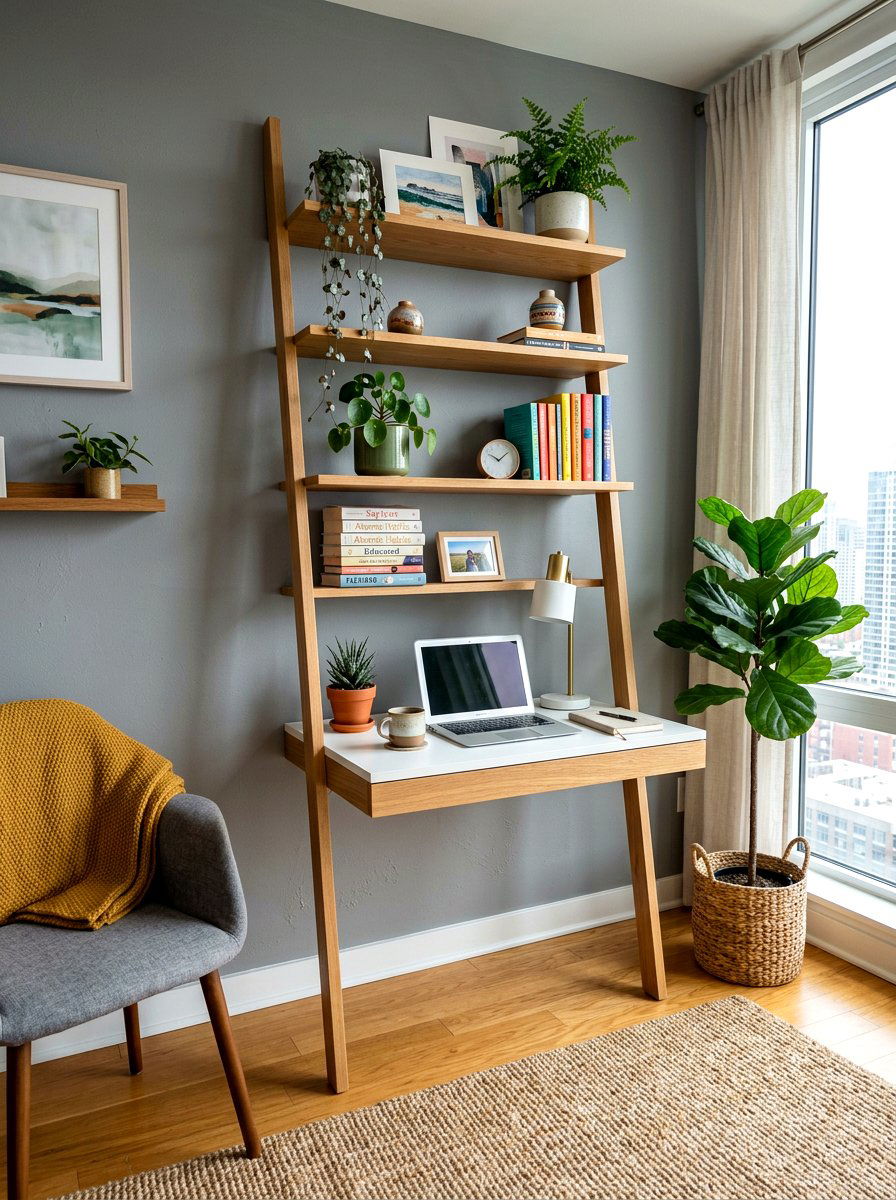
A ladder desk is a stylish and space-saving piece of furniture that leans against the wall, combining a desktop with vertical shelving. This design is perfect for small bedrooms or apartments where you need to maximize every inch of available wall space. The upper shelves are ideal for storing books, decorative items, and organizational bins, while the desk surface provides enough room for a laptop. Because of its slim profile, the ladder desk does not overwhelm the room visually, keeping the atmosphere light and open. You can find these in various finishes, from natural wood to sleek black, to match any existing interior design style easily and effectively.
24. Corner Desk For Two
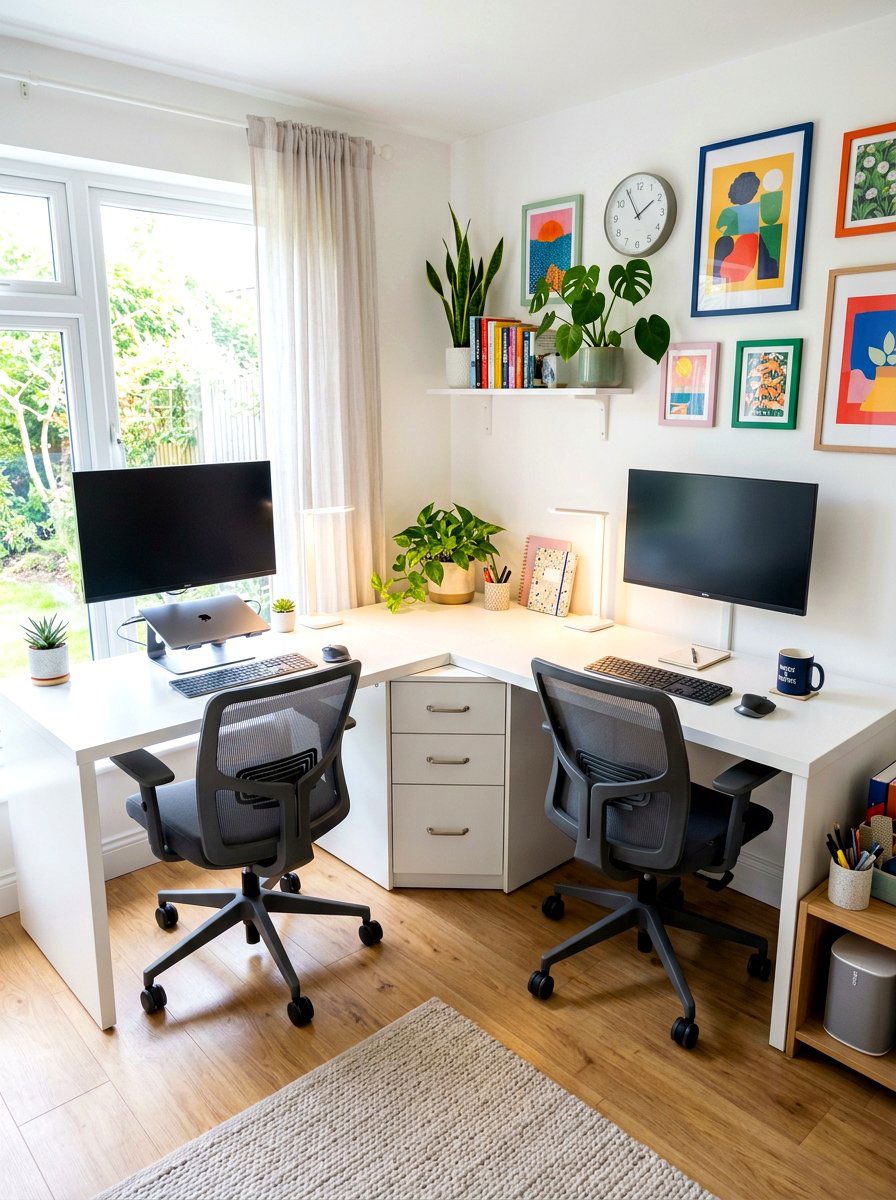
A corner desk designed for two people is an excellent way to utilize an often-wasted area of a room while providing ample workspace. By wrapping the desk around a 90-degree angle, you create two distinct zones that allow students to work side-by-side without bumping elbows. This layout is perfect for siblings who study together or for a student who needs one area for a computer and another for manual tasks. You can add shared central drawers to store common supplies like paper and printers. Utilizing the corner also allows for more floor space in the center of the room, making the overall environment feel much more spacious and organized.
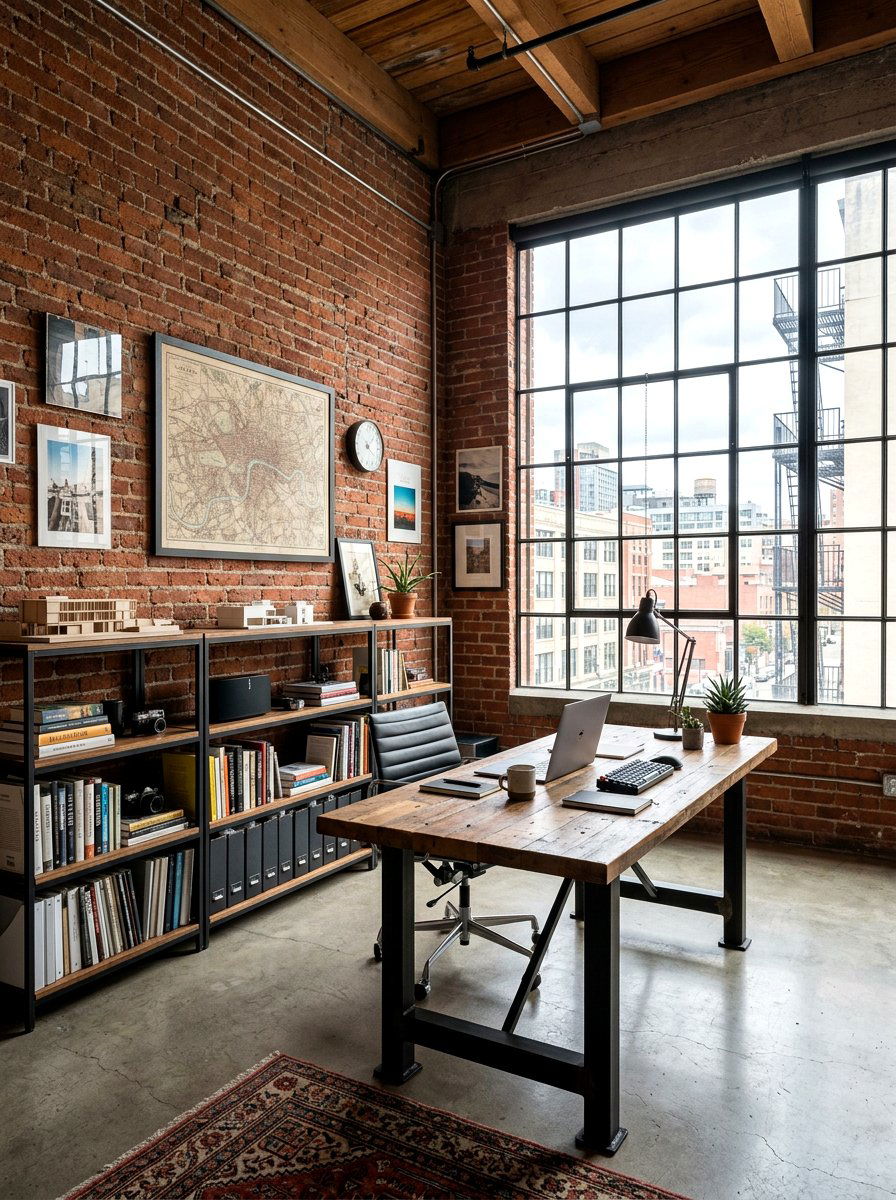
25. Rolling Mobile Cart Desk
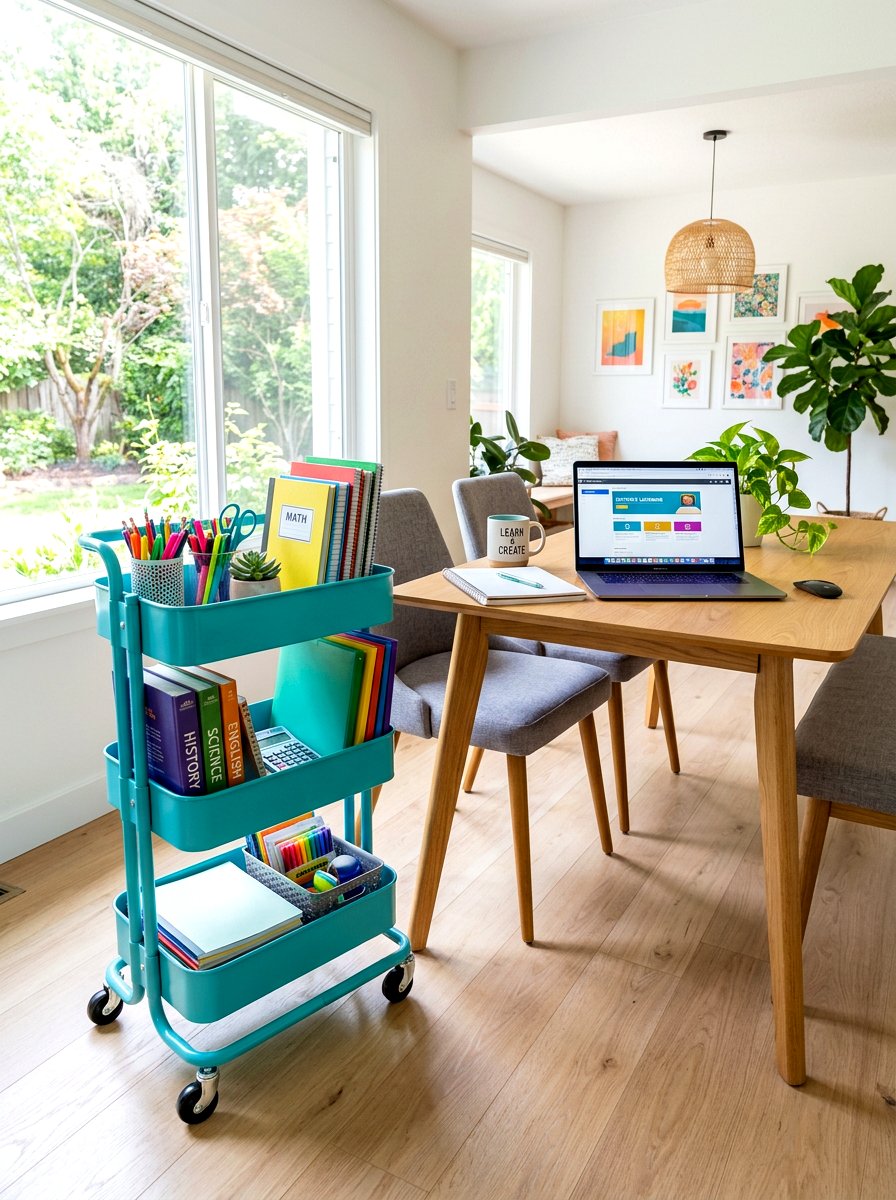
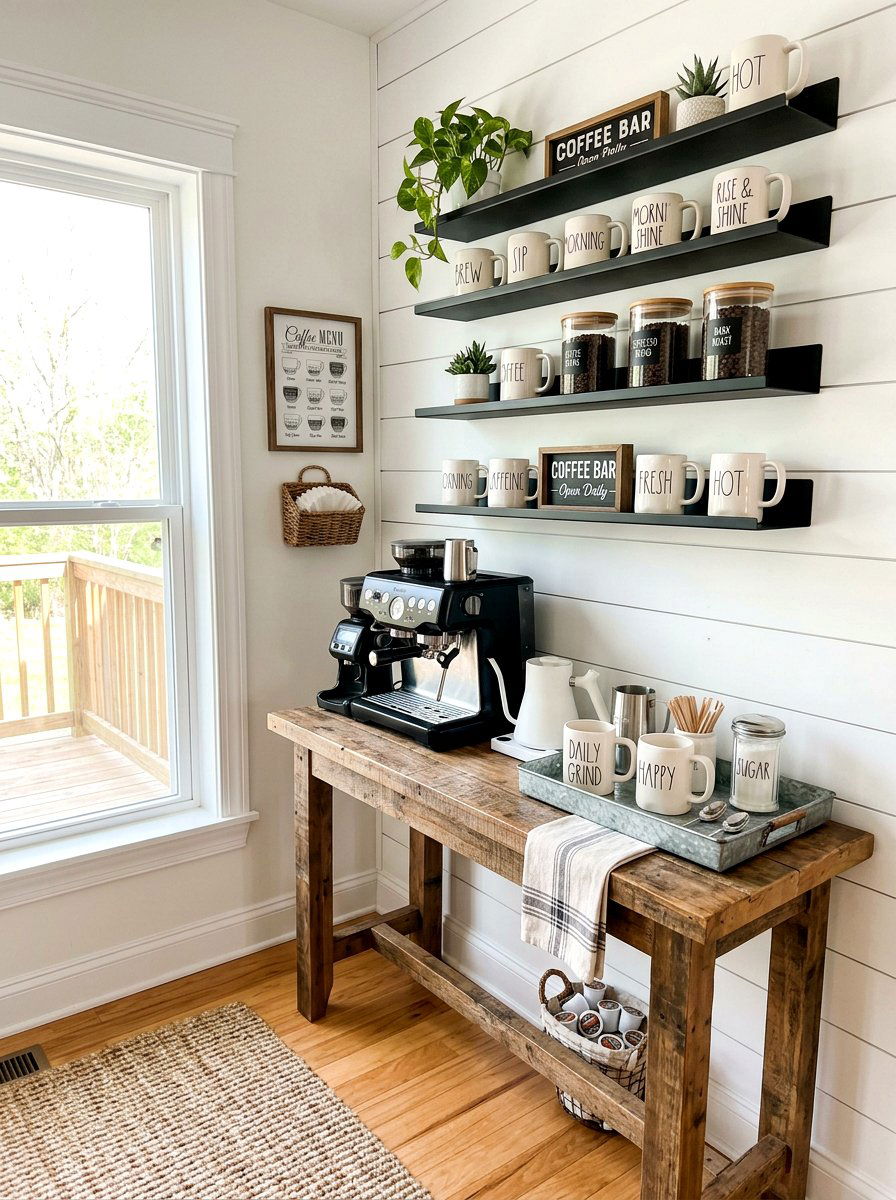
A mobile homework station using a rolling cart is the ultimate flexible solution for families who move from room to room. You can fill a three-tier metal cart with all the necessary supplies, including pencils, calculators, notebooks, and even a laptop. This allows the student to work at the dining table, on the sofa, or even outside on the patio whenever they want a change of scenery. When the work is finished, the cart can be rolled back into a closet or a corner to keep the house tidy. This portable approach is perfect for smaller homes that do not have the space for a permanent, dedicated desk setup.
26. Chalkboard Wall Study Area
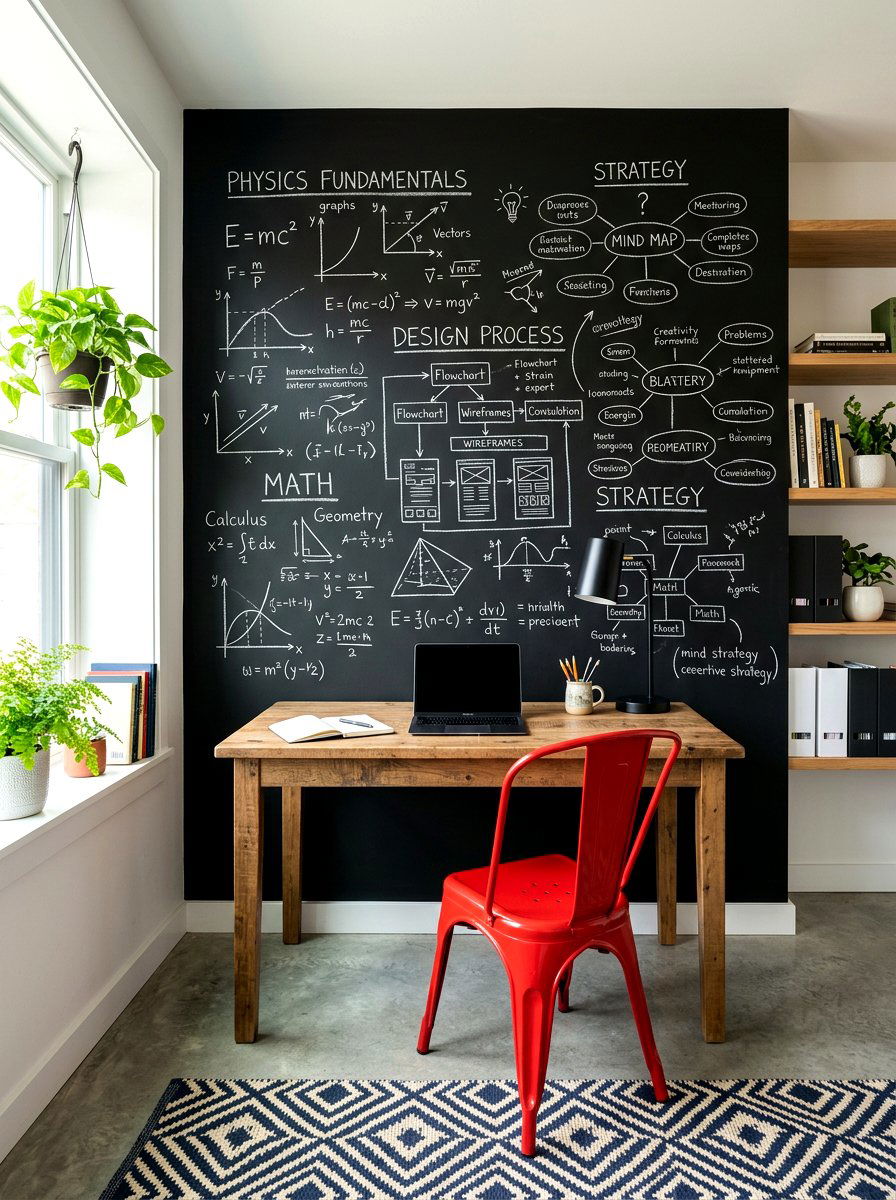
Painting a wall with chalkboard paint creates a giant, interactive surface that is perfect for brainstorming, practicing math, or mapping out projects. This visual approach to learning can be incredibly helpful for students who need to see their ideas on a large scale. You can place a simple desk against the chalkboard wall so the student can easily transition between sitting and writing on the wall. It also provides a fun place for younger children to doodle and express their creativity during study breaks. Keeping a bucket of colorful chalk nearby encourages them to engage with their workspace in a more dynamic and hands-on way. It is both functional and decorative.
27. Pegboard Organizer Desk
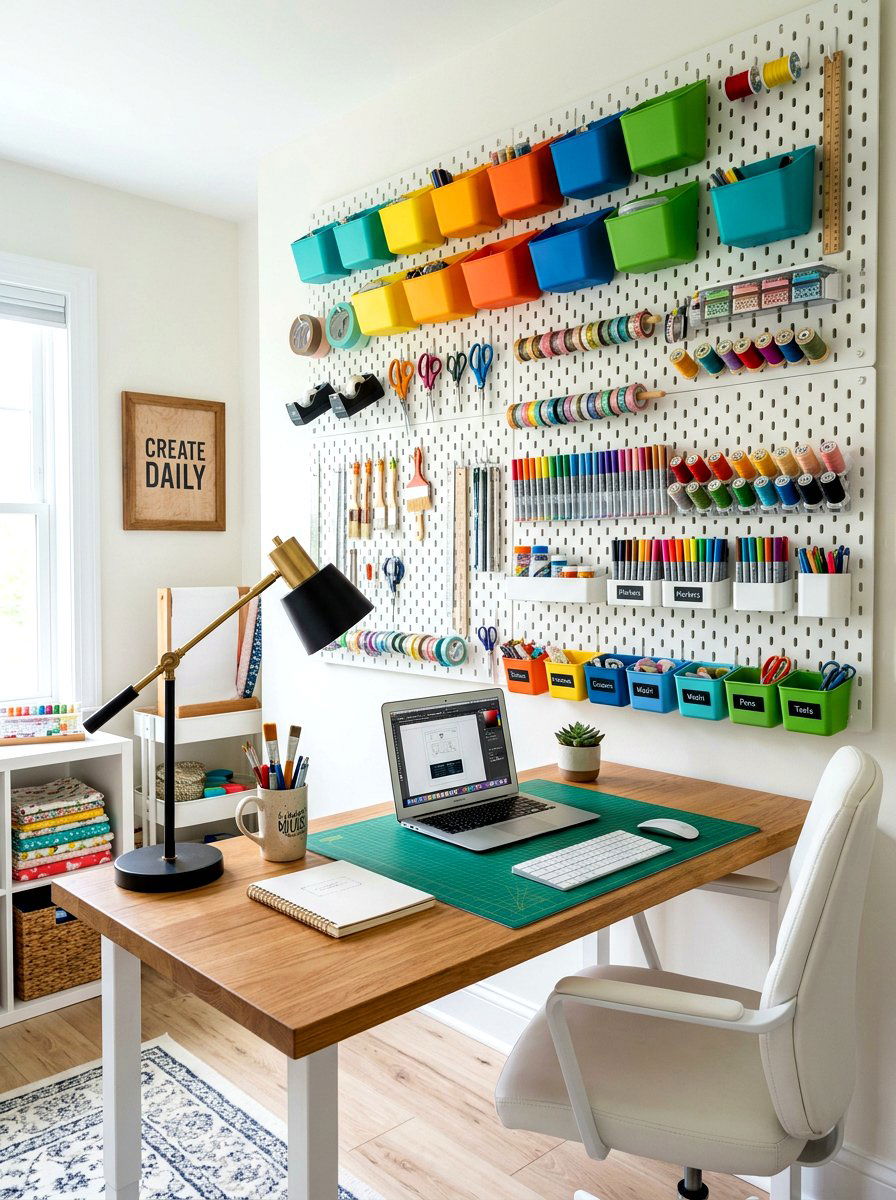
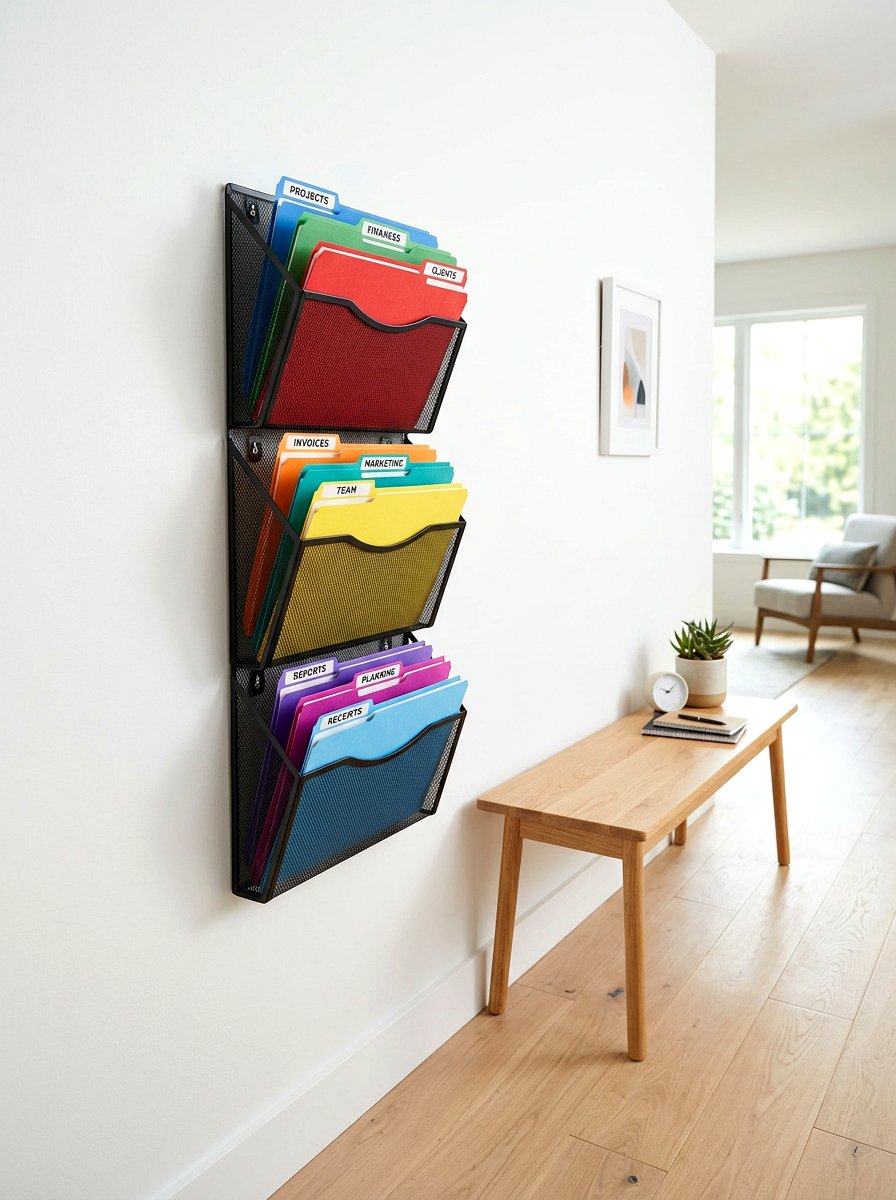
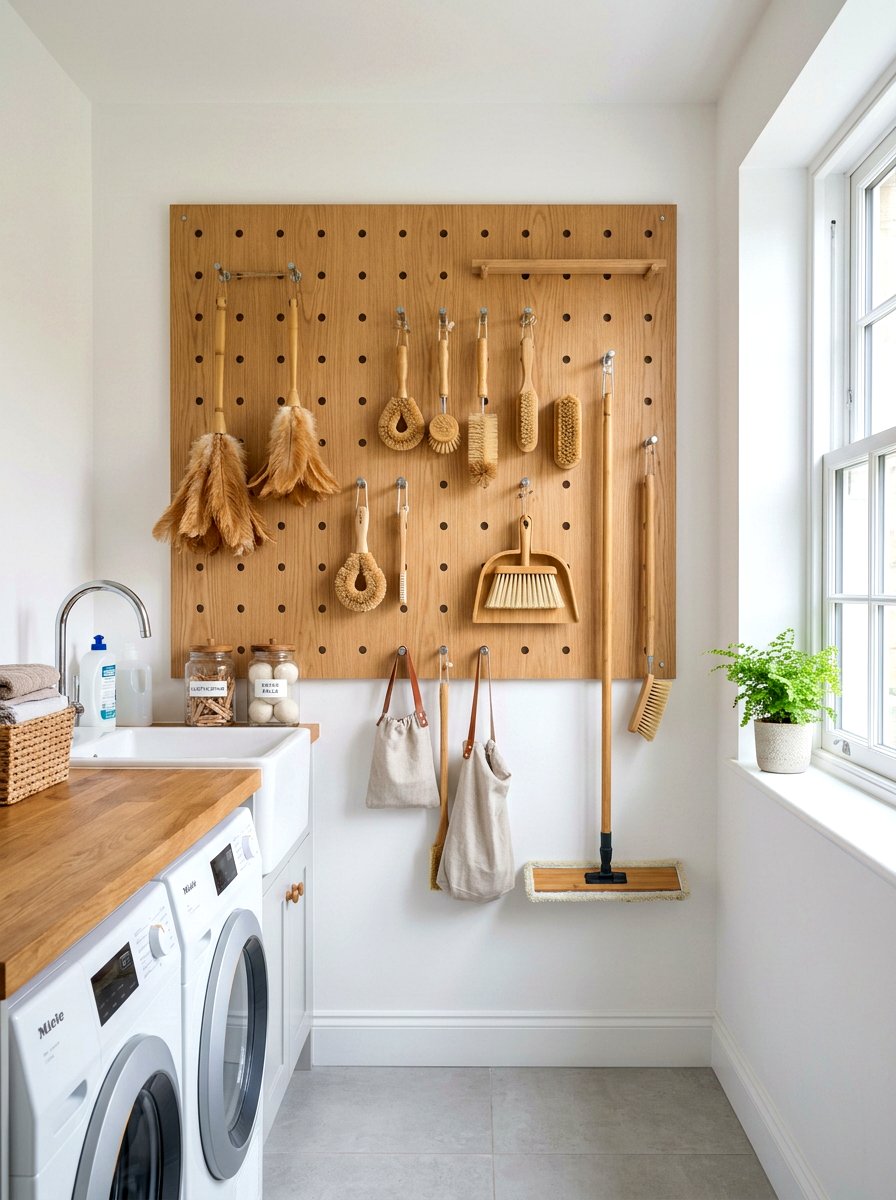
A large pegboard mounted above a desk is one of the most versatile and efficient organization tools for a homework station. You can customize the board with various hooks, baskets, and shelves to hold everything from scissors and tape to headphones and tablets. This keeps the desktop completely clear for working while ensuring that every essential tool is visible and within easy reach. As the student’s needs change over the years, the pegboard can be easily rearranged to accommodate different supplies. Painting the pegboard a bright color can also serve as a bold focal point for the room. It is a highly practical and very visually appealing storage solution for any age.
28. Window Seat Homework Nook
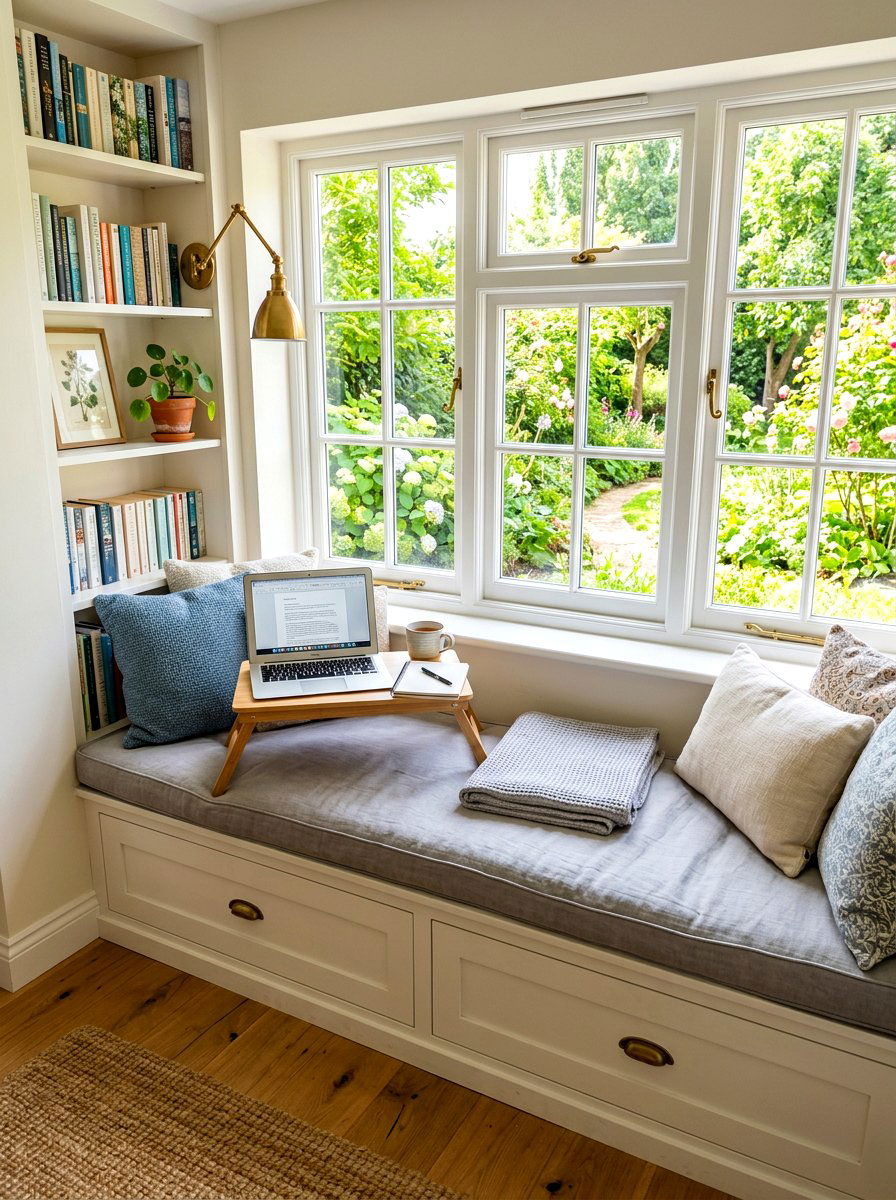
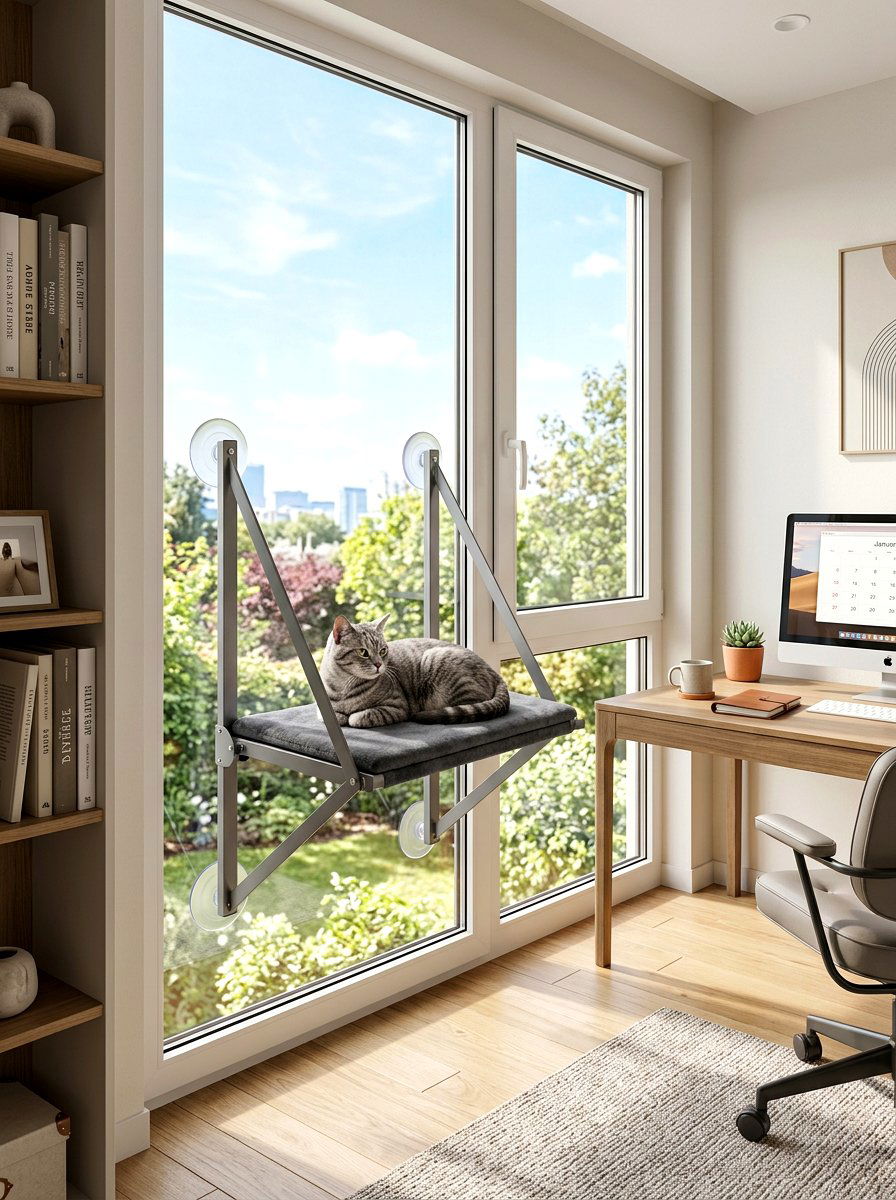
Transforming a deep window seat into a homework nook provides a cozy and scenic place for reading and light study tasks. You can add a small, portable lap desk or a custom-built narrow surface to create a stable area for writing or using a tablet. Natural light flooding in from the window makes it a perfect spot for daytime work, while soft cushions and blankets add a layer of comfort. This setup is particularly effective for students who enjoy a more relaxed and informal environment for their academic pursuits. It turns a simple architectural feature into a functional and inviting destination for learning and quiet reflection within the home.
29. Bunk Bed Study Station
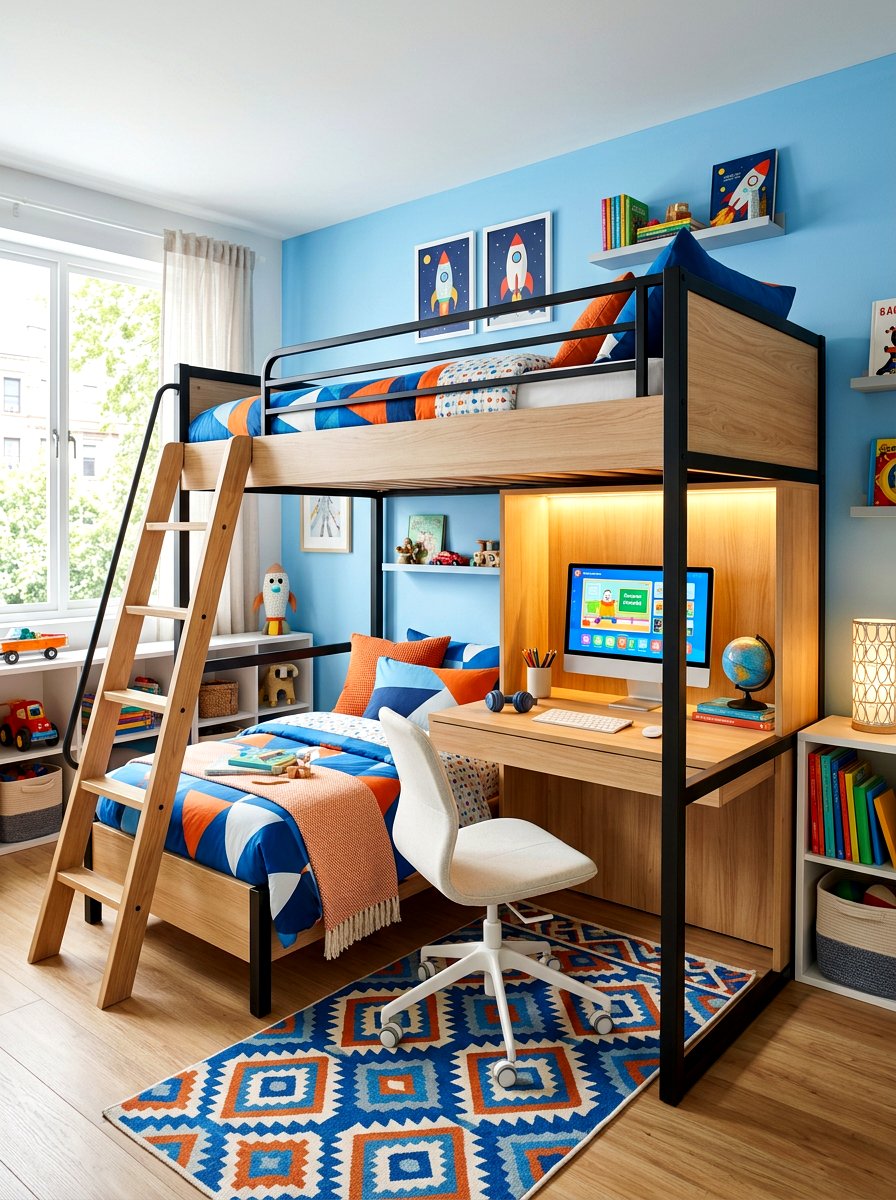
Integrating a desk into a bunk bed system is a classic and effective way to save space in a shared children's bedroom. Many modern bunk bed designs feature a built-in desk on the lower level or at one end of the frame. This creates a compact and efficient hub where sleeping and studying happen in the same footprint, leaving the rest of the room free for activities. You can enhance the area with clip-on lights and small hanging organizers to maximize functionality within the small space. This layout provides each child with their own private "office" even in a shared room. It is a smart and practical design choice for growing families.
30. Shared Sibling Workspace
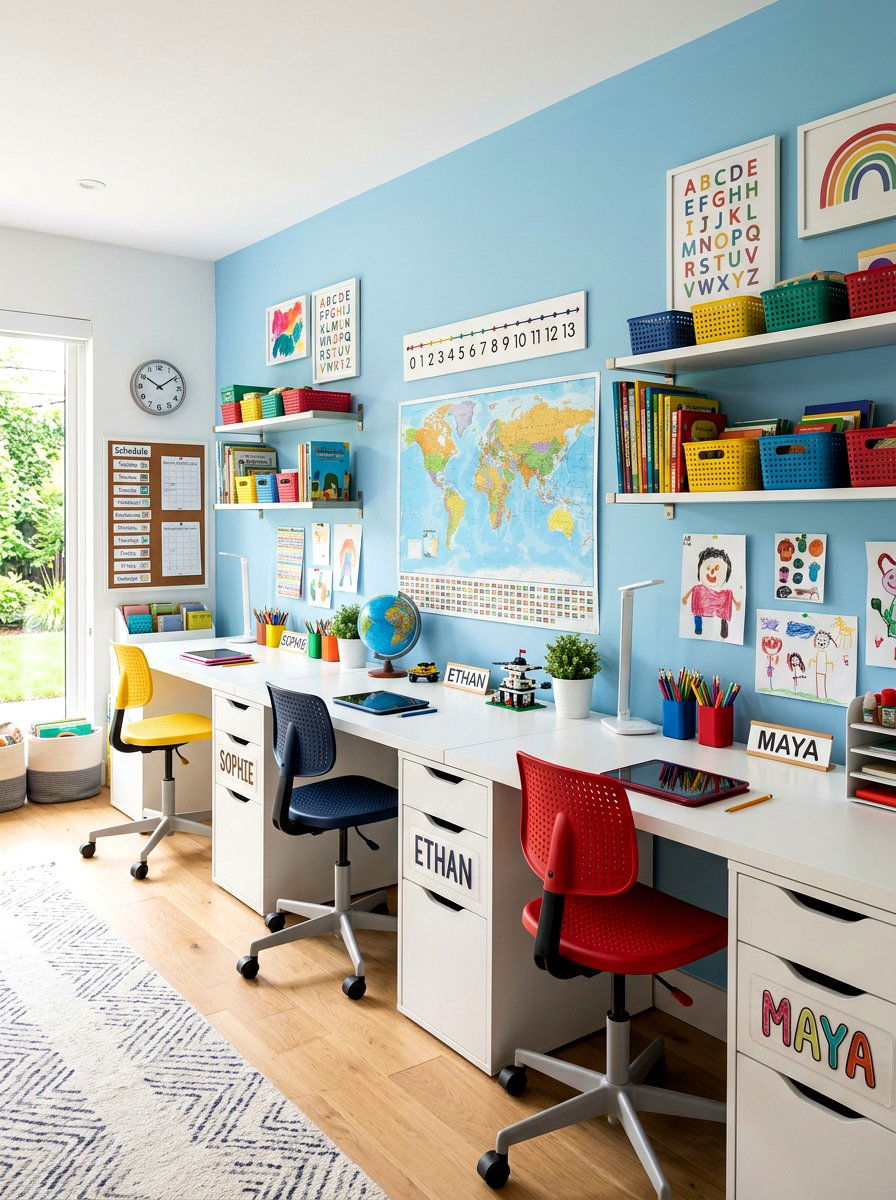
A large, shared workspace designed for multiple siblings encourages a sense of community and mutual support during homework time. You can use a very long table or a custom-built counter that spans an entire wall to provide plenty of room for everyone. Assigning each child their own specific drawer or cubby helps maintain order and gives them a sense of personal ownership over their area. Use a consistent design style and color palette to keep the large setup feeling cohesive and organized within the room. This central hub for learning makes it easier for parents to provide help and guidance to all their children at once. It is a powerful foundation for academic success.
Conclusion:
Designing the perfect homework station is about more than just finding a desk and a chair; it is about creating an environment that inspires focus and creativity. By considering the unique needs of your student and the constraints of your home, you can build a space that truly supports their academic journey. Whether you choose a high-tech teen office or a simple rolling supply cart, the goal is to provide a consistent and organized place for learning. These thirty ideas demonstrate that functionality and style can go hand-in-hand to create a beautiful home. Start building a dedicated workspace today to help your children reach their full academic potential and thrive.

Related posts: