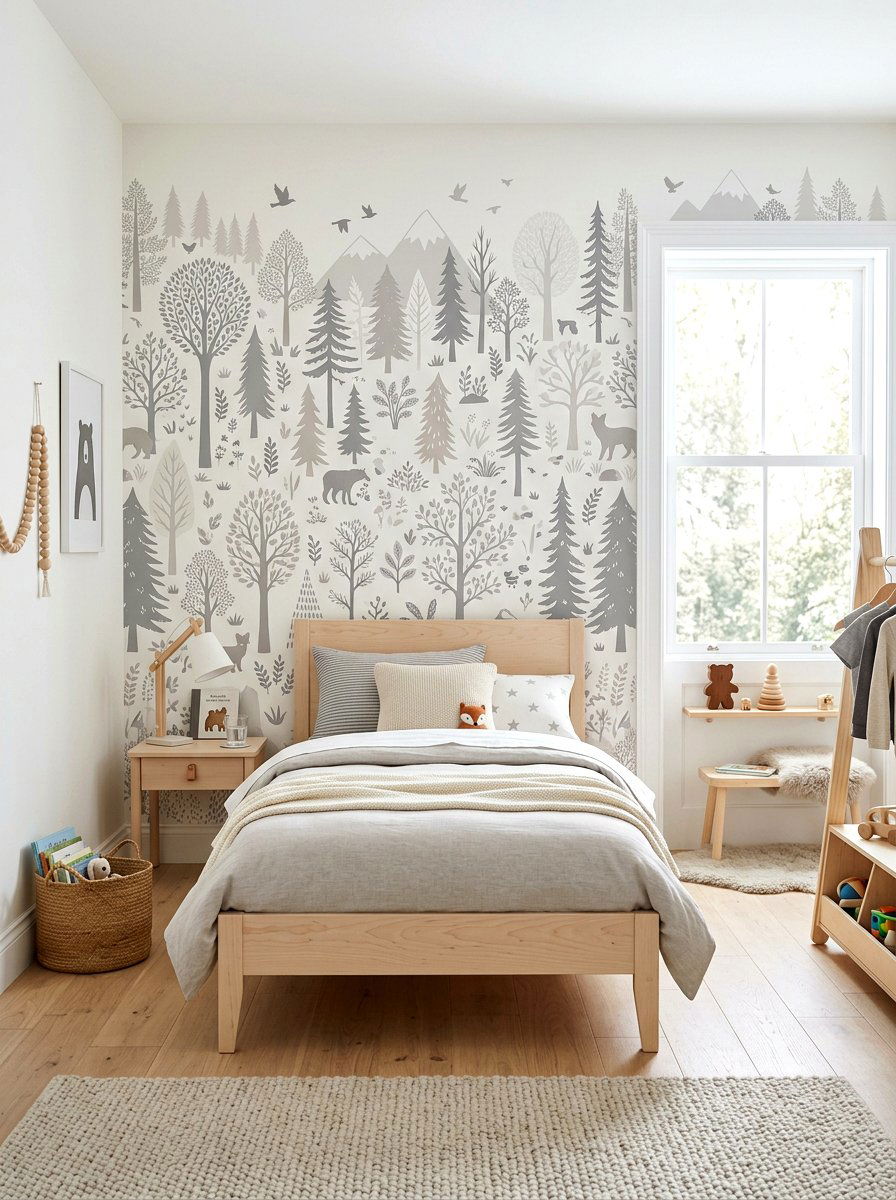
Creating a dedicated homework studio for your children is one of the most effective ways to foster a love for learning and boost academic focus. A well-designed study area provides a structured environment where kids can organize their thoughts and supplies without the typical distractions of a busy household. Whether you have a spacious spare room or a small corner in a bedroom, these specialized zones encourage independence and responsibility. By involving your child in the design process, you create a personalized sanctuary that reflects their unique personality and interests. Modern trends prioritize ergonomics, natural light, and creative storage to ensure the space remains functional as your child grows and their needs change.
1. Floating Desk Kids
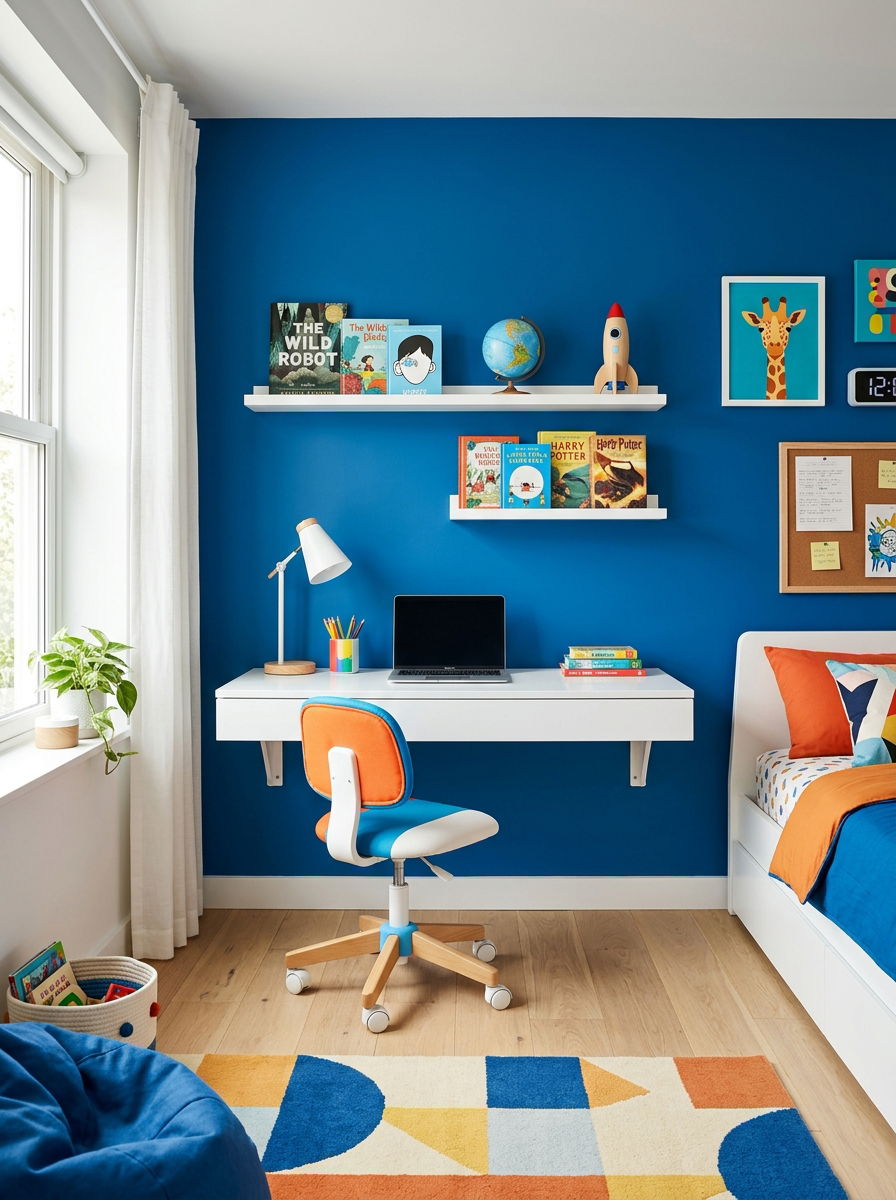
Do you want to maximize floor space while creating a modern learning environment for your child? A floating desk is an excellent choice for smaller bedrooms or play areas. By mounting the work surface directly to the wall, you eliminate bulky legs and keep the area underneath completely open. This makes cleaning much easier and provides a clean, minimalist look that reduces visual clutter. You can install these desks at any height, which allows the setup to adapt as your student grows taller over the years. Adding a few floating shelves above the desk provides essential storage for books and supplies. It creates a focused zone where kids can tackle projects comfortably.
2. Built In Kids Desk
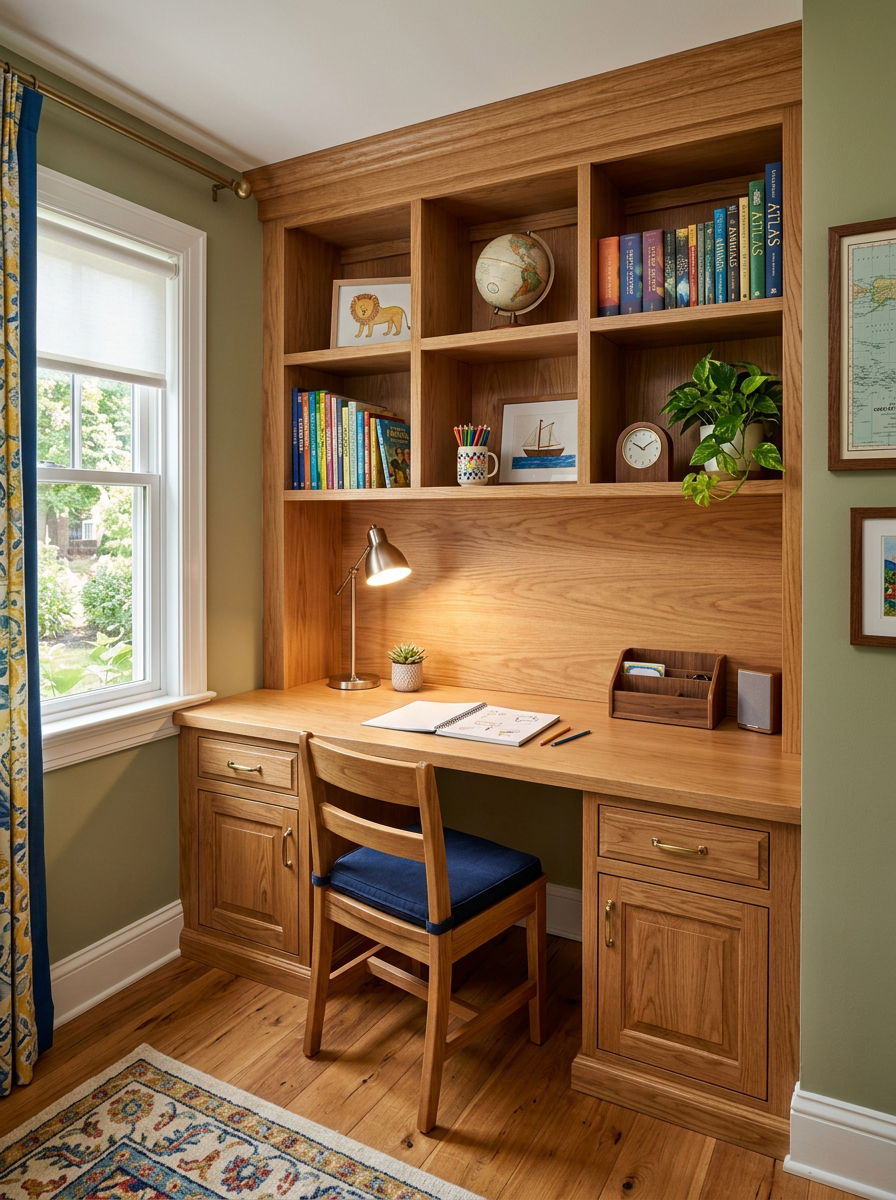
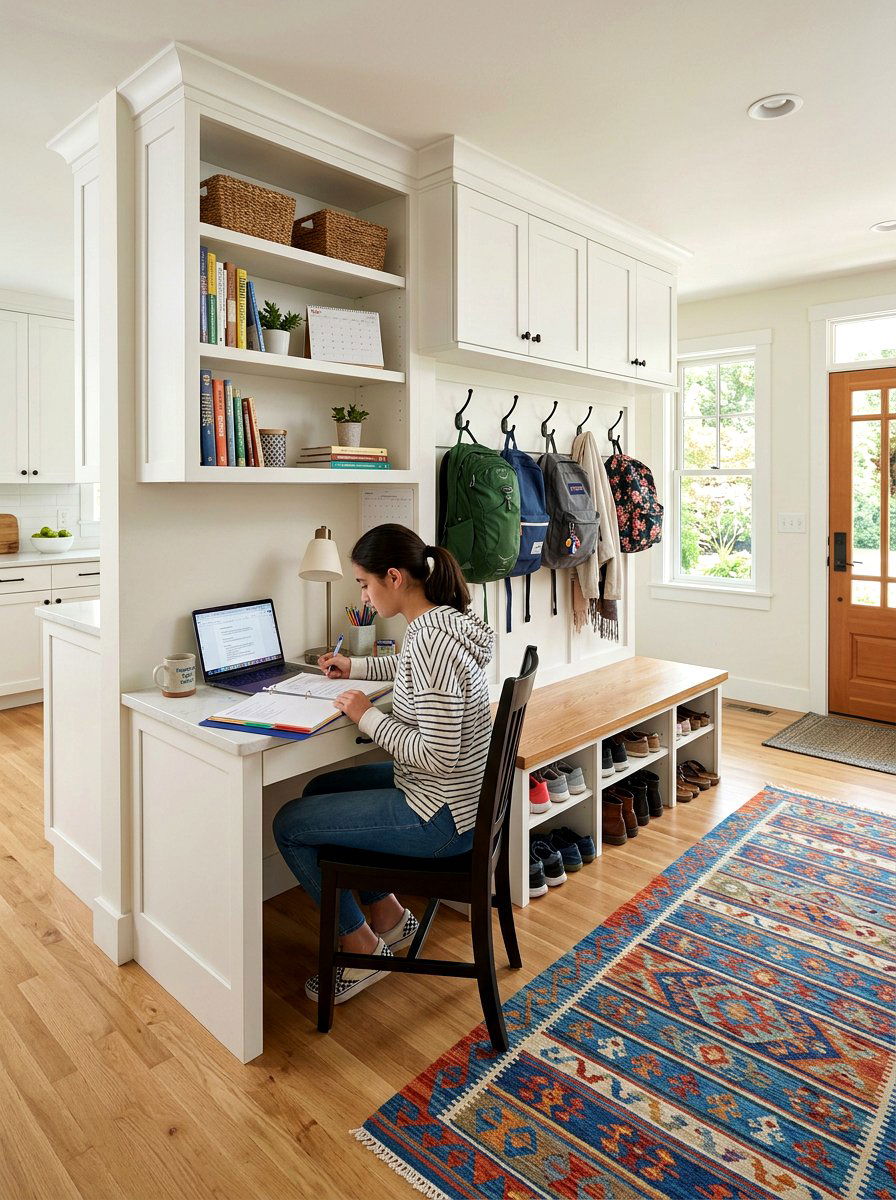
Have you considered utilizing a specific architectural nook to create a seamless study environment for your student? A built-in desk offers a custom solution that integrates perfectly with your existing cabinetry and wall layout. This approach often includes deep drawers and overhead cubbies designed to hold specific school supplies and heavy textbooks. Because it is permanently installed, you can choose high-quality materials like oak or maple to match the rest of your home decor. The solid construction provides a sturdy surface for heavy laptops and creative art projects. Integrated cord management keeps wires hidden from view, ensuring the entire homework studio looks polished, professional, and very organized.
3. Small Closet Office Kids
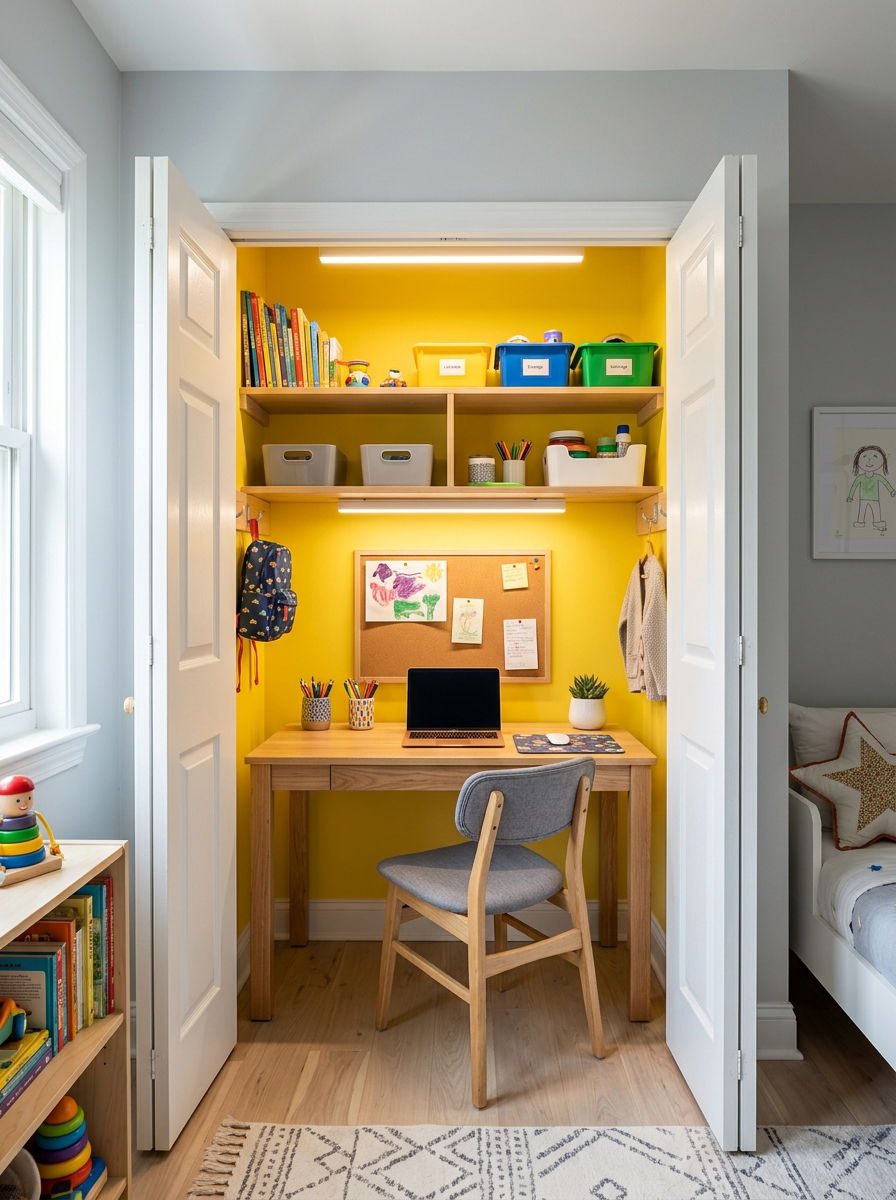
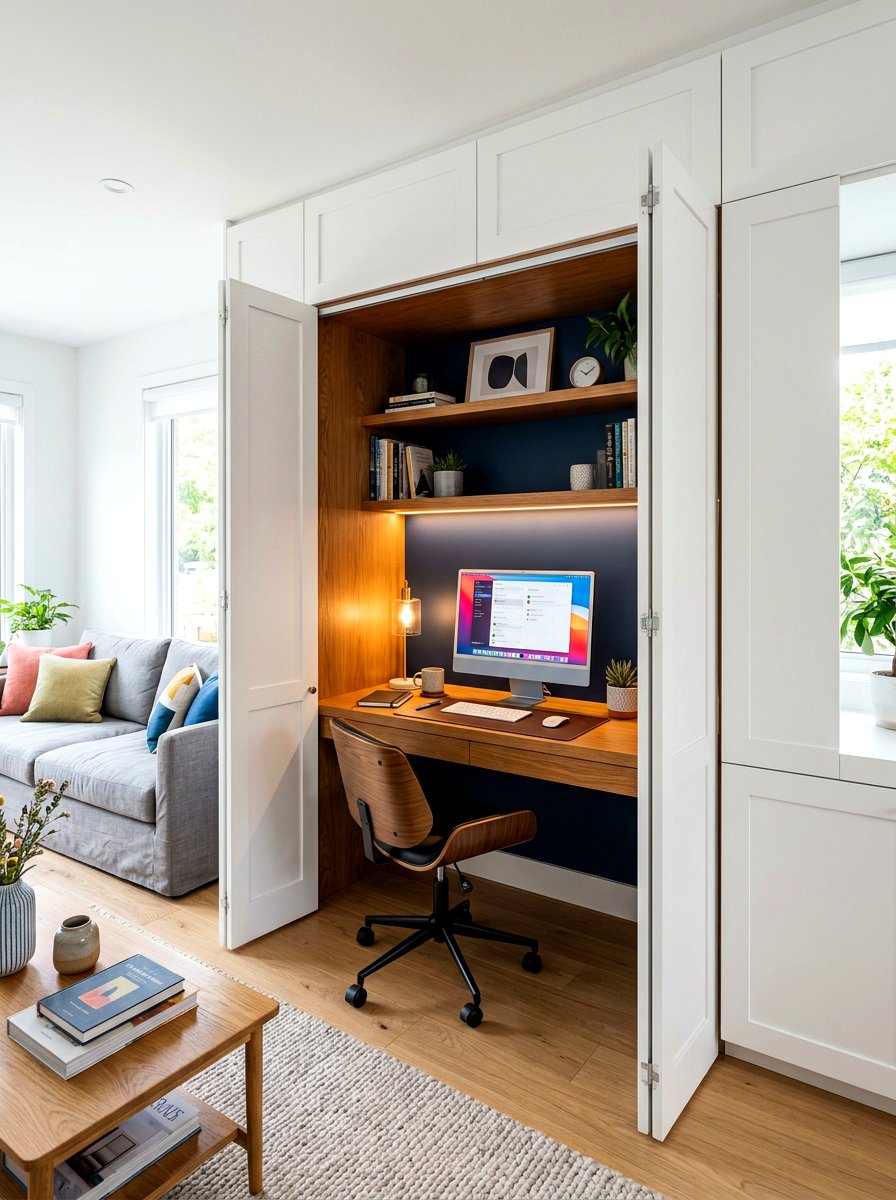
Transforming an unused closet into a compact workstation is a brilliant way to save space in a small bedroom. This "cloffice" concept allows you to tuck away the entire homework studio behind closed doors when it is not in use. You can remove the clothing rods and install a desktop with several narrow shelves above it for vertical storage. Painting the interior of the closet a bright, energetic color can help define the workspace and make it feel more inviting. Good interior lighting is essential for these enclosed spaces, so consider adding a slim LED bar. It provides a cozy, private retreat that helps children stay focused.
4. Shared Sibling Study Space
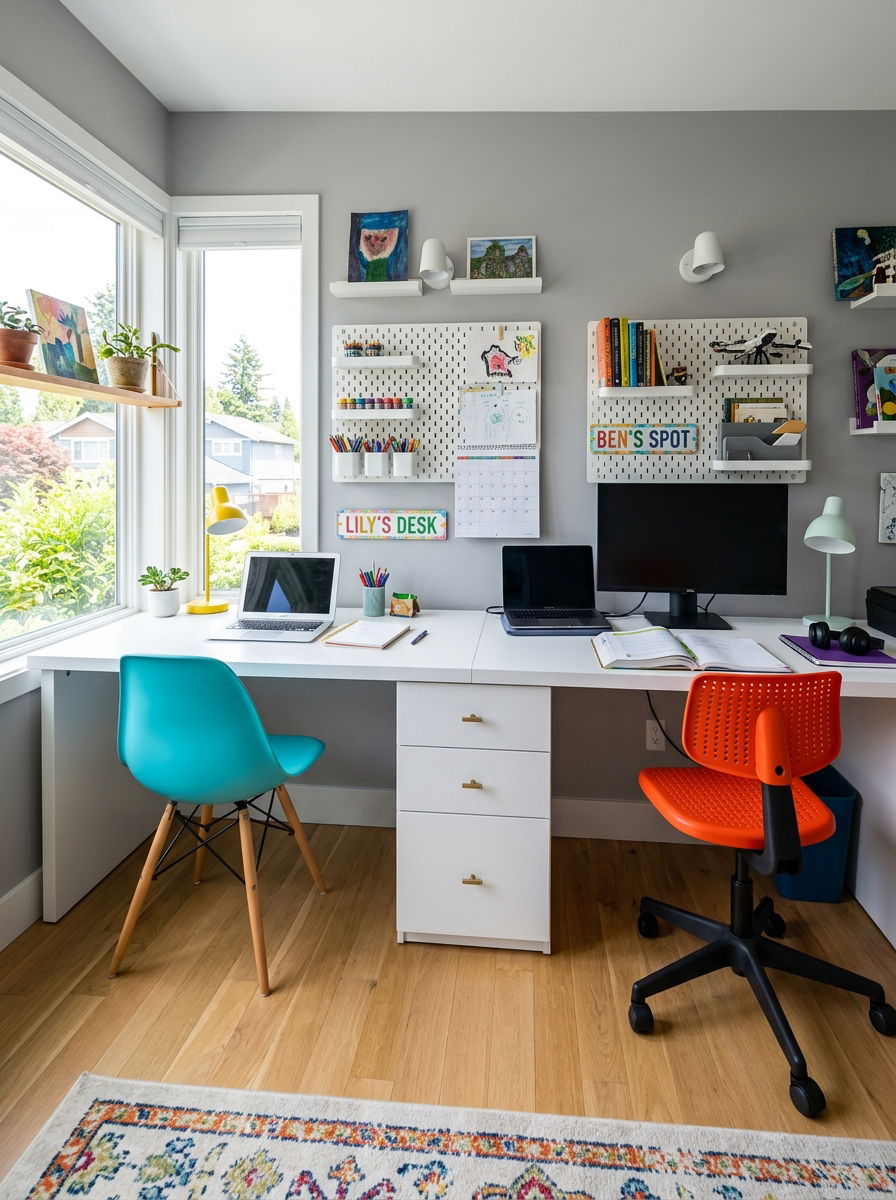
Are your children sharing a room and needing a collaborative yet individual place to work on their school assignments? A long, shared desk along one wall provides plenty of surface area for two or even three students. You can use a central set of drawers to act as a physical divider between their workstations. This layout encourages peer learning while still giving each child their own dedicated zone for personal supplies. Using different colored chairs or personalized name plaques helps each sibling feel a sense of ownership over their space. It is a practical and stylish solution for families who want to maximize their available square footage.
5. Loft Bed With Desk
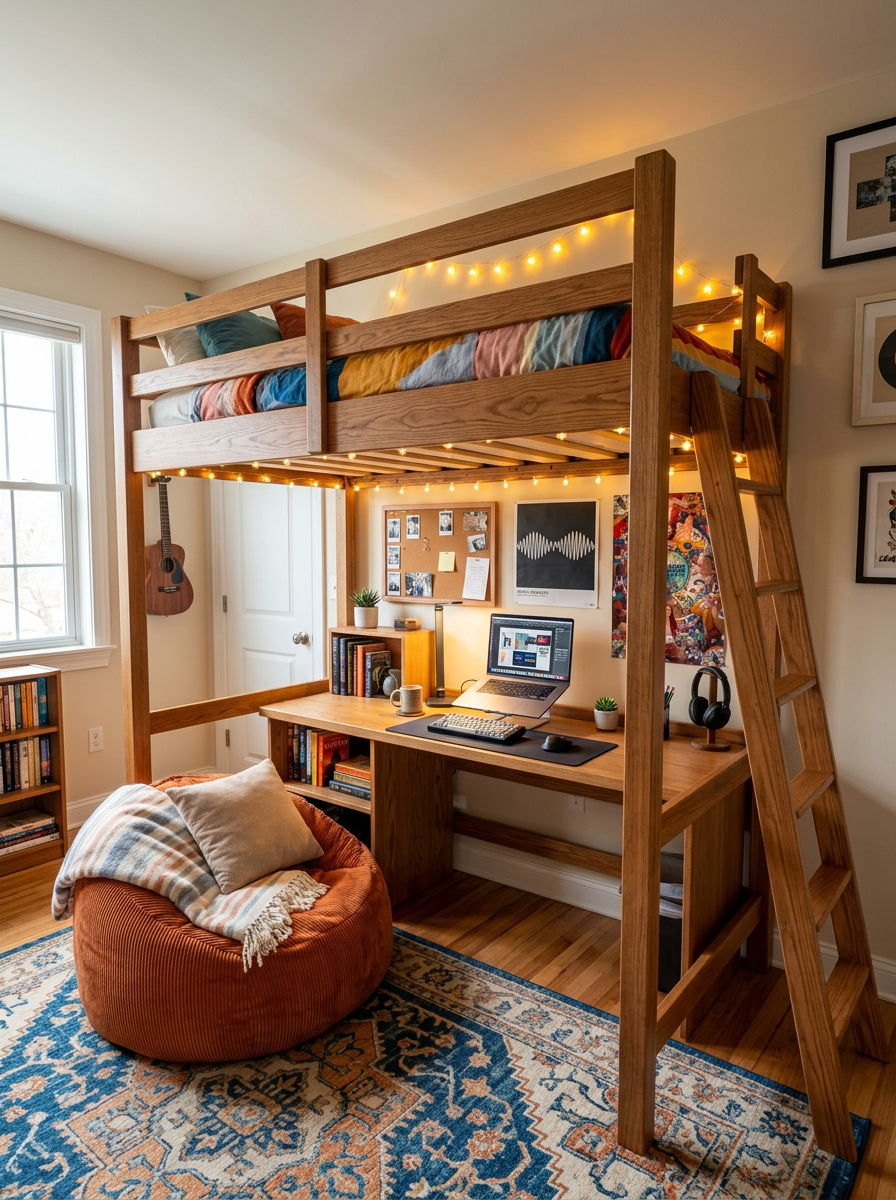
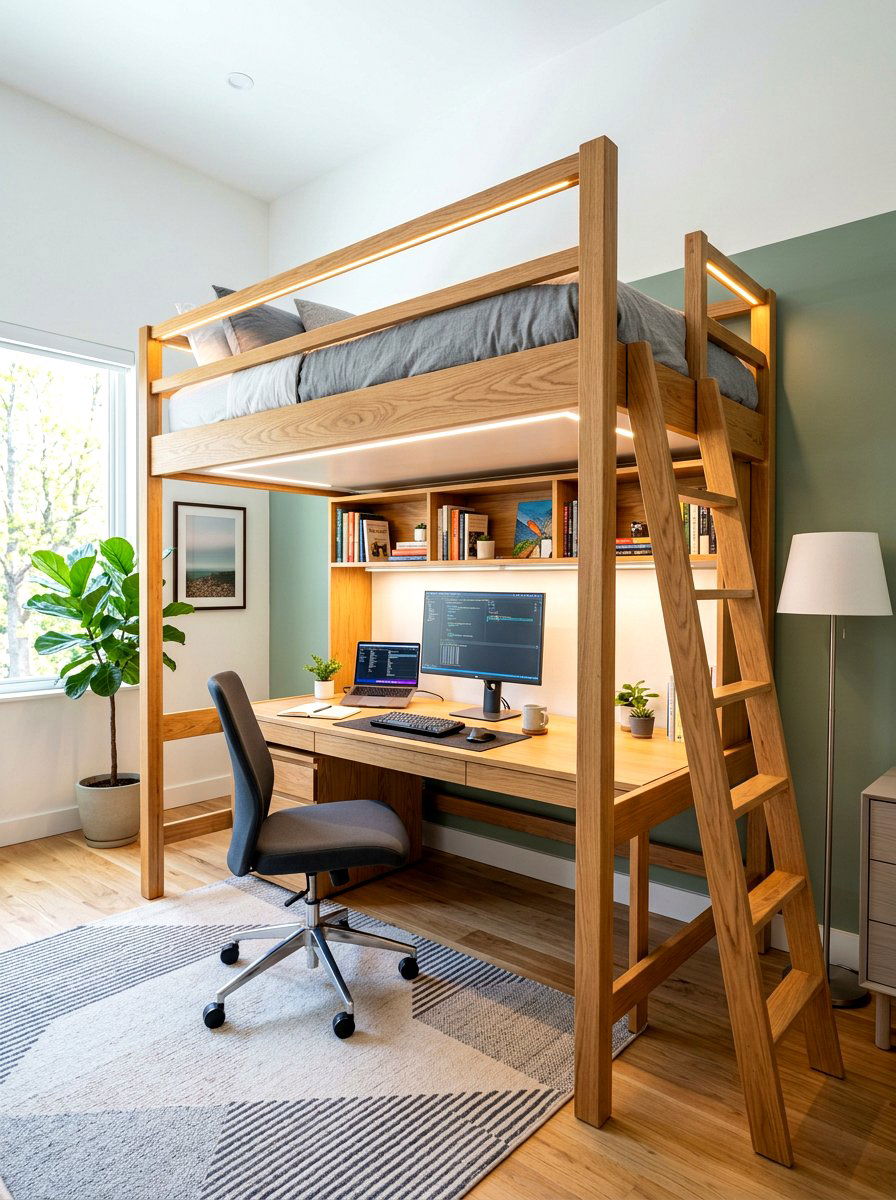
Imagine how much extra room your child would have if their sleeping and studying areas were vertically stacked. A loft bed with an integrated desk underneath is a classic space-saving solution for small kids' rooms. This configuration creates a cozy, den-like atmosphere that many children find comforting and focused. The area under the bed is usually large enough to accommodate a full-size desk, a small bookshelf, and even some decorative lighting. It allows the rest of the bedroom floor to remain open for play and relaxation. This setup is particularly popular for older children and teens who need a private area for more intense study.
6. Kids Pegboard Wall Organizer
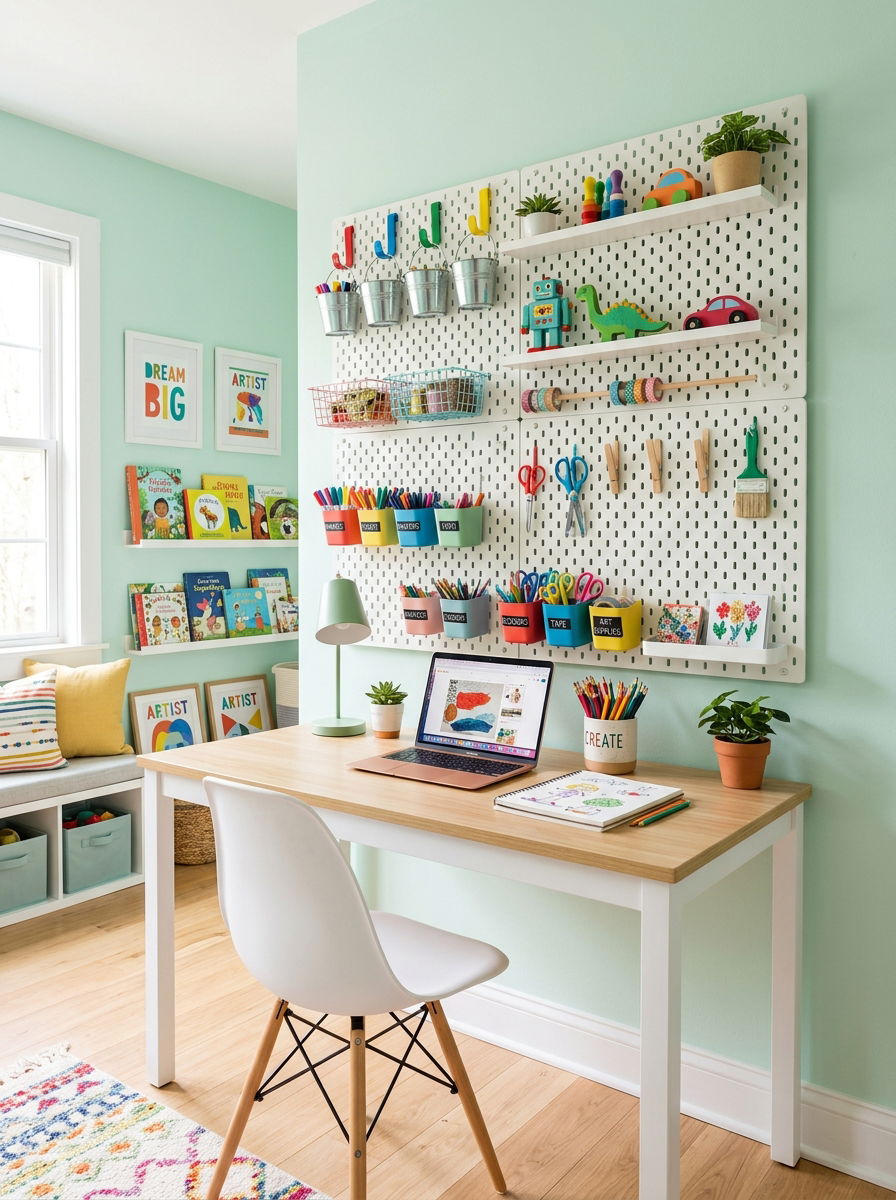
Organizing a multitude of school supplies can be a challenge, but a large pegboard wall offers the perfect flexible solution. You can mount bins, hooks, and small shelves to keep markers, scissors, and notebooks within easy reach. This vertical storage system allows your child to customize their workspace according to their current project needs. Pegboards are available in various materials like wood or metal and can be painted to match any room theme. They serve as a functional gallery where kids can also pin up important reminders, schedules, or their latest artwork. It keeps the desktop clear of clutter, which significantly helps in improving daily concentration levels.
7. Colorful Homework Nook
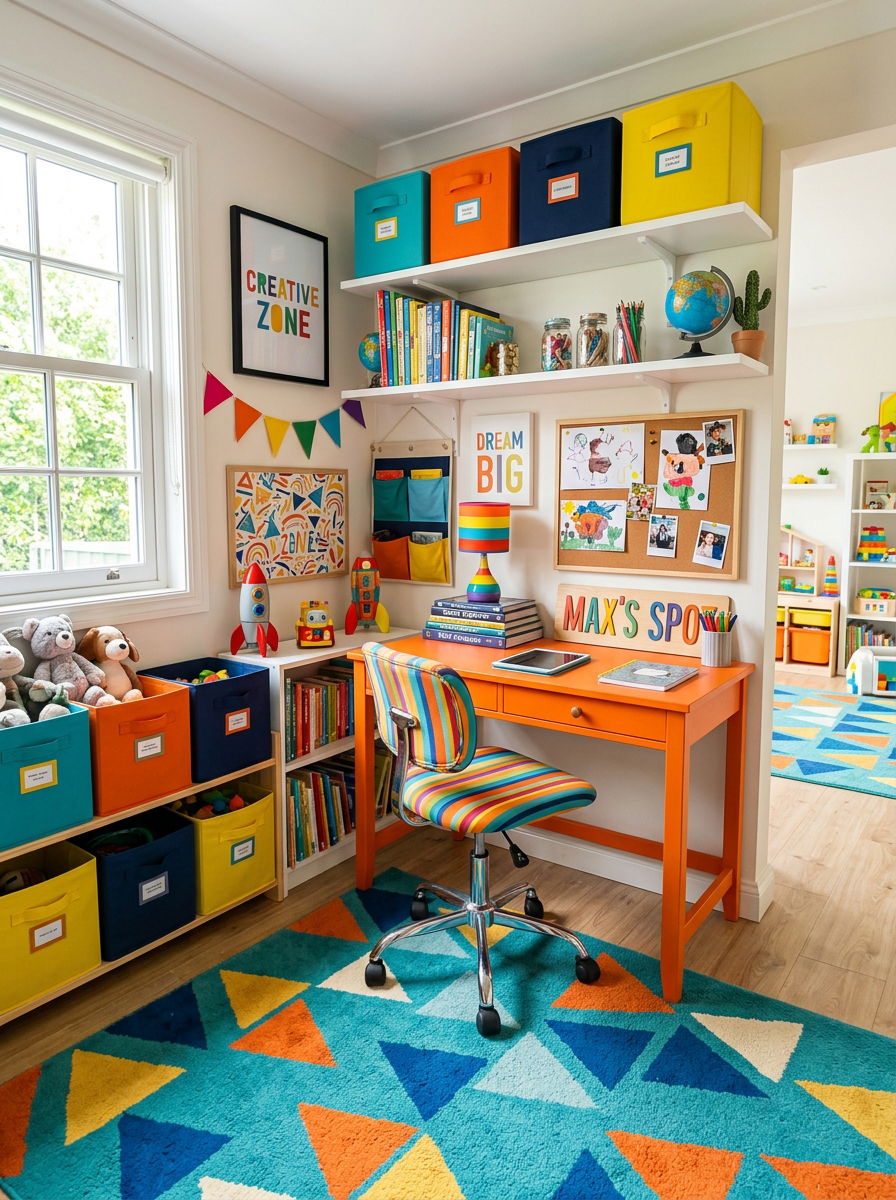
Adding a vibrant splash of color can turn a boring study corner into an energizing space that kids actually enjoy. A colorful homework nook uses bright hues like sunny yellow, soft teal, or energetic orange to stimulate the mind and boost creativity. You can use colorful furniture, a patterned rug, or even a bold accent wall to define the area. When children associate their study space with fun and positivity, they are often more willing to spend time there. Mixing and matching different textures, such as a fuzzy chair or sleek plastic bins, adds more visual interest. This cheerful approach makes the learning process feel more like an adventure.
8. Minimalist Kids Study Area
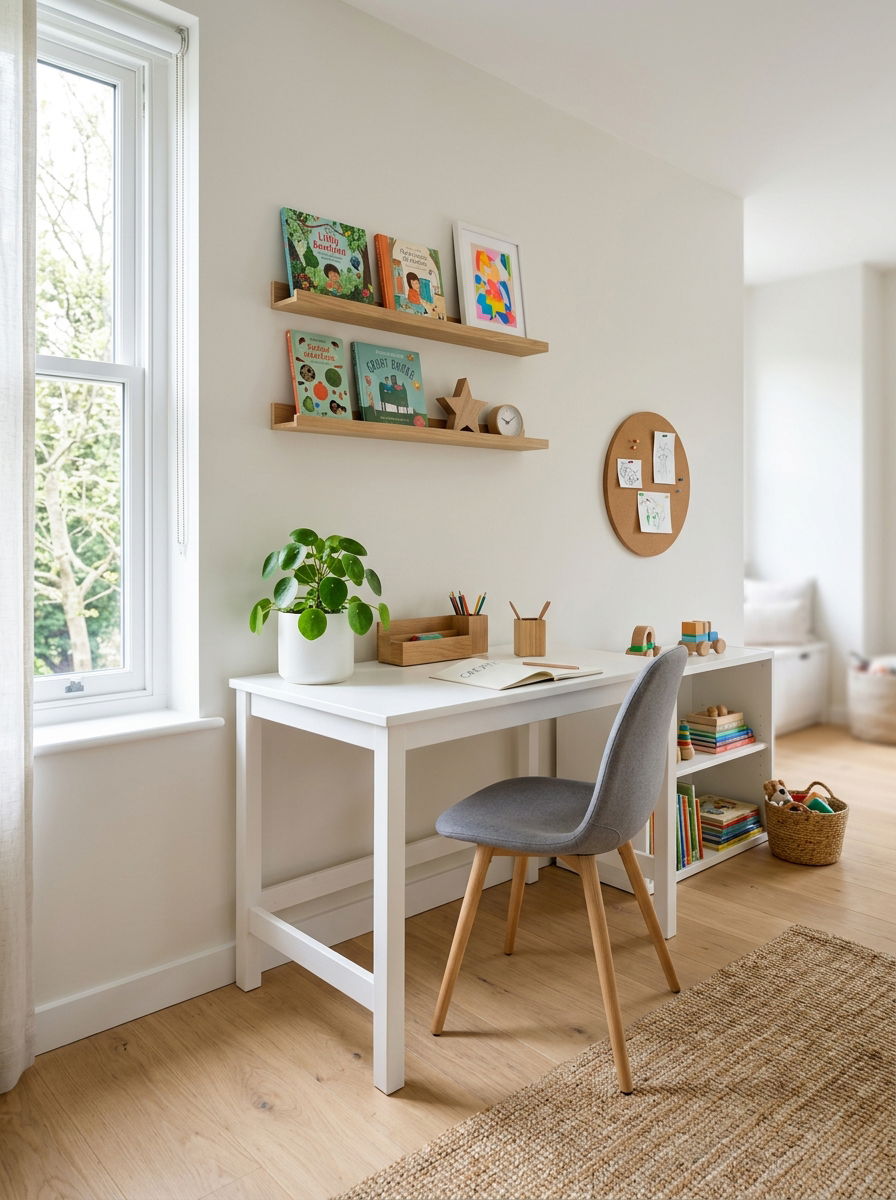
Does your child get easily distracted by busy patterns and too many decorative objects in their room? A minimalist study area focuses on essential elements to create a calm and distraction-free environment. Use a simple white desk, a neutral-toned chair, and clear organizers to keep the space feeling open and airy. By limiting the number of items on the desk, you help the student focus entirely on the task at hand. This design style works well in any room because it blends seamlessly with existing furniture and decor. A single plant or a small desk lamp provides just enough warmth without cluttering the clean and simple aesthetic.
9. Boho Kids Desk Setup
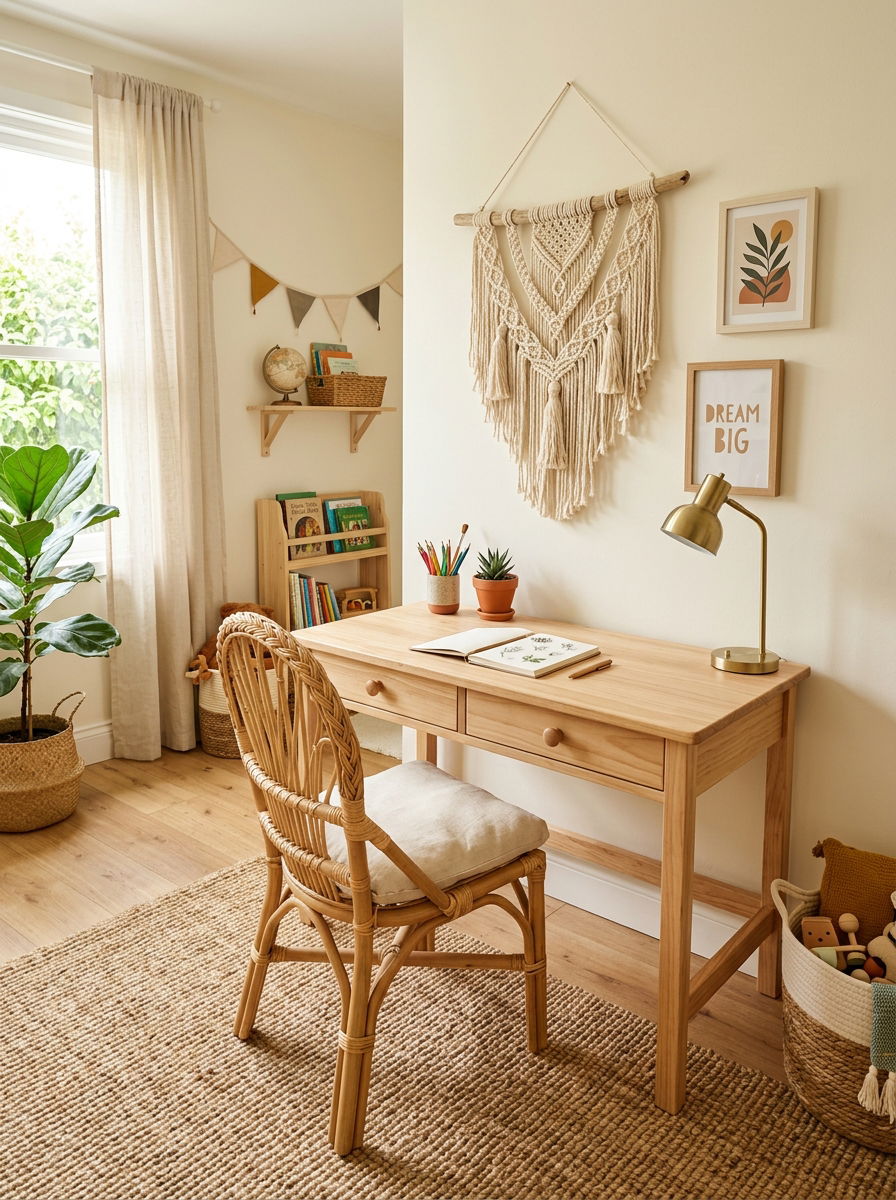
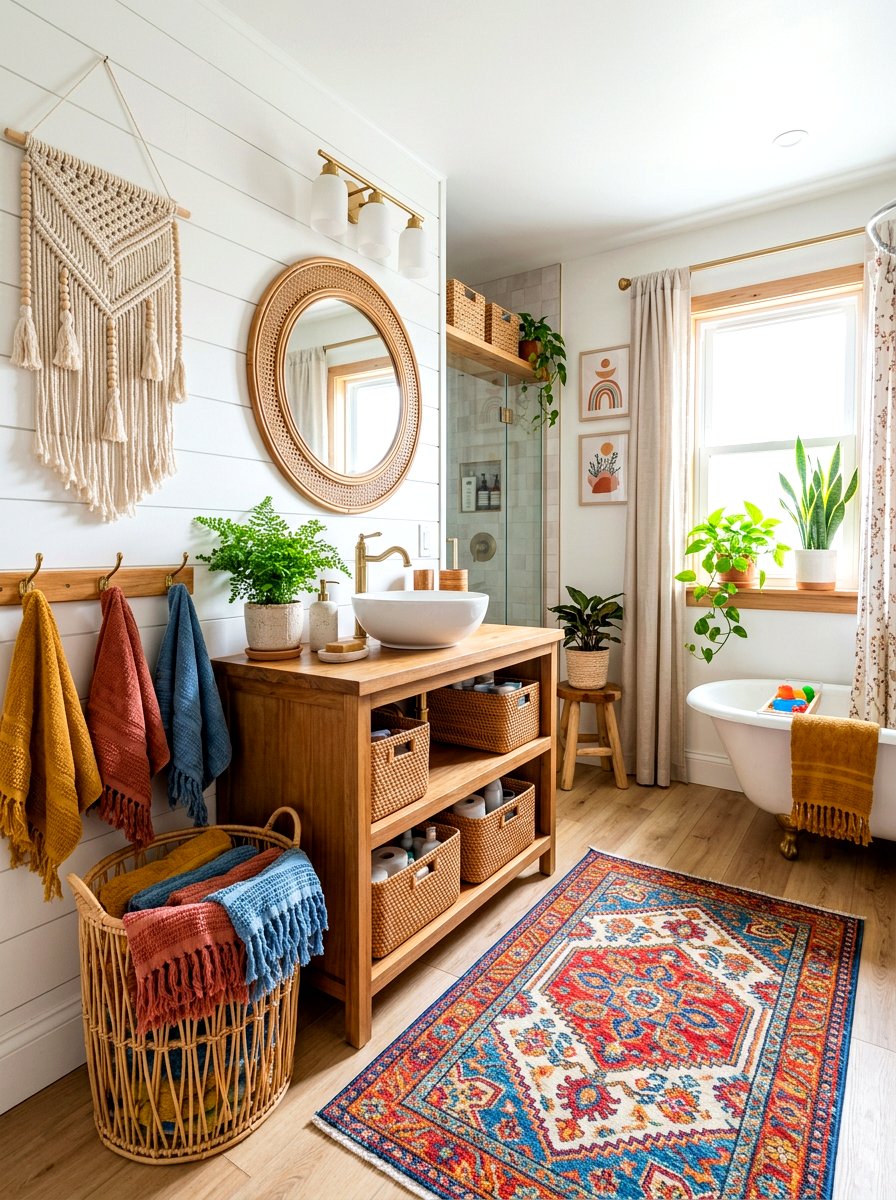
Creating a relaxed and earthy atmosphere can make a homework studio feel incredibly cozy and inviting for young students. A boho desk setup often features natural materials like rattan, light wood, and woven fabrics. You can incorporate a soft macramé wall hanging or a jute rug to add texture and warmth to the corner. This style encourages a more creative and fluid way of working, which is great for artistic kids. Adding several small indoor plants can help purify the air and provide a refreshing touch of greenery. It is a stylish way to combine comfort with functionality, making study time feel less like a difficult chore.
10. Modern Kids Desk Chair
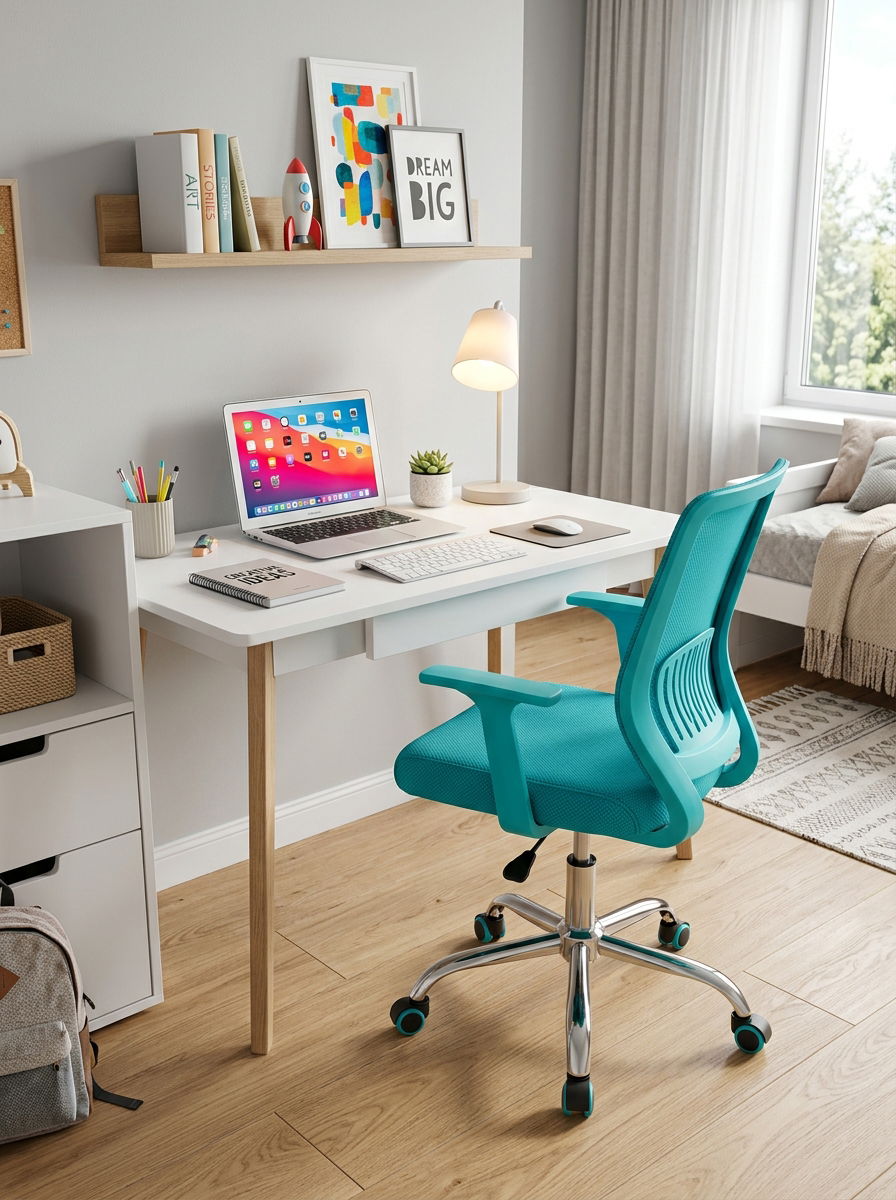
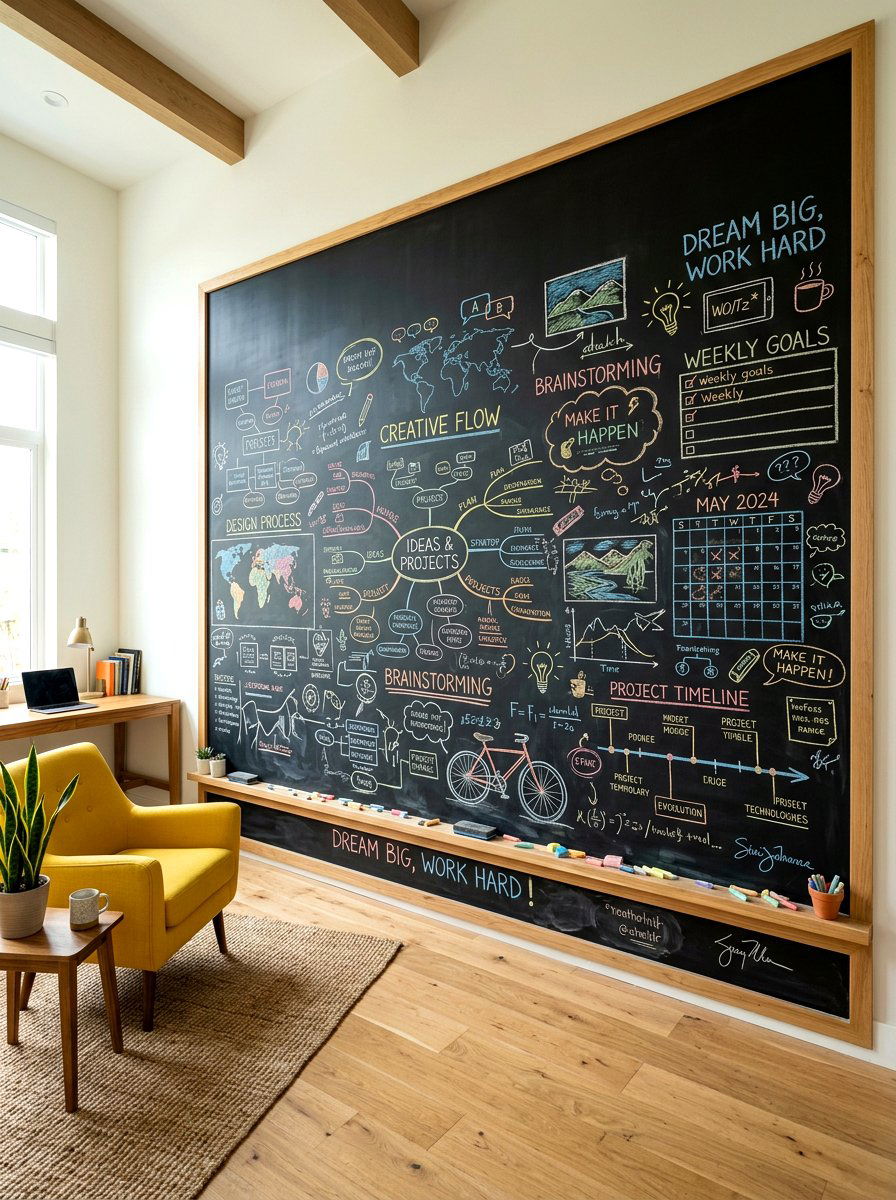
Selecting the right seating is crucial for maintaining good posture and comfort during long periods of reading or writing. A modern desk chair should offer ergonomic support while fitting the playful aesthetic of a child's bedroom. Look for chairs with adjustable heights and breathable mesh or soft fabric upholstery. Brightly colored task chairs with wheels allow kids to move freely around their studio space as they reach for supplies. Choosing a sleek and contemporary design ensures that the furniture will still look great as your child enters their teenage years. A comfortable student is a focused student, making this a very wise investment for any home.
11. Corner Homework Station Kids
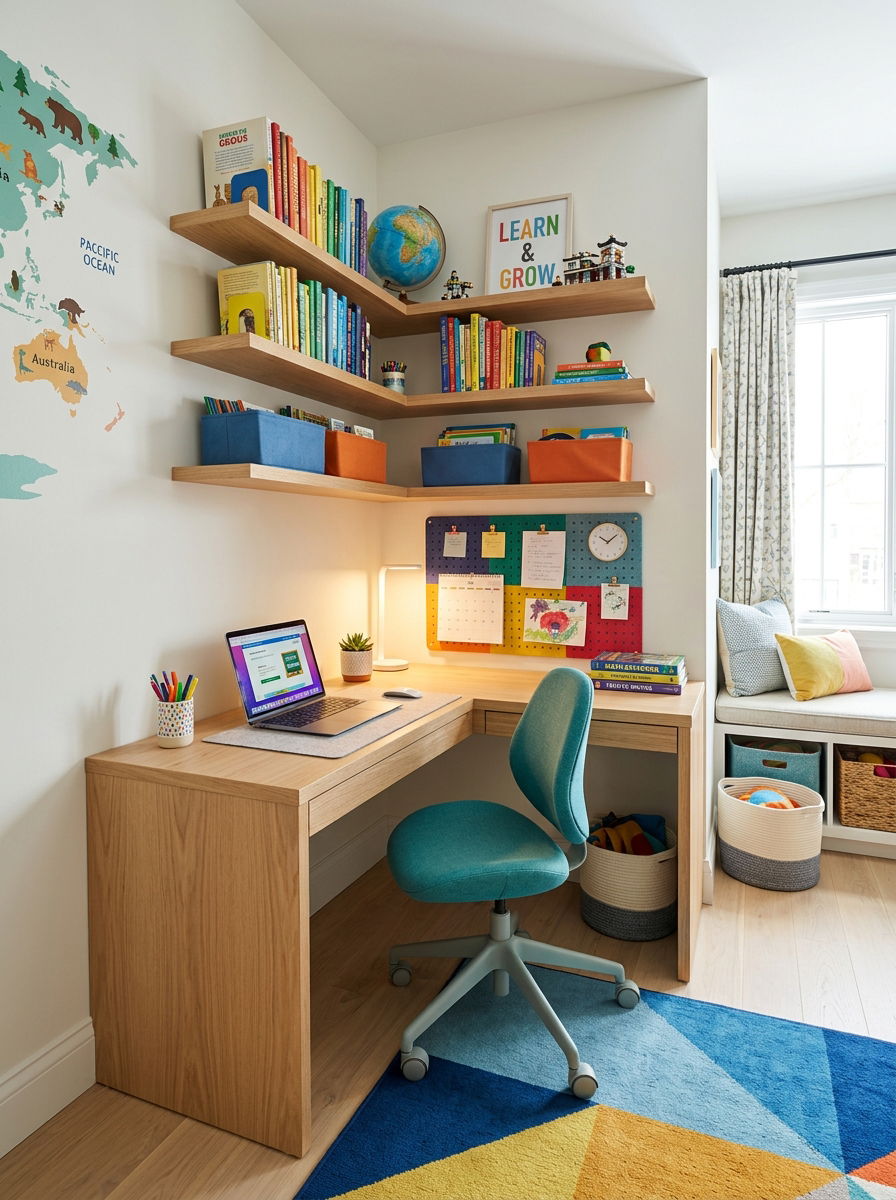
Utilizing the corner of a room is a smart way to create a dedicated study zone without taking up much space. A corner desk provides a wrap-around surface that allows your child to keep their computer on one side and notebooks on the other. This layout creates an "L" shaped workspace that is highly efficient for multi-tasking and large projects. You can add corner-mounted shelves above the desk to store extra books and decorative items. Being tucked into a corner provides a sense of enclosure and privacy, which can help children feel more secure and focused. It turns an often-neglected area into a high-functioning homework studio.
12. Kids Wall Mounted Desk
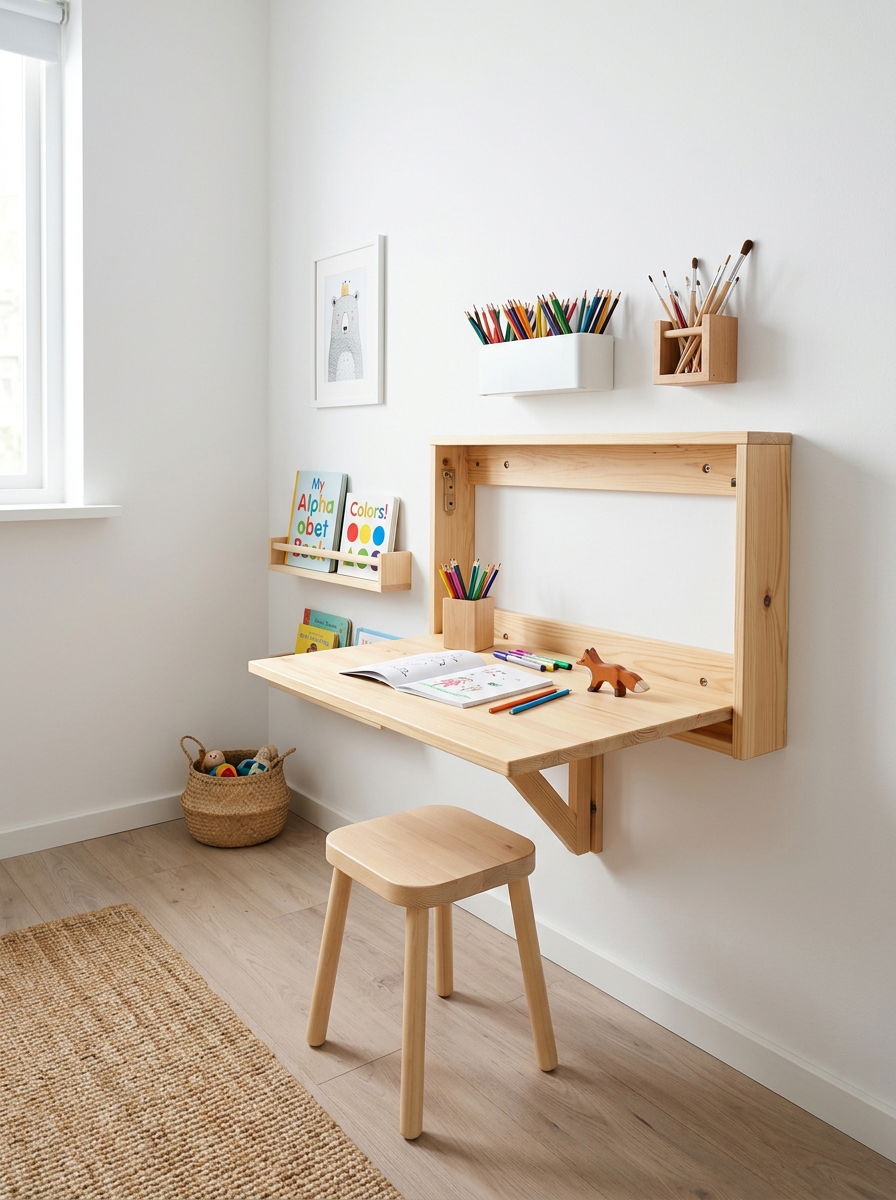
When you need a desk that takes up zero floor space, a wall-mounted unit is the ultimate functional design. These units are often compact and can be installed at the perfect height for your child's current size. Some models even feature a fold-down desktop that hides away when the school day is over. This is an ideal solution for hallways, kitchens, or small bedrooms where every inch of space matters. You can pair the desk with a stool that slides completely underneath to keep the walkways clear. It provides a sturdy and dedicated spot for laptop work or writing while maintaining a light and airy feel.
13. Homework Station With Bookshelves
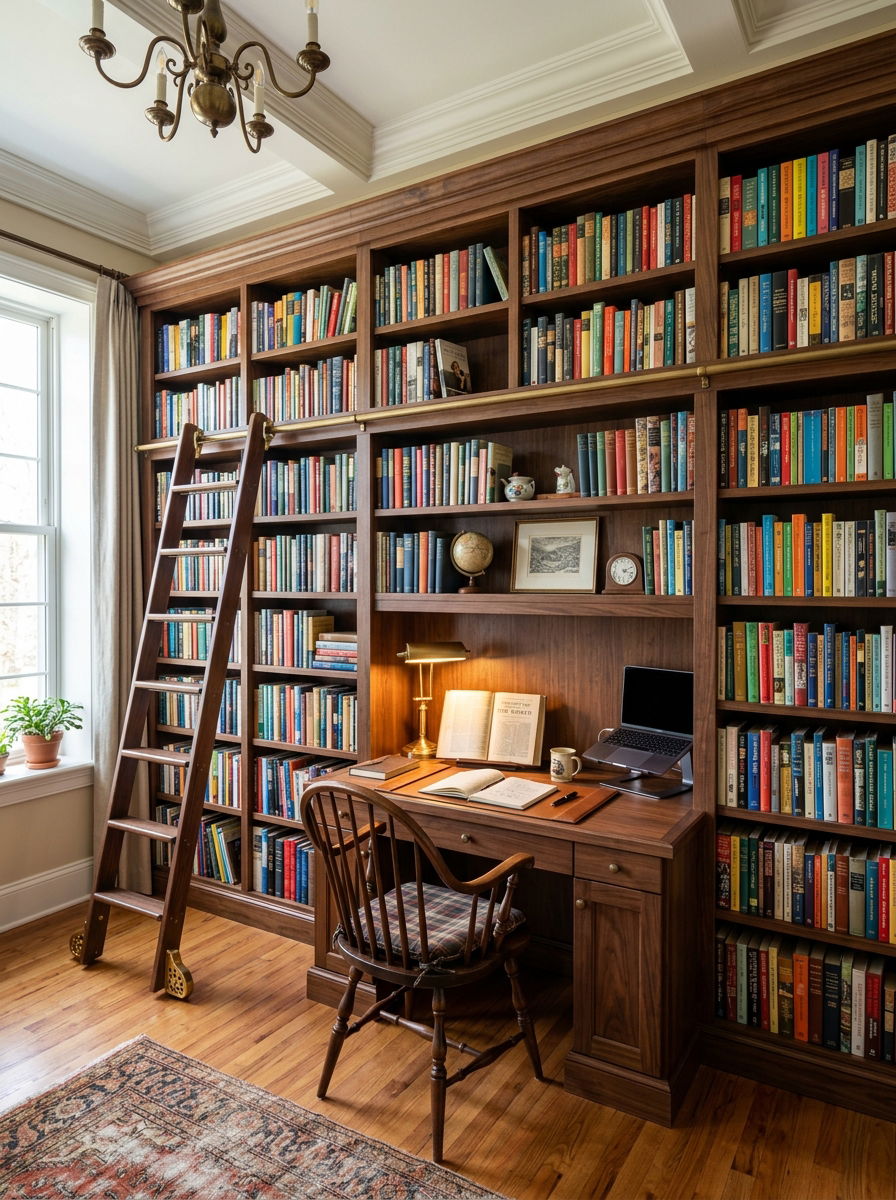
Building a homework studio that is surrounded by books encourages a deep love for reading and research. Integrating a desk directly into a wall of bookshelves provides a massive amount of storage for textbooks, novels, and binders. This setup makes it easy for your student to grab a reference book without having to leave their chair. You can use lower shelves for frequently used items and upper shelves for decorative displays or long-term storage. The presence of a home library creates a scholarly atmosphere that signals the importance of education. It is a classic and sophisticated look that grows well with your child's maturing tastes.
14. Art And Study Combo Room
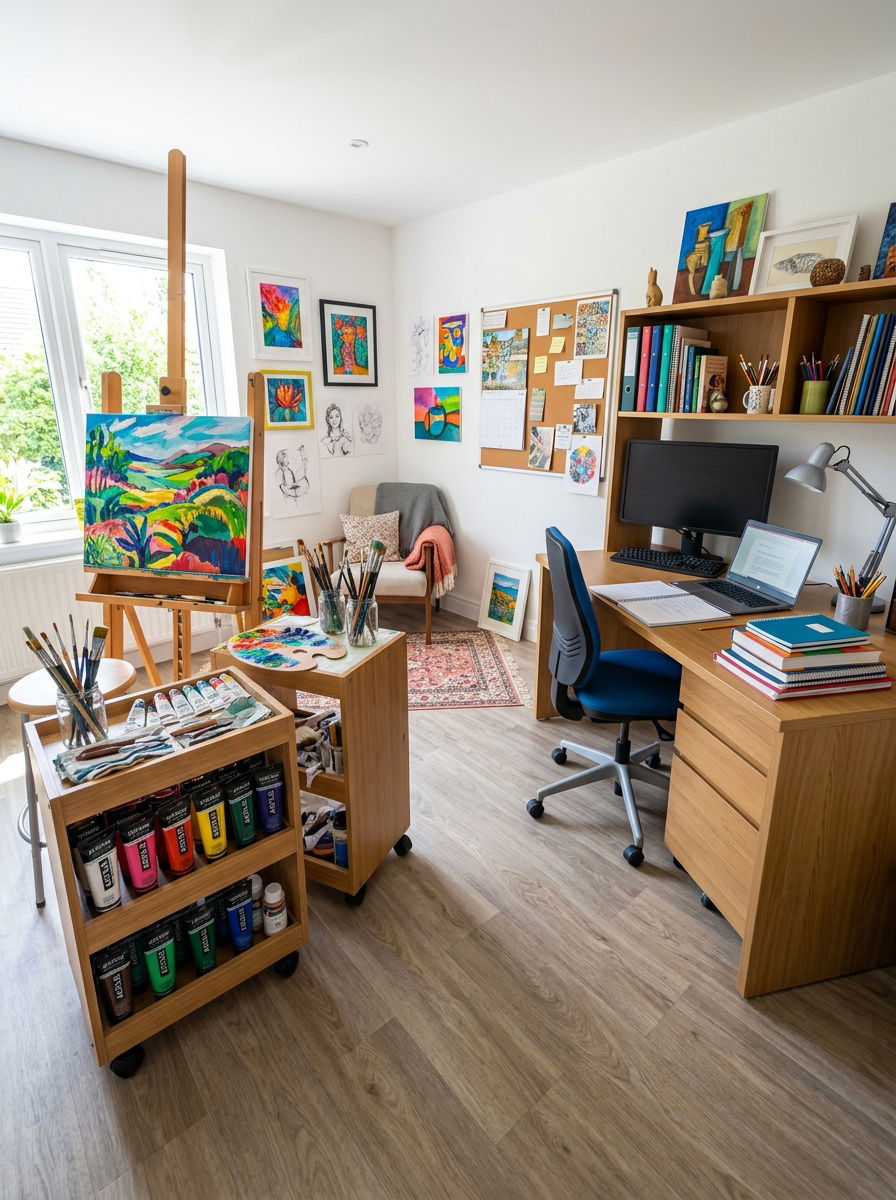
Does your child love to paint and draw just as much as they like to read? An art and study combo room provides different zones for academic work and creative expression. You might include a standard flat desk for homework and a separate easel or tilted drafting table for art projects. Durable, easy-to-clean surfaces are essential in this type of space to accommodate paint spills and marker stains. Using rolling carts to store craft supplies allows for easy movement between the two different functional zones. This versatile layout supports a well-rounded education by providing dedicated space for both logic-based and creative learning activities.

15. Industrial Kids Desk
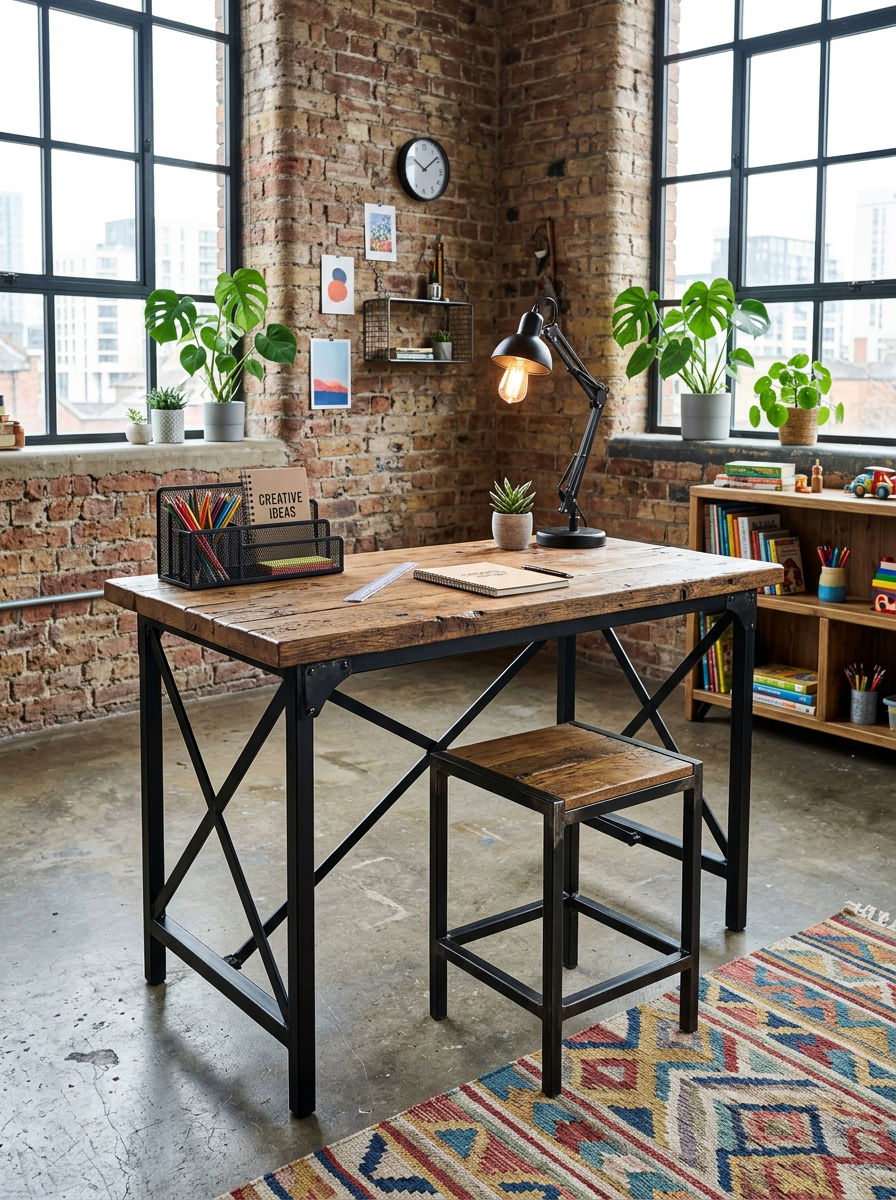
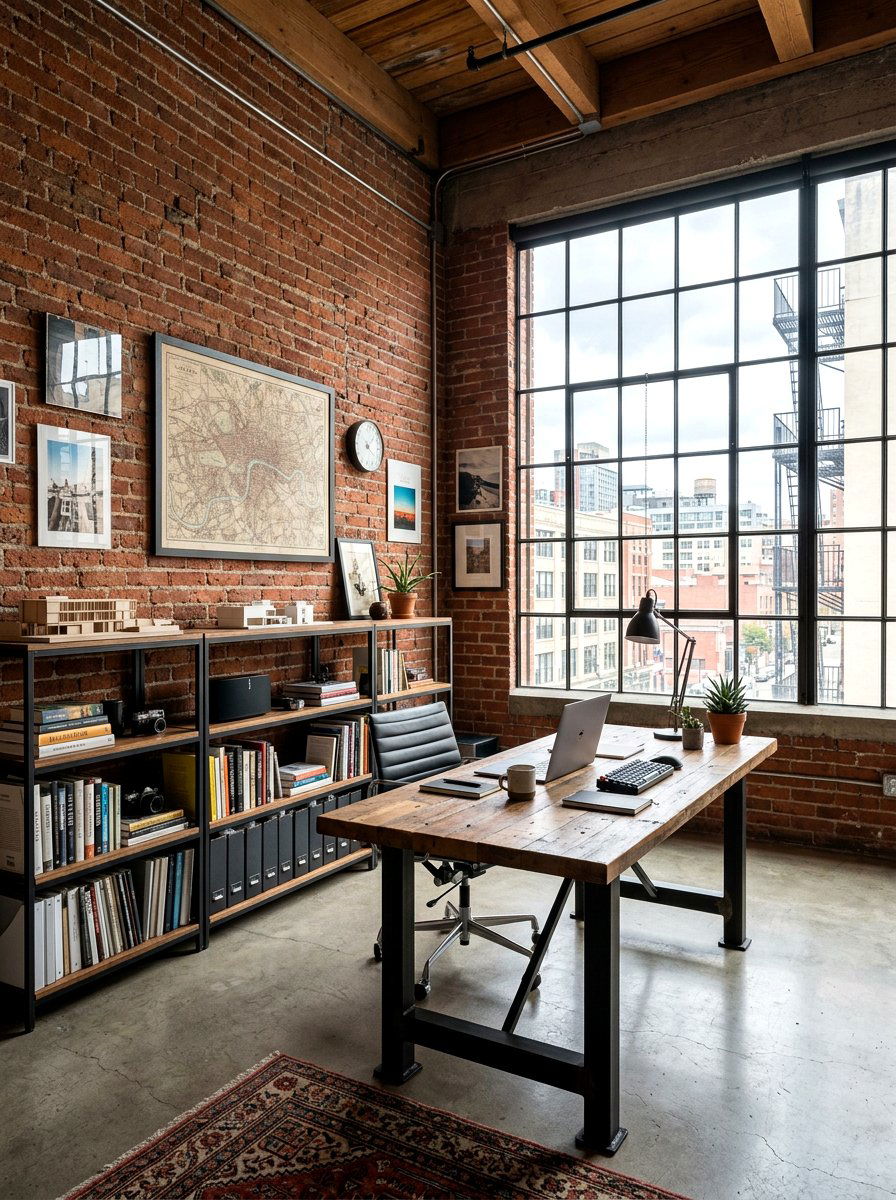
For a look that feels cool and sophisticated, an industrial desk uses materials like reclaimed wood and dark metal accents. This style is often very sturdy and durable, which is perfect for active children who might be hard on their furniture. The simple and rugged design appeals to older kids and teens who want a space that feels more grown-up. You can pair the desk with a metal task lamp and wire baskets for a cohesive and trendy aesthetic. Exposed hardware and raw finishes add a unique character to the homework studio. It is a timeless choice that stands up well to daily use and changing trends.
16. Scandinavian Kids Study Room
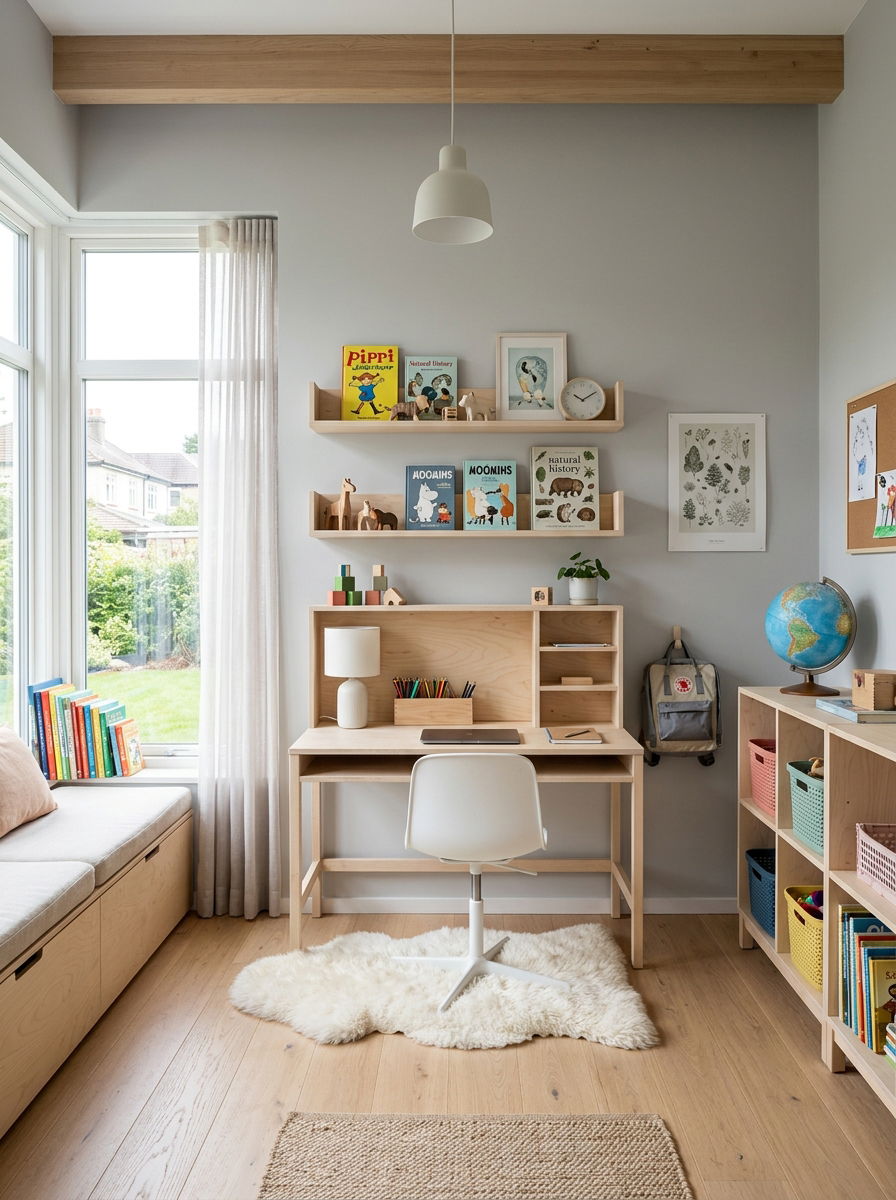
Scandinavian design is famous for its focus on light, simplicity, and natural beauty, making it perfect for a study room. Use light-colored woods like pine or birch paired with a clean white and gray color palette. This aesthetic creates a peaceful environment that promotes mental clarity and reduces stress during difficult homework sessions. Furniture often features clean lines and functional shapes that emphasize utility over excess decoration. Large windows that let in plenty of natural light are a hallmark of this style. Adding a soft sheepskin rug or a cozy knit blanket can provide the "hygge" feel that makes the studio extra comfortable and welcoming.
17. Fold Down Wall Desk Kids
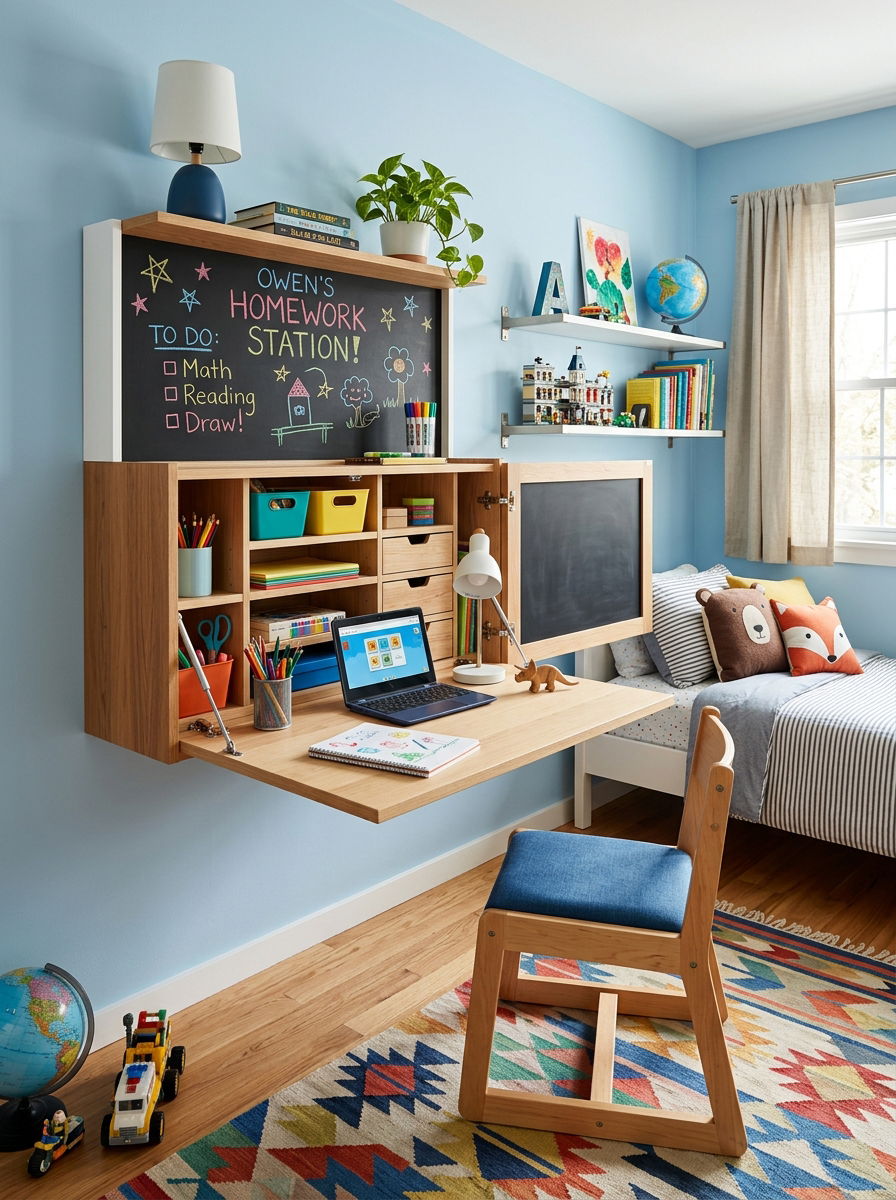
A fold-down wall desk is a genius solution for multi-purpose rooms where a permanent desk might be in the way. This piece of furniture hangs on the wall like a cabinet and opens up to reveal a fully functional workspace. When closed, it often looks like a chalkboard or a decorative mirror, keeping the room looking tidy. This is perfect for kids who only need a desk for a few hours a day for their homework. It provides a hidden storage compartment for papers and pens inside the cabinet. It is a fun and interactive piece of furniture that kids enjoy using and showing to their friends.
18. Natural Wood Kids Desk
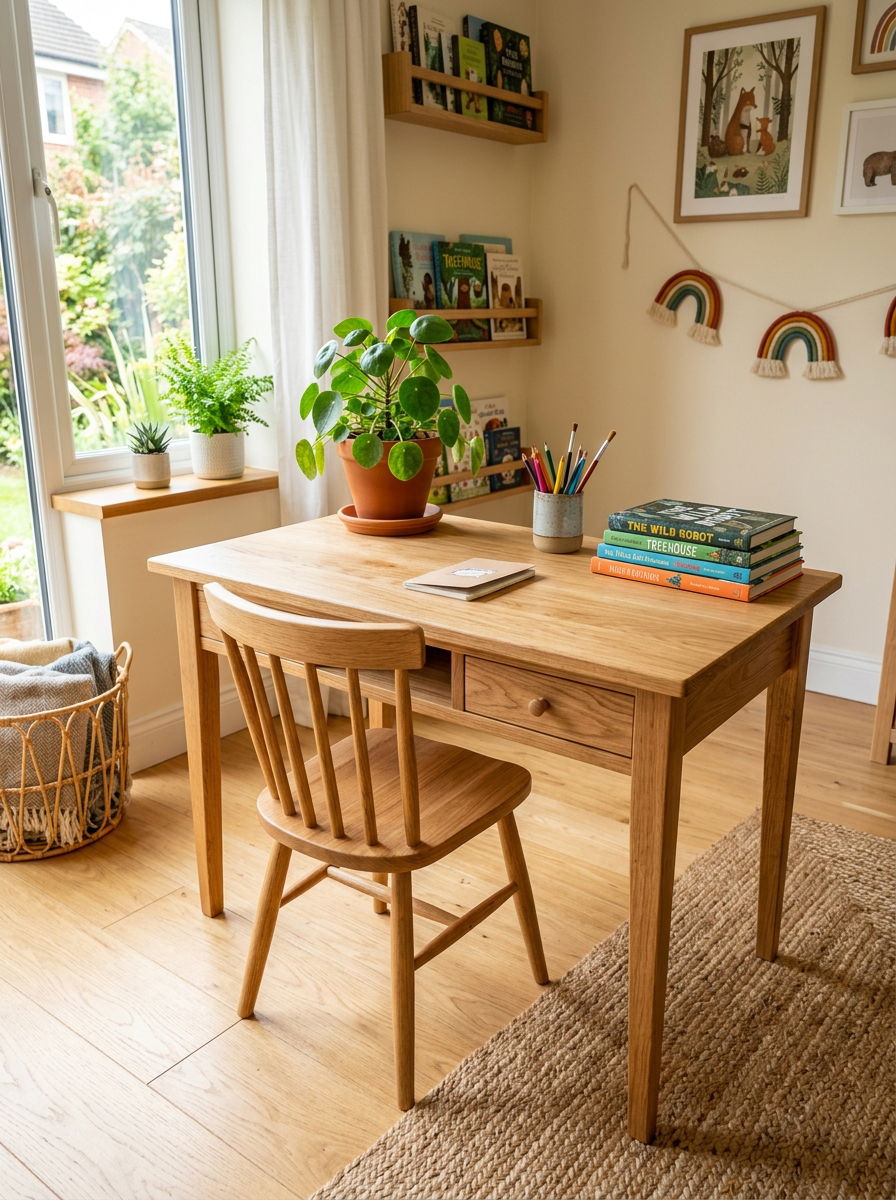
There is something timeless and grounding about using natural wood in a child's learning environment. A solid wood desk provides a warm and tactile surface that feels much more inviting than cold plastic or metal. You can choose from various finishes, from light oak to deep walnut, to complement your existing interior design. Wood is also incredibly durable and can be sanded or refinished if it gets scratched over the years. This material brings a sense of the outdoors inside, which can have a calming effect on busy students. It is an eco-friendly choice that adds a touch of classic beauty to any homework studio.
19. Kids Standing Desk
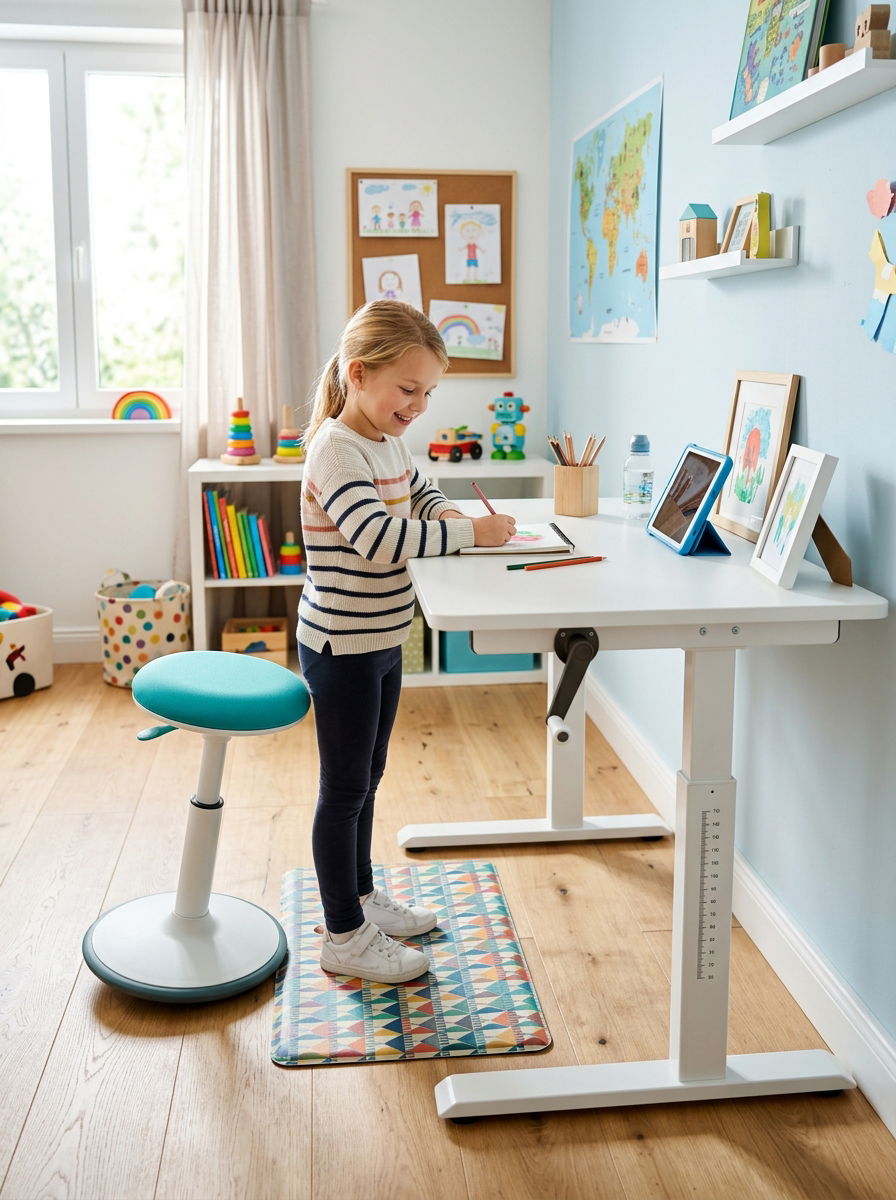
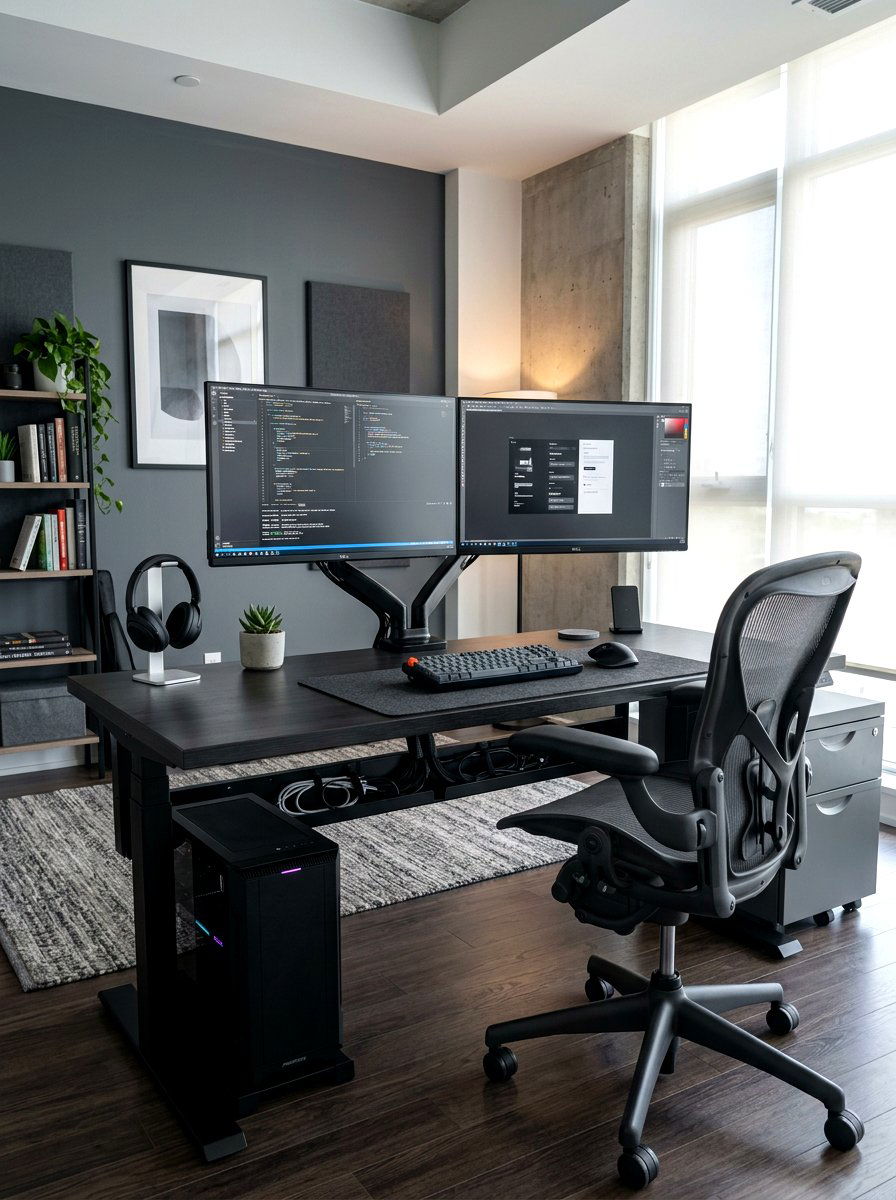
Providing a standing desk for your child can be a game-changer for those who find it difficult to sit still for long periods. These desks allow students to alternate between sitting and standing, which can improve circulation and increase focus levels. Many modern versions are easily adjustable with a hand crank or electric motor, growing alongside your child. Standing while working can burn extra energy and prevent the sluggishness that sometimes comes with long study sessions. It is a healthy way to encourage movement and keep the brain engaged during complex school projects. This ergonomic choice is becoming increasingly popular in modern home learning environments.
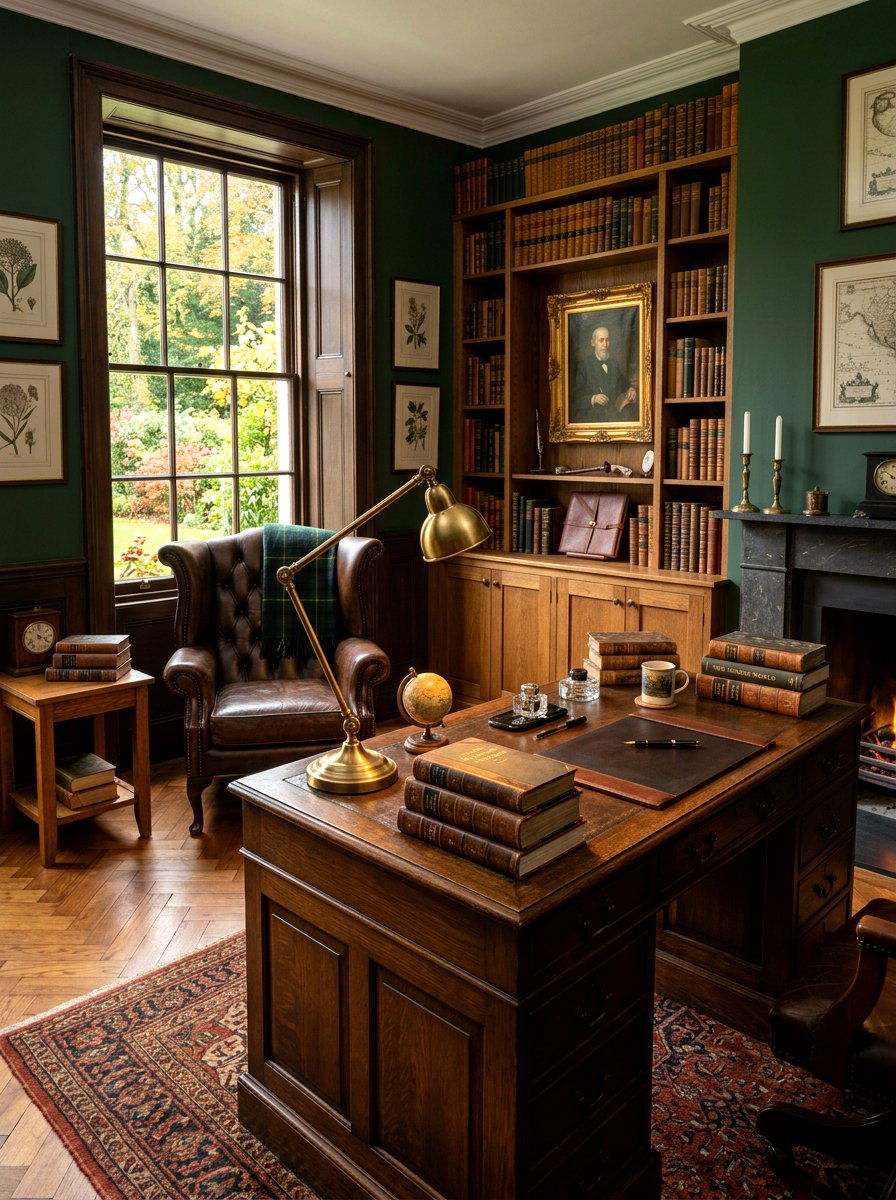
20. Playroom Homework Zone
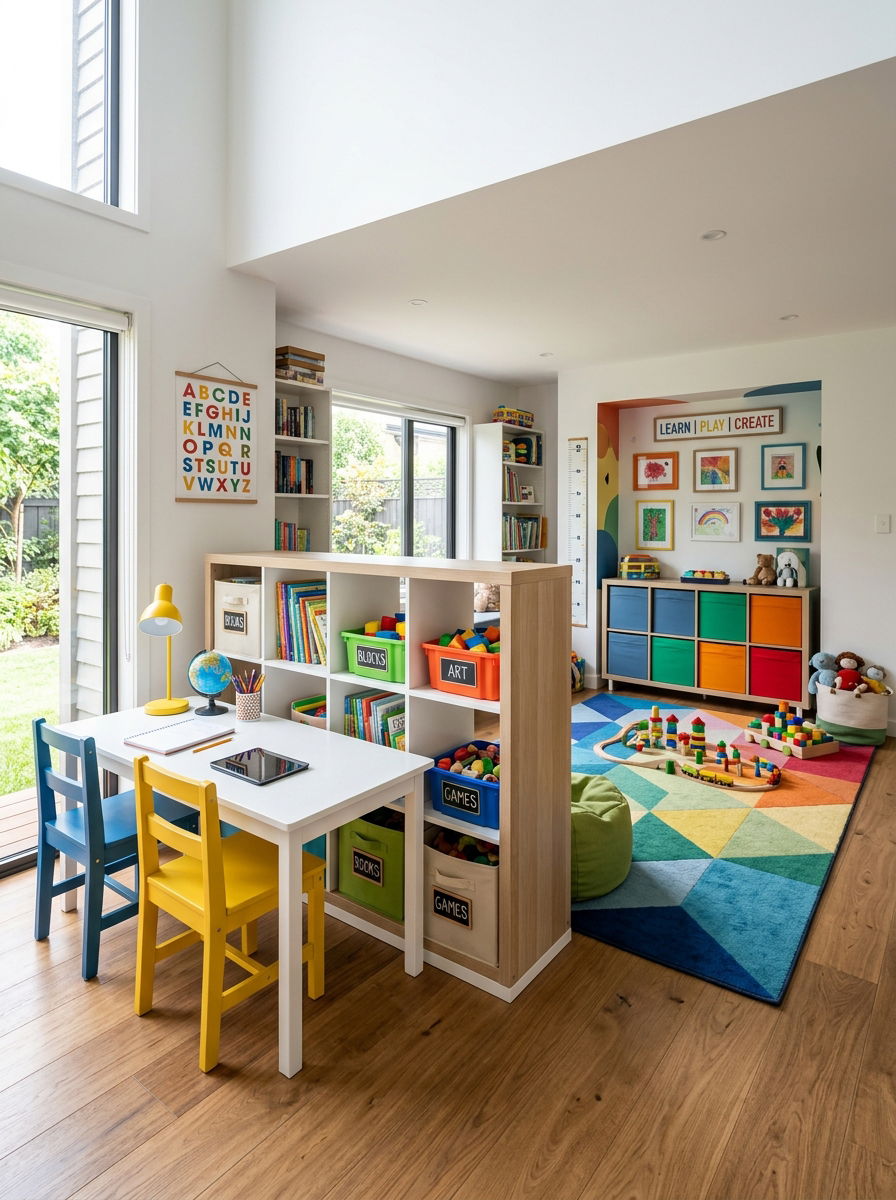
Integrating a study area into a playroom allows your child to transition easily from schoolwork to much-needed downtime. You can define the homework zone with a different rug or a low partition to keep it separate from the toy area. This layout works well for younger children who still spend a lot of time playing but are starting to have regular assignments. It ensures that learning is seen as a natural part of their daily routine rather than a separate chore. Using bins that match the playroom's decor helps keep school supplies organized alongside toys. It creates a balanced environment where both work and play are celebrated.
21. Pastel Kids Study Space
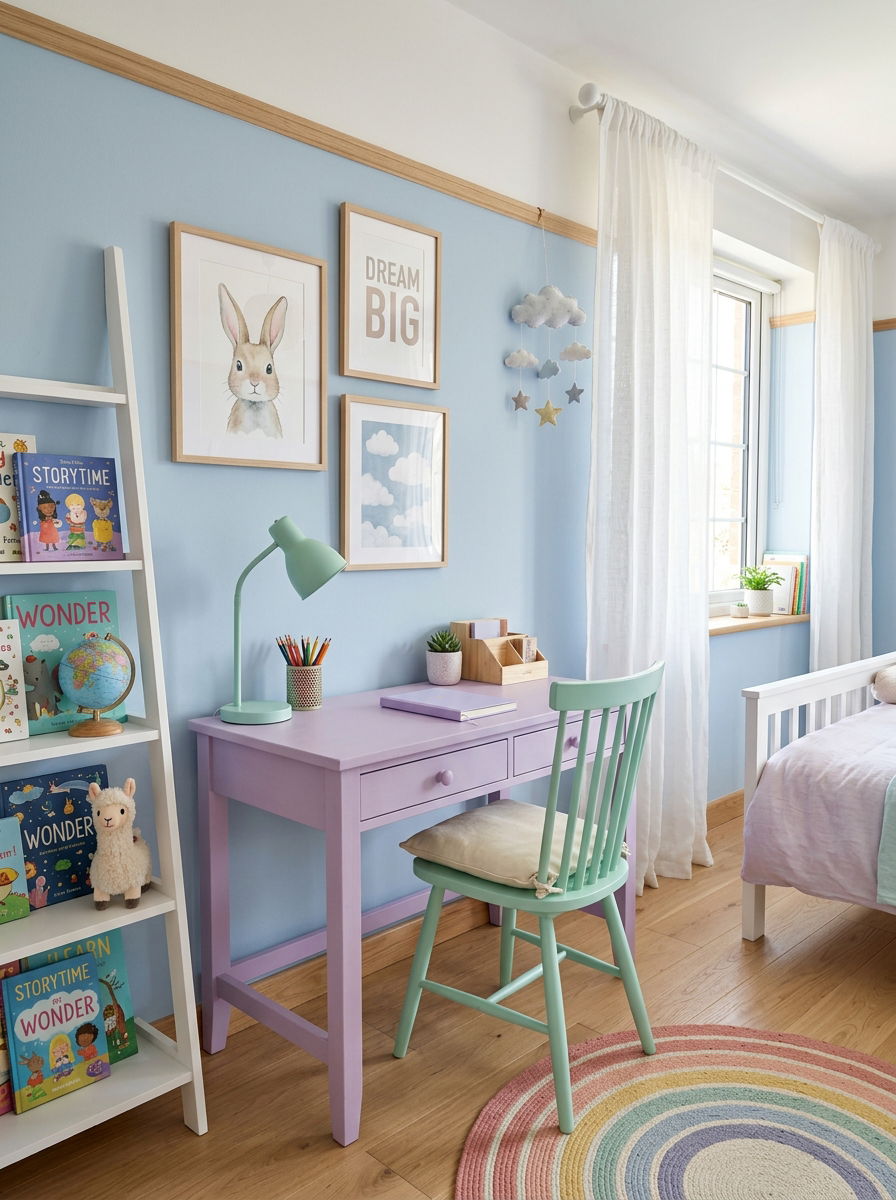
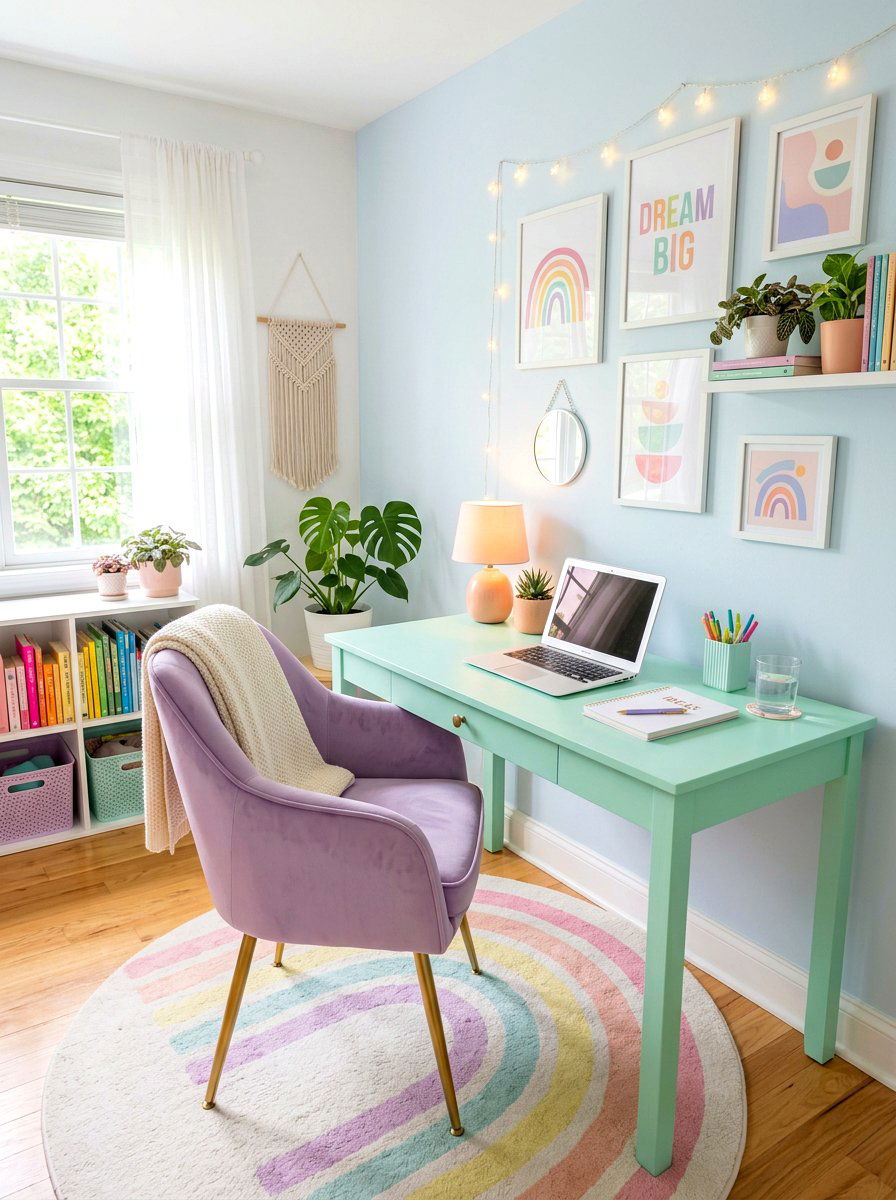
Soft colors like mint green, lavender, and pale blue can create a very soothing and tranquil environment for studying. A pastel study space feels light and airy, which helps to reduce any feelings of anxiety related to school tests. You can use these gentle tones for the desk, chair, and wall art to create a cohesive and harmonious look. This palette is particularly popular for creating a "dreamy" aesthetic that feels personal and safe for young learners. Pairing pastels with white furniture keeps the room looking clean and modern. It is a beautiful way to introduce color without overwhelming the child's sensory experience while they work.
22. Attic Kids Study Room
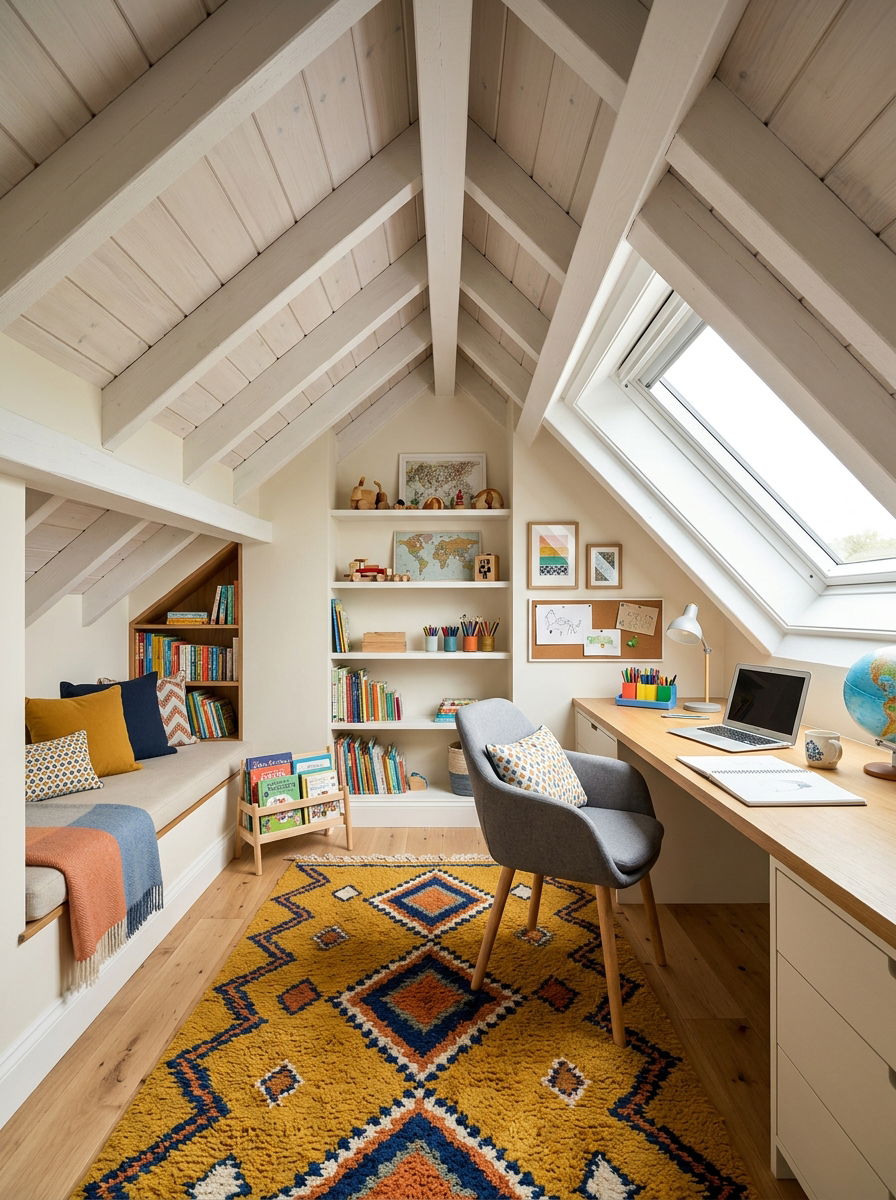
If you have an unused attic, it can be the perfect place to build a secluded and quiet homework studio. The sloping ceilings and unique architectural angles of an attic provide a cozy and private atmosphere away from household noise. You can place the desk under a skylight to take full advantage of natural light during the daytime. This separate floor creates a clear mental boundary between "home life" and "school work, " which can significantly improve productivity. Built-in storage can be tucked into the eaves to maximize every square inch of the floor plan. It is a secret retreat that any student would love to call their own.
23. Window Seat Desk Kids
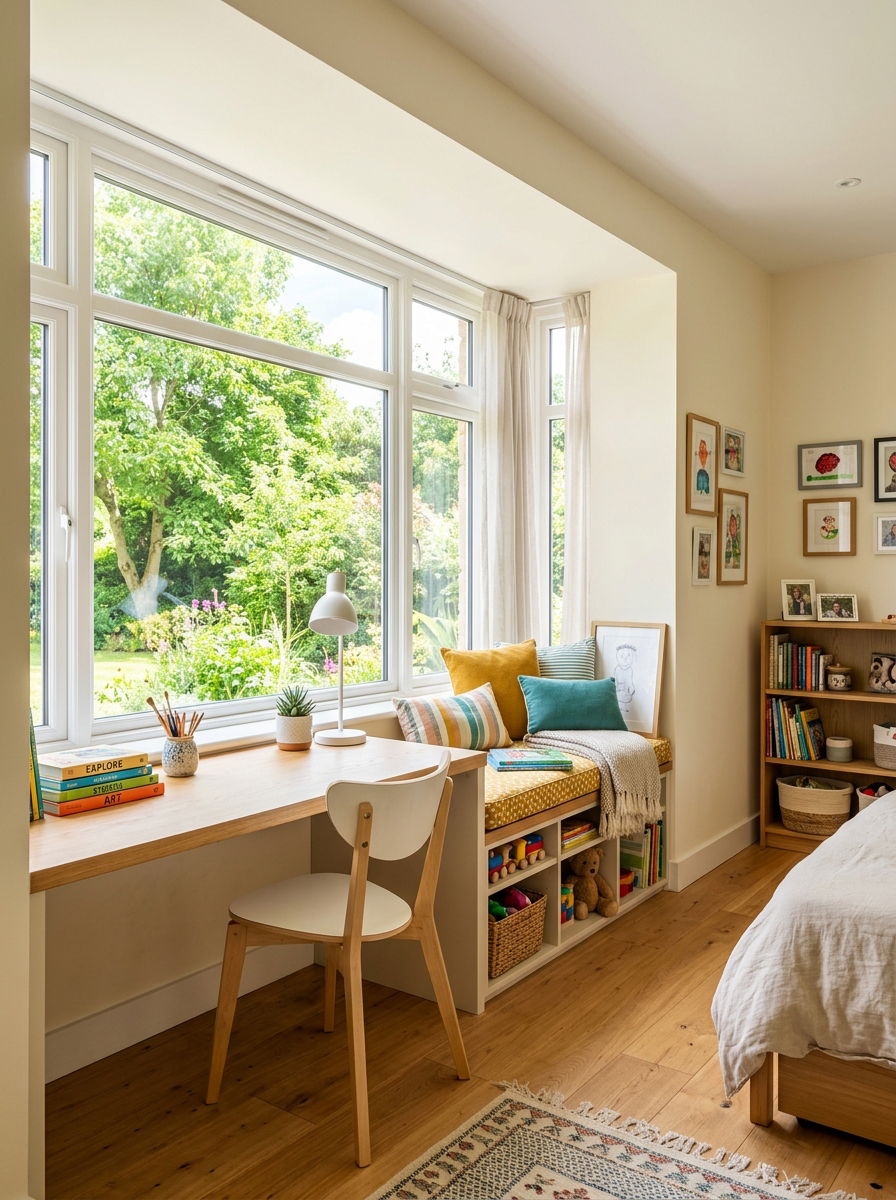
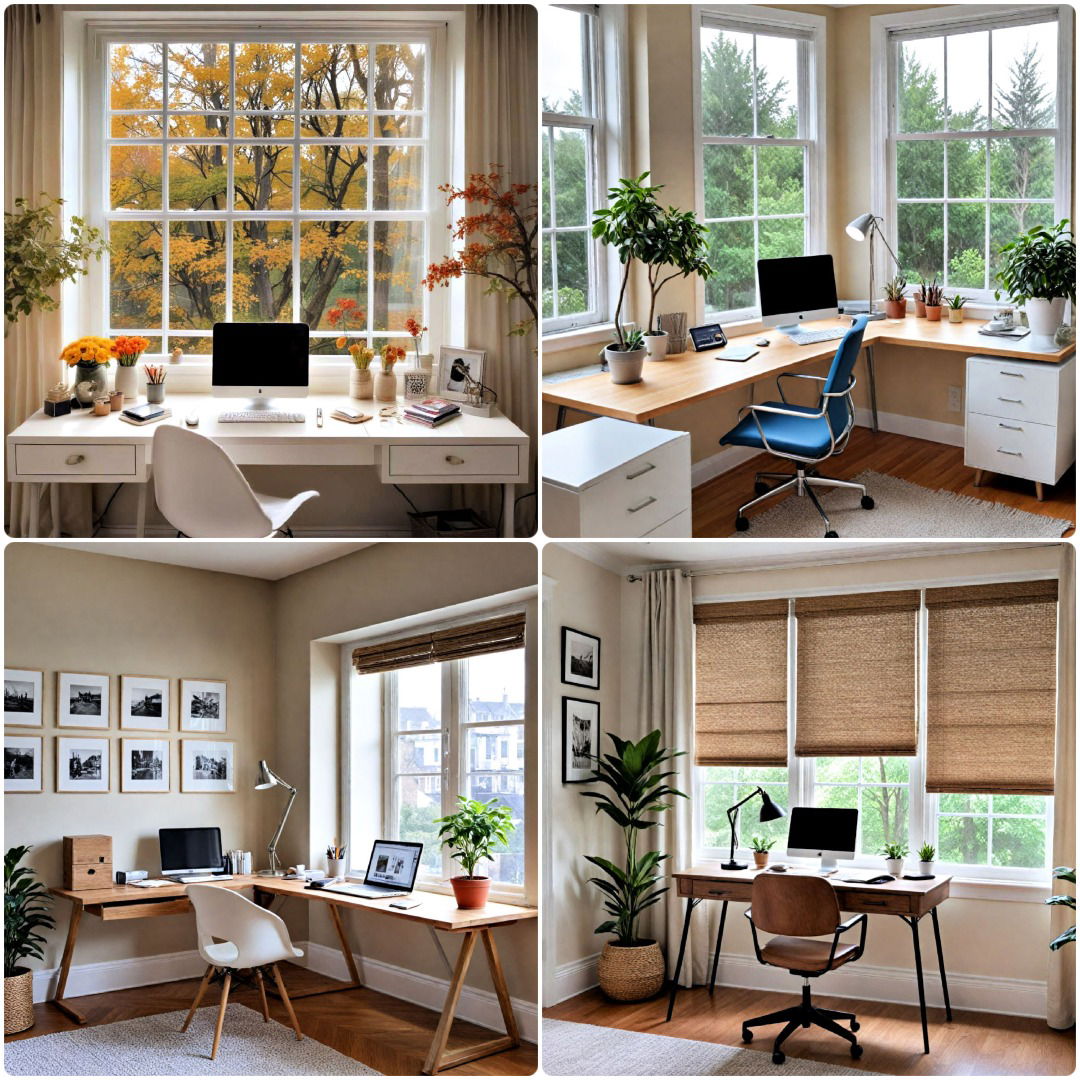
Placing a desk directly in front of a window is a classic way to ensure your student has the best possible lighting. A window seat desk allows your child to look out at nature during study breaks, which can help rest their eyes. Natural light is proven to boost mood and energy levels, making the homework process much more pleasant. You can choose a desk that fits perfectly into the window alcove or even build a custom ledge. Adding light-filtering shades allows you to control the glare during the brightest parts of the afternoon. It creates an inspiring and bright workspace that feels very connected to the outdoors.
24. Modern Farmhouse Kids Desk
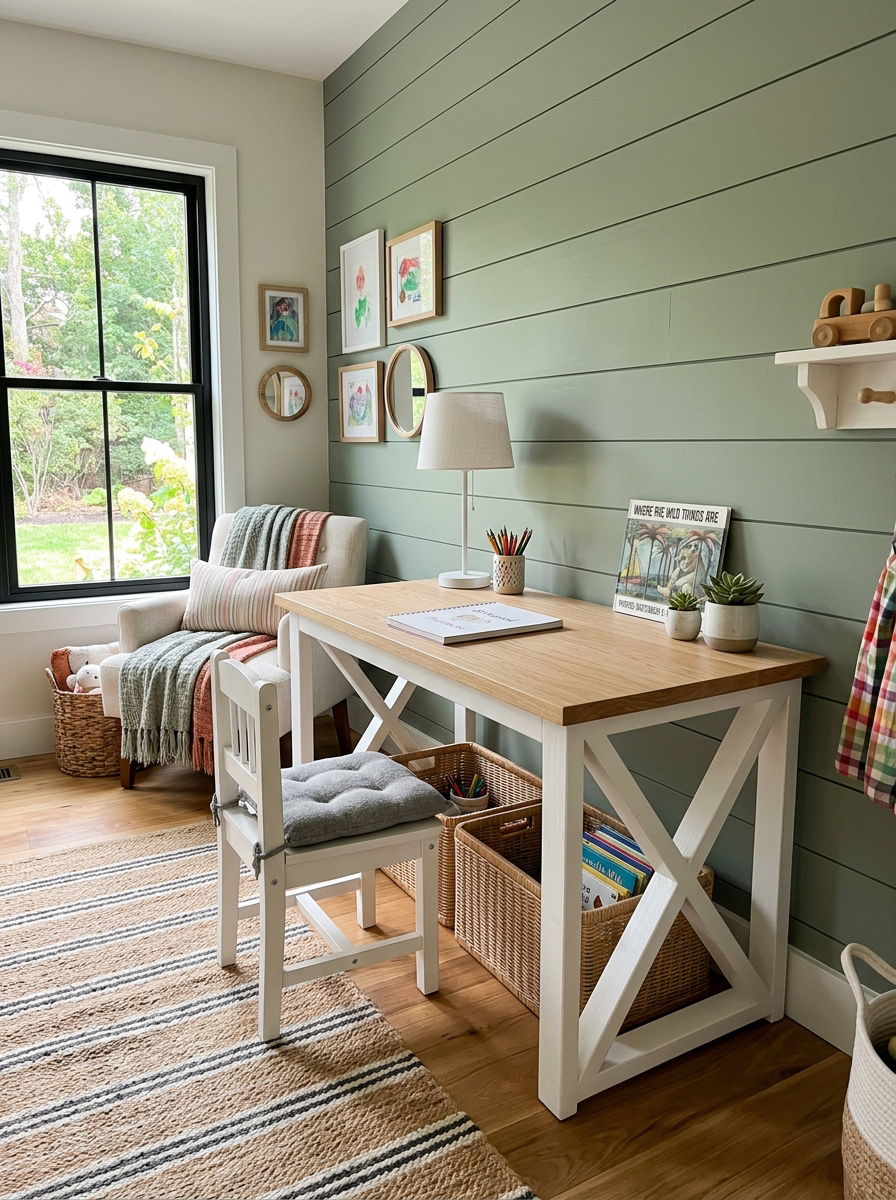
The modern farmhouse style combines rustic charm with clean, contemporary lines, making it a very popular choice for family homes. A farmhouse-style desk often features a white-painted base with a natural wood top and traditional X-frame legs. This look feels warm and lived-in, which can make a homework studio feel more comfortable and less clinical. You can use galvanized metal bins or woven baskets for storage to complete the rustic aesthetic. This style is very versatile and fits well in traditional or modern houses. It provides a sturdy and stylish foundation for a child's workspace that will never go out of fashion over time.
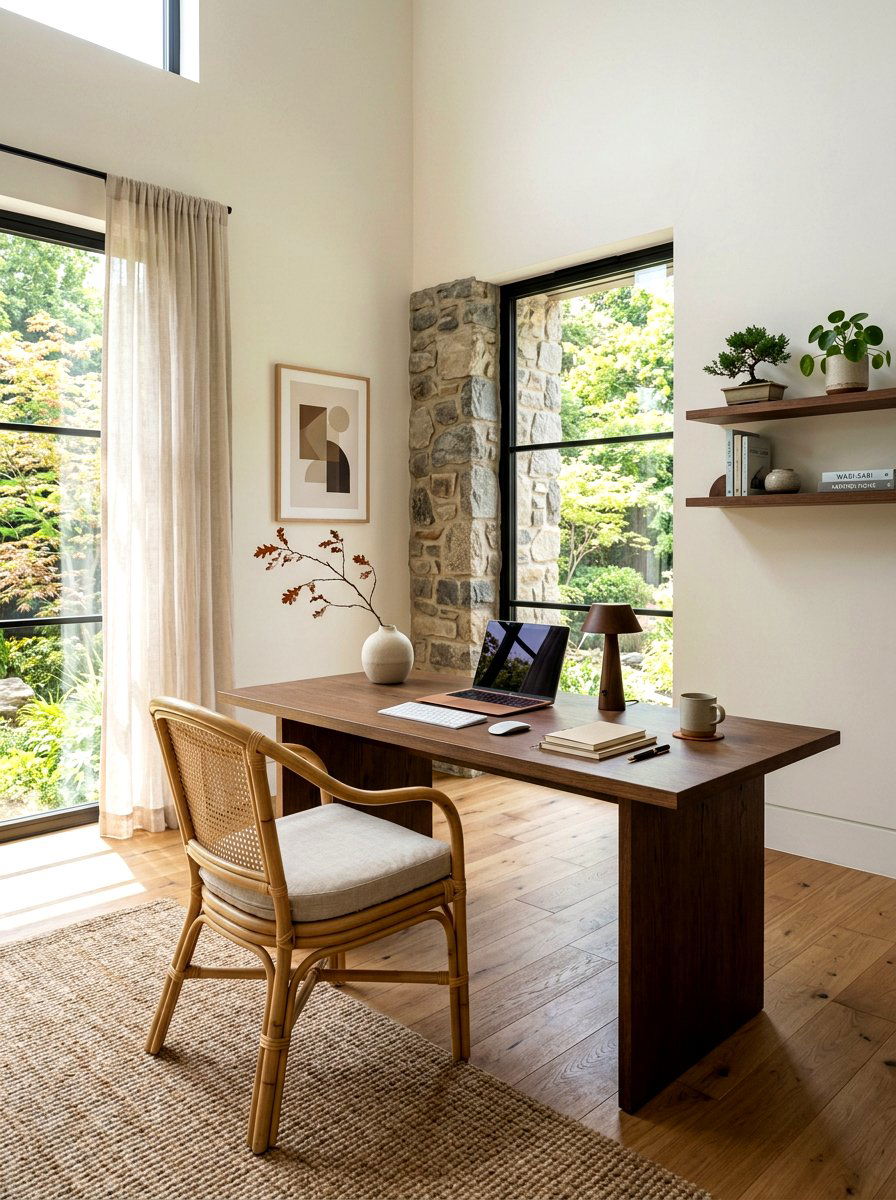
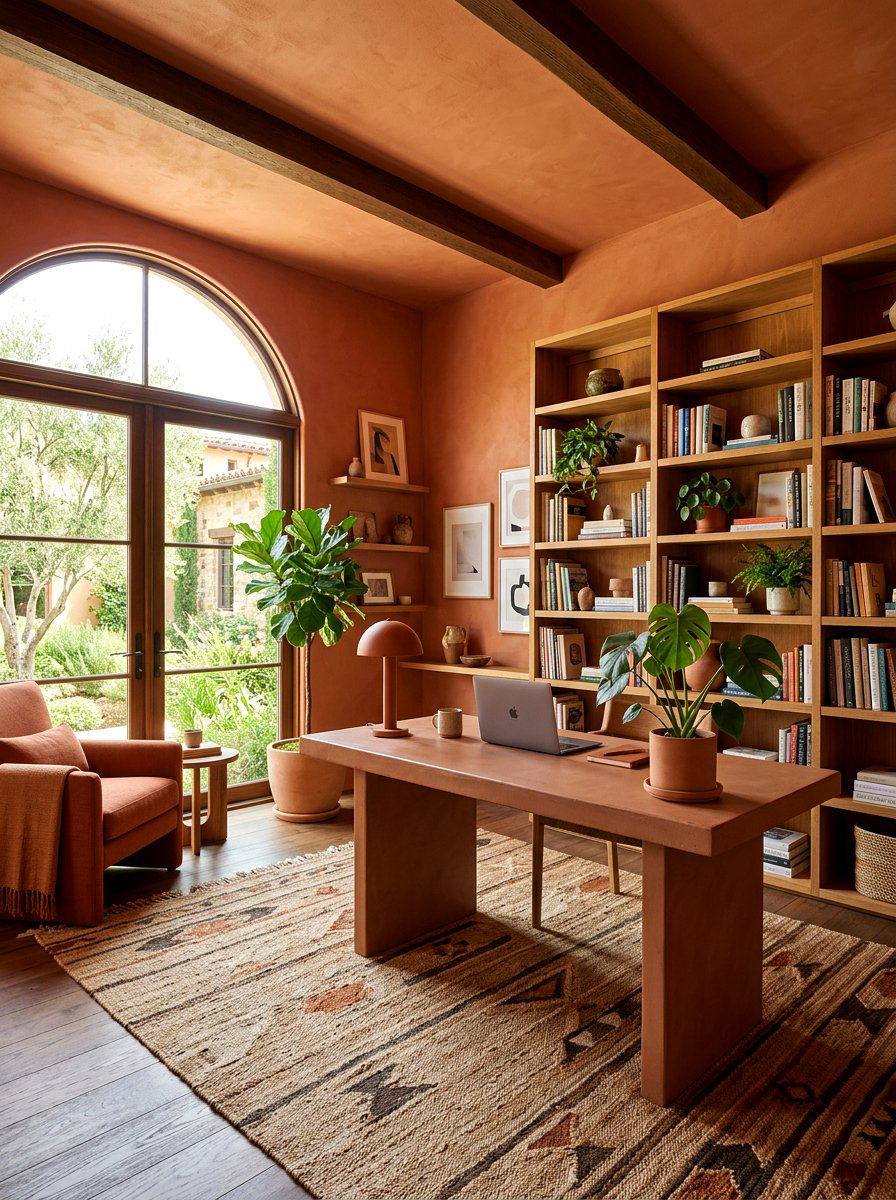
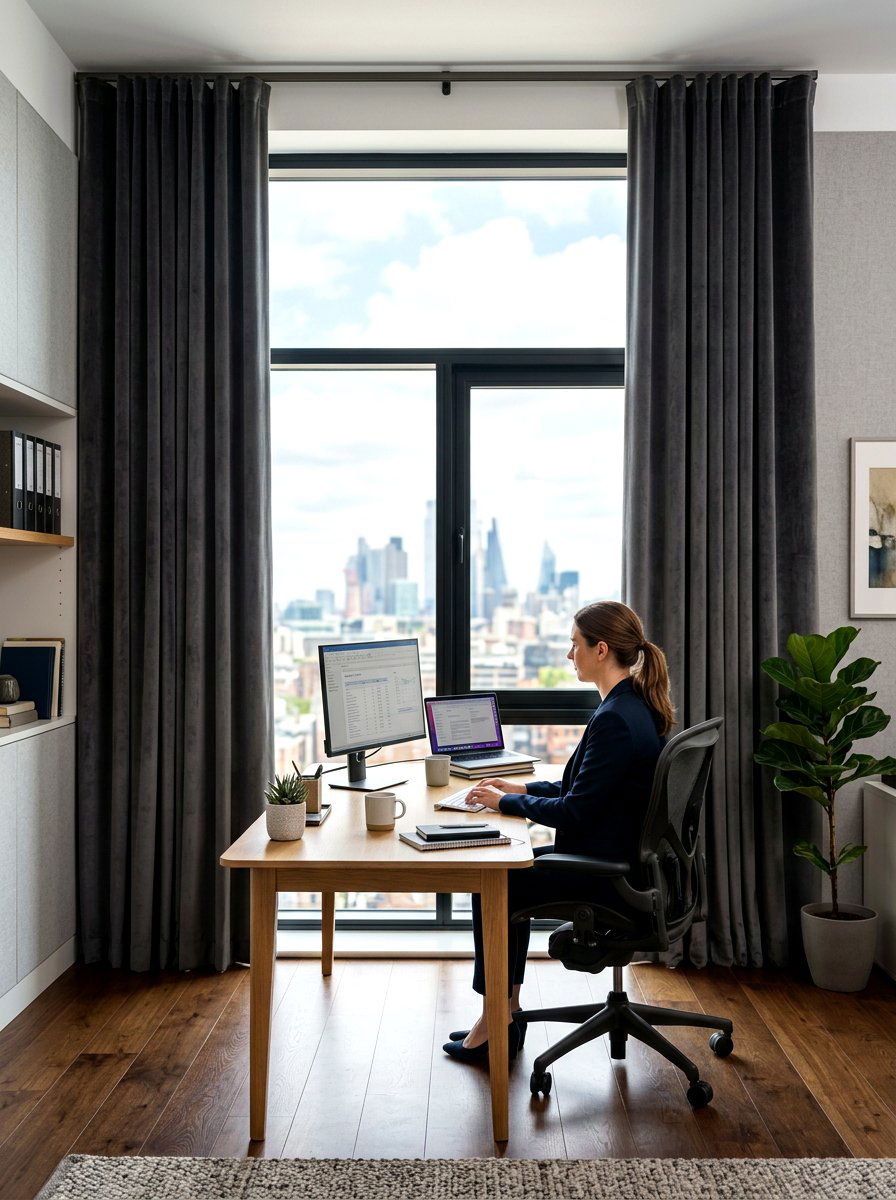
25. Vintage Kids Desk Setup
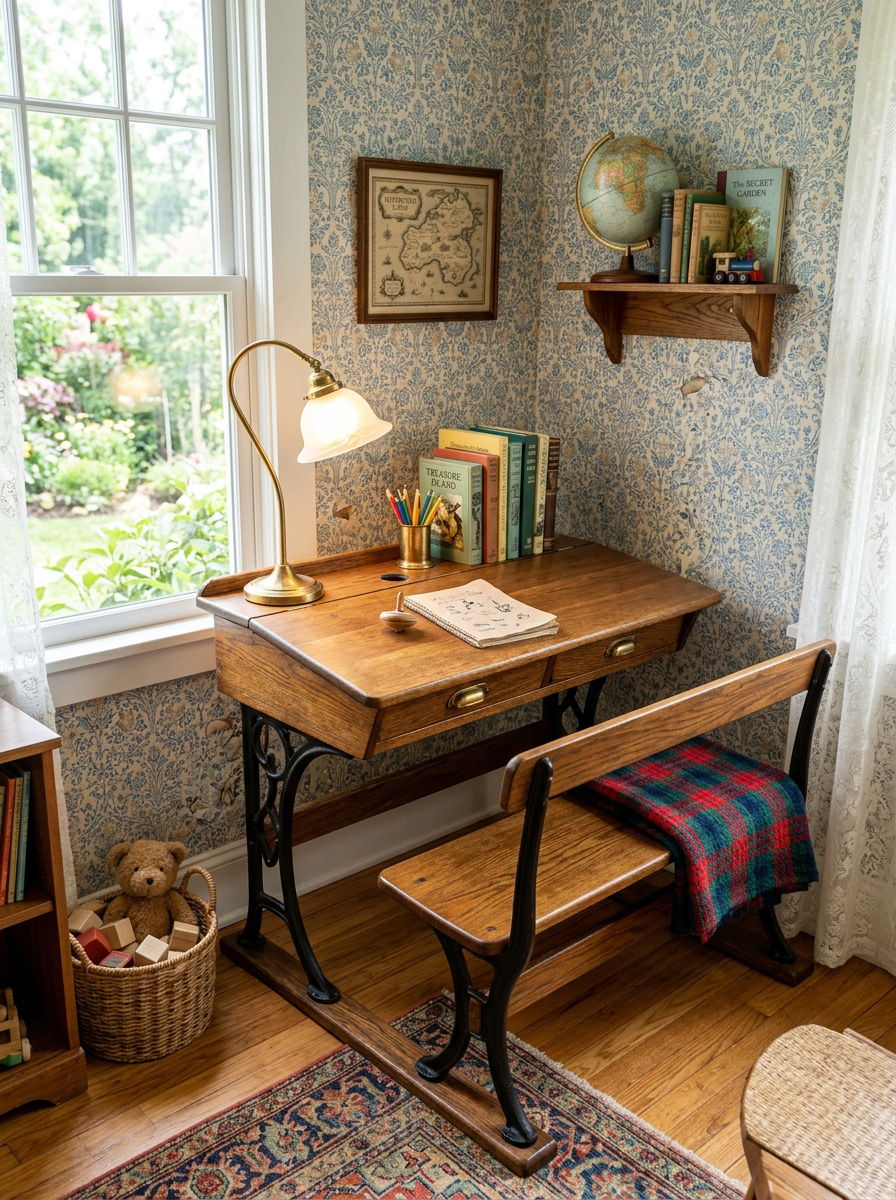
Using a vintage or antique desk can add a lot of character and history to your child 's study room. These older pieces are often made with incredible craftsmanship and unique details that you won' t find in modern big-box furniture. You can find a charming old school desk or a small roll-top unit and refinish it in a fun, modern color. This approach is eco-friendly and gives a second life to a beautiful piece of furniture. A vintage setup encourages a sense of nostalgia and appreciation for the past. It creates a one-of-a-kind workspace that reflects your child's unique personality and love for timeless, classic design.
26. Bright White Kids Studio
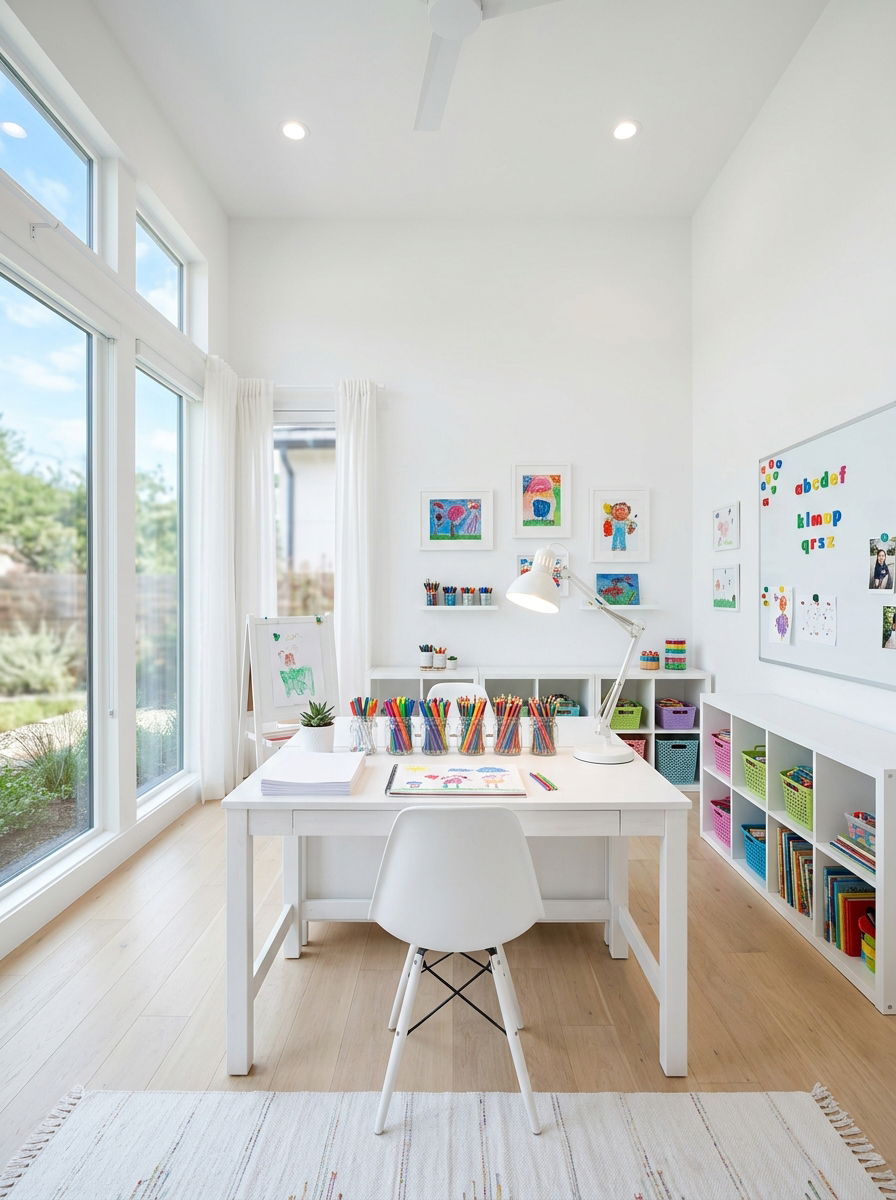
A bright white studio is the perfect blank canvas for a child's imagination and academic focus. White furniture and walls reflect light, making even the smallest room feel much larger and more open than it really is. This clean aesthetic allows colorful books and supplies to stand out, making it easy for kids to find what they need. You can easily change the look of the room by simply swapping out small accessories or desk organizers. It provides a fresh and organized feel that can help clear the mind for better concentration. This timeless and versatile style works for any age and any type of home decor.
27. Kids Mood Board Wall
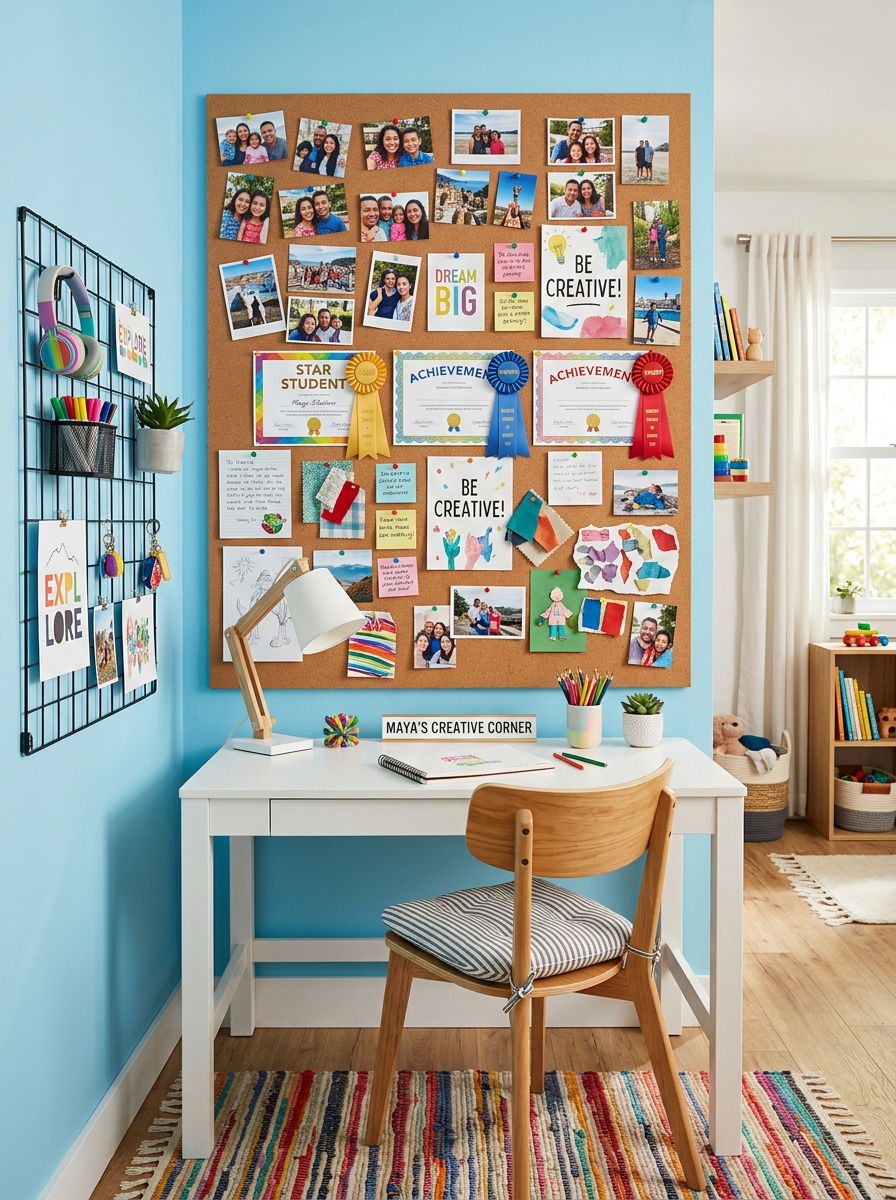
Encouraging your child to visualize their goals and inspirations is a great way to keep them motivated during the school year. A mood board wall can be made from cork, magnetic panels, or even a simple wire grid. It gives students a place to pin up their "A" papers, photos of friends, and inspirational quotes. This interactive feature allows the homework studio to change and grow as the child's interests evolve. It keeps important notes off the desk surface while adding a personalized decorative element to the room. A mood board turns the study area into a creative hub where kids feel proud to display their achievements.
28. Modular Kids Desk System
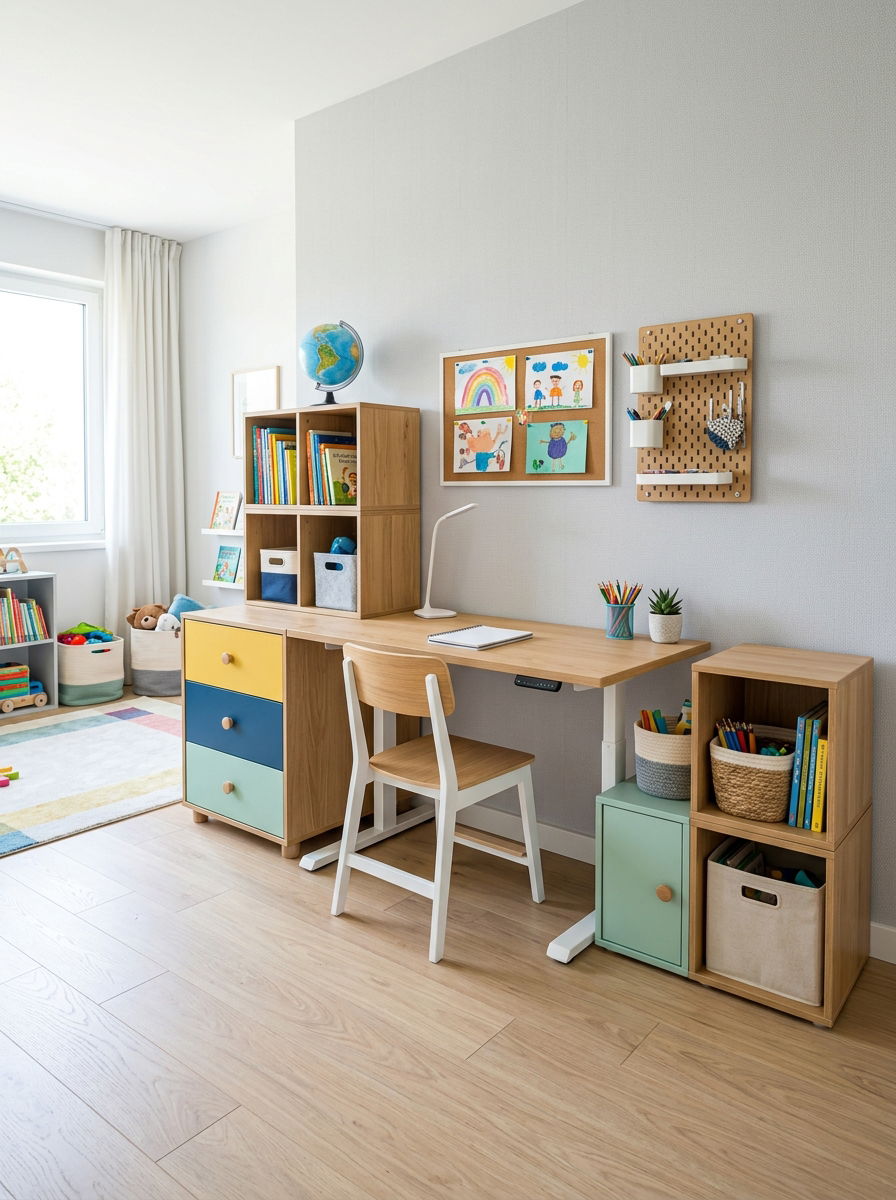
A modular desk system is designed to be rearranged and expanded as your child 's needs change over time. These systems often include various components like drawers, shelves, and desktops that fit together in different configurations. This flexibility is perfect for growing families who might need to move the studio to a different room or add more storage later. You can start with a small setup for a younger child and add more pieces as they enter middle and high school. Modular furniture is usually very easy to assemble and customize. It is a smart long-term investment that adapts to the shifting demands of a modern student' s busy life.
29. Bedroom Desk Layout Kids
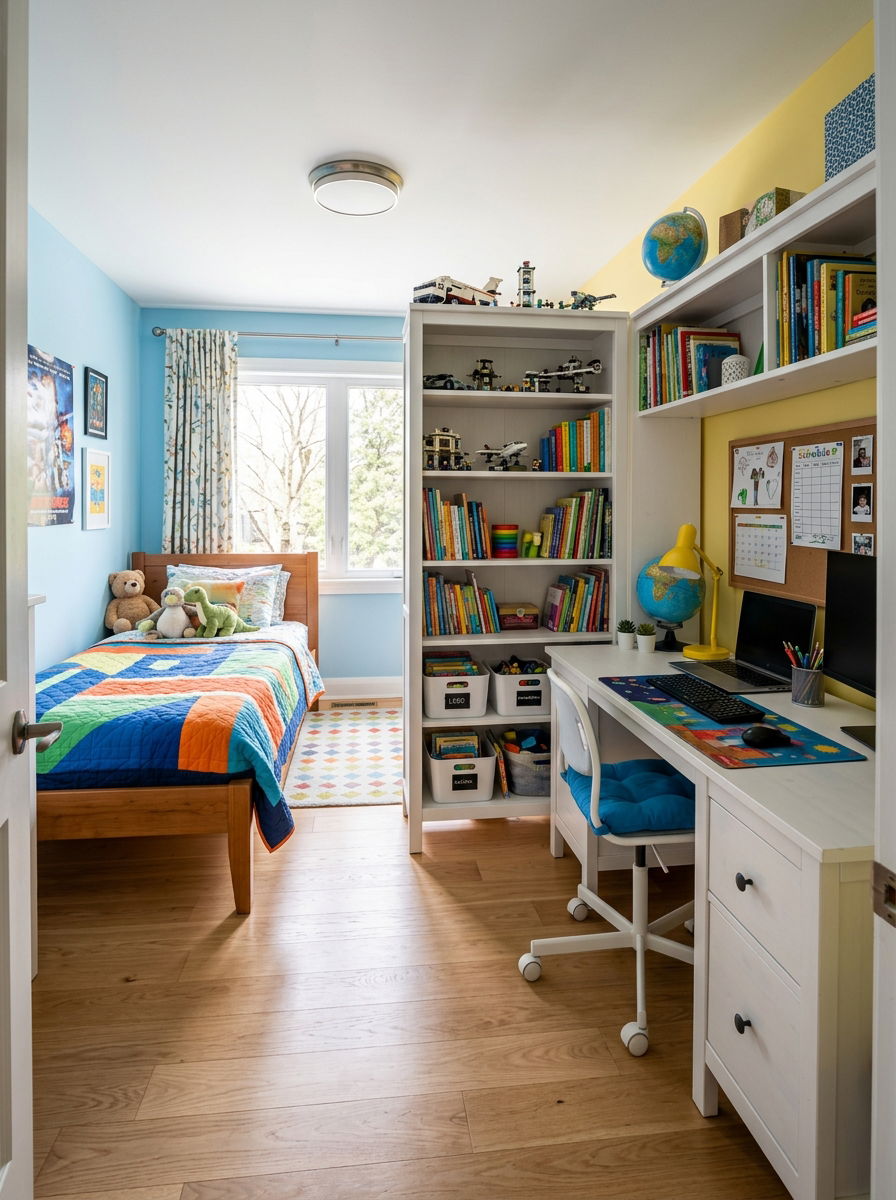
Finding the right placement for a desk within a bedroom layout is essential for maintaining a healthy balance between sleep and study. Positioning the desk away from the bed can help your child mentally separate "rest time" from "work time. " You can use a tall bookshelf or a room divider to create a distinct zone for the homework studio. Keeping the desk organized and the floor clear helps the bedroom remain a peaceful place for sleeping at night. Ensure there is adequate lighting so the student doesn't have to rely only on the dim overhead light. A well-planned layout maximizes functionality without making the bedroom feel cluttered or stressful.
30. Ergonomic Kids Homework Space
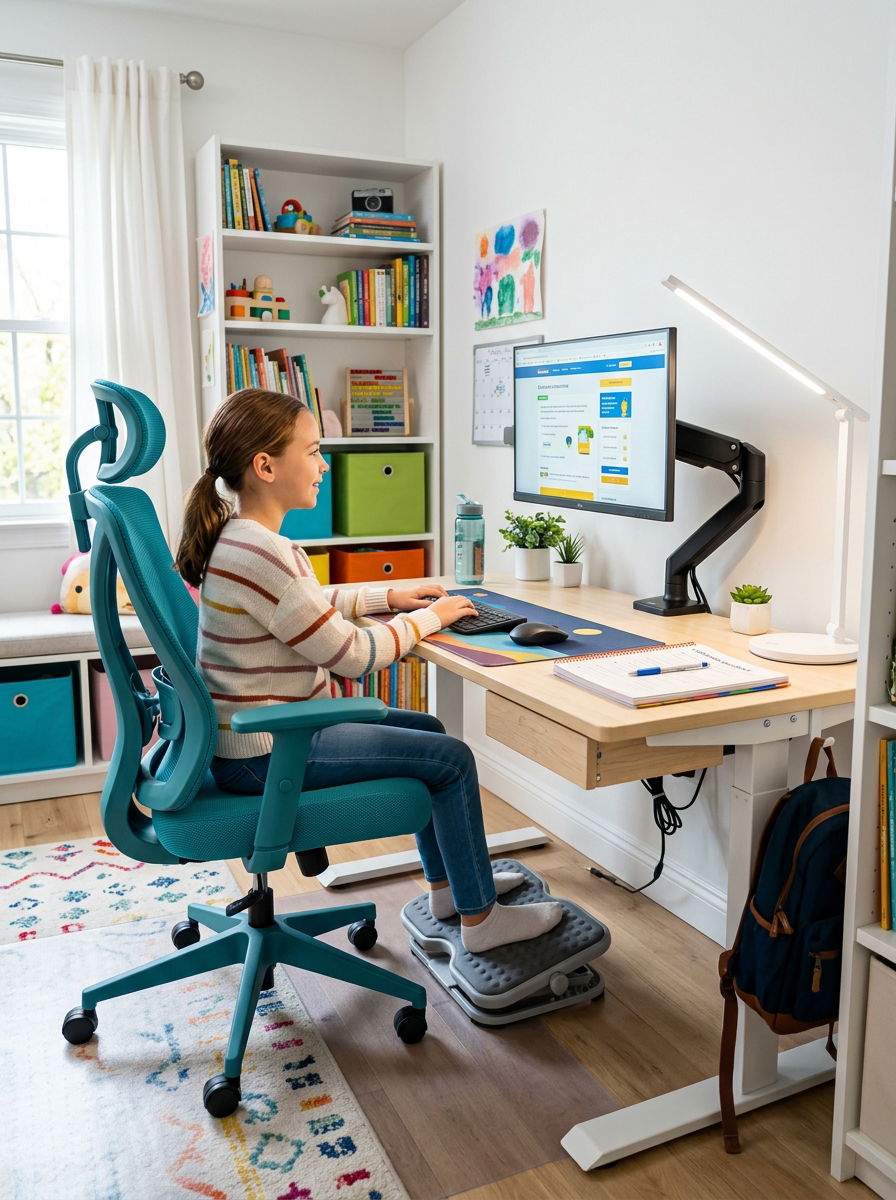
Focusing on ergonomics ensures that your child stays comfortable and healthy while they spend hours at their desk. An ergonomic homework space includes a chair with proper lumbar support and a desk at the correct height for their elbows. You might also include a footrest or a tilted keyboard tray to prevent strain on the wrists and back. Proper monitor placement at eye level is also important for kids who use computers for their assignments. Investing in ergonomic tools early on helps children develop good habits that will benefit them throughout their lives. It shows that you value their physical well-being as much as their academic success during study sessions.
Conclusion:
Investing time and effort into a well-organized homework studio is a wonderful gift for any growing student. By focusing on quality furniture, personalized decor, and smart storage solutions, you create an environment that truly supports their academic journey. These spaces serve as a foundation for developing vital skills like organization, time management, and independent thinking. Whether you choose a minimalist white studio or a vibrant colorful nook, the key is to make it a place where your child feels comfortable and inspired. As your student grows, their homework studio will remain a reliable sanctuary where they can achieve their goals and unleash their full creative potential.

Related posts: