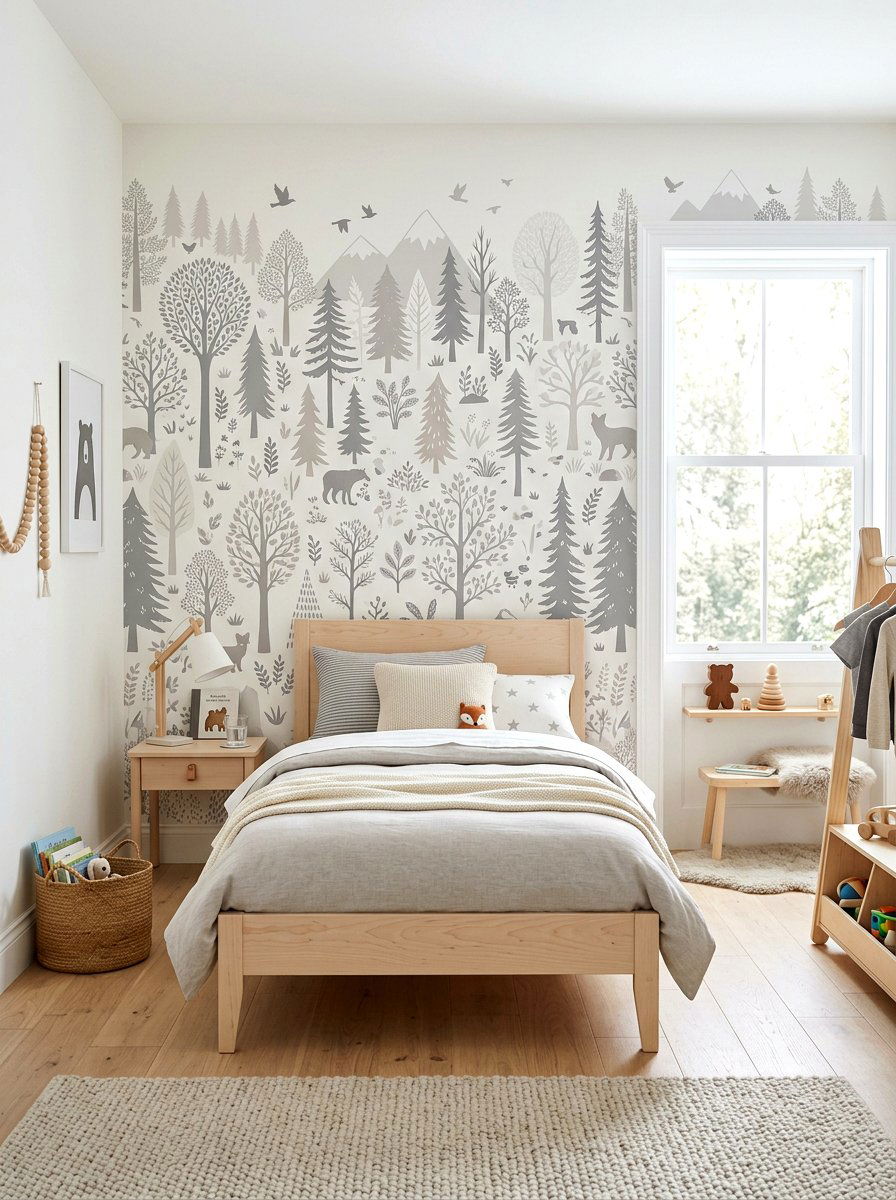
Creating a dedicated space for children to focus on their homework and creative projects is essential for their academic development and overall well-being. A well-designed study corner offers more than just a place to sit; it provides a sanctuary where young minds can flourish without the distractions of a busy household. By carving out a specific area tailored to their needs, you encourage independence and a sense of responsibility toward their learning journey. Whether you have a spacious playroom or a tiny bedroom corner, there are endless ways to make a functional and inspiring environment. From choosing the right lighting to selecting ergonomic furniture, every detail helps in fostering a lifelong love for learning and personal growth.
1. Small Bedroom Desk Nook
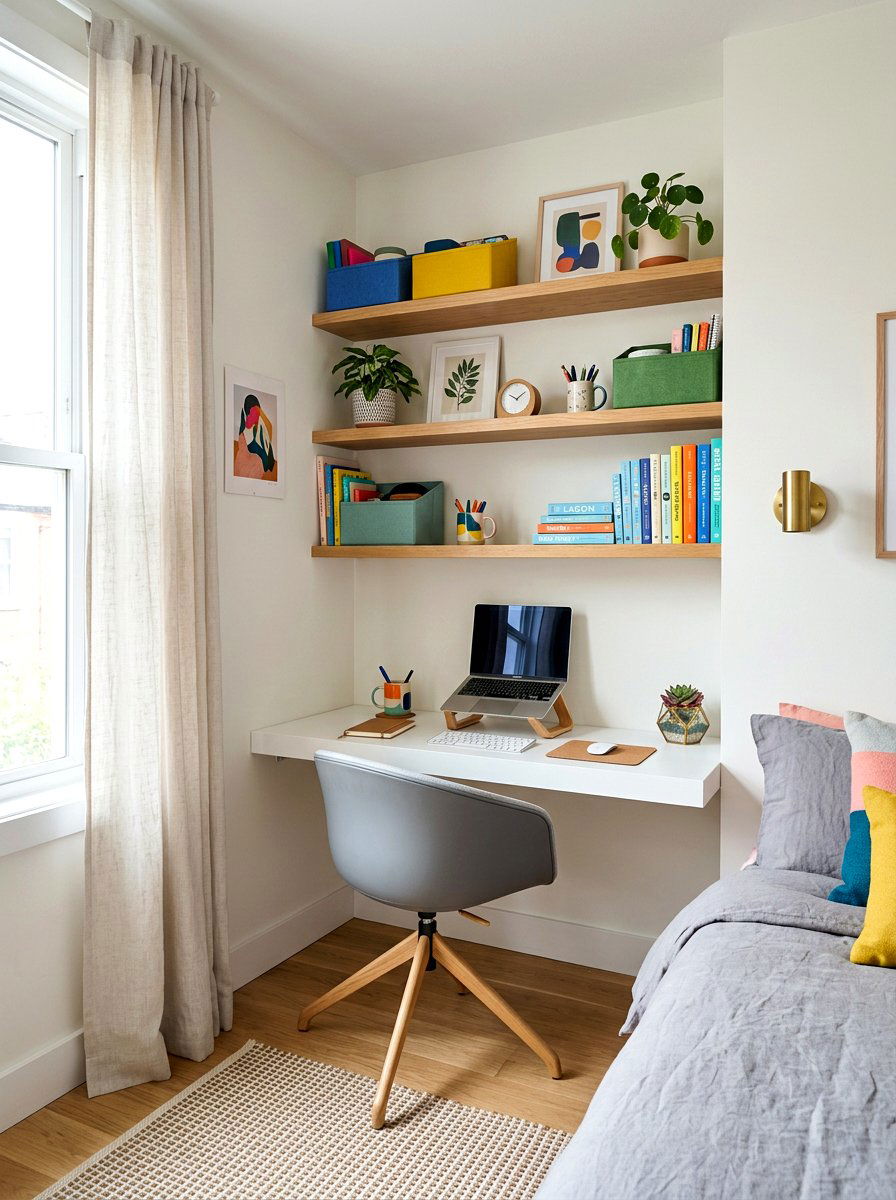
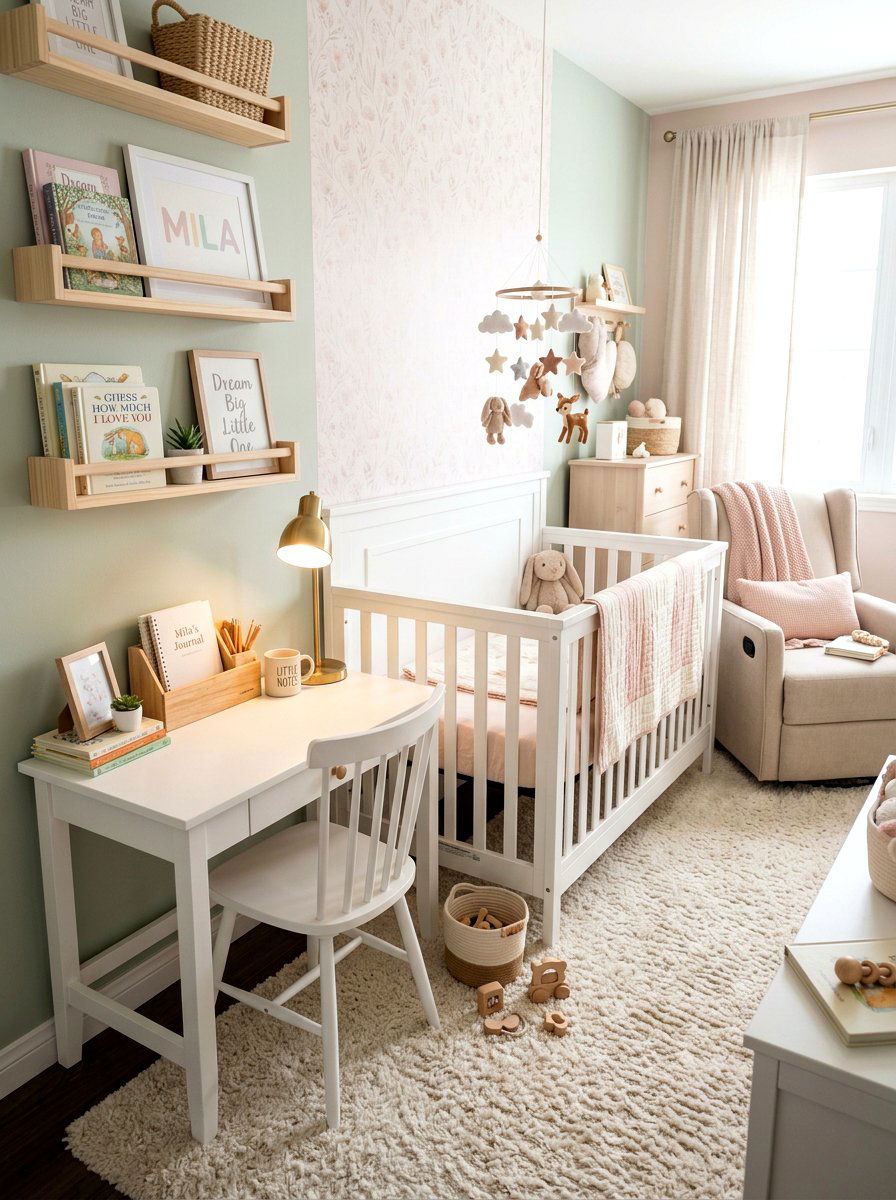
Finding enough space in a compact room requires a bit of clever thinking and vertical organization. A small bedroom desk nook can easily turn a forgotten corner into a high-functioning zone for focus and creativity. You should start by selecting a slim-profile desk that fits snugly against the wall to keep the floor area clear. Adding floating shelves above the workspace allows your child to store books and supplies without taking up precious surface room. Natural light is also key, so try placing the desk near a window to boost mood and energy levels during afternoon tasks. A comfortable, scaled-down chair completes the setup, making the entire area feel like a cozy, private retreat.
2. Loft Bed With Desk
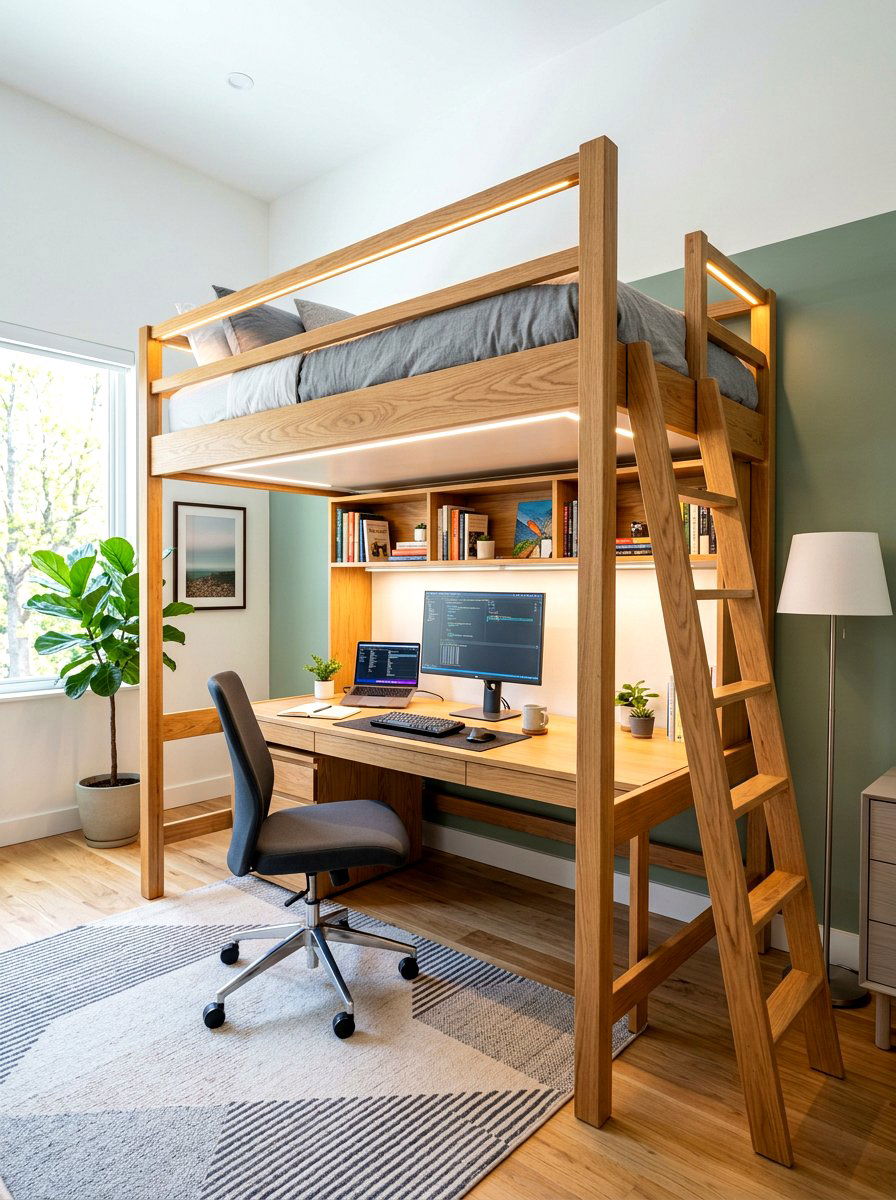
Maximize the floor area in a shared or tiny room by utilizing the vertical space beneath a raised mattress. A loft bed with a desk underneath creates a private, cave-like environment that many children find comforting and fun. This integrated setup often includes built-in shelving or a ladder that doubles as storage for textbooks and art supplies. By elevating the sleeping area, you gain a substantial amount of square footage for a full-sized workstation and a plush chair. This layout is perfect for older children who need a quiet spot away from the rest of the house. Adding a clip-on light or an LED strip ensures the workspace stays bright and functional.
3. Shared Sibling Desk Space
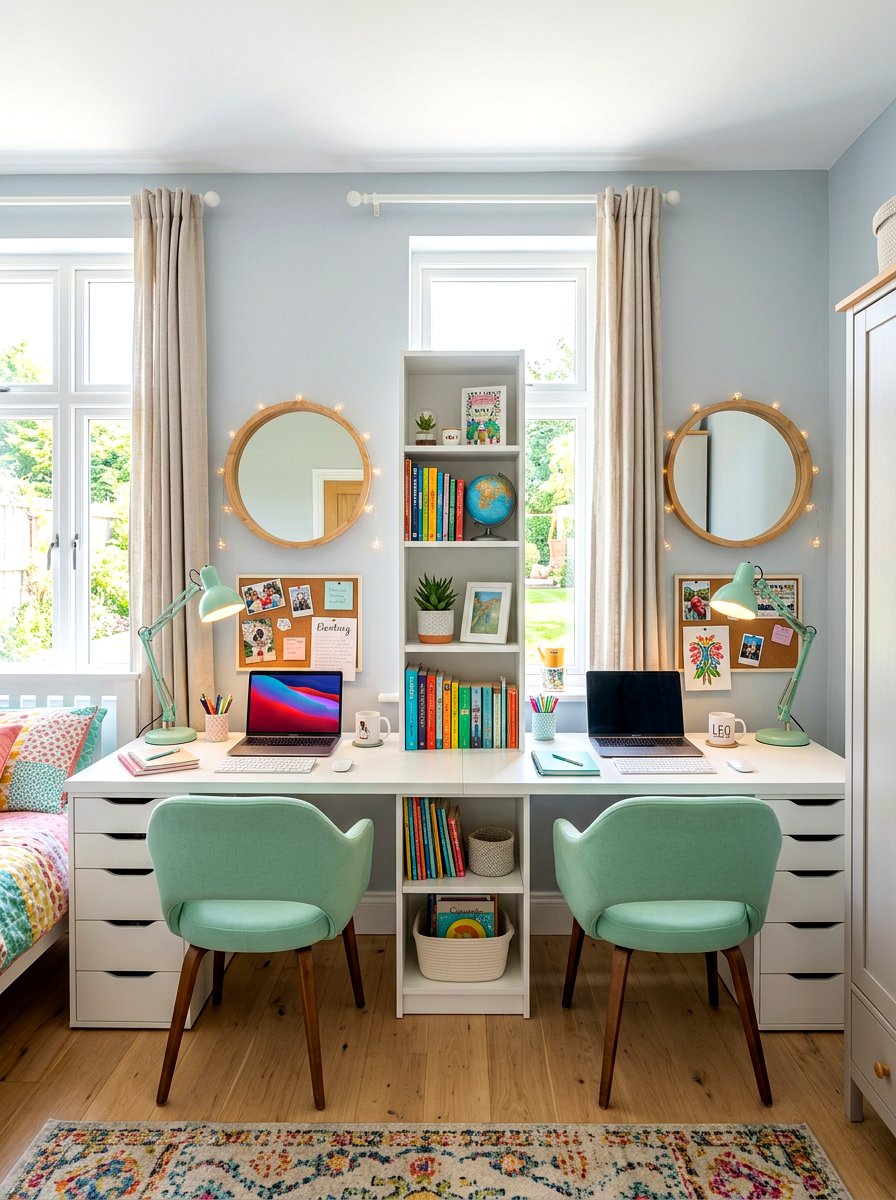
Designing a workspace for two requires a balance of collaboration and individual focus. A shared sibling desk space usually features a long tabletop or two identical desks placed side-by-side. To prevent arguments and keep things organized, you can use a central bookshelf or a set of drawers as a physical divider. This allows each child to have their own designated territory while still being close enough to help each other with difficult assignments. Choosing a neutral color palette helps the area feel cohesive, even if the children have different tastes in decor. Personalize each side with unique name plates or different colored desk lamps to make it feel special.
4. Montessori Floor Desk
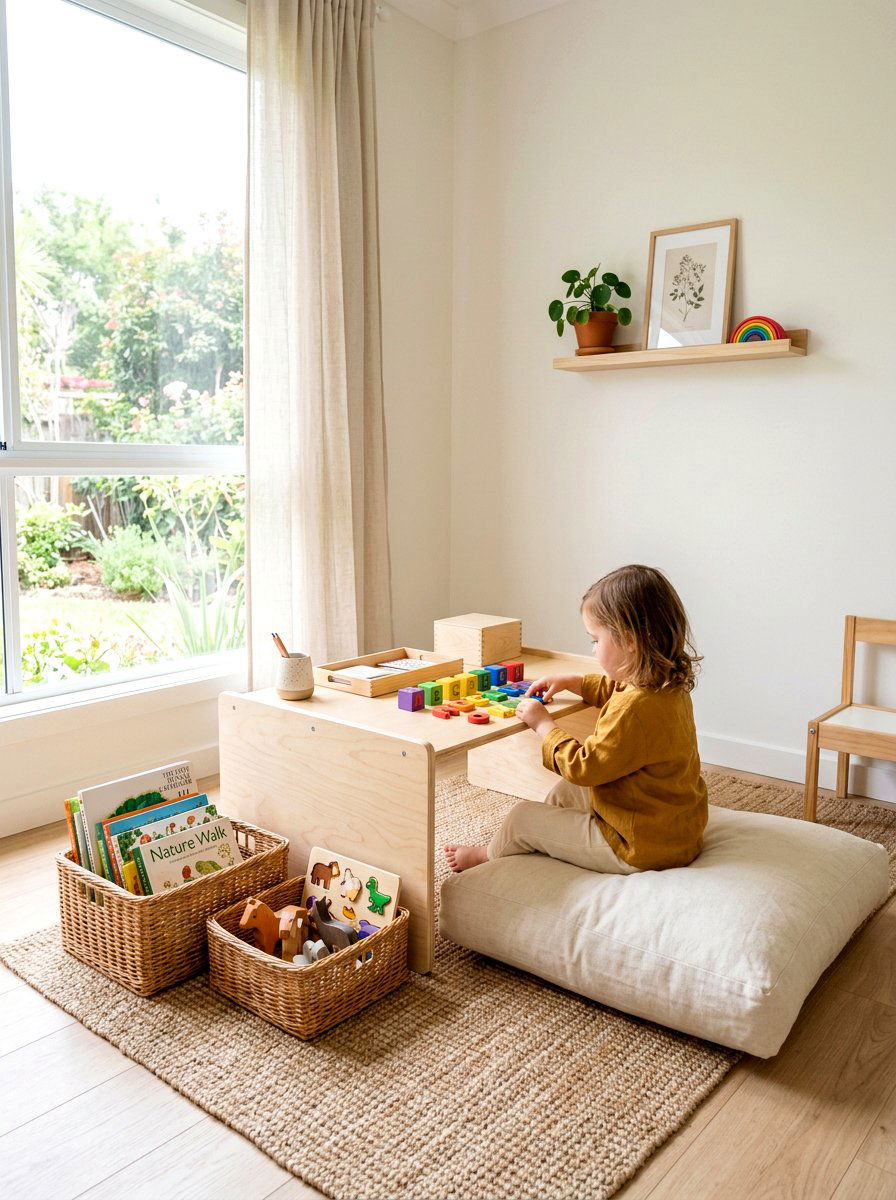
For younger learners, a Montessori floor desk encourages independence by keeping everything within their reach. This low-profile setup typically consists of a simple wooden table and a comfortable floor cushion or a very low chair. By removing the height barrier, children feel more in control of their environment and can move freely between playing and learning. It is helpful to keep the surrounding area minimalist to prevent sensory overload and promote better concentration. Using natural materials like light-toned wood and soft cotton rugs creates a warm and inviting atmosphere. This approach is excellent for early childhood development, allowing kids to engage with books and puzzles at their own natural pace.
5. Closet Office For Kids
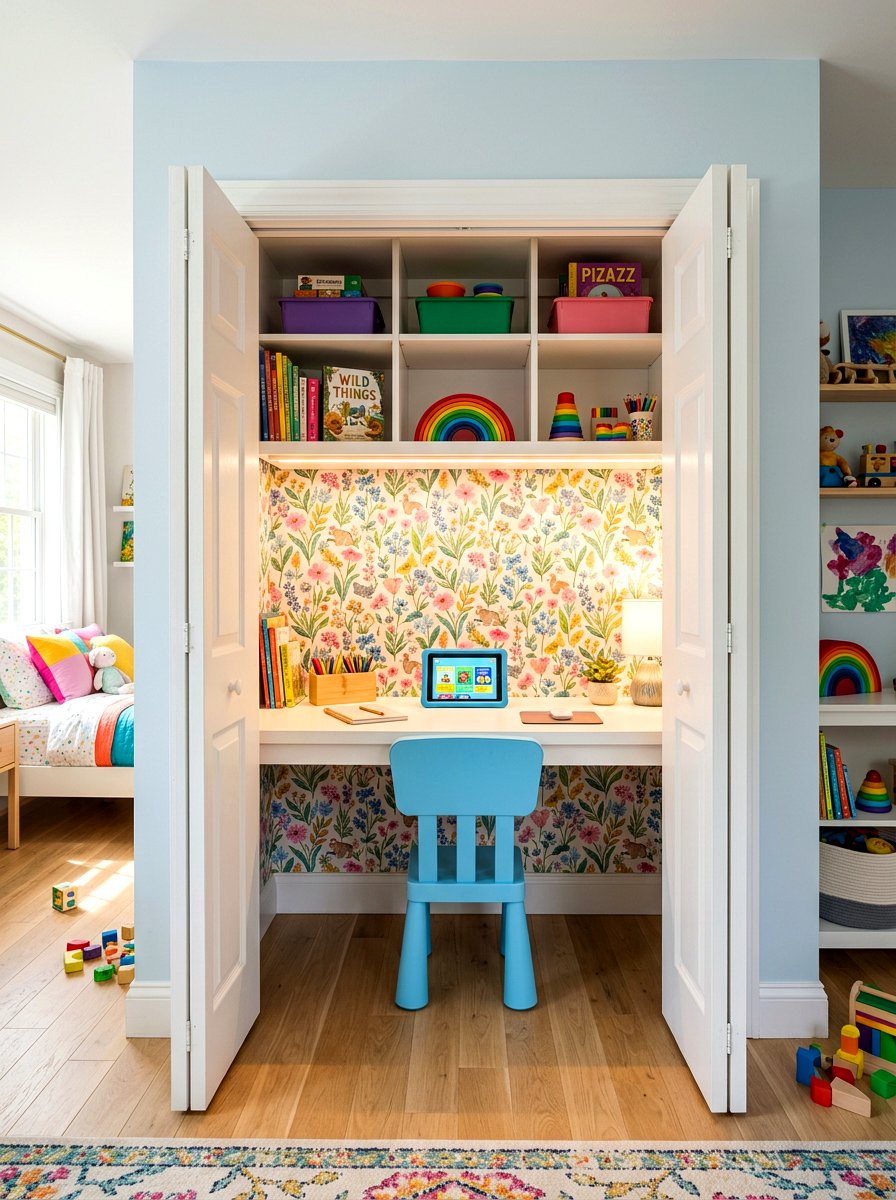
Turning a standard reach-in closet into a hidden workspace is a brilliant way to save space in a bedroom. A closet office, often called a cloffice, involves removing the doors and installing a built-in desktop across the interior width. You can use the upper shelves for storing bins of craft supplies or bulky textbooks that are not used daily. Adding a bright wallpaper or a fresh coat of paint inside the closet makes the "room" feel distinct from the rest of the bedroom. When the workday is over, you can even reinstall curtains or sliding doors to hide the clutter from view. This setup provides a secluded, quiet environment for focus.
6. Scandinavian Minimalist Student Area
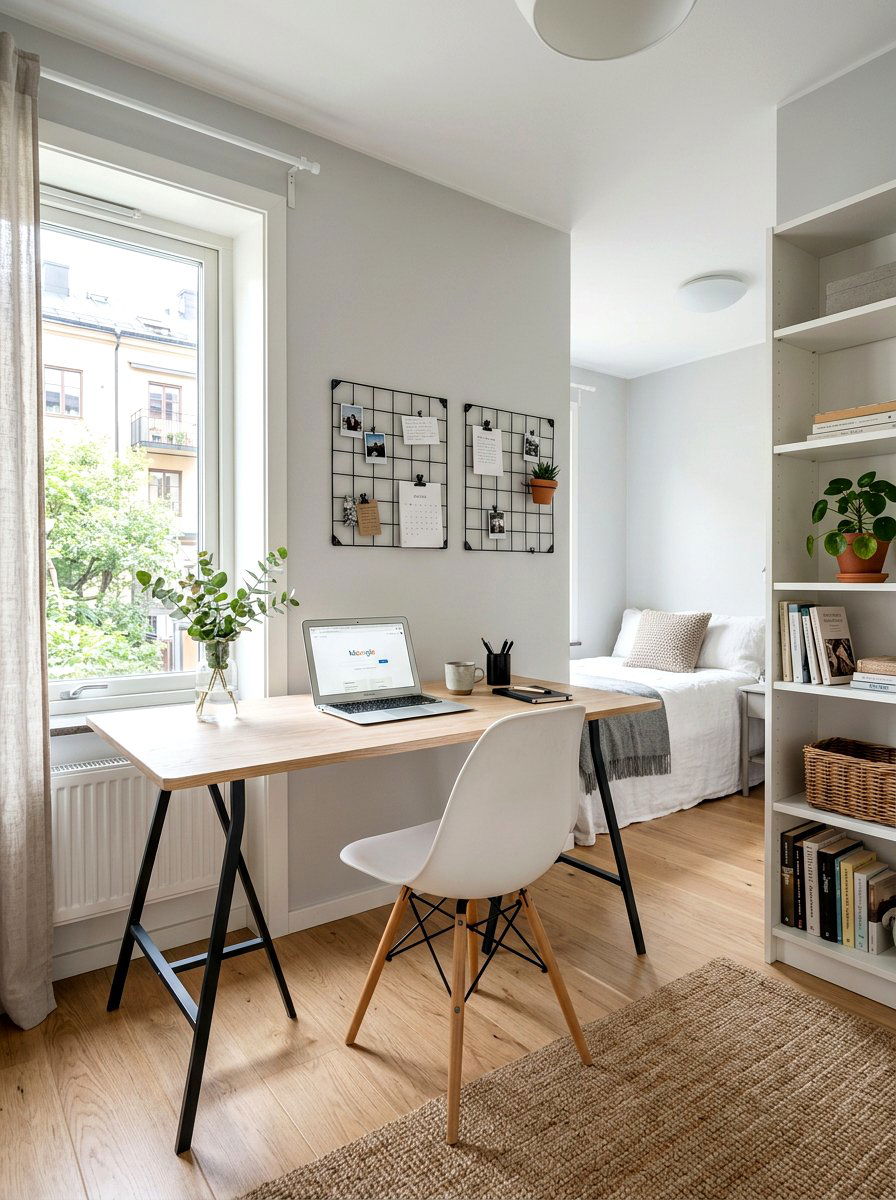
Clean lines and functional simplicity define a Scandinavian minimalist student area, making it a peaceful place for deep focus. This design style relies on a palette of whites, grays, and light wood tones to create a bright and airy feeling. A simple trestle desk paired with a classic wooden chair offers a timeless look that grows with your child through the years. To keep the area organized, use wire baskets or wooden boxes that maintain the aesthetic while providing ample storage. Adding a single green plant or a cozy sheepskin rug brings a touch of warmth and nature into the space. The result is a clutter-free zone that minimizes visual distractions.
7. Bright Colorful Learning Zone
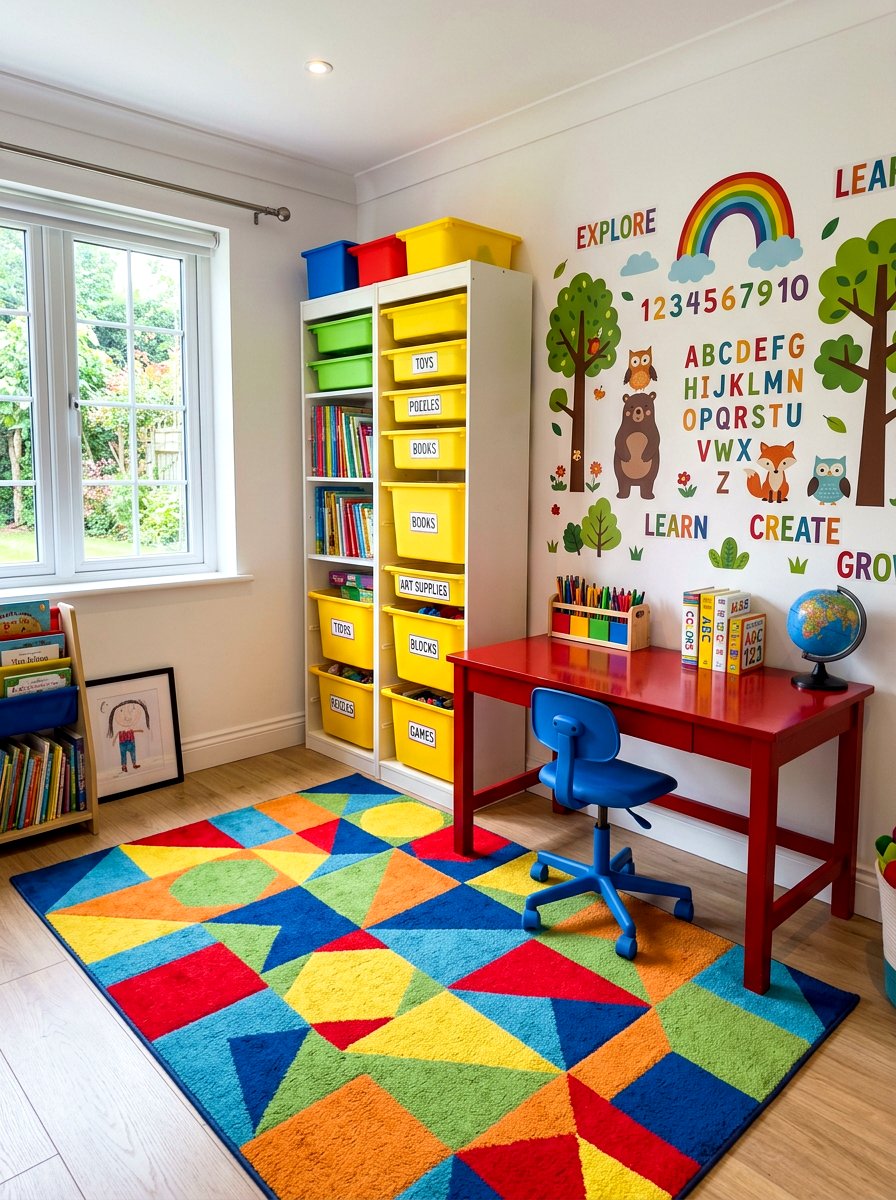
Injecting vibrant energy into a room can significantly boost a child's motivation and enthusiasm for their schoolwork. A bright colorful learning zone uses bold hues like primary red, sunny yellow, or electric blue to define the workspace. You can achieve this look by painting the wall behind the desk in a vivid accent color or choosing a desk with a brightly lacquered finish. Using multi-colored storage bins and playful accessories keeps the mood light and fun. It is important to balance the pops of color with neutral elements to avoid making the space feel too busy. This energetic environment is perfect for creative children who thrive in lively, stimulating surroundings.
8. Window Seat Study Corner
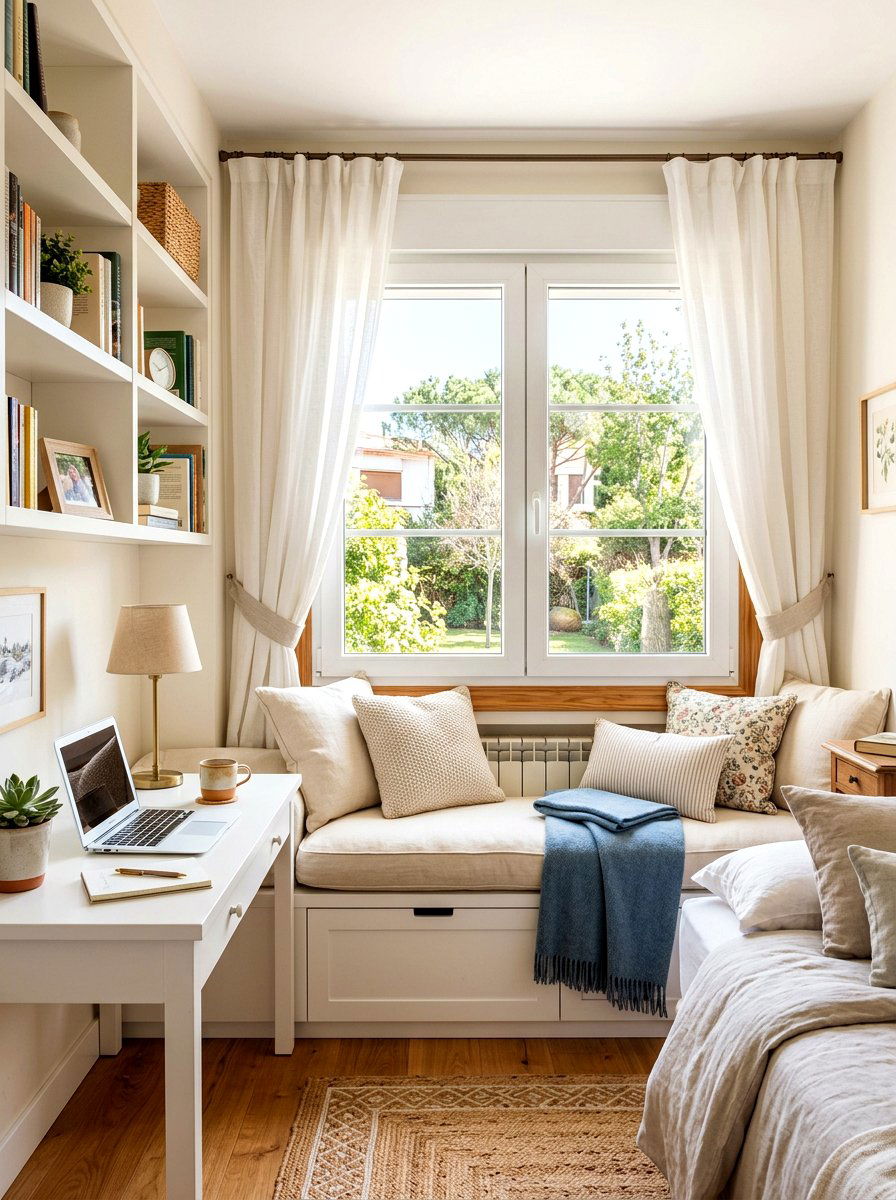
Utilizing the space under a large window provides excellent natural light and a beautiful view for mental breaks. A window seat study corner often features a custom-built bench flanked by bookshelves, with a desk positioned right next to it. This arrangement allows your child to switch between active writing at the desk and quiet reading on the cushioned bench. Natural daylight is known to improve concentration and regulate sleep cycles, making it the ideal light source for afternoon homework sessions. Soft curtains or Roman shades can be added to control the glare during the brightest parts of the day. This setup feels like a cozy, integrated part of the architecture.
9. Boho Kids Workspace
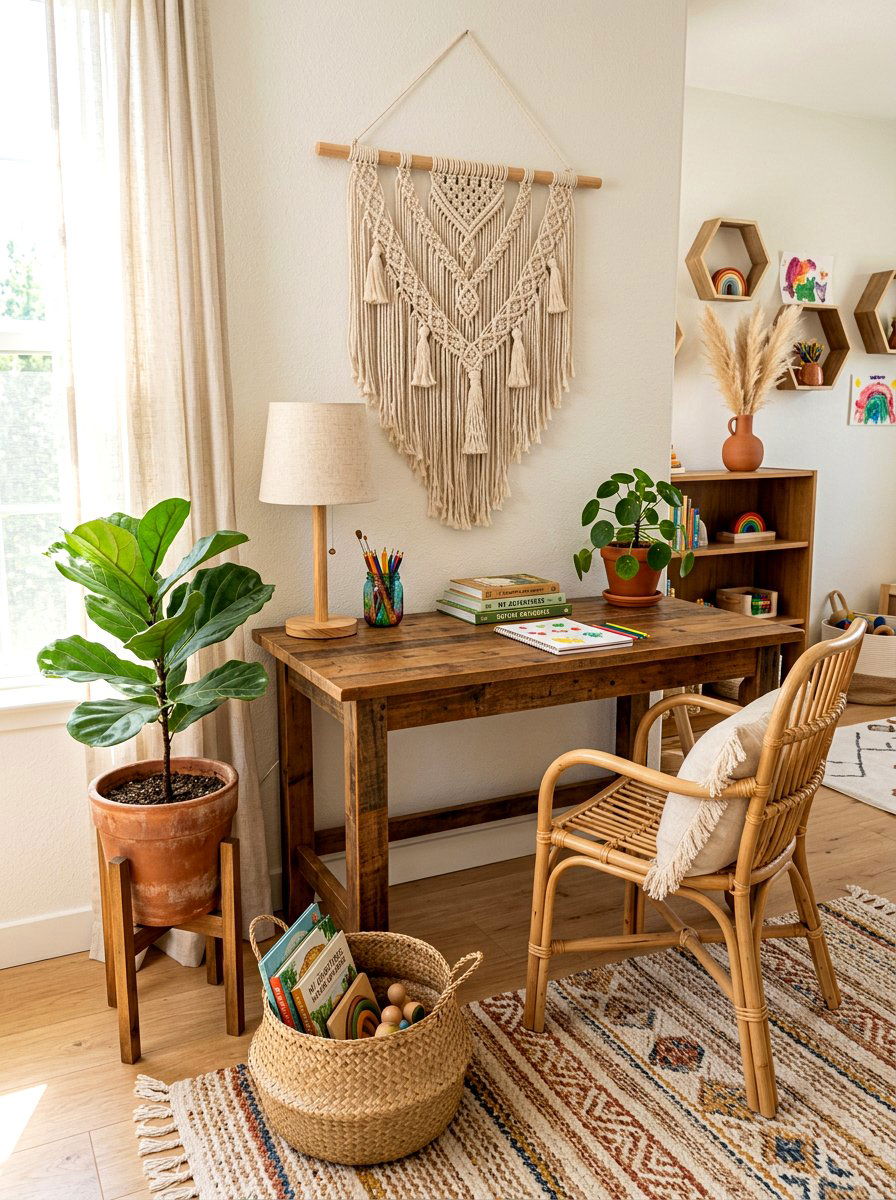
A boho kids workspace is all about texture, warmth, and a relaxed atmosphere that encourages artistic expression. You can create this look by incorporating natural elements like a rattan chair, a woven jute rug, and plenty of hanging plants. Macramé wall hangings or a corkboard with polaroid photos add a personal, handcrafted feel to the desk area. The color palette usually includes earthy tones like terracotta, sage green, and mustard yellow. Using a vintage wooden desk or a reclaimed table adds character and history to the setup. This style is perfect for kids who enjoy a cozy, informal environment that feels more like a creative studio than a traditional classroom.
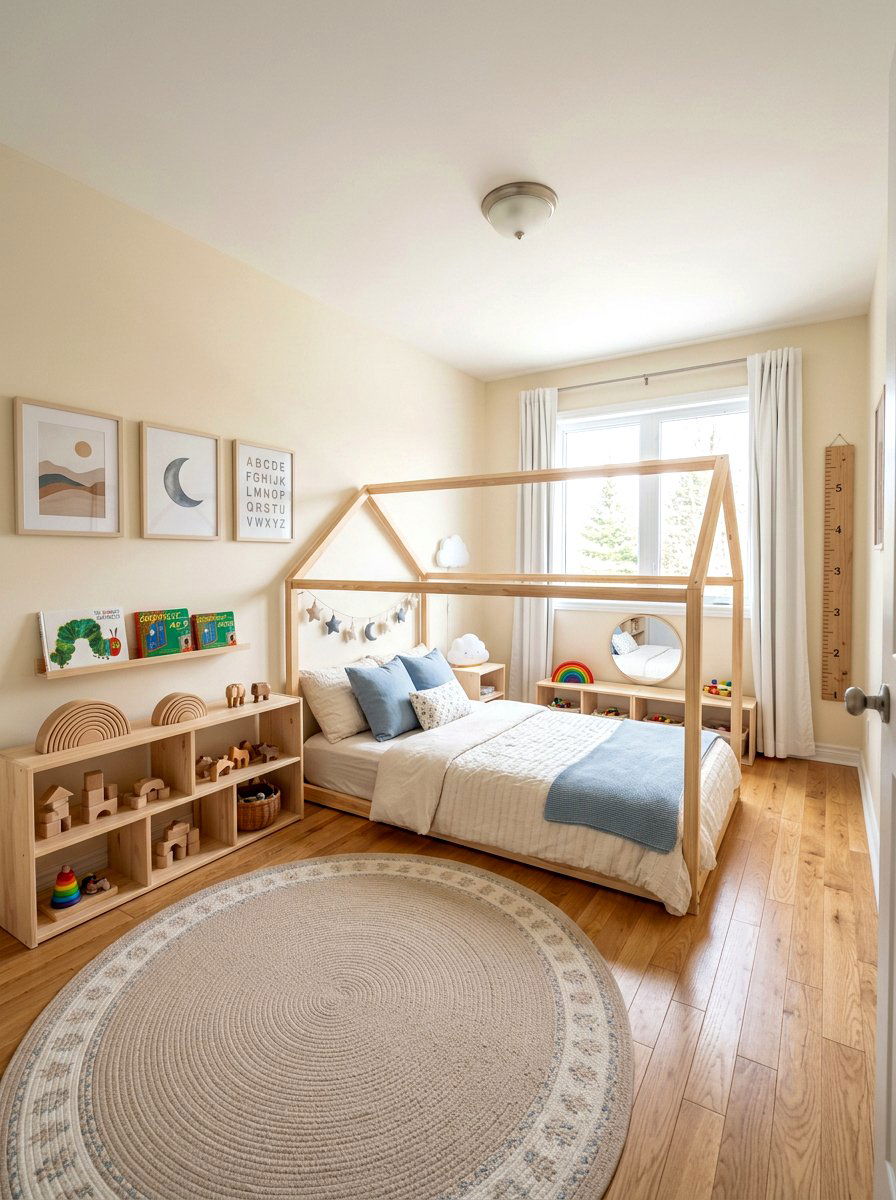
10. Attic Bedroom Study Nook
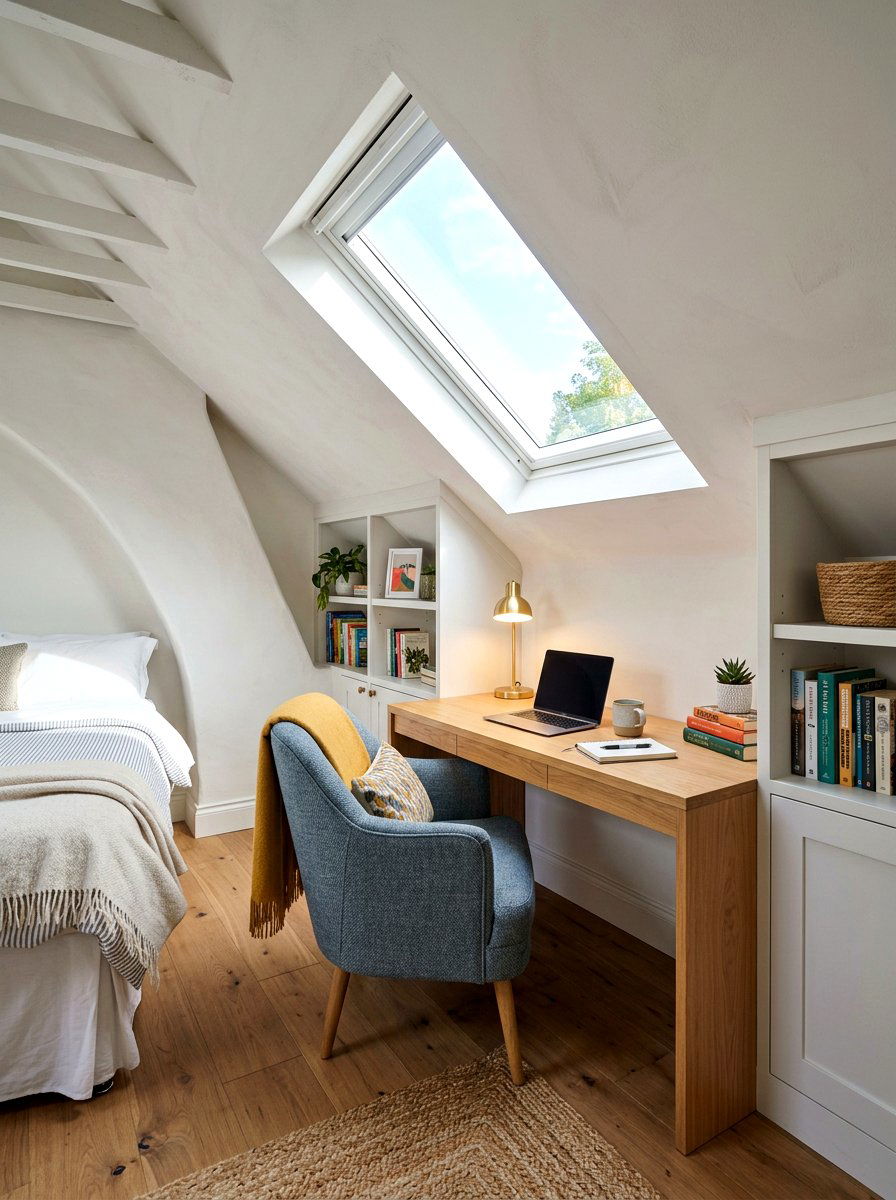
The sloped ceilings and unusual angles of an attic bedroom can be turned into a charming and secluded study nook. By placing a desk under a skylight or a low eave, you create a private hideaway that feels separate from the rest of the house. Custom-built shelving can be installed into the "dead space" where the roof meets the floor, providing plenty of room for a library of books. The unique architecture of an attic often makes the workspace feel like a secret fort, which can make studying feel more adventurous and less like a chore. Light colors on the walls will help the space feel more open and less cramped.
11. Modern Industrial Youth Desk
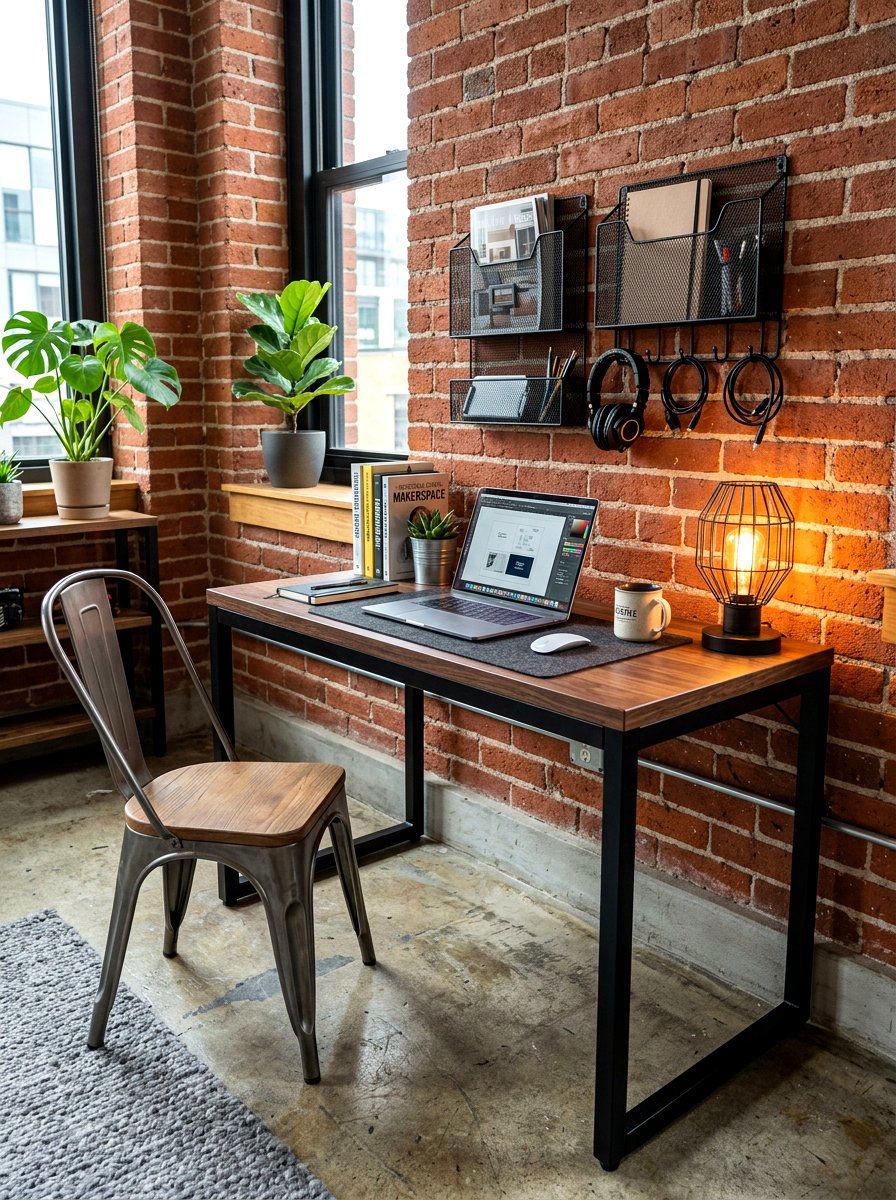
For a more mature and edgy look, a modern industrial youth desk combines raw materials like metal and dark wood. This style often features a desk with a black iron frame and a reclaimed wood top, paired with a metal Tolix-style chair. To complete the aesthetic, use wire mesh organizers and a vintage-style Edison bulb lamp for task lighting. The industrial look is very durable and easy to maintain, making it a practical choice for busy older children or teenagers. Neutral tones like charcoal gray, brick red, and navy blue work well in this environment. It provides a sophisticated backdrop that feels both professional and cool for more serious study sessions.
12. Pegboard Wall Student Organization
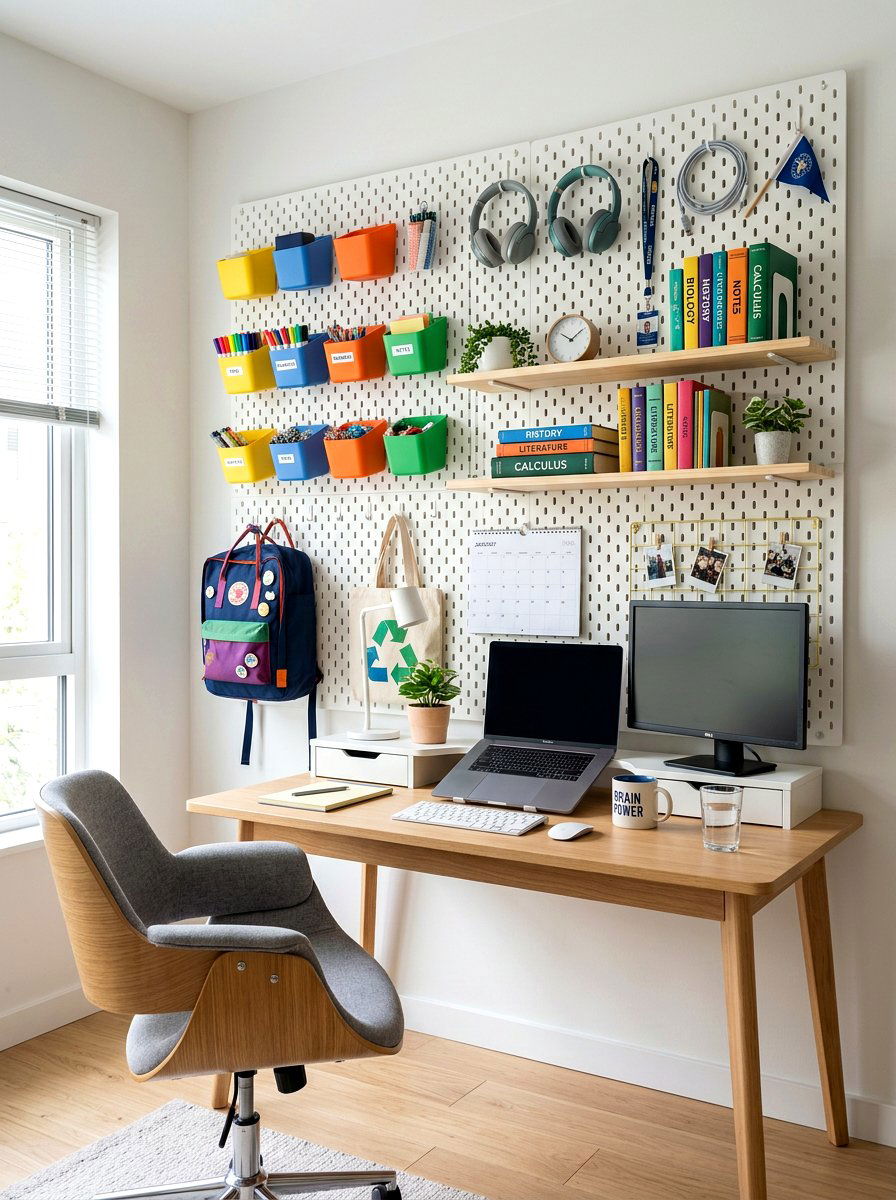
One of the most versatile ways to keep a small desk tidy is by installing a pegboard wall student organization system. A large pegboard mounted above the desk allows your child to customize their storage by moving hooks, bins, and shelves whenever they need. This keeps essential tools like scissors, rulers, and markers within arm 's reach while freeing up the entire desktop for writing or laptop use. You can paint the pegboard to match the room' s decor or leave it a natural wood finish for a more organic look. It also serves as a great place to display art projects, calendars, and motivational quotes without cluttering the walls with tape.
13. Corner Desk For Kids
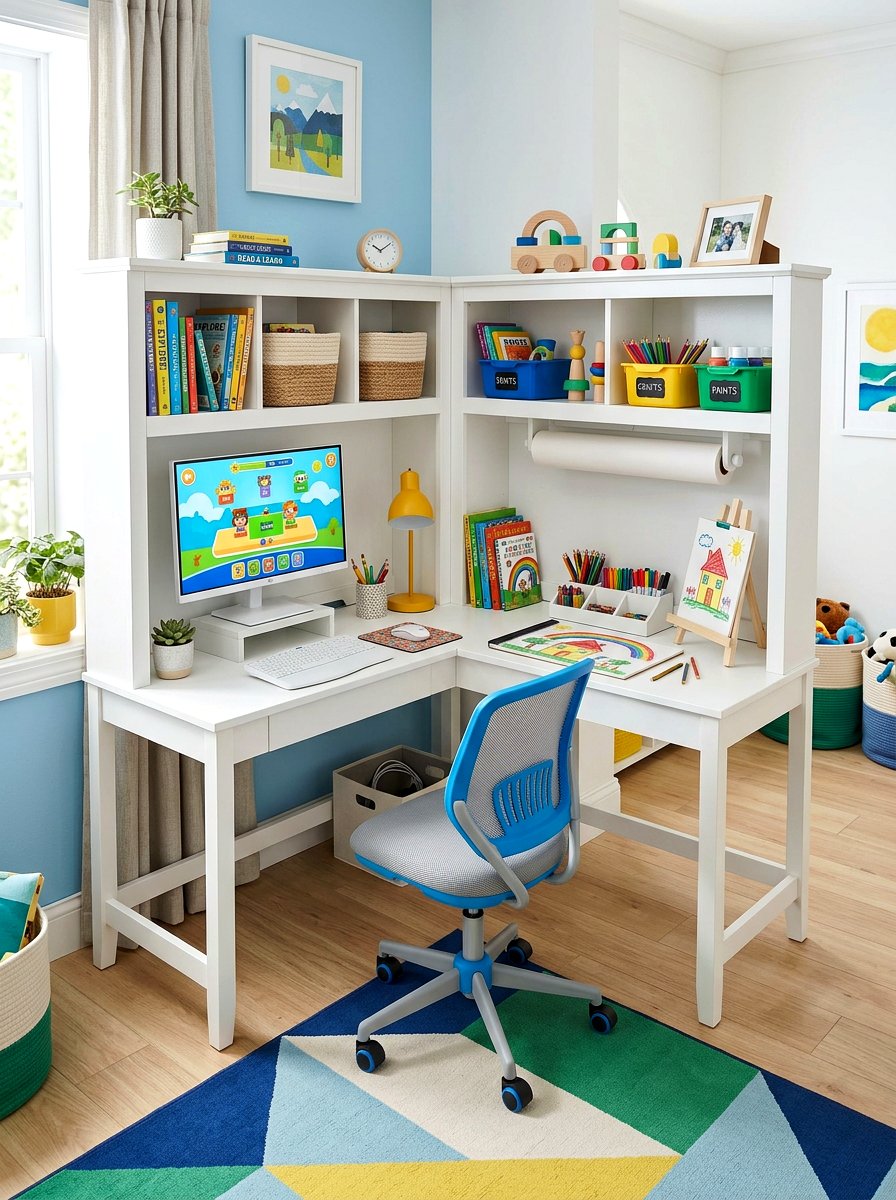
An L-shaped corner desk for kids is a smart way to maximize space in a room where two walls meet. This design provides an expansive work surface that can be divided into different zones, such as one side for a computer and the other for drawing. Corner desks are particularly useful for older students who need room for multiple textbooks and digital devices at once. By tucking the workstation into a corner, you leave the center of the room open for play or other activities. Many corner units come with built-in drawers or hutch shelving, providing a compact all-in-one solution for all school supplies and personal treasures.
14. Fold Down Wall Desk
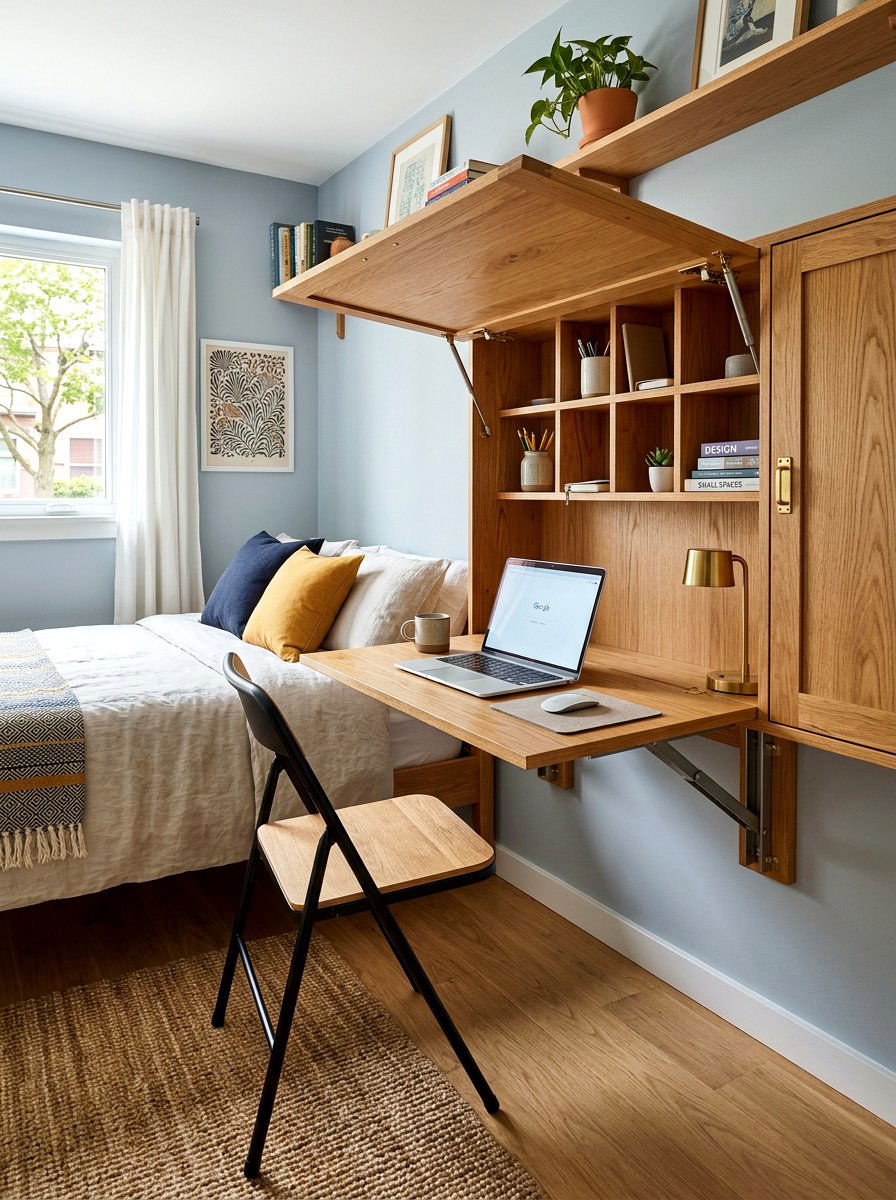
If you are dealing with an extremely small bedroom, a fold down wall desk is the ultimate space-saving solution. This type of desk is mounted directly to the wall and features a hinged top that can be flipped up when the child needs to study. When the schoolwork is done, the desk folds flat against the wall, instantly reclaiming the floor space for other activities. Many designs include small interior cubbies for storing pens and notebooks even when the desk is closed. It is a perfect choice for guest rooms that double as a study or for narrow hallways that have just enough width for a temporary workstation.

15. Vintage Schoolhouse Study Space
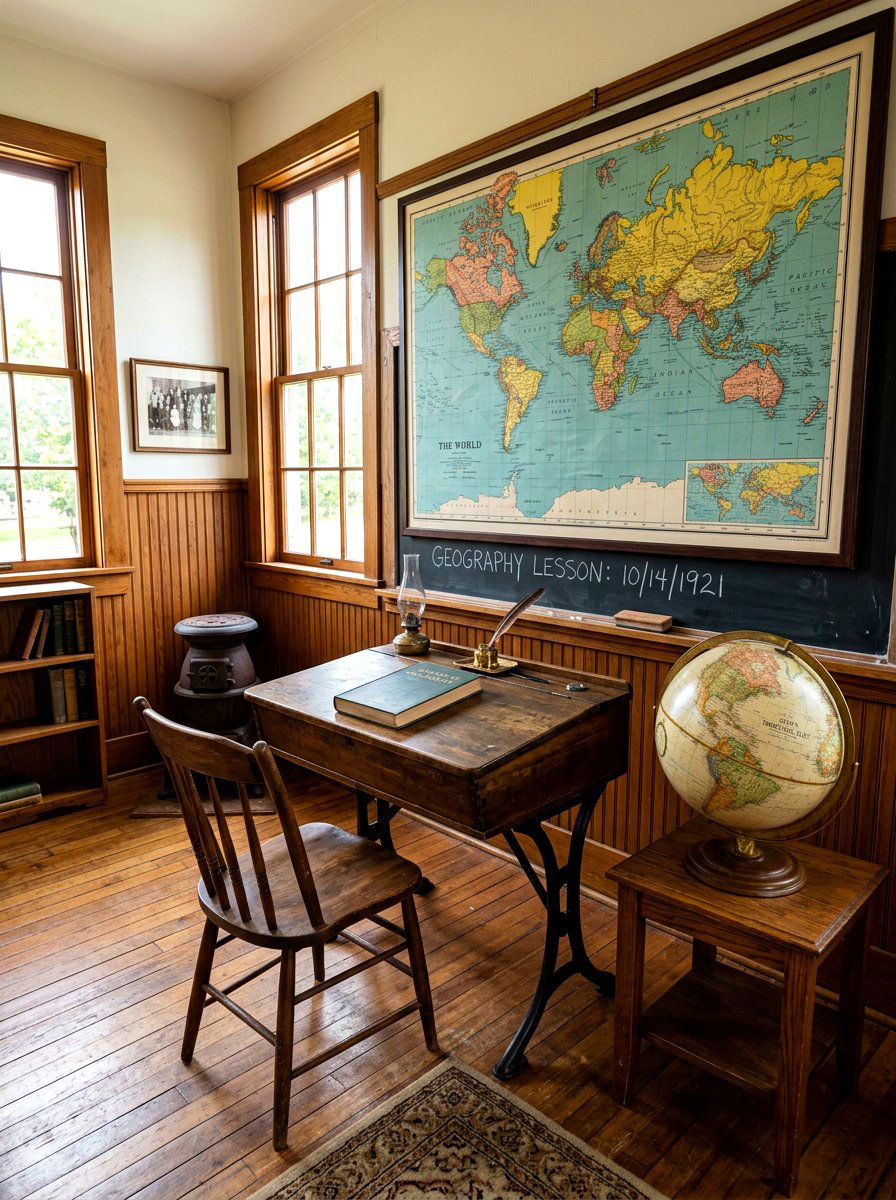
Bringing a sense of nostalgia into the home, a vintage schoolhouse study space uses classic furniture to create a timeless environment. Think of an old-fashioned wooden desk with a built-in bench or a flip-top lid where books can be stored inside. Decorating with a large wall map, a chalkboard, and a traditional globe adds to the educational atmosphere. Using warm wood tones and antique-style lighting makes the corner feel cozy and grounded. This style encourages a sense of history and tradition, making the act of learning feel like a classic pursuit. It is a durable and charming choice that adds a lot of character to a traditional home.
16. Science Themed Learning Area
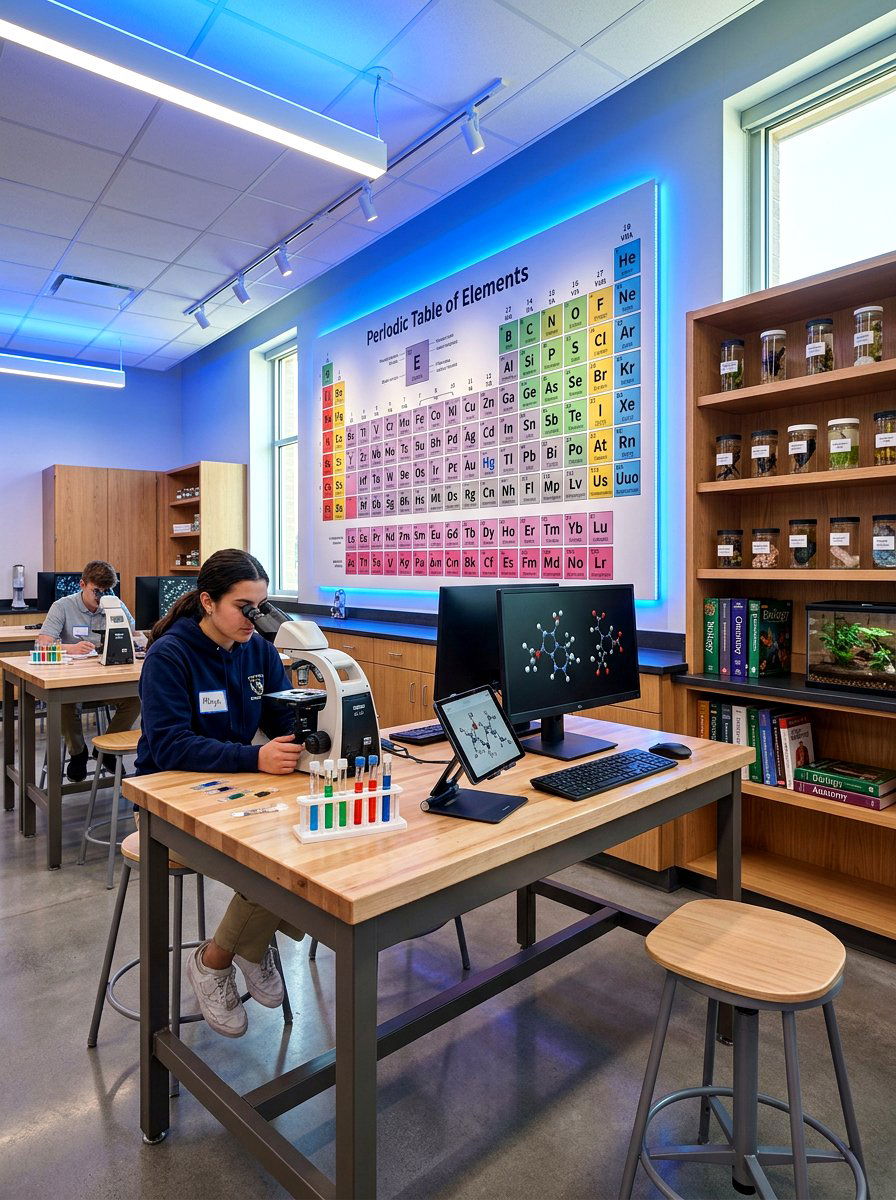
Fuel your child’s curiosity about the natural world by creating a science themed learning area. This setup can include a desk with plenty of space for a microscope, a collection of rocks, or a small terrarium. Decorating the walls with anatomical charts, periodic tables, or botanical prints helps immerse the child in the subject matter. Use cool blues and greens in the decor to create a focused and laboratory-like feel. Clear acrylic organizers are great for storing specimen jars and lab tools while keeping everything visible. This environment is perfect for budding scientists who need a dedicated place to conduct experiments and record their observations in a journal.
17. Art And Study Hybrid Room
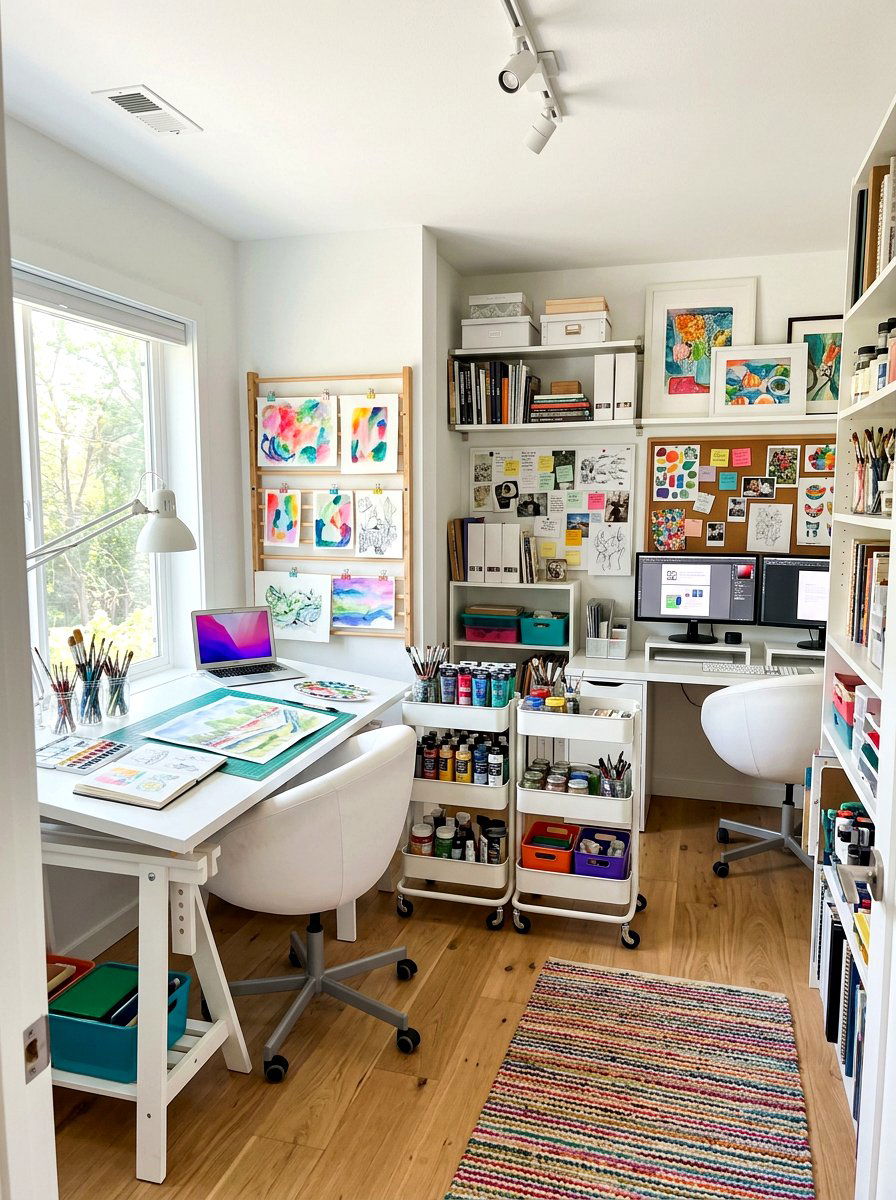
For the child who loves to draw as much as they love to read, an art and study hybrid room is the perfect solution. This space features a large, sturdy table that can handle both heavy textbooks and messy art projects. It is helpful to use easy-to-clean surfaces like laminate or treated wood. Providing plenty of storage for paints, brushes, and sketchbooks is key to keeping the room functional. You can install a hanging wire system across one wall to display finished masterpieces as they dry. By blending these two activities, you show your child that creativity and academic learning are equally important parts of their daily development.
18. Reading Nook With Desk
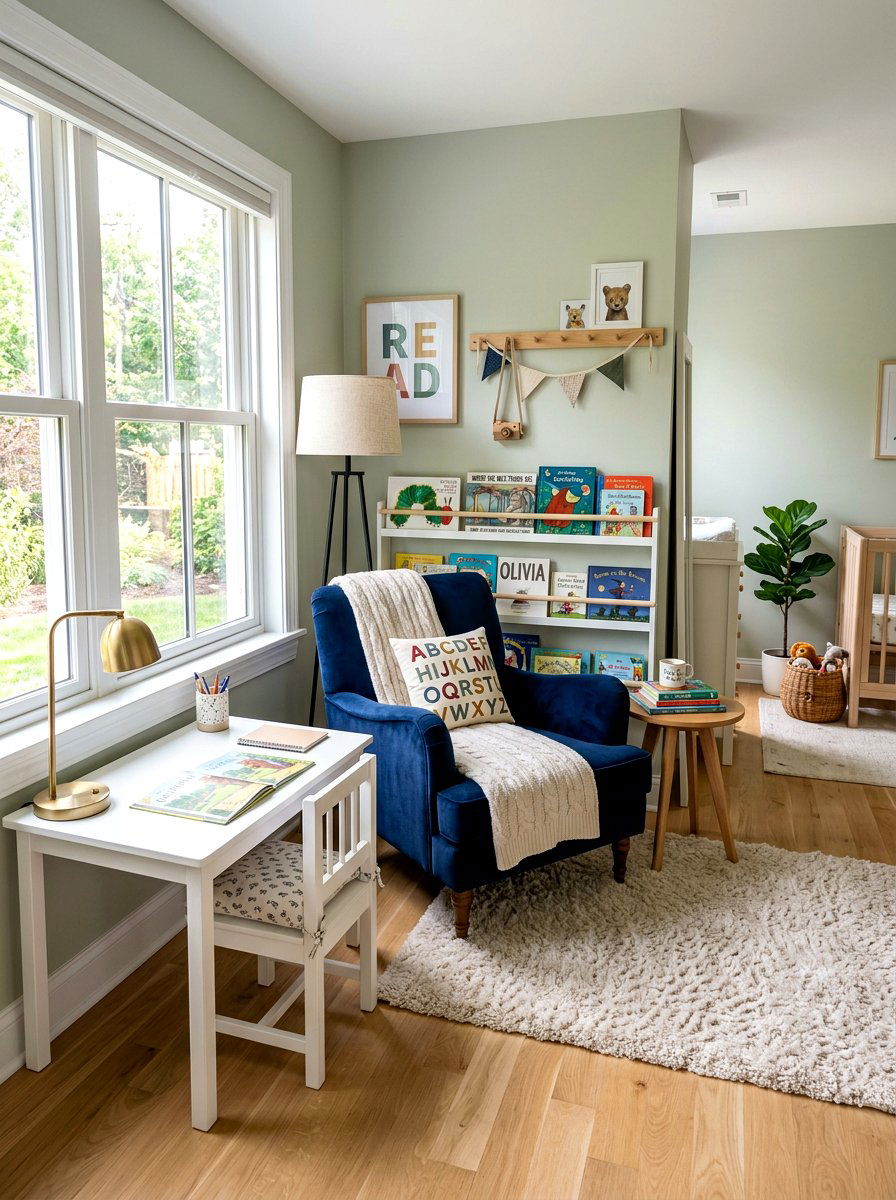
Creating a cozy atmosphere can make the transition from play to homework much smoother for younger children. A reading nook with a desk combines a traditional workstation with a soft, inviting area for quiet time. You might place a small desk next to a plush armchair or a bean bag chair surrounded by low bookshelves. This layout encourages your child to develop a love for books by making them easily accessible during study breaks. Using soft lighting, like a floor lamp with a warm bulb, makes the space feel extra comfortable. Adding a soft rug and some decorative pillows helps define the area as a special zone for quiet contemplation.
19. Floating Desk For Students
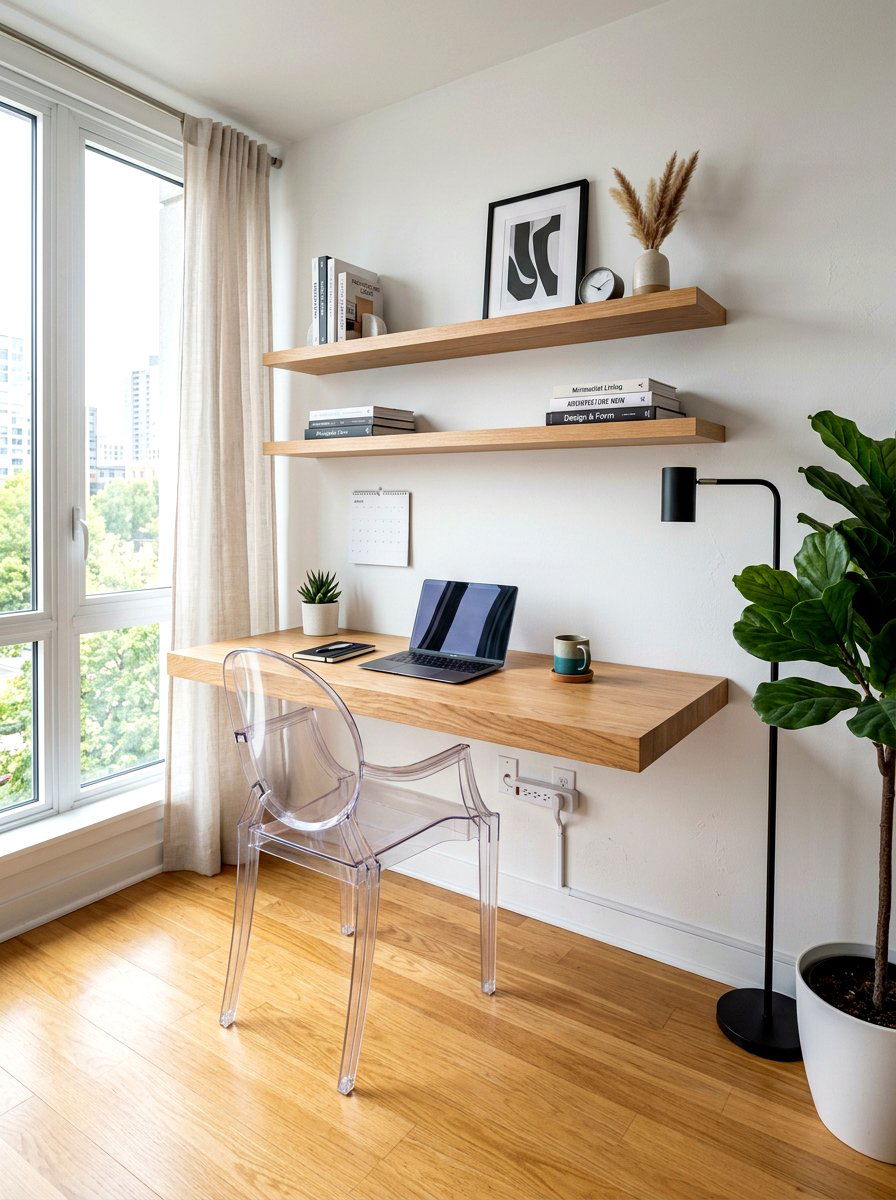
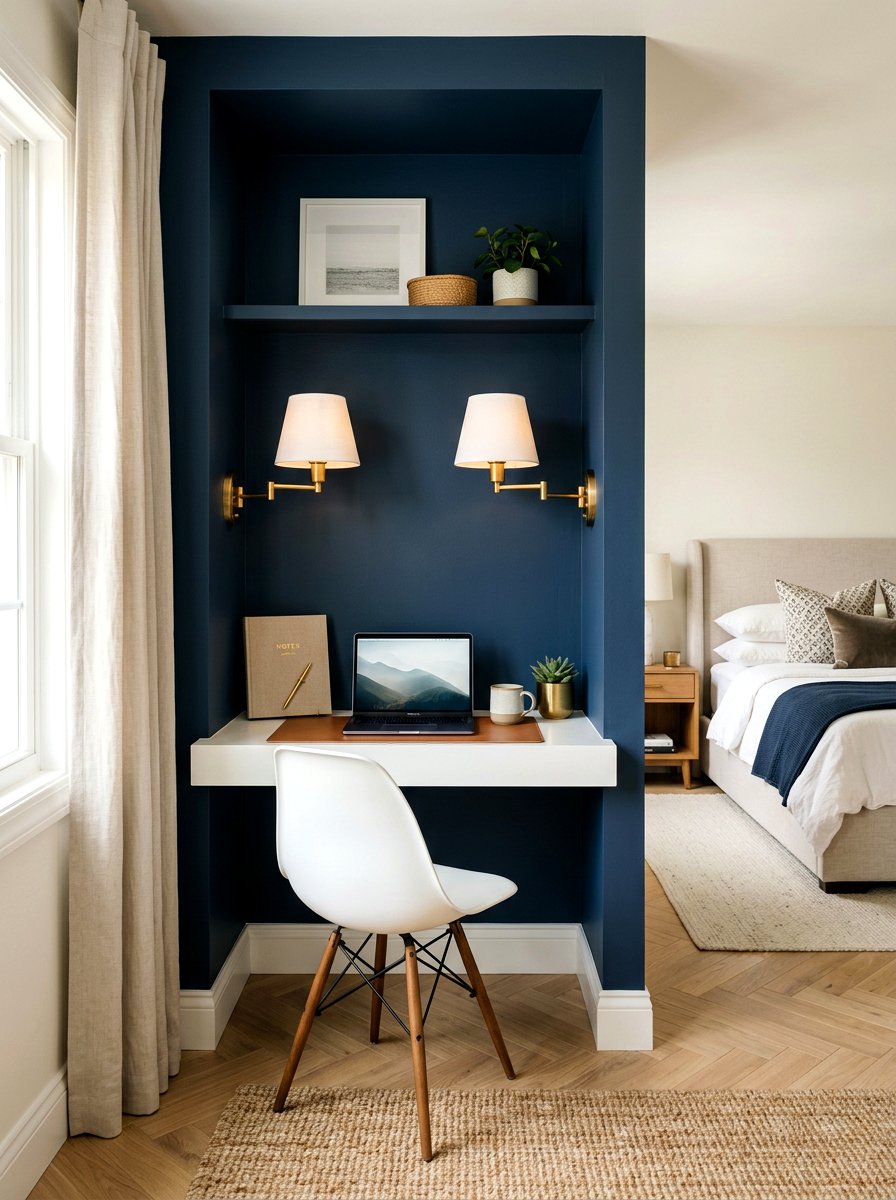
A floating desk for students is a modern and minimalist way to create a workspace without any legs touching the floor. This style makes the room feel much larger and more open because the floor space remains visible underneath the desk. You can mount a thick wooden slab or a sleek white shelf at the perfect height for your child’s chair. This setup is incredibly easy to clean around and provides a very clean, architectural look. It works particularly well in modern homes where simplicity and efficiency are prioritized. You can even mount a matching floating shelf above the desk for a cohesive and streamlined storage solution.
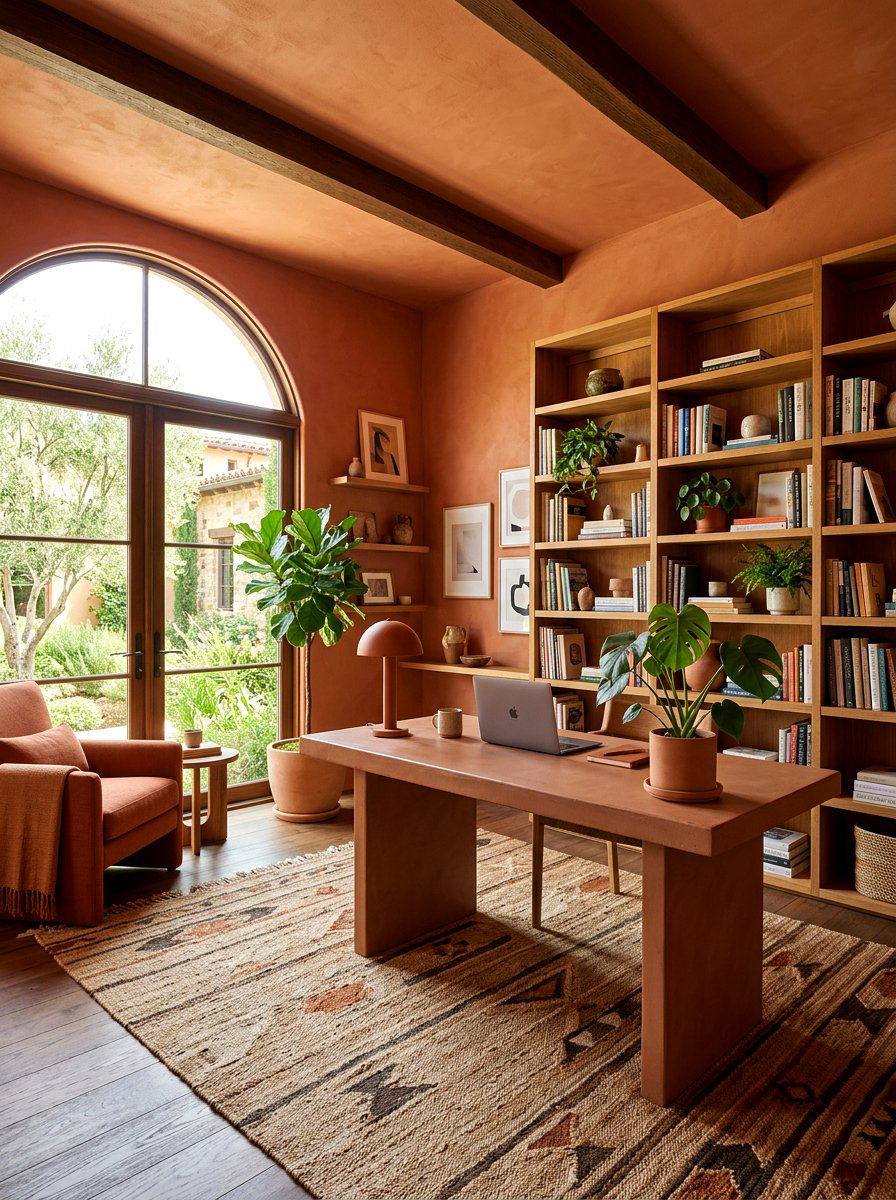
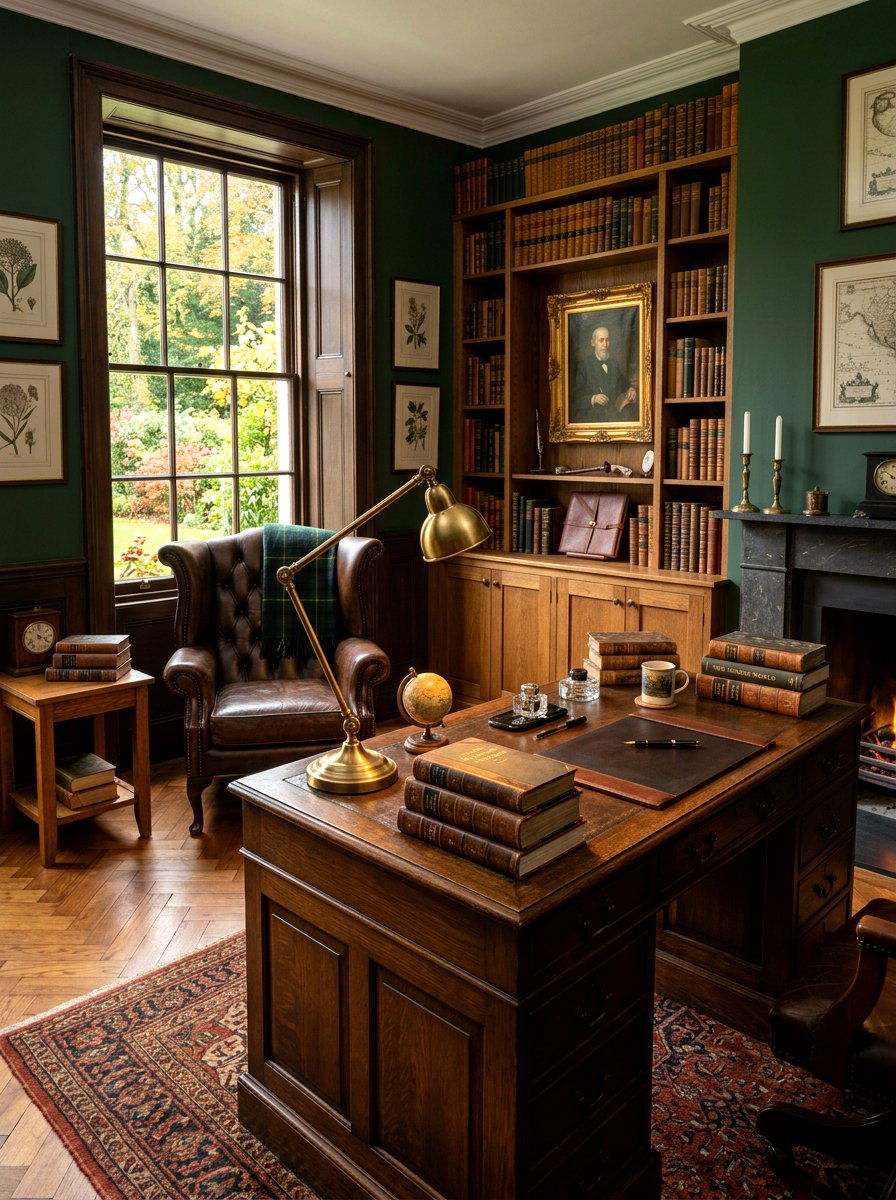
20. Nature Inspired Green Study Space
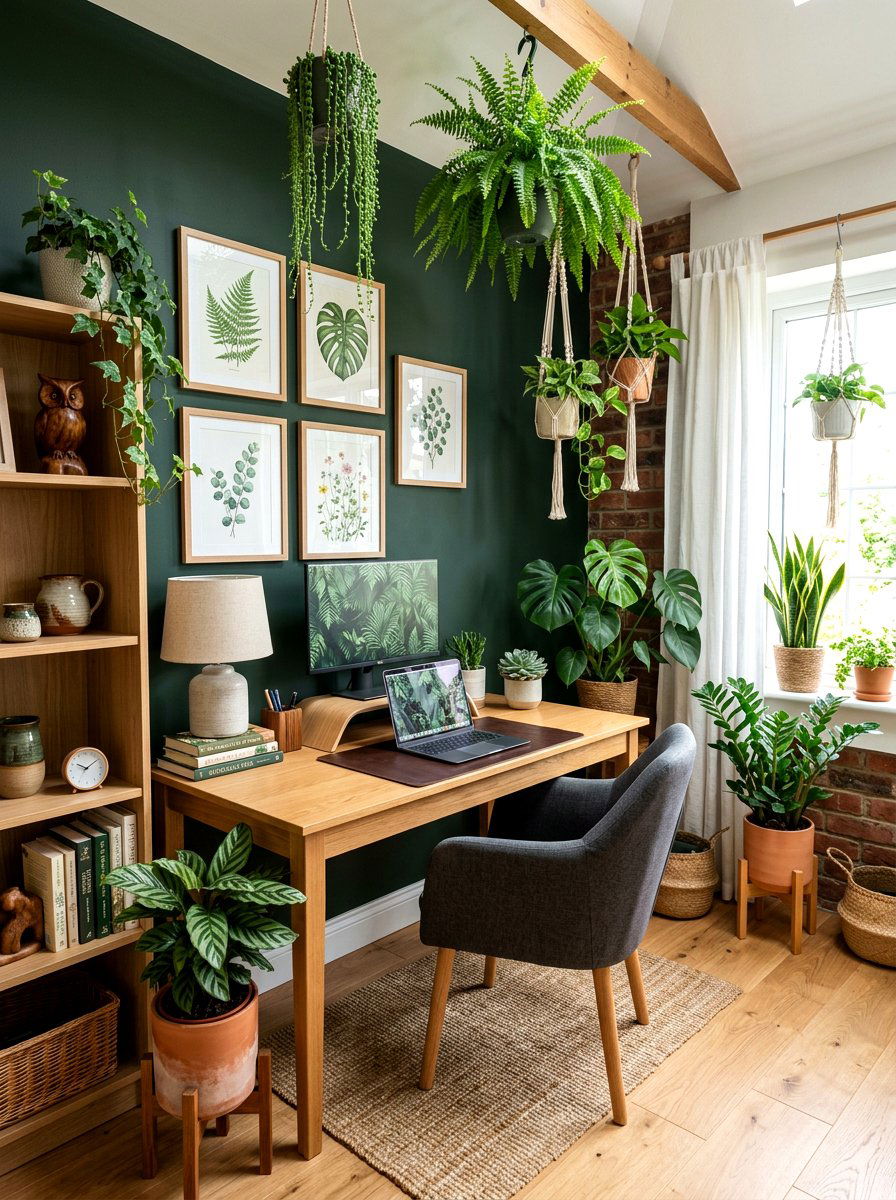
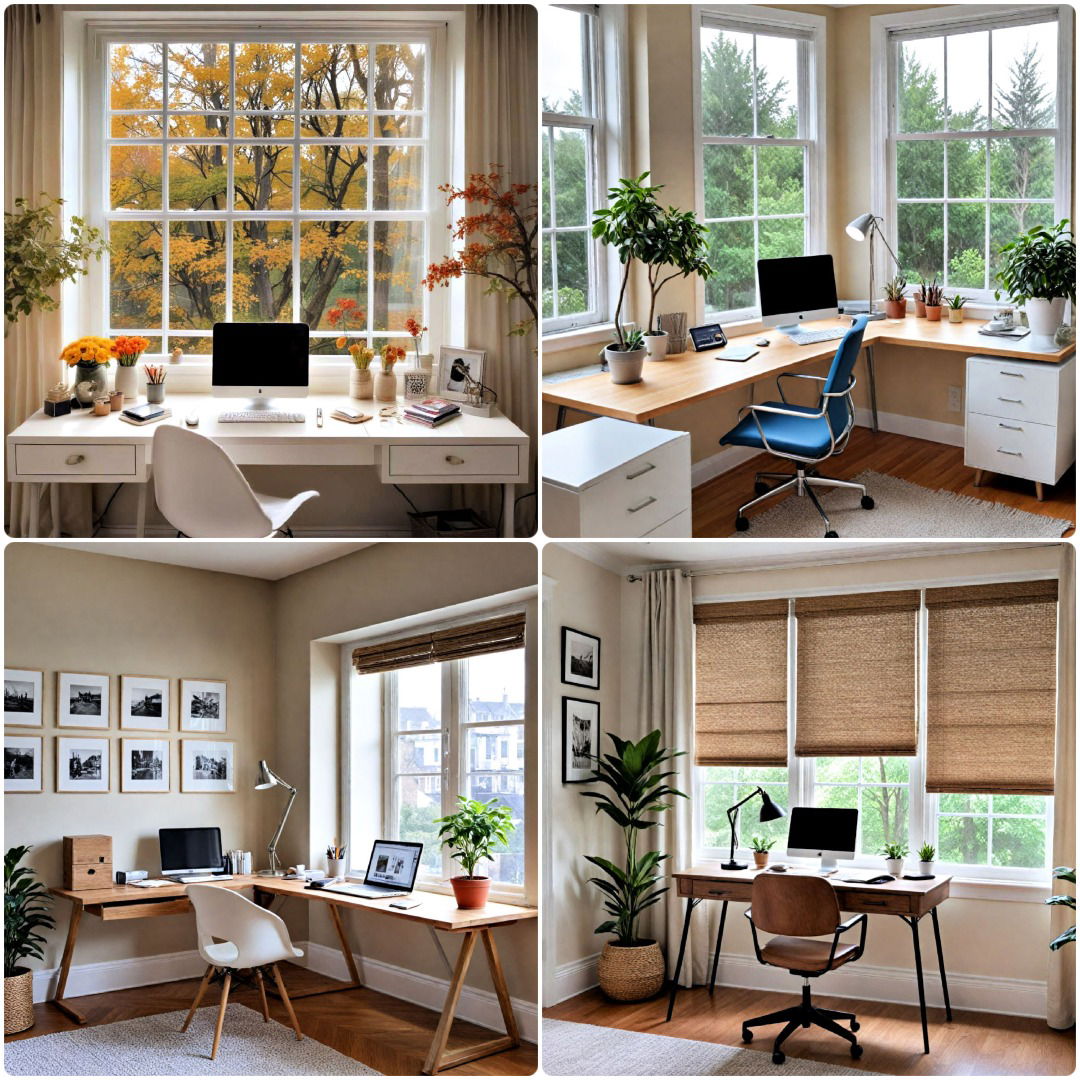
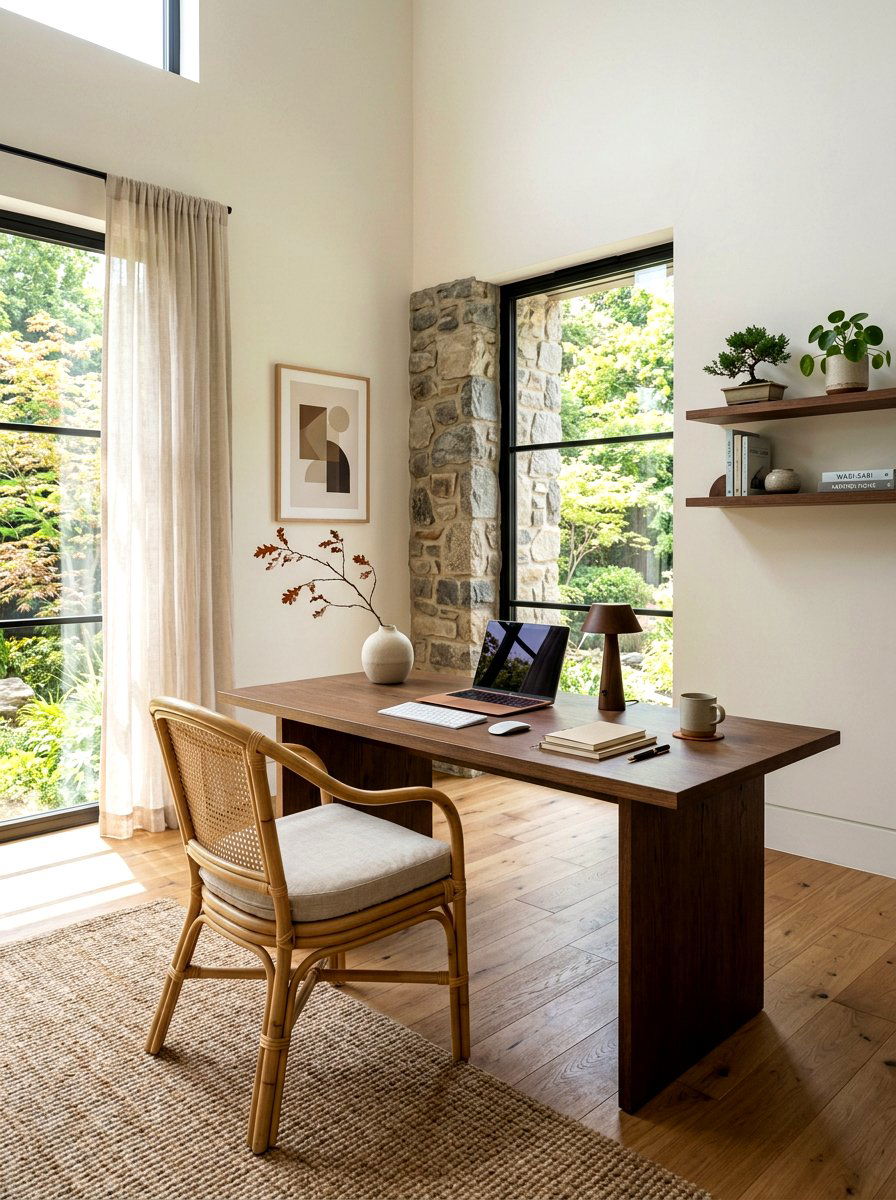
Bringing the outdoors inside can have a calming effect and improve air quality in a child's bedroom. A nature inspired green study space uses various shades of forest green, leaf patterns, and plenty of live indoor plants. You might use a desk made of natural oak and pair it with a chair in a soft sage green fabric. Adding a small desktop fountain or a wooden tray filled with pinecones and stones can provide a tactile connection to the earth. This peaceful environment helps reduce stress and creates a tranquil backdrop for focusing on difficult subjects. It is an excellent choice for children who feel most at home in nature.
21. Pastel Colored Study Room
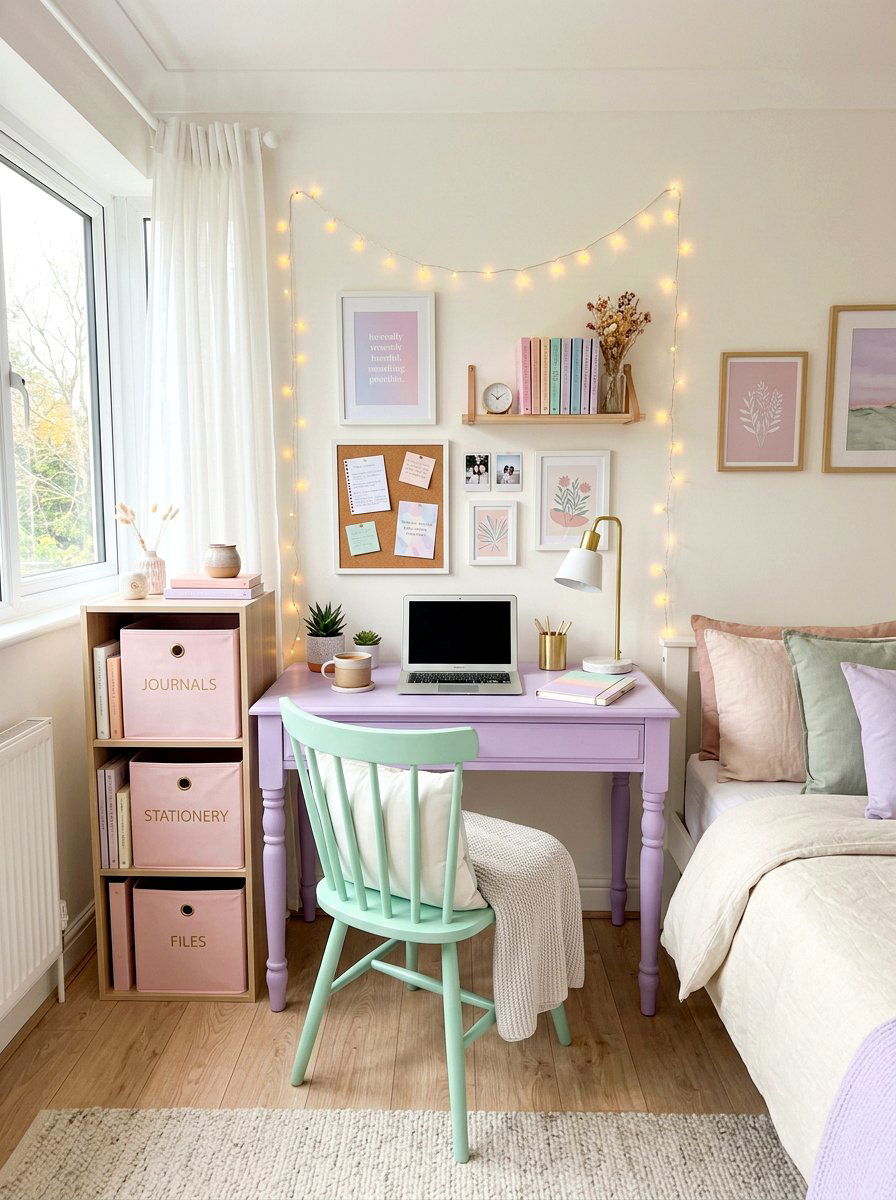
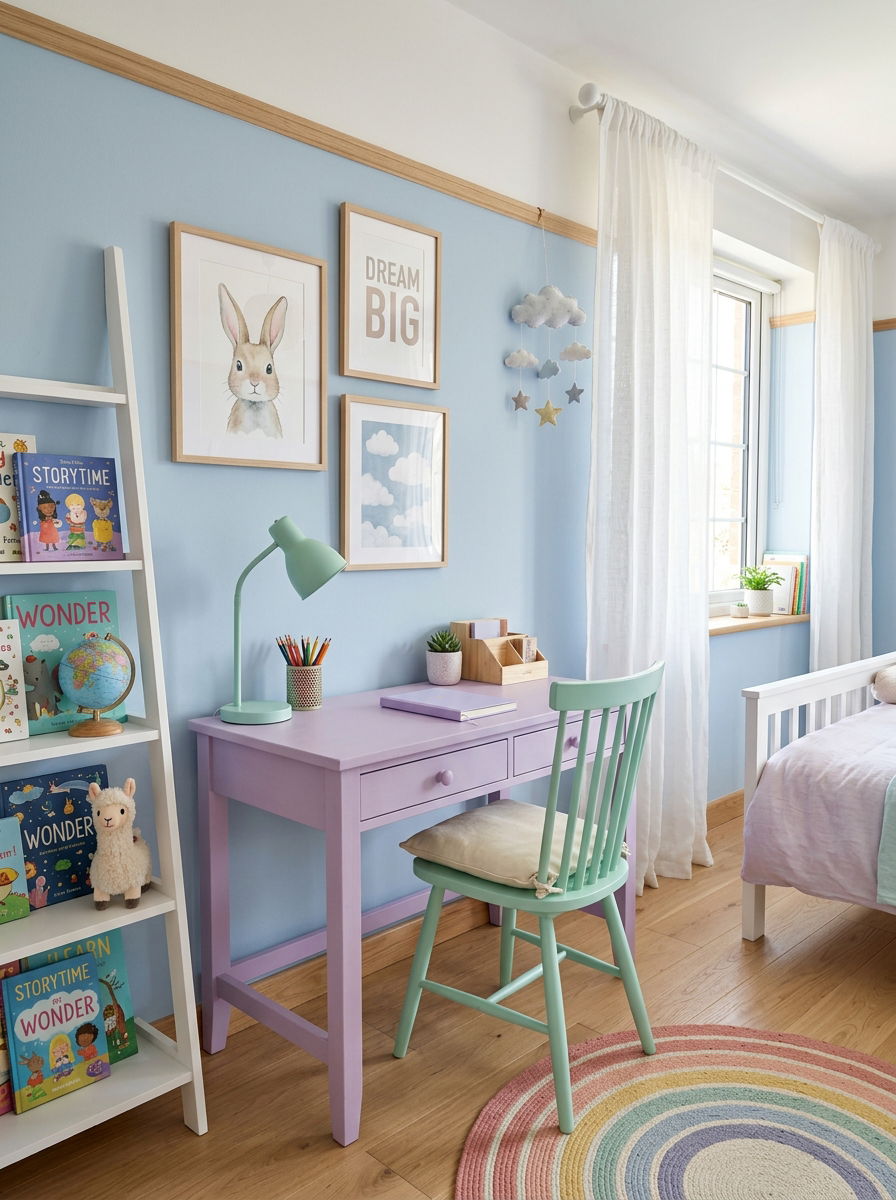
Soft and soothing, a pastel colored study room provides a gentle environment that is easy on the eyes. Using shades like lavender, mint green, pale pink, or baby blue creates a light and airy feeling that is perfect for a bedroom. You can coordinate the desk, chair, and storage bins in various pastel tones for a harmonious look. This color palette is particularly popular for creating a "cozy gaming" or "aesthetic" workspace that many young people find appealing. Adding some twinkle lights or a neon sign in a matching soft hue can add a bit of personality and modern flair. It feels fresh, clean, and very welcoming.
22. Under Stairs Kids Workspace
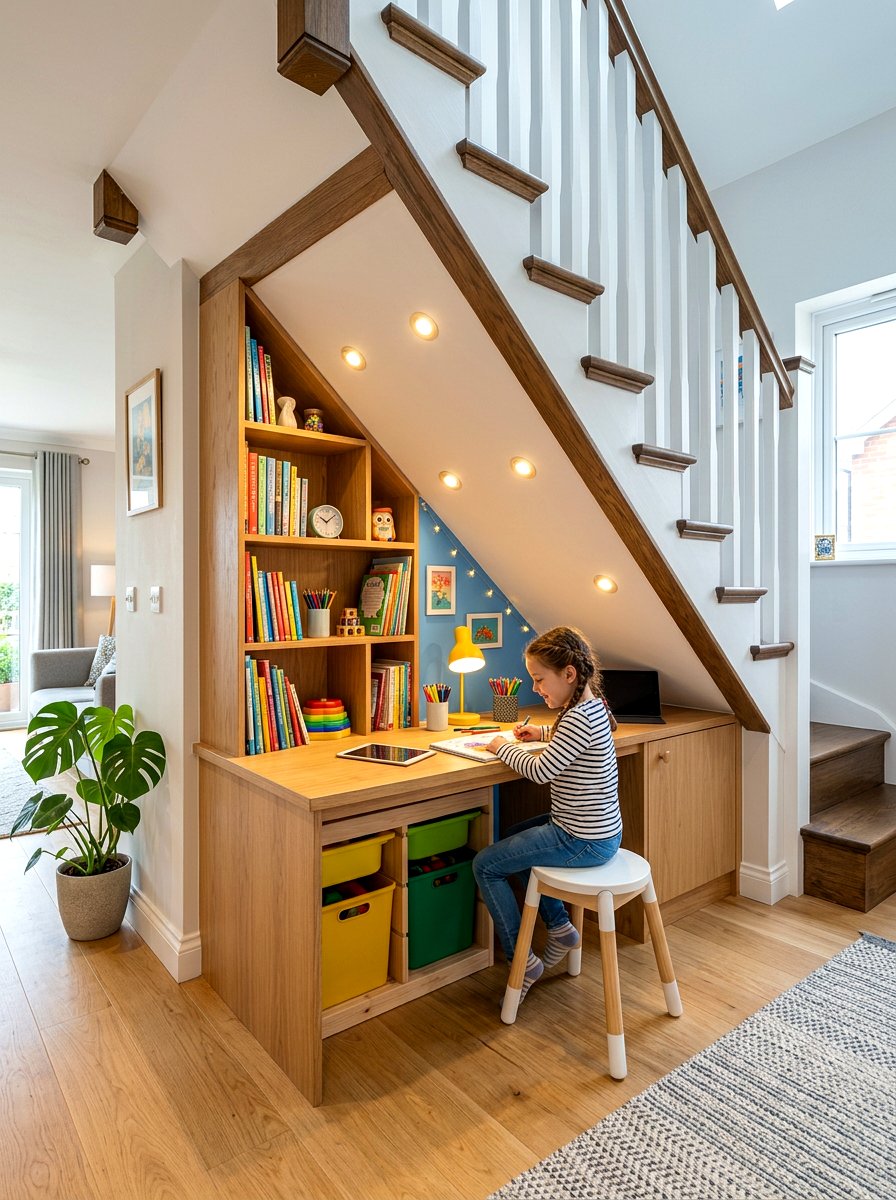
The small, often wasted area under a staircase can be transformed into a functional and private under stairs kids workspace. This "secret" nook provides a sense of enclosure that helps children feel safe and focused while they work. You can install a custom-built desk that fits the specific angle of the stairs and add recessed lighting to keep the area bright. Because this space is usually tucked away from the main living areas, it offers a quiet retreat from household noise. Using light colors and mirrors can help prevent the nook from feeling too cramped. It is a brilliant way to utilize every square inch of your home’s floor plan.
23. Double Desk For Sibling Study
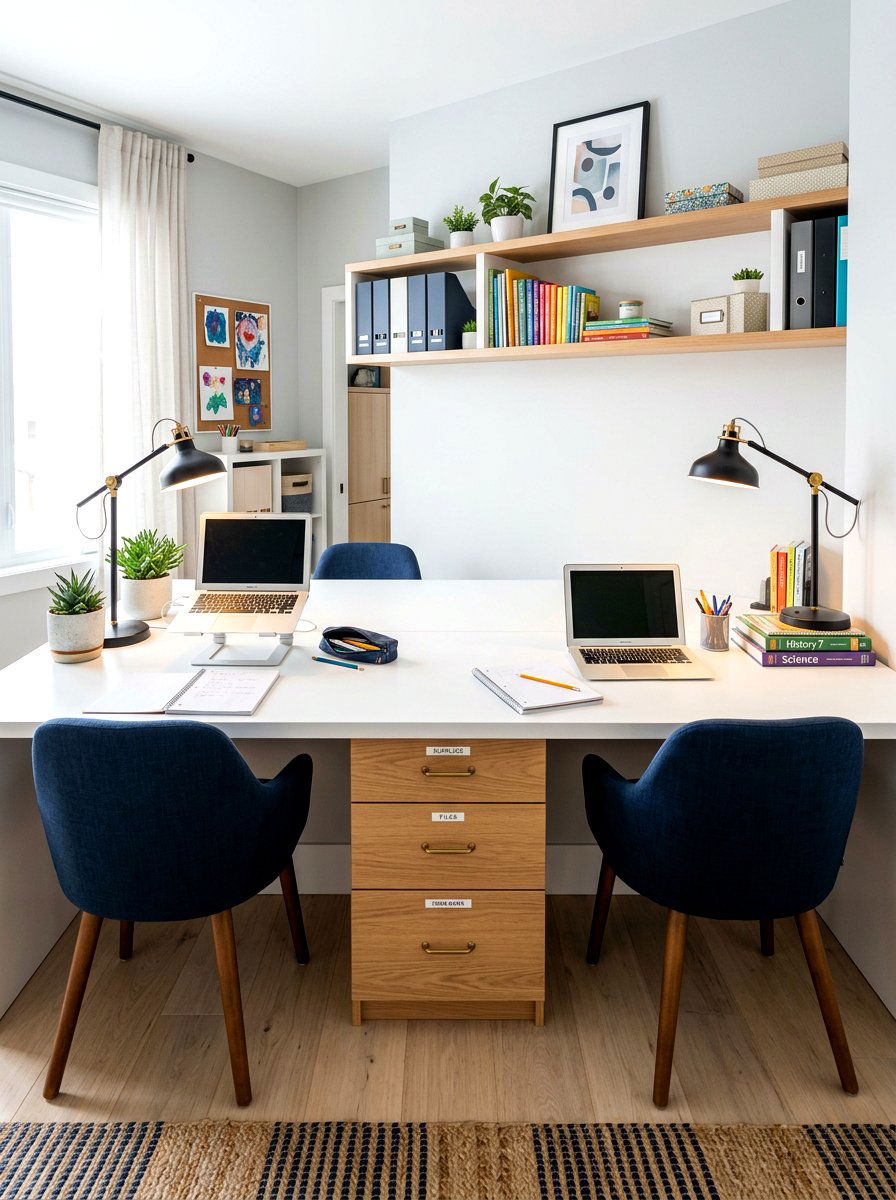
If you have two children who need to work at the same time, a double desk for sibling study is a practical and space-saving choice. This setup can be a single long countertop that spans an entire wall, providing plenty of room for two chairs and two sets of supplies. To maintain order, give each child their own set of drawers or a specific color of organizer. This arrangement encourages siblings to model good study habits for each other while allowing you to monitor both of them at once. It works well in a dedicated playroom or a shared bedroom, creating a unified zone that is strictly for learning and creative projects.
24. Minimalist White Study Corner
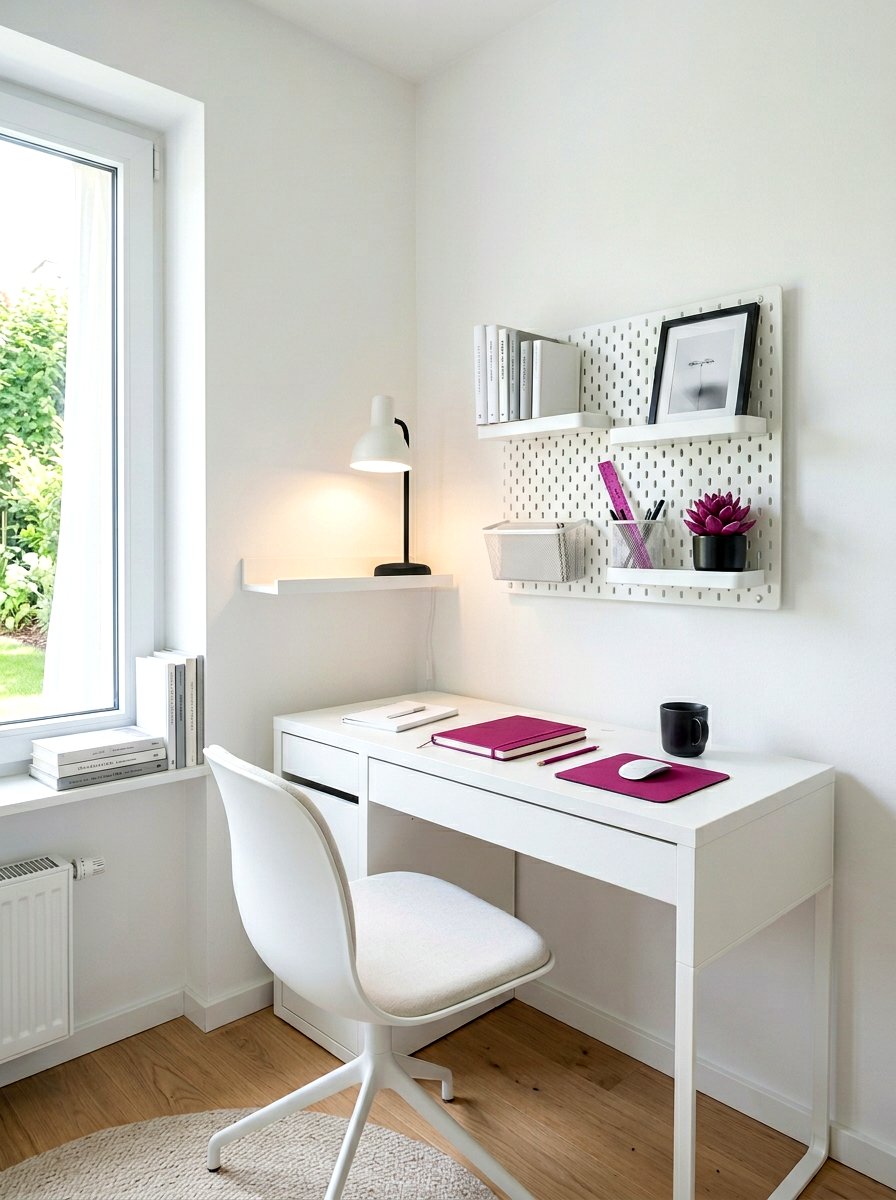
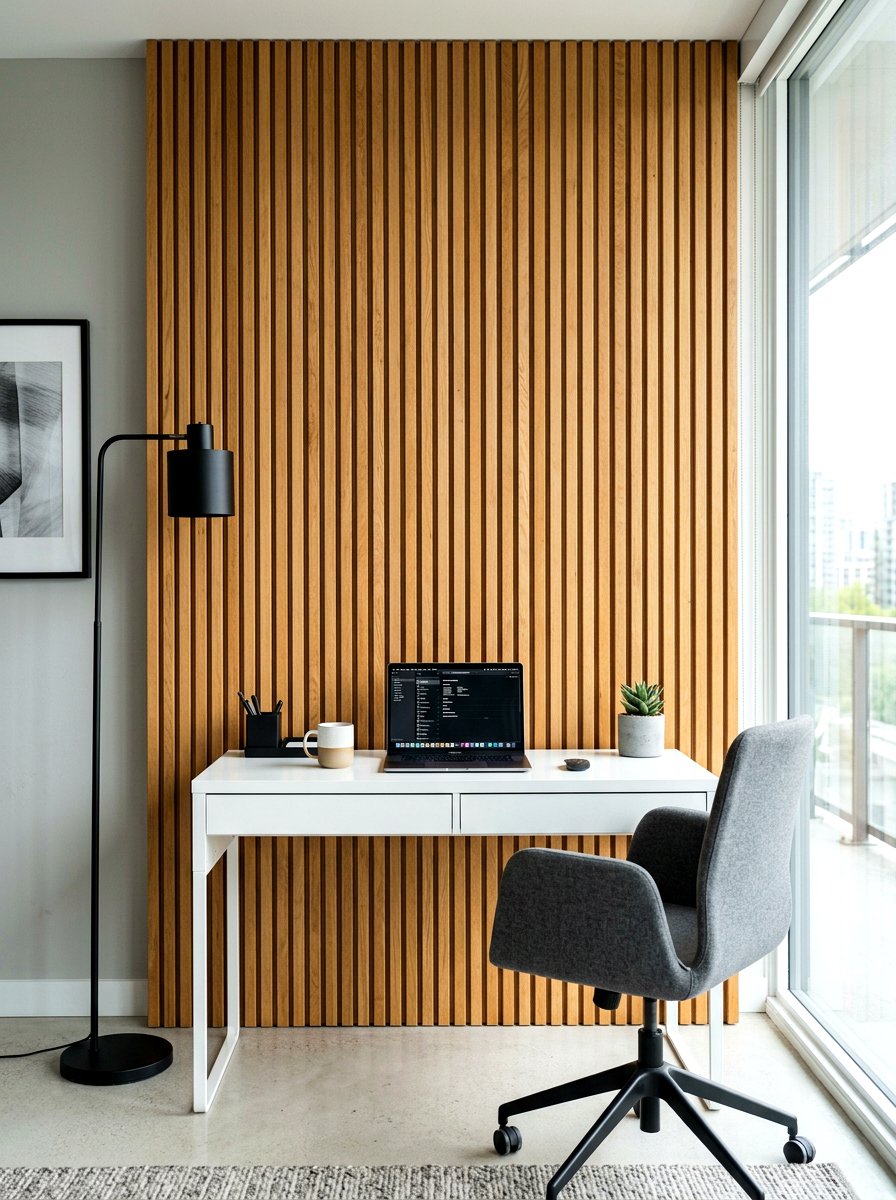
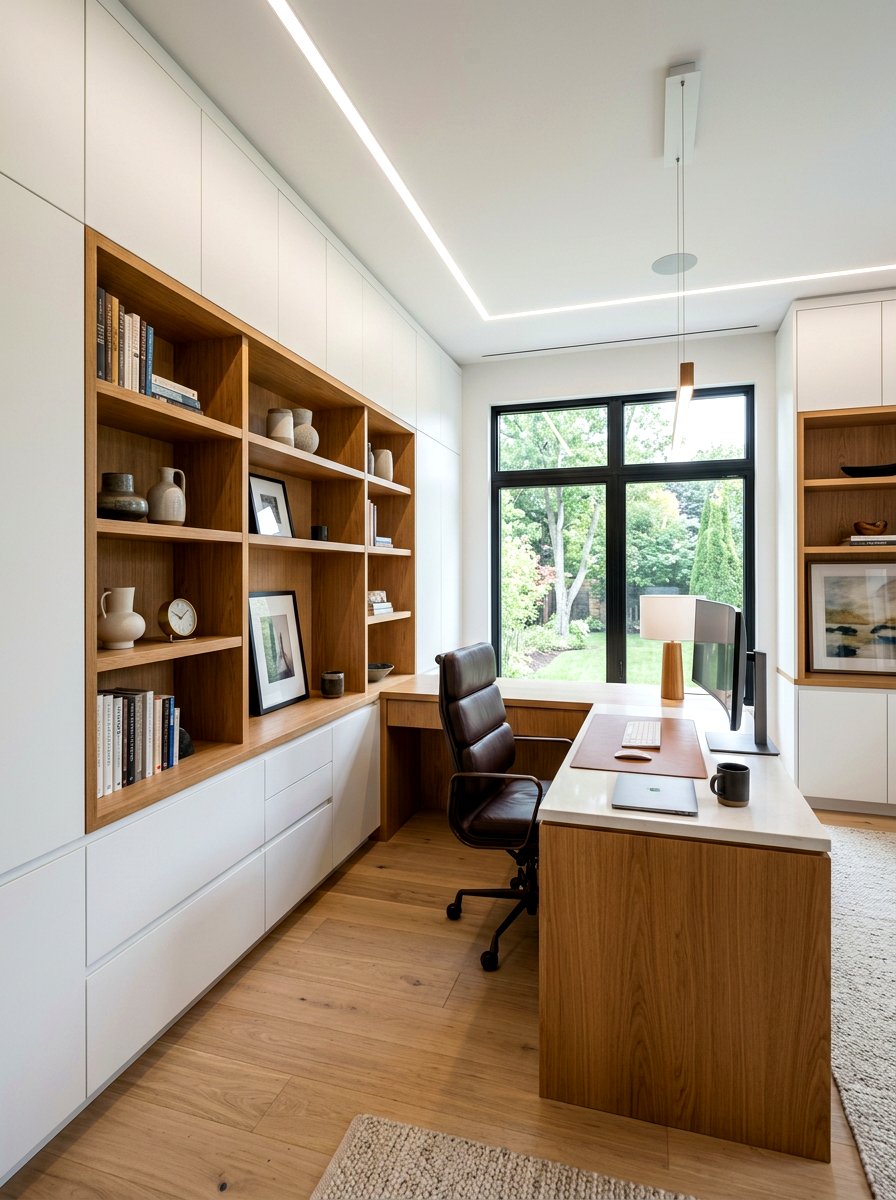
A minimalist white study corner is the ultimate choice for a clean, distraction-free environment. By using white for the desk, chair, walls, and even the storage bins, you create a seamless look that feels very modern and professional. This monochromatic approach makes even the smallest corner feel bright and spacious. To prevent the area from looking too sterile, you can add small touches of texture, such as a white knitted rug or a ceramic vase. This style is perfect for older students who prefer a mature, organized space where their thoughts can take center stage. It also makes it very easy to spot when things need to be tidied up.
25. Wood And Metal Student Desk
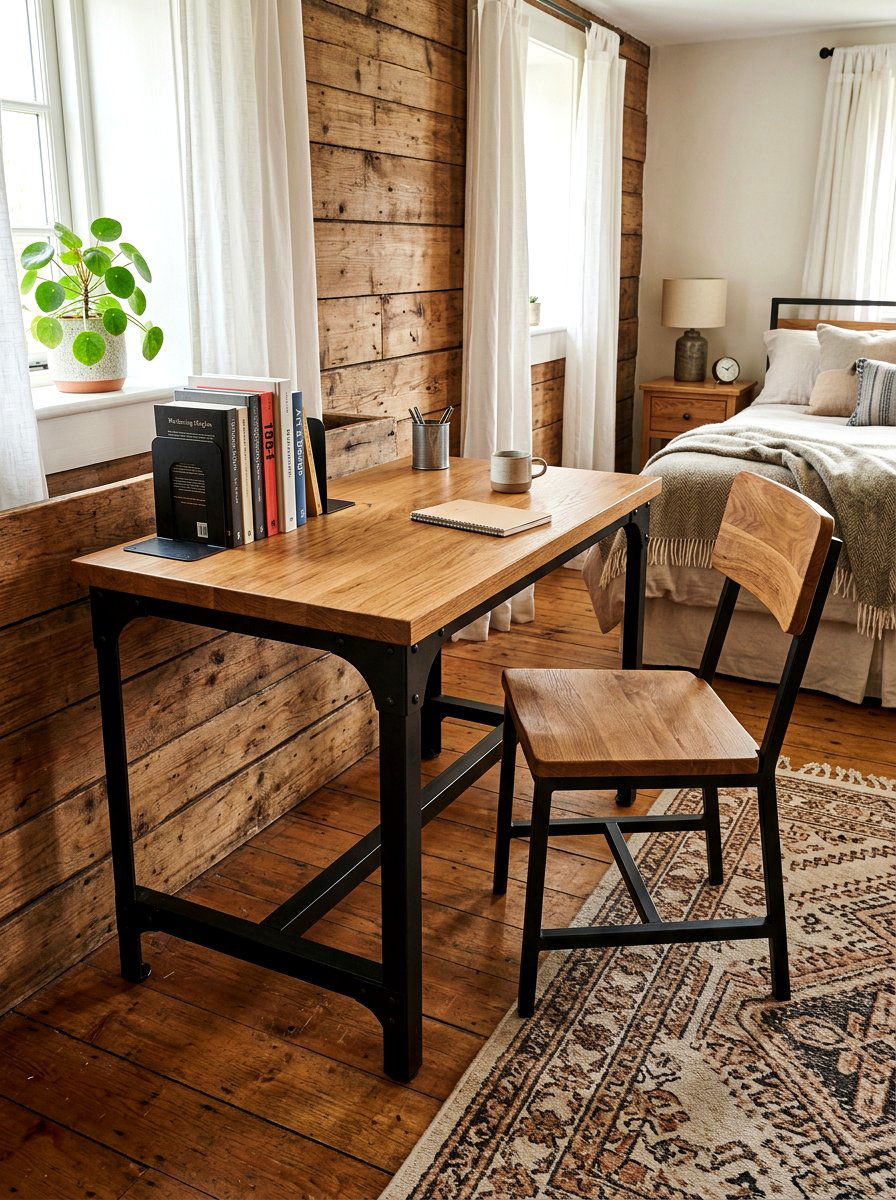
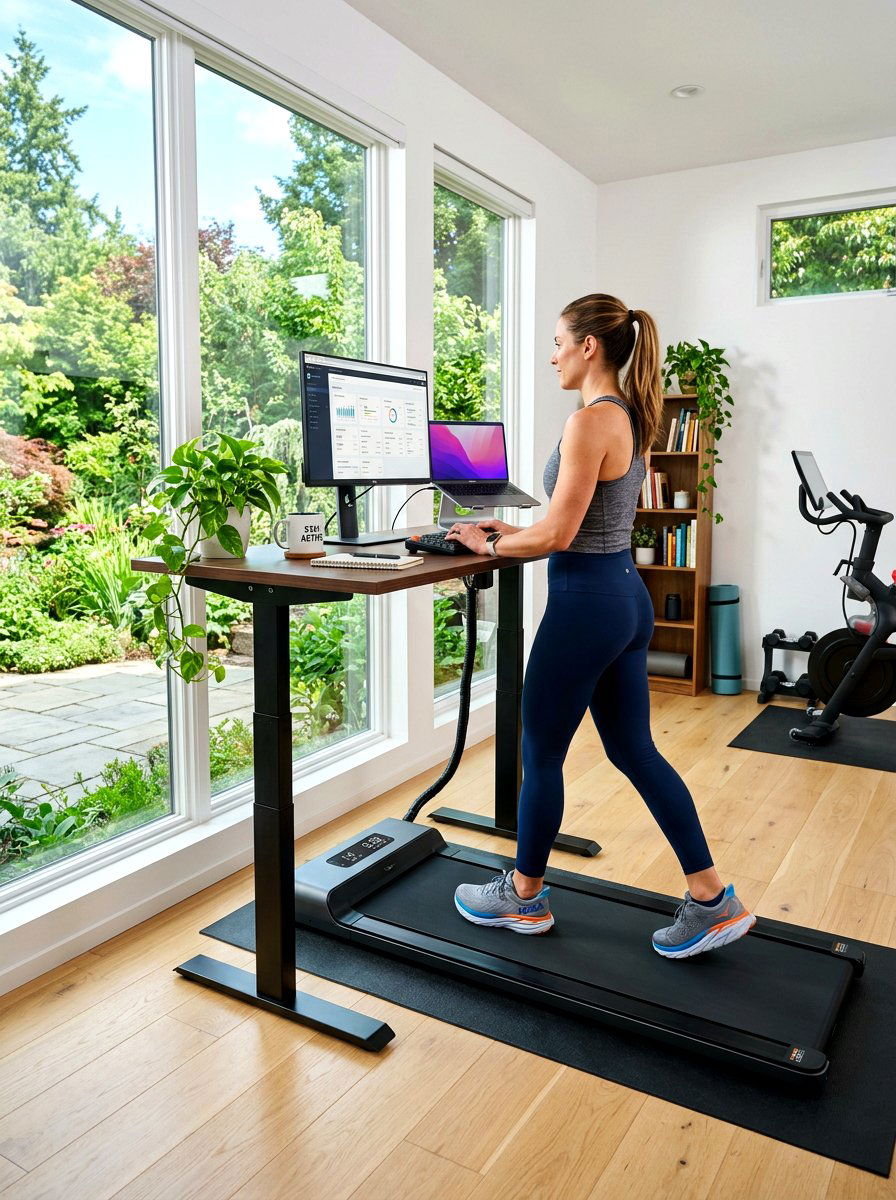
Combining the warmth of natural materials with the strength of industrial elements, a wood and metal student desk is a durable and stylish option. The wooden top provides a comfortable, organic surface for writing, while the metal legs ensure the desk can withstand years of heavy use. This versatile look fits into almost any home decor style, from rustic farmhouse to modern urban. You can pair it with a matching metal chair or a fabric-covered ergonomic seat for added comfort. Using metal accessories like bookends and pencil cups ties the whole look together. This classic combination never goes out of style and offers a very sturdy foundation for learning.
26. Chalkboard Wall Study Zone
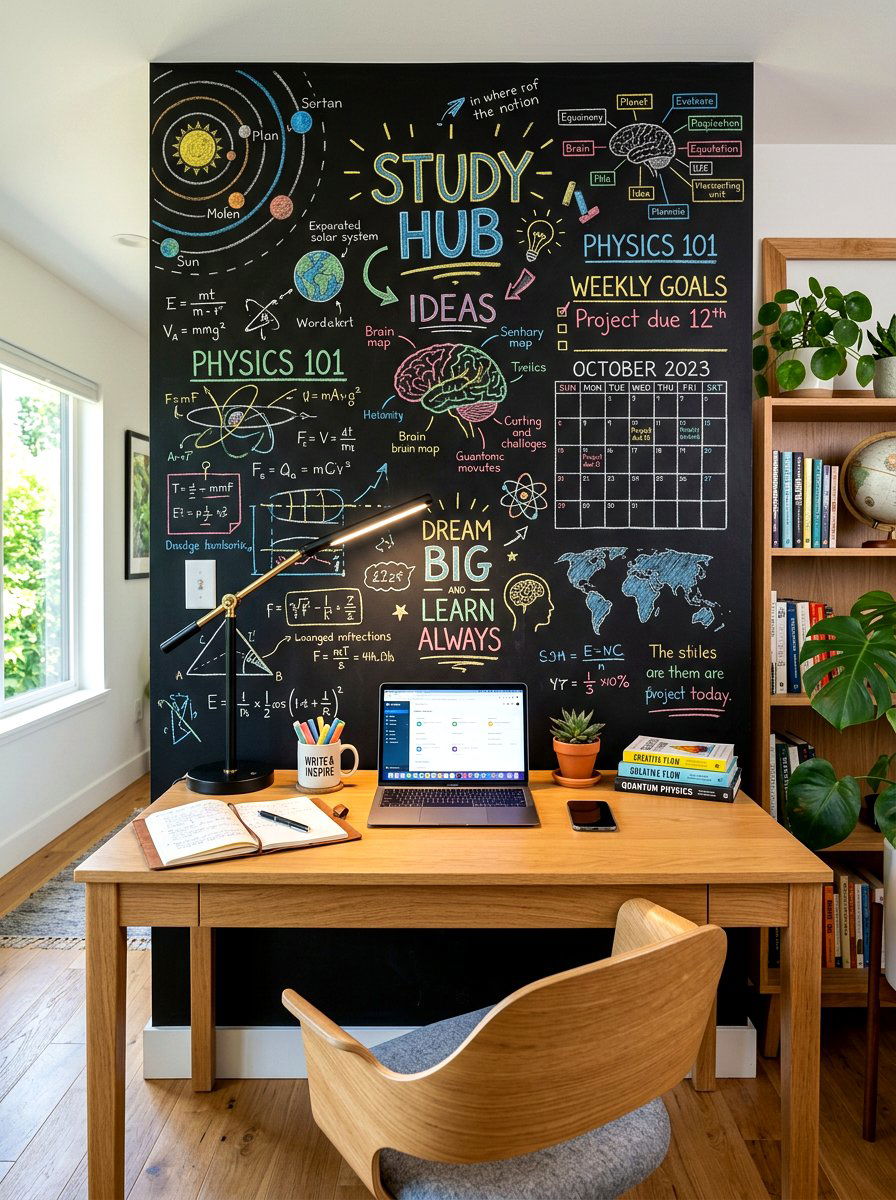
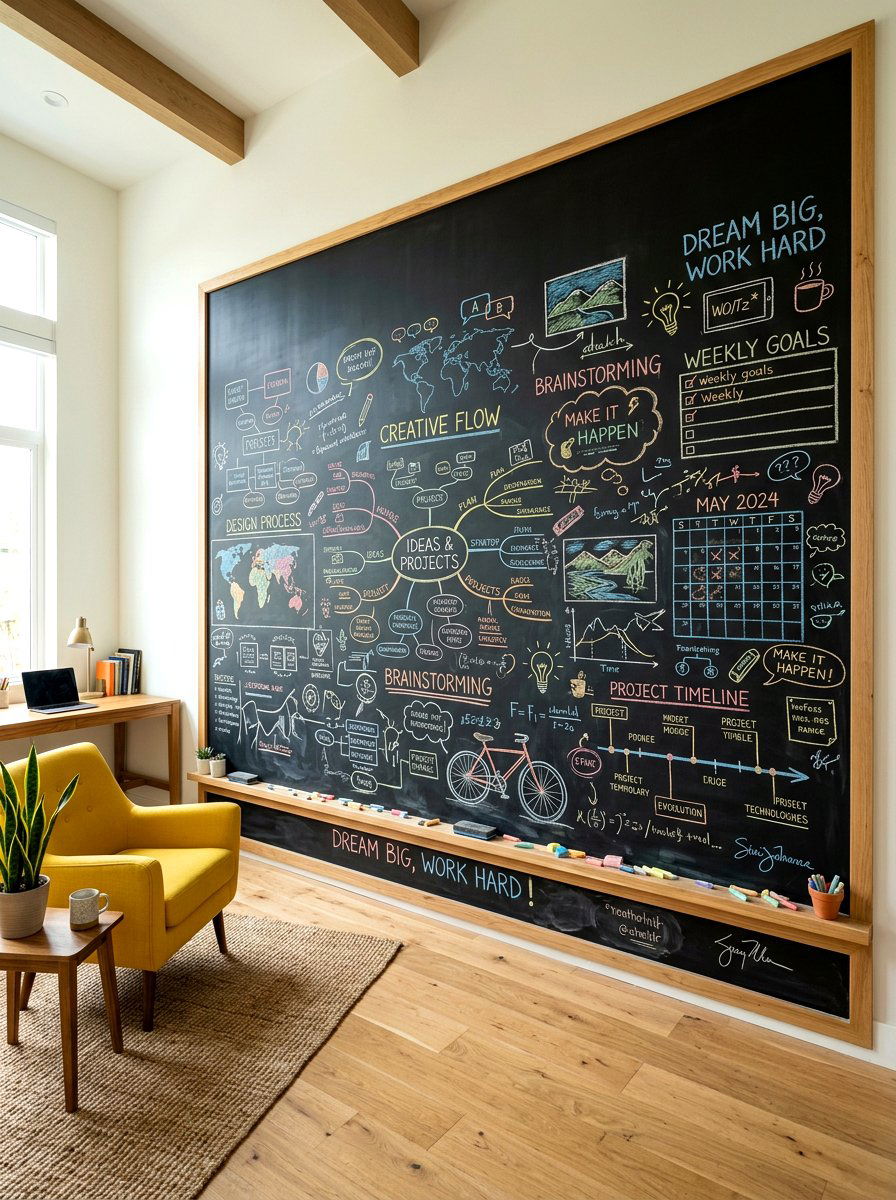
Encourage your child to solve math problems or practice spelling in a big way by creating a chalkboard wall study zone. Painting the wall behind or next to the desk with chalkboard paint turns the entire surface into an interactive learning tool. This allows your child to write down daily to-do lists, draw diagrams, or simply doodle during their brain breaks. It is a fantastic way to engage visual and kinesthetic learners who benefit from working on a larger scale. The dark wall also provides a dramatic backdrop that makes colorful desk accessories stand out. When the work is done, the wall can be wiped clean for a fresh start.
27. Library Style Student Nook
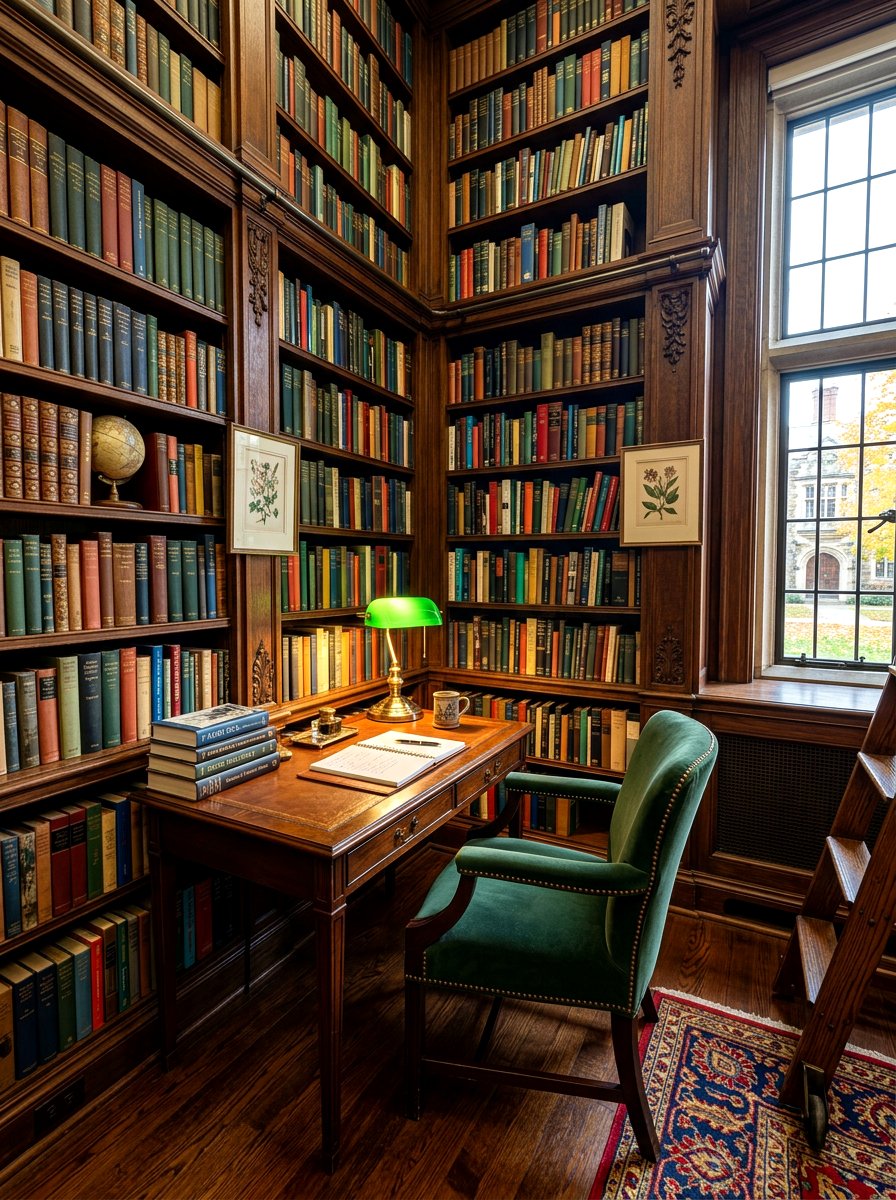
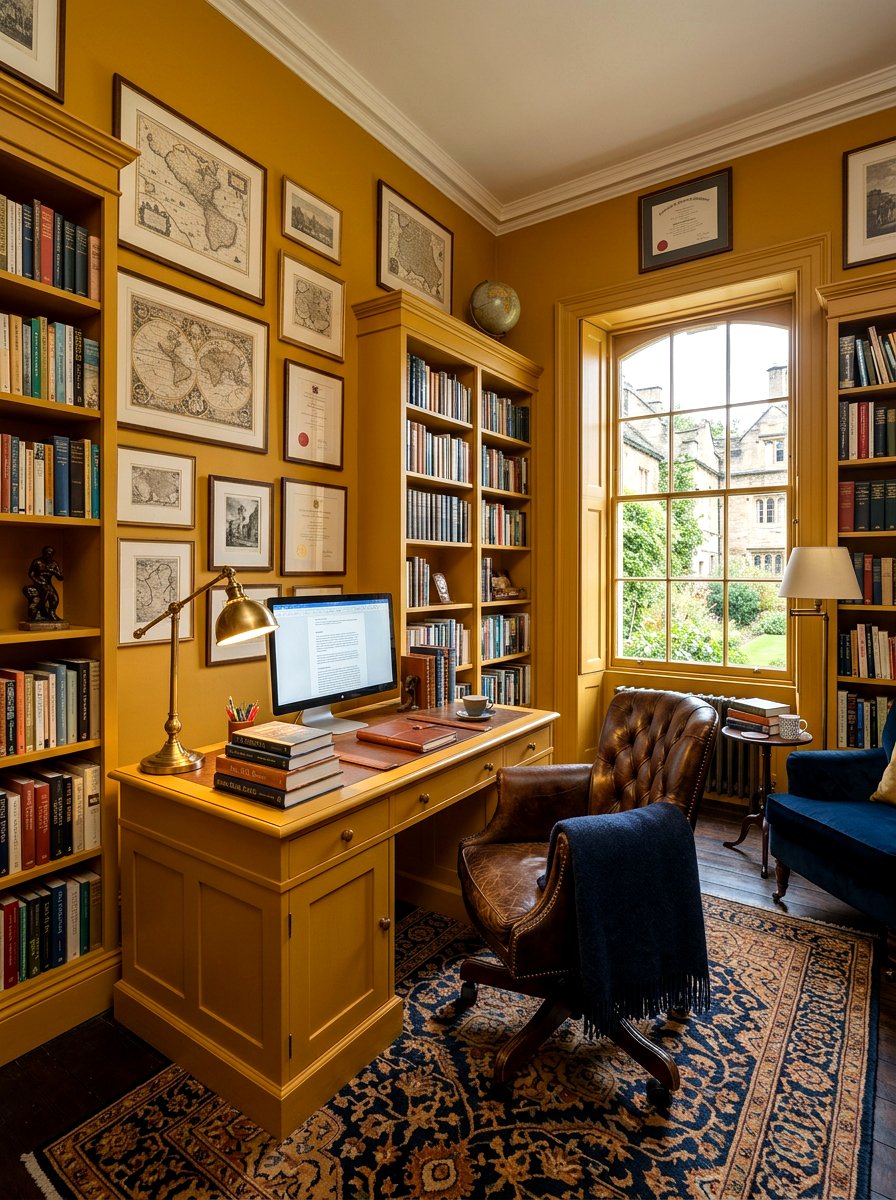
For the child who always has their nose in a book, a library style student nook is a dream come true. This design focuses on floor-to-ceiling bookshelves that surround a small, cozy desk. Using dark wood tones and traditional furniture creates a sophisticated atmosphere that feels like a classic study. You can add a rolling ladder if the shelves are high, which adds a fun and functional element to the room. A comfortable leather or velvet chair and a classic brass desk lamp complete the scholarly look. This environment emphasizes the value of knowledge and provides a quiet, dignified space for reading and writing.
28. Space Themed Learning Area
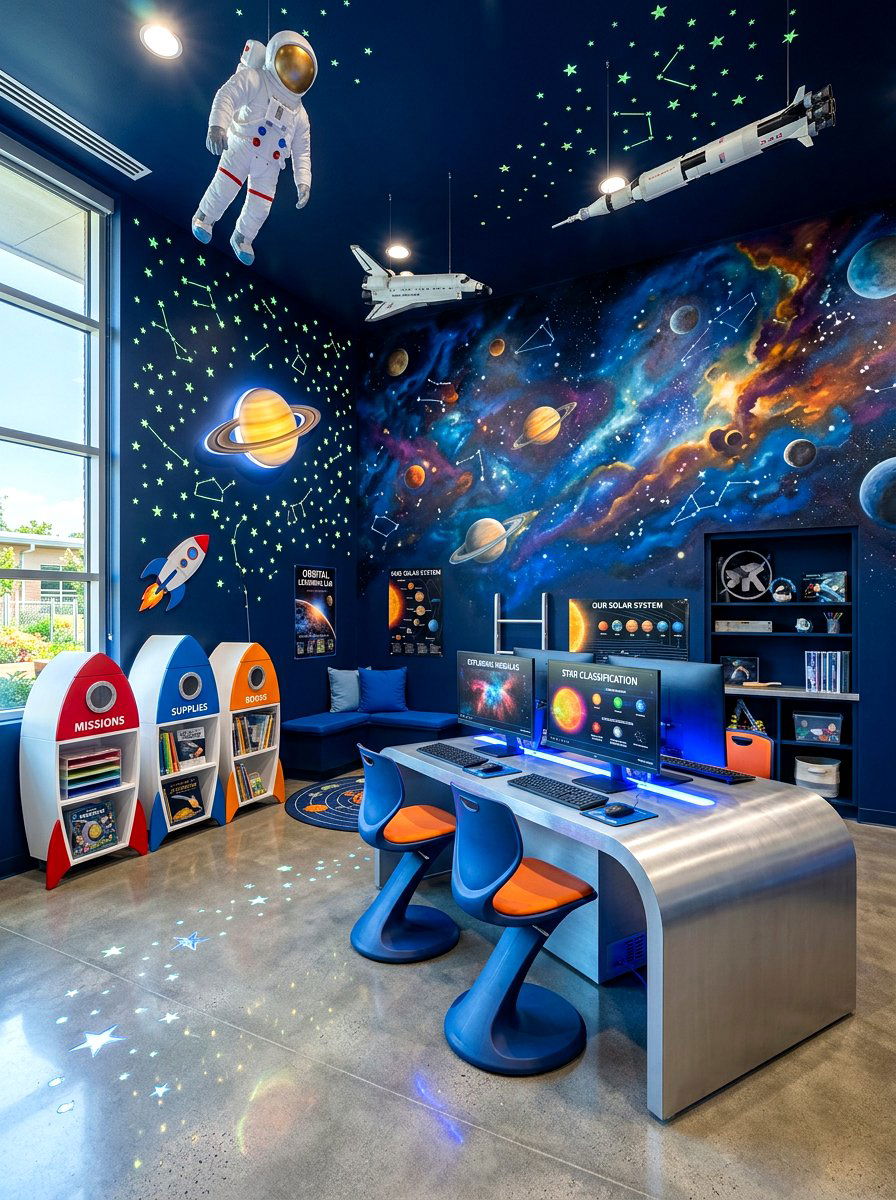
Inspire your child to reach for the stars by designing a space themed learning area. This can include a desk set against a mural of the solar system or a wall painted in a deep navy blue with glowing star decals. Using metallic accents like silver or chrome for the chair and lamp gives the area a futuristic, high-tech feel. You can store supplies in bins that look like rocket ships or moon crates to keep the theme consistent. This imaginative environment is great for kids who are fascinated by science fiction and astronomy, making their time spent on homework feel like an exciting mission through the galaxy.
29. Playroom Study Corner
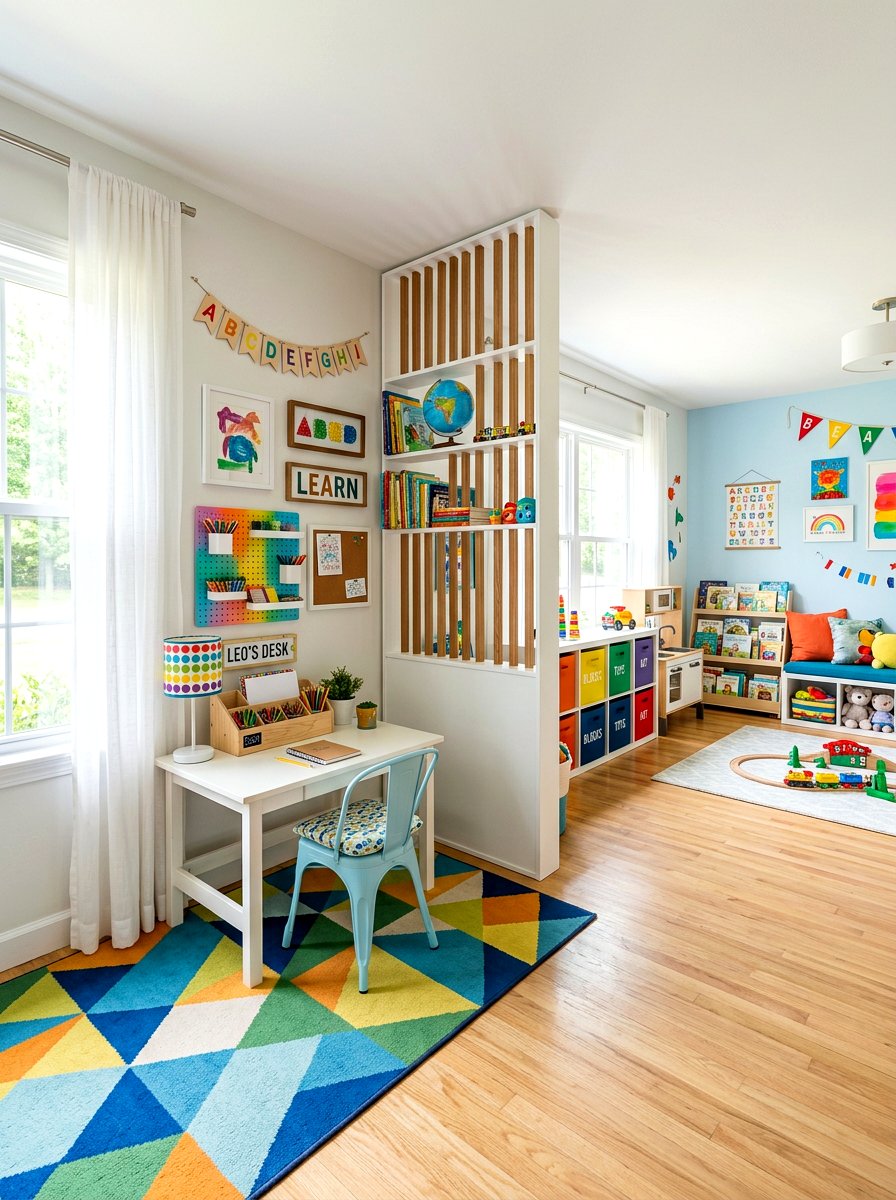
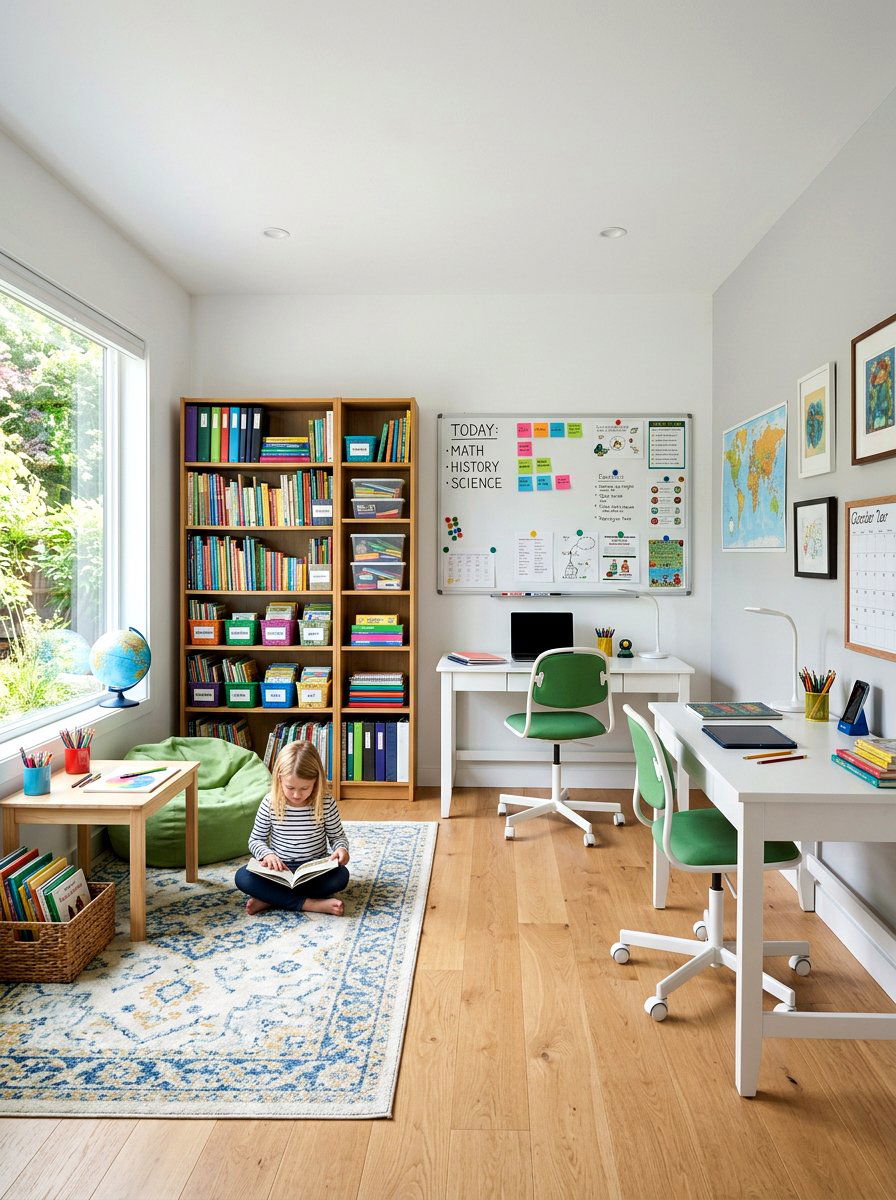
In a house with a dedicated playroom, a playroom study corner provides a clear transition from leisure time to learning time. By placing a small desk and chair in one section of the room, you help your child understand that different areas are for different activities. It is helpful to use a rug or a room divider to physically separate the "work zone" from the toy chests and play mats. Choosing furniture that matches the playful aesthetic of the room — perhaps in bright colors or whimsical shapes — keeps the environment feeling friendly and less intimidating. This setup allows for easy supervision while still giving the child a designated spot for focus.
30. Ergonomic Student Workstation
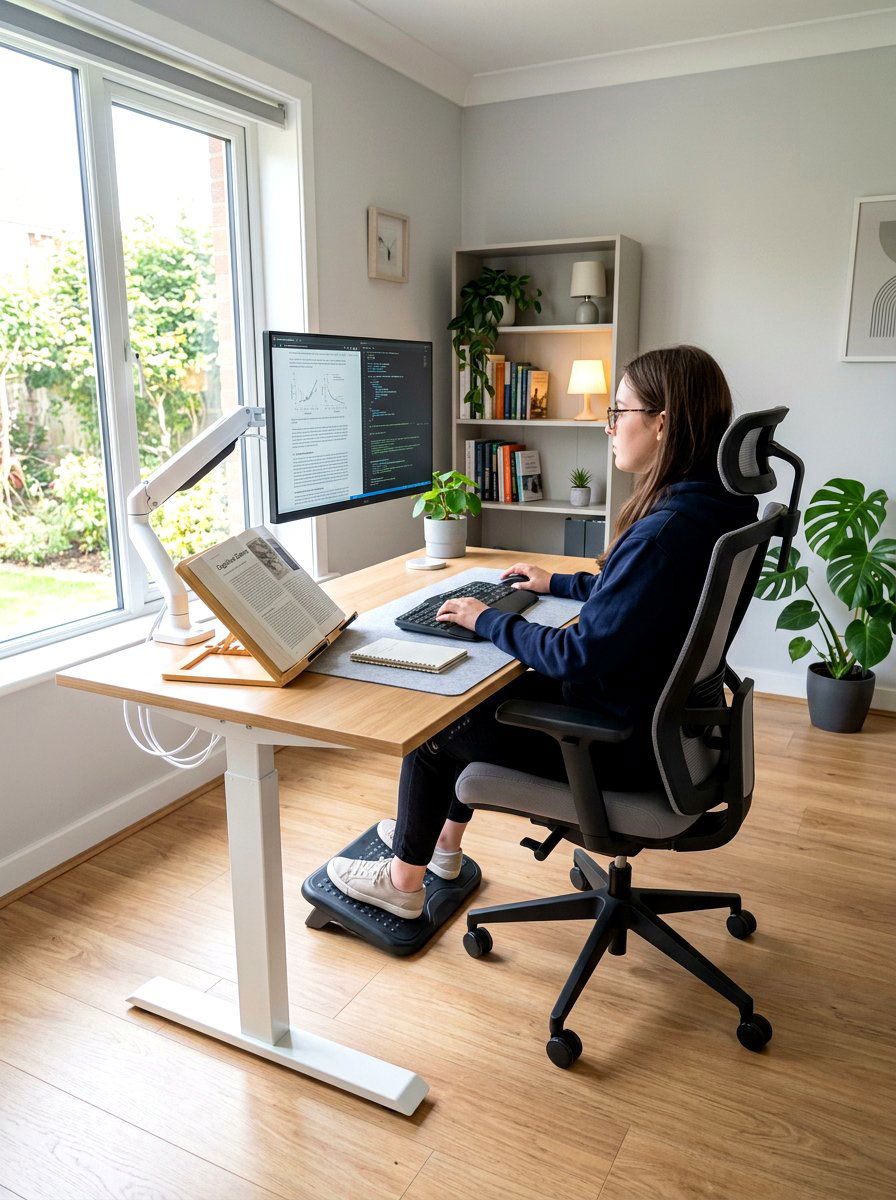
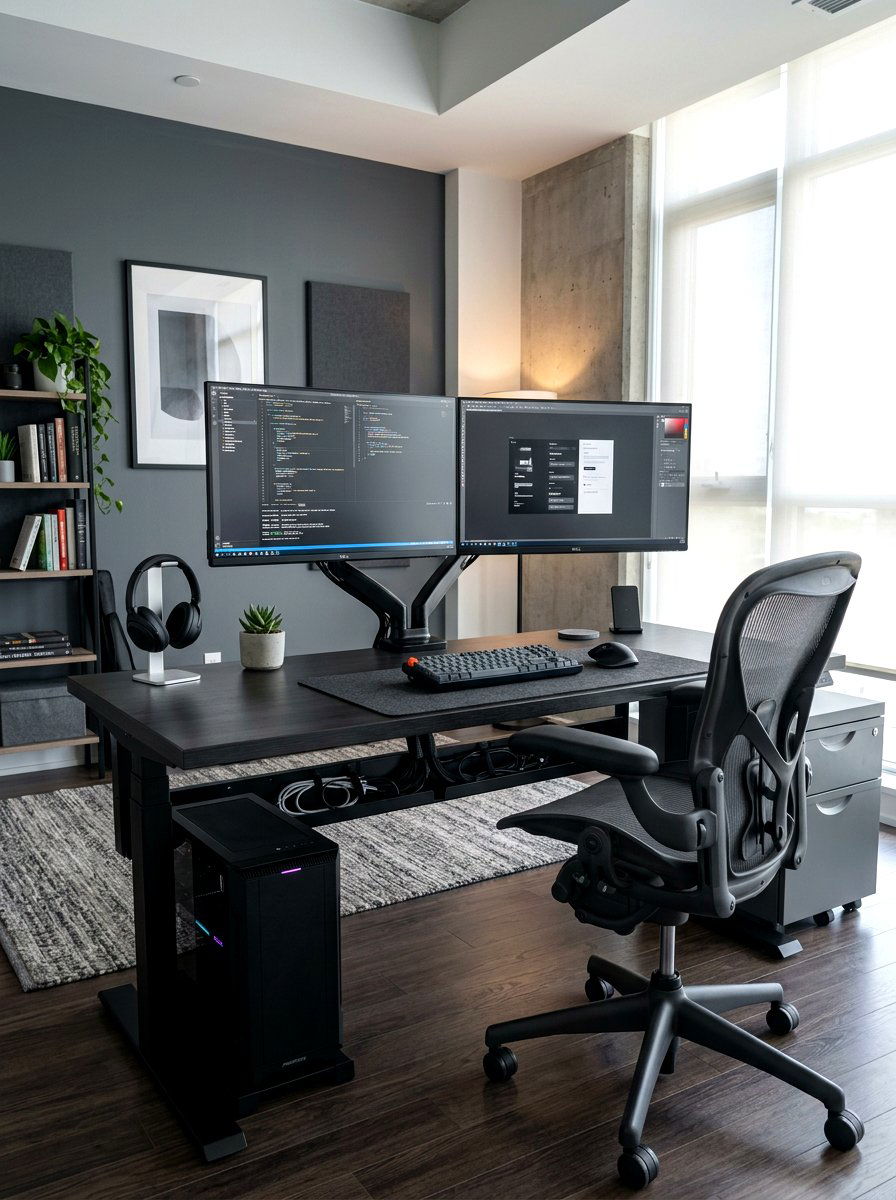
Prioritizing your child’s physical health is the main goal of an ergonomic student workstation. This setup features a high-quality adjustable chair that supports the natural curve of the spine and a desk that is at the correct height for their elbows. You might also include a footrest or a tilted book stand to reduce strain on the neck and eyes. As your child grows, you can easily adjust the furniture to ensure they always have a comfortable and healthy posture. Using a good desk lamp that mimics natural daylight helps prevent eye fatigue during long evening sessions. Investing in ergonomics early on helps prevent aches and promotes better long-term focus.
Conclusion:
Designing the perfect study corner is an investment in your child's future and their daily comfort. By carefully considering their personality, learning style, and the available space in your home, you can create an environment that truly supports their growth. Whether you choose a minimalist nook or a vibrant, themed area, the goal is to provide a place where they feel empowered to do their best work. Remember that as your child grows, their needs will change, so choosing flexible furniture and organization systems is a wise long-term strategy. A well-planned workspace not only makes homework more manageable but also turns the process of learning into a rewarding and enjoyable experience for the whole family.

Related posts: