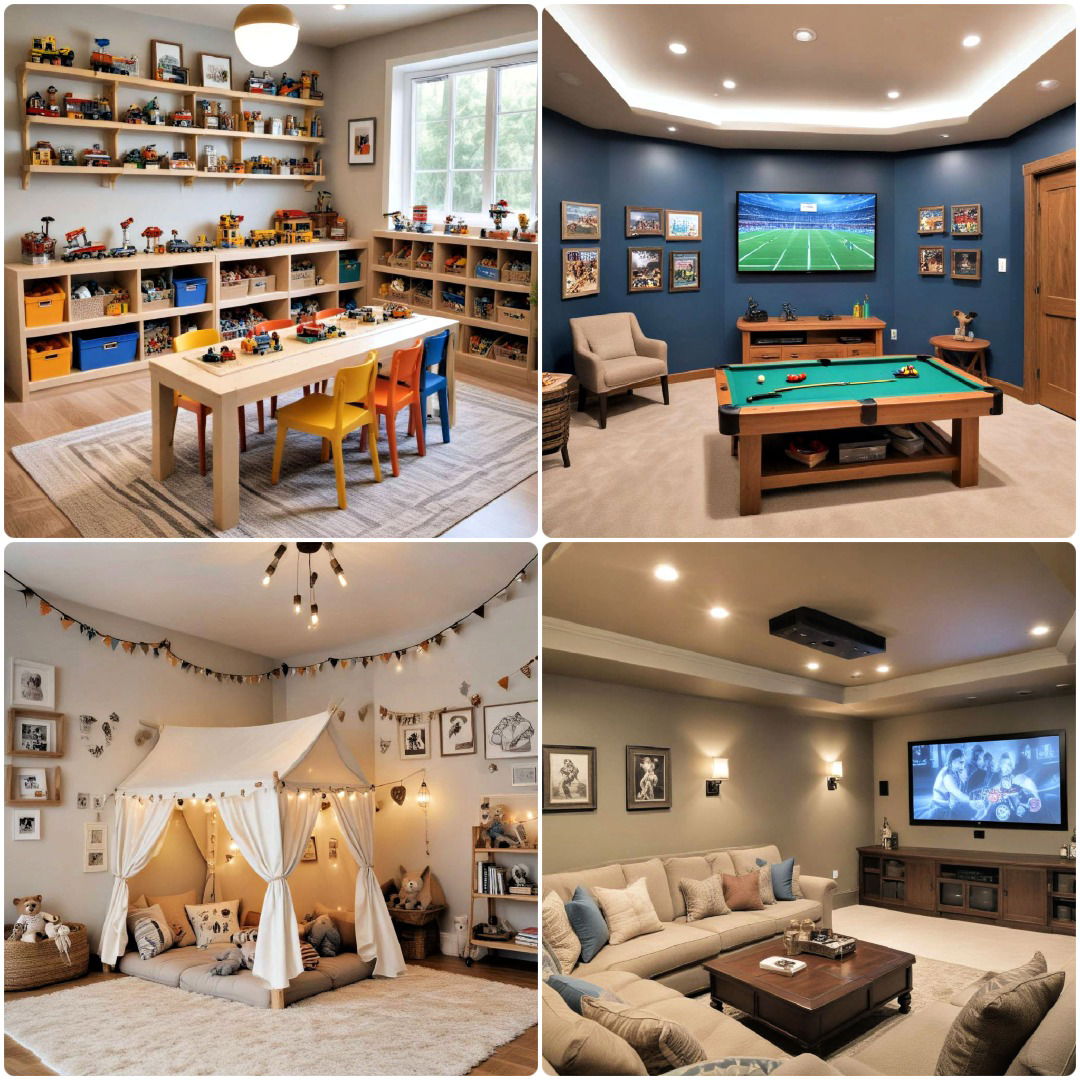
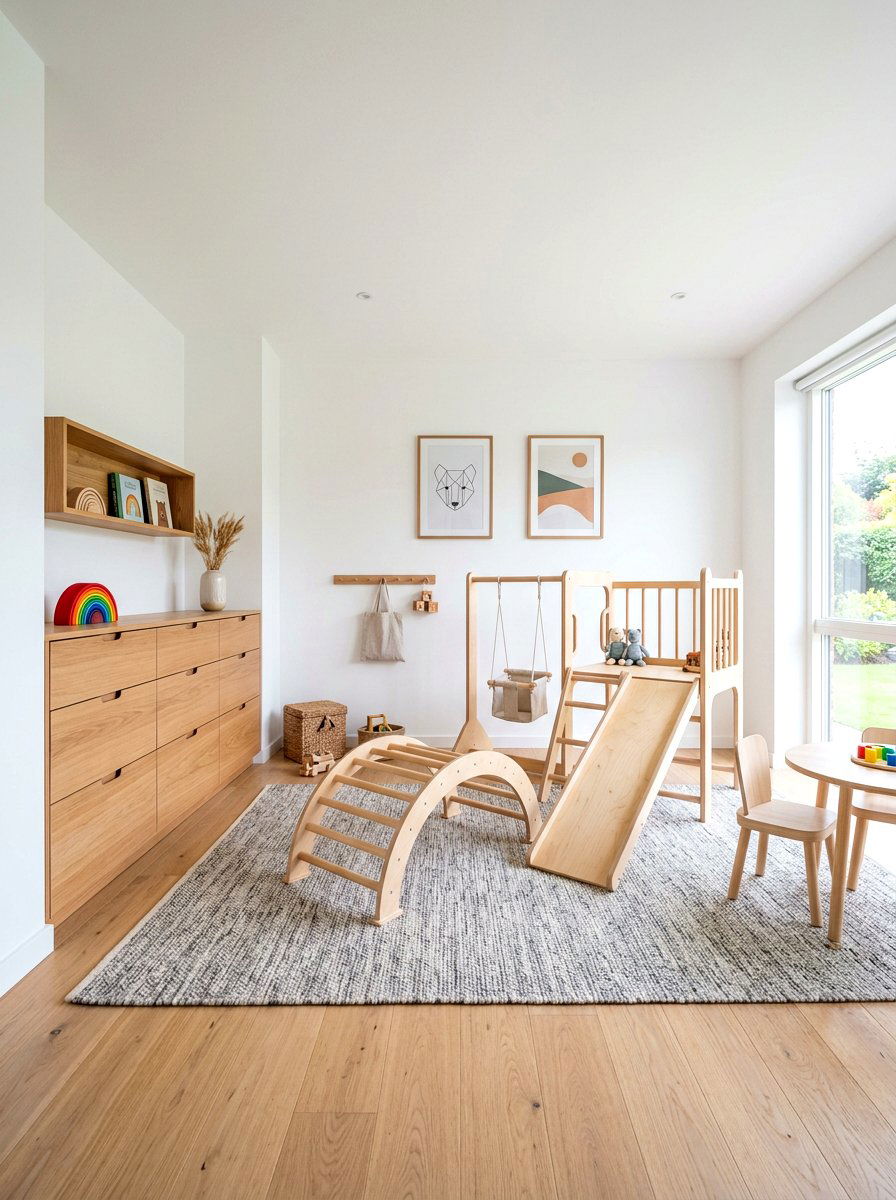
Converting a basement into a dedicated play area is one of the most effective ways to reclaim your upstairs living space from toy clutter. While basements often feel dark, they offer a blank canvas for high-energy activities that might be too loud for the main floor. From active indoor gyms to quiet reading corners, the possibilities for customization are endless when you consider the unique layout of a lower level. A well-planned playroom focuses on safety, durable materials, and clever organization to ensure the space remains functional as children grow. By investing in quality lighting and comfortable flooring, you can transform a cold storage room into a vibrant hub where imaginations flourish. This investment enhances your family life and adds long-term value to your home.
1. Modern Kids Playroom
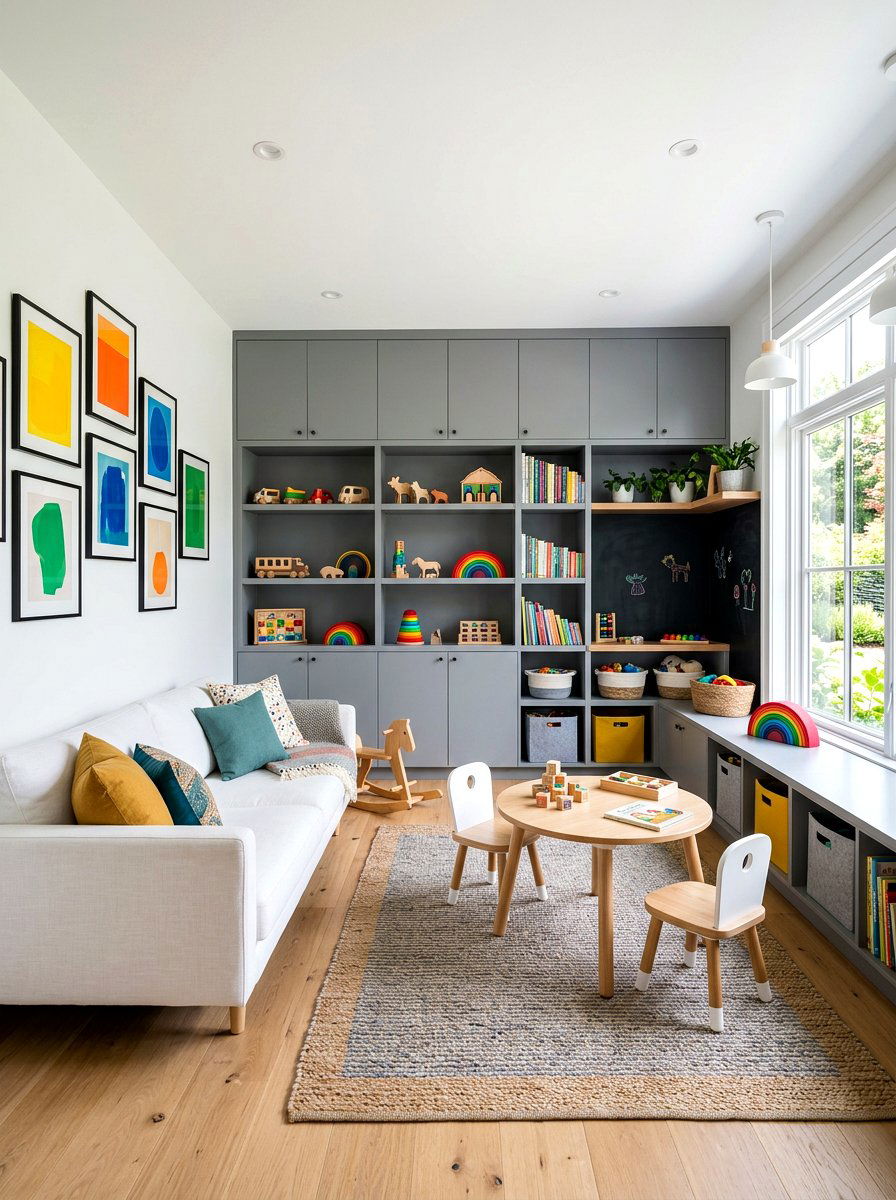
Creating a sleek and contemporary space for children requires a balance between functionality and style. A modern kids playroom often features a minimalist color palette with pops of bold color through toys or accent furniture. You can incorporate clean lines with custom cabinetry that hides the clutter while providing ample floor space for active play. High-quality materials like light wood and soft textiles ensure the room feels warm and inviting rather than sterile. By focusing on a cohesive look, the basement becomes a seamless extension of your home's upstairs living area. This approach allows the space to grow with your children over time without needing a complete overhaul every few years.
2. Toy Storage Solution
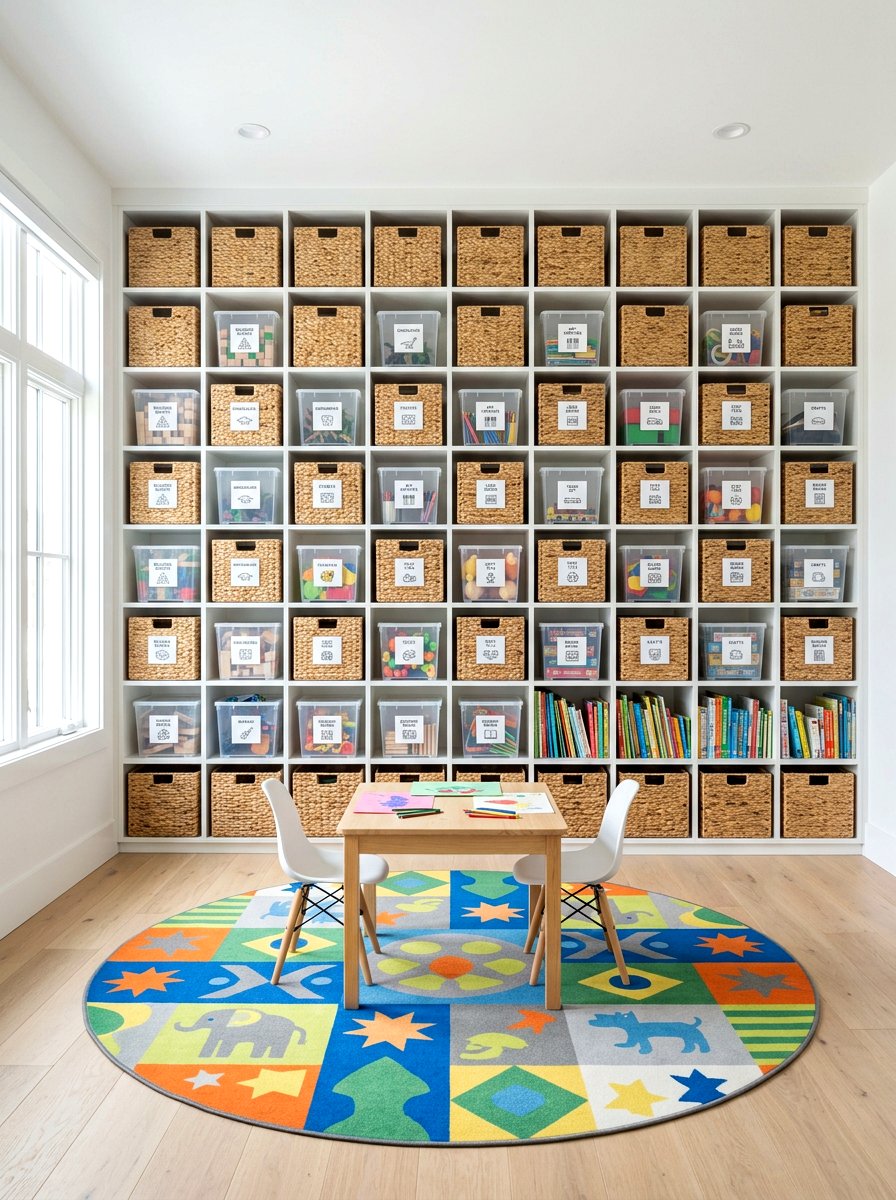
An organized basement depends entirely on a robust toy storage solution that keeps every block and puzzle piece in its proper place. Utilizing built-in cubbies or modular shelving units allows you to maximize vertical space while keeping items within a child’s reach. You should consider using labeled bins or clear containers so that kids can easily identify what is inside and help with the cleanup process. A mixture of open shelving for display and closed cabinets for bulky items creates a balanced aesthetic that looks tidy even after a long day of play. Smart storage prevents the basement from becoming a chaotic mess and teaches children valuable organizational skills early on.
3. Kids Climbing Wall
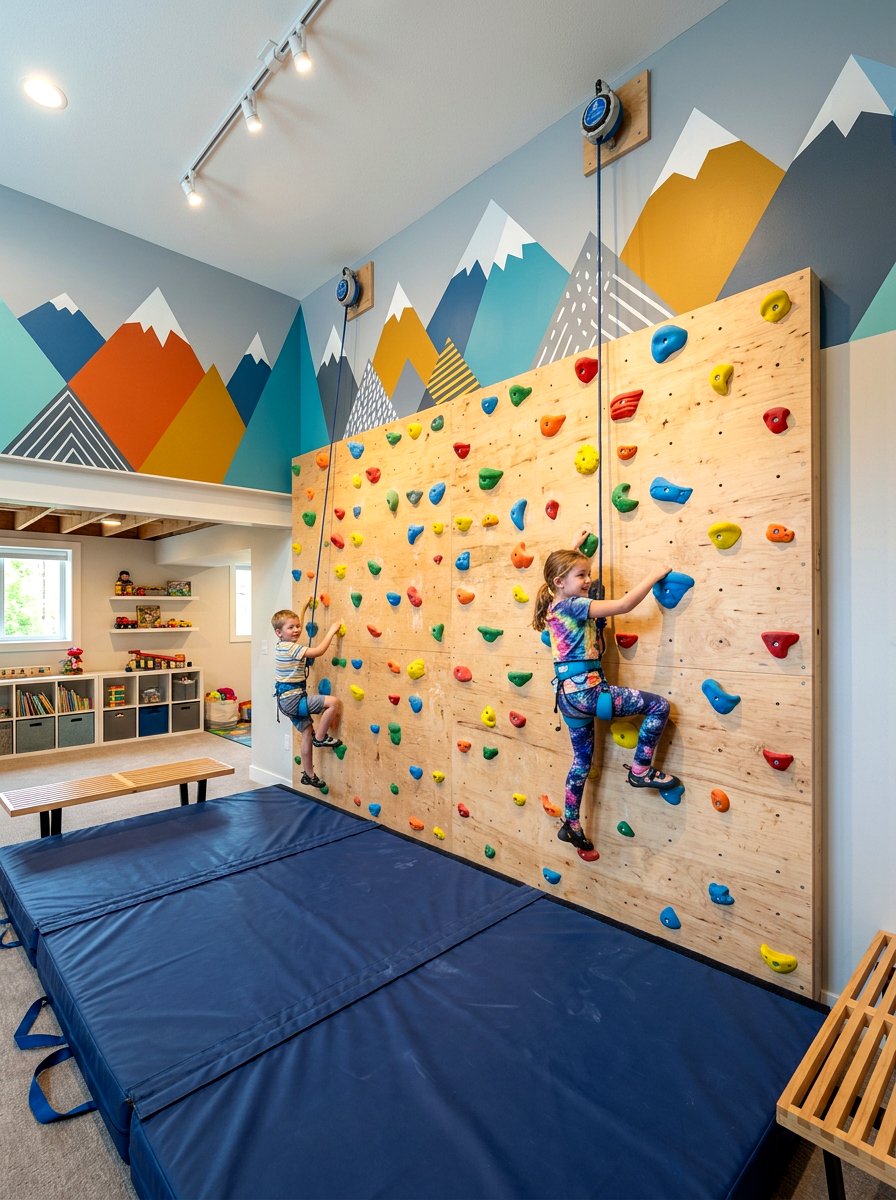
Installing a kids climbing wall is a fantastic way to encourage physical activity and develop motor skills in a safe environment. You can customize the wall with colorful grips and varying degrees of difficulty to keep the challenge exciting as children get stronger. Soft crash pads or thick rubber mats are essential at the base to ensure safety during every climbing session. This vertical element uses very little floor space, making it perfect for basements that need to accommodate multiple activities. The wall itself can serve as a bold focal point, especially when painted with mountain murals or vibrant geometric patterns that inspire a sense of adventure.
4. Montessori Play Area
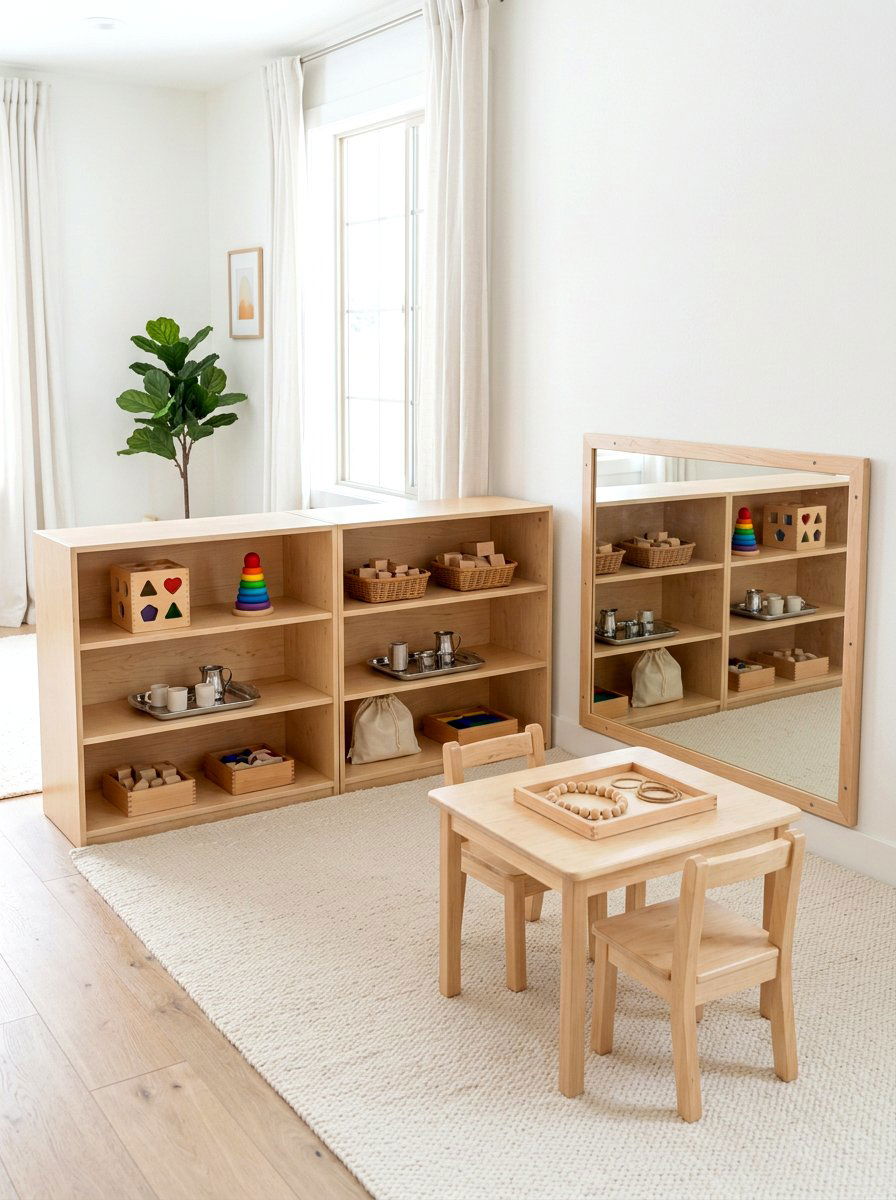
A Montessori play area focuses on simplicity and accessibility to foster independence and exploration in young children. You should choose low-profile furniture and open shelving that allows kids to select their own activities without adult assistance. Natural materials like wood, cotton, and wool are preferred to create a sensory-rich environment that feels grounded and calm. By rotating a small selection of toys, you can keep the space from feeling overwhelming and encourage deeper engagement with each item. This type of layout often includes a floor mirror and a soft rug to create a safe zone for toddlers to observe their movements and explore their physical world.
5. Cozy Reading Nook
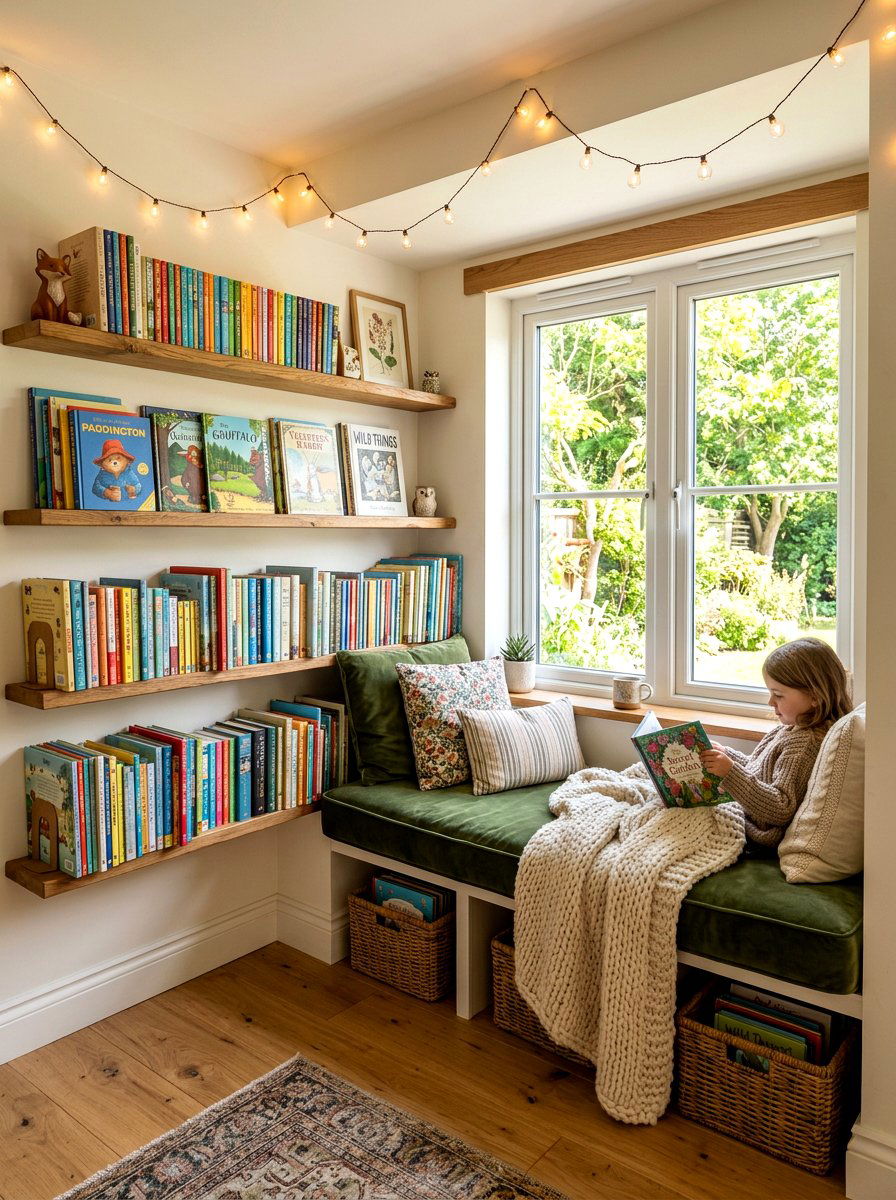
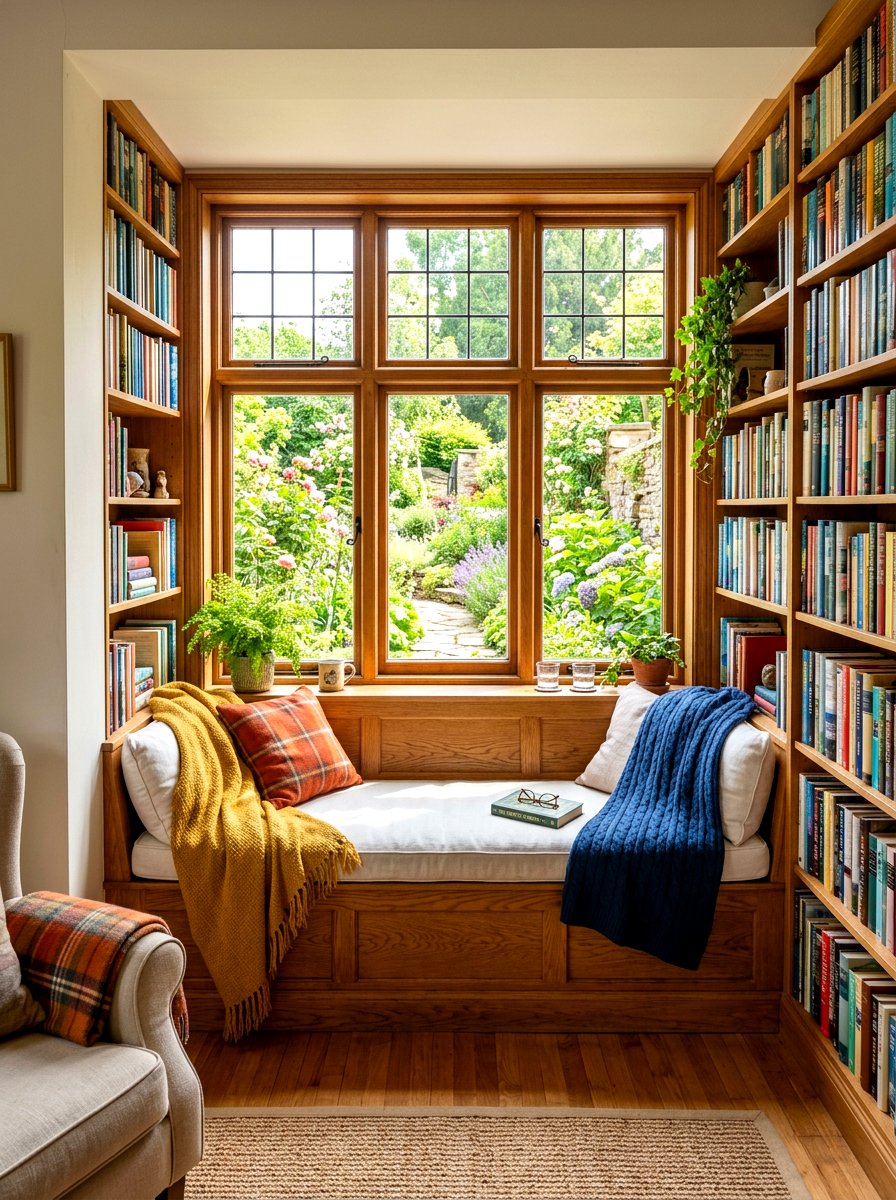
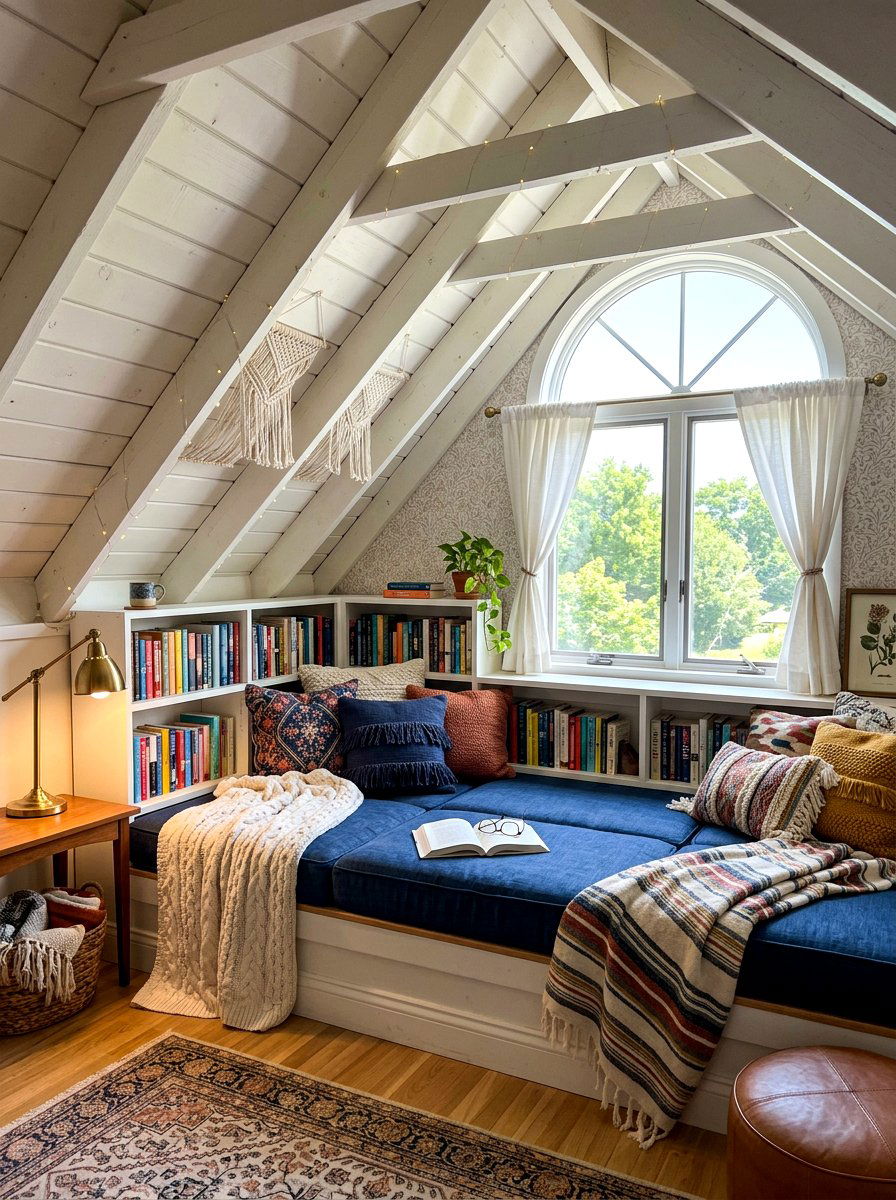
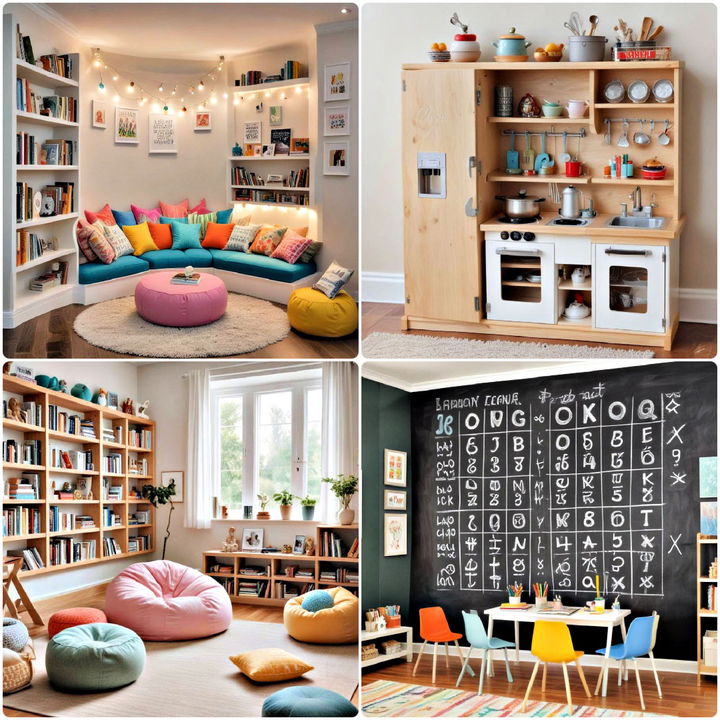
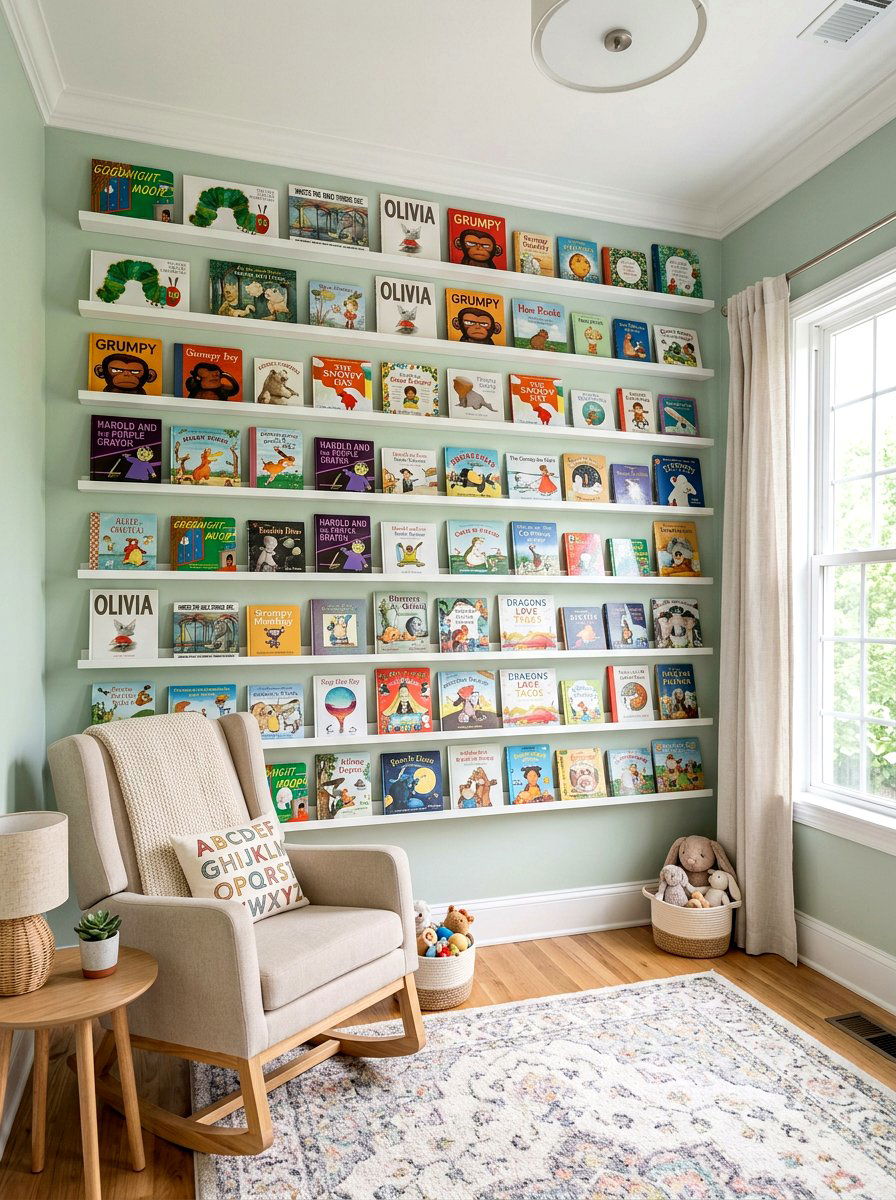
Every child needs a cozy reading nook where they can escape into their favorite stories and enjoy some quiet downtime. You can create this space by adding a built-in bench under a basement window or tucking a plush armchair into an unused corner. Incorporate soft lighting with a dedicated floor lamp or warm string lights to create a magical atmosphere that encourages relaxation. Floating bookshelves allow you to display book covers like artwork, making it easier for children to find their next read. Adding plenty of textured pillows and a soft throw blanket ensures the nook is the most comfortable spot in the entire basement.
6. Toddler Activity Zone
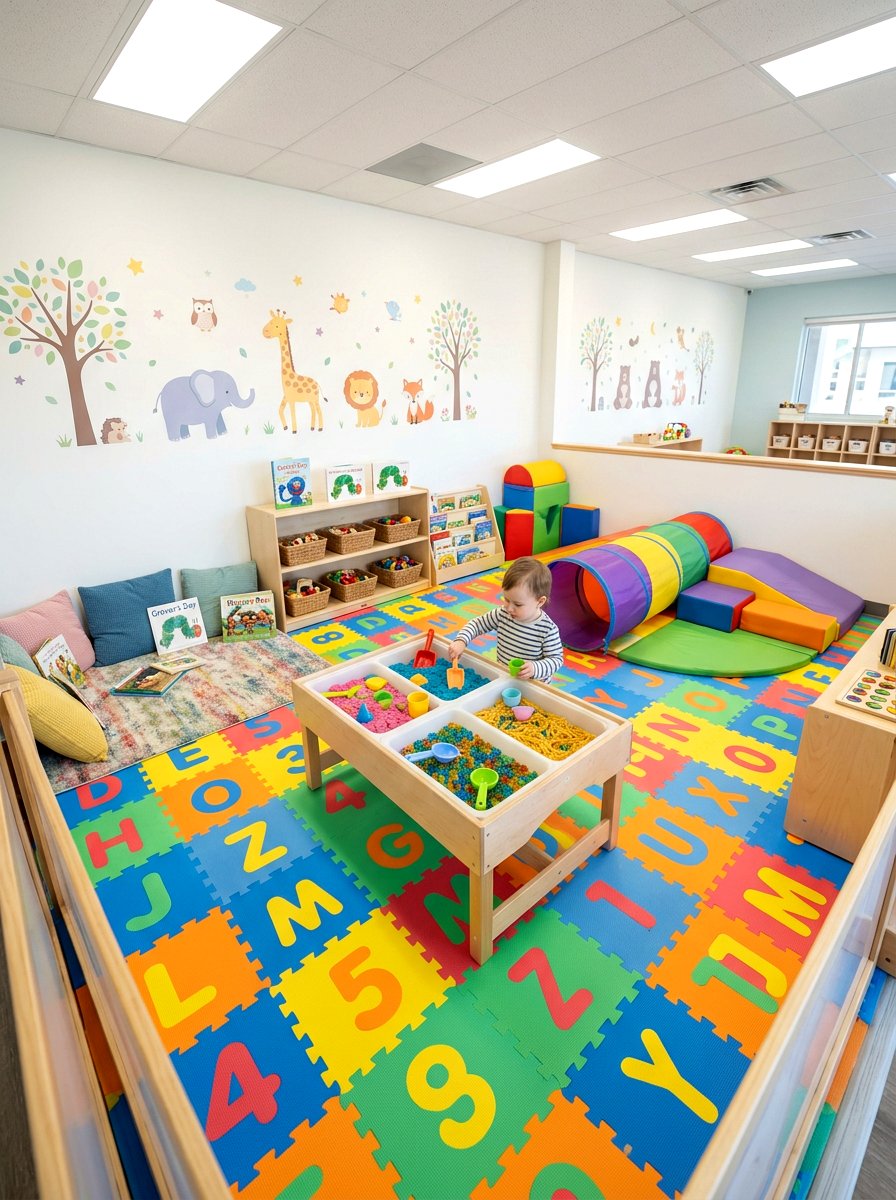
Designing a dedicated toddler activity zone ensures that the youngest family members have a safe and stimulating place to play. This area should feature soft, wipeable surfaces like foam tiles to protect little ones during their inevitable tumbles. Incorporate low tables for sensory bins and age-appropriate puzzles that challenge their fine motor skills without being frustrating. Bright colors and interactive wall panels can keep them engaged for long periods while you supervise from a nearby seating area. By creating a clear boundary for this zone, you can keep smaller toys away from older siblings while ensuring the environment is perfectly tailored to early childhood development.
7. Kids Craft Table
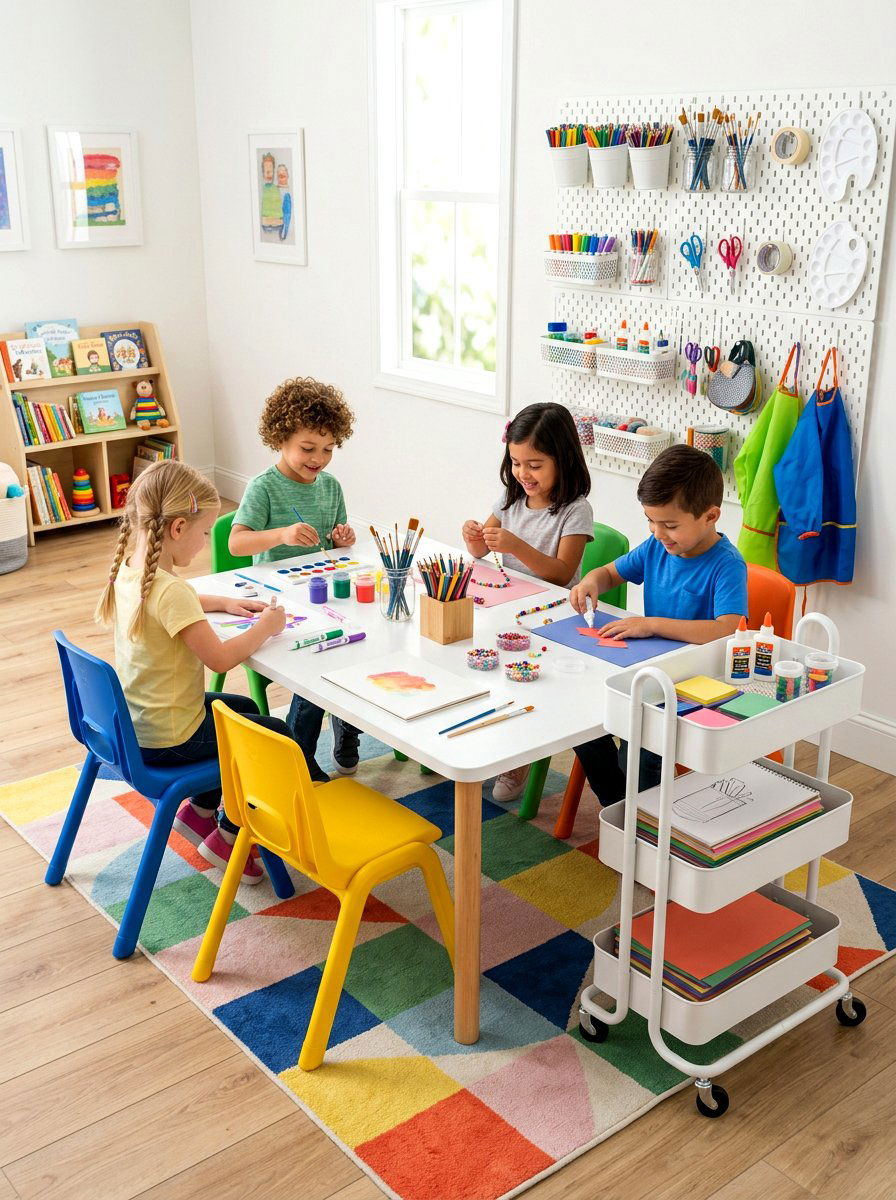
A sturdy kids craft table serves as the central hub for drawing, painting, and creative DIY projects in the basement. You should look for a surface that is easy to clean, such as laminate or treated wood, to handle spills and marker stains. Pairing the table with ergonomic chairs or stools ensures children are comfortable while they focus on their latest masterpieces. To keep the area organized, consider adding a nearby pegboard or rolling cart to store brushes, crayons, and paper within easy reach. This dedicated creative zone allows children to express themselves freely without the worry of ruining expensive furniture in the main living areas.
8. Teen Basement Lounge
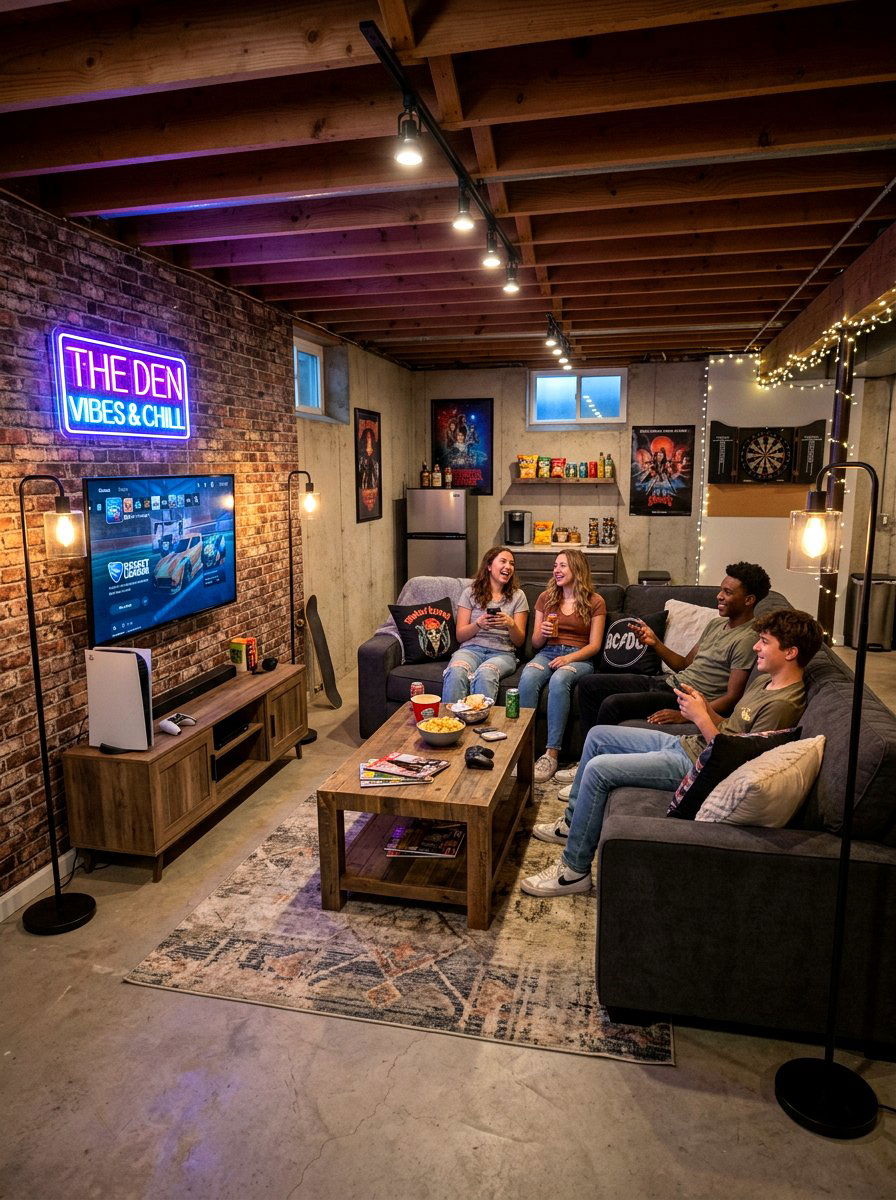
As children grow older, a teen basement lounge provides a necessary retreat for socializing with friends or relaxing after school. This space often features comfortable sectional seating, a gaming console, and perhaps a small snack bar for independence. You can use a more mature color palette with industrial or bohemian accents to reflect their evolving tastes and personal styles. Soundproofing the walls or ceiling can be a wise investment to keep the noise of music and video games contained. By involving your teenager in the design process, you ensure the space feels like their own while maintaining a cohesive look with the rest of your home.
9. Home Movie Theater
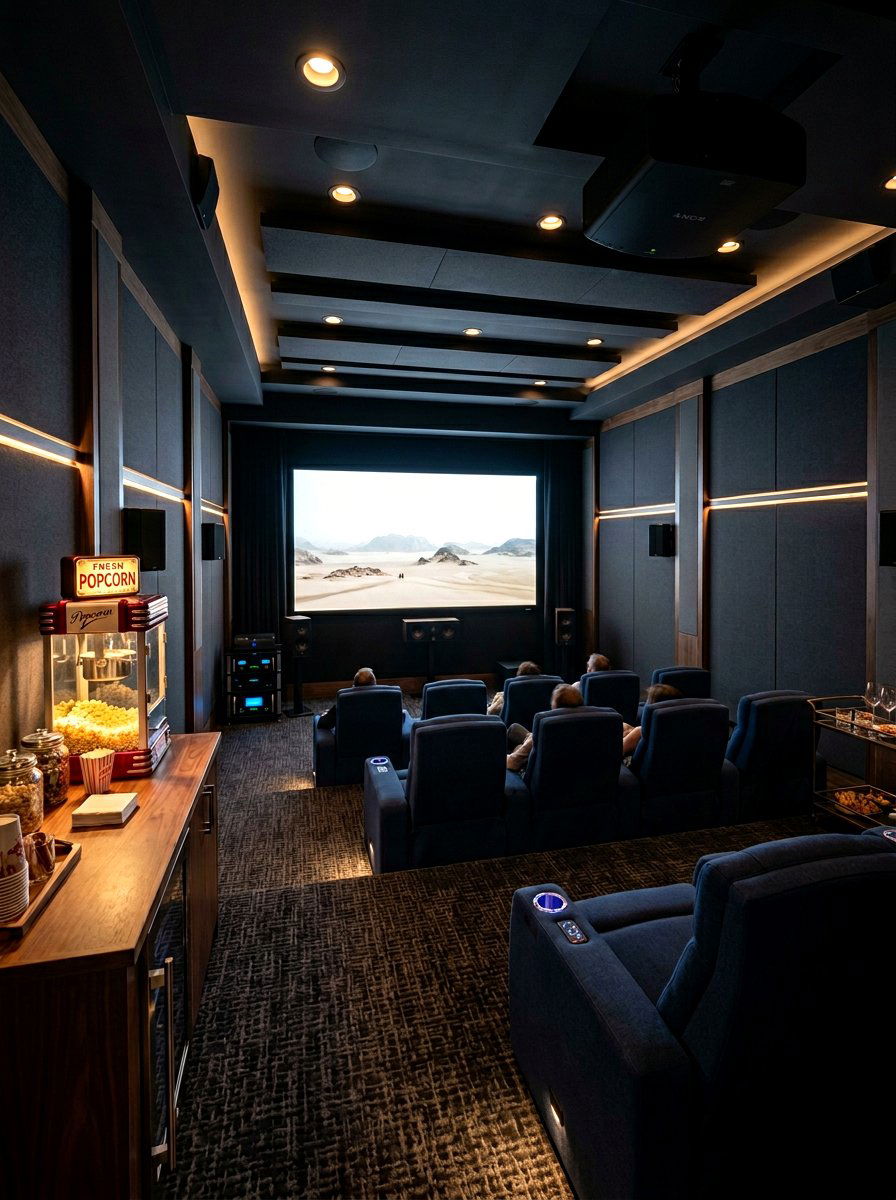
Turning a portion of your basement into a home movie theater creates the ultimate family entertainment destination for all ages. You can install a large projector screen or a high-definition television as the primary focal point of the room. Comfortable tiered seating or a deep, plush sectional allows everyone to have a great view of the screen during movie marathons. Dimmer switches and recessed lighting are essential for setting the right mood and reducing glare on the screen. To complete the experience, you might add a popcorn machine or a small refrigerator to keep drinks and snacks handy for a truly authentic cinema feel.
10. Foam Play Mat
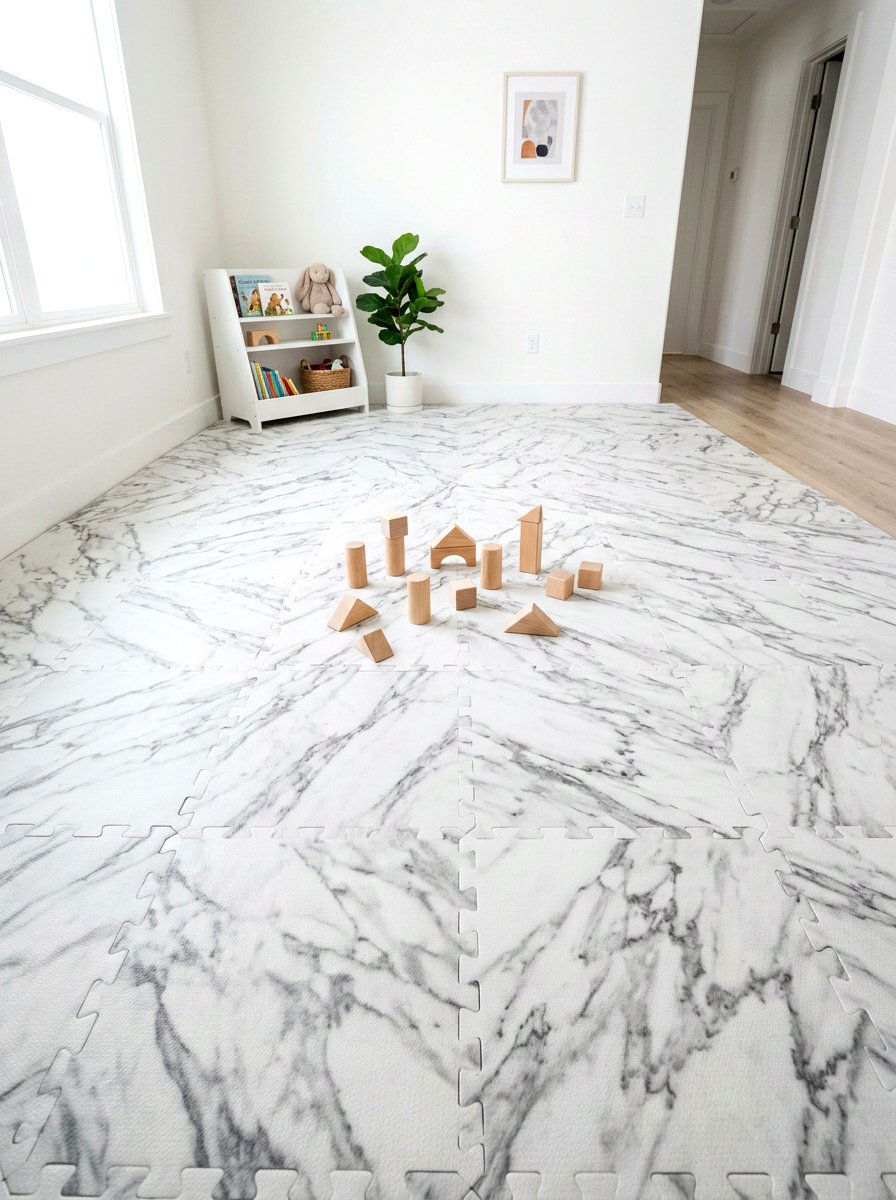
A high-quality foam play mat is a fundamental addition to any basement playroom to provide a soft and safe surface. These mats are available in a variety of styles, from bright primary colors to modern wood-grain patterns that blend with home decor. They offer excellent insulation against cold concrete floors, making the basement much more comfortable for floor-based play and crawling. Because they are typically modular, you can easily customize the size and shape to fit your specific room layout. Most foam mats are water-resistant and easy to sanitize, ensuring the play area remains clean and hygienic for your children throughout the day.
11. Under Stair Playhouse
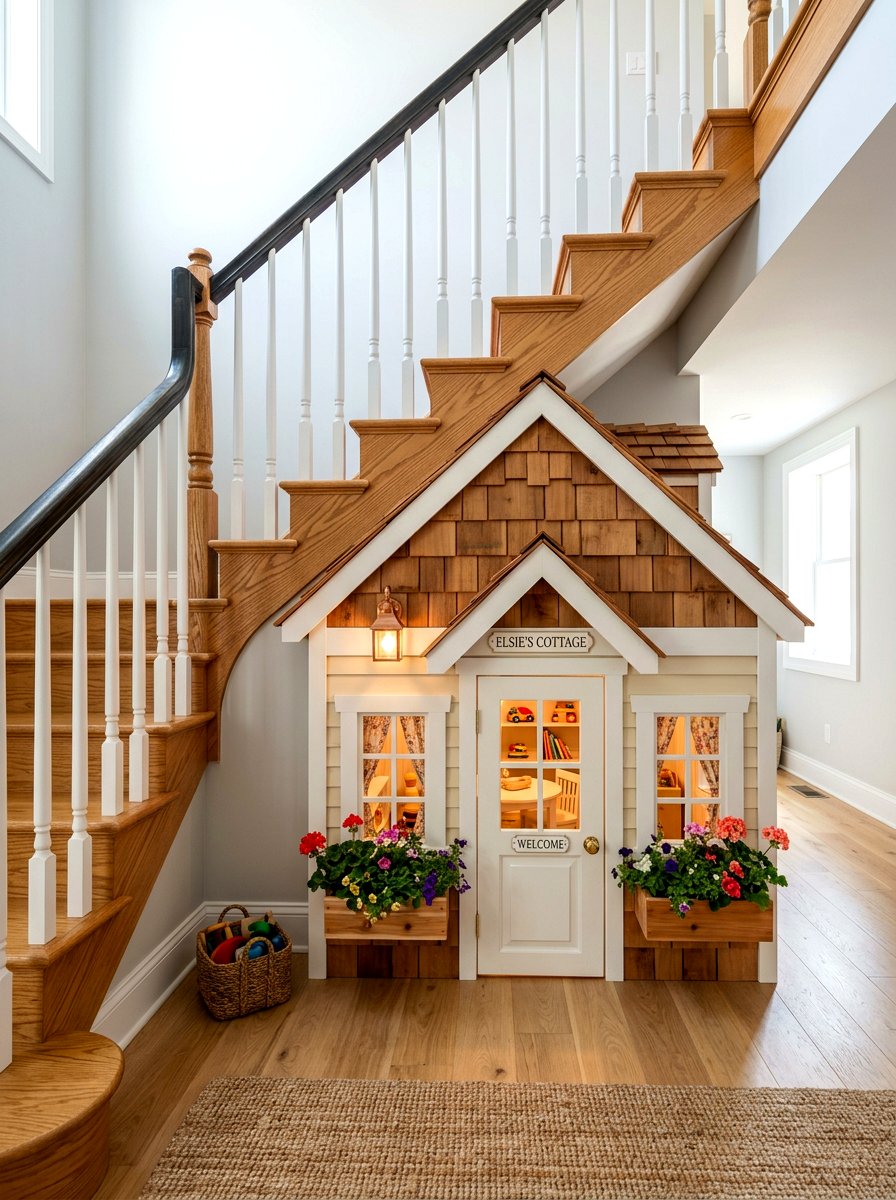
Utilizing the space beneath the staircase for an under stair playhouse is a clever way to maximize every inch of your basement. You can frame out a small doorway and add a tiny window to create a secret hideout that children will absolutely love. The interior can be decorated with wallpaper, battery-operated lanterns, and a soft rug to make it feel like a real home. This miniature room is perfect for imaginative role-playing, playing house, or simply having a private spot to nap. It transforms a frequently wasted architectural feature into a magical destination that sparks creativity and provides hours of entertainment for young children.
12. Oversized Chalkboard Wall
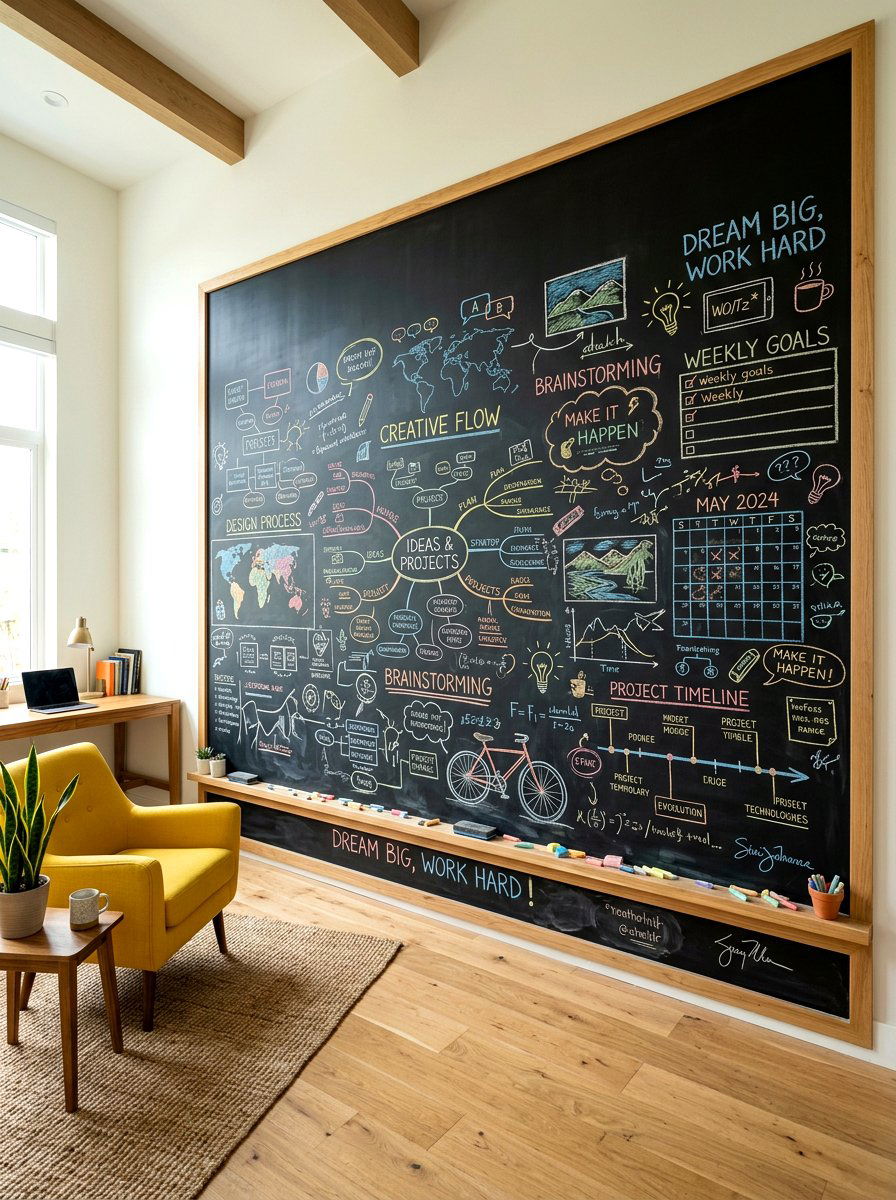
An oversized chalkboard wall invites endless creativity and allows children to draw on the walls without getting into trouble. You can easily create this feature by applying specialized chalkboard paint to a large, flat section of the basement wall. It serves as a rotating art gallery, a place for homework practice, or a giant canvas for collaborative murals during playdates. To keep the dust contained, consider installing a small ledge at the bottom to hold chalk and erasers while catching any falling debris. This interactive element adds a dynamic and playful touch to the room that can be enjoyed by children and adults alike.
13. Indoor Jungle Gym
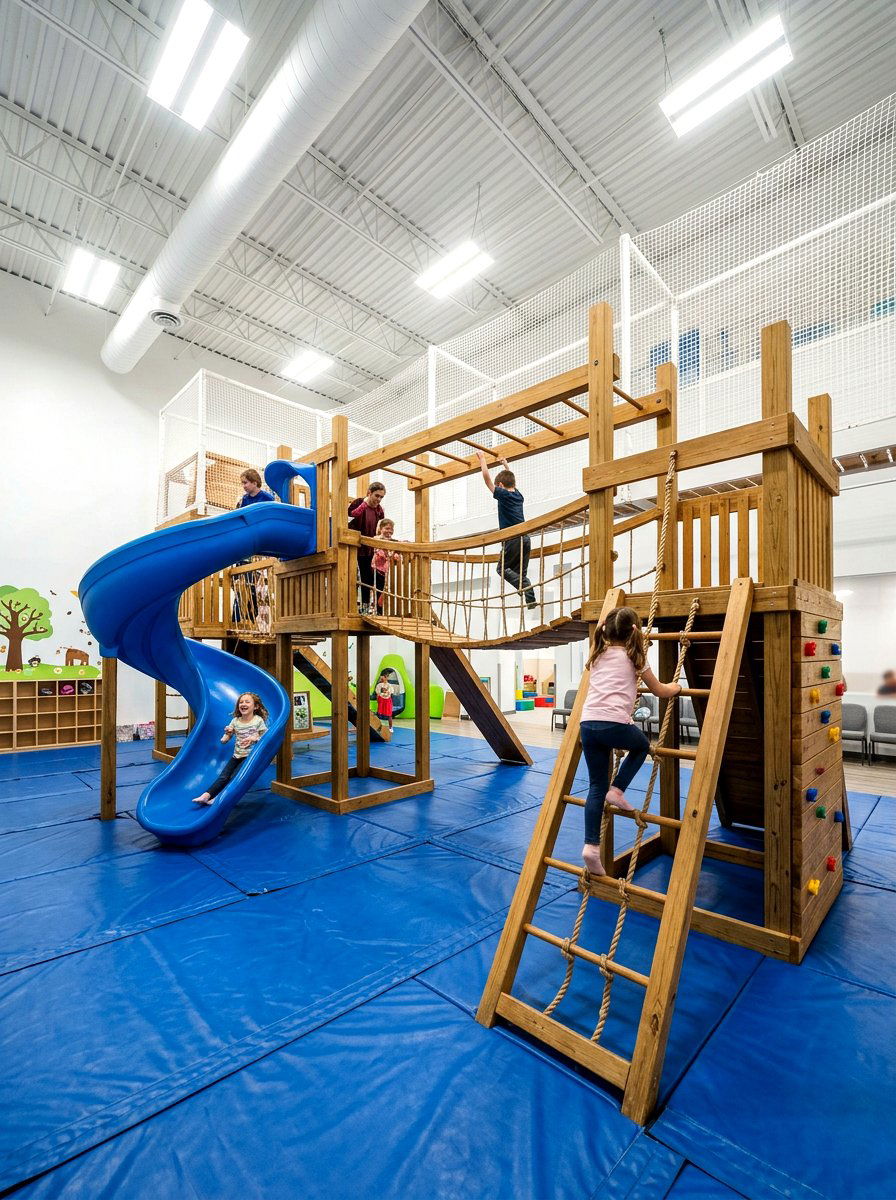
Bringing the playground inside with an indoor jungle gym is the perfect solution for burning off energy during cold or rainy days. These structures often include swings, slides, monkey bars, and rope ladders to provide a full-body workout for active kids. You must ensure the gym is securely anchored to the floor or ceiling and surrounded by thick safety mats to prevent injuries. This setup turns the basement into a high-energy destination that keeps children moving and healthy throughout the year. The variety of physical challenges helps improve coordination and strength while providing a fun way for siblings to play together indoors.
14. Sensory Play Corner
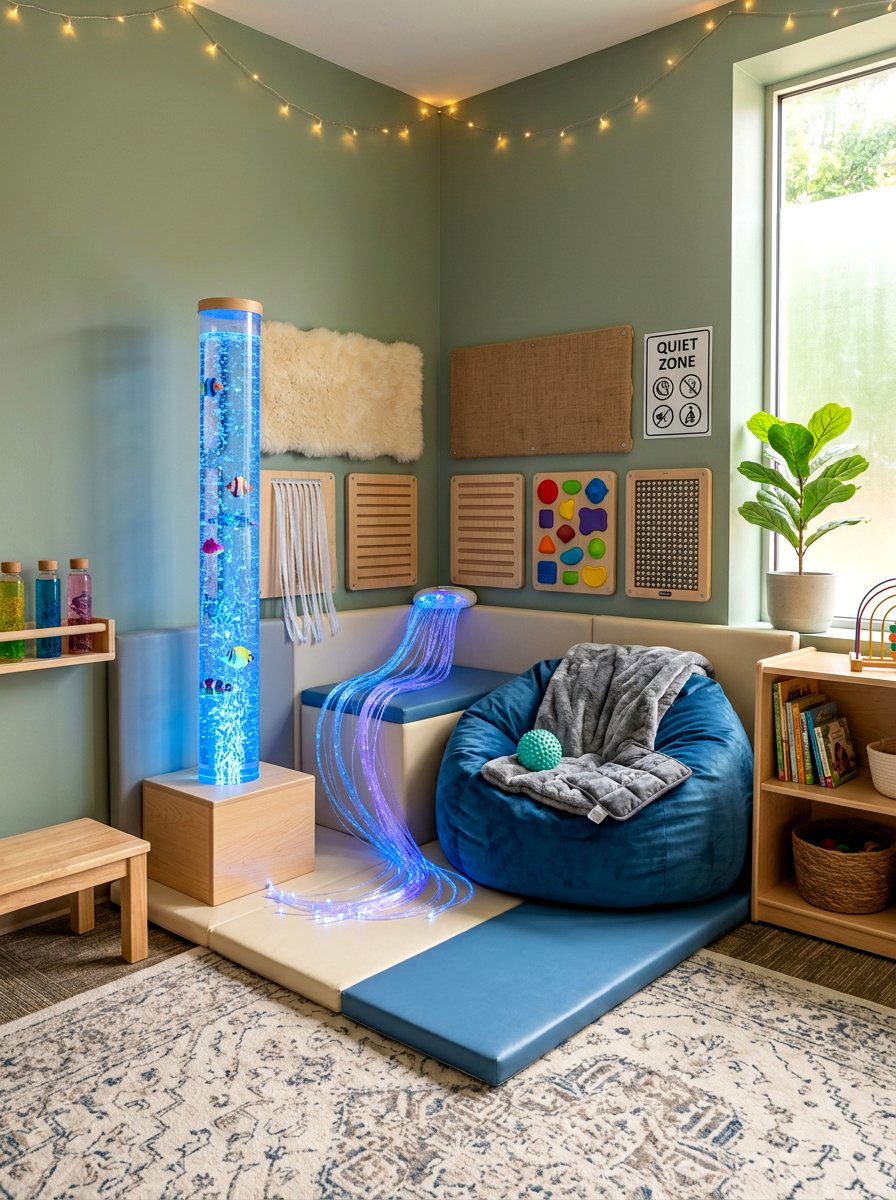
A sensory play corner is designed to stimulate a child’s senses through touch, sight, and sound in a controlled environment. You can include items like bubble tubes, fiber optic lights, and tactile wall panels that offer different textures to explore. Soft seating and weighted blankets can help children feel grounded and calm if they become overstimulated during their activities. Incorporating a water table or a sand bin provides opportunities for messy play that is contained within one specific area for easy cleanup. This specialized zone is particularly beneficial for children with sensory processing needs, providing a therapeutic space for relaxation and development.
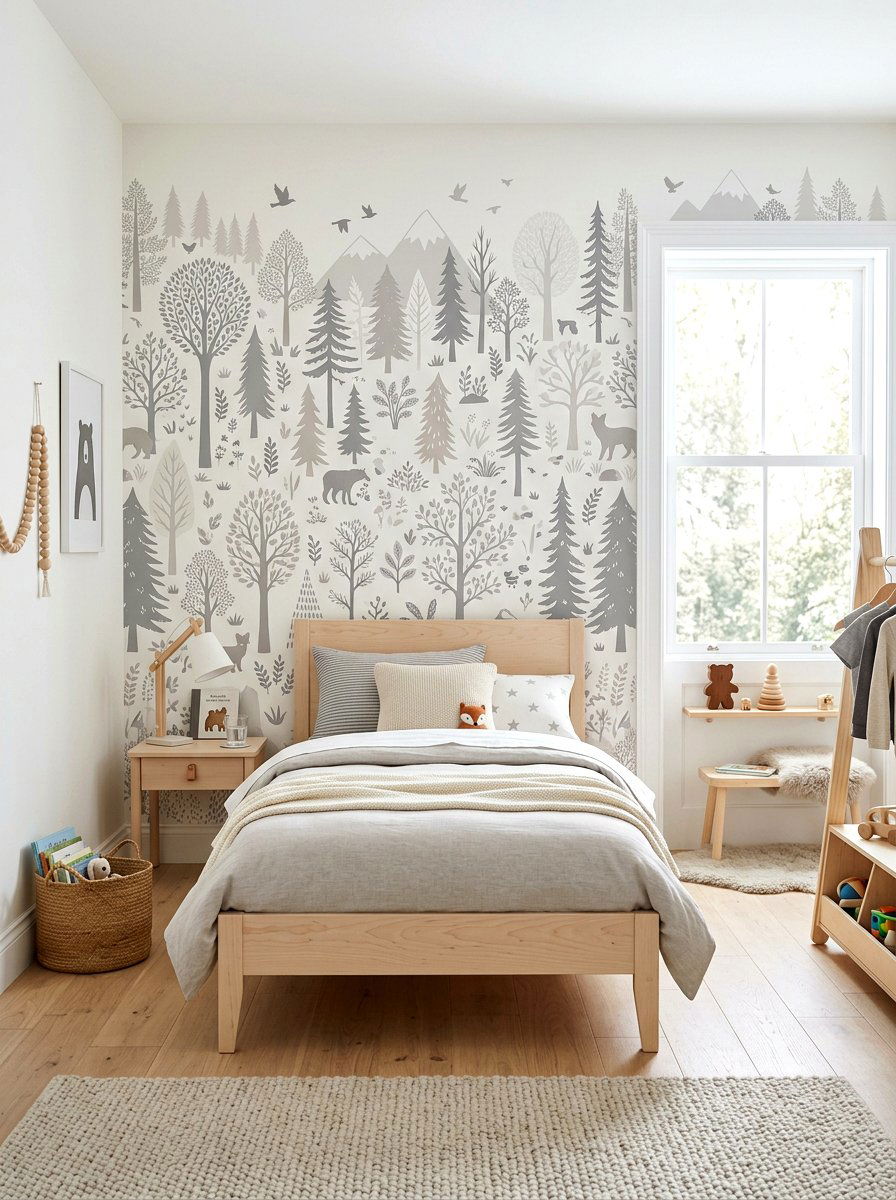
15. Exposed Brick Playroom
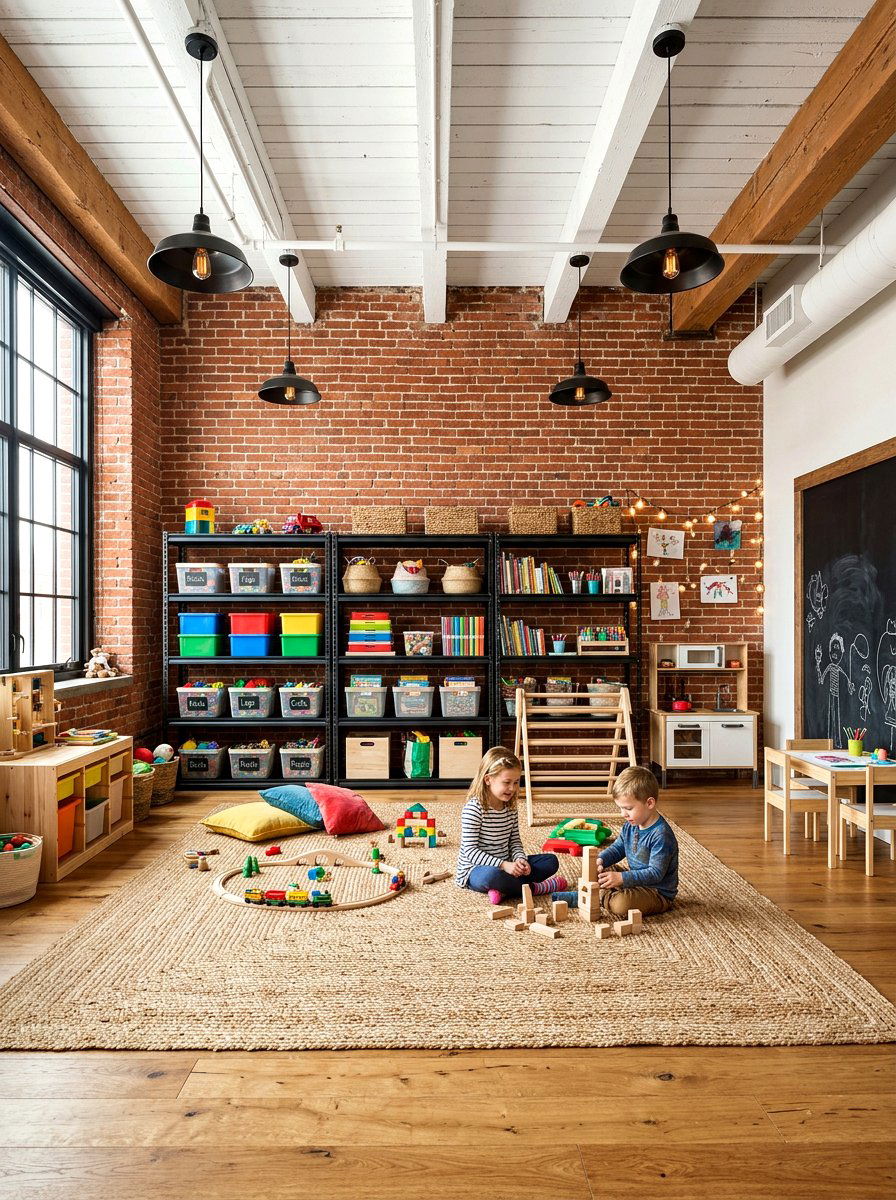
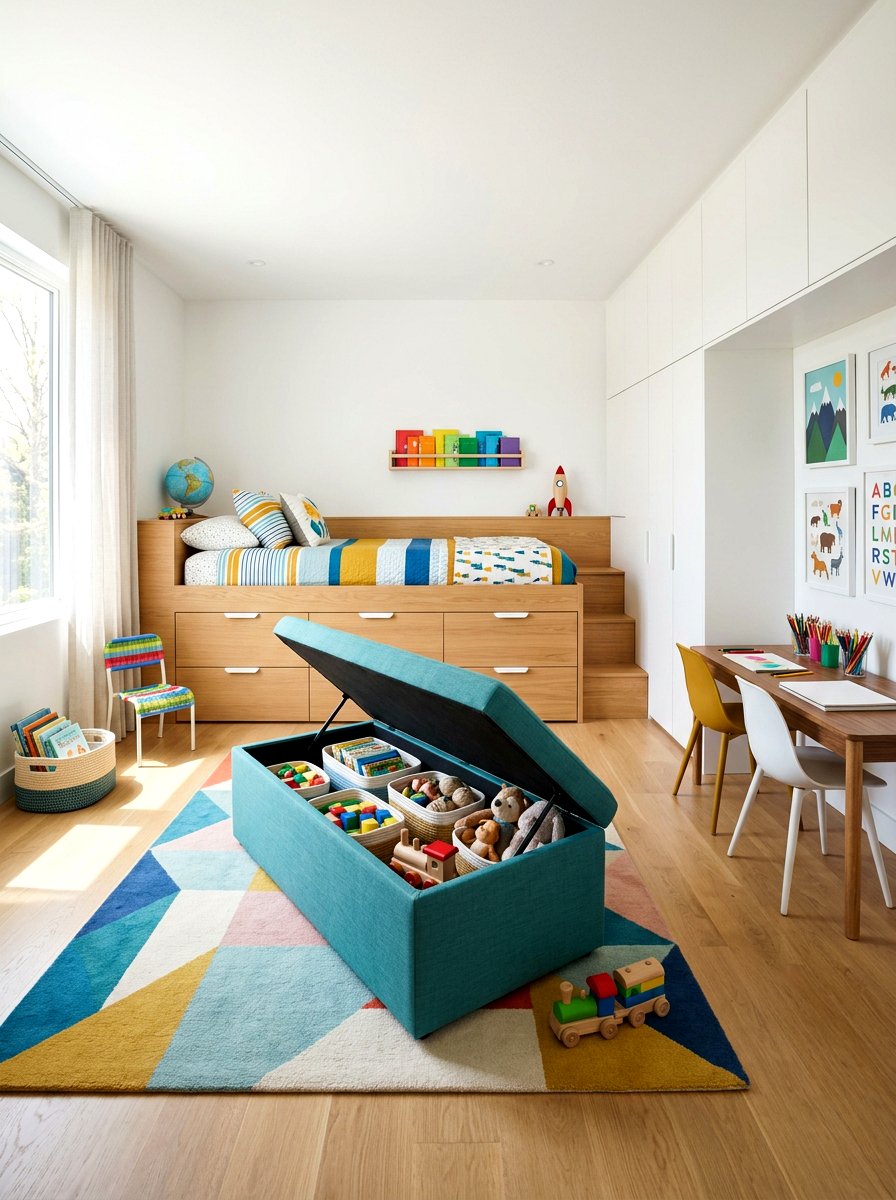
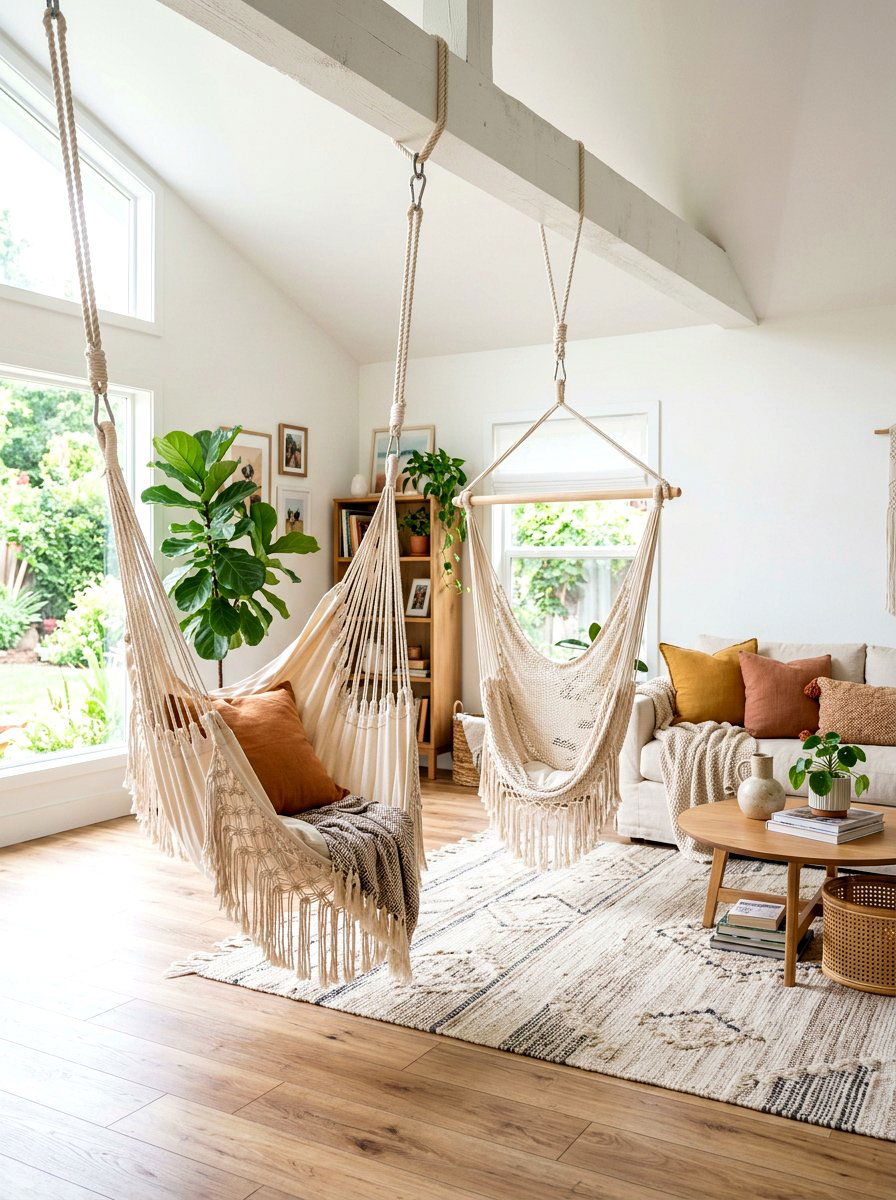
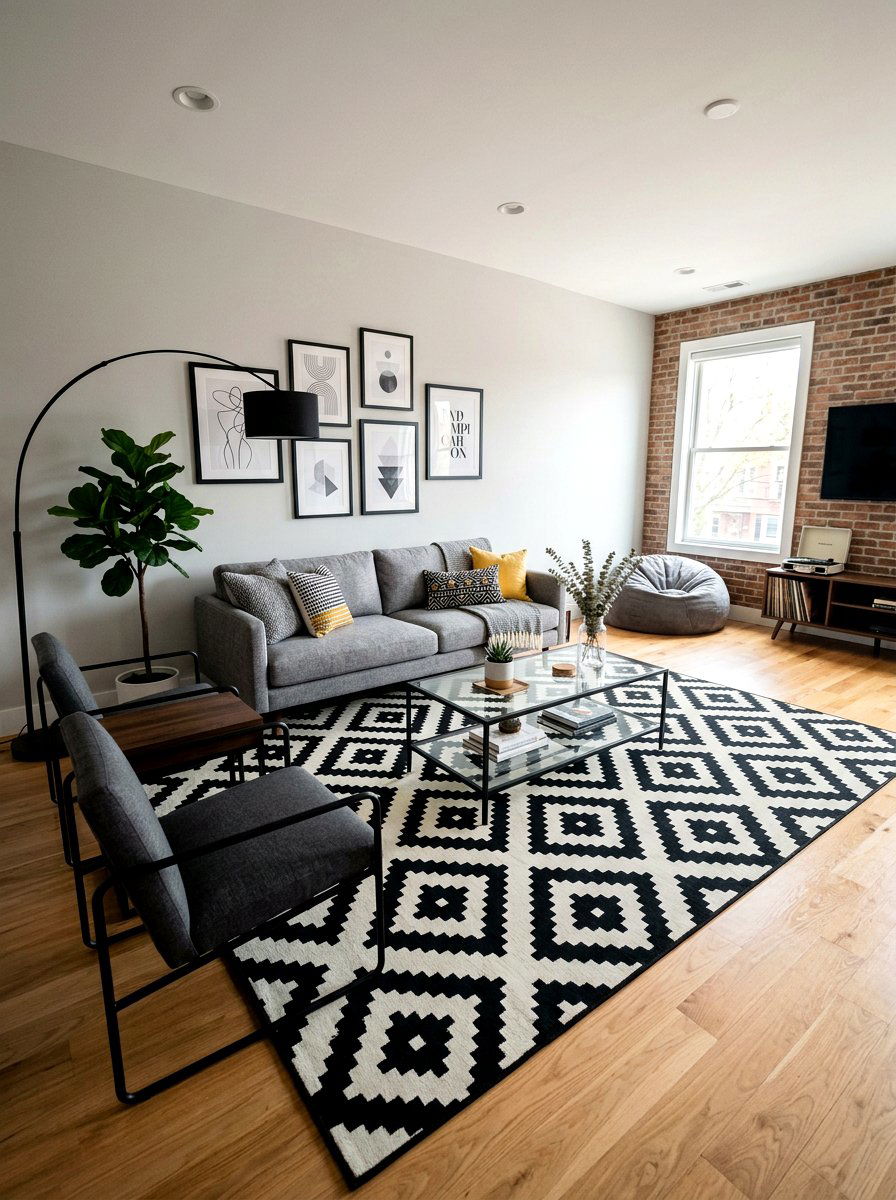
An exposed brick playroom offers a unique industrial aesthetic that feels both trendy and durable for a basement setting. The natural texture of the brick provides a warm backdrop that pairs beautifully with wooden toys and colorful area rugs. You can lean into the loft style by adding metal shelving units and oversized pendant lighting to brighten the space. Brick walls are incredibly resilient to the occasional bumps and scrapes that come with active play, making them a practical choice for high-traffic areas. By layering soft textiles like floor cushions and heavy curtains, you can balance the hard surfaces to create a cozy and inviting atmosphere.
16. Indoor Castle Fort
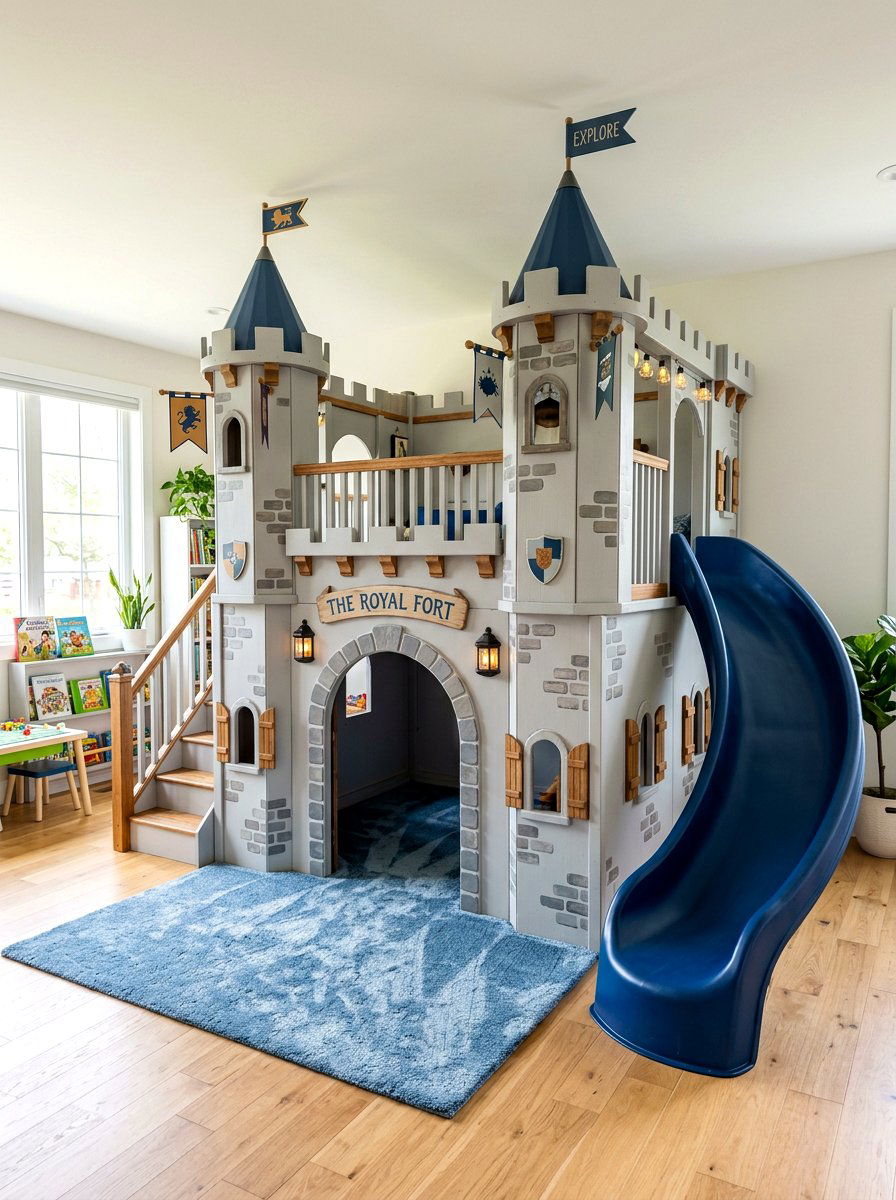
Building an indoor castle fort creates a whimsical centerpiece that encourages imaginative storytelling and epic role-playing adventures for kids. You can use custom carpentry to build a structure complete with turrets, a drawbridge, and a small loft for looking out. Painting the fort in soft grays or vibrant jewel tones adds to the royal theme and makes it a standout feature. The area inside the fort can serve as a hidden reading nook or a place to store "treasure" and other favorite toys. This large-scale play structure provides a sense of wonder and gives children a dedicated place where they can be the heroes of their own stories.
17. Minimalist Kids Room
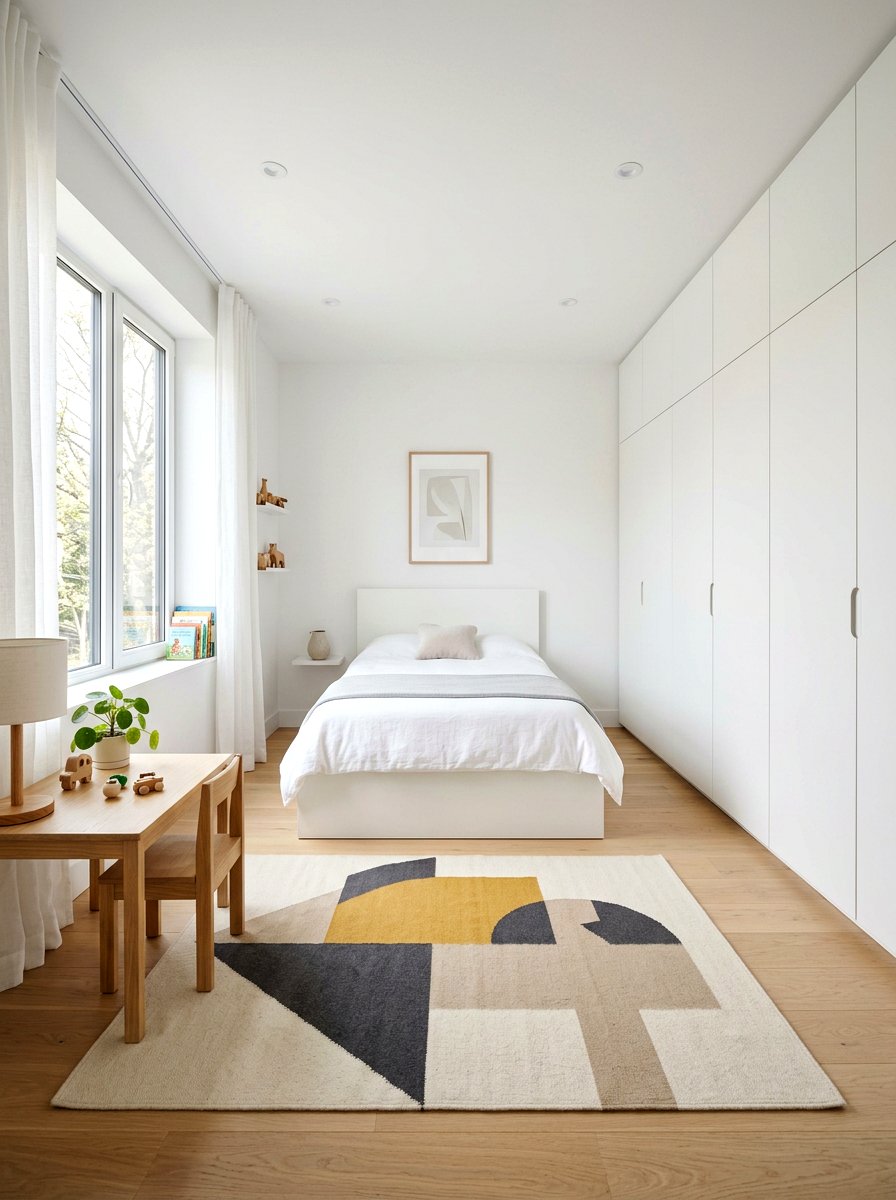
A minimalist kids room focuses on quality over quantity, creating a peaceful environment that is free from visual clutter and chaos. By selecting a few versatile furniture pieces and a neutral color palette, you can create a space that feels open and airy. This design style emphasizes hidden storage solutions to keep toys out of sight when they are not in use, promoting a sense of order. You can add personality through a few carefully chosen decor items like a graphic rug or a single piece of framed artwork. A minimalist approach makes the room easier to clean and allows children to focus more deeply on their play.
18. Lego Building Station
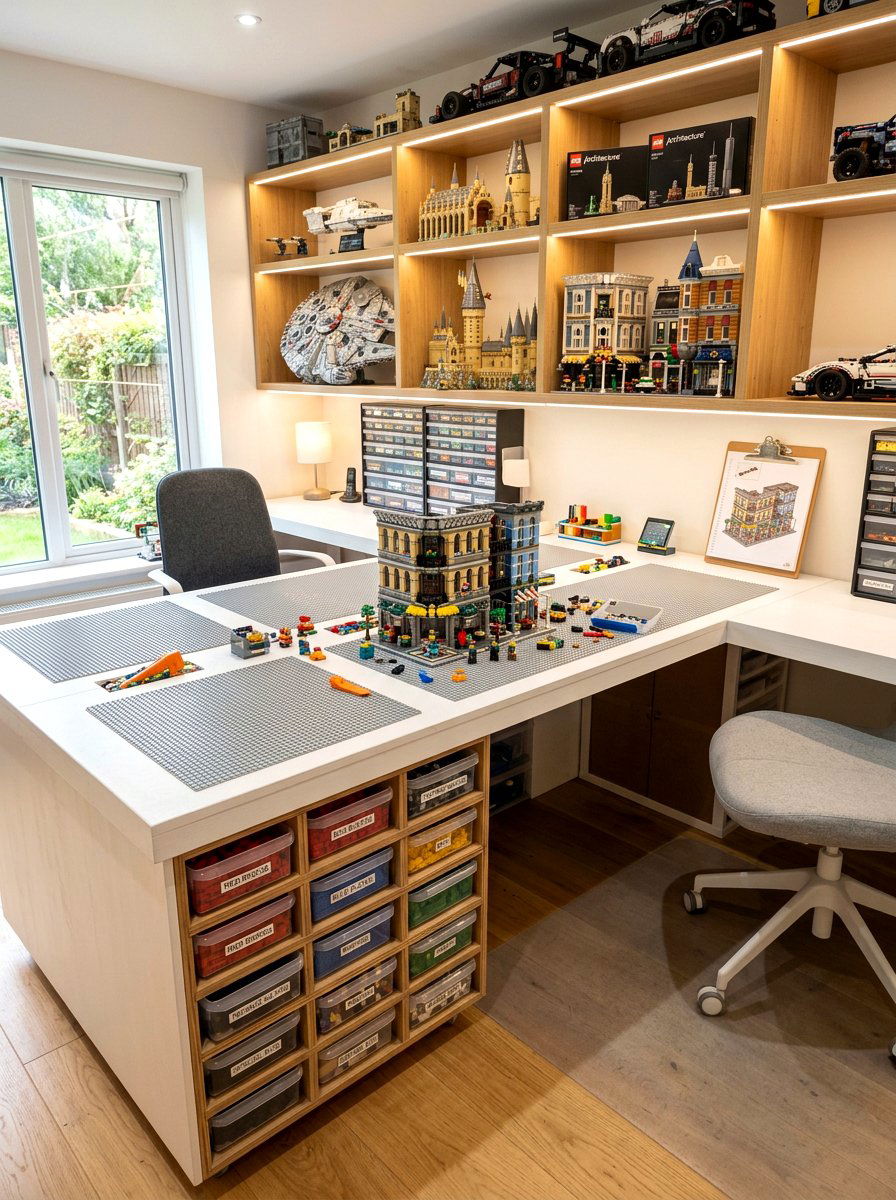
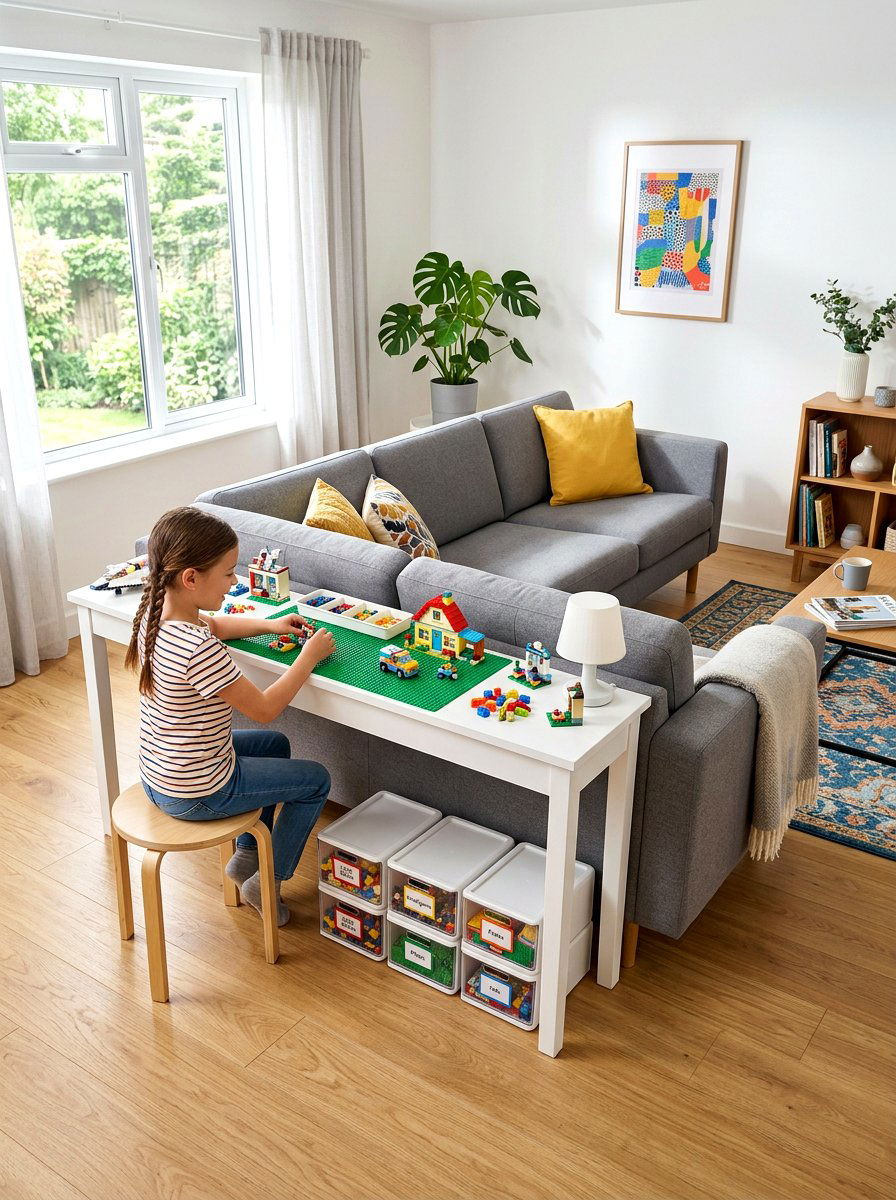
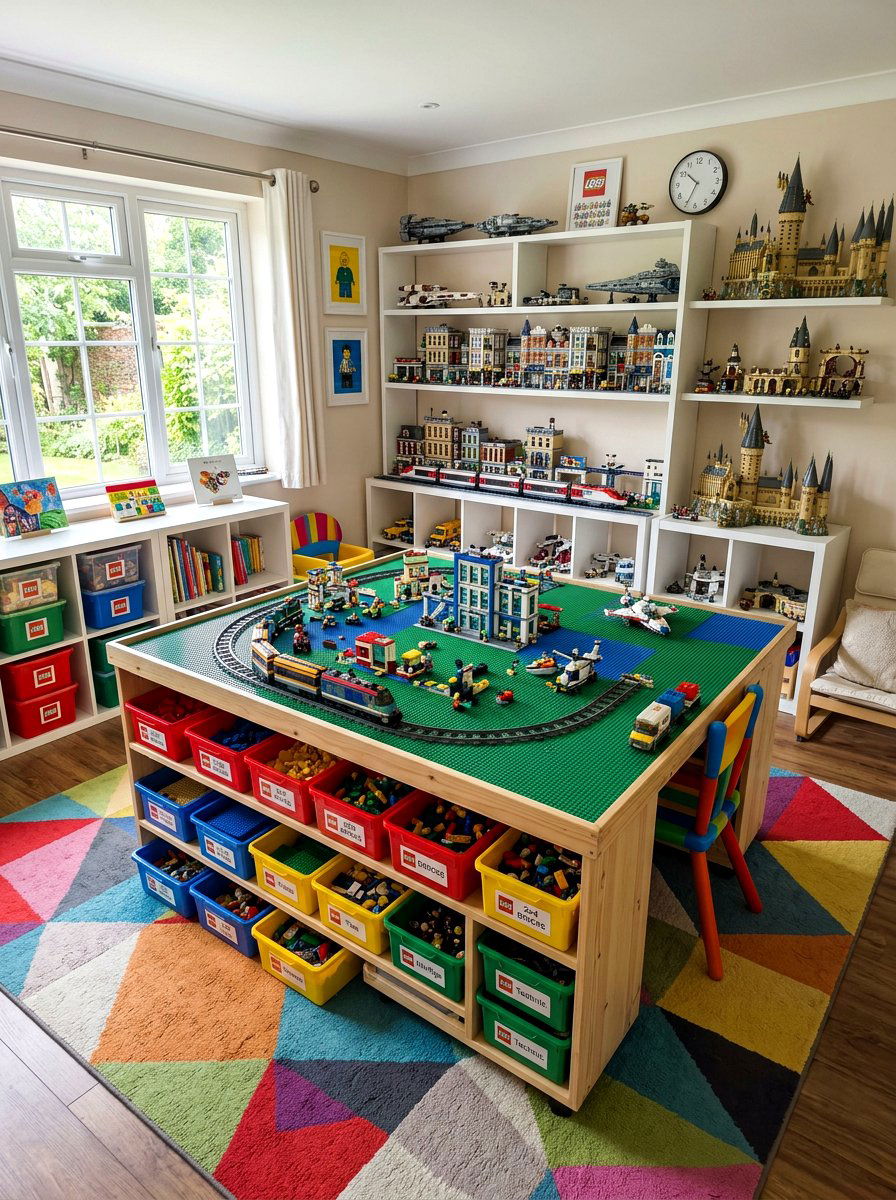
For the young engineer, a dedicated Lego building station is an essential feature that keeps tiny bricks organized and off the floor. You can create a custom table with a flat building surface and integrated bins for sorting pieces by color or size. Adding a display shelf above the table allows children to showcase their completed sets and take pride in their hard work. Good task lighting is important to help kids see the small details of their builds and prevent eye strain during long sessions. This specialized area encourages concentration and fine motor skills while ensuring that parents never step on a stray Lego again.
19. Compact Play Space
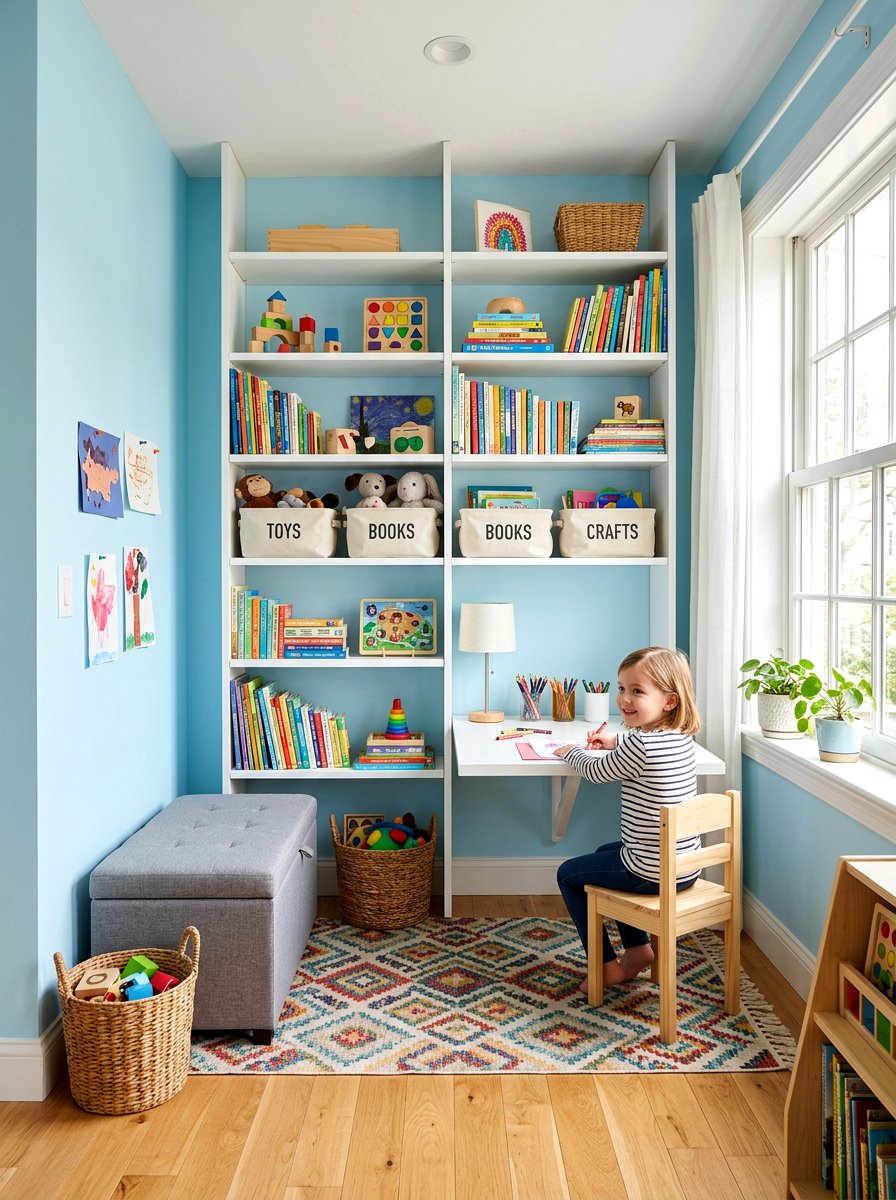
If you are working with a smaller basement, a compact play space can still provide plenty of fun through thoughtful planning. You should focus on multi-functional furniture, such as a storage bench that doubles as a seating area or a fold-down wall desk. Utilizing wall-mounted organizers and vertical shelving helps keep the floor clear for movement and active games. Light wall colors and strategic mirror placement can make a small room feel much larger and brighter than it actually is. By prioritizing the most important activities, you can create a high-quality play environment that feels cozy and intentional rather than cramped or cluttered.
20. Earth Tone Playroom
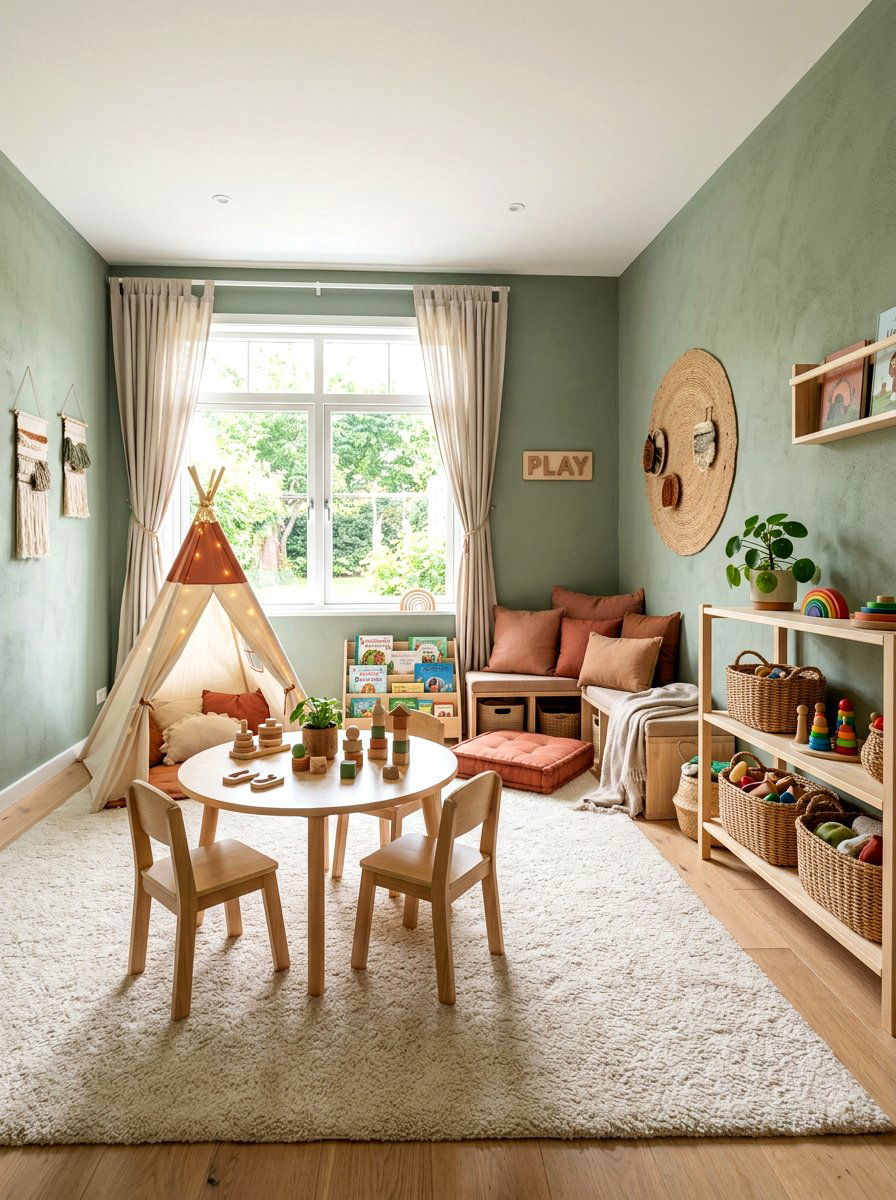
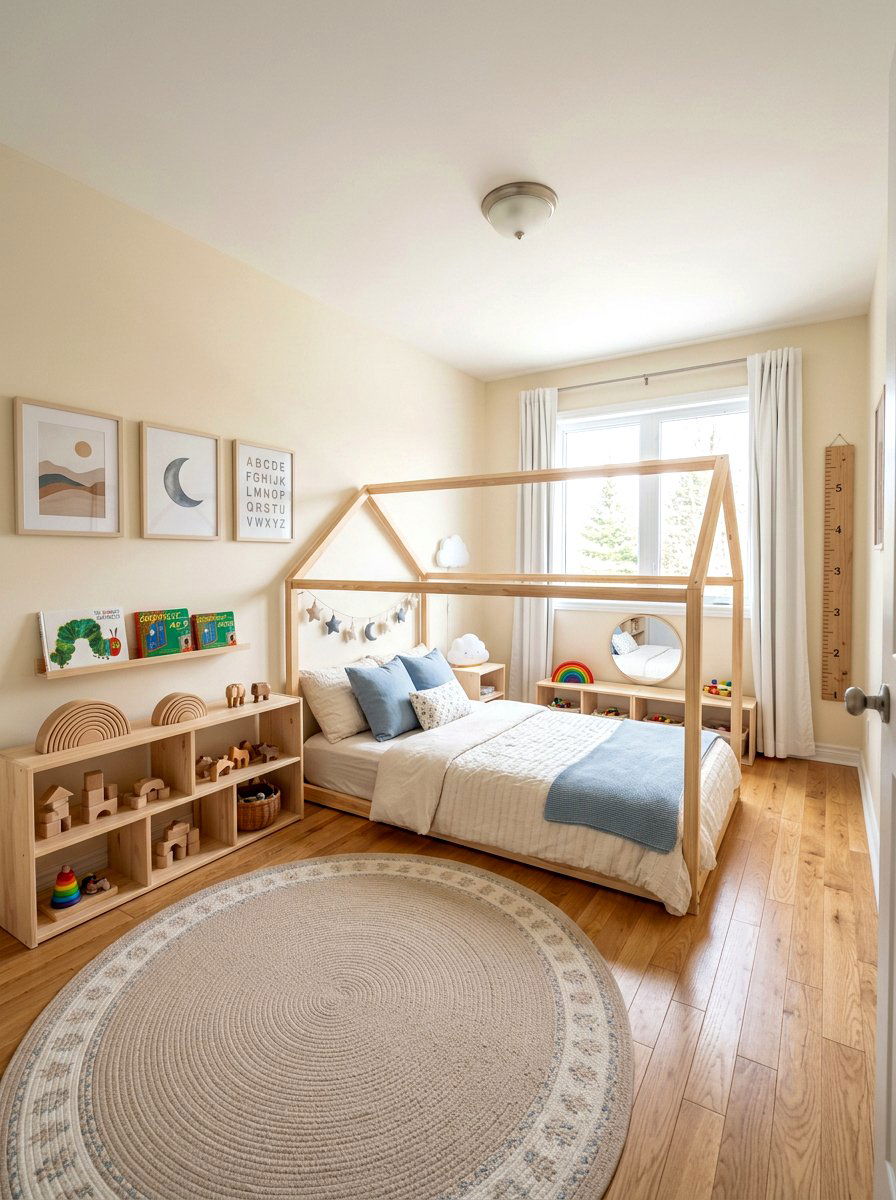
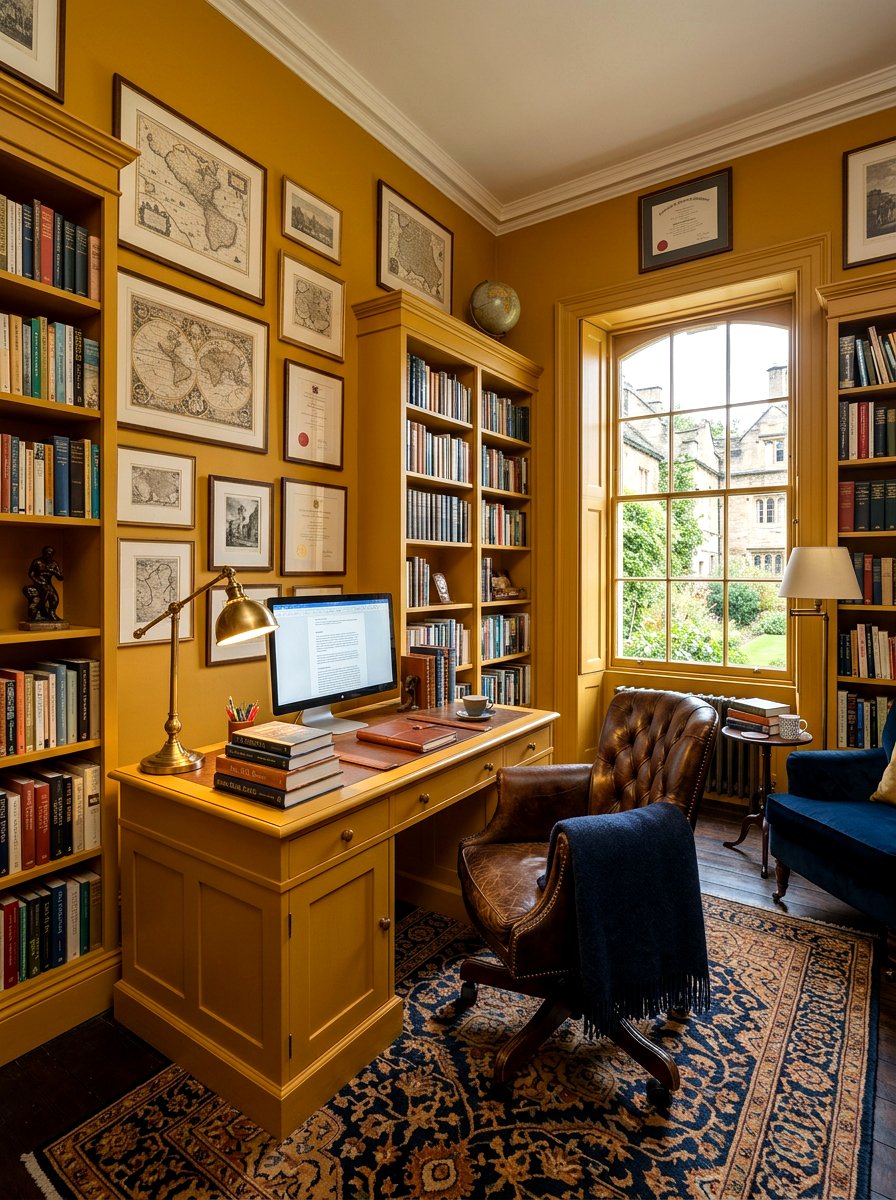
An earth tone playroom uses a palette of greens, browns, and warm terracottas to create a soothing environment inspired by the natural world. This color scheme is perfect for a basement because it adds a sense of warmth and coziness to a subterranean space. You can incorporate natural materials like wicker baskets, jute rugs, and light wood furniture to enhance the organic feel of the room. Adding botanical prints or a few low-light indoor plants brings a touch of life and freshness to the basement. This aesthetic is timeless and gender-neutral, making it a versatile choice that can easily evolve as your children grow older.
21. Kids Puppet Stage
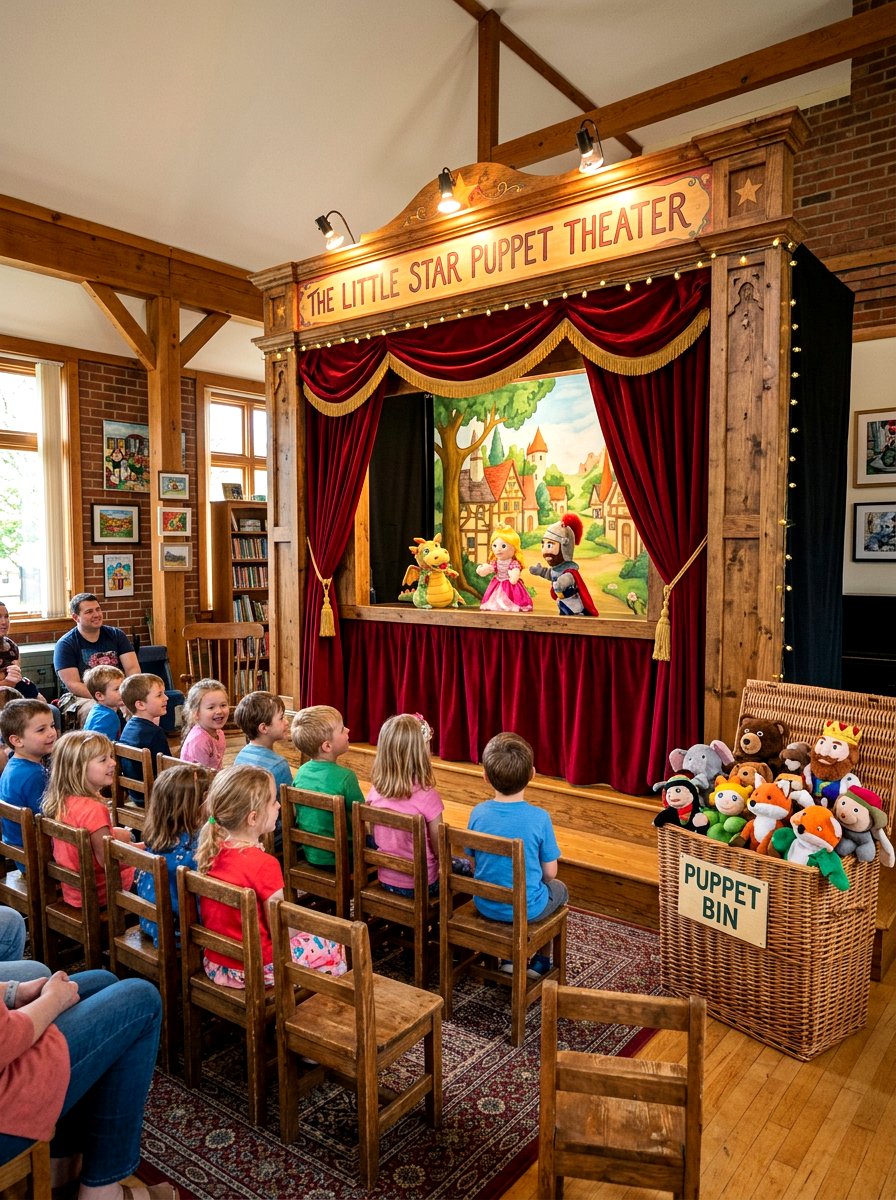
A kids puppet stage encourages performance art and boosts confidence by providing a dedicated space for shows and creative storytelling sessions. You can build a simple wooden frame with velvet curtains or even use a tension rod in a doorway for a more flexible setup. Including a small backstage area for costume changes and puppet storage helps keep the theatrical supplies organized and ready for the next act. This feature is excellent for developing language skills and social interaction as children collaborate on scripts and perform for family members. It turns the basement into a cultural hub where every night can be an exciting opening night.
22. Safari Theme Room
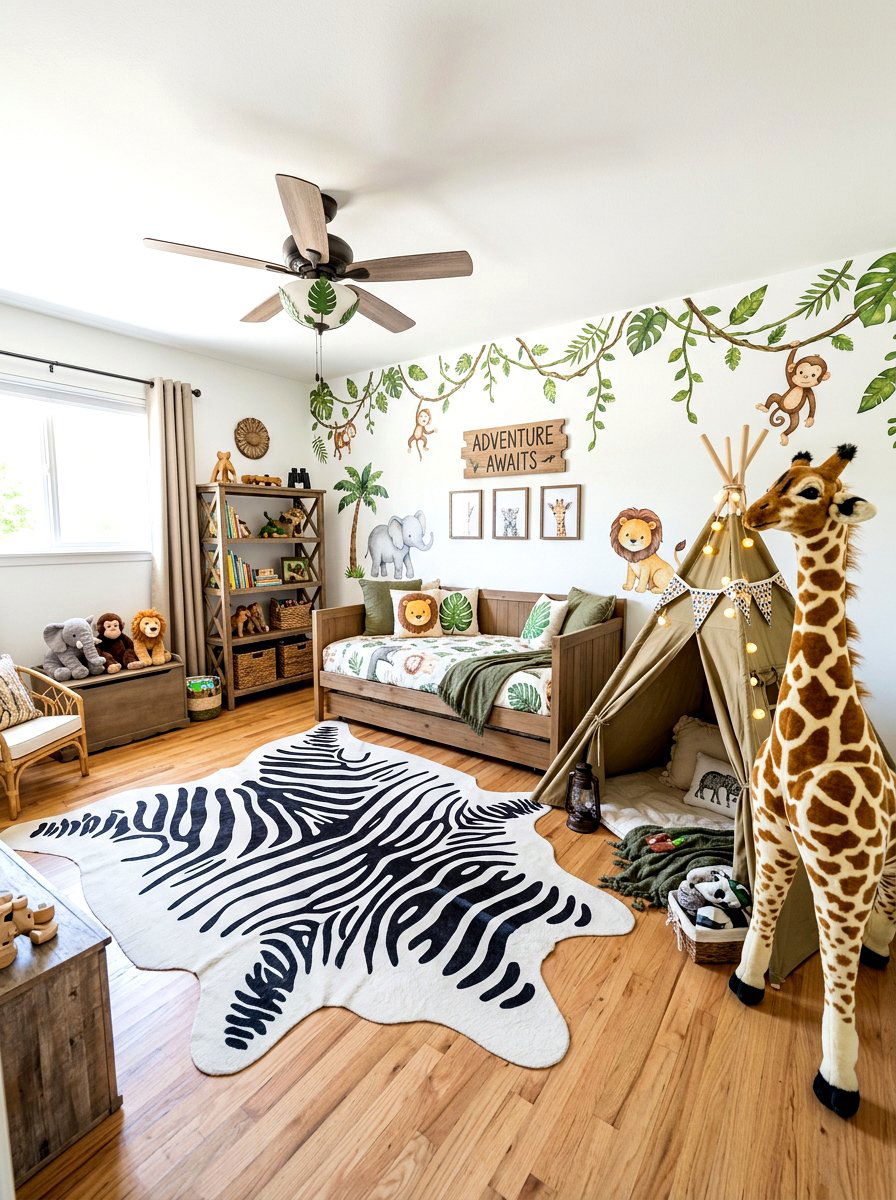
Transforming the basement into a safari theme room sparks a sense of adventure and curiosity about wildlife and the great outdoors. You can use animal-print rugs, large plush giraffes, and jungle-themed wall murals to set the scene for an indoor expedition. Earthy tones paired with pops of leaf green create a vibrant yet balanced atmosphere that feels both playful and cohesive. Incorporating a canvas teepee or a small "ranger station" provides a home base for young explorers to plan their next make-believe trek. This immersive theme encourages imaginative play and can be easily updated with different animal accessories as your child’s interests change over time.
23. Multi Functional Basement
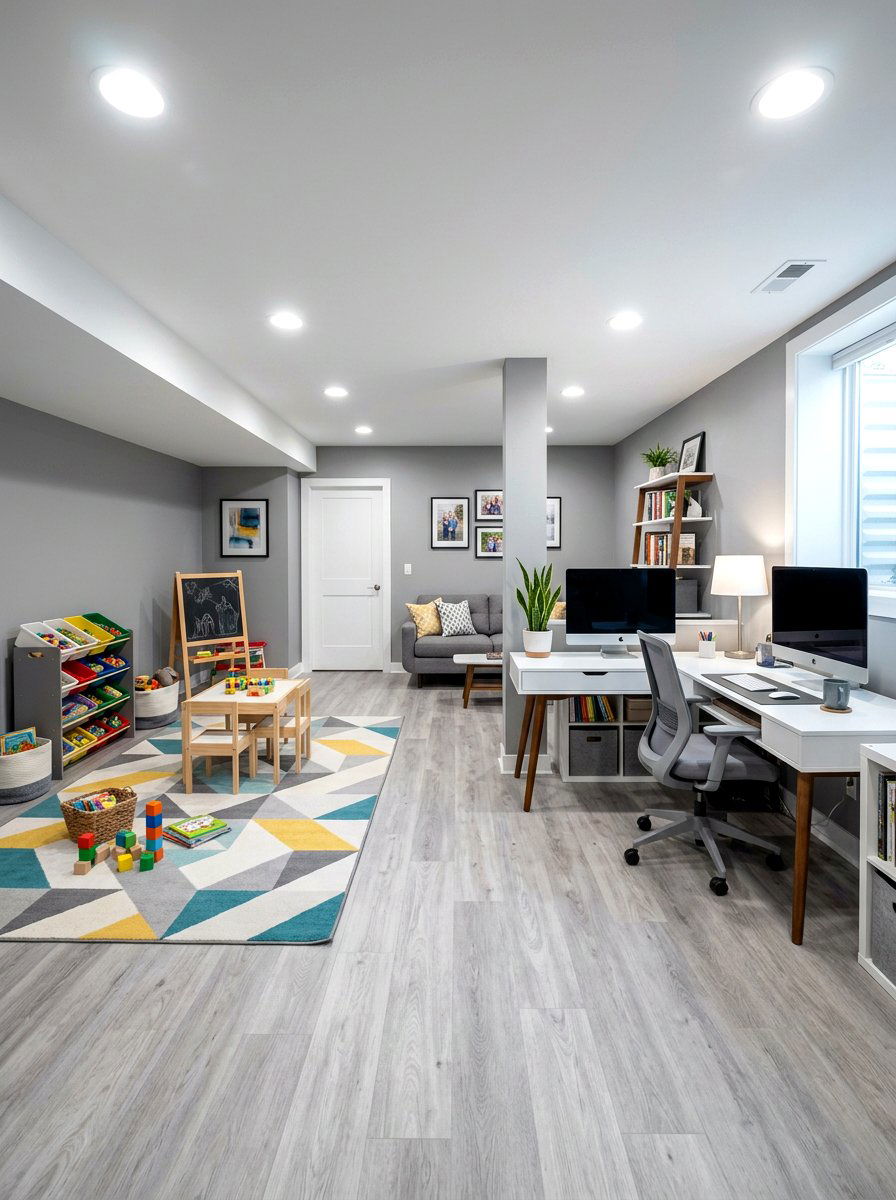
A multi functional basement is designed to serve both children and adults, making it the perfect family-centric zone for everyone to enjoy. You can divide the space into clear zones using rugs or furniture arrangements, such as a toy area on one side and a home office or gym on the other. Using a consistent color palette across all zones ensures the basement feels like a single, unified room rather than a disjointed collection of spaces. This approach allows parents to keep an eye on playing children while they work or exercise nearby. It maximizes the utility of your basement and creates a shared environment for family bonding.
24. Indoor Therapy Swing
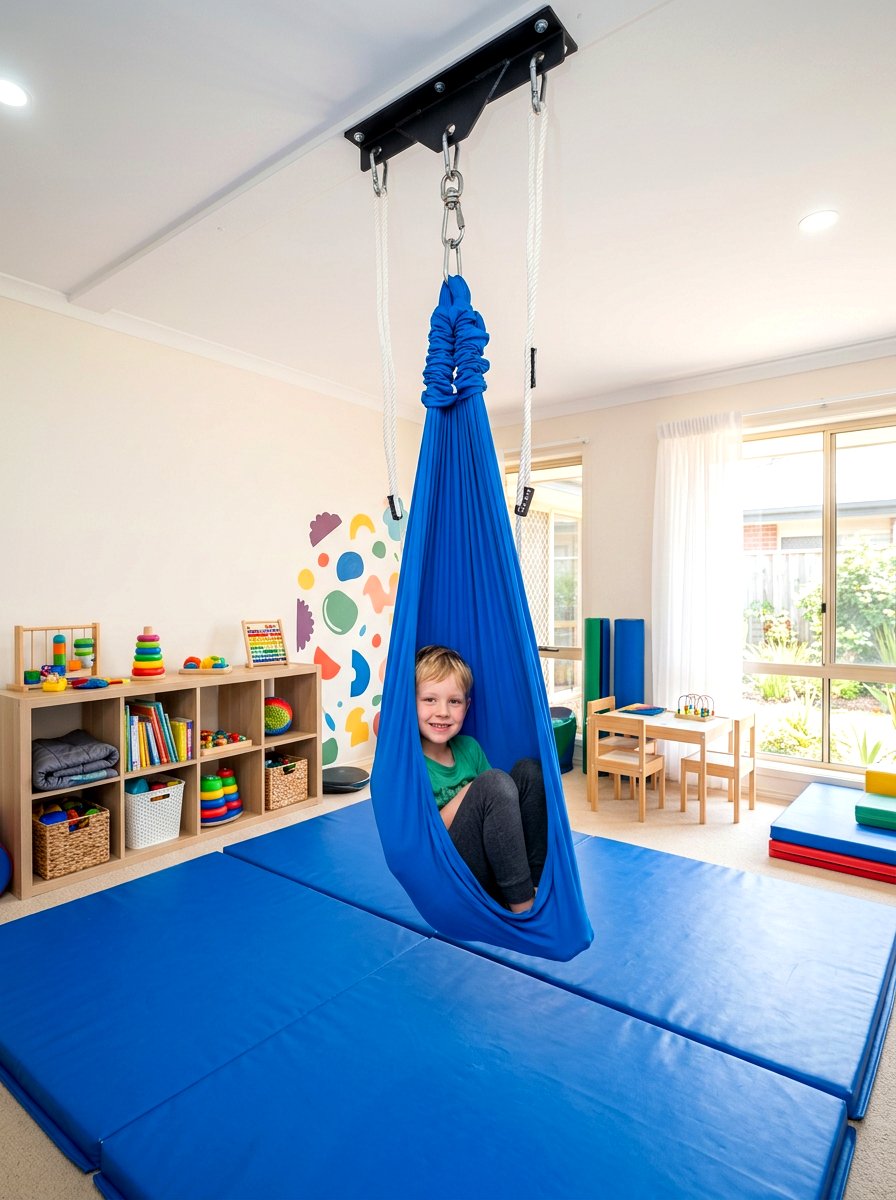
Installing an indoor therapy swing provides a unique way for children to regulate their energy levels and improve their vestibular processing skills. These swings come in various styles, such as stretchy cocoons or sturdy platform swings, to suit different sensory needs and play preferences. You must ensure the ceiling mount is professionally installed and rated for the weight of the child to guarantee complete safety. Swinging offers a calming effect for many children, making it an excellent addition to a basement playroom intended for both active fun and relaxation. It takes up minimal space while providing a high-impact activity that kids will return to daily.

25. Study Desk Setup
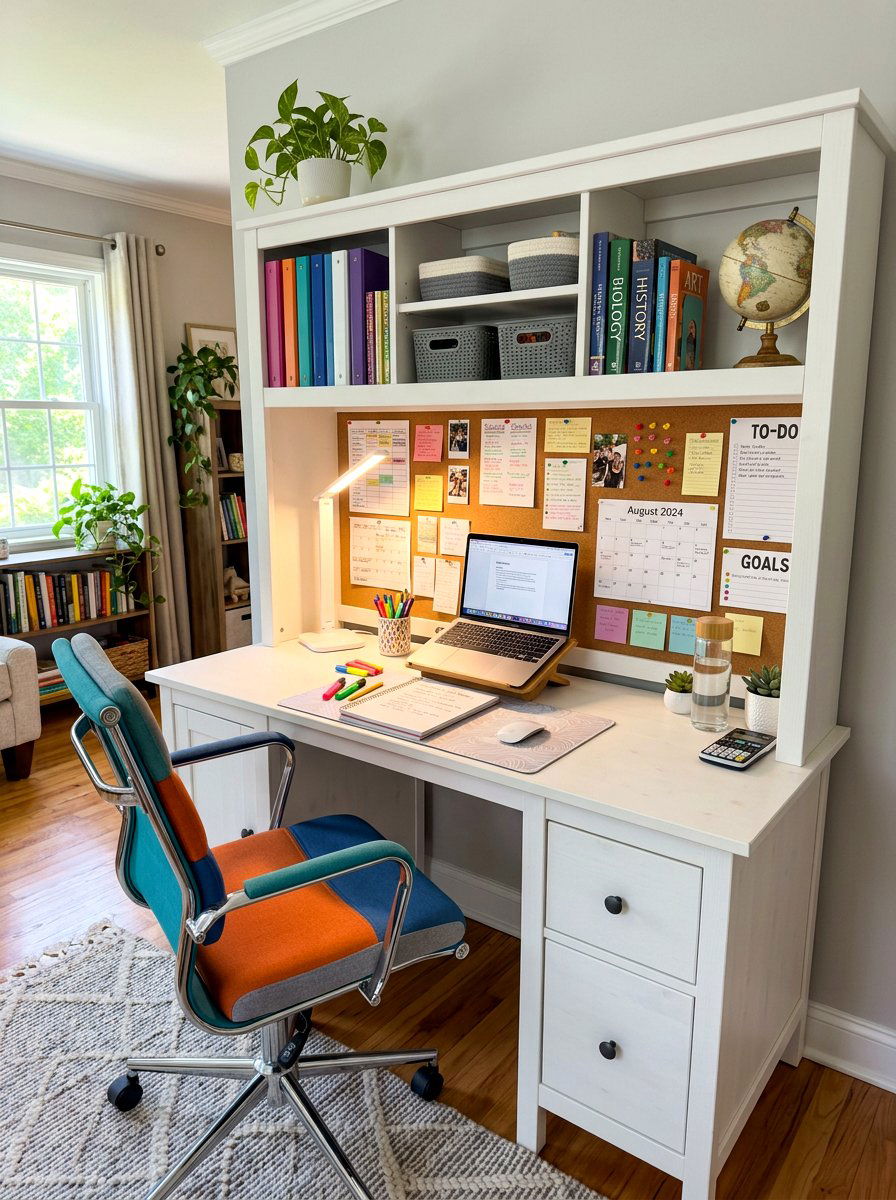
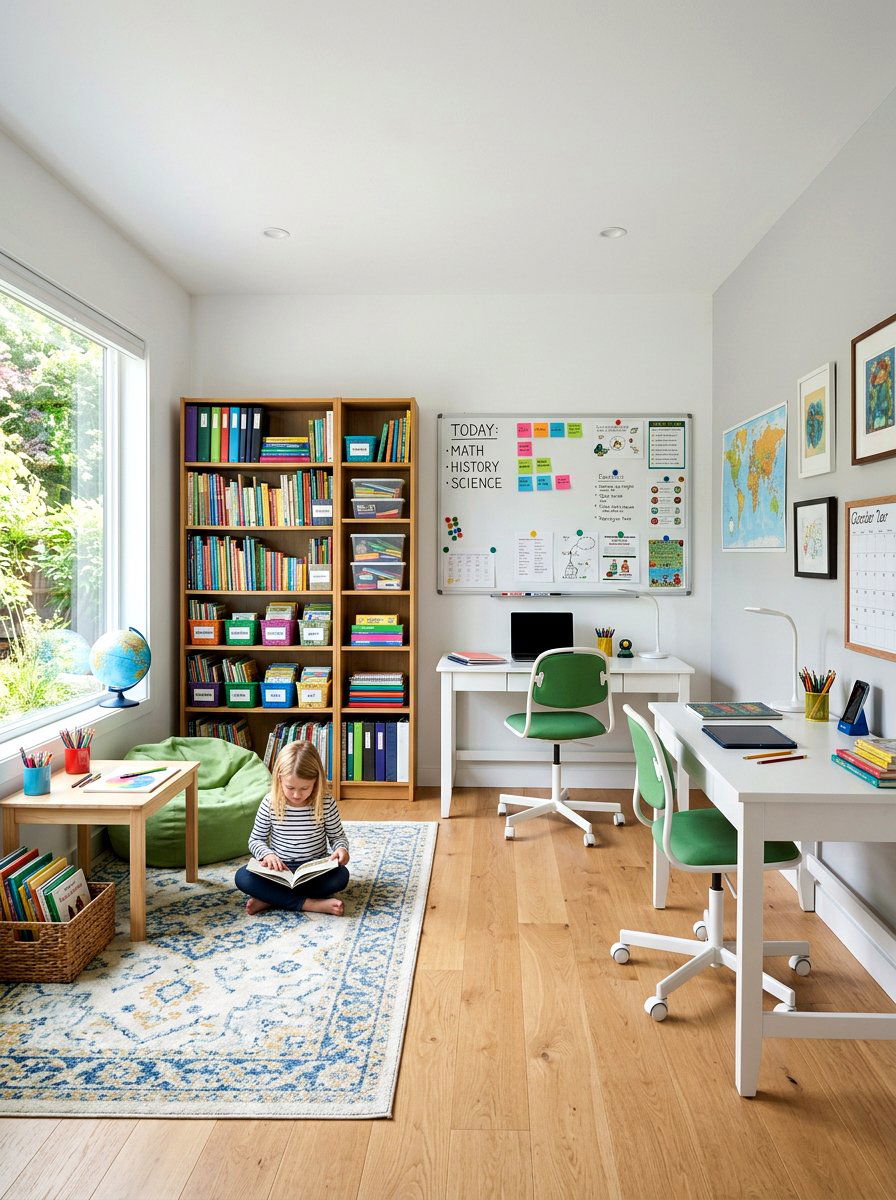
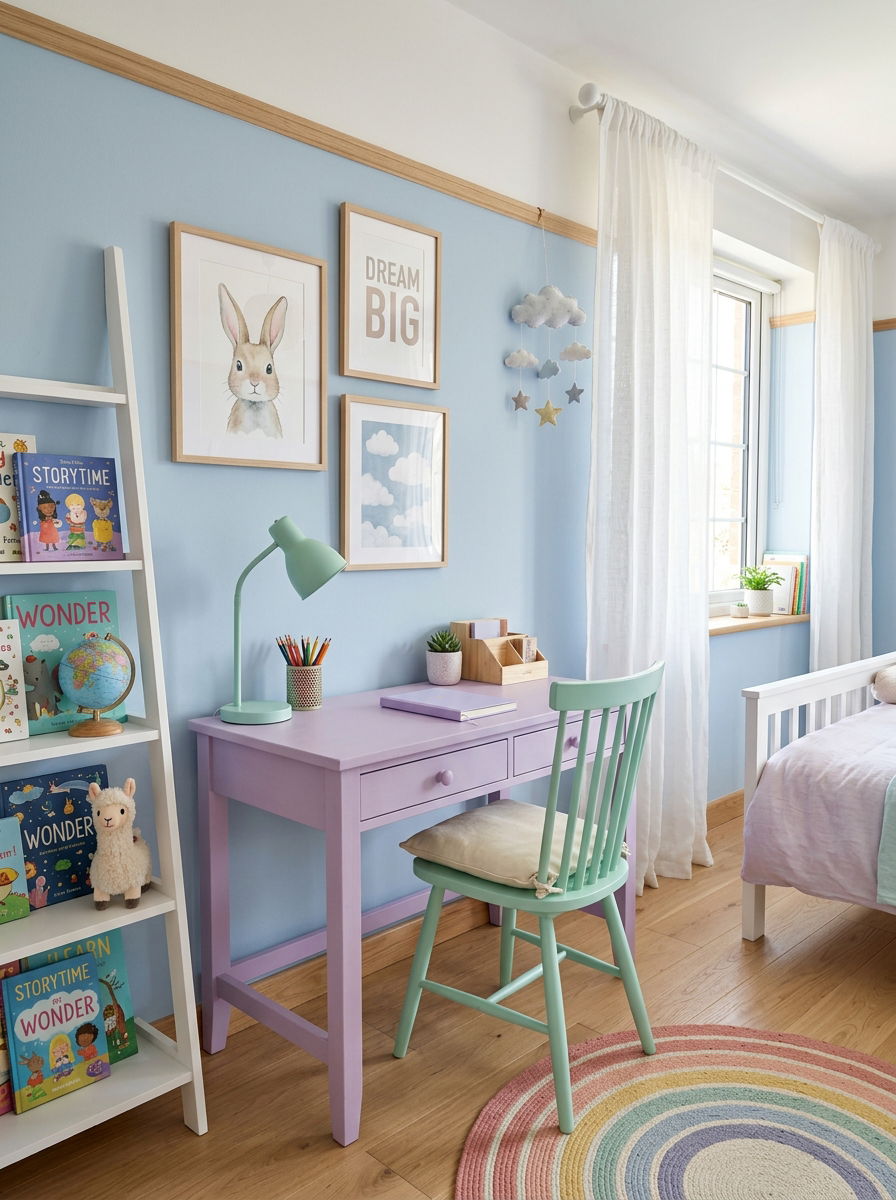
As children reach school age, adding a study desk setup to the basement playroom provides a quiet and organized place for homework. You should choose a desk with plenty of surface area for books and a laptop, along with drawers for storing essential school supplies. A comfortable, adjustable chair is vital for maintaining good posture during long study sessions or creative writing projects. Adding a bulletin board or a magnetic strip above the desk allows children to pin up reminders, schedules, and their best grades. Separating the study zone from the active play area helps minimize distractions and encourages a focused mindset for learning.
26. Smart Play System
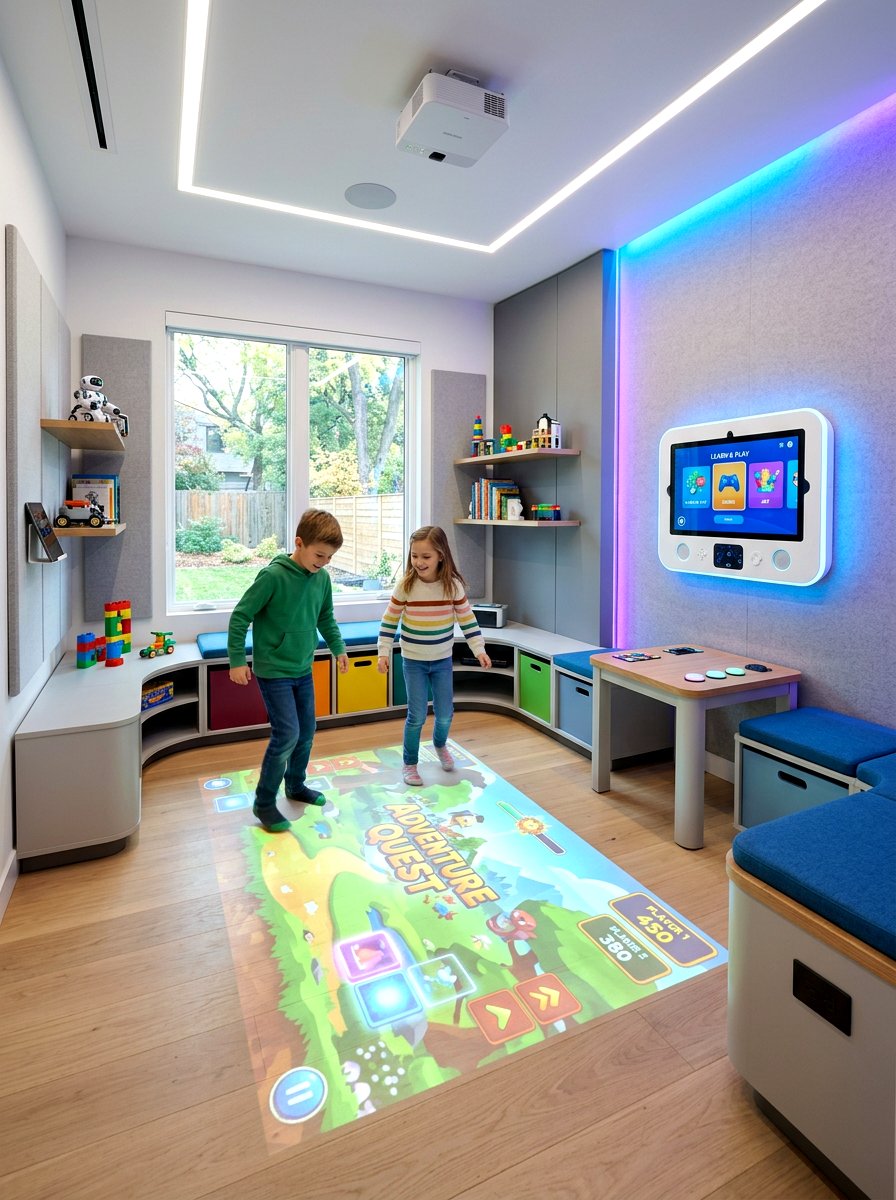
Integrating a smart play system into your basement can elevate the experience with interactive technology designed specifically for modern children. This might include an interactive floor projector that turns the ground into a digital game or a wall-mounted touch screen for educational apps. High-speed internet and integrated charging stations ensure that devices are always ready for use during supervised gaming sessions. You can also install smart lighting that changes color based on the time of day or the specific activity, such as blue for focus or warm orange for winding down. This tech-forward approach ensures your playroom stays relevant and exciting in an increasingly digital world.
27. Creative Art Studio
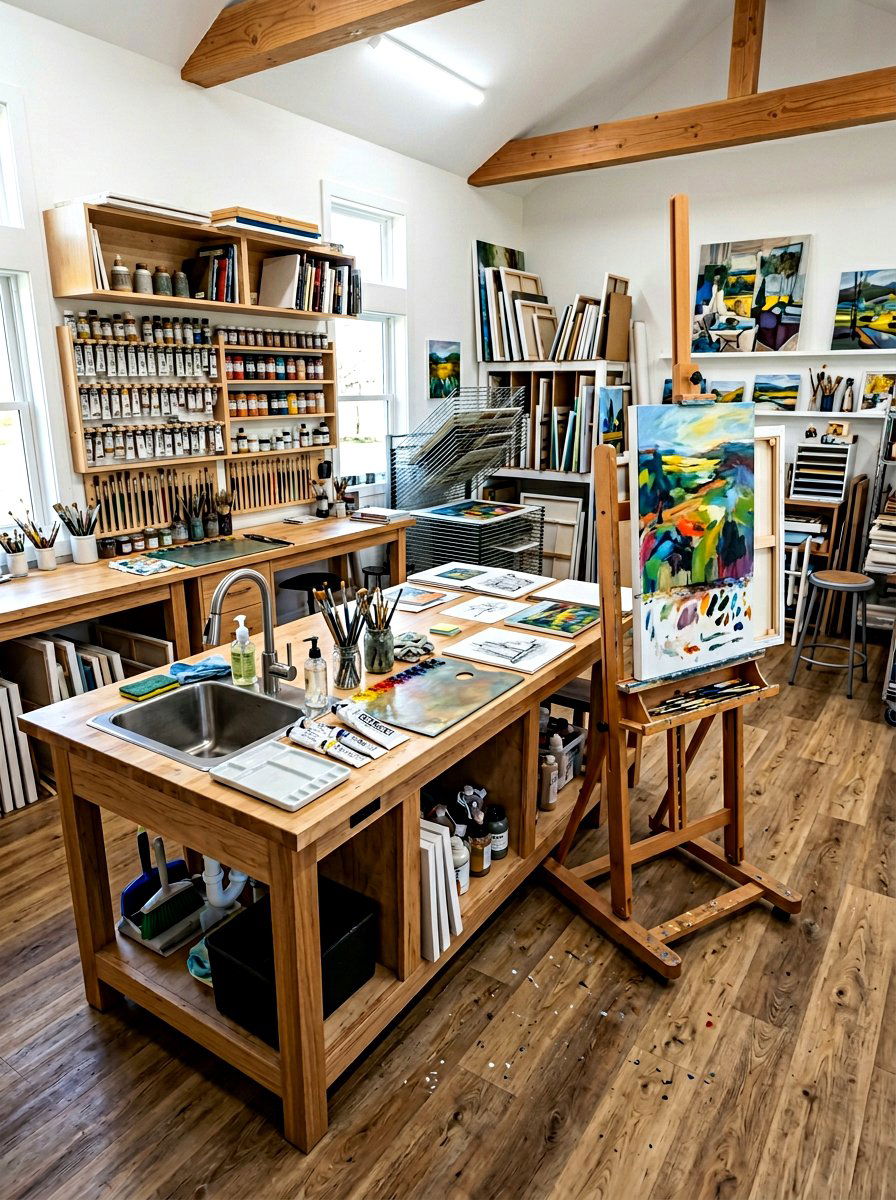
A creative art studio provides a professional-feeling space where young artists can experiment with different mediums and express their unique visions. You should include a large easel, a drying rack for wet paintings, and plenty of organized storage for brushes, clay, and markers. Using a durable, waterproof flooring material like luxury vinyl plank makes it easy to mop up spills and keeps the studio looking great. A large window or high-output LED lighting is essential for accurate color representation and detailed work. This dedicated studio encourages children to take their hobbies seriously and provides a safe place to get messy and be inspired.
28. Indoor Tree House
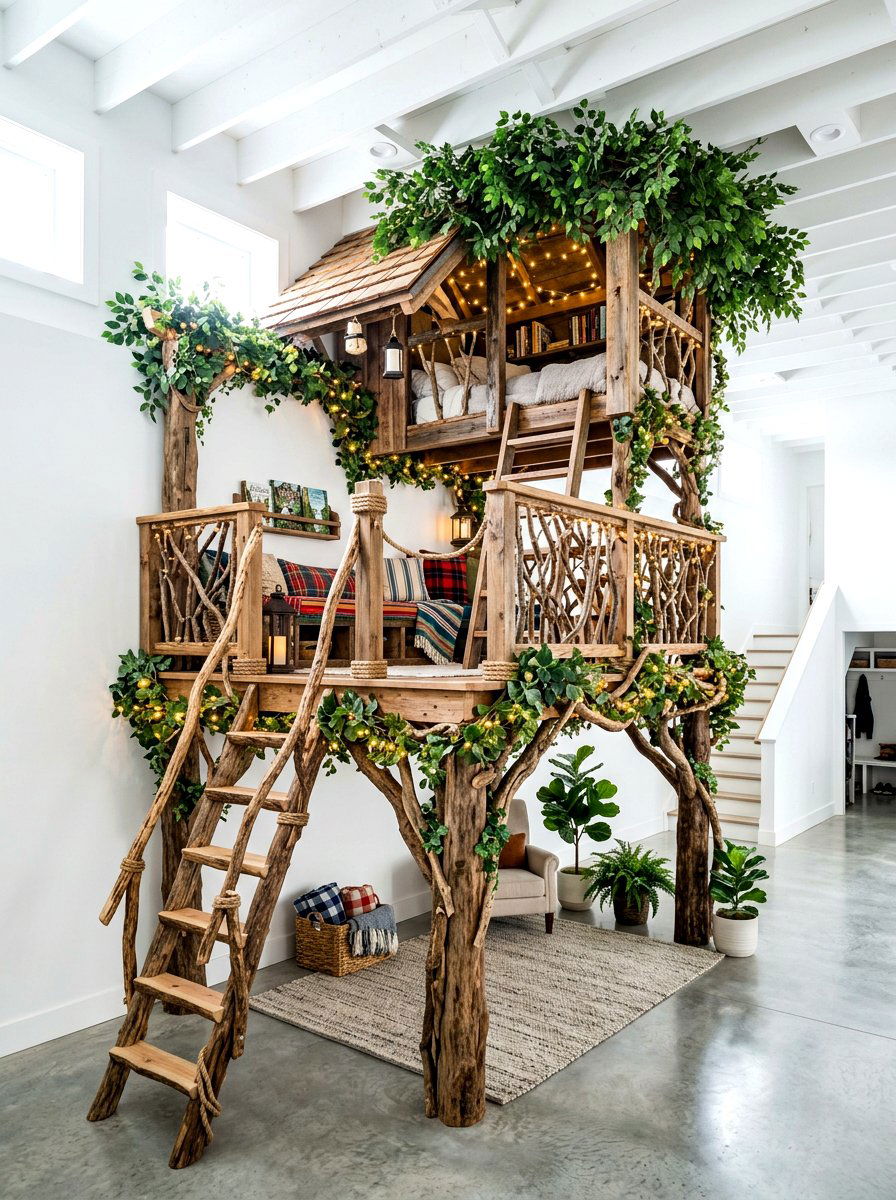
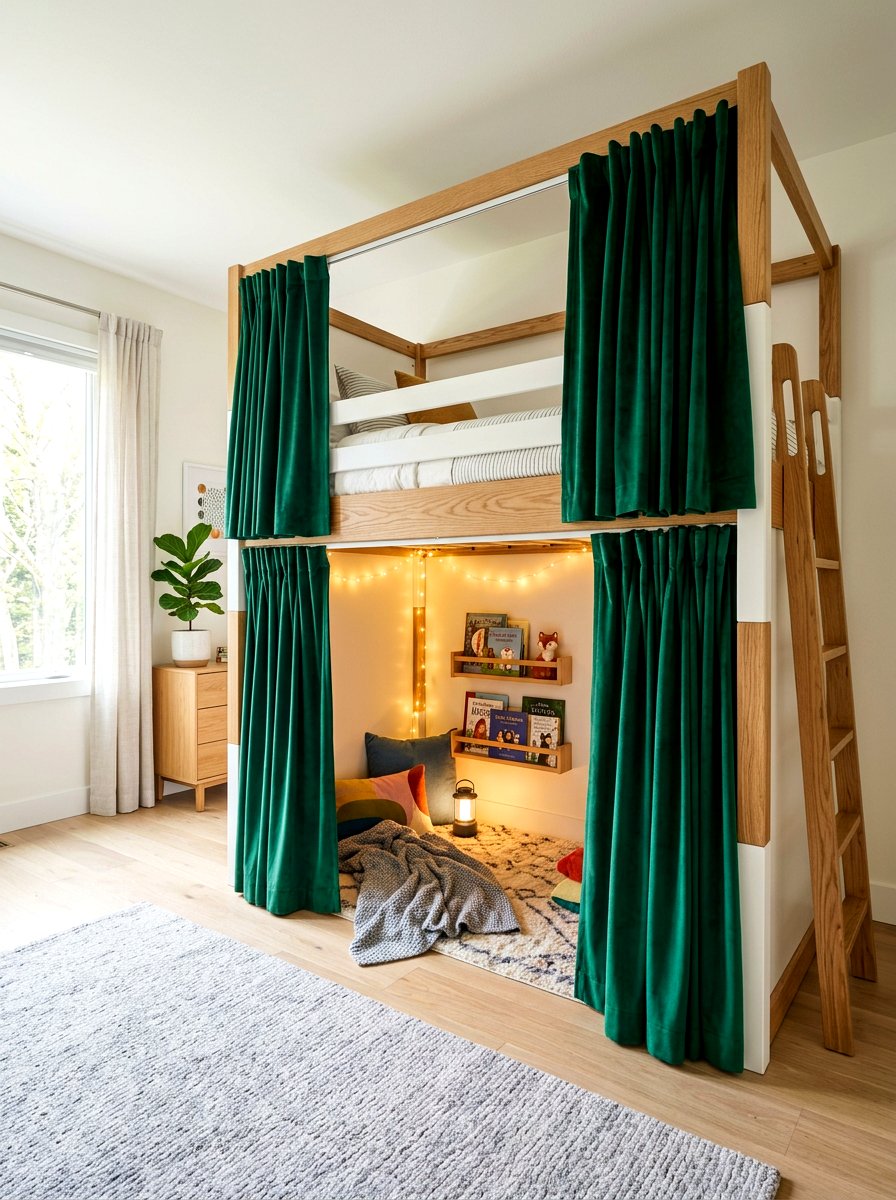
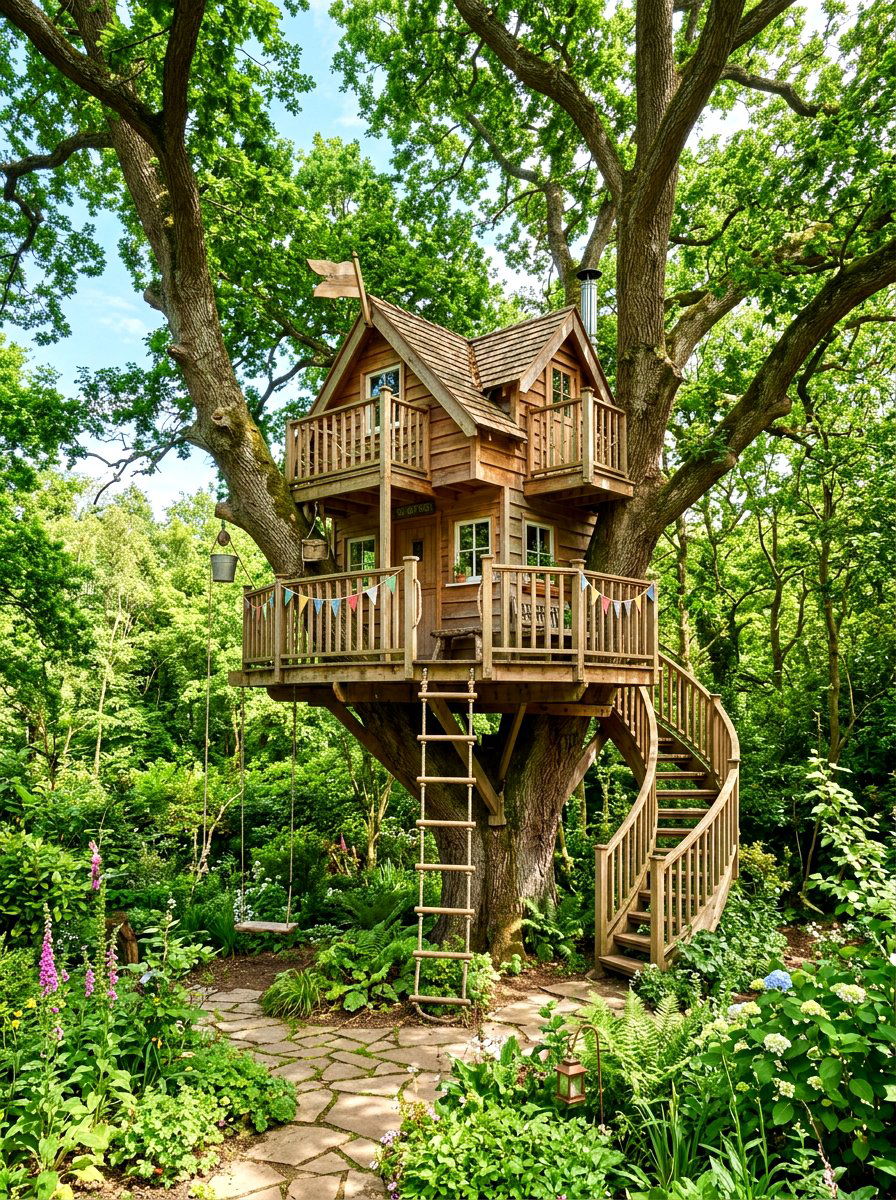
An indoor tree house brings the magic of the outdoors inside, creating a stunning architectural feature that children will remember for a lifetime. You can build a raised platform with wooden cladding and a ladder to mimic the look of a real tree house nestled in the branches. The space underneath the platform can be used for toy storage or a secondary play zone like a "forest floor" with soft green rugs. Decorate the exterior with faux ivy and twinkling fairy lights to enhance the enchanted forest vibe. This large-scale structure provides both a physical challenge and a quiet sanctuary for imaginative play and reading.
29. Mini Basketball Court
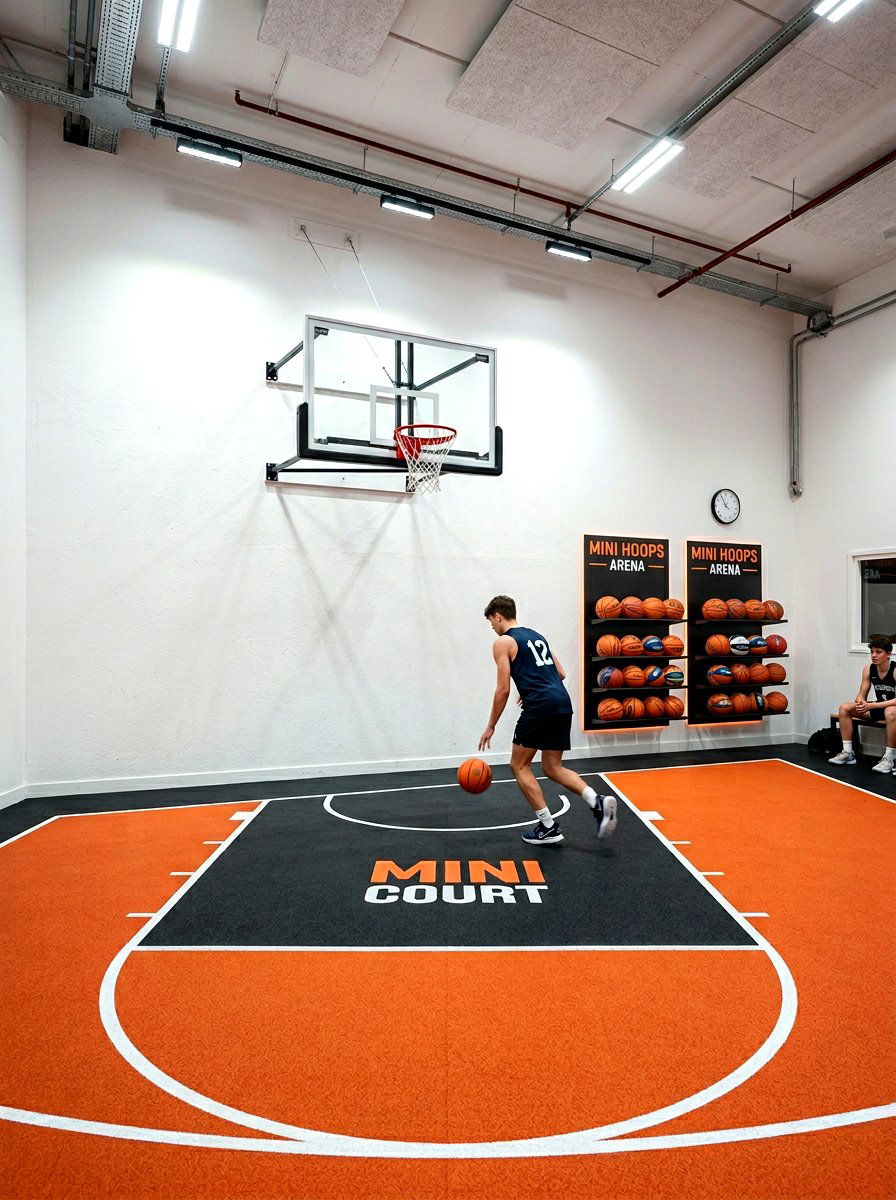
For the sports-obsessed family, a mini basketball court in the basement offers a fun way to practice shooting hoops regardless of the weather. You can install a wall-mounted hoop and use colorful floor tape to mark out the key and free-throw lines on the basement floor. It is important to use high ceilings if possible and ensure that any nearby windows or light fixtures are protected with wire guards. Rubberized flooring provides the necessary grip and impact absorption for jumping and running. This active zone encourages healthy competition and physical fitness, making the basement the go-to spot for burning off extra energy after school.
30. All White Playroom
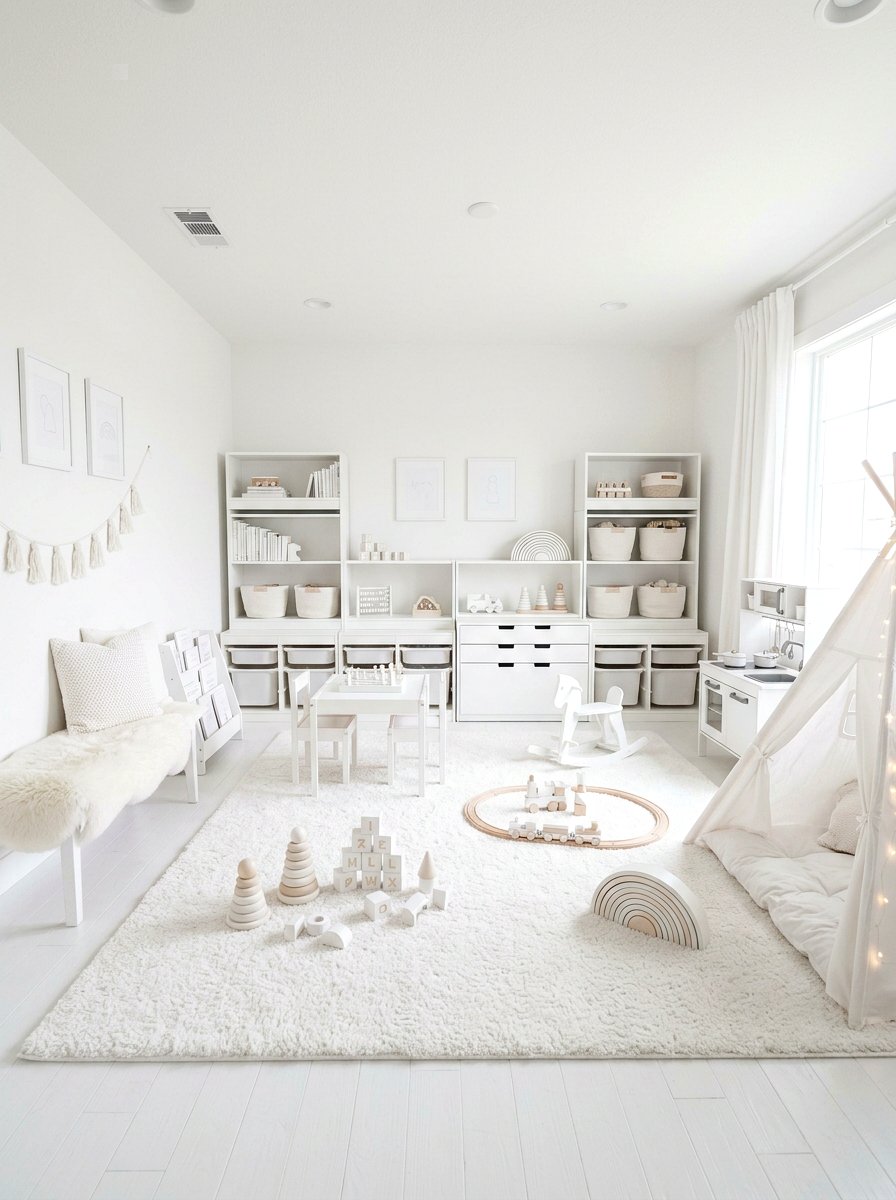
An all white playroom creates a bright, airy, and sophisticated environment that defies the typical dark and gloomy reputation of most basements. By using white walls, furniture, and storage units, you reflect as much light as possible to make the space feel expansive and clean. You can use washable slipcovers and high-gloss paints to ensure the white surfaces remain pristine despite the inevitable messes of childhood play. To keep the room from feeling too sterile, incorporate different textures like sheepskin rugs, knit pillows, and wooden toys for warmth. This timeless aesthetic provides a neutral backdrop that lets the colorful toys and artwork truly stand out.
Conclusion:
Designing the perfect basement playroom requires a thoughtful balance between active entertainment, creative exploration, and practical organization for your entire family. By utilizing underused square footage, you can create a customized sanctuary that caters specifically to your child's evolving interests and developmental needs. Whether you choose to install a high-energy indoor gym or a serene reading nook, the key is to prioritize safety and high-quality materials throughout the process. A successful basement transformation not only keeps the rest of your home tidy but also fosters a sense of independence and joy in your children. This investment in your living space will provide countless hours of memories.

Related posts: