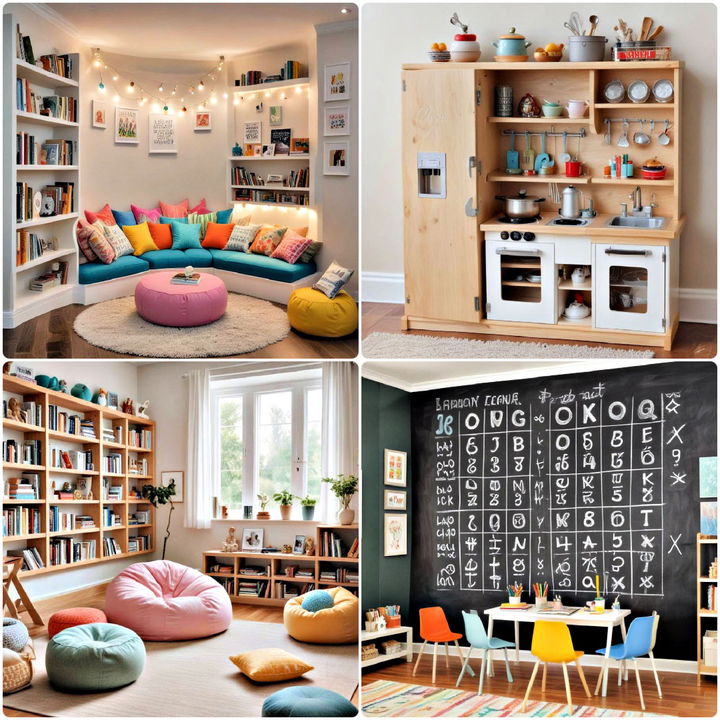
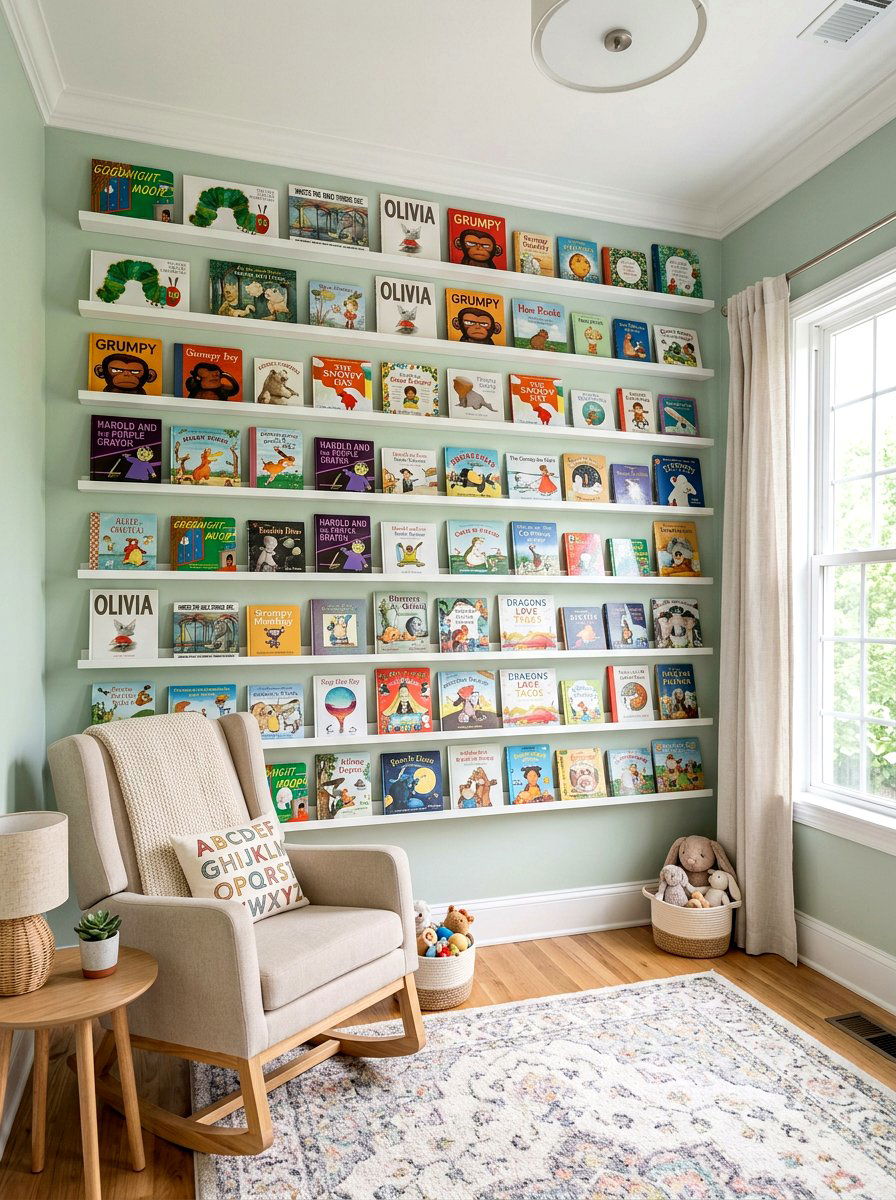
Creating a dedicated space for children to play can be a major challenge when you are working with limited square footage in your home. However, a small playroom does not have to feel cramped or cluttered if you approach the layout with a bit of creativity and strategic planning. By prioritizing vertical storage, multi-functional furniture, and distinct activity zones, you can turn even the tiniest corner into a vibrant hub of imagination. This guide explores thirty unique ways to maximize your space while maintaining a stylish aesthetic. Whether you prefer a minimalist look or a bold, colorful environment, these concepts will help you create a functional sanctuary for your little ones.
1. Neutral Playroom
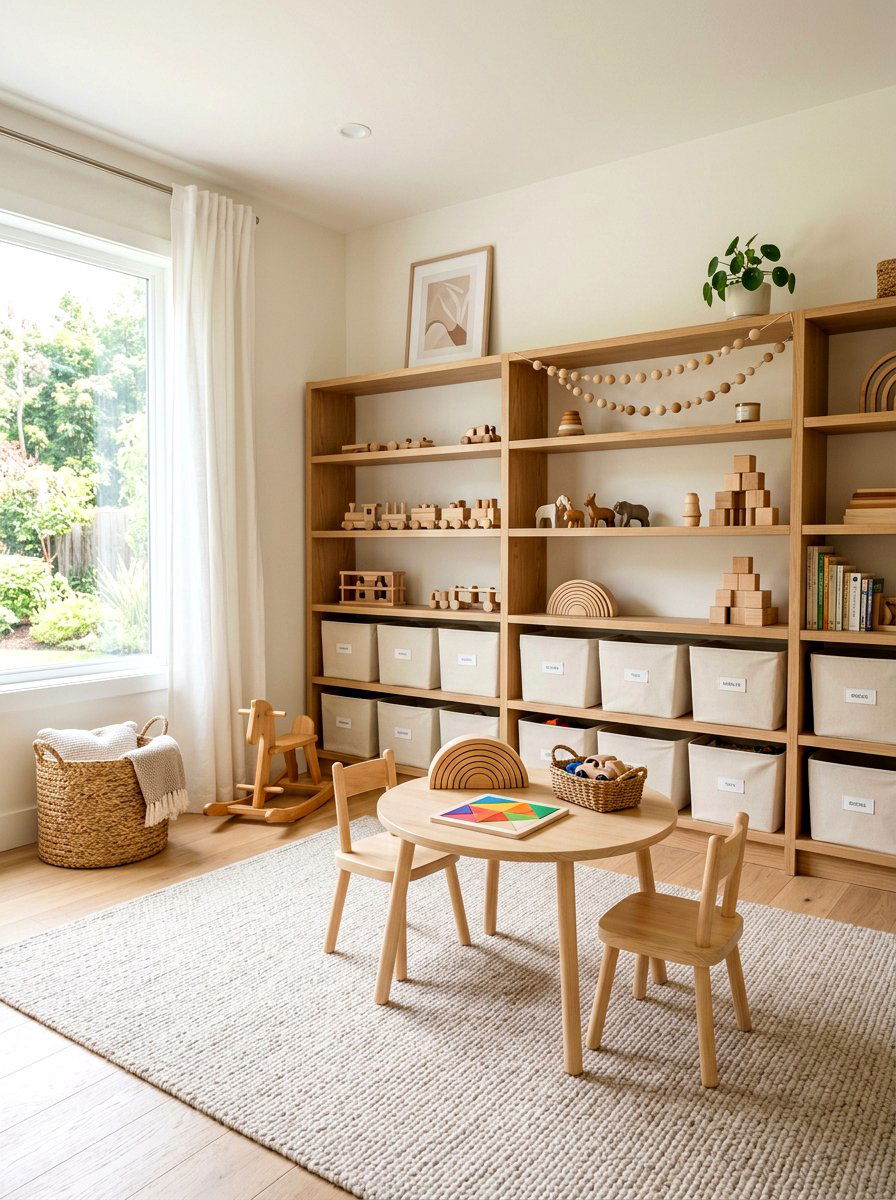
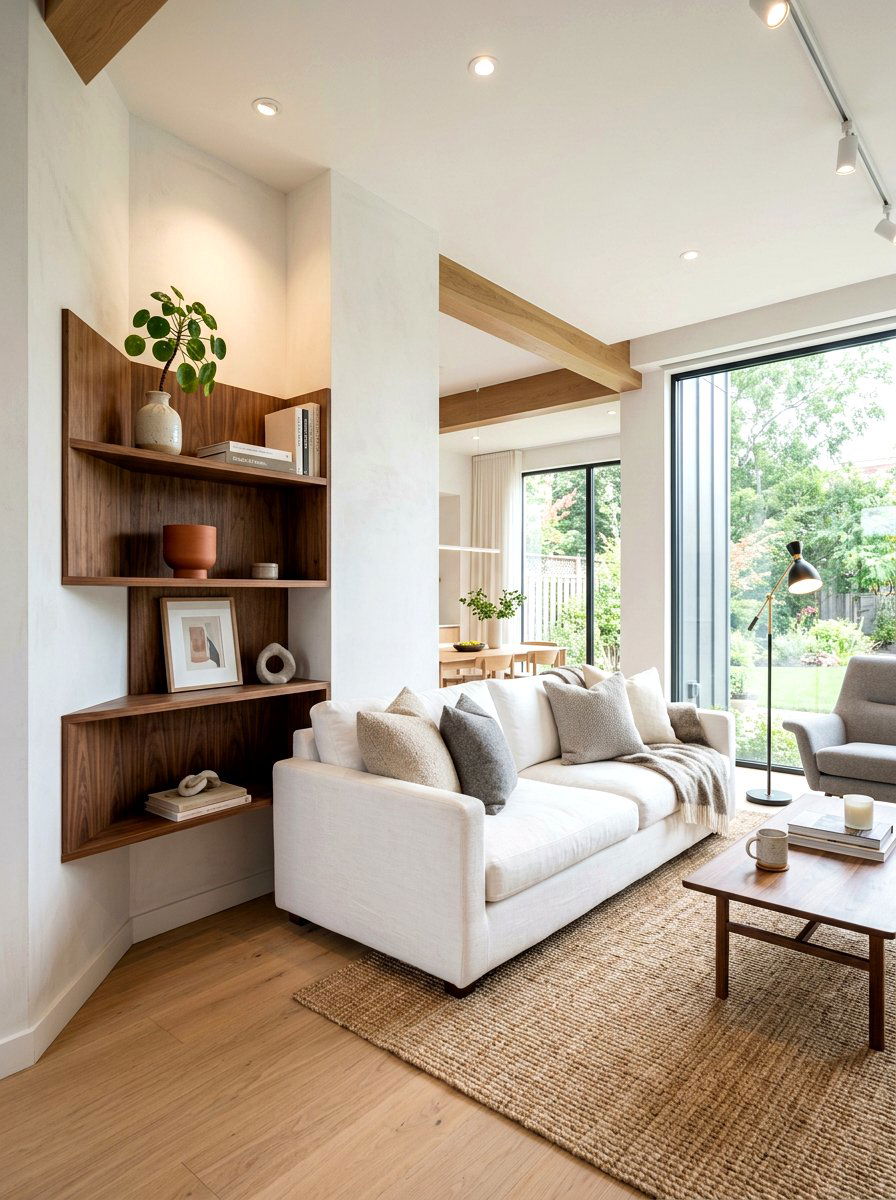
Have you ever noticed how a calm color palette can make a tiny room feel much larger than it actually is? A neutral playroom focuses on soft whites, warm beiges, and light wood tones to create a serene environment that does not visually clutter your home. Instead of loud colors, use textured rugs and canvas bins to add depth and interest to the space. This approach allows the colorful toys to become the focal point during playtime while maintaining a sophisticated look for the rest of the house. Incorporating natural light through sheer curtains further enhances the airy feel of this beautifully curated and peaceful kids' sanctuary.
2. Under Stairs Playroom
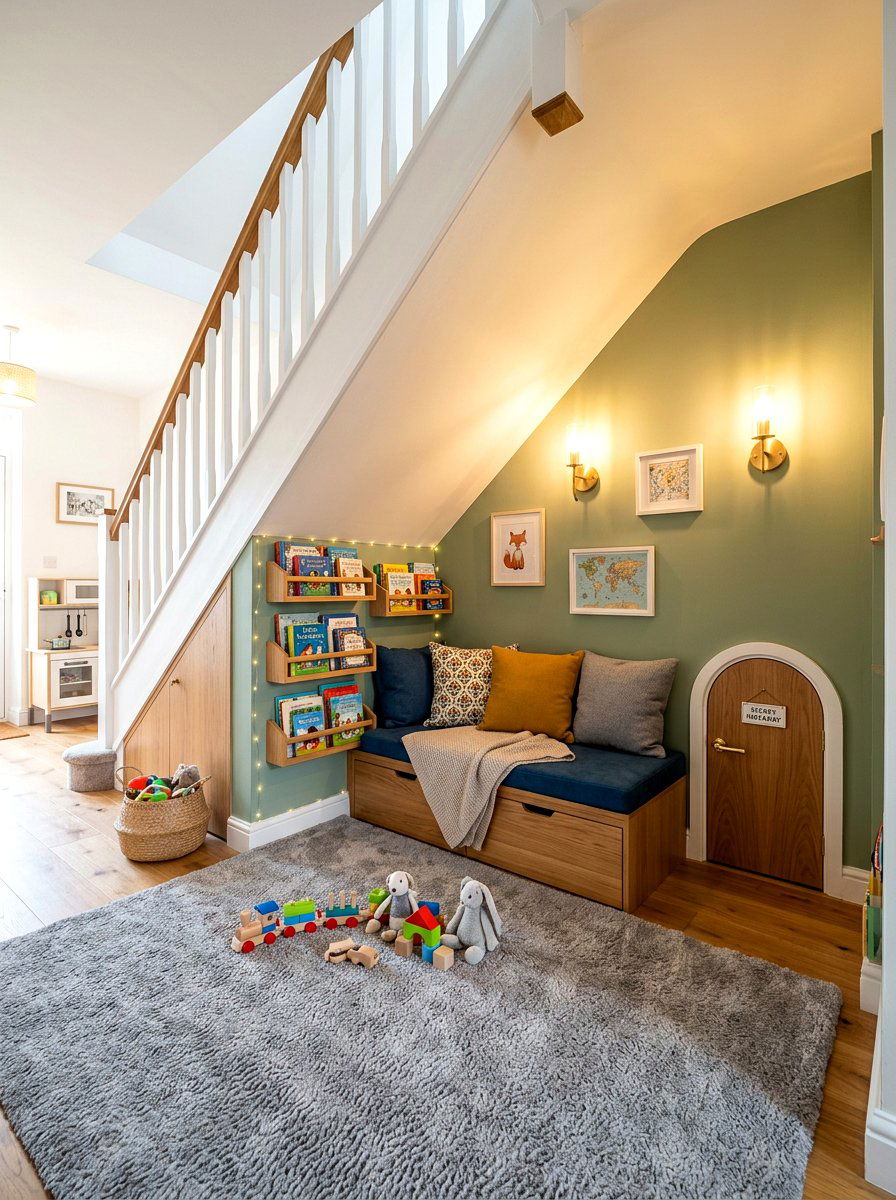
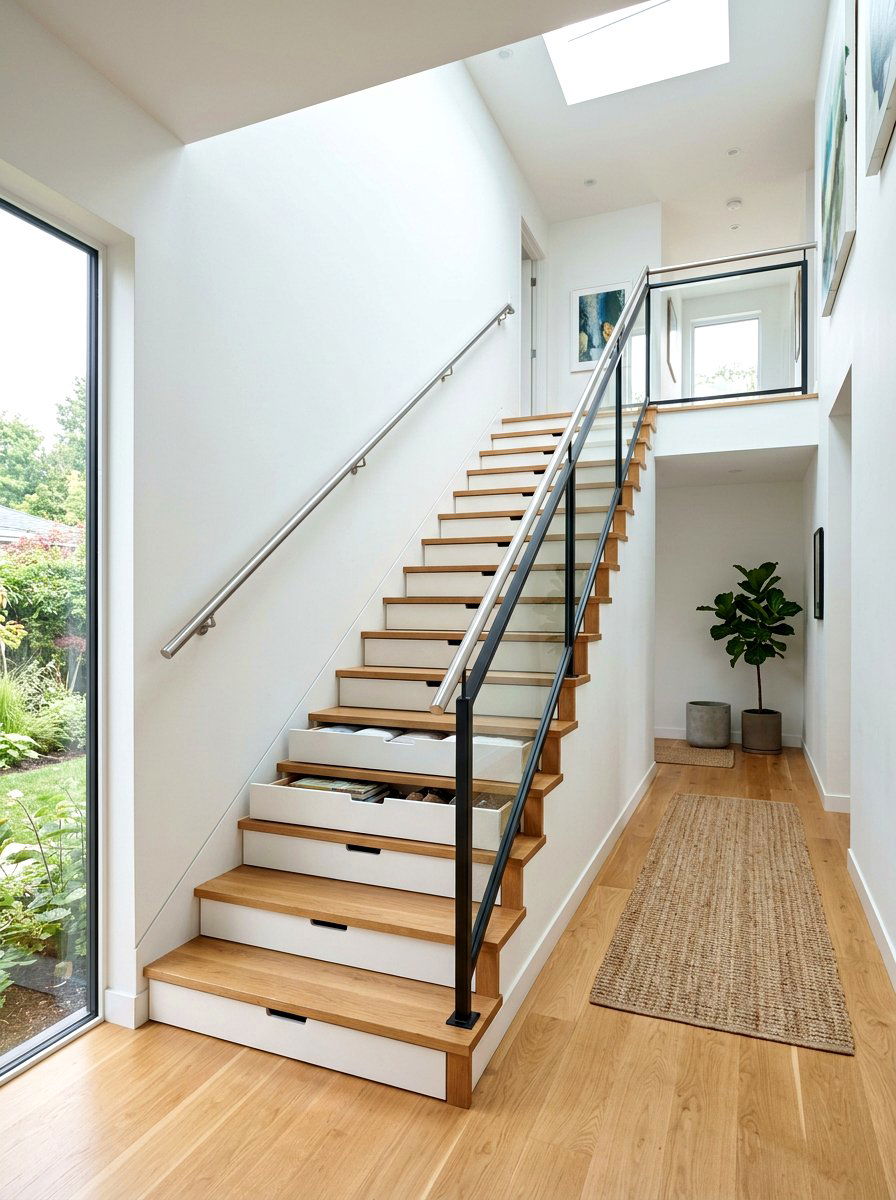
Transforming the awkward gap beneath your staircase into a functional play zone is one of the smartest ways to reclaim wasted square footage. This cozy hideaway creates a secret world for children that feels tucked away from the main living areas. You can install custom shelving along the slanted ceiling to store books and small figurines efficiently. A plush rug and some battery-operated wall sconces will make the interior feel bright and inviting rather than dark and cramped. Adding a small Dutch door or a simple curtain across the entrance gives kids a sense of privacy and ownership over their very own unique little kingdom.
3. Closet Playroom
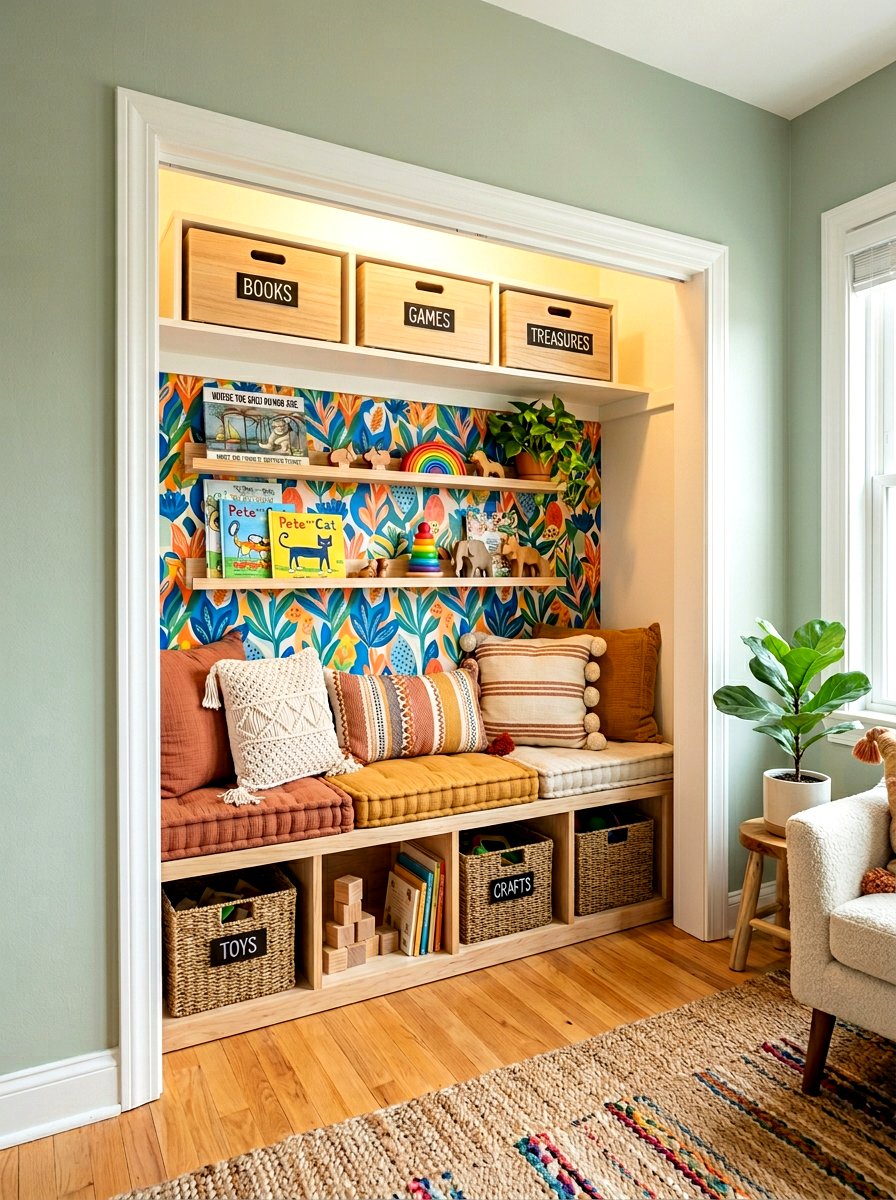
Converting a spare reach-in closet into a dedicated play nook is a brilliant solution for homes without an extra bedroom. By removing the doors and adding built-in bench seating, you create a cozy "room within a room" that keeps toys contained. Use the upper shelves for items that require adult supervision and the lower bins for daily essentials. You can even paint the interior a bold color or use whimsical wallpaper to give the small space its own distinct personality. This setup is perfect for quiet activities like reading or drawing, providing a focused environment that encourages concentration and creative play.
4. Corner Play Area
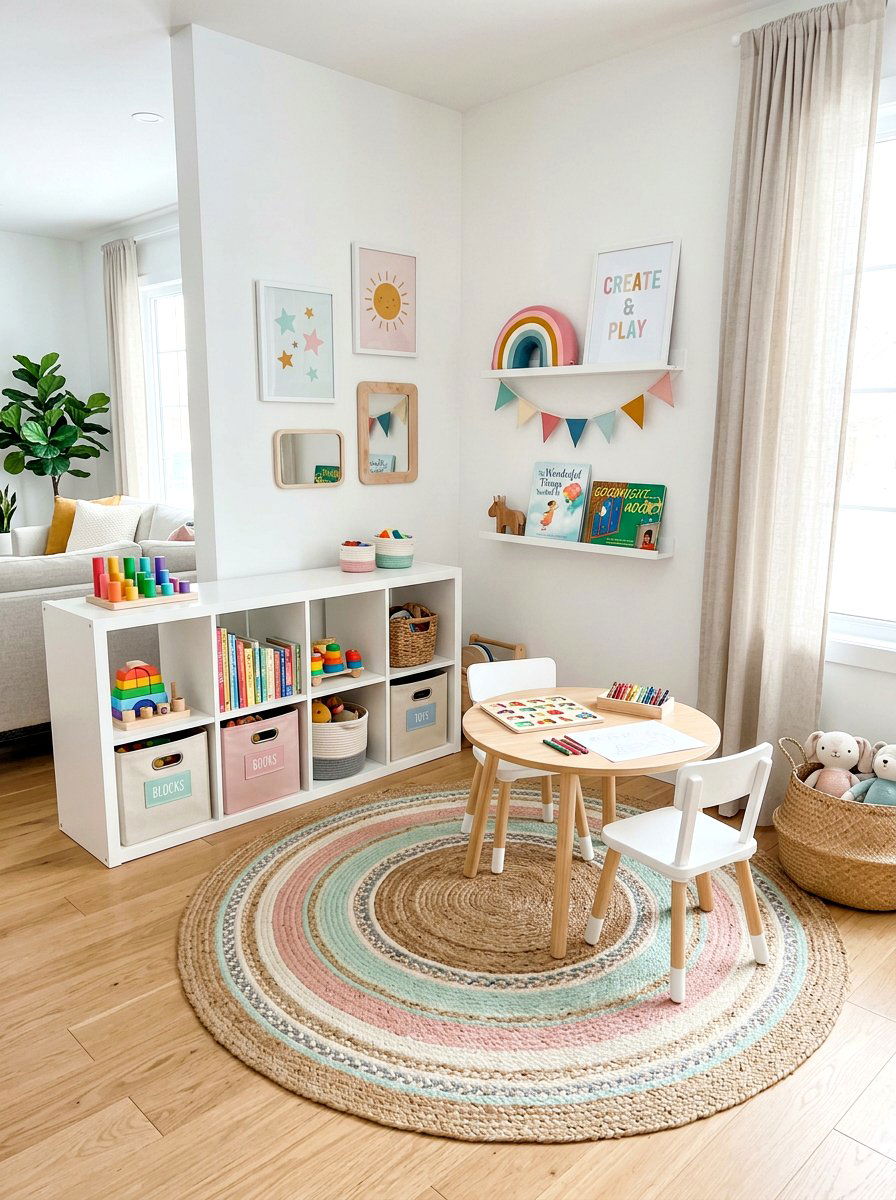
If you do not have an entire room to spare, a well-defined corner in the living room can serve as an excellent play zone. Use a large area rug or a set of foam floor tiles to visually anchor the space and distinguish it from the adult seating area. Low-profile shelving units can act as a divider while providing plenty of storage for bins and baskets. By keeping the furniture scaled to the size of the corner, you ensure the area feels intentional rather than like an afterthought. This setup allows you to keep an eye on your children while you relax nearby.
5. Modern Montessori Playroom
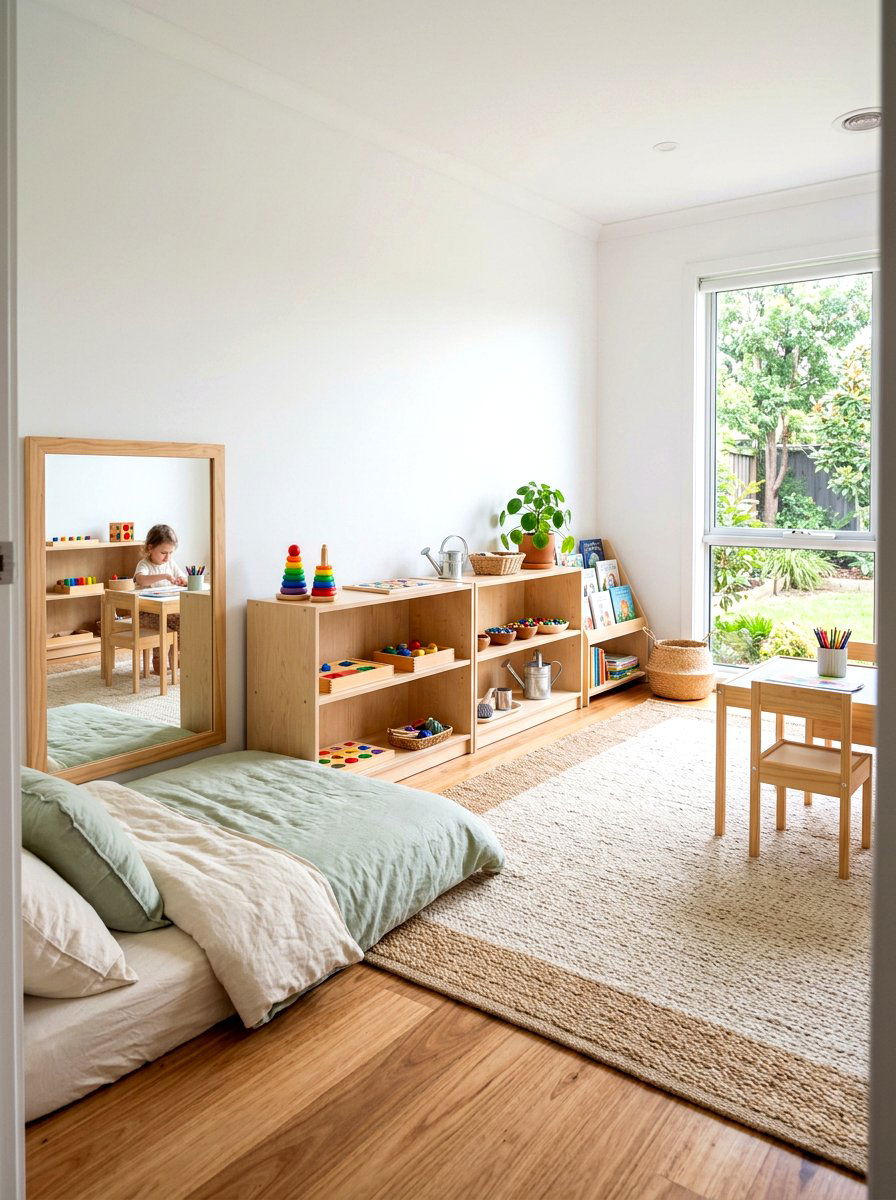
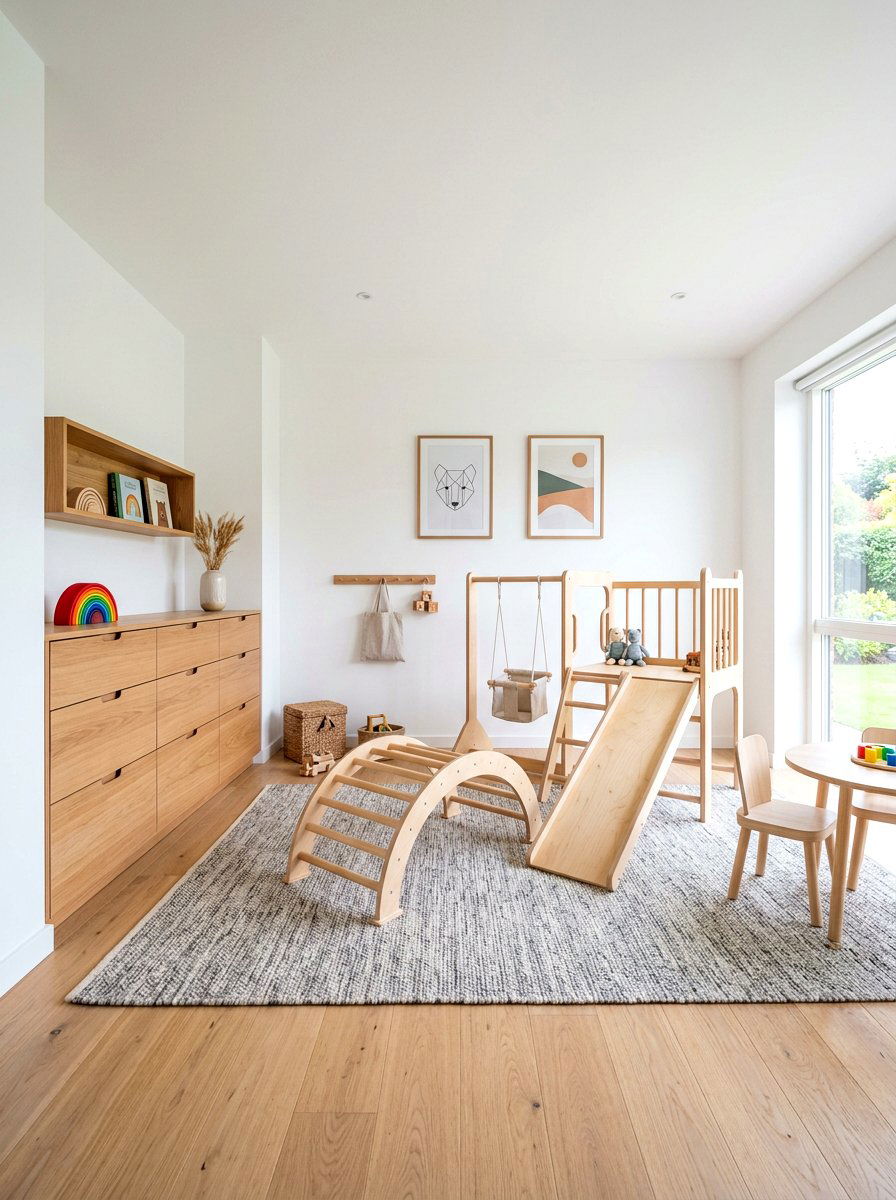
A modern Montessori playroom focuses on independence and accessibility by keeping everything at a child's height. This design philosophy uses open, low shelving where only a few toys are displayed at a time to prevent sensory overwhelm. Natural materials like wood, cotton, and wool are preferred over plastic to create a tactile and grounding experience. By providing a clear and organized layout, you encourage your child to choose their own activities and tidy up afterward. The minimalist aesthetic of this style ensures that the playroom remains a calm and orderly part of your home, even when it is in full use.
6. Attic Playroom
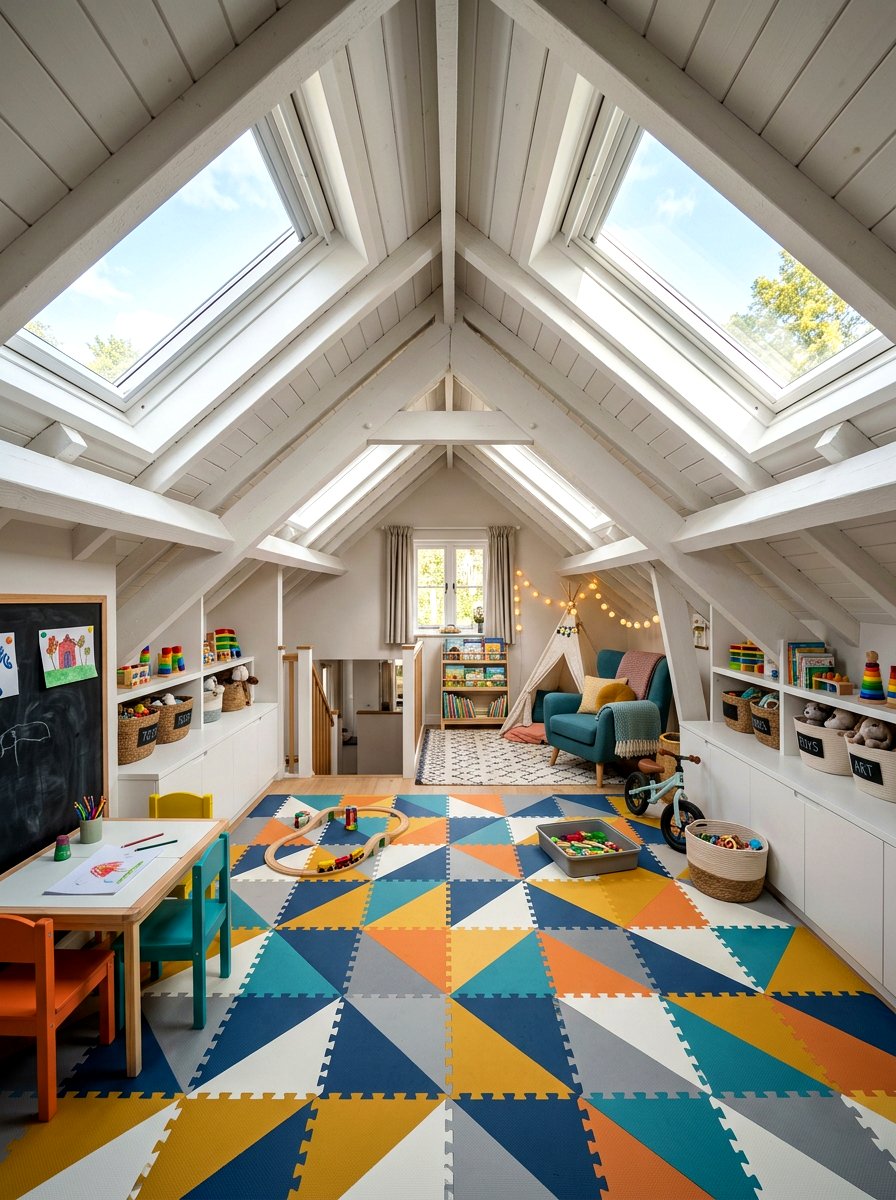
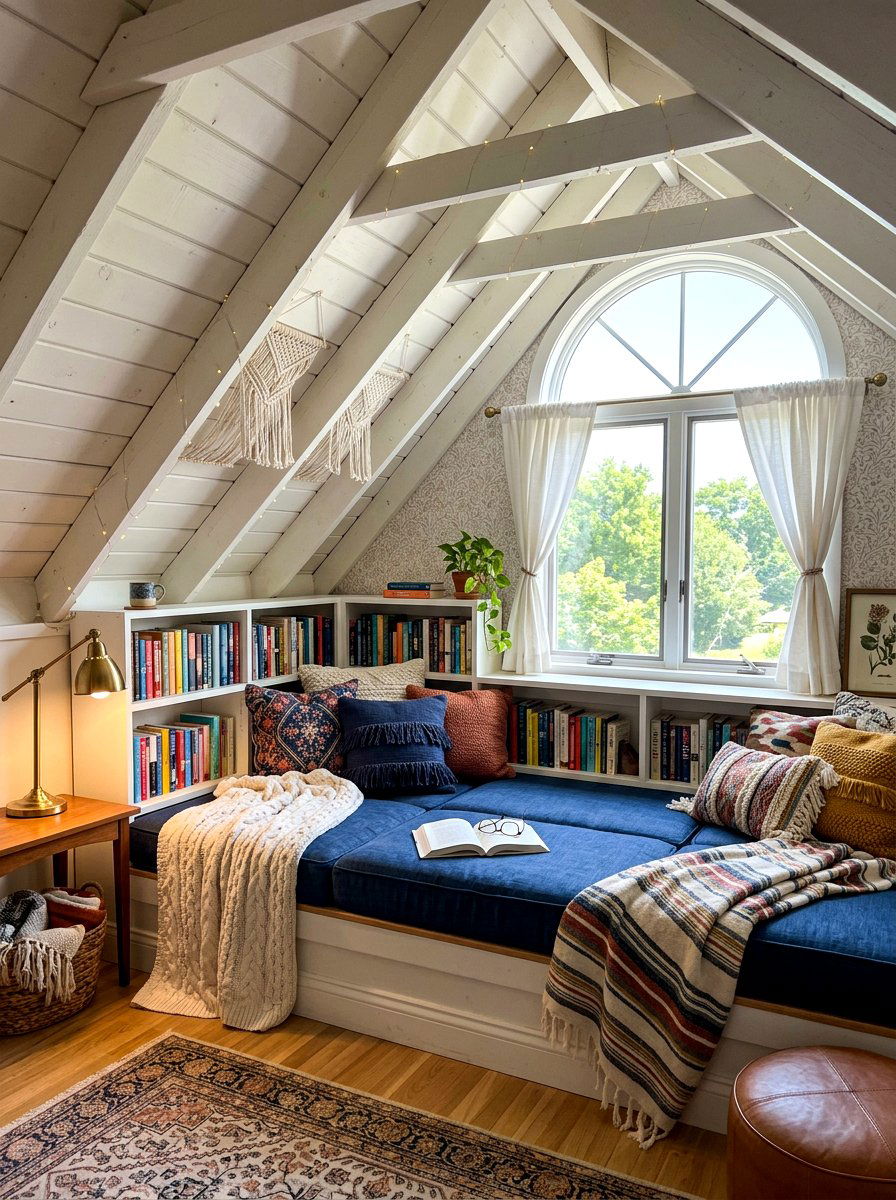
An attic can be the perfect location for a playroom because the sloped ceilings often create a cozy, den-like atmosphere that children adore. While the low eaves might be difficult for adults to navigate, they are the perfect height for little ones and their pint-sized furniture. You can install low cabinets along the walls to maximize storage without taking up valuable floor space in the center. Adding a couple of skylights will flood the room with natural light, making the high-up space feel bright and cheerful. Use soft floor mats to dampen noise so that playtime does not disturb the rooms below.
7. Reading Nook Playroom
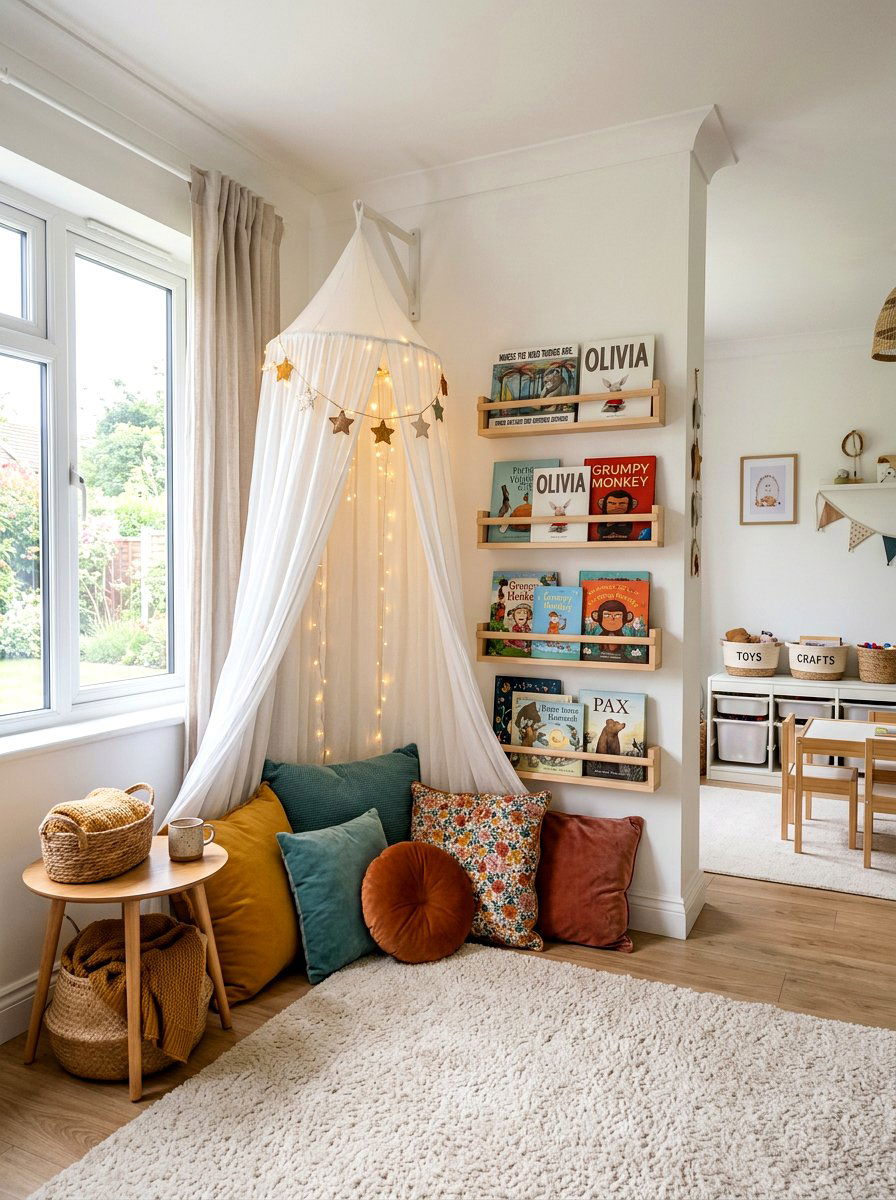
Creating a dedicated spot for literacy is a wonderful way to foster a lifelong love of books in a small space. A reading nook playroom can be as simple as a comfortable floor mattress tucked into a corner with several wall-mounted book ledges. Use a canopy or some fairy lights to make the area feel extra magical and inviting for afternoon story sessions. By displaying book covers facing out, you make it easier for young children to find their favorite stories independently. This quiet zone provides a necessary balance to more active play areas, offering a soft place for rest and reflection.
8. Vertical Storage Playroom
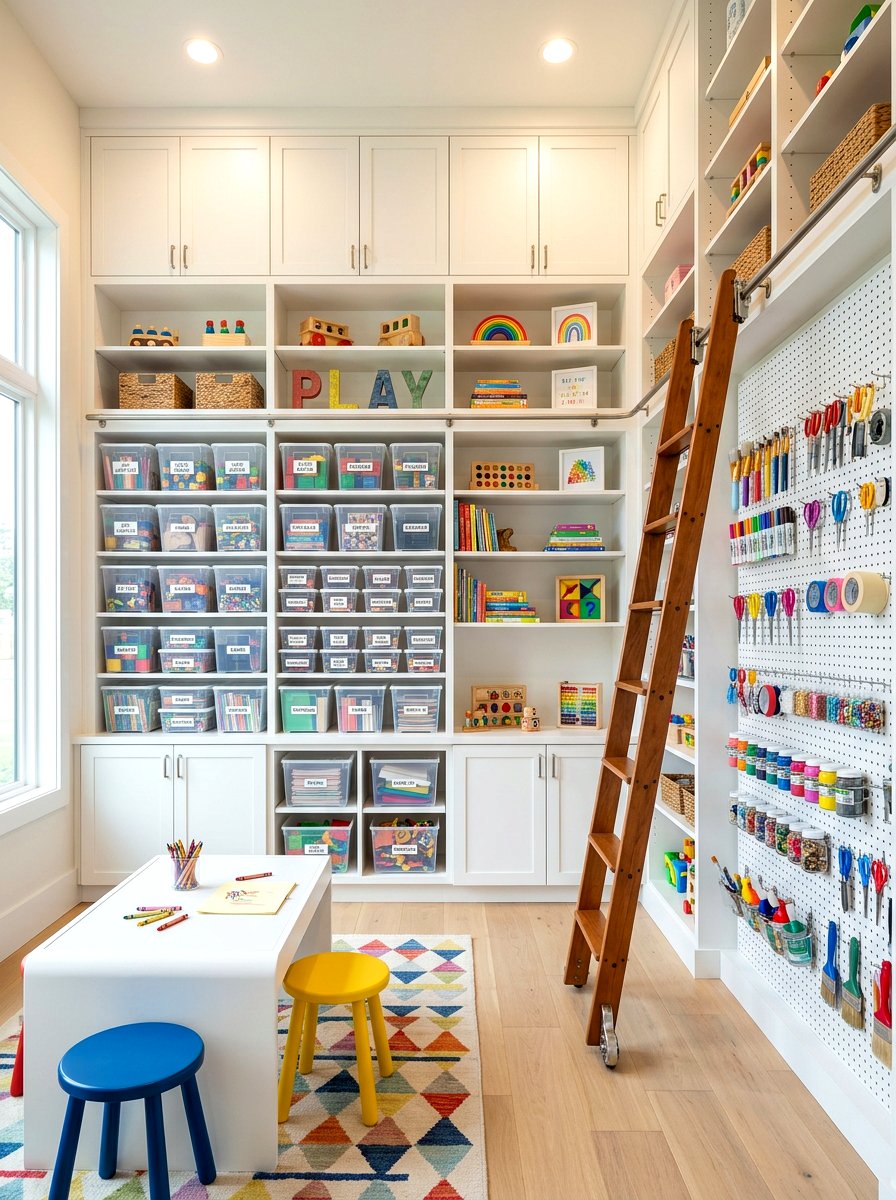
When floor space is at a premium, the best strategy is to look upward and utilize your walls for organization. A vertical storage playroom uses floor-to-ceiling shelving, pegboards, and hanging baskets to keep the ground clear for active play. You can store less-used items on the higher shelves while keeping daily toys within easy reach on the lower levels. Using clear bins helps children see exactly what is inside, reducing the need to dump everything out to find a specific toy. This organized approach prevents the room from feeling claustrophobic and makes the cleaning process much faster for parents and kids alike.
9. Indoor Slide Playroom
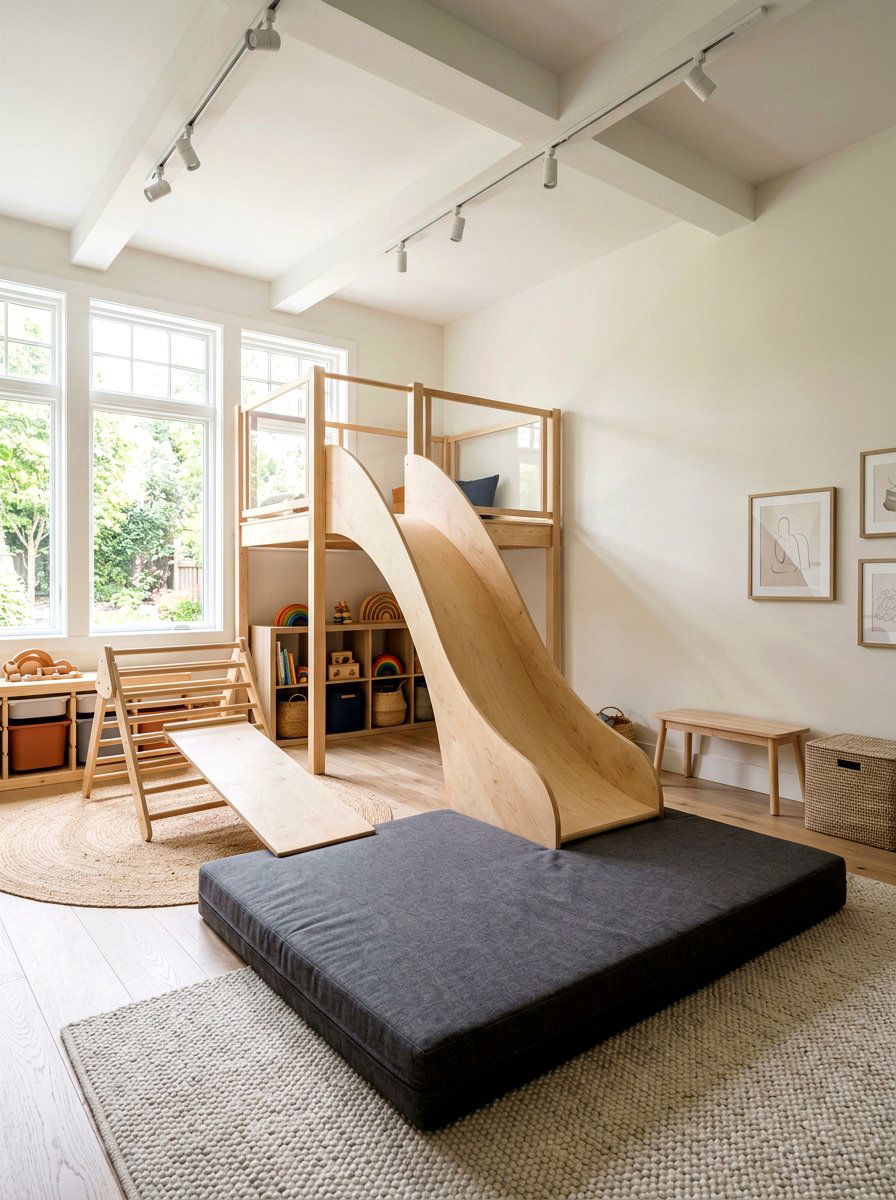
If your children have a lot of energy, an indoor slide playroom can provide hours of entertainment even on rainy days. You can find compact, wooden slides that fit perfectly into the corner of a bedroom or a small play area without being obtrusive. Pairing the slide with a soft landing mat or a small ball pit adds an extra layer of fun and safety. This setup encourages physical activity and helps develop motor skills in a controlled environment. By choosing a stylish wooden design, you can ensure that the play equipment blends seamlessly with your home's modern or traditional interior decor.
10. Wall Mounted Art Station
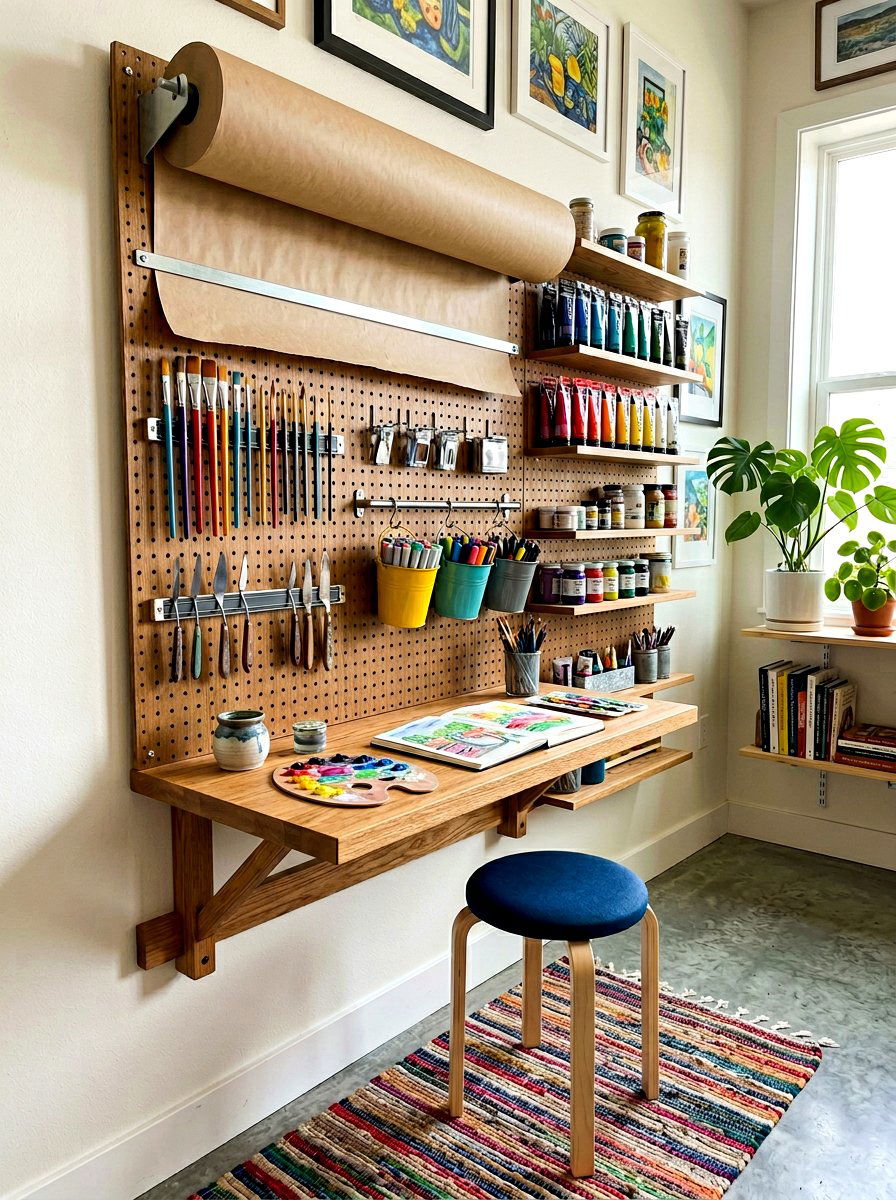
A wall mounted art station is a fantastic space-saving idea that allows your children to get creative without a bulky table. You can install a large roll of paper on a wall bracket or hang several clipboards to display recent masterpieces. Small buckets or magnetic strips can hold crayons, markers, and paintbrushes neatly against the wall. This keeps the floor clear and prevents art supplies from spreading all over the house. Having a permanent spot for creativity encourages children to express themselves whenever inspiration strikes, and it makes it very easy to rotate their artwork for a fresh look.
11. Foldable Playroom Table
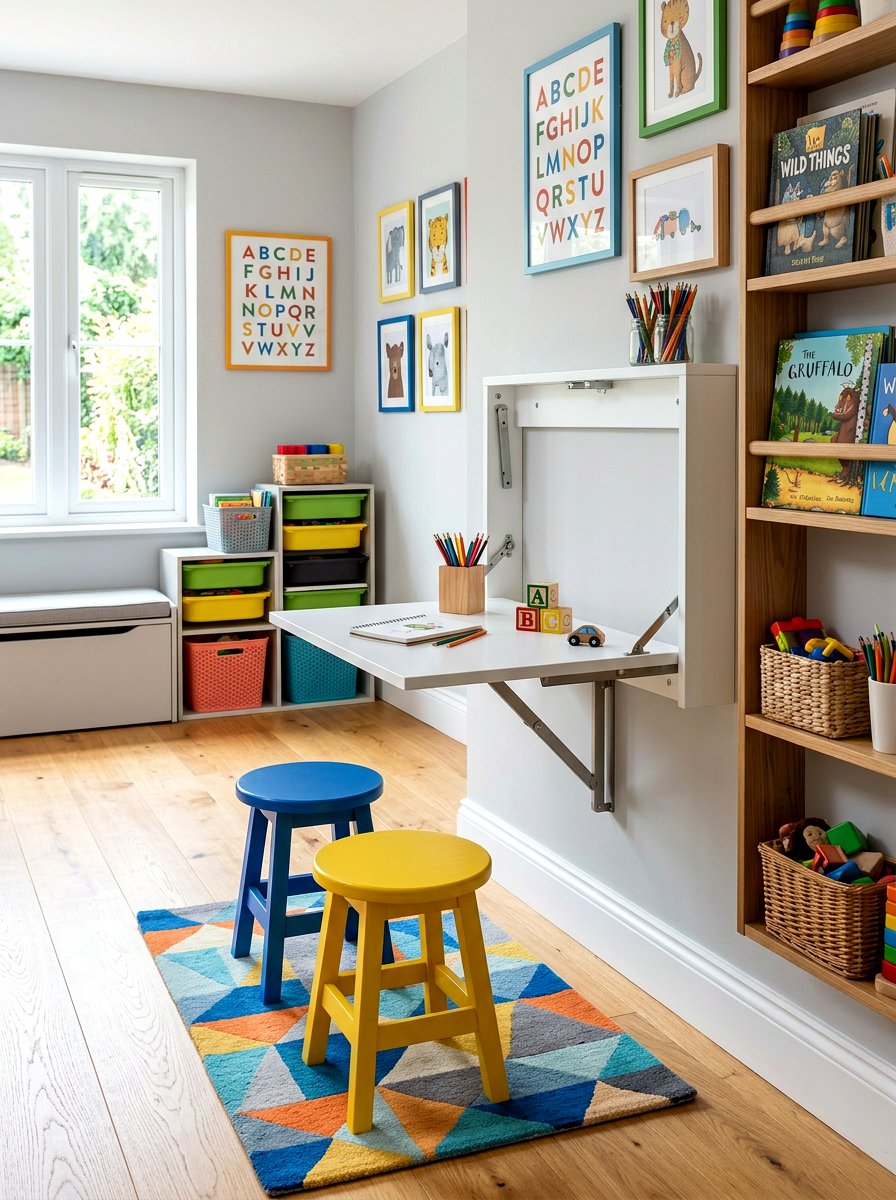
In a multi-purpose room, a foldable playroom table is the ultimate solution for flexibility and saving precious floor space. These tables can be easily tucked away against a wall or stored in a closet when the kids are finished with their projects. This allows the room to transform back into a guest space or a clear area for movement and active games. Look for sturdy designs that are easy for an adult to set up but stable enough for heavy-duty building or crafting. Providing a dedicated surface for activities helps keep the mess contained to one easily cleanable area of the home.
12. Chalkboard Wall Playroom
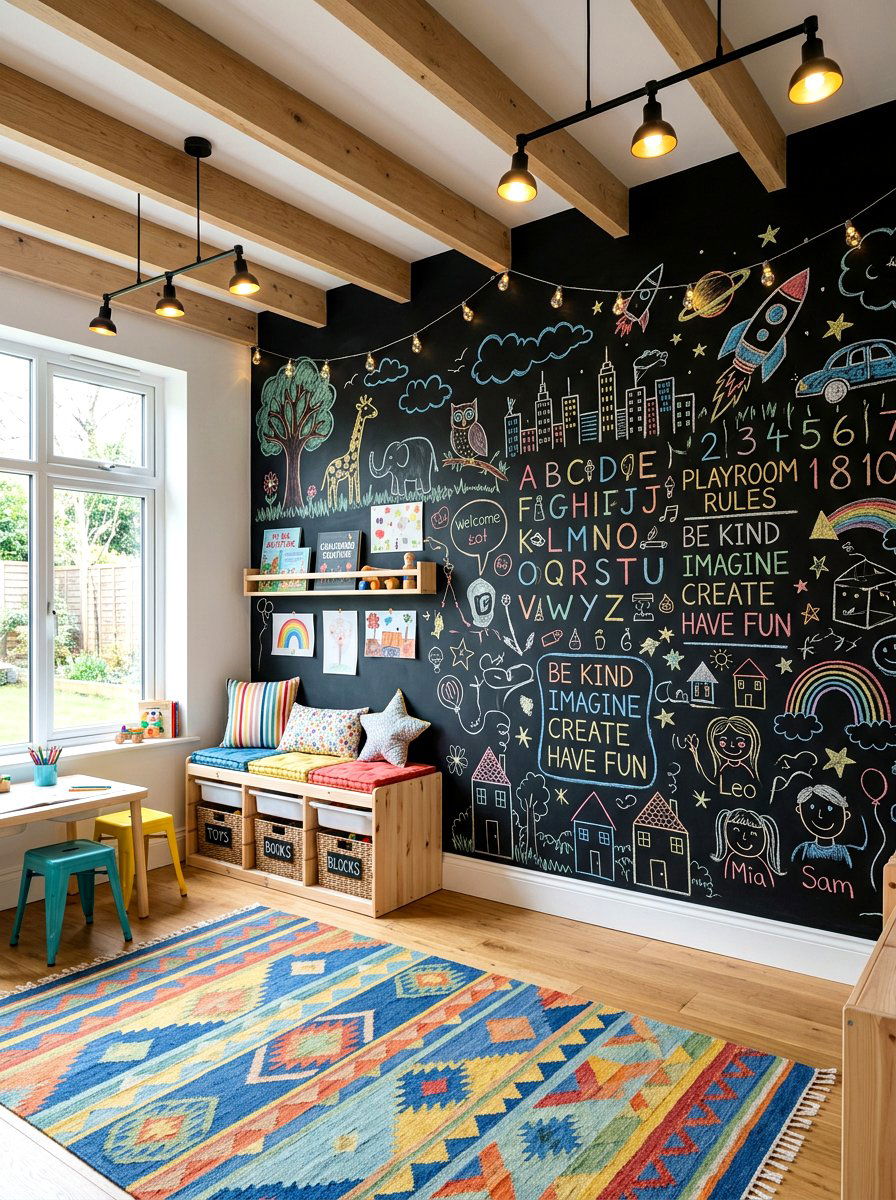
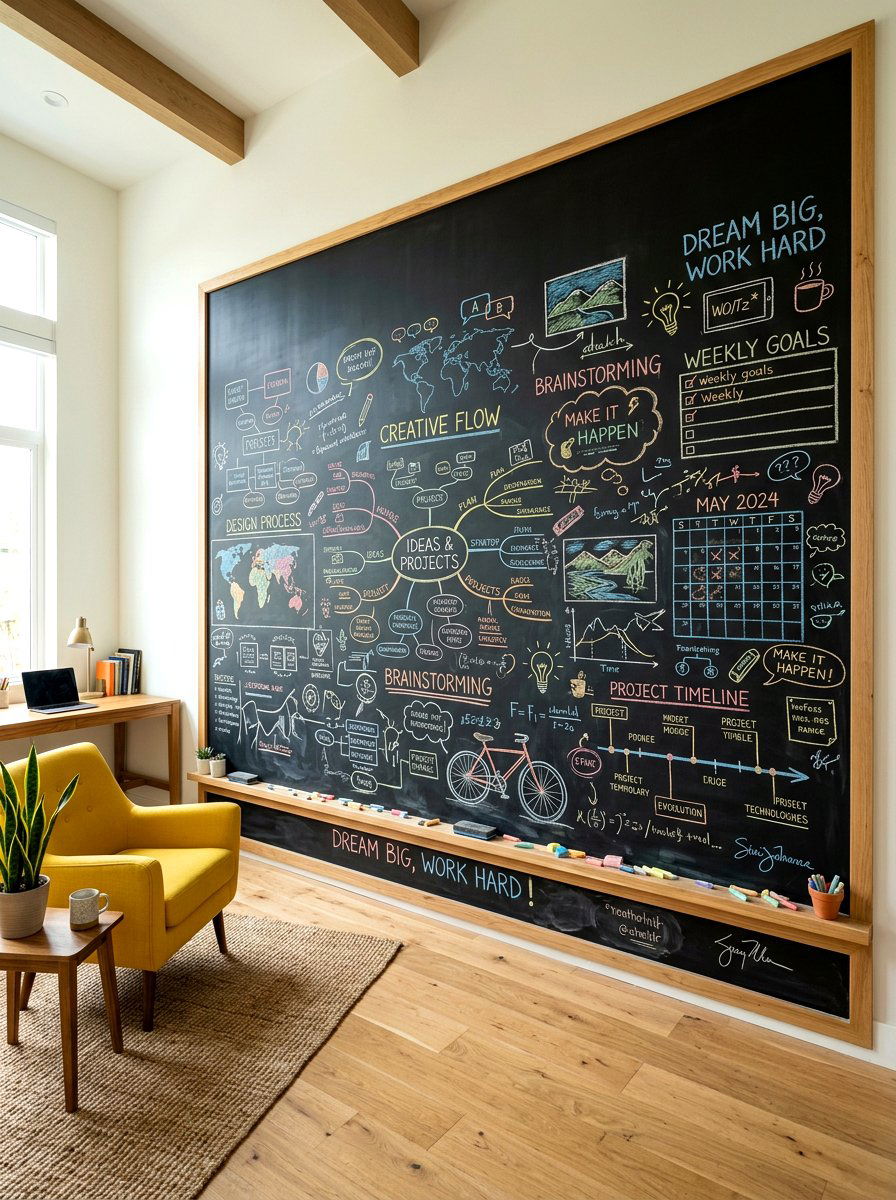
Turning one entire wall into a chalkboard is a bold design choice that provides a massive canvas for endless creativity. A chalkboard wall playroom allows kids to draw directly on the walls without getting into trouble, which is a dream for many toddlers. You can use magnetic chalkboard paint to add even more functionality, allowing children to play with alphabet magnets or display their paper drawings. This interactive feature evolves with your child, moving from simple scribbles to complex math problems or schedules as they grow older. It is a low-profile way to add huge play value to any small room.
13. Minimalist Play Space
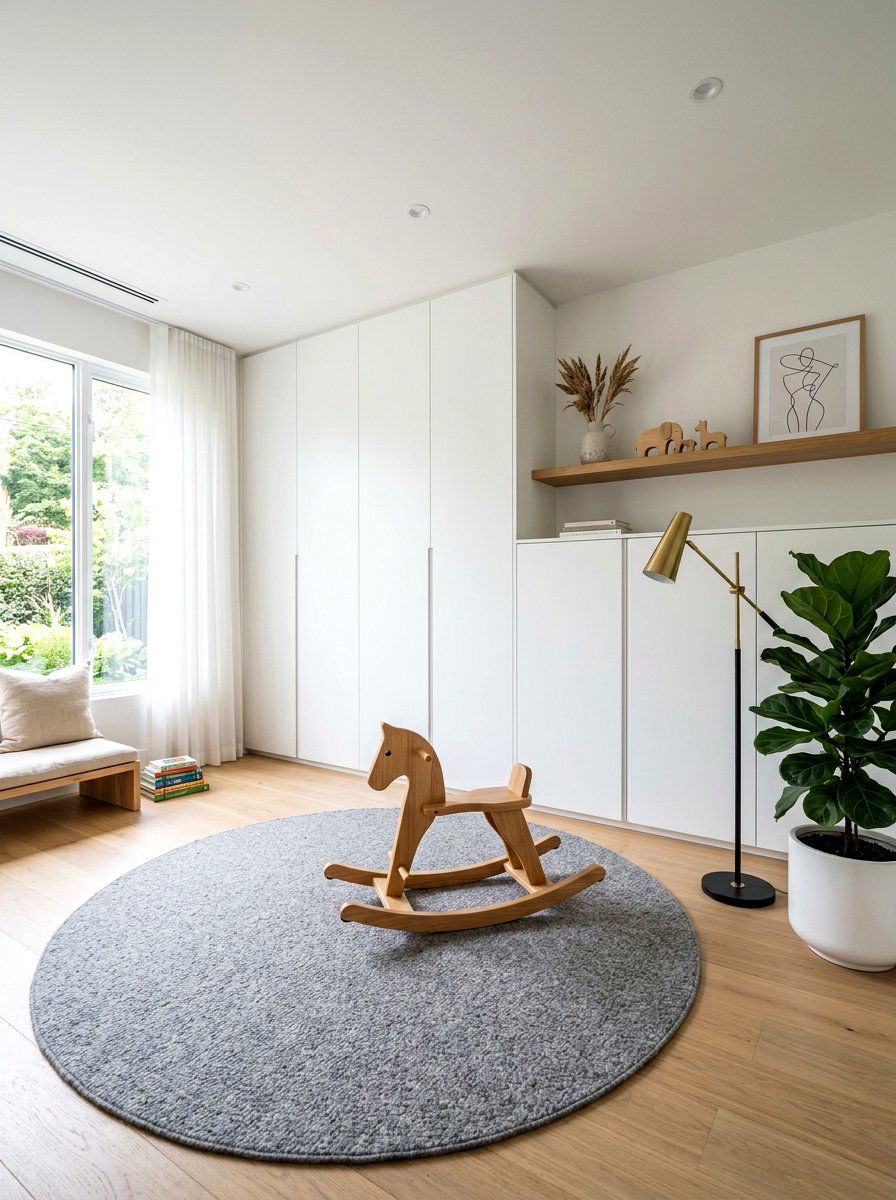
A minimalist play space is all about quality over quantity, focusing on a few high-value toys that encourage open-ended imagination. By reducing the number of items in the room, you create a sense of calm and allow the child’s creativity to flourish without distractions. Use sleek, closed cabinetry to hide away any remaining clutter and maintain a clean visual line throughout the space. This design style works exceptionally well in modern homes where a streamlined look is preferred. A minimalist approach also makes the rotation of toys much easier, as you can periodically swap out items to keep the play experience fresh.
14. Bohemian Kids Room
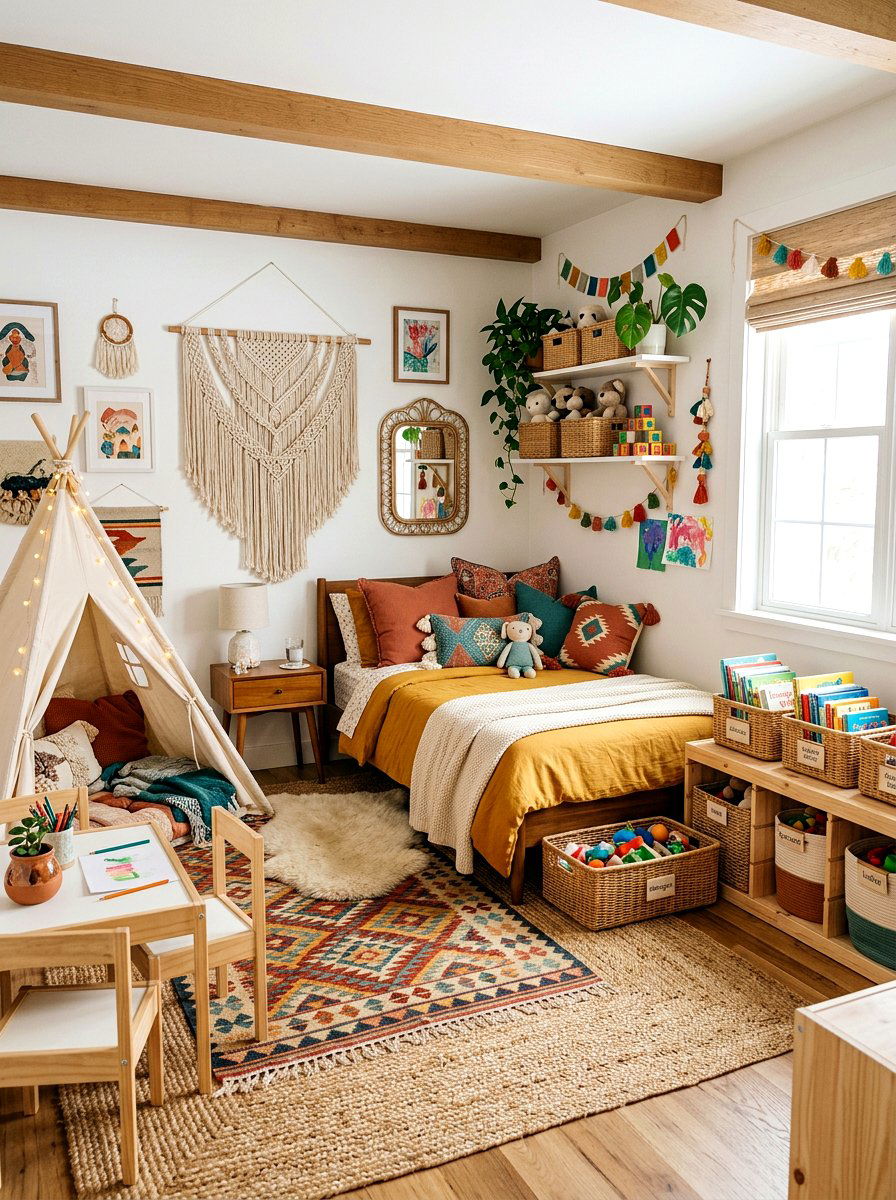
If you love a relaxed and artistic vibe, a bohemian kids room is a great way to bring warmth and texture to a small playroom. Use natural materials like rattan baskets, macramé wall hangings, and layered woven rugs to create an inviting and cozy atmosphere. A mix of colorful patterns and earthy tones adds a playful spirit that feels curated yet lived-in. Incorporating plants (real or faux) can bring a touch of nature indoors, making the space feel more like a garden retreat. This eclectic style is very forgiving of a little bit of play-related mess, as it thrives on a comfortable, layered appearance.
15. Playroom Teepee Tent
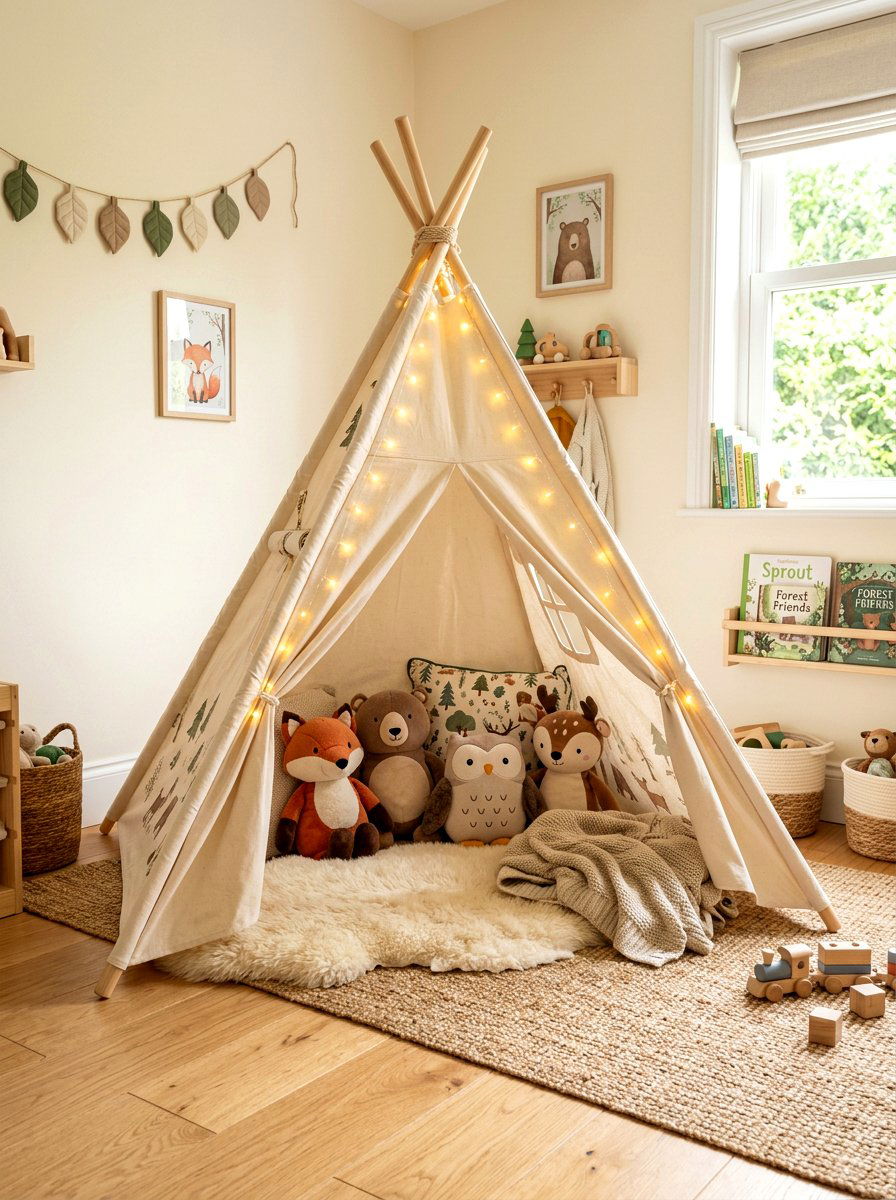
A playroom teepee tent provides a classic hideaway that can fit into almost any small corner or bedroom. These tents offer a private space where children can retreat to play with their dolls, look at books, or even take a nap. Because they are lightweight and often collapsible, you can move them around the house or pack them away when you need more floor space. Decorate the interior with soft blankets and plush pillows to create the ultimate cozy den. The vertical height of a teepee adds visual interest to the room without requiring a large horizontal footprint for the children.
16. Floating Shelf Playroom
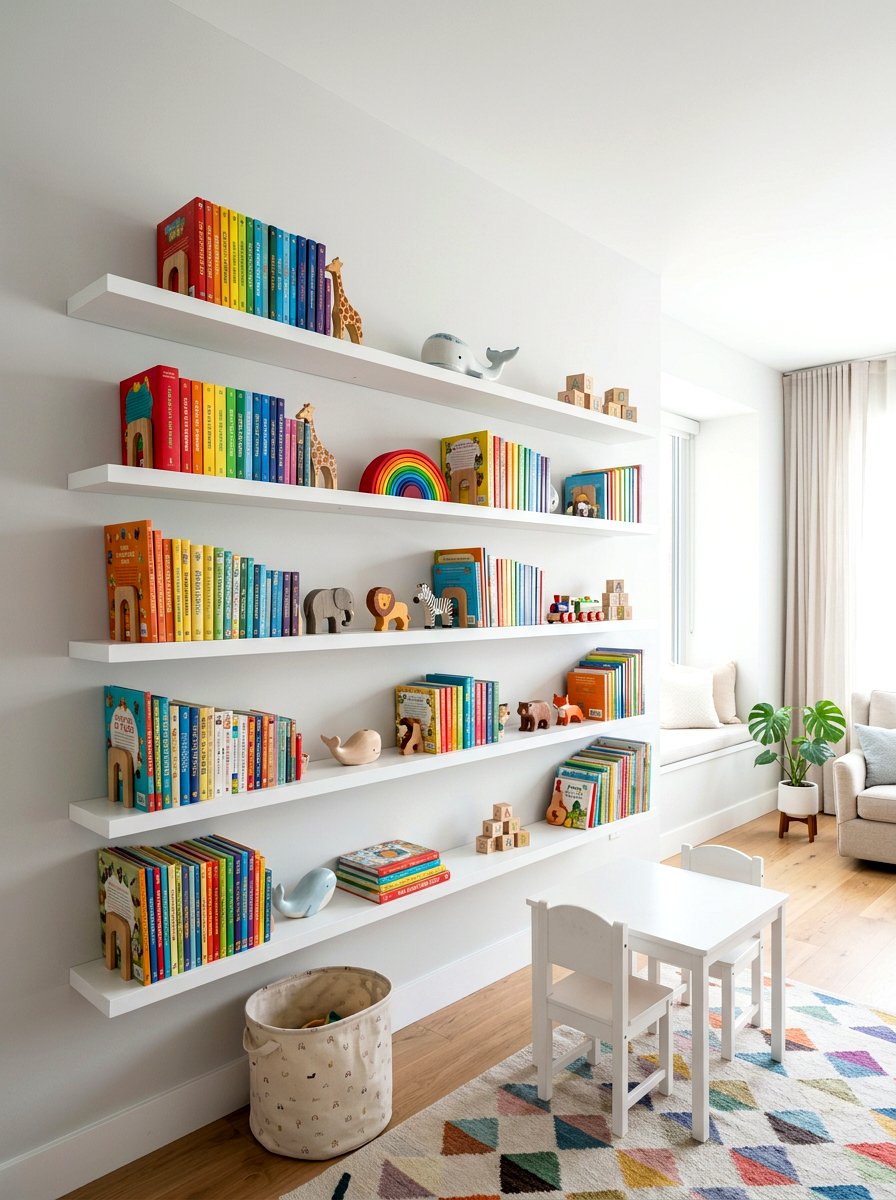
Floating shelves are a versatile and stylish way to organize a small playroom without the visual weight of heavy bookcases. By mounting shelves directly to the wall, you keep the floor space open, which makes the entire room feel much larger and less congested. You can use these shelves to display beautiful wooden toys, trophies, or a curated collection of favorite books. Arranging them at different heights allows you to create a dynamic wall gallery that doubles as functional storage. This setup is particularly effective in narrow hallways or small bedrooms where every inch of floor space is needed for movement.
17. Window Seat Playroom
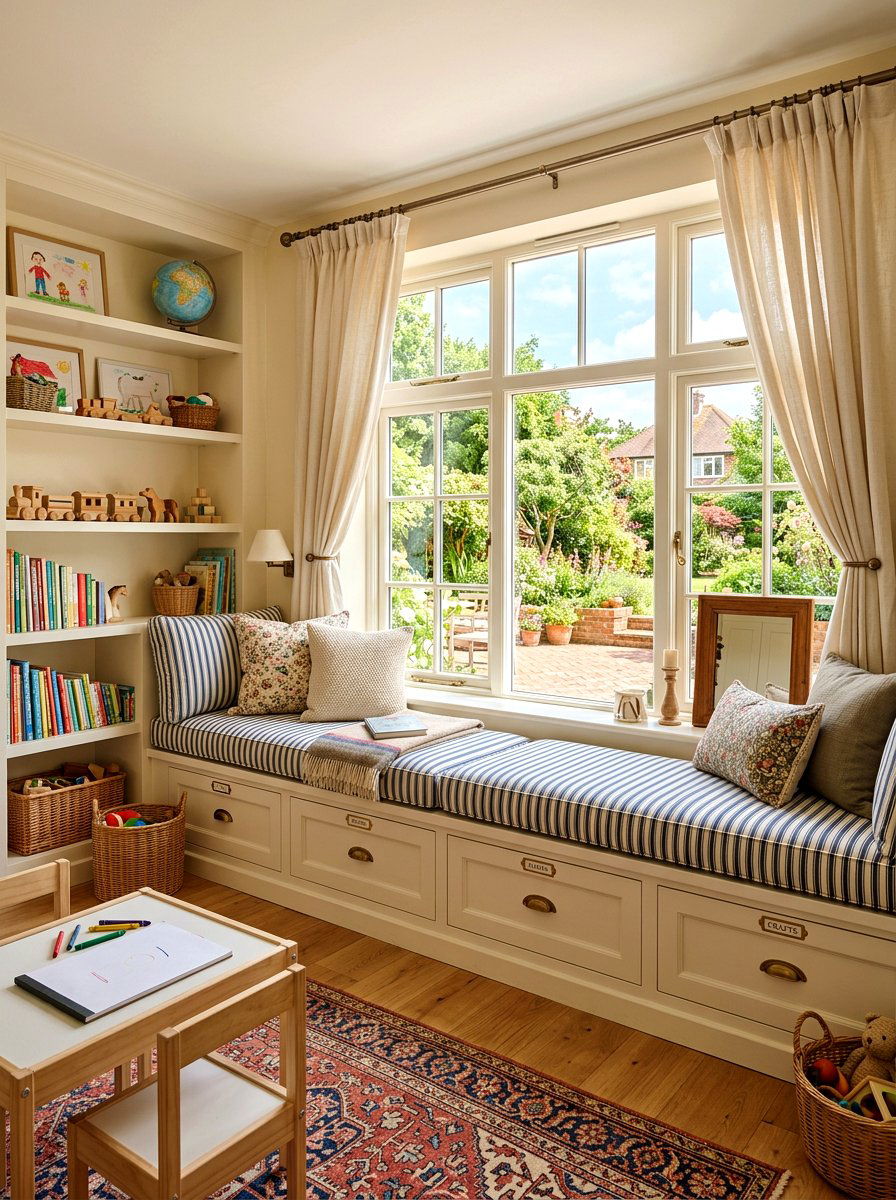
If your small playroom has a window, adding a built-in window seat is a wonderful way to combine storage with a cozy lounging spot. The space underneath the seat can be fitted with deep drawers or open cubbies to hold large toys and bulky blankets. This creates a natural focal point for the room and provides a perfect place for kids to sit and watch the world outside. Use a durable, washable fabric for the seat cushion to ensure it stands up to daily wear and tear. A window seat turns an often-underutilized architectural feature into a functional and charming play destination.
18. Colorful Accent Wall Playroom
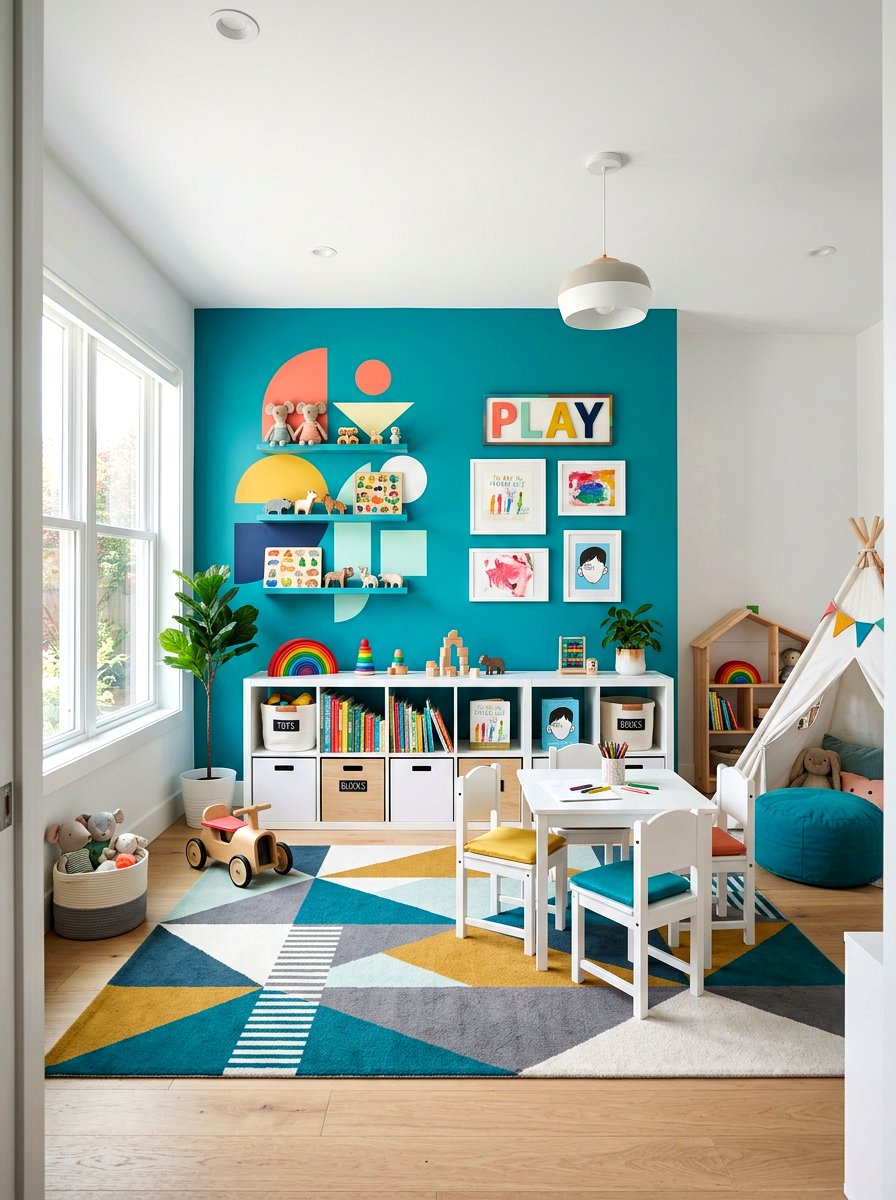
Adding a colorful accent wall is a quick and affordable way to define a small playroom and inject a sense of fun. Whether you use a bold paint color, a vibrant mural, or a playful wallpaper pattern, an accent wall creates a clear visual boundary for the play zone. This technique works especially well in shared spaces like a living room or a basement, as it signals that this specific area is for kids. Pairing the bold wall with neutral furniture helps balance the energy of the room so it does not feel overwhelming. It is an easy way to show off your child's personality.
19. Jungle Gym Playroom
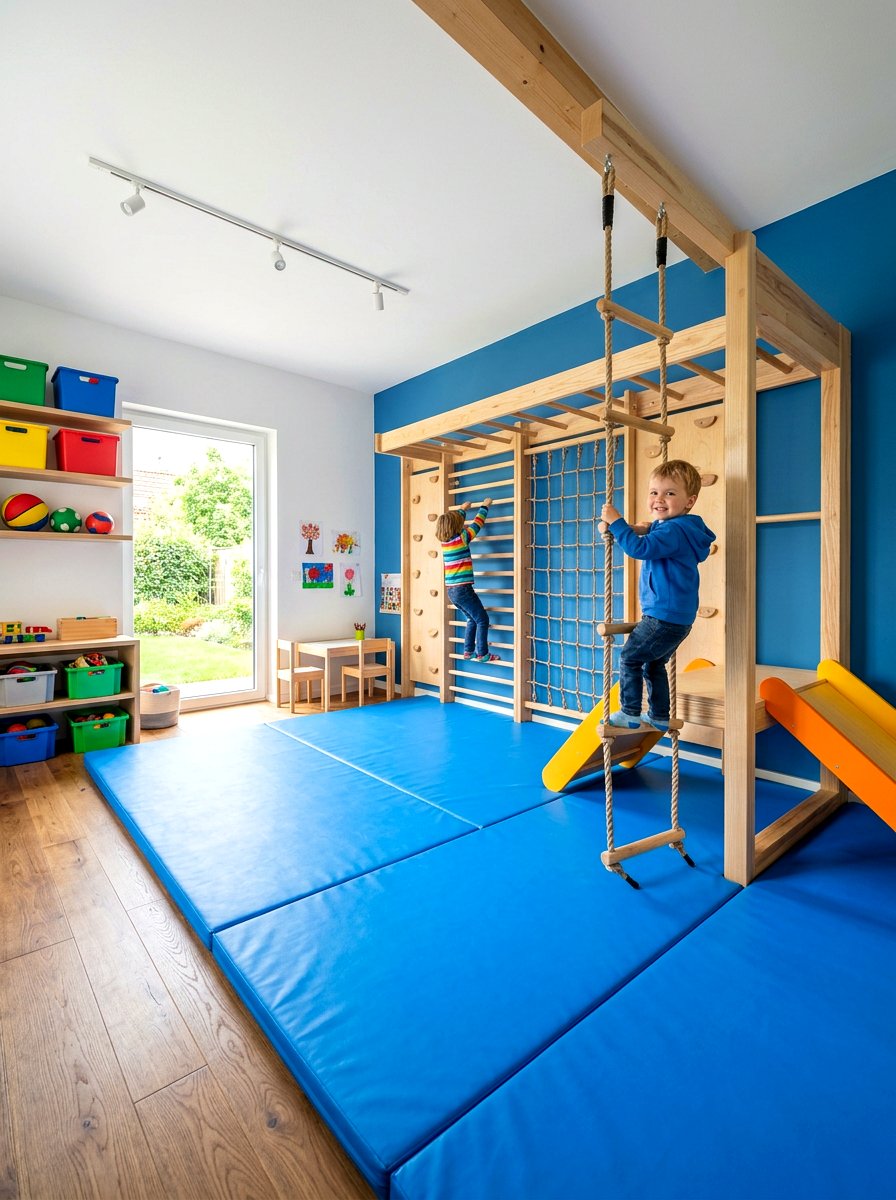
For families living in apartments or homes without large yards, a jungle gym playroom can be a total life-changer for active kids. Wall-mounted Swedish ladders, climbing ropes, and small wooden gyms can be installed in surprisingly compact spaces. These structures provide a safe way for children to develop their strength and coordination indoors. By choosing high-quality wooden equipment, you can ensure that the gym looks like a beautiful piece of modern furniture rather than a piece of plastic playground equipment. This setup is perfect for burning off energy before bedtime or during long winter months when outdoor play is limited.
20. Playroom Floor Cushion Zone
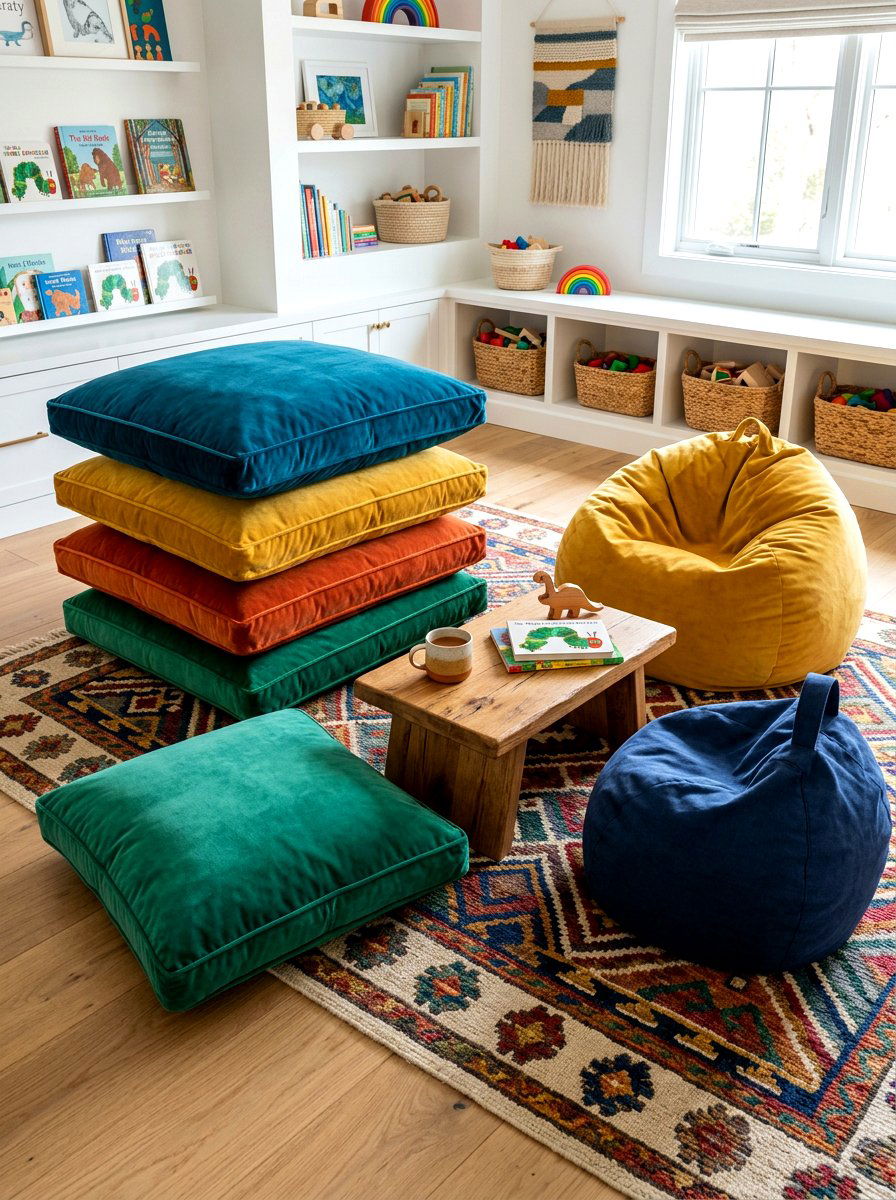
In a small playroom, traditional chairs can take up too much space and feel quite rigid. A playroom floor cushion zone offers a flexible and cozy seating alternative that kids absolutely love. Large, plush cushions and bean bags can be stacked in a corner when not in use or spread out for a movie night or a group playdate. This low-to-the-ground seating encourages a more relaxed and informal environment where children feel comfortable and free to move. Choosing cushions with removable, machine-washable covers is essential for maintaining a clean and hygienic space for your little ones to enjoy every day.
21. Hidden Storage Playroom
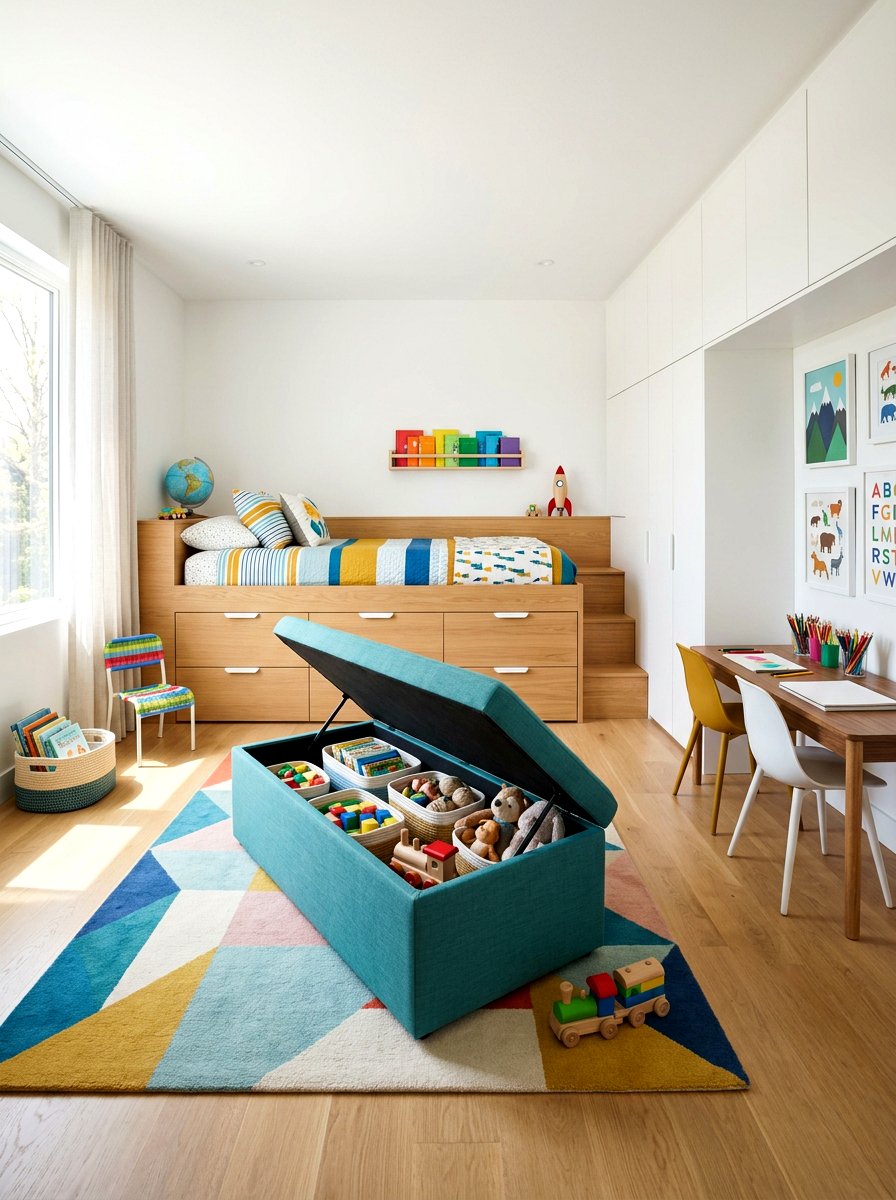
A hidden storage playroom is the ultimate goal for parents who want to keep their home looking tidy and organized. Look for furniture pieces that serve a double purpose, such as ottomans with lids or benches with secret compartments inside. Using a bed with built-in drawers underneath is another great way to store an entire collection of toys without needing extra cabinets. This approach allows you to quickly sweep everything out of sight when guests arrive or at the end of the day. By keeping the mess tucked away, you maintain a calm and adult-friendly atmosphere in your shared living areas.
22. Lego Building Station
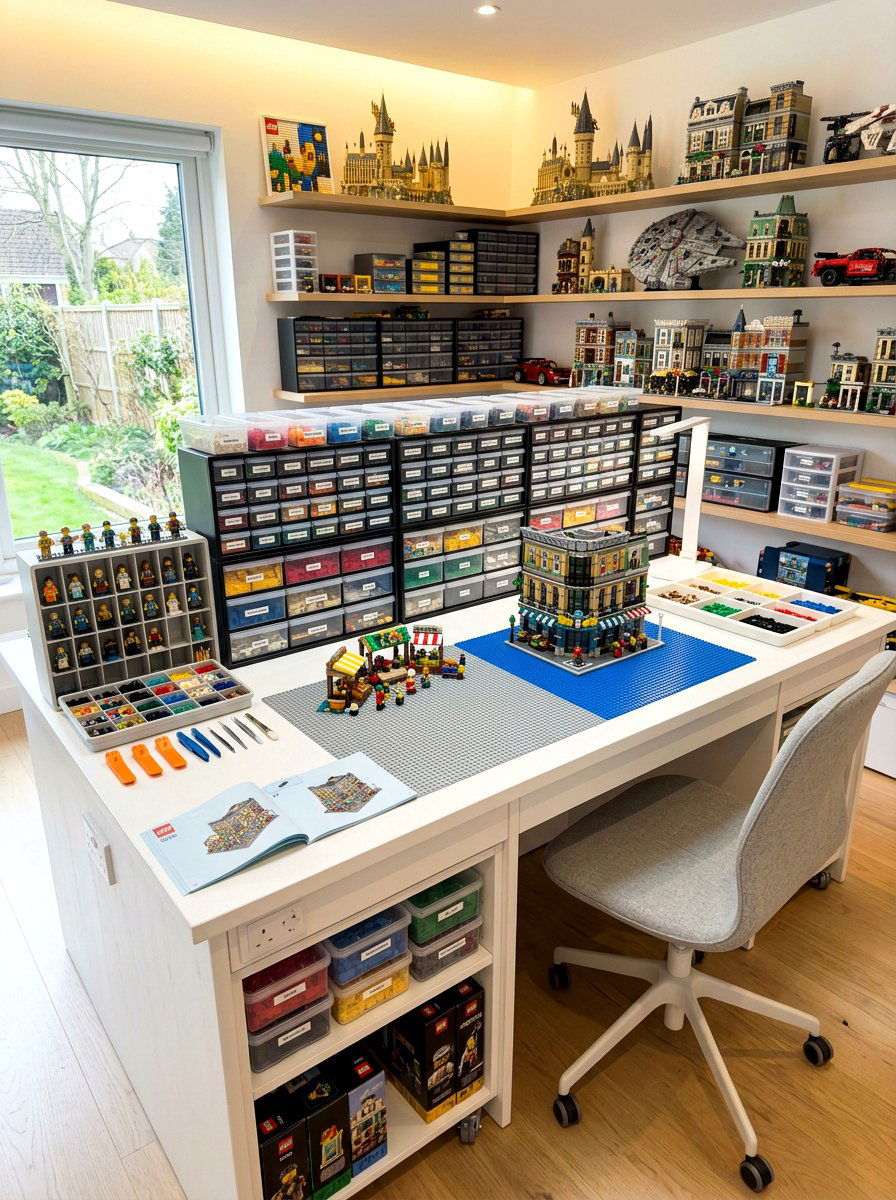
For the little architects in your life, a dedicated Lego building station can keep those tiny, painful bricks off the floor. A small table with a raised edge or built-in baseplates provides a stable surface for complex creations. You can use small bins or drawer units underneath the table to sort pieces by color or size, making the building process much more enjoyable. This specific zone encourages focused play and allows children to leave their half-finished projects out without taking over the dining room table. It is a practical way to manage a popular but potentially messy hobby in a small home.
23. Play Kitchen Setup
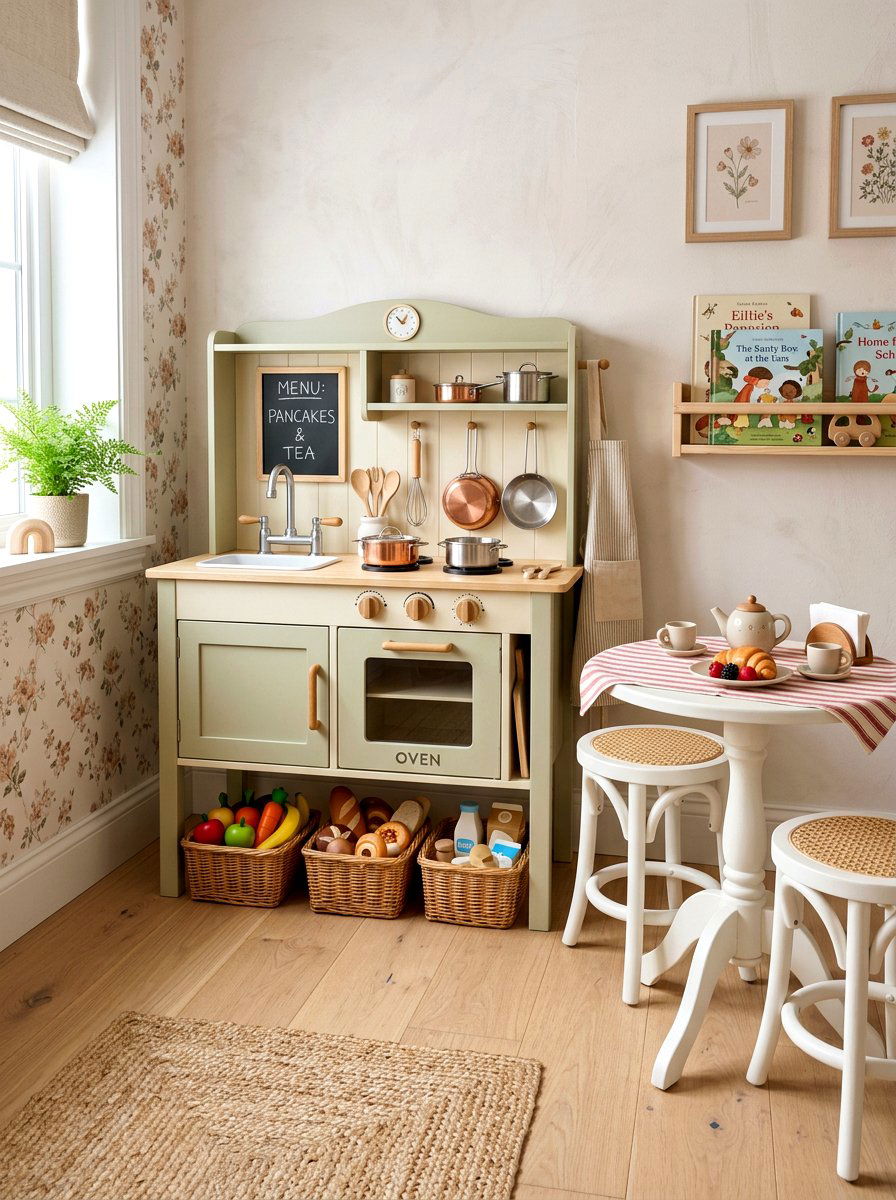
A play kitchen setup is a classic playroom staple that provides endless opportunities for imaginative role-playing and social development. You can find many slim and compact models that fit neatly against a wall or in a small corner without being too bulky. Adding a tiny table and a couple of stools creates a complete "restaurant" experience in a very small footprint. Use baskets to store play food and dishes so that everything has a designated home. This type of play encourages children to mimic everyday adult activities, helping them learn about chores and cooperation in a fun and engaging way.
24. Scandi Style Playroom
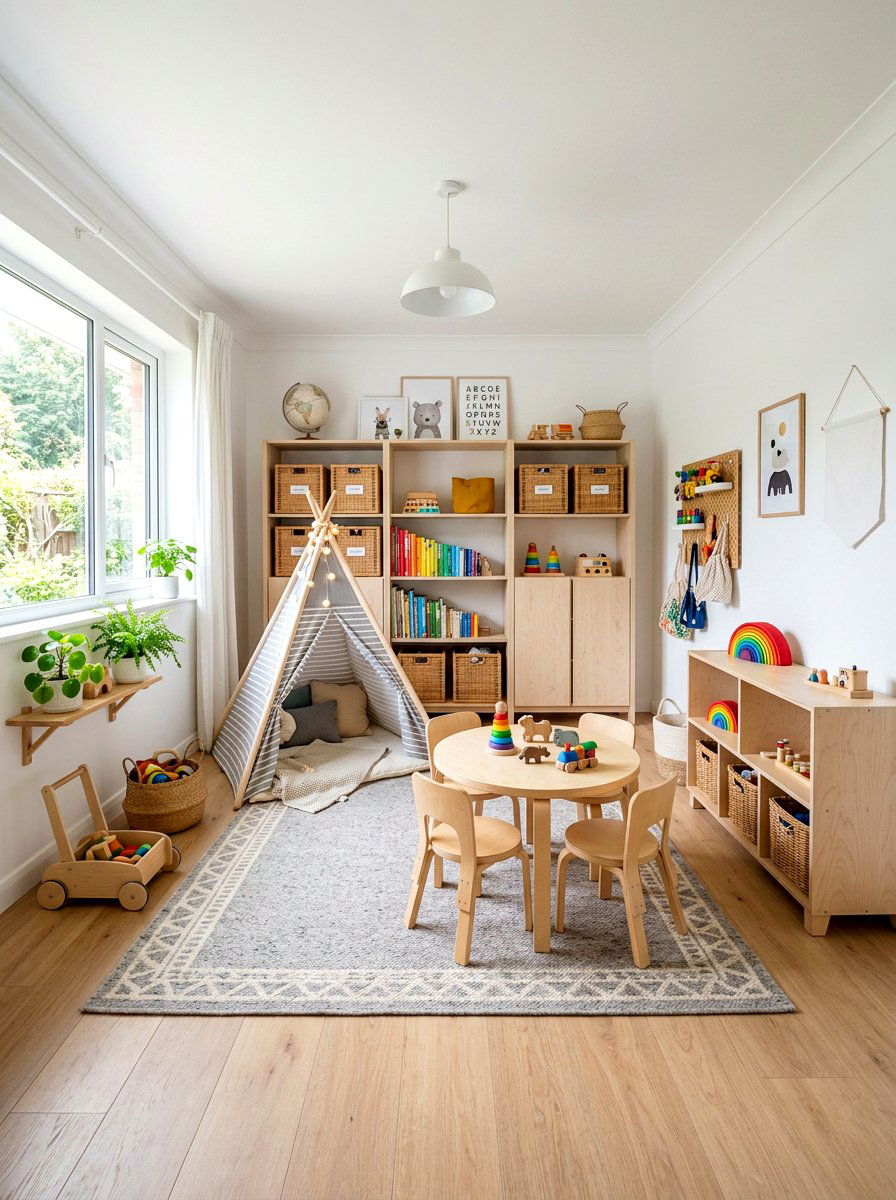
A Scandi style playroom is characterized by its simplicity, functionality, and use of beautiful natural materials. This aesthetic relies on a light and airy color palette, typically featuring white walls and light-toned wood furniture. The focus is on clean lines and uncluttered spaces, which makes a small room feel much more open and breathable. Use woven baskets and simple wooden crates for storage to keep the look cohesive and organic. By prioritizing a few high-quality, sustainable toys over a mountain of plastic, you create a timeless and sophisticated environment that both children and adults will appreciate in their home.
25. Lofted Play Bed
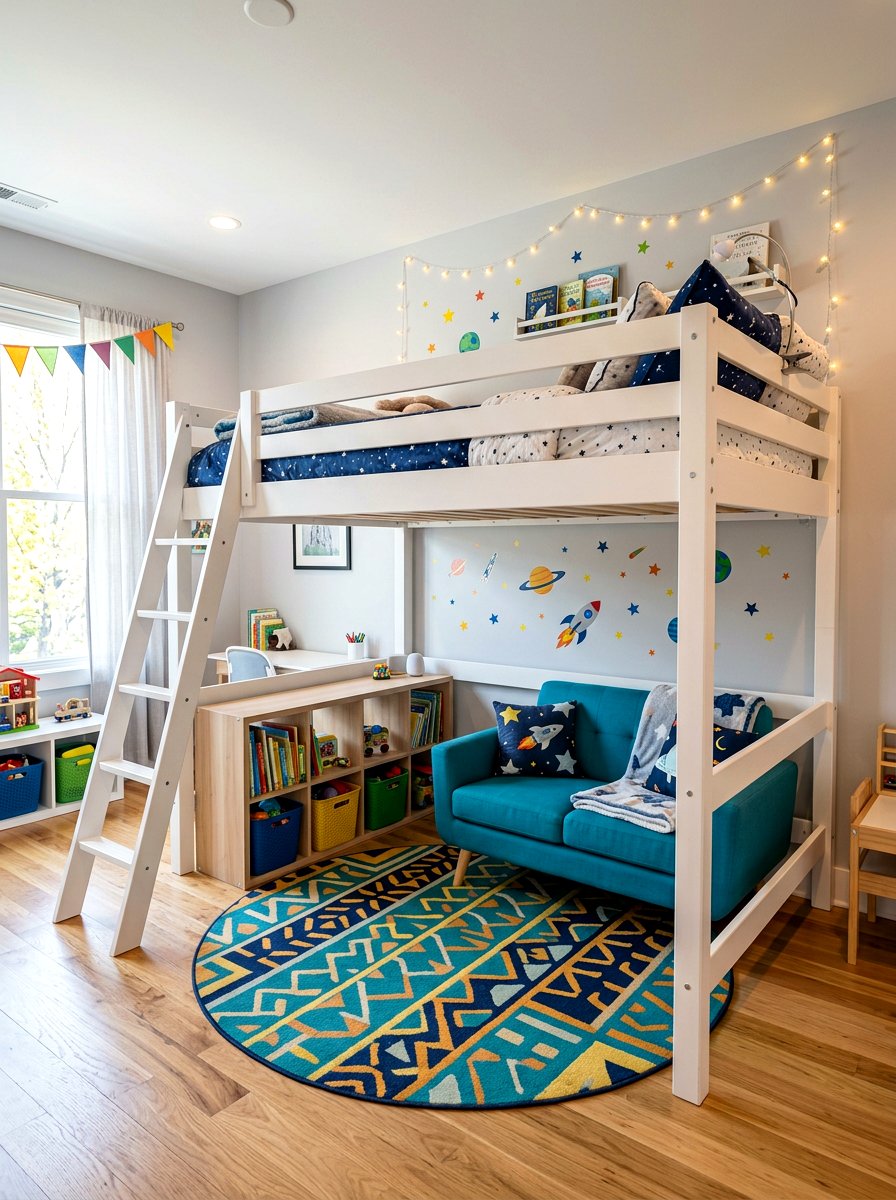
If you are dealing with an extremely small bedroom, a lofted play bed is a genius way to double your available floor space. By raising the sleeping area, you create a large, open zone underneath that can be used as a playroom, a desk area, or a cozy reading nook. You can hang curtains around the bottom to create a secret "fort" that kids will absolutely adore. This vertical arrangement is perfect for growing children who need more room for their activities but have a limited footprint. It turns the bed into an adventurous part of the playroom rather than just a place to sleep.
26. Interactive Wall Playroom
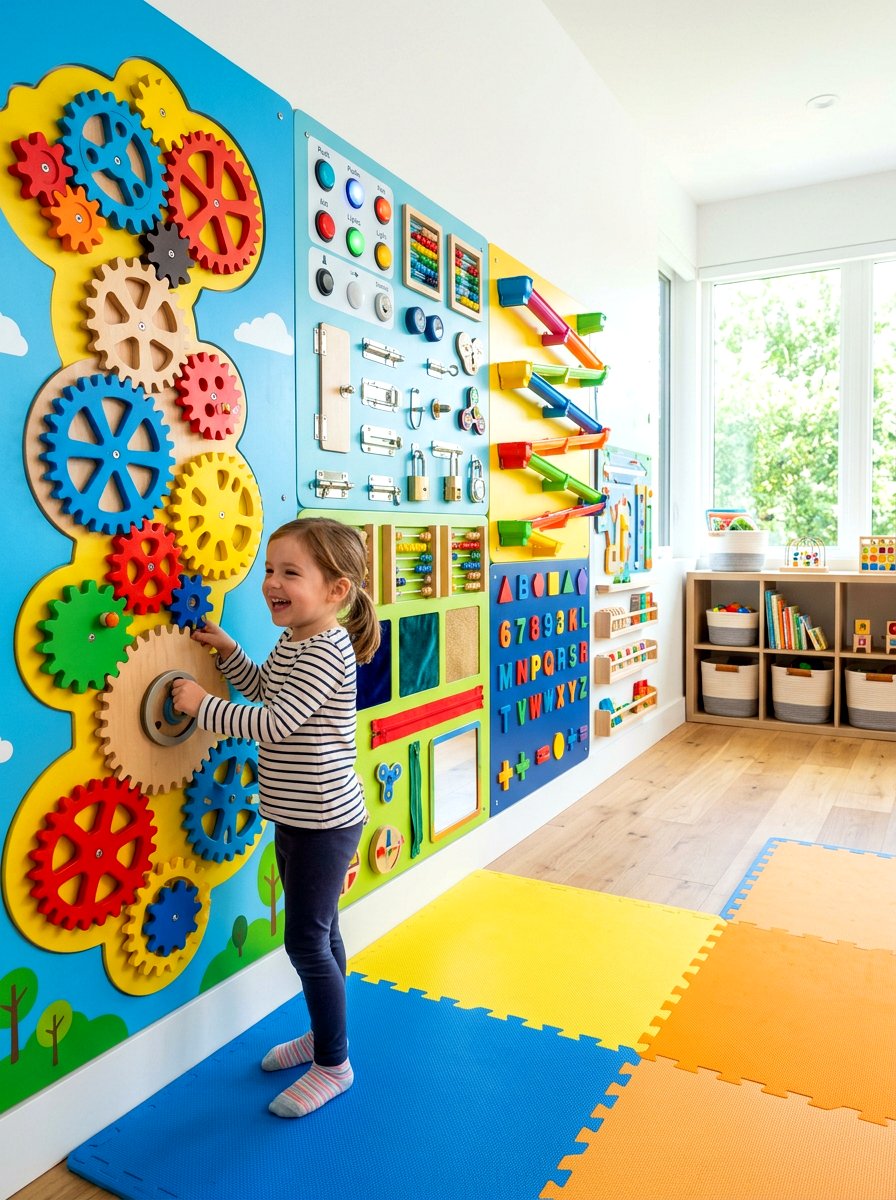
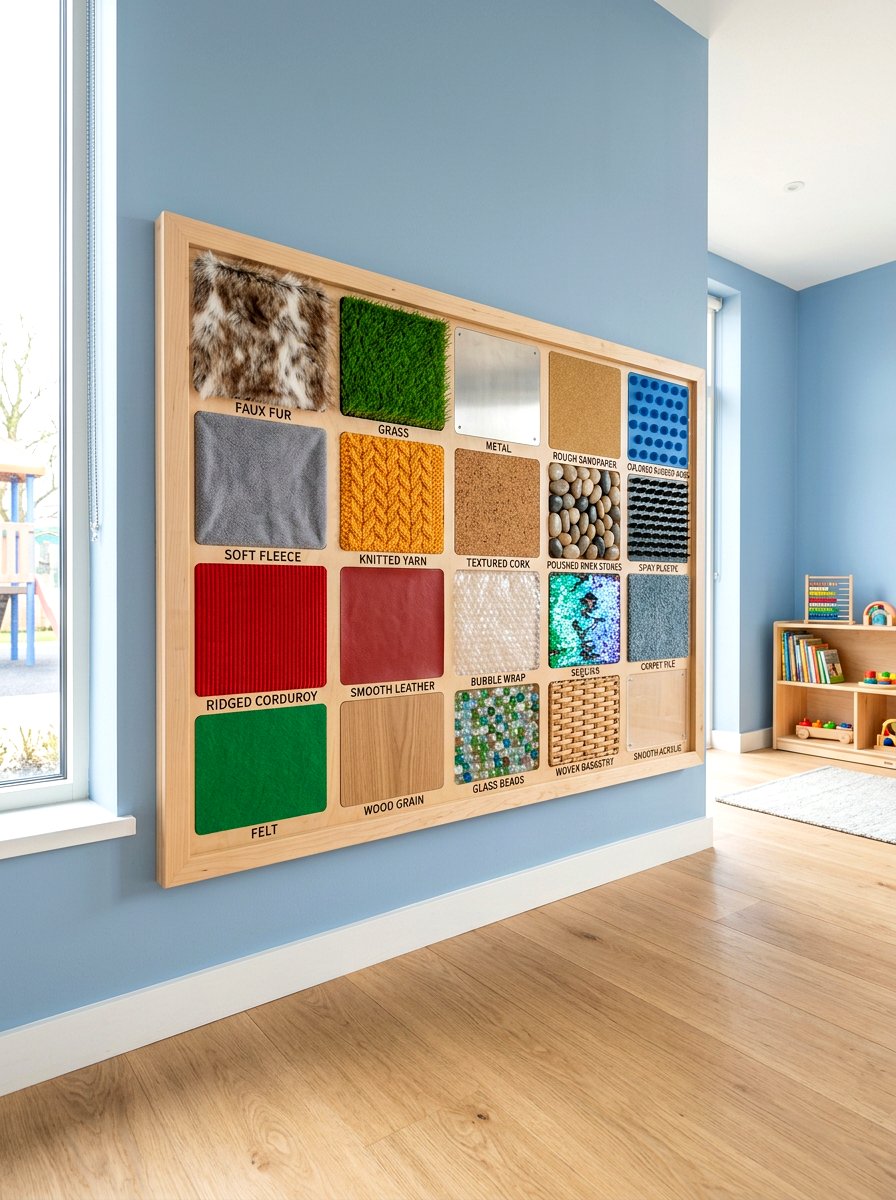
An interactive wall playroom uses every available surface to provide entertainment without taking up any actual floor space. You can install gear walls, sensory boards, or even a small vertical garden for children to tend to. These elements provide a tactile experience that keeps kids engaged and helps develop their fine motor skills. Wall-mounted activities are particularly great for toddlers who are just starting to explore the world around them. Because these features are flat against the wall, they leave the center of the room completely clear for movement, making them the perfect solution for narrow hallways or very tight play spaces.
27. Costume Dress Up Corner
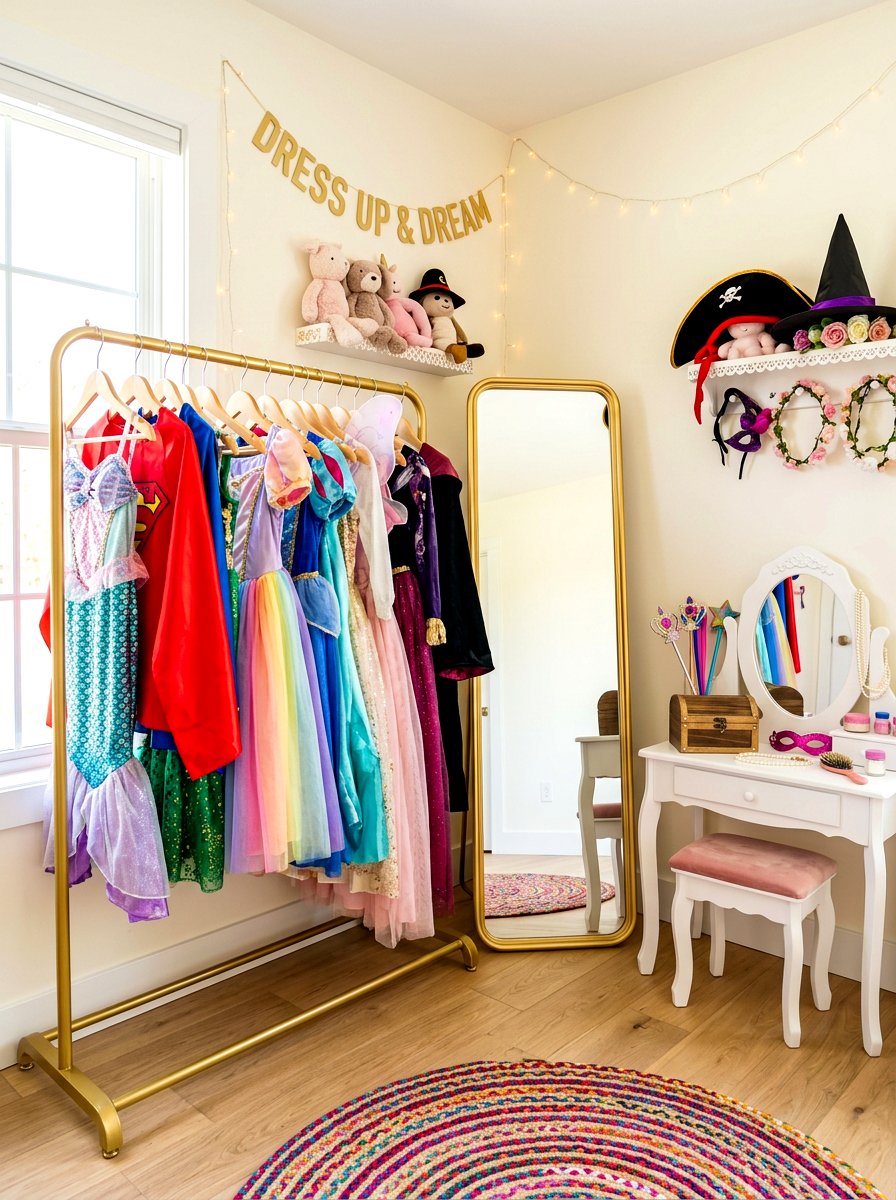
A costume dress up corner is a magical addition to any small playroom, encouraging children to step into different characters and stories. You can use a simple wall-mounted rail or a small standing rack to hang outfits neatly. A full-length mirror attached to the wall or the back of a door allows kids to see their transformations without taking up extra space. Small baskets on the floor can hold accessories like hats, wands, and masks. This dedicated zone keeps the dress-up clothes organized and prevents them from becoming a tangled mess on the floor, making it easier for kids to play.
28. Round Play Rug
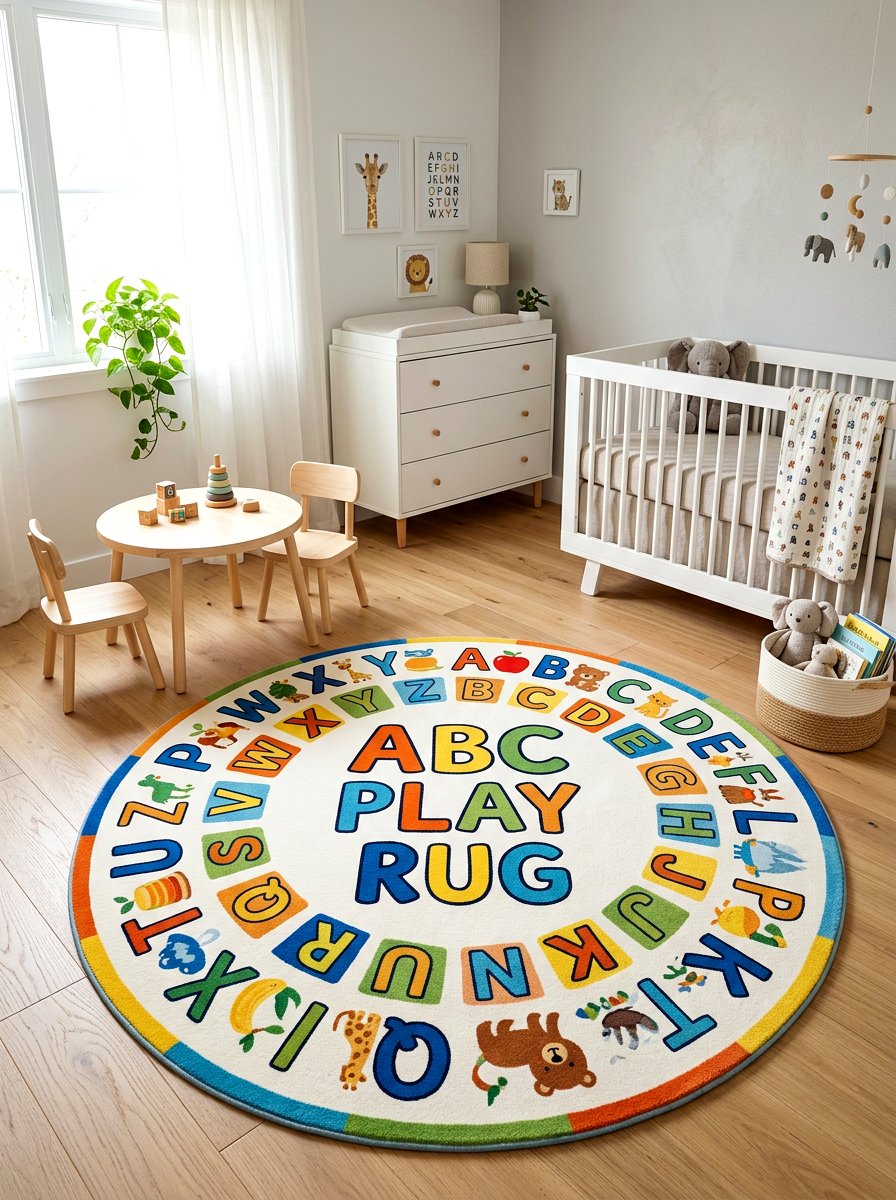
Choosing a round play rug is a subtle but effective design trick for making a small, square room feel more dynamic and spacious. The curved edges of a round rug break up the straight lines of the walls and furniture, creating a softer and more inviting layout. It can serve as a central gathering spot for block building, puzzles, or board games. Look for a rug with an interesting pattern or a soft texture that feels good underfoot. This simple change in shape can make a huge difference in how the room is perceived, adding a touch of whimsy and comfort to the play area.
29. Magnetic Wall Playroom
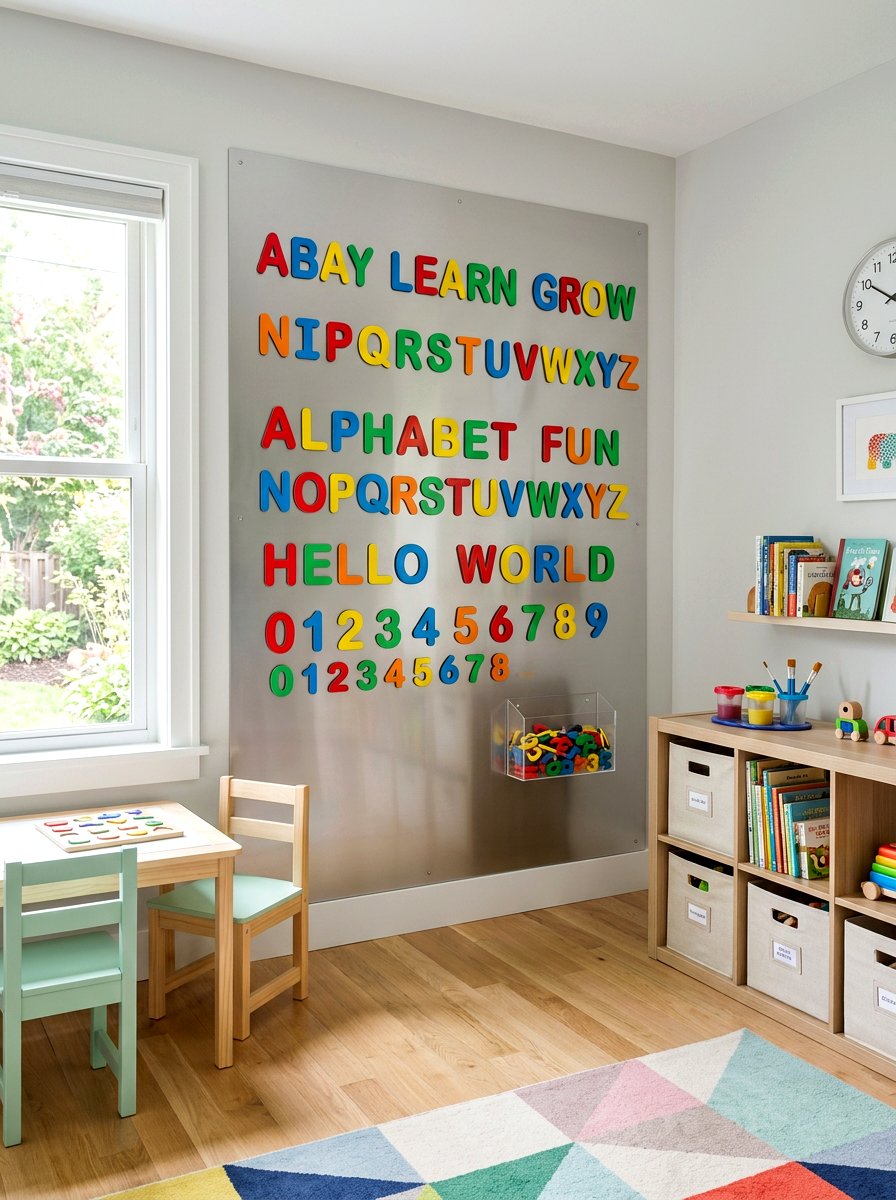
A magnetic wall playroom offers a versatile and mess-free way for children to play with letters, numbers, and puzzles. You can apply magnetic primer or install large sheets of galvanized metal to turn an entire wall into a giant play board. This setup is perfect for educational games, allowing kids to practice their spelling or math in a fun and interactive way. It also provides a great place to display artwork using simple magnets instead of tape or tacks. This low-profile solution adds a lot of play value to a small room while keeping the floor completely clear for other active toys.
30. Sensory Playroom
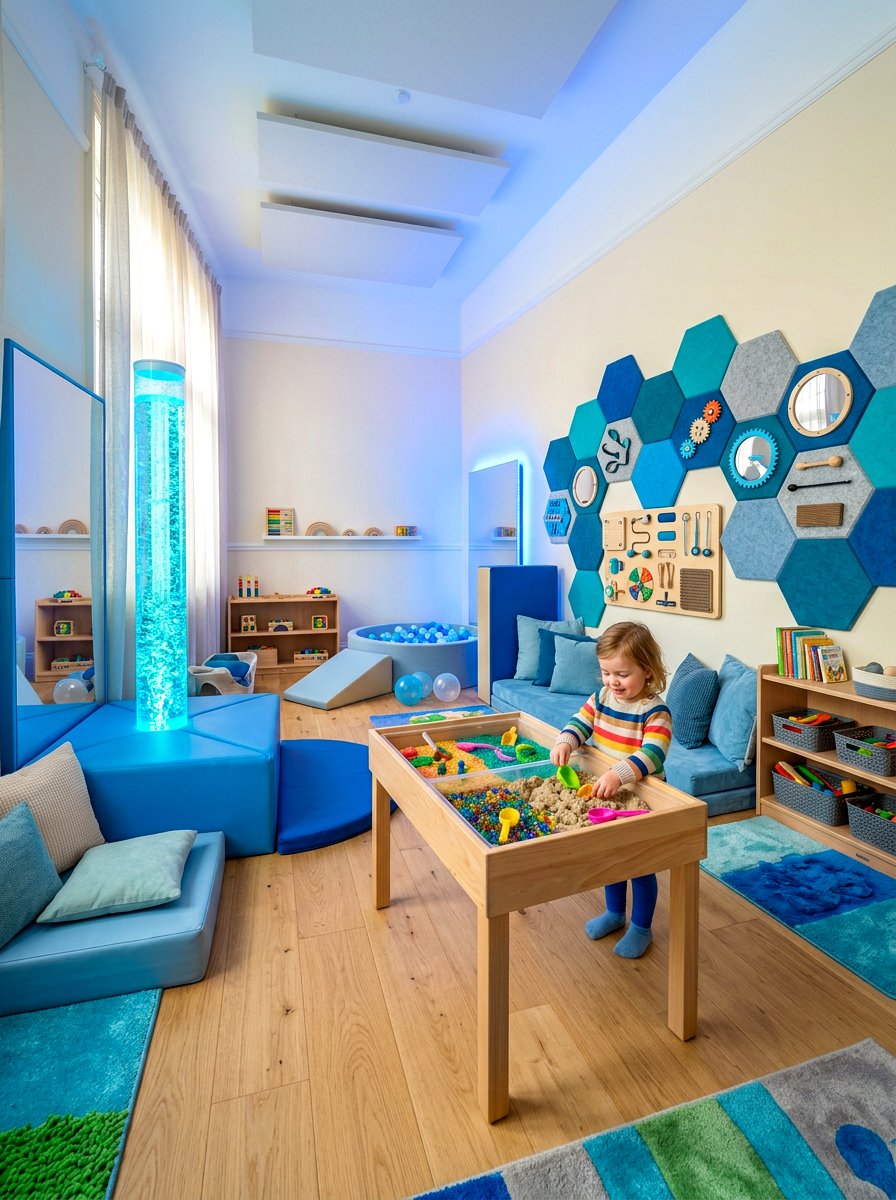
A sensory playroom is designed to engage a child's senses through various textures, lights, and sounds. In a small space, you can incorporate a compact sensory table filled with rice, sand, or water beads for tactile exploration. Adding a bubble tube or some fiber optic lights in a corner can provide a calming visual experience for children who need a break from overstimulation. Use soft rugs and different types of fabrics on the walls to create a rich sensory environment. This specialized setup is wonderful for all children, providing a unique and therapeutic way to play and learn about the world around them.
Conclusion:
Creating a functional and beautiful small playroom is entirely possible with a bit of inspiration and the right organizational tools. By focusing on smart storage solutions and dedicated activity zones, you can ensure that your children have a wonderful place to grow and learn without cluttering your home. Whether you choose a minimalist Montessori approach or a vibrant and active jungle gym setup, the key is to prioritize your child's needs and your personal style. We hope these thirty ideas have given you the confidence to transform your compact spaces into magical areas where imagination can truly run wild every single day.

Related posts: