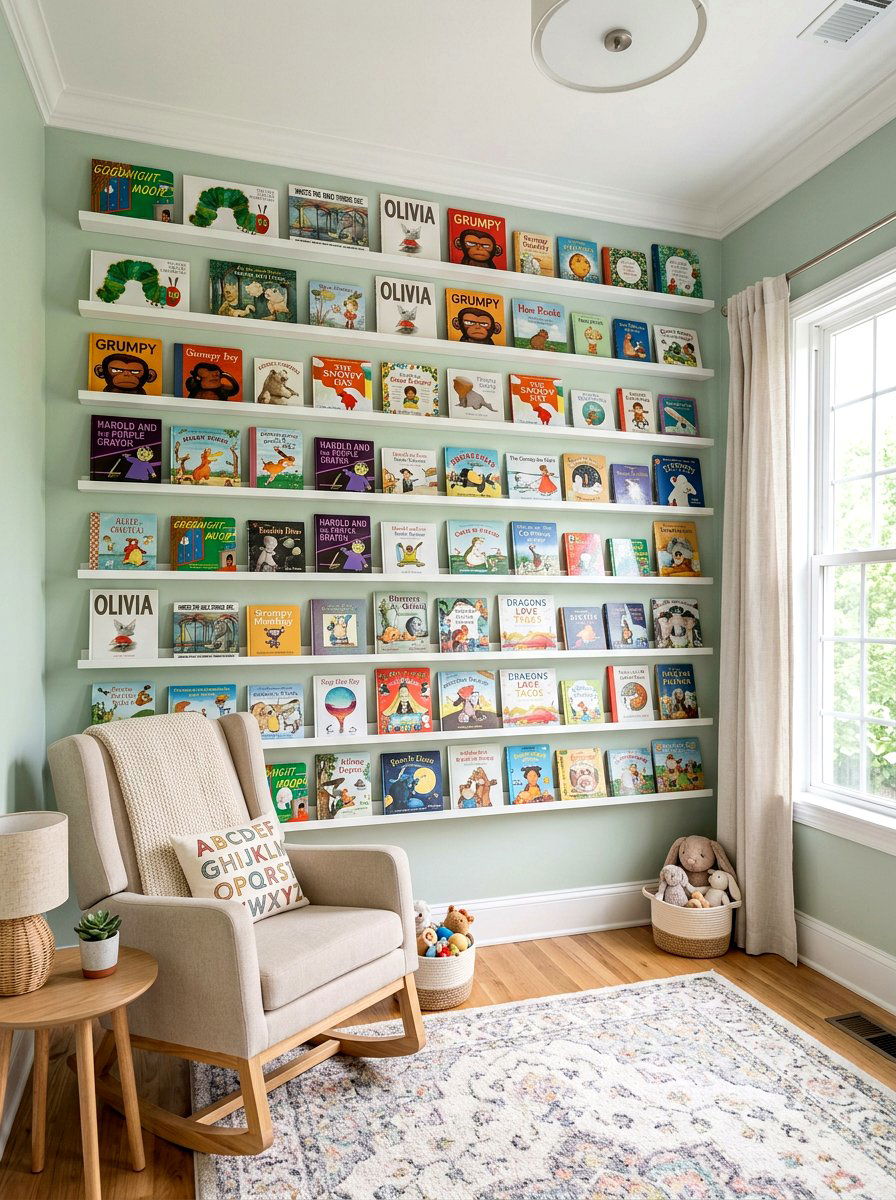
Designing a dedicated space for children to play is an exciting journey for any parent or homeowner. A well-planned playroom does more than just hold toys; it fosters creativity, encourages independence, and keeps the rest of your home organized. Whether you have a massive basement or a tiny corner in the living room, you can create a magical environment. The best playrooms grow with your child and reflect their unique personality. You should focus on durable materials, clever storage solutions, and zones for different activities like reading or building. This guide explores thirty diverse ways to transform your home into a kid-friendly sanctuary that looks beautiful and stays functional every single day.
1. Modern Minimalist Playroom
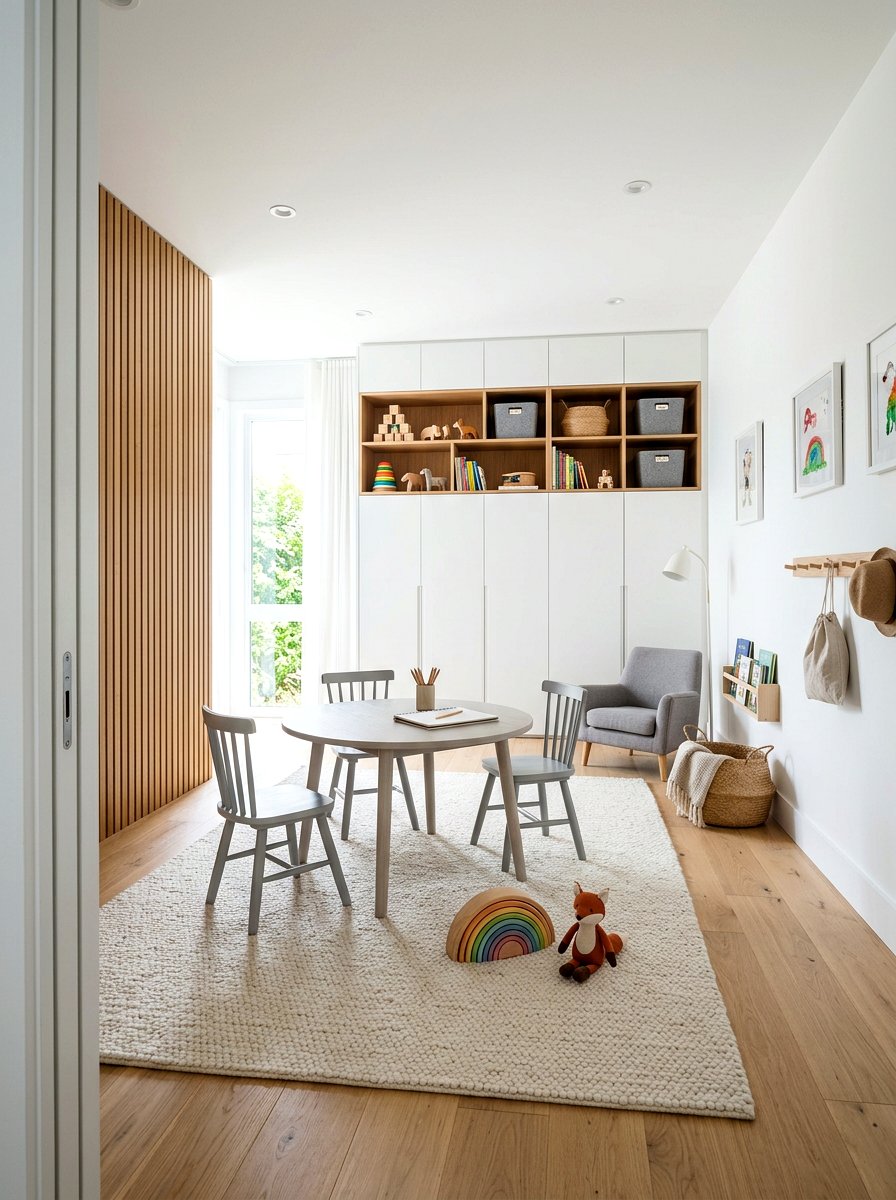
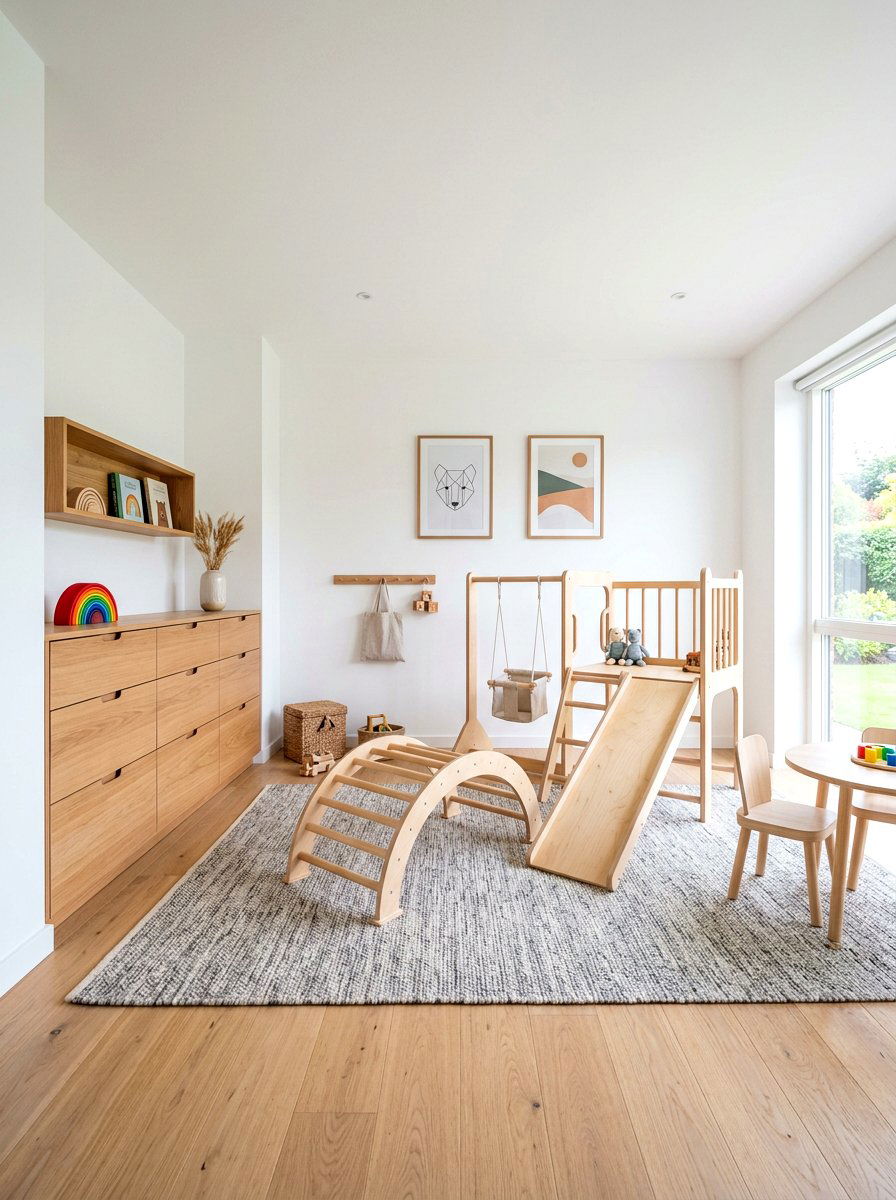
Creating a modern minimalist playroom is about balancing functionality with a clean aesthetic. You want to choose furniture with sleek lines and neutral colors like white or light gray. This style helps reduce visual clutter and keeps the focus on high-quality toys. You should use natural wood elements to add warmth to the space. Incorporating hidden storage bins allows kids to clean up easily after their play sessions. The floor should have a soft rug to provide a comfortable surface for floor activities. Natural light makes the room feel airy and open. By limiting the number of items on display, you create a calm environment that encourages deeper concentration and more creative play.
2. Kids Reading Nook
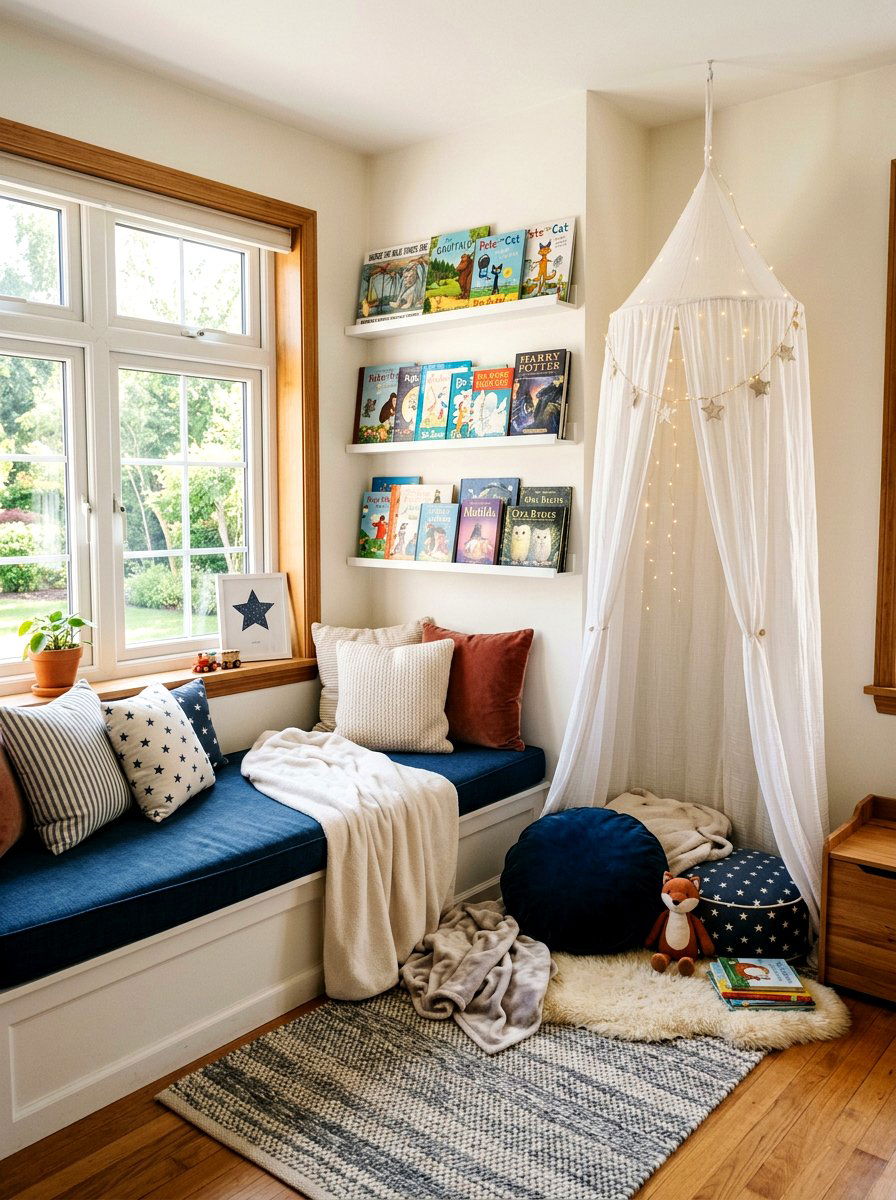
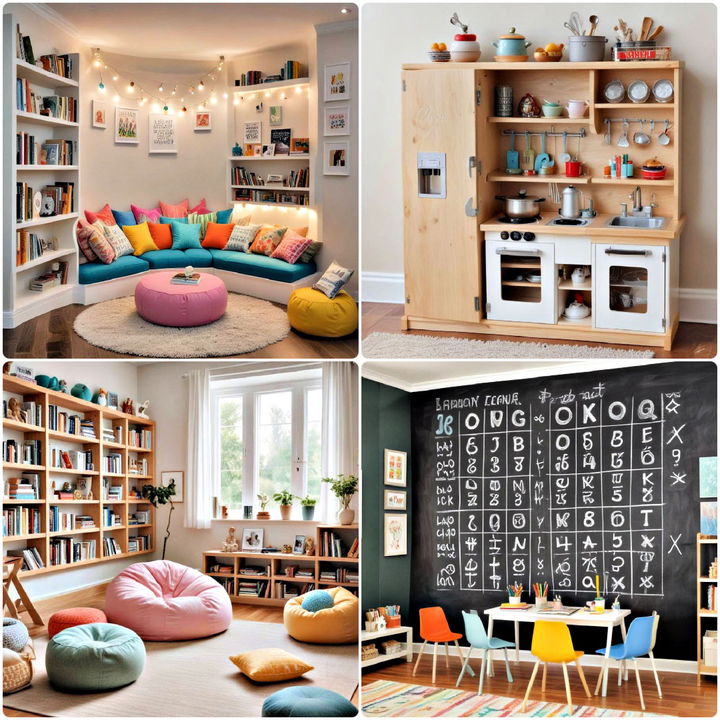
A dedicated reading nook provides a quiet sanctuary where children can get lost in their favorite stories. You can build this area in a corner using a plush bench or a collection of oversized floor pillows. Wall-mounted book ledges are perfect for displaying colorful covers, which makes it easier for kids to choose what they want to read. Adding a small canopy or soft curtains can make the space feel even more private and magical. Good lighting is essential, so consider a bright floor lamp or a nearby window. This cozy setup helps foster a lifelong love for reading by making books easily accessible and inviting in a comfortable environment.
3. Indoor Climbing Wall
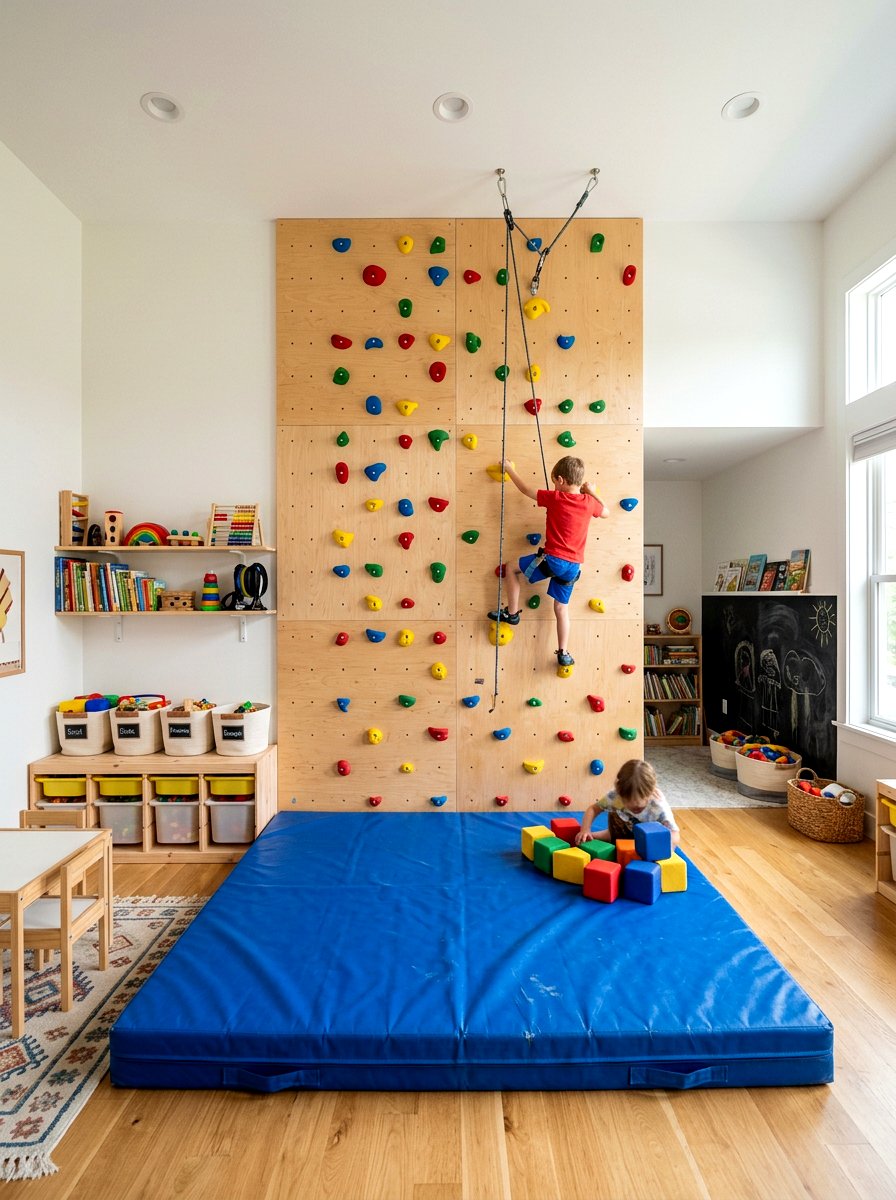
Installing an indoor climbing wall is a fantastic way to encourage physical activity regardless of the weather outside. You can mount sturdy plywood panels to a solid wall and attach colorful climbing holds in various patterns. Make sure to place a thick safety mat on the floor to cushion any falls. This feature works well in rooms with high ceilings, but even a shorter wall can provide plenty of fun for younger children. It helps build motor skills, strength, and confidence while giving the room a bold, adventurous look. Using natural wood finishes for the wall panels keeps the design looking sophisticated and blends well with other modern home decor.
4. Montessori Play Space
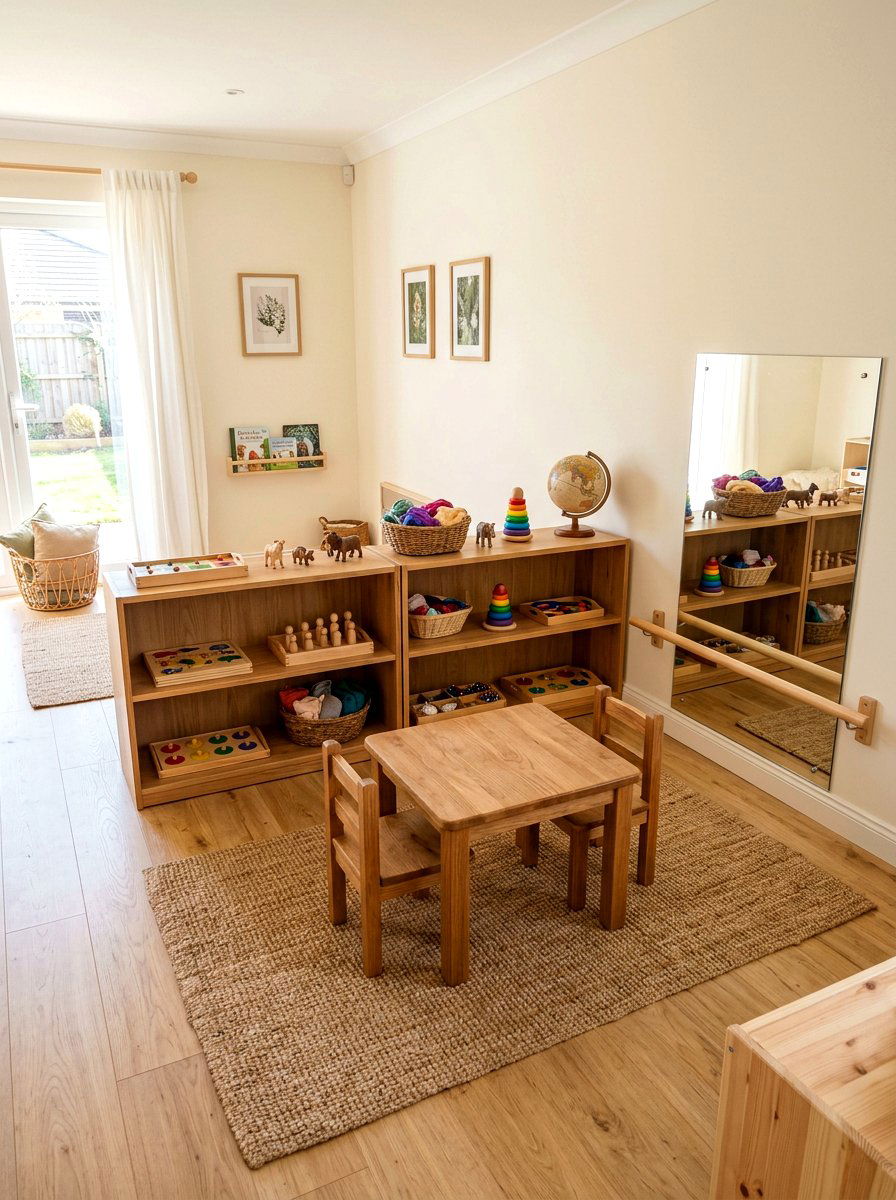
A Montessori play space focuses on accessibility and child-led exploration. You should use low, open shelving so children can easily reach and return their own toys. The environment should be uncluttered, with only a few activities available at a time to prevent overstimulation. Natural materials like wood, cotton, and metal are preferred over plastic to provide a variety of sensory experiences. You might include a floor mirror to help toddlers develop self-awareness or a small weaning table for focused work. This design philosophy encourages independence and respect for the environment. By keeping everything at the child's level, you empower them to take charge of their own learning and playtime.
5. Scandinavian Playroom
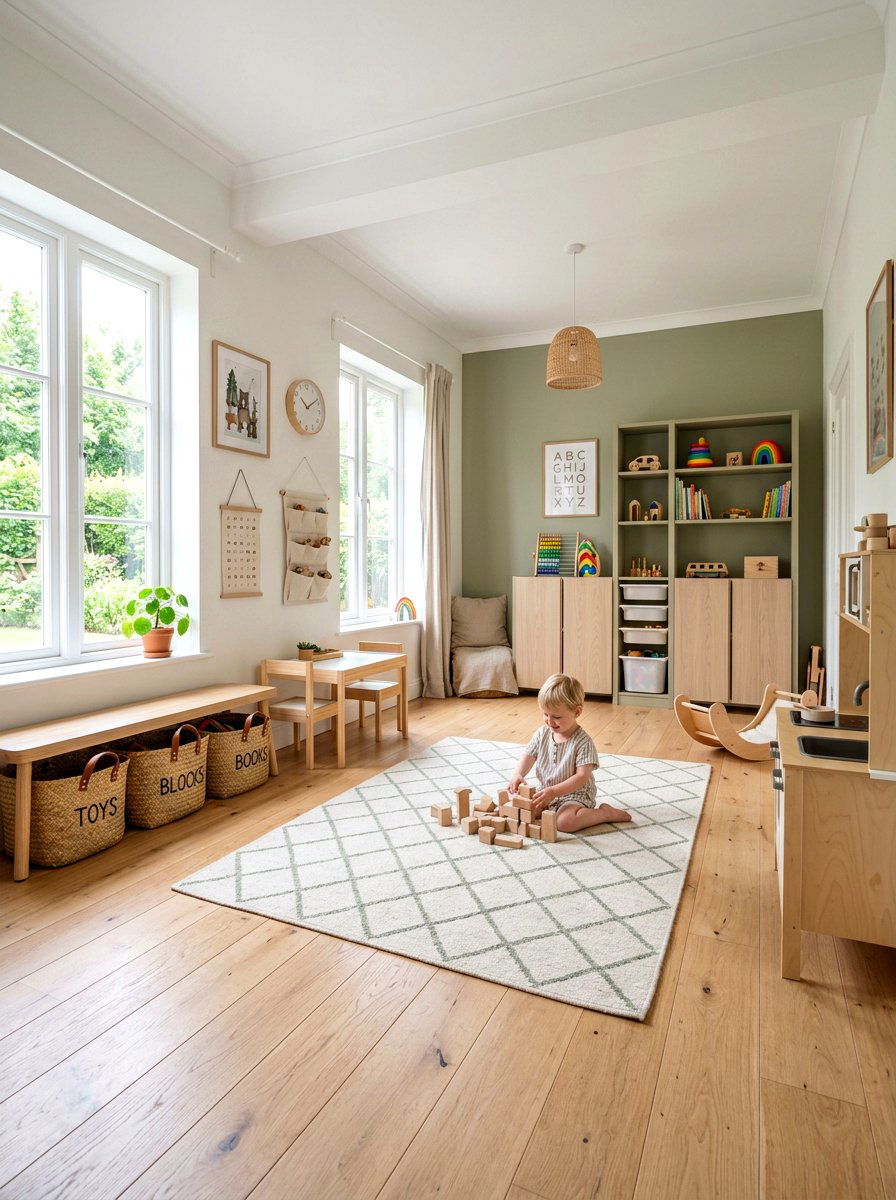
Scandinavian design is perfect for a playroom because it combines simplicity with a cozy, welcoming feel. You should focus on a palette of soft whites, light woods, and muted earth tones. Incorporating functional furniture like wooden play tables and simple chairs creates a timeless look that ages gracefully. Geometric patterns on rugs or pillows add a touch of modern flair without being overwhelming. Large windows that let in plenty of natural light are a hallmark of this style. You can use woven baskets for toy storage to maintain an organic vibe. This approach creates a serene atmosphere that feels both organized and playful, making it a favorite for many families today.
6. Attic Playroom
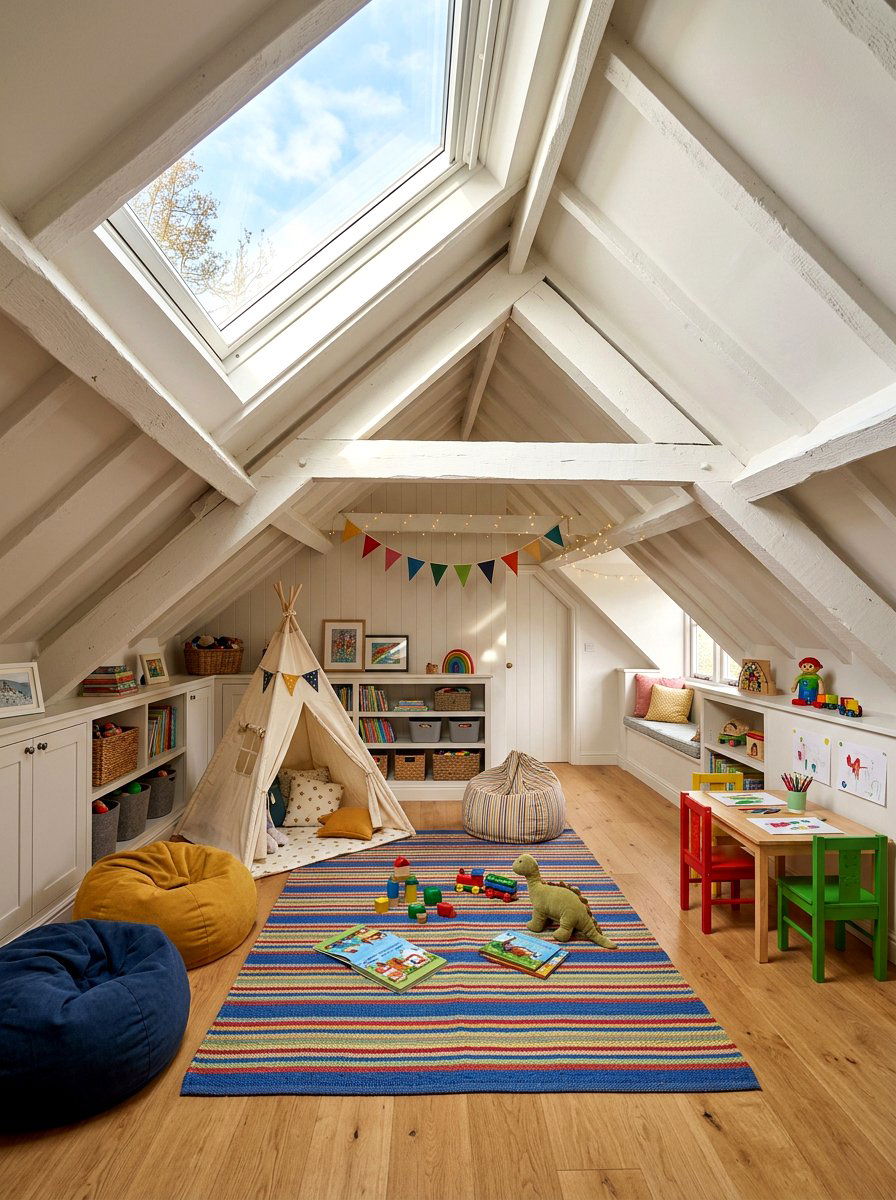
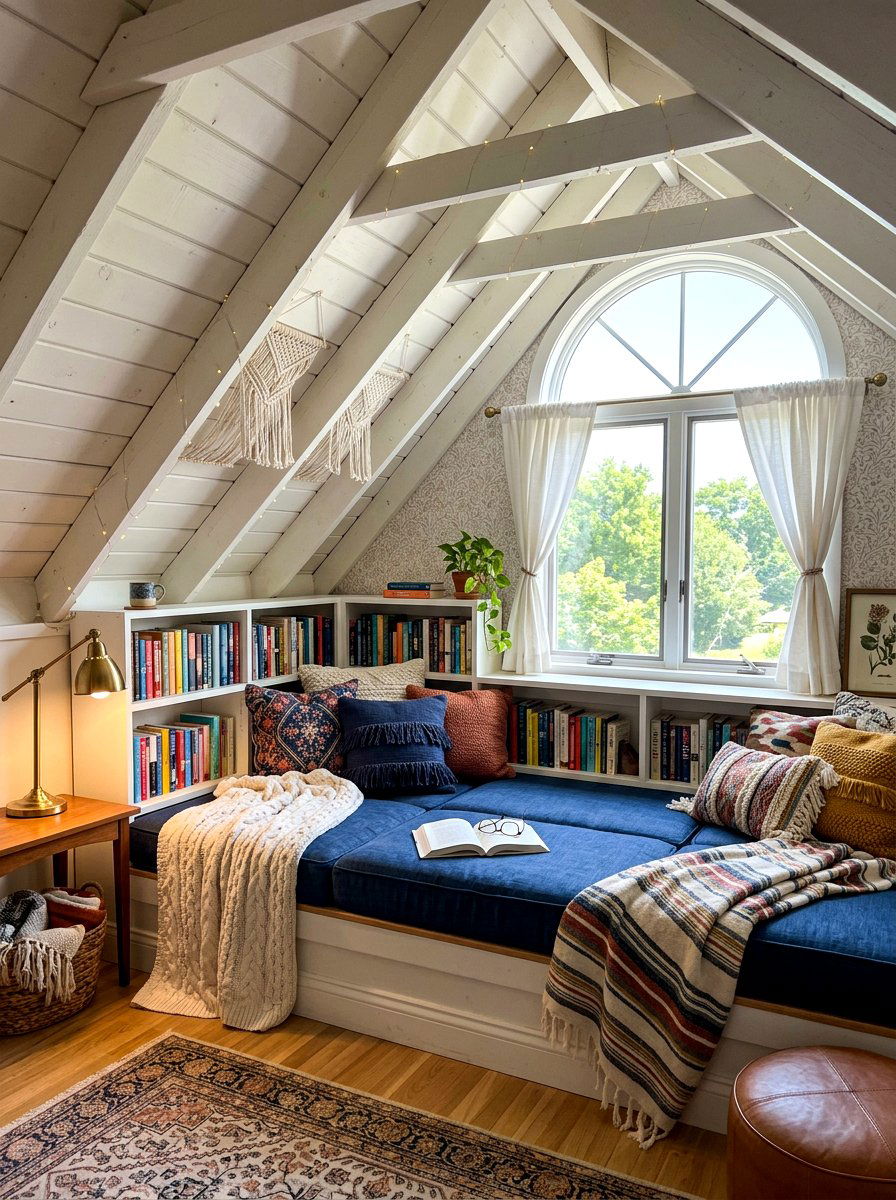
Converting an unused attic into a playroom is a brilliant way to maximize your home's square footage. The unique architectural features, like sloped ceilings and cozy alcoves, make the space feel like a secret hideaway. You can install custom built-in storage along the shorter walls to make the most of the limited height. Use bright white paint to help the space feel larger and more open. Adding a large rug can dampen sound and make the floor comfortable for playing. Skylights are an excellent addition for bringing in natural light and fresh air. This secluded area provides a quiet place for children to play away from the main living zones.
7. Basement Playroom
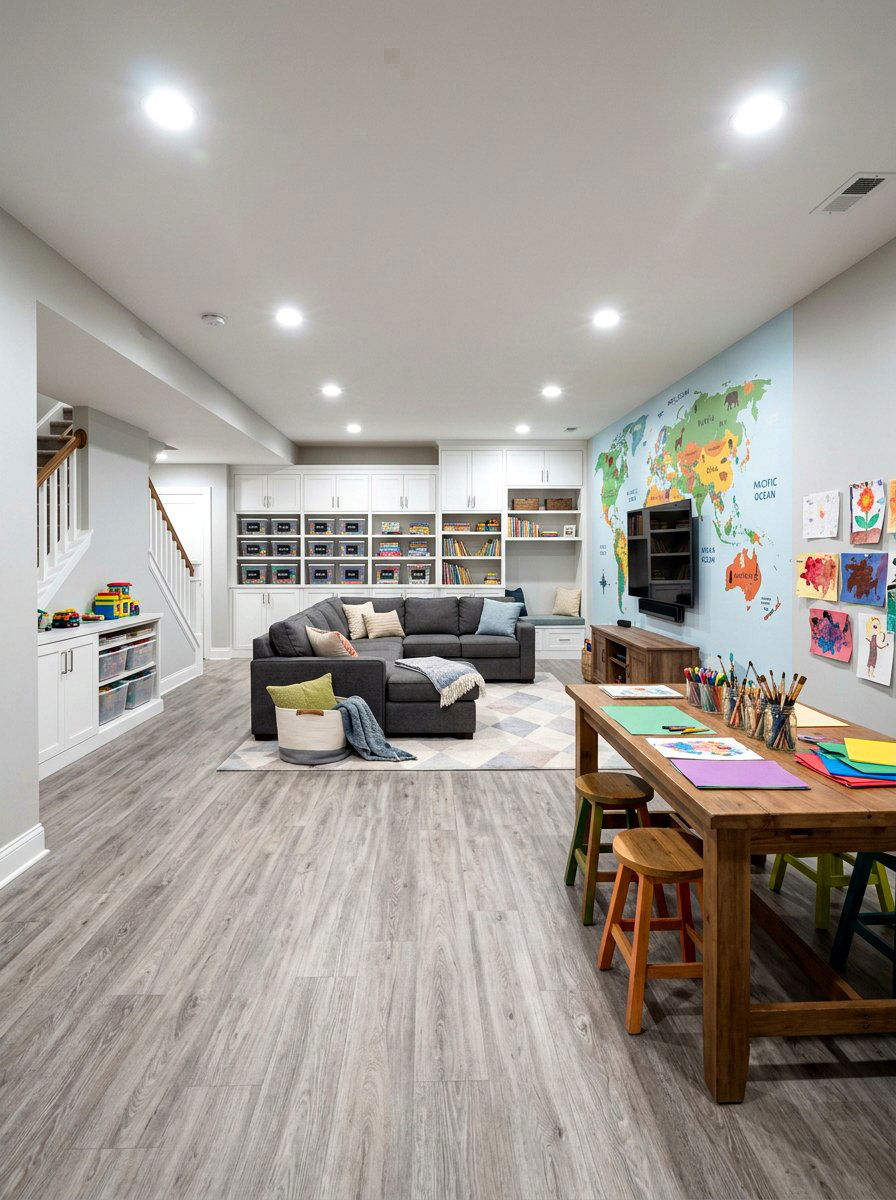
A basement playroom offers a large, versatile area that can handle the most energetic activities. Because it is often tucked away from the rest of the house, you can be bolder with your design choices. You might install durable flooring like vinyl planks or foam tiles that are easy to clean and maintain. Bright overhead lighting is crucial to keep the space from feeling dark or damp. You can create different zones for active play, crafts, and movie nights. Built-in cabinetry provides ample storage for large toy sets and board games. Using colorful wall murals or decals can instantly transform the subterranean space into a vibrant and exciting world for kids.
8. Kids Art Station
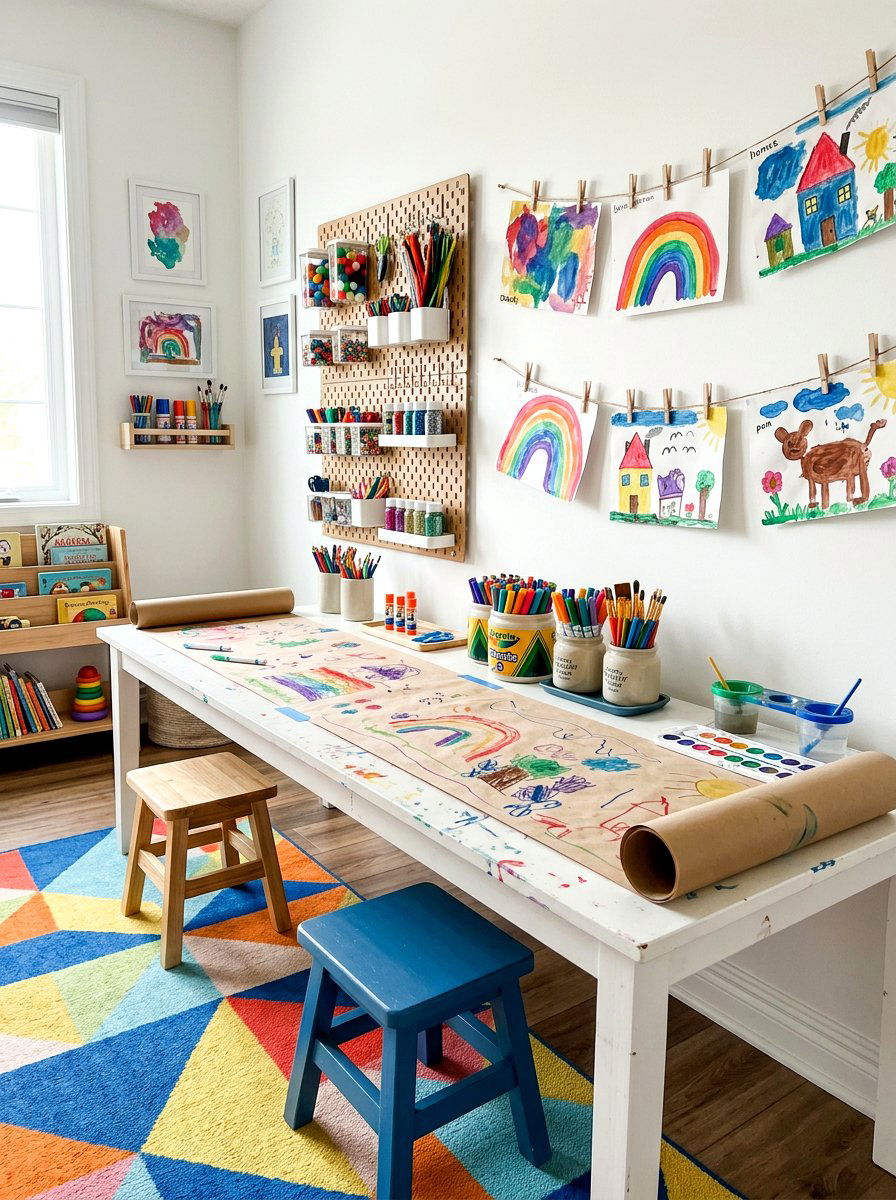
Setting up a dedicated art station encourages children to express their creativity without making a mess on the kitchen table. You should include a sturdy desk with plenty of surface area for drawing and painting. Wall-mounted drying racks or a clothesline with clips allow you to display finished masterpieces proudly. Organize supplies like crayons, markers, and brushes in clear jars or rolling carts so everything is easy to find. A chalkboard wall or a roll of butcher paper provides endless opportunities for doodling. Choosing easy-to-clean surfaces and adding a washable rug will make cleanup much simpler. This functional zone turns any playroom into a professional-feeling studio for young artists.
9. Lego Playroom
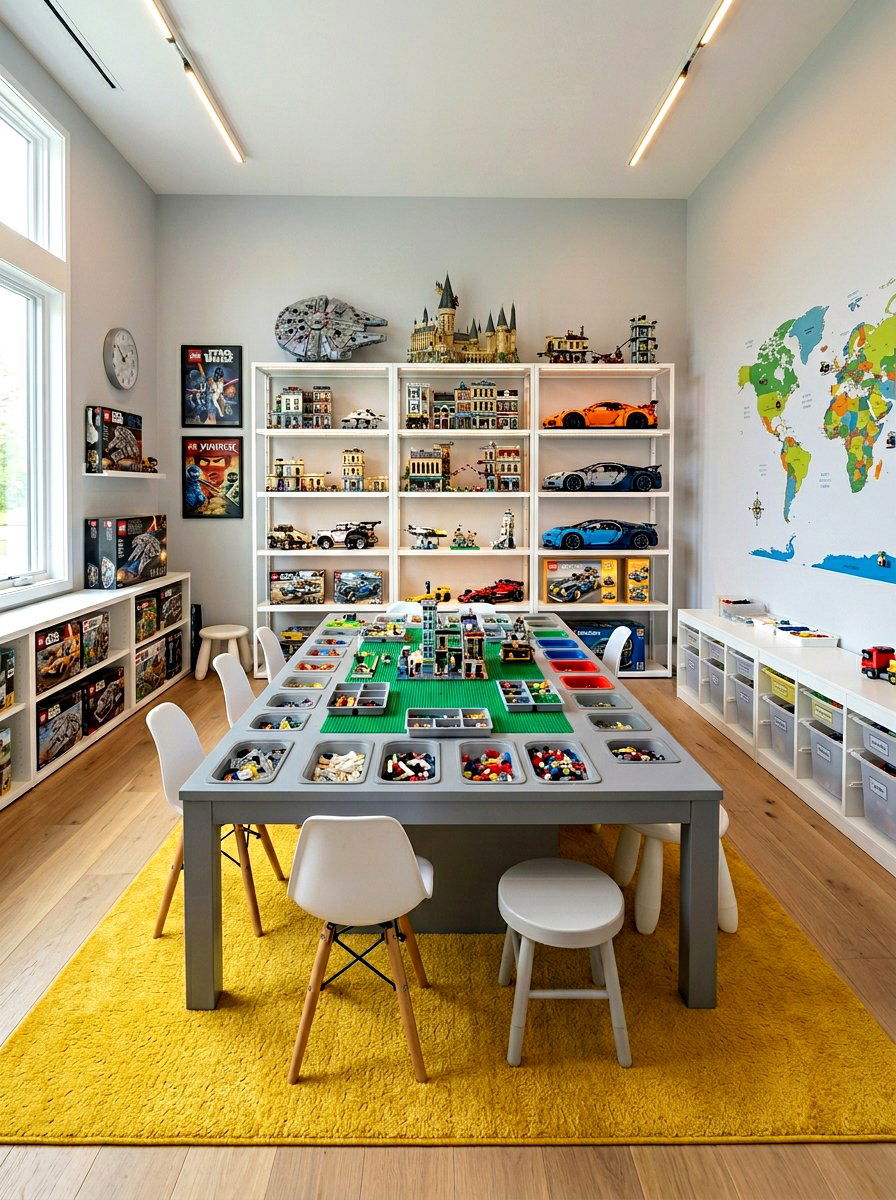
For fans of building blocks, a dedicated Lego playroom is a dream come true. You should focus on creating a large, flat building surface like a long table or a custom-built island. Sorting bins are essential for keeping bricks organized by color or size, which makes building much more enjoyable. You can use baseplates attached directly to the table or even the walls for vertical building challenges. Display shelves allow kids to show off their completed models without them getting broken. Lighting should be bright enough to see small pieces clearly. This organized approach reduces the frustration of lost parts and keeps the floors clear of those painful stray bricks.
10. Boho Kids Room
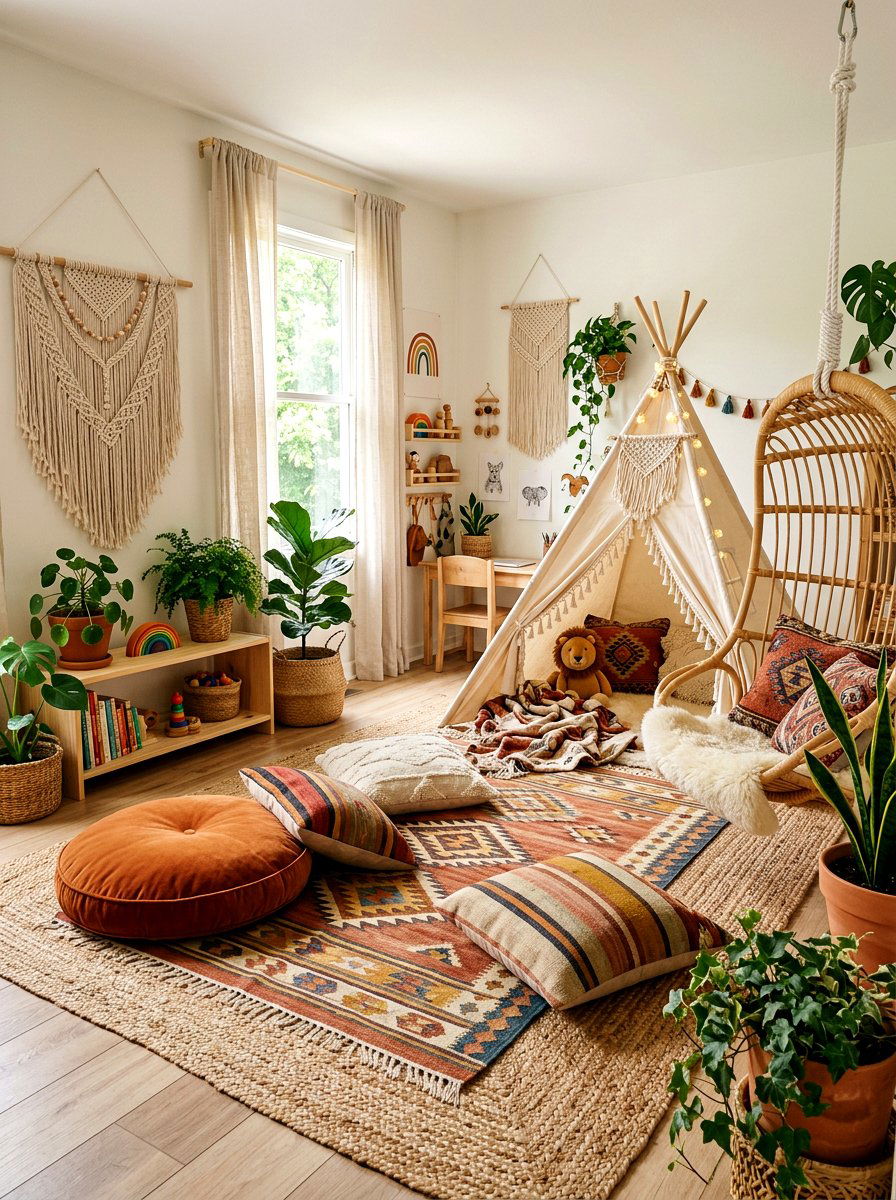
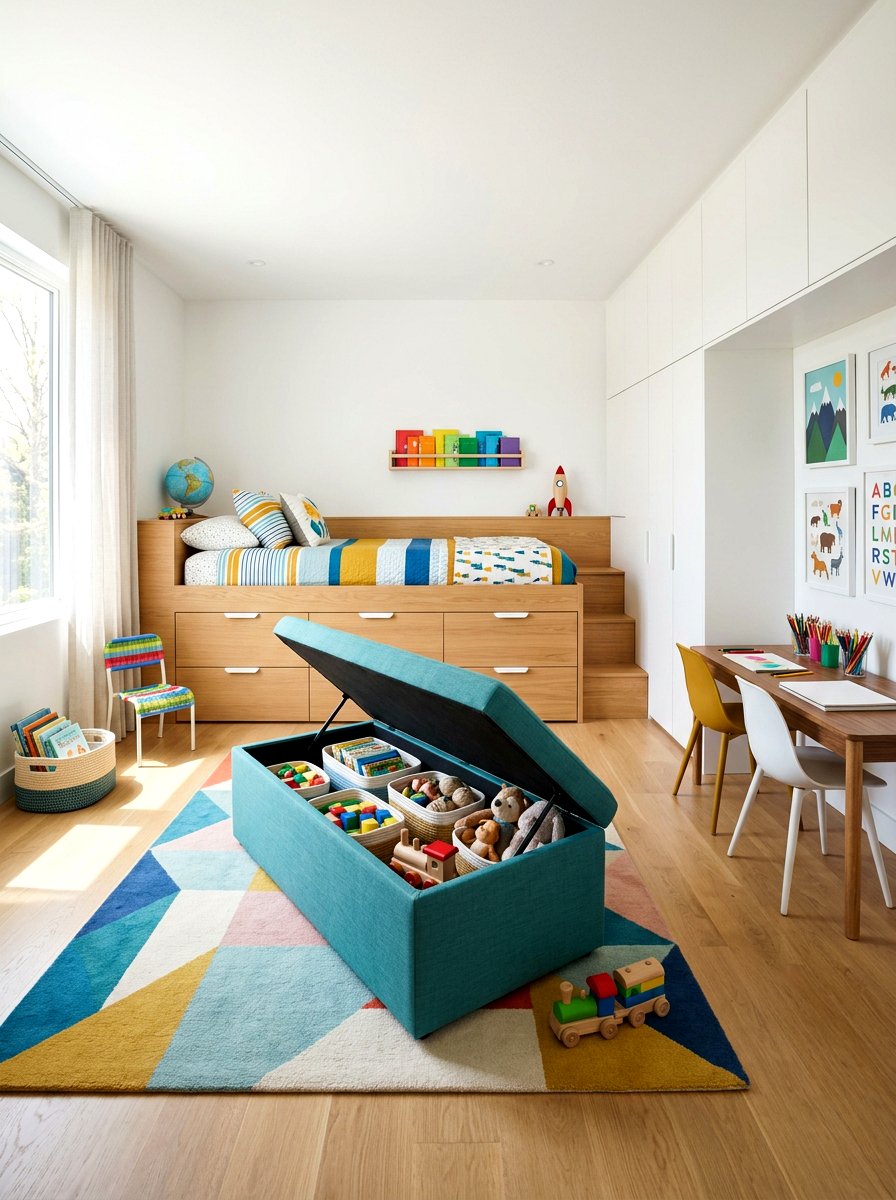
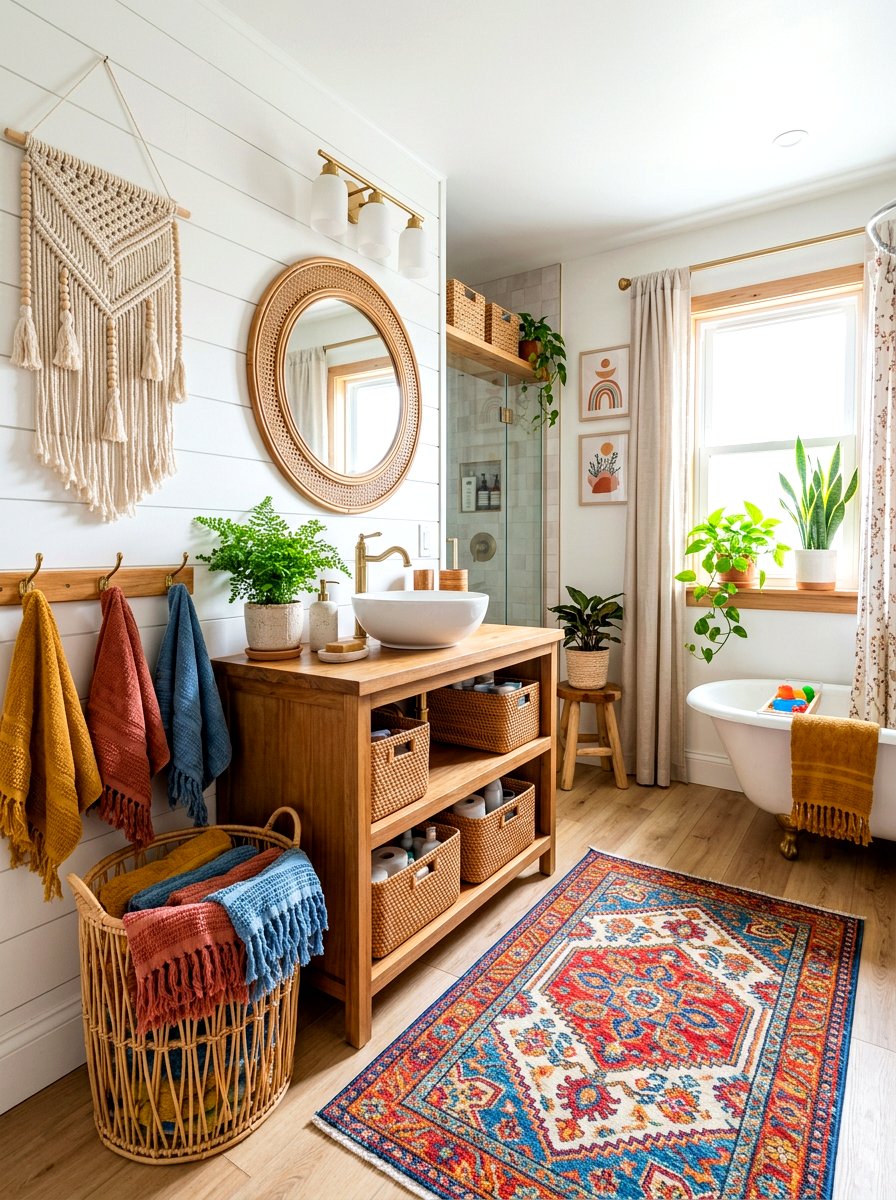
A boho-style playroom is all about texture, warmth, and a relaxed atmosphere. You can achieve this look by layering different rugs, such as a jute base with a colorful kilim on top. Use rattan furniture, macrame wall hangings, and plenty of floor cushions to create a cozy, eclectic vibe. Plants, whether real or faux, add a refreshing touch of greenery to the space. A fringe-trimmed teepee or a hanging chair can serve as a whimsical focal point. This style is very forgiving of a little mess, as the mix of patterns and textures naturally hides clutter. It creates a soulful environment that feels both artistic and incredibly comfortable for children.
11. Small Playroom
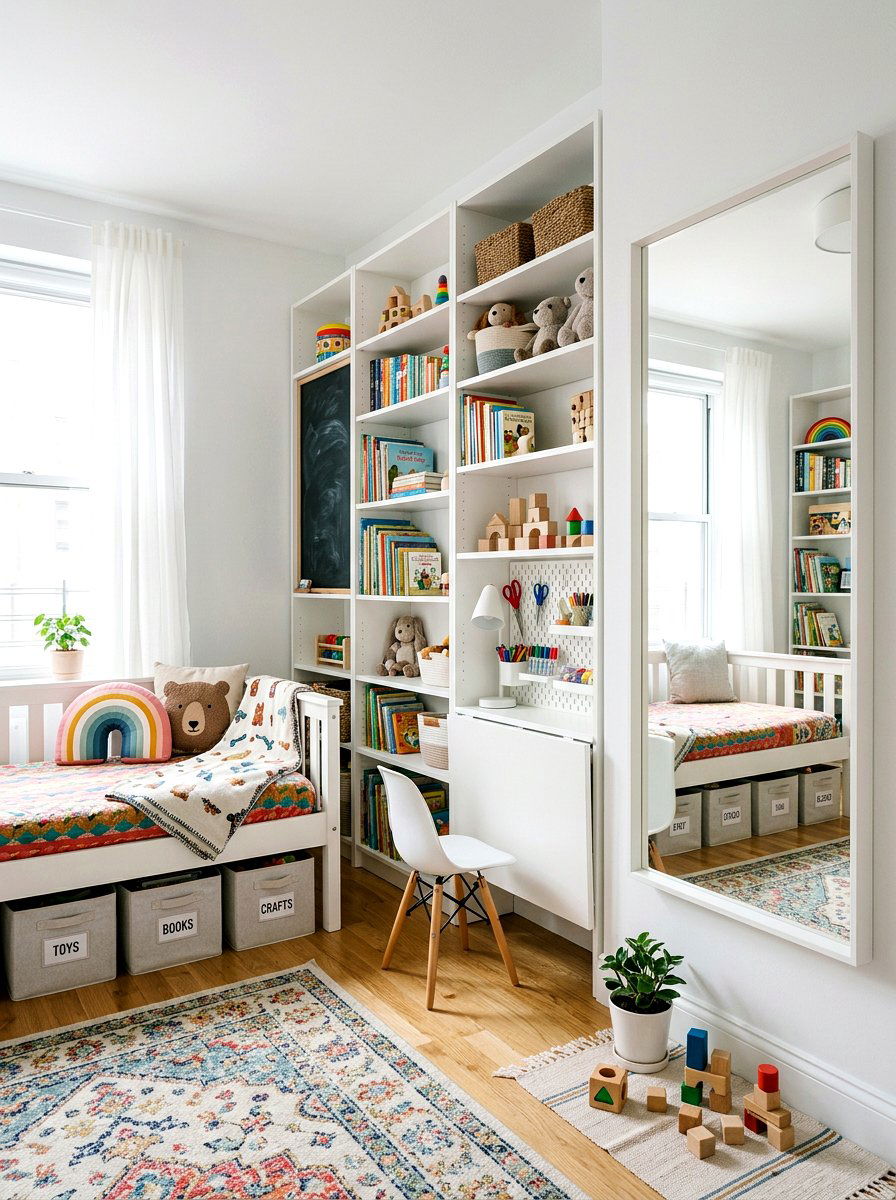
Designing a small playroom requires clever thinking and multi-functional furniture. You should utilize vertical space by installing floating shelves and wall-mounted organizers. A folding table or a desk that tucks away when not in use can save valuable floor area. Mirrors can be placed on the walls to reflect light and make the room appear much larger. Opt for a light color palette to keep the space feeling open and airy. Under-bed storage or benches with hidden compartments are perfect for stashing toys out of sight. By keeping the floor as clear as possible, you ensure there is still plenty of room for movement and imaginative play in tight quarters.
12. Gender Neutral Playroom
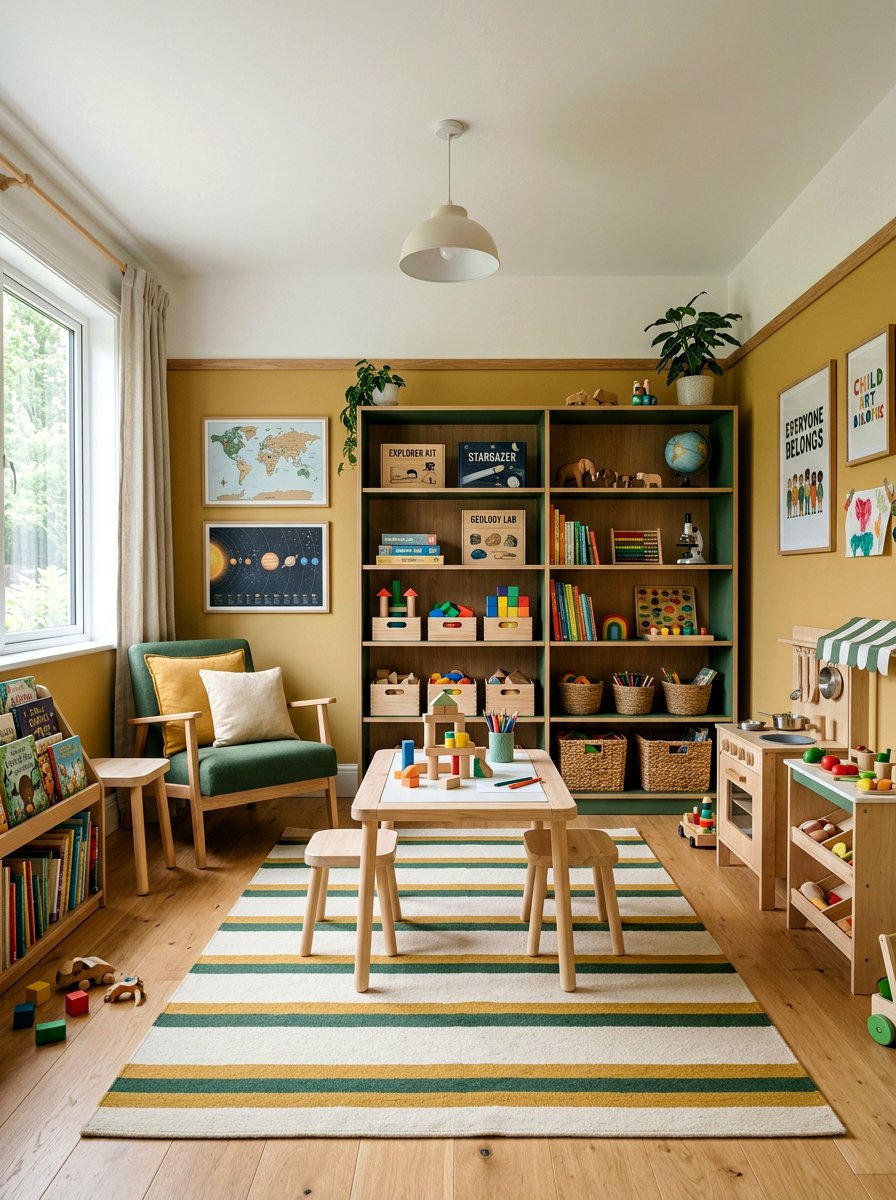
A gender-neutral playroom is a practical choice for families with both boys and girls or for those who prefer a timeless look. You should focus on a color palette of greens, yellows, oranges, or blues instead of traditional pinks. Natural materials and simple patterns like stripes or dots work well for everyone. Choose toys and decor that inspire a wide range of interests, such as science kits, play kitchens, and building blocks. This approach ensures the space remains inclusive and welcoming for all children and their friends. It also makes it easier to pass down furniture and decor as your kids grow, as the style remains versatile and universally appealing.
13. Jungle Theme Playroom
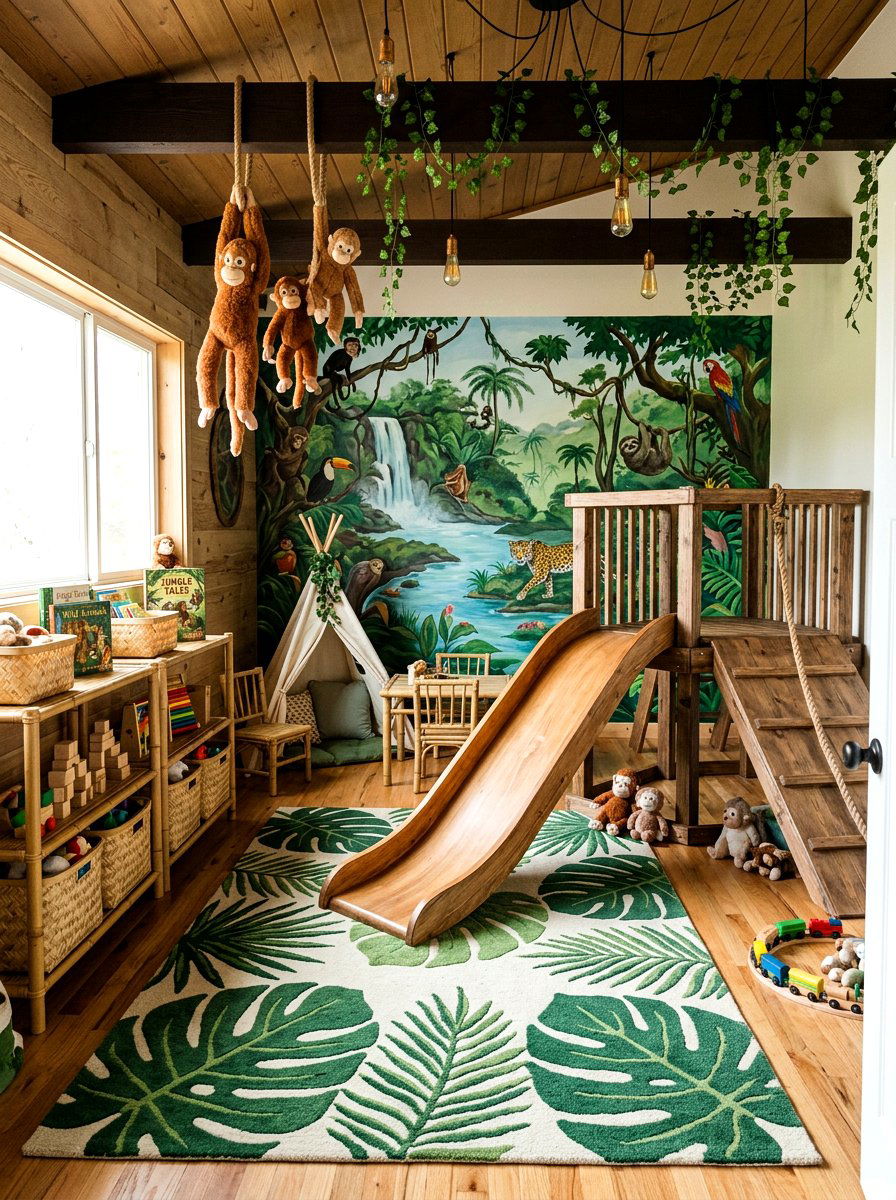
A jungle theme brings a sense of adventure and nature into your home. You can start by using shades of green and brown for the walls and furniture. Large leaf decals or a vibrant wallpaper mural featuring exotic animals will instantly set the scene. Soft plush animals like monkeys, tigers, and giraffes can be placed around the room as playful companions. You might include a wooden ladder or a small slide to mimic the feeling of a forest canopy. Using natural textures like sisal rugs and wooden bins enhances the organic feel. This immersive environment sparks the imagination and makes every day feel like a safari through the wild.
14. Sensory Playroom
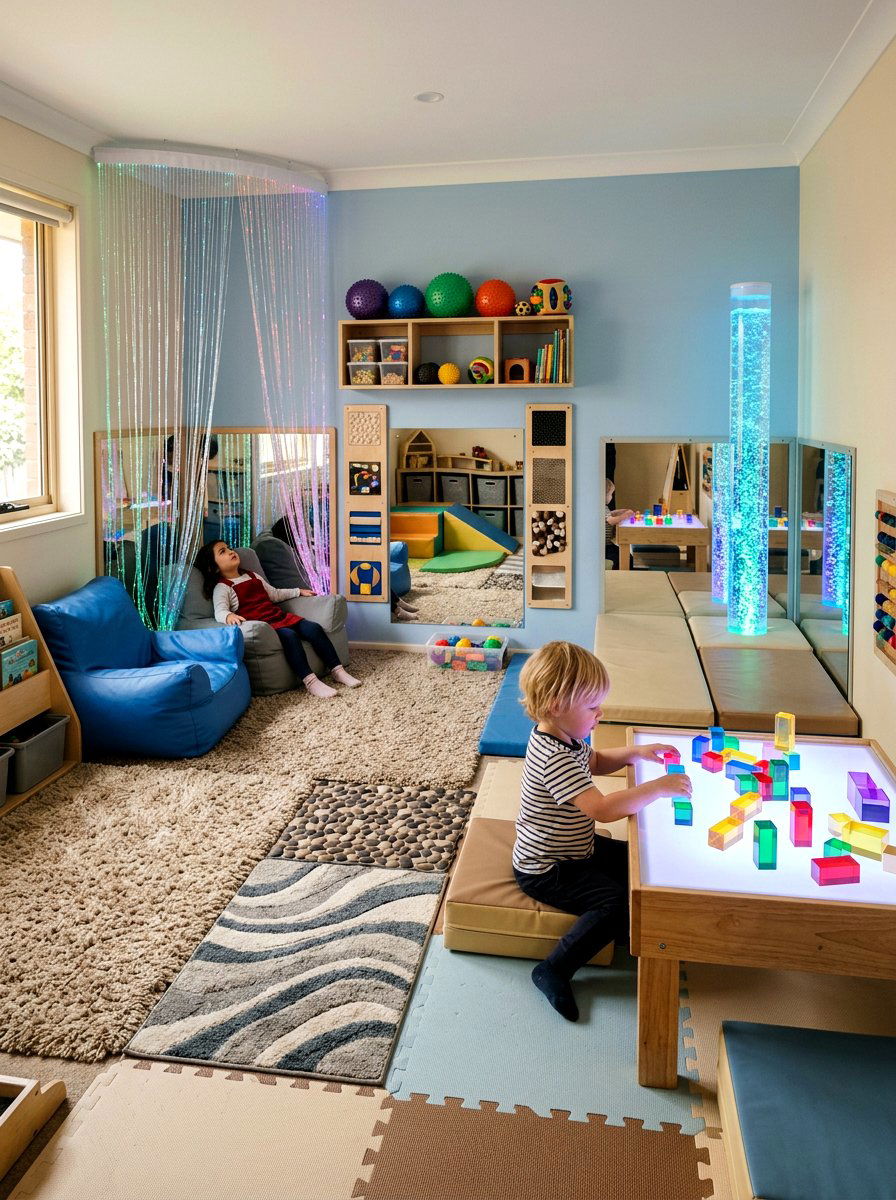
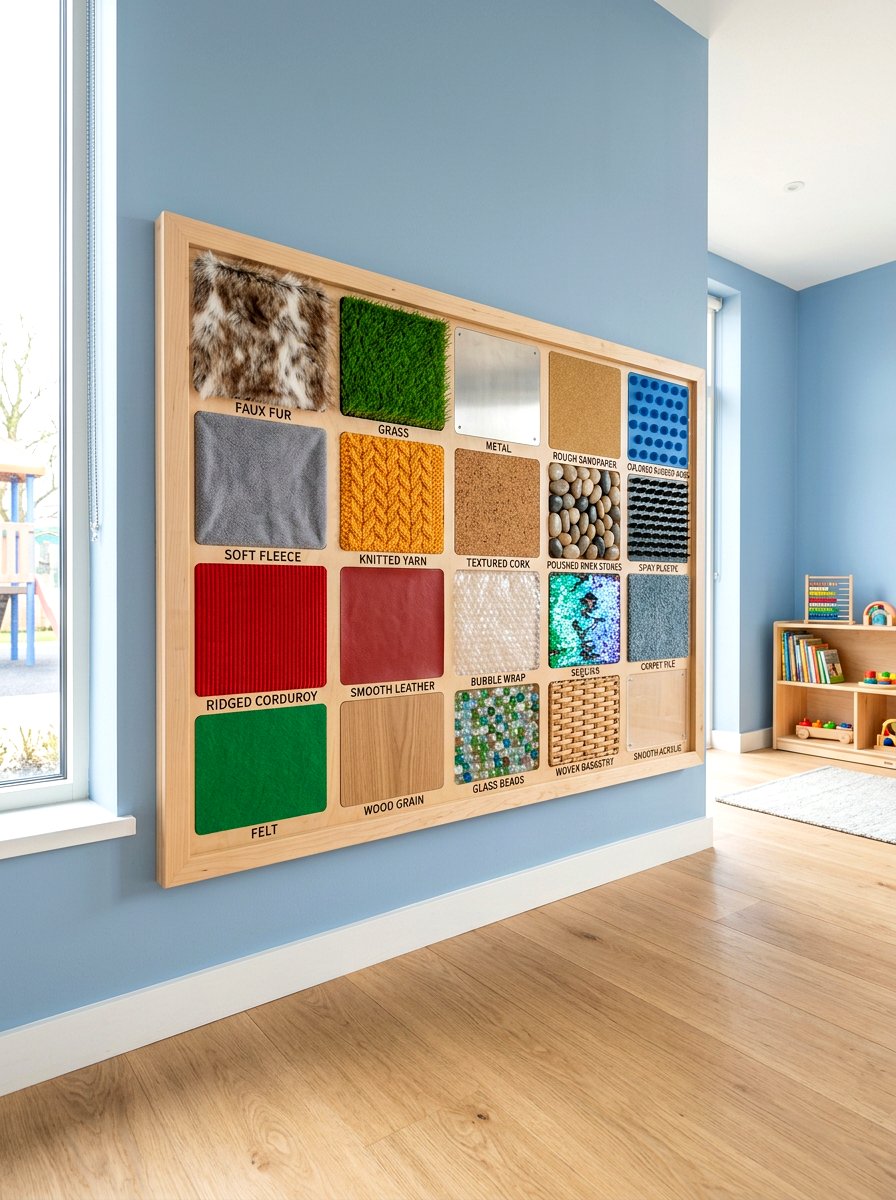
A sensory playroom is designed to engage all of a child's senses through different textures, colors, and sounds. You can include a variety of tactile elements like fuzzy rugs, smooth wooden blocks, and squishy cushions. A light table or colorful LED strips can provide visual stimulation and help with focus. Bubble tubes or fiber optic lights create a calming effect for children who need a quiet break. You might also set up a sand or water table for hands-on exploration. This type of space is particularly beneficial for children with sensory processing needs, as it provides a safe and controlled environment to explore the world and develop motor skills.
15. Toddler Playroom
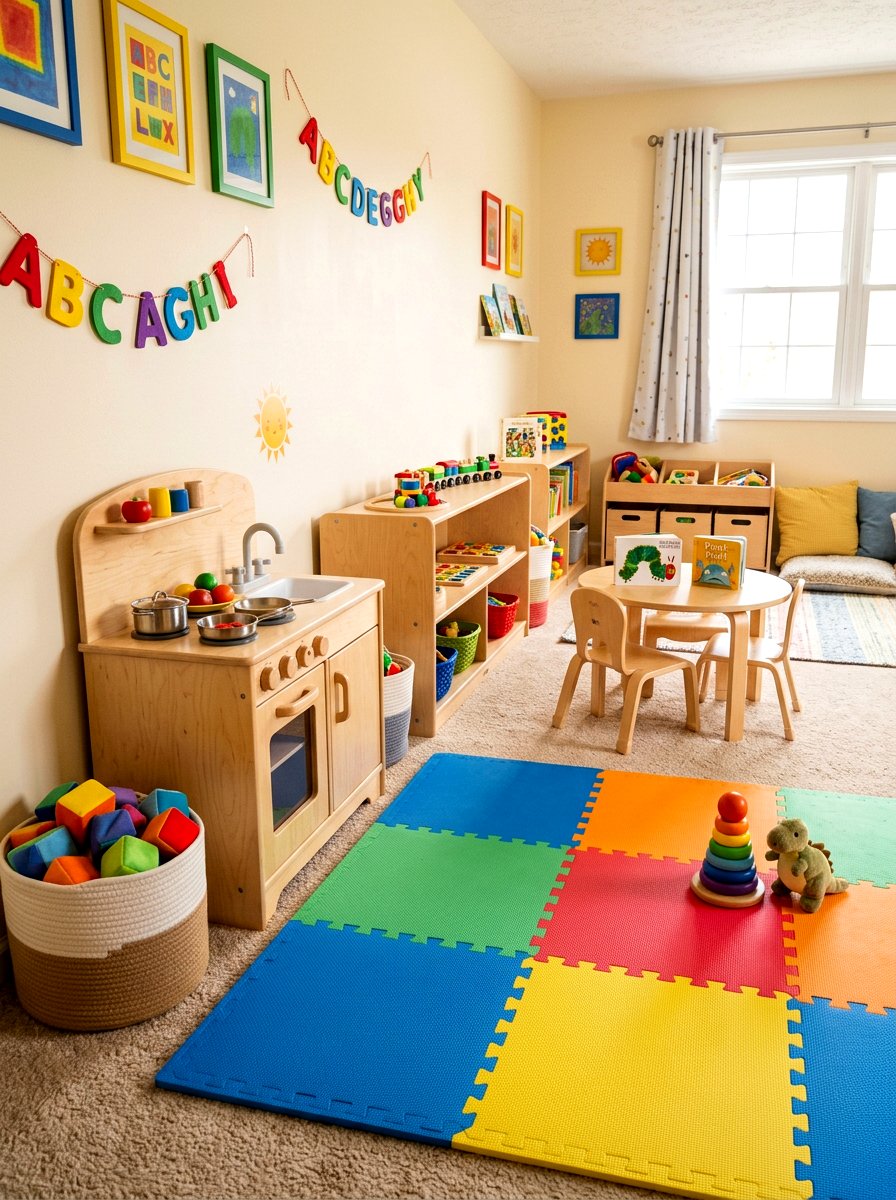
When designing for toddlers, safety and simplicity are the top priorities. You should choose furniture with rounded edges and ensure all heavy items are securely anchored to the walls. Soft foam mats or thick rugs provide a cushioned surface for little ones who are still mastering their balance. Use low shelves with baskets so they can easily access and put away their toys. Include a variety of age-appropriate activities like large building blocks, push toys, and a simple play kitchen. Bright, contrasting colors can help with visual development. This space should be easy to supervise, allowing you to watch your child explore their environment with confidence and joy.
16. Kids Craft Room
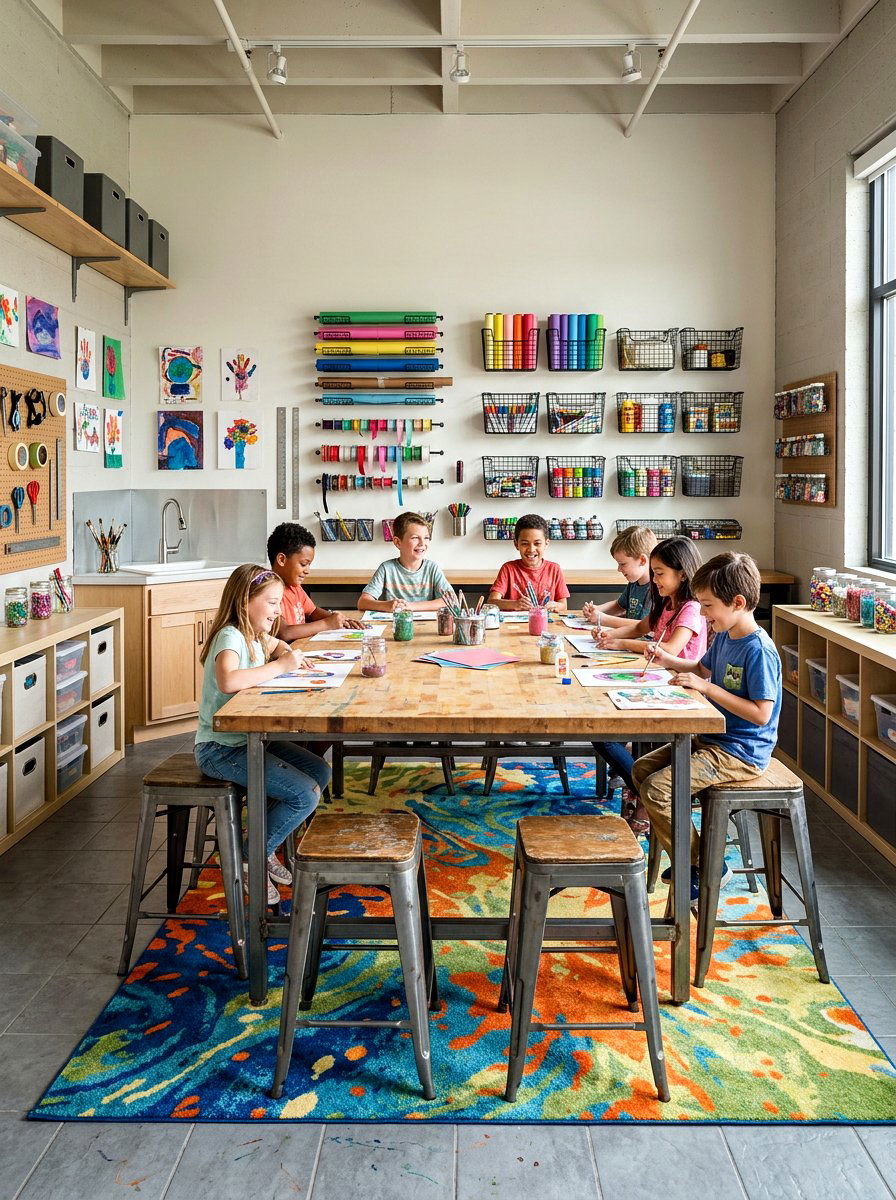
A dedicated craft room is the ultimate space for messy projects and creative experiments. You should install a large, durable table that can handle glue, paint, and glitter. Wall-mounted pegboards are excellent for organizing scissors, ribbons, and other tools within easy reach. Use clear bins for smaller items like beads, pom-poms, and pipe cleaners so children can see what is available. A sink in the room is a major plus for quick cleanups after painting sessions. You can also include a drying rack for wet projects and a bulletin board for displaying finished work. This specialized area keeps the mess contained while giving kids the freedom to create anything they imagine.
17. Playroom Teepee
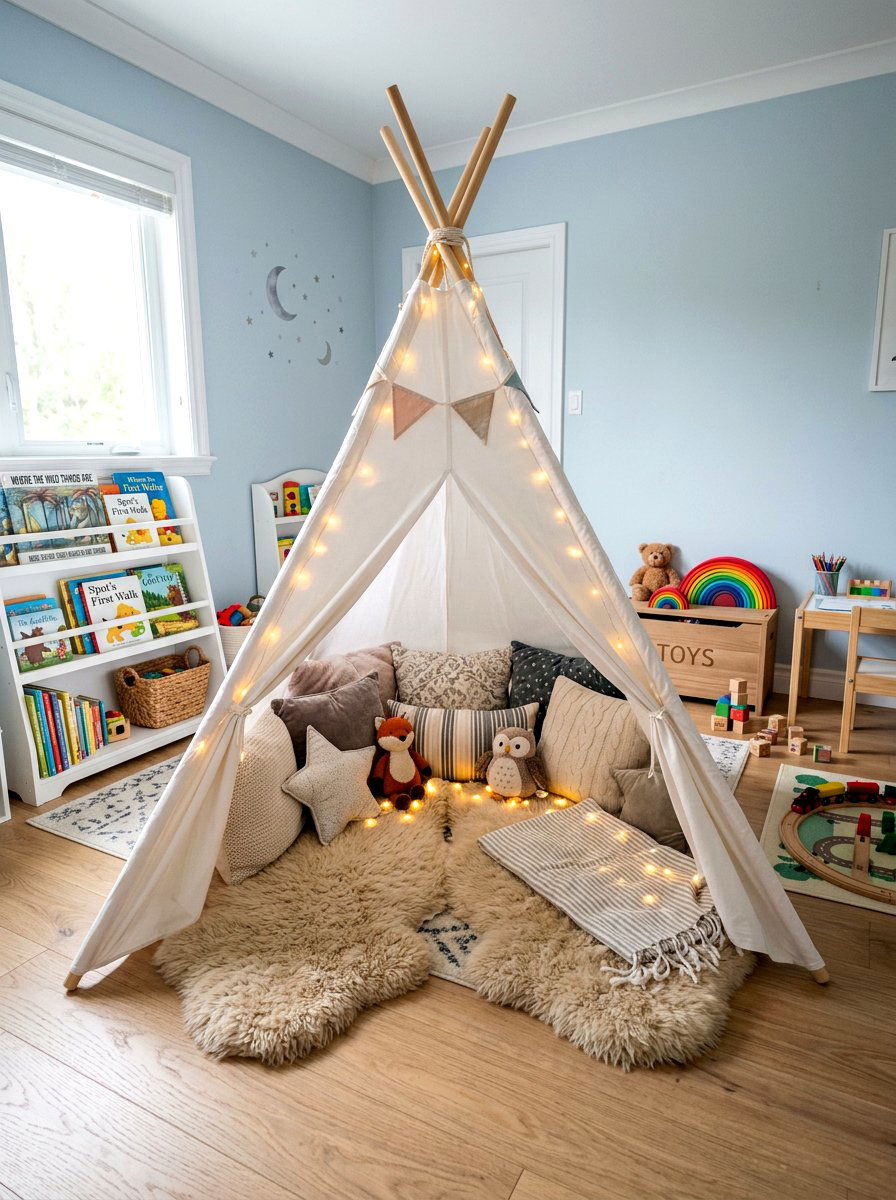
Adding a teepee to a playroom instantly creates a whimsical hideaway for imaginative play or quiet time. You should choose a fabric that matches the room's color scheme, such as a neutral canvas or a bold pattern. Fill the inside with soft blankets, plush pillows, and a few favorite books to make it extra inviting. A string of fairy lights draped around the top can add a magical glow during the evening. This structure provides a sense of privacy and security, which kids often crave. It can serve as a reading nook, a secret base for games, or simply a cozy spot for a nap, making it a versatile favorite.
18. Playroom Storage
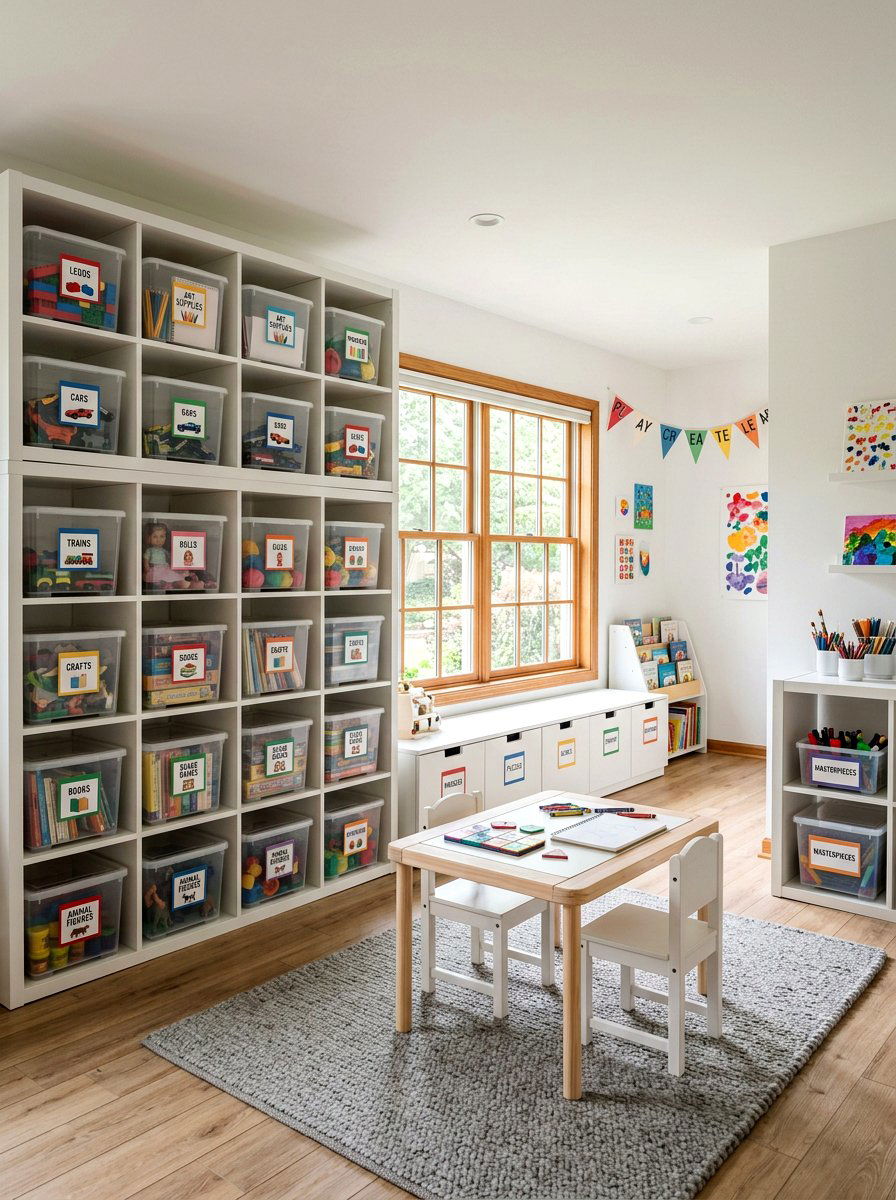
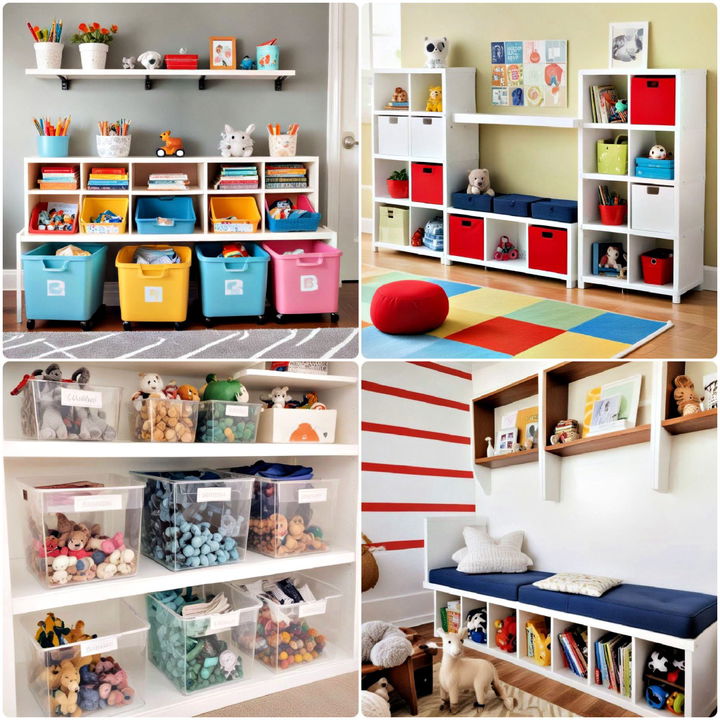
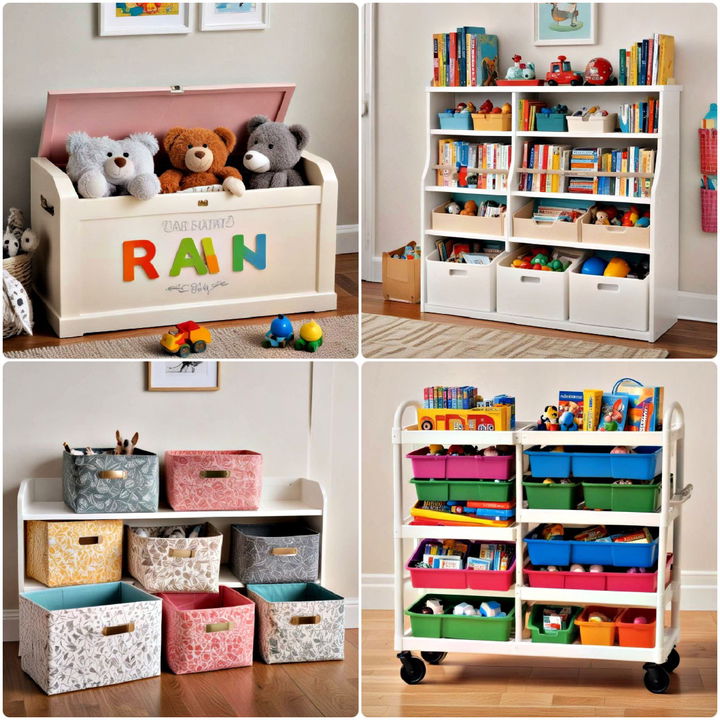
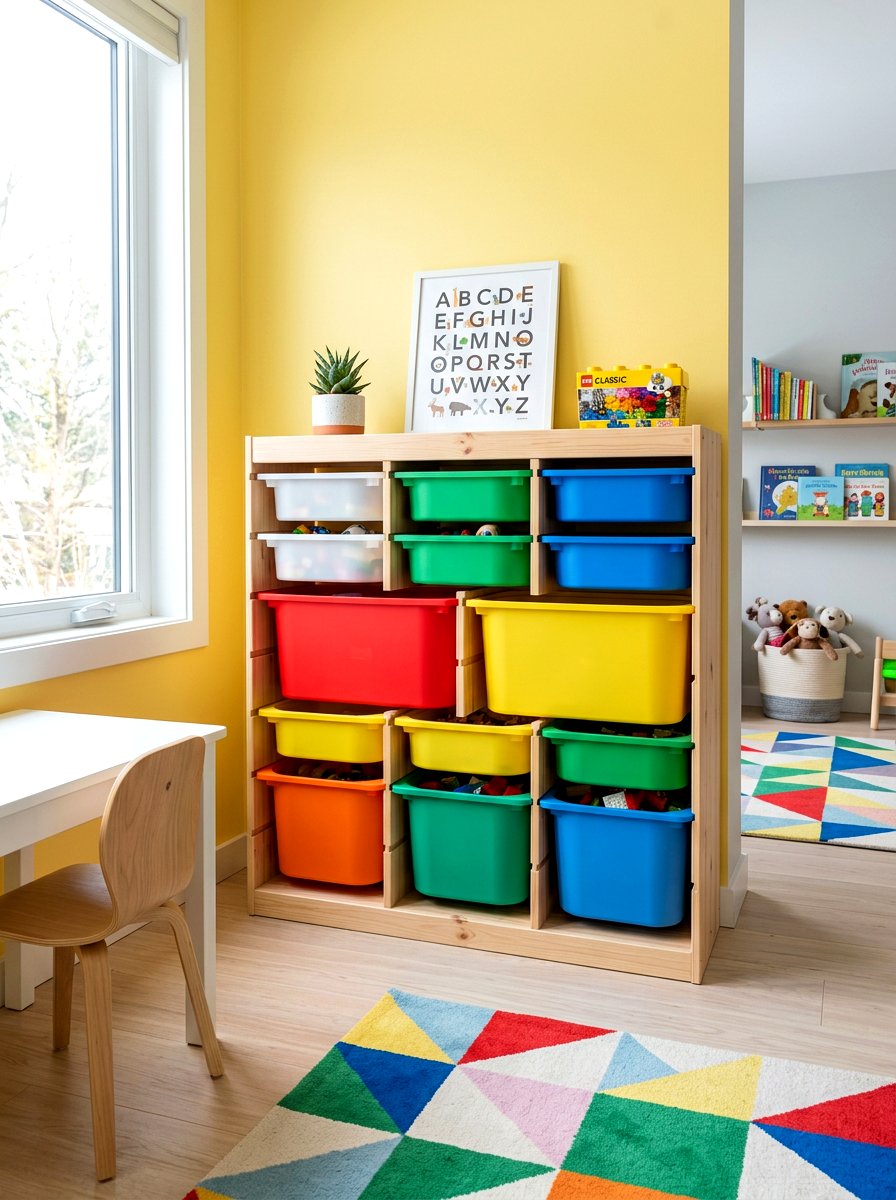
Effective storage is the backbone of any organized playroom. You should use a combination of open shelving for frequently used items and closed cabinets for things you want to hide. Cubby systems with removable bins are incredibly popular because they make it easy for kids to sort their toys. Labeling each bin with words or pictures helps children know exactly where everything belongs. You can also utilize over-the-door organizers for small items like dolls or cars. Using the space under benches or in closets for extra storage keeps the main floor area clear. A well-organized room reduces stress for both parents and children, making playtime more enjoyable.
19. Chalkboard Wall
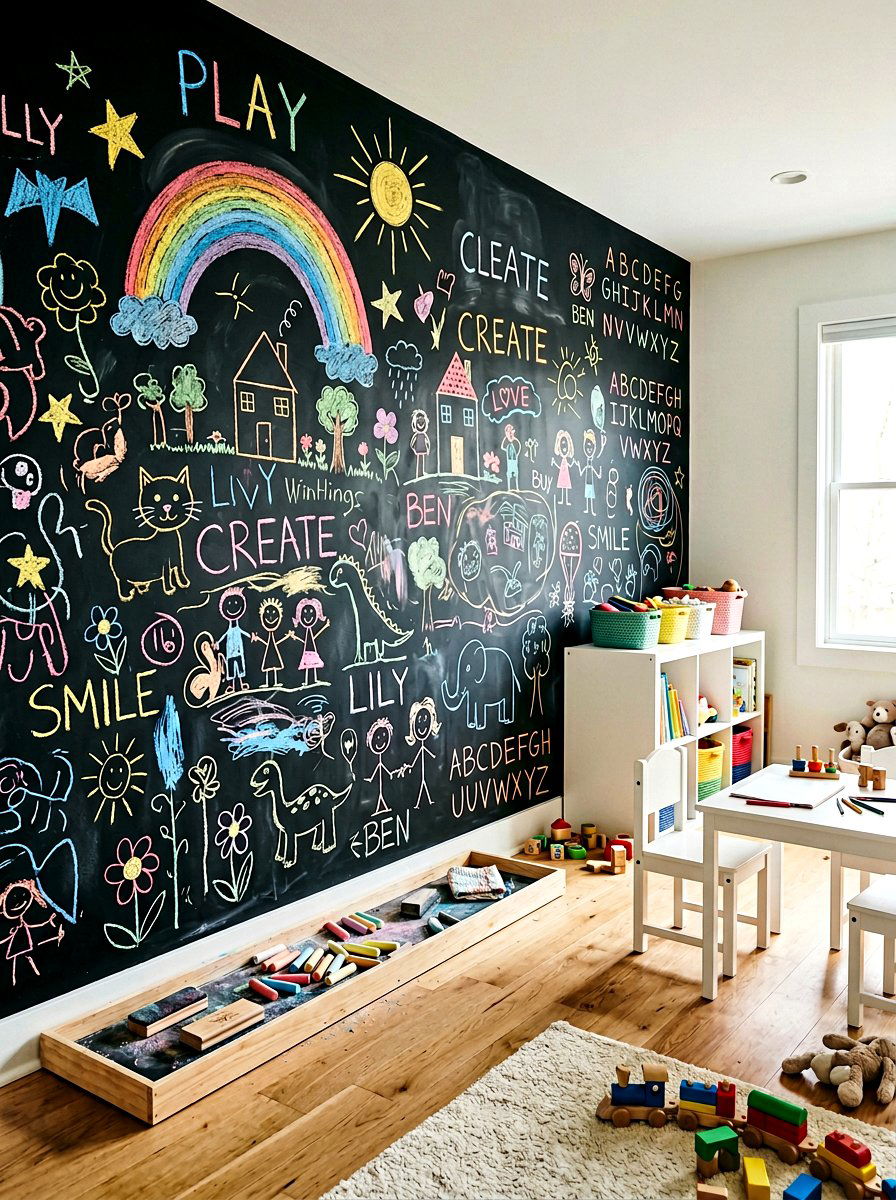
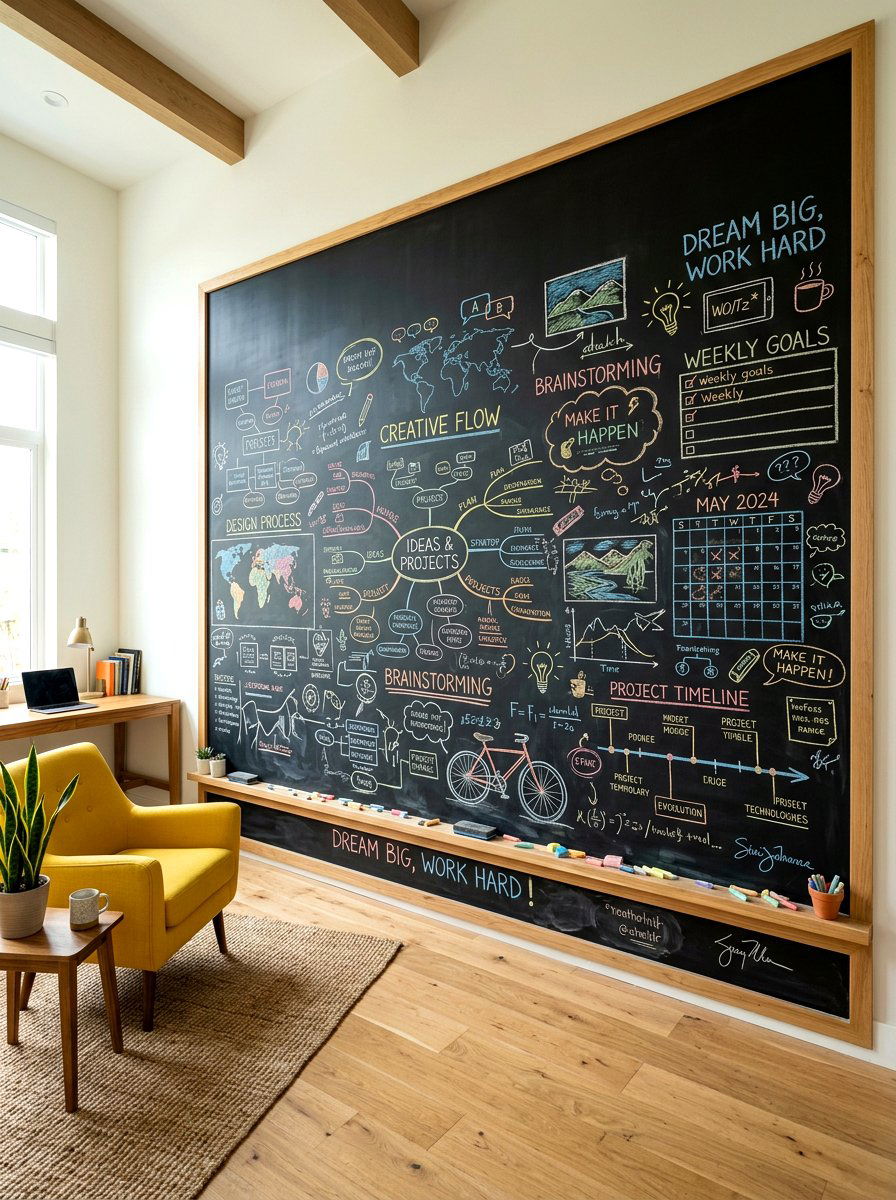
A chalkboard wall is a simple yet impactful addition that turns a vertical surface into a giant canvas. You can use specialized chalkboard paint to cover an entire wall or just a specific section at a child's height. This feature provides a place for drawing, practicing letters, or keeping track of daily schedules. It is an eco-friendly alternative to paper and allows for endless creativity. To keep the area clean, use dustless chalk and keep a damp cloth nearby for erasing. You can also use magnetic chalkboard paint so children can play with letters and numbers. This interactive element keeps kids engaged and adds a cool, industrial look to the room.
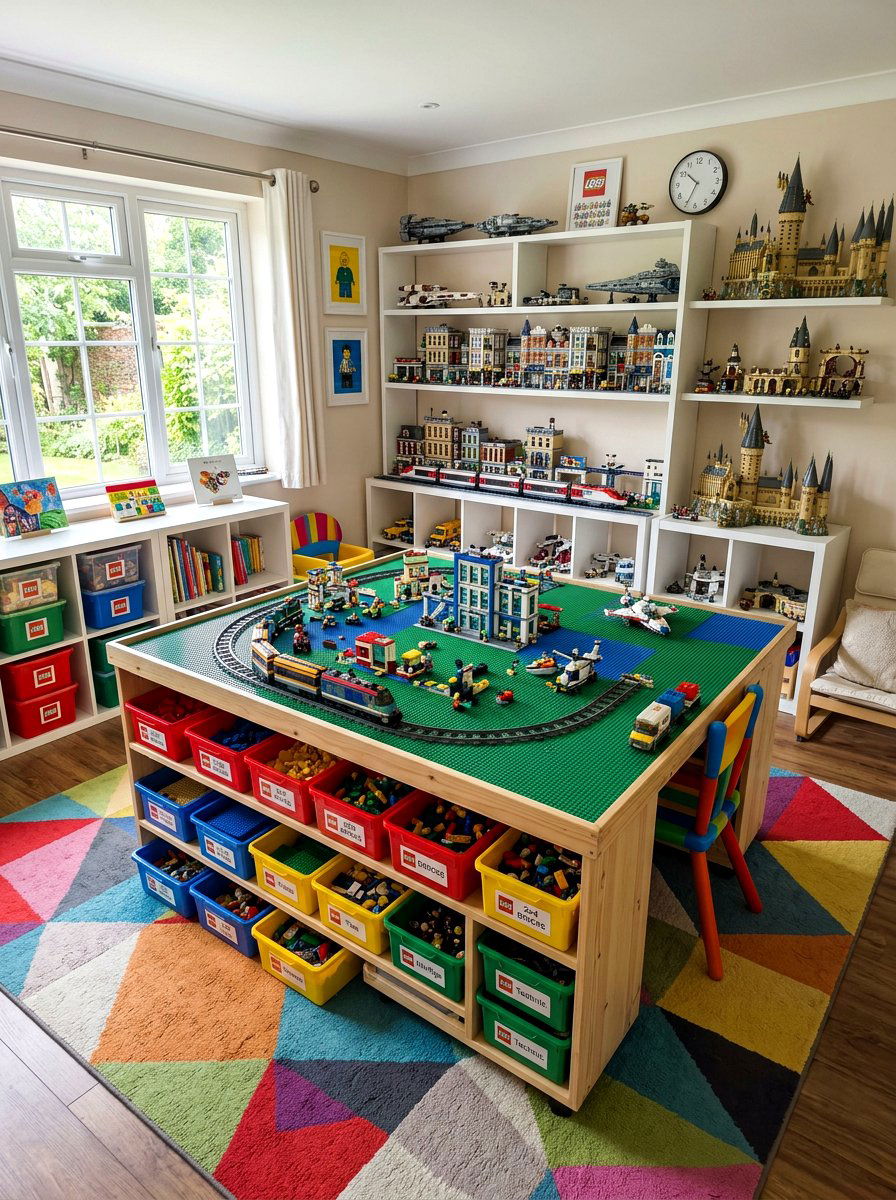
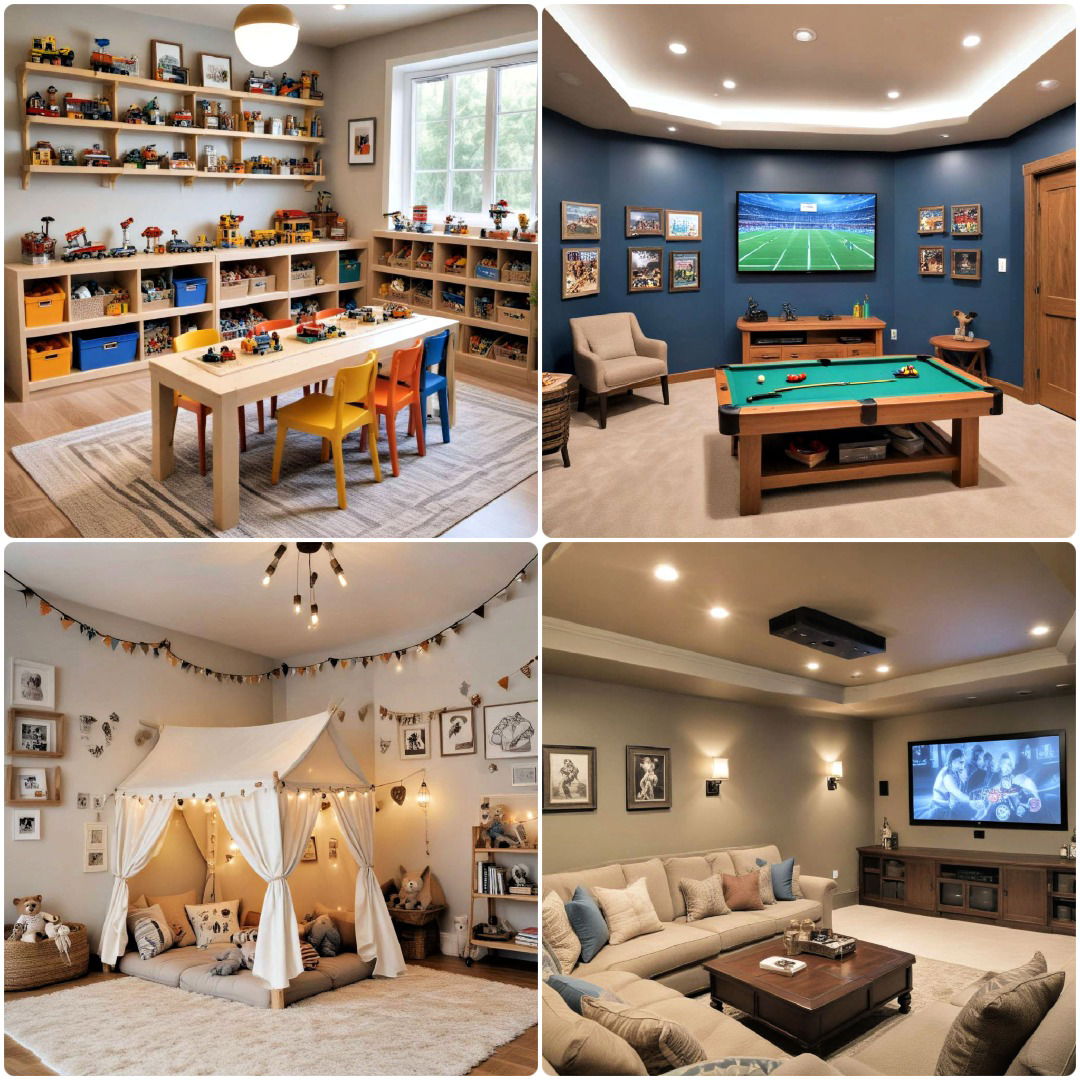
20. Colorful Playroom
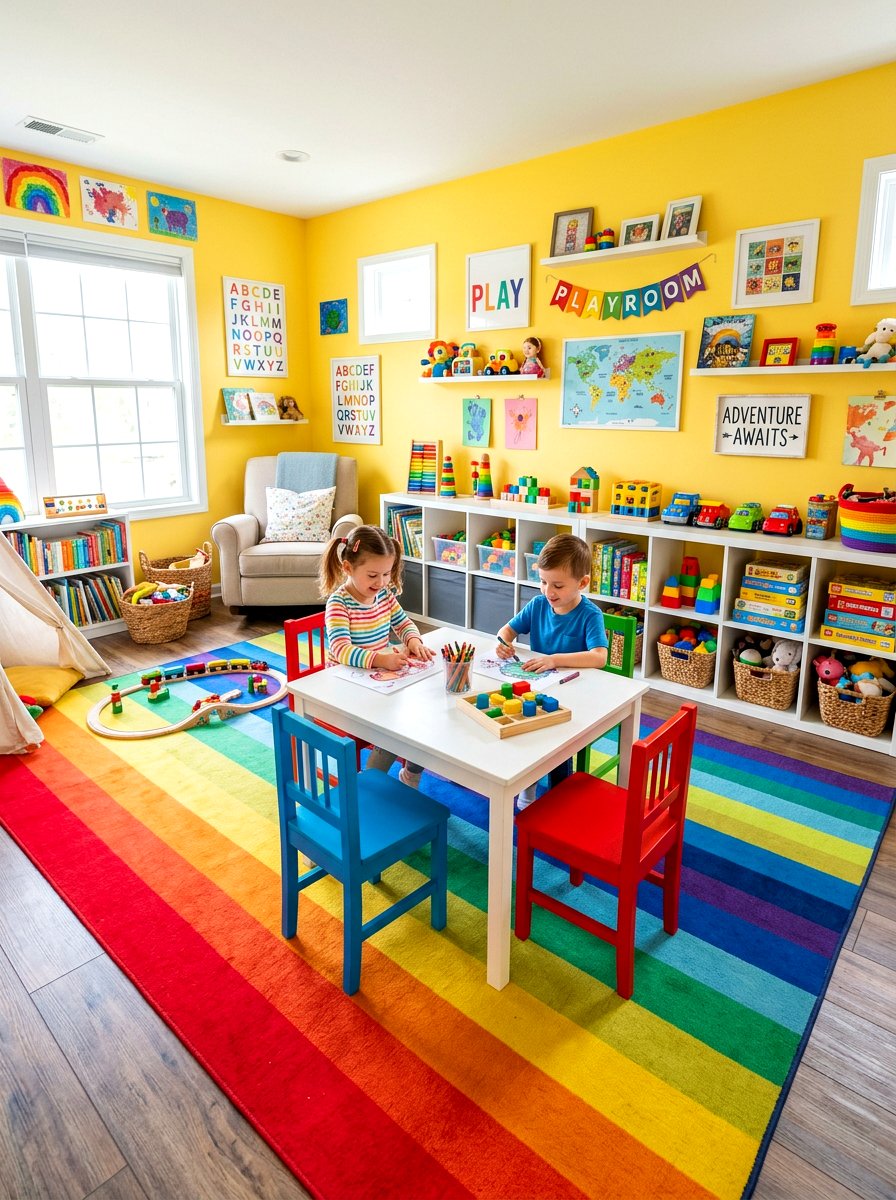
A colorful playroom uses vibrant hues to create an energetic and cheerful atmosphere. You should choose a dominant color like bright blue or sunny yellow and then add accents in contrasting shades. Colorful furniture, such as primary-colored chairs or a rainbow-patterned rug, makes the space feel lively. You can use paint to create bold geometric shapes or stripes on the walls. Art displays and toys also contribute to the room's palette, so try to keep them visible. While it is fun to use many colors, try to balance them with a few neutral elements to prevent the space from feeling too overwhelming. This joyful design inspires happiness and active play.
21. Indoor Treehouse
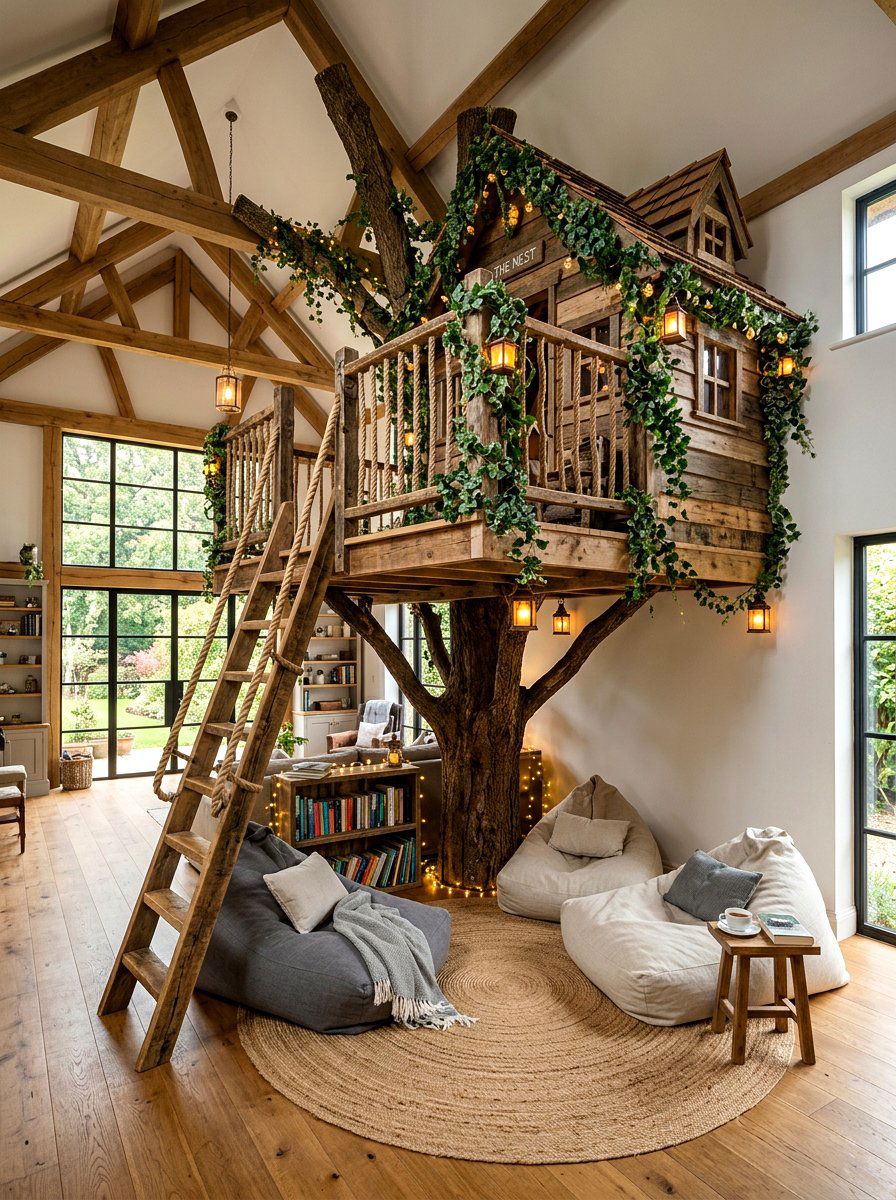
An indoor treehouse is a show-stopping feature that brings the magic of the outdoors inside. You can build a raised platform with a ladder and a safety railing to create a "treetop" escape. Using reclaimed wood or rustic finishes gives the structure an authentic feel. The space underneath can be used as a cozy den, a library, or even extra storage for toys. You can add decorative elements like faux vines, birdhouses, and lantern-style lighting to complete the theme. This architectural element provides hours of imaginative fun and creates a unique focal point that will make your home the favorite destination for all the neighborhood kids.
22. Soft Playroom
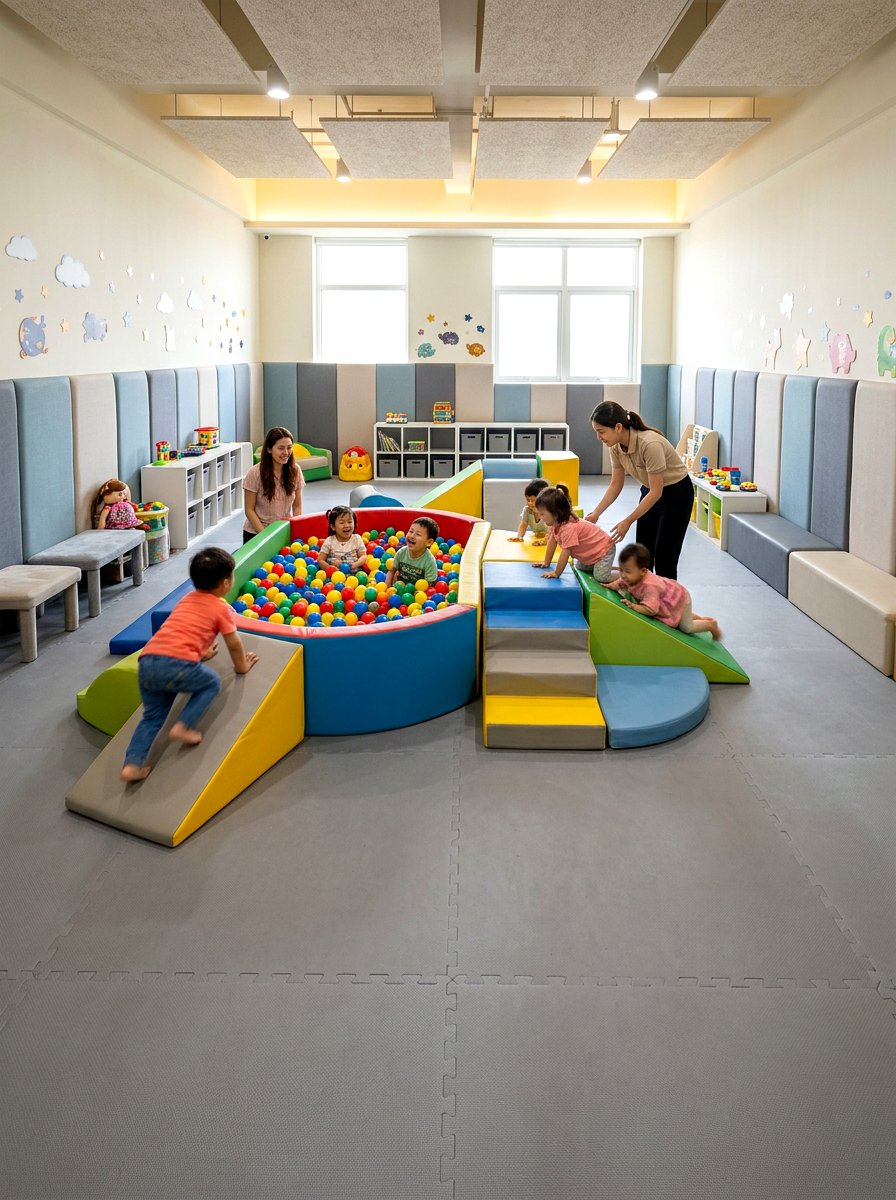
A soft playroom is designed for high-energy activities like jumping, tumbling, and wrestling. You should cover the entire floor with thick foam padding or interlocking gym mats. Include soft play equipment like foam tunnels, wedges, and large blocks that kids can climb and stack safely. A ball pit can also be a fun addition to this type of space. Use soft, upholstered furniture and avoid any items with sharp corners or hard surfaces. This environment is perfect for burning off extra energy and developing gross motor skills in a safe, controlled setting. It is especially useful for active toddlers and young children who love physical movement.
23. Homeschool Playroom
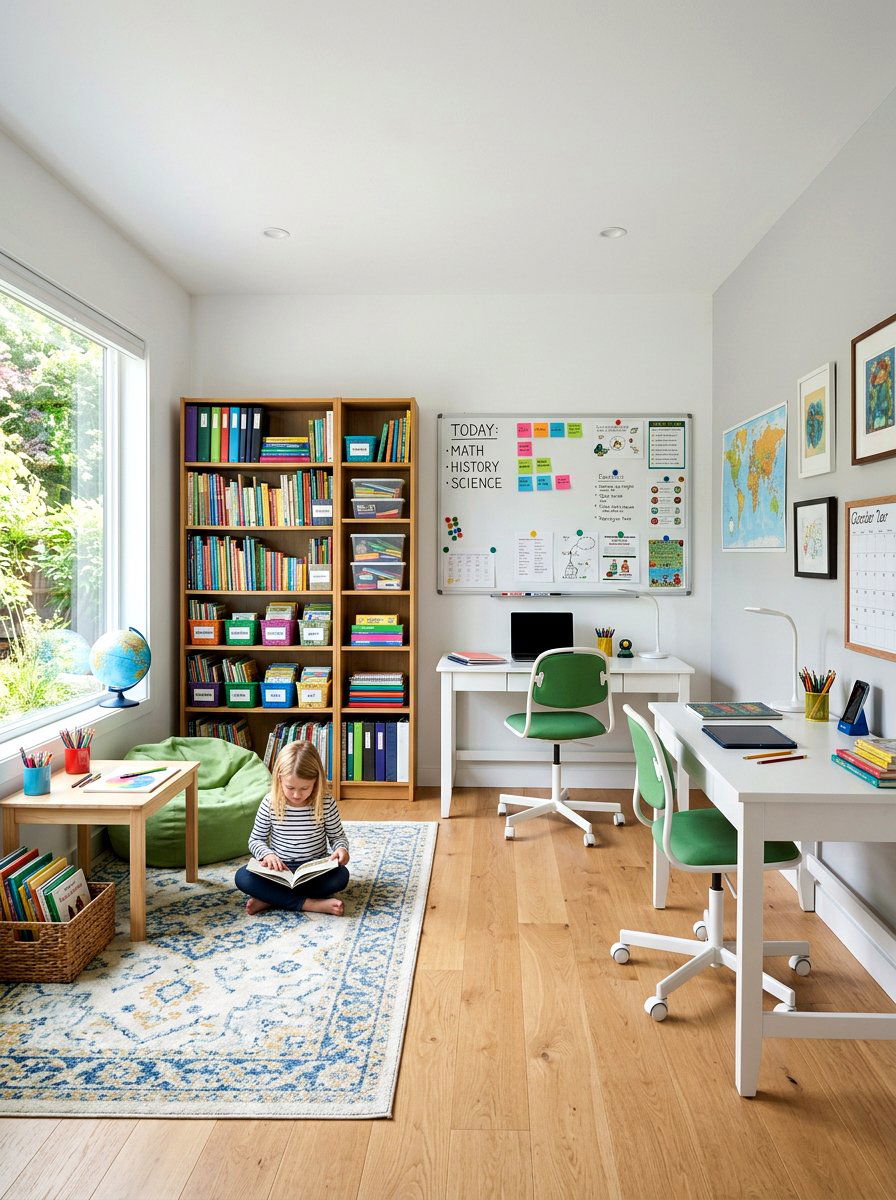
A homeschool playroom blends education with play by creating a multifunctional learning environment. You should include a dedicated workspace with desks and ergonomic chairs for focused study. Use bookshelves to organize textbooks, workbooks, and educational games. A large whiteboard or corkboard is great for teaching lessons and displaying student work. You can also set up specific centers for science experiments, geography, or quiet reading. By incorporating elements of play, such as a building corner or a costume chest, you make learning more engaging and fun. This organized approach helps children transition smoothly between structured lessons and creative playtime, making the home learning experience much more effective and enjoyable.
24. Under Stairs Playroom
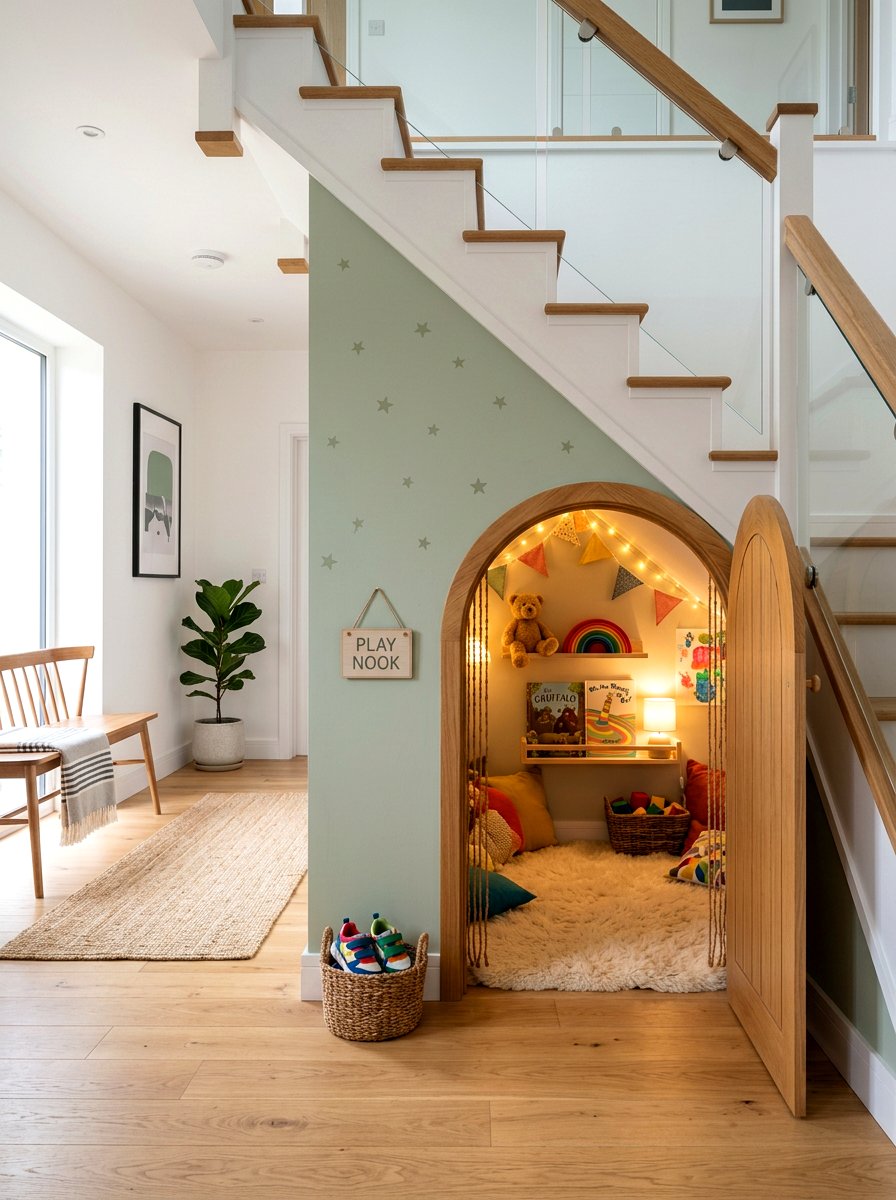
The space under a staircase is often overlooked, but it can be transformed into a charming and compact playroom. You can install a small door or a set of curtains to turn it into a secret clubhouse. Inside, use soft lighting and plush rugs to make the small area feel cozy. Custom shelving can be built into the walls to hold a selection of favorite toys and books. This tiny nook is perfect for quiet activities like playing with dolls or coloring. It utilizes otherwise wasted space in your home and gives children a sense of ownership over a private, magical spot that is just their size.
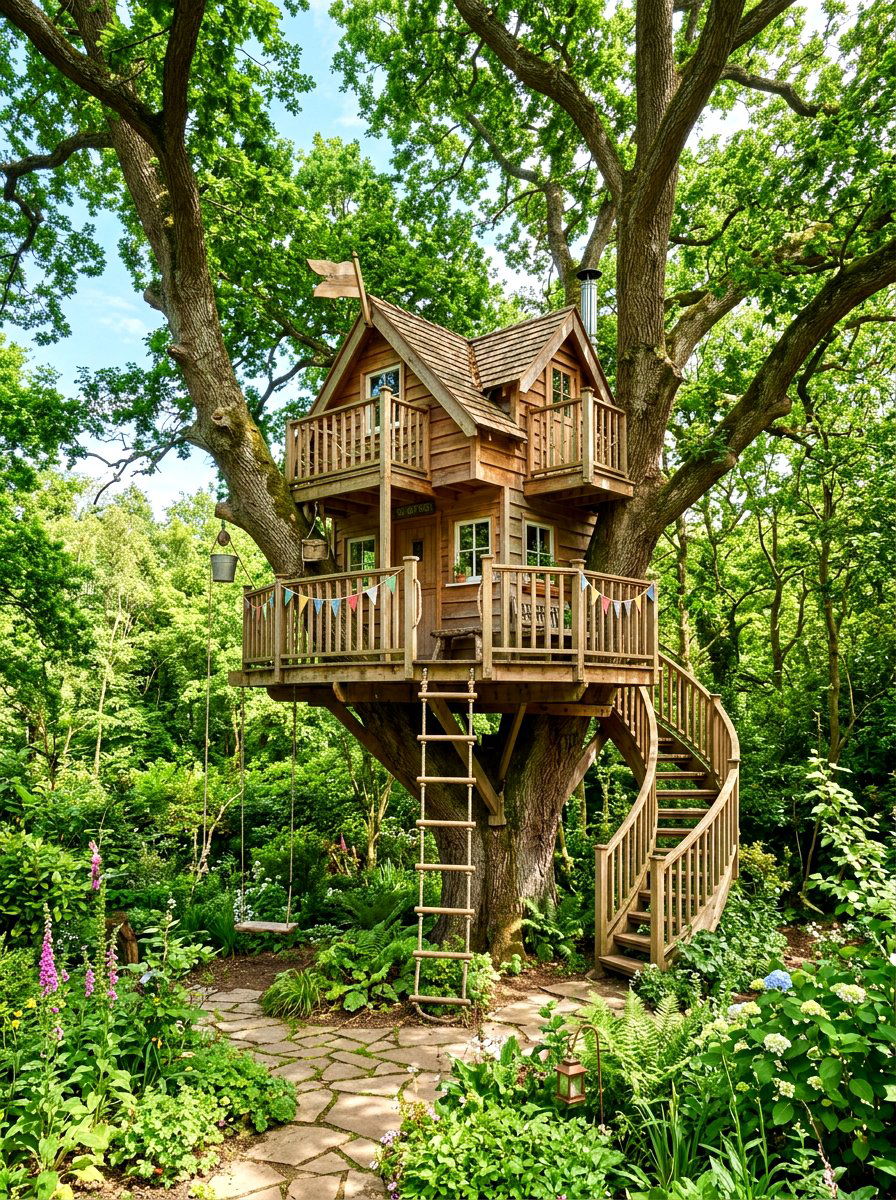
25. Pastel Playroom
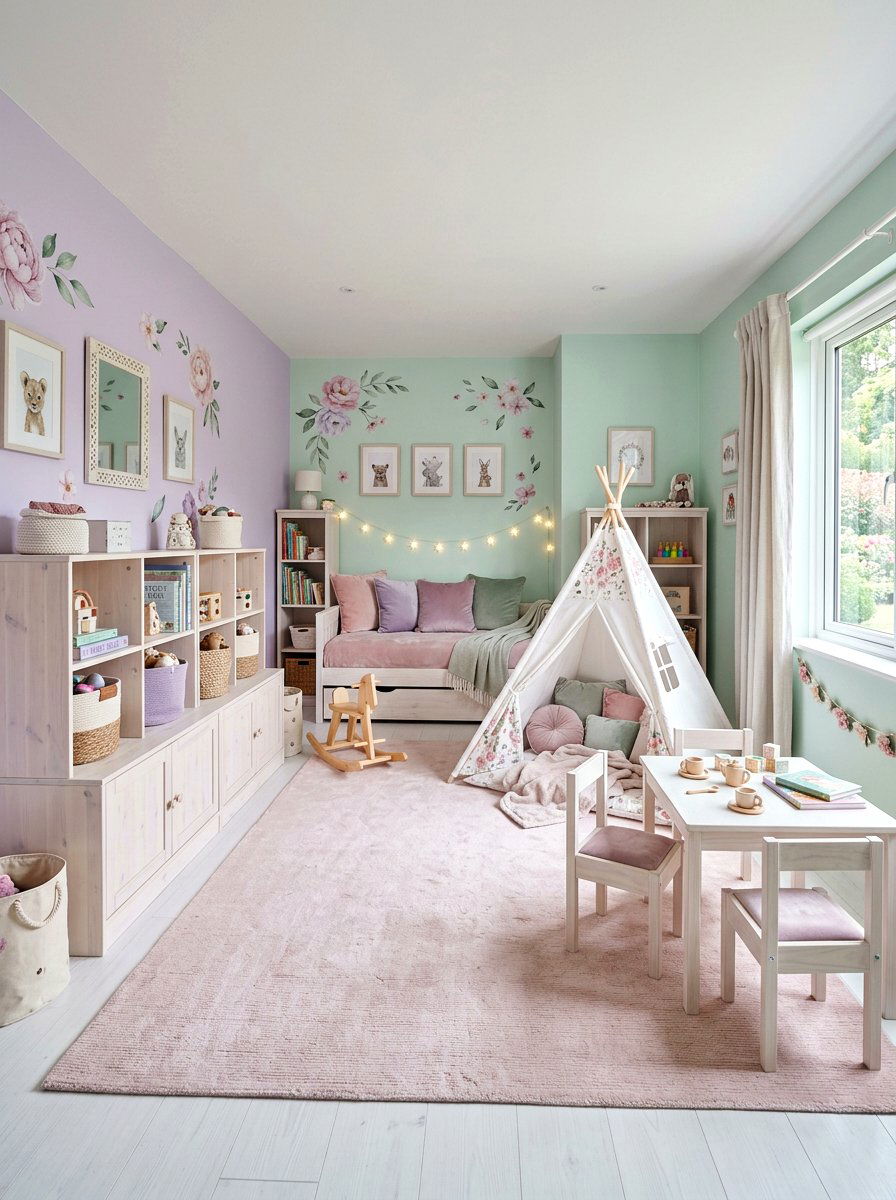
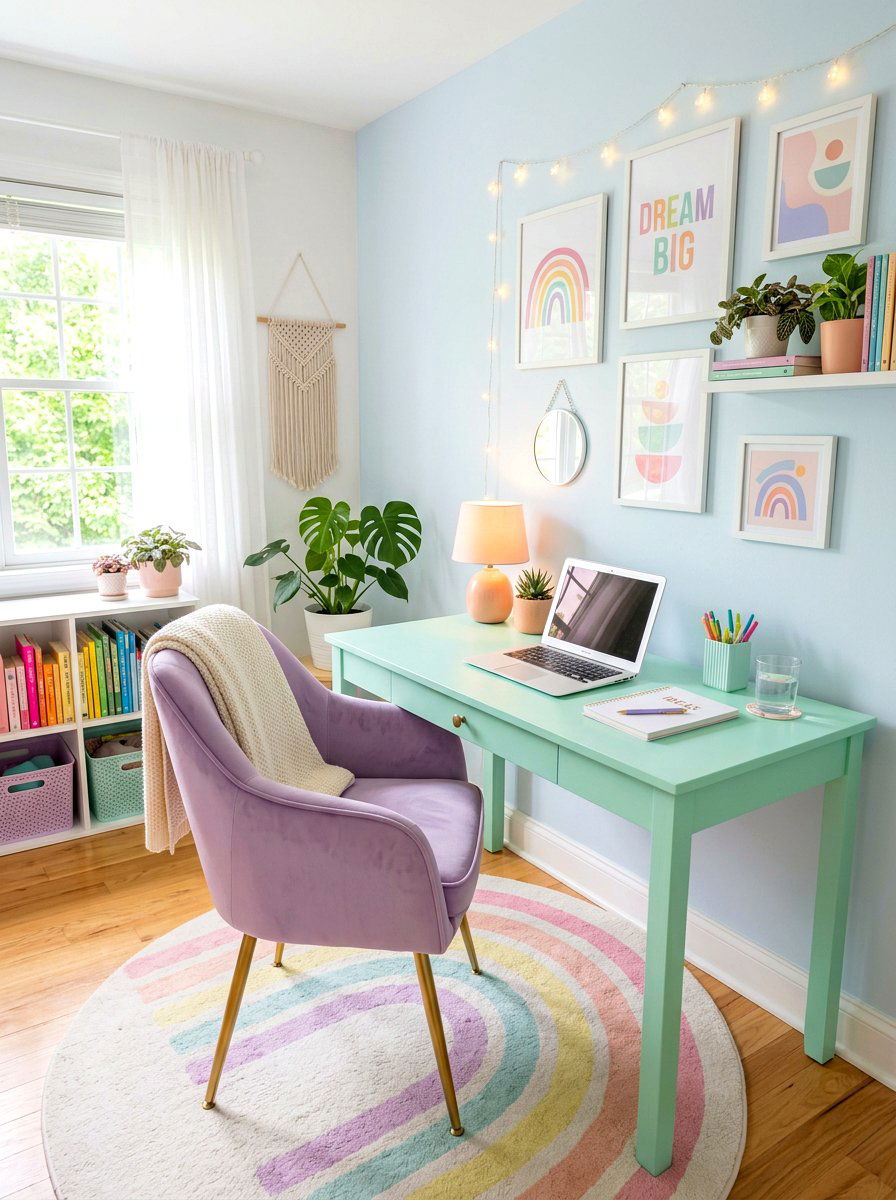
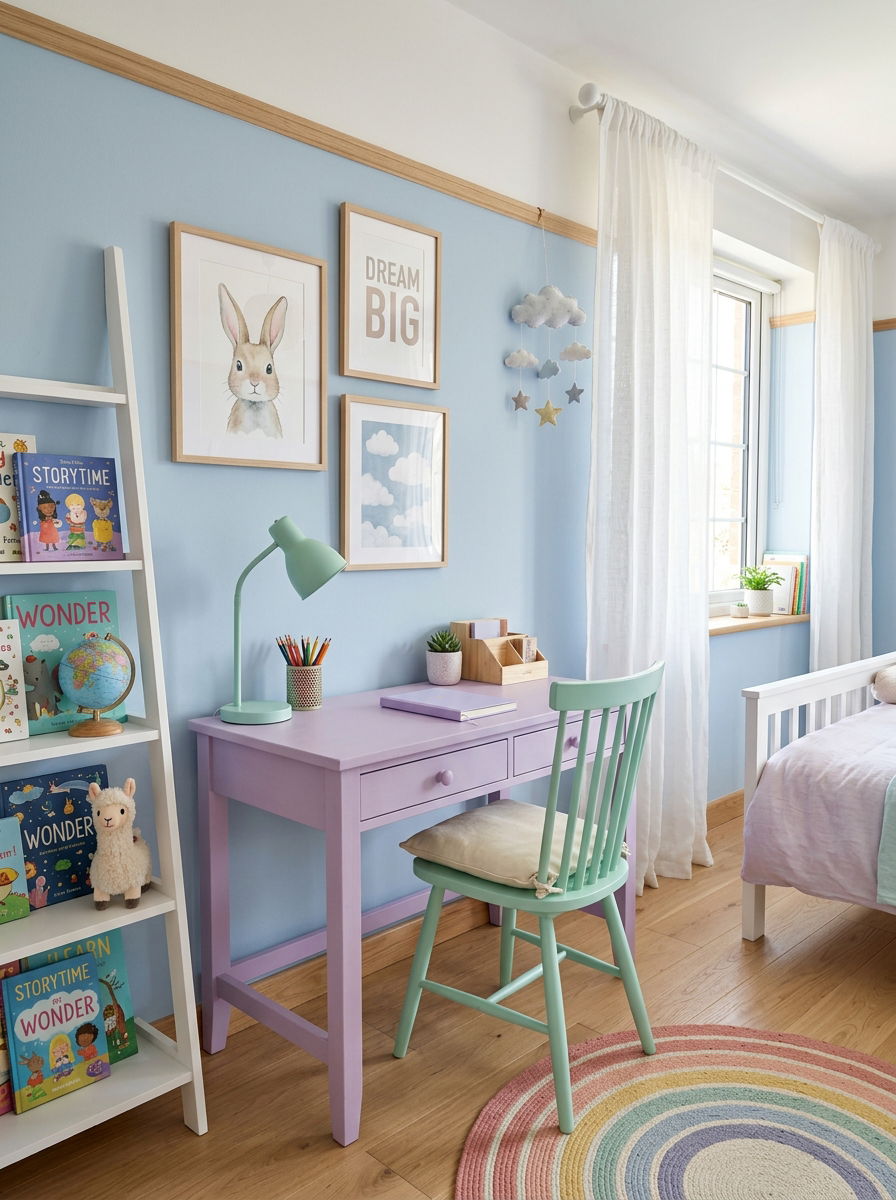
A pastel playroom offers a soft and calming alternative to bright primary colors. You should use a palette of mint green, pale pink, lavender, and baby blue. These tones create a serene environment that is perfect for both play and relaxation. You can incorporate these colors through wall paint, bedding, and decorative accessories. White or light wood furniture complements the pastel theme perfectly. Using soft textures like velvet pillows and wool rugs enhances the gentle vibe. This style is particularly popular for nurseries and toddler rooms, but it can also feel very sophisticated for older children when paired with modern furniture and clean lines.
26. Nature Playroom
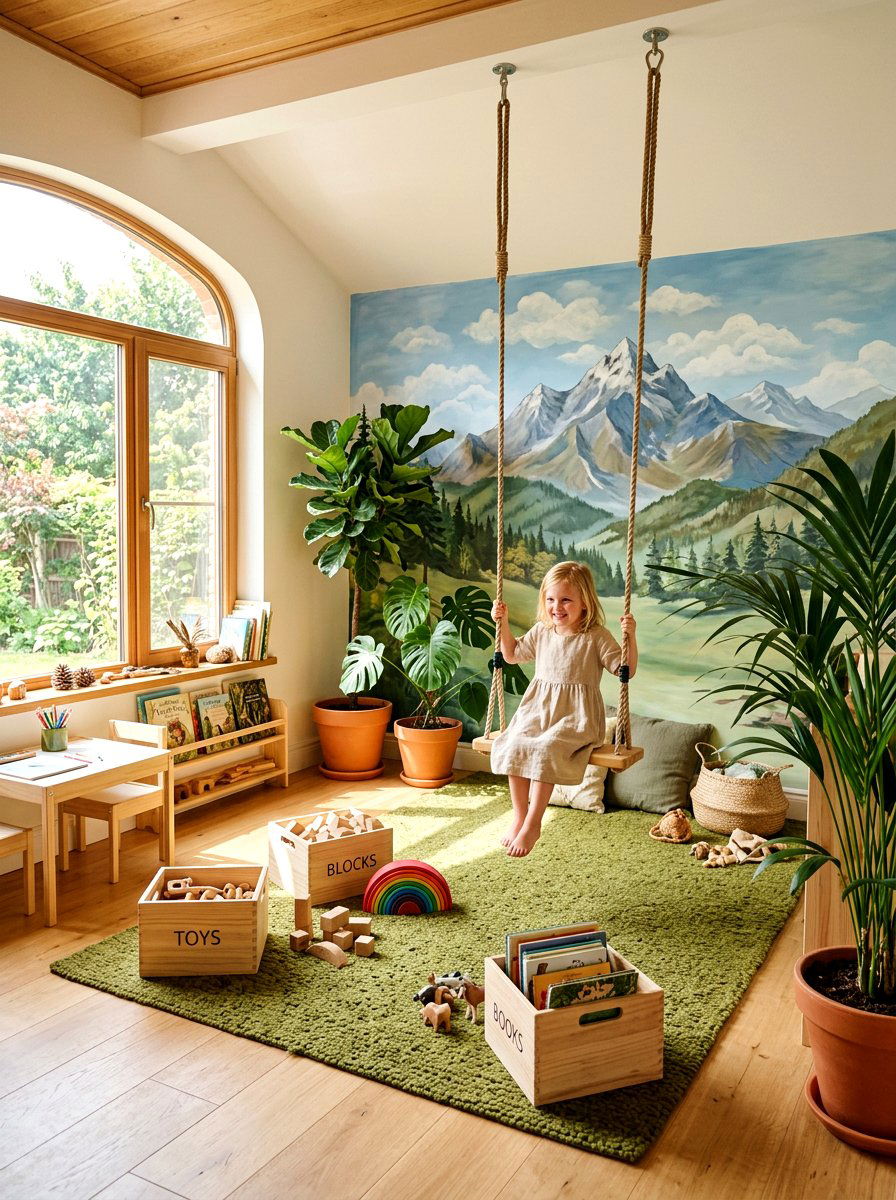
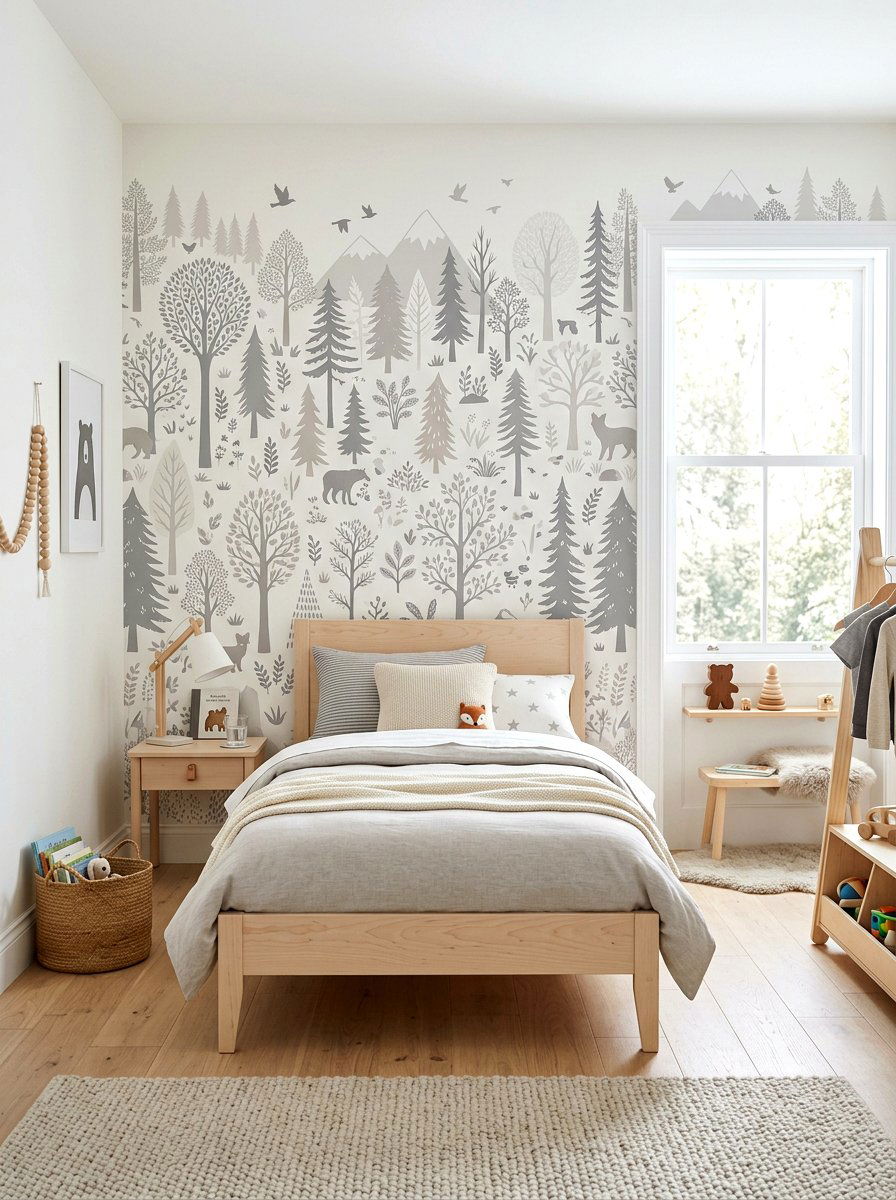
A nature-themed playroom brings the calming elements of the outdoors into your home. You should focus on a color palette of earthy greens, browns, and sky blues. Use natural materials like wood, stone, and cotton for furniture and decor. Incorporate elements like a wooden indoor swing, a small indoor garden, or a collection of smooth river stones for play. Wall murals of forests or mountains can help set the scene. Adding plants, whether real or high-quality artificial ones, provides a refreshing touch. This design encourages a connection with the natural world and creates a peaceful atmosphere that fosters creativity and a sense of wonder in children.
27. Kids Performance Stage
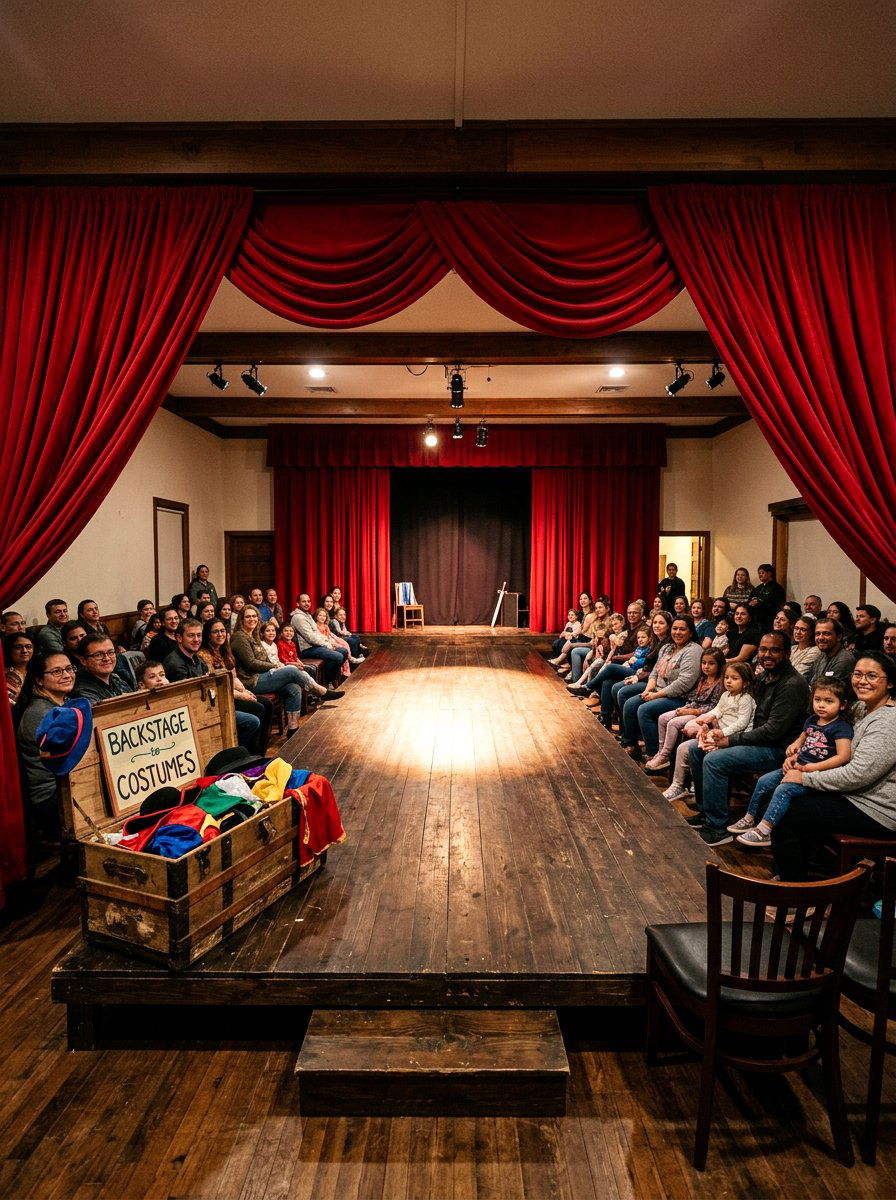
If your children love to sing, dance, or put on plays, a dedicated performance stage is a wonderful addition. You can build a low wooden platform in a corner and hang heavy velvet curtains to create a theatrical feel. Include a backstage area with a costume trunk and a mirror for quick changes. You might also install simple stage lighting or a microphone stand to enhance the experience. This feature encourages self-expression, confidence, and public speaking skills. When the curtains are closed, the stage can also serve as a cozy reading platform or a spot for floor games, making it a highly versatile and exciting design choice.
28. Industrial Playroom
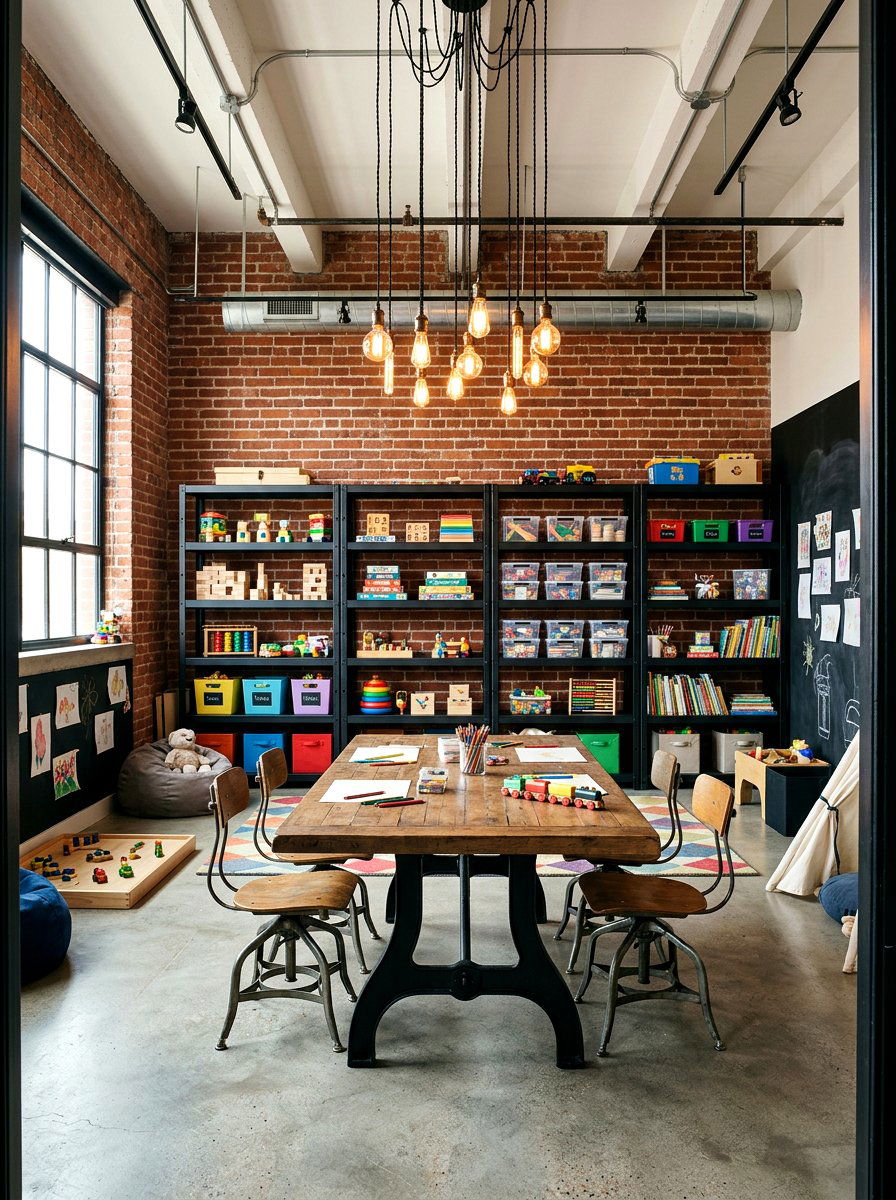
An industrial-style playroom uses raw materials and functional design to create a cool, modern space. You can feature elements like exposed brick walls, metal shelving, and concrete-look flooring. Use sturdy furniture made of wood and steel that can withstand rough play. A color palette of grays, blacks, and deep blues works well here, with pops of bright orange or red for energy. You can include unique details like gear-shaped wall art or vintage-style light fixtures. This style is very durable and easy to clean, making it a practical choice for growing kids. It has a slightly more "grown-up" feel that transitions well as children enter their teenage years.
29. Shared Sibling Playroom
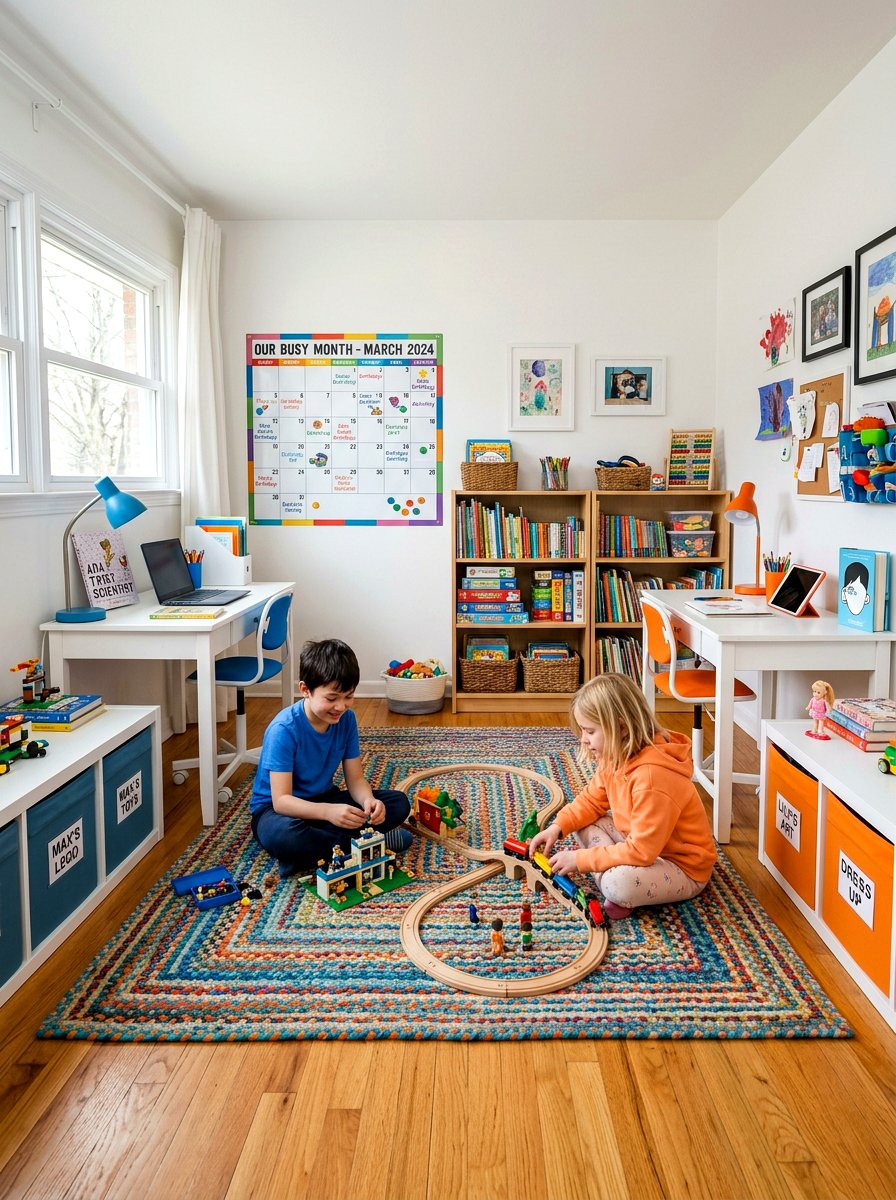
Designing a playroom for siblings requires balancing the needs and interests of children of different ages. You should create distinct zones for each child while also providing a large central area for shared play. Use individual storage bins or lockers so each child has a place for their own special toys. A large table with multiple chairs allows everyone to work on crafts or homework together. You might use different colors to designate each child's area. This space encourages cooperation and social skills while still respecting individual privacy. Choosing a versatile theme and flexible furniture ensures the room remains functional for everyone as they grow and their hobbies change.
30. Space Theme Playroom
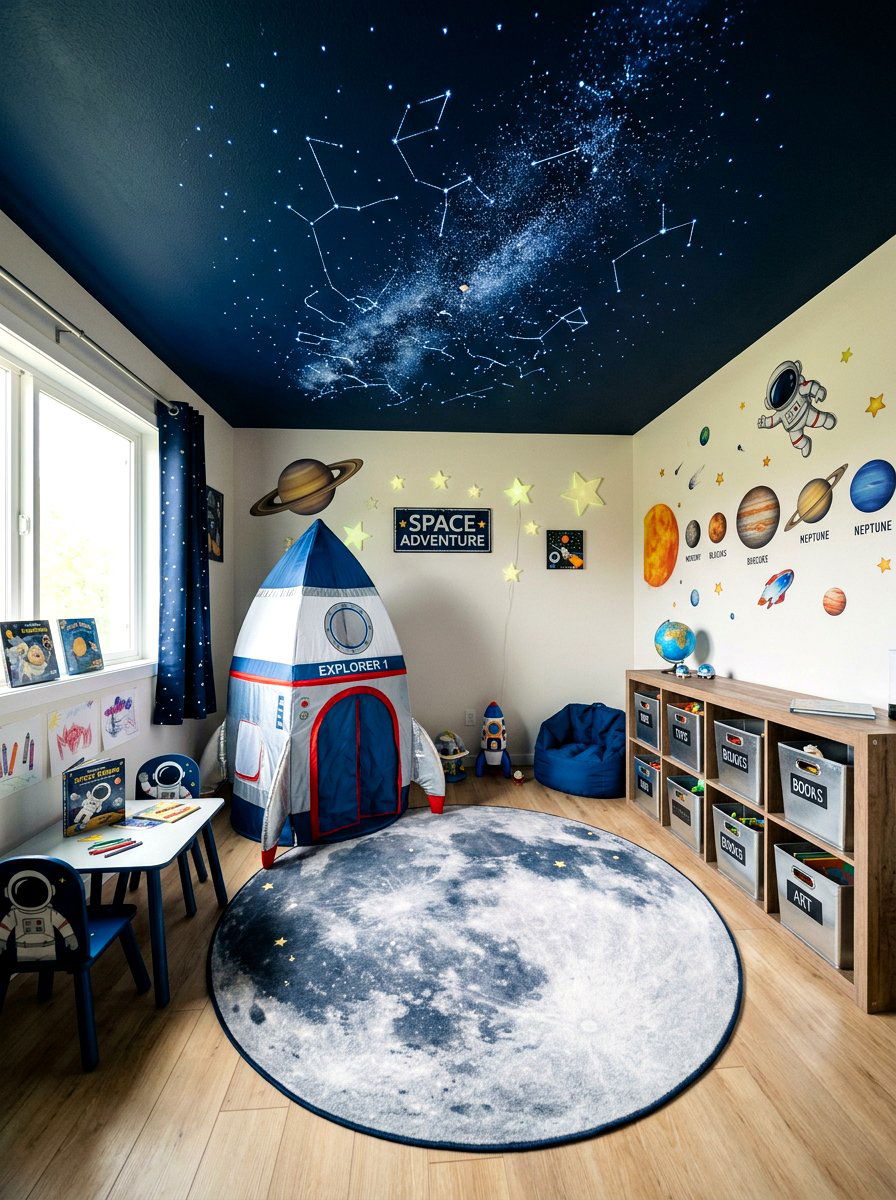
A space-themed playroom is perfect for young explorers who dream of the stars. You can paint the walls a deep navy blue and add glowing star decals or a large mural of the solar system. A rocket-ship-shaped play tent or a custom-built bunk bed can serve as the centerpiece of the room. Use metallic accents and futuristic-looking furniture to enhance the galactic vibe. You might also include educational elements like a telescope or a planetarium projector. This immersive environment sparks curiosity about science and the universe. It makes every play session feel like an epic voyage through the galaxy, providing endless inspiration for imaginative adventures and cosmic discoveries.
Conclusion:
Creating the perfect playroom is a rewarding project that significantly improves your home 's functionality and your children' s daily lives. By considering these thirty diverse ideas, you can find a style that fits your space, budget, and family's unique needs. Whether you prefer a modern minimalist look or a whimsical themed environment, the key is to focus on organization, safety, and inspiration. A well-designed room will adapt as your kids grow, providing a consistent place for learning and joy. Remember that the best spaces are those that reflect the personalities of the children who use them. Start planning today to build a magical world where your kids can truly thrive and create lasting memories.

Related posts: