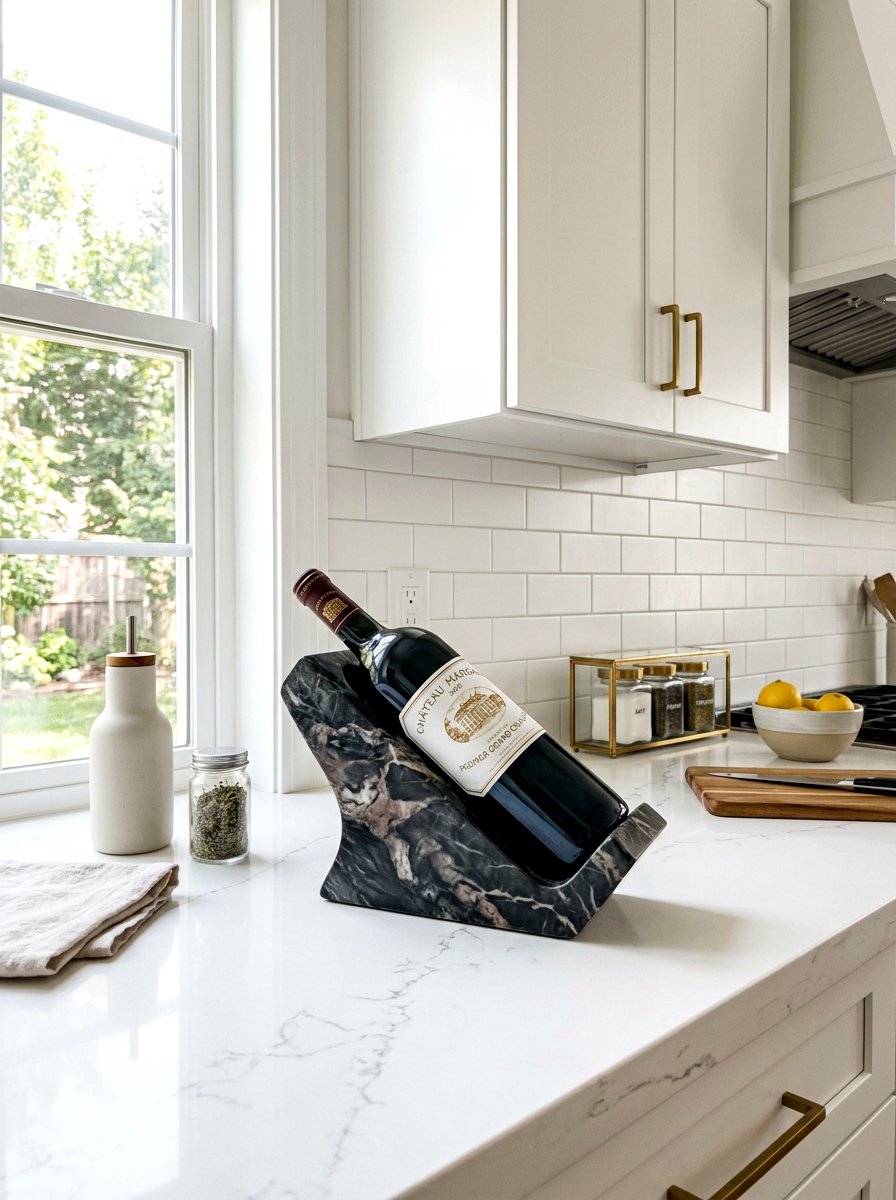
Every homeowner dreams of having a kitchen that looks straight out of a magazine, but the reality of daily cooking often involves clutter and chaos. This is exactly where the genius of the messy kitchen concept comes into play, serving as a secondary space that handles the heavy lifting of food preparation. Also known as a back kitchen or a scullery, this room allows you to tuck away dirty dishes and bulky appliances so your primary kitchen remains a pristine sanctuary for entertaining guests. It is the ultimate luxury for those who love to cook but hate the visual clutter that inevitably follows a big meal.
1. Back Kitchen Scullery
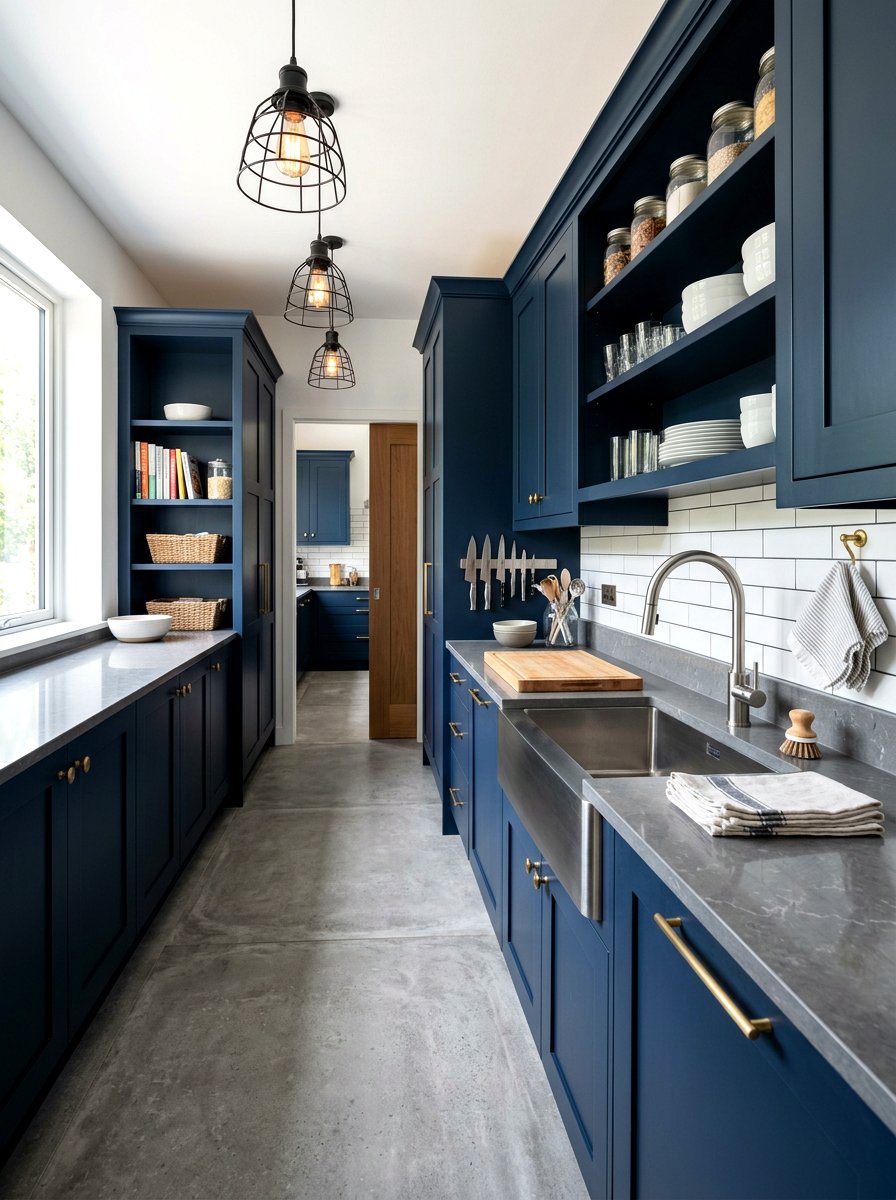
A dedicated back kitchen scullery acts as a functional extension of your main living space, providing a hidden zone where meal prep happens out of sight. Imagine a room lined with deep cabinetry and durable countertops that can handle heavy chopping and dough kneading without scratching. This design often incorporates a secondary sink and dishwasher, making it the perfect spot to stack dirty pots while you enjoy dinner with friends in the main area. By separating the intense labor of cooking from the social aspect of dining, you create a more relaxing atmosphere. The layout usually prioritizes efficiency, ensuring everything from spices to mixing bowls stays within easy reach for the chef.
2. Walk In Pantry Room
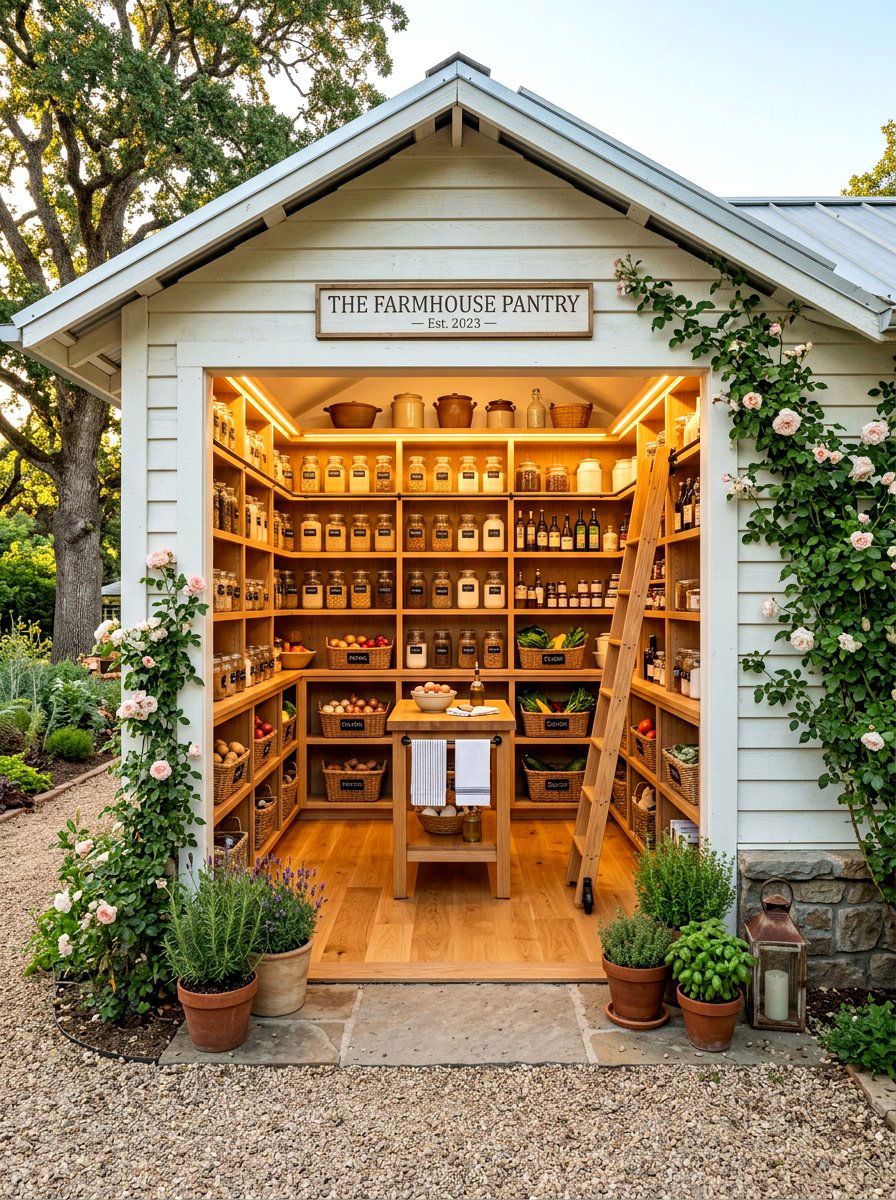
Transforming a standard closet into a full walk in pantry room provides an incredible amount of storage and utility for a busy household. This design focuses on floor to ceiling shelving that keeps every ingredient visible and organized, reducing the time spent searching for hidden jars. Many modern versions include a small countertop area for a toaster or blender, effectively turning the pantry into a mini prep station. Using light colors and bright overhead lighting makes the space feel larger and more inviting, rather than just a dark storage cupboard. It is a fantastic way to clear your main counters of dry goods and small gadgets that normally create visual noise.
3. Hidden Prep Kitchen
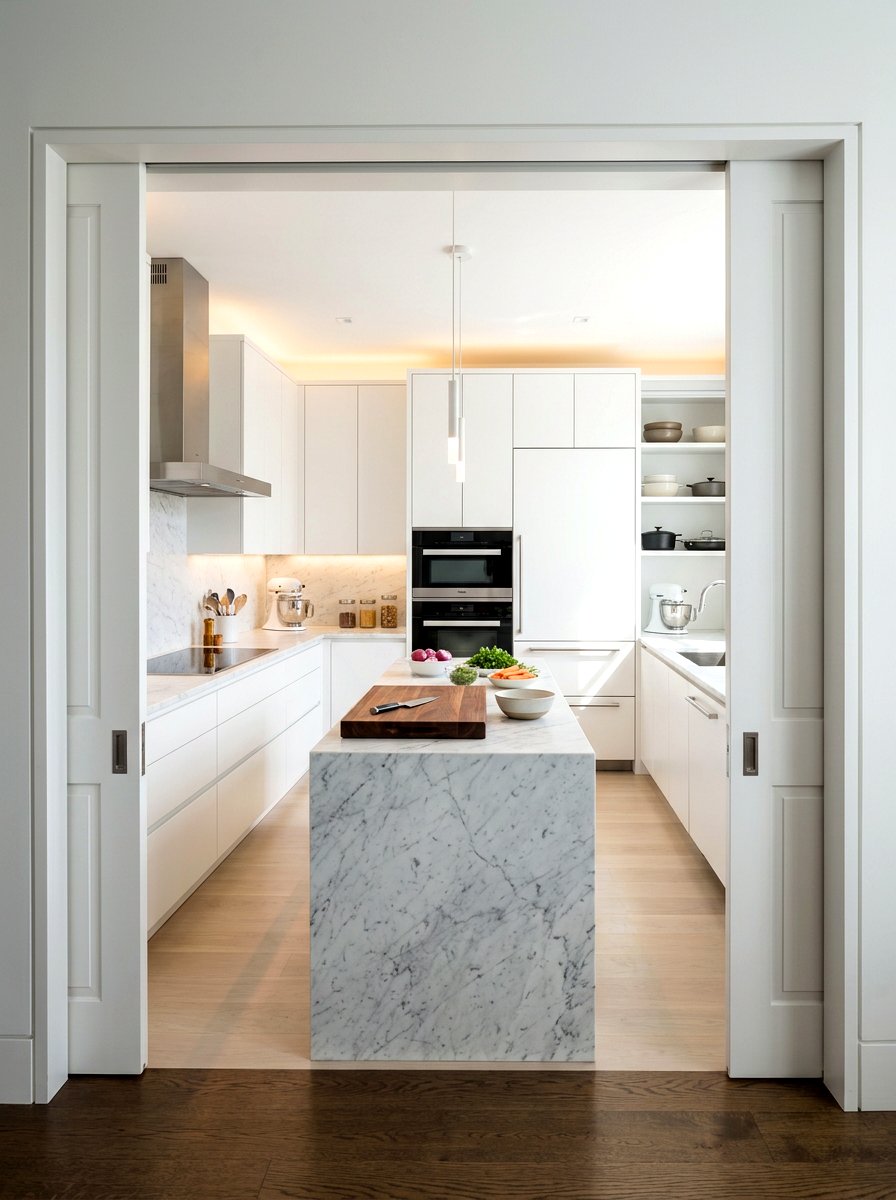
A hidden prep kitchen is the secret weapon for anyone who hosts large gatherings and needs extra room for assembly. This space is often tucked behind a secret door or a set of sleek pocket doors that blend seamlessly with the main cabinetry. Inside, you will find a fully functional workspace equipped with its own ventilation and high end surfaces like quartz or stainless steel. The design allows you to leave out ingredients and tools mid process without worrying about how the rest of the house looks. It creates a professional environment for cooking while maintaining a minimalist and clean aesthetic in the primary kitchen where guests usually gather.
4. Butler Pantry Sink Area
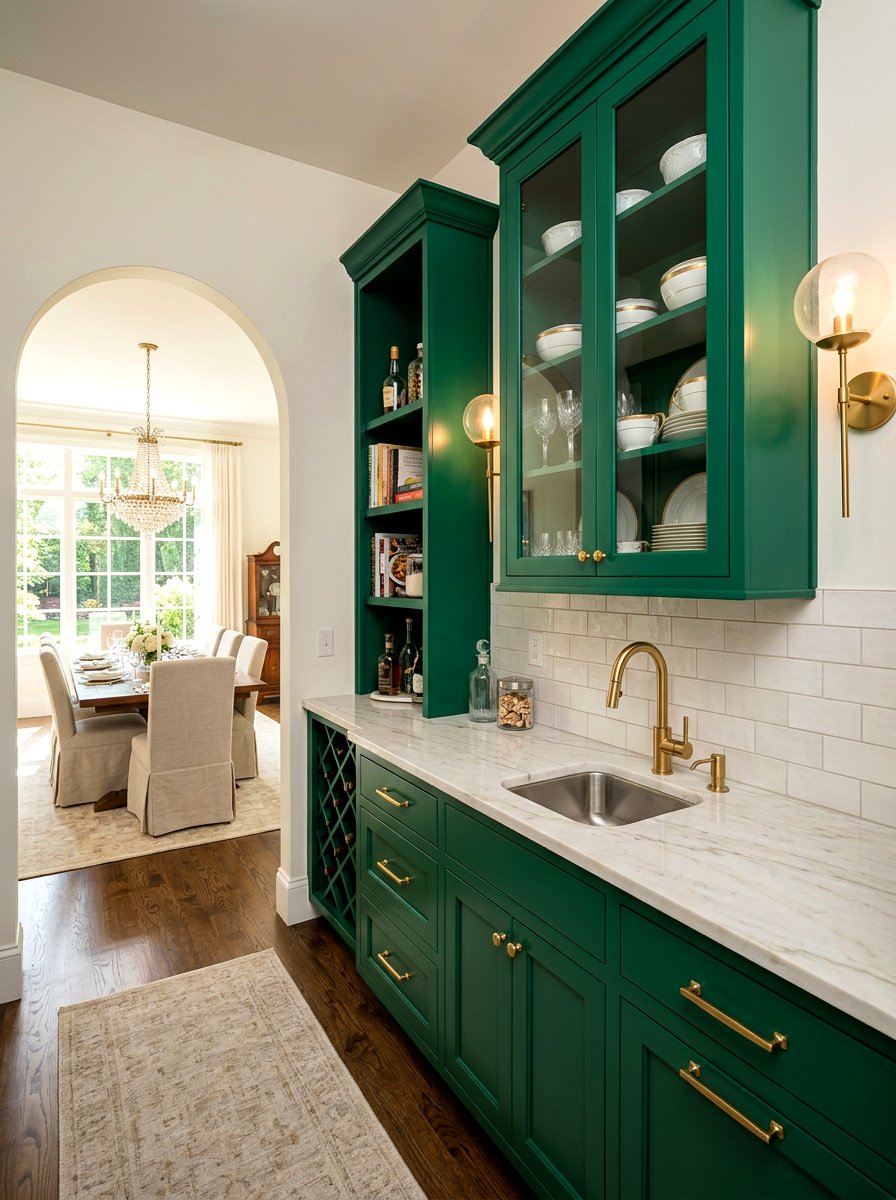
The butler pantry sink area serves as a stylish transition between the kitchen and the dining room, offering a specialized zone for drink service and cleanup. This space typically features elegant cabinetry and high quality fixtures that complement the home’s overall decor. Having a dedicated sink in this area is incredibly practical for rinsing glassware or filling water pitchers during a party. It also provides extra storage for fine china and serving platters that are too bulky for standard drawers. The atmosphere is usually more refined, often incorporating glass front cabinets to display beautiful sets of dishes while keeping the functional mess hidden away from the main kitchen island.
5. Open Shelf Larder
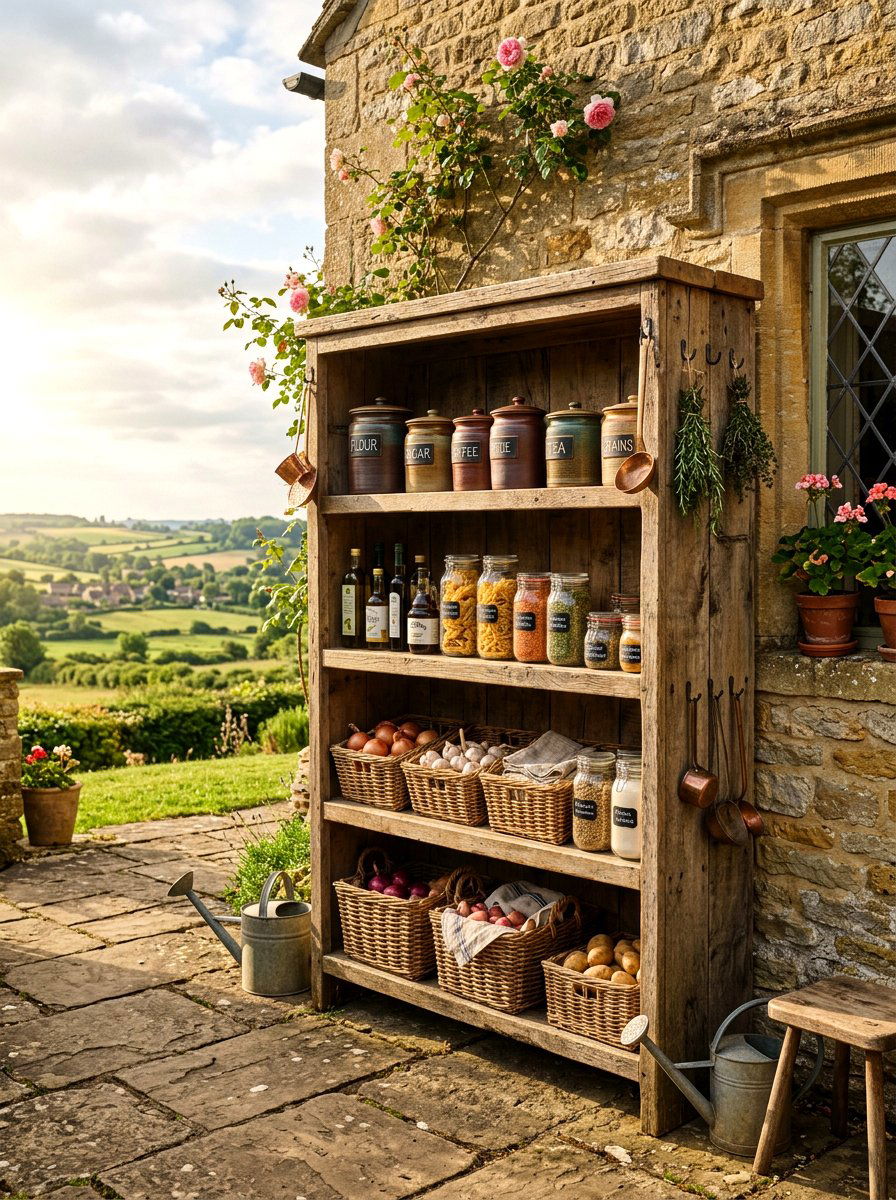
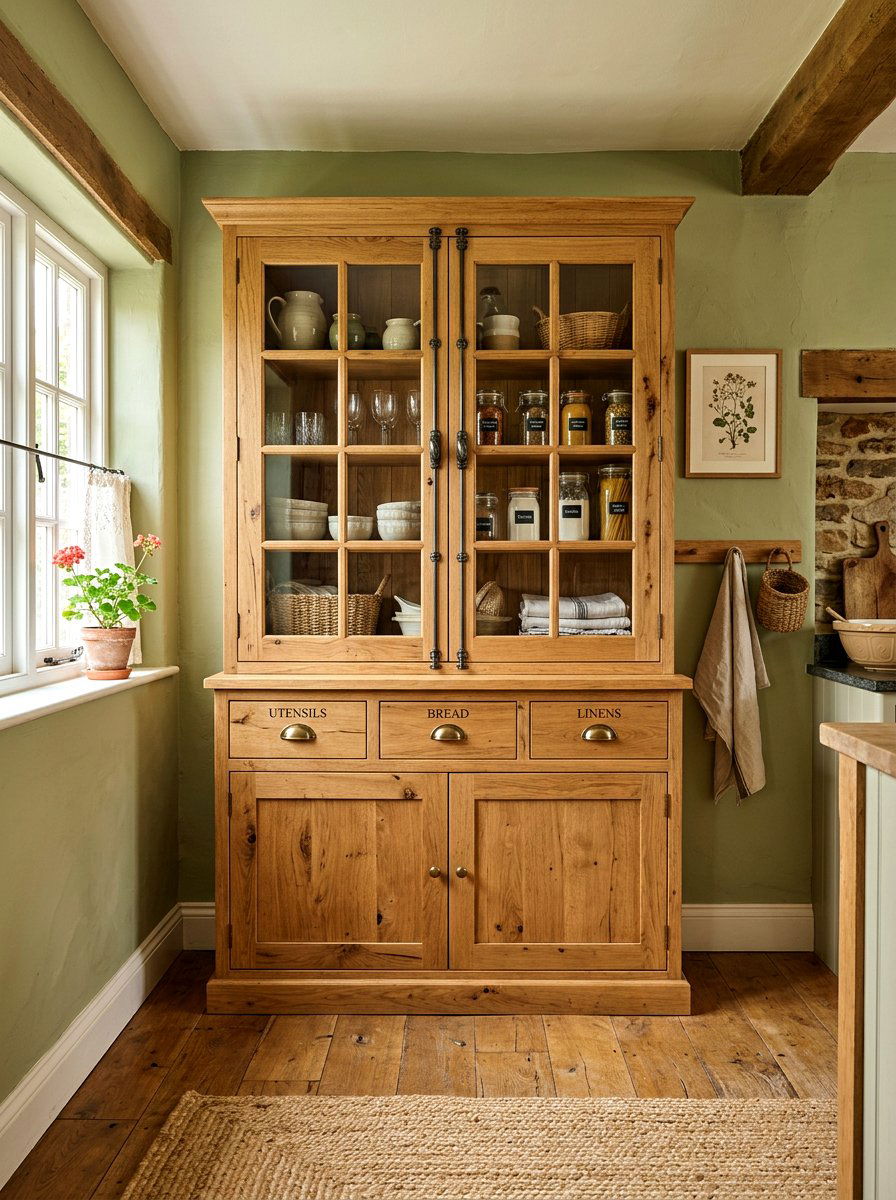
An open shelf larder offers a charming and rustic approach to organizing your culinary essentials in a secondary workspace. This design emphasizes accessibility, using sturdy wooden or metal shelves to hold everything from baskets of produce to large ceramic canisters. Because everything is out in the open, it encourages a more organized way of living where items are returned to their designated spots. The aesthetic is often reminiscent of old world European kitchens, bringing a sense of warmth and history into a modern home. This type of messy kitchen works best when paired with natural light and neutral tones to ensure the open storage looks intentional rather than cluttered.
6. Appliance Garage Cabinet
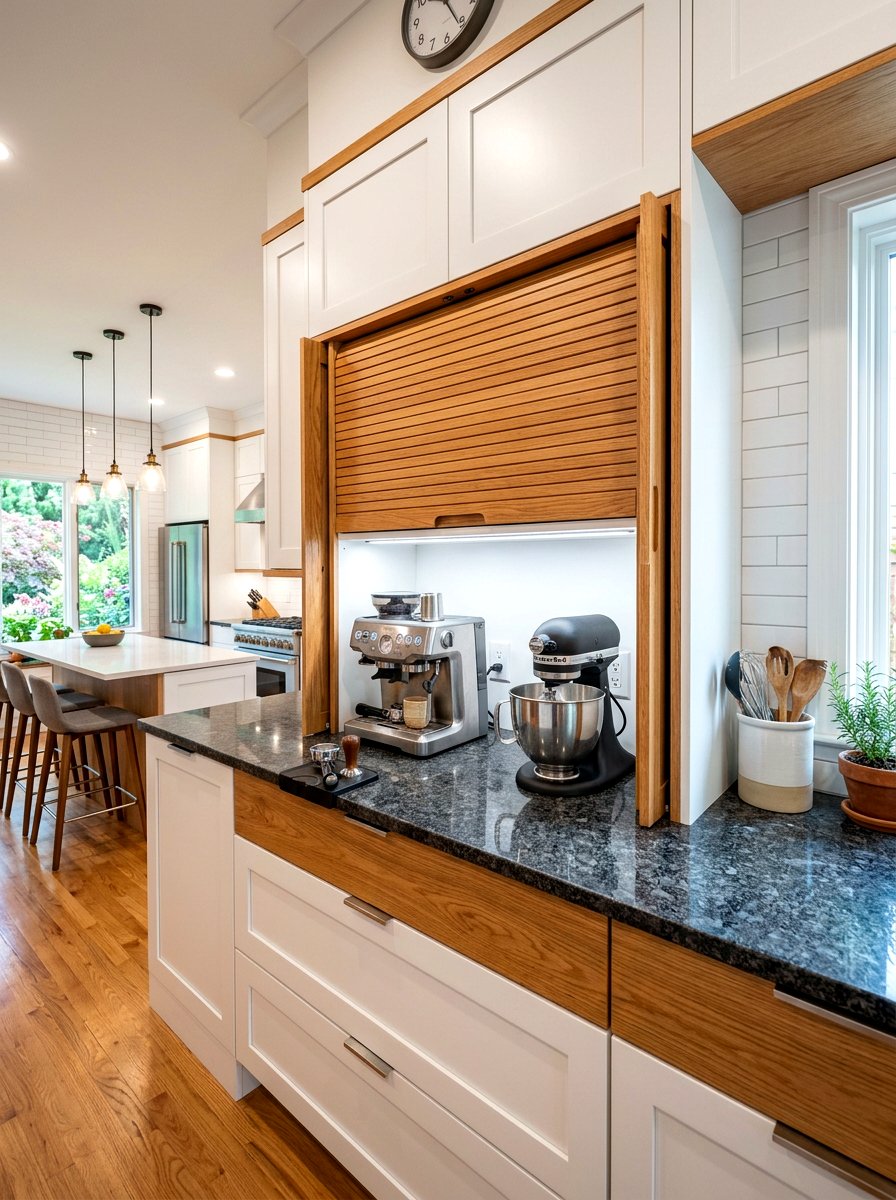
Creating a large appliance garage cabinet is a brilliant way to house all your small electronics in one central, easy to access location. Instead of having the coffee maker, air fryer, and stand mixer taking up valuable real estate on your main counters, they are neatly tucked behind retractable doors. This design usually includes built in power outlets, allowing you to use the appliances right where they sit. It functions as a mini workstation that can be quickly closed off to hide the mess of crumbs and cords. The focus is on maintaining a streamlined look while ensuring that your most used tools are always ready for action without any setup.
7. Small Prep Station
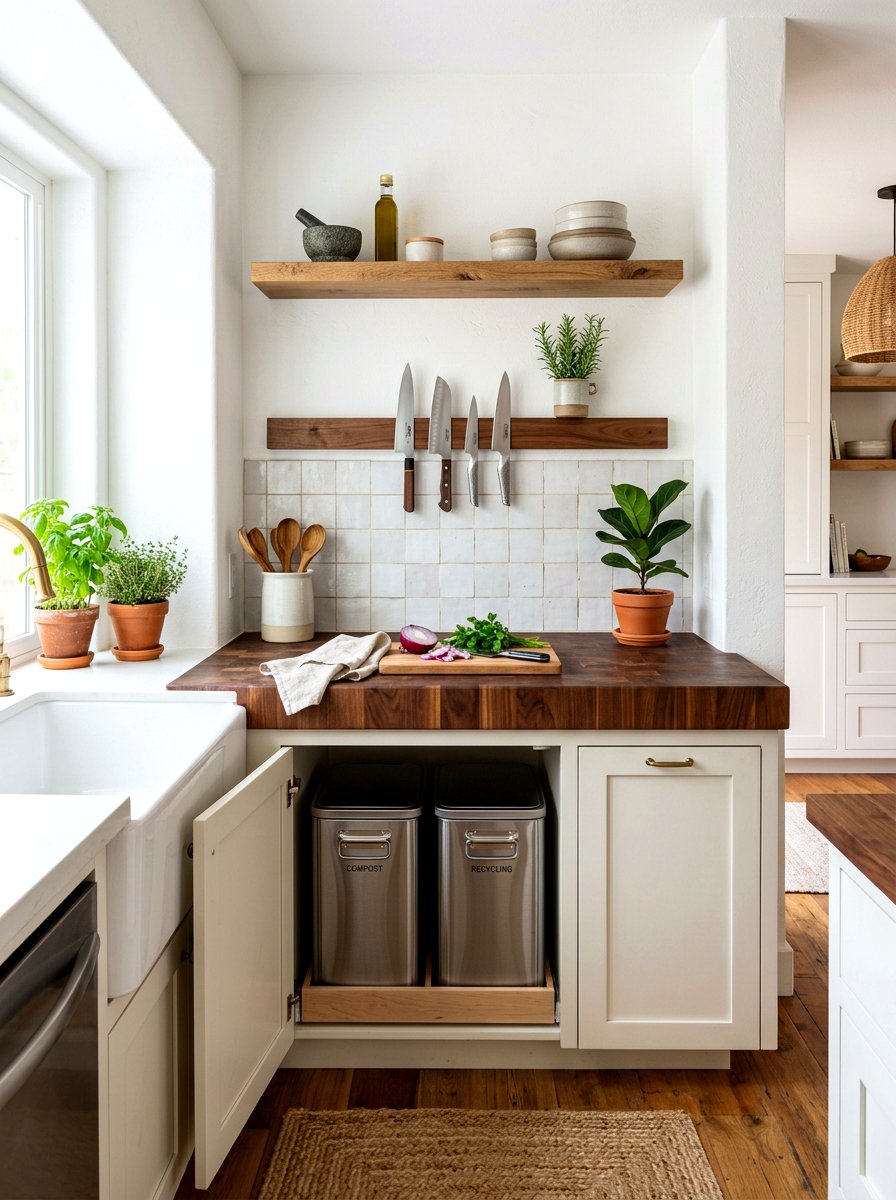
Even in homes with limited square footage, a small prep station can significantly improve how the kitchen functions during busy times. This area is often a compact nook or a converted corner that features a sturdy butcher block surface and integrated waste bins. It provides a specific spot for peeling vegetables or prepping meat, keeping the main island free for serving and casual conversation. By dedicating a small footprint to these messy tasks, you contain the cleanup to one manageable area. Adding a few floating shelves above the station can hold frequently used knives and cutting boards, making the workflow incredibly smooth and efficient for the cook.
8. Kitchen Pocket Doors
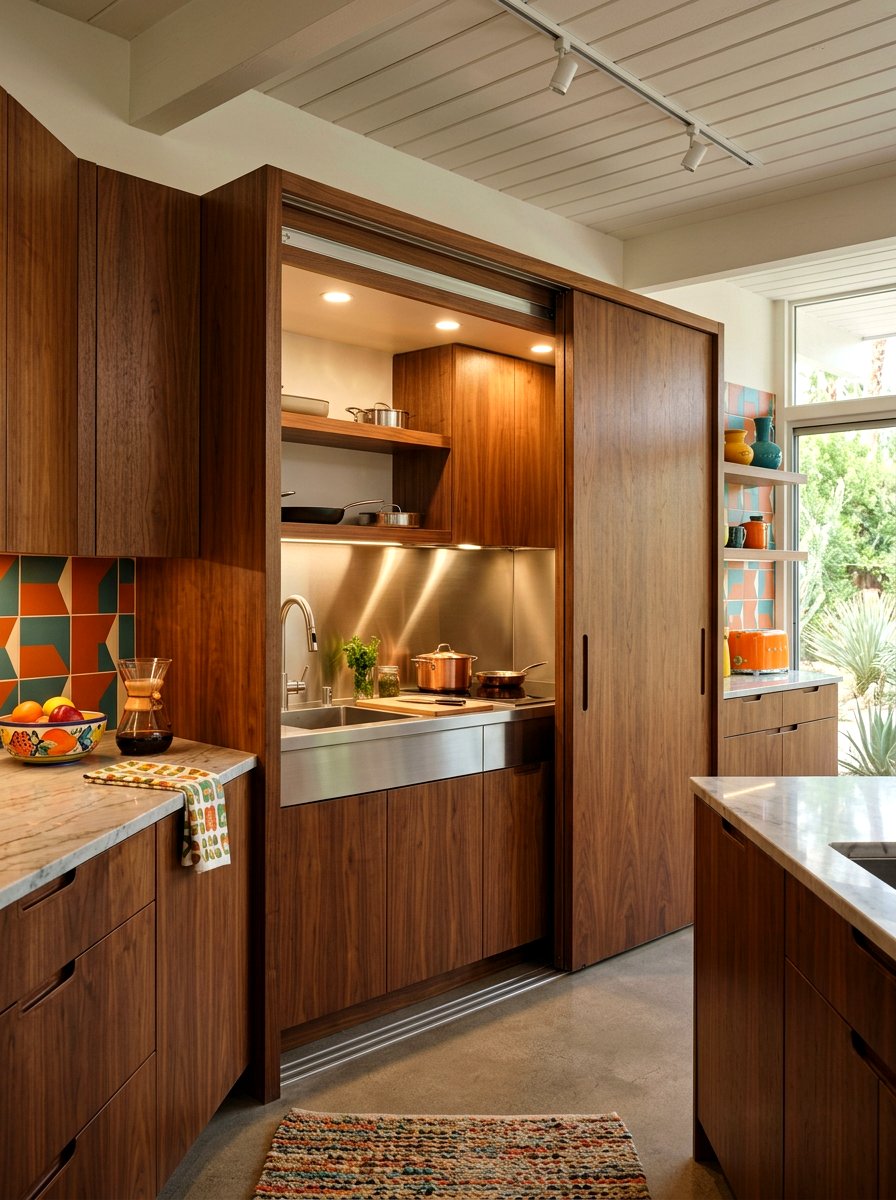
Using kitchen pocket doors is a sophisticated architectural choice that allows you to instantly hide or reveal your messy kitchen area. These doors slide into the wall, saving space and creating a seamless flow between the prep zone and the main living area. When you are in the middle of a cooking marathon, the doors stay open for easy movement; once the meal is served, they slide shut to conceal the aftermath. This design is particularly popular in open concept homes where the kitchen is visible from the sofa. It provides the flexibility to have a working kitchen that can be transformed into a polished showroom in just seconds.
9. Double Oven Room
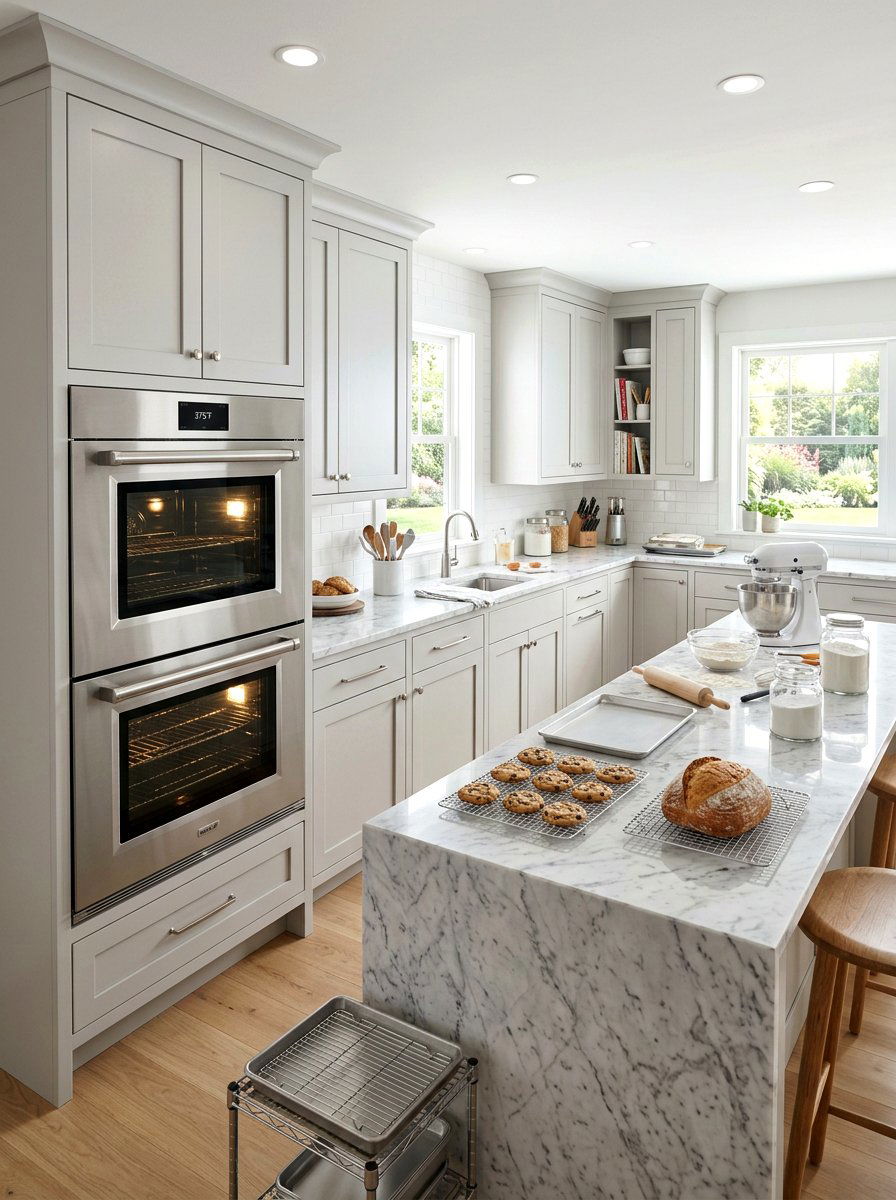
A dedicated double oven room is a dream for bakers and those who regularly prepare multi course meals for large groups. This specialized space separates the heat and intensity of the ovens from the main kitchen, keeping the social area cooler and more comfortable. The room is designed around high performance wall ovens and often includes extra counter space for cooling racks and large baking sheets. It provides a quiet environment where delicate soufflés or complex roasts can be monitored without the distractions of a busy household. Having this secondary cooking zone ensures that the main kitchen remains a place for light tasks and gathering with family.
10. Coffee Station Nook
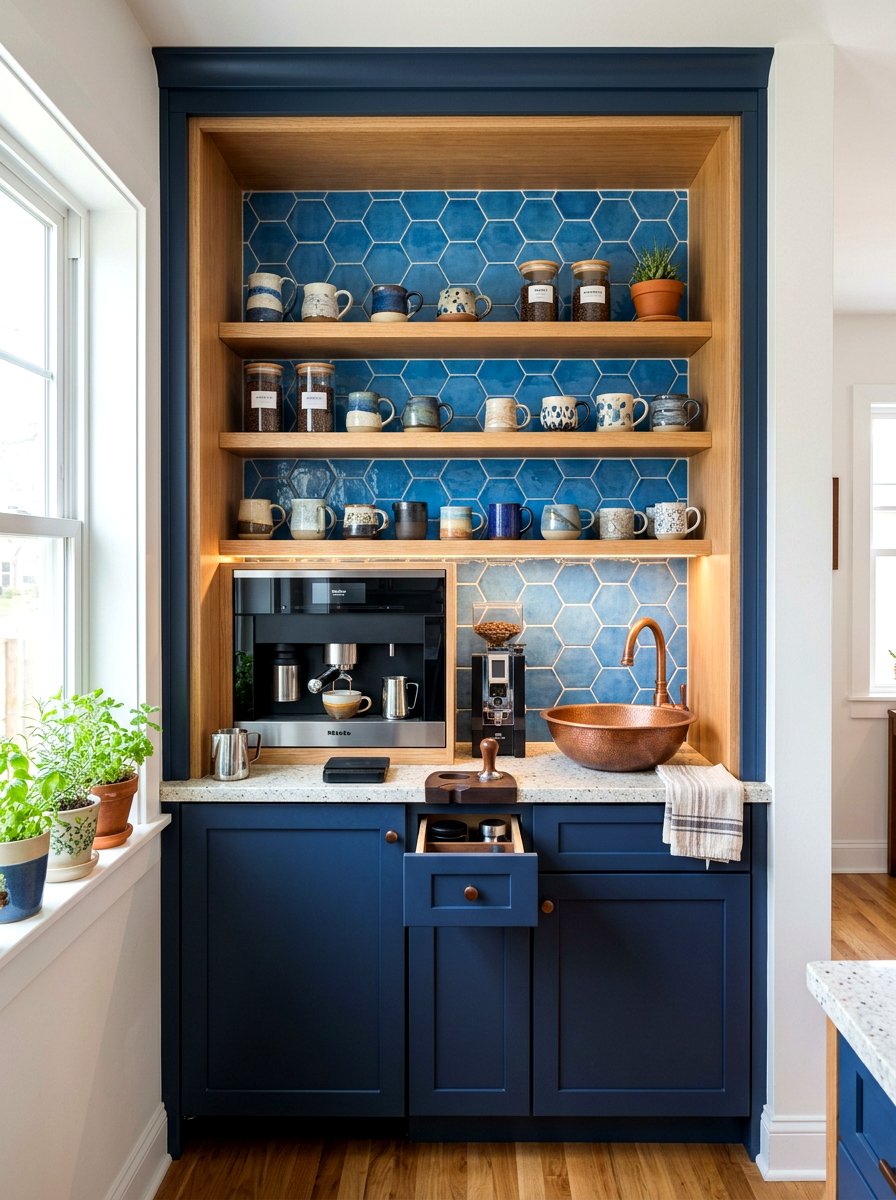
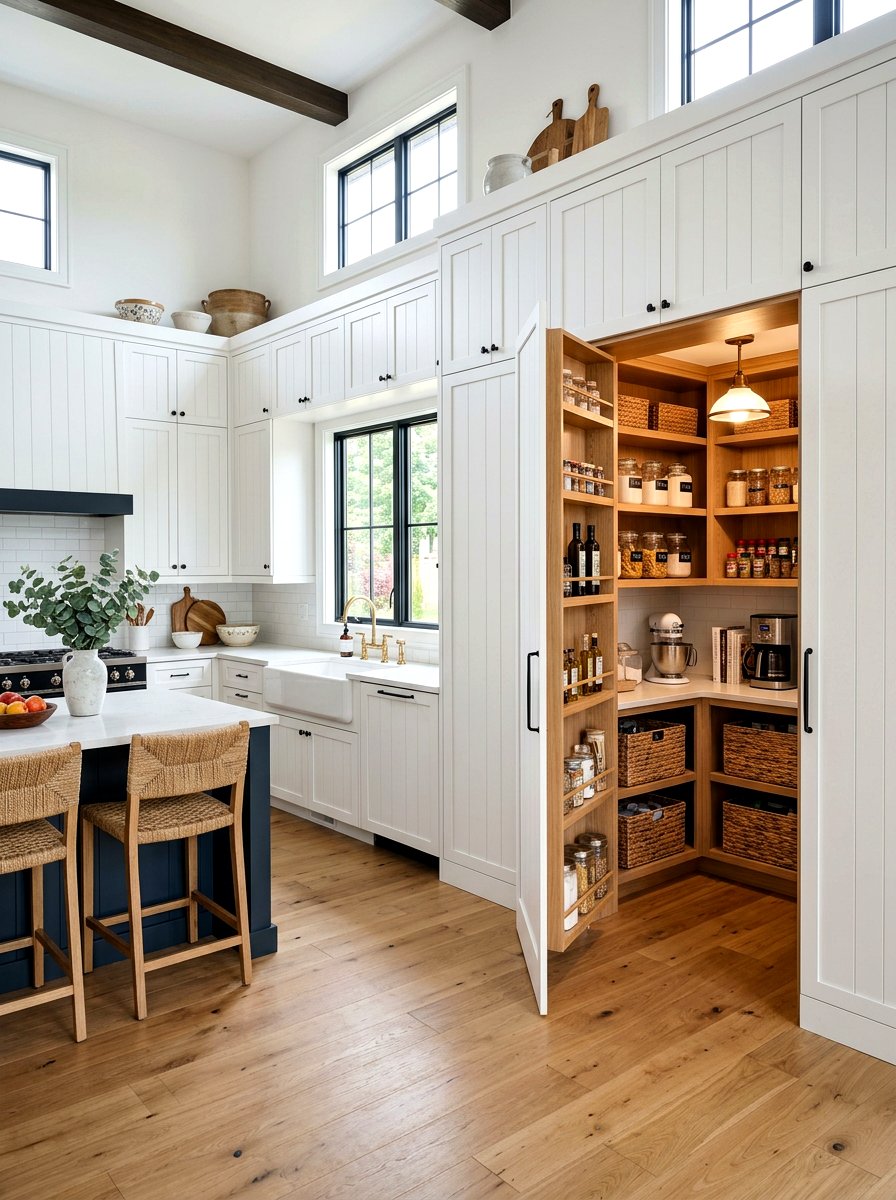
Designing a coffee station nook creates a specialized morning ritual zone that keeps the primary kitchen free from the clutter of mugs and grounds. This area often features a built in espresso machine, a small sink for easy filling, and drawers specifically sized for pods or beans. It acts as a miniature cafe within your home, providing a beautiful and functional space to start your day. The design can be personalized with unique backsplashes or custom lighting to make it a standout feature of the messy kitchen. By moving the coffee routine to its own dedicated spot, you eliminate one of the most common sources of daily counter mess.
11. Baking Center Layout
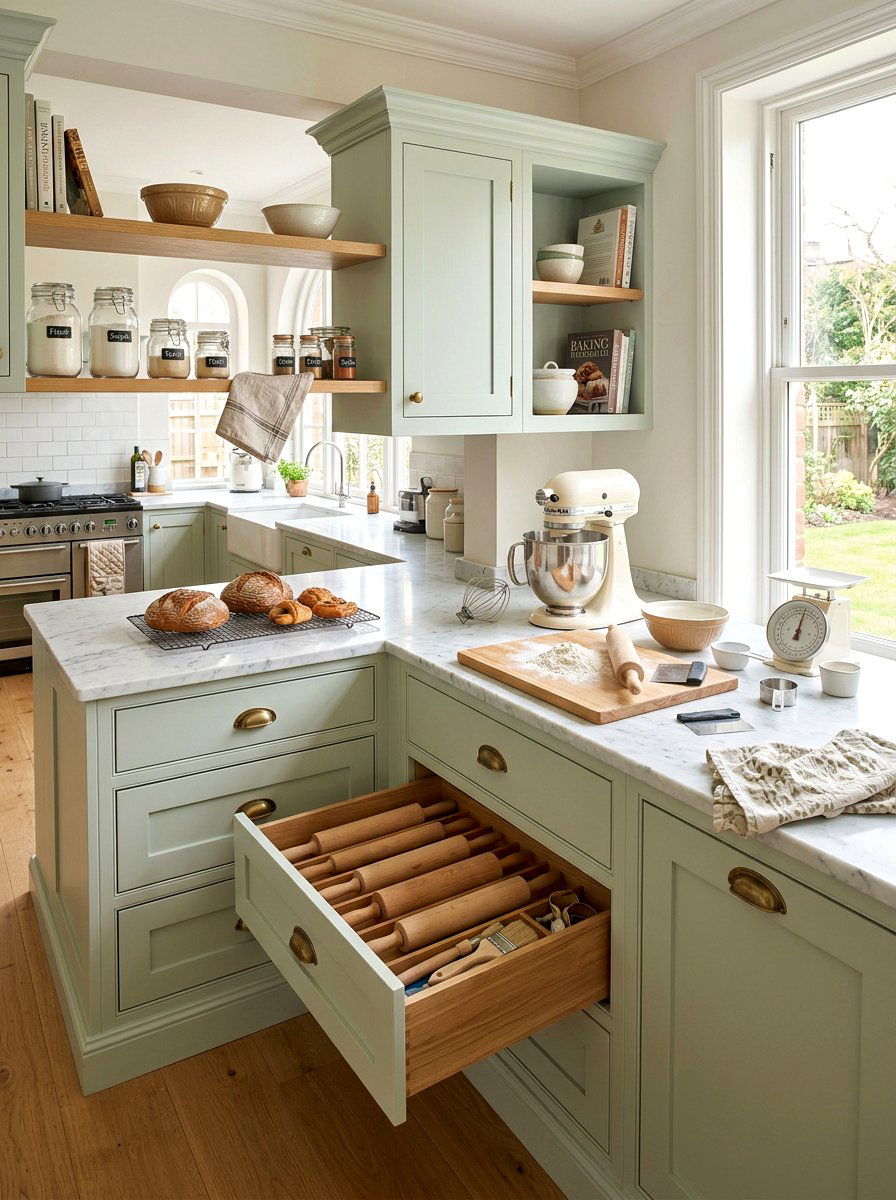
A specialized baking center layout is designed to handle the floury mess and numerous tools required for making bread and pastries. This area typically features a lower countertop height, which makes it much easier to roll out dough or use a heavy stand mixer. Deep drawers provide ample storage for rolling pins, cookie cutters, and various types of flour, keeping everything organized and within reach. The surfaces are usually made of cool materials like marble or stainless steel, which are ideal for working with delicate pastry crusts. By containing the baking process to one specific zone, you prevent flour dust from settling over the rest of your clean kitchen.
12. Utility Room Sink
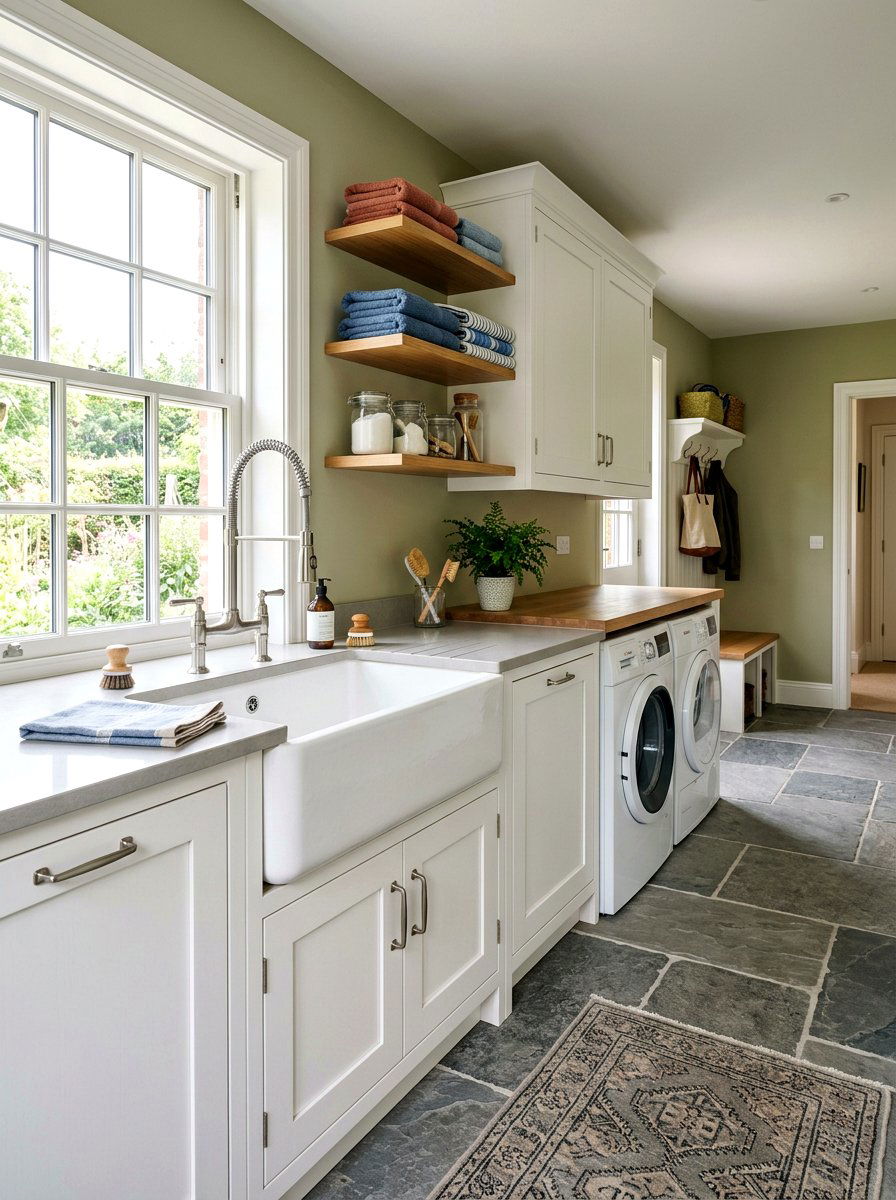
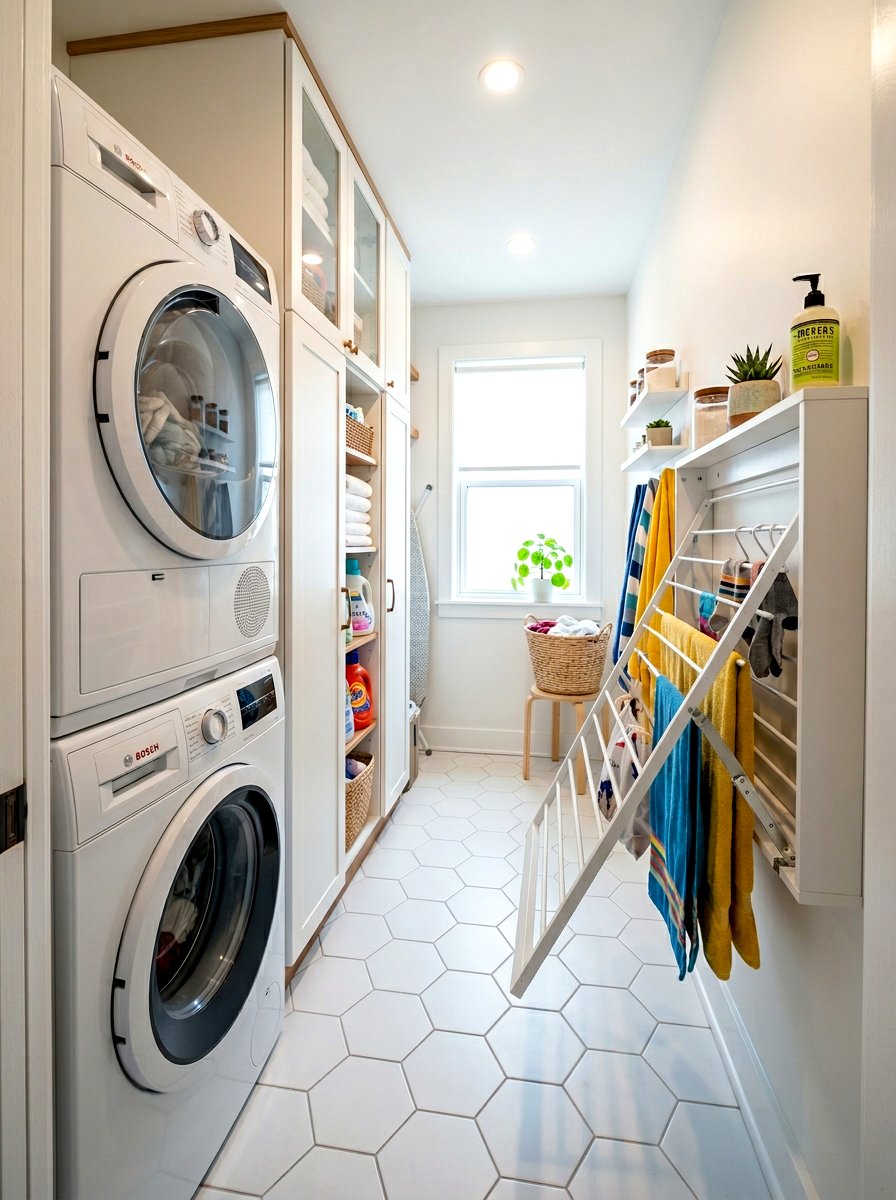
Incorporating a utility room sink into your back kitchen design adds a layer of versatility that handles the dirtiest household tasks with ease. This oversized, deep basin is perfect for soaking large roasting pans, cleaning garden vegetables, or even washing out muddy boots. The design often includes durable flooring like tile or stone that can handle water splashes and heavy foot traffic. It functions as a bridge between the kitchen and the laundry area, making it a true workhorse of the home. By having a high capacity sink tucked away, you can keep your main kitchen sink free for hand washing and light rinsing during meal times.
13. Floor To Ceiling Cabinetry
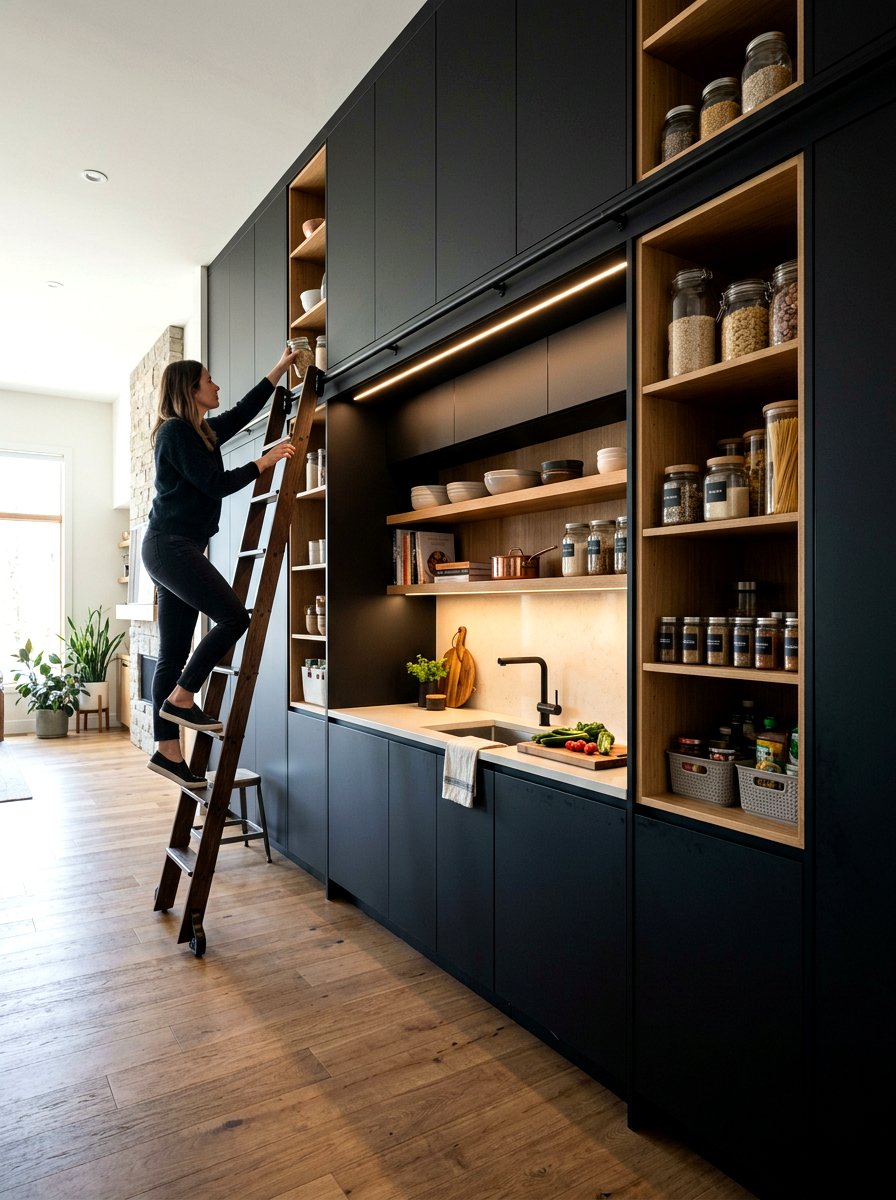
Maximized storage is the hallmark of a well designed messy kitchen, and floor to ceiling cabinetry is the best way to achieve this. This approach uses every inch of vertical space to hide away bulk groceries, seasonal dishware, and those large appliances used only a few times a year. The seamless look of full height cabinets creates a clean and organized atmosphere, even if the shelves inside are packed with supplies. Using a library ladder can add a touch of style and functionality, allowing you to reach the very top shelves with ease. This design ensures that nothing is left sitting on the floor or cluttering up the primary kitchen surfaces.
14. Second Dishwasher Space
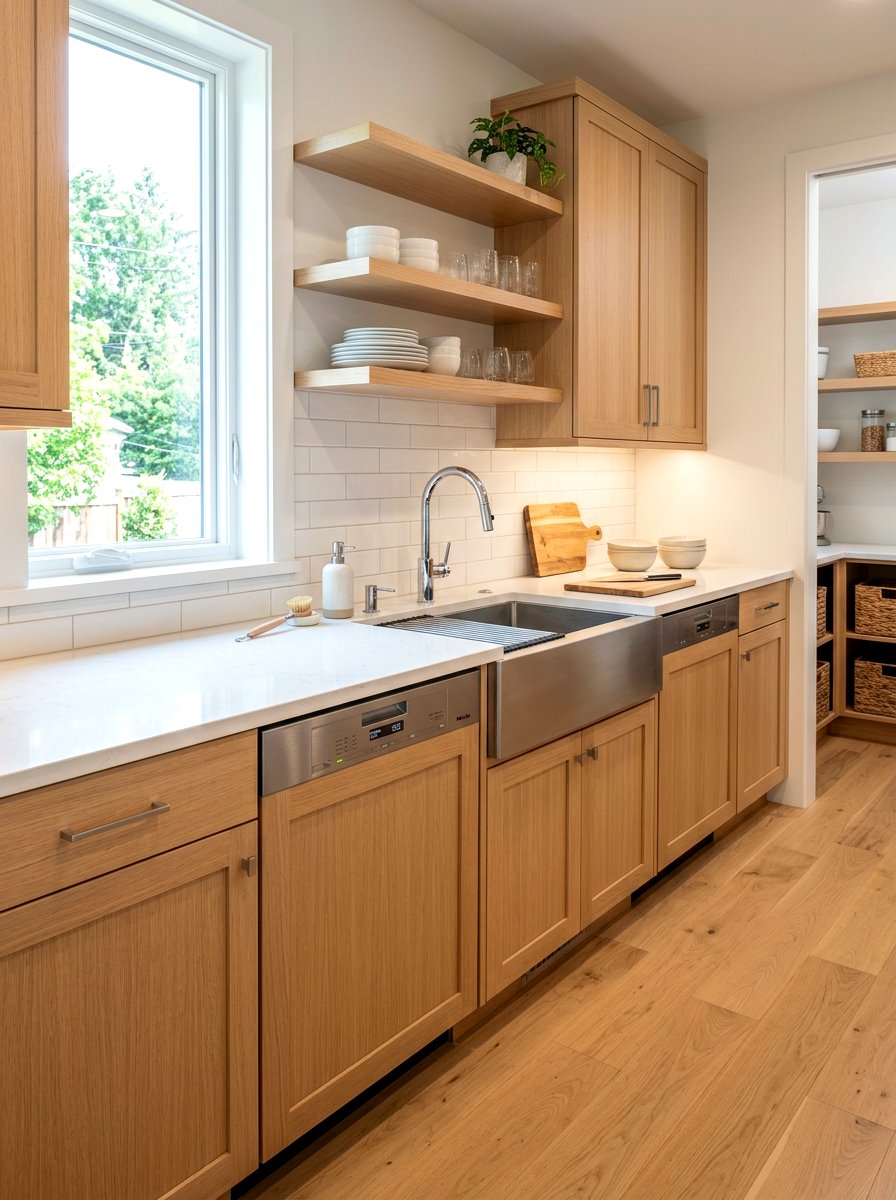
Installing a second dishwasher space in your prep area is a total game changer for families who do a lot of cooking and entertaining. This design allows you to run multiple loads at once, which is incredibly helpful after a holiday feast or a large dinner party. One dishwasher can be dedicated to everyday plates and cutlery, while the secondary one handles the greasy pots and pans in the back room. This setup keeps the main kitchen quiet and free of dirty dishes that would otherwise pile up in the sink. It is a practical luxury that significantly reduces the time spent on cleanup and helps maintain a tidy home.
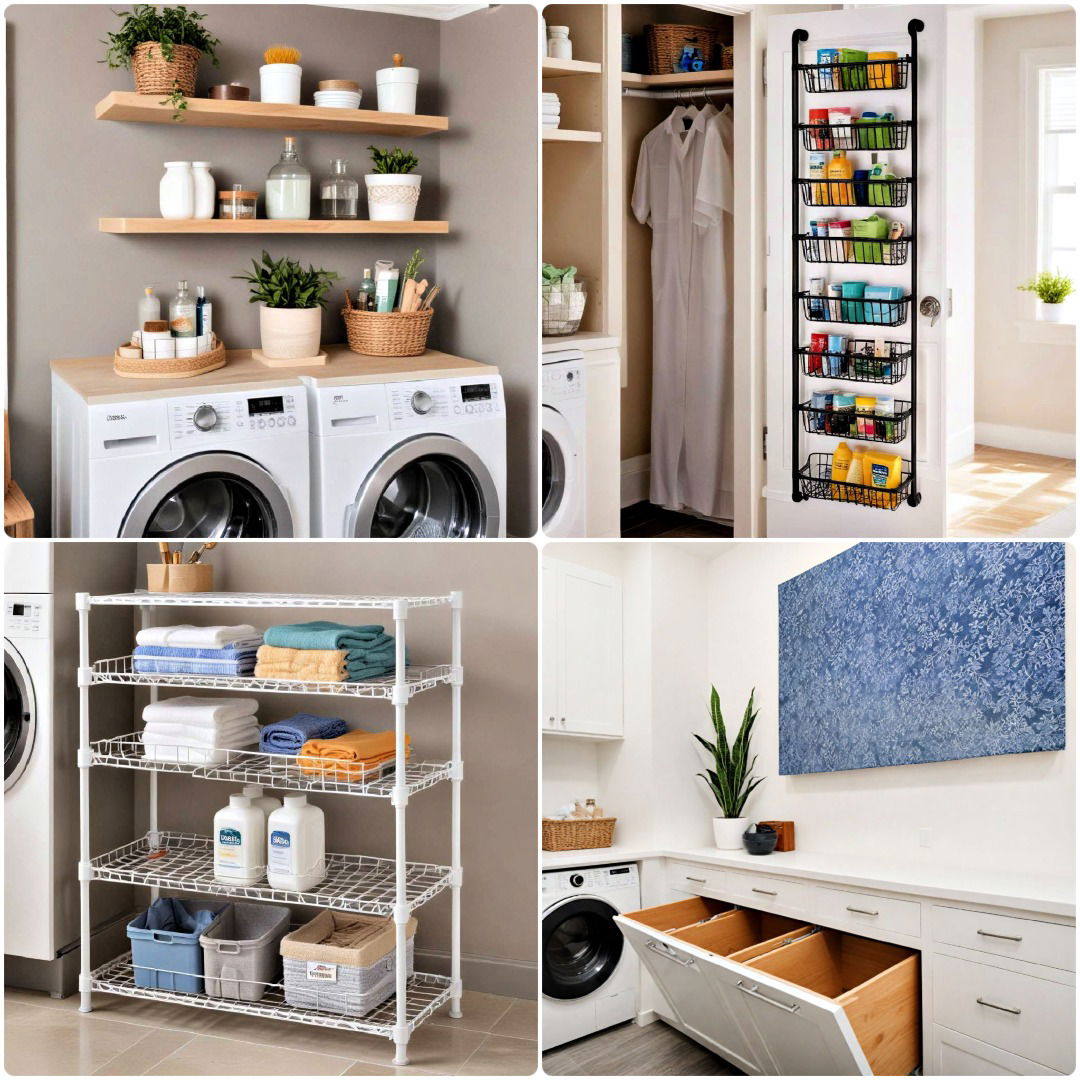
15. Rustic Pantry Room
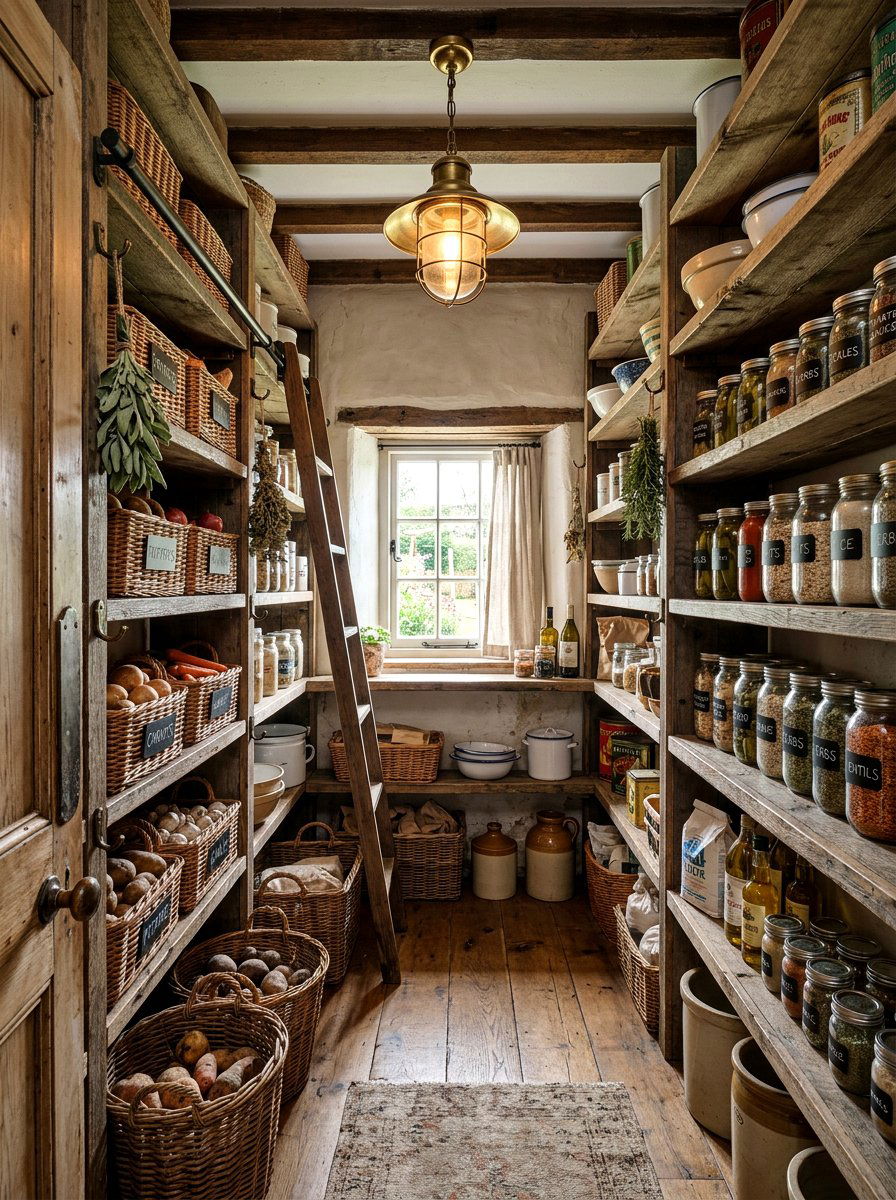
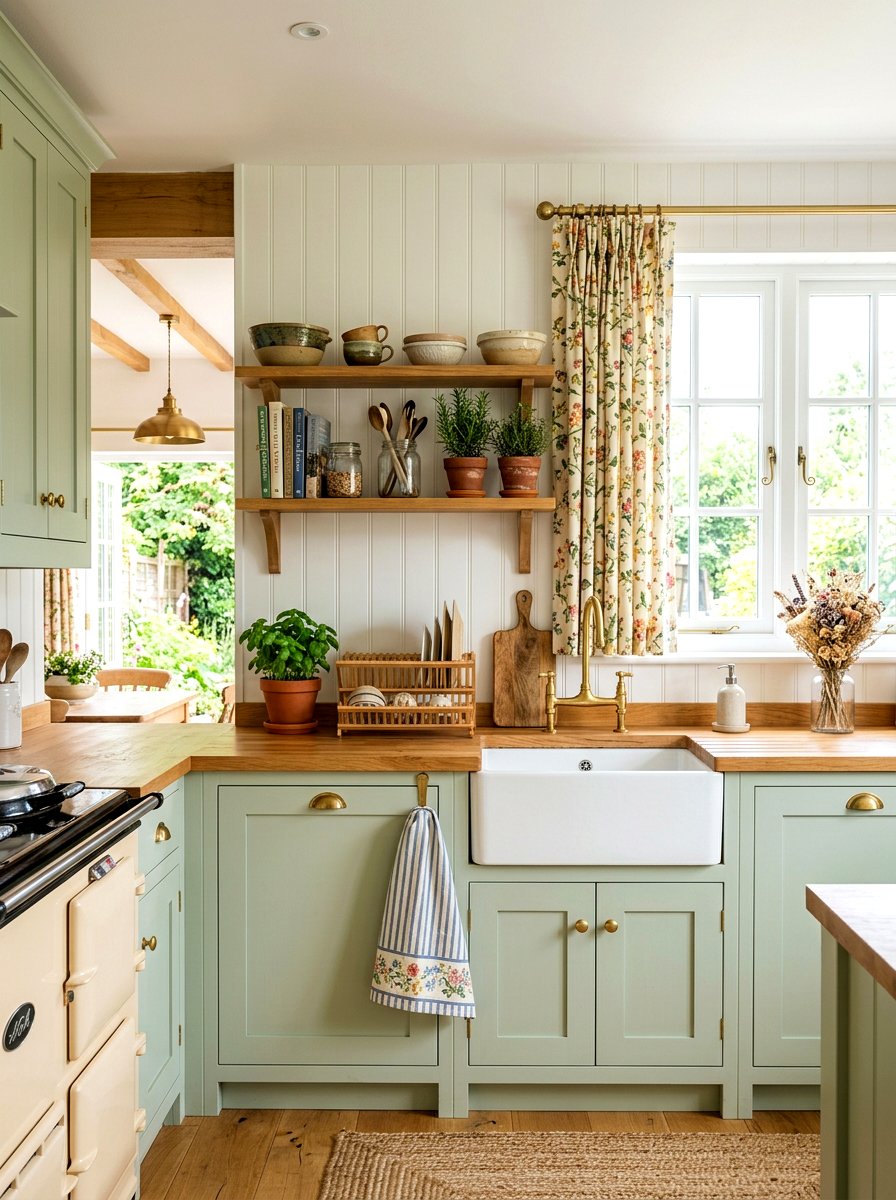
A rustic pantry room brings a cozy and traditional feel to the concept of a messy kitchen, using natural materials to create a warm environment. Think of reclaimed wood shelving, vintage style hardware, and woven baskets that provide a textured and organic look. This design often avoids sleek modern finishes in favor of a lived in aesthetic that feels both functional and inviting. It is the perfect place to store homemade preserves, large sacks of grain, and antique kitchen tools that tell a story. The rustic charm makes the chore of food prep feel more like a labor of love, providing a beautiful backdrop for everyday household tasks.
16. Modern Scullery Design
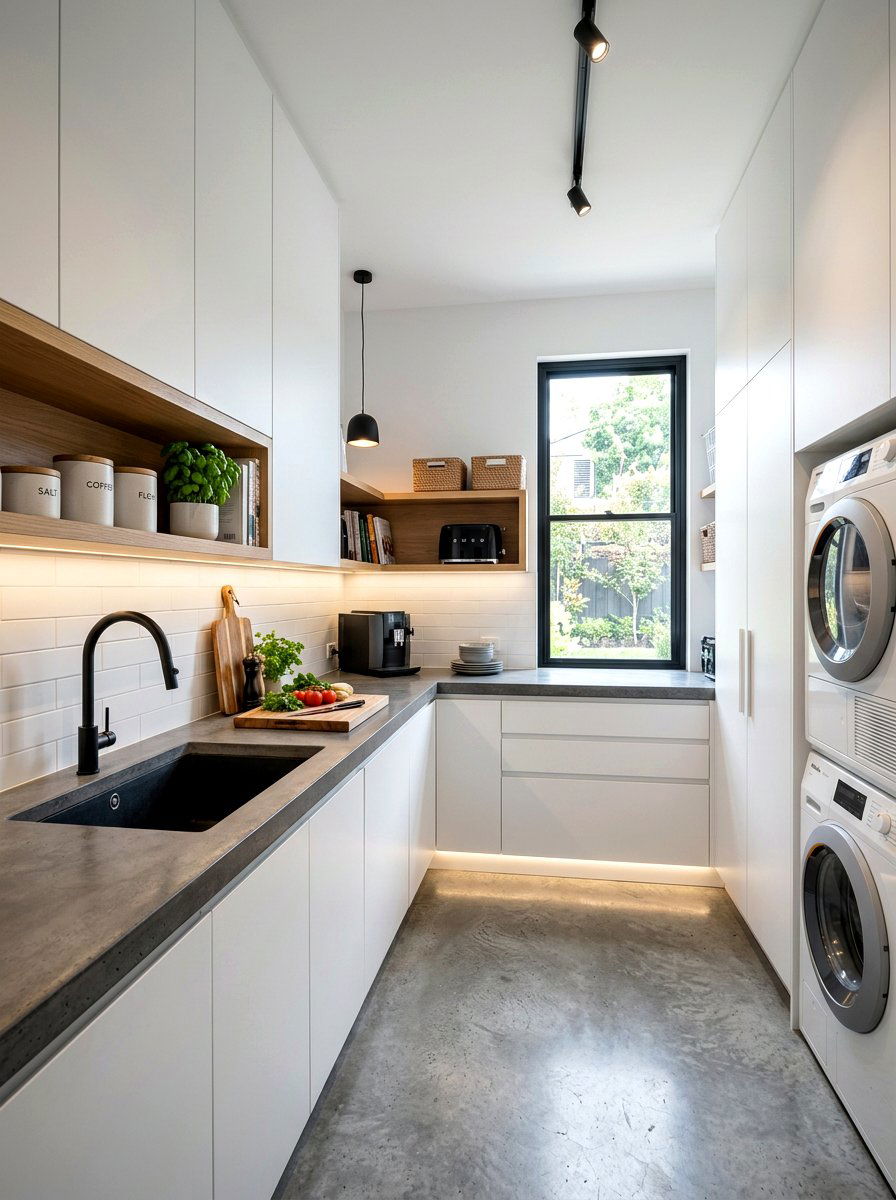
For those who prefer a minimalist aesthetic, a modern scullery design offers a clean and sophisticated way to manage kitchen overflow. This space focuses on sharp lines, handleless cabinetry, and a monochrome color palette that exudes a high end feel. Integrated lighting under the shelves and along the kickplates ensures the workspace is perfectly illuminated for detailed prep work. Every element is chosen for its efficiency and visual simplicity, creating a space that looks as good as it functions. This type of messy kitchen is often an extension of a contemporary home, mirroring the sleek architecture while providing a hidden zone for the reality of cooking.
17. Corner Pantry Storage
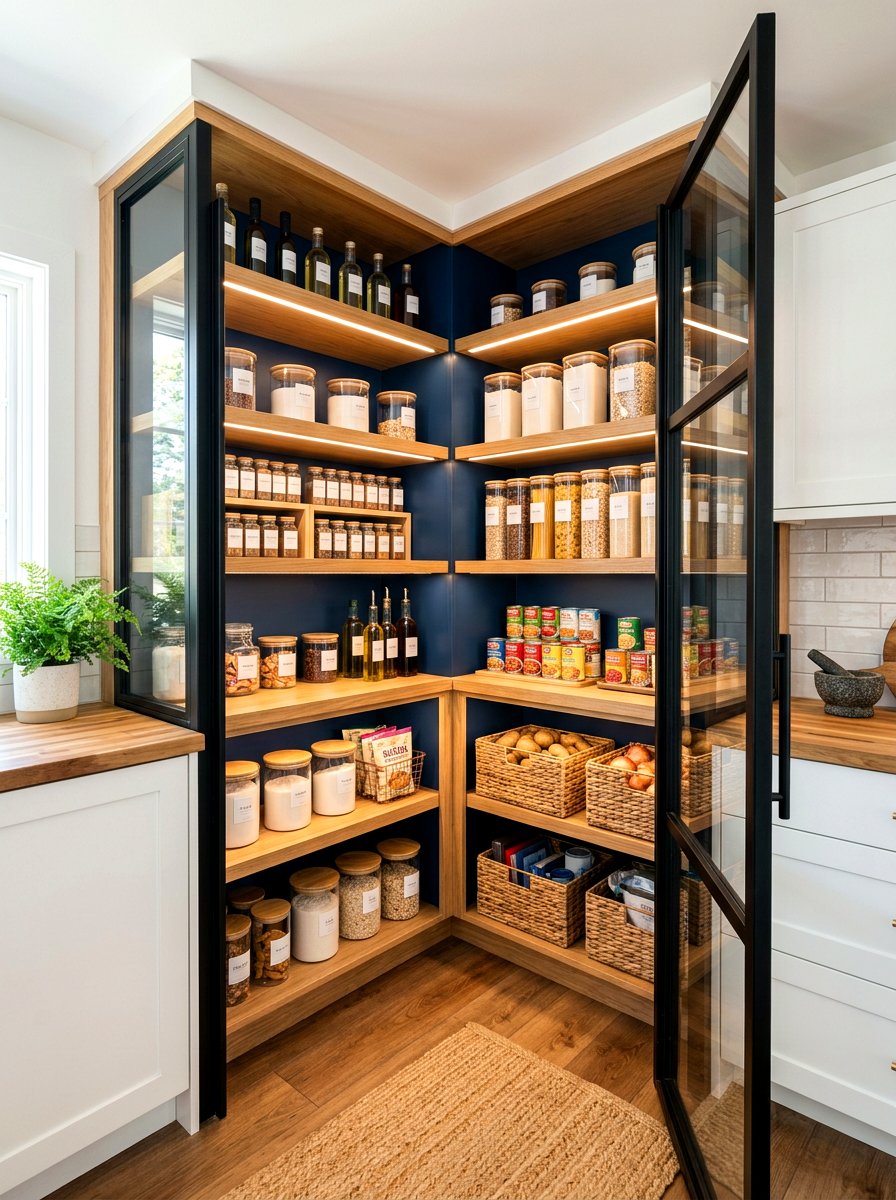
Utilizing often wasted space, a corner pantry storage solution provides a surprising amount of room for dry goods and small appliances in a compact footprint. This design typically uses L shaped shelving or rotating carousels to ensure that every item remains accessible without having to dig through the back. It is a great way to add "messy kitchen" functionality to a standard floor plan without needing a separate room. By placing the pantry in a corner, you create a natural flow that keeps the main walkways clear. Adding a glass door can make the space feel more open, while a solid door keeps the storage completely hidden from view.
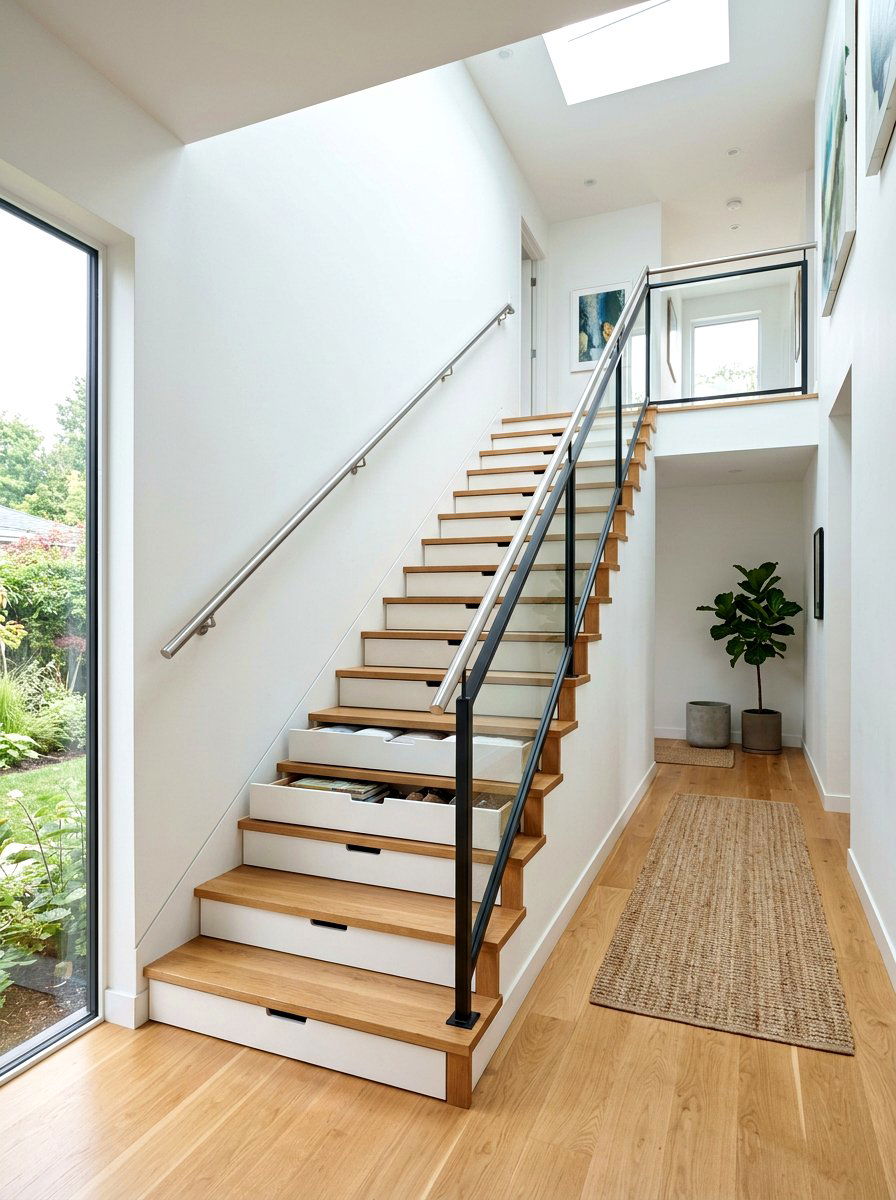
18. Under Stairs Kitchen
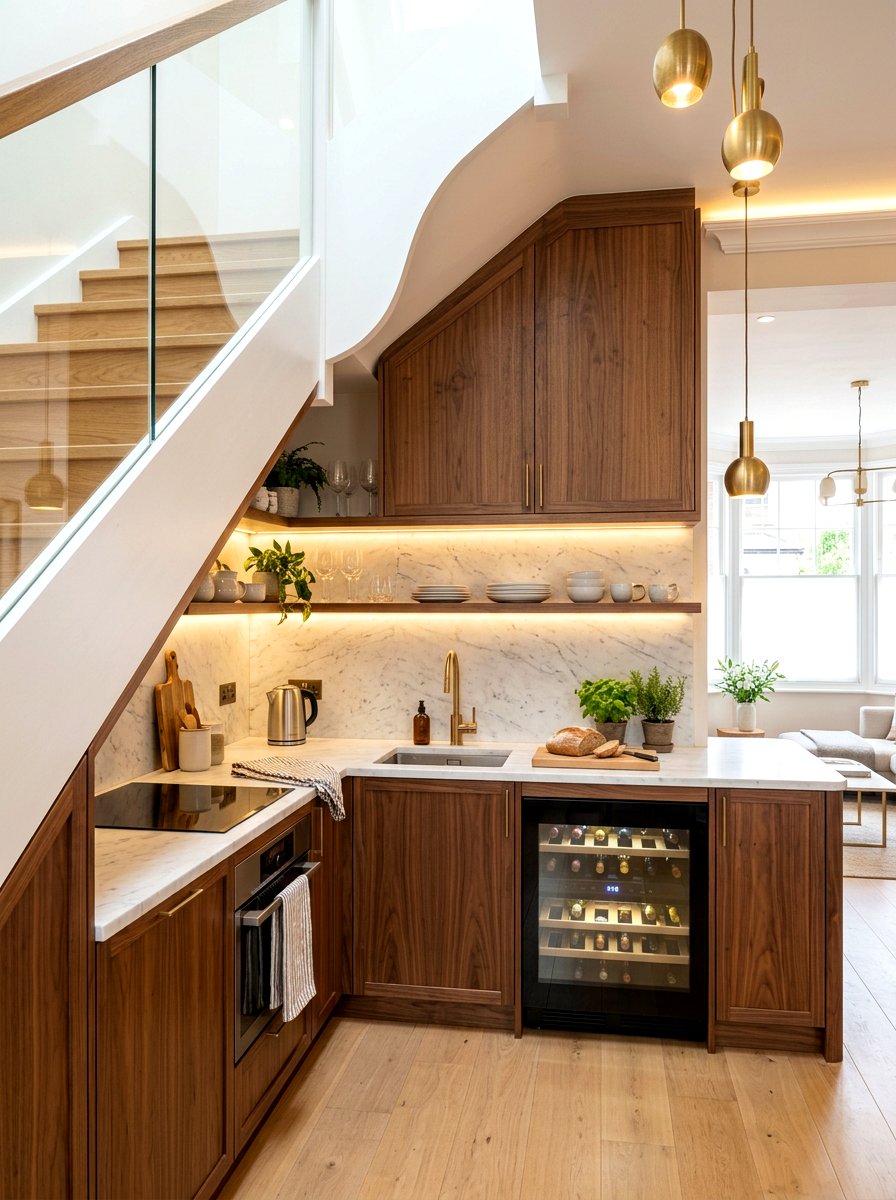
An under stairs kitchen is an ingenious use of architectural space, transforming a neglected area into a highly functional prep zone or coffee bar. This design requires careful planning to fit cabinetry and appliances into the angled dimensions of the staircase. It is a fantastic solution for urban homes or smaller layouts where a separate room isn't an option. Despite the unusual shape, it can be outfitted with high quality finishes and lighting to make it a beautiful feature. This hidden nook can house a wine fridge, a microwave, or extra shelving, acting as a secondary hub that keeps the main kitchen area much less crowded.
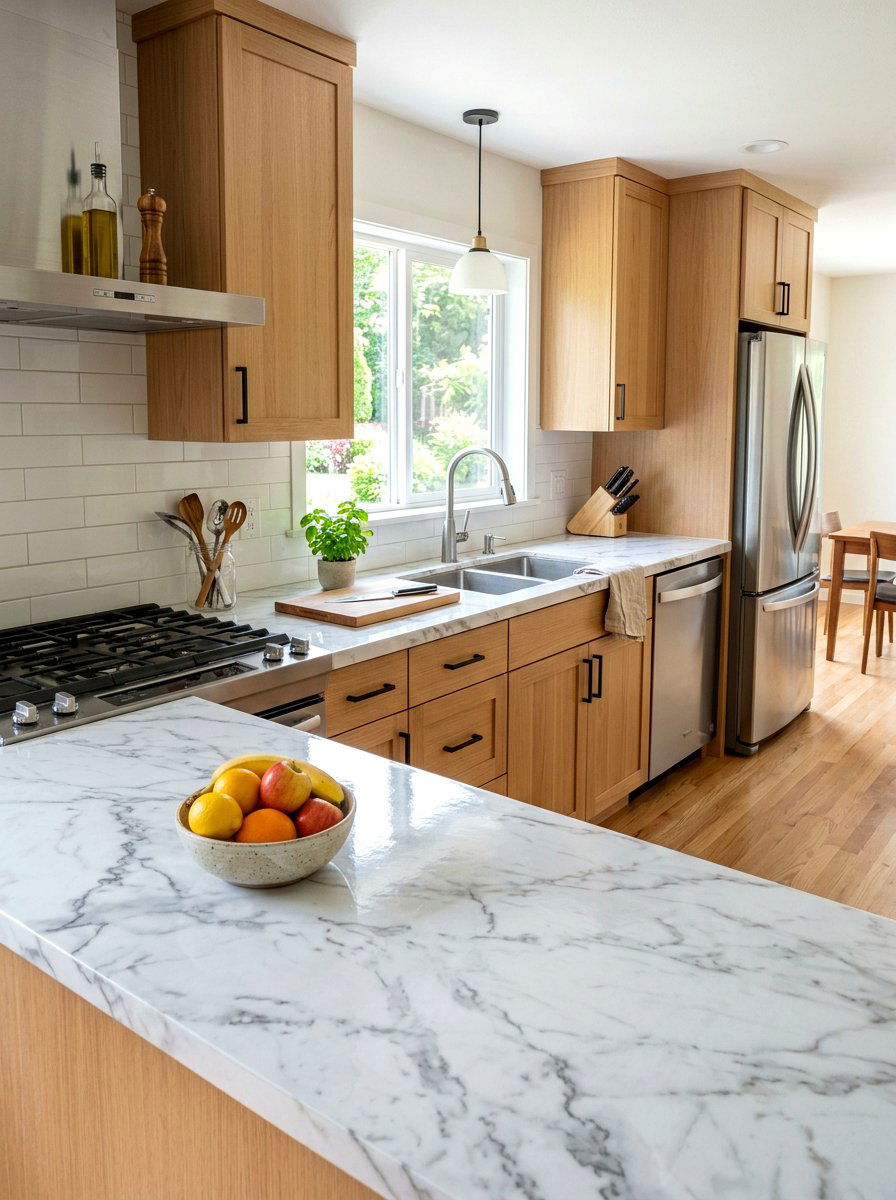
19. Marble Countertop Scullery
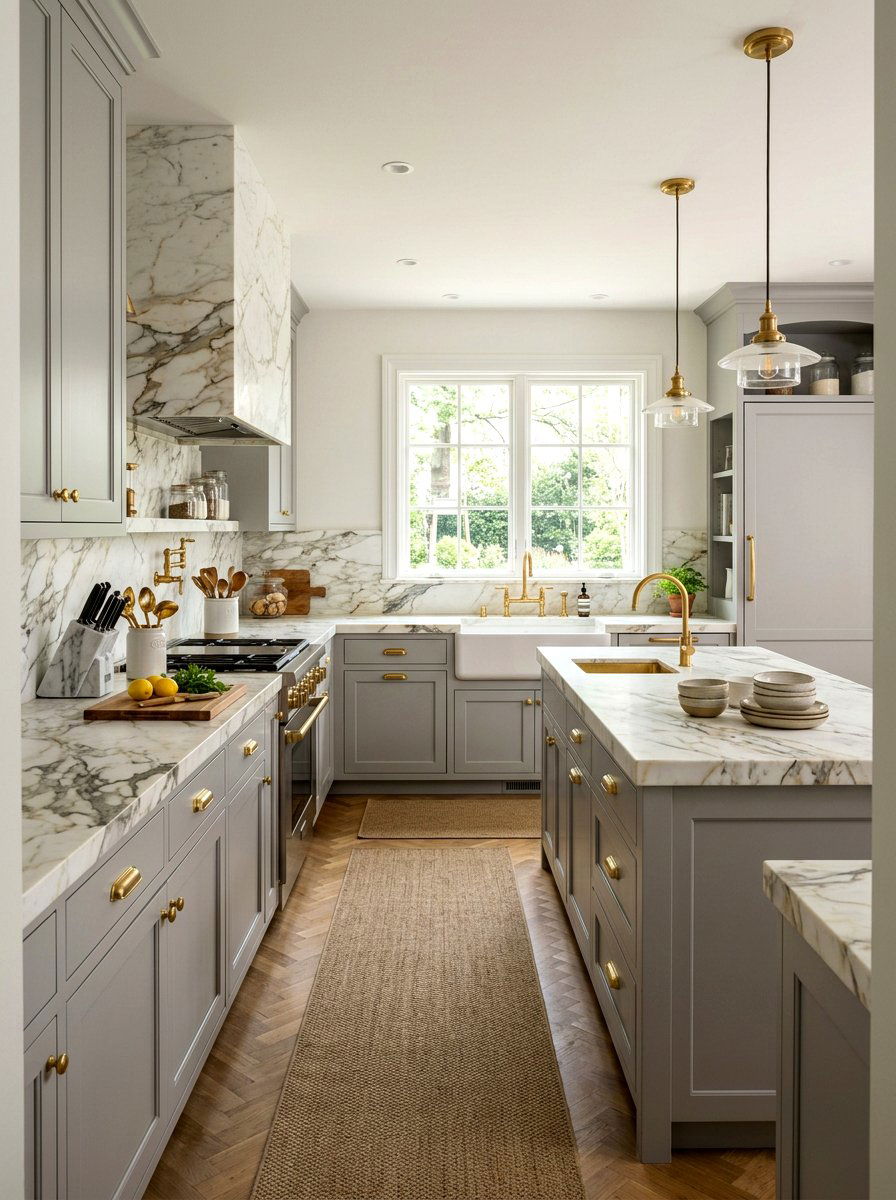
A marble countertop scullery combines luxury with practical utility, offering a beautiful and durable surface for intense food preparation. Marble is naturally cool, making it the premier choice for rolling out pastry or working with chocolate in a secondary kitchen. While it requires some maintenance, the patina it develops over time adds character to a hard working space. This design often pairs the stone with soft colored cabinets and brass hardware for a timeless look. Having such a high end material in a back room ensures that your prep area feels just as special as your main kitchen, making the time spent there more enjoyable.
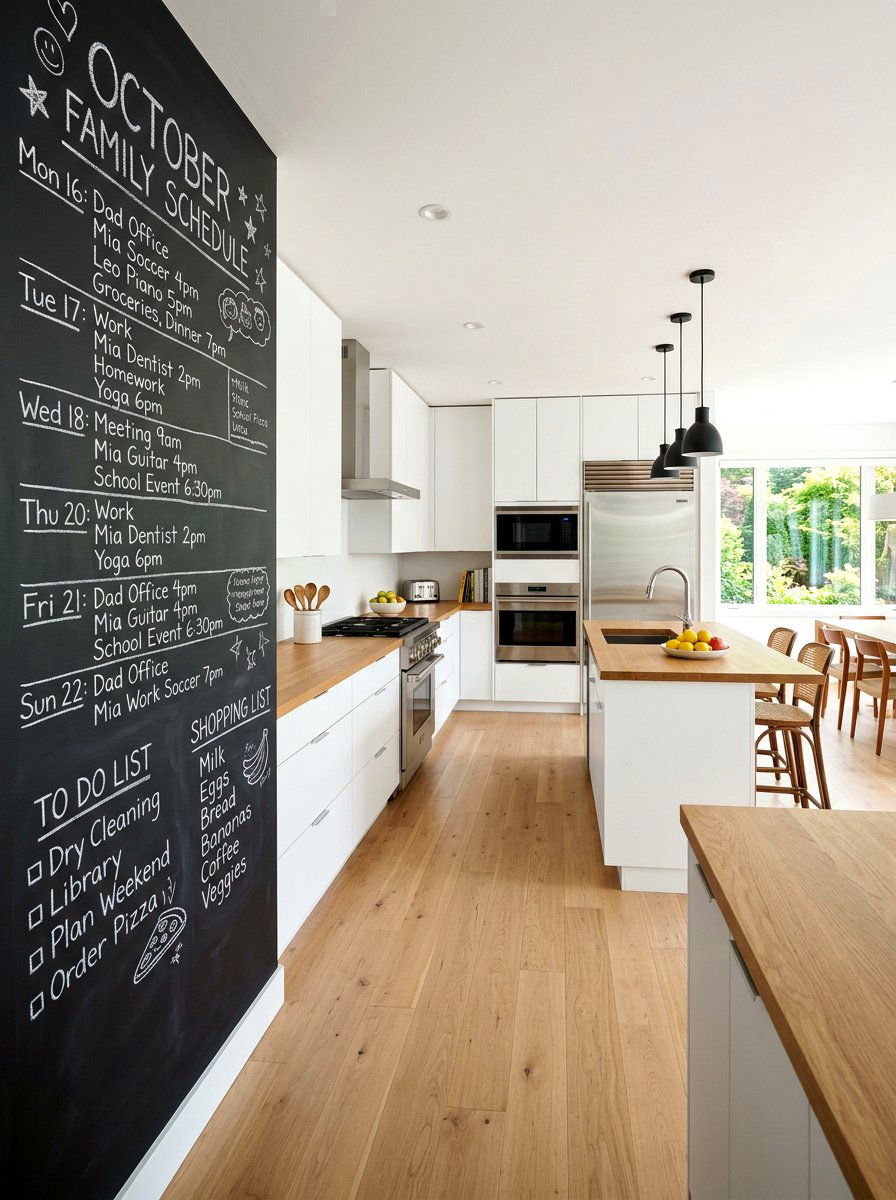
20. Pegboard Wall Organizer
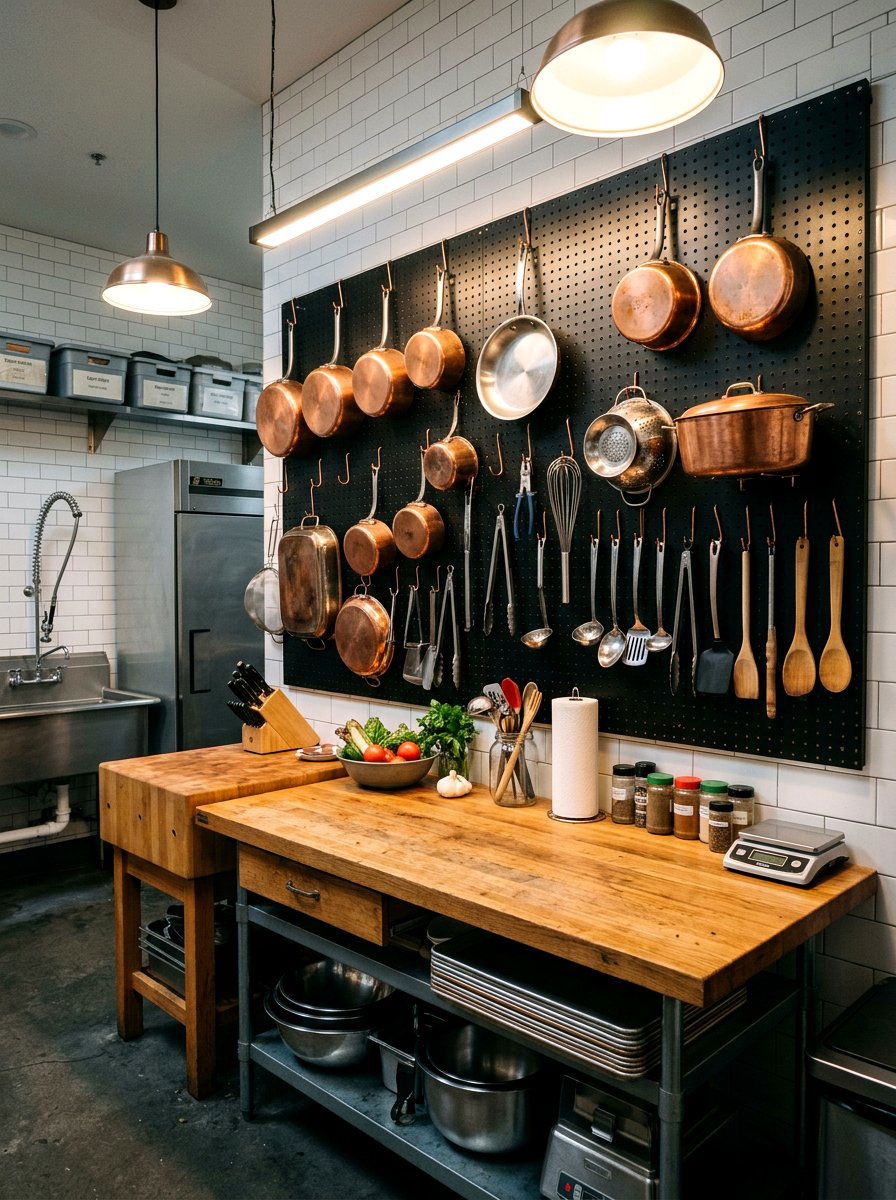
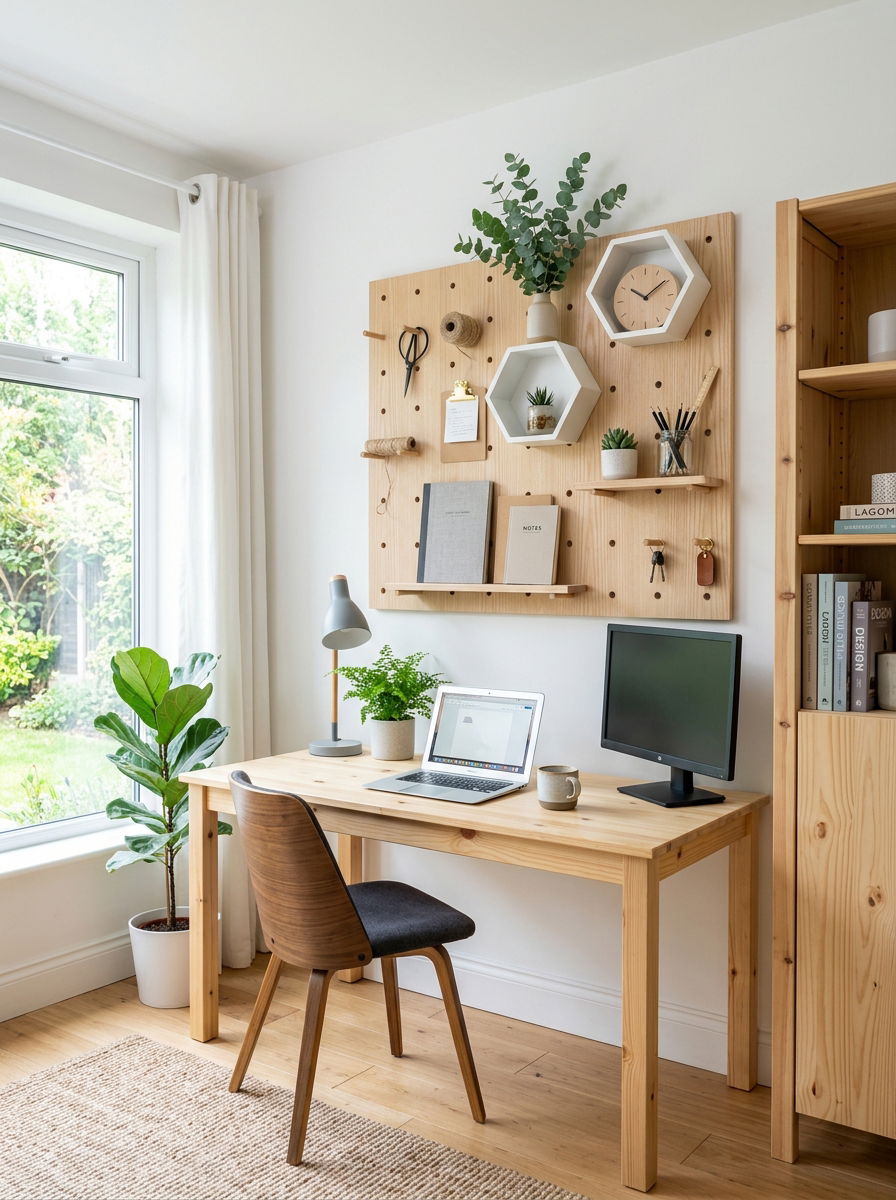
Incorporating a pegboard wall organizer into your messy kitchen is a brilliant way to keep tools visible and within arm's reach. This flexible storage system allows you to rearrange hooks and shelves as your cooking needs change over time. It is particularly useful for hanging heavy pots, colanders, and frequently used utensils that would otherwise clutter up deep drawers. The industrial look of a pegboard can be softened with a fresh coat of paint that matches the room’s decor. This design encourages an organized workflow, as every tool has a specific home on the wall, making both cooking and cleanup much faster for the home chef.
21. Floating Shelf Pantry
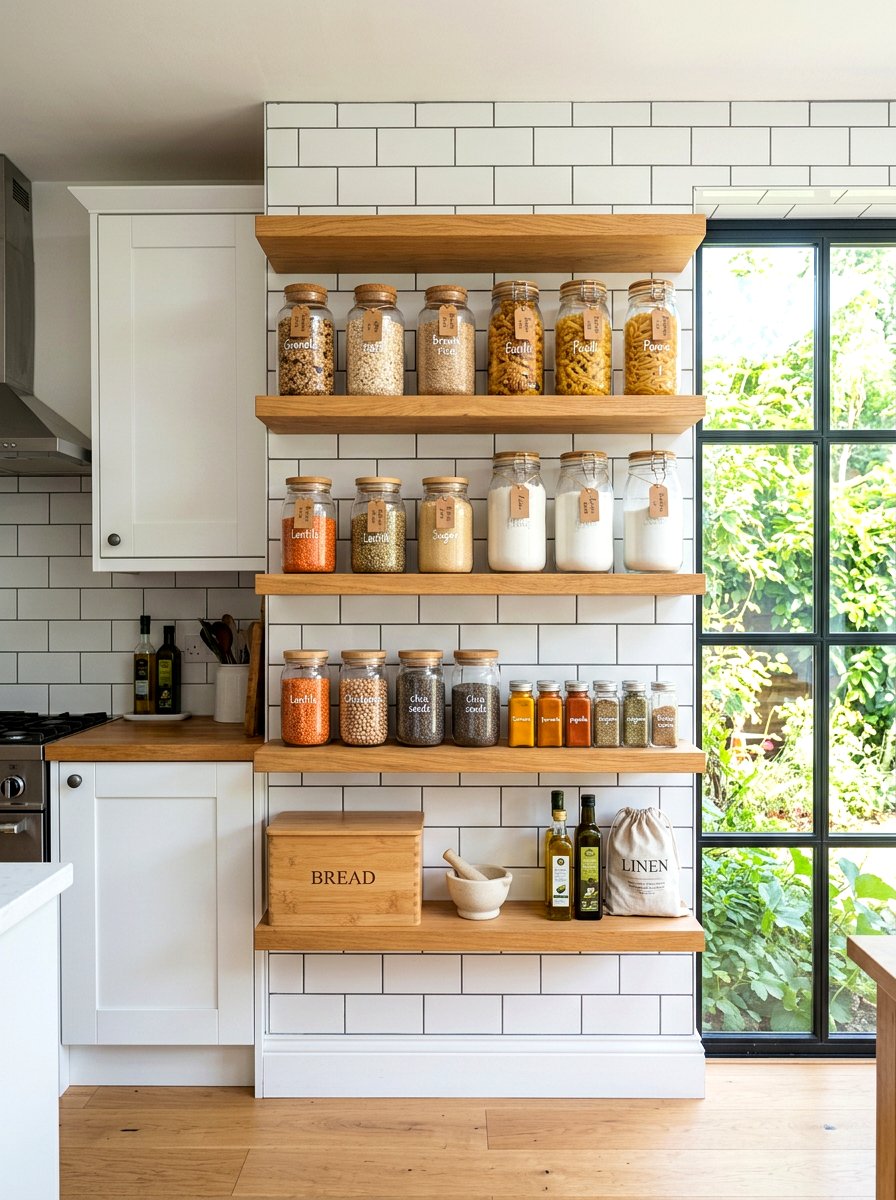
A floating shelf pantry offers a light and airy alternative to traditional cabinetry, making a small prep room feel much more spacious. This design uses thick, sturdy shelves that appear to float on the wall, providing a modern and clean look for storing jars and dishes. It allows you to display beautiful ingredients and cookware, turning your storage into a visual part of the room’s design. Because there are no doors to open, everything is instantly accessible, which is a huge benefit during a busy cooking session. When paired with a tiled backsplash, this setup creates a professional and stylish environment that is very easy to keep clean.
22. Rolling Ladder Library
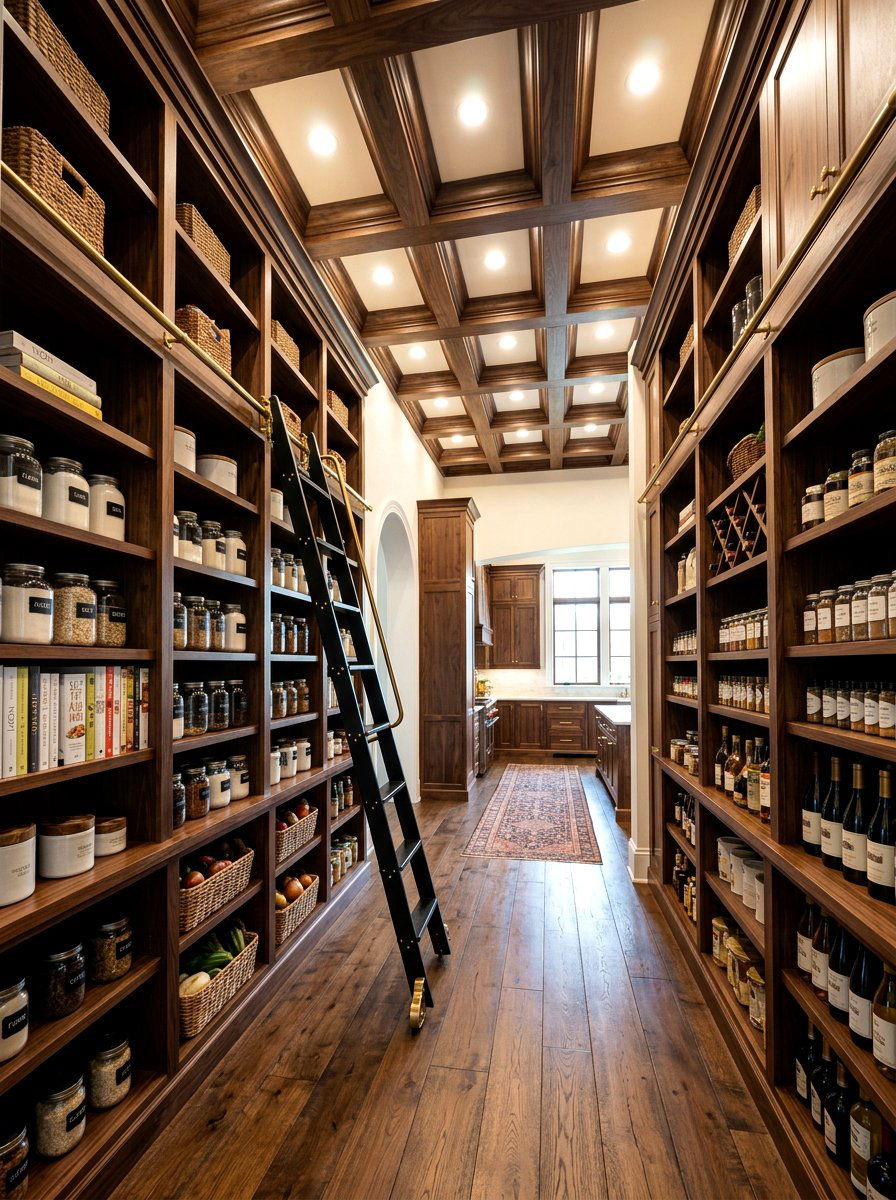
Adding a rolling ladder library system to your tall messy kitchen cabinets brings both functionality and a sense of grand design to the space. This feature allows you to comfortably access the very highest shelves, which are often used for storing bulky holiday platters or rarely used appliances. The ladder itself becomes a striking visual element, often made of wood or metal to match the room’s hardware. It transforms a simple storage area into a sophisticated "food library" that feels organized and intentional. This design is perfect for homes with high ceilings, ensuring that no square inch of potential storage space goes to waste in your back kitchen.
23. Built In Microwave Hutch
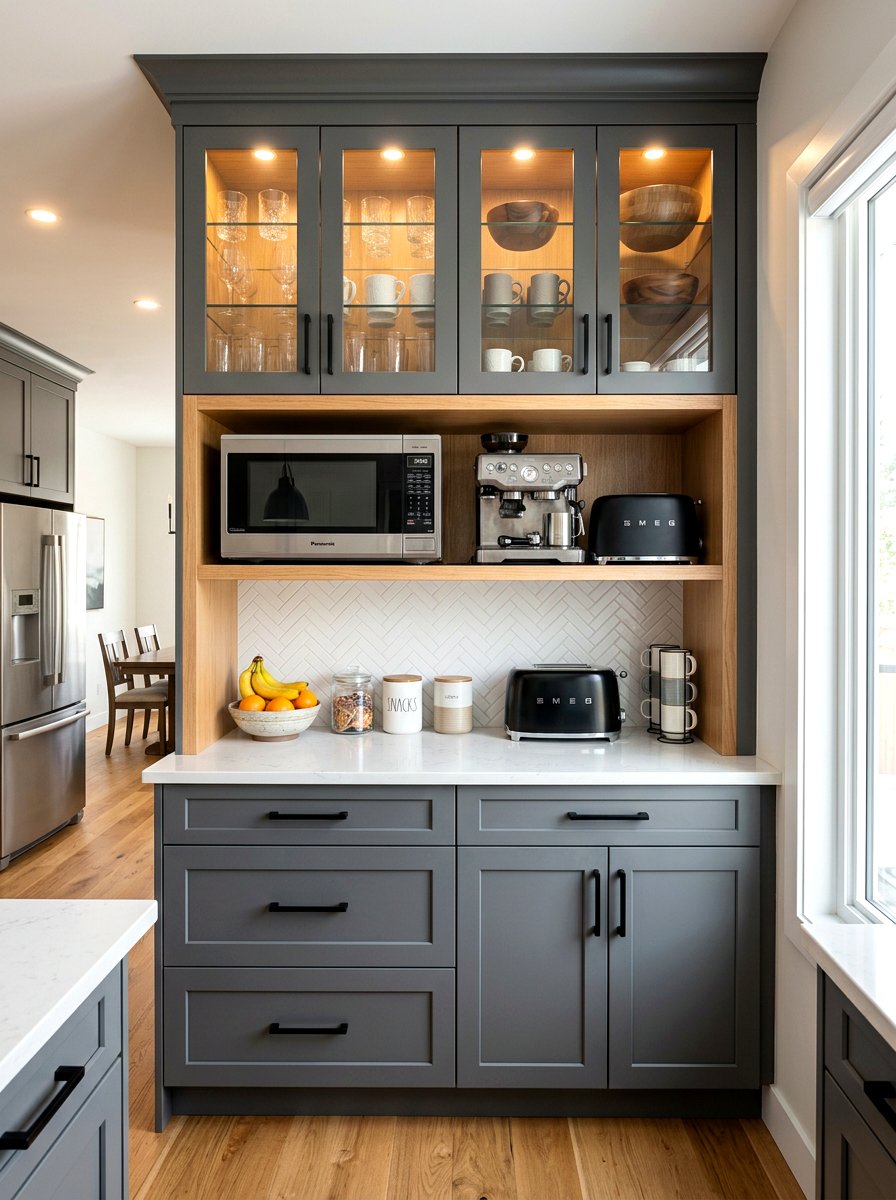
A built in microwave hutch is a dedicated area that moves this essential but often unattractive appliance off the main counter and into a stylized zone. This design usually includes extra counter space for landing hot dishes and drawers below for storing microwave safe containers and wraps. By creating a specific spot for quick heating tasks, you prevent the main kitchen from becoming a bottleneck during busy meal times. The hutch can be designed to match the surrounding cabinetry, making it blend in perfectly while providing a high level of organization. It is a simple but effective way to streamline the flow of a modern family kitchen.
24. Secret Door Kitchen
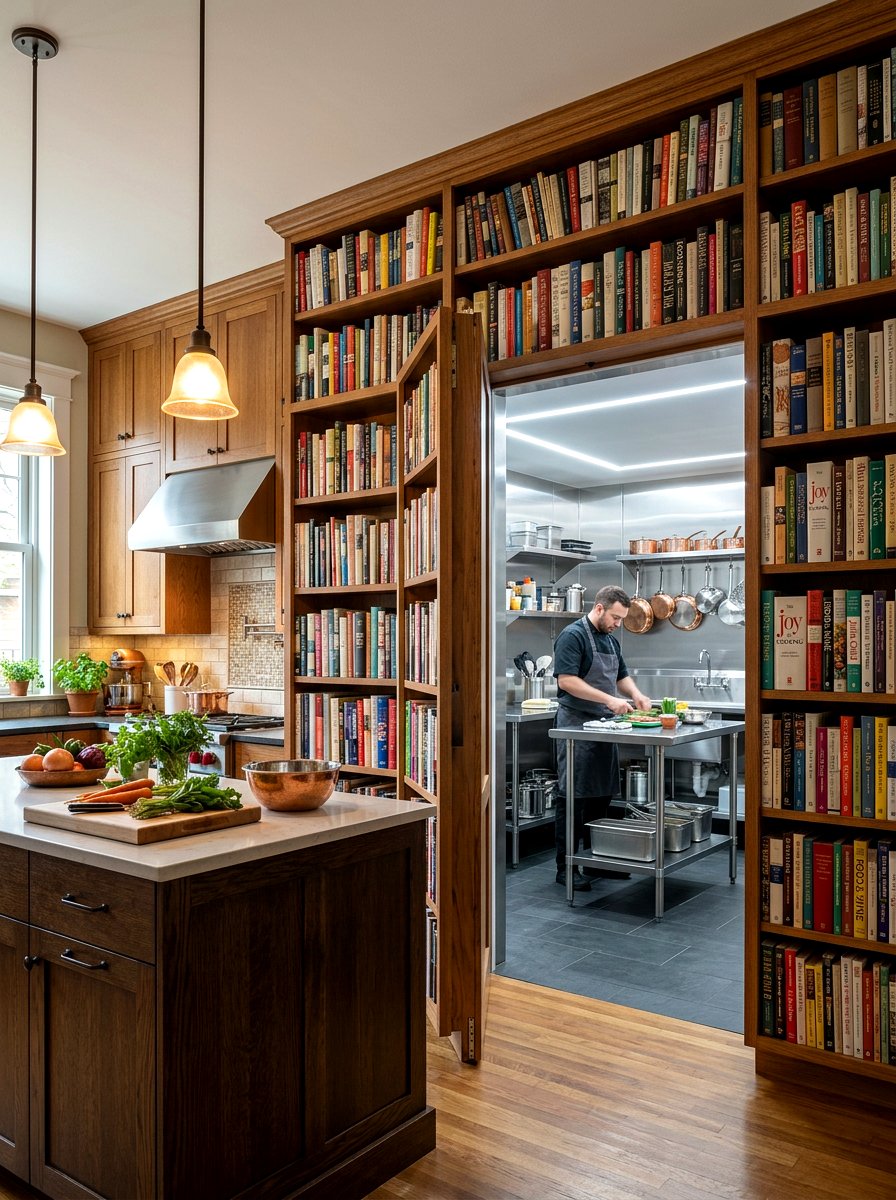
A secret door kitchen adds an element of surprise and architectural intrigue to your home while providing a completely private space for meal prep. The door is often designed to look like a standard pantry cabinet or a section of wood paneling, making it invisible when closed. Inside, the room is a fully equipped culinary powerhouse where you can leave out the biggest messes without anyone knowing. This is the ultimate solution for those who want a minimalist, museum like primary kitchen but still love to cook complex and messy meals. It provides a total separation between the work of the home and the social life within it.
25. Windowed Pantry Room
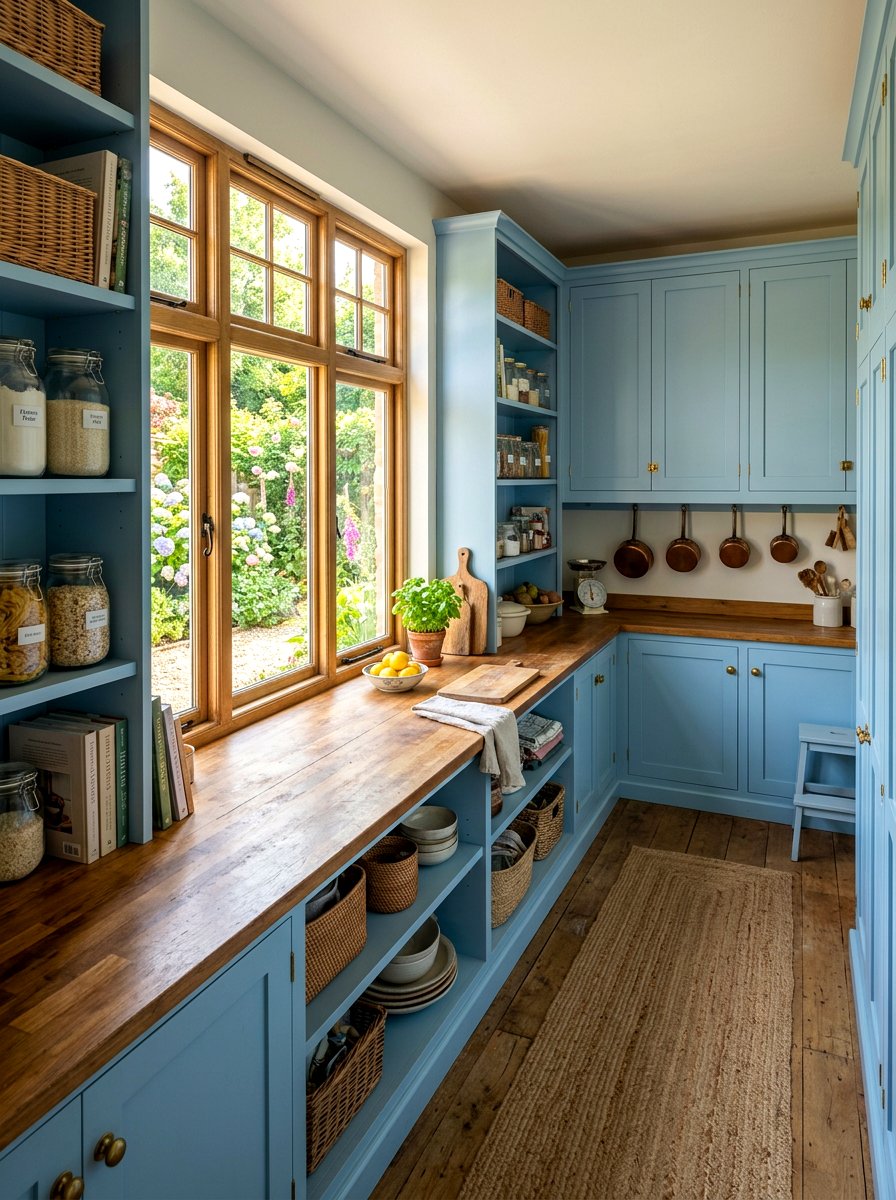
A windowed pantry room brings the beauty of natural light into a space that is traditionally dark and tucked away. Having a window in your prep area not only makes the space more pleasant to work in but also provides necessary ventilation during intense cooking. The view outside can offer a nice distraction while performing repetitive tasks like chopping or washing dishes. This design often features light colored surfaces to bounce the sunlight around, making the room feel bright and cheerful. It creates a space where you actually want to spend time, transforming the "messy" tasks of the kitchen into a more peaceful and enjoyable experience.
26. Sliding Barn Door
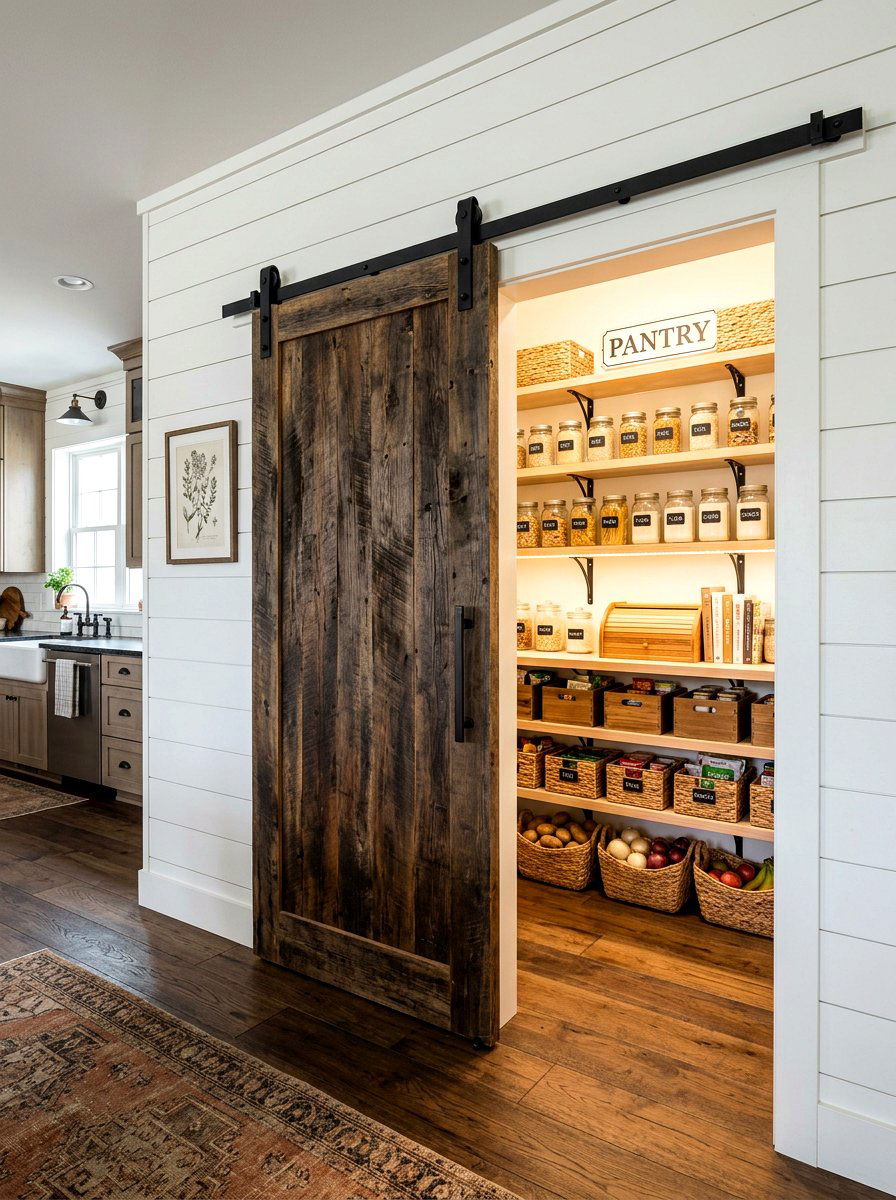
Using a sliding barn door for your messy kitchen or pantry adds a touch of farmhouse charm while saving significant floor space. Unlike traditional swinging doors, the barn door slides flat against the wall, making it ideal for narrow hallways or tight kitchen corners. It provides a large, stylish barrier that can be quickly closed to hide a cluttered prep area from guests. The hardware itself can be a design statement, ranging from rustic black iron to sleek modern stainless steel. This choice is as practical as it is beautiful, offering a flexible way to manage the visibility of your hard working kitchen zones.
27. Dark Cabinetry Scullery
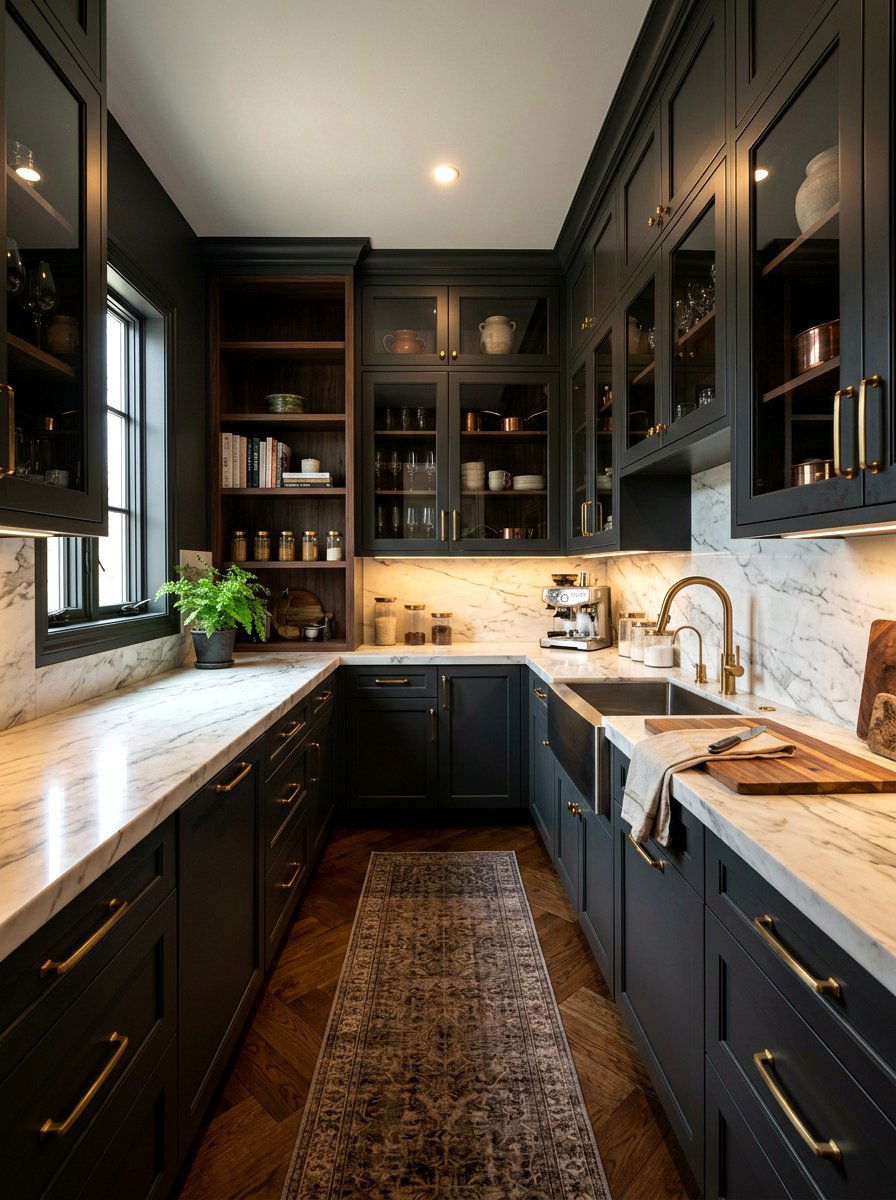
A dark cabinetry scullery creates a moody and sophisticated atmosphere that contrasts beautifully with a bright and airy main kitchen. Deep charcoal, navy, or forest green cabinets hide smudges and wear better than lighter tones, making them a practical choice for a high traffic prep room. This design often incorporates metallic accents and warm under cabinet lighting to ensure the space doesn't feel too cramped or dark. It exudes a sense of professional elegance, making the back kitchen feel like a high end workspace rather than just a storage closet. The rich colors provide a stunning backdrop for white ceramic dishes and stainless steel appliances.
28. Integrated Recycling Center
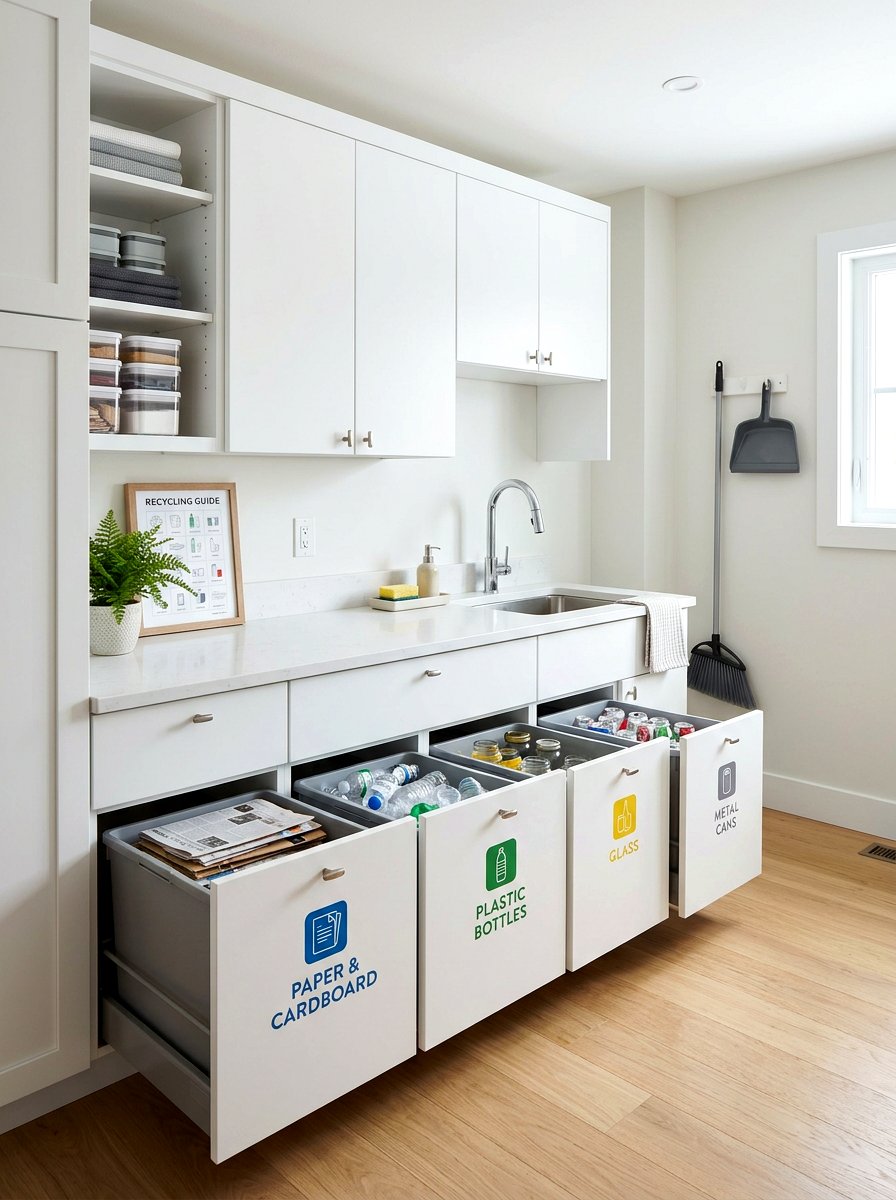
An integrated recycling center within your messy kitchen is a modern necessity that helps manage household waste in an organized and sanitary way. This design features deep, pull out drawers that house multiple bins for glass, plastic, paper, and compost, keeping them completely hidden from view. By moving these bins out of the primary kitchen, you eliminate odors and visual clutter from the main living area. The area often includes a small sink and a specialized counter for rinsing and sorting items before they are binned. It is an eco friendly addition that makes the chore of recycling much more efficient and less of an eyesore.
29. Butcher Block Island
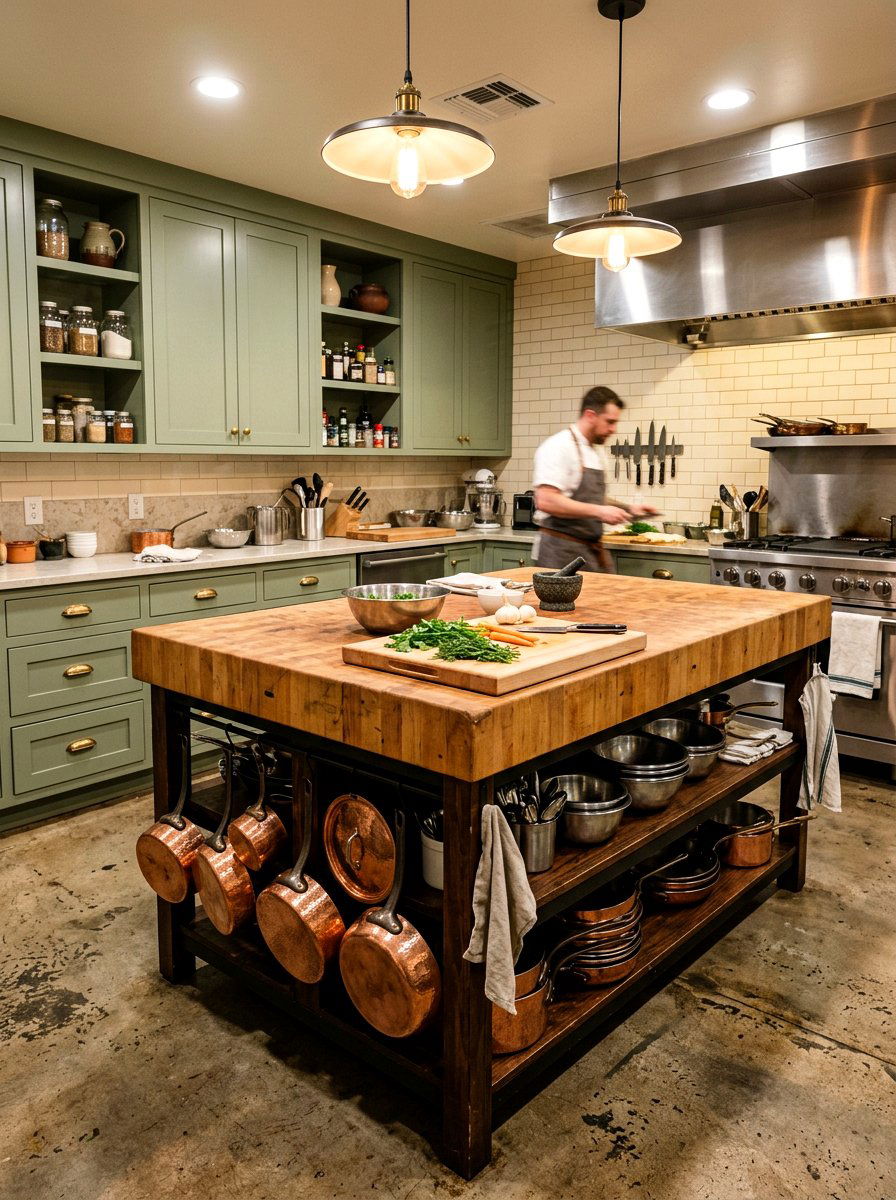
A butcher block island in the center of a prep room provides a massive and durable workspace for the serious home cook. Unlike stone surfaces, a thick wood block is gentle on knives and provides a warm, organic feel to the room. It acts as the central hub of the messy kitchen, offering plenty of space for multiple people to help with meal preparation at the same time. The island usually features open shelving below for quick access to large pots or baskets of root vegetables. Over time, the wood develops a beautiful character that tells the story of many meals prepared for family and friends.
30. Transitional Prep Room
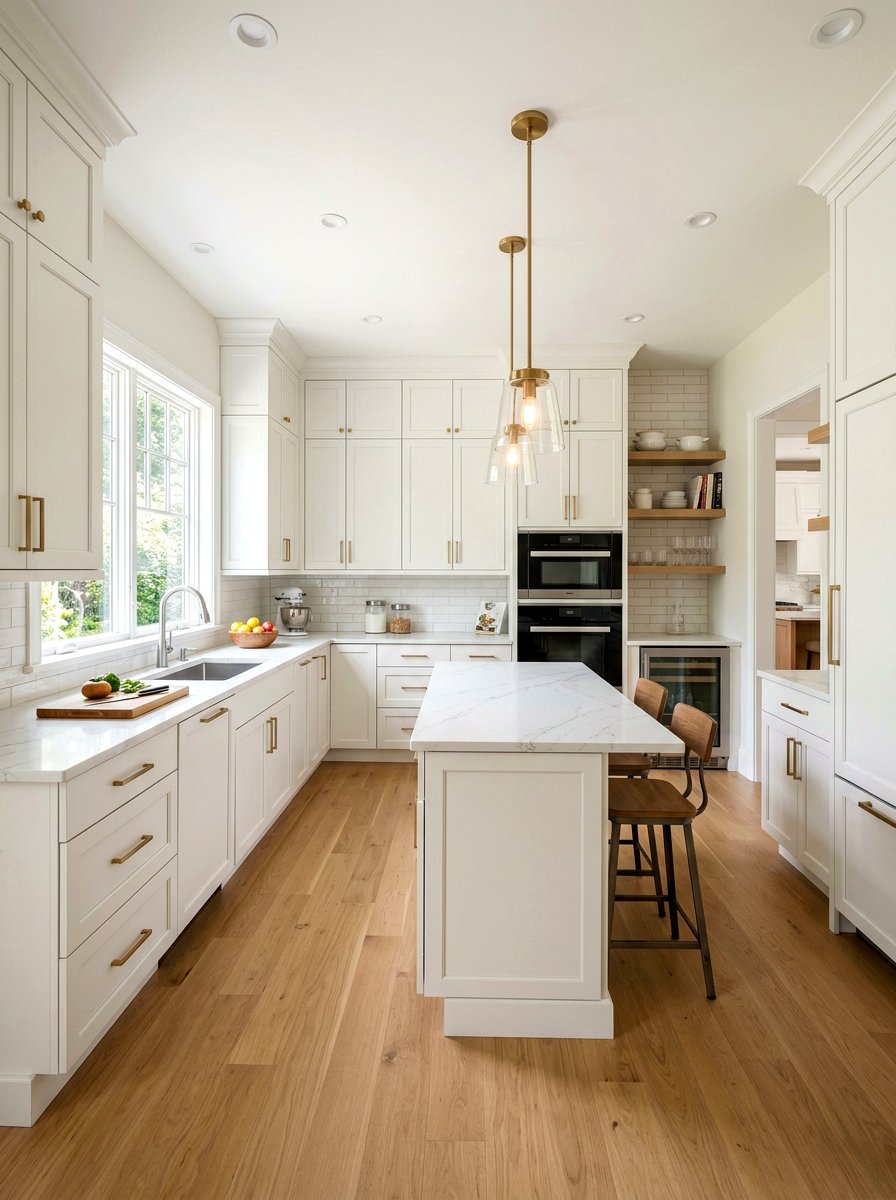
A transitional prep room blends the best of traditional and modern design, creating a space that feels both timeless and highly functional. This style often uses classic shaker cabinets paired with modern quartz countertops and updated lighting fixtures. It serves as a versatile bridge between a formal dining area and the main kitchen, handling everything from flower arranging to holiday turkey carving. The focus is on creating a balanced environment that is easy to maintain while still looking polished. This design ensures that the "messy" part of the home is just as carefully considered and beautiful as the rest of the interior design.
Conclusion:
Investing in a well planned messy kitchen is one of the most practical decisions a homeowner can make to enhance both functionality and lifestyle. By creating a dedicated zone for the inevitable chaos of cooking, you allow your main kitchen to serve its true purpose as the heart of the home and a social gathering spot. Whether you choose a large walk in scullery or a clever hidden pantry, these spaces provide the organization and storage needed to keep a household running smoothly. Ultimately, the messy kitchen trend is about embracing the reality of a busy life while maintaining a beautiful, stress free environment for everyone.

Related posts: