Designing a home with long, slender proportions often feels like a puzzle where the pieces just won't fit without a struggle. These "bowling alley" spaces can easily feel cramped or awkward if you simply push all your furniture against the long walls. To truly unlock the potential of a narrow footprint, you must shift your perspective from viewing the room as one big hallway to seeing it as a series of functional zones. By using clever visual tricks, intentional furniture placement, and vertical storage, you can transform these challenging areas into cozy, balanced retreats. This guide explores creative ways to make every slim room in your house feel incredibly spacious and stylish.
1. Narrow living room furniture layout
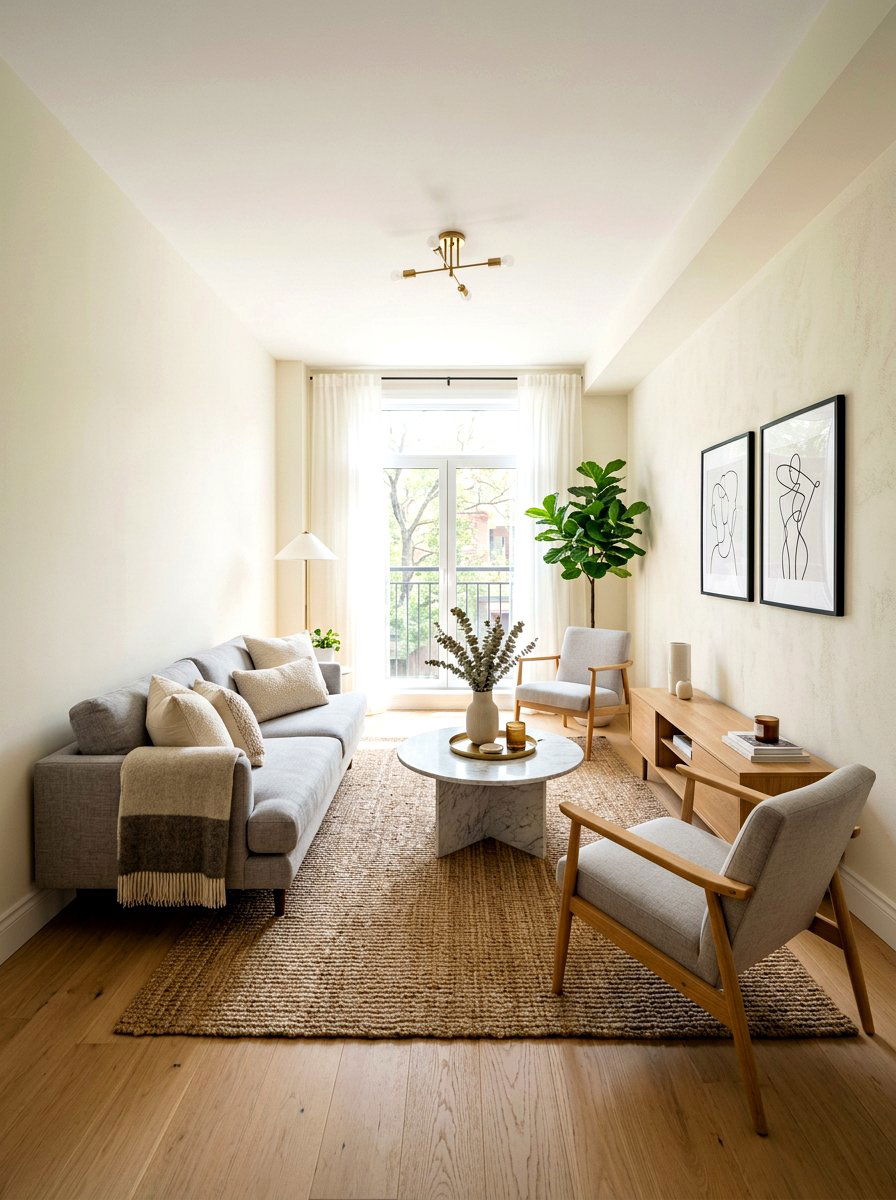
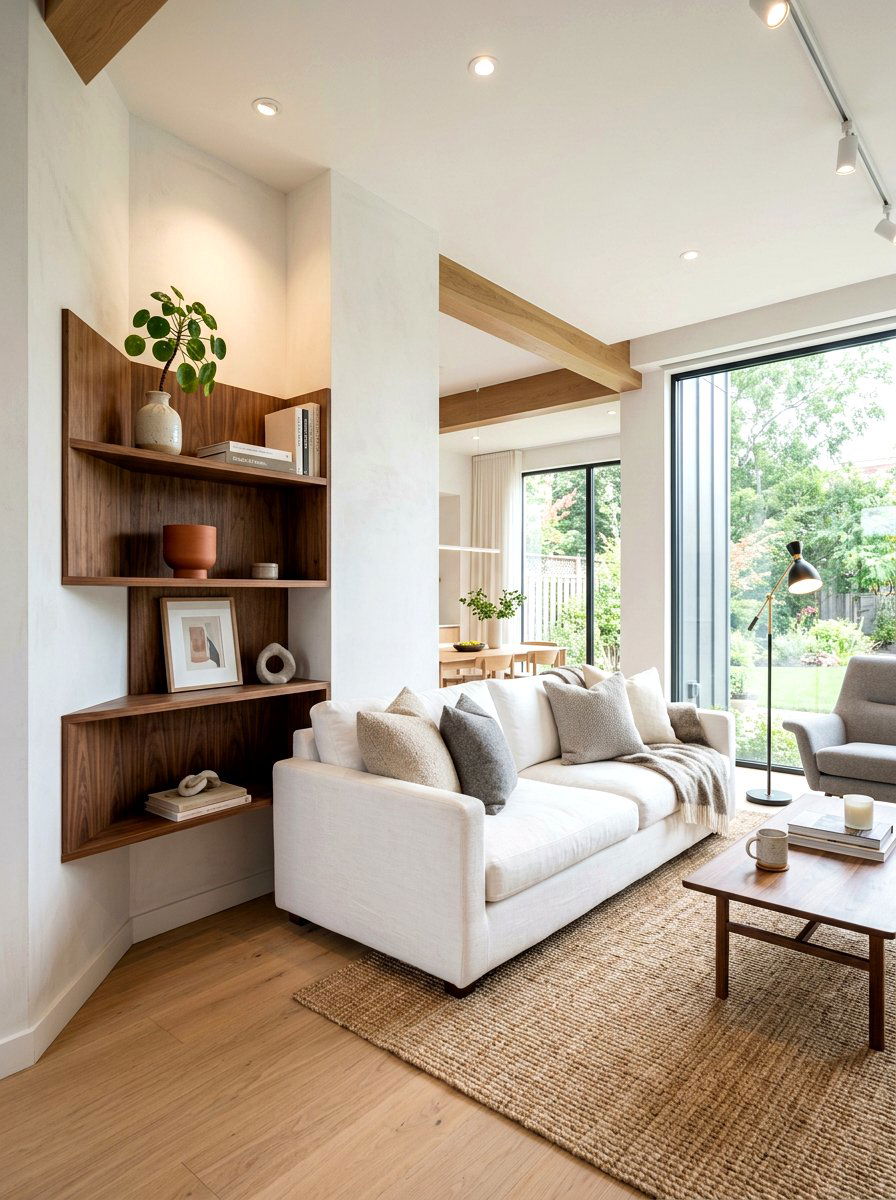
Creating a functional seating area in a long living room requires breaking up the length to avoid a tunnel effect. Instead of lining up everything against the walls, try floating a slim sofa in the middle of the space to create a clear walking path behind it. You can define this primary seating zone with a large area rug that helps ground the furniture and visually separates the lounge from other areas. Using a round coffee table is a smart move because it softens the sharp lines of a rectangular room and makes navigation much smoother. Adding a pair of leggy accent chairs opposite the sofa maintains an airy feel while providing plenty of room for guests.
2. Long narrow bedroom floor plan
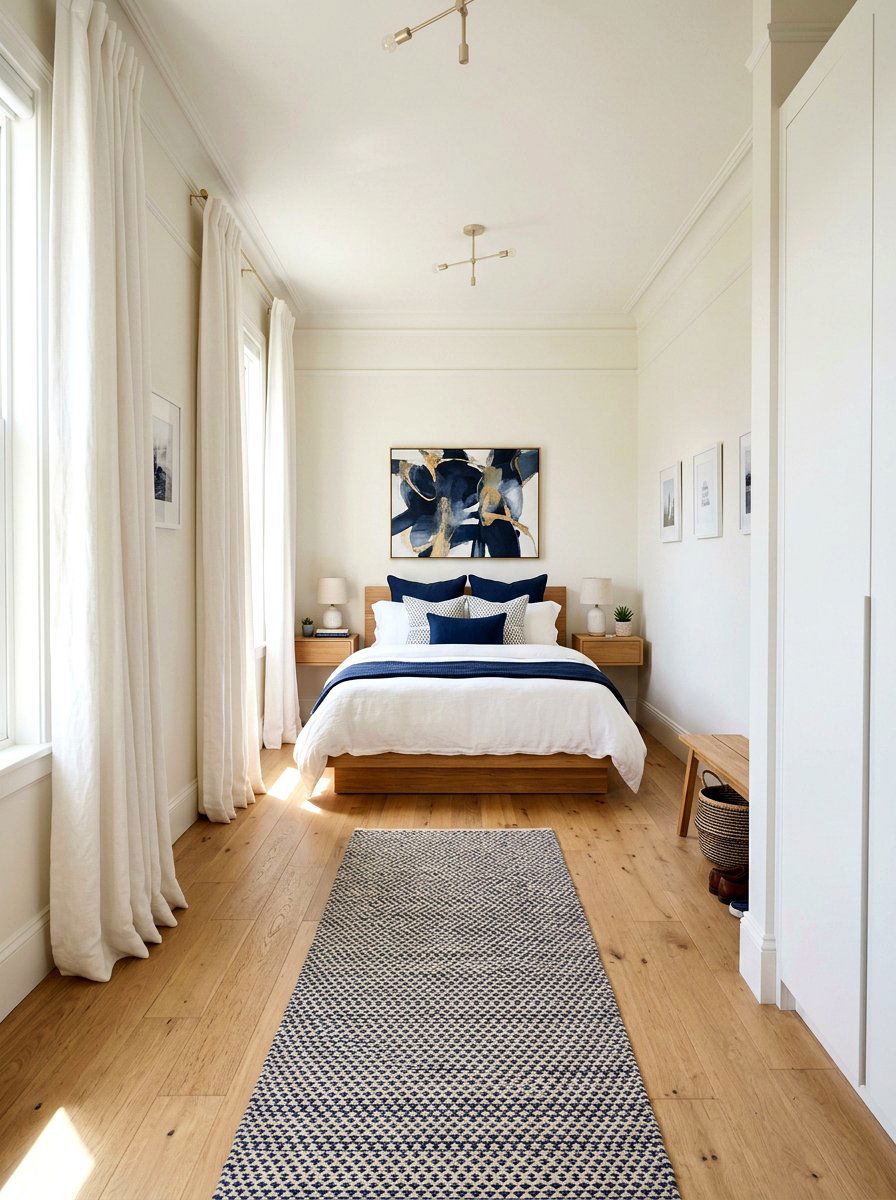
Arranging a slender bedroom effectively starts with the strategic placement of the bed to maximize the remaining floor space. Positioning the bed at the far end of the room can help anchor the space and leave a wider area for dressing or a small vanity. You should consider using wall-mounted nightstands or floating shelves to keep the floor clear, which instantly makes the room feel less cluttered. Using floor-to-ceiling curtains across the entire window wall can add a sense of luxury and height, drawing the eye upward. A long, thin bench placed at the foot of the bed adds functionality without obstructing the narrow walkway on either side.
3. Narrow hallway gallery wall setup
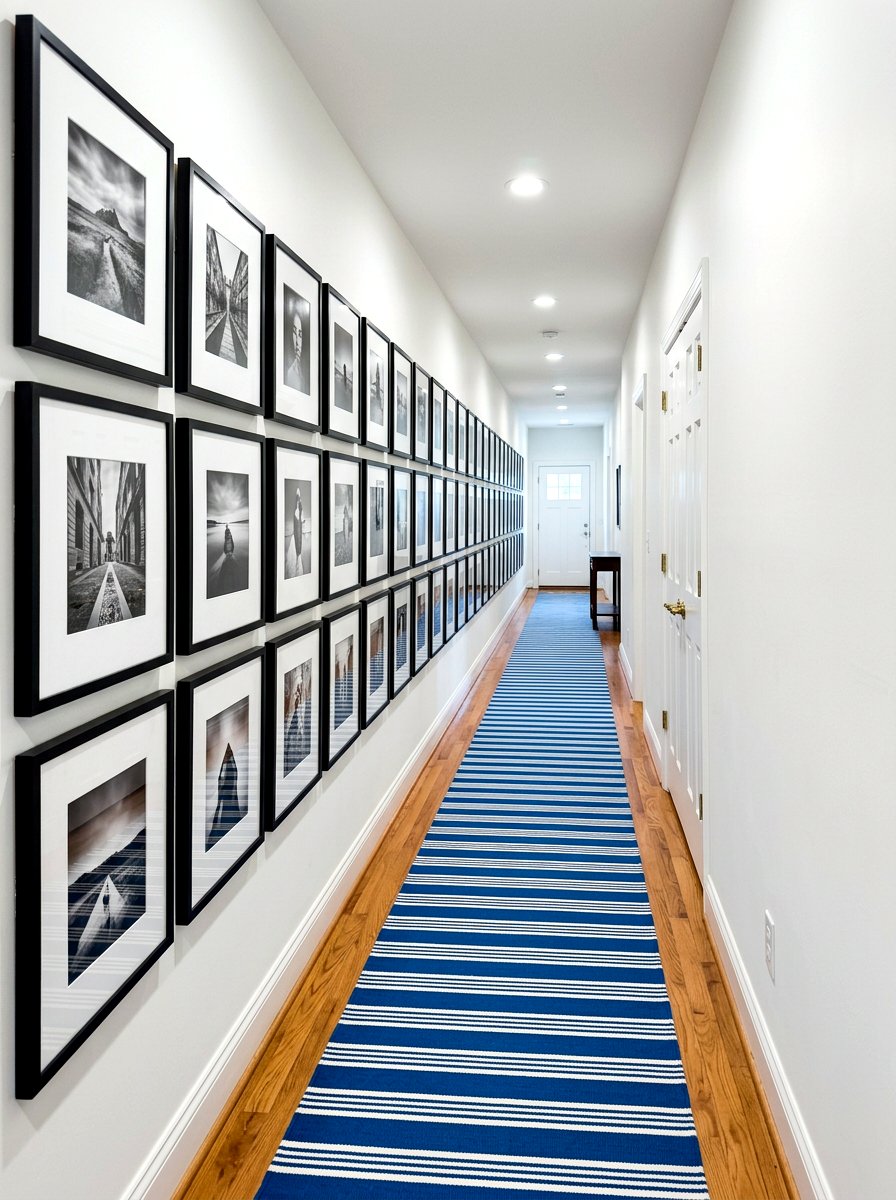
A long, empty corridor often feels cold and neglected, but it provides the perfect canvas for a stunning personal gallery. To keep the space feeling open, use slim frames with large white mats to create a cohesive and bright display that doesn't feel overwhelming. Lighting is crucial here; installing a series of recessed ceiling lights or chic wall sconces will illuminate the art and banish dark corners. You can also place a low-profile runner rug with horizontal stripes to visually widen the floor area. This approach turns a functional transition space into an engaging journey through your home, making every trip between rooms a delightful and curated experience.
4. Small galley kitchen organization
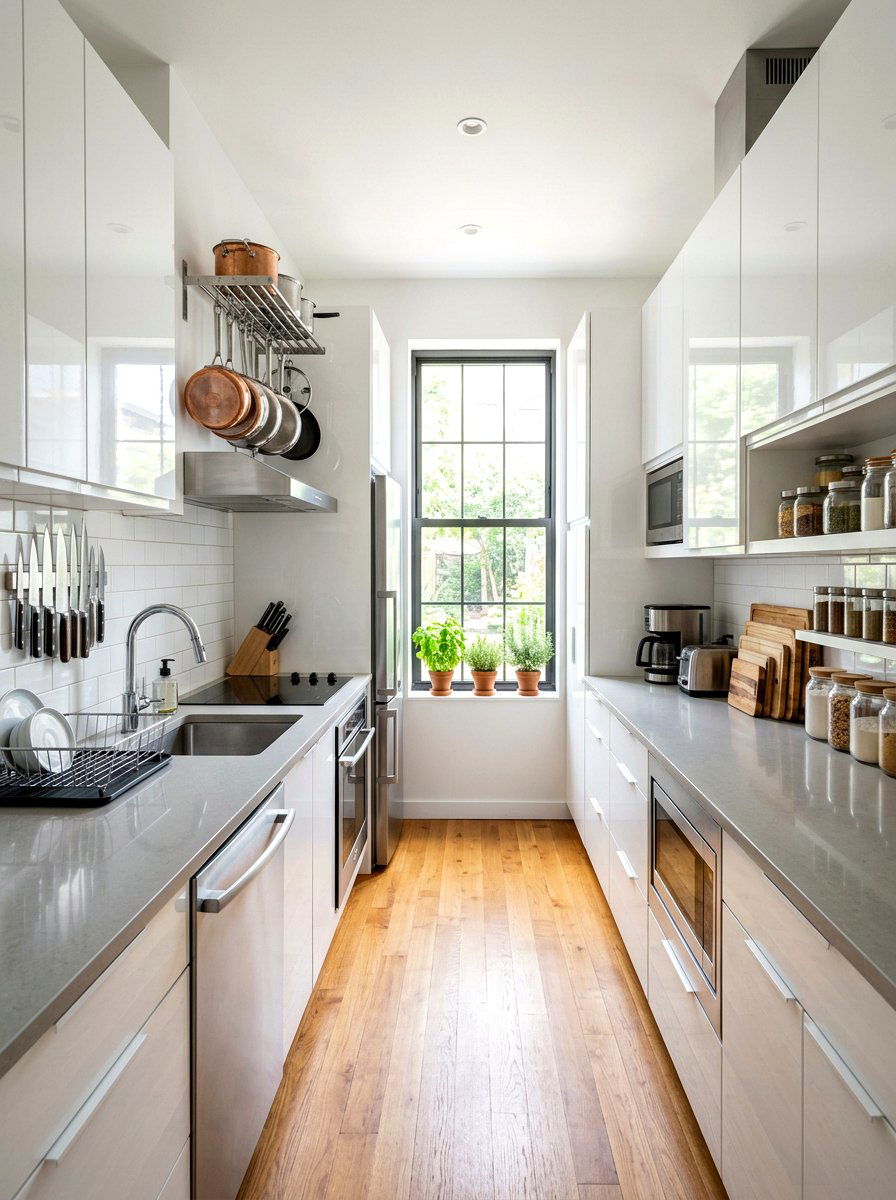
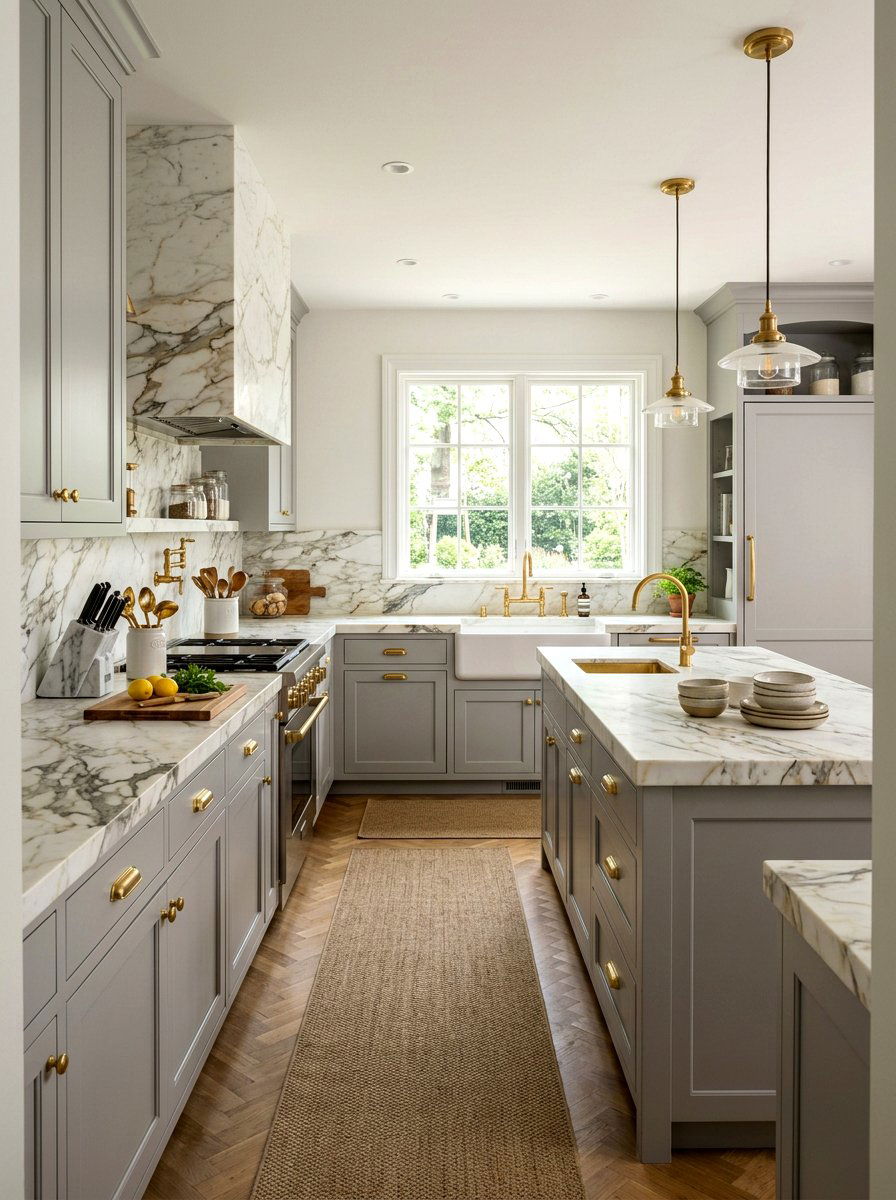
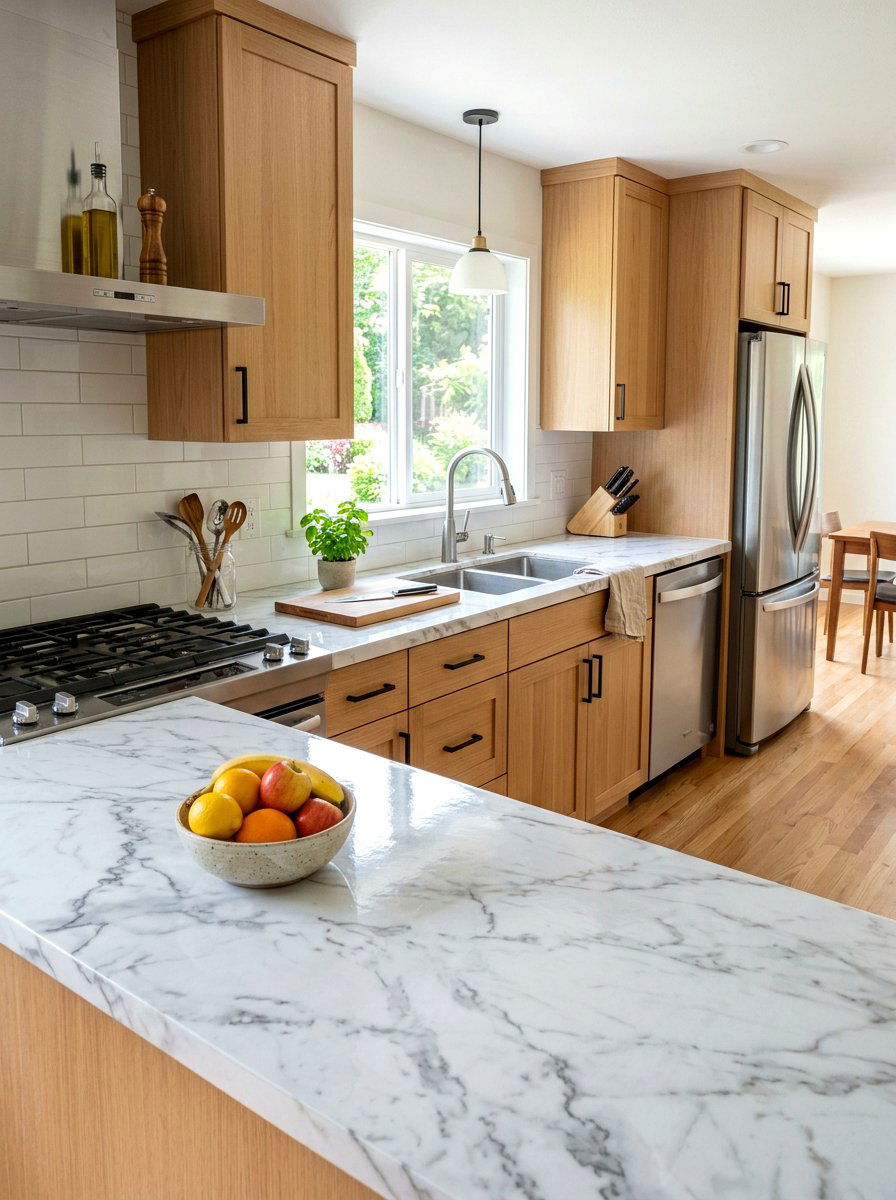
Galley kitchens are the ultimate test of efficiency, and the secret to success lies in keeping the countertops completely clear. You can achieve this by installing a magnetic knife strip and hanging pot racks to utilize every inch of the wall space. Choosing light-colored cabinetry with a high-gloss finish will reflect light and make the narrow aisle feel significantly wider than it actually is. If there is a window at the far end, keep it unobstructed to draw the eye toward the natural light and the view outside. A small, rolling prep cart can provide extra surface area when needed and be tucked away when the cooking is finished.
5. Narrow entryway foyer decor
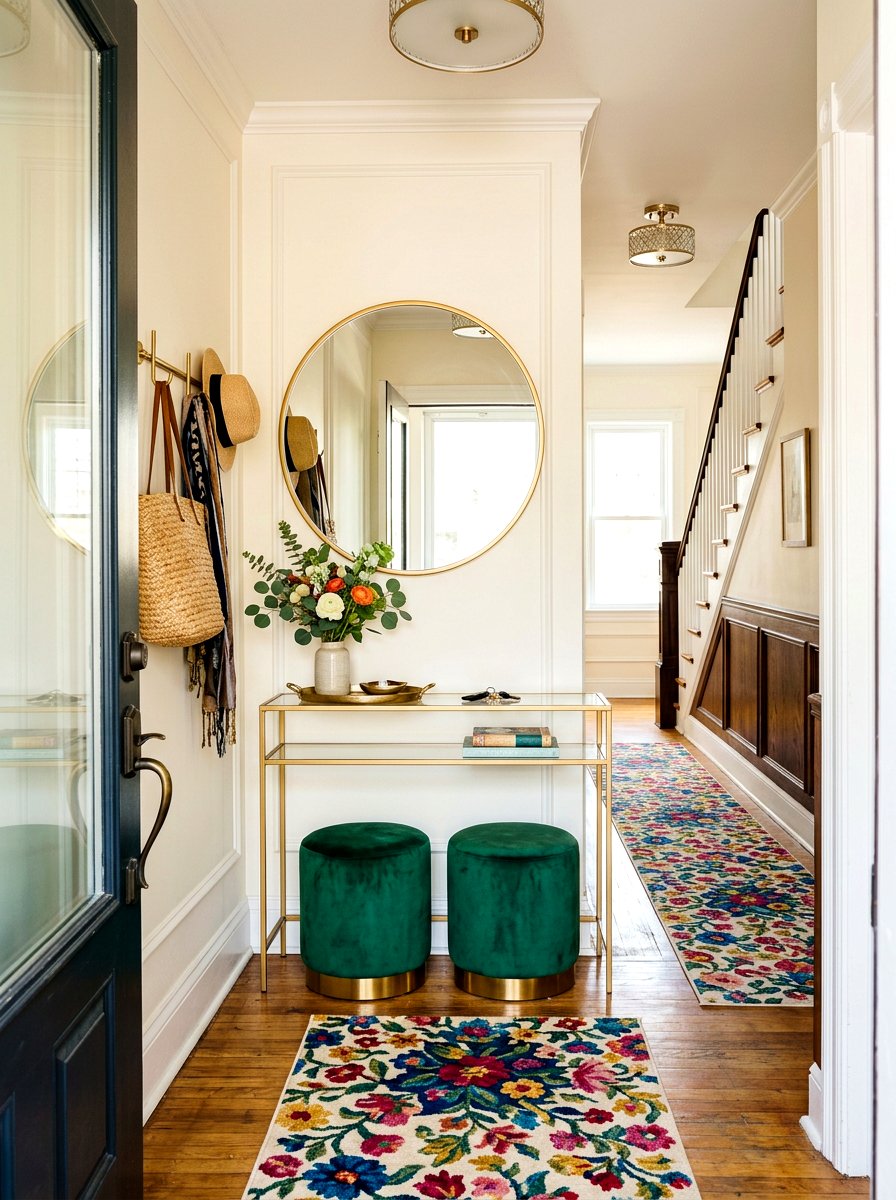
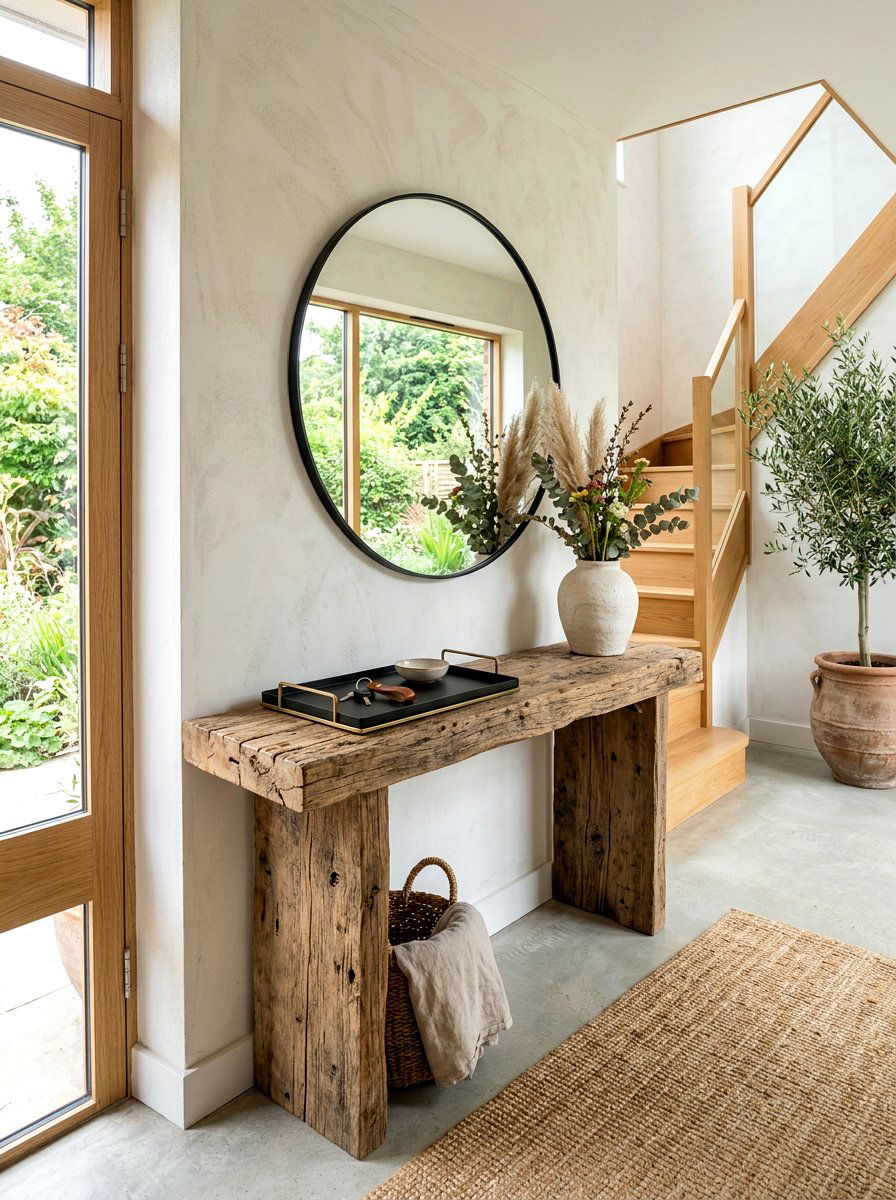
The first impression of your home should feel welcoming even if the entry is exceptionally tight and slender. A very slim console table with a large mirror hanging above it is a classic combination that adds depth and reflects light instantly. You can tuck a couple of small ottomans underneath the console to provide a convenient spot for putting on shoes without taking up permanent floor space. Using a bright, durable runner rug will define the entry zone and guide guests into the heart of the home. Consider painting the front door a bold color to create a focal point that draws attention away from the narrow walls.
6. Long narrow dining room arrangement
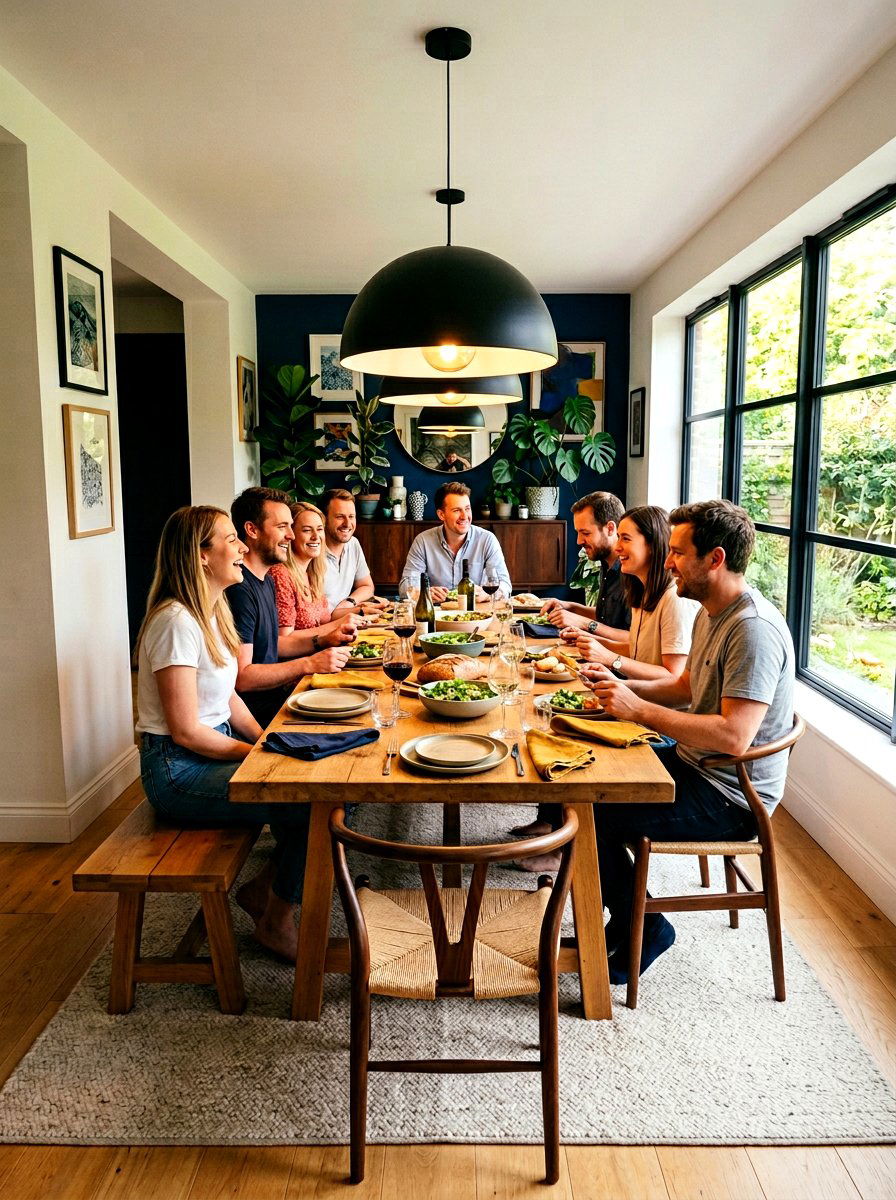
Designing a dining area in a thin room often works best when you embrace a long, rectangular table that echoes the room's shape. To prevent the space from feeling like a boardroom, use a mix of seating like a long bench on one side and chairs on the other. This allows you to push the bench against the wall when it is not in use, opening up the walkway significantly. A large, statement chandelier hanging low over the table will create an intimate focal point and define the dining zone. Soften the walls with large-scale art or a beautiful tapestry to add texture and warmth to the narrow surroundings.
7. Narrow home office workspace
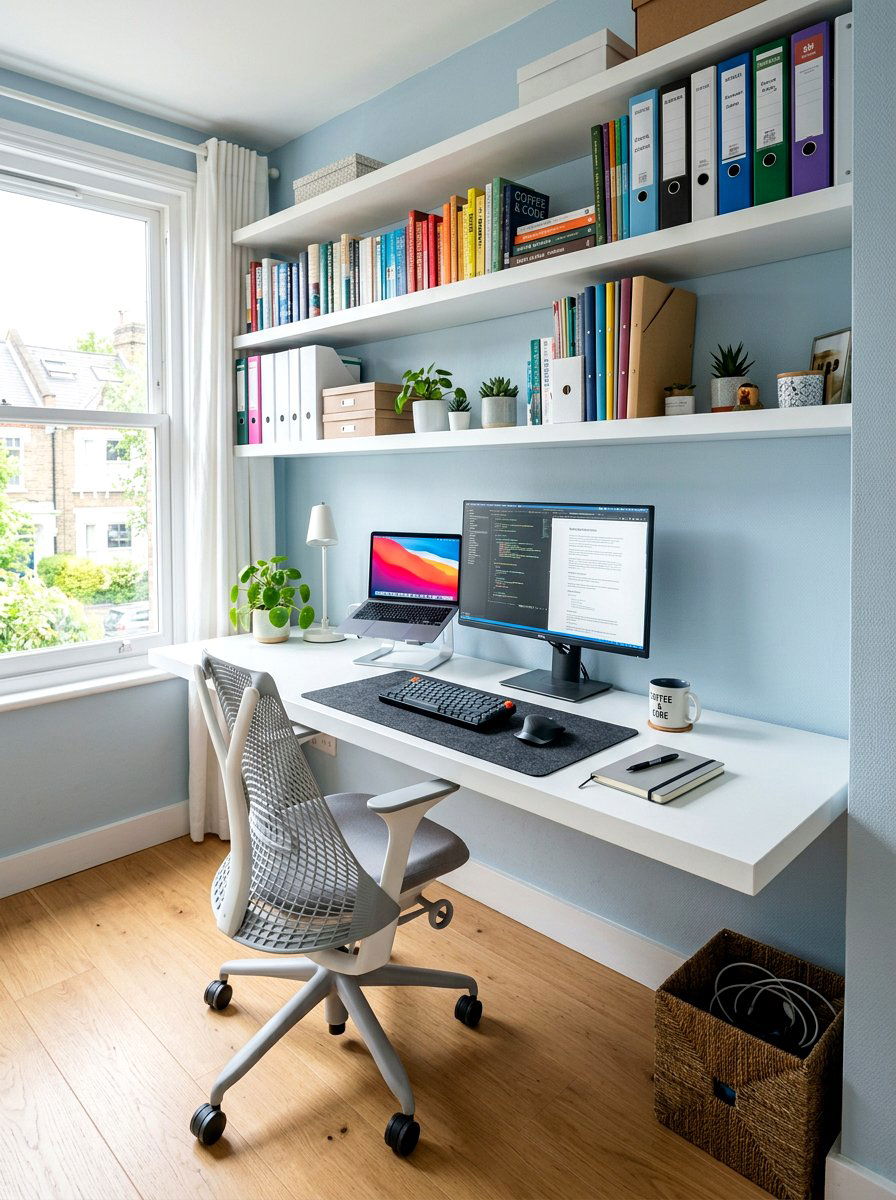
Transforming a slim alcove or a long wall into a productive home office requires a minimalist approach to furniture. A long, shallow floating desk is the perfect solution because it provides ample workspace without the bulky legs of a traditional desk. You can install several layers of floating shelves above the desk to keep your supplies organized and within easy reach while maintaining a clear floor. Choosing a stylish, low-back chair that can slide completely under the desk will keep the path clear when you are not working. Adding a small desk lamp with a flexible arm provides targeted task lighting that doesn't take up much precious surface space.
8. Small narrow nursery layout
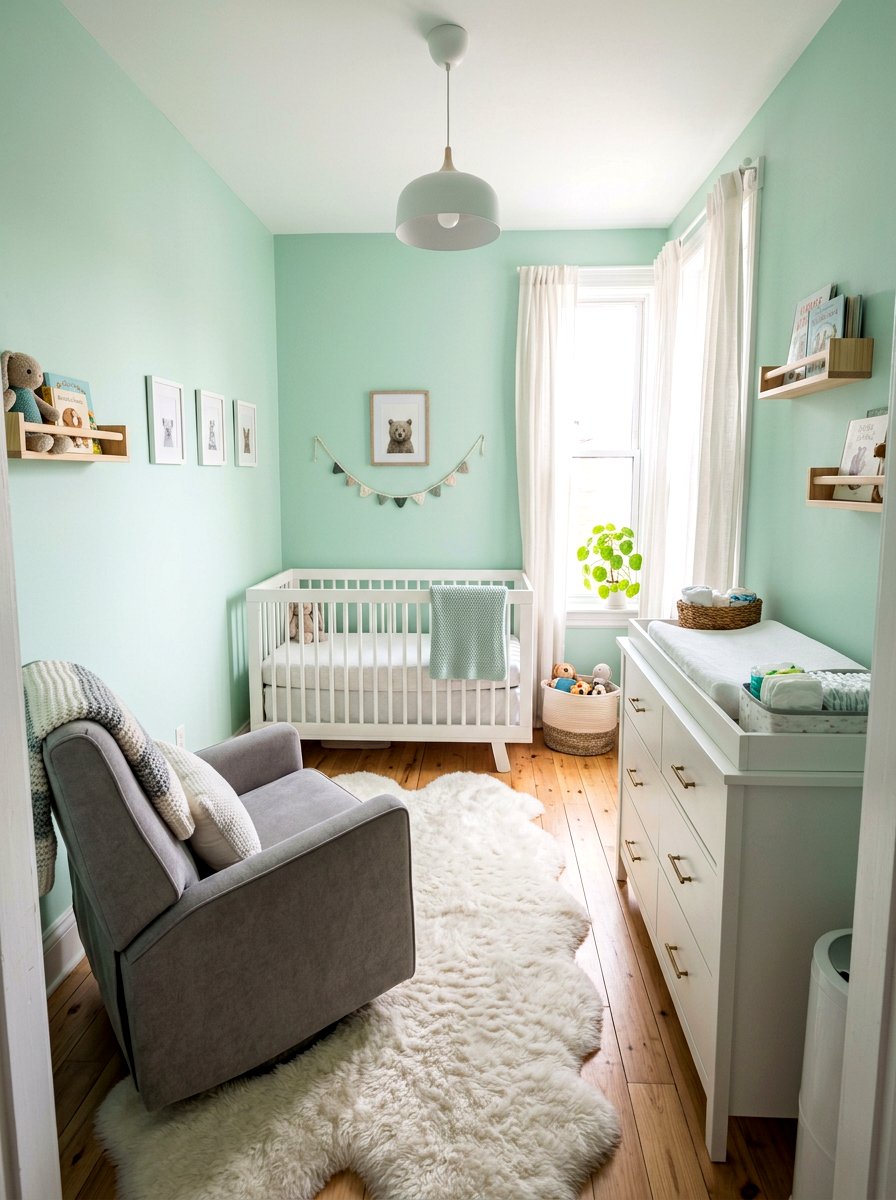
Planning a nursery in a compact and slender room involves prioritizing the essentials while keeping the center of the room open for play. Placing the crib against the shortest wall can help ground the room and leave the long walls free for storage and a glider. A tall, narrow dresser can double as a changing station by adding a removable topper, saving you from needing two separate pieces of furniture. Use light, calming colors on the walls to create a serene environment that feels spacious and airy. Adding a soft, plush rug in a light neutral tone will provide a cozy spot for tummy time and visual warmth.
9. Narrow primary bathroom remodel
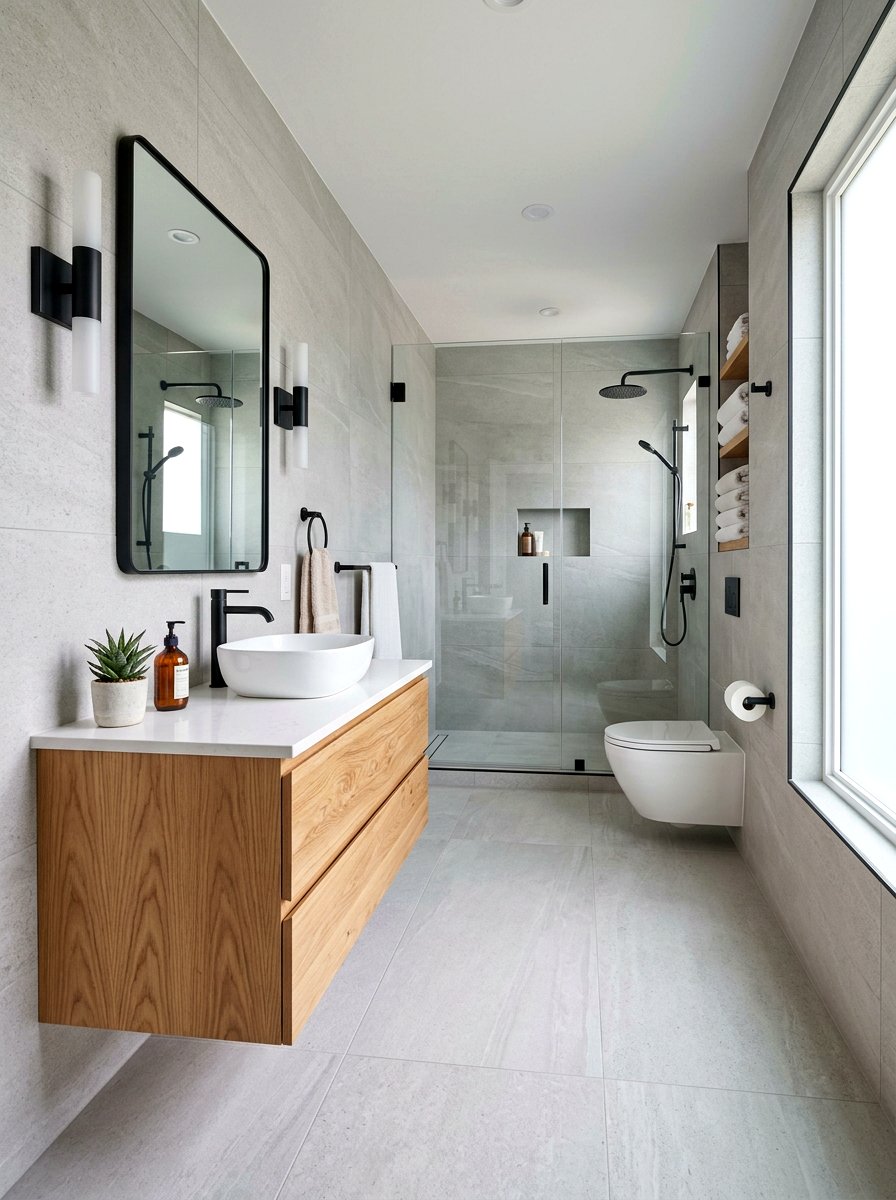
A slender master bathroom can feel like a spa if you focus on clean lines and a monochromatic color palette. Installing a floating vanity is a game-changer because seeing more of the floor creates a powerful illusion of a larger and wider room. You can use large-format tiles on both the floor and the walls to minimize grout lines, which often make a small space look busy. A glass shower door is essential for maintaining clear sightlines and preventing the room from feeling chopped into tiny sections. Adding a vertical towel warmer or recessed shelving in the shower maximizes functionality without encroaching on the limited walking area.
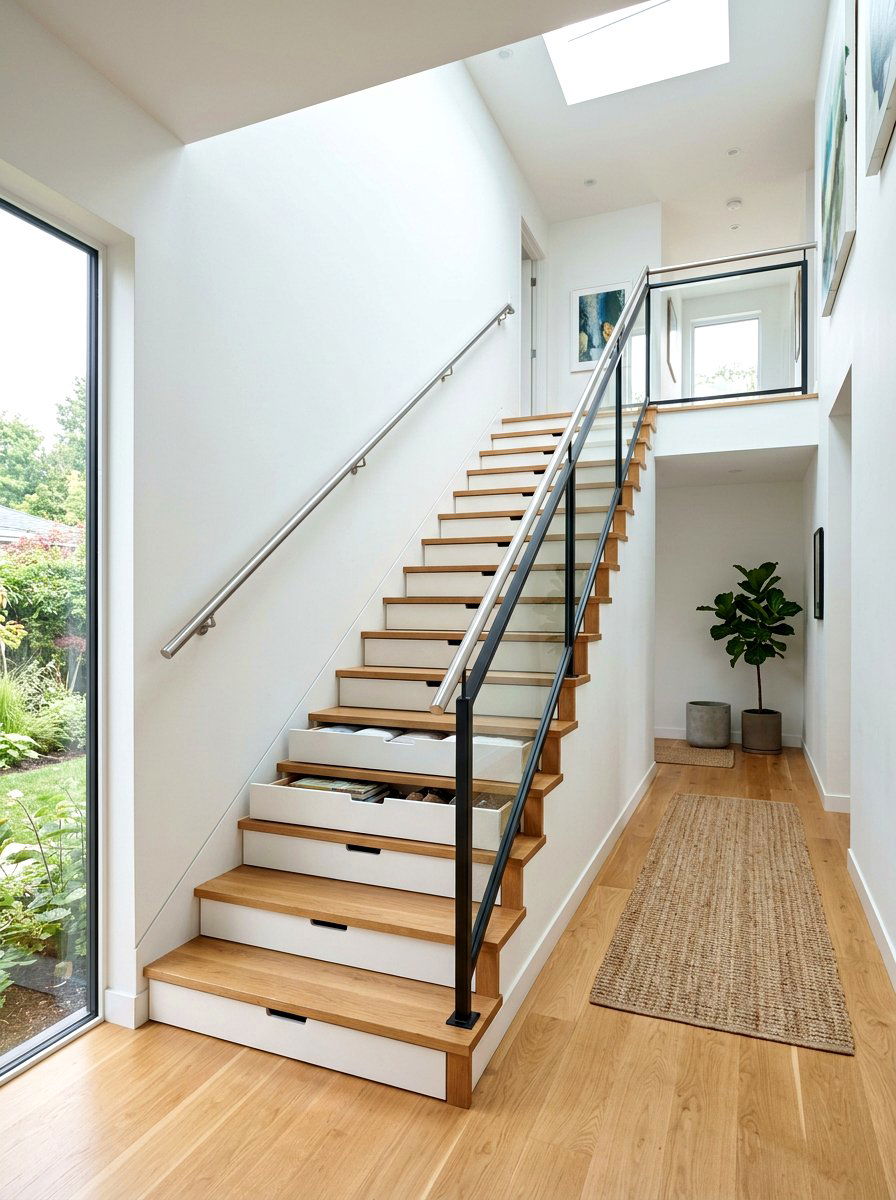
10. Long narrow laundry room storage
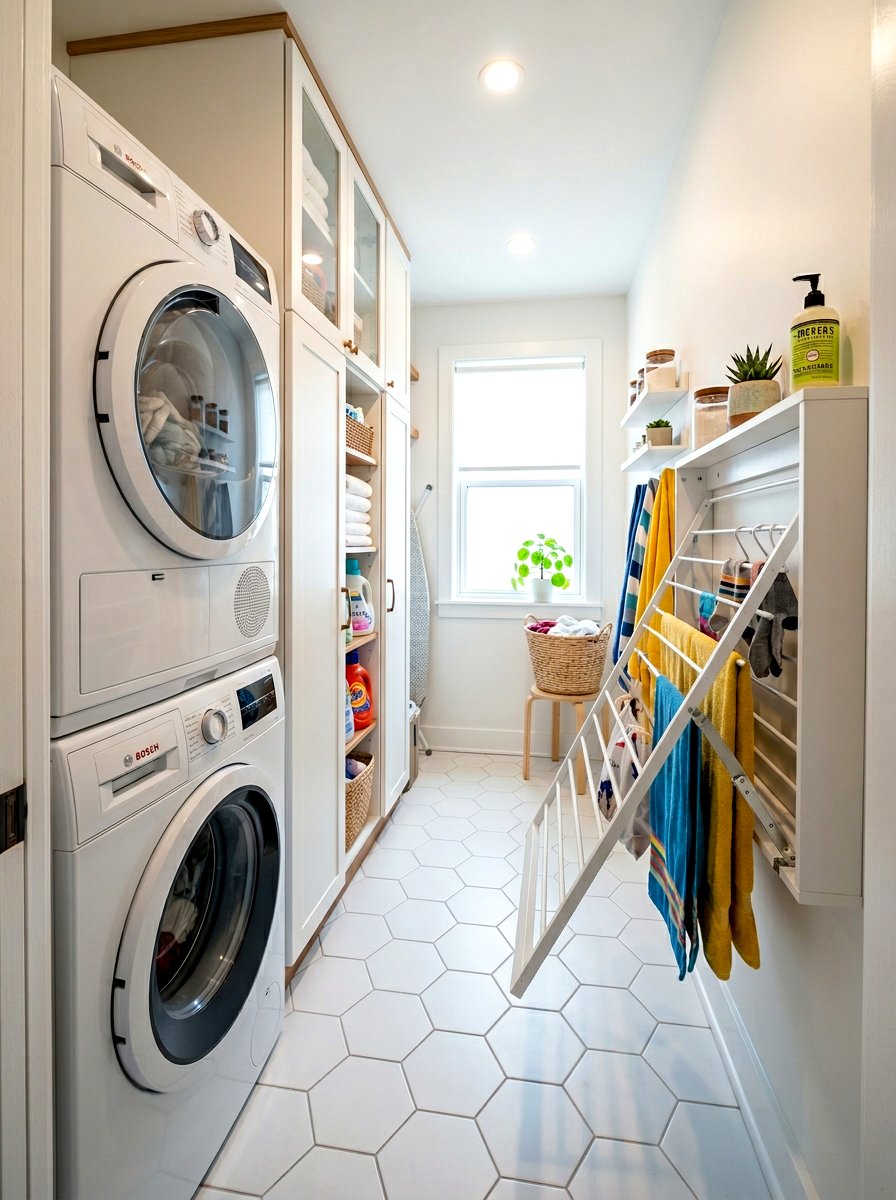
Laundry rooms are often the narrowest spaces in the house, making smart vertical organization absolutely vital for daily chores. Installing your washer and dryer in a stacked configuration can free up a significant amount of floor space for a slim sorting station. You can add a long countertop over side-by-side machines to create a dedicated folding area if stacking isn't an option. Use tall, narrow cabinets that reach all the way to the ceiling to hide away detergent and cleaning supplies behind closed doors. A fold-down drying rack mounted to the wall provides a place to air-dry clothes without taking up any permanent room in the aisle.
11. Narrow walk in closet system
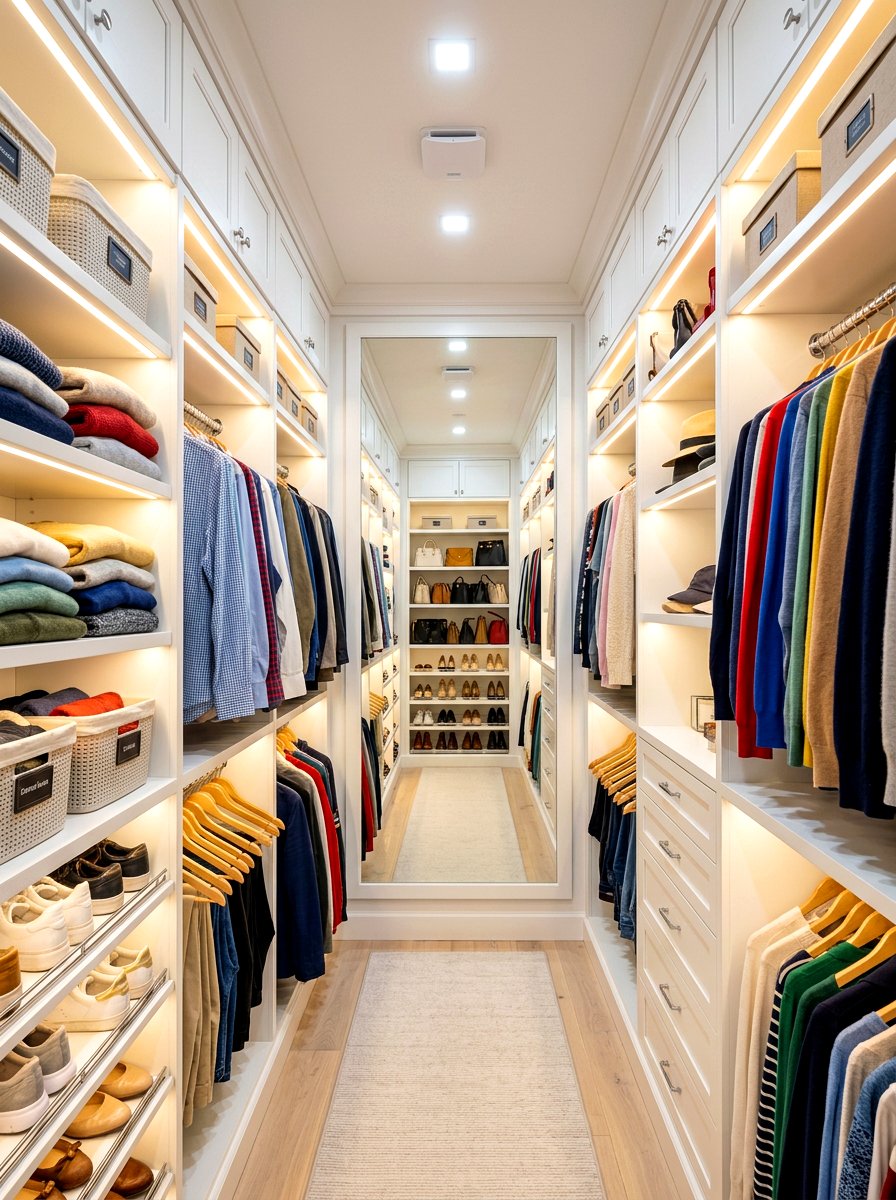
Organizing a long, thin closet requires a system that utilizes every inch of height while keeping items accessible. Use a combination of hanging rods at different levels and shallow shelves for shoes and folded clothing to maximize the storage capacity. Mirrors on the back of the door or a mirrored back wall can make the closet feel twice as wide and much brighter. Installing bright LED strip lighting along the shelves ensures you can see everything clearly, even in the deepest corners of the narrow space. A small step stool that can be tucked into a corner is essential for reaching those high-up items on the top shelves.
12. Small narrow sunroom seating
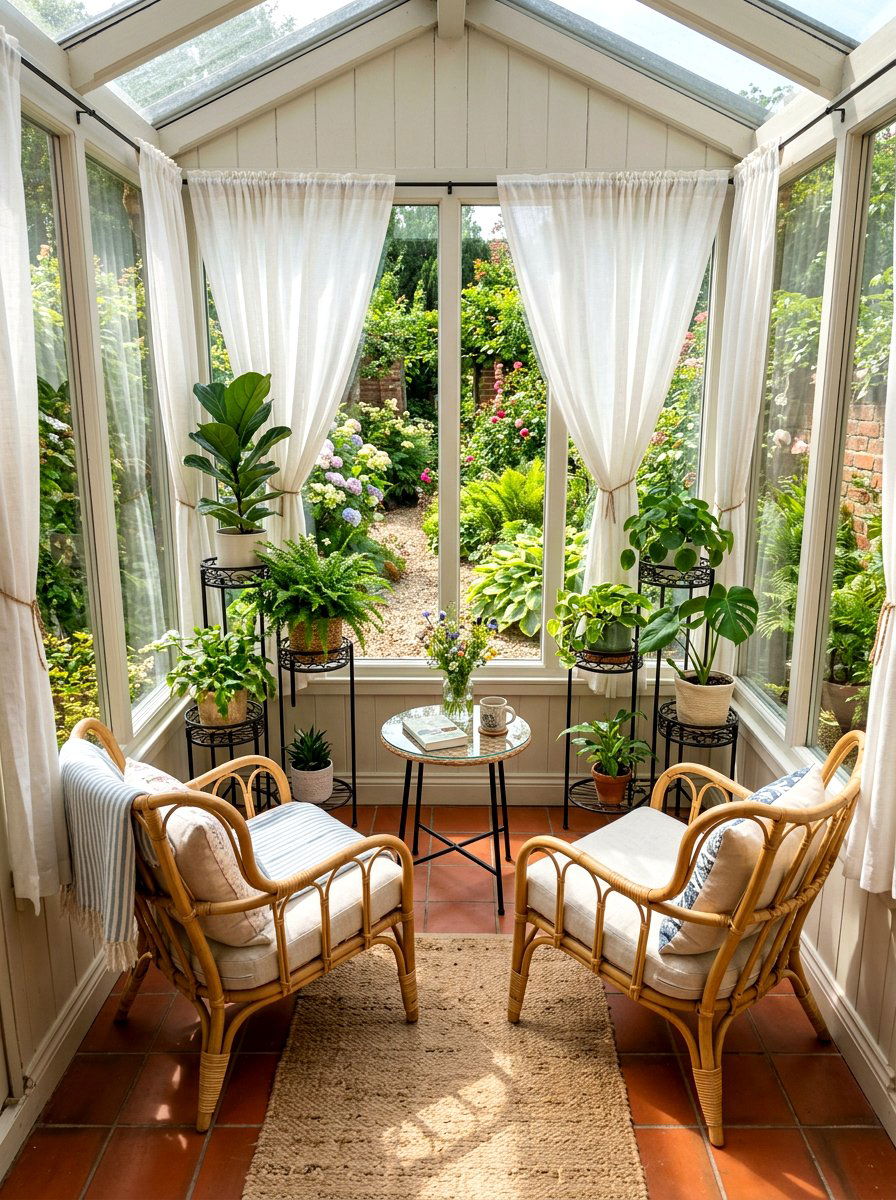
A slender sunroom is a wonderful place to relax if you choose furniture that doesn't block the beautiful views. A pair of slim wicker or rattan chairs with a small glass-topped table between them creates a cozy conversation nook without feeling heavy. You can use vertical plant stands to bring greenery into the space without cluttering the floor or obstructing the natural light. Light, breezy sheer curtains can add a touch of privacy while still allowing the sun to flood the room and keep it feeling open. A colorful outdoor rug can tie the seating area together and add a fun pop of personality to the narrow floorplan.
13. Narrow balcony garden setup
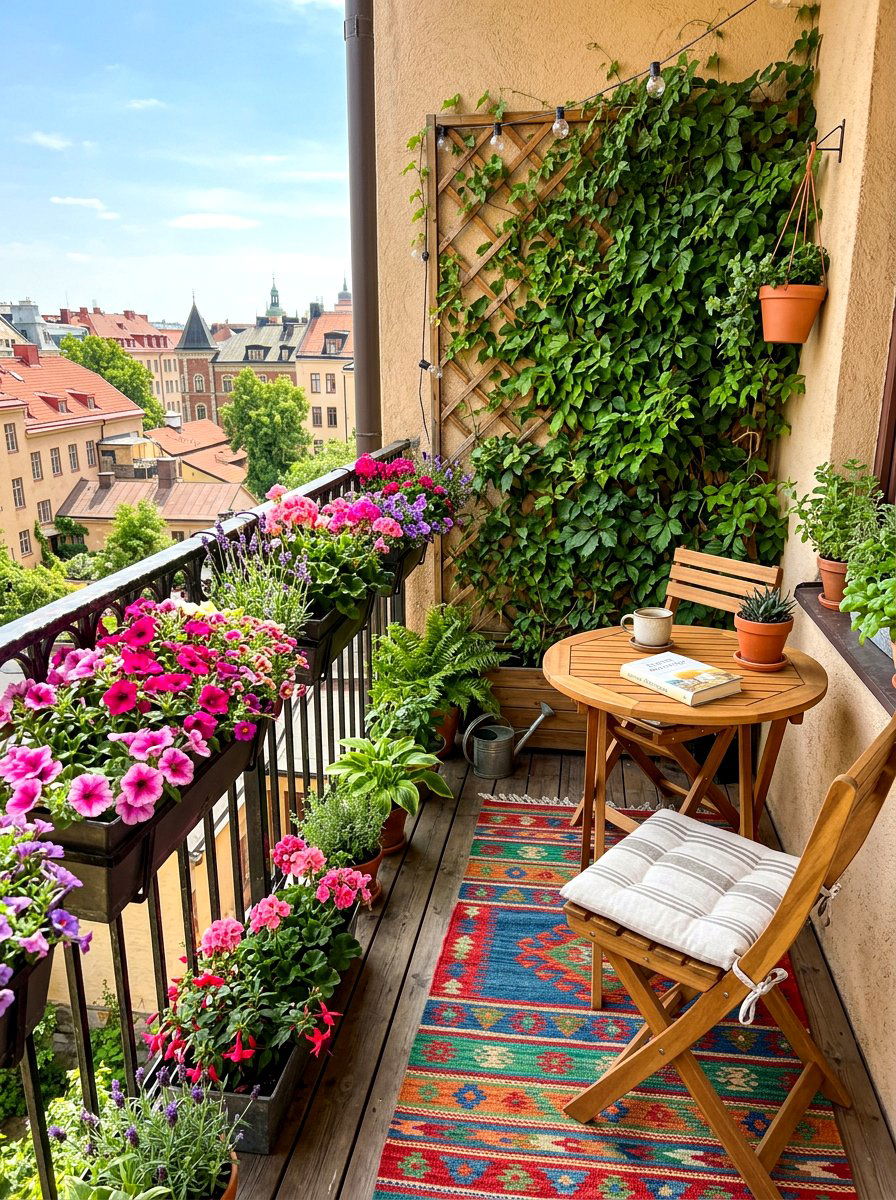
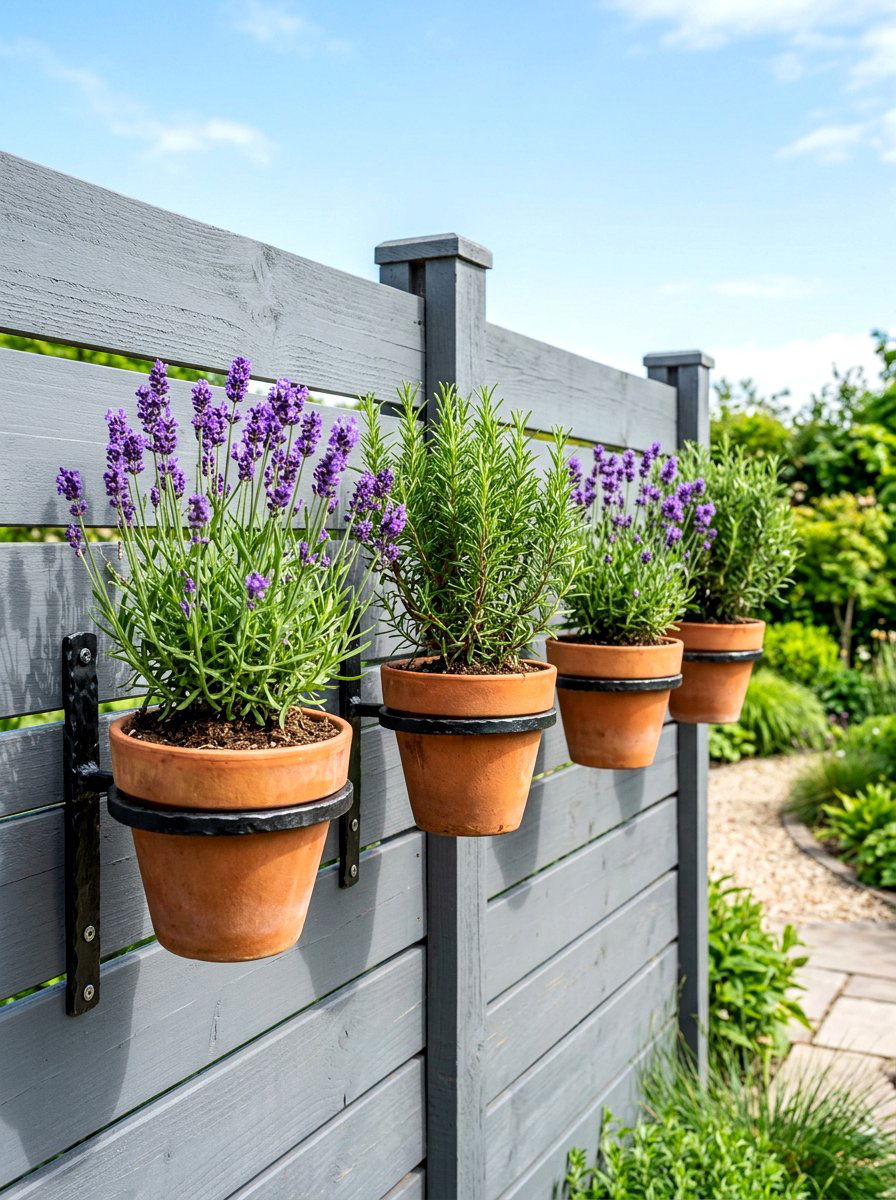
Turning a thin balcony into a lush outdoor oasis is all about working with the vertical plane and the railing. Use railing planters to grow colorful flowers or fresh herbs without using any of the limited floor space on your balcony. A small, foldable bistro set is the perfect choice for outdoor dining because it can be easily moved or tucked away when needed. You can hang a wall-mounted trellis with climbing vines to create a living green wall that provides privacy and a natural feel. Adding a set of solar-powered fairy lights will create a magical ambiance for enjoying the cool evening air in your compact garden.
14. Long narrow mudroom locker
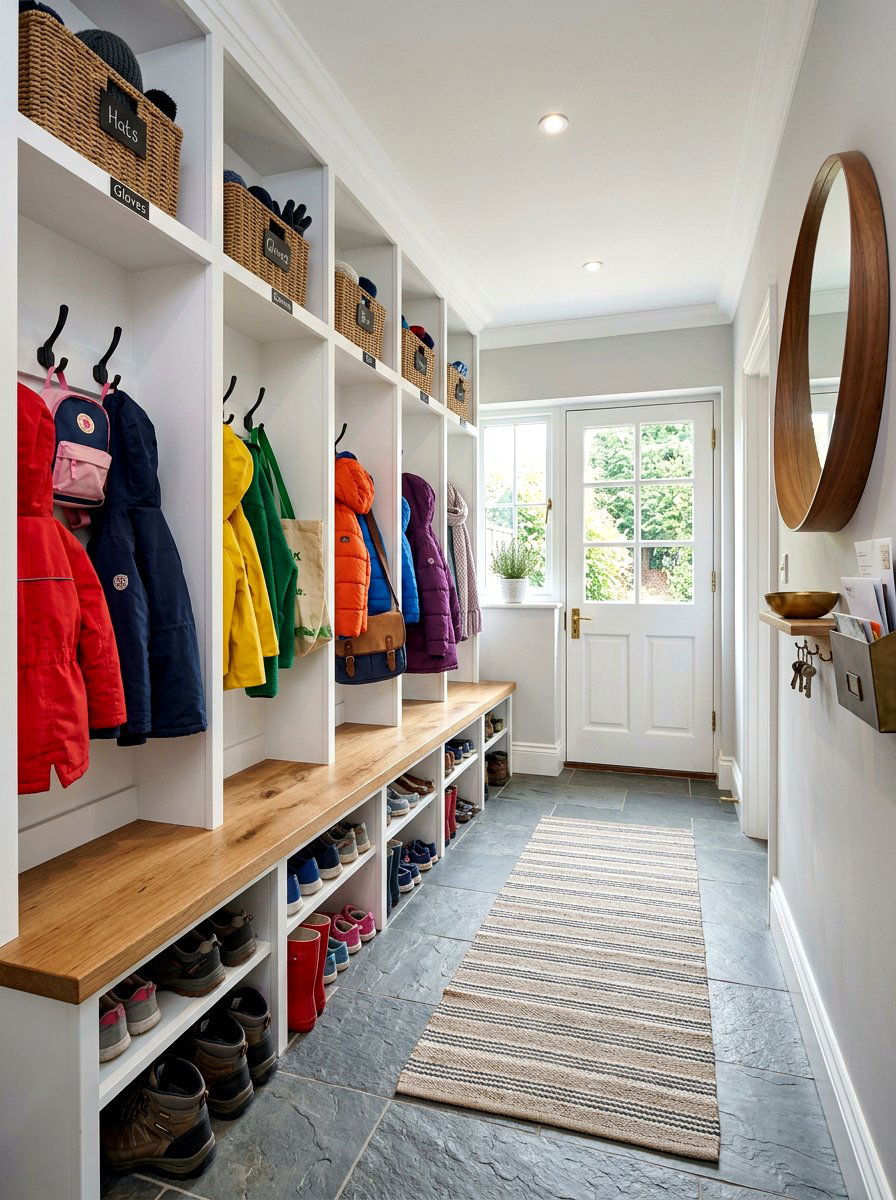
A mudroom in a slender hallway needs to be highly organized to prevent boots and bags from becoming a tripping hazard. Built-in lockers with a very shallow profile can provide a designated spot for every family member's coat and school bag. You can include a narrow bench with cubbies underneath for shoe storage to keep the floor clear and provide a place to sit. Using a durable, easy-to-clean floor like tile or luxury vinyl plank is essential for a high-traffic area that deals with mud and moisture. Adding a few high-quality hooks on the opposite wall can offer extra hanging space for guests without taking up much room.
15. Narrow breakfast nook corner
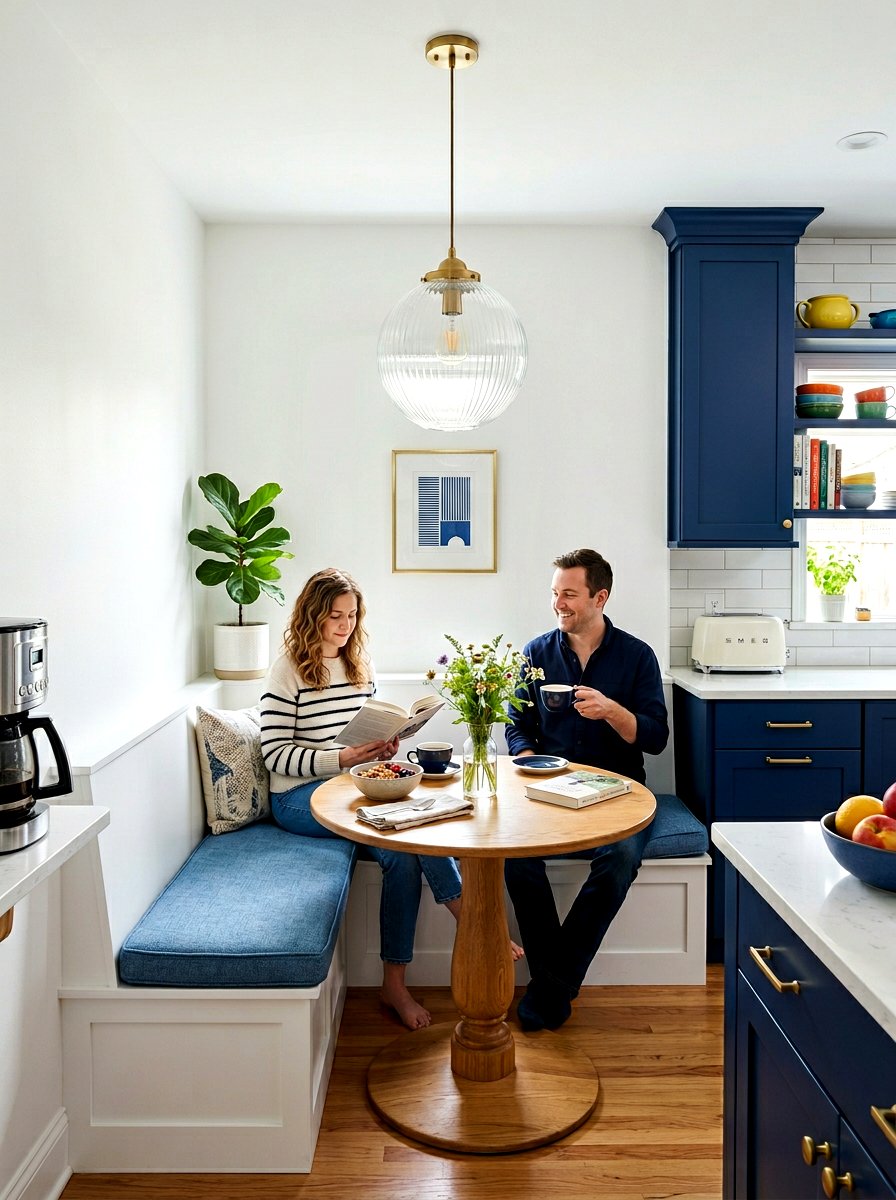
A small, slender corner in your kitchen can be transformed into a charming breakfast spot with a built-in banquette. Choosing a bench with a lift-up seat provides hidden storage for seasonal items or table linens, making it a double-duty design choice. A narrow pedestal table is the best option because it allows people to slide in and out of the seating easily. You can add a few colorful throw pillows to the banquette to make the nook feel cozy and inviting for your morning coffee. Hanging a small pendant light directly over the table will define the space and create a warm, focused glow for meals.
16. Small narrow home library
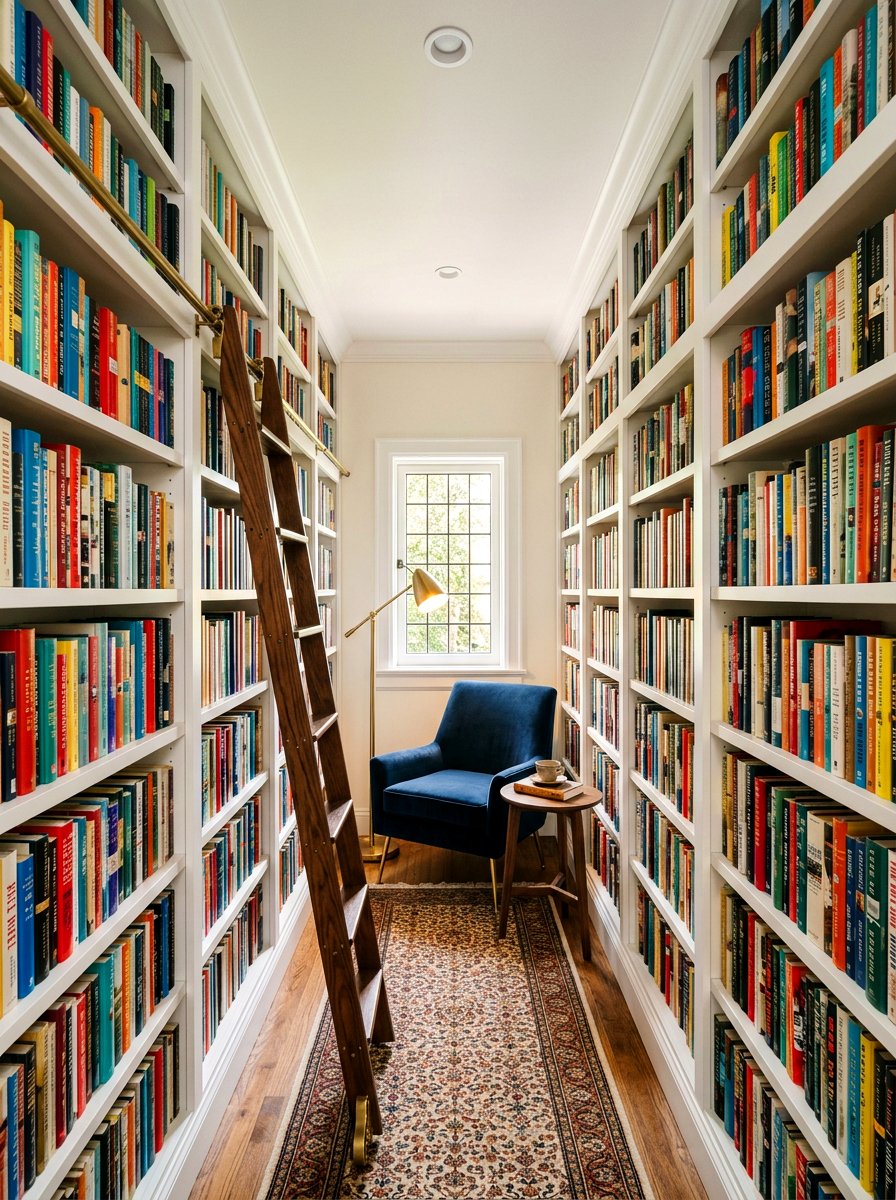
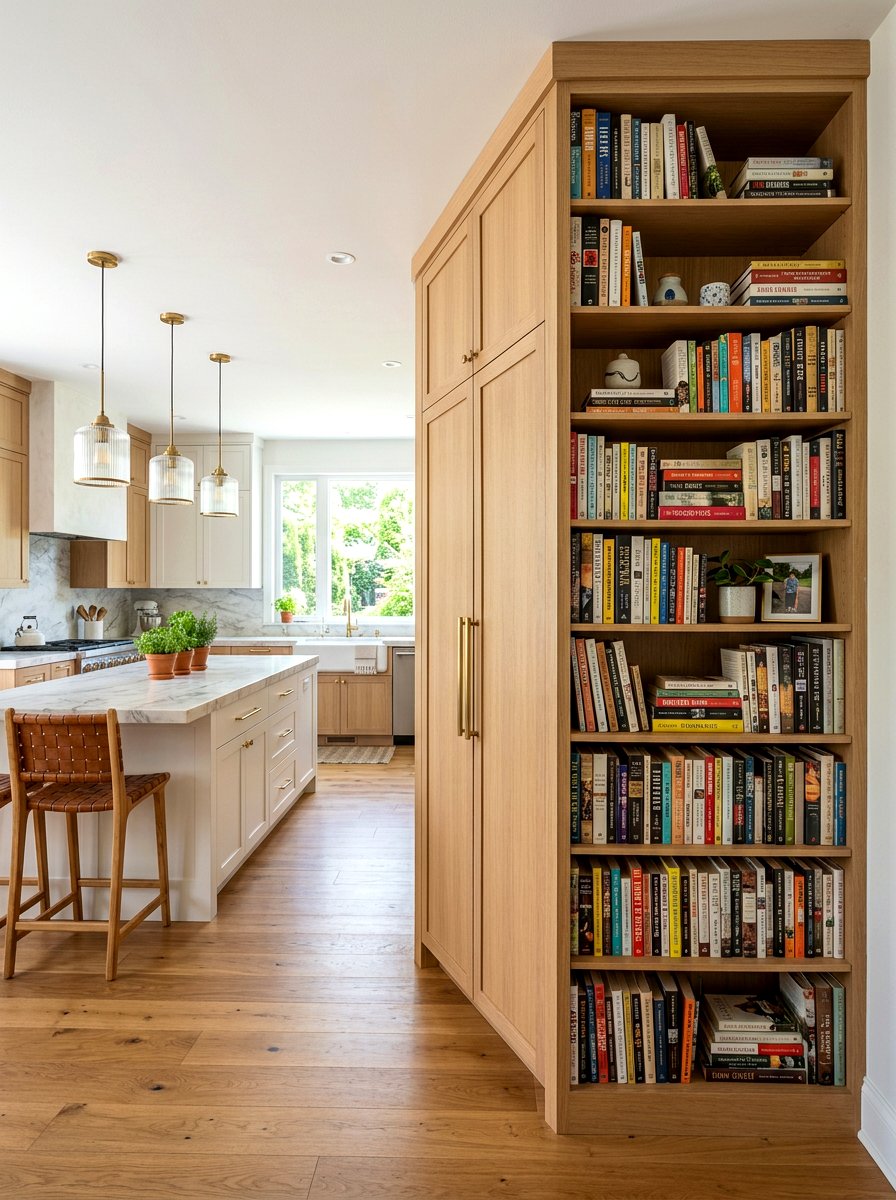
For book lovers with limited space, a slender wall can be turned into a floor-to-ceiling library that adds character and warmth. Using white or light-colored bookshelves will keep the massive collection of books from feeling too heavy or closing in the narrow room. You can include a slim, comfortable armchair at one end with a dedicated floor lamp to create the ultimate reading retreat. Adding a library ladder is not only a functional way to reach high books but also adds a touch of classic sophistication. A small, round rug can anchor the reading chair and provide a soft texture underfoot as you get lost in a story.
17. Narrow craft room station
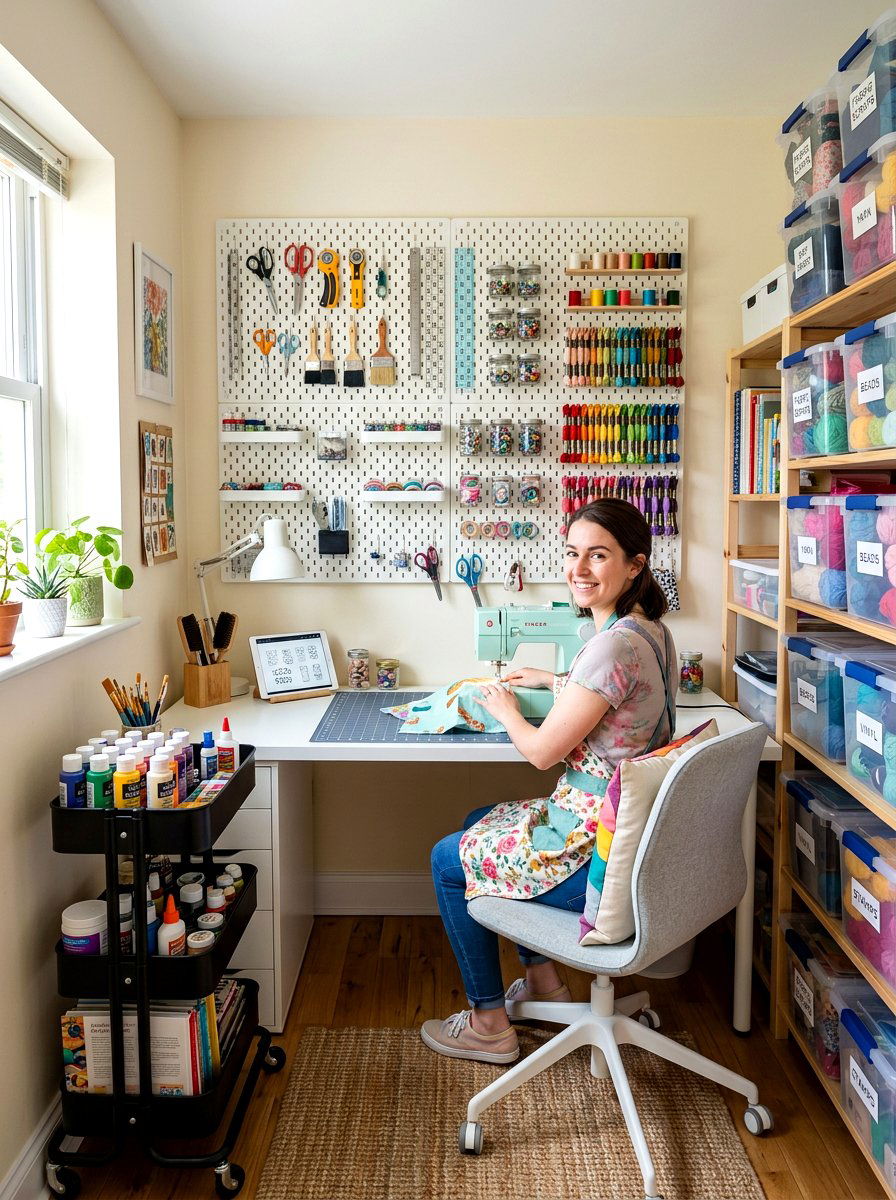
Creating a dedicated space for creativity in a thin room requires a layout that keeps all your tools organized and visible. A long, slender table pushed against one wall provides a large surface for projects while leaving plenty of room to move around. You can use pegboards on the wall above the workspace to hang everything from scissors to spools of ribbon, keeping the desk clutter-free. Using clear bins for storage allows you to see exactly what you have without having to rummage through multiple drawers. A rolling cart can hold frequently used items and be moved right next to you while you work on a project.
18. Long narrow guest bedroom
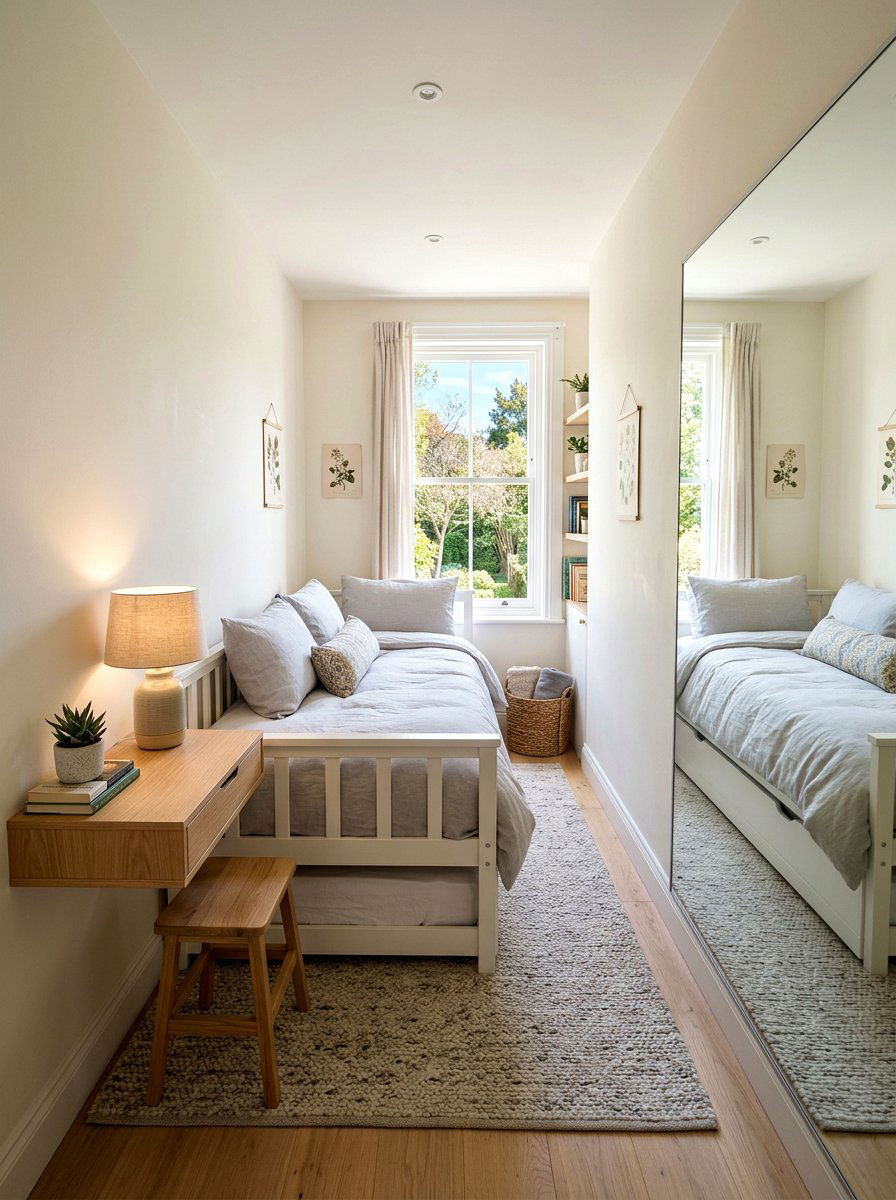
Making a guest room feel welcoming in a slender space is all about comfort and clever furniture choices. A daybed with a trundle is a fantastic option because it provides a cozy place to sit during the day and two beds for guests at night. You can use a small, wall-mounted desk as a nightstand to give your visitors a place to work or get ready in the morning. Keep the decor simple and uncluttered to ensure the room feels peaceful and spacious for anyone staying over. Adding a high-quality mirror will reflect light and help your guests feel like they have plenty of room to move around.
19. Narrow attic bedroom loft
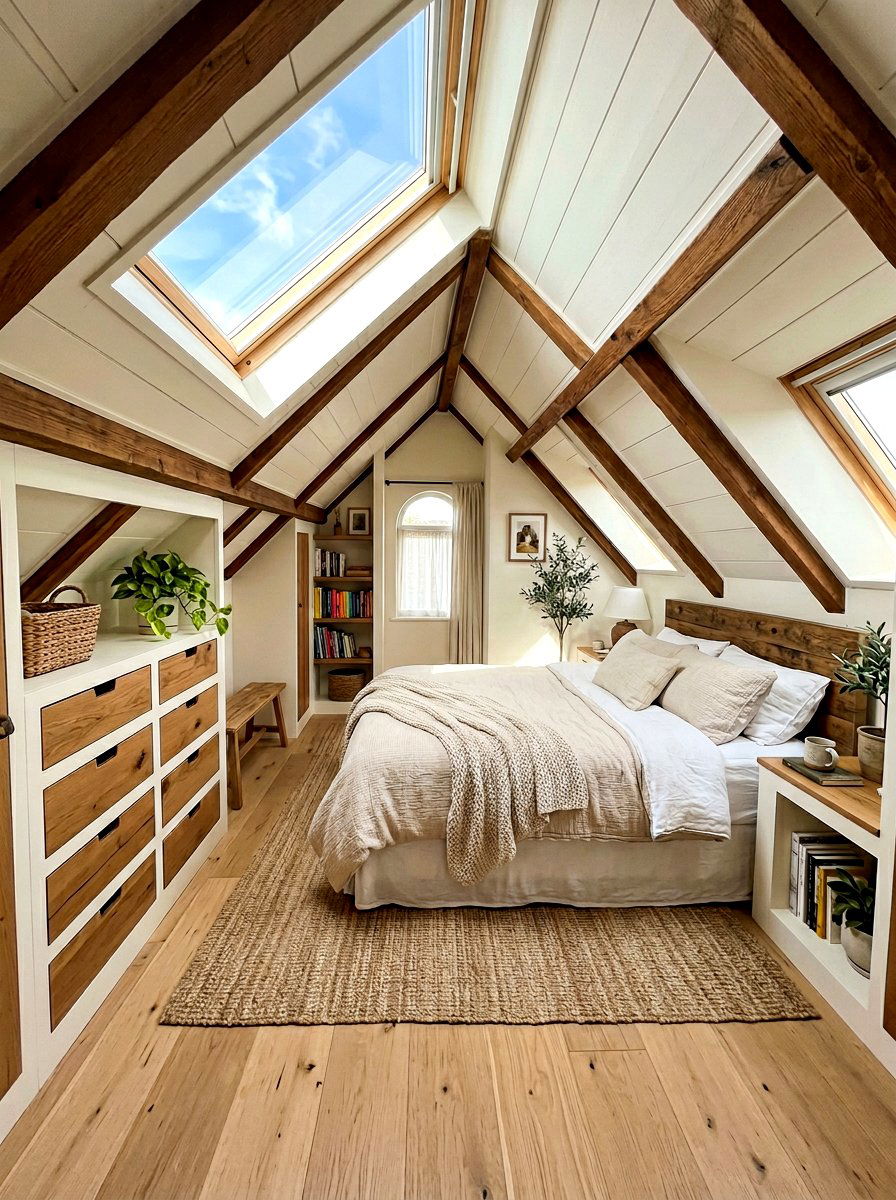
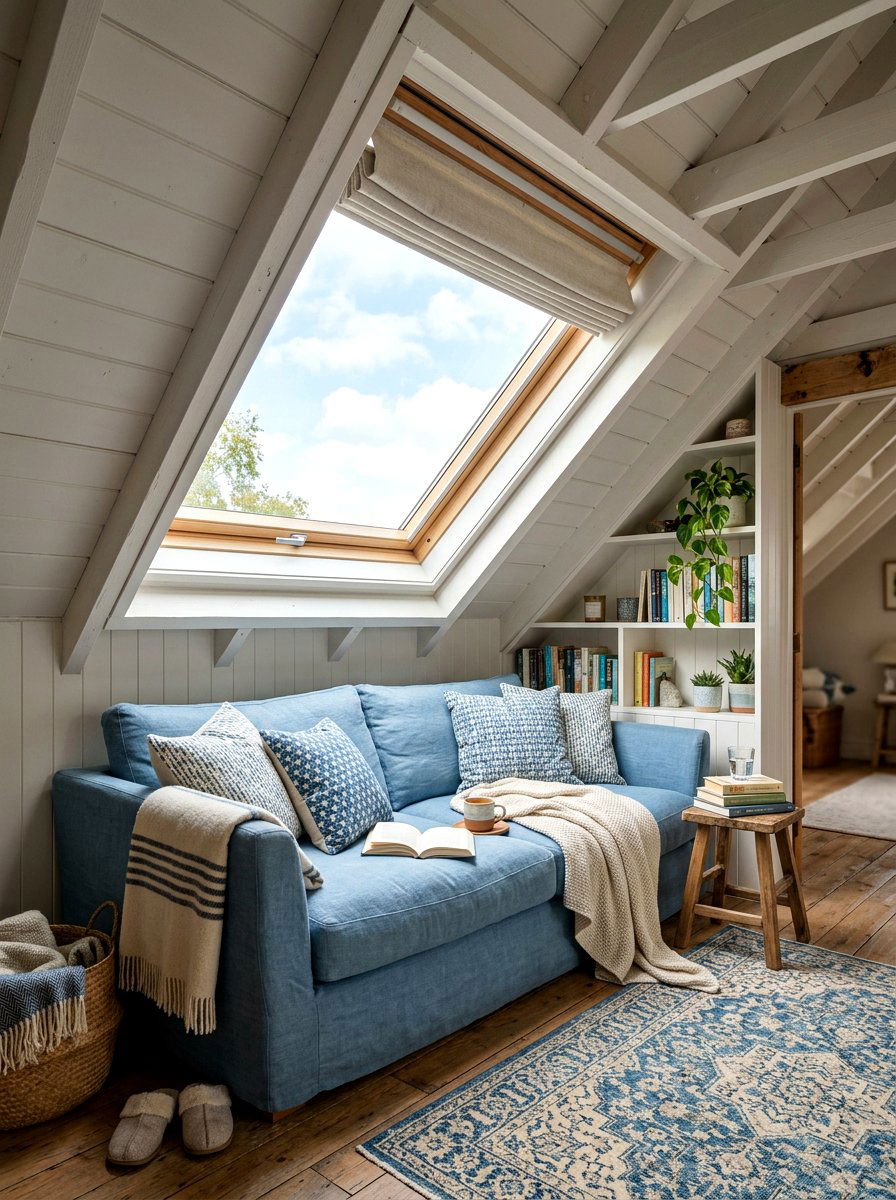
Attic spaces often have challenging narrow footprints and sloped ceilings that require a very thoughtful approach to design. Placing the bed under the highest point of the ceiling will ensure you have enough headroom when getting in and out of bed. You can use the low-clearance areas under the eaves for built-in drawers or bookshelves to maximize storage without using the main floor. Choosing a light color palette for the walls and the ceiling will help the angled lines disappear and make the room feel much larger. Large skylights can flood the narrow attic with natural light and provide a beautiful view of the stars at night.
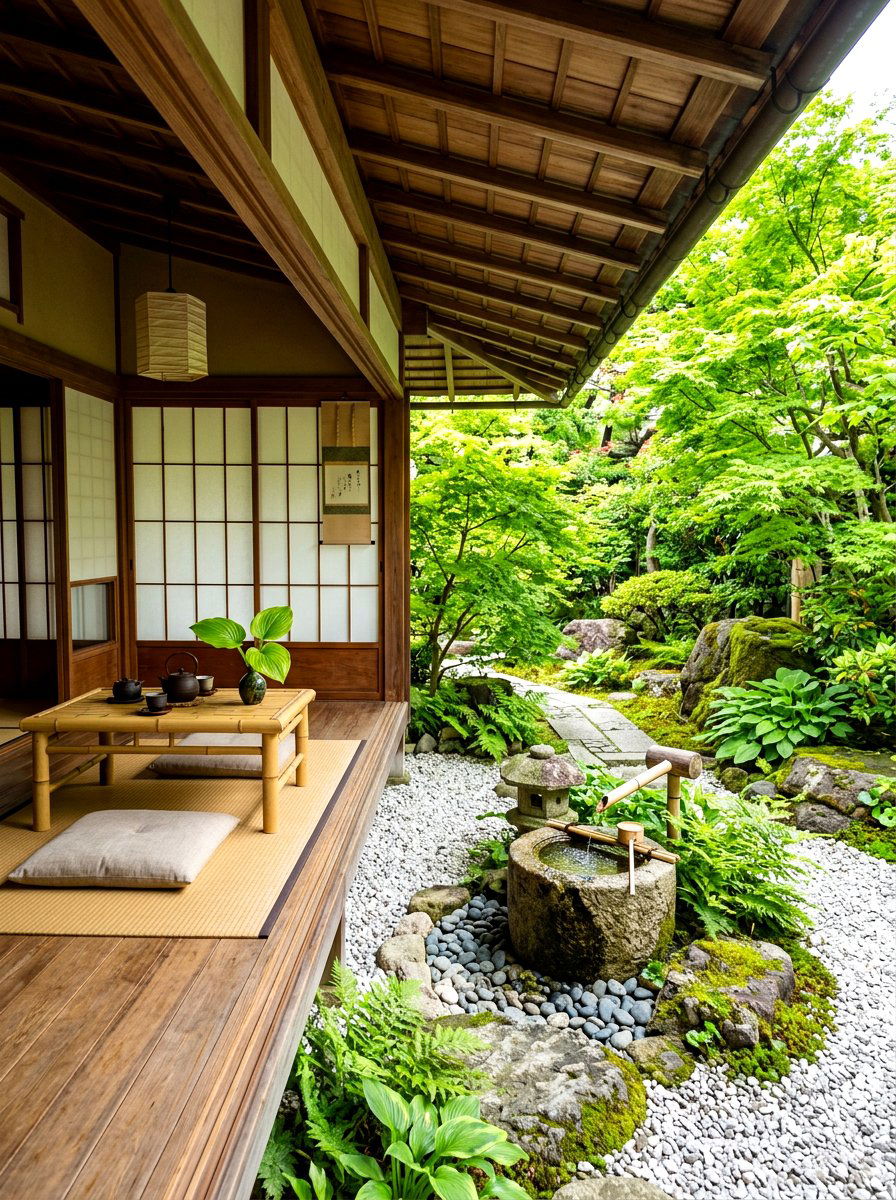
20. Small narrow basement lounge
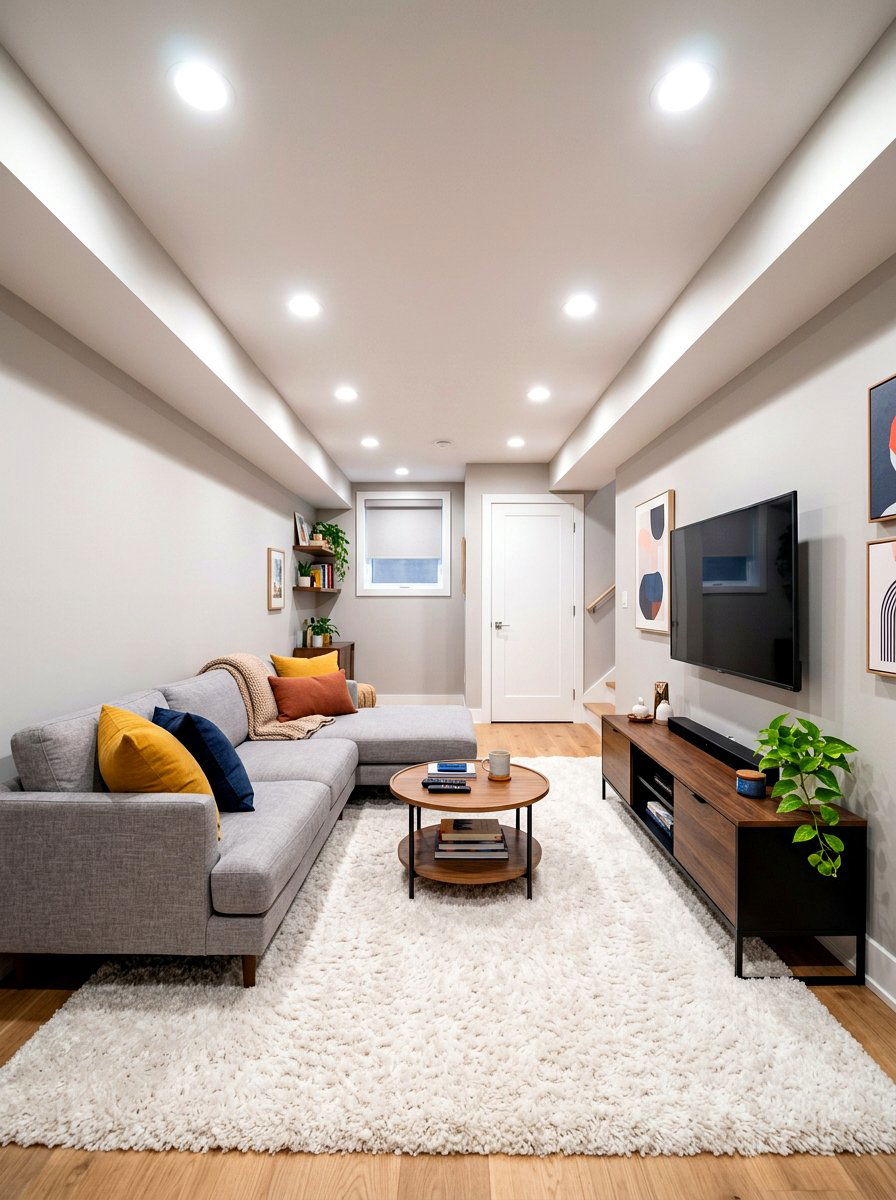
Basements can often feel dark and cave-like, so a slender layout needs plenty of light and a bright color scheme to feel inviting. A low-profile sectional sofa can provide ample seating for movie nights without overwhelming the narrow proportions of the underground space. You can use a series of recessed lights on a dimmer switch to create the perfect ambiance for any activity, from gaming to relaxing. Adding a few mirrors on the walls will help bounce light around and make the basement feel like a natural extension of the upstairs. A soft, high-pile rug will add much-needed warmth and comfort to the lower-level family room.
21. Narrow studio apartment zoning
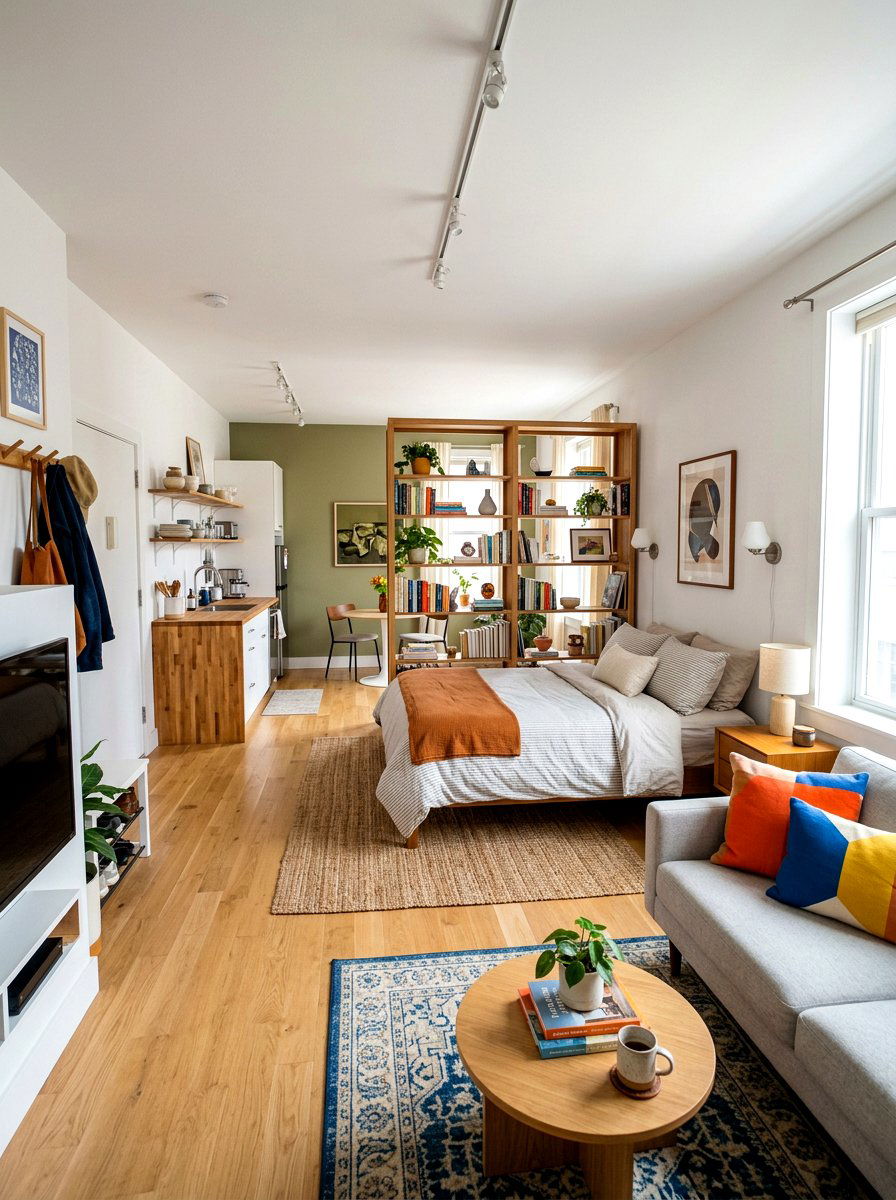
Living in a narrow studio apartment requires using furniture and rugs to create distinct living, sleeping, and dining zones. An open-back bookshelf can act as a room divider between the bed and the living area without blocking light or making the space feel small. You can use different area rugs to define each functional zone and create a sense of organized flow throughout the long room. Choosing multifunctional furniture like a sofa that turns into a bed or a coffee table with hidden storage is essential for studio living. Keeping a consistent color palette across all zones will ensure the entire apartment feels cohesive and thoughtfully designed.
22. Long narrow front porch furniture
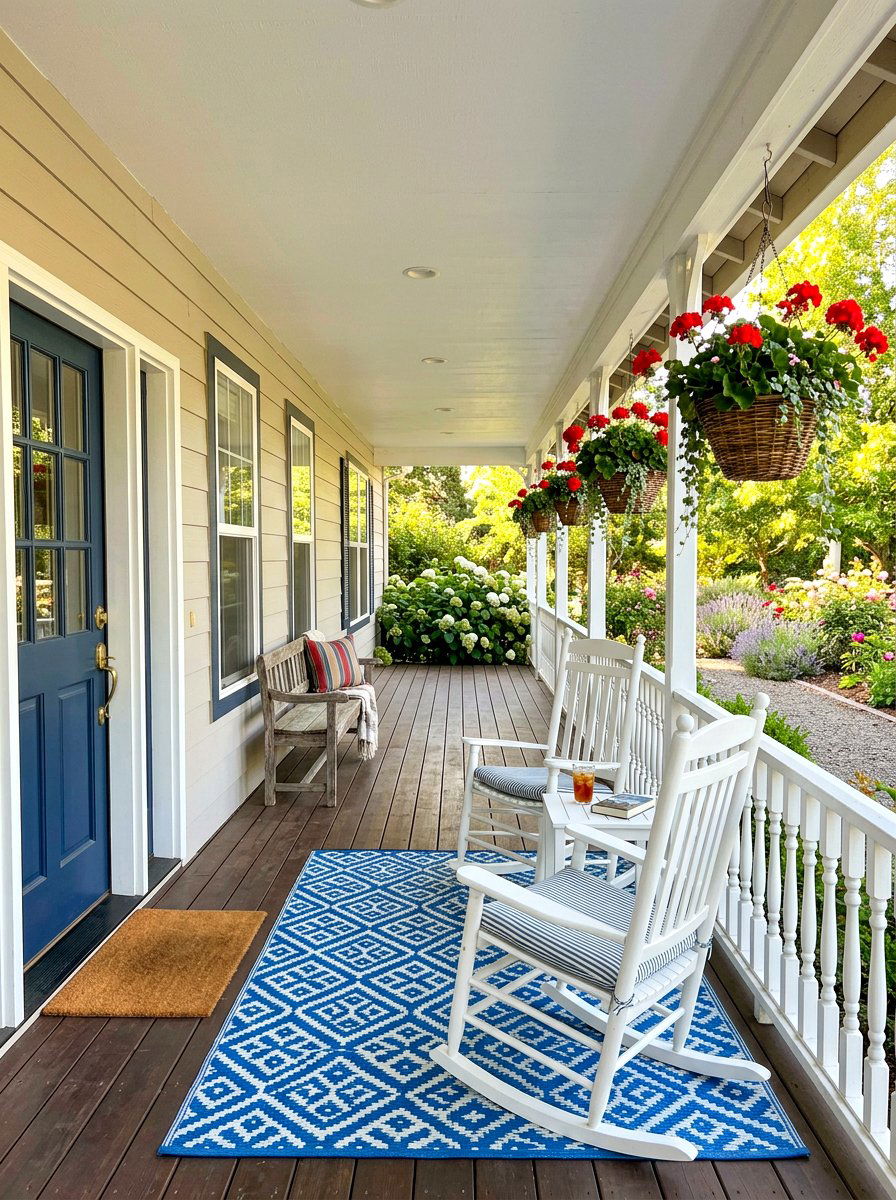
A thin front porch can become a beautiful outdoor living space by selecting furniture that fits the scale of the area. A pair of slim rocking chairs or a narrow wooden bench creates a classic and inviting look that doesn't block the walkway to the door. You can use hanging baskets filled with vibrant flowers to add color and life without taking up any of the precious floor space. A decorative outdoor rug can define the seating area and add a touch of personal style to the front of your home. Adding a few small lanterns or string lights will create a warm and welcoming glow for evening relaxation.
23. Narrow gaming room decor
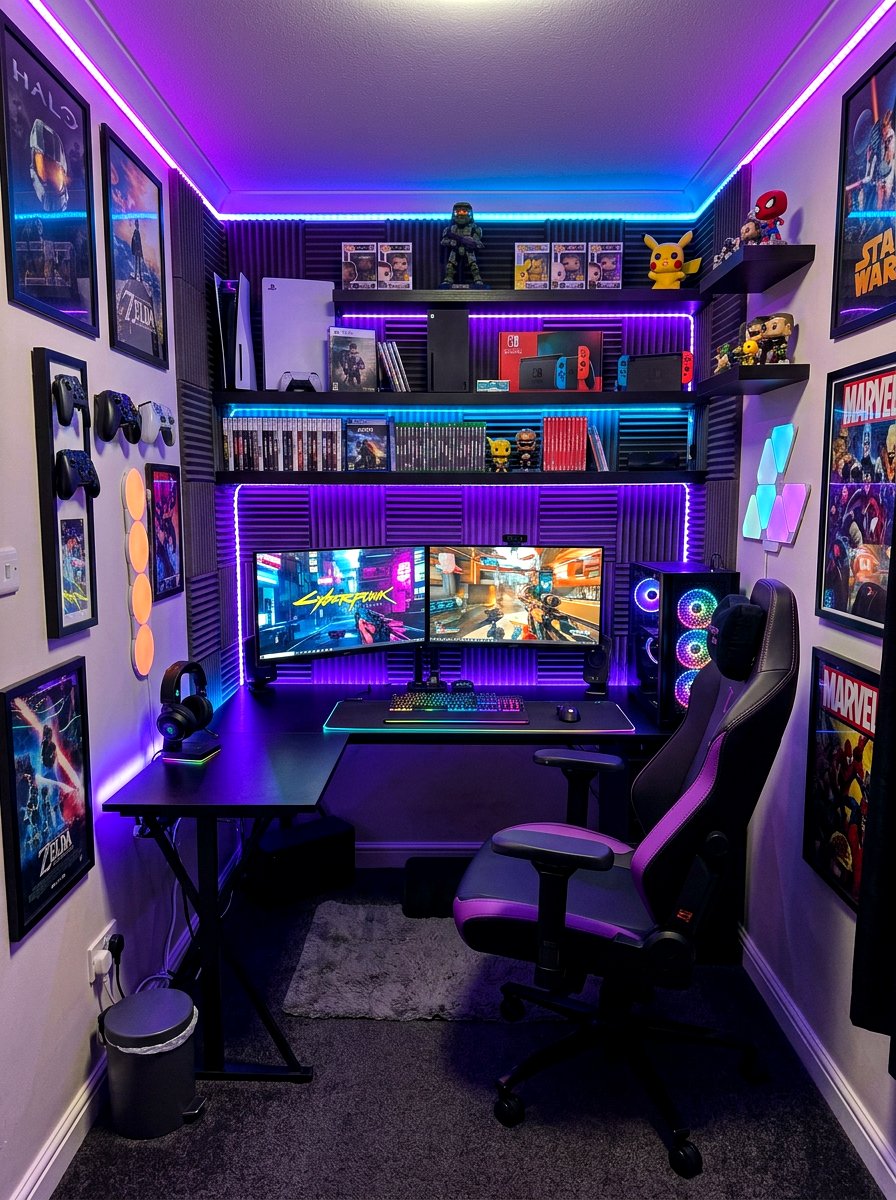
Designing a gaming paradise in a thin room involves creating a streamlined setup that focuses on the screen and comfortable seating. A long, sturdy desk can hold multiple monitors and all your gaming peripherals while leaving plenty of room for an ergonomic chair. You can use LED light strips behind the desk and along the ceiling to create a high-tech atmosphere that feels immersive and exciting. Wall-mounted shelves are perfect for displaying your favorite collectibles and games without cluttering the main workspace. Using acoustic panels on the walls can help with sound quality and add a cool, modern design element to the narrow gaming lounge.
24. Small narrow kids playroom
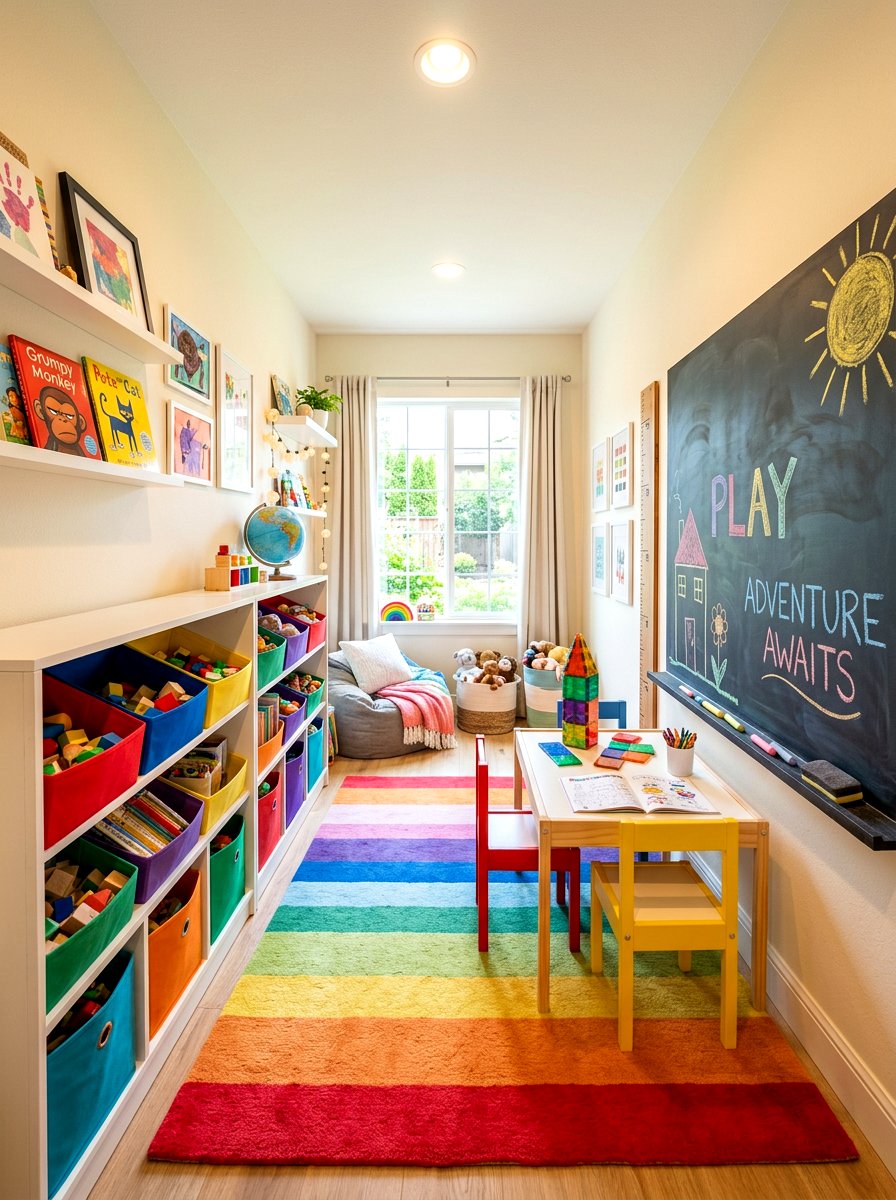
A playroom in a slender space needs plenty of organized storage to keep toys off the floor and provide room for active play. Using a long, low storage unit with bins allows children to easily reach their toys and helps make cleanup time much faster. You can add a small table and chairs at one end for crafts and a soft rug at the other for building blocks or reading. Use bright, fun colors on one wall to create a cheerful focal point that sparks creativity and joy in the space. Hanging a large chalkboard or white board on the wall provides a place for artistic expression without using floor space.
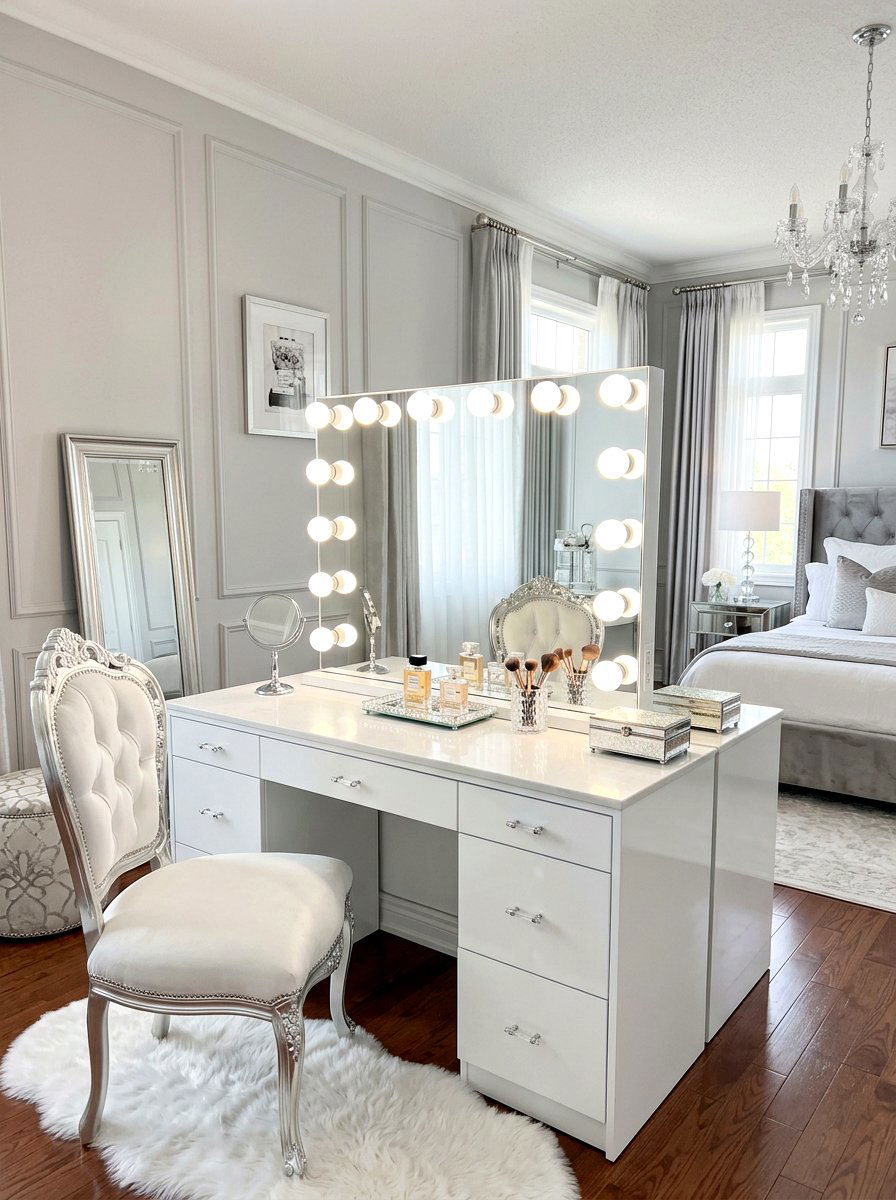
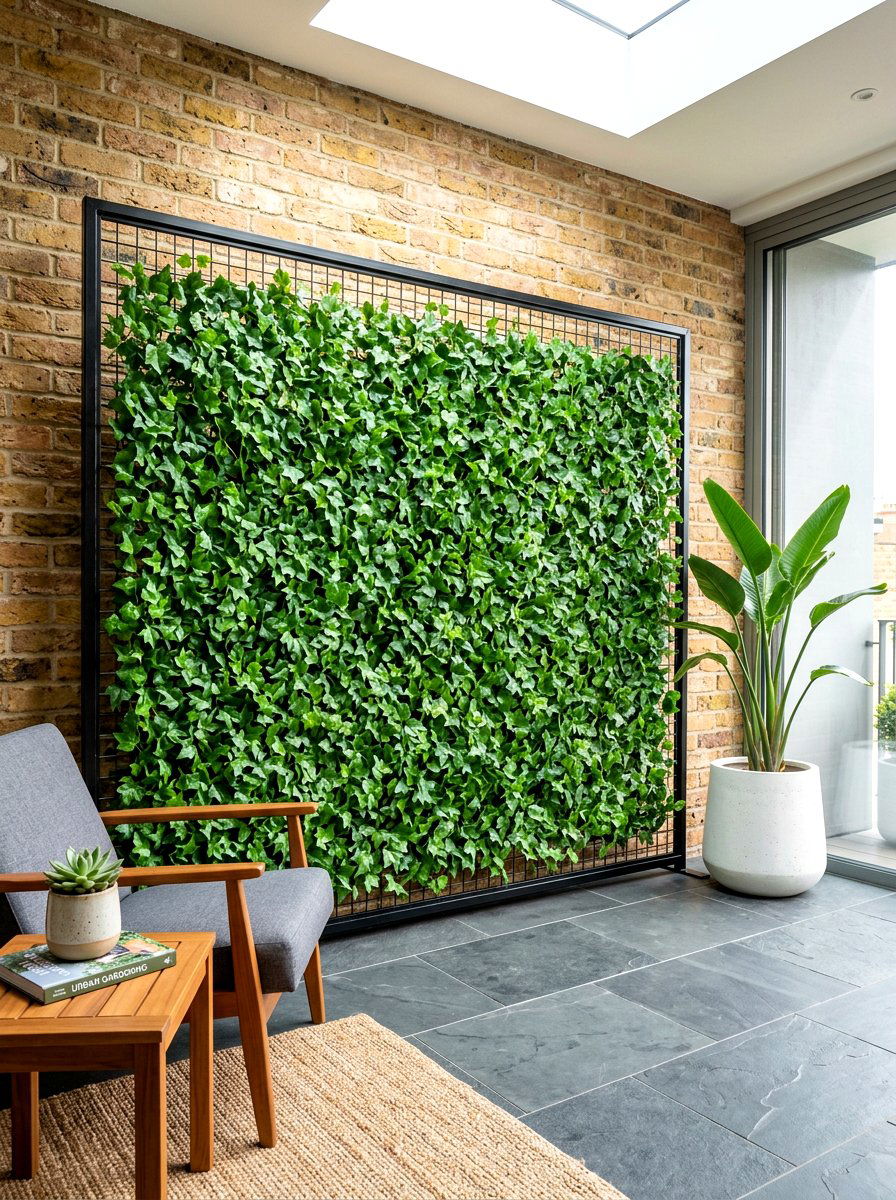
25. Narrow window seat nook
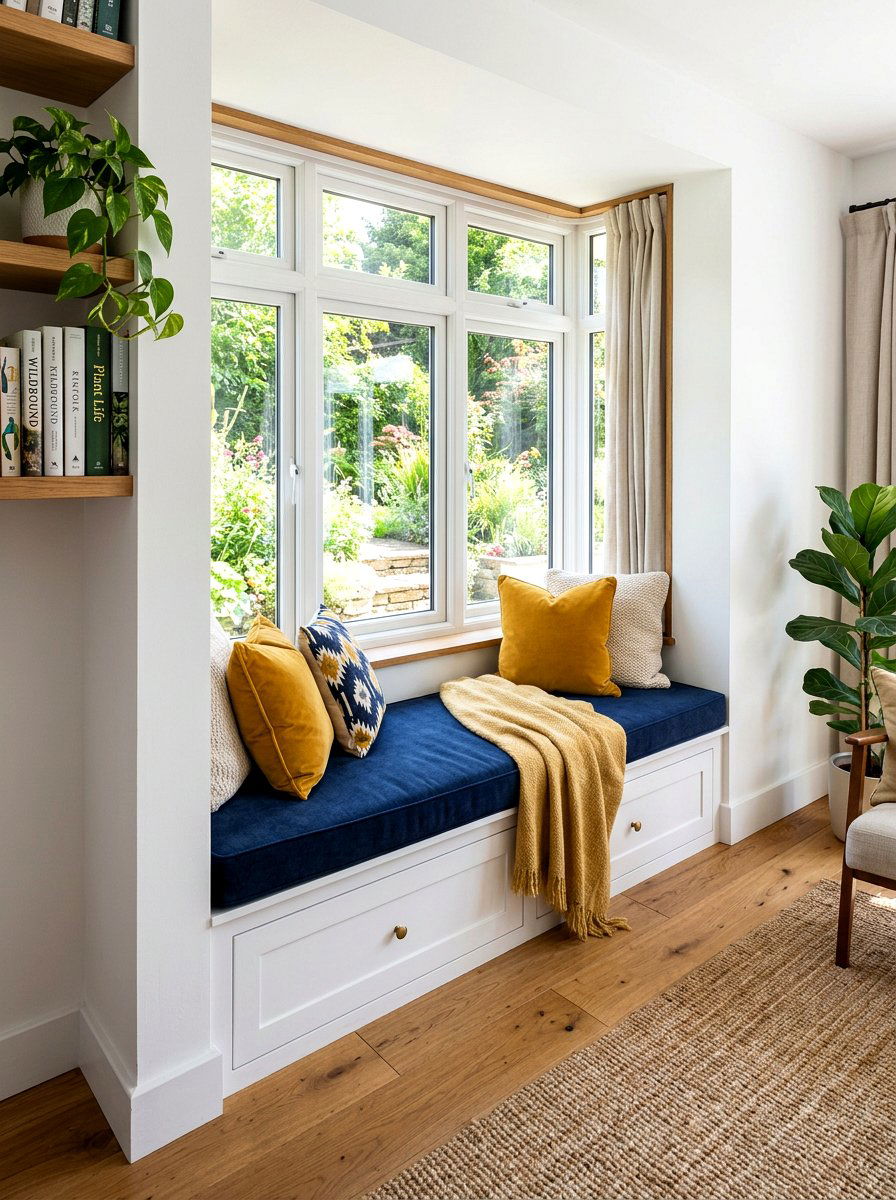
A long, thin room with a window is the perfect spot for a custom-built window seat that offers both seating and storage. You can use thick, comfortable cushions and a few plush throw pillows to create a cozy place for reading or watching the world go by. Including drawers or cubbies underneath the seat provides a great place to hide away extra blankets, board games, or seasonal decor. The window seat keeps the center of the room open while providing a functional and stylish feature that adds value to your home. It’s an ideal way to turn an underutilized narrow area into a favorite destination for the whole family.
26. Long narrow walk in pantry
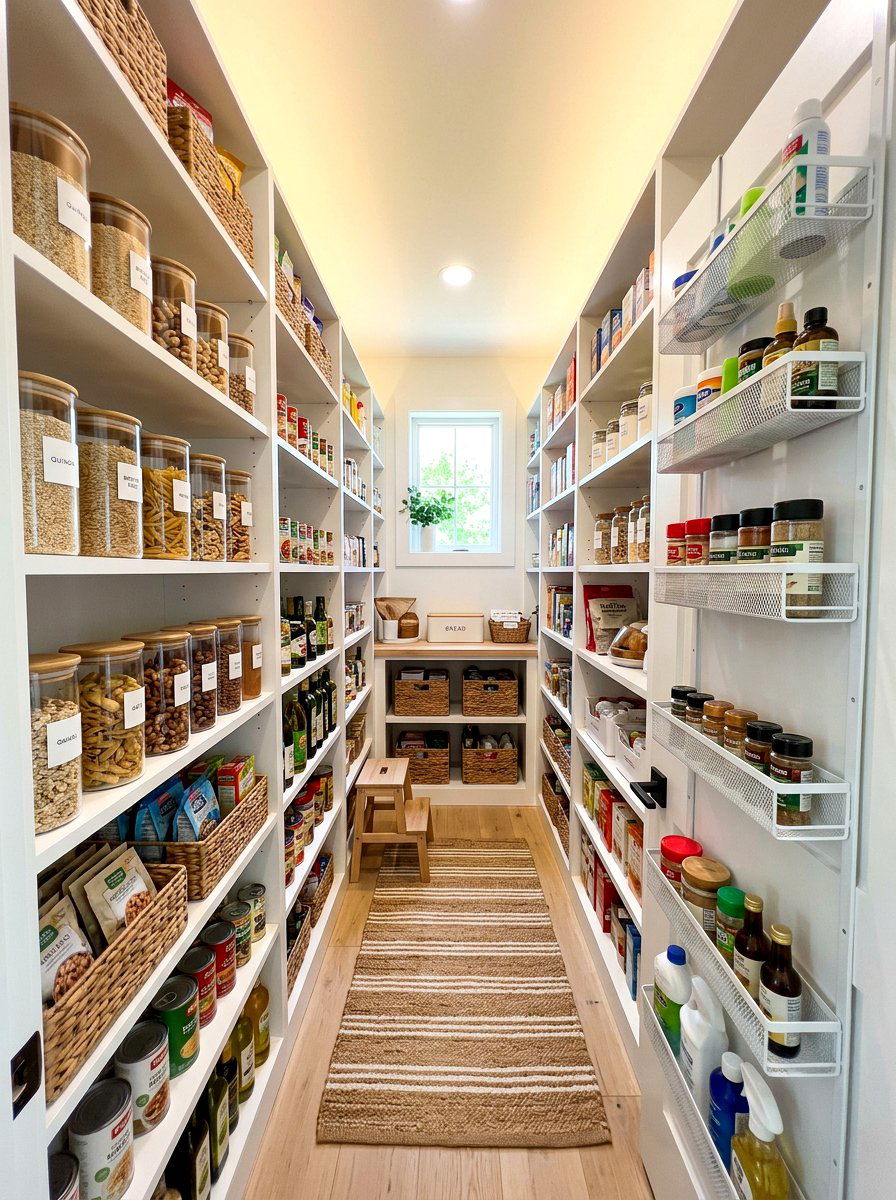
A slender walk-in pantry can be an organizer's dream with the right combination of shelving and clear storage containers. Use shallow shelves for canned goods and spices so nothing gets lost at the back, and deeper shelves for larger appliances and bulk items. You can install a sturdy door rack for extra storage of small bottles, wraps, and bags to keep the main shelves uncluttered. Bright, overhead lighting is essential for seeing everything clearly and making the narrow space feel functional rather than cramped. A small step ladder that hangs on the wall will help you easily reach the items on the very top shelves.
27. Narrow reading nook alcove
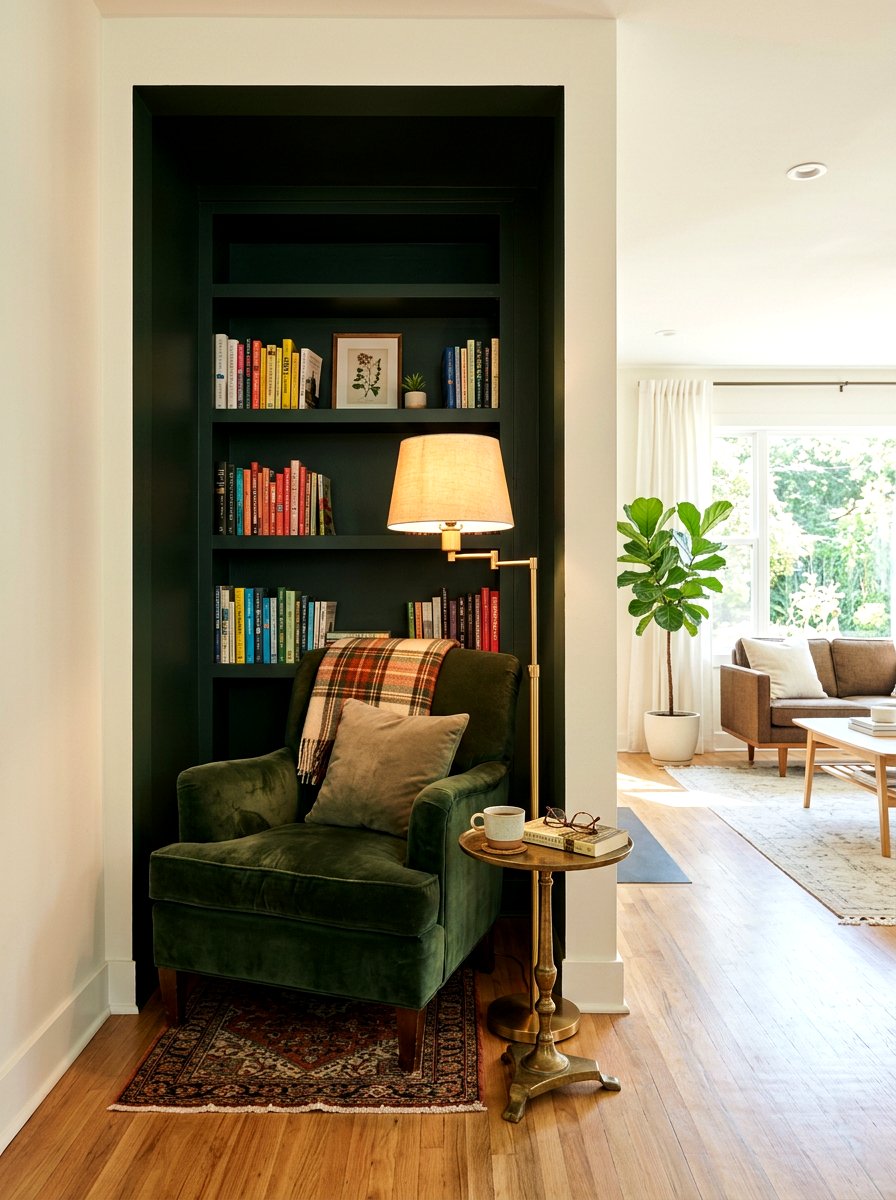
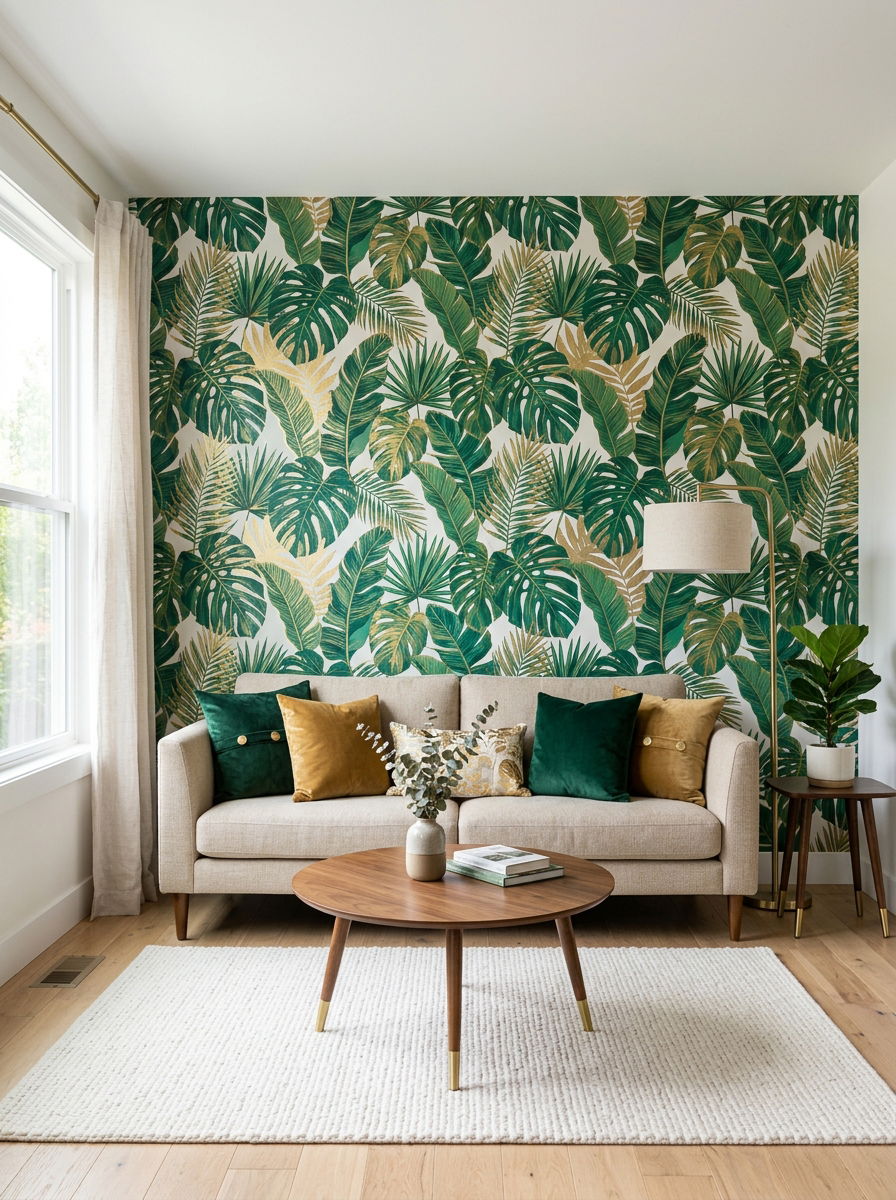
Transforming a small, thin alcove into a reading retreat is all about creating a sense of coziness and peace. A plush, high-back armchair that fits perfectly into the space provides the ultimate comfort for hours of getting lost in a good book. You can add a small, slim side table for your tea and a dedicated floor lamp with a warm bulb for evening reading. Using a soft, textured wallpaper or a dark paint color in the nook can create a cocoon-like feeling that feels separate from the rest of the room. A small, round rug will tie the little space together and add a touch of luxury.
28. Small narrow master suite
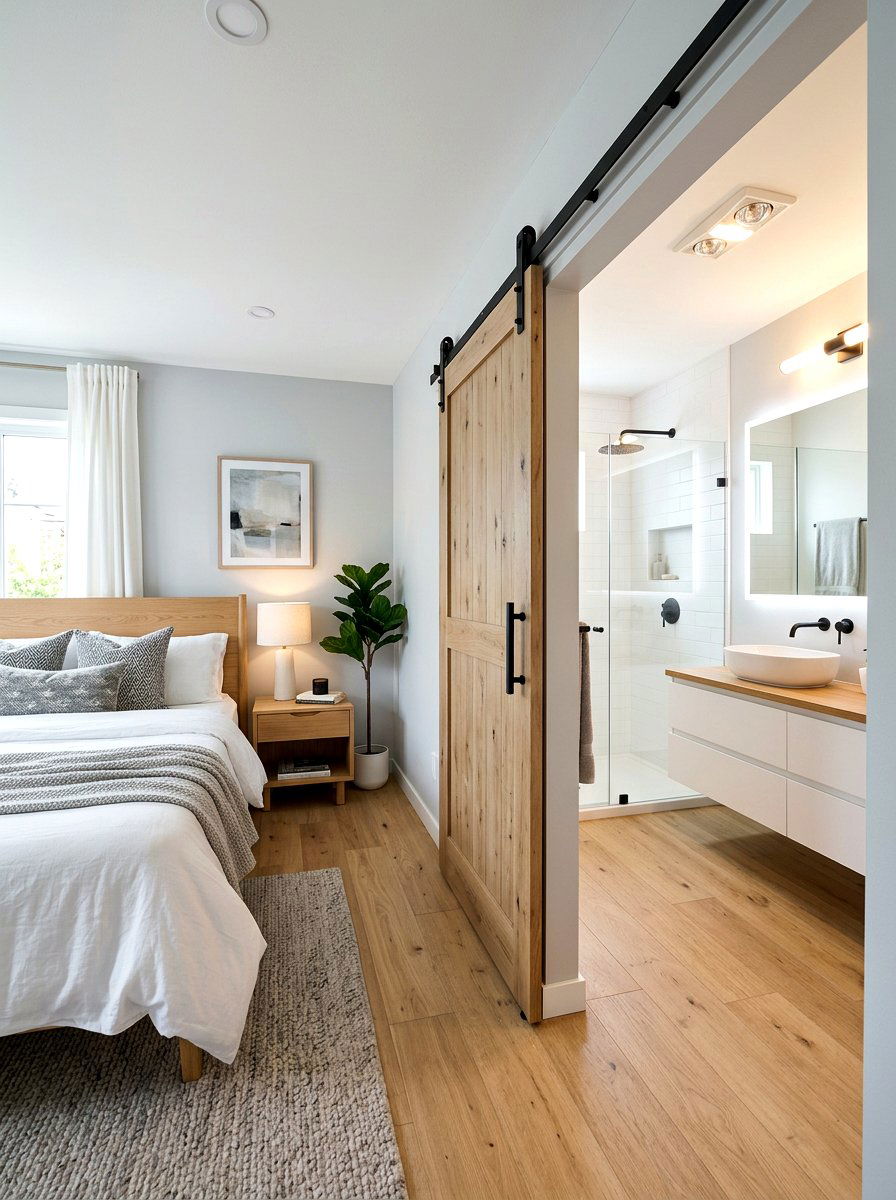
Designing a primary bedroom with an attached bathroom in a slender footprint requires a seamless flow between the two spaces. Using a consistent flooring material like hardwood or luxury vinyl throughout both areas will make the entire suite feel larger and more unified. You can use a sliding barn door or a pocket door to save space and provide privacy between the bedroom and the bathroom without a swinging door. Keep the furniture in the bedroom scaled down and choose a bed with built-in storage to keep the room feeling neat and organized. Adding large windows will flood the suite with light and provide an airy atmosphere.
29. Narrow wine cellar area
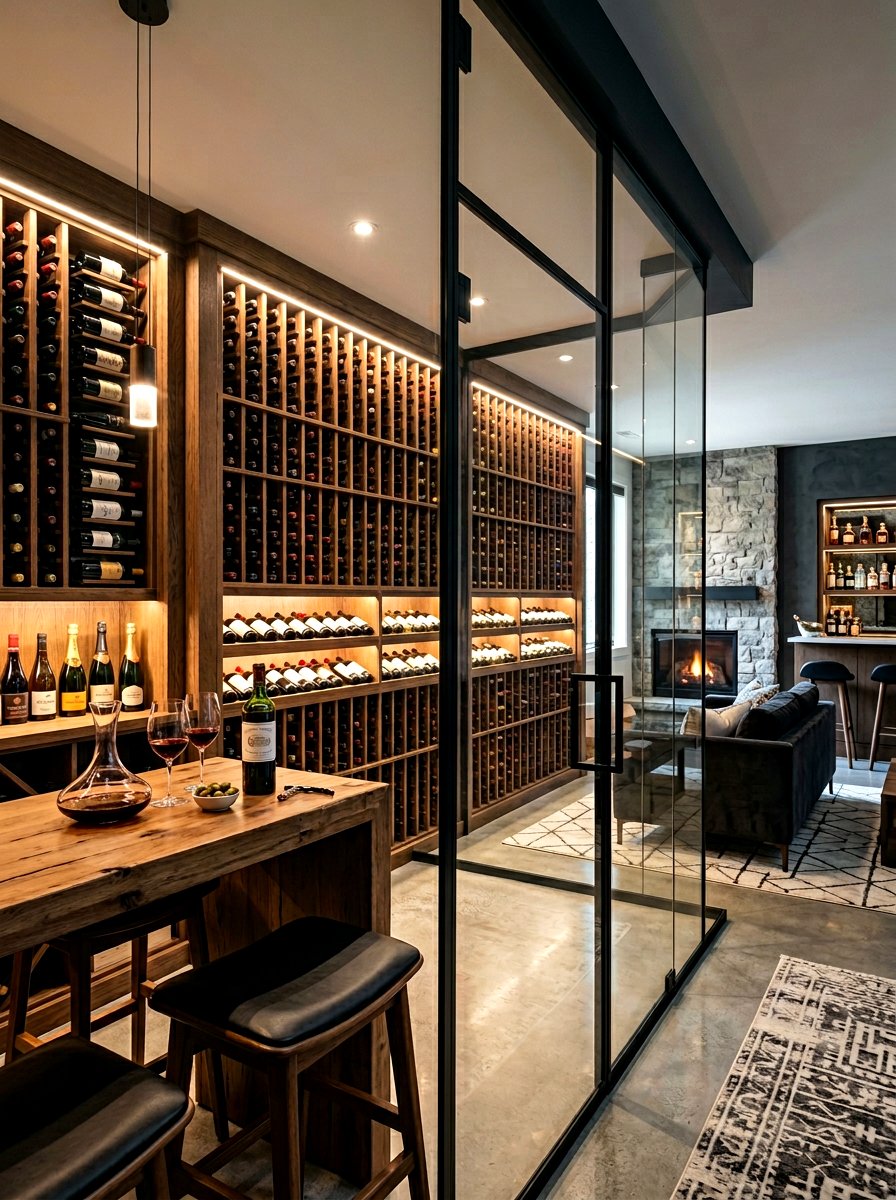
A long, thin space under the stairs or in a basement can be turned into a stunning wine cellar with custom vertical racks. Using glass walls and a glass door will showcase your collection while keeping the space feeling open and integrated into the rest of the home. You can include a small, narrow tasting table with a couple of stools if the space allows for a more complete experience. Installing a climate control system is essential for protecting your investment and ensuring your wine stays in perfect condition for years to come. Adding soft, recessed lighting will highlight the bottles and create a sophisticated and luxurious ambiance.
30. Long narrow patio layout
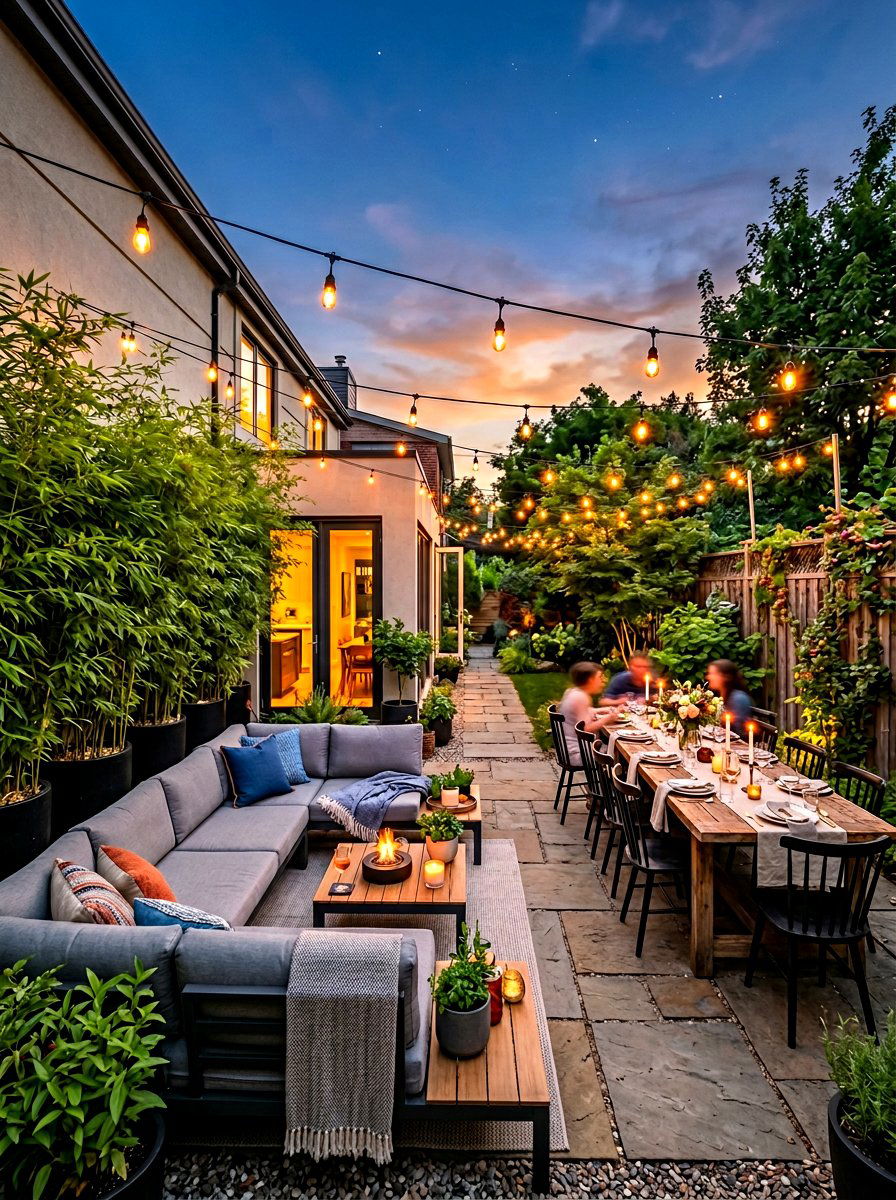
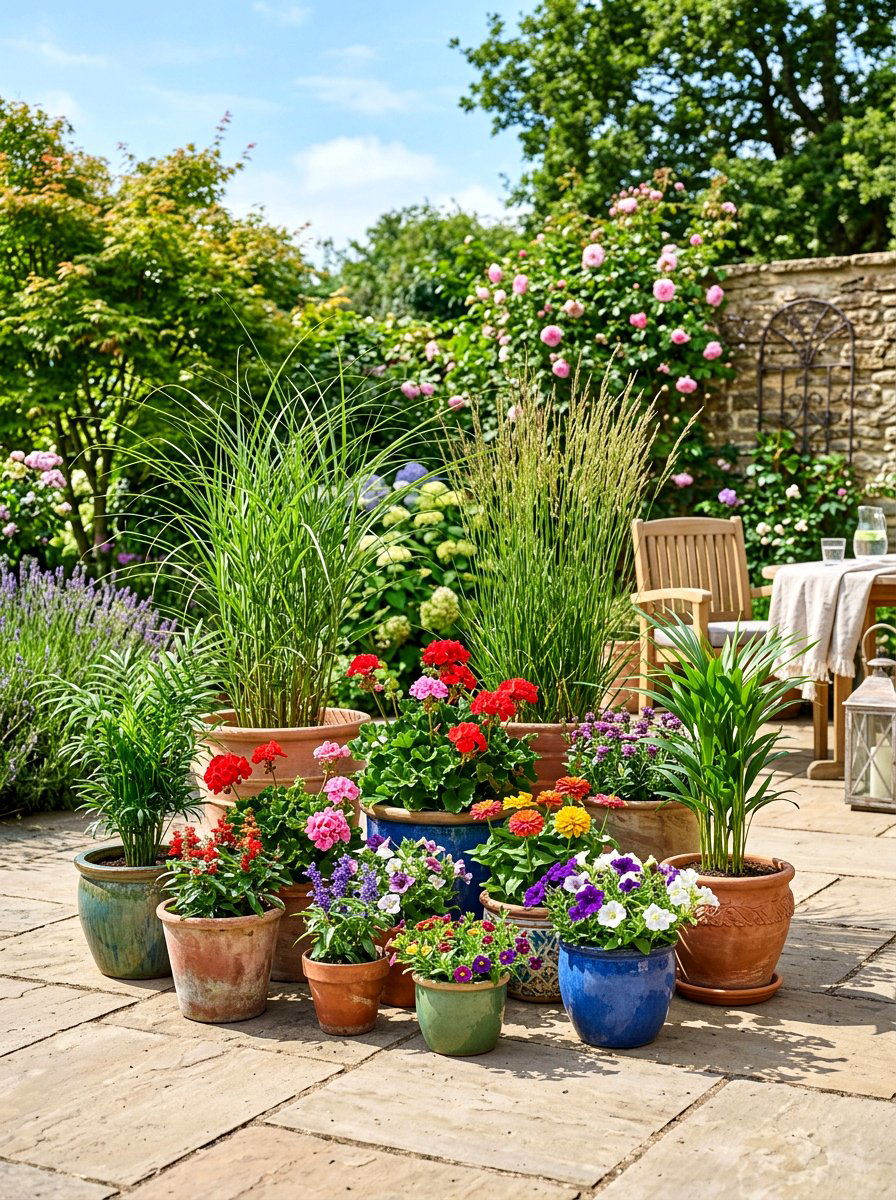
Creating a functional outdoor living area on a thin patio involves dividing the space into different zones for lounging and dining. You can use a long, narrow dining table at one end and a cozy seating arrangement with a slim outdoor sofa at the other. Using tall planters filled with bamboo or grasses can provide privacy and define the different areas without using bulky walls or fences. An outdoor rug can tie each zone together and add a touch of comfort to the hard surface of the patio. Adding string lights overhead will create a festive and inviting atmosphere for enjoying warm summer nights with your friends.
Conclusion:
Mastering the art of decorating a narrow room is all about embracing the unique proportions and making every design choice count. By breaking up long spaces into functional zones and using clever visual tricks like mirrors and light colors, you can create a home that feels both balanced and incredibly spacious. Remember to prioritize vertical storage and choose furniture that fits the scale of your room to maintain a clear and easy flow. Whether you are working with a slender living room or a tiny balcony, these ideas prove that any footprint can be beautiful and highly functional. Happy decorating as you transform your narrow spaces into stunning retreats!

Related posts: