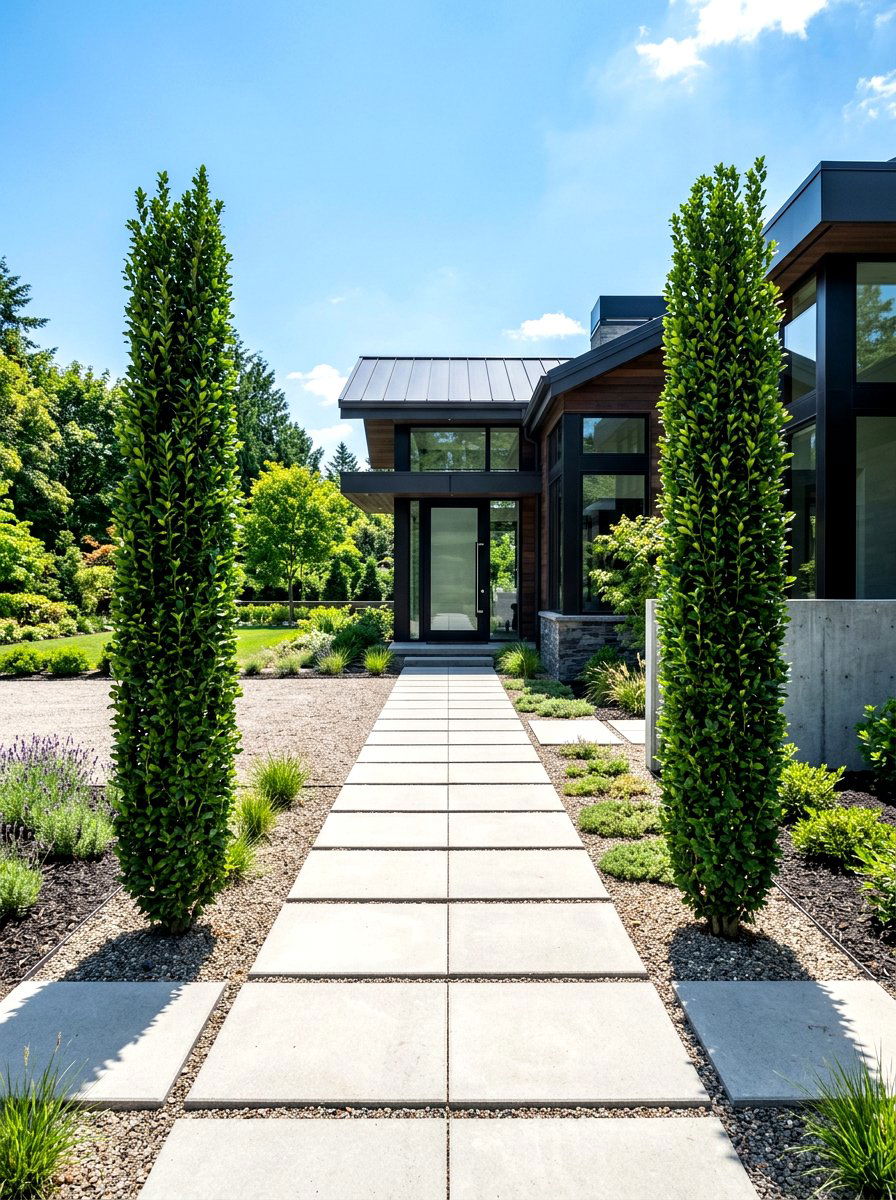
Creating a sustainable and beautiful front yard begins with embracing the local environment. Native plants are the backbone of a resilient landscape because they have evolved to thrive in your specific climate and soil conditions. Unlike traditional turf lawns that require constant mowing, chemical fertilizers, and heavy watering, a native garden offers a low-maintenance alternative that supports local biodiversity. By choosing indigenous species, you provide essential food and shelter for birds, butterflies, and bees, turning your property into a vibrant ecosystem. This approach not only saves you time and money but also enhances your home's curb appeal with unique textures and colors that change beautifully throughout the seasons.
1. Native wildflower meadow
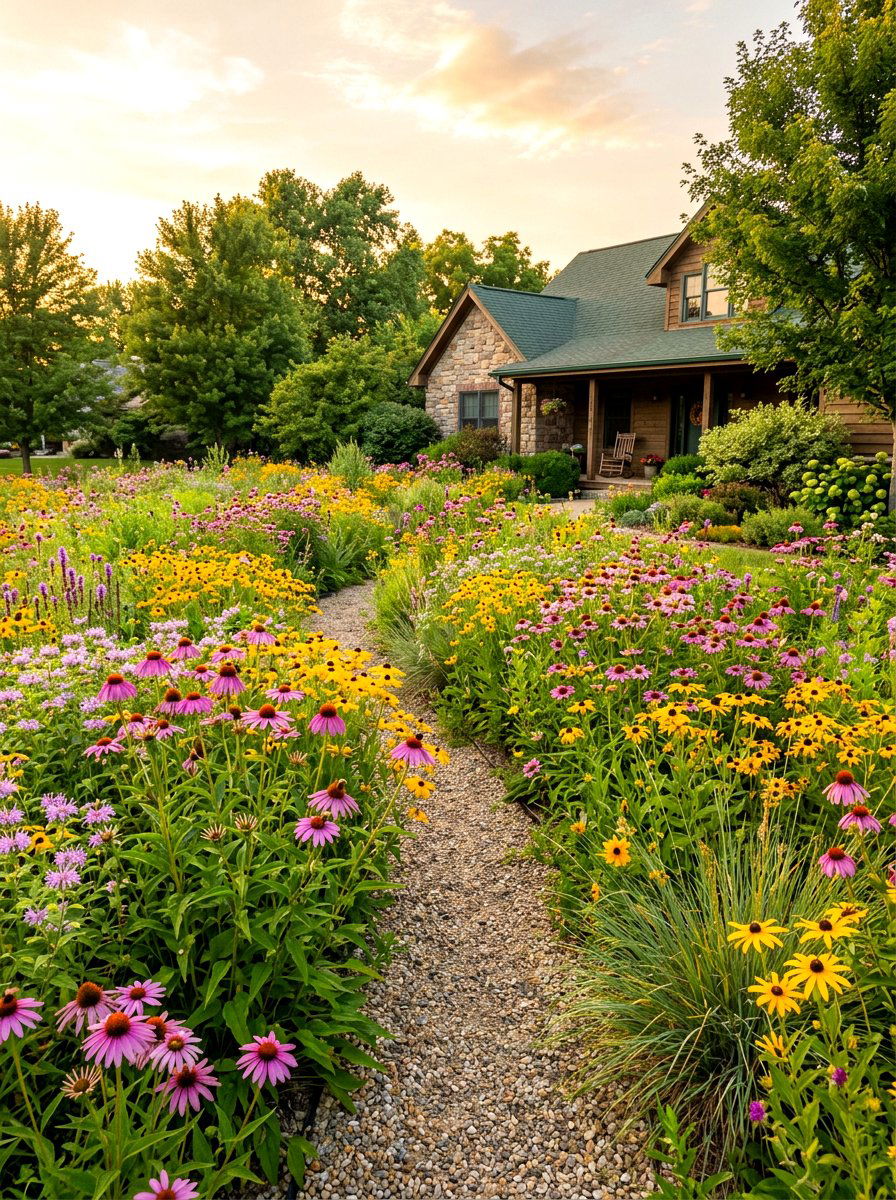
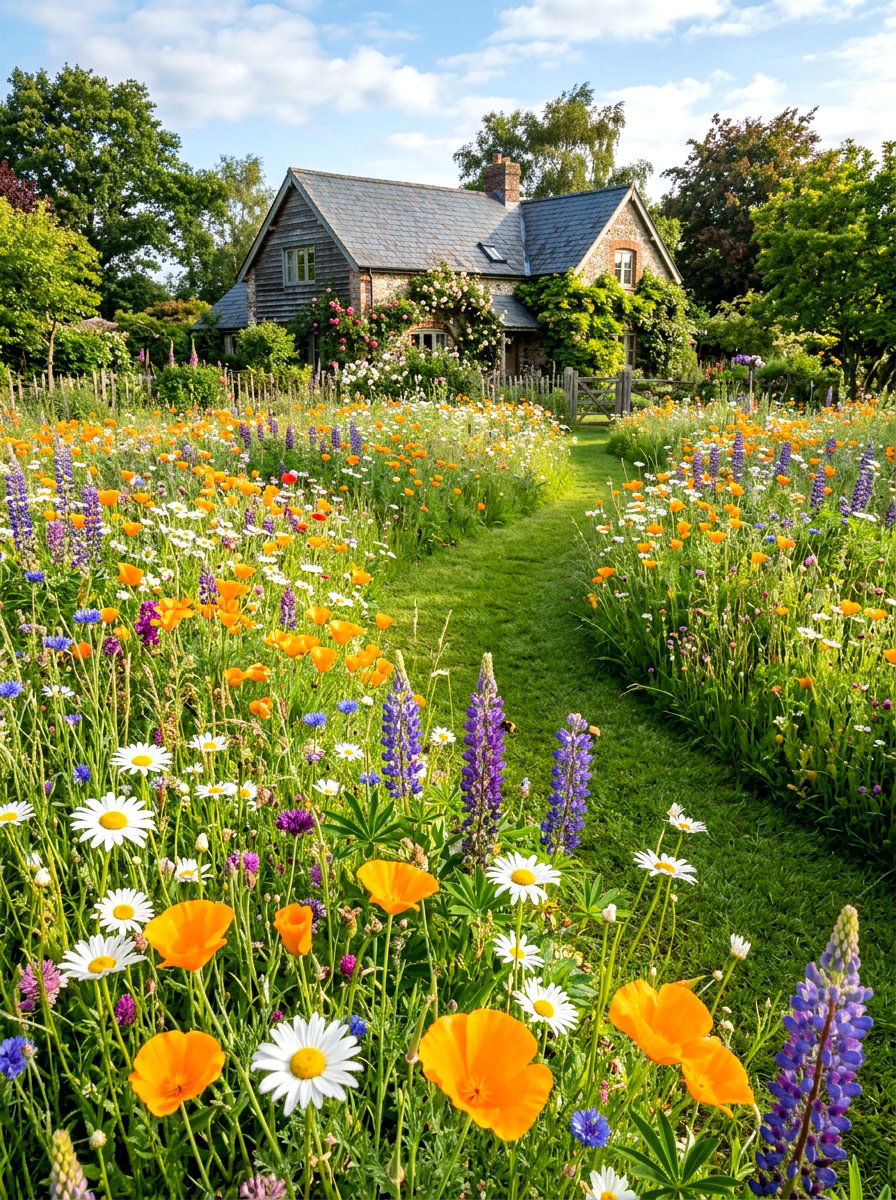
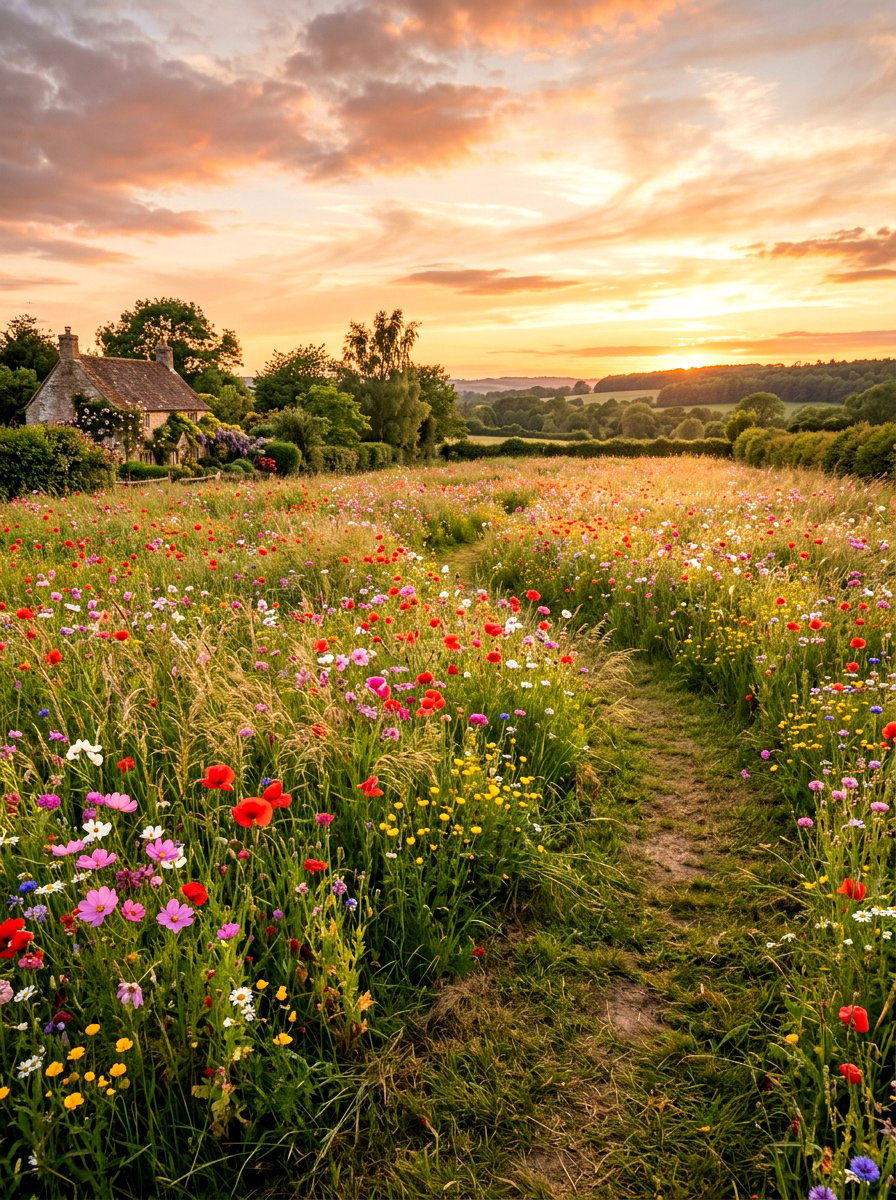
Replacing a traditional grass lawn with a native wildflower meadow creates a vibrant, ever-changing tapestry of color and texture. This approach involves sowing a mix of indigenous seeds like coreopsis, coneflowers, and black-eyed Susans that bloom at various times throughout the spring and summer. A meadow offers a soft, natural aesthetic that moves beautifully with the wind. It requires significantly less water once established and eliminates the need for weekly mowing. To keep the look intentional, consider adding a mowed edge or a simple gravel path through the center. This shows neighbors that the wilder appearance is a deliberate choice. The resulting habitat attracts a wide variety of beneficial pollinators.
2. Drought tolerant xeriscape
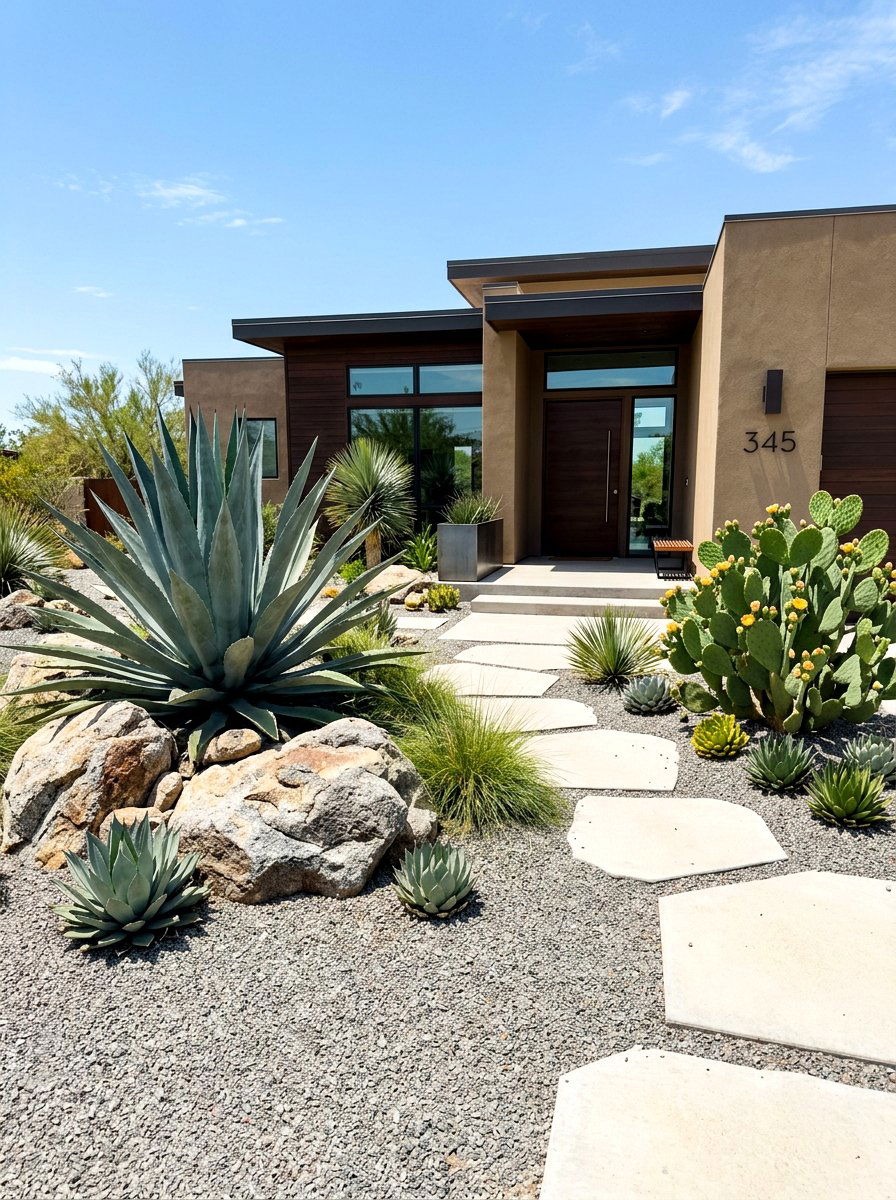
A drought-tolerant xeriscape using native plants is an excellent choice for regions with limited rainfall or strict water restrictions. This design focuses on moisture-thrifty species like agave, prickly pear, or various desert shrubs that can survive on natural precipitation alone. By incorporating decorative rock, decomposed granite, and mulch, you create a clean and modern look that highlights the architectural shapes of the plants. Strategic placement of boulders adds height and visual weight to the yard. Because these plants are adapted to harsh conditions, they remain healthy and green while other landscapes might turn brown. It is a smart, environmentally responsible way to maintain a stunning front entrance.
3. Pollinator friendly garden
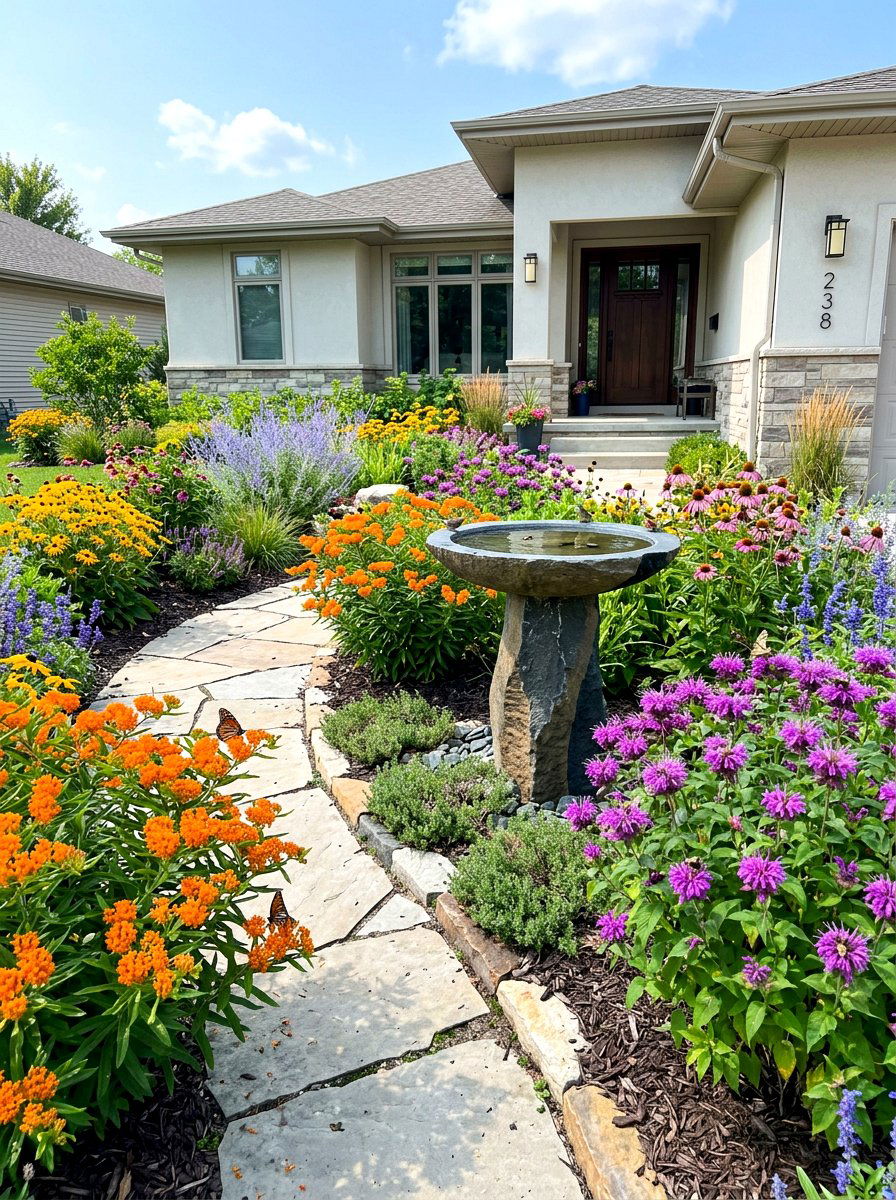
Designing a garden specifically for pollinators transforms your front yard into a bustling sanctuary for bees and butterflies. Select a variety of native flowering plants with different shapes and bloom times to provide a steady food source from early spring through late fall. Include host plants like milkweed, which are essential for monarch butterfly larvae, alongside nectar-rich species like bee balm and aster. Grouping similar plants together makes it easier for pollinators to locate them. Adding a simple stone water basin or a "bee hotel" provides additional resources for these helpful creatures. This lively landscape not only looks beautiful but also contributes to the health of the local environment.
4. Bird habitat garden
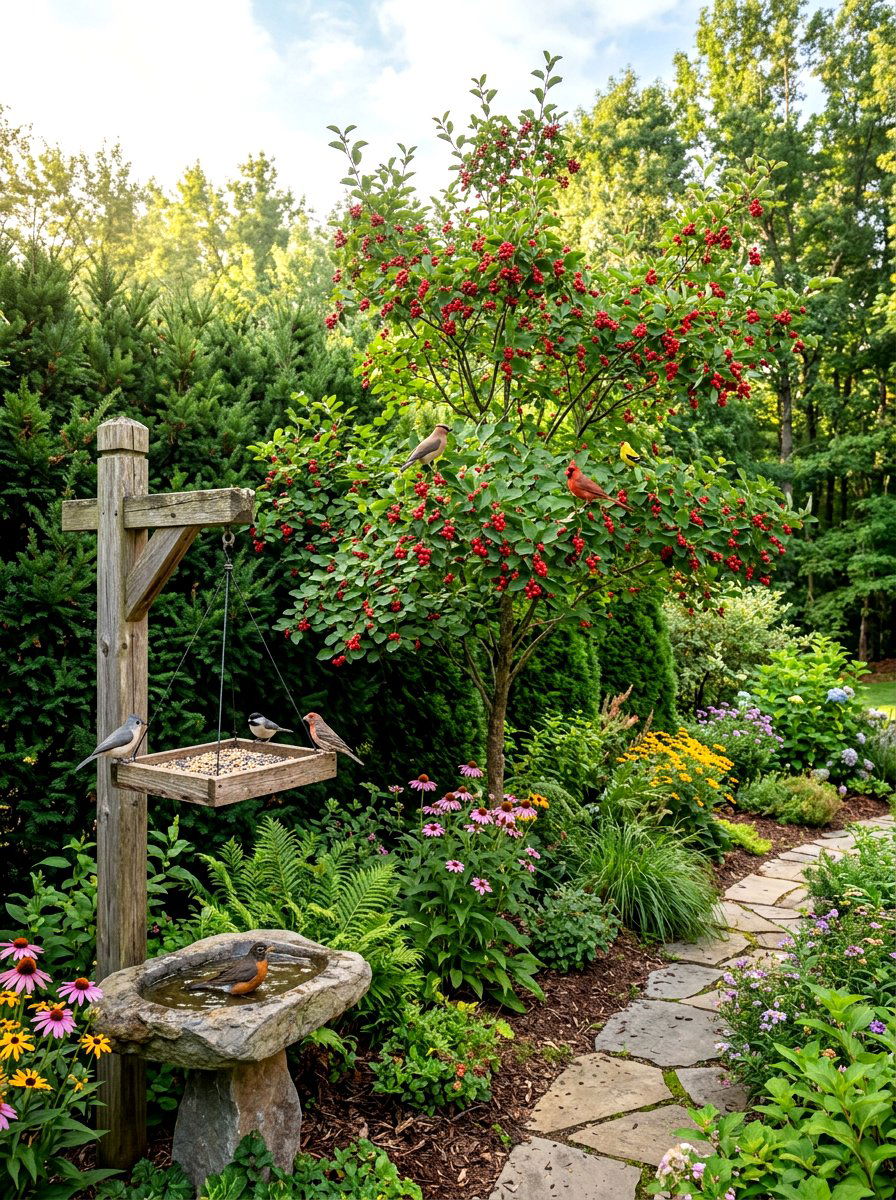
A bird-friendly front yard focuses on providing the four essentials: food, water, cover, and nesting sites. Use native shrubs like serviceberry or beautyberry that produce nutrient-dense fruits and berries during the fall and winter months. Incorporate evergreen trees to offer protection from predators and harsh weather conditions. Instead of deadheading all your perennials, leave the seed heads through the winter to provide a natural food source for finches and sparrows. A layered planting approach, ranging from low groundcovers to tall canopy trees, mimics the natural forest edge that birds love. Adding a shallow birdbath as a focal point encourages feathered friends to visit and stay in your garden.
5. Low maintenance groundcover
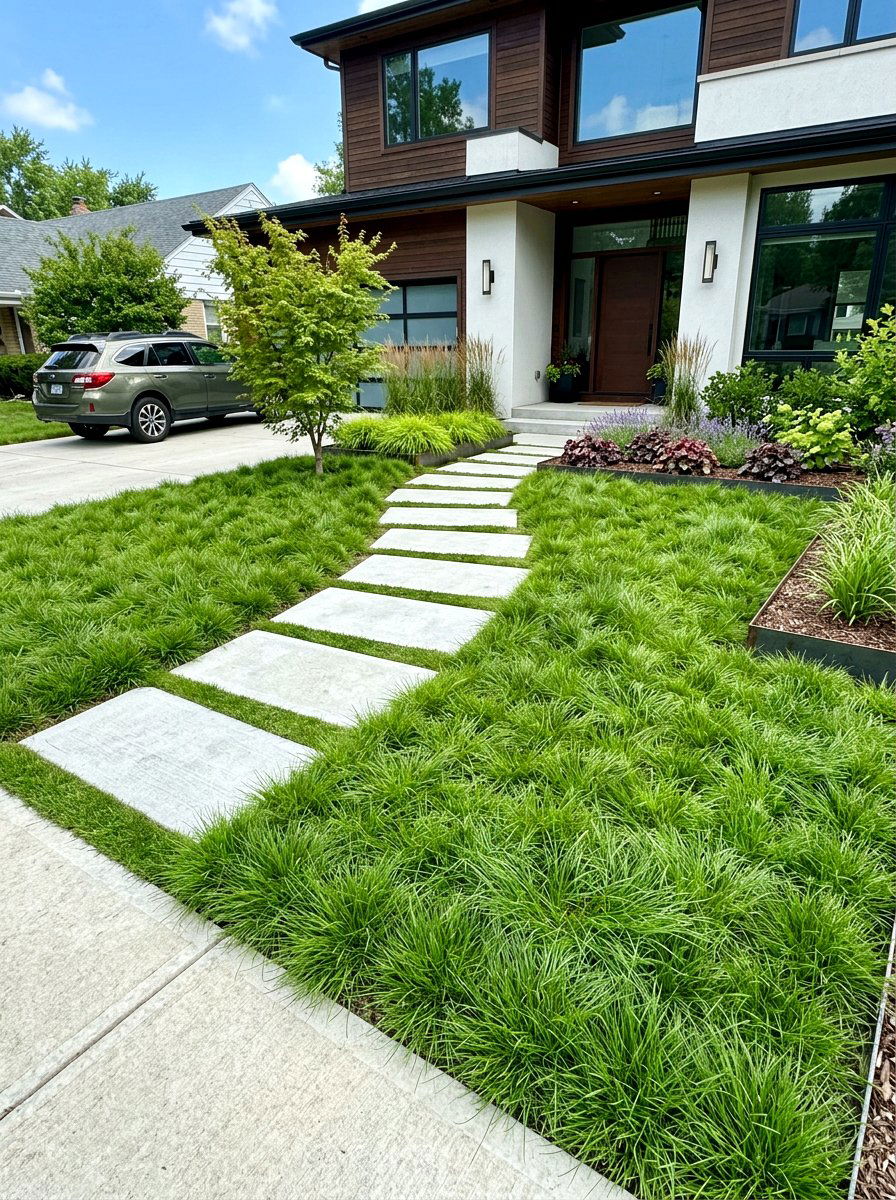
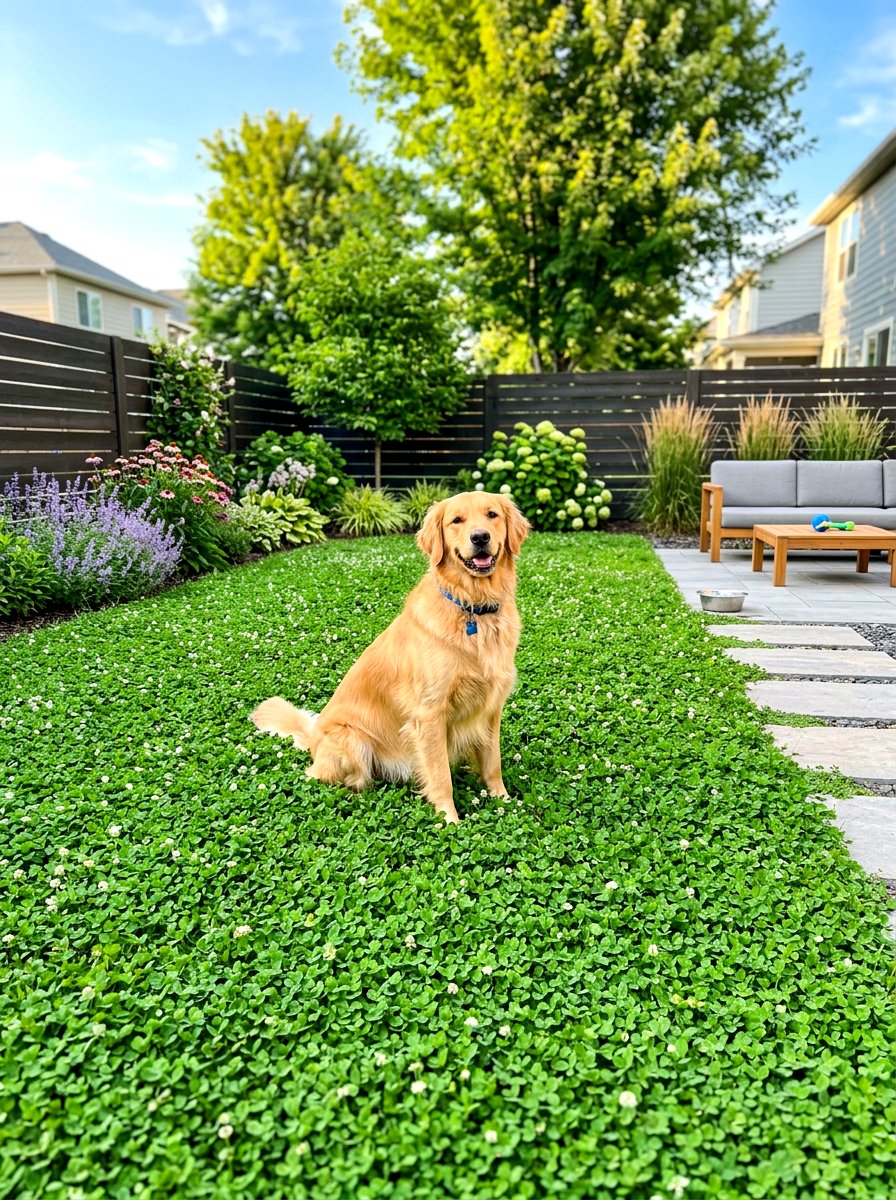
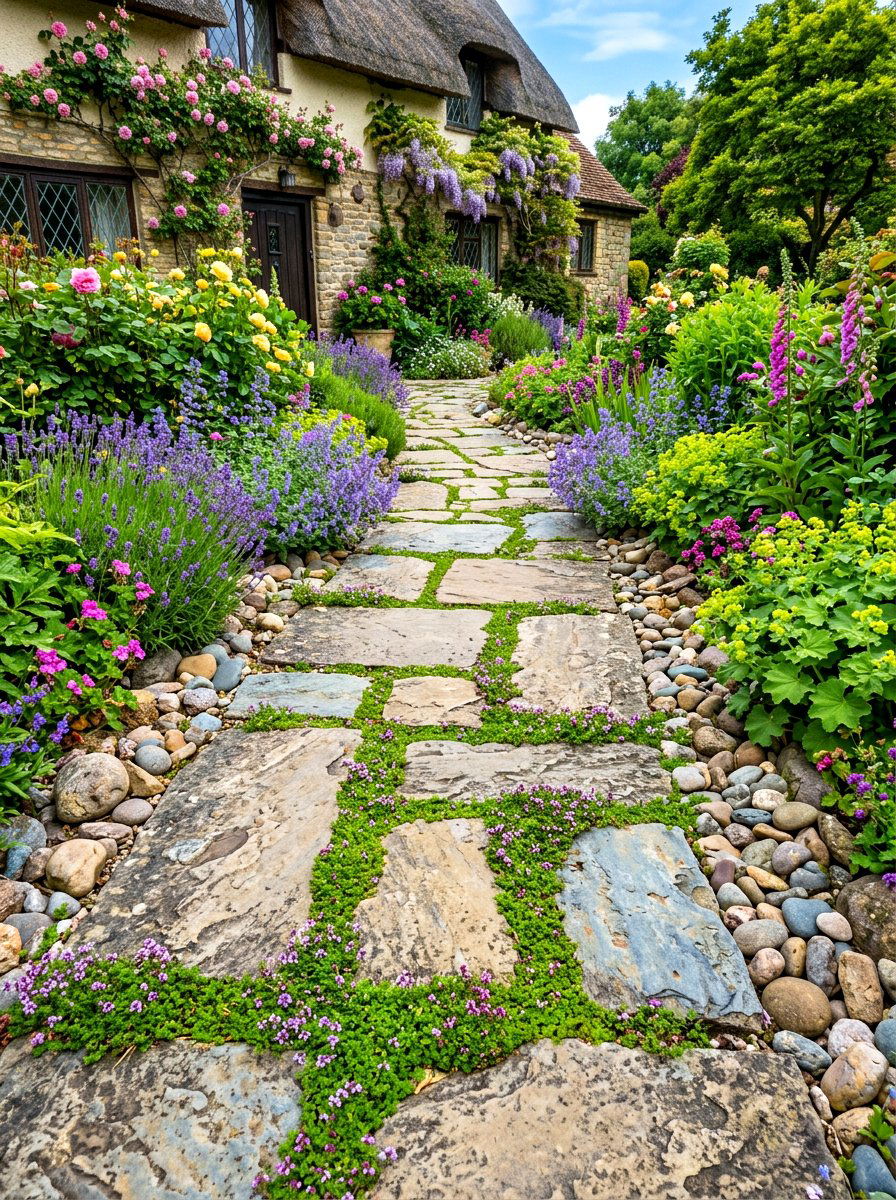
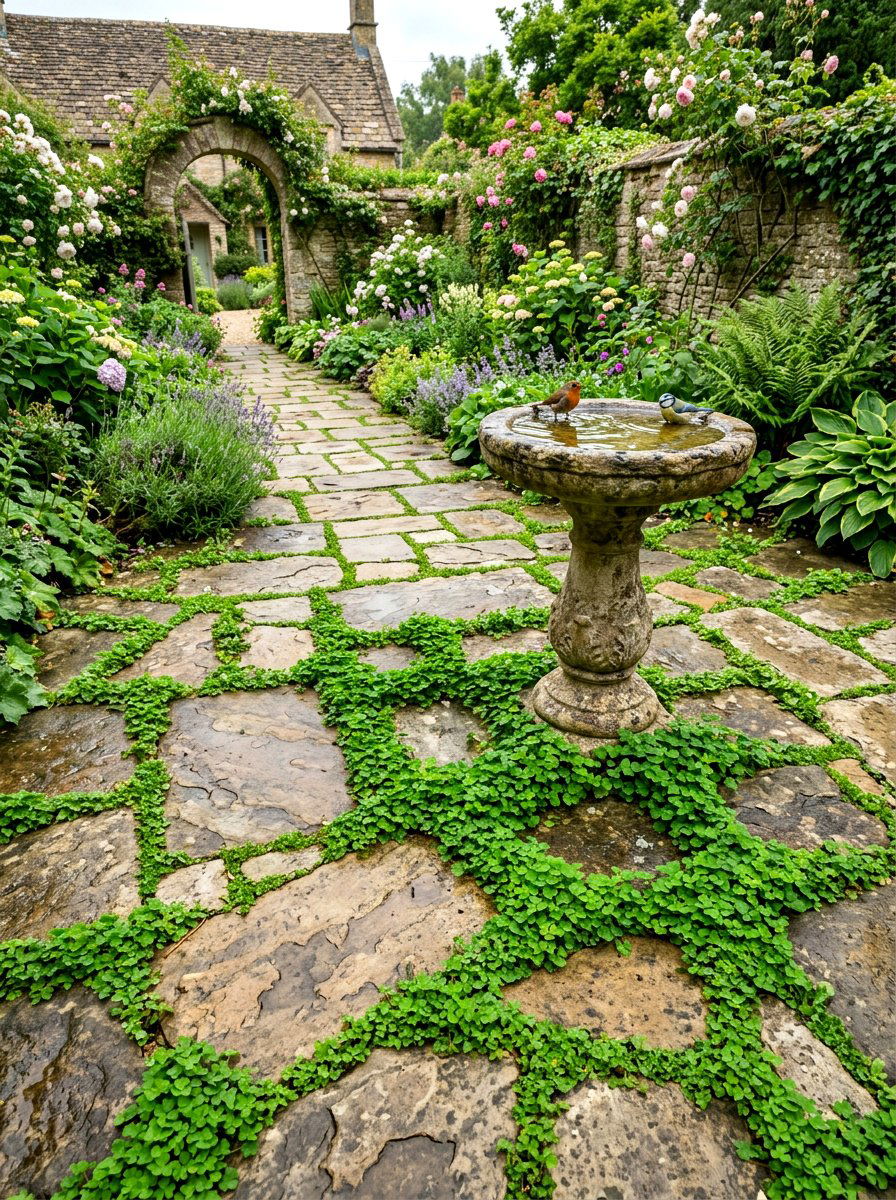
Switching from thirsty turf to a low-maintenance native groundcover is a practical solution for busy homeowners. Species like creeping thyme, wild strawberry, or Pennsylvania sedge create a lush green carpet that requires very little attention once it fills in. Many native groundcovers are extremely hardy and can handle light foot traffic, making them perfect for areas between stepping stones or along walkways. They help suppress weeds and retain soil moisture, reducing the need for mulch over time. Unlike grass, these plants don't need regular fertilization or mowing to look their best. This simple change results in a clean, uniform look that stays green and healthy with minimal effort.
6. Native perennial borderBorder
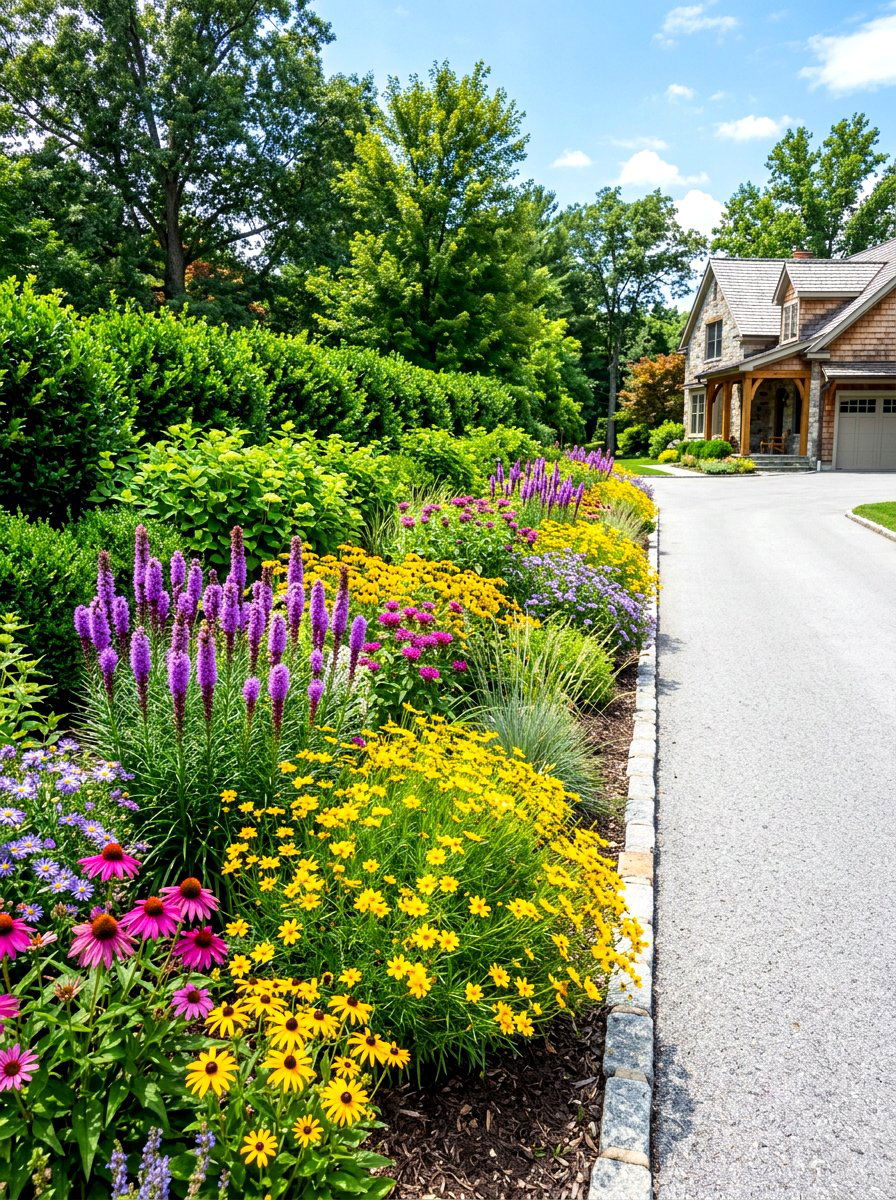
A native perennial border adds structure and recurring beauty to the edge of your property or along a driveway. By selecting plants like blazing star, blue flag iris, and switchgrass, you can create a tiered effect with different heights and colors. These perennials return year after year, growing stronger and fuller with each season. Choose species that offer interesting foliage even when they aren't in bloom to ensure the border looks attractive all year round. Combining various textures, such as the spiky leaves of yarrow with the soft plumes of muhly grass, creates a professional landscape feel. This design provides a clear transition between your yard and the street.
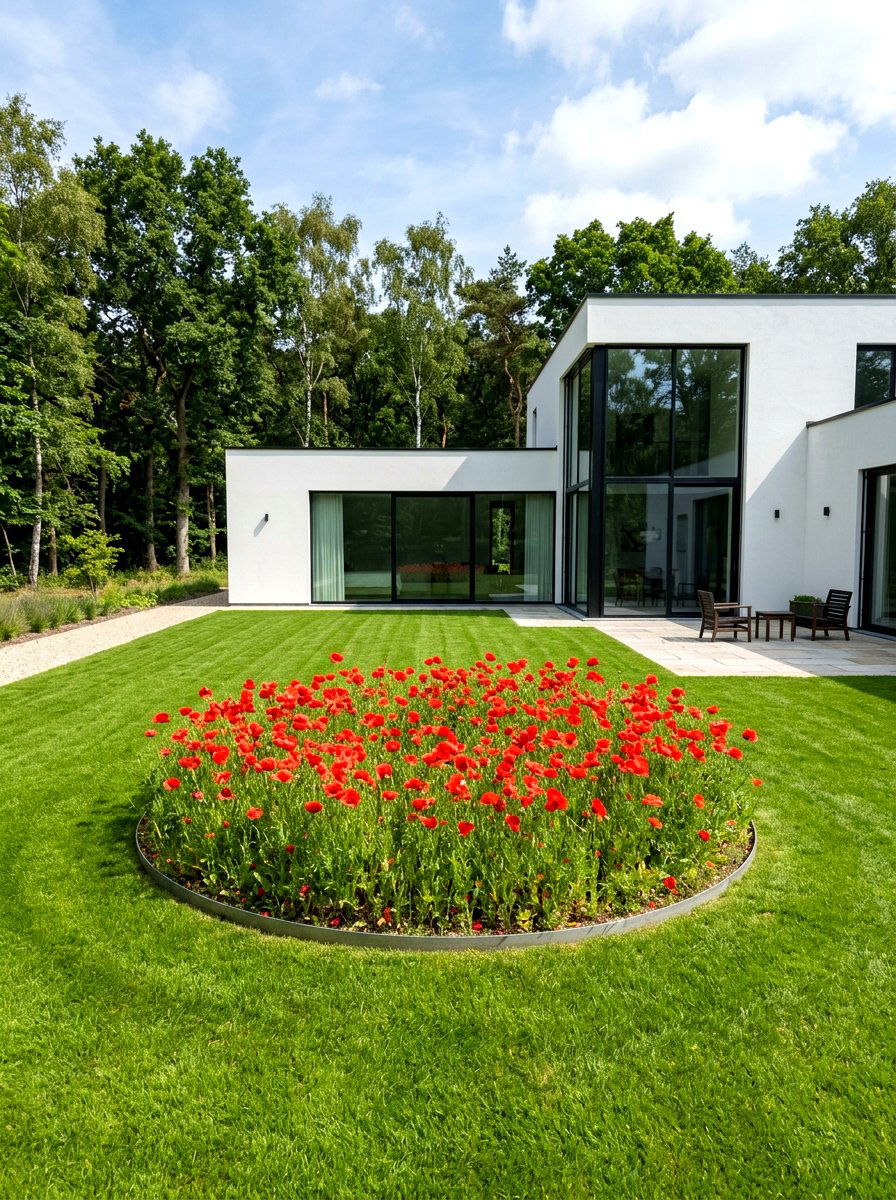
7. Modern native landscape
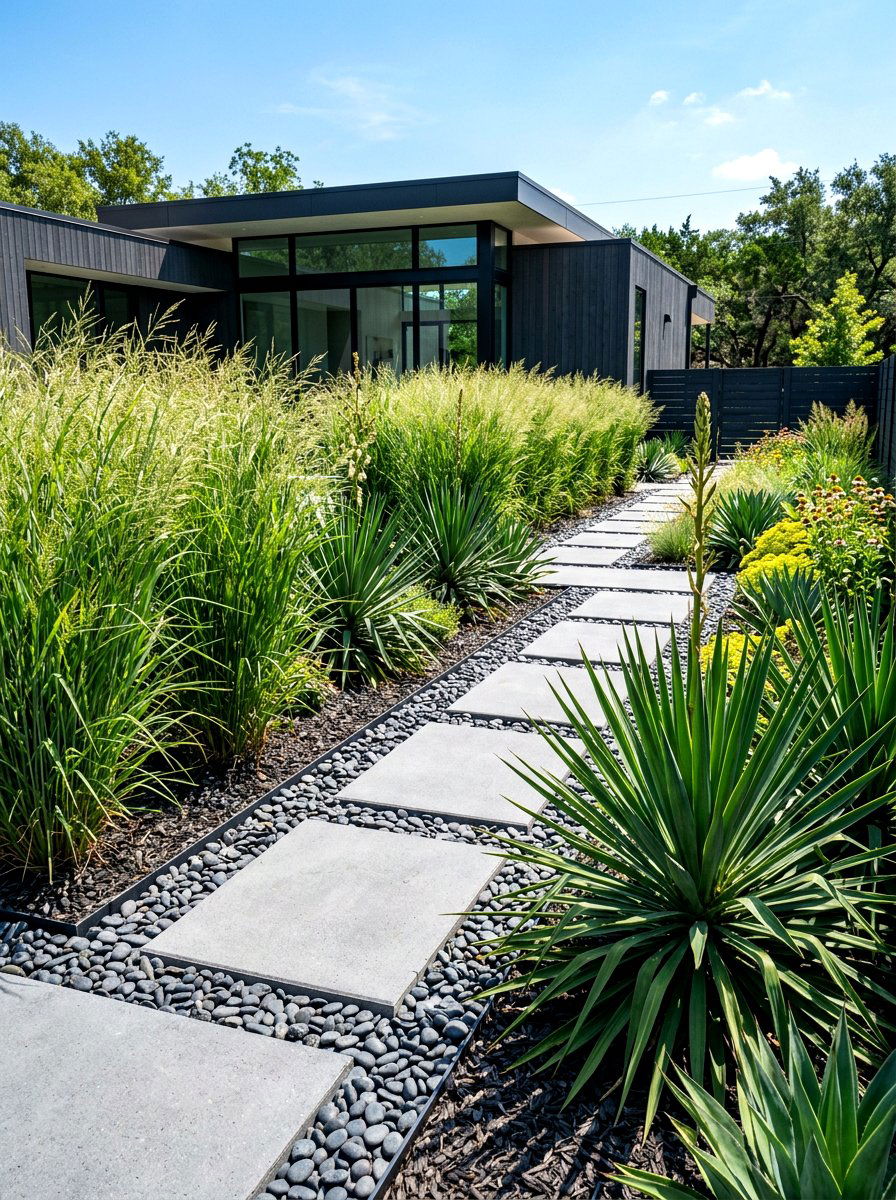
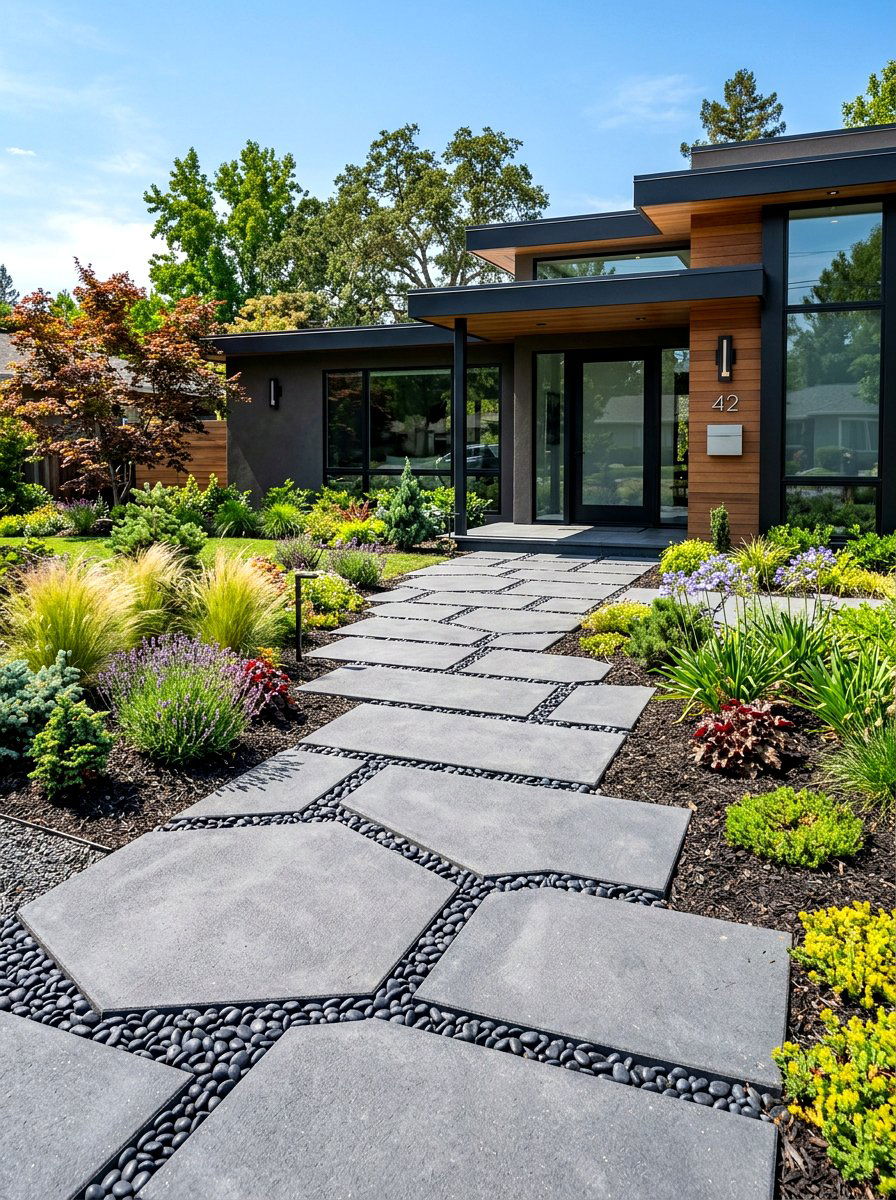
Achieving a modern look with native plants involves using clean lines, mass plantings, and a limited color palette. Instead of a busy mix of many species, try planting large groups of a single native ornamental grass or a row of identical shrubs for a bold, architectural statement. Combine these plants with contemporary hardscaping materials like large concrete pavers, steel edging, or dark grey river rocks. The contrast between the organic shapes of the natives and the rigid lines of the hardscape creates a sophisticated aesthetic. Focus on plants with interesting structural forms, such as yuccas or upright grasses, to maintain a neat and polished appearance throughout every season.
8. Native rain garden
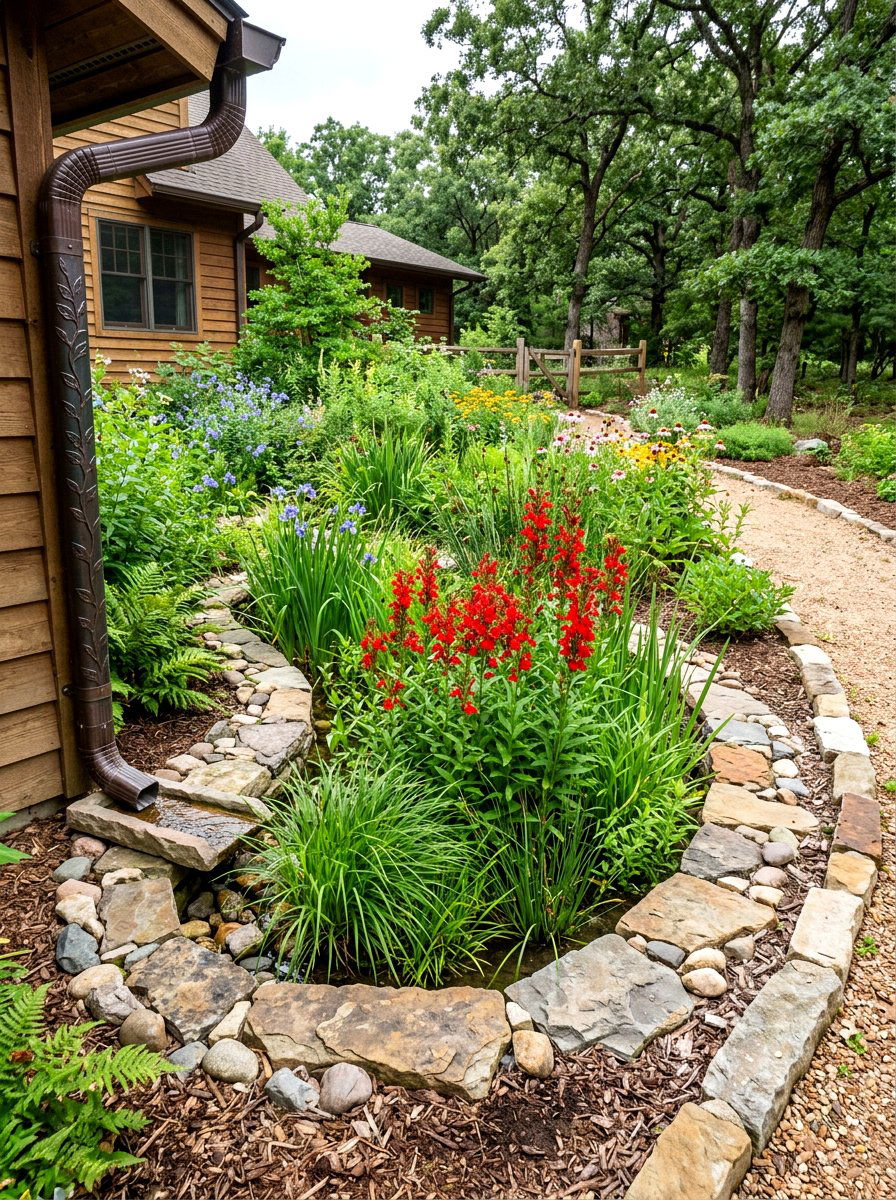
A rain garden is a functional and beautiful way to manage stormwater runoff on your property. By creating a shallow depression in your front yard and planting it with water-loving natives like swamp milkweed, sedges, and cardinal flower, you can capture rain from your roof or driveway. These plants have deep root systems that help the water soak into the ground, filtering out pollutants before they reach the local watershed. Rain gardens are not only eco-friendly but also provide a unique opportunity to grow moisture-loving species that might struggle in other parts of the yard. When designed with attractive stones, they look like a lush, natural wetland feature.
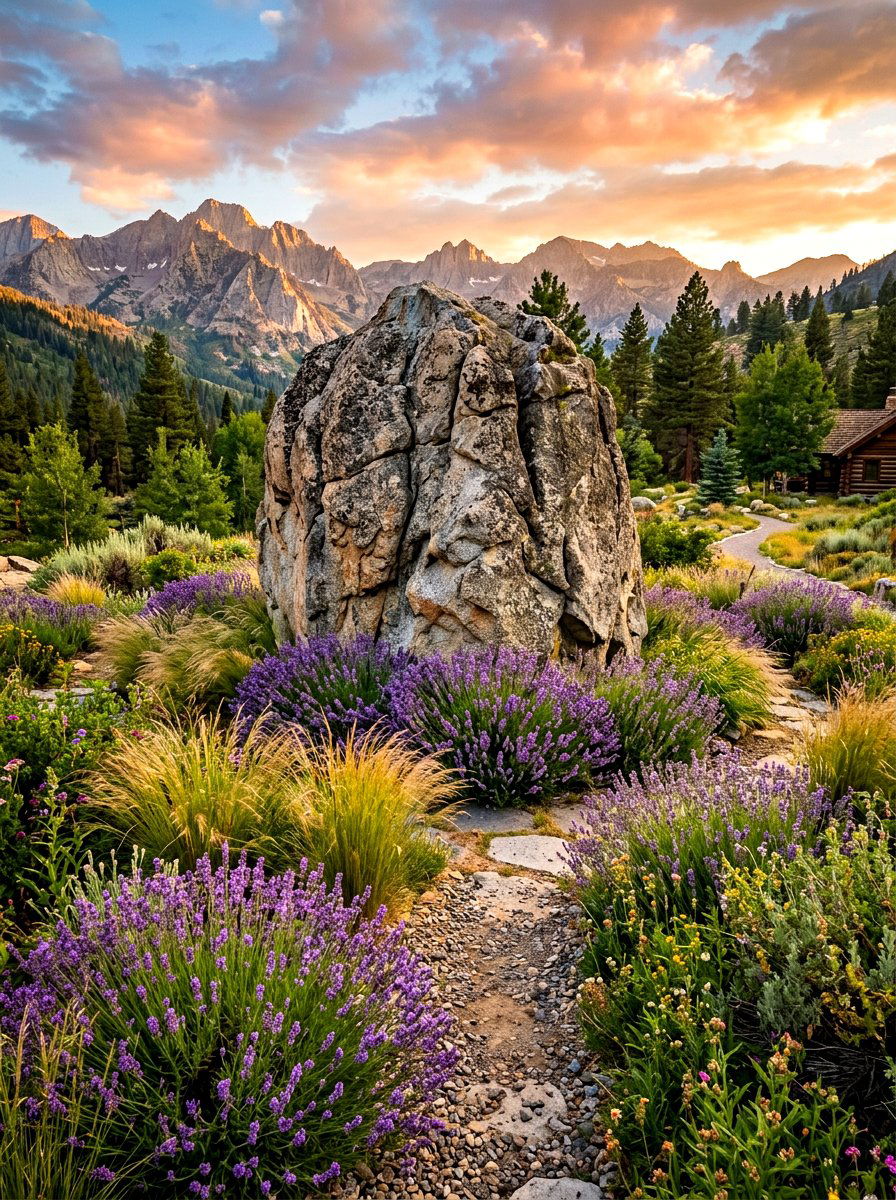
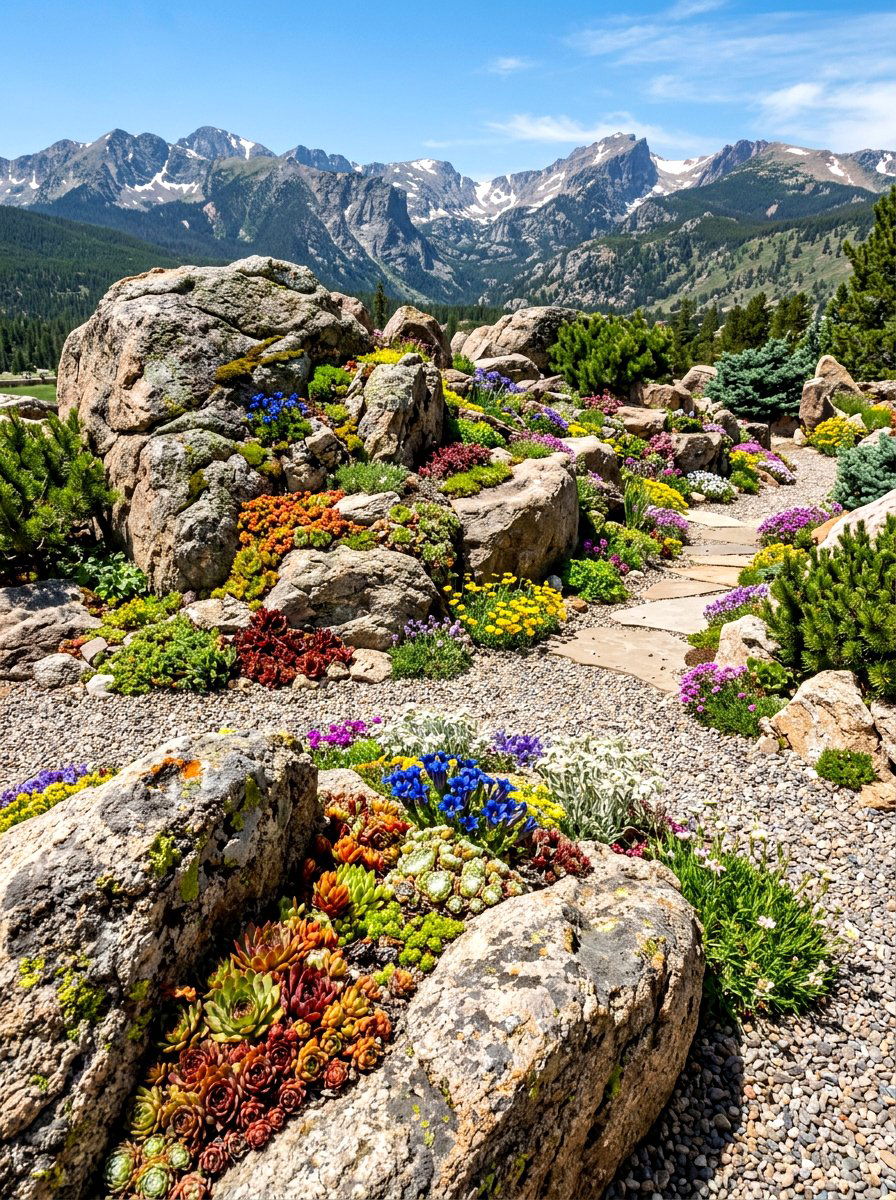
9. Rock garden landscape
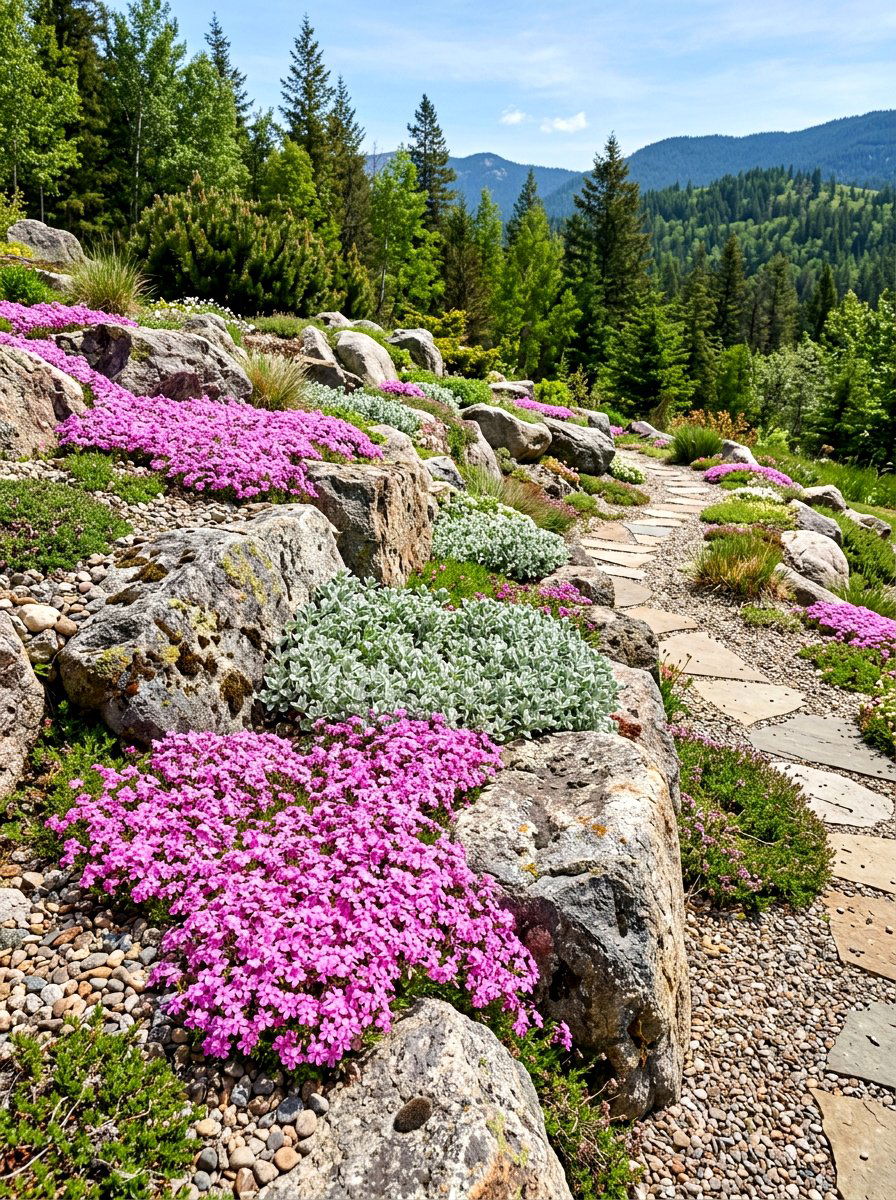
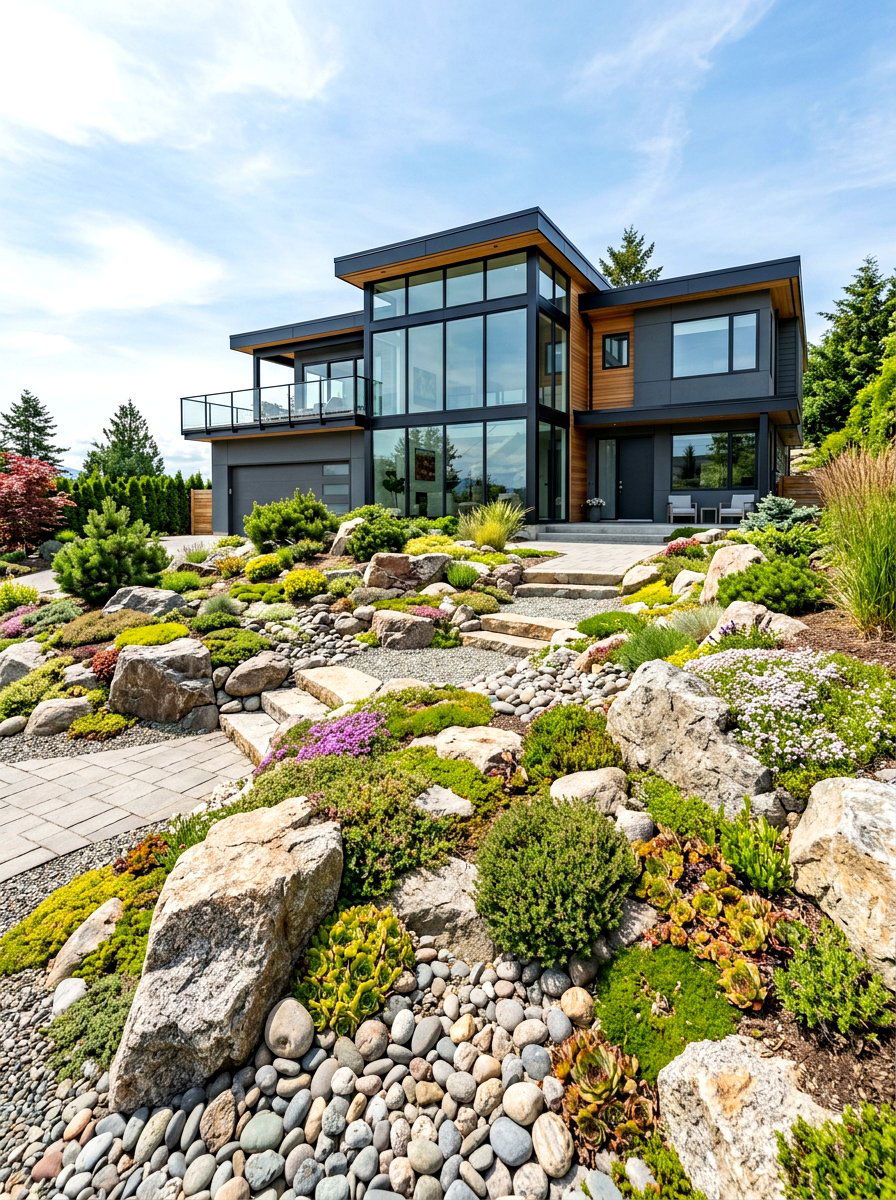
A rock garden featuring native plants is a wonderful way to handle slopes or areas with poor, thin soil. By nestling small, hardy natives like stonecrop, wild ginger, or alpine phlox between large weathered boulders, you create a rugged and naturalistic look. The rocks help regulate soil temperature and retain moisture for the plant roots, while the plants soften the hard edges of the stone. This type of landscape is incredibly low-maintenance once the plants are established in their crevices. It mimics high-altitude or rocky outcrop environments, offering a unique visual style that stands out from typical suburban yards. It is also a very durable design option.
10. Native privacy hedge
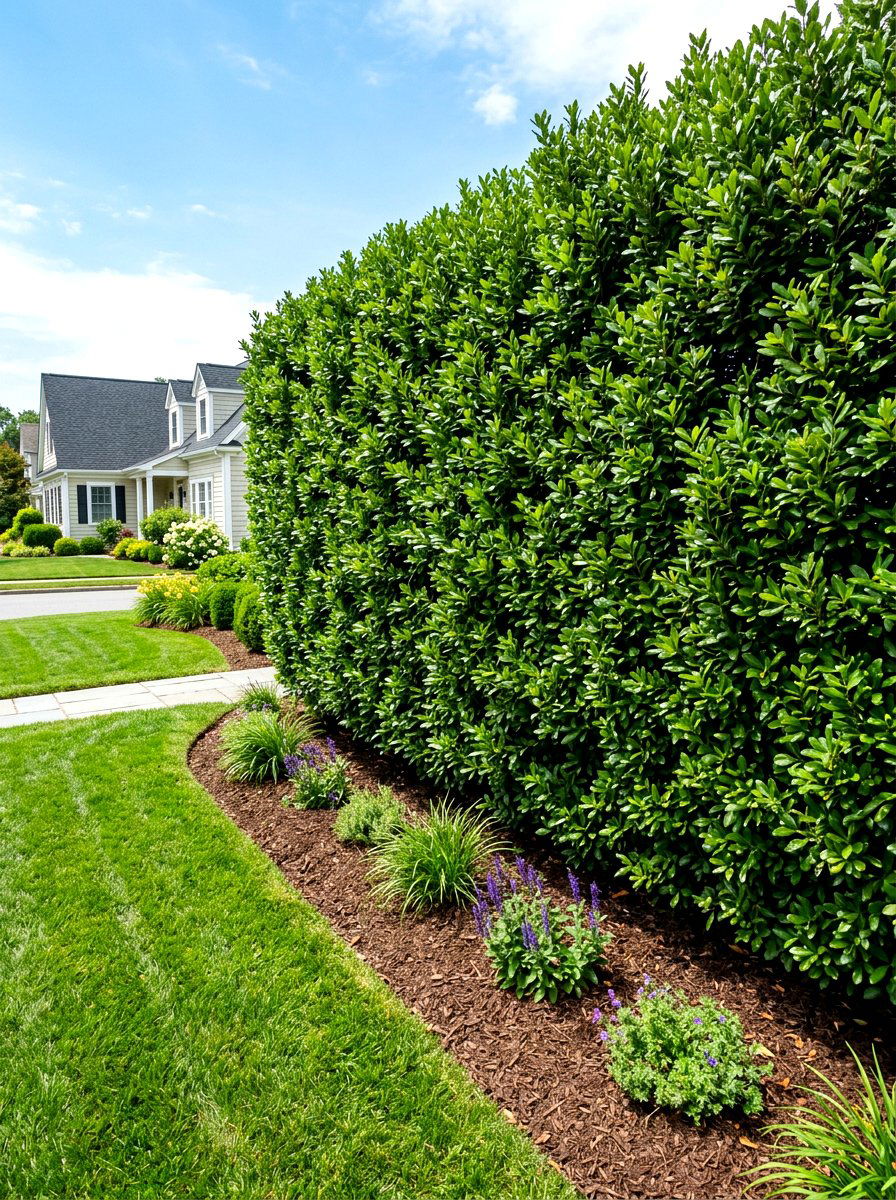
Using native shrubs to create a privacy hedge is a sustainable alternative to traditional fences or non-native boxwoods. Species like wax myrtle, inkberry holly, or American arborvitae provide dense, evergreen foliage that blocks views and dampens street noise. Unlike fences, a living screen provides habitat and food for local wildlife while adding oxygen to the air. Native hedges are generally more resistant to local pests and diseases, meaning they require fewer chemical treatments to stay healthy. You can prune them into formal shapes for a neat look or let them grow naturally for a more relaxed, cottage-style feel. They offer year-round greenery and a sense of seclusion.
11. Butterfly garden border
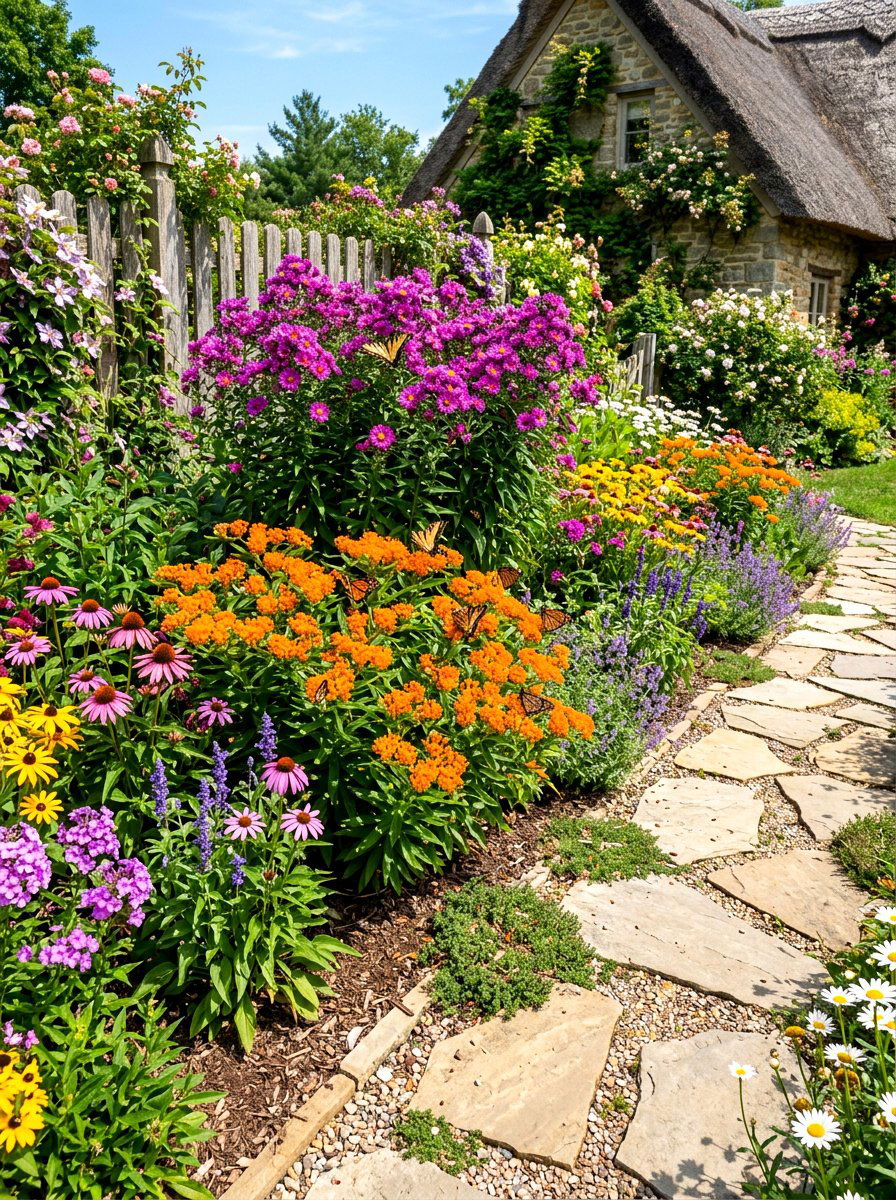
A butterfly garden border focuses on attracting colorful winged visitors right to your front door. Incorporate a mix of larval host plants, like spicebush or fennel, and nectar plants, such as purple coneflower and butterfly weed. This specific combination ensures that butterflies can complete their entire life cycle in your yard. Arrange the plants in a sunny spot, as butterflies need warmth to remain active. Using stones as "basking spots" gives them a place to rest and soak up the sun. The bright, vivid colors of these native blooms create an inviting entrance for guests while supporting the dwindling populations of important butterfly species.
12. Native ornamental grass
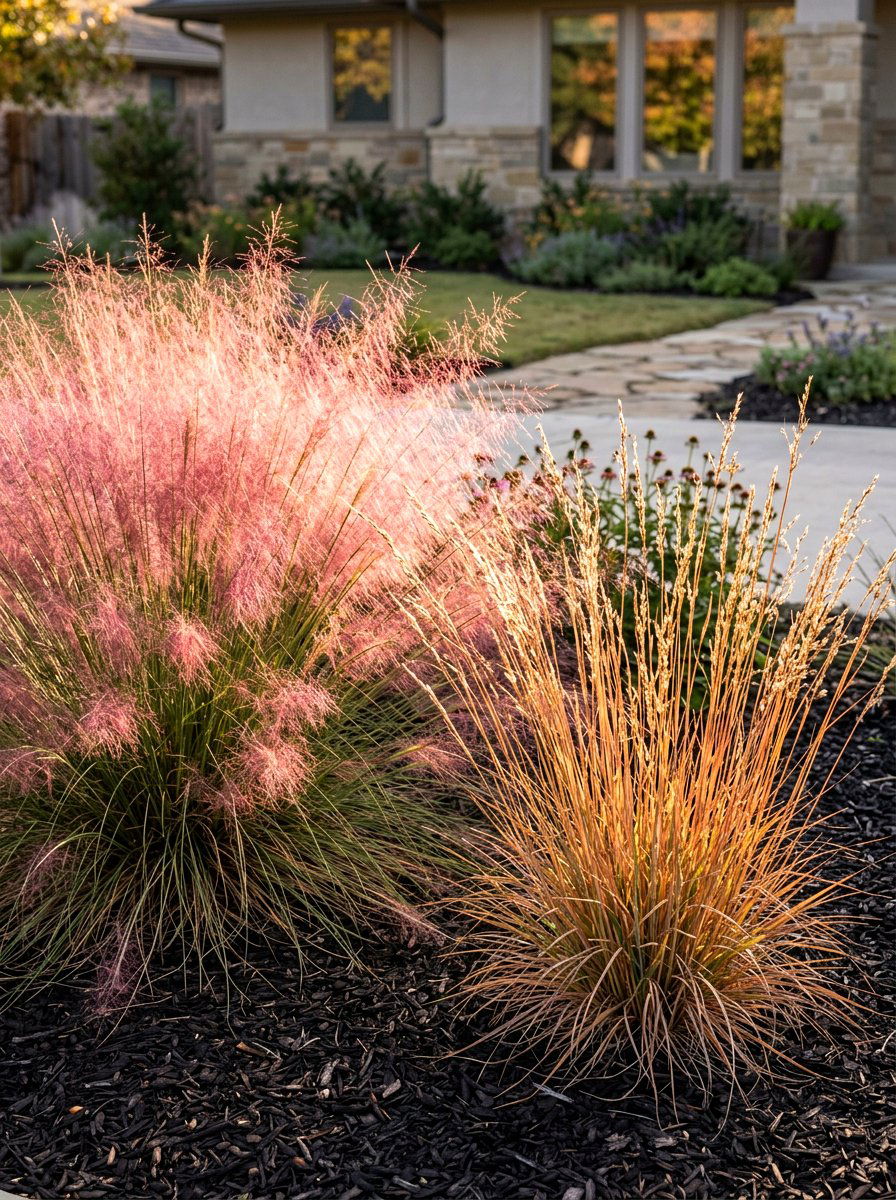
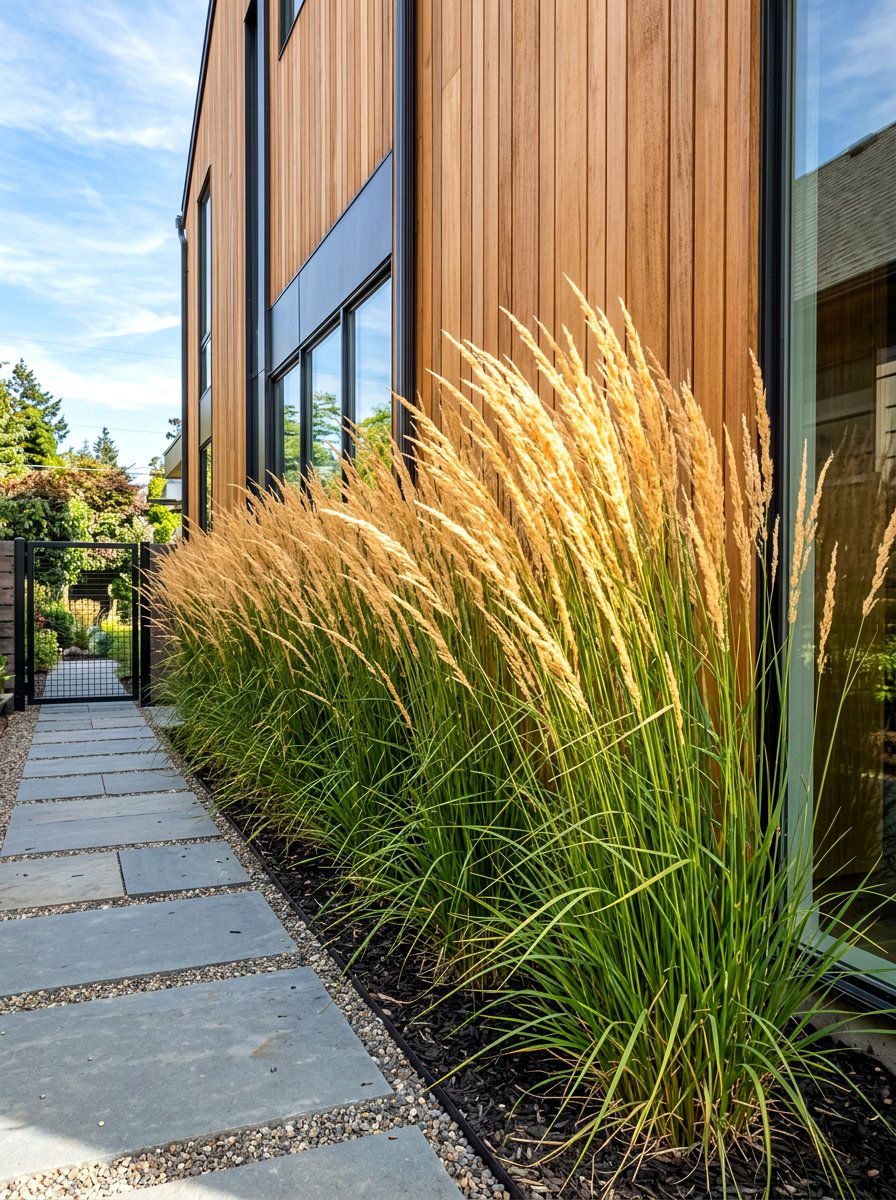
Incorporating native ornamental grasses adds movement, sound, and golden hues to your front yard landscape. Varieties like little bluestem, prairie dropseed, and switchgrass offer a range of heights and textures that look stunning throughout the year. In the summer, they provide a soft green backdrop for flowers, while in the autumn, they turn beautiful shades of copper, red, and gold. Their seed heads provide visual interest during the winter months and serve as food for small birds. The way these grasses sway in the breeze adds a dynamic, living element to the yard. They are also incredibly drought-tolerant and easy to care for in most climates.
13. Woodland shade garden
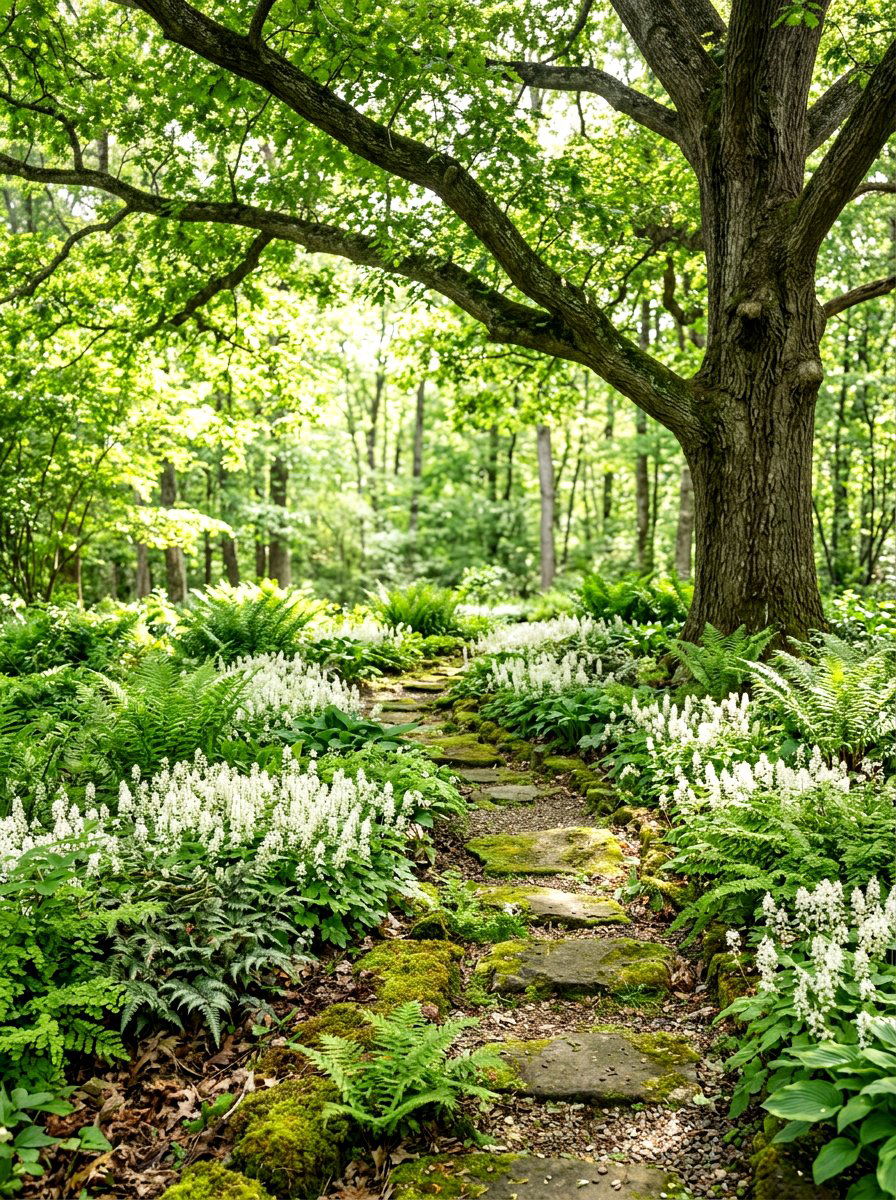
If your front yard is dominated by large trees, a woodland shade garden is the perfect way to utilize native plants. Species like wild columbine, ferns, and foamflower thrive in the dappled light found under a leafy canopy. These plants often feature delicate textures and subtle flowers that bring a sense of peace and coolness to the space. Use natural wood mulch or fallen leaves to mimic the forest floor, which helps keep the soil moist and acidic. Adding a simple wooden bench or a mossy stone path enhances the serene, forest-like atmosphere. It is a wonderful way to embrace the natural shadows of your property.
14. Edible native landscape
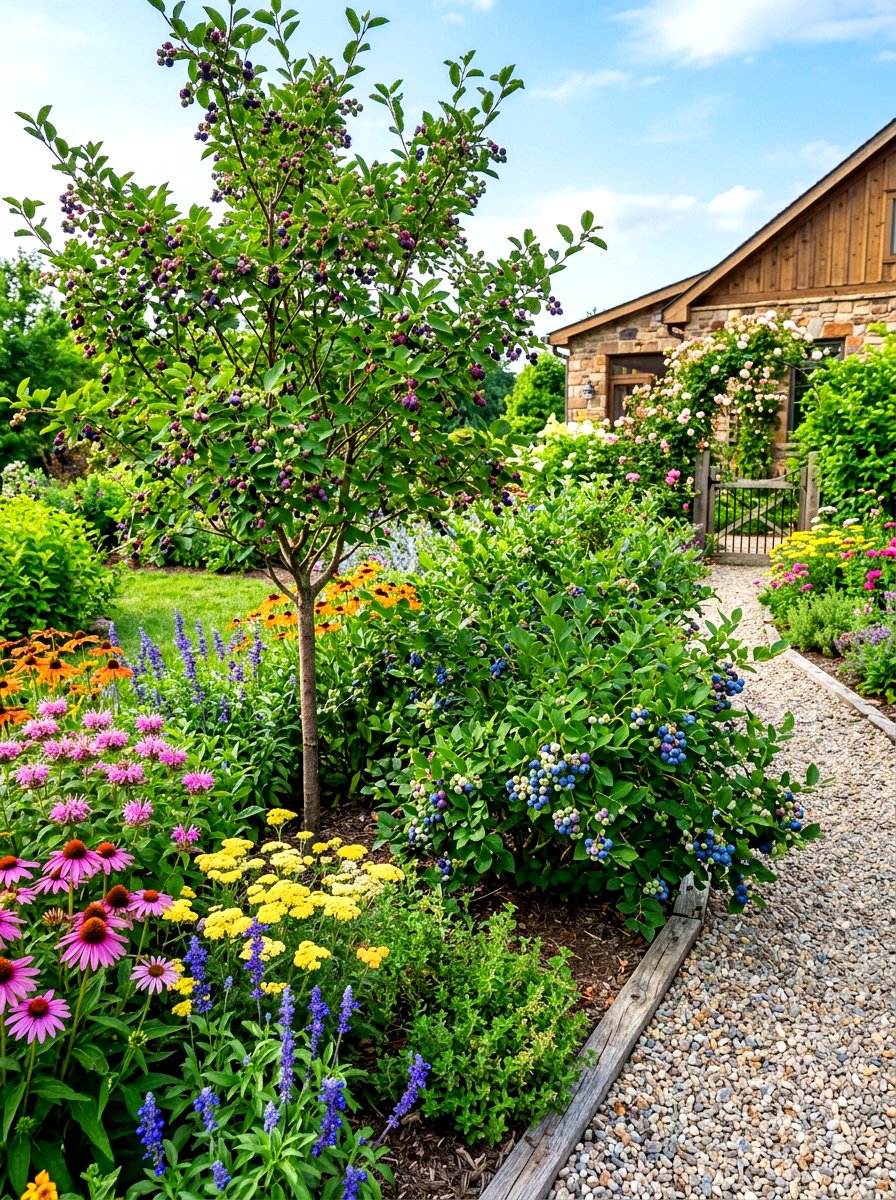
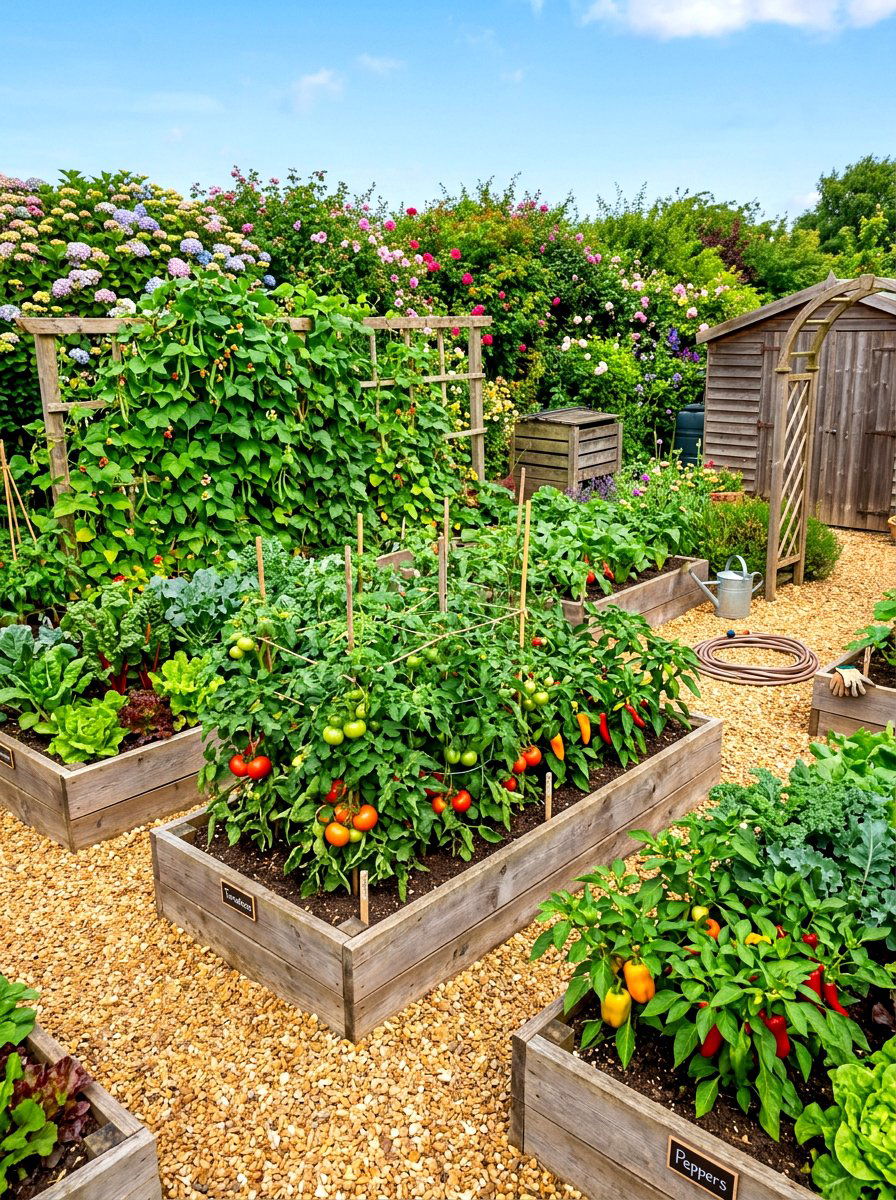
An edible native landscape combines the benefits of home-grown food with the resilience of indigenous plants. Consider planting shrubs like blueberries, elderberries, or huckleberries, which produce delicious fruit while offering beautiful foliage and flowers. Small native trees like pawpaw or serviceberry can provide unique harvests that you won't find in a typical grocery store. Many native perennials, such as wild leeks or ostrich ferns, also offer edible parts. This "food forest" approach makes your front yard functional and productive without the high maintenance of a traditional vegetable patch. It allows you to share a healthy, local harvest with your family and neighbors throughout the growing season.
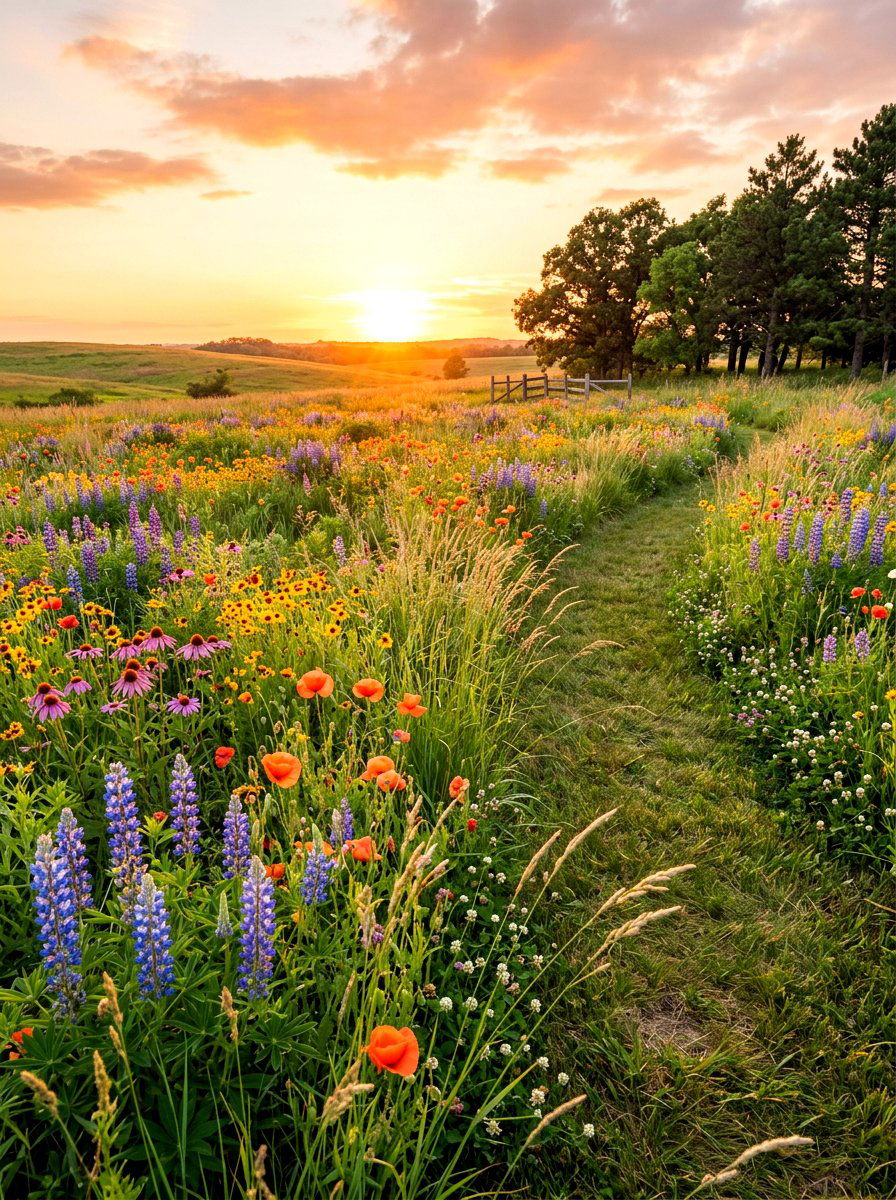
15. Sloped yard native plants
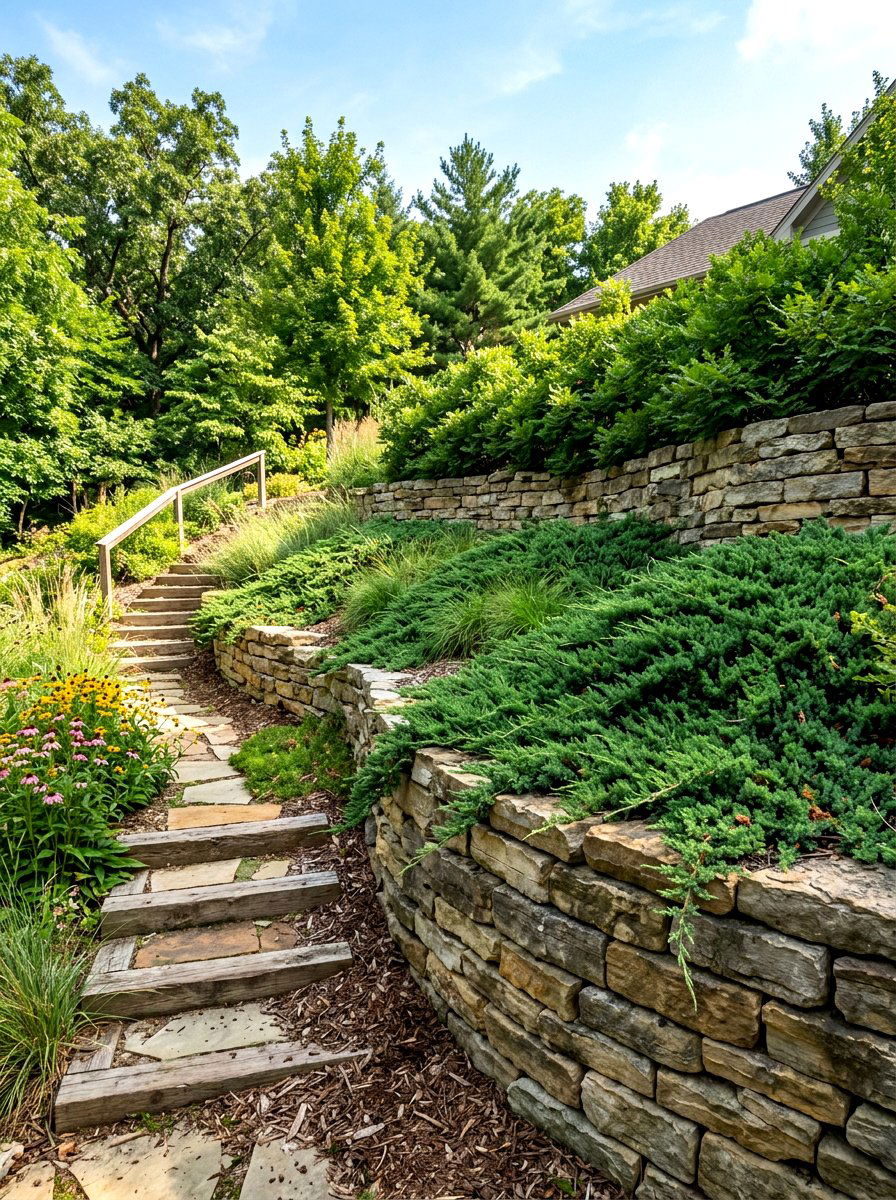
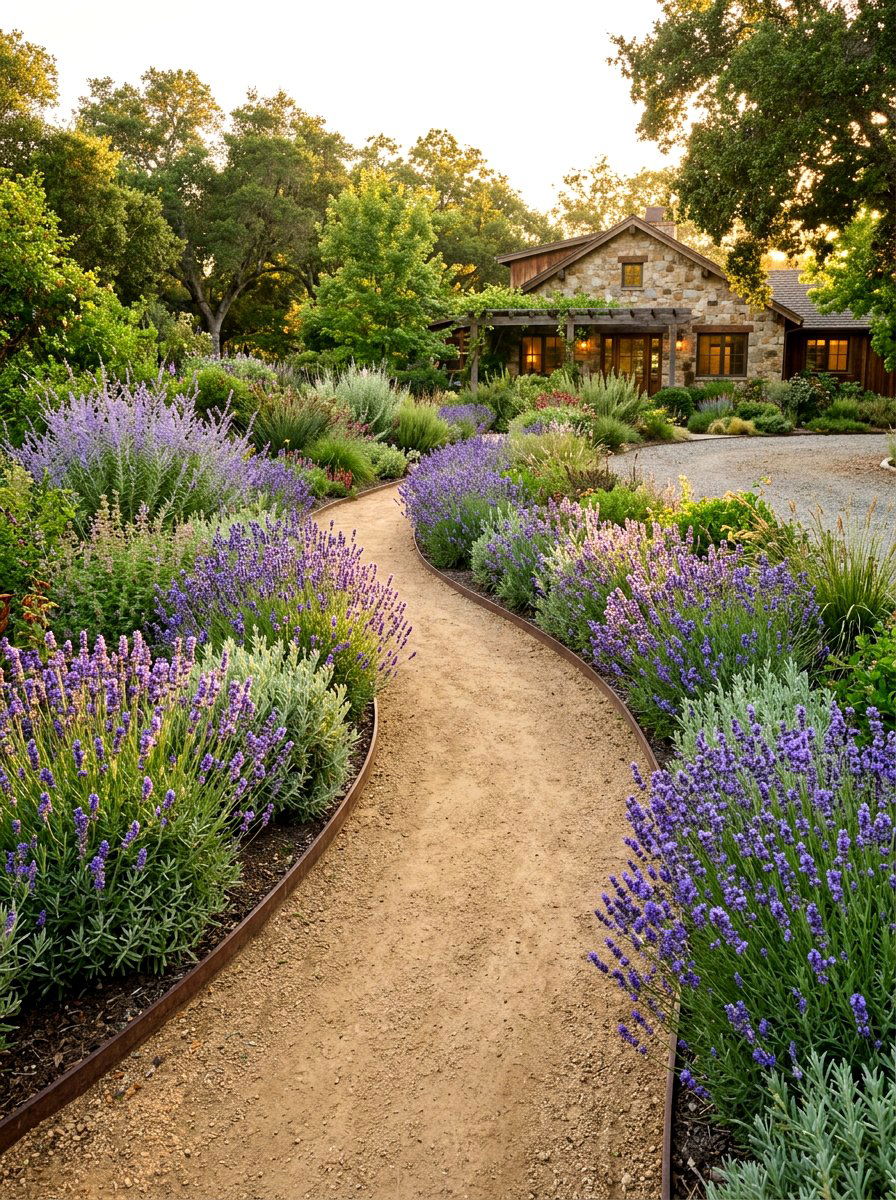
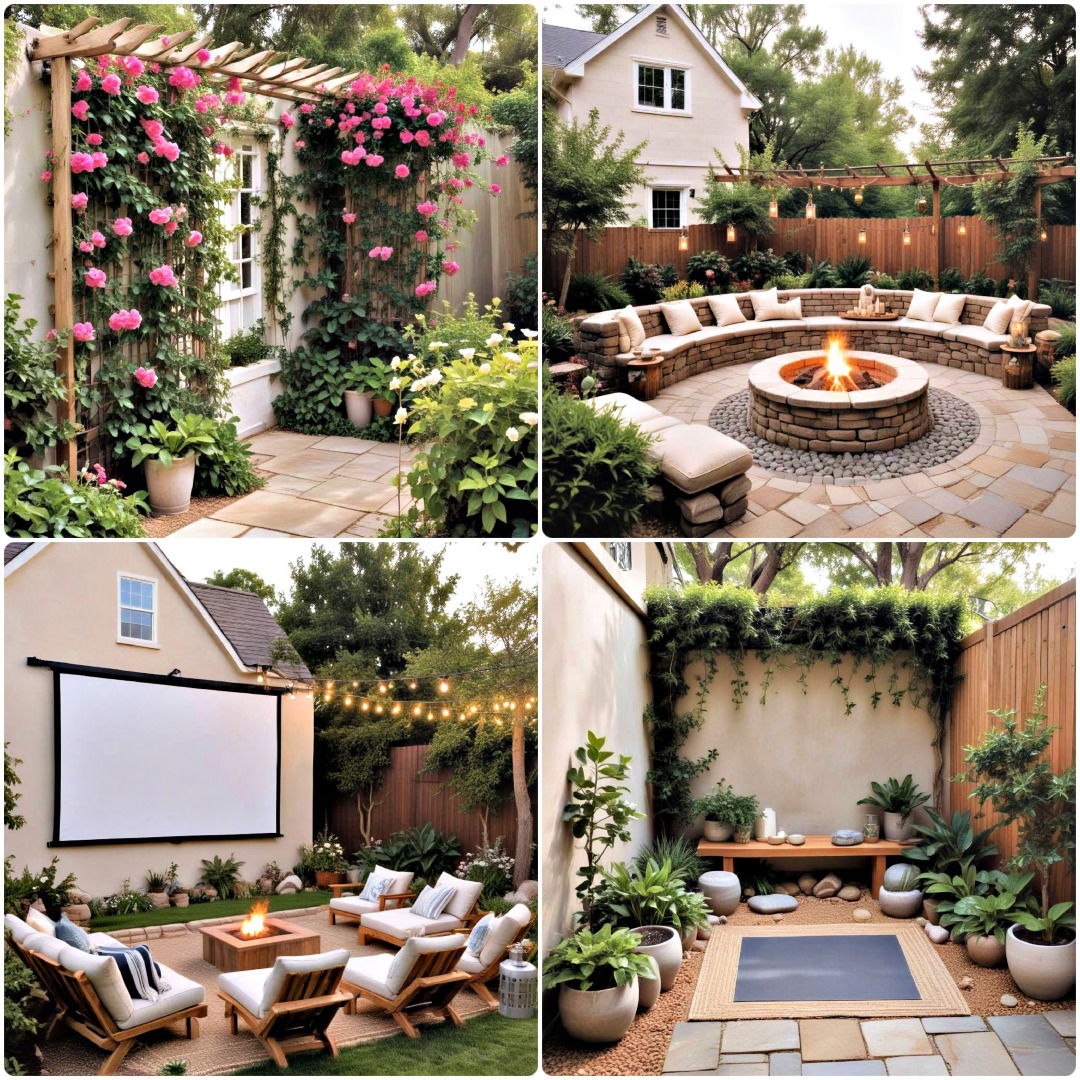
Gardening on a slope can be challenging due to erosion and water runoff, but native plants are the ideal solution. Their deep and extensive root systems act like anchors, holding the soil in place better than shallow-rooted turf grass. Choose a mix of spreading groundcovers, sturdy shrubs, and deep-rooted grasses to stabilize the incline. Creeping juniper or fragrant sumac are excellent choices for covering large areas quickly and effectively. By avoiding traditional mowing on a steep hill, you also eliminate a significant safety risk. The result is a lush, tiered landscape that turns a difficult property feature into a beautiful and functional part of your home's exterior.
16. Native evergreen screen
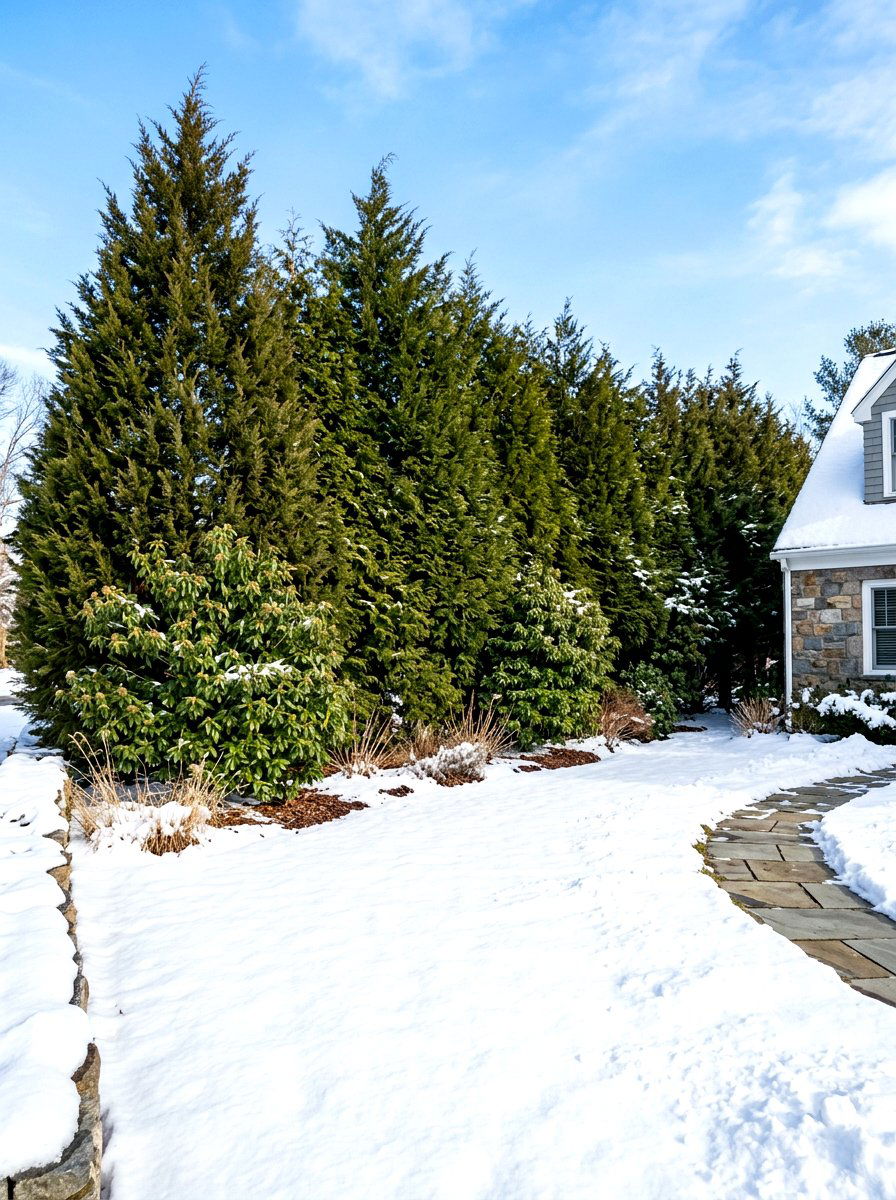
A native evergreen screen offers year-round color and a permanent green backdrop for your front yard design. Using trees like Eastern red cedar, hemlock, or mountain laurel ensures that your landscape doesn 't look bare or brown during the winter months. These plants provide vital winter cover for birds and help block cold winds, which can even reduce your home' s heating costs. Strategic placement of evergreens can hide unsightly utilities or provide a sense of enclosure for a small seating area. Because they are native, these evergreens are well-suited to the local climate's winter extremes. They provide a reliable, sturdy structure that anchors the rest of your garden.
17. Cottage style native garden
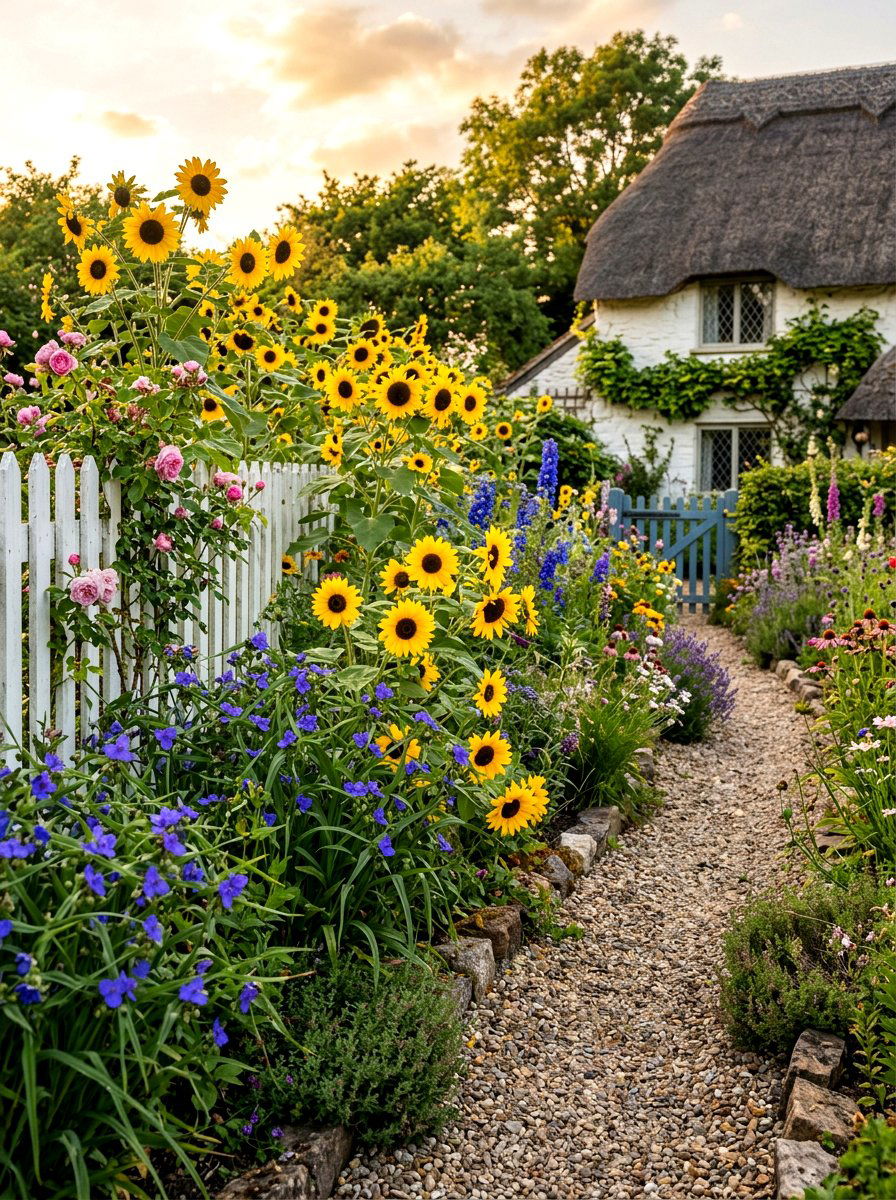
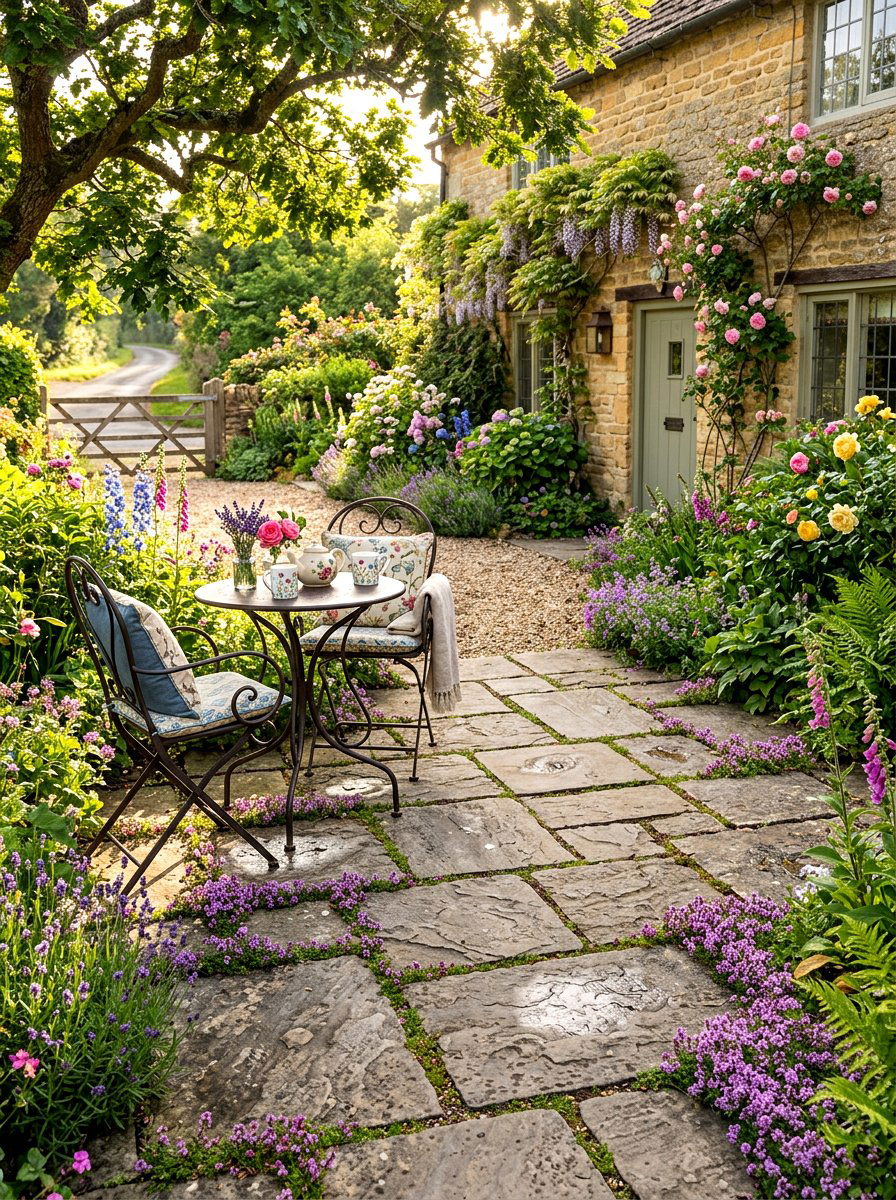
You can easily achieve a charming cottage look using native plants by focusing on a dense, informal planting style. Mix tall, airy species like Joe Pye weed and tall sunflowers with lower-growing perennials like spiderwort and woodland phlox. Allow the plants to spill over onto gravel pathways or peek through white picket fences for a romantic, overflowing effect. The key is to embrace a bit of wildness and avoid rigid rows or overly manicured shapes. Using a wide variety of colors and textures creates a nostalgic and inviting atmosphere. This style is not only beautiful but also highly effective at providing a diverse range of habitats for pollinators.
18. Coastal native landscape
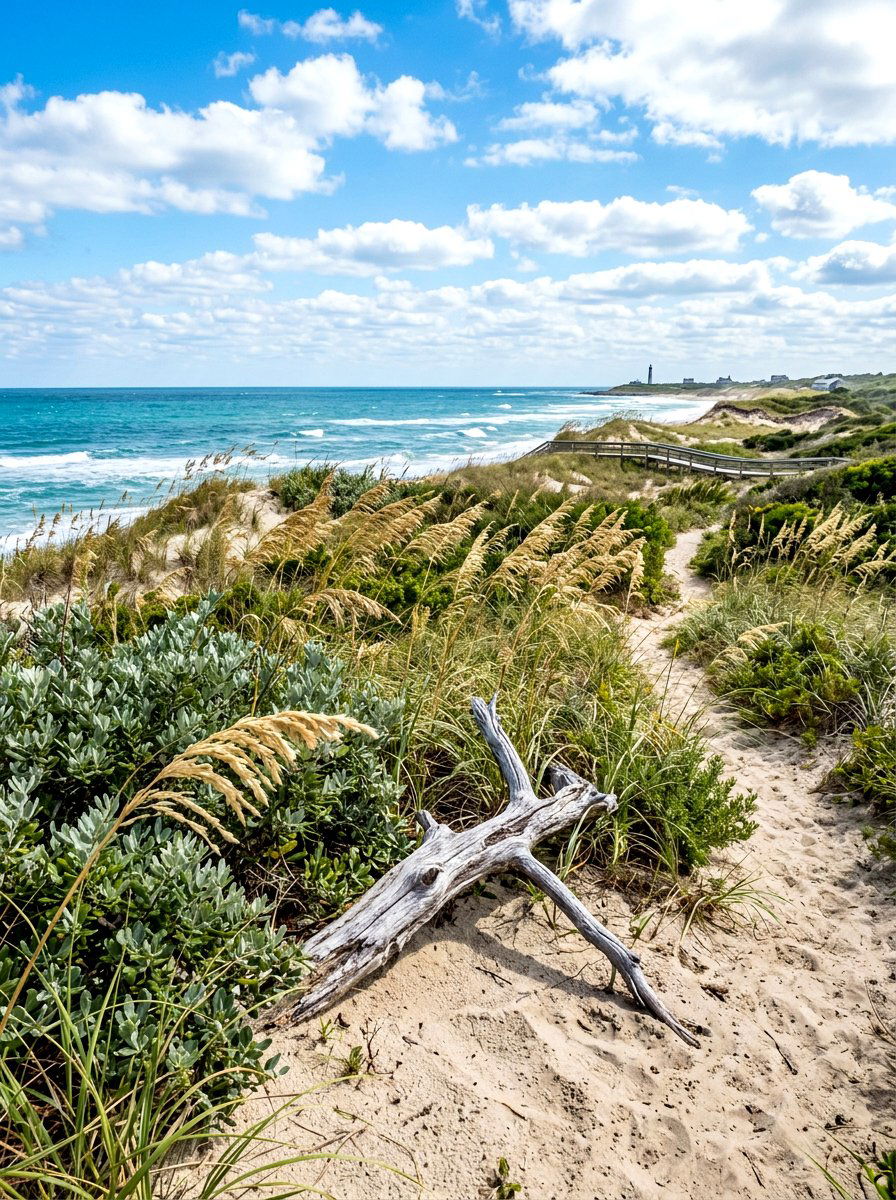
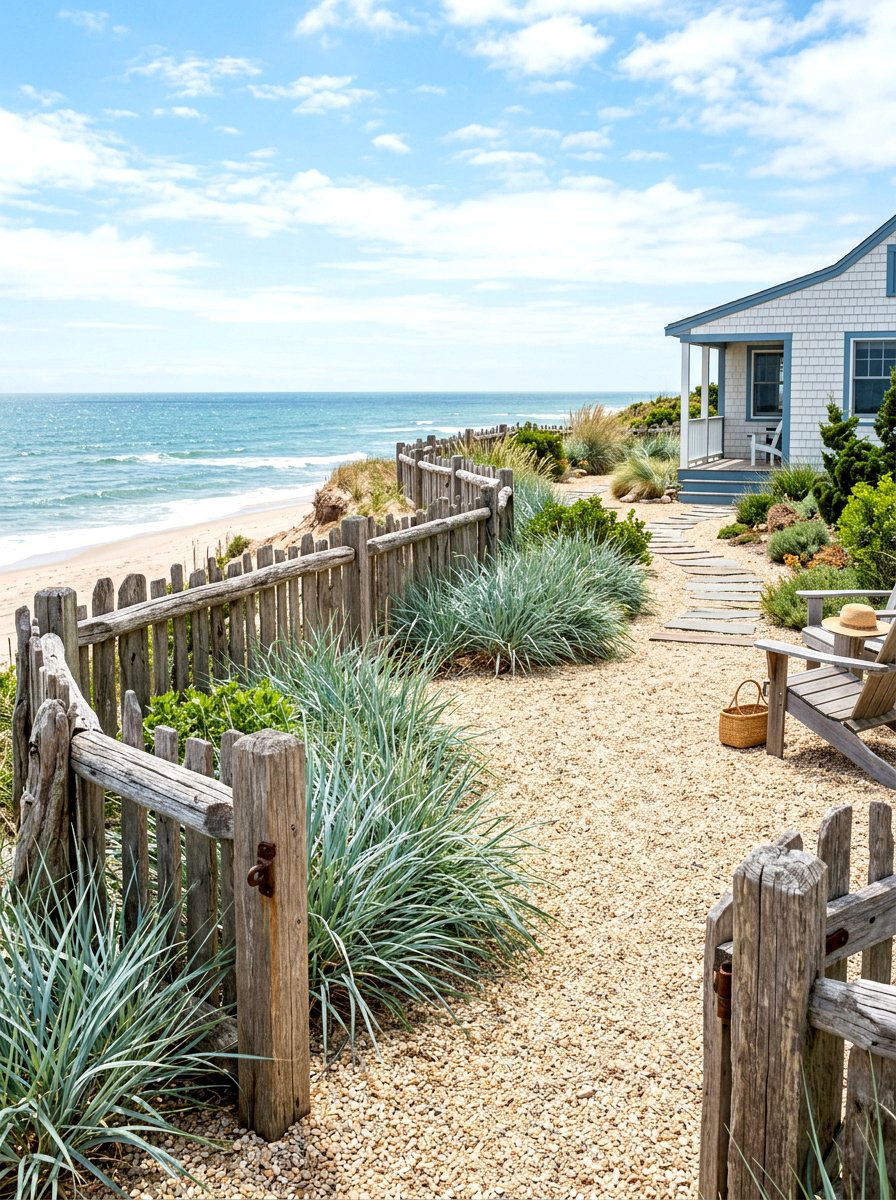
For homes near the ocean, a coastal native landscape is essential to withstand salt spray, sandy soil, and high winds. Plants like sea oats, bayberry, and beach plum have evolved specifically to thrive in these harsh seaside conditions. Their tough foliage and flexible stems allow them to survive storms that would kill more delicate garden varieties. Using these species helps prevent beach erosion and maintains the natural character of the shoreline. Incorporate driftwood accents and weathered gray shingles to complement the silvery-green tones of many coastal plants. This design creates a low-maintenance yard that feels perfectly at home in its breezy, salt-air environment.
19. Prairie style front yard
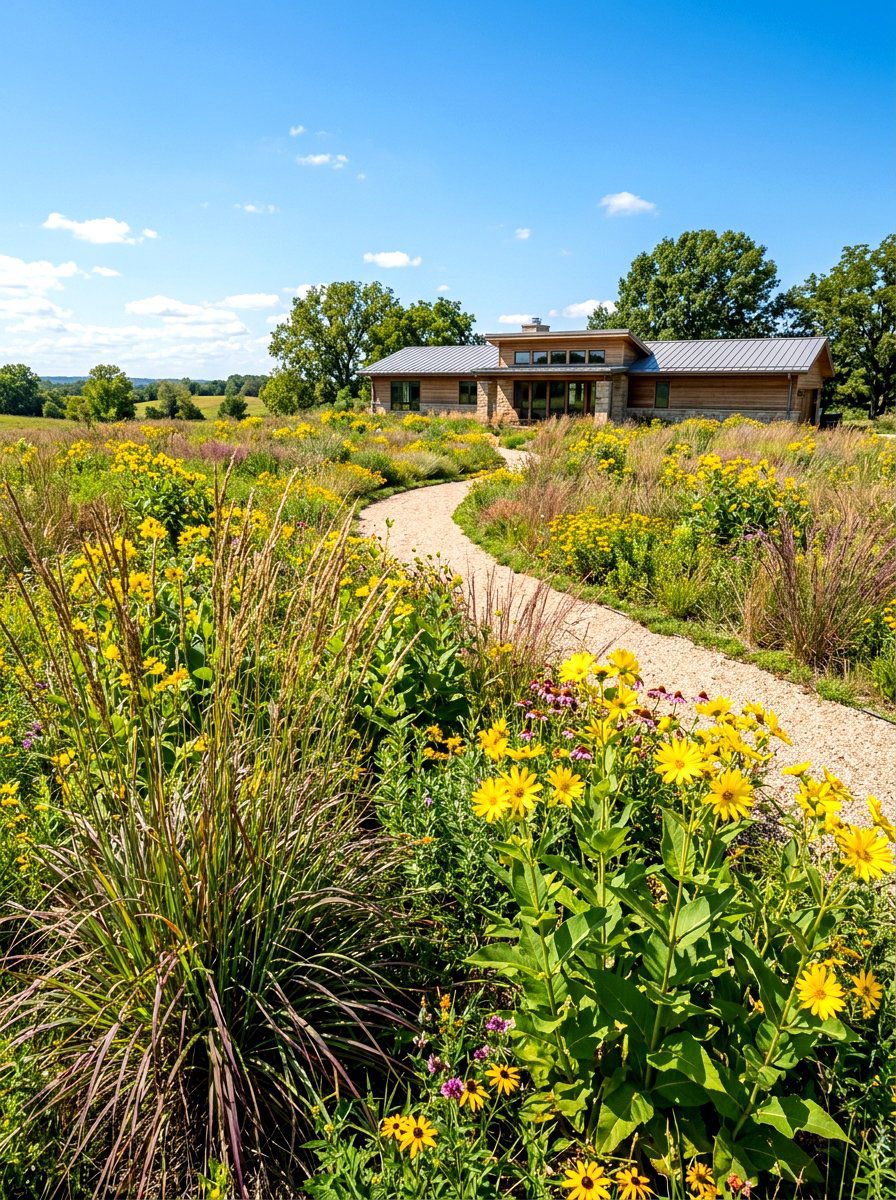
A prairie-style front yard celebrates the vast, open beauty of the grasslands with tall grasses and bold wildflowers. Focus on iconic species like big bluestem, Indian grass, and various types of silphium to create a tall, dramatic landscape. This design works best in large, sunny yards where the plants have room to reach their full height. The deep roots of prairie plants make them exceptionally resilient to both drought and heavy rain. During the winter, the dried stalks and seed heads create a beautiful golden silhouette against the snow. This style is a tribute to the historic landscapes of the American heartland and provides a massive benefit to local wildlife.
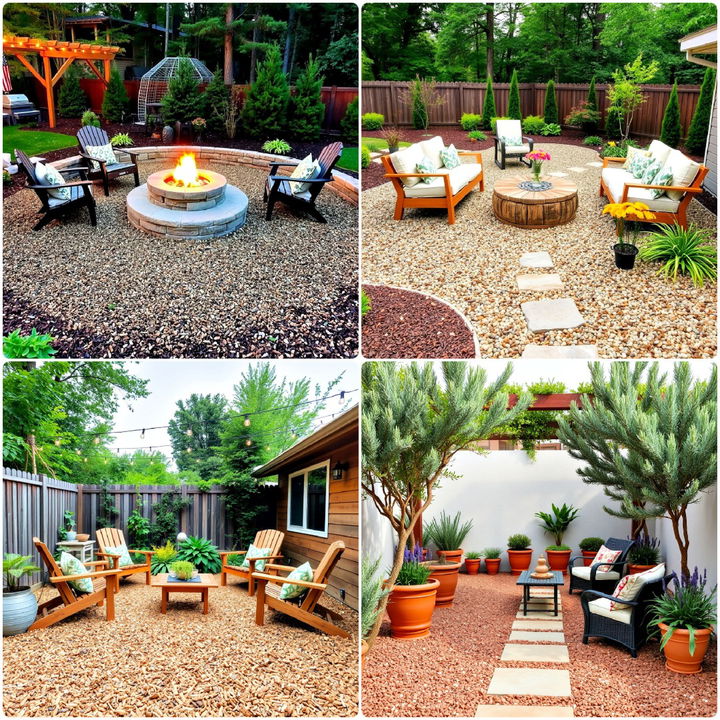
20. Native tree canopy
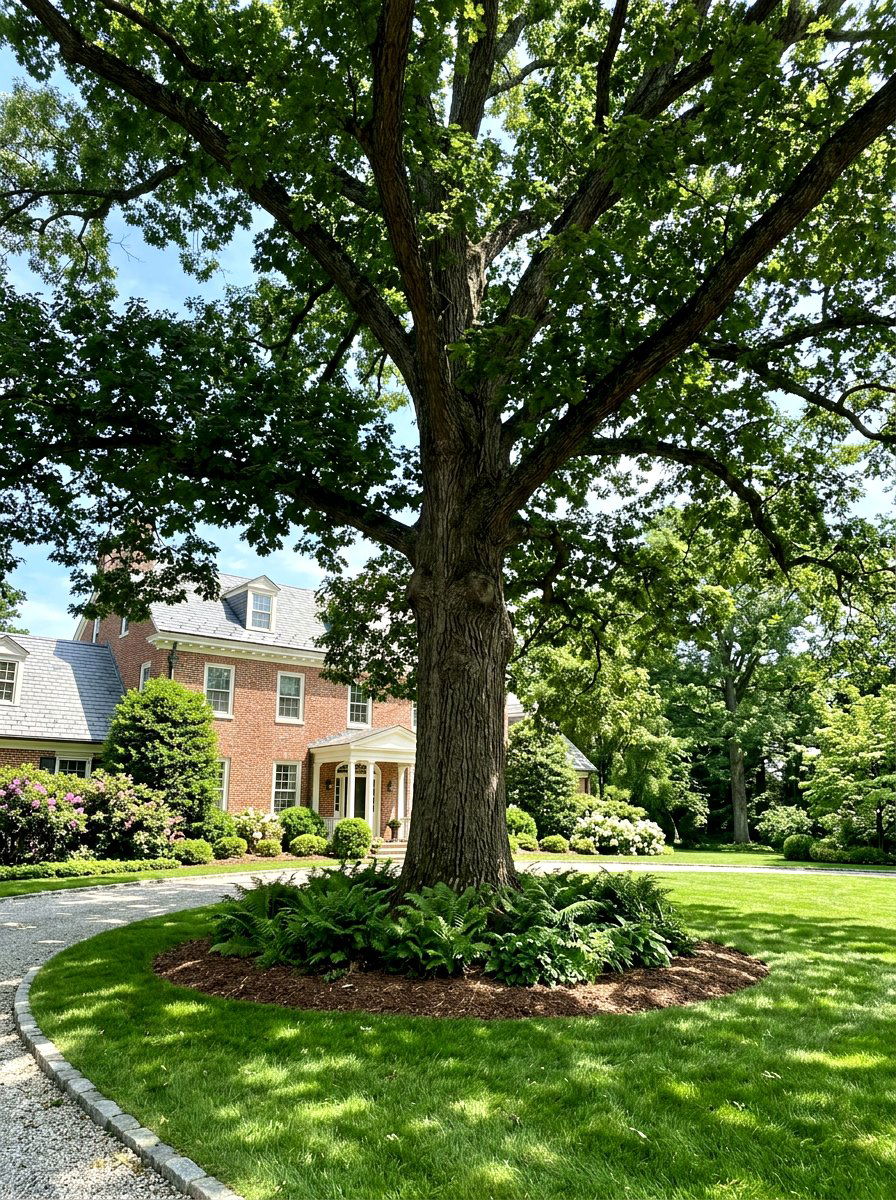
Planting a native tree canopy is a long-term investment in your property's value and environmental health. Large native trees like oaks, maples, or lindens provide essential shade that can significantly lower your air conditioning costs in the summer. They also act as the primary "host" for hundreds of species of caterpillars, which are the main food source for baby birds. A well-placed tree creates a focal point and adds a sense of maturity to a newer home. As the tree grows, it creates a vertical dimension that balances the horizontal lines of the house. Choosing a native species ensures the tree will live a long, healthy life.
21. Minimalist native garden
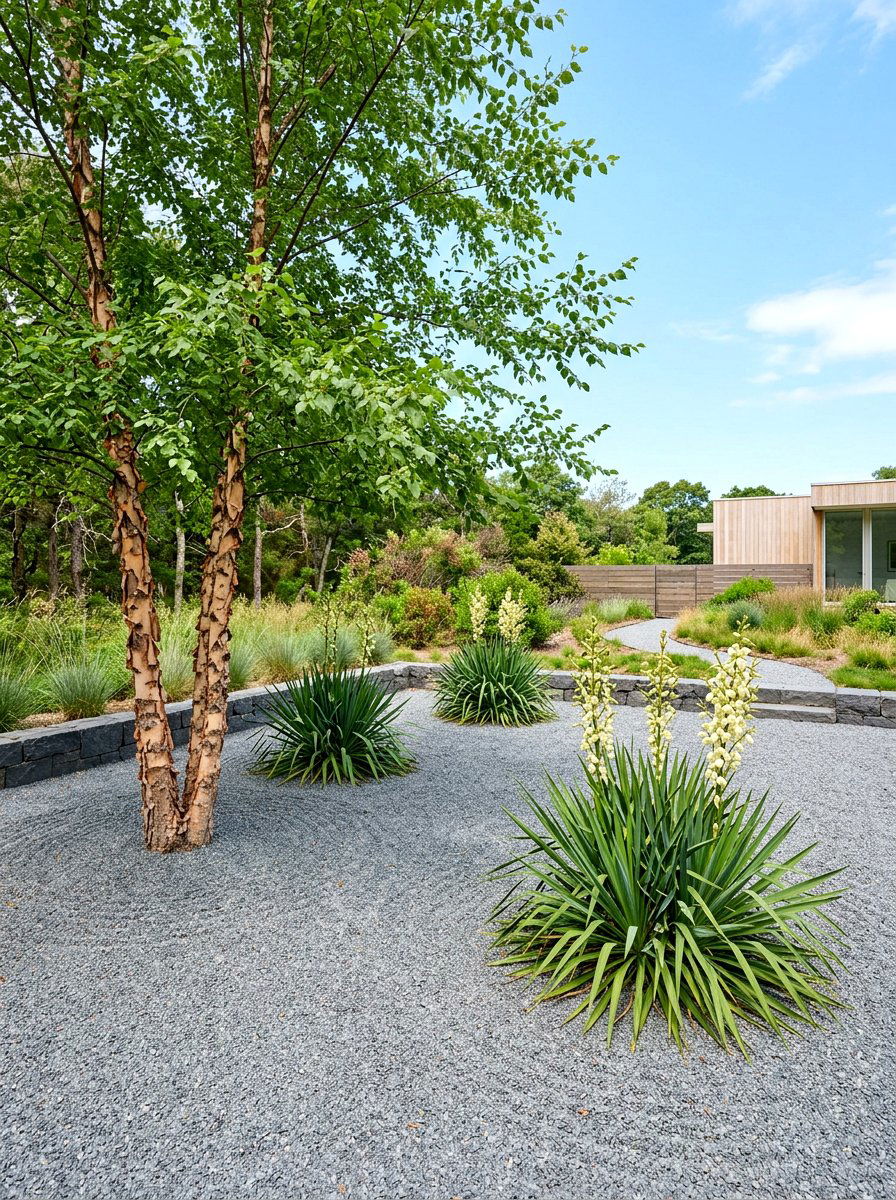
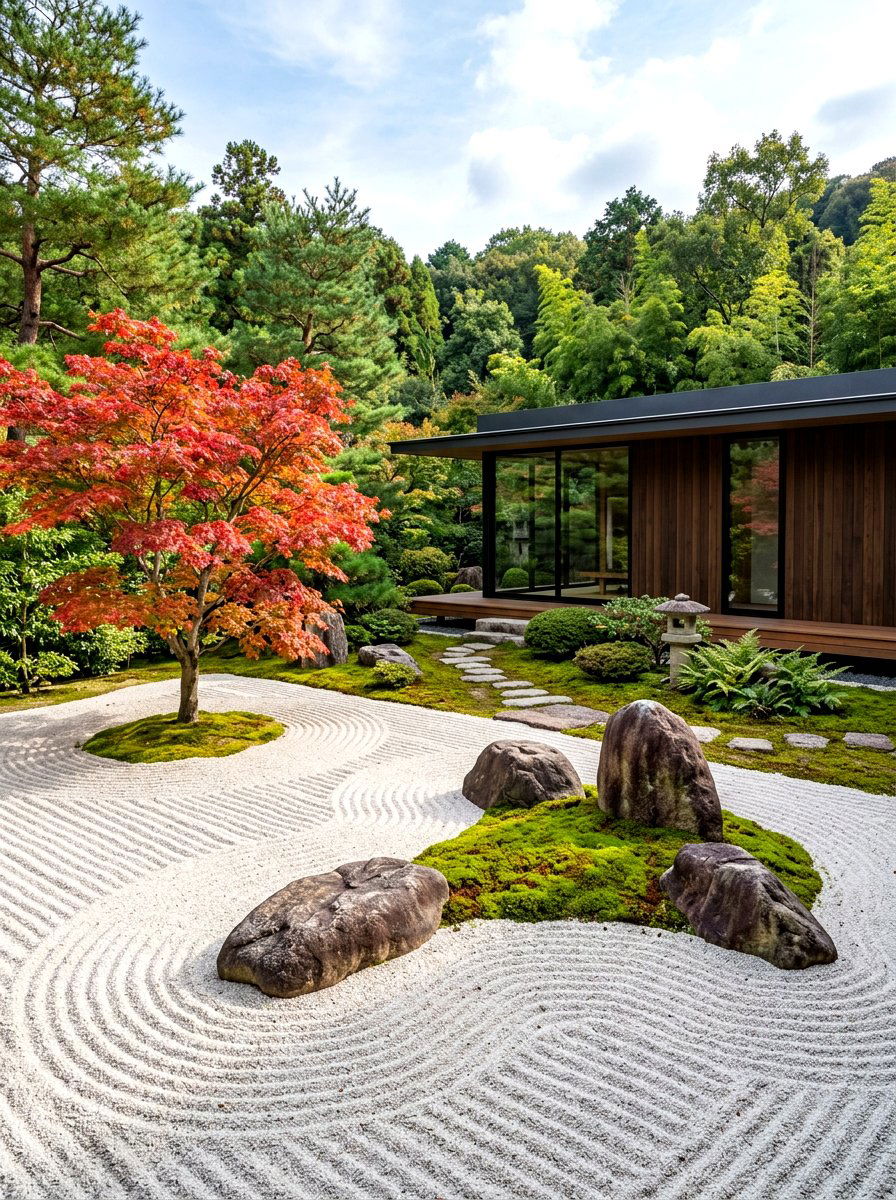
A minimalist native garden focuses on simplicity, using a few select species to create a clean and tranquil space. Choose plants with distinct, elegant forms, such as a single multi-stemmed river birch or a few clumps of architectural yucca. Use plenty of open space, filled with a uniform mulch or fine gravel, to let the individual plants stand out as living sculptures. This approach is perfect for small yards or modern homes where a busy garden might feel overwhelming. By limiting the variety, you also simplify the maintenance tasks required to keep the yard looking perfect. It is a sophisticated way to highlight the natural beauty of individual native plants.
22. Seasonal interest garden
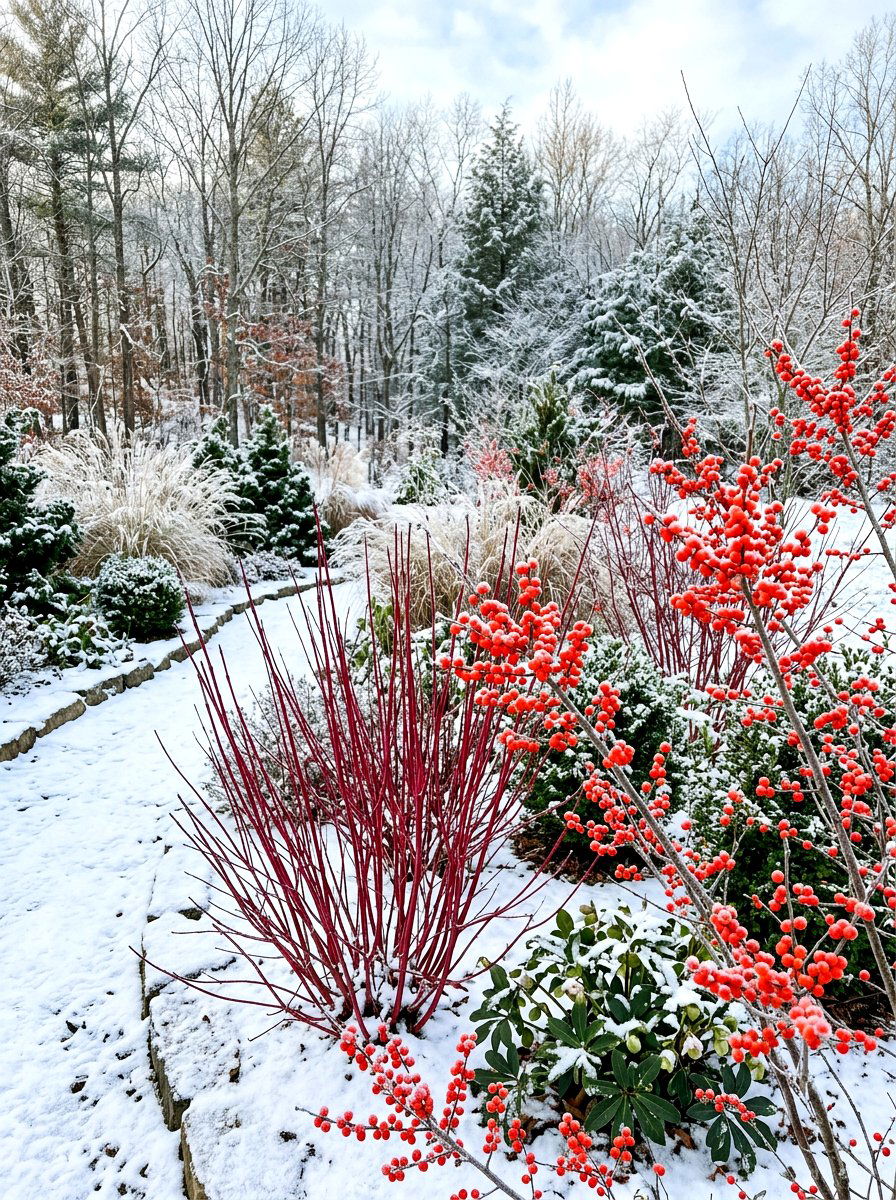
Designing for seasonal interest ensures your front yard looks spectacular throughout every month of the year. Select early spring bloomers like bloodroot, summer favorites like black-eyed Susans, and autumn stars like New England asters. Don't forget to include plants with interesting winter features, such as the red stems of red-twig dogwood or the persistent berries of winterberry holly. This staggered approach means there is always something new and exciting to see when you look out your front window. It also ensures a continuous supply of food for local wildlife as they prepare for or emerge from winter. A carefully planned native garden is never truly dormant or dull.
23. Native plant bioswale
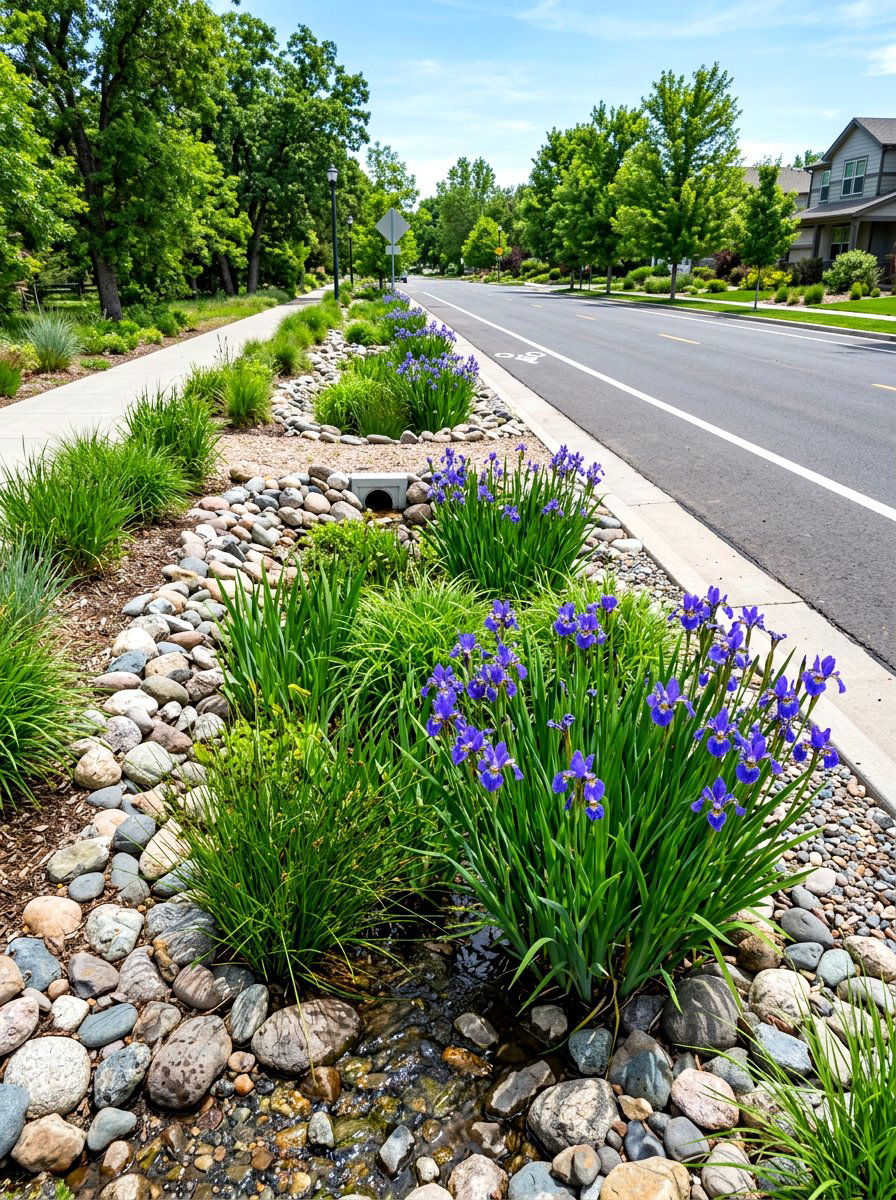
A bioswale is a landscaped trench designed to concentrate and convey stormwater runoff while removing debris and pollution. Using native sedges, rushes, and hardy perennials, you can turn a drainage ditch into an attractive garden feature. The plants and specialized soil layers work together to slow down water and allow it to infiltrate back into the earth. This is an excellent solution for front yards that experience soggy areas or heavy runoff from the street. Unlike a concrete pipe, a bioswale adds beauty and habitat to your property while solving a common engineering problem. It is a perfect example of using nature to improve modern infrastructure.
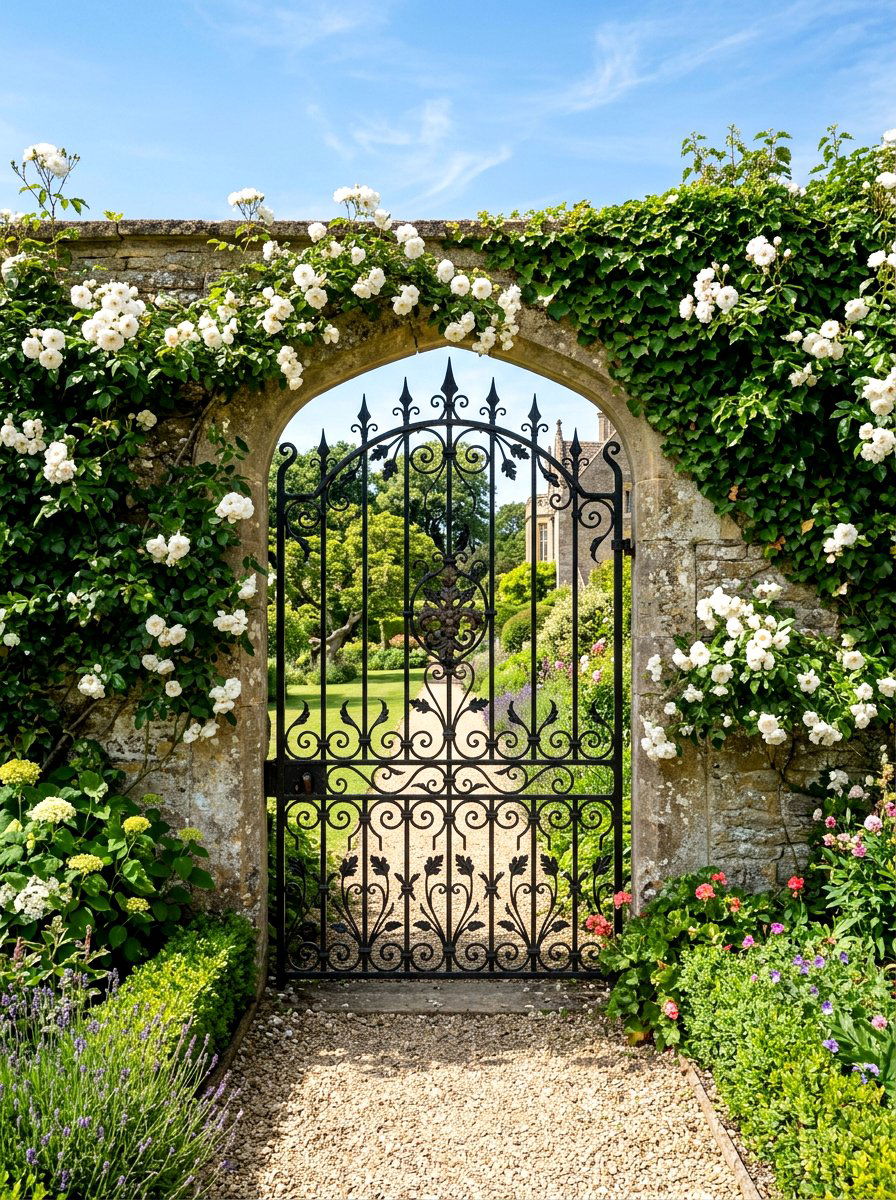
24. Formal native garden
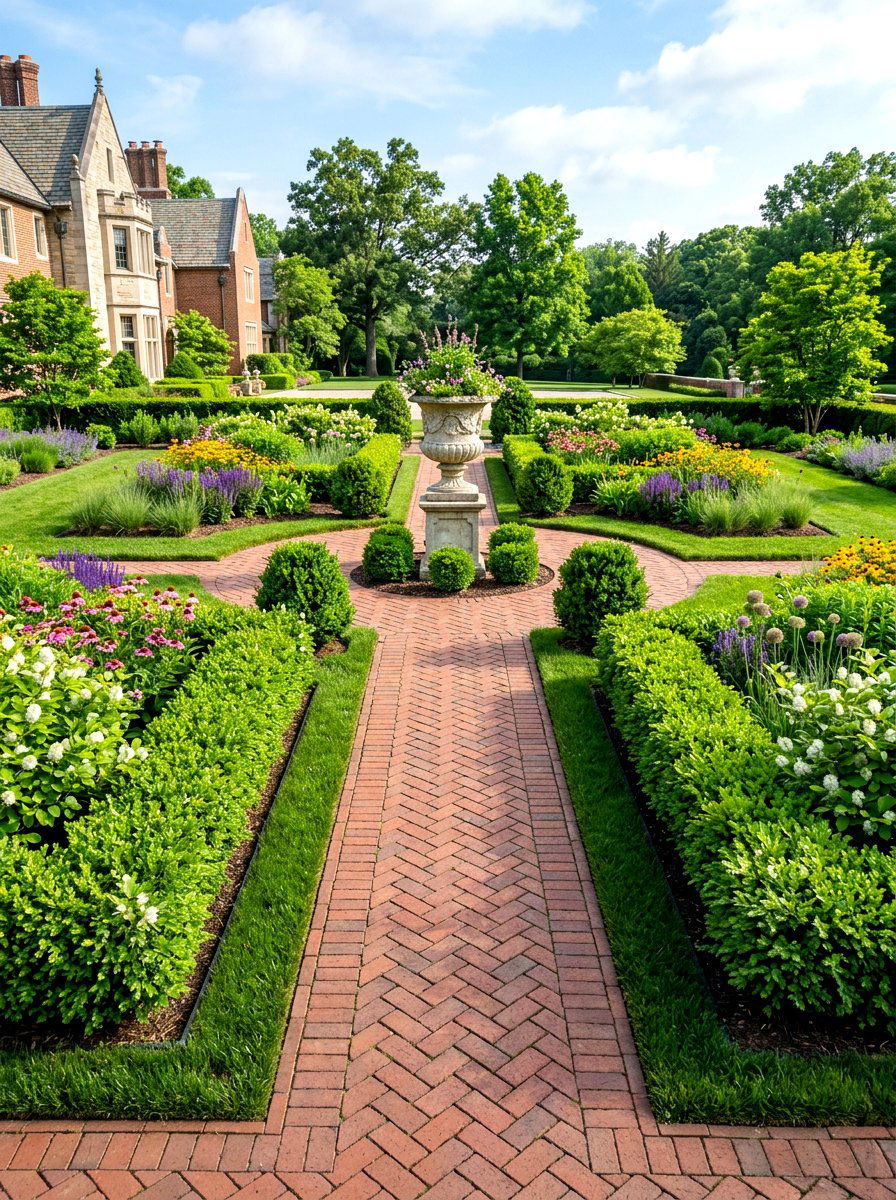
Many people think native plants only look "wild, " but they can be used beautifully in a formal garden setting. By using symmetrical layouts, clipped hedges, and clearly defined edges, you can create a traditional, sophisticated look. Use native plants that have naturally tidy habits, such as dwarf fothergilla or specific varieties of switchgrass that stay upright. Adding structural elements like stone urns, iron gates, or manicured brick paths provides the necessary framework for a formal aesthetic. Massing single species in geometric shapes helps maintain a sense of order and intentionality. This design proves that sustainable gardening can be as elegant and refined as any classic European estate.
25. Small yard native garden
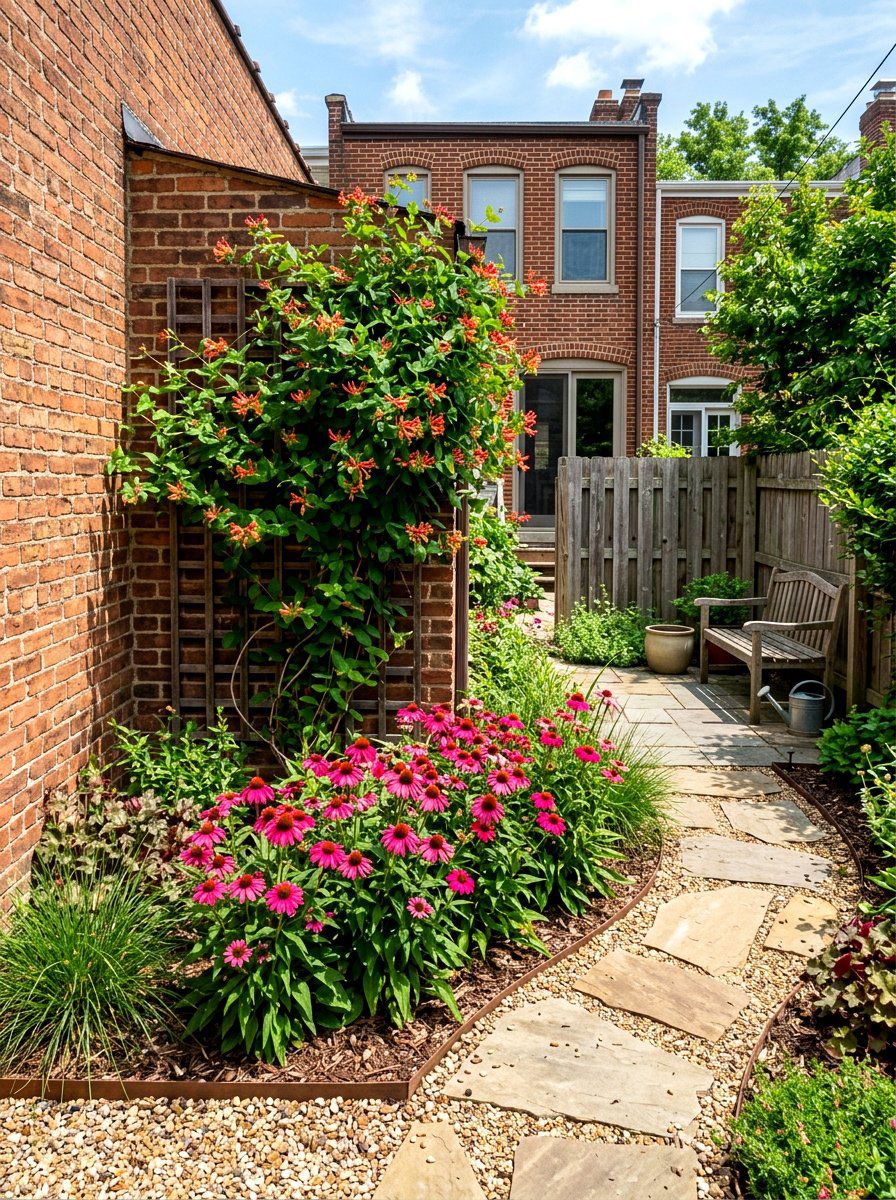
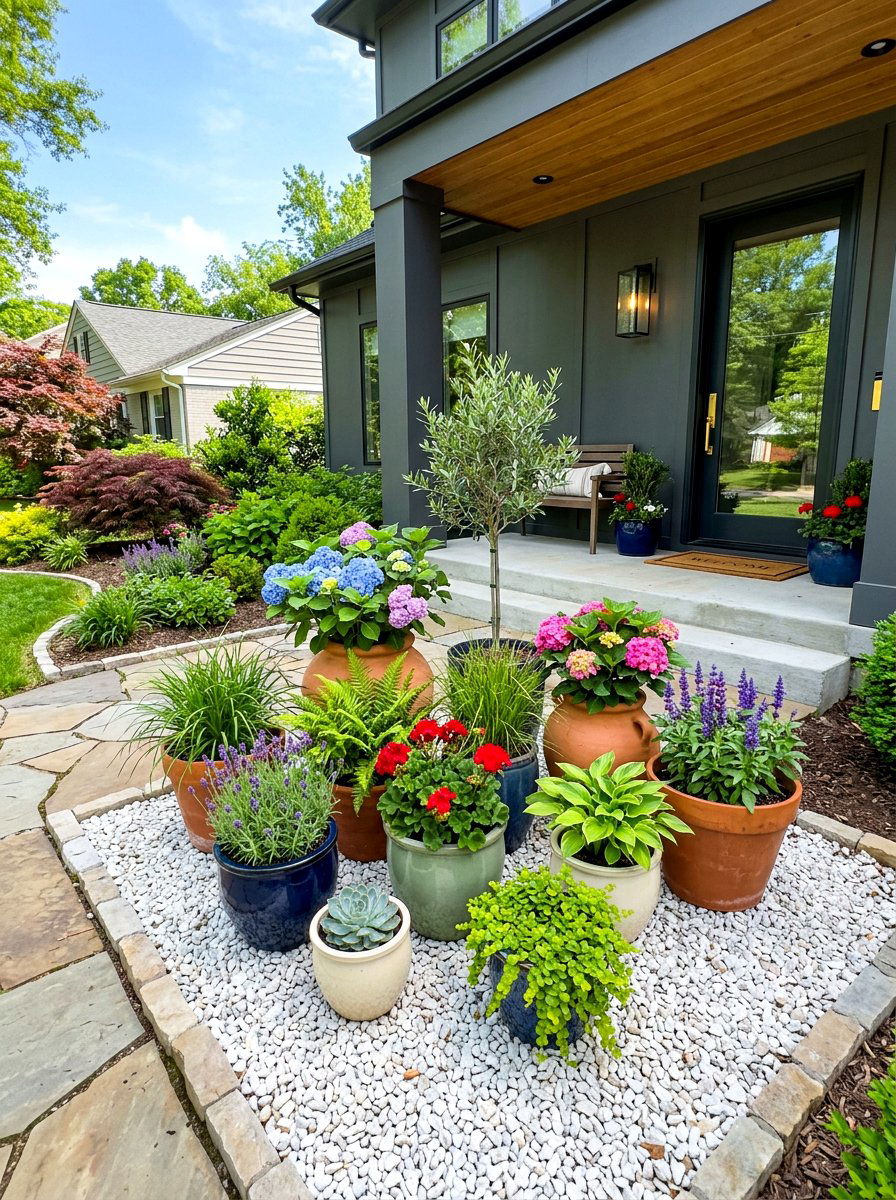
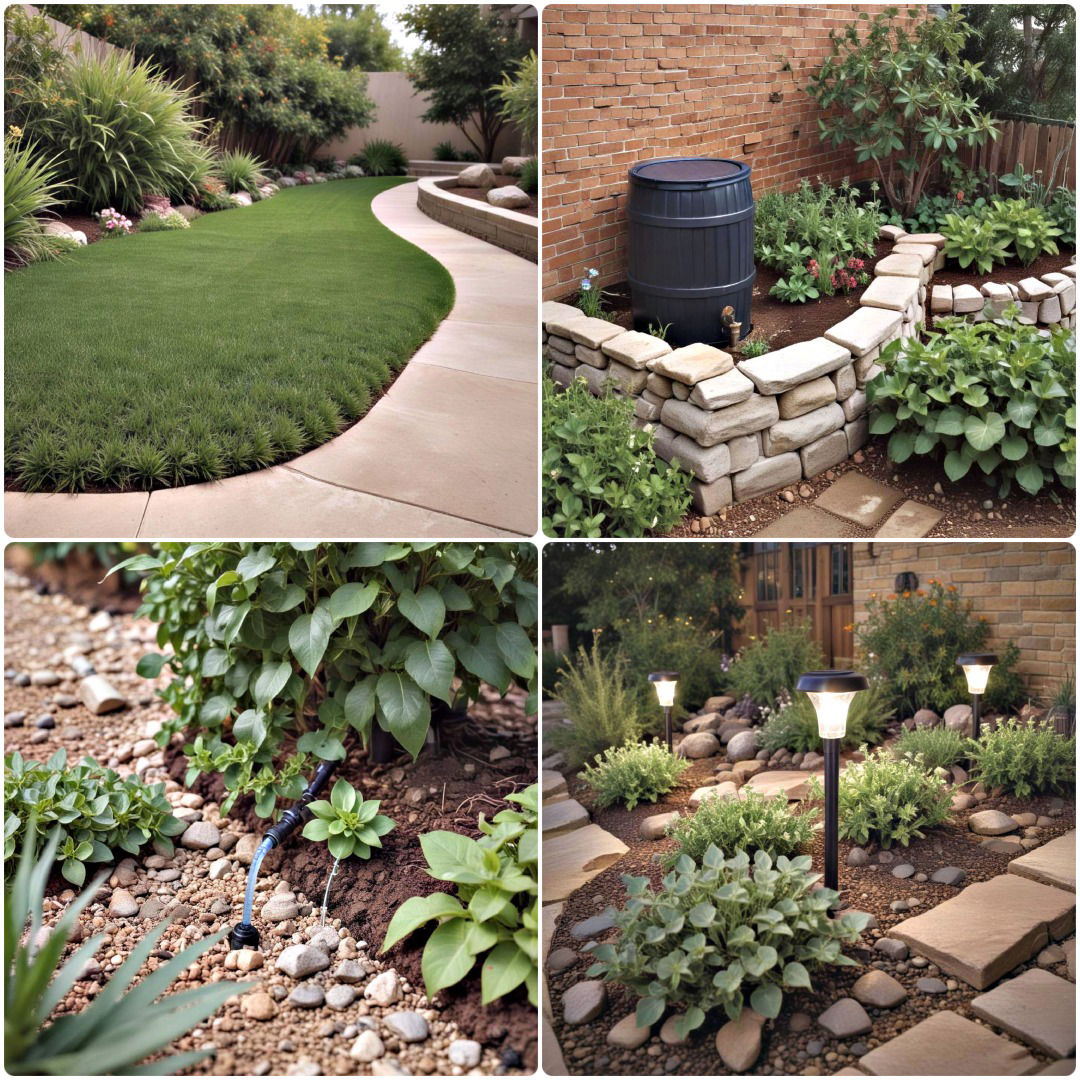
You don't need a large estate to make a big impact with native plants. In a small front yard, focus on dwarf varieties and vertical elements to maximize your space. Use native vines like honeysuckle or clematis on a trellis to add greenery without taking up much ground area. Compact shrubs and small perennials can be tucked into containers or small beds along the foundation. Choosing a limited color palette will help a small space feel larger and more cohesive. Using native plants in a tight space creates a "pocket habitat" that is incredibly rewarding to observe up close from your front porch or walkway.
26. Native vine trellis
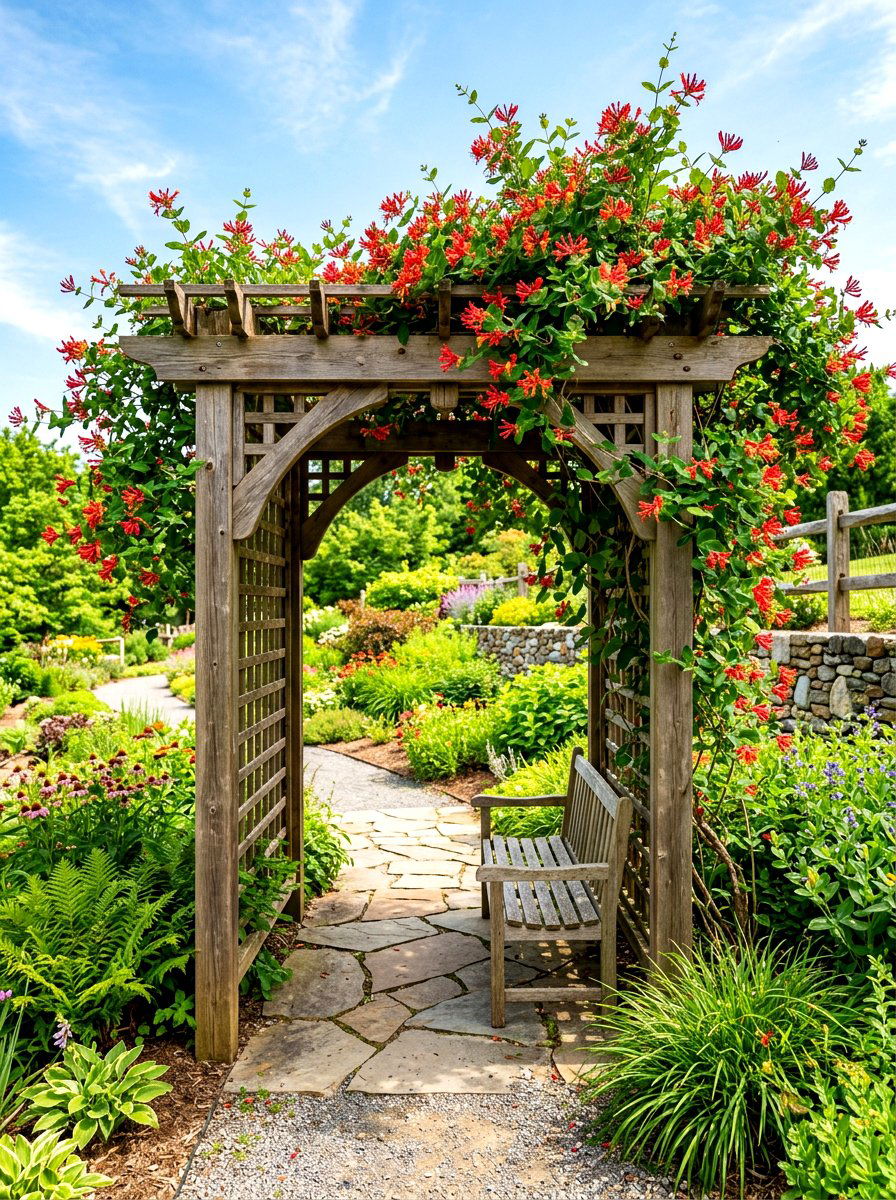
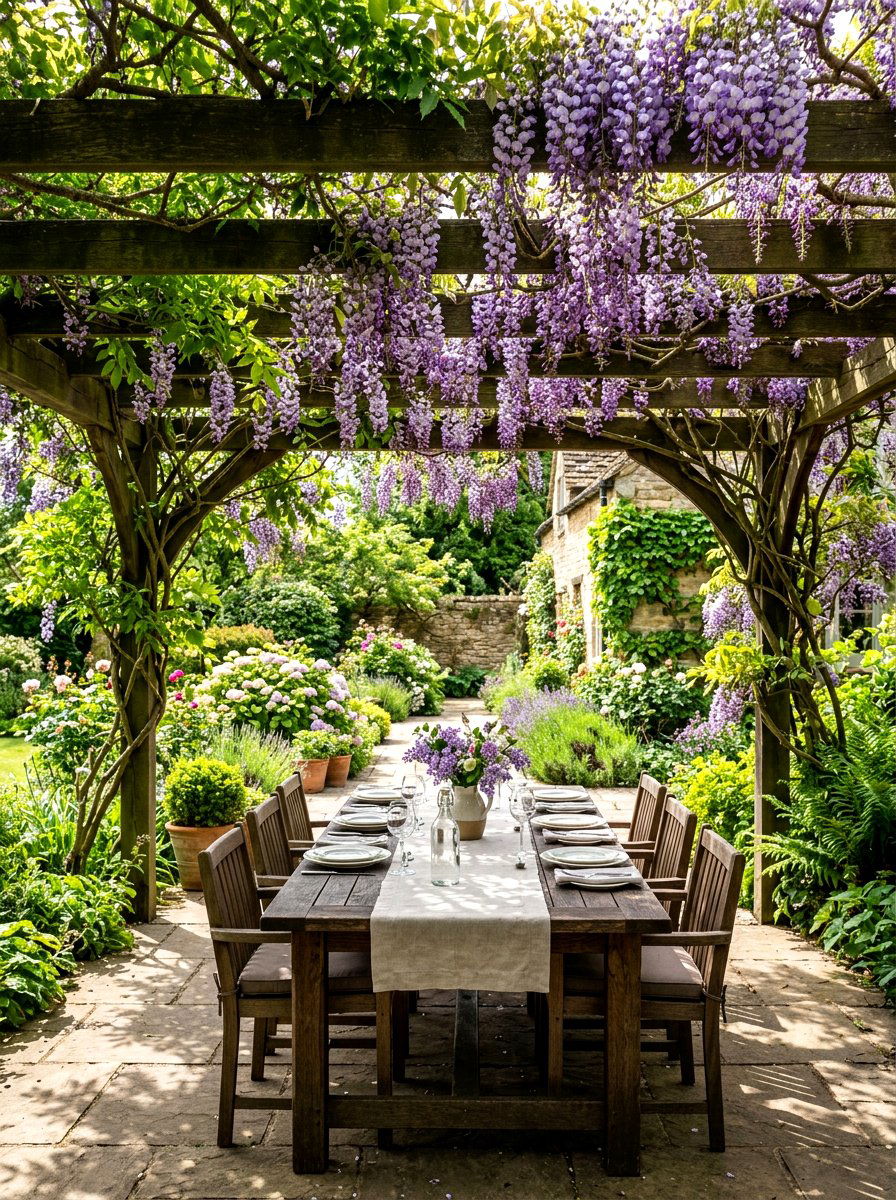
A native vine growing on a trellis or arbor provides a vertical burst of flowers and foliage that traditional ground-level plants cannot match. Species like trumpet honeysuckle, Virginia creeper, or American wisteria offer stunning blooms that attract hummingbirds and provide nesting sites for small birds. Vines are perfect for softening the look of a blank wall, framing a doorway, or creating a natural privacy screen on a porch. Because they grow upwards, they are an excellent choice for homeowners with limited yard space. Native vines are generally vigorous and hardy, quickly covering their support structure with lush, living wallpaper that changes beautifully with the seasons.
27. Xeriscape with succulents
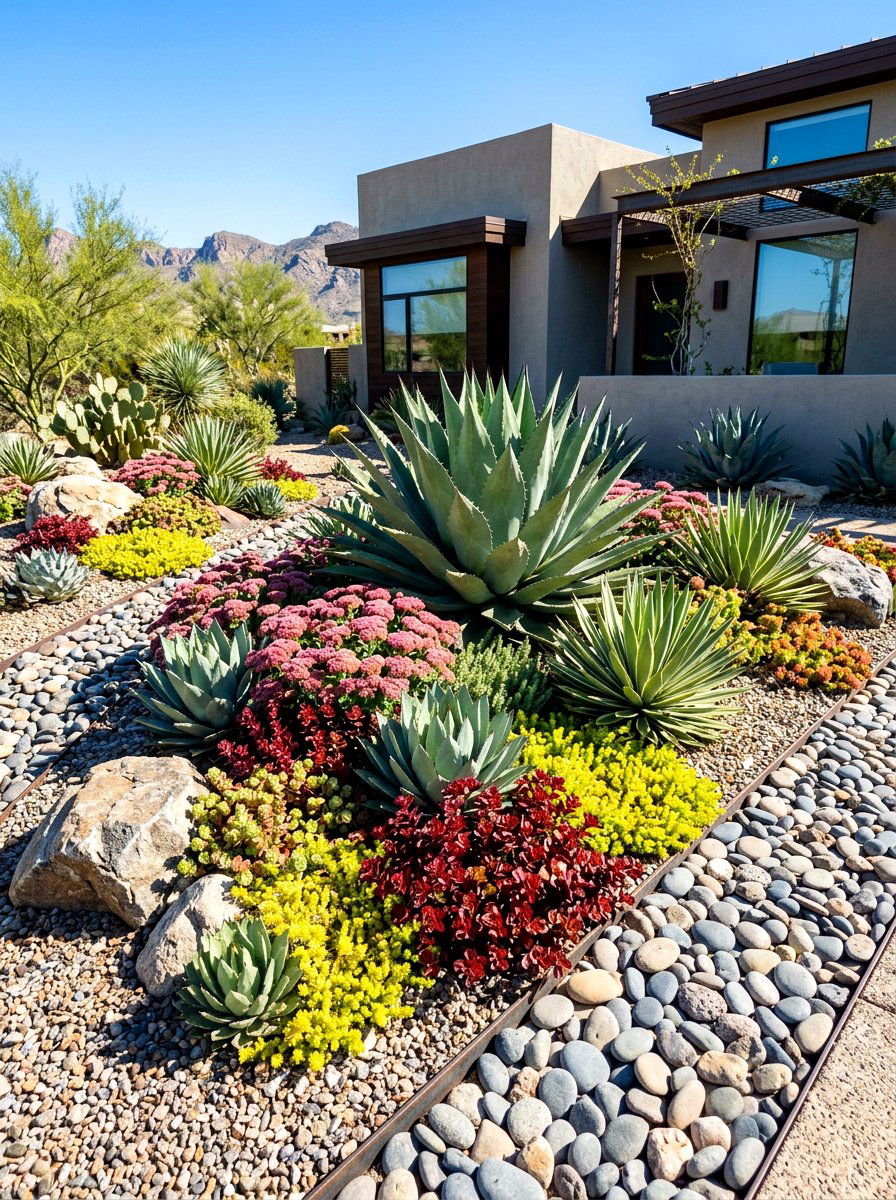
Incorporating native succulents into a xeriscape design adds unique shapes and low-maintenance beauty to your front yard. Plants like stonecrop, hens and chicks, and various native agaves store water in their fleshy leaves, allowing them to survive long periods of heat and drought. These plants often feature fascinating geometric patterns and vibrant colors that look great year-round. They work exceptionally well in rock gardens, along sunny walkways, or in modern containers near the front door. Because they require so little water and almost no pruning, they are the ultimate choice for a truly "set it and forget it" landscape that still looks high-end and designer-quality.
28. Native meadow lawn
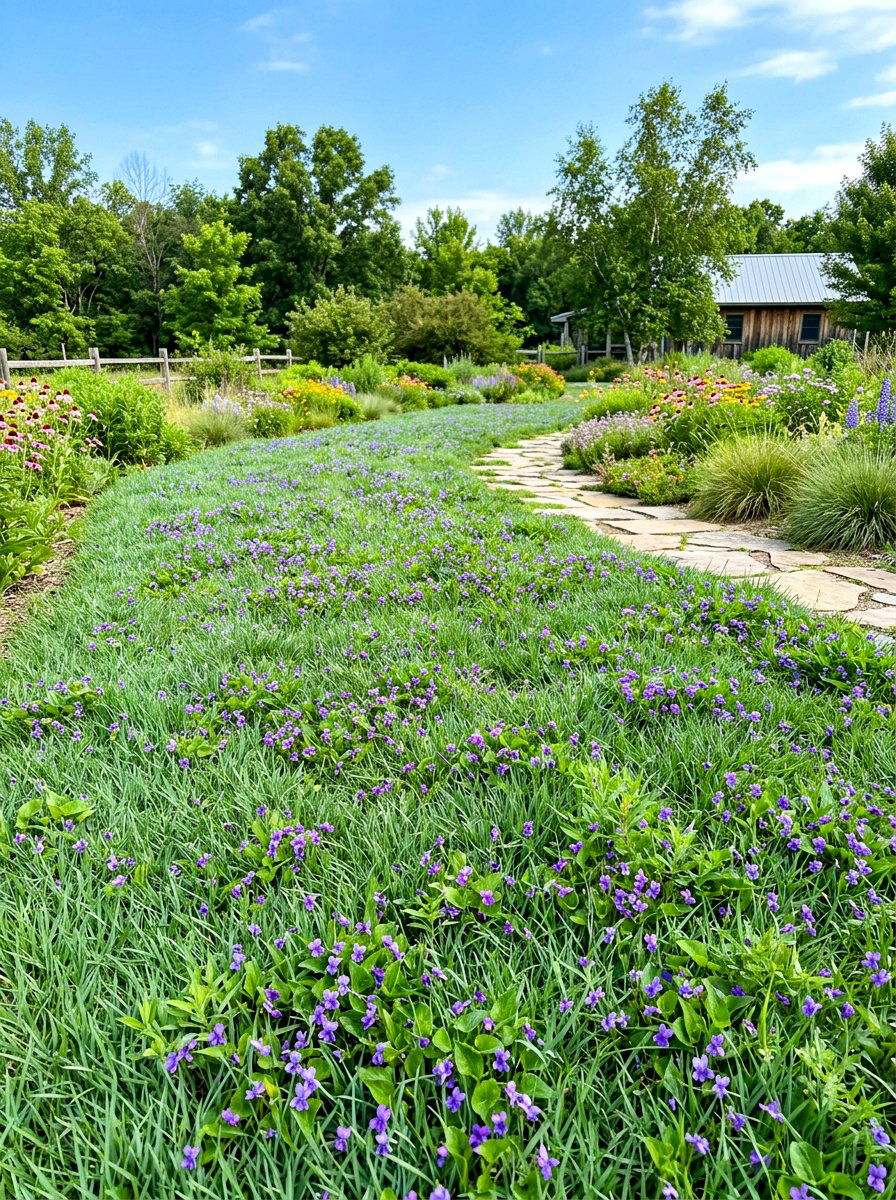
A native meadow lawn is a low-growing alternative to traditional turf that uses native grasses and small wildflowers instead of standard fescue. Species like buffalo grass or blue grama can be mowed occasionally to keep a shorter look, or left long for a soft, wavy appearance. These "no-mow" or "low-mow" lawns require far less water and zero chemicals to stay green. Adding low-growing flowers like violets or clover provides a pop of color and food for bees. This approach maintains the open, usable feel of a lawn while significantly reducing the environmental footprint and the time spent on yard work every weekend.
29. Hummingbird garden landscape
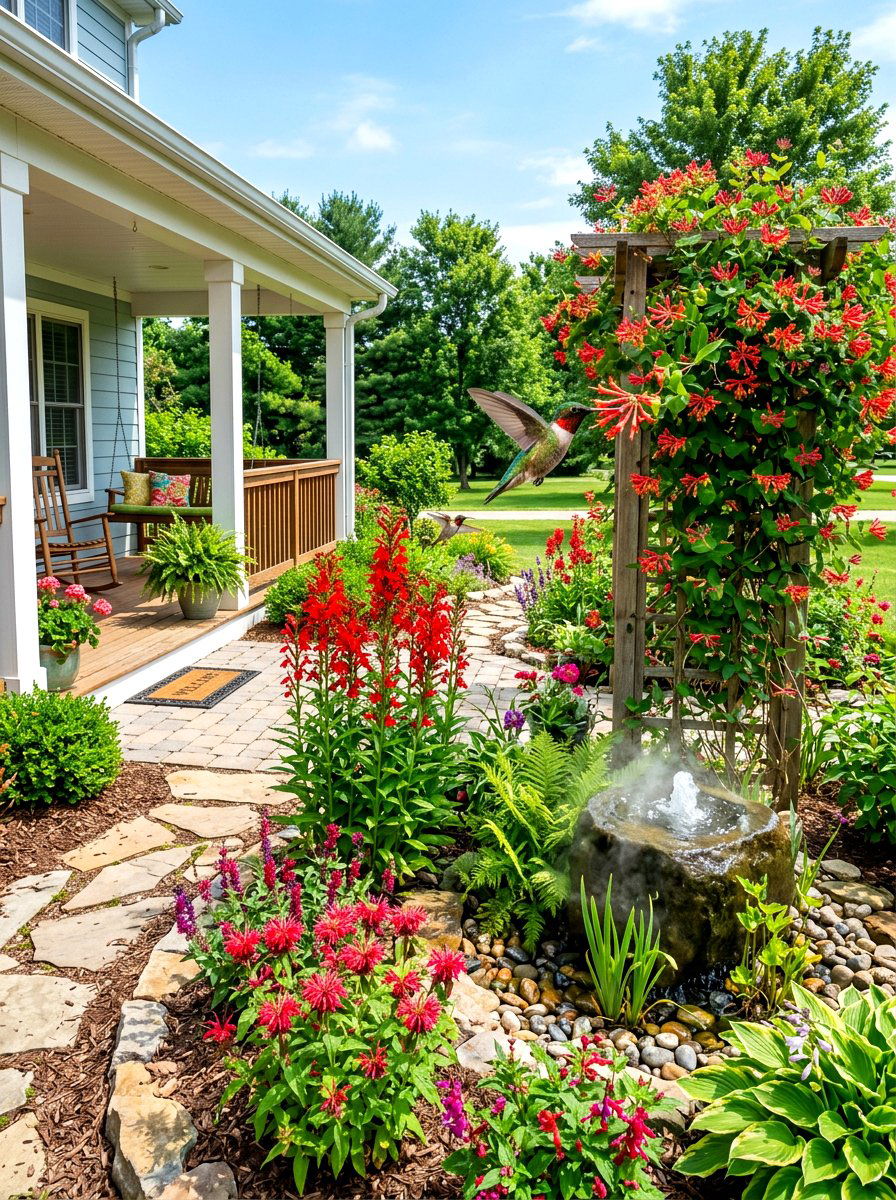
Attracting hummingbirds to your front yard is easy when you plant native tubular flowers in bright shades of red, orange, and pink. Species like cardinal flower, wild columbine, and coral honeysuckle are perfectly shaped for the long beaks of these tiny, energetic birds. Place these plants near windows or a front porch so you can enjoy the "whir" of their wings from inside. Avoid using pesticides, as hummingbirds also rely on small insects for protein. Adding a fine-mist water feature provides them with a place to bathe and cool off. A hummingbird-focused garden is a joy to watch and brings a magical sense of movement to your landscape.
30. Biodiversity focused garden
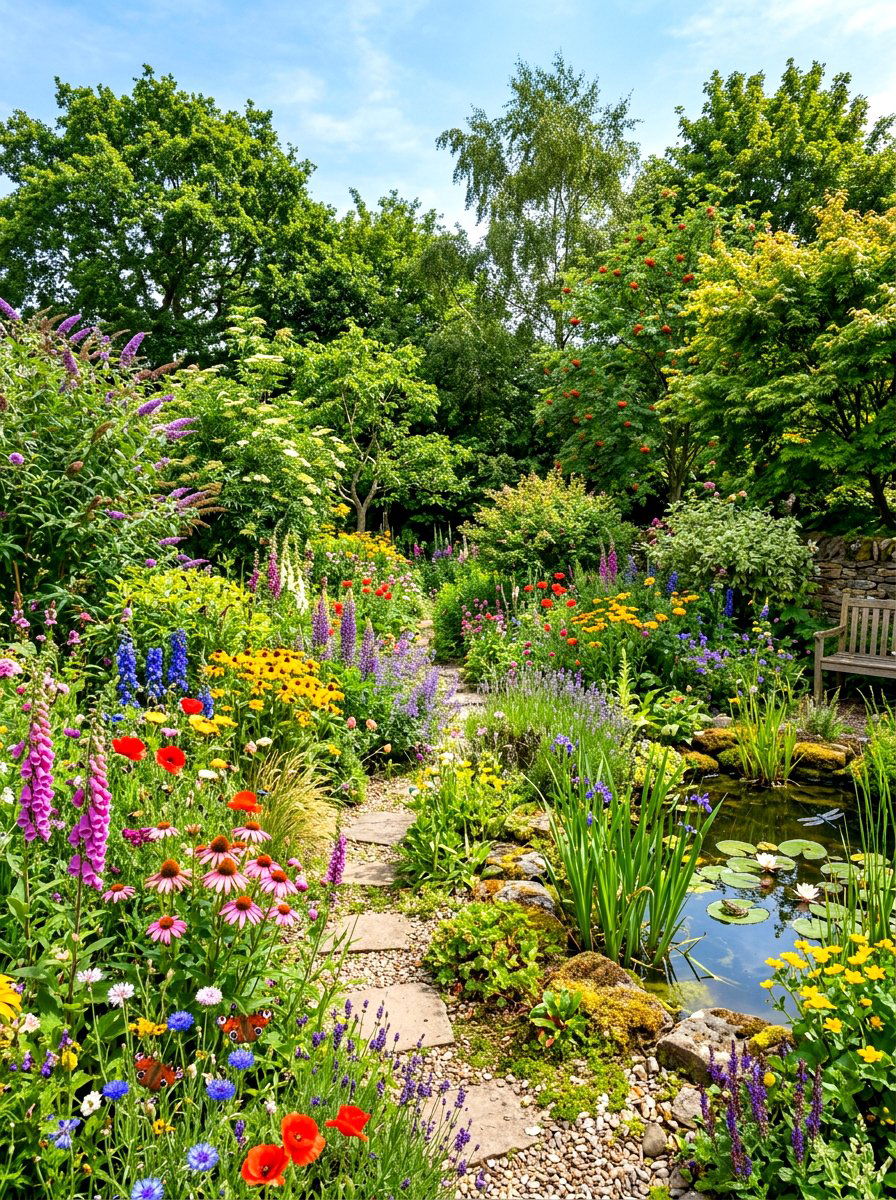
A biodiversity-focused garden is the ultimate goal for an eco-conscious homeowner. This design involves planting as many different native species as possible to support a wide web of life. By including trees, shrubs, perennials, grasses, and groundcovers, you create multiple layers of habitat for everything from soil microbes to predatory birds. Each plant serves a specific purpose, whether it 's a host for a specific butterfly or a source of winter seeds. This variety makes the garden more resilient to pests and diseases, as a problem that affects one species won' t ruin the entire yard. It is a living laboratory that celebrates the incredible richness of your local natural heritage.
Conclusion:
Transitioning your front yard to a native plant landscape is one of the most impactful ways you can contribute to local environmental health while increasing your home’s aesthetic appeal. By moving away from high-maintenance turf and toward resilient, indigenous species, you create a garden that is both sustainable and uniquely beautiful. Whether you prefer the structured elegance of a formal garden or the wild charm of a wildflower meadow, native plants offer endless possibilities for every style and space. These gardens require less water, fewer chemicals, and less time behind a mower, allowing you more freedom to enjoy your outdoor sanctuary. Embrace the natural heritage of your region and watch your front yard come to life with color, texture, and wildlife.

Related posts: