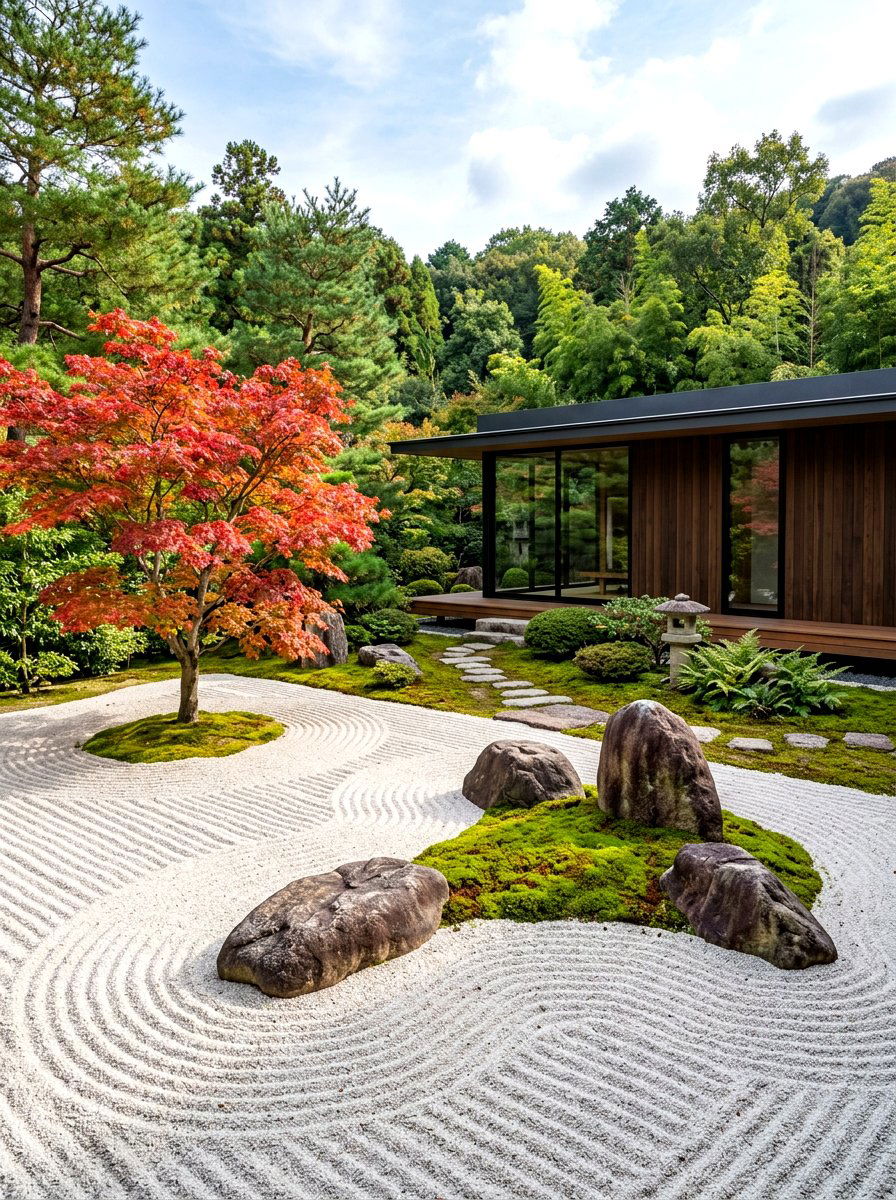
Wildflowers bring a sense of untamed beauty to any outdoor space, offering a refreshing departure from the stiff formality of traditional landscaping. These hardy plants are not just visually stunning with their vibrant colors and varied textures; they also play a vital role in supporting local ecosystems by providing essential food and habitat for pollinators like bees and butterflies. Imagine stepping out into a backyard filled with the gentle sway of native blooms and the soft hum of nature at work. Transforming your garden into a wild sanctuary is surprisingly easy and rewarding, requiring less water and fewer chemicals than a standard lawn. You can create a peaceful retreat that feels both timeless and effortless right at home.
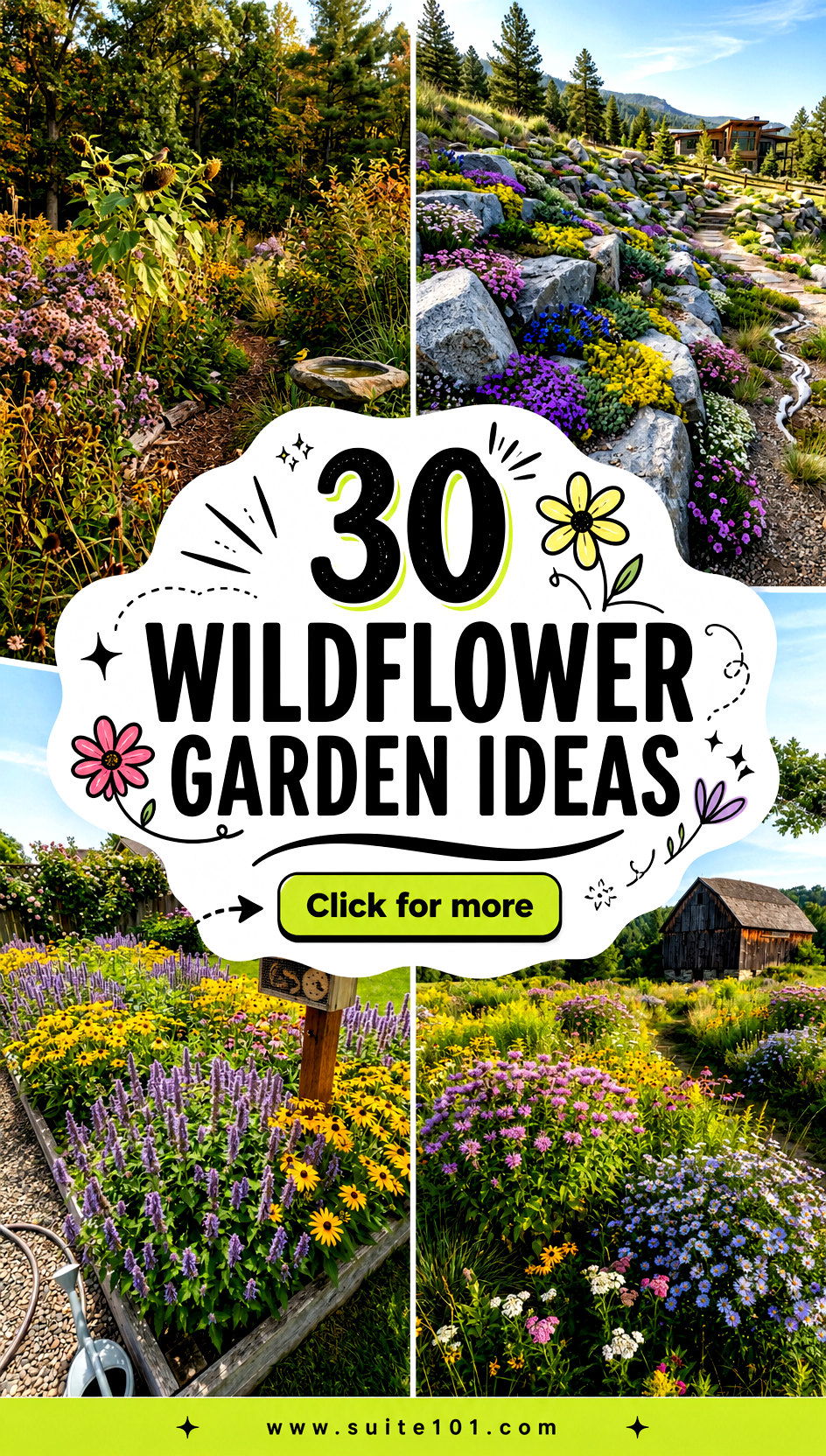
1. Native Wildflower Meadow
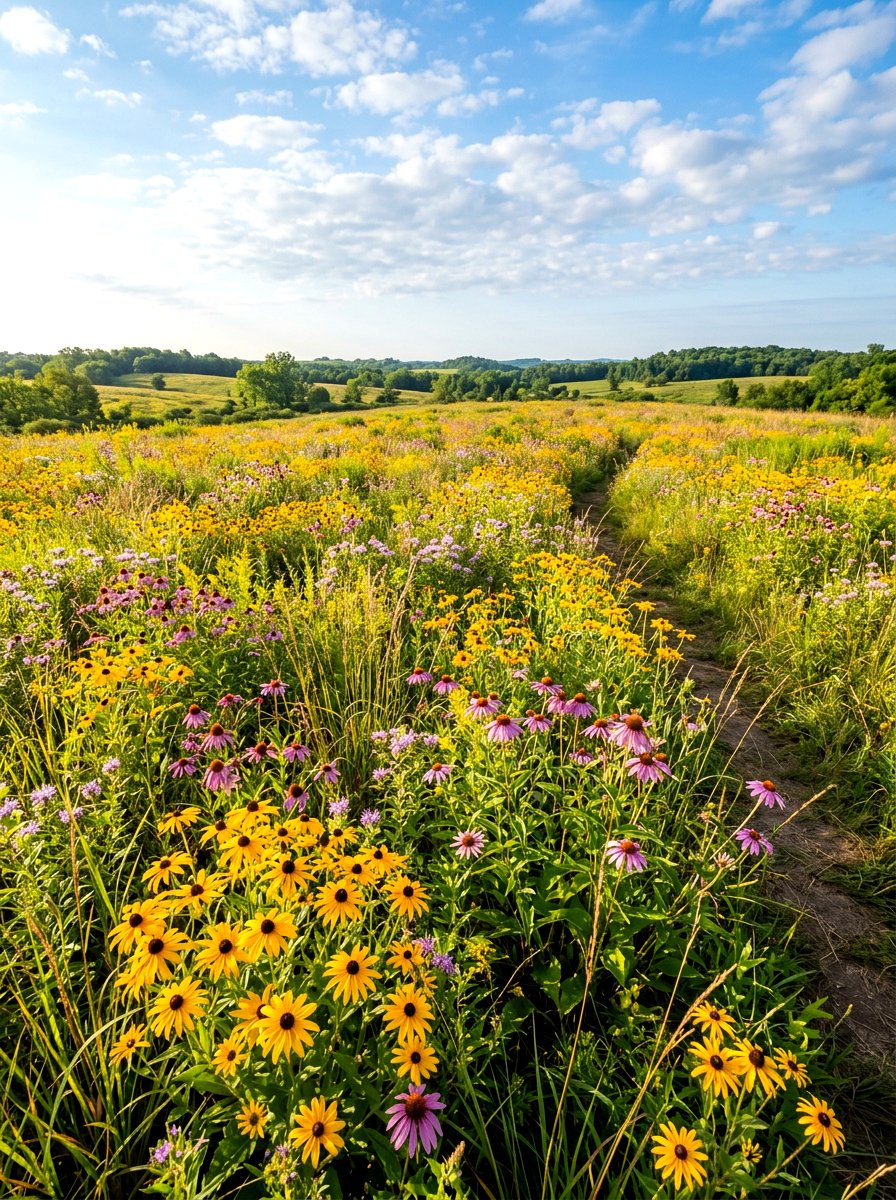
A native wildflower meadow serves as a sustainable and breathtaking alternative to the high-maintenance grass lawn. By focusing on species that naturally occur in your specific region, you create a self-sustaining ecosystem that thrives with minimal intervention once established. This type of landscape features a rich tapestry of colors and heights, changing beautifully with every passing season. You will find that these plants are remarkably resilient against local pests and weather extremes because they have adapted to your climate over thousands of years. It feels incredibly satisfying to watch a barren patch of land transform into a buzzing, colorful field of life. This approach truly celebrates the authentic beauty of your local natural environment.
2. Pollinator Garden Patch
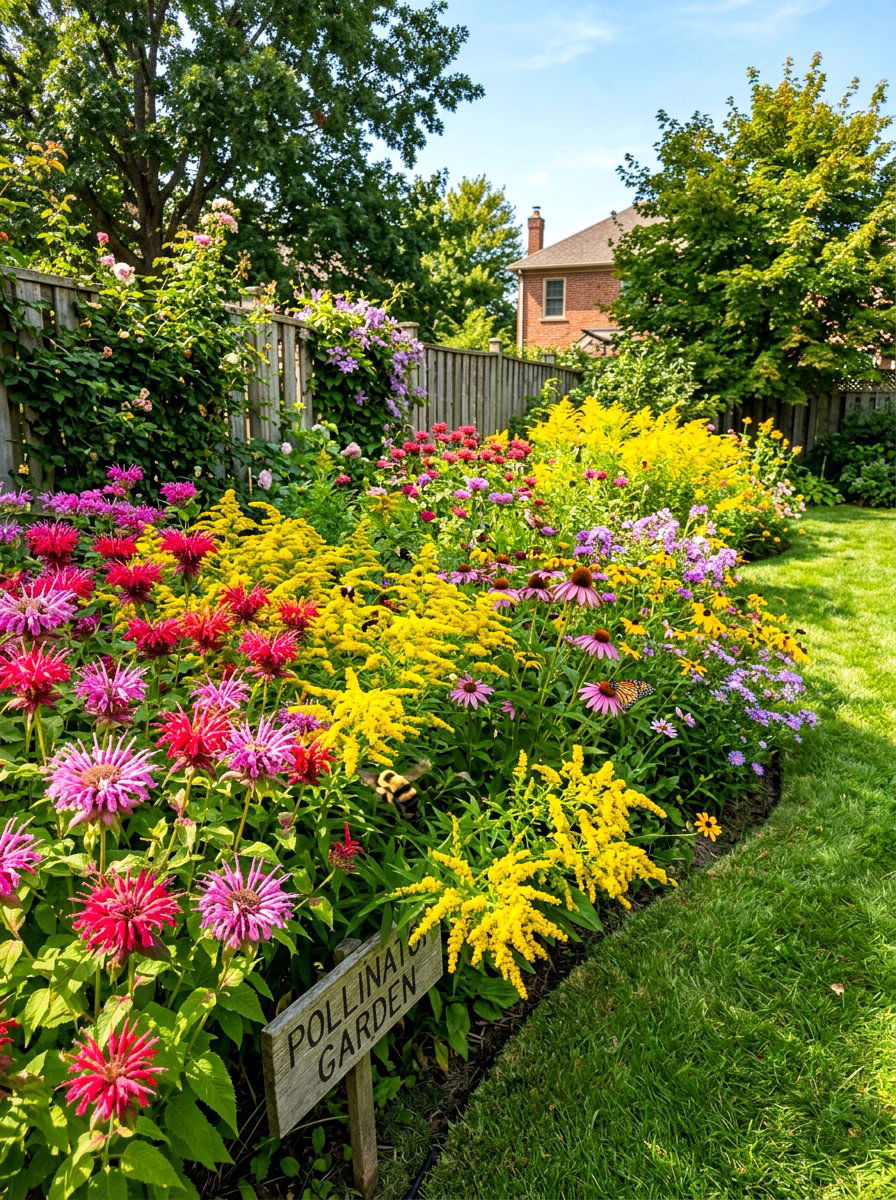
Creating a dedicated pollinator garden patch is one of the most impactful ways to support local wildlife while adding immense charm to your yard. This design focuses on a diverse selection of nectar-rich flowers that bloom at various times throughout the spring, summer, and fall. By providing a continuous food source, you attract a wonderful variety of bees, hoverflies, and other beneficial insects that keep your entire garden healthy. You can arrange these plants in a sun-drenched corner to maximize their nectar production and visibility for visiting insects. The sight of a busy, thriving patch filled with movement and color brings a unique sense of joy and connection to the natural world.
3. Butterfly Garden Border
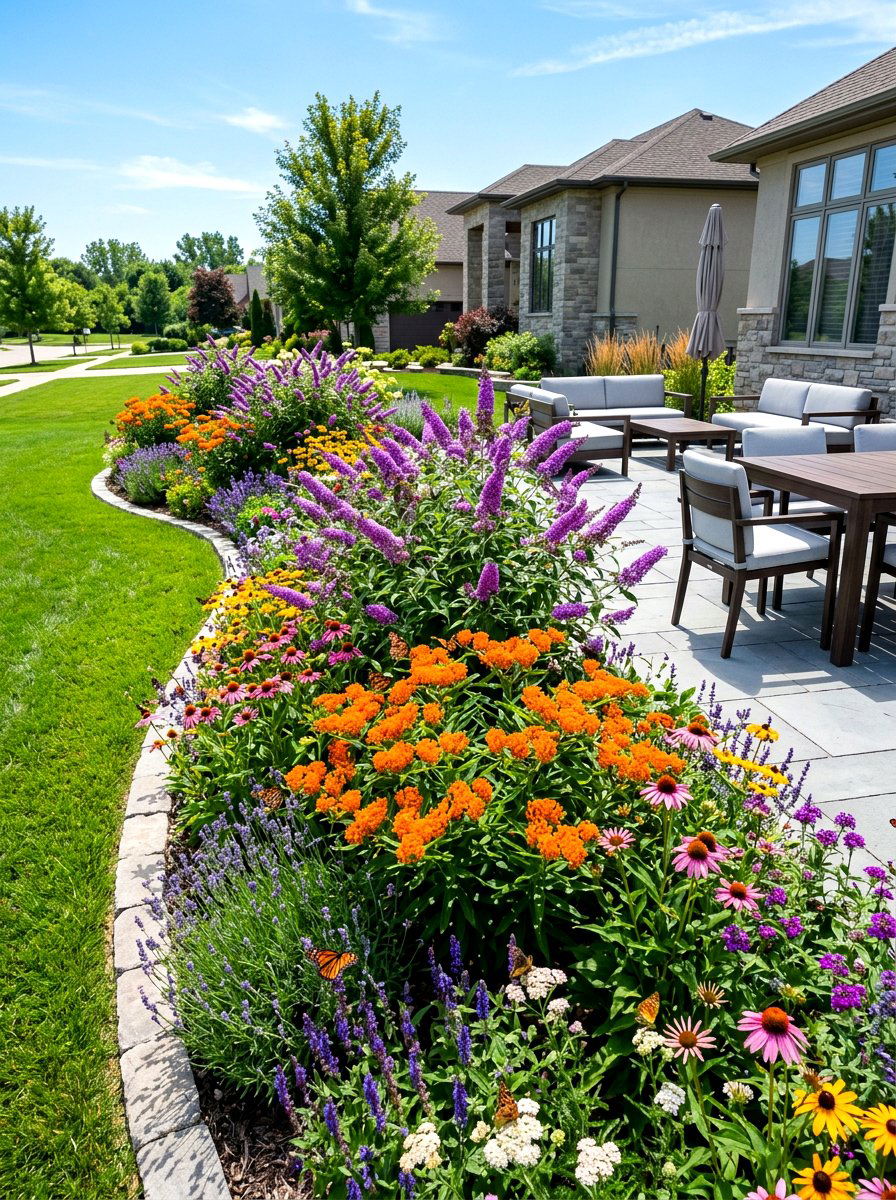
Have you ever dreamed of having a garden that feels like a living, breathing fairy tale? A butterfly garden border uses specific host and nectar plants to invite these delicate winged creatures into your landscape permanently. By including milkweed for monarchs or parsley for swallowtails, you provide the necessary environment for them to lay eggs and grow. The border design allows you to create a beautiful frame for your lawn or patio while keeping the plants accessible for observation. Using vibrant oranges, purples, and yellows will make the area highly attractive to different species. This intentional design transforms a simple edge into a fascinating nursery for some of nature's most beautiful insects.
4. Shade Wildflower Garden
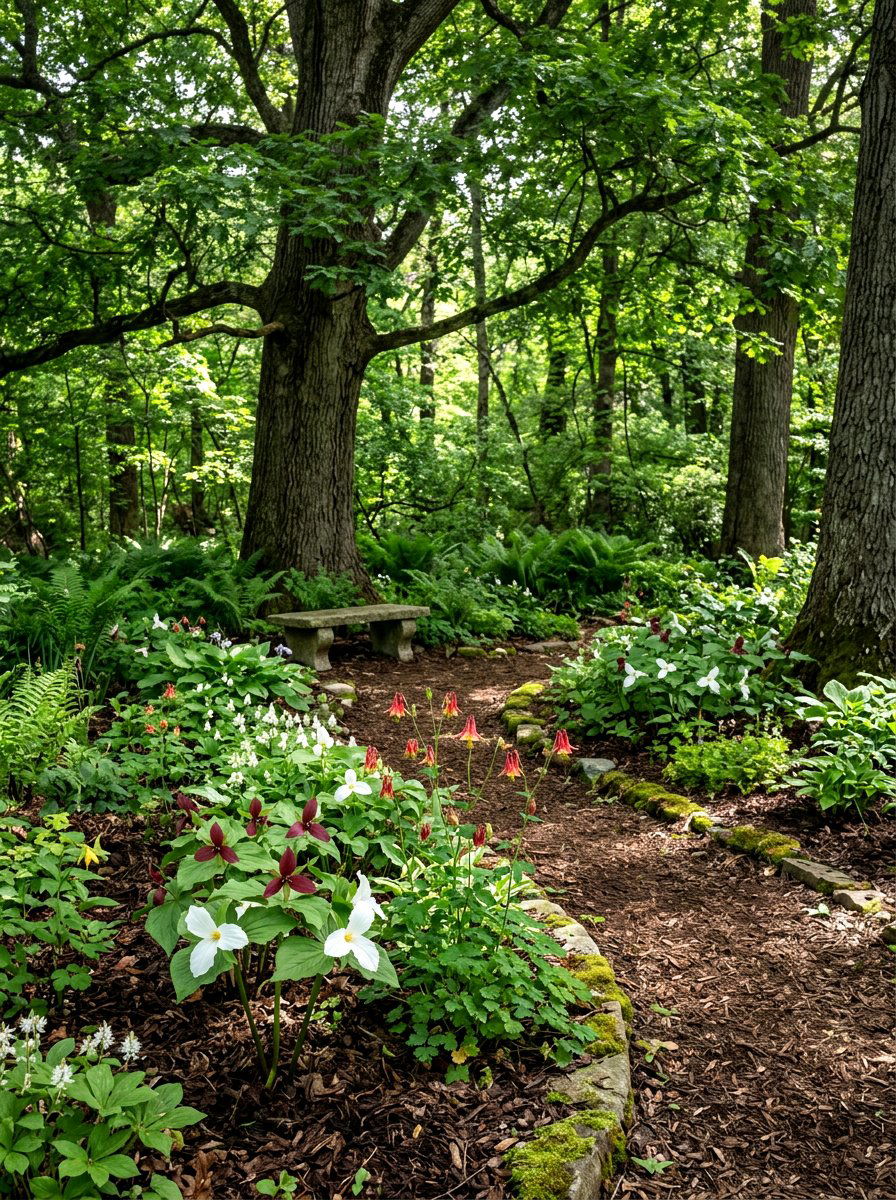
Don't let a lack of direct sunlight stop you from enjoying the ethereal beauty of a wild floral display. A shade wildflower garden utilizes species that naturally thrive under the canopy of large trees or in the shadow of your home. Plants like trillium, columbine, and wild ginger bring delicate textures and soft colors to the darker corners of your yard. These gardens often feel like hidden woodland retreats, offering a cool and calm atmosphere during the hottest months of the year. The key is to work with the existing moisture and soil conditions of your shaded areas to ensure your plants feel right at home. It is a perfect solution for low-light spaces.
5. Wildflower Container Garden
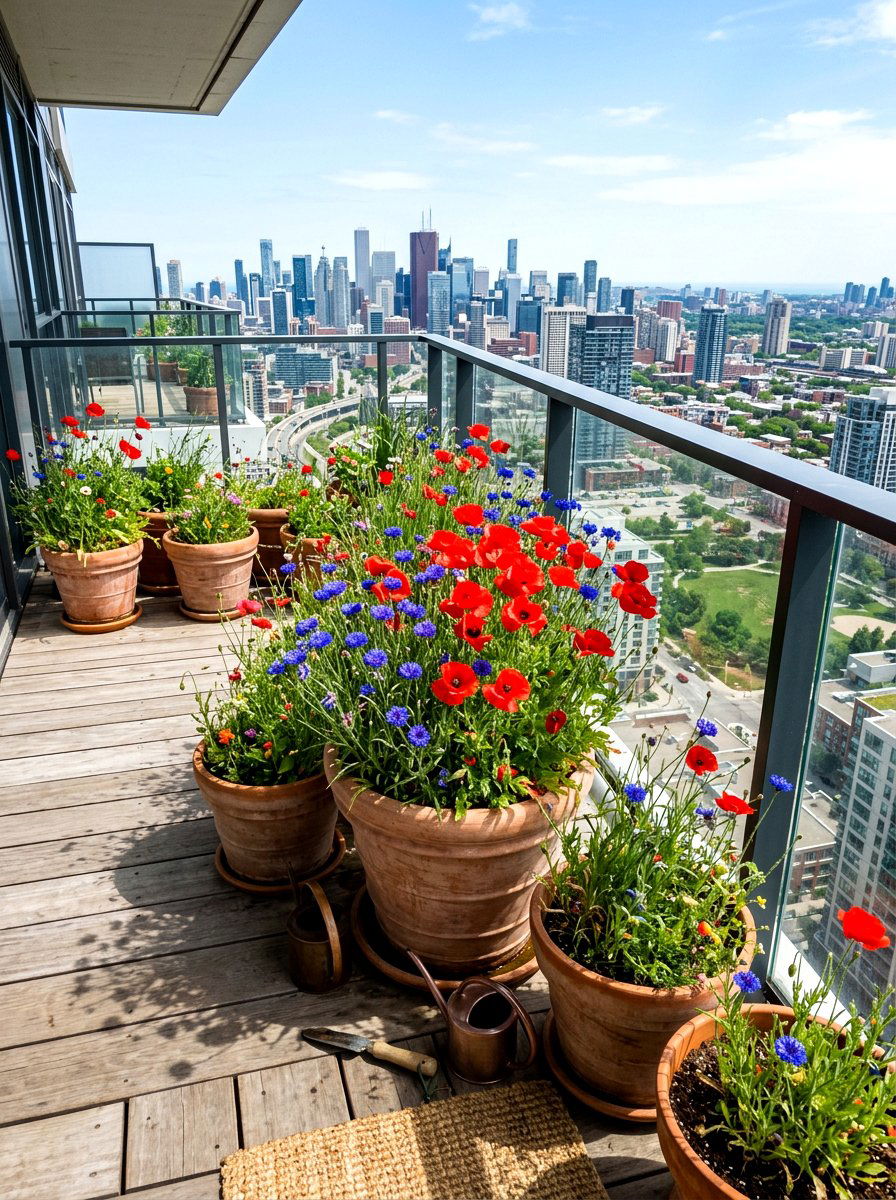
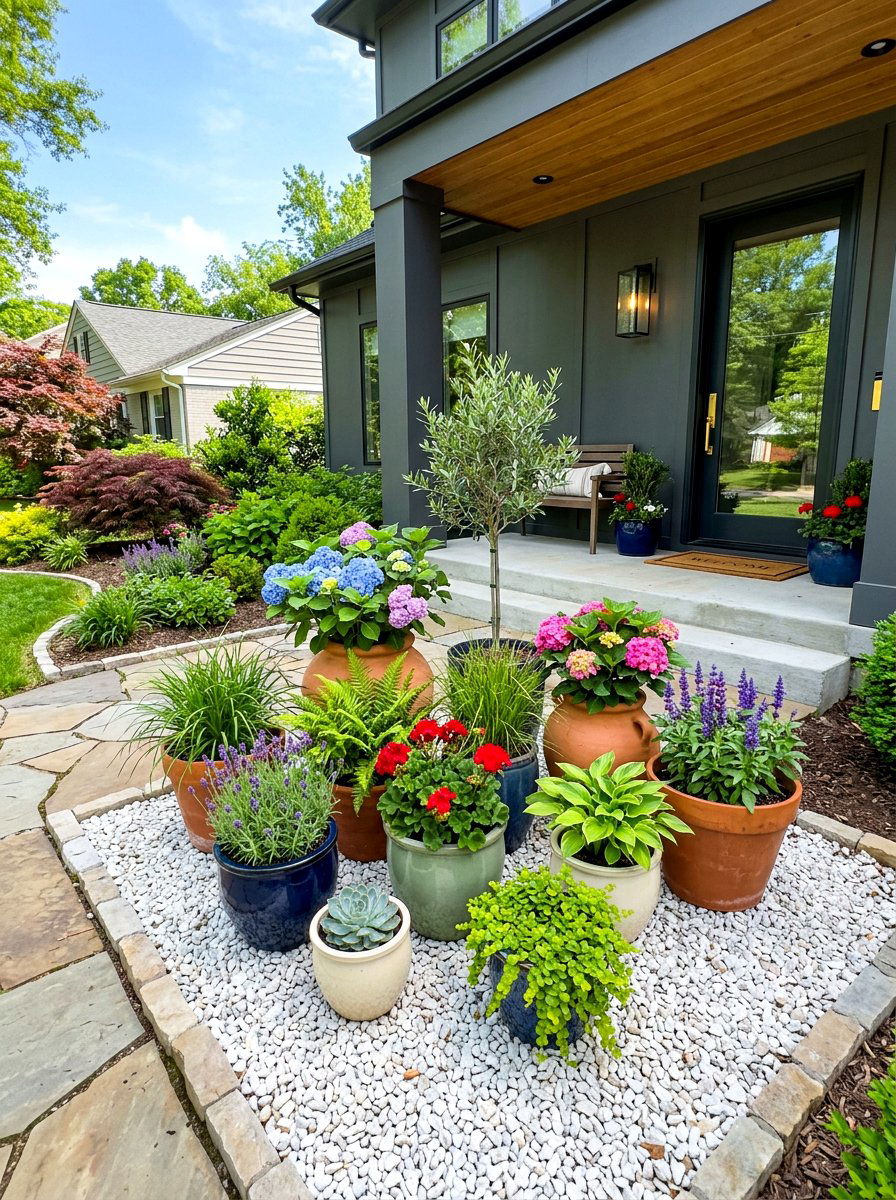
Even if you only have a small balcony or a tiny patio, a wildflower container garden allows you to enjoy nature’s bounty in a compact format. Large pots or wooden barrels filled with a mix of annual and perennial seeds can create a stunning vertical display of color. This approach gives you complete control over the soil quality and placement, making it easy to provide the perfect amount of sun for your blooms. You can move the containers around to refresh your outdoor look or to follow the sunlight as the seasons change. It is an ideal way for urban dwellers to contribute to urban biodiversity while beautifying their immediate living environment.
6. Cottage Garden Wildflowers
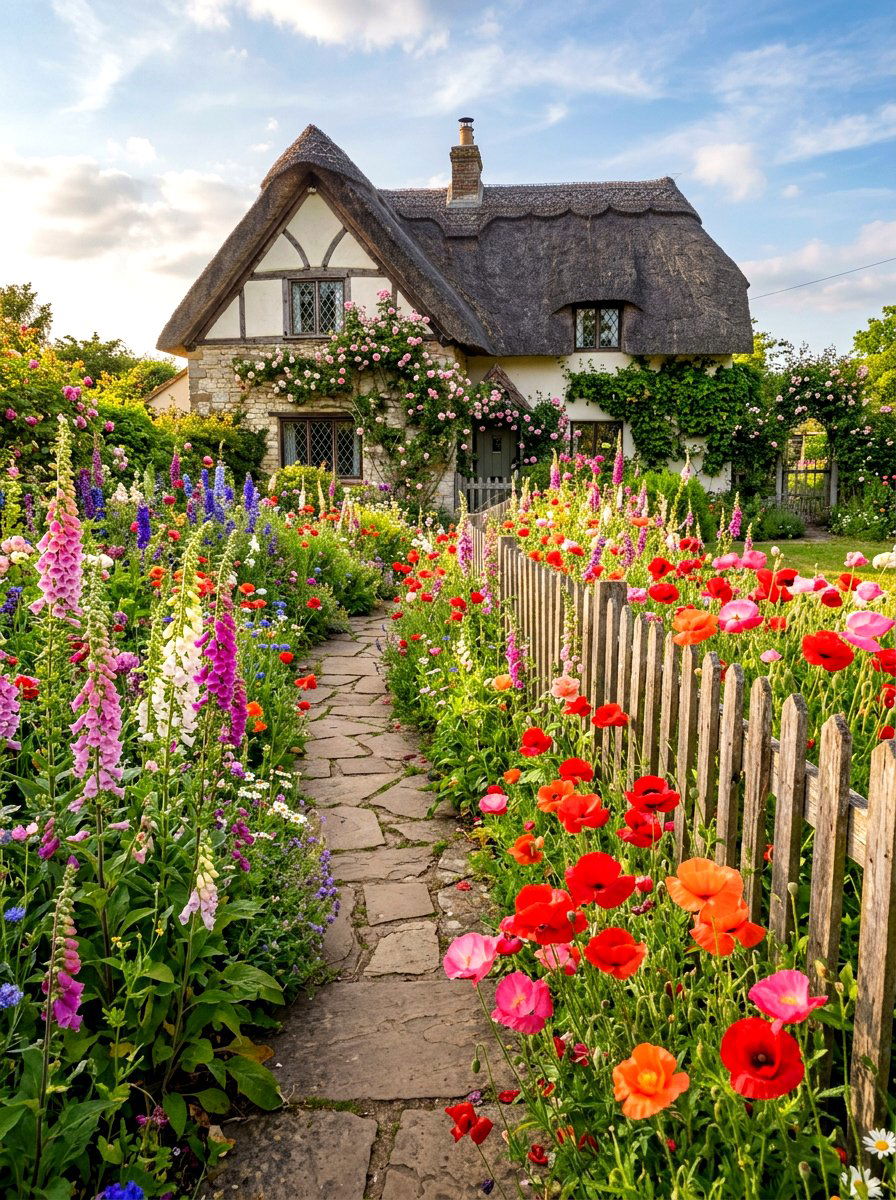
The quintessential cottage garden style thrives on a sense of organized chaos, where wildflowers are allowed to mingle freely with traditional perennials and roses. This design ignores strict rows in favor of dense, romantic clusters that overflow onto paths and climb up rustic fences. By incorporating classic wildflowers like foxgloves and poppies, you achieve a timeless look that feels both lived-in and deeply welcoming. The abundance of blooms creates a sensory experience filled with sweet fragrances and a kaleidoscope of colors. This style is perfect for those who want a garden that feels like it has been there for generations, slowly evolving into a lush and floral masterpiece.
7. Drought Tolerant Wildflowers
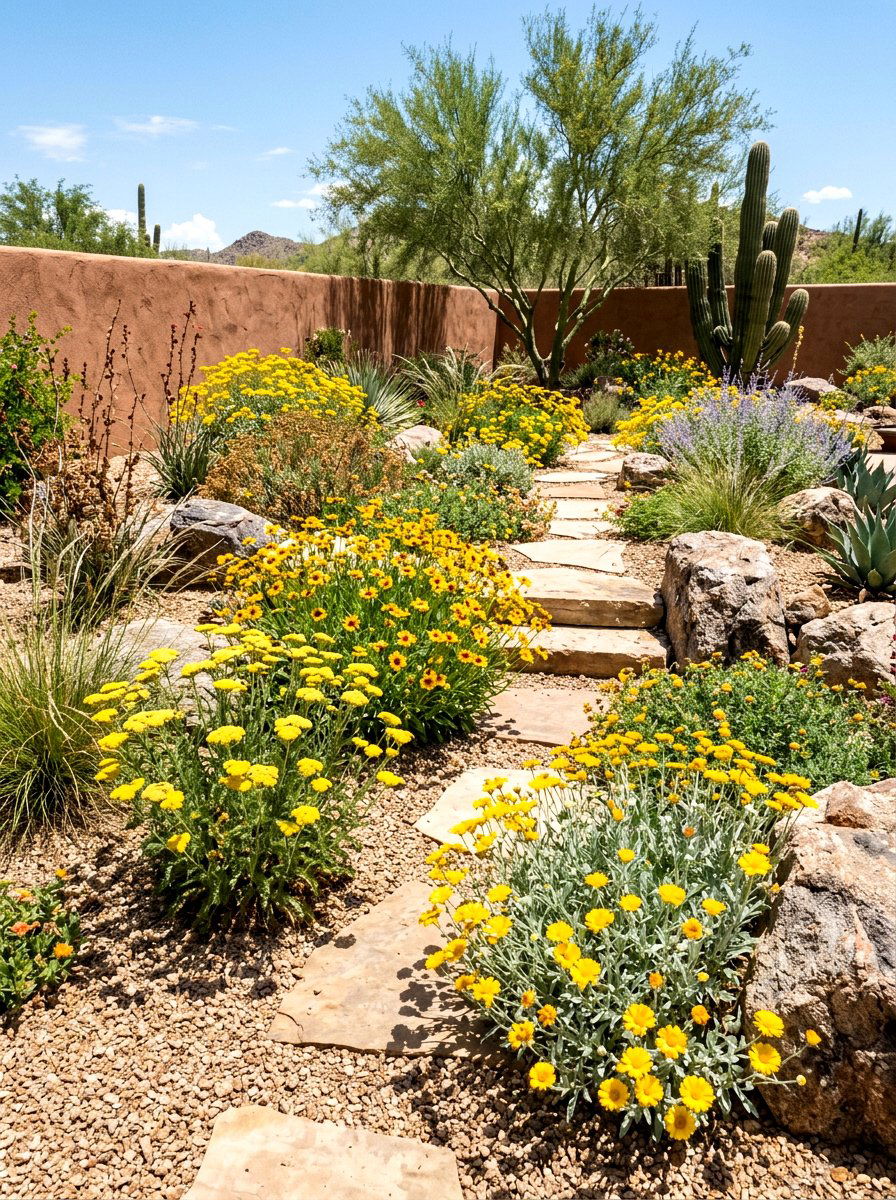
In areas with limited rainfall or strict water restrictions, a drought-tolerant wildflower garden is a brilliant and environmentally conscious choice. Many native wildflowers have evolved deep root systems that allow them to survive long periods without supplemental watering. Species like yarrow, coneflower, and blanket flower provide bold colors and interesting textures without demanding constant attention from the garden hose. This type of landscape looks naturally beautiful even in the height of summer when traditional gardens might start to fade or wilt. By choosing water-wise plants, you save time and resources while still enjoying a vibrant and healthy outdoor space that stands up to the heat.
8. Bird Friendly Wildflower Garden
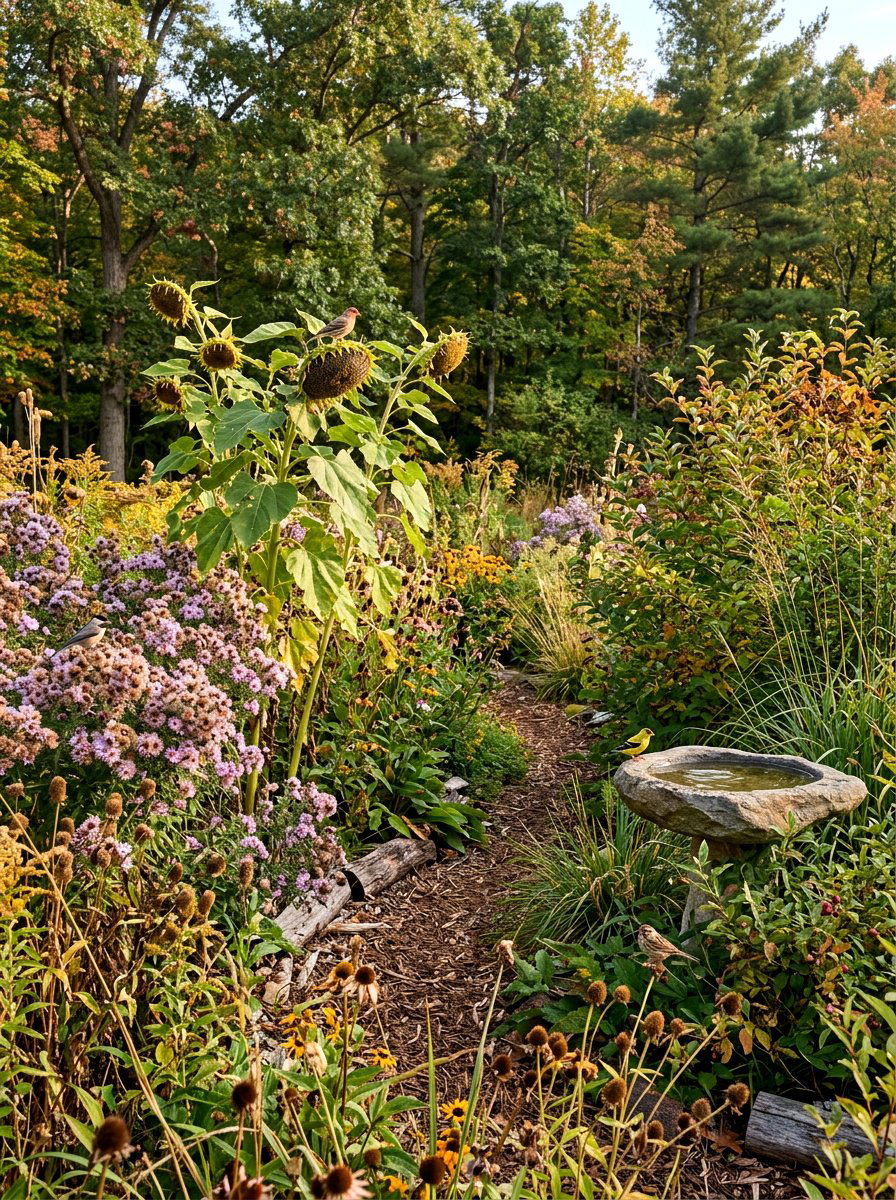
Transforming your yard into a bird-friendly wildflower sanctuary involves selecting plants that provide both seeds and nesting materials for your feathered friends. Sunflowers, asters, and coreopsis are fantastic choices because their seed heads remain long after the petals have fallen, providing a vital winter food source. This design often includes a mix of tall grasses and dense shrubs to offer protection and nesting sites for various bird species. Watching goldfinches and chickadees forage among the dried stalks during the colder months adds a whole new dimension of interest to your garden. It is a rewarding way to observe wildlife cycles and support avian populations right from your own back porch.
9. Rock Garden Wildflowers
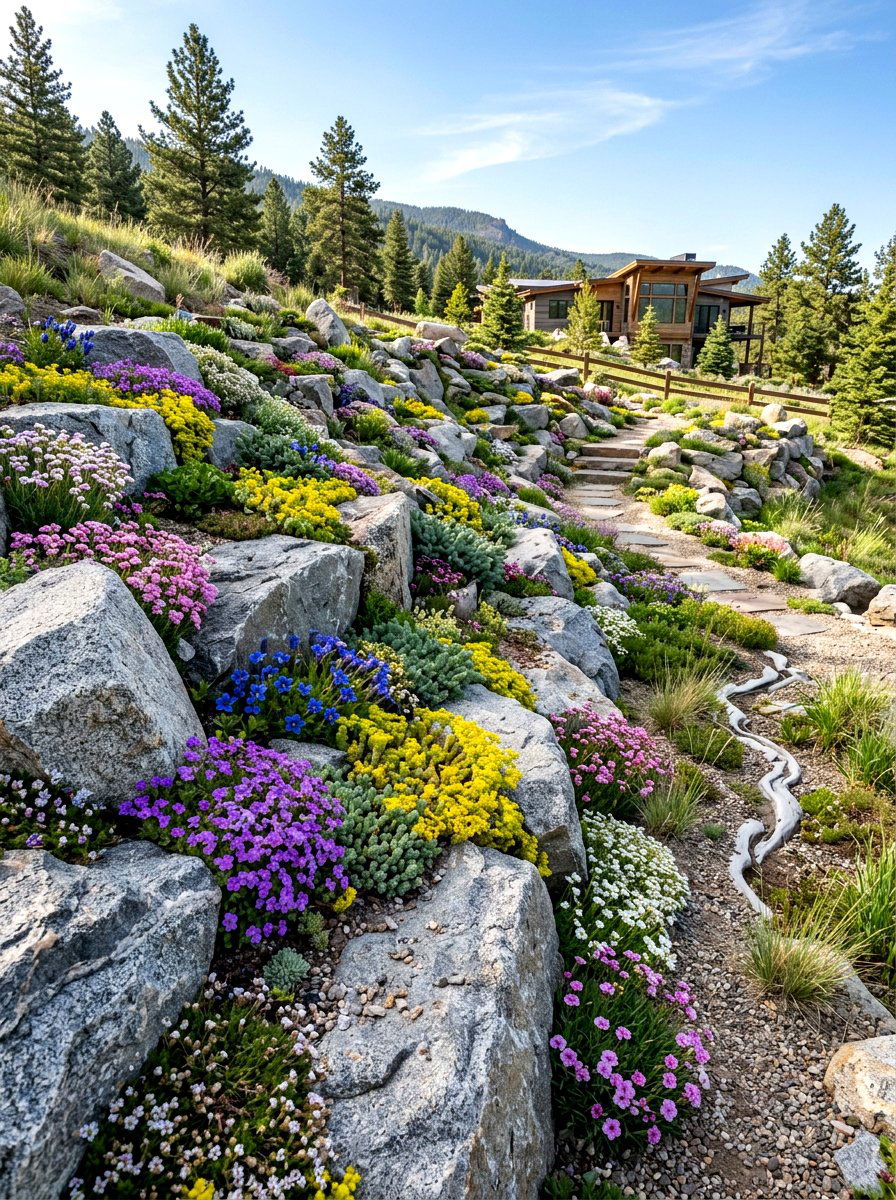
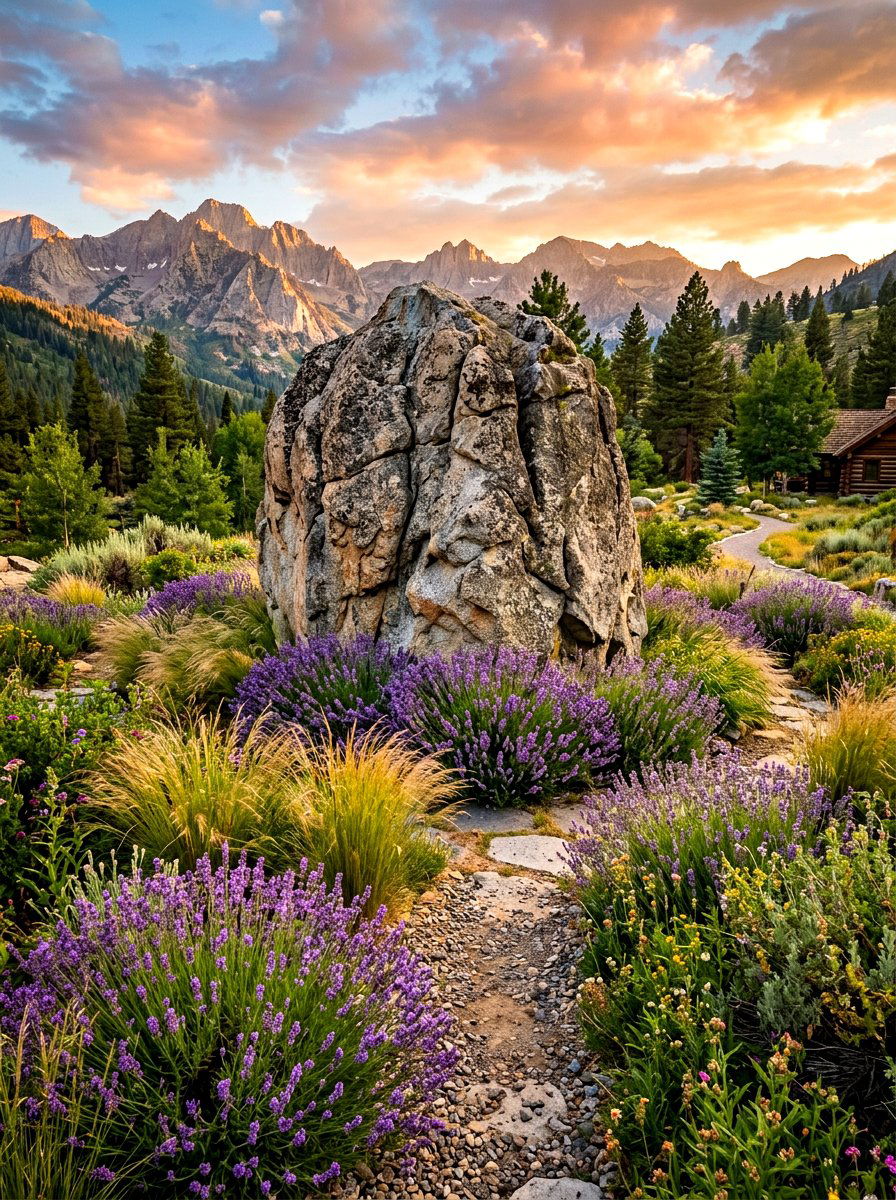
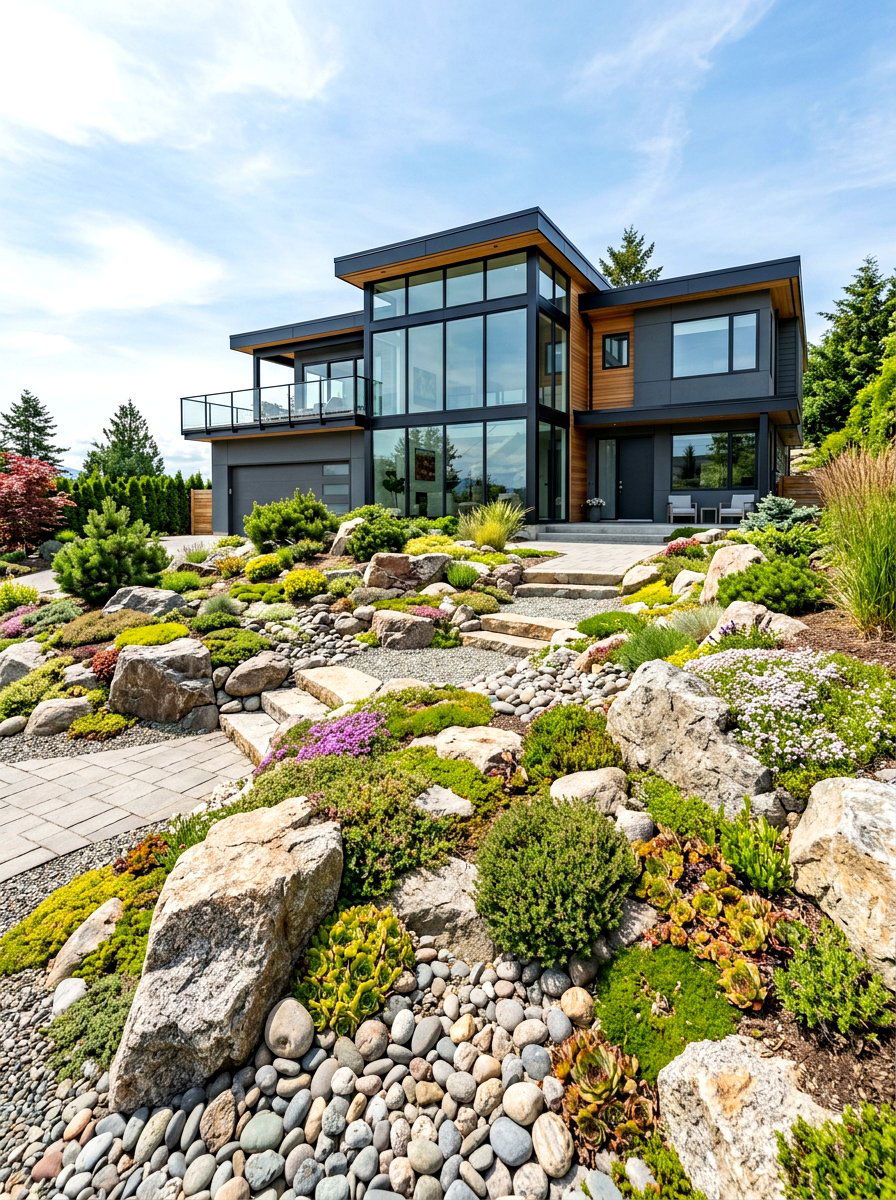
If your landscape features rocky terrain or steep ledges, a rock garden wildflower design can turn a challenging spot into a stunning focal point. Many alpine and prairie wildflowers actually prefer the excellent drainage and warm microclimates provided by stones and gravel. Low-growing species can tuck into the crevices between rocks, creating a naturalistic look that mimics a rugged mountain or high-desert environment. The contrast between the hard, gray stones and the soft, colorful petals creates a sophisticated and modern aesthetic. This low-maintenance setup is perfect for adding visual interest to areas where traditional digging and planting might be difficult or entirely impossible for the average gardener.
10. Wildflower Garden Path
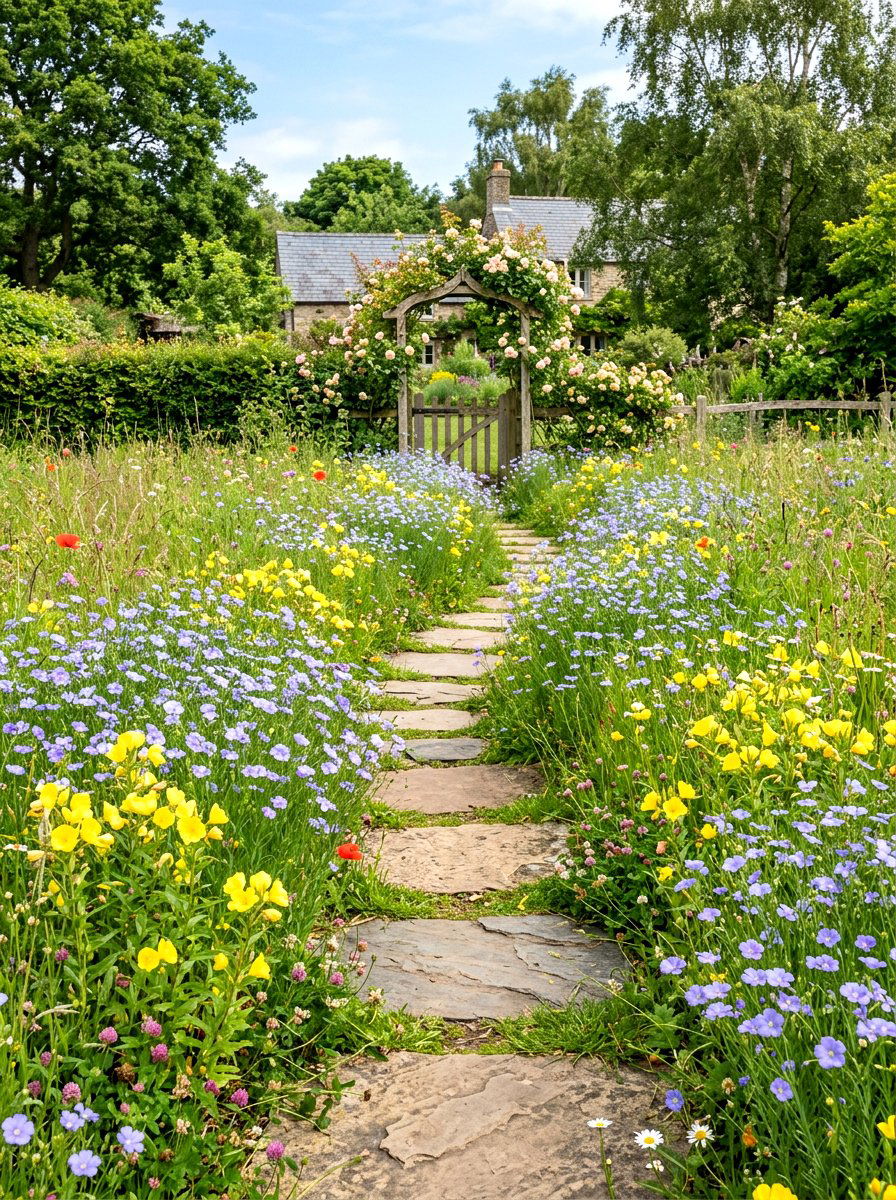
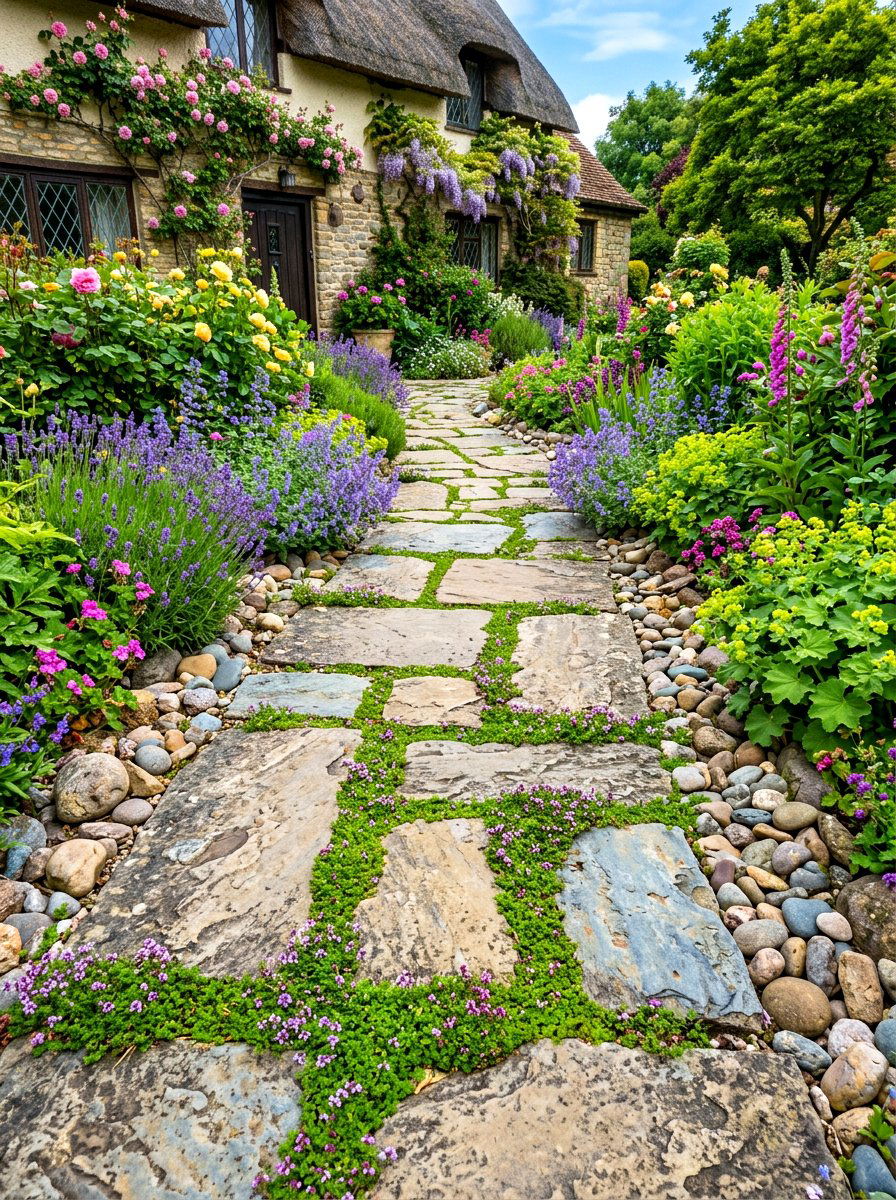
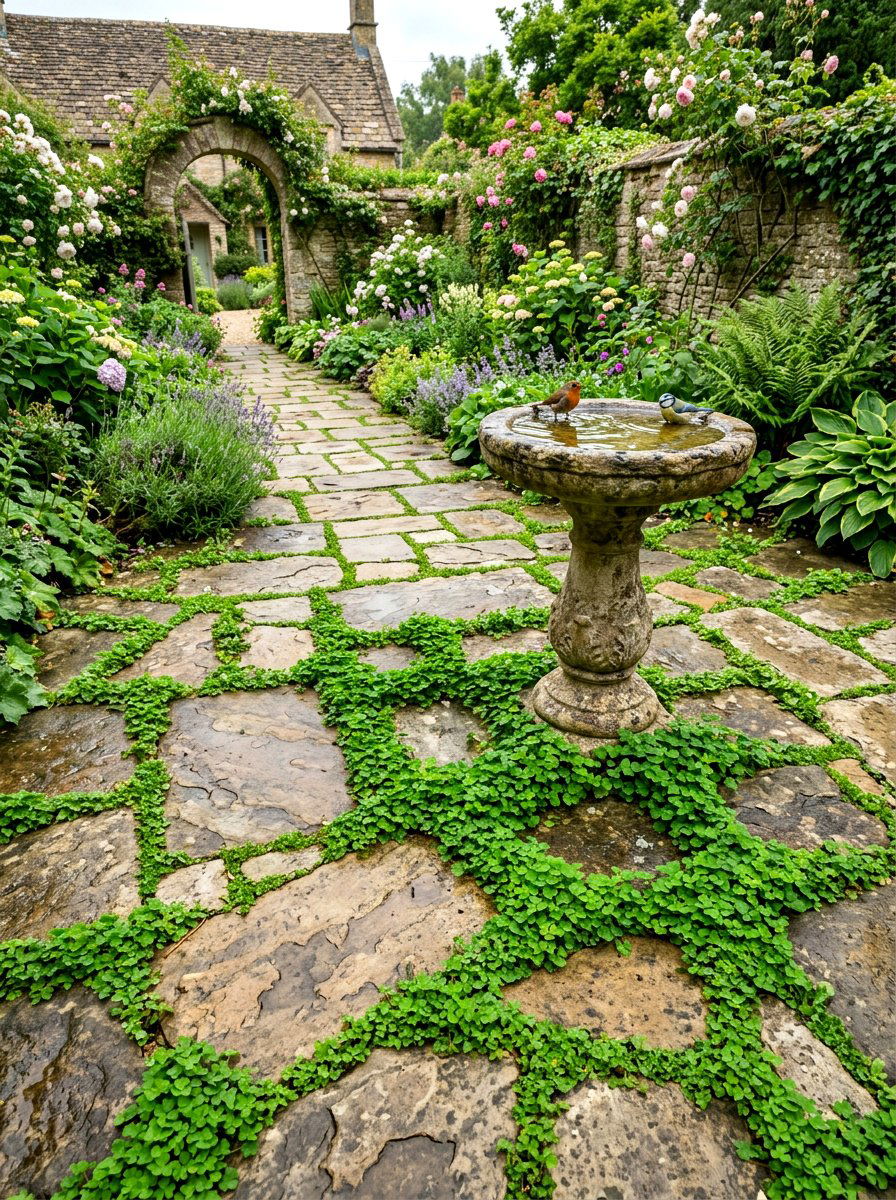
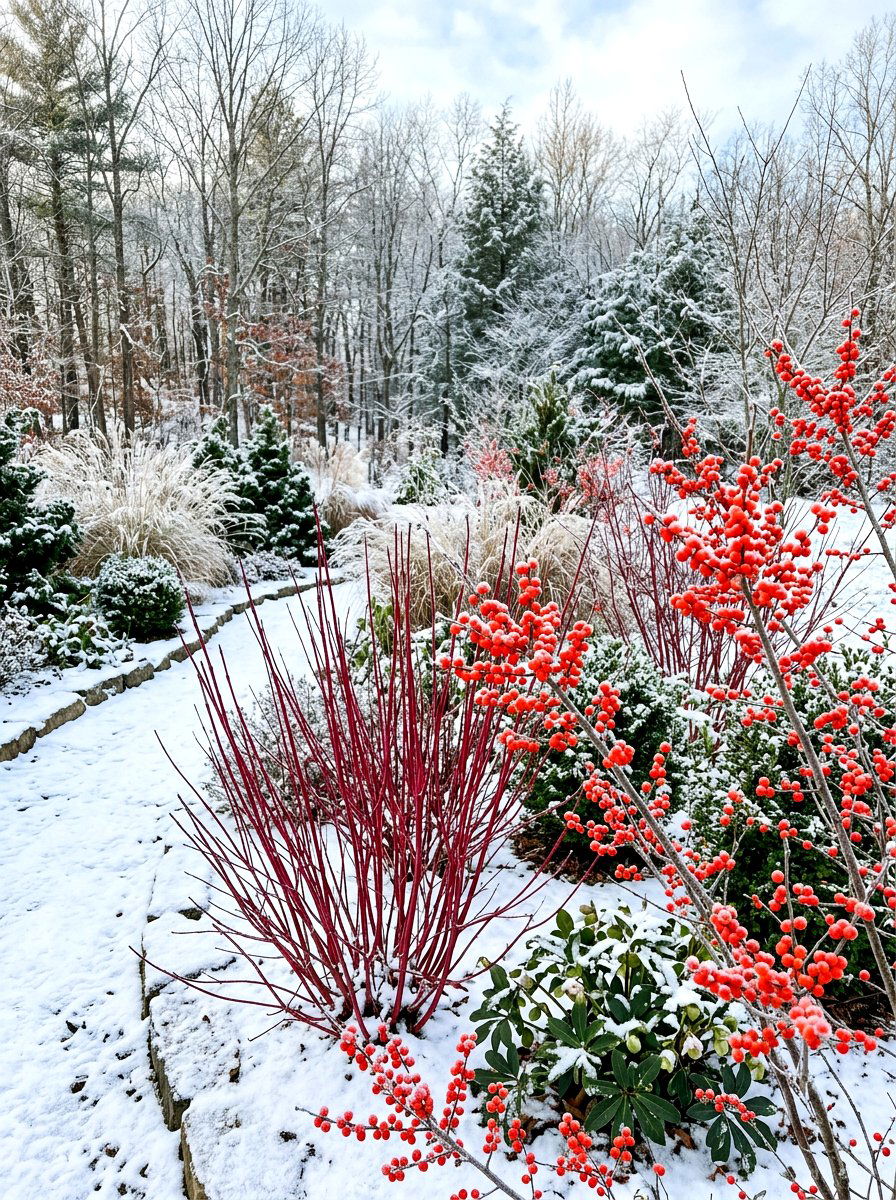
Imagine walking through your yard on a path that is gently embraced by a sea of nodding blooms on either side. A wildflower garden path integrates movement through your landscape with the immersive beauty of a meadow, making every walk a delight. You can use low-growing, fragrant species near the edge of the walkway so their scent is released as you brush past them. This design works best when the path curves naturally, revealing new floral surprises at every turn. Using materials like stepping stones or crushed gravel keeps the look informal and blends perfectly with the wild aesthetic. It is a wonderful way to connect different zones of your property.
11. Front Yard Wildflower Lawn
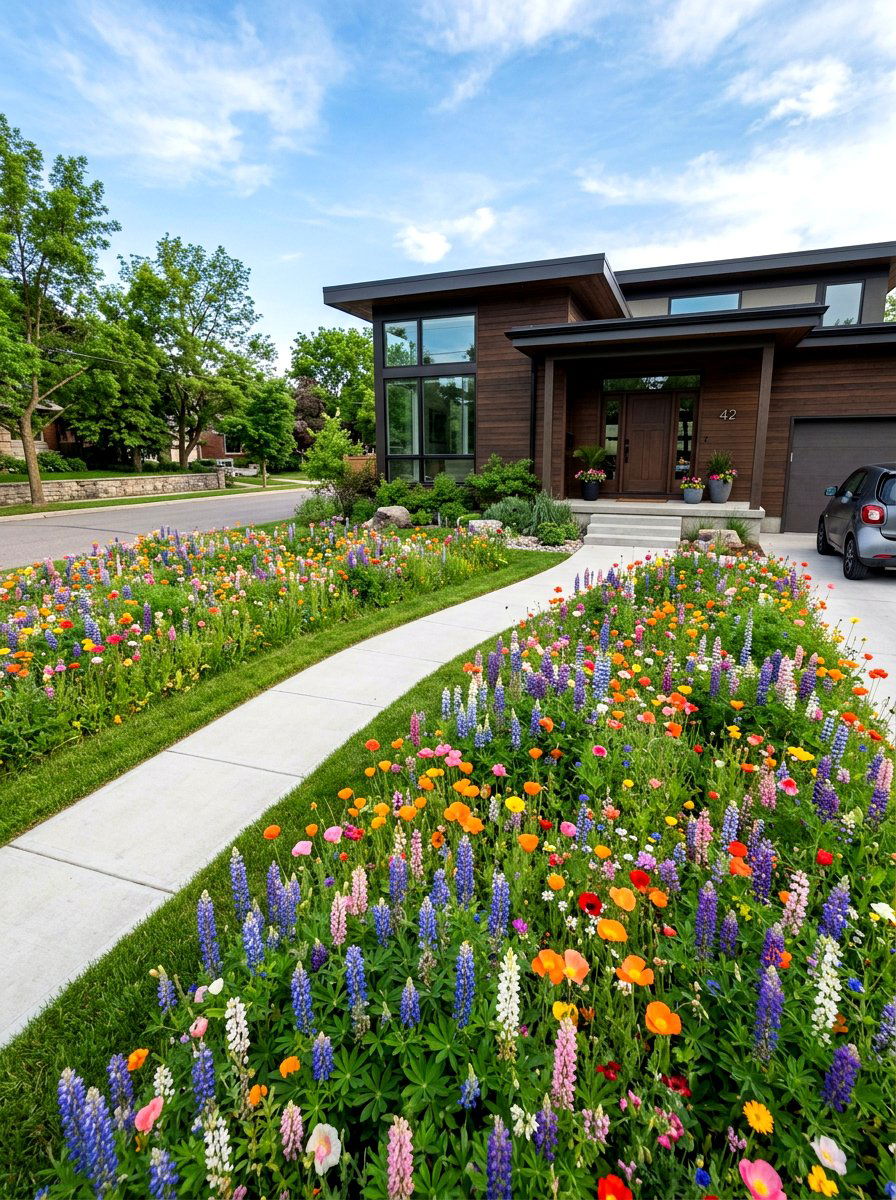
Replacing a traditional grass lawn with a front yard wildflower meadow is a bold move that instantly boosts your home’s curb appeal and ecological value. Instead of a monochromatic green rectangle that requires weekly mowing, your house will be framed by an ever-changing display of seasonal colors. This transition sends a clear message about your commitment to sustainability and local biodiversity to everyone who passes by. You can maintain a sense of order by adding a neat border or a mown path around the perimeter. Neighbors will likely be fascinated by the variety of butterflies and bees that find a home in your lush, low-maintenance alternative to the standard suburban turf.
12. Woodland Wildflower Garden
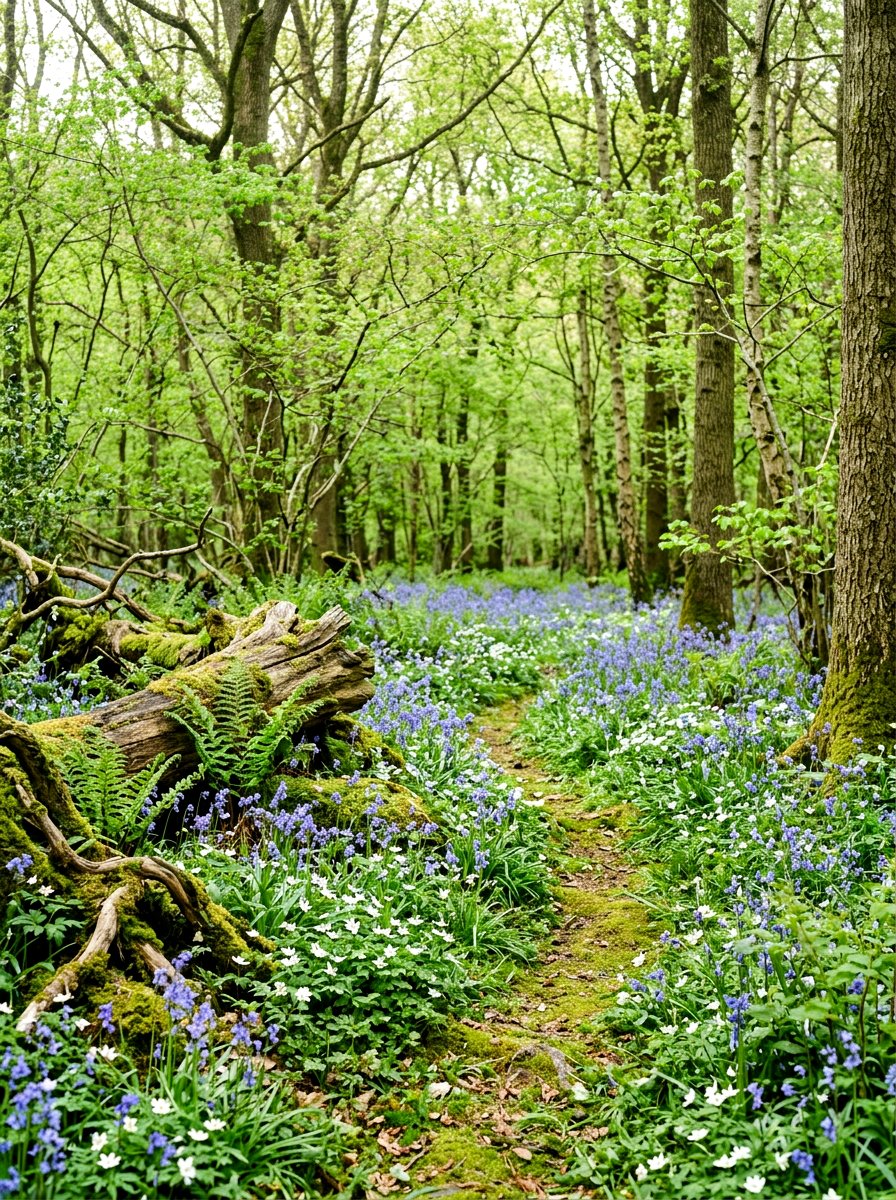
A woodland wildflower garden mimics the floor of a mature forest, emphasizing dappled light and rich, organic soil. This design is perfect for properties with established trees where traditional sun-loving flowers struggle to survive and bloom. By planting spring ephemerals like wood anemones and bluebells, you can enjoy a spectacular burst of color before the tree canopy fully fills in. These plants often have a delicate, almost magical quality that makes a shaded garden feel like a private and secret escape. Adding a few logs or mossy rocks can enhance the forest floor aesthetic, making the transition between your home and the natural woods feel completely seamless and organic.
13. Wildflower Garden For Bees
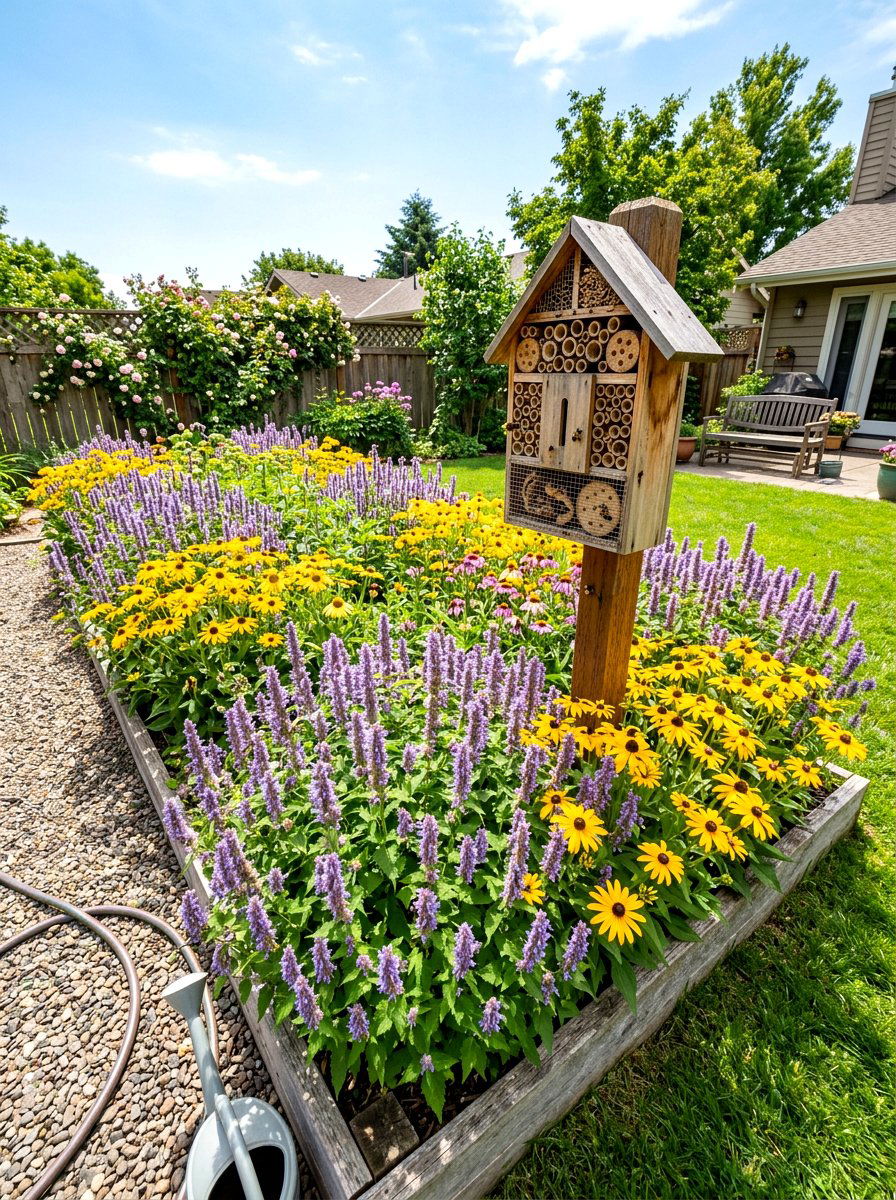
Honeybees and native bumblebees are the unsung heroes of our food system, and a wildflower garden for bees is a vital way to support them. This design prioritizes flowers with open shapes that make it easy for bees to access pollen and nectar quickly. Including a wide range of colors is important, as bees are particularly attracted to blues, purples, and yellows. By avoiding pesticides and providing a variety of bloom times, you create a safe haven where these essential pollinators can thrive all year long. The gentle humming sound of a bee-filled garden creates a peaceful ambiance that reminds us of the delicate balance within our own local environment.
14. Raised Bed Wildflower Garden
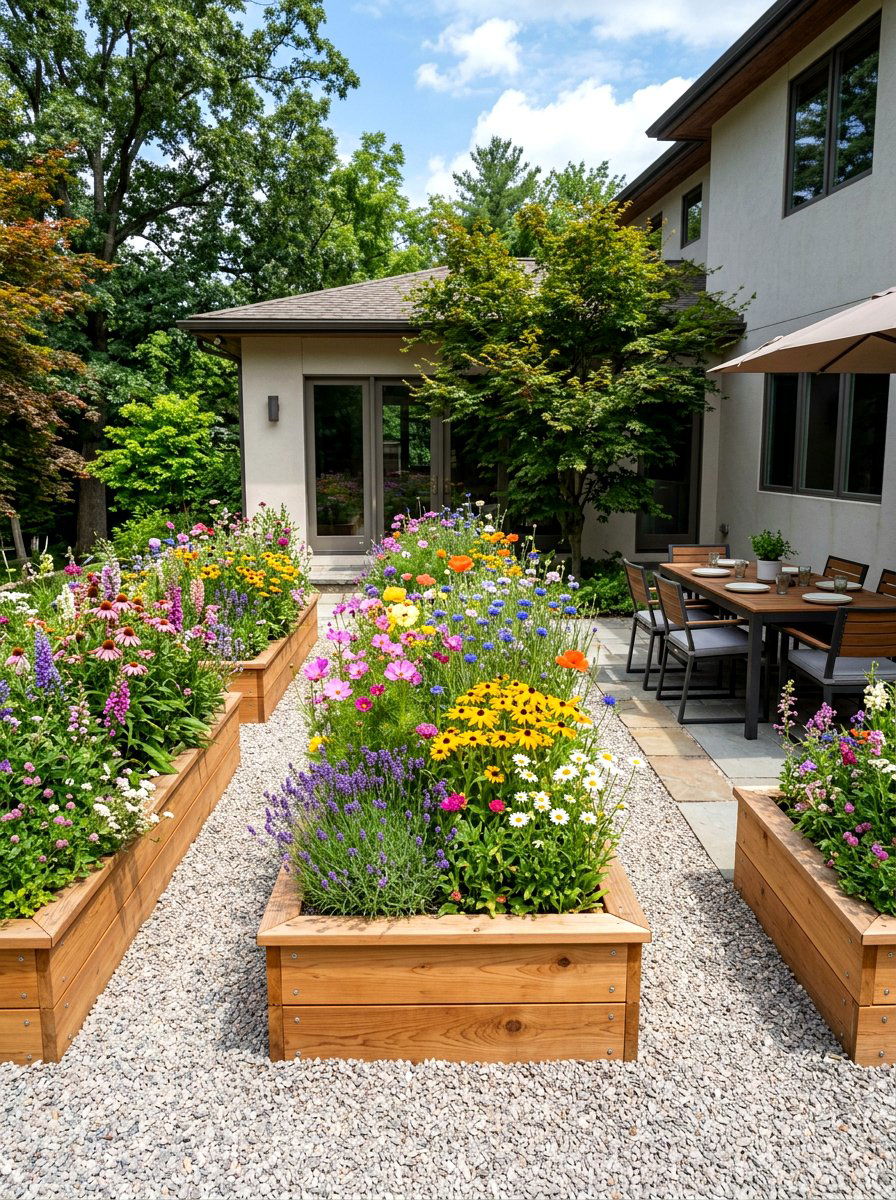
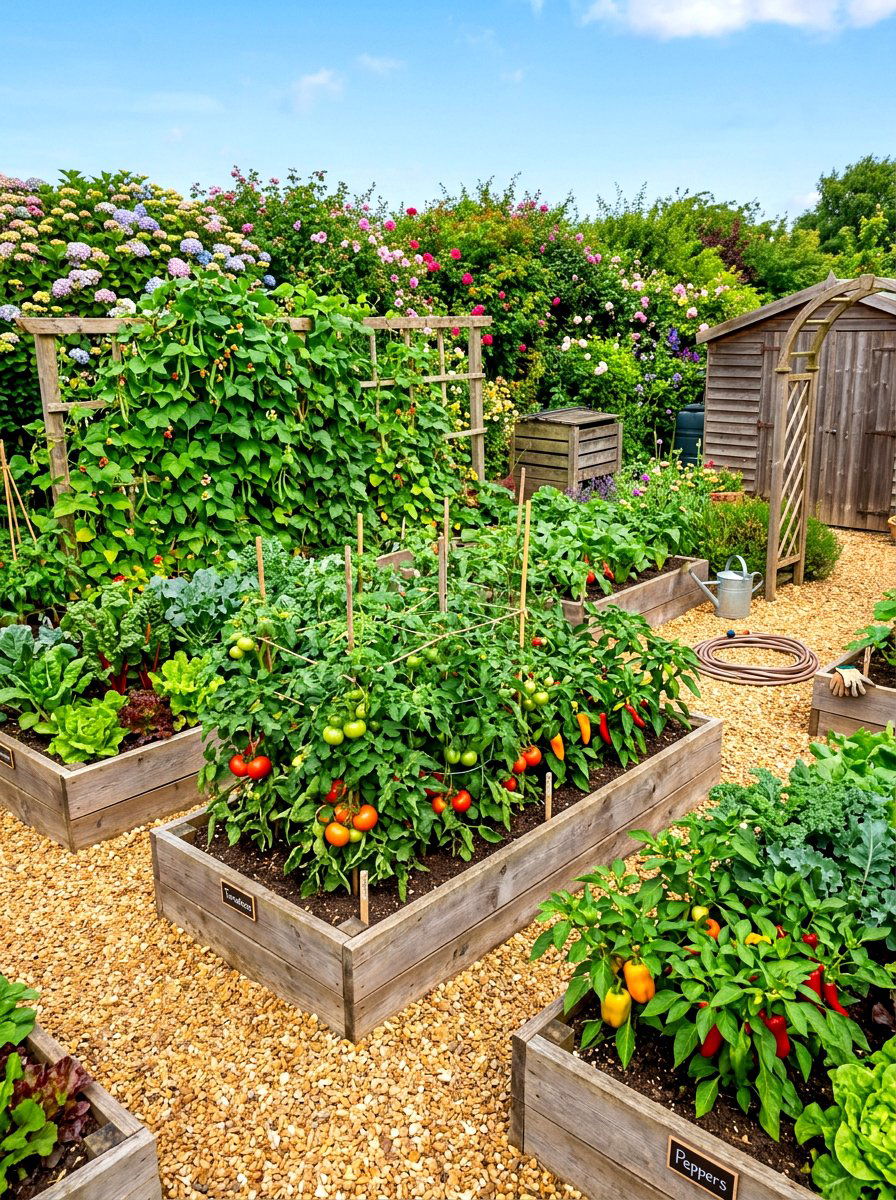
If you prefer a more structured look but still want the beauty of wildflowers, a raised bed wildflower garden offers the perfect compromise. Contained within wooden or stone frames, the wild growth is kept neat and tidy, preventing it from spreading into other parts of your yard. This method also allows you to tailor the soil composition perfectly, which is especially helpful if your natural ground is heavy clay or very sandy. Raised beds bring the flowers closer to eye level, making it easier to appreciate the intricate details of each bloom. It is a fantastic option for elderly gardeners or those with limited mobility who want to enjoy gardening comfortably.
15. Gravel Garden Wildflowers
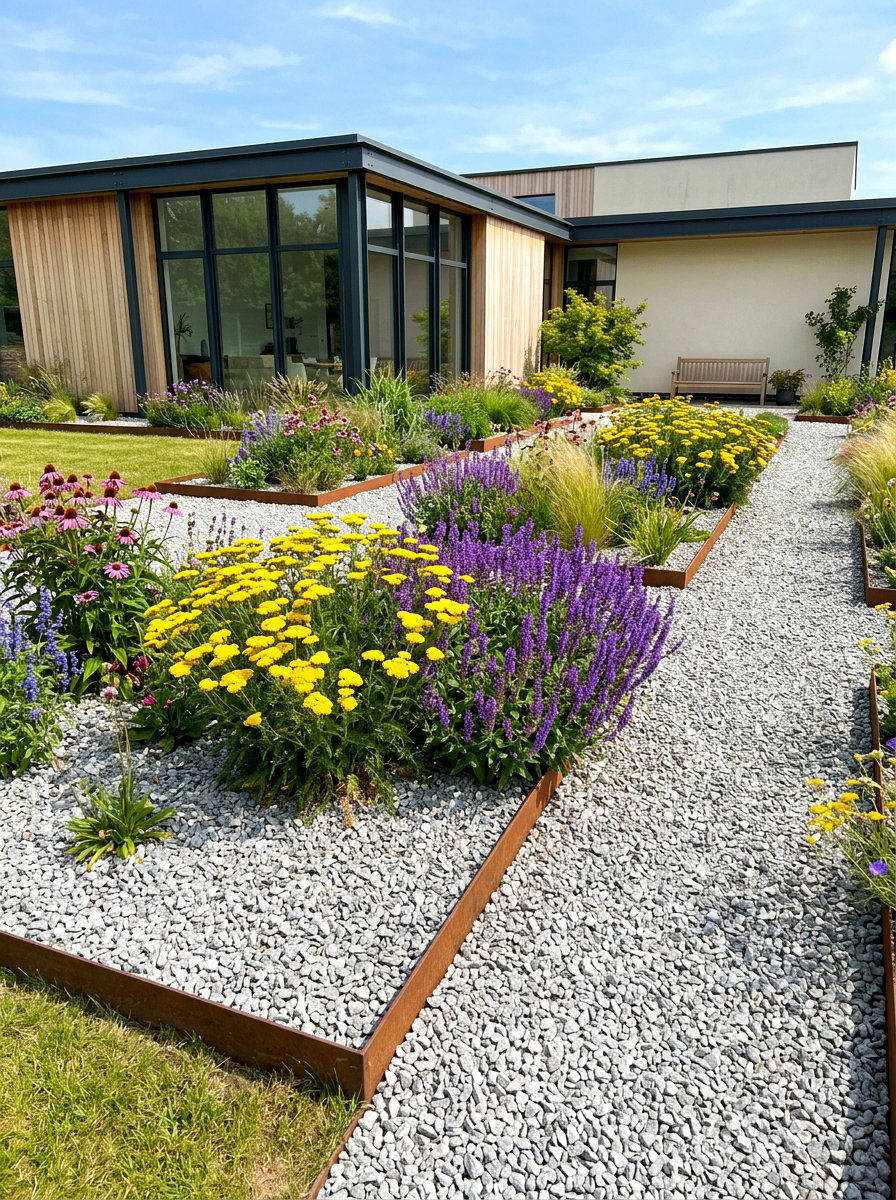
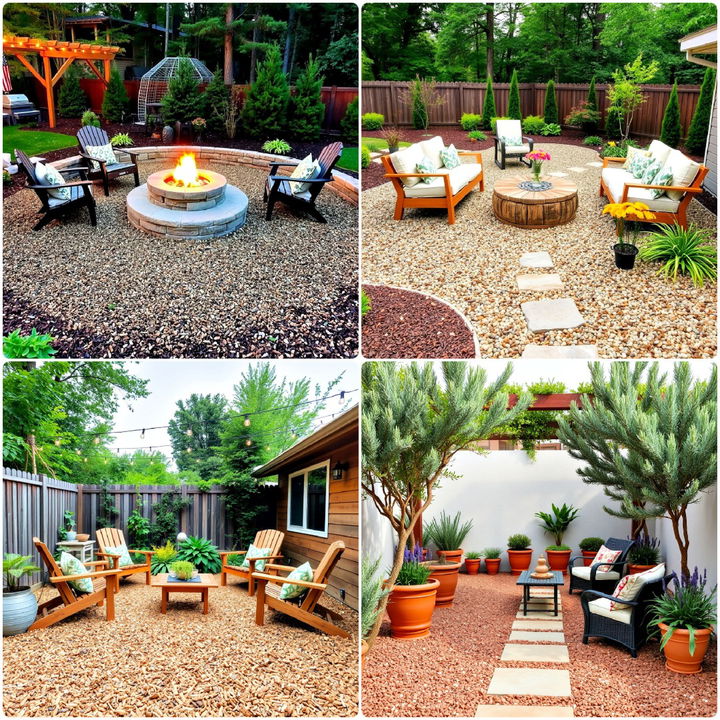
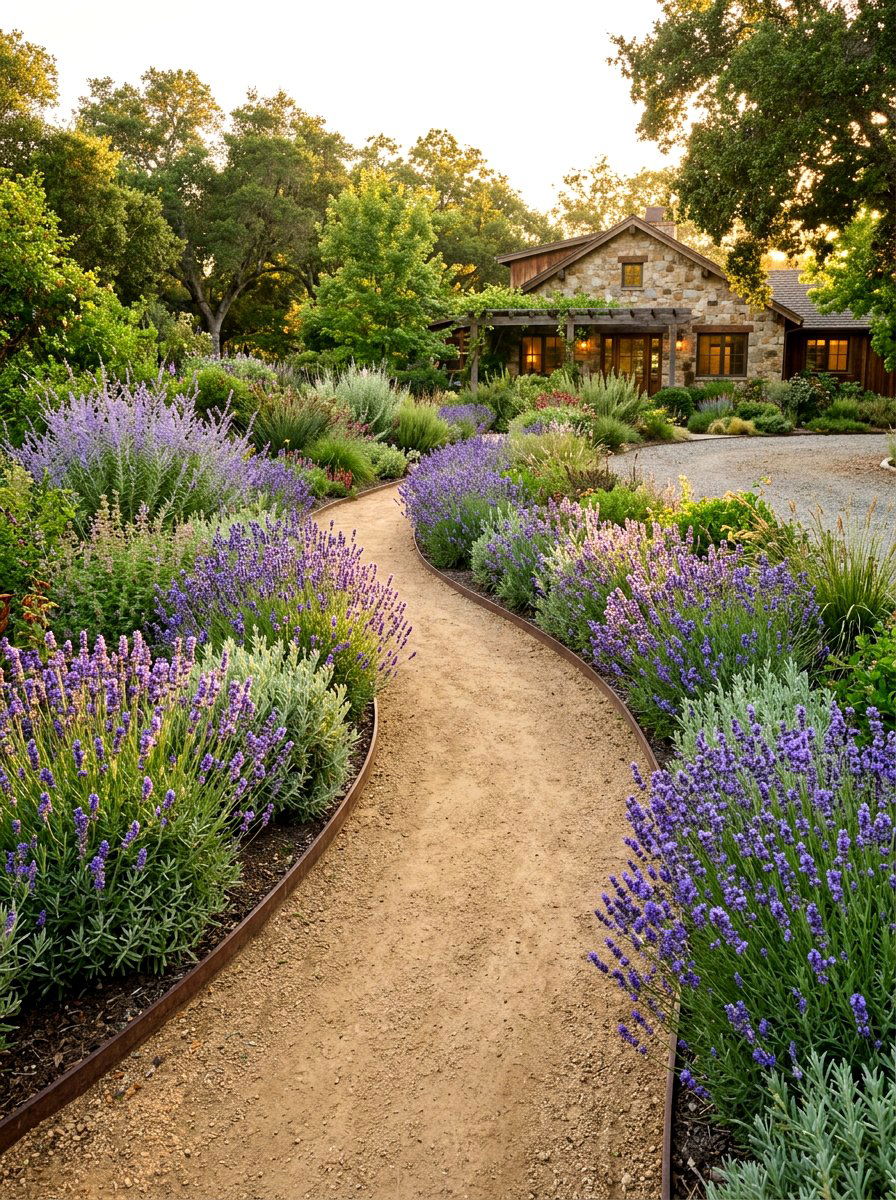
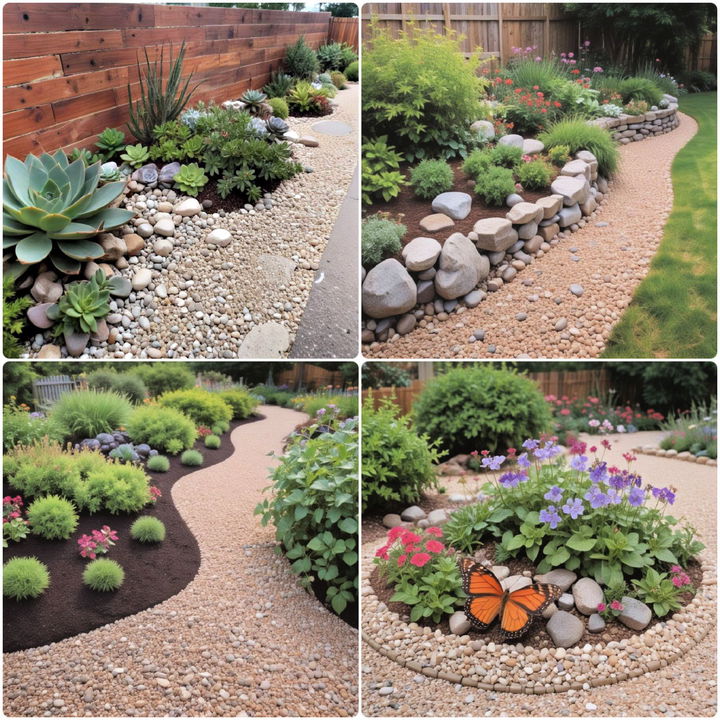
A gravel garden wildflower design is an excellent choice for modern homes looking for a high-impact, low-maintenance landscape solution. In this setup, a thick layer of gravel acts as a mulch, suppressing weeds while providing the sharp drainage that many hardy wildflowers absolutely love. Plants are often spaced out to showcase their individual forms, creating a cleaner and more architectural look compared to a dense meadow. This style is particularly effective for Mediterranean or xeriscape designs where water conservation is a top priority. The neutral tones of the gravel make the vibrant colors of the flowers pop, resulting in a very stylish and contemporary outdoor space that requires minimal seasonal upkeep.
16. Tall Wildflower Screen
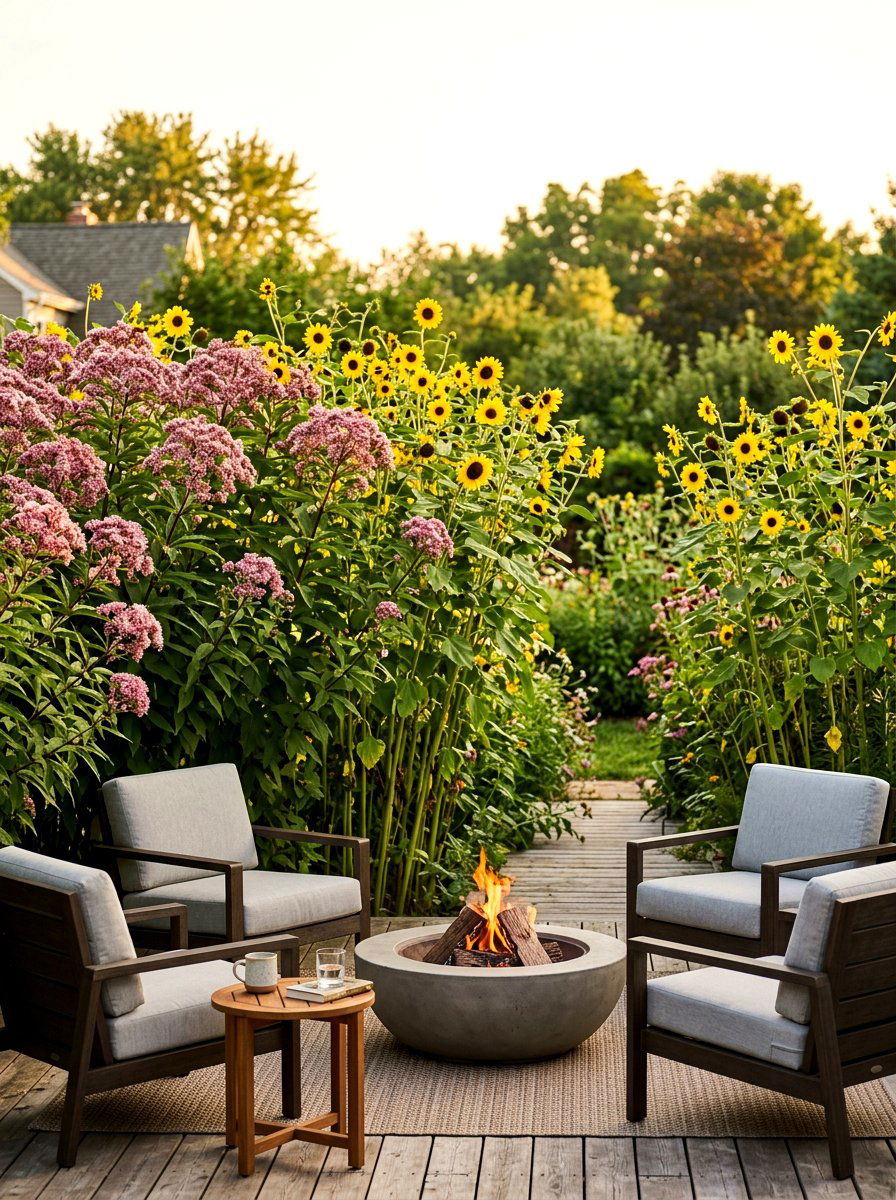
Using tall wildflower species to create a living screen is a creative way to add privacy to your backyard without installing a fence. Rapidly growing plants like cup plants, joe pye weed, and tall sunflowers can reach heights of six feet or more in a single season. This vertical wall of green and gold provides a soft, moving boundary that filters the wind and blocks unsightly views effectively. Beyond privacy, these tall plants serve as excellent lookout points for birds and high-up forage for butterflies. It is a dynamic and changing screen that adds a sense of enclosure and intimacy to your outdoor seating areas while still feeling airy and light.
17. Low Growing Wildflower Groundcover
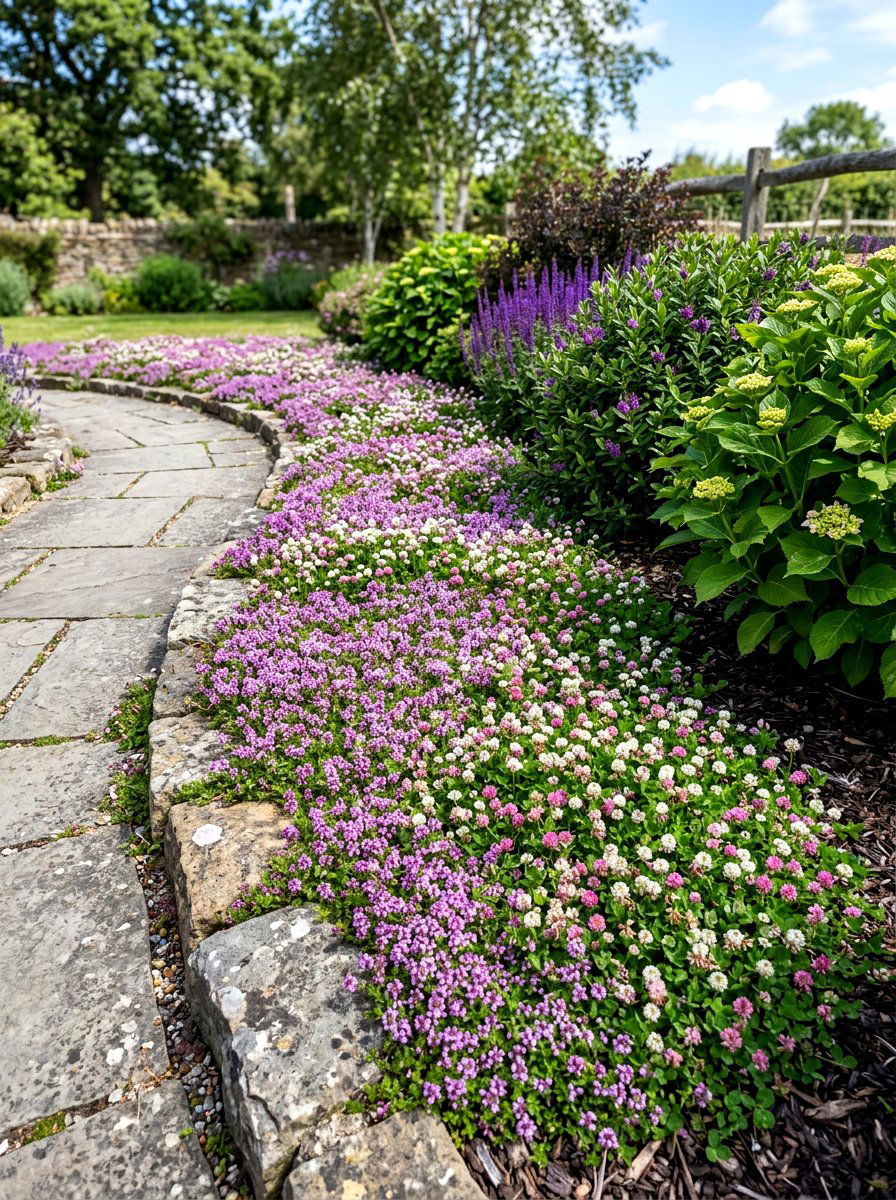
A low-growing wildflower groundcover is the perfect solution for filling in gaps between larger shrubs or covering a difficult patch of soil. These plants stay close to the earth, creating a dense carpet of foliage and small blooms that naturally outcompetes most common weeds. Species like creeping thyme or wild strawberry add subtle beauty and even fragrance to the ground level of your garden design. This approach is particularly effective for stabilizing soil on gentle slopes or adding texture to the edges of a garden bed. It creates a lush, finished look that ties the entire landscape together, making your outdoor space feel cohesive, well-maintained, and completely full of life.
18. Edible Wildflower Garden
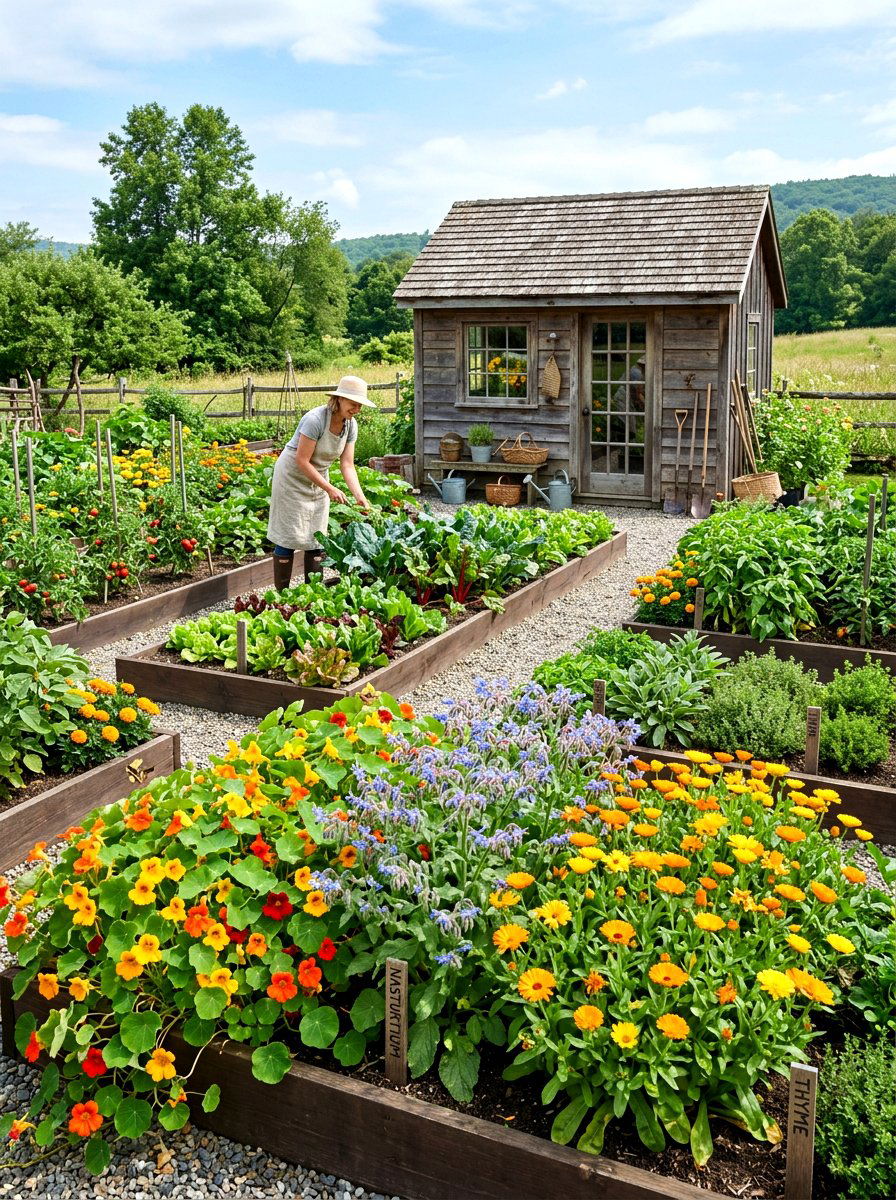
Did you know that many common wildflowers are actually edible and can be used to garnish salads or brew unique herbal teas? An edible wildflower garden combines aesthetic beauty with culinary function, featuring plants like violets, nasturtiums, and borage. This design allows you to harvest fresh, organic ingredients right from your backyard while still enjoying a stunning floral display. It is important to research each species thoroughly to ensure they are safe for consumption and have not been treated with any chemicals. Integrating these useful plants into your landscape adds a layer of practicality to your gardening hobby, making it a delicious and multi-sensory experience for your whole family.
19. Perennial Wildflower Meadow
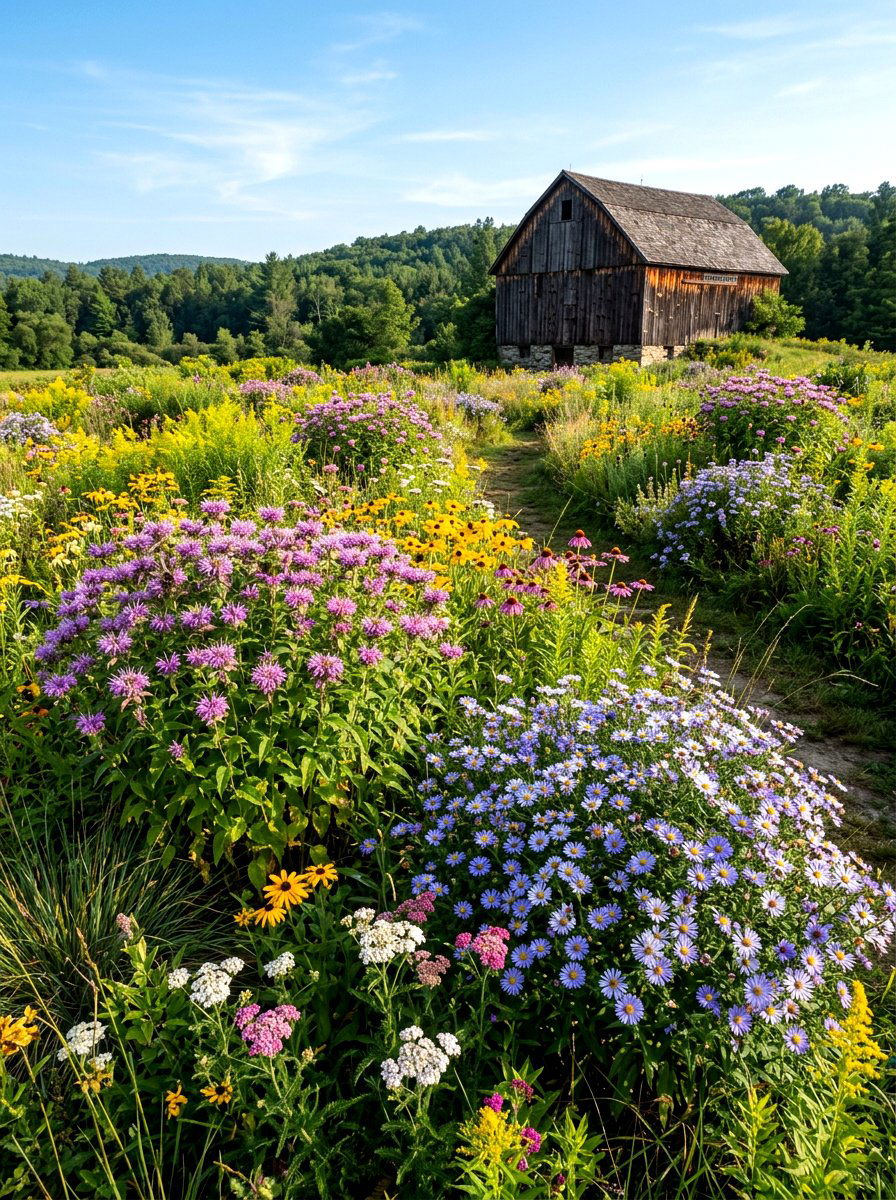
For a landscape that grows more beautiful and established with each passing year, a perennial wildflower meadow is the ultimate long-term investment. Unlike annuals that must be replanted, perennials return season after season, developing stronger root systems and larger clumps over time. This design focuses on longevity and stability, providing a reliable habitat for wildlife throughout the different stages of the year. While it may take a little longer to become fully established, the payoff is a resilient and low-maintenance garden that requires very little work from you once it matures. It is the perfect choice for busy homeowners who want a permanent and stunning natural feature in their backyard.
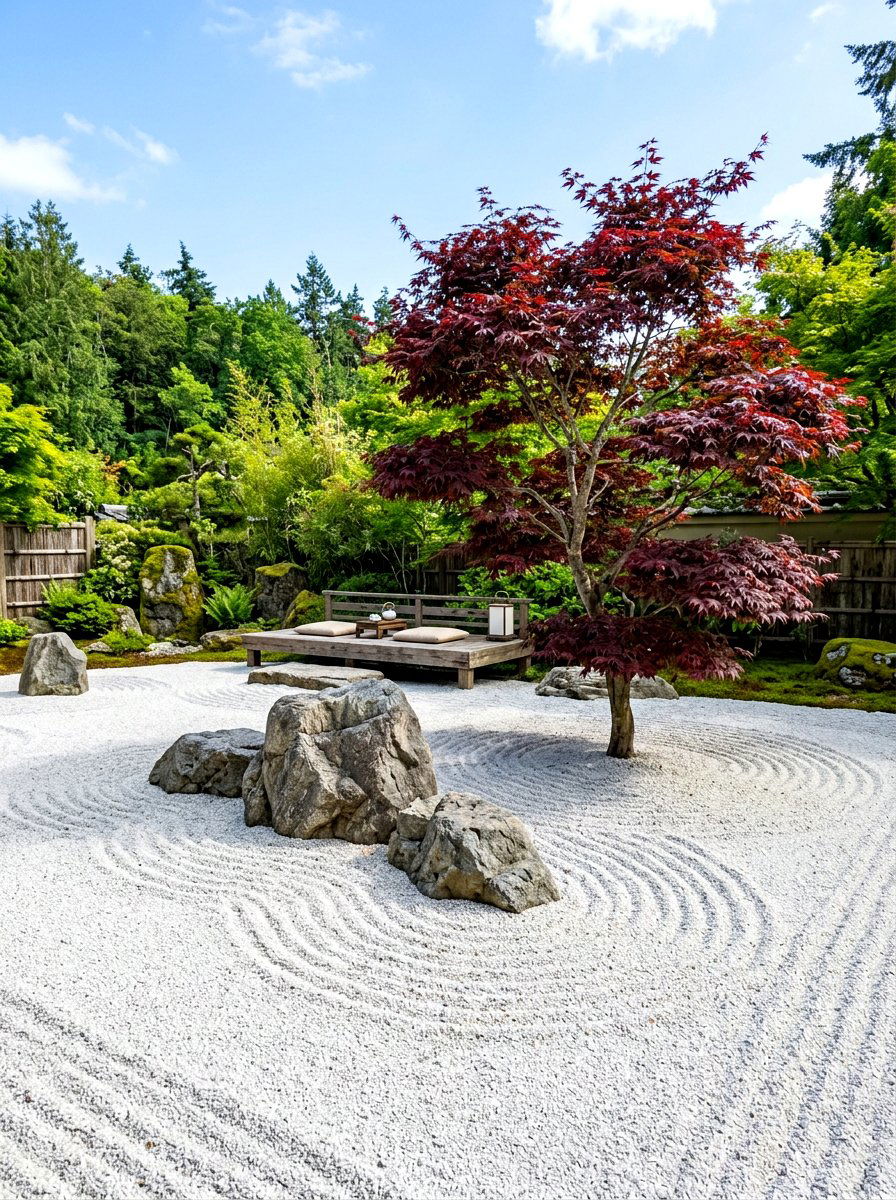
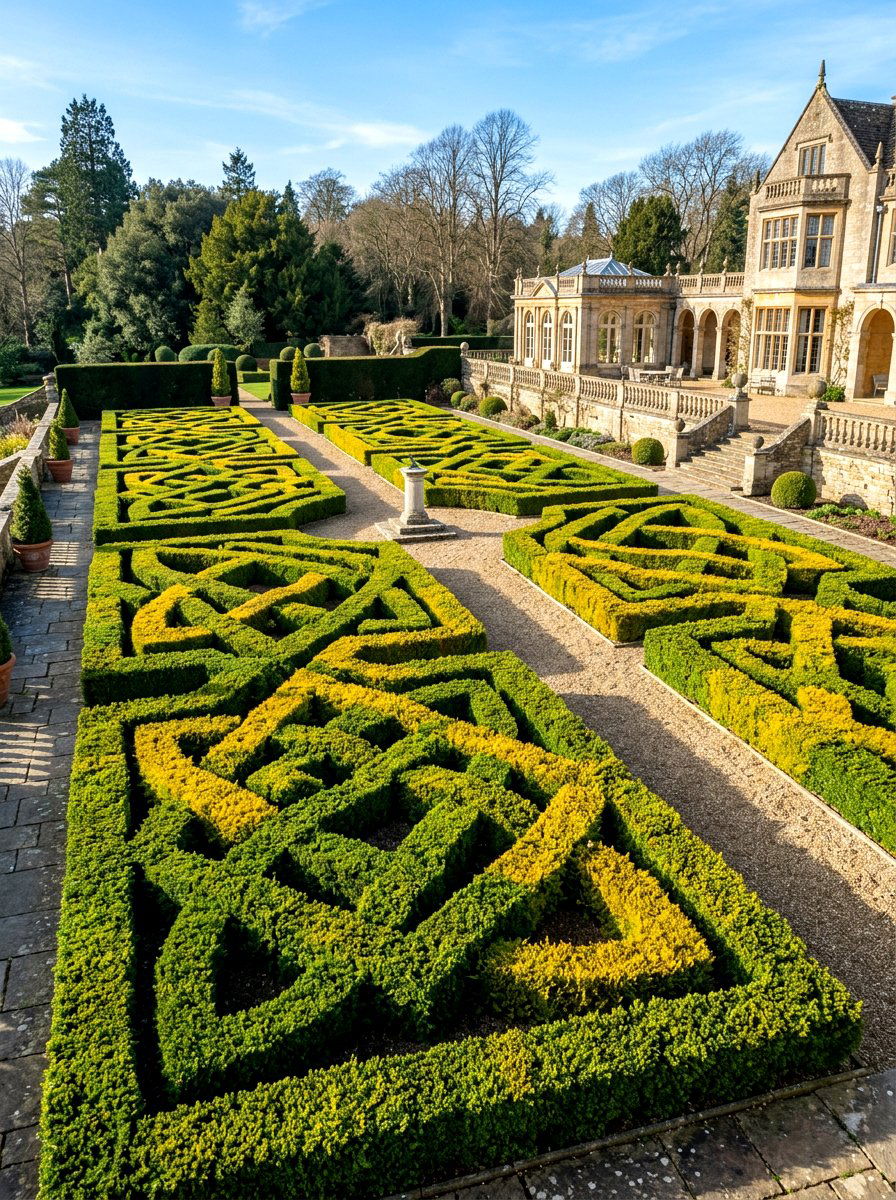
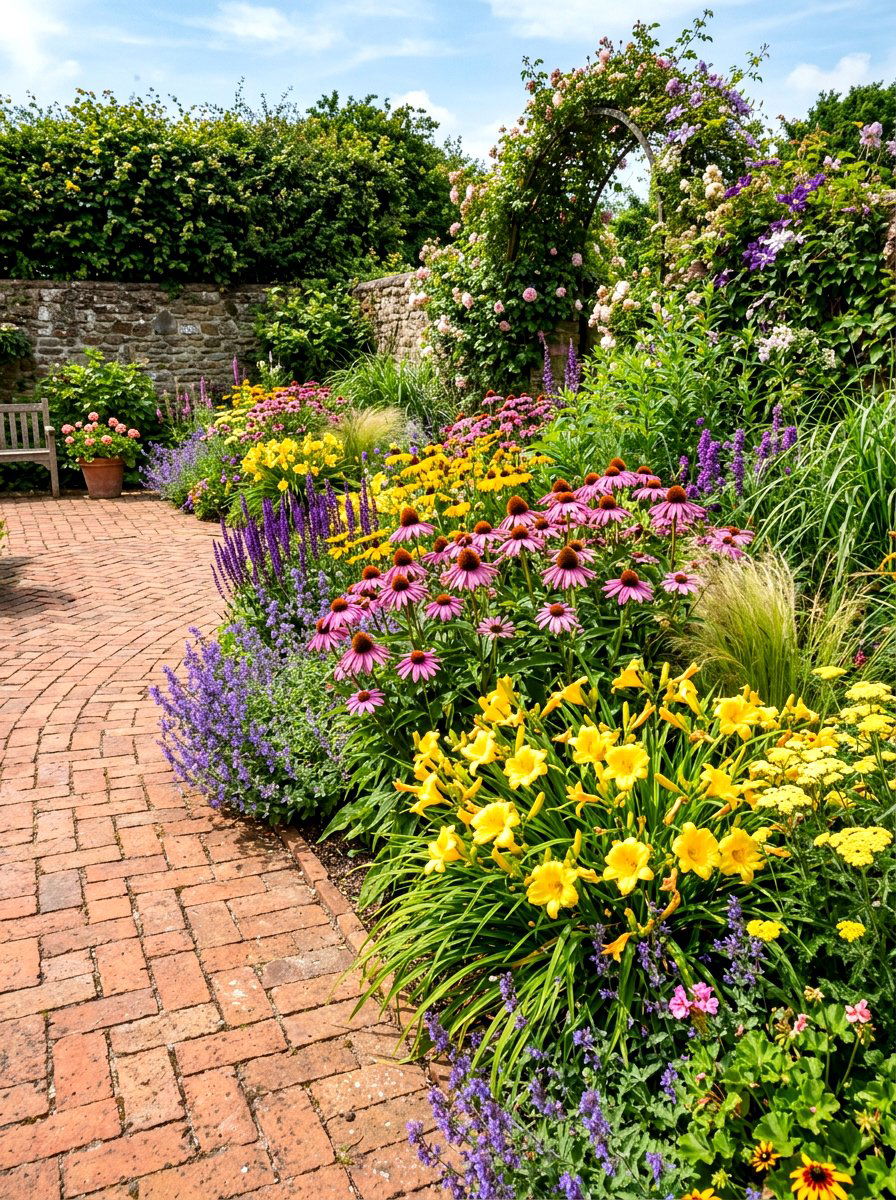
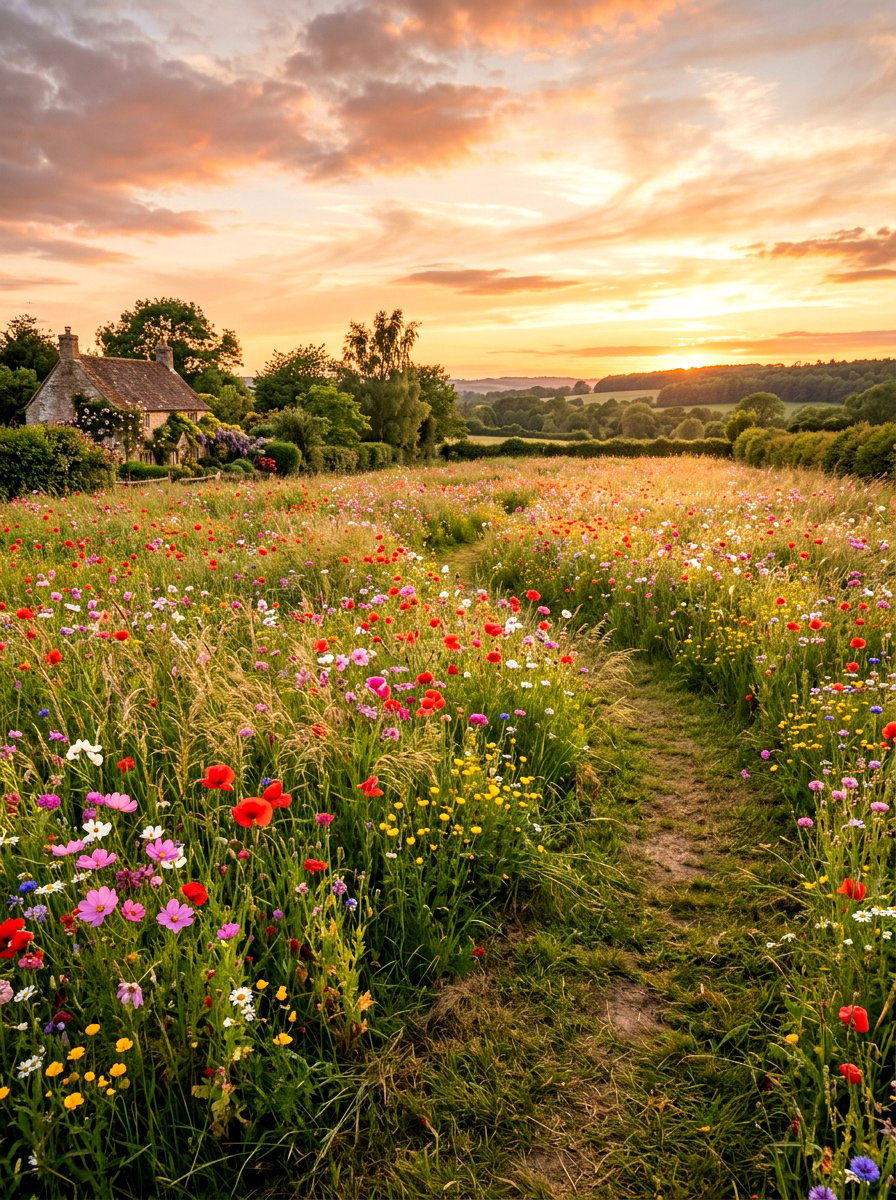
20. Annual Wildflower Mix
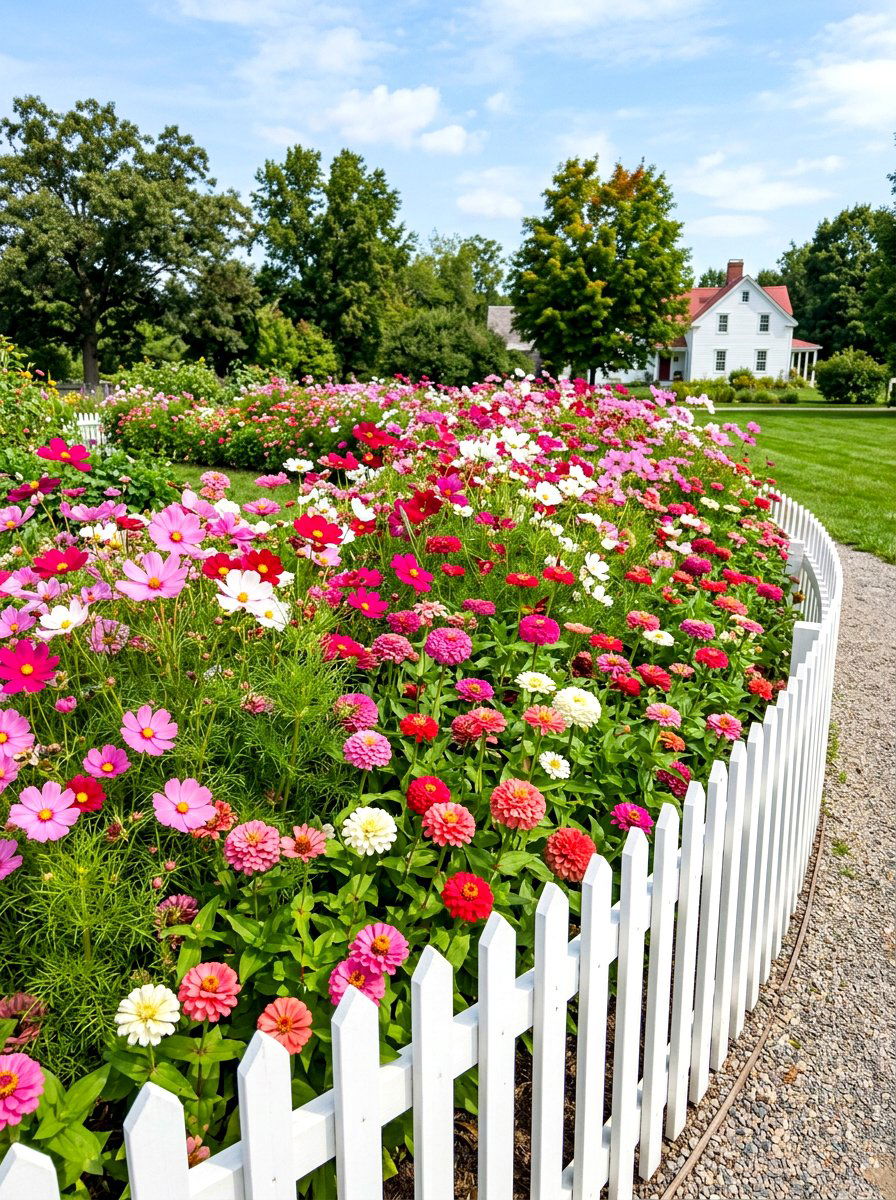
If you are looking for instant gratification and a massive explosion of color, an annual wildflower mix is the way to go. These plants complete their entire life cycle in one season, often producing more frequent and vivid blooms than their perennial counterparts. This approach allows you to experiment with different color schemes and varieties every year, keeping your garden feeling fresh and exciting. Annuals like cosmos and zinnias are famous for their ability to fill a space quickly and attract a huge number of pollinators in a very short time. It is a fun and low-risk way to try out wildflower gardening before committing to a more permanent perennial landscape design.
21. Wildflower Garden On A Slope
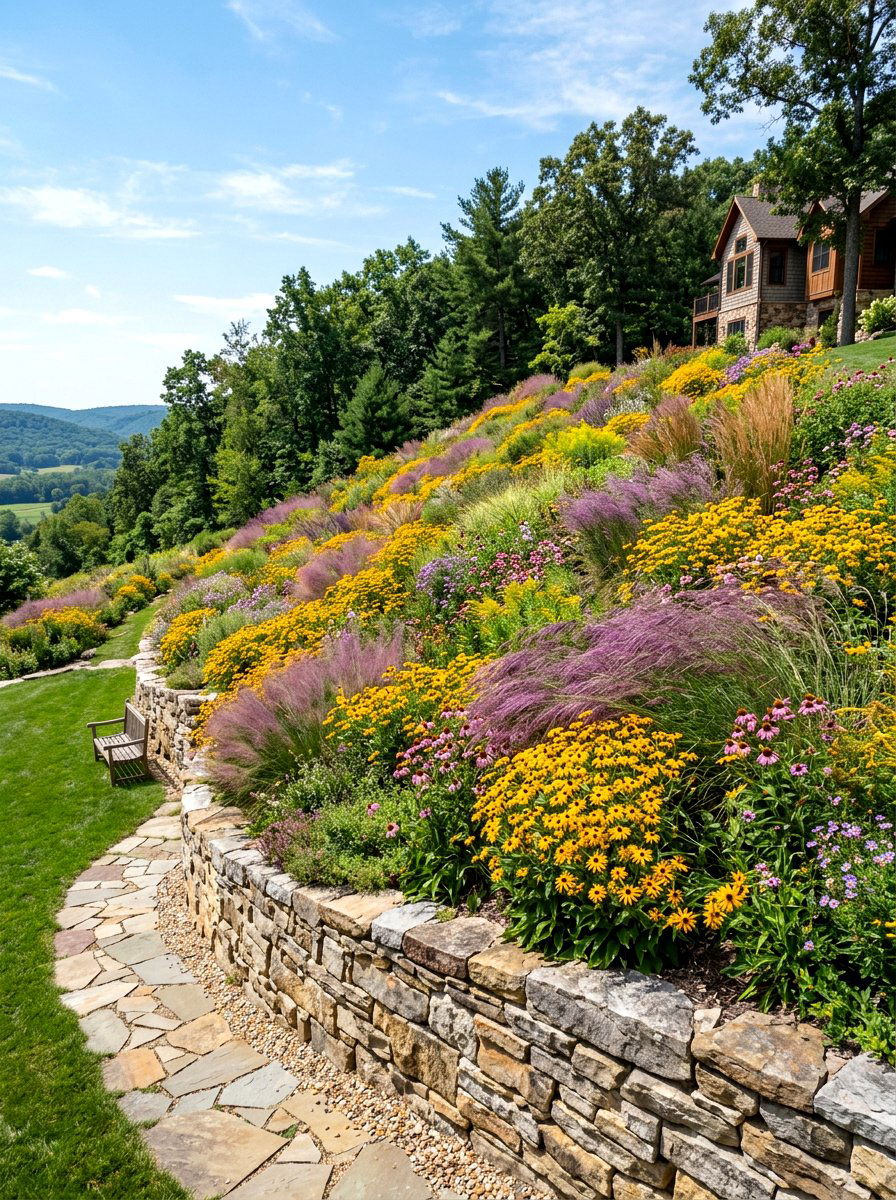
Gardening on a steep incline can be a major challenge, but a wildflower garden on a slope is an ideal way to manage erosion beautifully. The deep, tangled root systems of native wildflowers hold the soil in place far better than standard lawn grass, preventing runoff during heavy rains. This design turns a difficult-to-mow area into a cascading waterfall of color that can be seen and enjoyed from a distance. You can use a mix of heights to create a sense of depth and movement that follows the natural contours of the land. It is a practical and visually stunning solution for properties with varying elevations that would otherwise remain unusable or ugly.
22. Backyard Wildflower Sanctuary
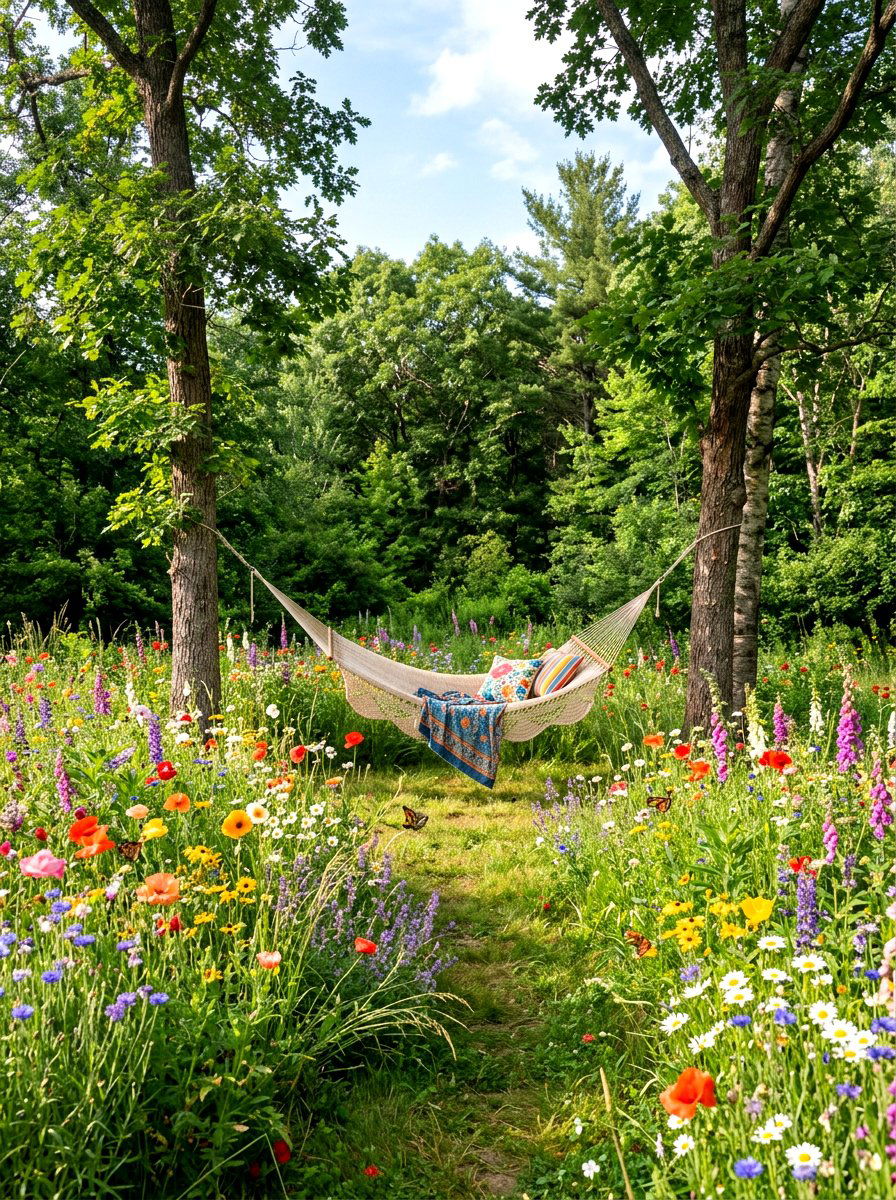
A backyard wildflower sanctuary is designed to be a private retreat where you can escape the noise and stress of everyday life. This full-scale landscape transformation often includes winding paths, hidden clearings, and a variety of textures that create a sense of being deep in the wilderness. By surrounding yourself with the sights and sounds of a thriving meadow, you create a powerful space for meditation and relaxation. The absence of strict lines and formal structures helps to lower stress levels and encourages a deeper connection with the rhythms of nature. It is your own personal piece of the wild, conveniently located just a few steps away from your back door.
23. Wildflower Garden For Cut Flowers
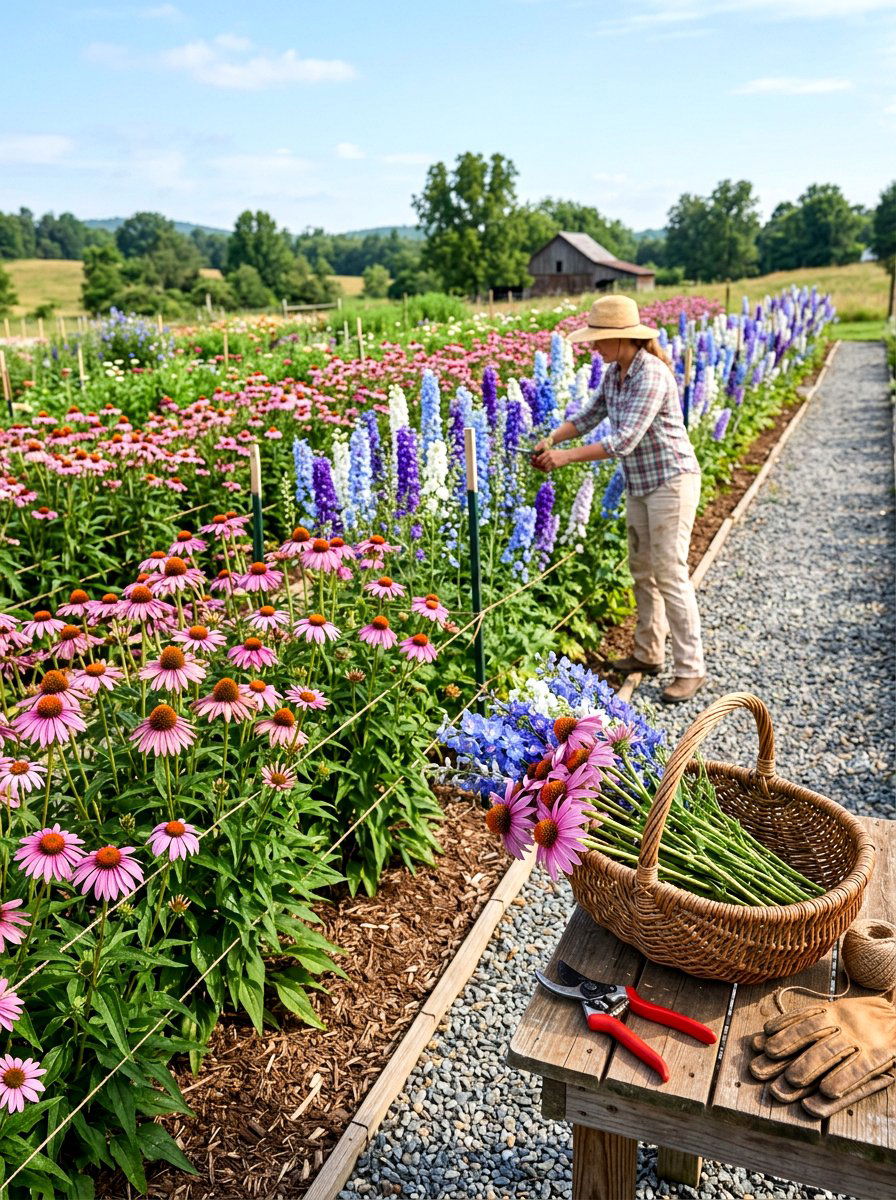
If you love bringing the beauty of the outdoors inside, a wildflower garden designed specifically for cut flowers is a fantastic idea. This design prioritizes species with long, sturdy stems and a good vase life, such as black-eyed Susans and coneflowers. By planting in dense rows or clusters, you can easily harvest armfuls of blooms without leaving noticeable holes in your landscape display. This allows you to create unique, rustic bouquets for your home or to give as thoughtful gifts to friends and neighbors. Growing your own flowers is much more sustainable than buying imported blooms, and the variety you can grow yourself is far superior to any supermarket.
24. Minimalist Wildflower Patch
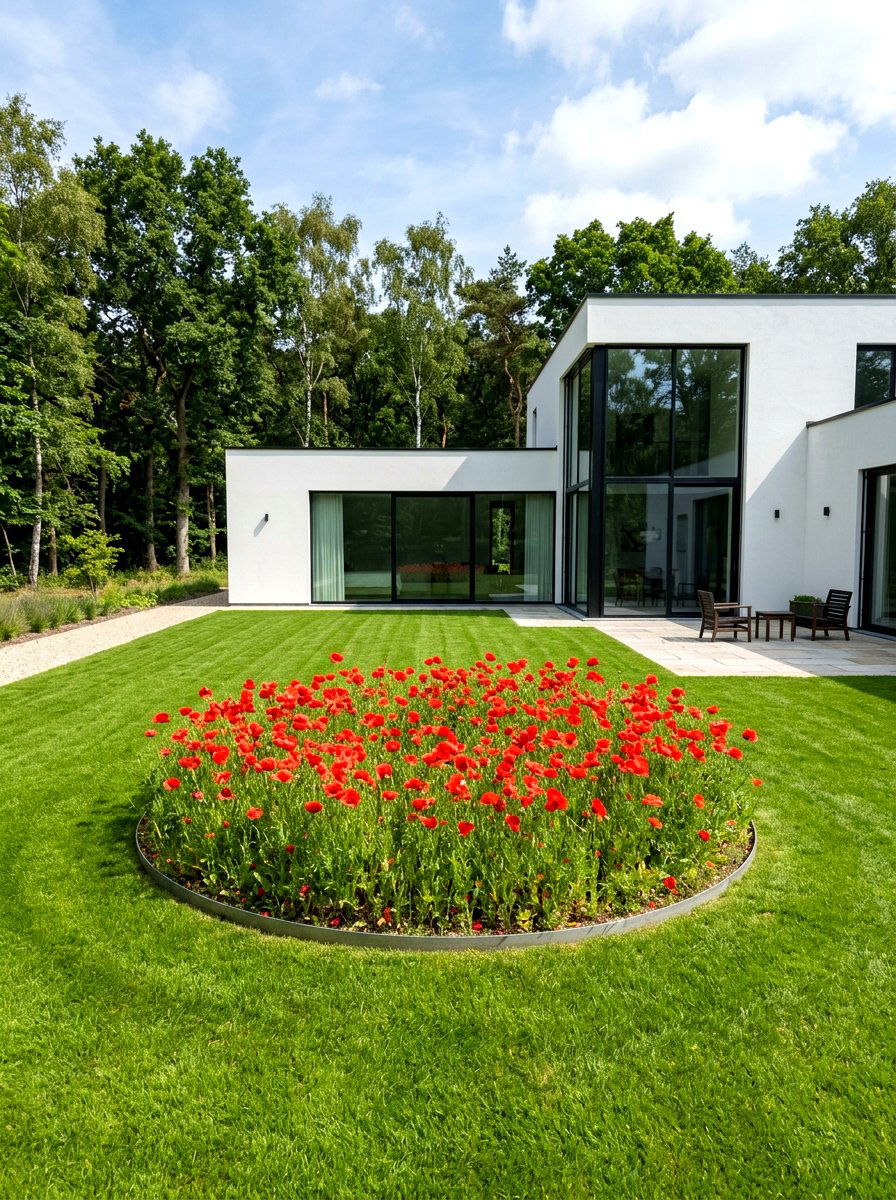
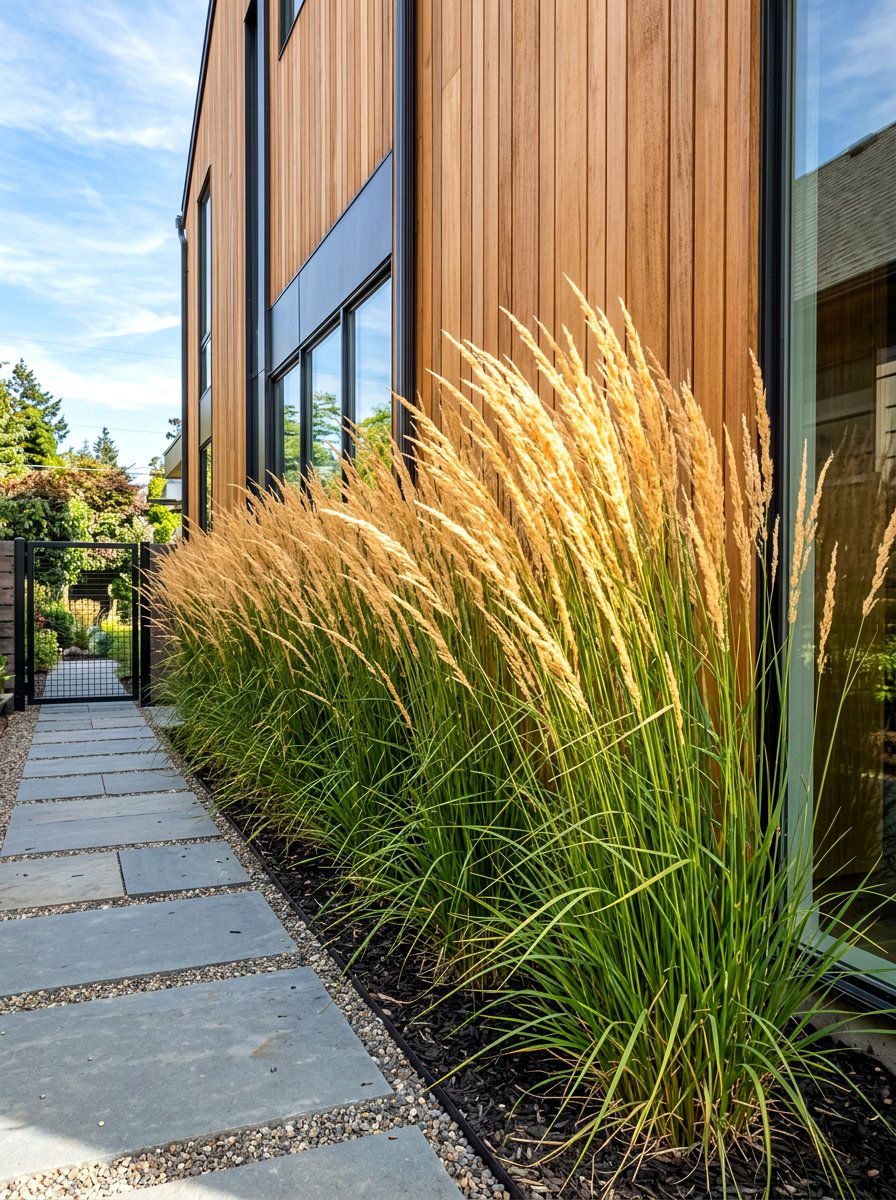
You don't need a massive field to enjoy the benefits of wild planting; a minimalist wildflower patch can be just as effective and beautiful. This design focuses on a single species or a very limited color palette, creating a clean and modern look that fits perfectly with contemporary architecture. By keeping the area small and well-defined, you can easily manage the growth and ensure it always looks intentional and tidy. A small square of vibrant poppies or a neat circle of blue flax can act as a living piece of art in an otherwise simple and minimalist yard. It is proof that even a little bit of wildness can make a huge visual impact.
25. Wildflower Border Along Fence
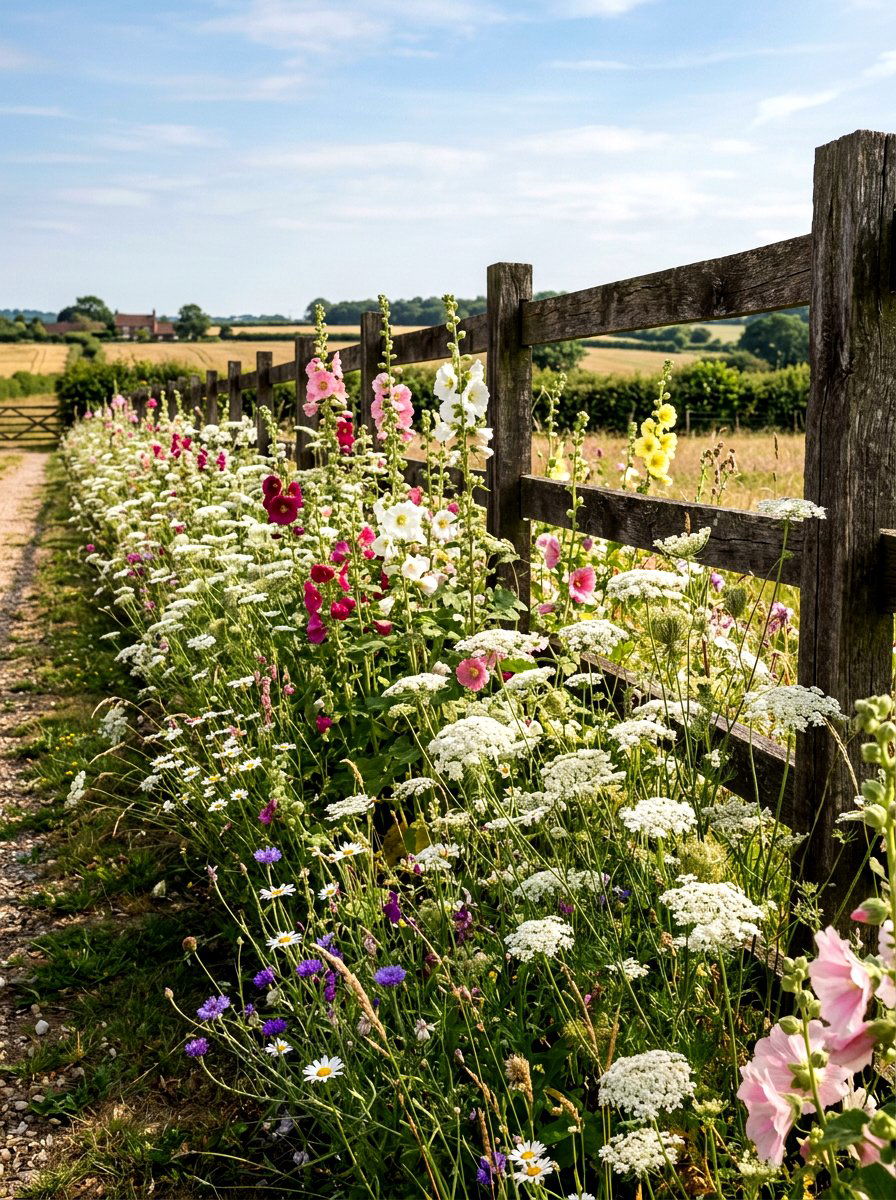
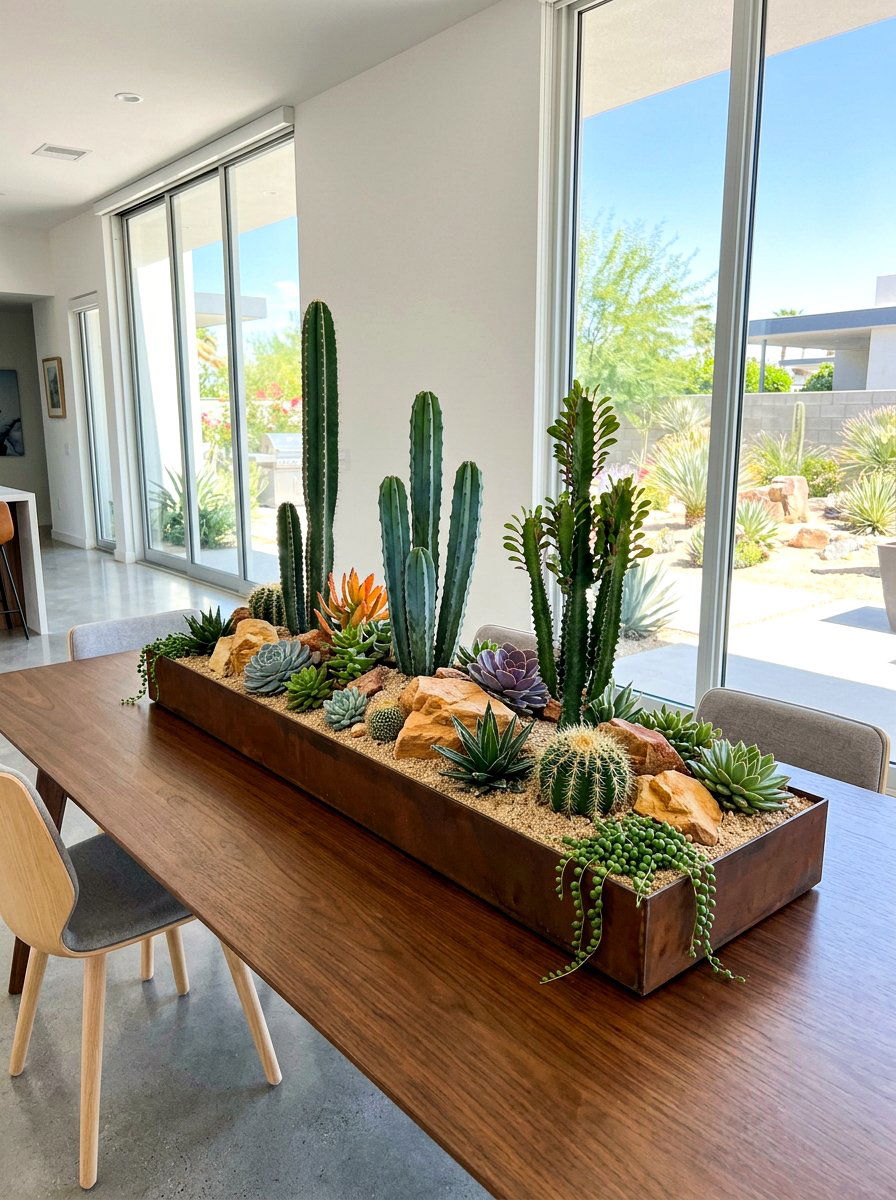
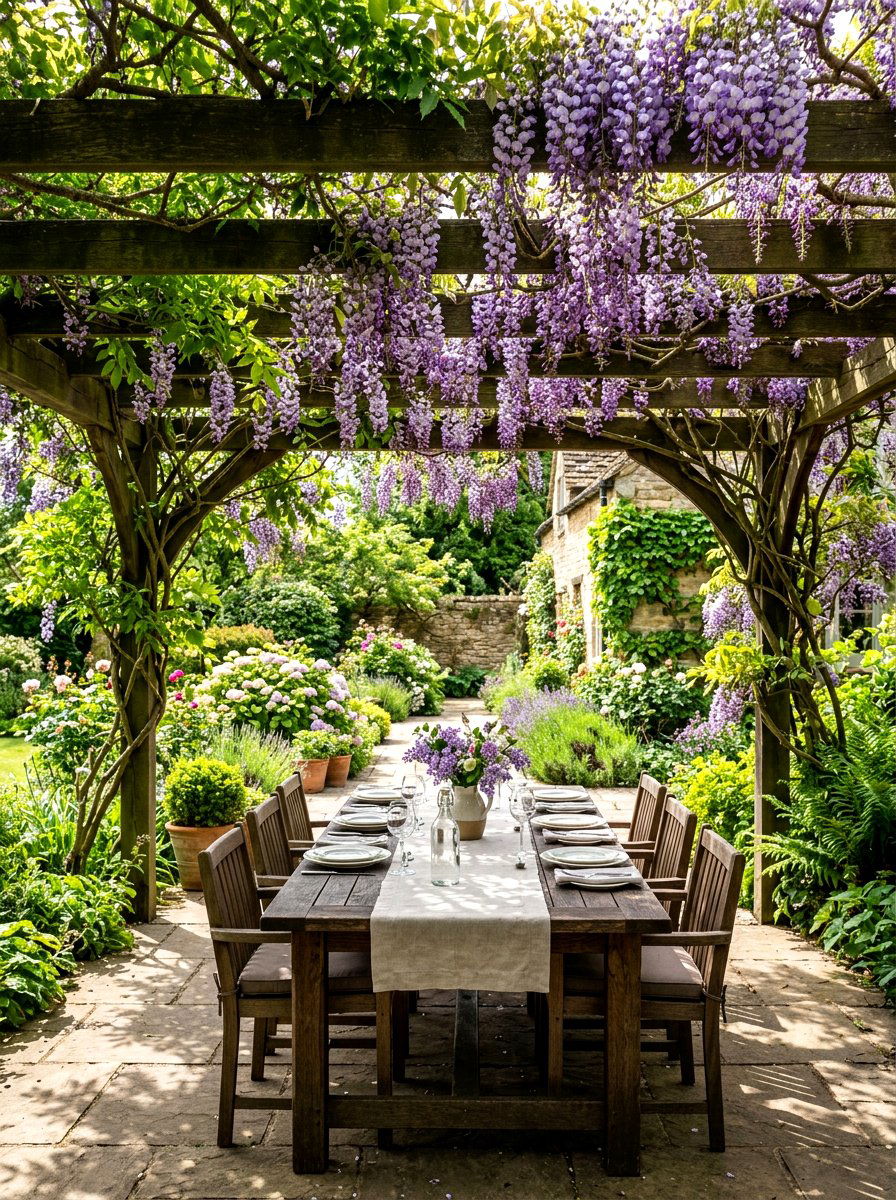
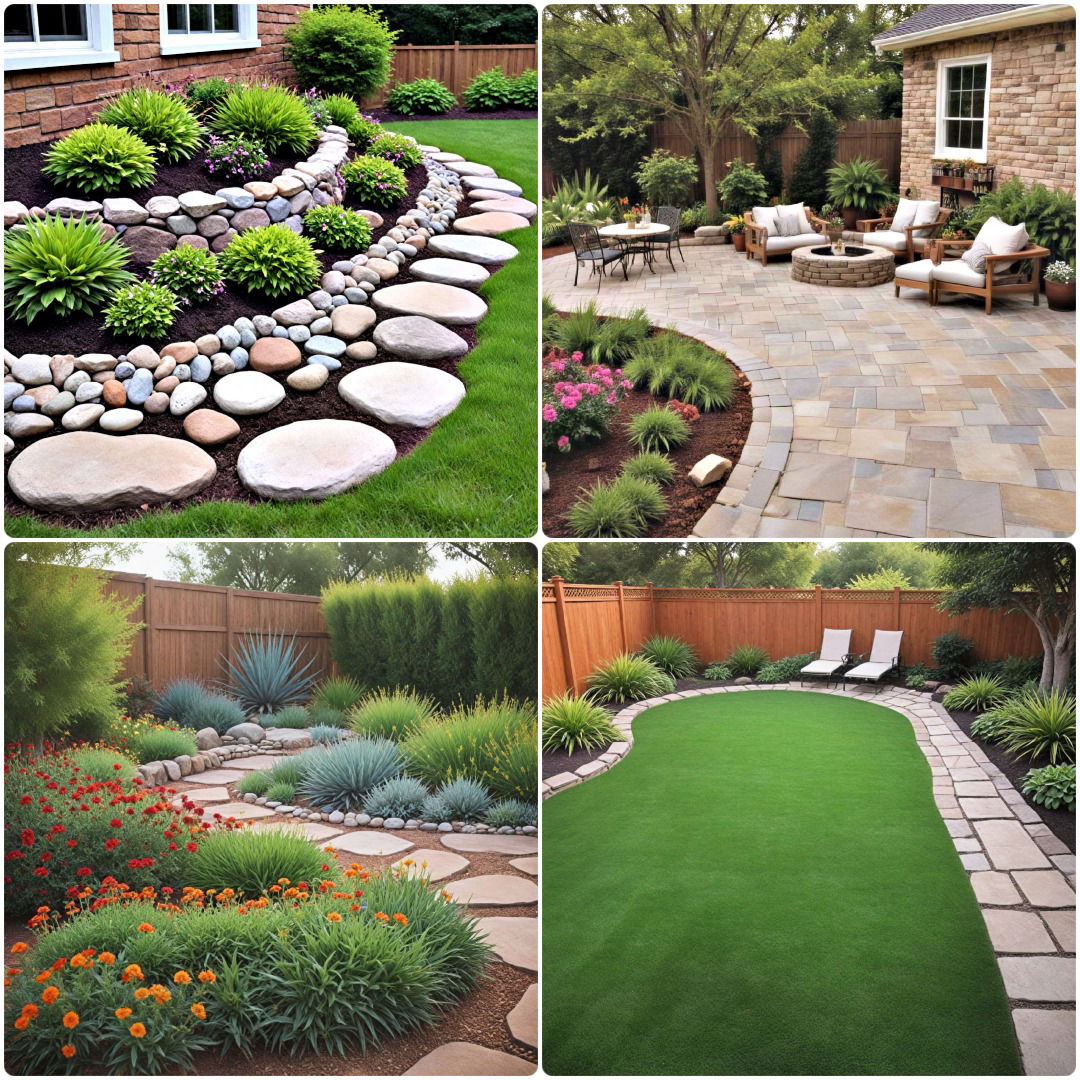
A wildflower border along a fence line is a classic way to soften the hard edges of your property boundaries. This design turns a functional structure into a beautiful backdrop for a diverse range of colors and heights. As the flowers grow, they lean against the fence for support, creating a lush wall of petals that hums with life throughout the summer. This is an excellent way to utilize the narrow space that is often neglected in many suburban backyards. Whether your fence is made of wood, chain link, or stone, a thick border of wildflowers will instantly make it feel more integrated and harmonious with the surrounding natural landscape.
26. Prairie Style Wildflower Garden
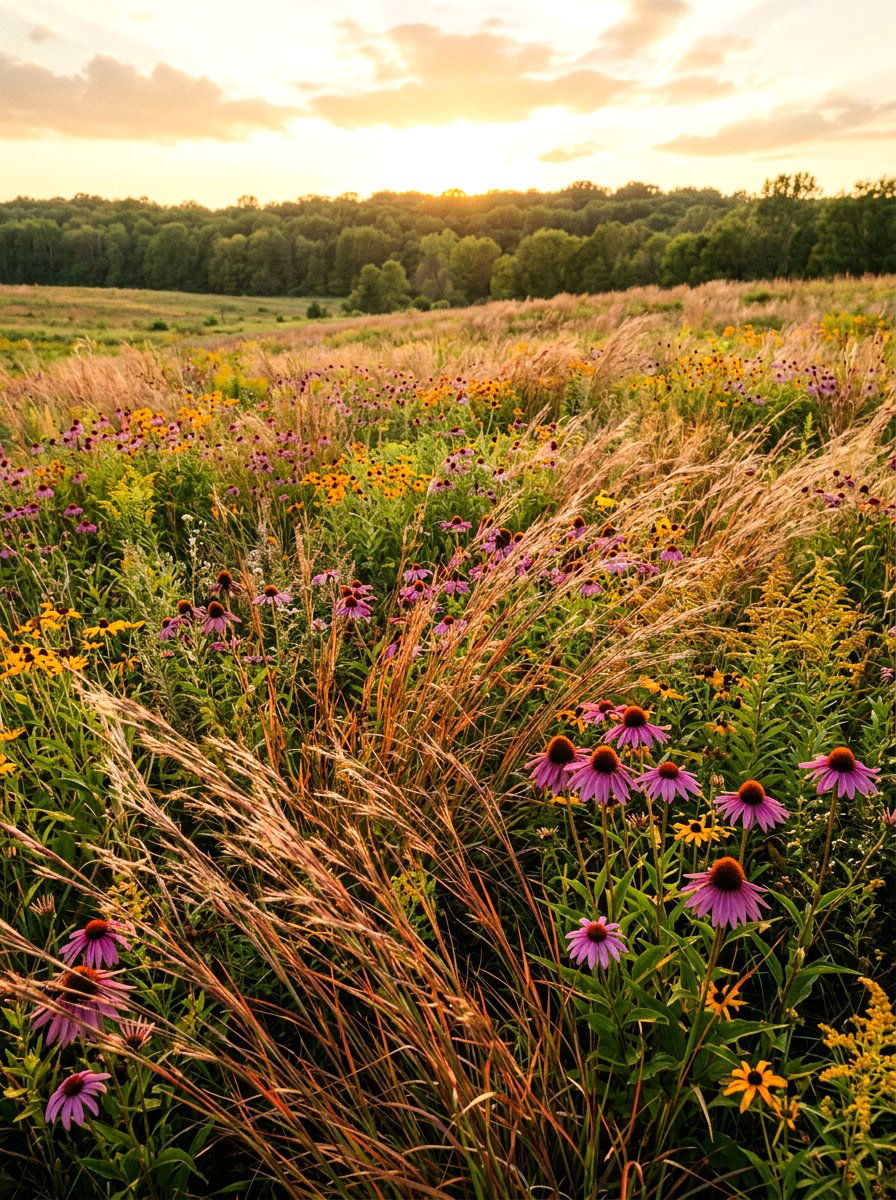
A prairie style wildflower garden mimics the vast, open grasslands of the central United States, emphasizing a mix of hardy forbs and ornamental grasses. This design is all about movement and texture, as the tall grasses catch the wind and create a soft, rustling sound that is incredibly soothing. Prairie plants are exceptionally tough, capable of withstanding extreme cold, intense heat, and periods of significant drought. The golden tones of the grasses in autumn provide a long season of interest even after the primary flowers have finished blooming. This type of garden feels expansive and grand, bringing a sense of the wide-open plains to your own private residential lot.
27. Formal Wildflower Garden Layout
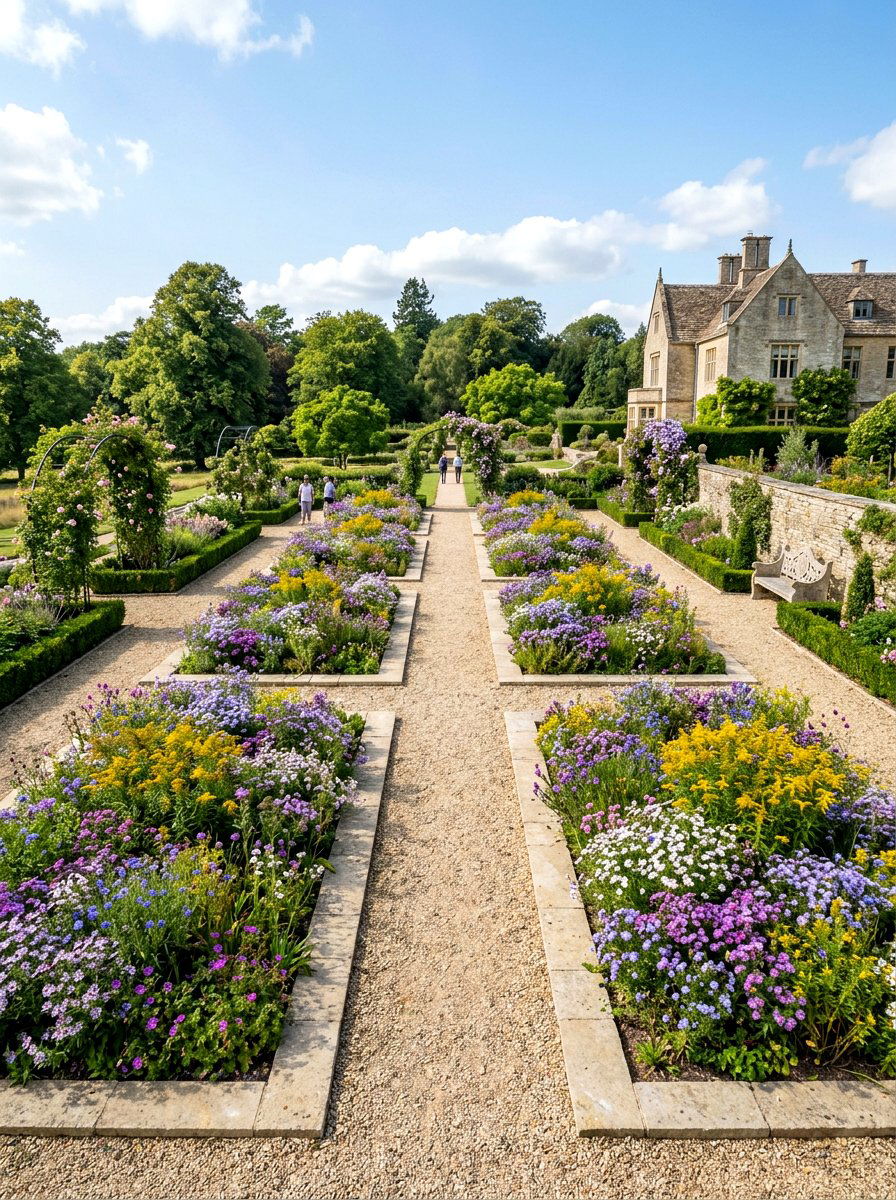
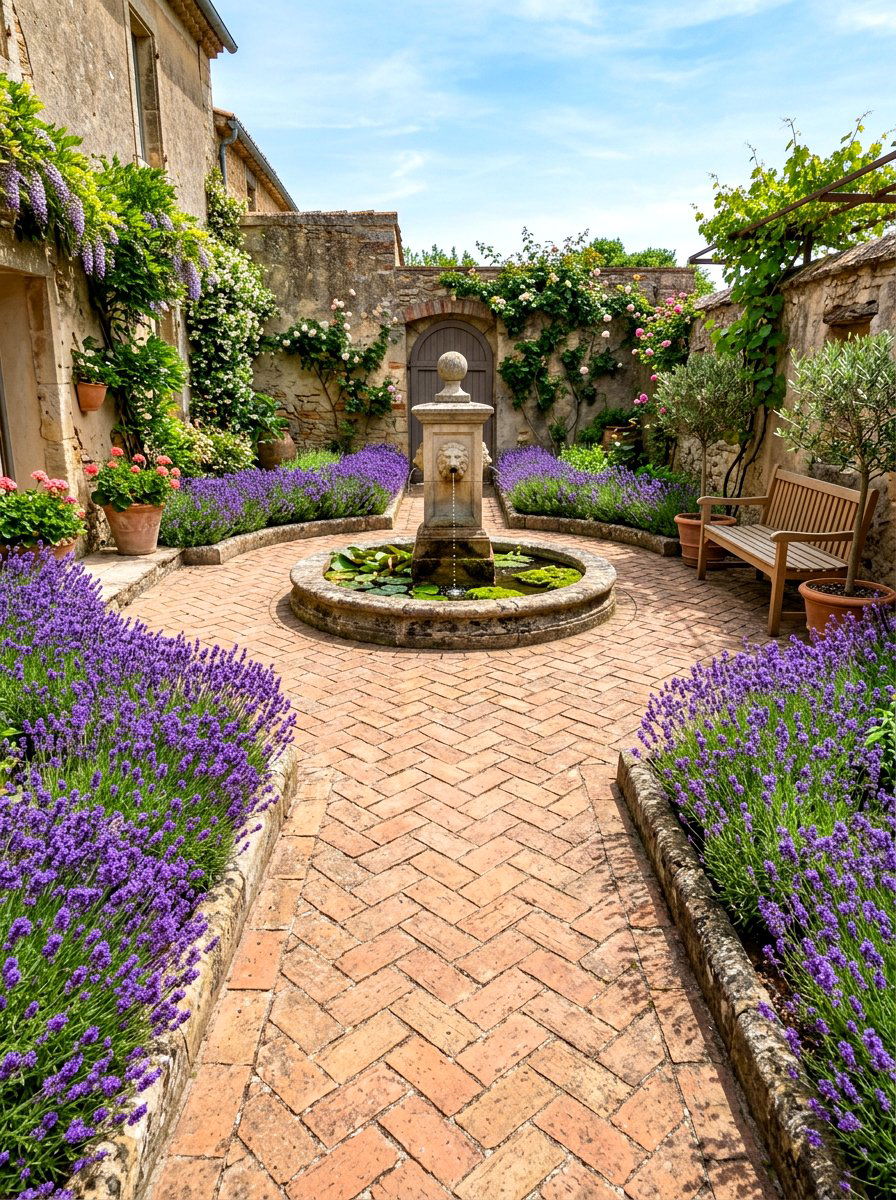
For those who appreciate the wild look but still desire a sense of traditional order, a formal wildflower garden layout is the answer. This design uses classic geometric shapes like circles, squares, or parterres but fills them with unruly native species instead of clipped boxwoods. Neat boxwood or stone edges provide the "bones" of the garden, which keep the wilder elements feeling intentional rather than messy. This juxtaposition between human-made structure and natural wildness creates a sophisticated and high-end aesthetic that works well in front yards or formal estates. It is a clever way to be environmentally responsible while maintaining a very polished and high-end curb appeal for your property.
28. Wildflower Garden With Seating
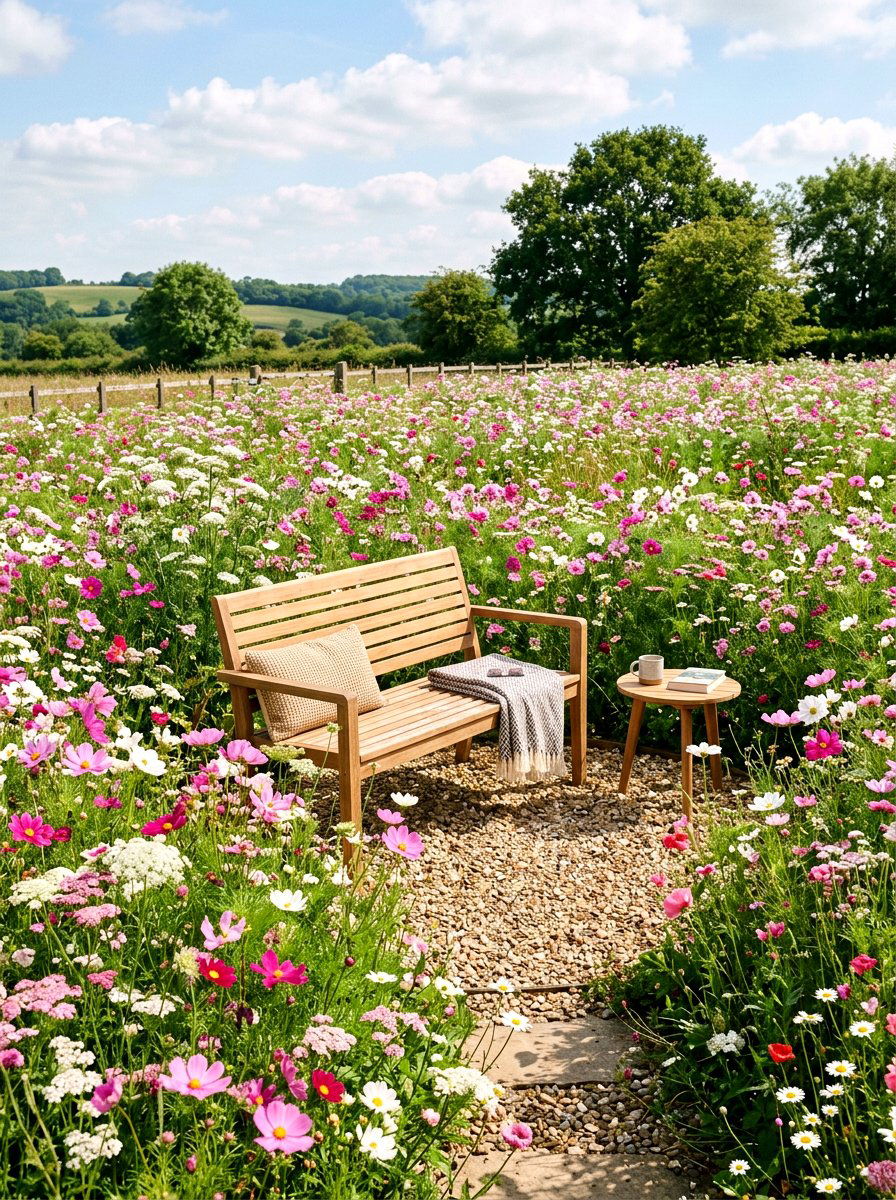
Integrating a dedicated seating area within your wildflower garden allows you to fully immerse yourself in the beauty you have created. Whether it is a simple wooden bench, a rustic stone wall, or a full patio set, having a place to sit encourages you to slow down and observe the details. You can surround the seating area with fragrant species and butterfly favorites to ensure that your time spent outdoors is as sensory and rewarding as possible. This turns your garden from something you just look at into a functional living space where you can entertain friends or enjoy a morning cup of coffee while surrounded by a sea of blooms.
29. Wildflower Garden Near Water Feature
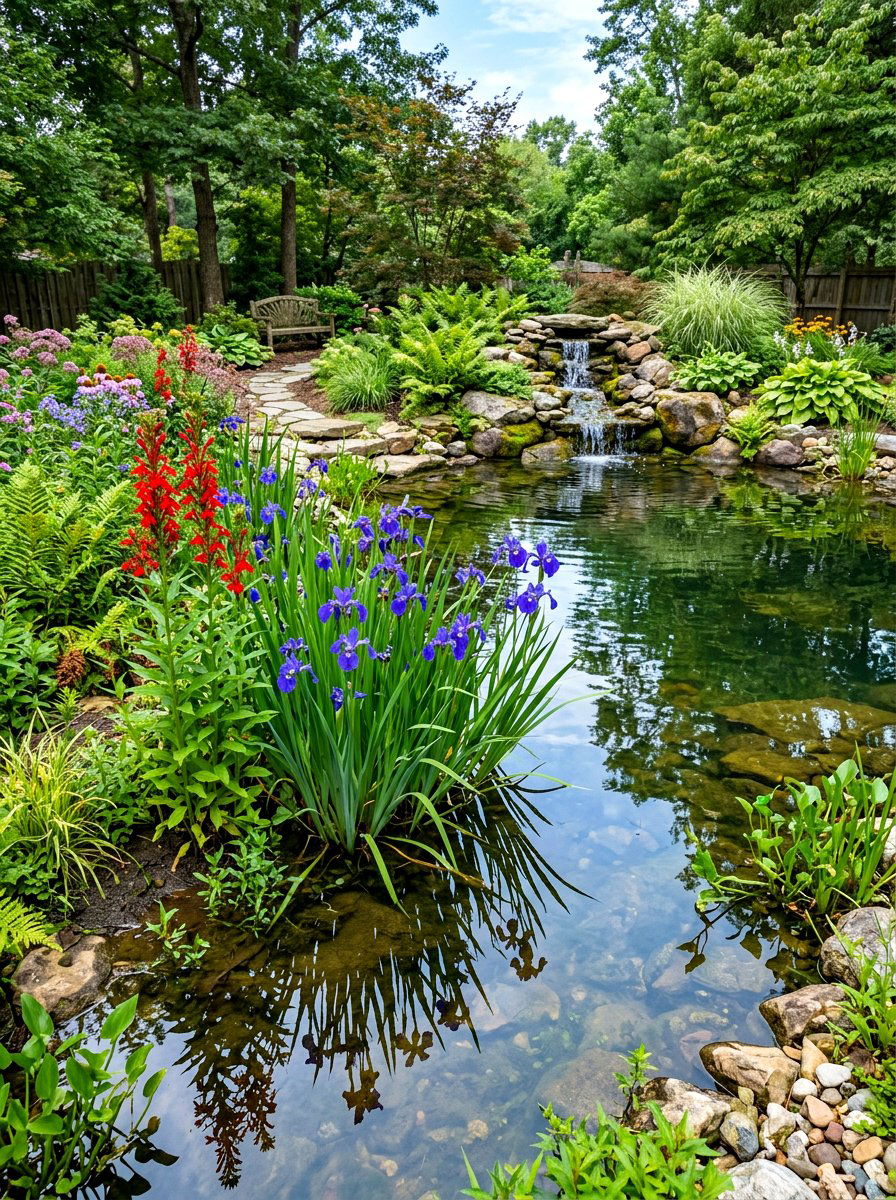
Wildflowers and water are a natural pairing that can turn any backyard into a lush and thriving oasis. A wildflower garden near a pond or stream takes advantage of the higher moisture levels and unique soil conditions found at the water’s edge. Species like cardinal flower and marsh marigold thrive in these damp spots, providing brilliant colors that reflect beautifully on the water’s surface. This combination attracts an even wider variety of wildlife, including dragonflies and frogs, creating a complex and fascinating mini-ecosystem. The sound of trickling water combined with the vibrant colors of the damp-loving flowers creates a peaceful and cooling effect that is perfect for summer afternoons.
30. Small Space Wildflower Bed
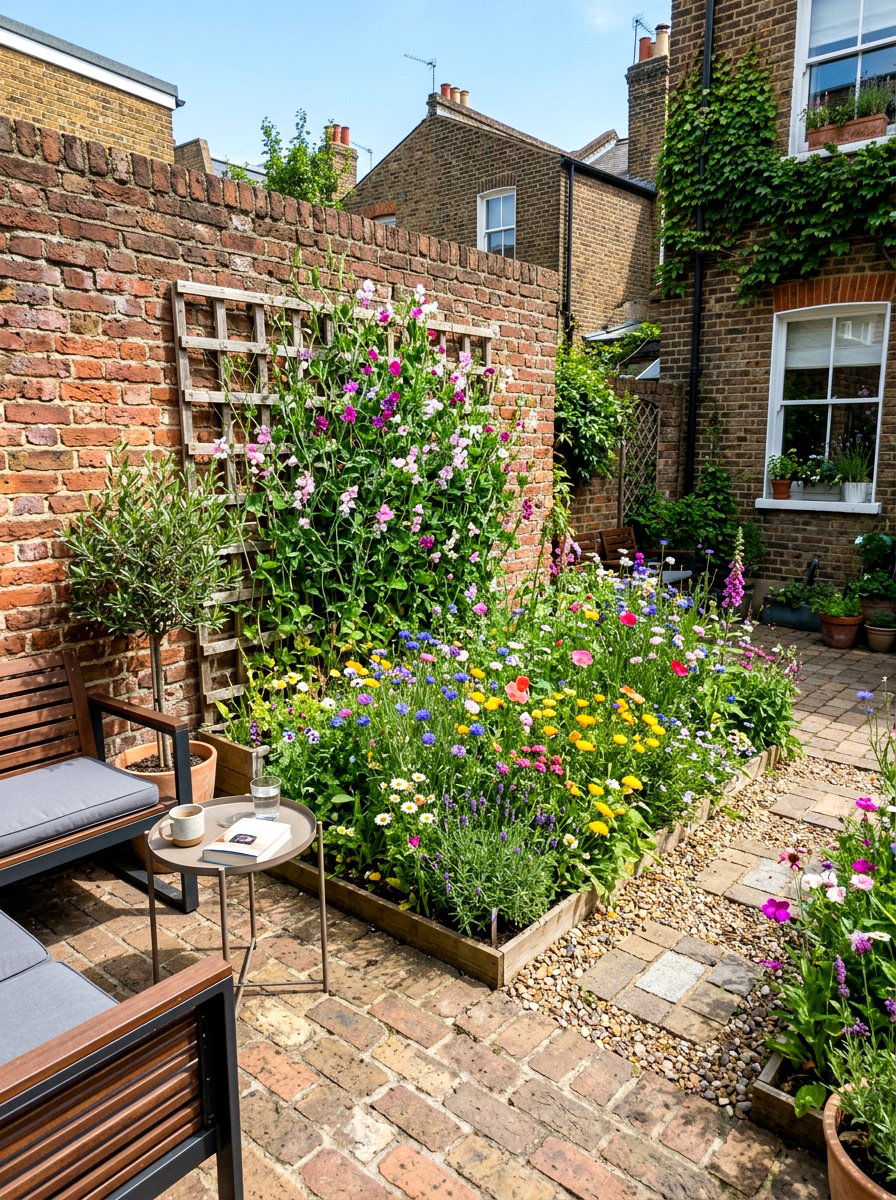
If you have a tiny urban yard or just a small corner that needs some love, a small space wildflower bed is the perfect solution. By choosing compact varieties and focusing on high-impact colors, you can create a miniature meadow that feels much larger than it actually is. Using mirrors on nearby walls or vertical trellises can help to expand the visual space and make the garden feel more immersive and deep. This design proves that you don't need acres of land to make a difference for pollinators or to enjoy the wild beauty of native plants. It is a manageable and rewarding project for any gardener regardless of their available square footage.
Conclusion:
A wildflower garden is far more than just a collection of untamed plants; it is a commitment to the environment and a celebration of natural beauty. By choosing to incorporate these hardy, native species into your landscape, you are creating a resilient sanctuary that supports pollinators and brings a sense of wonder to your home. Whether you have a vast acreage or a small urban balcony, there is a wildflower design that can fit your space and lifestyle perfectly. These gardens offer a low-maintenance alternative to traditional yards while providing an ever-changing display of seasonal color and life. Start small, and watch your outdoor world transform into a buzzing, blooming masterpiece.

Related posts: