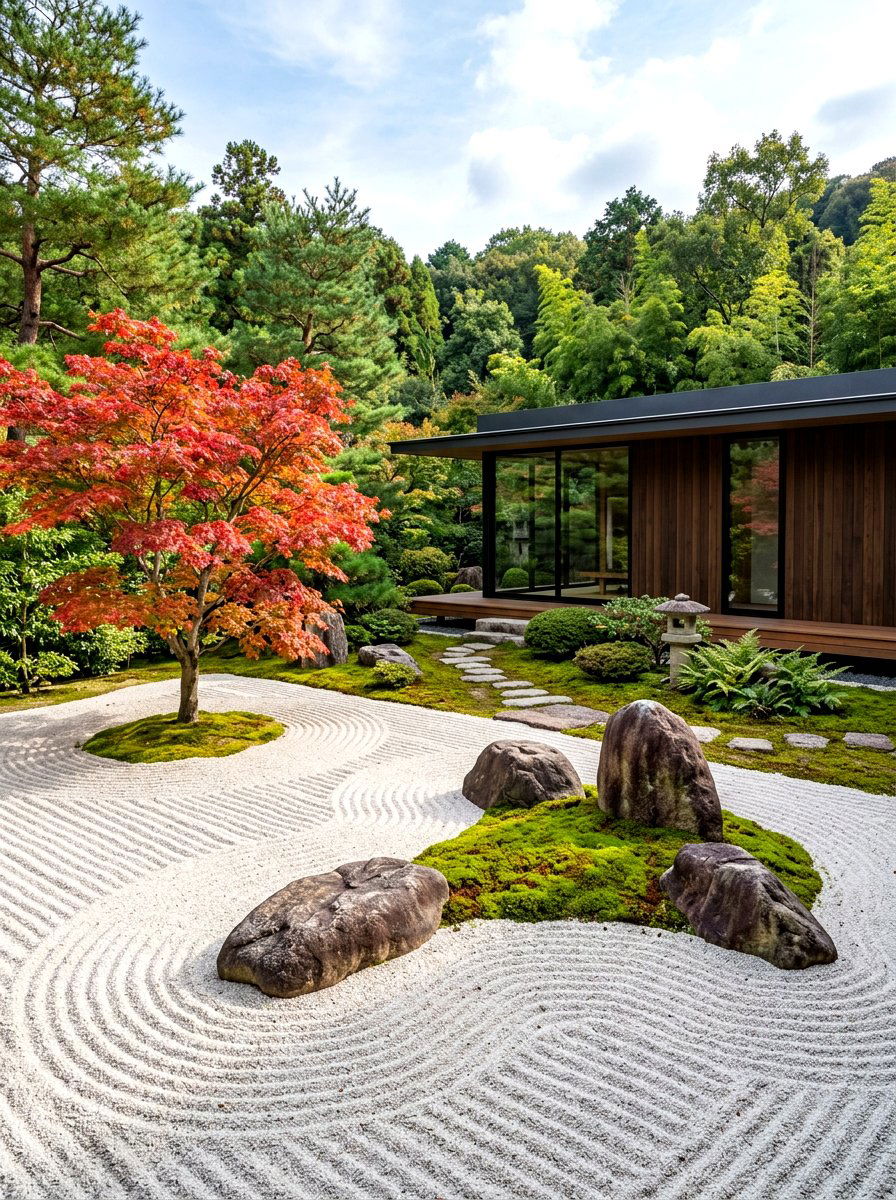
Switching your traditional turf for a lush clover backyard is one of the smartest moves you can make for a sustainable and low-maintenance outdoor space. Many homeowners are discovering that clover provides a vibrant, soft, and evergreen carpet that requires significantly less water and fertilizer than standard grass varieties. This eco-friendly alternative not only stays green during the hottest summer months but also helps the environment by supporting local honeybees and improving soil health. Whether you want a full lawn replacement or just a durable ground cover for high-traffic areas, clover offers a beautiful and practical solution that looks stunning in any landscape setting. It is the ultimate choice for modern, green living.

1. White Clover Lawn
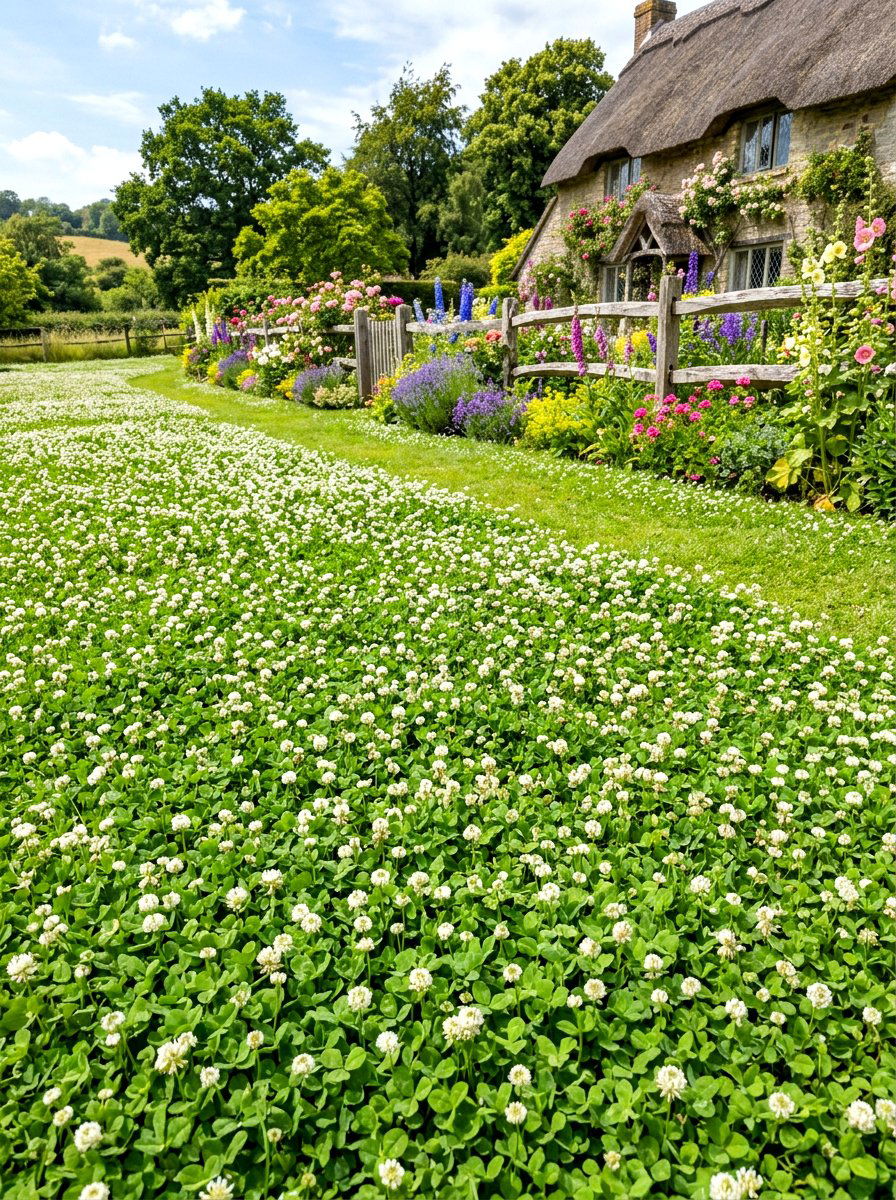
Imagine a lush, soft green carpet that stays vibrant even during the heat of summer without needing constant watering. White clover is a classic choice for homeowners who want to ditch the traditional high-maintenance grass lawn for something more resilient and eco-friendly. This low-growing perennial spreads quickly to fill in patches, creating a dense mat that feels wonderful under bare feet. It naturally fixes nitrogen in the soil, which acts as a built-in fertilizer for your yard. You will spend much less time mowing and more time enjoying the beautiful, tiny white flowers that attract helpful pollinators to your space. It is perfect for large, sunny backyards.
2. Microclover Ground Cover
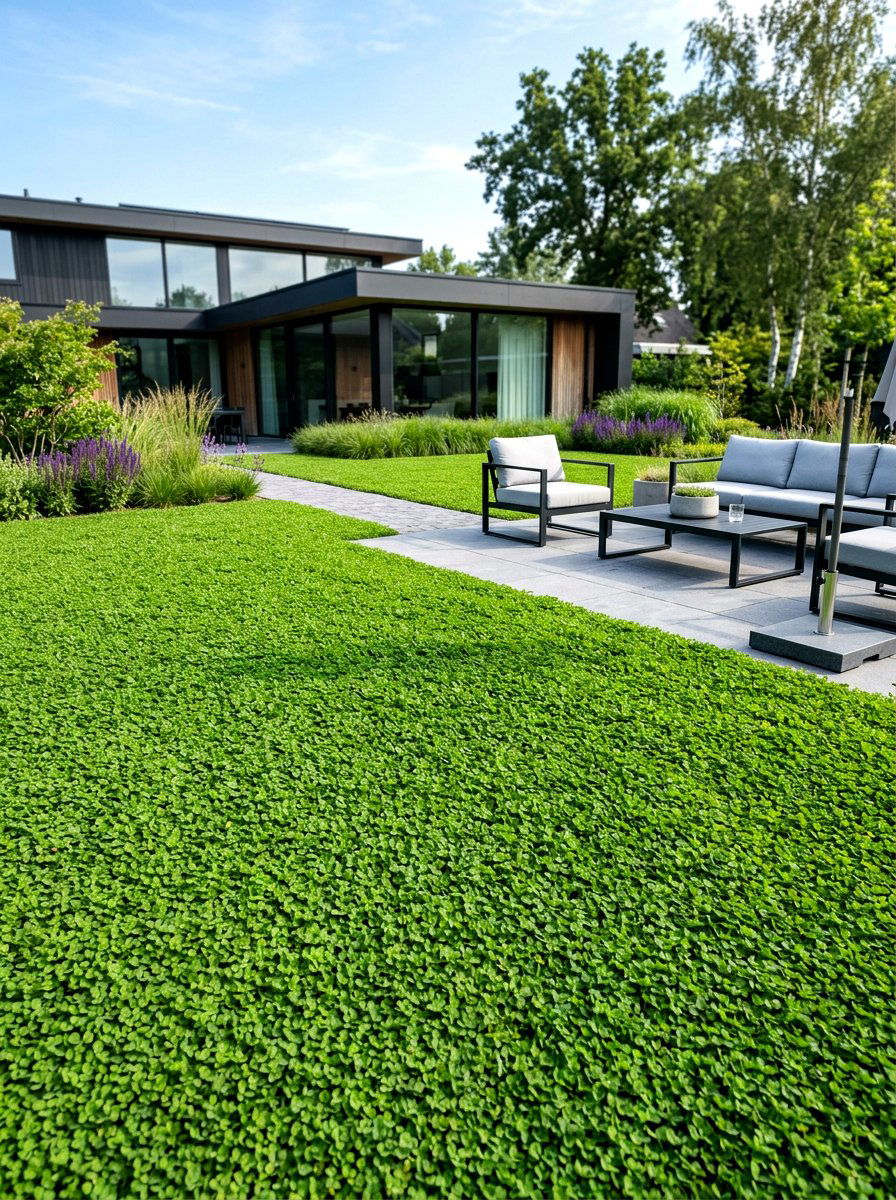
If you prefer a more manicured and uniform look, microclover is the revolutionary solution you have been searching for. This specific variety features much smaller leaves and a lower growth habit compared to traditional white clover, making it blend seamlessly with existing grass. It creates a dense, deep green cushion that looks incredibly polished and stays low to the ground without frequent trimming. Microclover is particularly famous for its ability to stay green during droughts and resist the yellowing effects of pet urine. It offers a sophisticated, carpet-like appearance that elevates any modern backyard while providing all the environmental benefits of a standard clover variety.
3. Clover And Stone Pavers
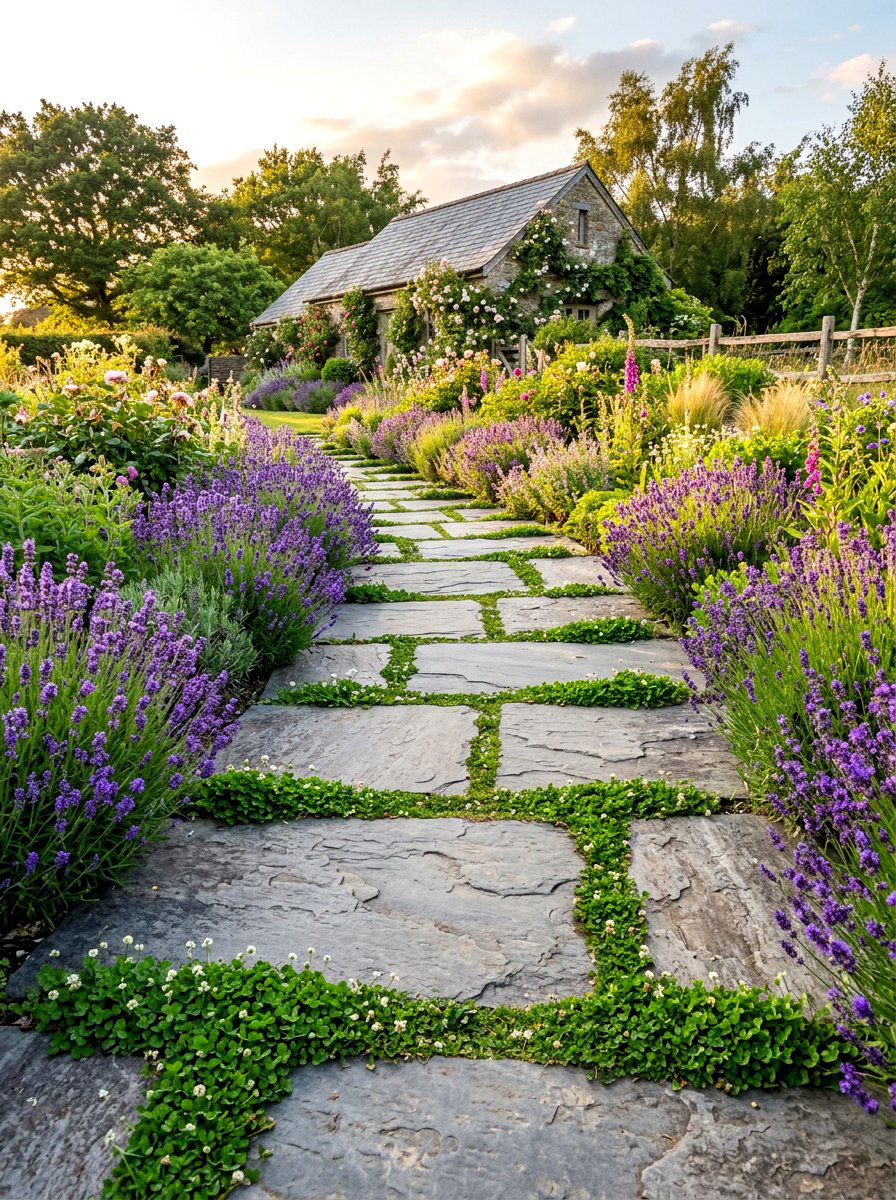
Integrating clover into your hardscaping is a brilliant way to soften the sharp lines of a stone walkway or patio. Instead of fighting weeds between your pavers, you can intentionally plant clover to create a living grout that looks intentional and artistic. This design choice prevents soil erosion and keeps the ground cool, making your walking paths much more comfortable during the summer. The soft green leaves provide a beautiful color contrast against gray slate or tan limestone blocks. It is a highly durable option that handles occasional foot traffic well while maintaining its shape. This approach turns a functional path into a stunning landscape feature.
4. Red Clover Border
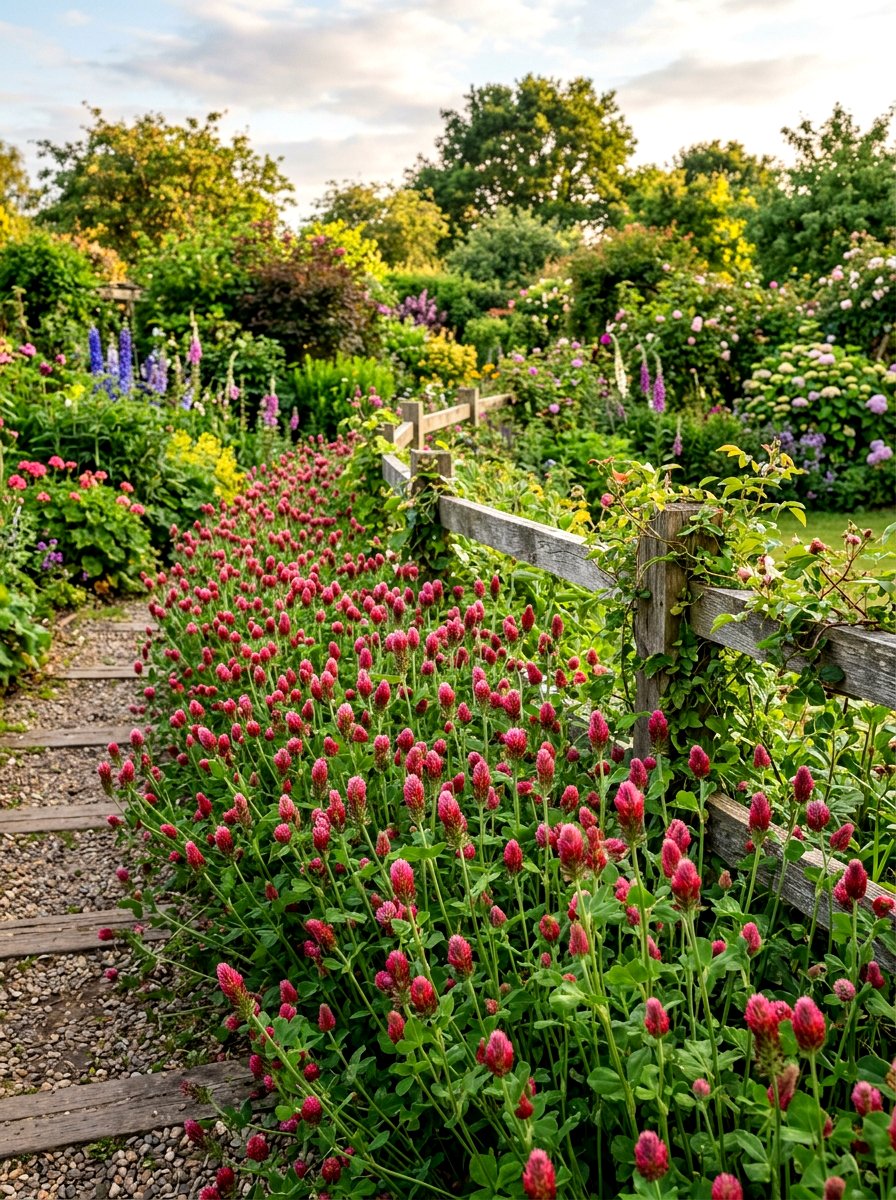
Adding a vibrant pop of color to the edges of your property is easy when you utilize the striking height of red clover. Unlike its low-growing cousins, red clover grows a bit taller and produces large, fluffy pink to reddish-purple flower heads that stand out beautifully. Using this variety as a natural border or a tall ground cover along fences creates a soft, whimsical look that feels like a cottage garden. It is exceptionally hardy and can thrive in various soil types, providing a dense privacy screen for low-lying areas. The deep roots also help break up compacted soil, improving the overall health of your garden beds.
5. Clover Lawn For Dogs

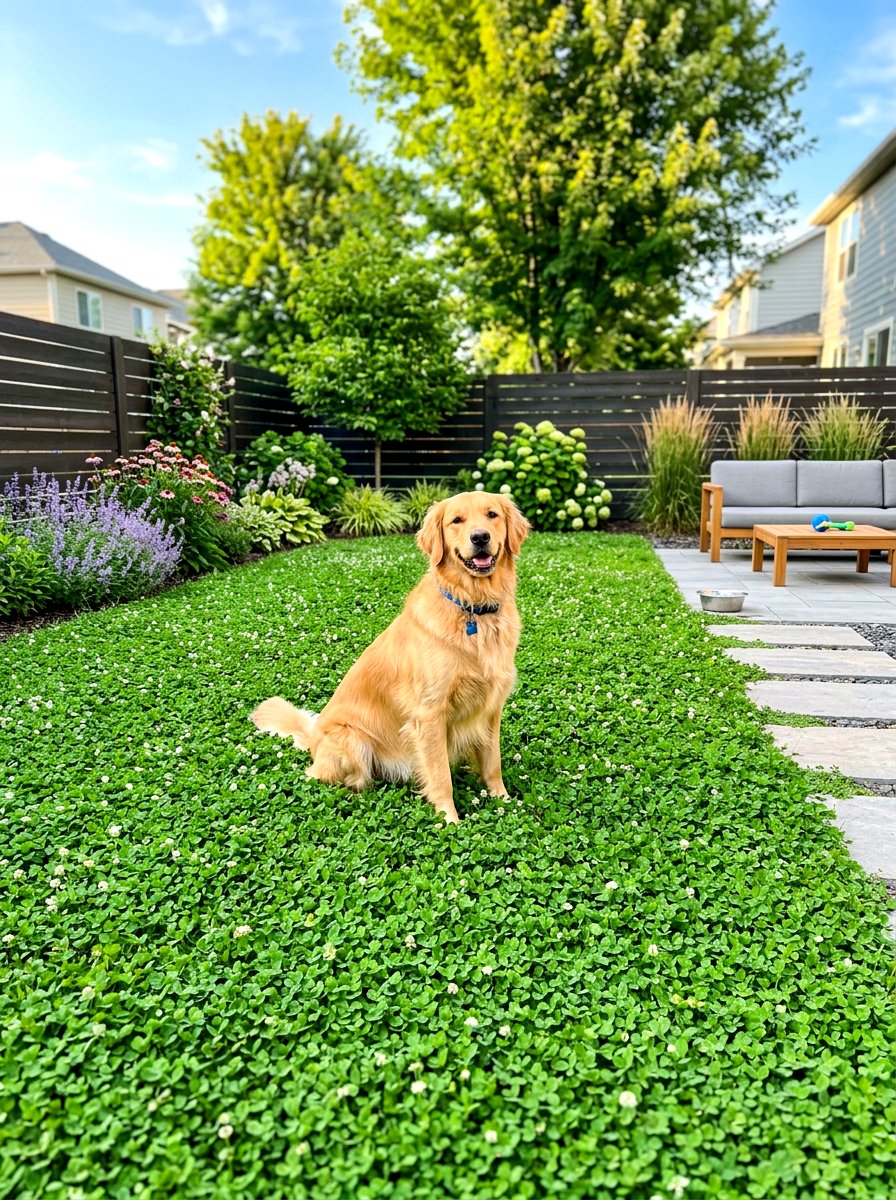
Pet owners often struggle with brown spots and dead patches caused by active dogs, but a clover lawn offers a resilient solution. Clover is naturally resistant to the high nitrogen levels found in dog urine, meaning it will stay green and lush even in the most popular bathroom spots. Its dense root system and thick mat of leaves can withstand the heavy paw traffic of running and jumping without turning into a muddy mess. Additionally, clover is non-toxic and soft, making it a safe and comfortable surface for your furry friends to play on all day long. It truly is a dream for any pet-friendly backyard.
6. Low Mow Clover Mix
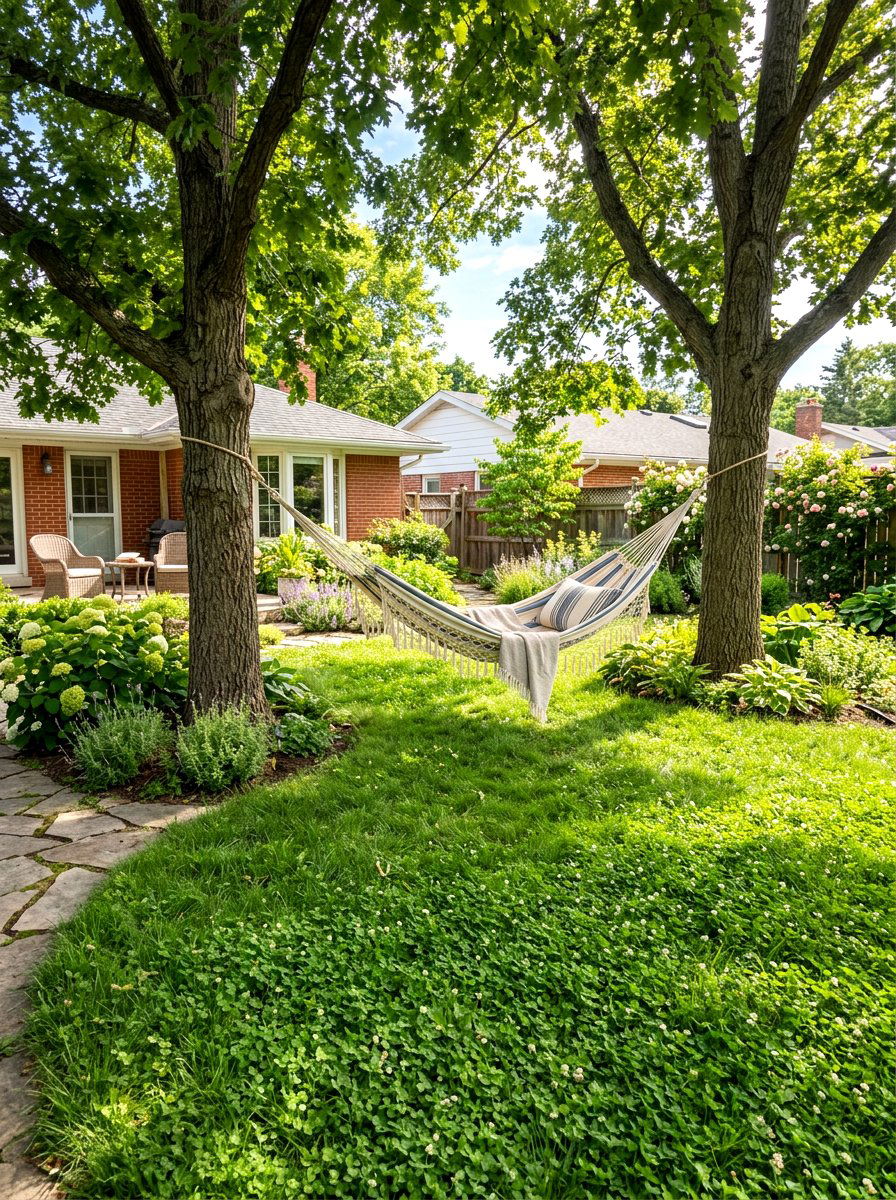
If your goal is to spend less time working on your yard and more time relaxing, a low-mow clover mix is the ideal choice. By blending various types of clover with slow-growing fescue grasses, you create a landscape that only needs to be trimmed a few times a year. This mixture stays at a manageable height while maintaining a full, healthy appearance that resists common lawn pests. The clover acts as a natural fertilizer for the grass, ensuring the entire yard remains thick and vibrant without chemical interventions. It is a cost-effective and time-saving strategy for homeowners who value a beautiful but easy-to-manage outdoor environment.
7. Clover Under Trees
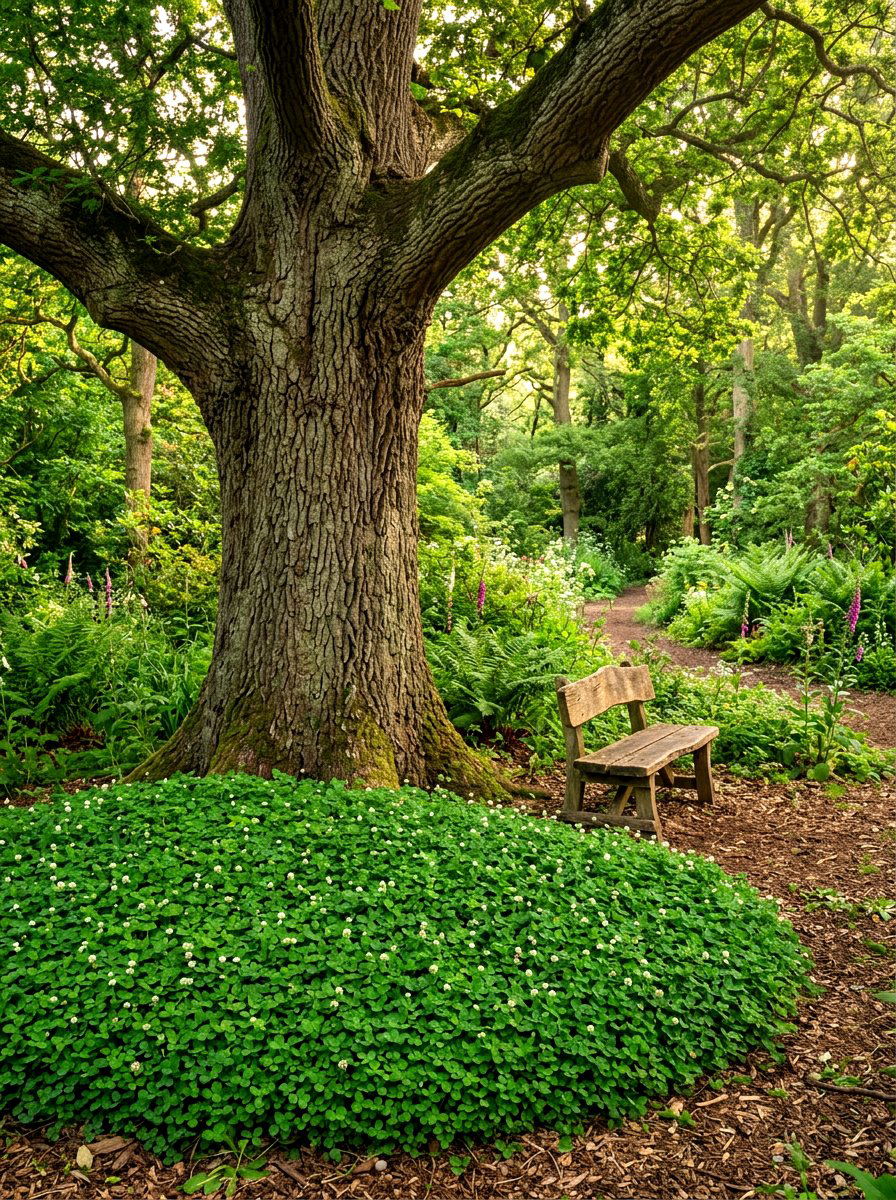
Growing traditional grass under the heavy shade of large trees is often a losing battle, but clover thrives where other plants fail. Many varieties of clover are surprisingly shade-tolerant and can quickly fill in the bare, dusty spots found beneath a thick canopy. This creates a lush green ring around the base of your trees, protecting the delicate root systems while adding a finished look to your landscape. Clover also helps retain moisture in the soil, which benefits the trees during dry spells. Instead of dealing with unsightly mulch or dirt, you can enjoy a soft, verdant ground cover that brings life to the shadows.
8. Clover Path Between Garden Beds
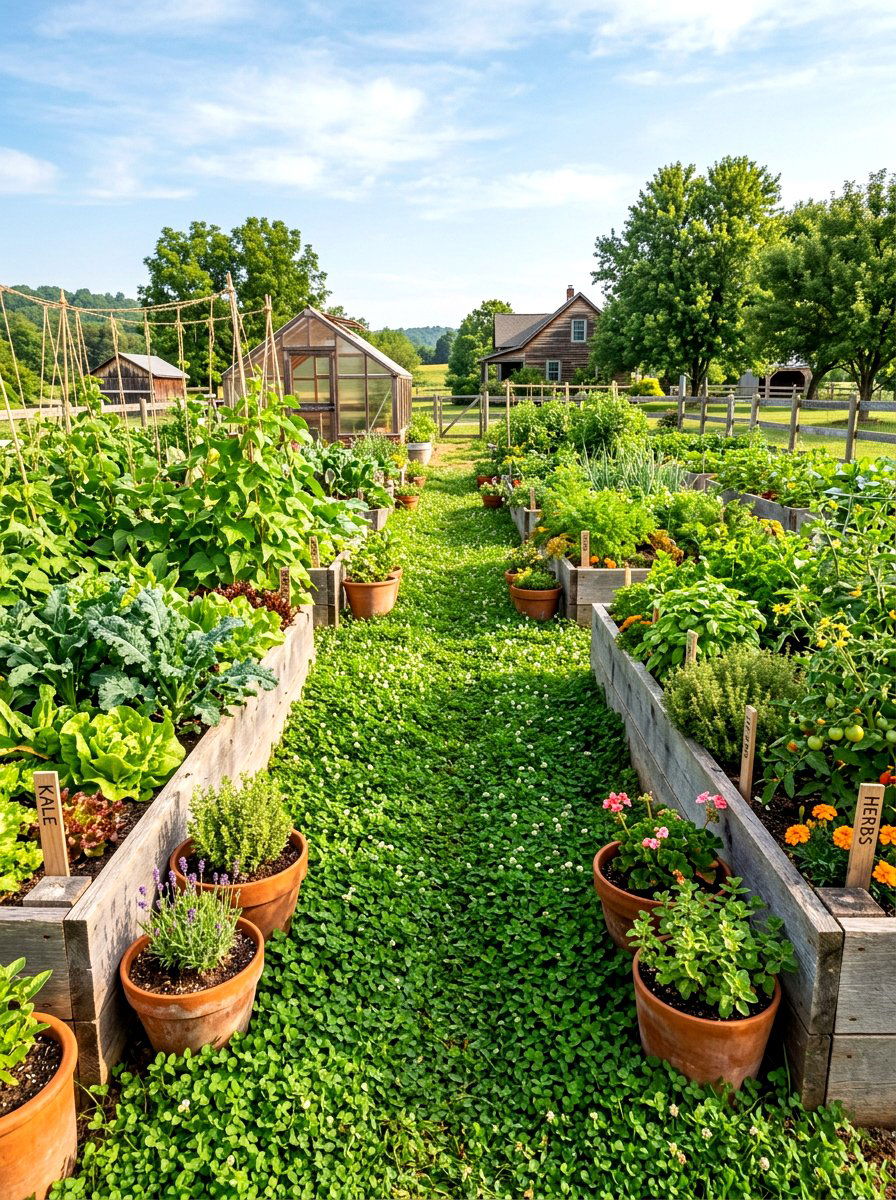
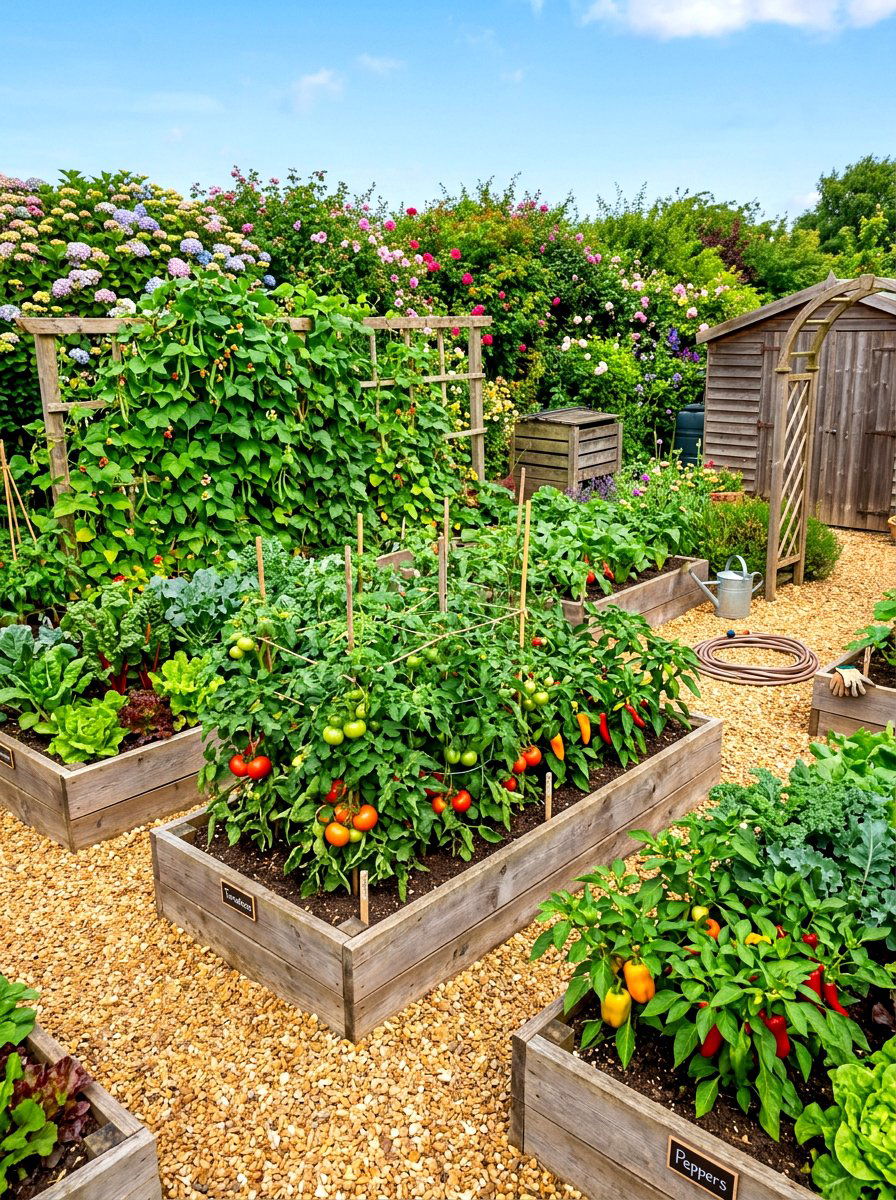
Creating a soft walkway between your raised garden beds or vegetable patches makes harvesting and maintenance a much more pleasant experience. Clover provides a stable, slip-resistant surface that stays cool under the sun and prevents mud from sticking to your shoes after a rainstorm. Unlike gravel or wood chips, a clover path is a living element that contributes to the health of your garden by attracting beneficial insects. It requires very little maintenance and can be easily trimmed with a small mower or string trimmer. This natural path design adds a charming, organic feel to any backyard layout while serving a very practical purpose.
9. Wildflower And Clover Meadow
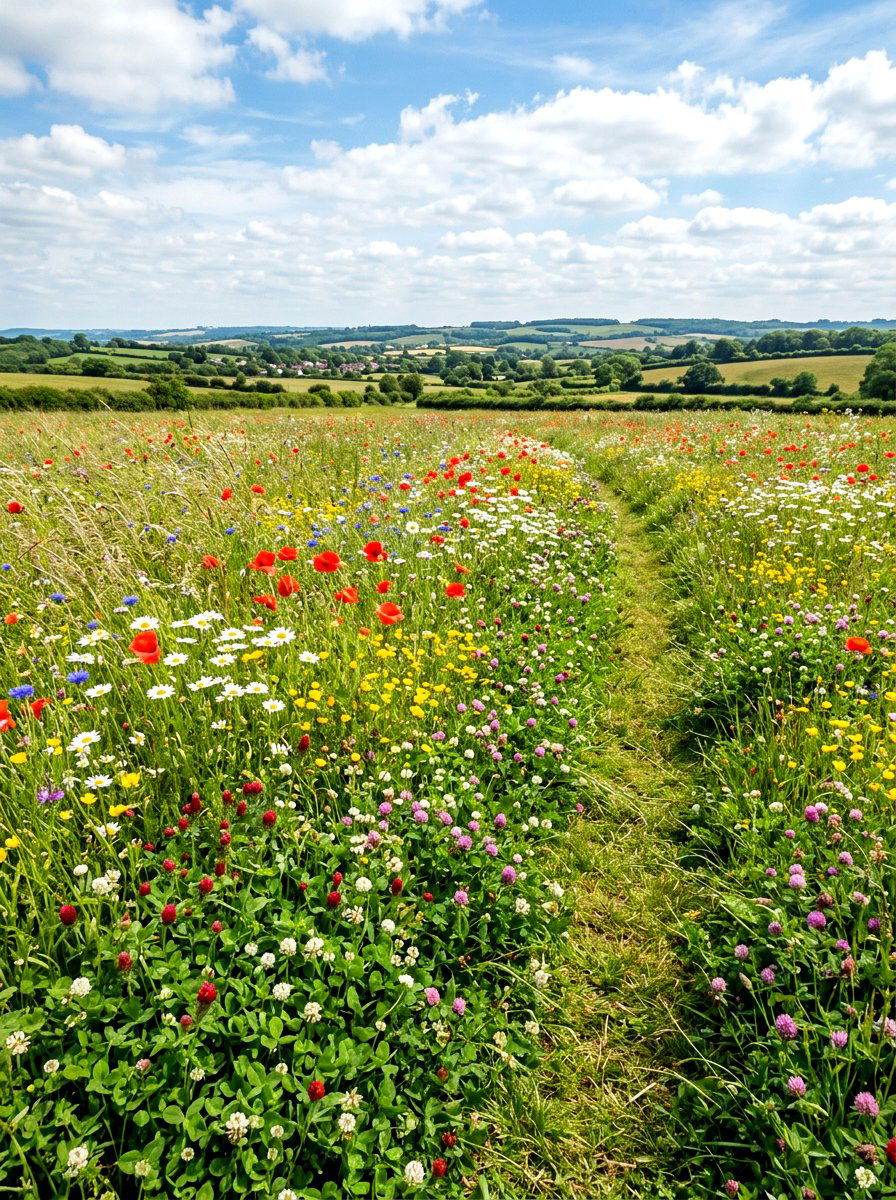
Transforming a portion of your backyard into a mini meadow using a mix of clover and native wildflowers is a stunning way to boost local biodiversity. This design creates a moving tapestry of colors and textures that changes throughout the seasons, providing a vital habitat for bees and butterflies. Clover serves as the perfect base layer, filling in the gaps between taller flowers and keeping the soil healthy and moist. This type of landscape requires almost no water or fertilizer once established, making it a truly sustainable choice. It brings a touch of wild, natural beauty to your home that feels both relaxing and deeply inspiring.
10. Crimson Clover Feature
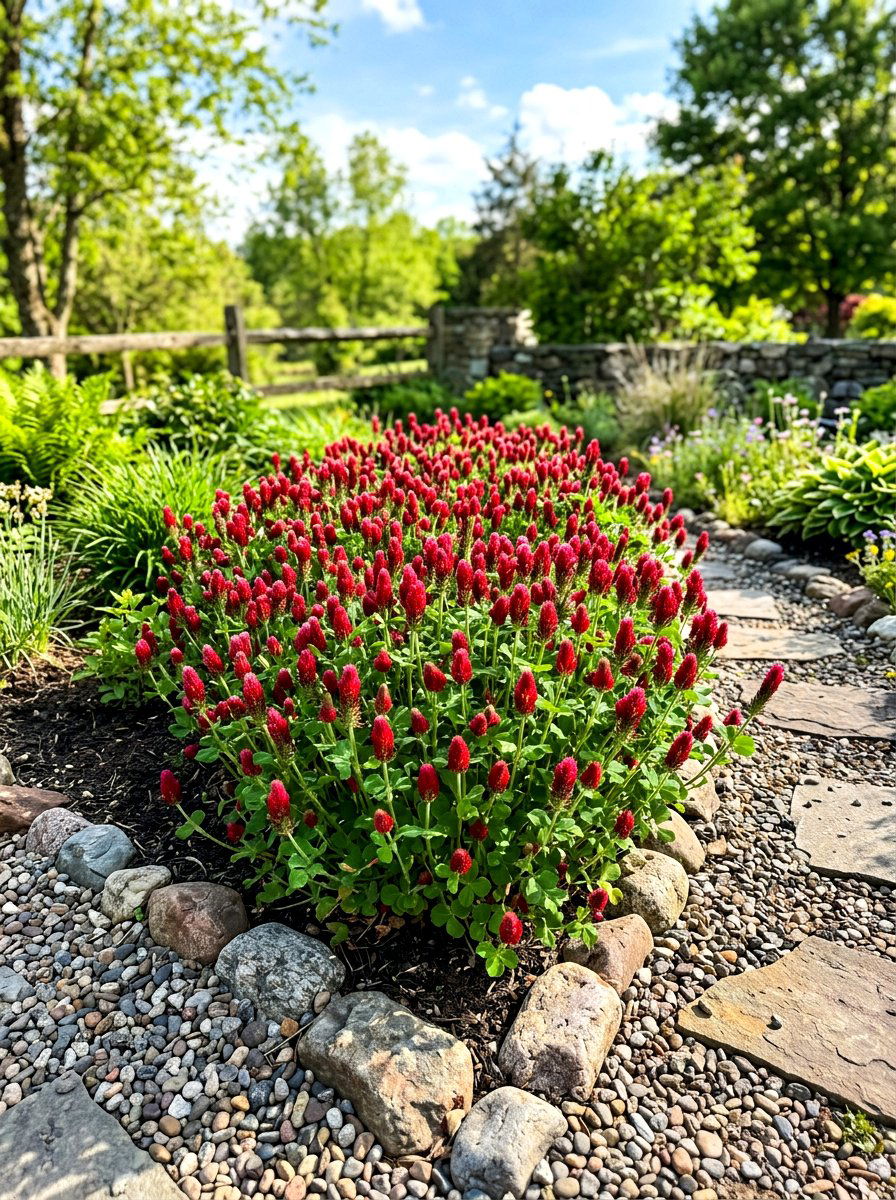
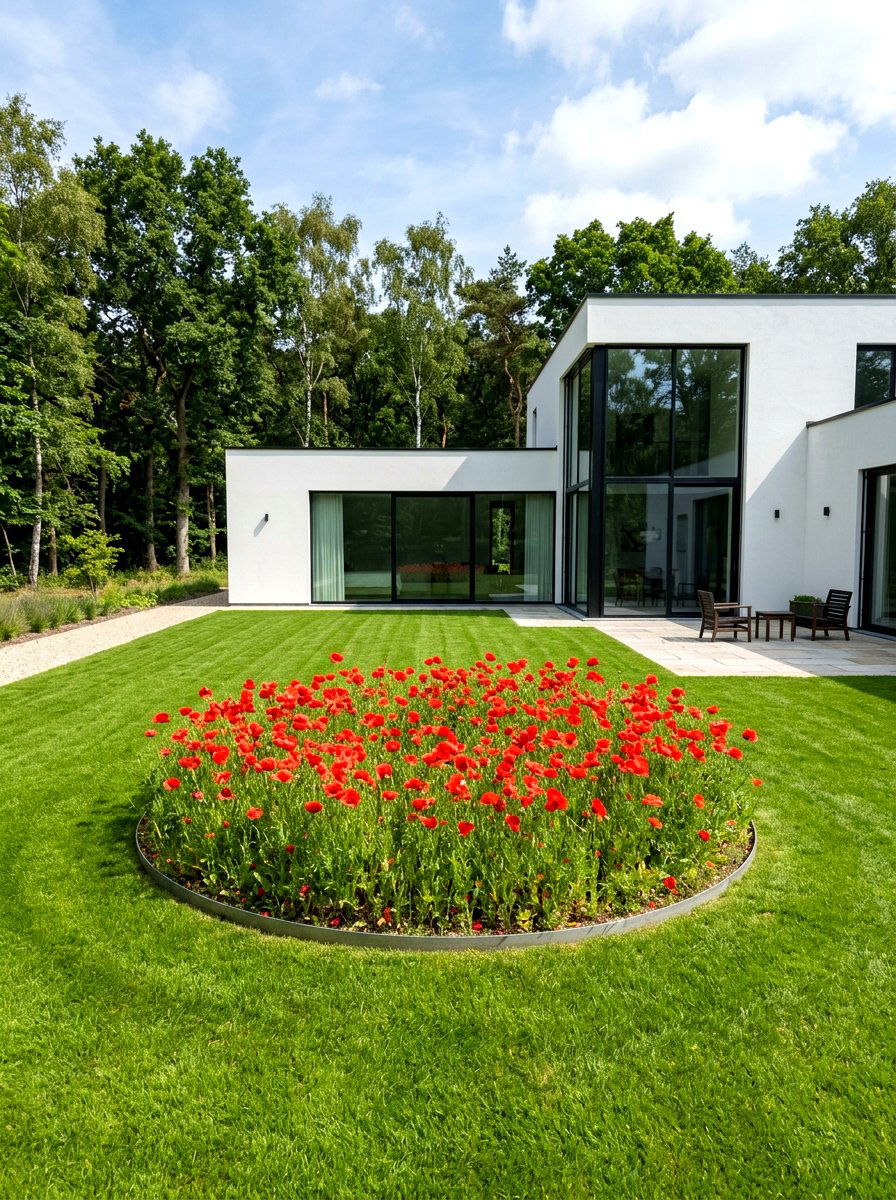
For a dramatic and temporary burst of color, crimson clover is an incredible choice that functions as both a visual feature and a soil builder. This annual variety is famous for its striking, deep red elongated flower spikes that look like something from a fantasy landscape. Many gardeners plant it in the fall to enjoy the vibrant spring blooms before tilling it back into the soil as a "green manure. " Even if you leave it as a decorative patch, it provides an unforgettable focal point in any backyard. The brilliant red flowers are a magnet for pollinators and add a unique, bold aesthetic to your garden design.
11. Clover Erosion Control Slope
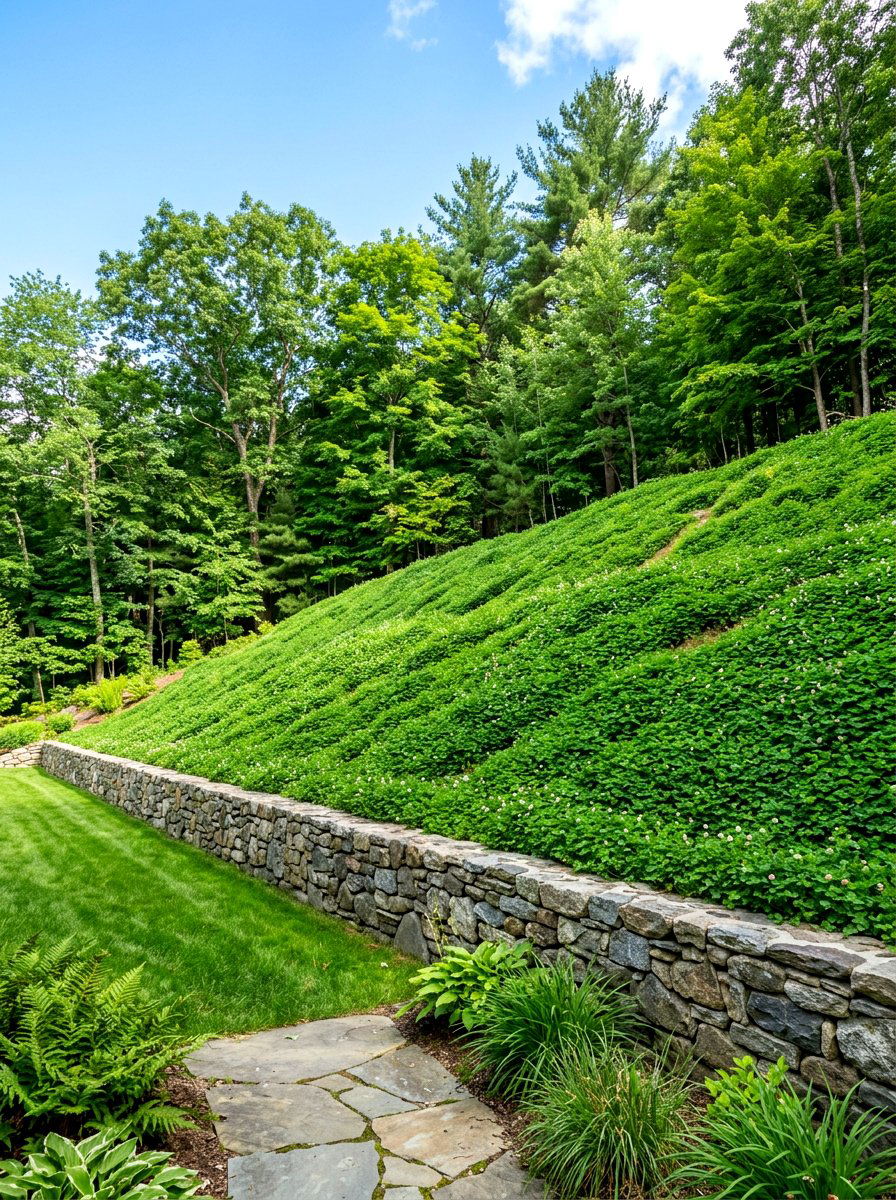
Managing a steep slope in your backyard can be a challenge, but clover is one of the best plants for stabilizing soil and preventing erosion. Its aggressive and deep root system interlocks to hold the earth in place, even during heavy rainstorms. Because it spreads through runners, it quickly covers bare ground, creating a protective layer that stops runoff from washing away your landscape. You won't have to worry about the dangers of mowing a steep hill, as clover stays relatively low and looks great in its natural state. It is a functional and beautiful way to turn a problematic hill into a lush, green asset.
12. Drought Tolerant Clover Yard
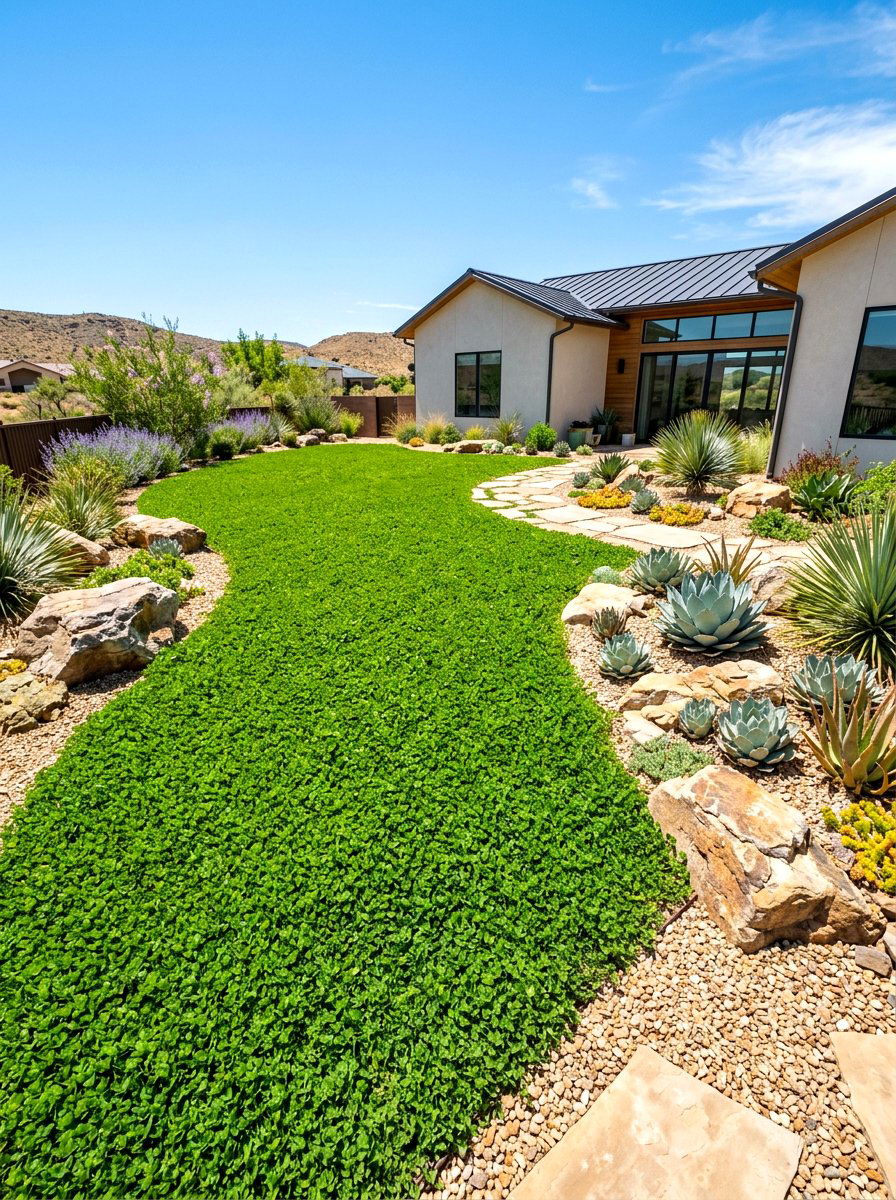
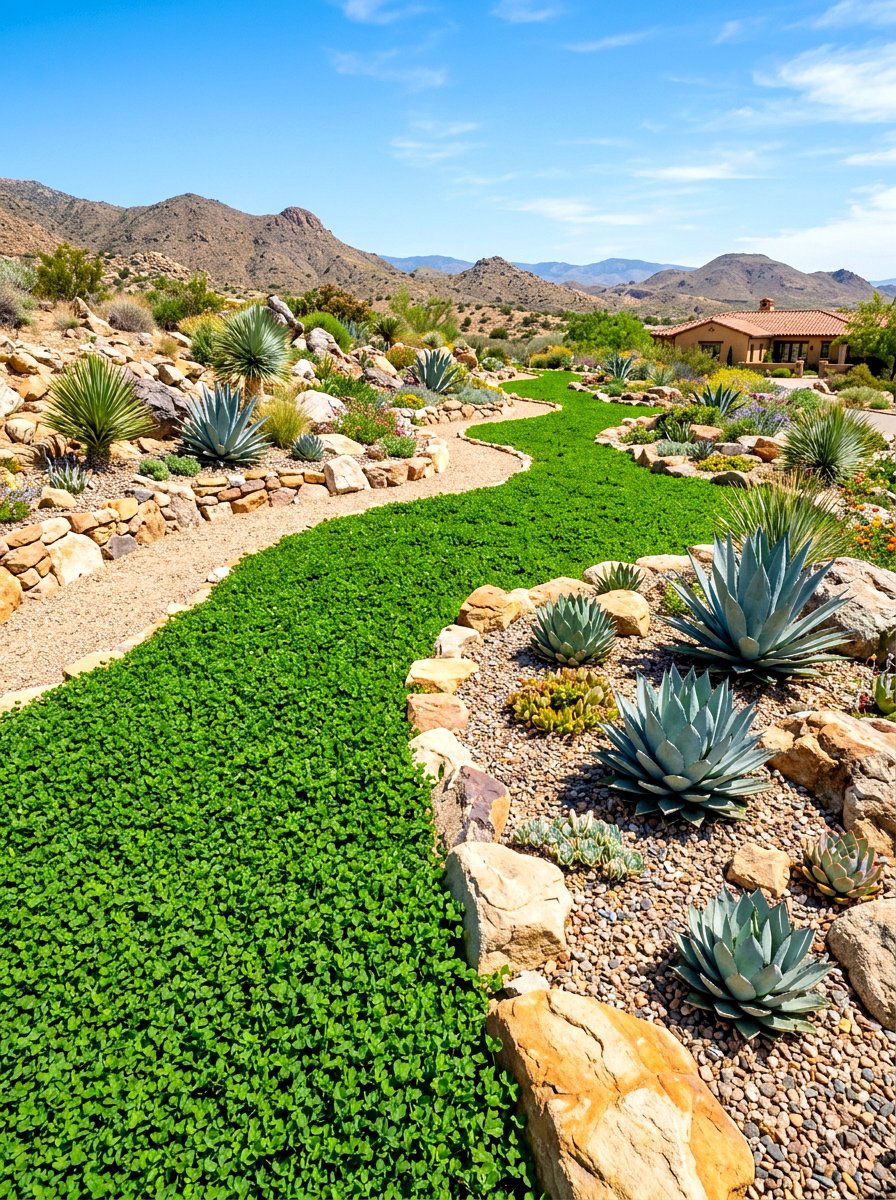
In regions where water conservation is a top priority, a drought-tolerant clover yard is a lifesaver for both your budget and the environment. Clover has significantly deeper roots than traditional turf grass, allowing it to tap into moisture deep underground during long periods without rain. While your neighbors' lawns are turning brown and dormant, your clover will remain a vibrant green without the need for daily irrigation. This resilience makes it a perfect choice for xeriscaping or low-water gardening. You can enjoy a soft, inviting yard all year round without the guilt or high cost of excessive water usage in the heat of summer.
13. Clover Around Fire Pit
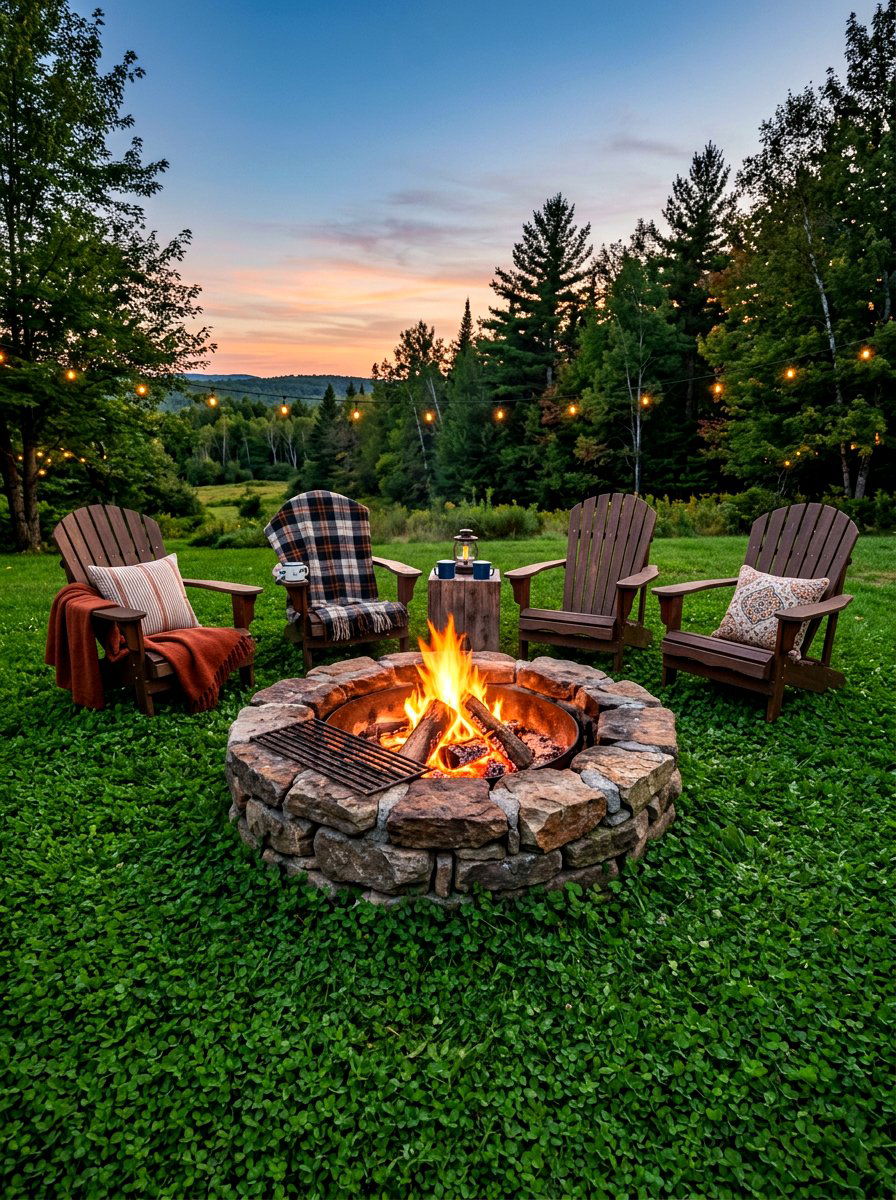
Designing a safe and comfortable area around your fire pit is essential for evening gatherings, and clover offers a unique advantage. Unlike dry, straw-like grass that can easily catch a stray spark, a healthy and well-watered clover patch stays succulent and green. It provides a soft place for guests to pull up a chair or sit on a blanket without worrying about itchy blades of grass or dusty soil. The low-growing habit means you don't have to mow right up to the fire pit frequently, keeping the area looking neat and tidy. It creates an inviting, natural lounge space that perfectly complements a rustic stone or metal fire pit.
14. Pollinator Friendly Clover Garden
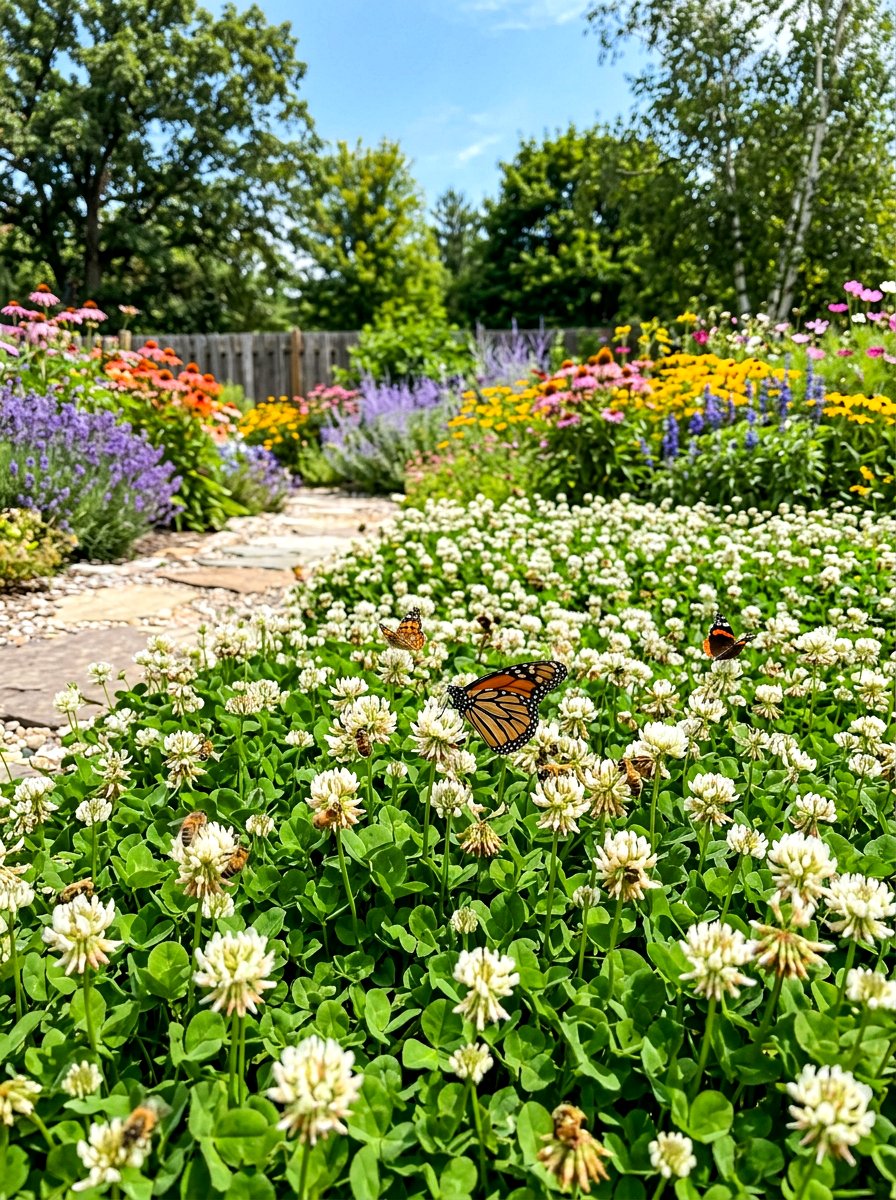
If you are passionate about protecting the environment, creating a pollinator-friendly sanctuary with clover is a wonderful project. The small, nectar-rich flowers of white and red clover are essential food sources for honeybees, bumblebees, and various butterfly species. By allowing your clover to bloom freely, you are providing a consistent buffet for these helpful insects throughout the growing season. This not only helps the local ecosystem but also improves the yields of any nearby fruit trees or vegetable gardens. It is a beautiful way to bring more life and movement into your backyard while doing something positive for the planet and the local wildlife.
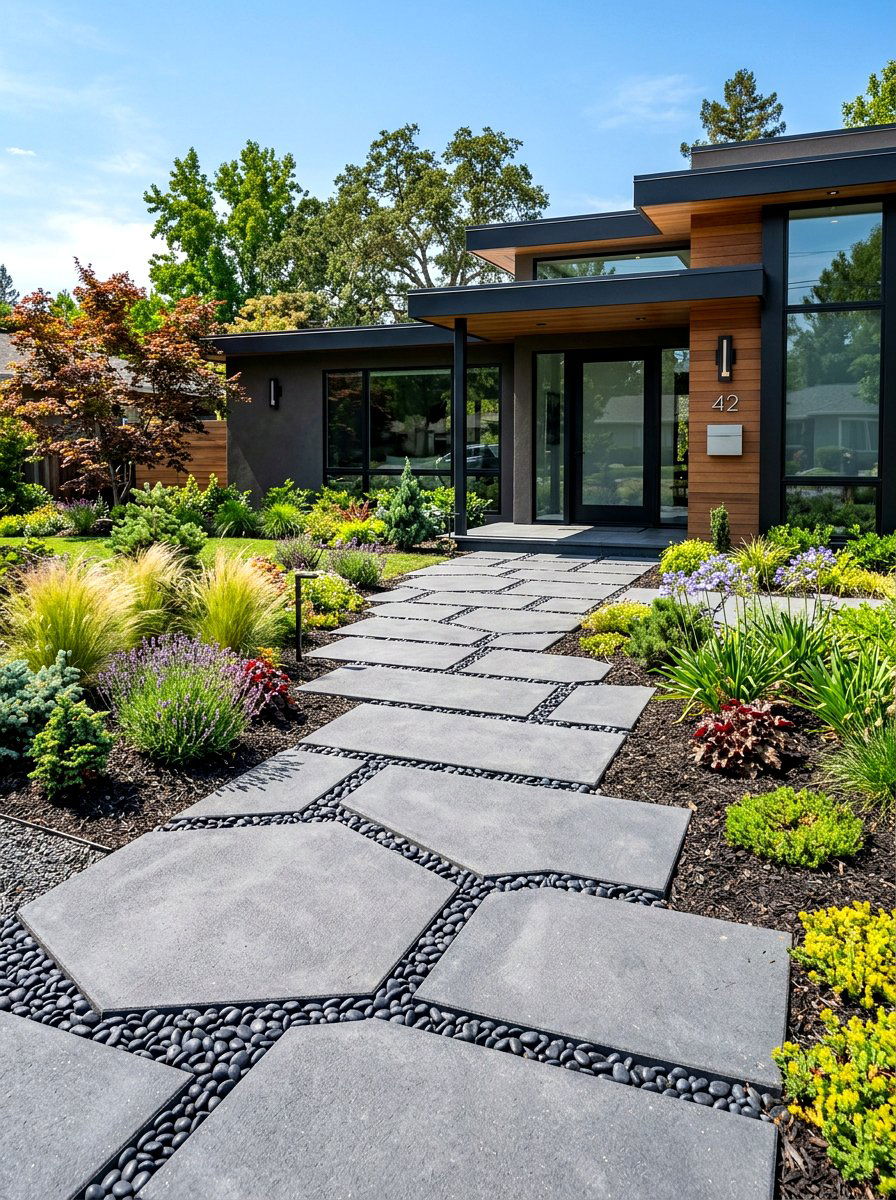
15. Clover Edging For Flower Beds
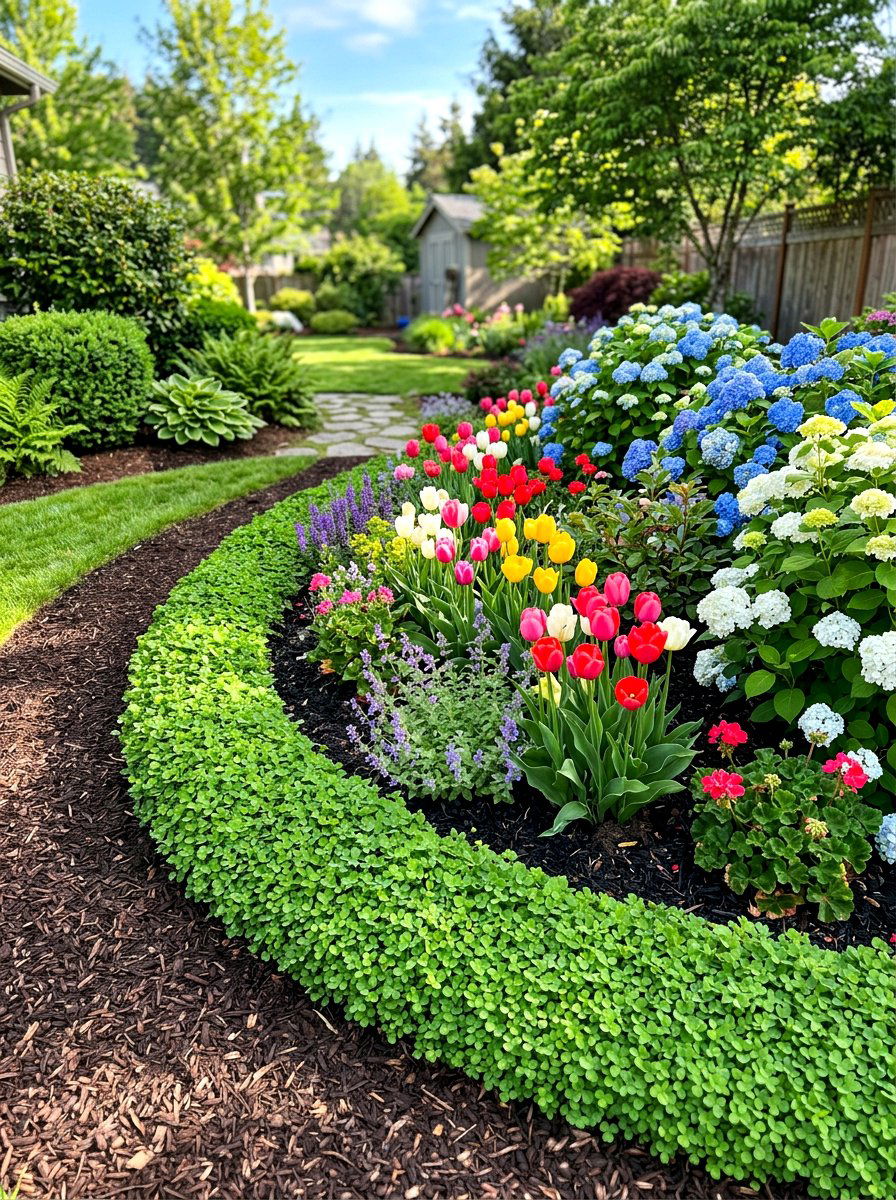
Using clover as a living edge for your flower beds is a creative way to define your garden spaces without using plastic or metal borders. Clover stays low enough to frame your taller flowers beautifully while creating a clean transition from the lawn to the planting area. It acts as a barrier that helps suppress weeds from creeping into your beds, reducing the time you spend on tedious garden maintenance. The bright green foliage provides a consistent backdrop that makes the colors of your perennials and annuals truly pop. It is an affordable, organic, and highly effective way to give your backyard a more professional look.
16. Raised Bed Clover Surrounds
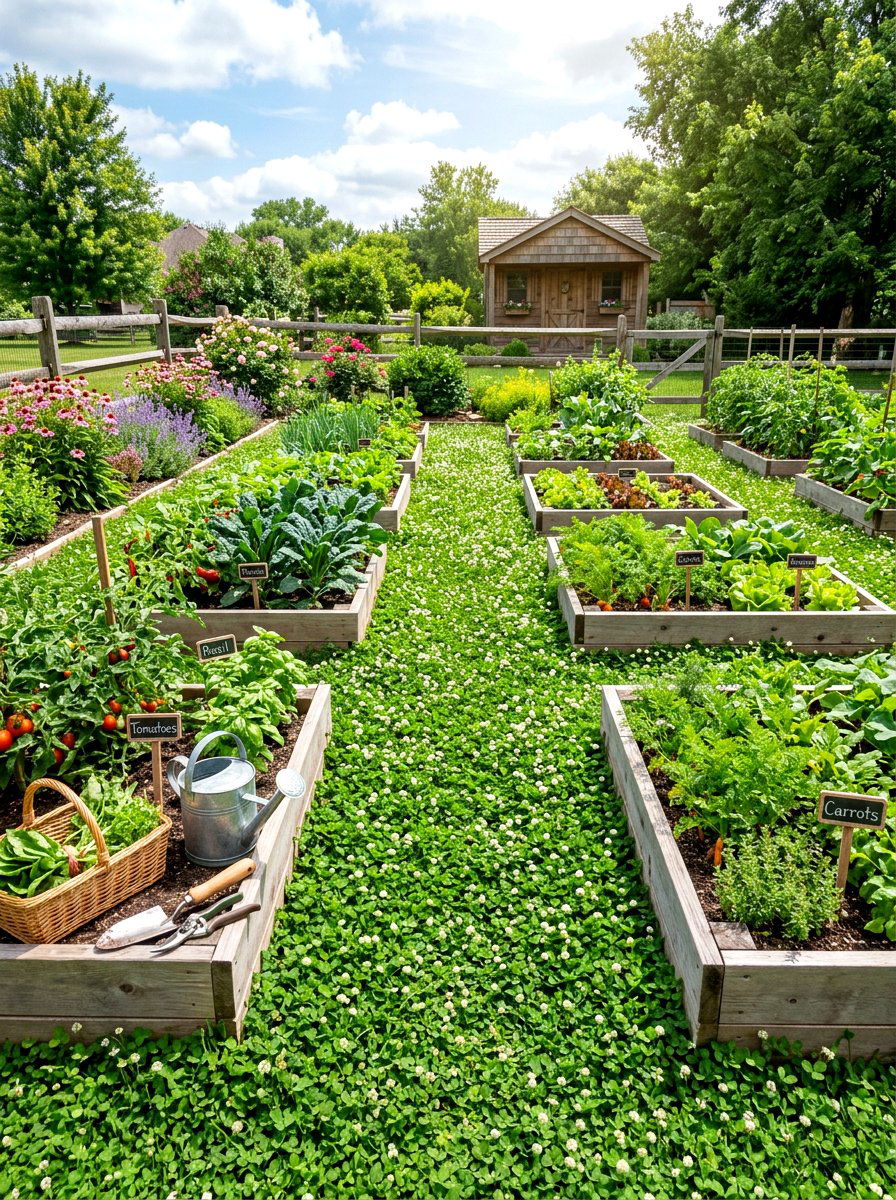
Installing clover around the perimeter of your raised garden beds creates a clean and accessible environment for all your planting activities. It eliminates the problem of muddy feet when you step out to water your vegetables or pick fresh herbs after a morning dew. The clover mat is soft enough to kneel on comfortably while you work, providing a natural cushion for your joints. Because it fixes nitrogen, it also helps enrich the surrounding soil over time, benefiting the plants growing inside the beds. This design makes your vegetable garden look more integrated and intentional, turning a functional area into a lush and beautiful retreat.
17. Clover Grass Alternative
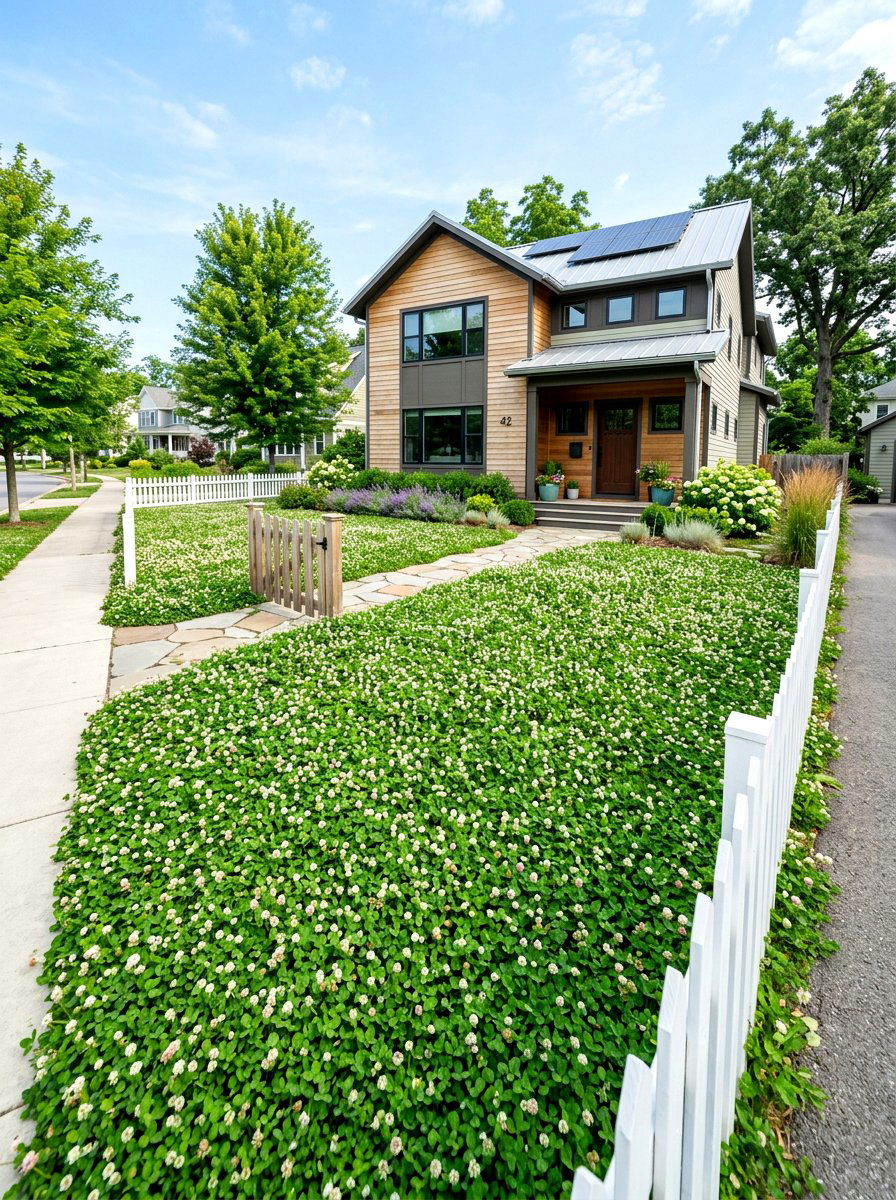
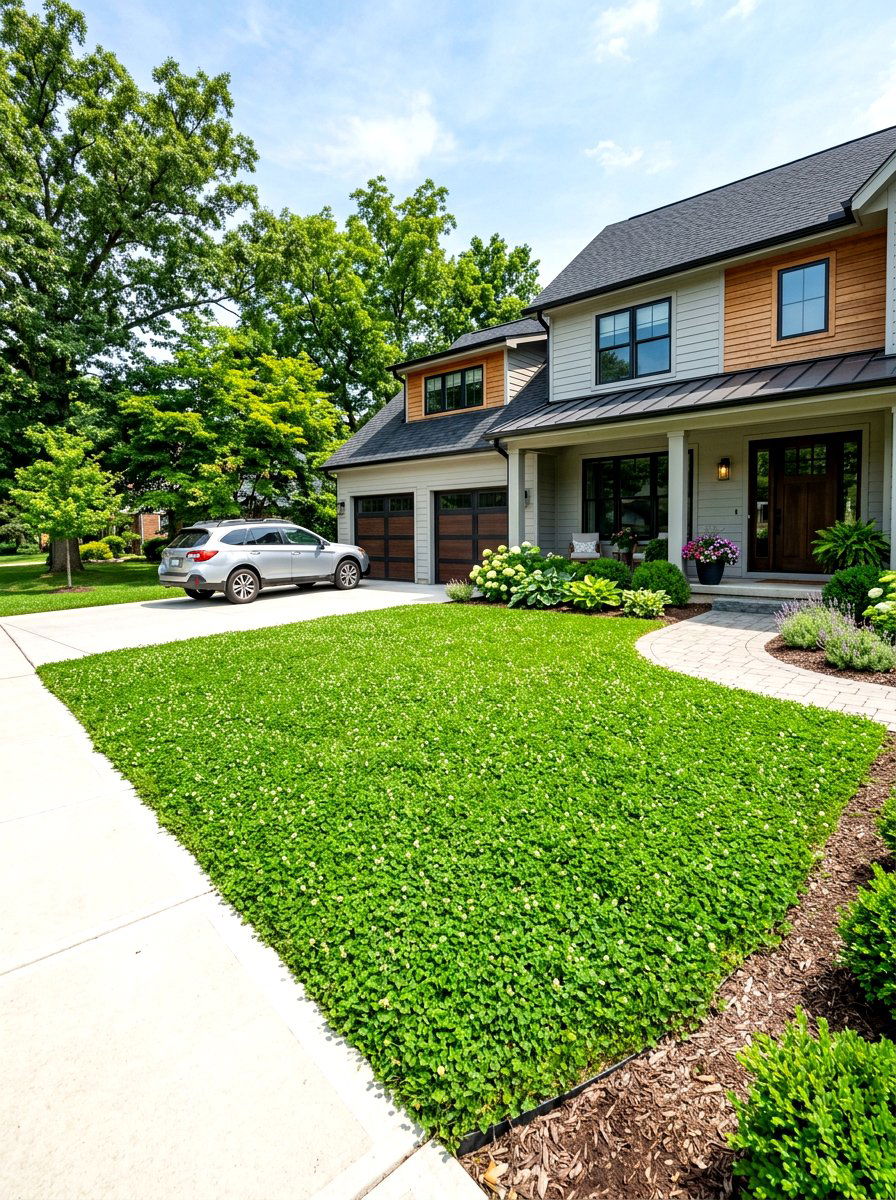
Many people are choosing to completely replace their traditional grass with a full clover lawn to save money and resources. A clover-only yard is much cheaper to install from seed and requires a fraction of the maintenance that a high-strung lawn demands. You can say goodbye to expensive chemical fertilizers, herbicides, and frequent aerating because clover handles all these tasks naturally. It provides a uniform, soft texture that is perfect for children to play on and for hosting outdoor parties. This alternative is becoming a major trend for homeowners who want a beautiful, functional yard that aligns with a more modern and sustainable way of living.
18. Natural Stone With Clover Joints
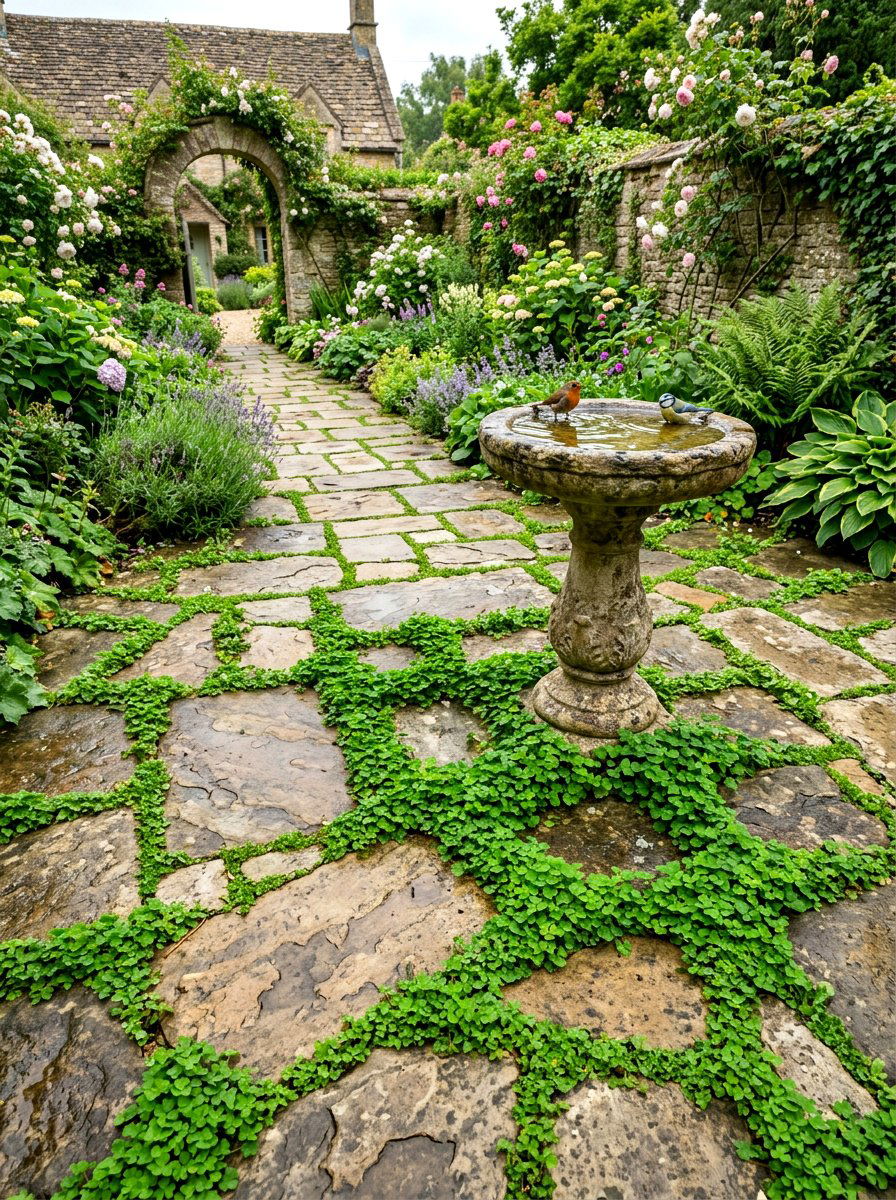
For a timeless and rustic look, pairing irregular natural stone slabs with clover growing in the joints is an unbeatable design. This "steppable" ground cover fills the gaps between flagstones with a soft, green texture that makes the path feel like it has been part of the landscape for decades. Clover is much more durable than moss and can handle the light traffic of a garden walkway without dying back. It prevents weeds from taking over the spaces between stones and keeps the walkway from overheating in the sun. This combination of hard and soft materials creates a balanced and serene aesthetic for any backyard garden path.
19. Clover For Shady Backyard
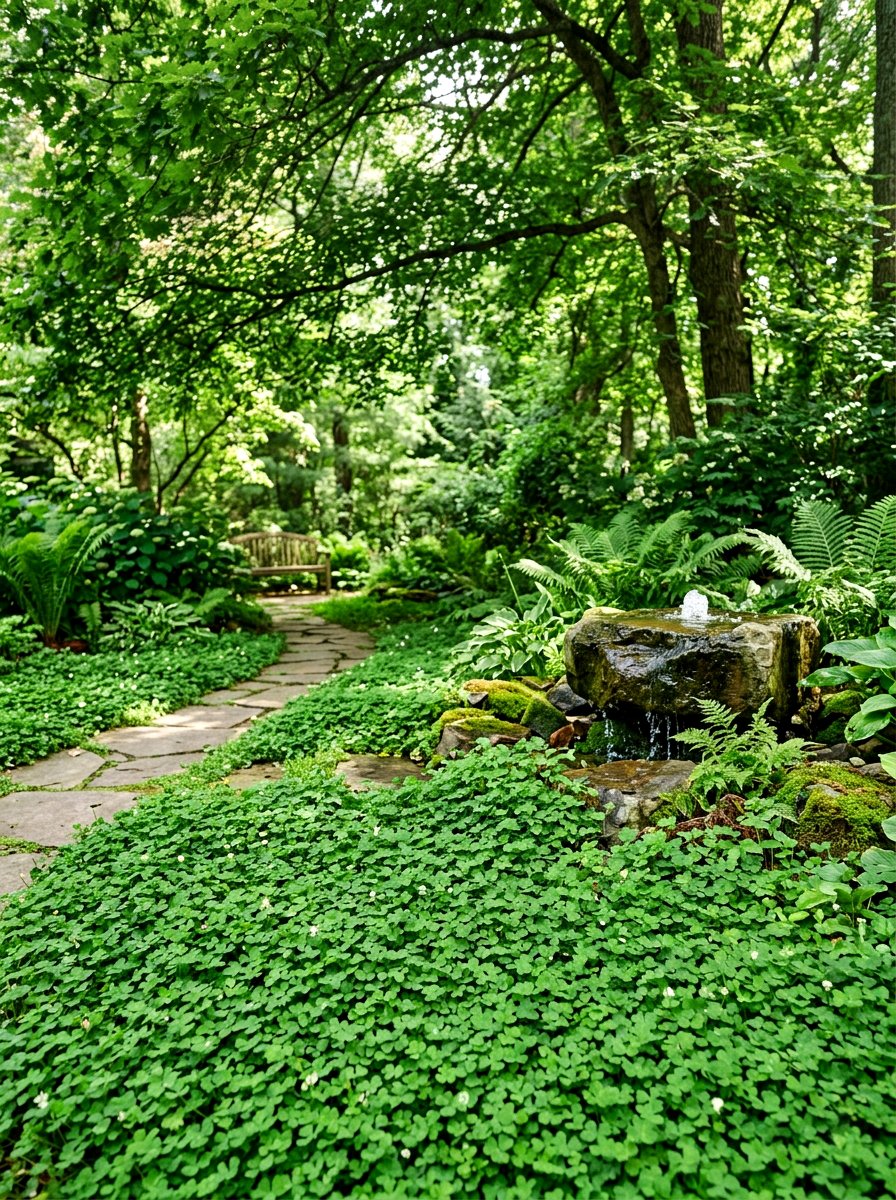
A shady backyard can often feel dark and neglected, but planting a variety of clover can instantly brighten and revitalize the space. Clover is remarkably adaptable and can flourish in the dappled light found in wooded lots or small urban courtyards. The vibrant green leaves reflect what little light reaches the ground, making the entire area feel more open and alive. It provides a consistent ground cover where traditional grass would simply wither away, leaving you with a full and healthy yard. This is an excellent solution for north-facing gardens or properties with high fences that block the sun for most of the day.
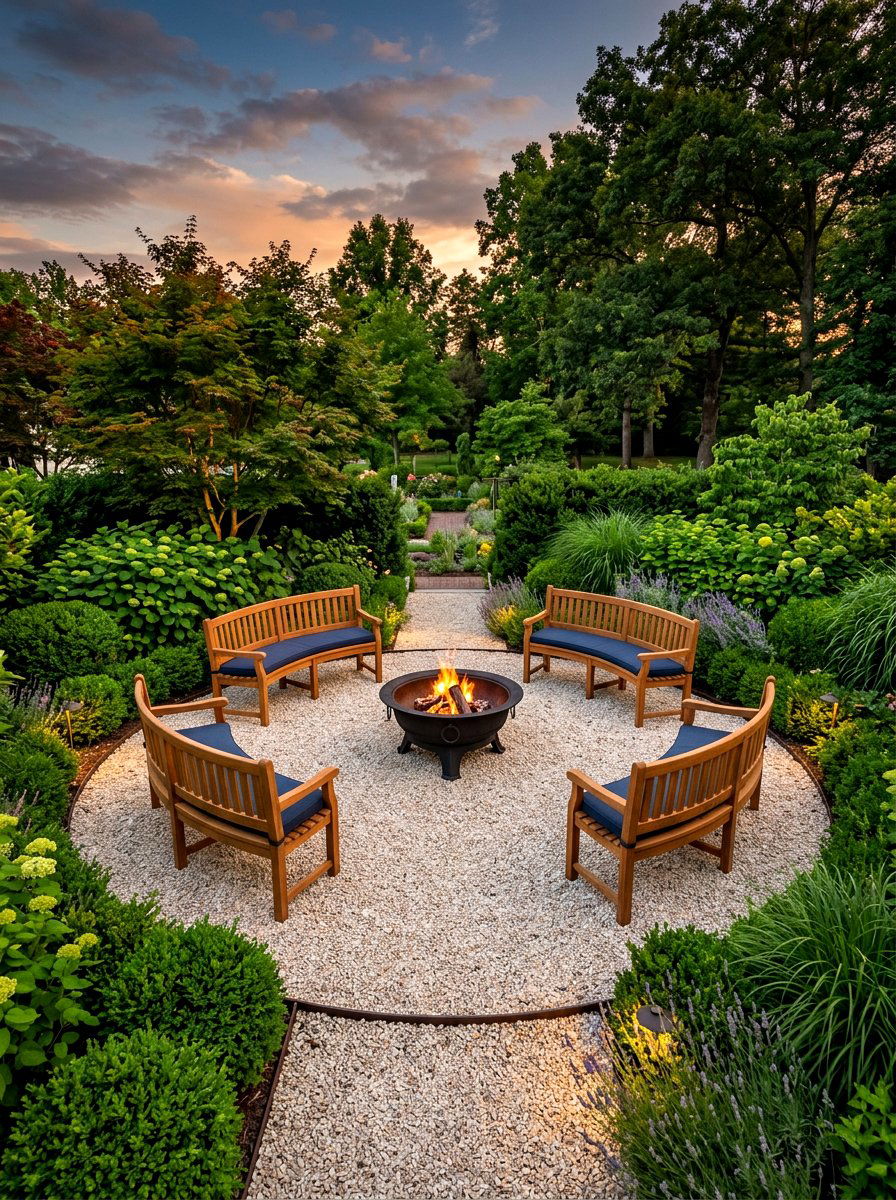
20. Perennial Clover Walkway
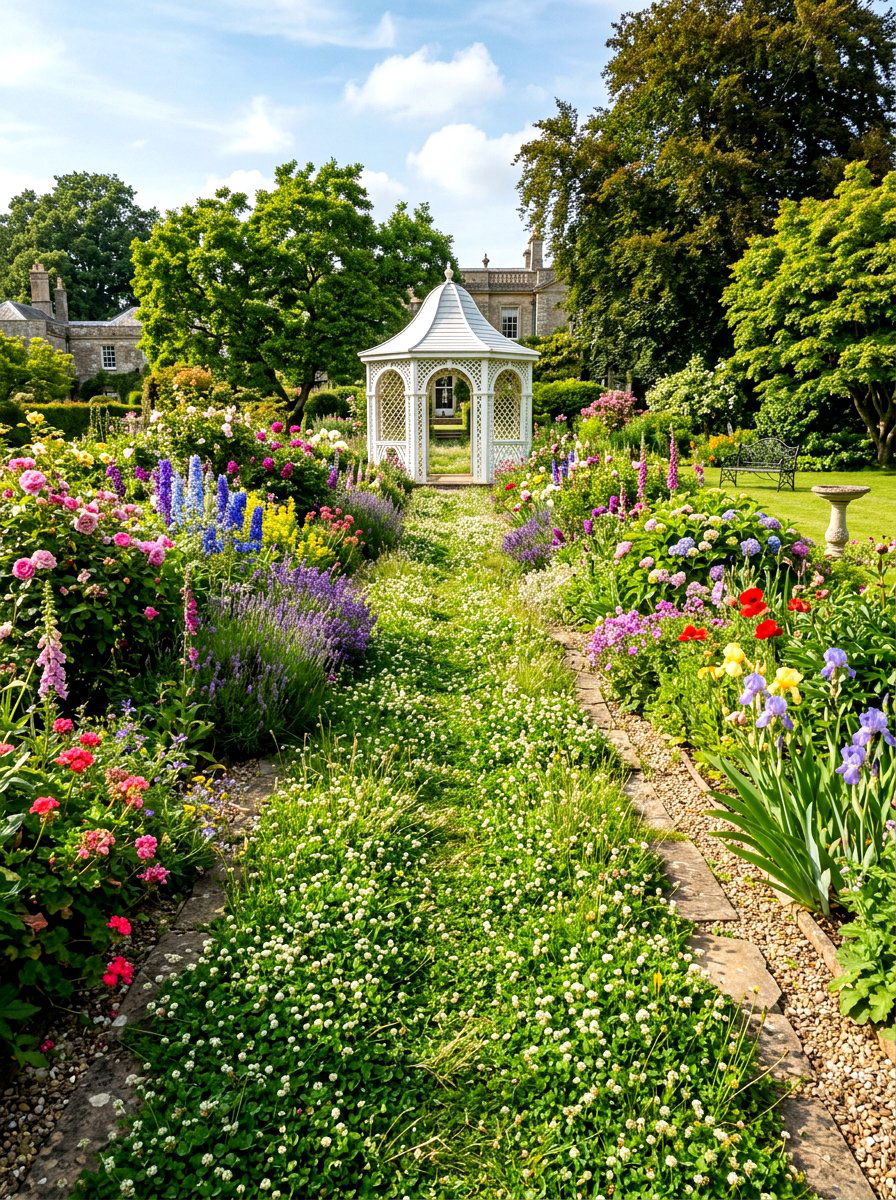
Designing a long-term walkway with perennial clover ensures that your garden remains beautiful year after year with very little effort. Unlike annual covers that need to be replanted, perennial varieties like white clover will return every spring even after a harsh winter. This consistency makes them a reliable choice for primary paths that lead to a shed, a gazebo, or a hidden bench. The clover creates a stable and soft surface that only gets thicker and more resilient as the years go by. It is a wonderful way to create a permanent, living structure in your backyard that requires almost no upkeep once it is fully established.
21. Clover And Stepping Stones
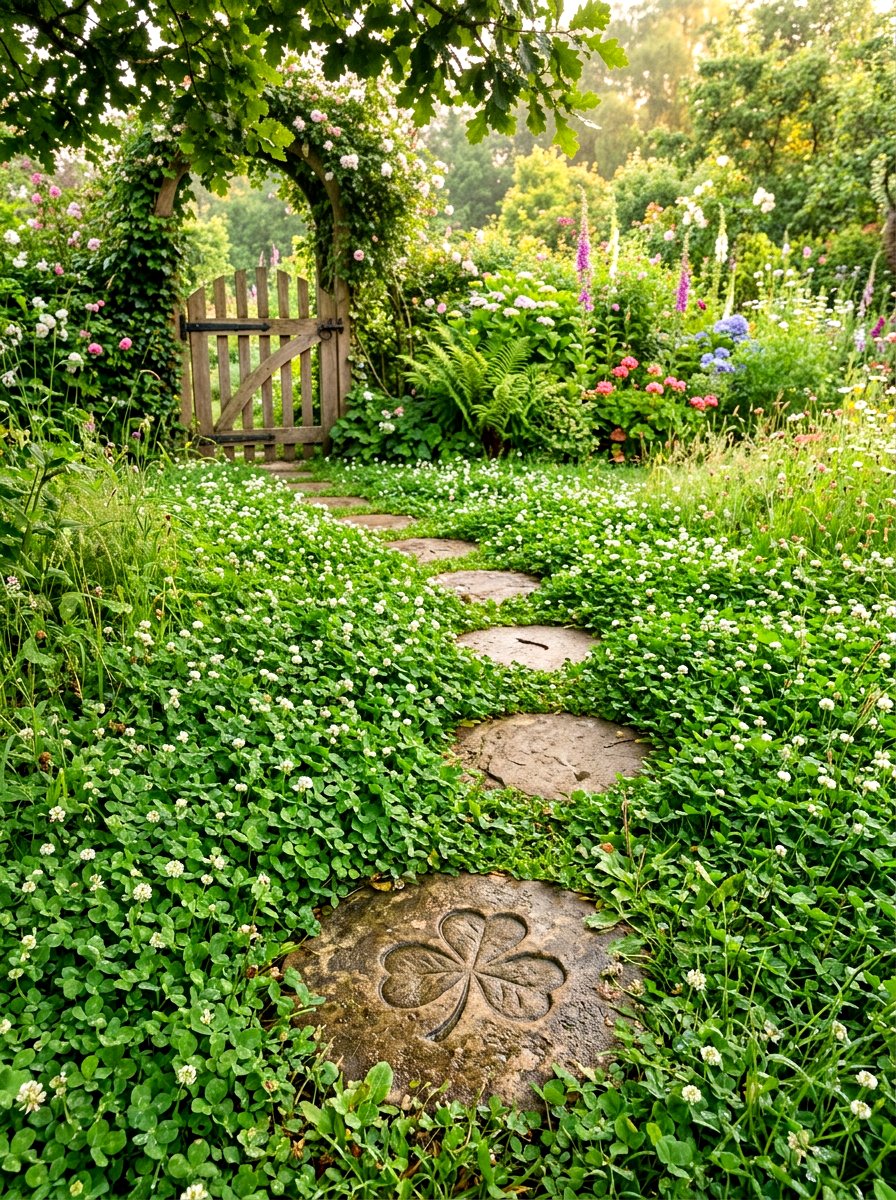
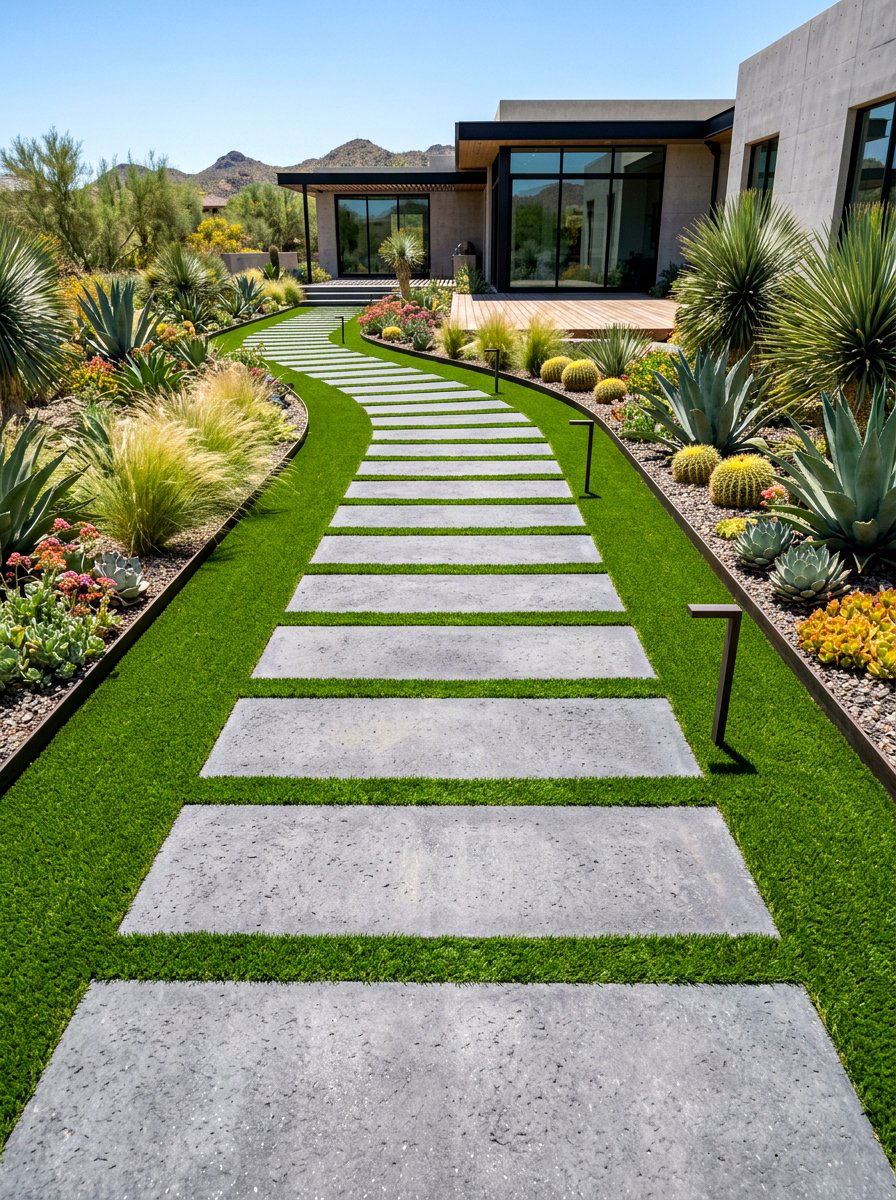
Placing large, flat stepping stones in a sea of lush clover creates a whimsical and enchanting look that is perfect for a fairy-tale garden. This design allows you to have a clear walking path while maintaining the maximum amount of green space in your backyard. The clover grows up around the edges of the stones, softening their appearance and making them feel like a natural part of the earth. It is an excellent way to guide guests through your garden while protecting the clover from excessive direct foot traffic. This layout is both practical and incredibly photogenic, making it a favorite for Pinterest-inspired backyard transformations.
22. Fragrant White Clover Patch
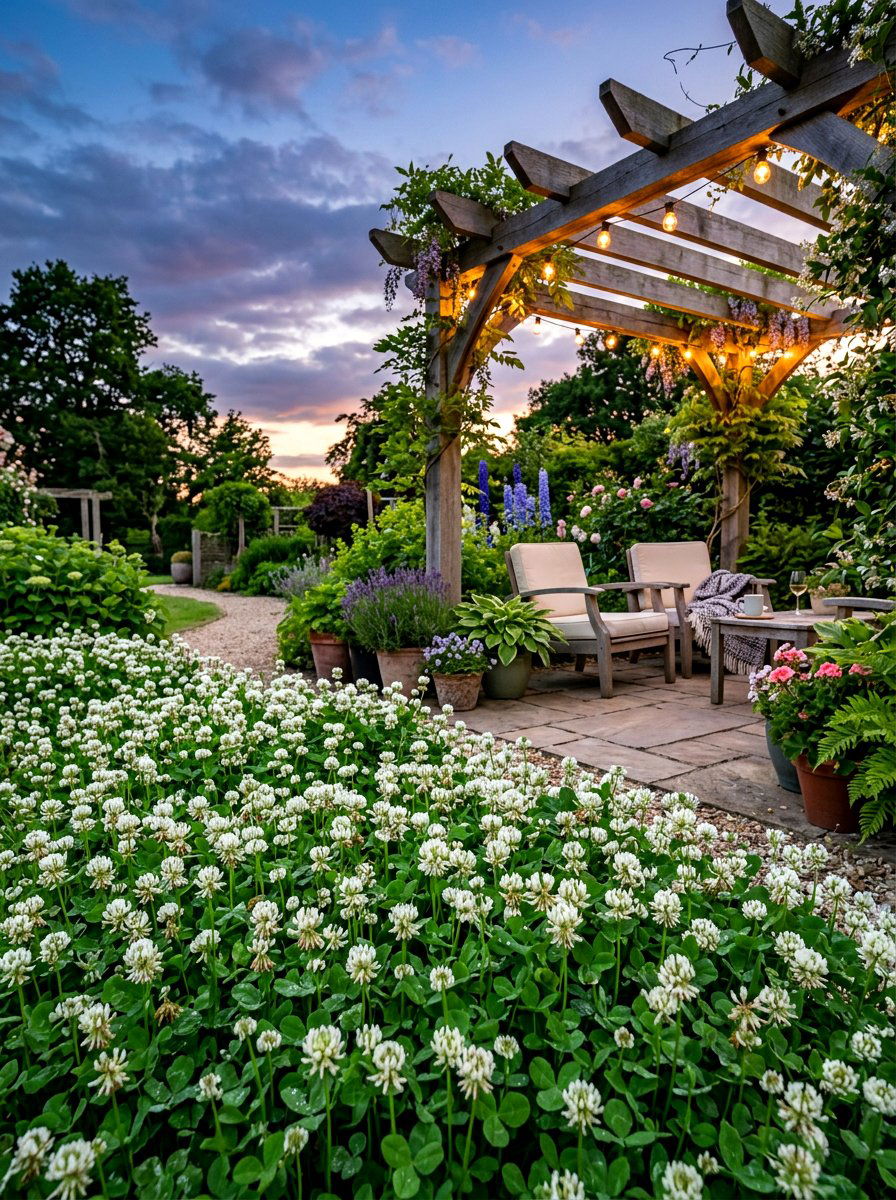
While many people focus on the look of clover, the sweet and delicate fragrance of its flowers is a hidden benefit for any backyard. Planting a large patch of white clover near your porch or a backyard seating area allows you to enjoy the light, honey-like scent on warm summer evenings. This sensory experience adds another layer of enjoyment to your outdoor space, making it feel more like a tranquil retreat. The smell of clover is synonymous with summer and can create a nostalgic and relaxing atmosphere for your family and guests. It is a simple and natural way to enhance the overall ambiance of your property.
23. Mixed Grass And Clover Turf
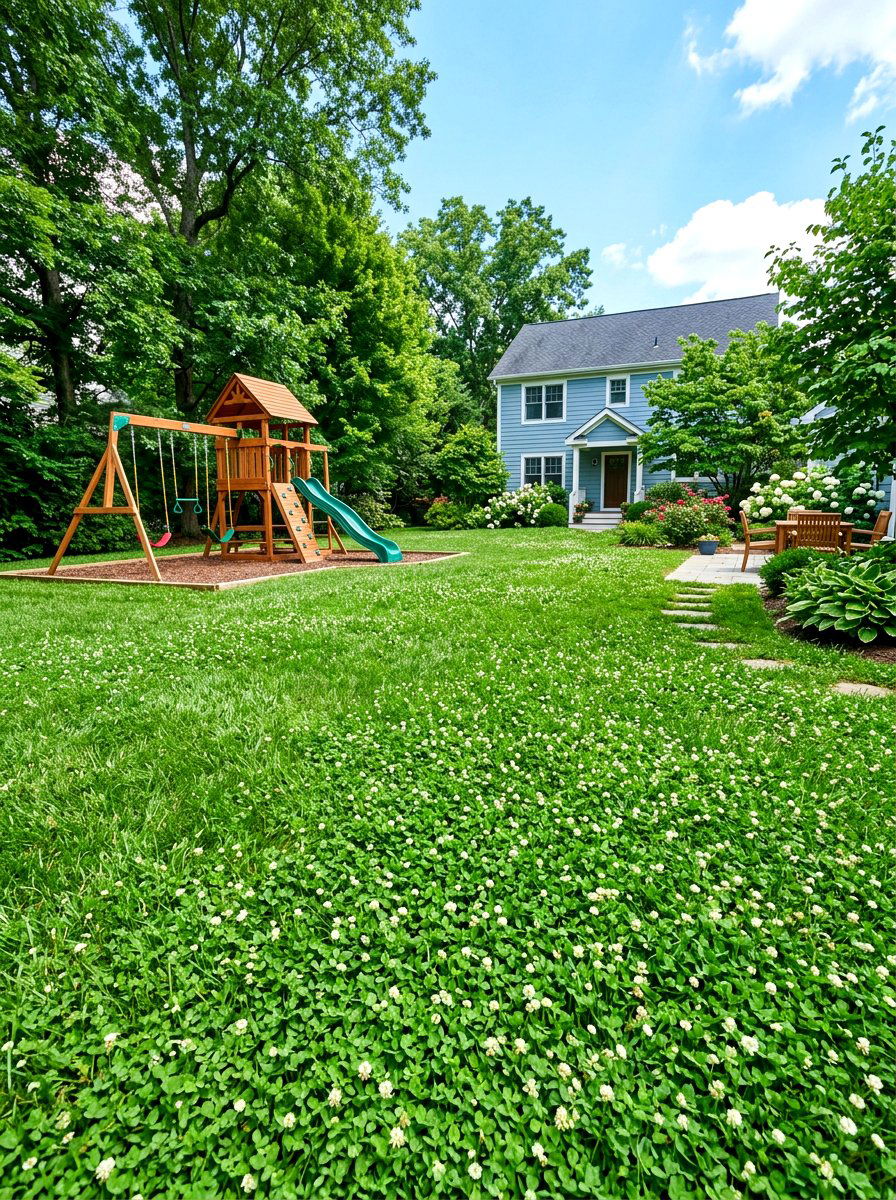
If you are not ready to commit to a 100% clover lawn, a mixed turf of grass and clover offers the best of both worlds. The grass provides a familiar structure and high-traffic durability, while the clover acts as a natural fertilizer and drought-resistant filler. This combination creates a lawn that stays green longer into the summer and recovers much faster from wear and tear. The clover fills in any bare spots, preventing weeds from taking hold and reducing the need for chemical treatments. It is a practical and easy way to transition toward a more sustainable landscape without a complete overhaul of your existing backyard lawn.
24. Clover Near Patio Seating
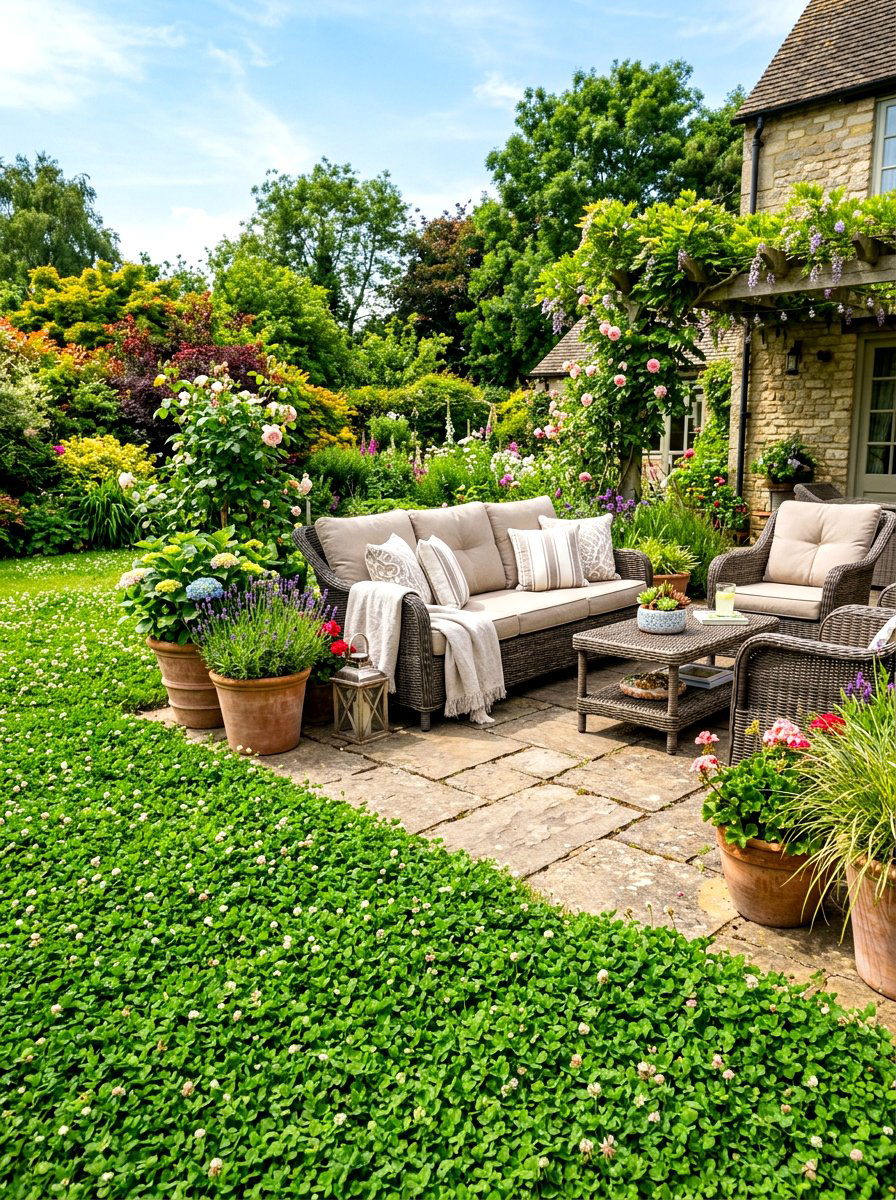
Planting clover right up to the edge of your patio seating area creates a seamless and inviting transition between your hardscaping and the natural world. This soft green border makes your outdoor furniture feel more grounded and integrated into the garden. Clover is much softer than grass, so it provides a comfortable place for people to kick off their shoes and rest their feet while sitting. Because it doesn 't grow very tall, it won' t block your view or overwhelm your patio space. It is a simple yet effective styling choice that adds a touch of elegance and warmth to your main outdoor living and entertaining areas.
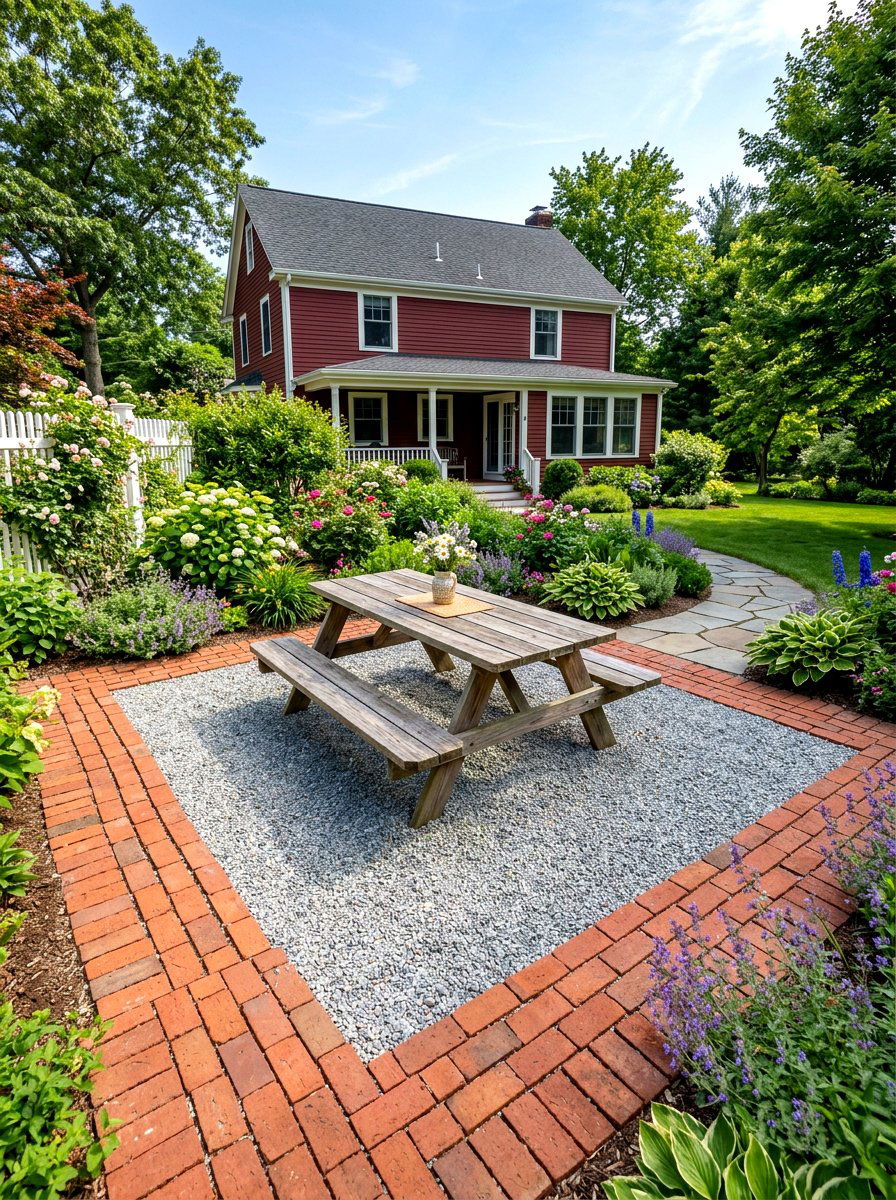
25. Organic Clover Lawn Care
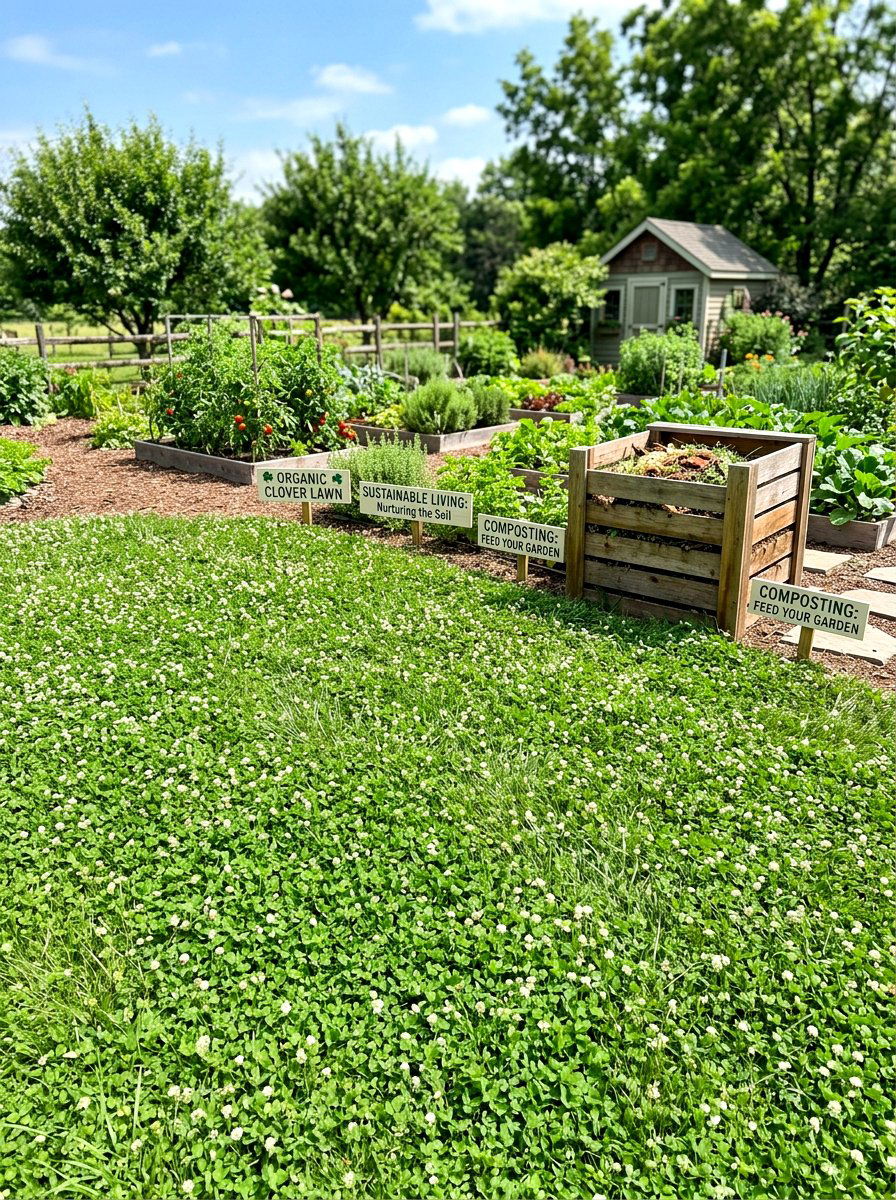
One of the greatest joys of a clover backyard is how well it aligns with organic gardening practices. Because clover is a nitrogen-fixer, it provides its own nutrients, eliminating the need for synthetic fertilizers that can harm the environment. Its dense growth habit naturally chokes out most common weeds, so you can stop using toxic herbicides that are dangerous for children and pets. You can maintain a perfectly healthy and beautiful yard using only natural methods, such as occasional mowing and light watering during extreme heat. This organic approach creates a safer, healthier, and more vibrant ecosystem for everyone who enjoys your backyard space every single day.
26. Clover Ground Cover For Play Area
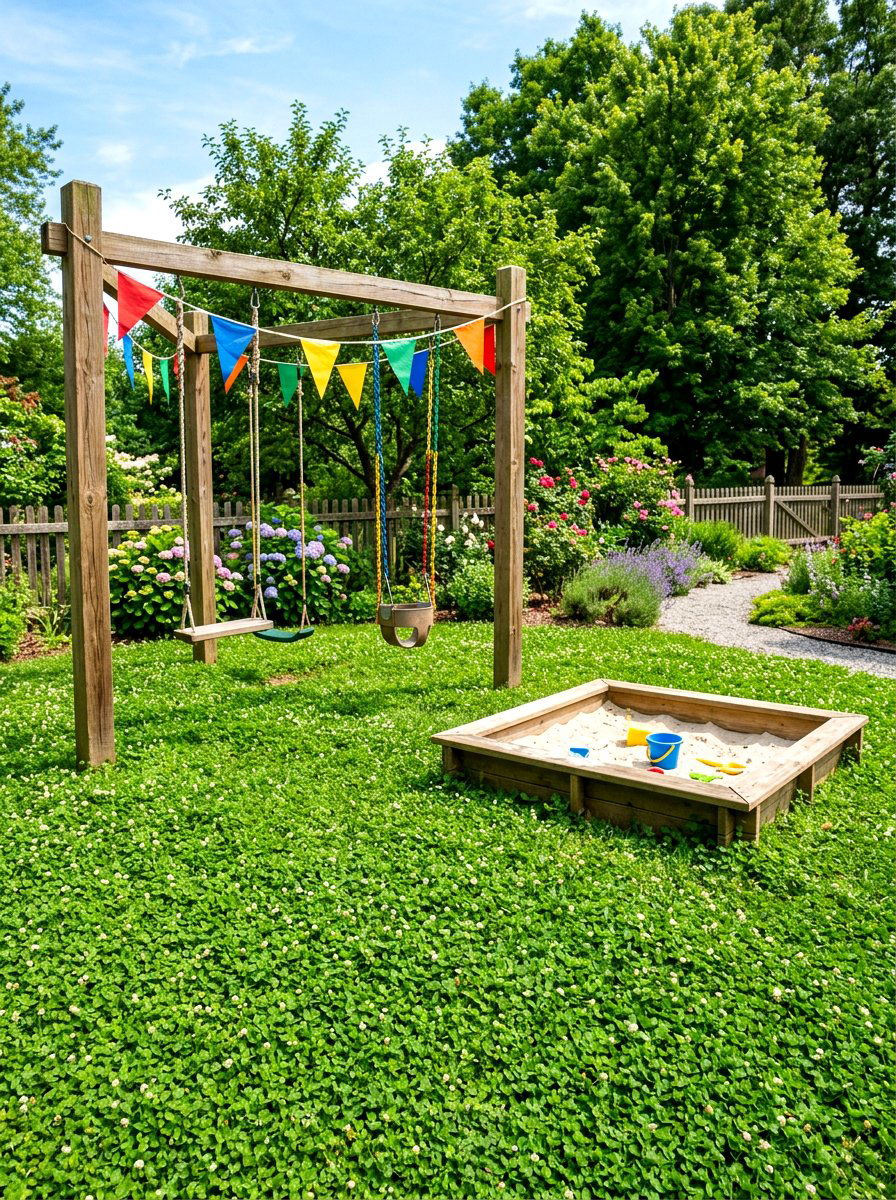
Designing a play area for children requires a soft and durable surface, and clover is a fantastic natural choice. It provides a thick, cushioned carpet that is much more forgiving for trips and falls than hard-packed dirt or thin grass. Clover is resilient enough to handle the constant movement of a swing set, slide, or playhouse without wearing down to the roots. Since it doesn't require chemicals, you can feel confident that your children are playing on a clean and safe surface. It also stays cooler than rubber mulch or artificial turf, making it a much more comfortable option for outdoor fun during hot summer afternoons.
27. Low Maintenance Clover Landscape
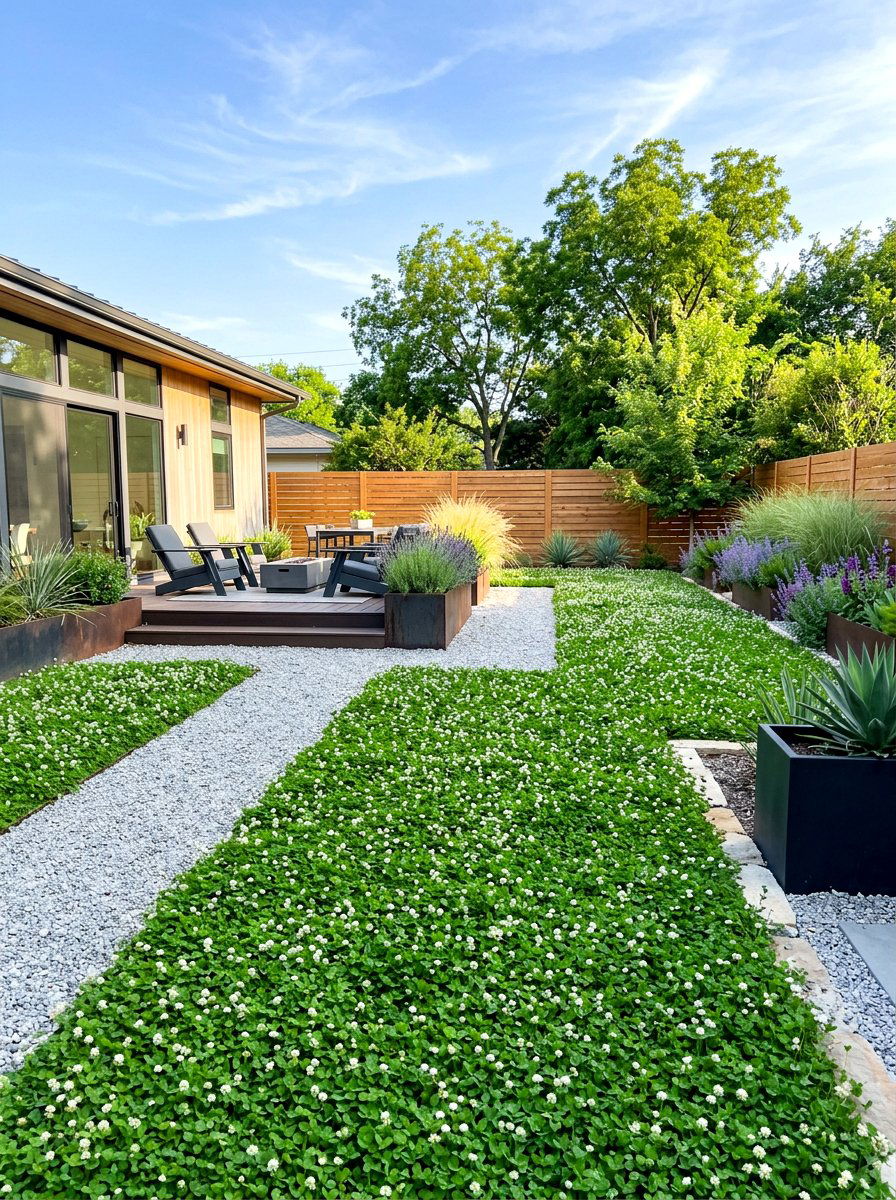
For busy professionals or retirees who want a beautiful yard without the physical toll of constant yard work, a clover-focused landscape is the perfect solution. A well-established clover backyard requires about 50% less water and significantly less mowing than a traditional grass lawn. You won 't have to spend your weekends dealing with baggers, trimmers, and spreaders. Instead, you can simply enjoy the lush, green views from your window or deck. Clover' s ability to stay green in poor soil and harsh conditions means you won't have to worry about the constant troubleshooting that usually comes with lawn care. It is the ultimate "set it and forget it" landscape.
28. Clover In Rock Garden
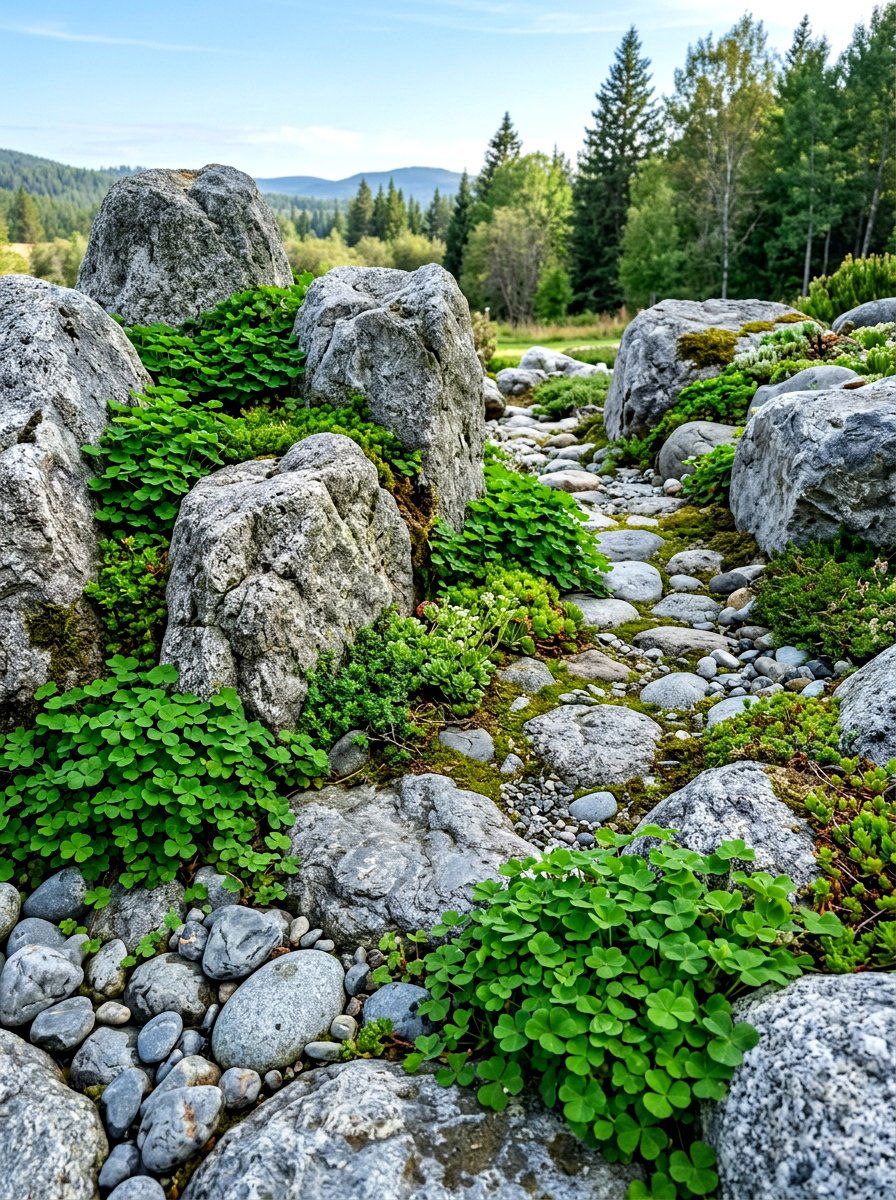
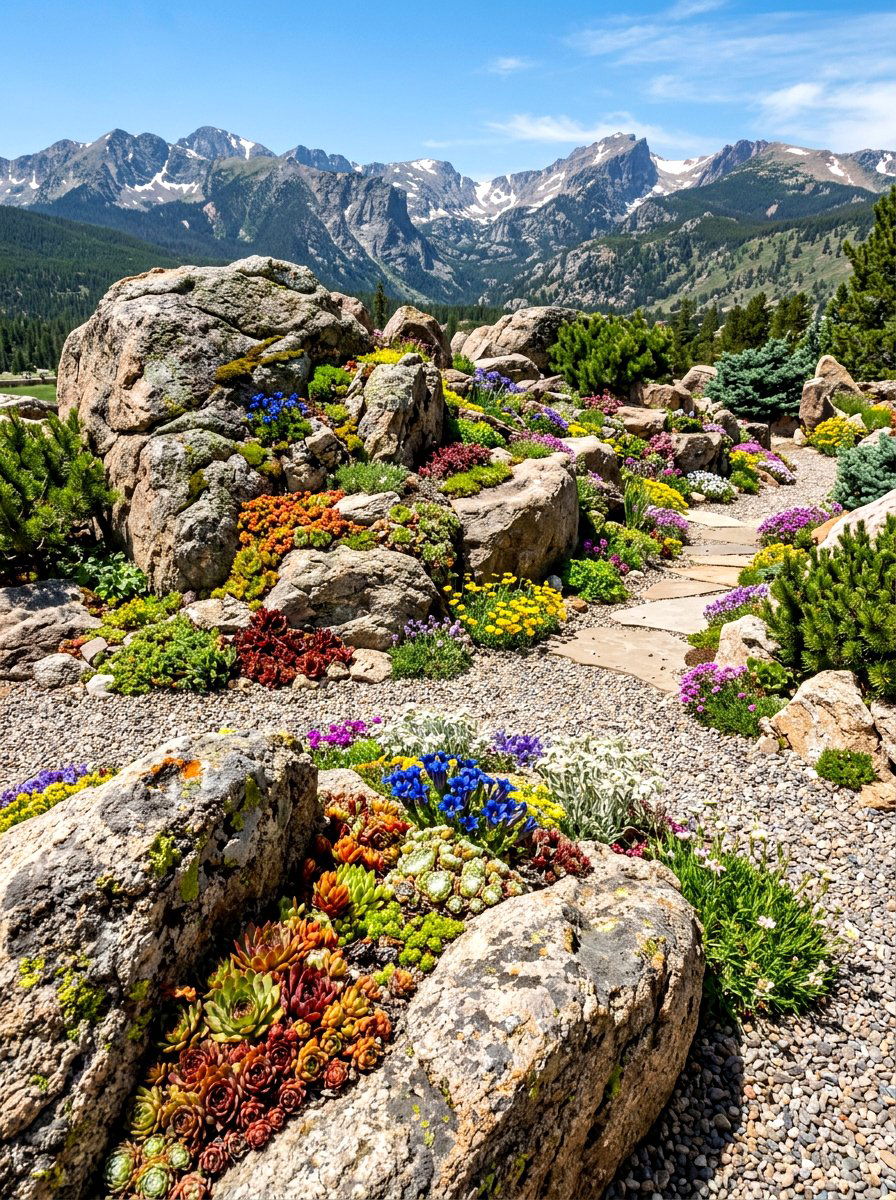
Adding a touch of soft green clover to a rugged rock garden creates a beautiful contrast between the hard stones and the delicate foliage. Clover can easily find a home in the small crevices and gaps between boulders, helping to anchor the design and make it look more established. It provides a living element that softens the coldness of the rocks and adds a vibrant color that lasts throughout the year. Because it is drought-tolerant, it is a perfect companion for the types of plants usually found in rock gardens. This integration turns a stark pile of stones into a lush and layered piece of living art.
29. Bee Friendly Clover Yard
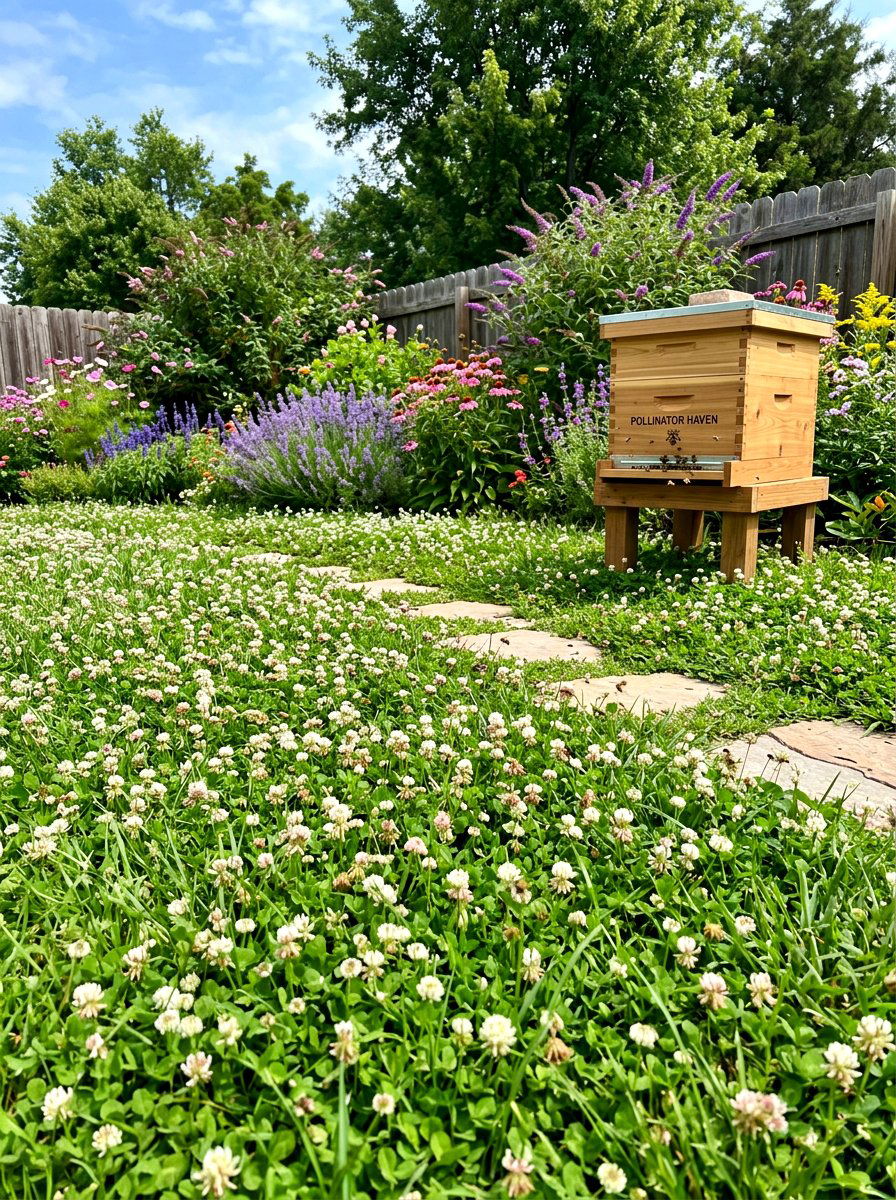
A bee-friendly clover yard is a powerful way to support the local ecosystem while enjoying a beautiful and active garden. By letting your clover reach its flowering stage, you provide a critical source of nectar and pollen for several species of bees that are currently in decline. Many homeowners find that a yard buzzing with life is much more interesting and rewarding than a sterile, chemical-laden lawn. You can watch the cycle of nature right from your back door, knowing that your garden is a vital part of the local environment. It is a meaningful way to garden that yields both beauty and ecological impact.
30. Strawberry Clover Lawn
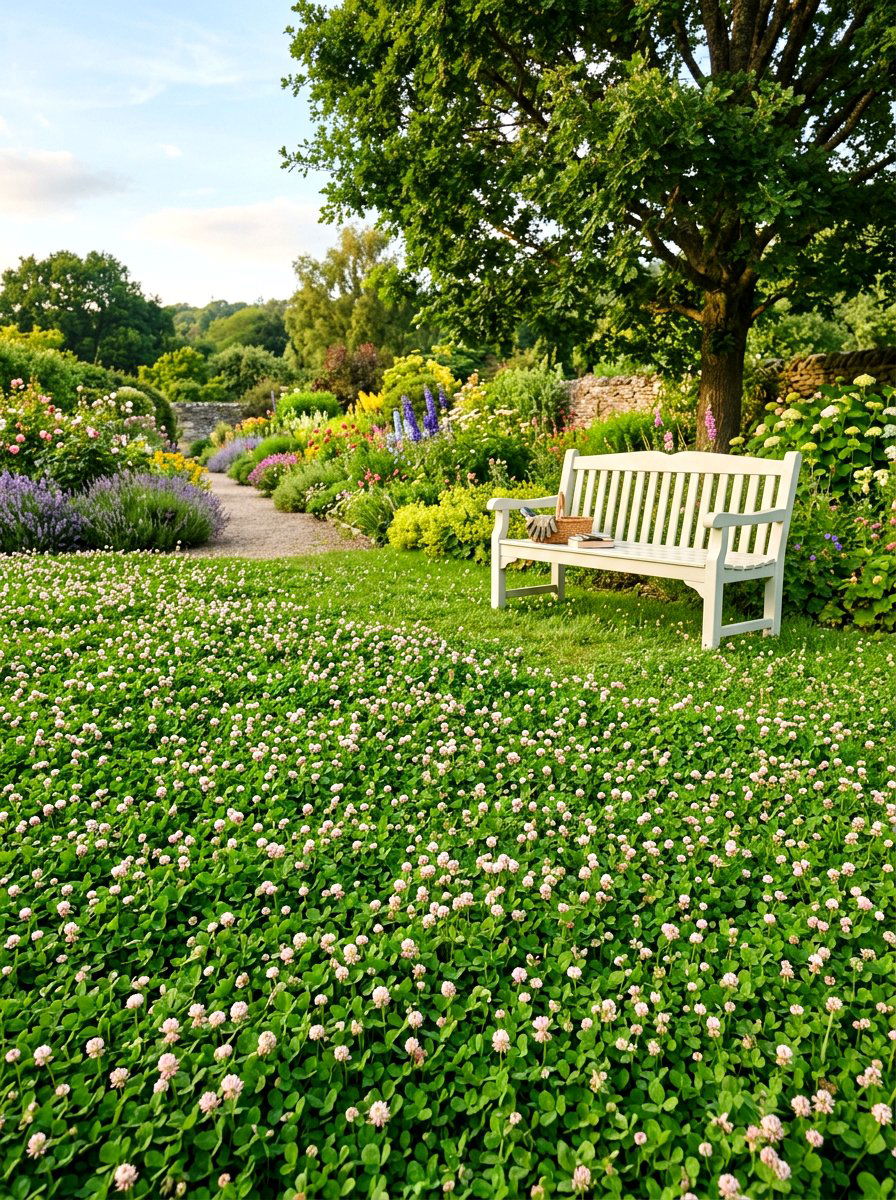
If you are looking for a unique and slightly different aesthetic, strawberry clover is a stunning variety that offers a unique look. This type of clover features small, pinkish flower heads that resemble tiny strawberries when they are in bloom, hence the name. It is exceptionally hardy and can tolerate wet or slightly salty soils where other clovers might struggle to survive. The foliage is a deep, rich green that forms a very dense and low-growing mat, making it an excellent choice for a high-quality lawn replacement. It provides a subtle and charming color palette that will make your backyard stand out from every other yard.
Conclusion:
Embracing a clover backyard is a transformative journey that leads to a more beautiful, sustainable, and stress-free outdoor life. By moving away from the high demands of traditional grass, you are choosing a landscape that works with nature rather than against it. Whether you opt for a full microclover lawn or a whimsical path through your flower beds, the benefits of this hardy plant are undeniable. You will save time and money while creating a safe haven for your family, pets, and local pollinators. A clover yard is not just a trend; it is a smart and stylish investment in a greener, better future.

Related posts: