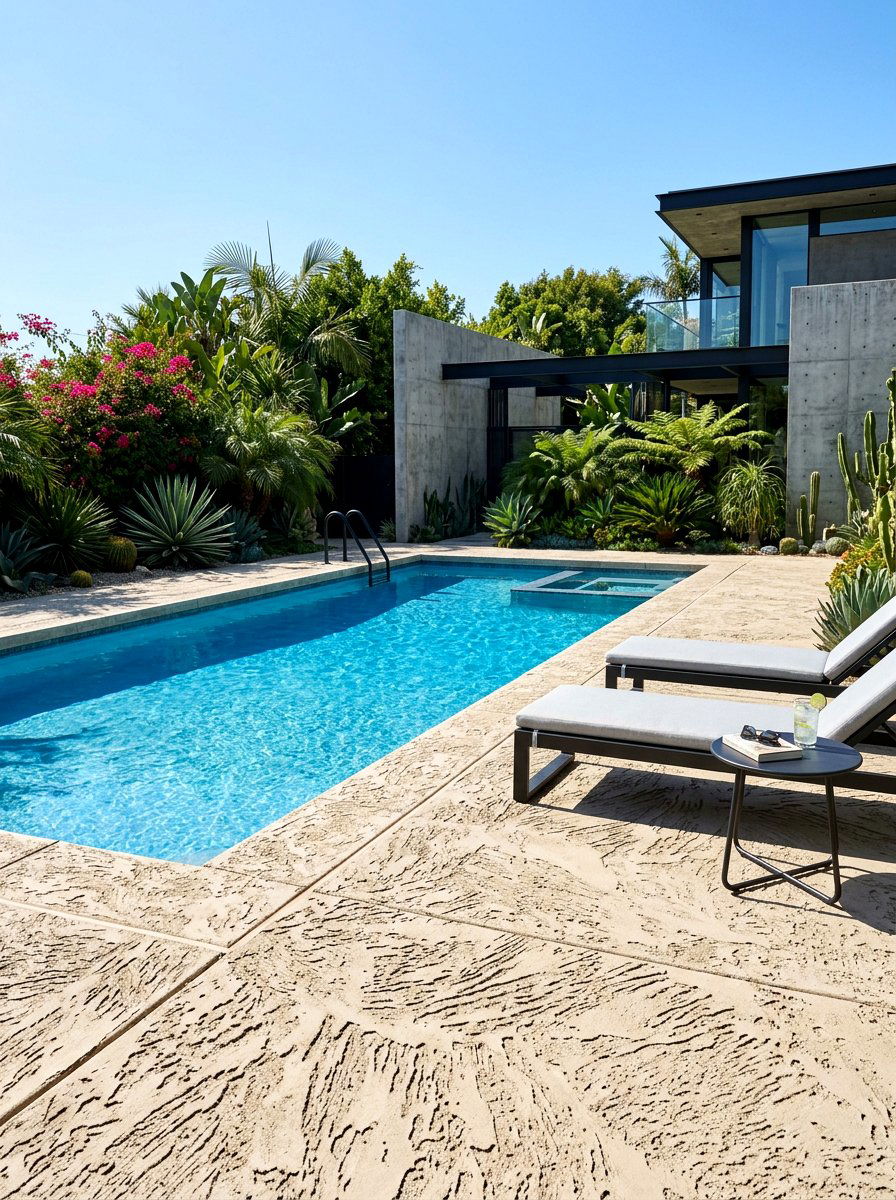
Creating a naturalistic backyard is more than just a landscaping choice. It is a commitment to fostering a local ecosystem right outside your door. Many homeowners now prefer the organic beauty of wilder spaces over the rigid structure of traditional manicured lawns. These designs focus on using native species that thrive in the local climate with very little maintenance. You can turn a simple patch of grass into a thriving sanctuary for birds, bees, and butterflies. This approach emphasizes harmony with nature. It uses textures and colors that shift beautifully with the changing seasons. Designing with nature in mind brings a sense of peace and tranquility to your daily home life.
1. Native Plant Backyard
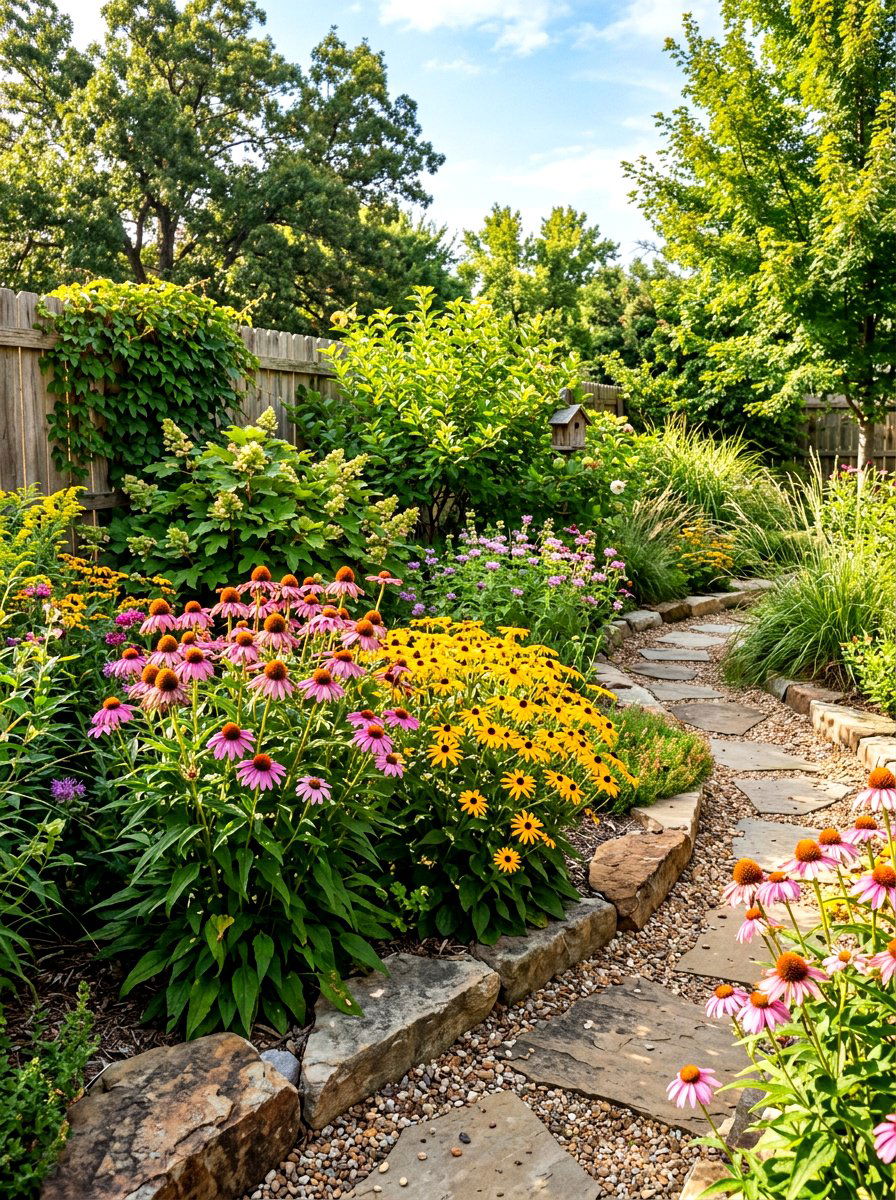
Choosing local plants is the foundation of any naturalistic backyard project. These species have adapted to your specific climate and soil over thousands of years. They require much less water than exotic varieties. They also resist local pests and diseases without the need for harsh chemicals. A native plant garden provides essential food and shelter for local wildlife. You should look for flowers and shrubs that are indigenous to your region. This creates a cohesive look that blends perfectly with the surrounding environment. The result is a lush and resilient landscape. It looks beautiful year-round while supporting the health of the local planet and its diverse inhabitants.
2. Wildflower Meadow Backyard
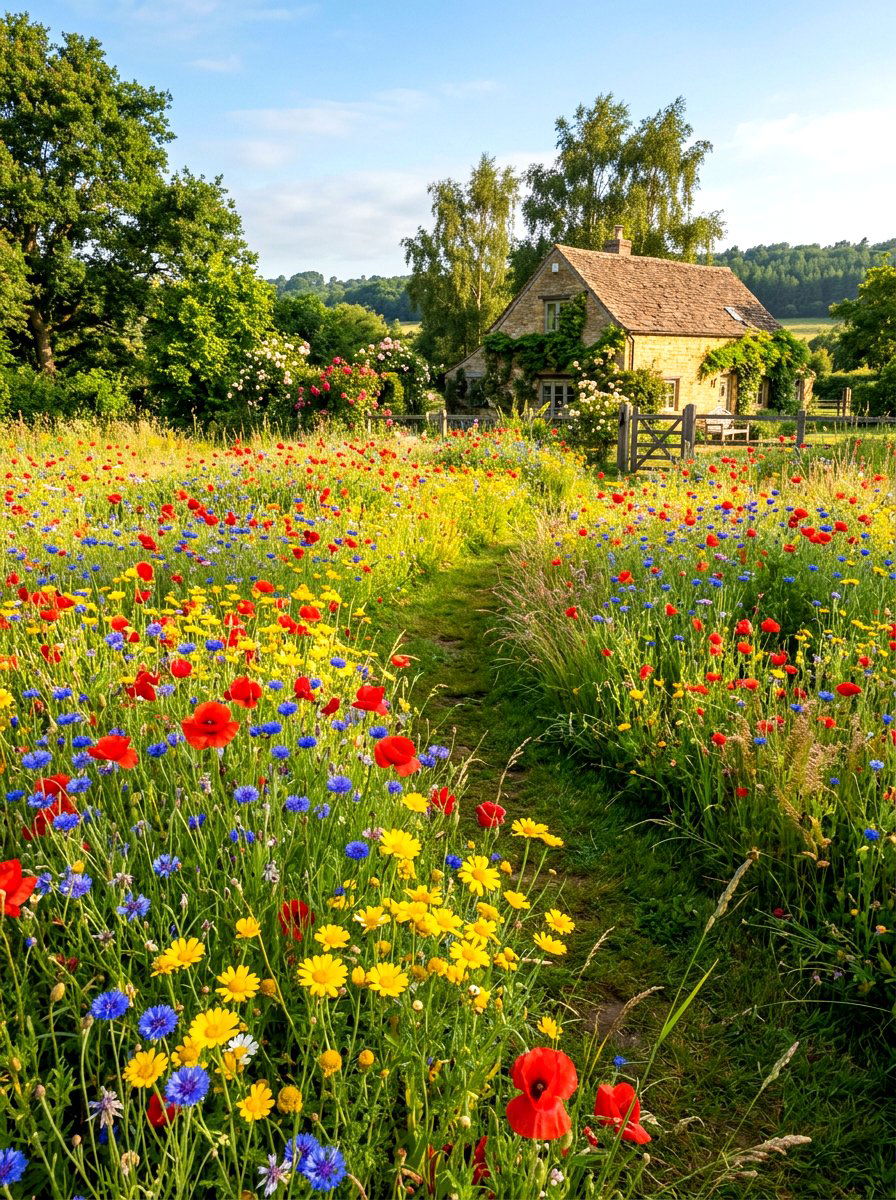
Replacing a traditional lawn with a wildflower meadow is a bold and rewarding step. This transformation invites a vibrant explosion of color and life into your outdoor space. Wildflowers are excellent for attracting pollinators like bees and butterflies. They require very little mowing once they are established. You can choose a mix of annuals and perennials to ensure continuous blooms throughout the summer months. The tall stems of the flowers create a sense of movement in the breeze. This creates a soft and romantic atmosphere that feels far away from the city. It is an eco-friendly way to enjoy a stunning and ever-changing landscape.
3. Wildlife Pond Backyard
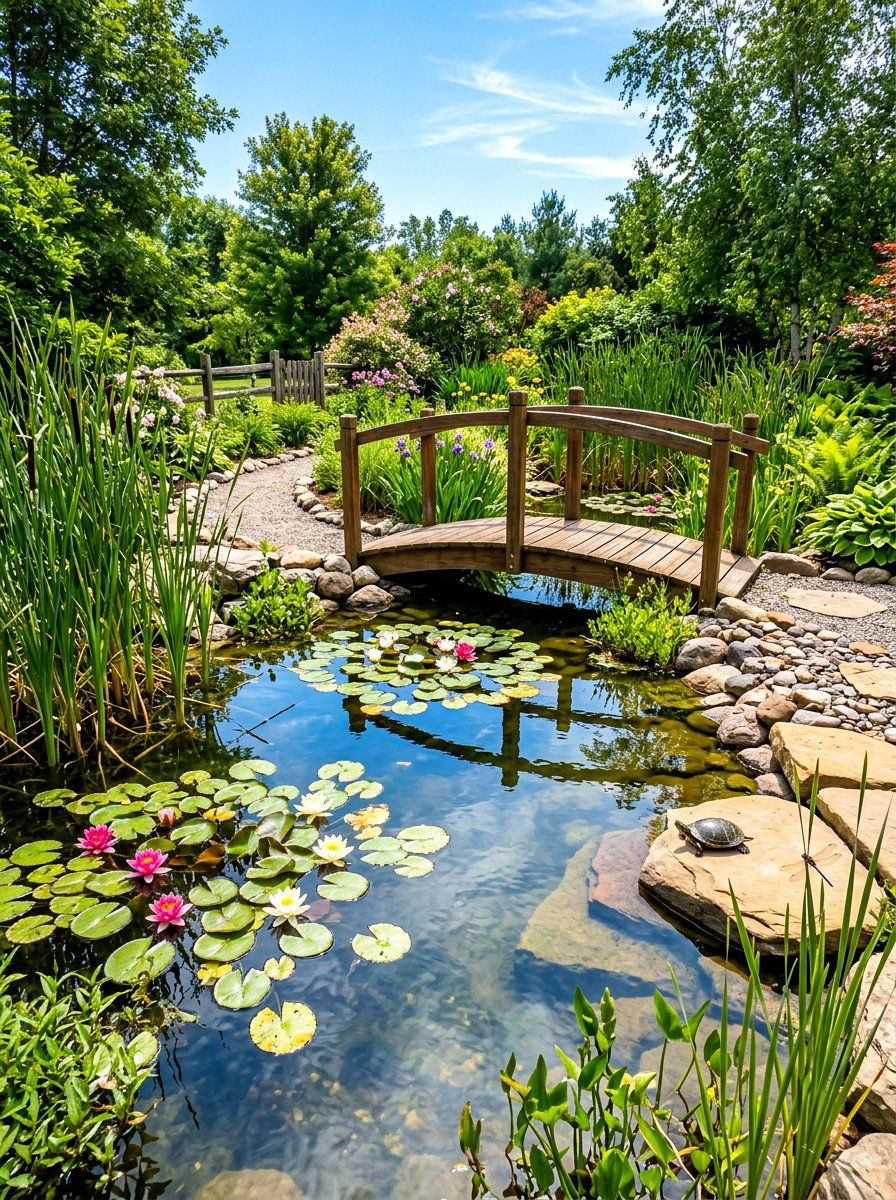
Adding a pond to your backyard creates a vital watering hole for many different species. Water features are the heart of any natural ecosystem. They attract frogs, dragonflies, and birds that might not otherwise visit your yard. A natural pond should have sloped sides to allow animals to enter and exit safely. You can add aquatic plants like water lilies and reeds to keep the water clean. These plants also provide hiding spots for small fish and amphibians. The sound of gentle water adds a layer of auditory peace to your garden. It becomes a central focal point that offers endless opportunities for observing nature up close.
4. Dry Creek Bed Backyard
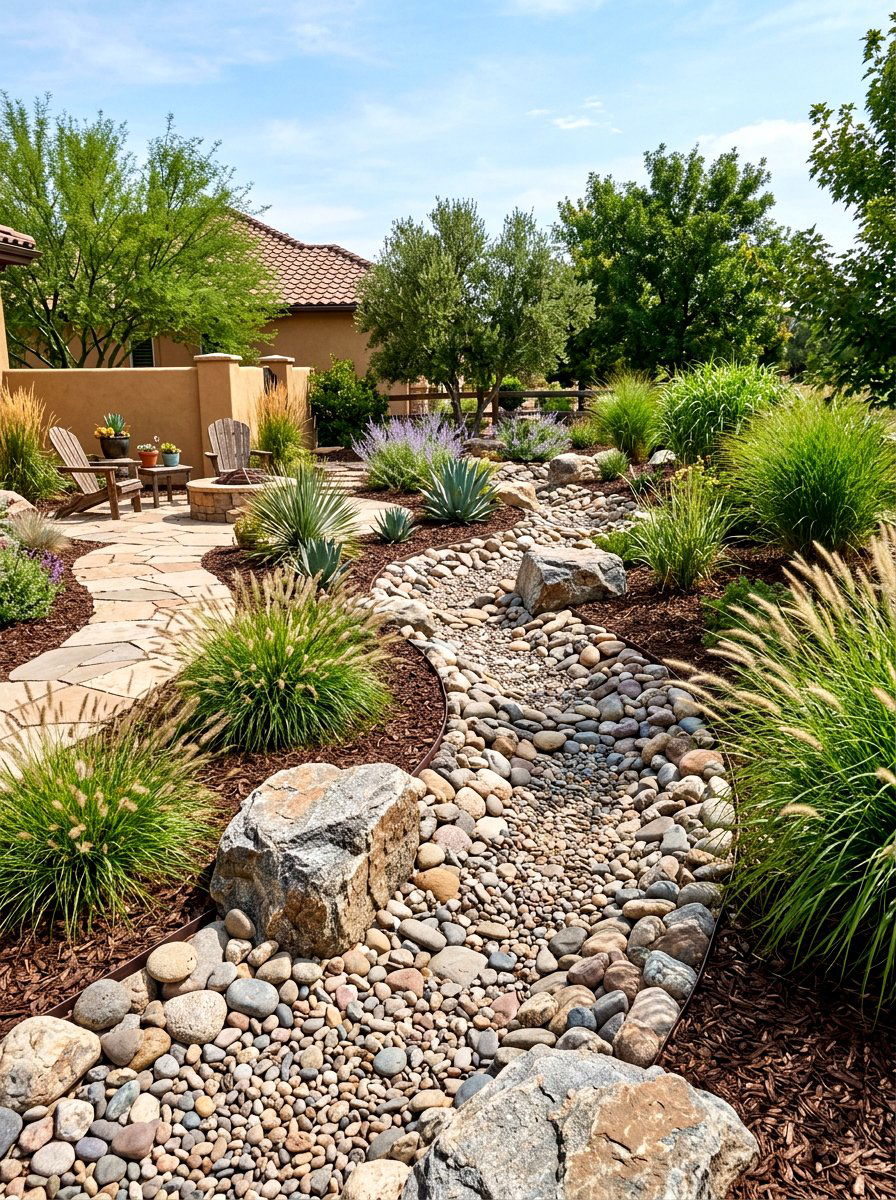
A dry creek bed is a beautiful and functional addition to any naturalistic landscape. It mimics the look of a natural waterway that only fills with water during heavy rain. This feature is perfect for managing drainage issues in your yard. You can use a mix of different sized stones and boulders to create a realistic look. Planting moisture-loving grasses along the edges adds to the organic feel. Even when it is dry, the stones provide a lovely textural contrast to the soft foliage of your plants. It creates a sense of journey as the path winds through different areas of your backyard.
5. Rock Garden Backyard
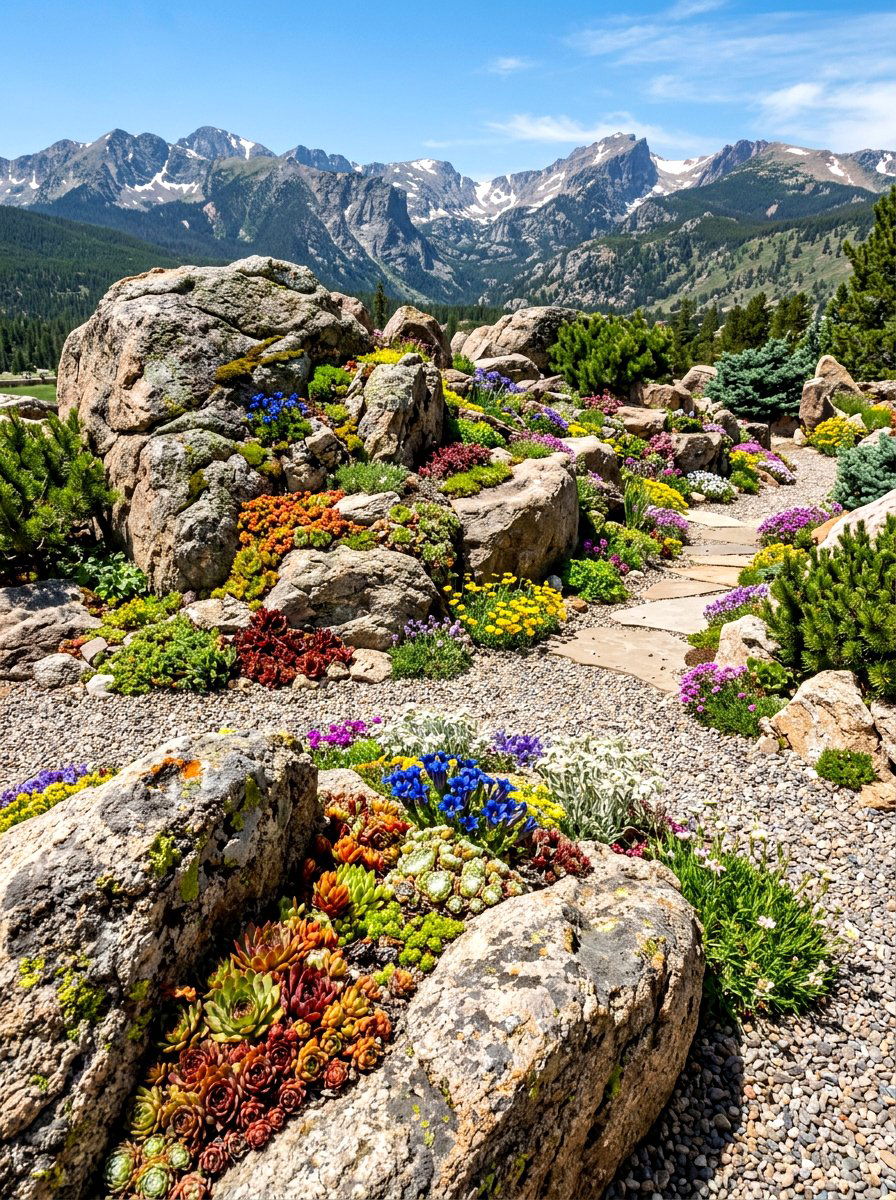
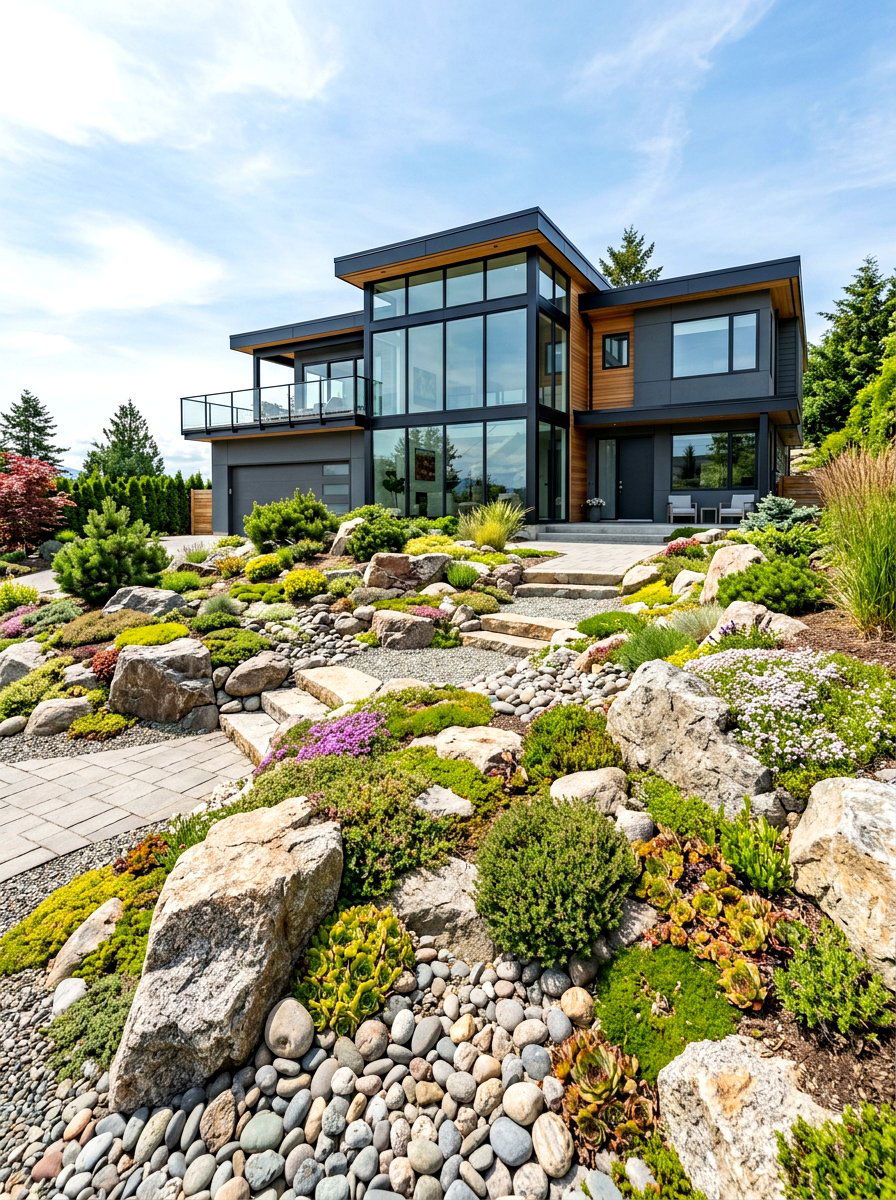
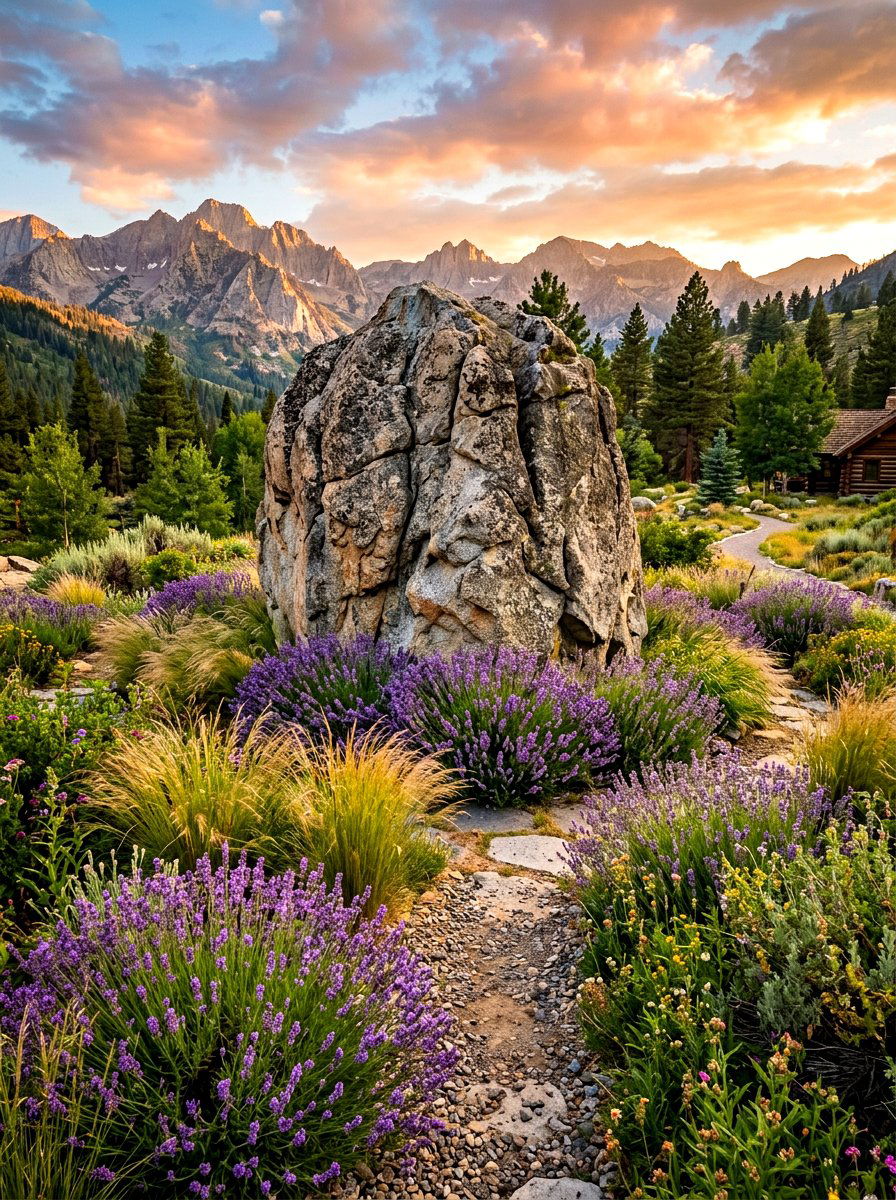
Rock gardens are ideal for creating a rugged and natural aesthetic in your backyard. They are particularly well-suited for sloped areas or spots with poor soil quality. You can use large, local boulders to anchor the design and create a sense of permanence. Tucking alpine plants and succulents into the crevices adds pops of color and life. These plants are often very hardy and require very little water once they take root. The contrast between the hard stones and the delicate foliage creates a striking visual balance. This low-maintenance option is perfect for those who want a garden that looks ancient and established.
6. Edible Forest Backyard
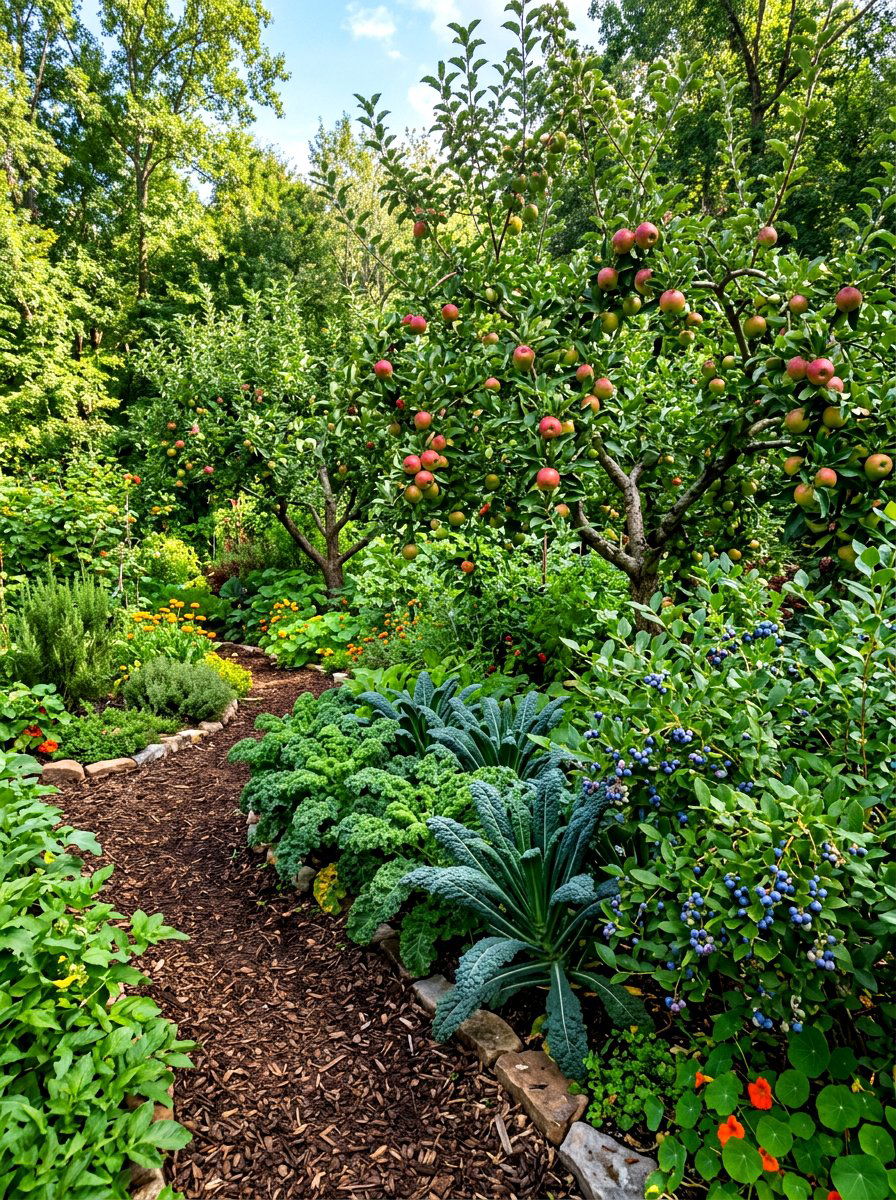
An edible forest garden combines the beauty of nature with the practical benefit of growing your own food. This multi-layered approach uses fruit trees, berry bushes, and perennial vegetables. It is designed to mimic the structure of a young natural woodland. Every plant in this system has a purpose, whether it is providing food or improving the soil. This creates a self-sustaining ecosystem that requires very little human intervention over time. You can harvest fresh produce while enjoying the shade and privacy provided by the tall trees. It is a functional way to create a lush, green retreat that feeds both your family and the earth.
7. Rain Garden Backyard
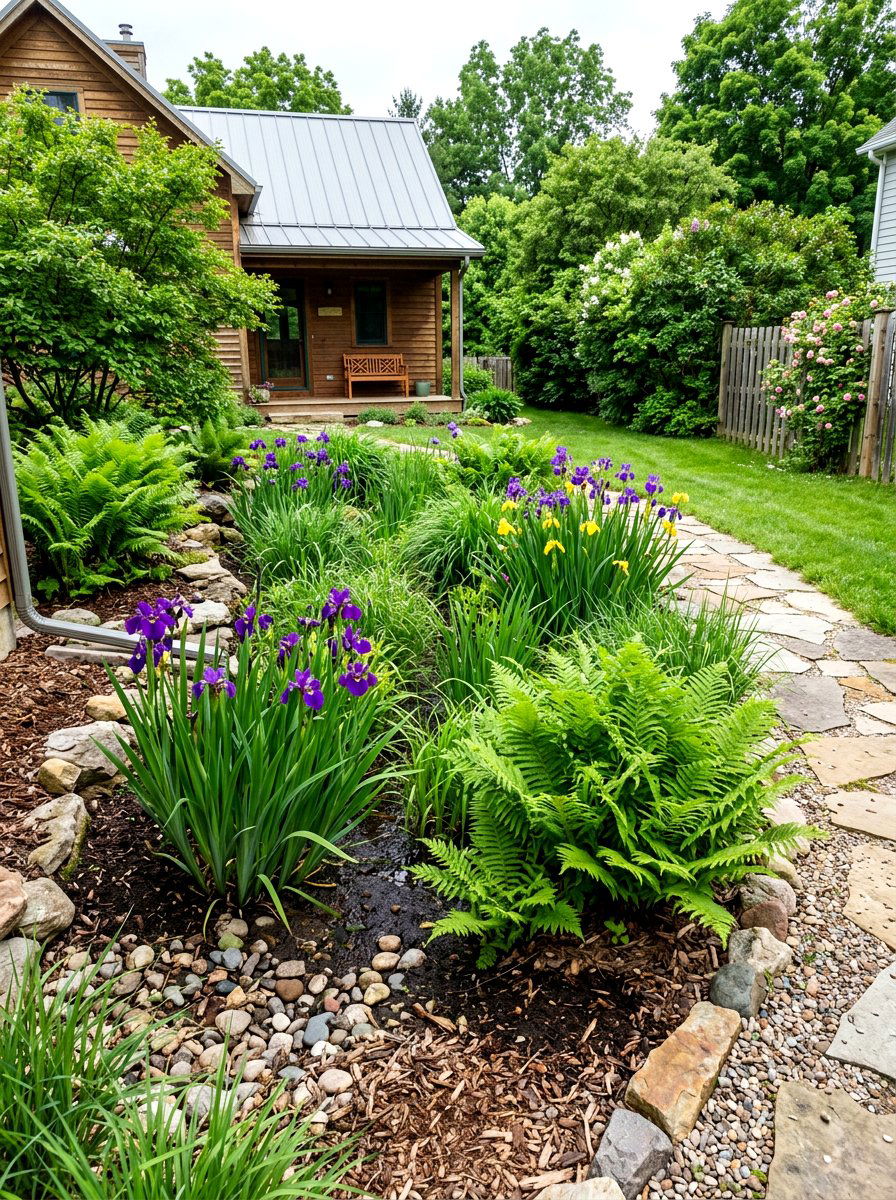
Rain gardens are shallow depressions planted with native flowers and shrubs that soak up rainwater runoff. They are a smart solution for preventing erosion and protecting local waterways from pollution. These gardens capture water from roofs and driveways, allowing it to slowly filter back into the ground. The plants chosen for a rain garden must be able to handle both wet and dry conditions. They often feature deep roots that help to break up heavy soil and improve drainage. Beyond their functional use, rain gardens are incredibly beautiful and full of life. They turn a potential drainage problem into a stunning focal point in your backyard.
8. Natural Stone Path Backyard
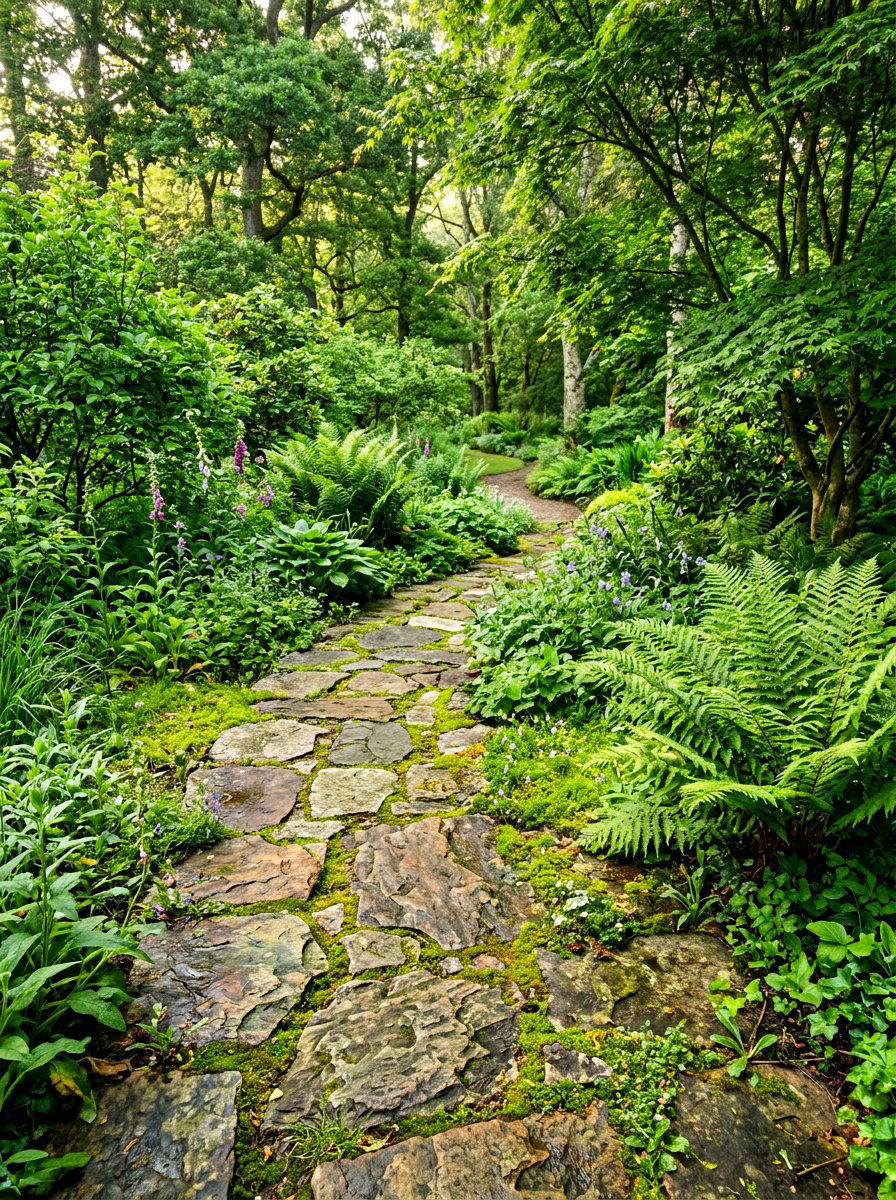
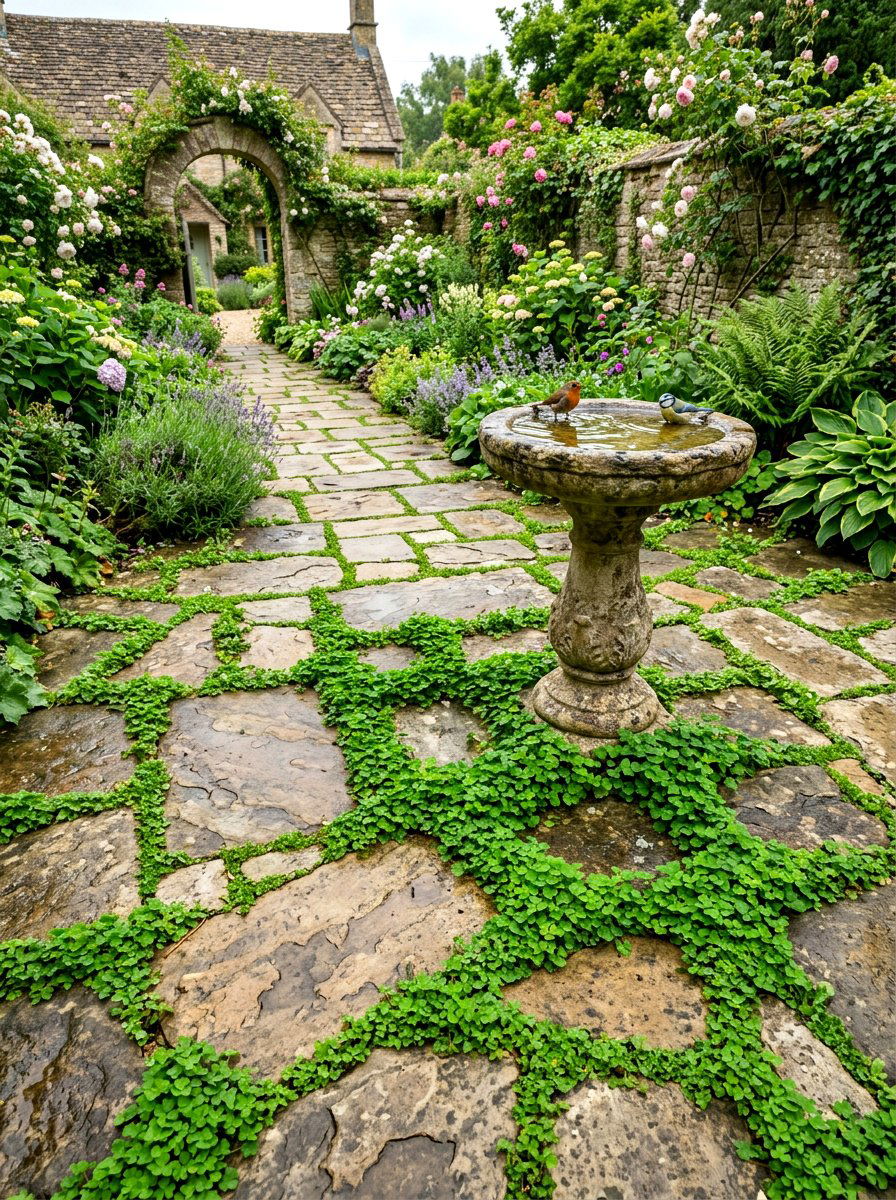
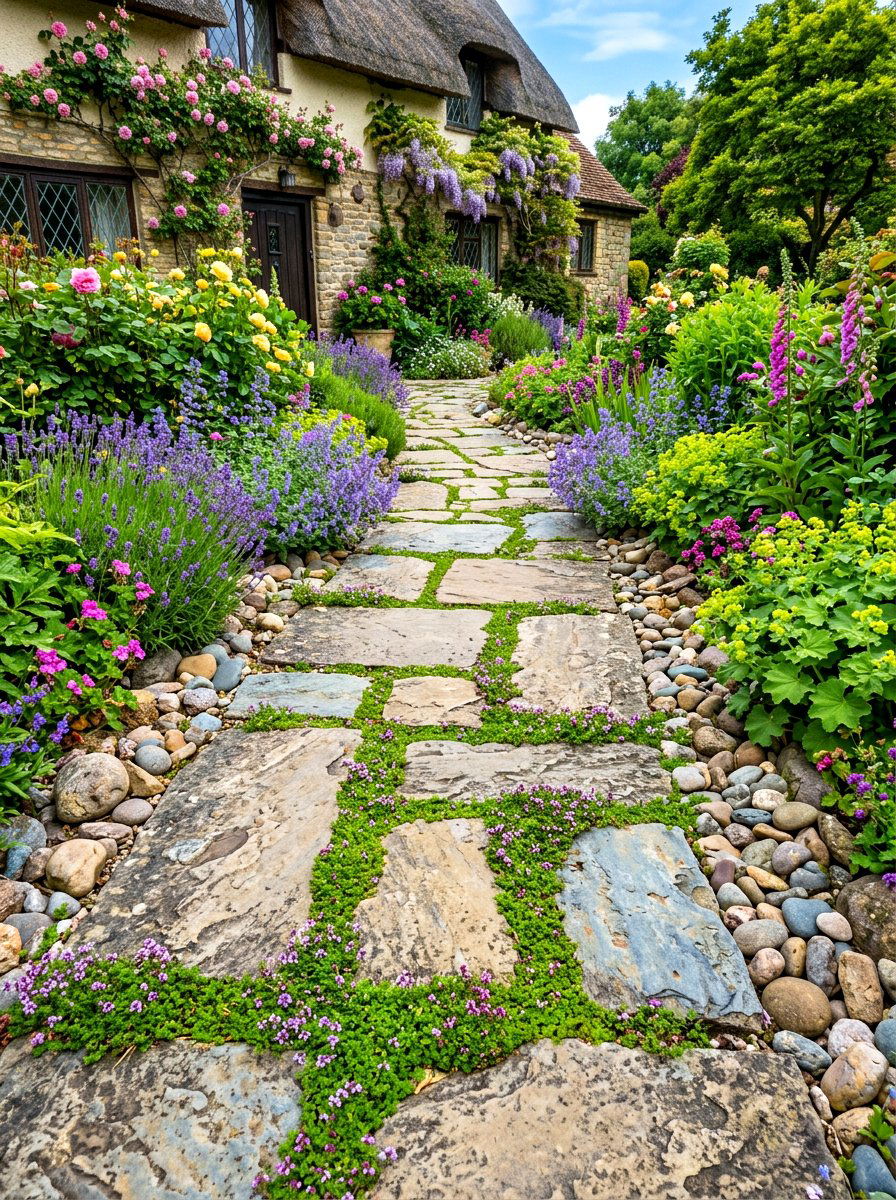
Using natural stone for your walkways is a great way to blend your hardscaping with the environment. Flagstone or fieldstone paths have irregular shapes that feel much more organic than poured concrete. You can allow moss or low-growing groundcovers to grow in the gaps between the stones. This softens the edges and makes the path look like it has been there for decades. A winding path encourages slow exploration and allows you to experience the garden from different angles. It provides a stable surface for walking while still allowing the ground to breathe. These paths are durable, timeless, and perfectly complement a wilder planting style.
9. Bird Sanctuary Backyard
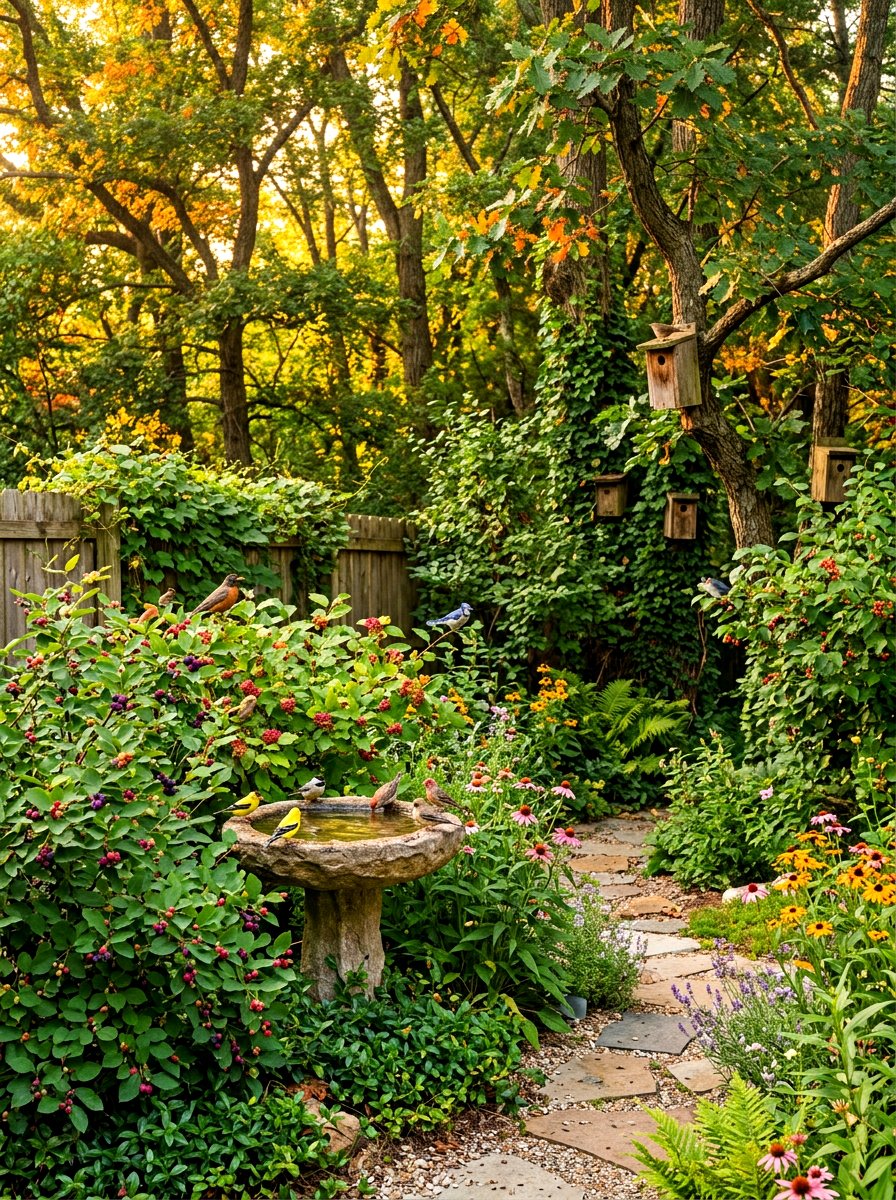
Creating a bird sanctuary involves providing the three essentials: food, water, and shelter. You can plant berry-producing shrubs and trees with dense foliage for nesting. Adding a birdbath or a small fountain ensures they have a reliable source of clean water. Leaving some dead wood or a log pile in a corner provides insects for them to eat. High-quality bird feeders can also be integrated into the design to attract specific species. Watching the birds visit your yard brings a sense of joy and connection to the wild. It is a wonderful way to contribute to the conservation of local bird populations.
10. Woodland Garden Backyard
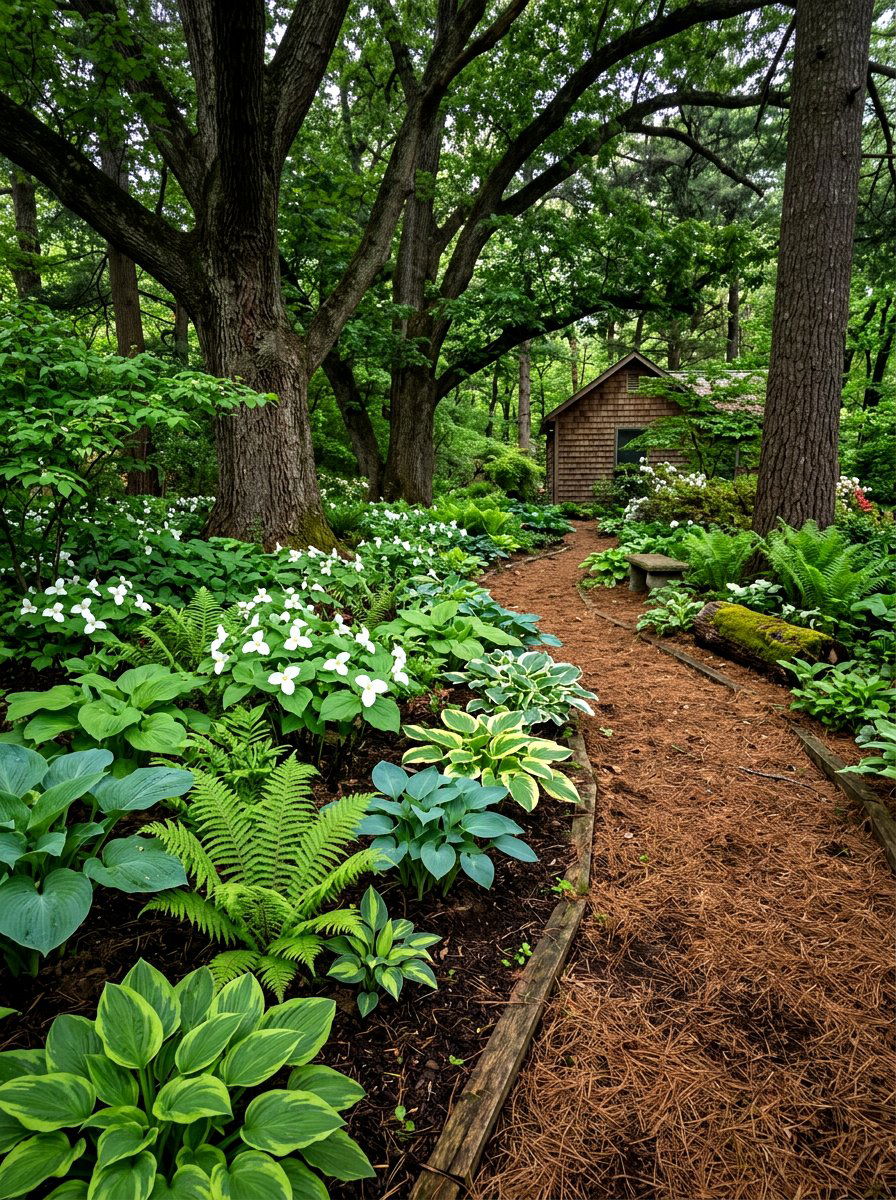
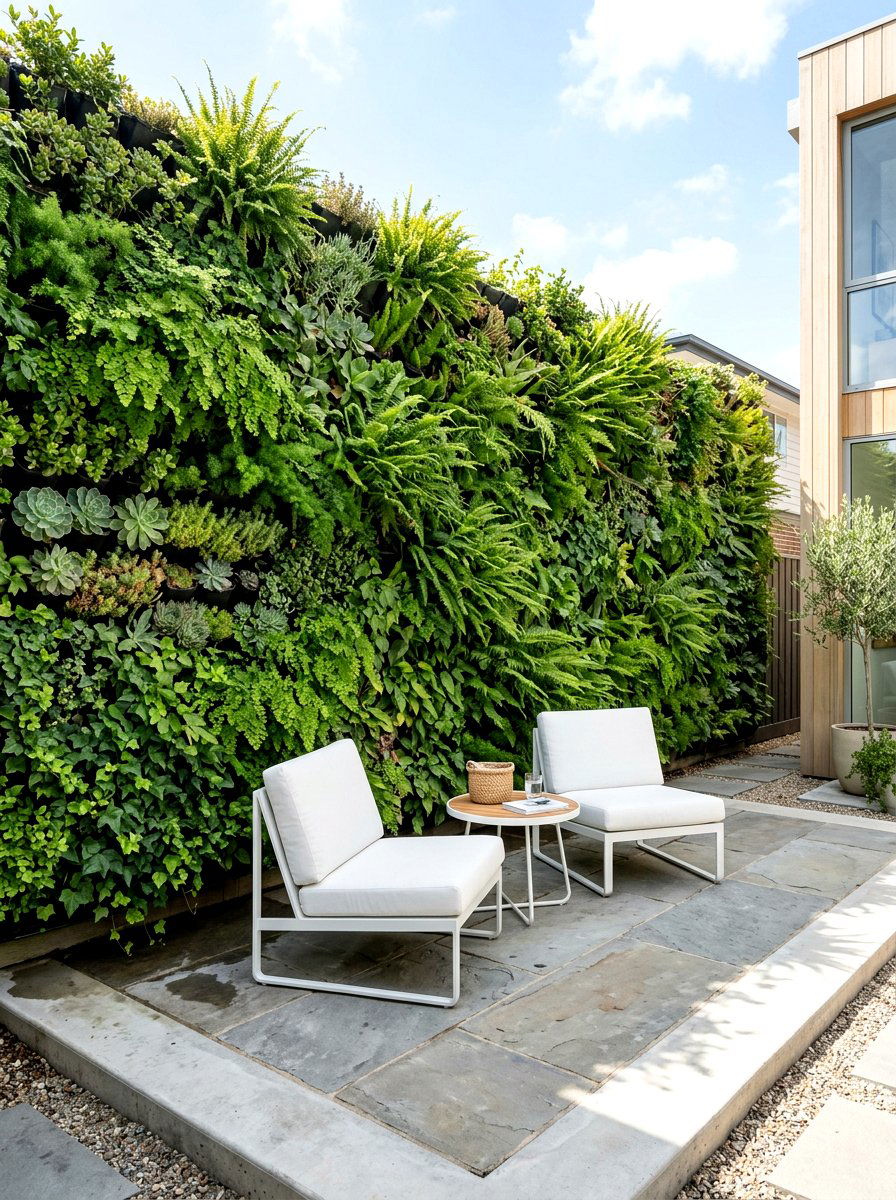
A woodland garden is perfect for those with a shaded backyard under existing trees. This design style focuses on shade-loving plants like ferns, hostas, and woodland wildflowers. You can use shredded bark or leaf mulch for paths to keep the forest floor feel. The layers of the garden should include a canopy, an understory of smaller trees, and a ground layer. This creates a cool and quiet retreat during the hot summer months. The filtered light creates a magical atmosphere as it hits the different shades of green foliage. It is a low-maintenance way to enjoy a serene and deeply relaxing natural environment.
11. Gravel Courtyard Backyard
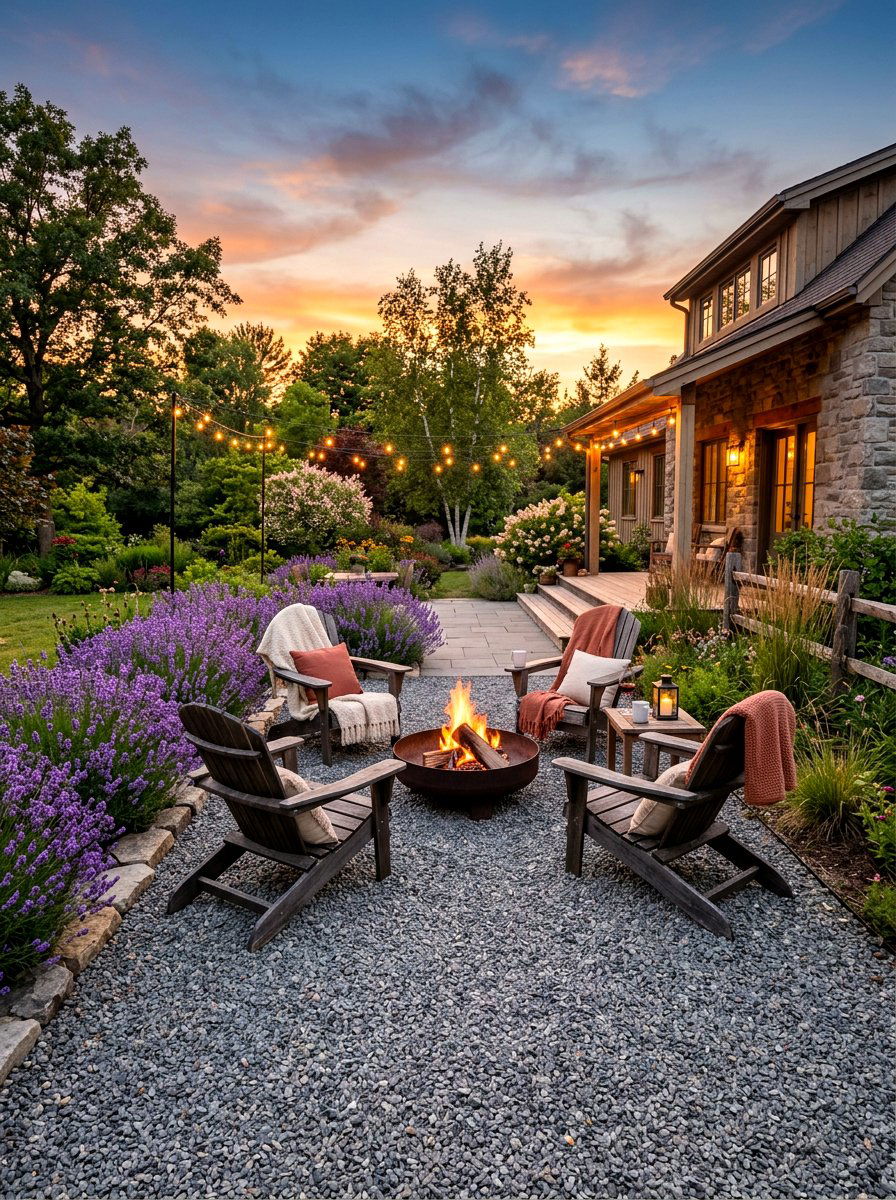
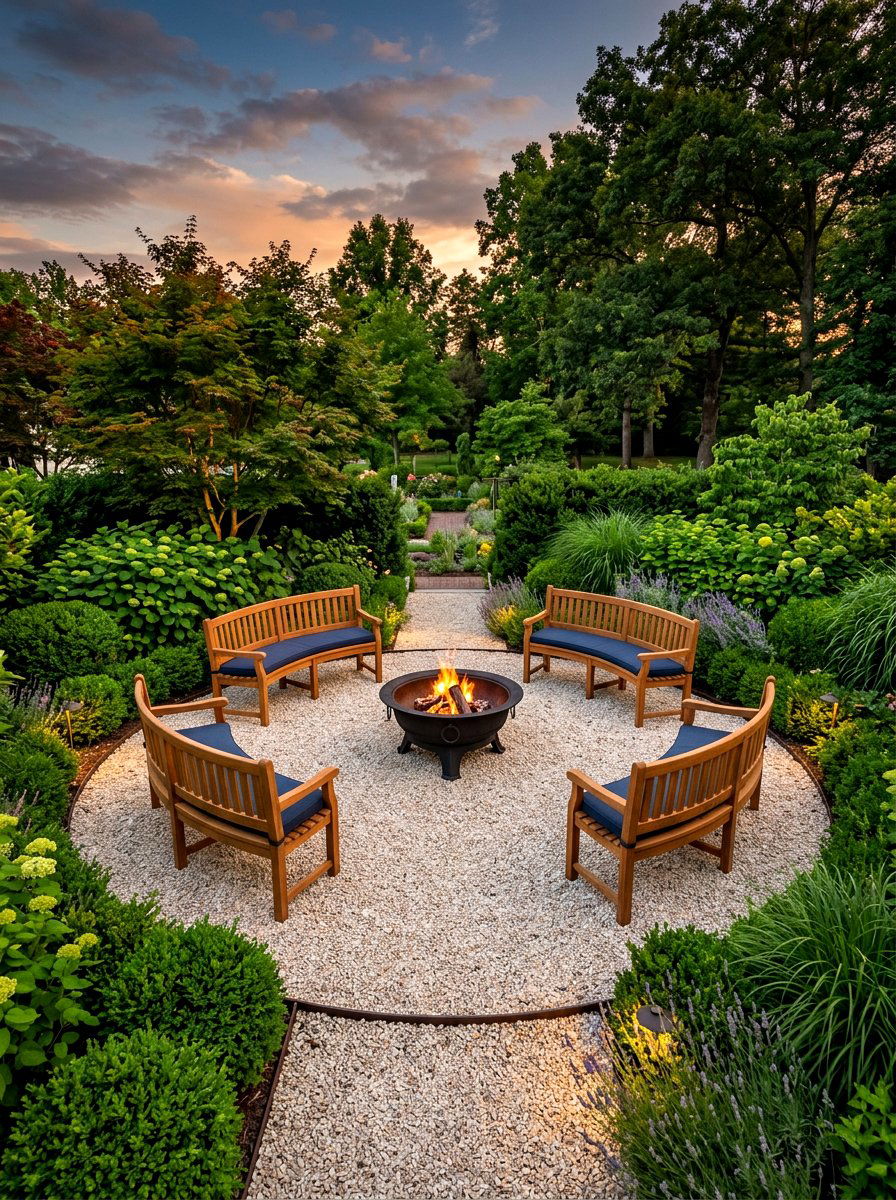
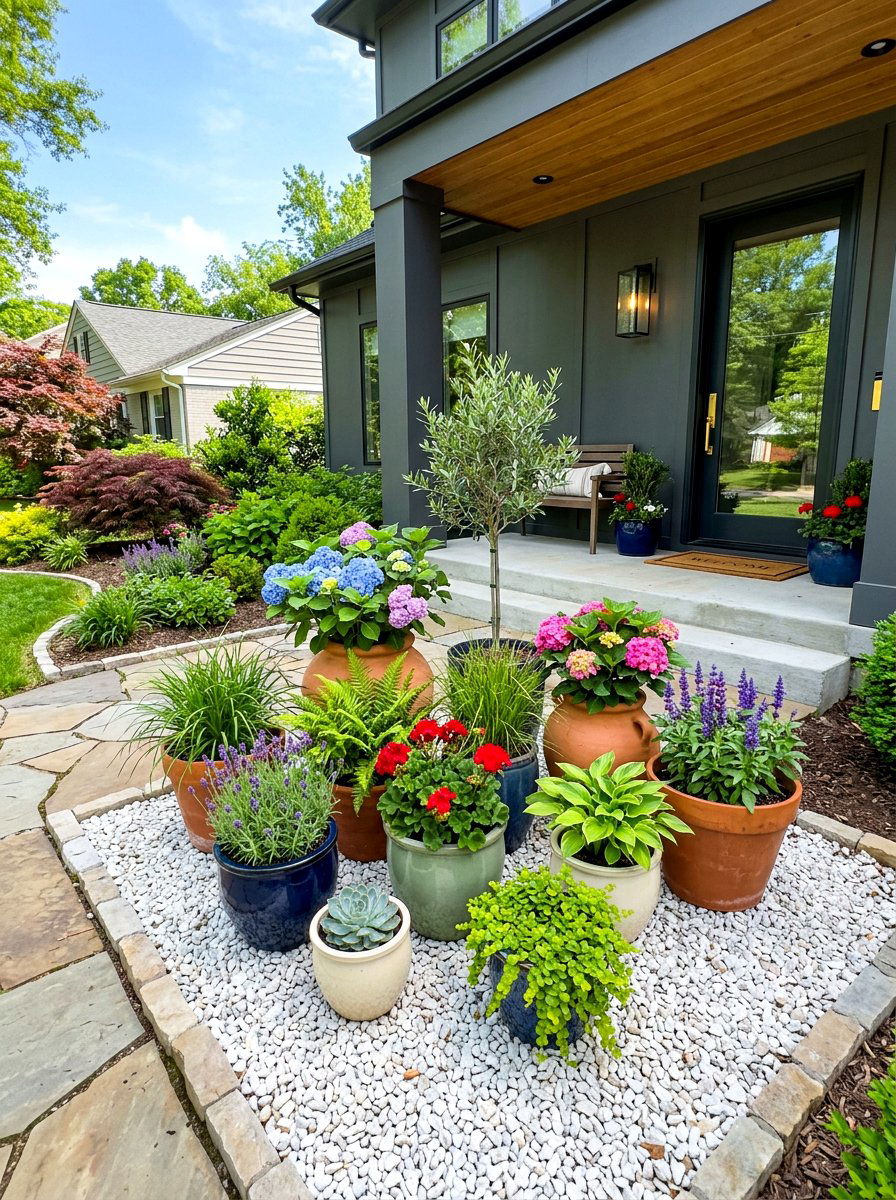
Gravel courtyards are a wonderful alternative to large wooden decks or concrete patios. They provide a permeable surface that allows rainwater to reach the soil below. You can use local pea gravel or crushed stone to create a soft, crunching sound underfoot. This material is very versatile and can be used to create any shape you desire. Planting drought-tolerant herbs like lavender or thyme along the edges adds fragrance to the space. Adding a few comfortable chairs and a small fire pit creates a cozy gathering spot. The simplicity of the gravel allows the surrounding plants to take center stage in your design.
12. Butterfly Garden Backyard
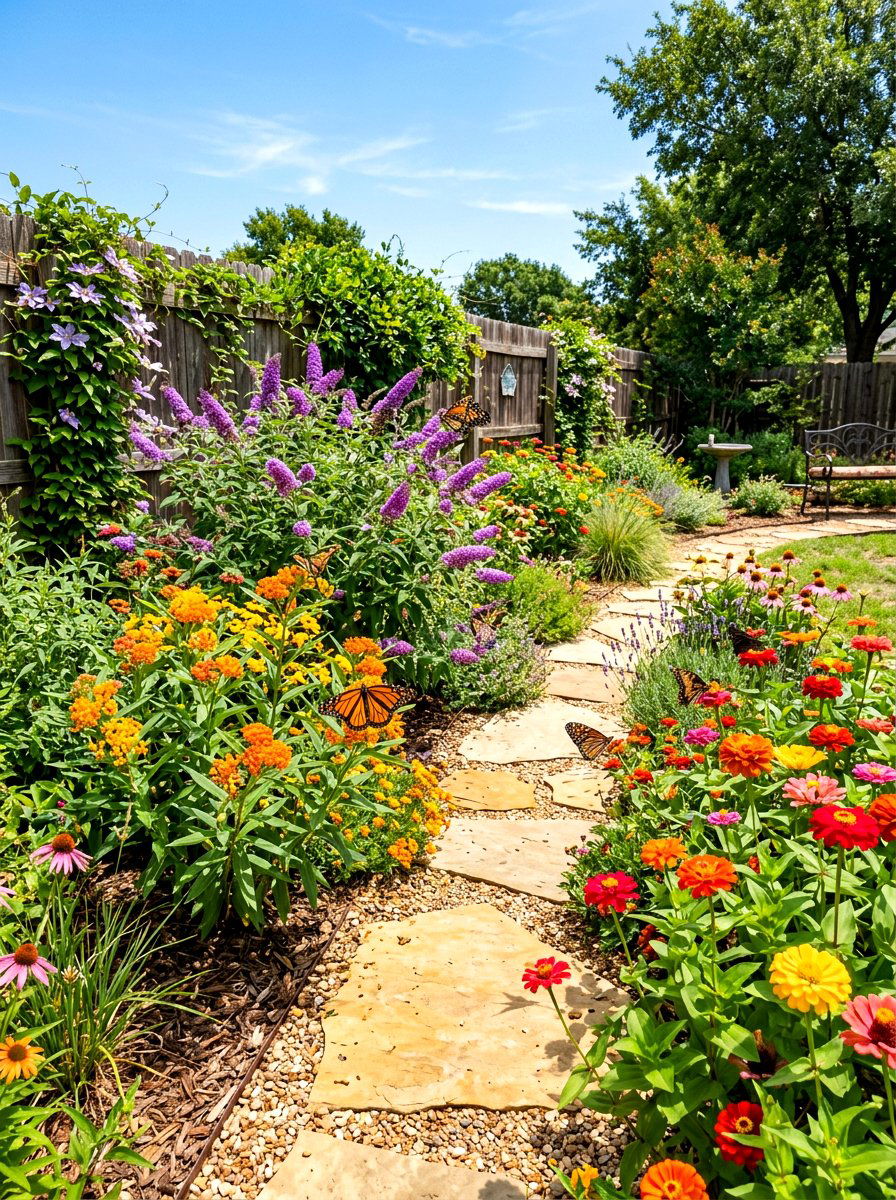
Designing a garden specifically for butterflies is a delight for the senses. You must include both nectar plants for the adults and host plants for the caterpillars. Sun-loving flowers like milkweed, zinnias, and coneflowers are classic choices for these spaces. Providing a few flat stones in a sunny spot gives butterflies a place to warm their wings. A small patch of damp sand or mud allows them to drink and gain essential minerals. The sight of colorful butterflies fluttering through your backyard brings a sense of magic to the space. It is a powerful way to help these important pollinators thrive in your local area.
13. Log Pile Habitat Backyard
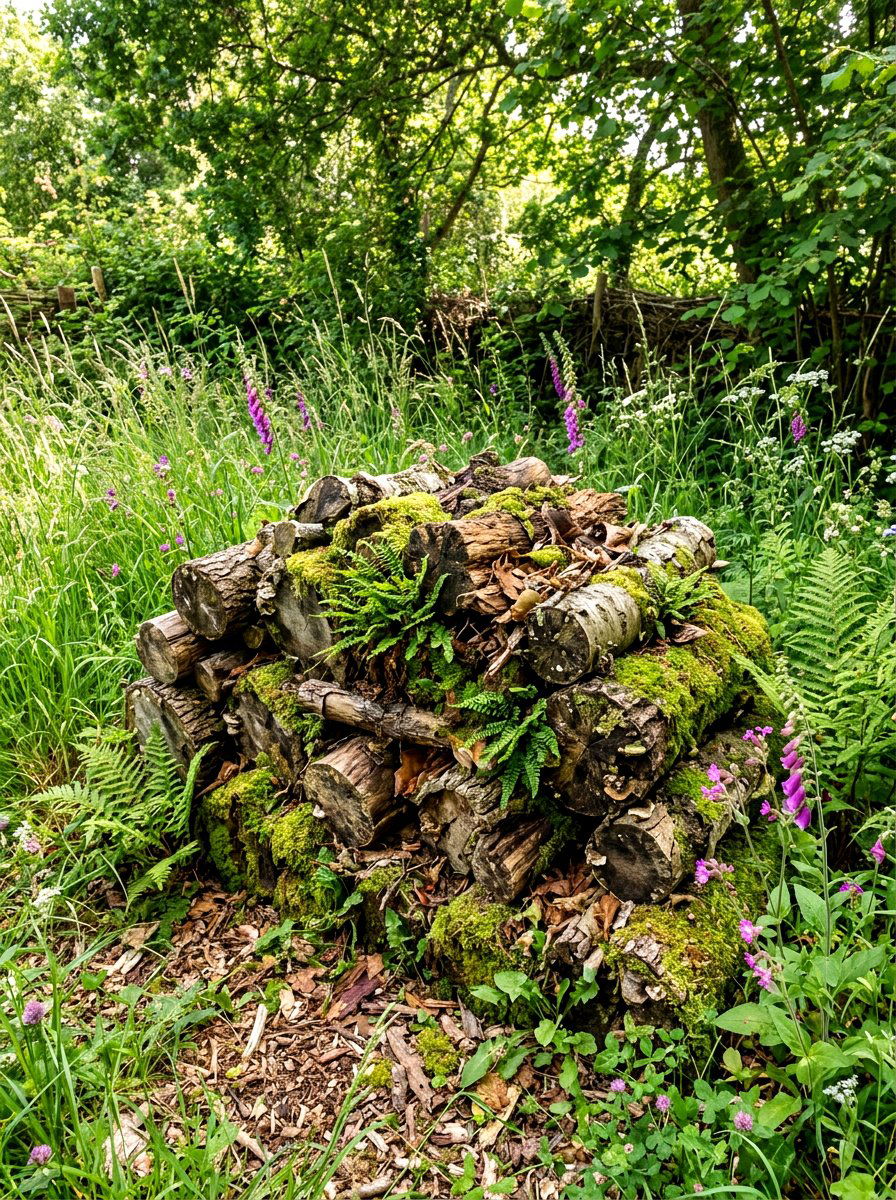
Leaving a pile of logs in a quiet corner of your backyard is a simple way to boost biodiversity. This creates a perfect habitat for many beneficial insects, toads, and small mammals. As the wood slowly decays, it returns valuable nutrients to the soil below. You can partially bury some of the logs to create a more stable environment for subterranean creatures. Over time, the log pile will be covered in moss and fungi, adding to its natural beauty. It is an essential feature for anyone looking to create a true rewilded space. This "messy" corner provides critical shelter that is often missing in modern gardens.
14. Grassland Patch Backyard
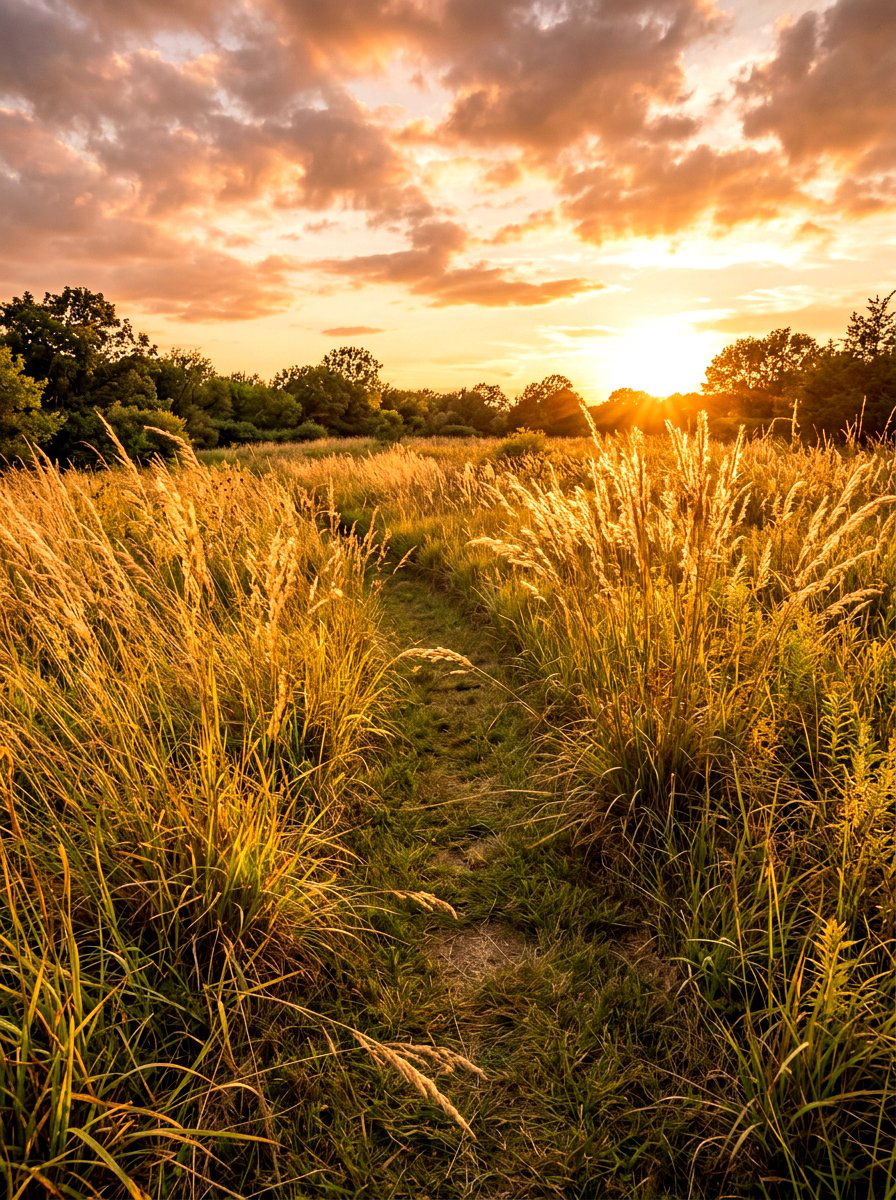
Creating a small grassland patch is an excellent way to introduce movement and texture. You can use native bunchgrasses that grow in various heights and colors. These grasses provide important cover for ground-nesting birds and small insects. They often feature beautiful seed heads that catch the light in the late afternoon. Unlike a traditional lawn, a grassland patch does not need frequent watering or mowing. It stays beautiful through the winter, providing visual interest even when other plants are dormant. The rustling sound of the wind through the grass creates a soothing soundtrack for your backyard. It is a simple yet effective rewilding element.
15. Fern Garden Backyard
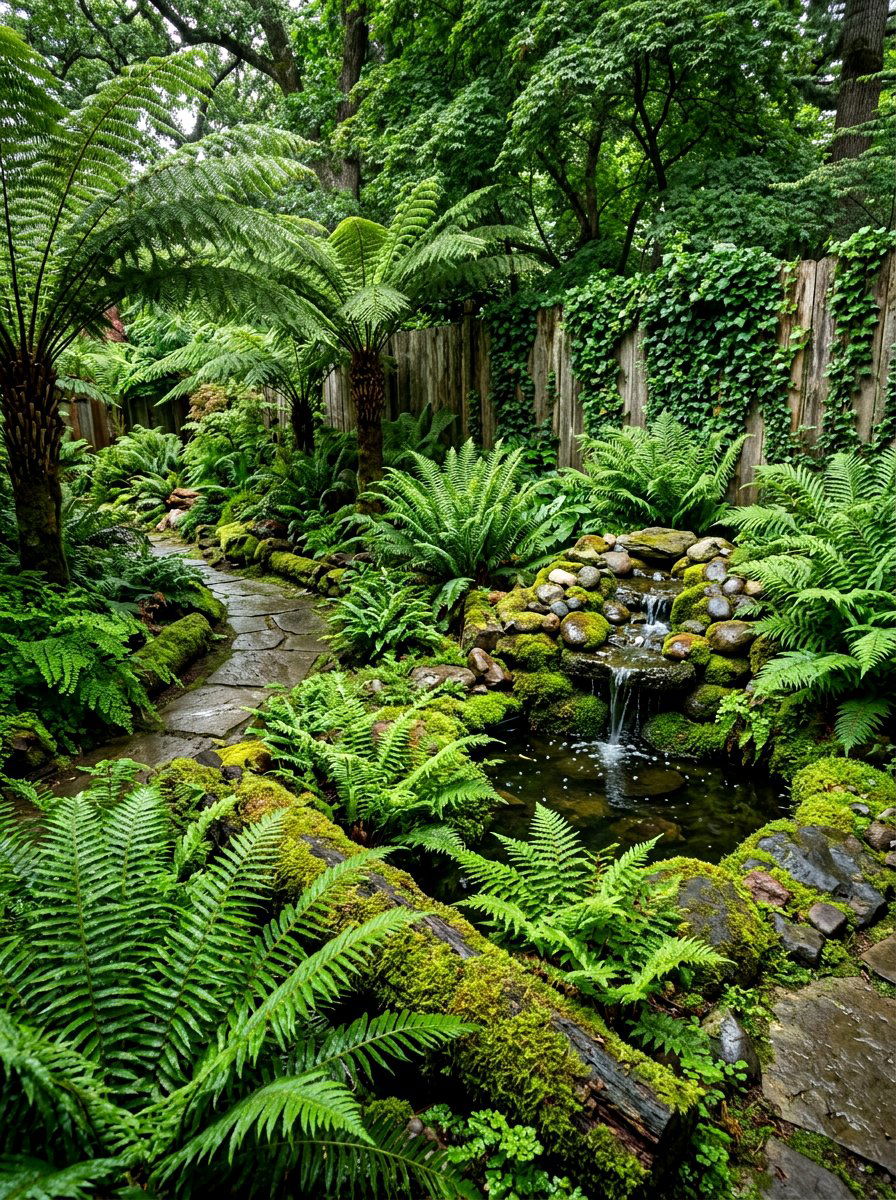
Ferns are ancient plants that bring a lush, prehistoric feel to any shaded corner. A dedicated fern garden is perfect for north-facing yards or areas beneath large trees. There are many different varieties of ferns with unique textures and shades of green. They thrive in moist soil and high humidity, making them ideal for damp spots. You can mix them with moss-covered logs and stones for a very natural look. The delicate fronds unfurl in the spring, which is a beautiful process to watch closely. Ferns are very resilient and require almost no maintenance once they are established in the right location.
16. Native Hedgerow Backyard
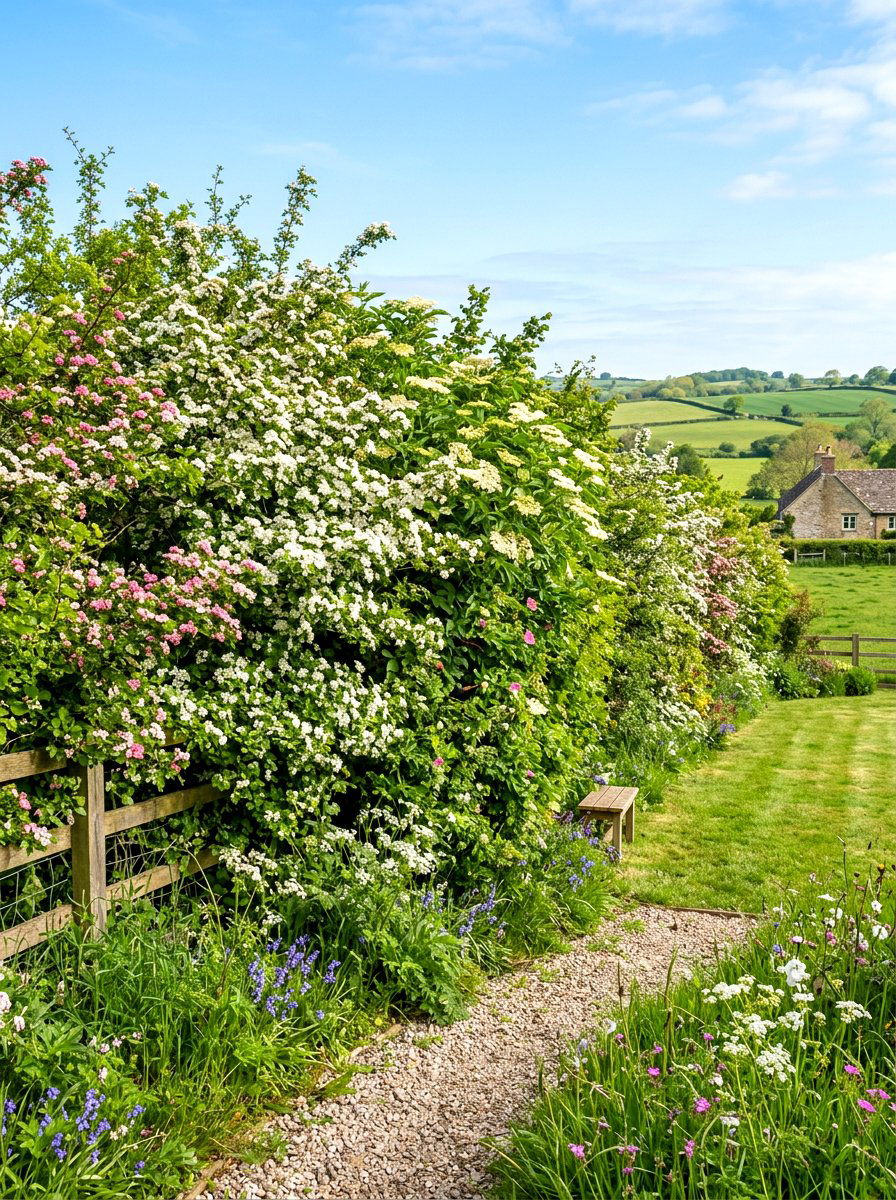
A native hedgerow is a living fence that provides privacy while supporting local wildlife. Instead of a single species, a natural hedgerow uses a mix of native shrubs and small trees. This diversity ensures that there is always something blooming or fruiting for the animals. Birds use the dense branches for nesting and protection from predators. You can choose species that produce colorful berries or showy spring flowers. A hedgerow is much more environmentally friendly than a wooden fence or a brick wall. It acts as a windbreak and helps to reduce noise from the surrounding neighborhood. It is a beautiful and functional boundary.
17. Herb Spiral Backyard
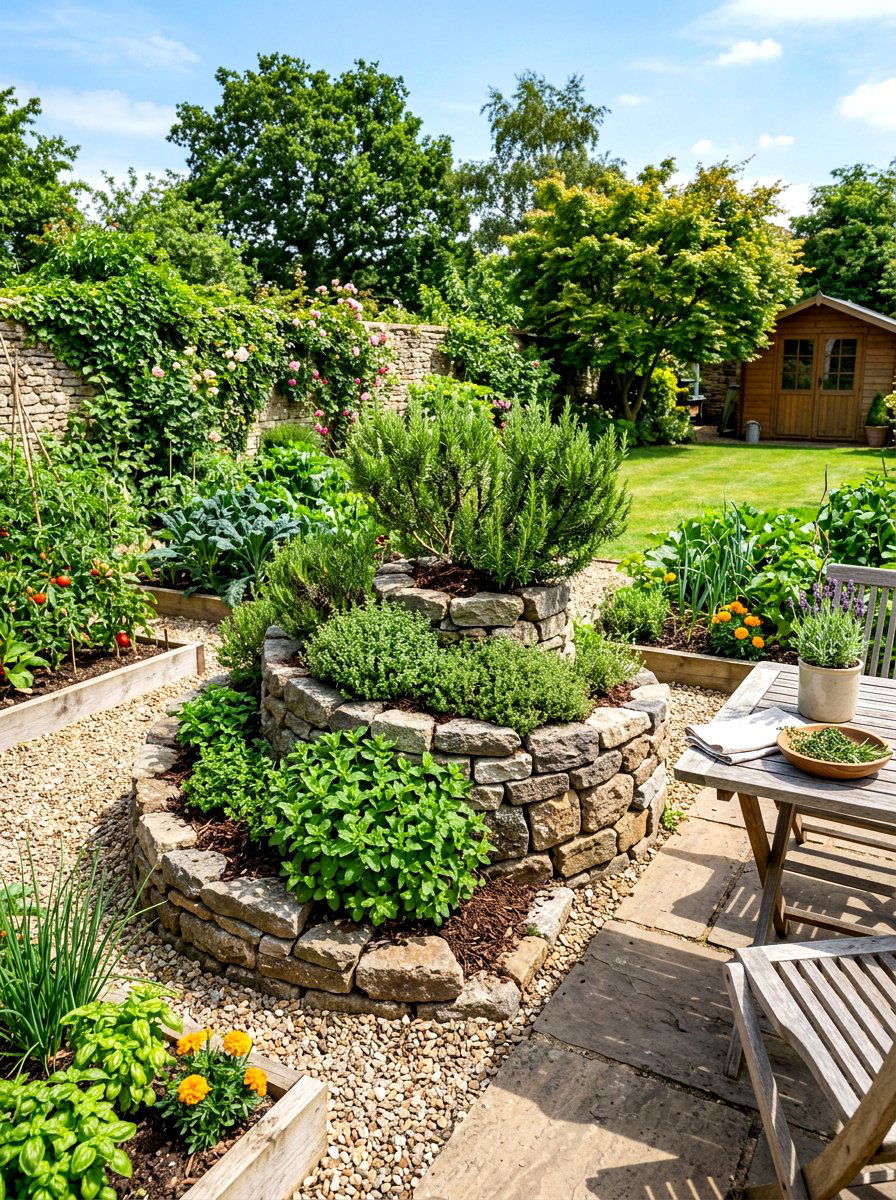
An herb spiral is a clever way to grow many different herbs in a very small space. This three-dimensional design creates several microclimates for different types of plants. The top of the spiral is dry and sunny, which is perfect for rosemary or thyme. The bottom is cooler and more moist, making it ideal for mint or parsley. You can build the spiral using local stones or reclaimed bricks for a natural look. This feature is both beautiful to look at and highly productive for your kitchen. It provides easy access to fresh herbs while adding a unique architectural element to your backyard.
18. Moss Garden Backyard
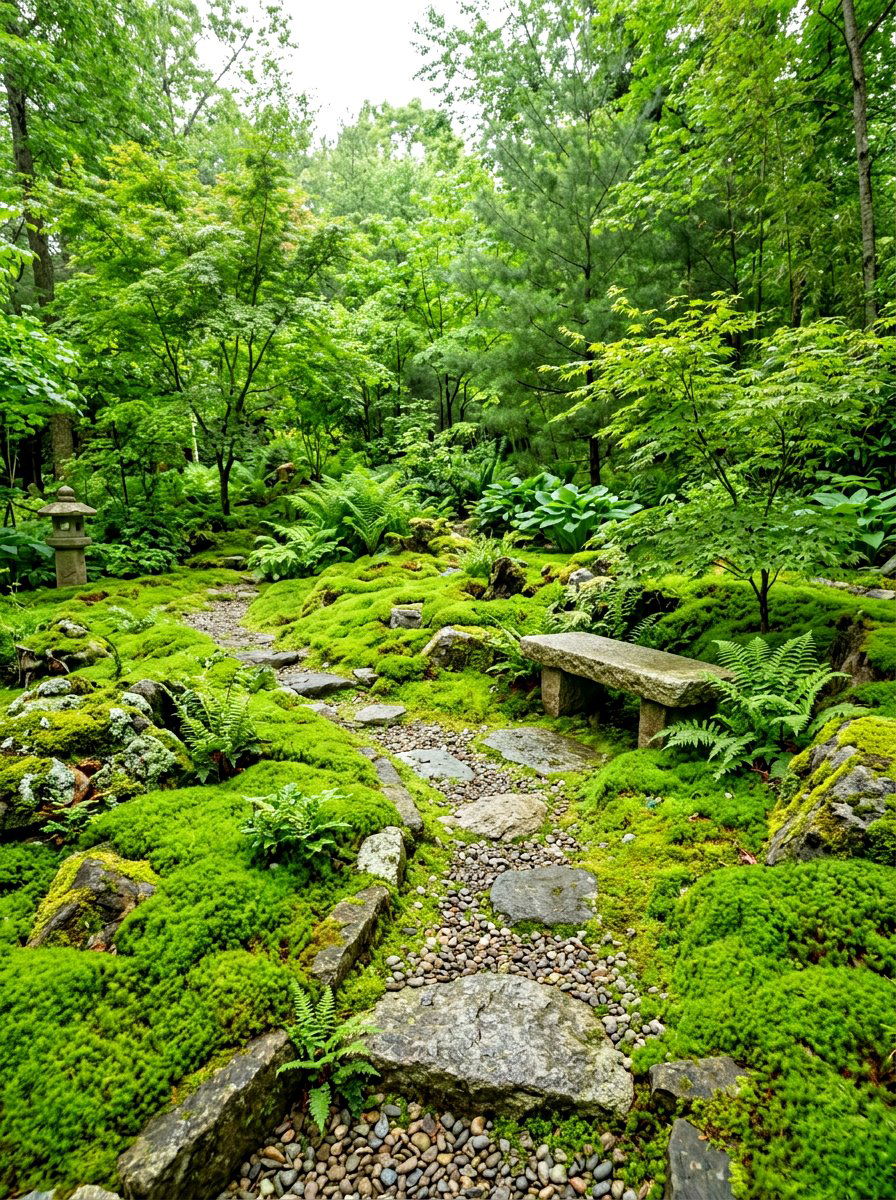
Moss gardens are incredibly peaceful and offer a velvet-like texture that is unique in the plant world. They are the perfect solution for areas where grass refuses to grow due to deep shade. Moss requires very little apart from consistent moisture and a clean surface. You can encourage moss to grow on stones, logs, and even directly on the soil. It stays green throughout the winter, providing a constant splash of color in your backyard. Walking barefoot on a mossy path is a wonderful sensory experience that connects you to the earth. This low-profile garden style creates a sense of timelessness and quiet contemplation.
19. Natural Swimming Pool Backyard
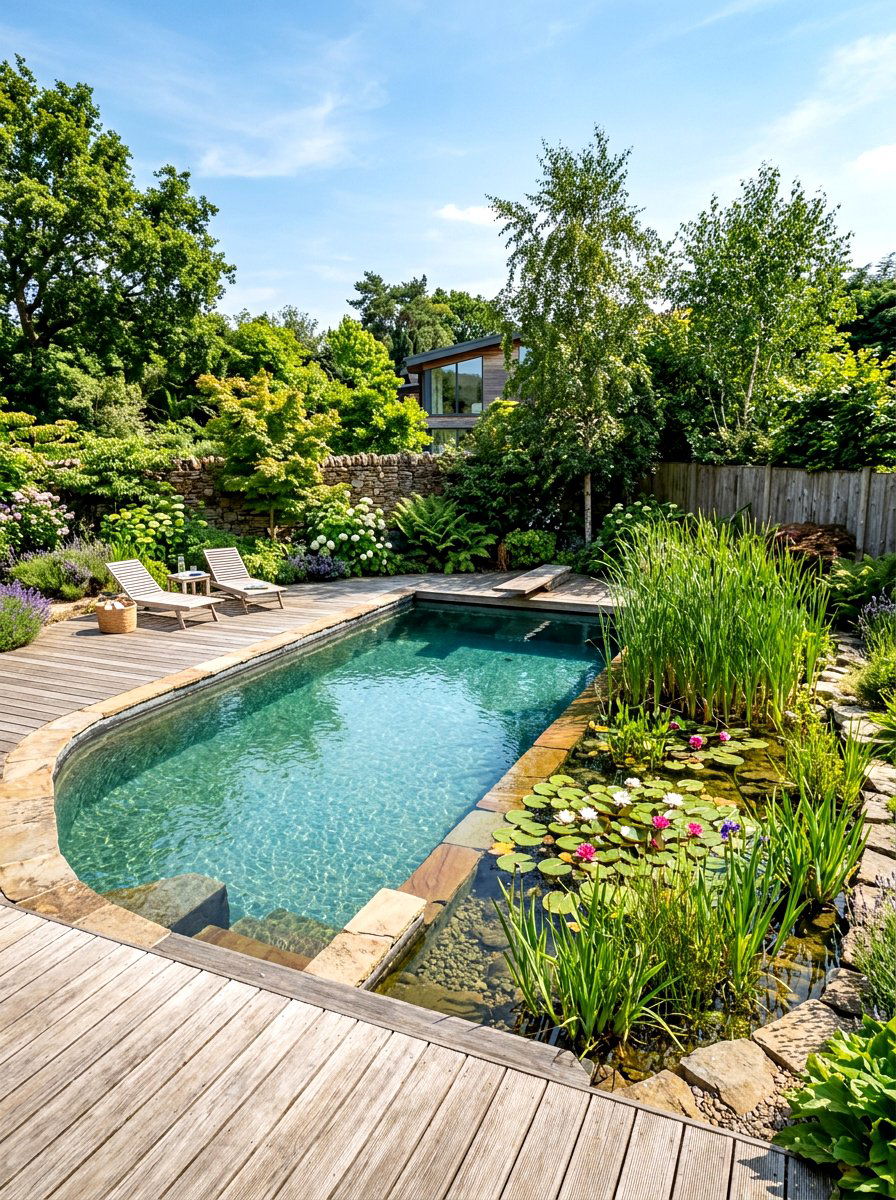
A natural swimming pool uses plants and biological filters instead of harsh chemicals to stay clean. These pools look like beautiful ponds but are safe and clear for swimming. The "regeneration zone" is filled with aquatic plants that naturally filter the water. This creates a seamless transition between your swimming area and the rest of your garden. You can enjoy the refreshing water without the smell or irritation of chlorine. These pools attract wildlife and blend perfectly into a naturalistic landscape design. They offer a unique way to enjoy water in your backyard while supporting a healthy and chemical-free local environment for your family.
20. Prairie Garden Backyard
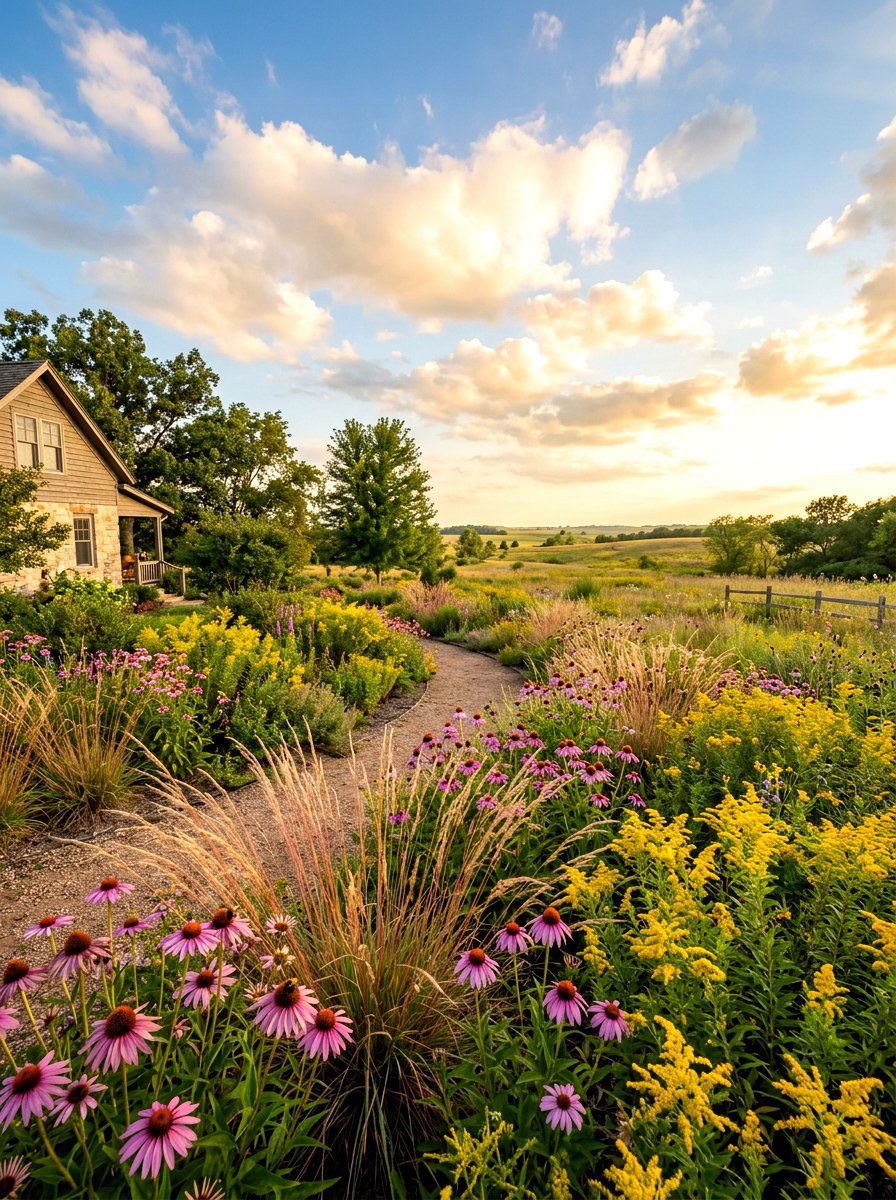
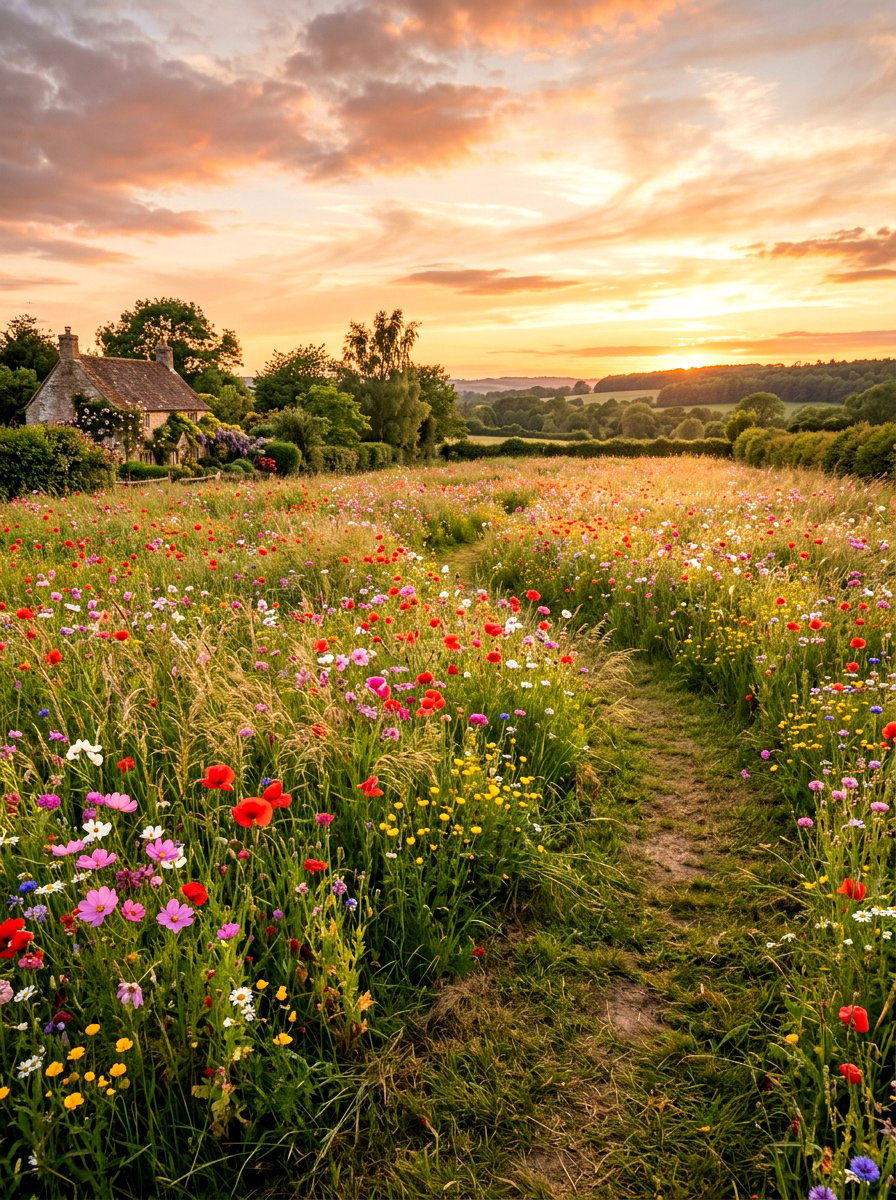
Prairie gardens are inspired by the vast grasslands and are filled with hardy perennials and grasses. These gardens are designed to handle full sun and periods of drought with ease. They feature deep-rooted plants that improve soil health and prevent erosion over time. The mix of tall grasses and bright flowers creates a dynamic and textured landscape. You can enjoy a long season of interest as different species bloom from spring through autumn. In the winter, the dried seed heads and golden grasses provide food for birds. This style of gardening is a beautiful way to honor the natural history of the local open plains.
21. Coastal Landscaping Backyard
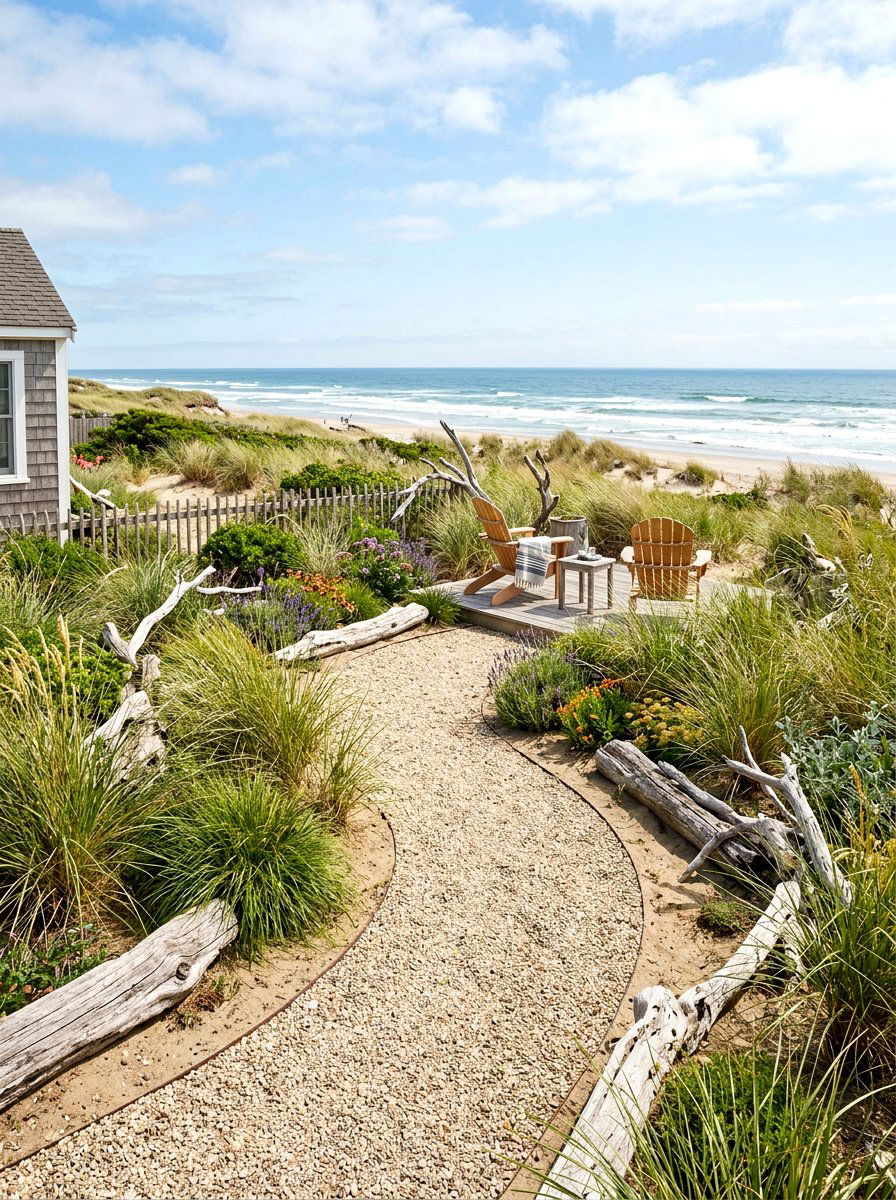
Coastal landscaping is designed to thrive in sandy soil and salty air conditions. This style often uses hardy grasses, rugged shrubs, and succulents that can handle the wind. You can use driftwood and local seashells as decorative elements in your garden beds. The color palette usually includes soft greys, blues, and sandy beiges to mimic the shoreline. Using permeable gravel paths helps to manage water in these often-dry environments. This type of backyard feels relaxed and airy, bringing the vacation vibe right to your home. It is a sustainable way to garden if you live near the ocean or in similar conditions.
22. Desert Xeriscape Backyard
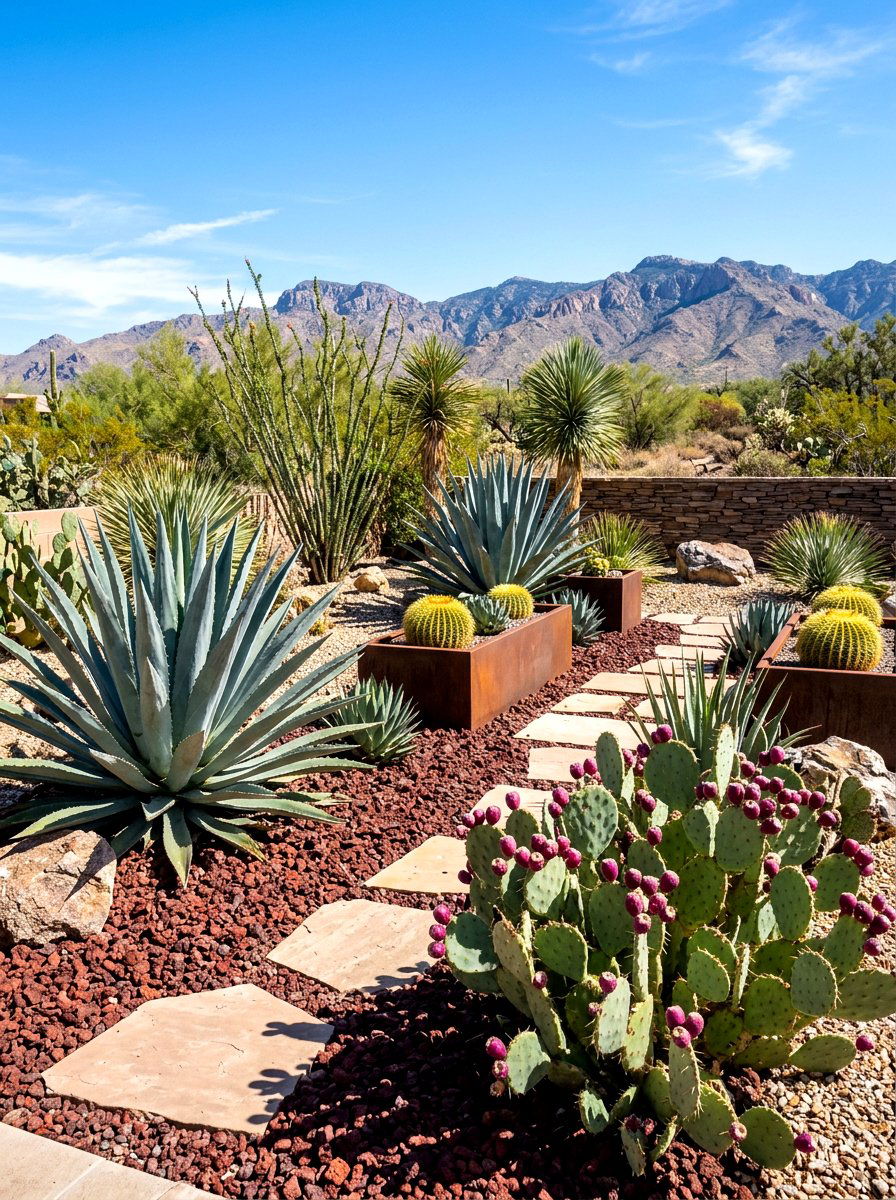
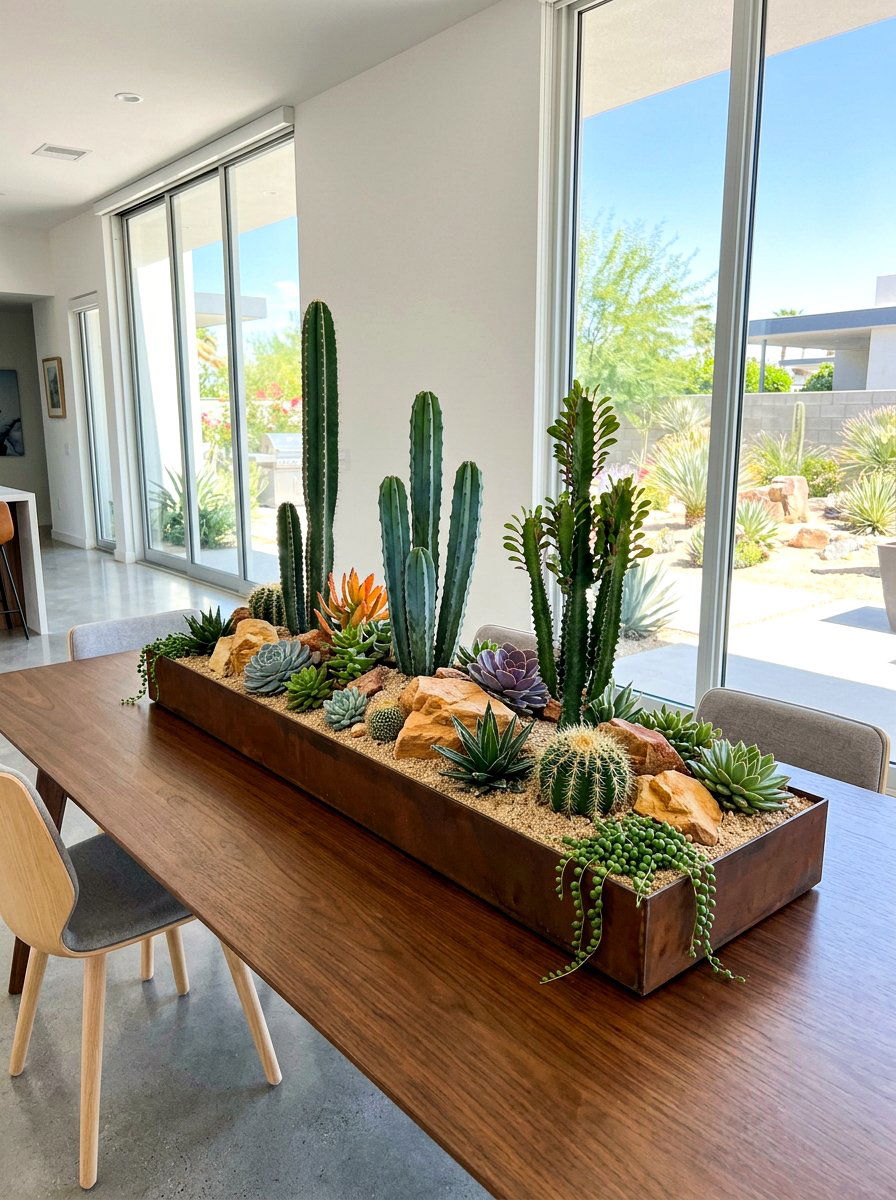
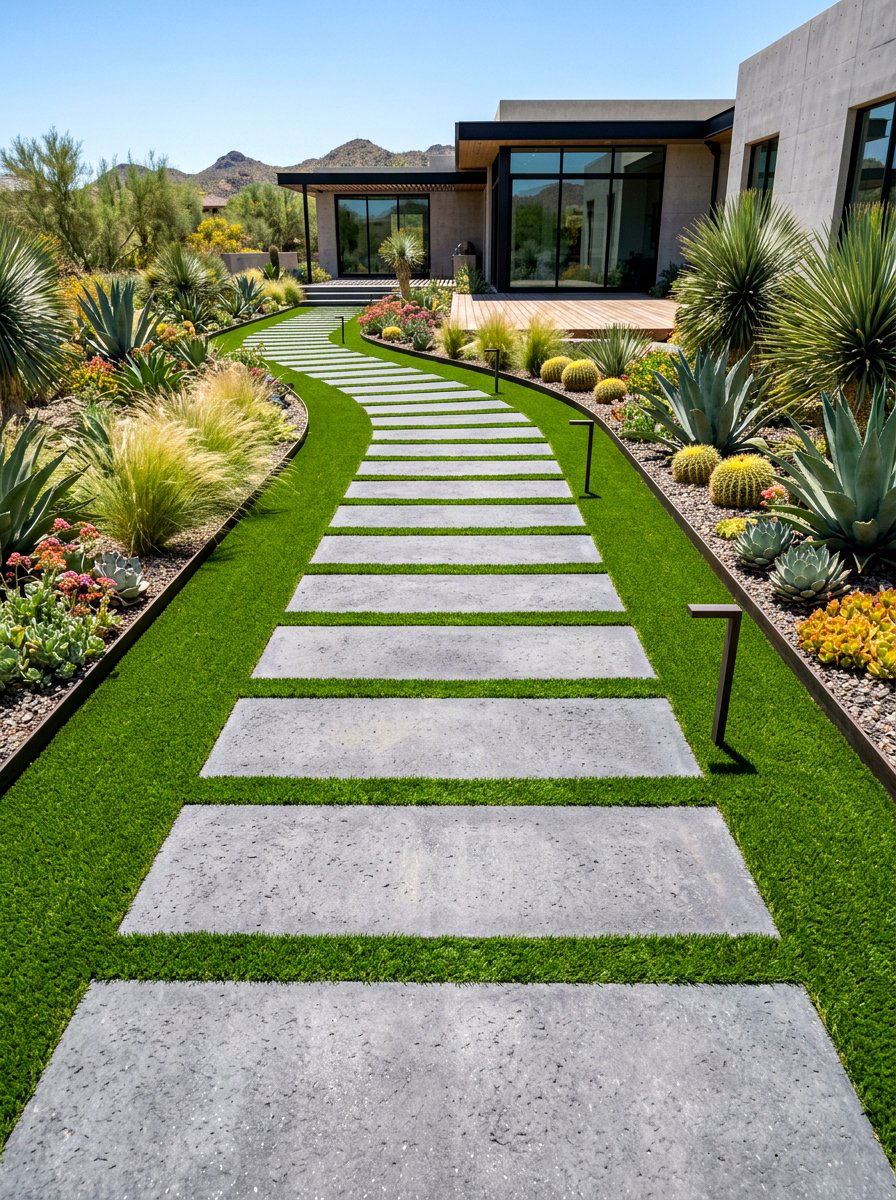
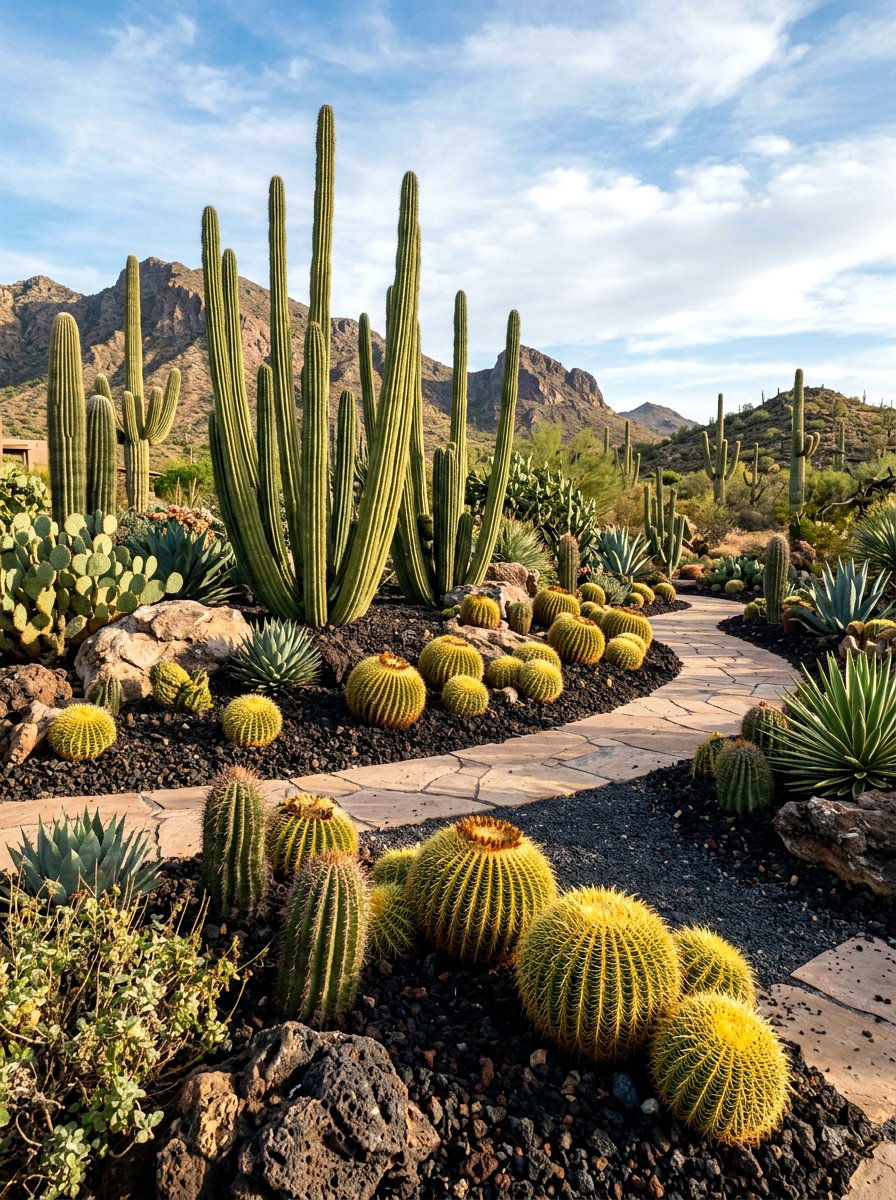
A desert xeriscape focuses on water conservation while creating a stunning and dramatic outdoor space. This style uses drought-tolerant plants like cacti, agaves, and desert perennials. You can use colorful gravel and large boulders to create a striking low-water landscape. These gardens are incredibly low-maintenance and require very little supplemental irrigation once established. The unique shapes and textures of desert plants provide year-round visual interest. You can add a small, efficient drip system to ensure your plants thrive during the hottest months. It is a responsible and beautiful way to landscape in arid climates where water is a very precious and limited resource.
23. Shade Garden Backyard
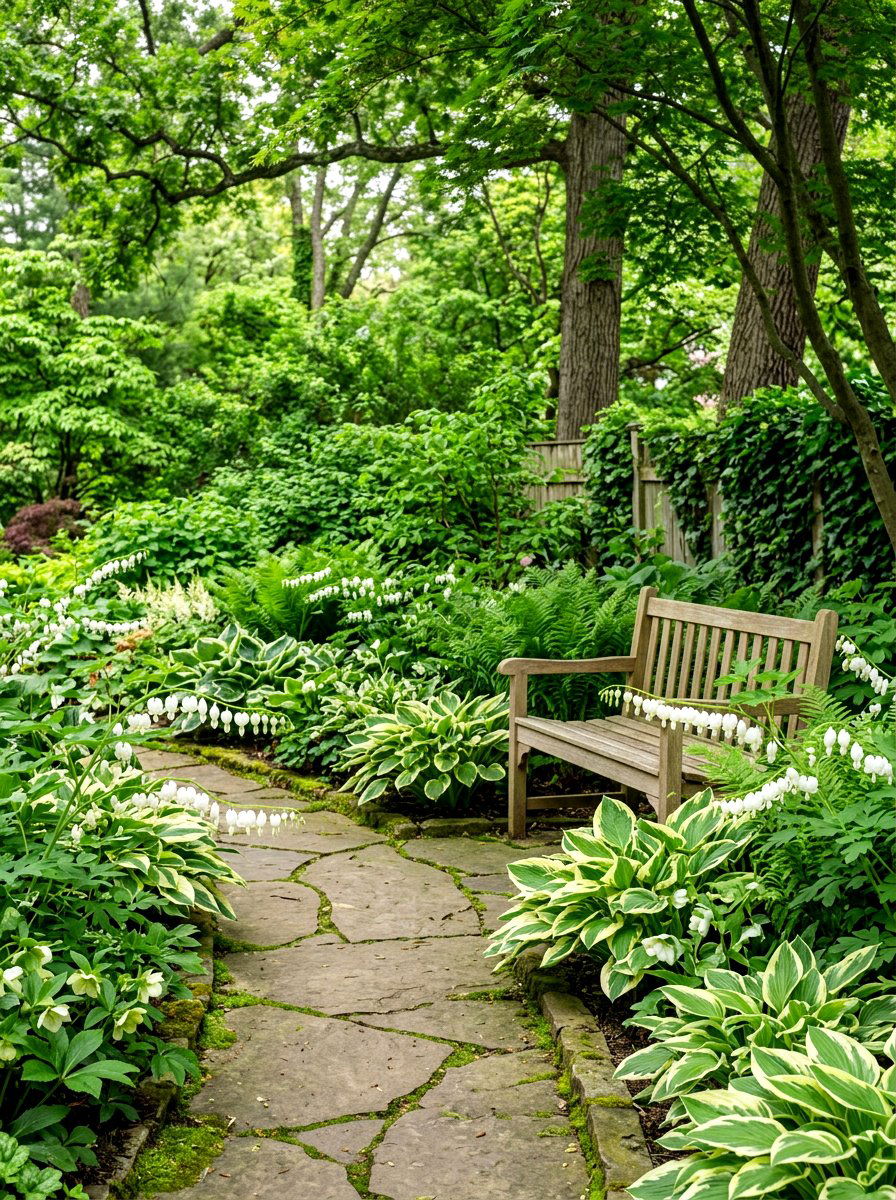
Shade gardens turn the darker corners of your yard into lush and inviting retreats. These spaces focus on plants with interesting foliage shapes and various shades of green. Hostas, coral bells, and bleeding hearts are popular choices for these low-light areas. You can use white flowers or variegated leaves to brighten up the shadows. Adding a comfortable bench creates a perfect spot for reading or relaxing out of the sun. The cooler temperature in the shade makes it a favorite spot during the peak of summer. A well-designed shade garden feels like a hidden sanctuary away from the bright and busy world outside.
24. Bog Garden Backyard
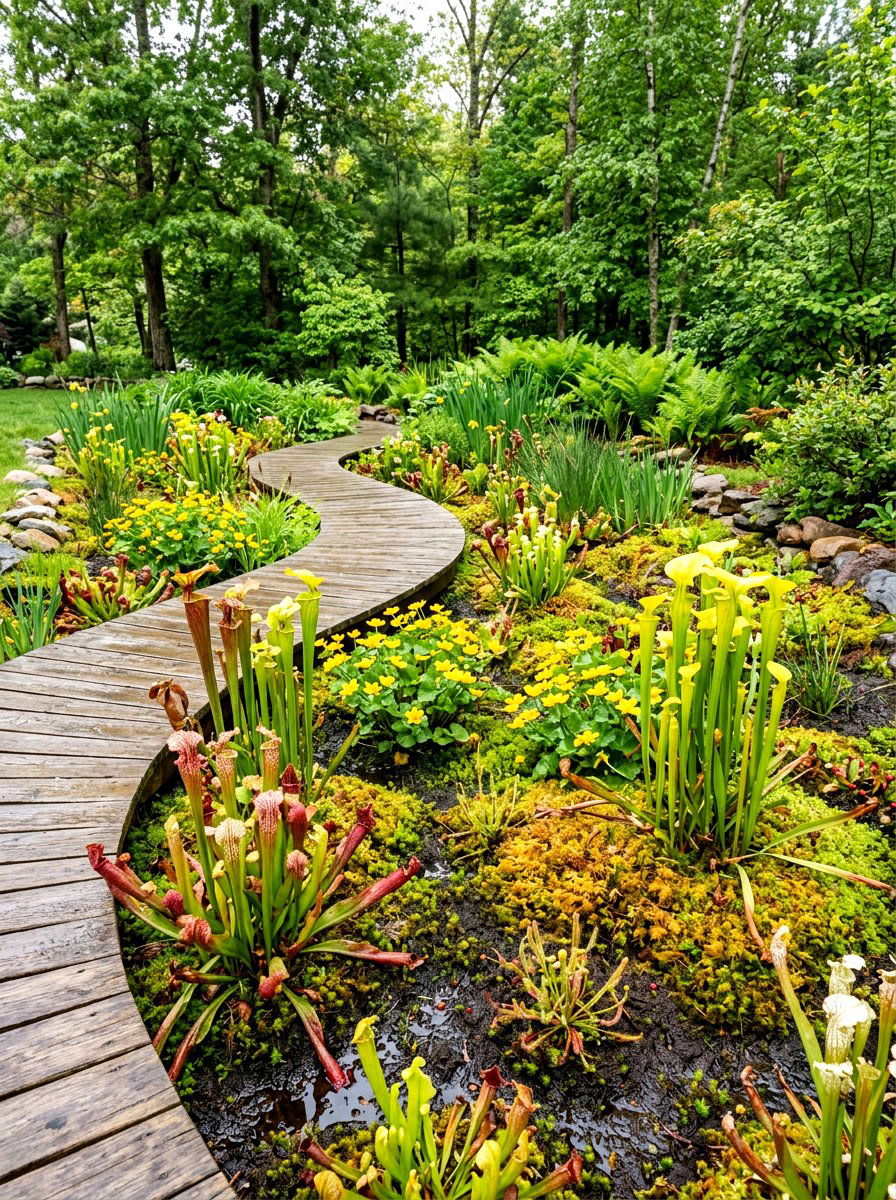
A bog garden is a specialized area for plants that love constantly wet and soggy soil. This is a great way to utilize a low spot in your yard that stays damp after rain. You can plant unique species like carnivorous pitcher plants, marsh marigolds, and Siberian irises. These gardens support a different range of wildlife, including many interesting amphibians and insects. To create a bog garden, you may need to use a liner to hold some moisture in the soil. It adds a rare and fascinating ecosystem to your backyard collection. This feature is perfect for nature lovers who want to see something truly different.
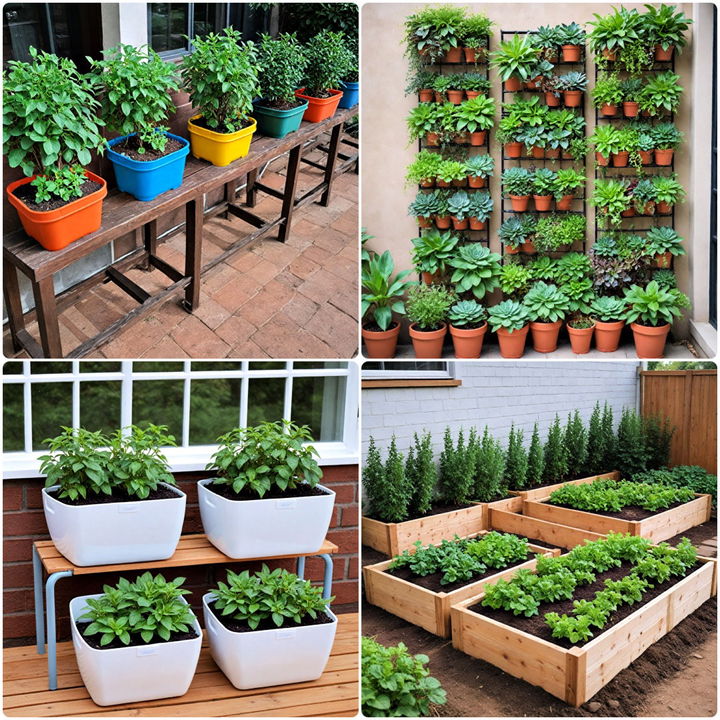
25. Orchard Grove Backyard
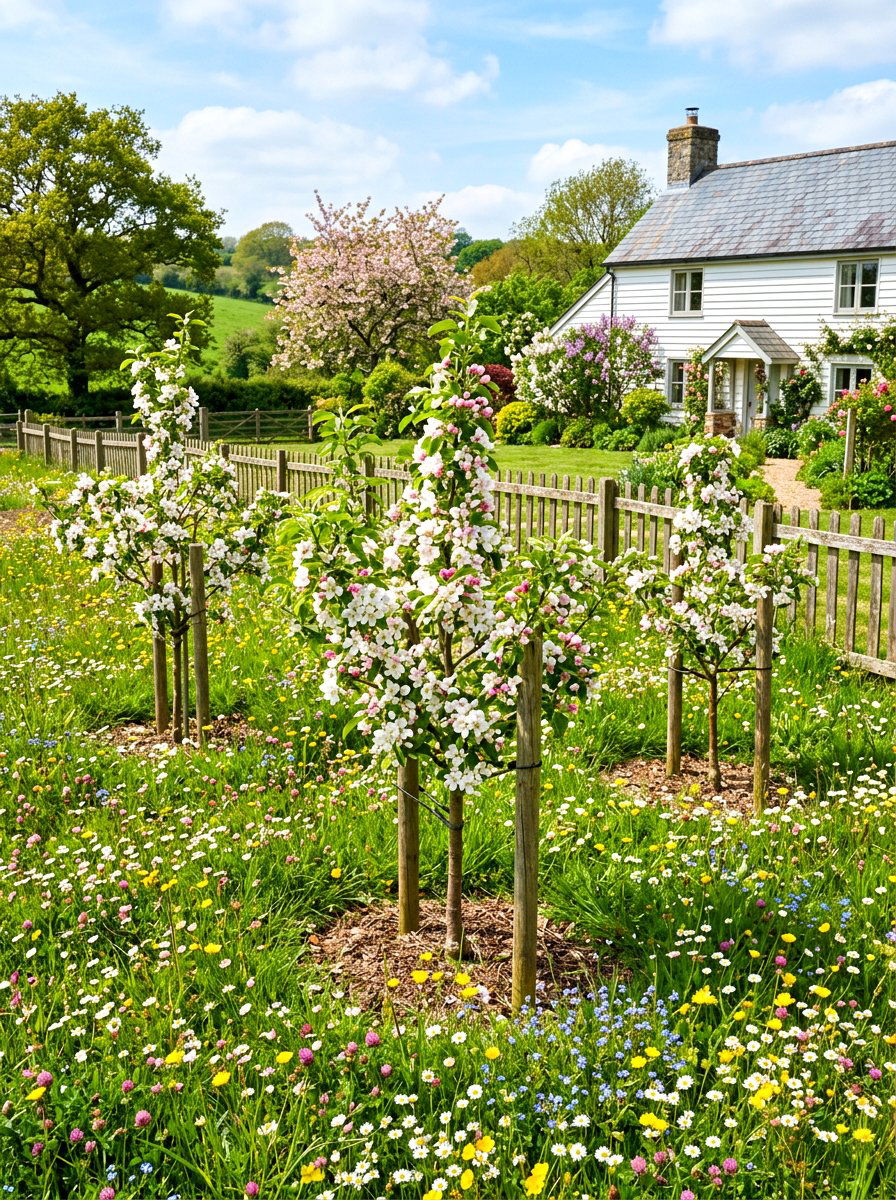
Planting an orchard grove brings the beauty of spring blossoms and the joy of a summer harvest. Even a small backyard can accommodate a few dwarf fruit trees like apple, pear, or cherry. You can underplant the trees with native wildflowers to attract pollinators and improve fruit production. The trees provide valuable shade and structure to your backyard design over many years. Watching the fruit develop from tiny buds to ripe snacks is a rewarding experience for all ages. An orchard grove creates a sense of abundance and connection to the cycle of the seasons. It is a delicious way to enhance your naturalistic landscape.
26. Cottage Garden Backyard
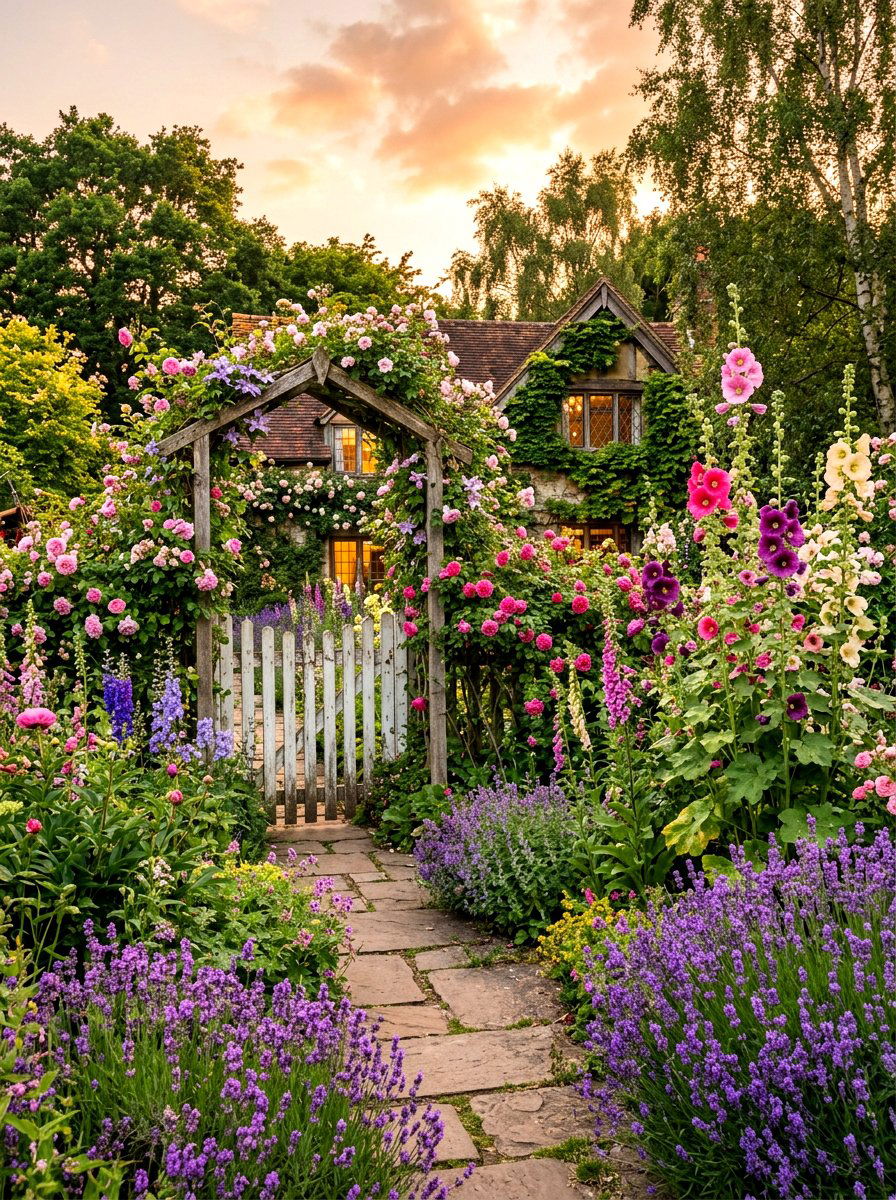
Cottage gardens have a charming and informal style that works perfectly with a naturalistic theme. They feature a dense mix of flowers, herbs, and edible plants growing closely together. This "organized chaos" approach discourages weeds and creates a lush, overflowing look. You can use traditional favorites like lavender, foxgloves, and roses alongside native wildflowers. Winding paths and rustic wooden fences complete the classic cottage aesthetic in your yard. This garden style is all about personal expression and enjoying the beauty of many different blooms. It provides a constant supply of cut flowers for your home while creating a haven for many local bees.
27. Alpine Garden Backyard
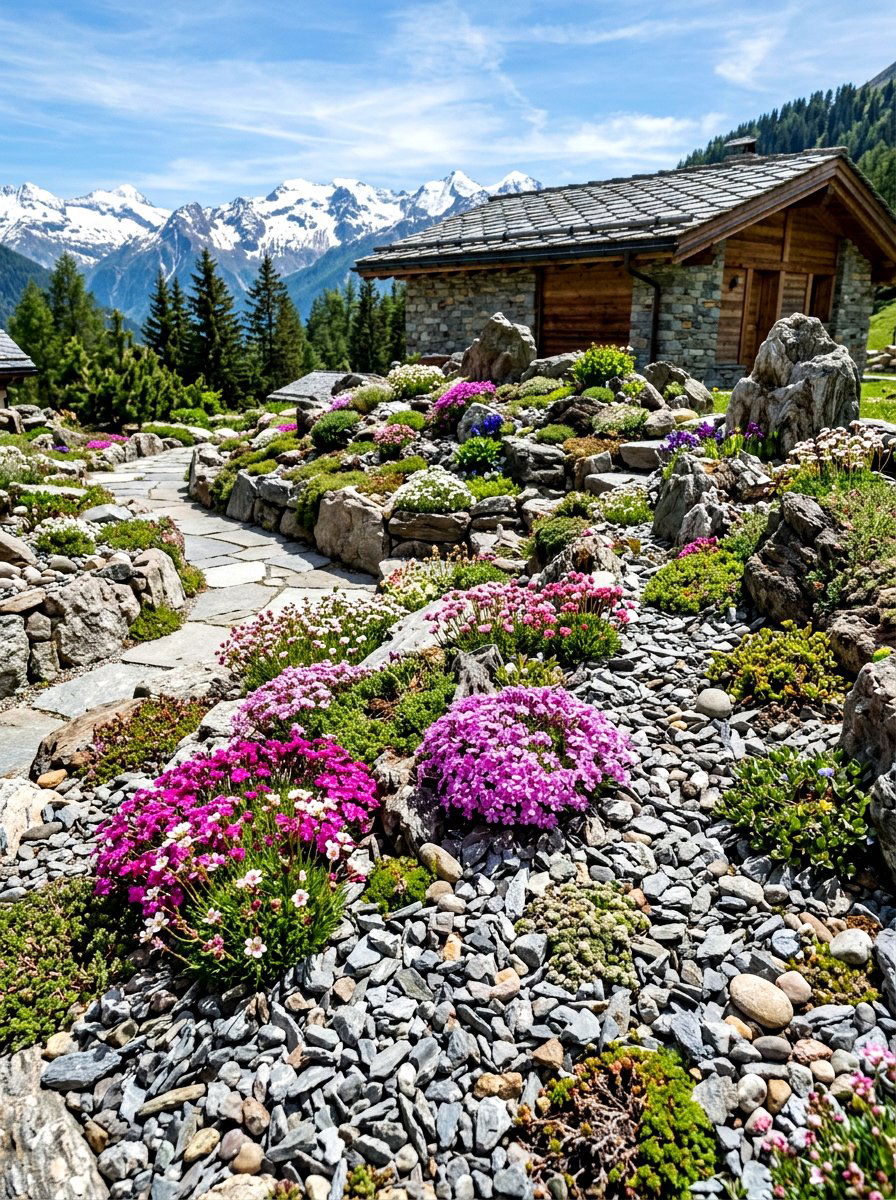
Alpine gardens mimic the harsh but beautiful conditions found in high mountain ranges. These gardens use well-draining soil and plenty of small rocks to create a scree-like environment. The plants are typically low-growing, mat-forming species that can handle cold and wind. You can use miniature evergreens to add structure and year-round green to the display. This style is perfect for small spaces or for creating interest in a raised garden bed. The tiny, delicate flowers of alpine plants are often incredibly vibrant and rewarding to see. It is a unique way to bring a touch of the mountains to your own backyard space.
28. Bamboo Garden Backyard
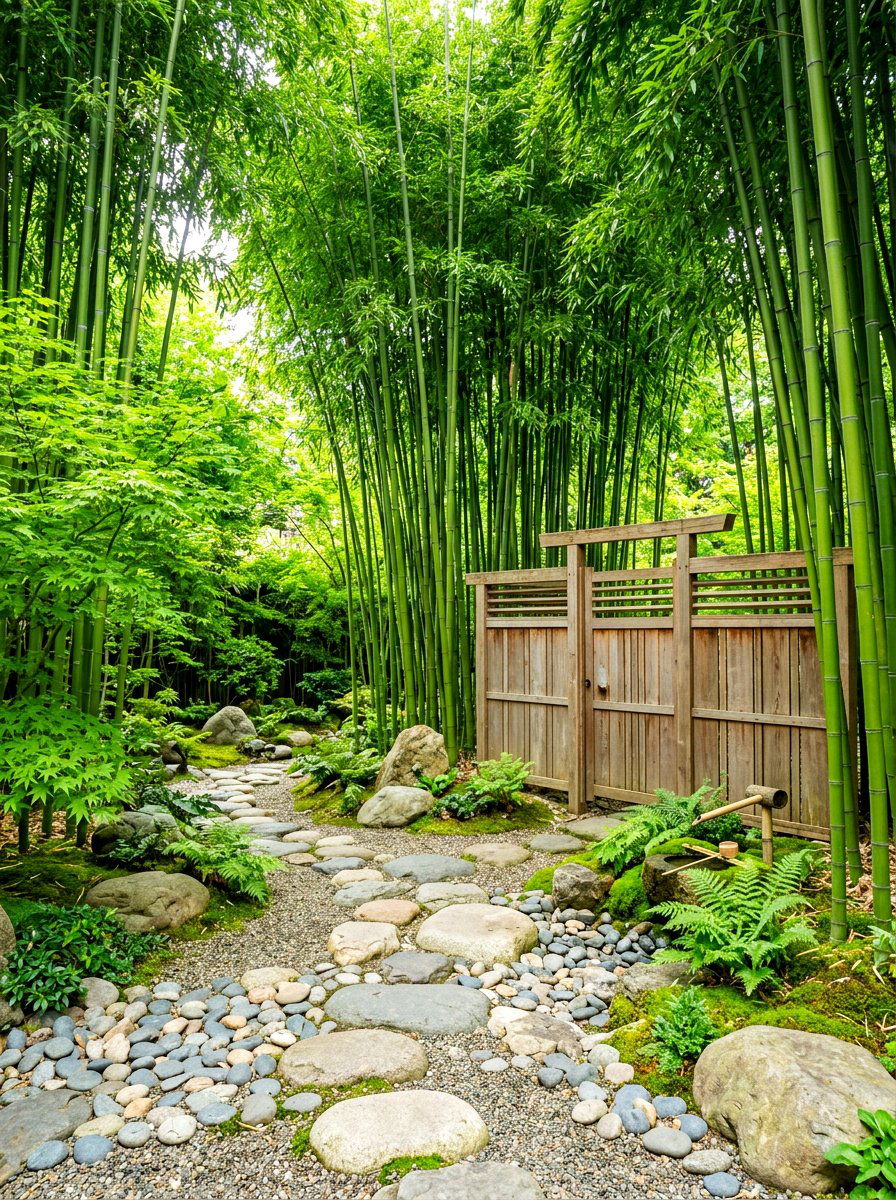
A bamboo garden can create a fast-growing privacy screen with a distinct and exotic feel. It is important to choose non-invasive, clumping varieties to keep the garden manageable. The tall, slender canes create a beautiful vertical element that sways and rustles in the breeze. You can pair bamboo with smooth river stones and simple wooden elements for a clean look. The dense foliage provides excellent shade and helps to cool the air in your backyard. It creates a serene and secluded atmosphere that feels very private and peaceful. This is a great choice for urban backyards where space is limited but privacy is needed.
29. Zen Garden Backyard
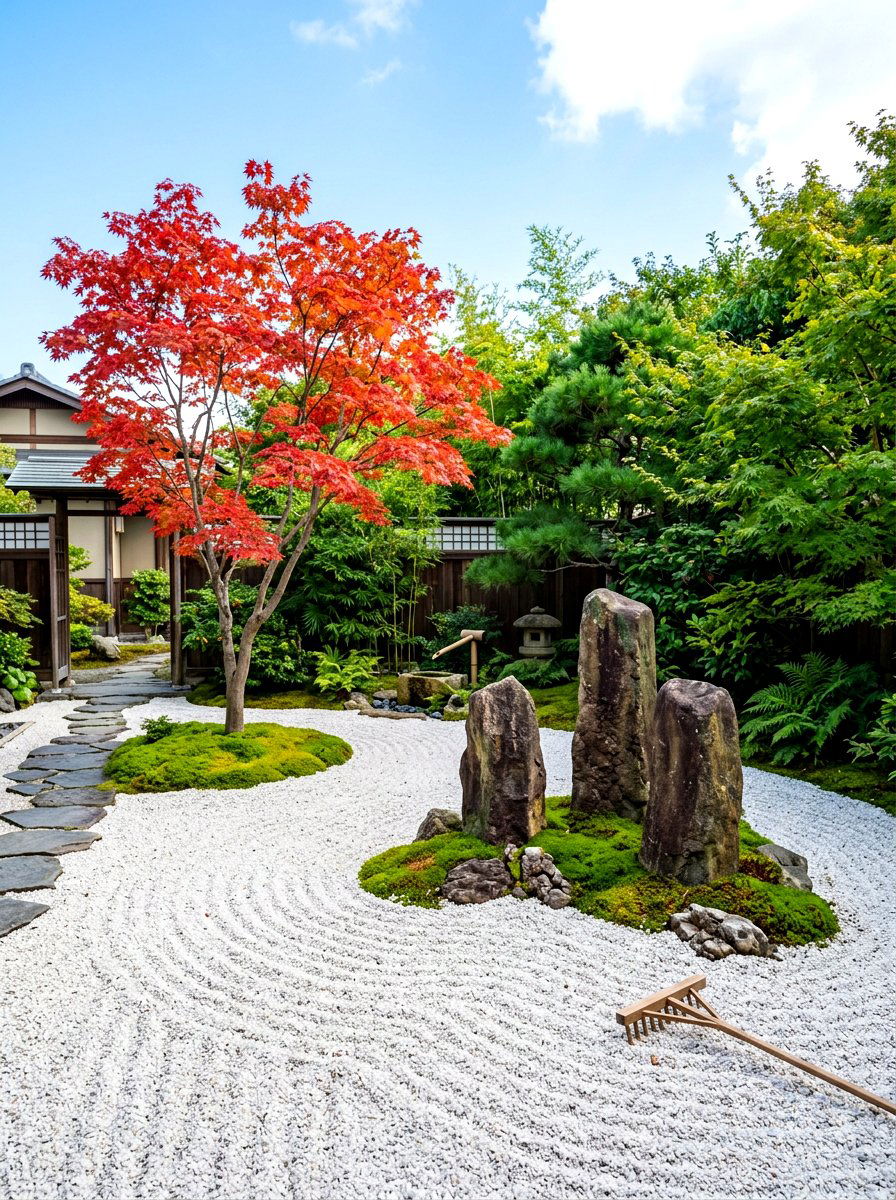
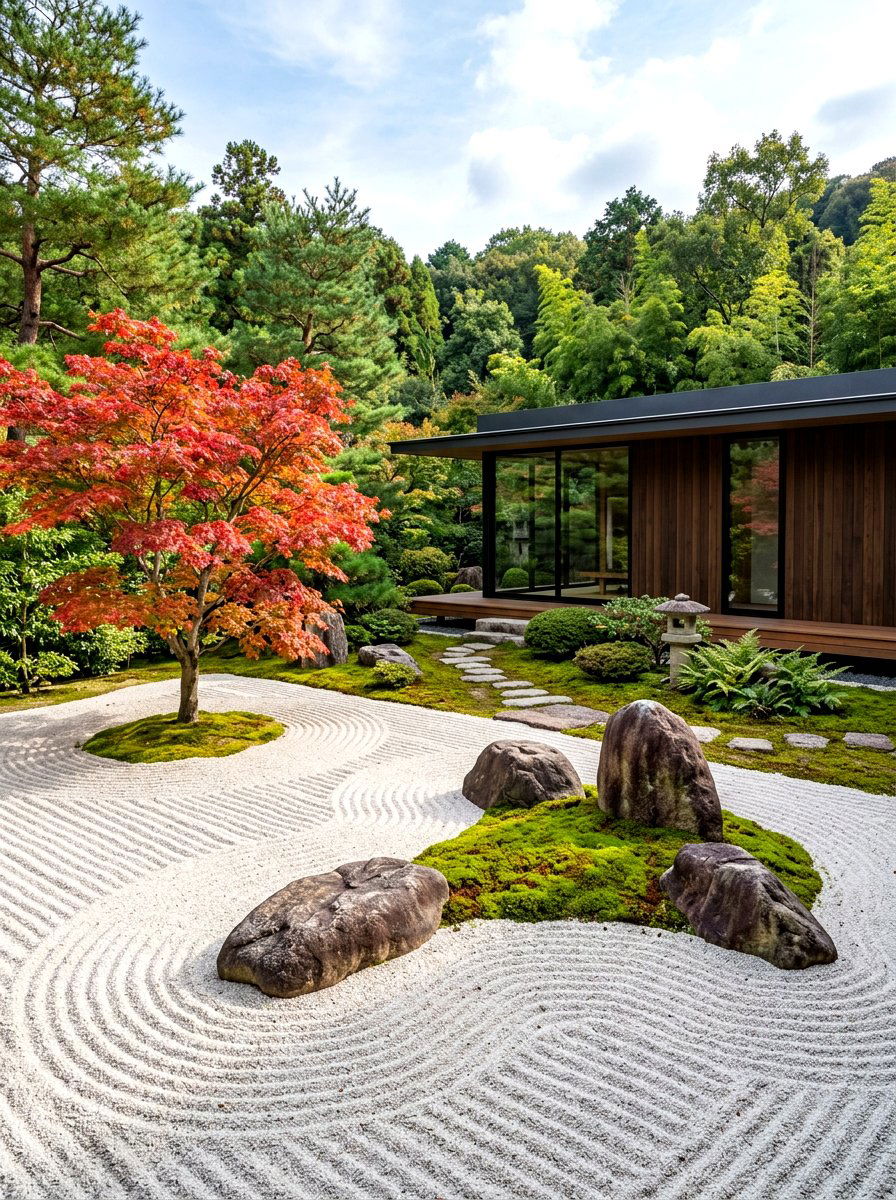
Zen gardens use simple elements like sand, gravel, and stone to create a space for meditation. While traditional versions are minimal, you can incorporate naturalistic plants for a softer feel. Raking patterns into the gravel mimics the movement of water and provides a calming activity. Large, weathered rocks represent mountains or islands in the "sea" of sand. Adding a few carefully pruned maples or patches of moss adds life to the design. This style of backyard focuses on balance, simplicity, and the beauty of the natural world. It is a wonderful place to sit quietly and decompress after a long and stressful day.
30. Meadow Lawn Backyard
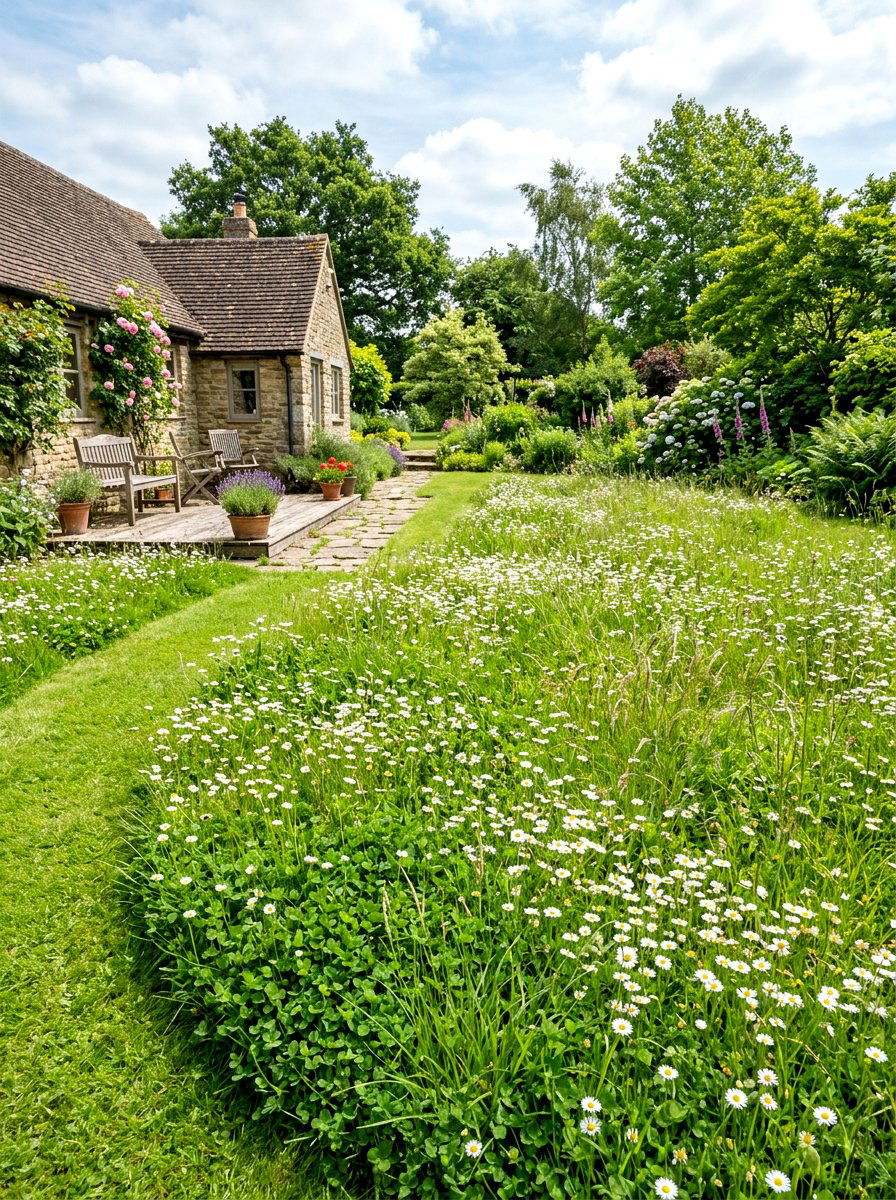
A meadow lawn is a compromise between a traditional grass lawn and a wild meadow. It uses low-growing native grasses and small wildflowers that can handle occasional foot traffic. You only need to mow this type of lawn a few times a year. This saves time and reduces the carbon footprint associated with gas-powered mowers. The diverse mix of plants is much more resilient to drought and pests than a single-species lawn. It provides a soft, green carpet that feels much more alive than a manicured turf. A meadow lawn is a practical step toward a more sustainable and naturalistic home backyard.
Conclusion:
Transforming your backyard into a naturalistic haven is a journey that benefits both you and the environment. By embracing native plants, water features, and diverse habitats, you create a resilient space that thrives with minimal effort. This approach moves away from the high-maintenance demands of traditional landscaping toward a more harmonious existence with nature. Your backyard becomes a living classroom where you can observe the fascinating cycles of local wildlife every day. Whether you have a small urban plot or a sprawling rural yard, there are endless ways to invite the wild back home. Enjoy the peace and beauty of your new sanctuary.

Related posts: