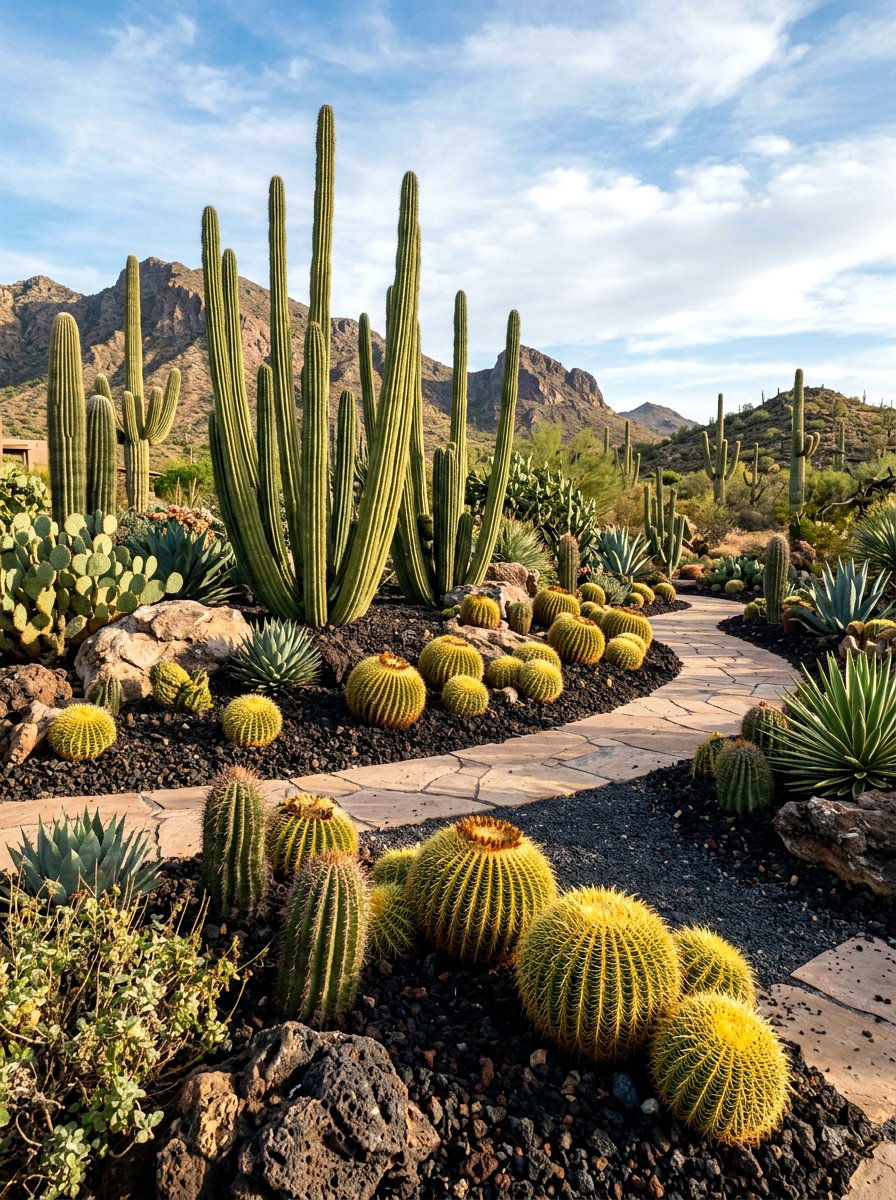
Transforming your front yard into a water-wise sanctuary is one of the most rewarding home improvement projects you can undertake today. By choosing low water front yard ideas, you are not only saving on your monthly utility bills but also contributing to a more sustainable and eco-friendly environment. These designs focus on beauty, texture, and resilience, proving that you do not need a thirsty green lawn to achieve incredible curb appeal. From modern minimalist rock gardens to lush Mediterranean-inspired retreats, there are endless ways to make your home stand out. In this guide, we explore thirty creative ways to redefine your outdoor space with style and efficiency.
1. Native Plant Garden
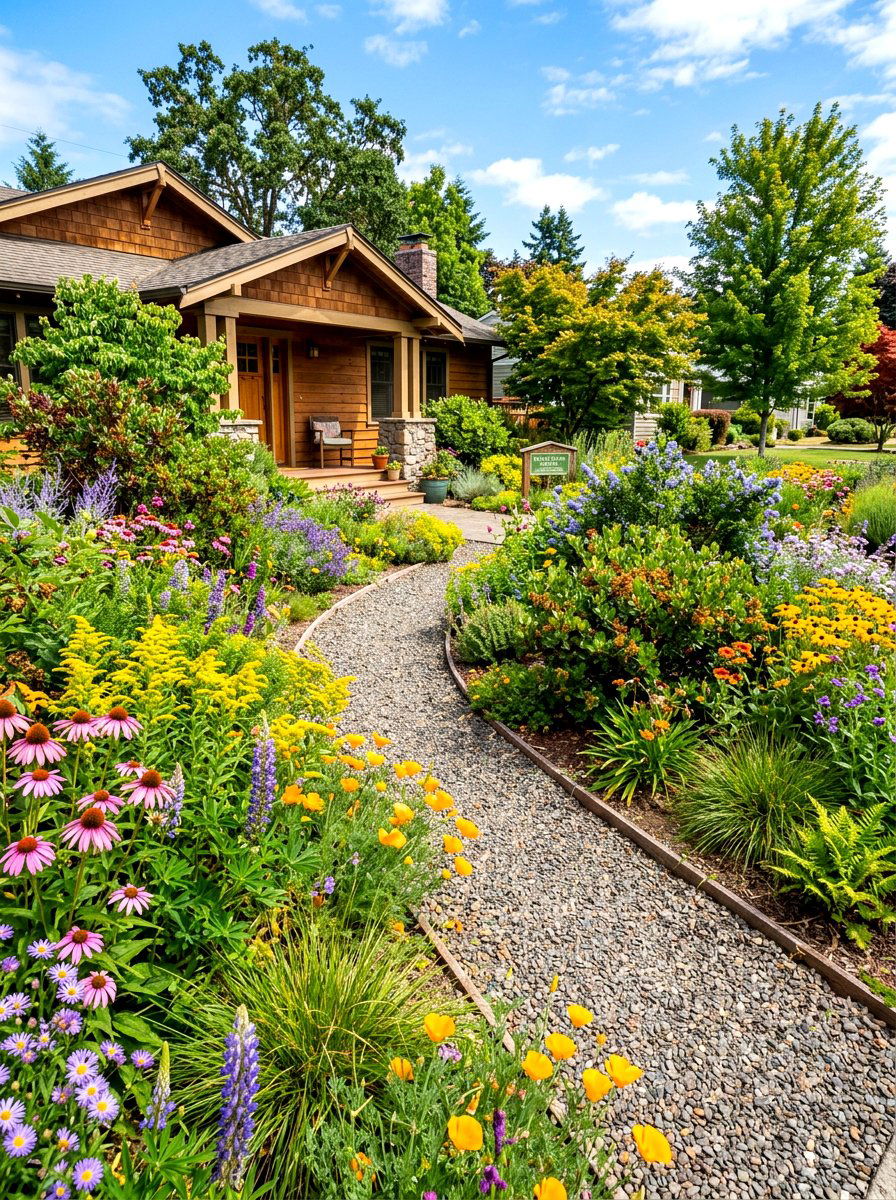
Choosing a native plant garden is the most effective way to ensure your front yard thrives with minimal intervention. These plants are naturally adapted to your local climate and soil, which means they require far less supplemental watering once they are fully established. By integrating indigenous species, you also provide a vital habitat for local birds and beneficial pollinators. You can arrange these plants in naturalistic drifts to create a lush, layered look that feels deeply connected to the surrounding landscape. This approach eliminates the need for chemical fertilizers and heavy irrigation, making it a truly sustainable choice for any modern homeowner today.
2. Gravel Path Landscaping
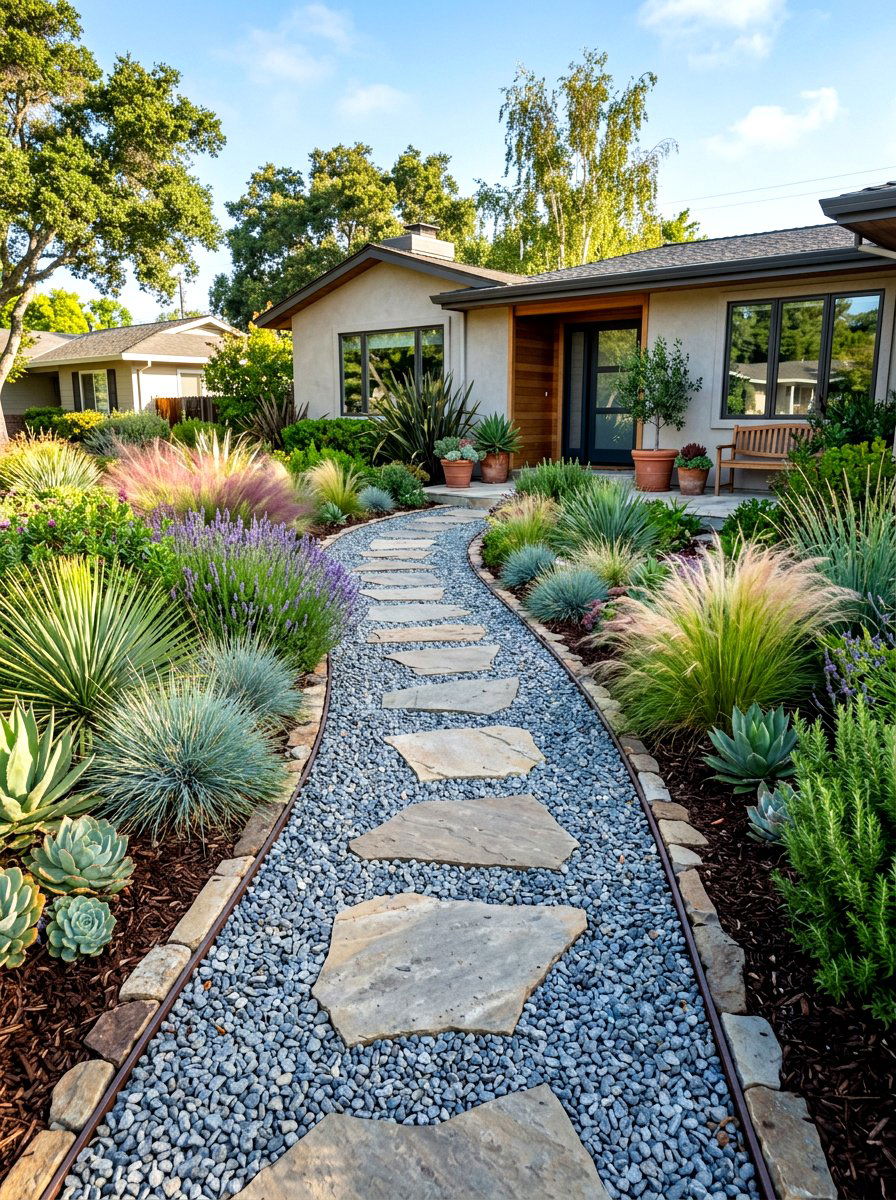
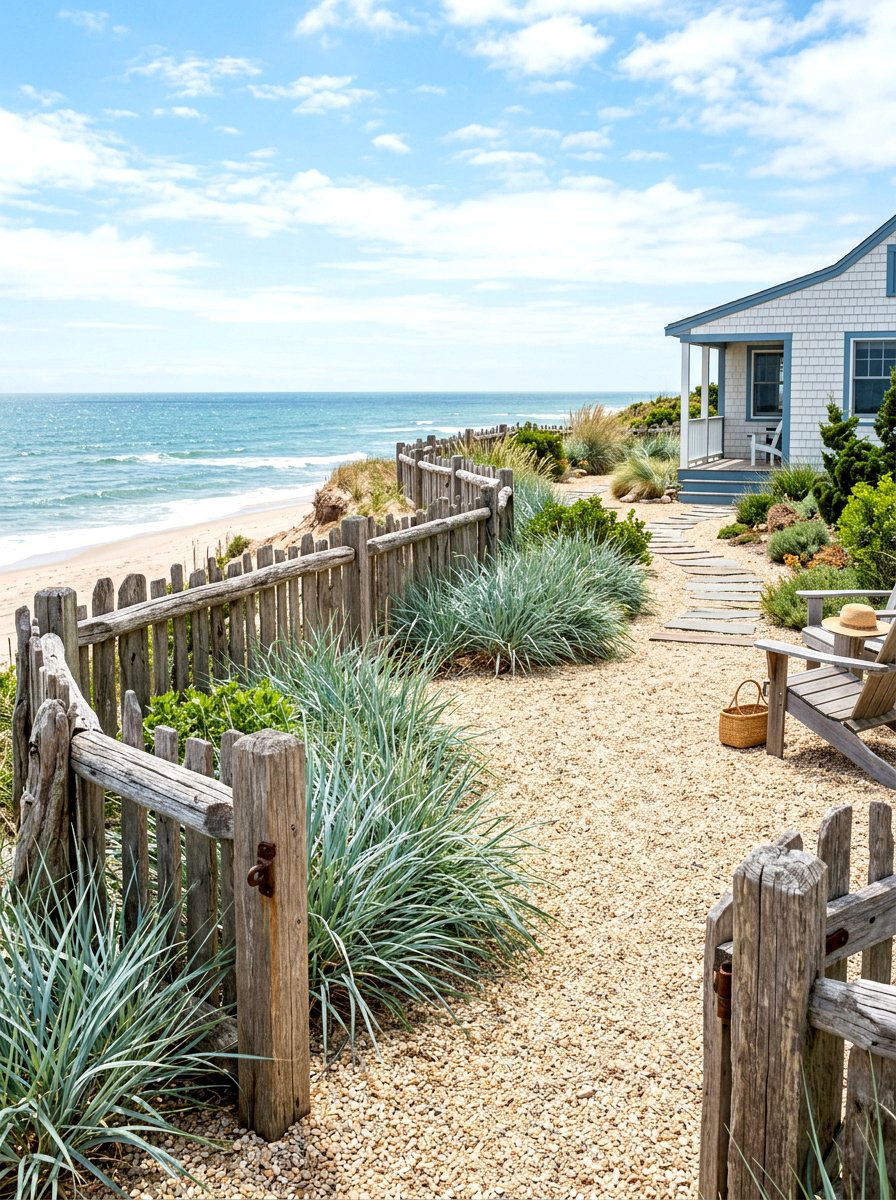
A gravel path landscaping design offers a clean and structured look that works perfectly for low-maintenance front yards. Small, decorative stones provide a permeable surface that allows rainwater to soak directly into the ground rather than running off into the street. You can use different colors and sizes of gravel to define specific zones or create a winding walkway that leads visitors toward your front door. To prevent weeds, always install a high-quality landscape fabric underneath the stone layer. Pairing the crunch of gravel with a few strategically placed boulders and drought-tolerant shrubs creates a sophisticated, high-contrast aesthetic that requires almost zero water.
3. Succulent Front Yard
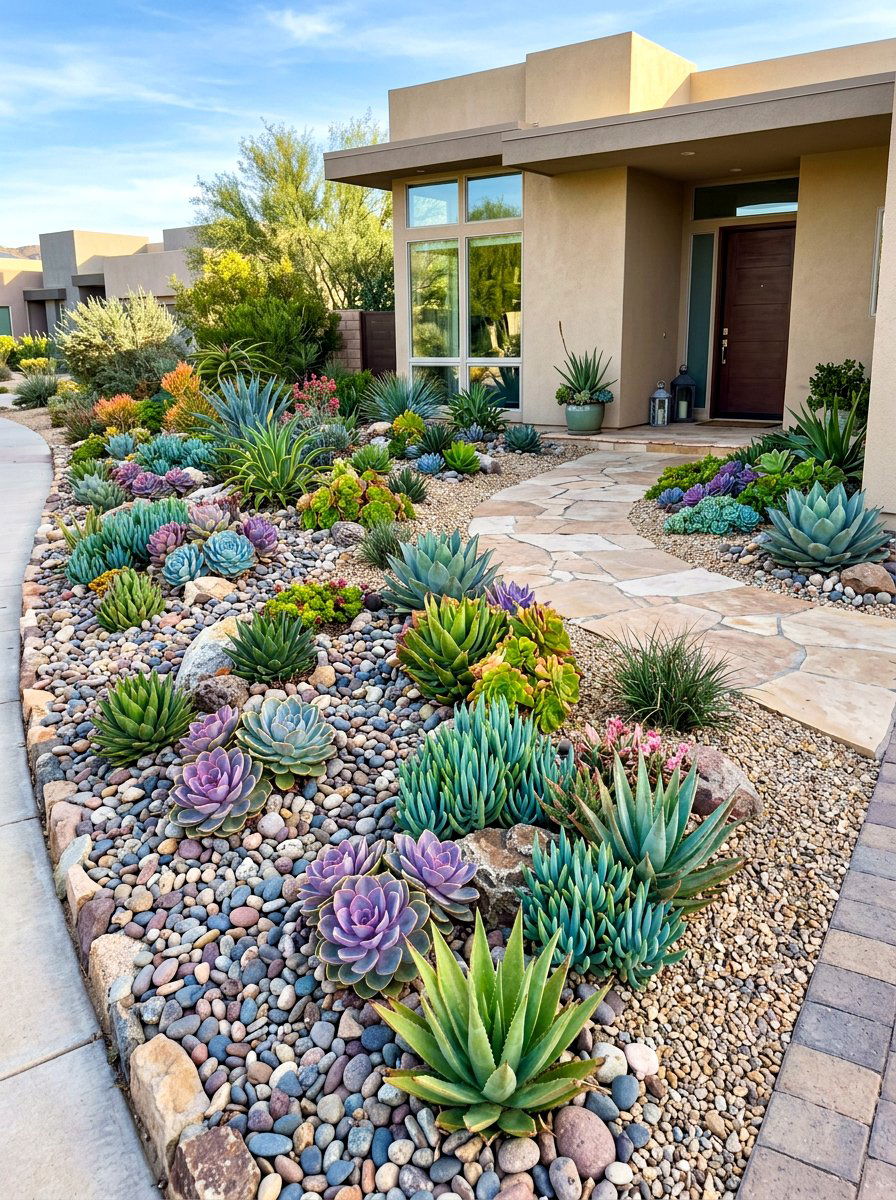
A succulent front yard is a stunning way to introduce unique architectural shapes and vibrant colors without the need for frequent watering. These resilient plants store moisture in their thick leaves, allowing them to remain plump and healthy even during the hottest summer months. You can mix varieties like Echeveria, Aloe, and Sedum to create a tapestry of textures that looks like a living work of art. Because succulents come in shades ranging from frosty blue to deep burgundy, they offer incredible visual variety throughout the year. They are perfect for small spaces or sloping yards where traditional grass often struggles to grow and stay green.
4. Decomposed Granite Walkway
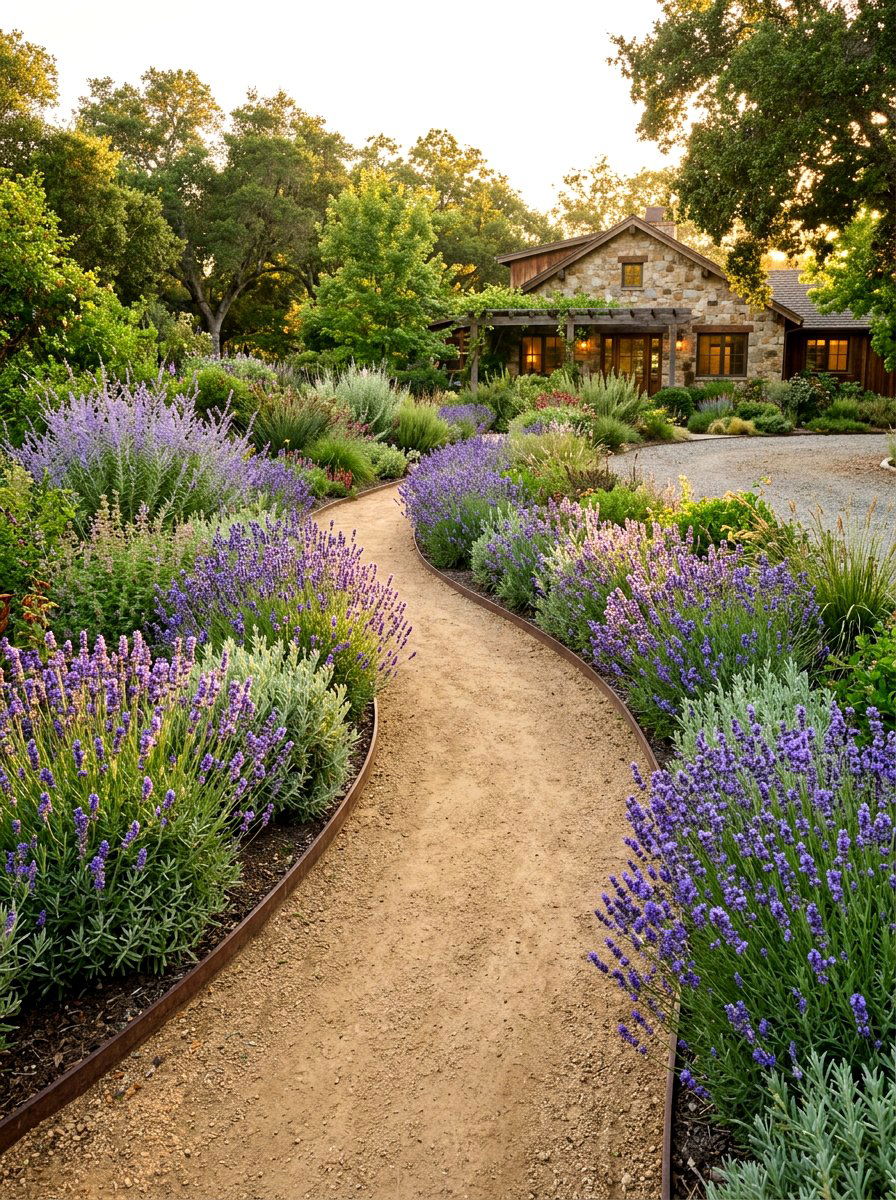
Using a decomposed granite walkway is an excellent way to create a natural, rustic feel while keeping your water usage at a minimum. This fine, sandy material packs down firmly to create a stable surface for walking, but it remains porous enough to manage drainage effectively. It comes in various earthy tones like gold, tan, and charcoal, making it easy to match with your home’s existing exterior colors. You can edge the walkway with larger stones or steel borders to keep the material contained and neat. This type of hardscaping provides a soft, organic look that complements drought-tolerant plants like lavender, sage, and ornamental grasses beautifully.
5. Rock Garden Front Yard
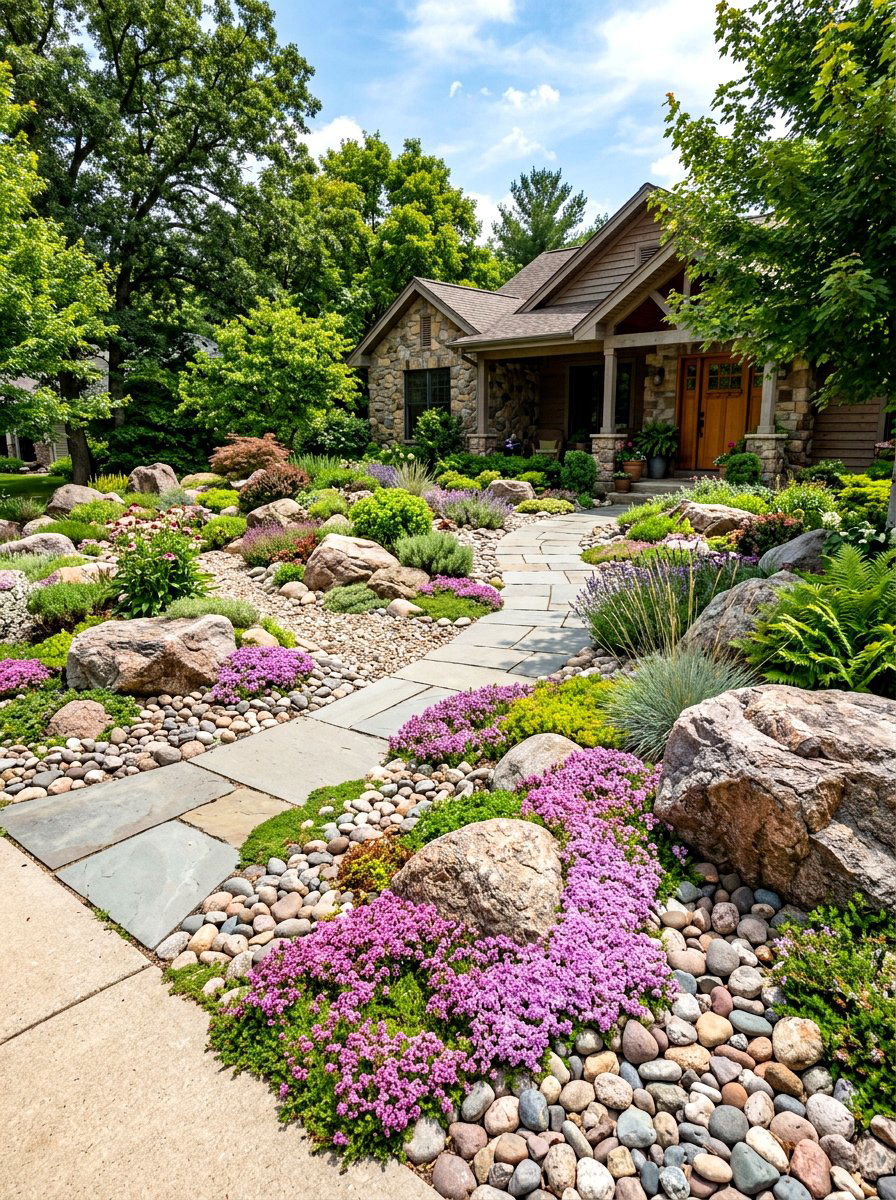
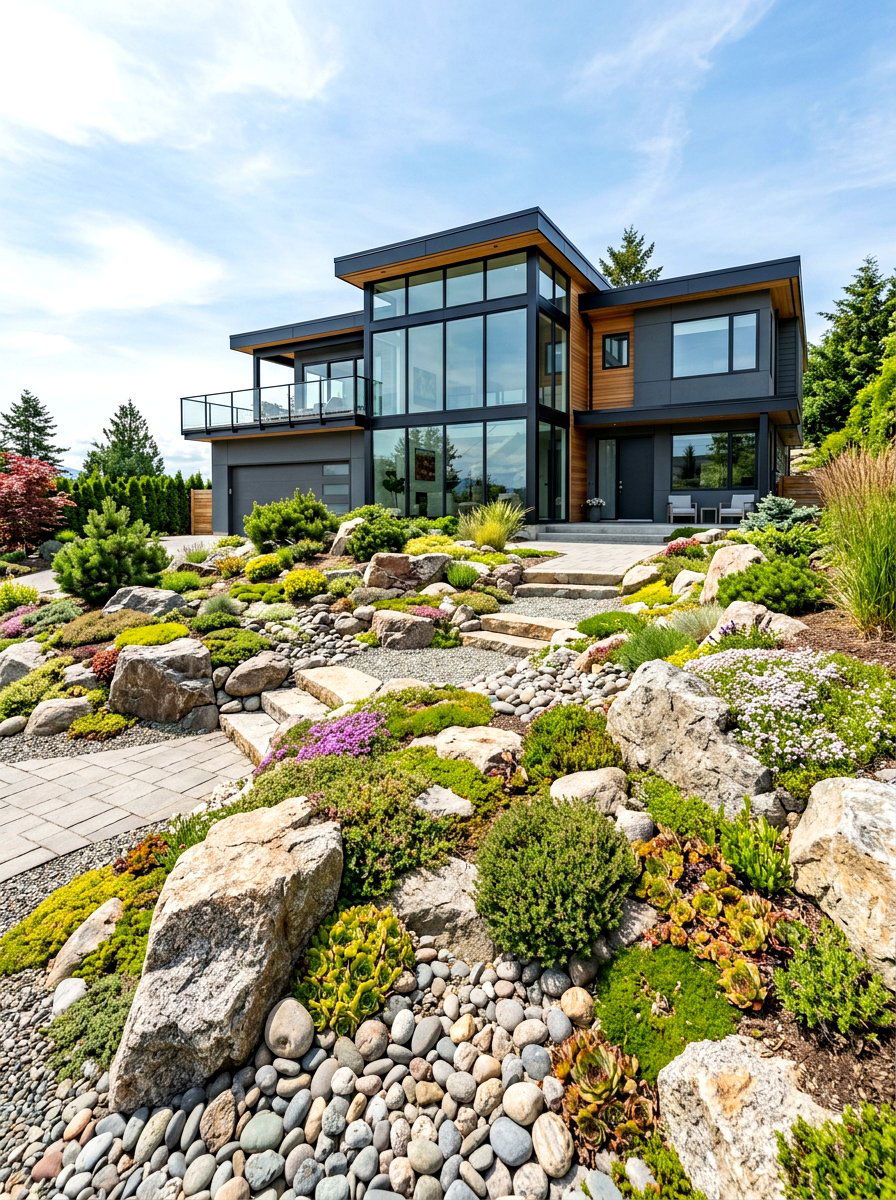
A rock garden front yard focuses on the beauty of natural stone formations and rugged textures to create a low-water masterpiece. By incorporating large boulders and smaller river rocks, you can add significant height and visual weight to your landscape without needing a single drop of water. Intersperse a few hardy plants among the rocks, such as creeping thyme or ice plant, to soften the hard edges and add a splash of seasonal color. This design is particularly effective for hillsides or uneven terrain where erosion might be a concern. It creates a timeless, sculptural look that stays attractive through every season of the year.
6. Ornamental Grass Landscaping
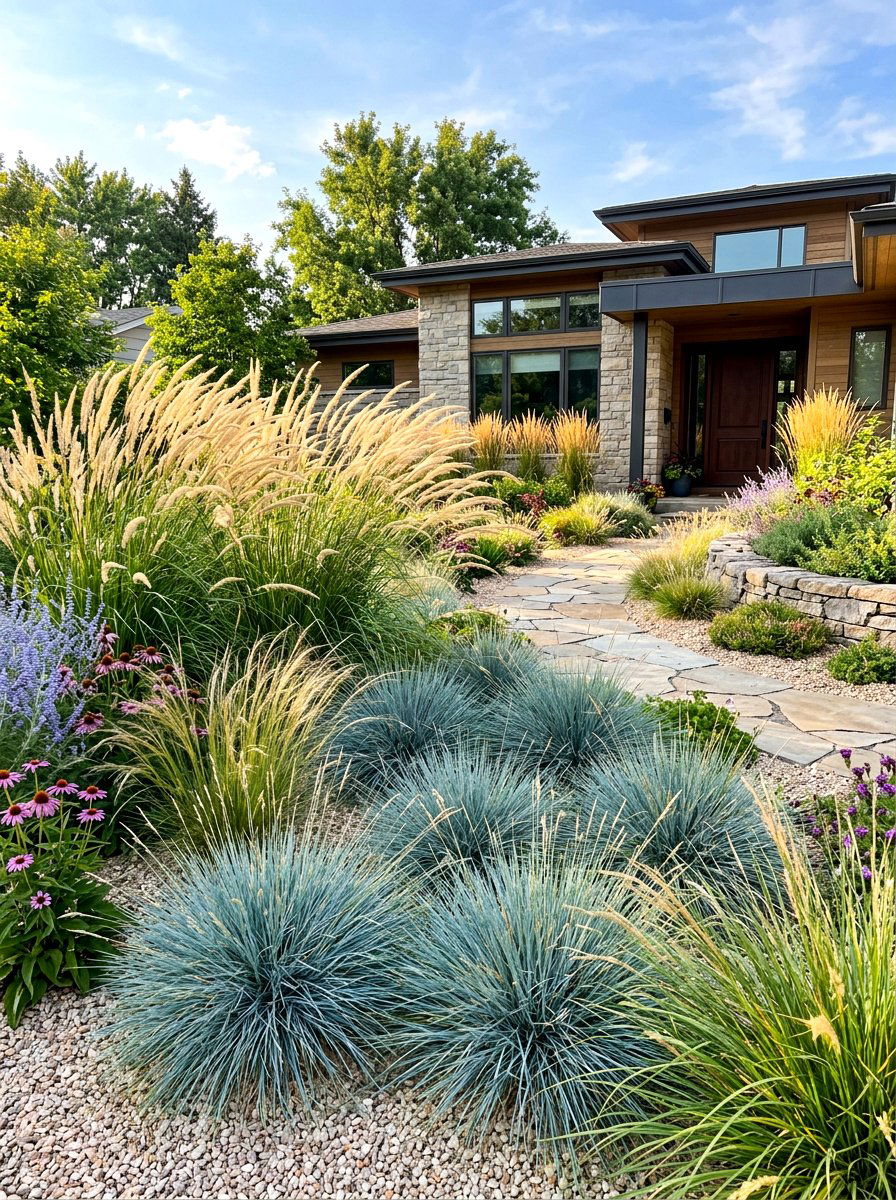
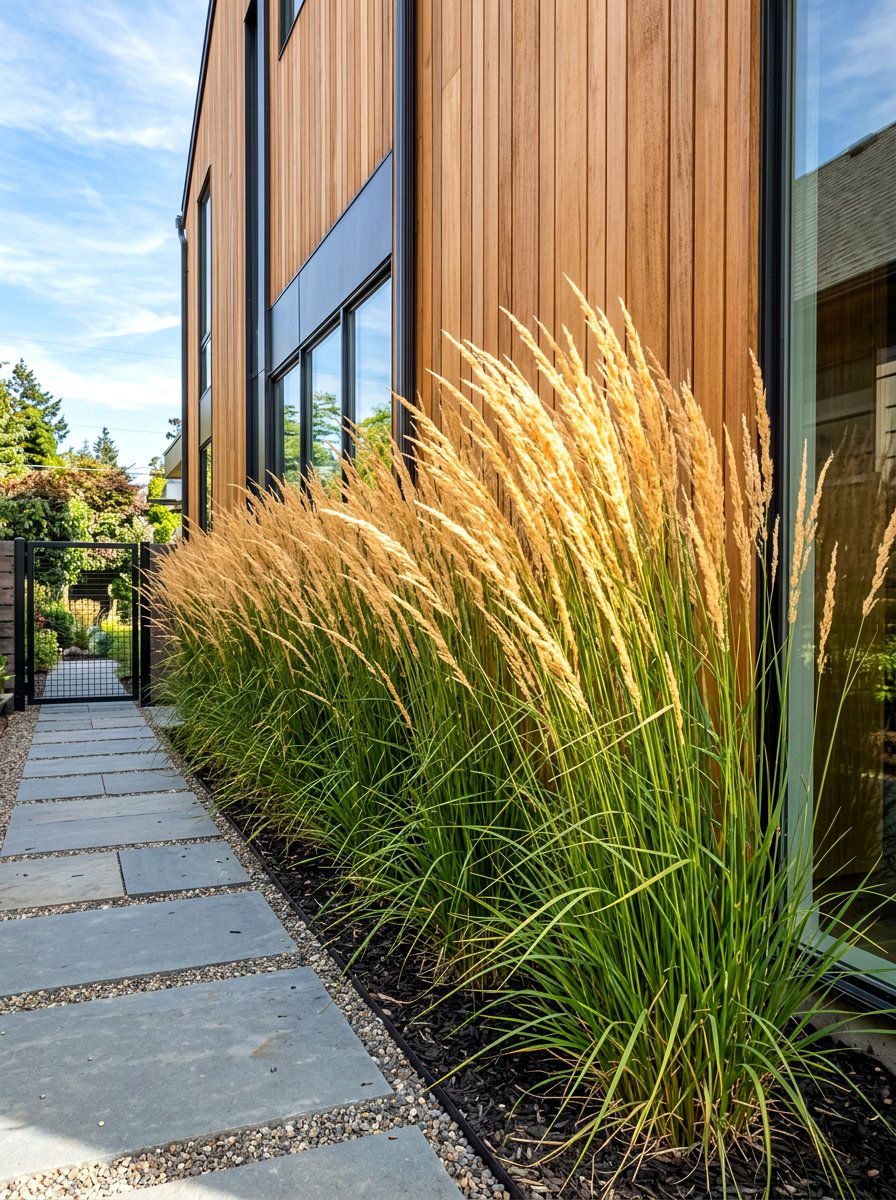
Ornamental grass landscaping brings movement and a sense of softness to a water-wise front yard. Varieties like Blue Fescue, Fountain Grass, and Mexican Feather Grass are incredibly hardy and can withstand long periods of drought once their root systems are established. These grasses catch the light beautifully and rustle gently in the breeze, adding a sensory dimension to your outdoor space. You can plant them in large clusters for a modern, meadow-like effect or use them as accent pieces alongside flowering perennials. Because they require very little pruning, they are a favorite for homeowners who want a dynamic look with minimal weekend yard work.
7. Artificial Turf Front Yard
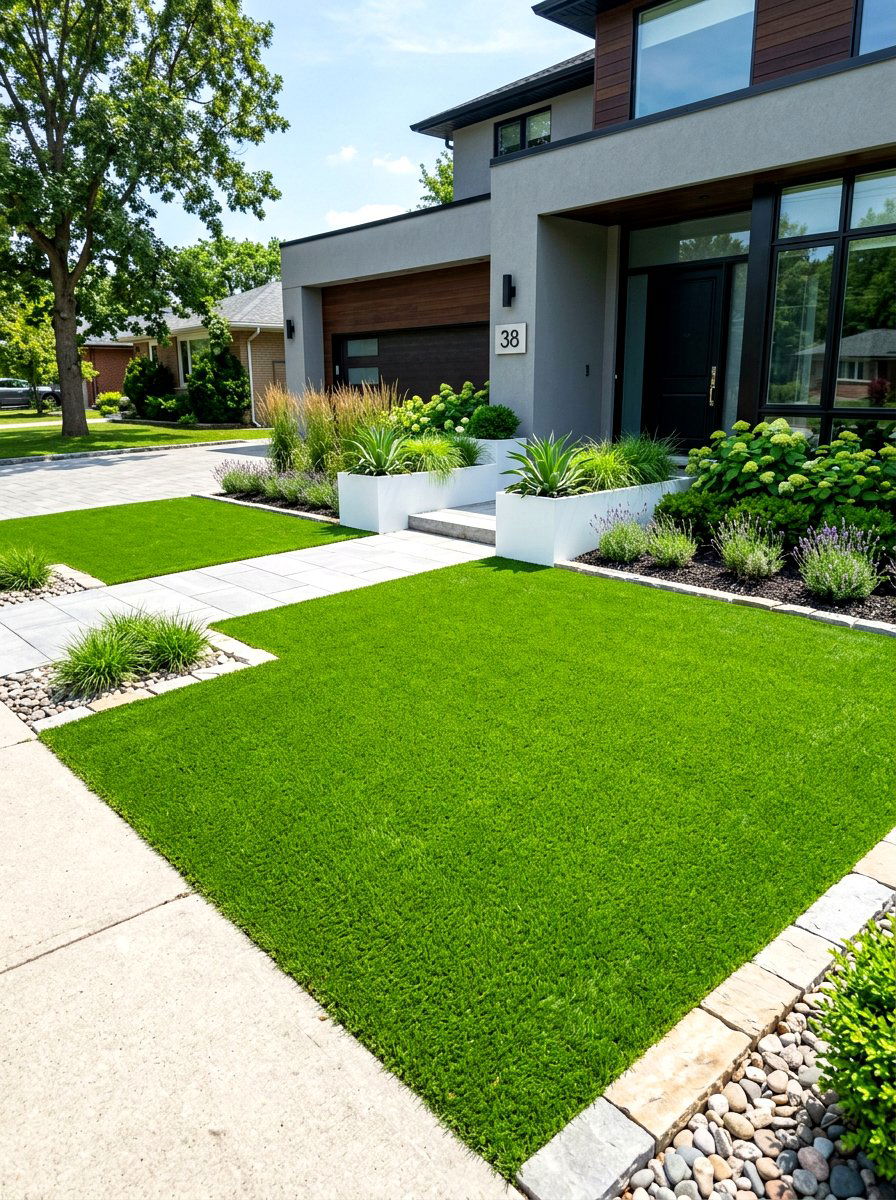
Installing an artificial turf front yard is the ultimate solution for those who love the look of a green lawn but hate the maintenance. Modern synthetic grass is designed to look incredibly realistic with varied blade heights and natural color tones. It provides a soft, evergreen surface that requires absolutely no mowing, fertilizing, or watering to stay perfect year-round. This is an ideal choice for families with pets or children who need a durable play area that won't turn into a mud pit during the rain. By combining artificial turf with stone borders and potted plants, you can achieve a manicured look that is completely drought-proof.
8. Mediterranean Drought Tolerant Yard
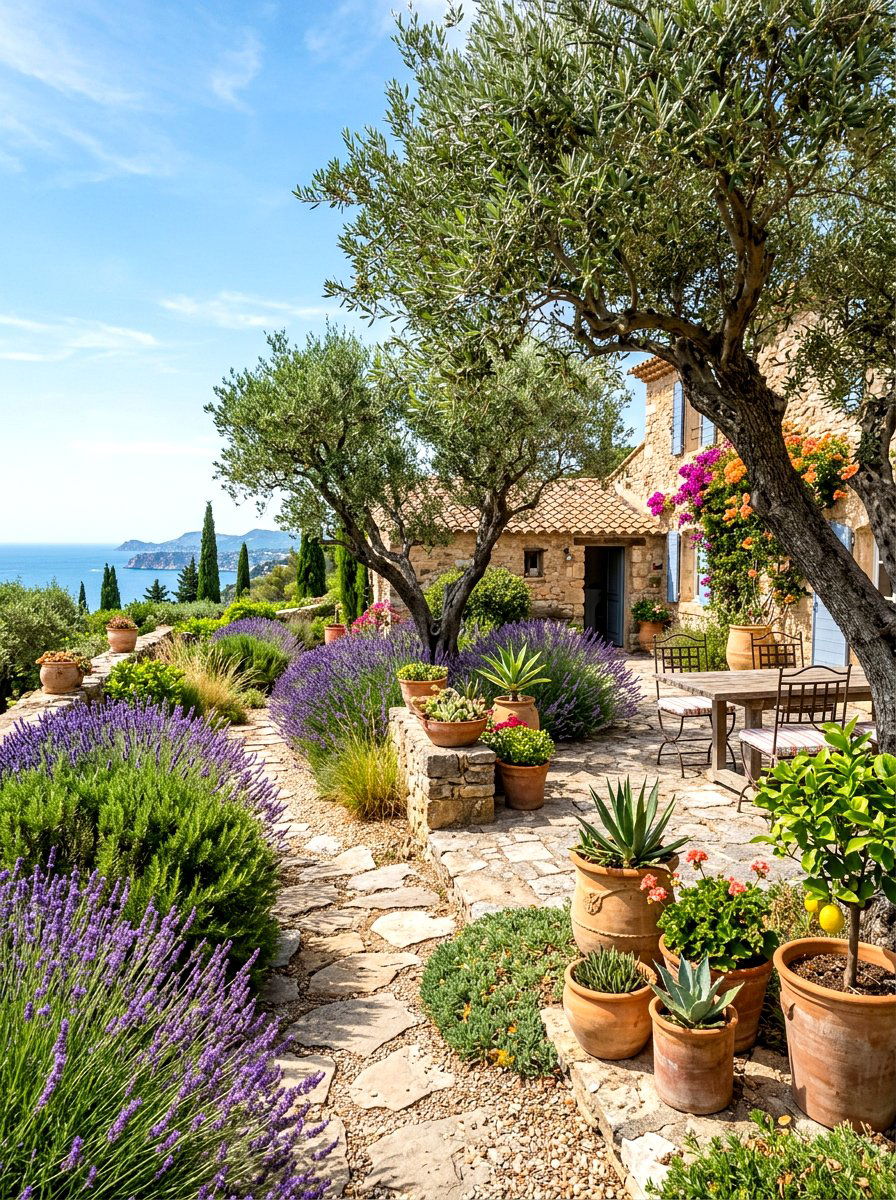
A Mediterranean drought tolerant yard evokes the sunny, relaxed atmosphere of coastal Europe while being perfectly suited for dry climates. This style often features heat-loving plants like rosemary, olive trees, and lavender, which all thrive in well-drained soil and intense sun. Incorporating terracotta pots, stone fountains, and gravel courtyards enhances the aesthetic while reducing the need for thirsty turf. The silver and gray-green foliage of many Mediterranean plants reflects sunlight, helping to keep the garden cool during peak temperatures. This design approach creates a fragrant and inviting entrance to your home that feels like a permanent vacation spot right in your own neighborhood.
9. Desert Oasis Landscaping
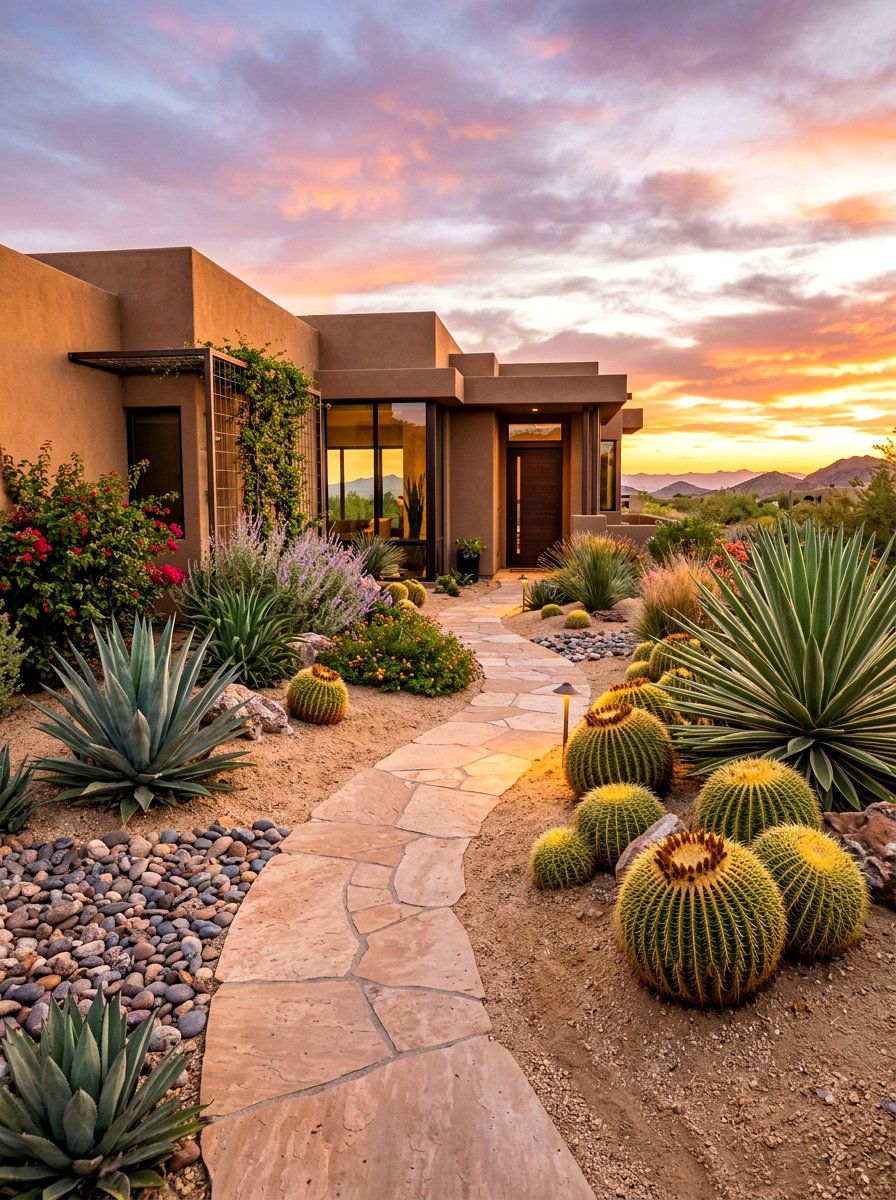
Desert oasis landscaping embraces the raw beauty of arid environments by using plants that are masters of water conservation. This style often includes striking specimens like Agave, Barrel Cactus, and Ocotillo, which serve as dramatic focal points in the yard. To enhance the desert vibe, you can use warm-toned sand or crushed lava rock as a ground cover instead of traditional wood mulch. Adding a few strategically placed landscape lights can highlight the unique silhouettes of these plants at night, creating a sophisticated and modern look. This design is bold, structural, and requires almost no water to maintain its impressive and unique curb appeal.
10. Mulch Covered Front Yard
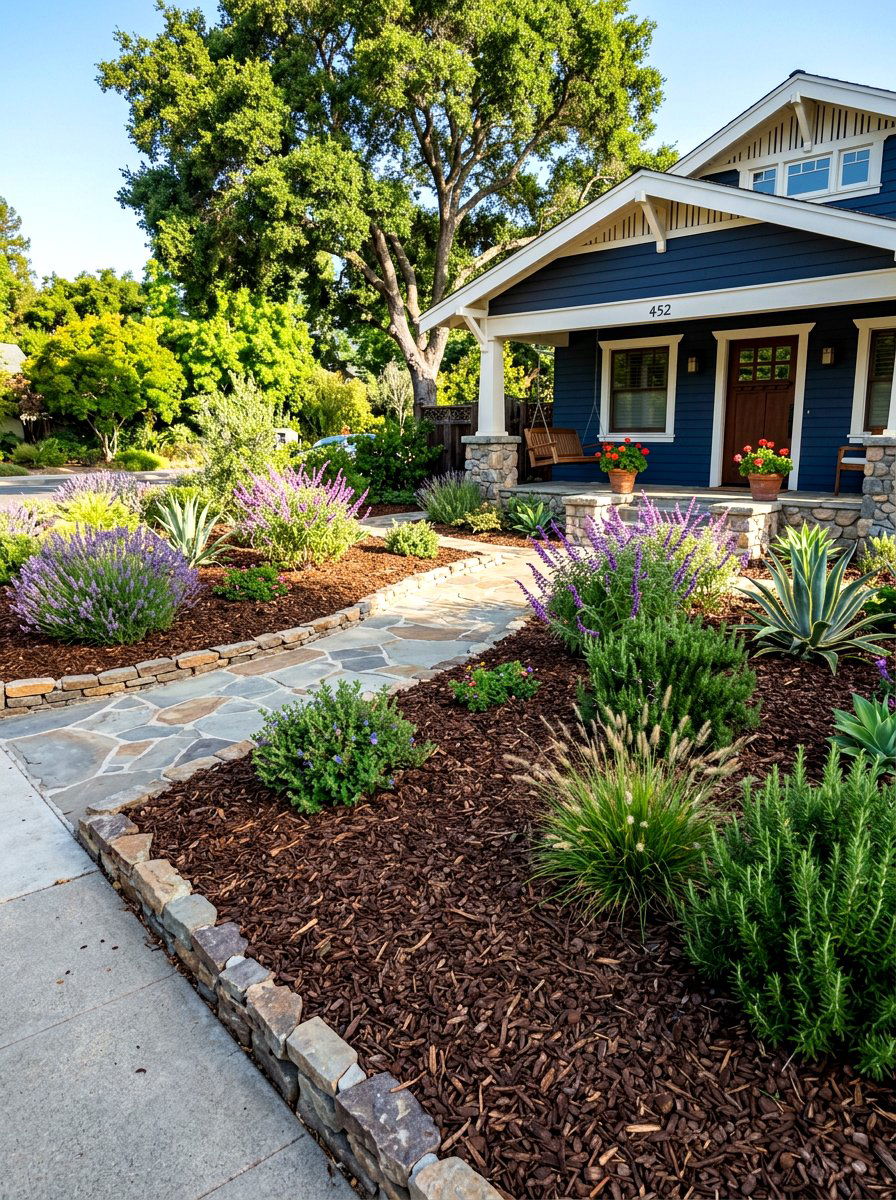
A mulch covered front yard is one of the simplest and most cost-effective ways to conserve water and suppress weeds. Organic mulches, such as wood chips or bark, act as a protective blanket for the soil, keeping it cool and preventing moisture from evaporating too quickly. This allows your plants to stay hydrated for longer periods between watering sessions. You can choose different colors of mulch to create visual interest or use it to define large planting beds around your trees and shrubs. As the mulch breaks down over time, it also improves the soil quality, making it a practical and functional choice for any landscape.
11. Dry Creek Bed Landscaping
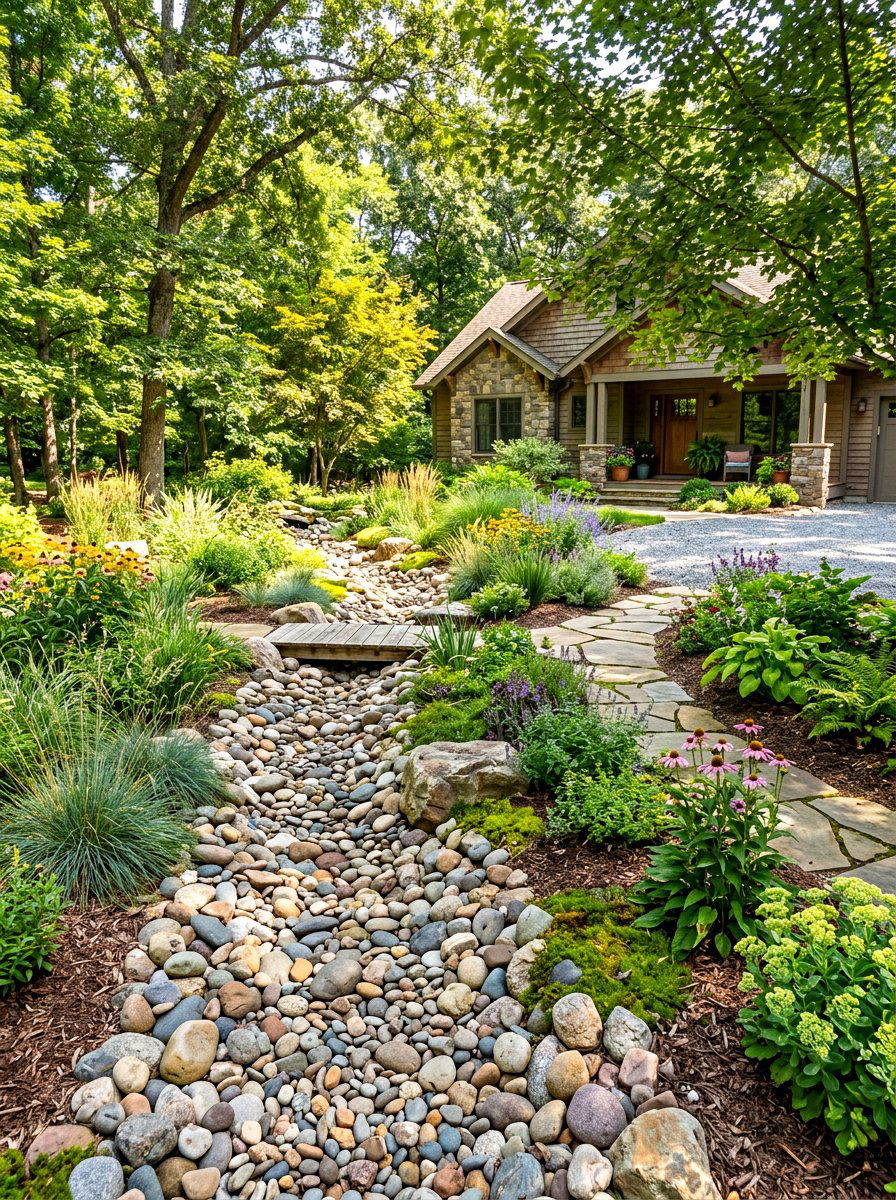
Dry creek bed landscaping is a brilliant design technique that adds visual interest while solving drainage issues during heavy rain. By arranging river rocks and smooth stones in a winding, path-like formation, you can mimic the look of a natural waterway. This feature works beautifully as a central focal point in a low-water yard, especially when bordered by native grasses and flowering perennials. It guides the eye through the landscape and creates a sense of flow without actually requiring any standing water. During storms, the creek bed helps manage runoff by slowing down water and allowing it to percolate naturally into the ground below.
12. Stone Paver Front Yard
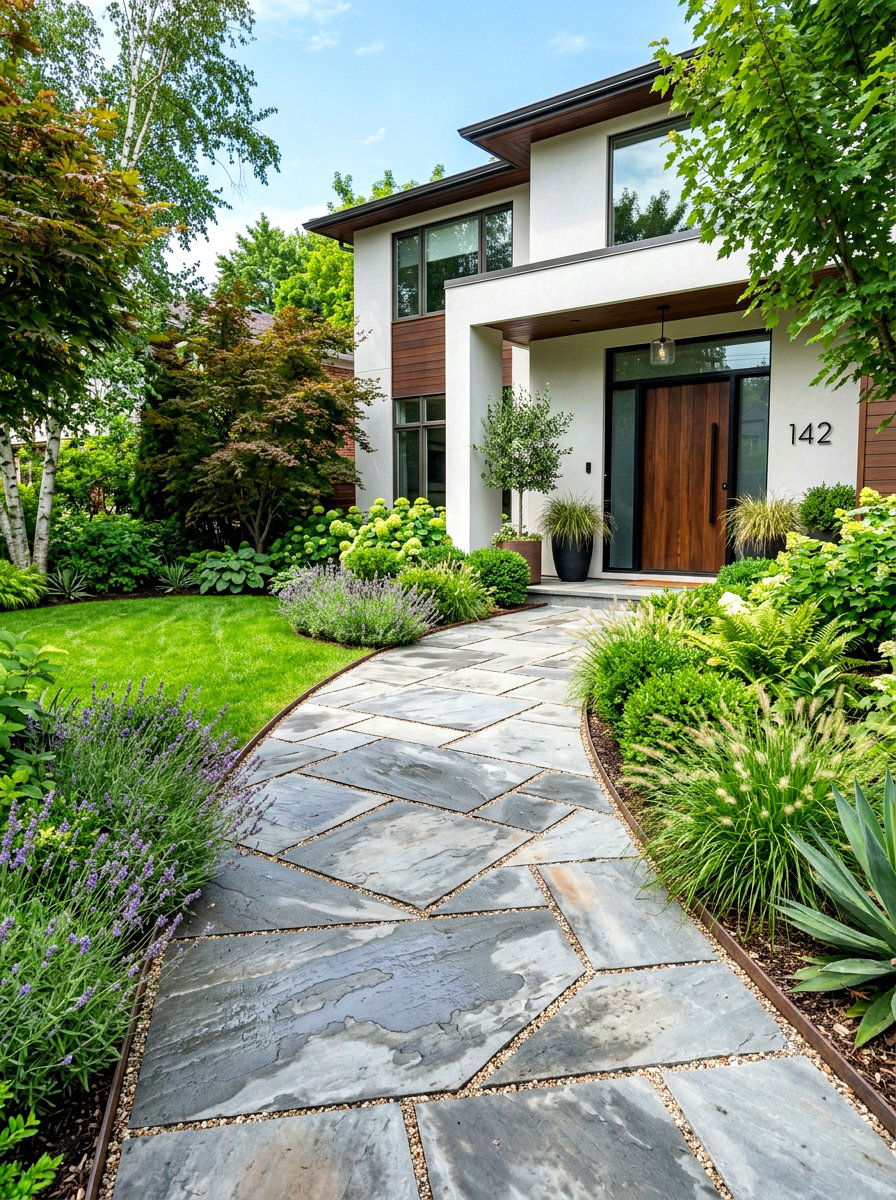
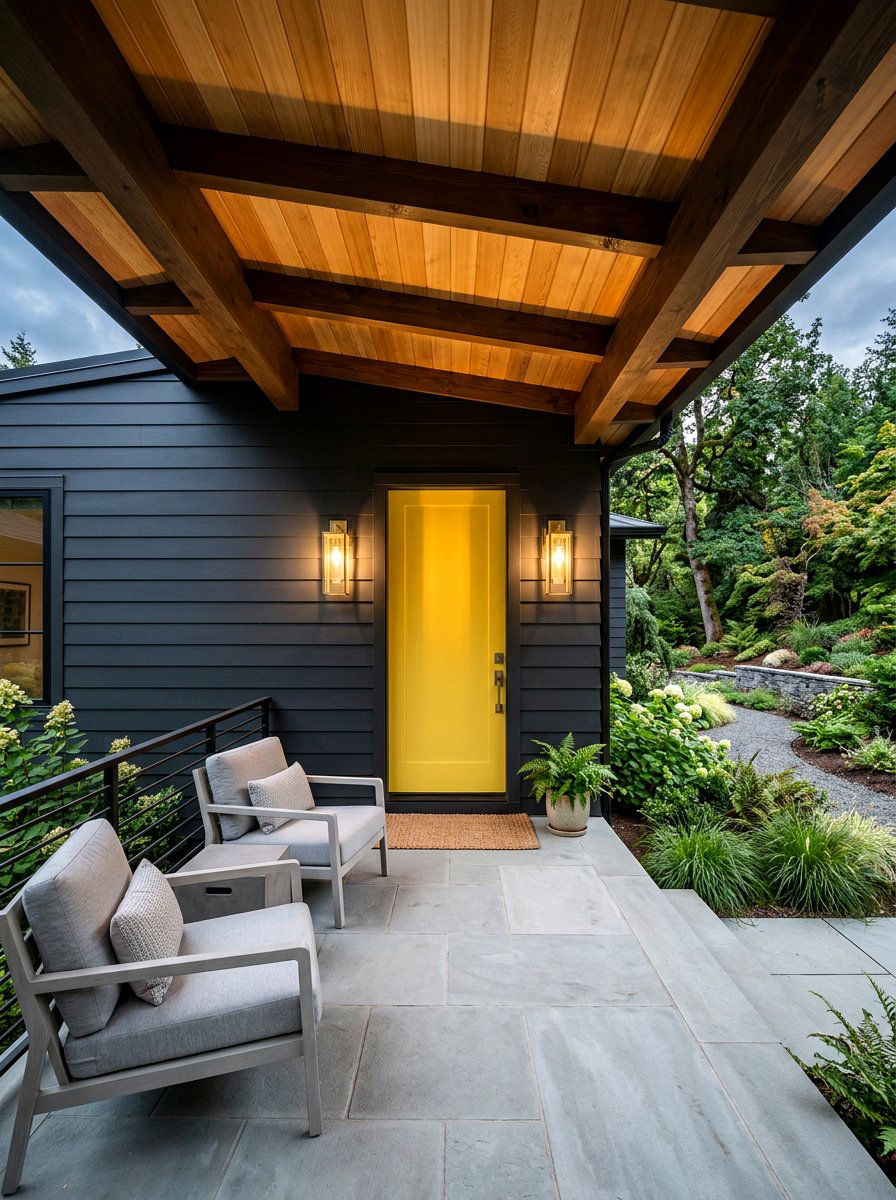
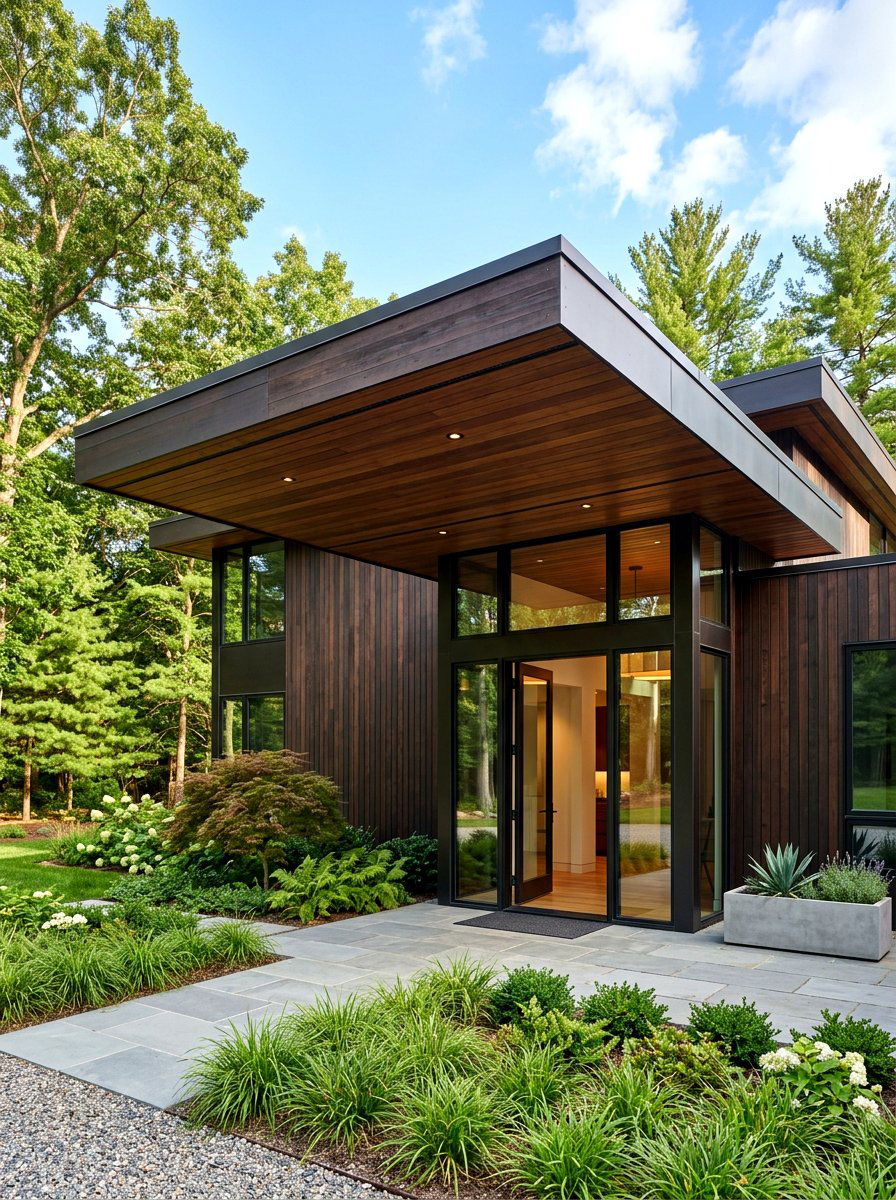
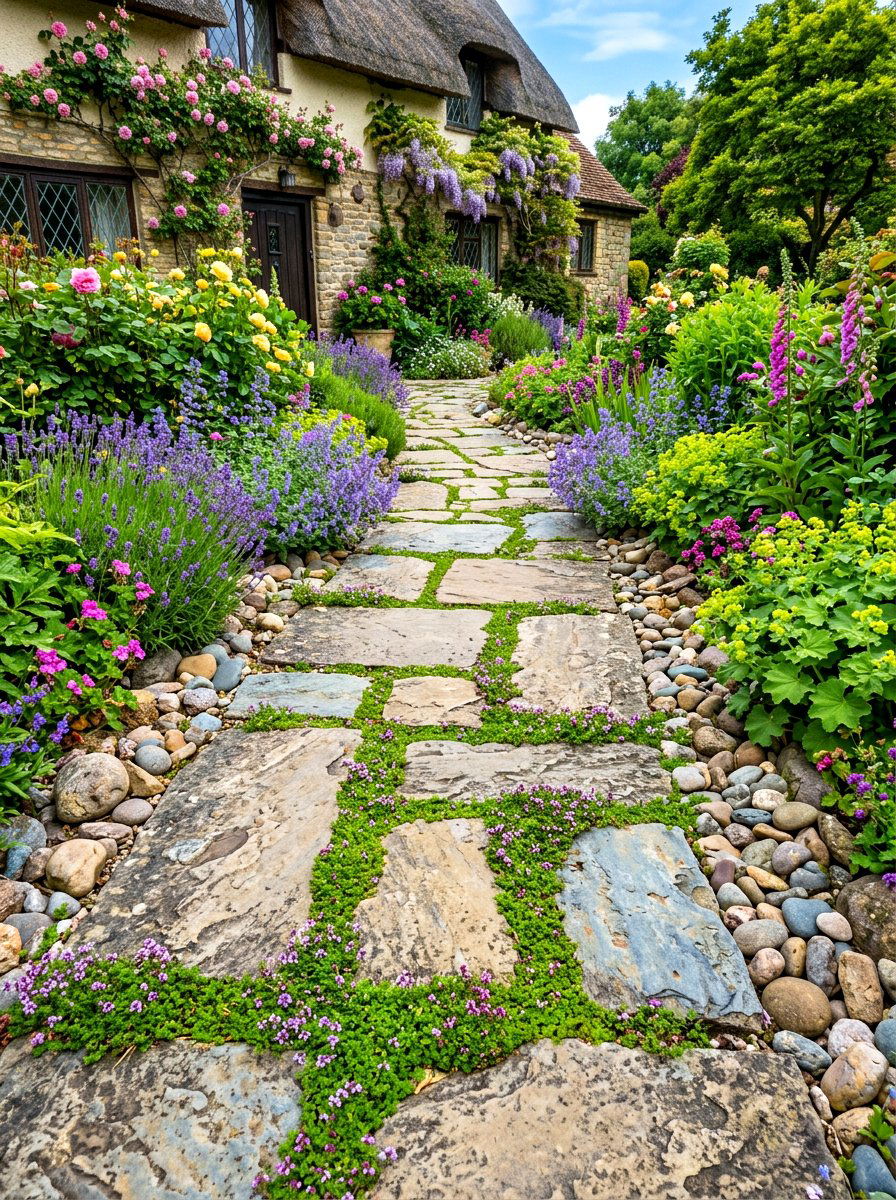
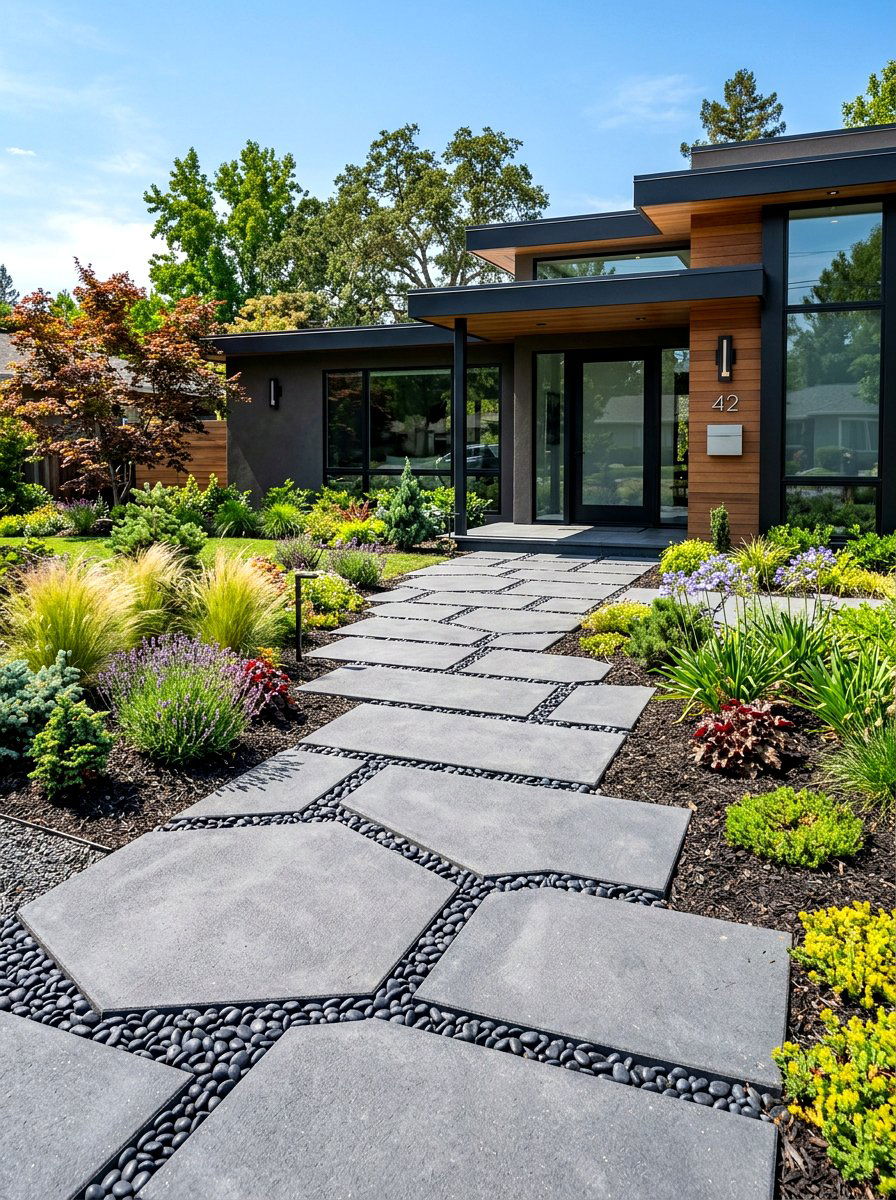
A stone paver front yard provides a clean, organized, and sophisticated look that significantly reduces the amount of plantable space. Using large pavers with gaps filled with pea gravel or low-growing ground covers allows for a permeable surface that manages water efficiently. This setup is perfect for creating a welcoming entryway or a small seating area where you can enjoy the neighborhood views. Pavers are available in many materials, including bluestone, slate, and concrete, allowing you to customize the style to fit your home's architecture. This hardscaped approach is extremely durable and stays looking sharp with very little effort or water usage.
13. Lavender Garden Walkway
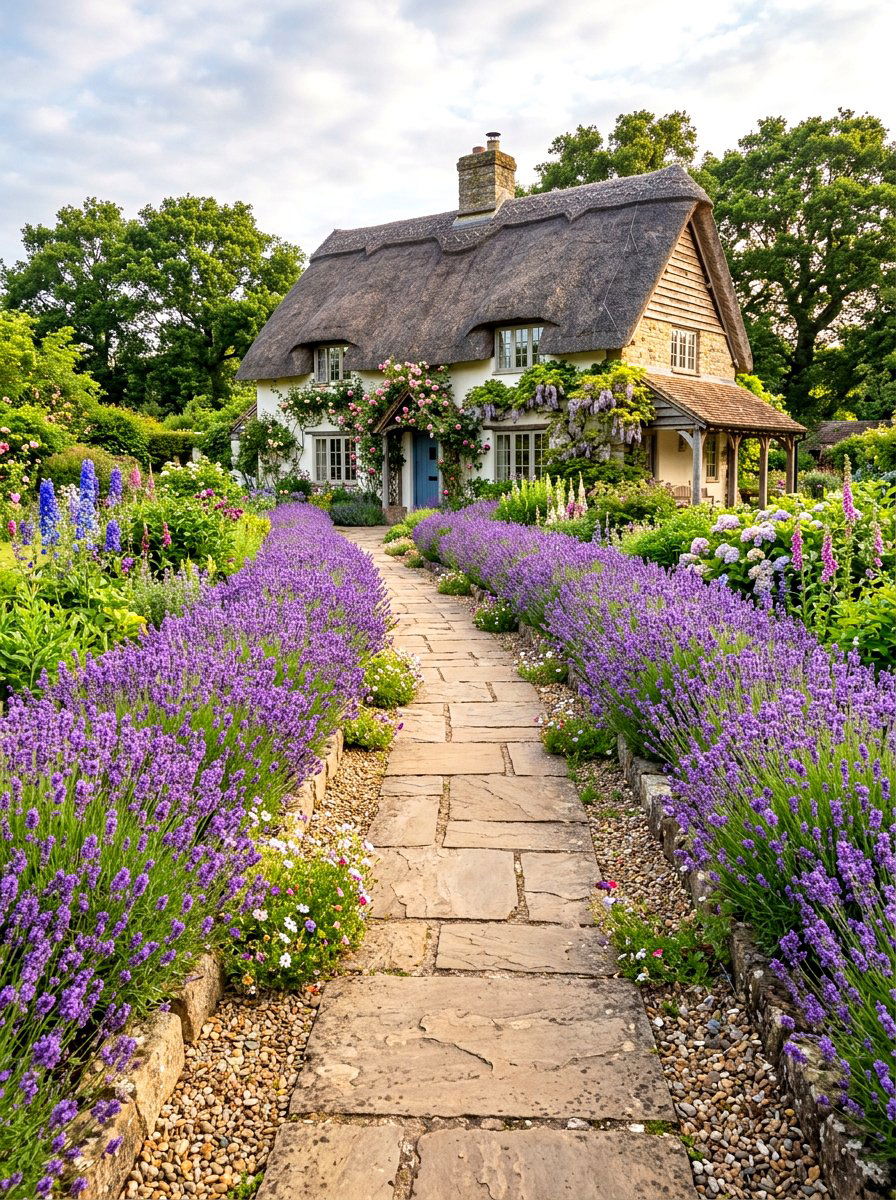
A lavender garden walkway is a sensory delight that brings incredible fragrance and color to your home's entrance. Lavender is famously drought-tolerant and thrives in poor, rocky soil where many other plants might struggle to survive. Planting it in long rows along a path creates a lush, purple border that attracts bees and butterflies all summer long. The silvery foliage provides year-round interest even when the flowers are not in bloom. This design is perfect for creating a soft, romantic feel while adhering to strict water-saving goals. It requires only an annual pruning to keep the plants looking tidy, neat, and mounded.
14. Wildflower Front Yard
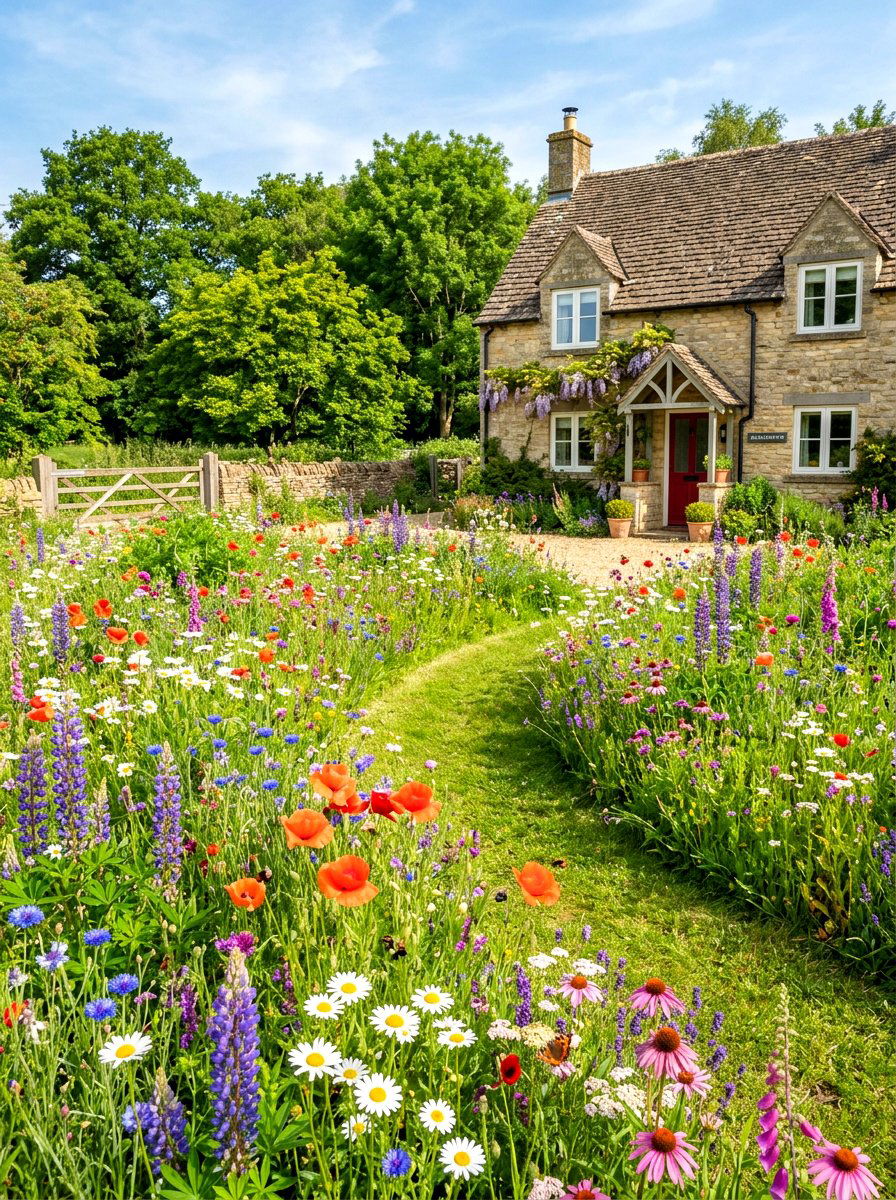
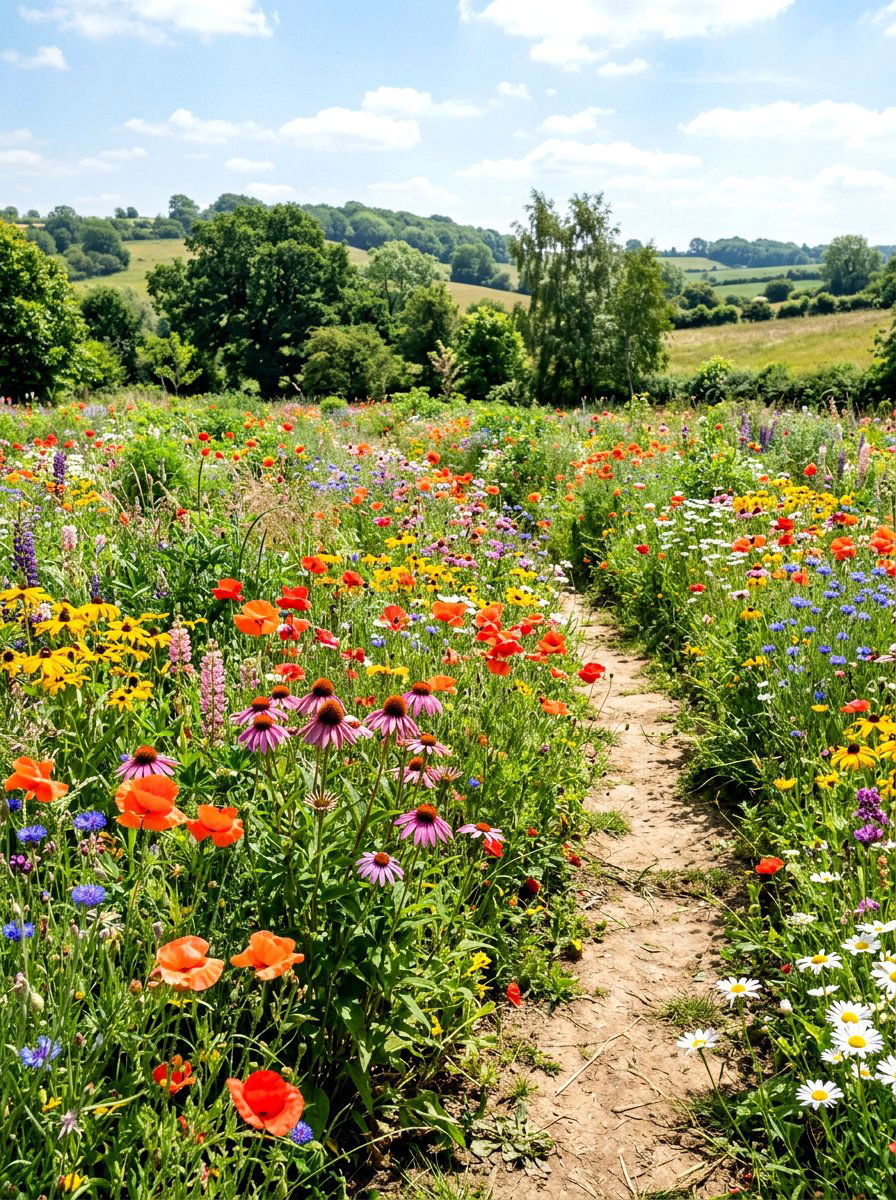
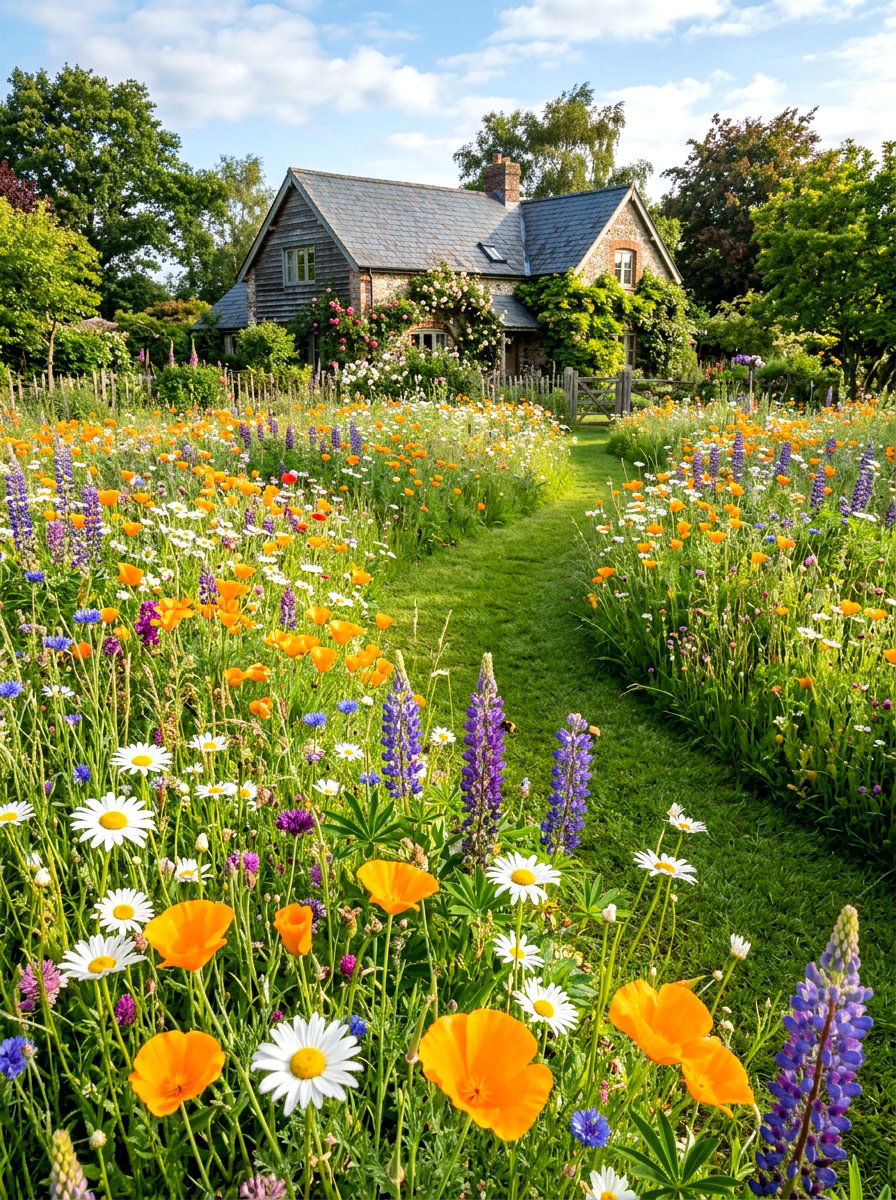
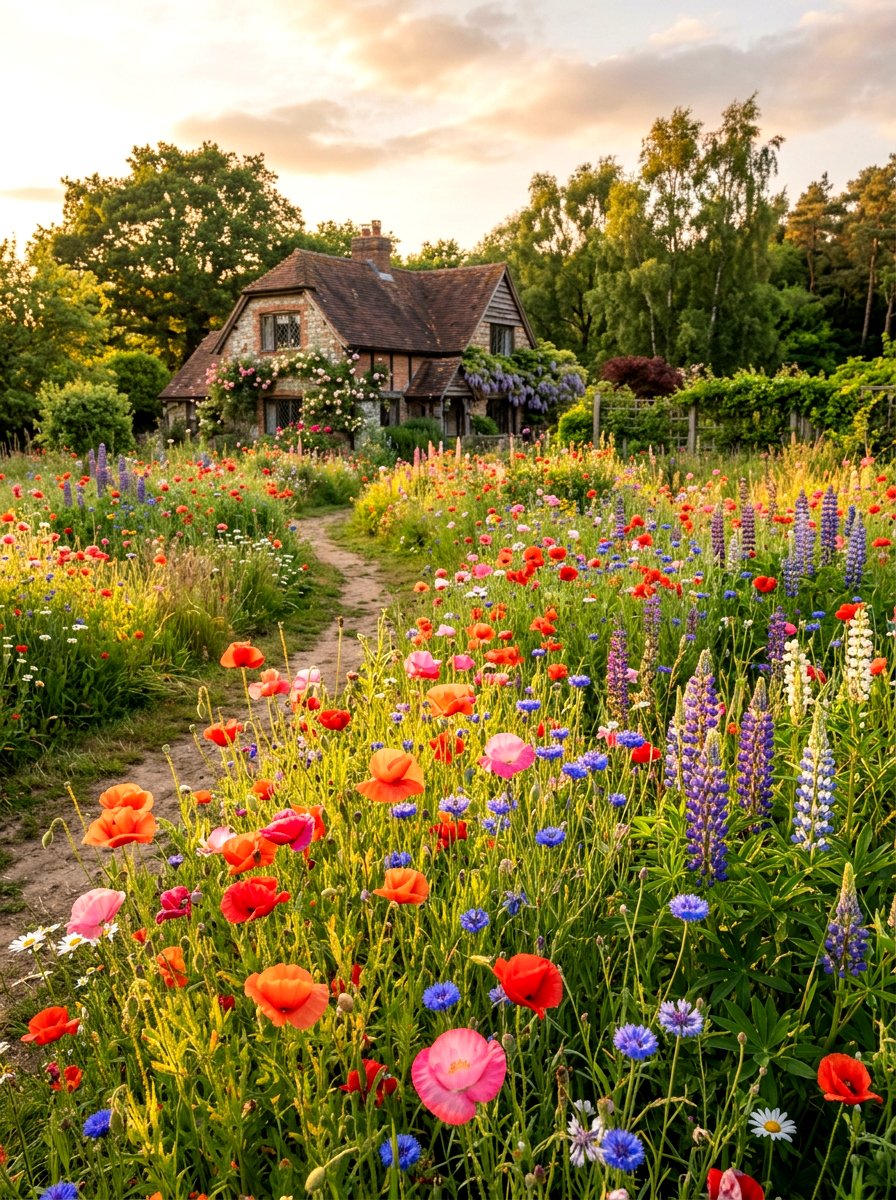
A wildflower front yard is a charming and eco-friendly alternative to a traditional lawn that requires very little water. By sowing a mix of native wildflower seeds, you can create a vibrant, ever-changing meadow that bursts with color from spring through autumn. These flowers are naturally resilient and can often survive on rainfall alone once they are established. This type of landscape supports local biodiversity and provides a feast for pollinators like honeybees and monarch butterflies. A wildflower meadow looks best with a mowed edge or a simple fence to show that the naturalistic look is an intentional and beautiful design choice.
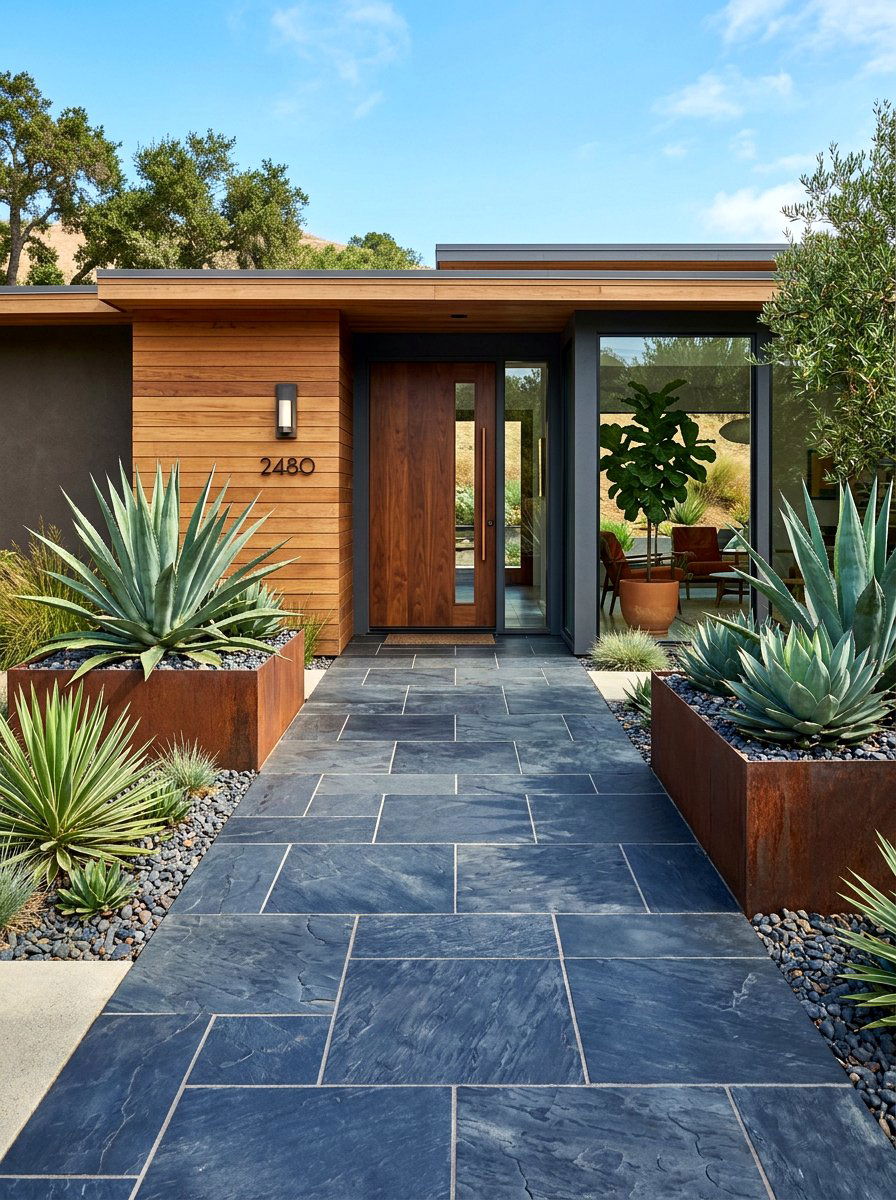
15. Modern Minimalist Xeriscape
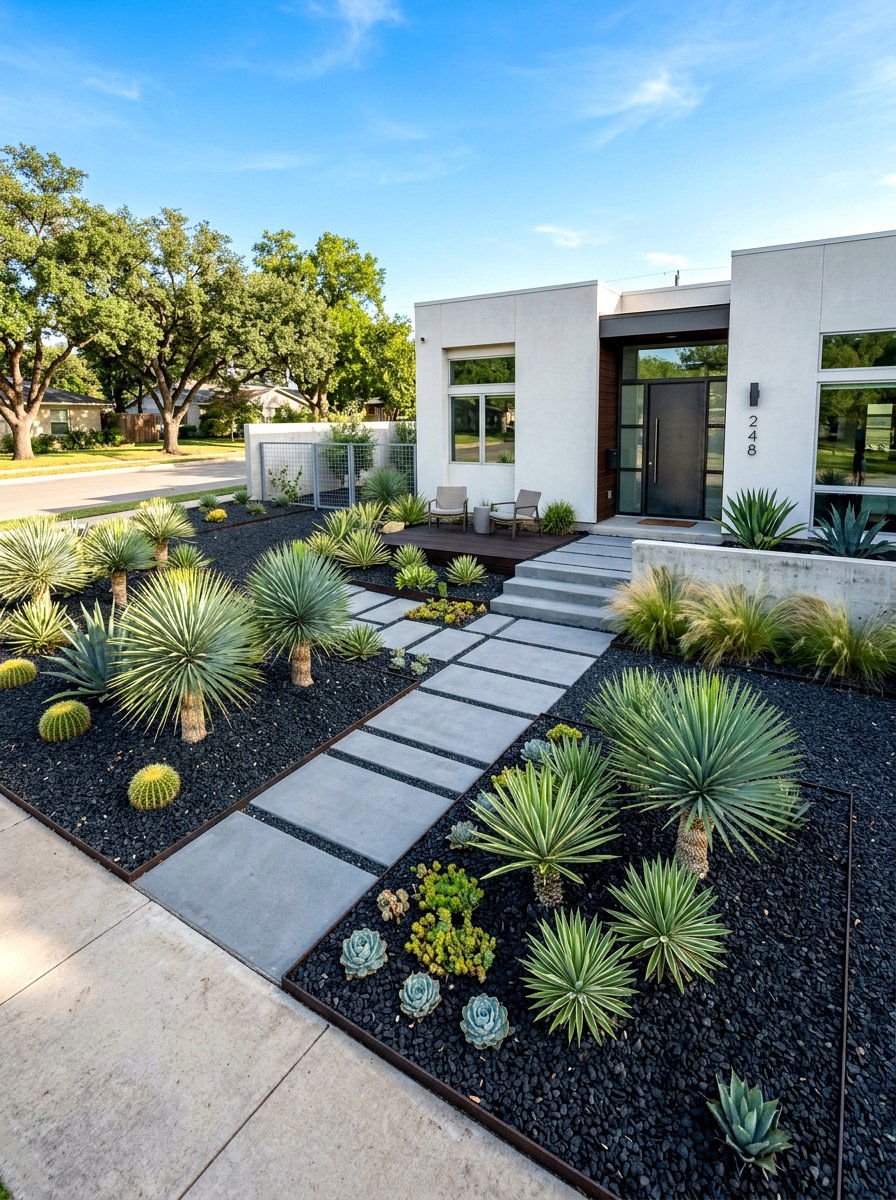
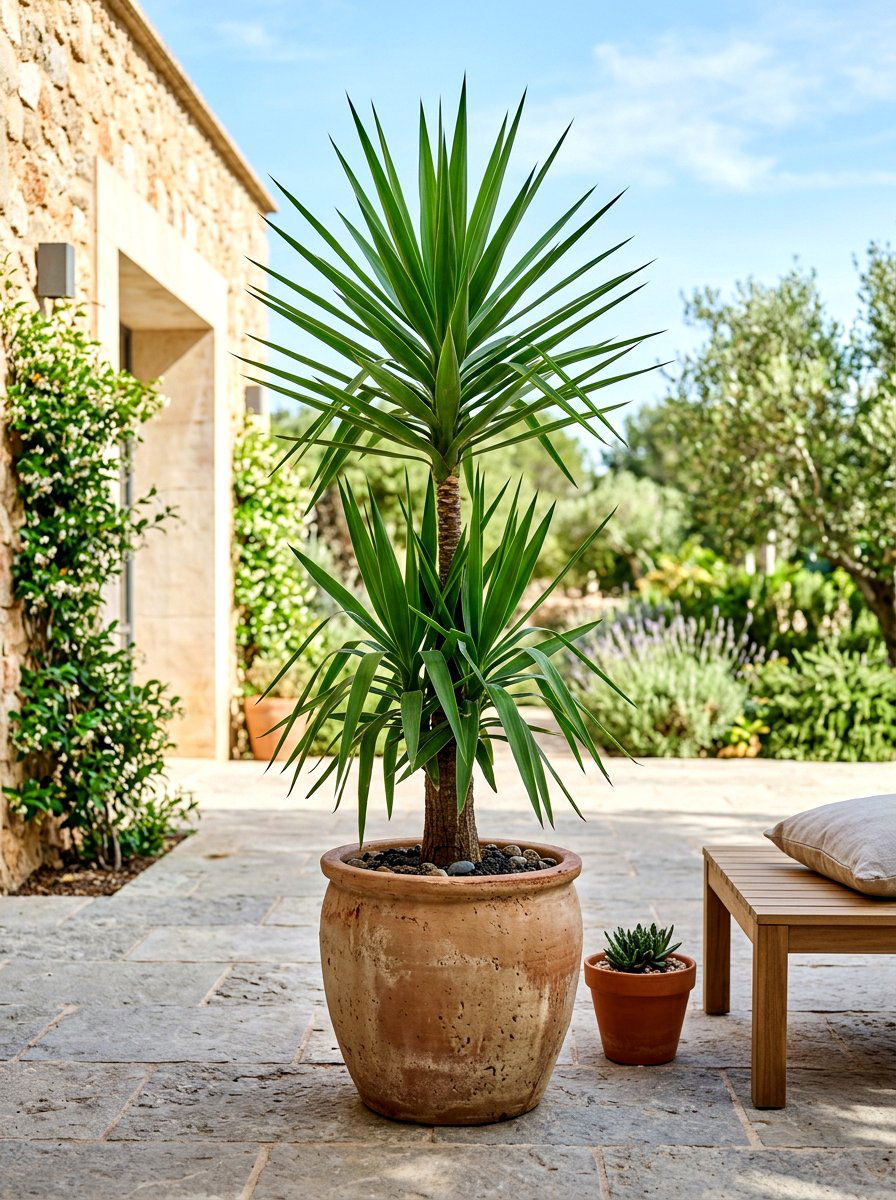
Modern minimalist xeriscape focuses on clean lines, high contrast, and a limited palette of materials to create a striking front yard. This style often pairs dark-colored gravel or slate with bright green sculptural plants like yucca or architectural grasses. The goal is to create a clutter-free look that emphasizes form and texture over a large volume of plants. Using geometric shapes for planting beds and walkways adds to the contemporary feel of the design. This approach is perfect for homeowners who want a high-end, designer look that is also incredibly easy to maintain and requires very little water to stay looking its absolute best.
16. Tiered Retaining Wall Garden
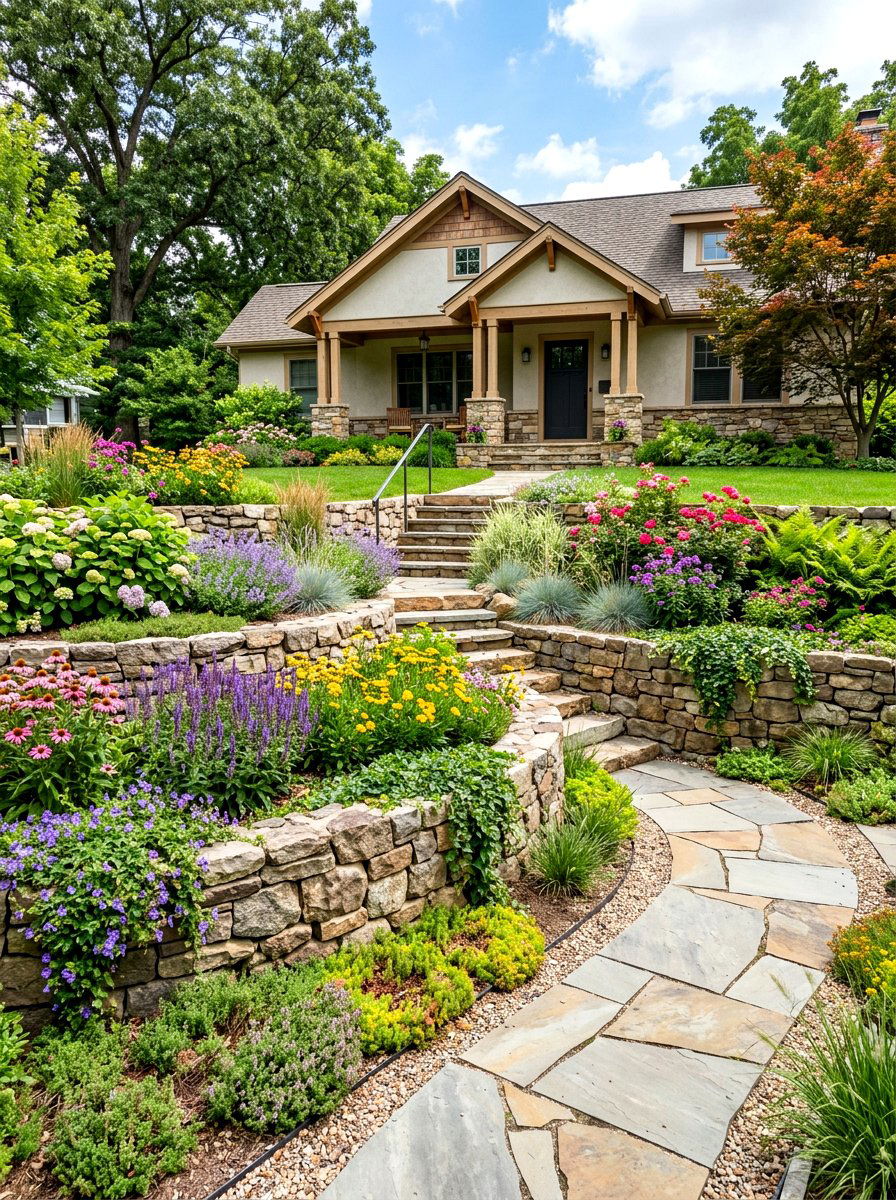
A tiered retaining wall garden is an excellent solution for sloping front yards that need to manage water runoff effectively. By building low walls out of stone or wood, you create flat planting terraces that allow water to soak in rather than washing away down the hill. You can fill these tiers with various drought-tolerant plants, cascading ground covers, and hardy shrubs to create a lush, vertical landscape. This design adds significant depth and architectural interest to your home's exterior while preventing soil erosion. It turns a difficult, steep area into a beautiful, functional garden that requires much less irrigation than a sloping grass lawn.
17. Potted Drought Tolerant Plants
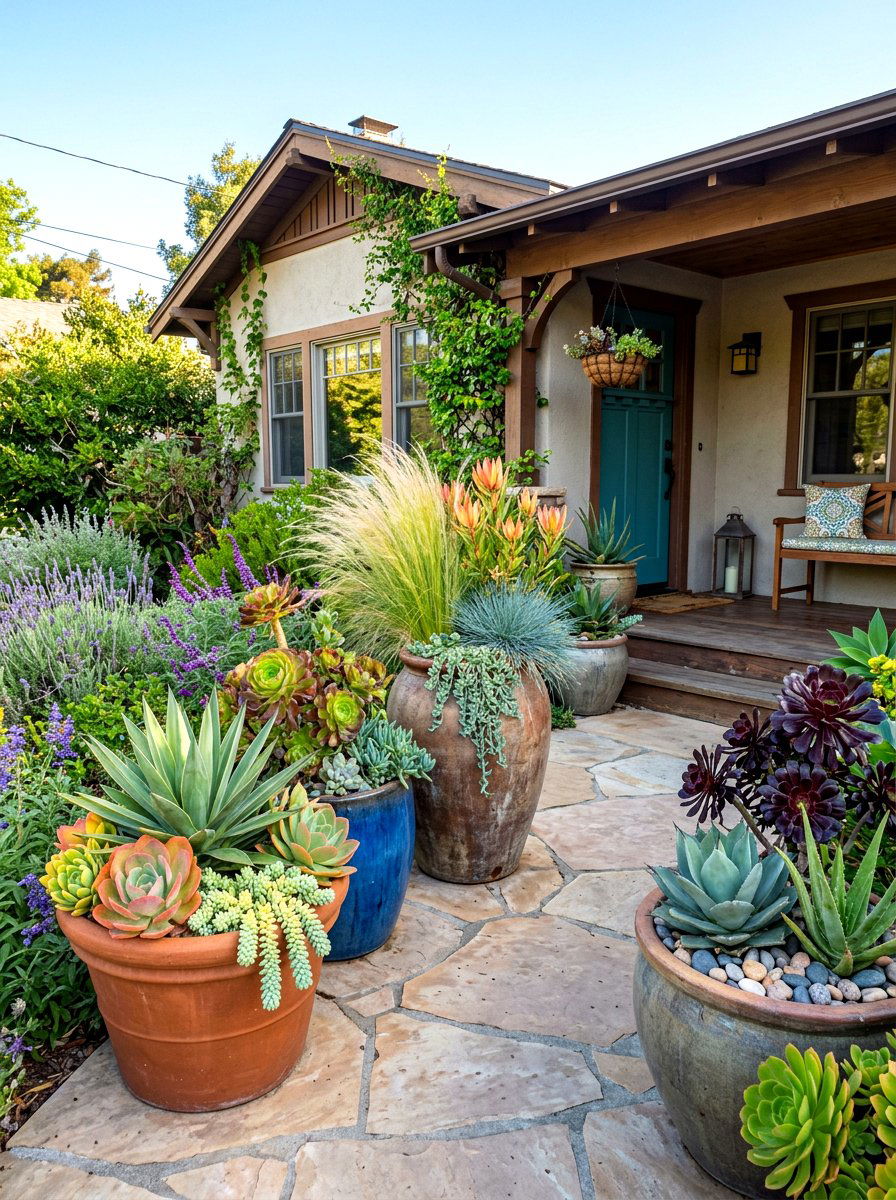
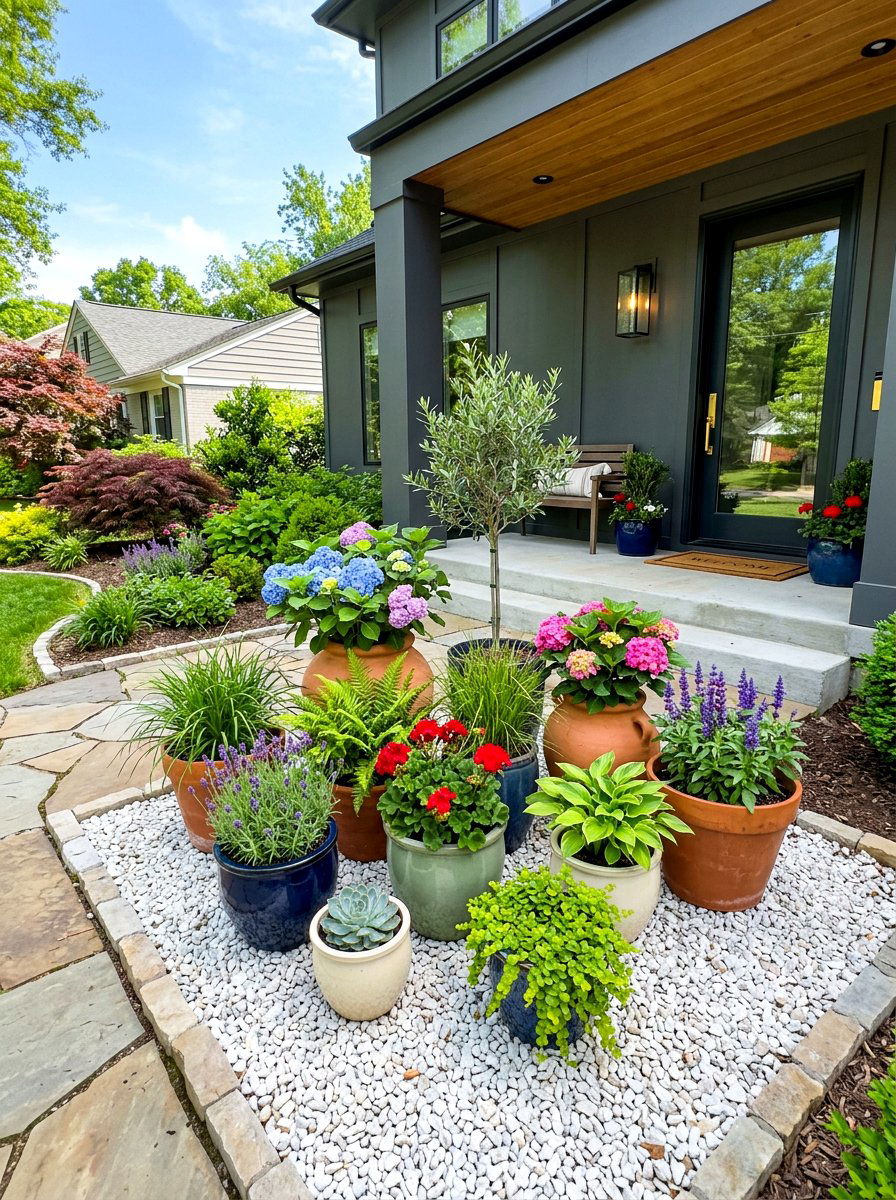
Using potted drought tolerant plants is a versatile way to add greenery and color to your front yard without permanent landscaping. Large, decorative containers can be filled with succulents, ornamental grasses, or heat-loving flowers like geraniums and lantana. This approach allows you to place plants exactly where they are needed most, such as flanking the front door or lining a porch. Pots make it easy to control the soil quality and drainage, ensuring your plants stay healthy with minimal water. You can also move them around to refresh your yard’s look or protect sensitive plants from extreme weather during the peak summer months.
18. Ground Cover Front Yard
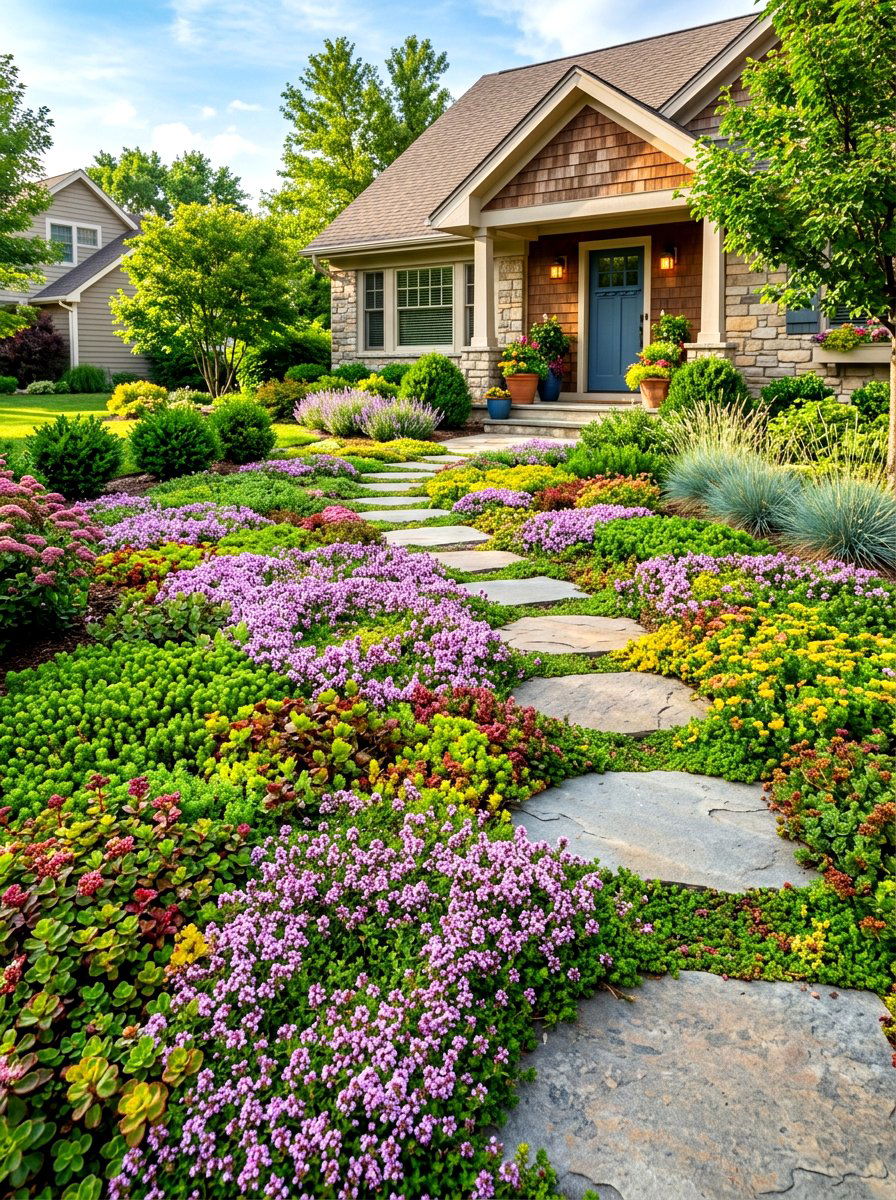
A ground cover front yard replaces traditional grass with low-growing, spreading plants that require much less water and zero mowing. Options like creeping thyme, stonecrop, or clover create a dense mat of greenery that feels soft underfoot and looks beautiful from the street. Many of these ground covers also produce tiny, delicate flowers that add seasonal interest and attract pollinators. This is a practical solution for large areas where you want a green look but want to avoid the high maintenance of a standard lawn. Once established, these plants are very tough and can handle moderate foot traffic while staying lush.
19. Sage Bush Landscaping
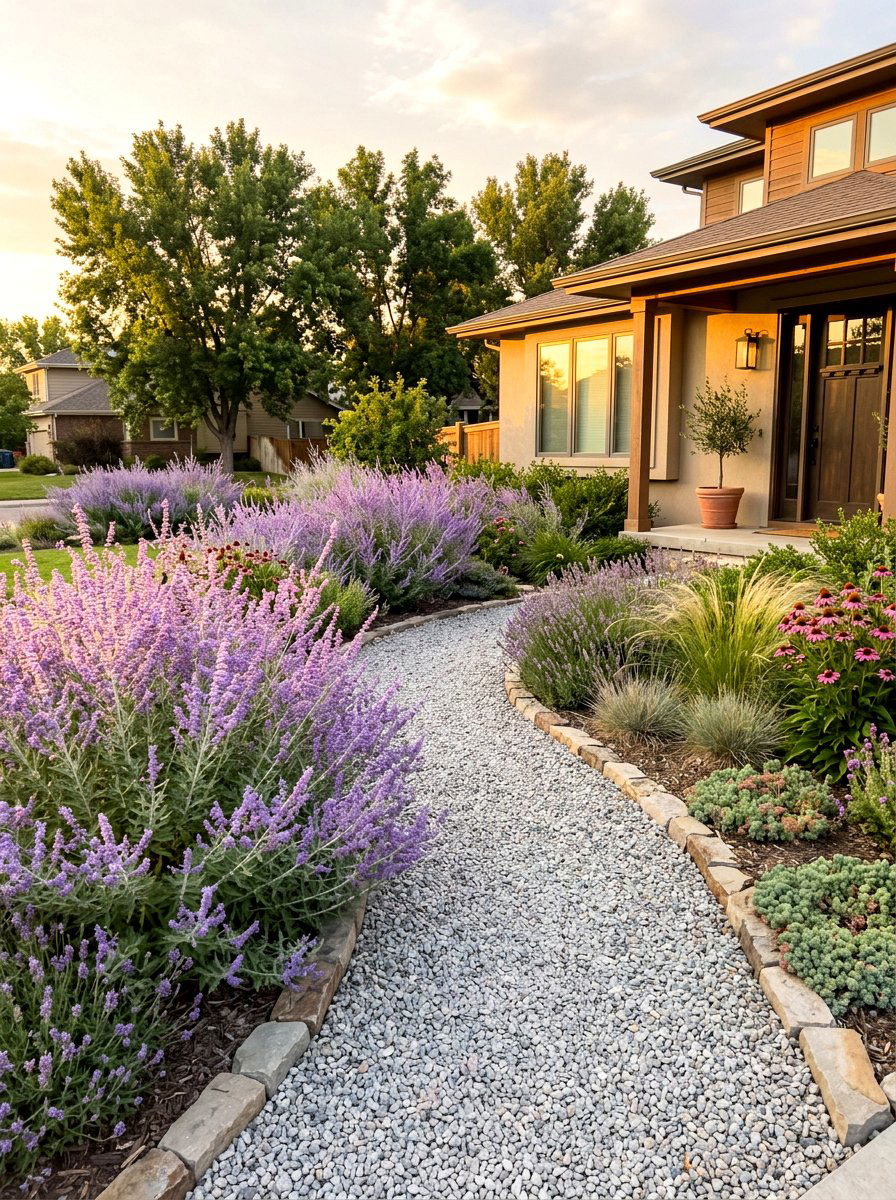
Sage bush landscaping is a classic choice for water-wise gardens because of the plant’s incredible resilience and aromatic foliage. There are many varieties of sage, including Russian Sage and Texas Sage, which offer beautiful purple or blue flowers and silvery-gray leaves. These shrubs are extremely drought-tolerant and thrive in full sun and well-drained soil. They add a wonderful soft texture to the landscape and can be used to create informal hedges or background layers for smaller plants. Sage is also deer-resistant, making it a great option for suburban areas where local wildlife might otherwise feast on your garden's delicate greenery and flowers.
20. Yucca And Agave Garden
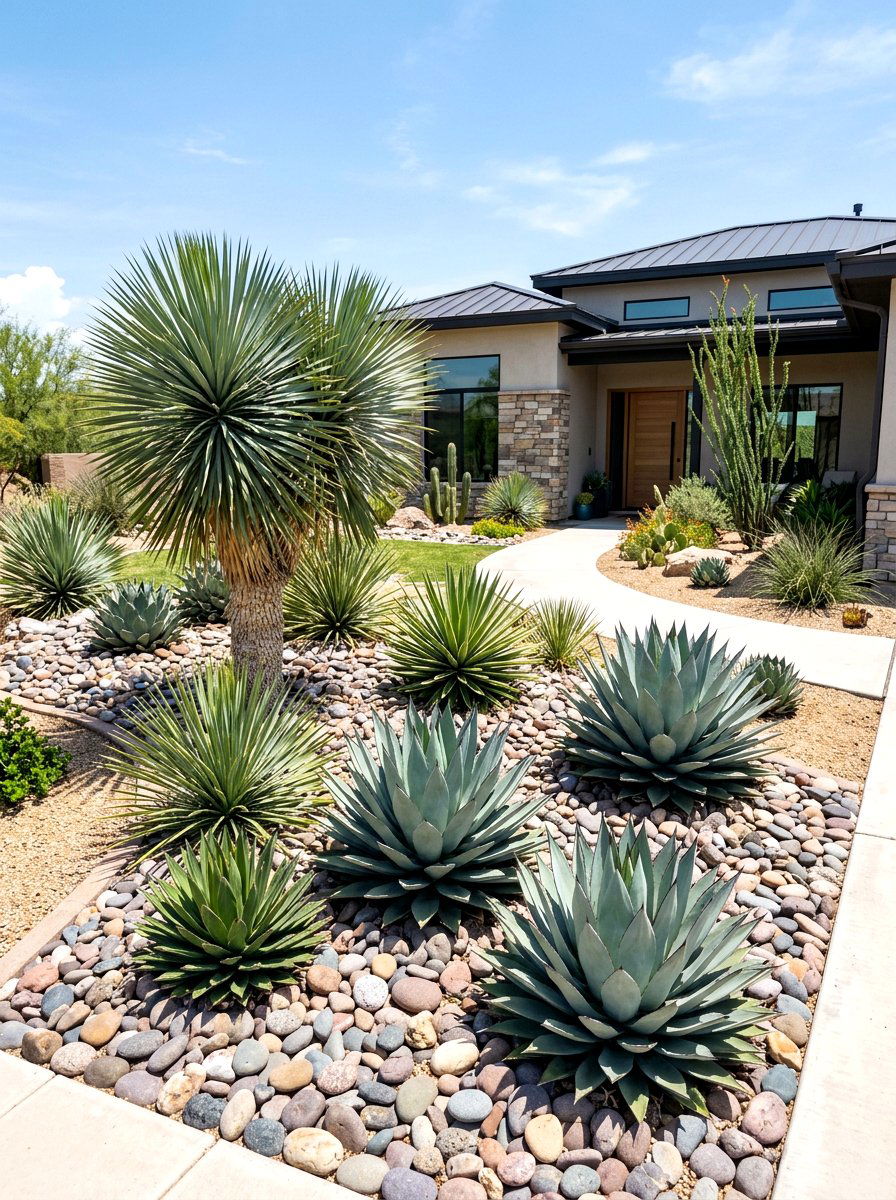
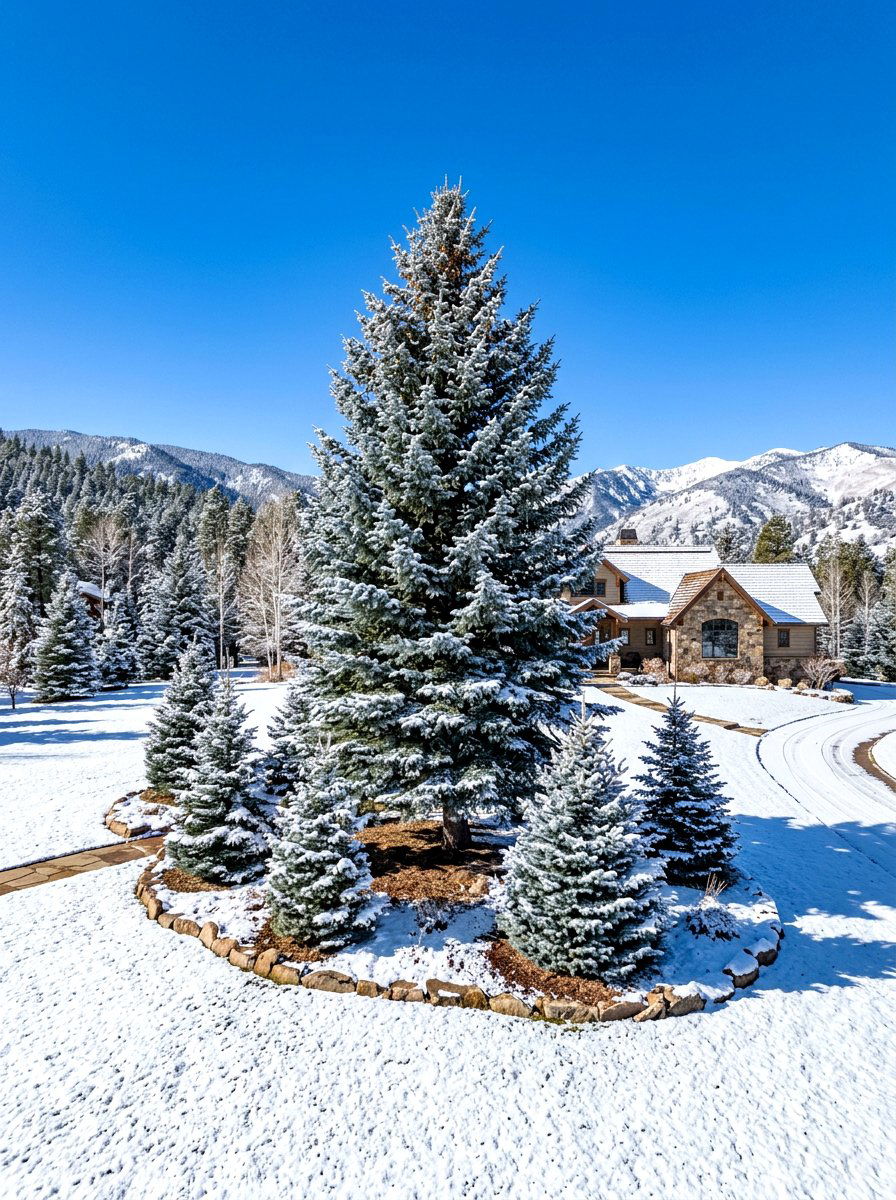
A yucca and agave garden creates a bold, structural look that defines a modern front yard with very little effort. These plants are known for their sharp, architectural leaves and their ability to thrive in even the harshest, driest conditions. They serve as excellent focal points when planted individually or in small groups surrounded by decorative gravel or river rocks. Because they are slow-growing, they maintain their shape and size for many years, reducing the need for constant pruning or maintenance. This design is perfect for those who want a high-impact, low-maintenance yard that looks sophisticated and requires minimal water throughout the entire year.
21. Flagstone Patio Front Yard
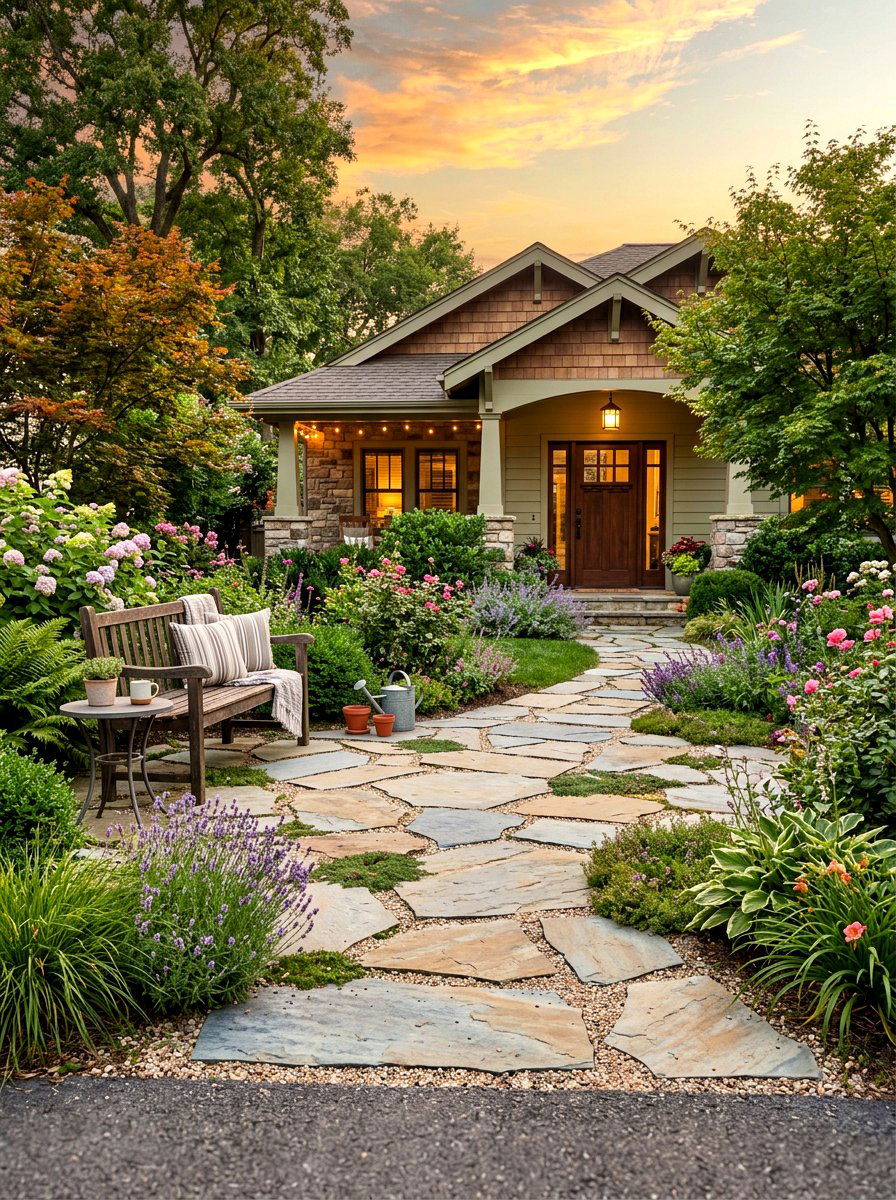
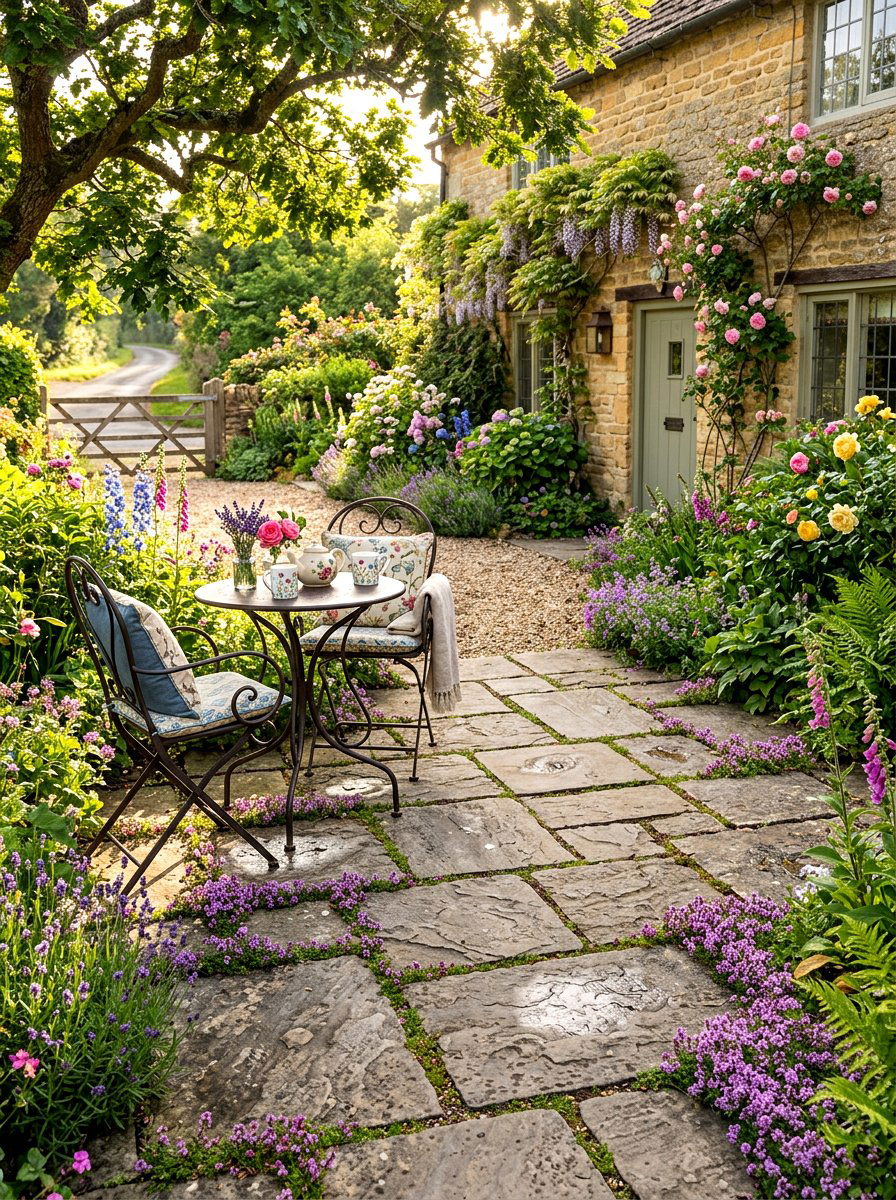
Creating a flagstone patio front yard is a fantastic way to extend your outdoor living space while reducing your water consumption. Large, irregular slabs of flagstone provide a beautiful, natural-looking surface that is perfect for a small table and chairs or a cozy bench. By filling the gaps between the stones with permeable materials like pea gravel or low-water moss, you allow rain to reach the ground below. This hardscaping project creates a welcoming and functional area that replaces a large portion of thirsty turf. It is a smart way to add value to your home and enjoy your front yard more frequently.
22. Bird Friendly Xeriscape
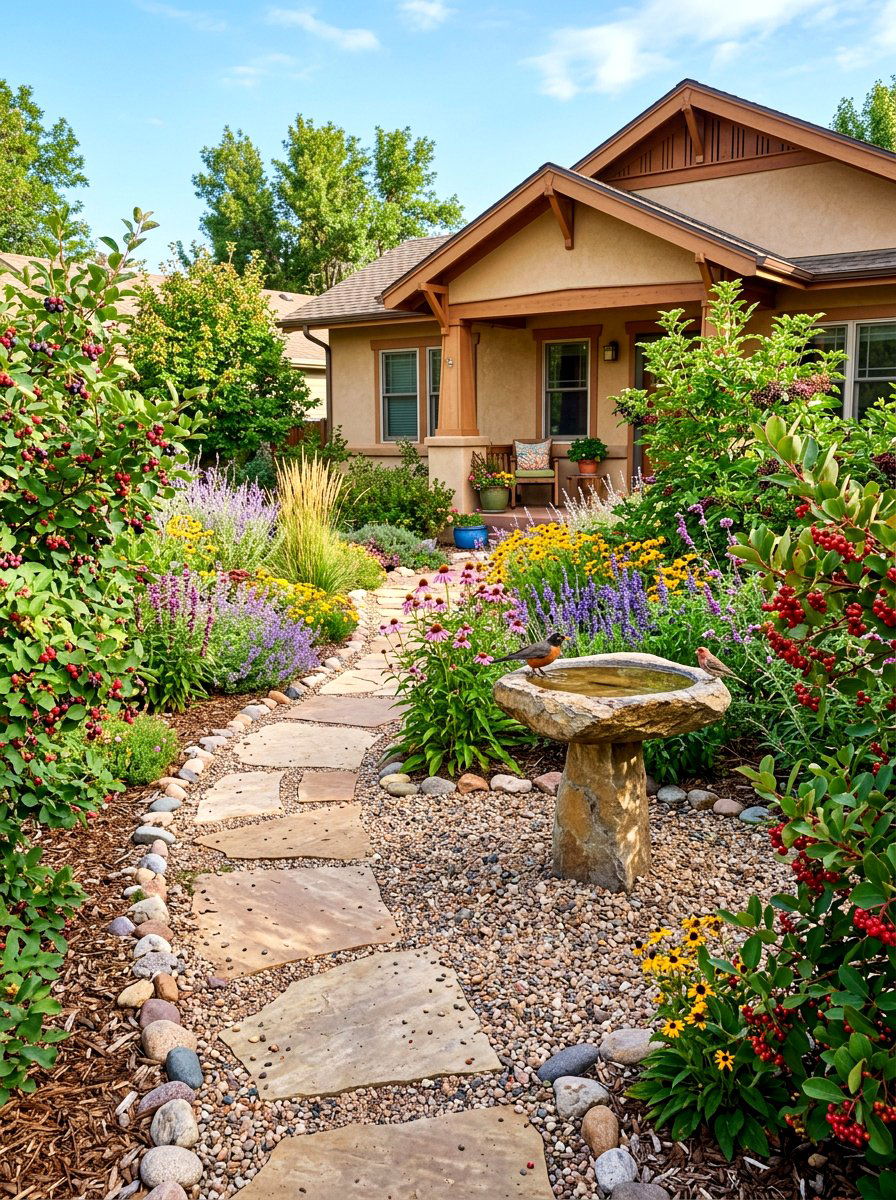
A bird friendly xeriscape combines water conservation with a commitment to supporting local wildlife right in your front yard. By choosing drought-tolerant shrubs that produce berries or seeds, you provide a natural food source for various bird species throughout the year. Adding a simple, shallow birdbath or a small fountain gives them a place to drink and bathe without wasting a lot of water. Plants like buckthorn, sunflowers, and native grasses offer both food and shelter for your feathered neighbors. This type of landscape feels alive and dynamic, providing endless entertainment and a sense of harmony with nature in a very water-efficient way.
23. Butterfly Garden Front Yard
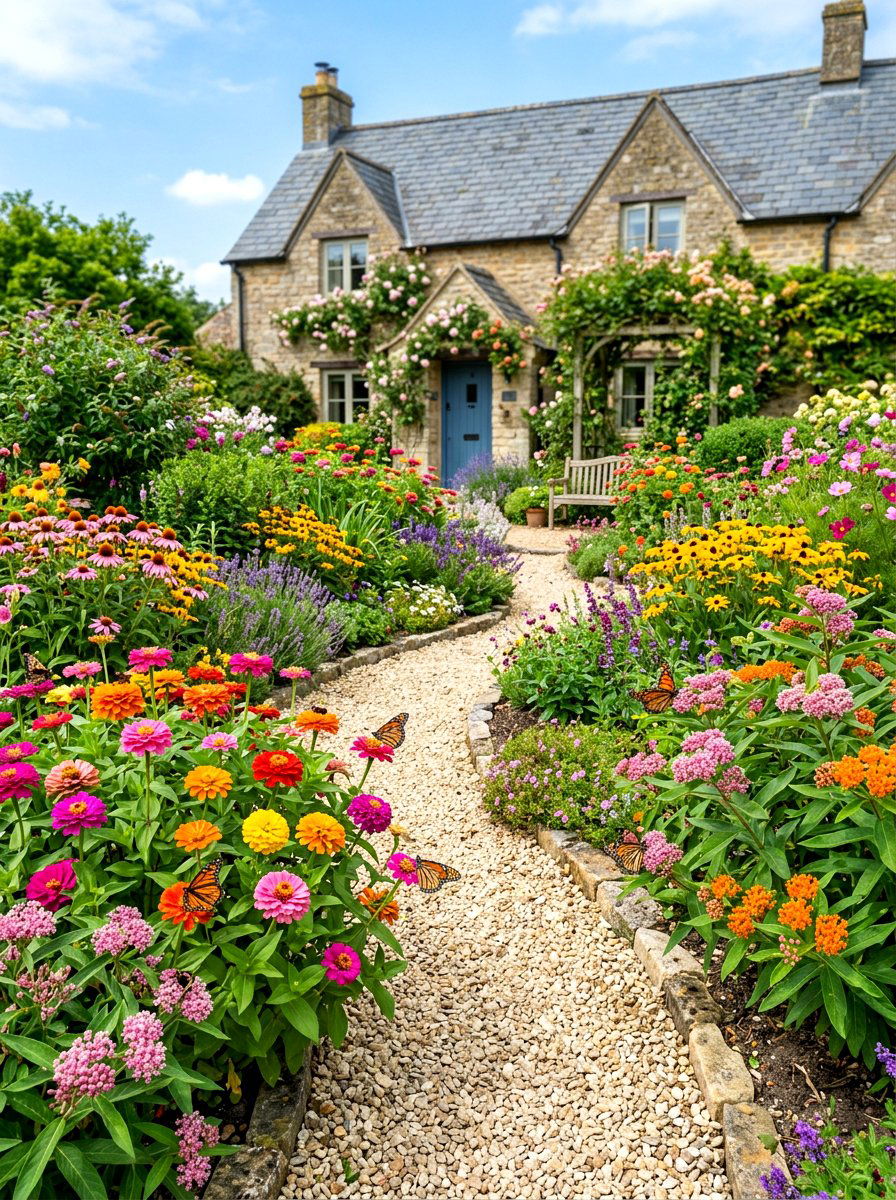
A butterfly garden front yard is a joyful and colorful addition to any neighborhood that thrives on very little water. By planting nectar-rich, drought-tolerant flowers like butterfly bush, zinnia, and milkweed, you can attract a variety of butterflies and other beneficial insects. These plants are often very hardy and can withstand hot, sunny conditions with only occasional watering. Designing the garden with clusters of similar flowers makes it easier for butterflies to find the food they need. This approach not only looks beautiful with its vibrant blooms but also helps support the declining populations of important pollinators in your local area and environment.
24. Zen Rock Garden
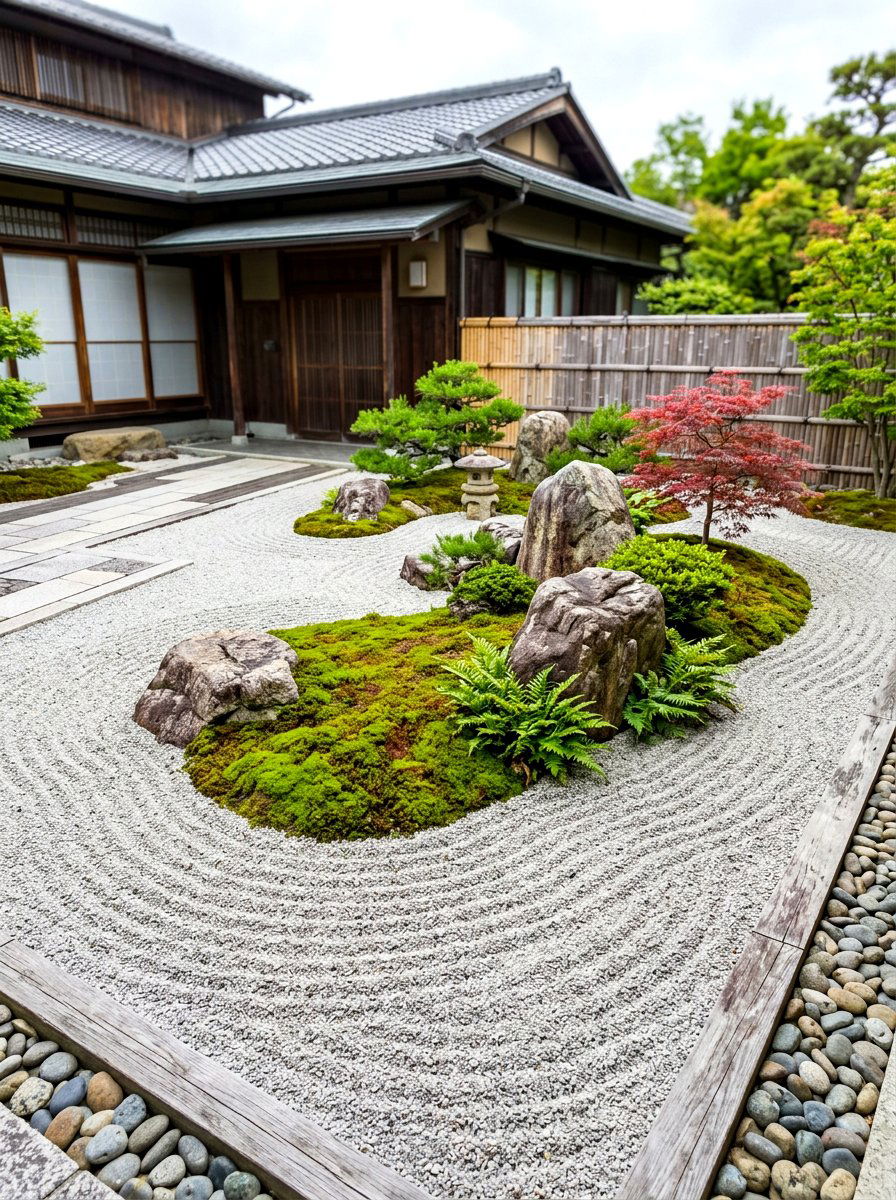
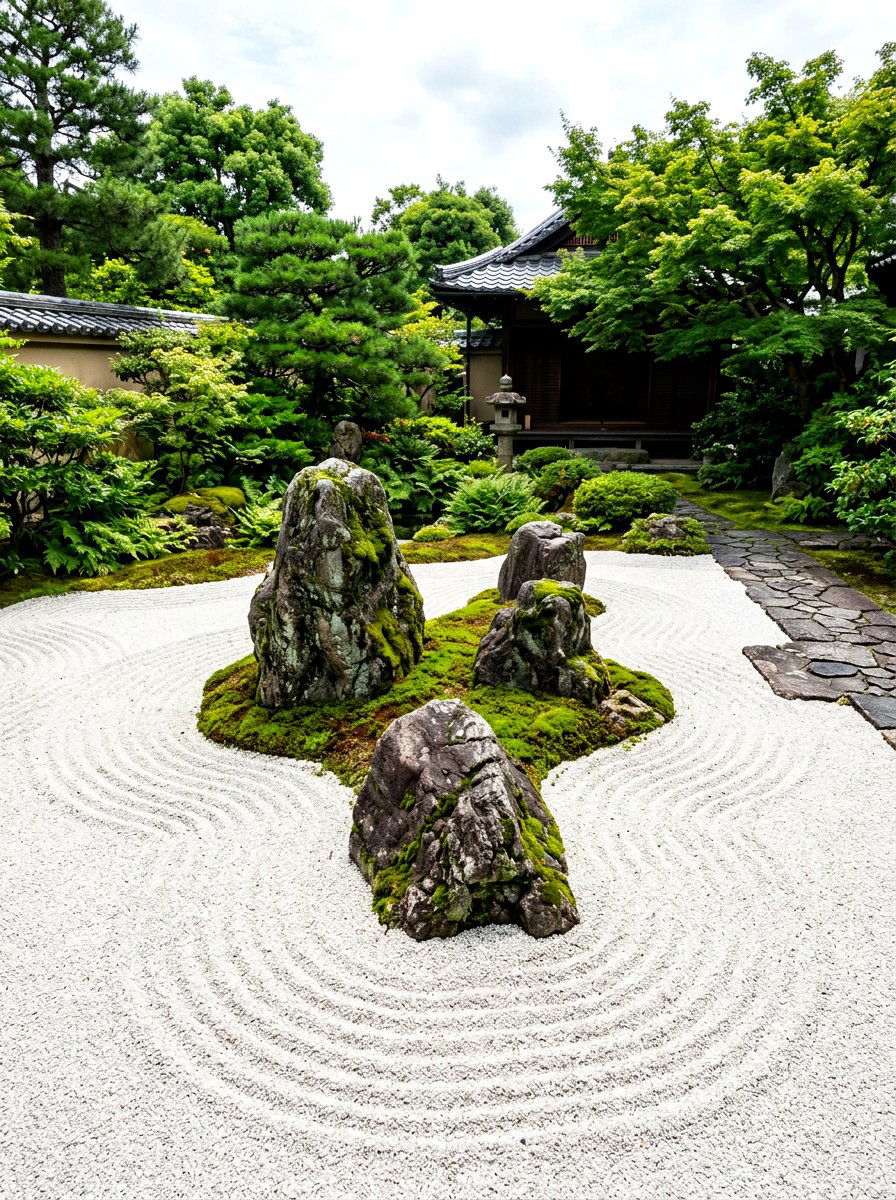
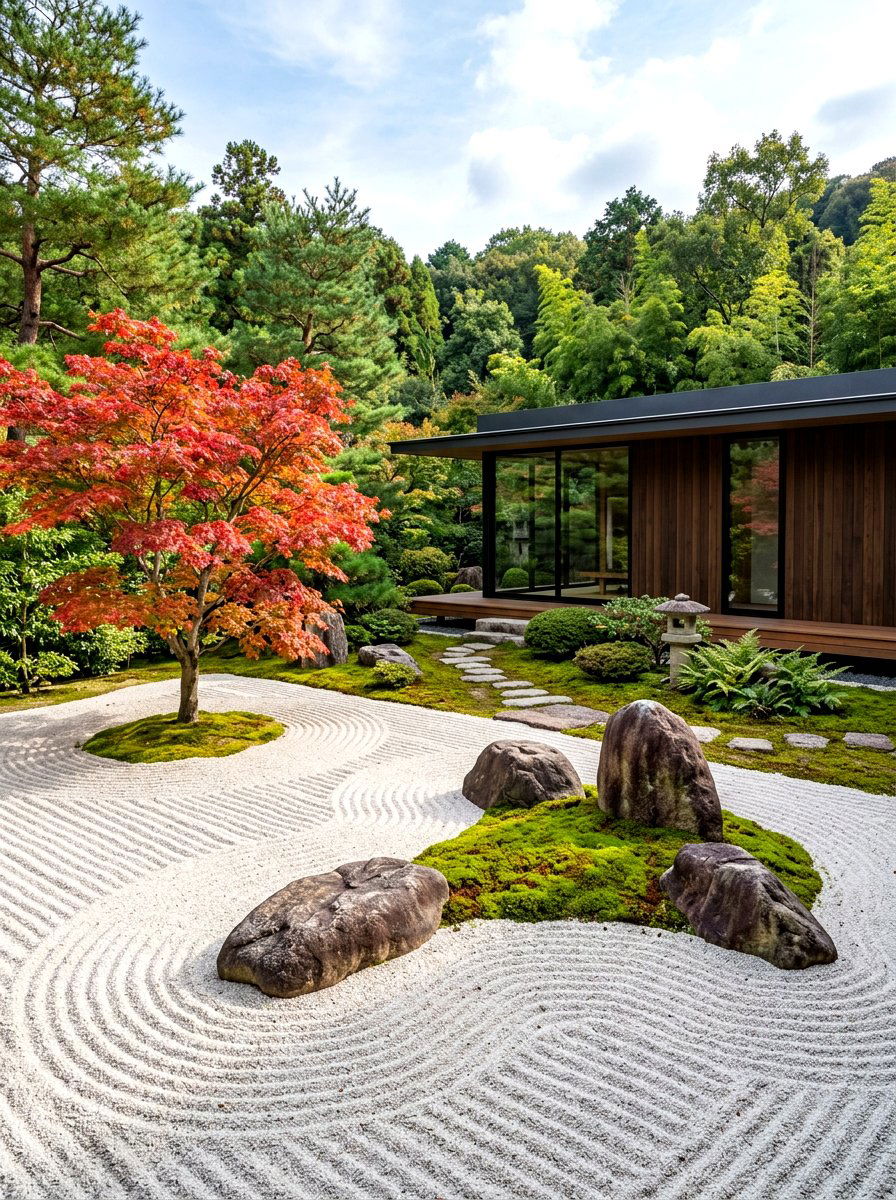
A Zen rock garden brings a sense of peace and tranquility to your home's entrance through minimalist design and natural materials. This style relies heavily on carefully raked sand or fine gravel to represent water, with large, stationary rocks acting as islands. This type of landscape requires absolutely no water to maintain its primary features, making it an ultimate choice for extreme drought areas. You can add a single, sculptural tree or a few tufts of moss to provide a touch of green without cluttering the space. It is a timeless and sophisticated design that encourages reflection and provides a very calm, welcoming atmosphere.
25. Southwestern Style Front Yard
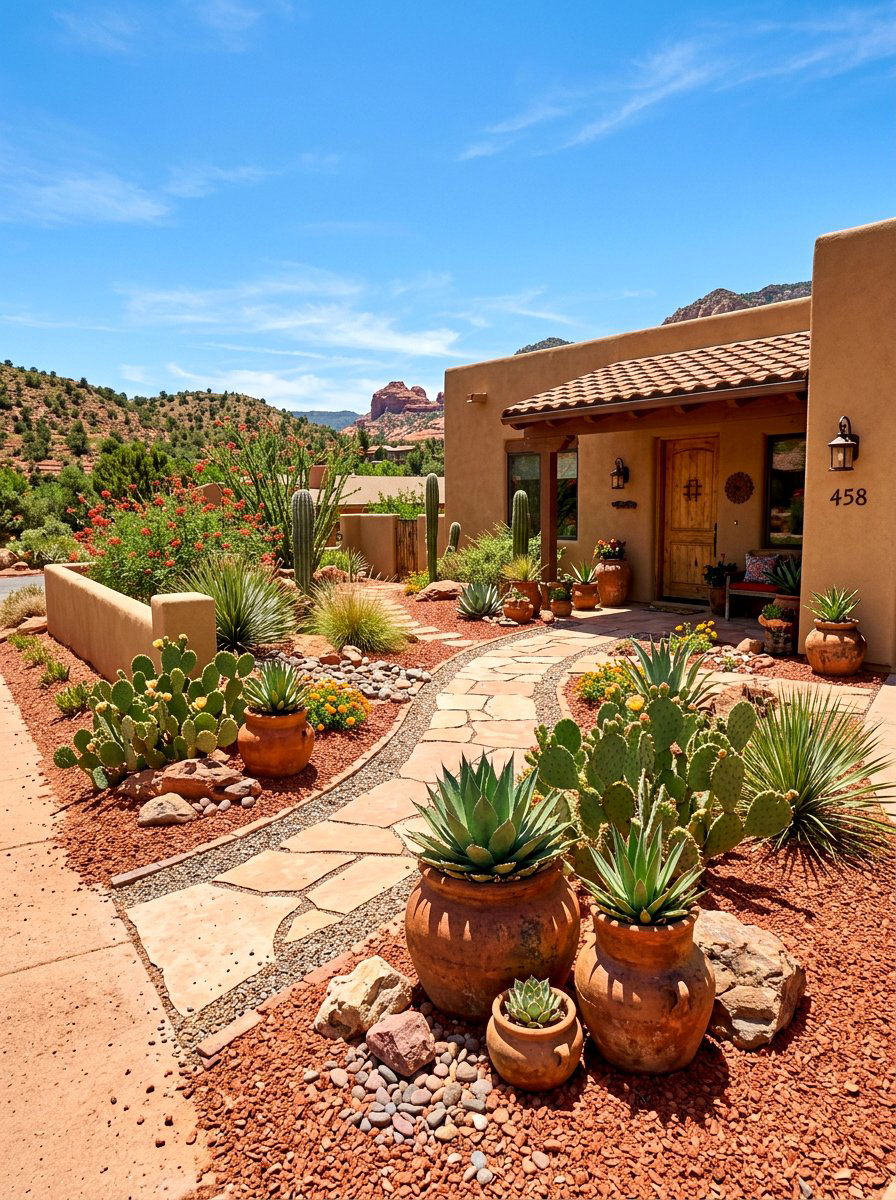
A Southwestern style front yard uses the warm tones and rugged plants of the high desert to create an inviting entrance. This look often features a combination of reddish-brown mulch, terracotta accents, and a variety of cacti and succulents. Using desert spoon, prickly pear, and palo verde trees adds authentic texture and height to the design. The color palette is inspired by the natural landscape, with earthy tans, oranges, and deep reds taking center stage. This style is inherently low-water and very low-maintenance, making it a practical and popular choice for homeowners living in arid regions across the country and the world.
26. Corten Steel Planter Yard
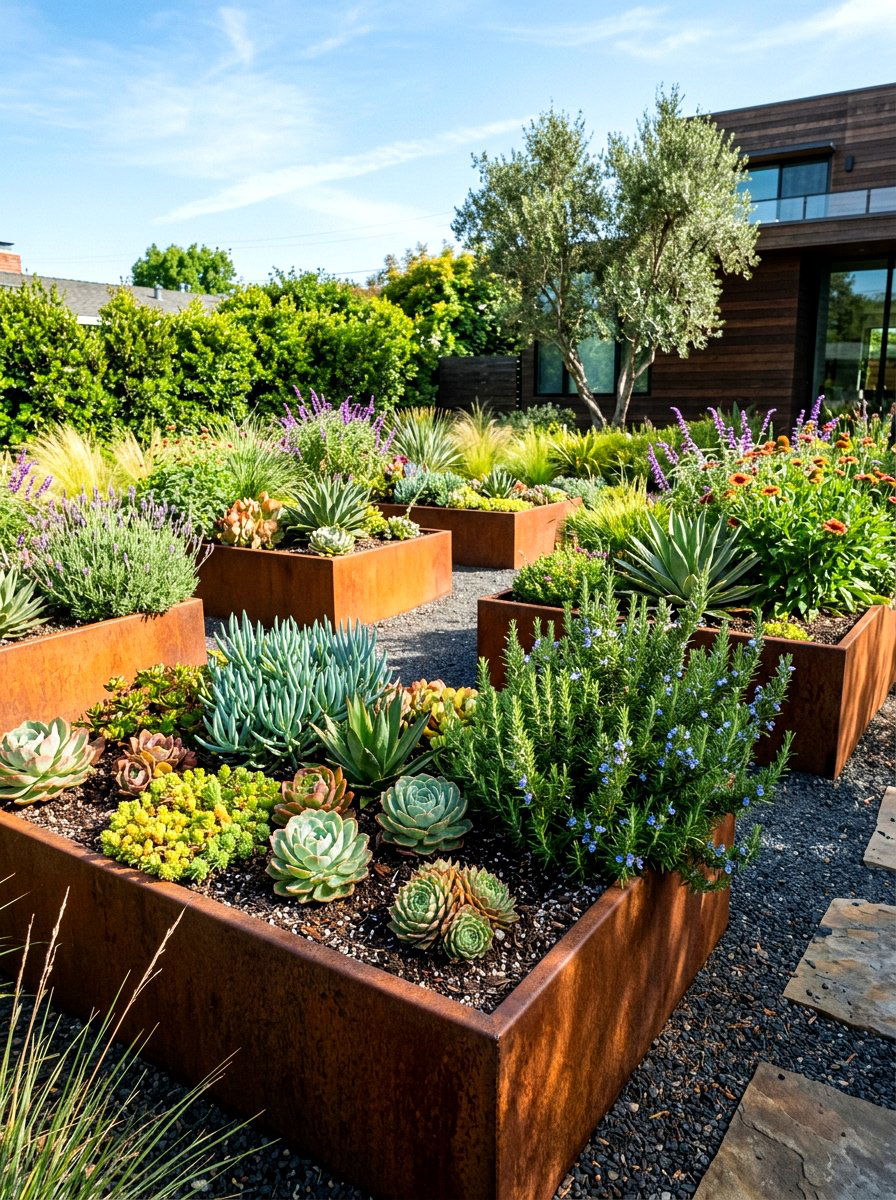
Using a Corten steel planter yard is a modern and stylish way to organize your low-water plants and add architectural interest. Corten steel develops a beautiful, rusty patina over time that protects the metal while adding a warm, industrial feel to the landscape. These raised planters are perfect for showcasing succulents, ornamental grasses, or drought-tolerant herbs like rosemary and thyme. Elevating the plants helps with drainage and prevents soil compaction, which is essential for water-wise species. This design is clean, contemporary, and works exceptionally well in urban or suburban settings where you want to make a bold, sophisticated and modern design statement.
27. Low Maintenance Cacti Garden
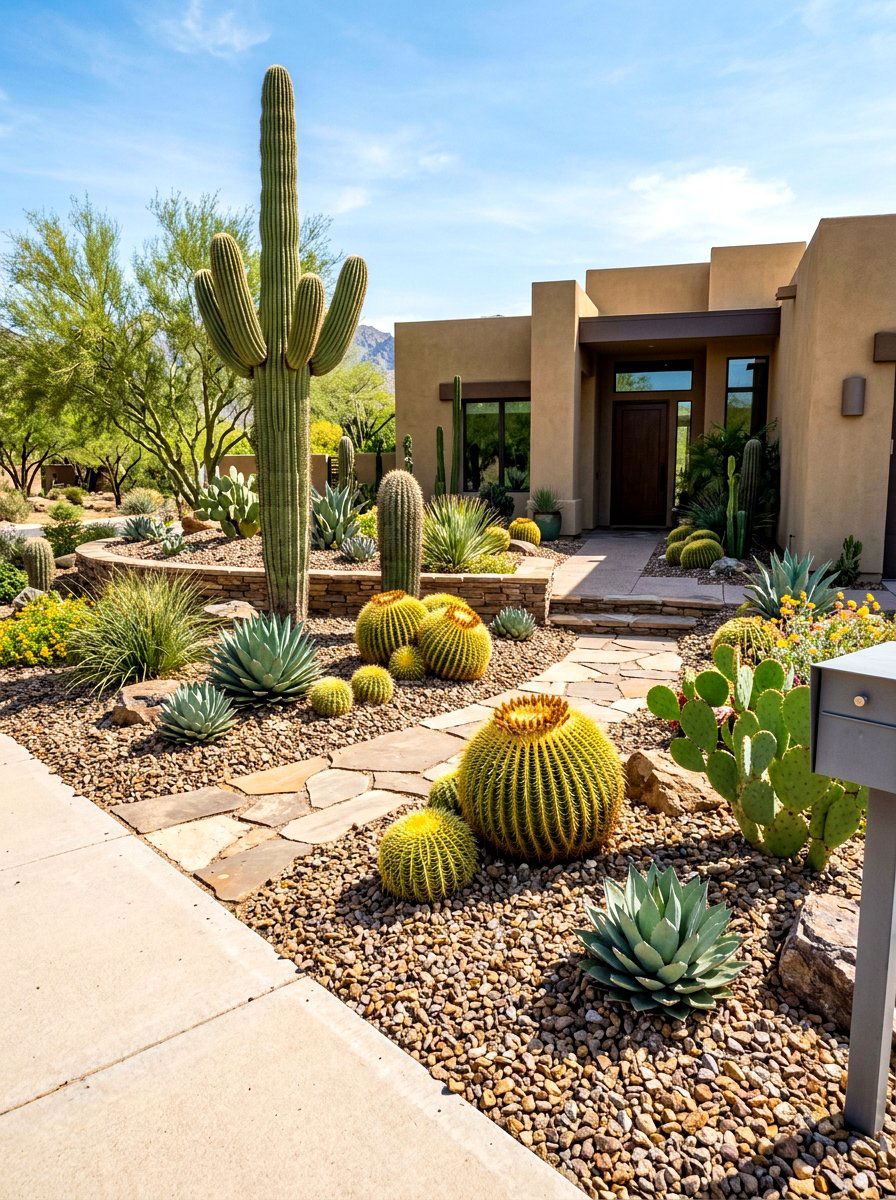
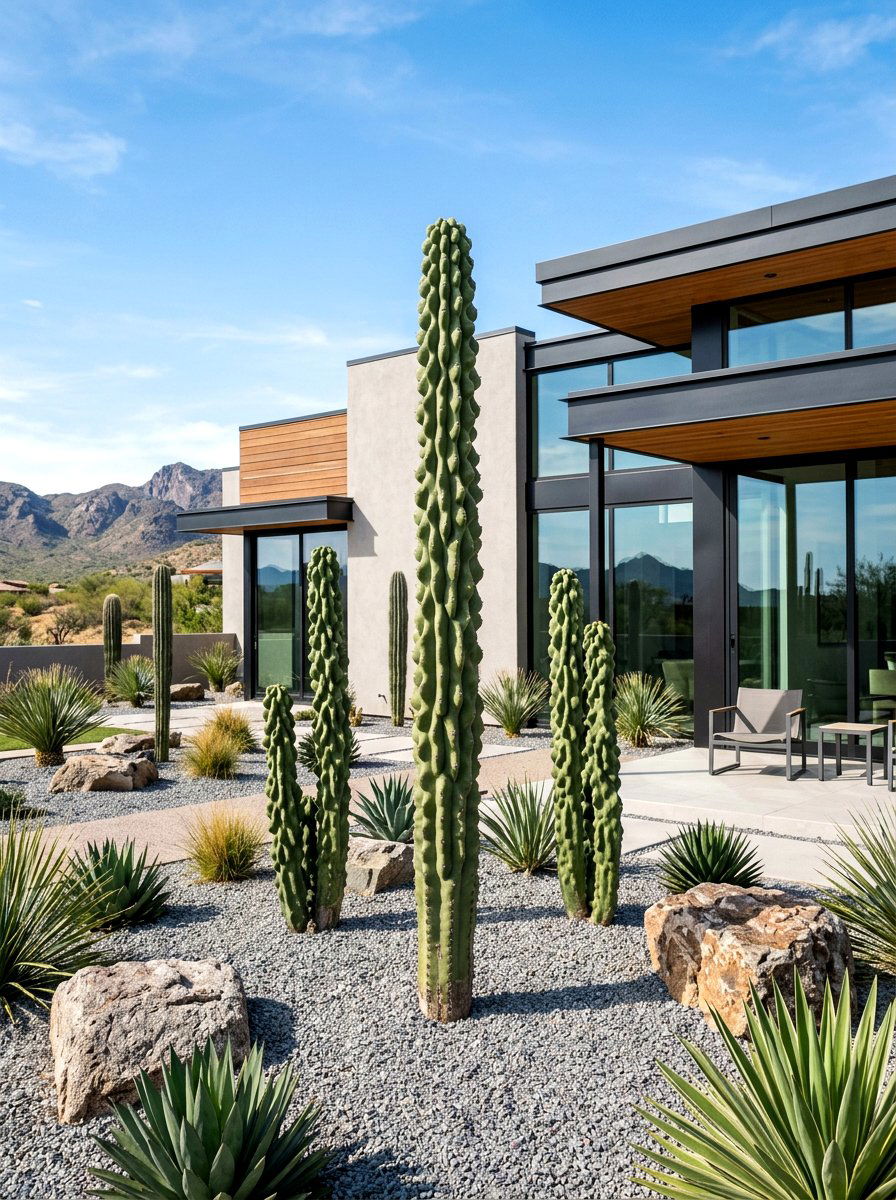
A low maintenance cacti garden is perhaps the most water-efficient landscaping option available for hot, sunny front yards. Cacti come in an incredible array of shapes and sizes, from tall saguaros to small, round barrel cacti. By arranging them in a bed of crushed rock or sand, you create a landscape that can survive for weeks or even months without a single drop of rain. These plants are remarkably tough and require almost no pruning or cleanup throughout the year. A cacti garden is a great way to add unique character to your property while completely eliminating the need for a traditional irrigation system.
28. Shadow Box Fencing Landscaping
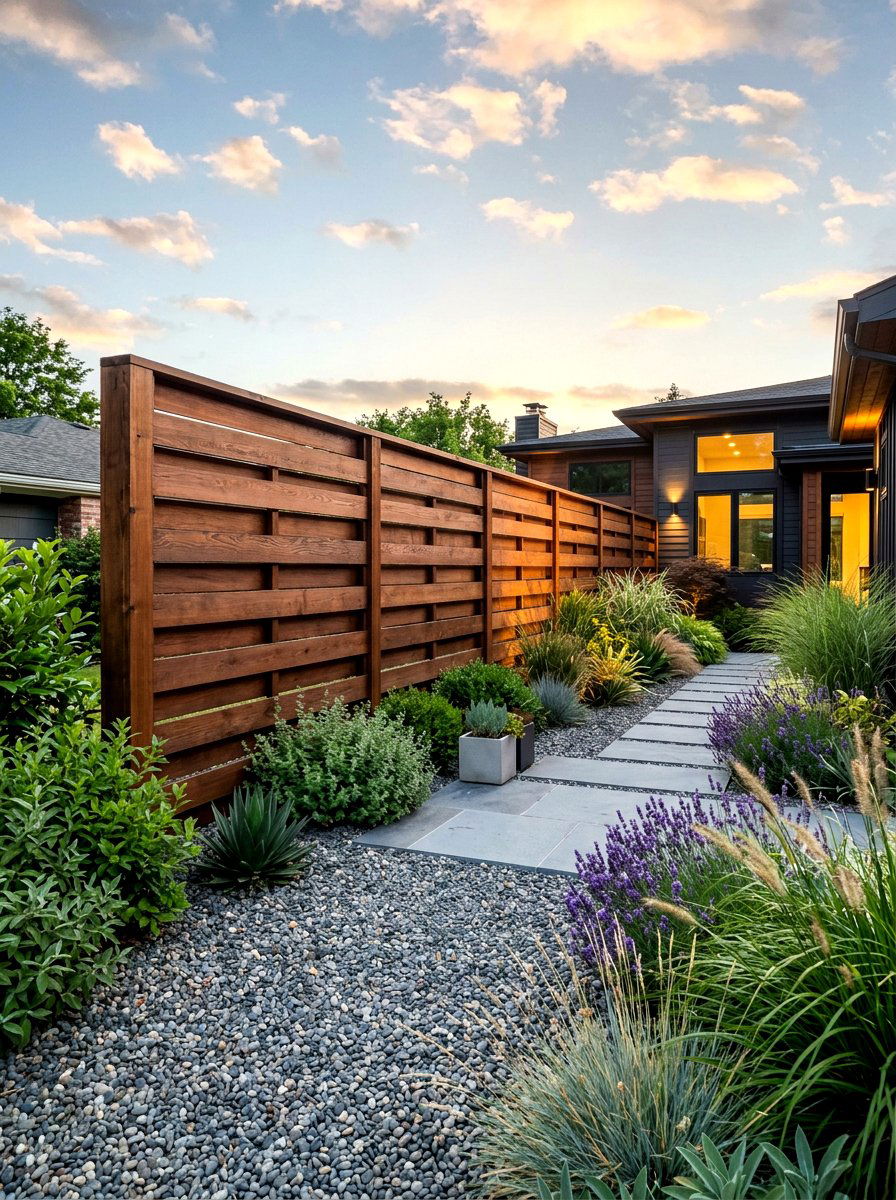
Shadow box fencing landscaping uses structural elements to define your front yard and reduce the need for large planting areas. A low, modern fence can create a sense of privacy and enclose a small, gravel-covered courtyard or a minimalist garden bed. You can plant drought-tolerant vines or tall grasses along the fence line to add softness and movement without requiring heavy watering. This approach allows you to focus your water usage on a few high-impact plants while the hardscaping does the rest of the visual work. It is a clever way to boost curb appeal and create a more private, intentional outdoor living space.
29. Perennial Drought Tolerant Border
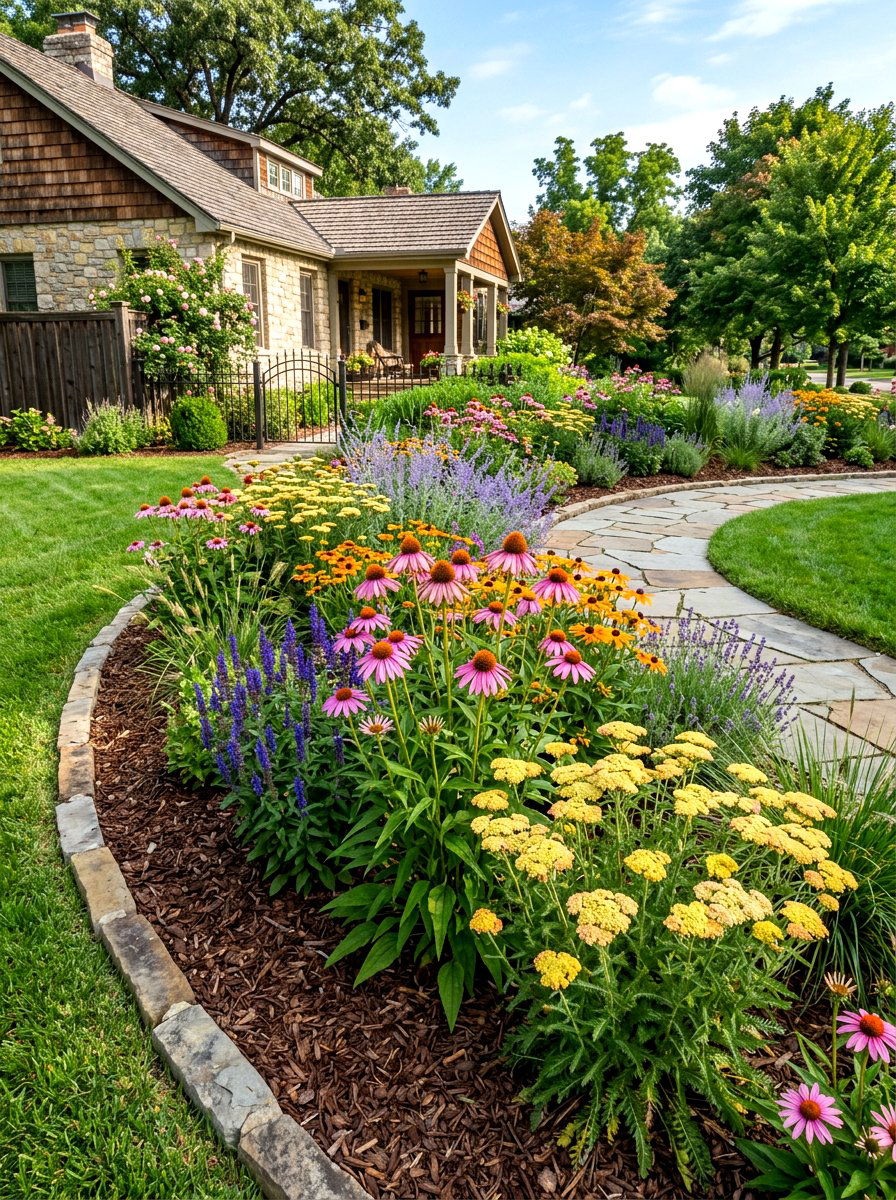
A perennial drought tolerant border provides consistent color and structure to your front yard year after year. Plants like coneflower, yarrow, and black-eyed Susans are incredibly hardy and return every spring with minimal effort from the homeowner. By grouping these plants together in a wide border along your driveway or front walk, you create a lush look that feels traditional but uses a fraction of the water. These perennials often have deep root systems that help them survive dry spells with ease. This design is perfect for those who want a flower-filled front yard that is both sustainable and very easy to manage.
30. Wood Chip Front Yard
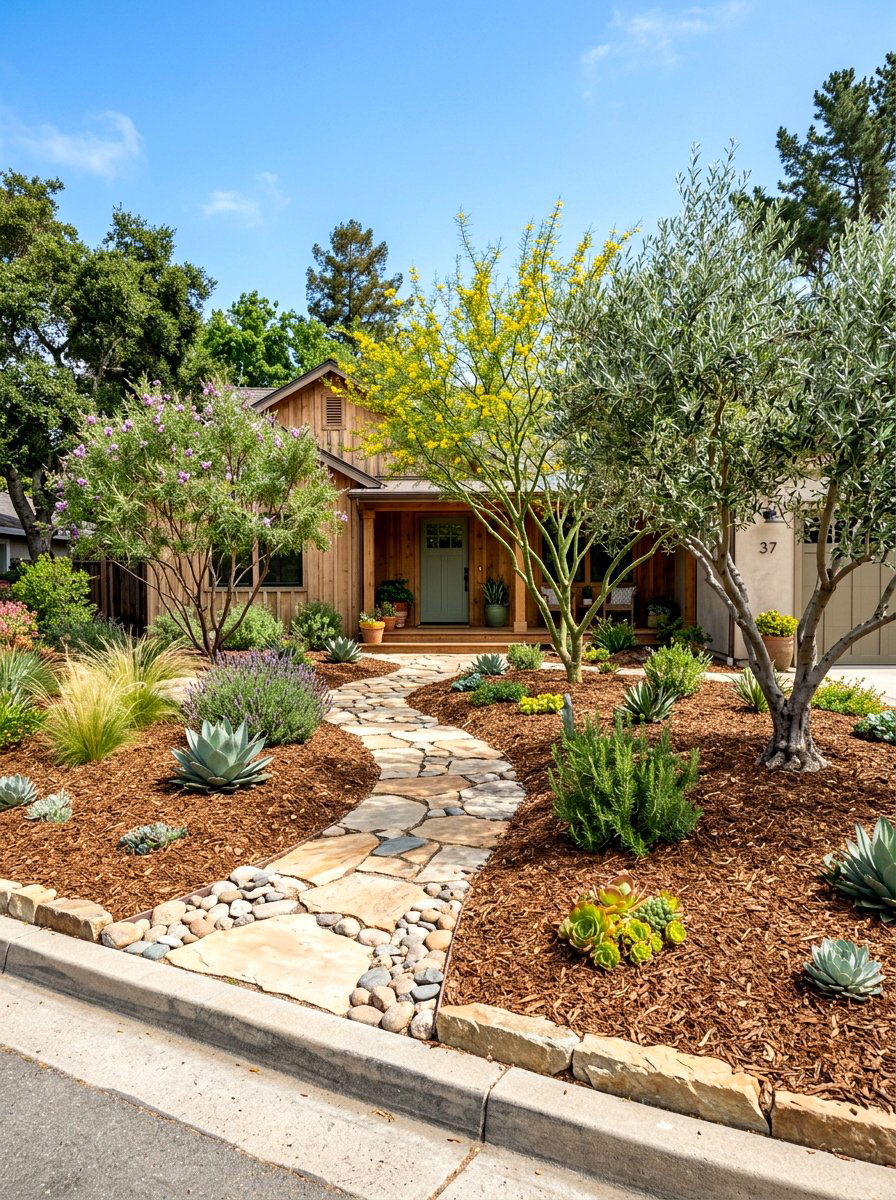
A wood chip front yard is a practical and earthy way to cover large areas of soil and prevent water loss. Using high-quality wood chips as a ground cover provides a clean, uniform look that highlights your trees and shrubs beautifully. It is much more permeable than concrete, allowing every drop of rain to nourish the roots of your plants. Wood chips also help to suppress weeds, which means you spend less time pulling unwanted growth and more time enjoying your yard. This is an excellent low-cost solution for homeowners who want to transition away from a thirsty grass lawn toward a more sustainable landscape.
Conclusion:
Embracing low water front yard ideas is a smart and stylish way to enhance your home’s curb appeal while respecting the environment. As we have seen, there are numerous ways to create a stunning outdoor space that doesn't rely on heavy irrigation or constant maintenance. Whether you prefer the clean lines of a modern rock garden or the soft beauty of a wildflower meadow, the possibilities are truly endless. By focusing on drought-tolerant plants, permeable hardscaping, and clever design strategies, you can build a landscape that remains vibrant and beautiful through every season. Start your water-wise journey today and enjoy a yard that is as sustainable as it is inviting.

Related posts: