Transforming your front yard into a desert-inspired masterpiece starts with choosing the right varieties of cactus to create a striking first impression. Many homeowners are turning to these resilient plants because they offer a unique architectural beauty that traditional lawns simply cannot match. Beyond their low-water requirements, cacti provide a sense of structure and permanence that evolves beautifully throughout the seasons. Whether you live in a hot, arid climate or just want to embrace a water-wise lifestyle, incorporating these thorny wonders into your home's exterior can significantly boost your property value. It is all about finding that perfect balance between texture, color, and scale to suit your architecture.
1. Modern Desert Landscaping
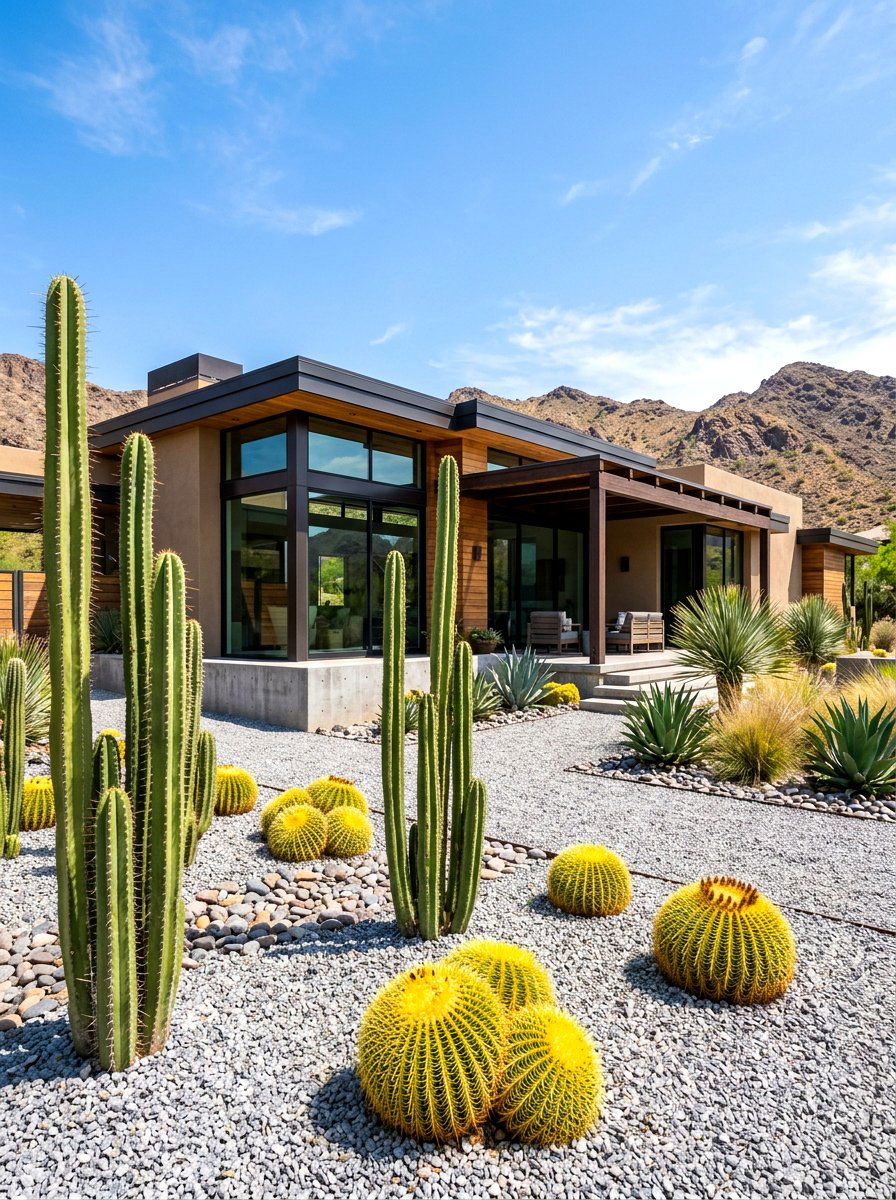
Creating a modern desert look requires a clean layout that focuses on a few key species rather than a cluttered mix. You want to use straight lines and geometric shapes to define the planting beds, which often makes the space feel larger and more organized. Light-colored gravel or crushed stone serves as the perfect backdrop to make the green and blue hues of the cacti pop. Consider using architectural species like the Mexican Fence Post to add vertical height against your home’s exterior walls. This approach emphasizes the natural form of the plants while keeping maintenance to an absolute minimum for busy homeowners who value a sophisticated and sharp curb appeal.
2. Golden Barrel Cactus Grouping
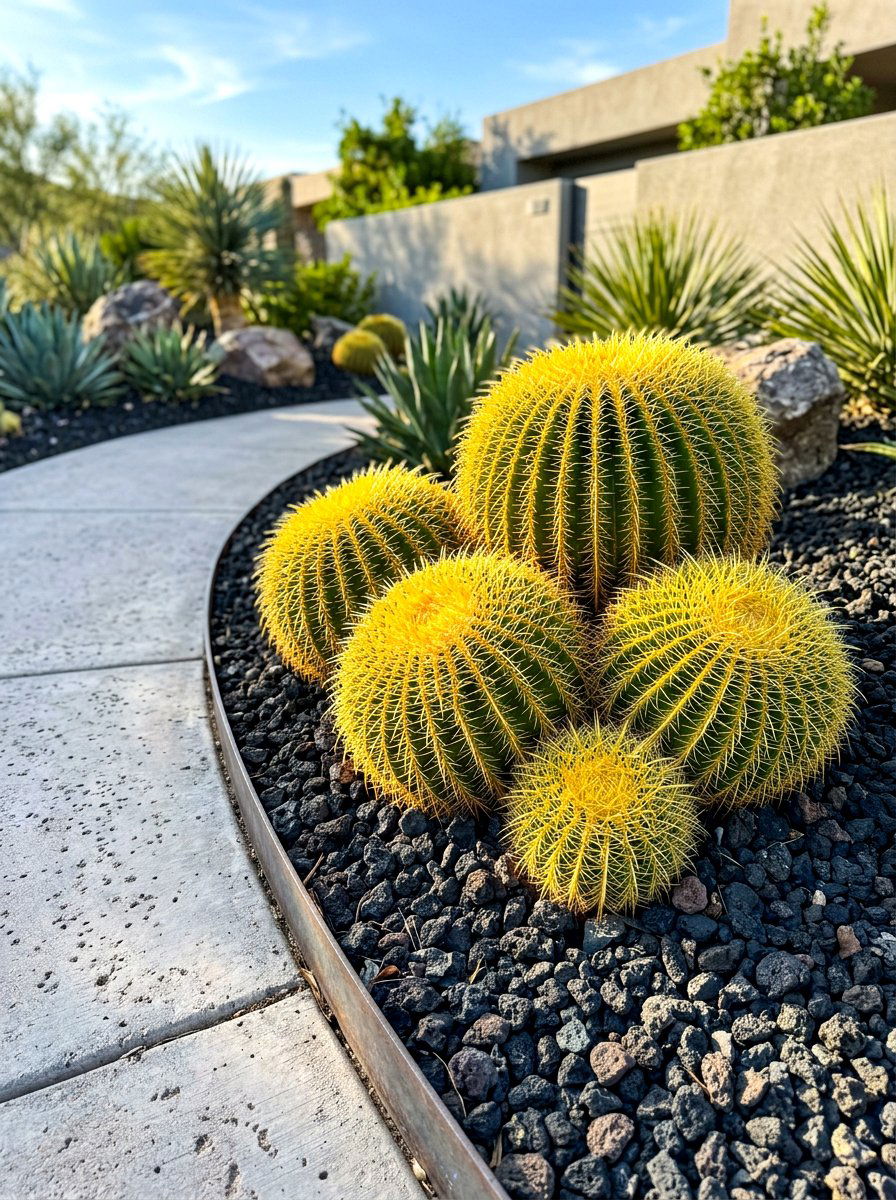
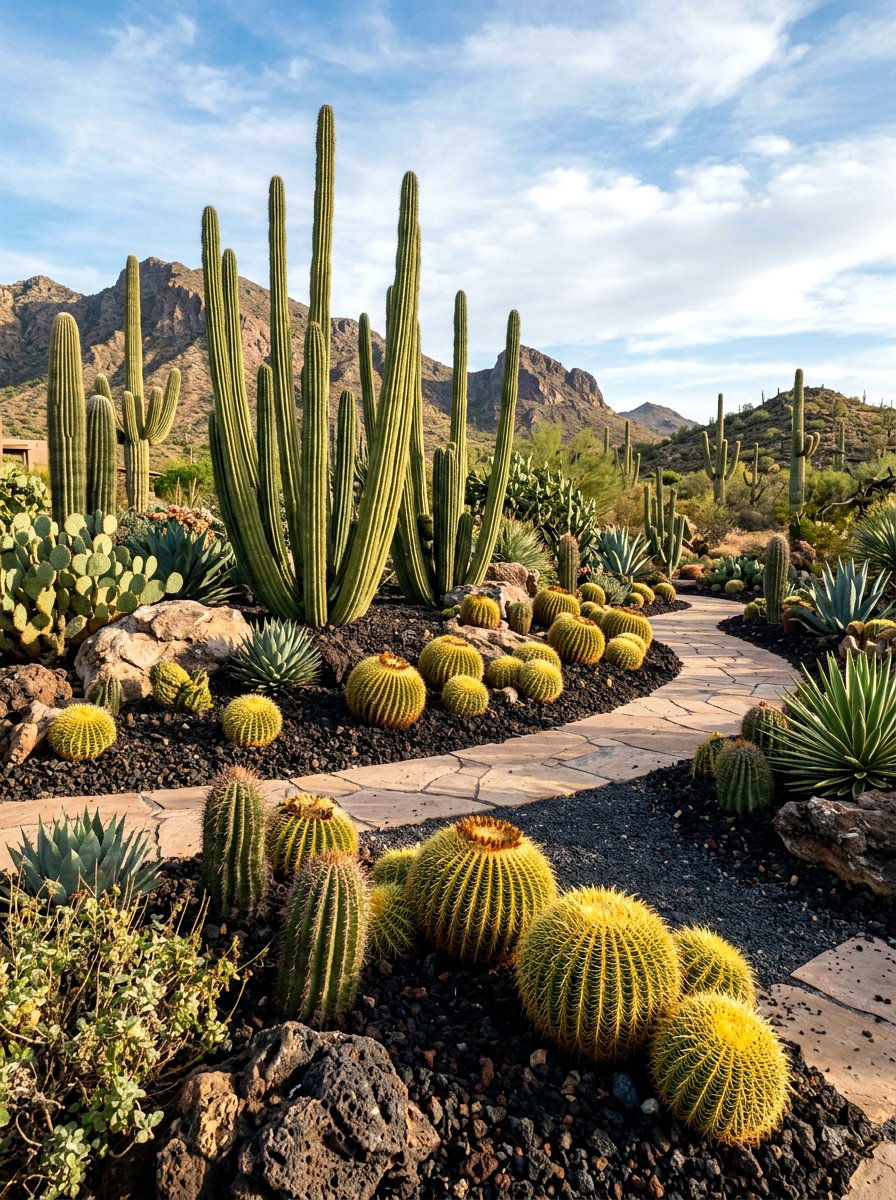
Using the Golden Barrel cactus in a repeated grouping is one of the most effective ways to add a splash of color and texture. These spherical beauties are known for their bright yellow spines that catch the sunlight, making your yard glow during the golden hour. When you plant them in a cluster of three or five, they create a rhythmic visual pattern that guides the eye toward your front door. Their round shape offers a wonderful contrast to taller, more vertical elements in the landscape. Because they grow slowly, you won't have to worry about them outgrowing their space quickly, making them a very reliable garden choice.
3. Saguaro Cactus Statement Piece
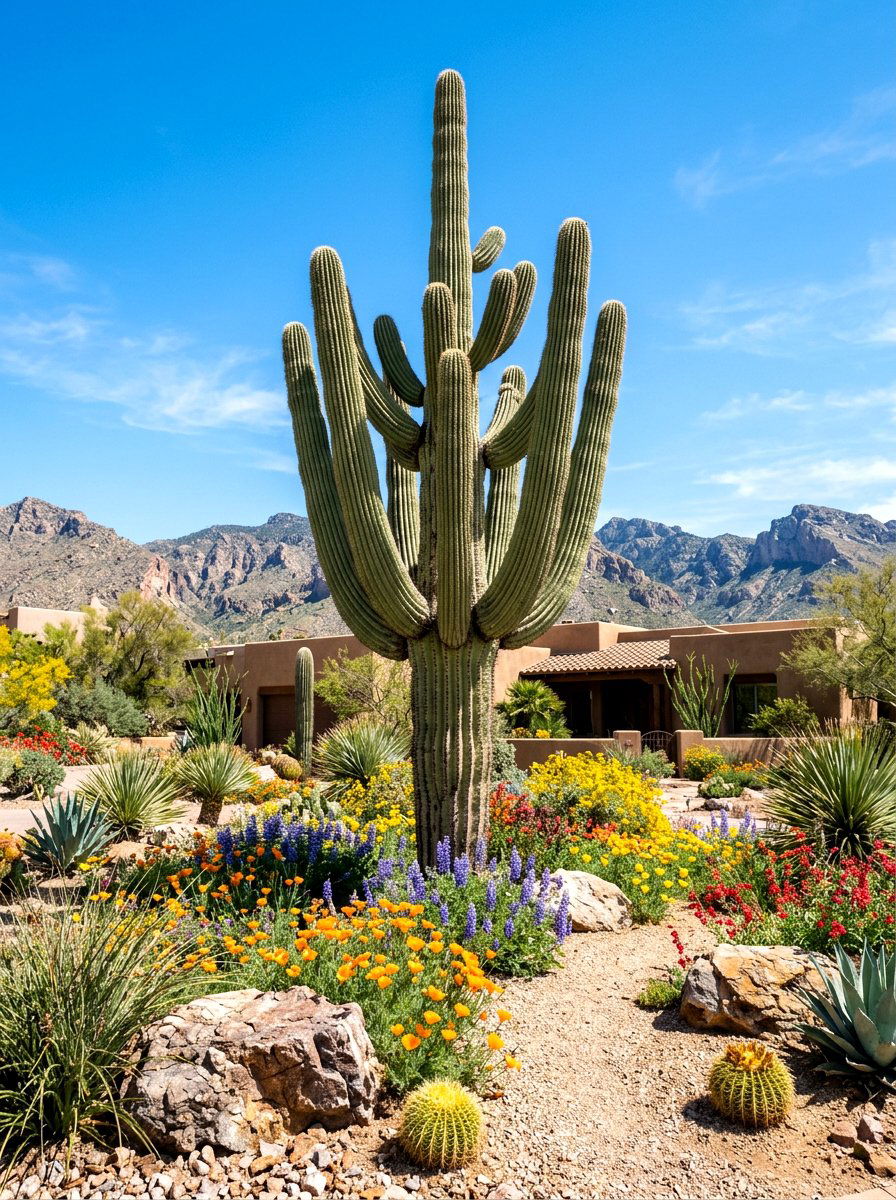
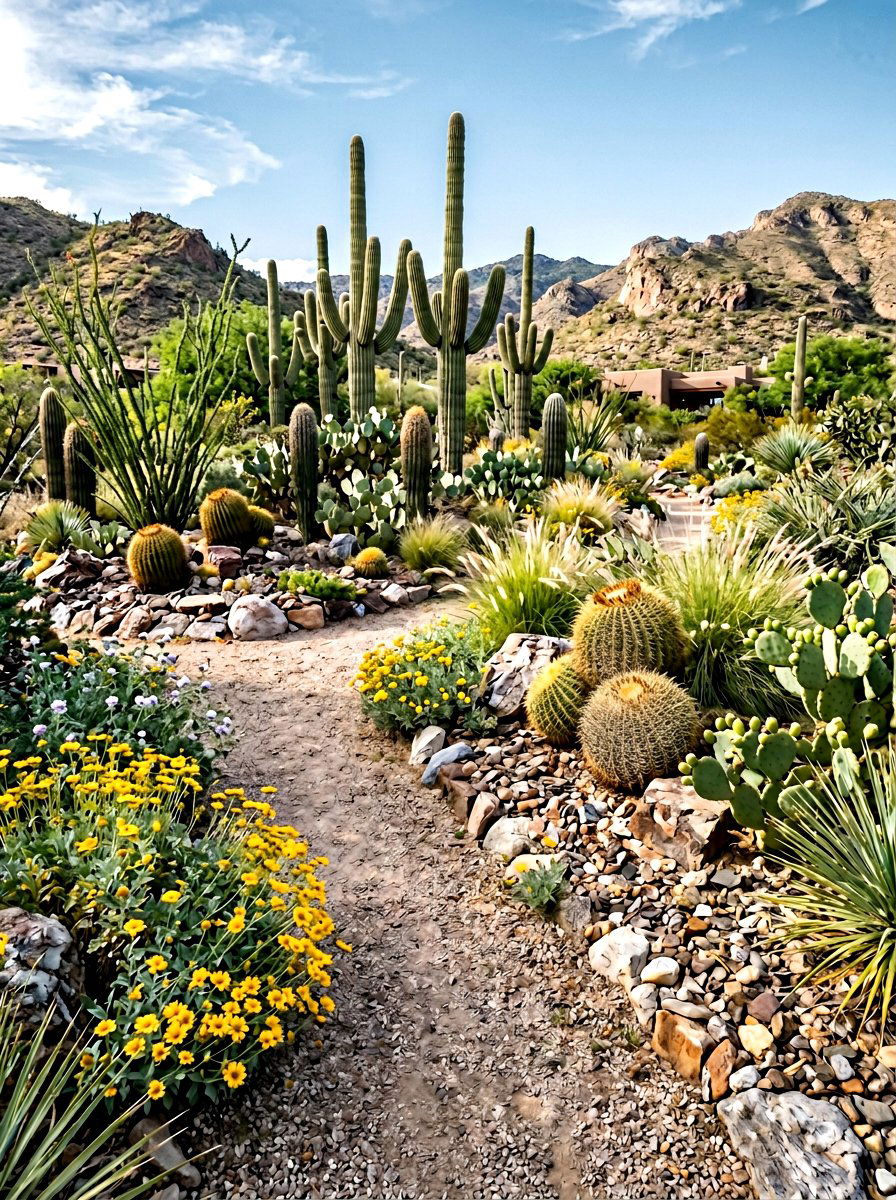
Nothing says "iconic southwest" quite like a massive Saguaro cactus standing tall as the primary focal point of your front yard. If you have the space, a mature Saguaro provides an incredible sense of history and grandeur that few other plants can offer. It acts as a natural sculpture, drawing immediate attention from anyone passing by your home. To make the most of this giant, surround it with smaller ground-cover succulents or decorative boulders to ground the verticality. Proper placement is essential, so ensure it has enough room to grow its famous arms over several decades. It truly anchors the entire landscape with its majestic presence.
4. Xeriscape Gravel Front Yard
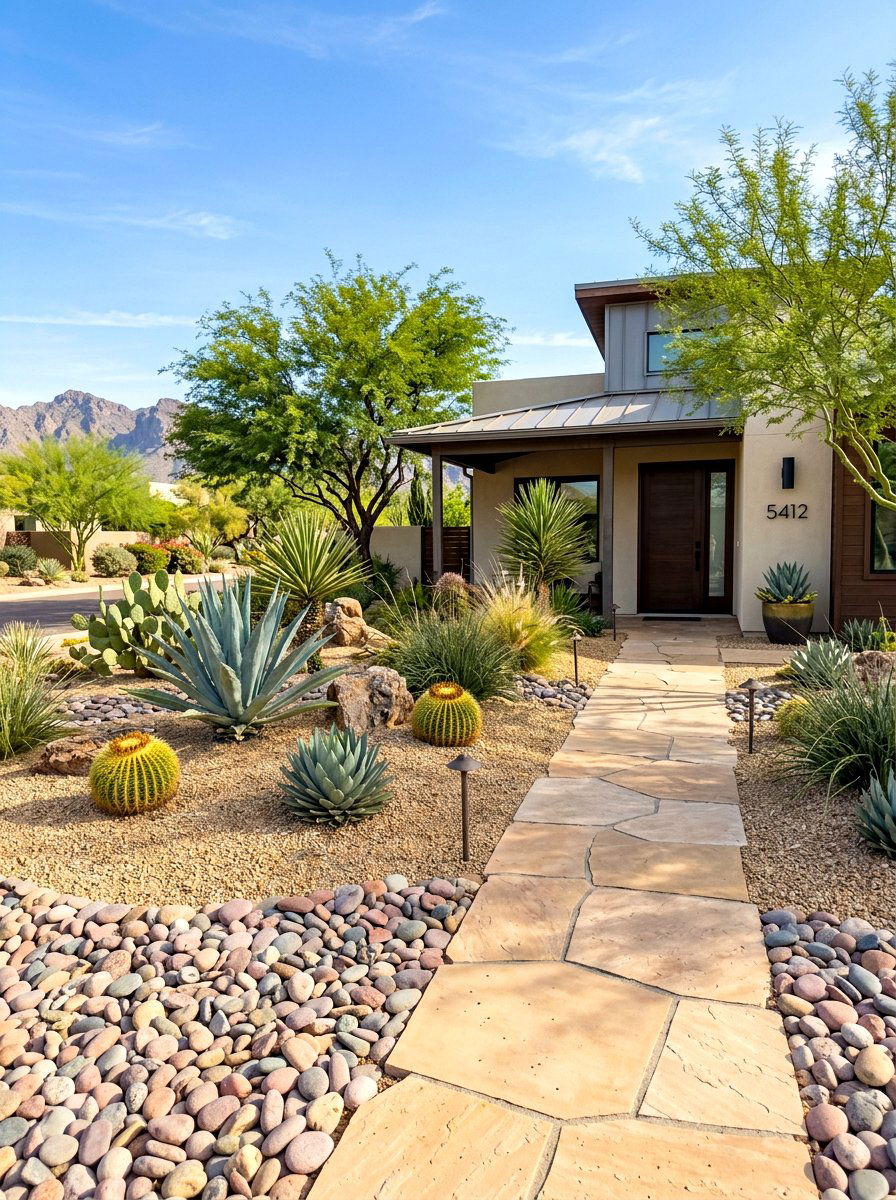
Switching to a xeriscape design with a variety of gravel colors and textures can completely redefine your home’s exterior aesthetic. Instead of a thirsty lawn, you can use decomposed granite or river rocks to create a base that highlights different cactus species. This style is not only environmentally friendly but also incredibly practical for areas prone to drought. You can layer different sizes of stones to mimic a natural desert floor, which provides excellent drainage for your plants. Adding a few strategically placed boulders adds weight and dimension to the flat surface. This combination creates a clean, intentional look that remains beautiful and vibrant throughout the entire year.
5. Mexican Fence Post Privacy Row
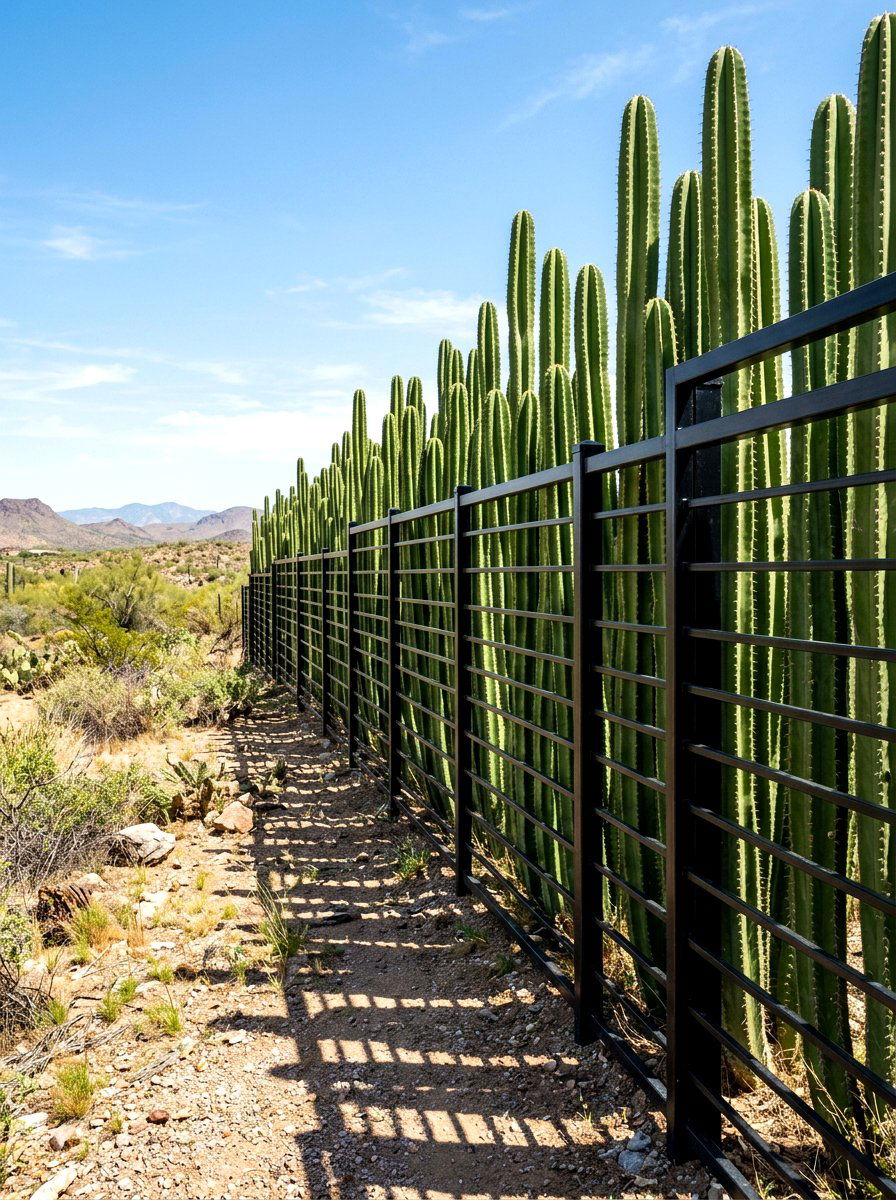
If you are looking for a natural way to add privacy to your front yard, a row of Mexican Fence Post cacti is an excellent solution. These tall, columnar plants grow straight up with very little branching, creating a sleek "living wall" effect. Their deep green color and white-stitched ridges provide a sophisticated look that pairs perfectly with modern or industrial home designs. When planted closely together along a property line or near a large window, they offer a dense screen without the need for a traditional wooden fence. They are fast-growing for a cactus, allowing you to achieve a substantial height in just a few years.
6. Prickly Pear Entrance Border
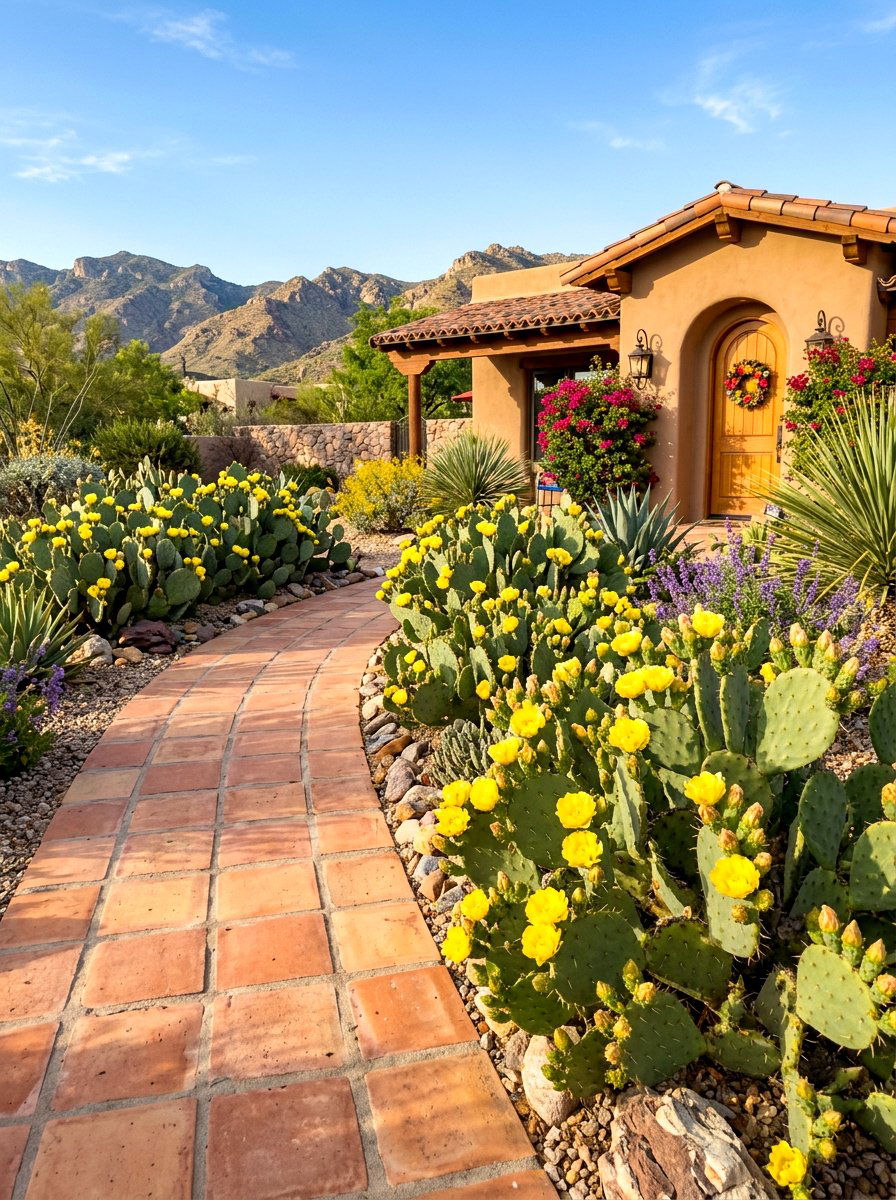
Welcoming guests with a Prickly Pear border is a fantastic way to introduce varied shapes and vibrant colors to your entryway. These cacti are famous for their flat, paddle-like stems and their ability to produce stunning yellow or pink flowers in the spring. Some varieties, like the Santa Rita, even turn a beautiful shade of purple when exposed to direct sunlight or cooler temperatures. Placing them along a front walkway creates a clear boundary while adding a layer of protection and interest. Just be sure to plant them a safe distance from the path so their tiny spines don't snag on clothing as people walk past.
7. Small Rock Garden With Cacti
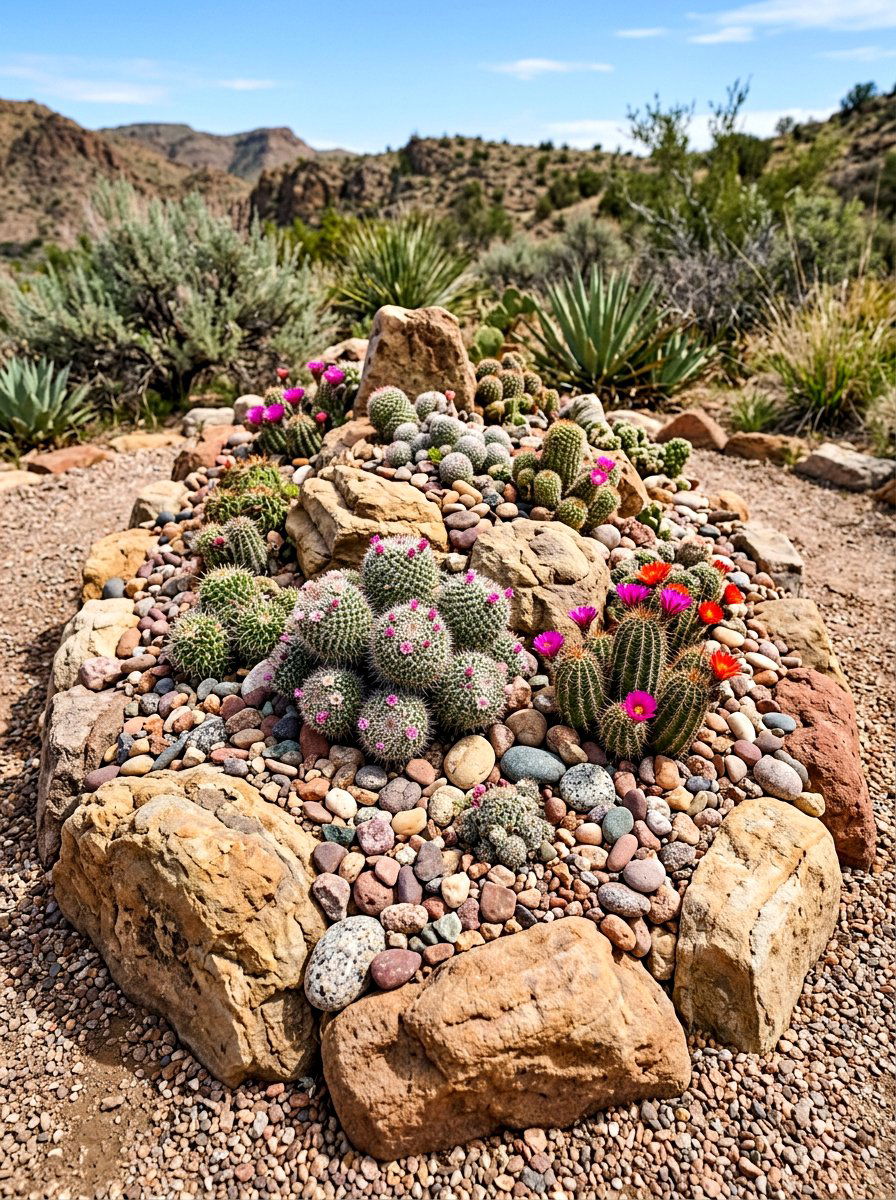
A small rock garden is the perfect way to display miniature cactus species that might otherwise get lost in a larger landscape. By creating a mounded area with varied stones, you can elevate smaller plants like the Pincushion or Hedgehog cactus. This allows you to appreciate their intricate spine patterns and delicate blooms up close. Using rocks of different sizes helps to create microclimates that protect the plants and retain just the right amount of heat. It is a wonderful project for a small corner of the yard or near a porch where you spend time relaxing. This detail-oriented approach adds a layer of curated charm.
8. Arizona Style Drought Tolerant Yard
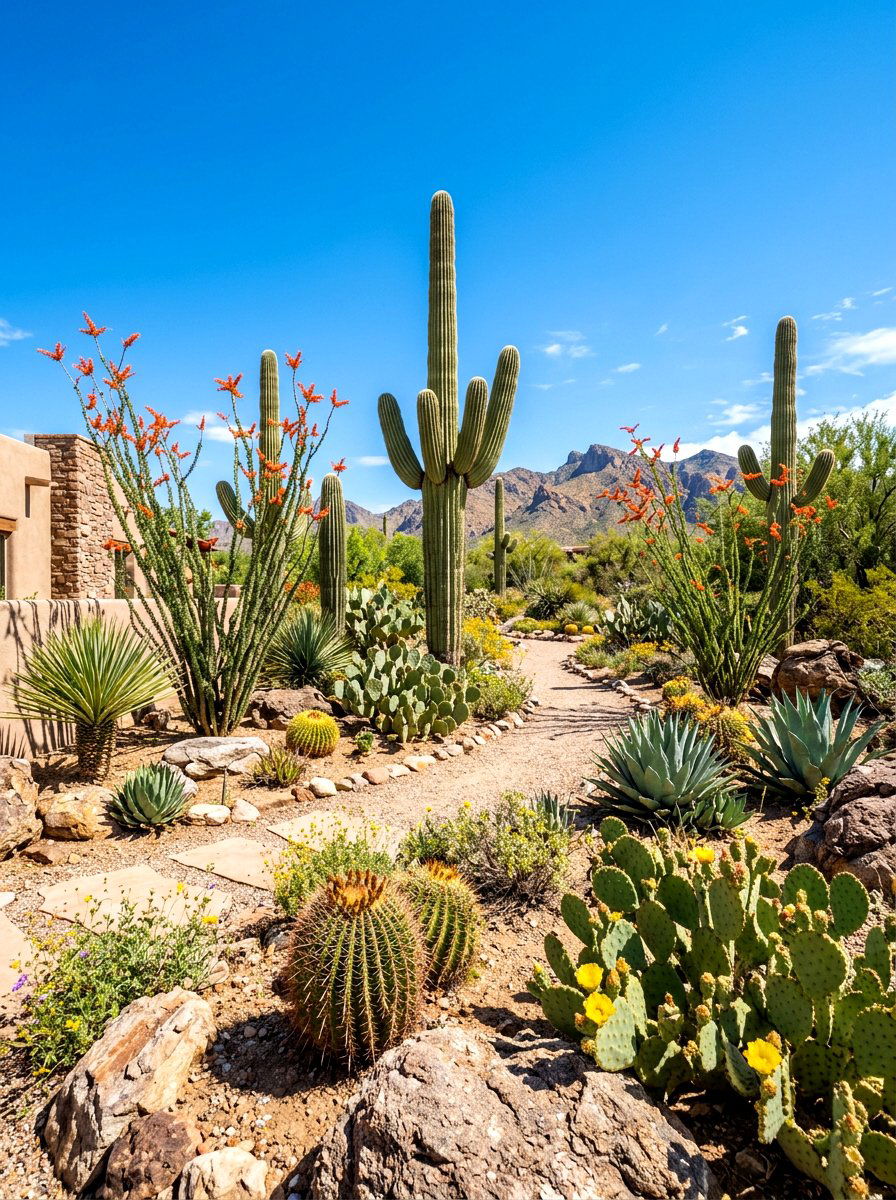
Embracing the traditional Arizona style means using native plants that are perfectly adapted to intense heat and minimal rainfall. This often involves a mix of tall Saguaros, bushy Prickly Pears, and the striking Ocotillo with its long, whip-like branches. The goal is to create a landscape that looks like a slice of the Sonoran desert right at your doorstep. Using native soil and local rock ensures that the ecosystem remains balanced and attracts local pollinators like hummingbirds. This design is the ultimate choice for sustainability, as it requires almost no supplemental watering once established, allowing you to enjoy a lush, wild look with zero guilt.
9. Potted Cactus Porch Decor
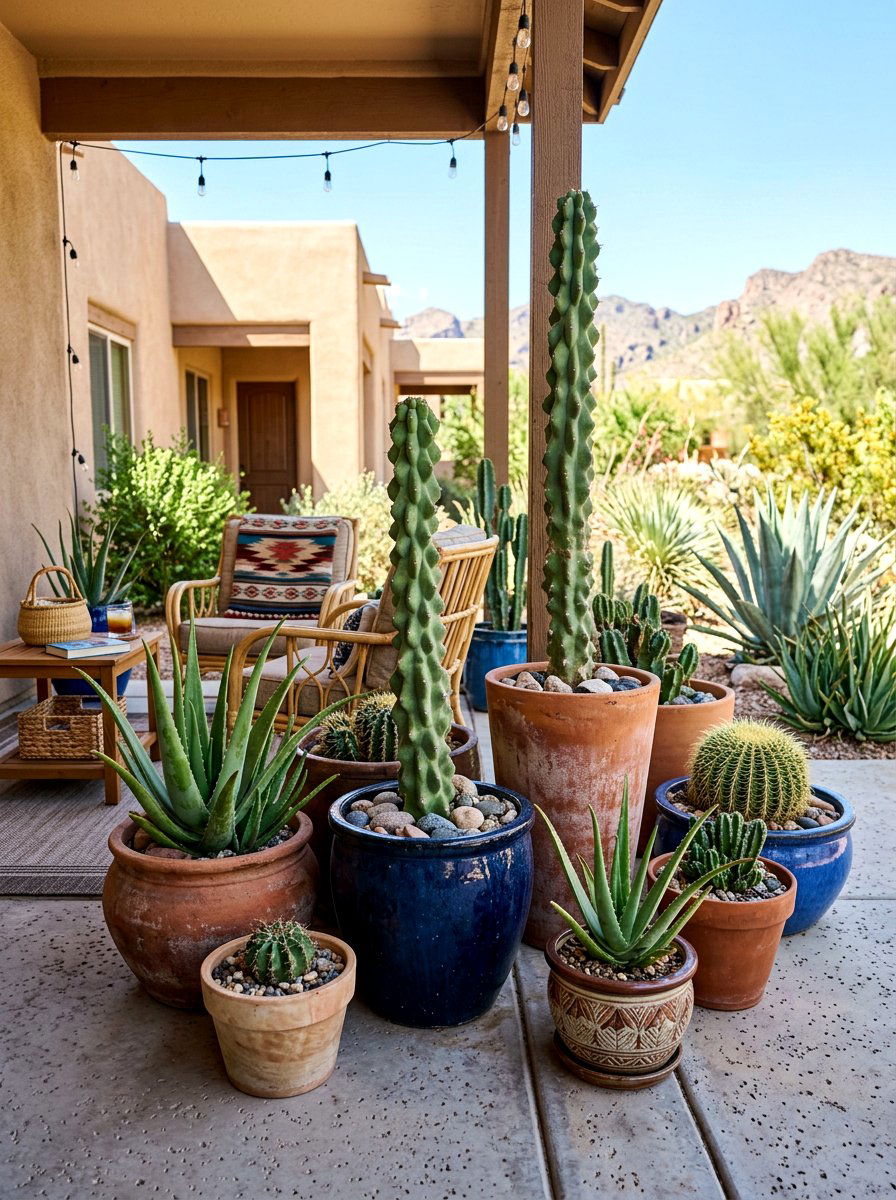
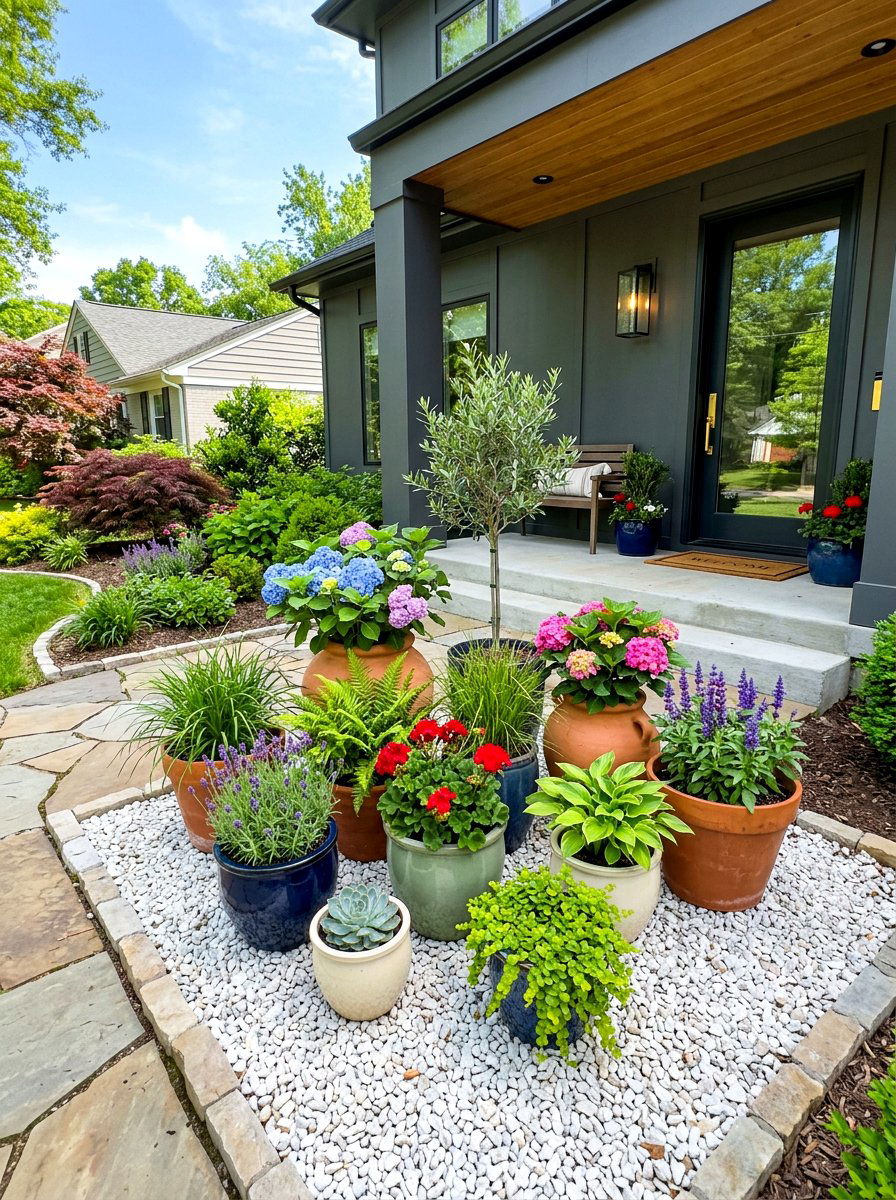
For those who want to dip their toes into cactus gardening without a full yard renovation, using large decorative pots is a smart move. Placing various cacti in ceramic or terracotta containers allows you to control the soil quality and move them around as the sun shifts. You can mix and match different heights and shapes, such as a tall Totem Pole cactus next to a low-growing Aloe or Agave. Grouping pots on a front porch creates a cozy, inviting atmosphere that feels like an outdoor room. This method is also ideal if you live in a climate where you need to bring plants indoors during winter.
10. Blue Flame Cactus Focal Point
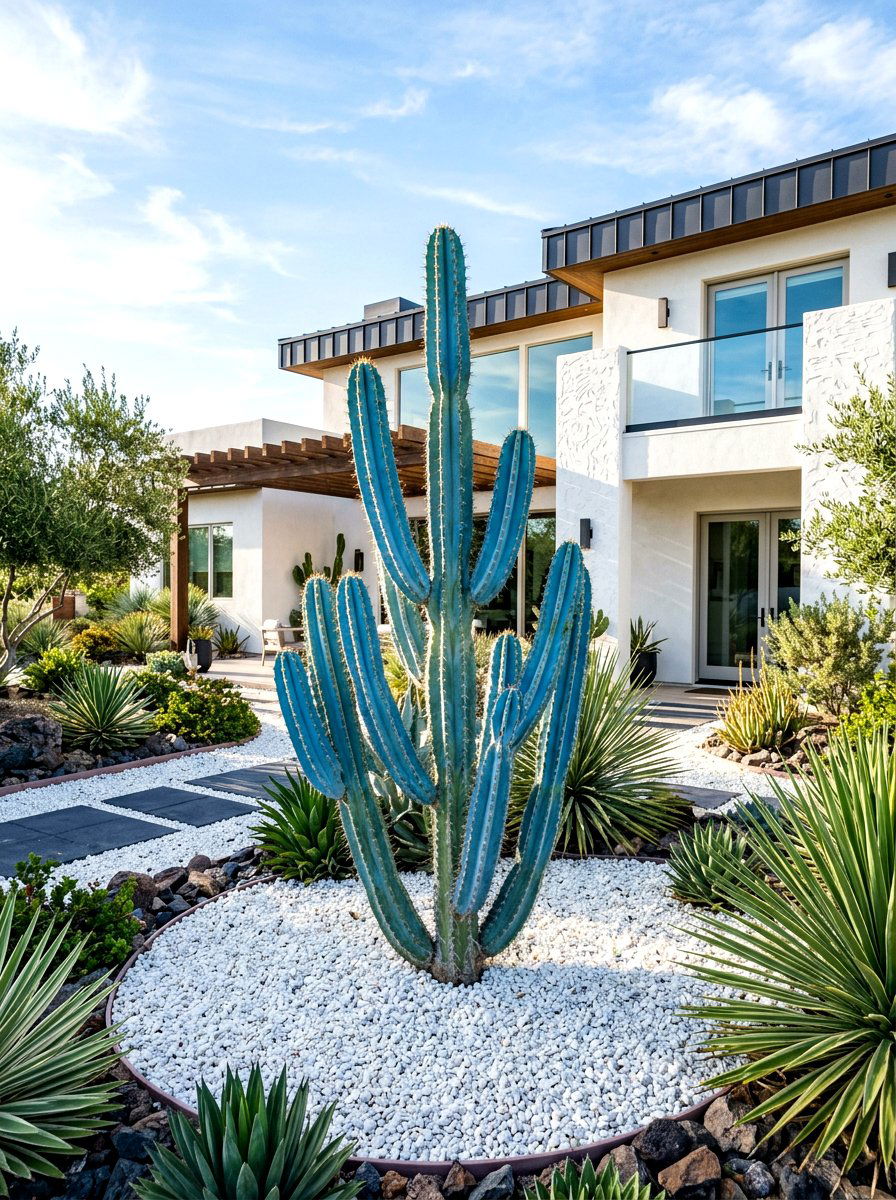
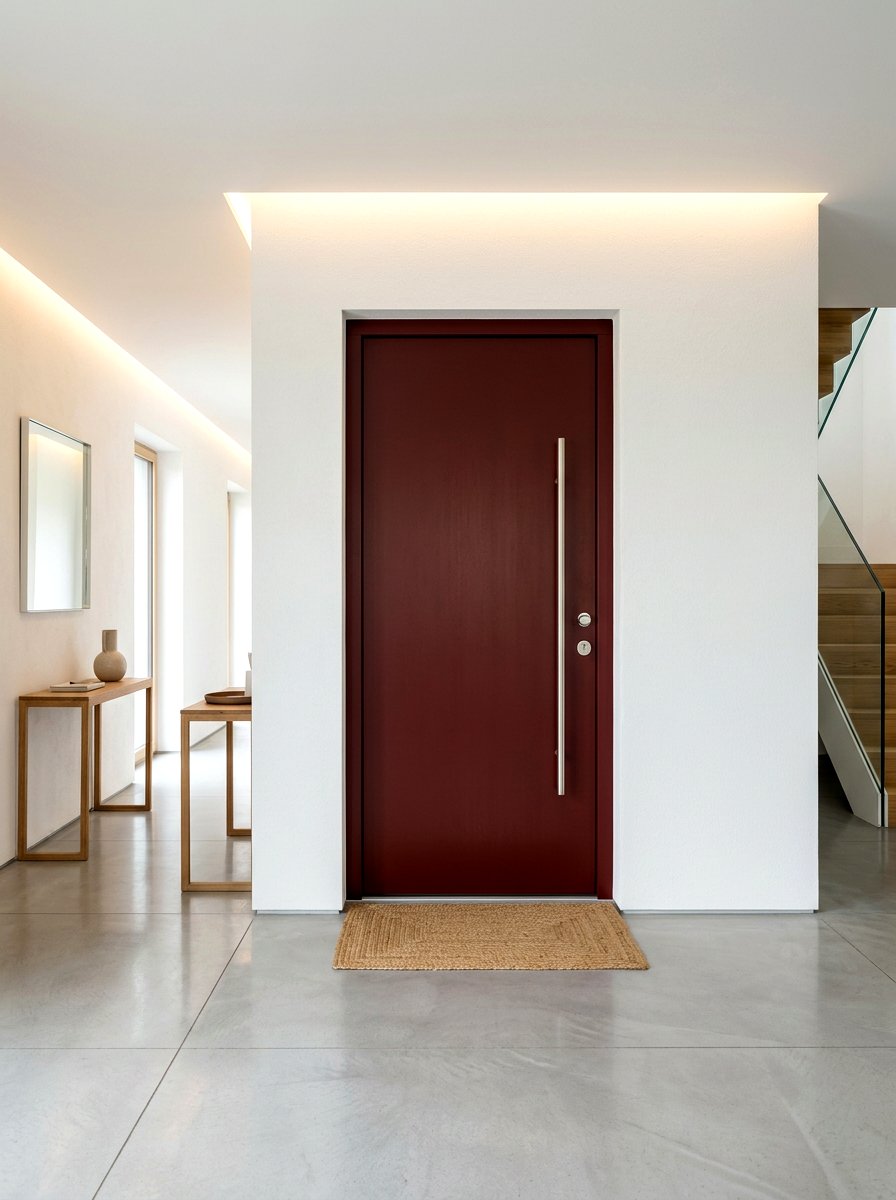
The Blue Flame cactus is a showstopper because of its unique candelabra shape and its stunning blue-green skin tone. It can grow quite large over time, making it a perfect candidate for a central focal point in a medium-sized front yard. The color contrast it provides against a tan or white house is exceptional, giving your landscape a cool, refreshing feel even in the heat of summer. Because of its branching habit, it provides a lot of visual "weight" and can fill a void in a garden bed beautifully. Pairing it with light gray stones or silver-foliage plants enhances its natural blue hues for a professional look.
11. Minimalist White Stone Landscape
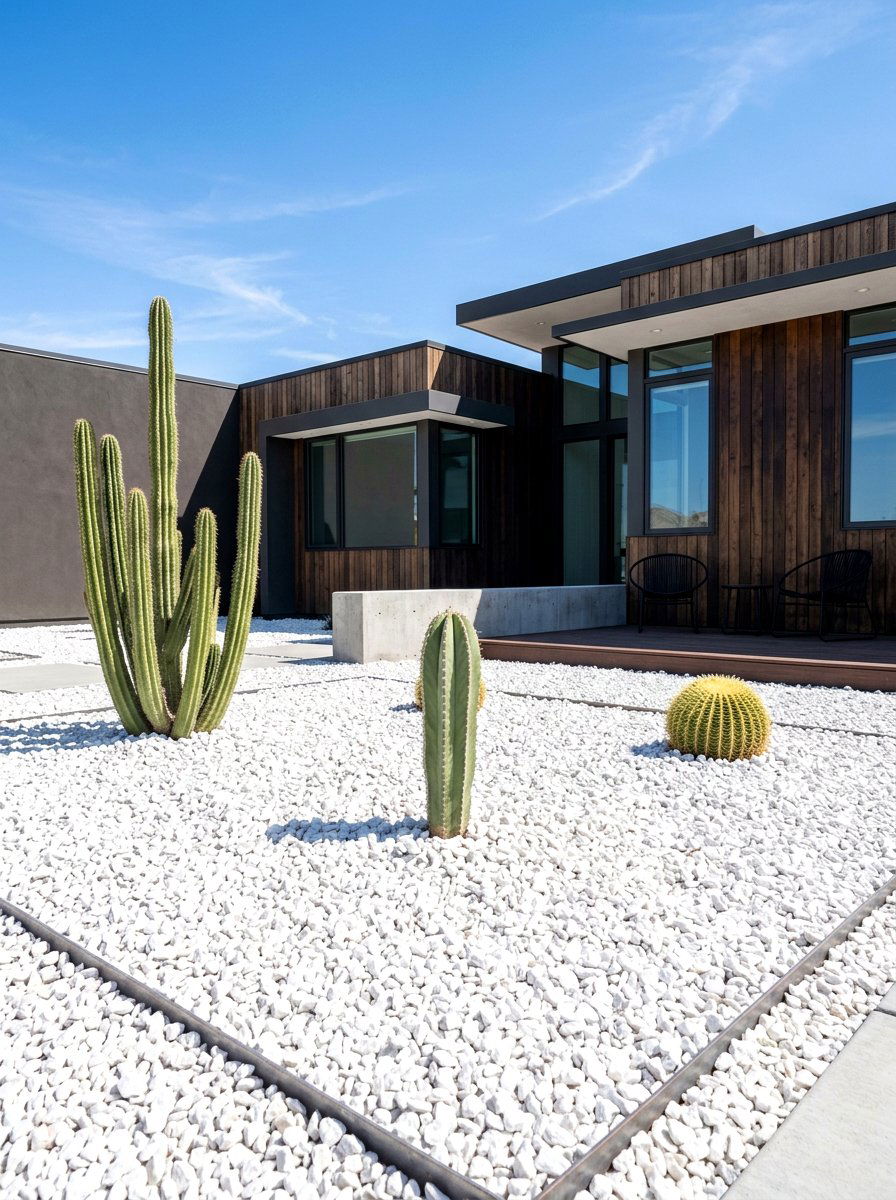
A minimalist approach using white stones creates a high-contrast, high-impact environment for your cactus collection. The bright white background reflects light, making the green silhouettes of the plants appear more vivid and defined. This style is particularly effective for modern homes with dark or bold-colored exteriors. You only need a few carefully selected specimens, such as a single large Agave or a cluster of Columnar cacti, to make a statement. The simplicity of the design makes maintenance incredibly easy, as there are few areas for weeds to grow. It results in a clean, gallery-like feel that emphasizes the sculptural quality of each individual plant.
12. Columnar Cactus Side Garden
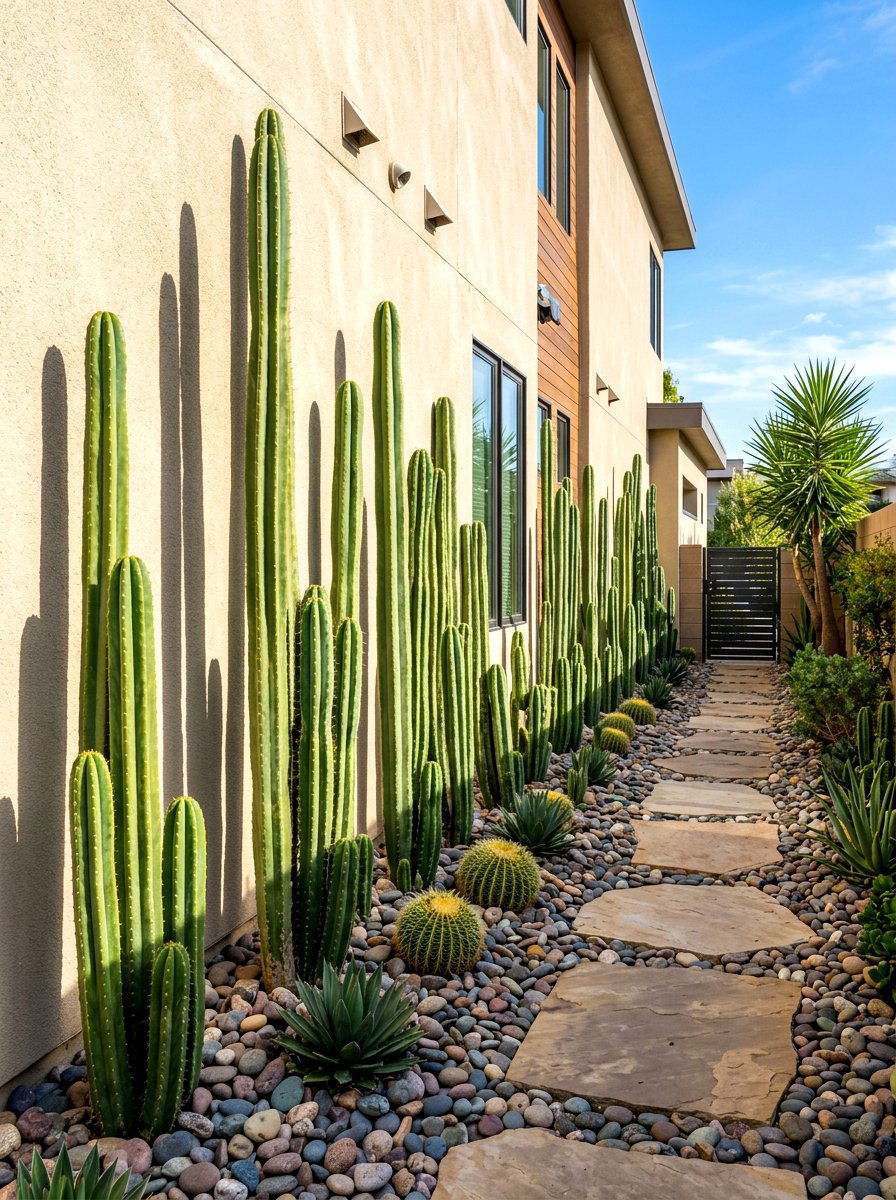
Often, the narrow strips of land along the side of a house are difficult to landscape, but columnar cacti are the perfect fit. Their vertical growth habit allows them to thrive in tight spaces where a traditional shrub would become too wide. You can line several San Pedro or Peruvian Apple cacti along a fence or wall to add green interest to a forgotten area. This not only beautifies the side of your home but also provides a sense of height that balances the architecture. These tall varieties are also great for casting dramatic shadows against flat surfaces when the sun is low, adding a layer of movement.
13. Colorful Flowering Desert Cactus
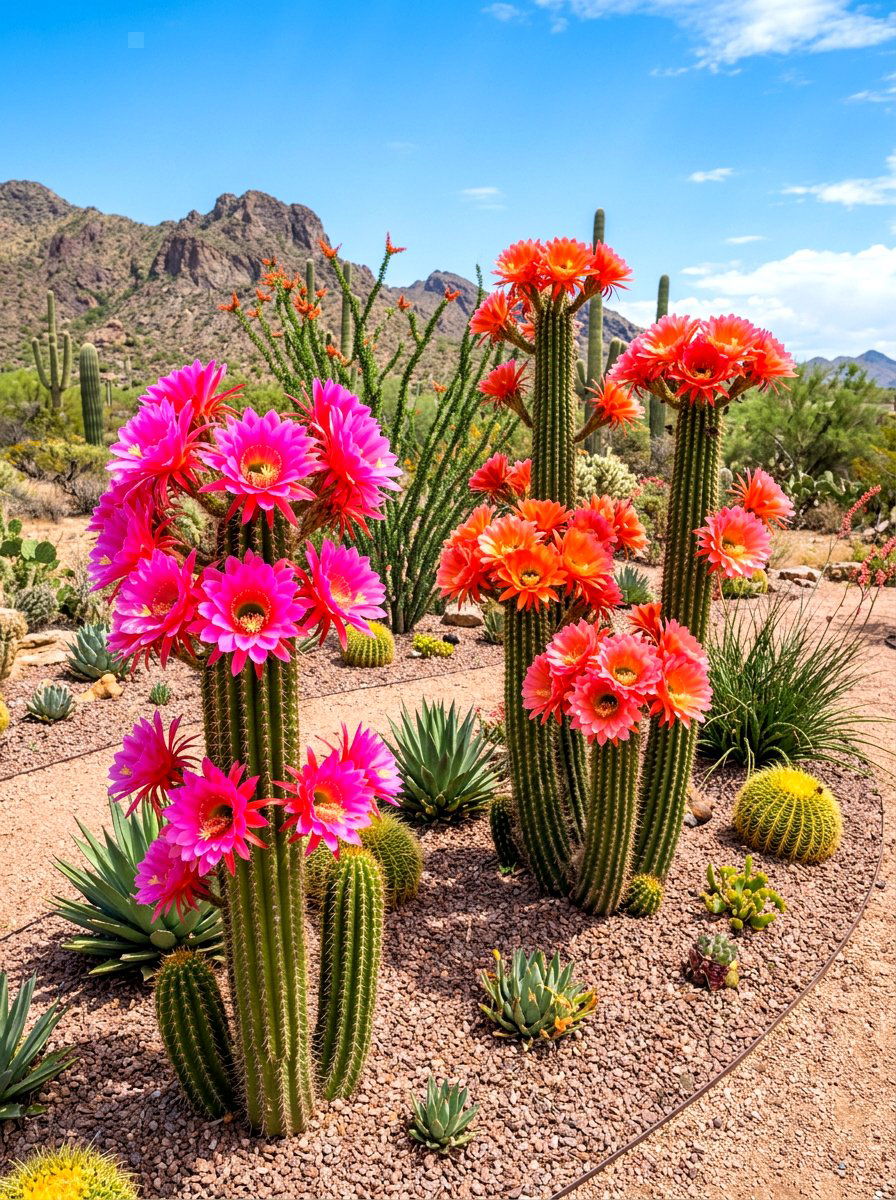
While many people think of cacti as just green and prickly, many species offer some of the most spectacular flowers in the plant world. Incorporating flowering varieties like the Torch Cactus or the Claret Cup into your front yard ensures a burst of neon color every spring. These blooms often attract butterflies and bees, bringing life and activity to your garden. To maximize the impact, plant these flowering types near the front of your beds where their seasonal display can be easily seen. Even when they aren't in bloom, their varied spine textures and shapes keep the yard looking interesting and well-designed all year.
14. Organ Pipe Cactus Vertical Accent
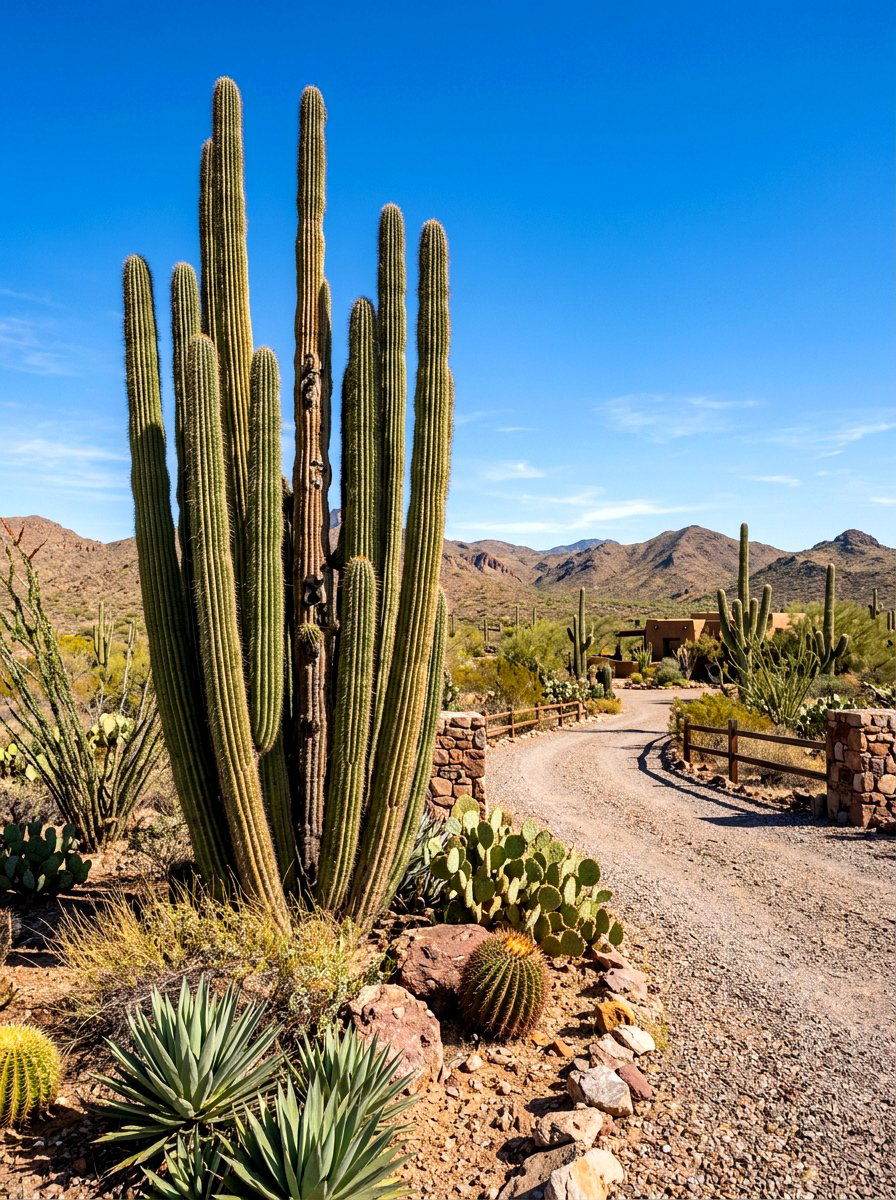
The Organ Pipe cactus is famous for its multiple stems that grow from a single base, resembling the pipes of a church organ. This unique growth habit makes it a fantastic architectural element for larger front yards that need a bit of drama. It provides a massive amount of vertical interest without taking up as much horizontal space as a large tree. You can use it to flank a driveway or as a centerpiece in a circular garden bed. Its dark green stems and dense spines offer a rugged, wild beauty that feels very authentic. It is a slow-growing but incredibly rewarding plant for patient gardeners.
15. Low Maintenance Succulent Bed
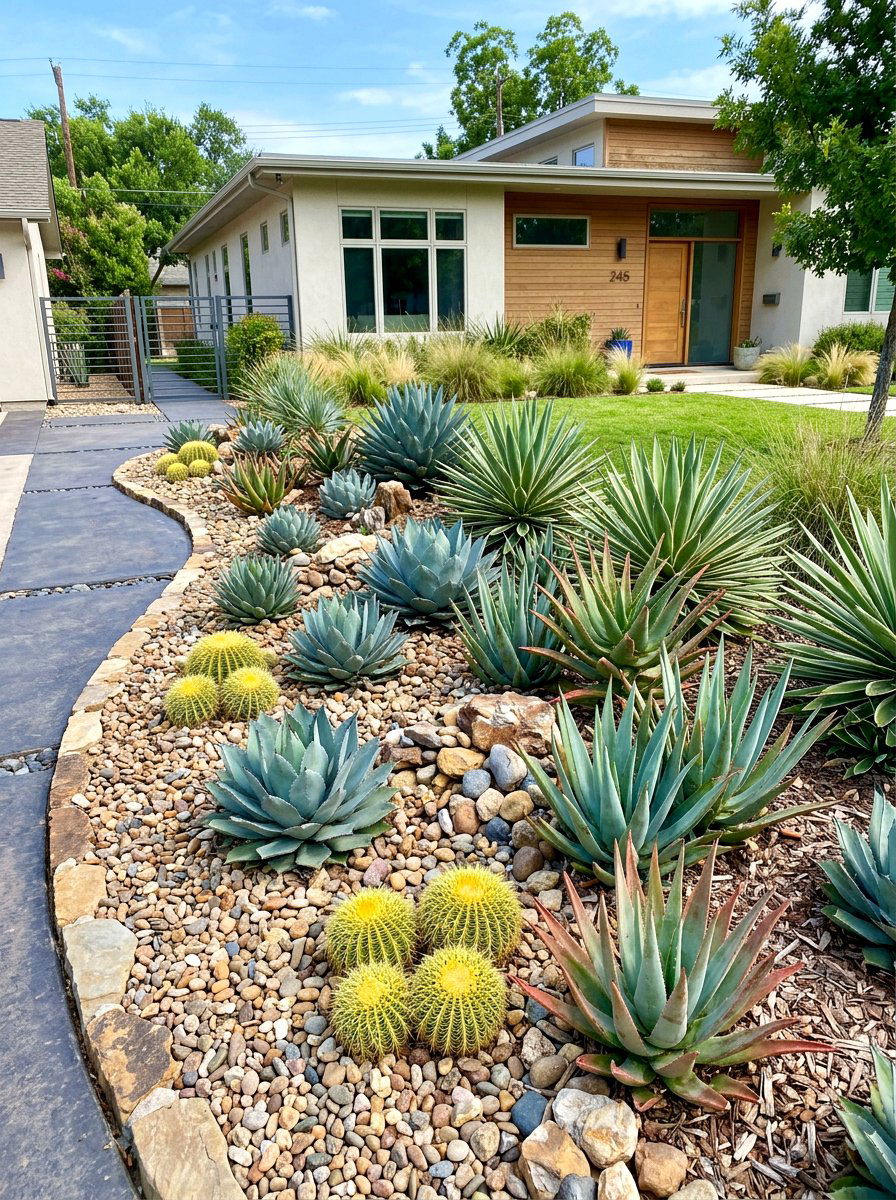
Combining cacti with low-maintenance succulents like Agave and Aloe creates a lush, varied texture that requires very little water. Succulents often have broader leaves and different shades of blue, red, and yellow that complement the stark lines of a cactus. By grouping plants with similar water needs together, you simplify your irrigation routine and ensure everyone stays healthy. A mixed bed like this looks more "full" than a yard with only cacti, making it a great choice for suburban neighborhoods. It provides a soft, approachable look that still maintains the benefits of a drought-tolerant landscape, saving you both time and money on utility bills.
16. Desert Modernism Curb Appeal
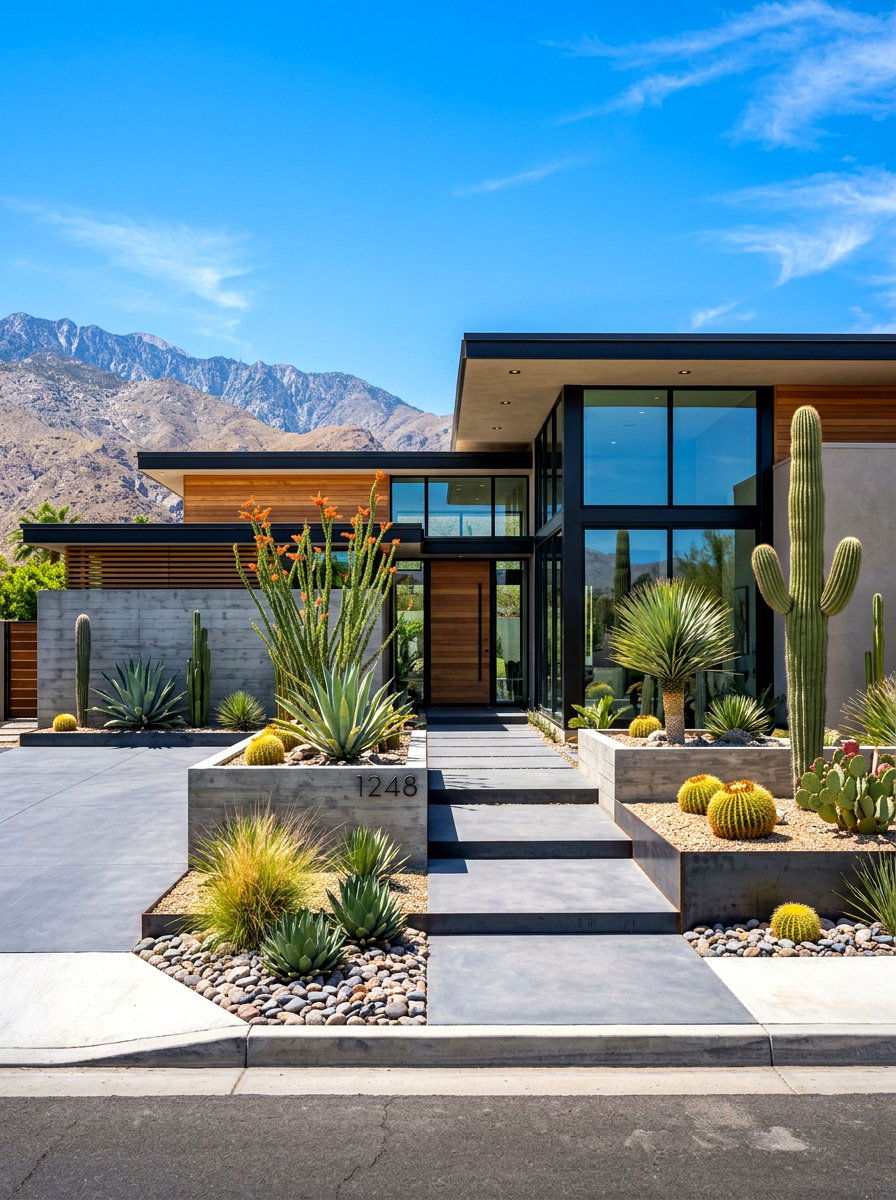
Desert modernism is a design movement that celebrates the intersection of sleek architecture and rugged natural beauty. To achieve this look in your front yard, focus on balance and asymmetrical layouts that feel intentional and artistic. Use a mix of materials, like steel edging, smooth concrete, and natural boulders, to frame your cactus plantings. Choose species with very clean lines, such as the Euphorbia or the African Milk Tree, to complement the geometry of your home. This style is all about "less is more, " where each plant is chosen for its specific shape and contribution to the overall composition. It is a sophisticated, high-end approach.
17. Agave And Cactus Mix
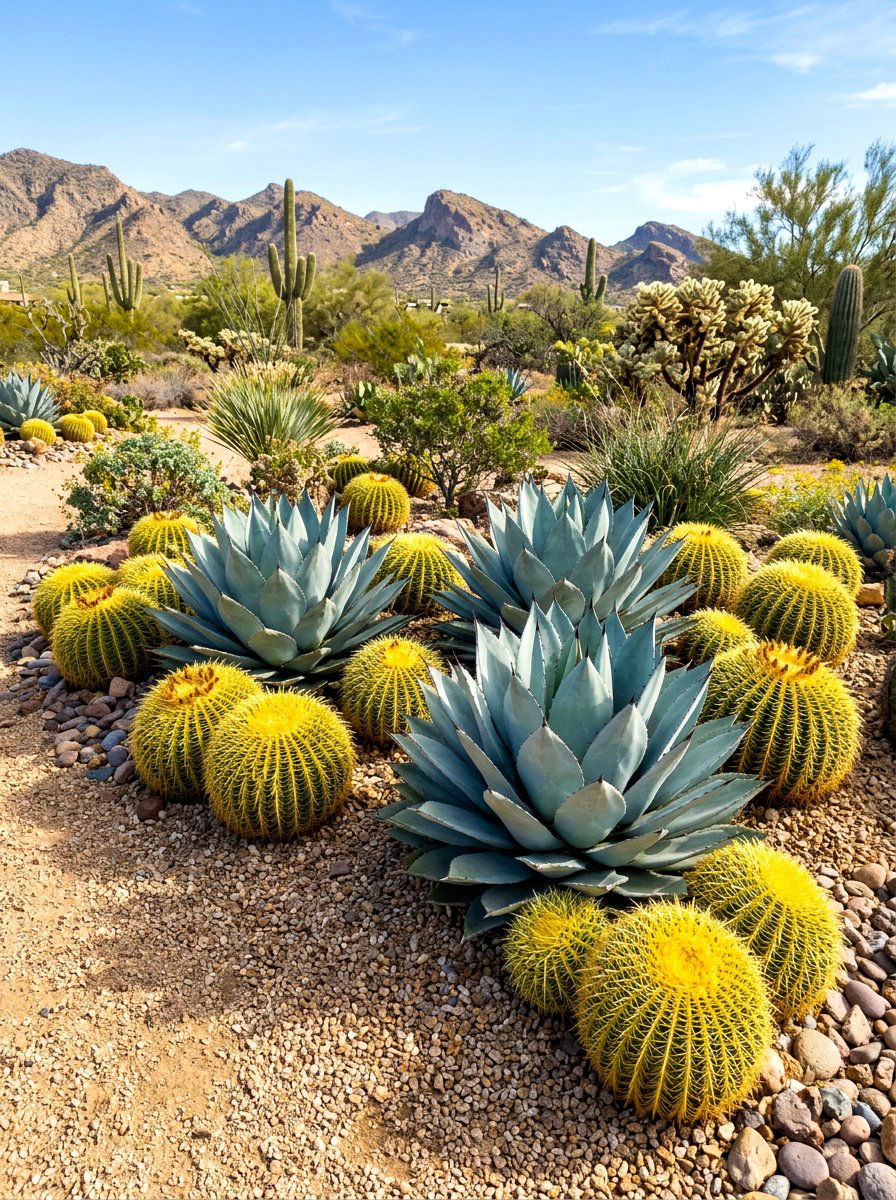
Agaves are the perfect companions for cacti because they share the same tough attitude but offer a completely different visual form. Their large, fleshy rosettes provide a grounding element that balances the tall, thin nature of many cactus species. A mix of the blue-green "Whale's Tongue" Agave with a few "Golden Barrel" cacti creates a stunning color palette that feels natural and cohesive. You can play with different scales, placing a large Agave as a centerpiece and surrounding it with smaller, spiky cacti. This combination is incredibly durable and can withstand intense sun and wind, making it a very practical choice for exposed front yards.
18. Decorative Boulder Cactus Garden
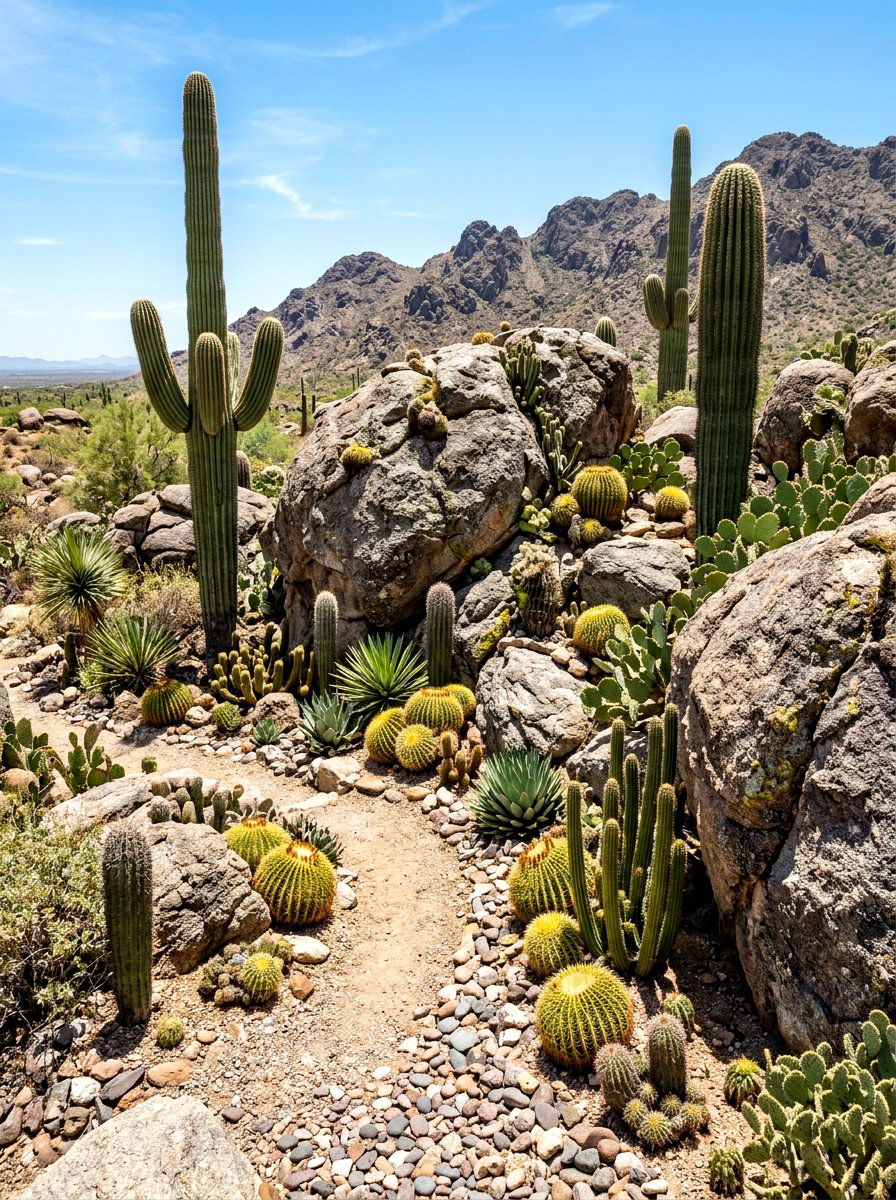
Boulders are the unsung heroes of a great desert landscape, providing the necessary "bones" to make the space feel permanent. When you nestle a few cacti against large, weathered rocks, it looks as though they grew there naturally over time. Boulders also provide a sense of scale, making the plants around them look more established and grounded. You can use a mix of local granite or sandstone to match the natural geology of your area. This adds a layer of ruggedness that is very appealing and helps to break up flat areas of gravel. It is a simple way to add professional depth to your yard.
19. Southwest Style Front Walkway
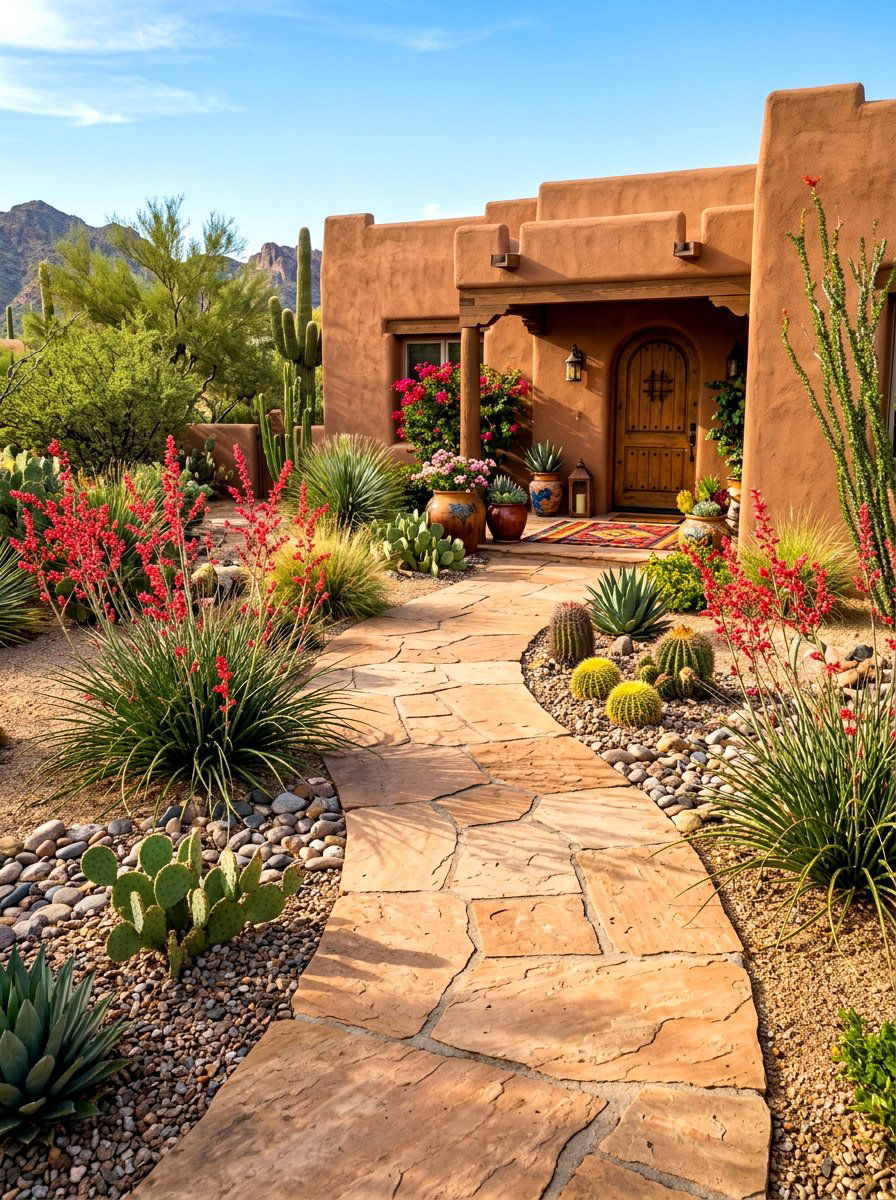
Designing a southwest-style walkway involves more than just a path; it is about the experience of walking through a desert oasis. Line your walkway with a variety of low-growing cacti and succulents to create a vibrant "living border. " Using materials like flagstone or Mexican tile for the path itself enhances the warm, earthy tones of the landscape. You can add small solar lights to highlight the plants at night, creating a magical and safe atmosphere for evening arrivals. This approach makes your home feel welcoming and unique from the very first step onto the property. It transforms a functional path into a beautiful garden feature.
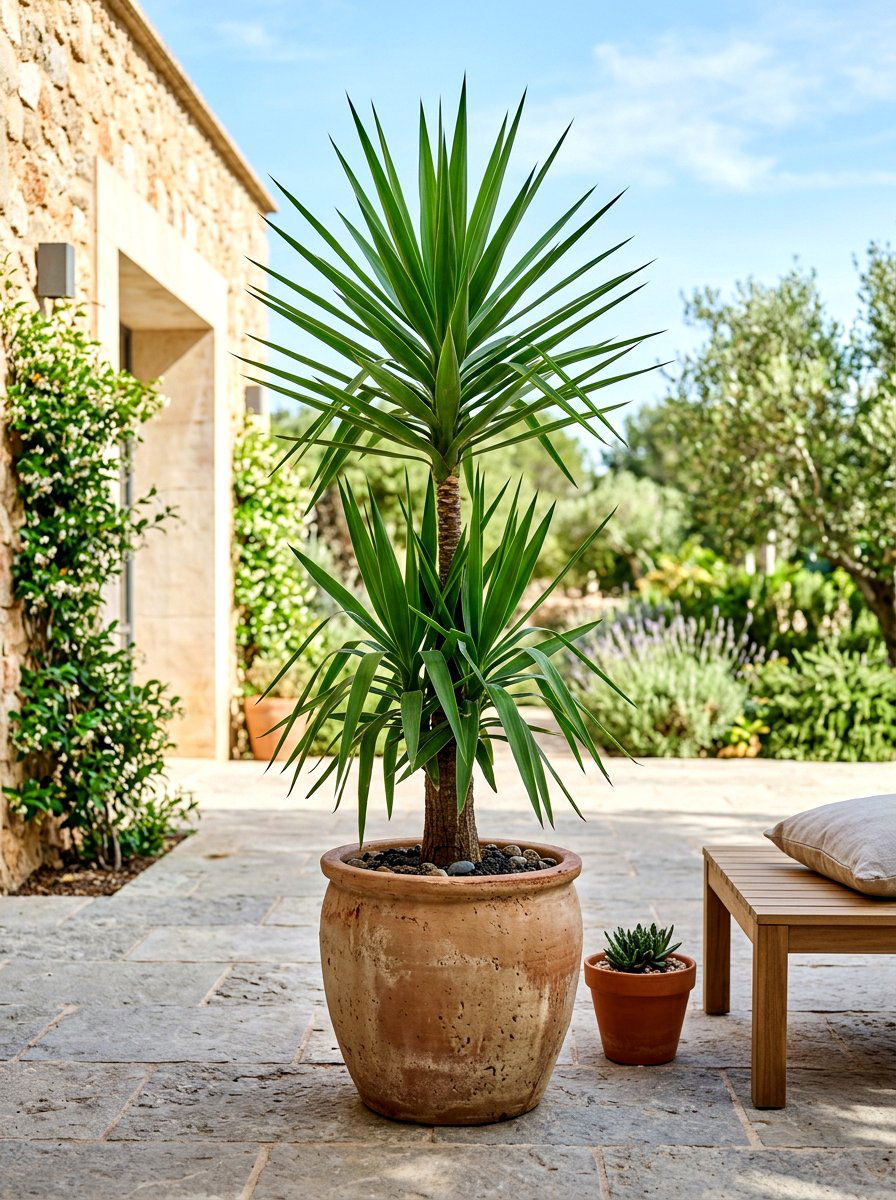
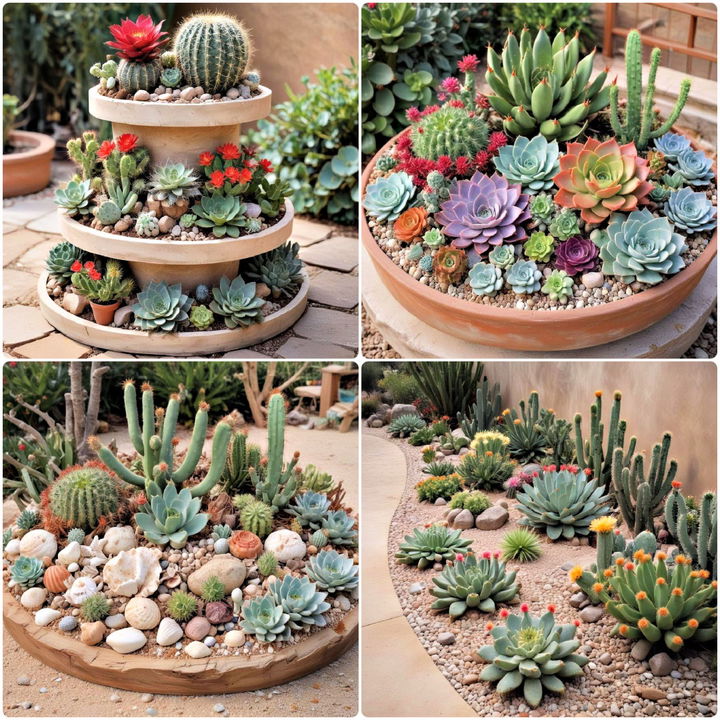
20. San Pedro Cactus Arrangement
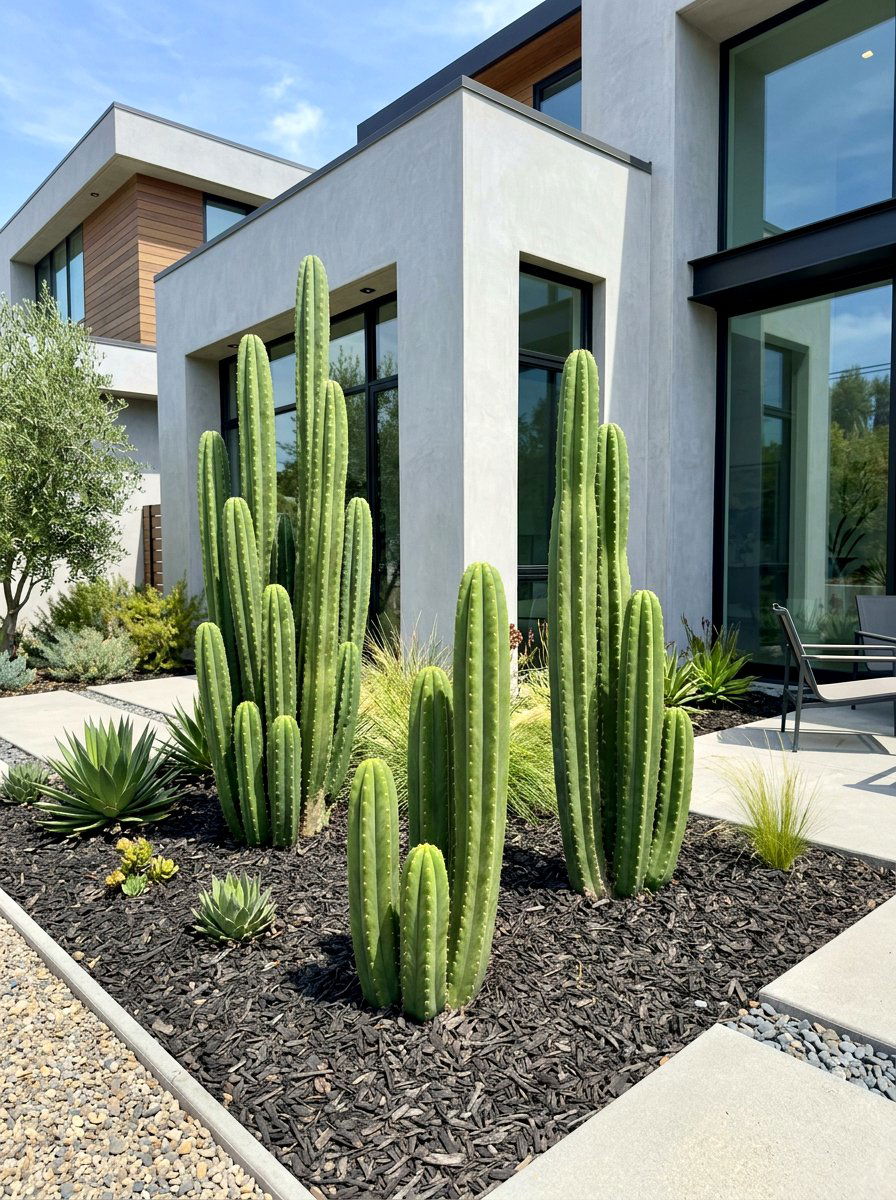
The San Pedro cactus is a favorite among landscapers because of its rapid growth and its relatively smooth, spineless appearance compared to other varieties. It has a beautiful ribbed structure and a deep green color that looks great in a variety of settings. You can plant them in a staggered arrangement to create a sense of depth and movement in a corner of your yard. Because they are quite hardy, they are a great "entry-level" cactus for those new to desert gardening. They also produce large, white, nocturnal flowers that are a treat to see if you enjoy spending time outdoors on warm summer nights.
21. Totem Pole Cactus Landscape
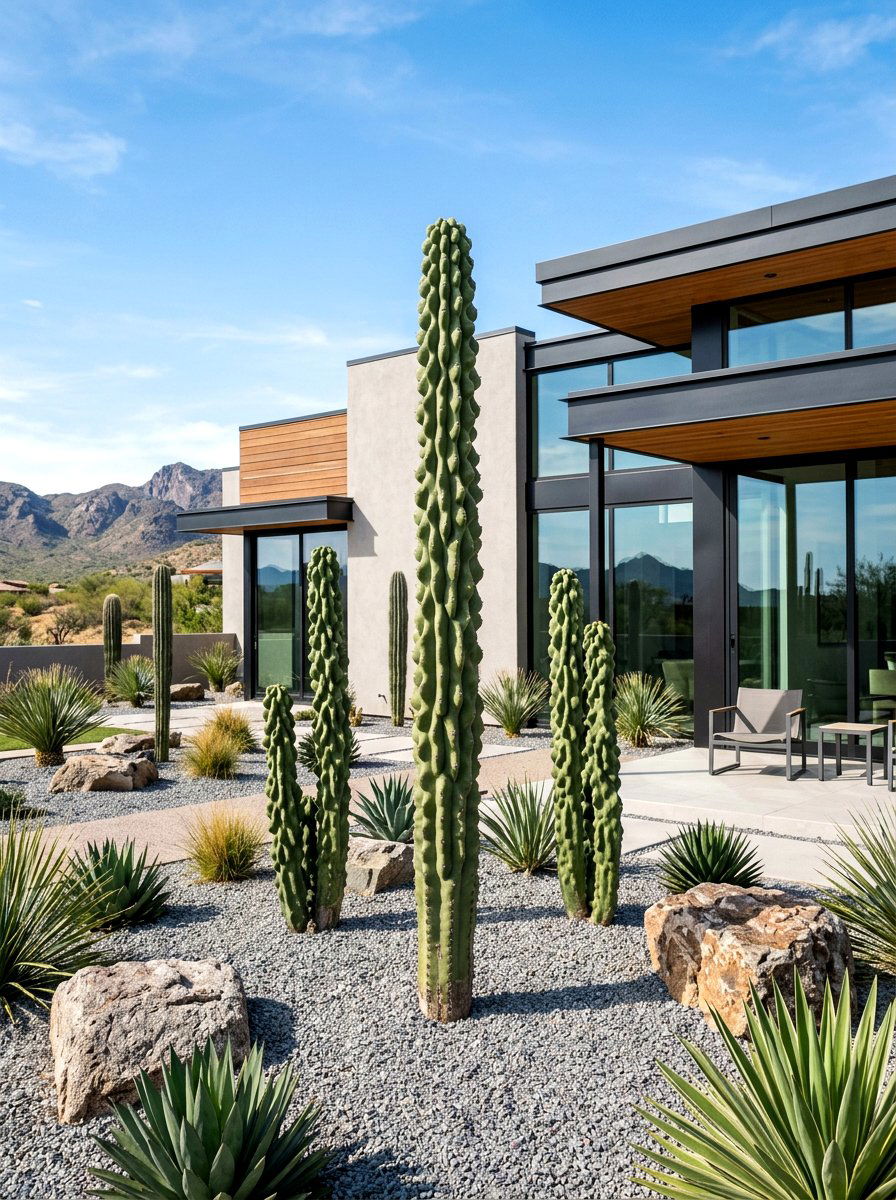
The Totem Pole cactus is a true conversation starter because of its knobby, irregular surface that resembles a carved piece of art. It is a spineless variety, which makes it a safe choice for front yards where kids or pets might be playing near the garden. Its tall, upright growth makes it perfect for adding verticality without the "danger" factor of sharp needles. It looks particularly striking when planted in a minimalist setting where its unique form can be the star of the show. Over time, it can grow several feet tall, becoming a permanent and beloved feature of your home’s outdoor aesthetic.
22. Red Yucca and Cactus Pair
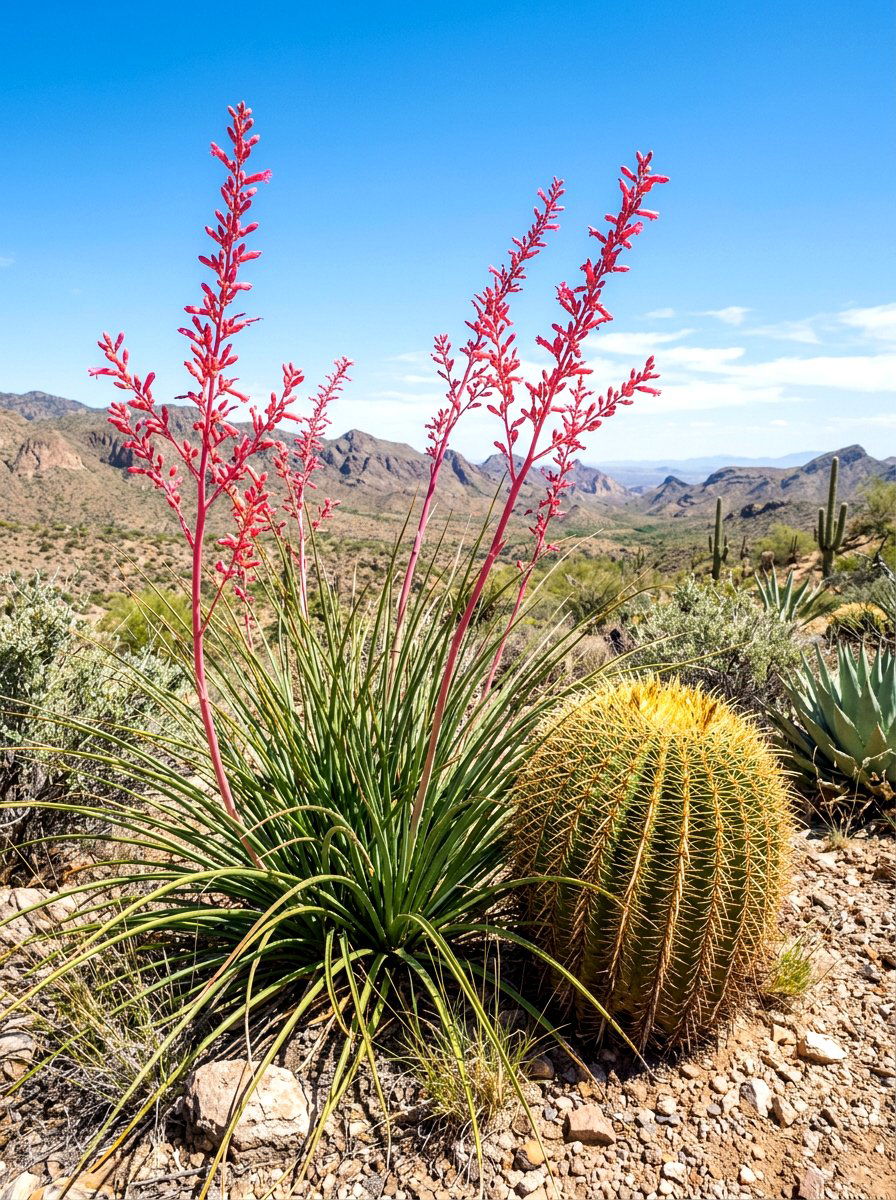
Red Yucca is technically a succulent, but its long, grass-like leaves and tall stalks of pinkish-red flowers make it a perfect partner for cacti. The soft movement of the Yucca leaves provides a beautiful contrast to the rigid, static nature of a cactus. When you pair them together, you get a landscape that feels dynamic and alive, especially when the wind catches the Yucca. The bright flower stalks add height and a pop of color that can last for months. This combination is a favorite for hummingbirds and adds a layer of "softness" to a yard that might otherwise feel too prickly or harsh.
23. Terraced Desert Garden Slope
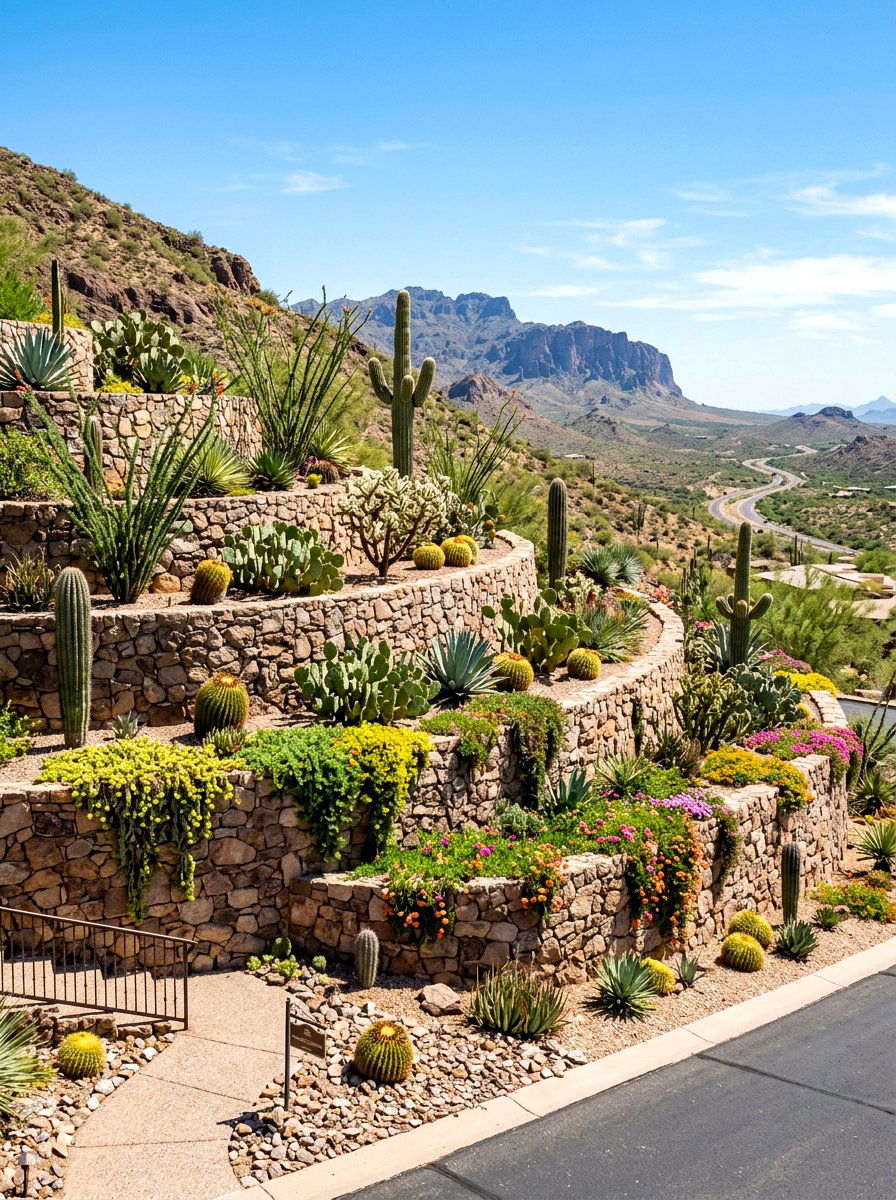
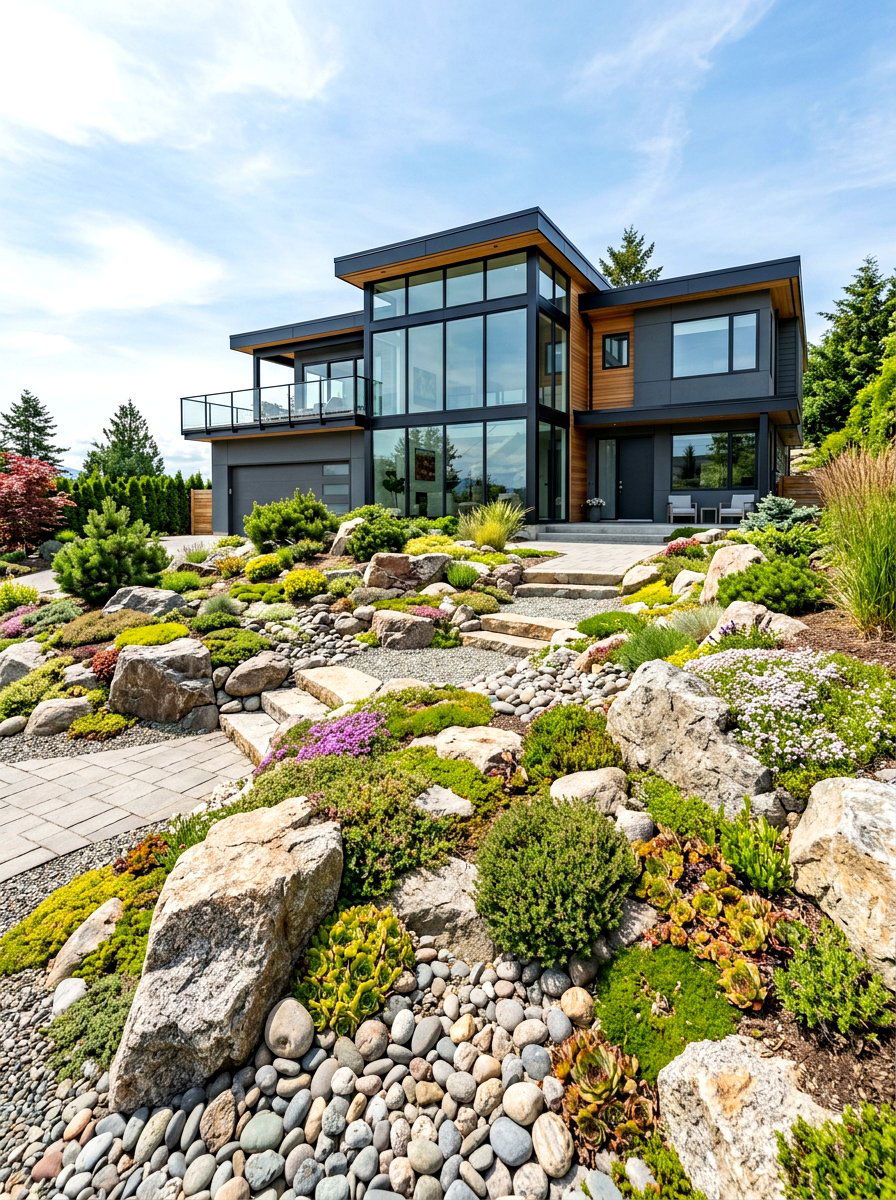
If your front yard is on a hill, a terraced cactus garden is a brilliant way to manage the slope while creating a stunning visual display. You can use stone retaining walls to create flat "shelves" where different cactus species can be planted at various heights. This tiered approach allows you to see every plant clearly and prevents soil erosion during heavy rains. Placing trailing succulents like "Elephant Bush" at the edges of the walls adds a softening effect as they spill over the stone. A terraced garden feels like a grand, multi-layered gallery that makes a big impact from the street below.
24. Silver Torch Cactus Feature
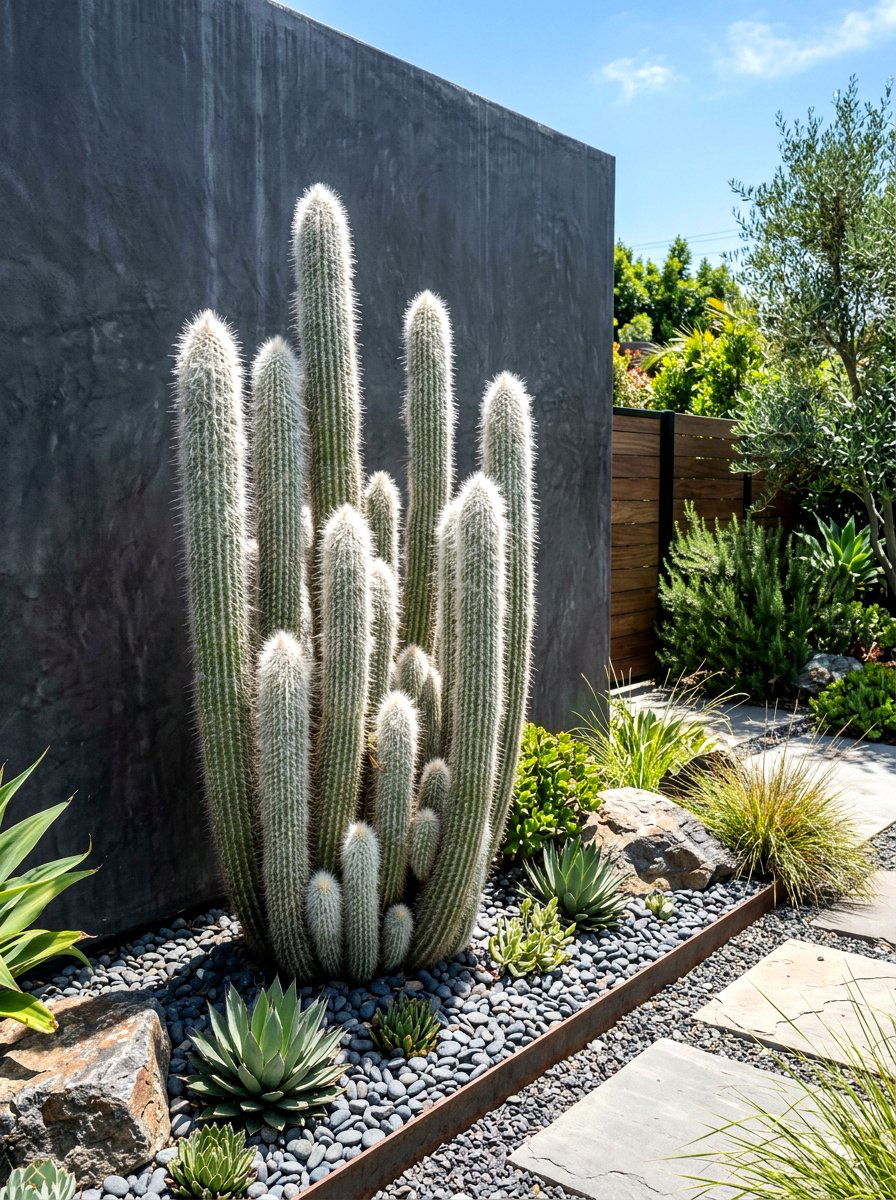
The Silver Torch cactus is instantly recognizable by its dense covering of white, hair-like spines that give it a fuzzy, silvery appearance. When planted in a grouping, these tall, thin columns look like shimmering pipes reaching toward the sky. They offer a unique color contrast that works beautifully with darker green cacti or purple-toned succulents. Because they are relatively narrow, they are great for adding a "light" and airy vertical element to a garden bed. They also produce deep red flowers that contrast sharply with their silver bodies, providing a stunning seasonal display. They are a must-have for any enthusiast of unique desert textures.
25. Desert River Bed Rocks
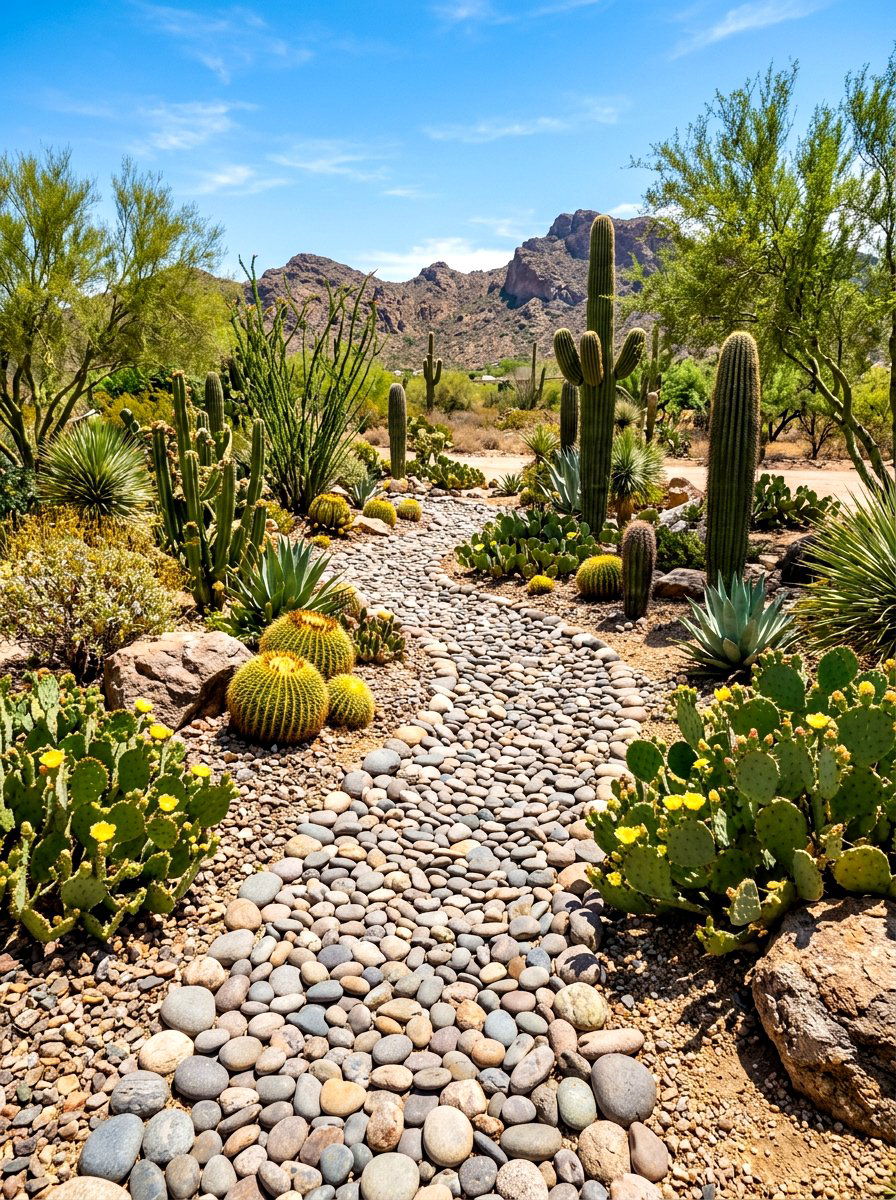
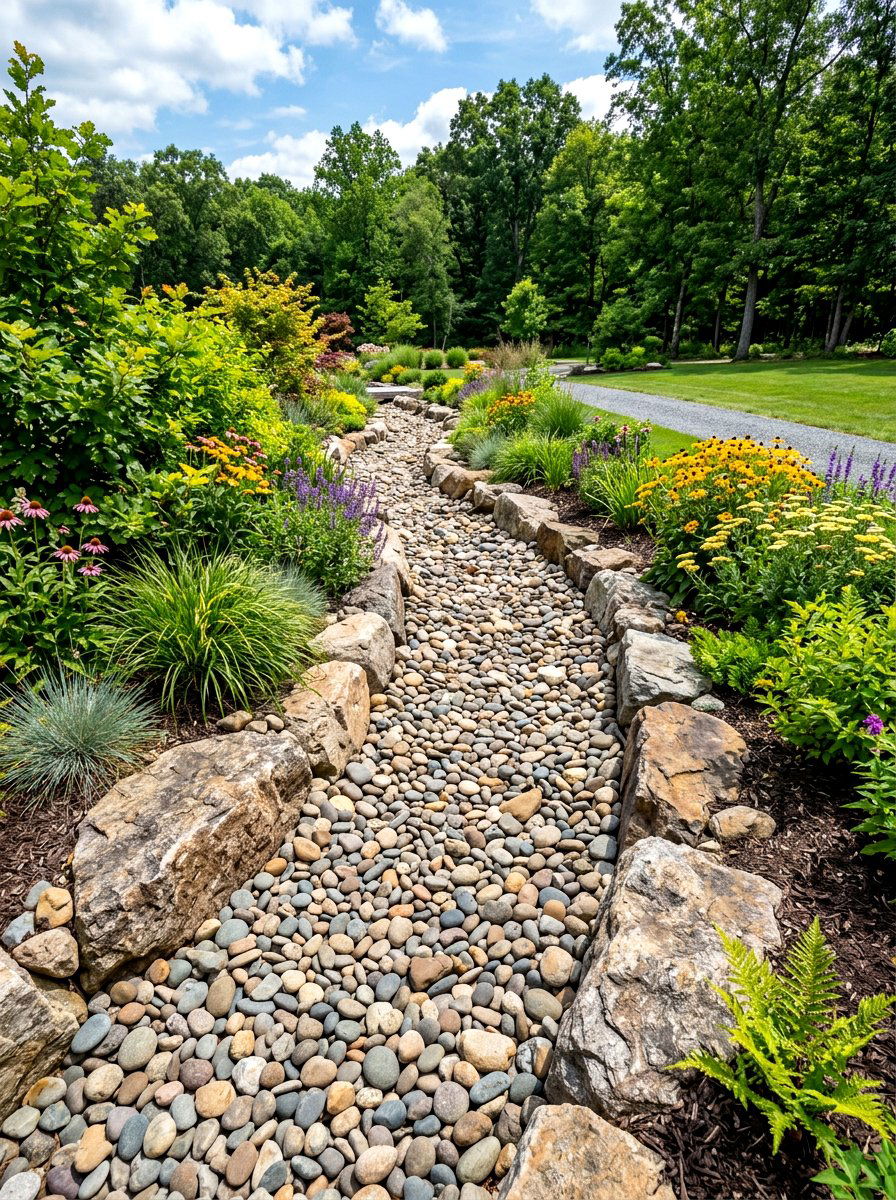
Creating a "dry river bed" using different sizes of river rocks is a classic landscaping trick that adds movement to a static front yard. You can "flow" the stones through your cactus beds, mimicking the path of a natural desert wash. This design not only looks artistic but also serves a functional purpose by directing rainwater away from your home’s foundation. Planting clumps of cacti along the "banks" of your stone river makes the scene look incredibly authentic and peaceful. It is a wonderful way to break up a large expanse of gravel and add a sense of nature and flow to your property.
26. Clumping Hedgehog Cactus Patch
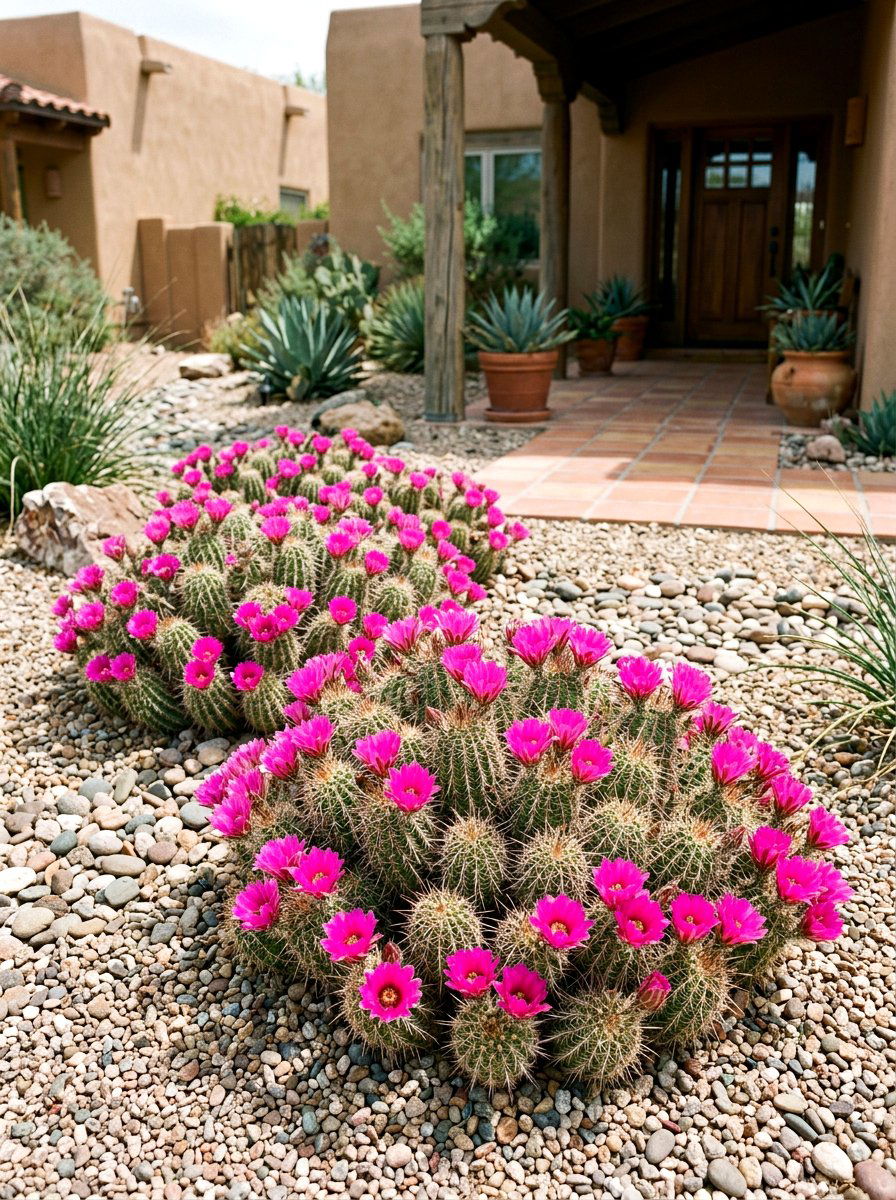
Hedgehog cacti are small, rounded, and tend to grow in dense clumps, making them look like a family of prickly creatures resting in your garden. They are famous for their oversized, neon-colored flowers that can completely cover the plant in the springtime. Creating a dedicated "patch" for these cacti near a porch or walkway allows you to enjoy their massive blooms and intricate spine patterns. They are very low-profile, so they don't block any views, making them perfect for the front edge of a garden bed. Their hardy nature means they can handle neglect and still look fantastic year after year.
27. Mid Century Modern Cactus Layout
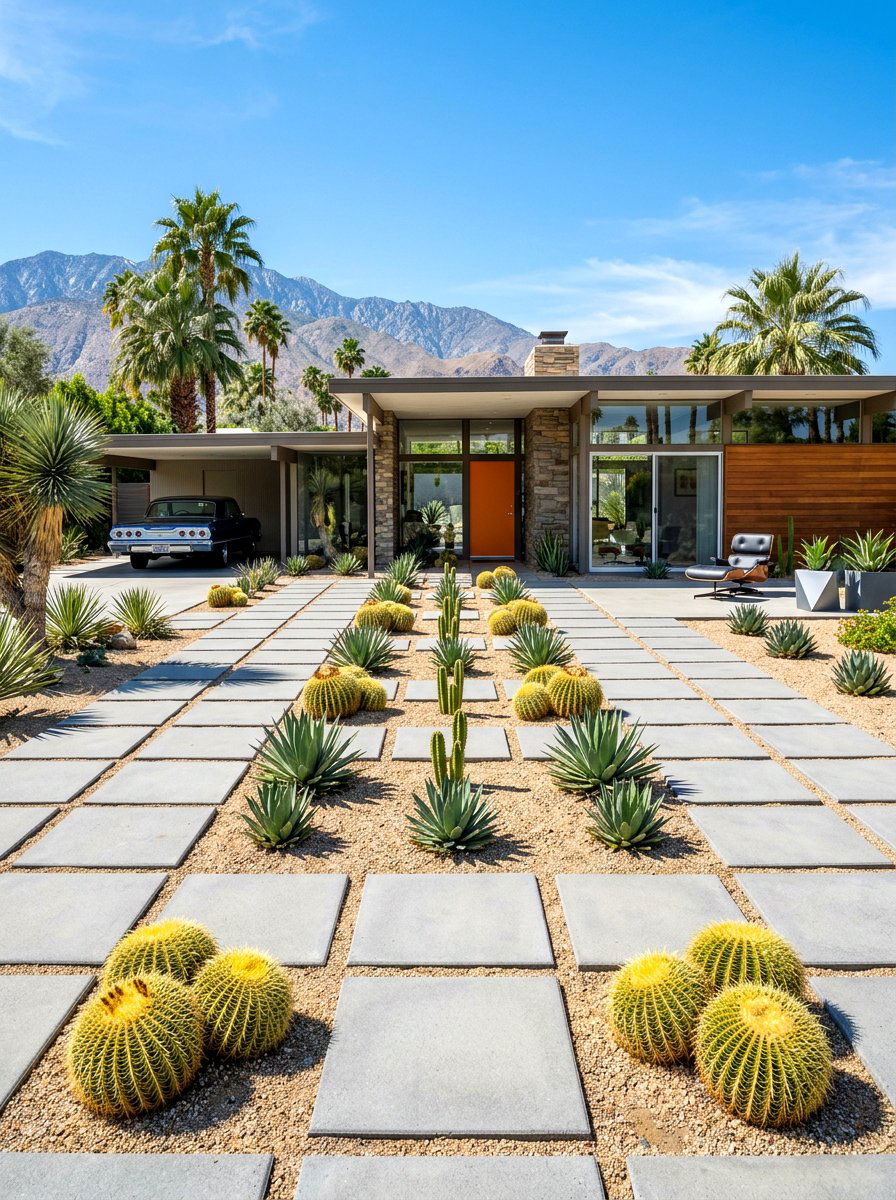
Mid-century modern homes are famous for their connection to the outdoors, and a geometric cactus layout is the perfect way to honor that history. Think about using repeating patterns, such as a row of Golden Barrels followed by a single tall Yucca. Using clean materials like poured concrete pavers and smooth black pebbles enhances the "atomic age" vibe of the architecture. This style is all about intentionality and balance, where the plants are treated like living sculptures. It creates a very cool, retro-chic atmosphere that is currently trending in home design. It is the ultimate way to blend historical style with modern sustainability.
28. Large Architectural Specimen Garden
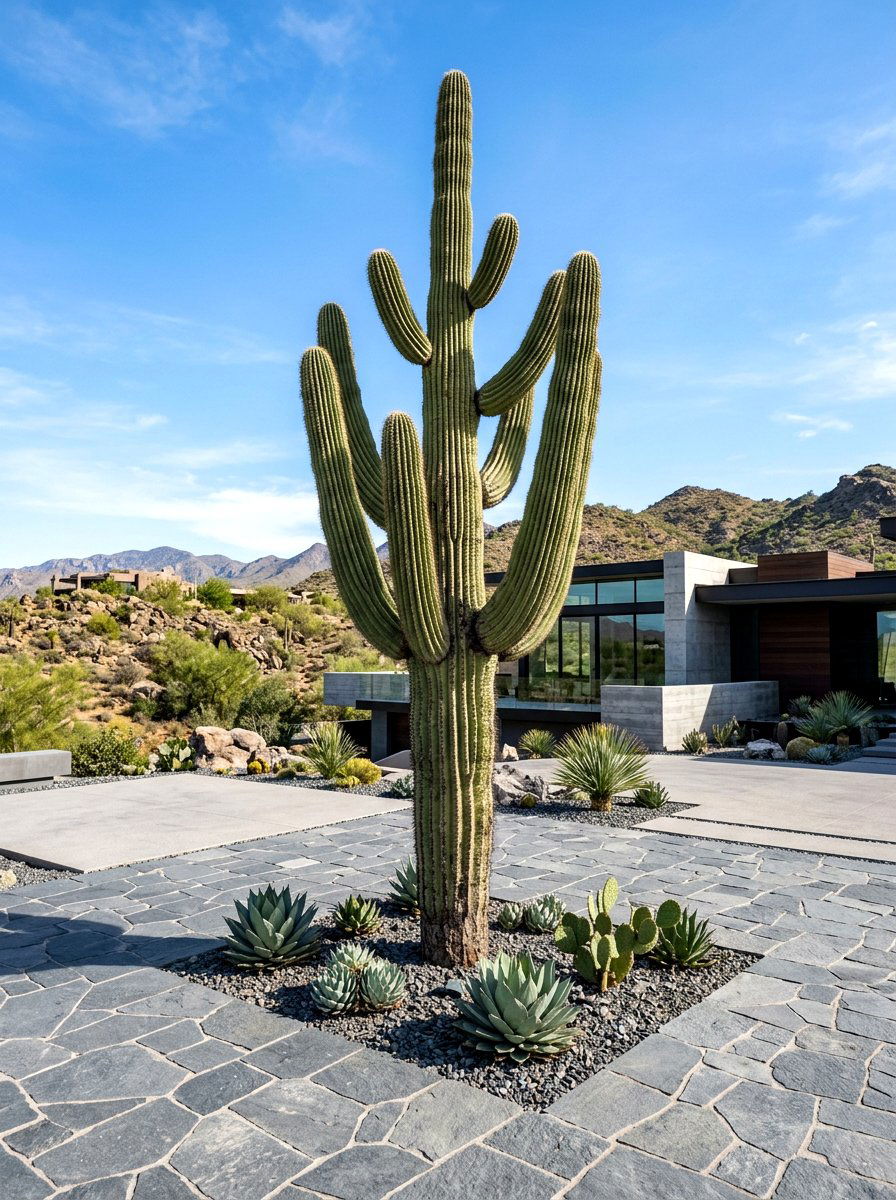
If you want to create a truly high-end look, focus on a "specimen garden" where you choose a few very large, rare, or uniquely shaped plants. Instead of filling the yard with many small things, you invest in one massive Agave, a multi-armed Saguaro, or an ancient Boojum tree. This approach feels very curated and expensive, much like a museum exhibit. Surround these stars with plenty of open space and simple ground cover to let their natural beauty shine without distraction. This "less is more" philosophy creates a powerful emotional impact and makes your home stand out as a piece of living art in the neighborhood.
29. Night Blooming Cereus Corner
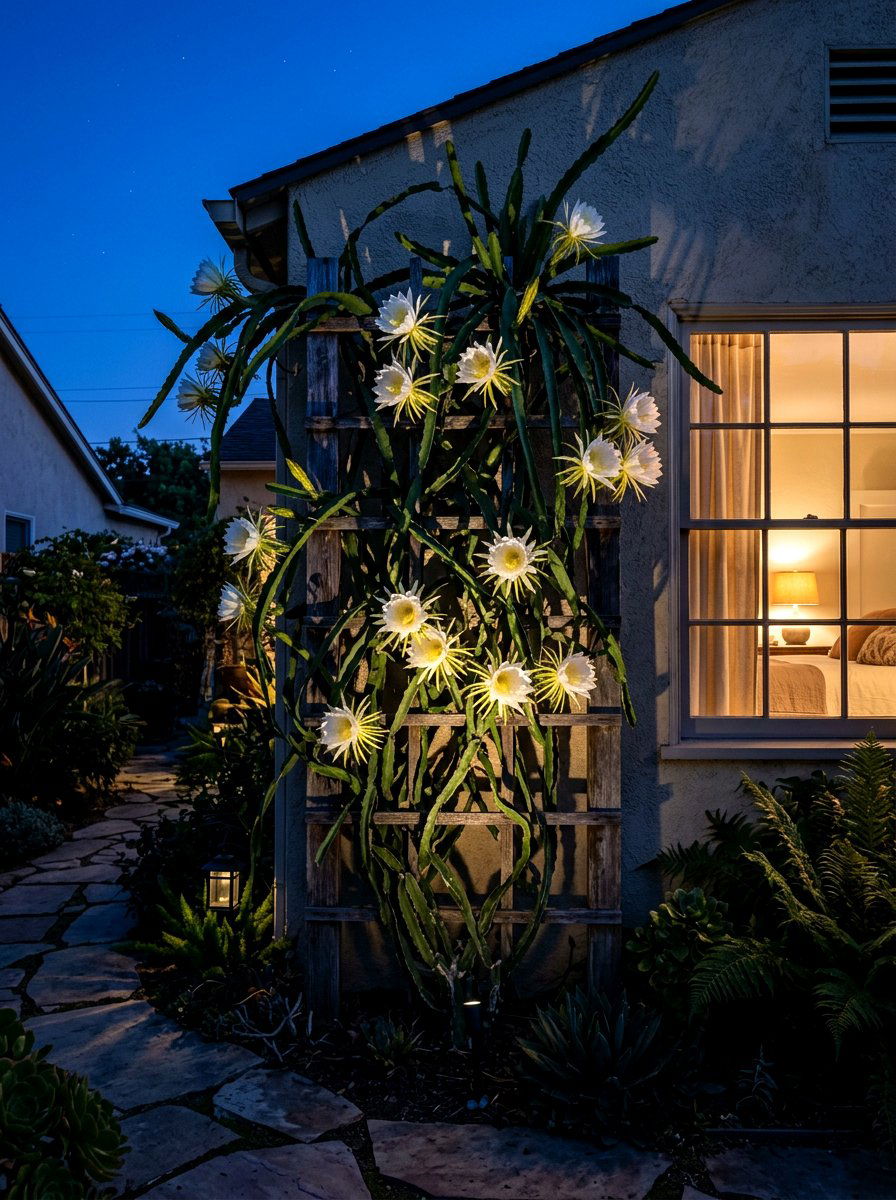
The Night Blooming Cereus is a mysterious and beautiful cactus that looks like a tangled bunch of sticks for most of the year. However, on one or two nights each summer, it produces massive, fragrant white flowers that open after the sun goes down. Planting one near a bedroom window or a front porch allows you to experience this rare event and enjoy the incredible scent. It is a "connoisseur’s choice" that adds a layer of storytelling to your yard. Because it is a climbing or sprawling plant, you can train it against a fence or a trellis to add height and interest to a corner.
30. Native Sonoran Desert Landscaping
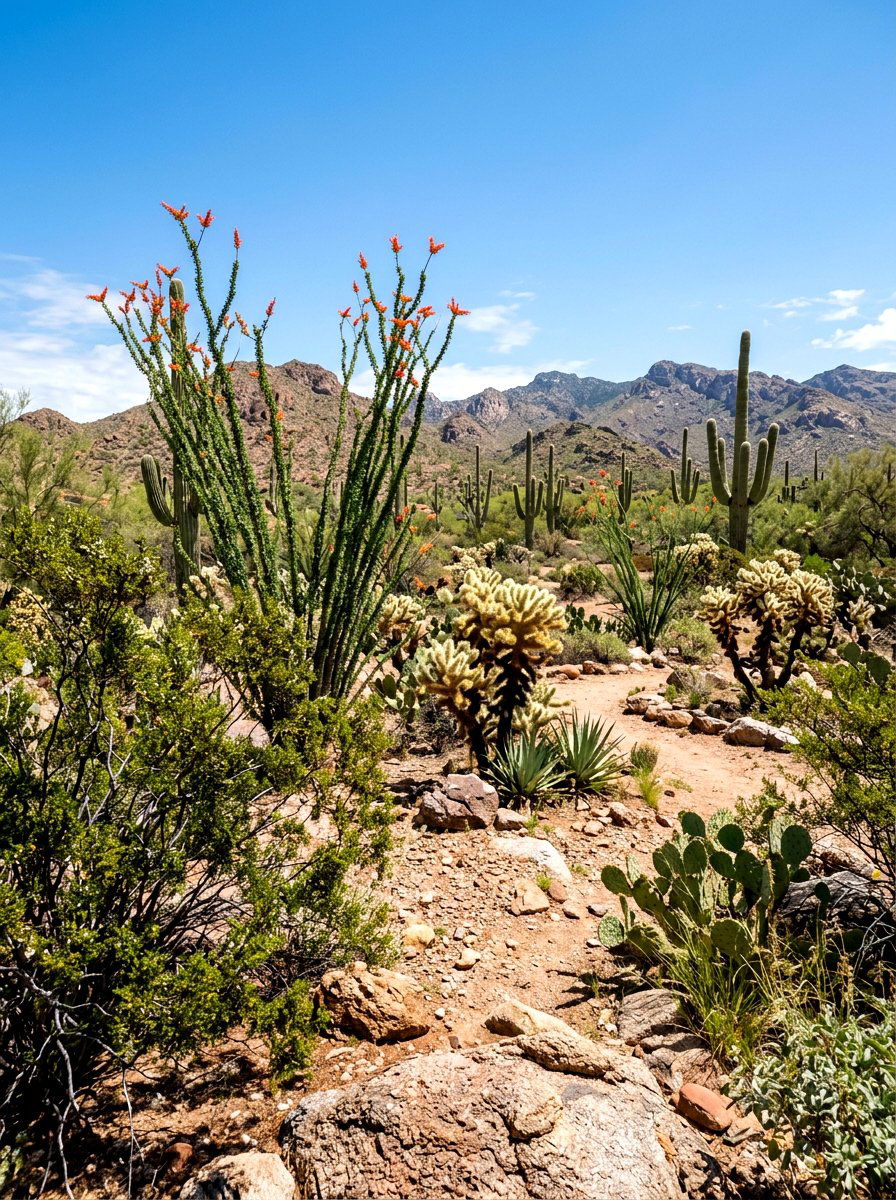
Focusing entirely on native species from the Sonoran desert ensures that your yard is perfectly in sync with the local environment. This includes iconic plants like the Creosote bush, various Cholla species, and the hardy Ocotillo. A native yard feels "right" because it matches the surrounding natural beauty of the region. It also provides the best habitat for local wildlife, from lizards to desert tortoises. This style is the ultimate expression of place, showing that you value the natural heritage of your area. It is incredibly low-maintenance once the plants are established, allowing you to enjoy a wild, rugged, and beautiful front yard.
Conclusion:
Designing a cactus front yard is an investment in both your home’s curb appeal and the environment. These resilient plants offer a range of colors, shapes, and textures that can fit any architectural style, from sleek modernism to traditional southwestern charm. By choosing the right species and pairing them with thoughtful hardscaping like decorative gravel and boulders, you can create a low-maintenance sanctuary that looks beautiful year-round. Cacti prove that you don’t need a lush green lawn to have a stunning and welcoming home entrance. Embrace the unique character of these desert dwellers and enjoy a sustainable, water-wise garden that truly stands the test of time.

Related posts: