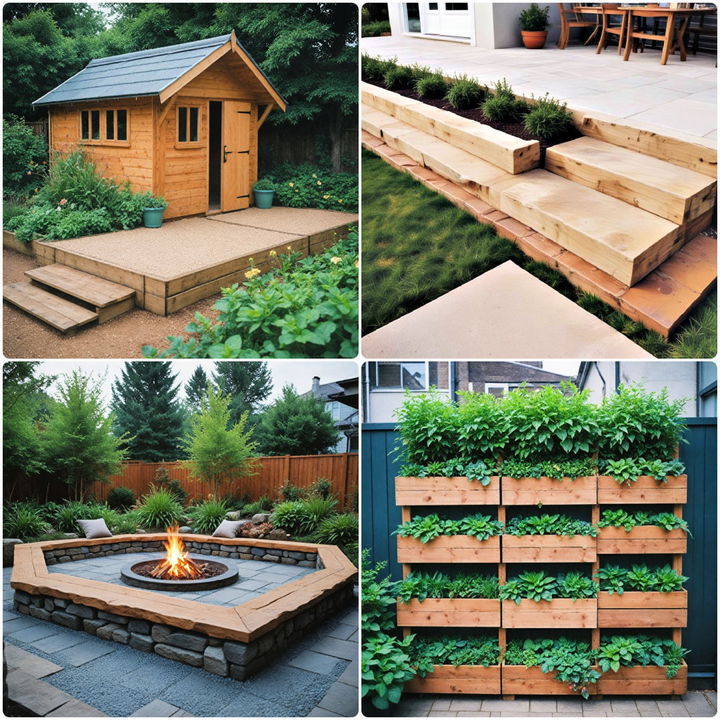
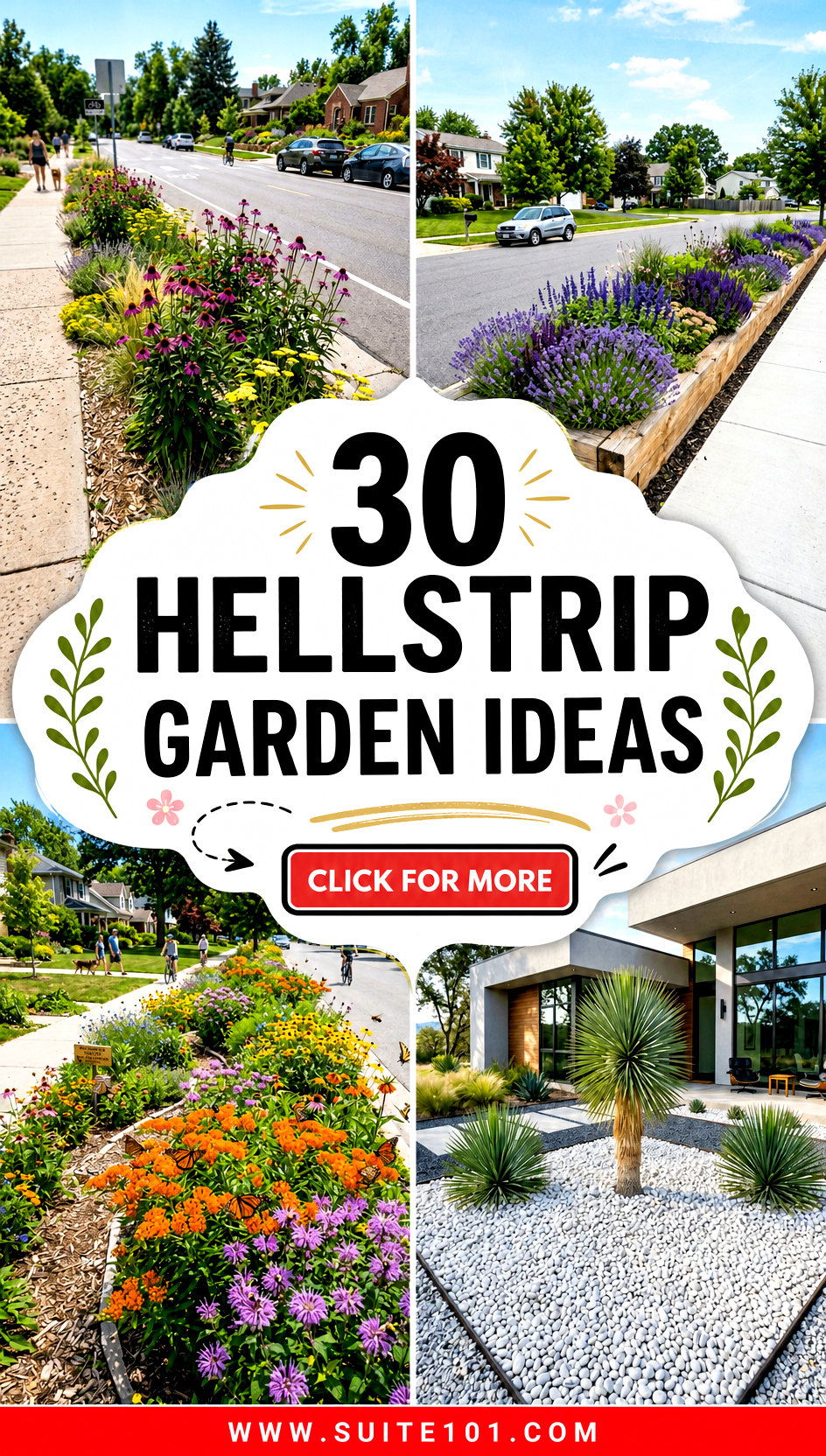
Transforming that narrow, often neglected patch of land between your sidewalk and the street can dramatically boost your home's curb appeal. This area, frequently called a hellstrip, faces unique challenges like compacted soil, intense heat from the pavement, and salt exposure during winter months. Instead of leaving it as a patch of dry grass or weeds, you can create a vibrant, eco-friendly garden that benefits local pollinators and delights passersby. By choosing hardy, drought-tolerant plants and smart design layouts, you turn a problematic space into a lush landscape. Whether you prefer a modern minimalist look or a wild meadow, these creative solutions will help you reclaim your parkway.
1. Low maintenance hellstrip
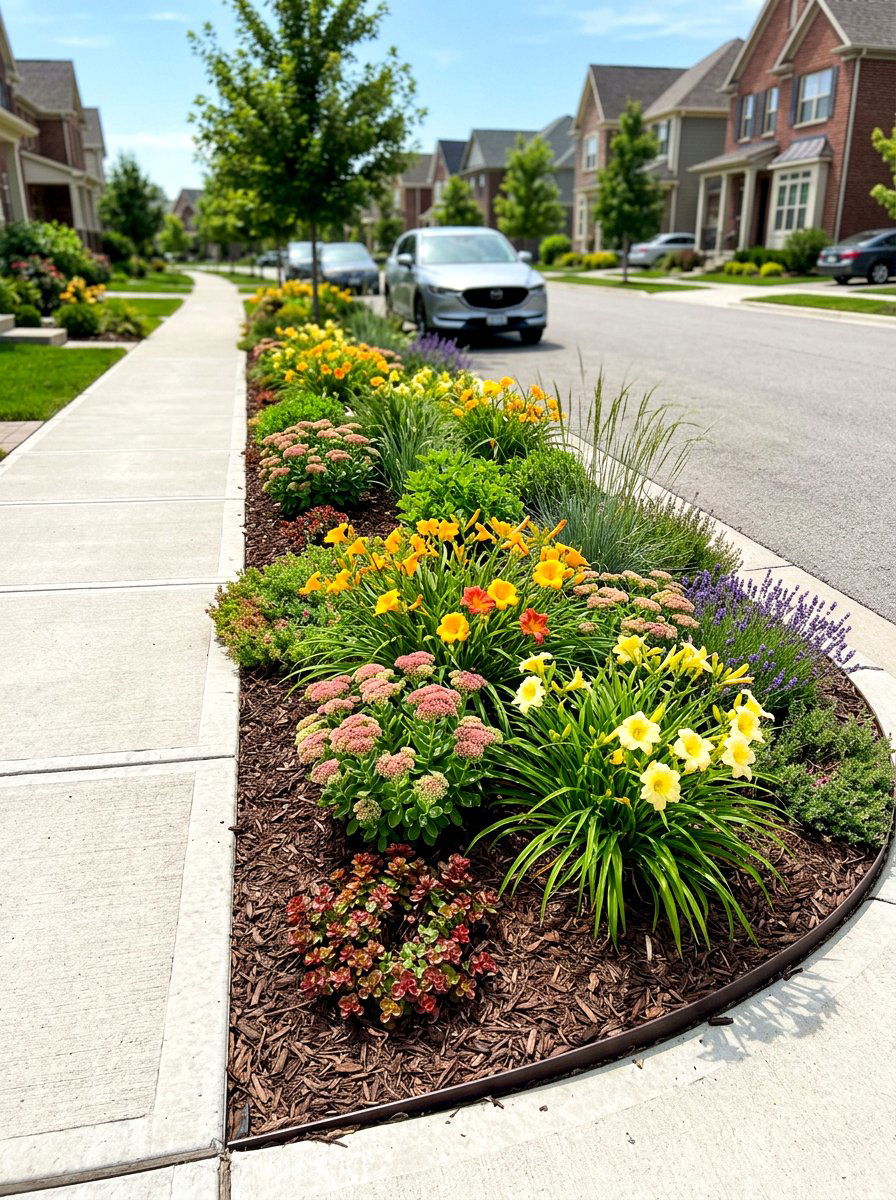
Creating a low maintenance hellstrip is all about choosing hardy plants that can survive harsh conditions without constant attention. This specific design focuses on a mix of sturdy perennials and decorative mulch to keep weeds at bay. You should look for species that handle heat and salt well, especially if you live in a snowy climate. A simple layout with a few repeating plants creates a clean and organized look. This approach ensures your curb appeal stays high throughout the seasons. It really takes the stress out of gardening in a difficult spot. Your neighbors will surely appreciate the neat and tidy appearance of your street-side landscape without you spending every weekend weeding or watering.
2. Drought tolerant curbside plants
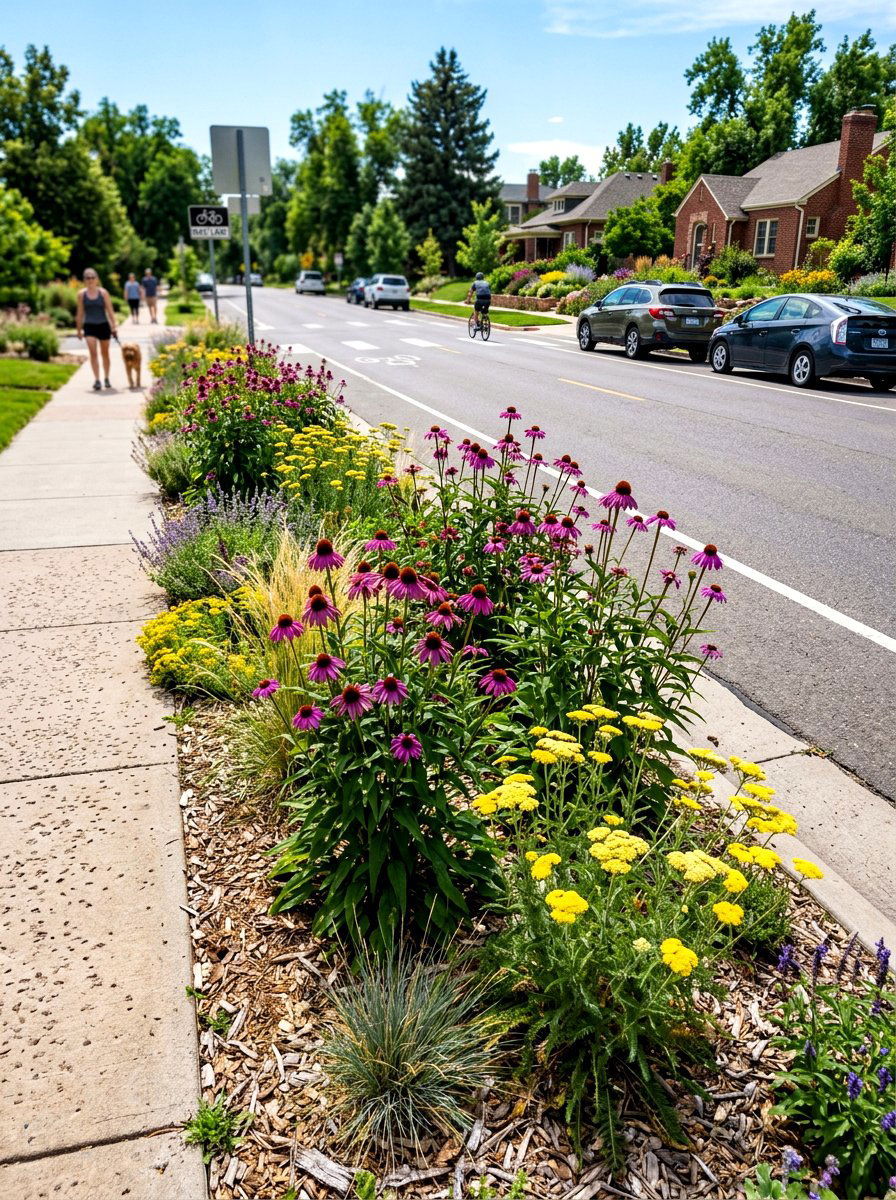
Watering a garden strip far from your main hose can be a real chore, so drought tolerant curbside plants are a smart choice. These resilient varieties, such as yarrow or coneflower, thrive with very little supplemental moisture once they are established in the ground. You can layer different heights to create a full, lush appearance that masks the dry soil underneath. Using gravel or organic mulch helps retain the little moisture that does fall during rain events. This design style is perfect for sunny areas where the pavement reflects intense heat onto the vegetation. It provides a beautiful, sustainable alternative to a thirsty lawn that often turns brown during the hot summer months.
3. Native wildflower parkway
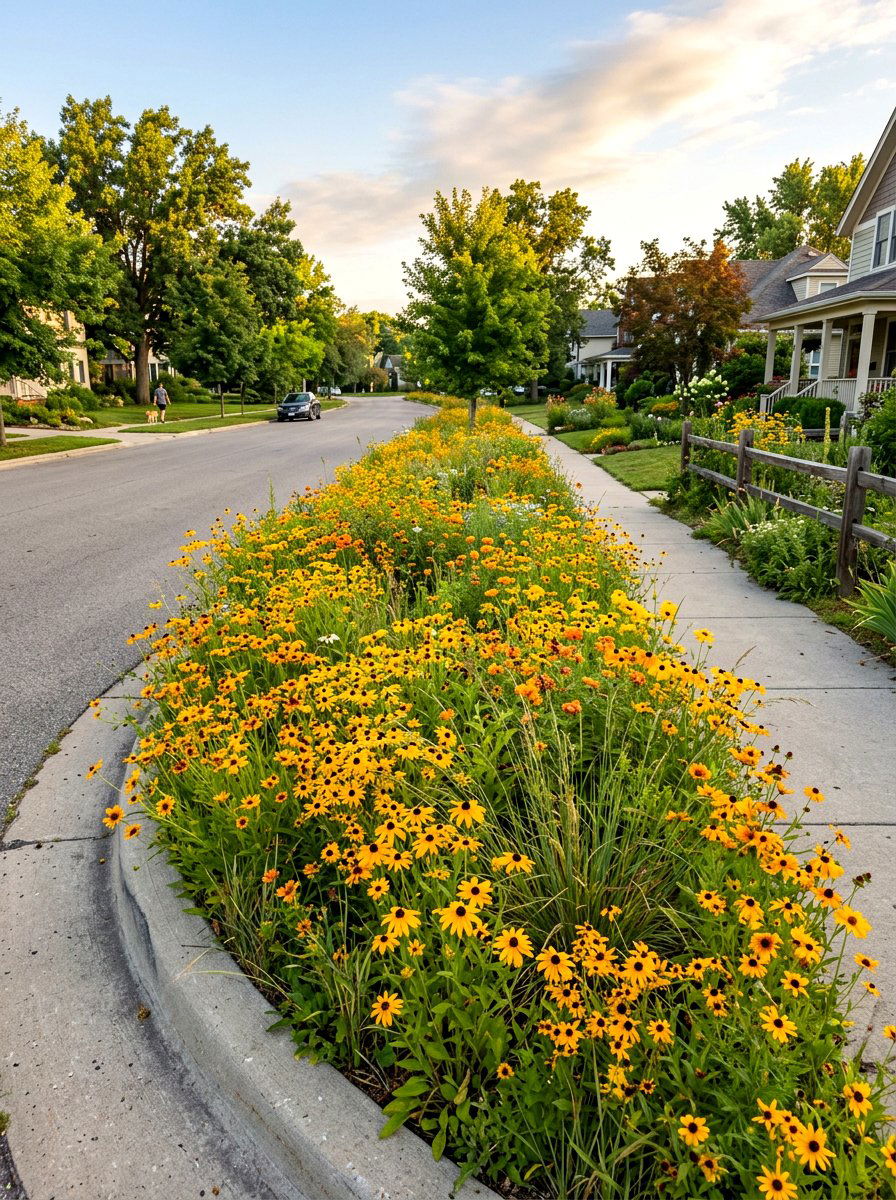
A native wildflower parkway is an excellent way to support local biodiversity while adding a splash of natural beauty to your street. By choosing flowers that naturally grow in your region, you ensure the garden is perfectly adapted to the local climate and soil conditions. These plants usually require less fertilizer and pesticides, making them a healthier choice for the environment. You can mix species like black-eyed Susans and coreopsis to create a colorful tapestry that changes throughout the year. This type of garden often attracts beneficial insects and provides a wild, cottage-like charm to your curb. It turns a boring transit zone into a miniature nature preserve for everyone to enjoy.
4. Gravel path garden strip
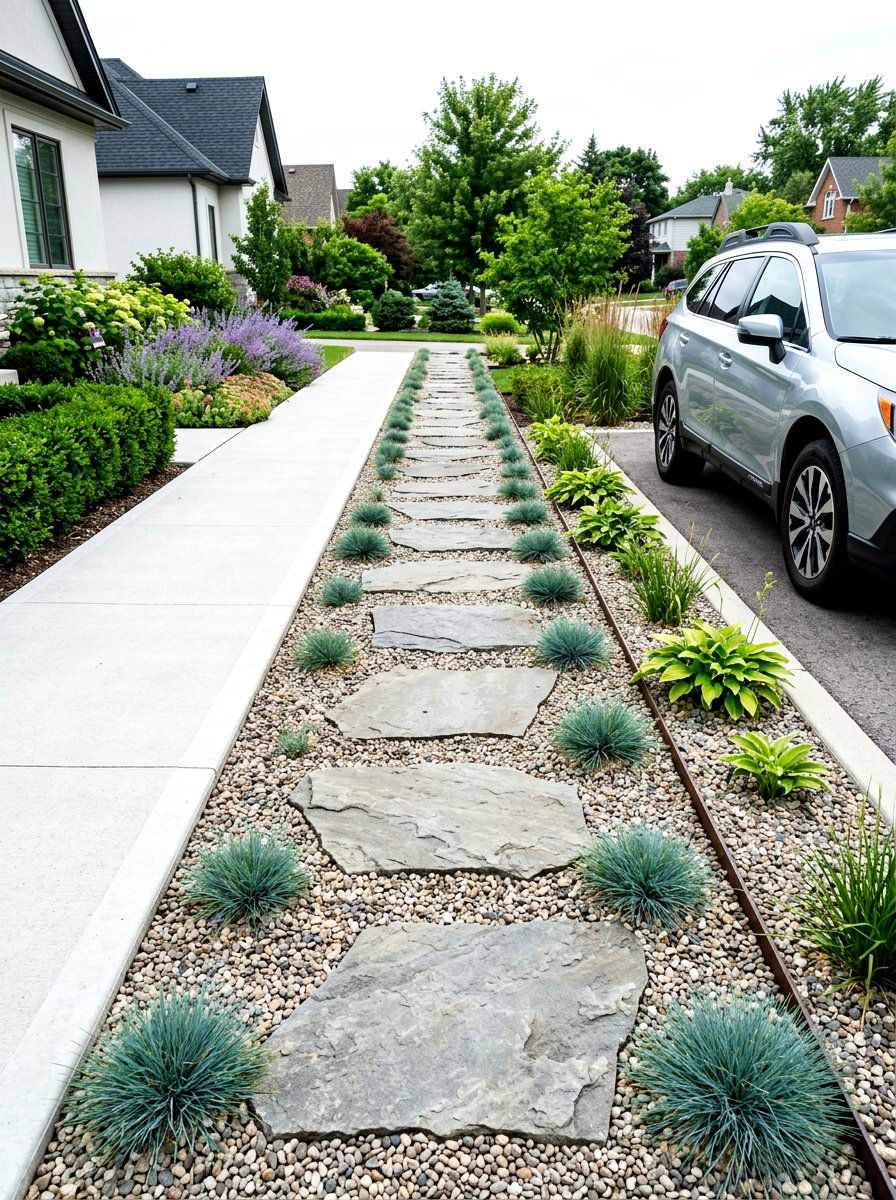
If your street has high foot traffic, a gravel path garden strip provides a functional and attractive solution. This design incorporates a stable walking surface made of crushed stone or pea gravel, allowing passengers to exit cars without stepping on delicate plants. You can tuck hardy succulents or tufts of ornamental grass into the edges to soften the look of the stones. This layout prevents soil compaction, which is a major issue in these narrow spaces. The neutral tones of the gravel complement almost any home exterior while providing excellent drainage. It is a practical yet stylish way to manage a high-traffic area while still enjoying some beautiful greenery along your sidewalk.
5. Modern succulent hellstrip
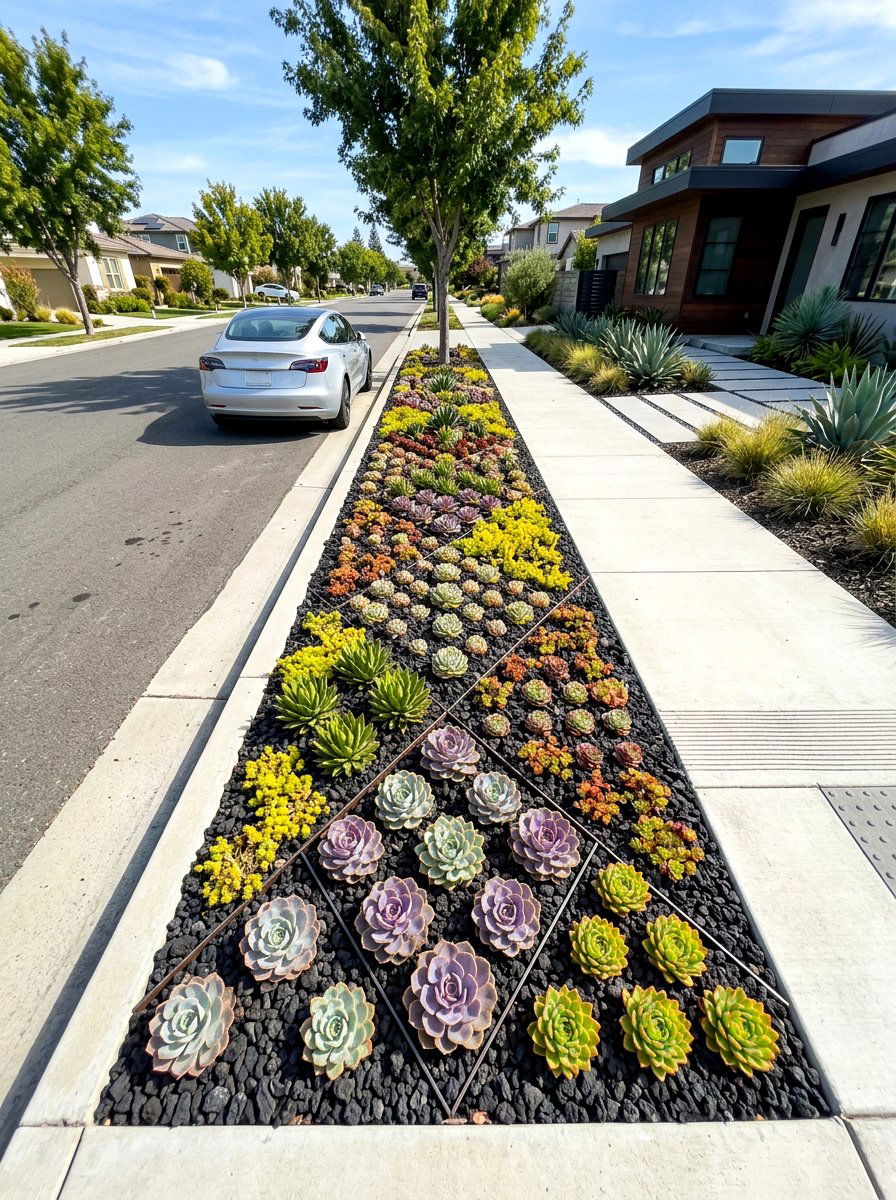
A modern succulent hellstrip offers a clean, architectural look that requires very little water or pruning. These thick-leaved plants, like hens and chicks or various sedums, store moisture in their foliage to survive the hottest days. You can arrange them in geometric patterns or clusters to create a contemporary vibe that matches modern home designs. Using a dark basalt or light river rock mulch enhances the colors and textures of the succulents. Because they grow slowly and stay relatively low to the ground, they won't block the view of the street or sidewalk. This design is ideal for homeowners who want a sophisticated, high-impact landscape that practically takes care of itself.
6. Raised bed curb garden
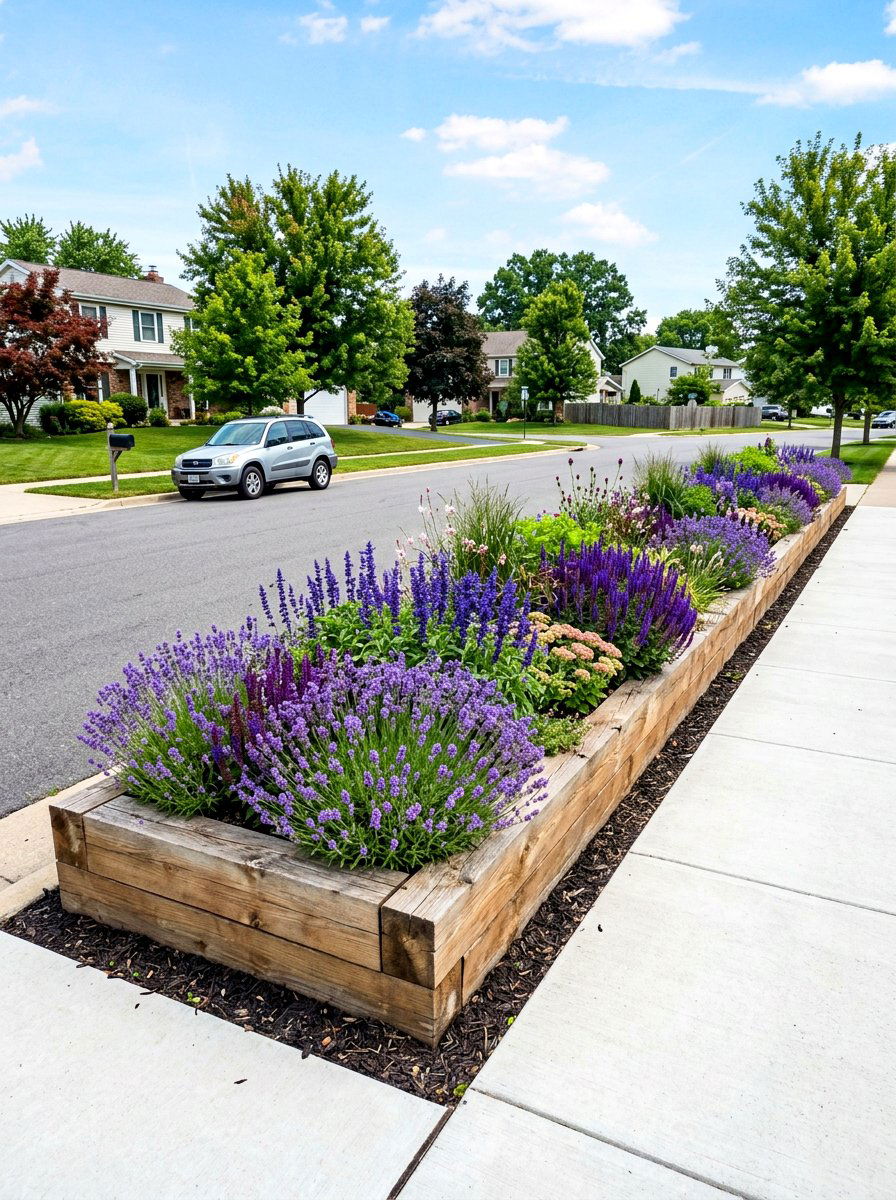
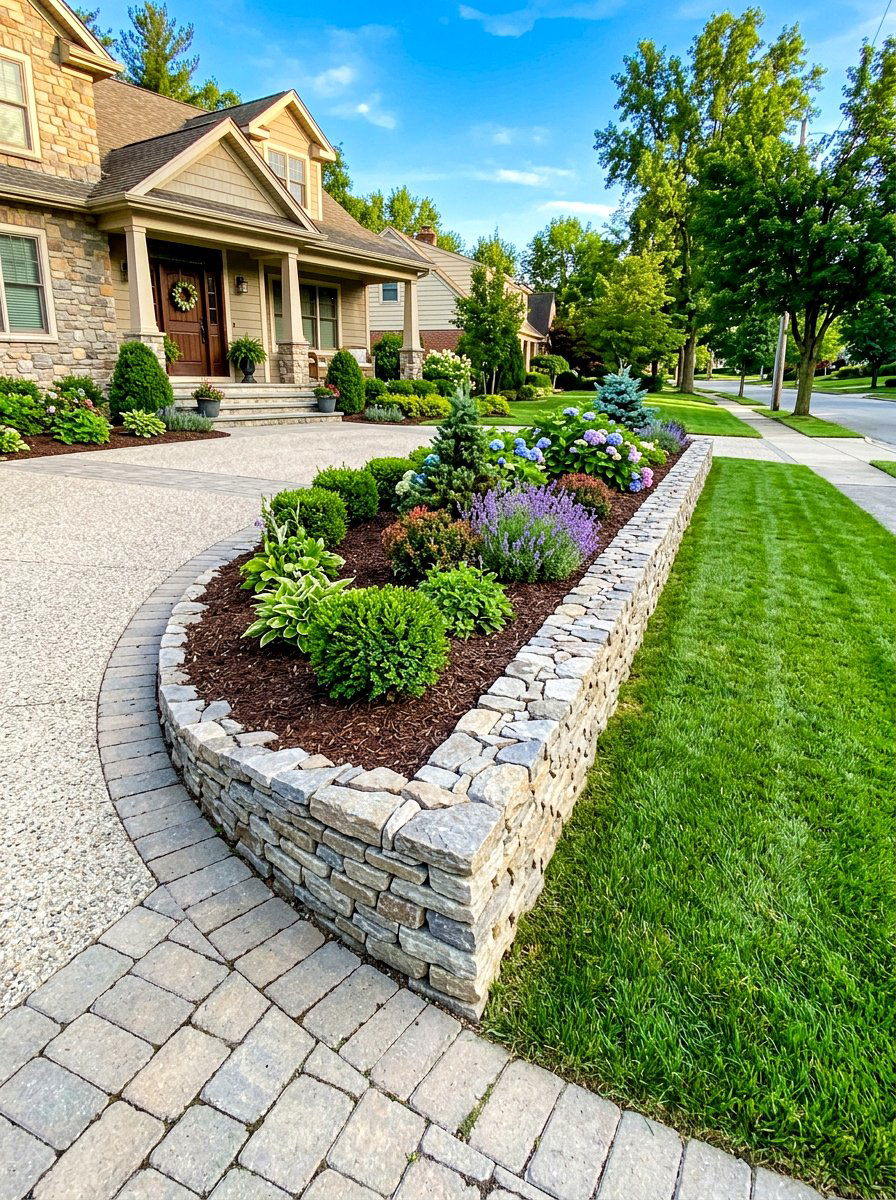
Building a raised bed curb garden is a fantastic way to overcome poor or contaminated soil often found near roadways. These structures provide a clean growing environment and allow you to control the soil quality from the start. You can use treated timber or stone blocks to match your home's architecture and create a polished look. Raised beds also provide a clear physical boundary that prevents people and pets from trampling your plants. This height makes it easier to maintain the garden without bending over too far. It is an especially effective solution for growing flowers or even certain hardy vegetables in a tidy, contained space that looks intentional and professional.
7. Ornamental grass sidewalk border
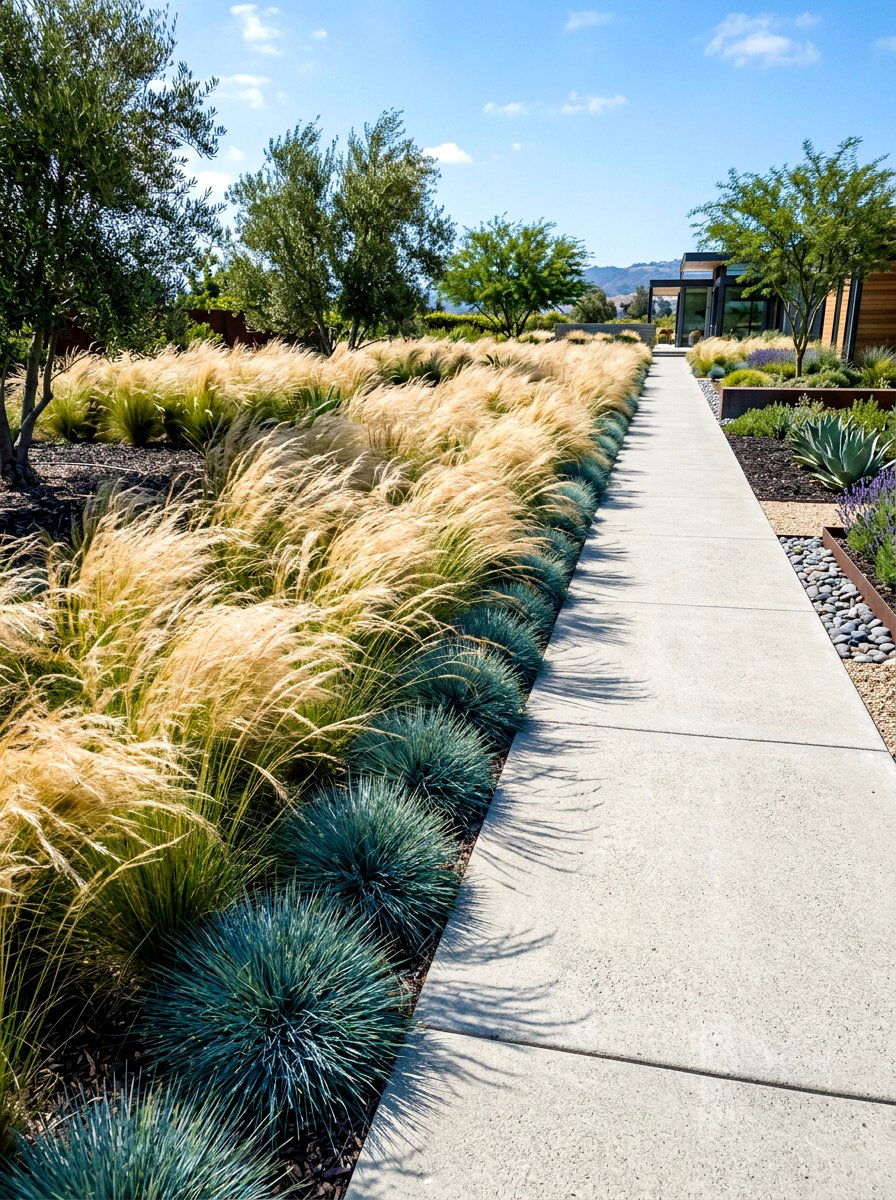
An ornamental grass sidewalk border adds movement and soft texture to the hard lines of a concrete path. Species like blue fescue or Mexican feather grass are particularly well-suited for narrow strips because they maintain a compact shape. These grasses are typically very drought tolerant and can handle the wind and dust from passing cars. In the autumn, their seed heads provide visual interest and a golden hue that glows in the sunlight. You can plant them in a long, rhythmic row to create a sense of continuity along your property line. They require very little maintenance beyond a single annual trim, making them a favorite for busy gardeners.
8. Cottage style parkway planting
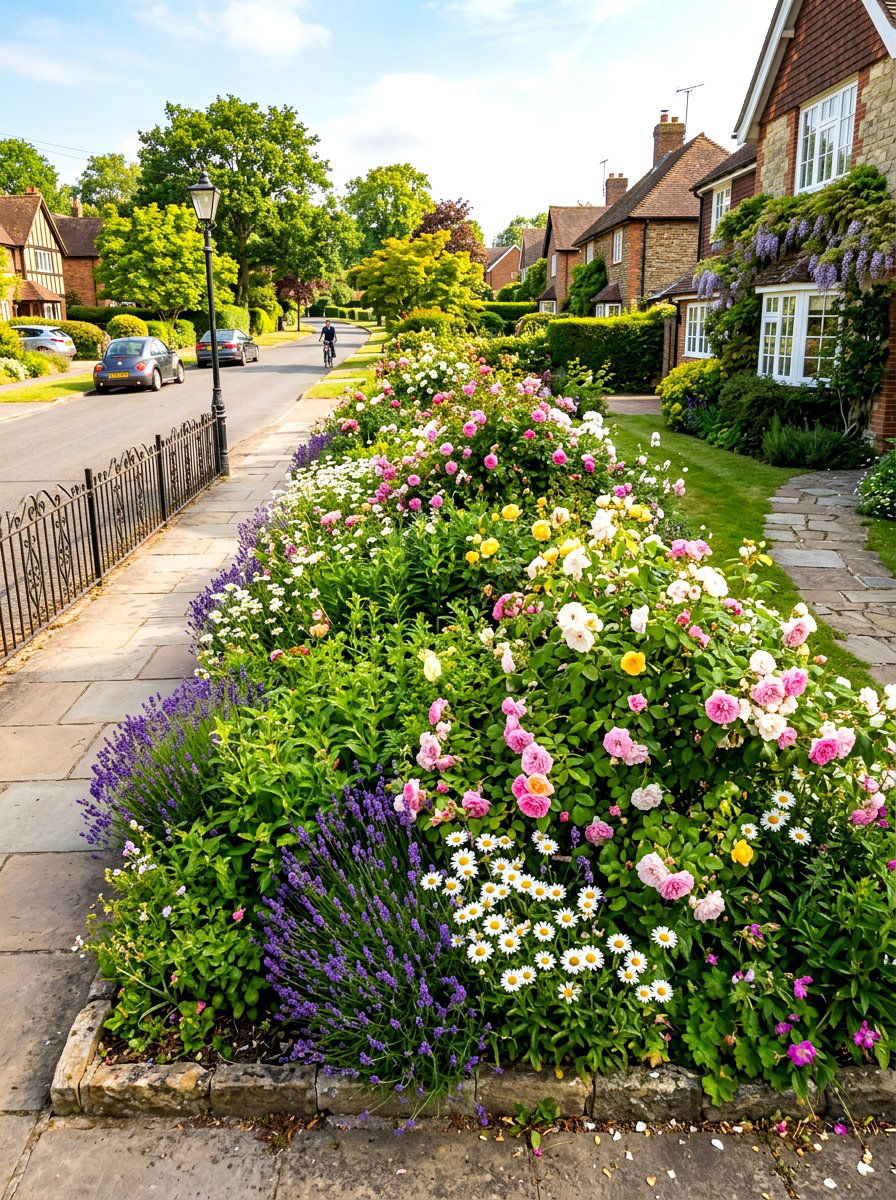
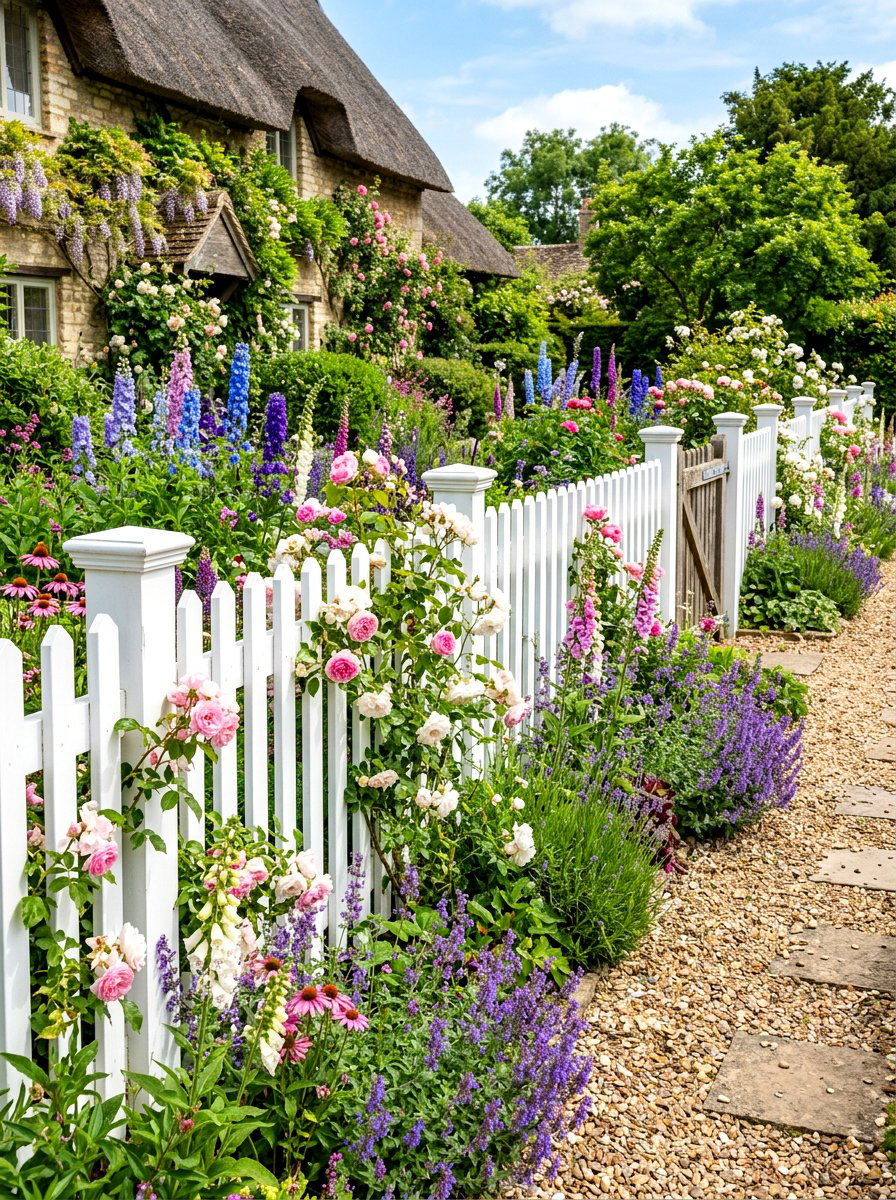
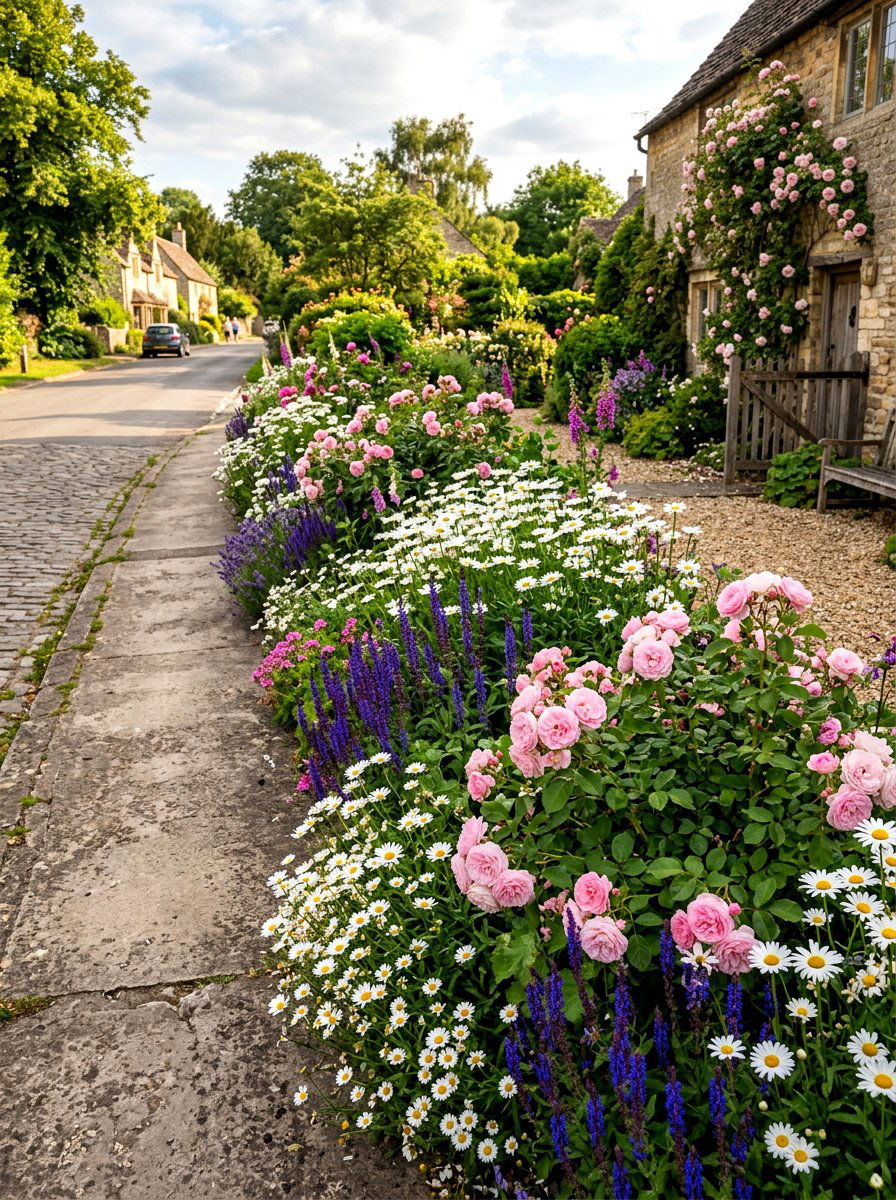
Bring a bit of whimsical charm to your neighborhood with a cottage style parkway planting. This design features a dense mix of flowering perennials, such as lavender, roses, and daisies, creating a lush and romantic atmosphere. The goal is to have something blooming through every season, providing a constant source of color and fragrance. Because the plants grow closely together, they naturally shade the soil and reduce weed growth. This overflowing, abundant look softens the transition between the street and your front yard. It makes your home feel welcoming and established, inviting neighbors to slow down and enjoy the beautiful scents and sights as they walk by your house.
9. Edible hellstrip vegetable garden
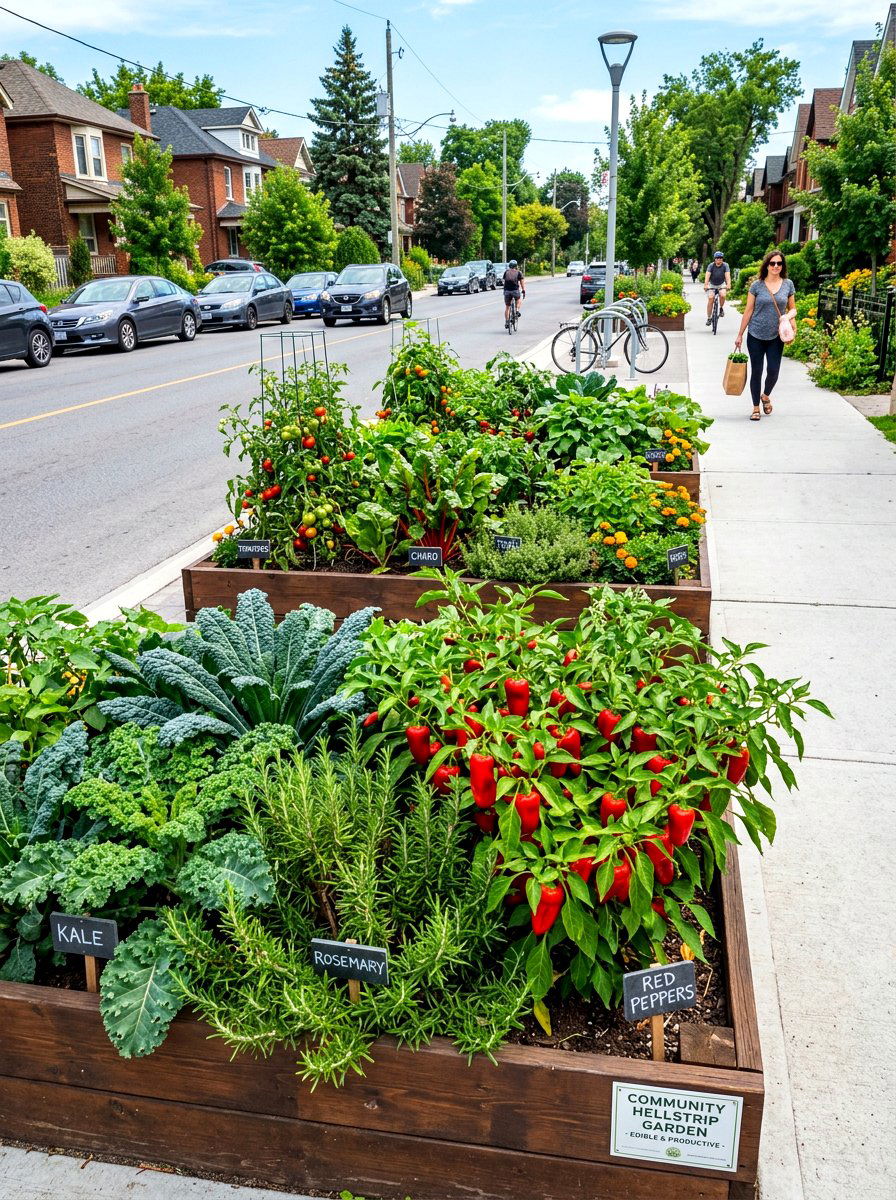
Using your curbside space for an edible hellstrip vegetable garden is a clever way to maximize your growing area. Many herbs and certain vegetables, like kale or peppers, can thrive in these sunny spots if the soil is properly prepared. You might consider using raised beds to protect the food from street runoff and pollutants. A mix of colorful Swiss chard and fragrant rosemary looks just as beautiful as traditional ornamental plants. This design promotes urban agriculture and can even foster community spirit as neighbors admire your harvest. It turns a wasted strip of land into a productive resource that provides fresh ingredients right outside your front door every single summer.
10. Pollinator friendly street strip
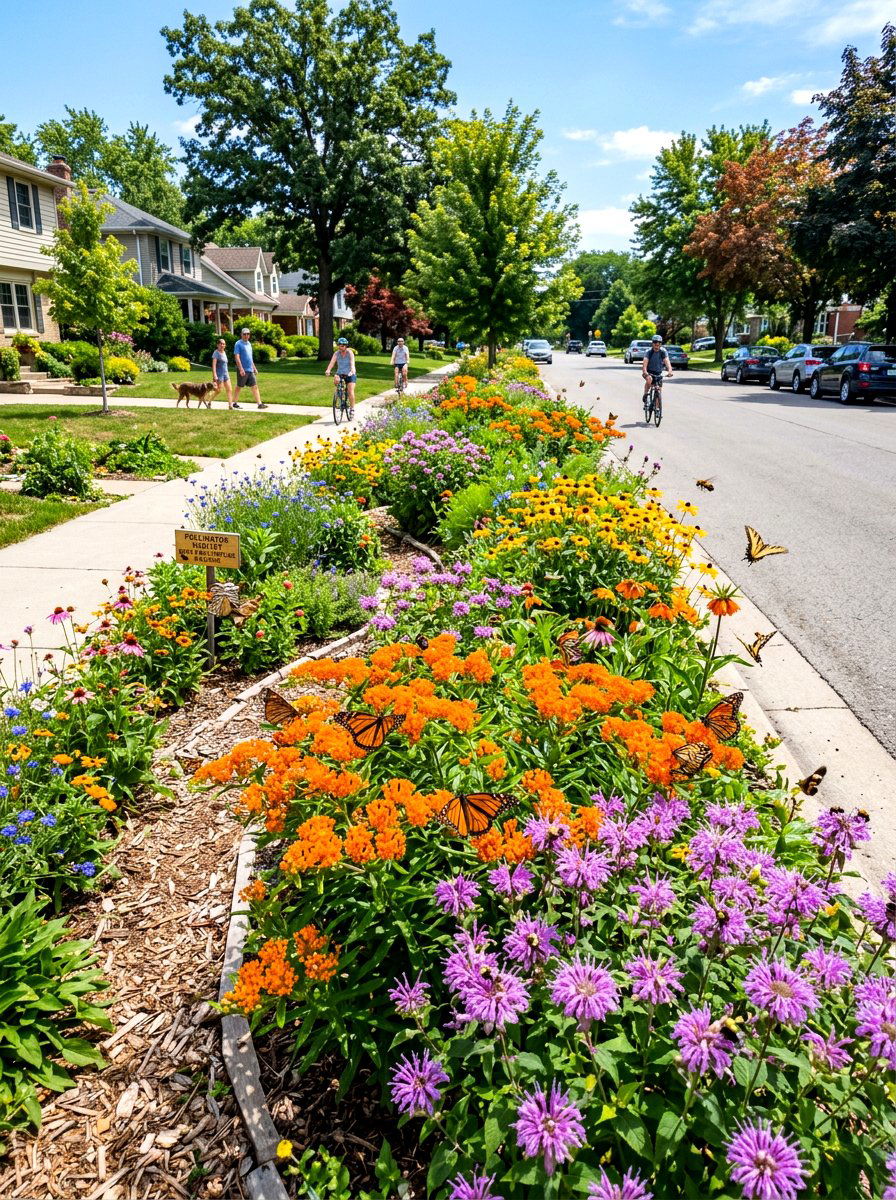
Transforming your curb into a pollinator friendly street strip helps support essential bees, butterflies, and hummingbirds in urban environments. Focus on planting a variety of nectar-rich flowers like milkweed, bee balm, and salvia. It is important to choose plants that bloom at different times to provide a steady food source throughout the growing season. This type of garden acts as a vital "pit stop" for migratory species navigating through residential areas. By avoiding chemicals and providing a diverse habitat, you contribute to a healthier local ecosystem. The sight of fluttering butterflies and buzzing bees adds a dynamic, lively element to your home's exterior that everyone can appreciate and enjoy.
11. Xeriscape sidewalk landscaping
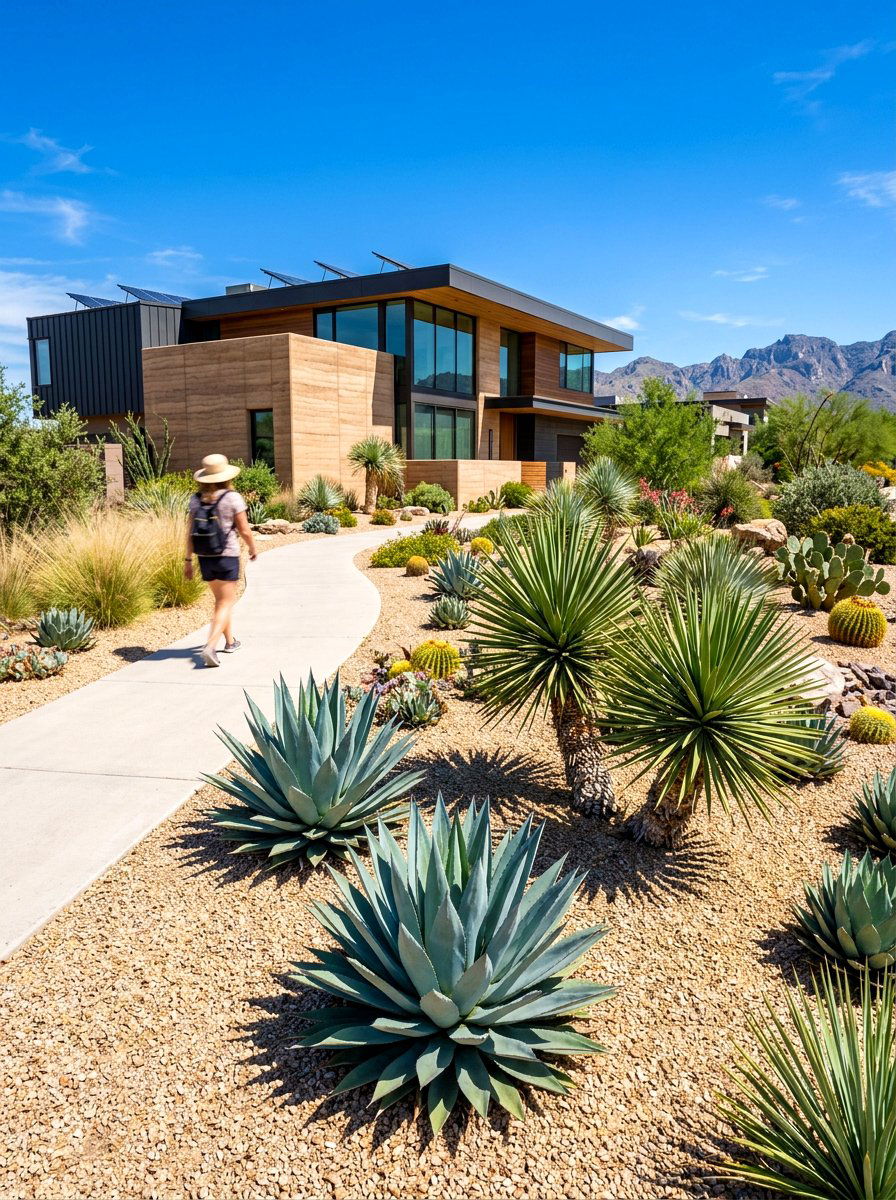
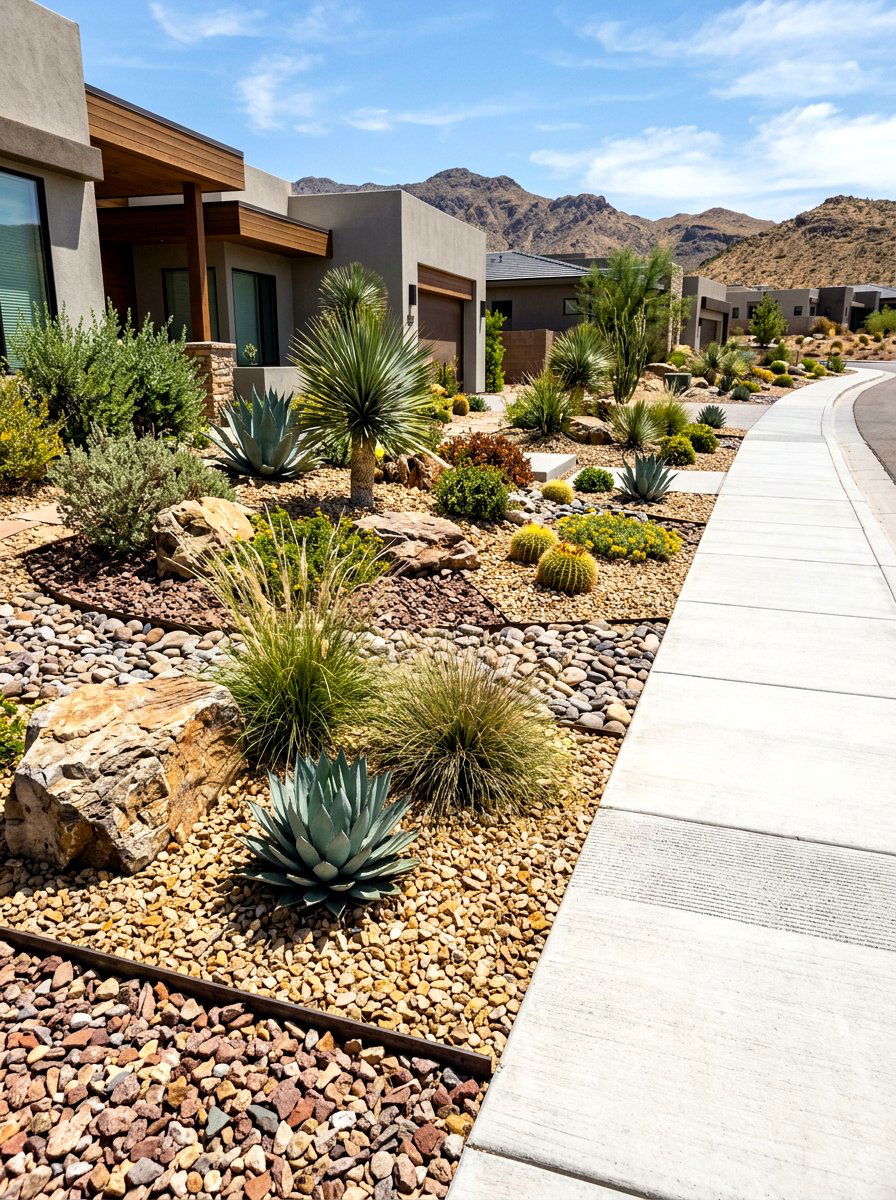
Xeriscape sidewalk landscaping is a sustainable approach that eliminates the need for supplemental irrigation once the plants are established. This method uses a combination of mulch, stones, and extremely drought-hardy plants like agave or yucca. By selecting species that are naturally adapted to arid conditions, you save a significant amount of water and money. This design often features interesting textures and shapes rather than just a sea of green. It is an environmentally responsible choice that looks stunning in any climate, particularly in regions prone to summer droughts. A well-planned xeriscape can be incredibly beautiful and serves as a great example of how to garden in harmony with local environmental constraints.
12. Stepping stone path garden
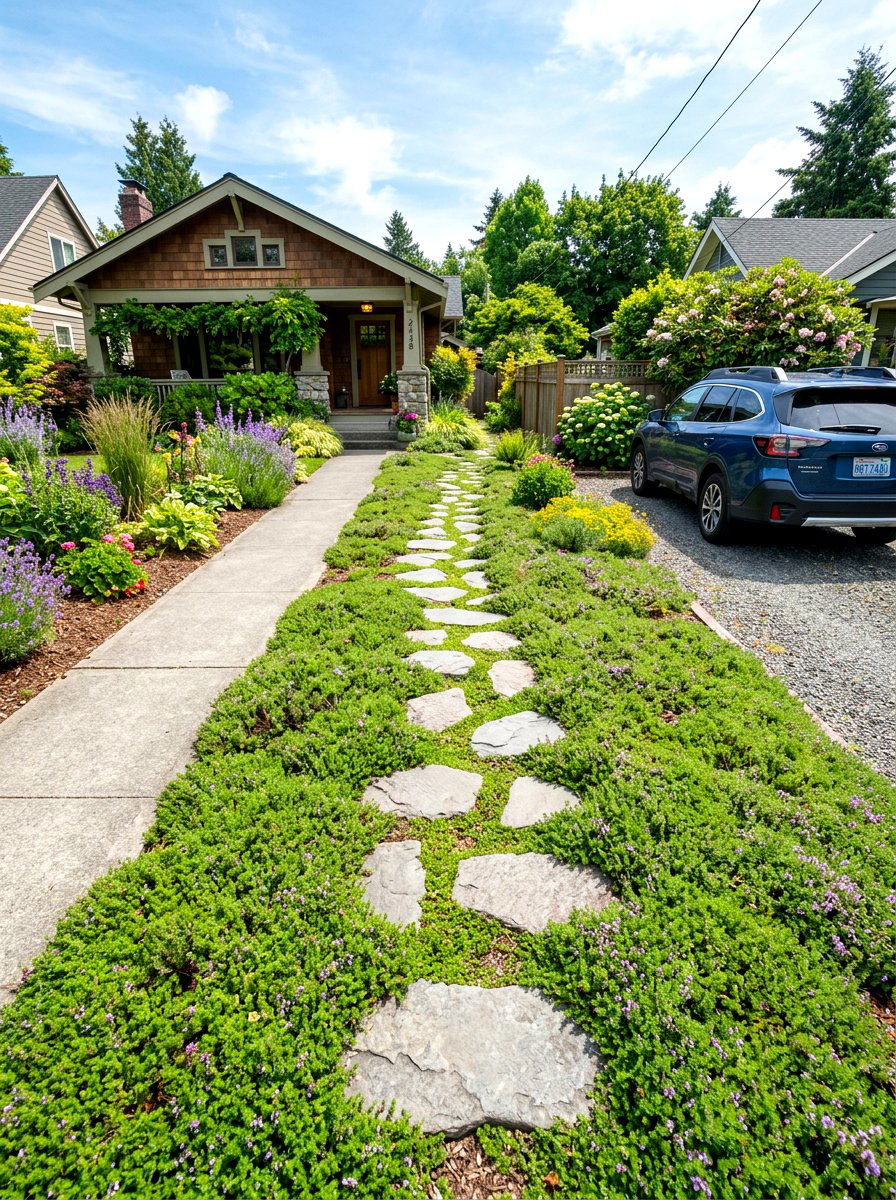
Integrating a stepping stone path garden into your hellstrip makes it much easier for people to get from their cars to the sidewalk. You can surround large, flat stones with low-growing ground covers like creeping thyme or Irish moss. These plants are tough enough to handle occasional foot traffic and will release a pleasant scent when stepped upon. This layout provides a clear walking route, which protects your more delicate plants from being crushed. The combination of hard stone and soft greenery creates a balanced, professional look. It is a practical design that acknowledges how the space is actually used while still providing a beautiful, green aesthetic for the entire neighborhood.
13. Lavender border curbside
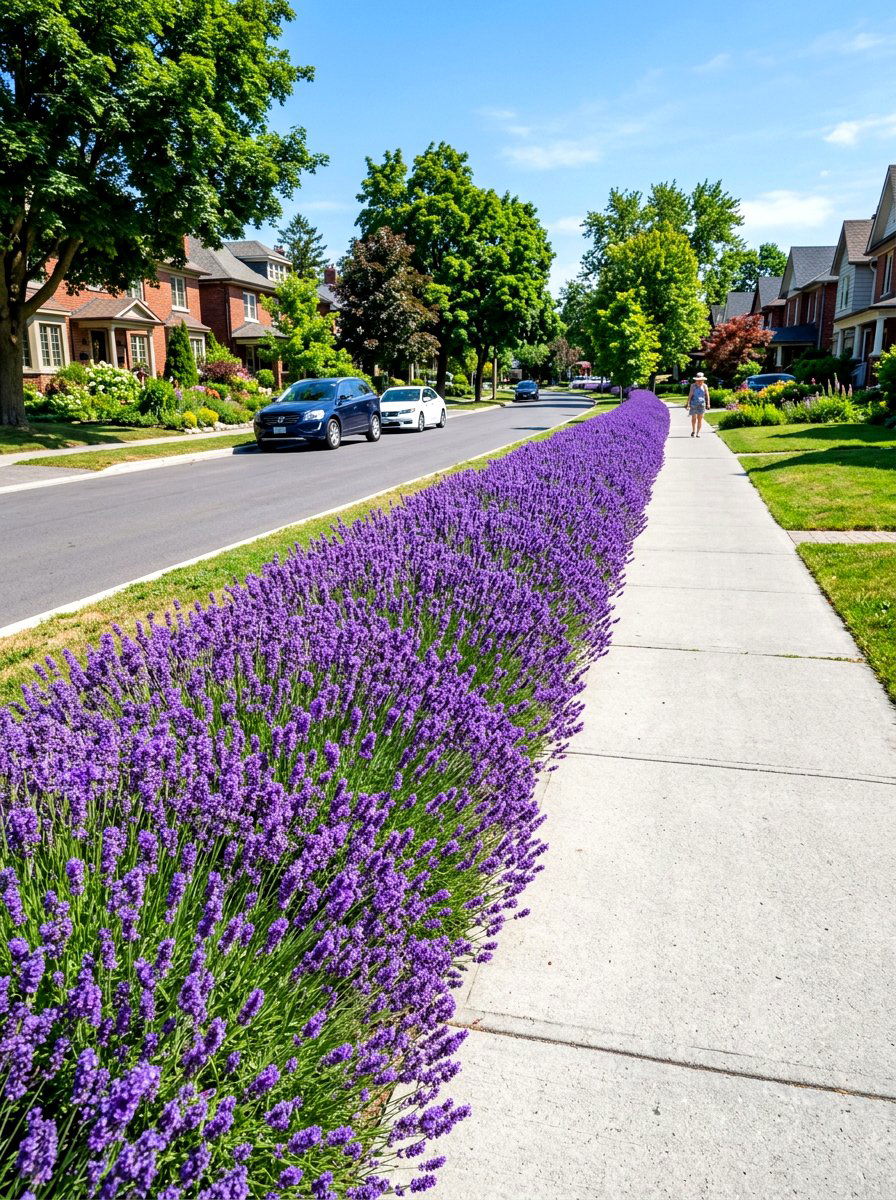
A lavender border curbside offers a stunning visual and a wonderful fragrance for anyone walking by your home. Lavender is exceptionally hardy, loves full sun, and thrives in the well-drained, often sandy soil found near many streets. Its silvery foliage provides interest even when the purple spikes are not in bloom. This plant is also naturally resistant to most pests and is rarely bothered by dogs or deer. Planting a long row of lavender creates a cohesive and elegant look that feels very intentional. The scent can help mask street odors and provides a calming atmosphere. It is a classic choice that adds a touch of Mediterranean flair to your curb.
14. Mediterranean style hellstrip
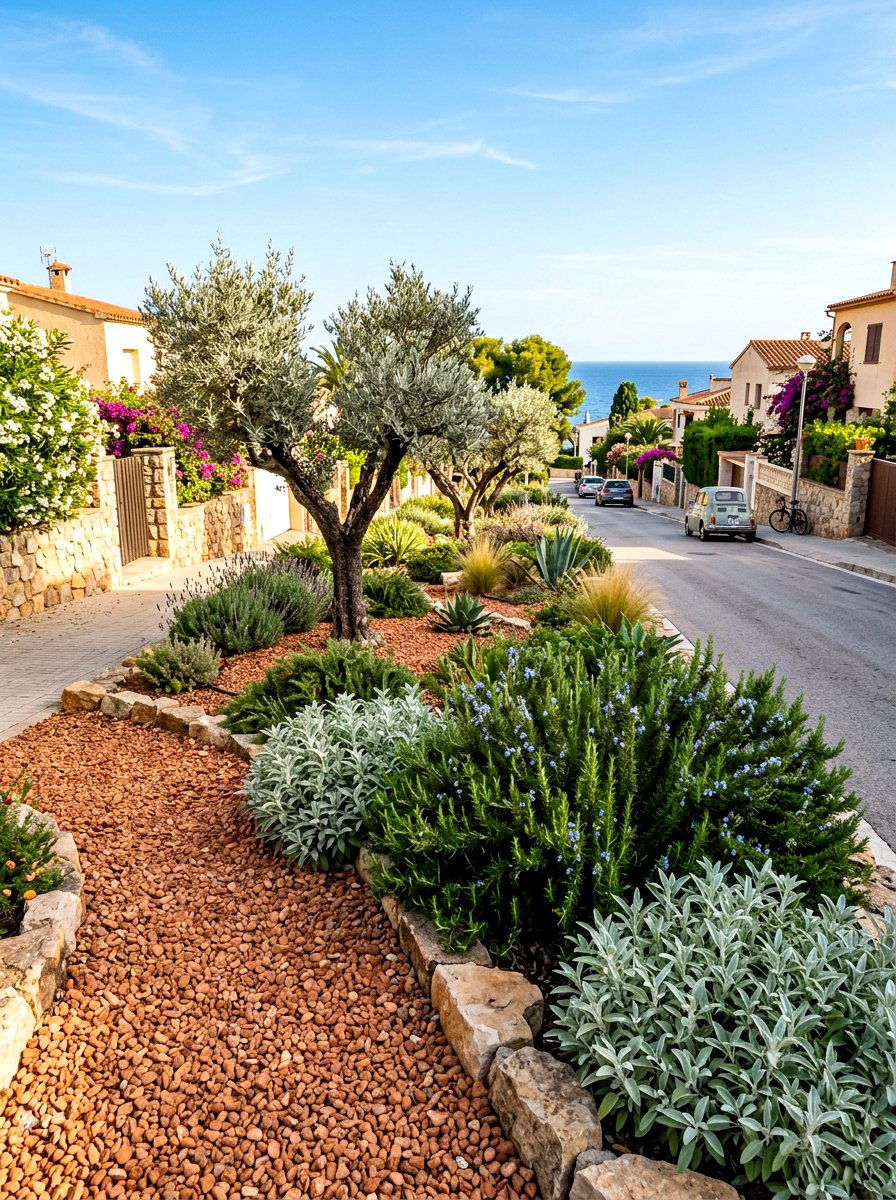
The Mediterranean style hellstrip uses a palette of sun-loving, drought-resistant plants to create a warm and inviting atmosphere. Think of incorporating silver-leafed plants like olive trees, rosemary, and sage, which contrast beautifully against terracotta-colored mulch or light gravel. This design often features a mix of textures and heights to create a layered, interesting look. These plants are accustomed to rocky, poor soil and intense sun, making them perfect for the harsh conditions of a roadside strip. The overall vibe is relaxed and sophisticated, reminiscent of a seaside villa. It is a durable and stylish way to landscape a difficult area while adding a timeless, European aesthetic to your home's exterior.
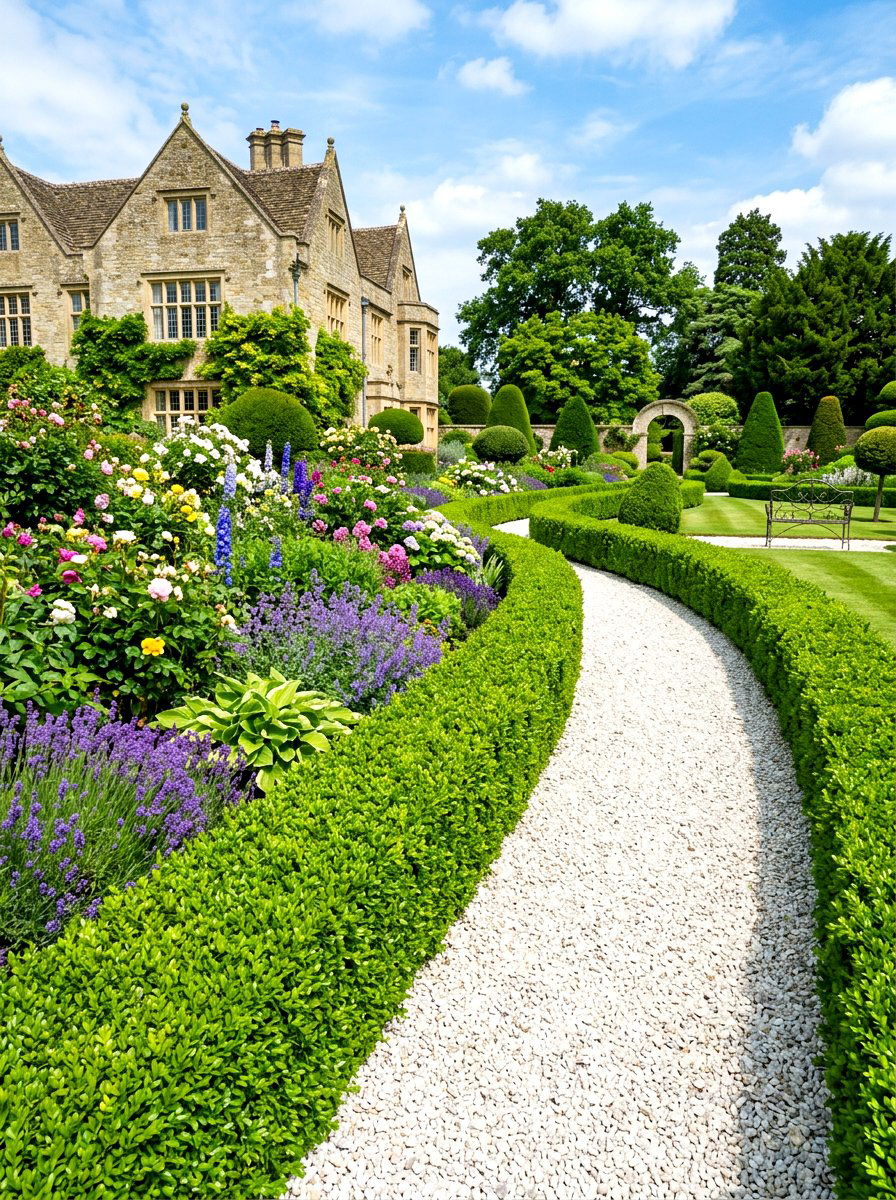
15. Shade loving parkway plants
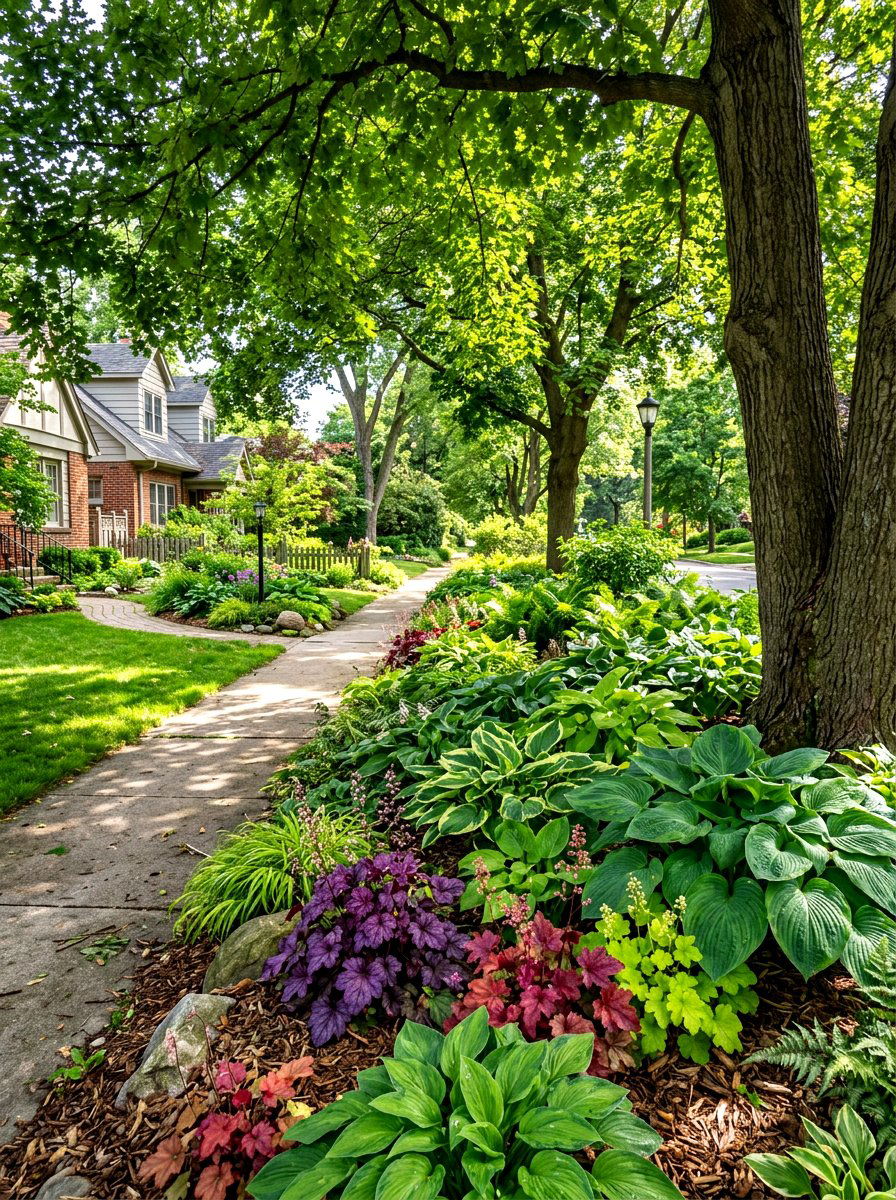
If your hellstrip is under the canopy of large street trees, you will need shade loving parkway plants to succeed. Hostas, coral bells, and ferns are excellent choices for these cooler, darker spots. These plants offer a wide range of leaf colors and textures that can brighten up a shaded area. Since soil under trees can be very dry due to root competition, you should add plenty of compost to help retain moisture. This lush, woodland look provides a refreshing contrast to the hot pavement nearby. It turns a dark and dusty corner into a cool, green oasis that thrives in the absence of direct, harsh sunlight throughout the day.
16. Rock garden sidewalk strip
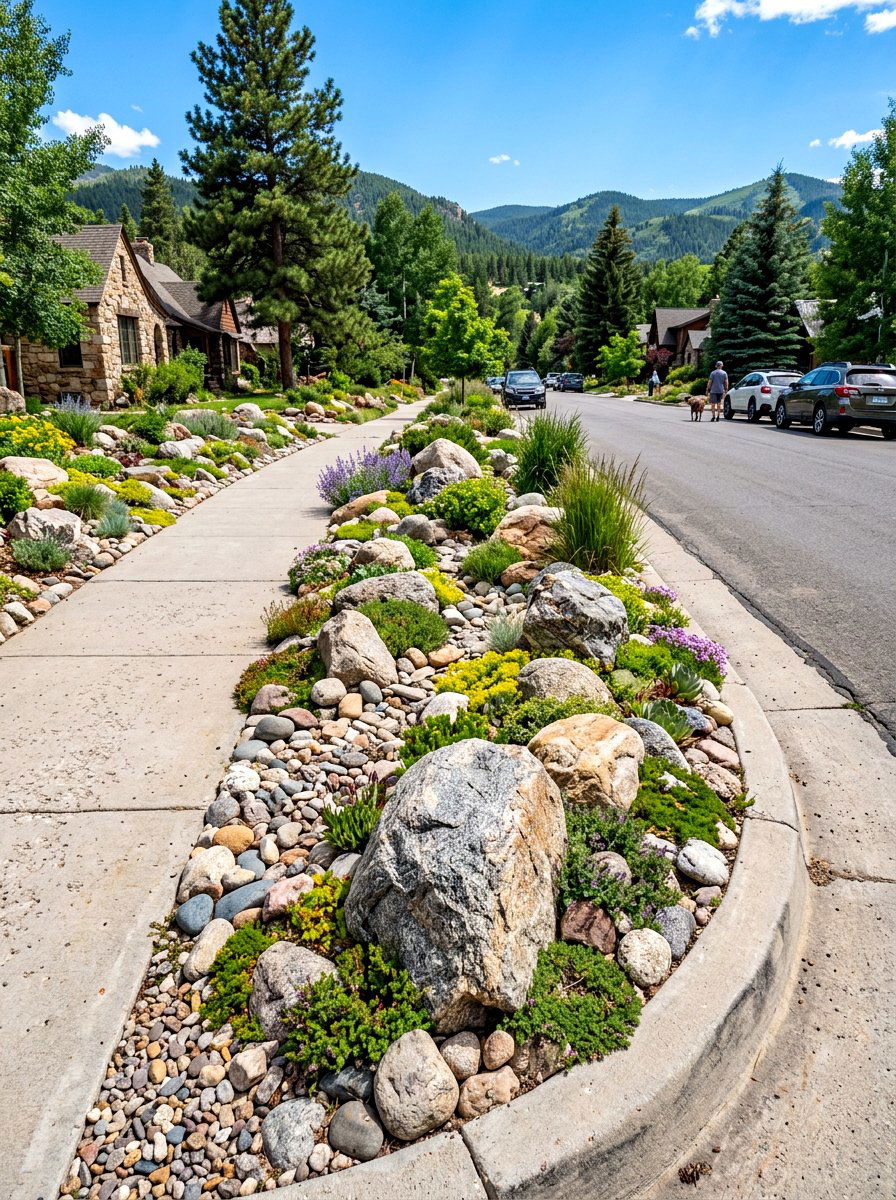
A rock garden sidewalk strip uses boulders, river rocks, and pebbles to create a rugged and naturalistic landscape. You can nestle alpine plants or small succulents between the stones for a pops of color and life. This design is virtually indestructible and handles heavy foot traffic or snow piles very well. The rocks provide a stable structure and prevent soil erosion during heavy rainstorms. You can play with different sizes and colors of stone to create visual depth and interest. This style is particularly effective for sloped areas where traditional planting might wash away. It offers a low-maintenance, permanent solution that looks great in both summer and winter months alike.
17. Perennial flower bed curb
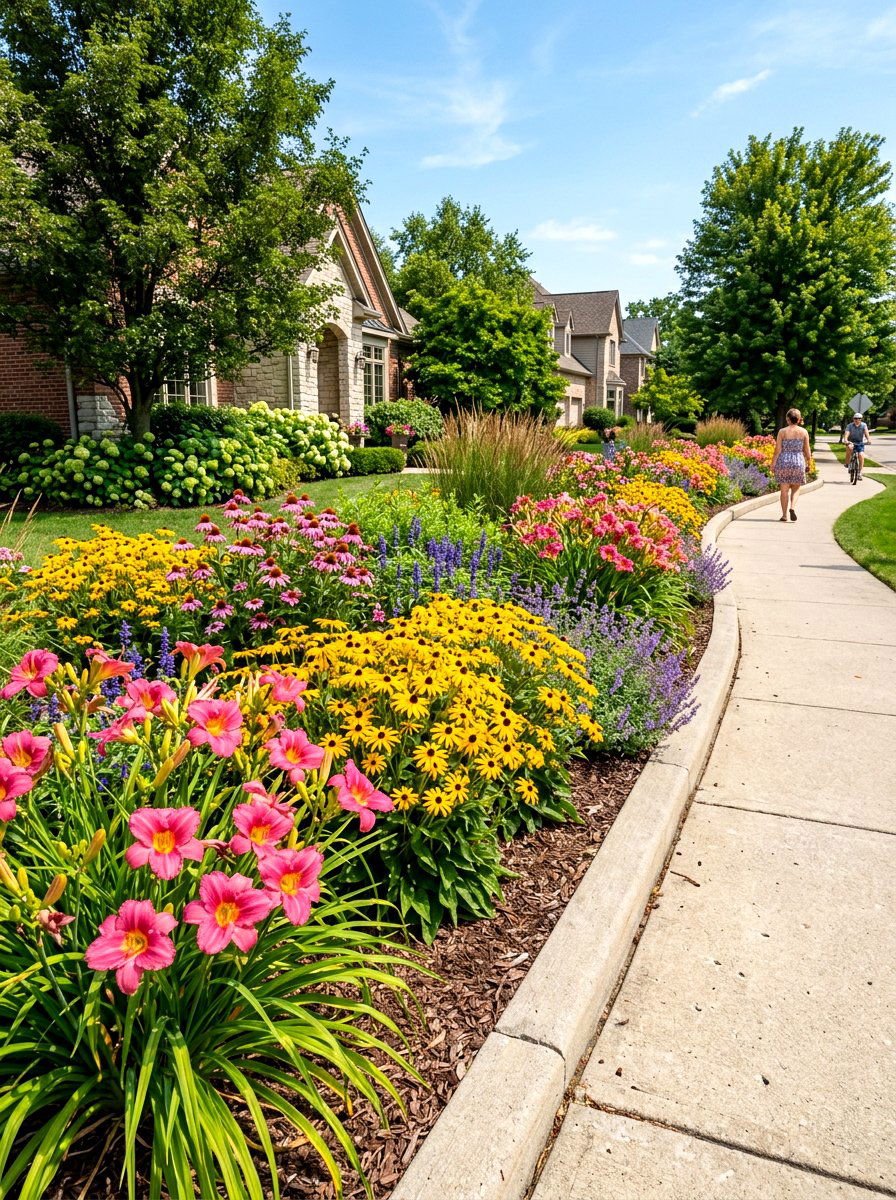
A perennial flower bed curb is a gift that keeps on giving year after year. By choosing plants that return every spring, you save time and money on annual replanting. Popular choices like daylilies, coneflowers, and autumn joy sedum provide a rotating display of color from late spring through fall. You can design the bed with taller plants in the center and shorter ones at the edges for a classic look. This approach creates a very traditional and welcoming garden that boosts your property value. Once established, these perennials form deep roots that help them withstand the fluctuations in temperature and moisture common in these exposed, narrow strips of soil.
18. Ground cover lawn alternative
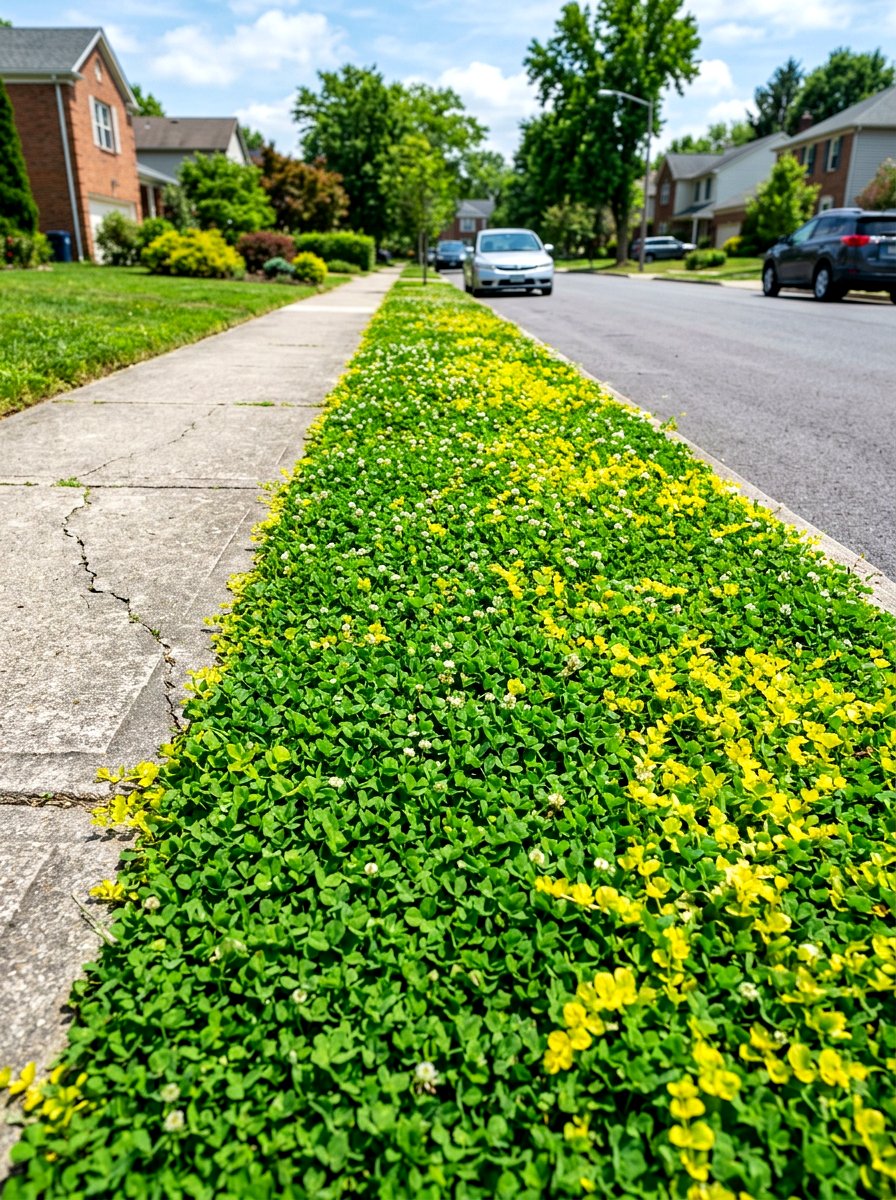
Replacing grass with a ground cover lawn alternative is one of the most practical ways to handle a hellstrip. Low-growing plants like clover, creeping jenny, or vinca minor create a thick carpet of green that requires no mowing. Many ground covers also produce small, charming flowers that add a layer of interest that plain grass lacks. These plants are often better at suppressing weeds because they grow so densely. They are generally much more resilient to the heat and foot traffic that often kill traditional turf. This design creates a lush, low-profile look that stays green and healthy with far less maintenance than a standard lawn would ever require.
19. Tropical look parkway
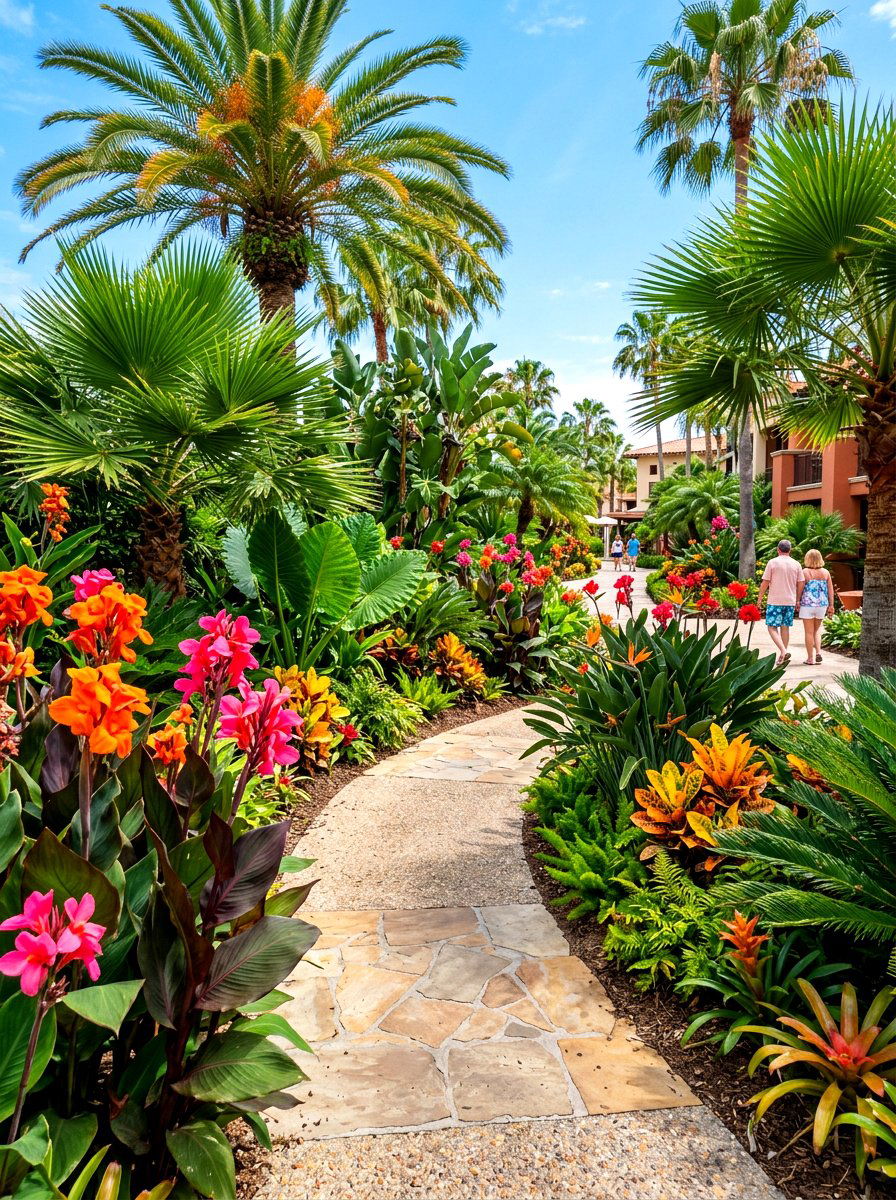
Creating a tropical look parkway can make your home feel like a permanent vacation spot. Use plants with bold, oversized leaves like canna lilies, hardy hibiscus, or windmill palms if your climate allows. Vibrant colors like bright orange, hot pink, and deep yellow define this high-energy style. You can use dark wood mulch to make the lush green foliage and bright blooms really stand out. Even in non-tropical climates, you can achieve this effect with certain hardy perennials that have a tropical appearance. This design is a great way to show off your personality and create a unique, eye-catching focal point that sets your house apart from the others.
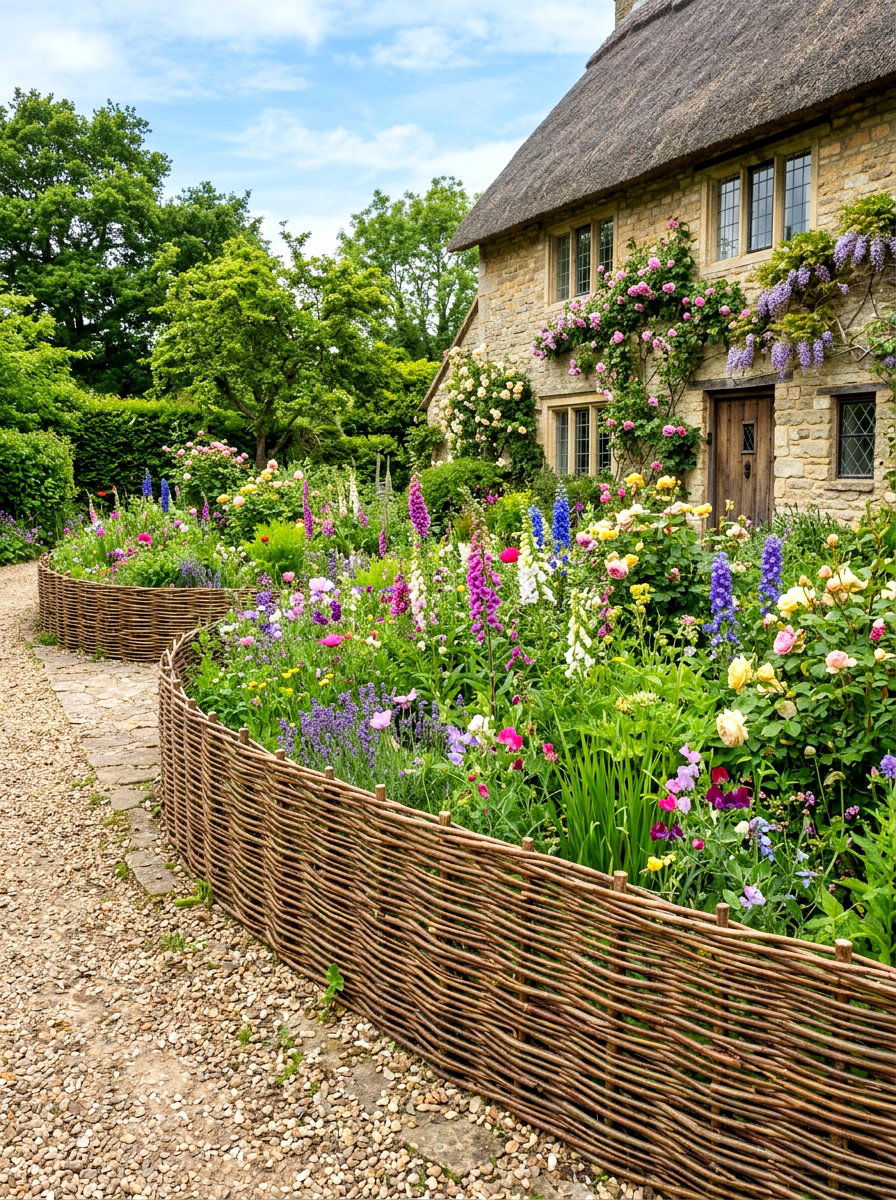

20. Minimalist gravel landscape
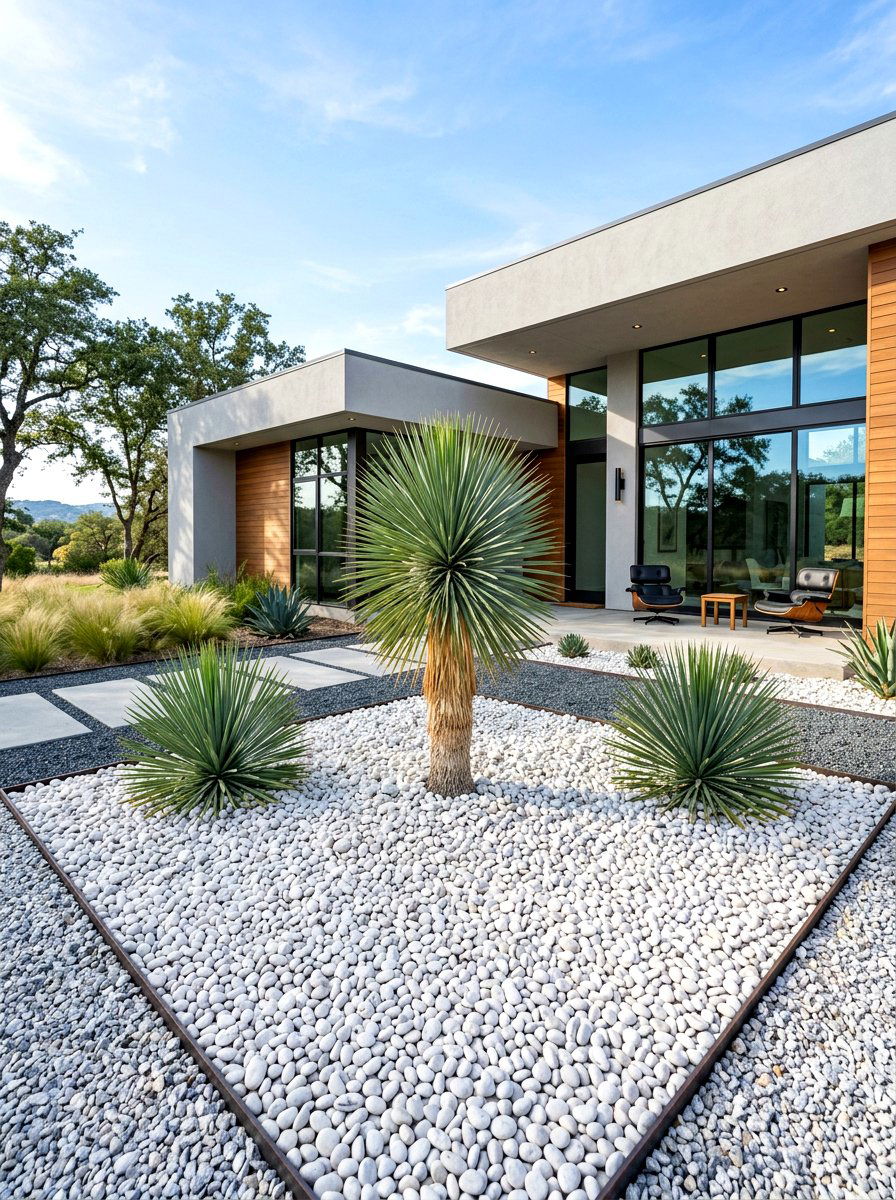
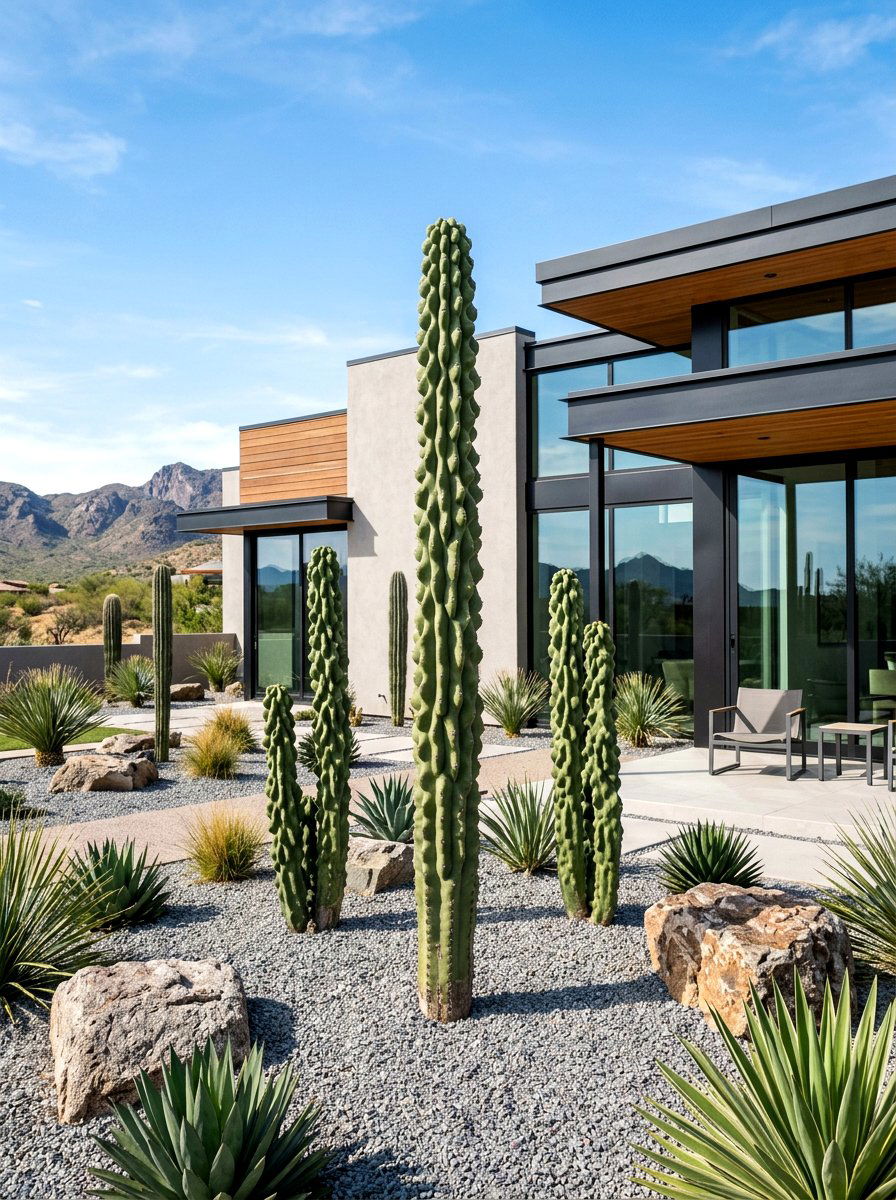
A minimalist gravel landscape focuses on clean lines, negative space, and a limited color palette. This design often features a uniform layer of gray or white gravel with a few carefully placed architectural plants like yuccas or ornamental grasses. The simplicity of the layout makes the space feel larger and more organized. It is an excellent choice for modern homes where a busy, flowering garden might feel out of place. Because there is so much open stone, maintenance is incredibly low, usually requiring only a quick rake or occasional weeding. This sophisticated look is highly effective at creating a polished and high-end feel for your property's street-side edge.
21. Bird and butterfly garden curb
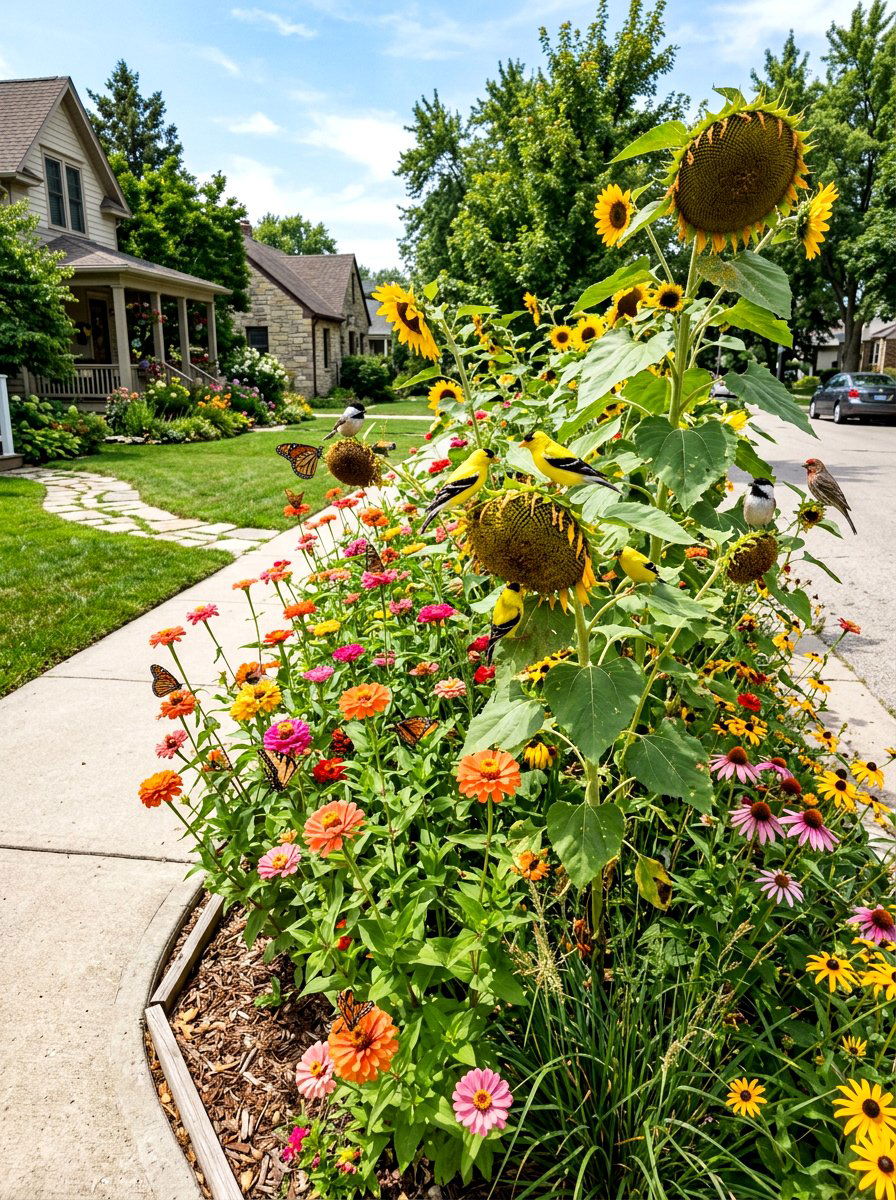
A bird and butterfly garden curb is specifically designed to attract and nourish local wildlife. By planting host plants like milkweed for monarchs and nectar plants like zinnia and coreopsis, you create a vibrant ecosystem. You can also include a small, stable bird bath or a flat stone for butterflies to sun themselves. The variety of colors and movements from visiting creatures makes the garden a fascinating place to watch. This type of landscaping educates the neighborhood about the importance of nature in urban settings. It turns a narrow strip of dirt into a meaningful habitat that supports the life cycles of beautiful and essential insects and birds.
22. Rain garden hellstrip drainage
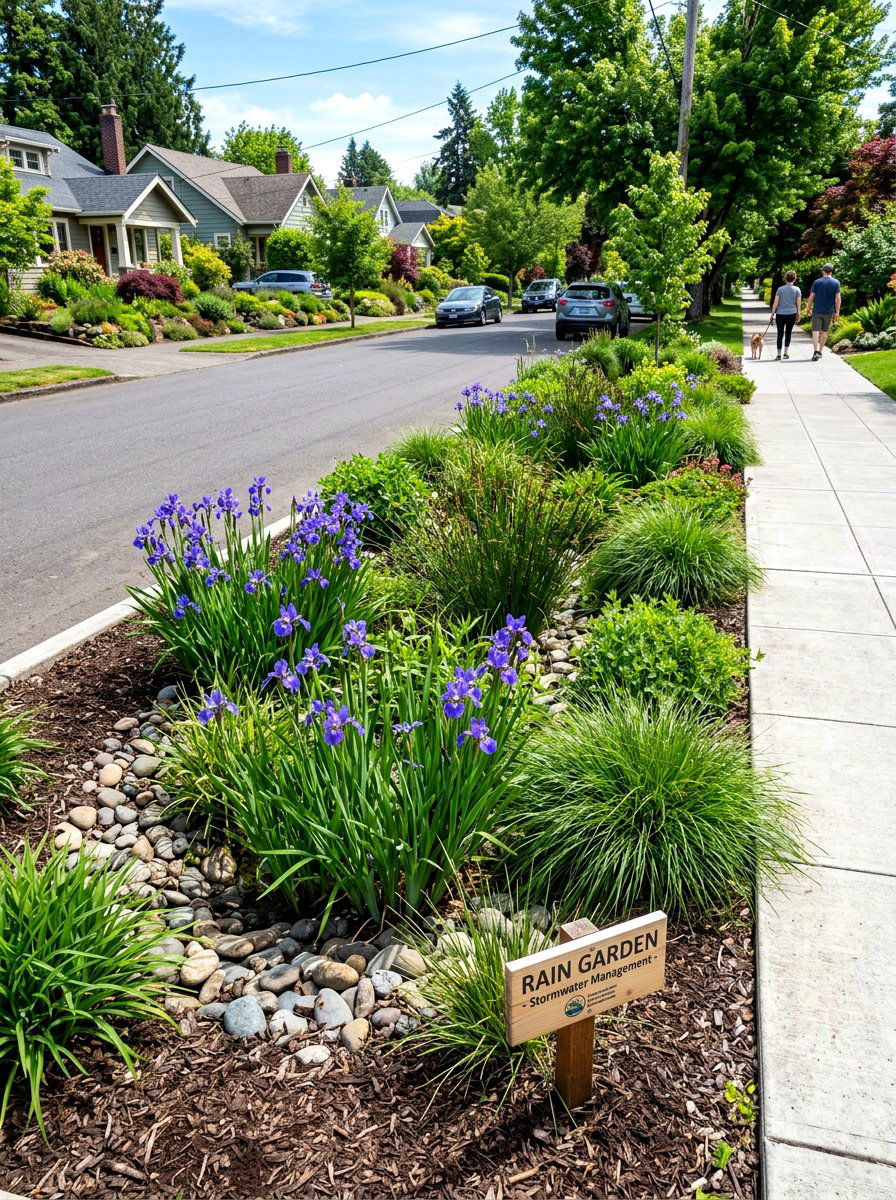
Designing a rain garden hellstrip drainage system is a smart way to manage stormwater runoff from your sidewalk and street. By creating a slight depression and planting moisture-loving, deep-rooted plants, you allow rainwater to soak slowly into the ground. This prevents pollutants from entering the storm drains and replenishes the local groundwater. Plants like swamp milkweed, sedges, and Siberian iris are perfect for these conditions. They can handle being briefly submerged and then drying out between rain events. This functional landscape is not only beautiful but also serves a critical environmental purpose. It is a proactive way to make your property more sustainable while adding lush, water-loving greenery to your curb.
23. Formal boxwood sidewalk border
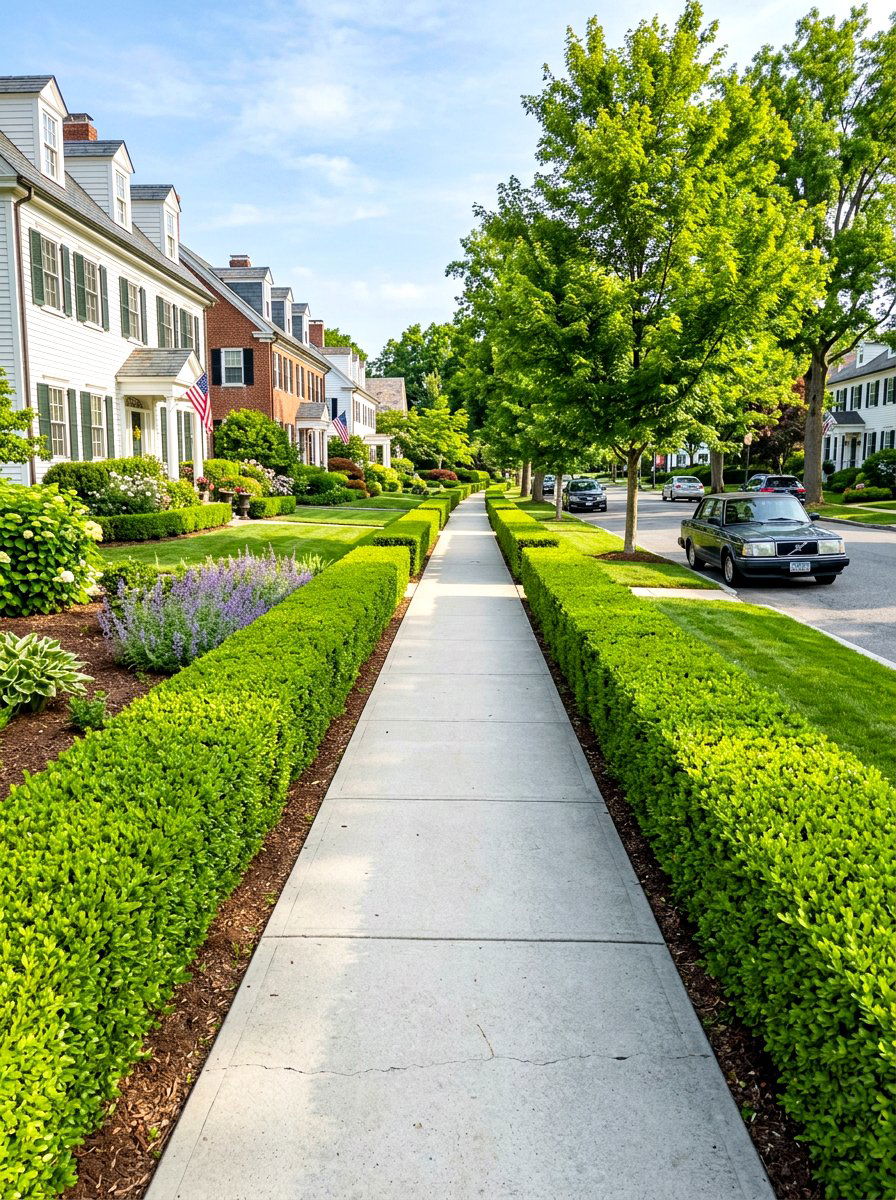
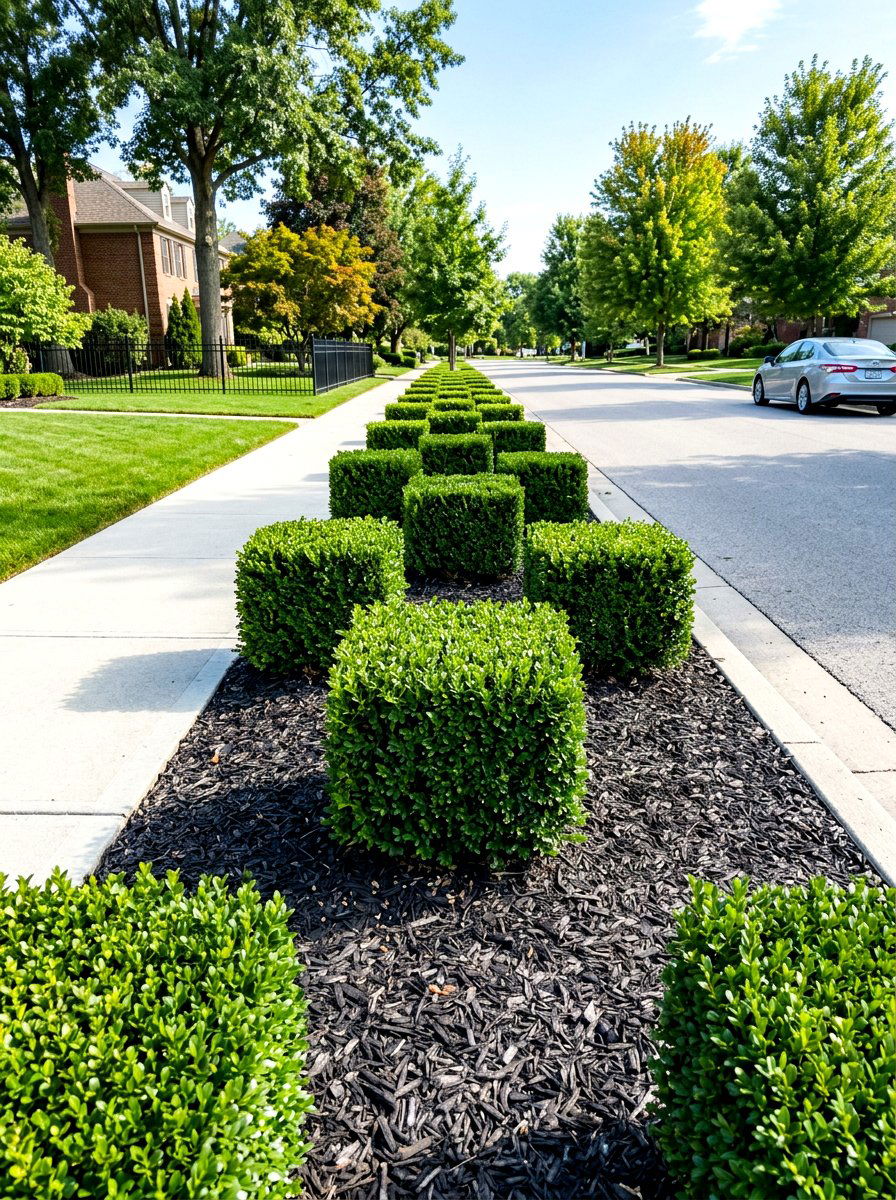
A formal boxwood sidewalk border provides a timeless and structured look for your home's exterior. Keeping these evergreens neatly trimmed into low hedges creates a crisp, clean boundary between the sidewalk and the street. This design works particularly well with traditional or colonial-style architecture. You can plant colorful annuals or perennials behind the hedge for a classic layered effect. Boxwoods stay green all year round, ensuring your hellstrip looks polished even in the middle of winter. This style is perfect for homeowners who prefer a very orderly and controlled landscape. It offers a high-end, sophisticated curb appeal that is always in style and easy to maintain with regular clipping.
24. Colorful sun loving perennials
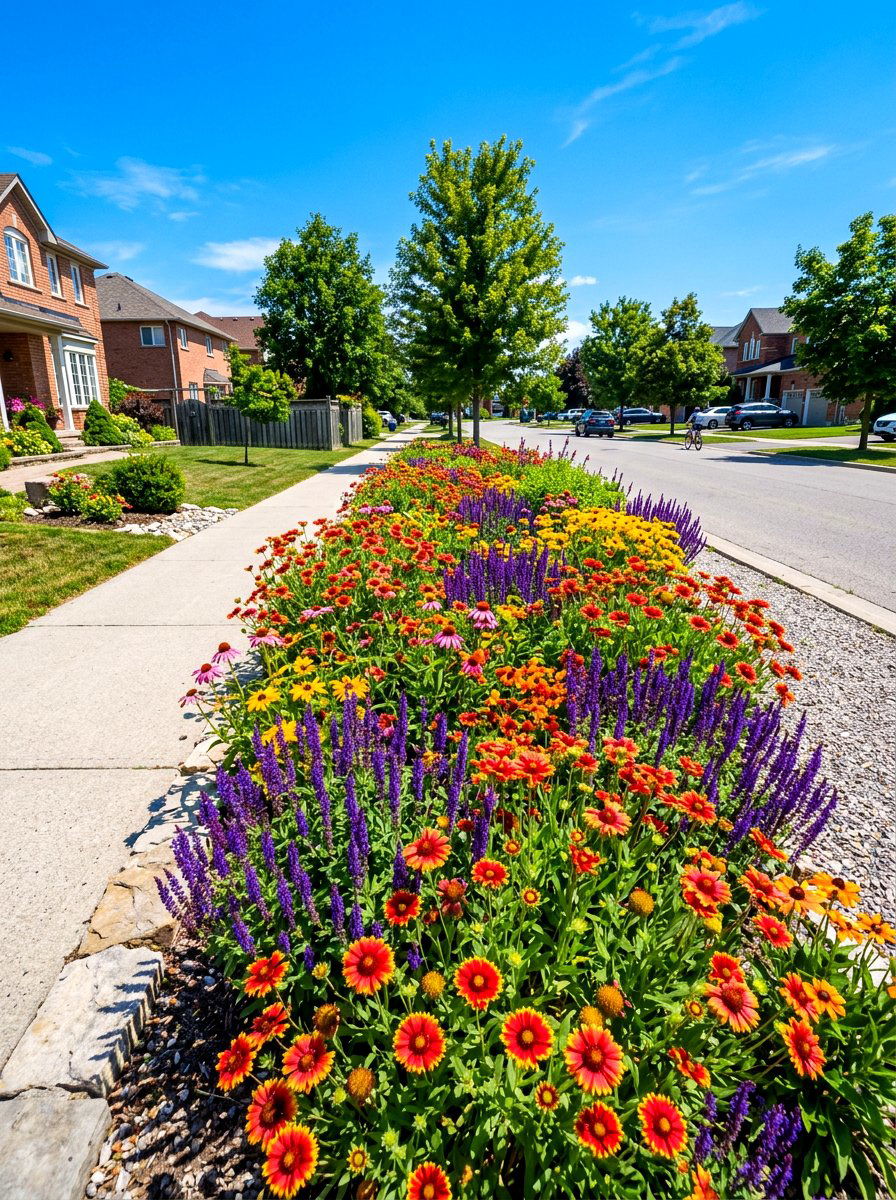
Filling your curb with colorful sun loving perennials ensures a bright and cheerful welcome every day. Varieties like gaillardia, coreopsis, and purple coneflower thrive in the intense light of an open street. You can mix different bloom shapes and colors to create a high-contrast, energetic display. These plants are generally very tough and can handle the reflective heat from the pavement without wilting. Using a variety of species also helps ensure that if one plant struggles, the others will still keep the garden looking full. This approach creates a dense, flowering border that significantly enhances the visual appeal of your entire street for neighbors and visitors alike.

25. Rustic timber raised beds
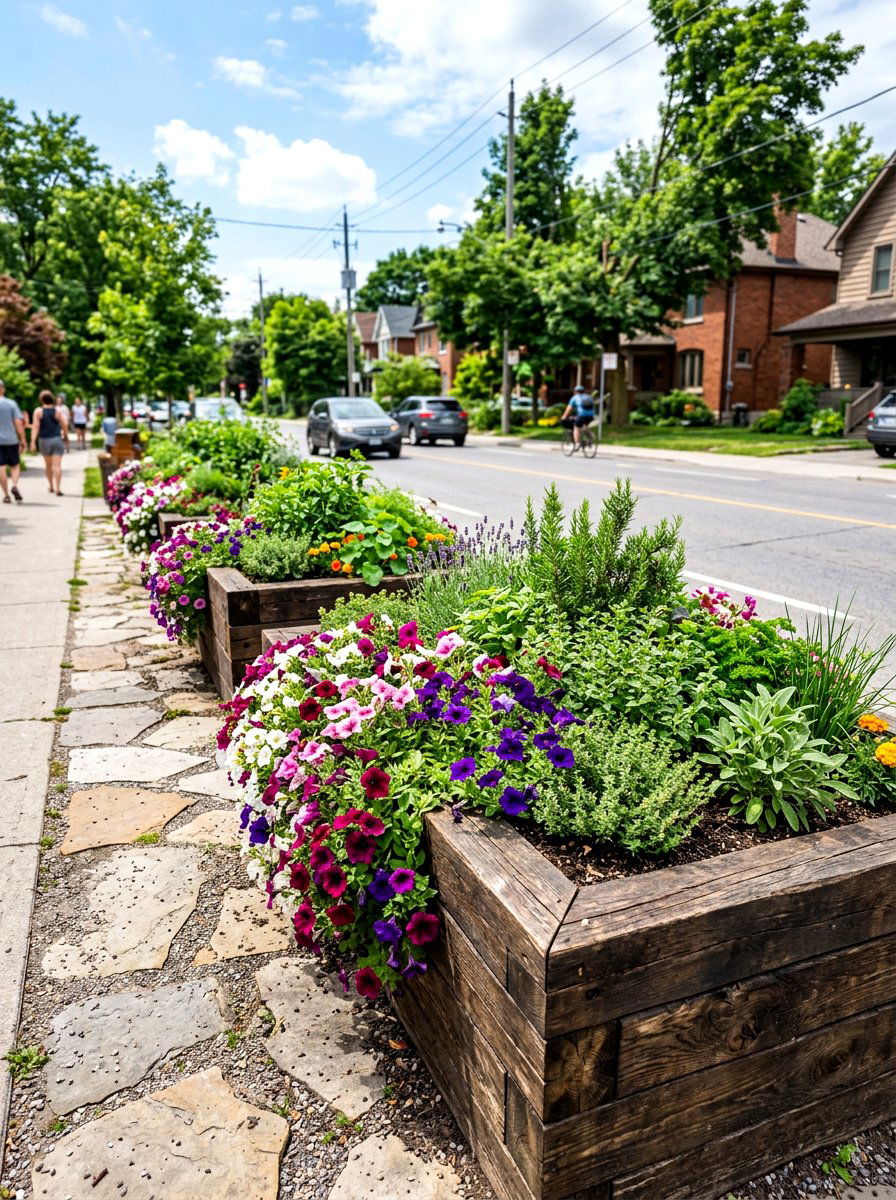
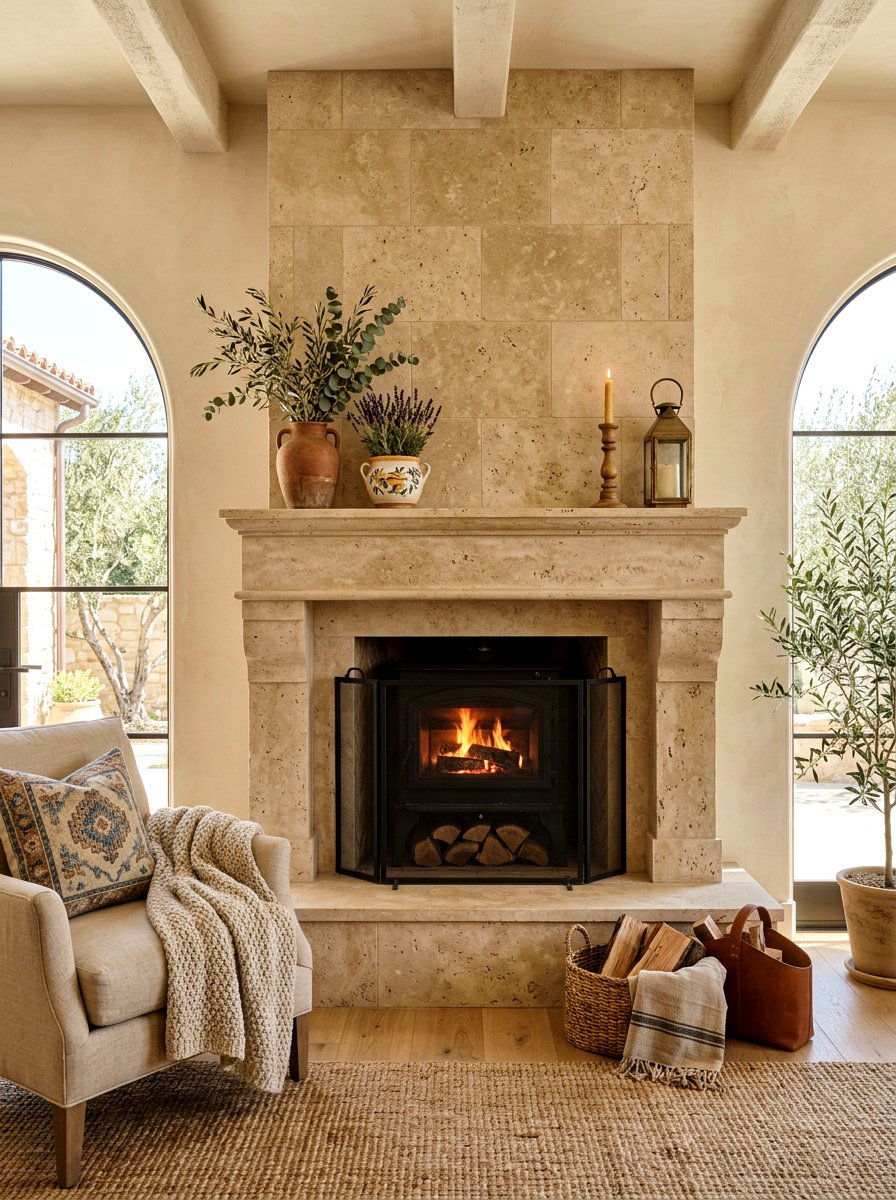
Using rustic timber raised beds adds a warm, organic feel to your curbside landscaping. The natural texture of the wood contrasts beautifully with the hard concrete of the sidewalk and the soft greenery of the plants. You can use cedar or reclaimed wood to build sturdy boxes that elevate your garden above the street level. This elevation helps prevent soil compaction and protects your plants from road salt and debris. Filled with a mix of trailing flowers and upright herbs, these beds look like deliberate pieces of outdoor furniture. It is a wonderful way to bring a touch of the countryside to an urban or suburban street environment.
26. Fragrant herb garden strip
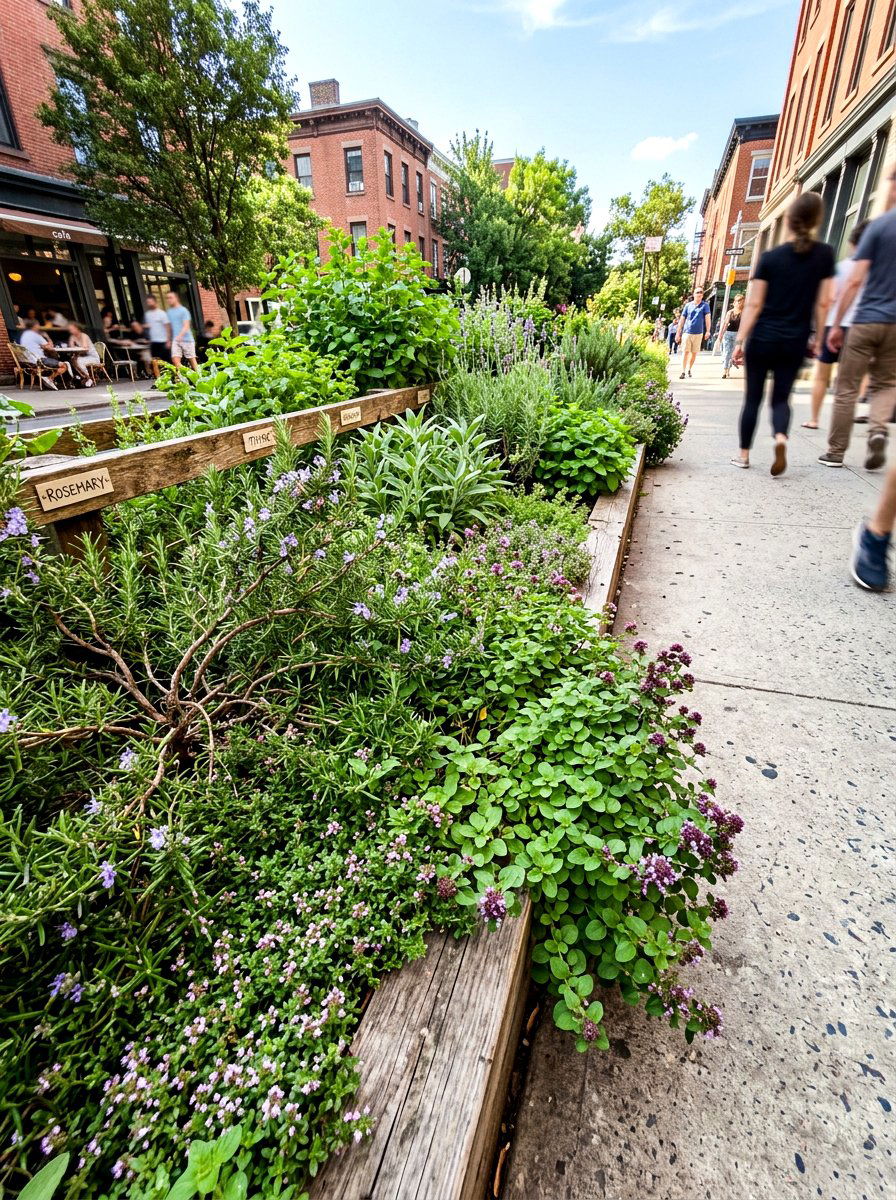
A fragrant herb garden strip is a multi-sensory experience for everyone who passes by. Planting herbs like rosemary, thyme, oregano, and lavender creates a kitchen garden right at your curb. These plants are often very drought-tolerant and love the full sun provided by the open street. As people walk past, their movement or a light breeze will release the wonderful scents of the foliage. Many herbs also produce beautiful, small flowers that attract bees and butterflies. This practical design allows you to harvest fresh seasonings for your cooking while maintaining a beautiful and low-maintenance landscape. It turns an underutilized space into a productive and aromatic asset for your home.
27. Desert landscape sidewalk parkway
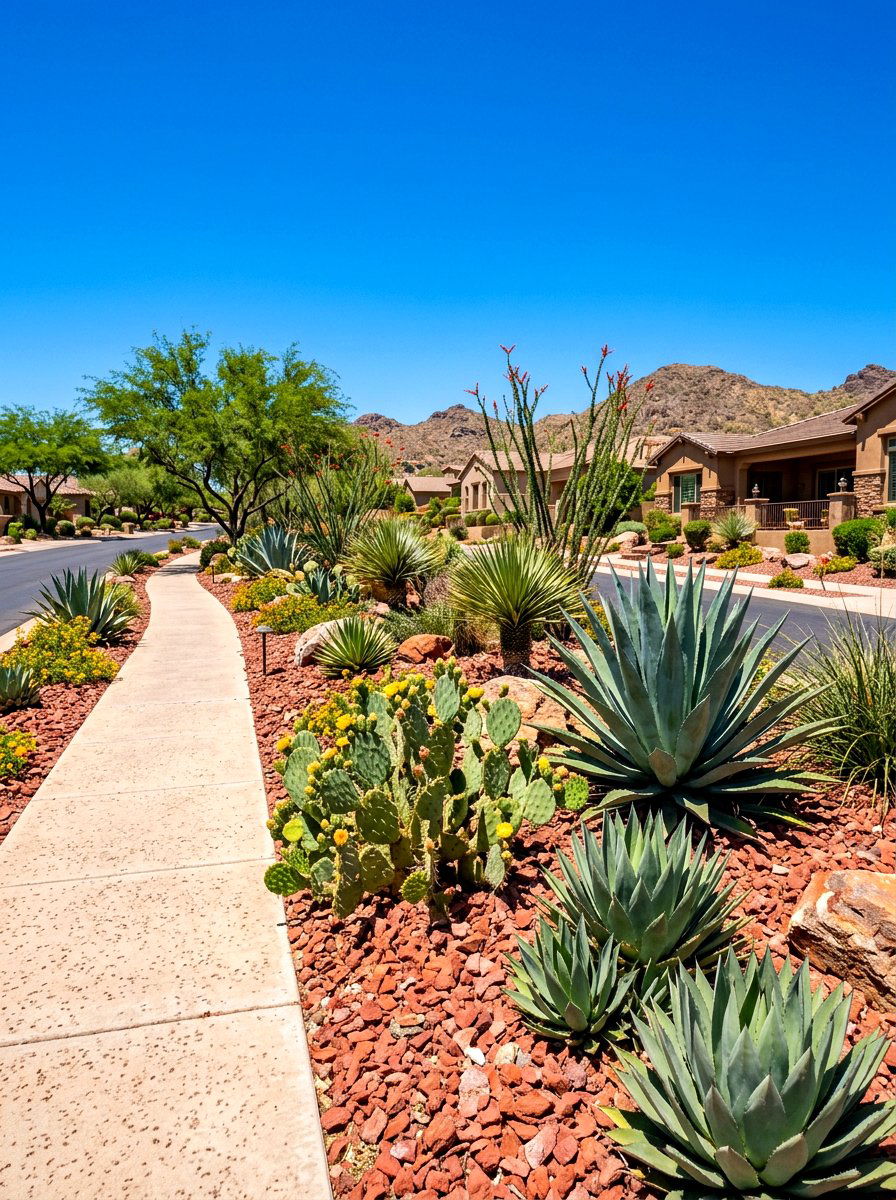
A desert landscape sidewalk parkway is the ultimate low-water solution for hot and dry climates. This design features heat-loving plants like agave, prickly pear cactus, and palo verde trees. Surrounded by decomposed granite or desert stones, these plants create a striking, sculptural look. The different shades of tan, red, and orange in the rocks complement the unique greens and blues of the desert flora. This style requires almost zero supplemental water once established and is incredibly resilient to extreme temperatures. It provides a unique and beautiful aesthetic that celebrates the local environment. A desert-themed strip is a bold and sustainable statement that looks stunning with minimal effort from the gardener.
28. Coastal theme hellstrip garden
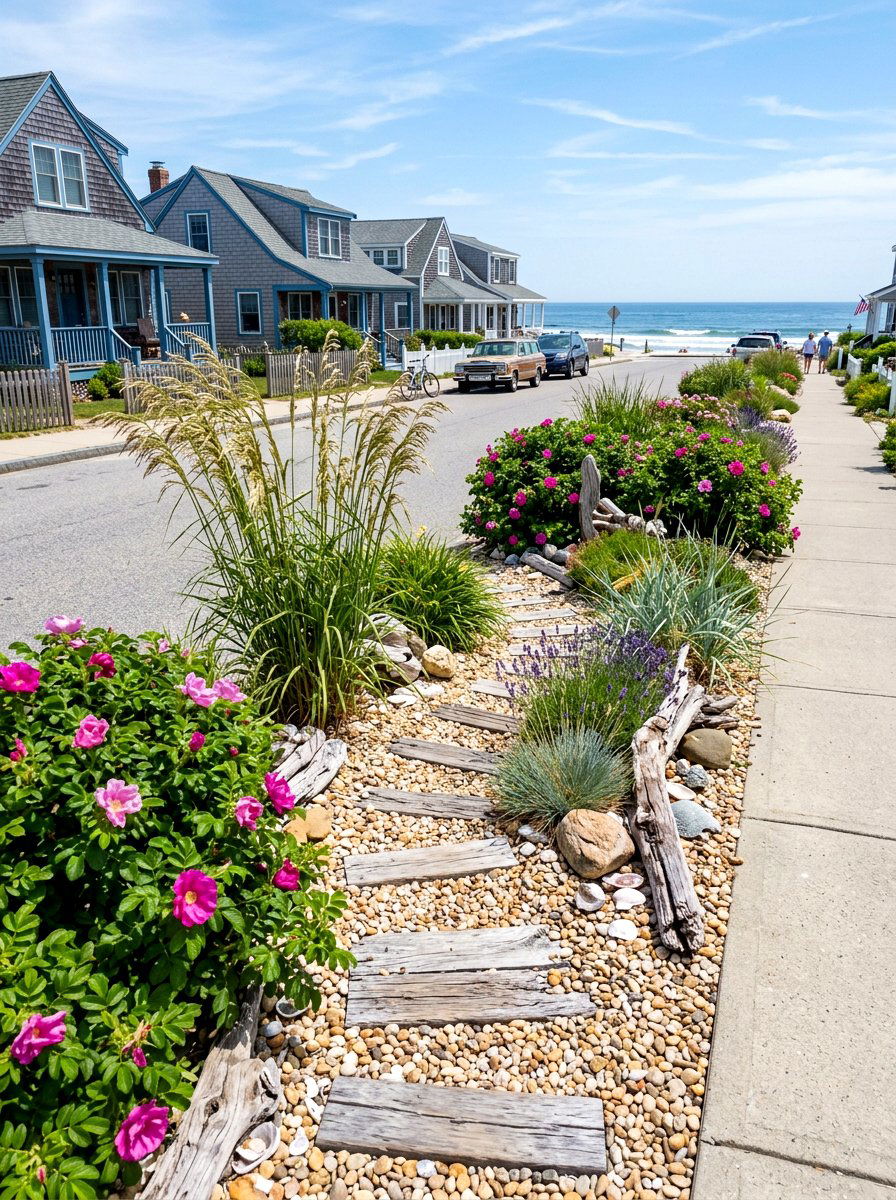
If you live near the ocean, a coastal theme hellstrip garden is a perfect way to handle salt spray and sandy soil. Use salt-tolerant plants like sea oats, rugosa roses, and bayberry to create a breezy, relaxed look. These species are naturally adapted to the wind and harsh conditions of the shoreline. You can incorporate elements like driftwood or smooth beach stones to enhance the seaside vibe. This design often features soft, muted colors like sandy beige, sage green, and pale blue. It creates a tranquil and refreshing atmosphere that makes your home feel like a beach getaway. It is a durable and beautiful solution for a challenging coastal environment.
29. Evergreens for year round color
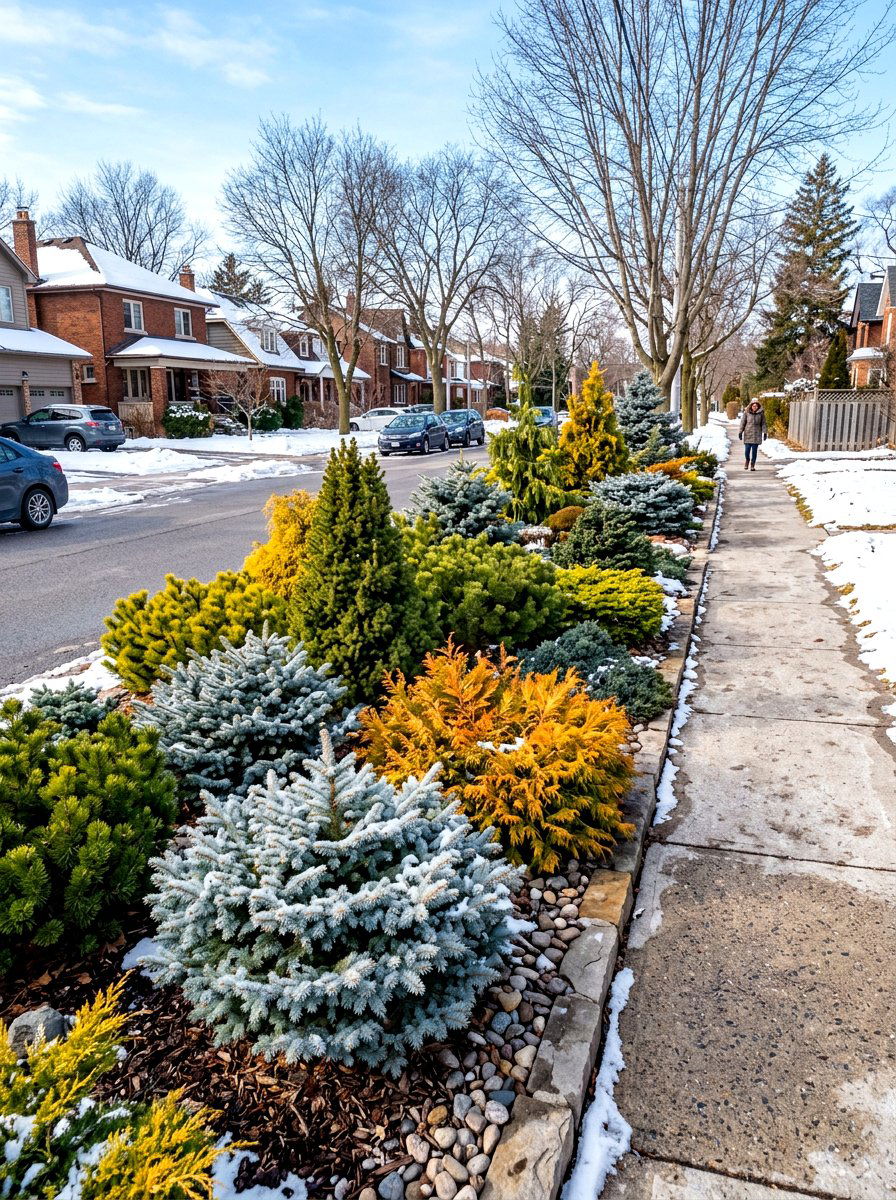
Using evergreens for year round color ensures that your hellstrip never looks barren or neglected, even in the dead of winter. Dwarf conifers, creeping junipers, and evergreen hollies provide a constant structure and shades of green, blue, and gold. You can mix different textures and growth habits to keep the design interesting throughout the seasons. These plants are typically very hardy and require very little pruning to maintain their shape. They also provide important shelter for small birds during the colder months. This permanent landscaping choice is ideal for those who want a high-impact look that stays vibrant and healthy every single day of the year without fail.
30. Wild meadow sidewalk planting
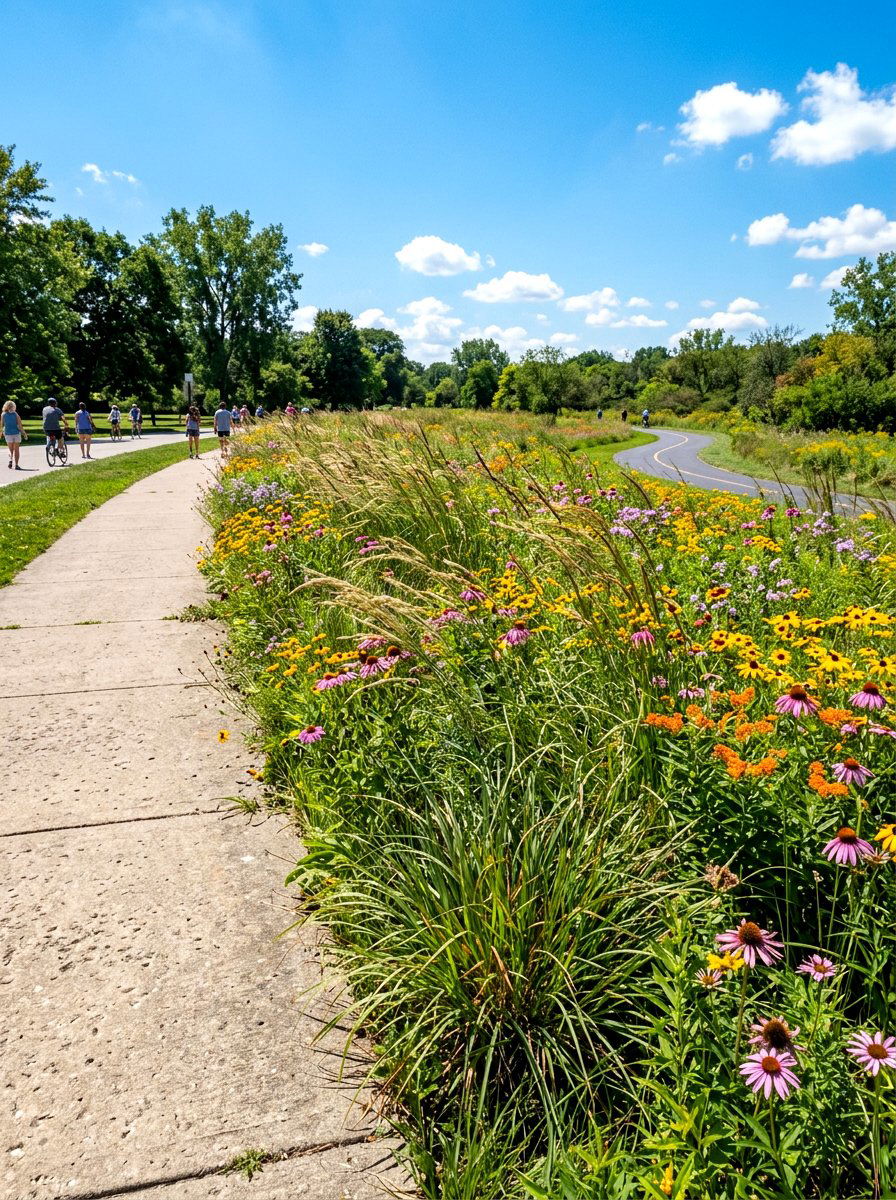
A wild meadow sidewalk planting brings the untamed beauty of a prairie to your neighborhood. This design uses a mix of native grasses and wildflowers that grow together in a natural, unscripted way. It is a low-maintenance approach that encourages a diverse ecosystem of plants and insects. The tall grasses sway in the wind, adding a sense of movement and sound to the streetscape. This style is perfect for homeowners who appreciate a more relaxed, natural aesthetic over formal, manicured lawns. It provides a seasonal display that changes from the fresh greens of spring to the golden hues of autumn. It is a beautiful way to reconnect with nature right at your curb.
Conclusion:
Transforming your hellstrip is a rewarding project that benefits both your home and the local environment. By moving away from traditional grass and embracing hardy, drought-tolerant plants, you save water and reduce your weekly maintenance chores. These thirty ideas demonstrate that even the most difficult growing spaces can become beautiful, functional gardens. Whether you choose a formal boxwood border, a productive herb garden, or a wild pollinator haven, your efforts will surely inspire your neighbors. A well-designed curbside garden turns a forgotten patch of dirt into a vibrant landscape that greets you every time you come home. Start planning your parkway makeover today to create a lasting, positive impact on your street.

Related posts: