Creating a beautiful sidewalk garden is one of the most effective ways to boost your home’s curb appeal and bring a touch of nature to your neighborhood. Often called a "hellstrip" due to the harsh growing conditions between the street and the sidewalk, this narrow patch of land offers incredible potential for creative landscaping. Whether you prefer a lush cottage look or a sleek modern aesthetic, transforming this space can improve local biodiversity and provide a welcoming sight for passersby. By choosing the right plants and materials, you can turn a neglected strip of grass into a thriving, vibrant ecosystem that reflects your personal style and enhances your entire property.

1. Low maintenance hellstrip plants
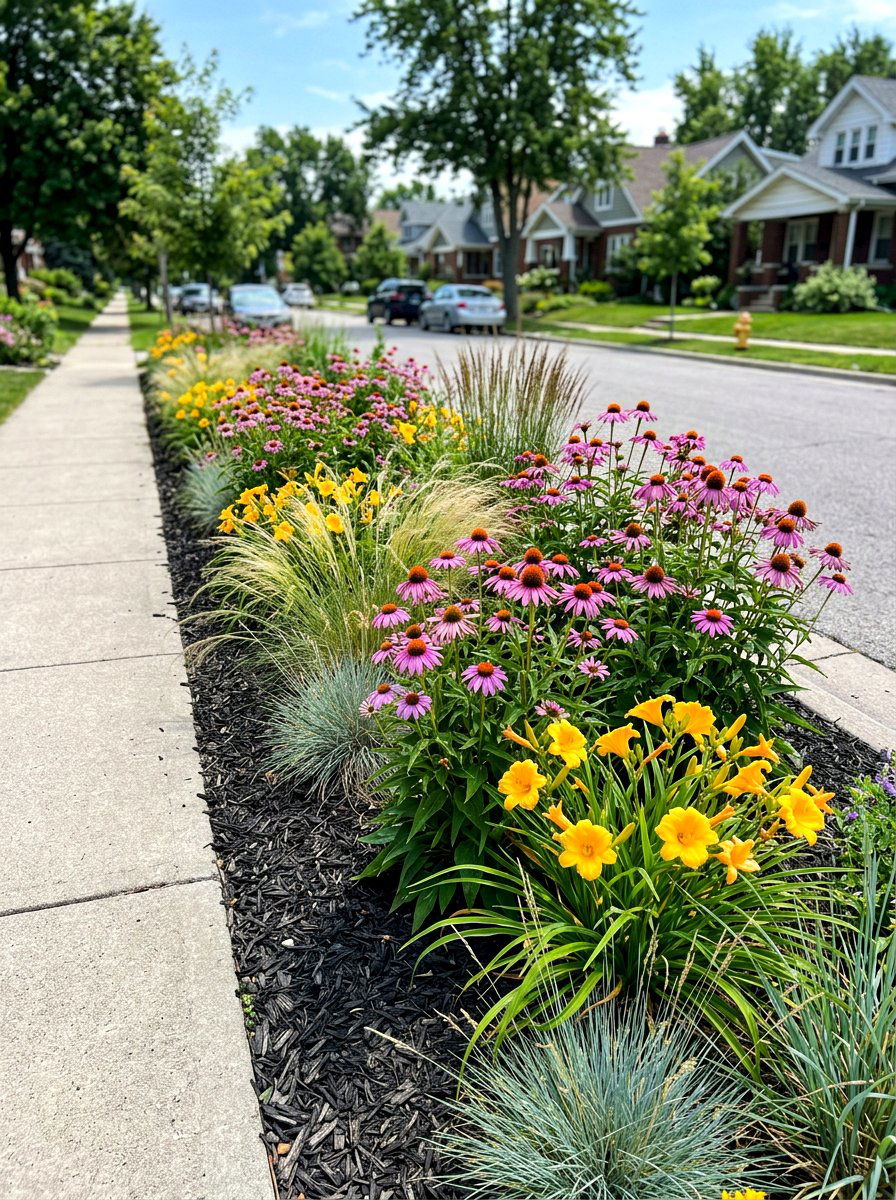
Selecting the right plants for the narrow strip between the sidewalk and the street is crucial for long-term success without constant upkeep. Many homeowners opt for hardy perennials like daylilies or coneflowers because they can withstand heat and occasional neglect while providing seasonal color. These plants thrive in full sun and require minimal watering once they are fully established in the soil. Incorporating ornamental grasses adds texture and movement, creating a dynamic look that changes with the breeze throughout the year. By choosing species that are naturally resistant to pests and diseases, you spend less time working and more time enjoying your beautiful outdoor space.
2. Modern gravel strip landscaping
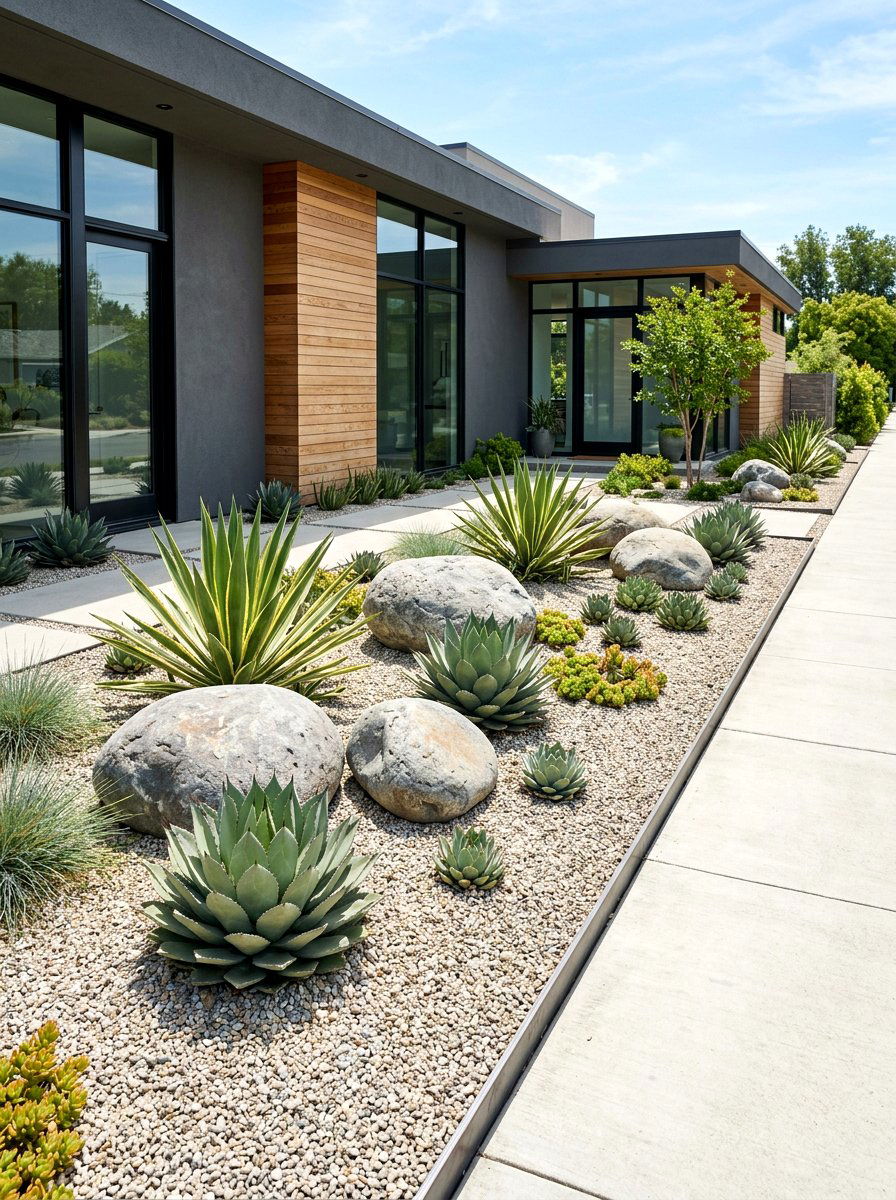
Modern landscaping often utilizes gravel and stones to create a clean, minimalist look that is both stylish and highly functional. Using light-colored pea gravel or crushed granite provides a neutral backdrop that makes architectural plants like agaves or ornamental grasses stand out. This approach is particularly effective for sidewalk areas because it eliminates the need for regular mowing and reduces water consumption significantly. You can arrange larger boulders as focal points to add height and interest to the flat strip. This design works exceptionally well for contemporary homes, offering a sophisticated and low-maintenance solution that keeps the entryway looking sharp and tidy.
3. Native wildflower curb garden
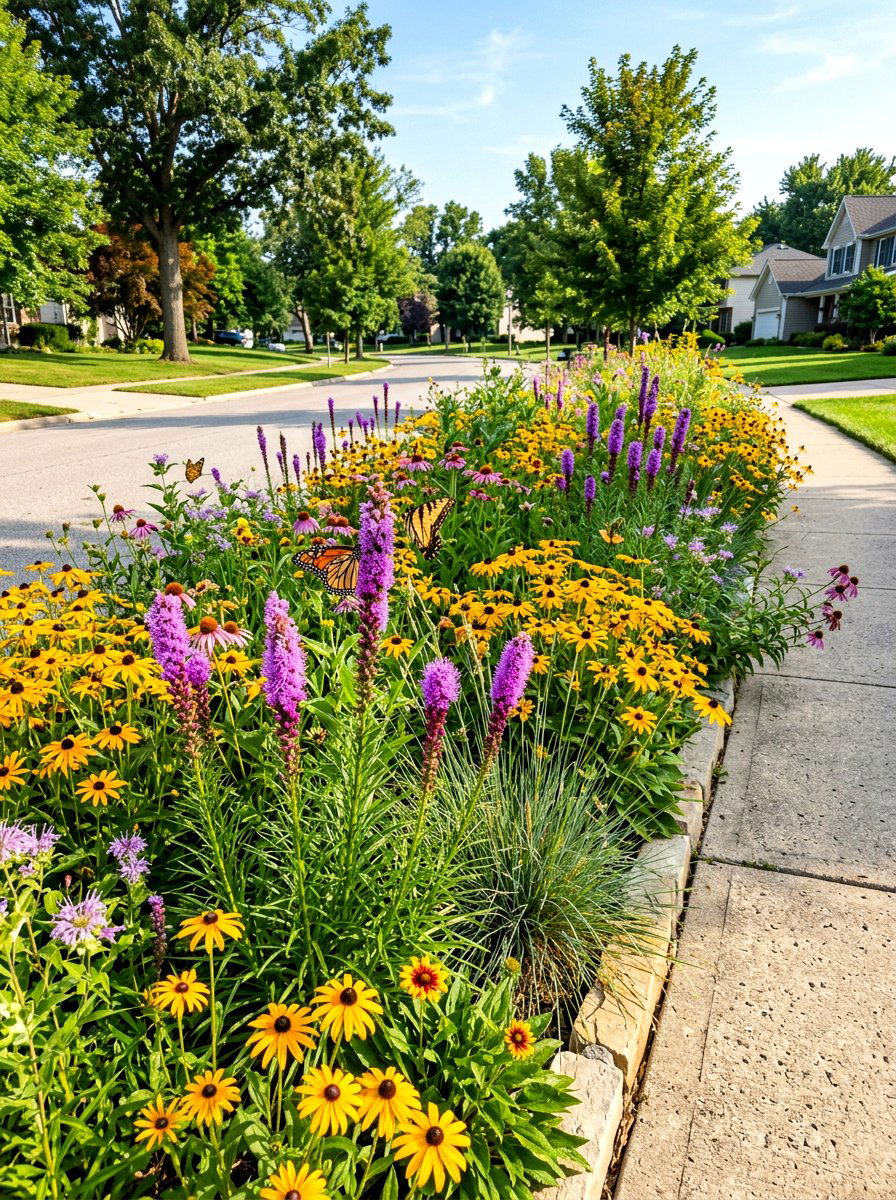
Planting a native wildflower garden along your sidewalk is a fantastic way to support local pollinators while creating a vibrant, natural look. Native species are already adapted to your local climate and soil conditions, which means they generally require less water and fertilizer than exotic plants. Black-eyed Susans, purple coneflowers, and blazing stars provide a stunning display of color from spring through fall. These plants also offer essential food sources for bees and butterflies, turning your sidewalk into a mini wildlife sanctuary. A wildflower border feels wild and free, bringing a sense of the prairie or meadow directly to your urban or suburban street.
4. Drought tolerant sidewalk plants
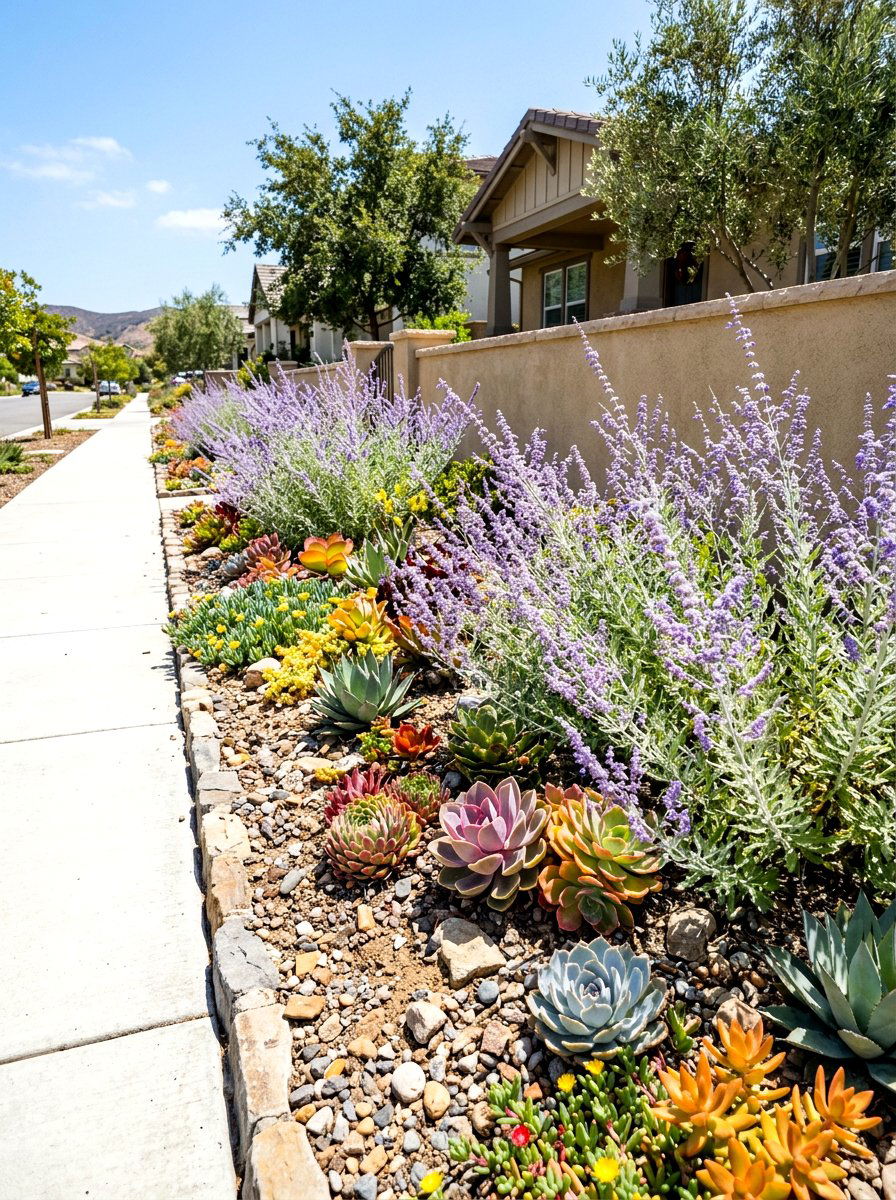
Drought-tolerant plants are an ideal choice for sidewalk gardens because these areas often receive reflected heat from the pavement and street. Succulents, yarrow, and Russian sage are excellent candidates that can survive long periods without supplemental watering. These resilient species often have silver or waxy foliage that helps them retain moisture and stay cool in the sun. By grouping plants with similar water needs together, you create a water-wise landscape that remains lush and healthy even during the hottest months of summer. This sustainable approach saves money on utility bills while ensuring your curb appeal stays high without the need for constant irrigation.
5. Cottage style front walkway flowers
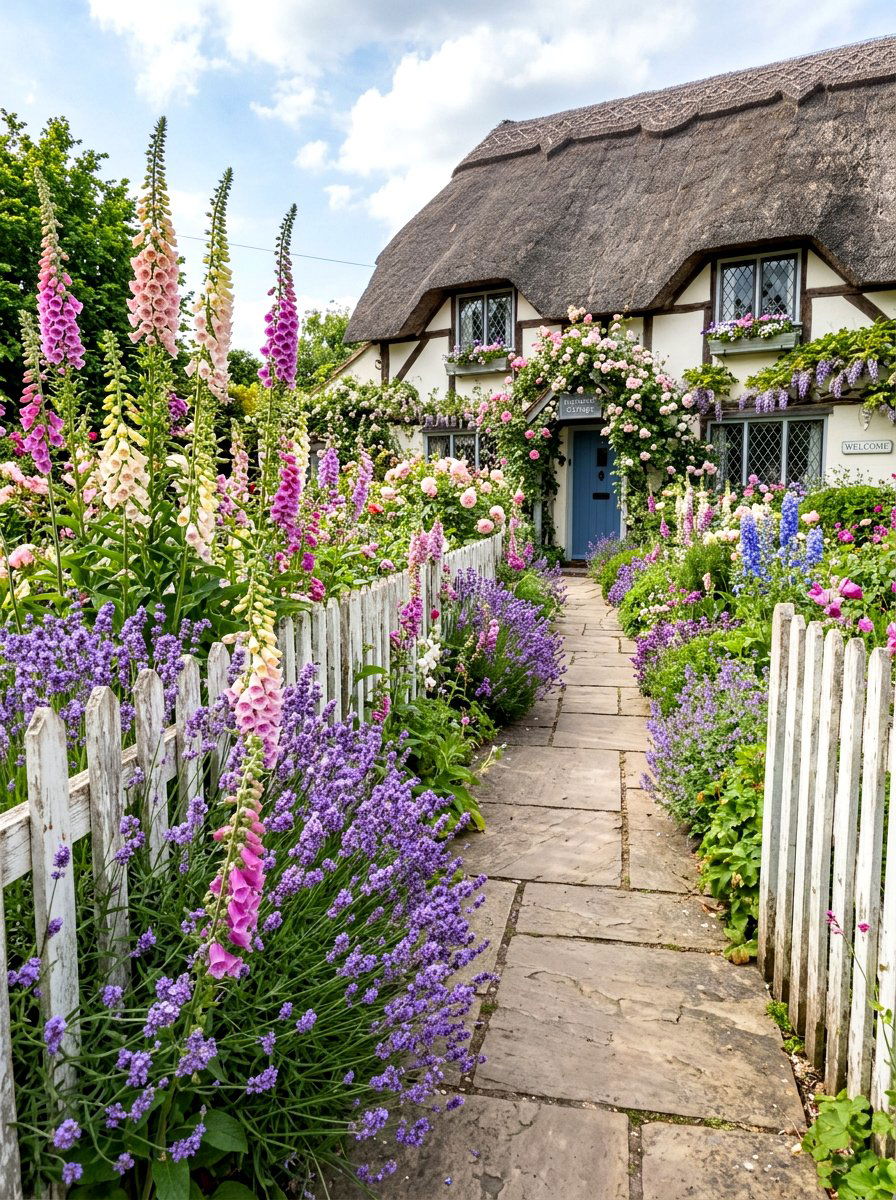
A cottage-style garden along the sidewalk creates a nostalgic and charming atmosphere that welcomes visitors with a riot of colors and textures. This design typically features a dense mix of flowering perennials like lavender, foxgloves, and roses that spill over the edges of the path. The layered planting style makes the narrow space feel much deeper and more abundant than it actually is. Using soft color palettes like pinks, blues, and whites adds to the romantic feel of the space. Adding a small picket fence or a decorative trellis can further enhance the traditional cottage aesthetic, making your home feel like a cozy retreat.
6. Edible vegetable sidewalk garden
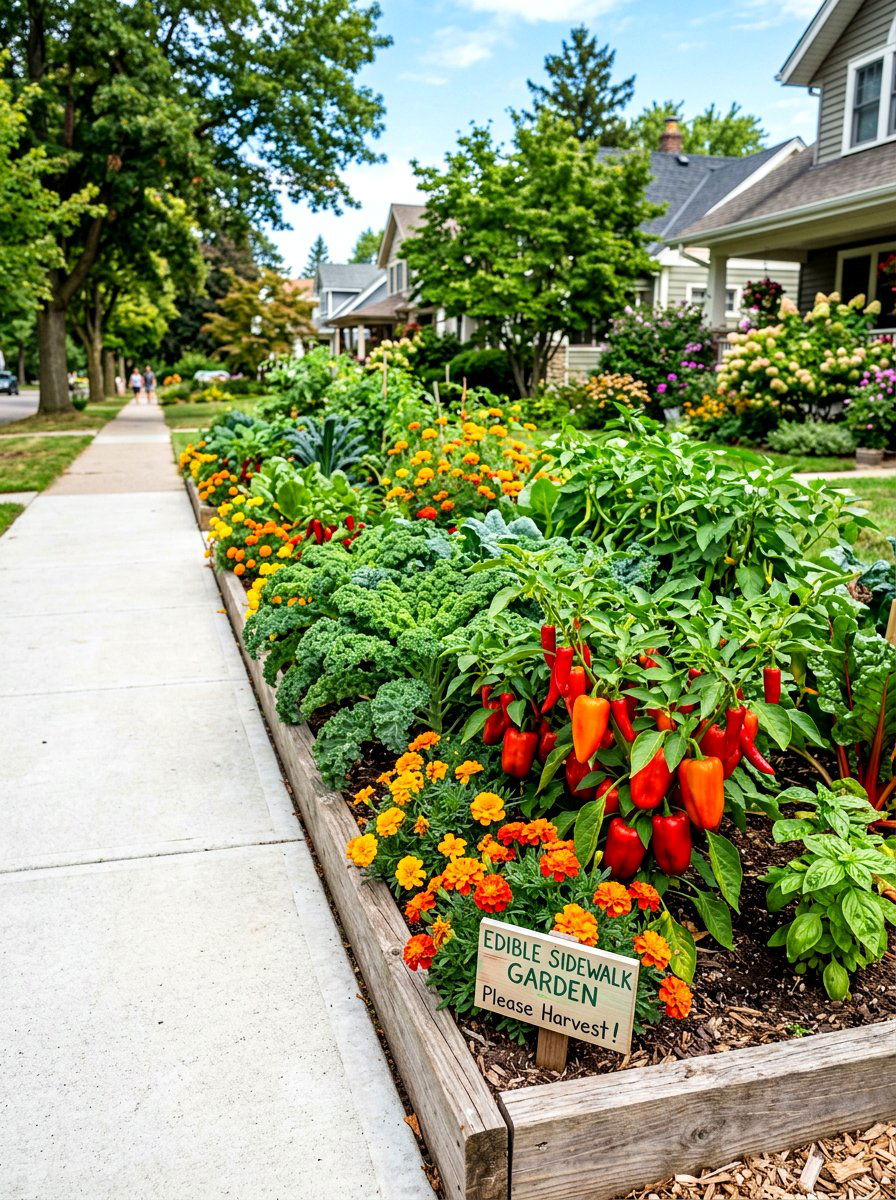
Turning your sidewalk strip into an edible garden is a practical and rewarding way to utilize every inch of your outdoor space. Many vegetables and herbs are surprisingly decorative, with colorful leaves and interesting textures that look great in a landscape. Curly kale, rainbow chard, and vibrant peppers can be mixed with marigolds to deter pests while adding visual interest. This functional approach encourages neighborhood interaction, as passersby may admire your harvest or even share in the bounty. It is important to ensure the soil is clean and to provide a small path for access so you can easily tend to your crops throughout the growing season.
7. Lavender border for sidewalk
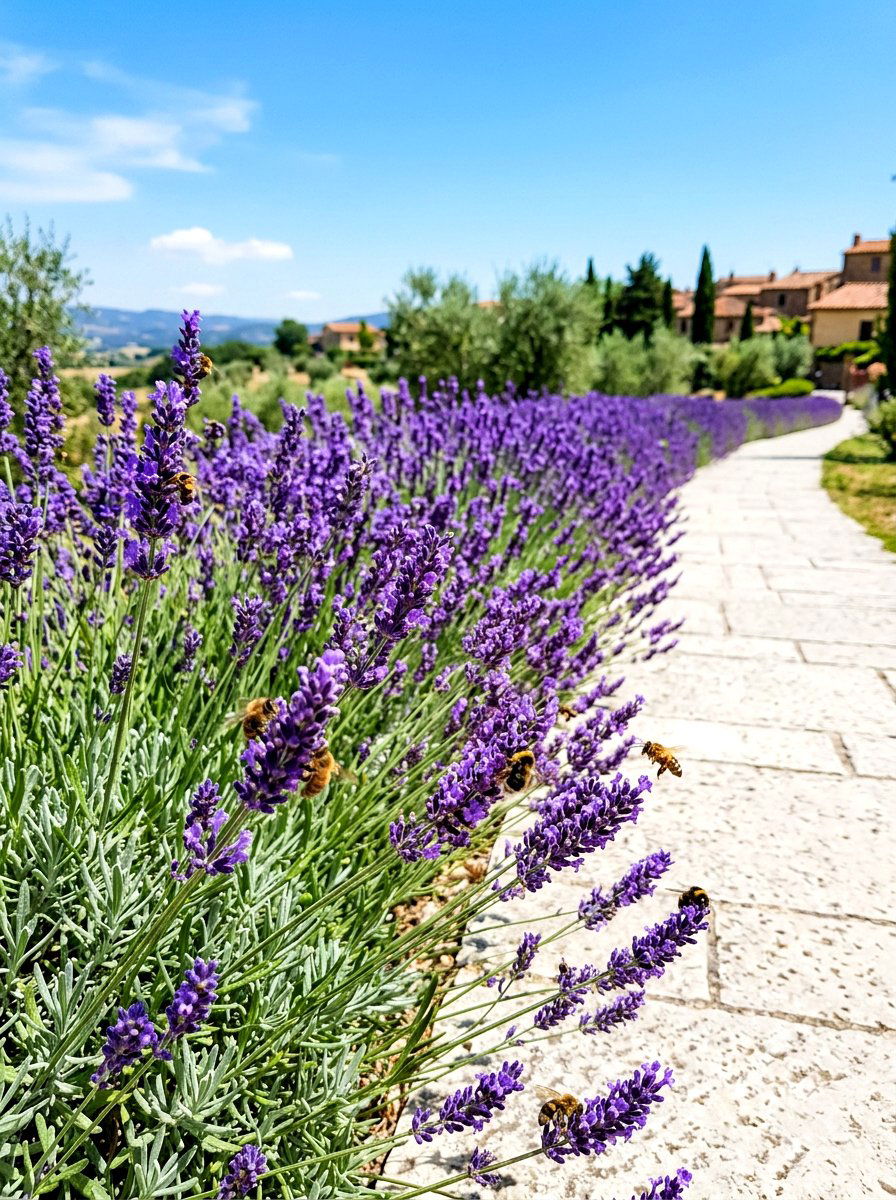
A lavender border is a classic choice for a sidewalk garden because it provides both visual beauty and a wonderful fragrance for pedestrians. Lavender plants are exceptionally hardy and thrive in the well-drained soil often found in curbside strips. When planted in a row, they create a soft, silvery-green hedge that bursts into purple blooms in early summer. The scent is calming and helps create a pleasant transition from the street to your front door. Lavender also attracts beneficial insects like bees and butterflies, making it an eco-friendly choice. Regular pruning after flowering keeps the plants compact and prevents them from becoming too woody or sparse.
8. Succulent sidewalk garden layout
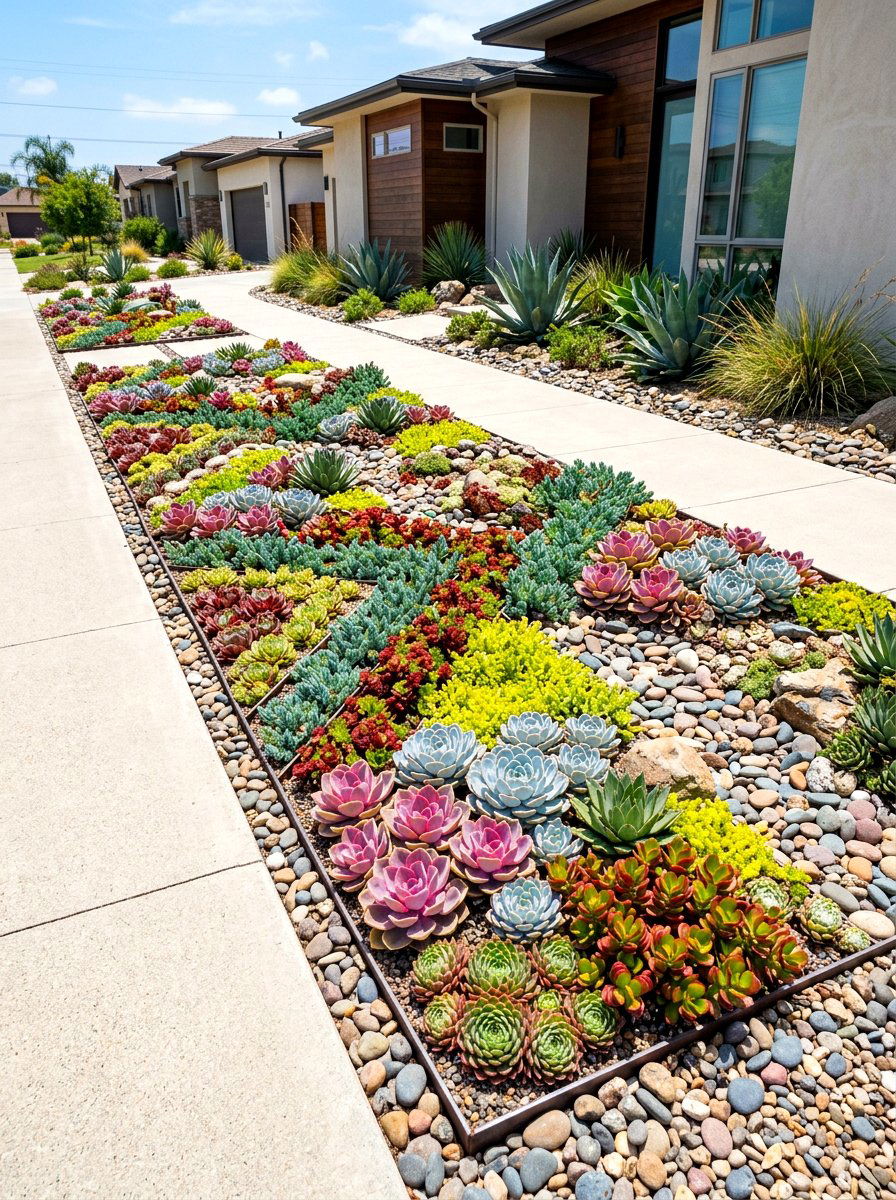
Succulents offer a unique and sculptural look that is perfect for a small, well-defined sidewalk garden layout. These plants come in a vast array of shapes, colors, and sizes, allowing you to create an intricate tapestry of foliage. Varieties like echeveria, sedum, and hen-and-chicks can be planted closely together to form a living carpet that suppresses weeds. Because succulents store water in their leaves, they are incredibly resilient to the heat and dry conditions typically found near asphalt. Using contrasting colors of gravel or small river rocks between the plants can highlight their individual forms and add a professional, finished look to the entire area.
9. Perennial ornamental grass border
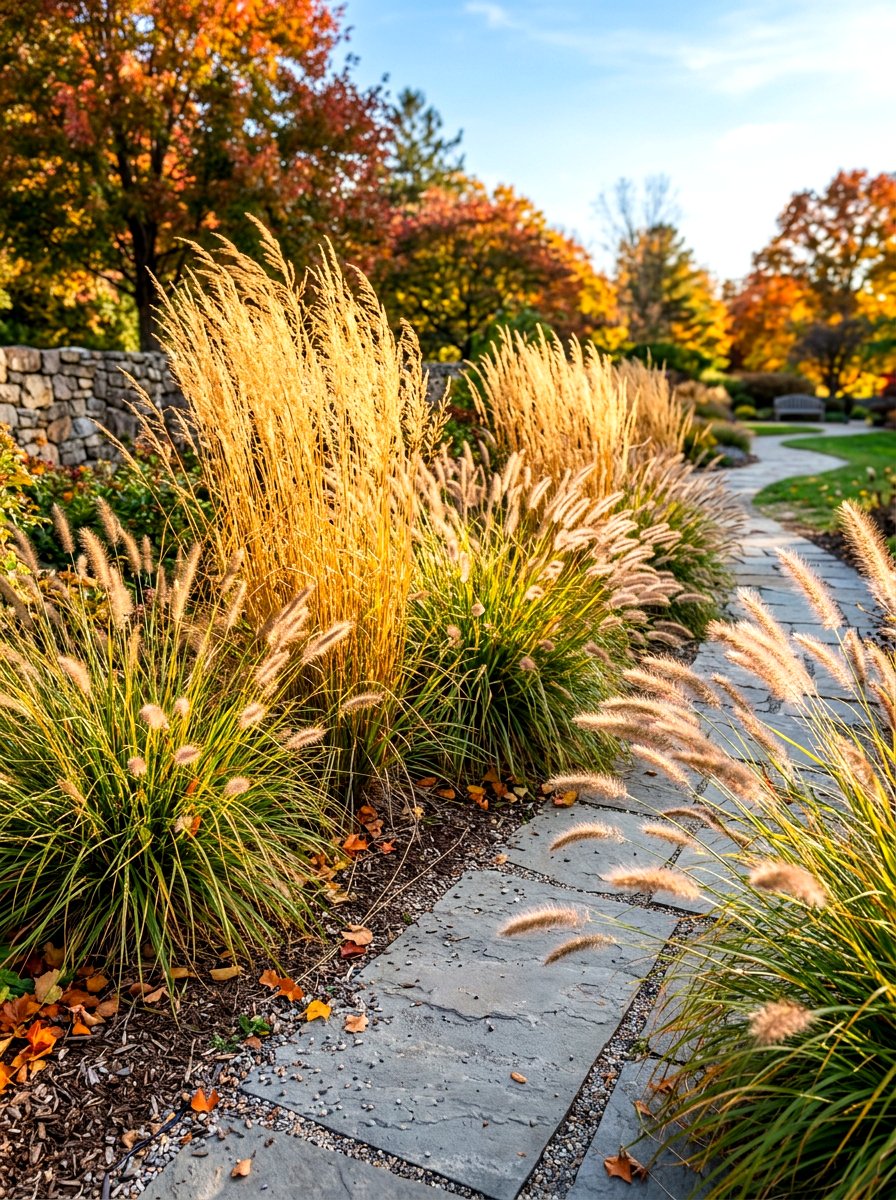
Ornamental grasses provide year-round interest and a sense of movement that few other plants can match in a sidewalk setting. Species like fescue, switchgrass, or fountain grass add height and soft textures that contrast beautifully with the hard lines of the concrete. During the autumn, many grasses turn golden or bronze, and their seed heads provide architectural interest throughout the winter months. They are generally very low-maintenance and can withstand wind and air pollution common near busy streets. Grouping different heights and colors of grasses together creates a sophisticated, modern look that remains attractive and structured regardless of the season or the weather conditions.
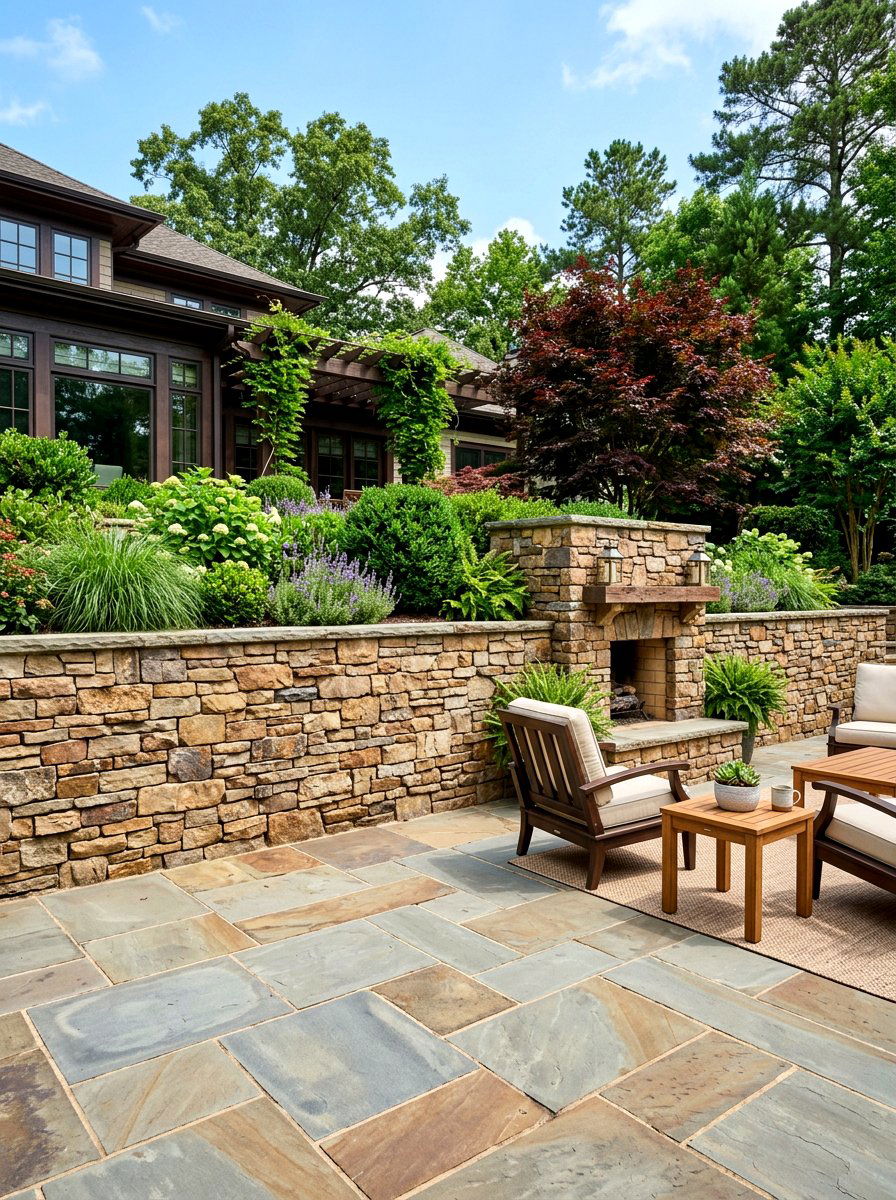
10. Raised bed sidewalk garden
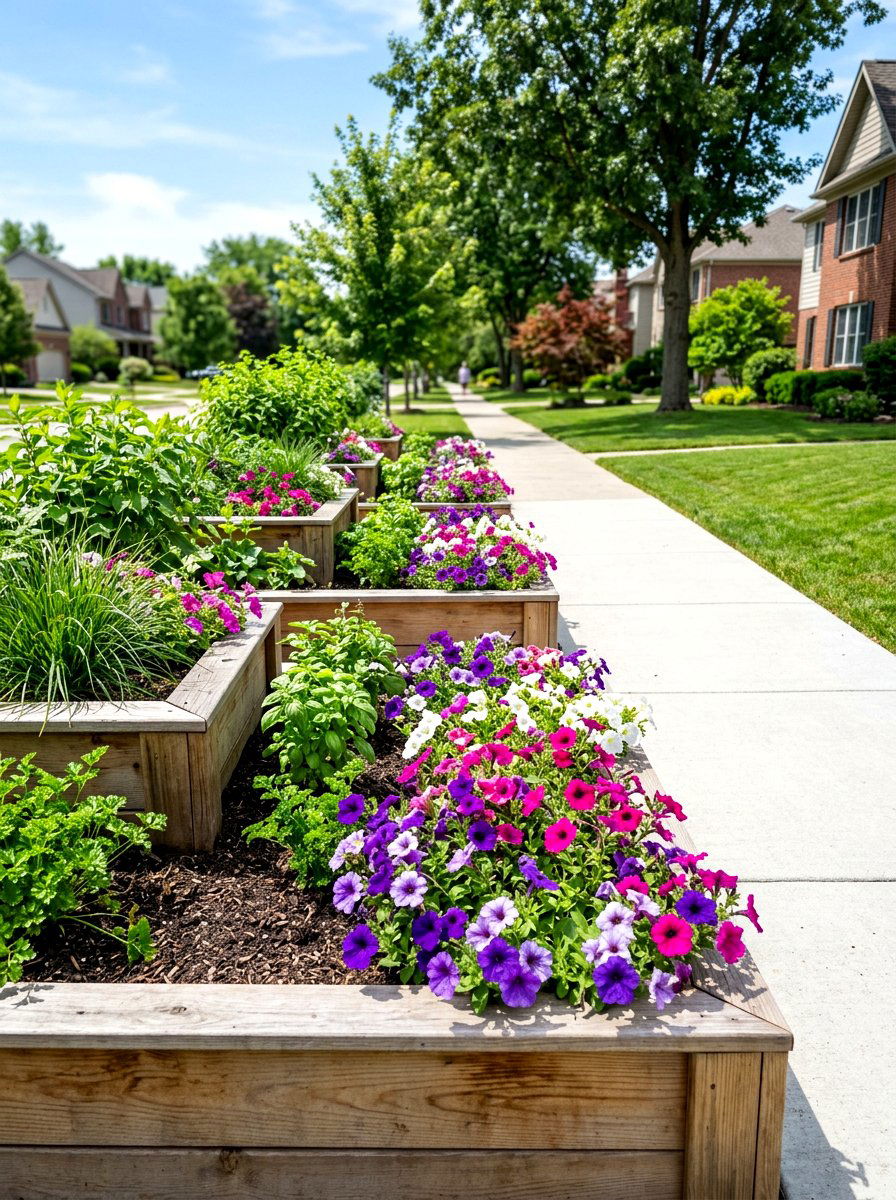
Installing raised beds along the sidewalk is a smart way to overcome poor soil quality and provide clear boundaries for your garden. These structures can be built from wood, stone, or metal to match the architectural style of your home. Raised beds allow you to fill the space with high-quality potting soil, ensuring that your plants have the best possible start. They also help keep the garden area separate from the sidewalk, preventing foot traffic from compacting the soil or damaging delicate plants. This elevated design makes maintenance tasks like weeding and planting much easier on the back and creates a very tidy, organized appearance for the street.
11. Minimalist rock garden pathway
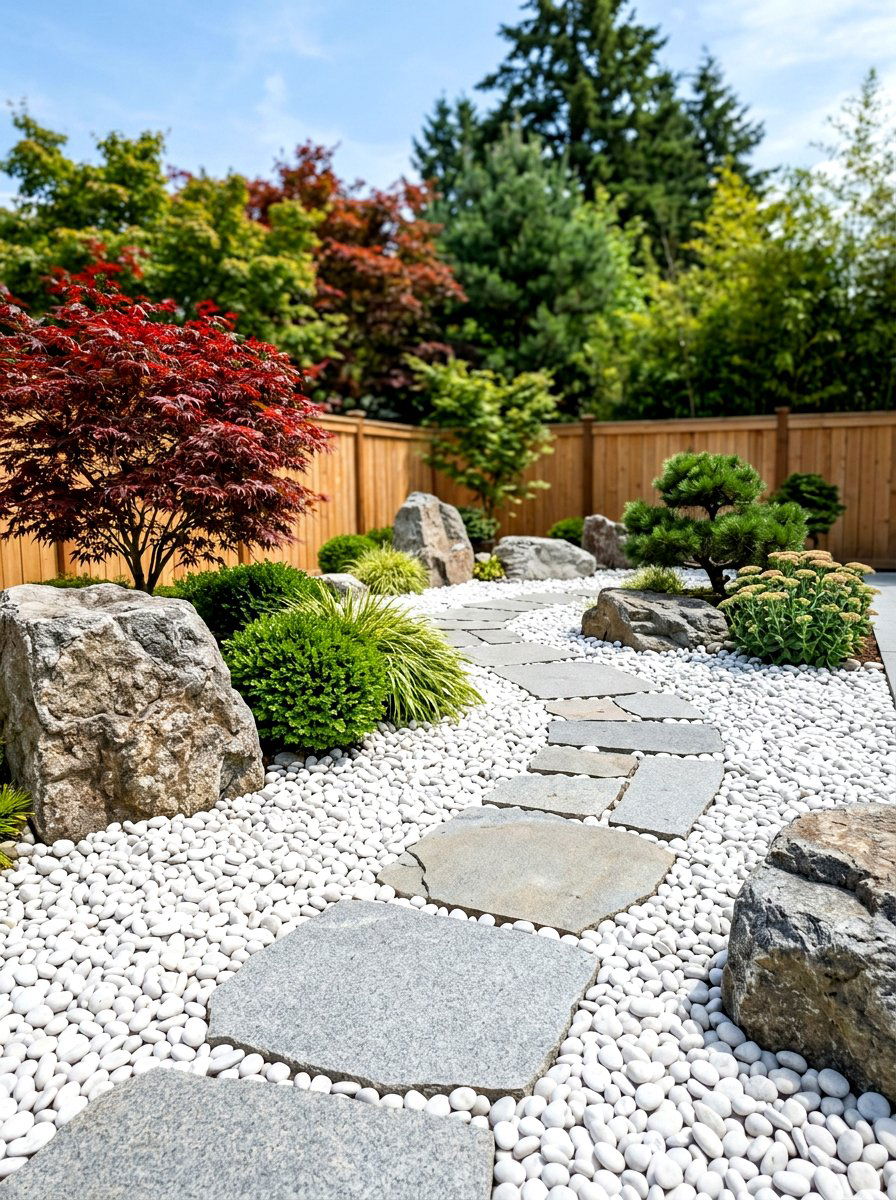
A minimalist rock garden focuses on the beauty of natural stone and a few carefully selected plants to create a serene environment. By using a mix of large boulders and smaller river rocks, you can mimic a dry creek bed or a mountain landscape. This style is exceptionally low-maintenance because it requires no mowing and very little water. Drought-resistant groundcovers can be tucked between the stones to add small pops of green and color. The simplicity of the design makes it feel spacious and uncluttered, which is ideal for small urban strips. This approach emphasizes texture and form over traditional flower beds for a timeless look.
12. Butterfly garden along sidewalk
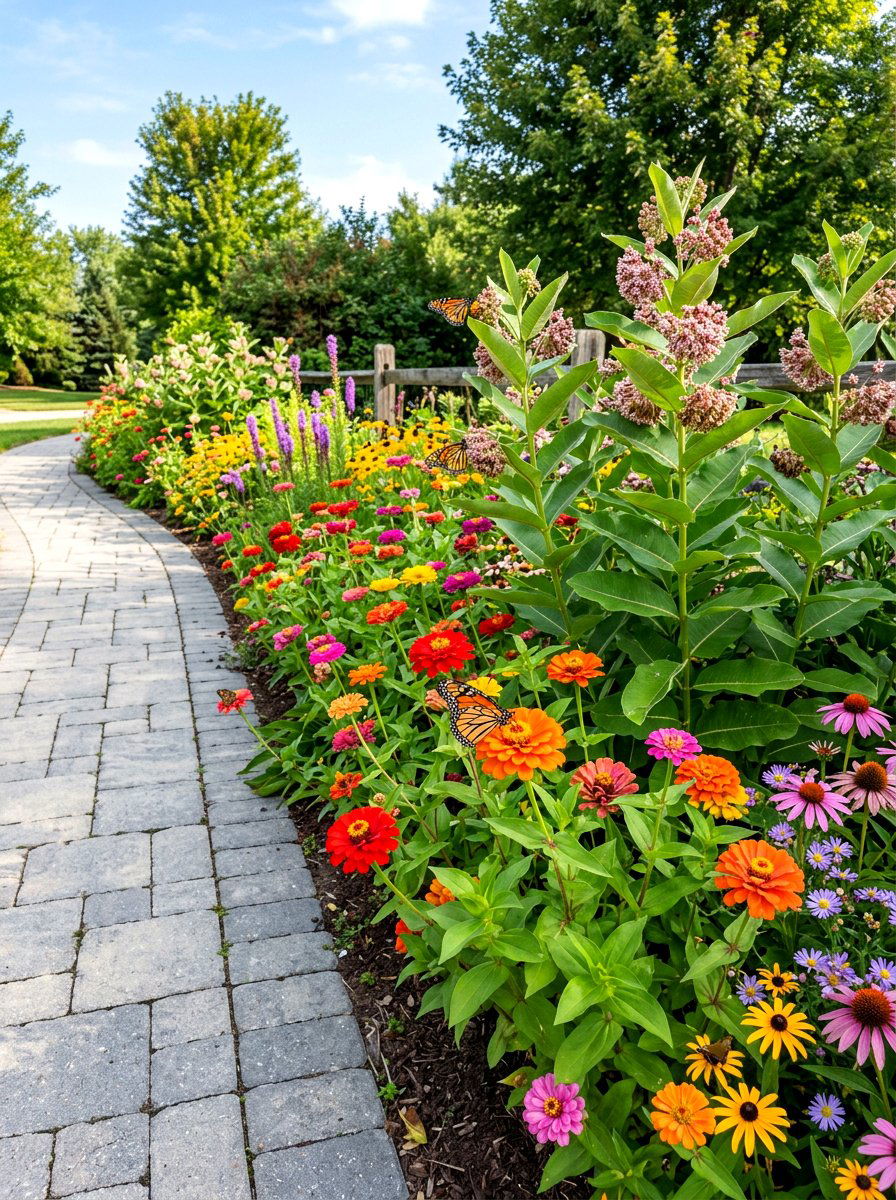
Creating a butterfly garden is a purposeful way to enhance your sidewalk while contributing to the local environment. This design focuses on host plants like milkweed for caterpillars and nectar-rich flowers like zinnia or lantana for adult butterflies. Providing a variety of bloom times ensures that there is food available throughout the season. These gardens are often filled with bright colors and tall, airy plants that catch the light beautifully. Including a small flat stone or a shallow water source allows butterflies to rest and hydrate. This type of garden is educational for children and provides a cheerful, fluttering display for everyone who walks by your home.
13. Shade loving sidewalk plants
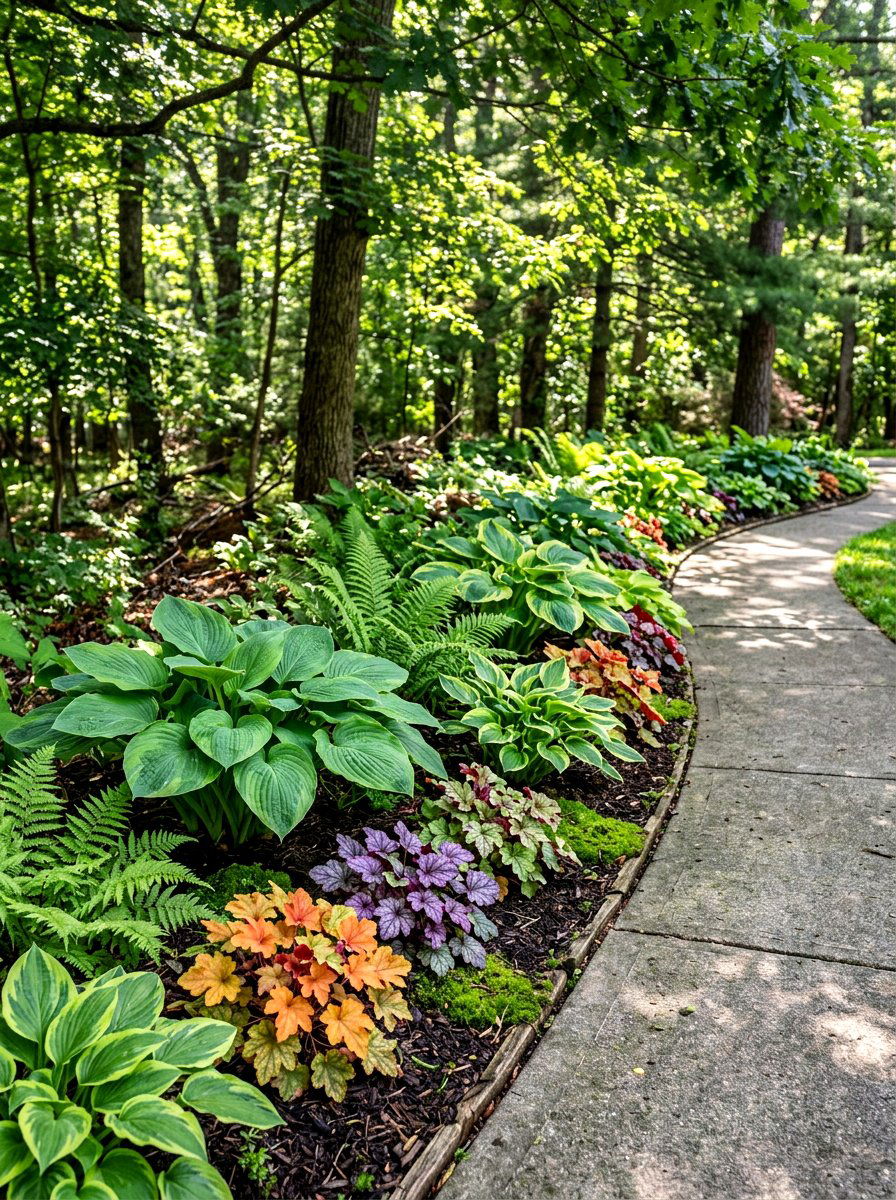
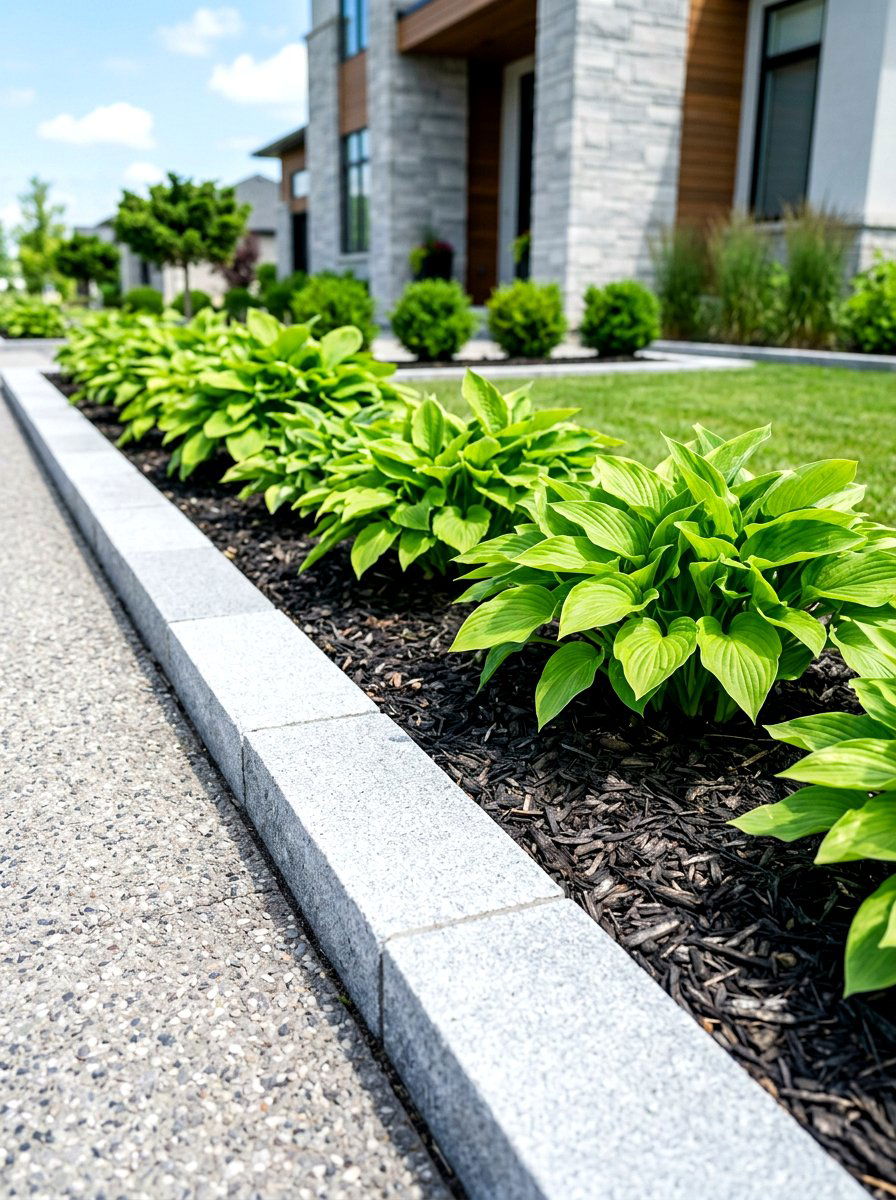
If your sidewalk is shaded by large trees or neighboring buildings, you can still create a lush garden using shade-loving plants. Hostas, ferns, and coral bells thrive in lower light conditions and offer a wide variety of foliage colors and textures. These plants often have a cooling effect on the landscape, making the walk to your front door feel refreshed and peaceful. Using white-flowering plants or variegated foliage can help brighten up darker corners and make the space feel more open. By selecting species that naturally grow on the forest floor, you can create a woodland-inspired border that is both elegant and perfectly suited for its environment.
14. Paver and moss sidewalk edge
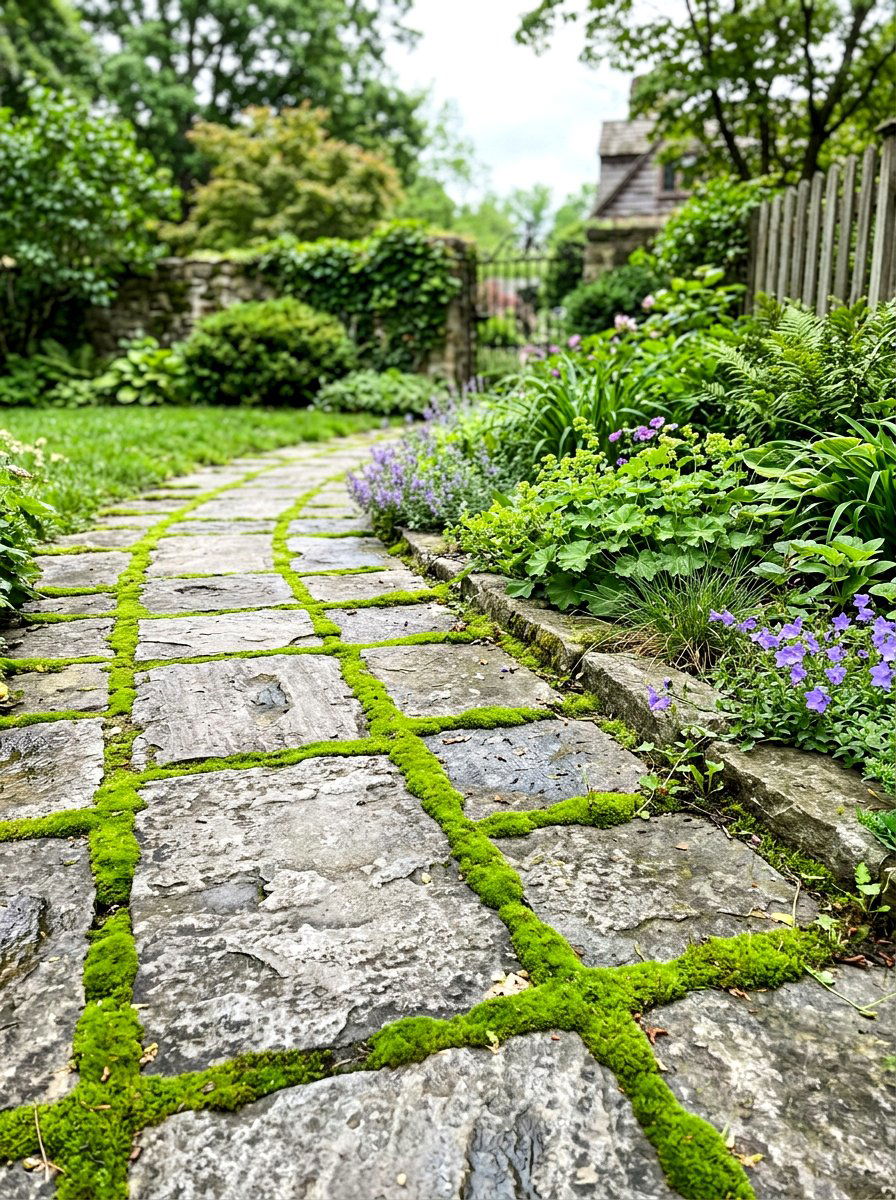
Using a combination of pavers and moss creates a soft, aged look that feels established and organic. By leaving small gaps between flagstones or brick pavers, you can encourage moss or low-growing Irish moss to grow in the joints. This creates a permeable surface that allows rainwater to soak into the ground rather than running off into the street. The contrast between the hard pavers and the soft green moss is visually stunning and feels wonderful underfoot. This design is perfect for creating a secondary path from the curb to the sidewalk, providing a practical and beautiful way for guests to exit their cars and enter your property safely.
15. Low growing groundcover plants
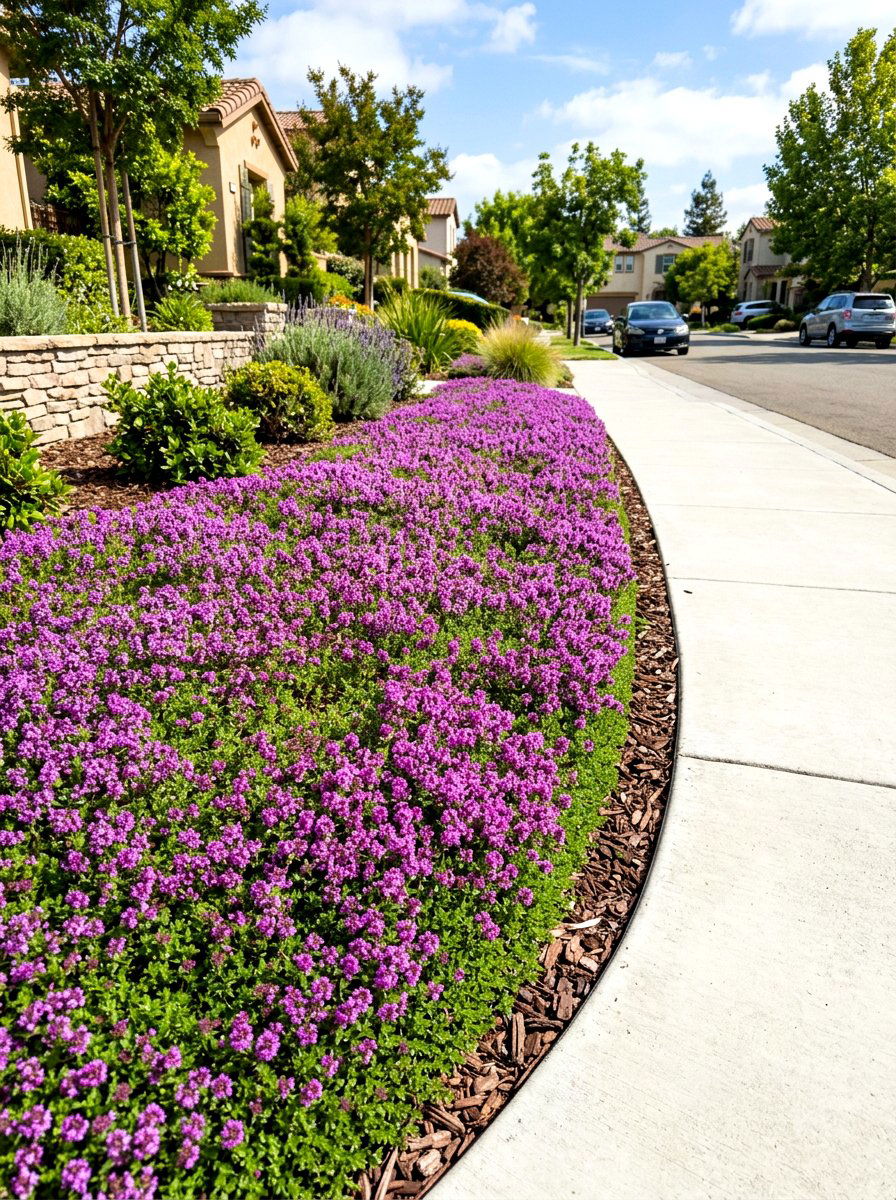
Low-growing groundcovers are the ultimate choice for a sidewalk garden that needs to stay tidy and manageable. Plants like creeping thyme, vinca minor, or sedum spread horizontally to form a dense mat that naturally chokes out weeds. These groundcovers often stay below six inches in height, ensuring that they never obstruct the view of the street or the sidewalk for safety. Many varieties produce delicate flowers during the spring or summer, adding a layer of seasonal interest. Because they are so low to the ground, they are less likely to be damaged by pets or stray footsteps. This creates a clean, uniform green border that frames the walkway beautifully.
16. Mediterranean style curb garden
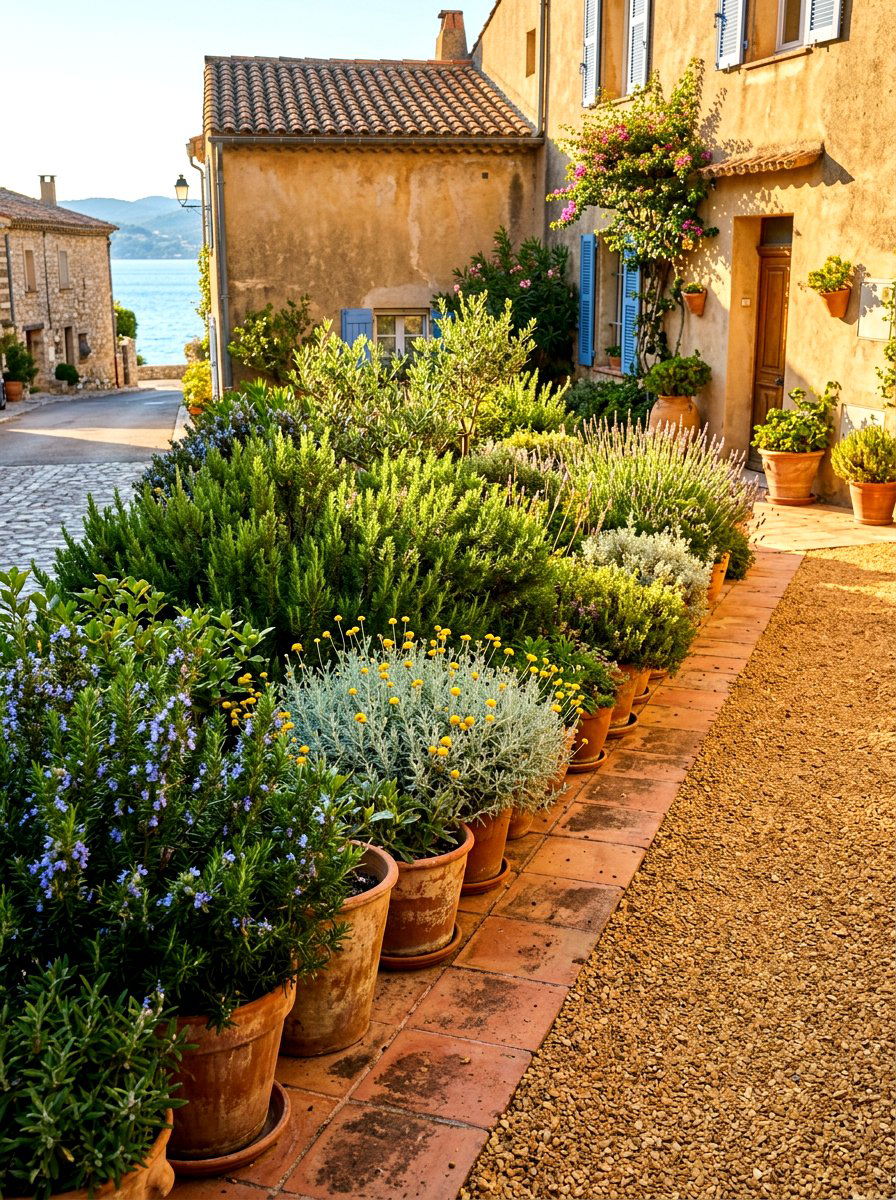
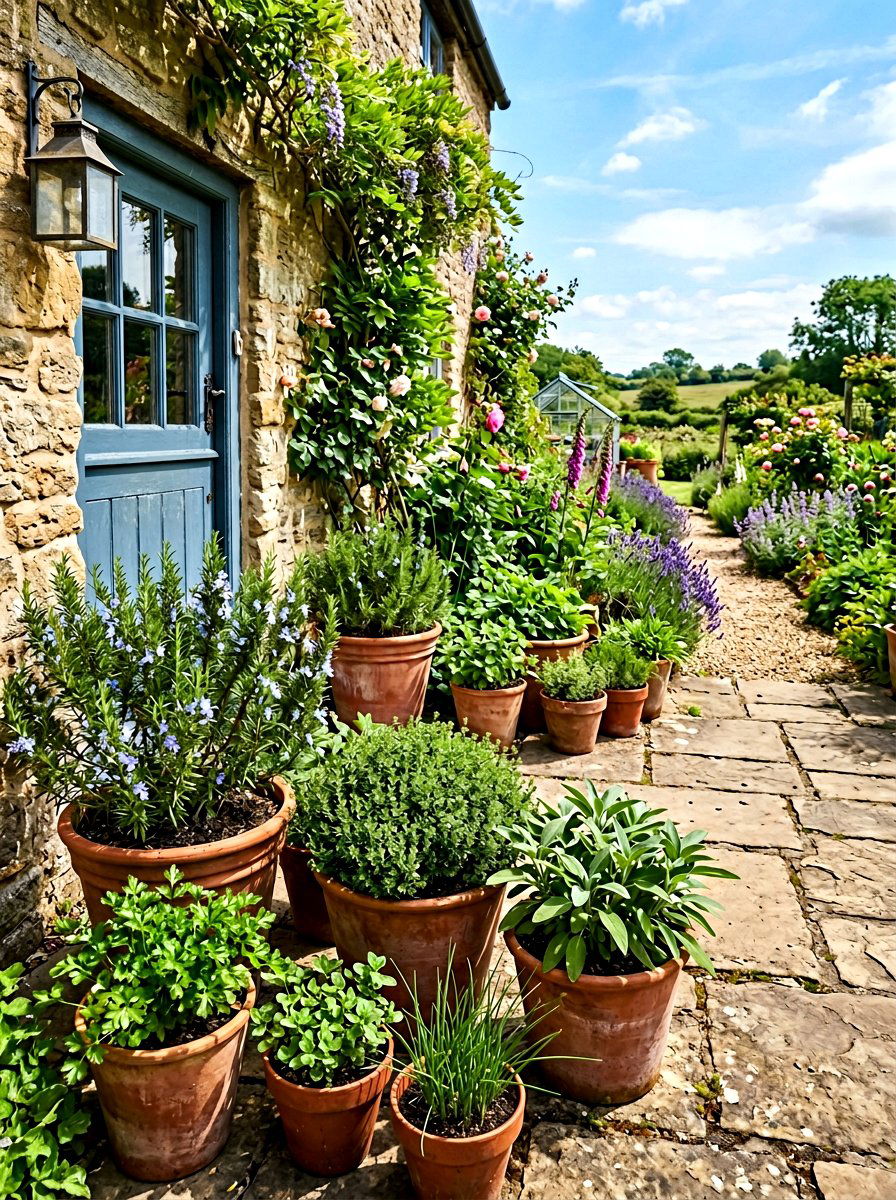
A Mediterranean-themed garden brings a touch of coastal warmth and elegance to your sidewalk landscaping. This style relies on sun-loving, drought-tolerant plants such as rosemary, santolina, and olive shrubs. Incorporating warm-toned materials like terracotta pots or gravel adds to the authentic feel of the region. The plants often have aromatic foliage that releases a pleasant scent when brushed against by passersby. This type of garden thrives in hot, sunny locations and requires very little water once the roots are established. The combination of silvery foliage and blue or yellow flowers creates a sophisticated color palette that makes your home feel like a permanent vacation spot for the family.
17. Boxwood hedge sidewalk border
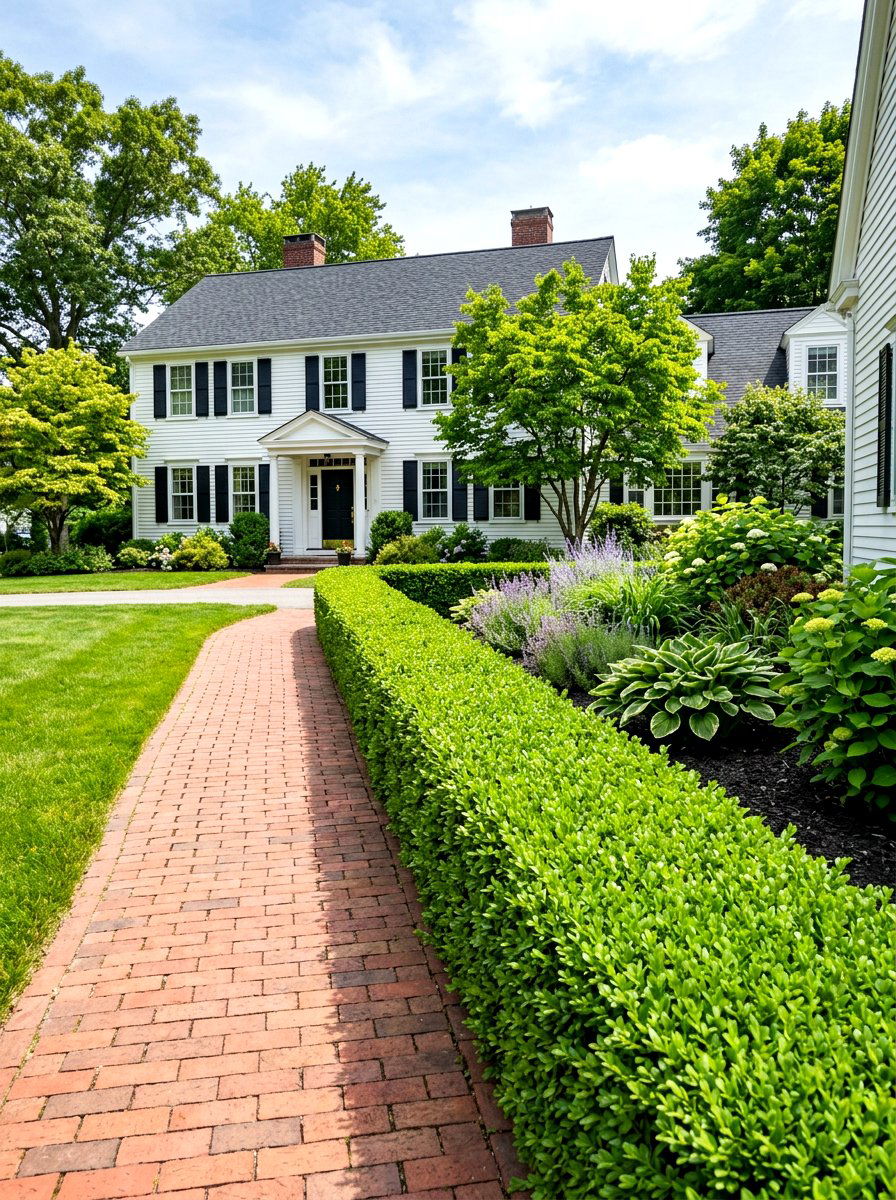
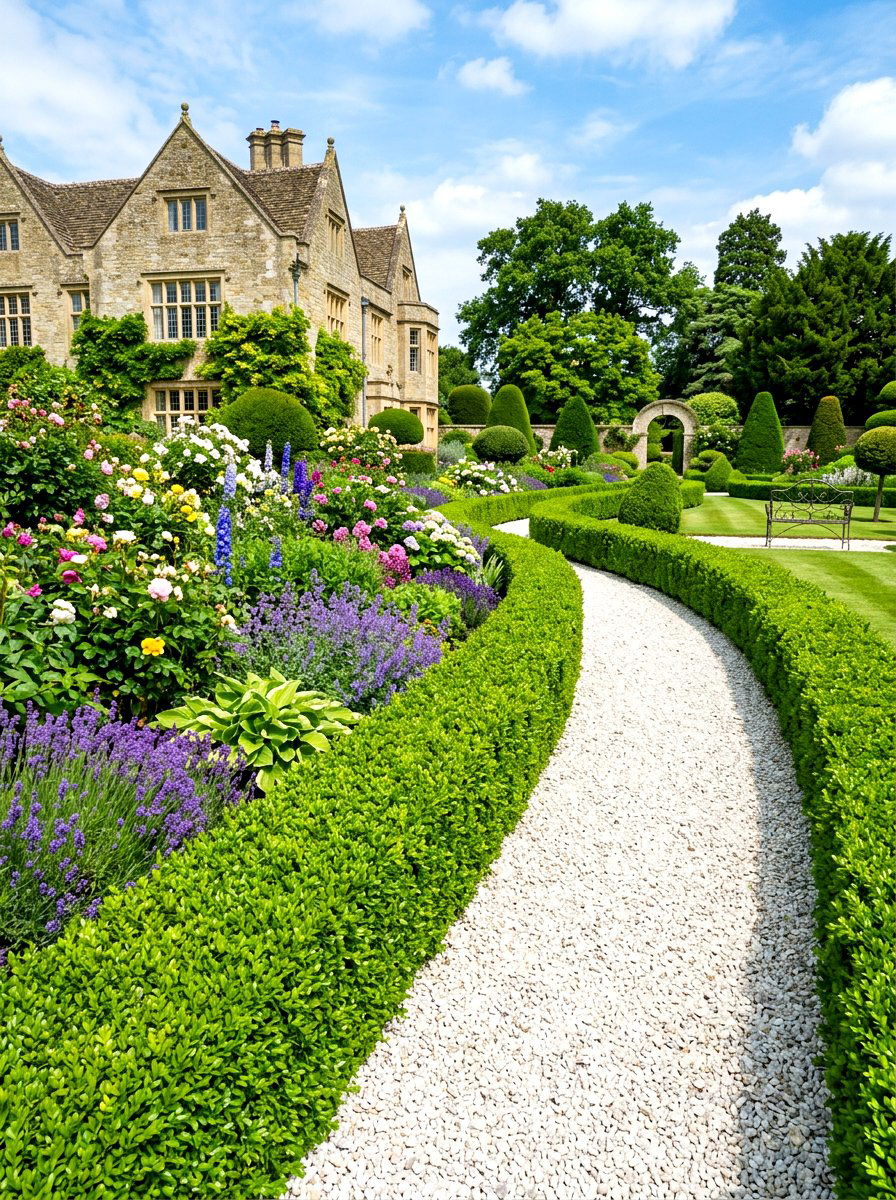
For a formal and structured look, a low-growing boxwood hedge is a perfect way to define the edge of your sidewalk. These evergreens provide year-round structure and a deep green color that looks great even in the middle of winter. You can keep the hedge neatly trimmed for a traditional aesthetic or allow it to grow slightly more natural for a softer feel. Boxwoods are very versatile and can serve as a backdrop for seasonal flowers or stand alone as a clean architectural element. This design is ideal for classic or colonial-style homes, providing a clear boundary that enhances the sense of order and tidiness in your front landscape.
18. Tropical sidewalk garden layout
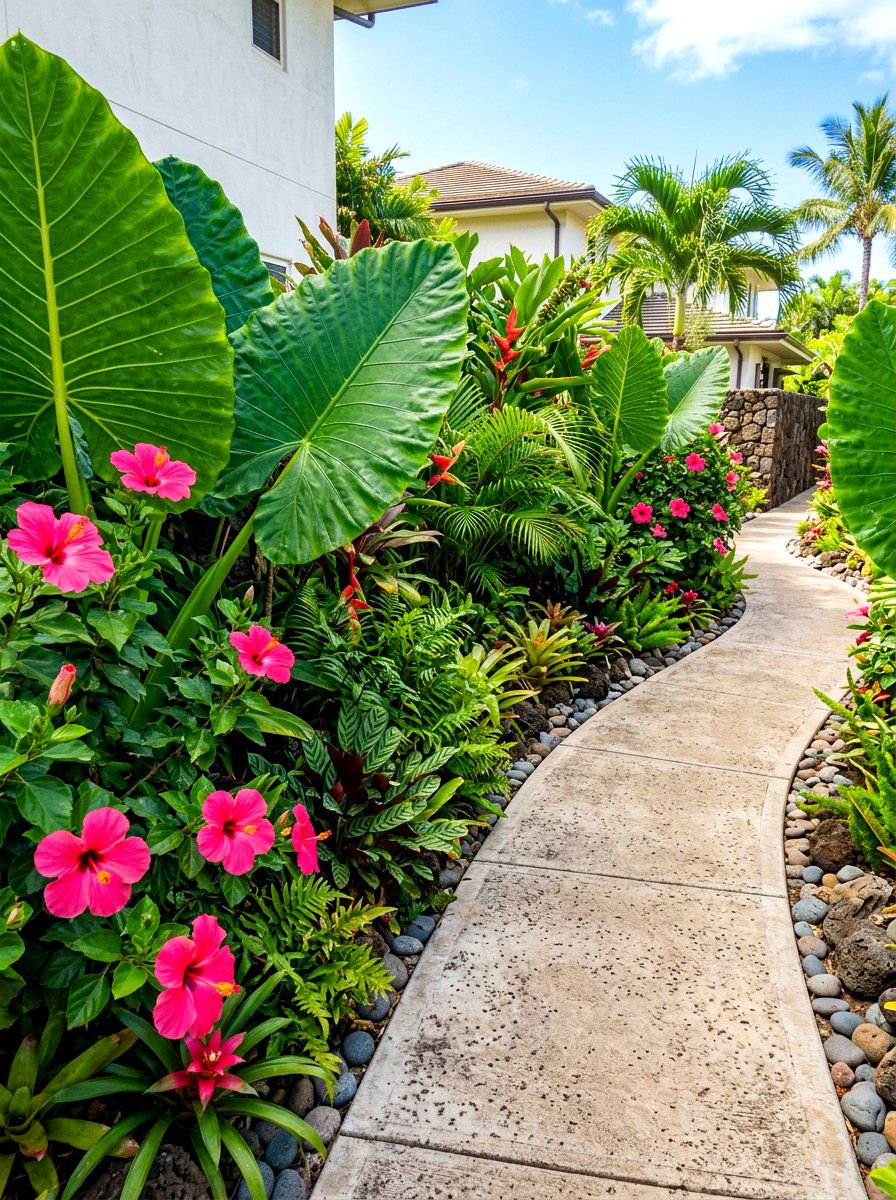
If you live in a warm climate, a tropical sidewalk layout can transform a standard street into an exotic paradise. Large-leafed plants like elephant ears, canna lilies, and hibiscus create a lush, bold look that immediately draws the eye. These plants grow quickly and provide a massive amount of greenery in a short amount of time. Using bright, saturated colors like orange, red, and hot pink adds to the high-energy feel of the tropical theme. To maintain this look, it is important to provide plenty of water and nutrients, but the dramatic result is well worth the effort. This style makes a bold statement and provides maximum visual impact.
19. Hydrangea sidewalk garden border
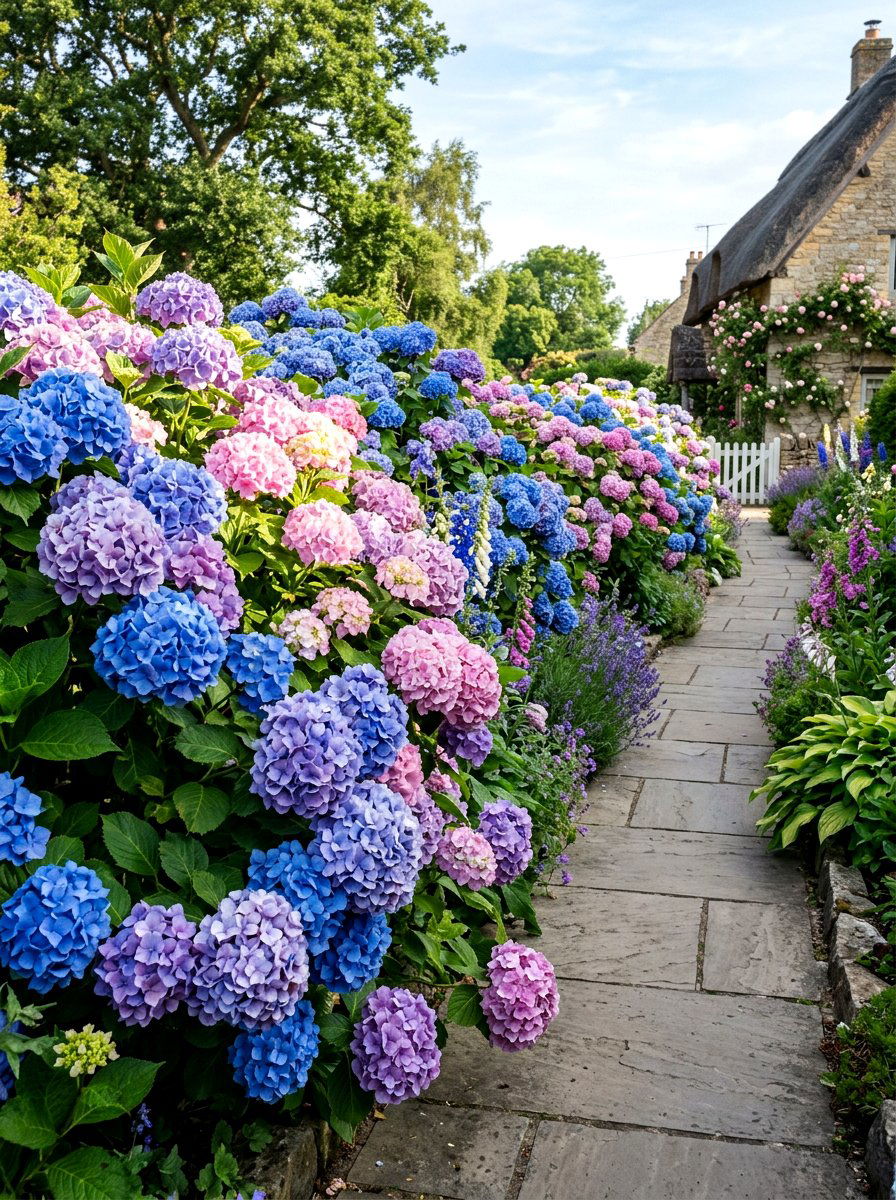
Hydrangeas are a favorite for sidewalk gardens because they produce massive, showy blooms that can last for months. Planting a row of these shrubs creates a soft, flowery wall that provides a sense of enclosure and privacy for the front yard. They come in various sizes, so you can choose a dwarf variety that won't overgrow the sidewalk path. Hydrangeas thrive in areas with morning sun and afternoon shade, making them perfect for east-facing properties. Their large leaves and rounded form create a lush, full appearance that feels very classic. The changing flower colors throughout the season add a dynamic element that keeps the garden interesting and fresh.
20. Xeriscape sidewalk landscaping
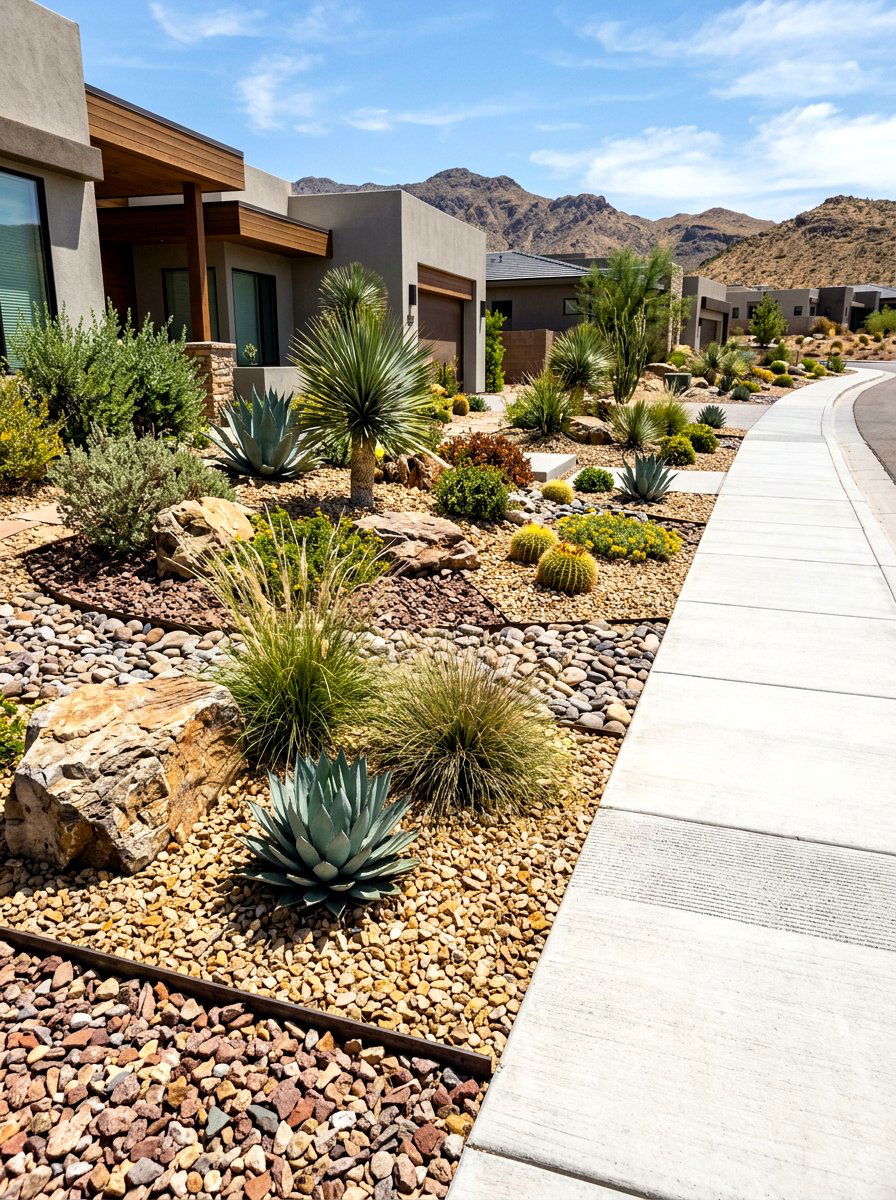
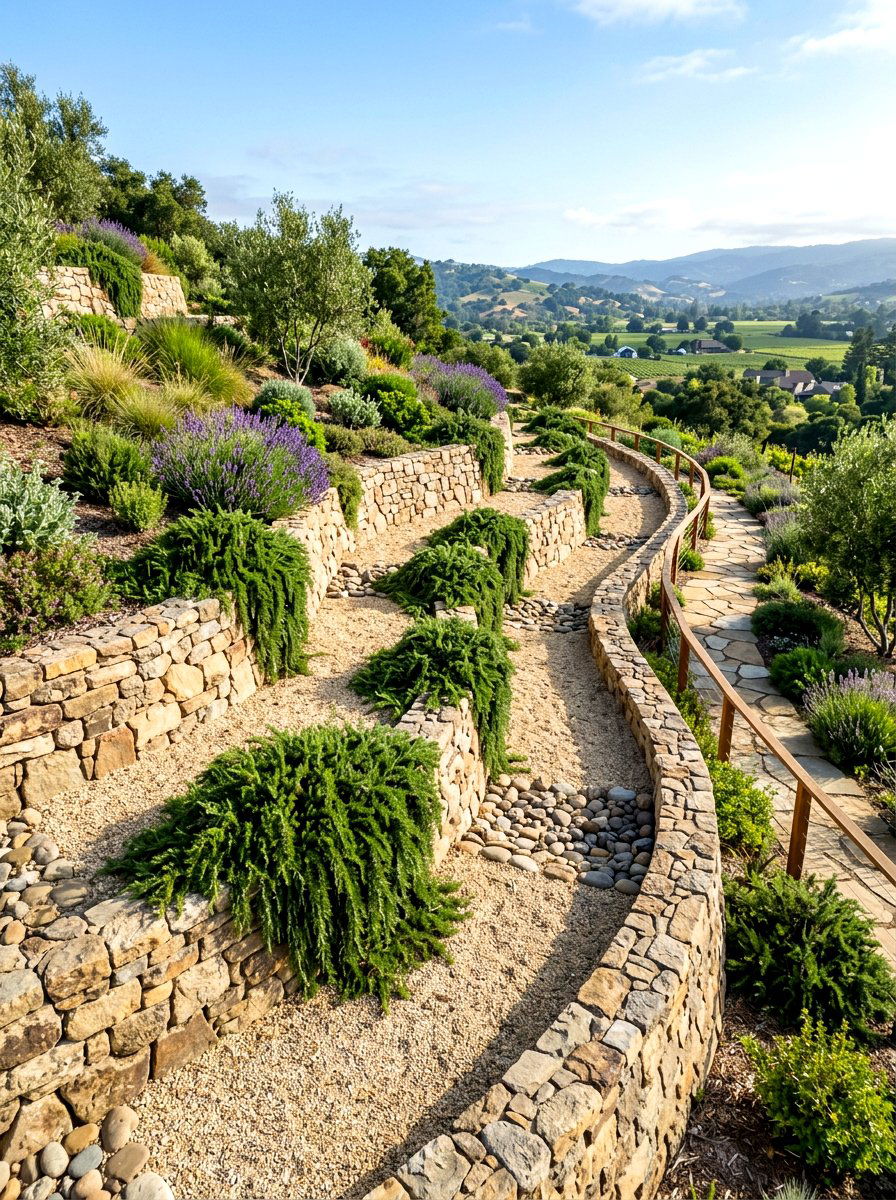
Xeriscape landscaping is a sustainable design philosophy that focuses on conserving water by using native and drought-adapted plants. This approach often features a mix of decorative gravel, boulders, and hardy perennials that require almost no supplemental irrigation. By reducing or eliminating the need for a lawn in the sidewalk strip, you save significant amounts of water and time. Xeriscaping doesn't have to look like a desert; it can include a variety of colorful flowers and interesting textures. This style is becoming increasingly popular in urban areas where water restrictions are common. It represents a forward-thinking way to create beauty while being responsible to the local environment and resources.
21. Herb garden along sidewalk
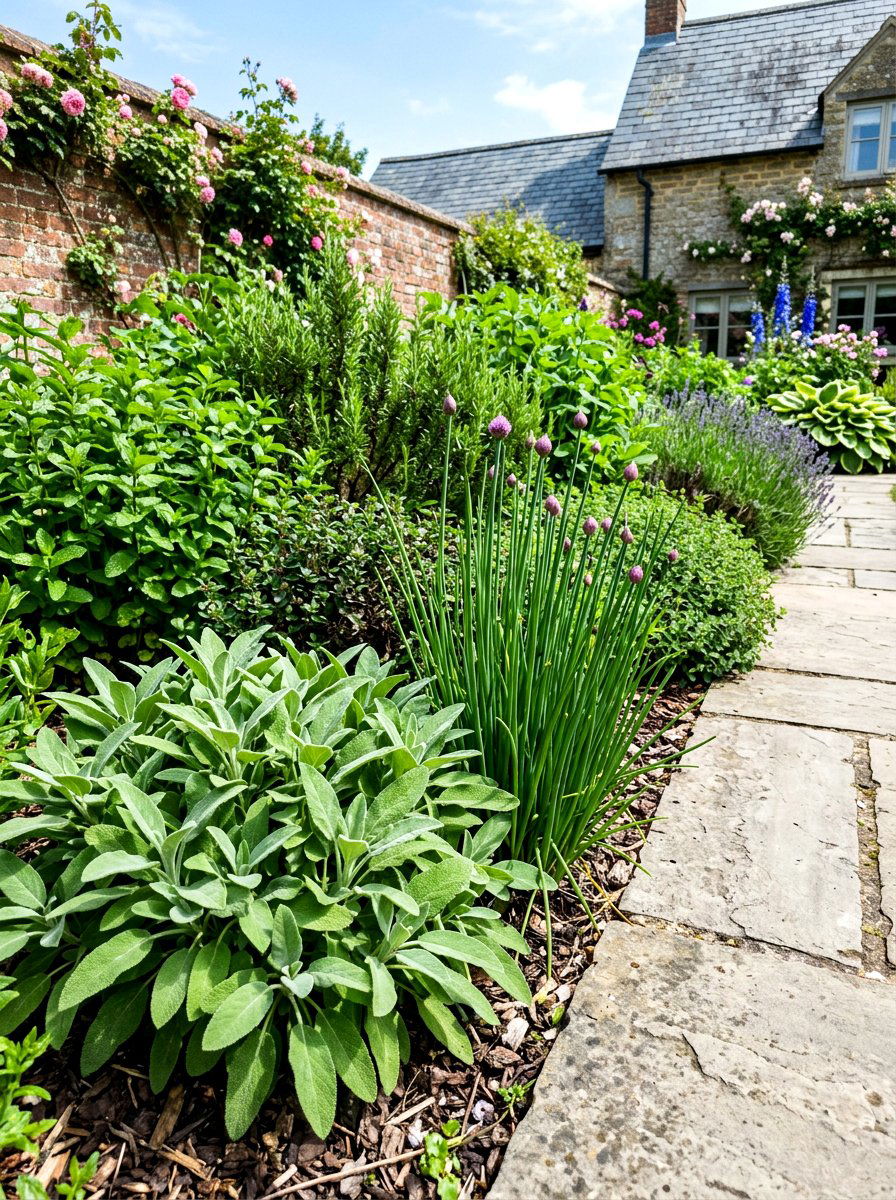
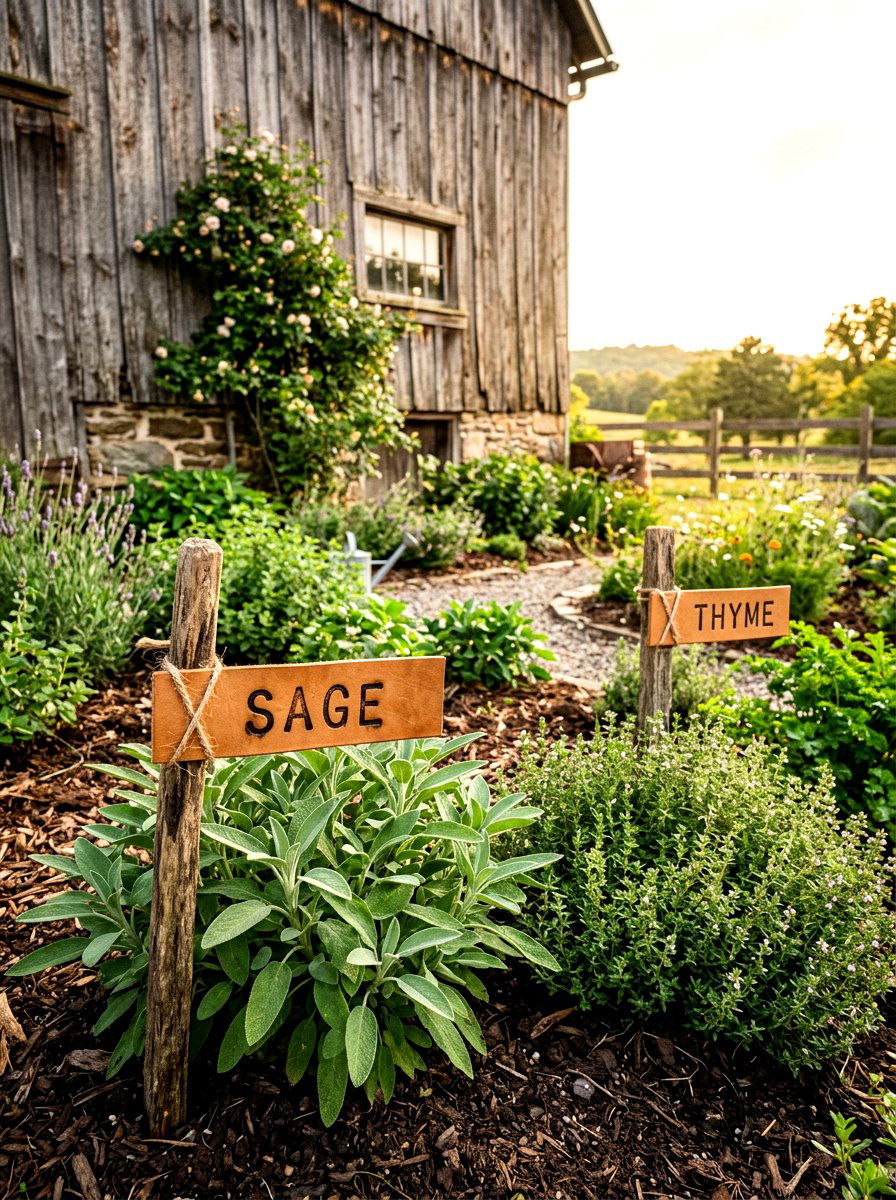
Planting a dedicated herb garden along your sidewalk is both beautiful and highly functional for the home cook. Herbs like sage, thyme, oregano, and chives are incredibly hardy and often feature attractive foliage and flowers. Many herbs are also naturally resistant to pests due to their strong scents and essential oils. By placing them near the sidewalk, you make harvesting quick and easy while sharing the delightful aromas with anyone walking past your house. You can arrange the herbs in a pattern or mix them in with traditional flowers for a more informal look. This type of garden encourages a sensory experience that connects people with the plants they use daily.
22. Coastal sidewalk garden style
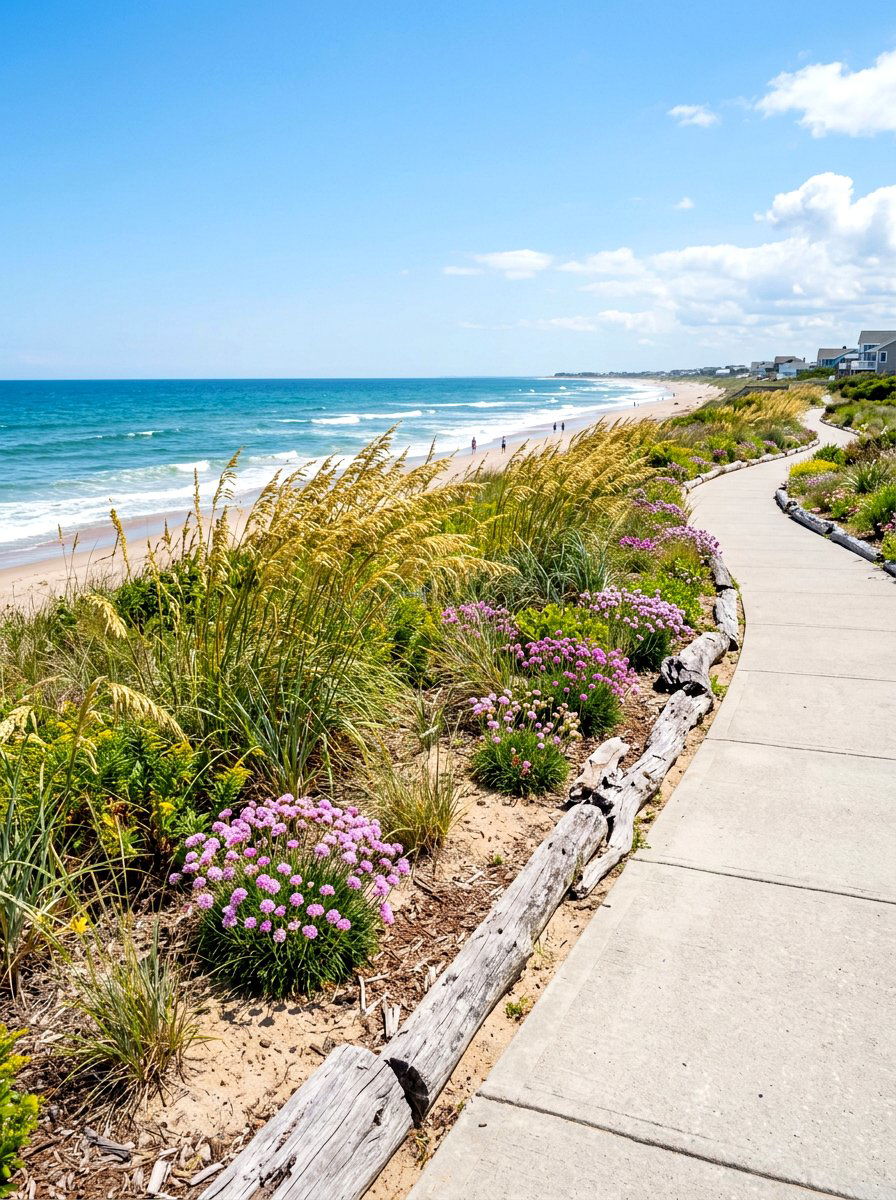
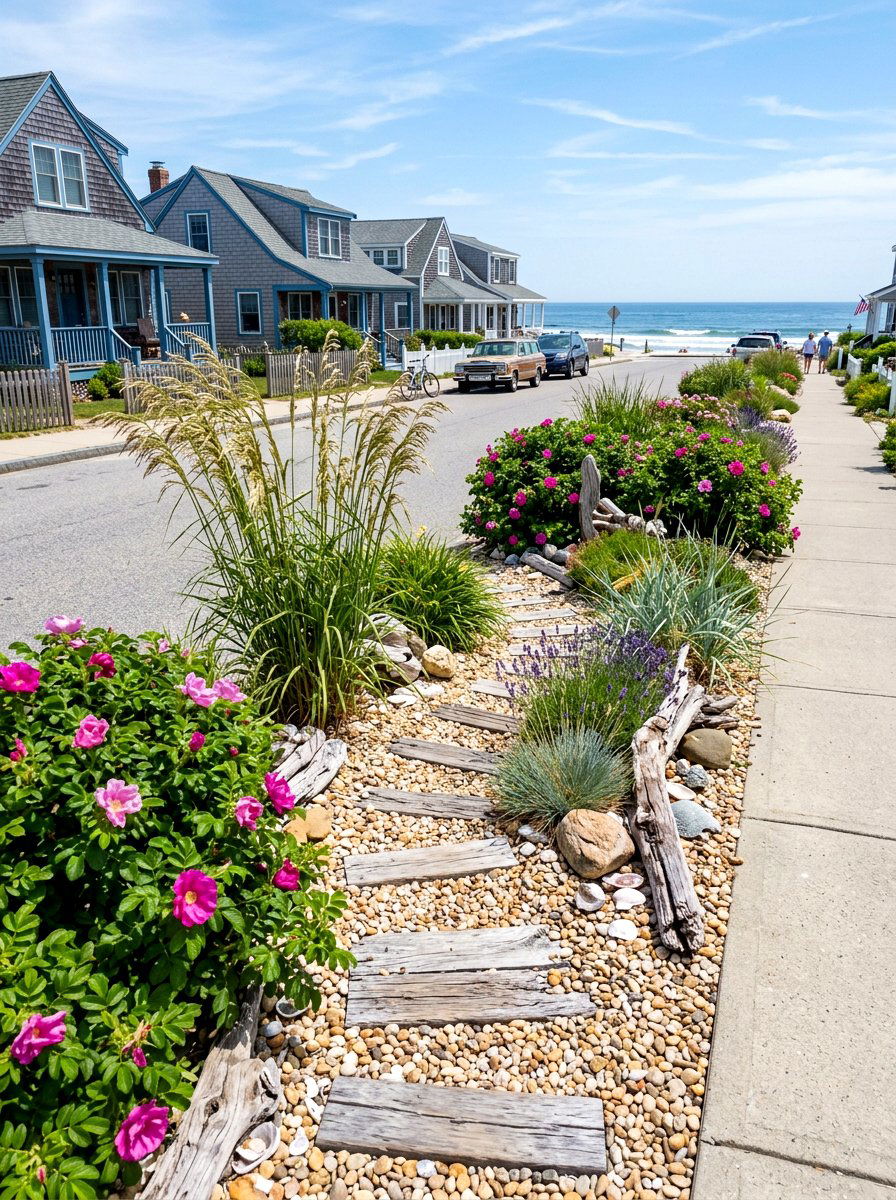
A coastal sidewalk garden uses plants and materials that evoke the feeling of being near the ocean. Ornamental grasses like sea oats, along with hardy perennials like sea thrift and Russian sage, thrive in sandy soils and windy conditions. Using weathered wood for edging or incorporating decorative seashells and smooth beach stones adds to the nautical theme. The color palette typically features soft blues, whites, and sandy tans, creating a relaxed and airy atmosphere. This style is perfect for seaside homes but can also bring a calming beach vibe to any neighborhood. It is a low-maintenance design that celebrates the rugged beauty of coastal flora and natural landscapes.
23. Evergreens for sidewalk privacy
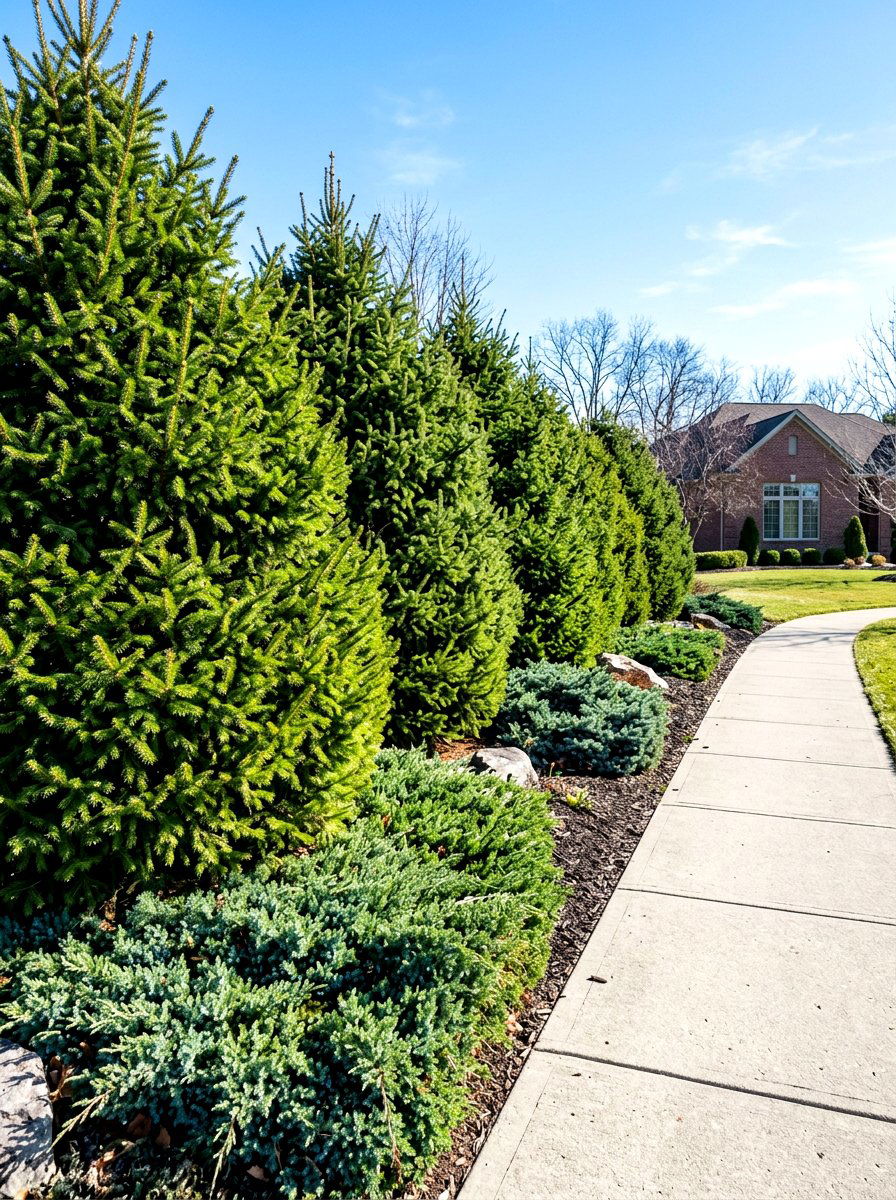
Evergreens provide a permanent green screen that can offer privacy and noise reduction from the street throughout the year. Low-growing junipers or dwarf spruce trees are excellent choices for a sidewalk border because they stay compact and don't require frequent pruning. These plants add a sense of stability and structure to the garden, especially during the winter months when other plants have died back. Their needle-like foliage provides an interesting texture that contrasts well with broader leaves. By choosing different shades of green, blue, and gold, you can create a rich, multi-dimensional border that keeps your home feeling secluded and protected from the busy neighborhood activities.
24. Colorful flower bed sidewalk
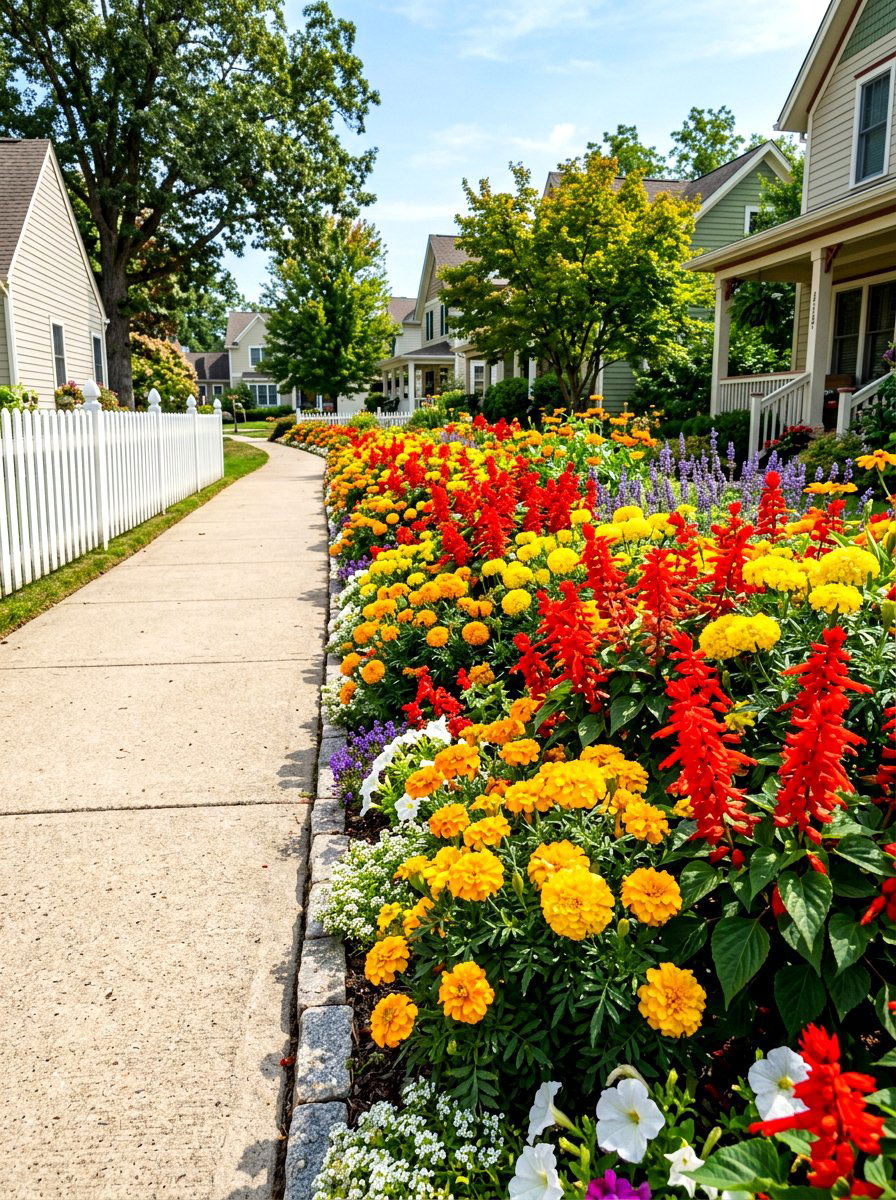
For those who love a bold and bright look, a colorful flower bed filled with annuals and perennials is the way to go. You can create a high-impact display by using a mix of petunias, marigolds, and salvias in contrasting colors. This type of garden requires more maintenance, such as regular watering and deadheading, but the visual reward is unmatched. Changing the flowers with the seasons — tulips in spring, zinnias in summer, and mums in autumn — keeps the look fresh and exciting all year round. This vibrant approach shows a true passion for gardening and provides a cheerful focal point that brightens the mood of everyone in the community.
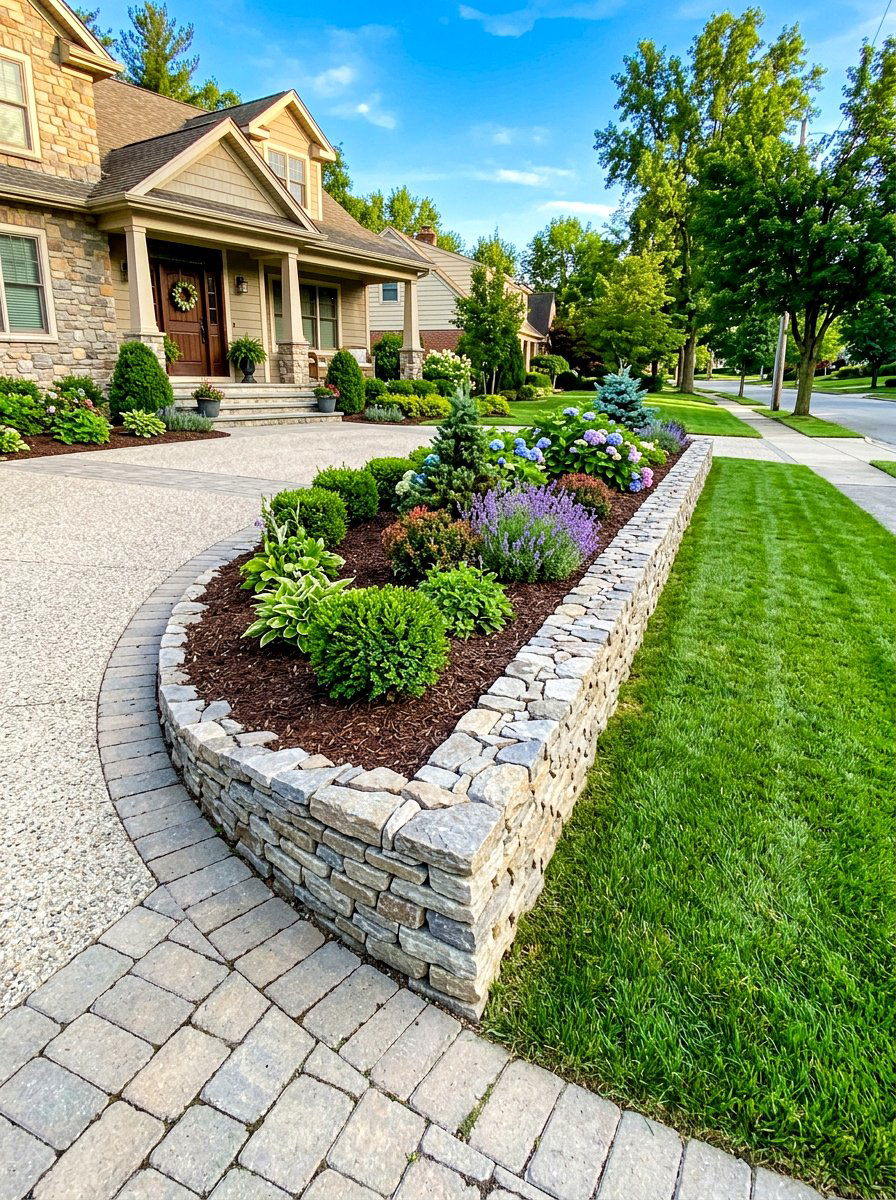

25. Rustic timber sidewalk border
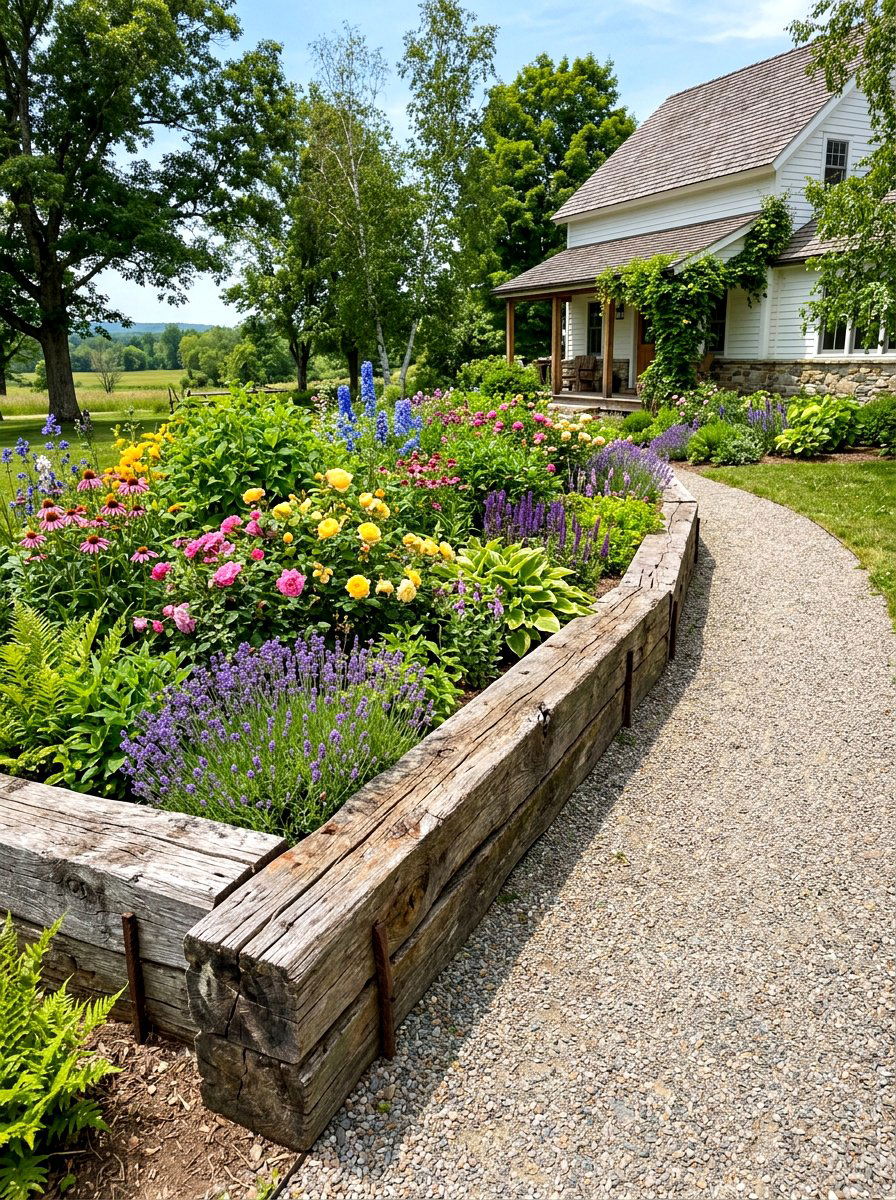
Using rustic timbers or reclaimed wood to edge your sidewalk garden adds a warm, natural element that feels earthy and grounded. These heavy beams provide a clear boundary and can help hold soil and mulch in place, preventing it from washing onto the sidewalk. The wood will naturally weather over time, developing a beautiful gray patina that blends seamlessly with the plants. This design works well with a casual or farmhouse style and provides a sturdy framework for a variety of planting themes. You can even use the timbers to create small steps or terraced levels if your sidewalk area has a slight slope, making the garden more accessible.
26. Formal symmetrical sidewalk garden
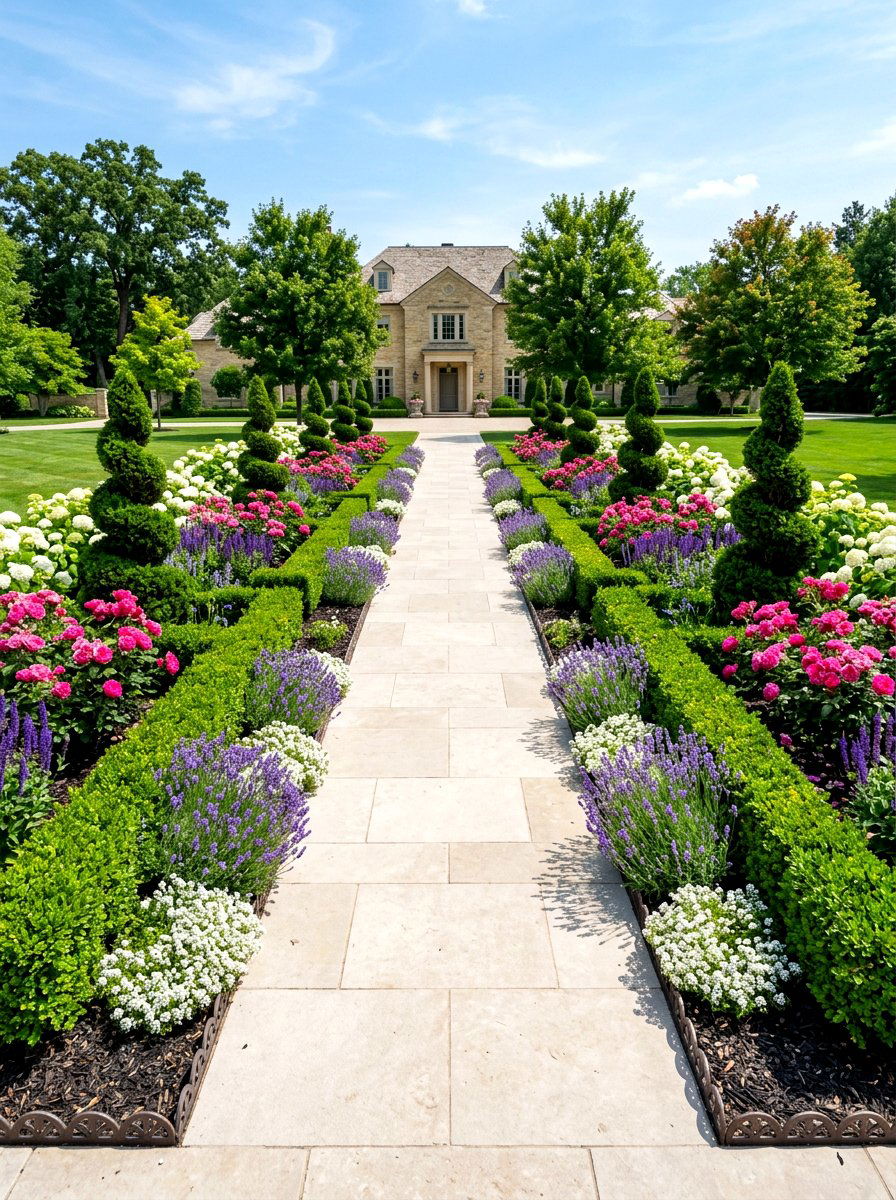
A formal symmetrical garden relies on balance and order to create a sense of classic elegance along the sidewalk. This design typically features matching plants on either side of a central point or a repeating pattern of hedges and flowers. Using clipped evergreens, neat rows of lavender, and consistent mulch creates a polished, high-end look. Symmetry is pleasing to the eye and provides a structured frame for the home’s architecture. This style requires more precise maintenance to keep the plants looking identical, but the result is a sophisticated and timeless landscape. It is an excellent choice for homeowners who prefer a tidy, organized, and very deliberate outdoor aesthetic.
27. Prairie style sidewalk planting
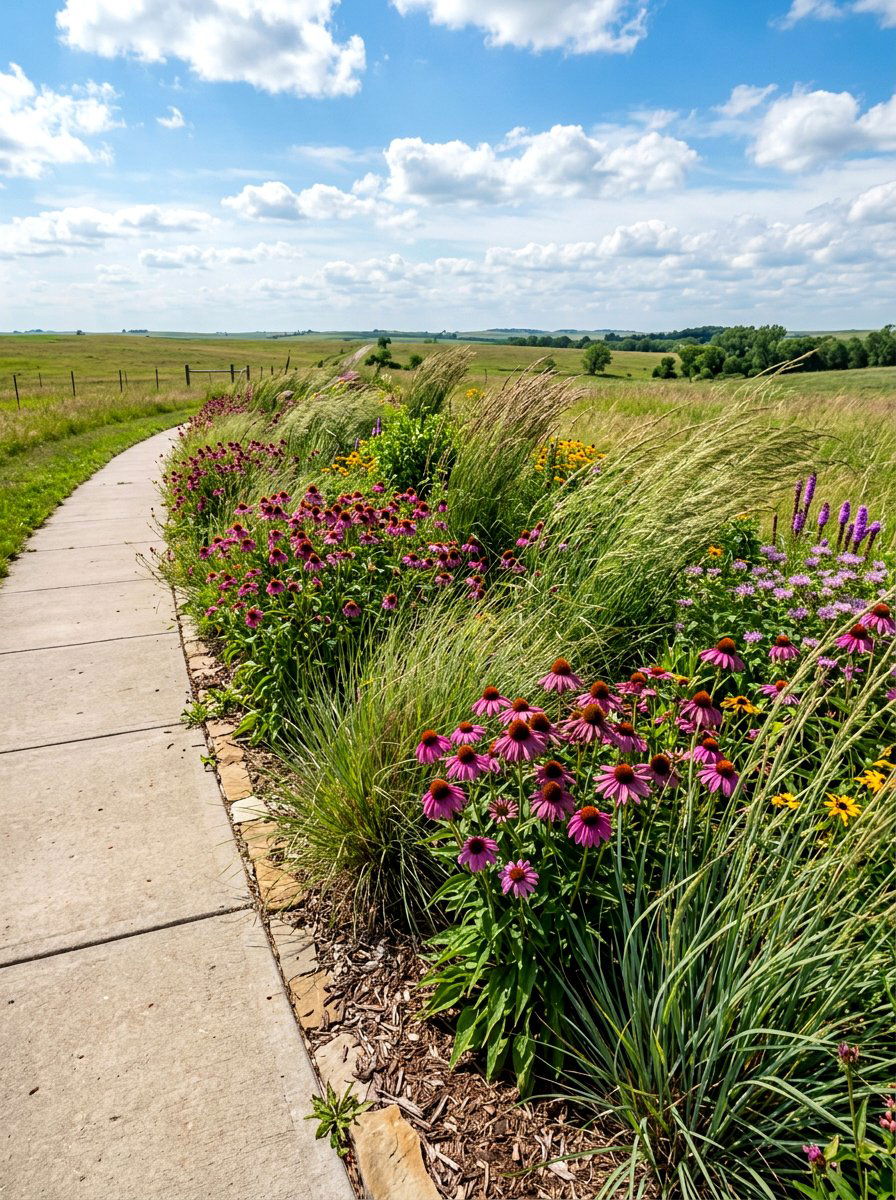
Prairie-style planting mimics the natural beauty of the American plains, using a mix of tall grasses and native perennials. This design emphasizes movement, as the long stems of big bluestem and switchgrass sway gracefully in the wind. Flowers like cone flowers and black-eyed Susans add pops of color among the greenery. This type of garden is exceptionally hardy and requires very little intervention once established. The deep roots of prairie plants help improve soil health and manage rainwater runoff effectively. This style brings a sense of wild, untouched nature to the urban environment, providing a beautiful and resilient landscape that changes beautifully with the passing of each season.
28. Japanese maple sidewalk garden
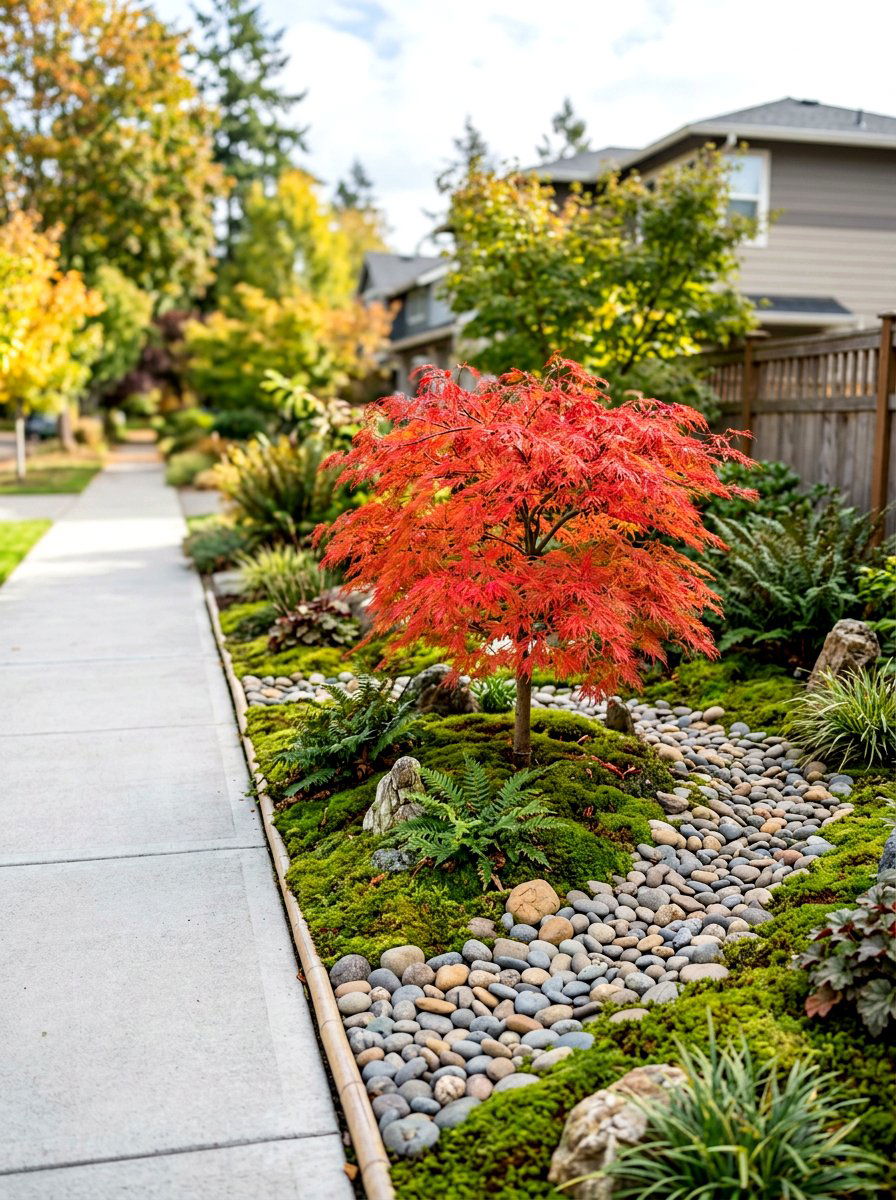
Featuring a Japanese maple as a focal point in your sidewalk garden adds an air of tranquility and artistic beauty. These trees are known for their delicate, lace-like foliage and stunning autumn colors that range from bright gold to deep crimson. Because many varieties are slow-growing and compact, they are well-suited for the limited space of a sidewalk strip. Surrounding the tree with moss, smooth river stones, and low-growing ferns creates a peaceful, Zen-inspired atmosphere. This design focuses on fine details and careful placement, making it a sophisticated choice for modern or traditional homes. The maple provides a structural element that serves as a living sculpture.
29. Stepping stone sidewalk path
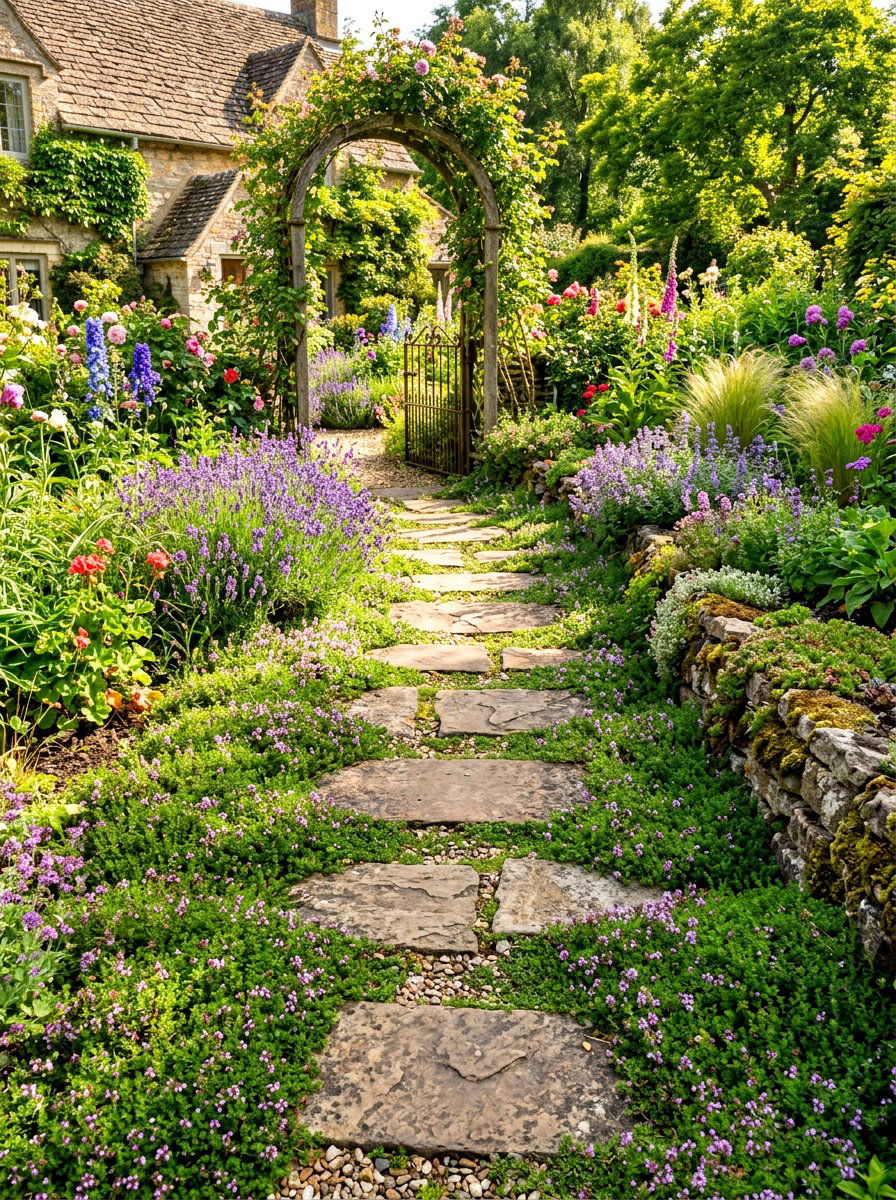
Incorporating a stepping stone path within your sidewalk garden is both practical and charming. It provides a dedicated place for people to walk if they need to cross the garden bed to reach the street or their car, protecting your plants from being trampled. You can use flagstones, round pavers, or even custom-poured concrete blocks to create a path that fits your style. Planting low-growing groundcovers like creeping thyme between the stones fills the gaps with fragrance and color. This design breaks up the garden area and adds a sense of journey and exploration to the space. It is a functional addition that enhances the overall professional look.
30. Vertical planter sidewalk garden
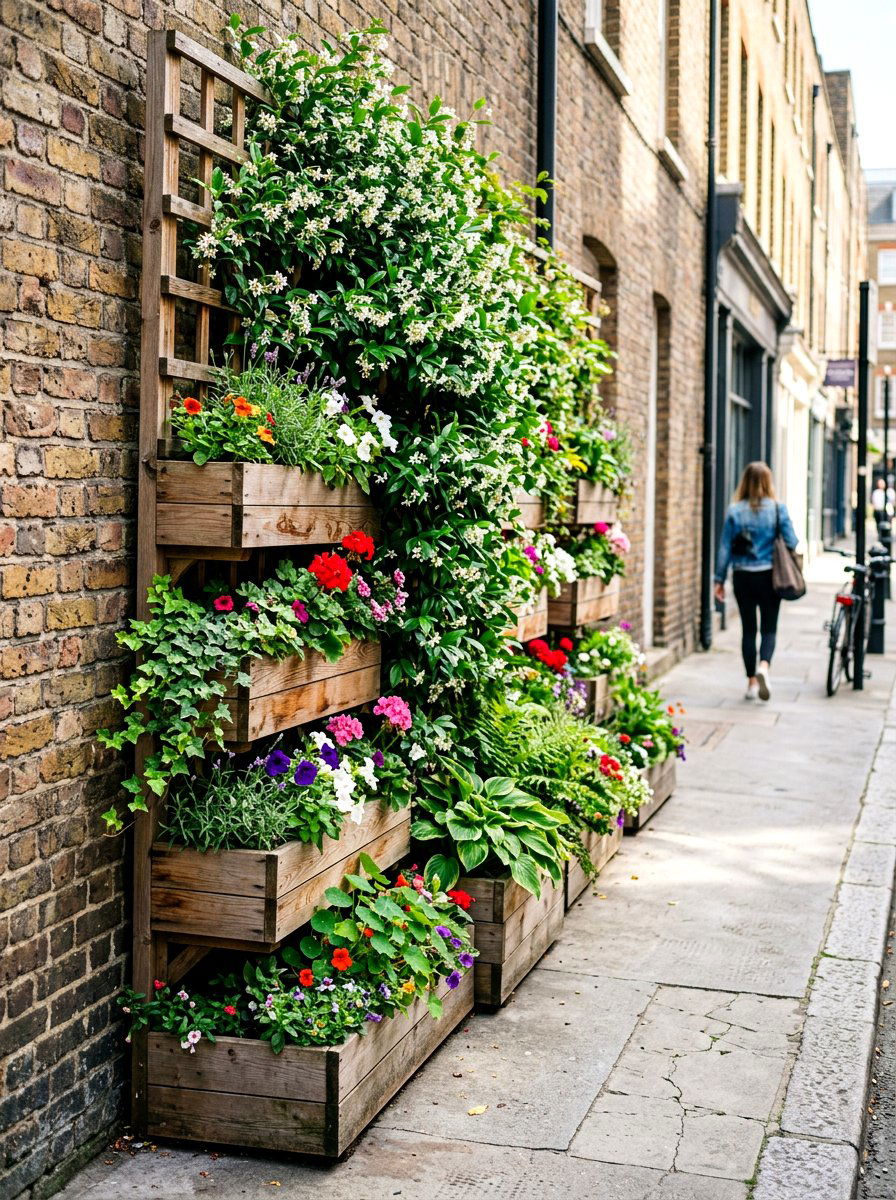
If your sidewalk area is extremely narrow or mostly concrete, using vertical planters can help you bring greenery to the space without taking up much ground room. Wall-mounted troughs, tiered cedar boxes, or decorative trellises allow you to grow a variety of plants upward. This is an excellent way to add height and interest to a flat area. You can fill the planters with trailing ivy, vibrant annuals, or even a small herb garden. Vertical gardening makes it easier to manage plants and keeps them away from pets or foot traffic. This creative solution maximizes your gardening potential and provides a lush, green backdrop that softens the look of hard urban surfaces.
Conclusion:
Transforming your sidewalk into a thriving garden is a rewarding project that benefits both your home and the surrounding community. By moving beyond a simple strip of grass, you create a personalized landscape that showcases your style while providing environmental benefits like improved drainage and pollinator support. Whether you choose the structural elegance of evergreens or the wild beauty of native wildflowers, a well-planned sidewalk garden dramatically enhances your property's curb appeal. Remember to consider local climate, soil conditions, and maintenance levels when selecting your theme. With a little creativity and care, your sidewalk can become the most beautiful and welcoming feature of your entire neighborhood.

Related posts: