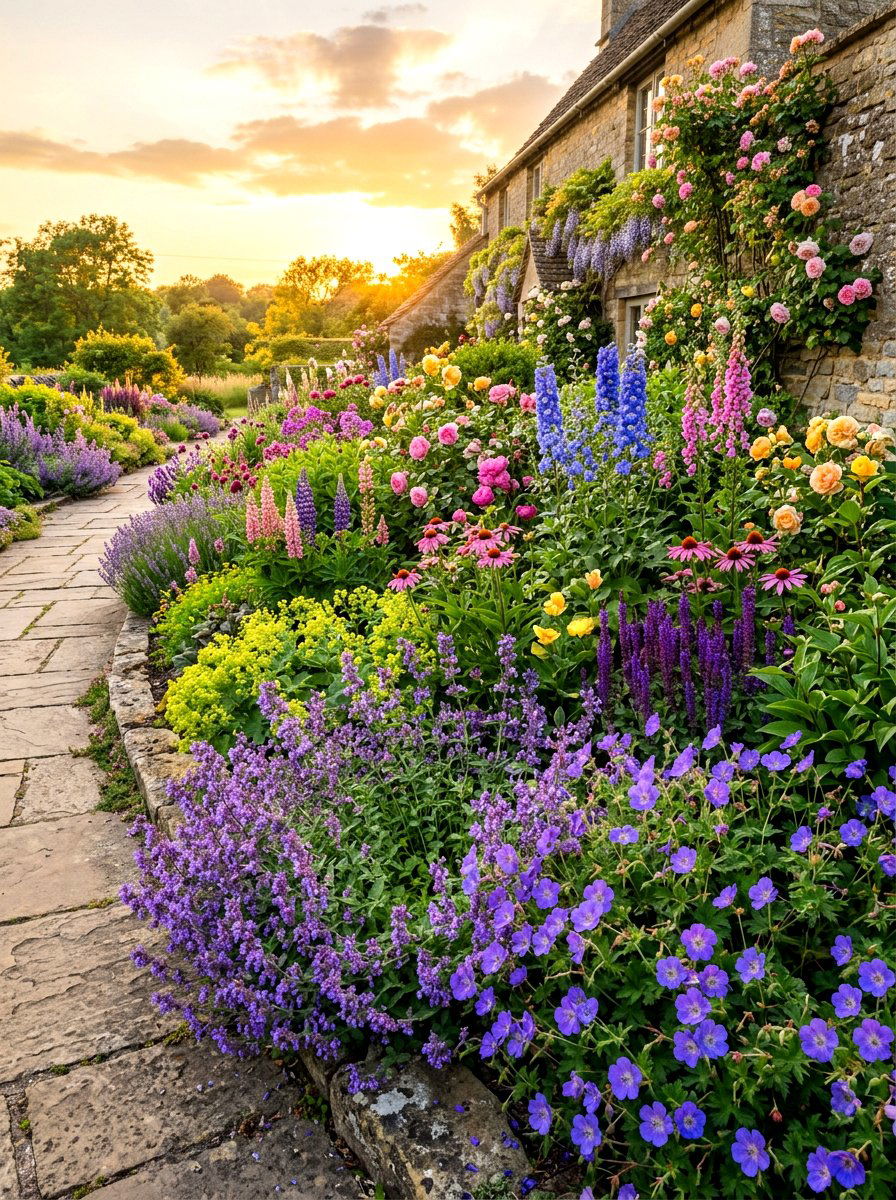
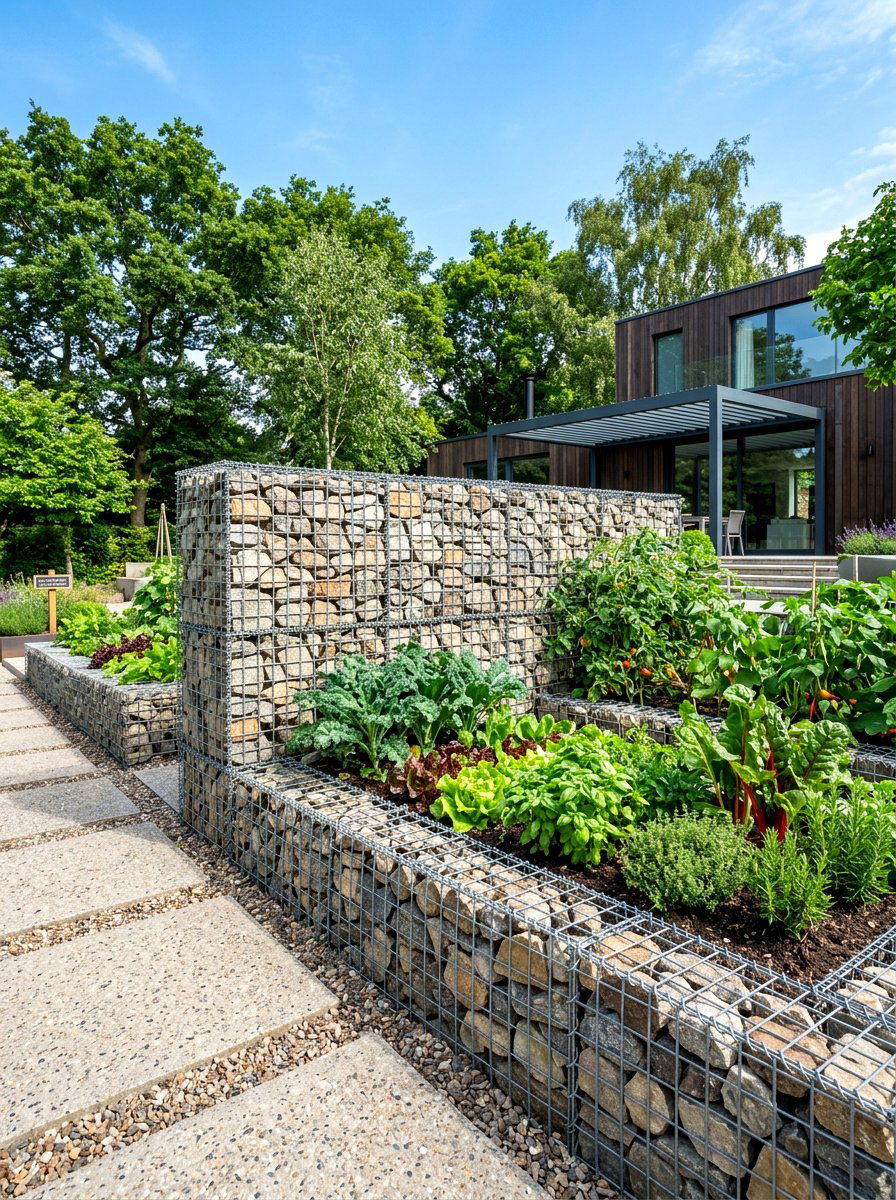
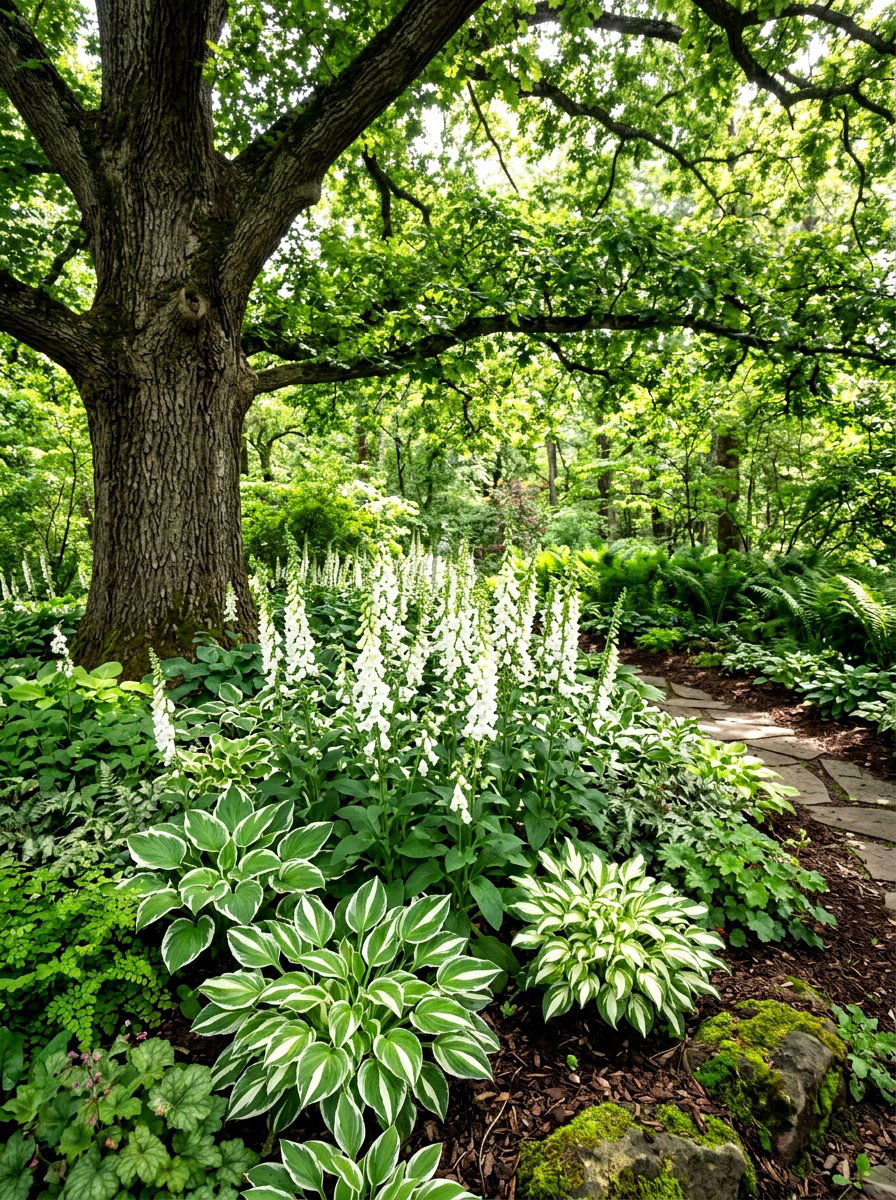
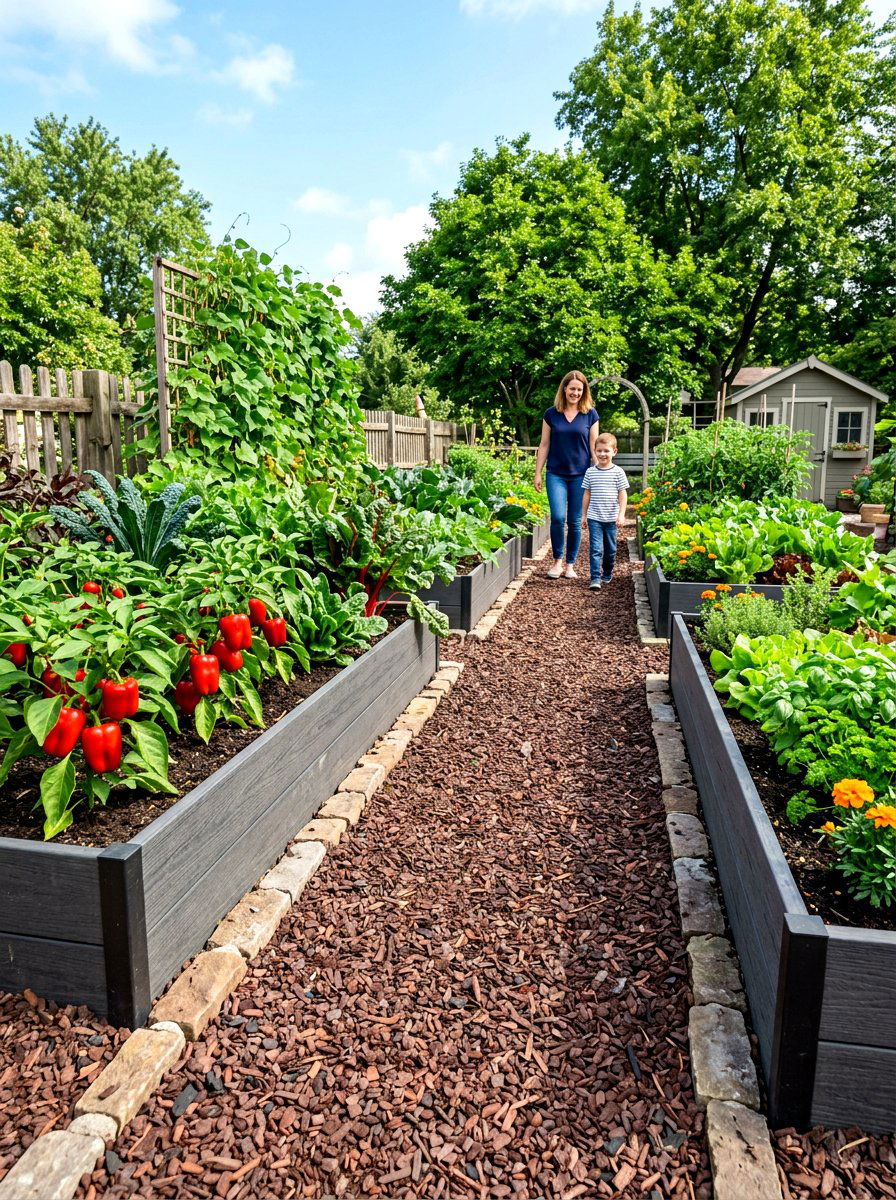
Enhancing your outdoor living space often starts with the small details that tie everything together, and nothing creates a clean finish quite like a well-defined border. Using pavers for your garden edges is one of the most effective ways to separate lush greenery from manicured lawns or gravel paths. This structural addition not only prevents mulch from spilling out but also provides a permanent mow strip that makes maintenance much easier. Whether you prefer the classic charm of aged red bricks or the sleek sophistication of modern gray concrete, a paver border elevates your landscape’s visual appeal. It serves as a frame for your plants, making every flower bed look intentional and professionally designed for long-lasting beauty.
1. Red brick garden border
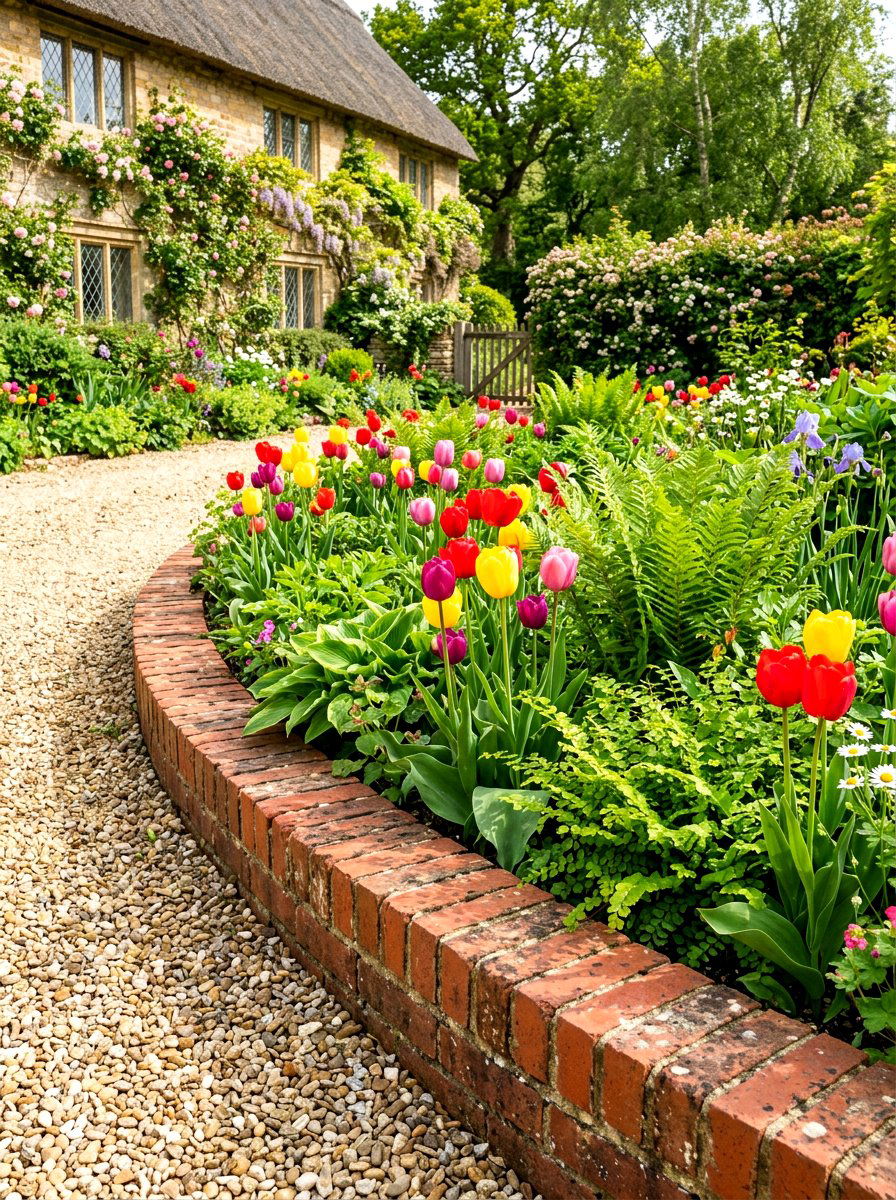
Walking through a traditional garden often reveals the timeless warmth of classic red bricks used as a sturdy divider. This style is perfect for those who want a cottage or colonial aesthetic in their backyard. You can lay the bricks end-to-end for a narrow, subtle look or side-by-side to create a wider, more substantial presence. The deep terracotta tones provide a stunning contrast against vibrant green grass and dark garden soil. Because bricks are incredibly durable, they withstand various weather conditions while maintaining their structural integrity for years. This simple addition instantly makes a garden bed look finished and helps keep creeping weeds from invading your pristine floral arrangements and mulch layers.
2. Grey concrete paver edging
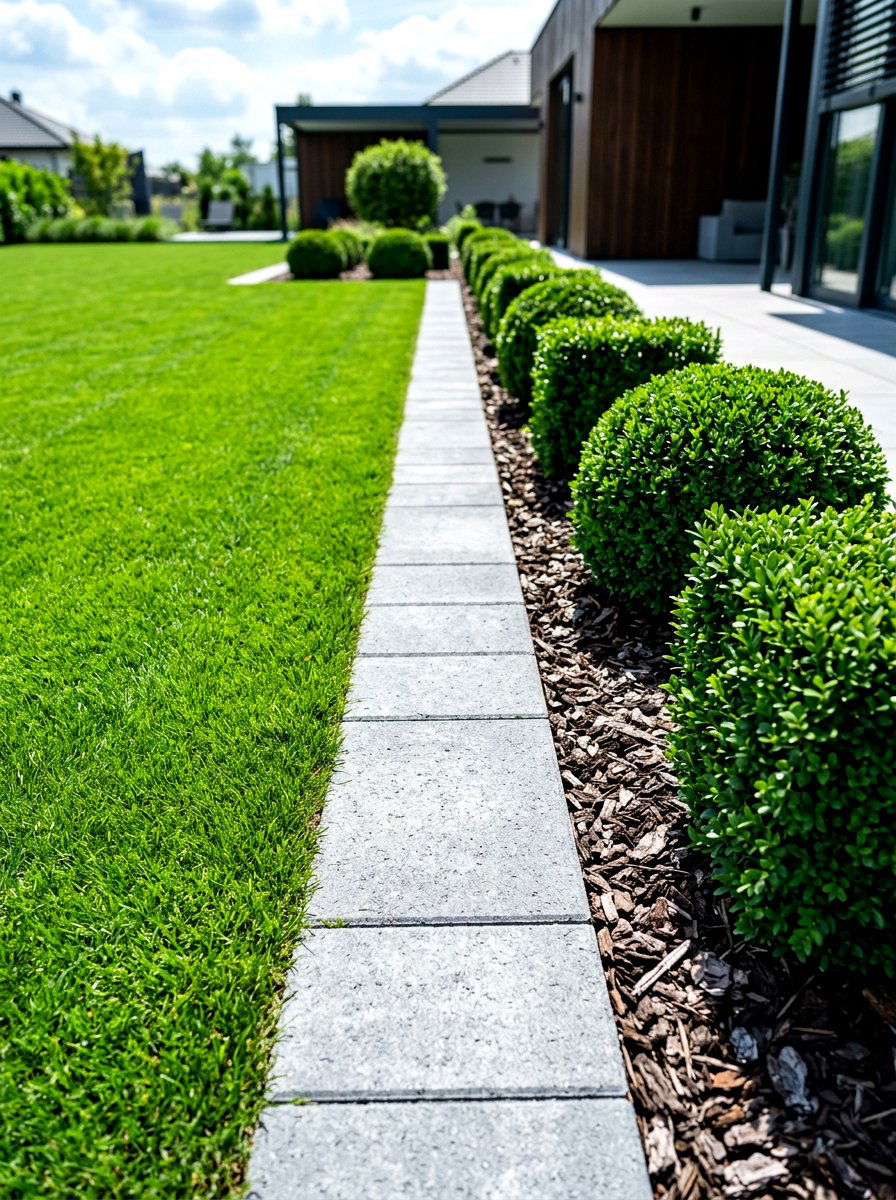
Have you ever wondered how to achieve a clean, contemporary look for your front yard landscaping? Grey concrete pavers offer a sleek and uniform solution that fits perfectly with modern architectural styles. These pavers are manufactured to be consistent in size and color, which allows for a very precise and straight installation. The neutral grey palette works well with almost any plant variety, from bright purple lavender to dark green boxwood shrubs. Using these pavers creates a very clear boundary that defines different zones in your outdoor space. They are also heavy enough to stay in place without shifting, providing a low-maintenance edge that keeps your landscape looking sharp and tidy.
3. Scalloped stone border
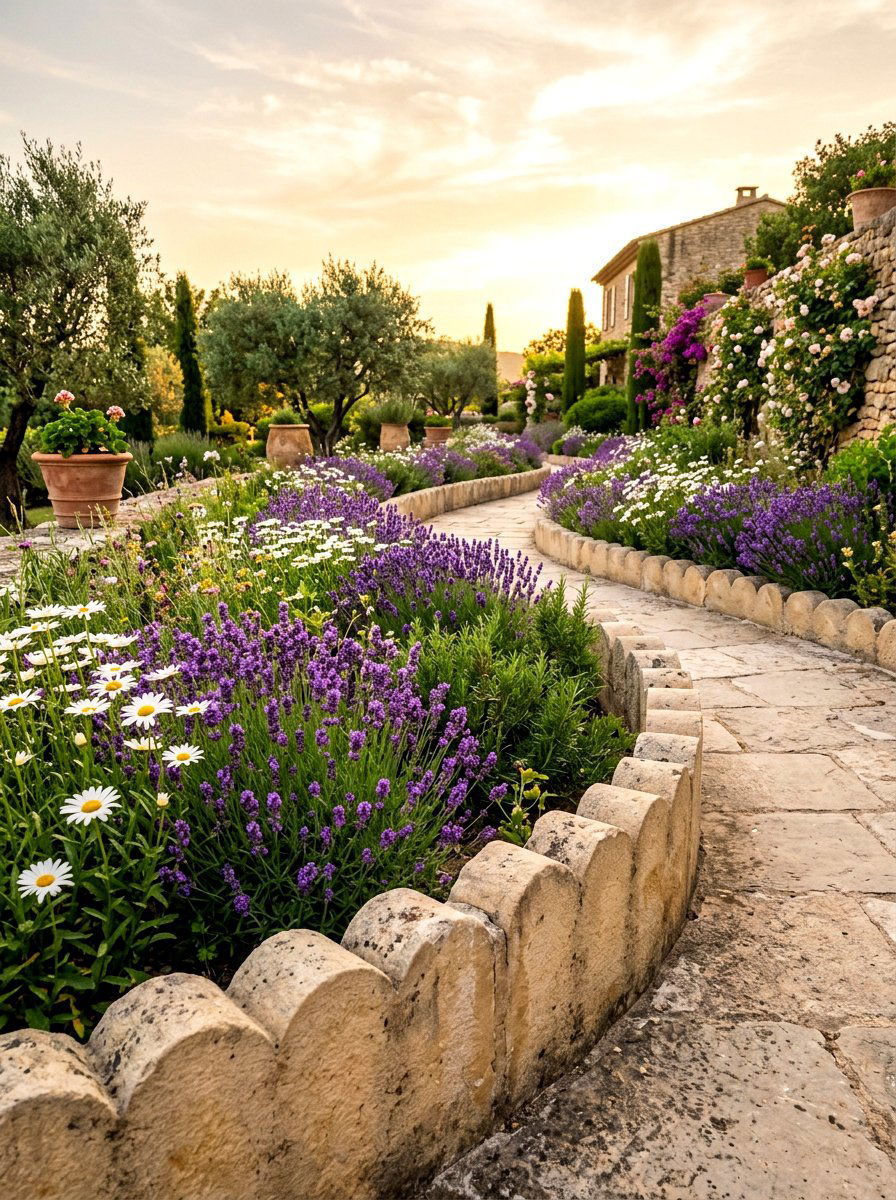
Adding a touch of decorative flair to your flower beds is easy when you choose a scalloped stone design. These pre-cast stones feature a curved top edge that creates a soft, undulating line along your garden paths. This visual rhythm adds a sense of movement and elegance to otherwise static landscape features. Scalloped borders are particularly effective in traditional or Mediterranean-inspired gardens where soft lines are preferred over sharp angles. They are easy to install by simply digging a shallow trench and lining them up. The height of these stones also provides a helpful barrier that keeps soil and decorative gravel from washing onto your lawn during heavy summer rain showers.
4. Curved paver walkway edge
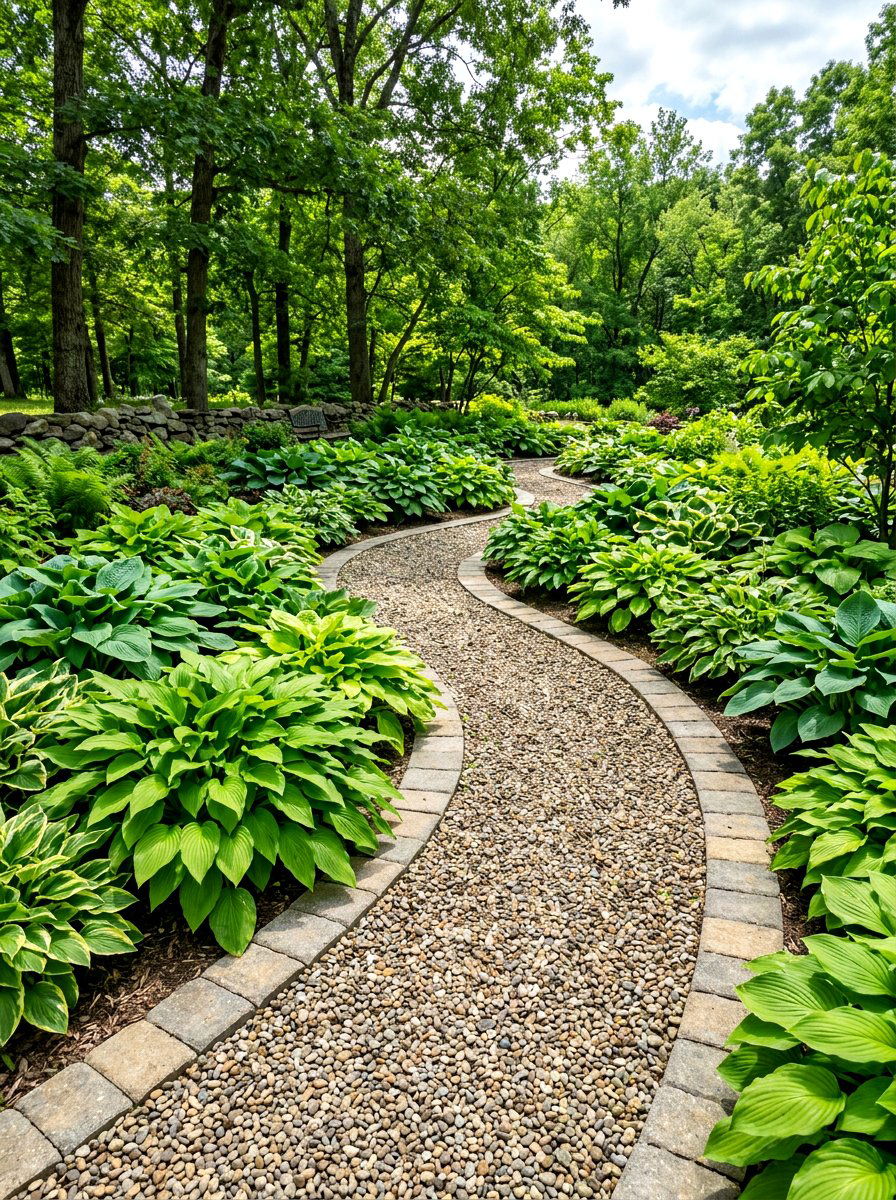
Designing a garden with natural flow often requires moving away from rigid straight lines in favor of gentle curves. A curved paver edge is the ideal way to frame a winding garden path or a circular flower bed. By using smaller pavers or wedge-shaped stones, you can easily create smooth transitions that guide the eye through the landscape. This technique softens the overall look of the yard and makes the outdoor space feel more organic and inviting. When installed correctly, these curved borders provide a professional finish that mimics the work of high-end landscape designers. It is a fantastic way to break up the monotony of a flat, rectangular suburban backyard.
5. Stacked flagstone garden border
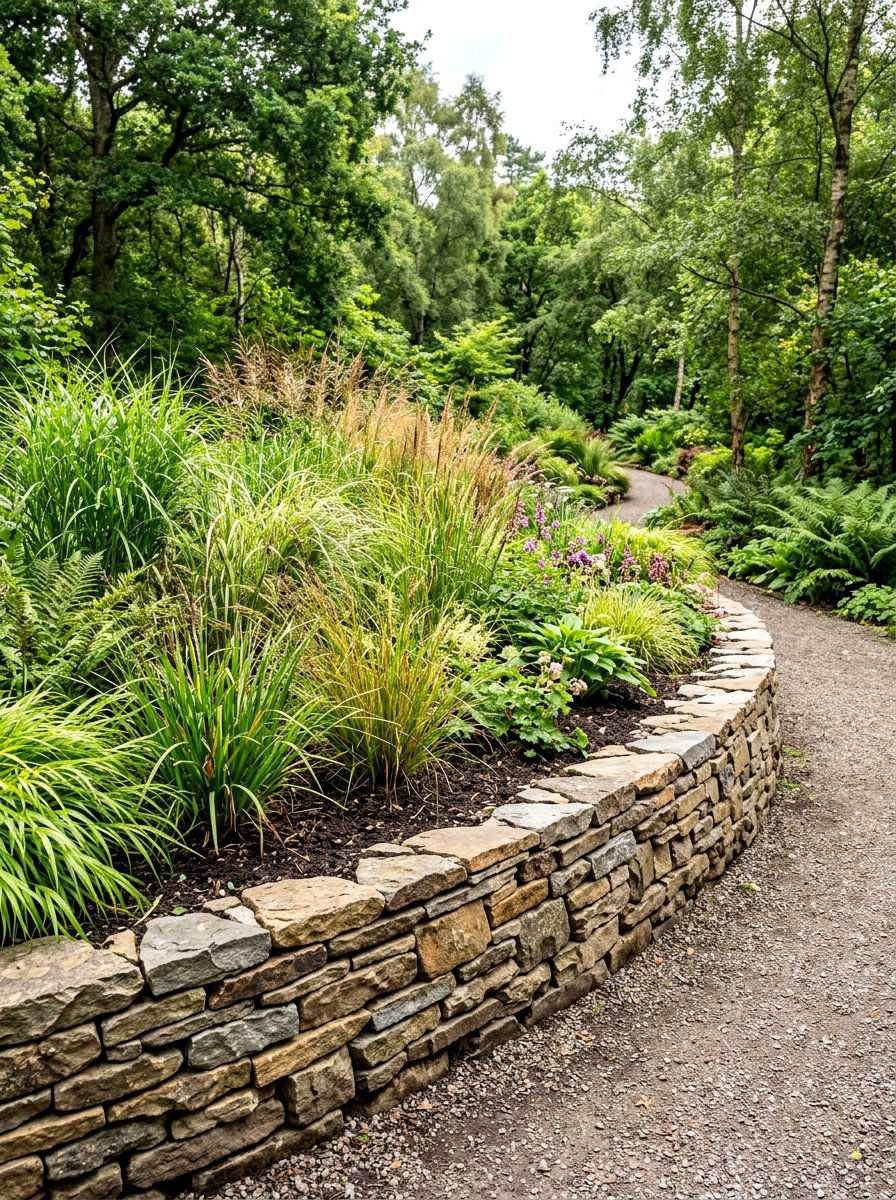
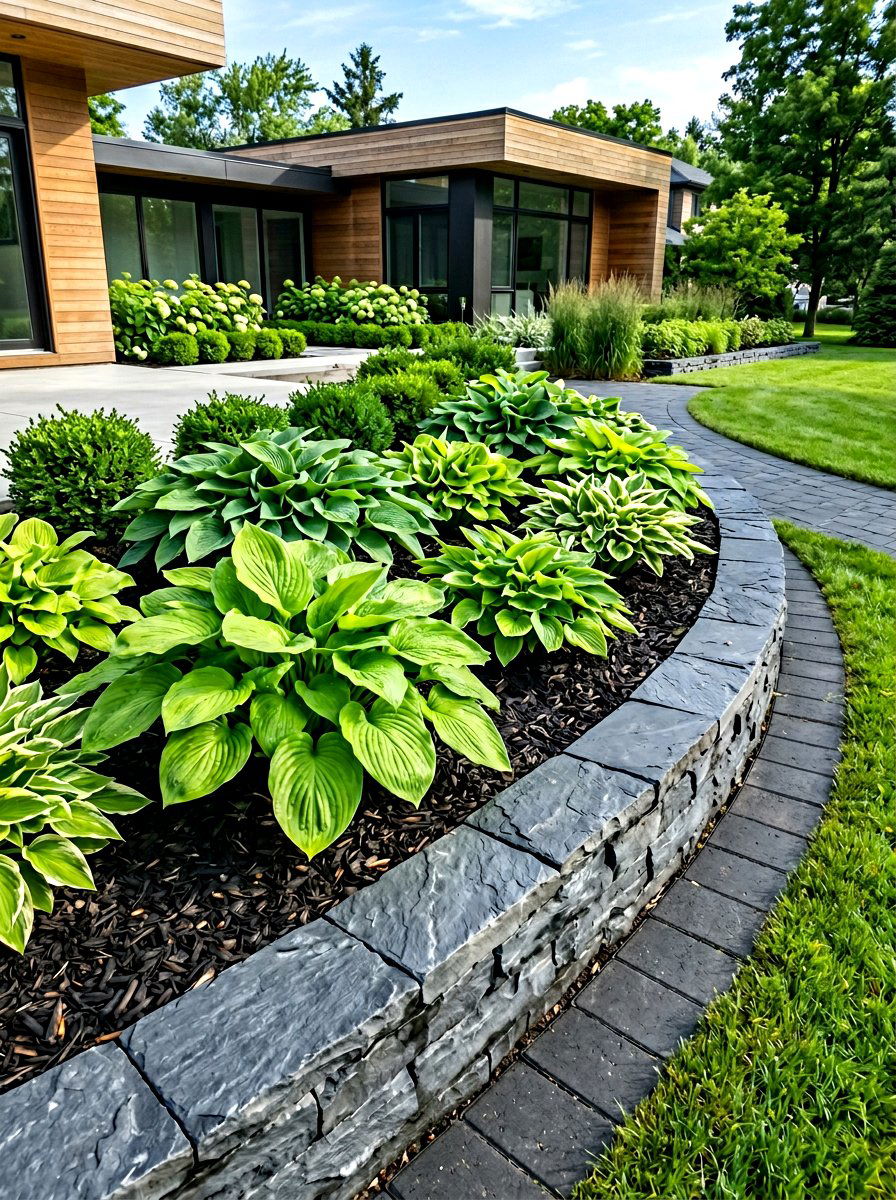
If you are looking for a rustic and natural appearance, nothing beats the layered look of stacked flagstones. This method involves using flat, irregular pieces of natural stone to build a small, low-profile wall around your planting areas. The different thicknesses and textures of the stones create a beautiful, handcrafted aesthetic that blends seamlessly with nature. Flagstone borders are excellent for slightly sloped yards where you might need a bit of elevation to level out a garden bed. The earthy browns, tans, and greys found in natural flagstone provide a neutral backdrop that highlights the colors of your blooming flowers. This design feels grounded, permanent, and full of historical character.
6. Cobblestone lawn edging
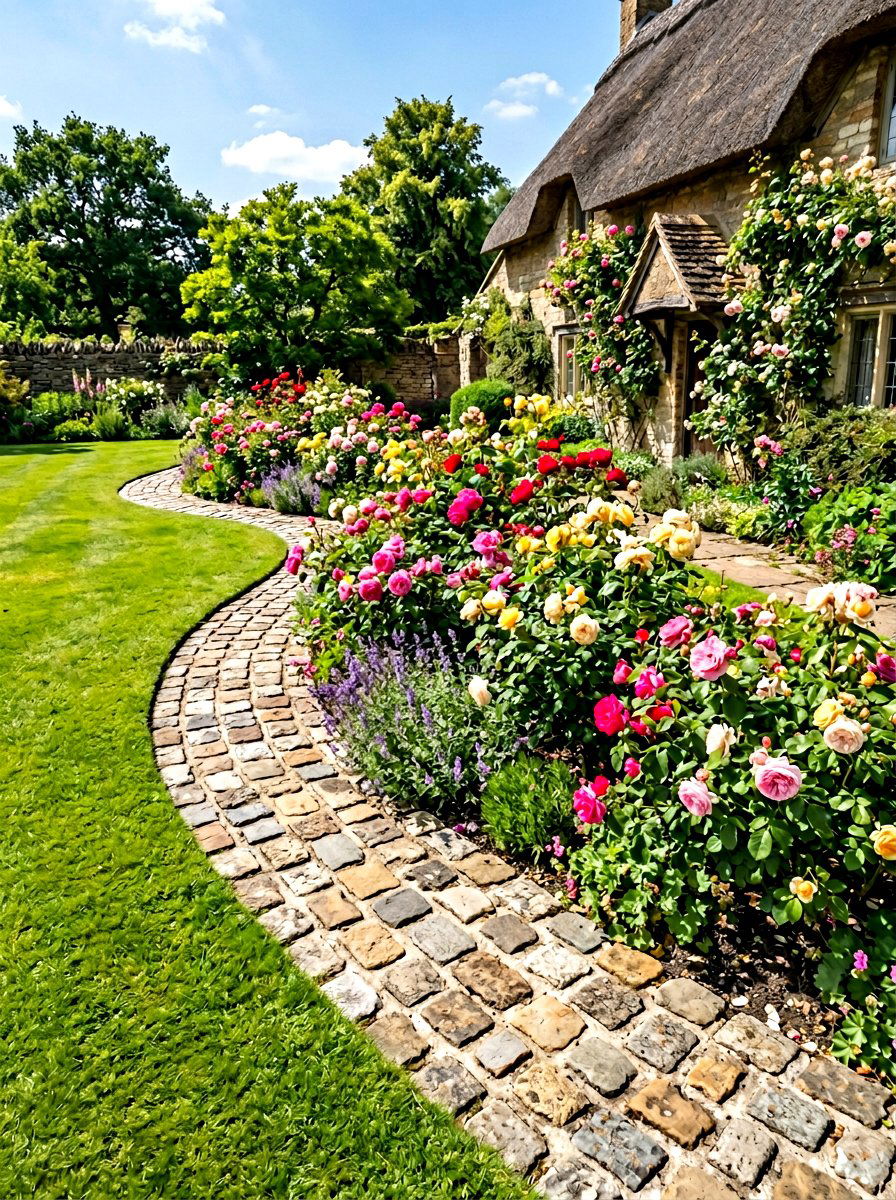
Transport your home to a charming European village by incorporating cobblestone edging along your lawn and garden beds. These rounded, sturdy stones offer an old-world appeal that looks better as it ages and weathers over time. Cobblestones are exceptionally tough and can handle being stepped on or even run over by a lawnmower without cracking. They work beautifully when paired with gravel paths or traditional rose gardens. The irregular shapes of the stones mean that no two sections of the border will look exactly the same, giving your landscape a unique and artisanal quality. They are perfect for creating a distinct "mow strip" that protects your delicate plants from heavy equipment.
7. Soldier course brick border
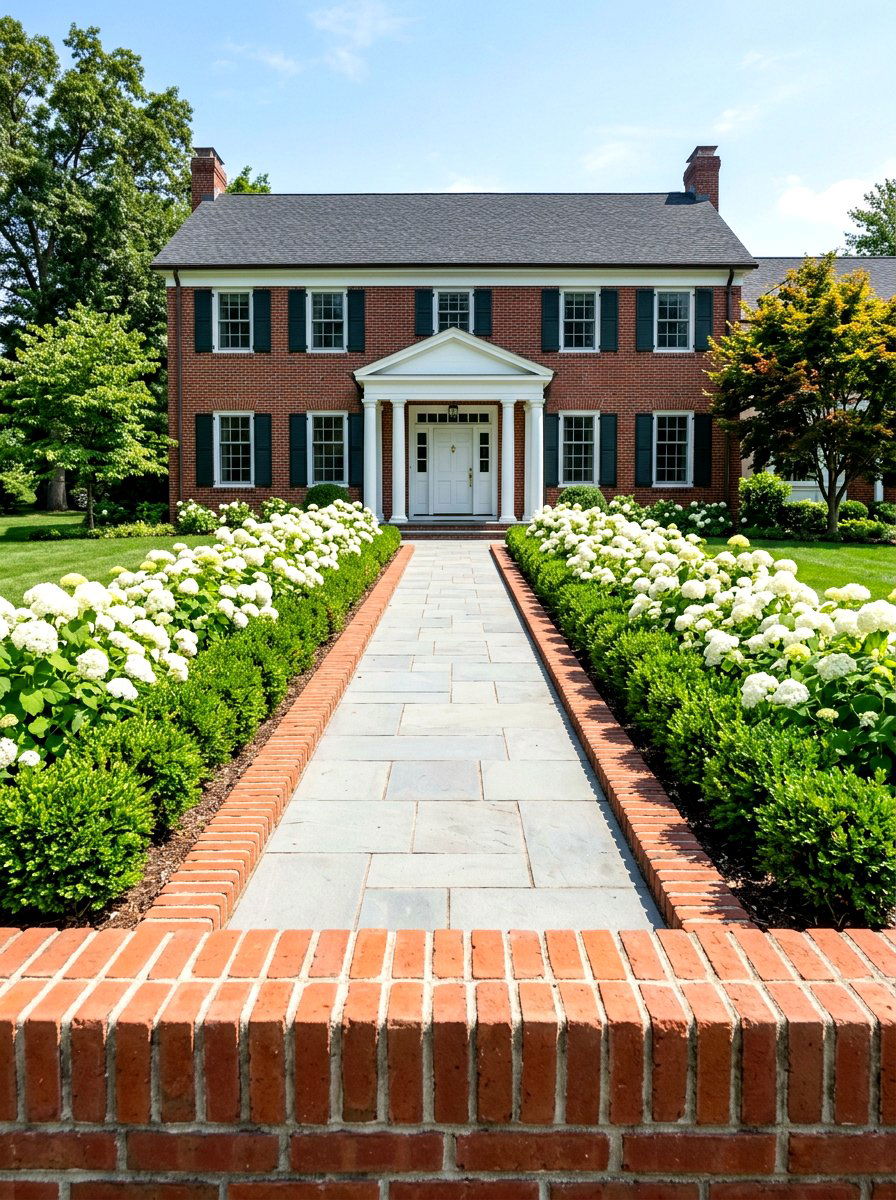
The soldier course is a popular masonry technique where bricks are laid standing up on their ends, side-by-side. This creates a tall and rhythmic border that provides a very strong visual boundary for garden beds. Because the bricks are positioned vertically, the border has more height than a flat-laid design, which helps contain taller layers of mulch or wood chips. This arrangement looks very formal and organized, making it a great choice for front entrance walkways or symmetrical garden layouts. The vertical lines add an interesting architectural element to the ground level, drawing the eye along the perimeter of the space. It is a classic look that never goes out of style.
8. Natural slate garden edge
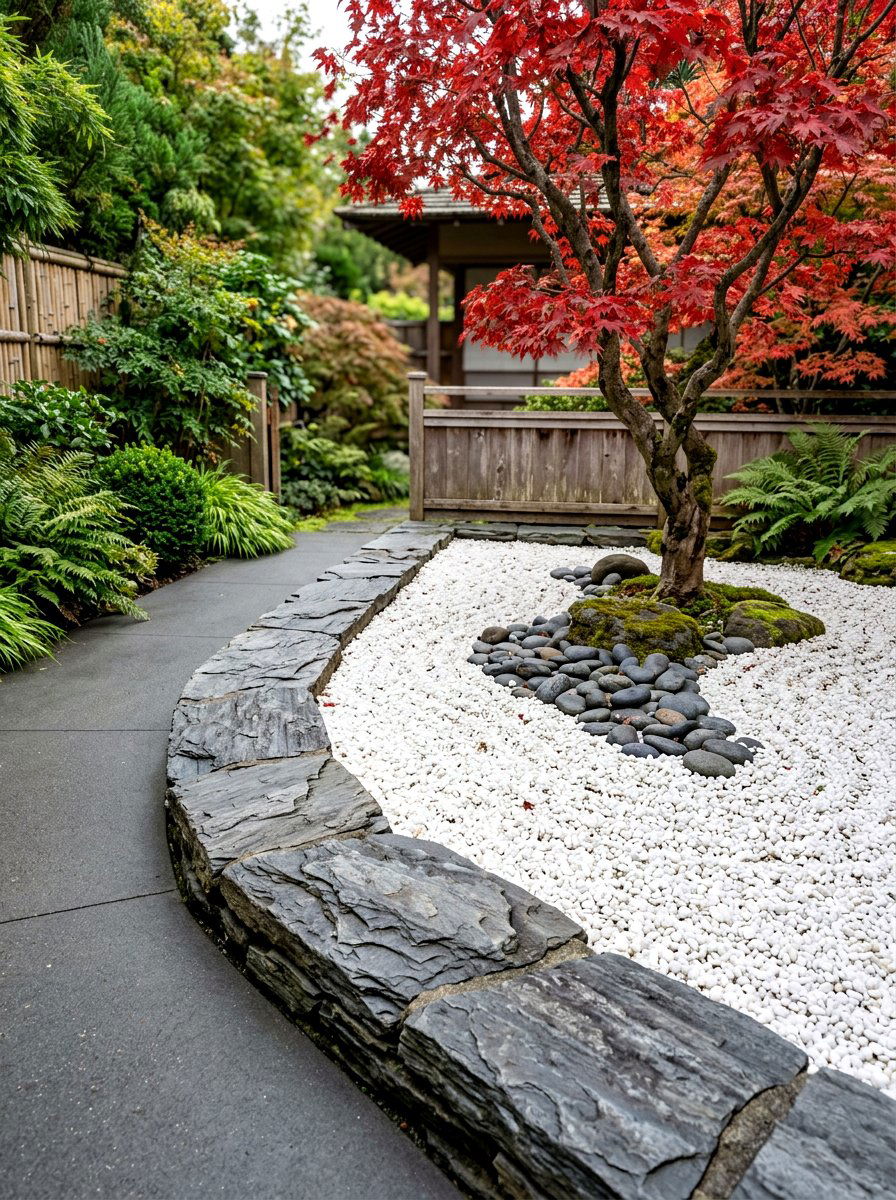
Slate is a premium material that offers a sophisticated and dark color palette for modern landscape designs. Using thin, flat pieces of slate as a border creates a sharp and defined edge that looks particularly striking next to light-colored gravel or bright green turf. The natural cleft surface of the slate provides a subtle texture that catches the light beautifully throughout the day. Slate is also highly resistant to water, making it a durable choice for regions with high rainfall or humid climates. Whether you use long slabs or smaller stacked pieces, a slate border brings a high-end, gallery-like feel to your backyard. It is the perfect choice for a minimalist or Zen-inspired garden.
9. Square patio paver border
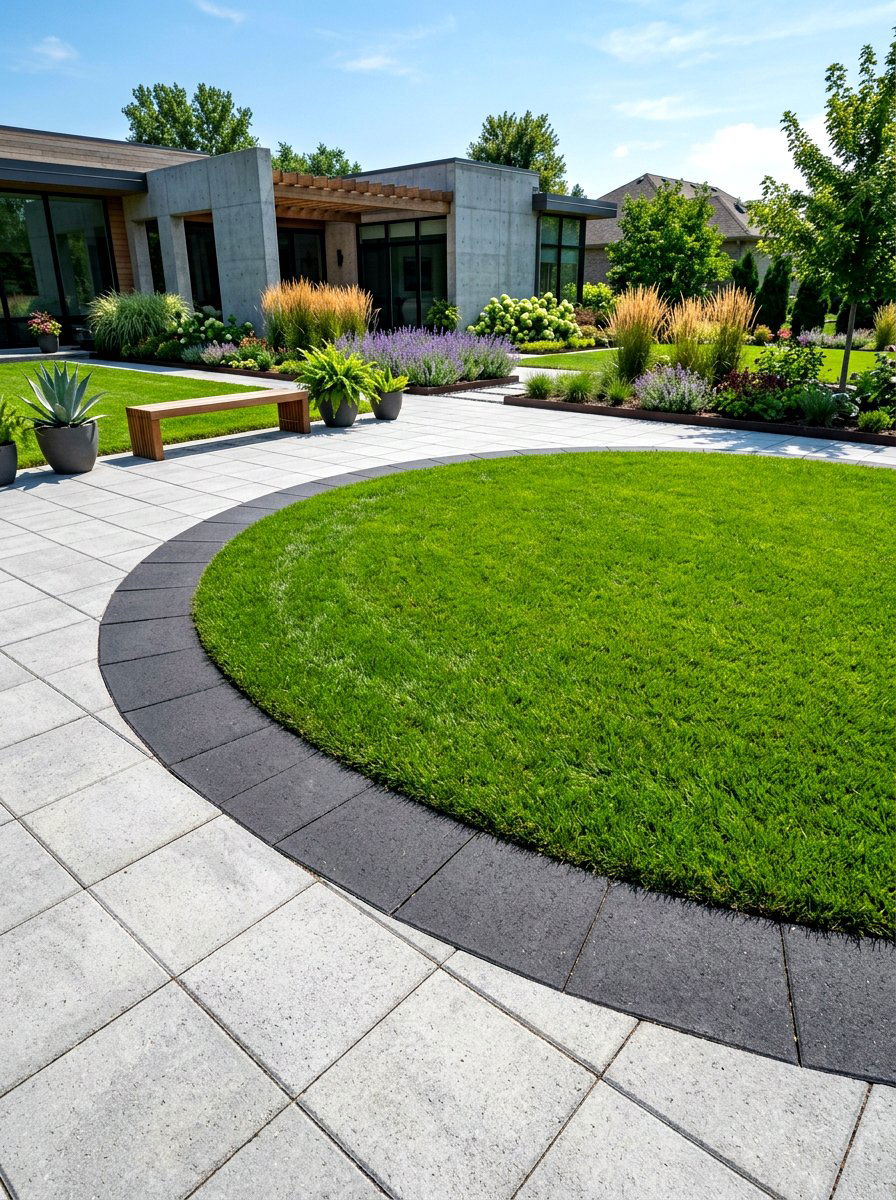
When you want a border that is wide enough to double as a small walking surface, square patio pavers are the way to go. These larger pavers create a very stable and substantial frame for garden beds or outdoor seating areas. By laying a single or double row of square pavers, you create a clean "ribbon" that separates the soft landscape from the hardscape. This design is highly functional because it allows you to walk along the edge of the garden without stepping in the dirt. The geometric precision of the squares provides a sense of order and balance, which is very pleasing to the eye in large, open backyard spaces.
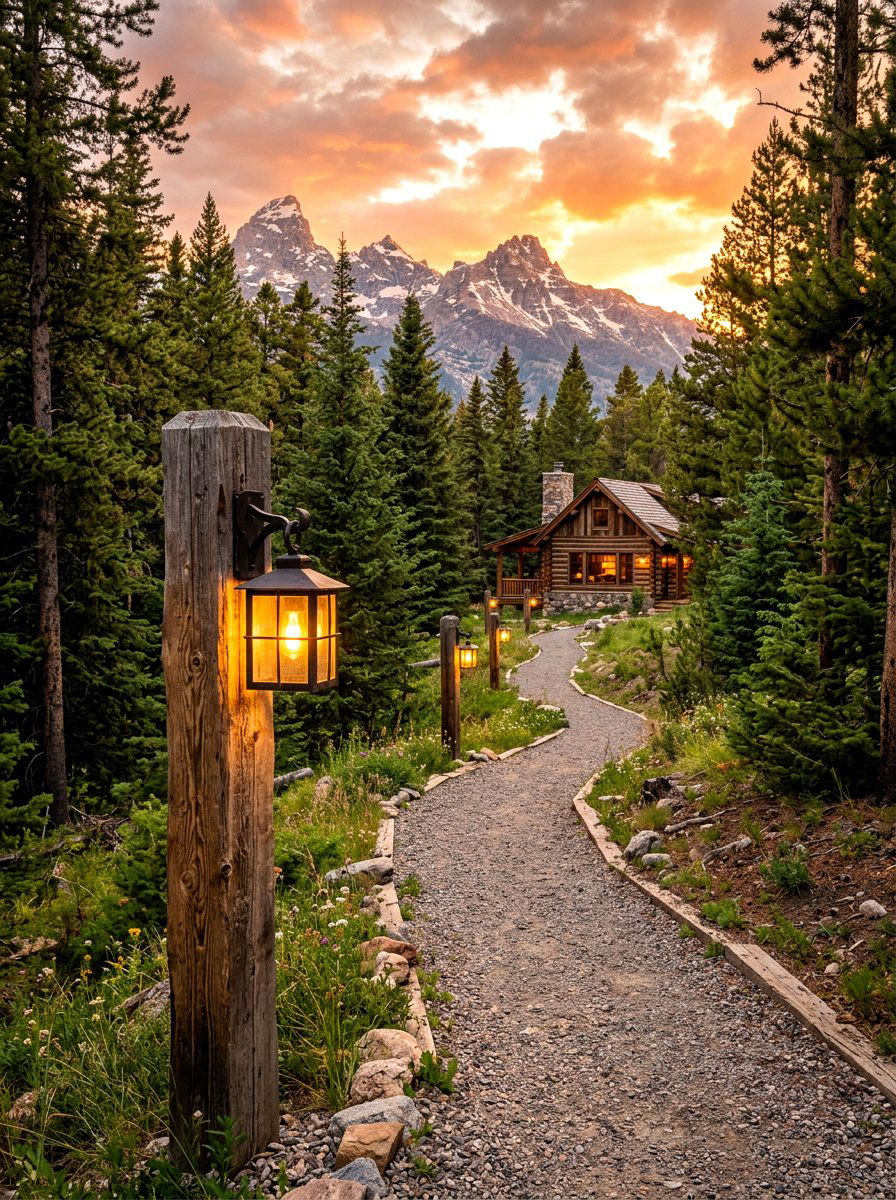
10. Granite block garden edging
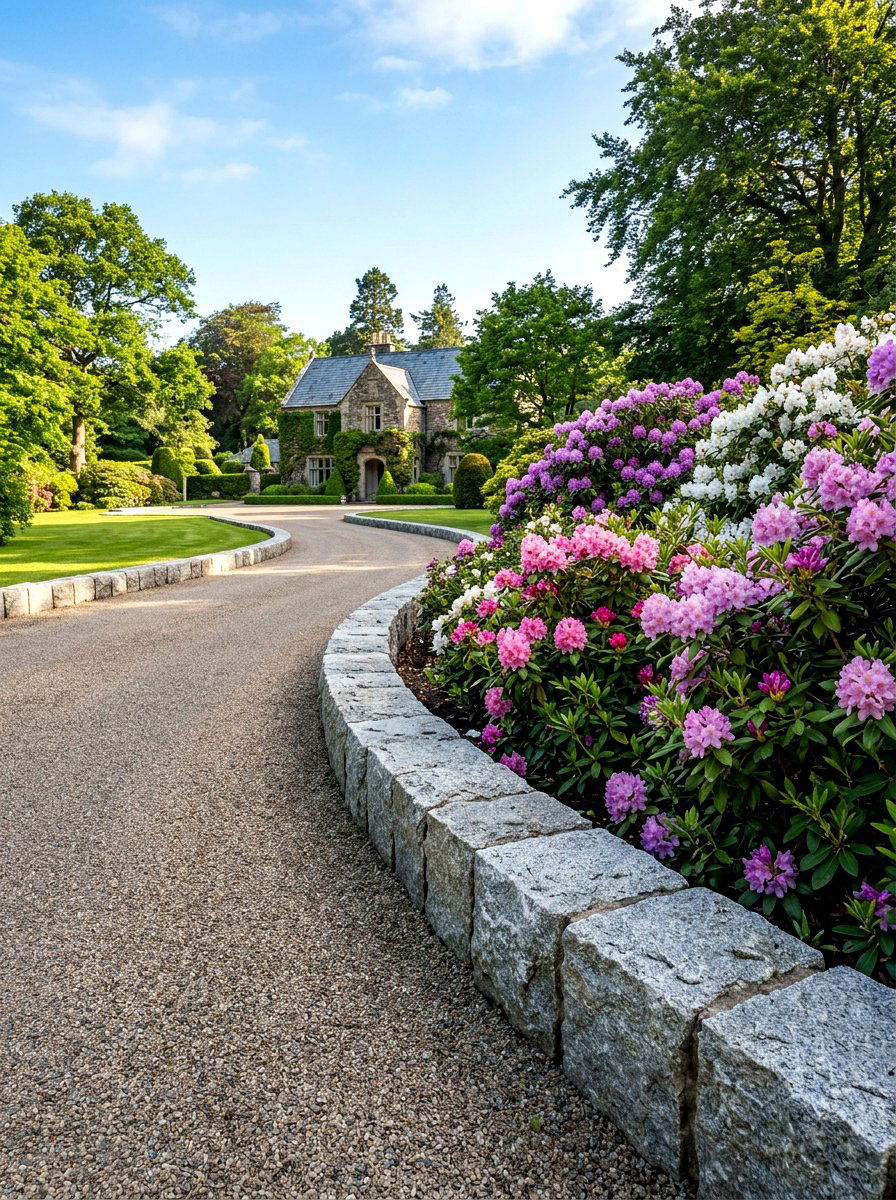
For ultimate durability and a sense of permanence, granite blocks are an outstanding selection for garden borders. Granite is one of the hardest natural stones available, ensuring that your borders will not chip, fade, or erode over several decades. These blocks usually have a rough, hewn finish that adds a touch of rugged elegance to your landscape. They are often used in high-end residential projects to define driveways and large estate gardens. The salt-and-pepper look of grey granite is classic, but you can also find blocks in pink or tan hues. Because of their weight, these blocks stay firmly in place and require very little maintenance once they are properly installed.
11. Terraced paver retaining wall
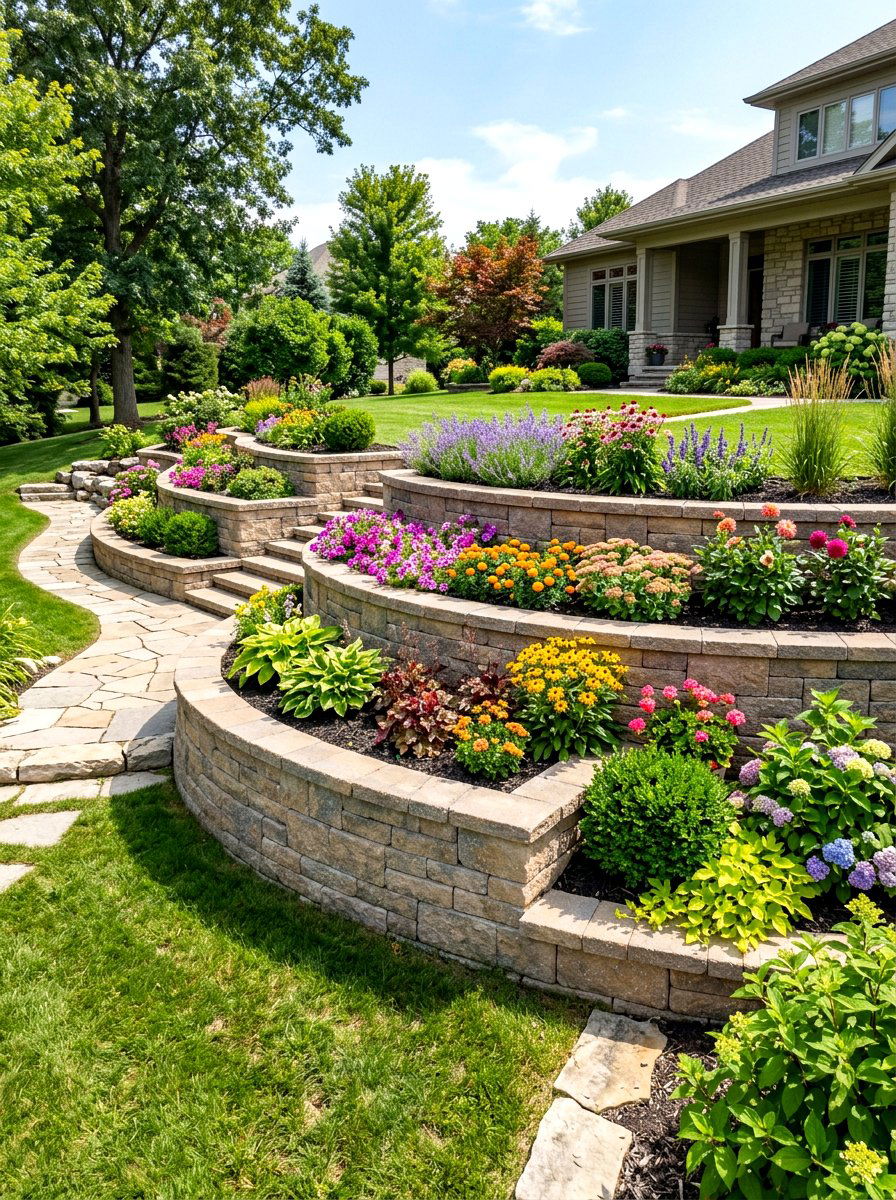
Sloped yards can be a challenge to landscape, but a terraced paver border can turn a steep hill into a series of beautiful garden levels. By using interlocking wall pavers, you can build small retaining walls that hold back soil and create flat planting pockets. This adds vertical interest to your yard and allows you to grow a wider variety of plants in a small footprint. The terraced look is very professional and can significantly increase the curb appeal and value of your property. Choosing pavers with a textured face will give the wall a more natural look, while smooth pavers provide a clean, contemporary finish for modern homes.
12. Tumbled stone flower bed edge
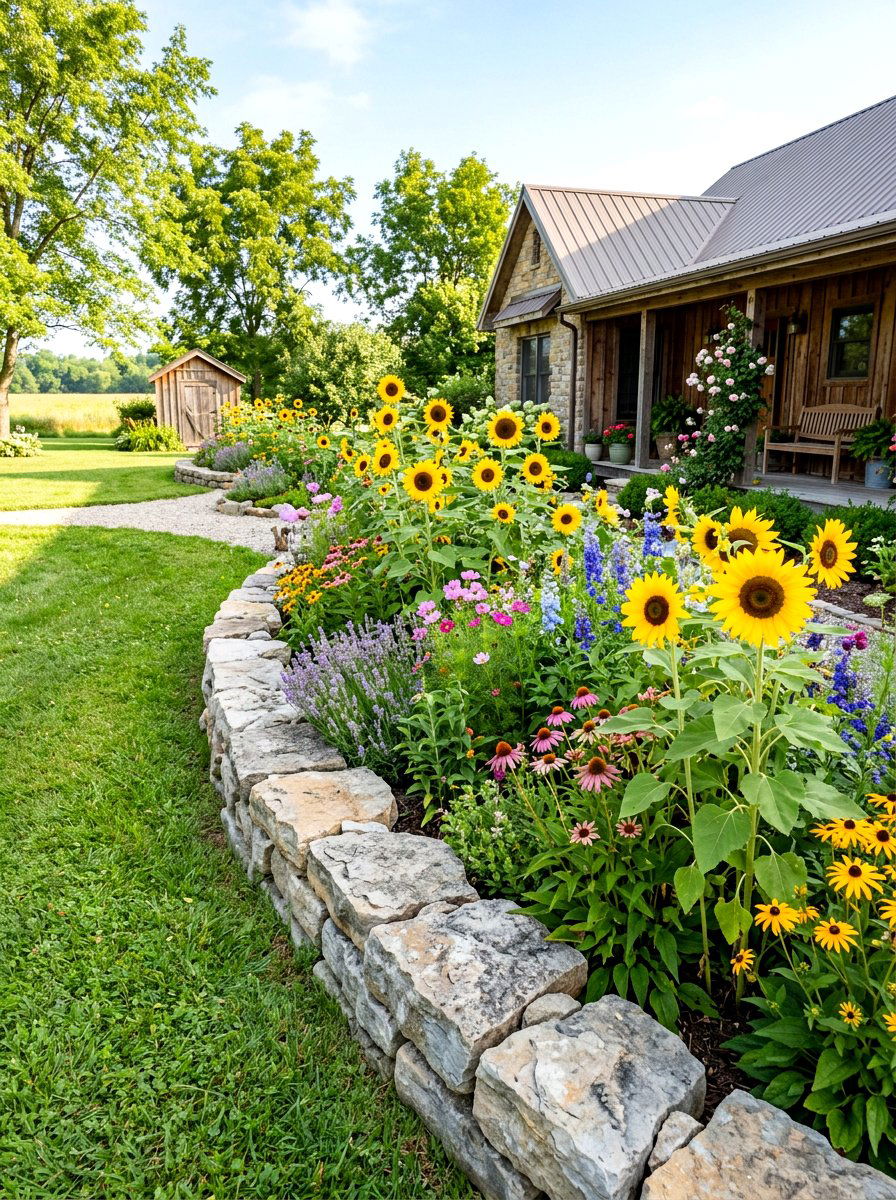
Tumbled stones have been processed to remove sharp corners, giving them a soft, weathered appearance that looks like they have been smoothed by a river. Using these stones as a garden border creates a relaxed and cozy atmosphere in your backyard. They are perfect for cottage gardens, farmhouse-style landscapes, or anywhere you want a lived-in feel. The rounded edges make them safer for children and pets who might be playing near the garden beds. Tumbled pavers come in various earthy tones, allowing you to mix and match colors for a more varied and natural look. This style of edging is incredibly versatile and easy to install in both straight and curved patterns.
13. Herringbone pattern paver border
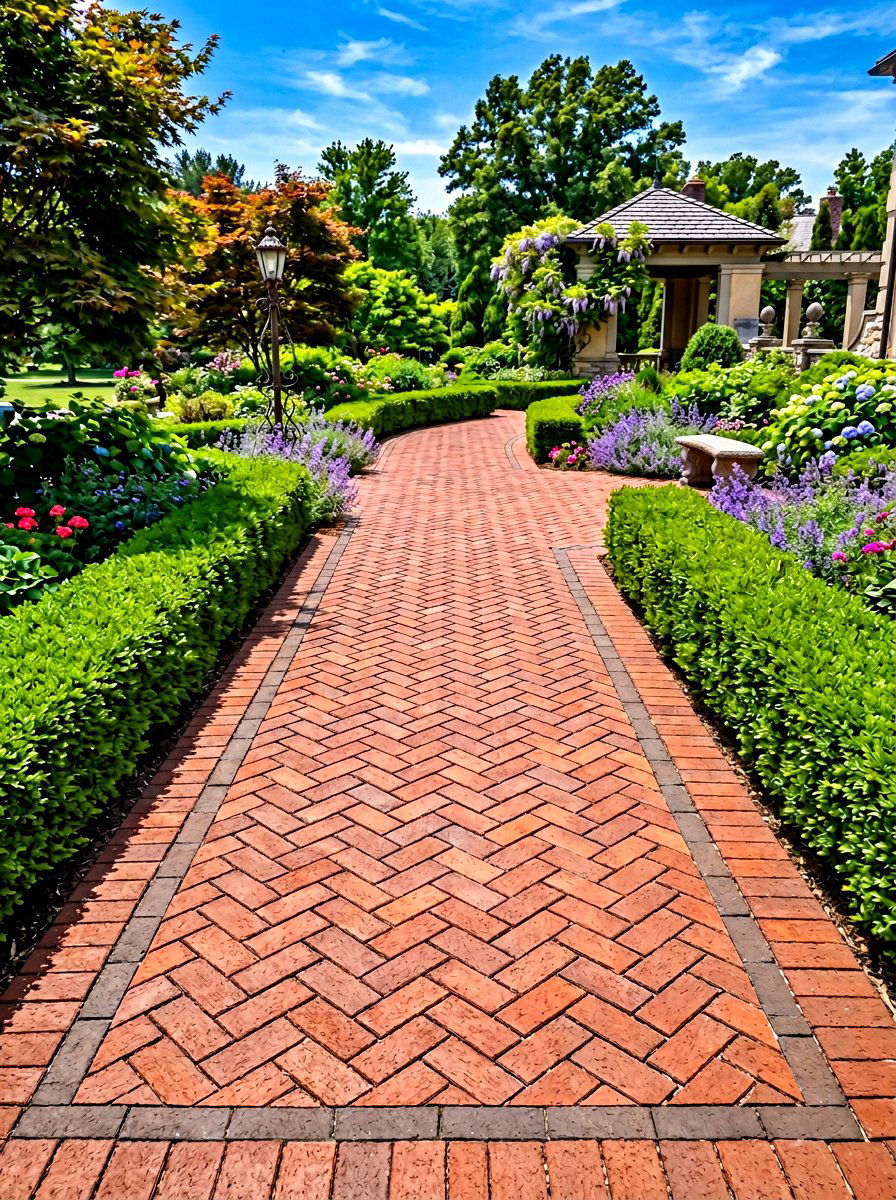
If you want to add a high level of detail and craftsmanship to your landscape, consider a herringbone pattern for your paver border. This classic zig-zag arrangement is eye-catching and creates a sophisticated look that is often seen in high-end patios and walkways. While it requires more precise cutting and planning than a standard linear border, the visual payoff is well worth the extra effort. The herringbone pattern is naturally very strong because the interlocking pieces distribute weight evenly. This makes it an excellent choice for borders that sit next to driveways or high-traffic paths. It turns a simple garden edge into a decorative focal point that enhances the entire design.
14. Multi color stone border
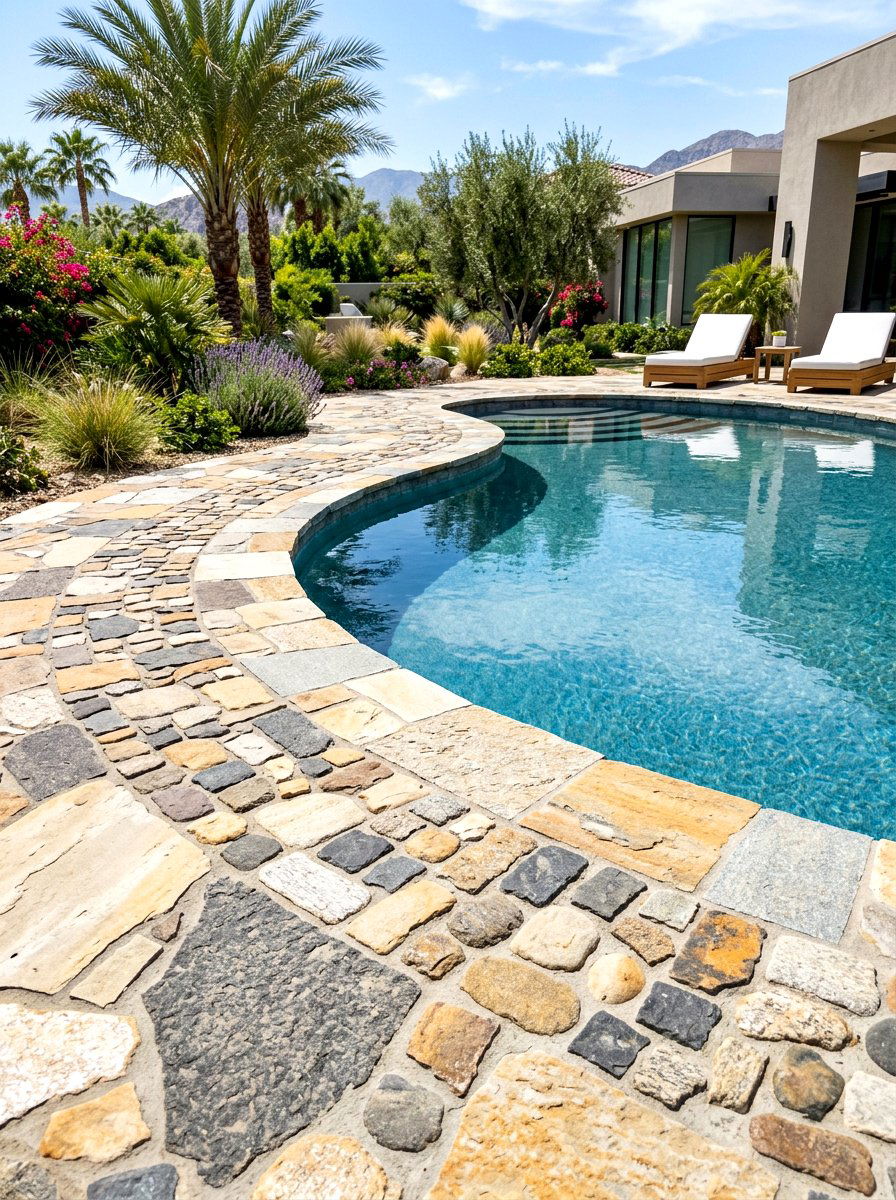
Why settle for one shade when you can create a vibrant and dynamic look with a multi-color stone border? By mixing different tones of tan, brown, grey, and charcoal, you can mimic the natural variation found in mountain landscapes. This approach is great for hiding dirt and stains, making it a very practical choice for busy family backyards. The color variation also helps tie together different elements of your home’s exterior, such as the roof shingles, siding, and existing stone accents. A multi-colored border looks best when used with irregular or tumbled stones, as it enhances the organic and rustic feel of the garden. It adds a layer of visual depth.
15. Double row brick edging
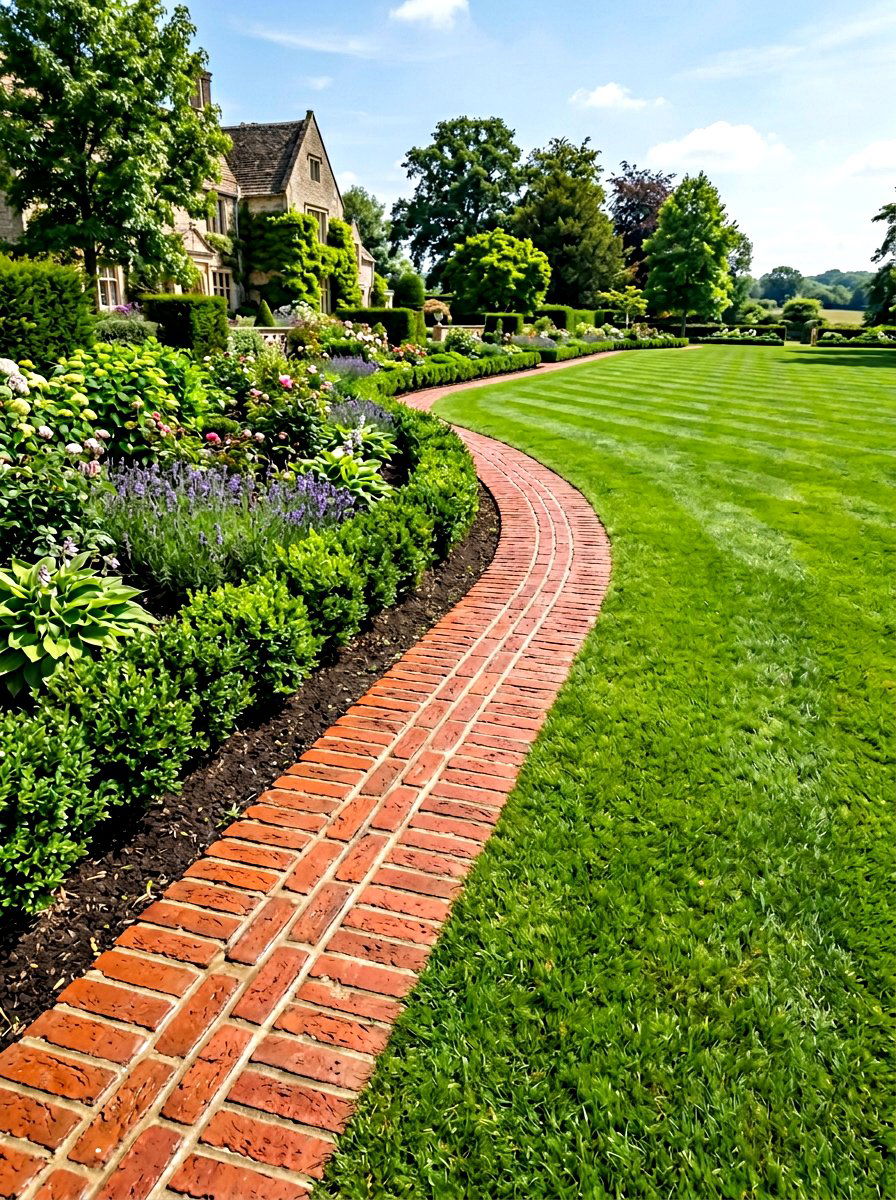
Sometimes a single row of pavers just isn't enough to make the statement you want. A double row brick border provides a thick, substantial boundary that clearly defines the transition between different areas of the yard. This style is particularly effective for large garden beds or for bordering a spacious lawn where a thin edge might get lost. You can lay both rows flat, or you can get creative by laying one row flat and the other as a soldier course. This added width also serves as an excellent mow strip, giving your lawnmower wheels a wide, flat surface to ride on. It results in a very clean, professional-looking cut every time.
16. Flat stone garden walkway border
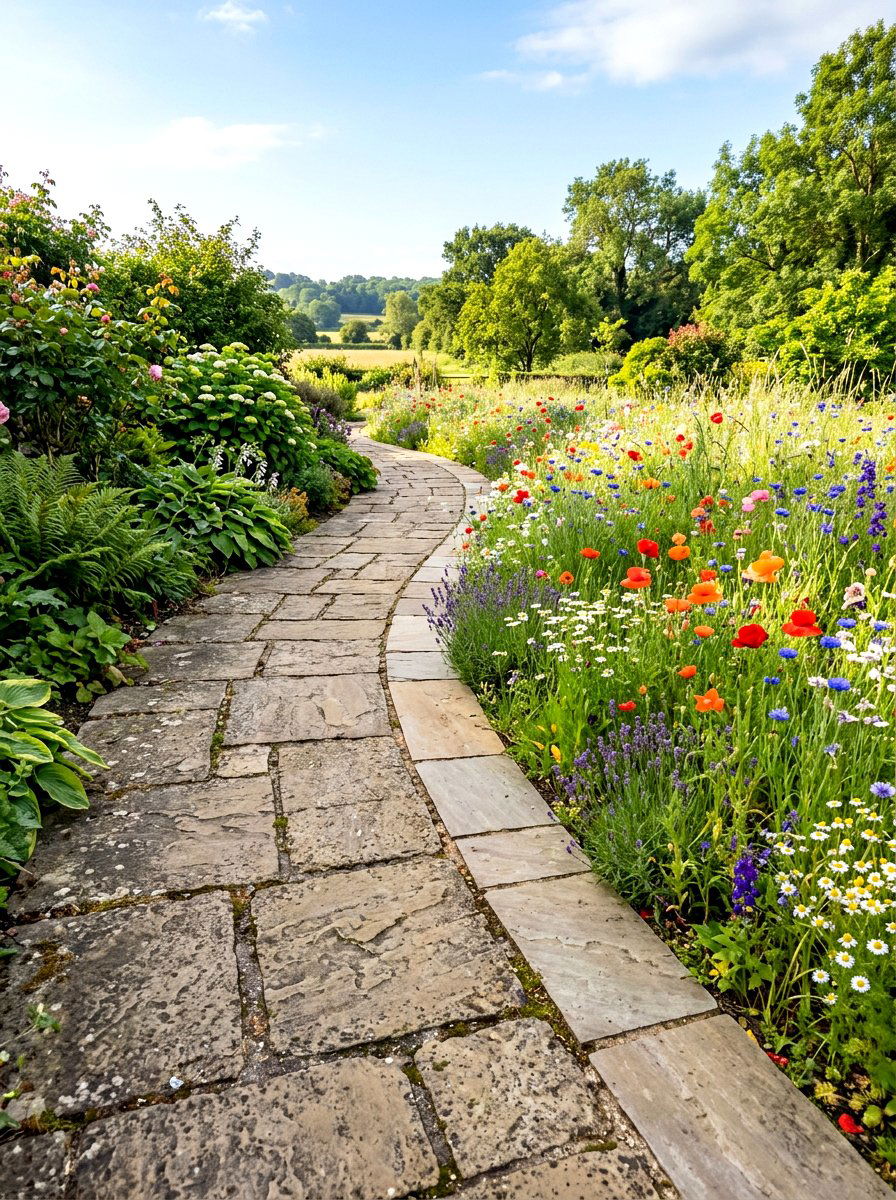
Creating a seamless transition between a walkway and the surrounding garden is easy with flat stone borders. These stones are usually thin and wide, sitting flush with the ground to create a smooth surface. This design is perfect for those who want a minimalist look that doesn't obstruct the view of the plants. Flat stones are very easy to walk on and provide a stable edge for wheelbarrows or garden carts. When chosen in a color that matches your walkway, the border makes the path look wider and more intentional. It is a subtle but effective way to organize your outdoor space while keeping a low profile and natural aesthetic.
17. Modern gray stone border
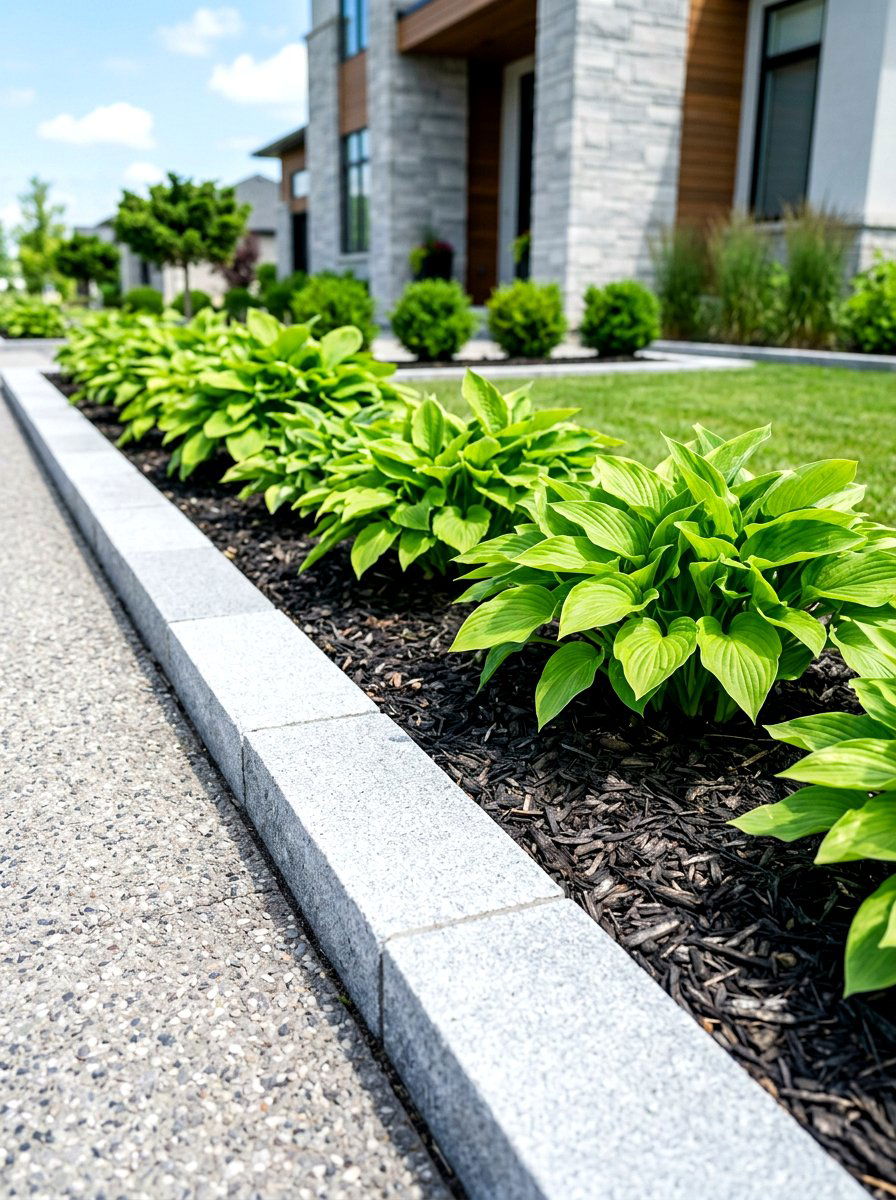
For a look that is strictly contemporary, a modern gray stone border is the perfect finishing touch. These pavers often feature sharp, clean edges and a smooth, untextured surface that emphasizes geometric simplicity. The cool tones of the gray stone look incredible when paired with white decorative gravel or dark black mulch. This style is very popular in urban gardens and minimalist landscapes where the goal is to create a sense of calm and order. Because gray is a neutral color, it allows the bright greens and vibrant floral colors of your garden to truly pop. It is a sophisticated choice for homeowners who love clean lines and modern design.
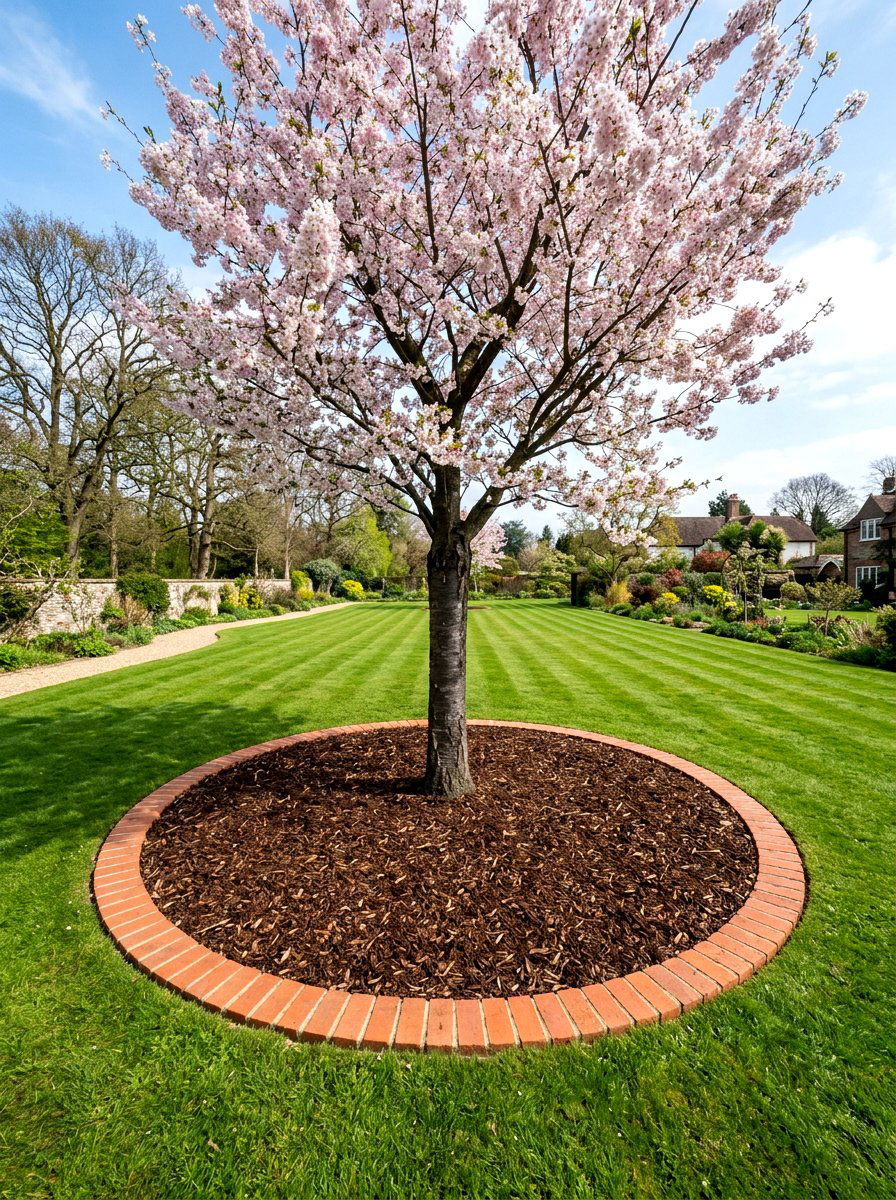
18. Circular paver garden edge
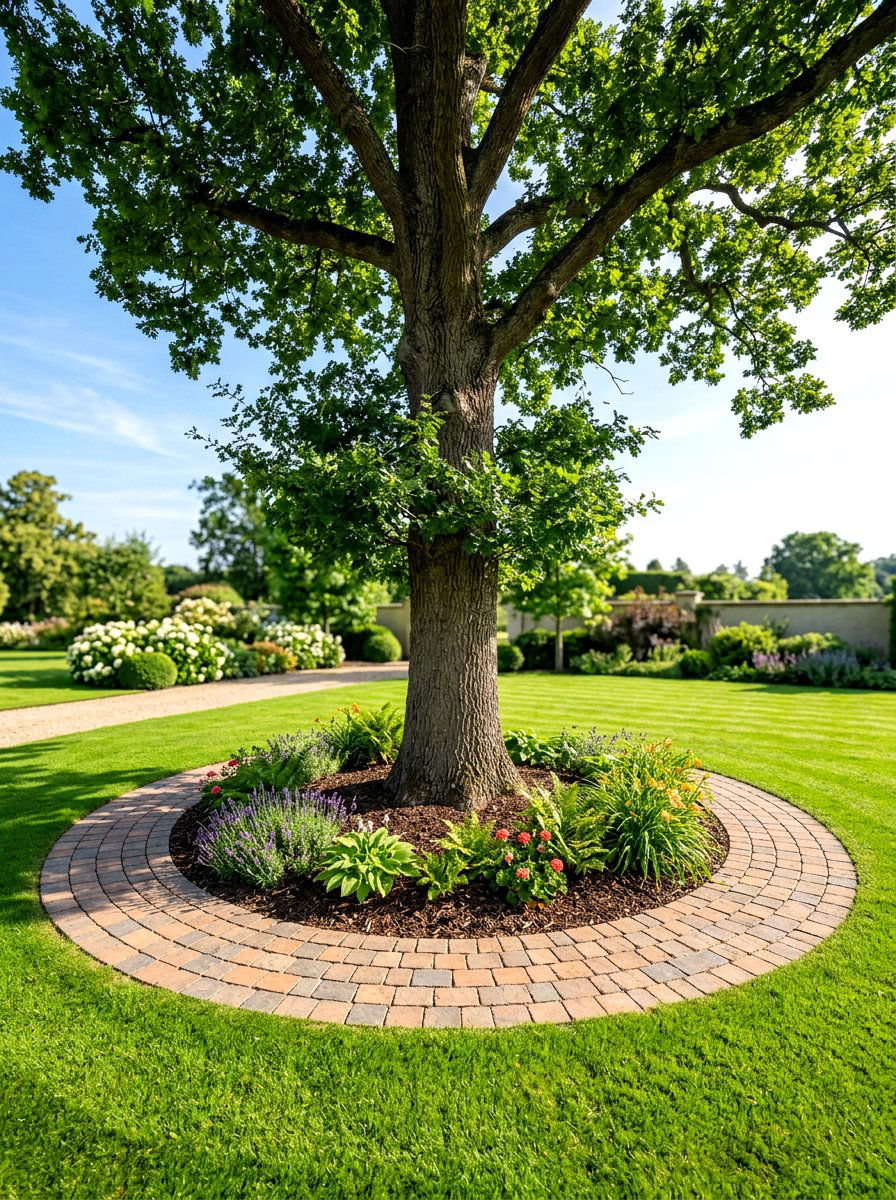
Creating a focal point in your yard, such as a specimen tree or a beautiful fountain, is best done with a circular paver border. This design technique draws the eye inward and highlights the special feature at the center. Using small, rectangular pavers allows you to create a smooth, rounded edge without gaps. Circular borders soften the often-boxy feel of suburban yards and add a sense of grace to the landscape. They are also very practical for protecting the base of trees from lawnmower damage. Whether you use bricks, concrete, or natural stone, a well-executed circle adds a professional and artistic touch to any garden layout or backyard design.
19. Sandstone garden bed border
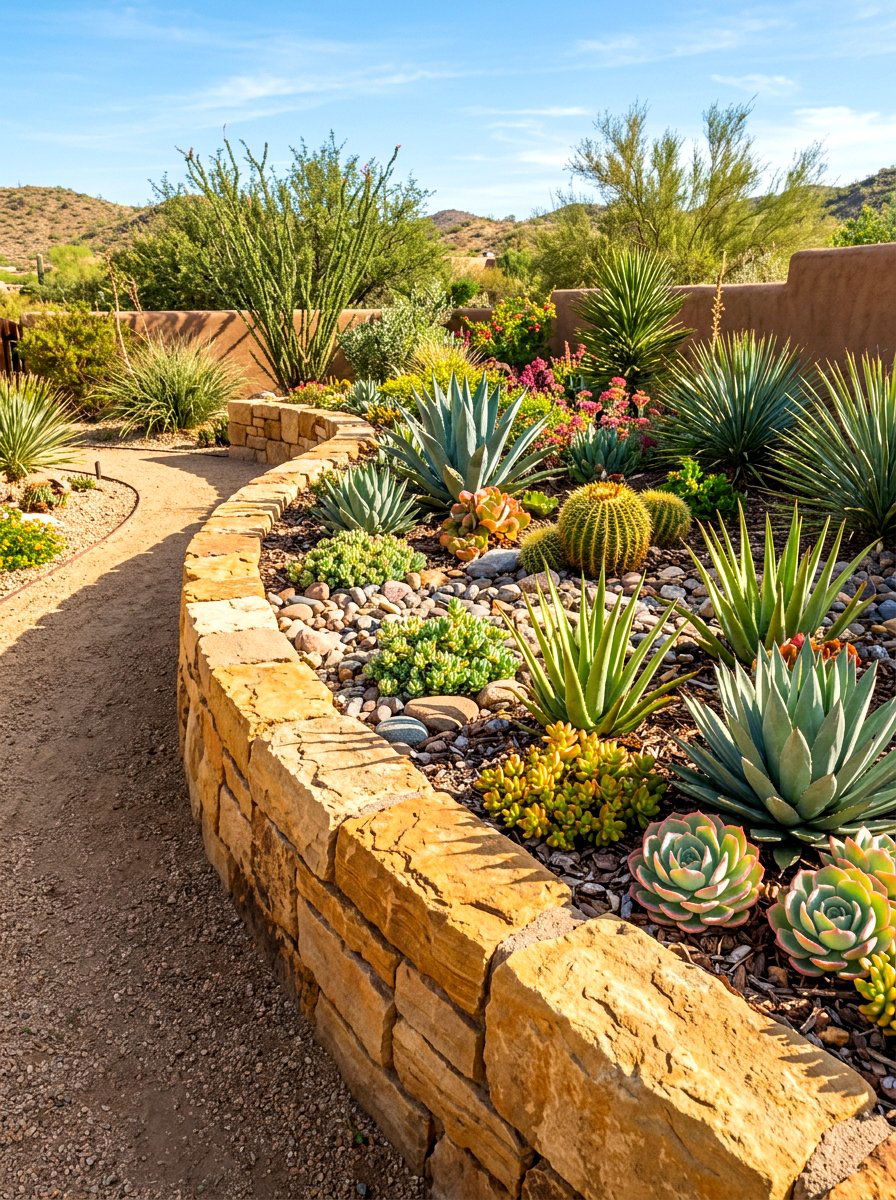
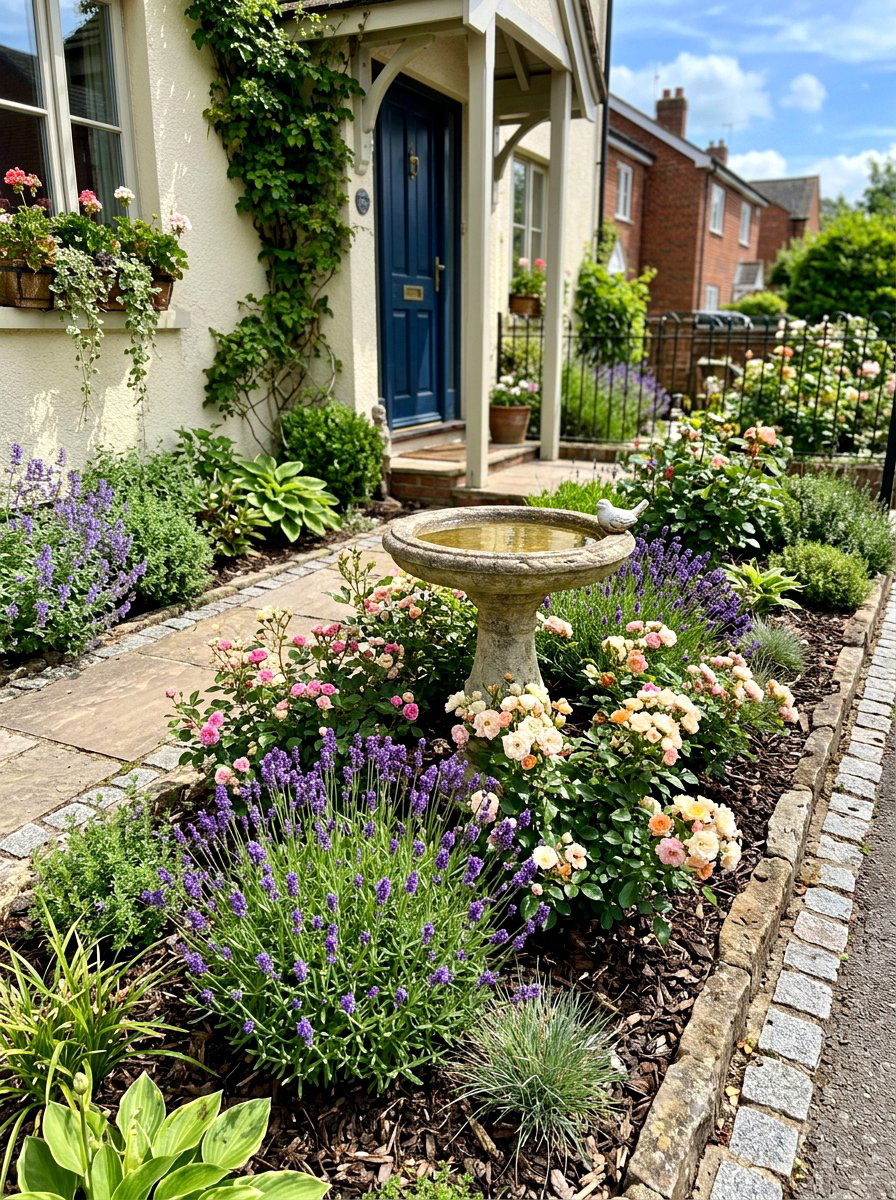
Sandstone is a beloved landscaping material known for its beautiful tan, gold, and cream hues. Using sandstone for your garden borders brings a sunny and warm feel to the yard, even on cloudy days. The natural grain and texture of sandstone give it a unique character that manufactured materials simply cannot replicate. It is soft enough to be easily shaped but durable enough to last for many years in the garden. Sandstone looks particularly stunning in xeriscapes or desert-themed gardens, where its colors complement succulents and ornamental grasses. This material provides a soft, natural frame that enhances the organic beauty of your plants and shrubs without feeling overly formal.
20. Interlocking concrete paver edge
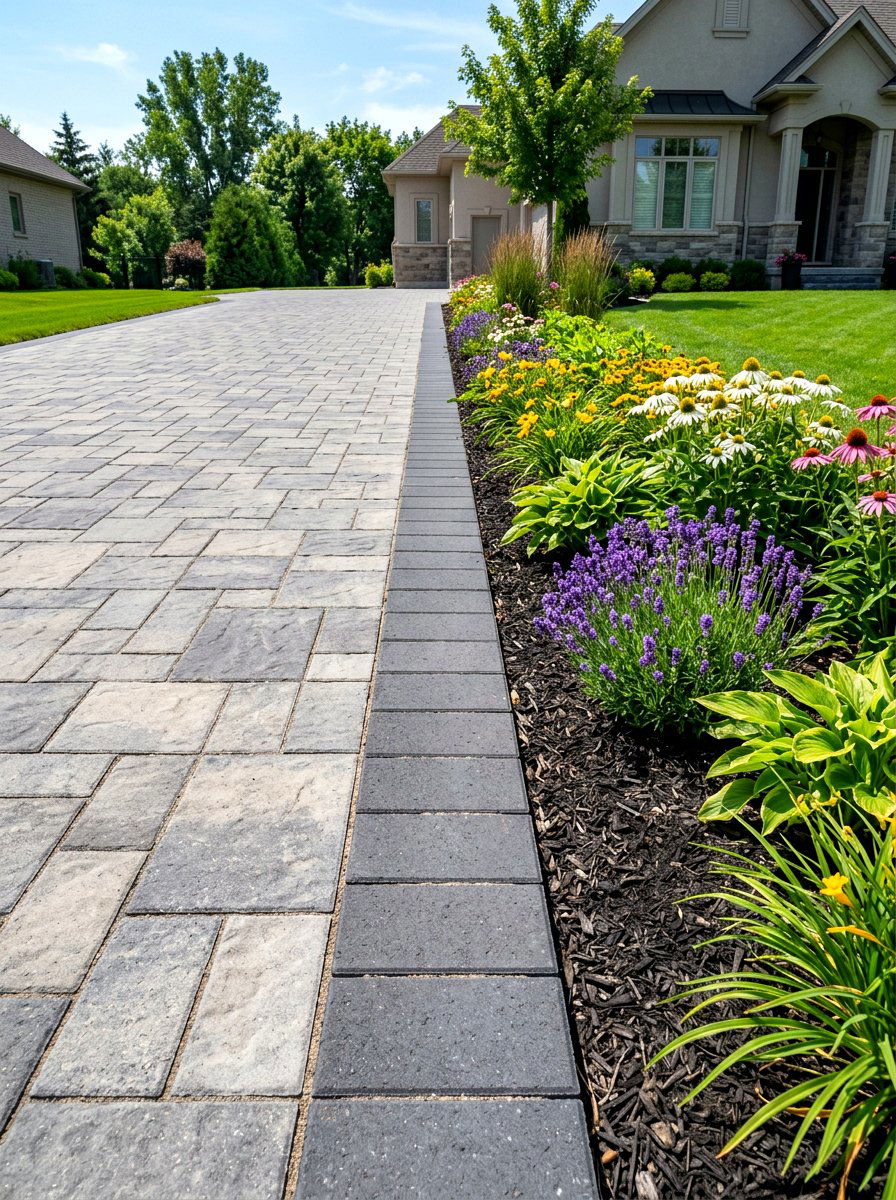
If you are looking for a border that is easy to install and stays perfectly aligned, interlocking concrete pavers are the best choice. These pavers are designed with a tongue-and-groove system or specific shapes that fit together like a puzzle. This prevents the stones from shifting over time due to soil movement or heavy foot traffic. They come in a vast array of colors and textures, from those that look like aged stone to sleek, modern versions. The interlocking design creates a very strong and stable border that can even handle the pressure of a driveway edge. It is a DIY-friendly option that delivers a professional and long-lasting result for any garden.
21. Travertine garden border
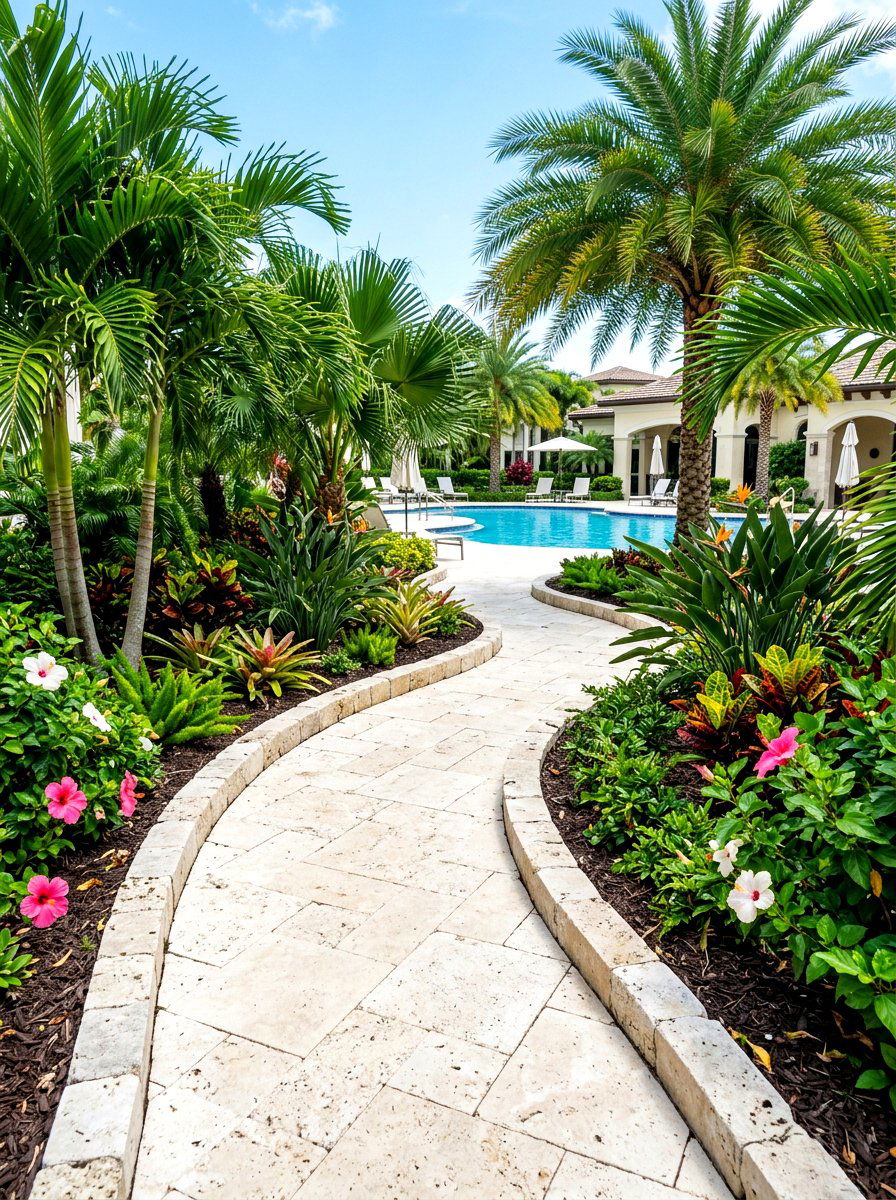
Travertine is a luxury natural stone that is often used for high-end pool decks and patios. Using it as a garden border brings a touch of opulence and resort-style living to your backyard. Travertine is known for its smooth, porous surface and elegant shades of beige, walnut, and ivory. It stays cool to the touch even in direct sunlight, which is a nice benefit if you enjoy gardening barefoot. The soft, buttery colors of travertine create a high-contrast look when paired with dark soil or deep green foliage. While it is a more expensive option, the timeless beauty and sophistication it adds to a landscape are unmatched by almost any other material.
22. Dark charcoal paver edging
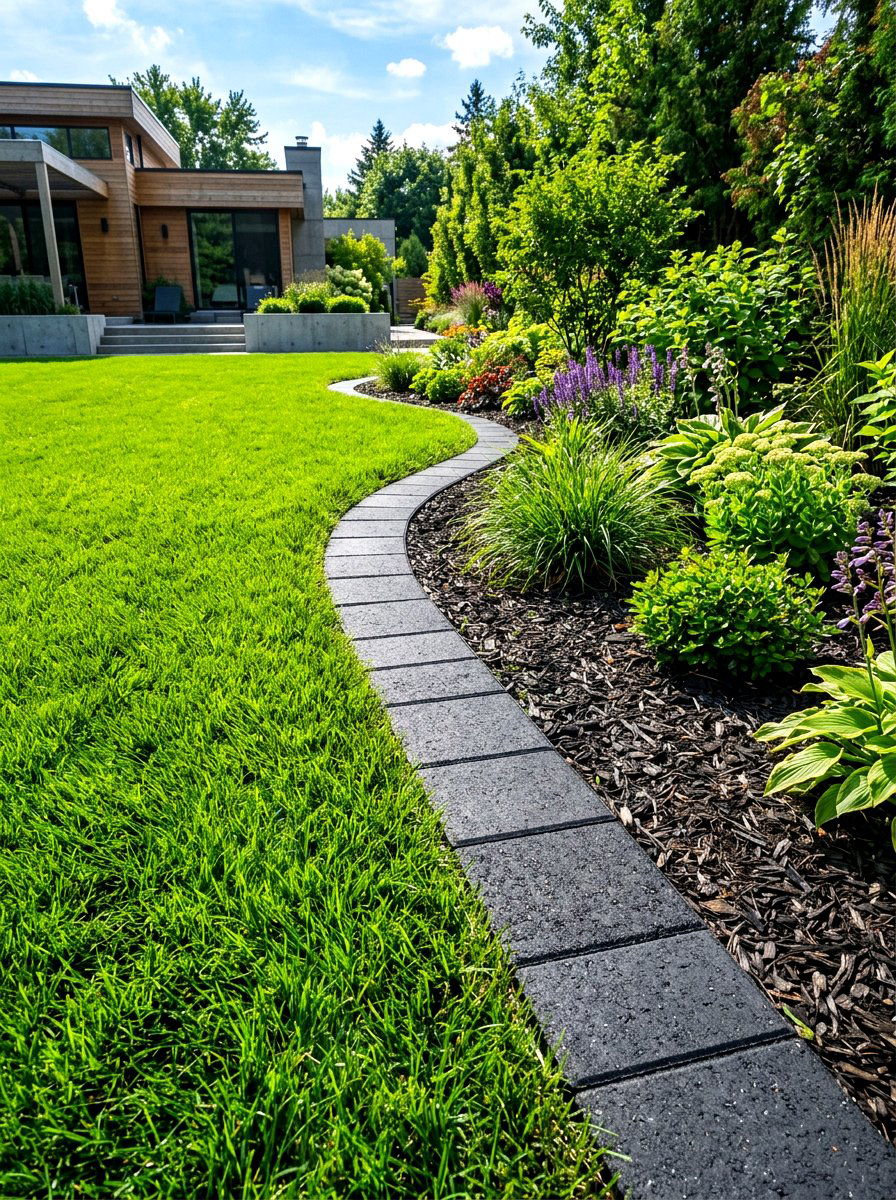
Dark charcoal pavers provide a bold and dramatic edge that defines a garden with high-contrast style. This deep, moody color is incredibly popular in modern landscaping because it makes the surrounding green grass and colorful flowers appear even more vibrant. Charcoal pavers are excellent for hiding tire marks, dirt, or moss, making them a very practical and low-maintenance choice for borders near driveways or shaded areas. The dark tone adds a sense of weight and groundedness to the design. Whether you choose a smooth finish or a textured, stone-like appearance, charcoal edging creates a sophisticated and sharp boundary that looks stunning in any contemporary or transitional outdoor living space.
23. Limestone garden bed edge
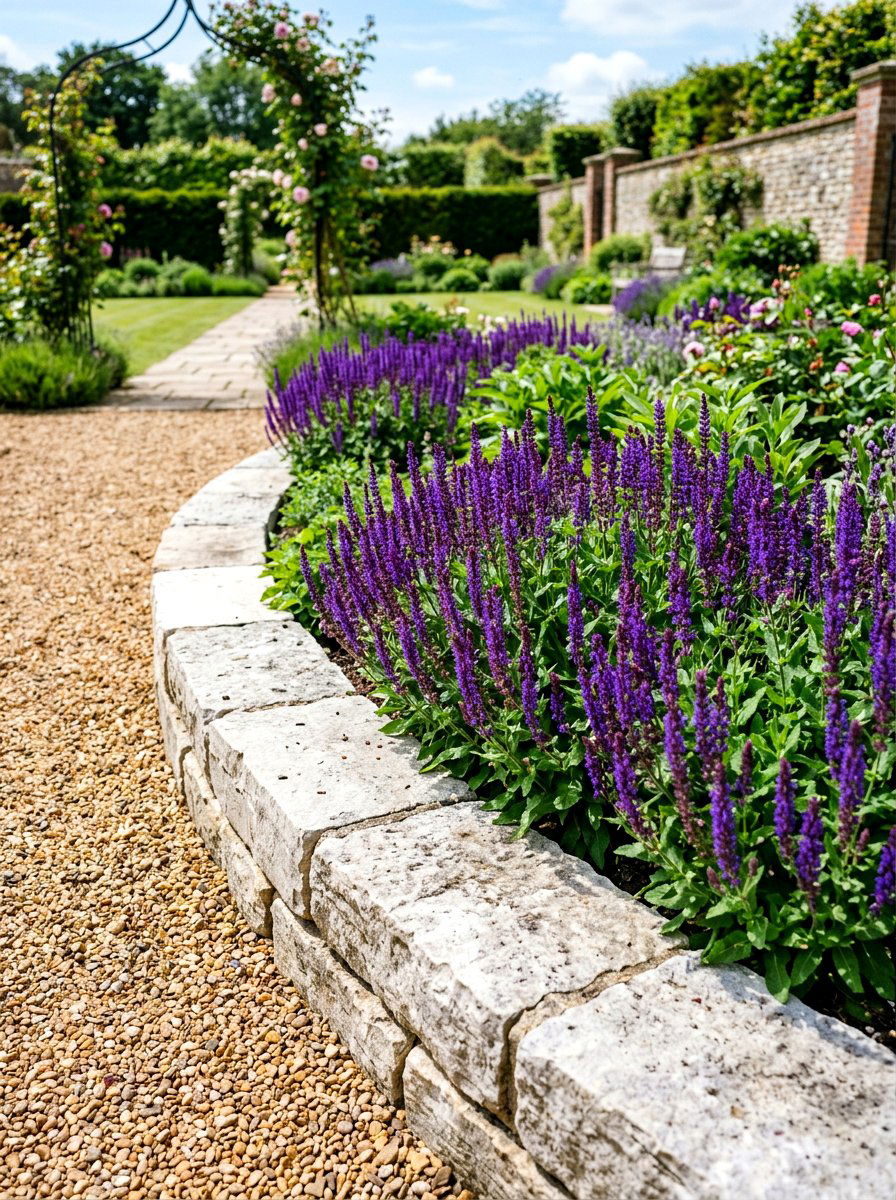
Limestone is a versatile and elegant natural stone that has been used in architecture for centuries. As a garden border, it offers a clean, bright look with its light grey and off-white tones. Limestone is very durable and holds up well against the elements, making it a reliable choice for permanent garden structures. Its light color is perfect for brightening up shaded areas of the yard or for creating a cool, airy feel in a coastal garden design. You can find limestone in various formats, from rough-cut blocks for a rustic look to smooth, sawn slabs for a more refined and formal appearance. It provides a classic, timeless frame.
24. Textured rock garden border
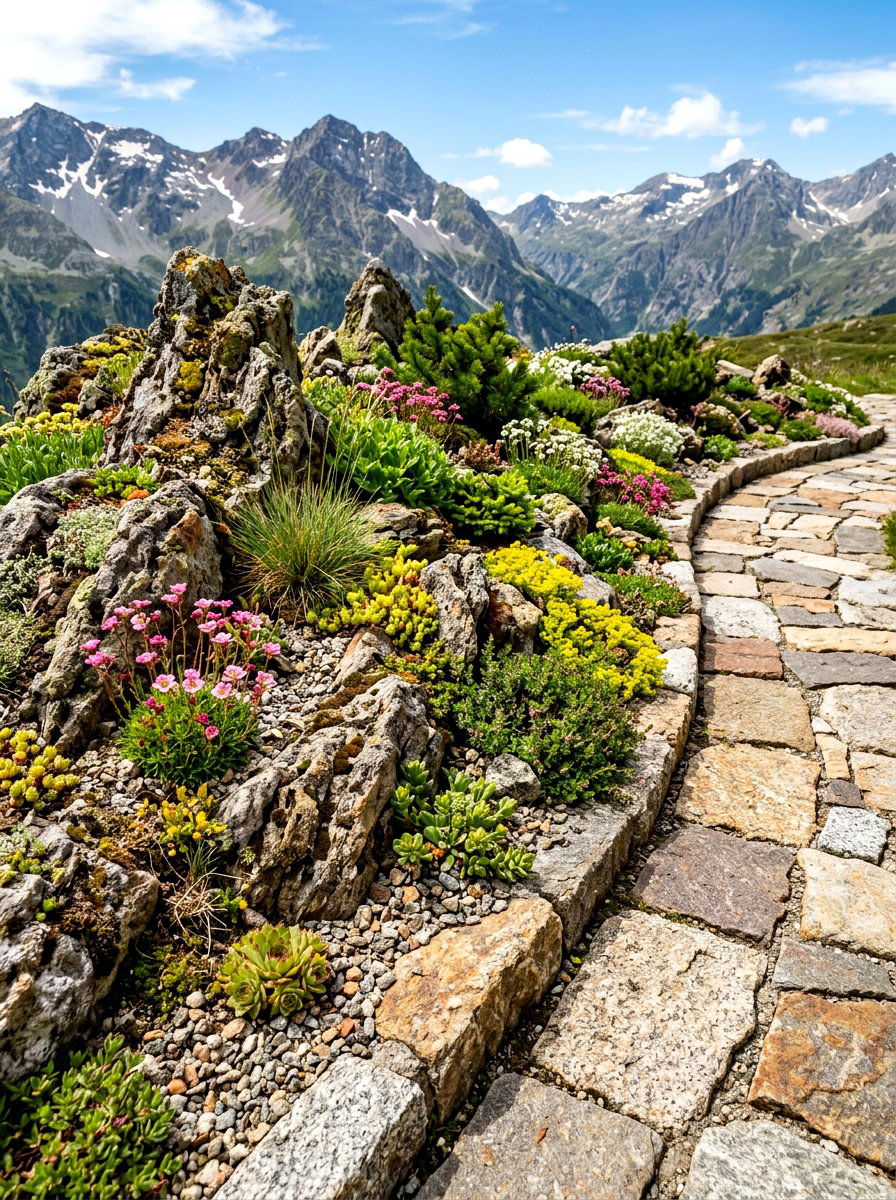
Adding texture to your garden design can make the space feel more interesting and tactile. A textured rock paver border features a face that mimics the rugged surface of natural stone, complete with peaks and valleys that catch the light and create shadows. This style is fantastic for adding a sense of age and character to a new garden. The rough surface also provides a non-slip edge, which is useful if the border is next to a path or pool area. Textured pavers come in many earthy shades and work beautifully in woodland or rustic-style landscapes. They provide a sturdy, heavy-duty border that looks as if it has always been part of the earth.
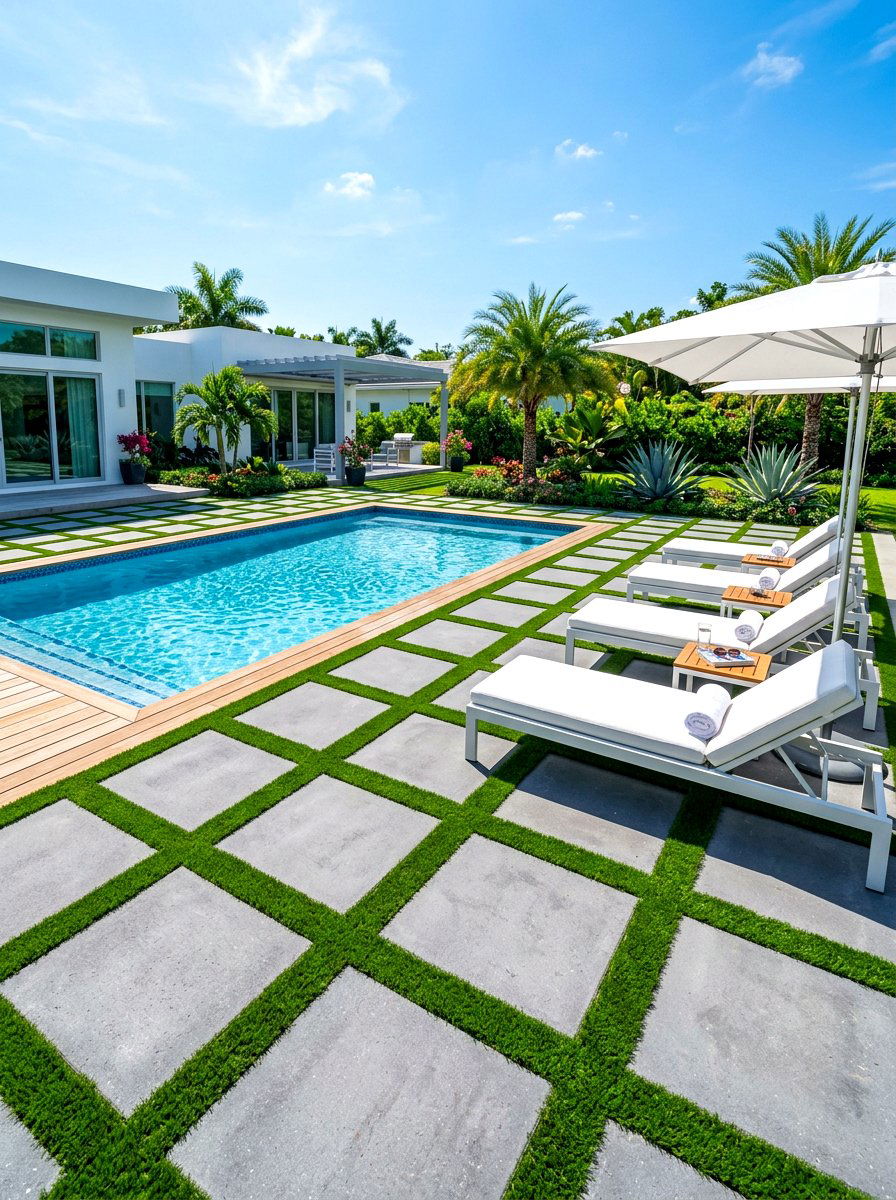
25. Vertical brick garden edging
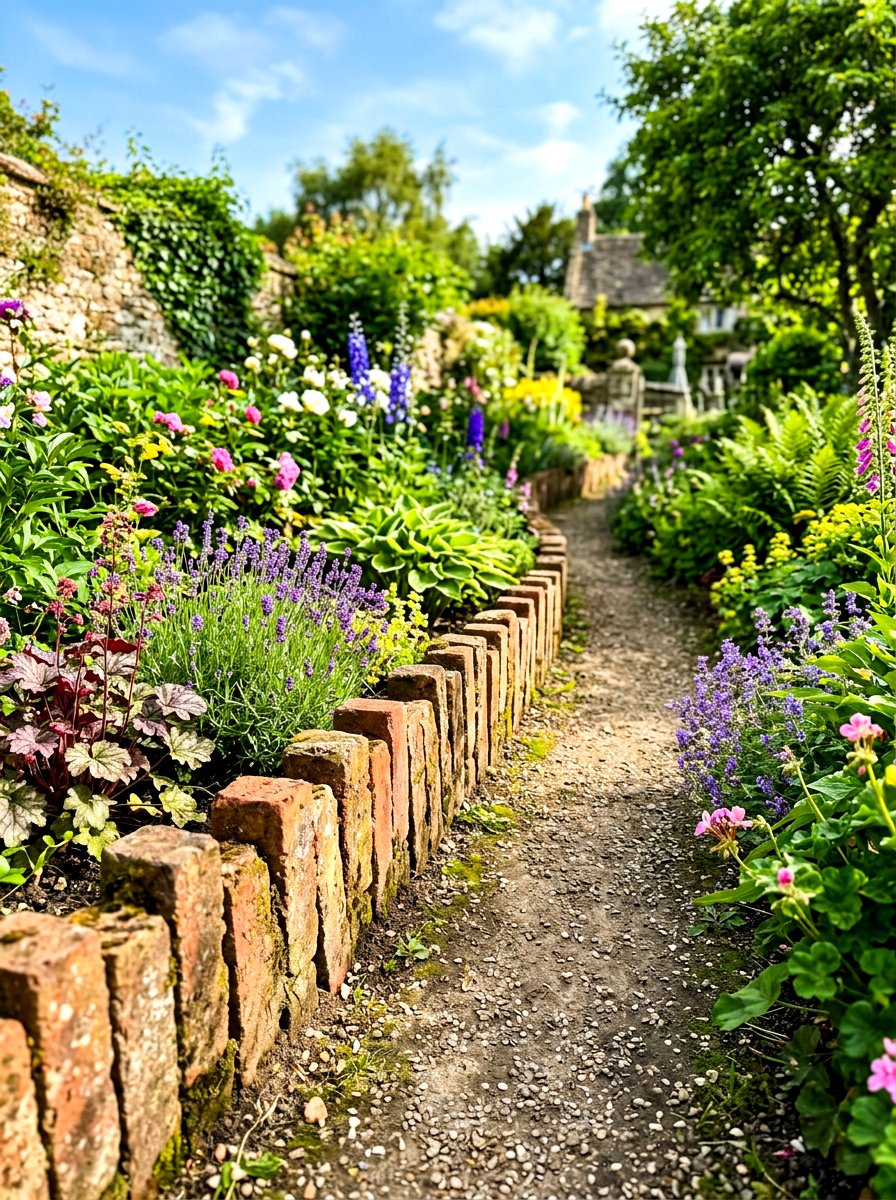
While many people lay bricks flat, installing them vertically creates a unique and architectural look for your garden borders. In this design, the bricks stand tall, exposing their long sides to create a serrated or "toothed" edge. This adds a lot of height to the border, which is helpful for containing deep layers of mulch or for creating a clear physical barrier for pets. It is a very creative way to use a standard material to achieve a custom look. Vertical brick edging has a vintage feel that looks wonderful in historic gardens or alongside older homes. It provides a strong vertical rhythm that guides the eye and adds structural interest.
26. Bluestone patio border
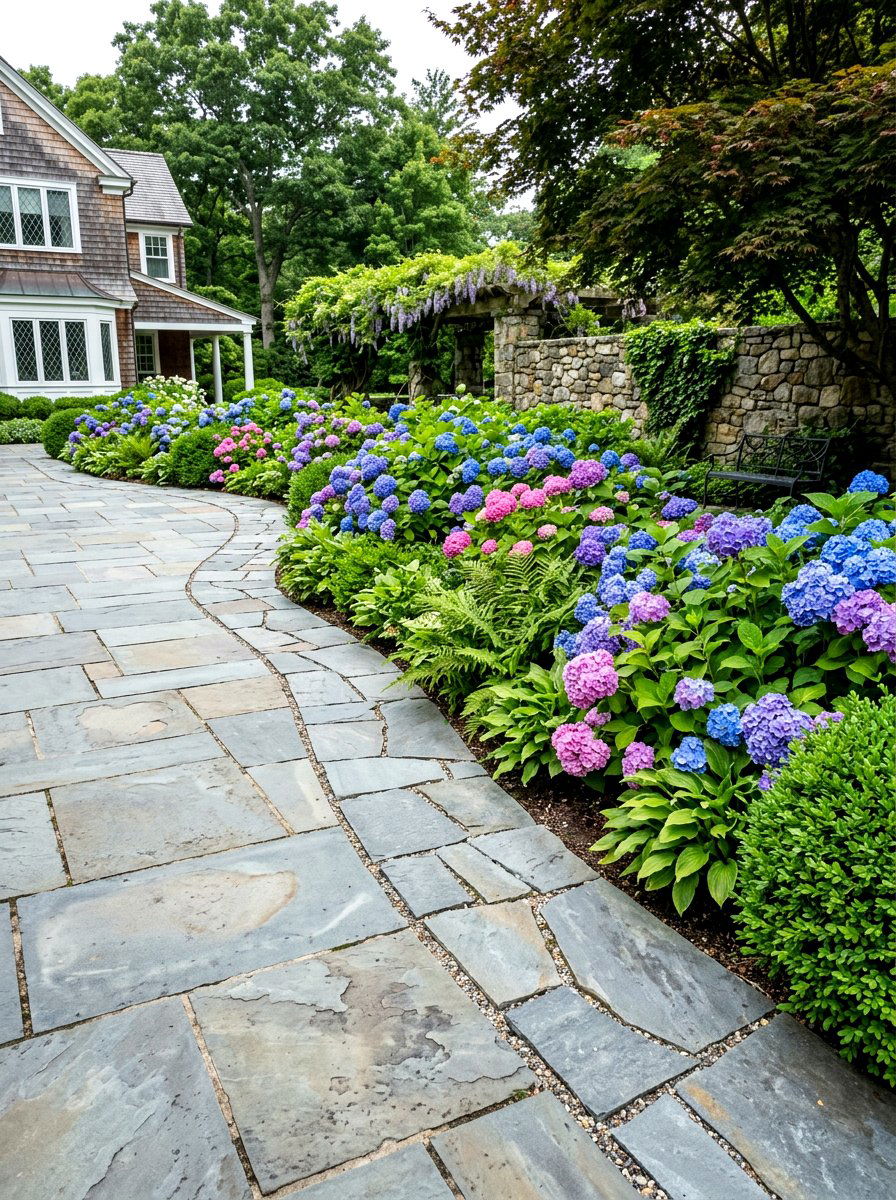
Bluestone is a popular choice for patios and walkways because of its gorgeous blue-grey hues and exceptional durability. Using bluestone as a border for your garden beds creates a cohesive and high-end look that ties your hardscape and softscape together perfectly. The natural color variations in bluestone, ranging from deep navy to soft lilac, add a layer of sophistication that is hard to beat. Because it is a dense stone, it resists cracking and can withstand freezing temperatures without any issues. A bluestone border looks particularly elegant when wet, as the colors become even more saturated. It is a premium choice for homeowners who want a classic, durable, and beautiful garden edge.
27. Rustic clay brick edge
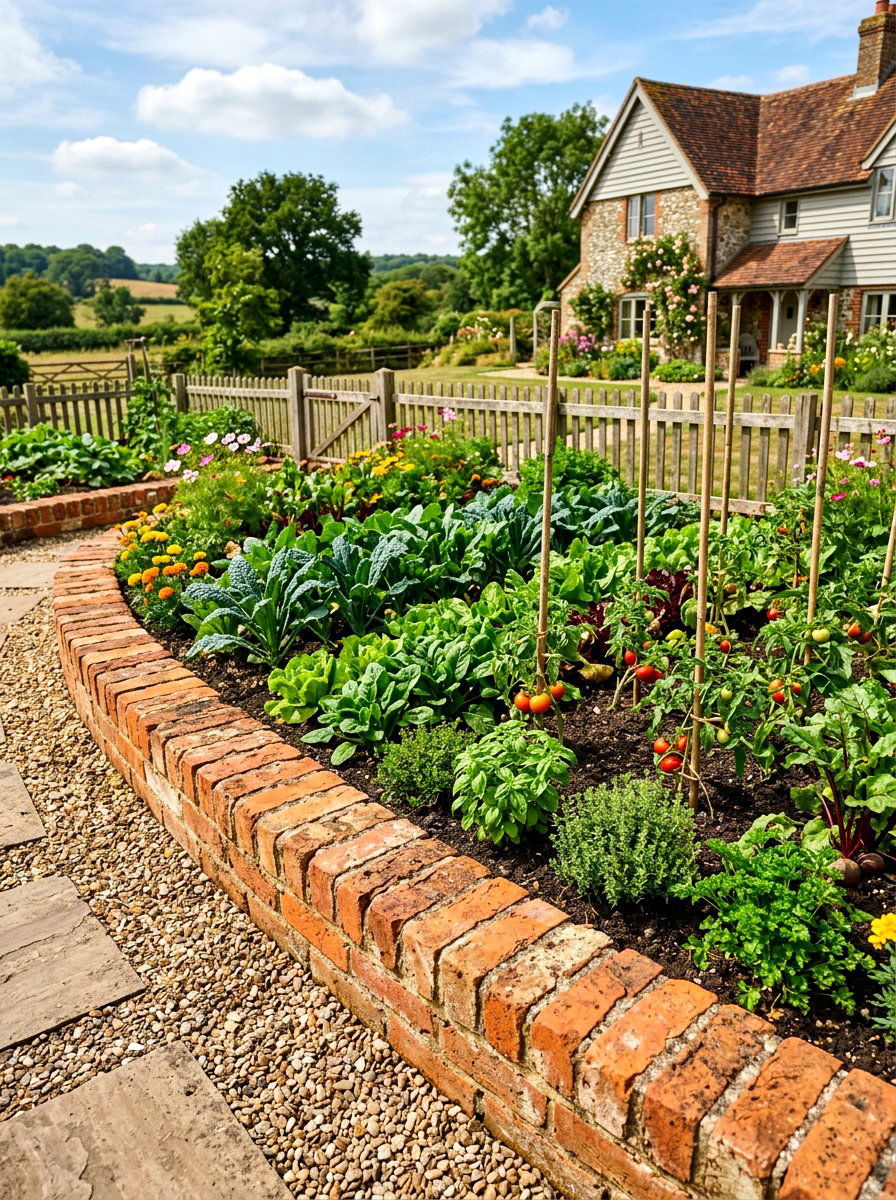
There is something incredibly charming about the irregular edges and deep colors of rustic clay bricks. These bricks often have slight variations in size and color, which gives the border a handcrafted and historic appearance. They are perfect for traditional gardens, vegetable patches, or any space where you want a warm, inviting atmosphere. The rich oranges and deep reds of the clay provide a beautiful earthy foundation for your plants. Because they are fired at high temperatures, clay bricks are very strong and will not fade over time. Using them as a garden edge adds a sense of story and nostalgia to your backyard, making it feel like a cozy retreat.
28. Wide paver garden border
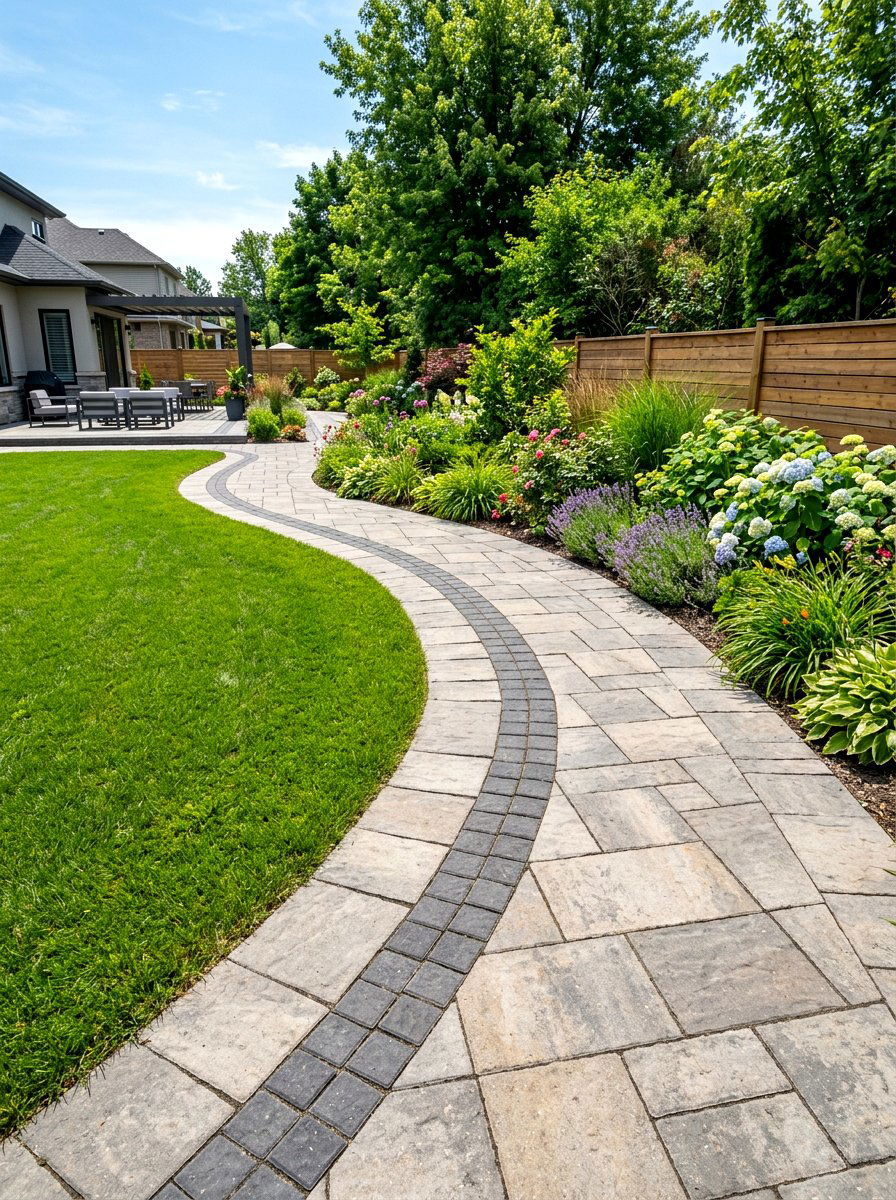
A wide paver border is a practical and stylish choice for large landscapes that need a clear sense of scale. By using extra-wide pavers or multiple rows of stones, you create a substantial boundary that is both functional and visual. This design is excellent for creating a "mow strip" that is wide enough to walk on, making garden maintenance much easier. It also provides a sturdy base for placing decorative pots or garden lanterns. A wide border acts as a frame for the entire yard, giving the landscape a very structured and intentional feel. It is a great way to use pavers to create a clean, modern, and high-performance landscape design.
29. Geometric stone border
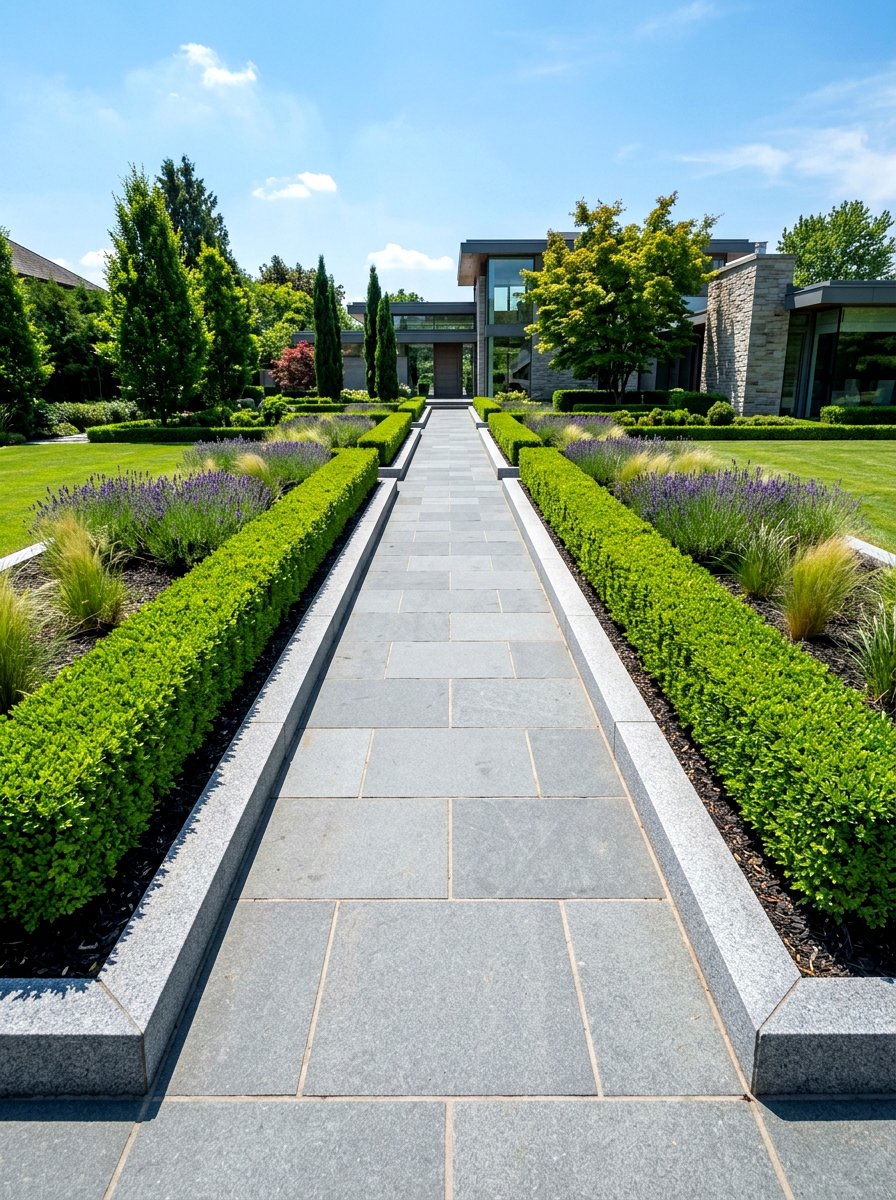
For those who love order and precision, a geometric stone border offers a sharp and organized look. This design uses square or rectangular pavers laid in a perfect, straight line to create a very formal boundary. It is often seen in contemporary or traditional formal gardens where symmetry is key. The geometric precision provides a wonderful contrast to the soft, flowing shapes of the plants and flowers. You can enhance this look by choosing pavers with very crisp edges and installing them with tight joints. This style of border makes a small yard feel more organized and a large yard feel more managed. It is the height of modern landscaping sophistication.
30. Contrasting color paver border
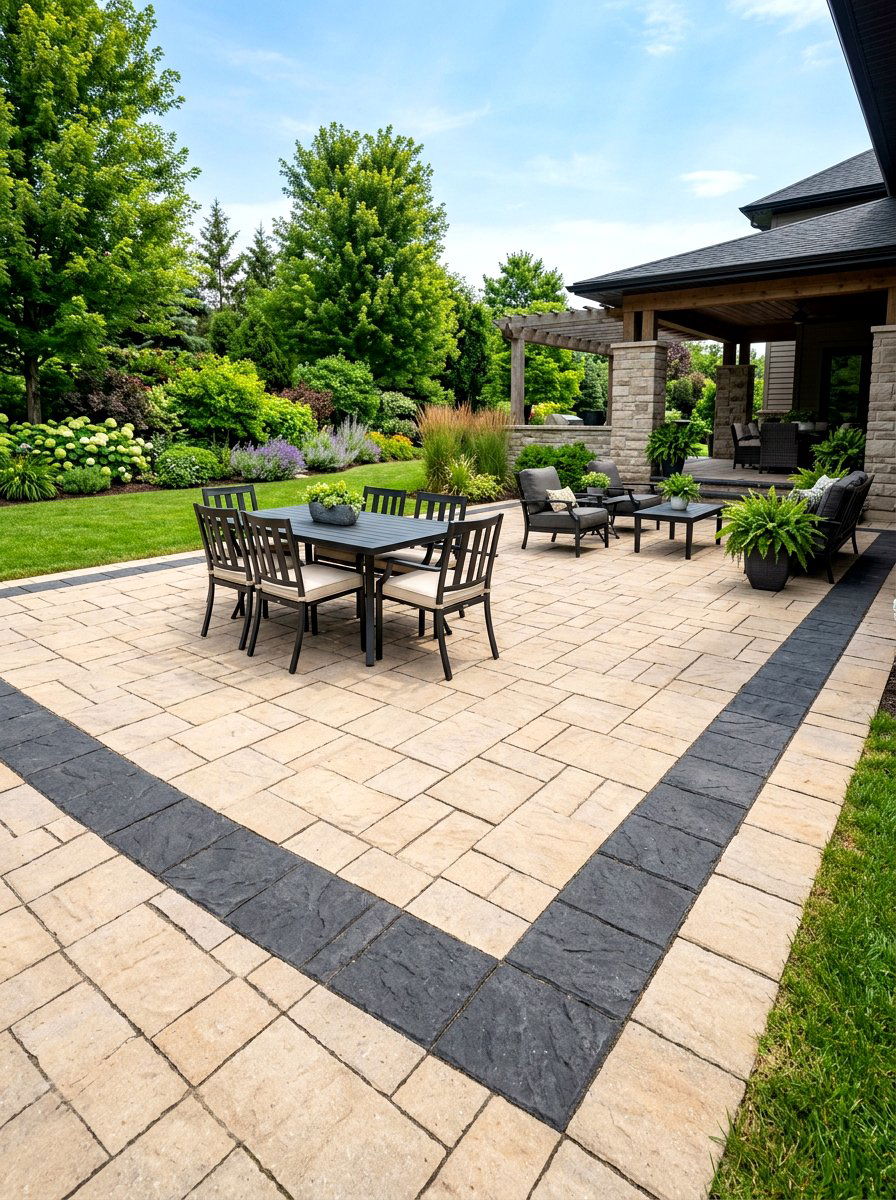
One of the best ways to make your garden stand out is by using a contrasting color for the paver border. If your main patio or walkway is a light tan, consider using a dark charcoal or deep red paver for the edge. This "picture frame" effect draws attention to the boundaries of the space and adds a layer of visual interest. It is a simple design trick that makes any landscape project look more expensive and professionally planned. You can also match the border color to your home’s trim or shutters for a fully coordinated look. A contrasting border is a bold choice that adds personality and style to your outdoor living area.
Conclusion:
Selecting the right paver garden border is a fundamental step in creating a landscape that is both beautiful and easy to maintain. From the classic appeal of red bricks to the modern elegance of charcoal concrete, the options are truly endless. A well-installed border not only enhances your home’s curb appeal but also protects your plants and keeps your lawn looking sharp. By considering the architectural style of your home and the natural flow of your yard, you can choose a design that perfectly complements your outdoor vision. Investing in a quality paver border ensures that your garden remains a structured and stunning sanctuary for many years to come.

Related posts: