Stepping onto a property framed by a classic cottage front border immediately transports you to a world of charm and natural beauty. These intentional landscapes serve as a welcoming bridge between the street and your private sanctuary, offering a delightful mix of colors, textures, and scents. Unlike formal gardens that demand strict symmetry, cottage-style borders celebrate a more relaxed, overflowing aesthetic that feels both nostalgic and timeless. Whether you are working with a small urban patch or a sprawling suburban lawn, the right border can transform your home’s curb appeal. By choosing the right combination of perennials, annuals, and architectural elements, you create a living frame that enhances your house and invites neighborhood admiration daily.
1. White Picket Fence Garden
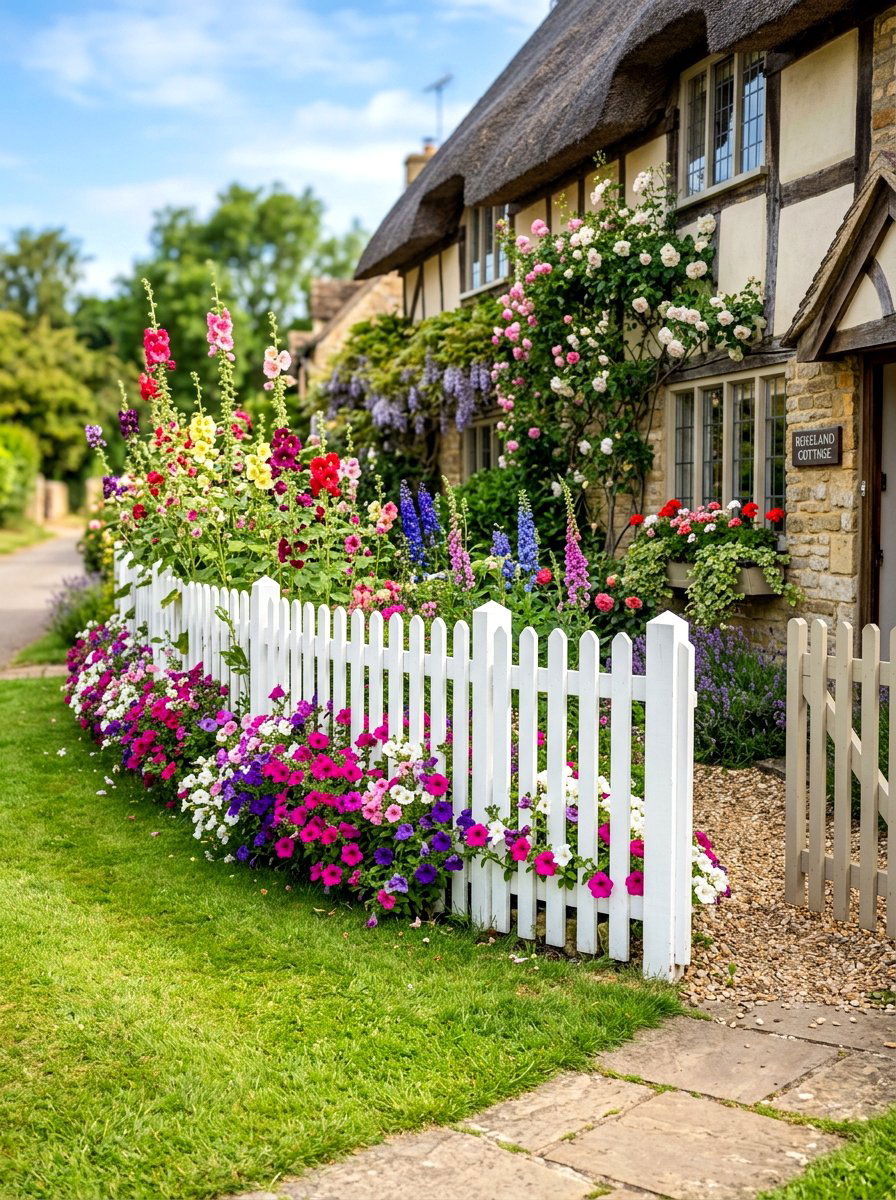
A classic white picket fence serves as the quintessential backdrop for a charming cottage front border. When you install this iconic structure, it provides a crisp, clean line that makes colorful blooms pop with intensity. You can plant a variety of heights along the fence line, allowing taller species like hollyhocks to peek over the top while lower growers spill through the slats. This creates a sense of depth and old-world charm that instantly boosts your home’s curb appeal. The white paint reflects light onto the plants, helping them thrive while creating a picturesque scene that looks like a storybook illustration. It is a timeless choice for any neighborhood.
2. English Rose Border
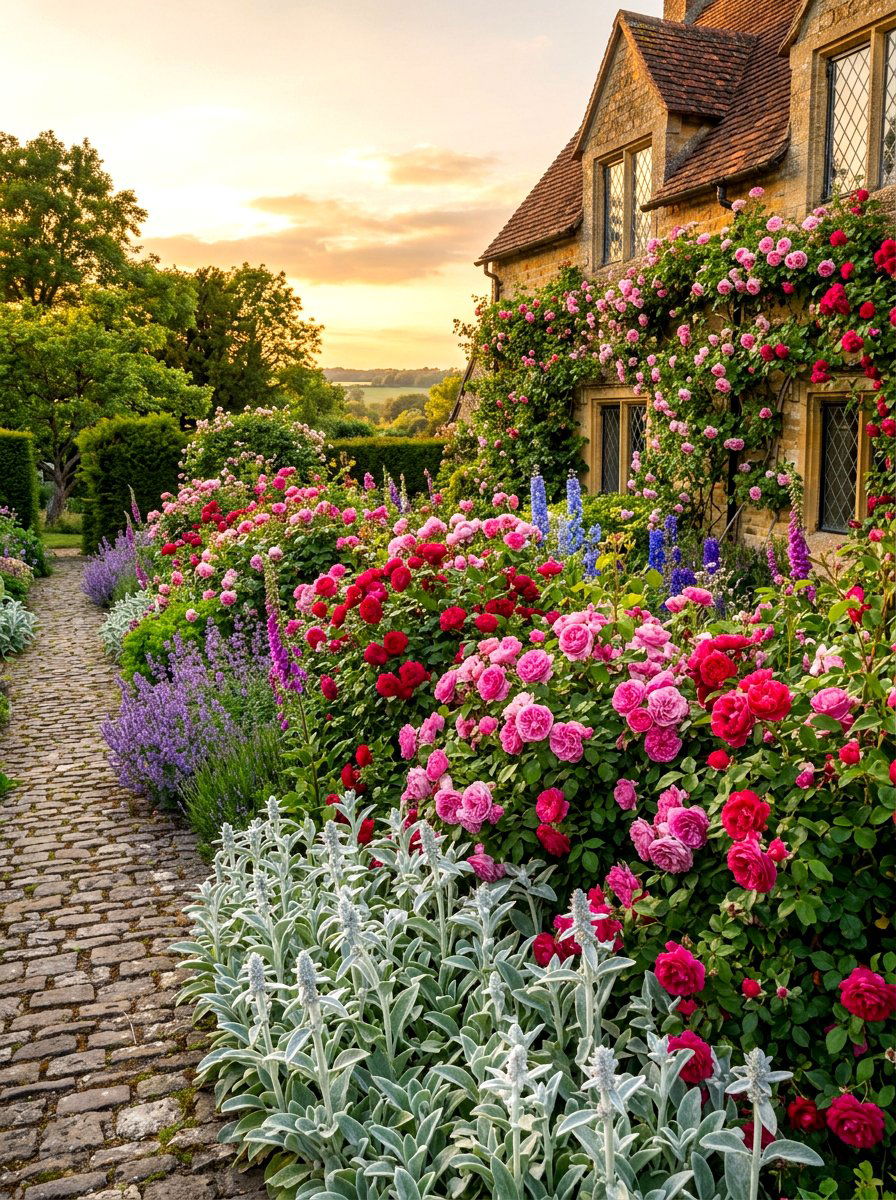
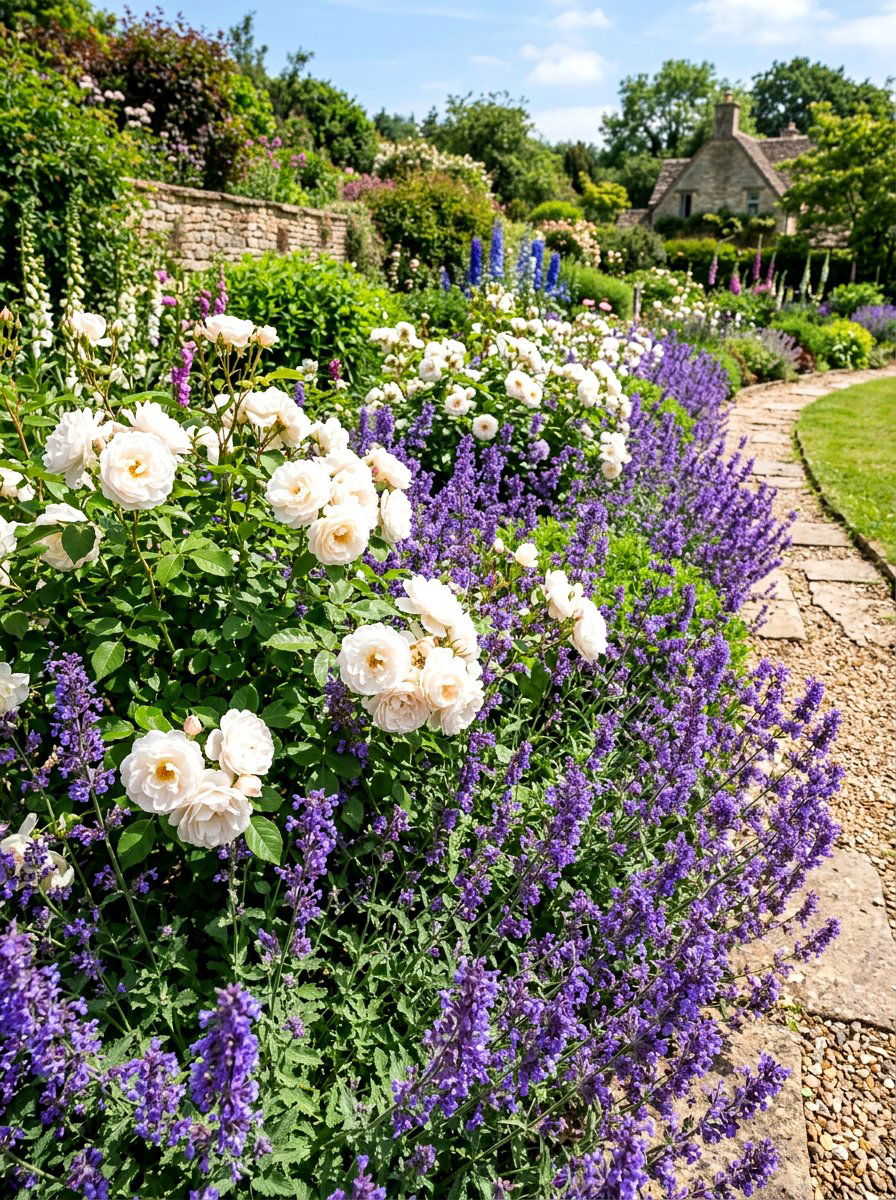
An English rose border brings a sense of romance and luxury to any home exterior. By selecting a mix of shrub roses and climbing varieties, you create a dense wall of fragrance and color that lasts throughout the summer. These plants are beloved for their multi-petaled blooms and deep green foliage, which provide a lush texture that anchors the entire landscape. Positioning these roses along your front walkway ensures that every guest is greeted by their sweet scent. You can underplant them with softer perennials like catmint or silver-foliage lamb’s ear to contrast with the bold rose colors. This layering adds significant visual interest to your front yard.
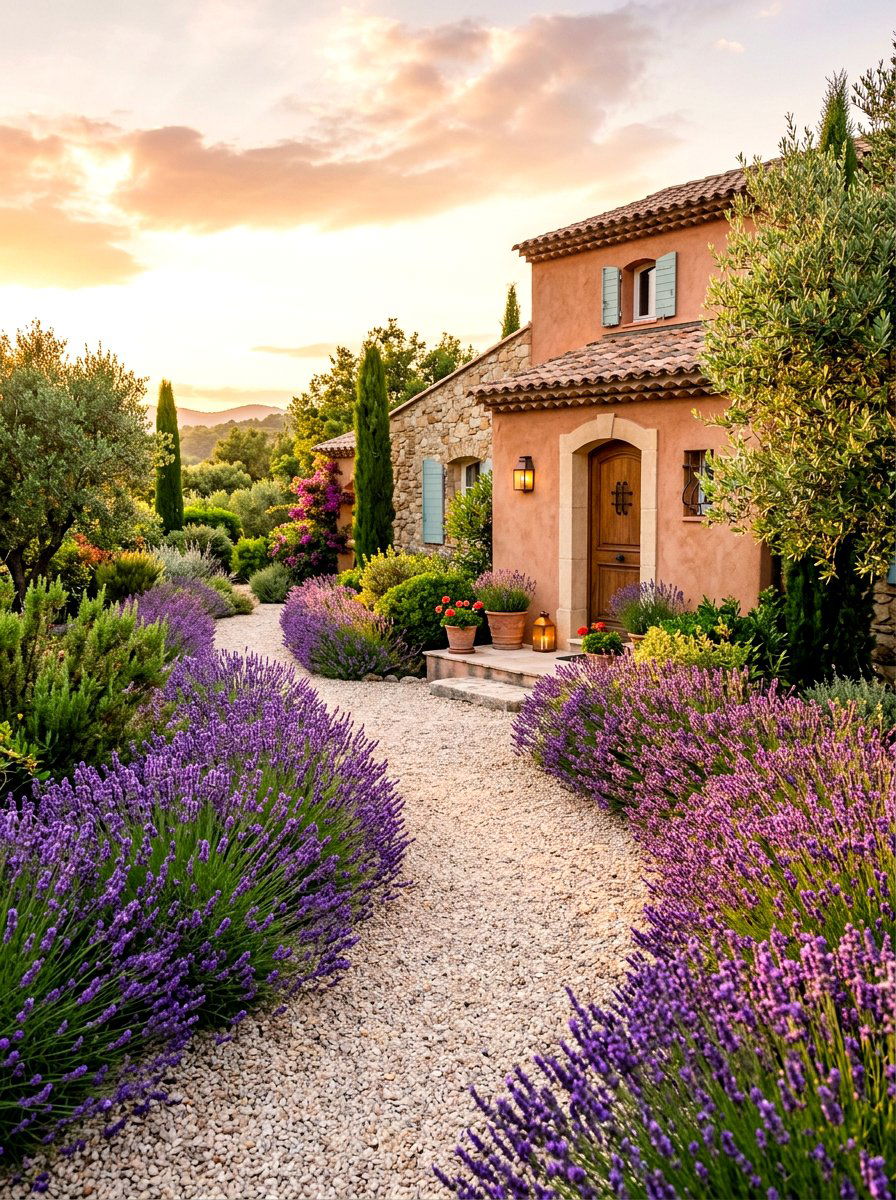
3. Lavender Path Edging
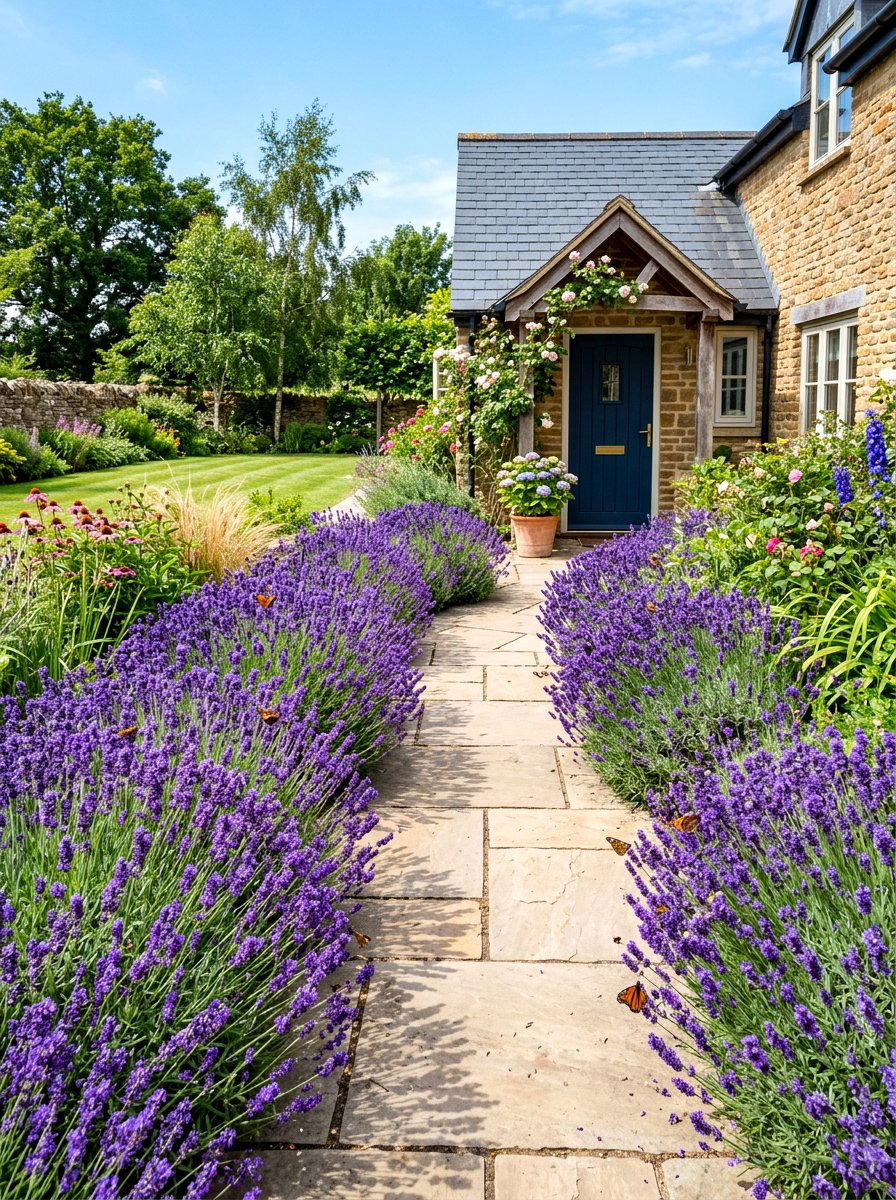
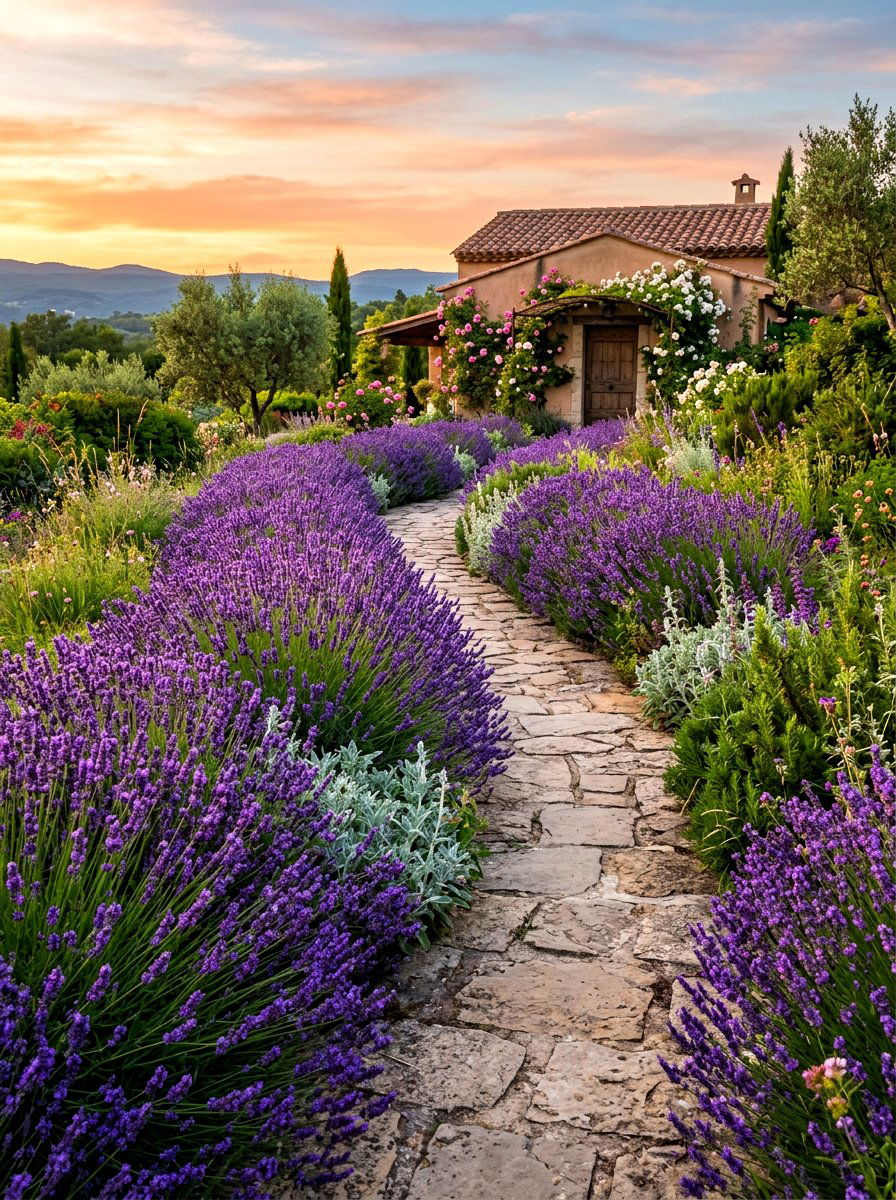
Using lavender as a path edging creates a sensory experience every time you walk to your front door. This hardy perennial provides a structured yet soft look with its silvery-green leaves and upright purple flower spikes. As you brush past the plants, they release a calming fragrance that defines the cottage garden aesthetic. Lavender is also excellent for attracting pollinators like bees and butterflies, bringing your front border to life with movement. It thrives in sunny spots and well-drained soil, making it a practical choice for many climates. Its consistent mounding shape keeps your walkway looking tidy while still maintaining that relaxed, country-inspired charm.
4. Stone Wall Flower Bed
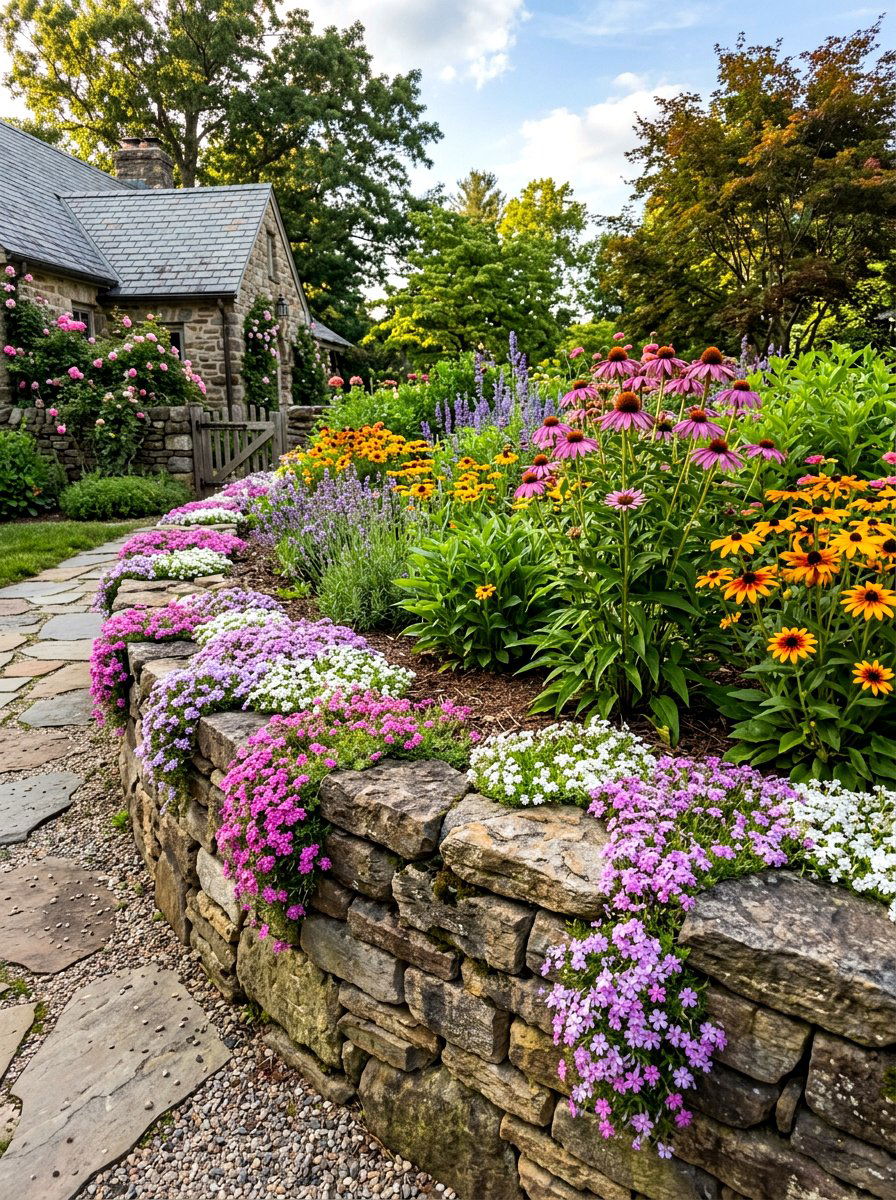
A low stone wall provides a beautiful, rustic foundation for a front border, especially on sloped yards. By using natural fieldstone or stacked slate, you create a timeless look that feels like it has been part of the landscape for centuries. You can plant cascading flowers like creeping phlox or lithodora along the top edge so they spill over the stones in a colorful waterfall. Inside the bed, mixing medium-height perennials like coneflowers and black-eyed Susans creates a vibrant, layered effect. The solid texture of the stone contrasts perfectly with the delicate, airy nature of the flowers, giving your cottage entrance a grounded and permanent feel.
5. Wildflower Meadow Border
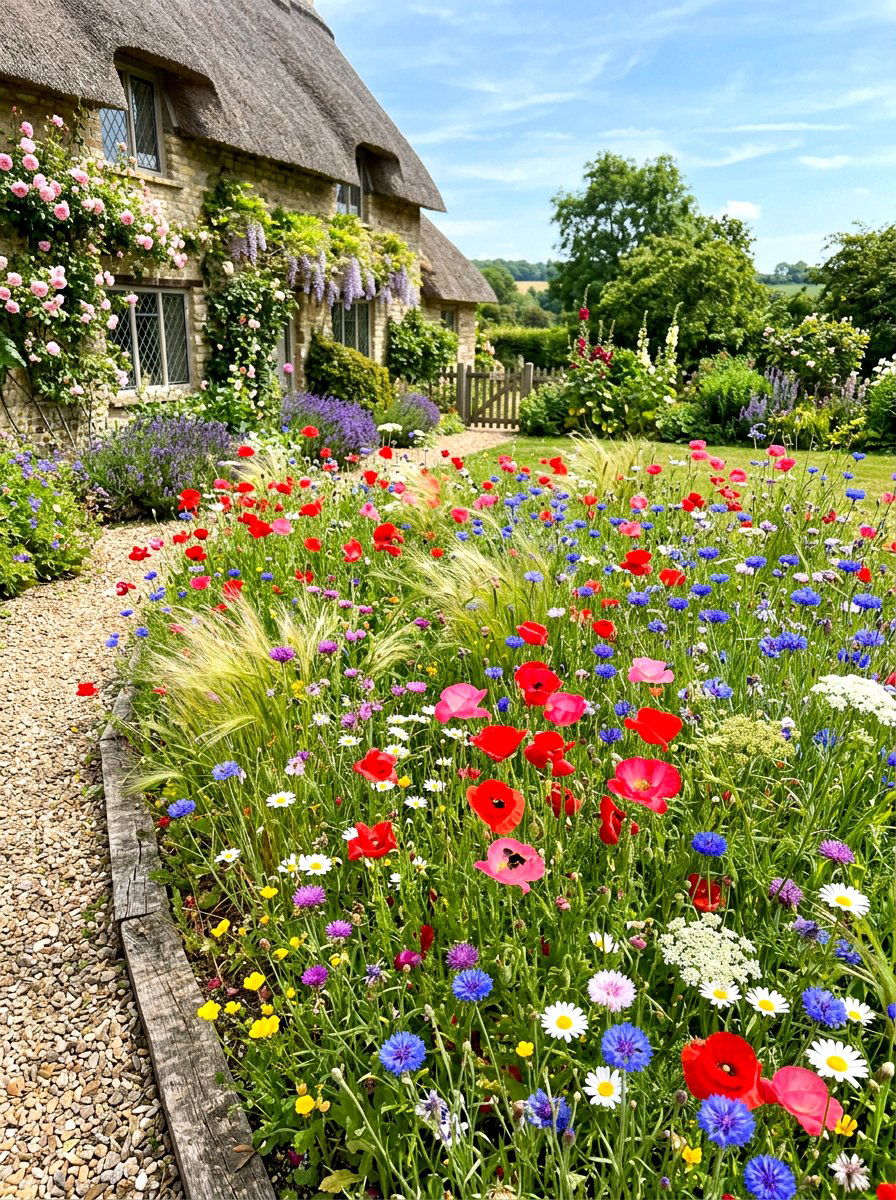
Embracing a wildflower meadow border allows you to bring a touch of the untamed countryside to your front yard. This style focuses on a mix of native grasses and flowering species that grow in a casual, dense arrangement. By choosing a variety of colors and textures, you create a high-impact visual that changes throughout the seasons. This type of border is particularly beneficial for local wildlife, providing essential food and habitat for birds and insects. It requires less maintenance than traditional formal beds, as the plants are often hardy and self-seeding. The result is a whimsical, fluttering landscape that feels deeply connected to the natural world.
6. Boxwood Hedge Entryway
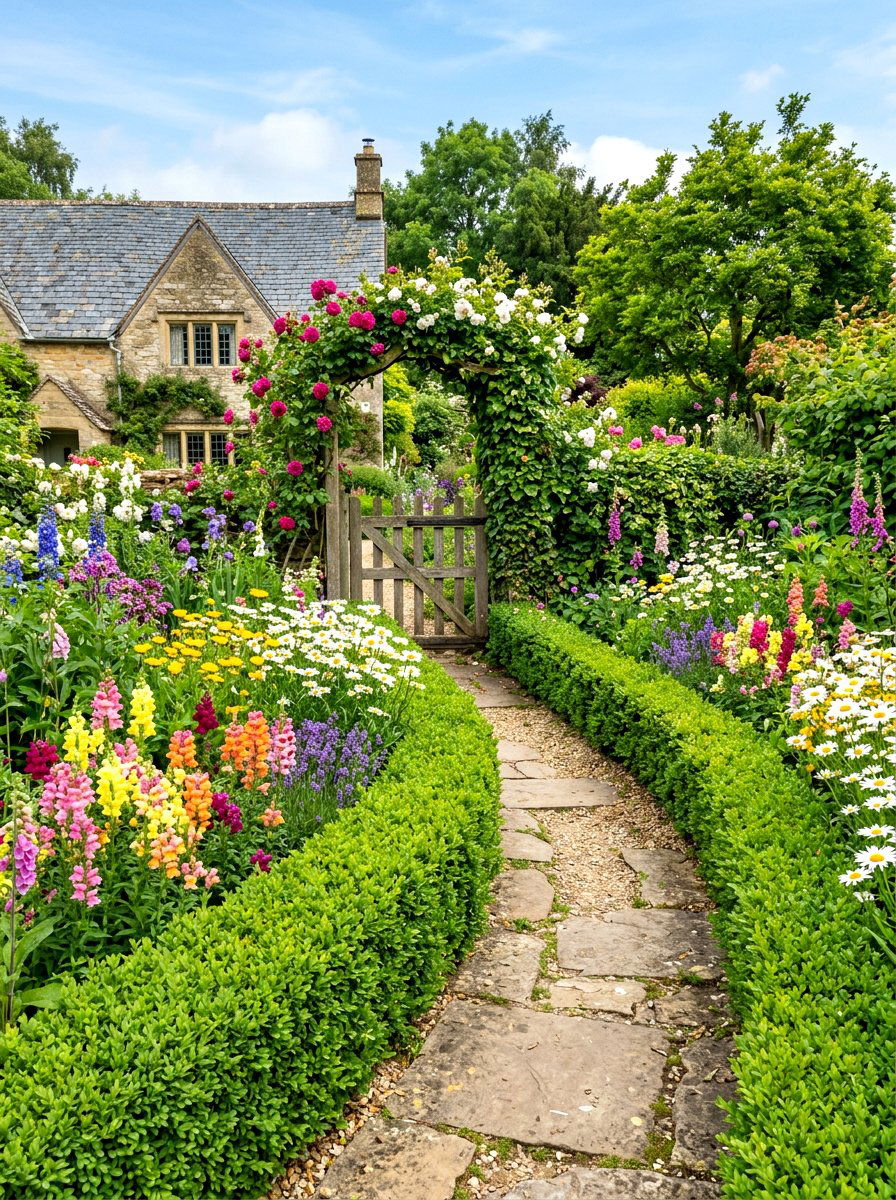
A boxwood hedge provides the perfect structural framework for an informal cottage border. While boxwoods are often associated with formal gardens, when they are allowed to grow in a slightly softer shape, they offer a beautiful evergreen backdrop for colorful annuals. You can use a low hedge to define the perimeter of your front yard, then fill the space behind it with a jumble of daisies, salvia, and snapdragons. This combination of "green architecture" and wild blooms creates a balanced look that is both organized and charming. The evergreen nature of the boxwood ensures your front border remains attractive and well-defined even during the winter months.
7. Climbing Rose Trellis
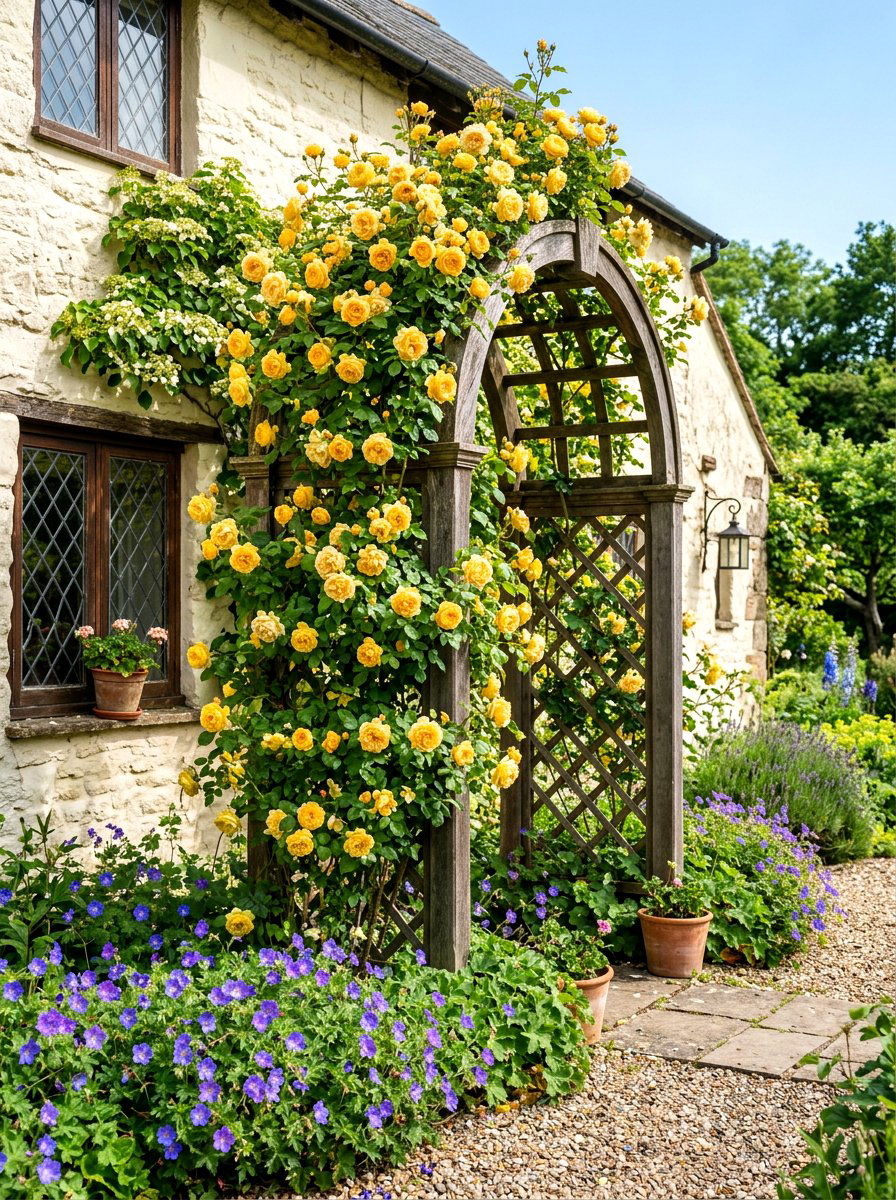
Installing a climbing rose trellis against the front of your home adds vertical interest and a sense of old-world elegance. These vertical elements draw the eye upward, making even a small front border feel much larger and more immersive. You can choose repeat-blooming varieties to ensure a steady supply of flowers from late spring through autumn. Training the canes across a wooden or metal trellis creates a living tapestry of color that frames windows or doorways. Complement the base of the trellis with low-growing perennials like hardy geraniums to hide any bare stems. This approach maximizes your growing space while creating a stunning focal point.
8. Gravel Path Perennial Border
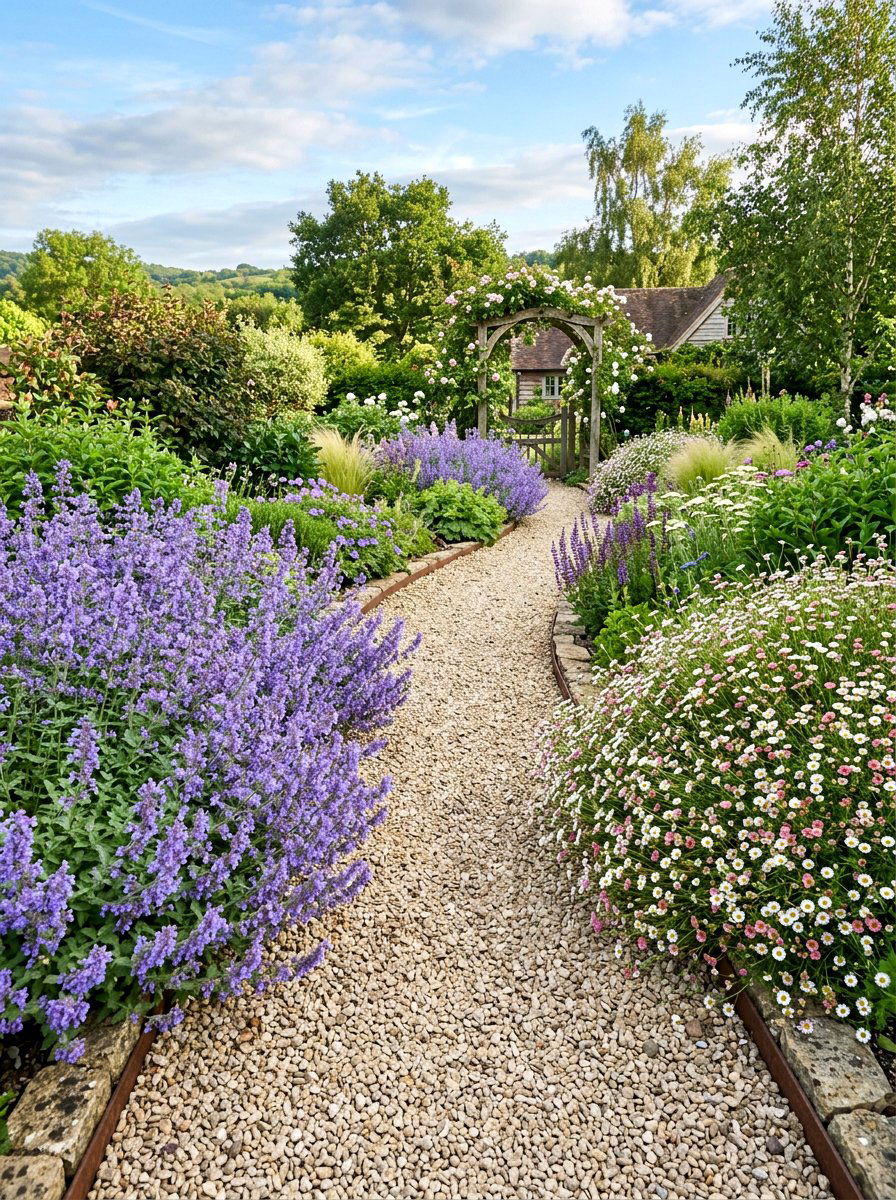
A gravel path flanked by lush perennial borders offers a casual and inviting entrance to your home. The crunch of the gravel underfoot adds an audible charm to the garden experience, while the soft colors of the plants soften the hard edges of the walkway. You can encourage plants like Mexican daisies or creeping thyme to grow into the gravel, blurring the lines between the path and the flower bed. This "messy" look is a hallmark of cottage design, suggesting a garden that has evolved naturally over time. It is an excellent way to create a low-maintenance, high-impact front border that feels relaxed and welcoming.
9. Mixed Hydrangea Hedge
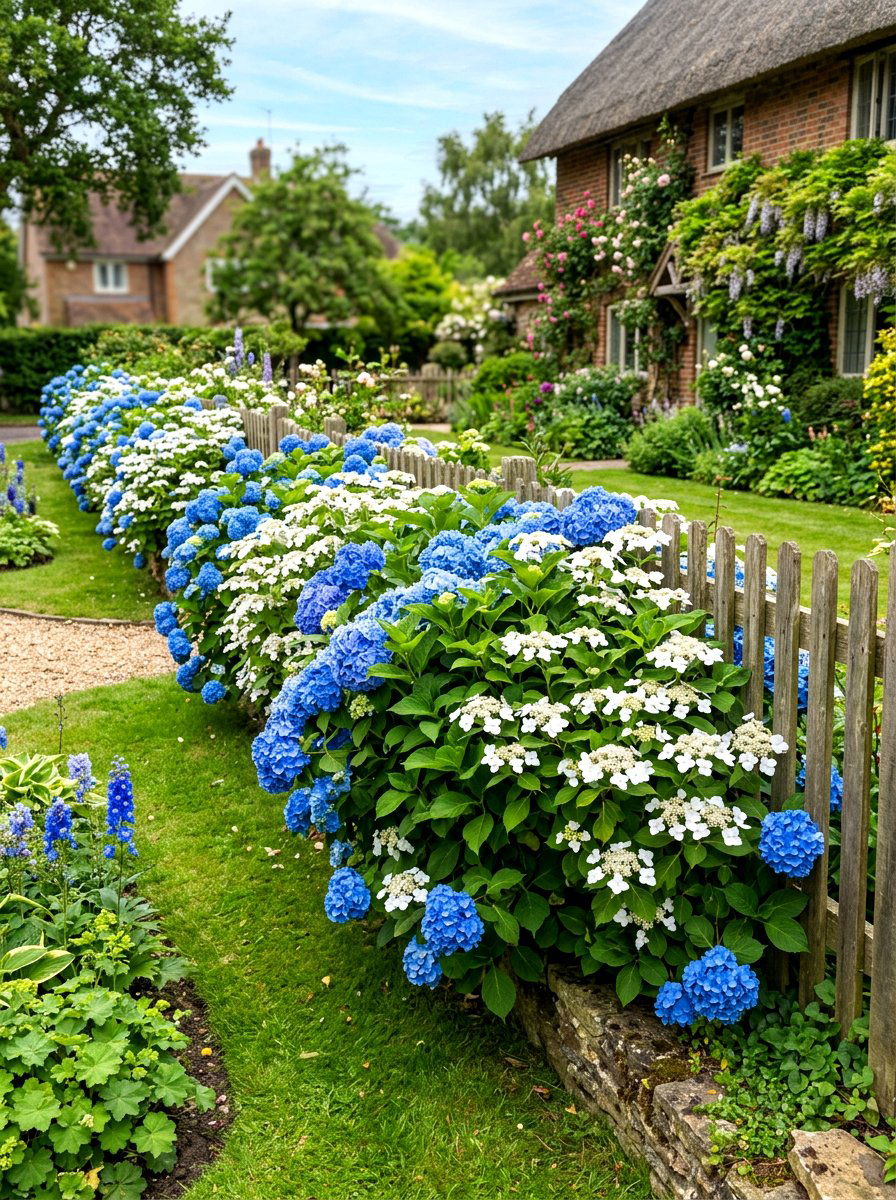
A mixed hydrangea hedge creates a bold and voluminous front border that makes a significant statement. By combining different varieties like mophead, lacecap, and oakleaf hydrangeas, you achieve a diverse range of bloom shapes and foliage textures. These shrubs are prized for their massive flower heads that often change color based on the soil's acidity, providing a shifting palette of blues, pinks, and whites. They are particularly effective for creating a sense of privacy and enclosure in a front yard. Underplant them with spring bulbs like tulips or daffodils to ensure that the border provides early-season interest before the hydrangeas reach their full summer glory.
10. Pastel Flower Garden
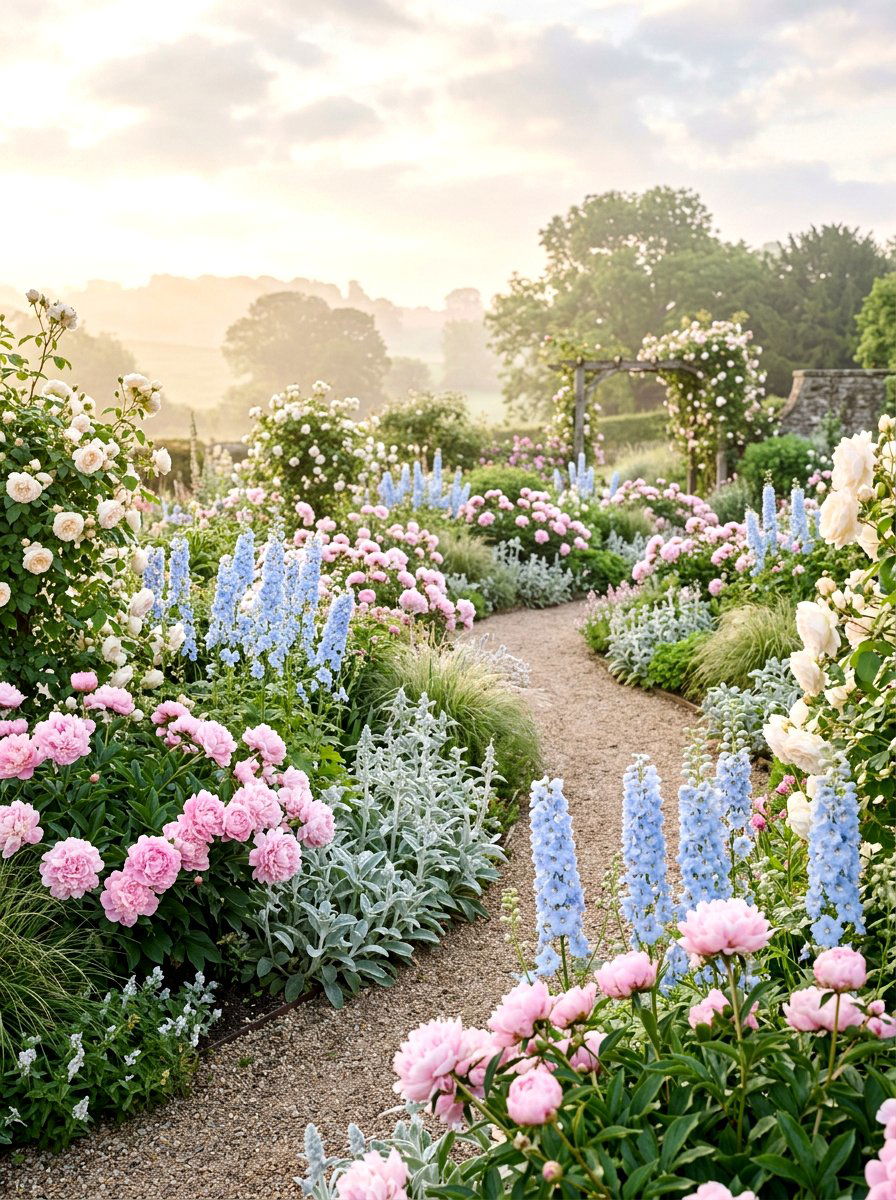
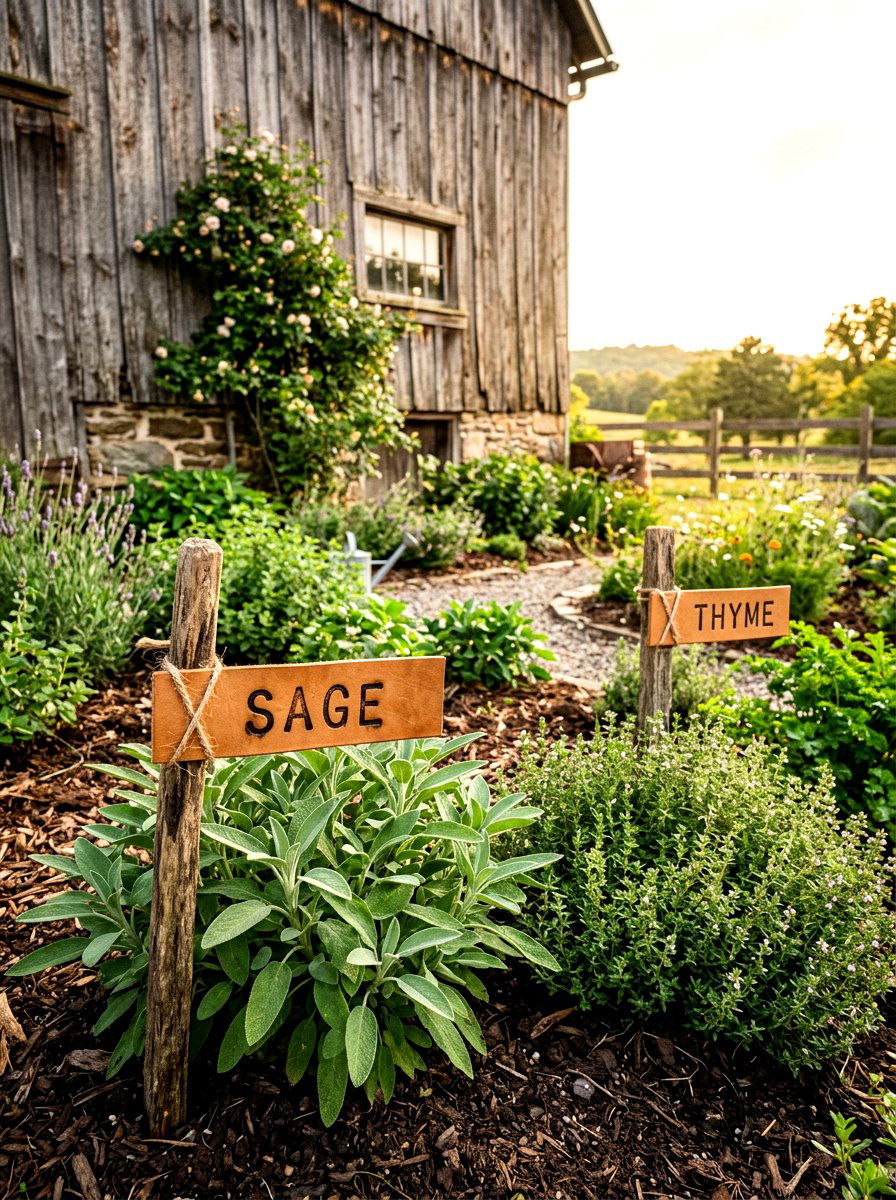
Designing a front border with a pastel color palette creates a serene and romantic atmosphere for your entryway. By sticking to soft pinks, light blues, pale yellows, and creamy whites, you create a cohesive look that feels sophisticated yet approachable. Plants like peonies, foxgloves, and sweet peas are perfect for achieving this dreamy aesthetic. The soft colors reflect the sunlight beautifully and create a calming visual transition from the street to your home. Using silver-foliage plants like dusty miller or artemisia can further enhance the pastel tones. This gentle approach to color is a classic cottage garden technique that never goes out of style.
11. Low Maintenance Evergreen Border
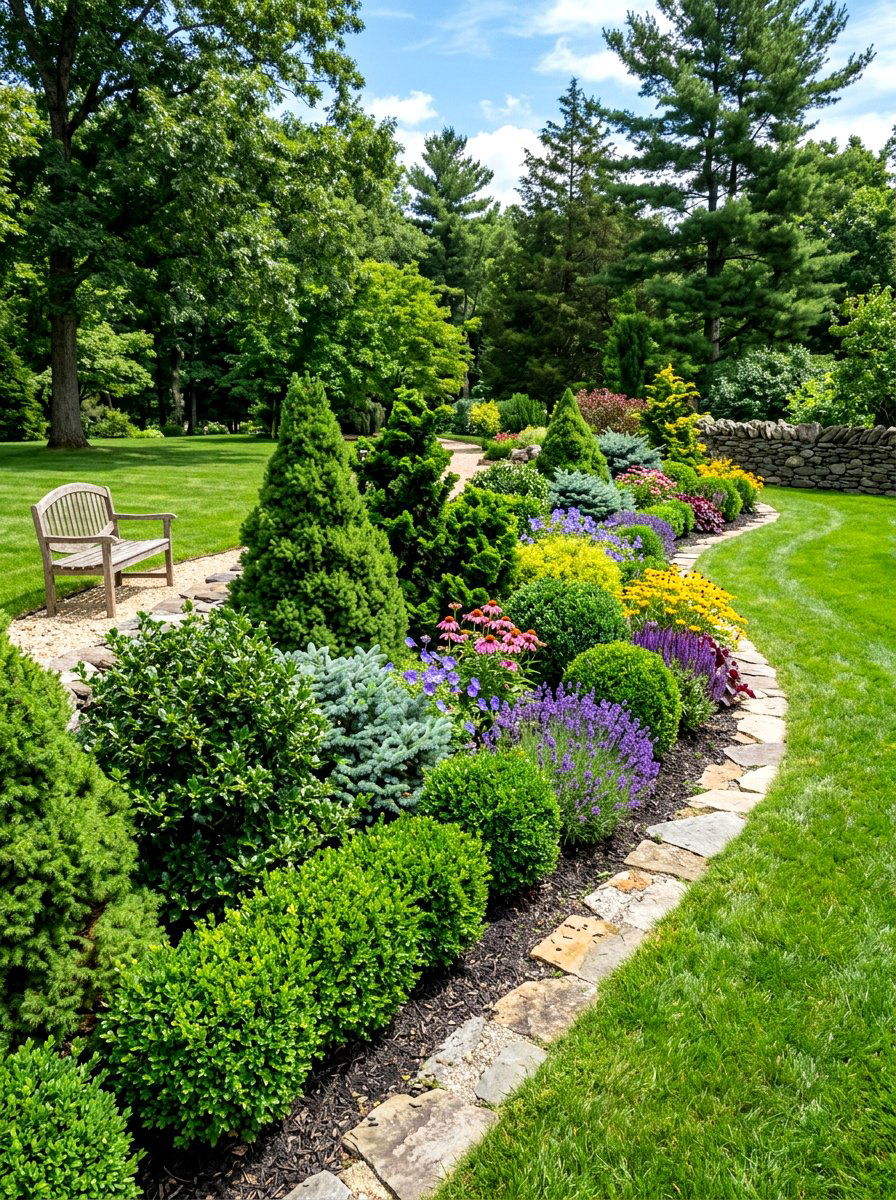
A low maintenance evergreen border ensures your home looks polished and green throughout every season of the year. By focusing on a variety of shrubs with different needle textures and leaf shapes, you create a rich tapestry of green that requires very little pruning. You can mix in dwarf conifers, hollies, and pieris to provide subtle variations in color and form. While the evergreens provide the year-round structure, you can intersperse them with hardy perennials that pop up in the spring and summer. This strategy reduces the amount of seasonal replanting needed while maintaining a lush, full appearance that enhances your home’s architectural features.
12. Colorful Perennial Flower Bed
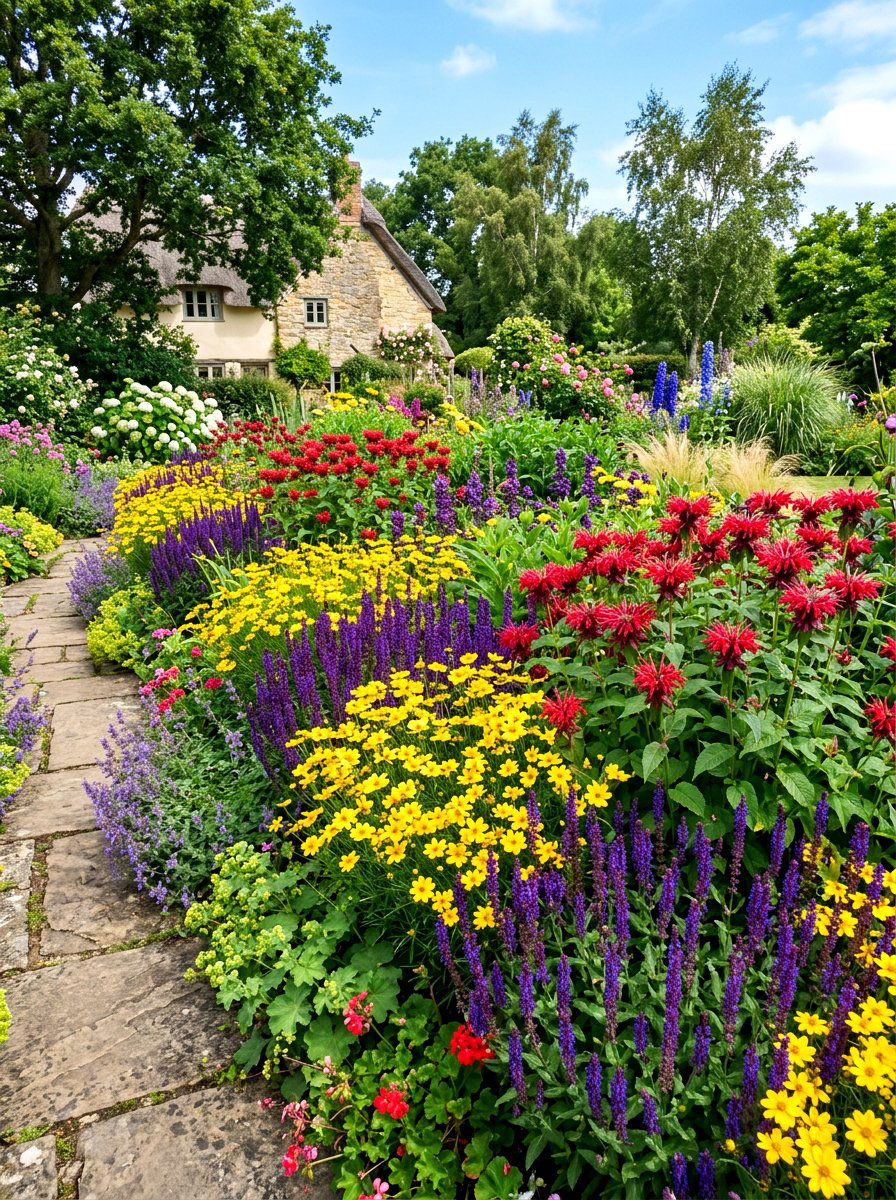
A colorful perennial flower bed is the heart of a vibrant cottage front border, offering a changing display of hues. By selecting plants with staggered bloom times, you can ensure that there is always something catching the eye from spring until frost. Mix bold yellows of coreopsis with the deep purples of salvia and the bright reds of bee balm for a high-energy look. The key to this style is density; the plants should grow close together to suppress weeds and create a lush, overflowing appearance. This riot of color reflects a cheerful personality and makes your home stand out as a beacon of natural beauty.
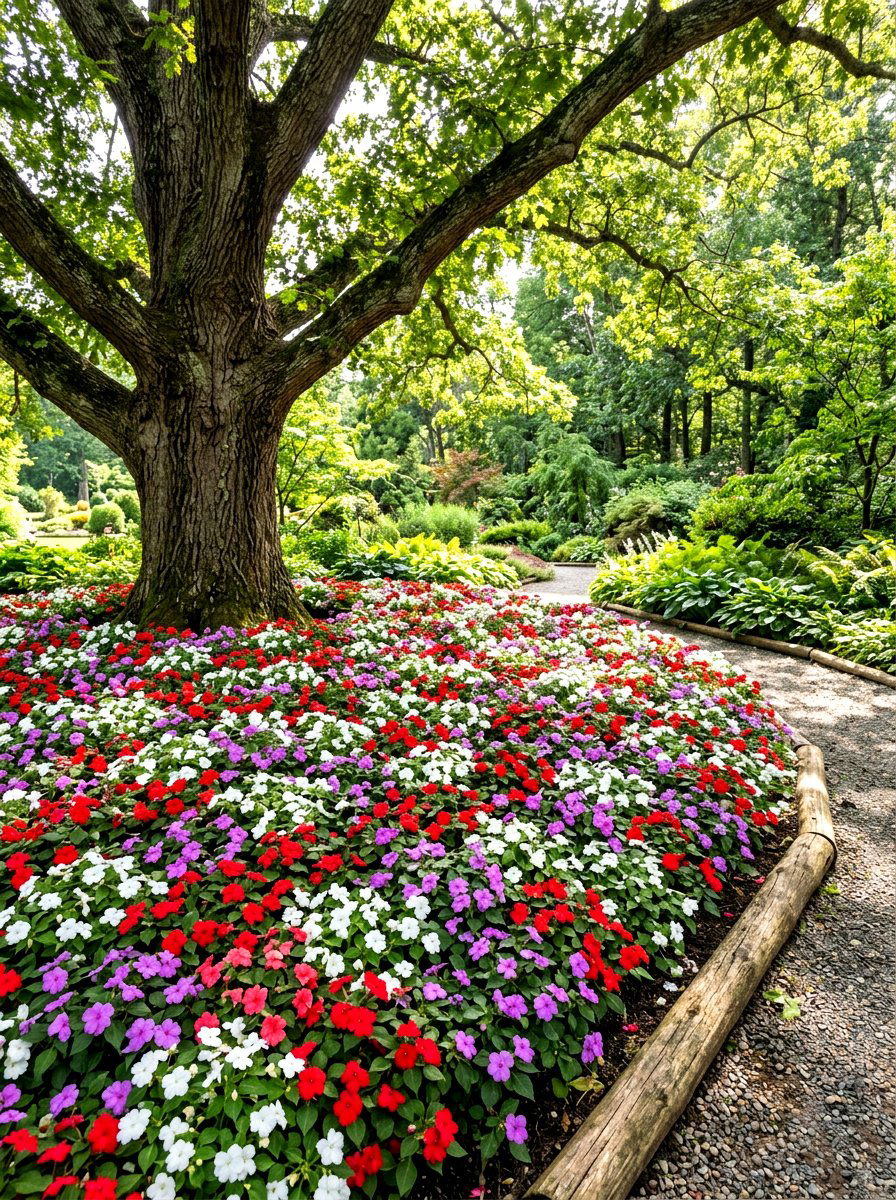
13. Shade Garden Front Border
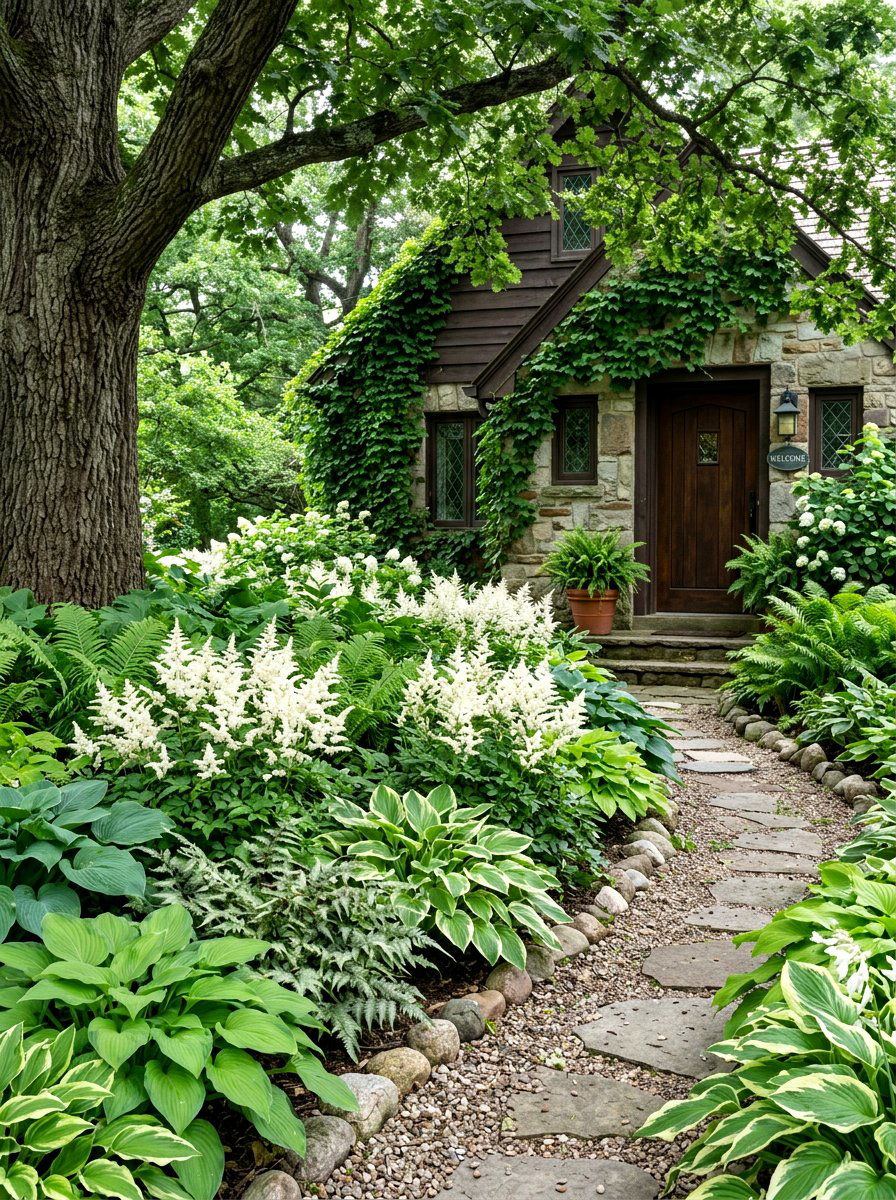
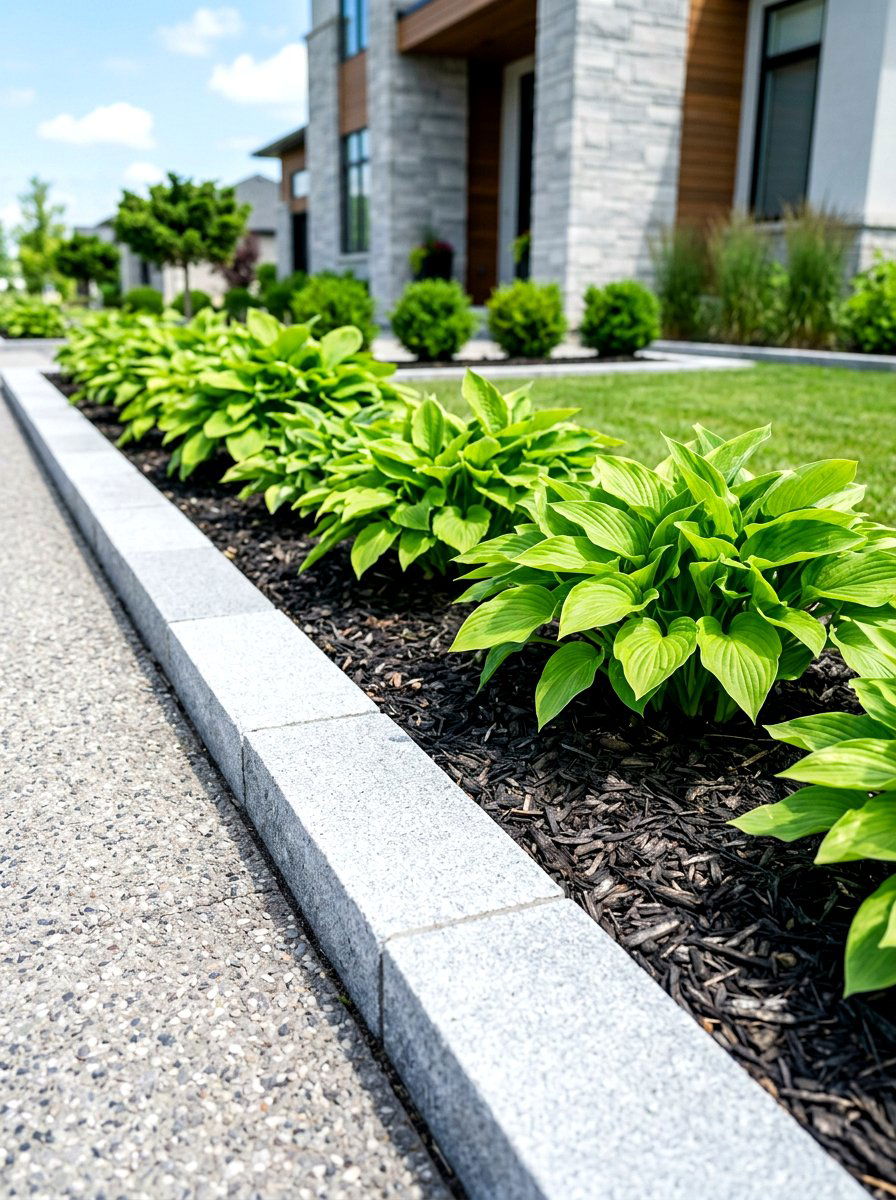
Transforming a north-facing or tree-shaded front yard into a lush border is easy with the right selection of shade-loving plants. Focus on textures and varied foliage colors to make up for the lack of bright sun. Hostas, ferns, and astilbes are excellent choices for creating a cool, woodland-inspired entrance. You can add pops of color with bleeding hearts or impatiens, which thrive in filtered light. The deep greens and whites of a shade border create a refreshing and tranquil vibe that feels like a hidden forest path. This approach turns a potentially difficult gardening spot into a sophisticated and low-stress feature of your home's exterior.
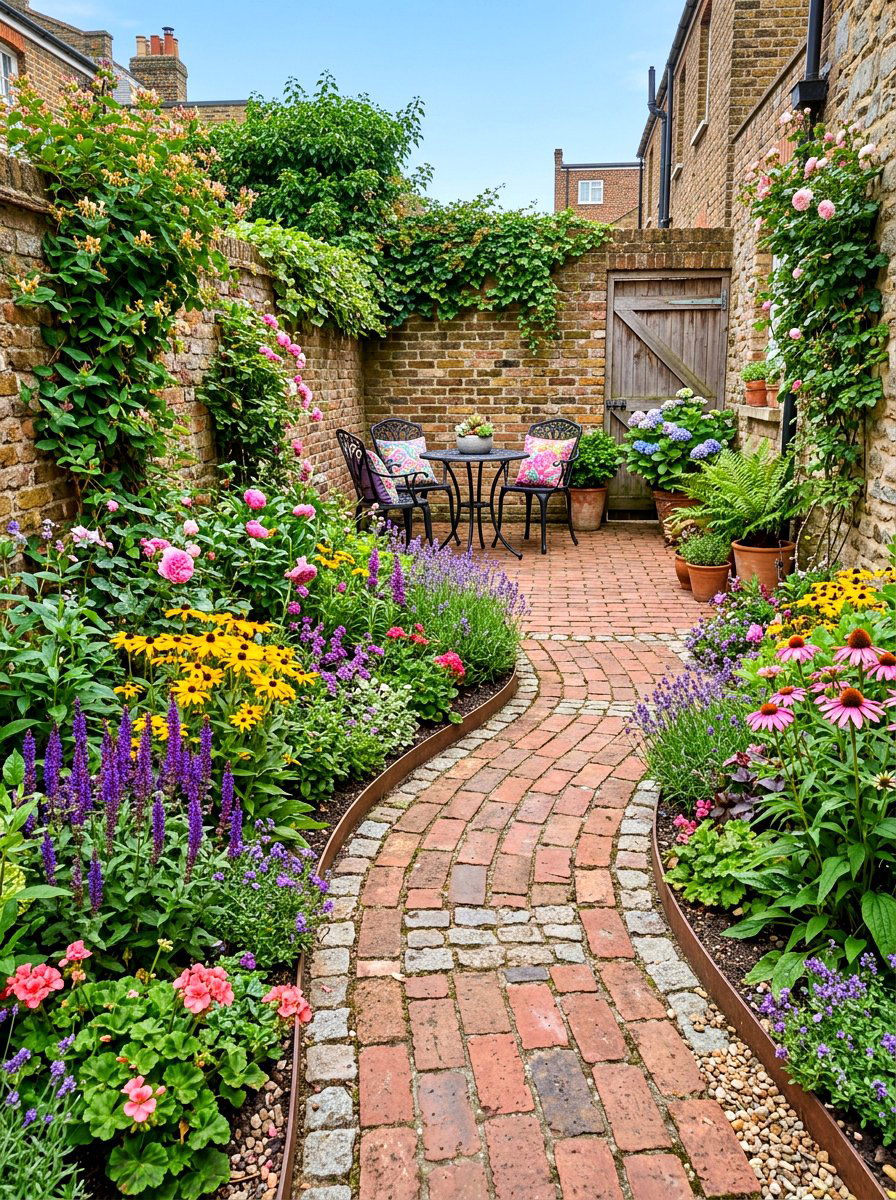
14. Brick Path Flower Edge
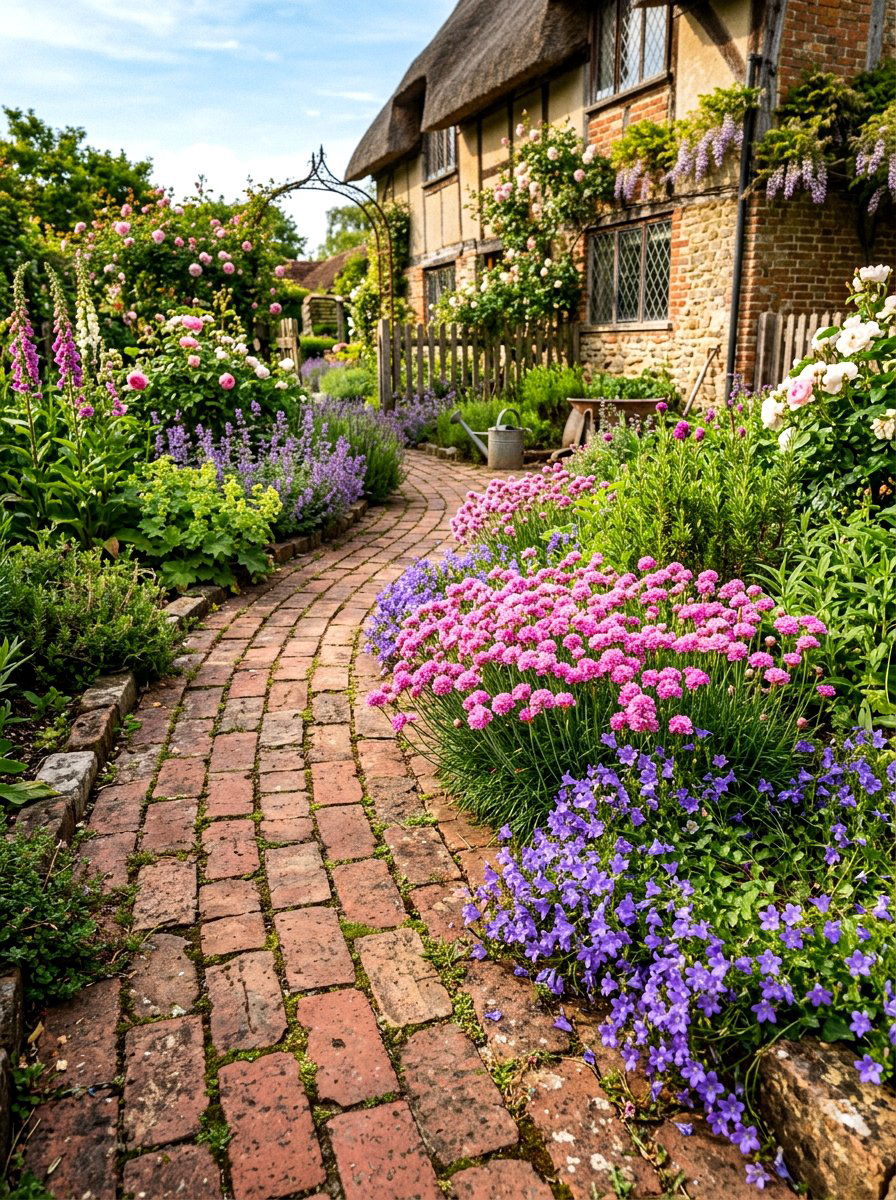
A weathered brick path provides a timeless and structural element that pairs beautifully with a cottage-style flower edge. The warm tones of the brick complement the vibrant greens and varied colors of the surrounding plants. You can plant low-growing herbs like chamomile or woolly thyme between the bricks to release fragrance when stepped on. Along the edges, mounds of sea thrift or campanula provide a soft border that keeps the brickwork from looking too rigid. This combination of hardscaping and soft planting creates a sense of history and craftsmanship. It is an ideal way to lead guests to your front door through a beautiful, living hallway.
15. Tall Delphinium Backdrop
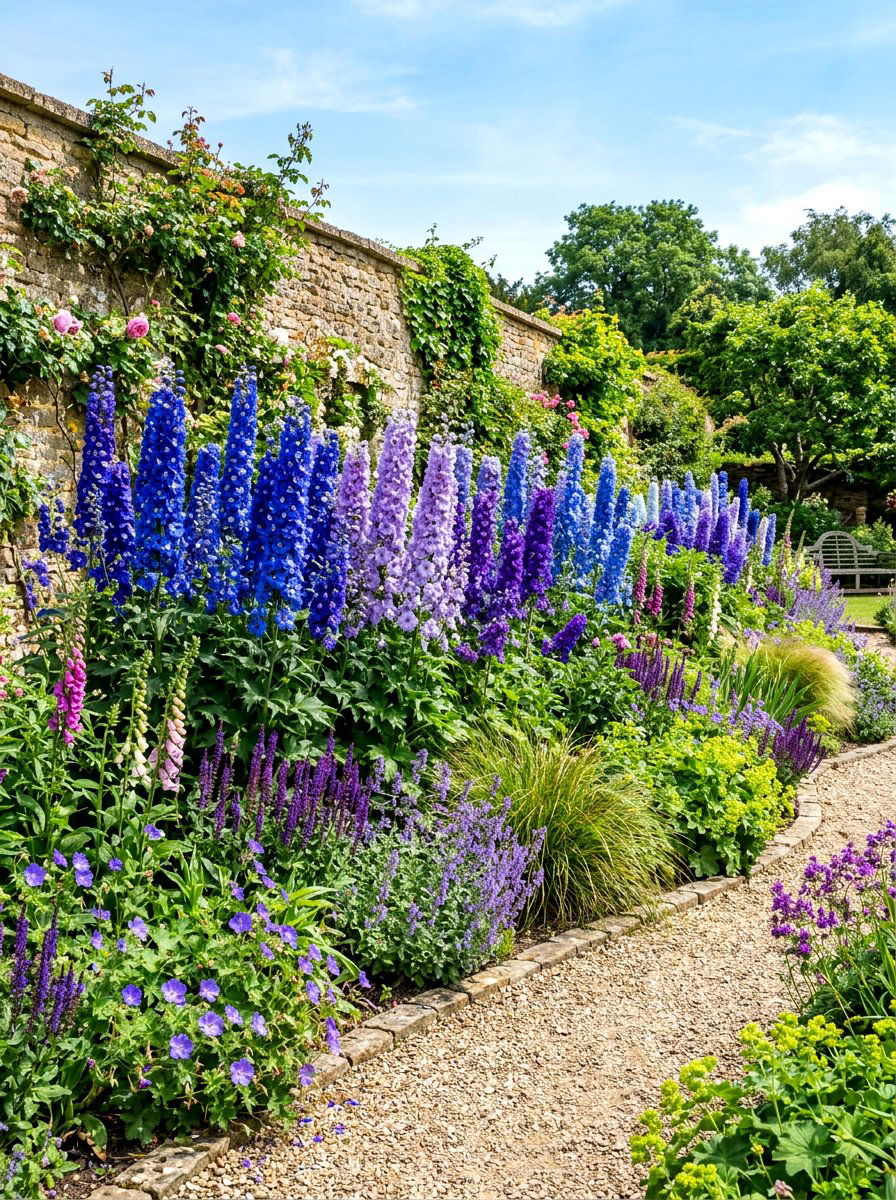
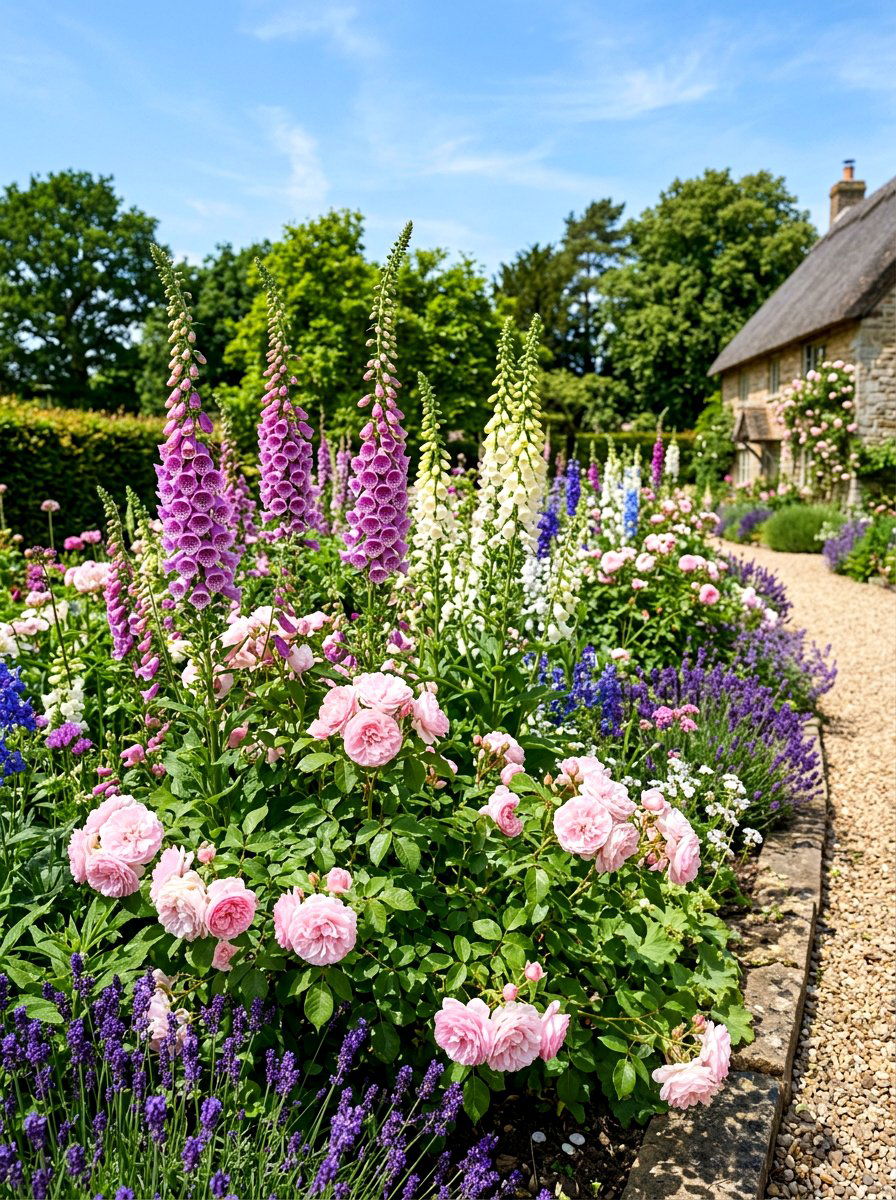
Using tall delphiniums as a backdrop in your front border adds dramatic height and classic English garden elegance. These towering spires of blue, purple, and white flowers create a vertical dimension that anchors the rest of your planting scheme. Position them at the very back of the border, perhaps against a wall or fence, to provide a sense of scale and grandeur. Their architectural form provides a stunning contrast to the mounding and spreading plants in the foreground. Because they are so striking, they act as a focal point that draws the eye from a distance. Staking them ensures they remain upright and majestic throughout their blooming season.
16. Scented Herb Garden Border
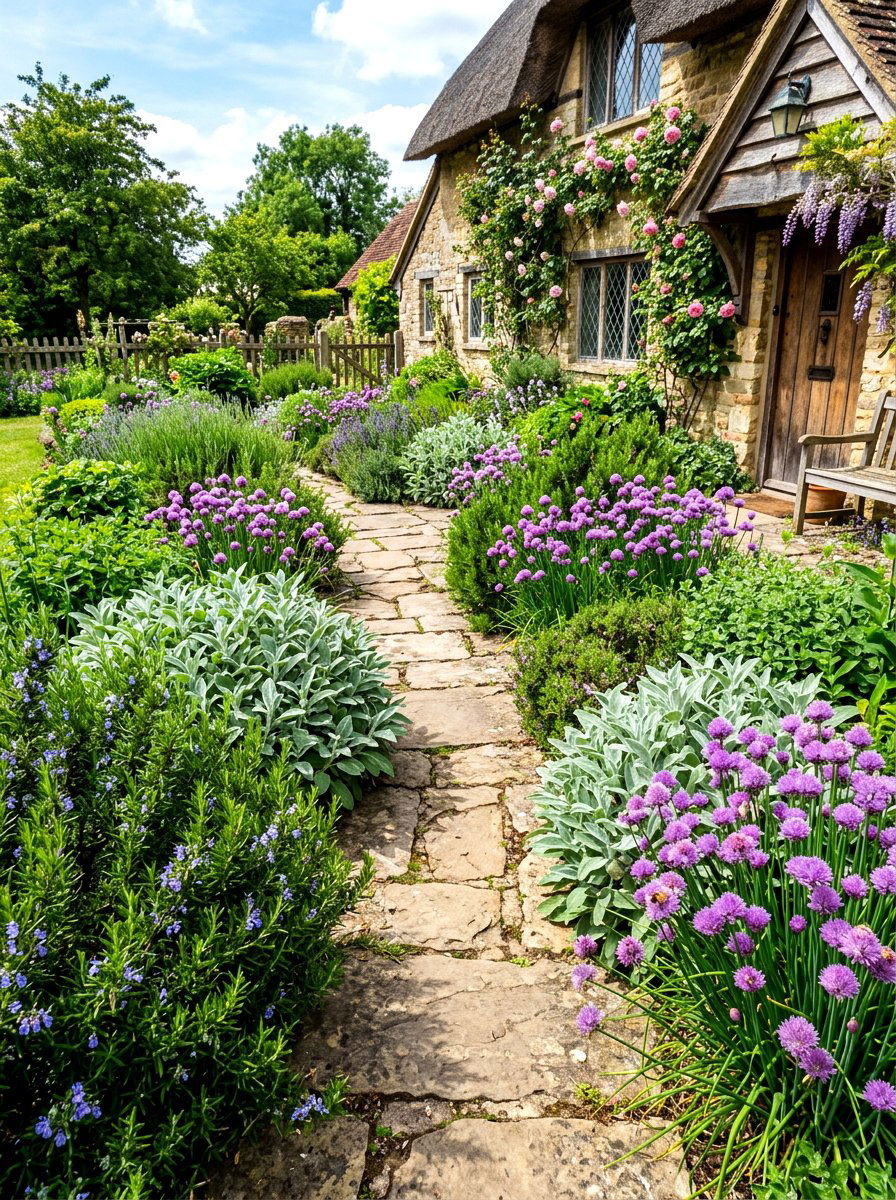
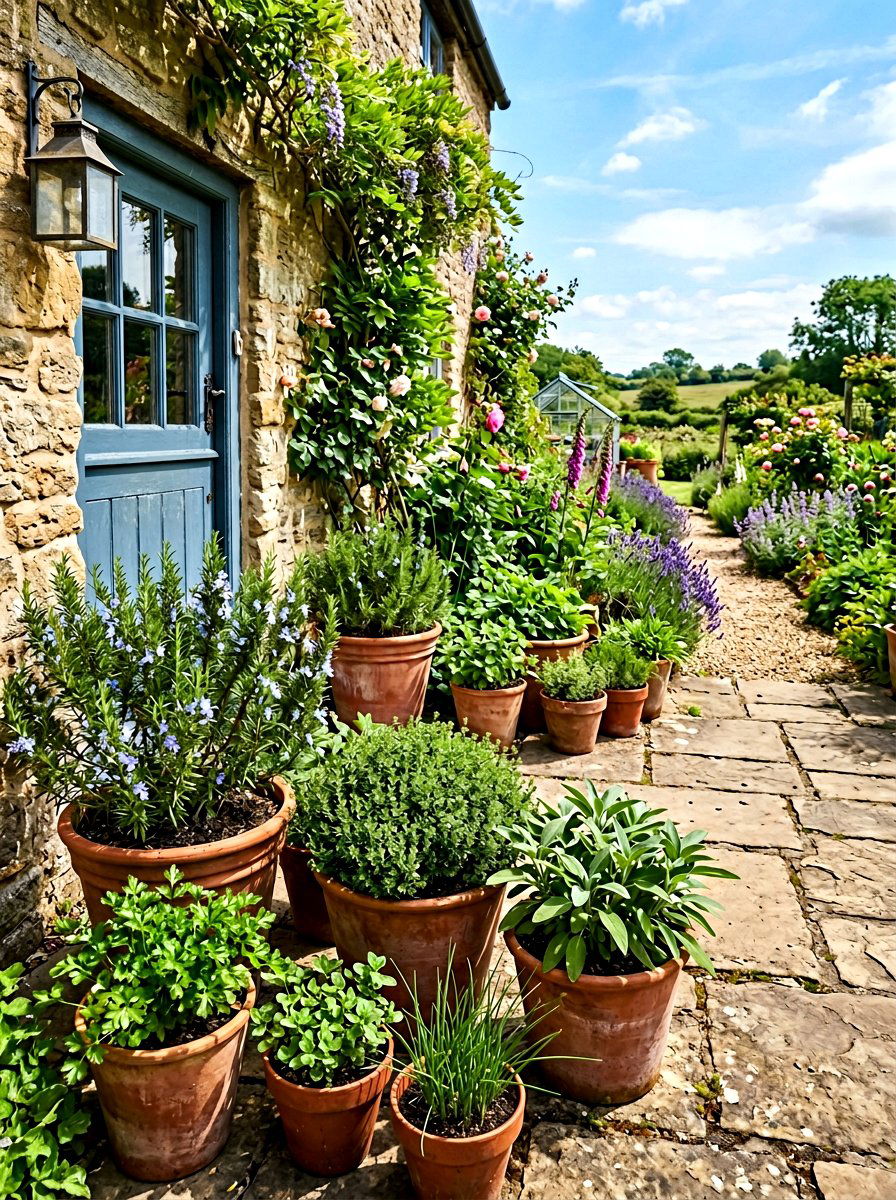
Creating a front border entirely out of scented herbs is a practical and delightful way to enhance your entryway. Herbs like rosemary, sage, and lemon balm provide a variety of textures and muted green tones that look great in a cottage setting. Many herbs also produce beautiful flowers, such as the delicate blue blooms of rosemary or the tall purple spikes of chives. This type of border is highly functional, as you can harvest fresh ingredients just steps from your door. The aromatic leaves release their scent in the sun, creating an inviting atmosphere. It is a low-water, high-reward option that feels both rustic and intentional.
17. Rock Garden Front Entry
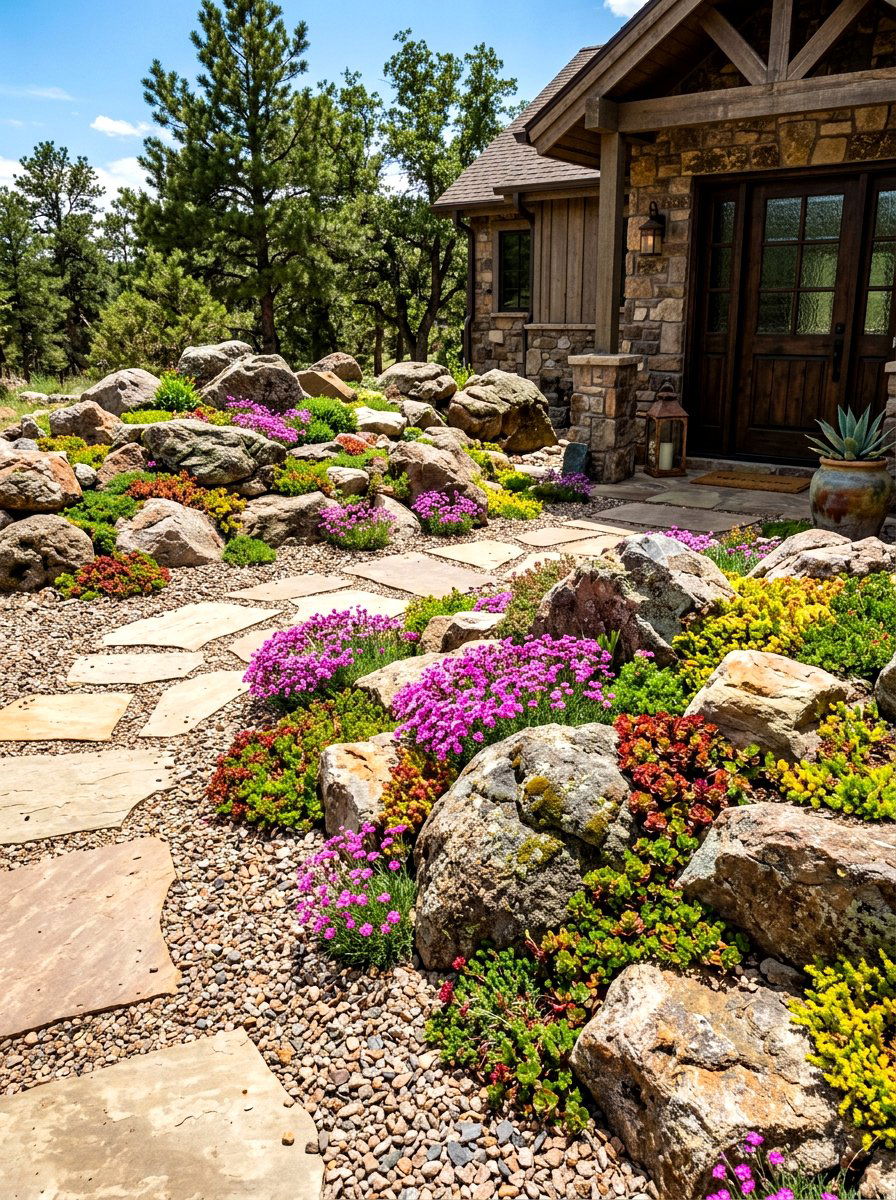
A rock garden front entry uses stones of various sizes to create a rugged, naturalistic border that is perfect for sunny spots. By tucking drought-tolerant plants into the crevices between boulders, you mimic the beauty of a mountain landscape. Sedums, hens and chicks, and alpine pinks are ideal for this environment, offering unique shapes and resilient growth habits. The stones absorb heat during the day and provide a stable environment for the roots. This type of border is excellent for adding texture and dimension to a flat front yard. It requires minimal water and maintenance while providing year-round visual interest through both the plants and the rocks.
18. Cottage Garden Pathway
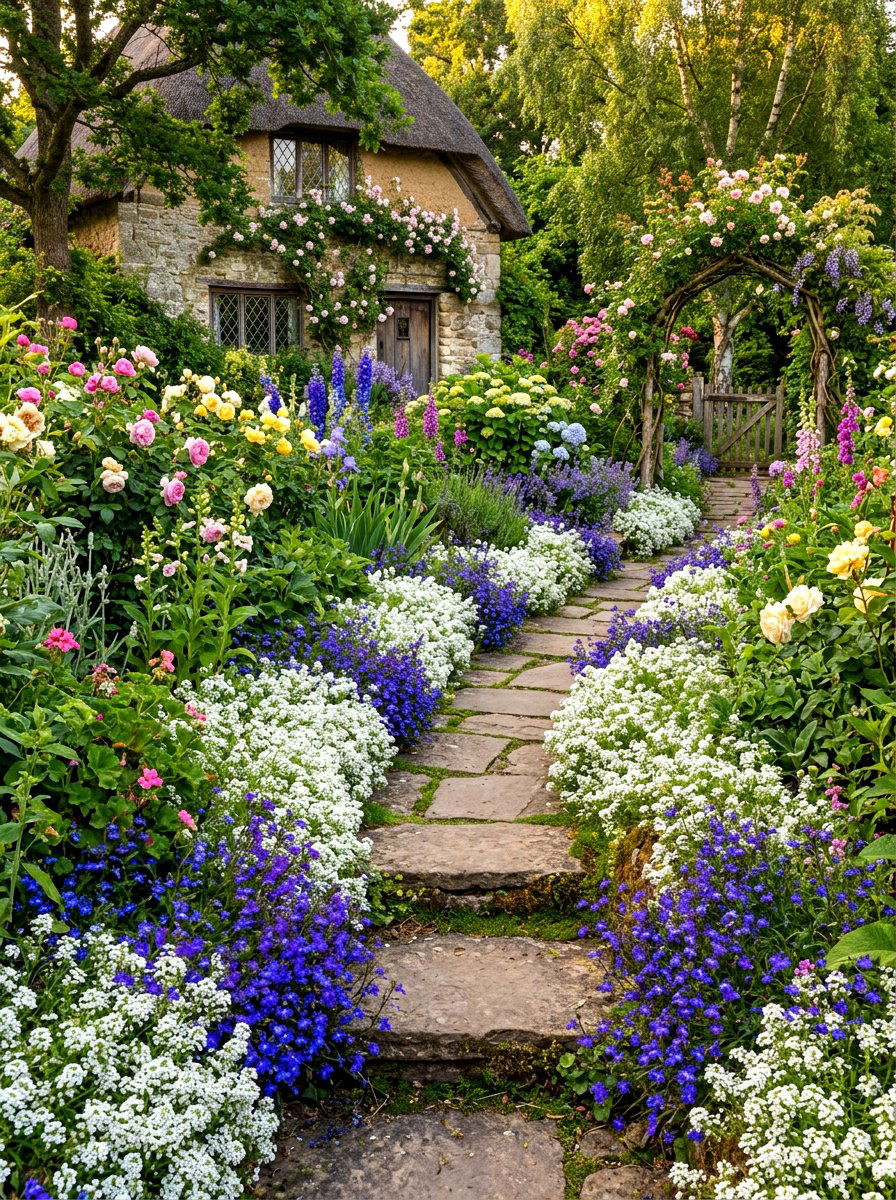
A dedicated cottage garden pathway focuses on a winding, informal route that encourages visitors to slow down and enjoy the scenery. Instead of a straight shot to the door, a curved path made of stepping stones or mulch creates a sense of discovery. As the path meanders, it should be hemmed in by overflowing flowers that occasionally spill onto the walking surface. This creates an immersive experience where the garden feels like it is embracing the visitor. You can plant low-growers like sweet alyssum or lobelia along the very edge to soften the transition. This layout makes even a small front yard feel like an expansive, secret garden.
19. Ornamental Grass Border
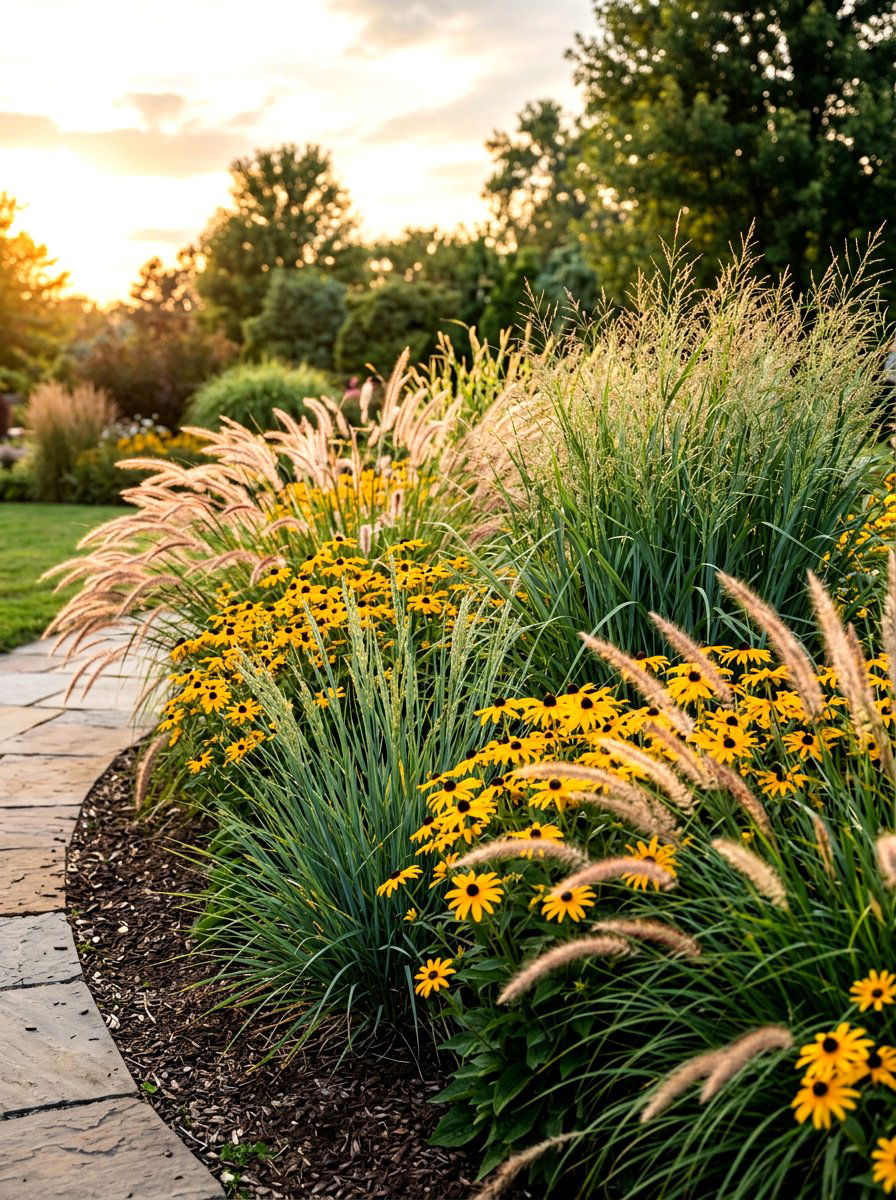
Incorporating an ornamental grass border adds movement, sound, and a modern twist to the traditional cottage look. Grasses like fountain grass or switchgrass sway gently in the breeze, creating a dynamic element that static flowers cannot provide. Their fine textures contrast beautifully with the broad leaves of perennials like peonies or rudbeckia. In the autumn, many grasses turn golden or bronze and produce airy seed heads that catch the late-season light. They also provide structure and interest throughout the winter months. Using grasses in your front border adds a sense of whimsy and elegance while being incredibly hardy and easy to care for in most climates.
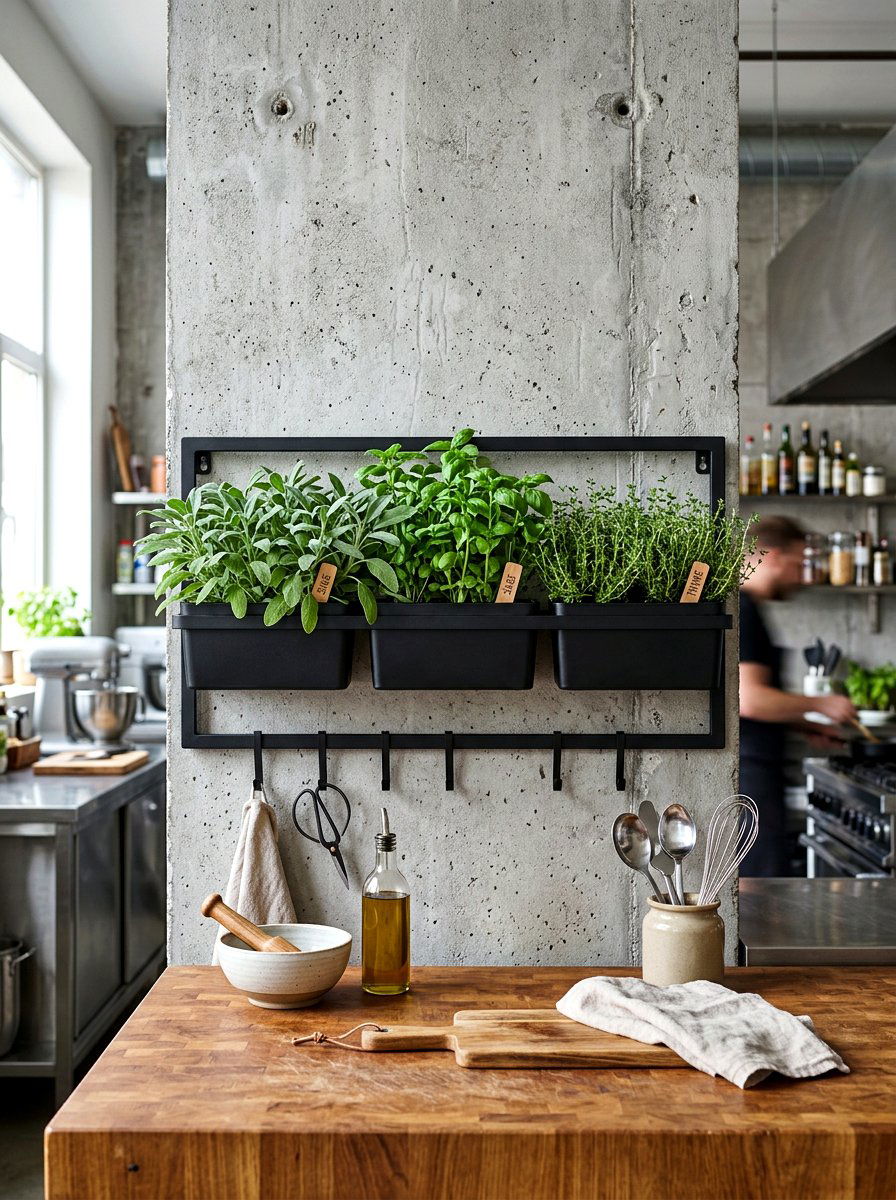

20. White Flower Theme Garden
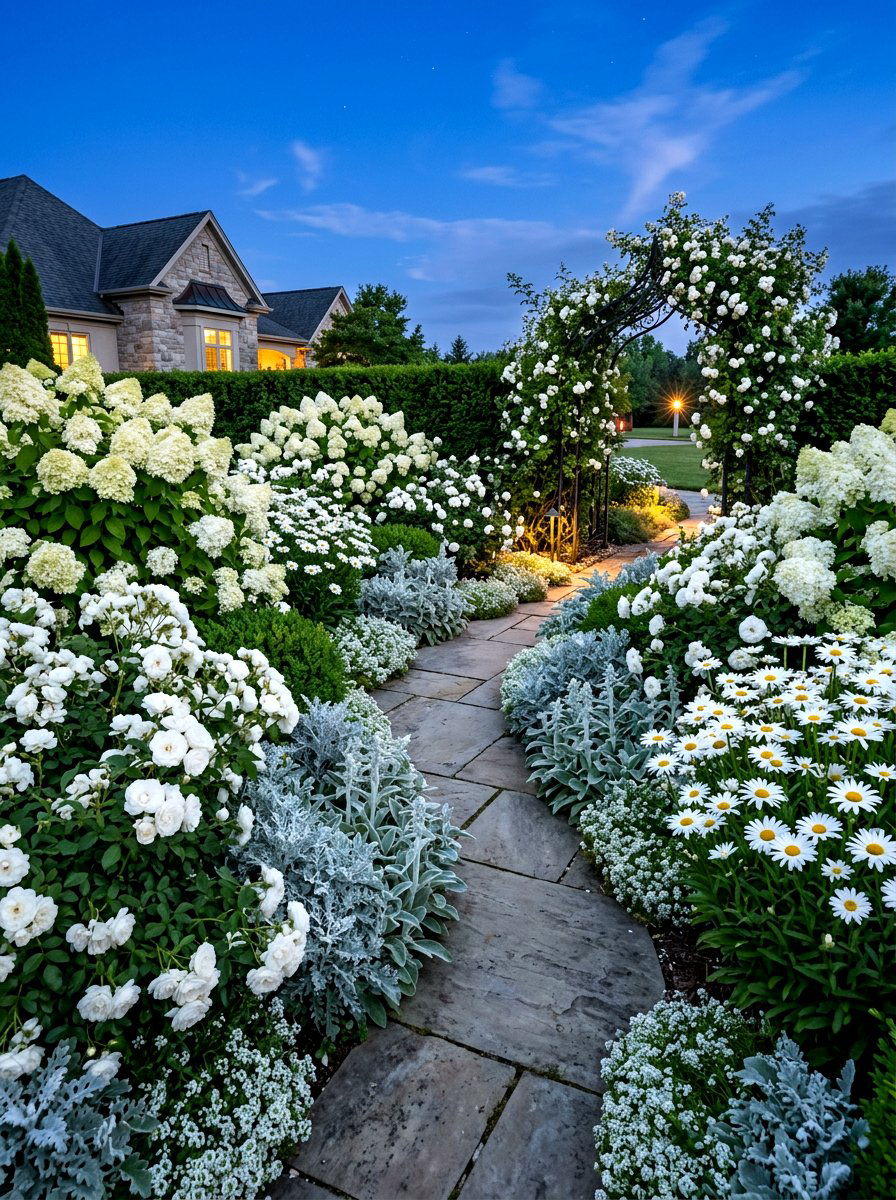
A white flower theme garden, often called a "moon garden, " creates a sophisticated and ethereal front border. By using only white blooms and silver or variegated foliage, you achieve a look of extreme purity and elegance. Plants like white hydrangeas, Shasta daisies, and white roses stand out brilliantly against dark green leaves. This color scheme is particularly effective in the evening, as white flowers seem to glow in the twilight and moonlight. It creates a serene and high-end feel for your home's entrance. Complement the blooms with white-edged hostas or silver dusty miller to add depth and texture to the monochromatic palette without breaking the theme.
21. Cottage Style Window Box
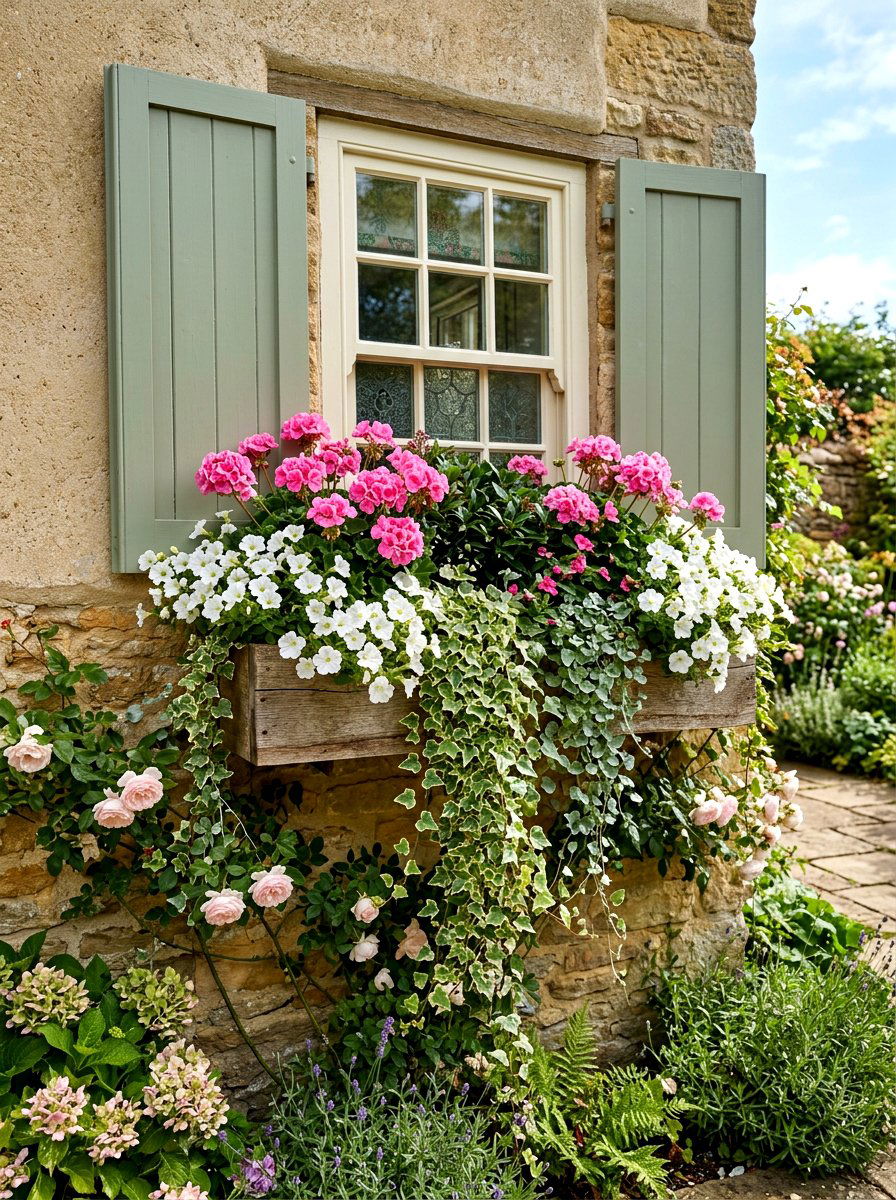
A cottage style window box serves as an extension of your front border, bringing the garden right up to the house. By coordinating the plants in your window boxes with those in the ground below, you create a cohesive and vertically layered look. Use "thriller, filler, and spiller" techniques, incorporating upright flowers like geraniums, mounding petunias, and trailing ivy or creeping Jenny. These boxes add a burst of color at eye level and can soften the appearance of your home's siding or brickwork. They are especially useful for small front yards where ground space is limited. The result is a lush, tiered effect that maximizes your curb appeal.
22. Coastal Cottage Garden
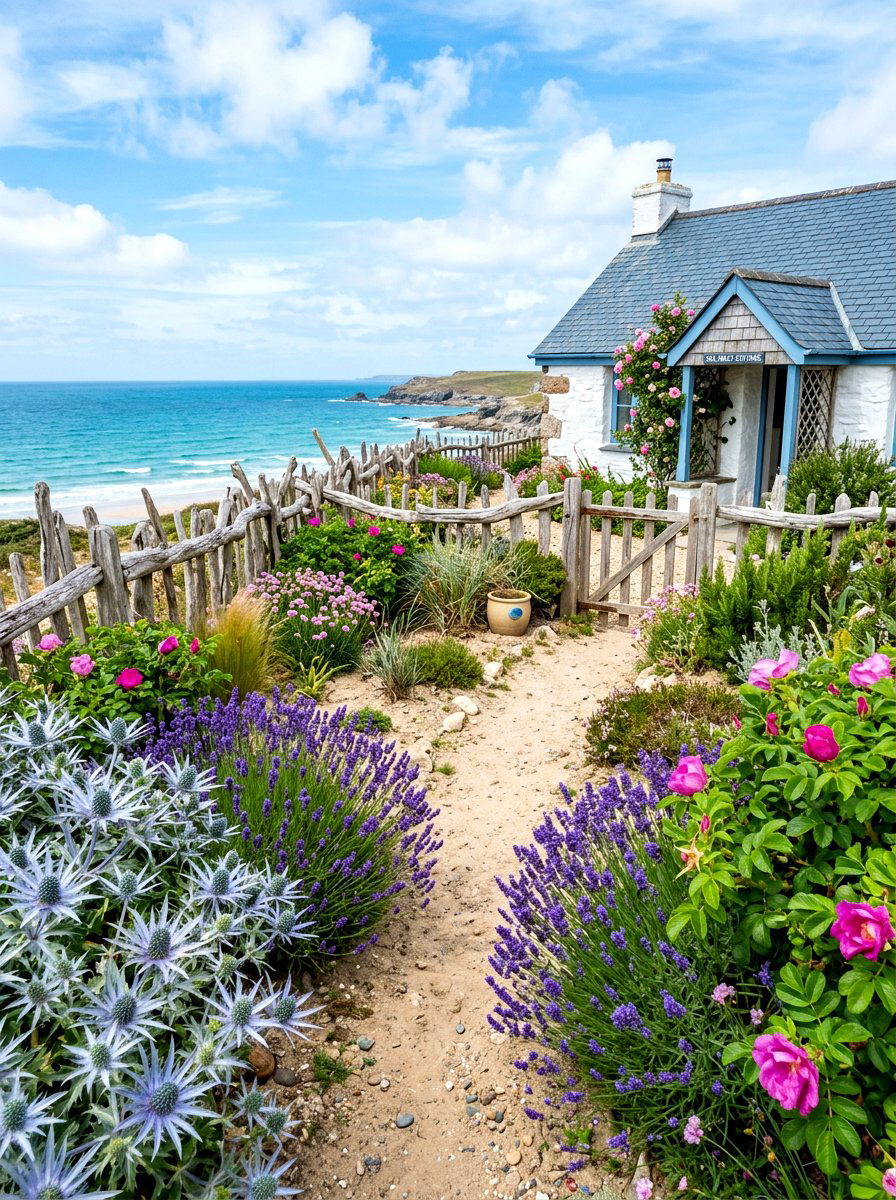
A coastal cottage garden is designed to withstand salt spray and sandy soil while still looking lush and romantic. Focus on hardy plants like sea holly, rugosa roses, and lavender that thrive in breezy, seaside conditions. These species often have tough or silvery foliage that helps them retain moisture. Incorporating elements like weathered driftwood or crushed seashell paths can further enhance the nautical theme. The color palette often leans towards blues, purples, and sandy yellows to mirror the coastal environment. This type of border feels relaxed and airy, perfectly capturing the spirit of a beach house entryway while remaining resilient against the challenging seaside elements.
23. Butterfly Pollinator Border
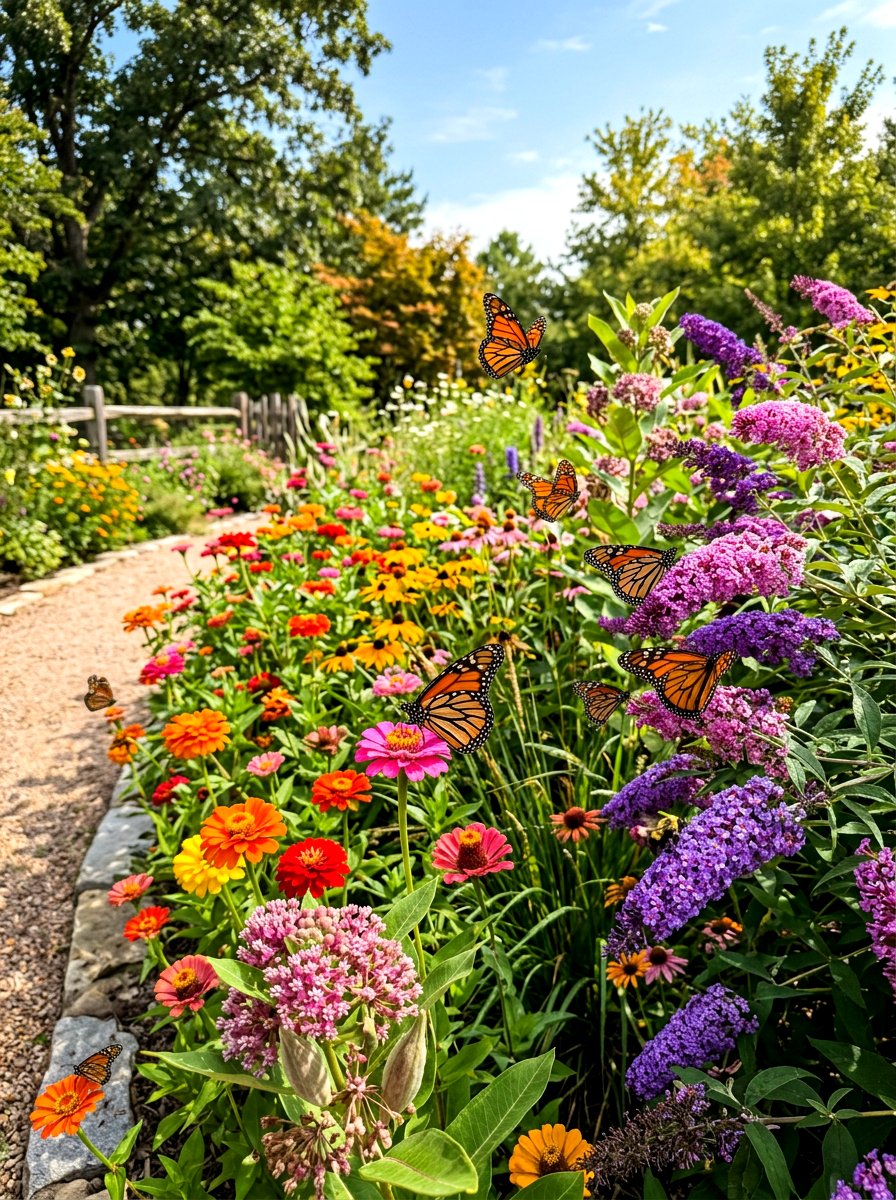
Designing a front border specifically for butterflies turns your front yard into a lively and ecologically beneficial habitat. By planting nectar-rich species like butterfly bush, milkweed, and zinnias, you ensure a constant stream of colorful visitors. It is important to include a variety of flower shapes and sizes to accommodate different species of pollinators. A butterfly border is naturally informal and vibrant, fitting perfectly into the cottage aesthetic. Watching the movement of wings among the blossoms adds a magical, interactive quality to your home's exterior. This design choice is not only beautiful but also supports local biodiversity, making your garden a valuable part of the local ecosystem.
24. Traditional Peony Border
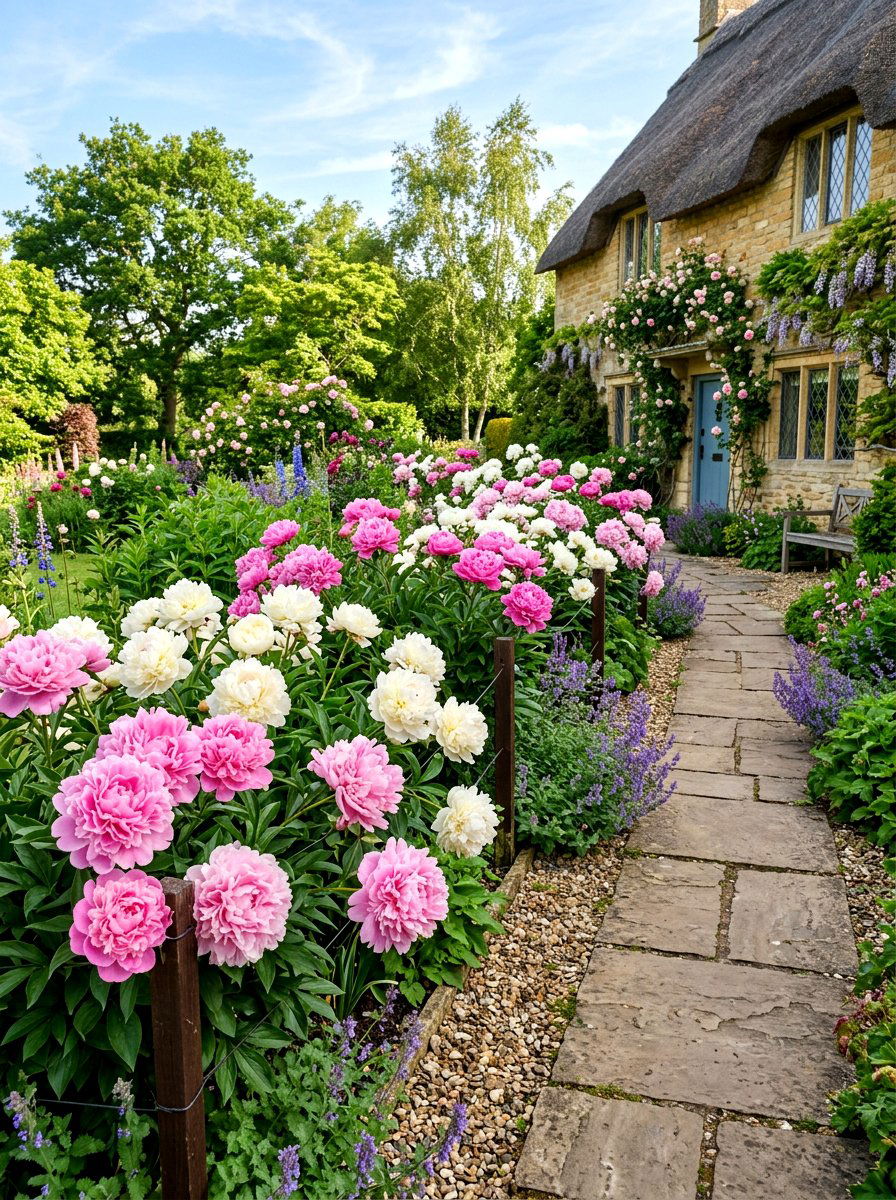
A traditional peony border offers a spectacular, high-impact display of large, fragrant blooms in late spring. These long-lived perennials are the royalty of the cottage garden, featuring massive flower heads in shades of white, pink, and deep red. When planted in a row along a front walkway or foundation, they create a lush and luxurious boundary. Even after the flowers have faded, the deep green, shrub-like foliage remains attractive for the rest of the summer. You can interplant them with later-blooming perennials like lilies or phlox to keep the border interesting. Their classic beauty and intoxicating scent make them a favorite choice for creating a nostalgic, high-end entrance.
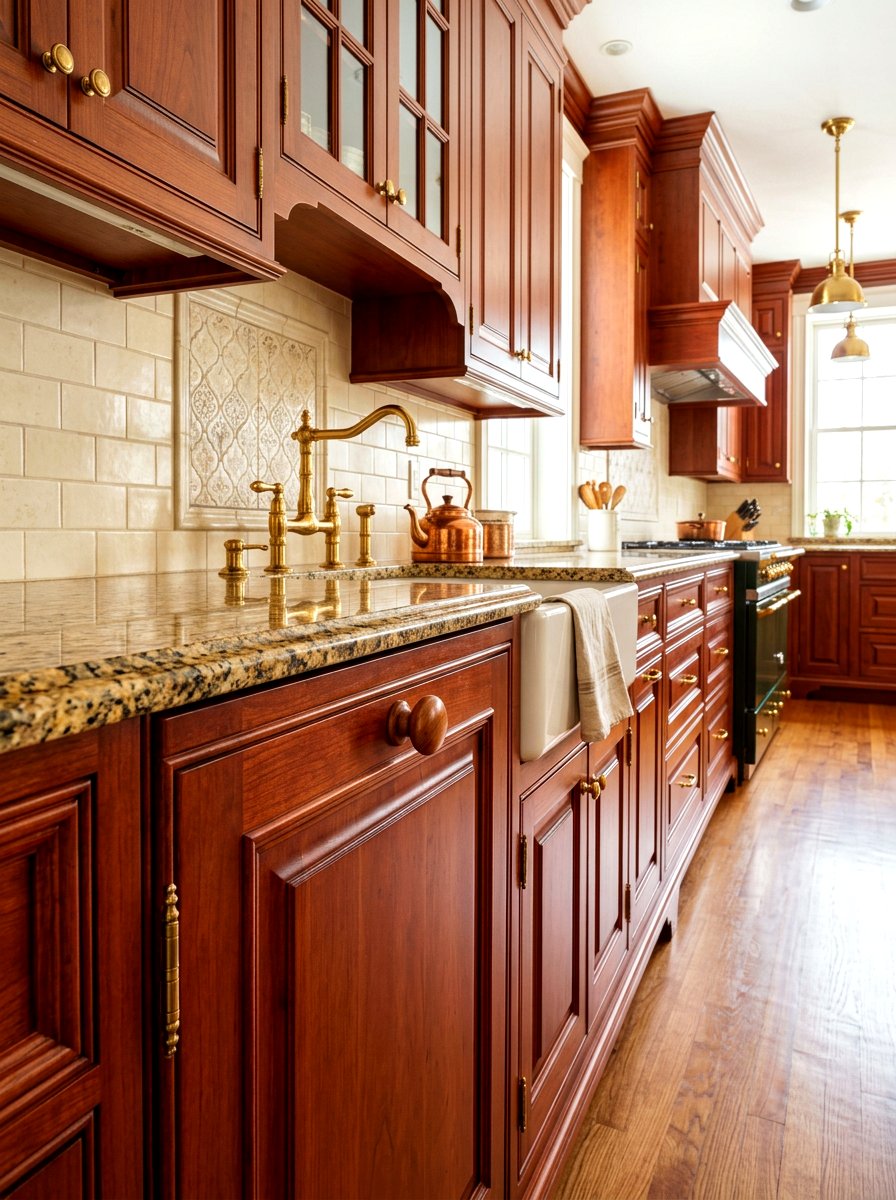
25. Layered Flower Bed
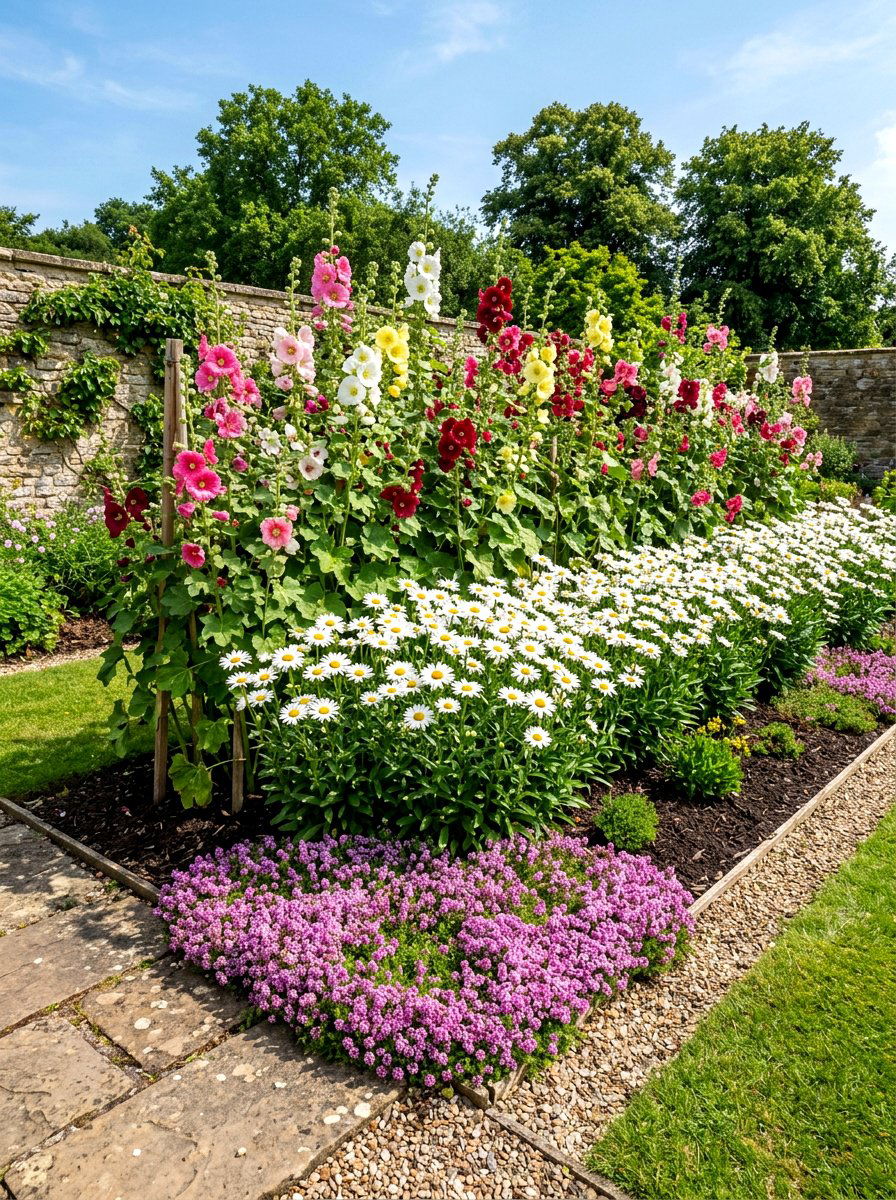
A layered flower bed follows the "rule of three" to create a professional and voluminous look in your front border. Start with tall structural plants in the back, such as hollyhocks or ornamental grasses, to provide a height. The middle layer should feature mounding perennials like daisies or coneflowers that fill the space with bulk and color. Finally, use low-growing "spillers" like lobelia or creeping thyme at the front edge to soften the transition to the lawn or path. This tiered approach ensures that every plant is visible and that the border feels deep and full. It creates a sense of abundance and careful planning that defines cottage style.
26. Small Front Yard Border
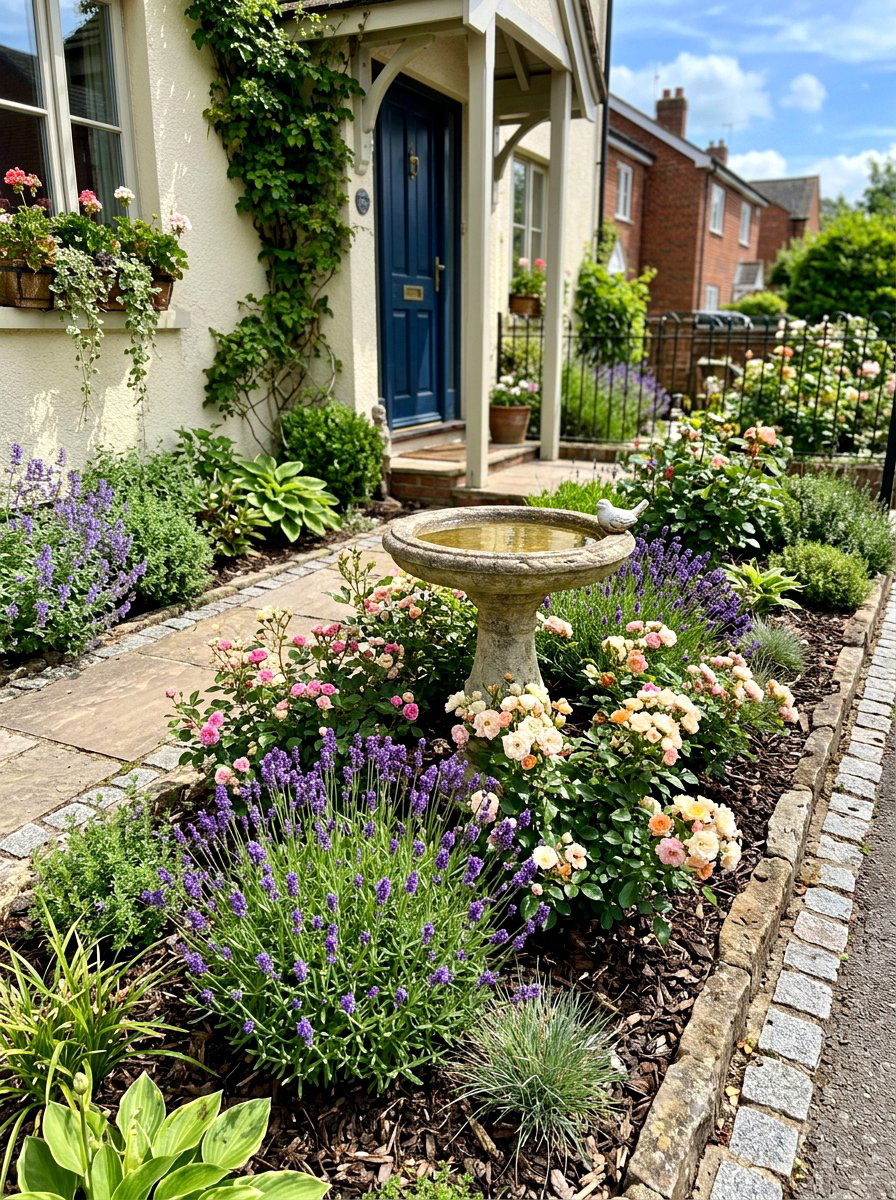
A small front yard border proves that you don't need a large estate to enjoy the beauty of a cottage garden. By focusing on a few high-impact plants and utilizing vertical space, you can create a charming entryway in even the tiniest plot. Use compact varieties of favorite flowers, like dwarf lavender or miniature roses, to keep the scale appropriate. Adding a single focal point, such as a birdbath or a small decorative gate, can give the space structure and purpose. Mirrors or light-colored flowers can help make the area feel larger and brighter. This intimate gardening approach creates a cozy and welcoming "pocket garden" for your home.
27. Victorian Cottage Garden
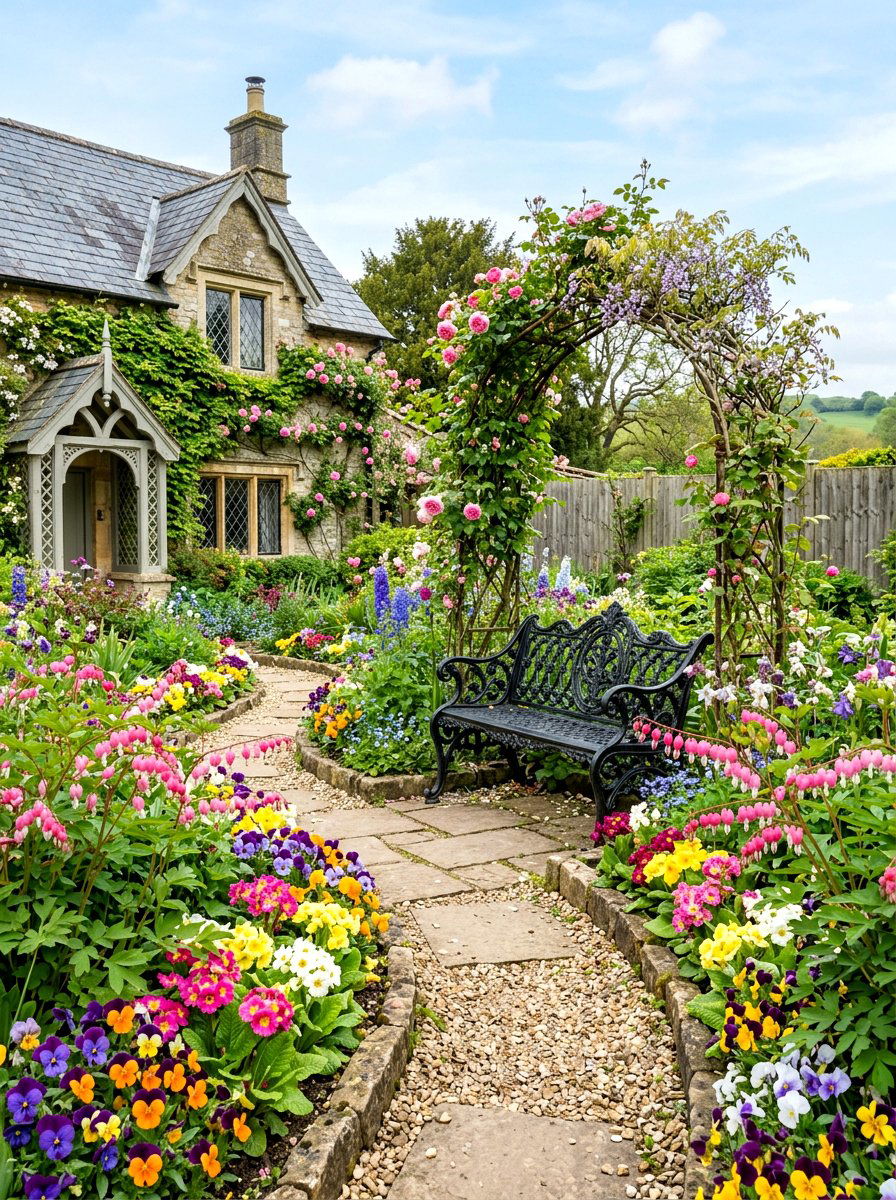
A Victorian cottage garden is characterized by its exuberant use of color, intricate patterns, and romantic accessories. This style often features a mix of traditional favorites like pansies, primroses, and bleeding hearts arranged in a dense, multi-colored tapestry. You can incorporate decorative elements like cast-iron benches, ornate birdhouses, or scrolled metal plant stands to add historical charm. The goal is to create a sense of whimsical abundance that feels like it belongs in another era. Using a wide variety of species ensures a long blooming season and a rich diversity of textures. This nostalgic approach turns your front border into a storytelling element for your home’s architecture.
28. Wood Rail Fence Garden
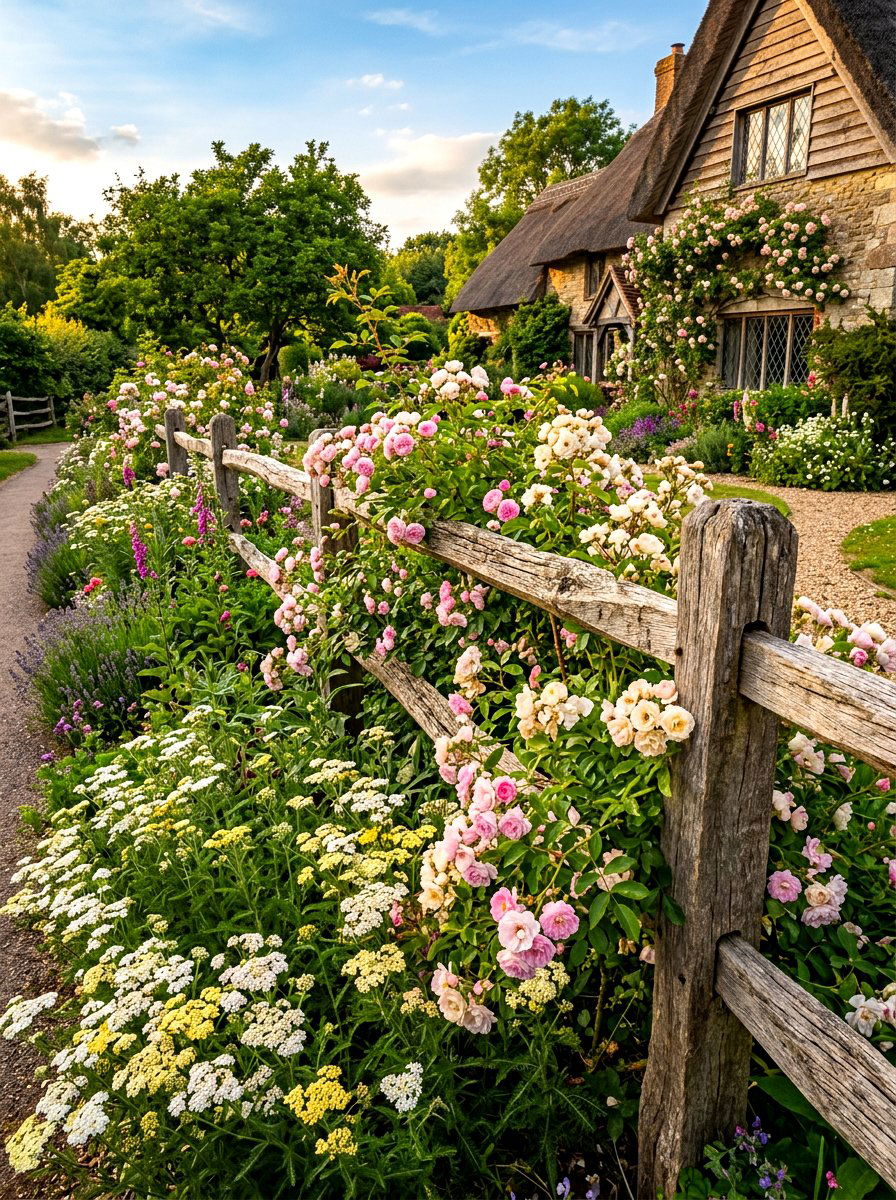
A wood rail fence provides a rustic and open framework for a country-inspired front border. This style is less formal than a picket fence and allows the plants to really take center stage as they weave through the horizontal rails. You can plant rambling roses or clematis to climb along the wood, creating a natural and lived-in look. In the beds below, use meadow-style plants like yarrow, coreopsis, and rudbeckia to complement the rugged texture of the timber. This design is perfect for suburban or rural homes where you want a boundary that feels integrated with the surrounding landscape. It offers a soft, welcoming boundary.
29. Drought Tolerant Cottage Border
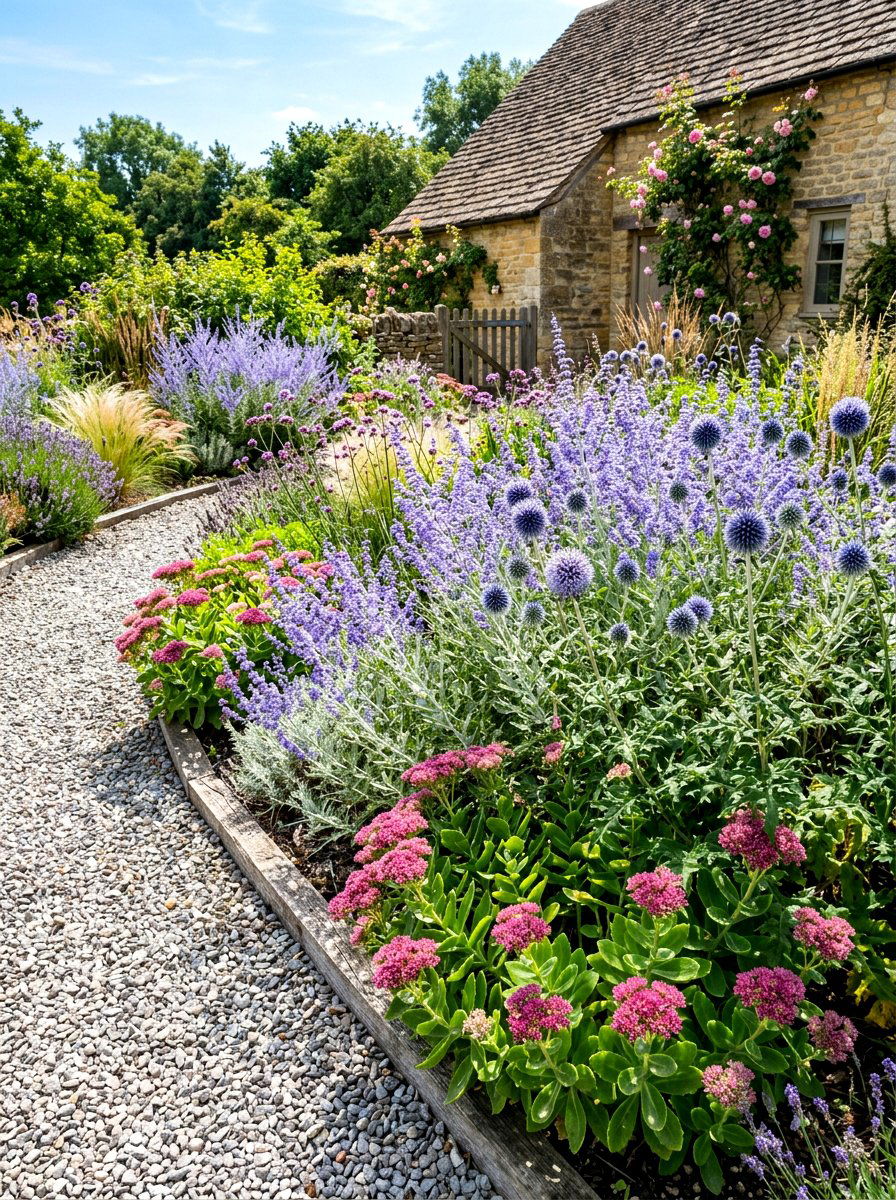
A drought tolerant cottage border uses water-wise plants to achieve a lush look without the need for constant irrigation. By selecting species like Russian sage, stonecrop, and globe thistle, you create a resilient landscape that thrives in hot, dry conditions. These plants often have interesting leaf textures — from fuzzy to waxy — that help them survive with less water. This approach is both environmentally friendly and low-maintenance, perfect for busy homeowners. You can enhance the look with a thick layer of mulch and decorative gravel to help retain soil moisture. The result is a beautiful, airy garden that stays vibrant even during the height of a dry summer season.
30. Foxglove And Hollyhock Border
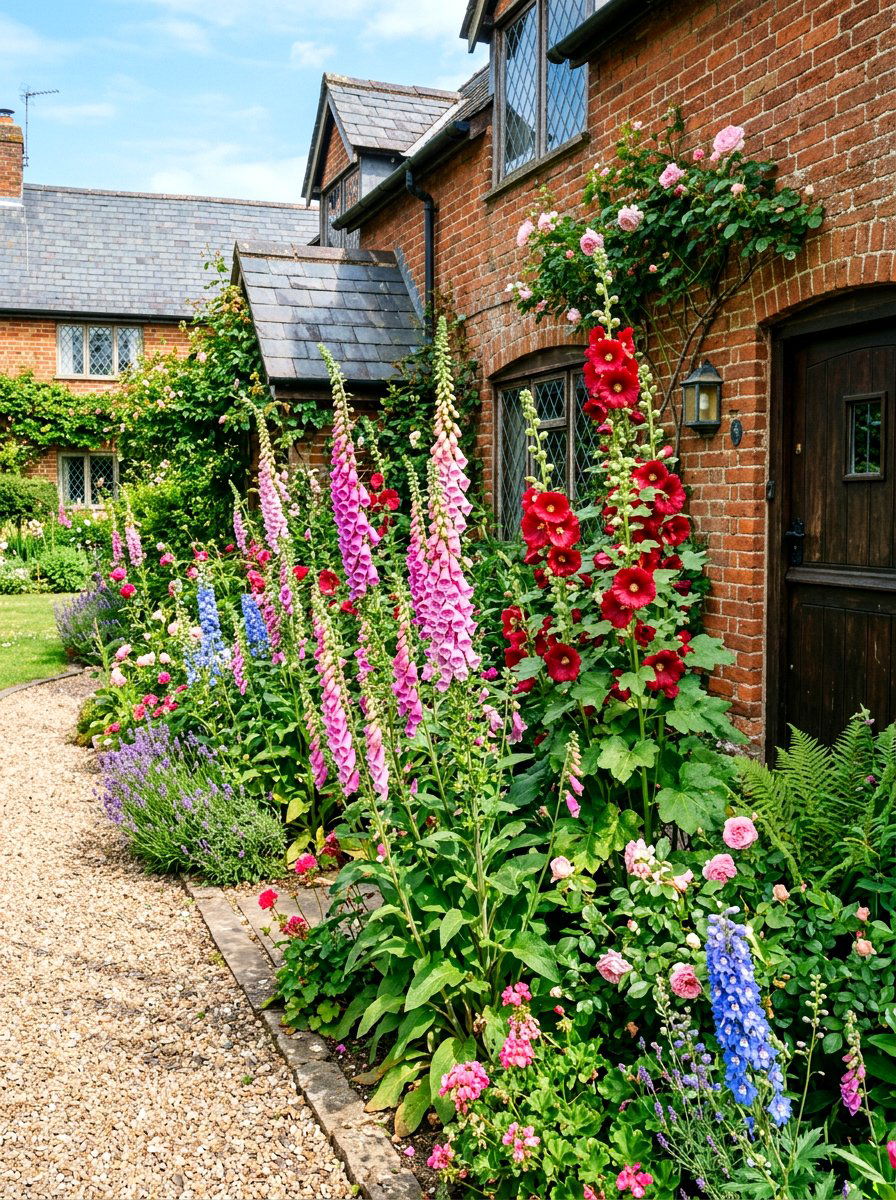
A foxglove and hollyhock border is the ultimate expression of the "cottage spires" aesthetic, providing dramatic height and old-fashioned charm. These tall, biennials produce towering stalks covered in bell-shaped or ruffled flowers that act as vertical exclamation points in your garden. Foxgloves are perfect for part-shade areas, offering a woodland feel, while hollyhocks thrive in full sun against a warm wall or fence. Planting them in clusters creates a sense of rhythm and height variation that is visually captivating from the street. They often self-seed, meaning they will pop up in new and surprising places each year, adding to the delightful, informal nature of your front border.
Conclusion:
Creating the perfect cottage front border is a rewarding journey that allows your personal style to bloom alongside your favorite plants. By carefully selecting a mix of textures, heights, and colors, you turn a simple front yard into an enchanting escape that welcomes everyone who visits. These designs prove that you do not need a massive estate to enjoy the lush, overflowing beauty of a traditional English garden. Whether you prefer the structured look of boxwood or the wild freedom of a meadow, your front border is a reflection of your home's unique personality. Start small, plant what you love, and watch your curb appeal transform into a vibrant, living masterpiece that provides joy throughout every season.

Related posts: