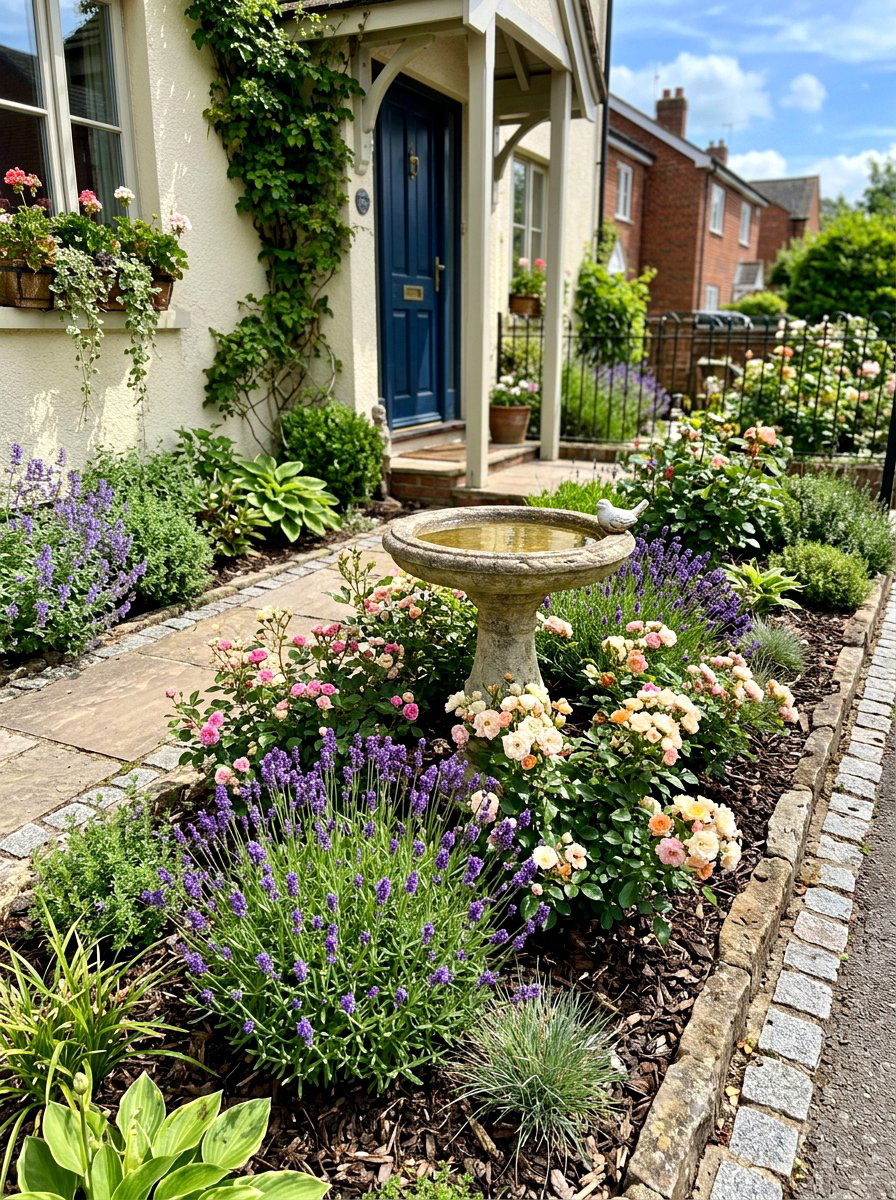
Transforming your backyard into a functional and aesthetic herb garden requires more than just high-quality soil and consistent sunlight. It involves a thoughtful organization strategy that helps you identify your aromatic plants at a glance, preventing any culinary mishaps in the kitchen. Many gardeners find themselves mixing up cilantro and flat-leaf parsley during harvest, which is exactly where markers become essential. These small but impactful details add a layer of personality to your outdoor or indoor growing space while serving a very practical purpose. Whether you prefer a rustic farmhouse look or a sleek modern aesthetic, there are endless ways to label your herbs using simple, affordable materials found around your home today.
1. Painted Stone Marker
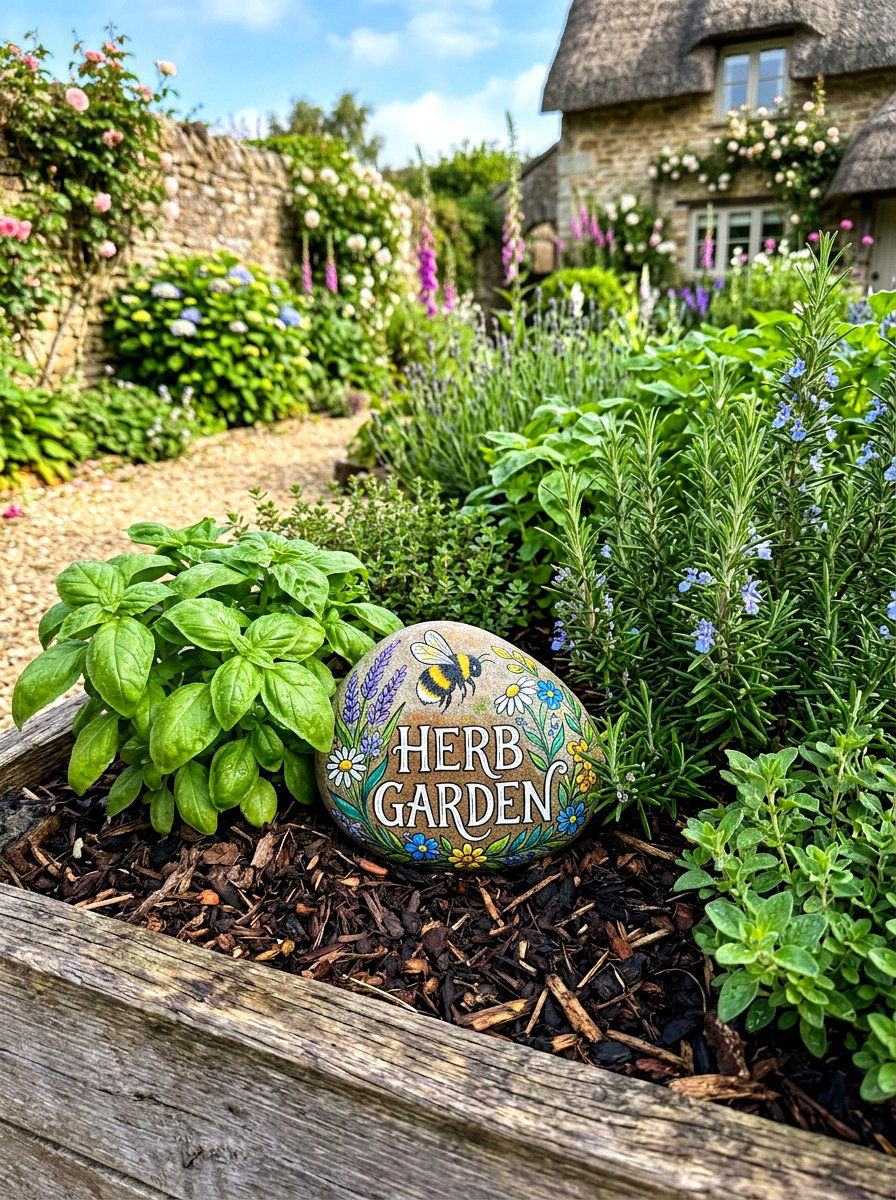
Using smooth river stones as markers is a timeless way to bring a natural element into your garden beds. You can easily find these stones in your backyard or at a local craft store for a very low cost. To start, wash the stones thoroughly to remove any dirt so the paint adheres properly. Use waterproof acrylic paints or outdoor paint pens to write the names of herbs like basil, thyme, and rosemary. These markers are incredibly durable and can withstand heavy rain or intense summer sun without fading. Their weight ensures they stay in place during windy weather, making them a reliable choice for long-term outdoor organization in your garden.
2. Wooden Spoon Label
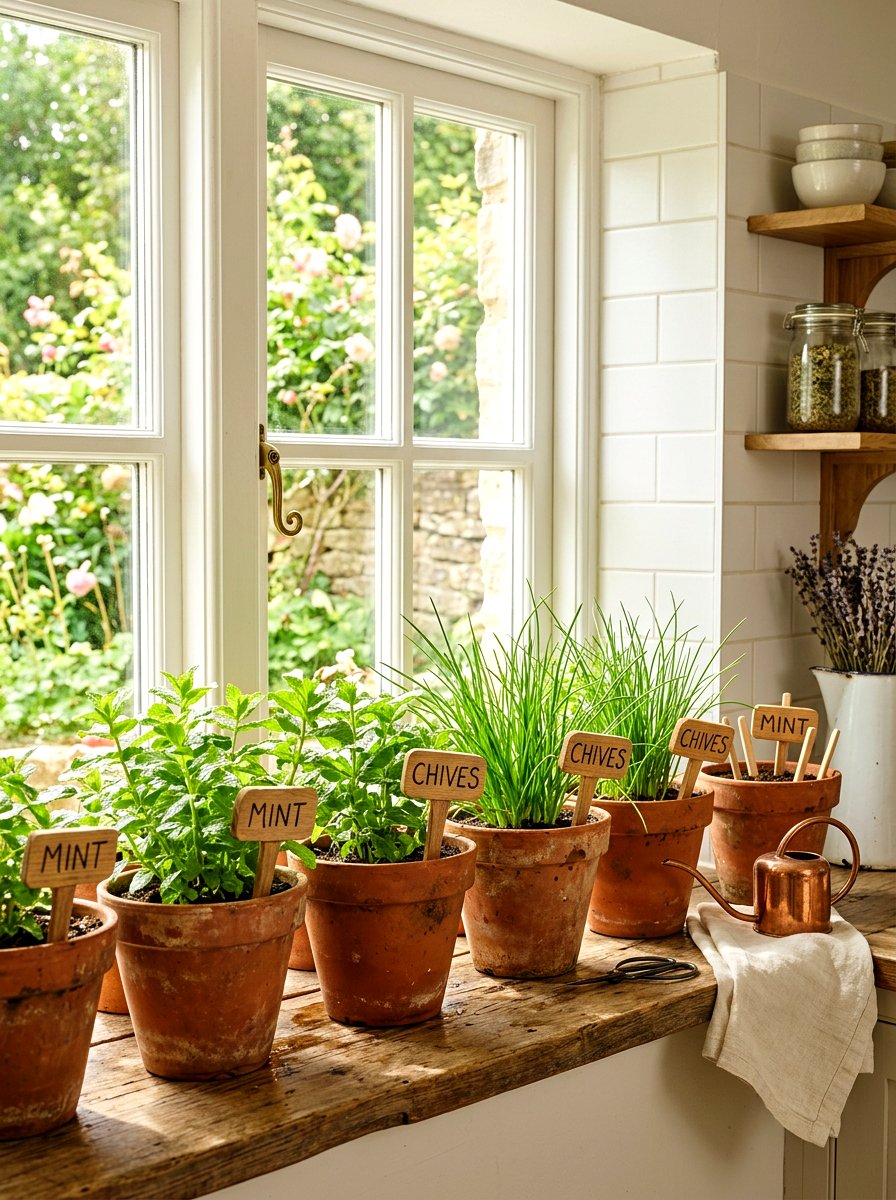
Upcycling old wooden spoons into garden labels is a charming way to add a vintage farmhouse feel to your herb pots. You can often find affordable sets at thrift stores or use old ones from your kitchen that are no longer food-safe. Simply write the herb names on the bowl of the spoon using a permanent marker or a wood-burning tool for a more permanent finish. These spoons look beautiful tucked into large terracotta pots or raised garden beds. To protect the wood from moisture and rotting, apply a quick coat of clear outdoor sealant. This simple DIY project is both functional and adds a whimsical touch.
3. Clay Tag Stake
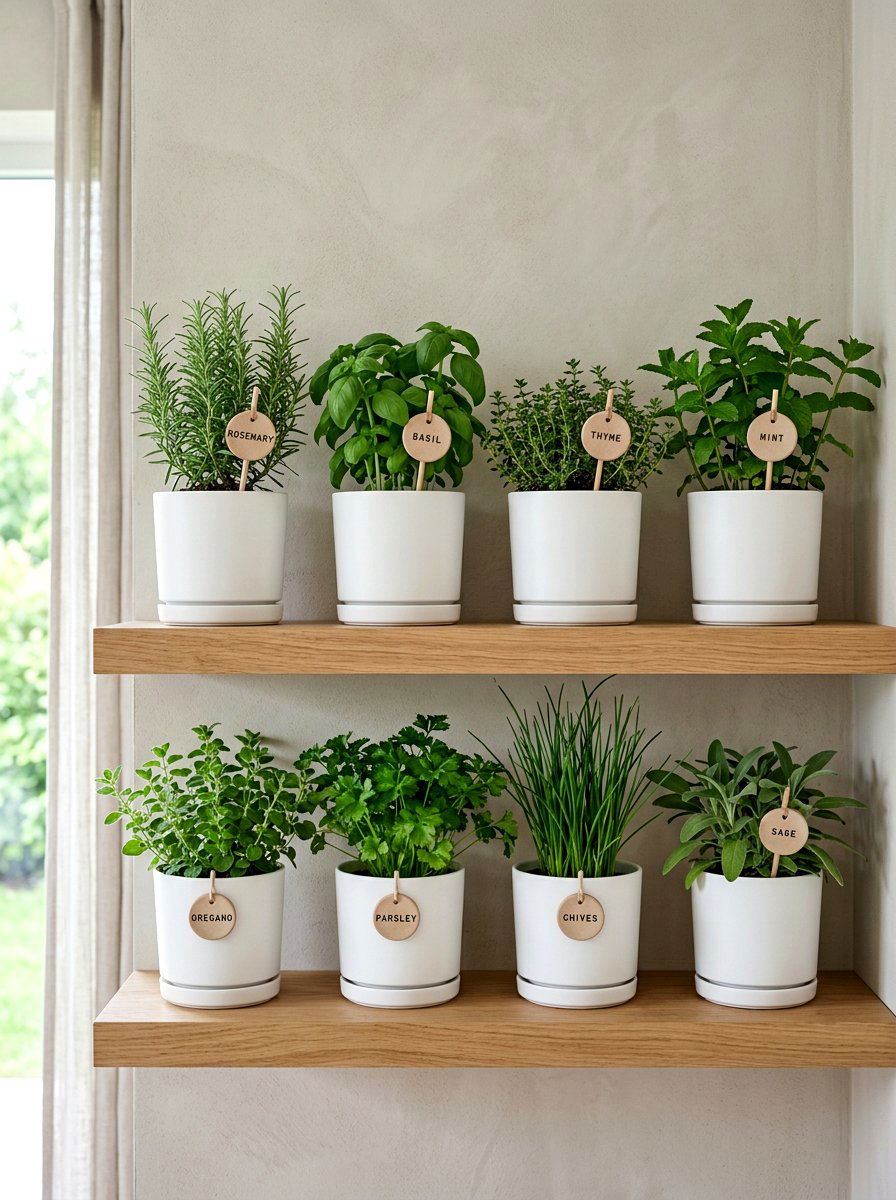
Handcrafted clay tags offer a minimalist and elegant aesthetic that fits perfectly in modern or Scandinavian-style gardens. You can use air-dry clay or polymer clay to create small rectangular or oval shapes that attach easily to wooden dowels. Stamping the names of your herbs into the wet clay creates a professional, debossed look that is very easy to read. Once the clay is fully hardened and cured, you can leave it white for a clean appearance or paint it to match your garden decor. These stakes are lightweight and versatile, making them ideal for small indoor herb collections on a sunny windowsill or kitchen counter.
4. Slate Stone Stake
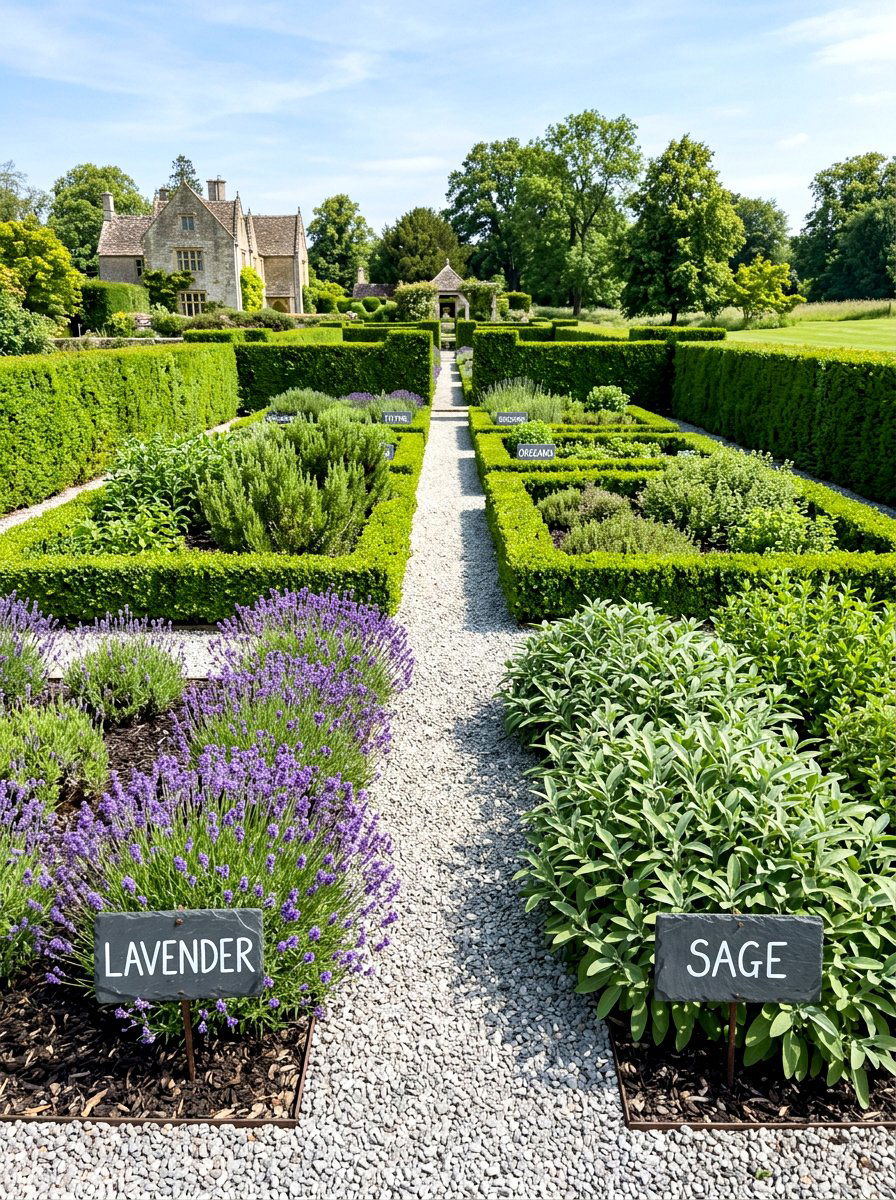
Slate markers provide a sophisticated and professional look for any herb garden, especially those featuring dark mulch or grey stone pathways. These markers are typically made from thin pieces of natural slate that you can write on using a white chalk marker or a specialized slate pencil. The contrast between the dark stone and light lettering makes the herb names pop, ensuring they are visible from a distance. Slate is naturally weather-resistant and won't rust or decay over time, making it a sustainable choice for your garden. They add a touch of classic elegance that complements both traditional and contemporary landscape designs quite beautifully.
5. Wine Cork Label
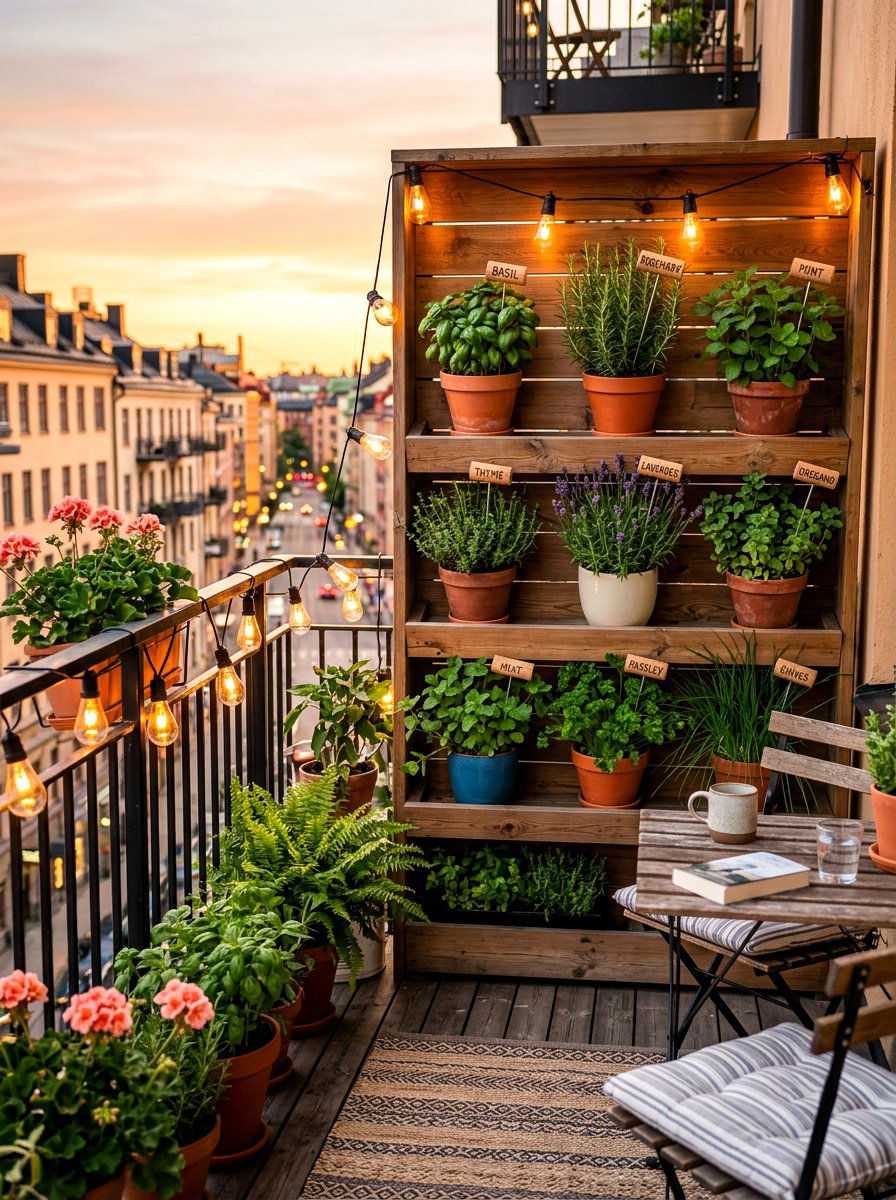
If you enjoy a glass of wine, saving your corks can provide you with a free and easy way to label your plants. Simply write the name of the herb vertically along the side of the cork using a fine-tip permanent marker. Insert a long wooden skewer or a piece of heavy-duty wire into the bottom of the cork to create a functional stake. These markers are perfect for small container gardens or seed starter trays where space is limited. The natural texture of the cork blends well with organic garden materials. For extra durability, you can dip the finished corks in a clear craft sealer.
6. Brick Garden Marker
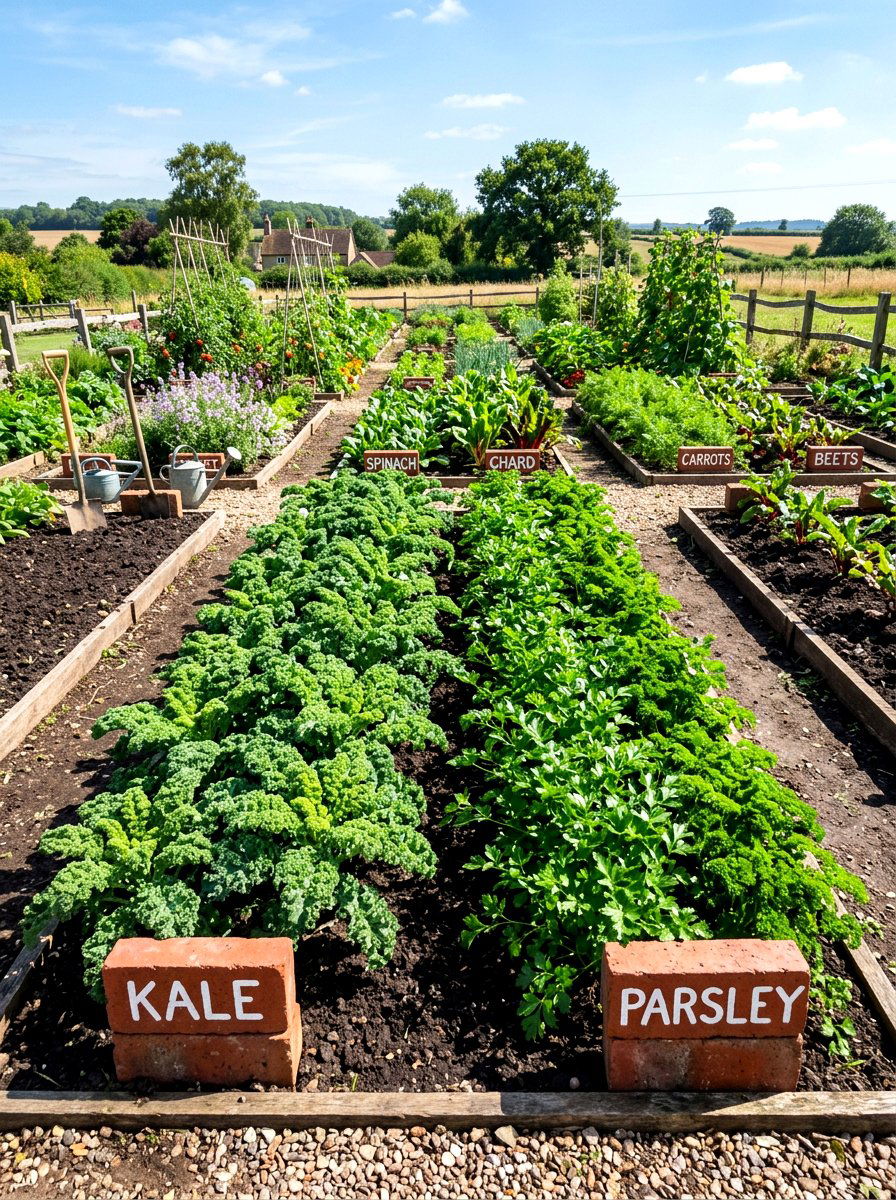
For those with larger herb patches or permanent garden beds, using engraved or painted bricks is a fantastic and sturdy option. You can use leftover bricks from a home project and paint the names of the herbs in bold, large letters on the side. Placing these bricks at the front of each herb row creates a very structured and organized appearance. Because bricks are so heavy, they won't be moved by pets, wind, or heavy rain. This method is particularly effective for sprawling herbs like mint or oregano that tend to take over a space. Bricks add a wonderful sense of permanence.
7. Silver Spoon Marker
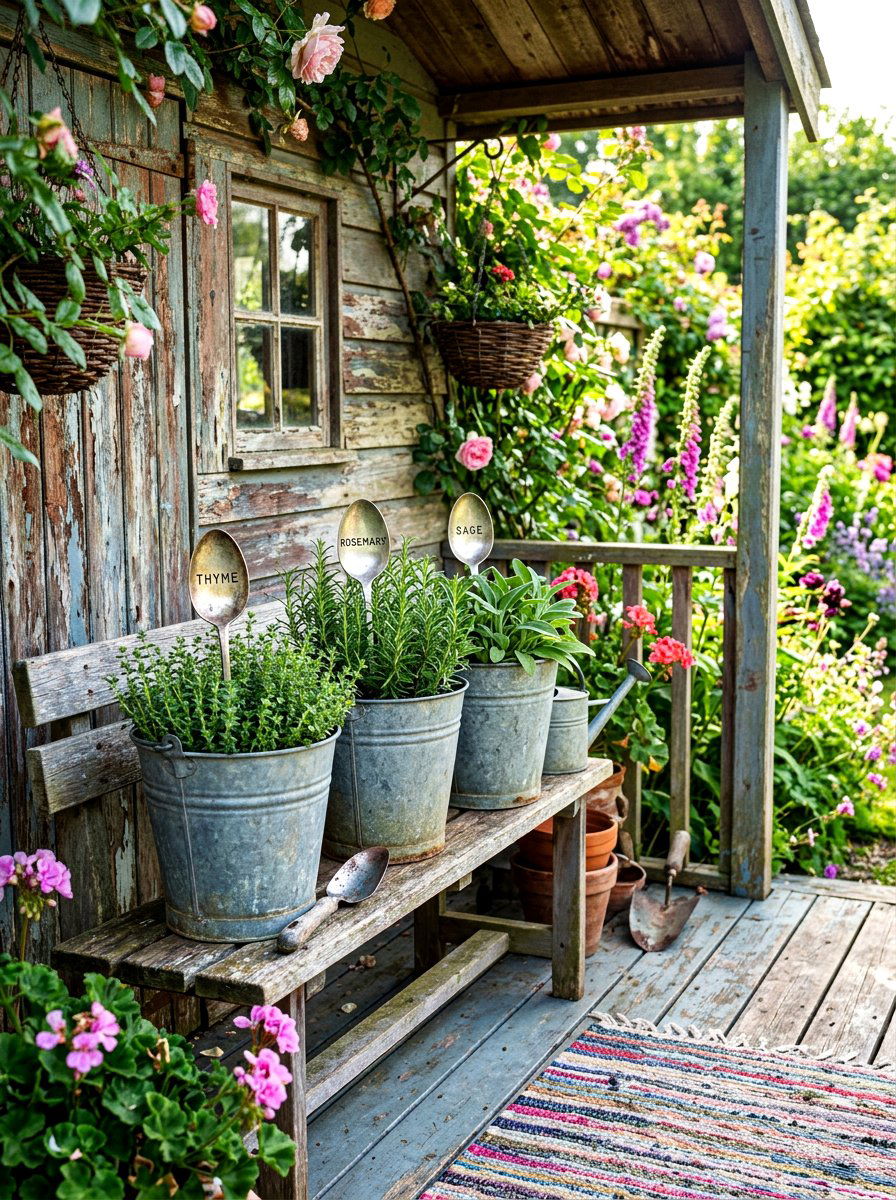
Vintage silver-plated spoons can be hammered flat and stamped with metal letter sets to create a high-end, antique look for your garden. This style of marker is incredibly popular on social media because it combines recycled materials with a refined, artisanal finish. You can find mismatched spoons at garage sales for pennies and transform them into heirloom-quality garden tags. Once the spoon is flattened and stamped, the handle serves as the stake that goes into the ground. These metal markers won't rot and will develop a beautiful patina over time, adding character and a sense of history to your growing herb collection.
8. Clothespin Plant Label
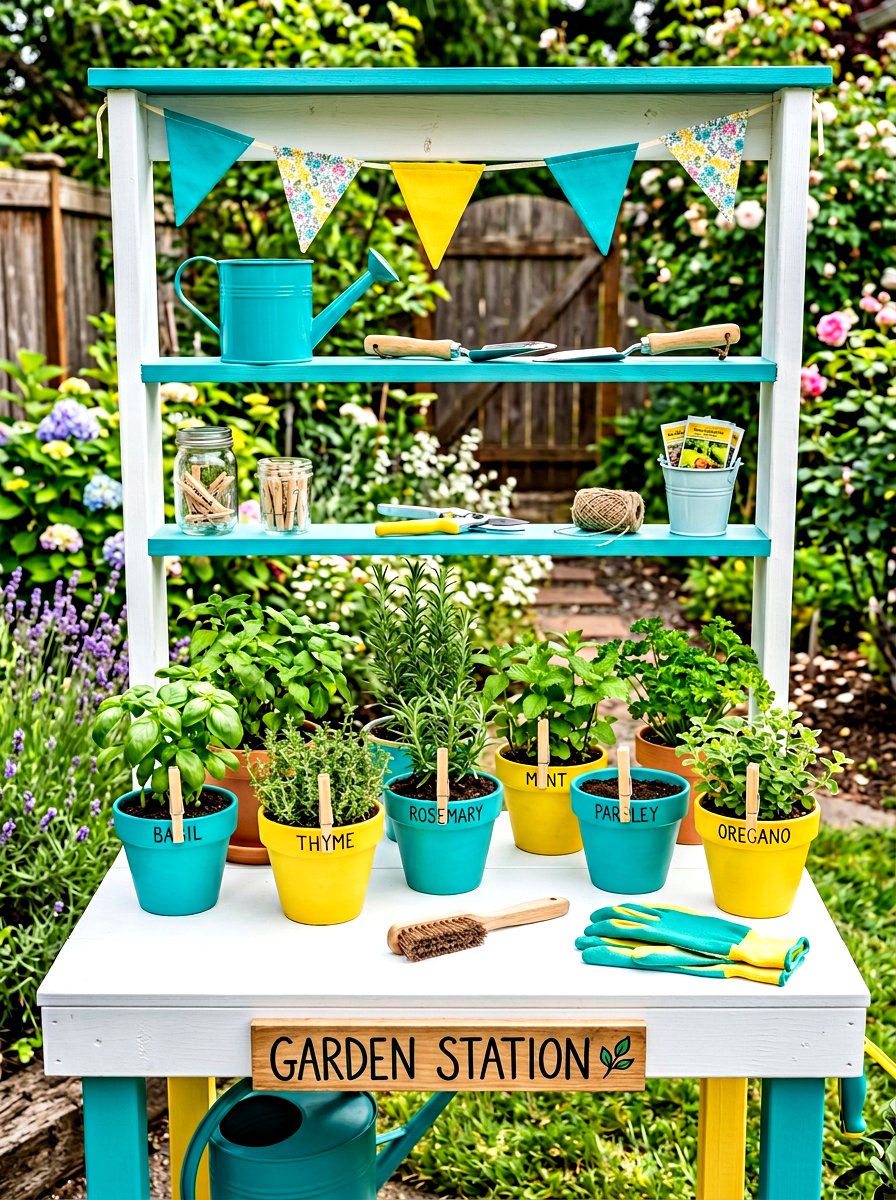
Wooden clothespins are a clever and inexpensive solution for labeling herbs in small pots or vertical gardens. You can write the plant name on the side of the pin and simply clip it onto the edge of the planter or a small bamboo stake. This is a great temporary solution for seasonal herbs that you might rotate frequently throughout the year. To make them more decorative, you can paint the clothespins in bright colors or patterns that match your outdoor furniture. They are easy to replace and small enough that they don't distract from the natural beauty of your growing lavender or sage plants.
9. Copper Garden Tag
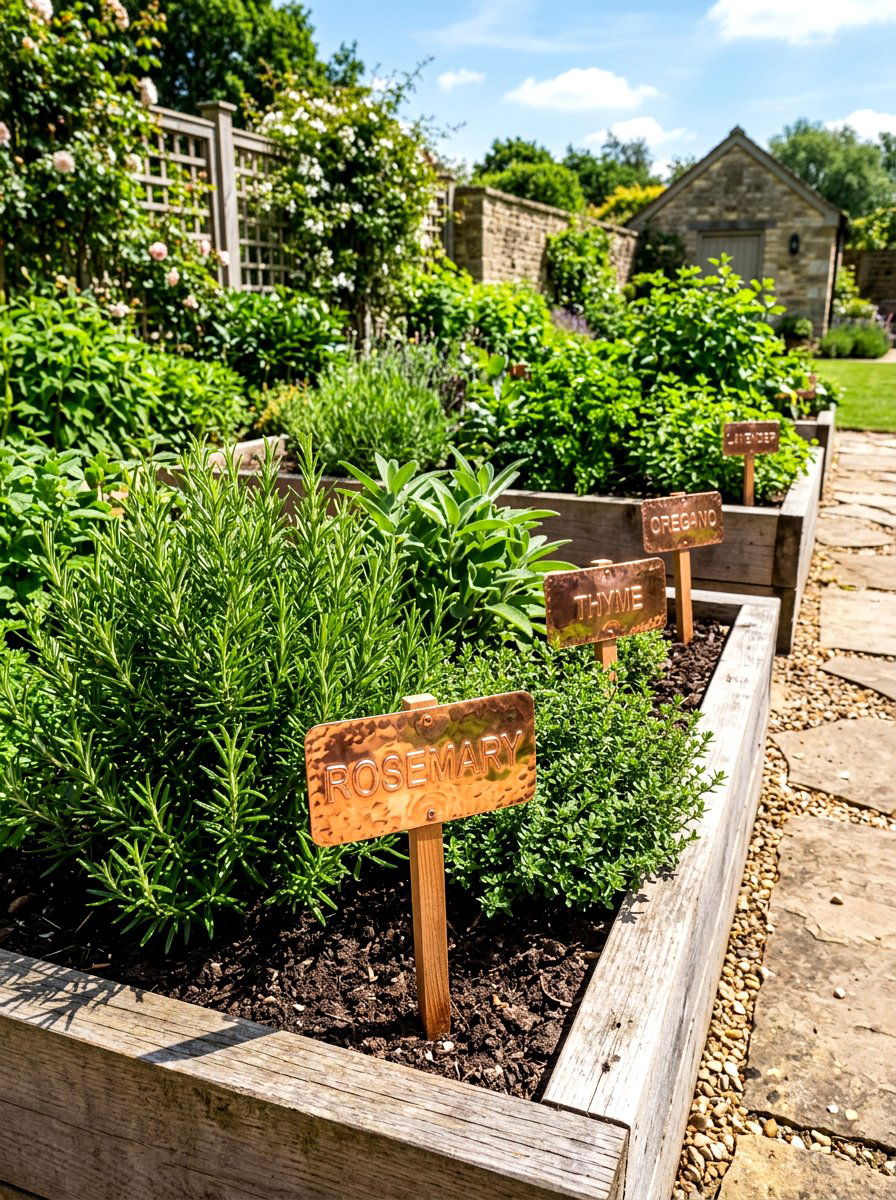
Copper markers are a favorite among professional landscapers because they are both beautiful and incredibly long-lasting. You can purchase copper tags that allow you to indent the plant names using a simple ballpoint pen or a metal stylus. The soft metal takes the impression easily, creating a permanent label that will never fade in the sun. Over time, the copper will oxidize and turn a lovely verdigris green, which looks stunning against the deep greens of an herb garden. These markers provide a high-quality finish that makes your garden look professional and well-maintained while also being extremely practical and durable.
10. Seed Packet Marker
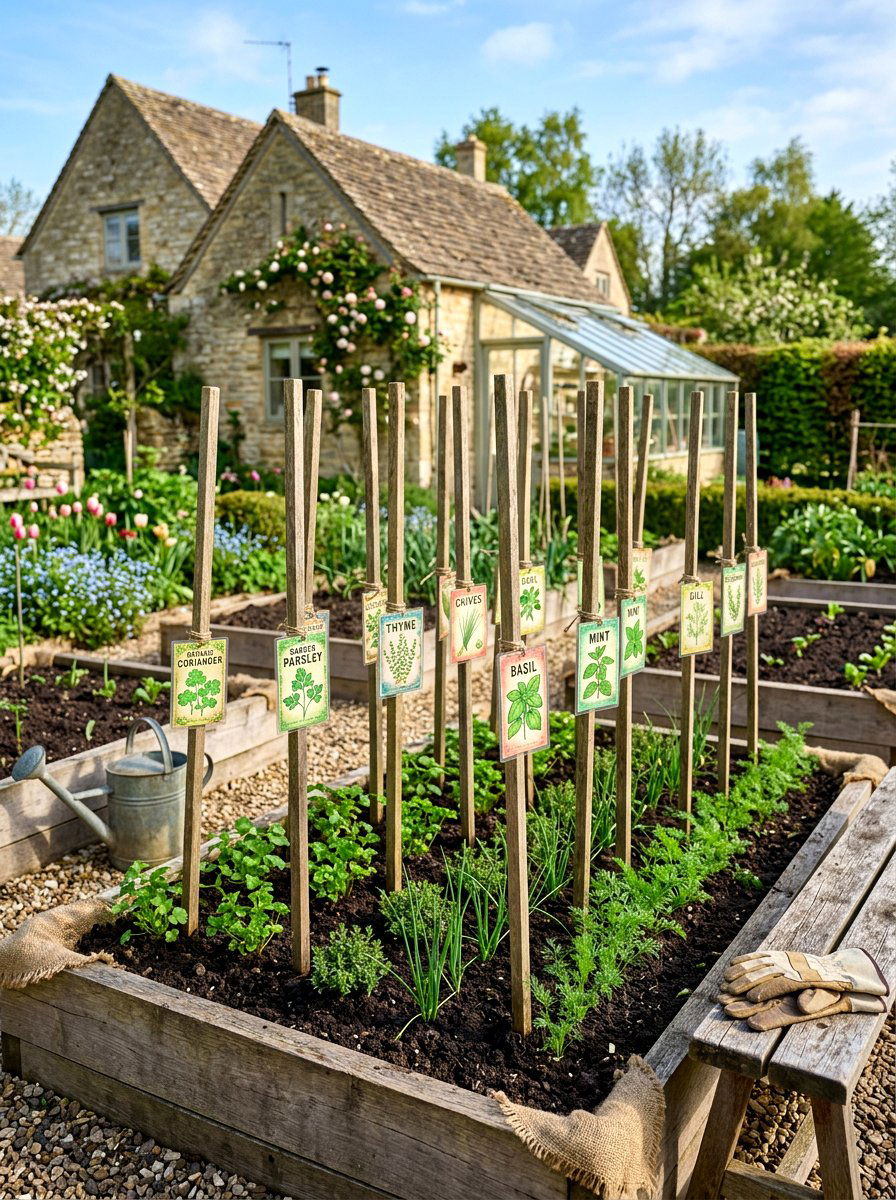
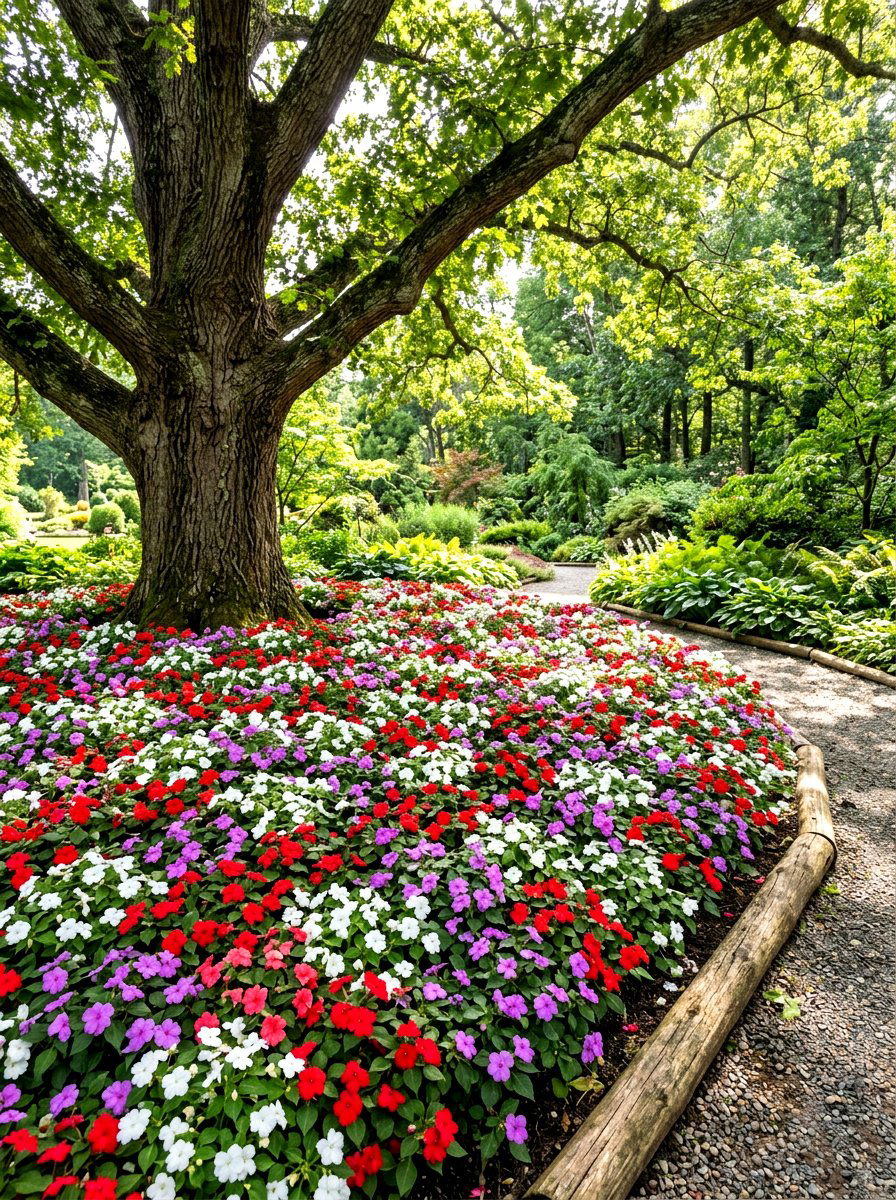
Protecting your original seed packets and using them as markers is a great way to keep all the growing information right where you need it. To make these waterproof, simply place the seed packet inside a small glass jar or laminate it with clear plastic. You can then attach the protected packet to a wooden stake and place it next to your herbs. This is particularly helpful for beginners who might need to refer back to the watering or harvesting instructions on the back of the packet. It adds a colorful and nostalgic look to the garden that feels very traditional and highly informative.
11. Popsicle Stick Label
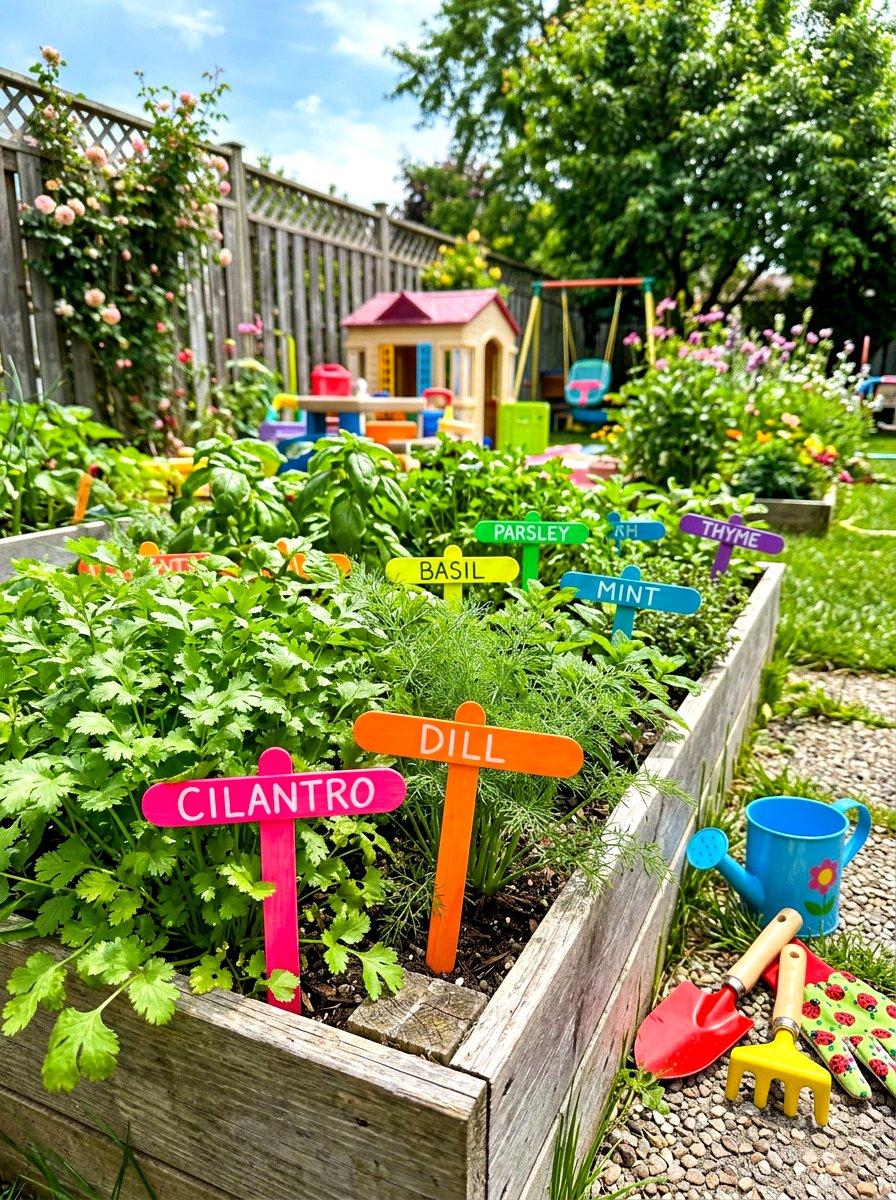
Popsicle sticks are perhaps the most accessible and fun DIY marker option, especially if you have children who want to help in the garden. You can paint the sticks in various colors to categorize your herbs, such as green for culinary herbs and purple for medicinal ones. Use a waterproof pen to write the names clearly at the top of the stick. While these markers are not as permanent as stone or metal, they are perfect for annual herbs or seed starting. For a longer lifespan, you can spray them with a clear acrylic sealer to prevent the wood from absorbing too much water.
12. Seashell Plant Marker
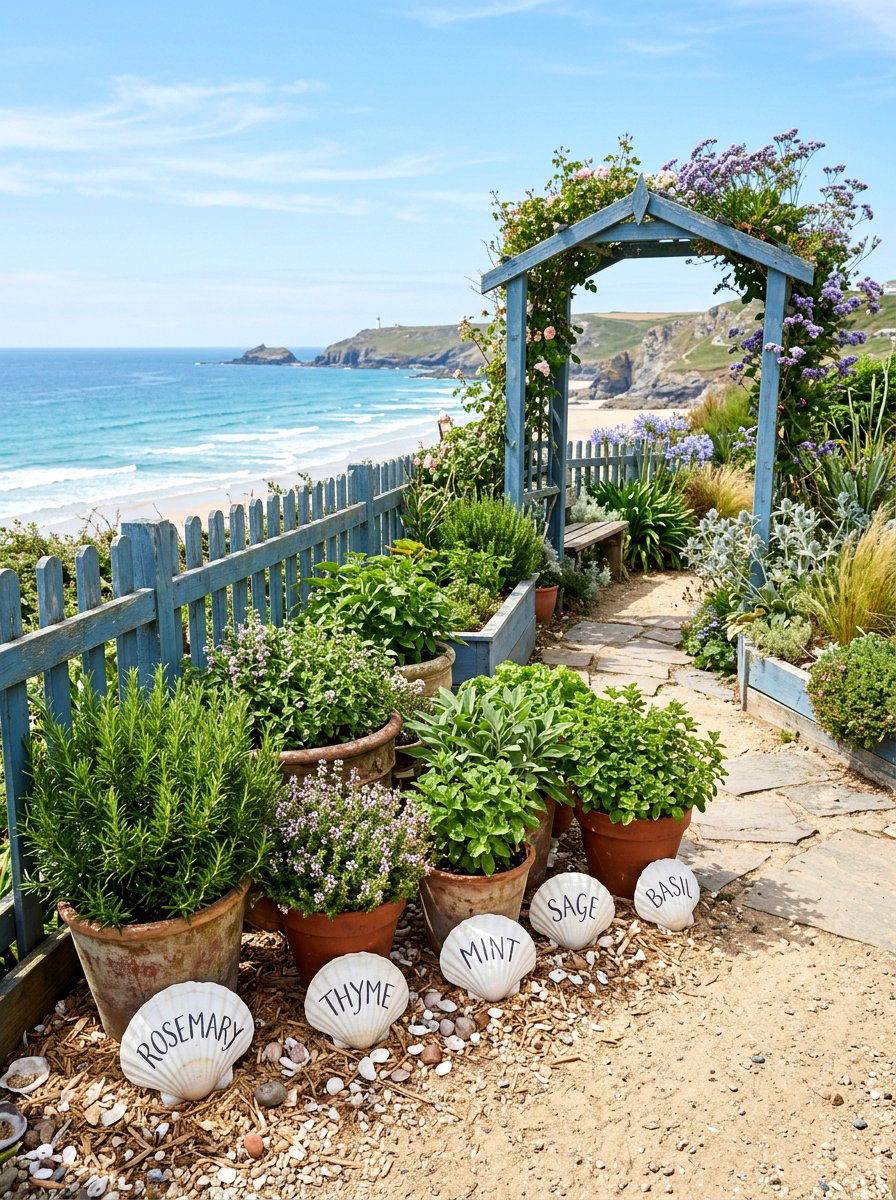
If you live near the coast or have a collection of shells from a past vacation, using them as garden markers is a unique idea. Large, flat shells like scallops or clams provide a perfect surface for writing herb names with a permanent marker. These shells add a coastal, beachy vibe to your garden and look especially striking in container gardens filled with succulents or Mediterranean herbs like rosemary. They are naturally waterproof and provide a lovely organic shape that contrasts with the structured lines of garden beds. This is a wonderful way to repurpose natural treasures while organizing your herbs.
13. Scrabble Tile Label
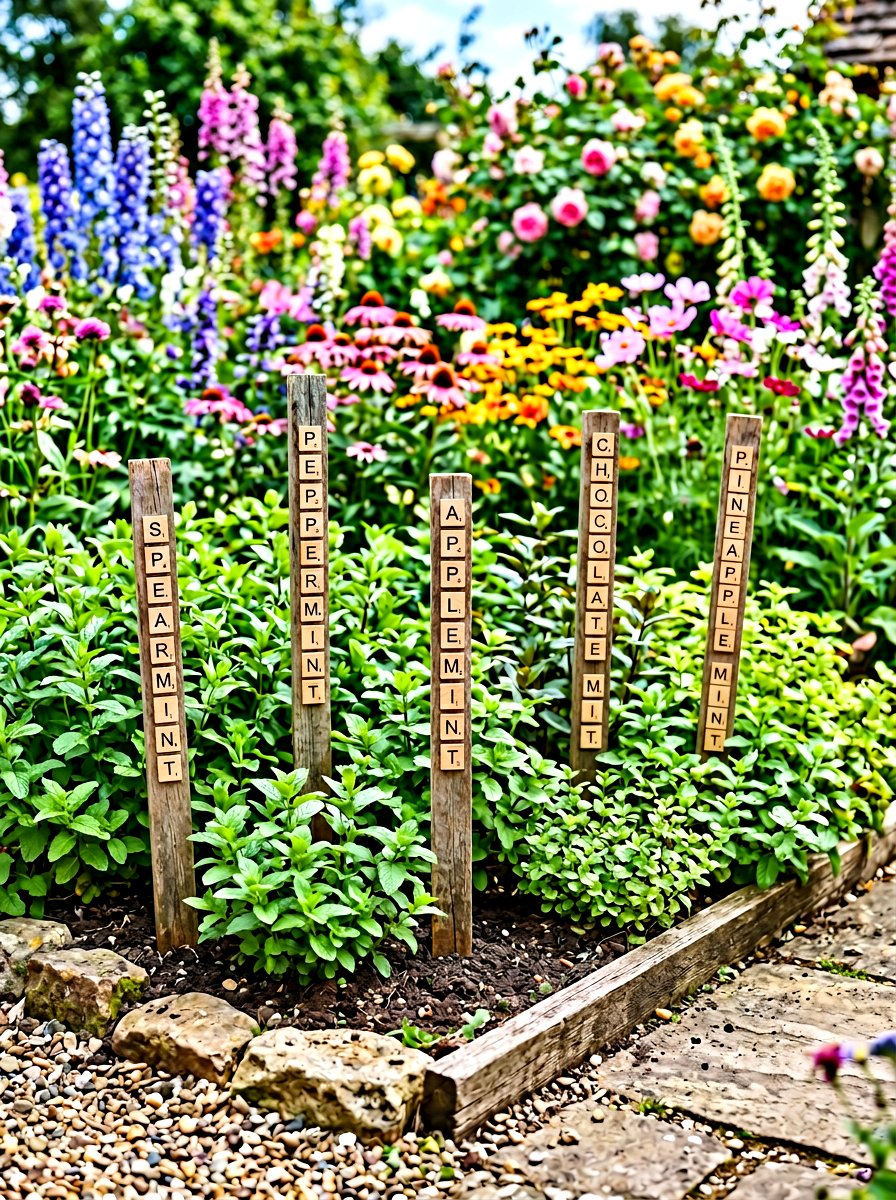
Repurposing old Scrabble tiles to spell out herb names is a creative and playful way to label your plants. You can glue the tiles onto a flat wooden stake or a piece of lath using a strong outdoor adhesive. This method creates a highly legible and charming marker that is perfect for a whimsical or eclectic garden space. Since the tiles are small, they work best for shorter herb names like mint, dill, or sage. To ensure the wood and tiles stay in good condition outdoors, be sure to coat the entire finished marker with a few layers of clear outdoor varnish.
14. Rustic Twig Marker
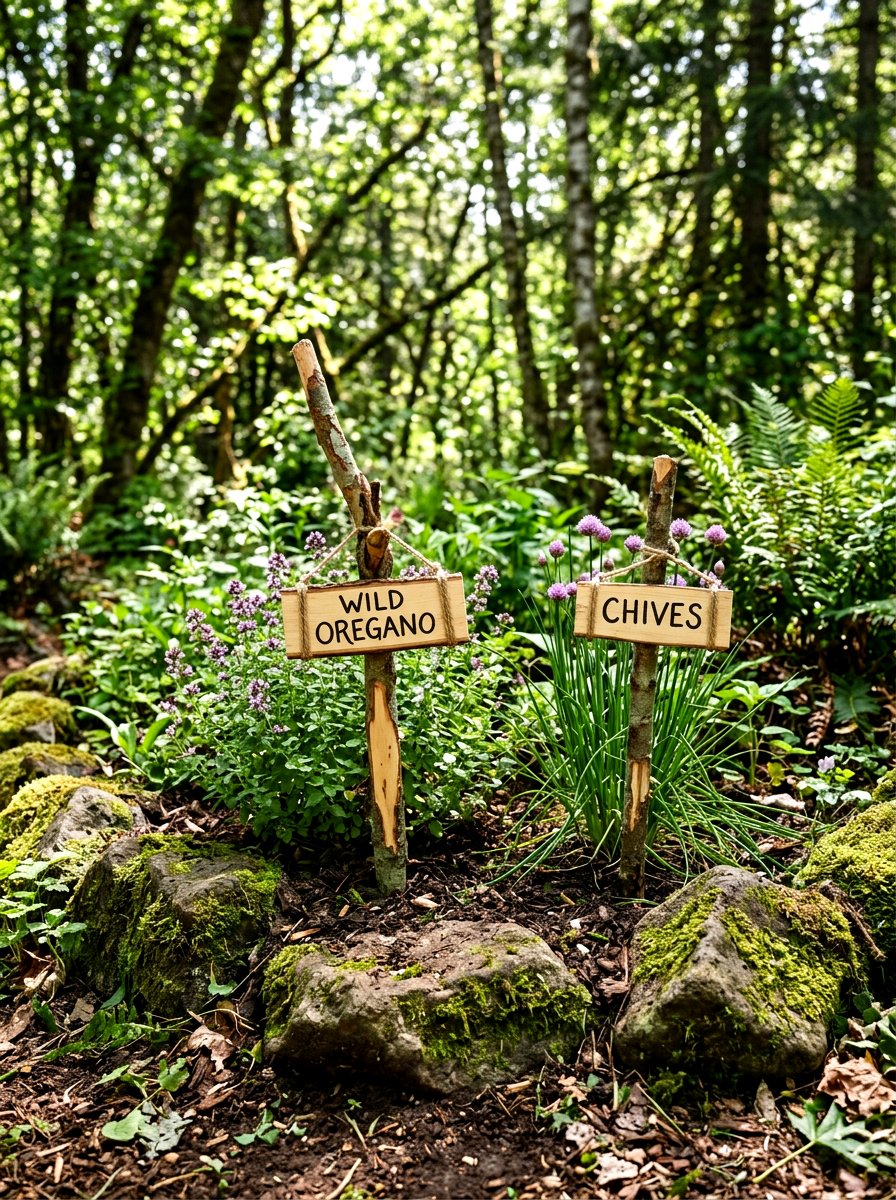
For a completely natural and organic look, you can use fallen twigs from your yard to create rustic garden markers. Simply peel back a small section of the bark with a pocket knife to reveal the light wood underneath. Write the name of the herb directly on this smooth surface using a fine-tip permanent marker. These markers blend perfectly into the garden environment and cost absolutely nothing to make. They are ideal for gardeners who prefer a "wild" or woodland aesthetic. Because they are made from natural wood, they will eventually decompose, which is great for an eco-friendly and sustainable garden.



15. Terracotta Shard Label
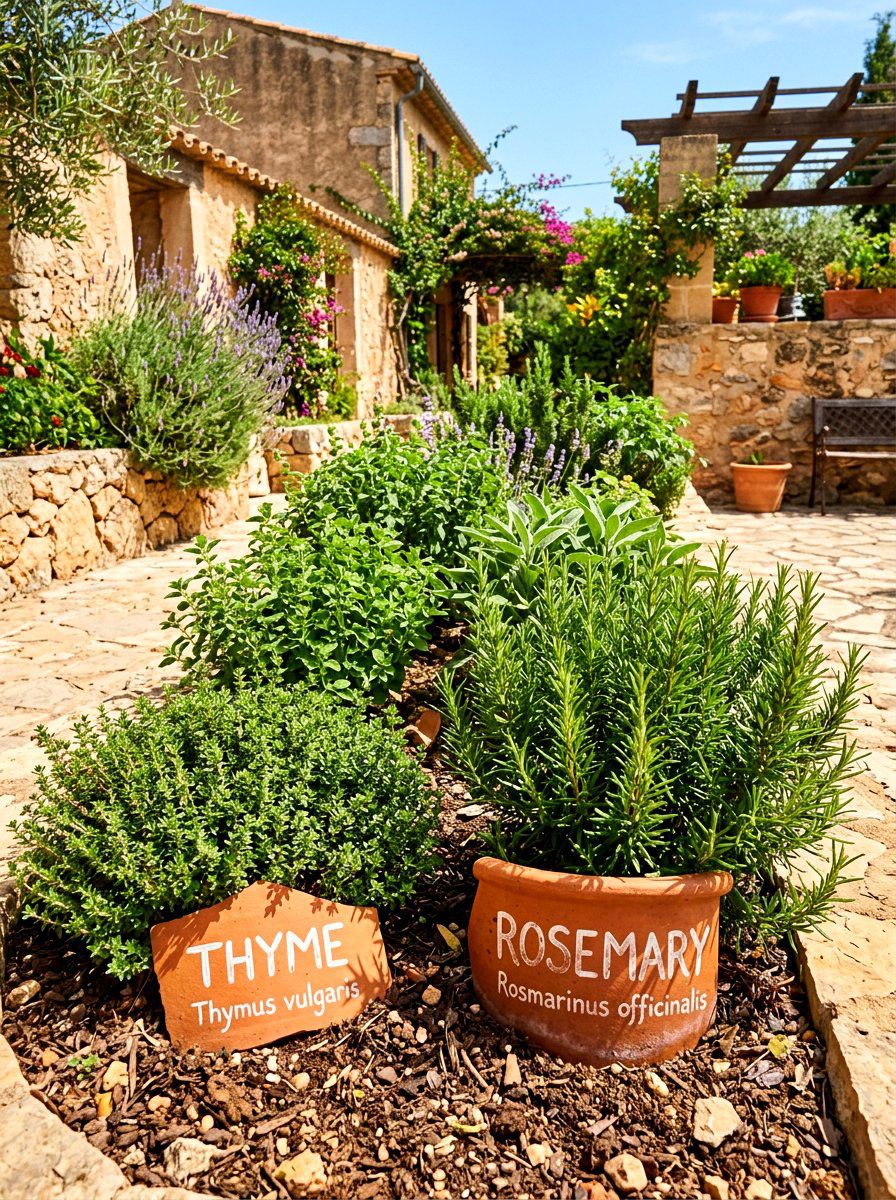
Instead of throwing away broken terracotta pots, you can recycle the shards into beautiful and functional garden markers. The curved surface of a pot fragment is a great place to write herb names with a black permanent marker or white paint pen. These shards look very natural when placed at the base of your plants and match the other pots in your garden perfectly. They are heavy enough to stay in place and are naturally weather-resistant. Using terracotta shards is a wonderful way to reduce waste and add a Mediterranean feel to your herb garden while keeping everything labeled and organized.
16. Chalkboard Garden Stake
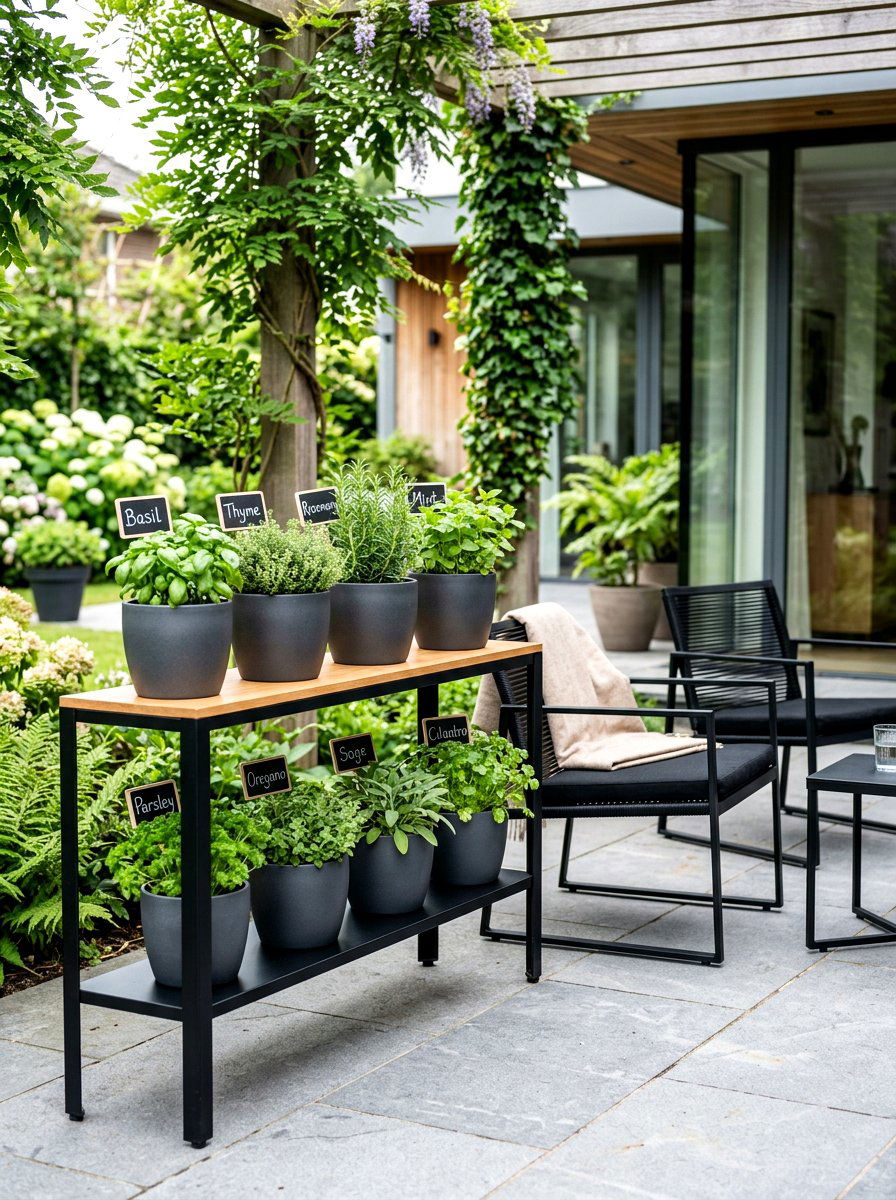
Chalkboard markers are highly versatile because they allow you to change the labels whenever you rotate your herb collection. You can find pre-made wooden stakes with a small chalkboard surface at most craft stores or make your own using chalkboard paint. Use a chalk marker instead of traditional chalk to ensure the writing doesn't wash away during the first rainstorm. These markers have a classic, schoolhouse charm that looks great in any garden setting. They are particularly useful for container gardeners who might grow different herbs each season and want a reusable labeling system that is both stylish and very practical.
17. Bamboo Skewer Label
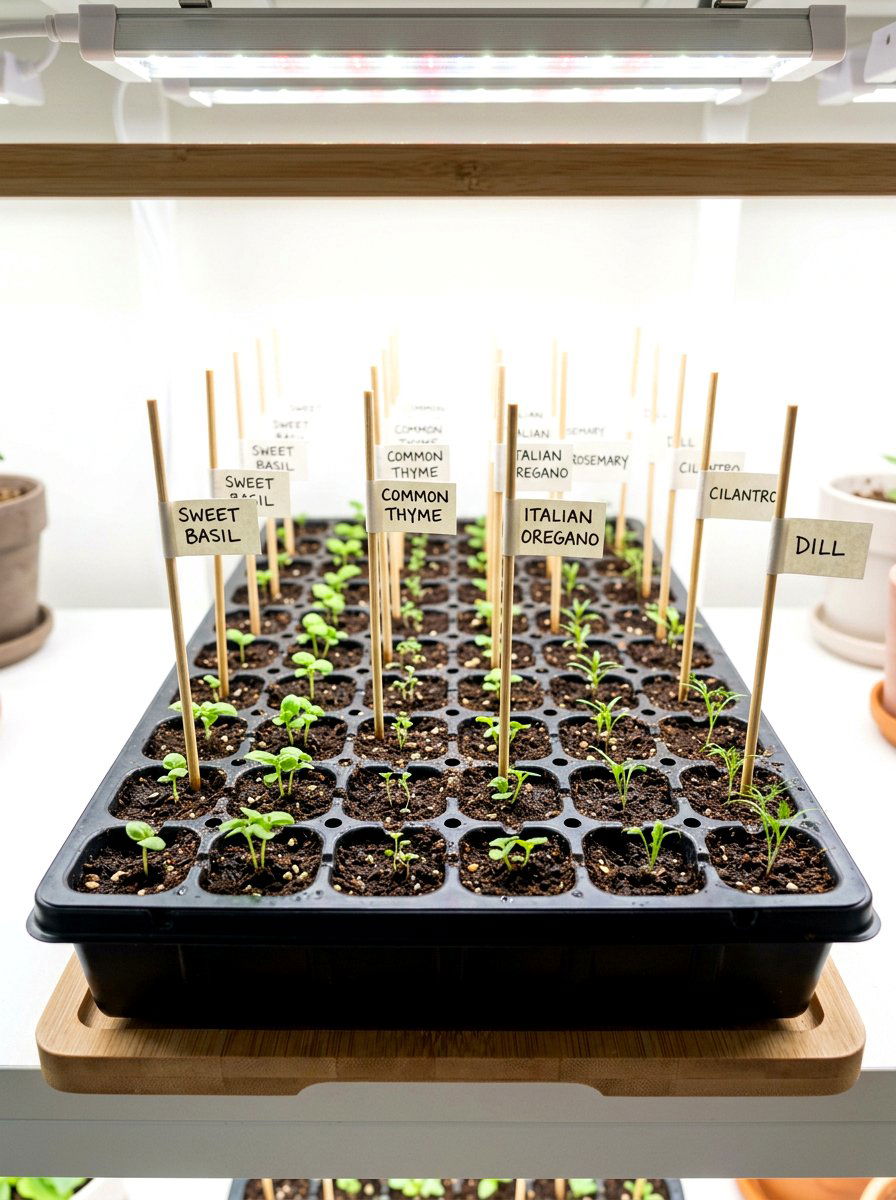
Bamboo skewers are a very thin and discreet option for labeling small herb pots or seed trays. You can attach a small paper or plastic tag to the top of the skewer to write the herb name. Because they are so slender, they don't take up much space in the soil, which is important for young plants with delicate root systems. Bamboo is a sustainable and fast-growing material, making it an eco-friendly choice for your garden. While these markers are simple, they are very effective for organization. You can even color-code the tags to help you quickly identify different types of herbs.
18. Metal Plant Tag
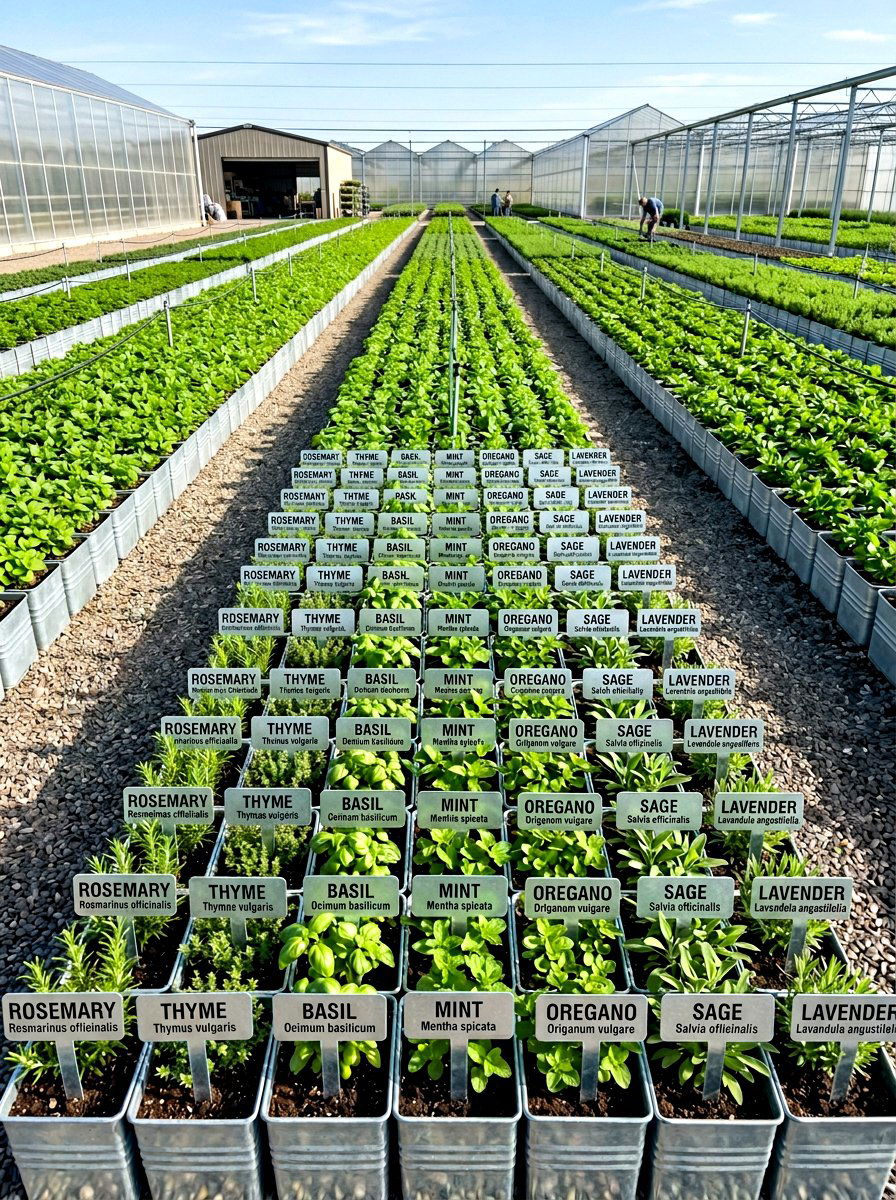
Commercial metal plant tags, often made of aluminum or stainless steel, offer a very clean and industrial look for your garden. These tags are usually embossed or written on with a special garden marker that won't fade in UV light. They are incredibly durable and can last for many years without showing signs of wear. Many professional herb growers use these because they provide a uniform look across a large garden space. If you want a marker that you never have to worry about replacing, metal tags are the way to go. They offer a no-fuss solution for busy gardeners who value longevity.
19. Resin Garden Marker
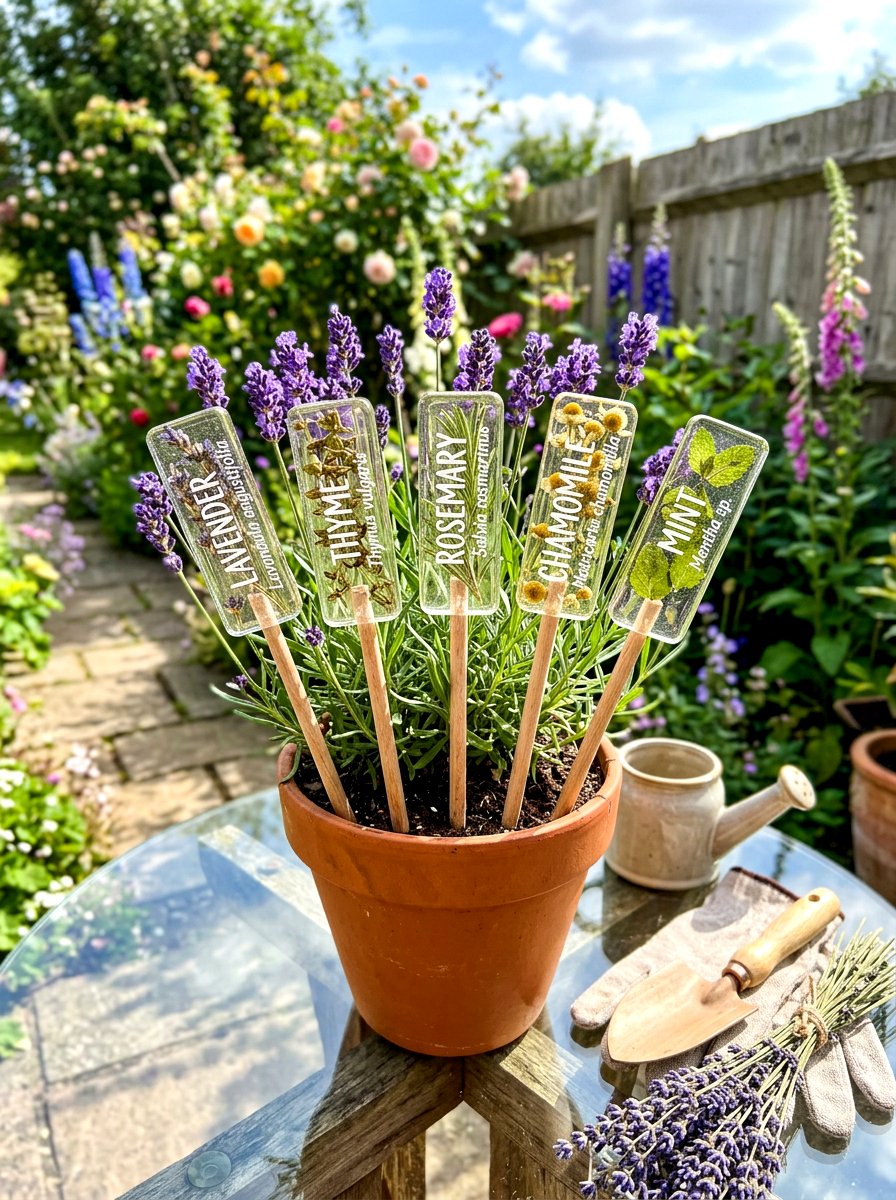
Creating your own resin markers allows you to preserve dried herb leaves or flowers directly inside the label itself. You can pour clear resin into small molds and add a printed name tag and a sprig of the corresponding herb. Once cured, these markers are completely waterproof and look like high-end pieces of jewelry for your garden. They are beautiful, unique, and make for a great conversation piece when guests visit your outdoor space. While they require a bit more effort to create, the result is a stunning, personalized marker that will last for years and keep your garden looking incredibly artistic.


20. Leather Plant Label
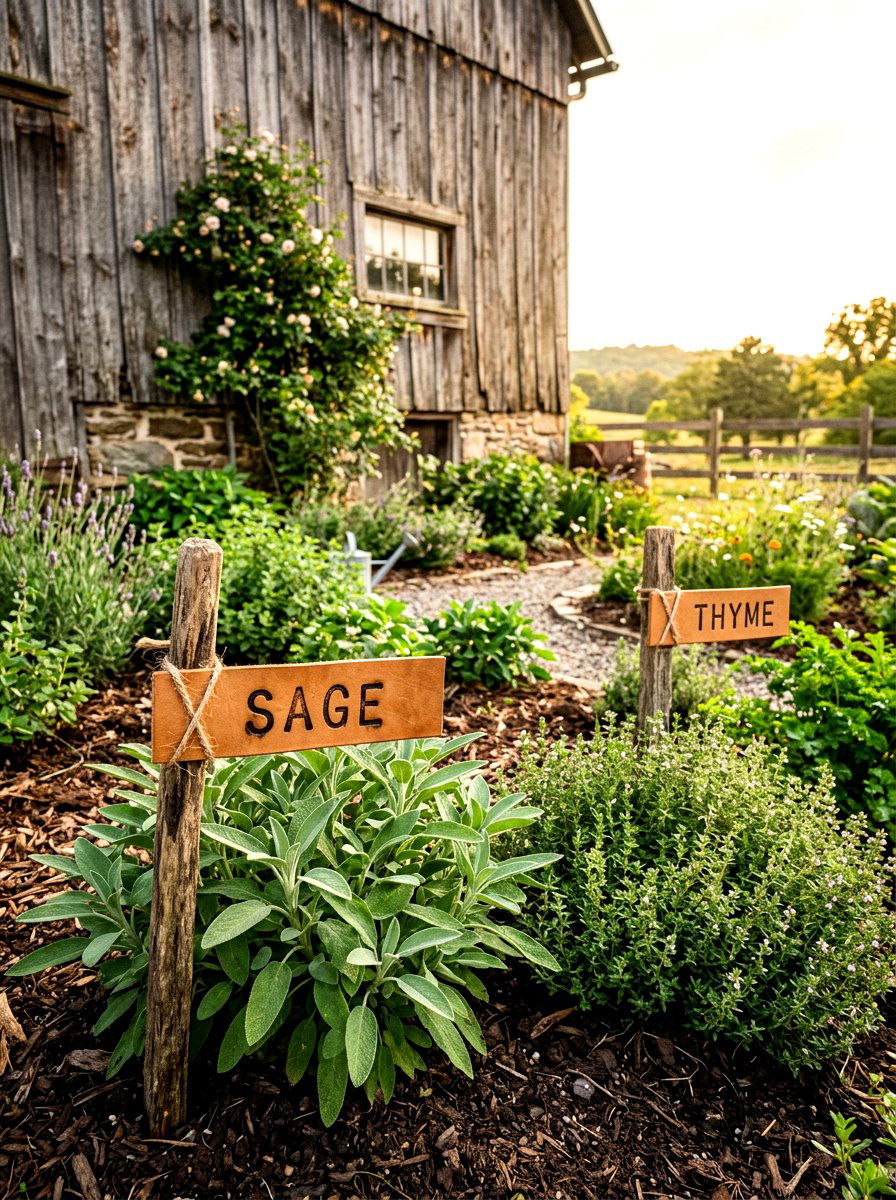
For a sophisticated and tactile look, you can use strips of thick leather to create unique herb markers. Use a metal stamping kit to indent the names of your herbs into the leather strips, then attach them to wooden or metal stakes. Leather develops a beautiful aged look when exposed to the elements, which adds a rugged and natural feel to your garden. This style works particularly well in a rustic or bohemian-inspired outdoor space. To help the leather last longer outdoors, you can treat it with a waterproof leather conditioner. These labels are quiet, soft, and add a very high-end artisanal touch.
21. Ceramic Tile Marker
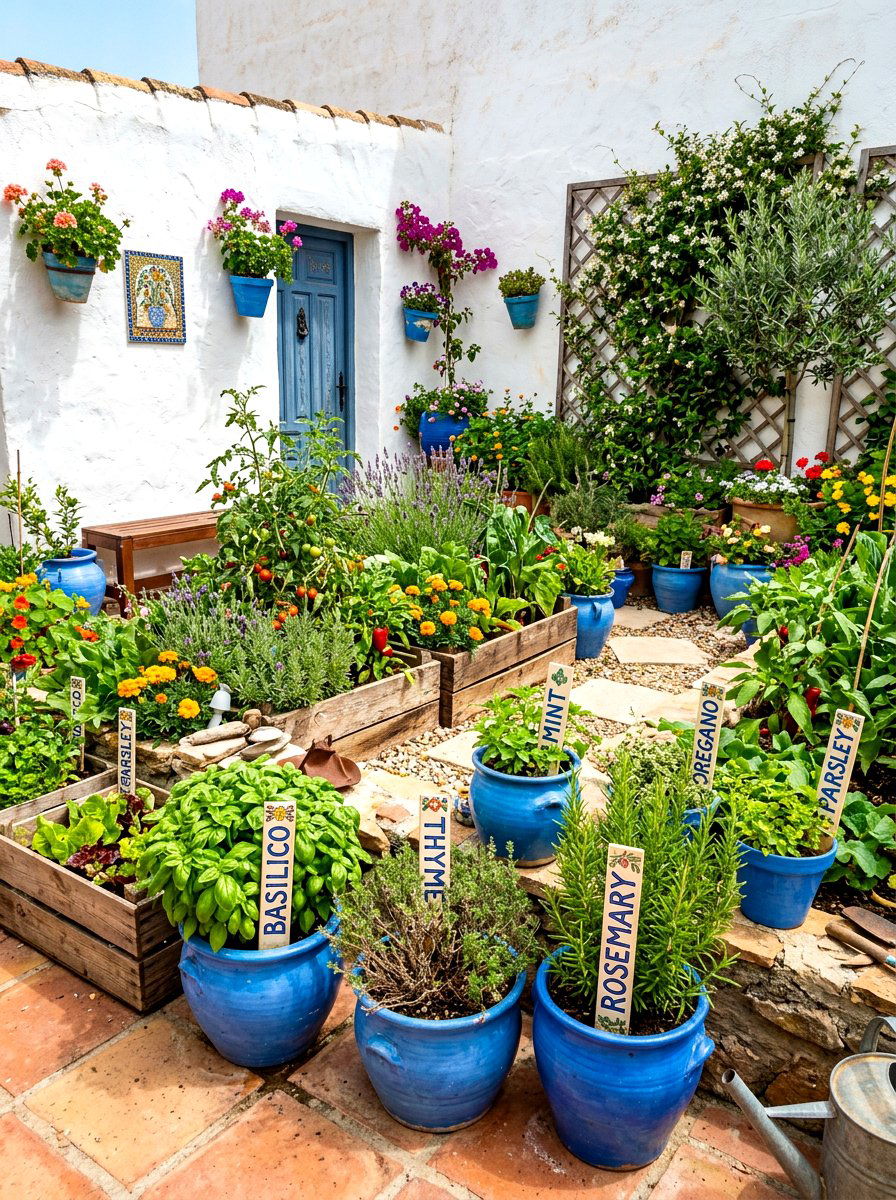
Leftover ceramic floor or wall tiles can be cut into small strips or used as-is to create durable and colorful garden markers. You can write the herb names on the glazed surface using a specialized porcelain marker that becomes permanent after being baked in a home oven. These markers are completely waterproof and won't fade, even in the harshest sunlight. Because tiles come in so many colors and patterns, you can create a very vibrant and personalized look for your garden beds. This is a fantastic way to use up construction scraps and add a pop of color to your greenery.
22. Upcycled Glass Bottle
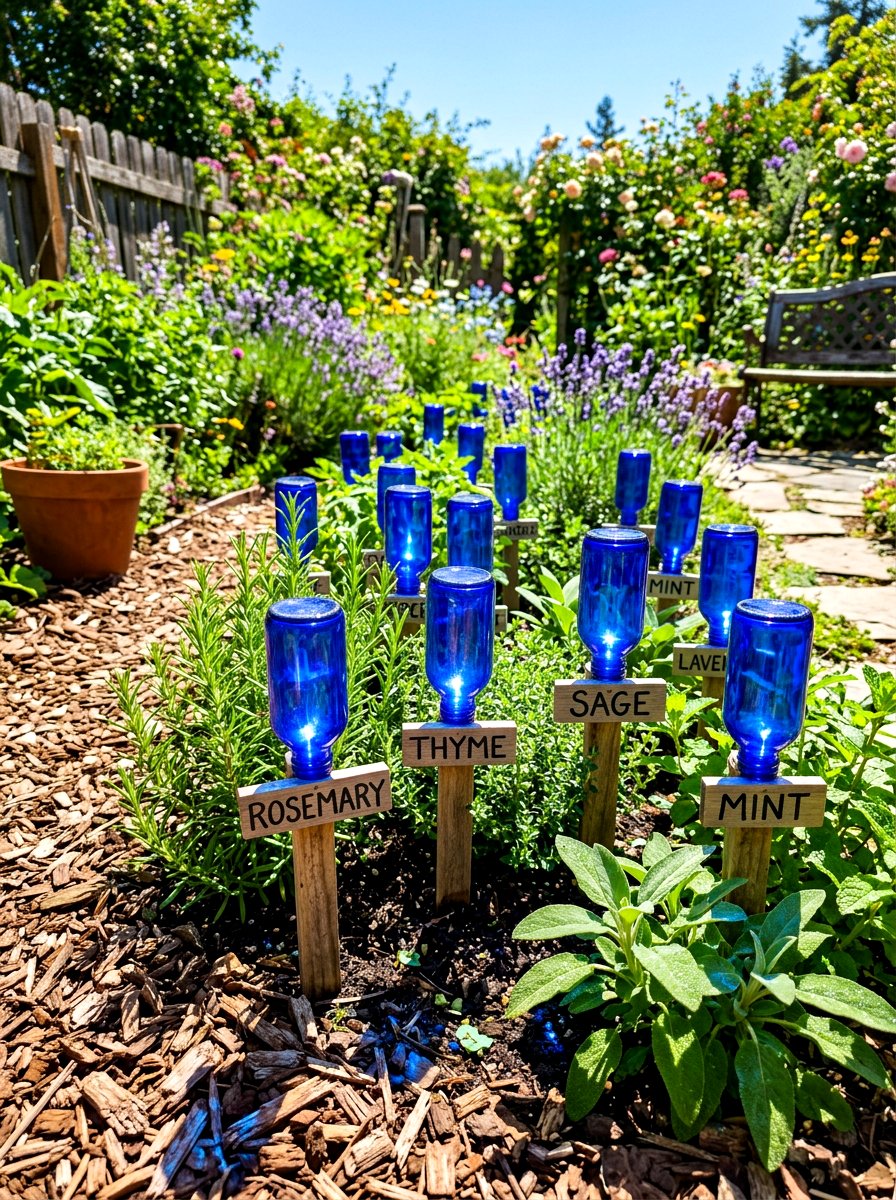
Small glass bottles, such as those used for essential oils or soda, can be turned upside down and placed over a wooden stake to protect a paper label inside. This creates a miniature "message in a bottle" look for your herb garden that is both charming and functional. The glass protects the label from the rain and wind, ensuring that your organization stays intact all season long. You can use colored glass bottles to add a jewel-toned glow to your garden when the sun shines through them. This creative approach to recycling is perfect for adding a bit of whimsy and personality.
23. Engraved Rock Label
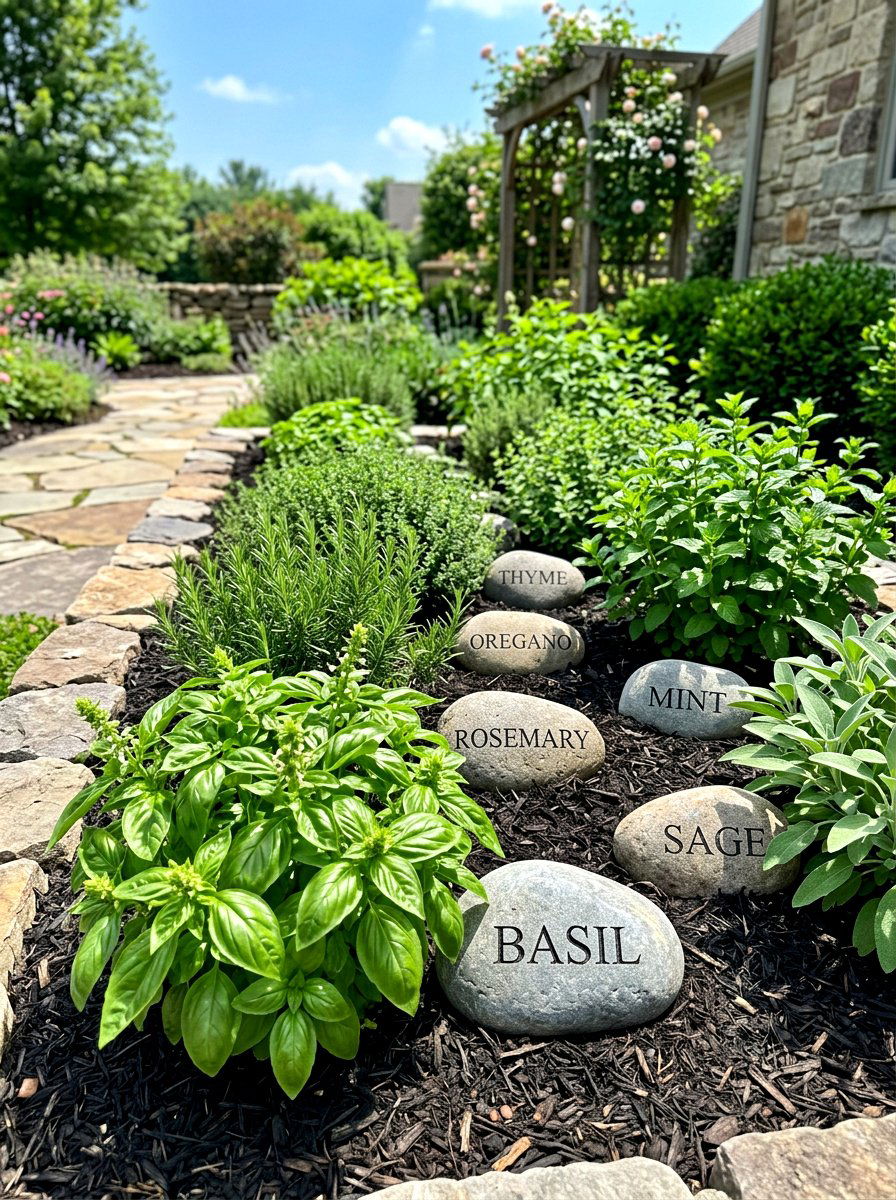
While painted stones are great, engraving the names directly into smooth river rocks provides a much more permanent and high-end solution. You can use a small Dremel tool with a diamond bit to carve the herb names into the surface of the stone. Once engraved, you can fill the letters with a contrasting paint to make them even more legible. These rocks are virtually indestructible and will look just as good ten years from now as they do today. They add a sense of weight and importance to your herb garden, making it feel like a permanent and well-loved part of your home landscape.
24. Recycled Plastic Lid
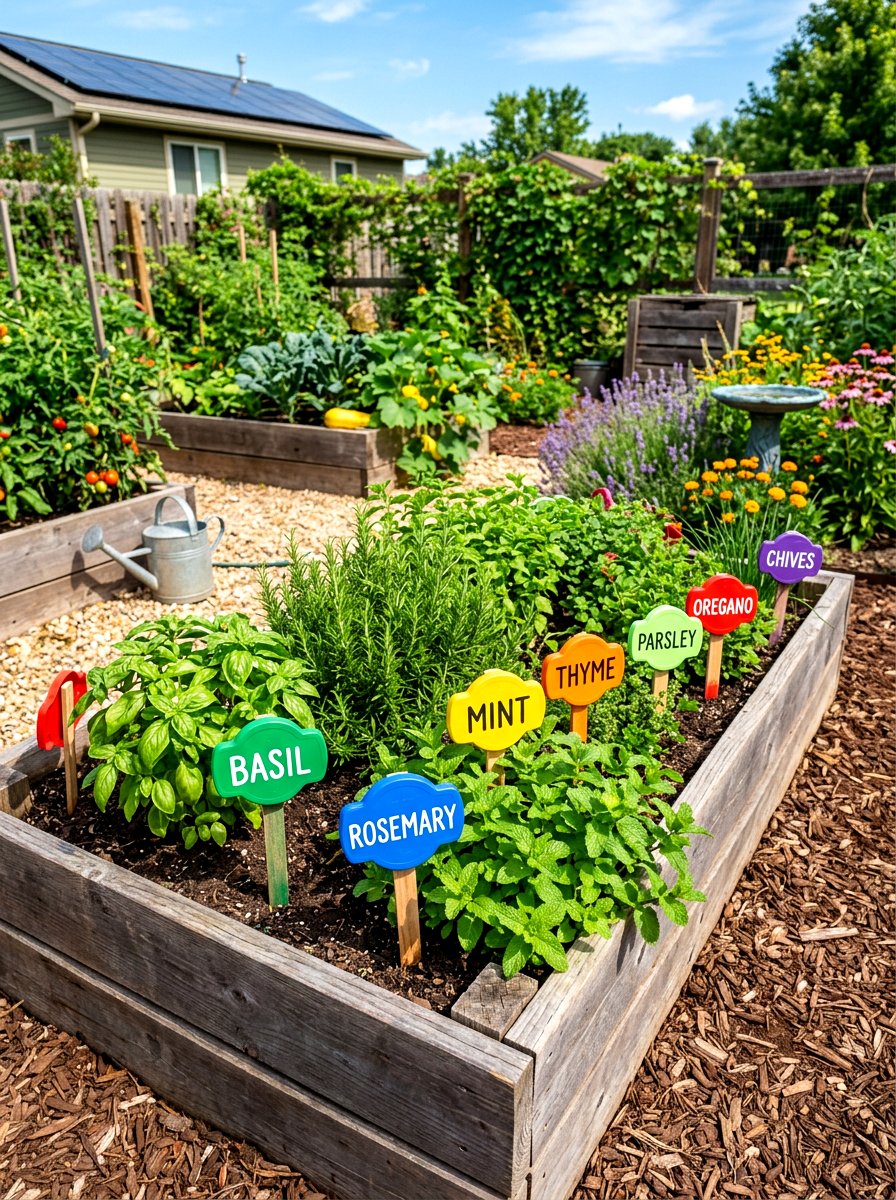
Plastic lids from yogurt containers or coffee cans can be cut into various shapes to create free and waterproof garden markers. This is one of the most eco-friendly ways to label your plants because you are diverting plastic waste from the landfill. Use a permanent marker to write the herb names on the plastic, which will stand up well to moisture and sun. You can even use different colored lids to help organize your garden by plant family. This simple and practical DIY is perfect for the budget-conscious gardener who wants an effective labeling system without spending a single penny on new materials.

25. Mason Jar Lid
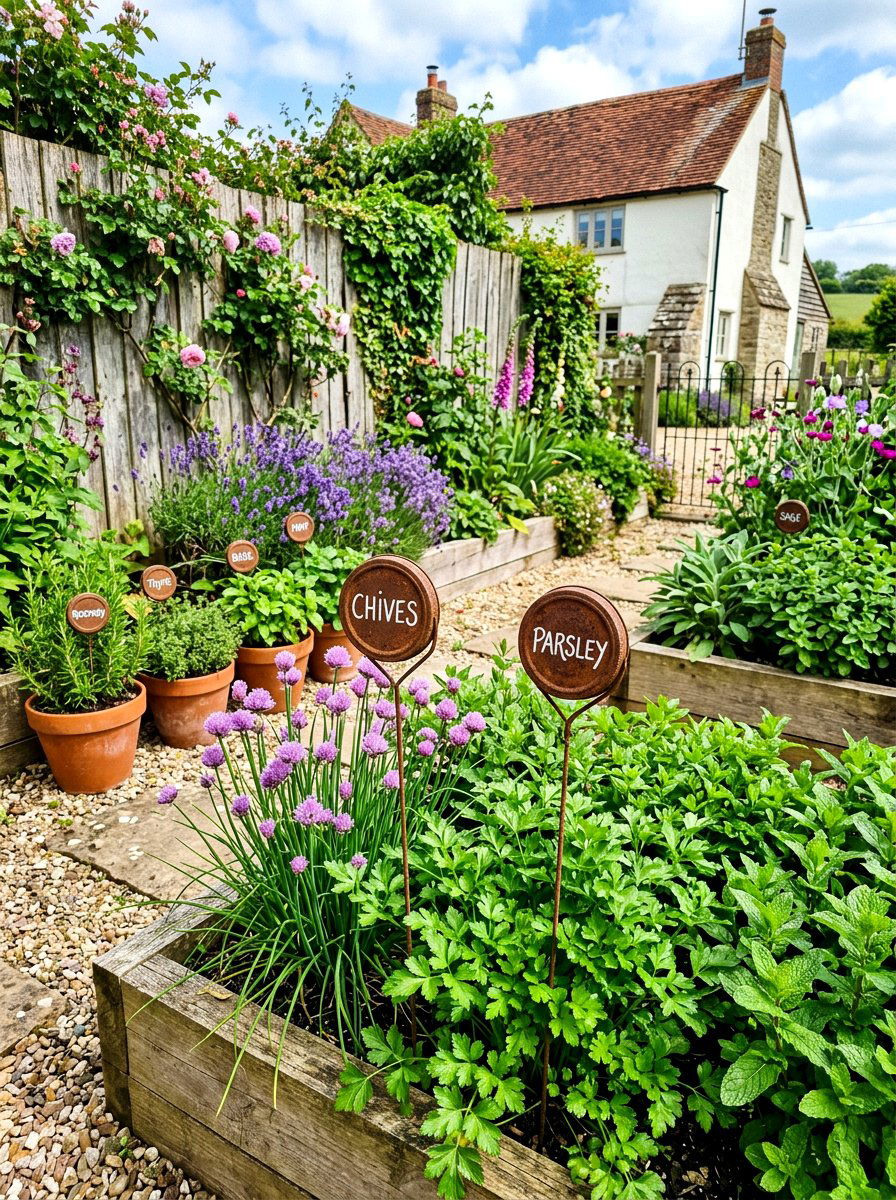
If you have a collection of old mason jar lids that are no longer suitable for canning, they make excellent garden markers. You can paint the flat lid insert with chalkboard paint or write directly on the metal with a permanent marker. Glue the lid to a sturdy wooden stake or a heavy-gauge wire to create a rustic, farmhouse-style label. These markers look wonderful in a kitchen garden or a series of potted herbs on a patio. The circular shape provides a nice visual contrast to the vertical lines of the plants, and the metal adds a touch of vintage charm and durability.
26. Soda Can Tag
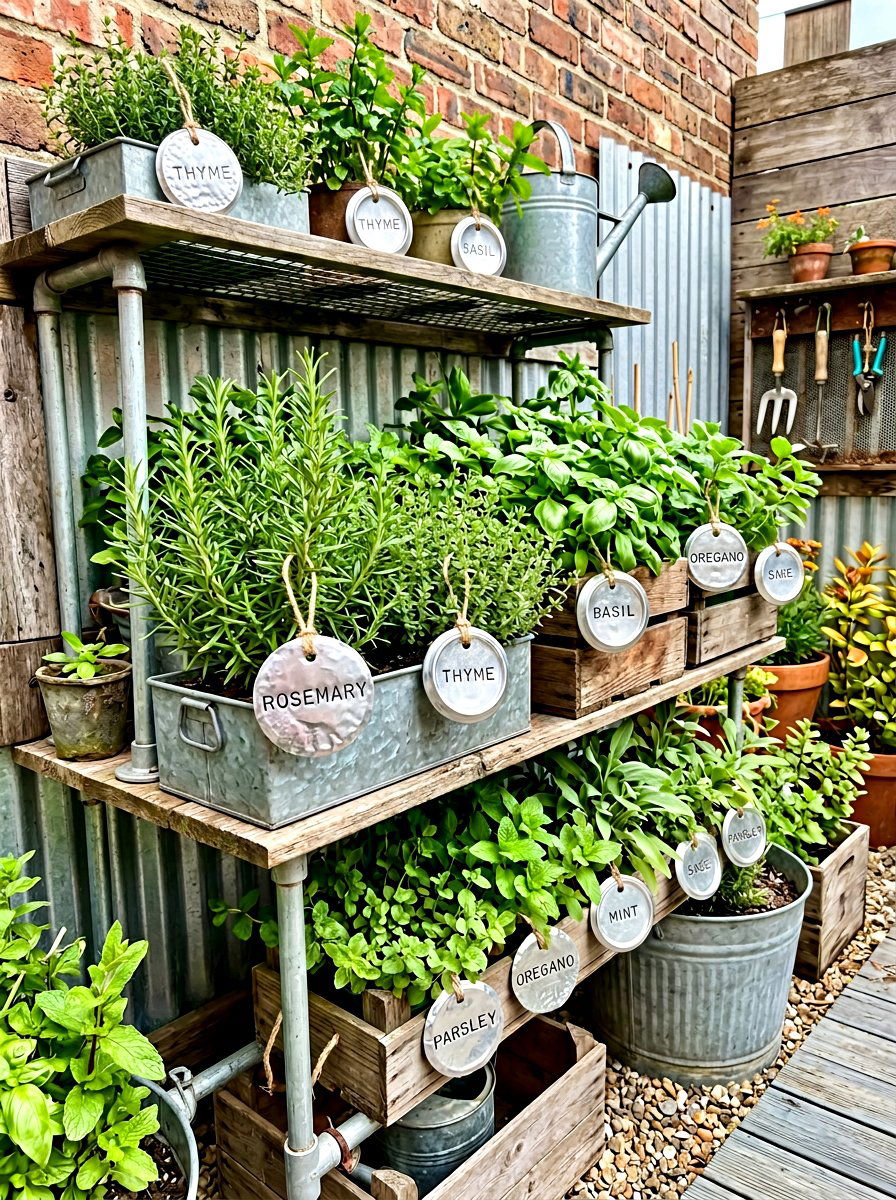
Aluminum soda cans can be carefully cut and flattened to create flexible and waterproof metal tags for your herbs. You can use a dull pencil to "emboss" the name of the herb into the soft aluminum, which creates a permanent label that won 't ever fade or wash away. These tags are very lightweight and can be easily tied to a plant' s stem or attached to a small wire stake. This is a great way to recycle metal and create a custom labeling system that costs nothing but a little bit of your time. These markers have a cool, industrial look that is surprisingly stylish.
27. Driftwood Plant Stake
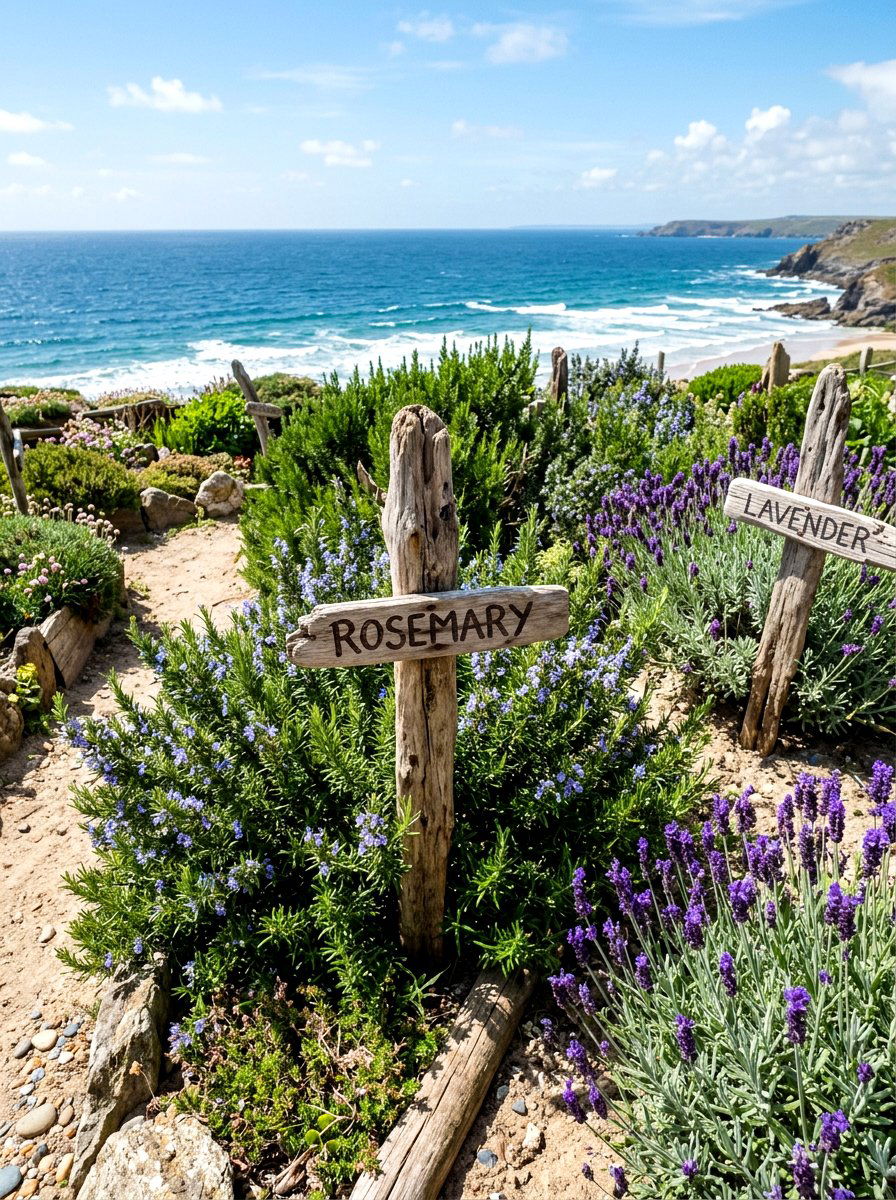
If you enjoy beachcombing, pieces of driftwood can be transformed into beautiful, naturally weather-beaten garden markers. The sun-bleached wood provides a perfect canvas for writing herb names in a dark, waterproof ink. Driftwood markers look particularly stunning in a coastal or relaxed garden setting, where their irregular shapes add a sense of movement and natural beauty. Each piece is unique, giving your herb garden a truly one-of-a-kind appearance. To ensure they stay upright, you can sharpen one end of the driftwood or attach it to a sturdier wooden stake. This method celebrates the beauty of found objects and natural textures.
28. Painted Wooden Stake
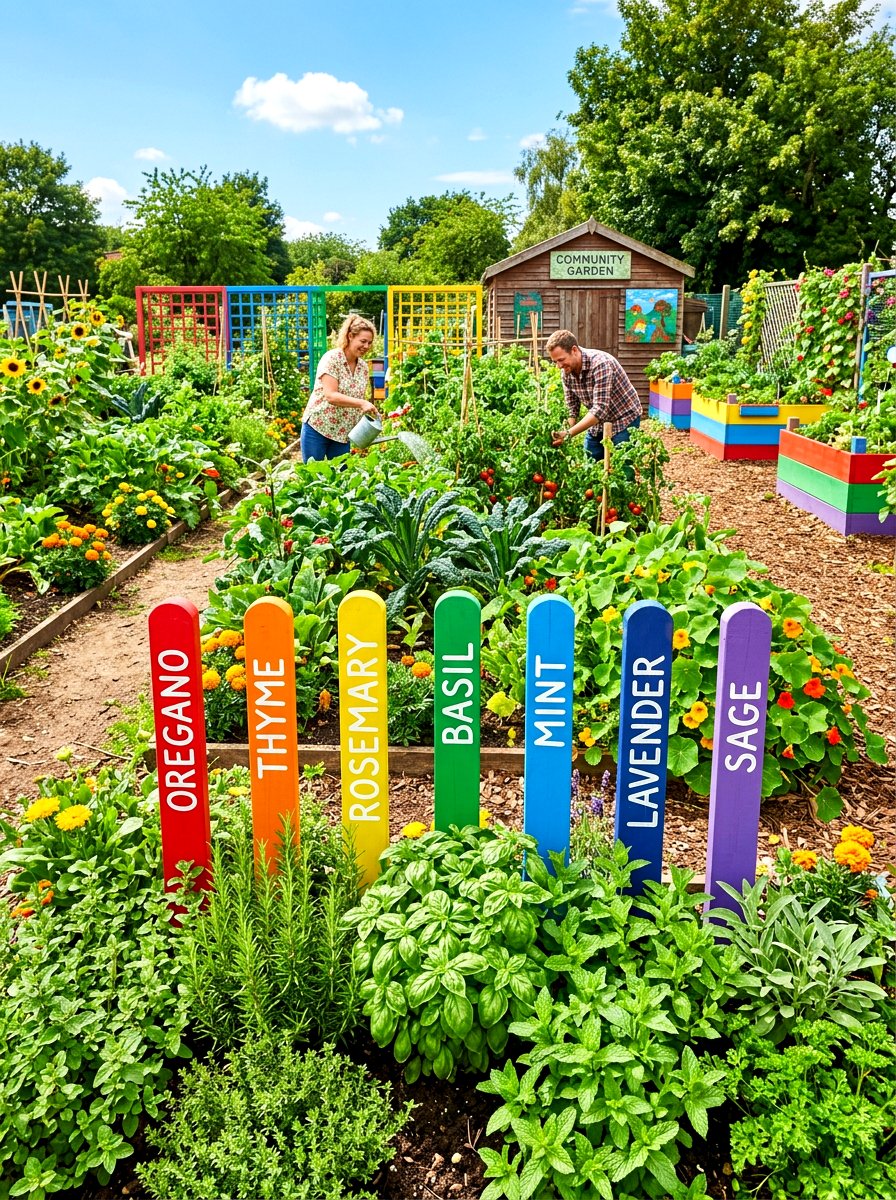
Simple wooden garden stakes can be transformed into vibrant works of art by painting them in bright, bold colors. Use outdoor-grade paint to ensure the colors stay vivid throughout the growing season. You can paint the entire stake one color or create fun patterns like stripes or polka dots before writing the herb names on top. These colorful markers make it easy to see where your herbs are located, even from across the yard. They add a cheerful and energetic vibe to your garden, making the space feel more inviting. This is a great project for anyone who loves using color in their decor.
29. Vintage Bottle Cap
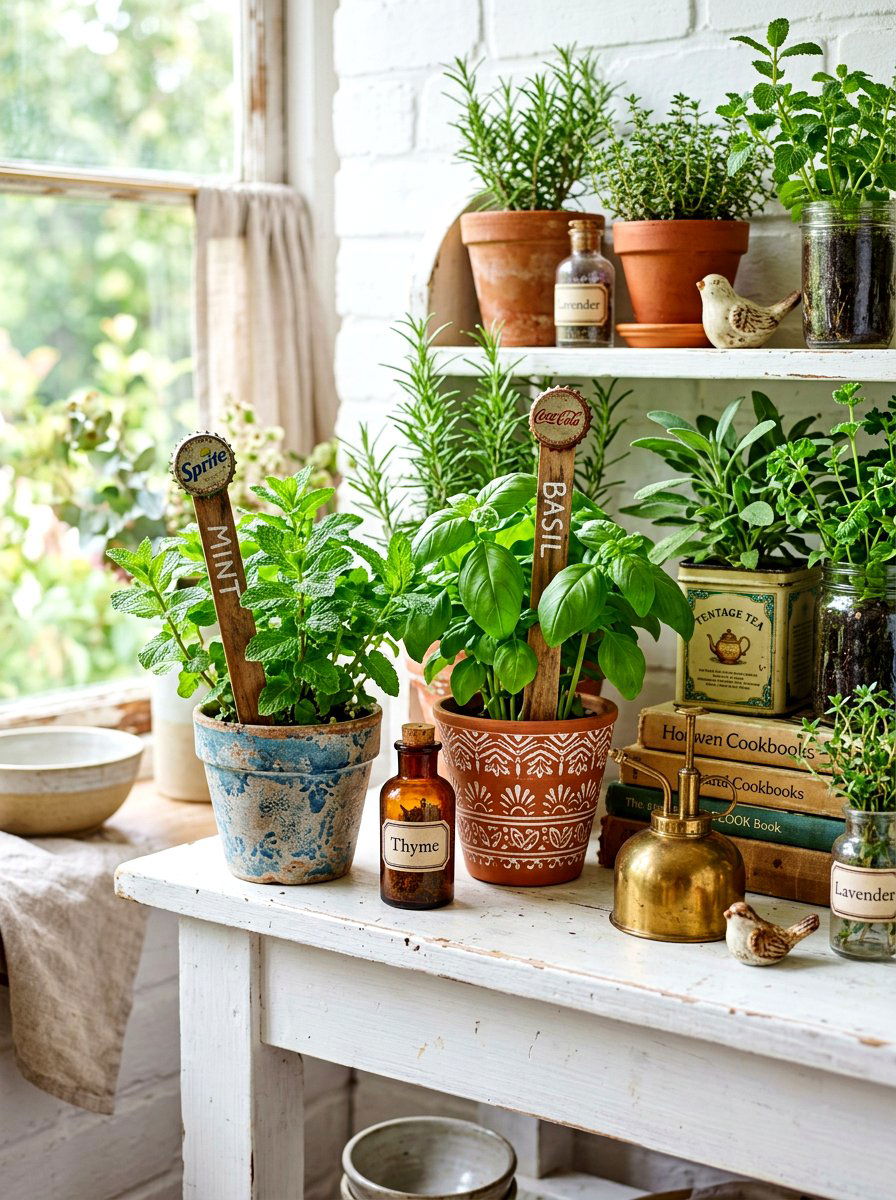
Bottle caps can be flattened or used as-is to create small, circular markers for your herb pots. You can paint the herb name inside the cap or glue a small printed label to the center before sealing it with a drop of clear resin or glue. These tiny markers are perfect for indoor herb gardens where space is at a premium and you want something that looks cute and eclectic. You can collect caps from your favorite beverages to add a personal touch to your plant collection. They are a fun and quirky way to keep your small herb pots organized and easily identified.
30. Zinc Garden Label
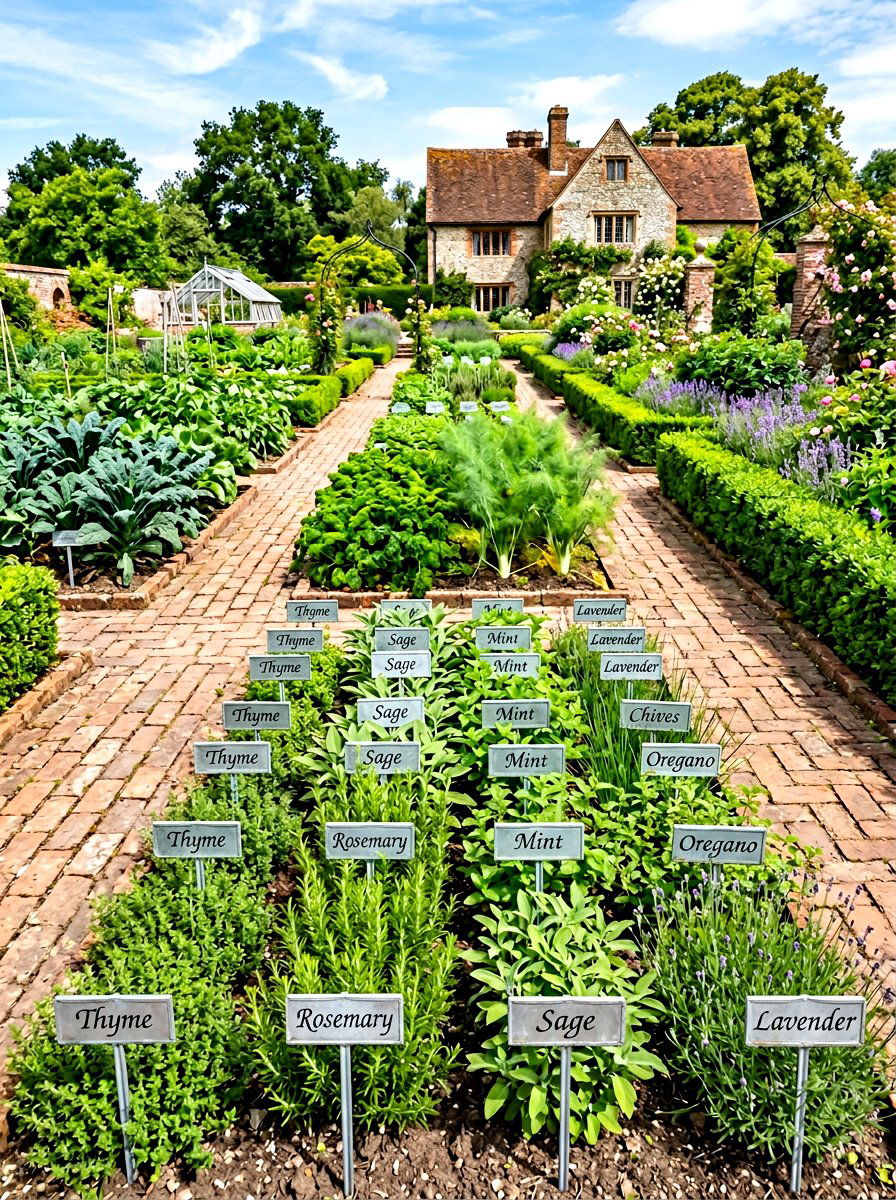
Zinc markers are the gold standard for many serious gardeners because they are incredibly durable and have a classic, professional appearance. These labels typically come with a metal stake and a zinc plate that you write on using a special permanent garden pen. Over time, the zinc will develop a soft grey patina that looks very sophisticated in a traditional herb garden. They are designed to withstand all types of weather conditions without rusting or breaking. If you want a uniform and high-quality look for your entire herb collection, investing in a set of zinc labels is an excellent choice for longevity.
Conclusion:
Organizing your herb garden with personalized markers is a rewarding project that combines functionality with creative expression. By choosing the right labeling system, you can ensure that your culinary space remains orderly and easy to navigate throughout the growing season. Whether you opt for recycled materials like wine corks and stones or more permanent solutions like copper and slate, these markers add a professional touch to your home. A well-labeled garden not only makes harvesting your favorite herbs much more efficient but also creates a beautiful and inviting atmosphere for you and your guests to enjoy. Start creating your own unique markers today to transform your garden space.

Related posts: