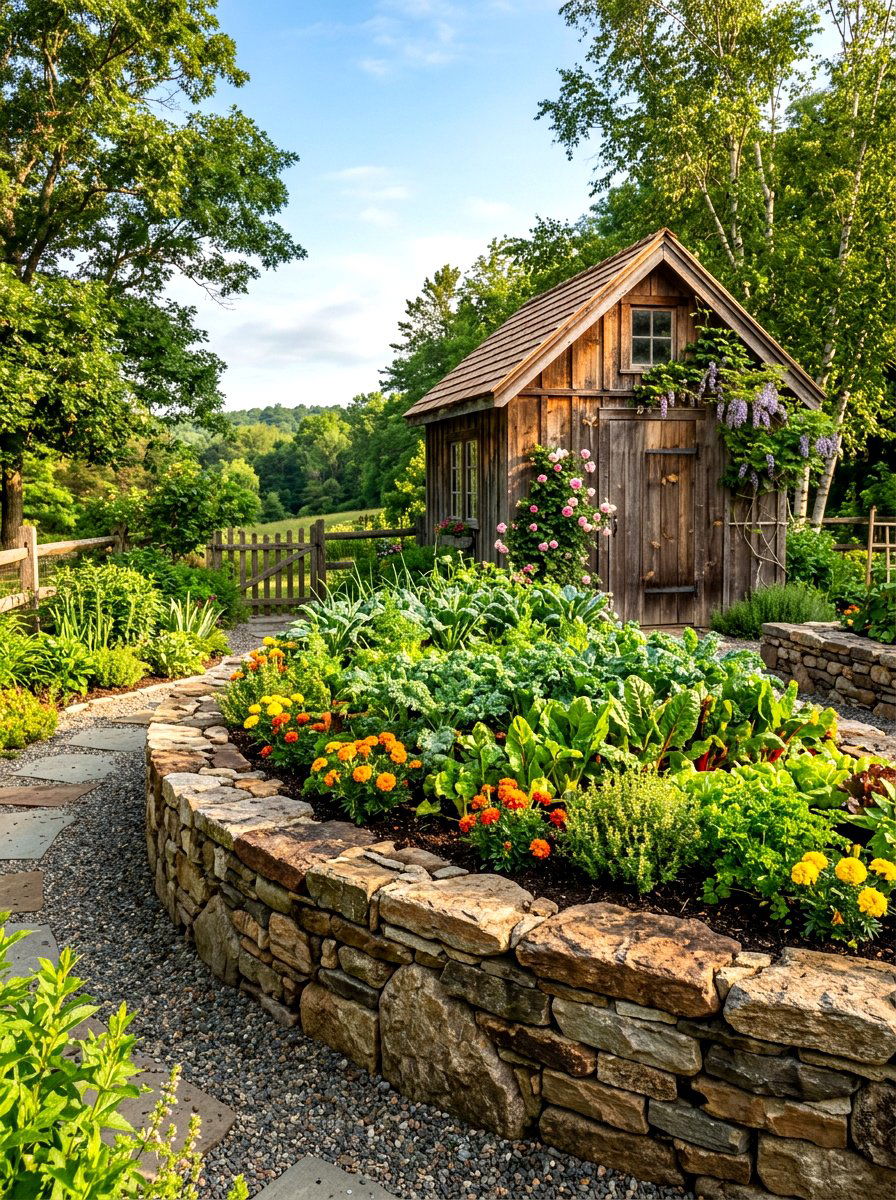
Creating a personalized herb garden is one of the most rewarding projects you can undertake for your home. Imagine stepping just outside your door to snip fresh basil for a homemade pizza or gathering fragrant mint for a refreshing summer tea. Beyond the culinary perks, these gardens offer a multi-sensory experience that enhances your outdoor living space with beautiful textures and soothing aromas. Whether you have a sprawling backyard or just a tiny apartment balcony, there is a perfect configuration waiting for you. Planning your layout involves considering sun exposure, soil drainage, and how often you will actually use the plants in your daily cooking routines.
1. Raised Bed Herb Garden
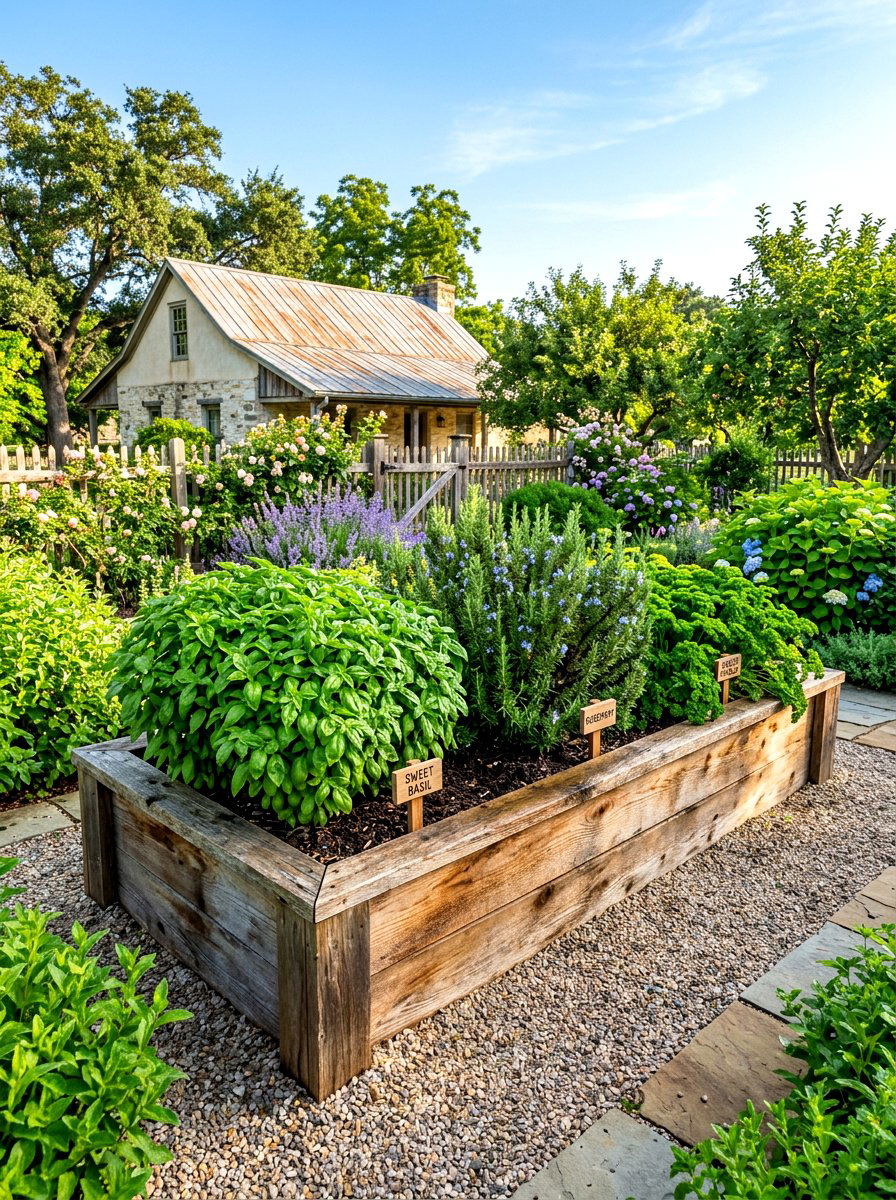
Walking out to your backyard to find a perfectly organized wooden structure filled with lush greens is a dream for many home cooks. A raised bed herb garden offers incredible drainage and soil control, which is essential for picky plants like rosemary and lavender. By lifting the growing area off the ground, you protect your delicate herbs from pests and provide a comfortable height for harvesting without straining your back. These beds can be made from cedar or reclaimed stone to match your home's aesthetic. They create a clean, defined look that keeps your outdoor space looking professional and tidy all year long.
2. Vertical Herb Wall
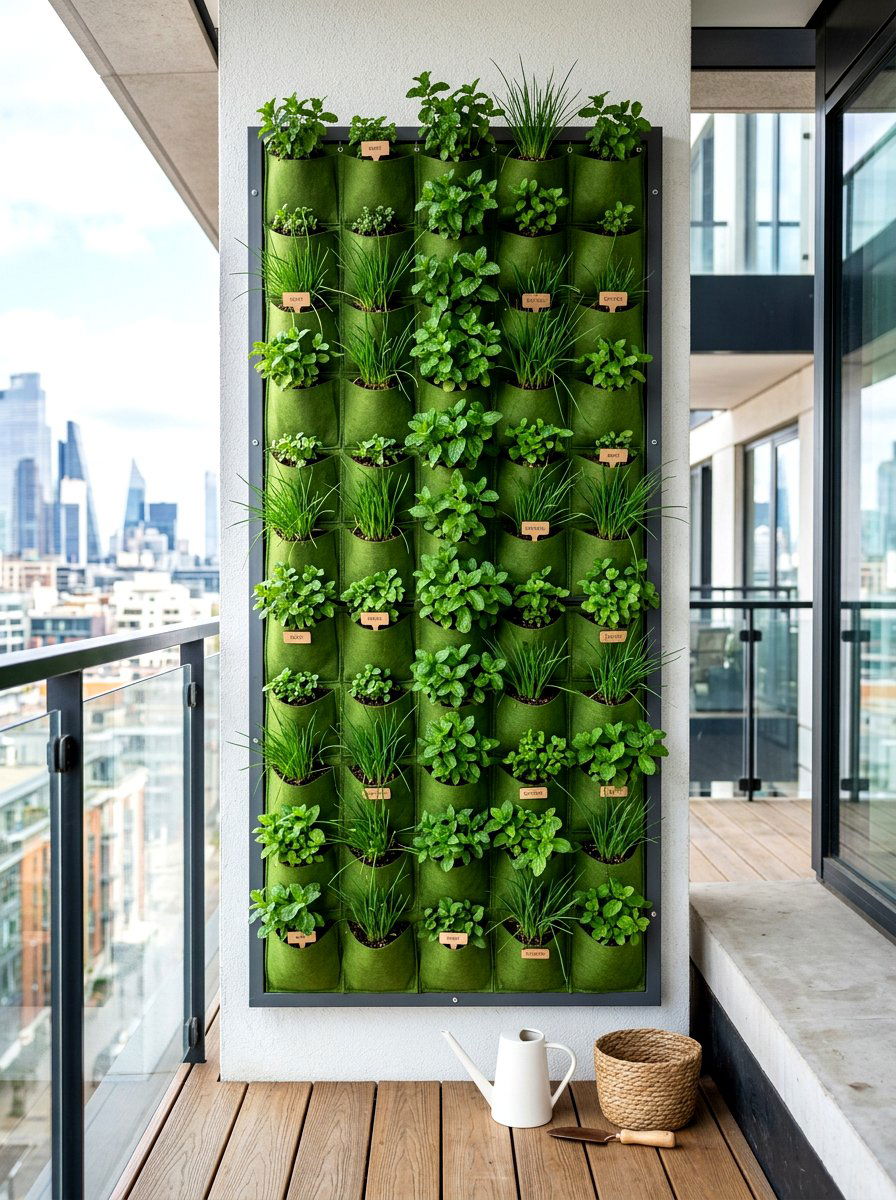
Transforming a bare exterior wall into a living tapestry of scents and flavors is an ingenious way to save space. A vertical herb wall uses specialized pockets or mounted containers to grow various plants upward rather than outward. This setup is particularly effective for urban dwellers with limited ground area but plenty of vertical real estate. You can arrange moisture-loving herbs like parsley at the bottom where water naturally settles, while keeping sun-drenched varieties like thyme at the top. The visual impact of a lush green wall is stunning and serves as a natural cooling element for your patio or balcony area.
3. Herb Spiral Garden
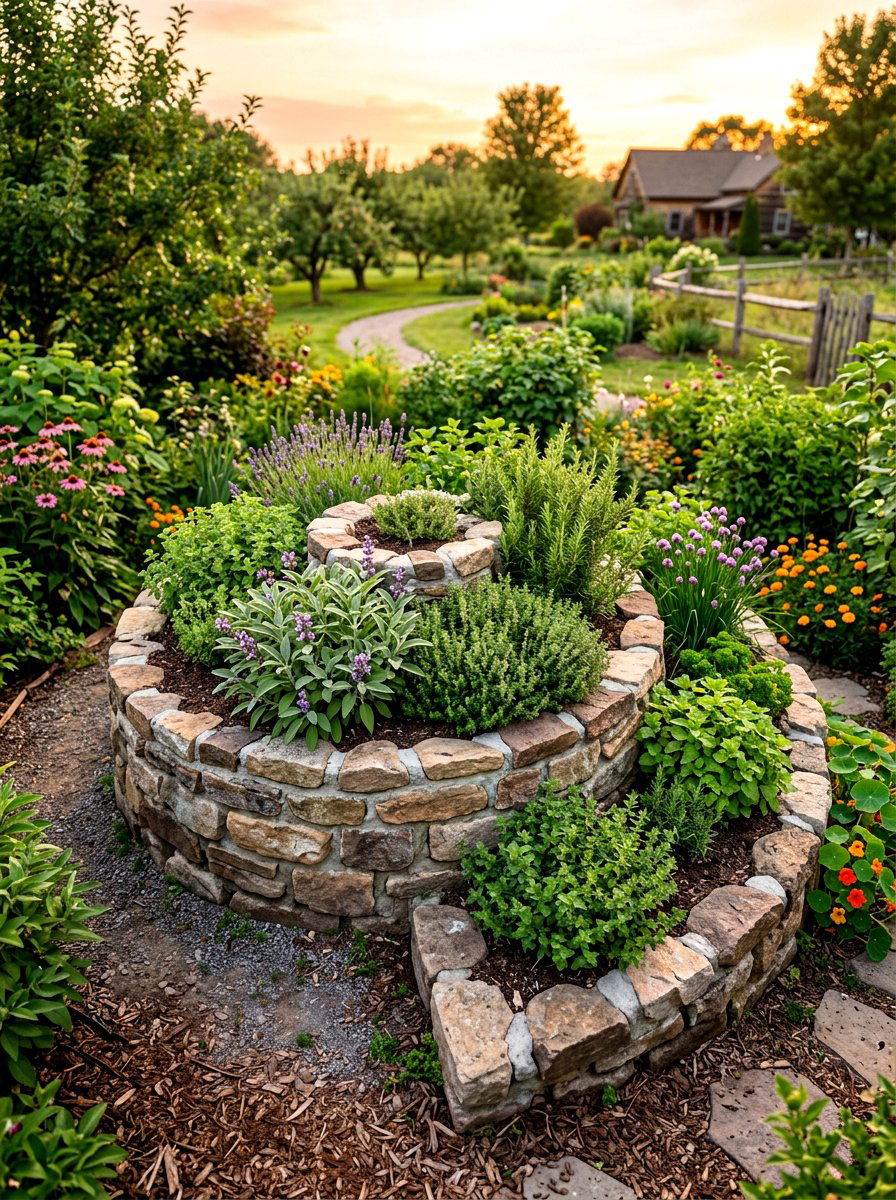
Have you ever considered a design that utilizes gravity and microclimates to maximize plant health? An herb spiral garden is a permaculture classic that uses a winding stone or brick path to create different growing conditions in one small footprint. The top of the spiral stays dry and sunny, making it perfect for Mediterranean herbs, while the bottom remains moist and cool for plants like mint or chives. This three-dimensional layout is not only highly functional but also serves as a beautiful sculptural focal point in any backyard. It allows you to grow a diverse range of herbs within arm's reach.
4. Kitchen Window Box
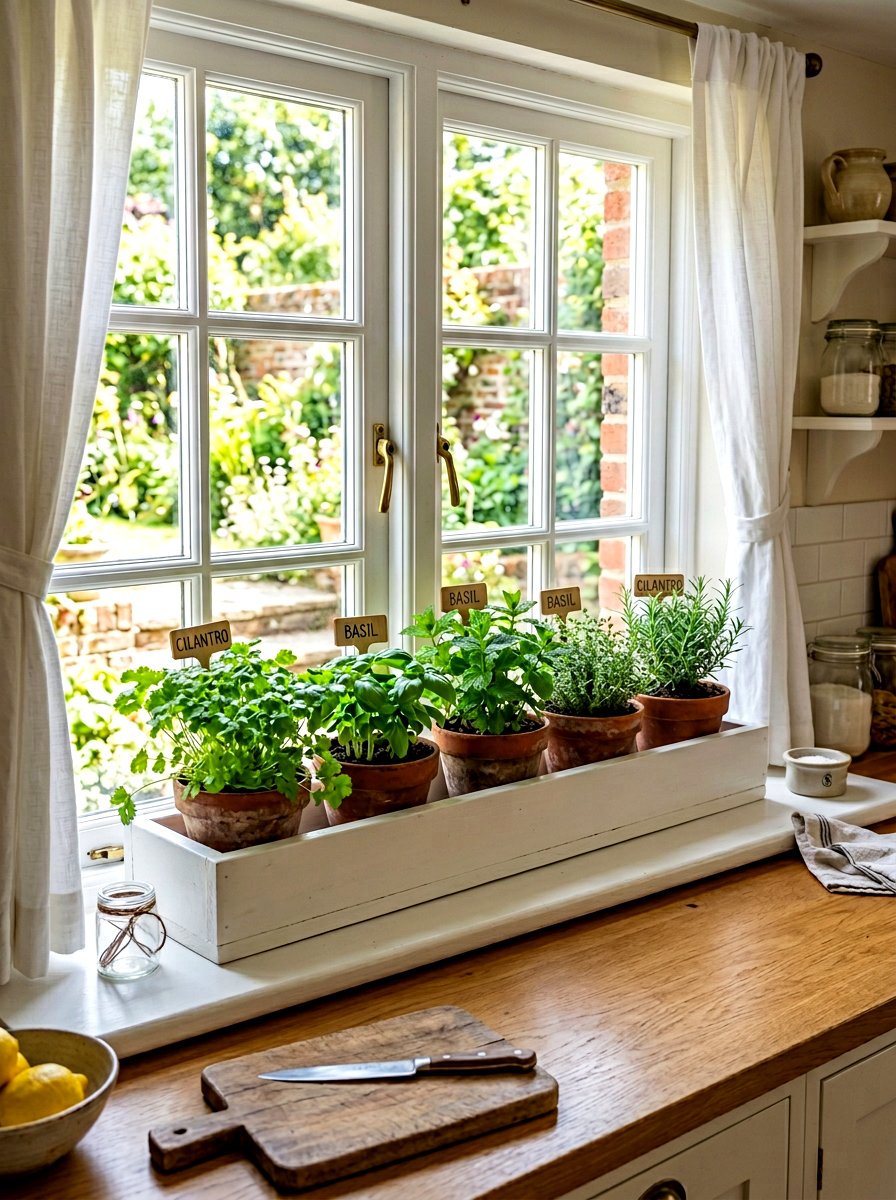
Keeping your most-used seasonings within a few inches of your stove makes cooking a much more seamless and enjoyable experience. A kitchen window box is a classic choice for those who want immediate access to fresh flavors while preparing meals. These boxes can be installed on the outside of the window or even on the inside ledge if you have enough natural light. Designing this layout involves selecting compact varieties of basil, cilantro, and parsley that won 't outgrow the space too quickly. It adds a charming, rustic touch to your home' s exterior while providing a constant supply of aromatic greens for recipes.
5. Hanging Herb Planter
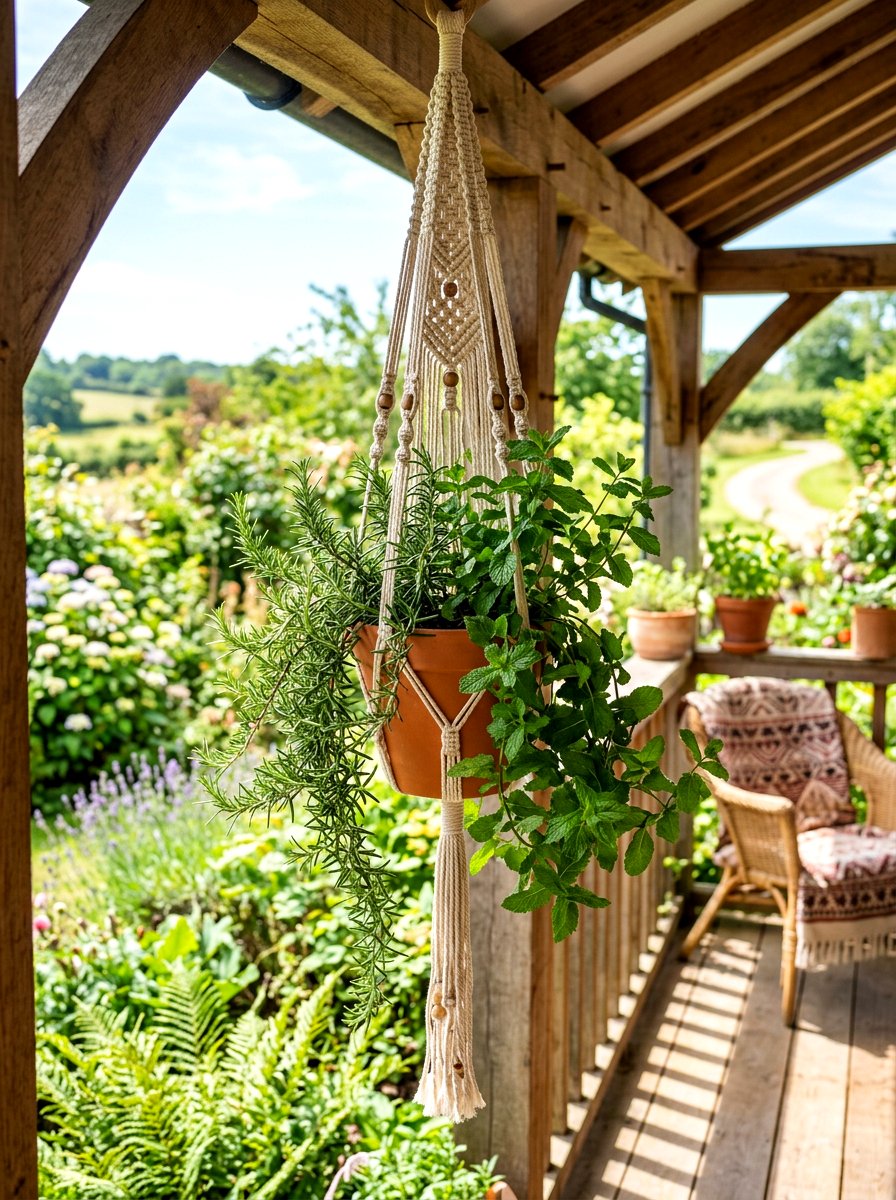
Suspending your garden from the porch ceiling or a sturdy tree branch creates a whimsical and space-efficient way to grow greens. Hanging herb planters are excellent for trailing varieties like creeping thyme or rosemary, as they allow the stems to spill over the sides beautifully. This layout keeps your herbs safe from ground-dwelling pests and frees up valuable floor space on your deck or patio. You can use macrame hangers for a boho look or sleek ceramic pots for a modern vibe. Ensure the anchors are strong enough to support the weight of wet soil and lush, fully grown herb plants.
6. Potted Herb Garden
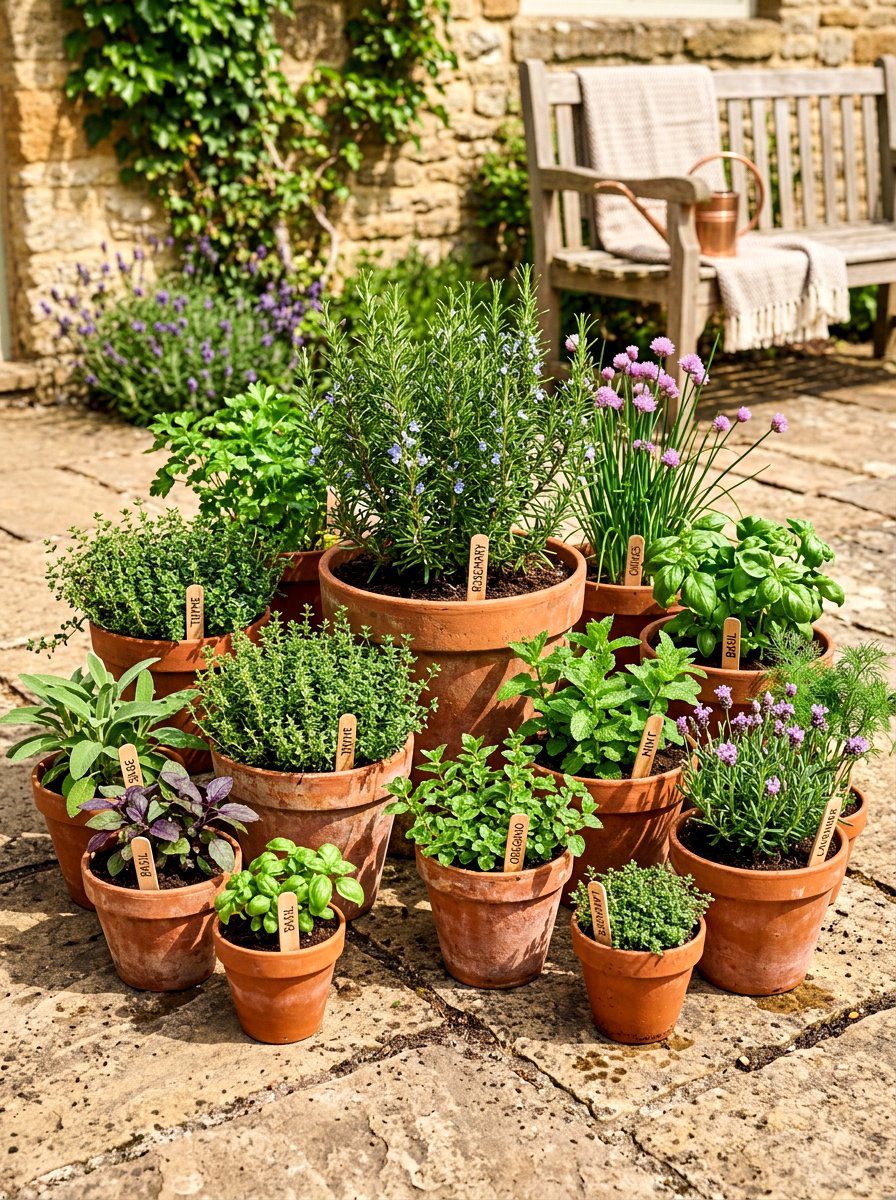
Sometimes the simplest approach is the most effective, especially if you want the flexibility to move your plants around. A potted herb garden involves grouping various terracotta or glazed ceramic pots together on a patio or sunny steps. This layout allows you to tailor the soil and watering schedule for each specific plant, which is ideal since mint needs more water than sage. You can create a visually interesting display by mixing different pot sizes and heights. This mobile garden can be brought indoors during the winter months, ensuring you have fresh herbs available through every season of the year.
7. Pallet Herb Garden
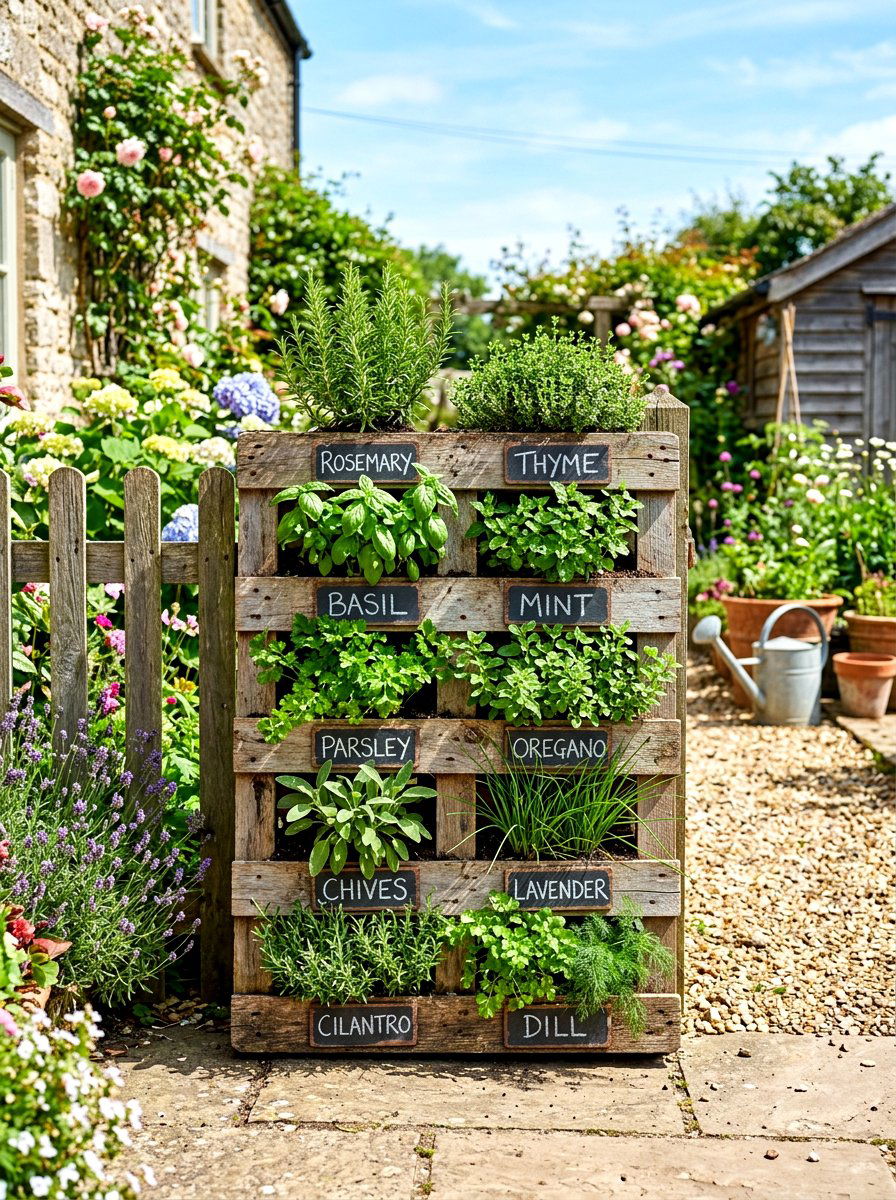
Upcycling a wooden pallet into a rustic planting station is a popular DIY project that adds character to any outdoor space. A pallet herb garden stands vertically against a fence or wall, with horizontal slats acting as natural dividers for different plant varieties. This layout is incredibly affordable and provides a structured way to organize your culinary collection without digging up your yard. You can paint the wood to match your outdoor furniture or leave it natural for a farmhouse feel. It is a fantastic conversation piece that proves you do not need a massive budget to create a functional garden.
8. Checkerboard Herb Garden
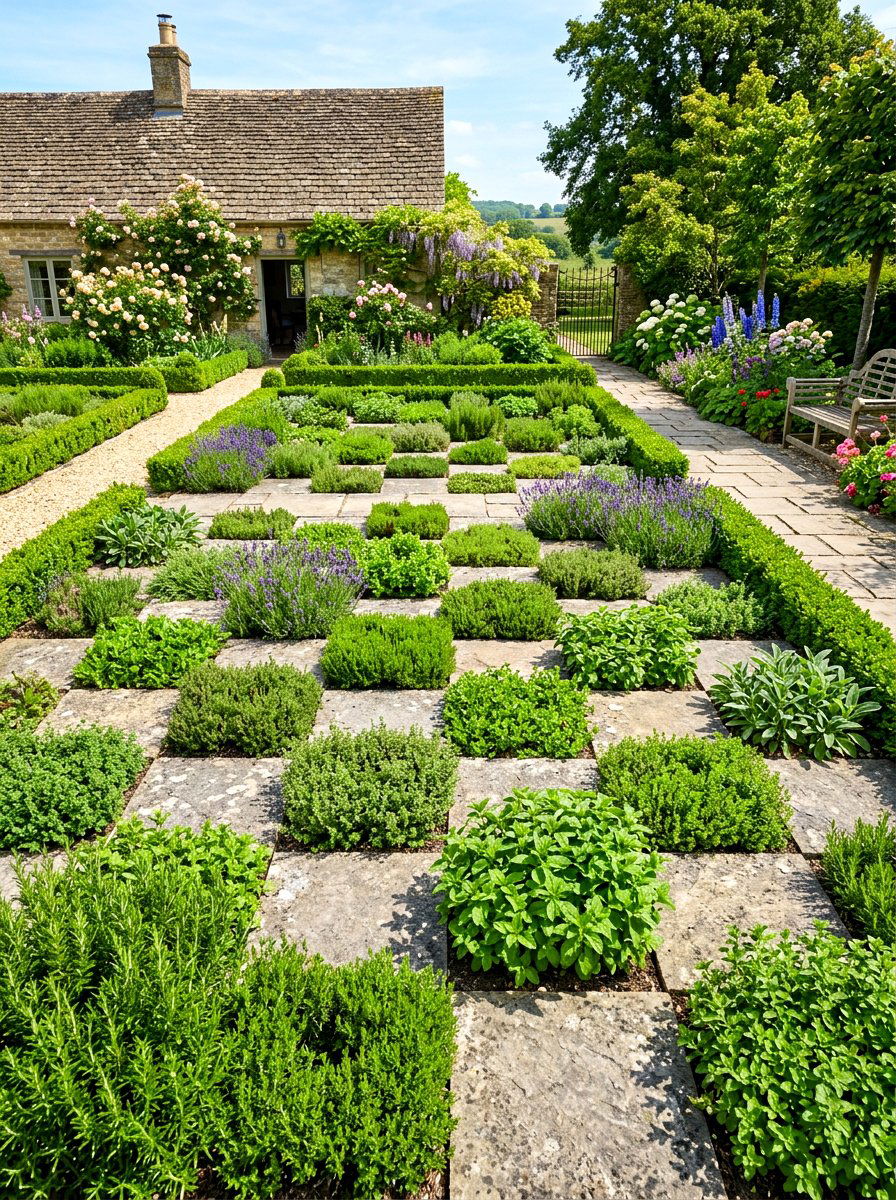
If you appreciate symmetry and order, a checkerboard layout provides a striking geometric pattern that elevates any landscape design. This method involves alternating square pavers with squares of soil planted with different herb varieties. The hardscape elements provide stable paths for walking and harvesting, while the green squares create a beautiful mosaic effect on the ground. This design is excellent for keeping invasive herbs like mint contained, as the physical barriers help prevent roots from spreading too far. It works beautifully in formal gardens or as a unique transition area between a patio and a larger lawn space.
9. Culinary Herb Border
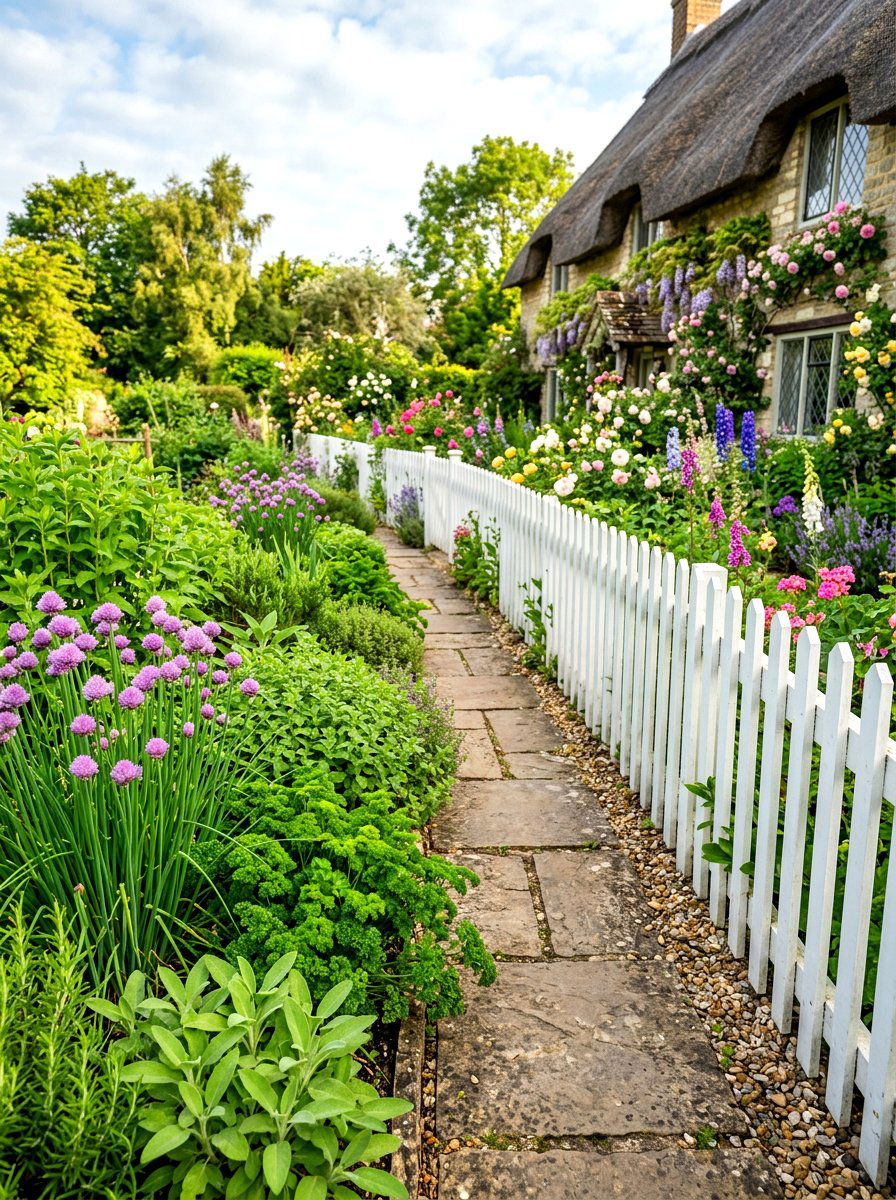
Integrating your edible plants directly into your existing flower beds or along a garden path creates a lush, English cottage aesthetic. A culinary herb border uses low-growing plants like chives and curly parsley as a living edge to define the boundaries of your garden. Taller herbs like bronze fennel or lovage can be placed at the back to provide height and texture behind blooming perennials. This layout not only looks beautiful but also encourages beneficial insects to visit your garden. Walking along a path lined with fragrant lavender and rosemary provides a wonderful sensory experience every time you head outside.
10. Herb Wheel Garden
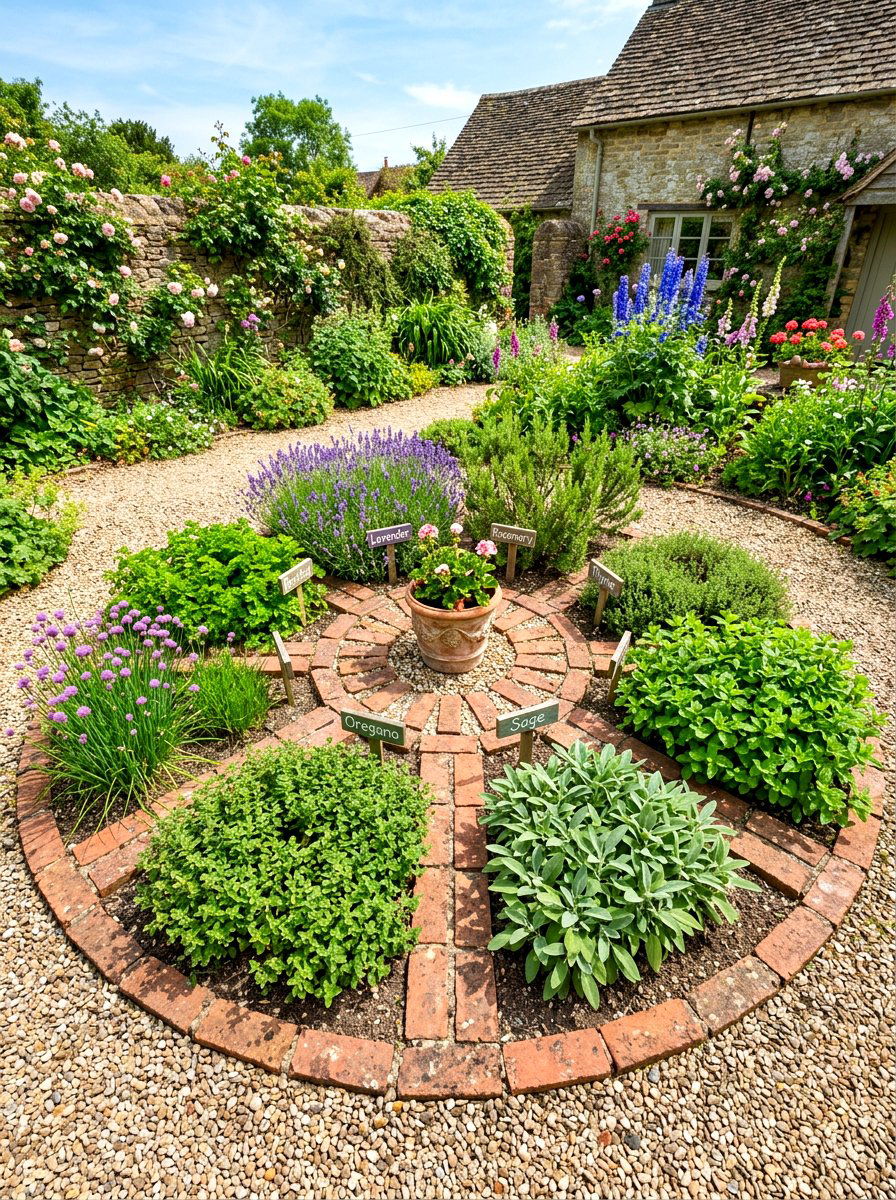
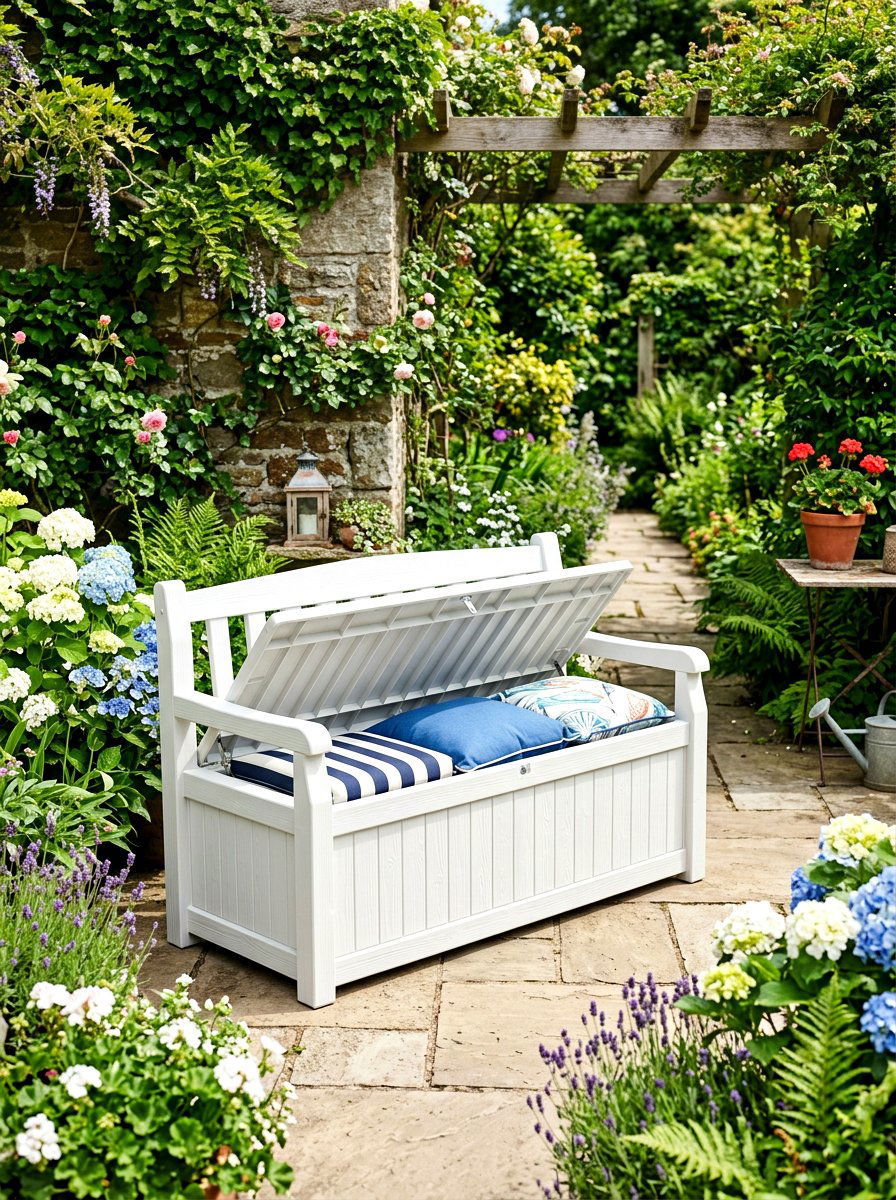
Drawing inspiration from traditional monastery gardens, a wheel layout is a timeless way to organize a diverse collection of useful plants. This design uses a circular bed divided into sections like the spokes of a wagon wheel, often using stones or bricks as dividers. The center of the wheel acts as a natural focal point where you can place a taller plant or a decorative birdbath. This layout makes it easy to separate herbs by their specific uses, such as medicinal, culinary, or aromatic sections. It is a highly efficient use of space that looks beautiful from both the ground and above.
11. Tiered Herb Stand
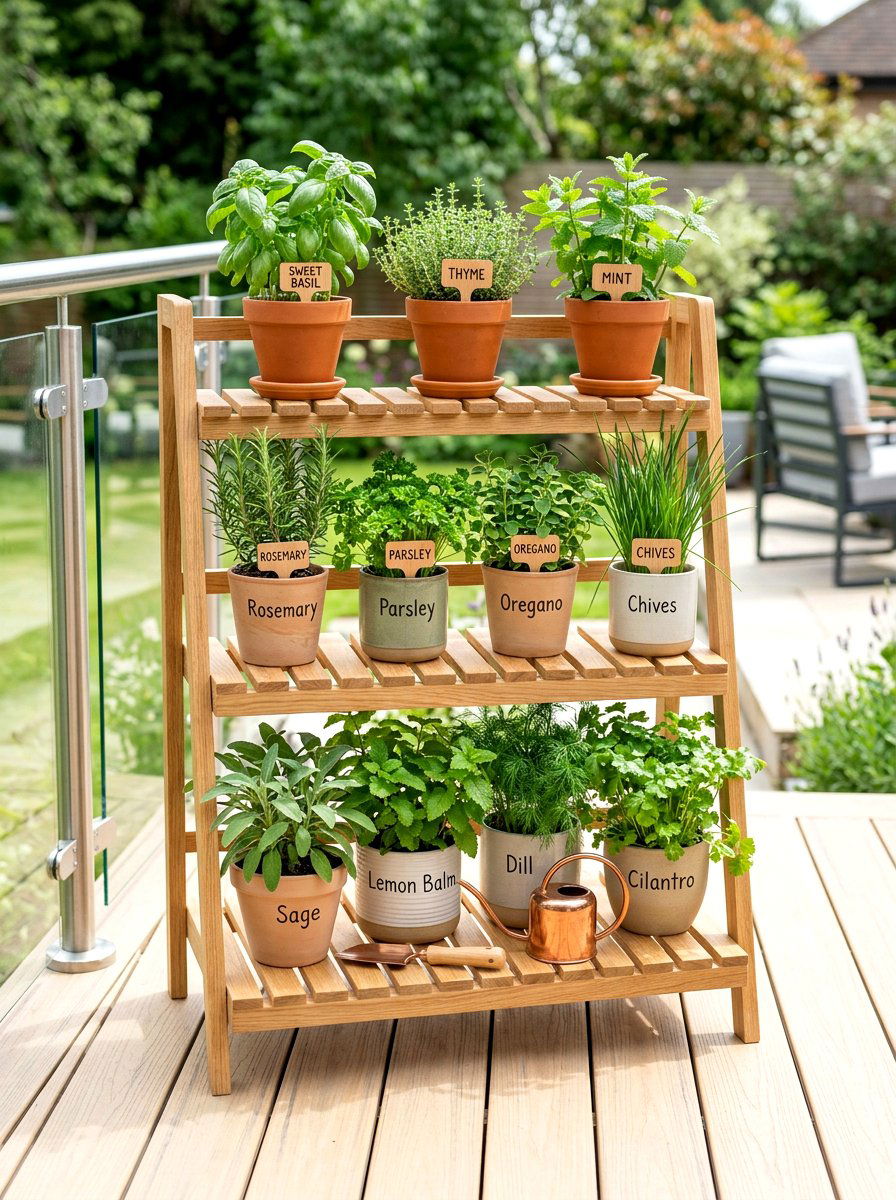
Using vertical levels to display your plants is a smart solution for small decks where floor space is at a premium. A tiered herb stand functions like a bookshelf for your garden, allowing you to stack multiple rows of pots in a compact area. This layout ensures that every plant receives adequate sunlight without being shaded by its neighbors. You can find stands made of wrought iron, wood, or even recycled plastic to suit your style. It makes watering and harvesting much easier because you can reach multiple levels at once, and it keeps your favorite herbs organized and highly visible.
12. Rock Herb Garden
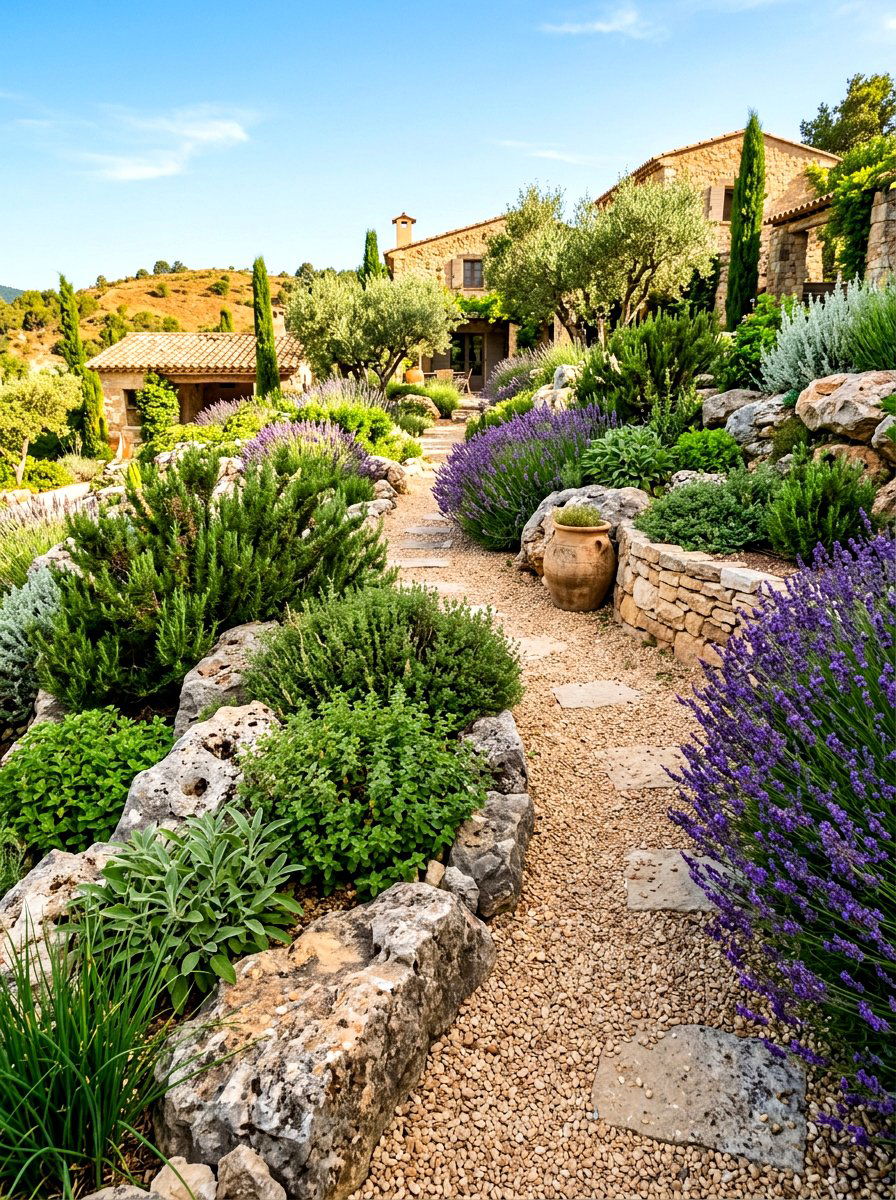
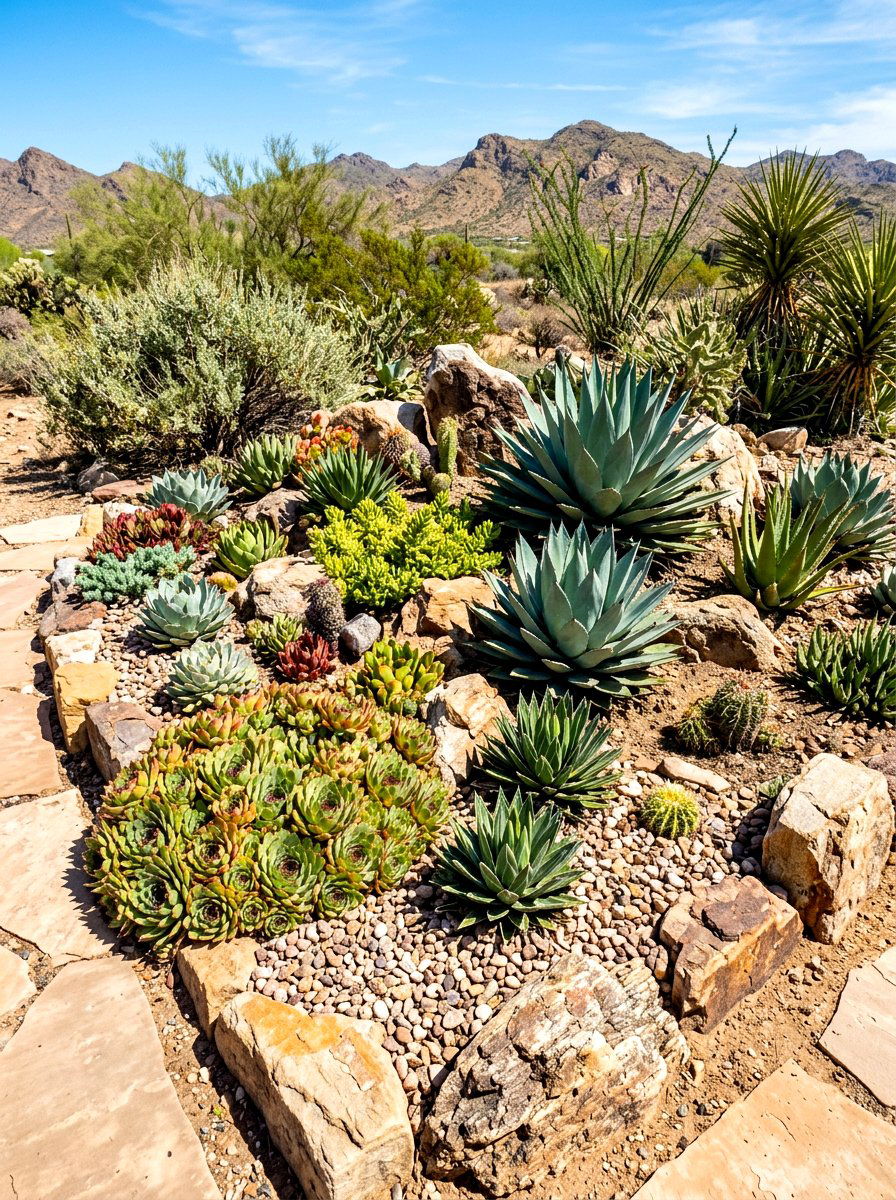
Many aromatic herbs thrive in the lean, well-drained conditions found in rocky environments, making a rockery a perfect home for them. A rock herb garden uses varying sizes of natural stones to create crevices and pockets where drought-tolerant plants like thyme and oregano can flourish. The stones absorb heat during the day and release it at night, providing a warm microclimate that these Mediterranean varieties absolutely love. This layout is low-maintenance and works well on sloped areas where traditional gardening might be difficult. It offers a rugged, natural beauty that blends seamlessly into a variety of different landscaping styles.
13. Indoor Herb Shelf
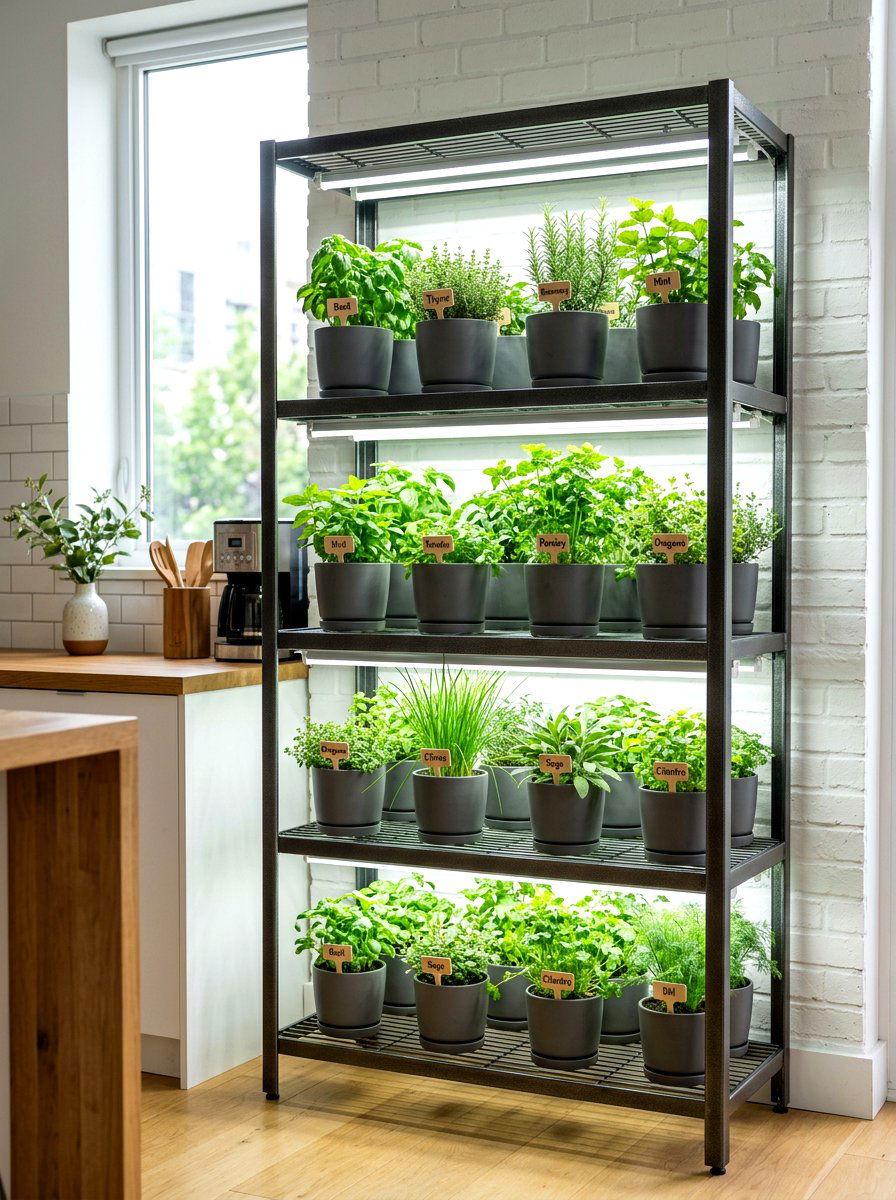
Bringing the outdoors inside with a dedicated shelving unit allows you to enjoy fresh flavors even if you lack a backyard. An indoor herb shelf is typically placed near a bright, south-facing window to ensure the plants get the light they need to produce oils. This layout can range from a simple floating shelf to a multi-tiered industrial rack equipped with supplemental grow lights. It creates a beautiful green feature in your dining room or kitchen area. Keeping your herbs at eye level makes it easy to monitor their health and reminds you to use them more often in your daily meals.
14. Mason Jar Herb Garden
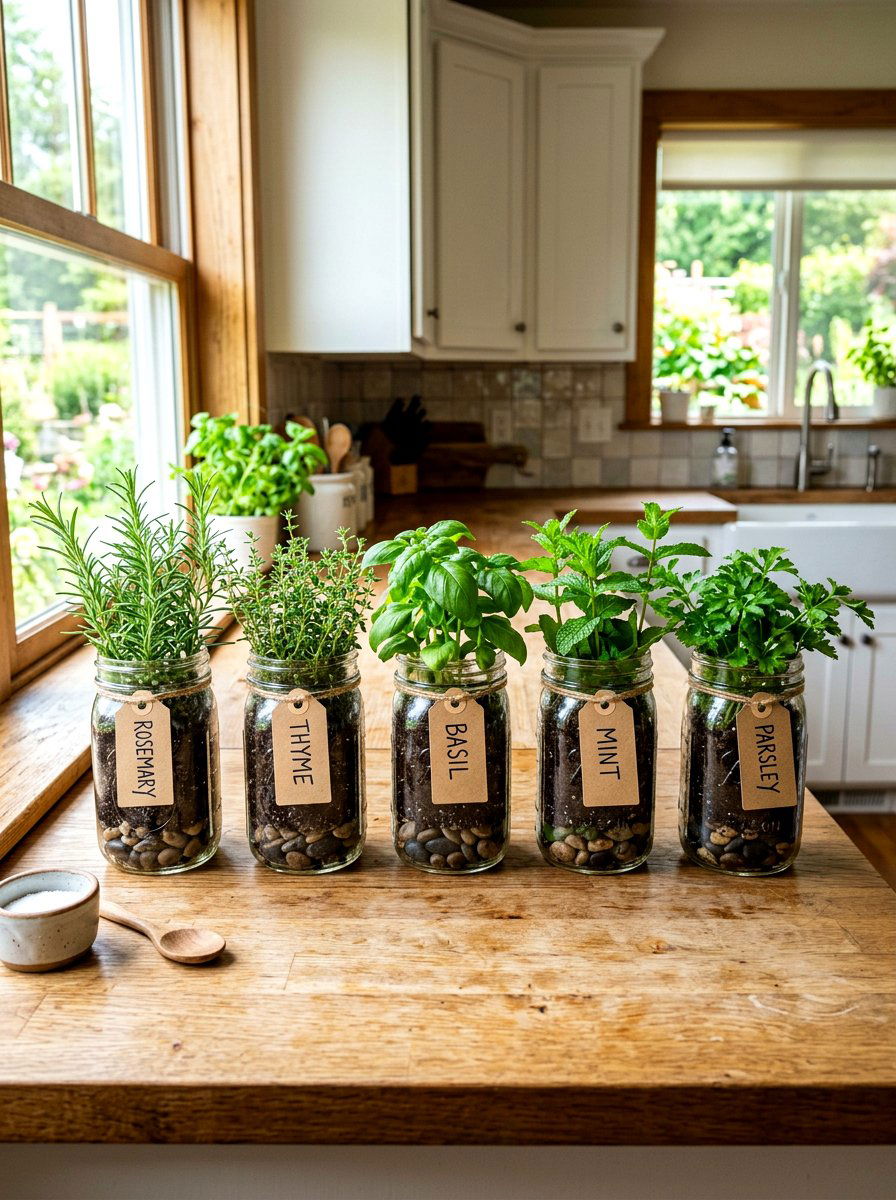
Repurposing glass jars into small planters is a charming way to create a miniature garden that fits on any windowsill. A mason jar herb garden is perfect for starting seeds or growing small cuttings of basil and mint. This layout looks particularly lovely in a farmhouse-style kitchen and can be mounted on a wooden board for a more permanent wall display. Because these jars lack drainage holes, it is important to add a layer of pebbles at the bottom to prevent root rot. This compact design is ideal for beginners who want to try their hand at gardening without a large commitment.
15. Herb Hedge Layout
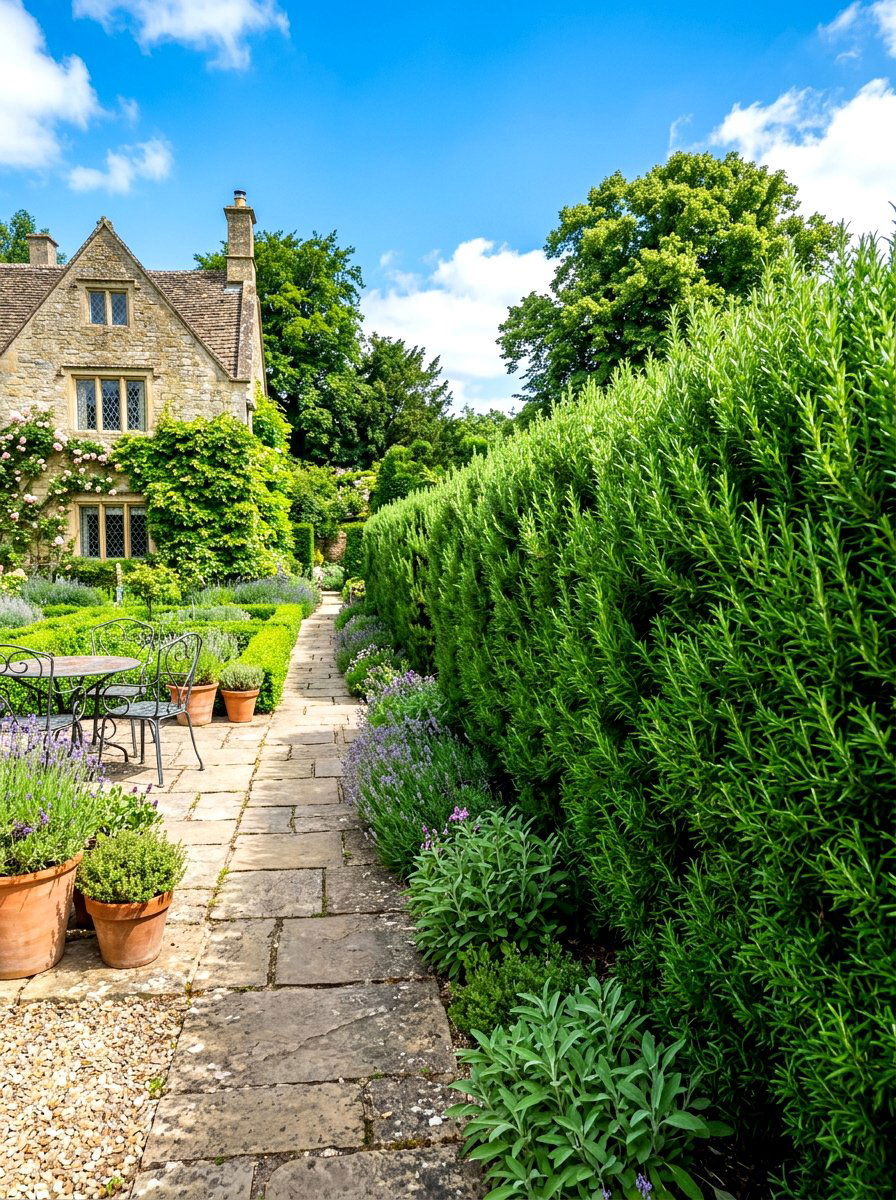
Using taller, woody herbs to create a functional boundary adds structure and privacy to your outdoor living area. An herb hedge layout typically utilizes robust plants like upright rosemary or bay laurel planted in a dense row. These plants can be pruned into formal shapes or left to grow naturally for a softer look. Not only does this provide a beautiful green screen, but it also releases a wonderful fragrance whenever the wind blows or someone brushes past. This design is a great way to define different zones in your backyard, such as separating a seating area from a vegetable patch.
16. Companion Planting Bed
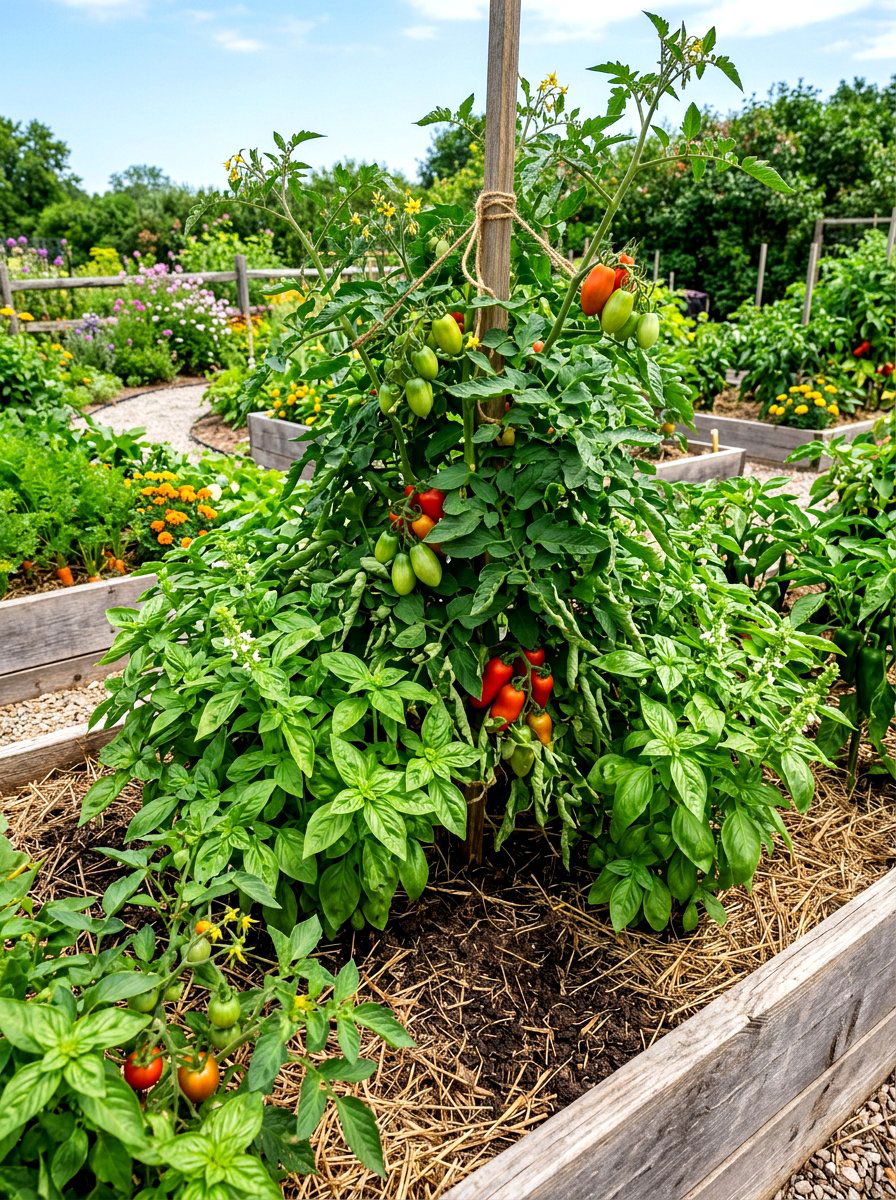
Designing your layout based on how different plants benefit each other is a smart way to ensure a healthy and productive garden. A companion planting bed groups herbs with vegetables or flowers that help deter pests or improve growth. For example, planting basil near tomatoes can enhance the flavor of the fruit and keep away unwanted insects. This layout often looks more natural and less structured than traditional rows, mimicking the diversity found in nature. It creates a balanced ecosystem in your backyard that requires fewer chemical interventions, making your home-grown harvest even healthier for your family to consume.
17. Window Sill Herb Tray
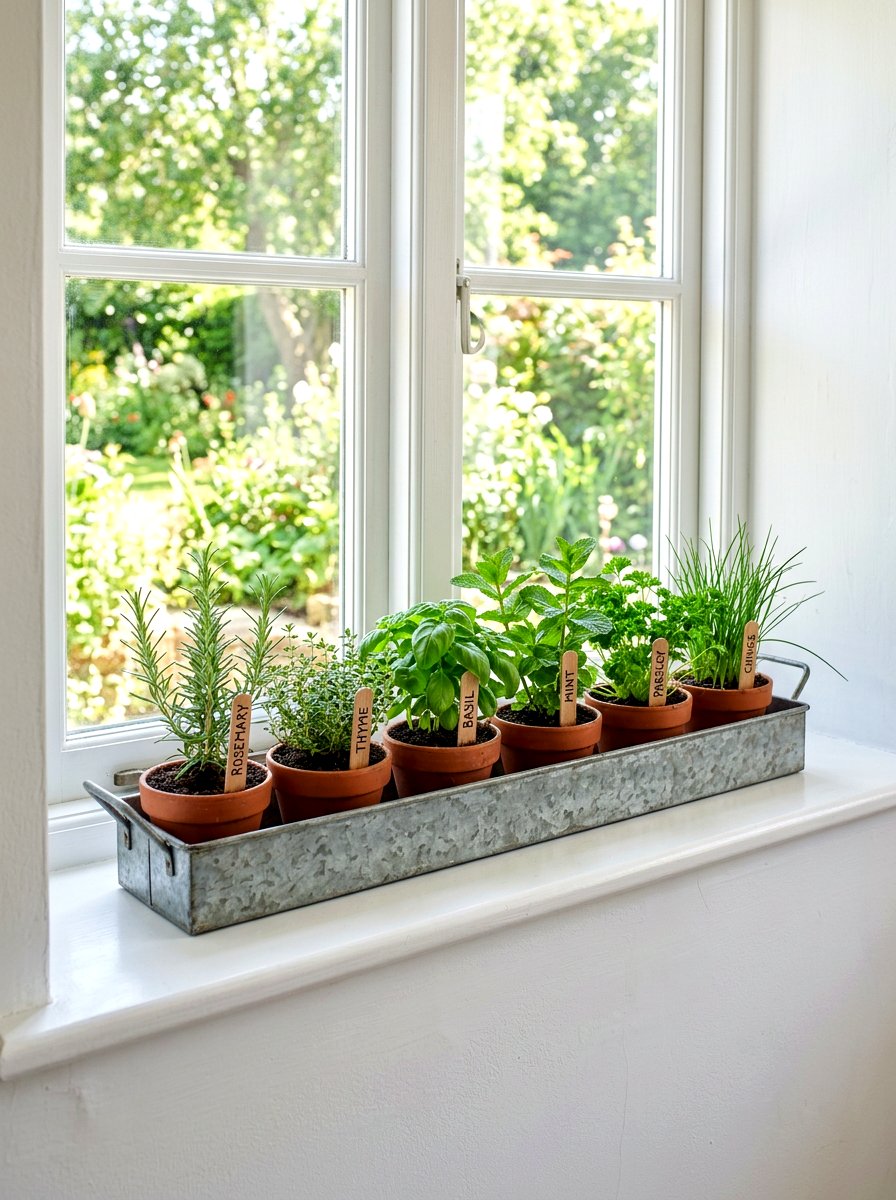
A streamlined and modern approach to indoor gardening involves using a single, long tray to house several different varieties together. A window sill herb tray provides a cohesive look and makes it easy to transport your entire collection to the sink for watering. This layout is perfect for small apartments where every inch of counter space matters. You can choose a tray made of galvanized metal for an industrial feel or a sleek white ceramic for a minimalist look. It keeps your workspace tidy while ensuring that fresh garnishes are always within reach while you are plating your favorite home-cooked dishes.
18. Ladder Herb Planter
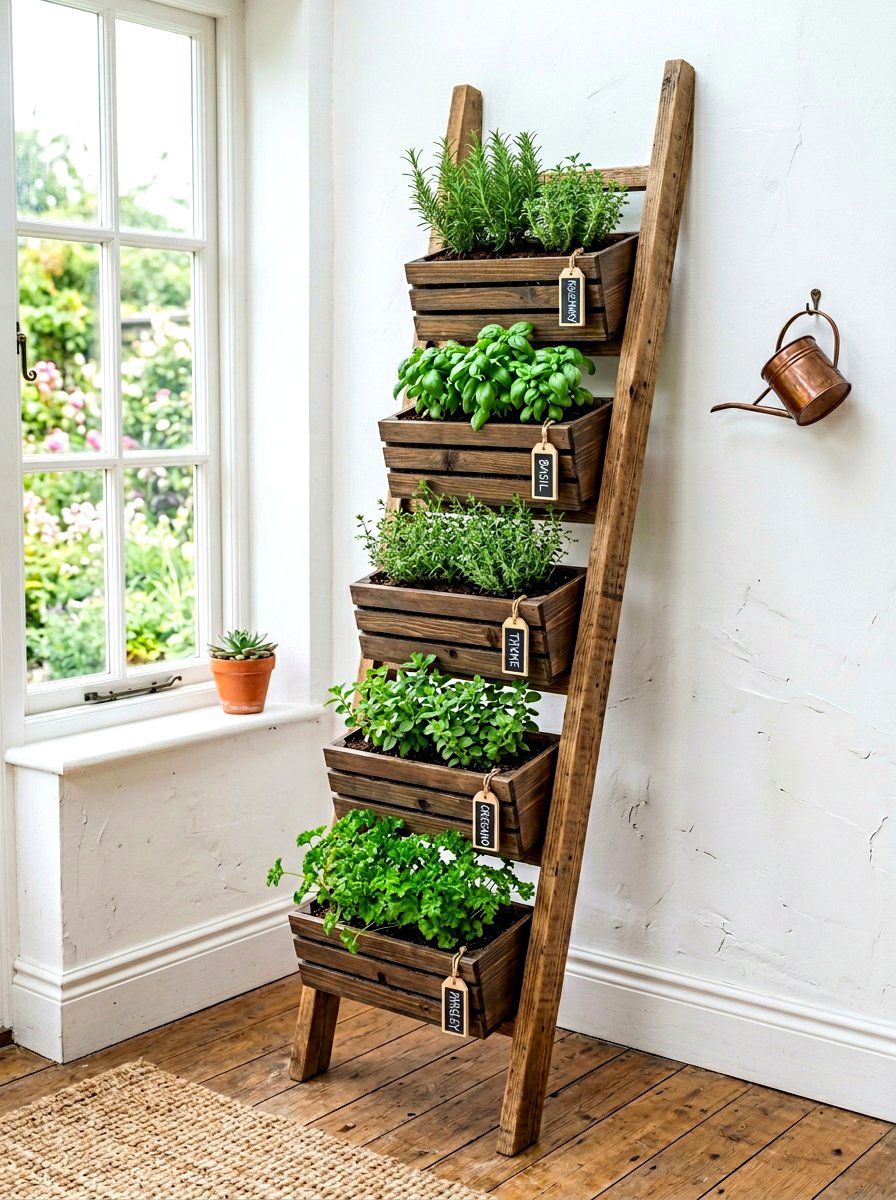
Leaning a rustic wooden ladder against a wall creates a vertical garden that is both functional and aesthetically pleasing. A ladder herb planter uses the rungs to support individual boxes or pots, creating a staggered effect that allows for excellent air circulation. This layout is perfect for small patios because it takes up very little floor space while offering plenty of room for a wide variety of herbs. You can easily switch out plants as the seasons change or move the ladder to follow the sun. It adds a touch of vertical interest and charm to any outdoor or semi-indoor garden setting.
19. Gutter Herb Garden
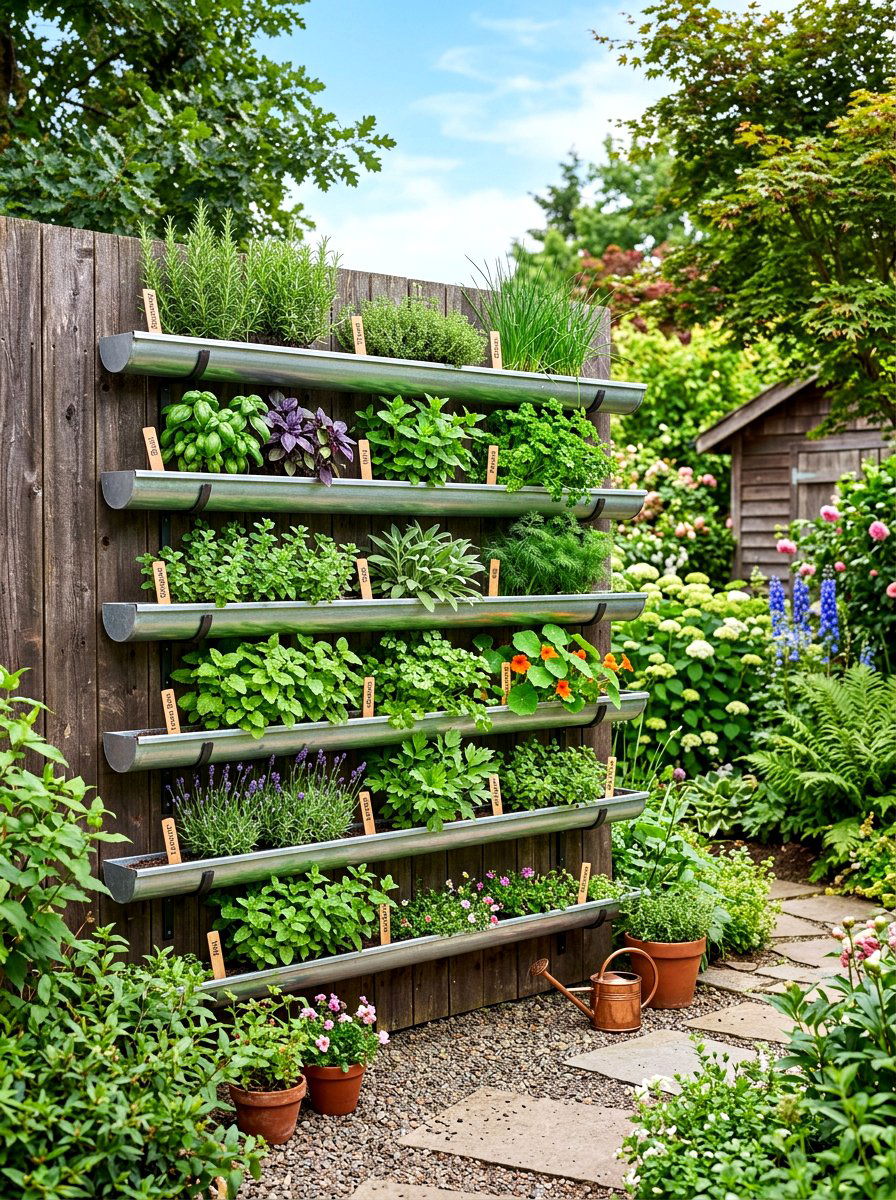
Utilizing segments of vinyl or metal rain gutters is a creative and budget-friendly way to build a long, narrow planting system. A gutter herb garden can be mounted directly to a fence or the side of a garden shed, providing a continuous row of green foliage. This layout is particularly well-suited for shallow-rooted herbs like lettuce, chives, and cilantro. It keeps the plants off the ground and away from rabbits or other small animals. The linear design looks very modern and can be stacked in multiple rows to create a full wall of edible plants that is easy to maintain.
20. Tea Herb Garden
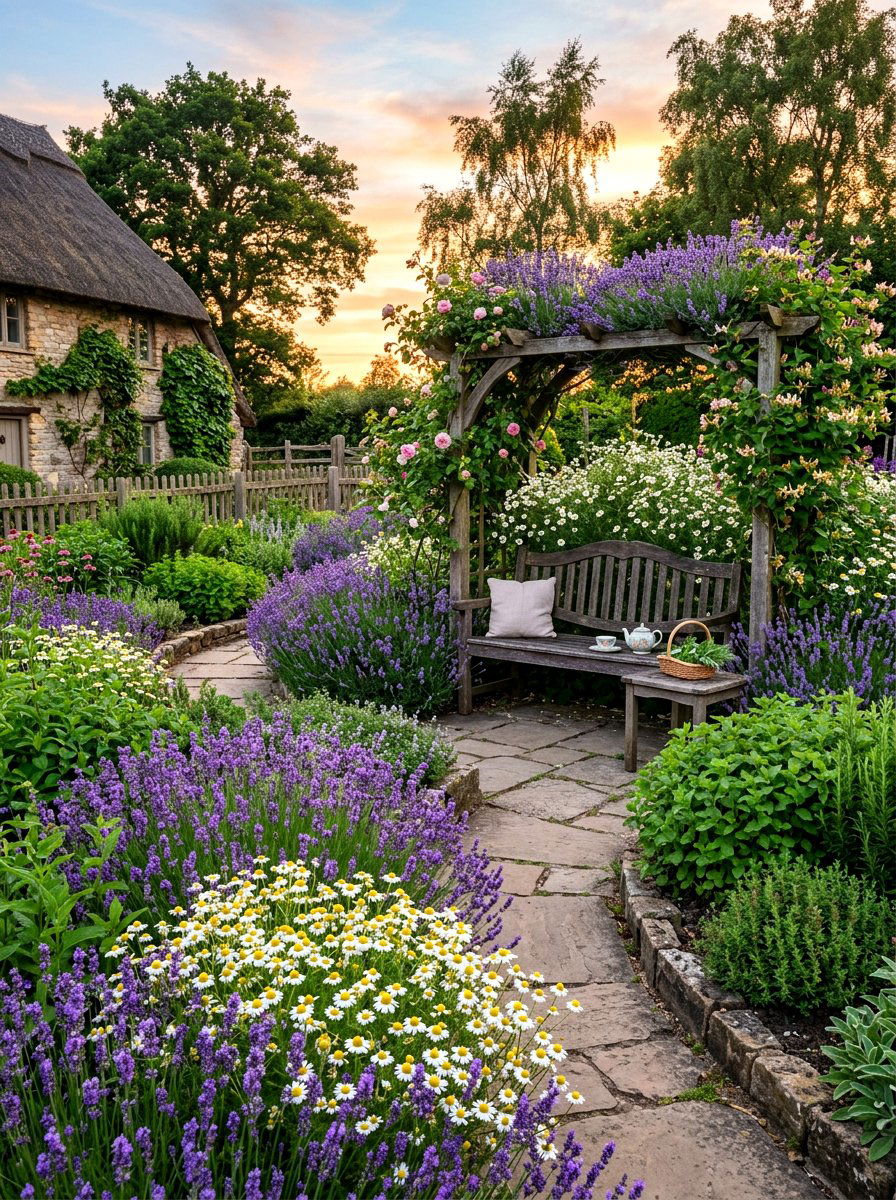
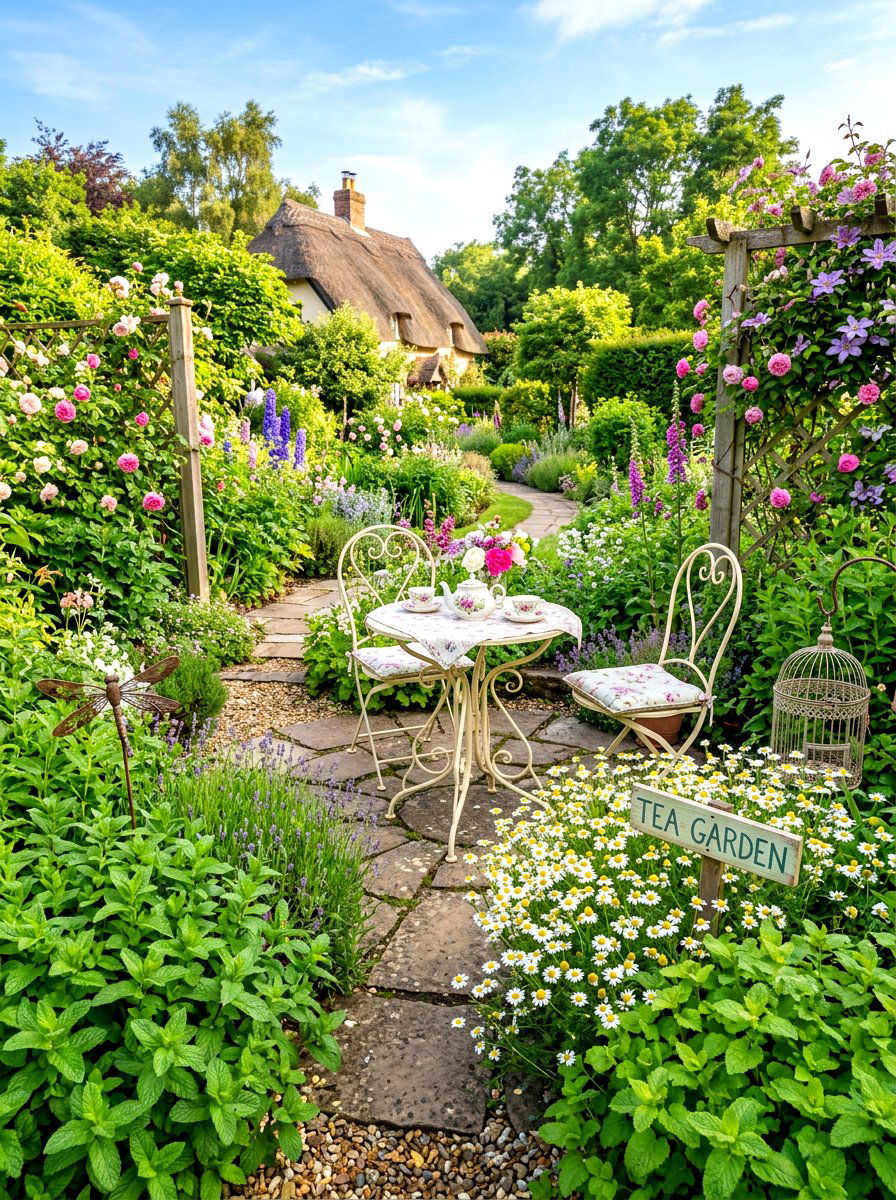
Designing a space specifically for growing ingredients for infusions is a wonderful way to create a relaxing sanctuary in your backyard. A tea herb garden features soothing plants like chamomile, lemon balm, peppermint, and lavender arranged in a peaceful, circular or oval layout. You might include a small bench or a bistro set nearby so you can enjoy the aromas while you wait for your harvest. This layout focuses on sensory appeal, using soft textures and calming colors to create a meditative atmosphere. It is a specialized garden that provides both physical beauty and a bounty of ingredients for healthy beverages.
21. Herb Knot Garden
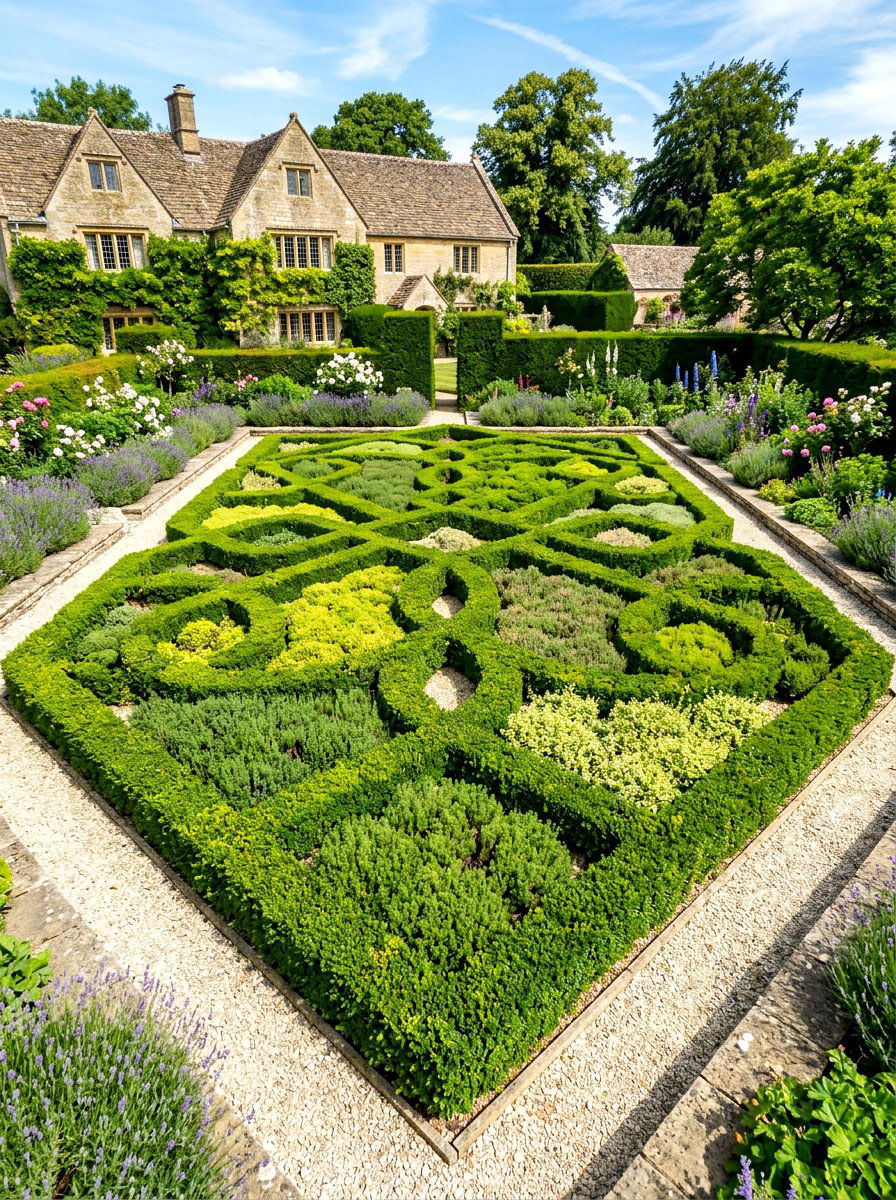
For those who want to make a bold artistic statement, a knot garden provides an intricate and highly decorative layout. This traditional design uses low-growing, evergreen herbs like boxwood, hyssop, and thyme planted in interlocking patterns that resemble a tied knot. The spaces between the "lines" of the knot are often filled with contrasting colored gravel or other herb varieties. While this layout requires more maintenance and precise pruning to keep the lines sharp, the result is a stunning architectural feature. It brings a sense of history and formal elegance to a front yard or a central garden area.
22. Balcony Railing Herb Box
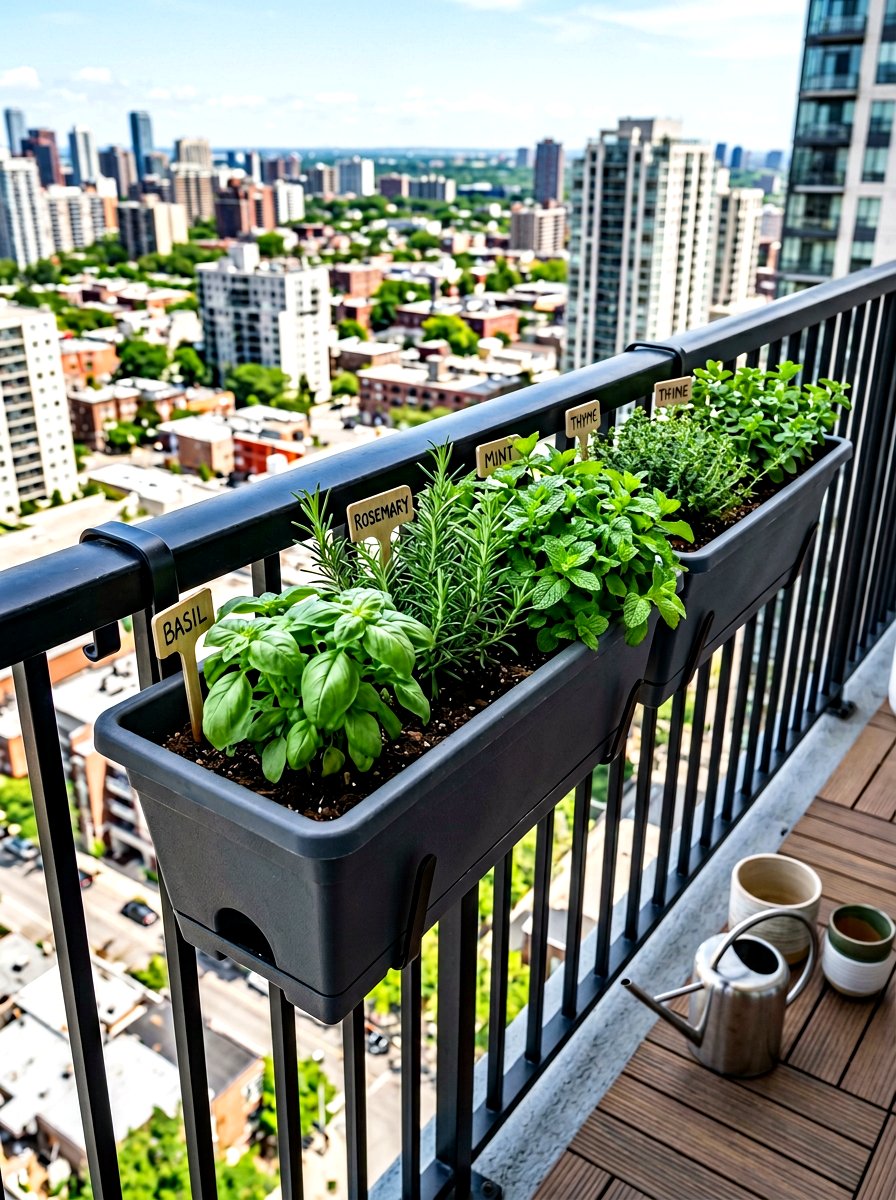
Urban gardeners can make the most of their outdoor space by utilizing the perimeter of their balcony for plant growth. A balcony railing herb box hangs securely over the edge, placing your plants at waist height for easy access. This layout ensures your herbs get maximum sunlight and airflow, which can sometimes be limited in cramped city environments. You can line the boxes with trailing rosemary or oregano to create a beautiful curtain of green that softens the look of metal or concrete railings. It is an efficient way to turn a small balcony into a productive and inviting mini-oasis.
23. Stacked Crate Herb Garden
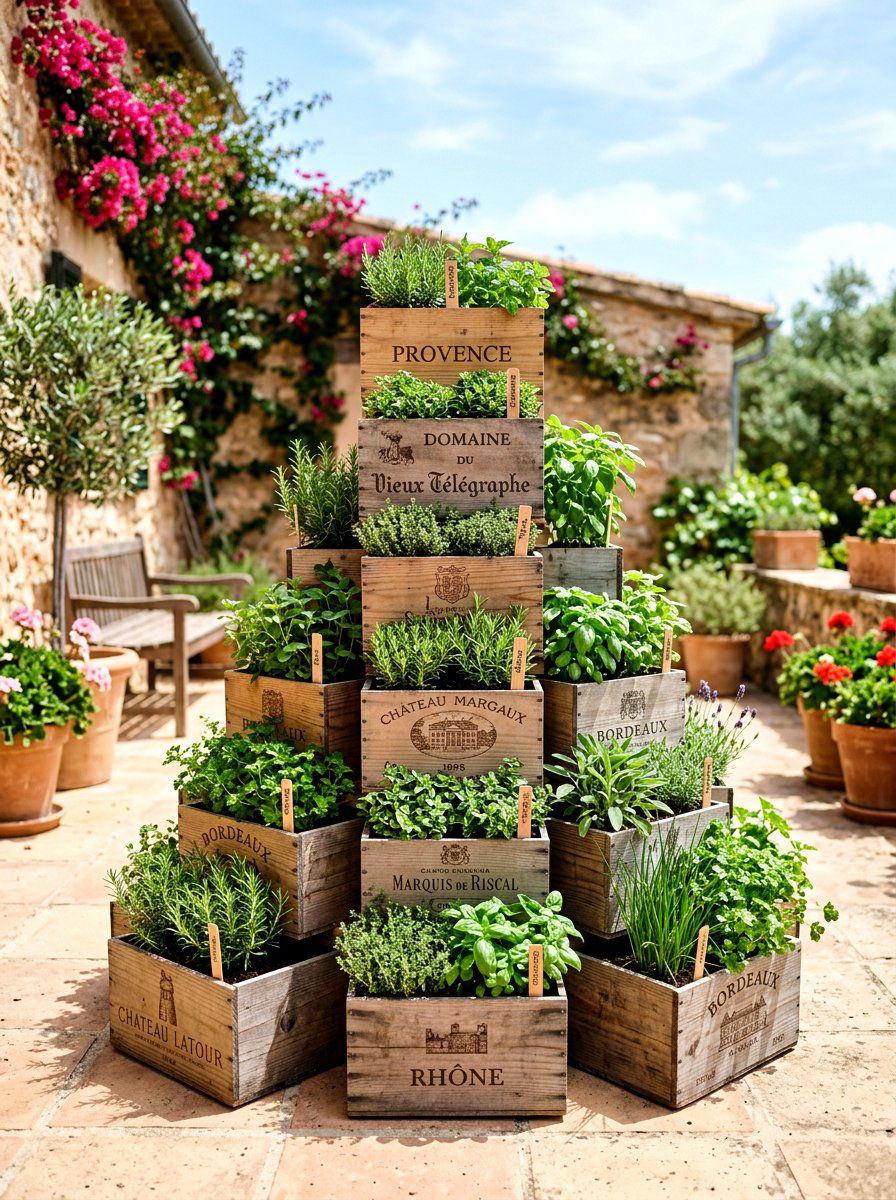
Using vintage wooden crates to create a multi-level display adds a sense of history and rustic charm to your patio layout. A stacked crate herb garden involves arranging several crates in a staggered or pyramid formation to create different planting pockets. This design is highly customizable and can be expanded or shrunk depending on how many herbs you want to grow. You can label each crate with chalk to keep track of your varieties. The deep boxes provide plenty of room for roots to grow, making this a great option for larger herbs like sage or perennial rosemary bushes.
24. Herb Garden Pathway
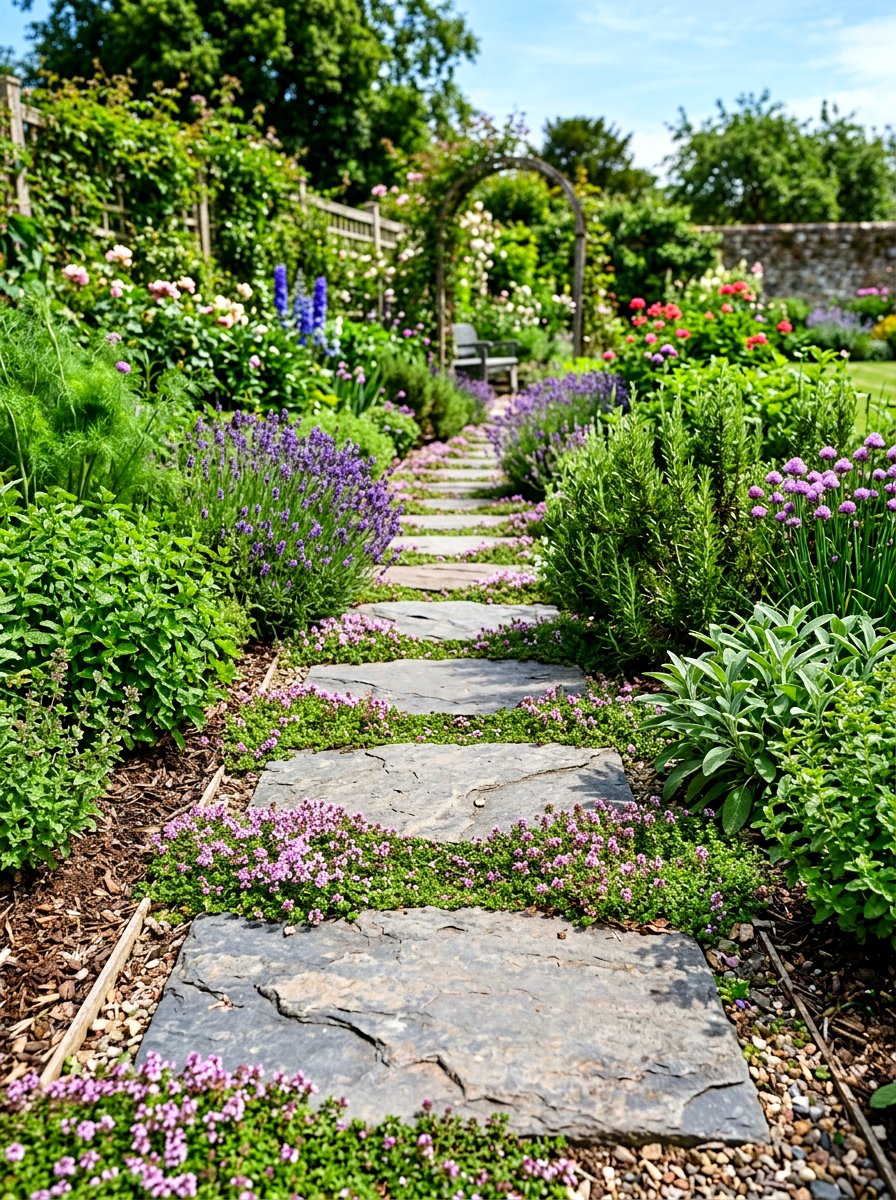
Turning a simple walkway into an edible journey makes moving through your yard a much more engaging experience. An herb garden pathway involves planting fragrant, low-growing varieties directly between stepping stones or along the edges of a gravel path. Creeping thyme is a favorite for this layout because it can handle light foot traffic and releases a wonderful scent when stepped upon. This design softens the hard lines of your landscaping and integrates your garden into your daily movements. It turns a functional path into a beautiful and aromatic feature that enhances the overall atmosphere of your outdoor living space.
25. Shade Herb Garden
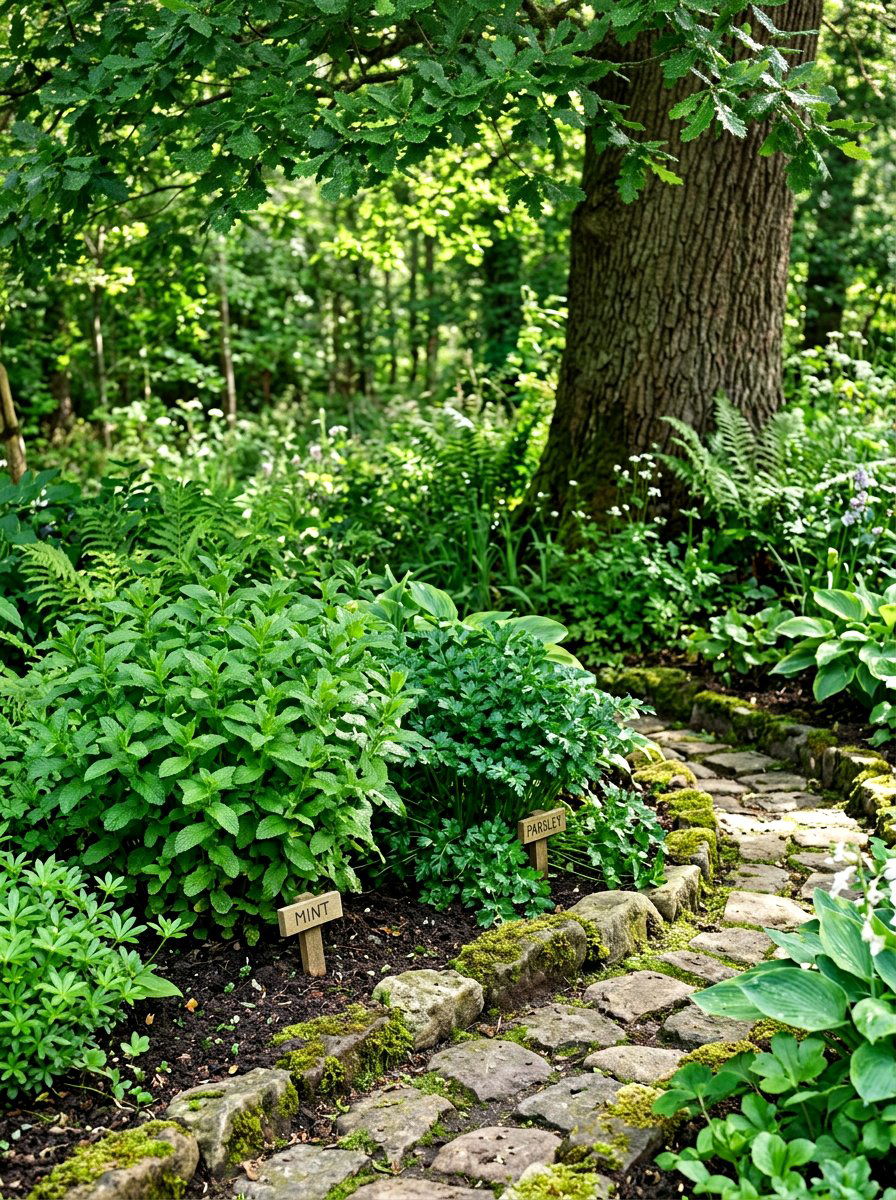
Do not let a lack of direct sunlight stop you from growing your own flavors, as many plants actually prefer cooler conditions. A shade herb garden layout focuses on varieties like mint, parsley, chervil, and lemon balm that thrive in dappled light or partial shade. These areas often stay moister than sunny spots, so this layout is great for moisture-loving plants. You can use light-colored stones or bright green foliage to help illuminate a darker corner of your yard. Placing this garden under a large tree or near a north-facing wall creates a lush, cool retreat that remains productive all summer.
26. Greenhouse Herb Bench
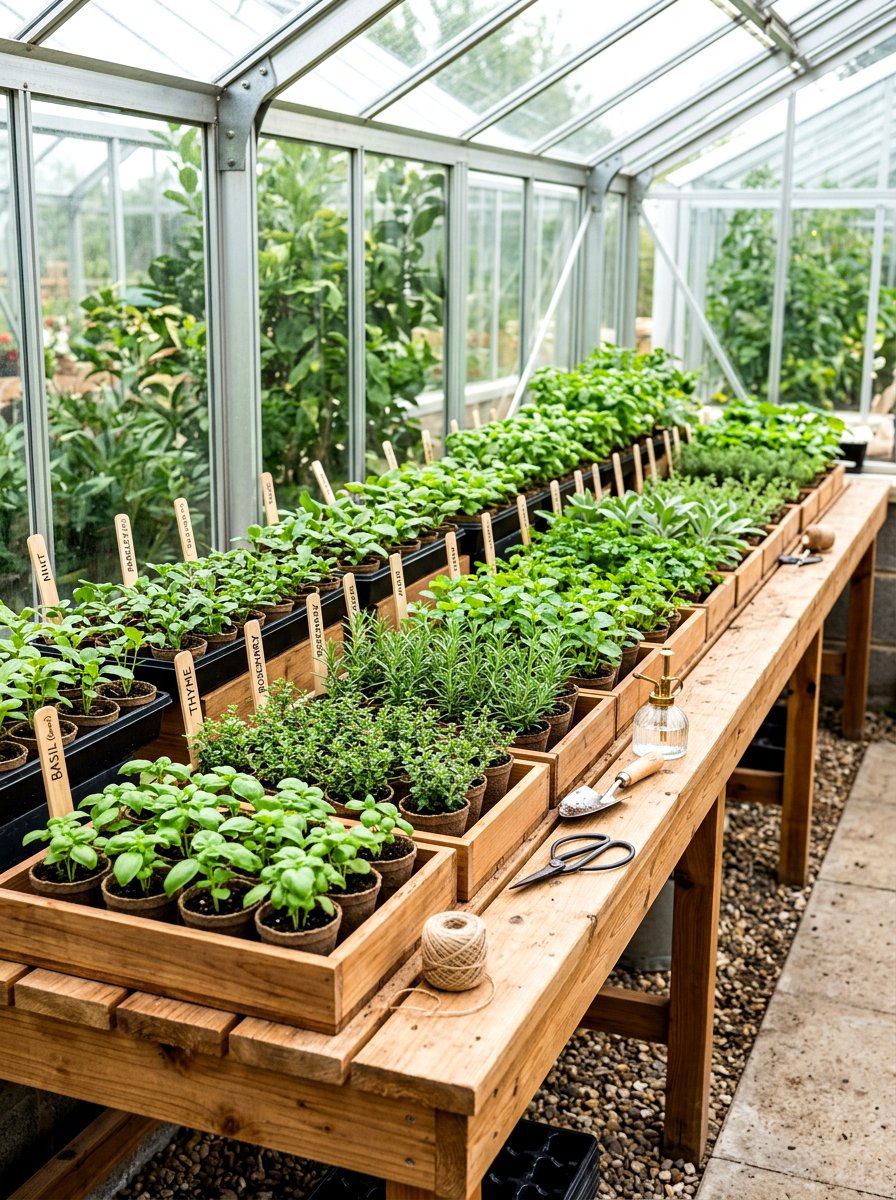
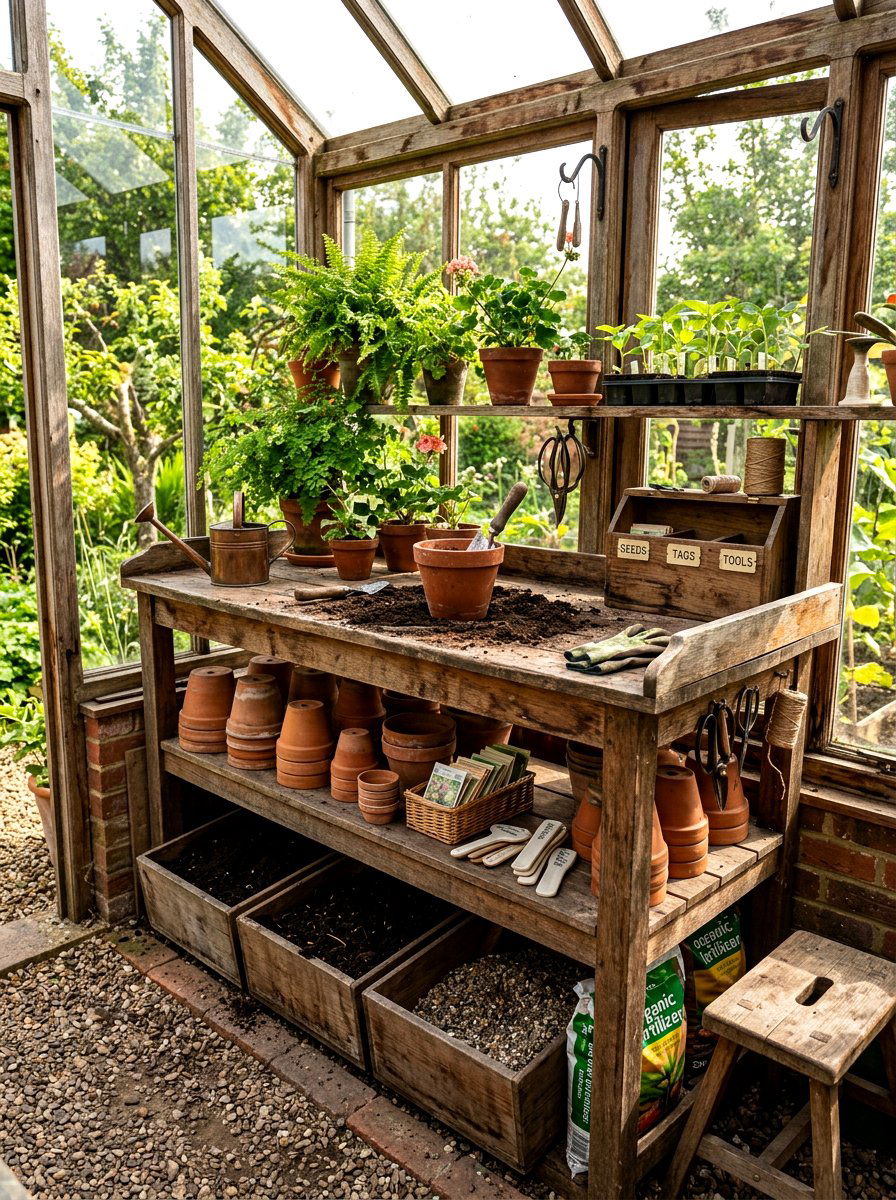
If you want to extend your growing season into the colder months, a dedicated bench within a glass or plastic enclosure is the way to go. A greenhouse herb bench provides a controlled environment where you can start seeds early and keep sensitive plants safe from frost. This layout typically features a long wooden or metal table with trays of different herb starts arranged in tidy rows. The warmth and humidity of the greenhouse encourage rapid growth and high yields. It is a fantastic setup for serious gardeners who want to maintain a constant supply of fresh herbs throughout the entire year.
27. Wall Mounted Herb Pot
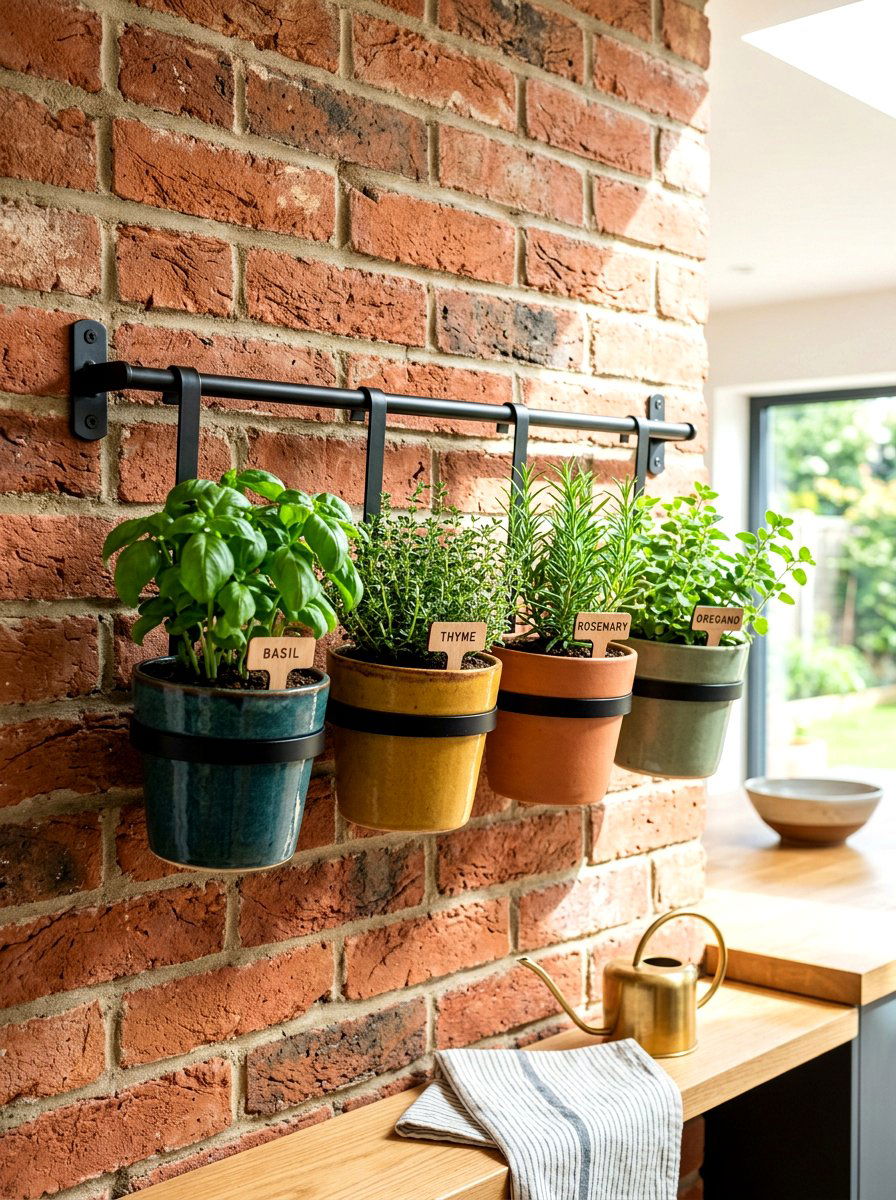
Using individual rings or brackets to secure pots directly to a vertical surface allows for a clean and modern gardening aesthetic. A wall mounted herb pot layout creates a modular garden where you can easily rearrange or replace plants as needed. This design works exceptionally well on a wooden fence or a brick patio wall, turning a flat surface into a functional focal point. By spacing the pots evenly, you create a sense of rhythm and order that looks very professional. It keeps your herbs away from pets and at a convenient height for snipping leaves while you are outside grilling.
28. Ground Cover Herb Garden
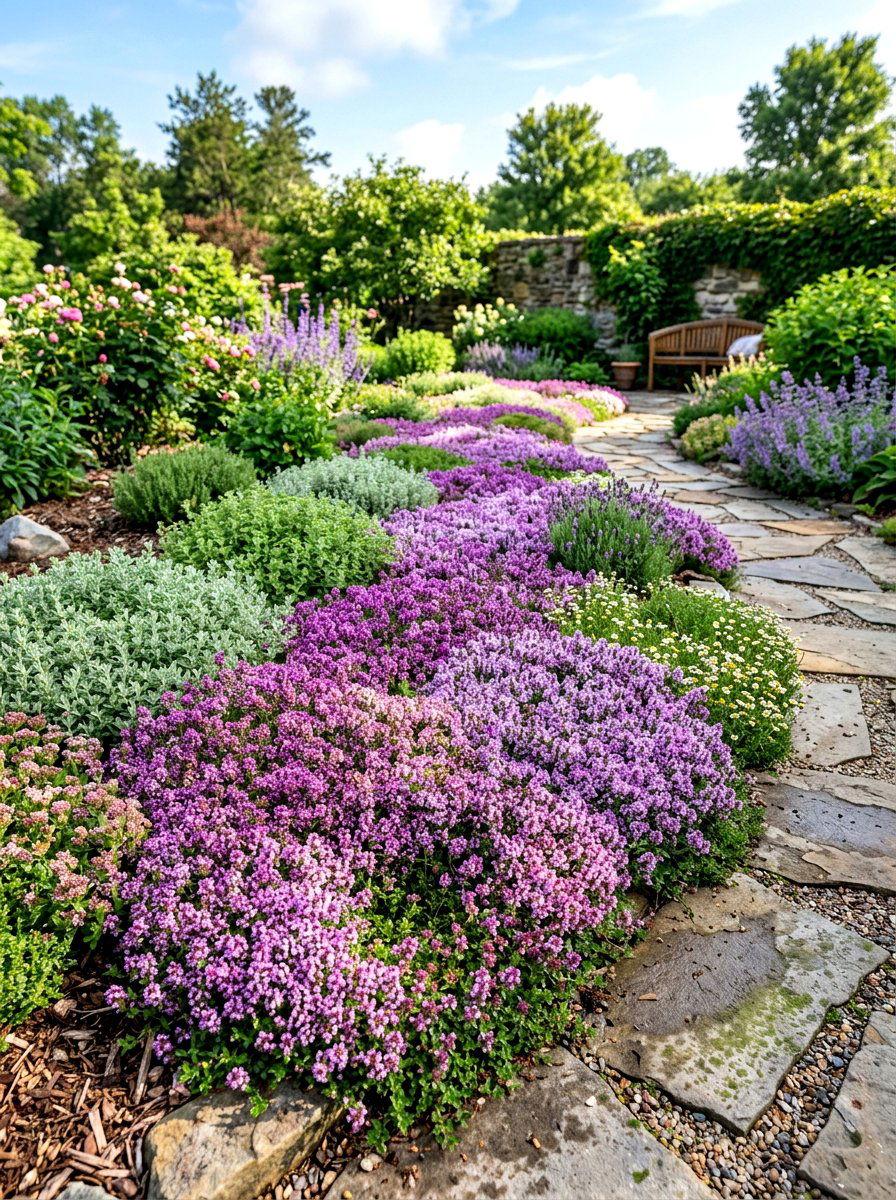
Instead of using traditional mulch or grass, you can use edible plants to fill in large areas of your landscape. A ground cover herb garden utilizes low-spreading varieties like creeping oregano or various types of thyme to create a thick carpet of green. This layout is excellent for suppressing weeds and retaining soil moisture, making it a very practical choice for large beds. During the summer, these ground covers often produce tiny flowers that attract bees and butterflies to your yard. It is a beautiful way to make your landscaping more productive while reducing the need for constant weeding and maintenance.
29. Mediterranean Herb Garden
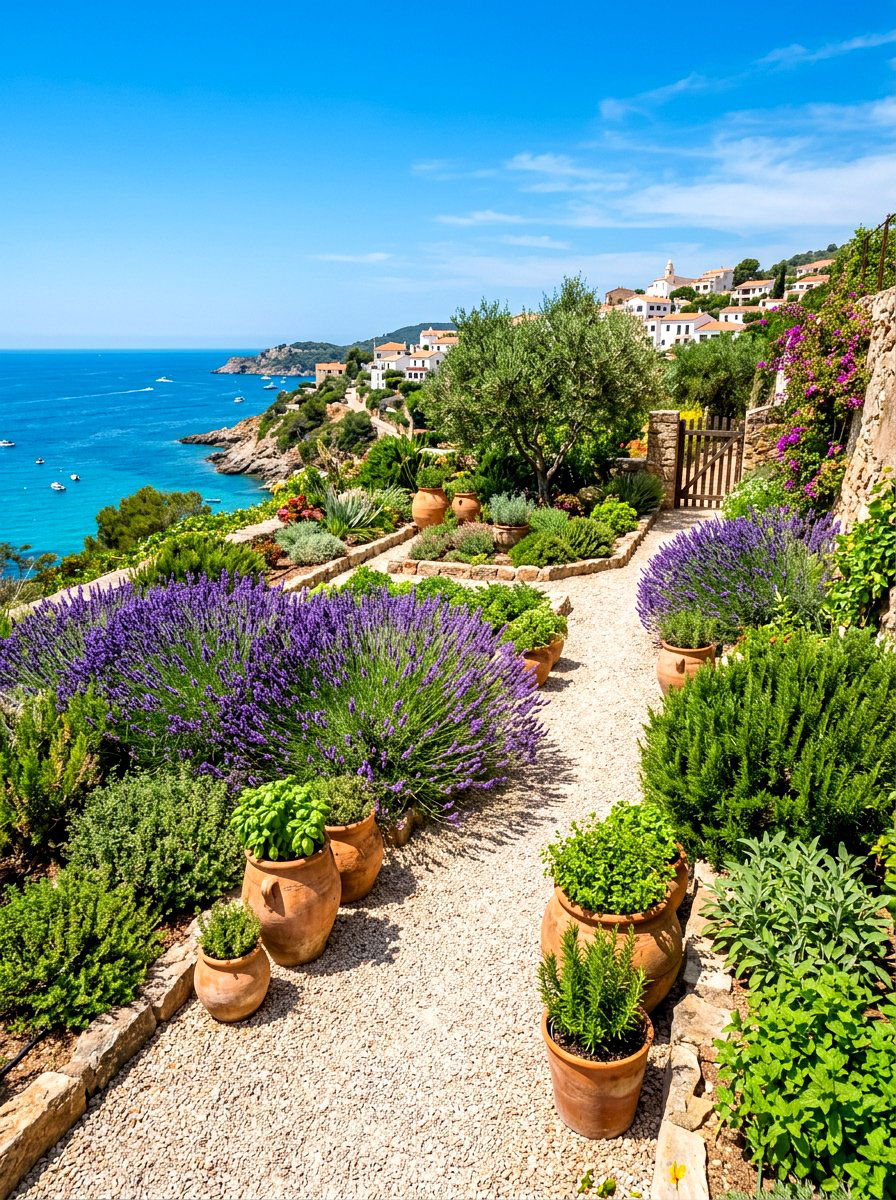
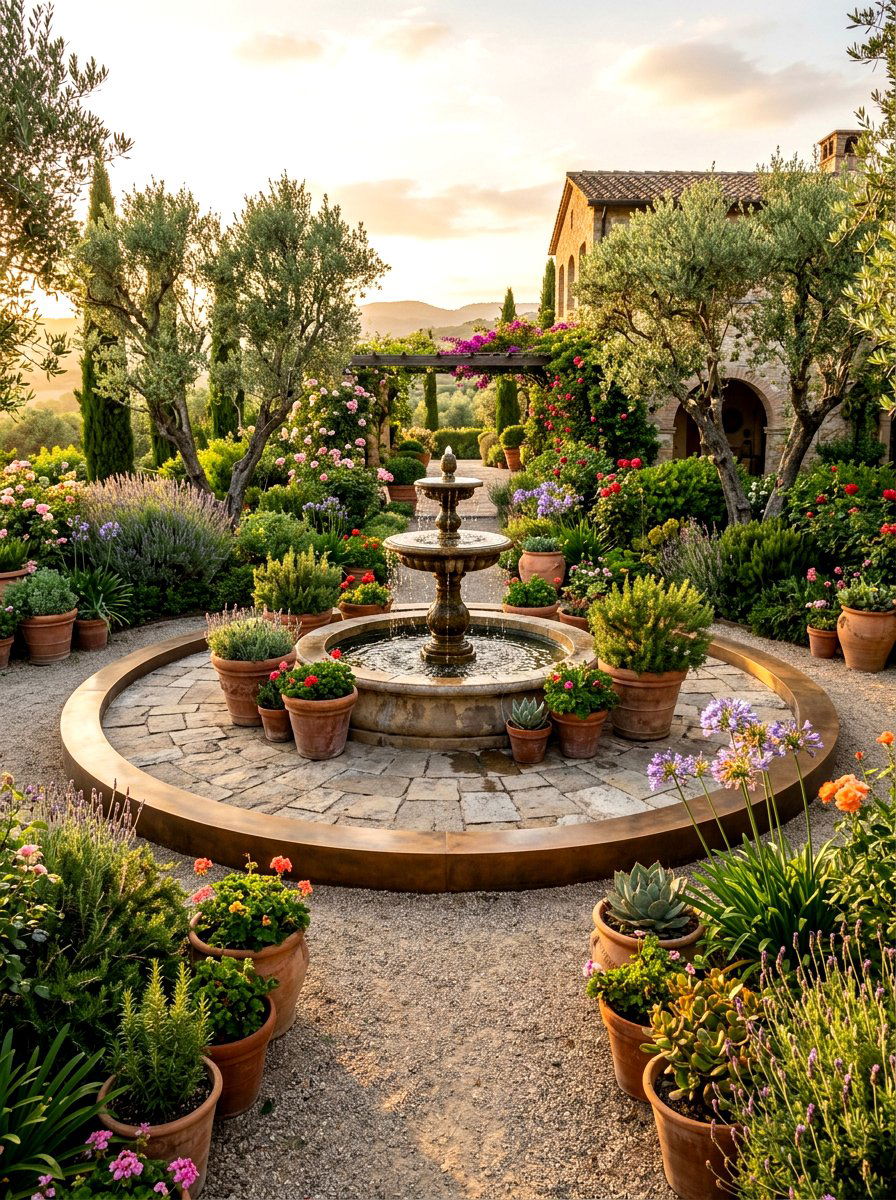
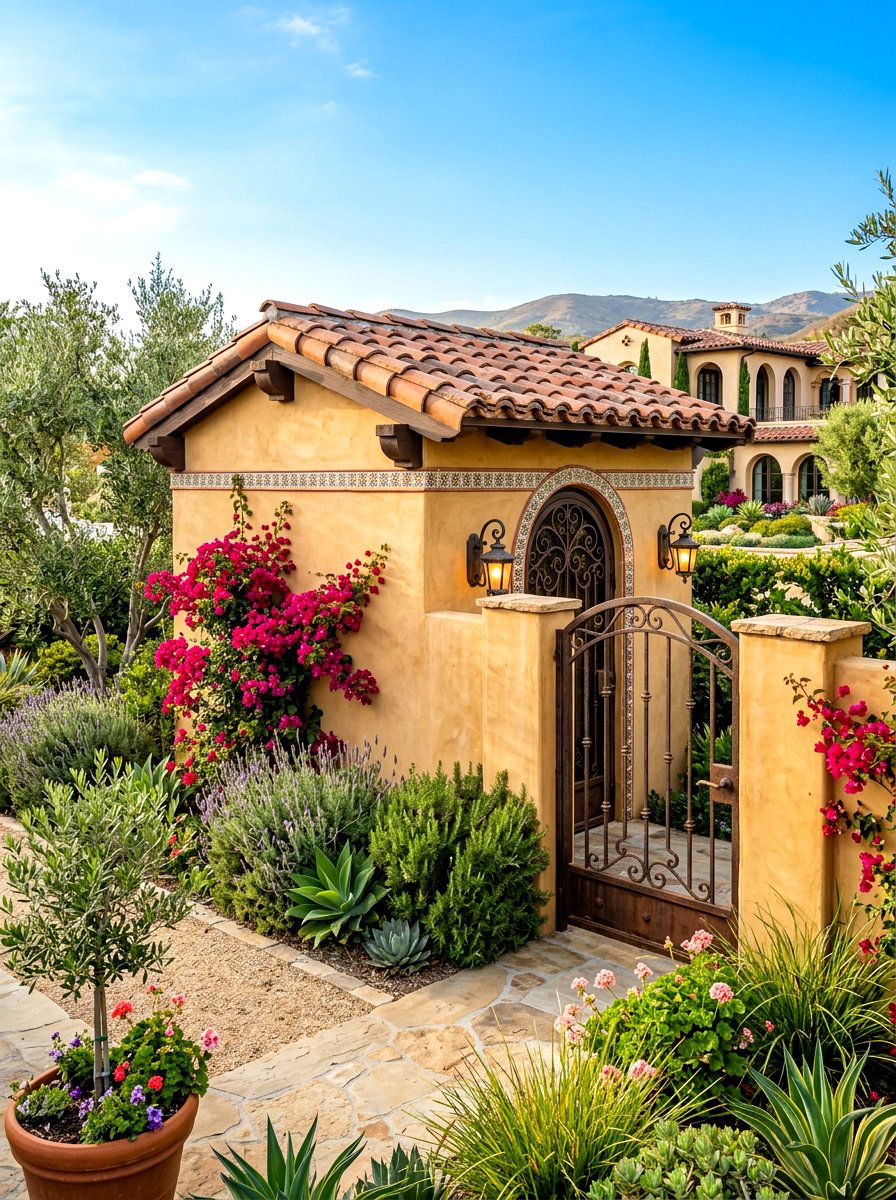
Creating a dry, sun-baked area that mimics the coastal regions of Europe is the best way to grow robust and flavorful woody herbs. A Mediterranean herb garden layout features gravel mulch, terracotta pots, and plenty of light to keep plants like lavender, rosemary, and sage happy. These plants dislike "wet feet, " so this design focuses on excellent drainage and minimal organic matter in the soil. The silvery foliage and purple blooms of these varieties create a sophisticated and drought-tolerant landscape. This layout is perfect for busy homeowners because once established, these herbs require very little water or attention to thrive.
30. Hydroponic Herb Garden
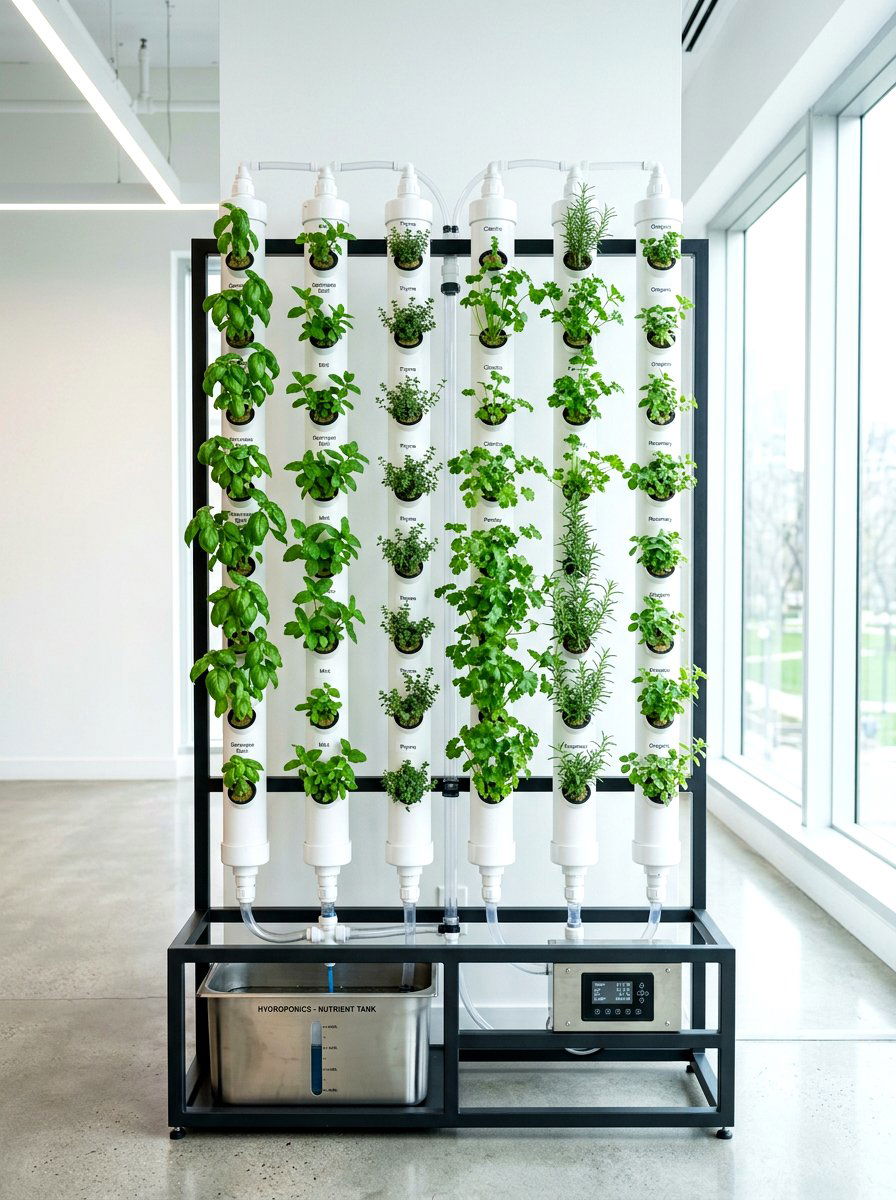
Embracing modern technology allows you to grow a massive amount of produce in a very small space without any soil at all. A hydroponic herb garden uses nutrient-rich water circulated through tubes or trays to feed the plants directly at the root. This layout can be set up indoors on a kitchen counter or vertically in a garage or basement. Because the plants do not have to search for nutrients, they often grow much faster and produce more oil than soil-grown varieties. It is a clean, pest-free way to garden that is perfect for tech-savvy individuals living in urban apartment settings.
Conclusion:
Building your own herb garden is a journey that connects you to your food and enhances your home 's natural beauty. From the structured elegance of a formal knot garden to the space-saving utility of a vertical wall, there is a layout that fits every lifestyle and budget. By choosing the right configuration for your specific environment, you ensure that your plants will thrive and provide you with a bountiful harvest for seasons to come. Remember to start small if you are a beginner and gradually expand your collection as you become more comfortable with each herb' s unique needs. Happy gardening and enjoy your fresh, homegrown flavors!

Related posts: