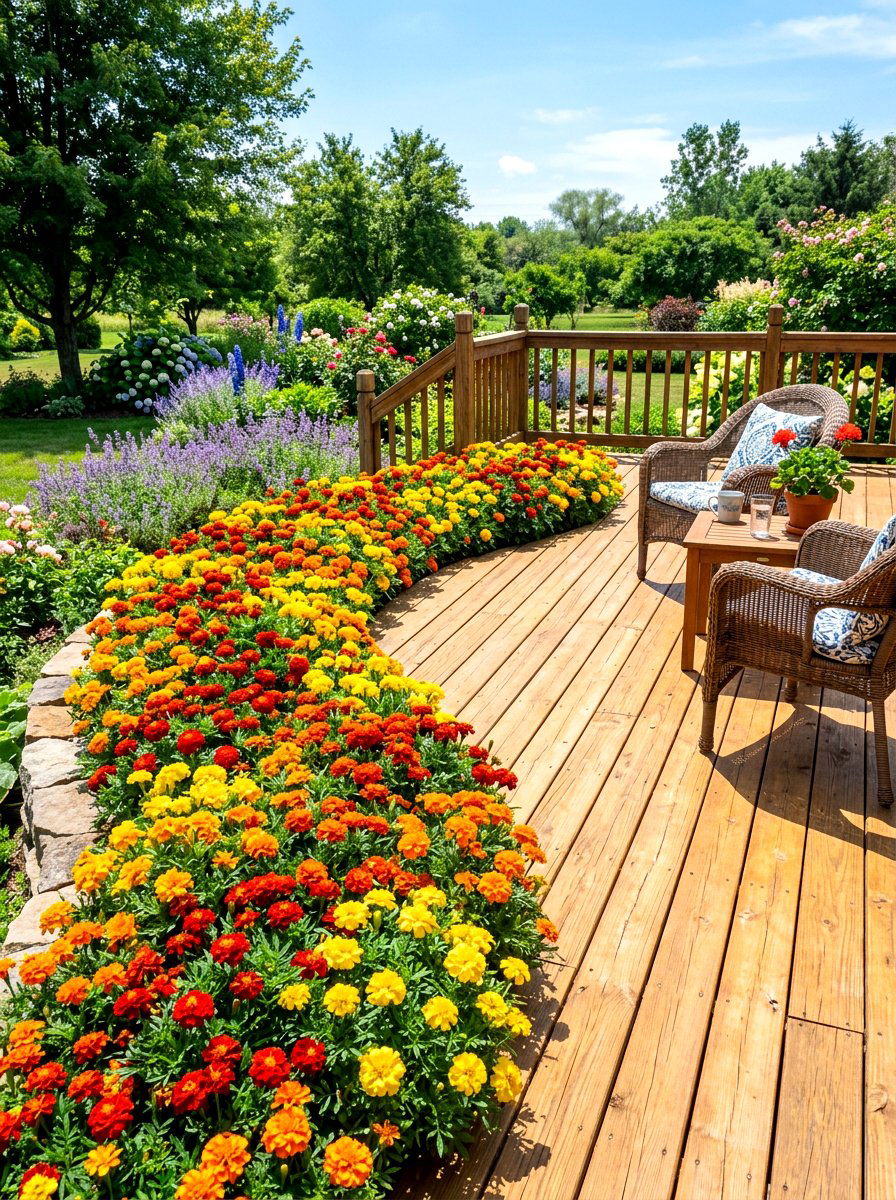
Creating a beautiful landscape often begins with the perfect frame for your flower beds and pathways. Rock borders offer a timeless, durable, and natural way to define different zones in your yard while adding significant visual appeal. Whether you are aiming for a sleek modern look or a rugged woodland aesthetic, the variety of stones available ensures a perfect match for any home style. Using rocks as edging not only helps keep mulch and soil in place but also provides a low-maintenance solution that withstands the elements year after year. From smooth river stones to dramatic boulders, these ideas will help you transform your outdoor space into a polished, professional-looking oasis that neighbors will surely envy.
1. River Rock Border
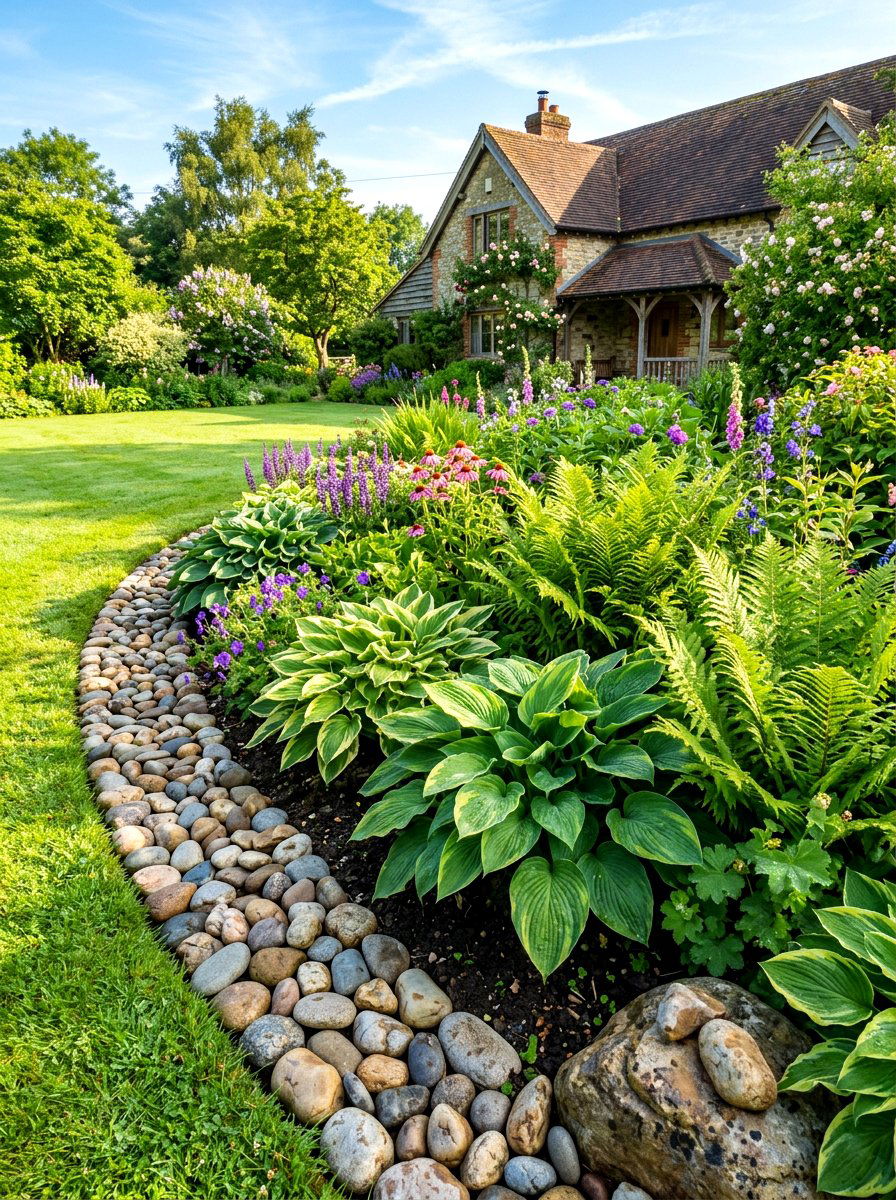
River rocks are a classic choice for homeowners seeking a soft and organic look for their flower beds. These smooth, water-worn stones come in a beautiful palette of grays, tans, and blues that complement lush green foliage perfectly. Because they are naturally rounded, they create a gentle transition between your lawn and planting areas. You can install them by digging a shallow trench and filling it with stones of varying sizes to mimic a natural dry creek bed. This style is particularly effective for managing drainage during heavy rains while keeping your mulch from washing away into the grass. It offers a serene, tranquil vibe that enhances any traditional or contemporary garden space.
2. Flagstone Garden Edging
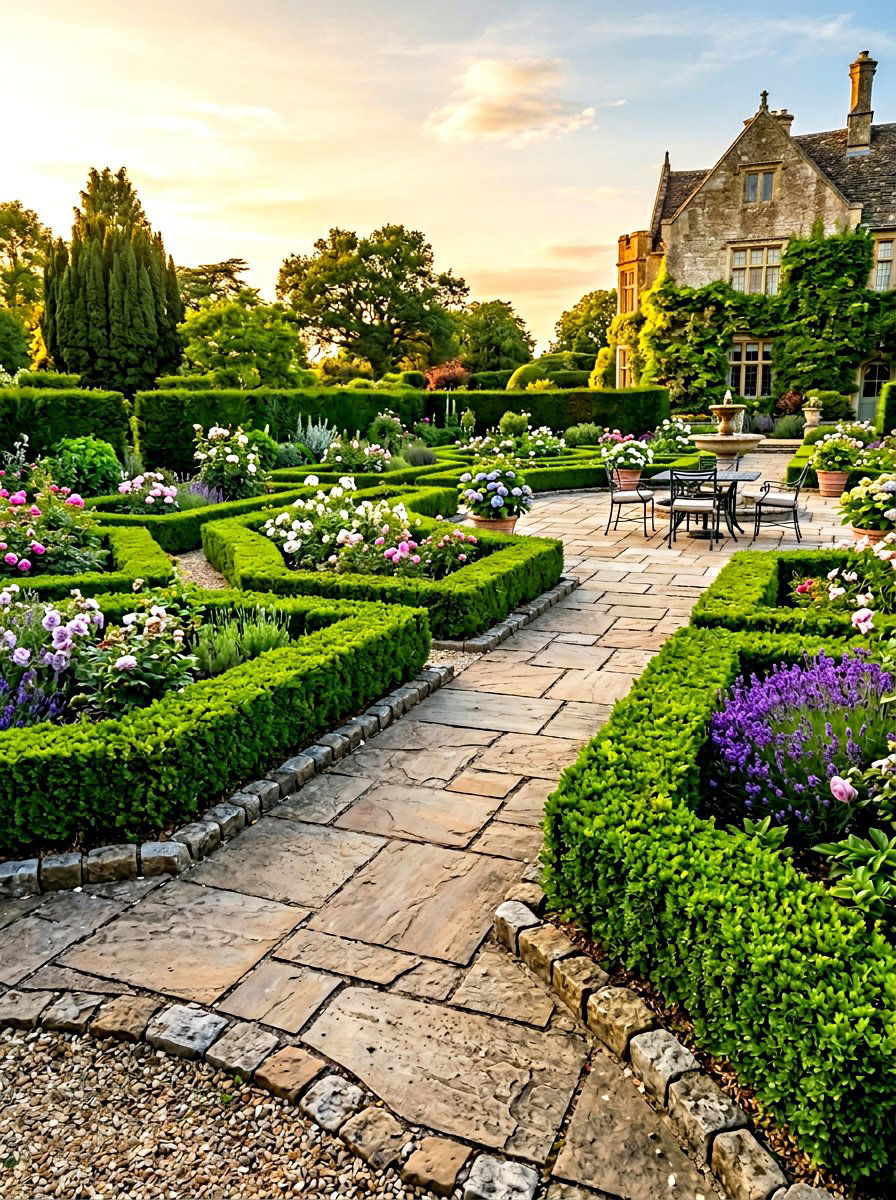
Flagstone is an excellent material for creating a flat and very structured border that looks incredibly high-end. Have you ever noticed how clean a garden looks when the edges are perfectly defined by layered stone? These large, flat pieces can be stacked vertically or laid flat to create a wide, walkable boundary. Flagstone comes in many earthy tones, including slate blue and warm sandstone, allowing you to coordinate with your home’s exterior. It is incredibly durable and heavy, meaning the stones will stay in place even in high-traffic areas. This type of edging works beautifully in formal landscapes where clean lines and sophisticated textures are the primary design goal.
3. Lava Rock Bed
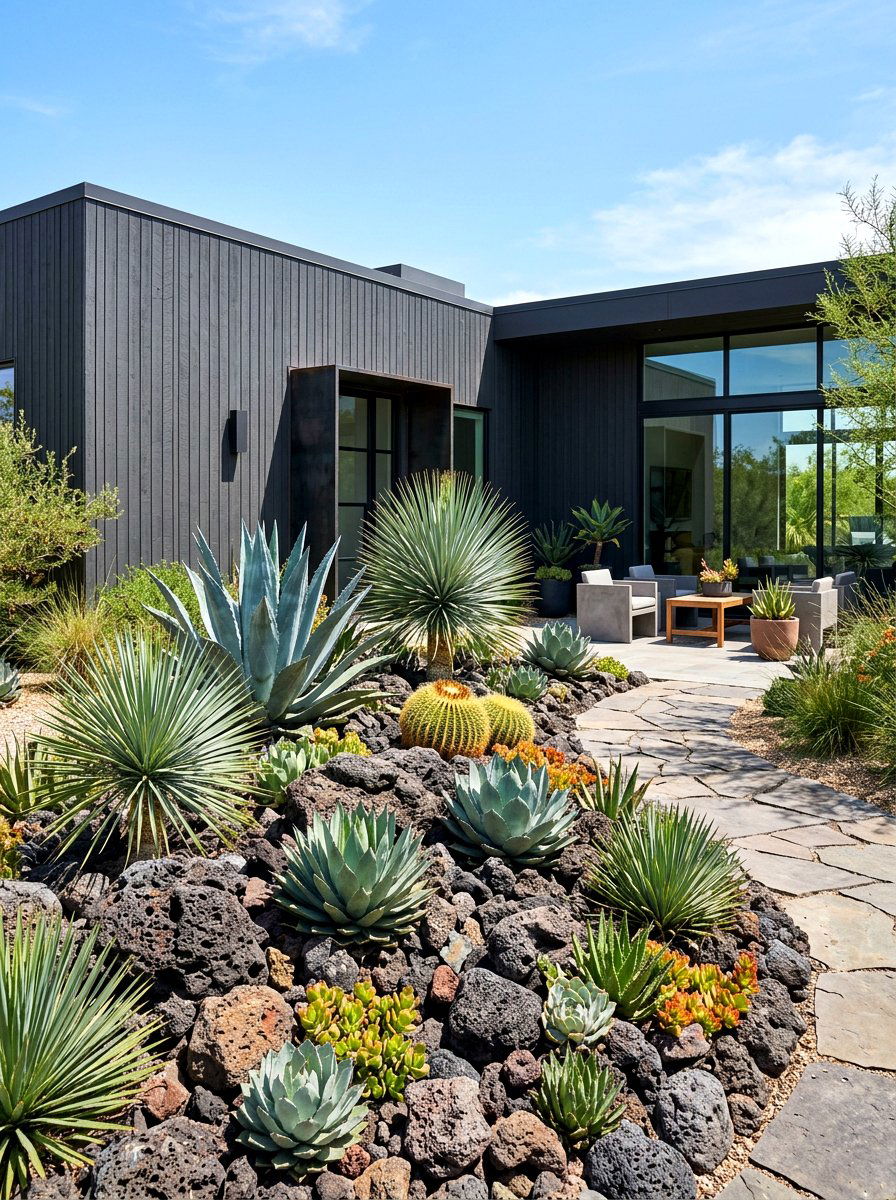
Lava rock provides a bold and modern aesthetic thanks to its unique porous texture and deep color options. Typically available in striking shades of red or black, these volcanic rocks create a high-contrast look when placed next to vibrant green turf. They are lightweight compared to traditional stones, making them much easier to handle during the installation process. Beyond their visual impact, lava rocks are excellent at retaining moisture in the soil, which helps your plants thrive during the hot summer months. Because they do not decompose like wood mulch, they offer a permanent solution for garden borders. This material is ideal for xeriscaping or contemporary minimalist garden designs.
4. Slate Stone Border
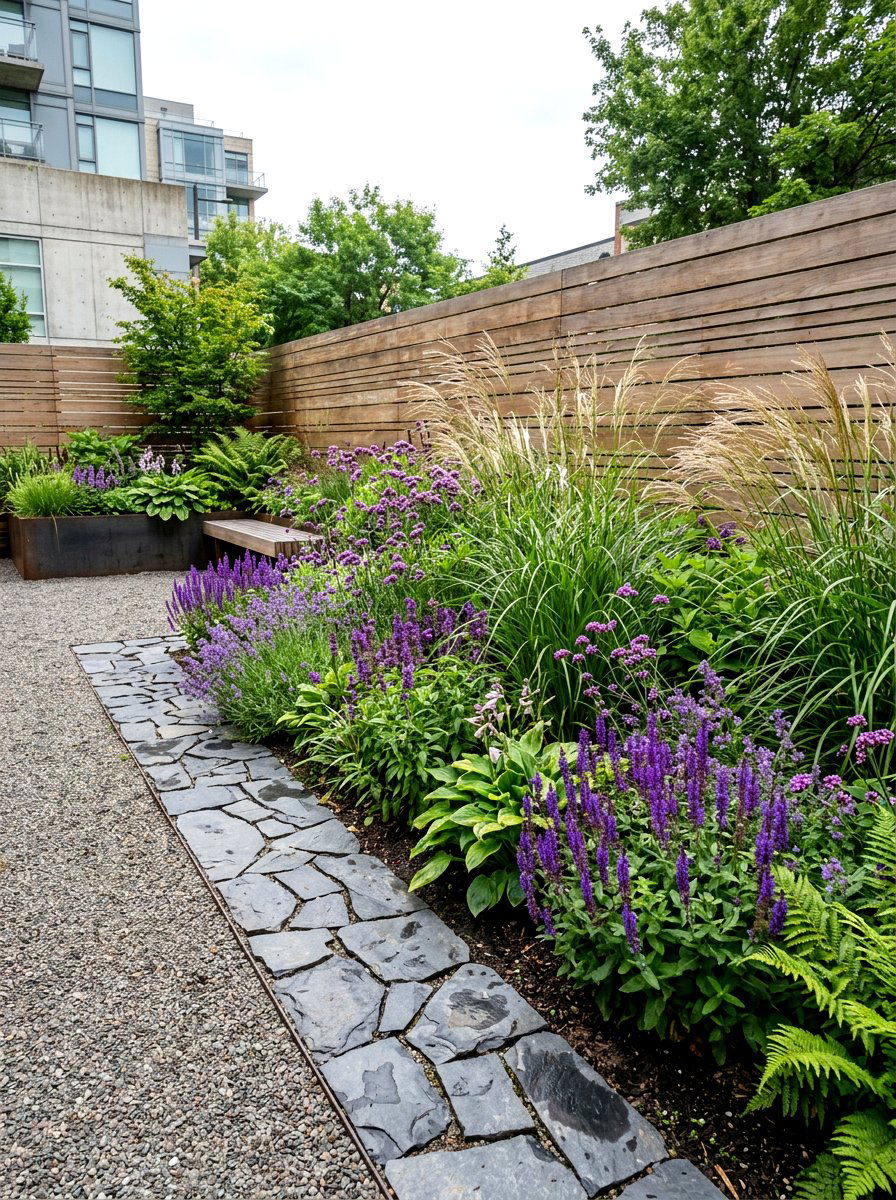
Slate stone is prized for its sleek, layered appearance and dark, sophisticated color palette. If you want a garden border that looks modern and expensive, slate chips or flat slate pieces are the way to go. The deep charcoal and purple hues of slate provide a dramatic backdrop for bright flowers and ornamental grasses. You can use large slate slabs standing on their ends to create a sharp, vertical boundary or spread slate mulch for a flatter look. Because slate is a metamorphic rock, it resists fading from the sun and maintains its rich color for many decades. It is a fantastic choice for defining modern urban garden beds.
5. Pebble Garden Edge
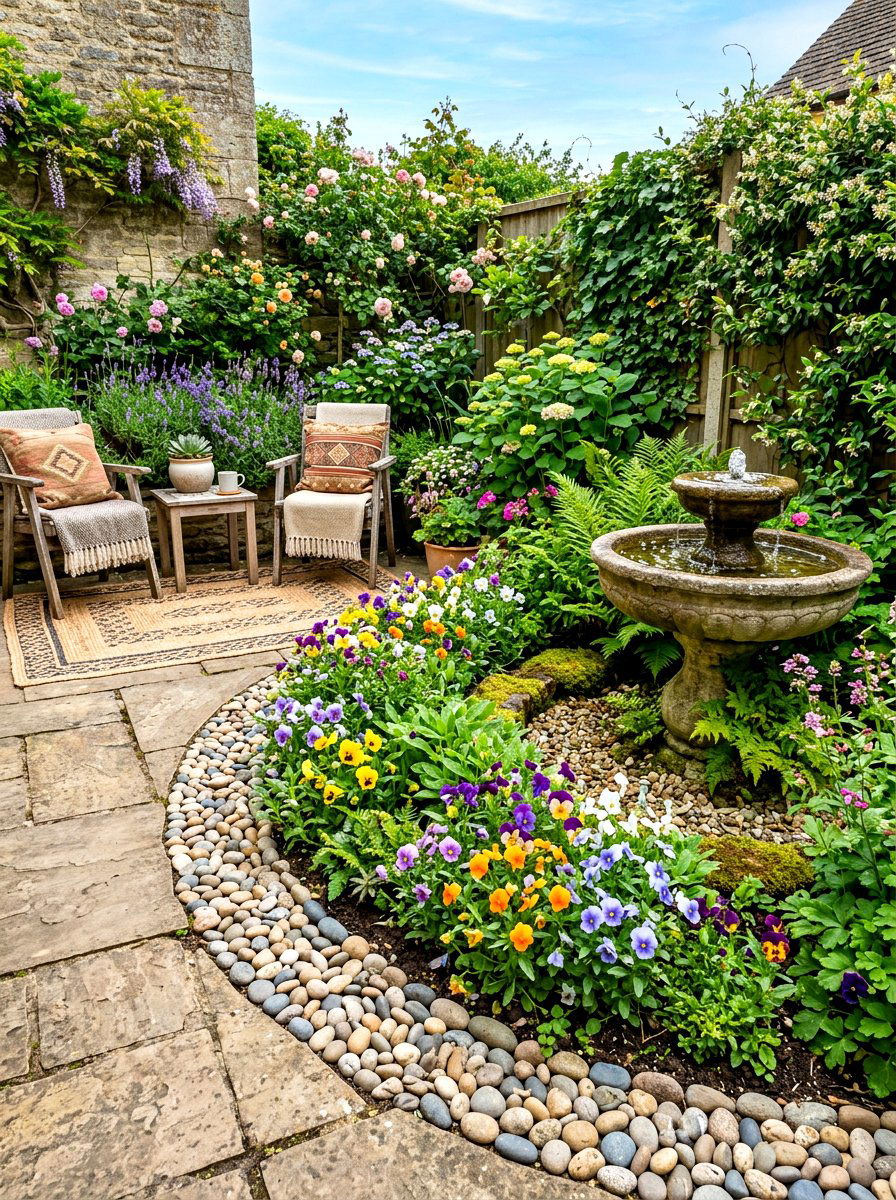
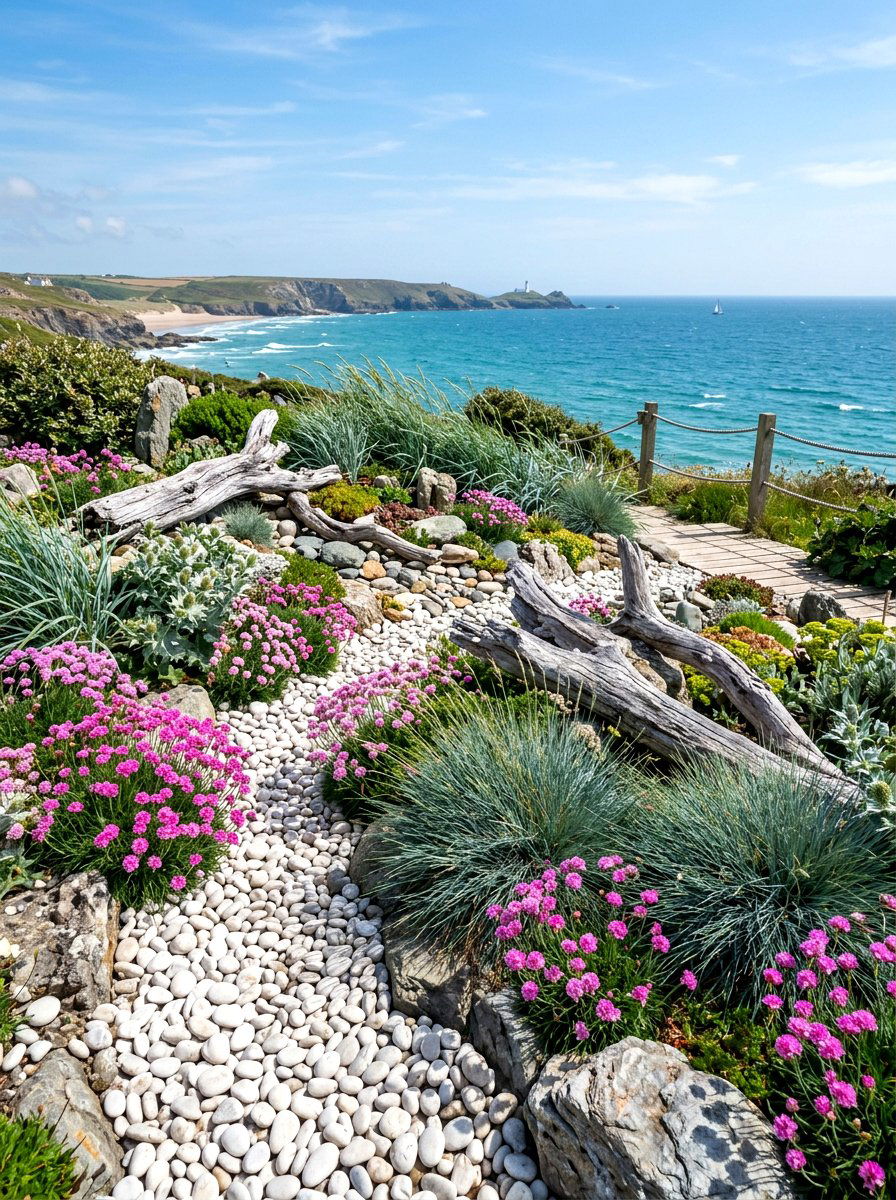
Pebbles offer a delicate and refined look that is perfect for smaller garden beds or narrow pathways. These tiny, smooth stones come in various colors, including pure white, polished black, and multi-colored Earth tones. A pebble border creates a crisp, clean line that prevents grass from encroaching on your delicate flowers. Many homeowners love using white pebbles to brighten up shady areas of the yard where light is limited. They are easy to distribute and can be refreshed quickly if they ever get displaced. This style is often found in Zen gardens or small patio planters where a soft, tactile aesthetic is desired for the landscape.
6. Boulder Garden Boundary
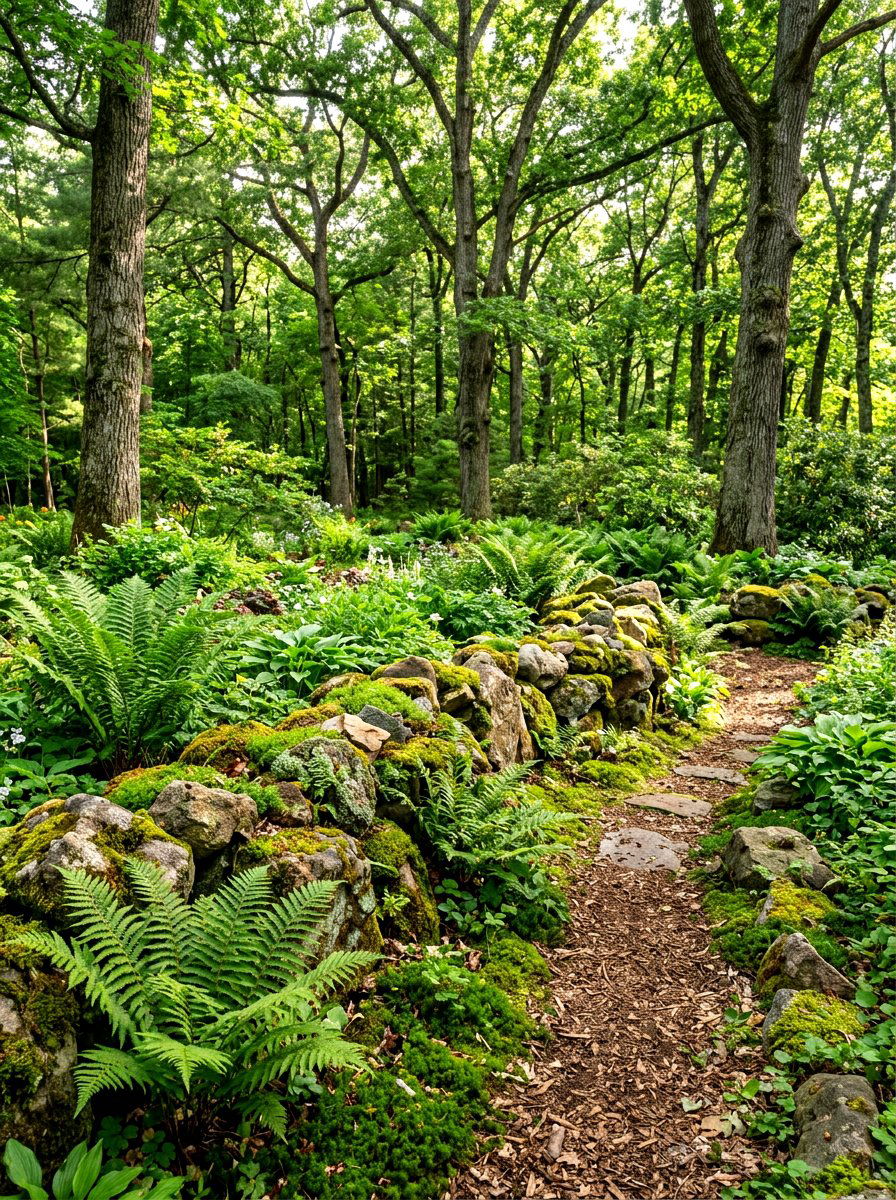
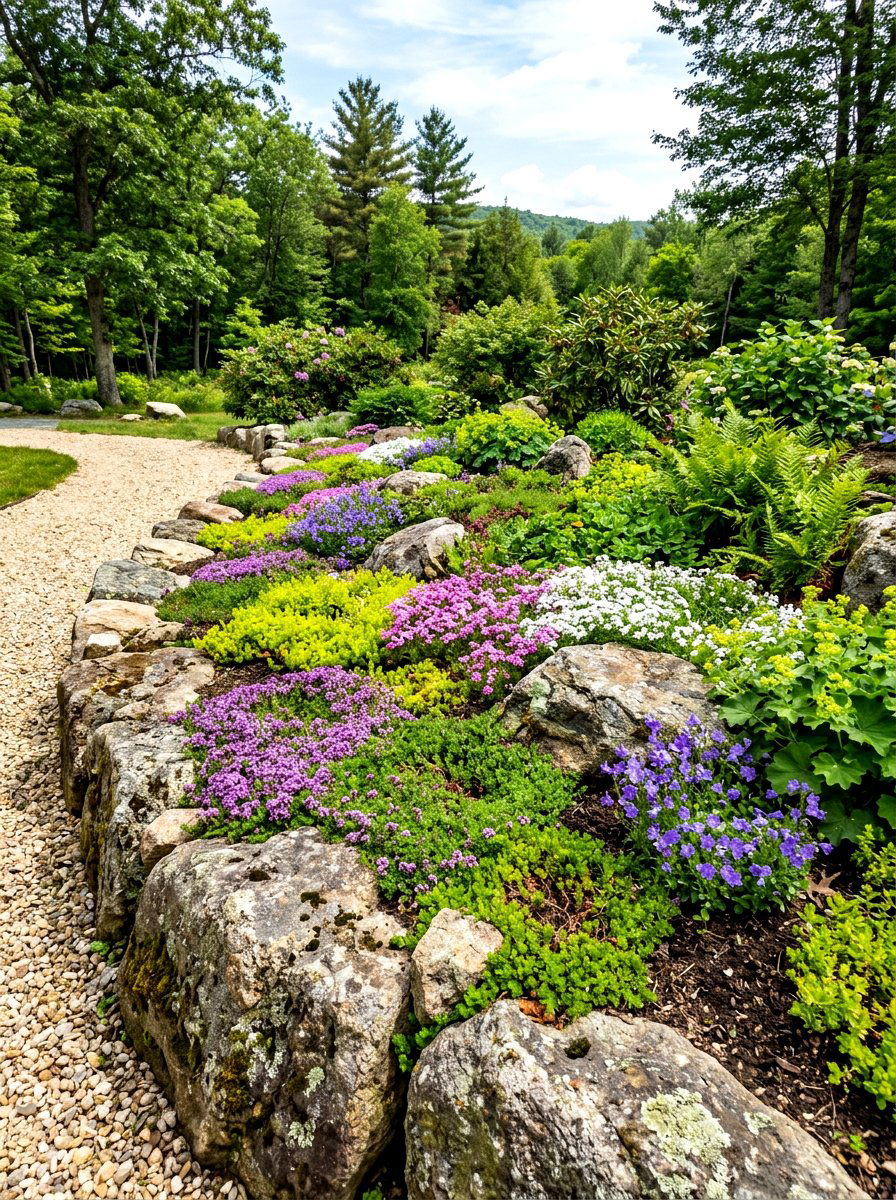
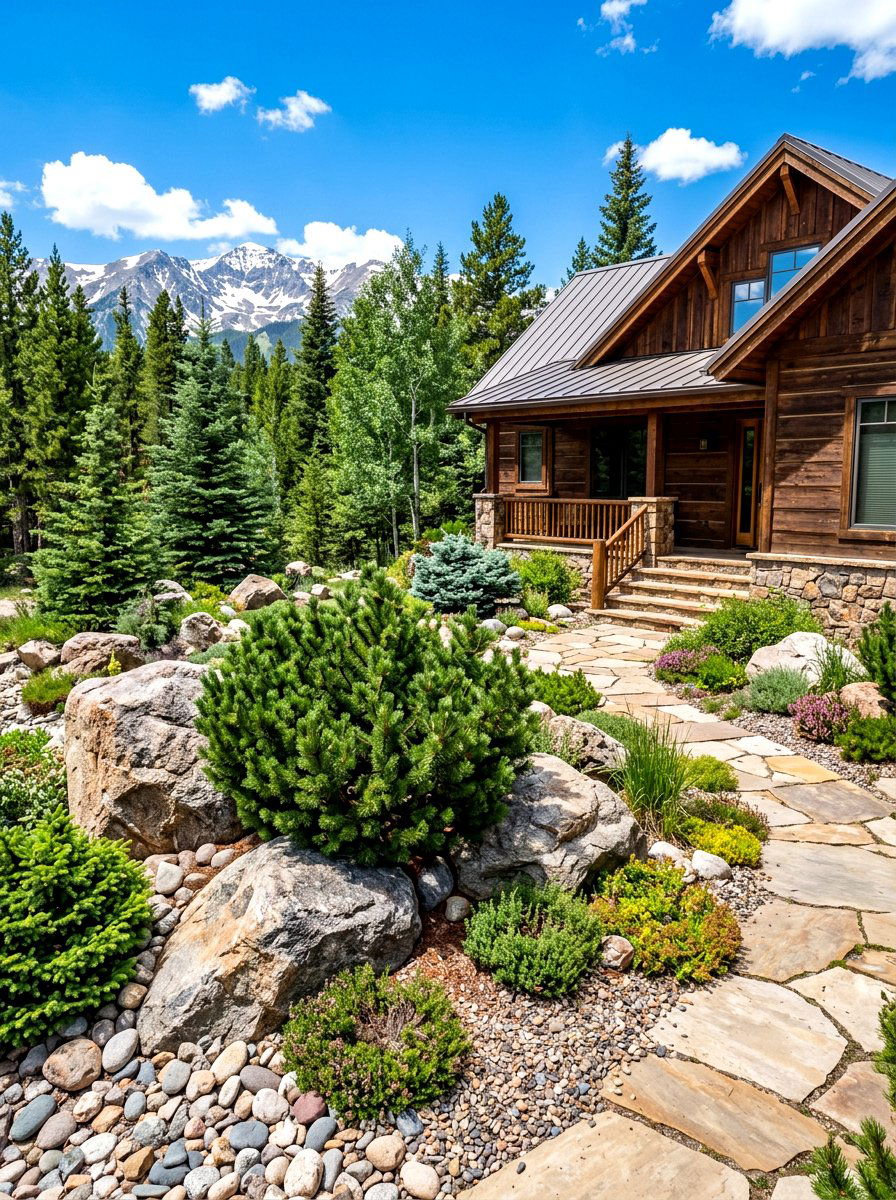
Using large boulders as a garden border creates a dramatic and rugged look that mimics the natural wilderness. Instead of a small, thin line, these massive stones act as anchors for your entire landscape design. You can nestle them into the soil to make them look like they have been there for centuries. Boulders work best in larger yards where they can provide a sense of scale and permanence. They are also incredibly effective at holding back soil on sloped areas, acting as a mini-retaining wall. This approach is perfect for a cottage-style home or a woodland garden where you want a very rustic, unrefined appearance.
7. Limestone Garden Wall
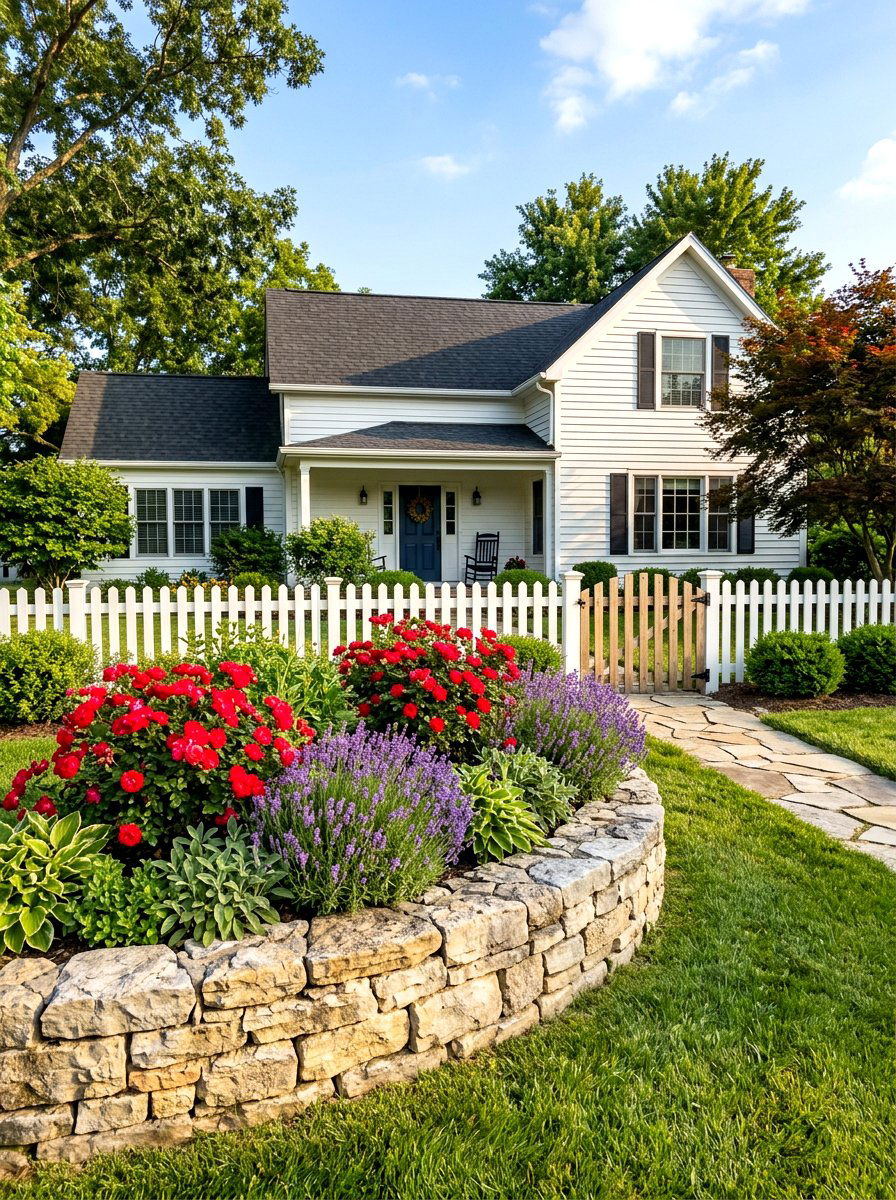
Limestone is a versatile and bright material that can be used to create beautiful low-profile garden walls. Its natural light gray or beige color reflects sunlight, making your entire garden feel more open and airy. You can find limestone in rough, natural blocks or smoothly cut rectangular pieces for a more formal look. When stacked, limestone creates a sturdy and long-lasting border that easily defines different elevations in your yard. It pairs wonderfully with classic boxwood hedges and colorful roses. Because limestone is a natural alkaline material, it can also benefit certain plants by slowly neutralizing acidic soil over time through very slow mineral leaching.
8. Granite Stone Edging
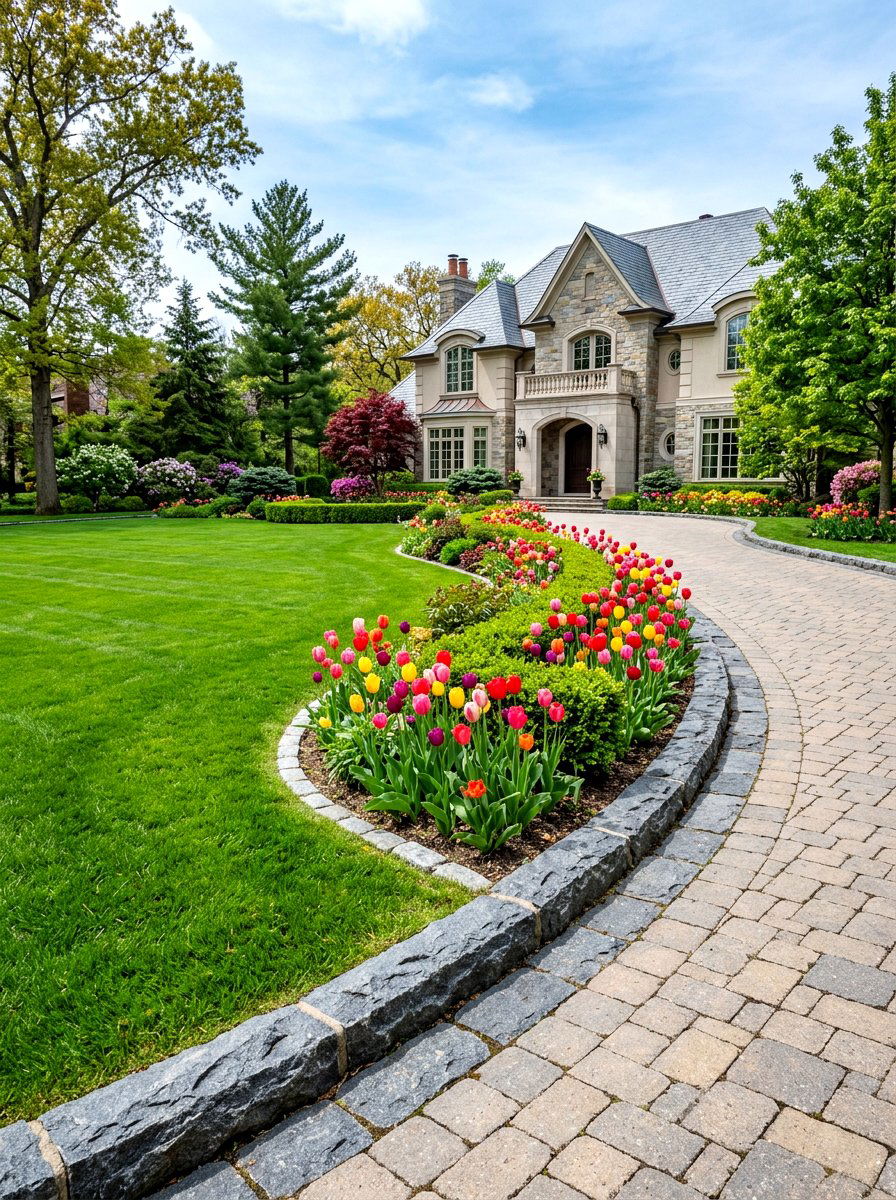
Granite is one of the toughest and most durable stones available for outdoor use, making it perfect for borders. Its speckled texture and wide range of colors, from pink to deep black, add a sophisticated layer to any garden. Granite stones can be used as cobblestones or split into long, narrow blocks for a modern edging style. This stone is highly resistant to weathering, meaning it will not crack or crumble even in extreme freezing temperatures. It provides a permanent and upscale look that significantly increases your home's curb appeal. Granite edging is a great investment for homeowners who want a border that will literally last a lifetime.
9. Gravel Border Path
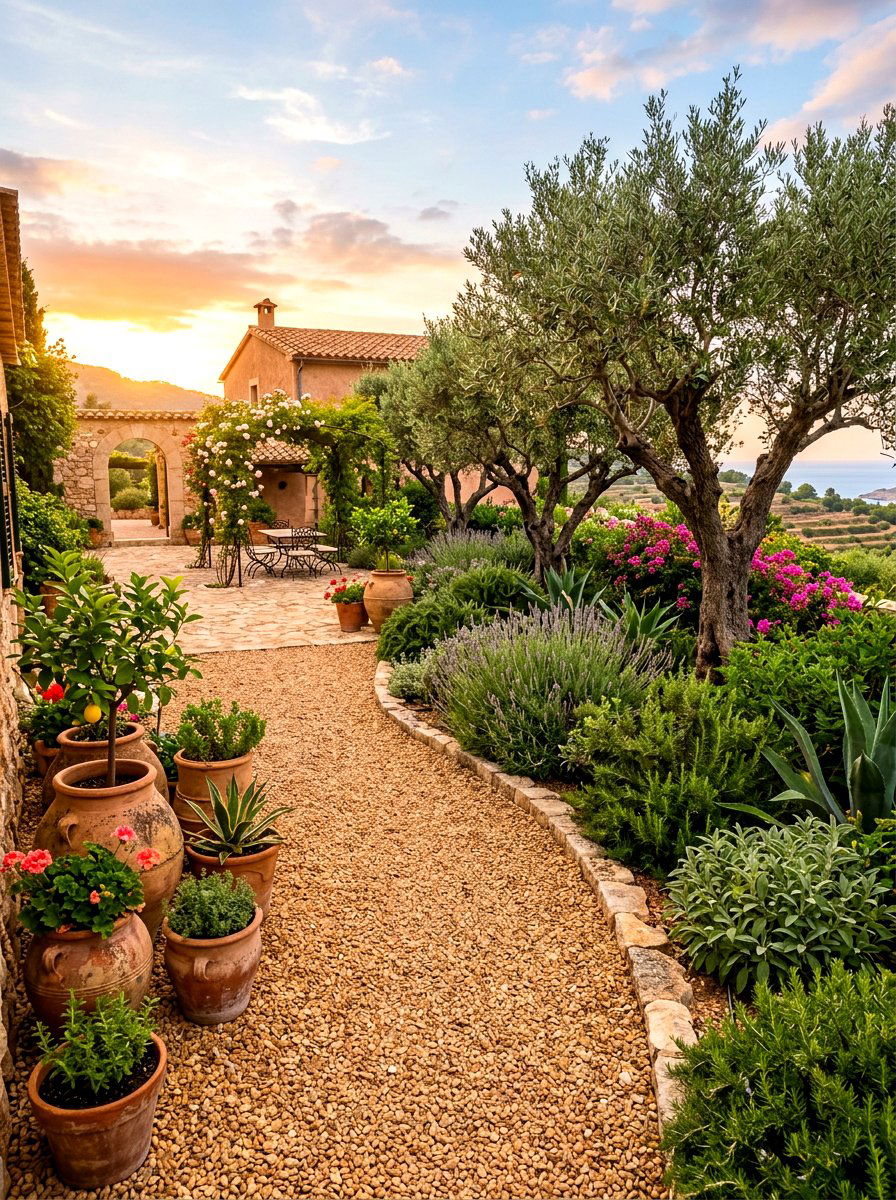
Gravel is a budget-friendly and highly functional option for creating wide borders that also serve as walking paths. It provides excellent drainage and creates a satisfying crunch underfoot as you move through your garden. You can choose from fine pea gravel for a soft feel or larger crushed stone for a more industrial look. Using a landscape fabric underneath the gravel is essential to prevent weeds from popping up through your beautiful border. Gravel borders are incredibly flexible, allowing you to create winding, curved lines that follow the natural contours of your yard. This style is popular in Mediterranean and English cottage garden designs alike.
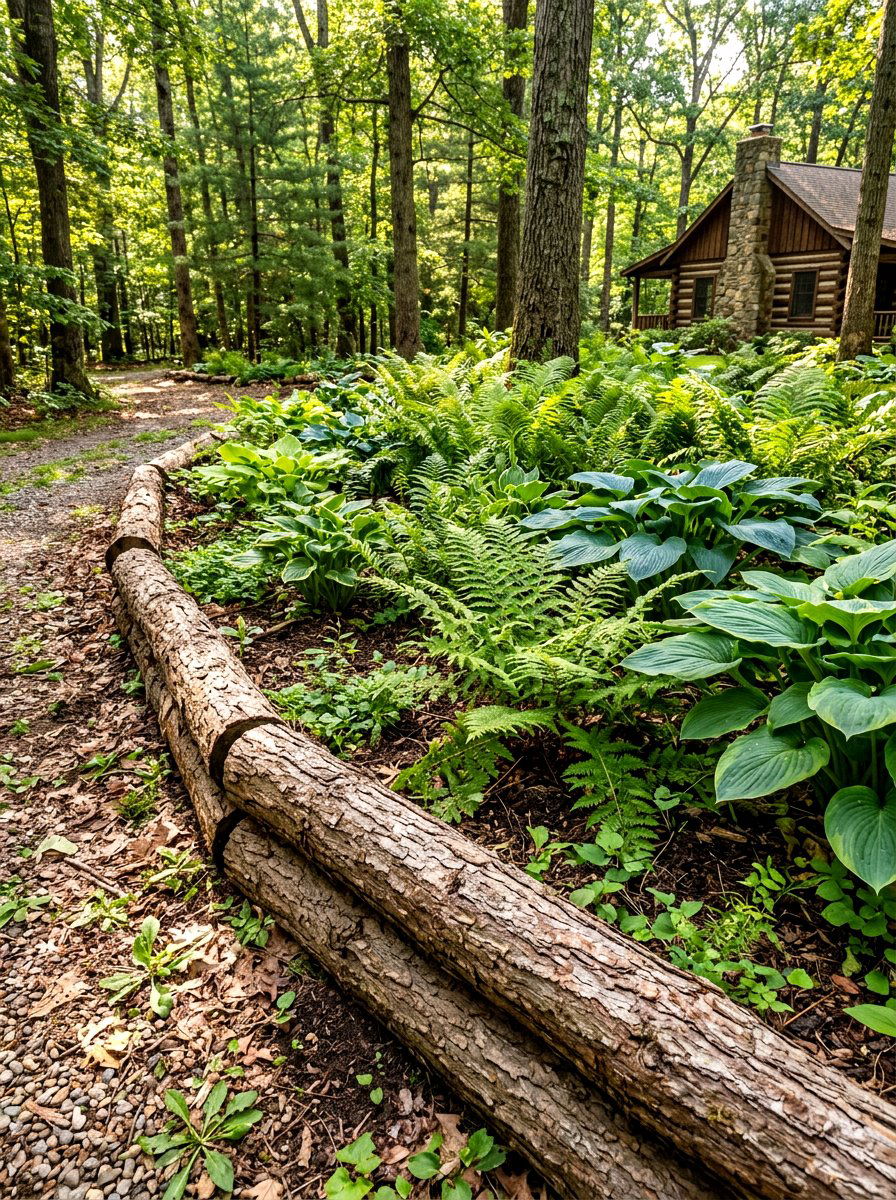
10. Stacked Stone Edge
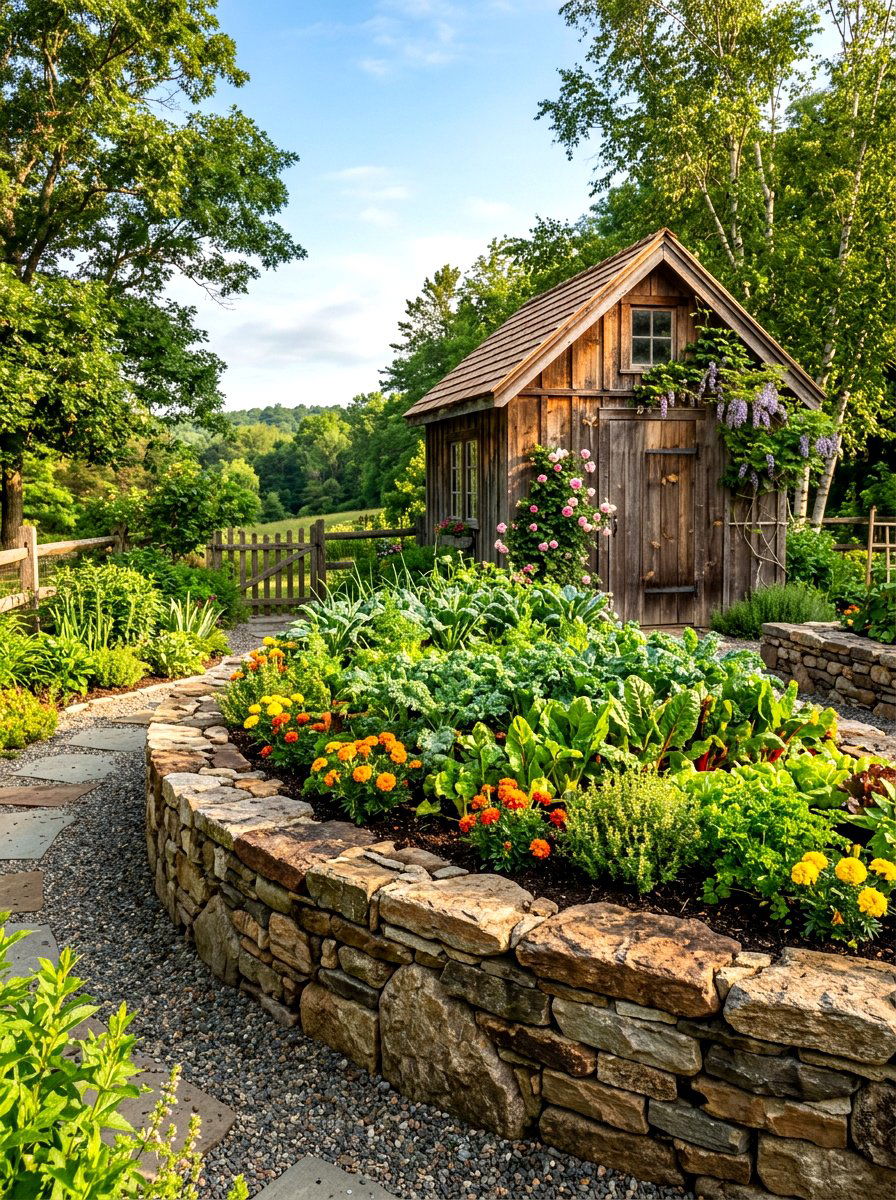
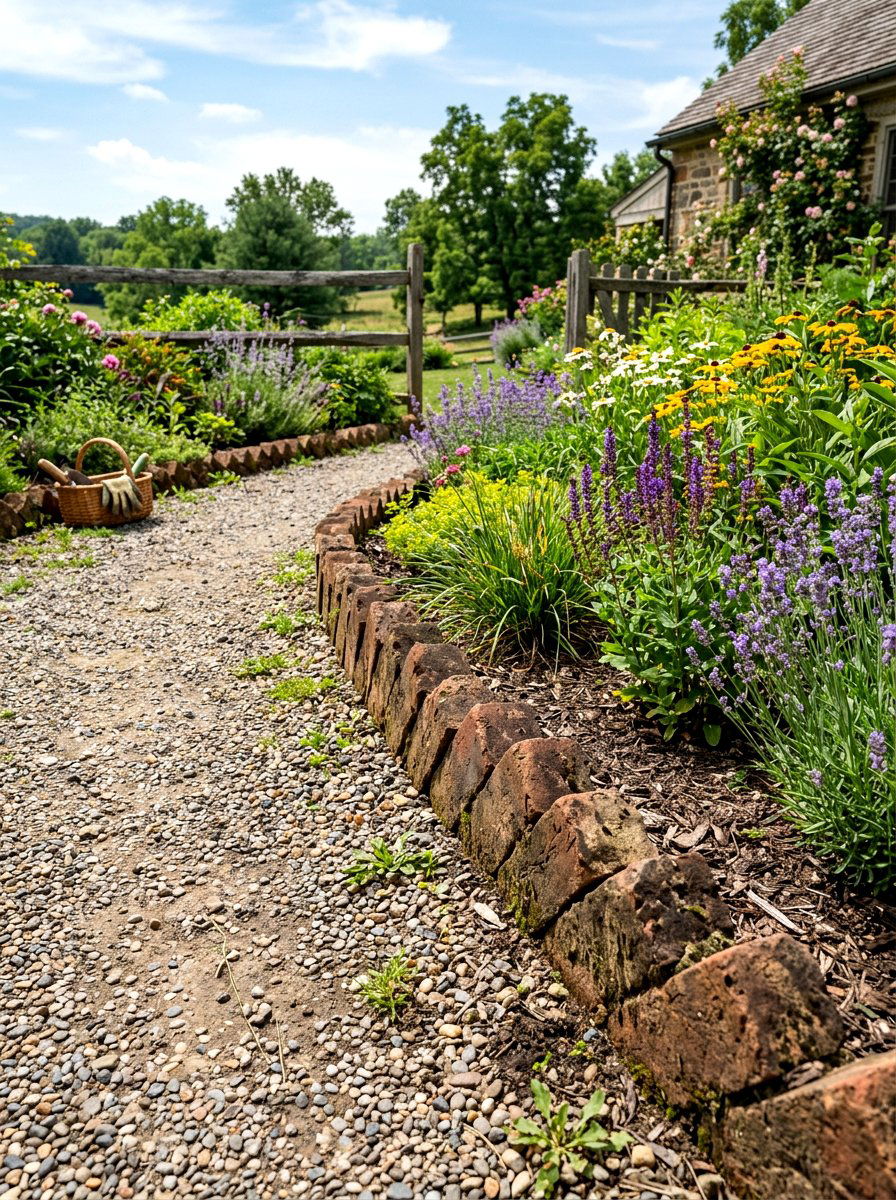
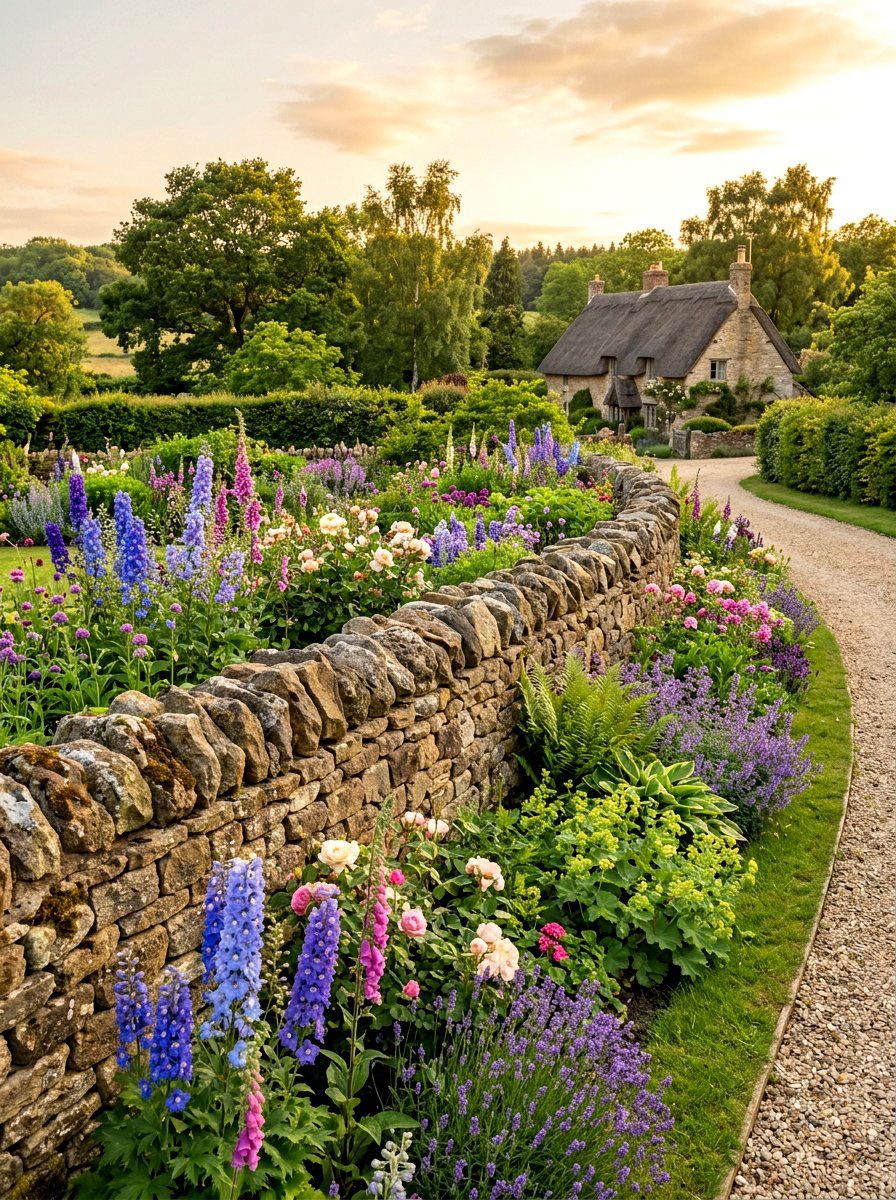
A stacked stone edge provides a handcrafted and artisanal look that adds a lot of character to the landscape. By carefully layering flat stones without the use of mortar, you create a rustic dry-stack wall that looks incredibly natural. This method allows for small gaps where tiny succulents or moss can grow, adding to the charm of the garden. Stacked stone borders are ideal for creating raised garden beds, which can improve drainage and make gardening easier on your back. The irregular shapes and sizes of the stones ensure that no two borders look exactly alike. It is a beautiful way to showcase traditional masonry skills.
11. Sandstone Garden Border
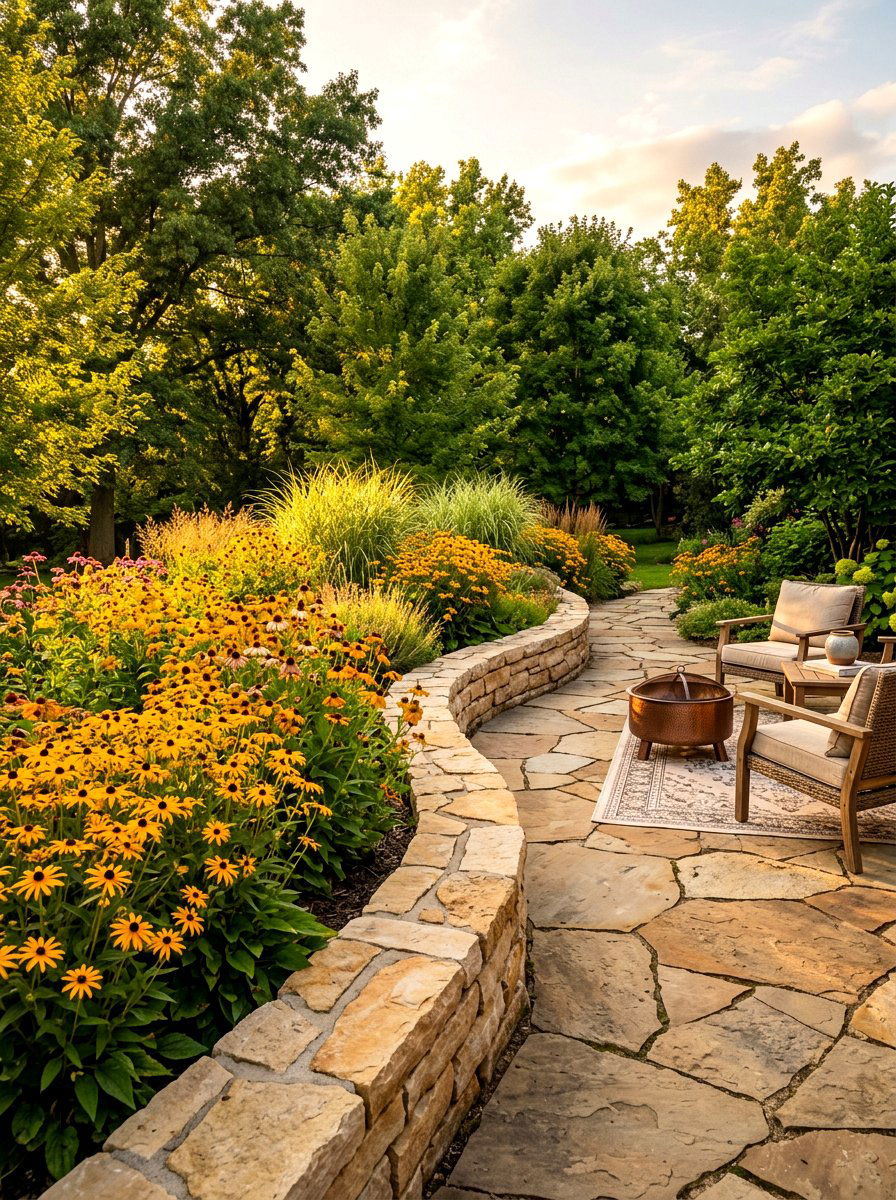
Sandstone is beloved for its warm, golden hues and soft, earthy texture that brings a sunny feel to the yard. This stone is easy to carve and shape, which allows for a variety of different border styles, from rough-hewn to smooth. Sandstone blocks create a solid and inviting boundary for flower beds and patios alike. Its natural variations in color mean that each stone has its own unique pattern, adding visual interest to the landscape. Because sandstone is a sedimentary rock, it blends seamlessly into natural environments. It is a perfect choice for homeowners who want their garden to feel cozy, warm, and integrated with nature.
12. Quartzite Rock Edging
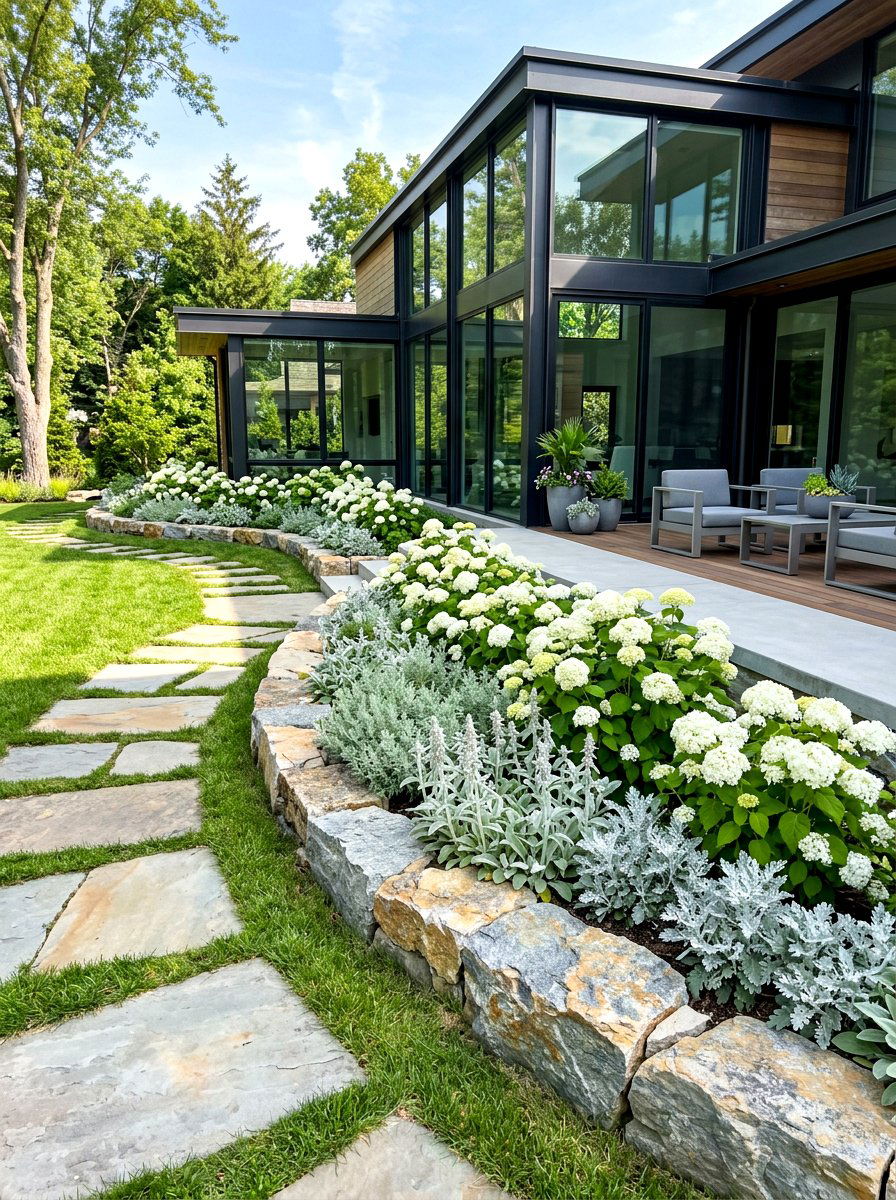
Quartzite is a stunning metamorphic rock that offers a shimmering, crystalline appearance under the bright afternoon sun. If you want your garden borders to sparkle and catch the eye, quartzite is the absolute best material to choose. It is extremely hard and durable, often outperforming even granite in terms of longevity and resistance to chemicals. Quartzite comes in a variety of colors, including striking whites, pinks, and greens. Because it is so dense, it does not absorb water, making it resistant to moss and algae growth. This stone is perfect for high-end modern landscapes where a clean, polished, and bright aesthetic is the priority.
13. Fieldstone Garden Border
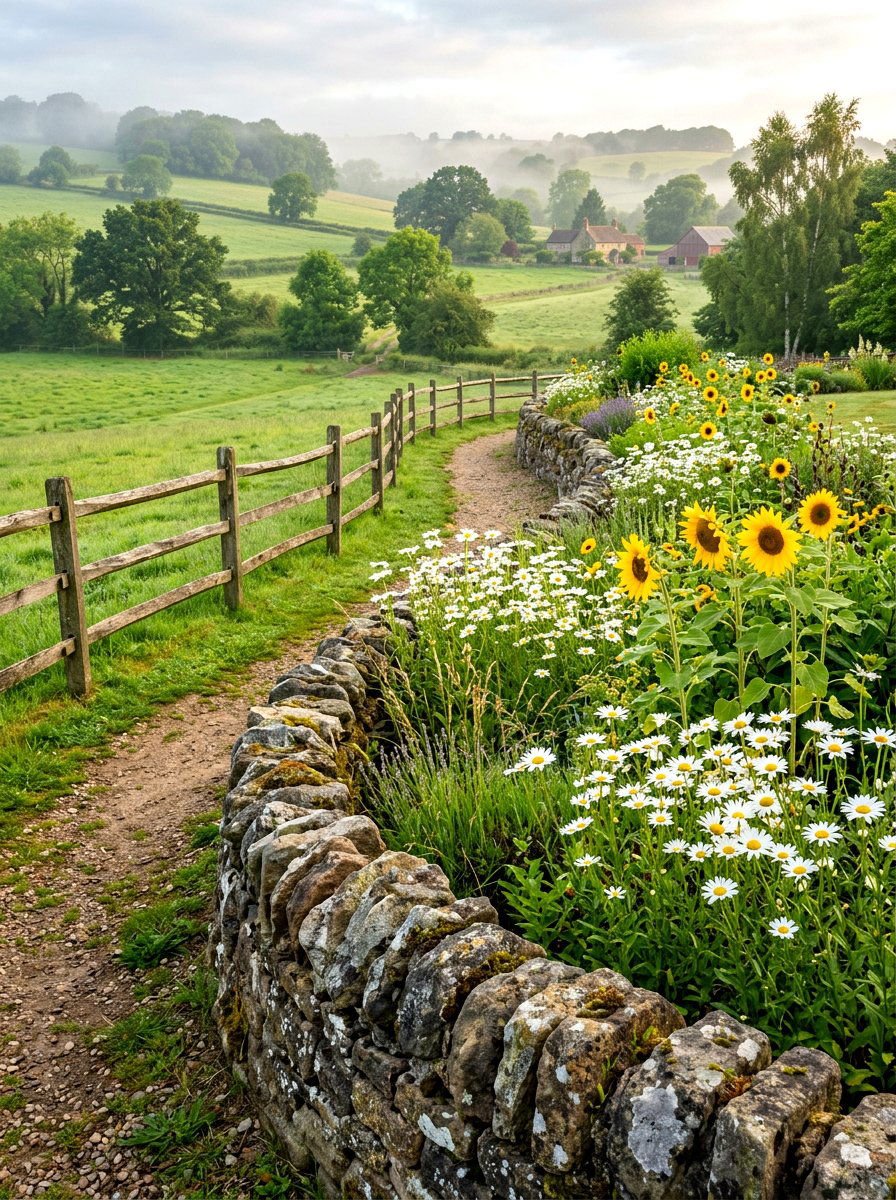
Fieldstone refers to stones that are gathered from the surface of the earth, providing a truly authentic and local look. These stones are irregular in shape and size, which makes for a very casual and relaxed garden border. Many people love fieldstone because it looks like it belongs in the environment, especially in rural or wooded settings. You can simply line them up along the edge of your flower bed for an instant and effortless transformation. Fieldstone is often free if you have a rocky property, making it one of the most sustainable and cost-effective edging options. It is the quintessential choice for a rustic farmhouse garden.
14. Cobblestone Garden Edge
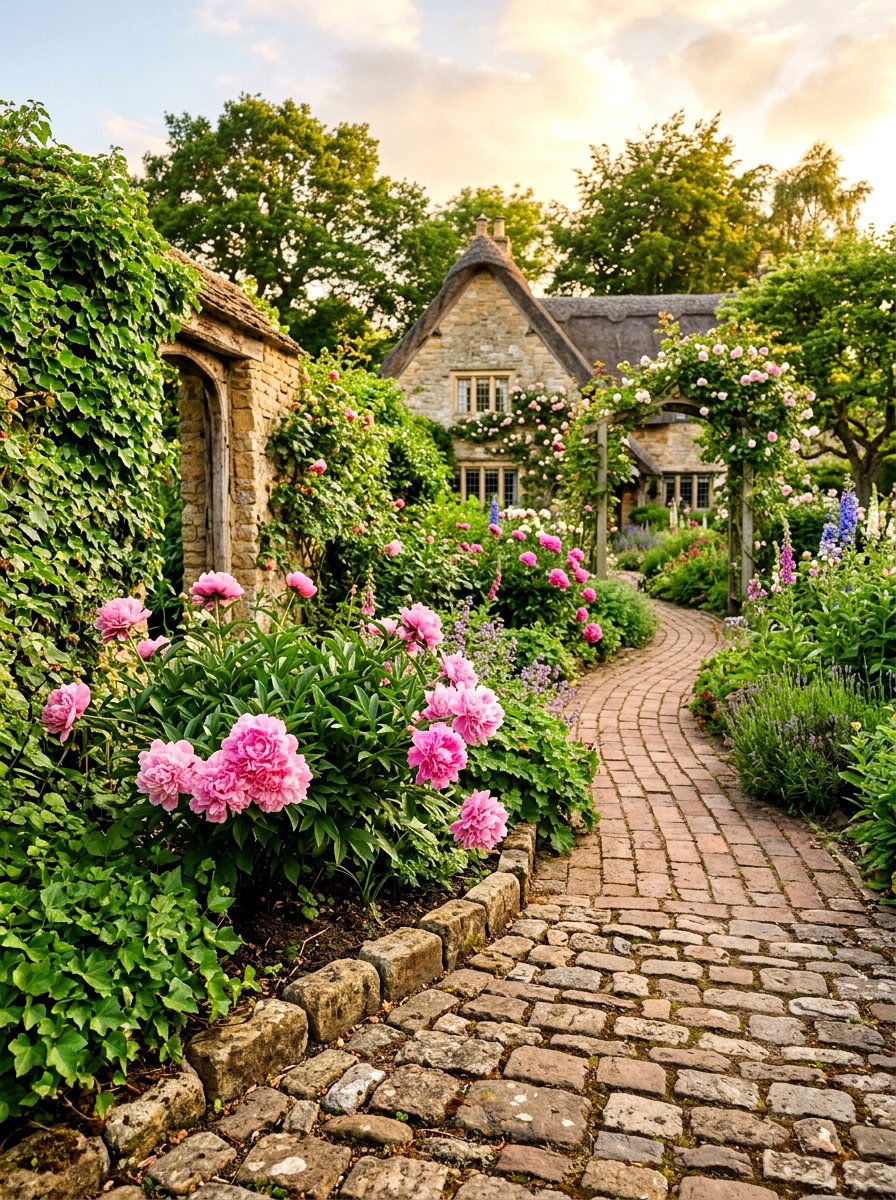
Cobblestones bring an old-world charm and historical feel to any modern residential landscape or traditional garden space. These rounded, uniform stones are reminiscent of European streets and add a sense of timeless elegance to your borders. They are usually made from durable granite or basalt, ensuring they can handle the weight of lawnmowers and heavy foot traffic. You can set them in a bed of sand or mortar them in place for a more permanent and finished look. Cobblestones are perfect for creating a clean "mowing strip" that allows you to trim the grass easily without damaging your delicate plants or flowers.
15. Basalt Rock Border
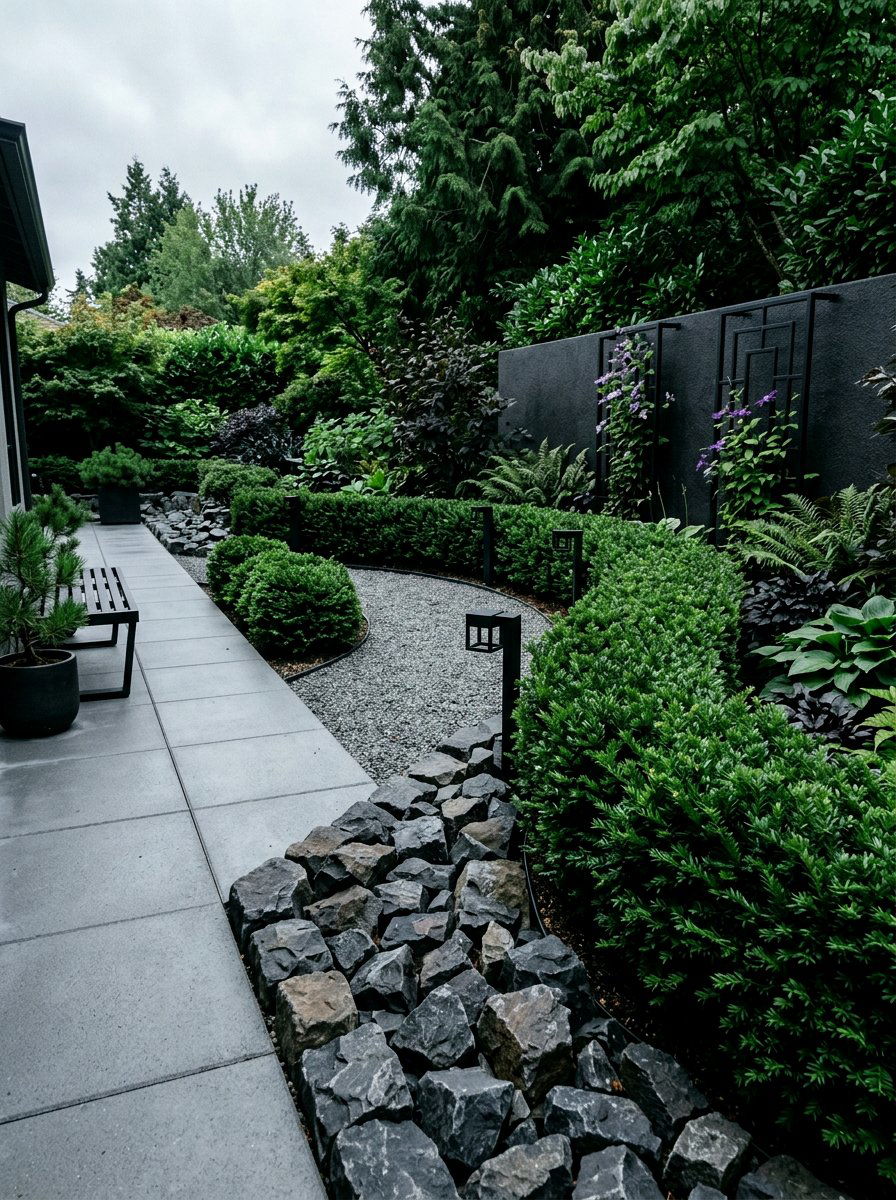
Basalt is a dark, volcanic rock that is frequently used in contemporary and minimalist landscape designs for a sleek look. Its deep charcoal or black color provides a stunning contrast against light-colored gravel or bright green ornamental grasses. Basalt can be found in the form of smooth pebbles, crushed chips, or even tall hexagonal columns for a dramatic effect. Because it is an igneous rock, it is incredibly dense and will not fade over time. Using basalt for your garden borders creates a clean and sophisticated atmosphere that feels very high-end. It is the perfect choice for homeowners who prefer a cool and moody color palette.
16. Travertine Stone Edging
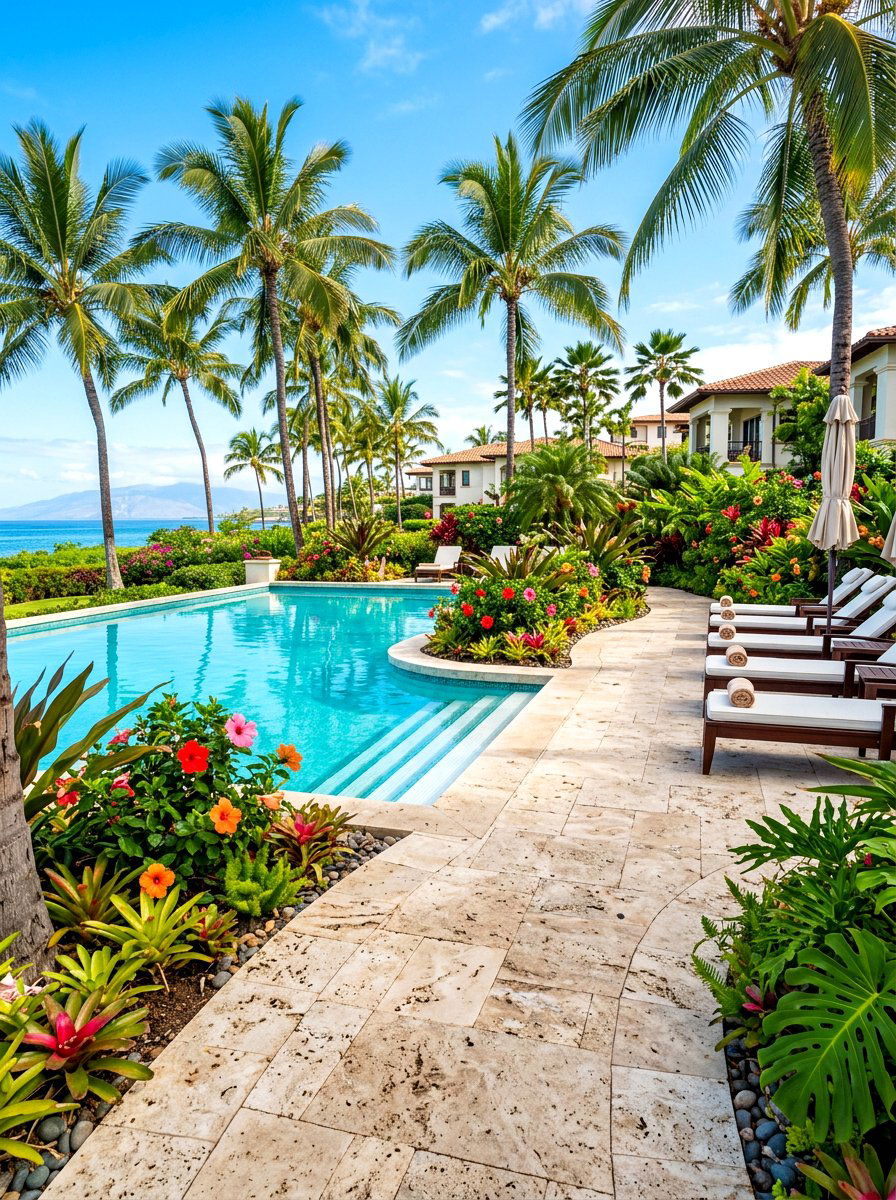
Travertine is a type of limestone that offers a very refined, Mediterranean aesthetic with its beautiful pitted texture. It typically comes in soft cream, beige, and tan colors that look stunning next to blue swimming pools or lush gardens. Travertine borders are often used to bridge the gap between a stone patio and the surrounding planting beds. While it is a softer stone than granite, it is still very durable and develops a lovely patina as it ages. The natural holes and troughs in the stone give it an ancient, weathered look that adds a lot of historical depth to a newer garden design.
17. Marble Rock Bed
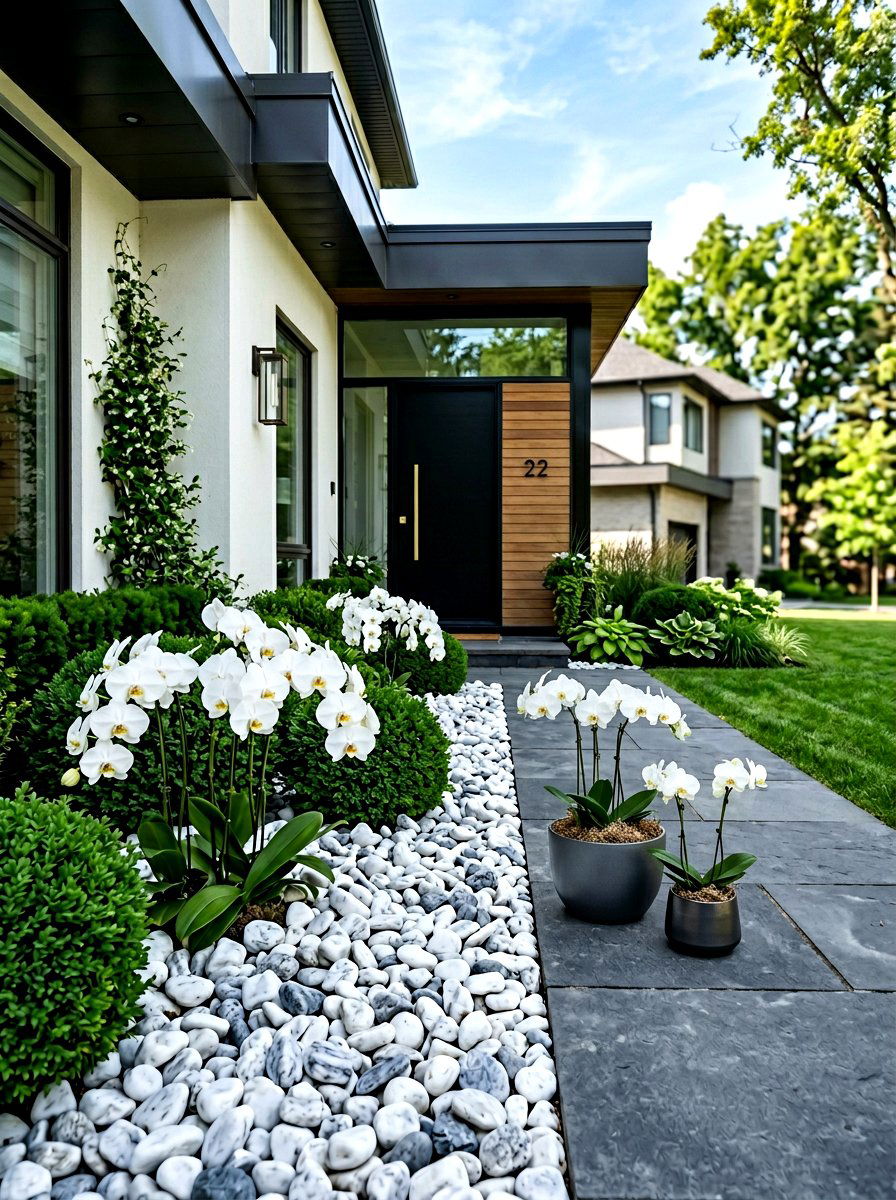
Marble rocks are the ultimate choice for a luxurious and bright garden border that stands out from the rest. Usually available as white or light gray chips, marble reflects light and can make a small garden space feel much larger. The sparkling quality of marble adds a touch of glamor to your flower beds, making them the focal point of the yard. It is important to note that marble is slightly alkaline, so it is best used around plants that enjoy a higher pH level. Pairing white marble chips with dark metal edging creates a very crisp and modern look that is popular in upscale neighborhoods.
18. Shale Stone Border
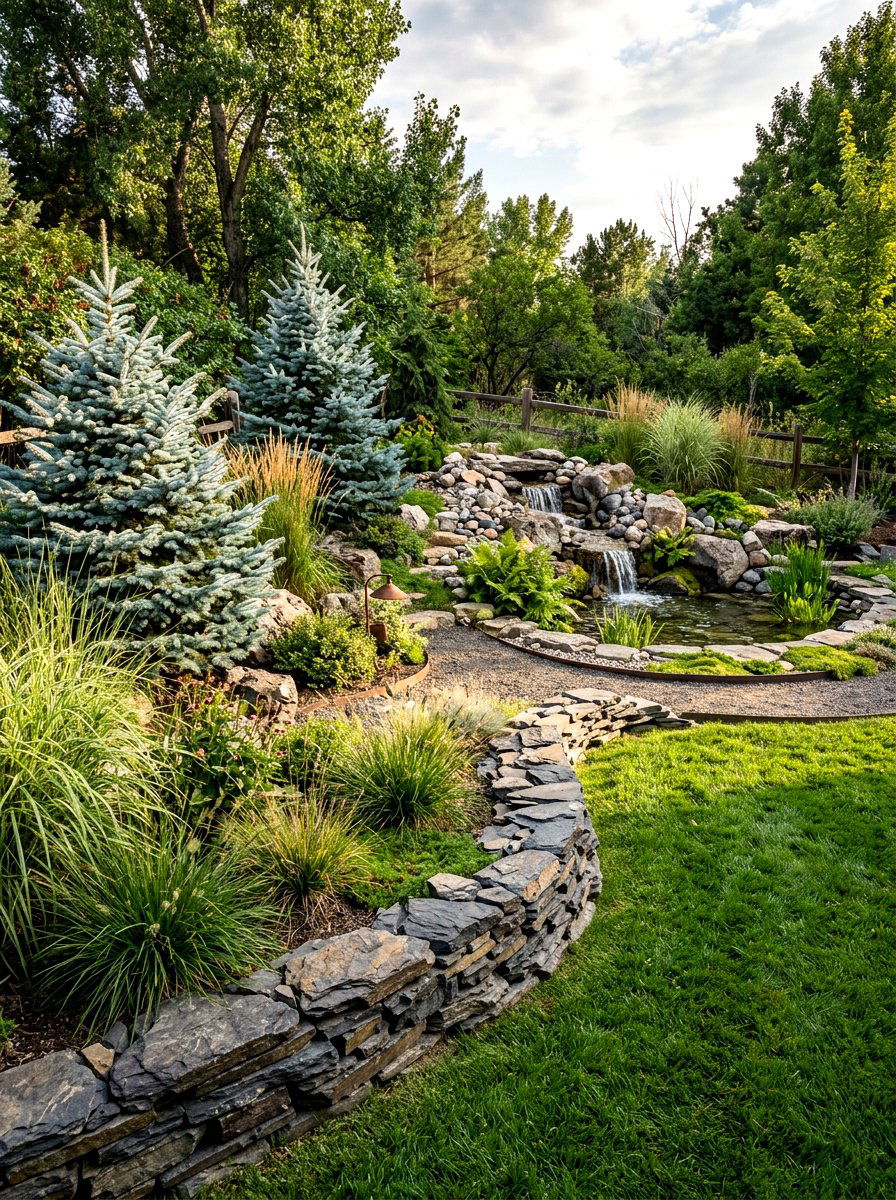
Shale is a unique sedimentary rock that naturally breaks into thin, flat flakes, providing a very interesting textured border. It is often found in dark grays and blacks, giving it a modern and somewhat industrial appearance in the landscape. Because the pieces are flat, they stay in place well and create a low-profile edge that is easy to maintain. Shale is an excellent choice for a naturalistic garden where you want to mimic the look of a rocky cliffside or a river bank. It is also quite affordable and easy to install yourself since the thin pieces are relatively lightweight and easy to stack.
19. Stepping Stone Edge
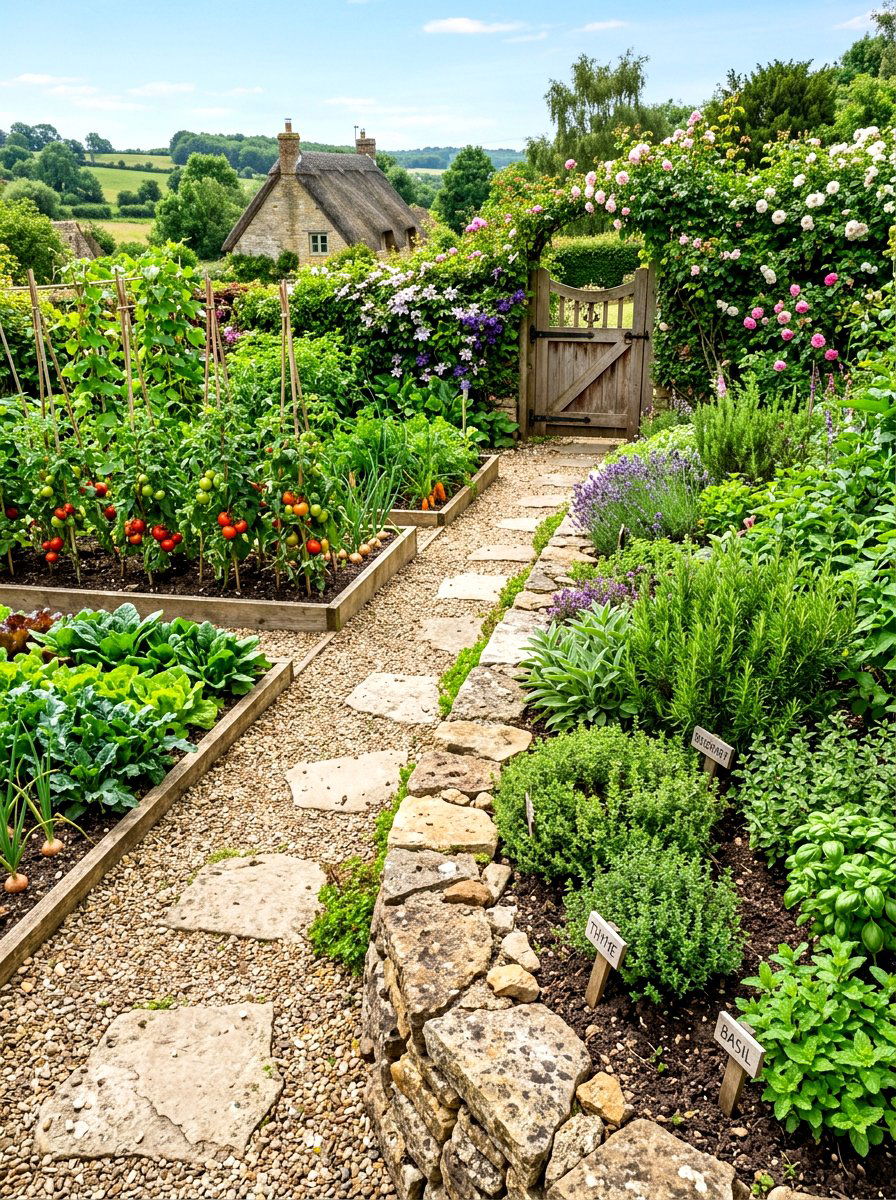
Using large stepping stones as a border is a clever way to combine functionality with a very beautiful design. These stones provide a stable place to stand while you are weeding or pruning your plants without compacting the soil. They create a wide and distinct boundary that clearly separates the garden bed from the lawn or a dirt path. You can choose natural flagstone, circular concrete pavers, or irregular fieldstone slabs depending on the style of your home. This approach is especially useful in wide garden beds where you need occasional access to the center for regular plant maintenance or seasonal harvesting tasks.
20. Gabion Rock Wall
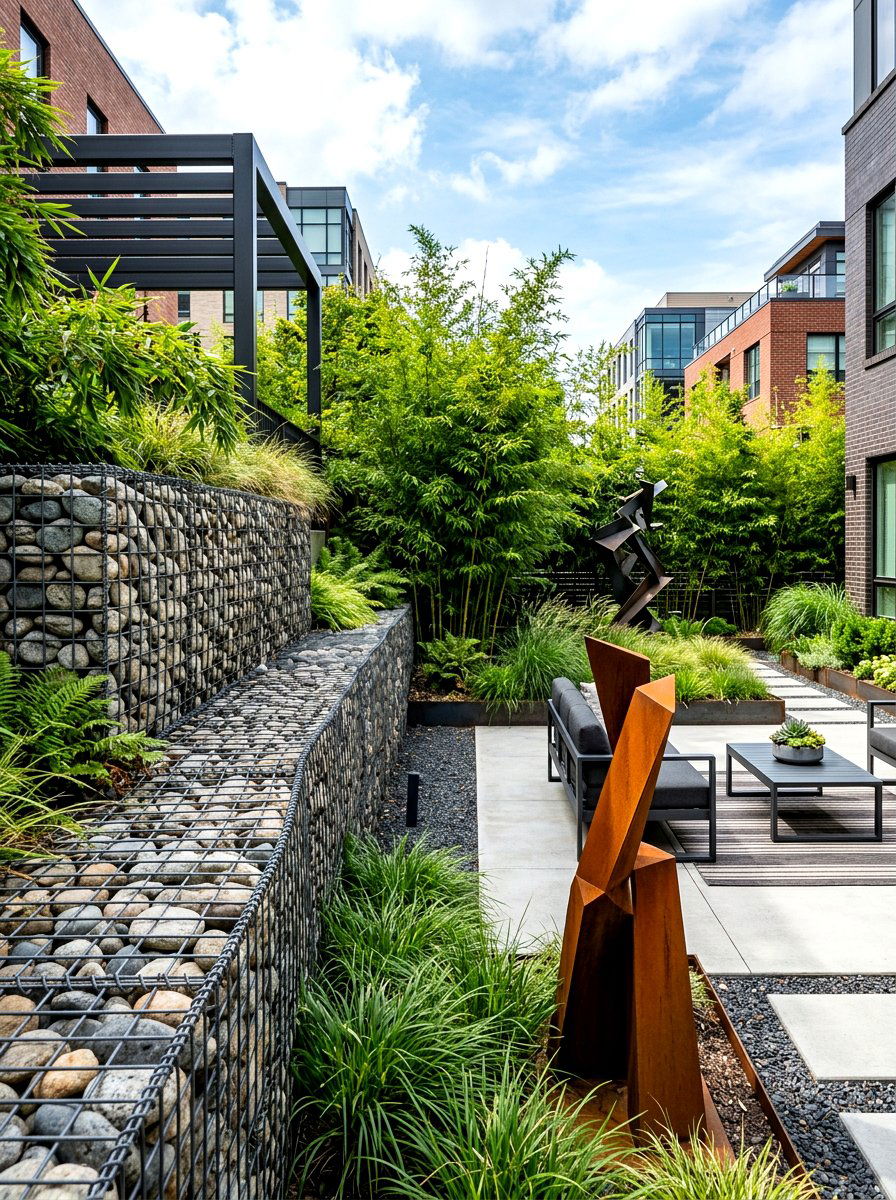
Gabion borders consist of wire mesh cages filled with various types of rocks, creating a very modern and industrial look. This style is incredibly sturdy and can be used to build effective retaining walls or high-profile garden boundaries. You can fill the cages with any type of stone, from cheap crushed gravel to beautiful river rocks or even colorful glass slag. Gabion walls provide excellent drainage and are very easy to install since they do not require a deep foundation or mortar. They are a popular choice for contemporary urban gardens where a bold, architectural statement is desired to enhance the overall outdoor aesthetic.
21. Flat Rock Edging
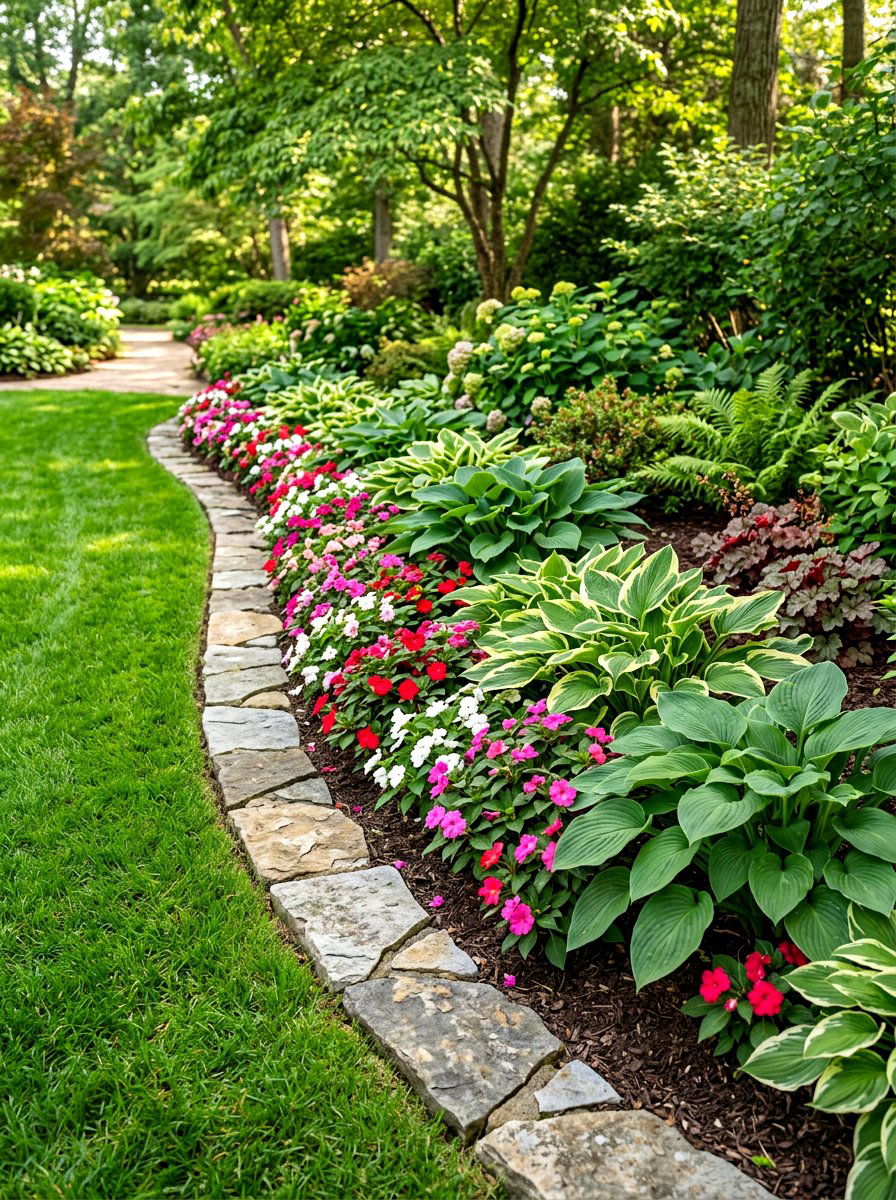
Flat rock edging uses thin, horizontal slabs of stone to create a low and very tidy boundary for your plants. This style is often seen in traditional English gardens where a neat and organized look is the primary goal. By overlapping the flat rocks slightly, you create a continuous line that is very effective at keeping grass roots out. This type of border is also great for creating a subtle change in elevation between different garden zones. Because the stones are flat, they provide a stable surface that is very easy to walk on or place decorative garden ornaments upon for added visual interest.
22. Multicolored Pebble Border
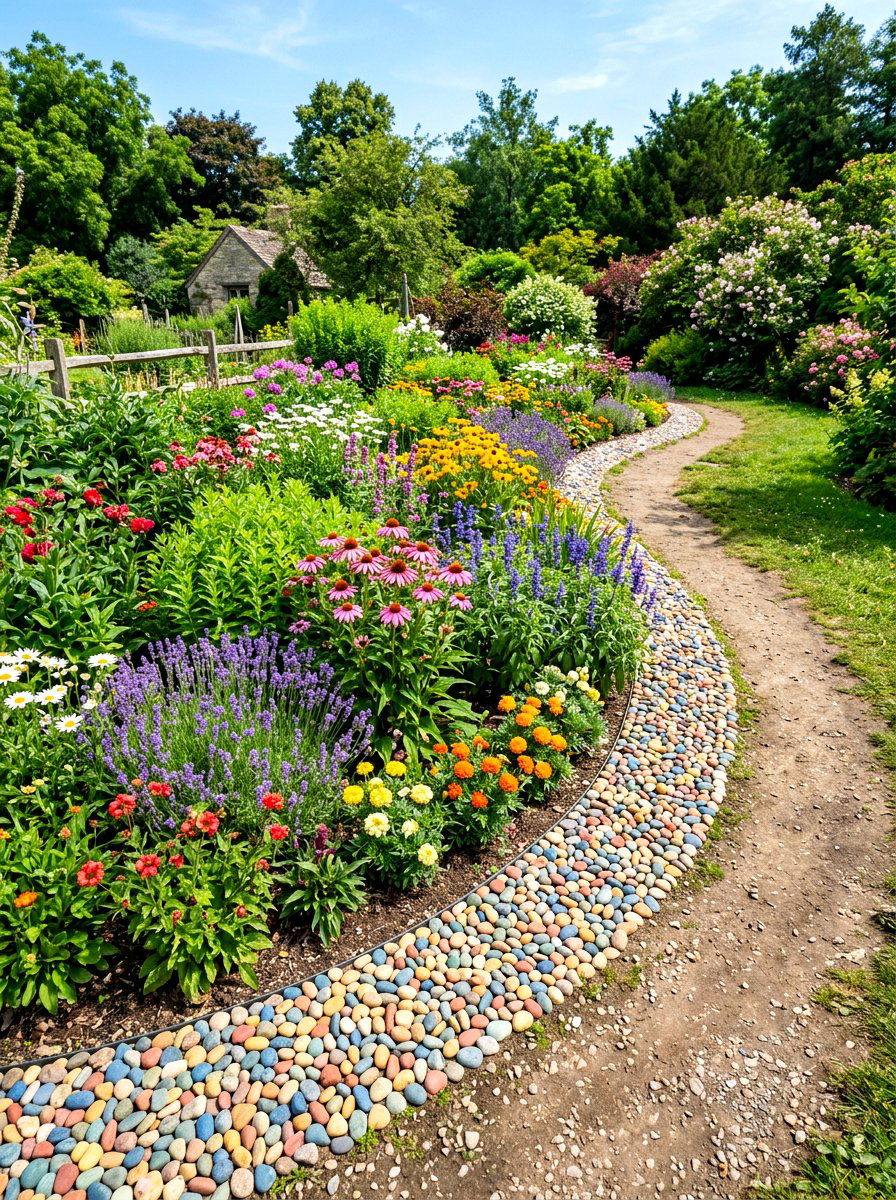
A multicolored pebble border brings a playful and vibrant energy to your landscape through a diverse range of natural hues. These collections often include shades of terracotta, ochre, cream, and brown that work together to create a warm and inviting look. This style is particularly effective at blending different parts of a garden that might have varied color schemes or plant types. The small, rounded stones are very comfortable to walk on and easy to maintain over the long term. Using multicolored pebbles is a great way to add a bit of variety and texture without committing to one single solid stone color.
23. White Marble Chip Border
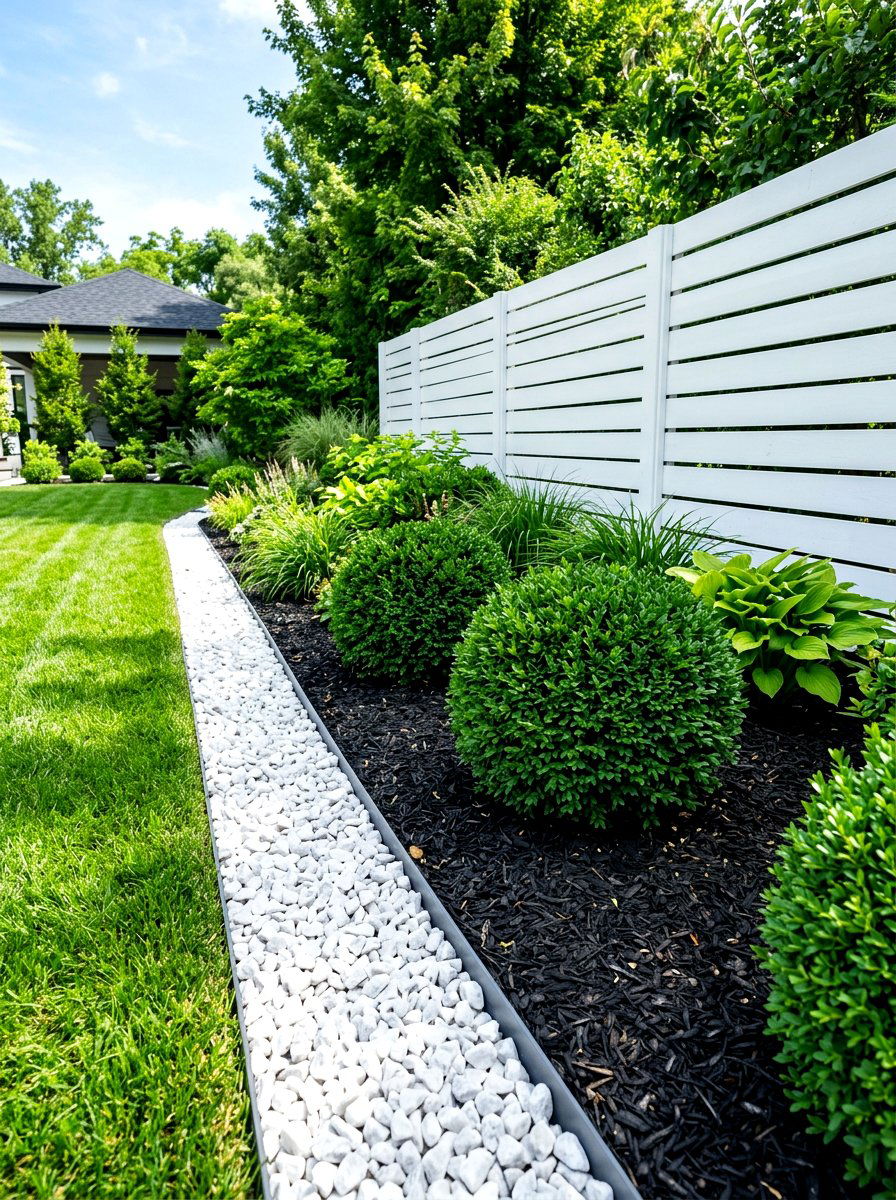
White marble chips are perhaps the most popular choice for homeowners who want a clean, bright, and modern garden edge. The brilliant white color creates a sharp contrast against dark soil, mulch, and green plants, making every flower pop with color. These chips are excellent for illuminating dark corners of the yard and giving the space a very manicured, professional appearance. They are often used in contemporary landscapes or around tropical plants to create a high-end resort vibe at home. Just be sure to use a good weed barrier underneath to keep the white stones looking pristine and free of messy dirt.
24. Red Lava Rock Edging
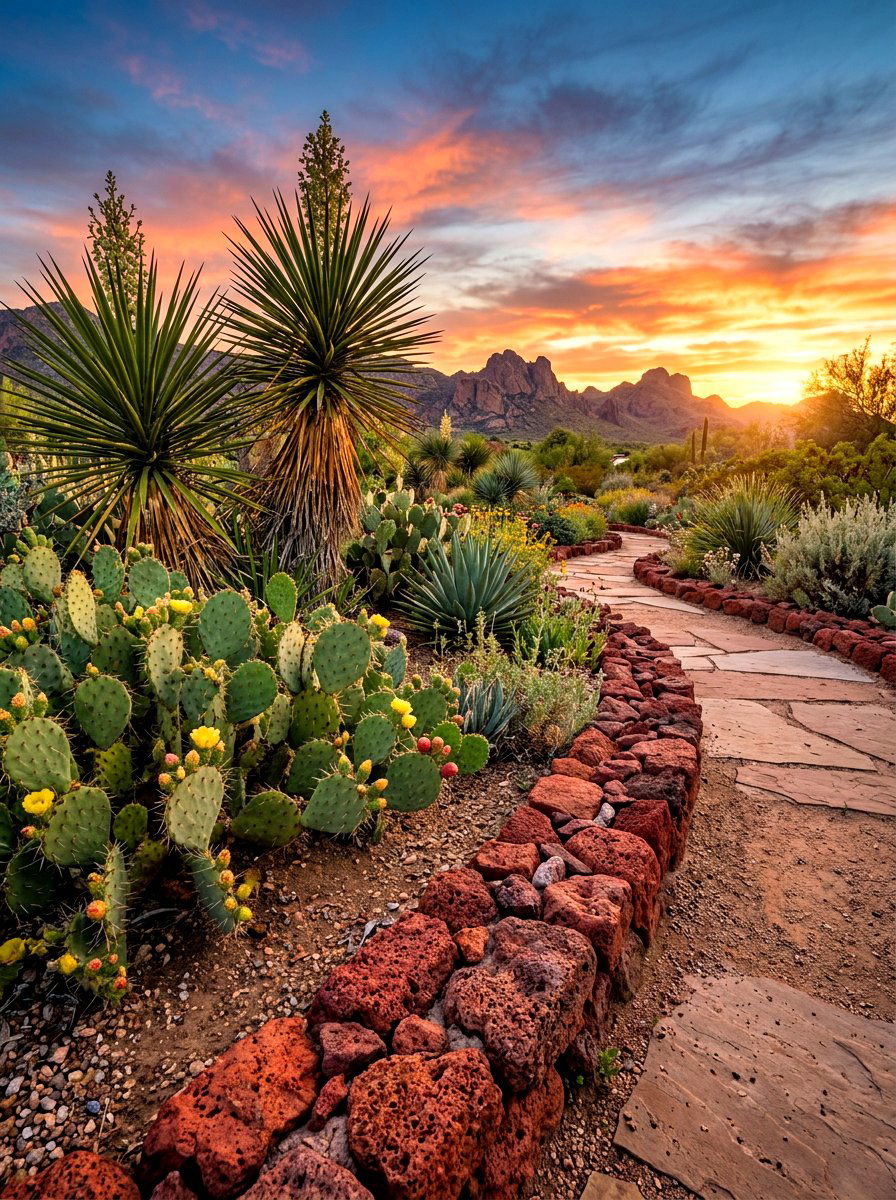
Red lava rock offers a warm, southwestern feel that is perfect for desert-themed gardens or succulent beds in sunny locations. The deep rusty red color provides a beautiful earthy tone that complements wooden fences and terracotta pots perfectly. Because lava rock is so porous, it helps regulate the temperature of the soil by providing an insulating layer against the hot sun. It is also a very lightweight material, which makes it a favorite for DIY gardeners who want to complete a project in one weekend. This bold color choice ensures that your garden borders will be a conversation piece for any visitor.
25. Blue Slate Garden Border
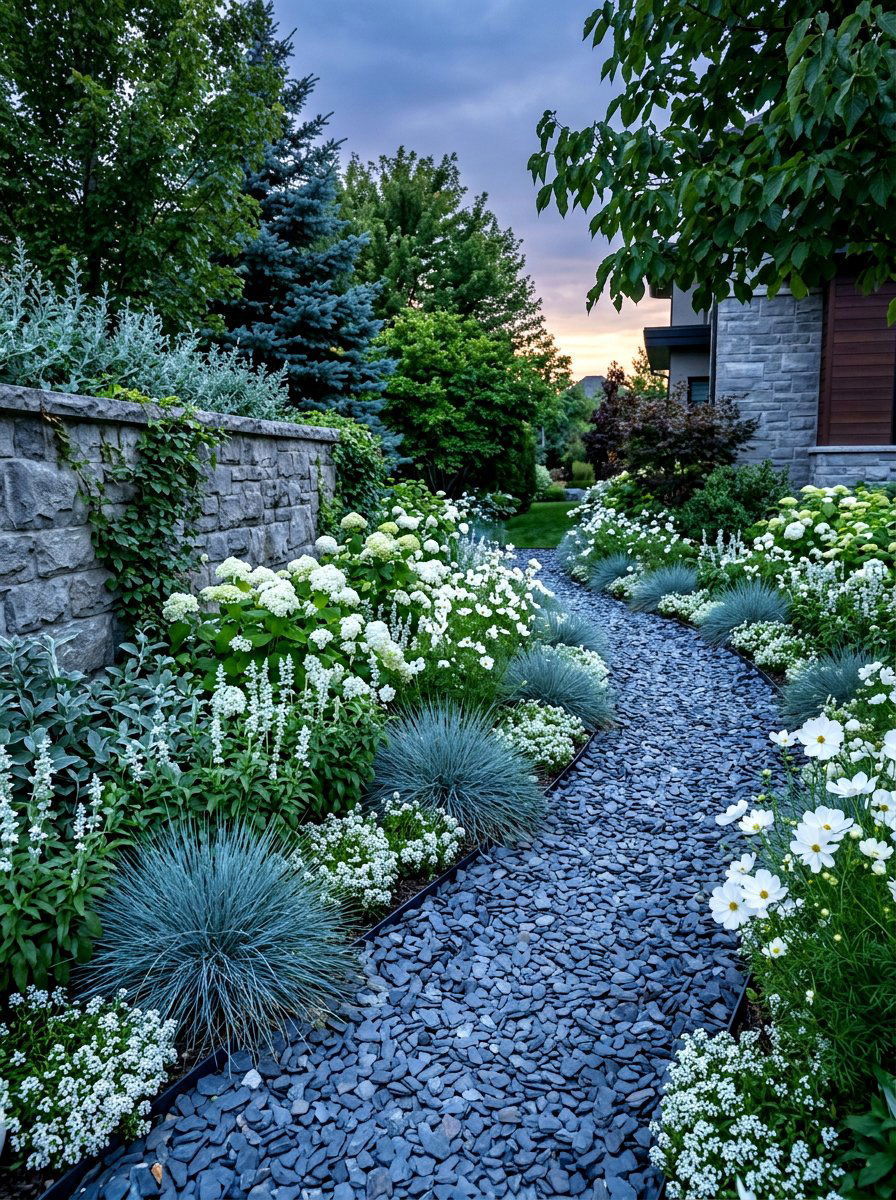
Blue slate is a sophisticated and rare-looking material that adds a cool, calming tone to your outdoor living space. The soft blue-gray color looks particularly beautiful when it is wet, making it a great choice for gardens in rainy climates. Slate chips create a flat, dense border that is very effective at suppressing weeds and retaining soil moisture for your plants. This material is often used in modern gardens to create a minimalist look that feels both natural and highly polished. The unique color of blue slate makes it stand out from the more common grays and browns found in most local landscapes.
26. Rounded Stone Border
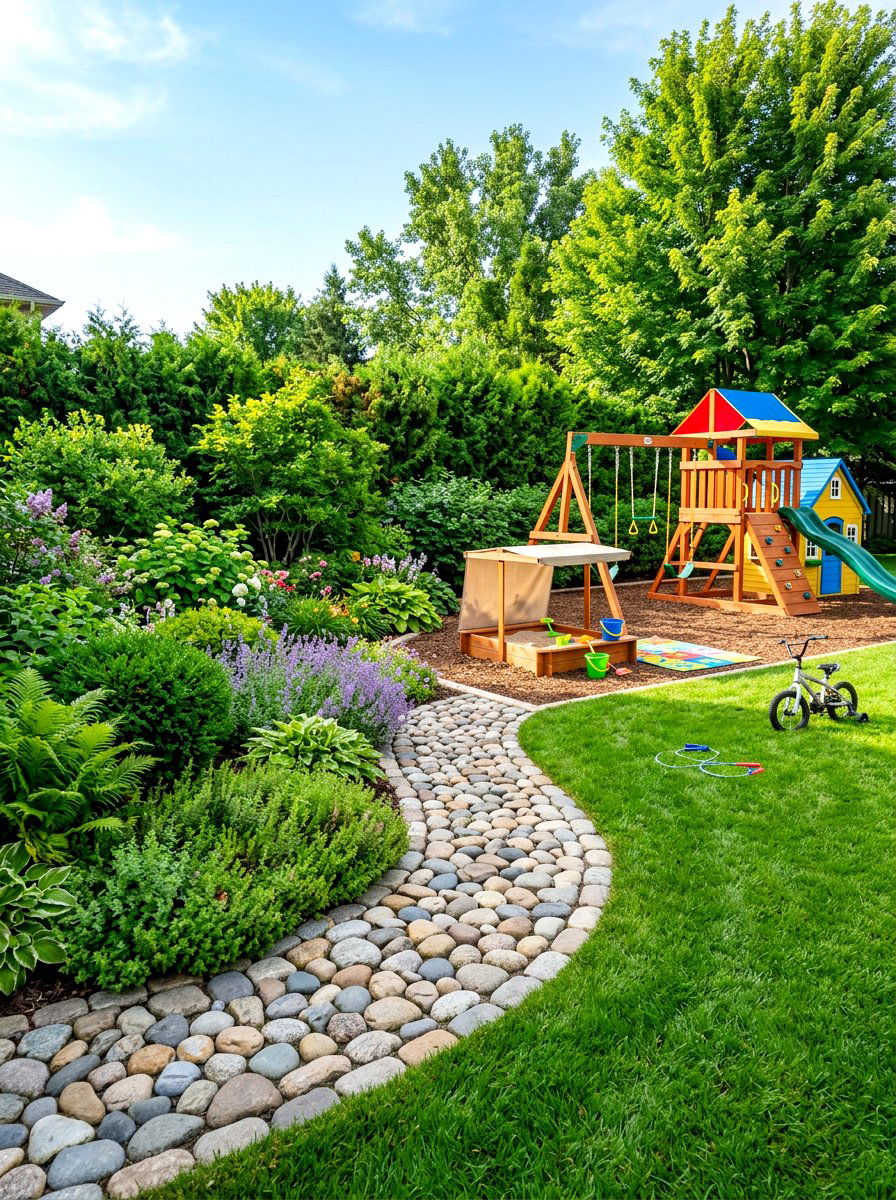
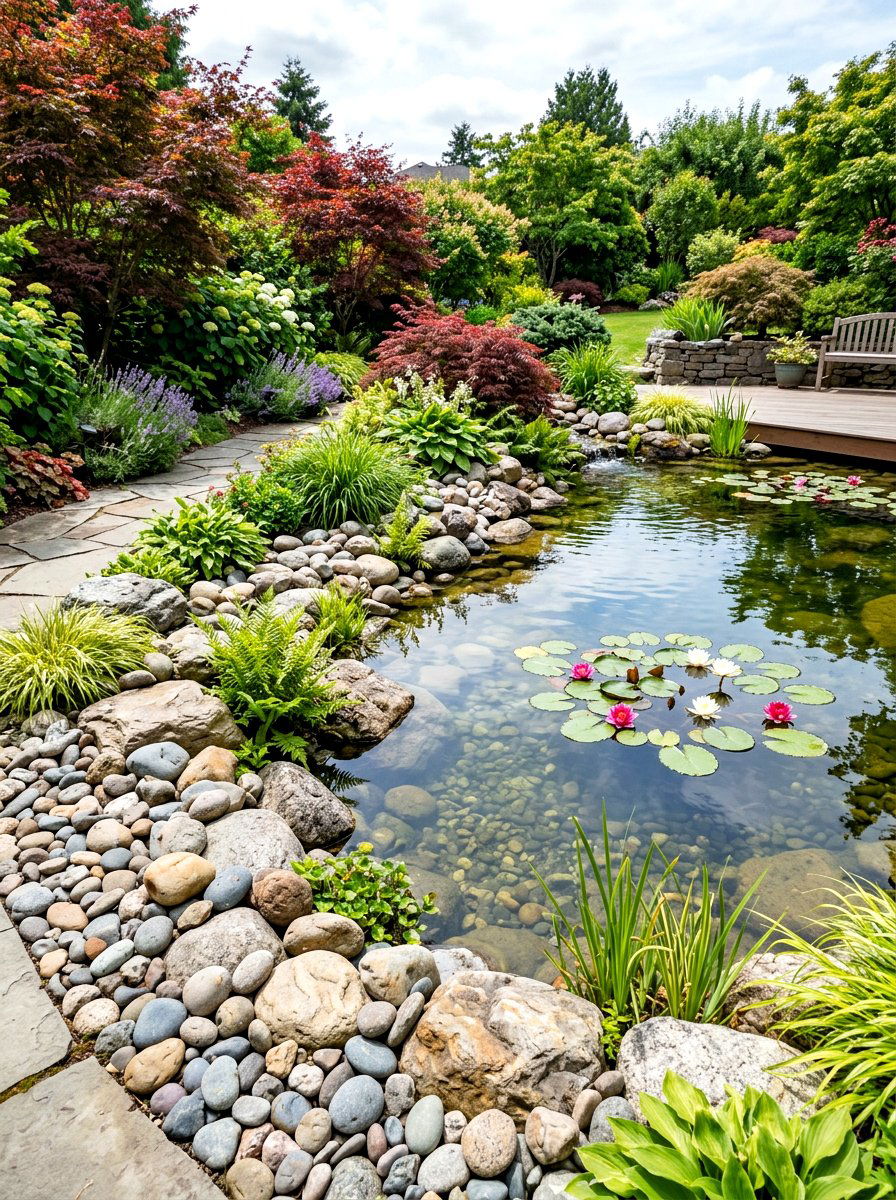
A rounded stone border provides a soft, bubbly appearance that is very pleasing to the eye and safe for families. Unlike jagged rocks, these smooth stones have no sharp edges, making them a great choice for areas where children or pets play. You can find rounded stones in many different sizes, from small pebbles to large "mexican beach pebbles" that have a matte, dark gray finish. This style works beautifully around water features like ponds or fountains because it mimics the natural look of a shoreline. The rounded shapes create a rhythmic and soothing visual flow that enhances the relaxation factor of your yard.
27. Jagged Rock Garden Edge
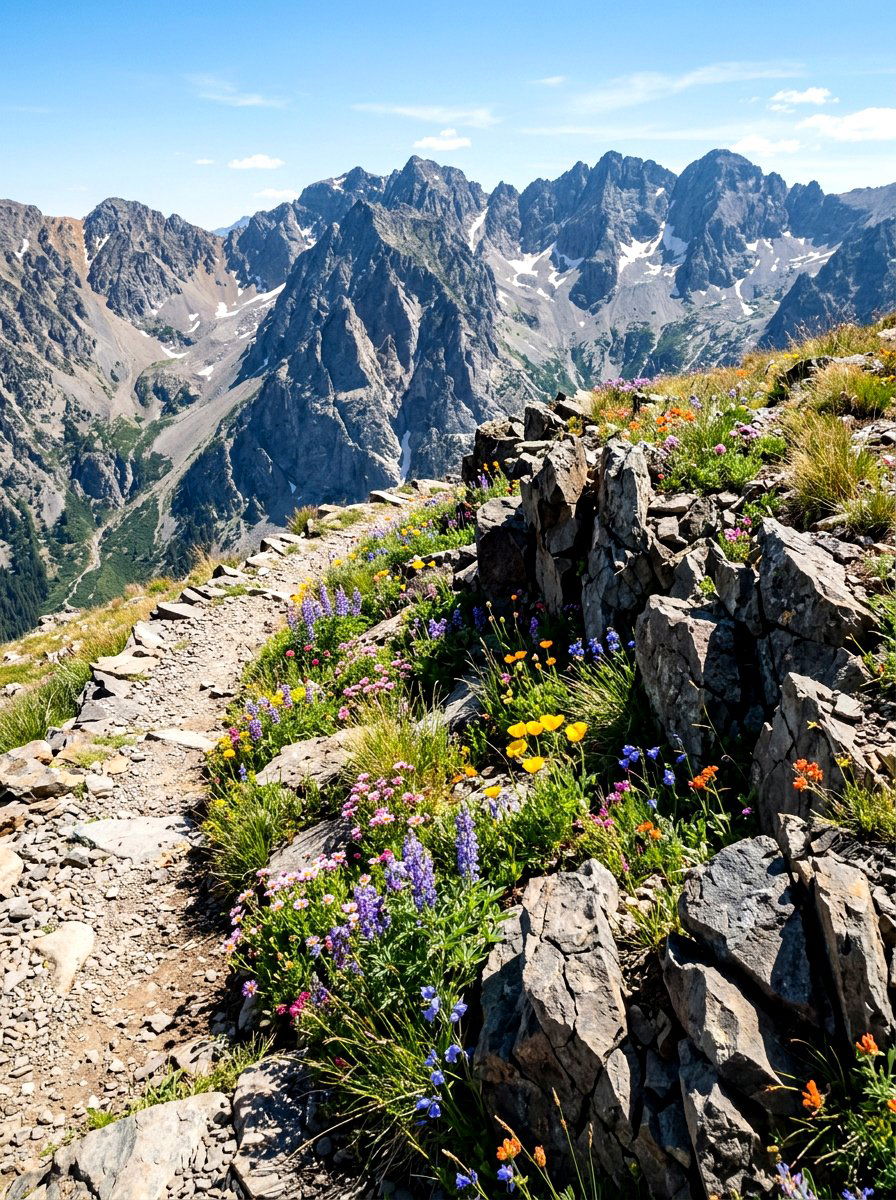
For those who prefer a more dramatic and untamed look, a jagged rock border offers plenty of texture and visual interest. These stones feature sharp angles and irregular surfaces that catch the light in different ways throughout the day. This style is perfect for a rock garden or a hillside planting where you want to emphasize the rugged beauty of nature. The uneven heights of the stones create a dynamic boundary that feels full of energy and movement. Jagged rocks are also very effective at deterring small animals from entering your garden beds, as the surface is difficult for them to navigate easily.
28. Tiered Rock Garden Border
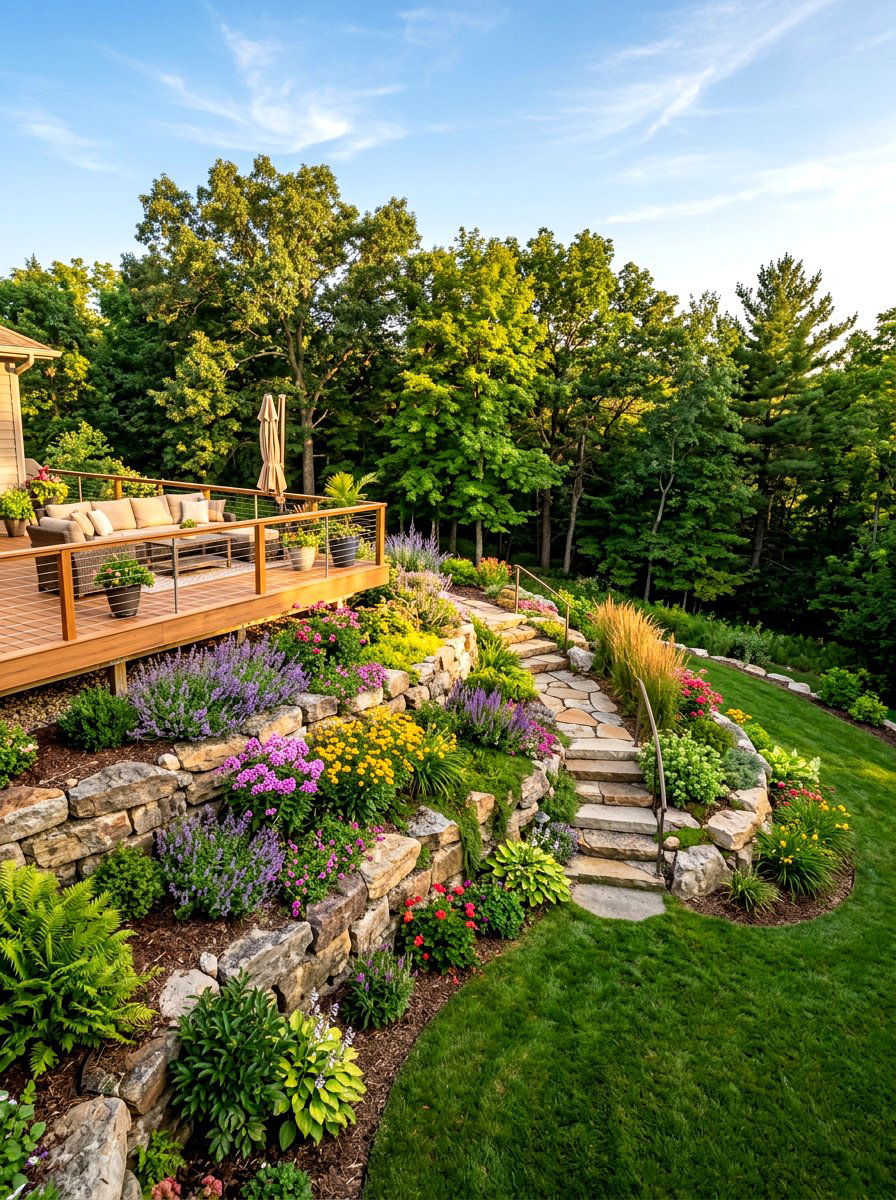
A tiered rock border is the perfect solution for sloped yards where you want to create flat planting areas for flowers. By building several low rock walls in a stepping-stone fashion, you can transform a difficult hill into a beautiful vertical garden. Each tier can be edged with a different type of stone to add even more visual variety to the design. This approach not only prevents erosion but also allows you to grow a wider variety of plants with different drainage needs. Tiered borders add a lot of architectural depth to a property, making the landscape look much more complex and professionally designed.
29. Zen Garden Rock Edge
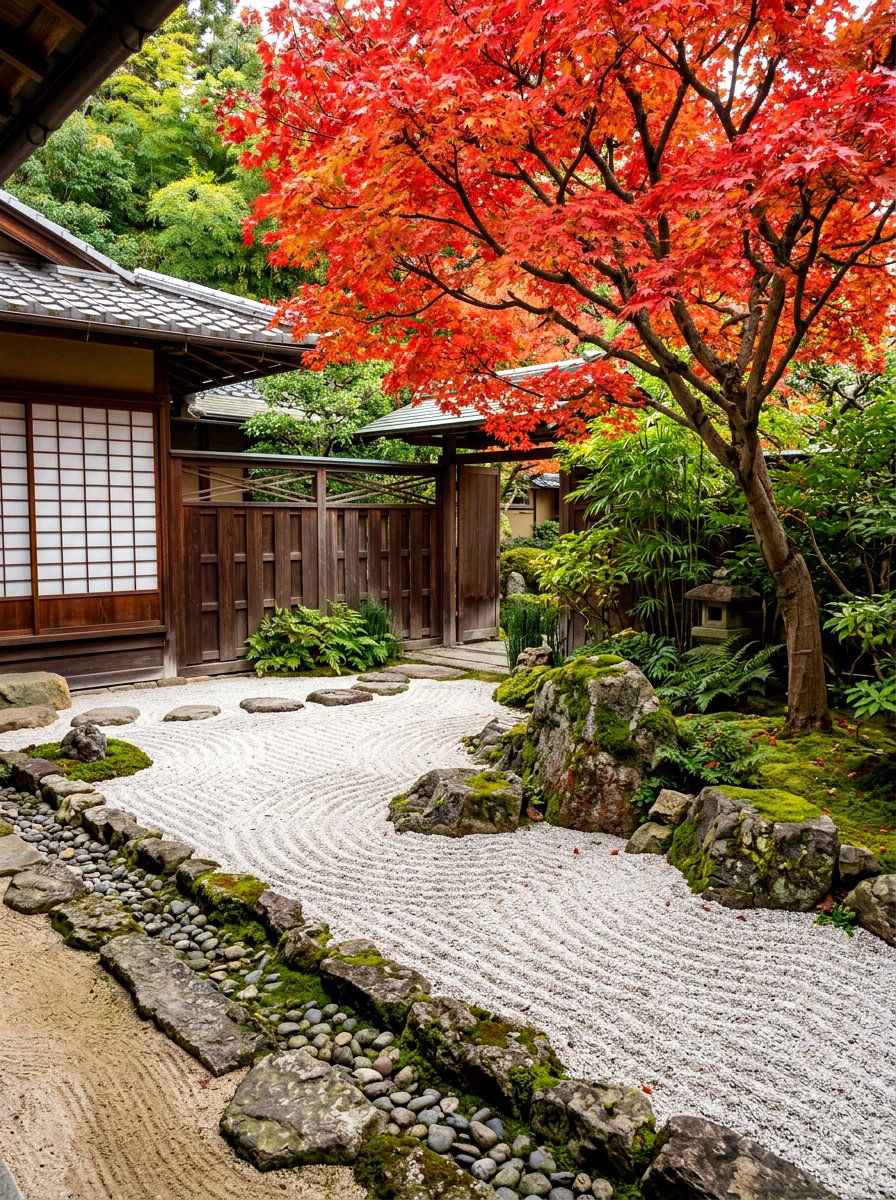
A Zen garden rock border focuses on simplicity, balance, and tranquility to create a peaceful outdoor retreat for meditation or relaxation. Usually, this involves using very specific stones, like large dark boulders paired with light-colored raked gravel or smooth river rocks. The goal is to create a sense of harmony between the different elements of the landscape. Every stone is placed with intention, often representing mountains or islands in a symbolic sea of sand. This type of rock border is perfect for small, enclosed courtyards where you want to create a quiet space away from the noise and stress of the outside world.
30. Desert Rock Border
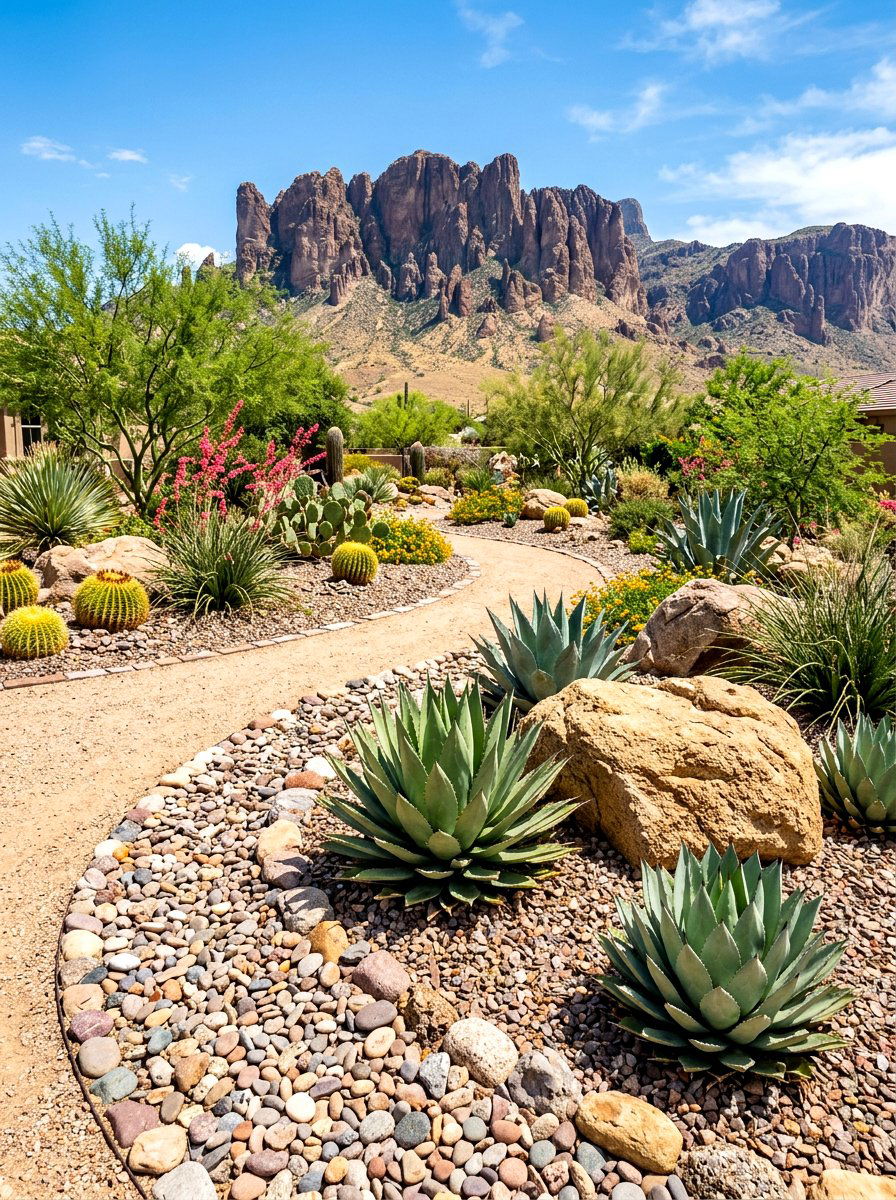
The desert rock border is an ideal choice for homeowners in arid climates or those looking for a low-water landscape. This style uses a mix of warm-toned stones, such as sandstone, quartz, and decomposed granite, to mimic the natural desert floor. It pairs perfectly with cacti, succulents, and drought-tolerant grasses that require very little maintenance or water. A desert rock border is not only eco-friendly but also incredibly durable against the harsh sun and high heat. It provides a clean, intentional look that proves you don't need a lush green lawn to have a stunning and vibrant front yard or garden.
Conclusion:
Choosing the right rock border can completely transform the appearance and functionality of your garden, making it look professional and polished. Whether you prefer the smooth, tranquil feel of river rocks or the bold, architectural statement of a stacked stone wall, there is a perfect option for every home. Rocks provide a permanent, low-maintenance solution that protects your plants while adding immense curb appeal to your property. By carefully selecting stones that complement your home's exterior and your personal style, you create a cohesive and inviting outdoor space. We hope these thirty ideas inspire you to start your next landscaping project with confidence and creativity.

Related posts: