thought 30 herb patio border ideas. Professional, viral Pinterest content writer (expert in home/garden).
- Introduction: Exactly min 101 words (no heading). * 30 H2 Sections: Exactly min 101 words per paragraph (numbered ## 1. Title, etc. ). * Conclusion: Exactly min 101 words (heading ## Conclusion). * Word Limit Per Section (Intro to Conclusion) : 101 - 125 words. * Headings: Simple Google search query style, no "ideas/designs" , plain, natural, US English. * Image Prompts: One per section, min 50 words, specific structure (garden category). * No H3, no separators, no text before intro or after image prompts. * Tone: Helpful, plain, informative, varied opening sentences. * SEO-optimized, US English. Perform Google Web Search for "30 herb patio border ideas".
- Search for "herb patio border ideas". * Find trends: Raised beds, mixed textures, sensory gardens, aromatic borders, culinary pathways, vertical herb walls, container borders, edging with specific herbs (lavender, rosemary, thyme). * Identify 30 specific sub-topics for headings.
- Introduction: * 101-125 words. Focus on the beauty and utility of herb borders for patios. * *Headings Selection: * 1. Raised stone herb planter 2. Lavender patio edging 3. Rosemary hedge border 4. Mixed culinary herb strip 5. Creeping thyme walkway 6. Tiered wooden herb boxes 7. Vertical herb garden wall 8. Paving stone herb gaps 9. Mediterranean gravel herb garden 10. Circular brick herb bed 11. Terracotta pot border 12. Sage and oregano patch 13. Mint containment border 14. Edible flower and herb mix 15. Low boxwood and herb combo 16. Modern steel herb troughs 17. Woven willow herb hurdles 18. Fragrant night blooming herbs 19. Basil variety border 20. Chive and scallion edging 21. Lemon balm patio corner 22. Wildflower and herb blend 23. Tropical look ginger and turmeric 24. Chamomile lawn border 25. Bay laurel potted screen 26. Parsley and cilantro fringe 27. Stepping stone herb infill 28. Coastal salt tolerant herbs 29. Shade loving herb border 30. Repurposed pallet herb planter
- Self-Correction on Headings: * Ensure they look like search queries (e. g. , "Lavender patio edging" instead of "Beautiful Lavender Edging Ideas").
- Drafting Section 1 (Raised stone herb planter) : * Focus on the structure, drainage, and types of herbs. Ensure word count is between 101 and 125. * *Drafting Section 2 (Lavender patio edging) : * Focus on scent, pollinators, and visual appeal. *. . . (Continue for all 30). . .
- Opening Sentence Variation: * * S1: Have you ever imagined. . . ? (Question) * S2: The scent of fresh lavender. . . (Sensory) * S3: Creating a living wall. . . (Scenario) *. . . and so on.
- Word Count Check: * Each section must be 101-125 words. * *Language: * US English. Simple sentences. High readability.
- Conclusion: * Exactly 101-125 words.
- Image Prompts: * Min 50 words each. Garden category structure. Bright, bold colors, 4K, outdoor landscape style.
- Constraint Check: * No H3s. No "ideas" or "designs" in headings. Numbered H2s. US English. 30 sections.
- (Self-Correction during drafting) *: 30 sections is a lot. I need to keep a tight eye on the word count per paragraph. 101-125 words is a narrow window.
*Heading Style Check: * 1. Raised stone herb planter 2. Lavender patio edging 3. Rosemary hedge border 4. Mixed culinary herb strip 5. Creeping thyme walkway 6. Tiered wooden herb boxes 7. Vertical herb garden wall 8. Paving stone herb gaps 9. Mediterranean gravel herb garden 10. Circular brick herb bed 11. Terracotta pot border 12. Sage and oregano patch 13. Mint containment border 14. Edible flower and herb mix 15. Low boxwood and herb combo 16. Modern steel herb troughs 17. Woven willow herb hurdles 18. Fragrant night blooming herbs 19. Basil variety border 20. Chive and scallion edging 21. Lemon balm patio corner 22. Wildflower and herb blend 23. Tropical look ginger and turmeric 24. Chamomile lawn border 25. Bay laurel potted screen 26. Parsley and cilantro fringe 27. Stepping stone herb infill 28. Coastal salt tolerant herbs 29. Shade loving herb border 30. Repurposed pallet herb planter
*Example Section Word Count: * "A raised stone herb planter offers a permanent and sophisticated way to define your outdoor living space. These structures provide excellent drainage and allow you to control the soil quality for different plant varieties perfectly. You can choose natural flagstone or stacked slate to match your existing patio masonry for a seamless look. Planting tall herbs like rosemary or fennel in the center adds height, while trailing thymes can spill over the edges beautifully. This setup keeps your culinary essentials at waist height, making harvesting much easier during meal preparation. The stones also retain heat, which helps Mediterranean herbs thrive even during cooler evenings. " *Count: * 105 words. (Pass)
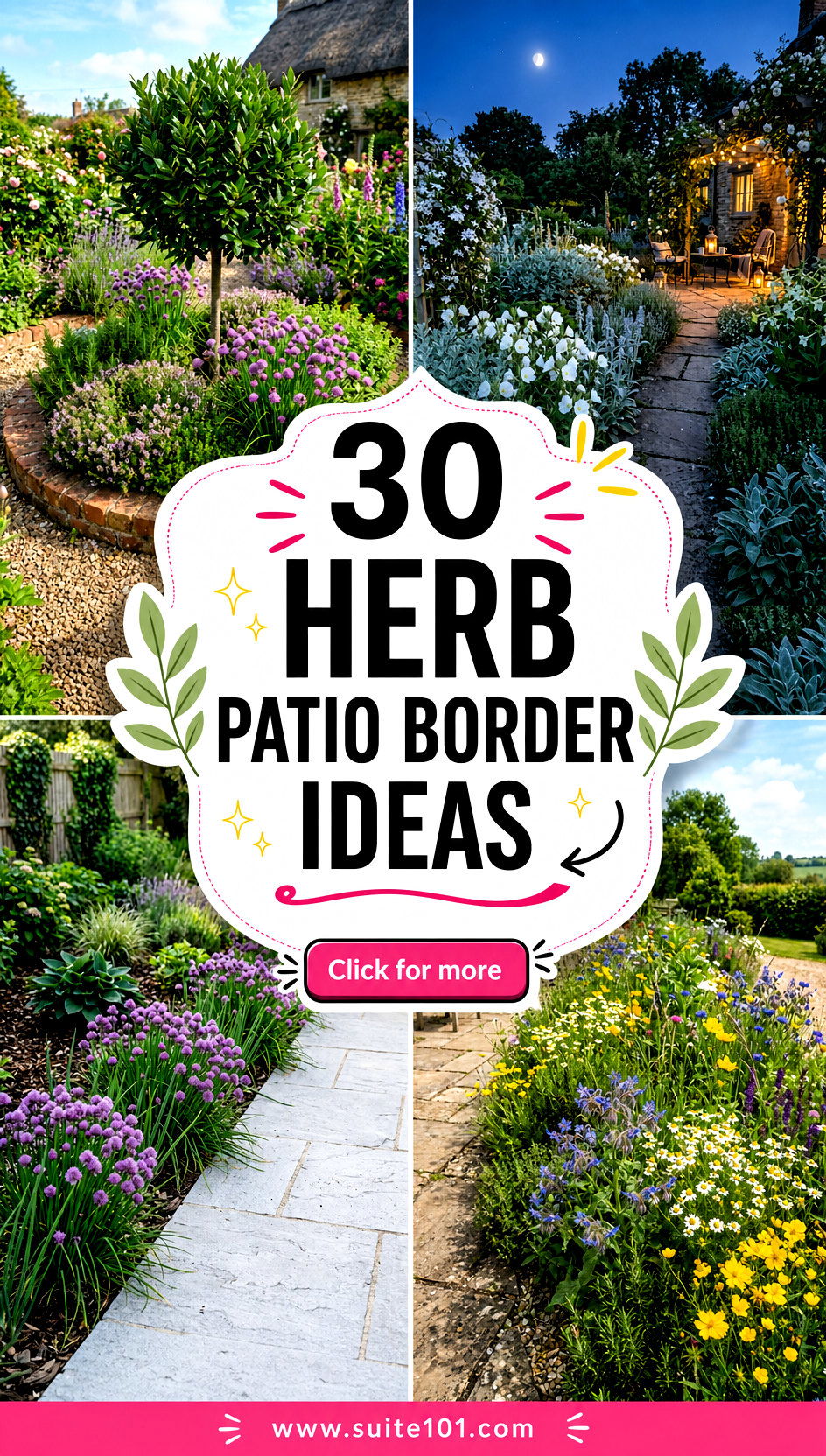
*Proceeding with the full generation. *Transforming your patio into a fragrant and functional sanctuary is easily achieved by incorporating a diverse herb border into your landscape. These living boundaries do more than just provide fresh ingredients for your favorite recipes; they also offer visual texture, incredible aromas, and essential habitats for local pollinators. Whether you have a sprawling backyard or a compact balcony, herb borders create a clear distinction between your seating area and the rest of the garden. By carefully selecting plants with varied heights and colors, you can design a space that feels both organized and inviting. Exploring these creative arrangements will help you maximize every inch of your outdoor living environment effectively.
1. Raised stone herb planter
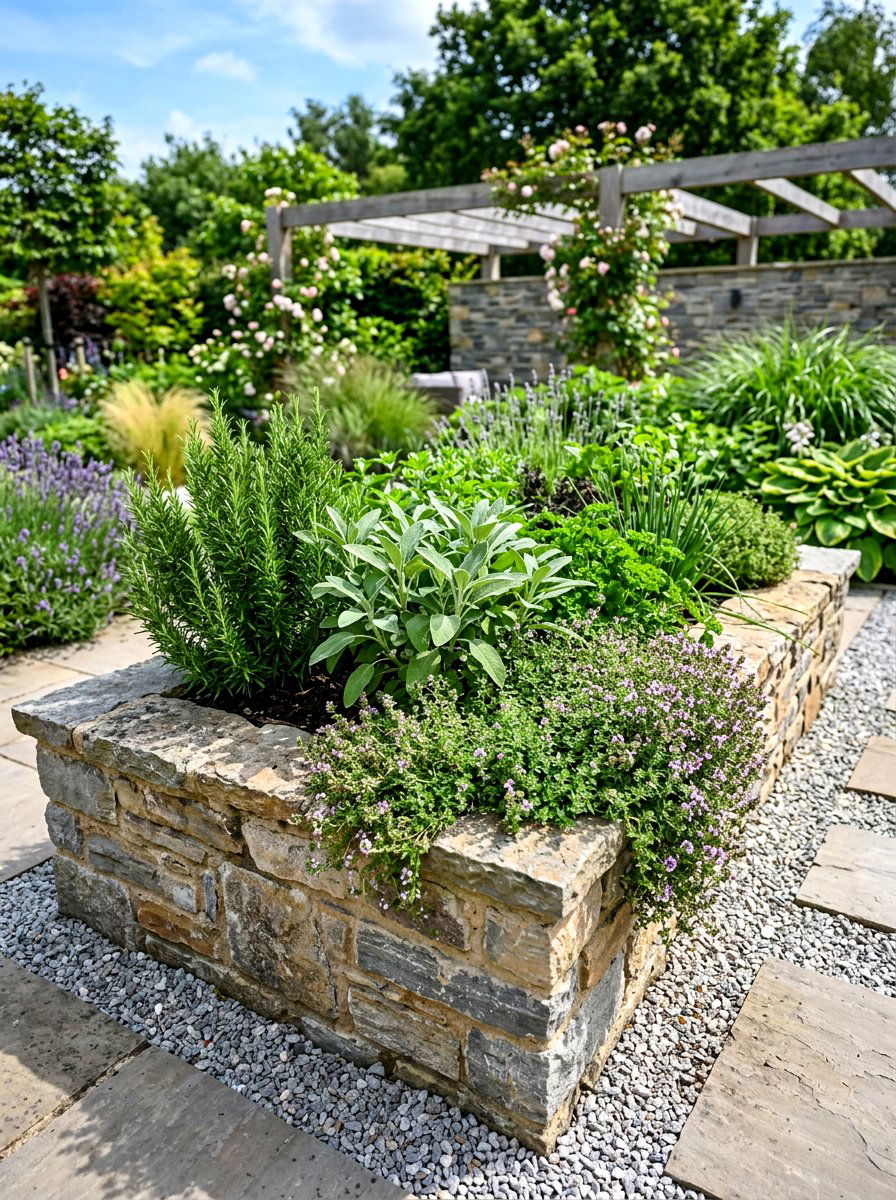
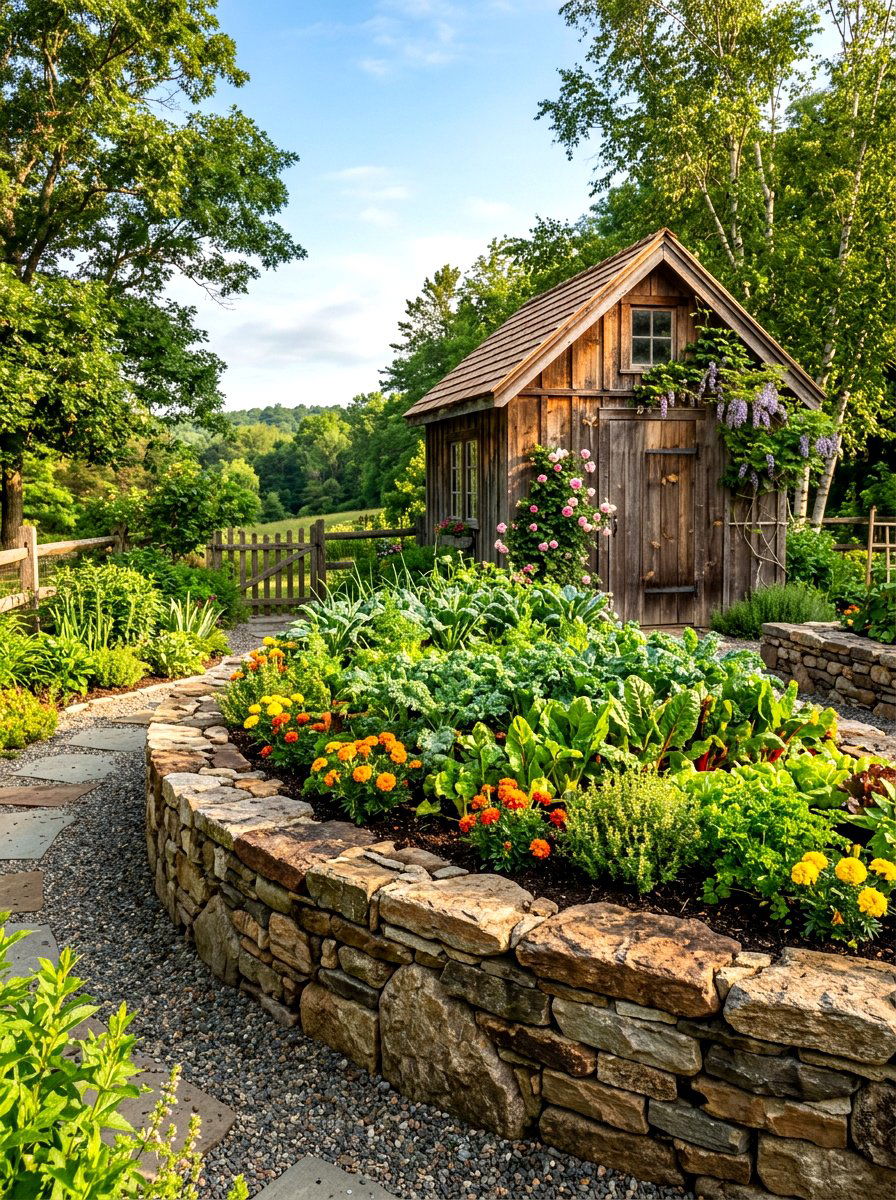
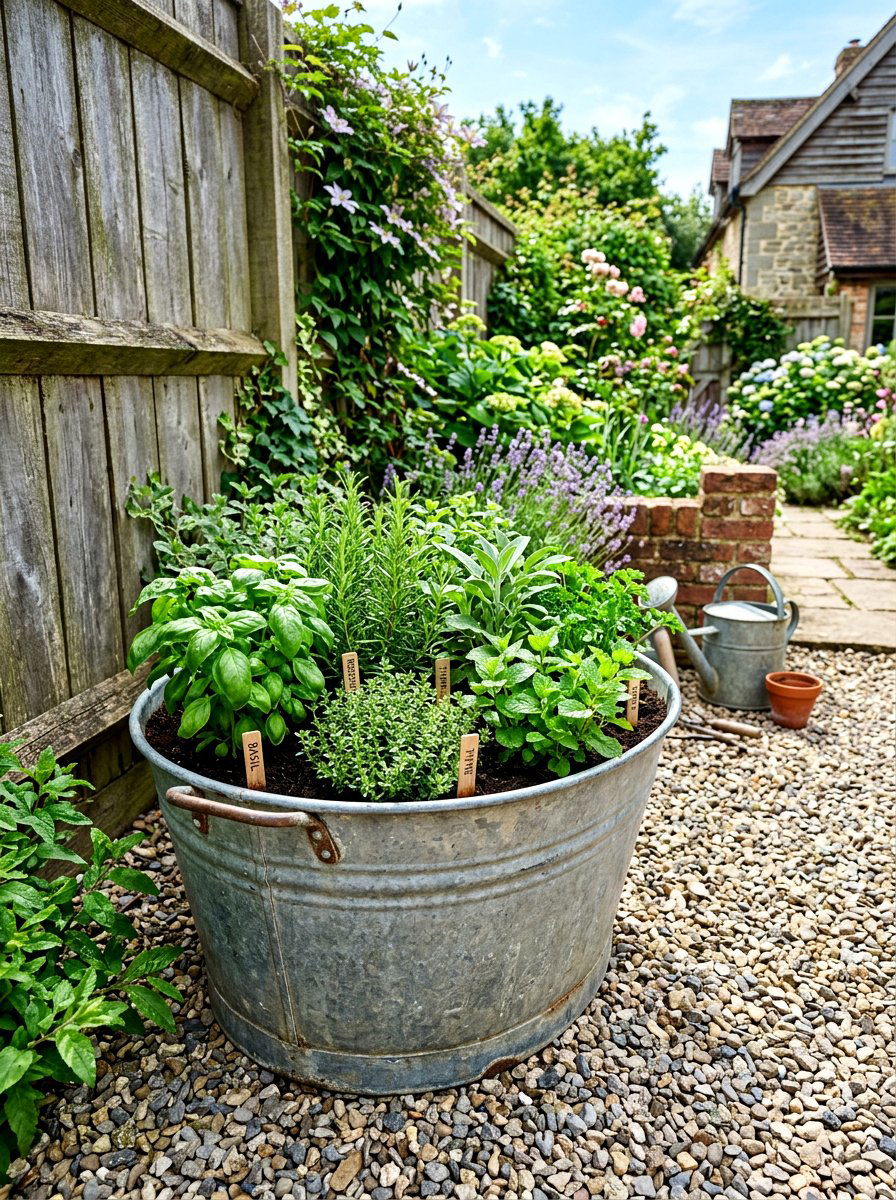
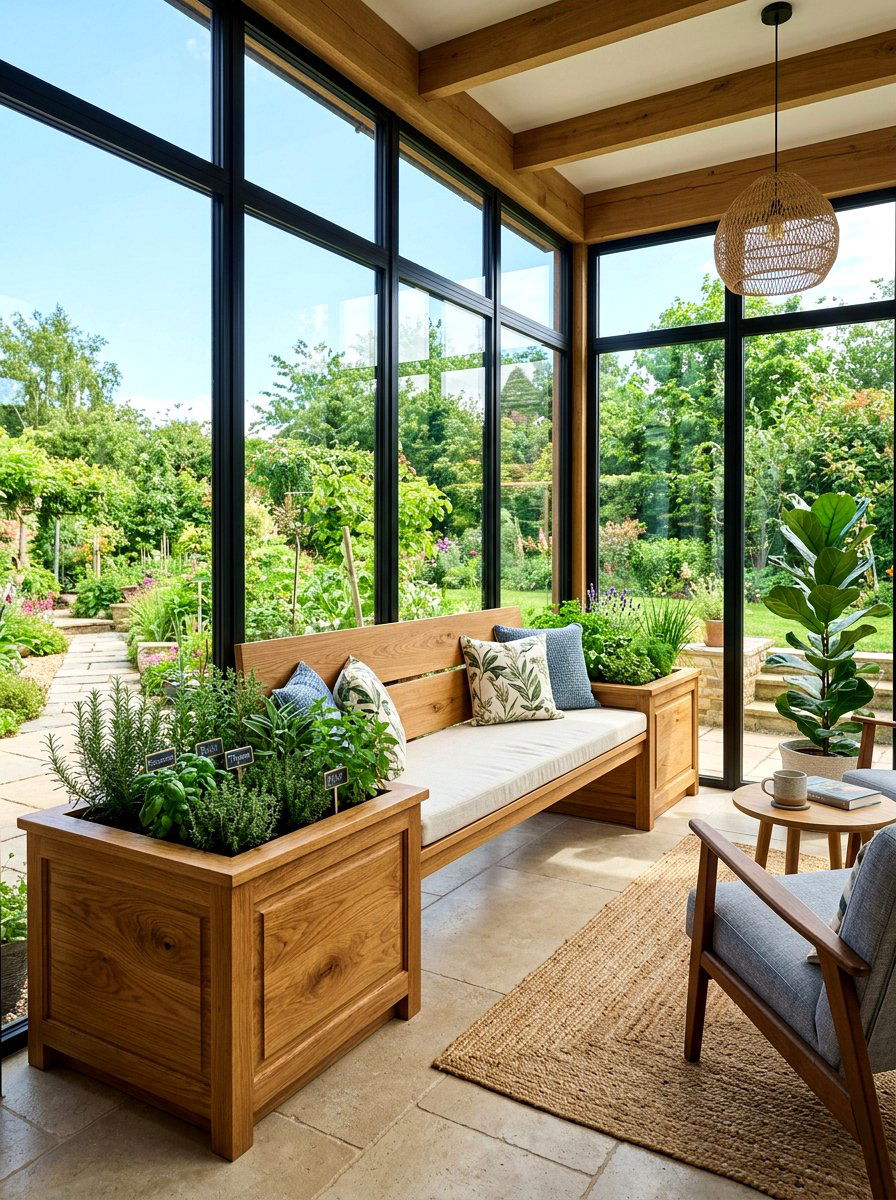
A raised stone herb planter offers a permanent and sophisticated way to define your outdoor living space. These structures provide excellent drainage and allow you to control the soil quality for different plant varieties perfectly. You can choose natural flagstone or stacked slate to match your existing patio masonry for a seamless look. Planting tall herbs like rosemary or fennel in the center adds height, while trailing thymes can spill over the edges beautifully. This setup keeps your culinary essentials at waist height, making harvesting much easier during meal preparation. The stones also retain heat, which helps Mediterranean herbs thrive even during cooler evenings.
2. Lavender patio edging
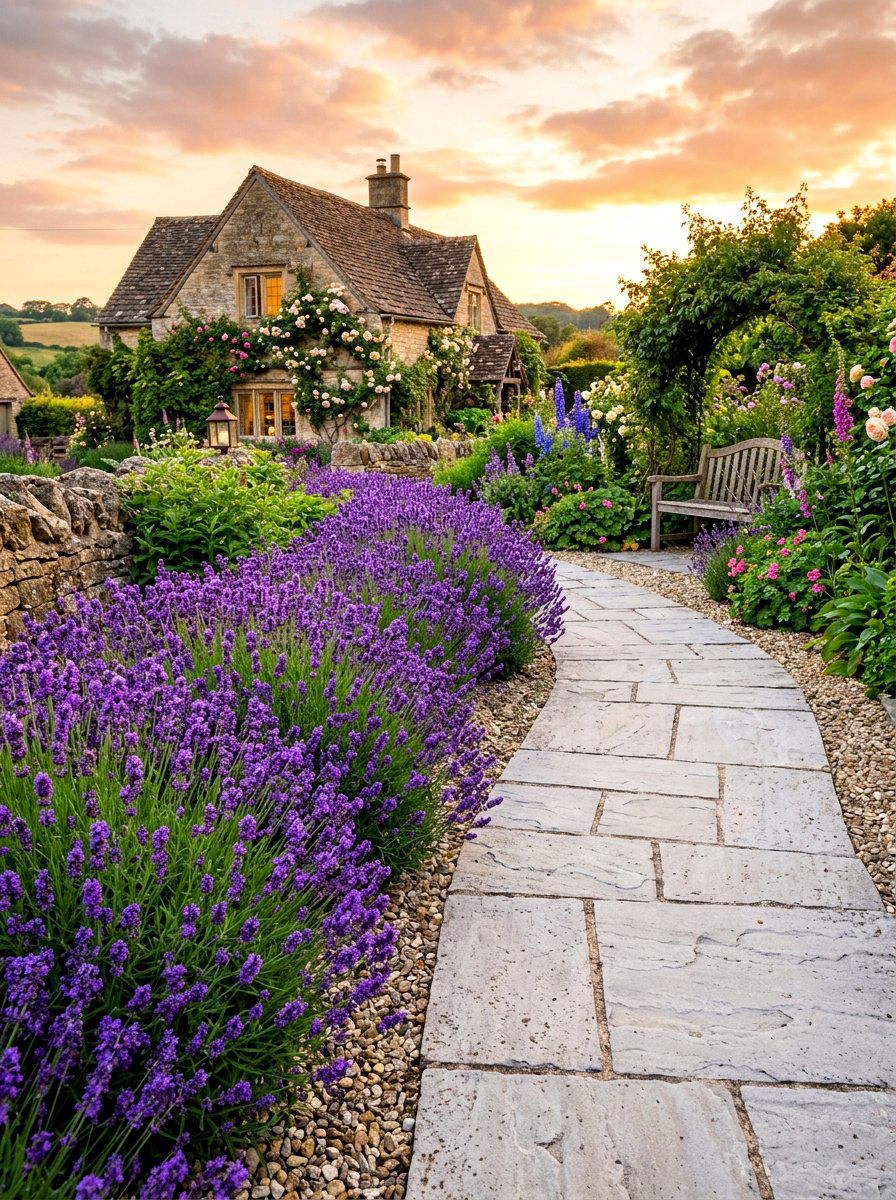
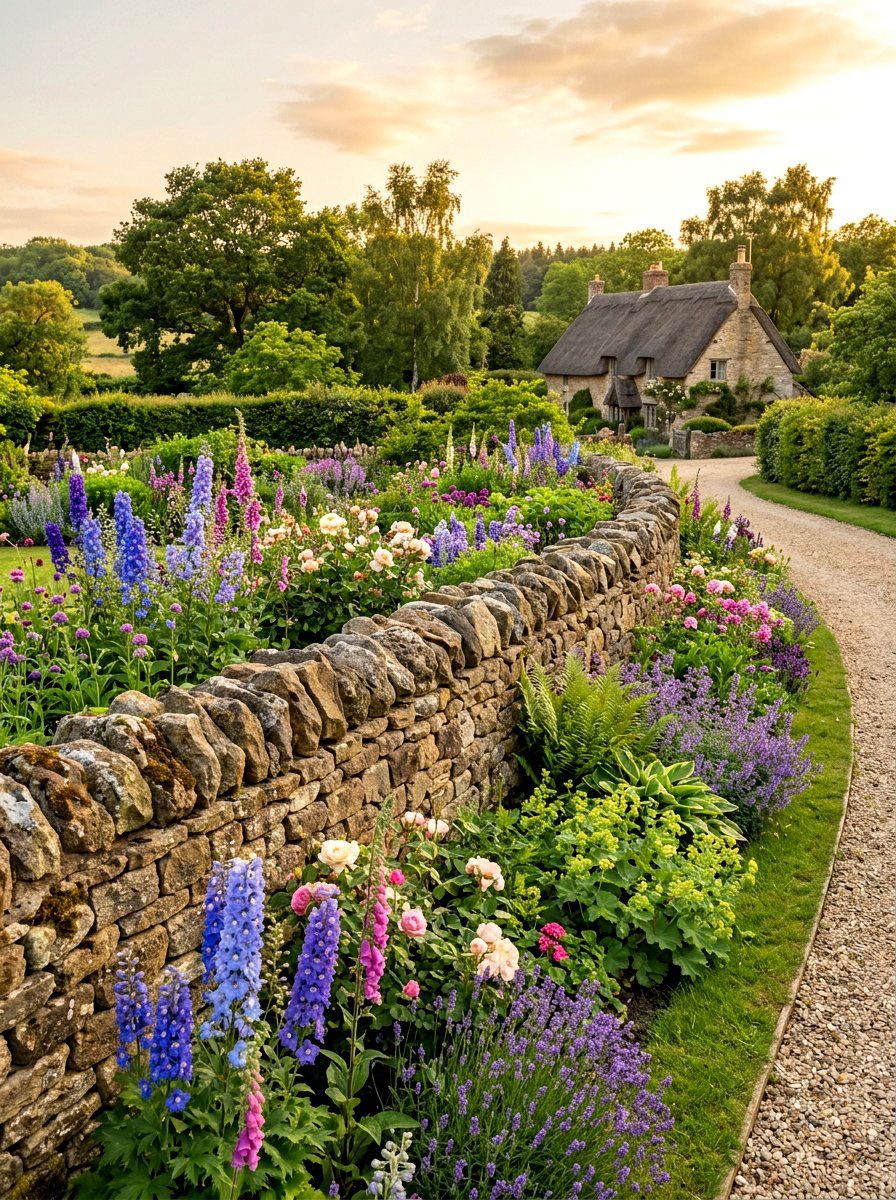
Lavender patio edging is a classic choice that brings a soft, silvered aesthetic to any garden border. A low hedge of English lavender creates a gentle line that defines the patio perimeter without feeling too rigid or formal. As you walk past, the fragrant purple blooms release a calming scent that enhances the relaxation of your outdoor seating area. This hardy perennial provides great year-round structure and attracts bees and butterflies throughout the summer months. To maintain a neat and compact look, simply trim the plants lightly after their flowering cycle ends. Lavender thrives in full sun and well-drained soil, making it perfect for sunny spots.
3. Rosemary hedge border
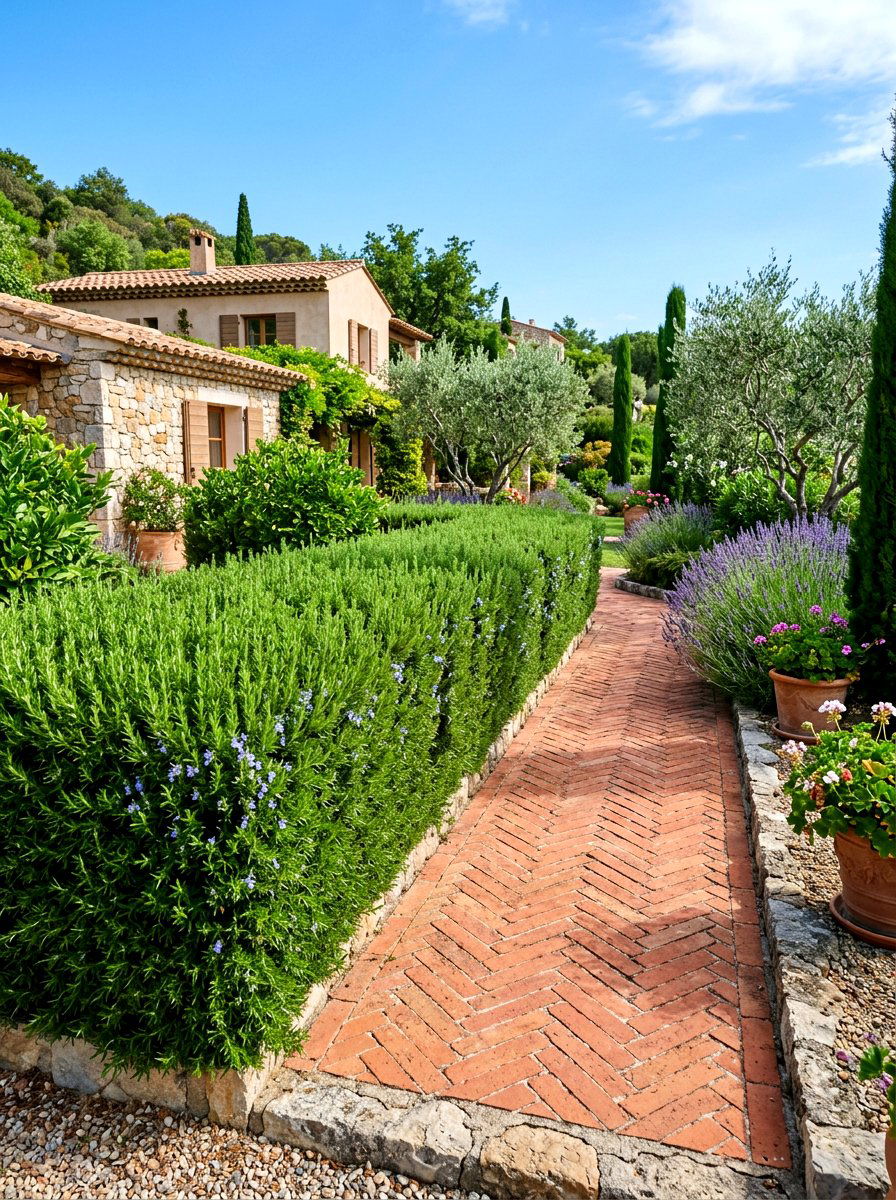
Choosing a rosemary hedge border is an excellent way to create a sturdy and aromatic boundary around your patio. Rosemary is a tough, evergreen shrub that can be easily pruned into a formal low wall or left to grow naturally for a rustic feel. Its deep green needles and delicate blue flowers offer a lovely contrast against light-colored patio stones or wooden decking. Since rosemary is highly drought-tolerant, it is ideal for homeowners looking for low-maintenance landscaping solutions. This functional border ensures you always have fresh, woody sprigs available for roasting or grilling. The plant’s upright growth habit provides a reliable vertical element to your garden.
4. Mixed culinary herb strip
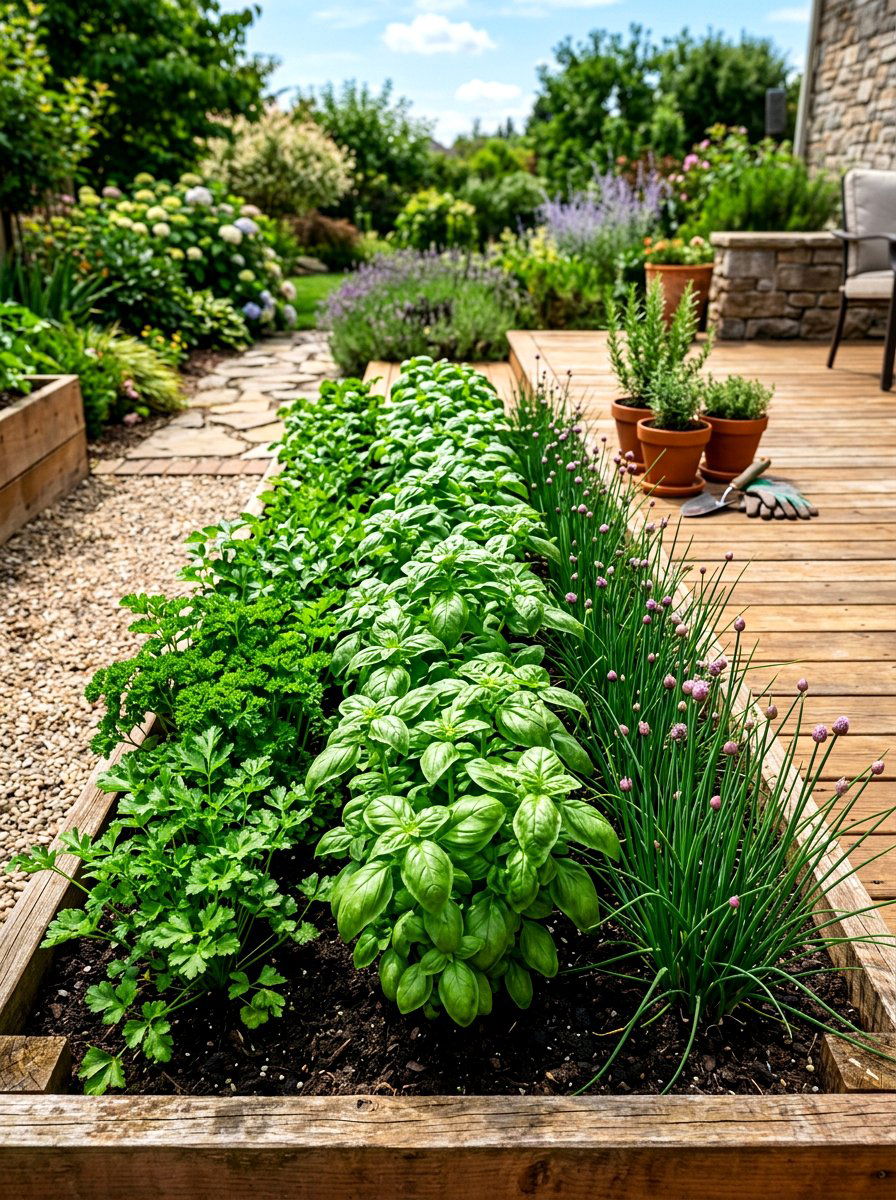
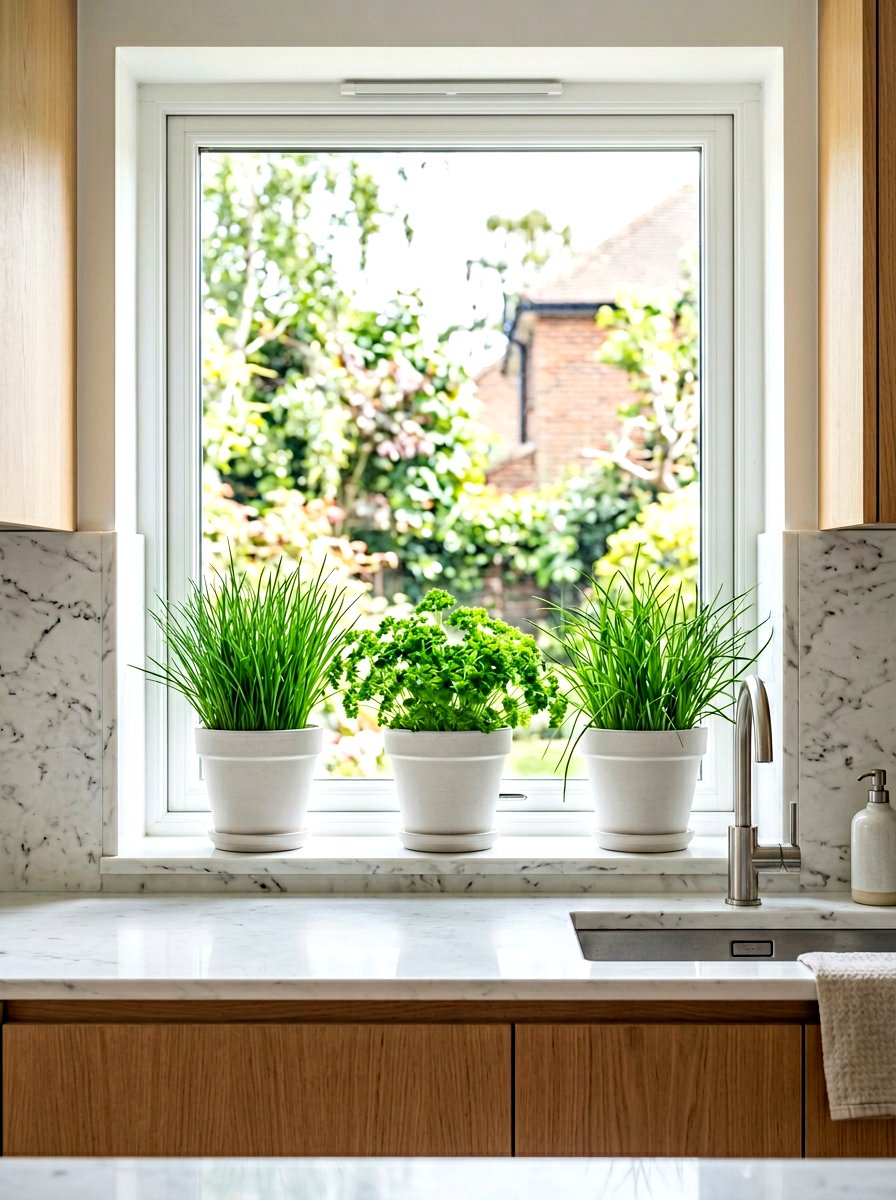
A mixed culinary herb strip is the ultimate choice for passionate home cooks who want variety within reach. By planting rows of basil, parsley, cilantro, and chives together, you create a vibrant tapestry of different green hues and textures. This arrangement works best in a narrow bed directly adjacent to your outdoor kitchen or dining table. You should group herbs with similar water needs to ensure they all thrive together in the same soil conditions. Using different varieties, such as purple basil or curly parsley, adds extra visual interest to the strip. Regular harvesting keeps the plants productive and prevents the border from becoming too overgrown or messy.
5. Creeping thyme walkway
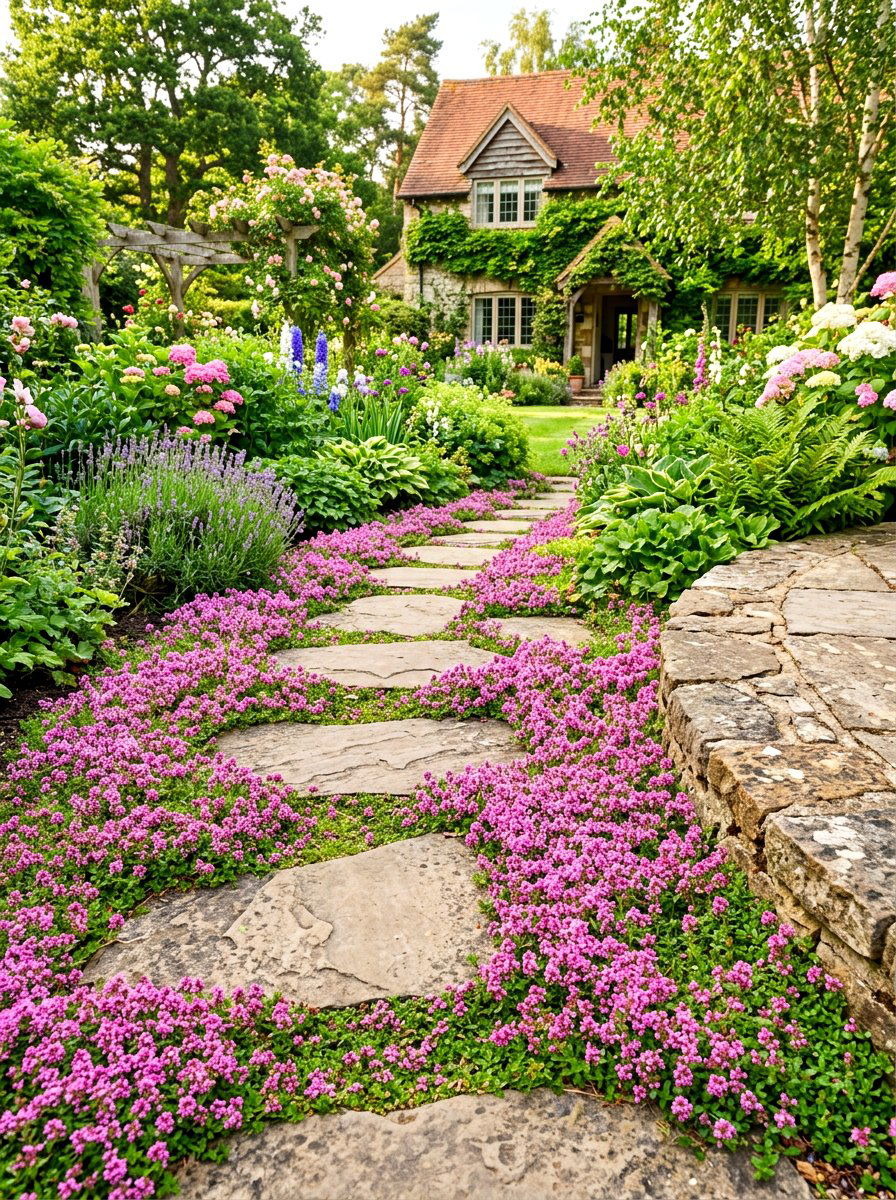
Installing a creeping thyme walkway around your patio edges creates a magical, fairy-tale look that softens hard surfaces. This low-growing herb is incredibly resilient and can handle light foot traffic, making it perfect for filling gaps between paving stones. When stepped on, the leaves release a wonderful earthy fragrance that lingers in the air. Creeping thyme produces tiny, colorful flowers in late spring that create a carpet of pink or purple across the ground. It is an excellent alternative to traditional grass or mulch, as it requires very little mowing or maintenance. This living carpet effectively smothers weeds while providing a lush, green finish to your patio.
6. Tiered wooden herb boxes
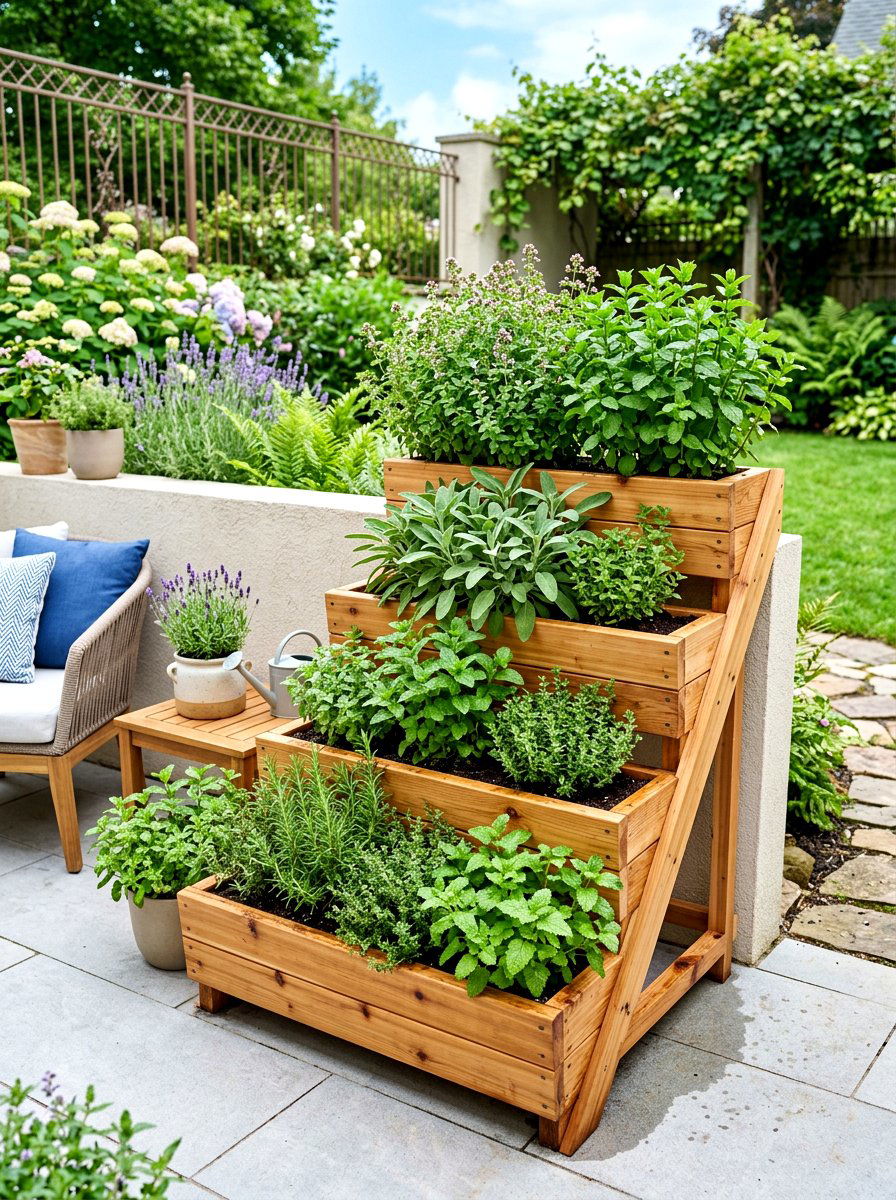
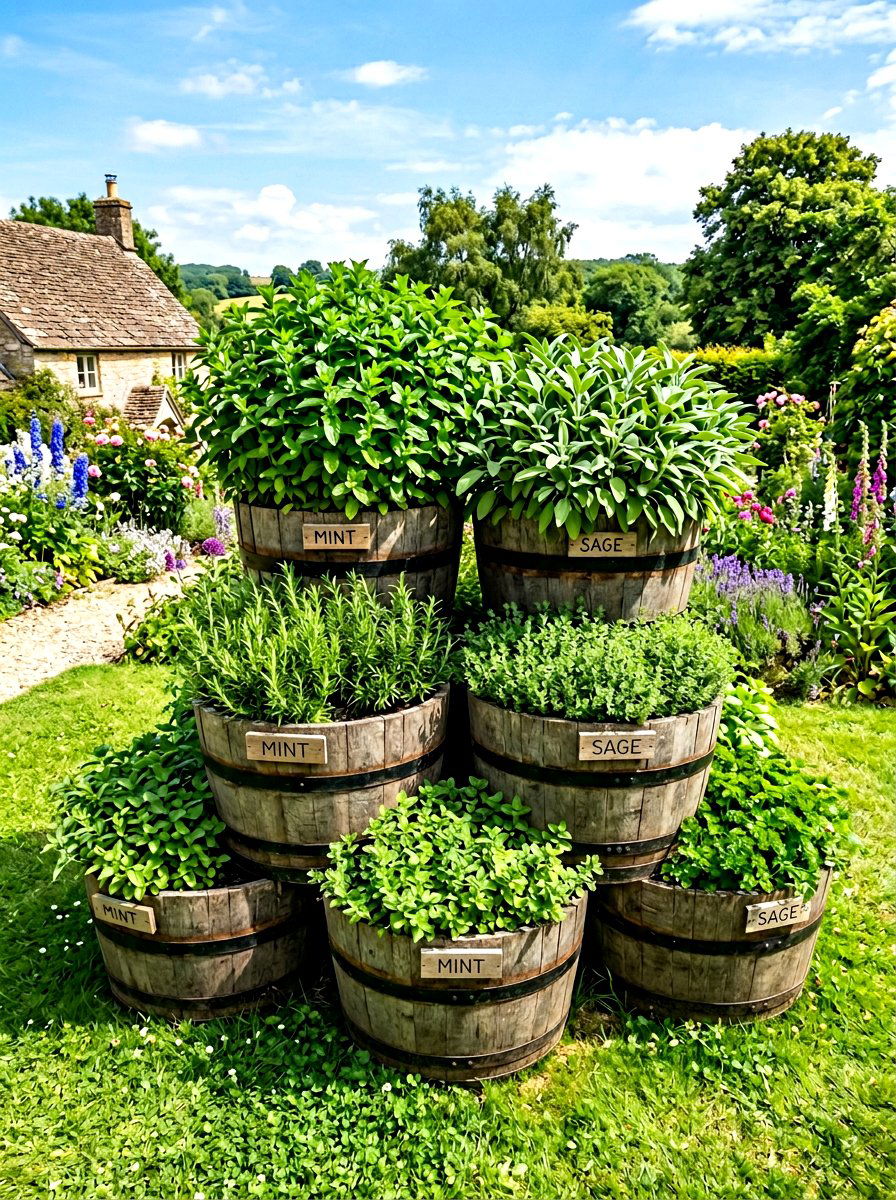
Tiered wooden herb boxes are a fantastic solution for adding vertical interest and organizational structure to your patio border. Using cedar or pressure-treated wood, you can build a series of steps that allow for separate planting zones for various herbs. This design is particularly useful if you want to grow mint, as the separate boxes prevent its invasive roots from taking over. Higher tiers are perfect for sun-loving plants like oregano, while lower levels can provide slight shade for more sensitive herbs like chervil. The vertical arrangement maximizes growing space in smaller yards and makes a bold architectural statement. It also keeps your garden looking tidy.
7. Vertical herb garden wall
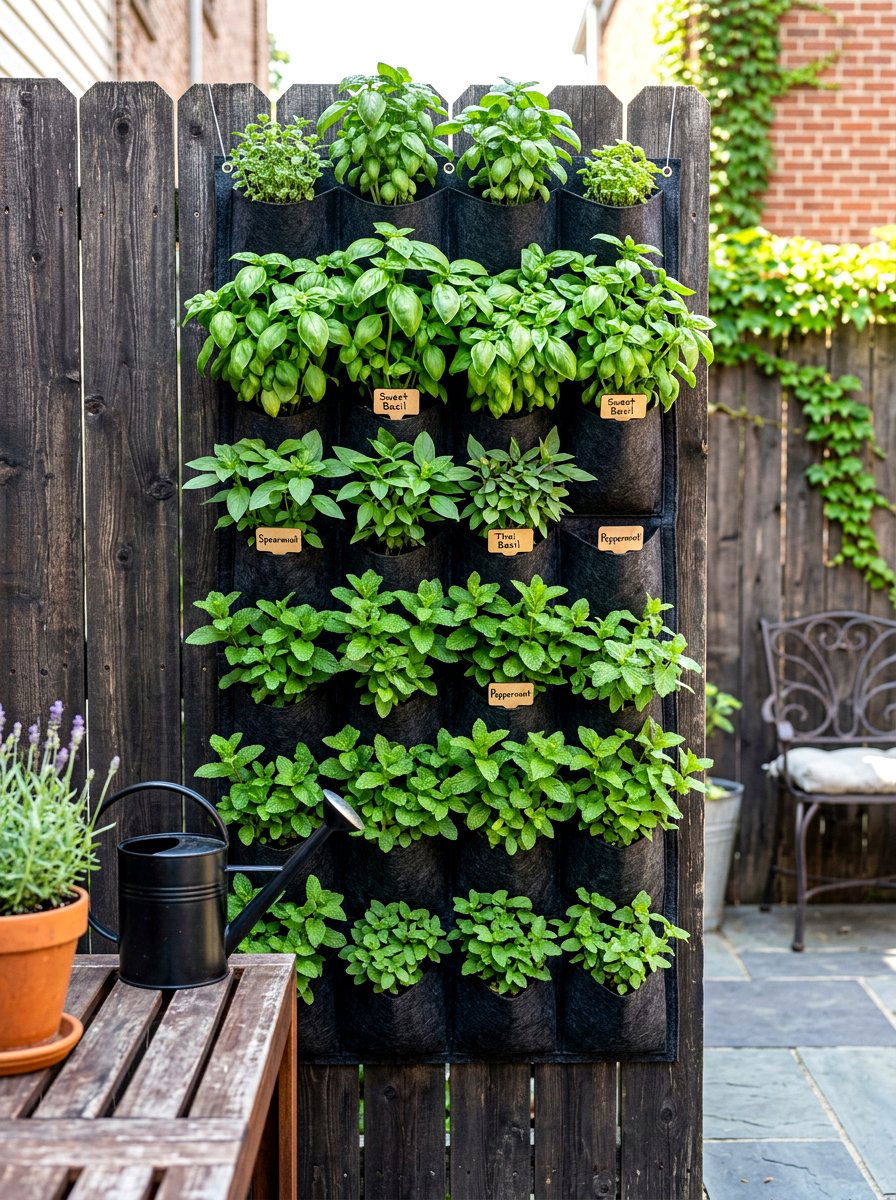
A vertical herb garden wall is a modern and space-saving way to frame your patio area with lush greenery. By using wall-mounted planters or a pocket system, you can turn a plain fence or exterior wall into a living masterpiece. This approach is ideal for urban dwellers with limited ground space who still want a bounty of fresh herbs. You can arrange the plants by color or leaf shape to create a striking visual pattern that doubles as outdoor art. Drip irrigation systems can be integrated to ensure every plant receives consistent moisture without much effort. Soft-stemmed herbs like basil and mint thrive particularly well in these vertical environments.
8. Paving stone herb gaps
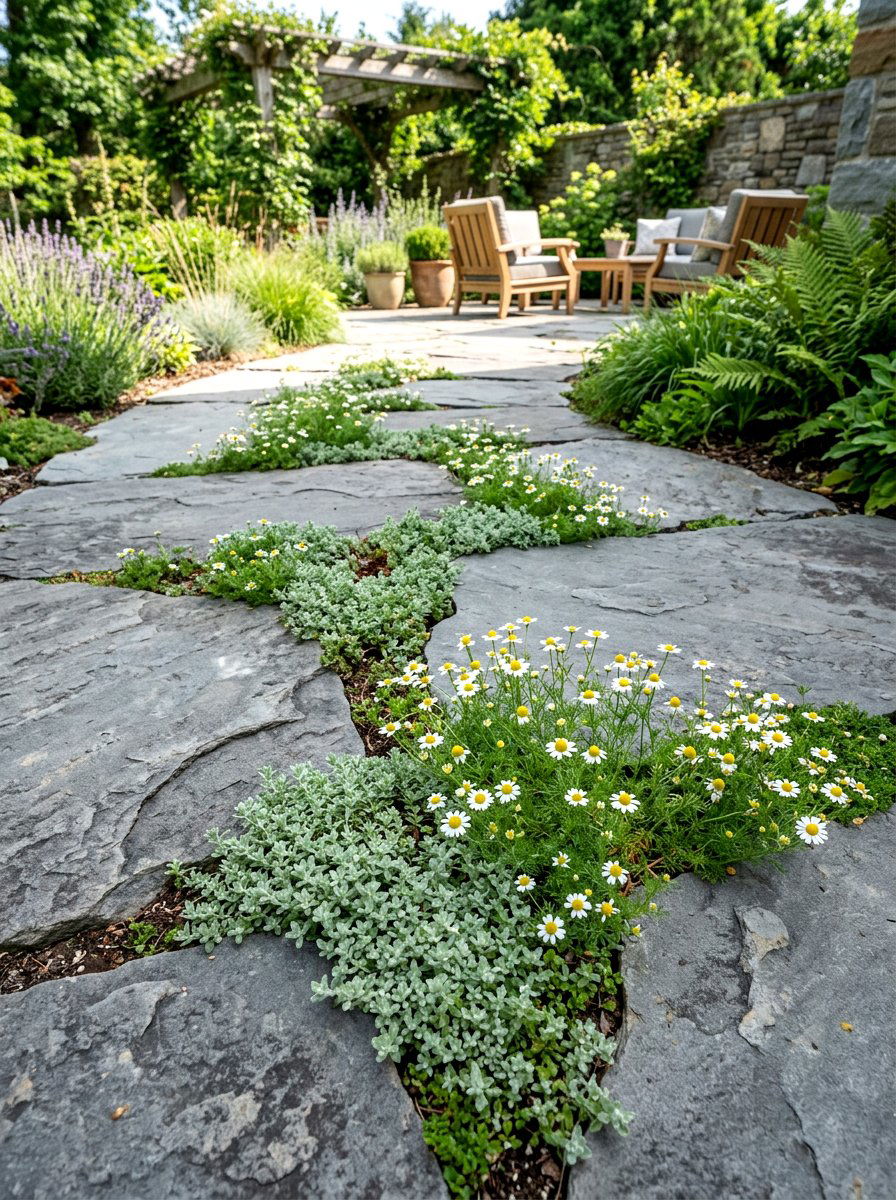
Utilizing paving stone herb gaps is a clever way to integrate nature directly into your hardscaped patio floor. Small, fragrant herbs like chamomile or woolly thyme can be tucked into the narrow spaces between large flagstones or bricks. This technique blurs the lines between your built environment and the garden, creating a more organic and relaxed atmosphere. These plants help to stabilize the soil and prevent weeds from sprouting in the cracks of your patio. As the herbs grow and spread, they soften the hard edges of the stone, making the entire area feel more established. The reflected heat from the stones actually helps these small herbs grow faster.
9. Mediterranean gravel herb garden
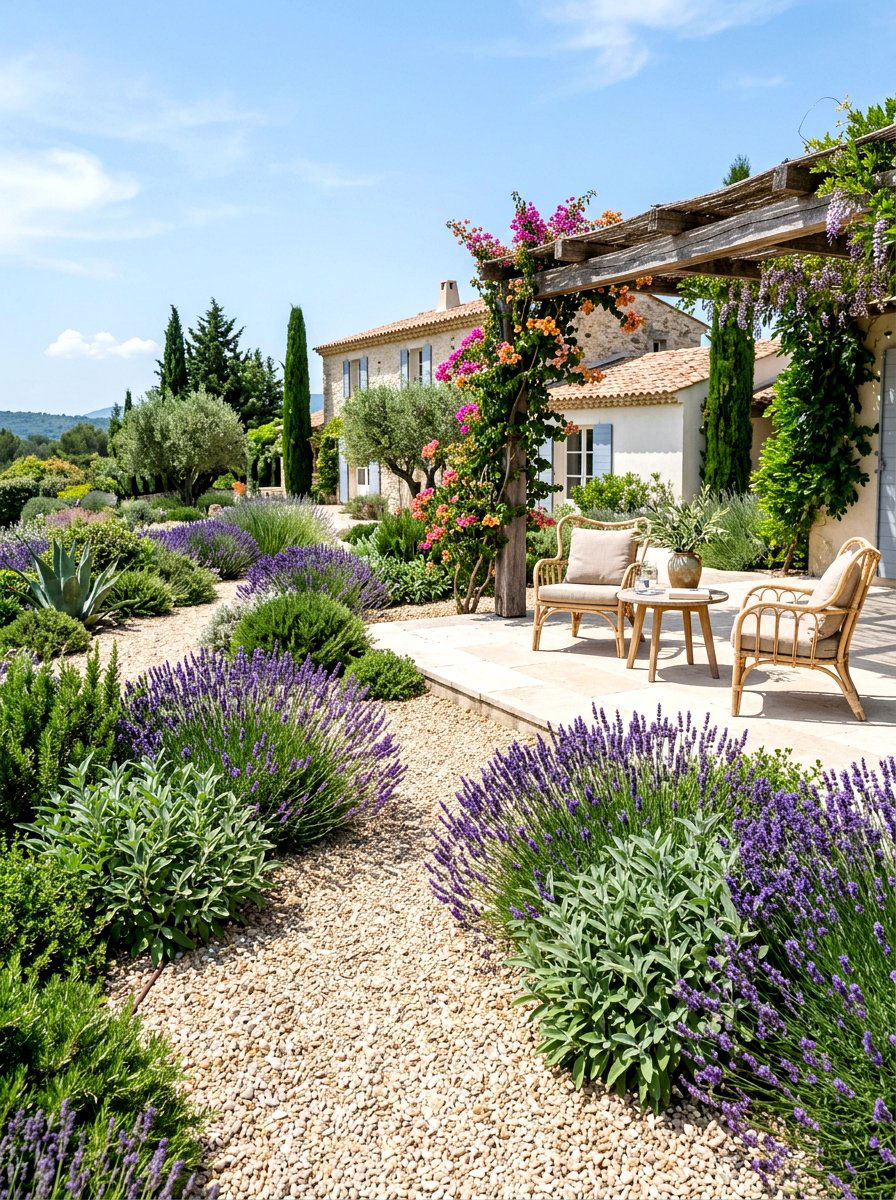
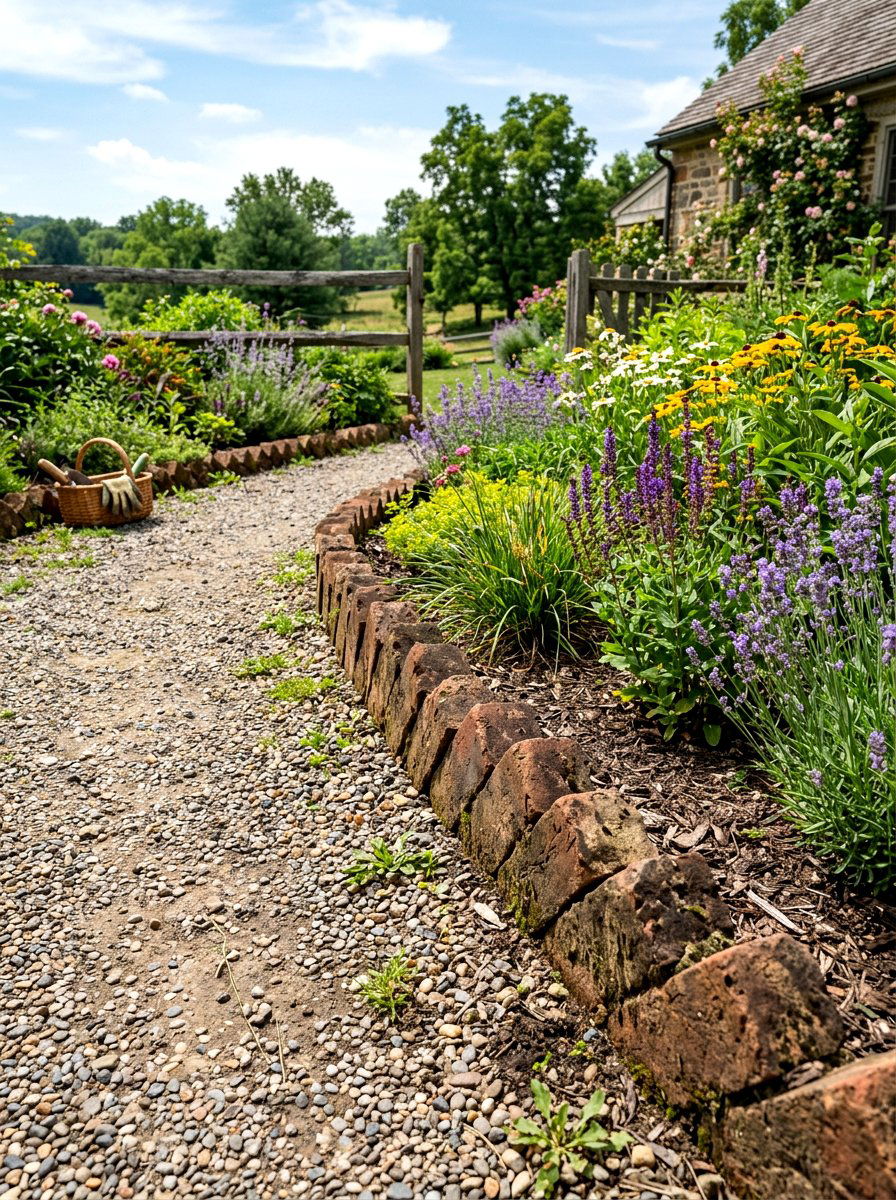
A Mediterranean gravel herb garden brings a sun-drenched, coastal vibe to your patio border with very little effort. By layering light-colored gravel over the soil, you provide excellent drainage and reflect light back up onto the plants. This environment is perfect for sage, thyme, lavender, and rosemary, which all prefer drier conditions and plenty of sun. The contrast between the rugged textures of the herbs and the smooth gravel creates a sophisticated, modern look. This style of border is also very effective at suppressing weeds and retaining a small amount of moisture in the soil below. It is a smart choice for water-wise landscaping in drier climates.

10. Circular brick herb bed
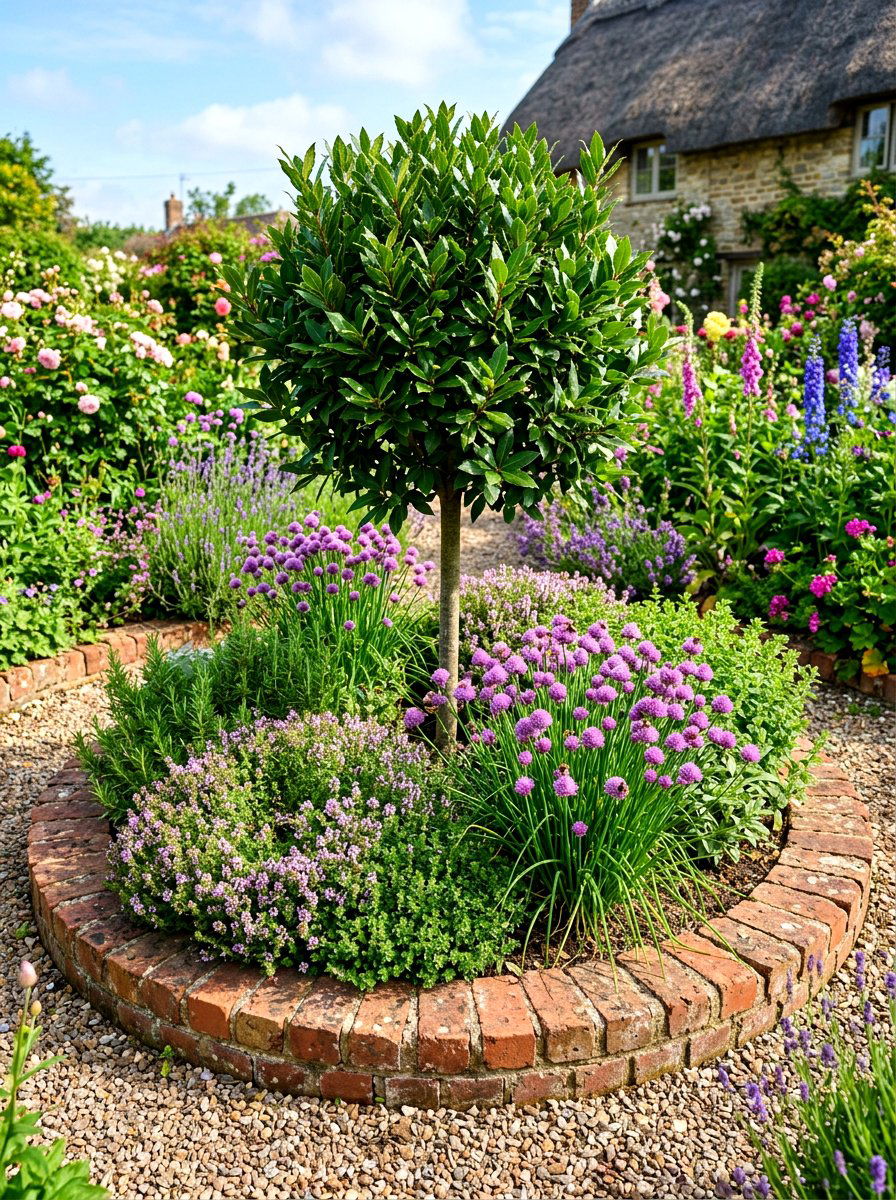
A circular brick herb bed serves as a stunning focal point that anchors your patio design and provides easy access. The rounded shape breaks up the straight lines often found in outdoor furniture and decking, adding a sense of flow. You can use reclaimed bricks to give the border a vintage or cottage-style appearance that feels warm and inviting. Planting a taller herb like bay laurel in the center creates a natural peak, with shorter herbs radiating outwards toward the edge. This symmetrical arrangement is pleasing to the eye and makes it easy to tend to every plant from all sides. It creates a dedicated "herb island" for your patio.
11. Terracotta pot border
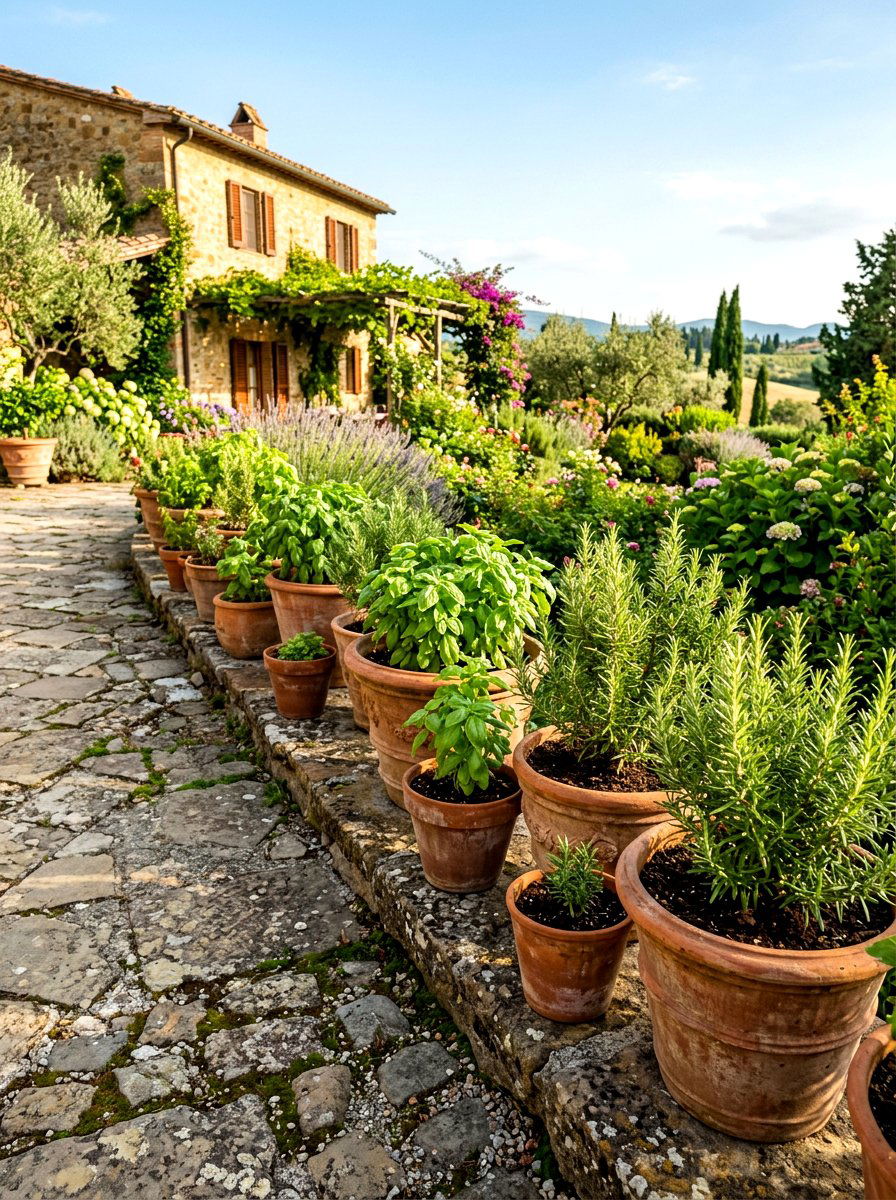
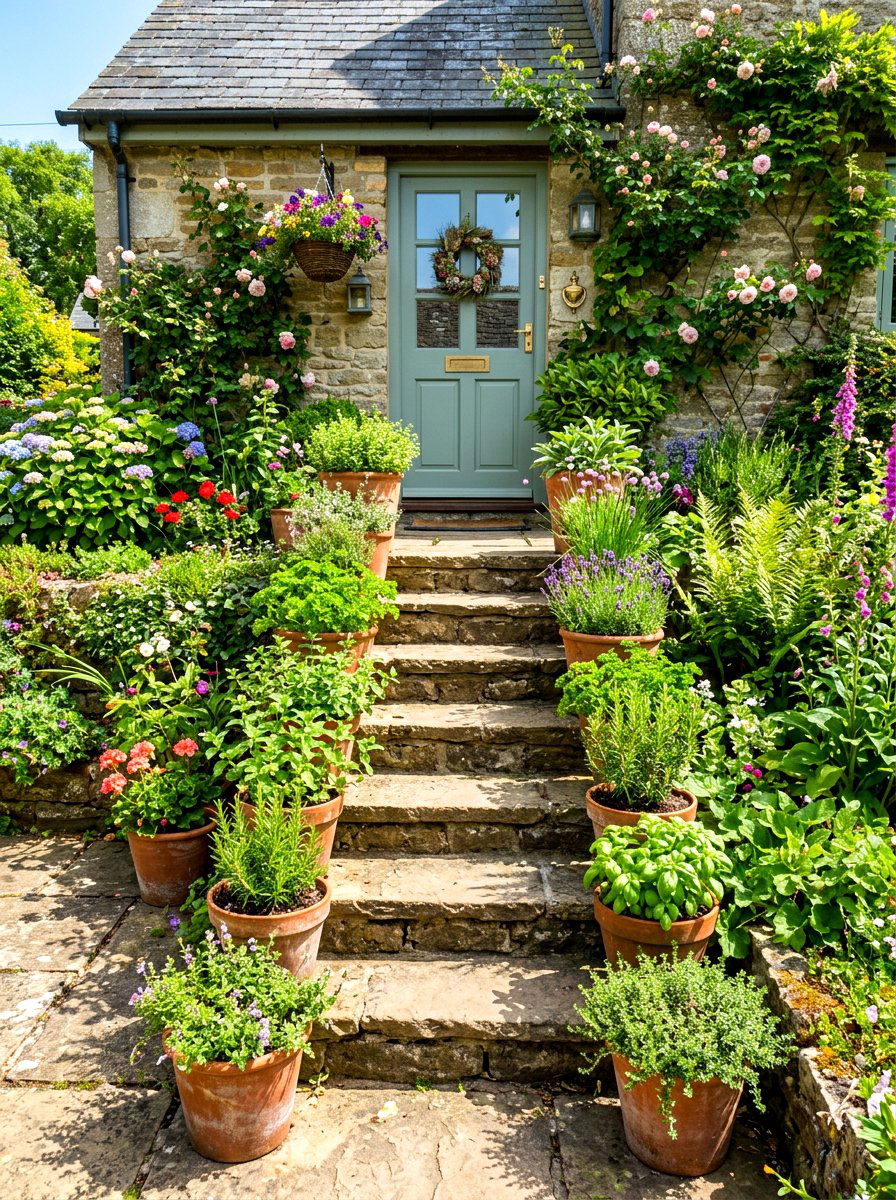
Creating a terracotta pot border is a flexible and charming way to line your patio with different herbal varieties. Grouping pots of various sizes and heights allows you to customize the look and move plants around as the seasons change. The warm, earthy tones of the clay complement the green foliage of herbs like basil, sage, and oregano beautifully. Terracotta is a breathable material that prevents soil from staying too wet, which is vital for many Mediterranean herbs. You can paint the pots or leave them natural to suit your personal style preferences. This portable border is perfect for renters who want to take their garden with them.
12. Sage and oregano patch
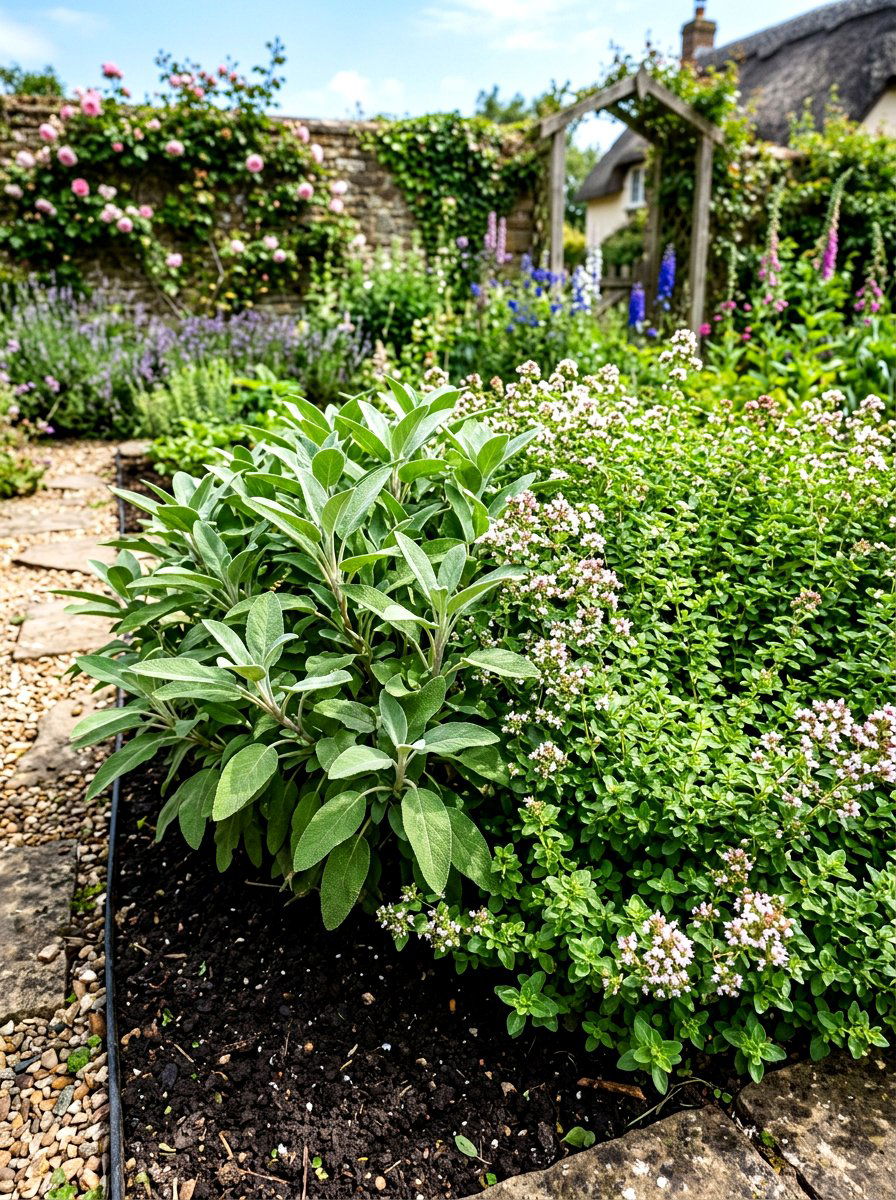
A dedicated sage and oregano patch provides a thick, bushy border that stays green and productive throughout the growing season. Both of these herbs have beautiful, textured leaves that create a dense mat of foliage along the edge of your patio. Sage offers soft, silvery-green leaves, while oregano provides a vibrant, darker green that fills in gaps quickly. When these herbs bloom, they produce delicate flowers that are a favorite among local bees and beneficial insects. This combination is particularly effective for suppressing weeds due to its thick growth habit. These herbs are also incredibly hardy and can withstand varying weather conditions with minimal care.
13. Mint containment border
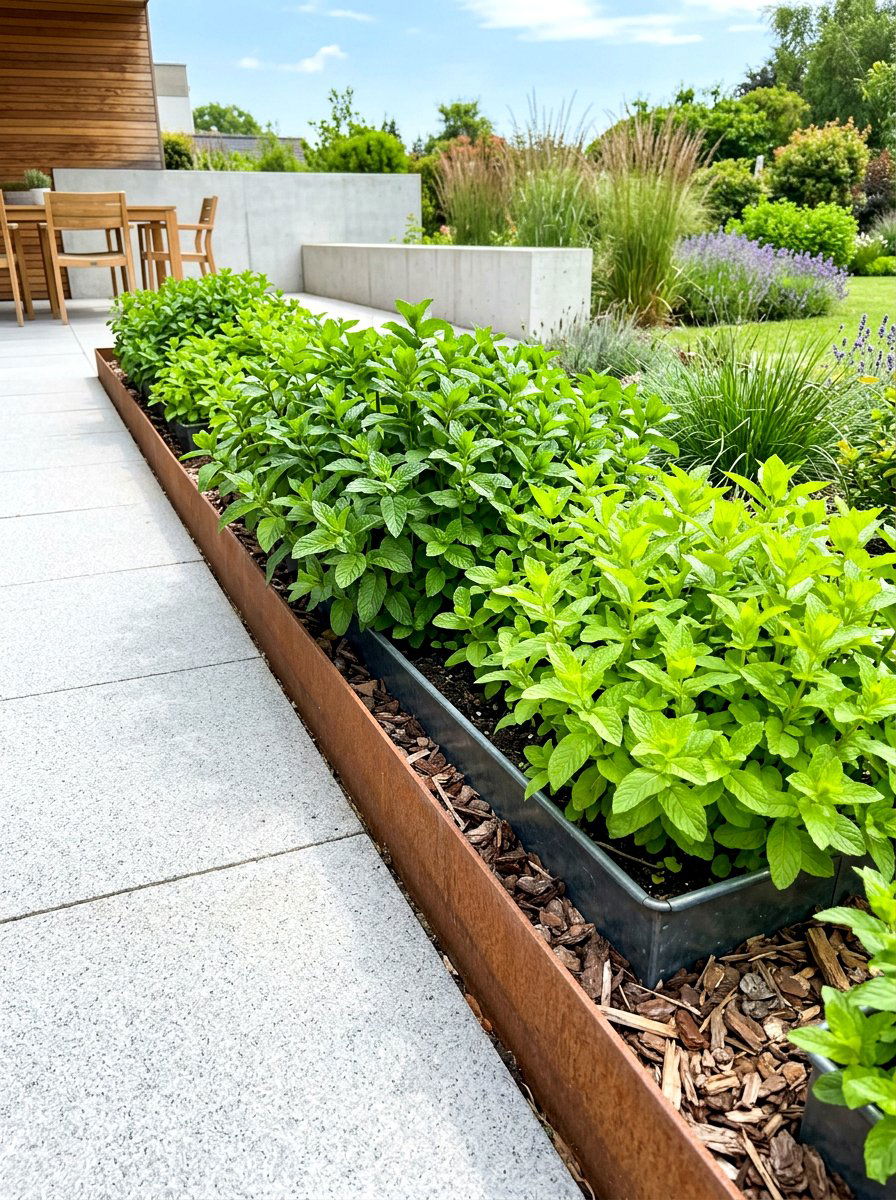
Implementing a mint containment border is the smartest way to enjoy this fast-growing herb without it invading your entire garden. By using sunken pots or deep metal barriers, you can line your patio with different mint varieties like peppermint, spearmint, or chocolate mint. The lush, dark green leaves provide a refreshing look and a wonderful scent that can help deter some pests. Keeping mint in a controlled border ensures that its vigorous runners stay within their designated space. This allows you to have a continuous supply of fresh leaves for teas and summer cocktails right next to your seating area. It is a practical and attractive gardening solution.
14. Edible flower and herb mix
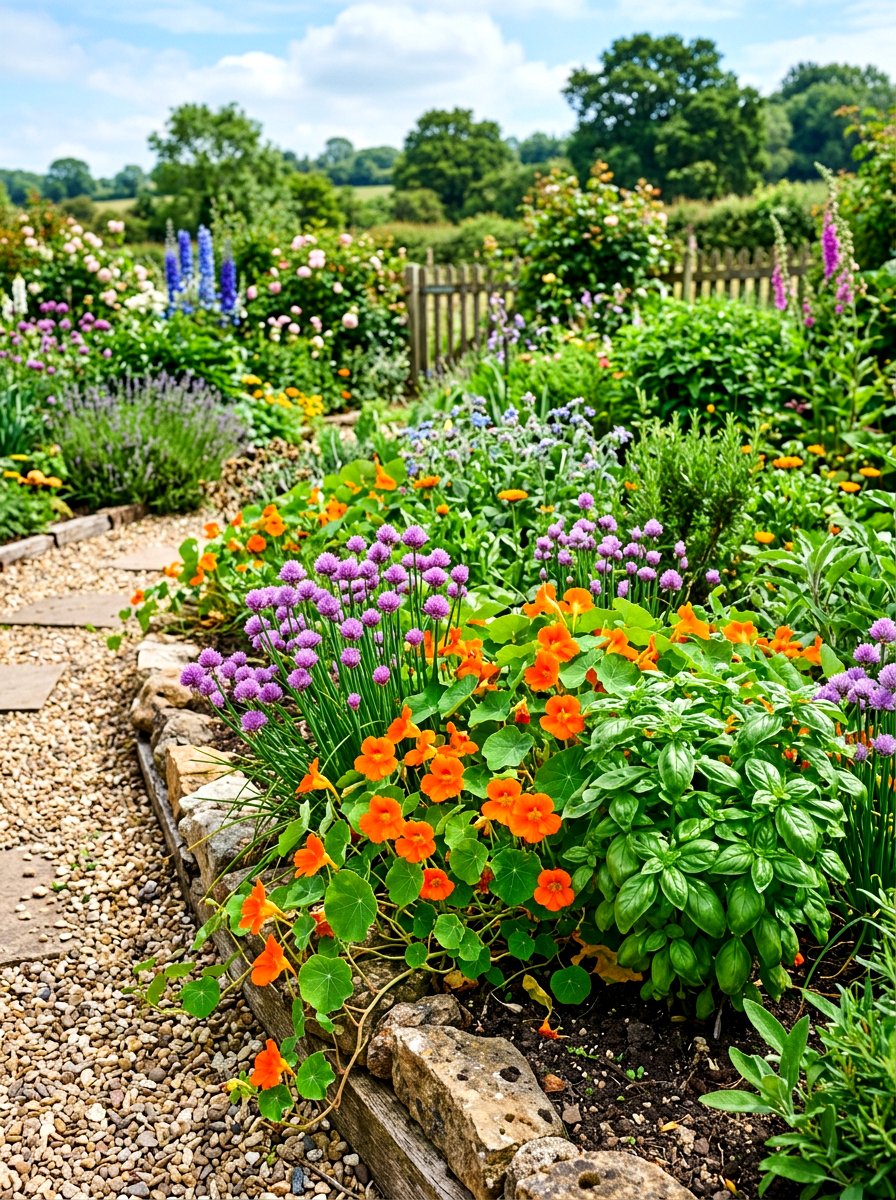
An edible flower and herb mix adds a splash of bright color and whimsy to your functional patio border. Combining herbs like chives and basil with flowers like nasturtiums, calendula, and pansies creates a stunning and diverse display. Not only does this look beautiful, but it also increases the utility of your garden by providing edible garnishes for salads and desserts. The bright blooms attract a wide range of pollinators, which helps the rest of your garden flourish. This type of border feels more like a traditional flower bed but remains entirely productive. It is a great way to introduce children to the joys of gardening and harvesting.
15. Low boxwood and herb combo
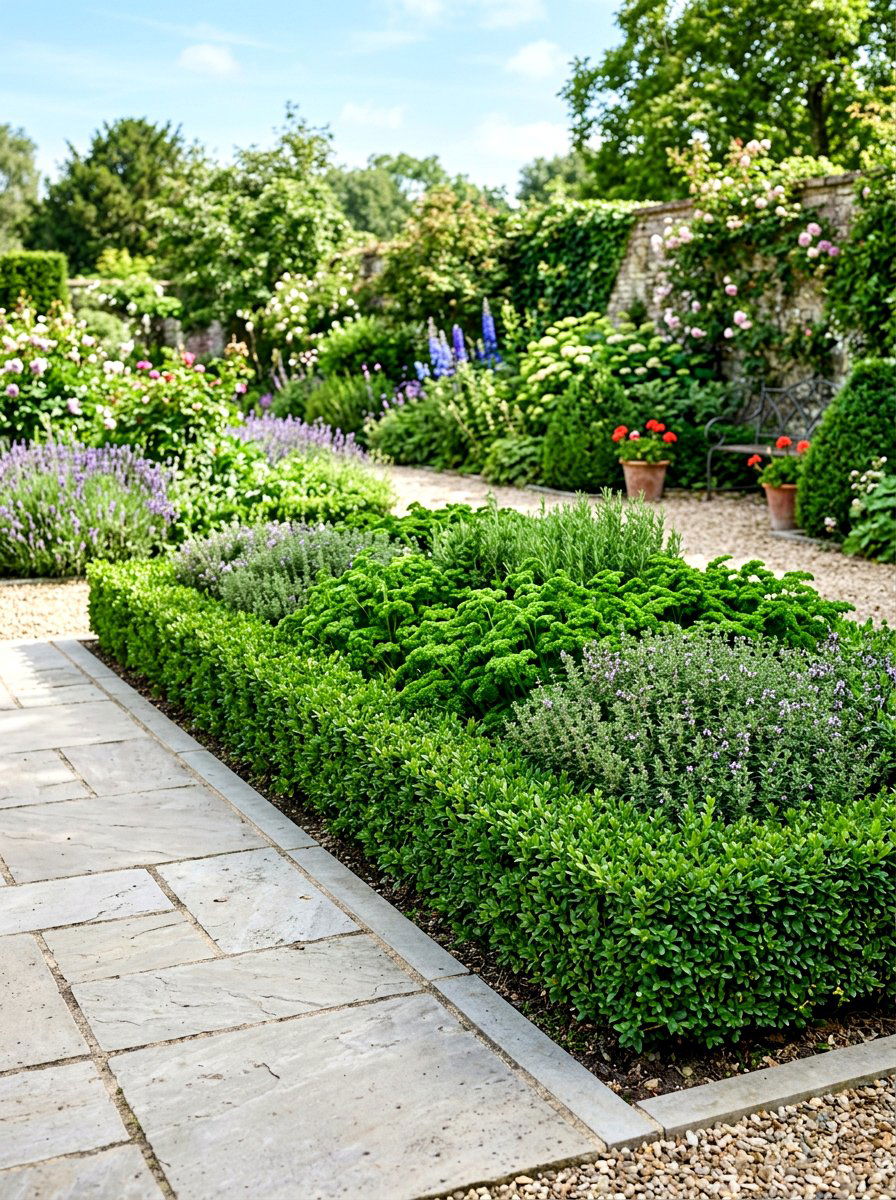
A low boxwood and herb combo provides a structured and formal look that frames your patio with classic elegance. By planting a very low boxwood hedge and tucking herbs like parsley or thyme behind it, you create a neat boundary. The evergreen boxwood provides a consistent green frame throughout the winter when some herbs might go dormant. This layered approach adds depth and a professional feel to your landscape design without being difficult to maintain. It is an excellent choice for modern or traditional homes that value clean lines and a tidy appearance. The contrast between the clipped boxwood and the softer herbs is visually striking.
16. Modern steel herb troughs
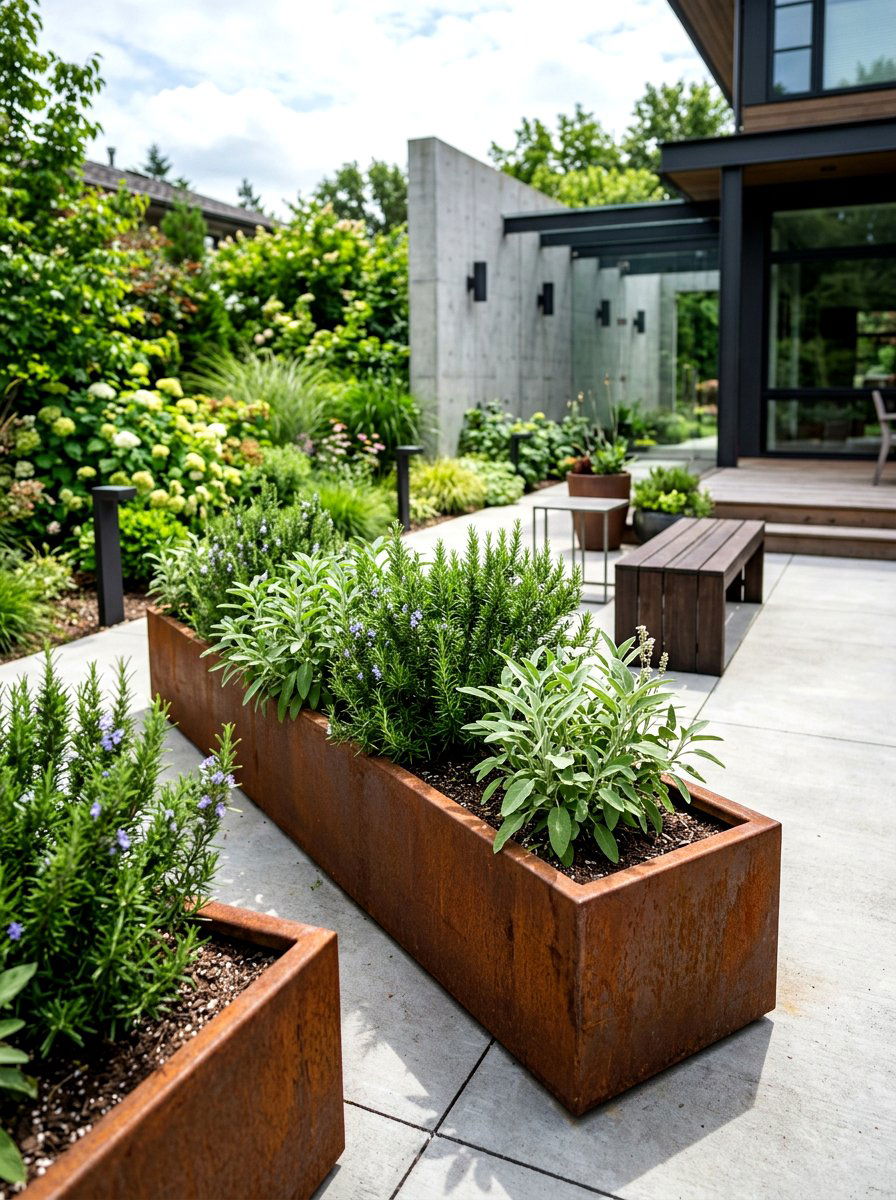
Modern steel herb troughs offer a sleek and industrial aesthetic that looks incredible against contemporary patio designs. These long, narrow containers are perfect for creating a clean, straight border along the edge of a deck or concrete pad. Corten steel is a popular choice because it develops a beautiful rust-like patina over time that protects the metal below. These troughs provide ample depth for root growth and keep the herbs elevated for easy picking. You can plant a single variety for a minimalist look or mix several herbs for a more lush, abundant feel. The durable material ensures these borders last for many years in all weather conditions.
17. Woven willow herb hurdles
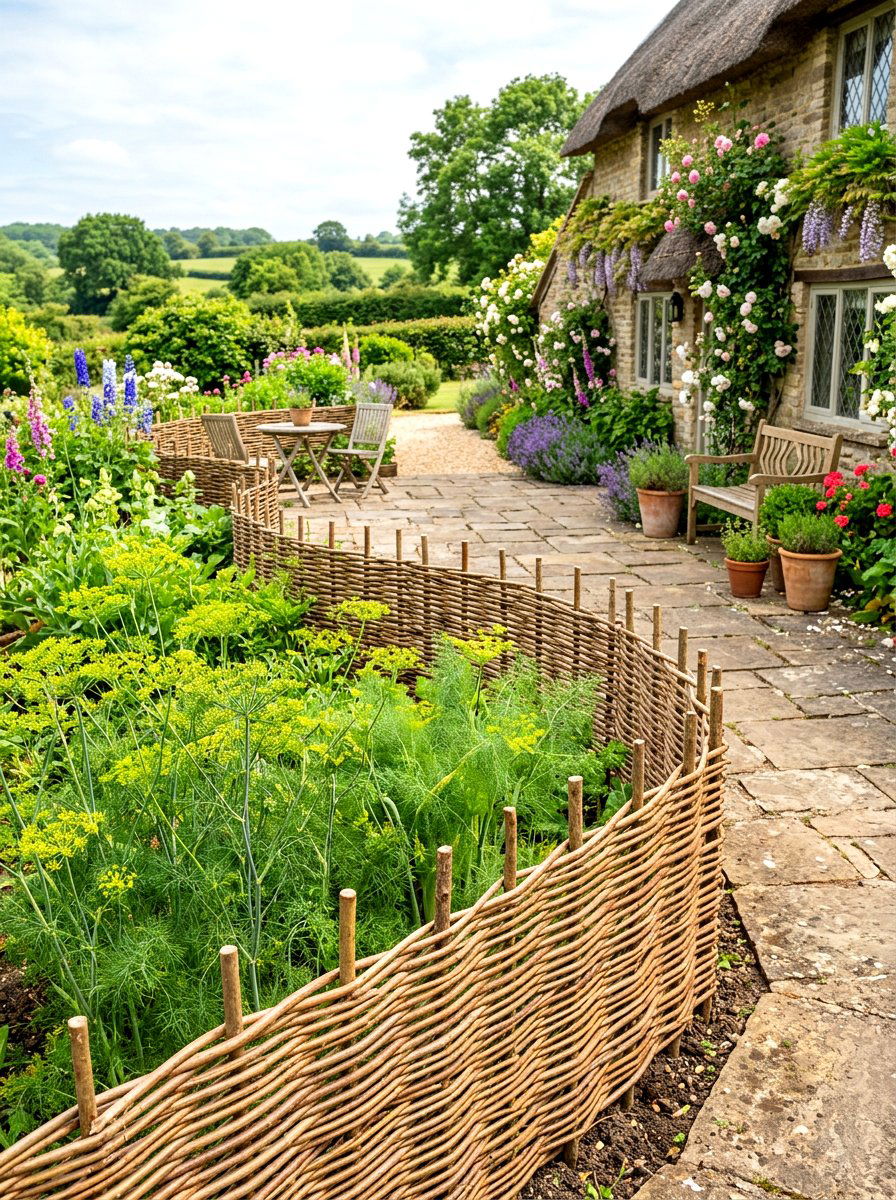
Using woven willow herb hurdles adds a rustic, cottage-style charm to your patio border while providing gentle support for plants. These low, hand-woven fences create a natural boundary that feels integrated with the environment. You can plant taller herbs like dill or fennel behind the hurdles to protect them from light winds. The willow adds a lovely texture and a warm brown tone that works well with green foliage and colorful flowers. This traditional method is an eco-friendly way to define your space using sustainable materials. It is perfect for creating a relaxed, "shabby chic" vibe in your backyard or garden area.
18. Fragrant night blooming herbs
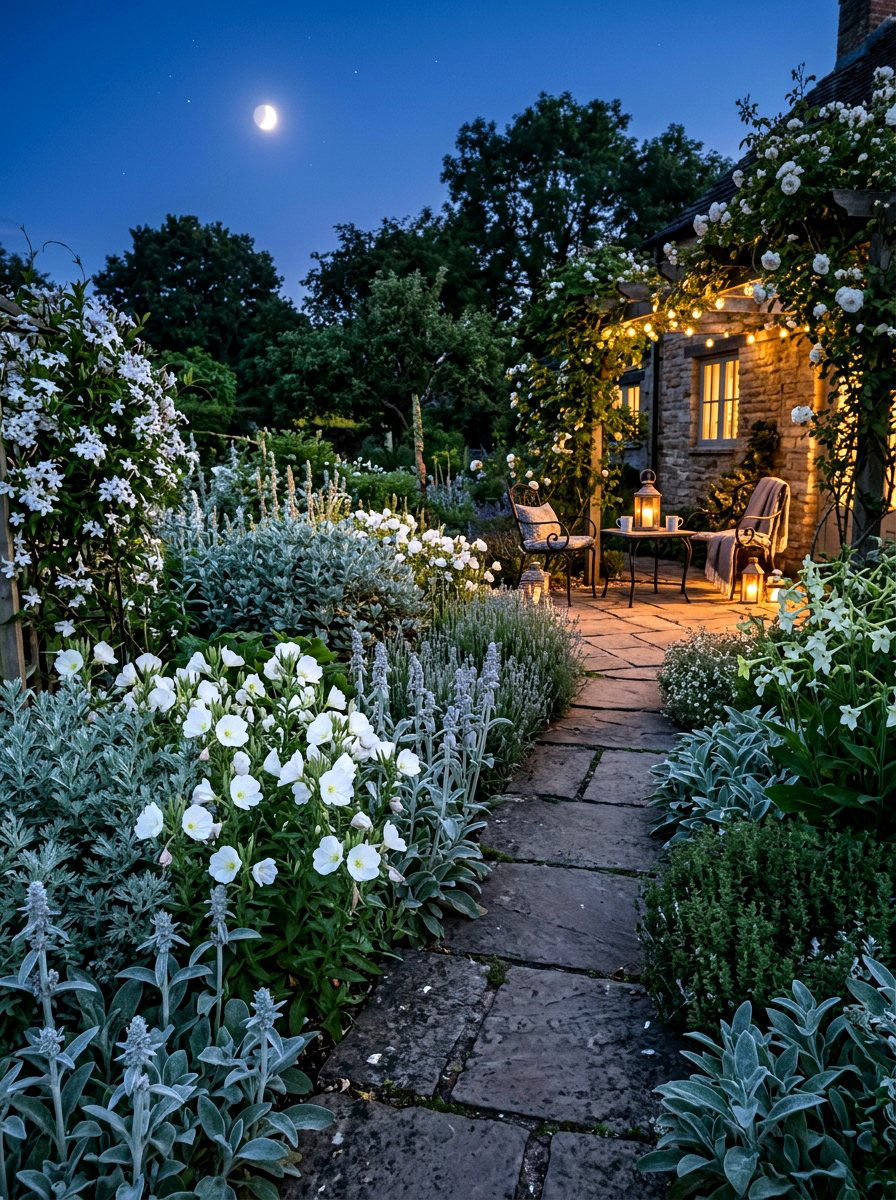
Planting fragrant night blooming herbs around your patio ensures that your outdoor space is enjoyable even after the sun goes down. Herbs like lemon balm, evening primrose, and certain scented geraniums release their strongest scents in the evening air. This creates a sensory experience for late-night dinners or quiet stargazing sessions on your patio. The pale silver or white foliage of some of these plants can also catch the moonlight, making the border glow softly in the dark. Designing a "moon garden" border with these specific herbs adds a layer of magic and relaxation to your nighttime environment. It transforms your patio into a therapeutic retreat.
19. Basil variety border
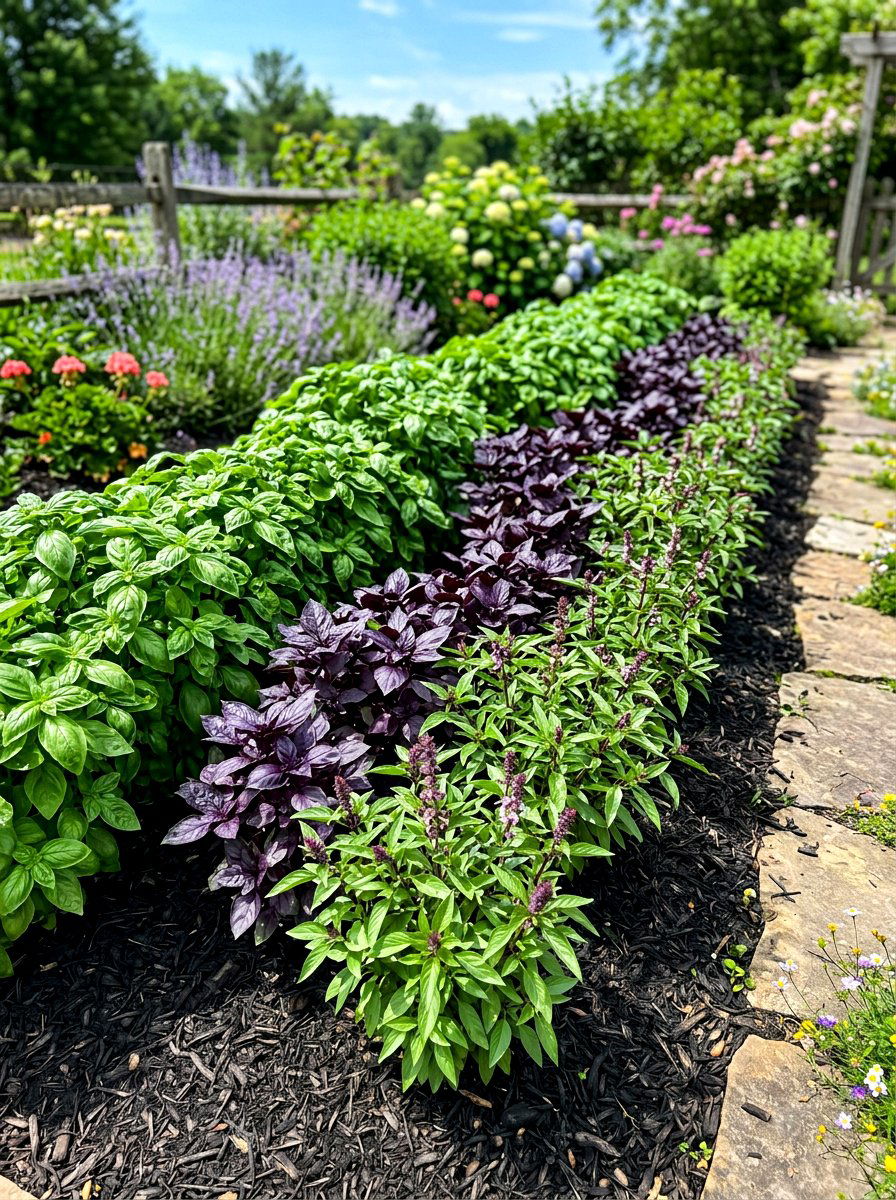
A basil variety border showcases the incredible diversity of this popular culinary herb right at your fingertips. By mixing sweet Genovese basil with purple opal basil, Thai basil, and lemon basil, you create a colorful and textured display. The different leaf shapes and vibrant shades make for a very attractive border that feels lush and tropical. Basil thrives in the warm, sunny conditions typically found near stone patios that retain heat throughout the day. This arrangement ensures you have exactly the right type of basil for any dish you might be preparing in your outdoor kitchen. Frequent pinching of the stems will keep the border bushy.
20. Chive and scallion edging
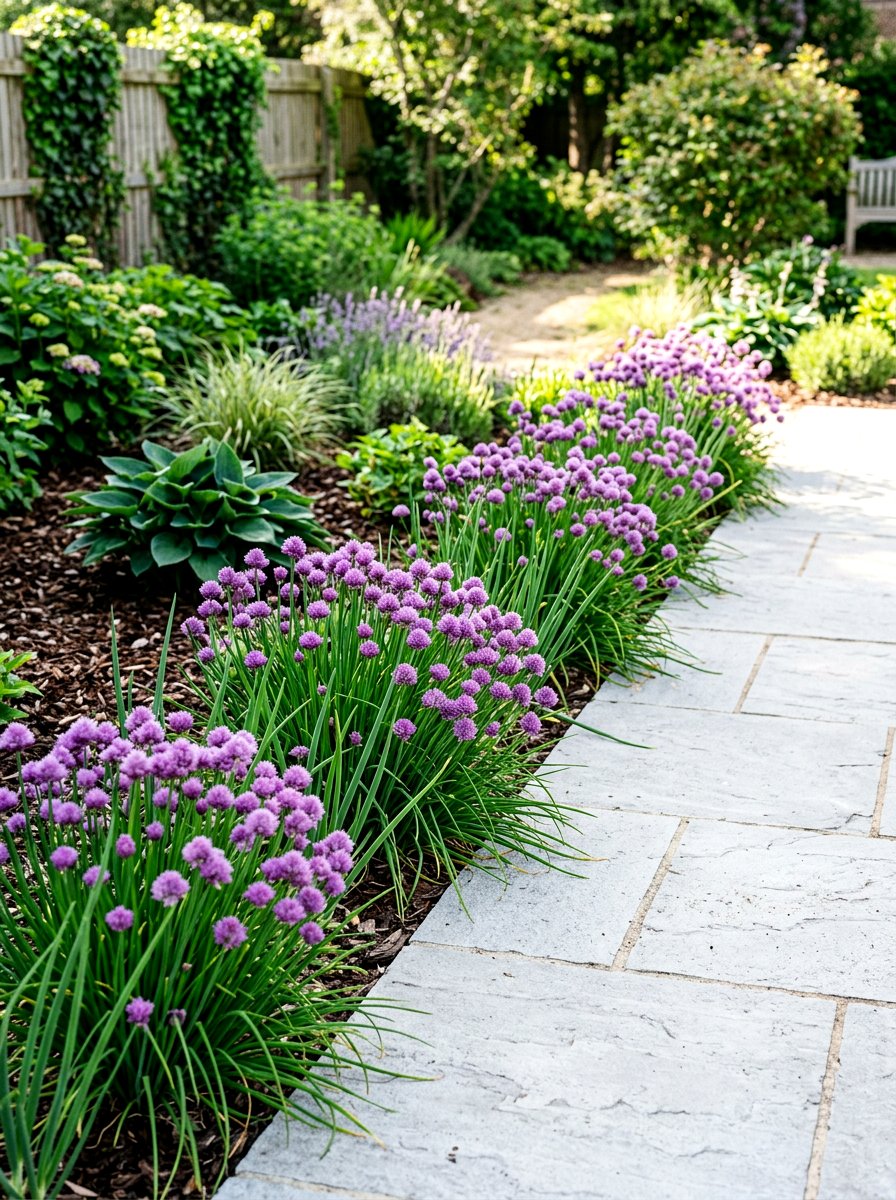
Chive and scallion edging is a simple yet highly effective way to create a tidy, grass-like border for your patio. Chives grow in neat, upright clumps that stay compact and don't spread aggressively through the soil. In the spring, they produce beautiful purple globe-shaped flowers that are both ornamental and edible. Scallions provide a similar vertical look with a slightly different green hue and a more pungent aroma. This type of border is very easy to maintain and requires only a quick trim to keep it looking sharp. These plants are incredibly hardy and will come back year after year with very little effort from the gardener.
21. Lemon balm patio corner
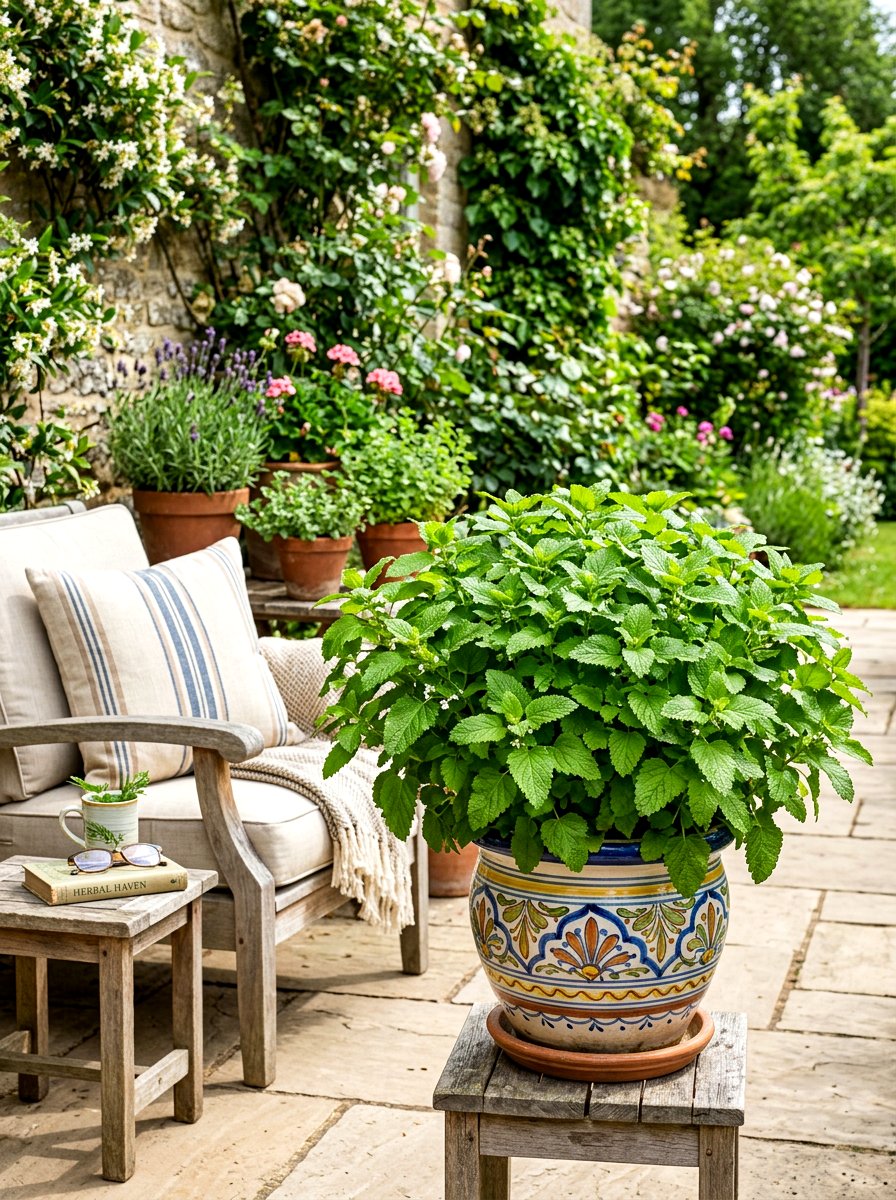
A lemon balm patio corner provides a bright, citrusy scent and a lush patch of green that fills in empty spaces quickly. Lemon balm is a member of the mint family, so it is best kept in a large corner pot or a contained bed to prevent spreading. Its crinkled, heart-shaped leaves add a soft texture that looks great next to smooth patio furniture or stone walls. The refreshing scent is known to help keep mosquitoes away, making your patio more comfortable during summer evenings. You can easily snip the leaves for fresh teas, cocktails, or as a garnish for fruit salads. It is a cheerful and useful plant.
22. Wildflower and herb blend
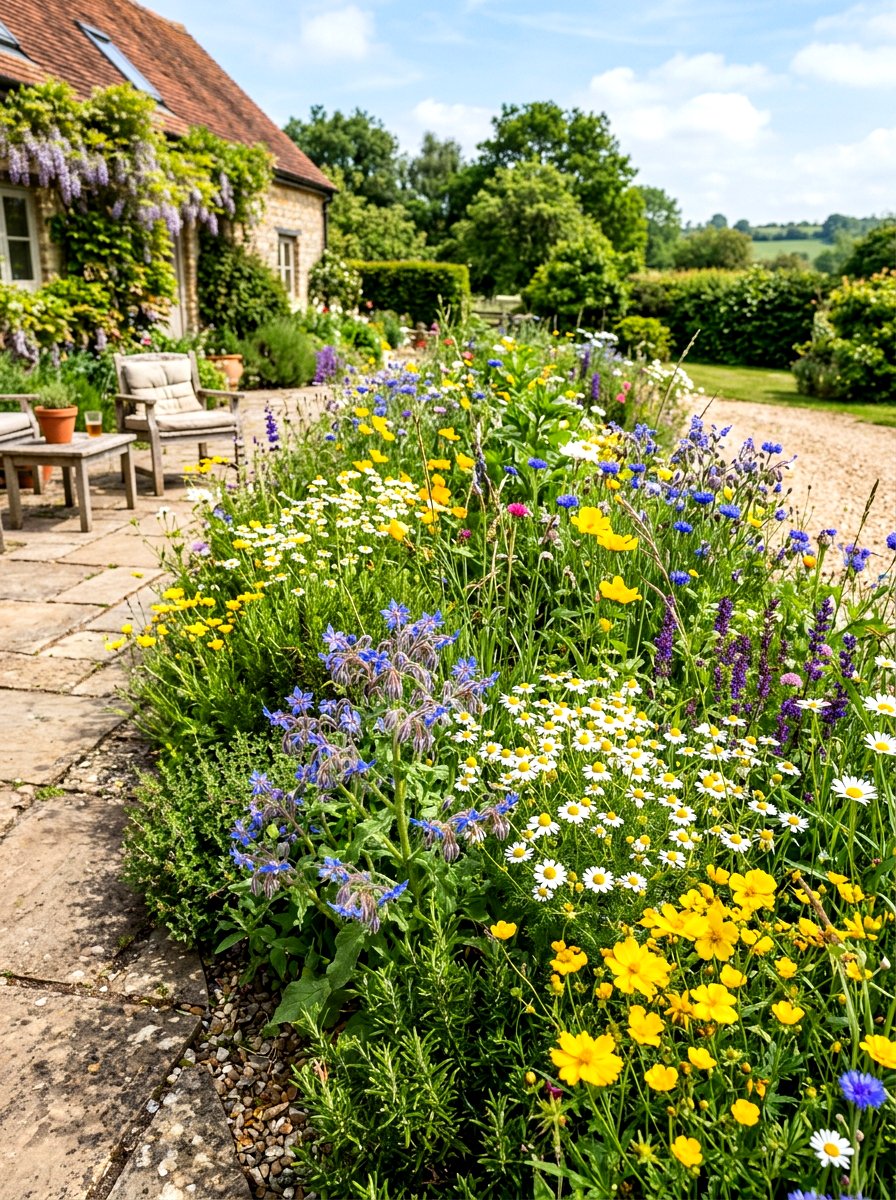
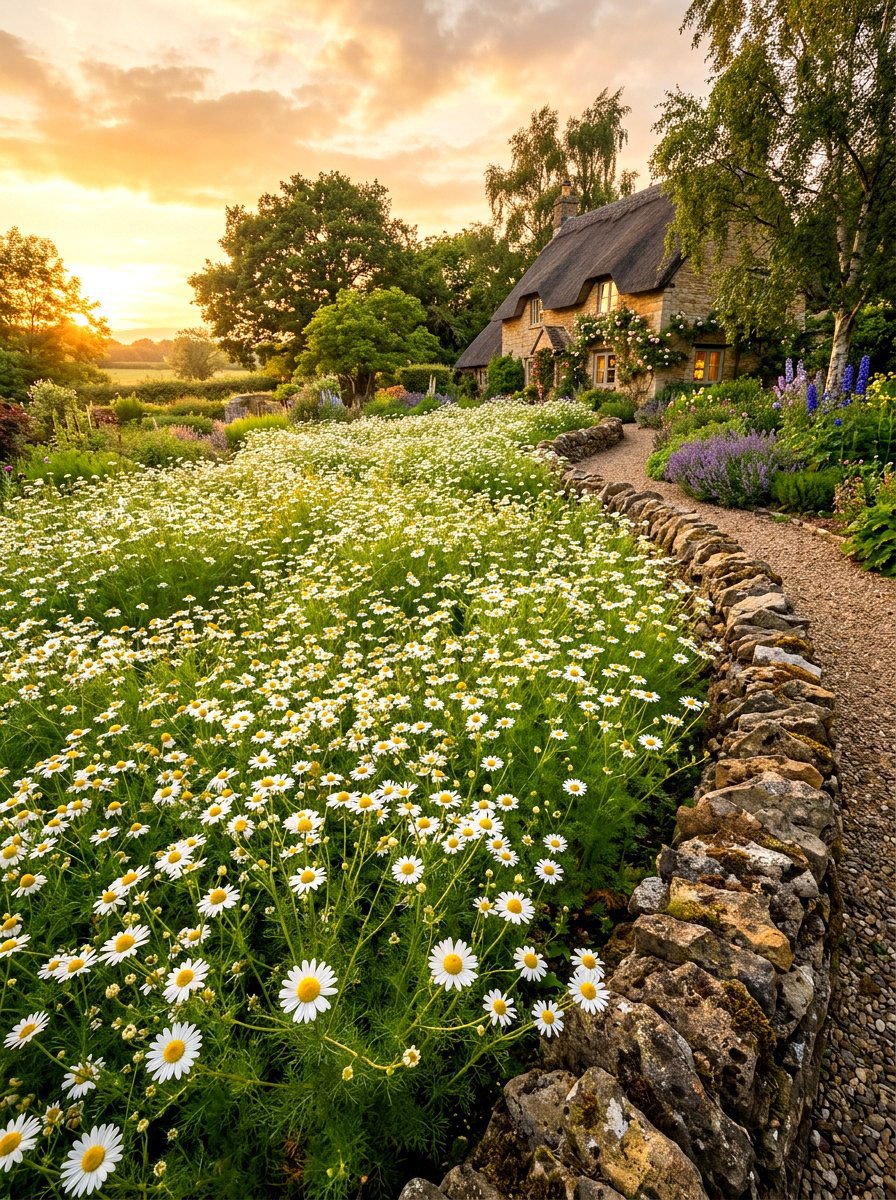
A wildflower and herb blend creates a naturalistic, meadow-like border that brings a sense of the wild to your patio. By mixing herbs like borage and chamomile with native wildflowers, you create a vibrant and buzzing habitat for bees and birds. This style of border is less about perfection and more about color, movement, and ecological value. The taller wildflowers provide a beautiful backdrop for lower-growing herbs, creating a layered and interesting visual. This type of planting is often very low-maintenance once established, as the plants are adapted to the local environment. It is a perfect choice for those who love a relaxed and sustainable garden.
23. Tropical look ginger and turmeric

Growing ginger and turmeric in your patio border can give your outdoor space a lush, tropical look that feels like a vacation getaway. These plants feature large, broad green leaves that offer a bold architectural contrast to finer-textured herbs. While they take longer to grow, the visual impact they provide is well worth the wait. They thrive in warm, humid conditions and can even be grown in large containers that line the patio perimeter. In addition to their beautiful foliage, you get the added benefit of harvesting fresh, flavorful rhizomes at the end of the season. This exotic border style is perfect for sunny, sheltered patio locations.
24. Chamomile lawn border
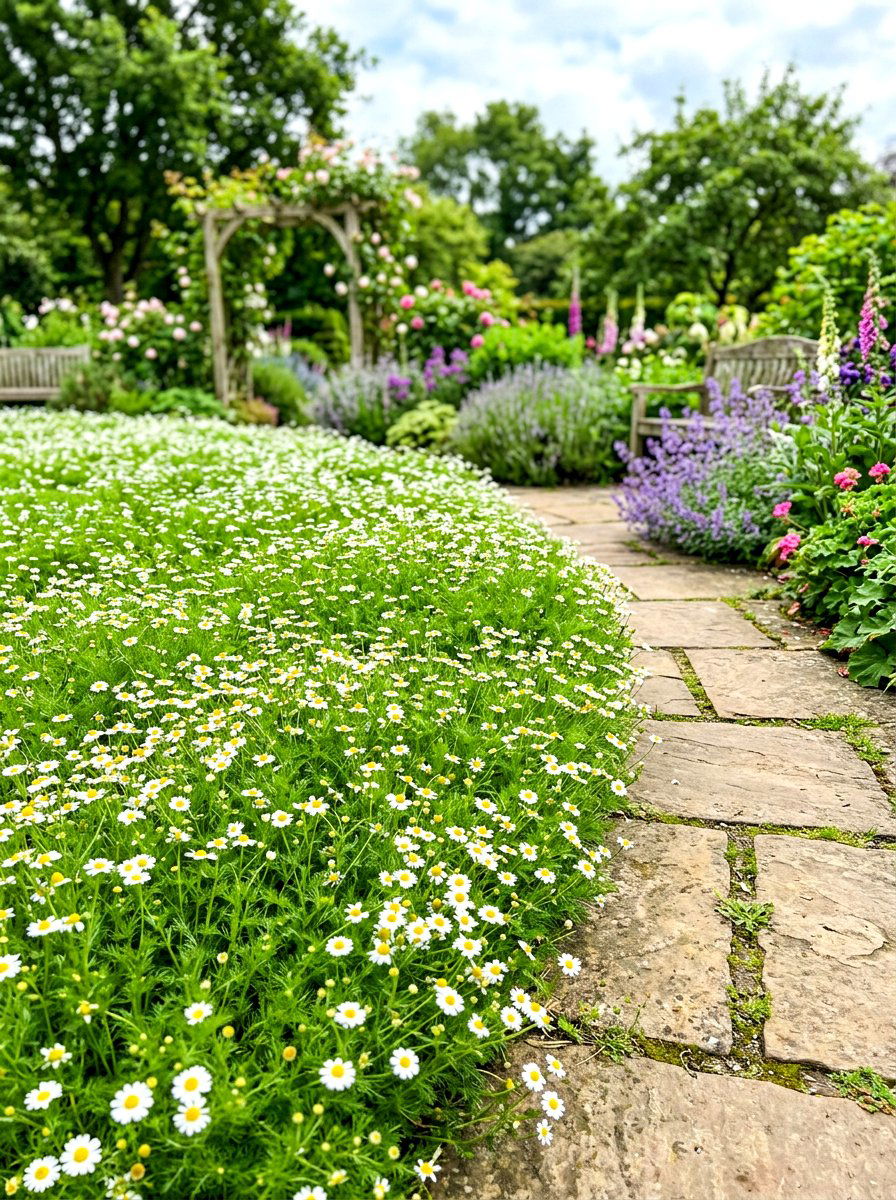
A chamomile lawn border offers a soft, feathery texture and a sweet apple-like fragrance that is incredibly soothing. Roman chamomile is a low-growing perennial that can be used as a fragrant alternative to traditional lawn grass along your patio edges. It forms a dense, green carpet that feels wonderful underfoot and stays green even in drier spells. The tiny daisy-like flowers appear in summer, adding a touch of brightness to the ground-level greenery. This herb is very easy to grow from seed or small plugs and fills in gaps quickly. It is an ideal choice for a sensory garden where touch and smell are the primary focuses.
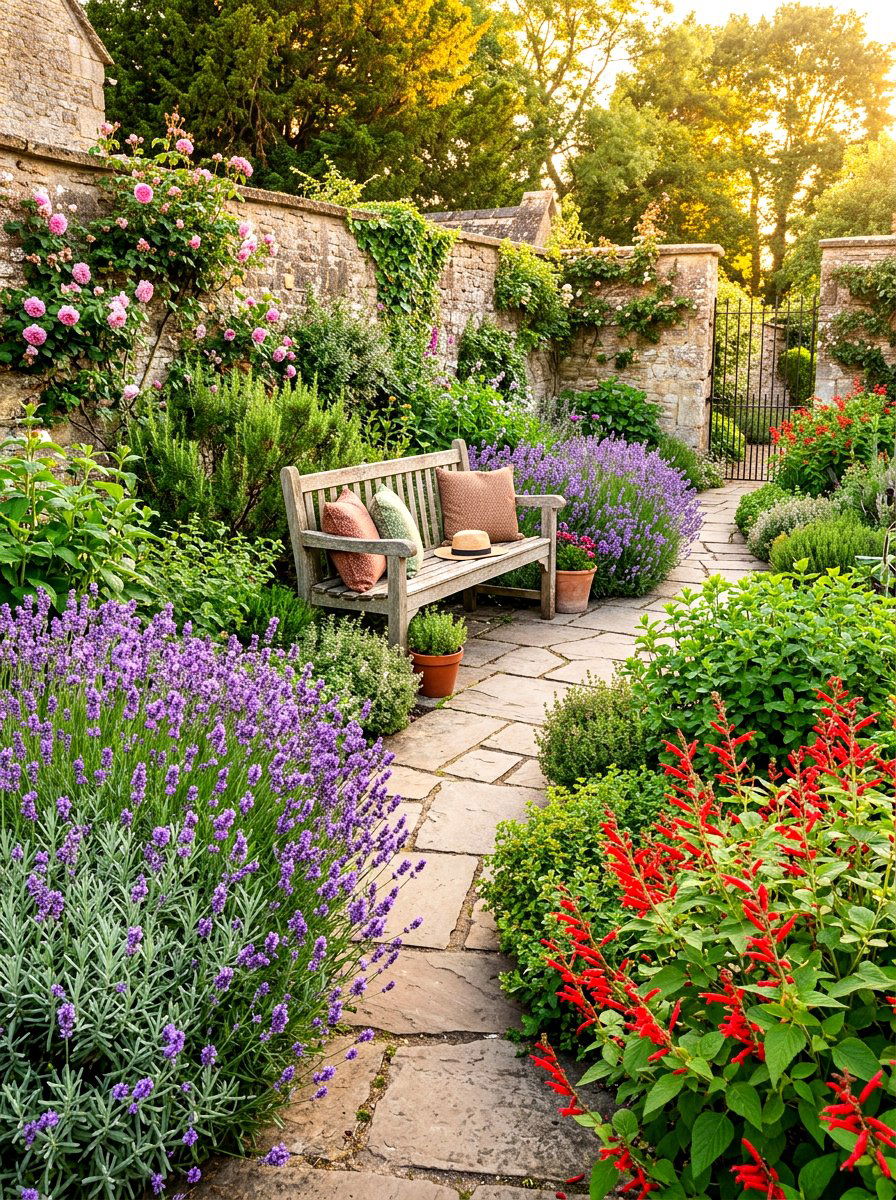
25. Bay laurel potted screen
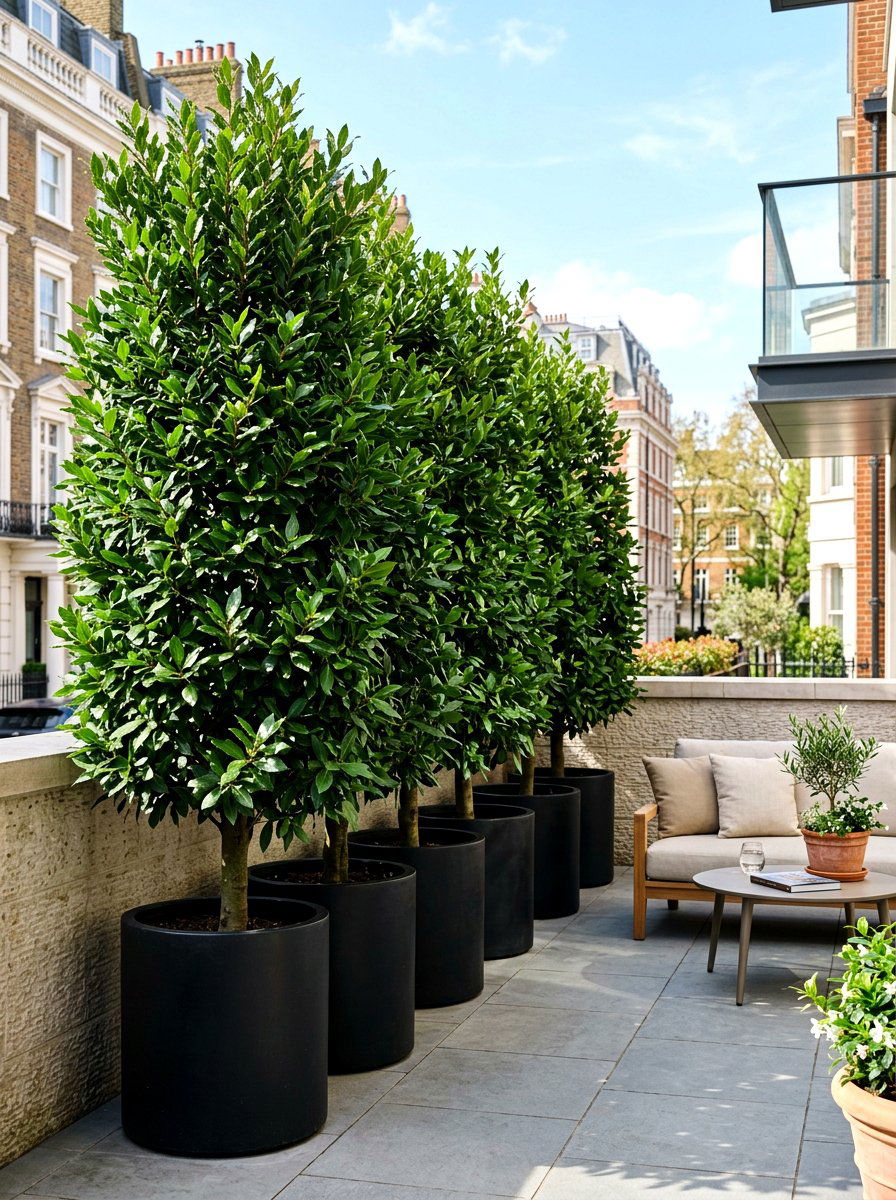
A bay laurel potted screen is an excellent way to add privacy and height to your patio border without permanent structures. Bay laurel is a slow-growing evergreen shrub with glossy, dark green leaves that can be pruned into various shapes. By lining several large pots along the edge of your patio, you create a living wall that blocks unwanted views. This setup also provides an endless supply of bay leaves for soups and stews throughout the year. In colder climates, the pots can be moved indoors or to a sheltered spot during the winter months. It is a sophisticated and highly practical way to define your outdoor space.
26. Parsley and cilantro fringe
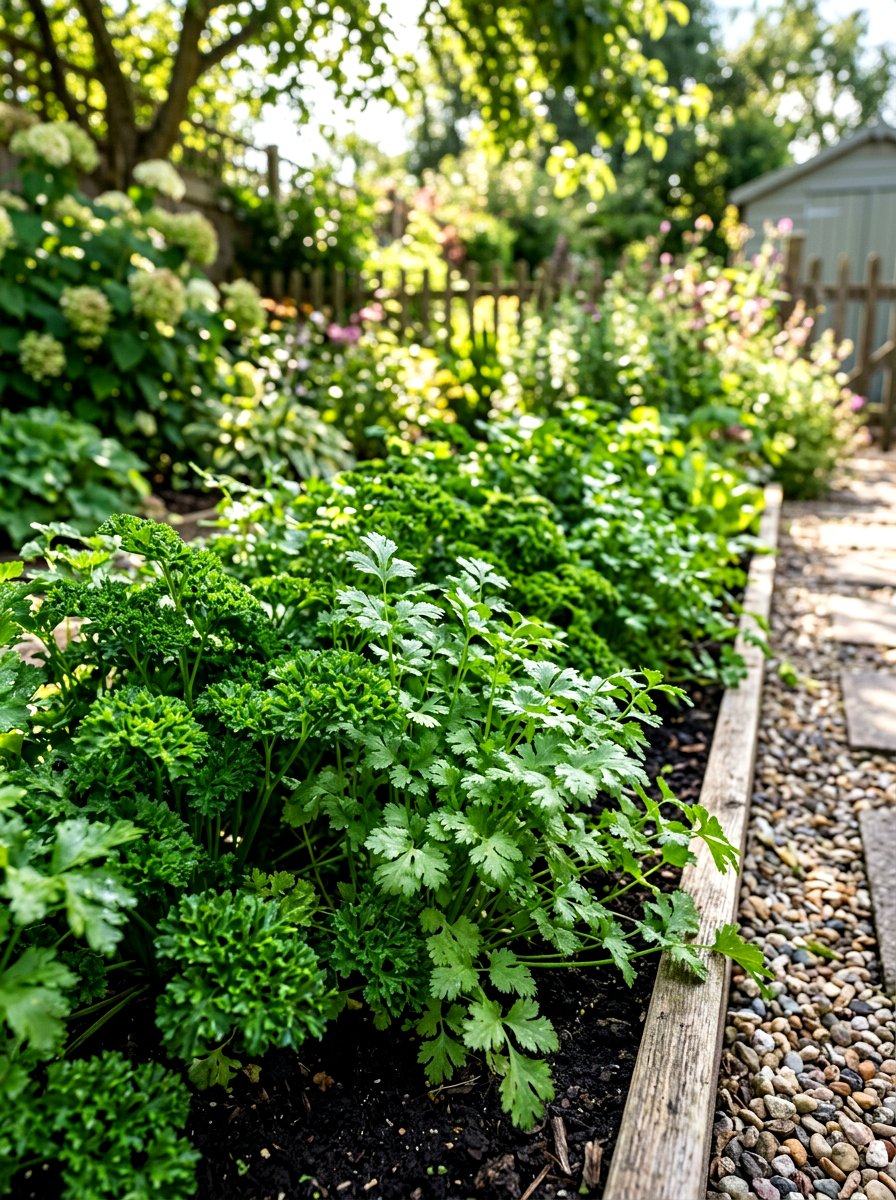
A parsley and cilantro fringe creates a soft, delicate border that looks especially beautiful when planted in dense rows. Curly-leaf parsley offers a ruffled, textured look that holds its shape well throughout the entire season. Flat-leaf parsley and cilantro provide a more wispy and fine-textured appearance that moves gently in the breeze. These herbs prefer slightly cooler conditions, so they are perfect for patio borders that receive a bit of afternoon shade. Keeping them at the very edge of your patio makes it easy to grab a handful for a quick garnish or salad. Regular harvesting prevents them from bolting and keeps the border looking fresh and green.
27. Stepping stone herb infill
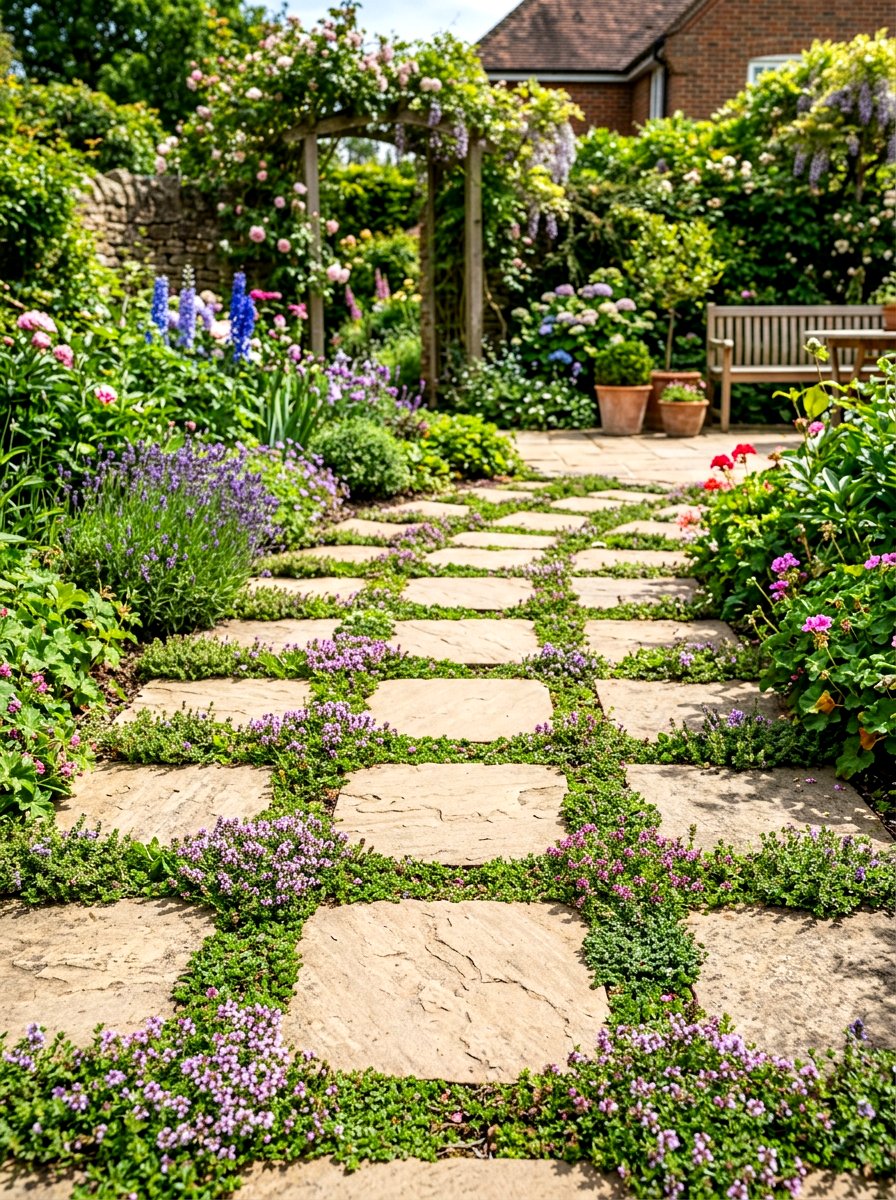
Using herbs as stepping stone herb infill turns your functional path into a beautiful and aromatic feature. Planting low-profile herbs like pennyroyal or miniature thymes between your patio's stepping stones adds a layer of softness to the hardscape. These plants are specifically chosen for their ability to thrive in tight spaces and withstand occasional footsteps. As they grow, they knit the stones together, creating a unified and established look for your patio design. Every time you walk across the path, you are greeted with a fresh burst of herbal scent. This is a brilliant way to make a small garden feel much larger and more detailed.
28. Coastal salt tolerant herbs
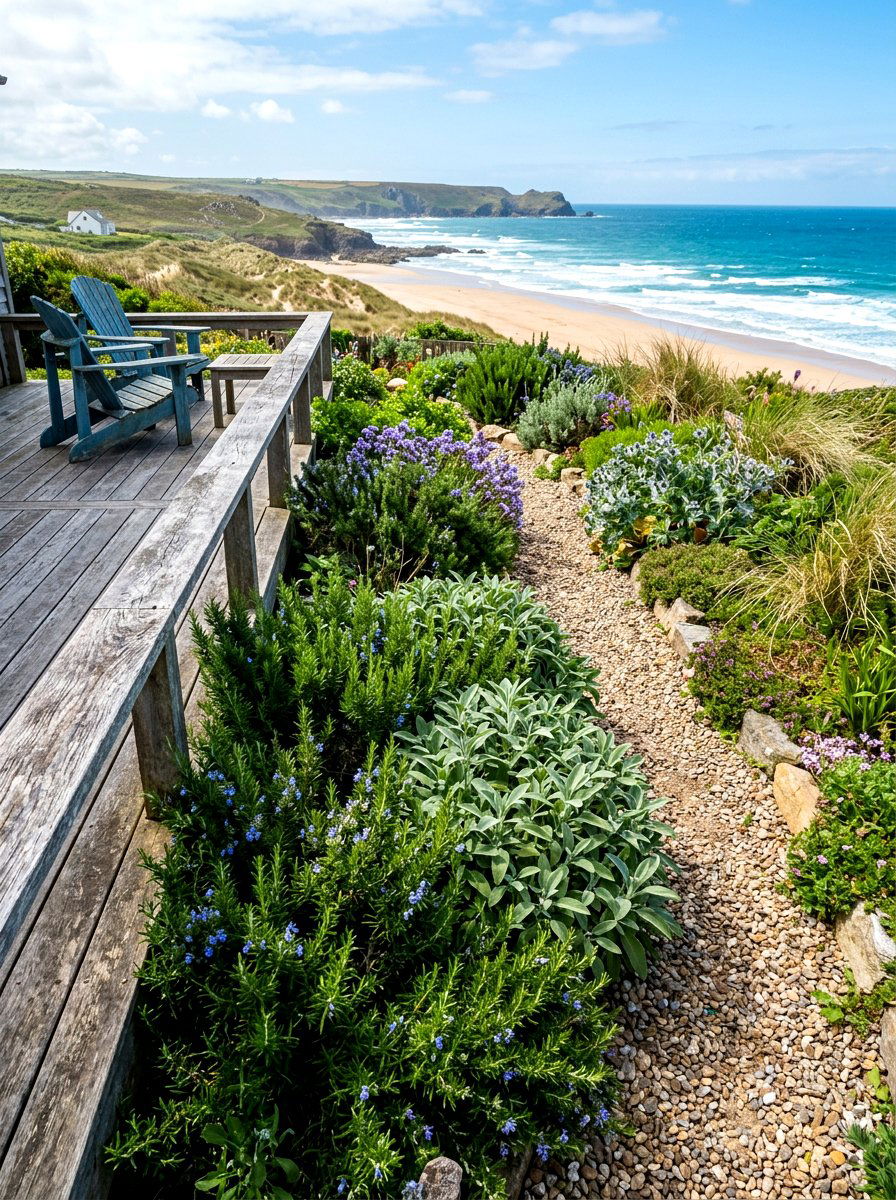
If you live near the ocean, choosing coastal salt tolerant herbs for your patio border is essential for long-term success. Herbs like rosemary, sage, and certain varieties of thyme are naturally adapted to handle salty air and sandy soil conditions. These plants feature tough, often waxy or hairy leaves that prevent them from drying out in the sea breeze. A border made of these hardy herbs ensures your patio looks lush and green despite the challenging environment. You can combine them with decorative sea glass or driftwood for a complete coastal theme. These herbs are generally very drought-resistant, making them a practical choice for seaside homes with sun-drenched patios.
29. Shade loving herb border
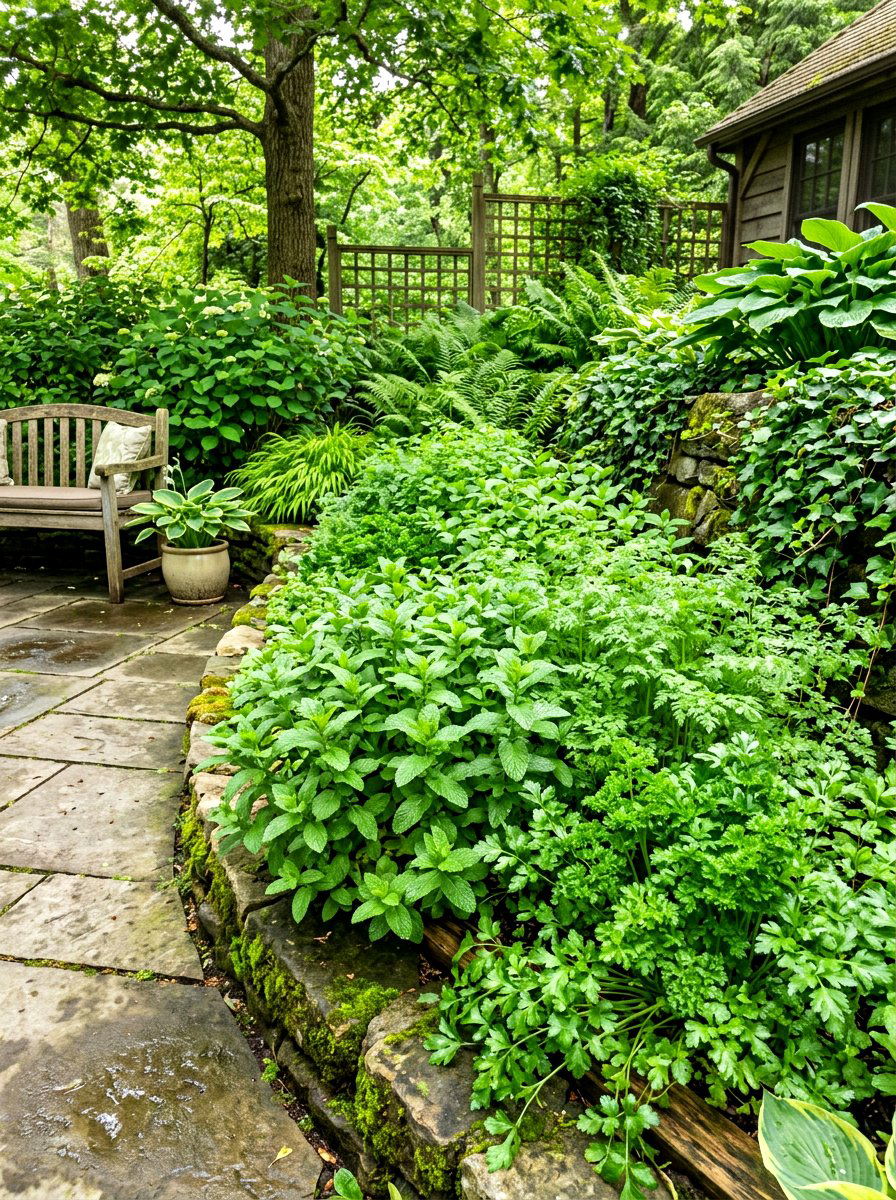
A shade loving herb border allows you to grow a beautiful and productive garden even in the darker corners of your patio. Herbs like mint, chervil, parsley, and lemon balm are quite happy with only a few hours of sunlight each day. These plants typically have softer, thinner leaves and a lighter green color than their sun-loving counterparts. Designing a border in a shady spot prevents these herbs from wilting in the intense midday heat. Using decorative light-colored stones or mulch can help brighten up the shaded area and make the plants stand out more. It is a great way to utilize every part of your outdoor living space effectively.
30. Repurposed pallet herb planter
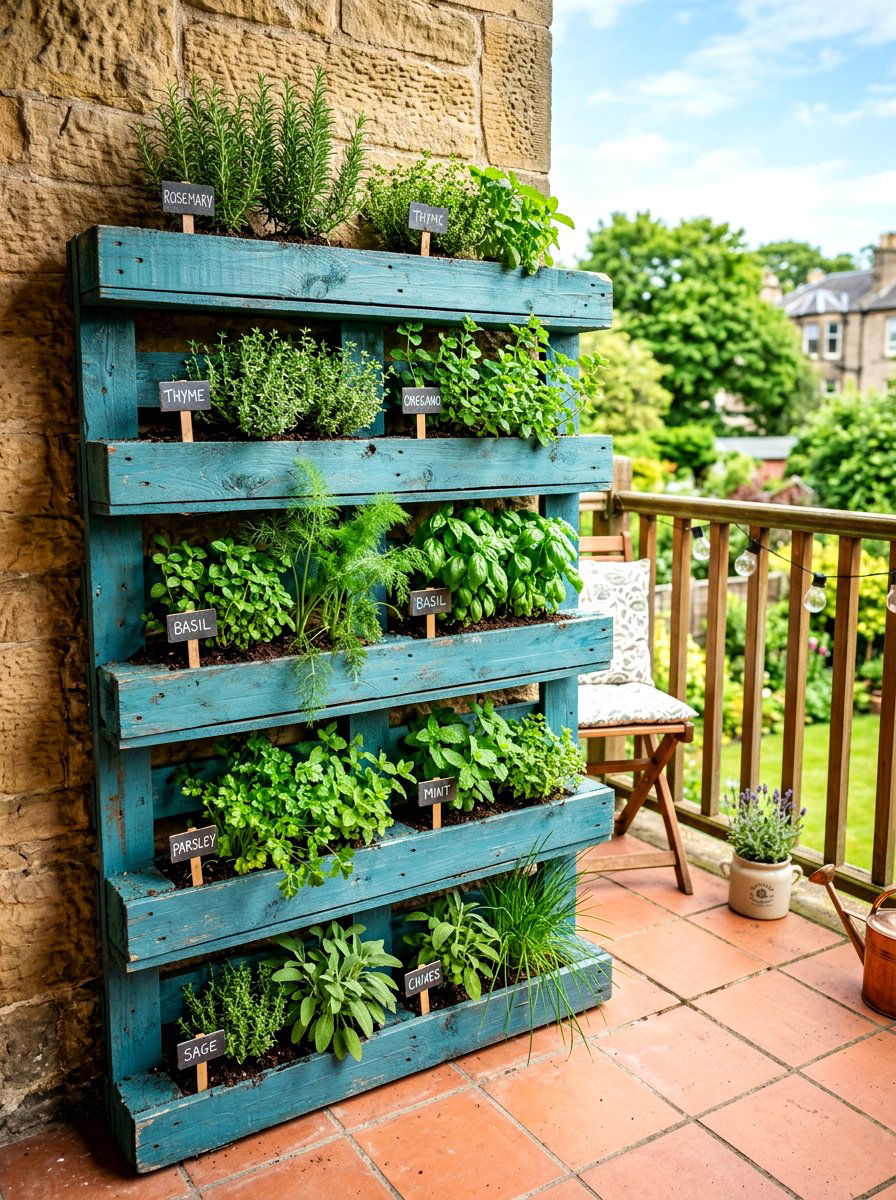
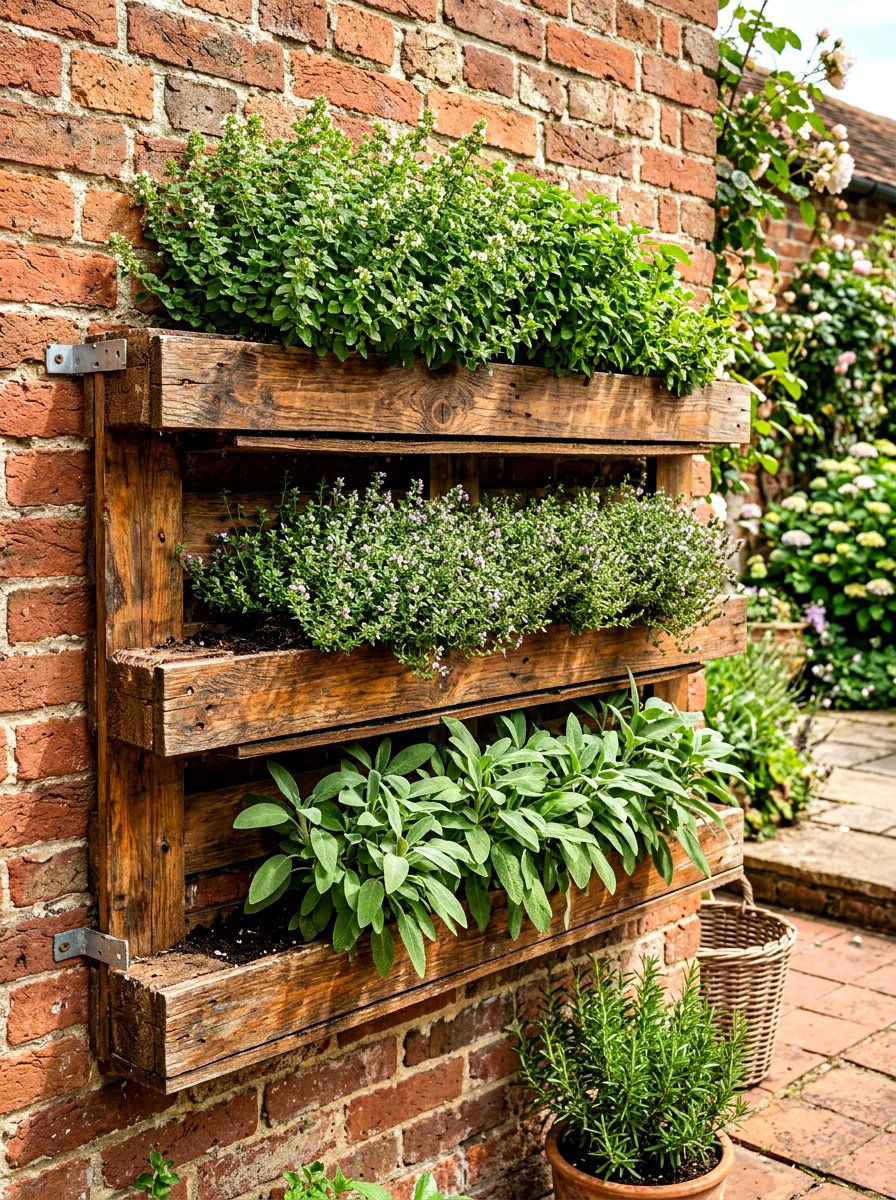
A repurposed pallet herb planter is a budget-friendly and creative way to build a vertical border for your patio. By standing a wooden pallet on its side and creating small shelves, you can grow dozens of different herbs in a very small footprint. This DIY approach allows you to customize the planter with paint or stains that match your patio decor. It is an excellent project for small balconies or terraces where ground space is at a premium. The vertical arrangement makes it easy to label each herb so you never get your cilantro and parsley mixed up again. It adds a rustic, handmade touch to your outdoor area.
Conclusion:
Designing a functional herb border for your patio is one of the most rewarding ways to enhance your outdoor living experience. These versatile plants offer a unique combination of aesthetic beauty, practical utility, and sensory delight that few other garden elements can match. By choosing the right combination of structural hedges, fragrant groundcovers, and productive culinary strips, you can create a boundary that reflects your personal style and needs. Whether you prefer a formal, modern look or a wild, meadow-like atmosphere, herbs provide the perfect medium for your creativity. Investing time into your patio border will result in a lush, aromatic sanctuary that you can enjoy for many seasons.

Related posts: