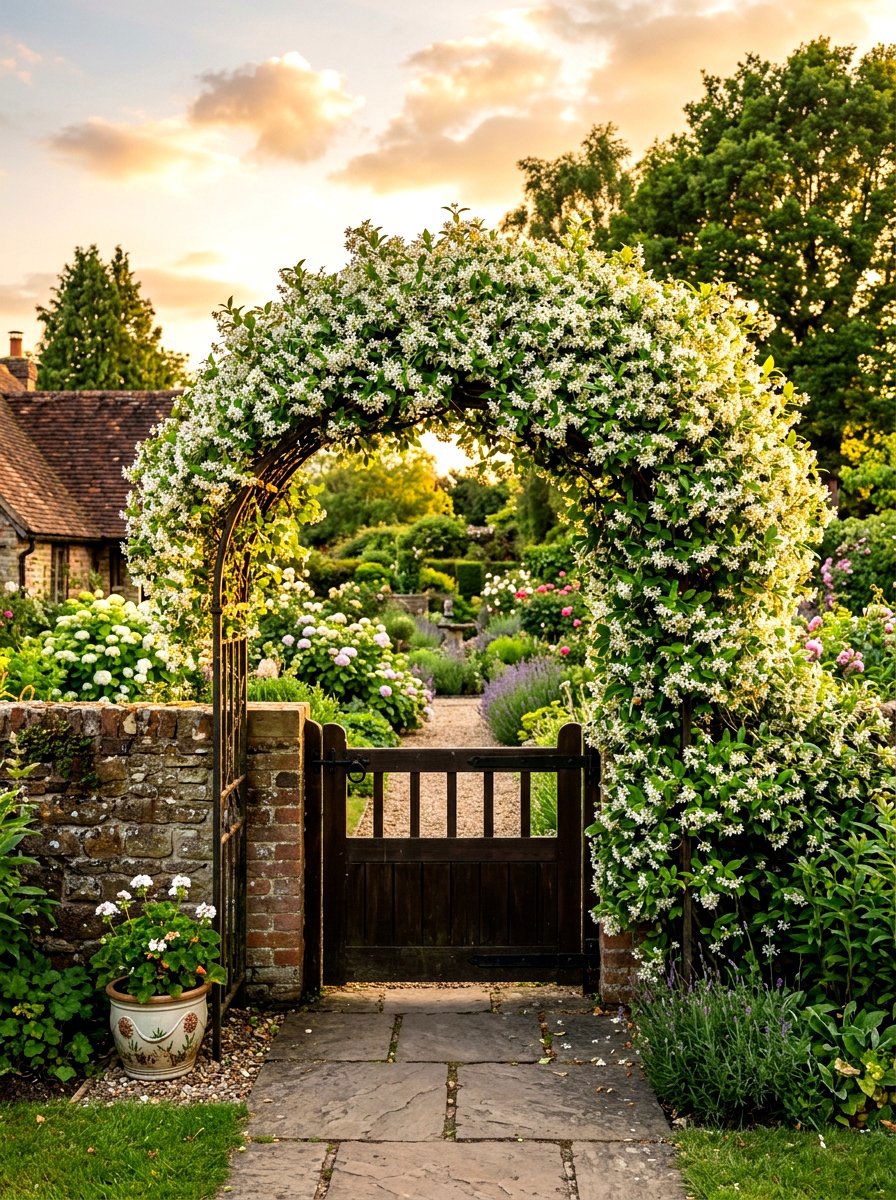
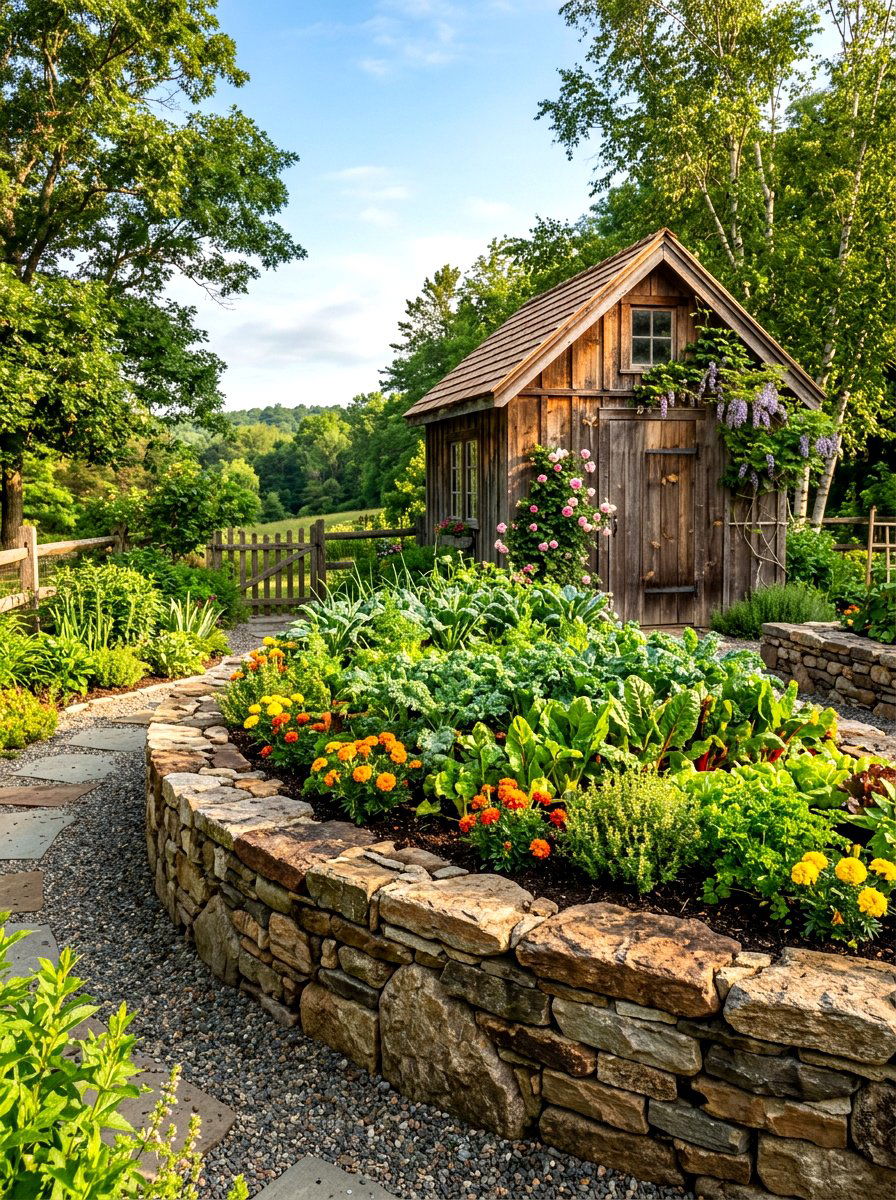
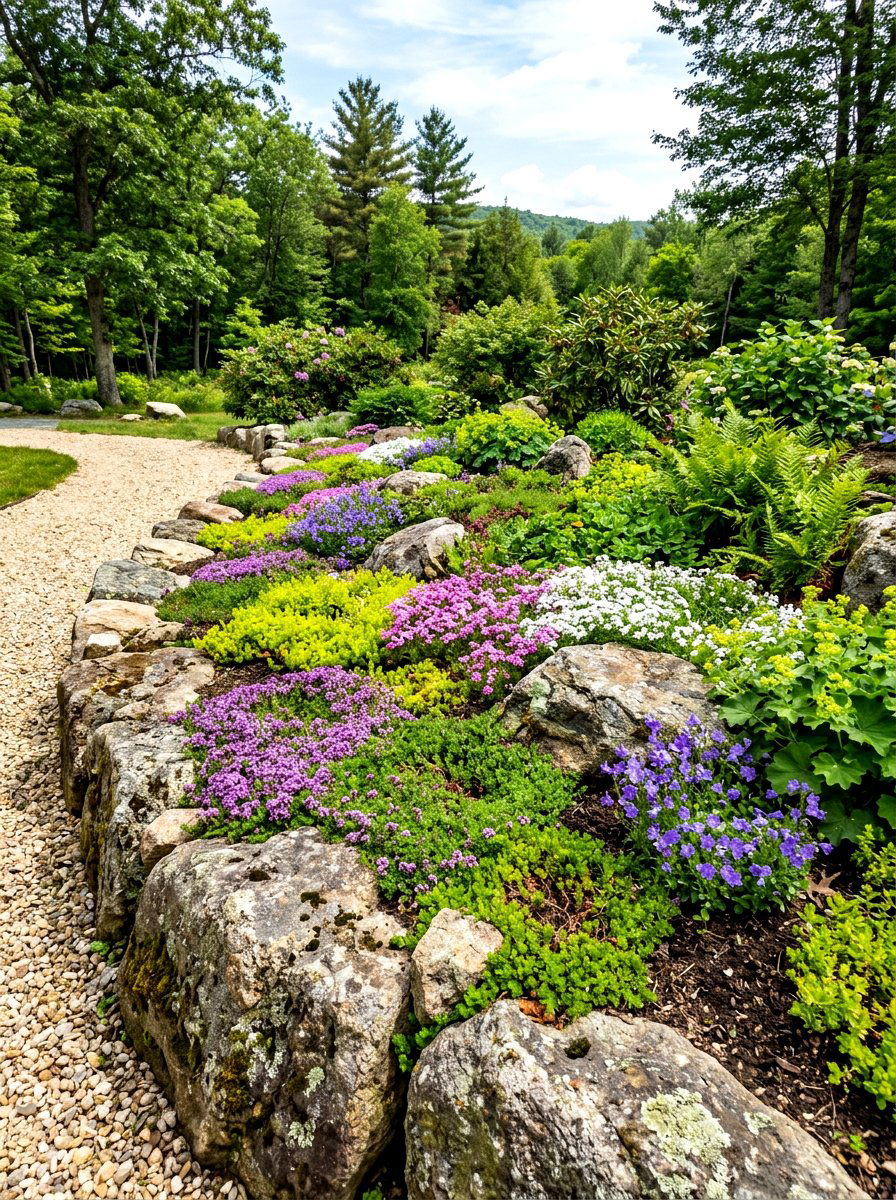
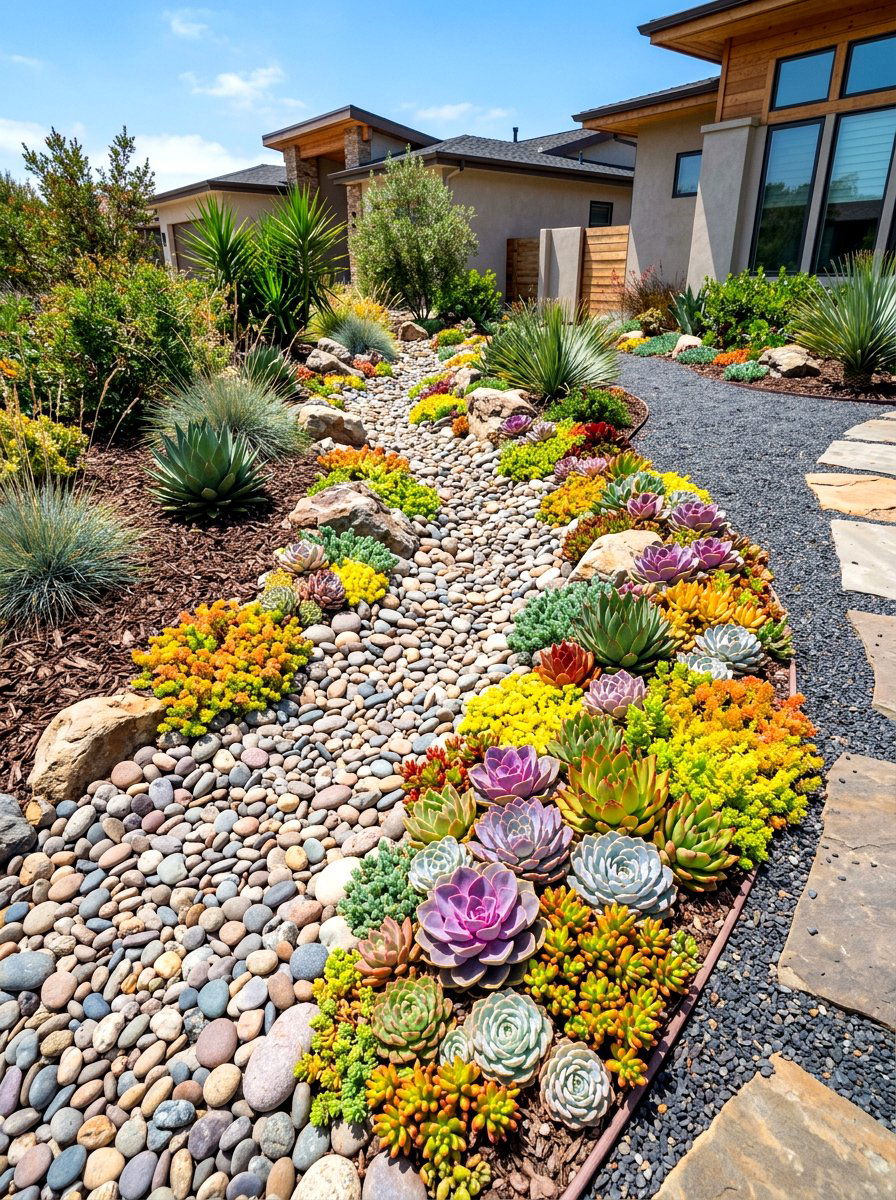
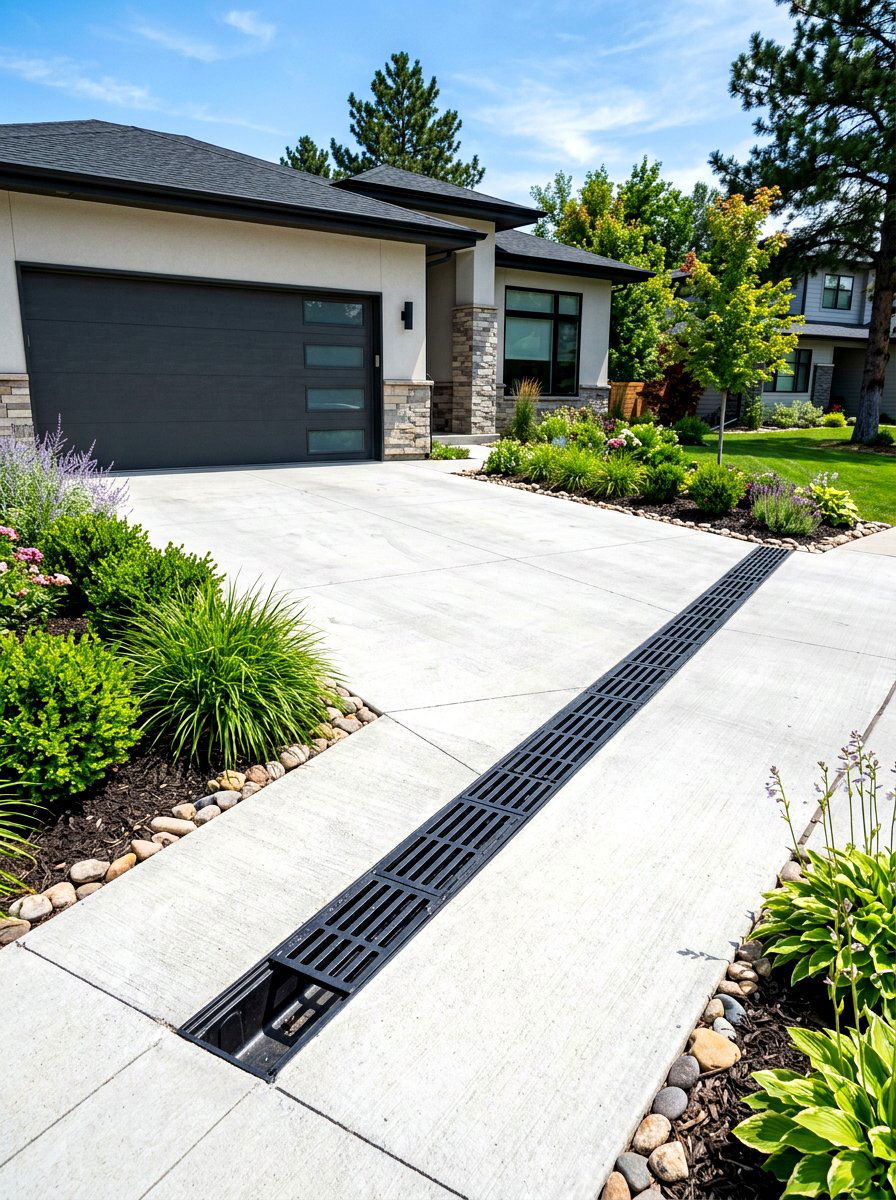
Transforming your backyard into a lush oasis often begins with the structural beauty of well-defined garden spaces. Raised beds offer a functional solution for soil control and accessibility, but it is the border that truly defines the aesthetic character of your landscape. Whether you are aiming for a rustic cottage vibe or a sleek modern look, the choice of edging material serves as the finishing touch that pulls the entire outdoor design together. Exploring various materials and layouts allows you to create a personalized sanctuary that balances form and function while enhancing curb appeal. From natural stone to reclaimed timber, every detail contributes to a cohesive and inviting garden environment. Making the right choice ensures your garden remains both organized and visually stunning for many years.
1. Cedar Wood Raised Bed Border
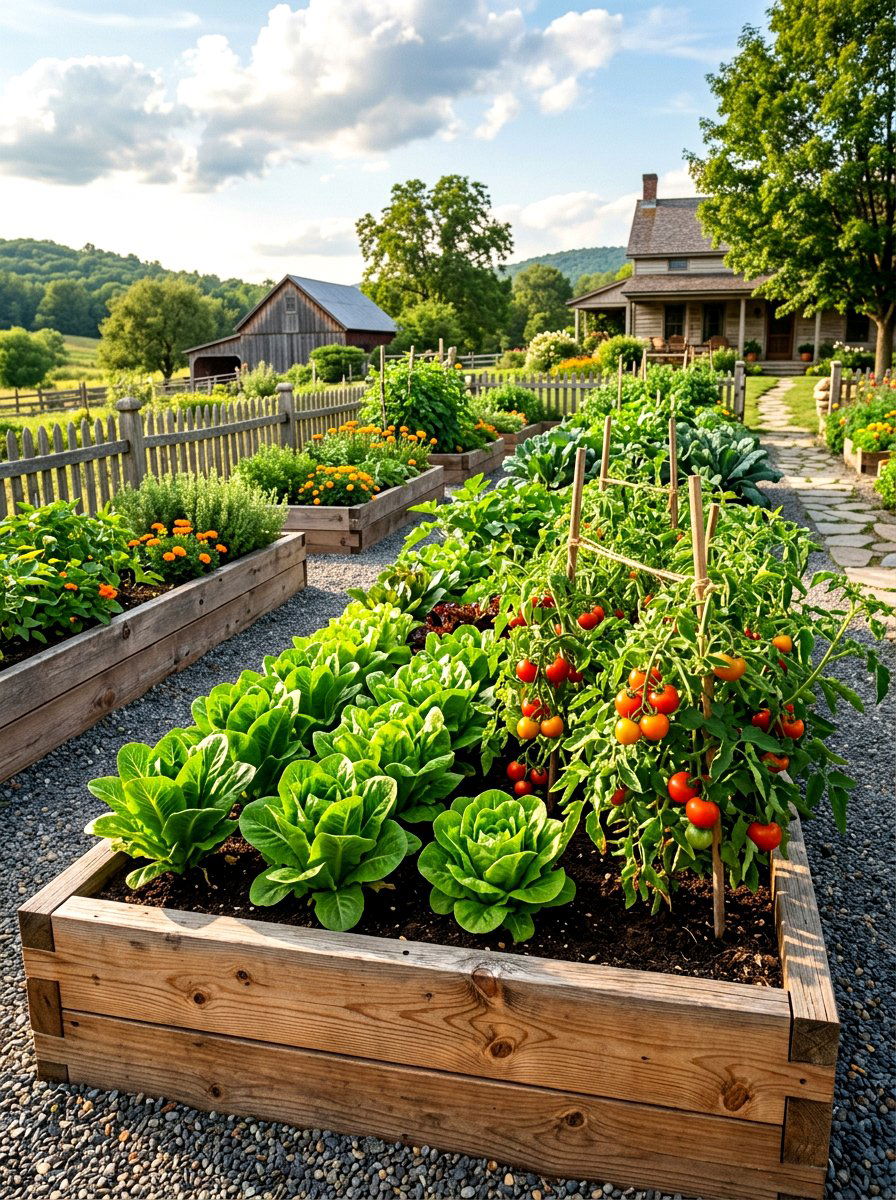
Cedar remains a top choice for gardeners because it naturally resists decay and pests without needing harsh chemical treatments. When you build a border using thick cedar planks, you create a sturdy frame that smells wonderful and looks exceptionally warm. This wood starts with a rich reddish-brown hue that eventually transitions into a sophisticated silvery patina over time if left unsealed. Cedar borders work beautifully in both traditional vegetable gardens and modern floral landscapes due to their clean lines and organic texture. Because cedar is lightweight but incredibly durable, it is easy to handle during construction while providing a long-lasting structure that stands up to all weather conditions throughout the seasons.
2. Corrugated Metal Garden Edging
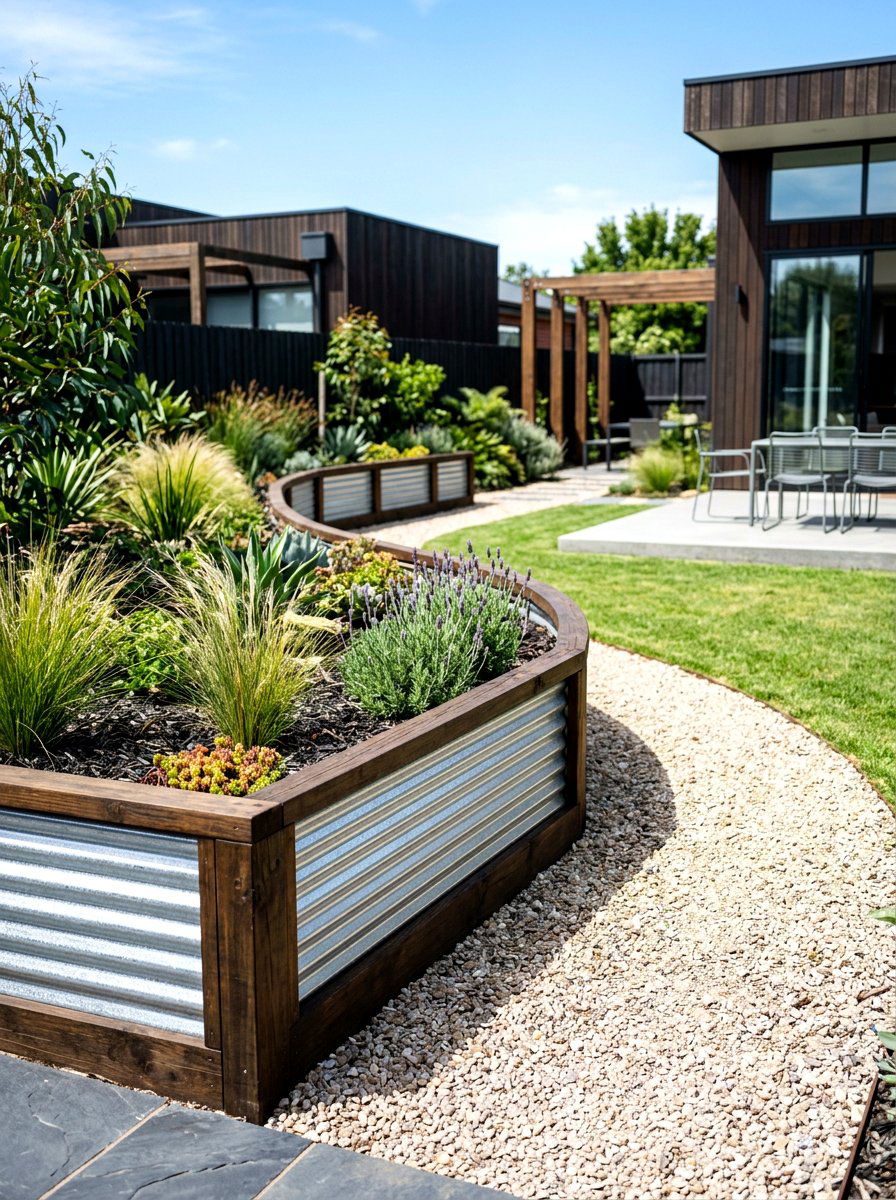
If you are looking for an industrial or modern farmhouse vibe, corrugated metal panels offer a striking and durable solution. These metal borders are typically framed with wooden posts to provide stability and a polished finish that prevents sharp edges. The silver or galvanized finish of the metal reflects sunlight beautifully, making small garden spaces feel brighter and more expansive. Corrugated metal is highly resistant to the elements and provides a unique texture that contrasts perfectly against soft green foliage and colorful blooms. It is also an excellent choice for deep raised beds because the rigid panels can easily withstand the heavy pressure of large amounts of soil.
3. Natural Stone Garden Wall
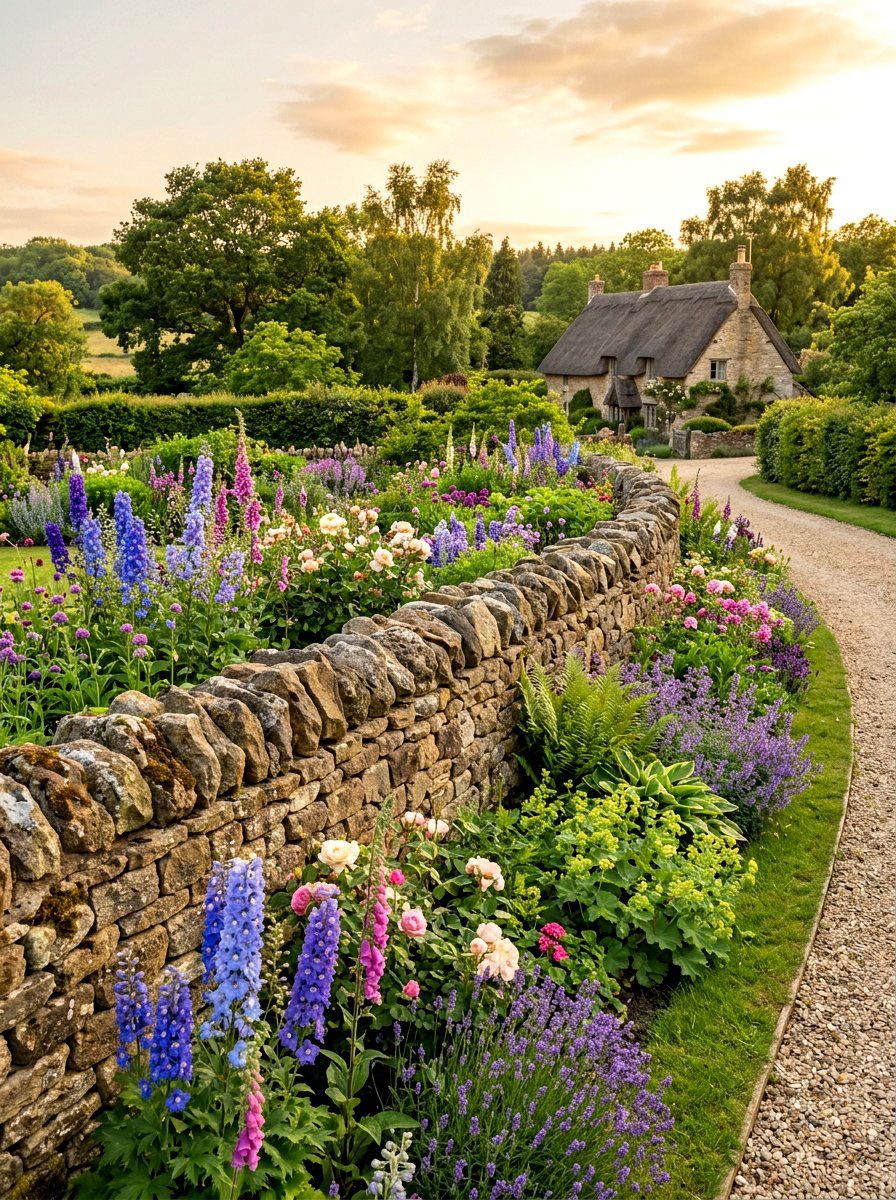
Using natural stone to border your raised beds creates a timeless look that feels like it has always been part of the earth. You can stack irregular fieldstones or flat flagstones to build a low wall that adds significant texture and visual weight to your backyard. The varying shades of gray, tan, and cream in the rocks complement any plant palette, from vibrant wildflowers to deep green shrubs. Stone walls also provide excellent thermal mass, which helps regulate soil temperature for your plants during extreme weather shifts. While this method requires more physical labor during installation, the result is a permanent and maintenance-free border that only improves with age.
4. Red Brick Garden Border
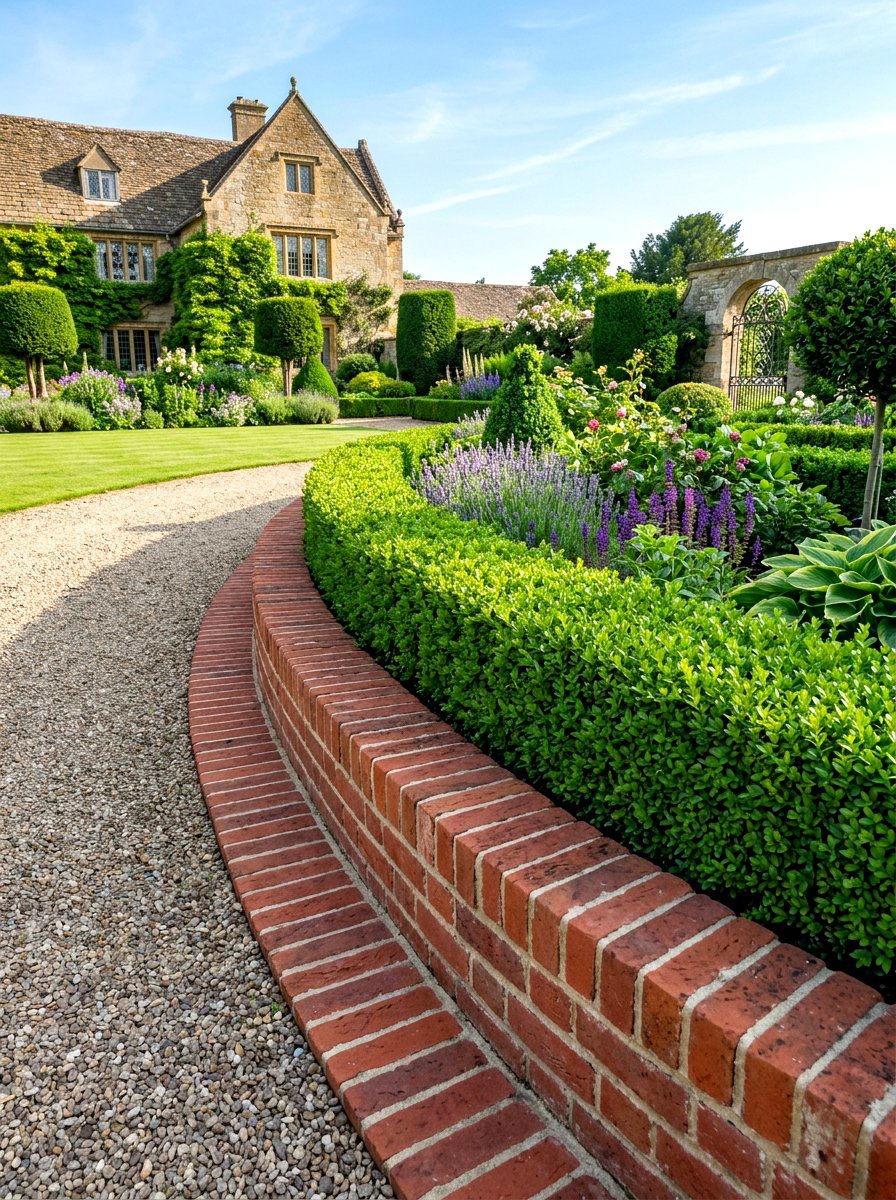
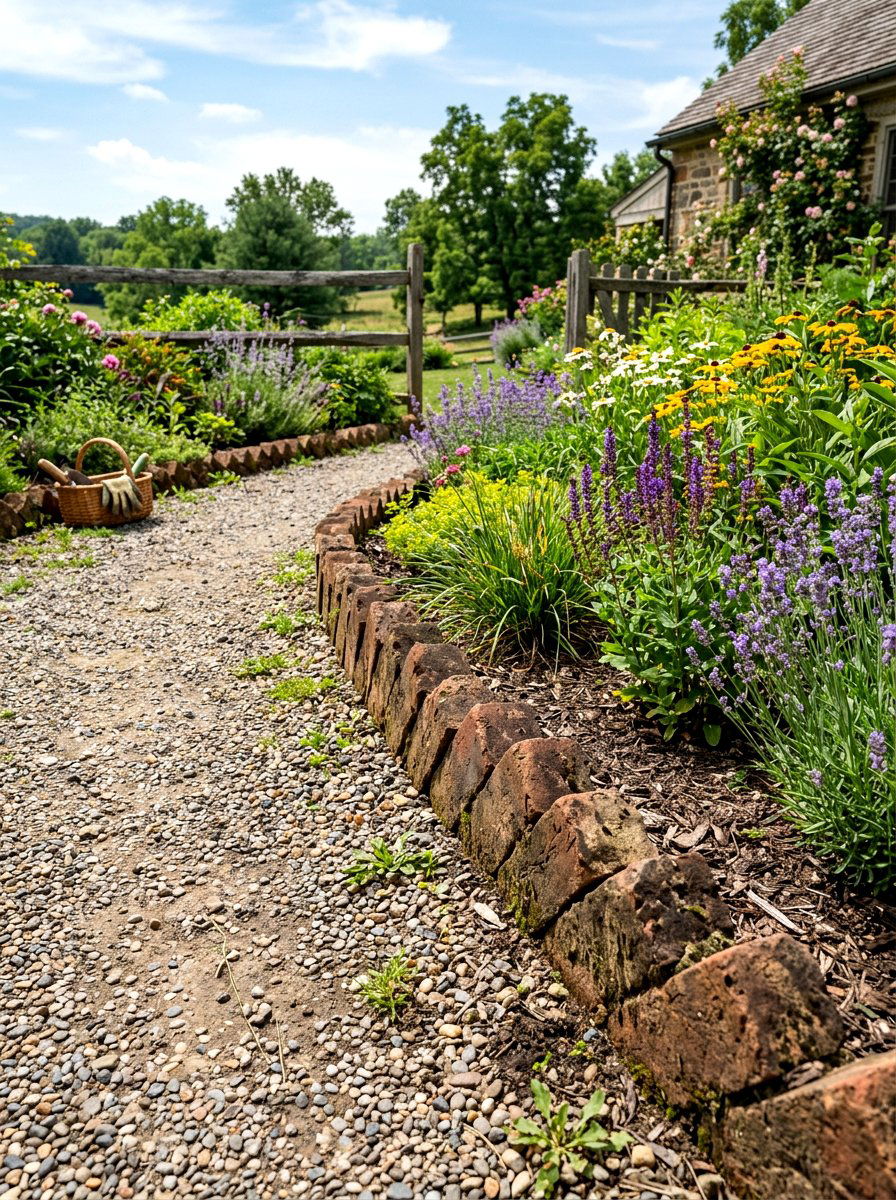
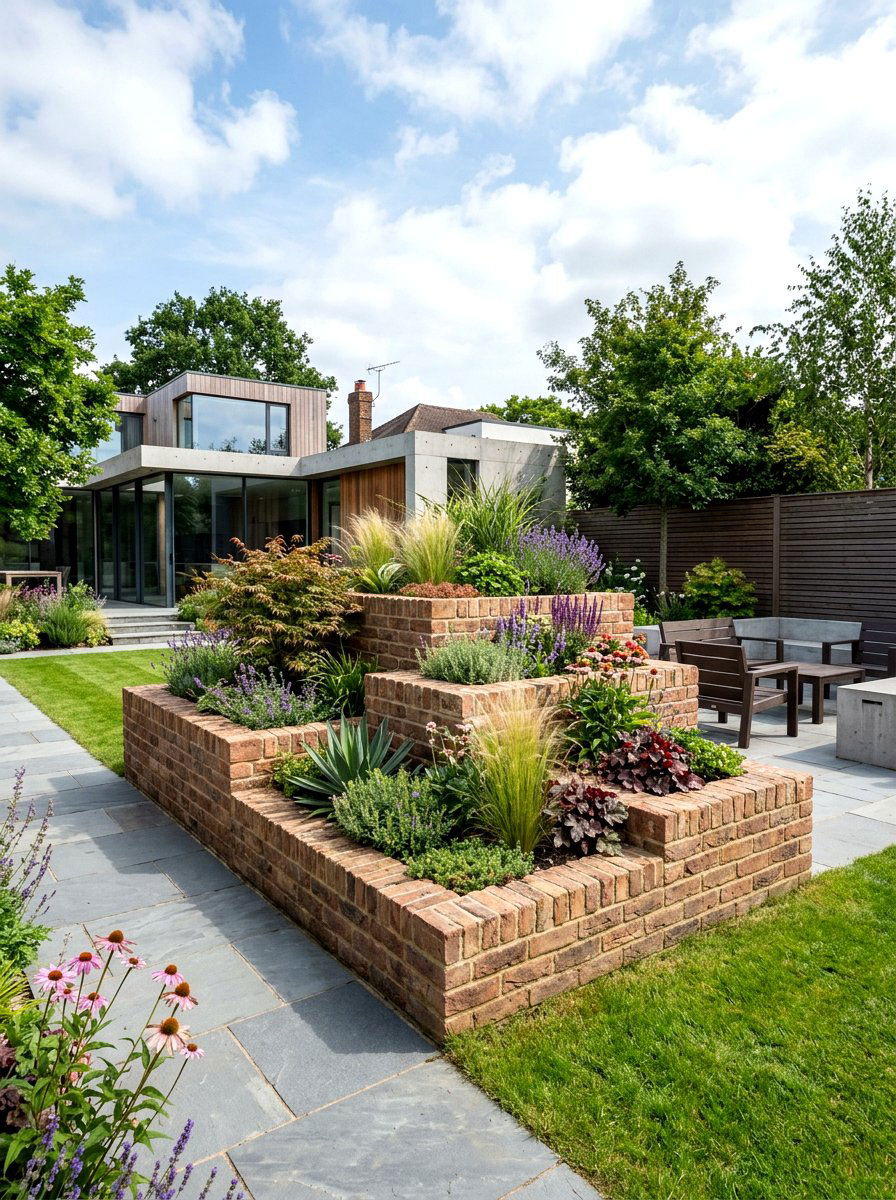
Red bricks provide a classic and structured appearance that brings a sense of history and order to any outdoor space. You can lay bricks in several patterns, such as a simple running bond or a decorative herringbone style, to match the architecture of your home. The warm terracotta tones of the brick offer a beautiful contrast against dark mulch and bright green leaves. Brick borders are incredibly versatile because they can be used for straight rectangular beds or curved designs that flow naturally through your landscape. They are also very easy to repair or modify if you decide to change your garden layout in the future.
5. Railway Sleeper Garden Bed
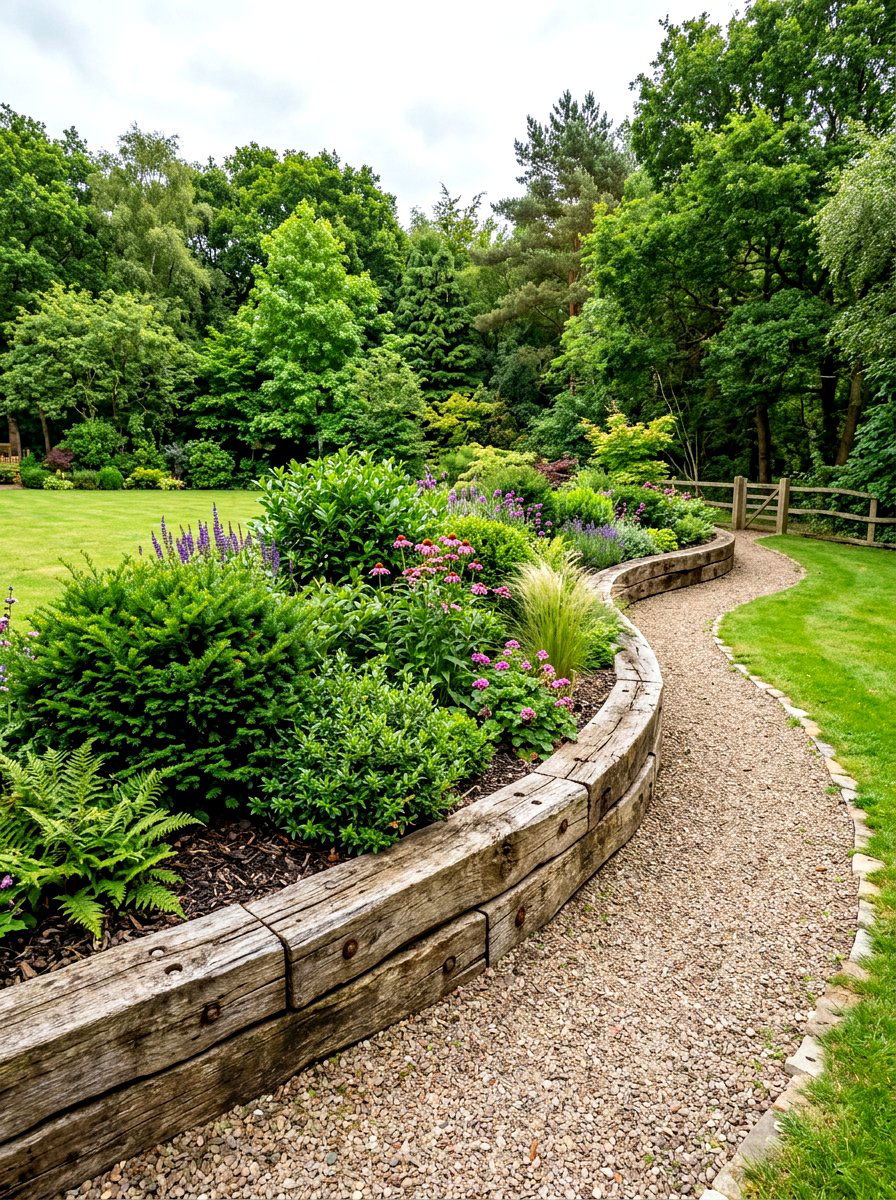
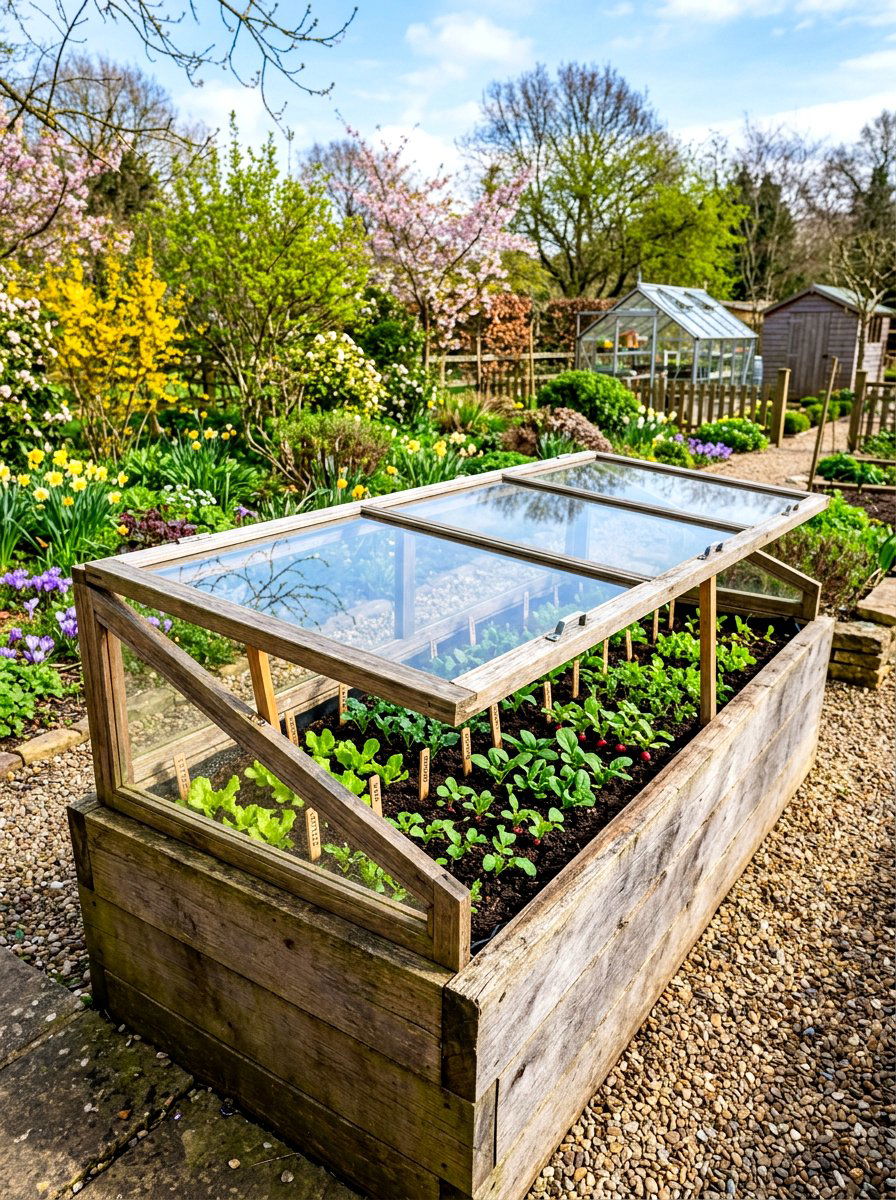
Railway sleepers are perfect for creating substantial and rustic raised beds that make a bold statement in larger yards. These thick timbers provide a heavy-duty border that can easily support the weight of wide garden beds and even serve as built-in seating. The chunky aesthetic of sleepers works exceptionally well in farmhouse or woodland-style gardens where you want the structures to feel grounded and solid. You can stack them horizontally for a low-profile look or set them vertically to create a unique staggered height effect. Sleepers are often treated to ensure they last for decades, providing a reliable and low-maintenance frame for your favorite garden perennials.
6. Gabion Cage Garden Wall
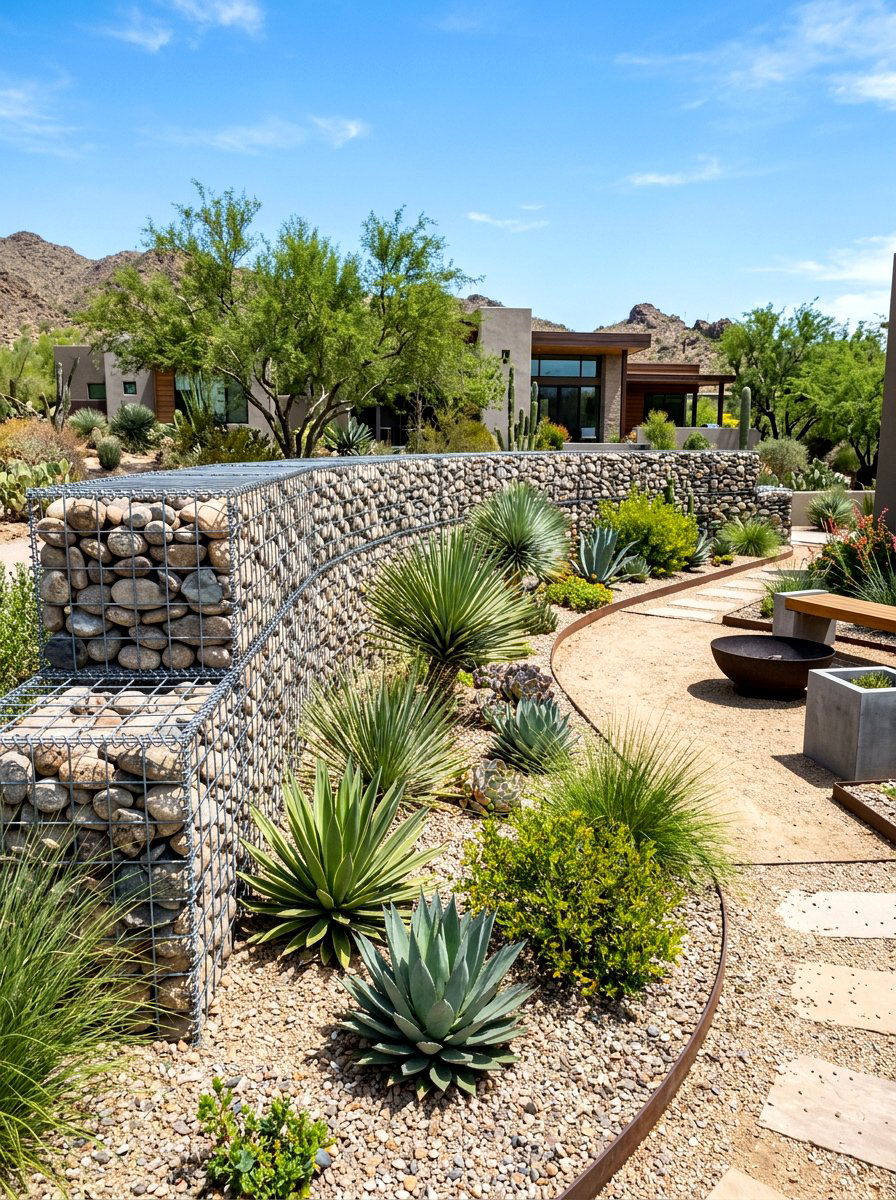
For a truly modern and architectural approach, gabion cages filled with river rocks or crushed stone offer a high-impact design. These wire baskets are incredibly strong and allow for excellent drainage, which is vital for maintaining healthy soil conditions in raised beds. The combination of industrial steel wire and natural stone creates a fascinating textural contrast that draws the eye and serves as a focal point. You can customize the look by choosing different colors and sizes of stones to fill the cages, allowing you to match your existing hardscape. Gabions are also very easy to install since they do not require deep footings or complex masonry work.
7. Woven Willow Garden Edging
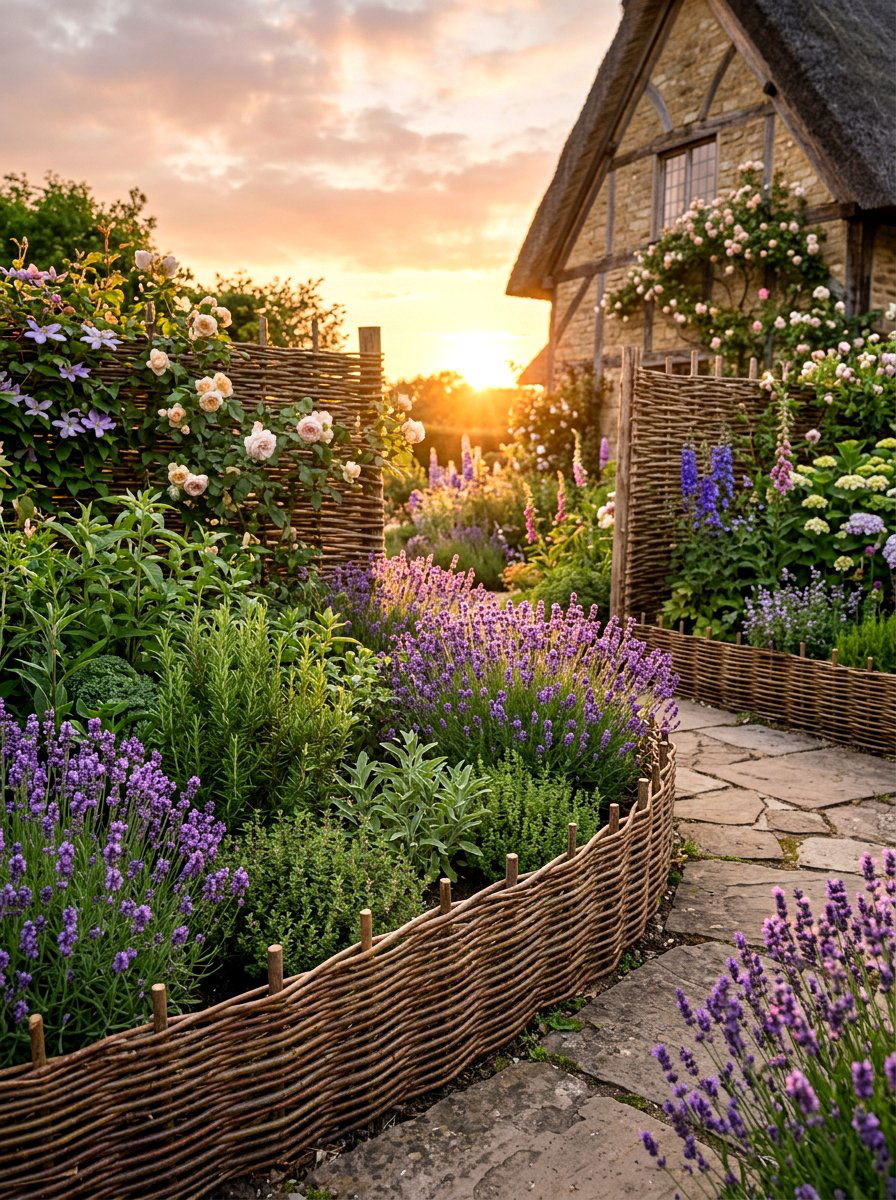
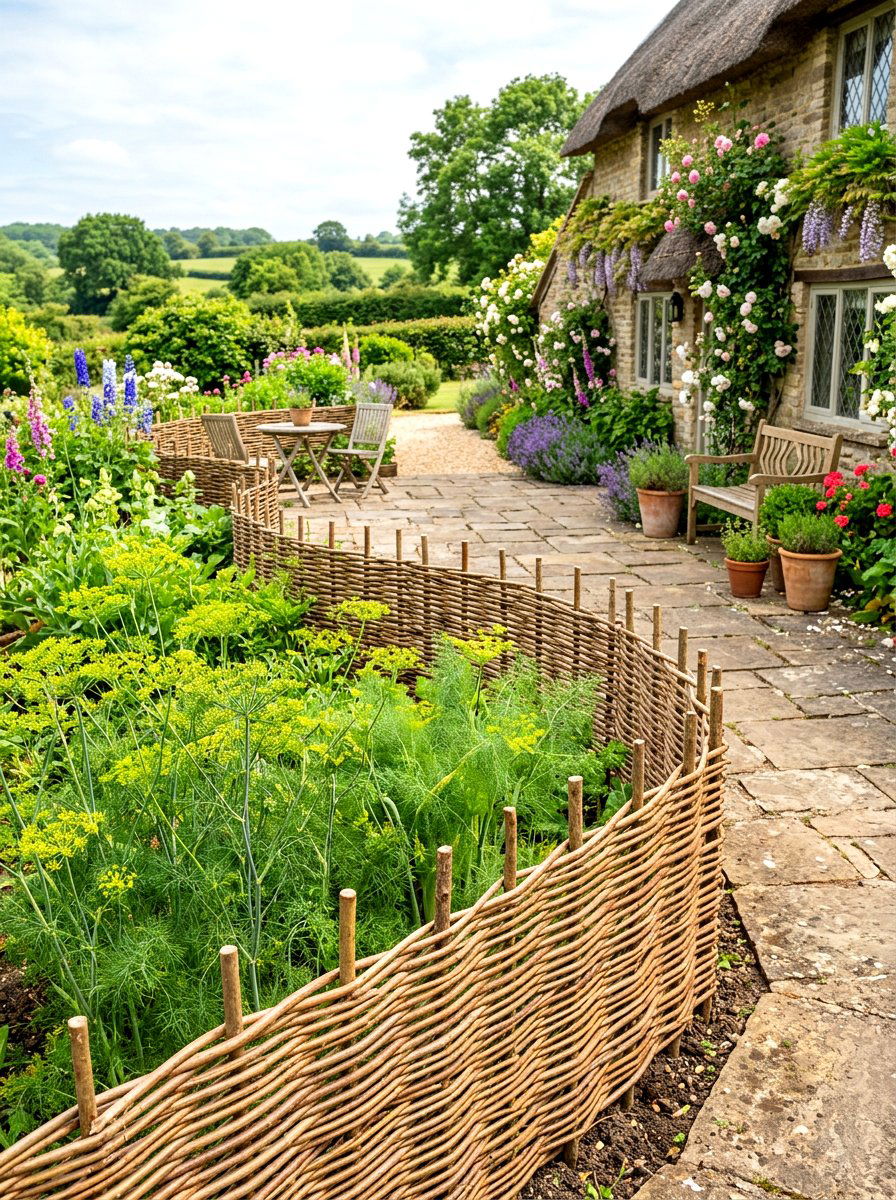
Woven willow borders bring an enchanting cottage-core aesthetic to your garden that feels completely organic and handmade. Often called "hurdles, " these borders are made by weaving flexible willow branches around upright stakes to create a charming, rustic fence. This style is ideal for smaller vegetable patches or herb gardens where you want to maintain a soft and natural boundary. Willow edging is environmentally friendly and biodegradable, though it may need replacement every few years as the natural wood breaks down. It provides a lightweight yet effective way to keep soil contained while adding a delicate, artisanal touch to your outdoor living space that neighbors will surely admire.
8. Concrete Block Garden Border
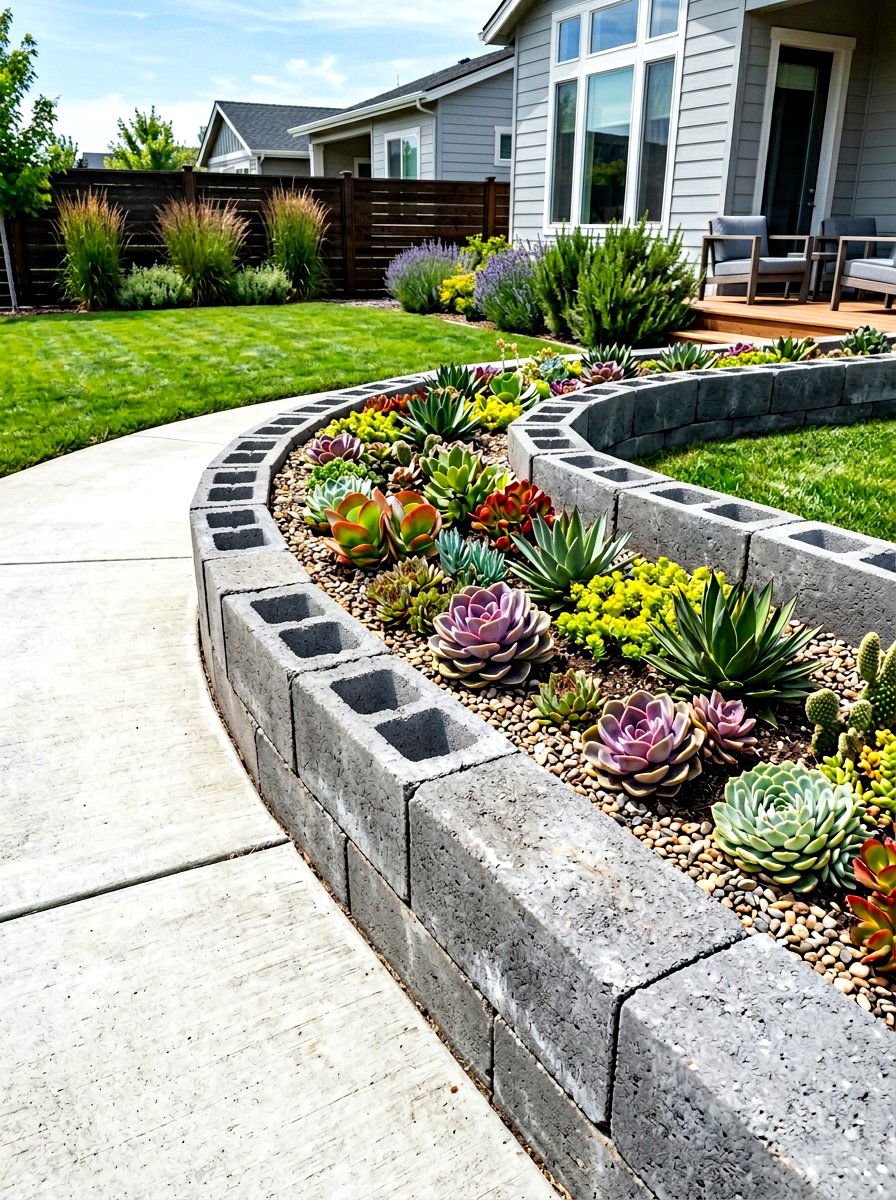
Concrete blocks, often called cinder blocks, are one of the most practical and affordable materials for building raised garden borders. Their uniform size makes them incredibly easy to stack, allowing you to build beds of almost any height or length with minimal effort. You can leave the blocks in their natural gray state for an industrial look or paint them with outdoor masonry paint to match your home’s color scheme. A popular trend is to use the hollow centers of the blocks as miniature planters for herbs or succulents, maximizing your growing space. This durable material is perfect for gardeners who prioritize function and longevity in their backyard.
9. Log Slice Garden Edging
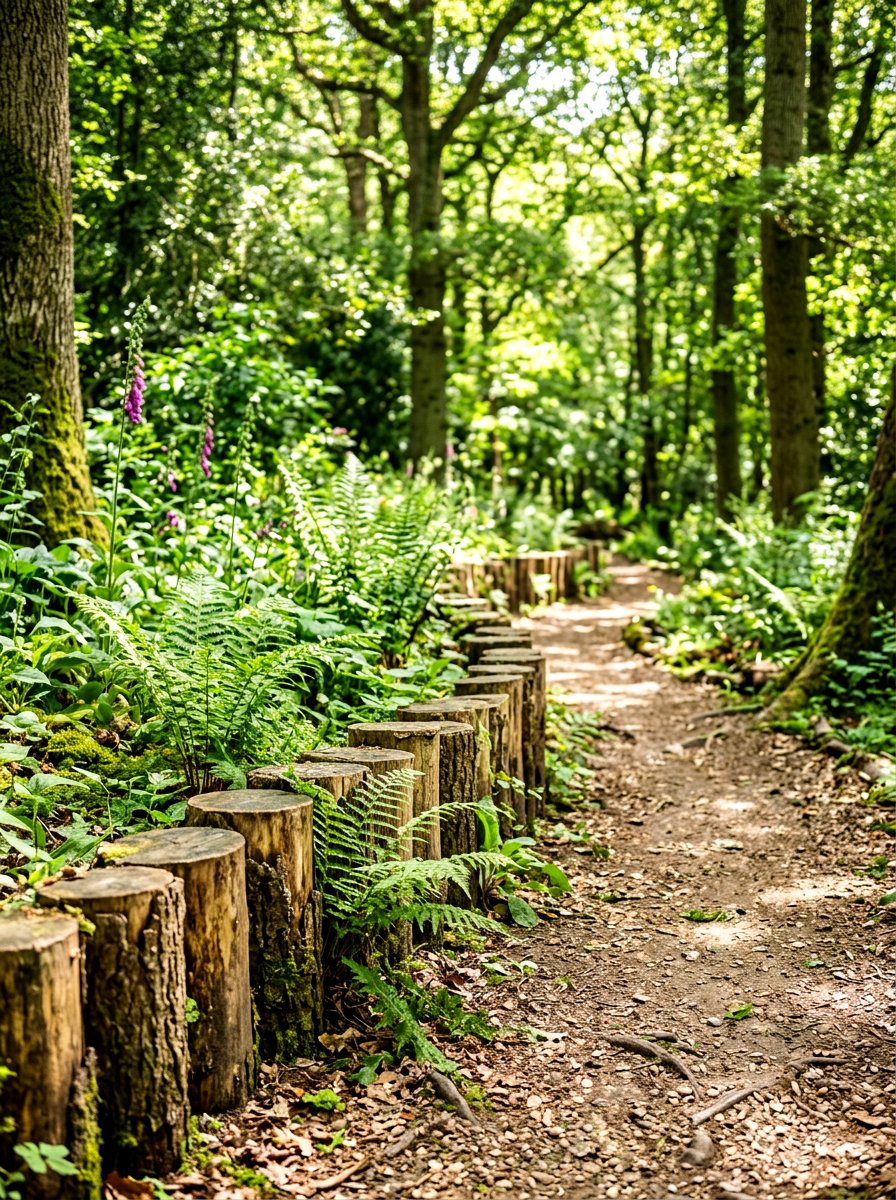
Log slice borders offer a whimsical and woodland-inspired look that is perfect for shaded garden corners or naturalistic landscapes. By placing vertical log segments of varying heights along the edge of your bed, you create a dynamic and textured boundary. This design idea is often very budget-friendly, especially if you have access to fallen trees or reclaimed timber from local landscaping projects. The varying diameters and bark textures of the logs add a unique character that cannot be replicated with manufactured materials. While the wood will eventually decompose, it adds beneficial organic matter to the surrounding soil, making it a great choice for eco-conscious and sustainable gardeners.
10. Corten Steel Garden Border
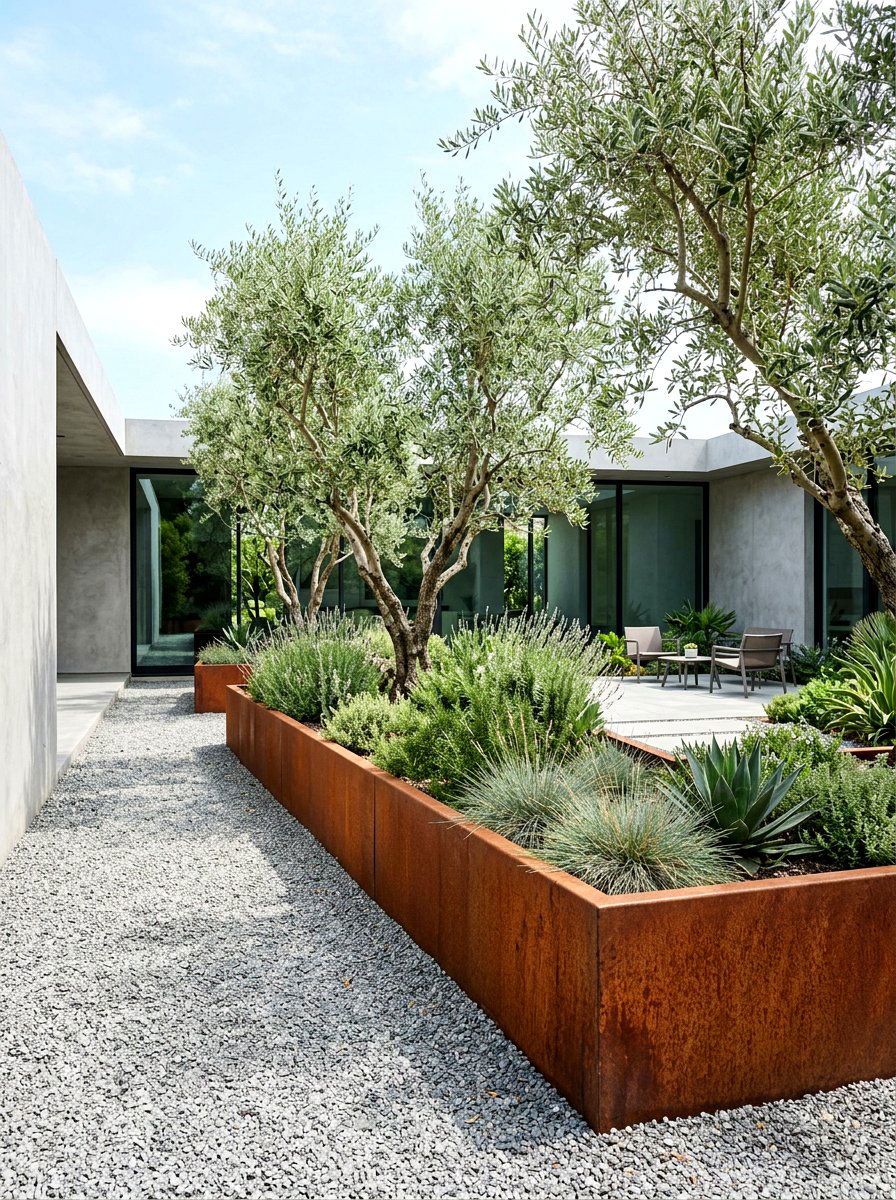
Corten steel is a favorite among landscape architects for its sleek profile and the beautiful rust-like patina it develops over time. This specialized steel is designed to form a protective layer of oxidation that stops further corrosion, making it incredibly long-lasting in any climate. The thin profile of the steel allows you to create crisp, sharp lines that are perfect for modern and minimalist garden designs. It also takes up very little space, which is ideal for narrow yards where you want to maximize the planting area. The warm, orange-brown tones of weathered steel provide a stunning backdrop for silver foliage and purple flowering plants.
11. Recycled Plastic Garden Edging
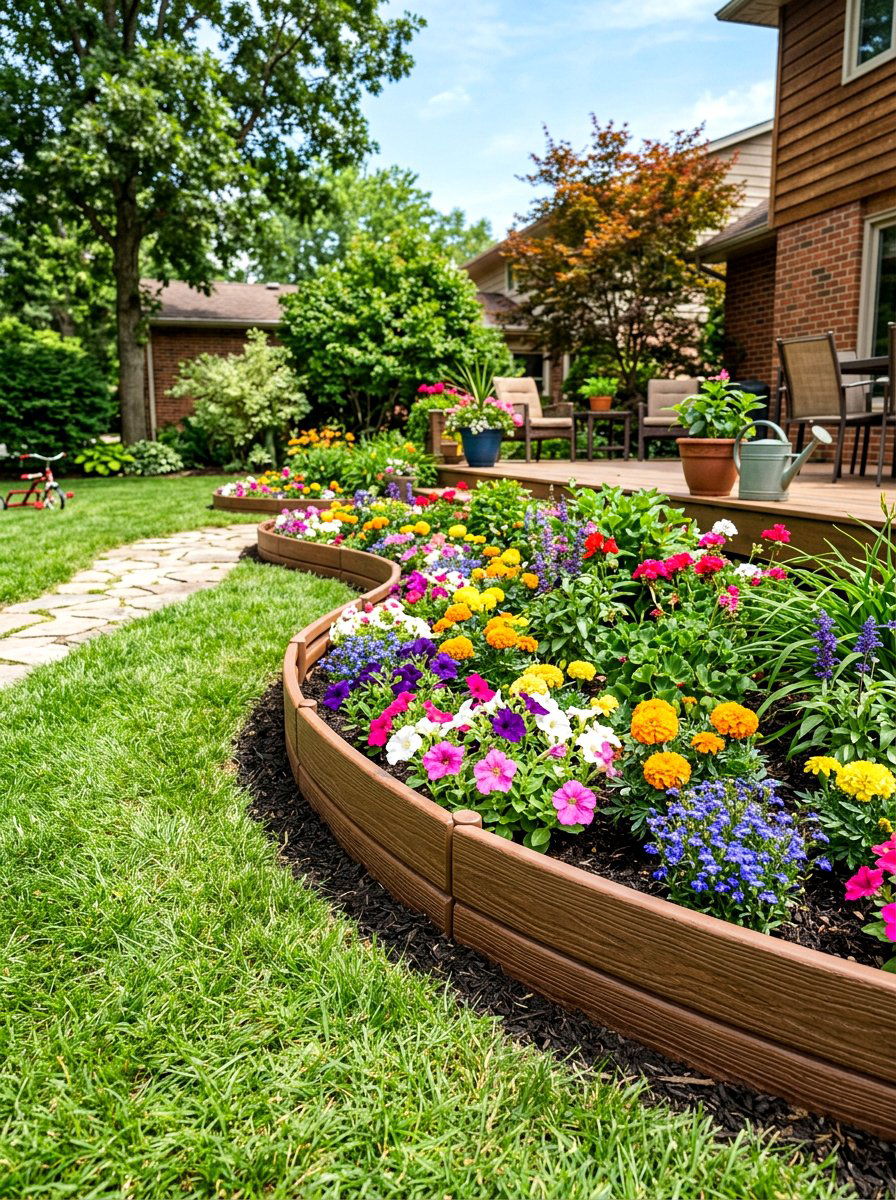
Choosing recycled plastic for your raised bed borders is a fantastic way to be environmentally responsible while enjoying a maintenance-free garden. Modern composite materials are engineered to look like natural wood or stone, but they will never rot, crack, or splinter when exposed to moisture. This material is particularly useful for areas with high humidity or heavy rainfall where traditional wood might fail quickly. Recycled plastic borders come in a variety of colors and styles, from realistic timber planks to textured stone-like panels. Because the material is lightweight and often features interlocking designs, installation is quick and easy for any DIY enthusiast looking for a long-term solution.
12. Limestone Block Garden Wall
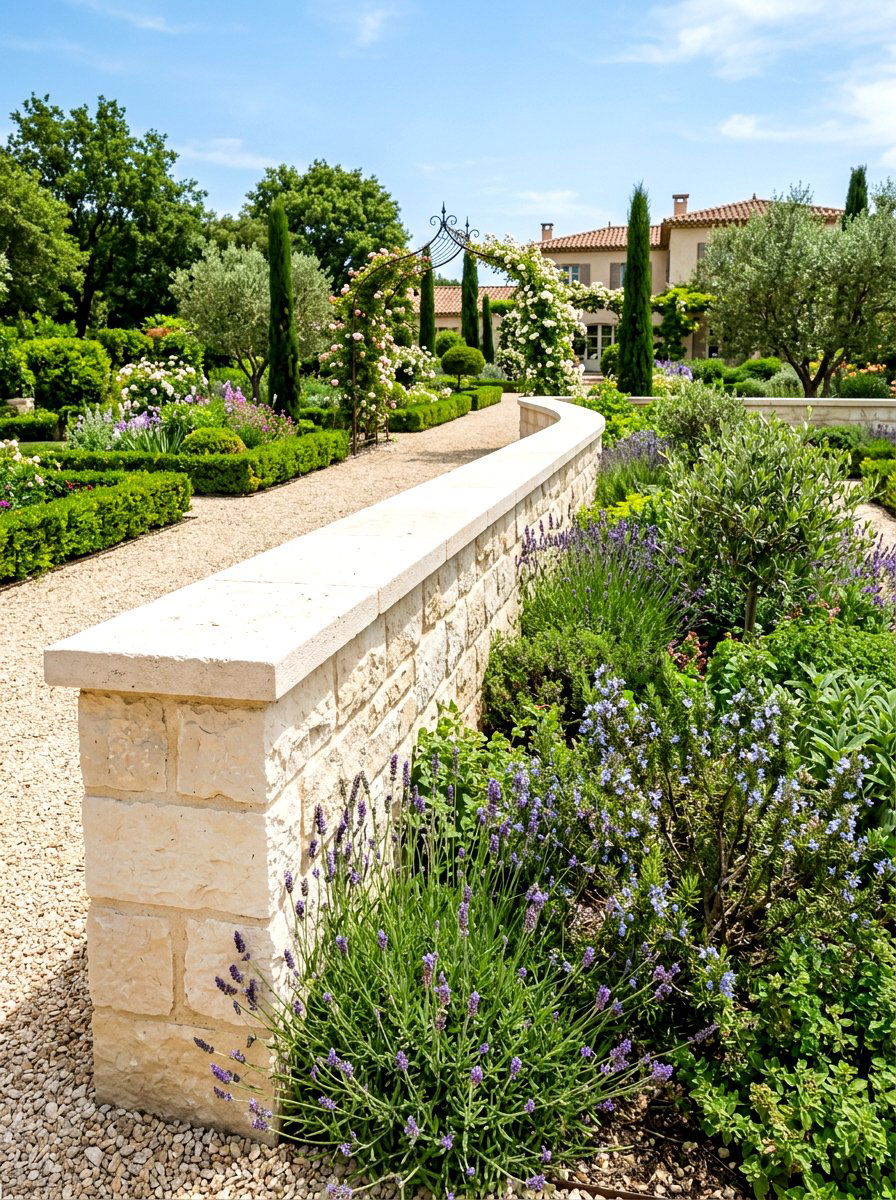
Limestone blocks offer a clean and elegant aesthetic that brightens up any garden space with their light, creamy tones. These large, rectangular stones provide a very structured and upscale look that works perfectly for formal landscapes or contemporary backyards. Because limestone is a natural material, it blends seamlessly with the surrounding environment while providing a solid and durable frame for your plants. The light color of the stone also helps reflect heat, which can keep your soil cooler during the hot summer months. Whether you use smooth, sawn blocks or rough-hewn pieces, limestone adds a touch of sophistication and luxury to your raised bed design.
13. River Rock Garden Border
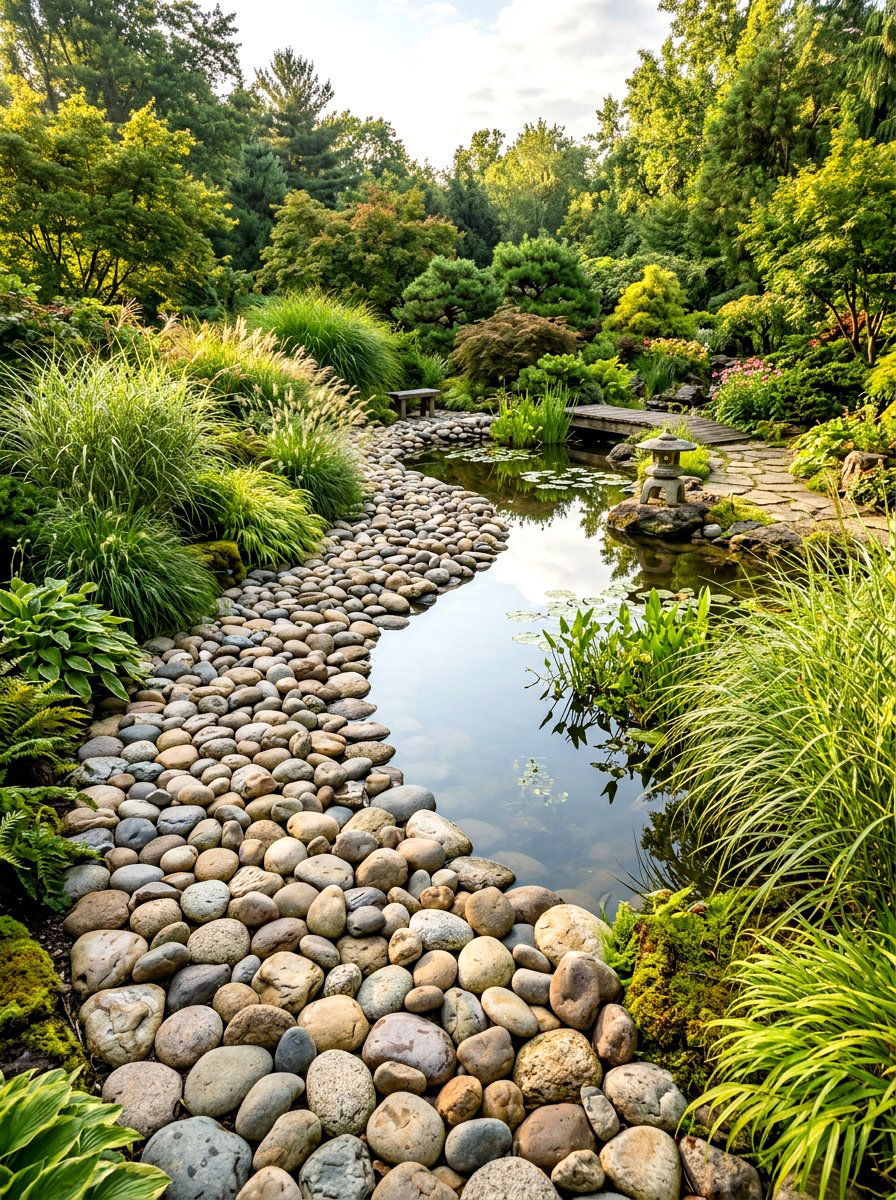
River rocks are smooth, rounded stones that create a soft and organic border for raised garden beds. You can use these stones to fill a trench or stack them loosely to create a naturalistic mound that gently holds the soil in place. This style is particularly effective for Japanese-inspired gardens or dry creek bed designs where you want to mimic the look of water and nature. The various sizes and colors of the rocks provide endless visual interest and a tactile quality that is very soothing. River rock borders also offer excellent drainage and can be easily adjusted if you decide to expand your garden area in the future.
14. Horizontal Slat Wood Border
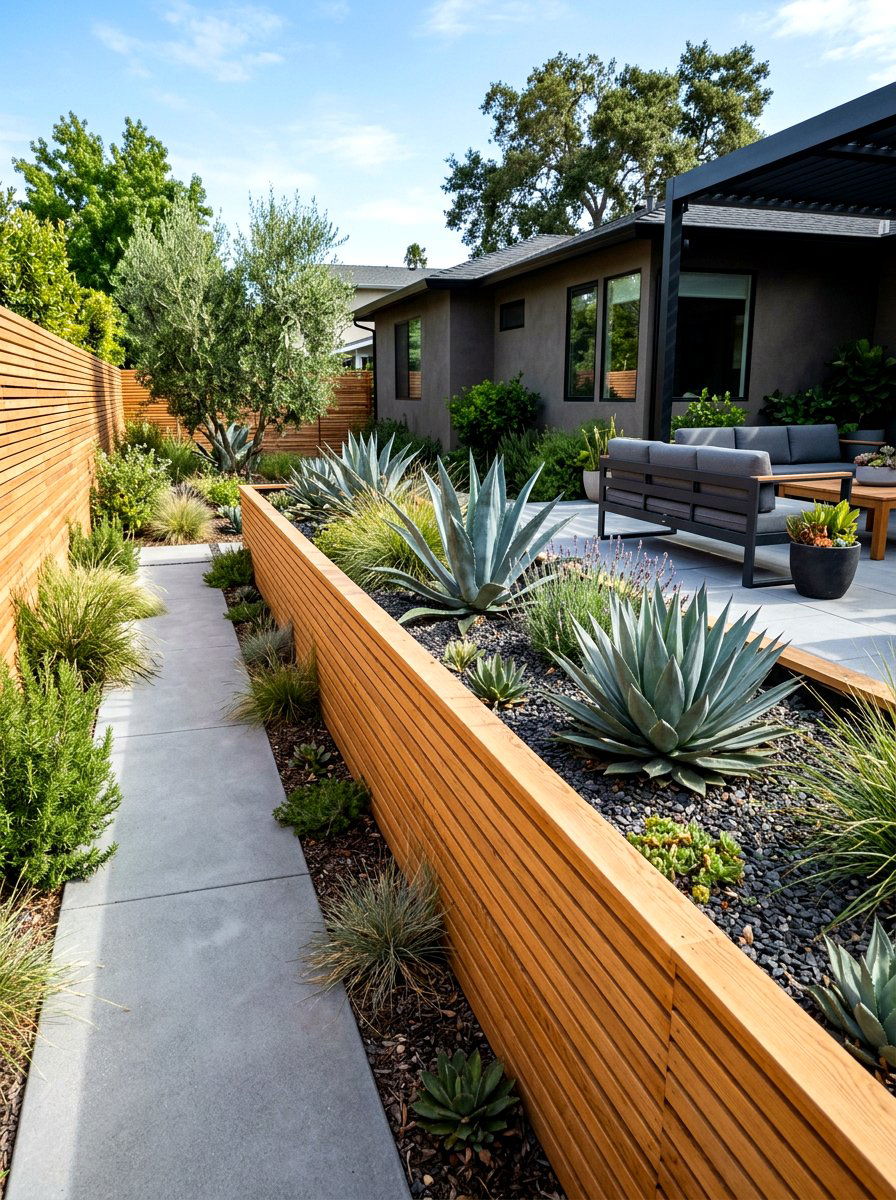
A horizontal slat border provides a contemporary and stylish look that mimics the appearance of modern privacy fencing. By using thin wooden slats with small gaps in between, you create a textured and layered effect that adds depth to your garden beds. This design is excellent for smaller spaces because the horizontal lines draw the eye across the yard, making the area appear wider. You can use cedar, redwood, or pressure-treated pine to achieve different color and durability levels. This style of border looks particularly striking when paired with minimalist plantings like ornamental grasses or architectural shrubs, creating a sophisticated and well-curated outdoor environment for your home.
15. Poured Concrete Garden Wall
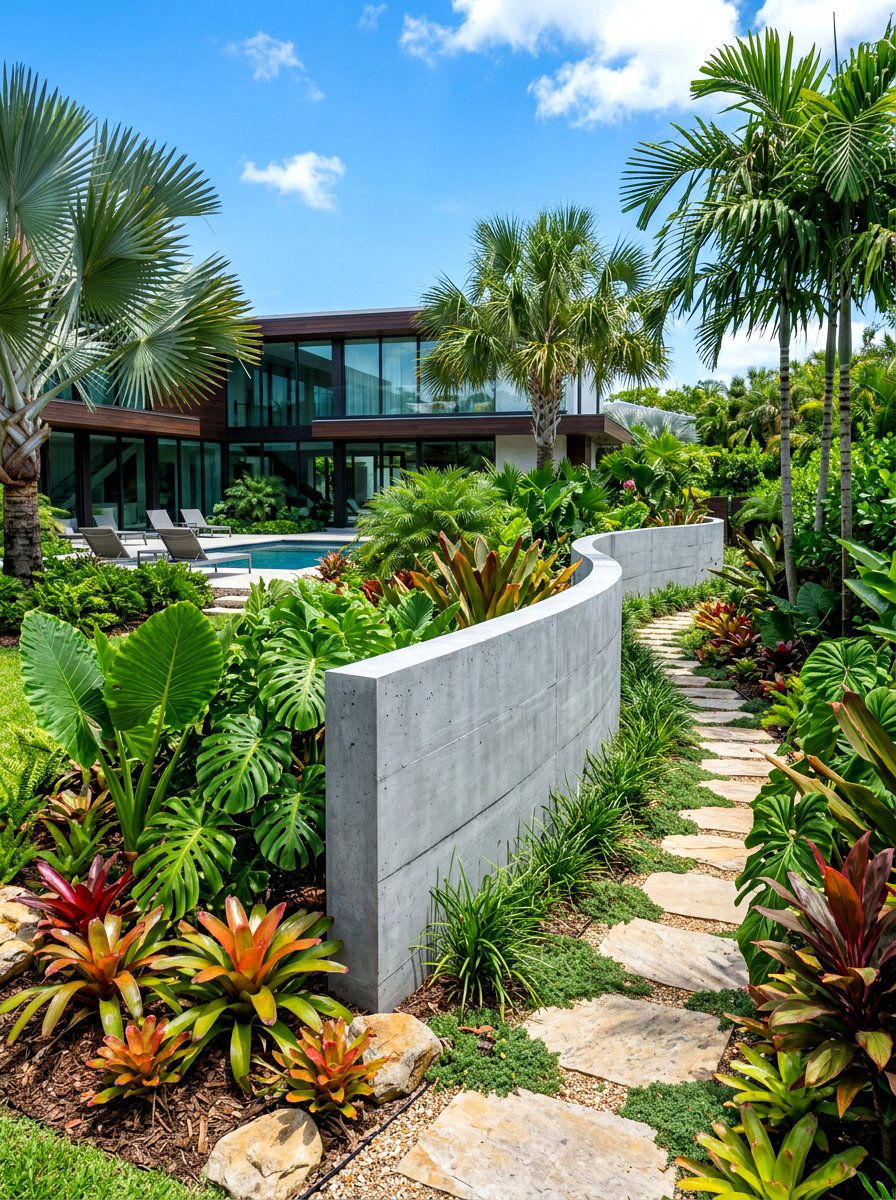
Poured concrete borders offer a sleek, seamless, and permanent solution for high-end modern landscapes. This method allows you to create custom shapes and heights that perfectly fit the contours of your yard, including curves and sharp angles. Concrete can be finished in a variety of ways, from a smooth polished surface to a more rugged aggregate texture. You can even add pigments to the wet concrete to create a custom color that coordinates with your outdoor furniture or home exterior. While this project typically requires professional help or significant DIY skill, the result is a sophisticated and indestructible border that provides a clean architectural foundation for your plantings.
16. Terra Cotta Tile Edging
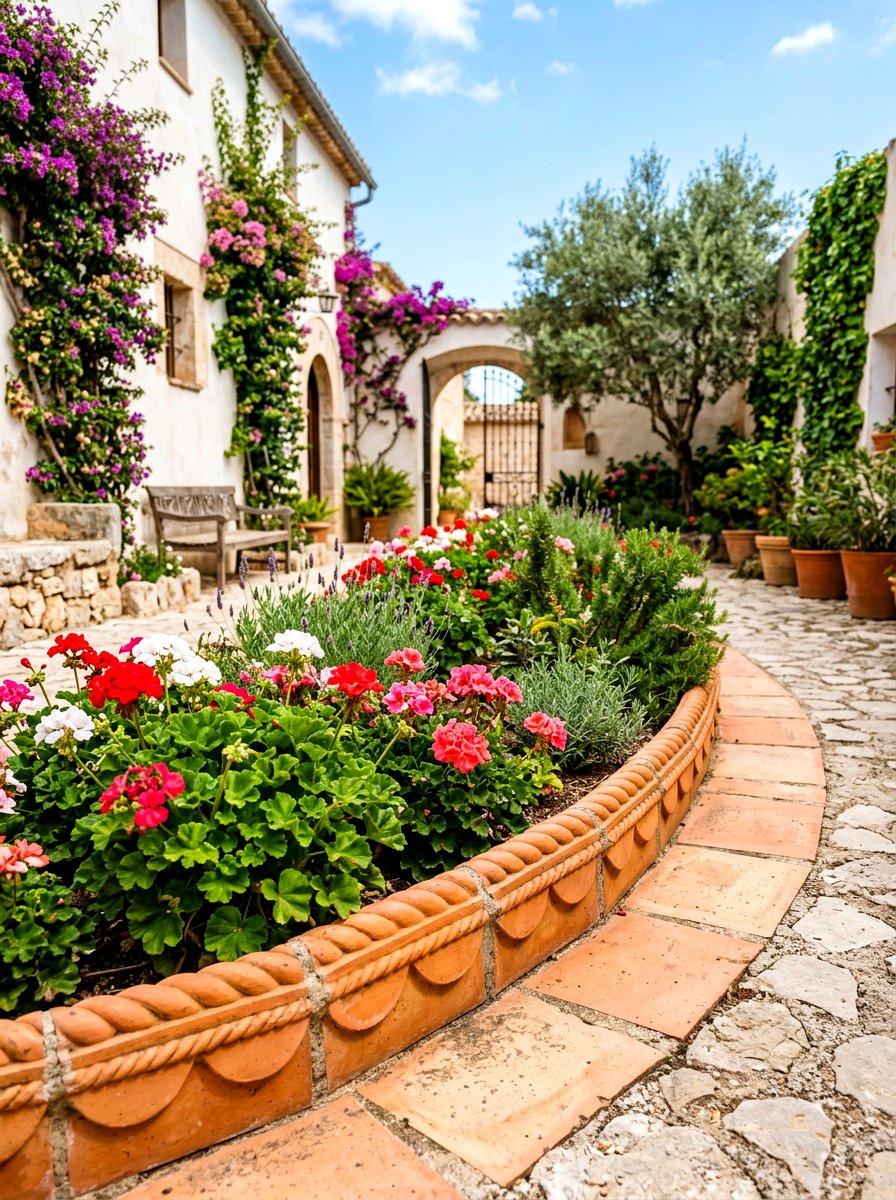
Terra cotta tiles bring a warm, Mediterranean feel to your garden beds with their classic earthy orange and red tones. You can use standard floor tiles or decorative scalloped edging tiles to create a charming and unique border that feels like a European courtyard. These tiles are excellent for defining small herb gardens or flower beds located near a patio or outdoor seating area. The material is natural and porous, allowing it to age beautifully and develop a light mossy coating over time. Because they are individual pieces, terra cotta tiles are easy to arrange in curved patterns, giving you total creative control over the shape of your garden.
17. Stacked Slate Garden Border
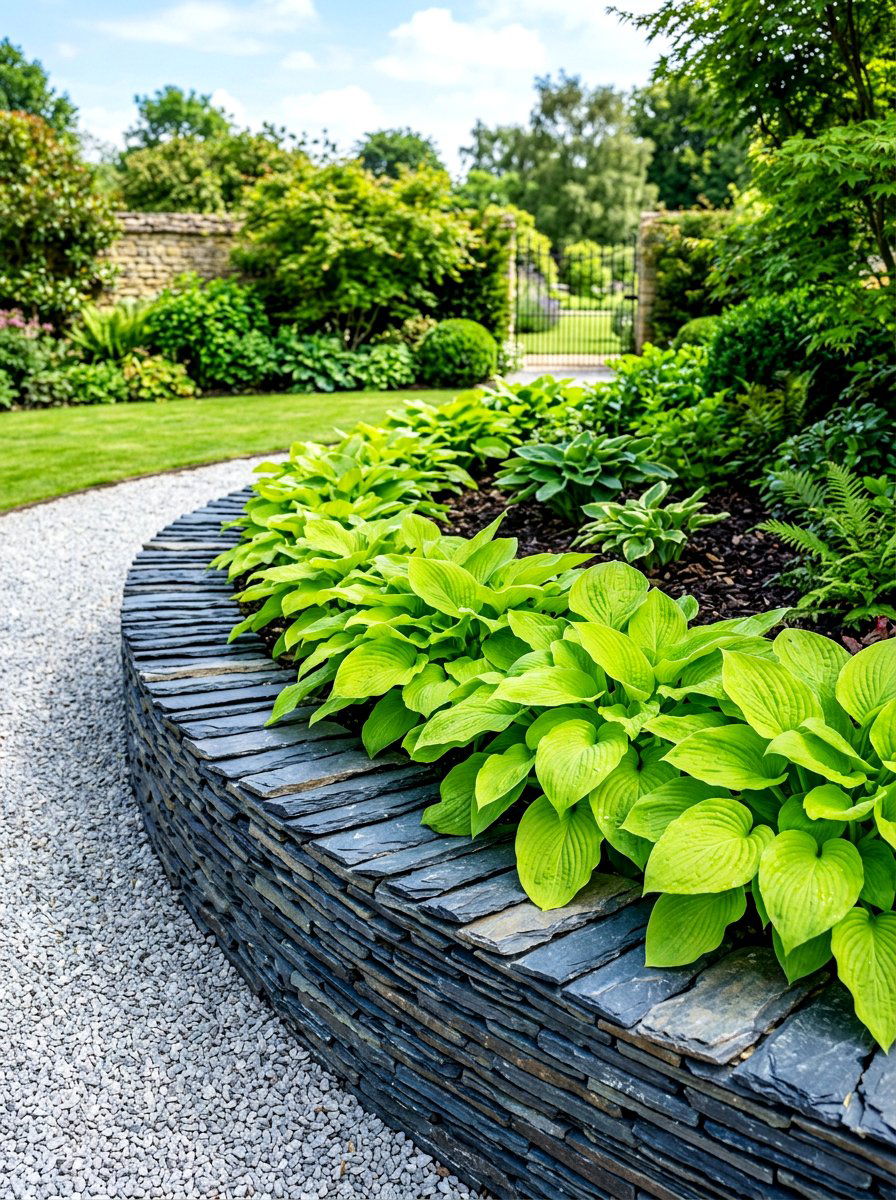
Stacked slate is a premium choice for garden borders because it offers a sophisticated texture and a rich, dark color palette. The thin, flat layers of slate can be stacked without mortar to create a "dry stone" wall effect that is both rustic and modern. This material looks particularly stunning when wet, as the deep blues, grays, and purples of the stone become more vibrant. Slate is incredibly durable and resistant to the elements, making it a permanent addition to your landscape. It provides a clean and crisp edge that contrasts beautifully against bright green lawn or light-colored gravel paths, creating a professional and polished garden look.
18. Bamboo Pole Garden Edging
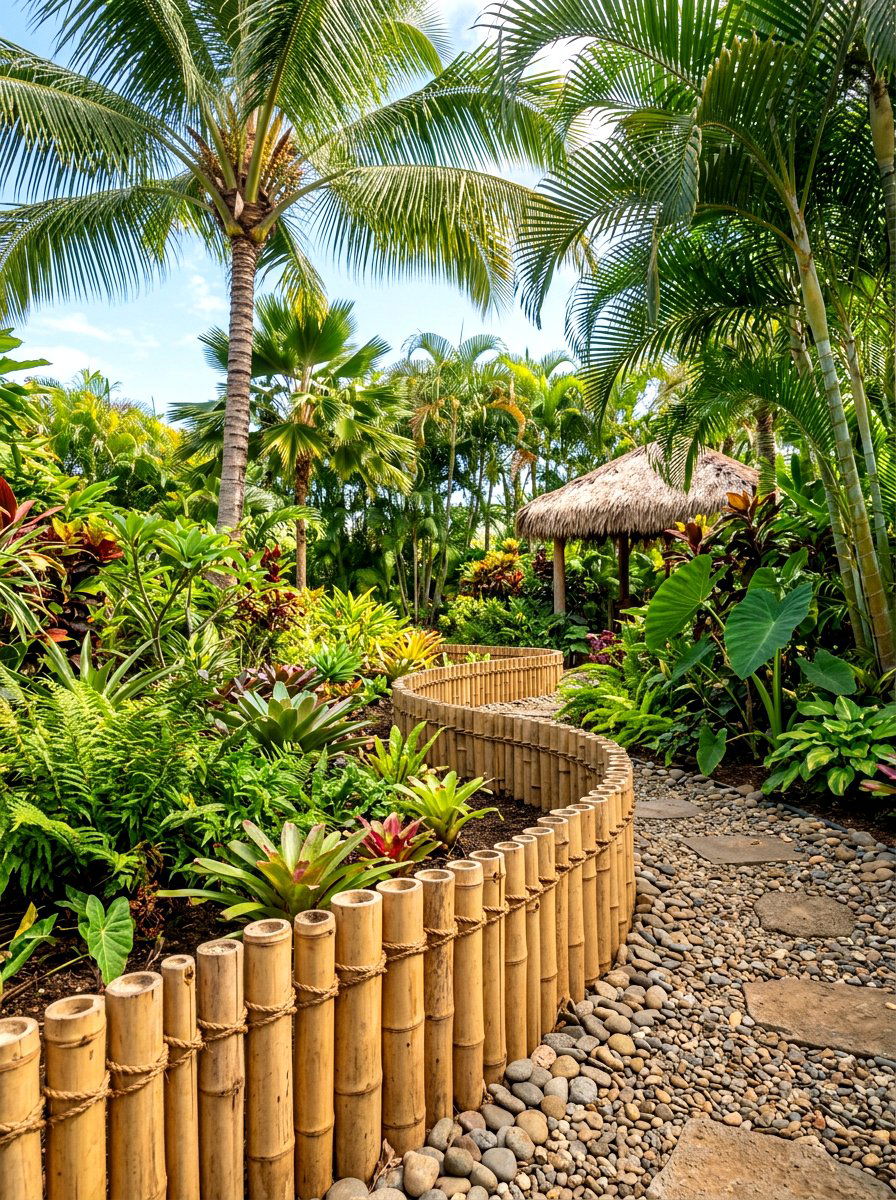
Bamboo pole borders offer a tropical and eco-friendly aesthetic that is perfect for coastal gardens or Zen-inspired retreats. You can use whole bamboo stalks tied together or pre-made bamboo edging rolls to create a sustainable and visually interesting boundary. Bamboo is a fast-growing and renewable resource, making it an excellent choice for environmentally conscious homeowners. The natural tan or green colors of the bamboo provide a soft and neutral backdrop that allows your colorful flowers to take center stage. While bamboo may require a protective sealant to prolong its life in wet climates, it adds a unique and exotic flair that makes your garden feel like a private getaway.
19. Flagstone Garden Border
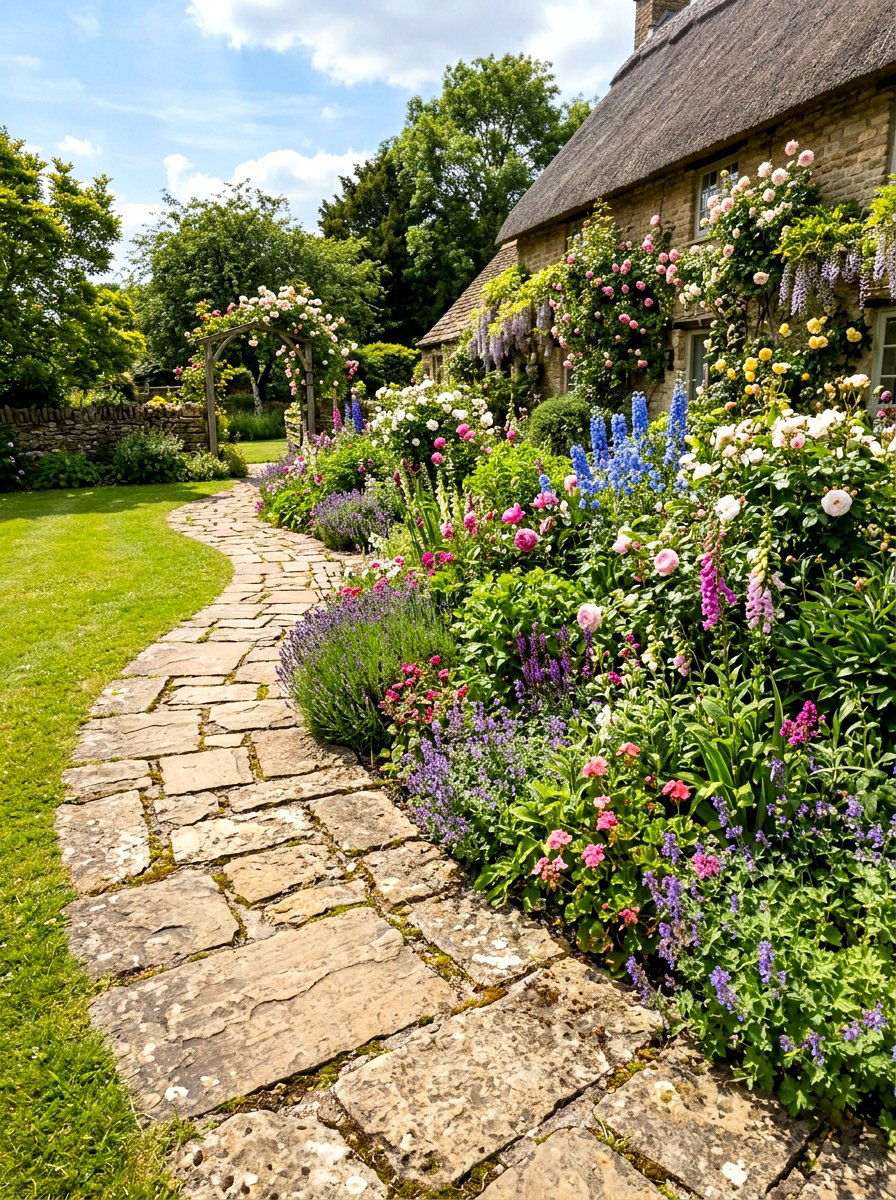
Flagstones are large, flat pieces of natural rock that create a wide and stable border for raised garden beds. You can lay them horizontally to create a low-profile edge that doubles as a small walkway around your plantings. This design is particularly useful for large beds because the wide stones provide a steady surface for you to stand on while weeding or harvesting. The irregular shapes and varied colors of flagstone add a rustic and organic charm that fits perfectly into cottage or traditional garden styles. Because flagstones are heavy and durable, they stay in place without the need for complex adhesives or deep structural support systems.
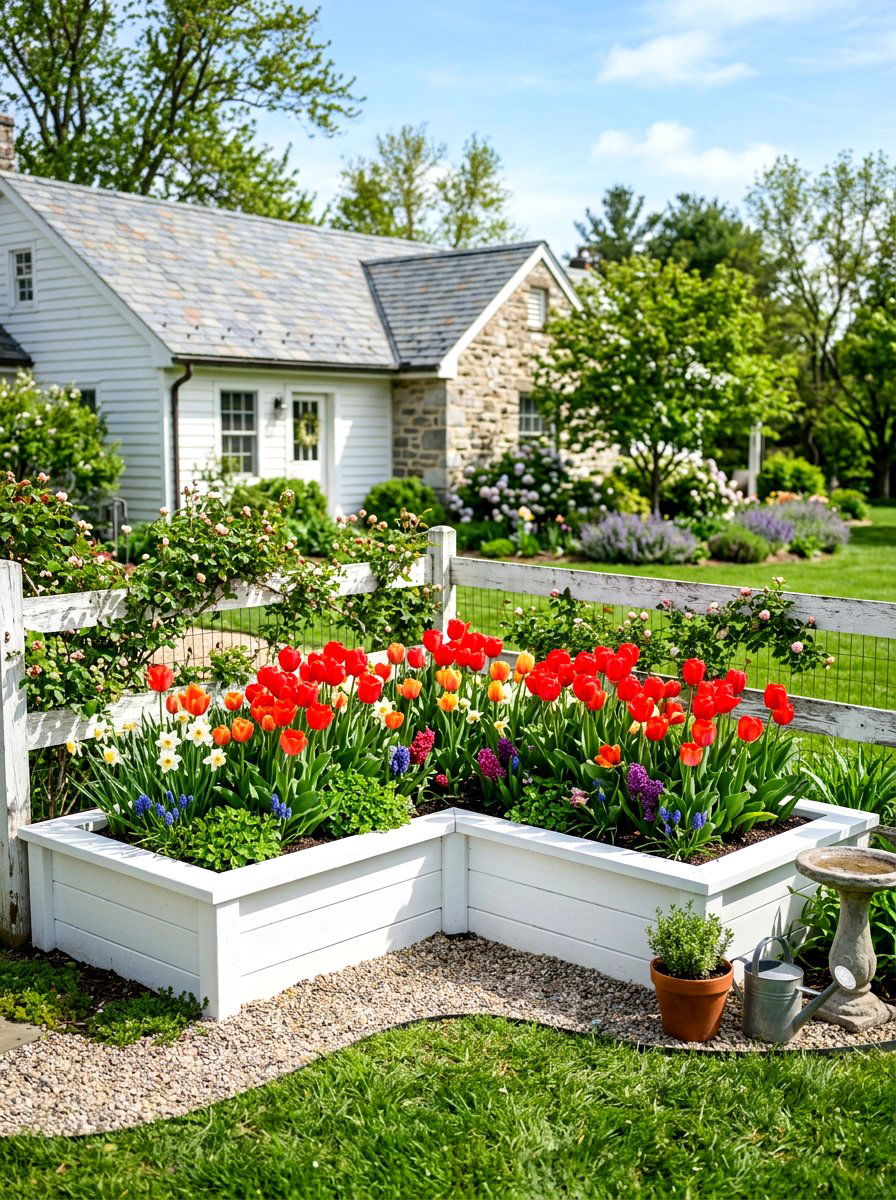
20. Painted Wood Garden Bed
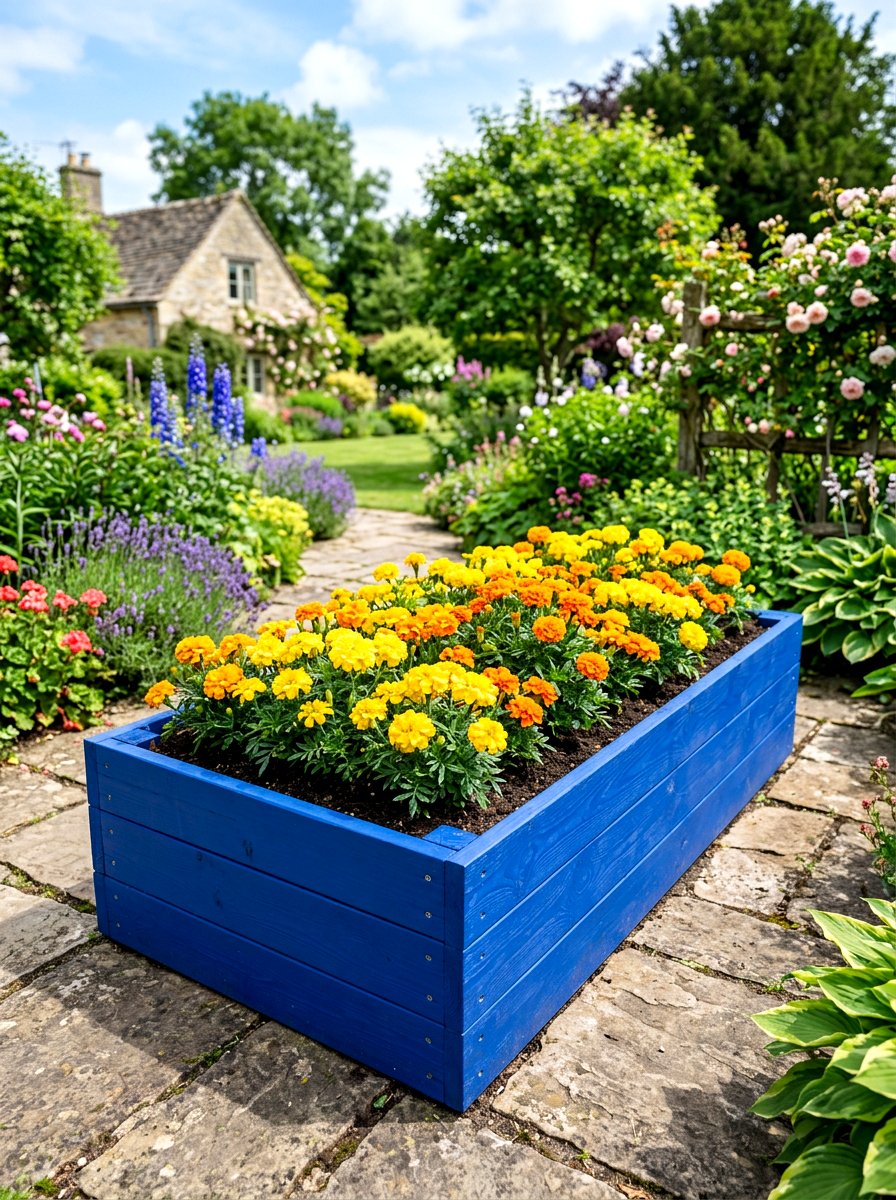
Painting your wooden garden borders is a simple and effective way to add a pop of color and personality to your backyard. You can choose a bold, bright hue like cobalt blue or sunny yellow to create a playful focal point, or opt for classic white for a clean cottage look. Paint also provides an extra layer of protection for the wood, helping it resist moisture and sun damage over time. This design idea allows you to easily update the look of your garden every few seasons with a fresh coat of paint. It is a fantastic option for families who want to create a vibrant and fun outdoor space.
21. Cobblestone Garden Edging
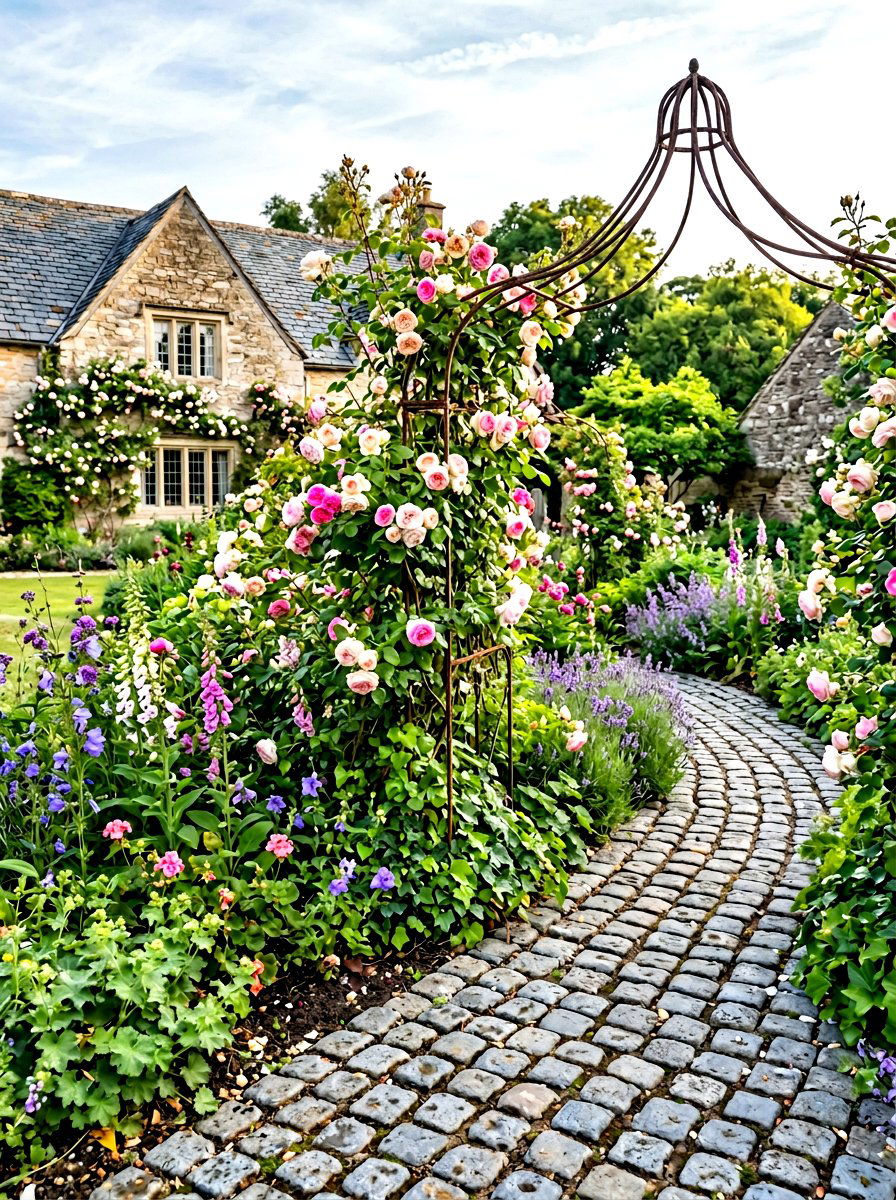
Cobblestones offer a charming, old-world aesthetic that reminds many people of historic European streets and quaint village gardens. These small, rounded stones are incredibly durable and can be set in a variety of ways to create a sturdy raised bed border. You can lay them in a single row for a low edge or stack them several layers high for a more substantial look. The natural variation in stone color and shape provides a textured and timeless appearance that complements both flowers and vegetables. Cobblestone borders are excellent for creating curved lines and adding a sense of permanence and heritage to your modern residential landscape.
22. Scalloped Plastic Edging
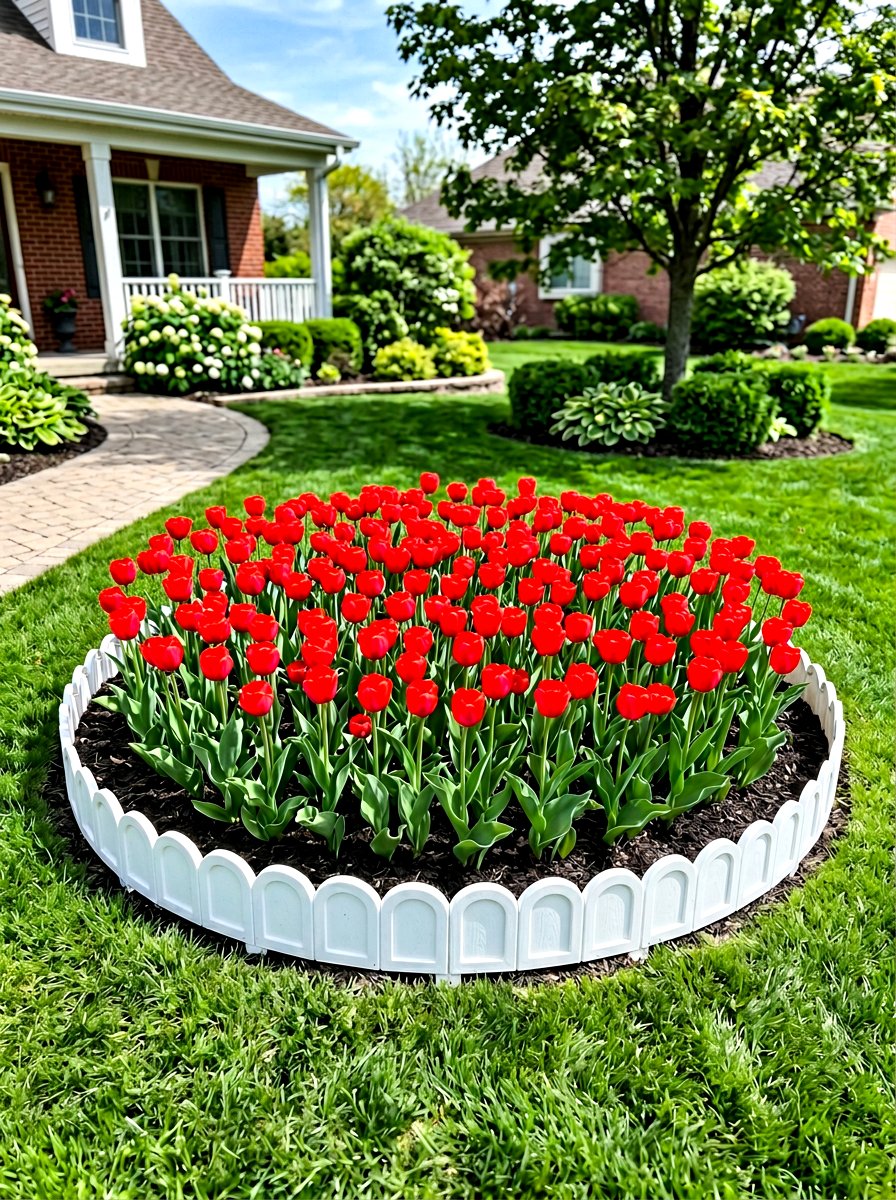
Scalloped plastic edging is a budget-friendly and widely available option that is perfect for creating quick and decorative garden borders. This material is lightweight and flexible, making it very easy to install around curved flower beds or circular trees. Many modern versions are designed to look like traditional terra cotta or stone, providing a high-end look without the heavy price tag. Plastic edging is also very low-maintenance and resistant to rot, making it a practical choice for busy homeowners. While it may not be as permanent as stone or metal, it offers a clean and uniform look that keeps your garden beds looking neat and well-maintained throughout the year.
23. Reclaimed Pallet Garden Bed
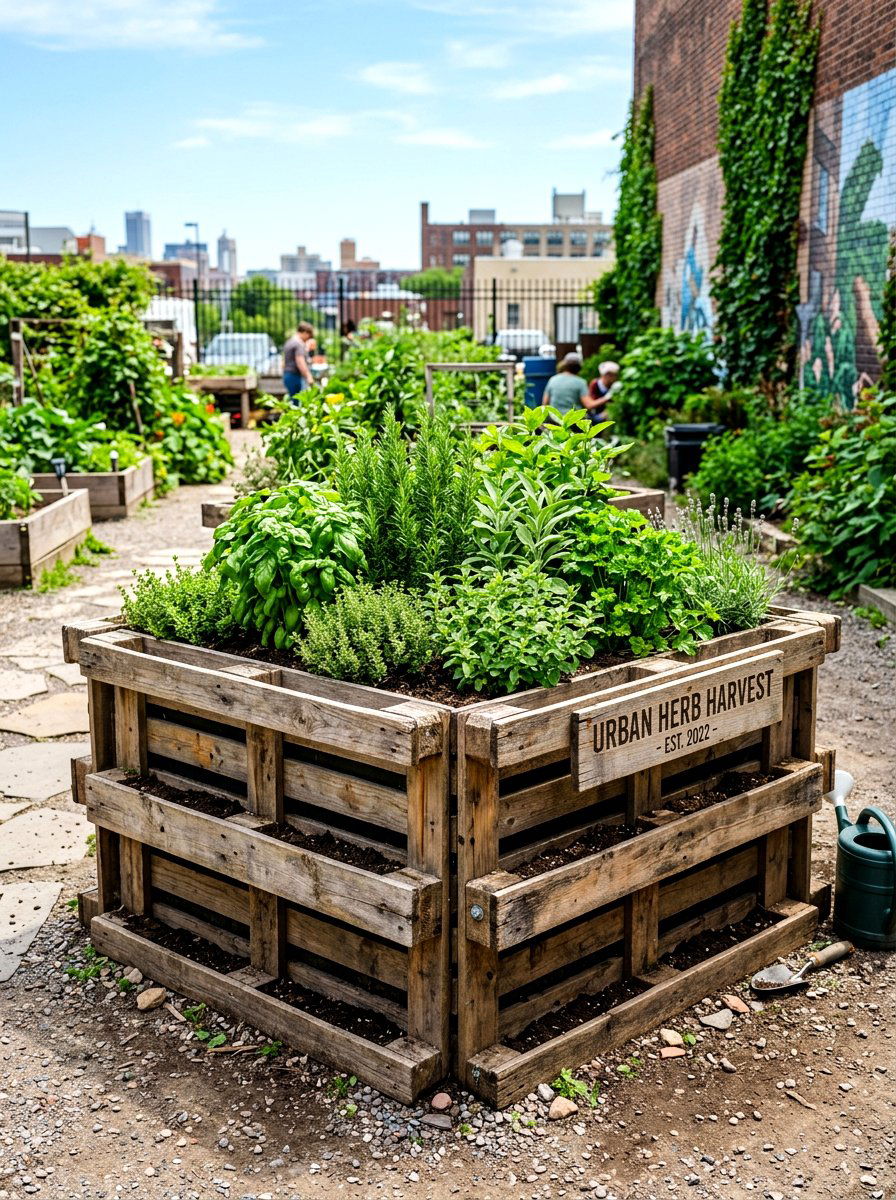
Using reclaimed pallets to build garden borders is a popular and sustainable DIY project that adds a rustic, industrial charm to your yard. You can disassemble the pallets to use the individual planks or use the entire pallet frame for a deep, vertical garden bed. This approach is incredibly cost-effective and helps keep old wood out of landfills while providing a functional space for your plants. You can leave the wood raw for a weathered look or sand and stain it to create a more polished appearance. Pallet borders are perfect for urban gardens or small backyards where you want to maximize space and show off your creative spirit.
24. Fieldstone Garden Wall
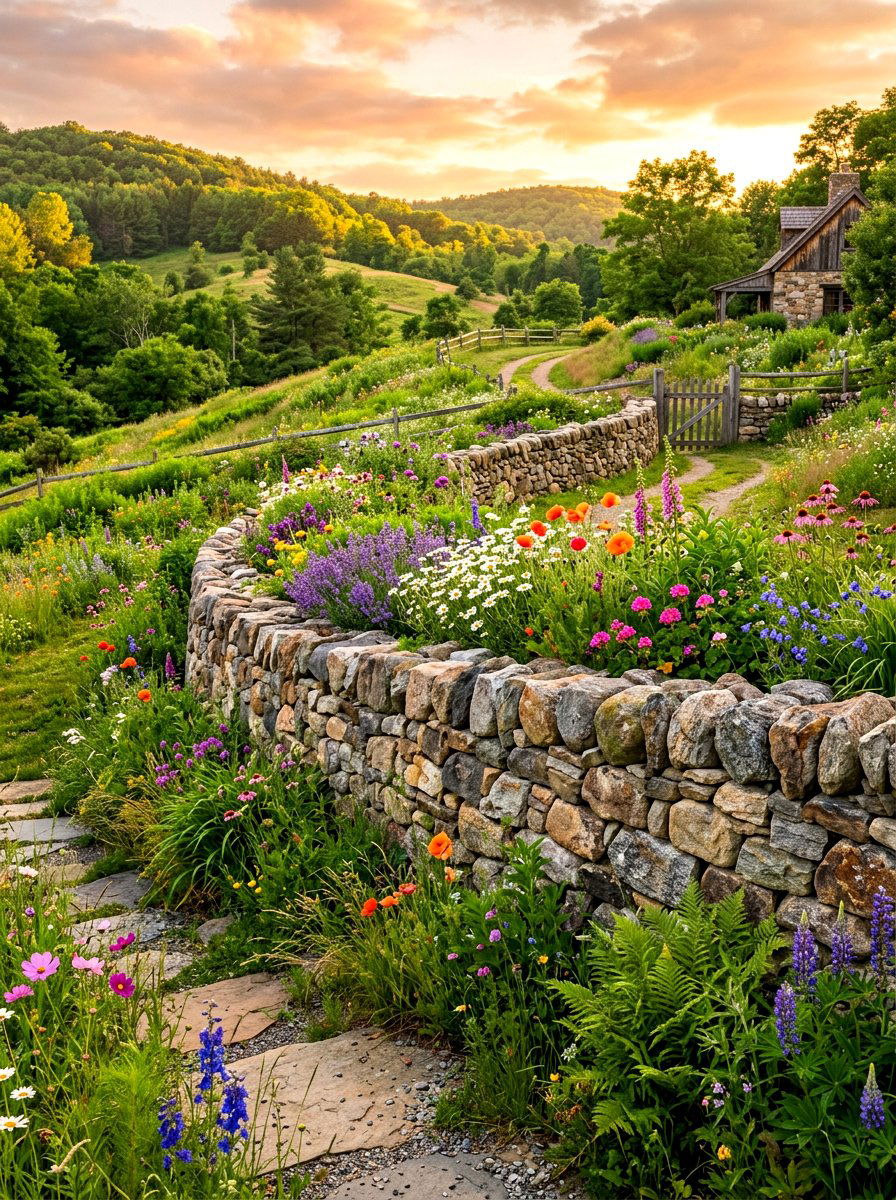
A fieldstone wall border brings a rugged and natural beauty to your garden that looks like it was harvested directly from the land. These stones are typically collected from the surrounding environment, giving each border a unique and localized character. By dry-stacking the stones, you create a sturdy and permeable wall that allows for natural drainage and provides small crevices for moss or rock-dwelling plants. This style of border is ideal for hilly properties or rustic cottage gardens where you want the landscaping to feel integrated with nature. Fieldstone walls are incredibly long-lasting and require very little maintenance once they are properly installed in your outdoor area.
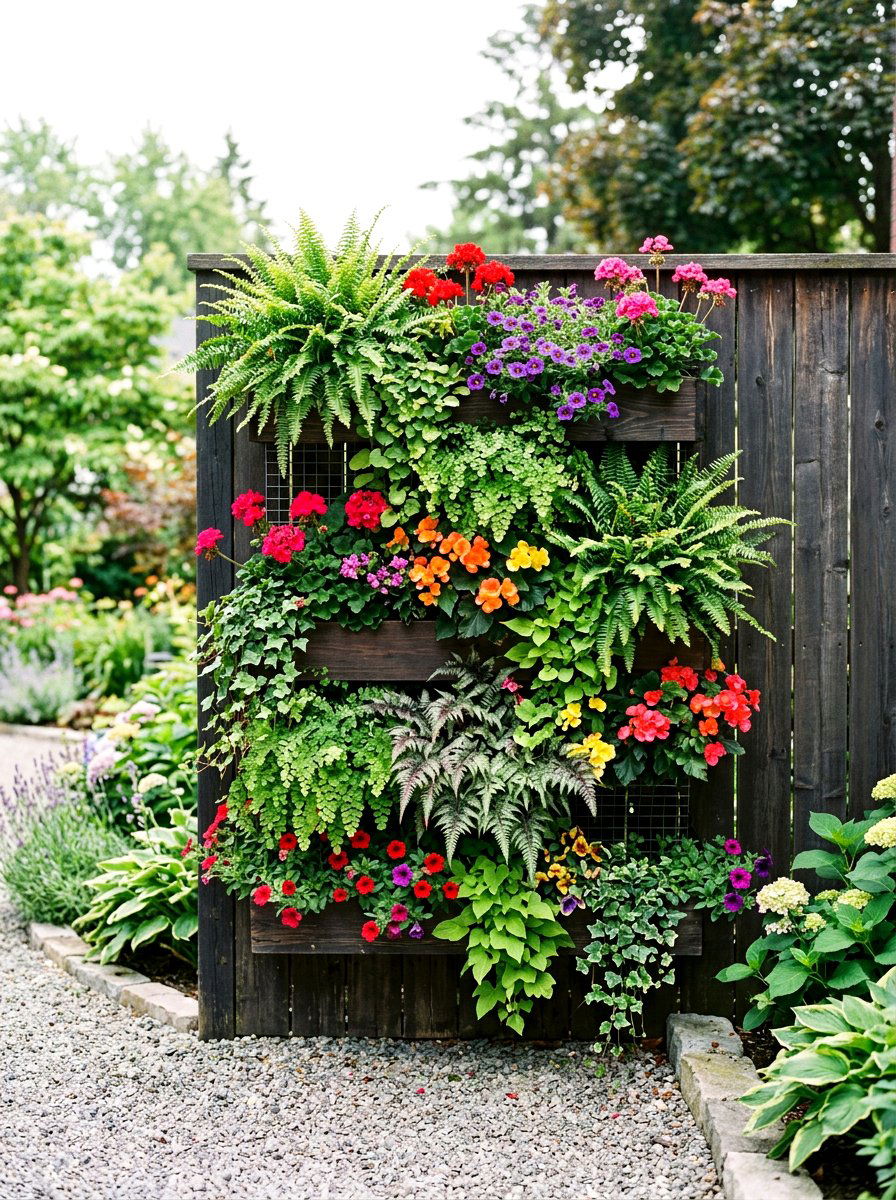
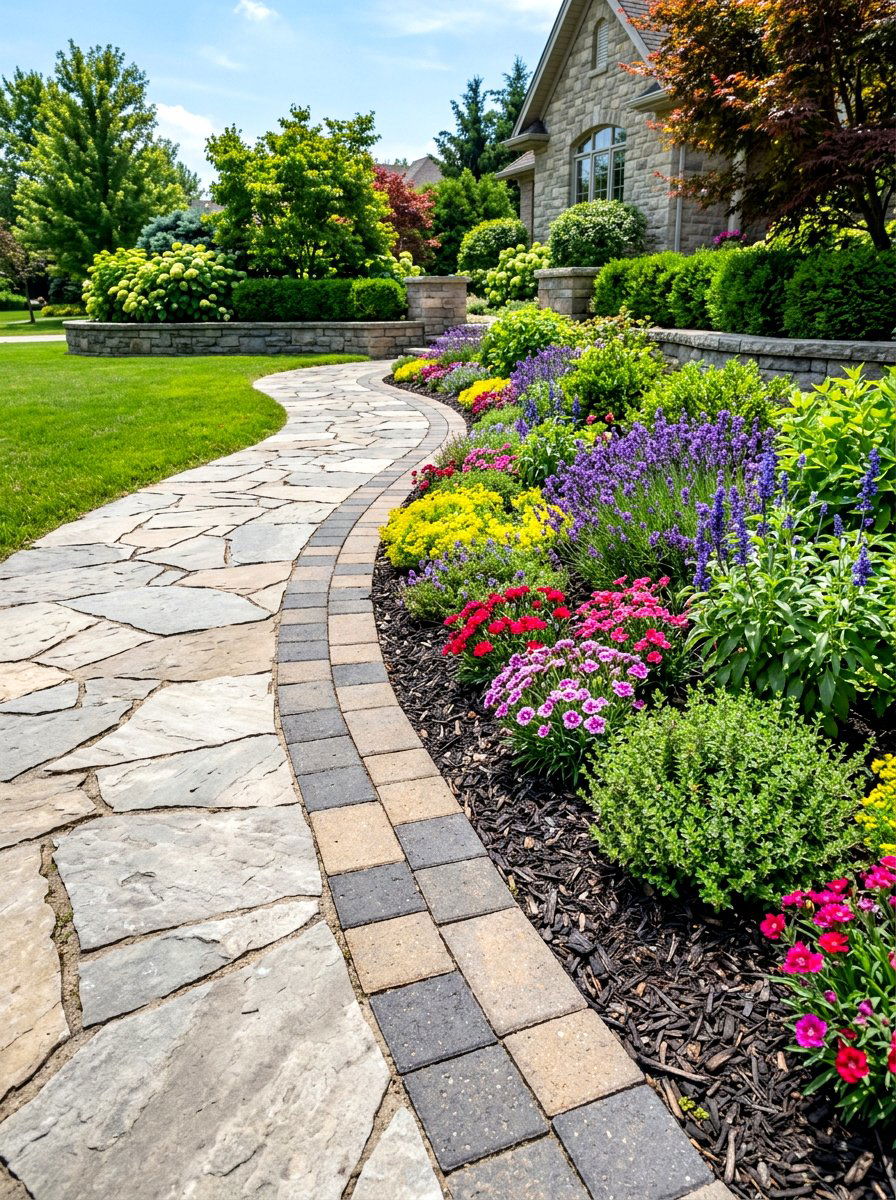
25. Metal Landscape Edging
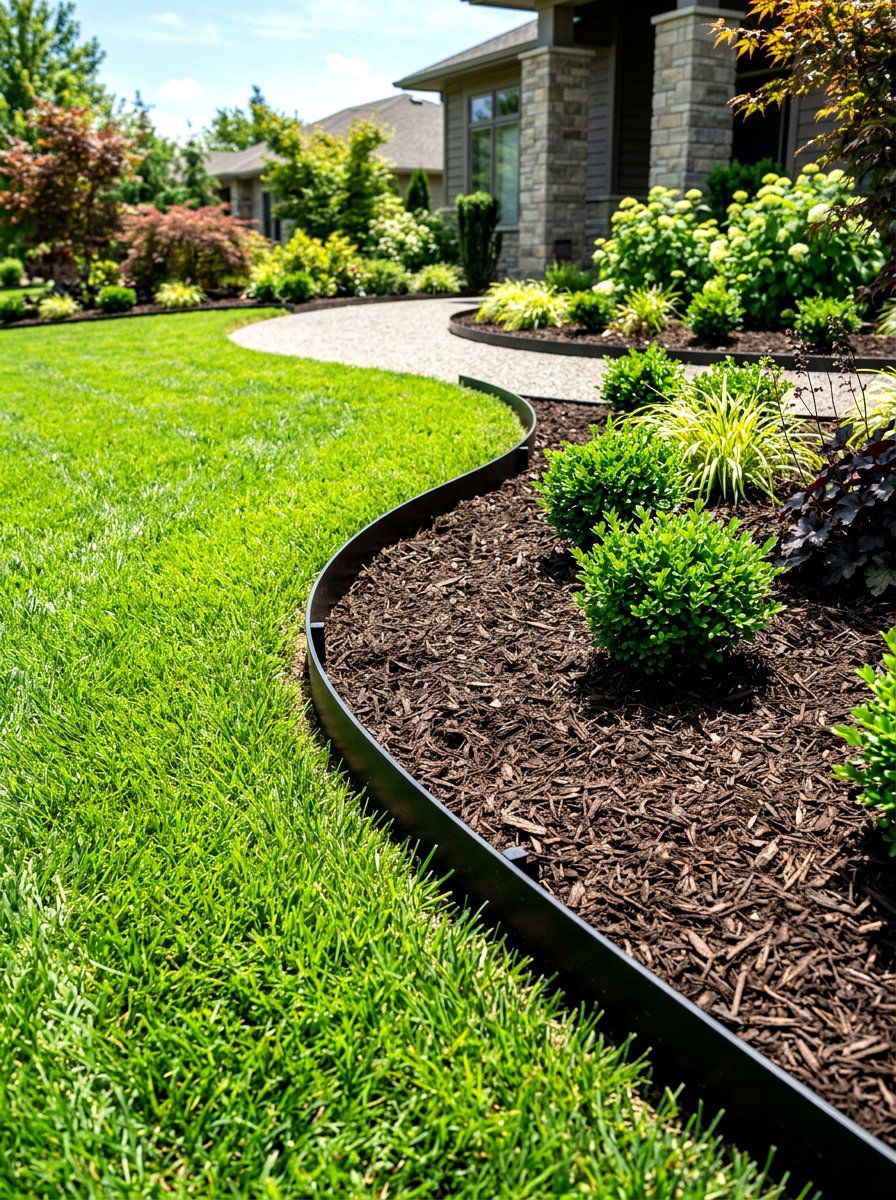
Metal landscape edging, typically made from aluminum or thin steel, provides a nearly invisible and incredibly sharp border for modern garden beds. This material is excellent for creating clean transitions between your lawn and planting areas without adding visual bulk. It is highly flexible, allowing you to create perfect circles or flowing curves with ease. Metal edging is also very durable and will not rot or crack like wood or plastic. It is a favorite among professional landscapers because it keeps grass from creeping into the garden beds while maintaining a minimalist and tidy aesthetic. This sleek solution is perfect for homeowners who prefer a clean, low-profile garden design.
26. Decorative Vinyl Garden Border
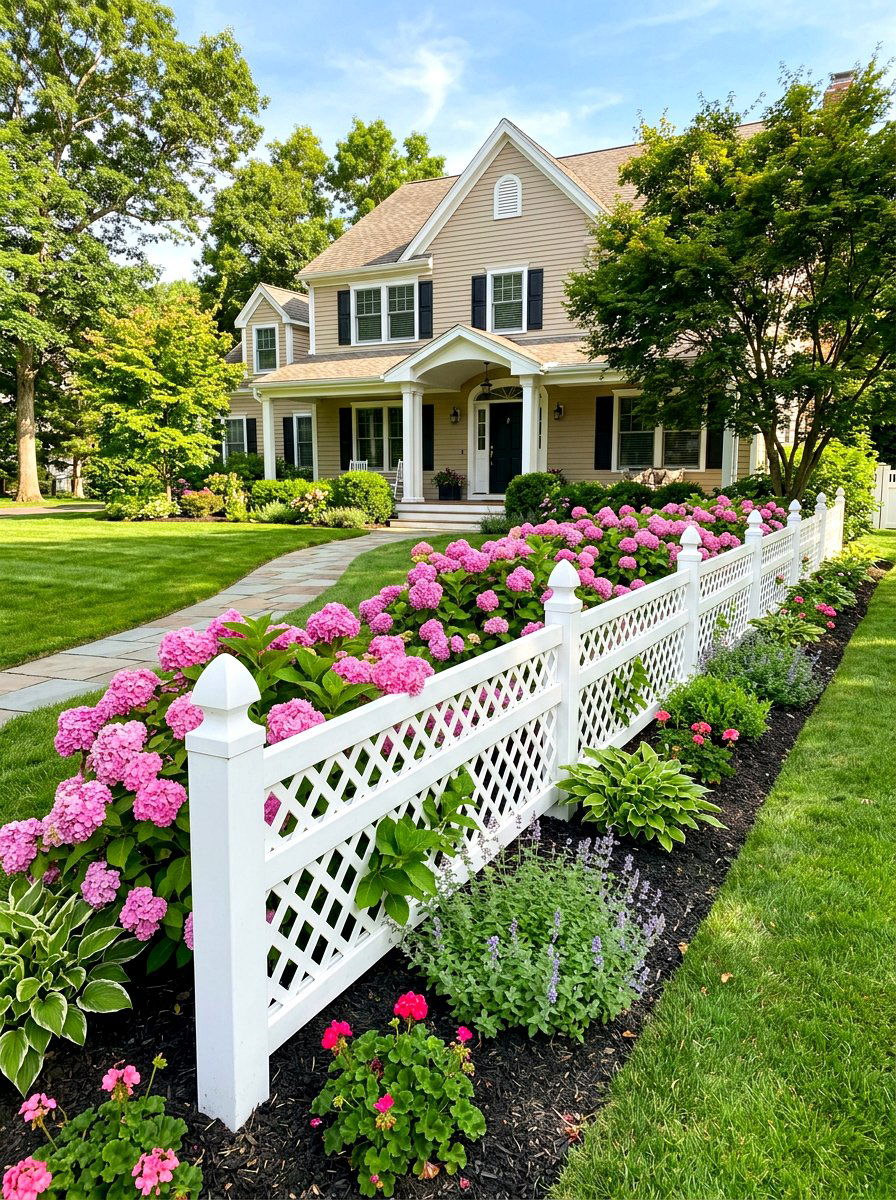
Decorative vinyl borders offer a clean, white, and classic look that is perfect for traditional homes and picket-fence aesthetics. Vinyl is an excellent material for garden borders because it is completely waterproof and will never need painting or staining to maintain its crisp appearance. You can find vinyl edging in various styles, including miniature picket fences or elegant lattice patterns, to add a touch of charm to your flower beds. This material is very easy to clean with a simple garden hose and stays looking brand new for many years. It provides a bright and cheerful boundary that makes your garden colors pop against the clean white background.
27. Railroad Tie Garden Bed
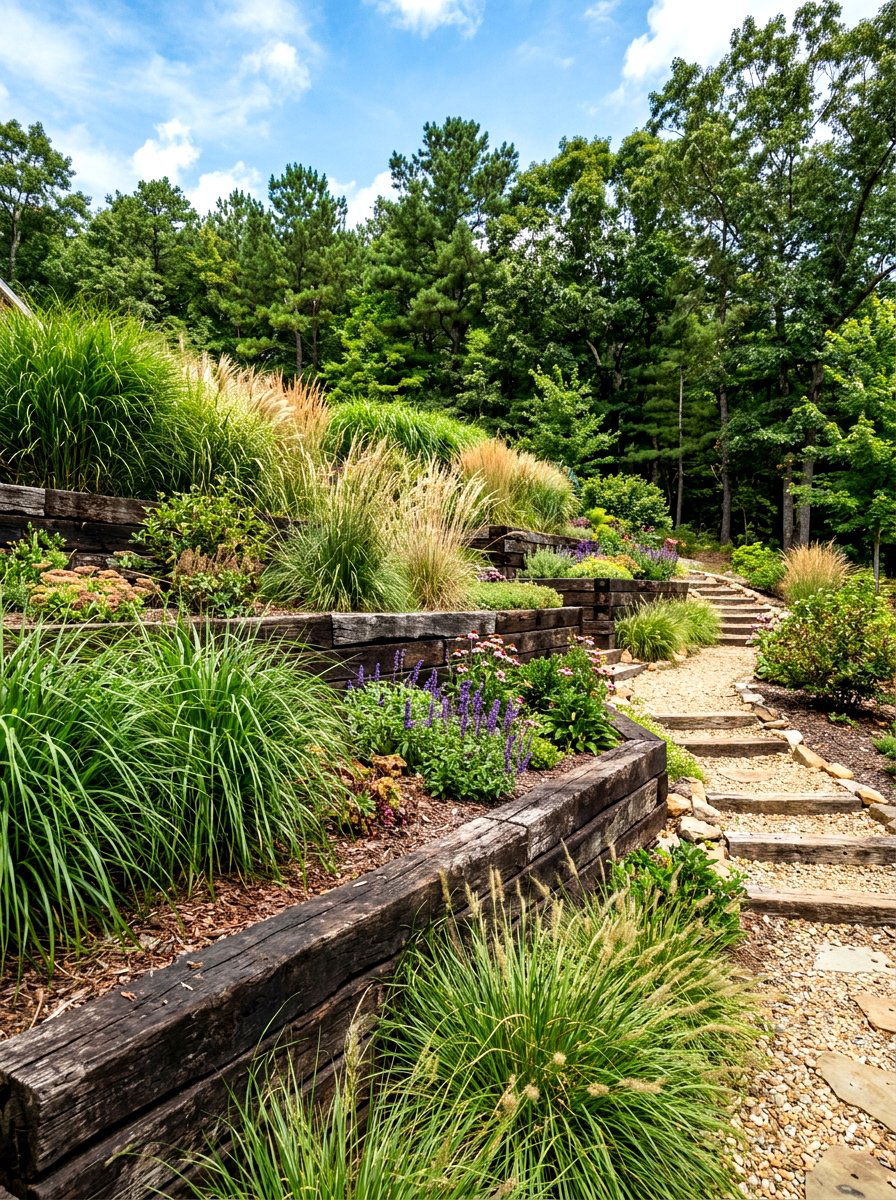
Railroad ties are large, heavy-duty timbers that are perfect for creating massive and architectural raised beds in expansive yards. These ties provide a substantial border that can easily hold back large volumes of soil, making them ideal for terraced gardens on sloped terrain. The dark, weathered wood adds a sense of history and strength to your landscape design. You can stack them high to create waist-level beds that make gardening easier on your joints and back. Because they are so heavy, they stay in place without the need for complex anchoring systems. Railroad ties offer a bold and masculine look that pairs well with large shrubs and ornamental trees.
28. Interlocking Stone Garden Border
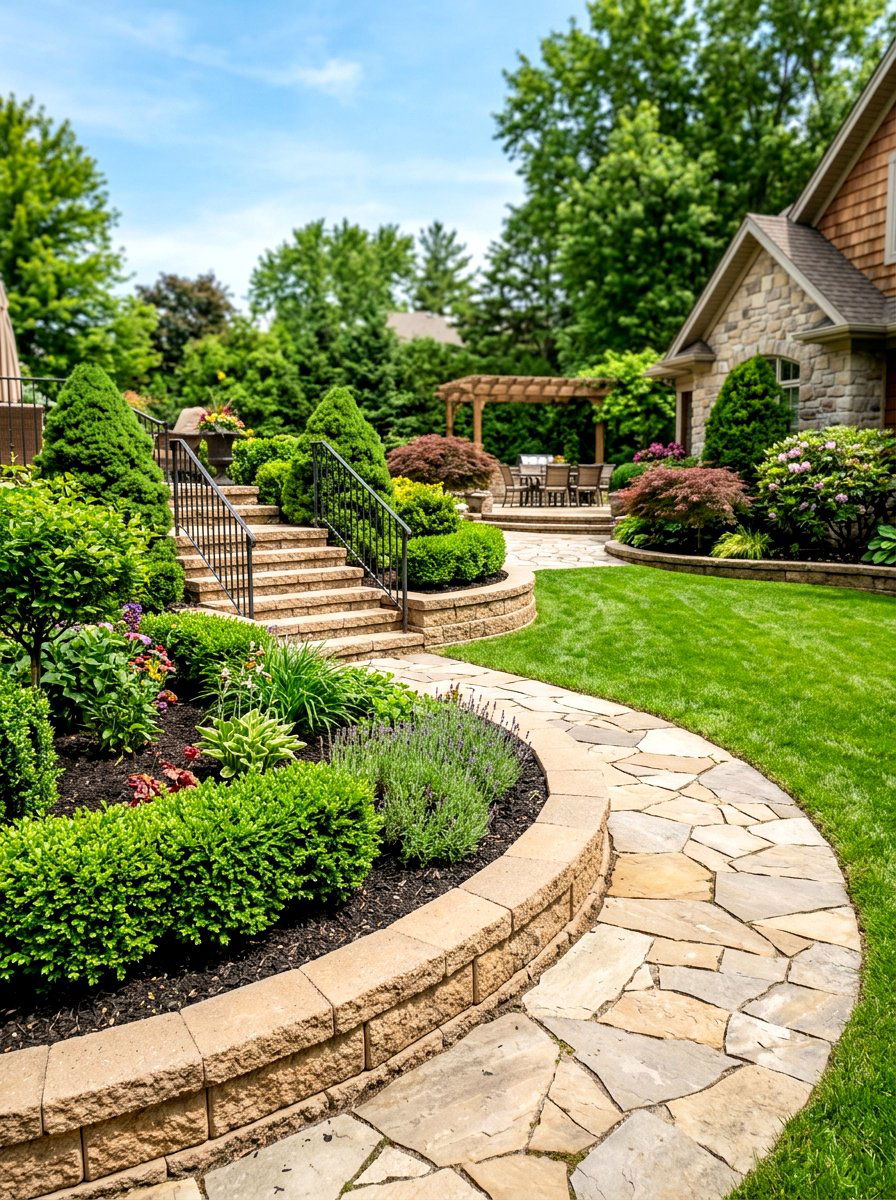
Interlocking stone blocks are specifically designed for easy DIY installation and provide a professional, tiered look for garden borders. These stones often feature a flange on the back that helps them lock into place, preventing the wall from shifting or leaning over time. You can choose from a wide variety of textures and colors, from smooth modern blocks to tumbled stones that look like aged masonry. This system is perfect for creating raised beds on uneven ground because you can easily step the blocks up or down to follow the slope. Interlocking stones provide a durable and clean-cut border that enhances the structural integrity and beauty of your garden.
29. Cinder Block Garden Border
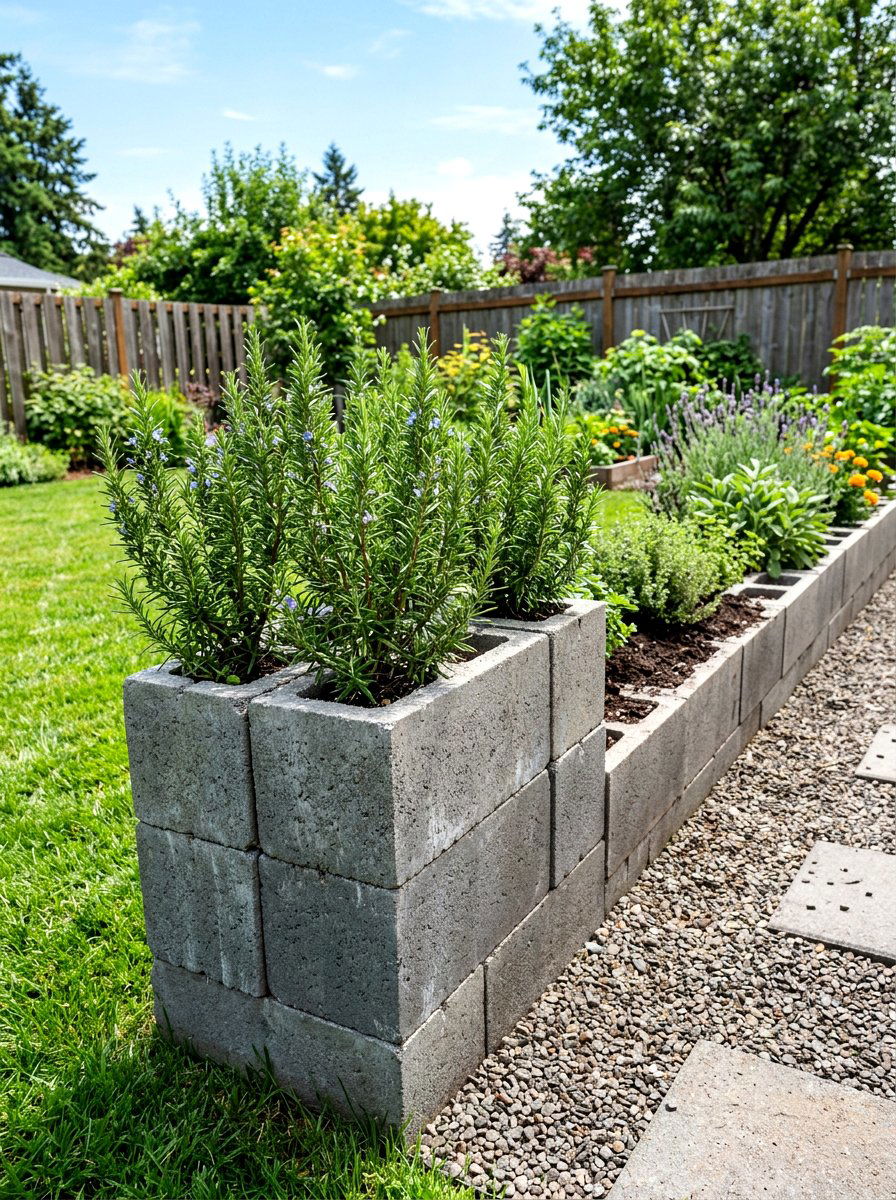
Cinder blocks are a versatile and budget-friendly choice that allows you to get creative with your garden layout. By stacking these hollow blocks, you can quickly build a sturdy raised bed border that can also serve as a vertical planter. Many gardeners use the openings in the blocks to grow smaller plants like succulents or herbs, effectively doubling their growing area. You can leave the blocks in their raw gray state for a modern industrial look or cover them with a thin layer of stucco for a more refined finish. This material is incredibly durable and provides a solid foundation for any vegetable or flower garden you wish to create.
30. Composite Timber Garden Border
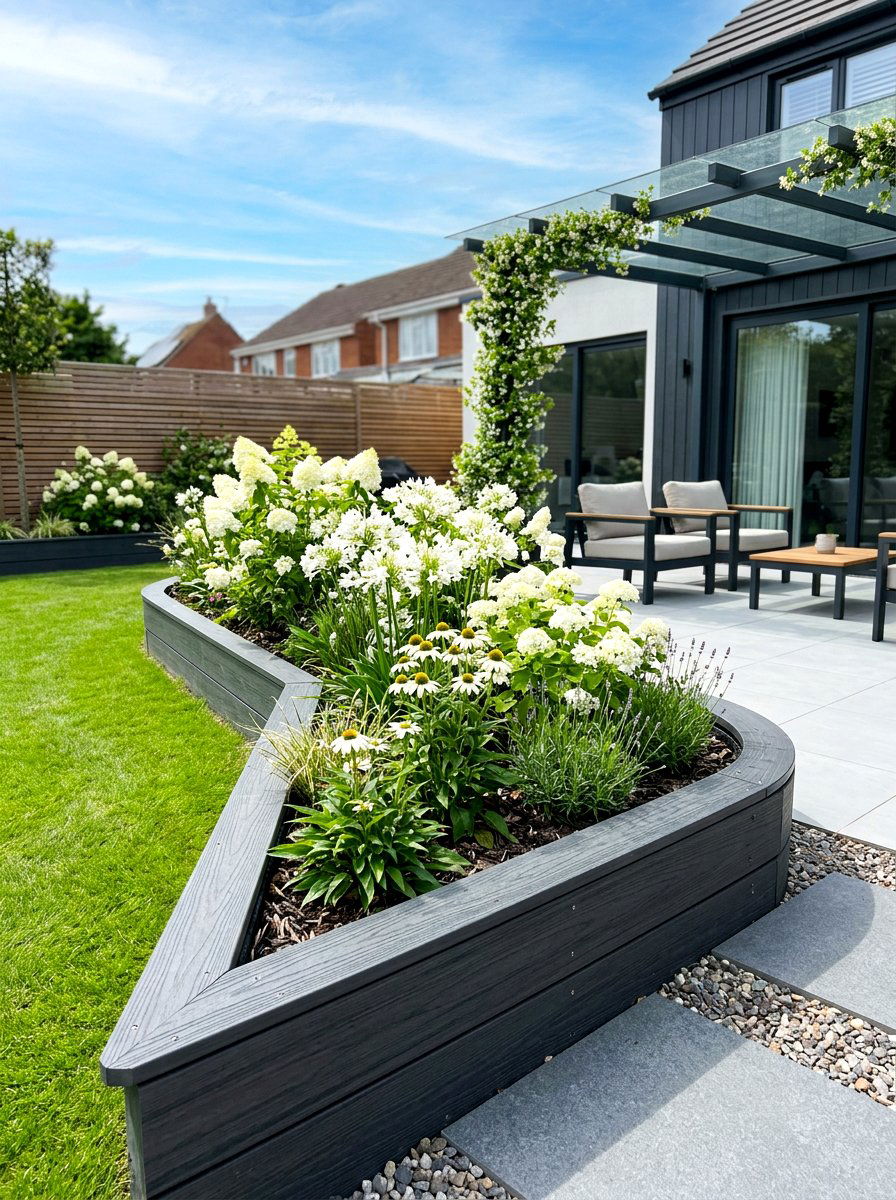
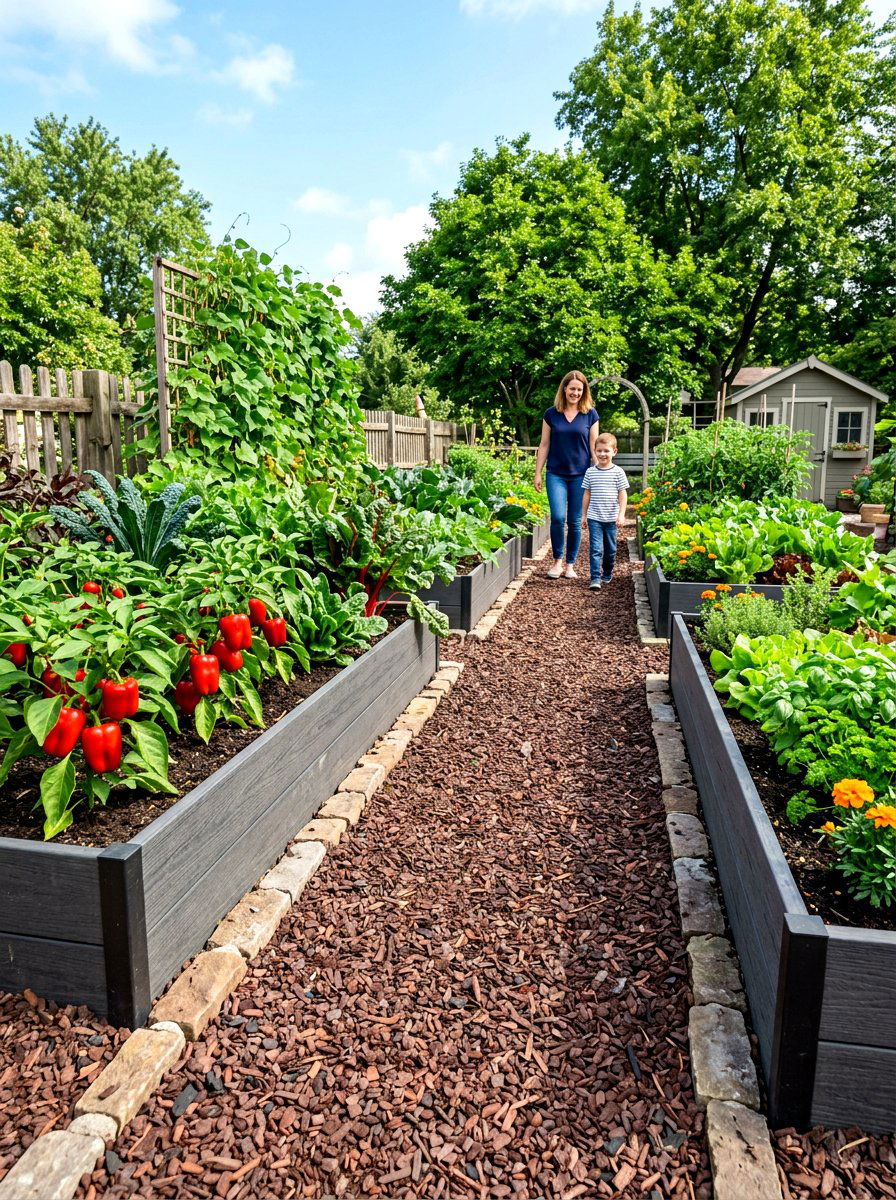
Composite timber is a high-tech alternative to natural wood that combines recycled wood fibers and plastic for ultimate durability. This material looks and feels like real wood but will never warp, rot, or fade in the sun, making it a perfect low-maintenance border. Composite planks are available in a wide range of realistic wood tones, allowing you to achieve a premium look without the need for regular staining or sealing. This is an excellent choice for modern backyards where you want a clean and consistent aesthetic throughout the seasons. Because it is made from recycled materials, it is also a sustainable option for eco-conscious gardeners looking for long-lasting quality.
Conclusion:
Designing the perfect border for your raised beds is a creative journey that combines your personal style with the practical needs of your garden. By carefully selecting materials like natural stone, durable cedar, or modern metal, you can create a structured environment that enhances the beauty of your plants while keeping your outdoor space organized. Each of these border ideas offers unique benefits, from the longevity of concrete blocks to the rustic charm of woven willow. As you plan your next landscaping project, consider how the right border can anchor your garden’s theme and provide a lasting foundation for many years of successful and enjoyable gardening.

Related posts: