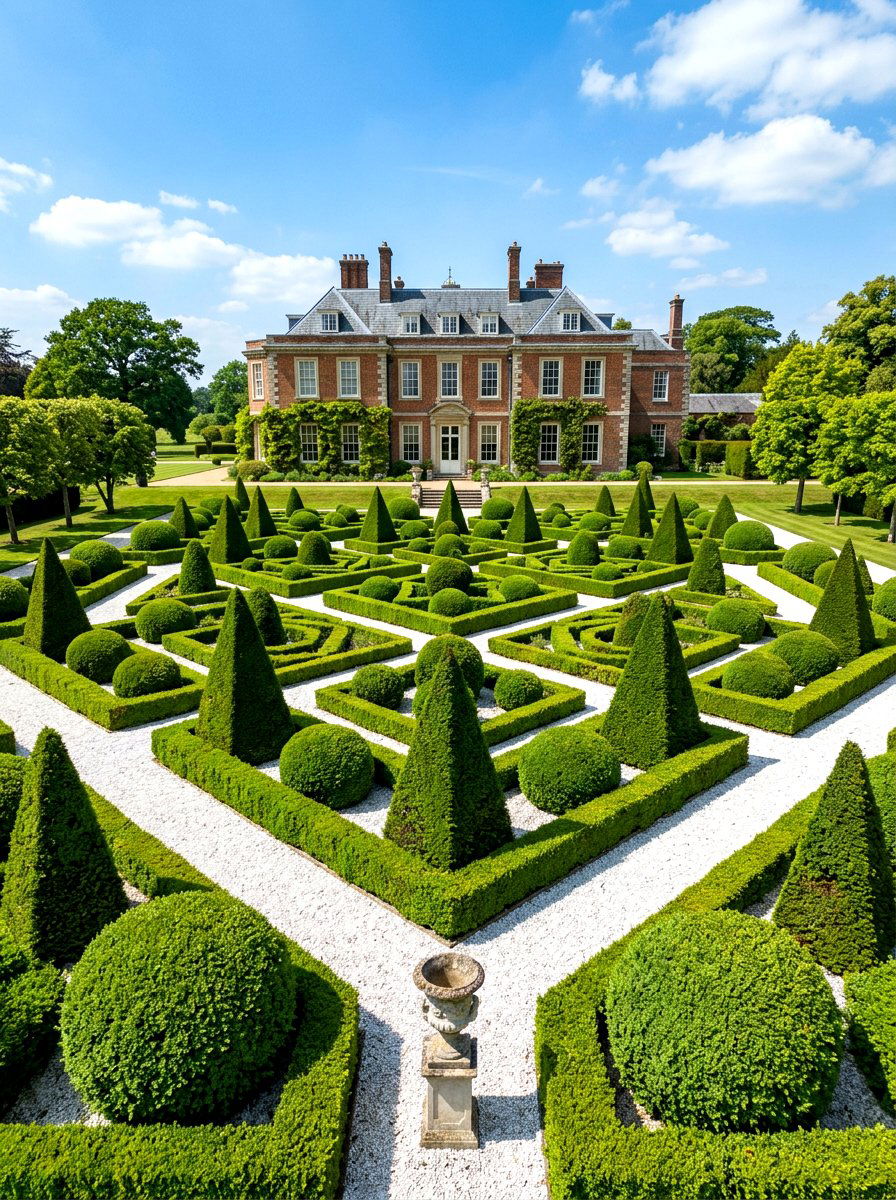
Creating a beautiful outdoor space often starts with finding the right way to utilize every inch of your yard. Corner raised beds are a fantastic solution for gardeners who want to maximize their planting area while maintaining a clean and organized look. These structures provide a unique focal point that can transform a dull corner into a vibrant sanctuary for flowers, herbs, or vegetables. Whether you have a massive backyard or a tiny urban patio, adding a raised bed to a corner adds structure and depth. This guide explores various ways to design these beds to fit your personal style and gardening needs perfectly. You will learn how different materials and heights can change the function and beauty of your landscape effortlessly.
1. L shaped raised garden bed
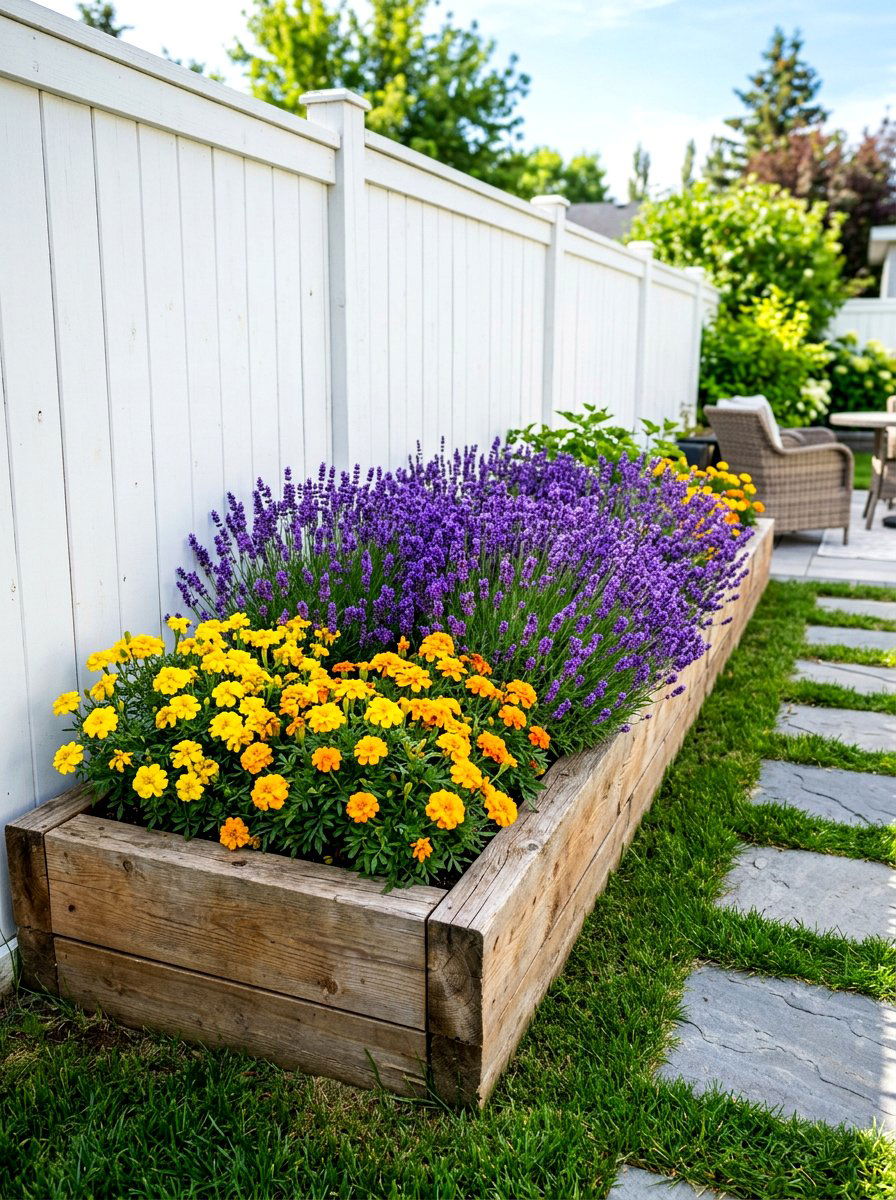
The L shaped raised garden bed is perhaps the most classic way to fill a corner. This configuration fits snugly against fences or porch edges, making it a space-saving miracle for small yards. You can easily access your plants from multiple sides without stepping into the soil. This prevents compaction and keeps your soil healthy for longer periods. Most people use durable wood like cedar or redwood to build these structures because they resist rot naturally. You can fill these beds with a mix of colorful perennials and annuals to create a lush, layered look that brightens up the entire perimeter of your garden. It provides a very clean, professional appearance.
2. Tiered corner garden bed
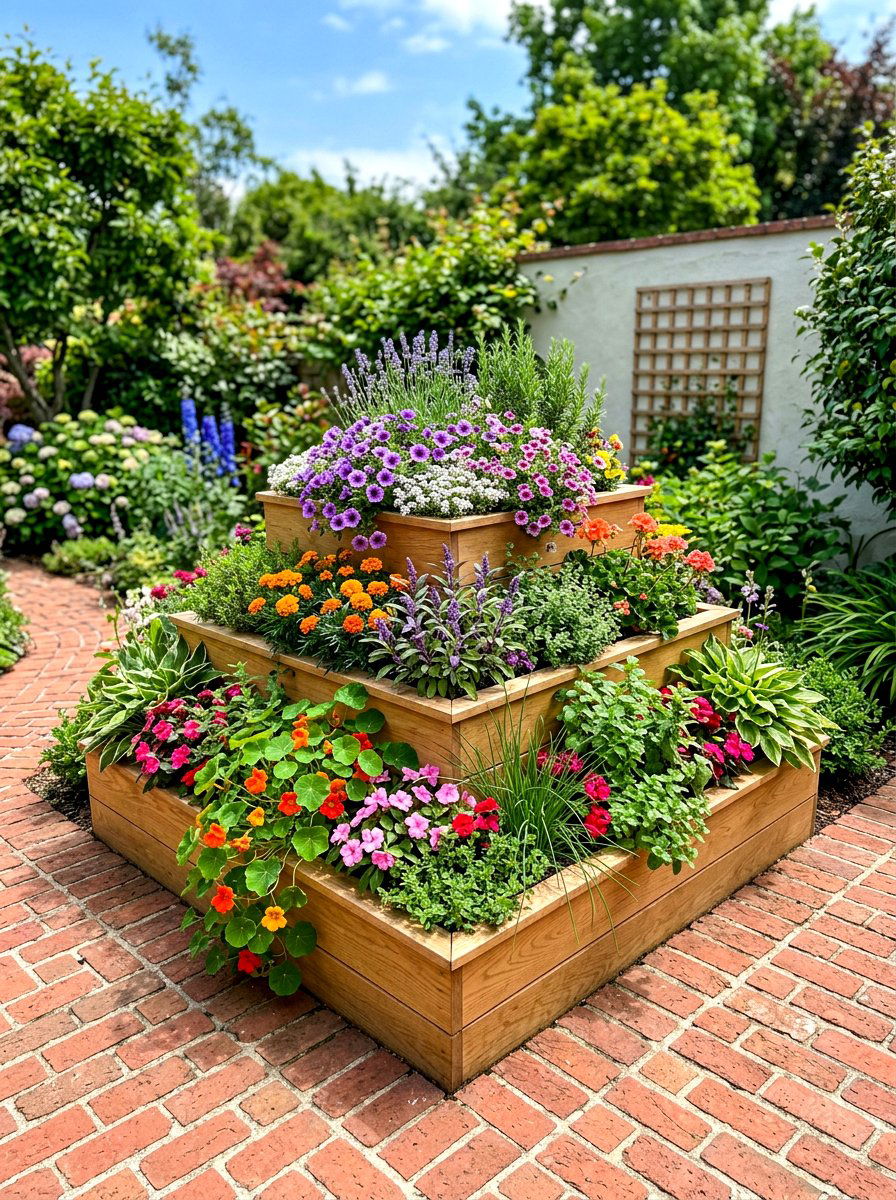
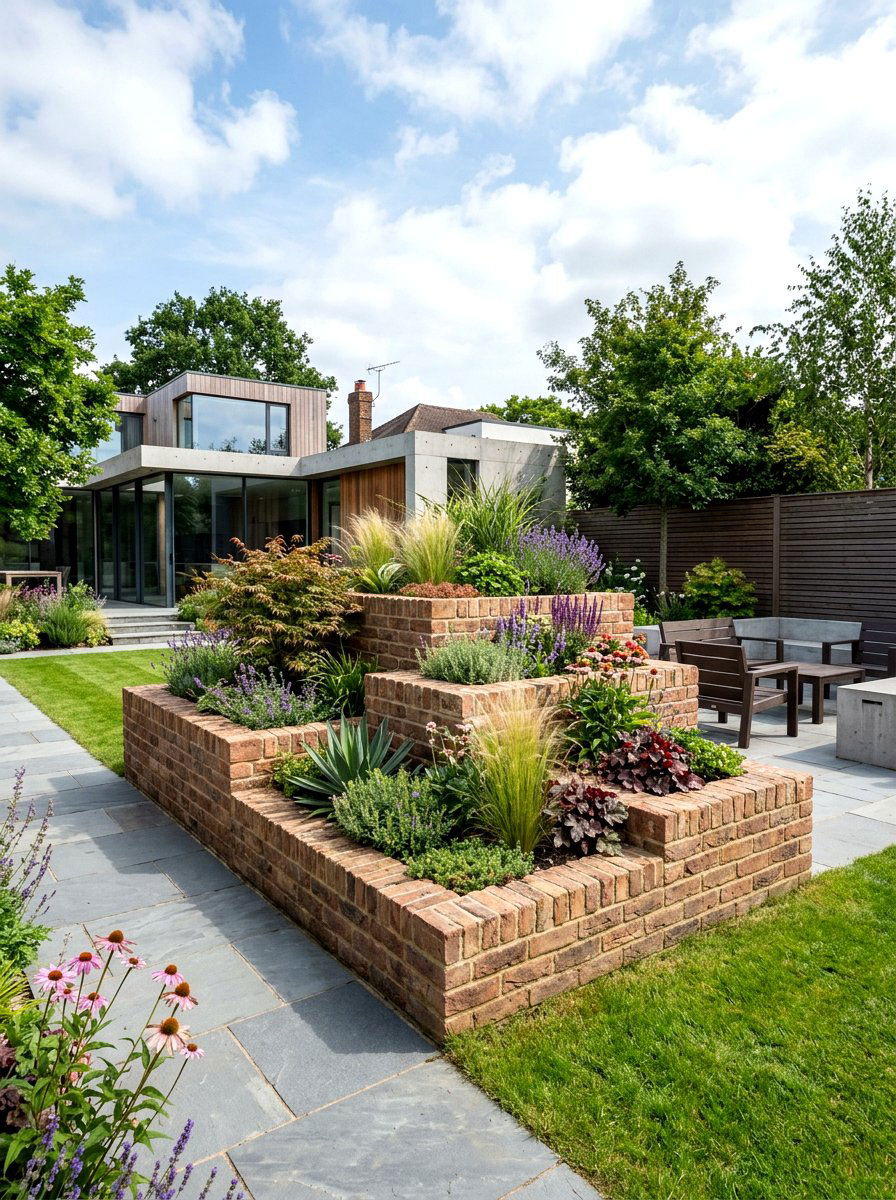
A tiered corner garden bed adds immediate architectural interest to any flat backyard landscape. By stacking different levels of soil, you create a cascading effect that allows for better drainage and varied sunlight exposure. The highest level is perfect for sun-loving plants like peppers or tomatoes, while the lower levels can host shade-tolerant greens. This design is particularly helpful for people with mobility issues, as the higher sections require less bending. You can use contrasting materials for each tier to make the garden stand out even more. It turns an awkward corner into a sophisticated vertical masterpiece that maximizes your growing potential in a very small footprint.
3. Metal corner raised bed
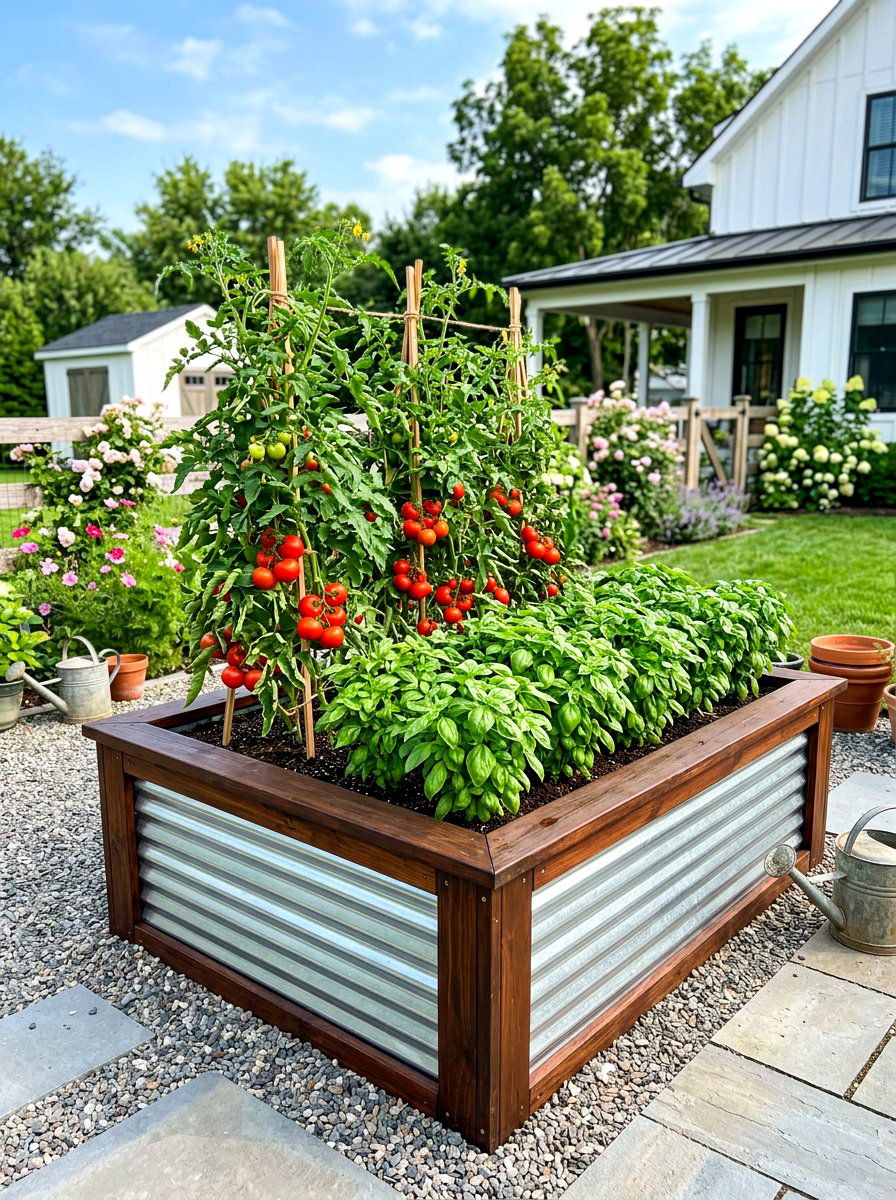
The metal corner raised bed offers a sleek and contemporary aesthetic for modern homes. Typically made from galvanized steel or corrugated metal, these beds are incredibly durable and resistant to the elements. They do not rot like wood and can last for decades with minimal maintenance. The reflective surface of the metal adds a unique texture to the garden, especially when paired with soft green foliage or bright flowers. These beds are also excellent for temperature regulation in certain climates, as they can help warm the soil earlier in the spring. They are lightweight enough to assemble quickly but strong enough to hold a large volume of soil.
4. Stone corner garden bed
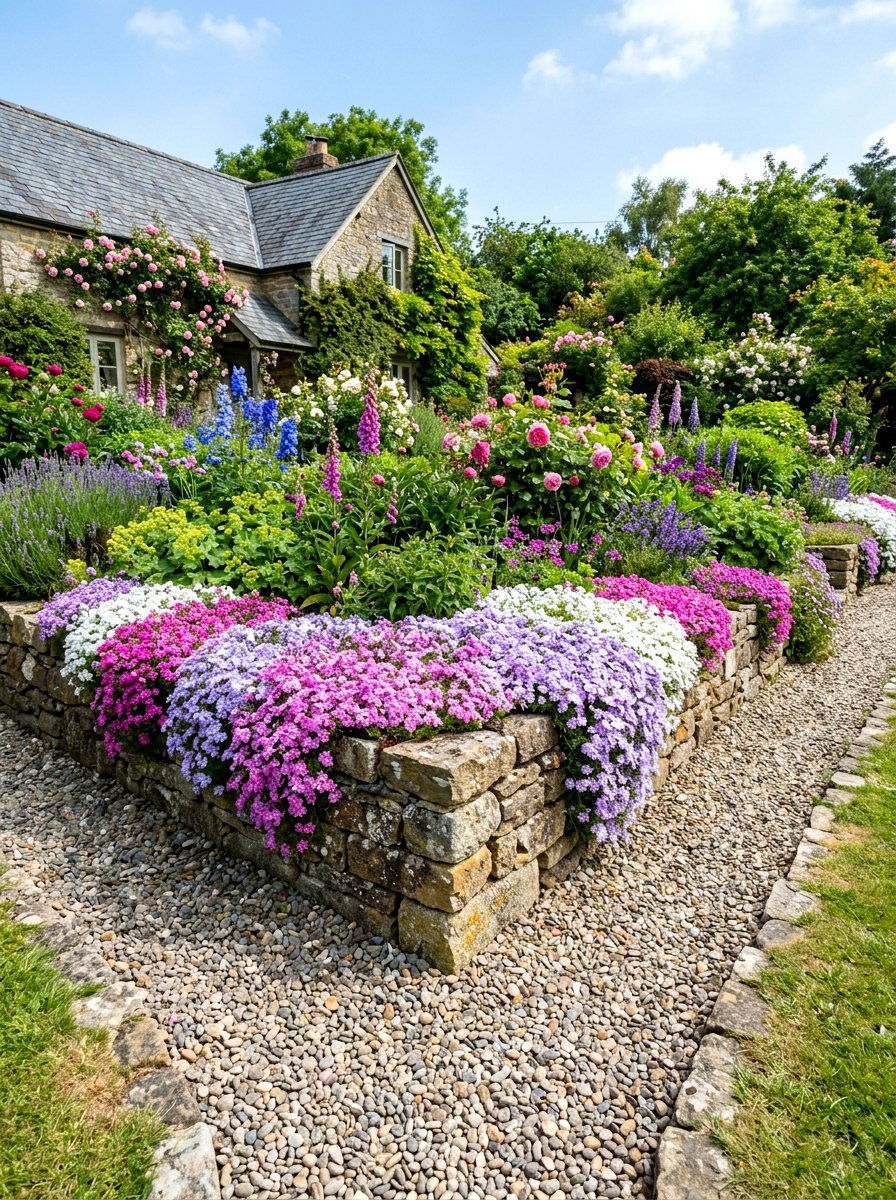
A stone corner garden bed brings a sense of permanence and timeless beauty to your outdoor living space. You can use natural fieldstone, limestone, or even flat slate to build walls that blend seamlessly with the environment. Stone is an excellent insulator, keeping plant roots cool during hot summers and protected during colder months. This type of bed works exceptionally well in cottage-style gardens or rustic landscapes. While it requires more labor to build than wood, the result is a sturdy structure that will never rot or warp. Adding a few trailing plants like ivy or creeping phlox will soften the edges beautifully.
5. Concrete corner garden bed
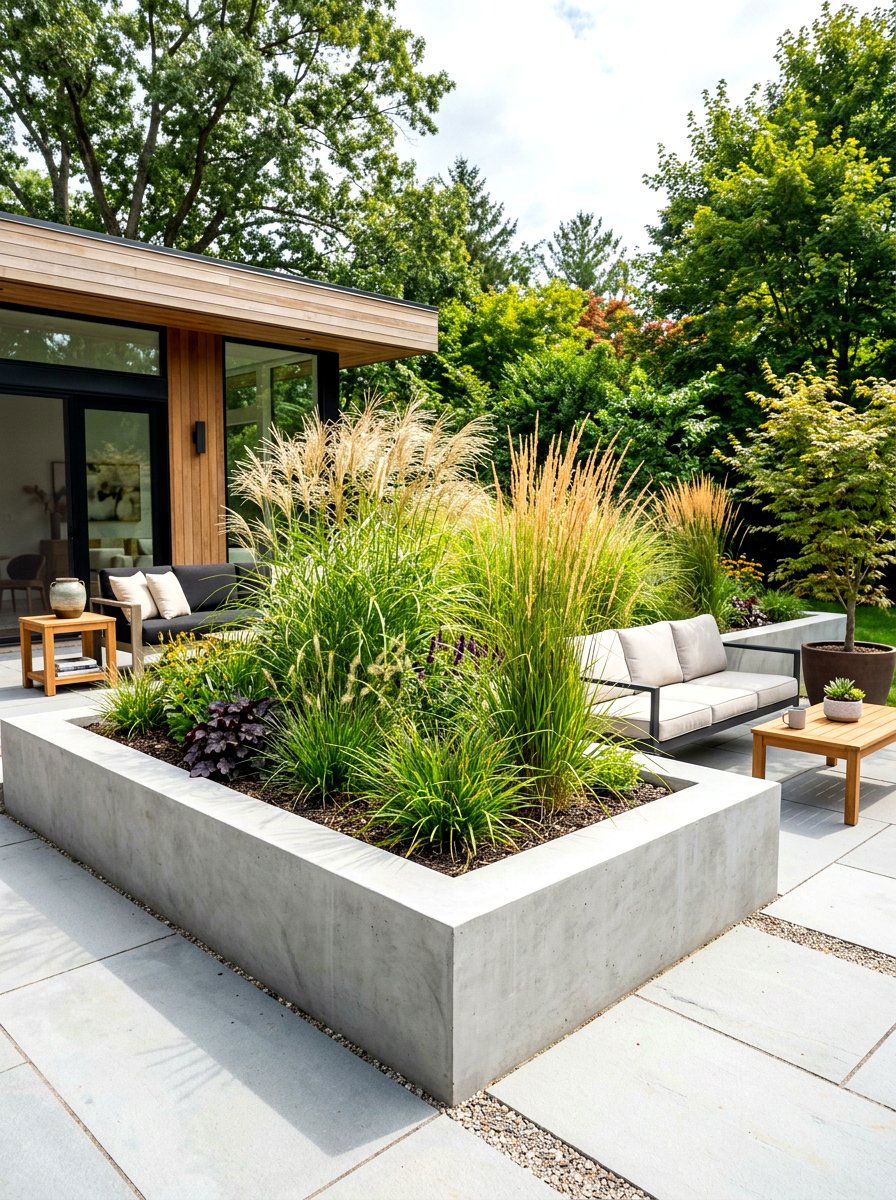
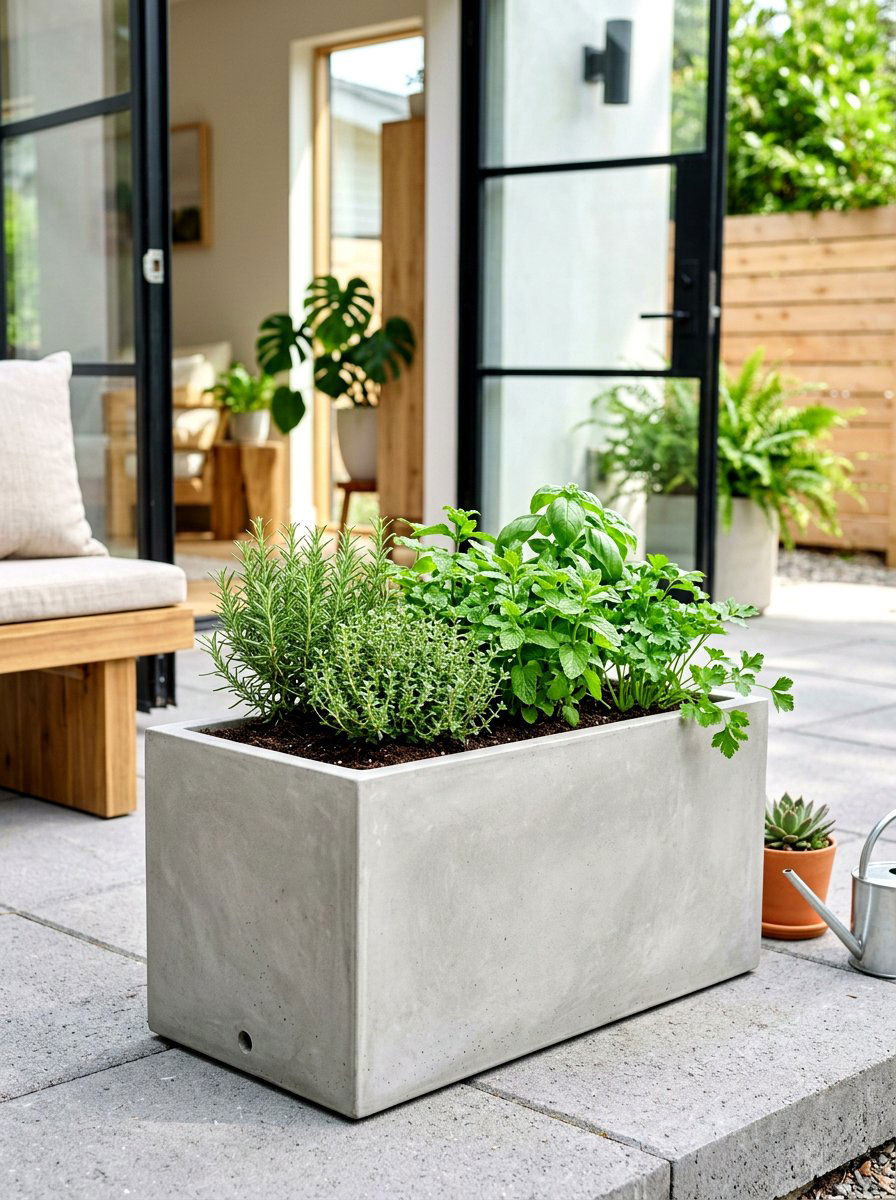
The concrete corner garden bed is the ultimate choice for a permanent and minimalist landscape design. You can use large concrete blocks or poured concrete to create sharp, clean lines that define your garden space. This material is incredibly strong and can handle the pressure of heavy soil and water without shifting. Many homeowners paint or stain the concrete to match their home's exterior for a cohesive look. Concrete beds are also great for retaining heat, which can benefit heat-loving Mediterranean herbs like rosemary and thyme. It is a cost-effective solution that provides a very high-end, industrial look to a modern backyard or urban patio.
6. Corner herb garden bed
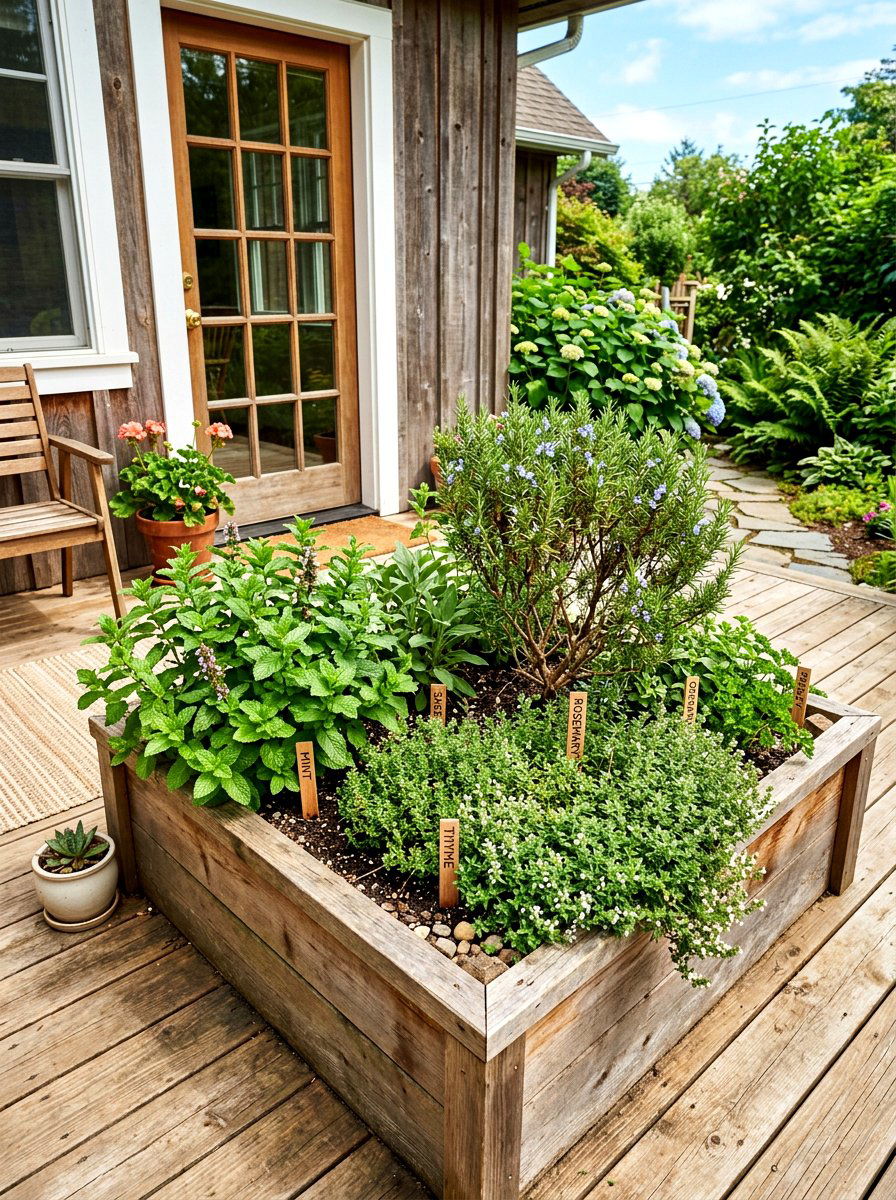
A corner herb garden bed is a practical and fragrant addition to any patio or backyard area. Since many herbs like basil, mint, and cilantro grow quickly and stay relatively small, they are perfect for a compact corner setup. You can arrange the herbs based on their height, placing taller plants like dill in the back and shorter ones like parsley in the front. This type of bed is often placed near the kitchen door for easy access while cooking. The concentrated aroma of the herbs creates a sensory experience every time you step outside. It is a highly productive use of a small space.
7. Corner vegetable garden bed
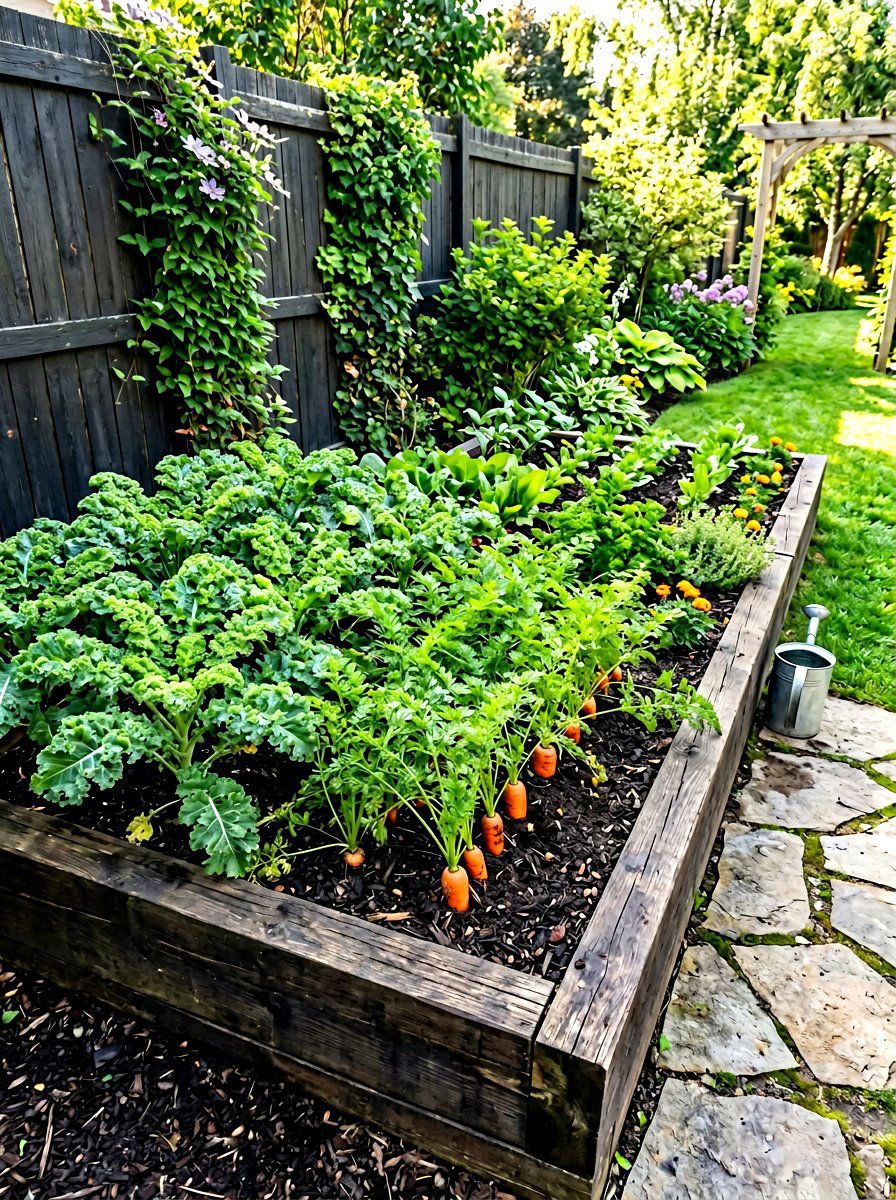
The corner vegetable garden bed is designed for maximum productivity in a limited area. By using deep soil levels, you can grow root vegetables like carrots and potatoes alongside leafy greens and small bush beans. The corner placement allows you to install supports like cages or stakes against the back fence, saving room in the middle of the bed. This layout makes it easy to rotate crops each season to maintain soil fertility and prevent pests. Many gardeners find that corner beds are easier to protect with bird netting or row covers. It is an efficient way to grow a significant amount of fresh food.
8. Tall corner garden bed
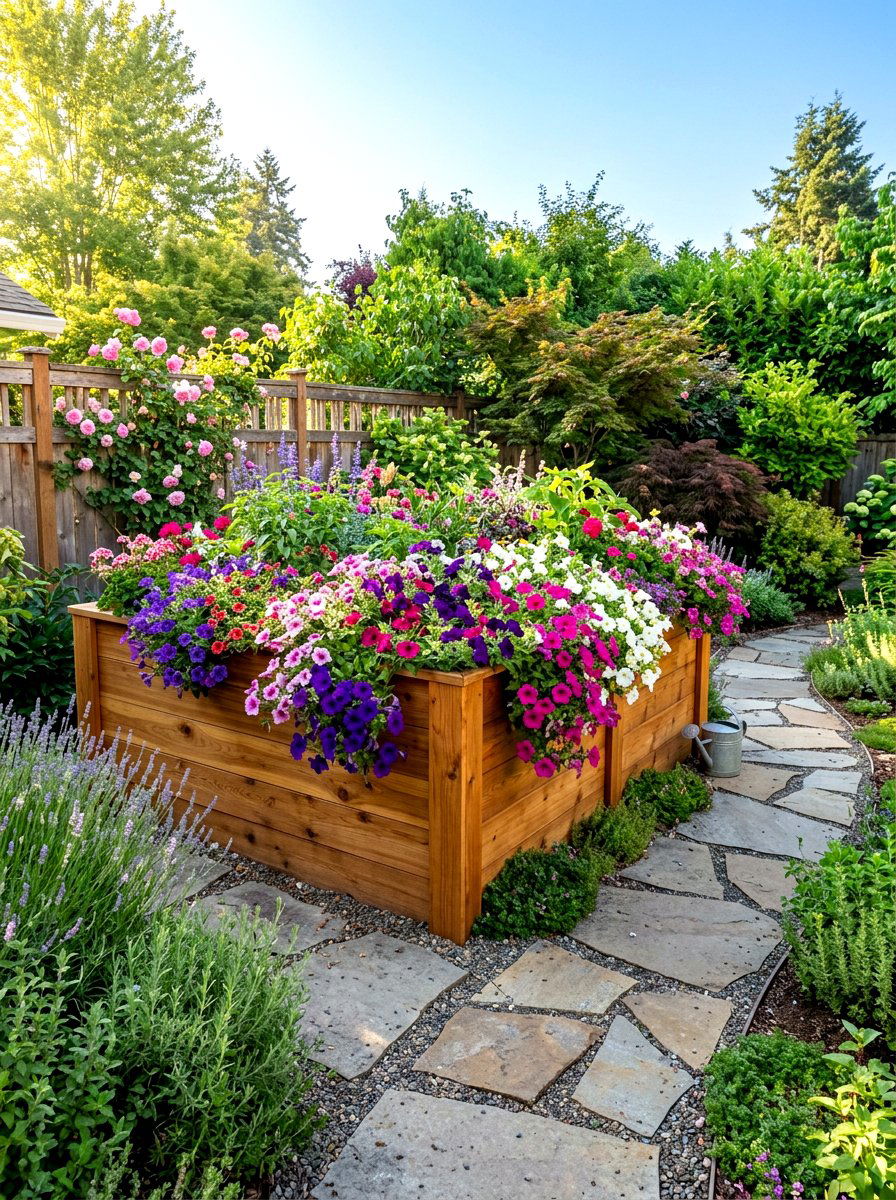
A tall corner garden bed is ideal for gardeners who want to avoid bending over or kneeling on the ground. These beds are usually built to waist height, making them incredibly accessible and comfortable to work with throughout the season. The extra depth allows for massive root systems, which results in larger and healthier plants. Tall beds also act as a physical barrier against rabbits and other small pests that might try to nibble on your crops. You can use heavy-duty timber or reinforced metal to ensure the structure remains stable. It is a bold design choice that adds significant vertical scale.
9. Corner garden bed trellis
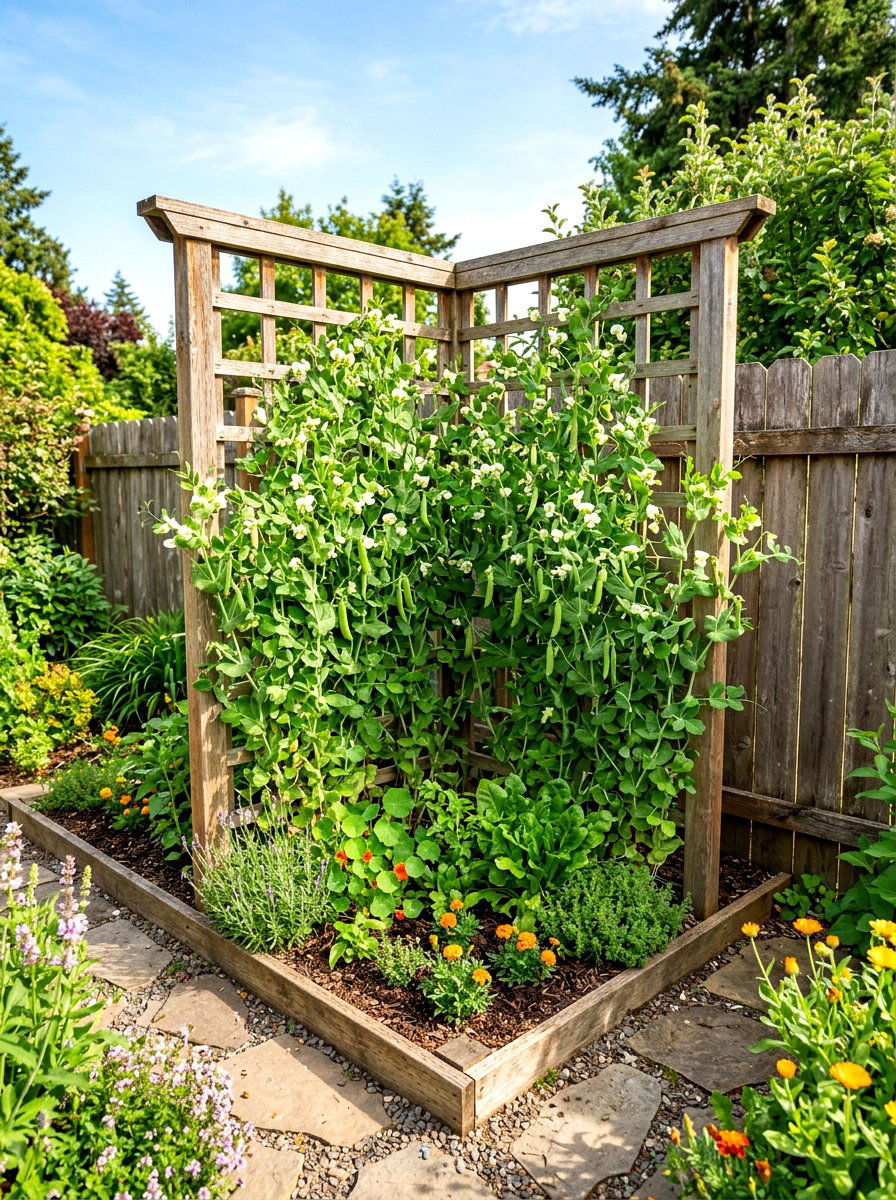
Adding a corner garden bed trellis allows you to grow your favorite climbing plants vertically. This design is perfect for vining vegetables like cucumbers, peas, or pole beans that need a sturdy structure to climb. The trellis can be made of wood, wire, or decorative metal and is usually attached to the back of the corner bed. As the plants grow upward, they create a living green wall that provides privacy and shade. This method of gardening saves a massive amount of floor space while keeping the fruit off the ground. It turns a simple planter into a lush, tall focal point.
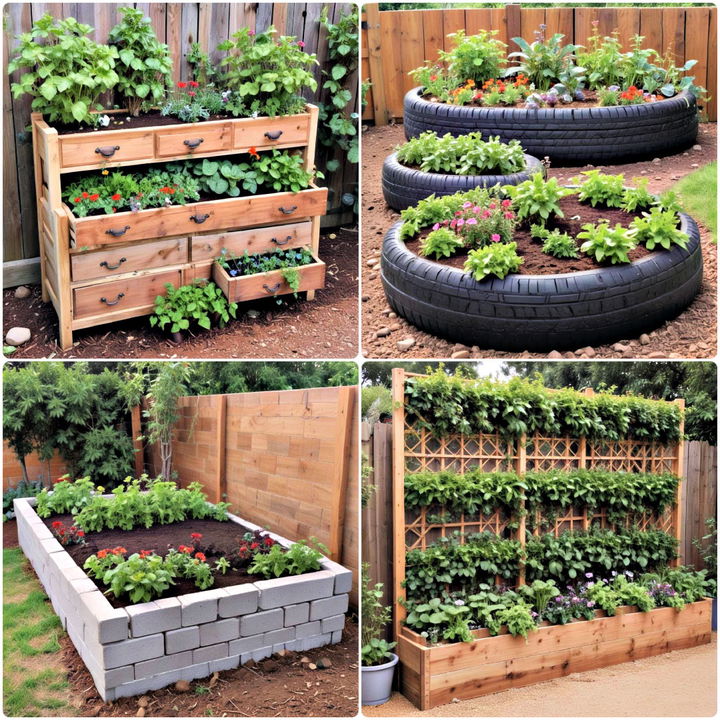
10. Corner garden bed bench
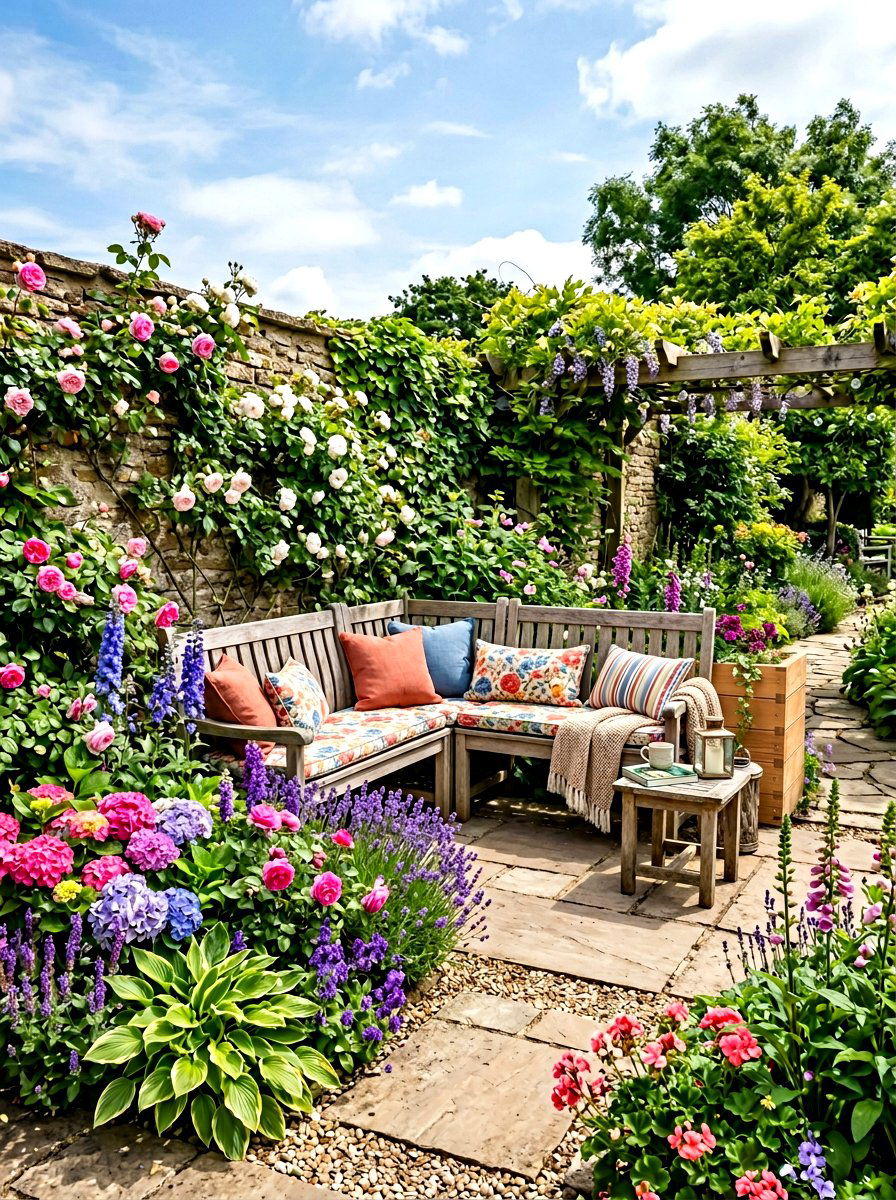
The corner garden bed bench combines the beauty of a planter with the functionality of outdoor seating. This design usually features a wooden or stone bench built directly into the corner where two raised beds meet. It creates a cozy nook where you can sit and enjoy the scent of your flowers or the view of your backyard. This is a great way to save space by combining two pieces of outdoor furniture into one. The surrounding plants provide a natural backrest and a sense of enclosure. It is a popular choice for small patios where every square inch of space is valuable.
11. Wood corner garden bed
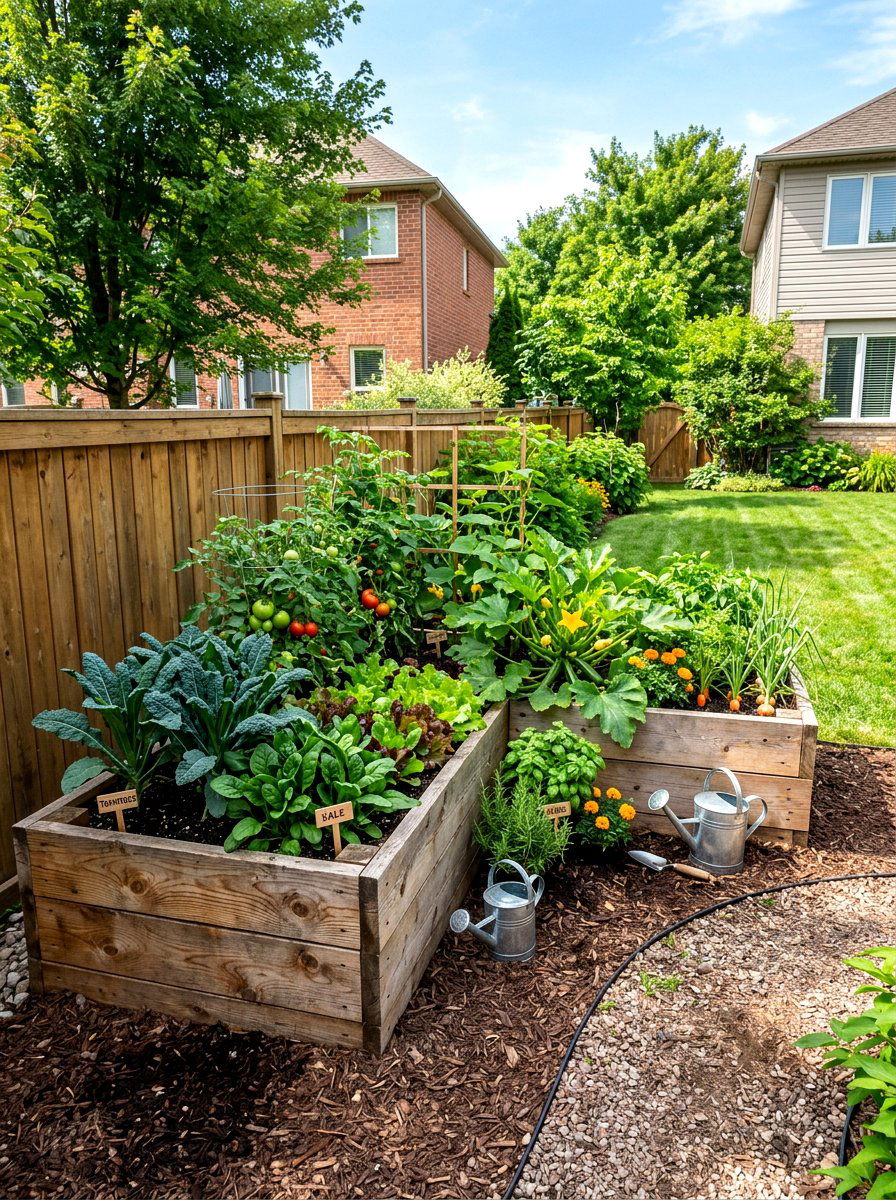
The wood corner garden bed remains the most popular choice for DIY enthusiasts and professional landscapers alike. Using natural materials like cedar or pressure-treated pine allows the garden to blend into the natural environment of the yard. Wood is easy to cut and assemble, making it possible to create custom shapes and sizes to fit any specific corner. You can leave the wood raw for a rustic look or stain it to match your deck or fence. Wooden beds provide a warm and organic feel that complements almost any plant variety. They are affordable, versatile, and provide a classic gardening experience for everyone.
12. Brick corner garden bed
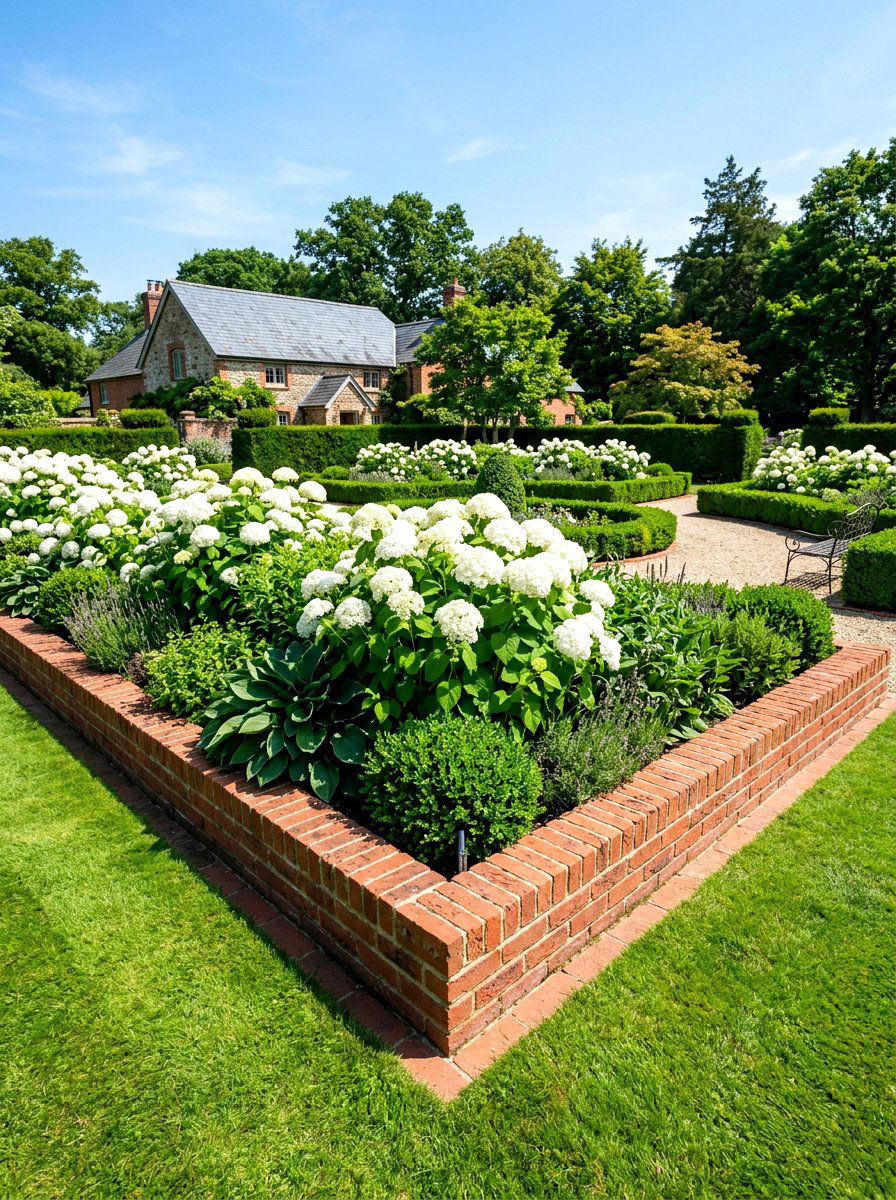
A brick corner garden bed offers a traditional and polished look that pairs well with older homes and formal landscapes. You can use reclaimed bricks for a vintage feel or new pavers for a more modern aesthetic. Bricks are very durable and do not rot, providing a long-lasting frame for your soil. The small size of individual bricks allows you to create precise corners or even slightly curved edges if desired. This type of bed is excellent for drainage and helps keep the soil temperature stable throughout the day. It adds a sense of history and craftsmanship to any garden corner or patio.
13. Curved corner garden bed
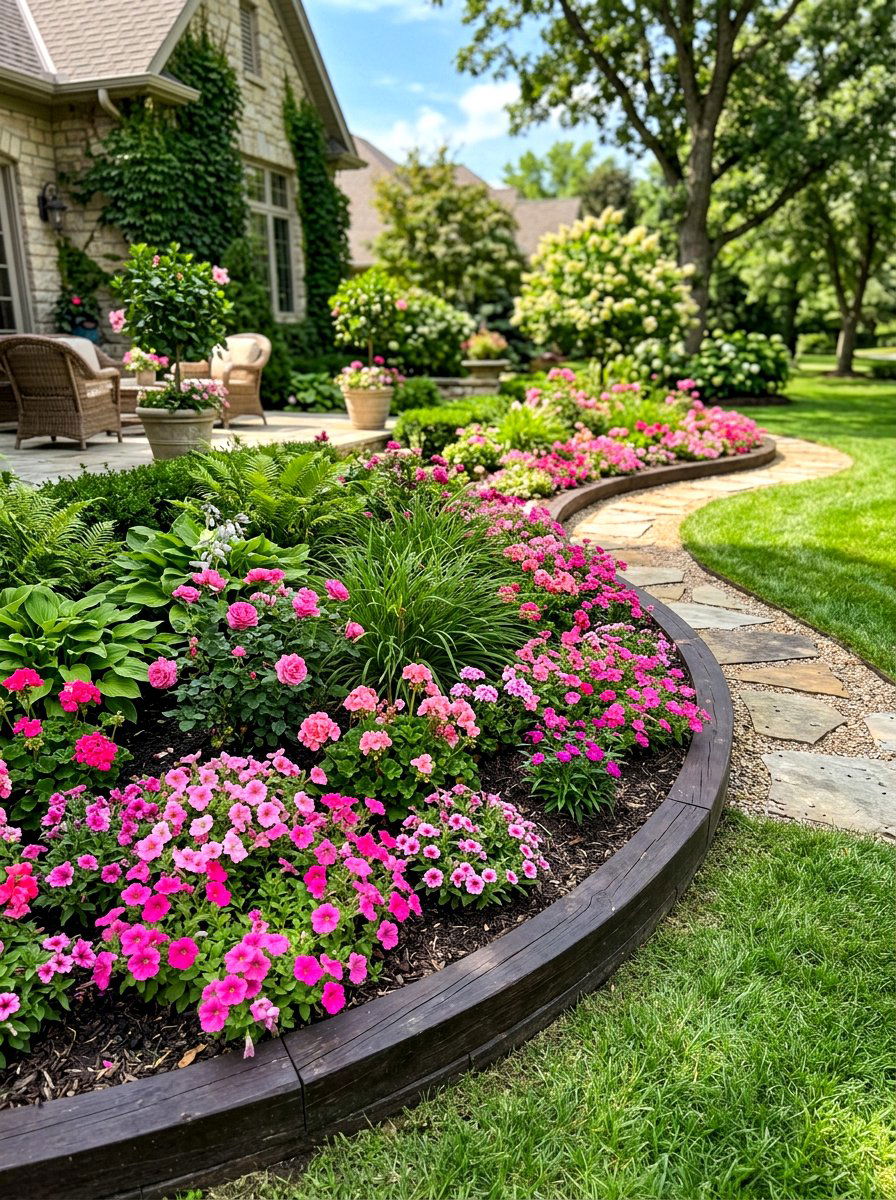
A curved corner garden bed softens the sharp angles of a typical yard and creates a more natural, flowing look. Instead of a rigid L-shape, the front edge of the bed gently arcs from one side to the other. You can achieve this look using flexible materials like thin wood slats, composite edging, or stacked stones. Curved beds are visually pleasing and can help lead the eye through the landscape. They work beautifully with ornamental grasses and flowing perennials that mimic the organic shape of the bed. It is a sophisticated design that feels more like a custom landscape feature than a box.
14. Small corner garden bed
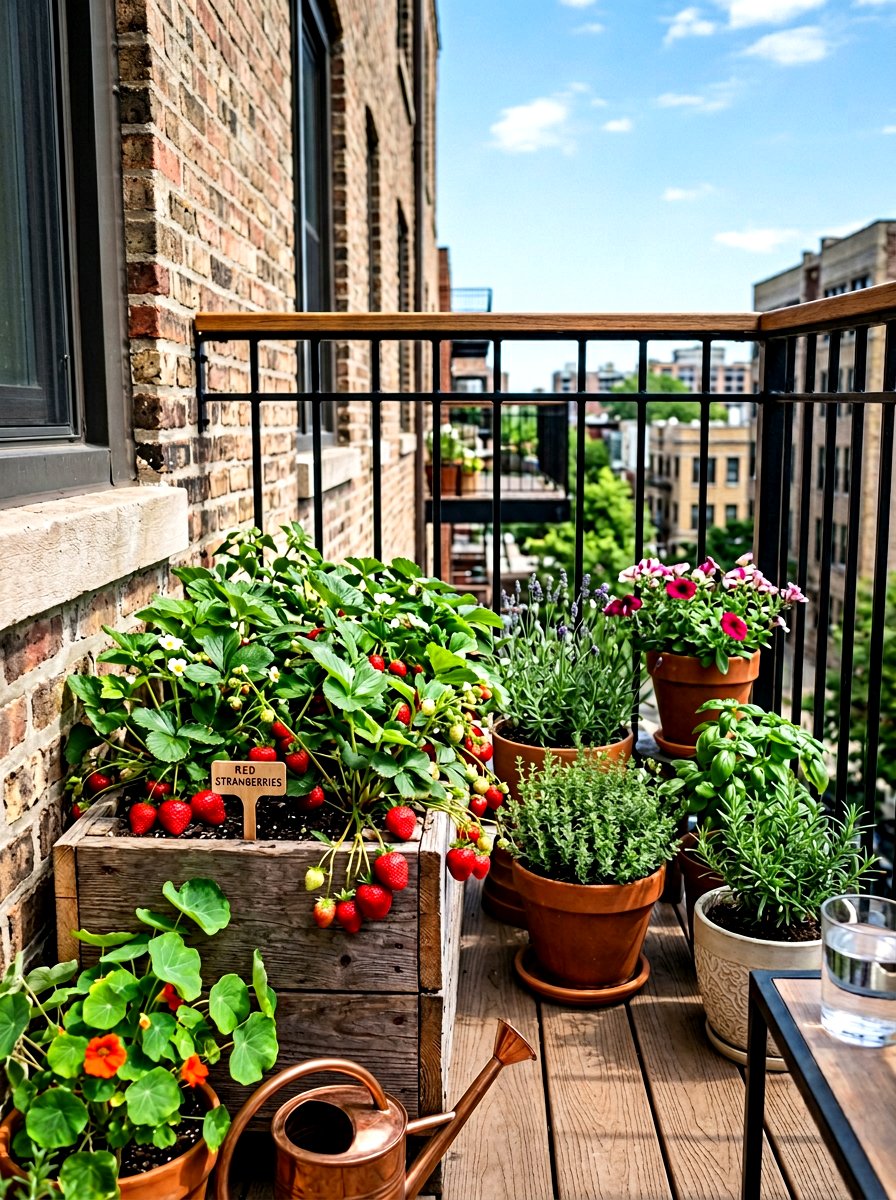
The small corner garden bed is the perfect solution for apartment balconies or tiny urban courtyards. These compact planters are designed to hold just enough soil for a few high-impact plants like marigolds, strawberries, or a small tomato plant. Even though they are small, they provide all the benefits of a larger raised bed, including better drainage and controlled soil quality. You can often find pre-made kits that are easy to assemble in just a few minutes. Placing a small bed in a corner helps to brighten up a neglected area without taking up too much walking space. It is gardening at its most efficient.
15. Large corner garden bed
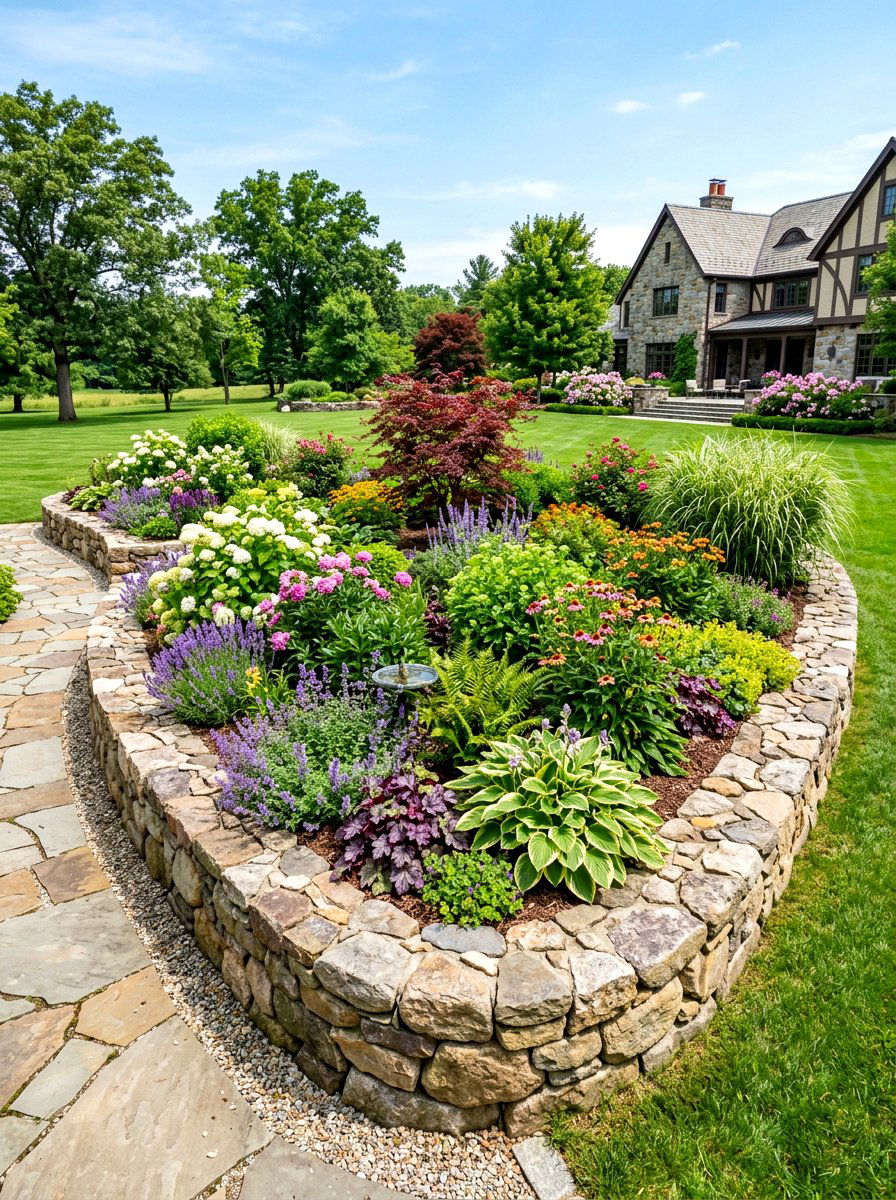
A large corner garden bed acts as a major anchor for a big backyard or expansive lawn. These structures can span several feet in each direction, providing enough room for a diverse ecosystem of plants. You can combine shrubs, perennials, and annuals to create a multi-layered garden that looks good all year long. Large beds require substantial amounts of soil and organic matter, but they are much easier to maintain once established. Because they hold more moisture, they don't dry out as quickly as smaller planters. They provide a massive canvas for creative landscaping and can significantly increase the curb appeal of your property.
16. Multi level corner bed
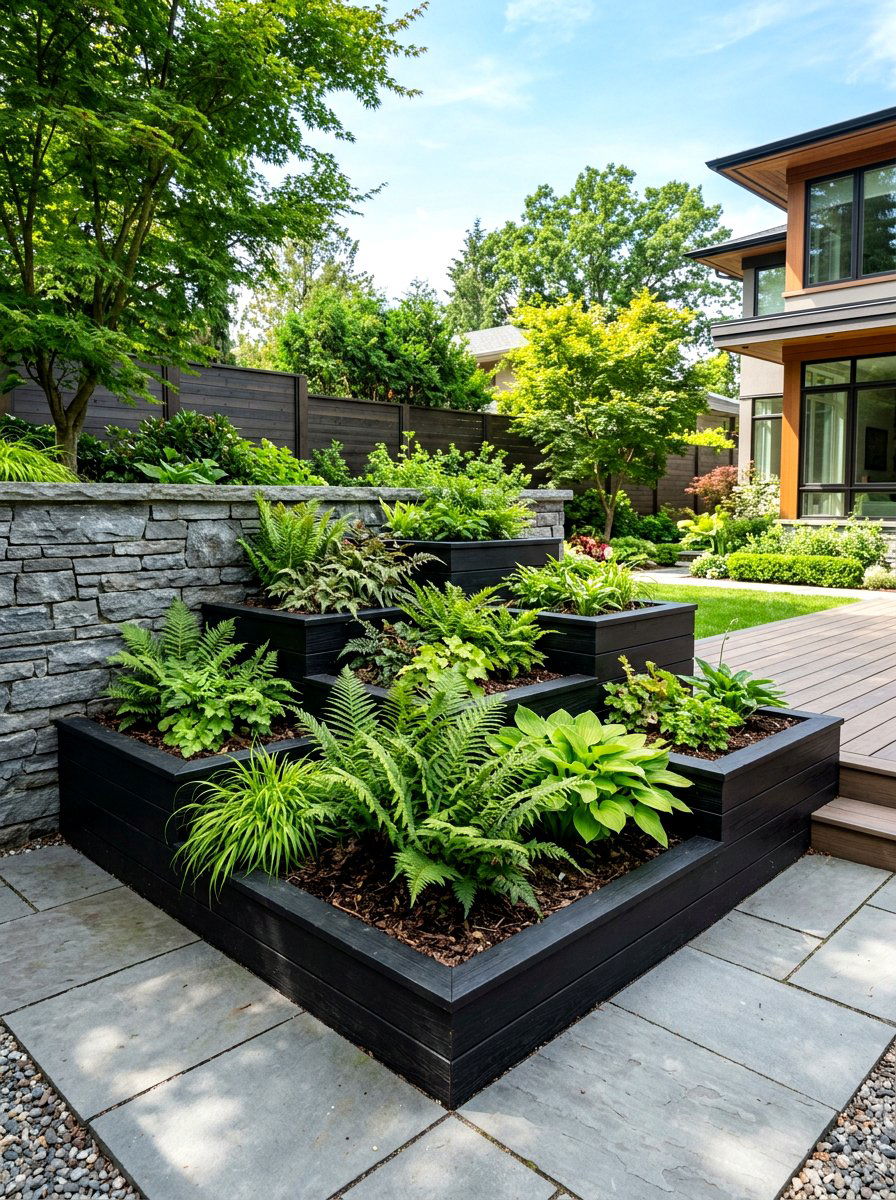
The multi level corner bed uses various heights to create a dynamic and interesting display of greenery. Unlike a simple tiered bed, a multi-level design might have independent sections of different heights placed next to each other. This allows you to grow plants with vastly different root needs in the same corner. For example, a deep section could hold large shrubs, while a shallow section is perfect for groundcover. This layout provides a very modern and artistic look that can be customized to fit the specific architecture of your home. It makes a strong visual statement while providing excellent functionality for a serious gardener.
17. Painted corner garden bed
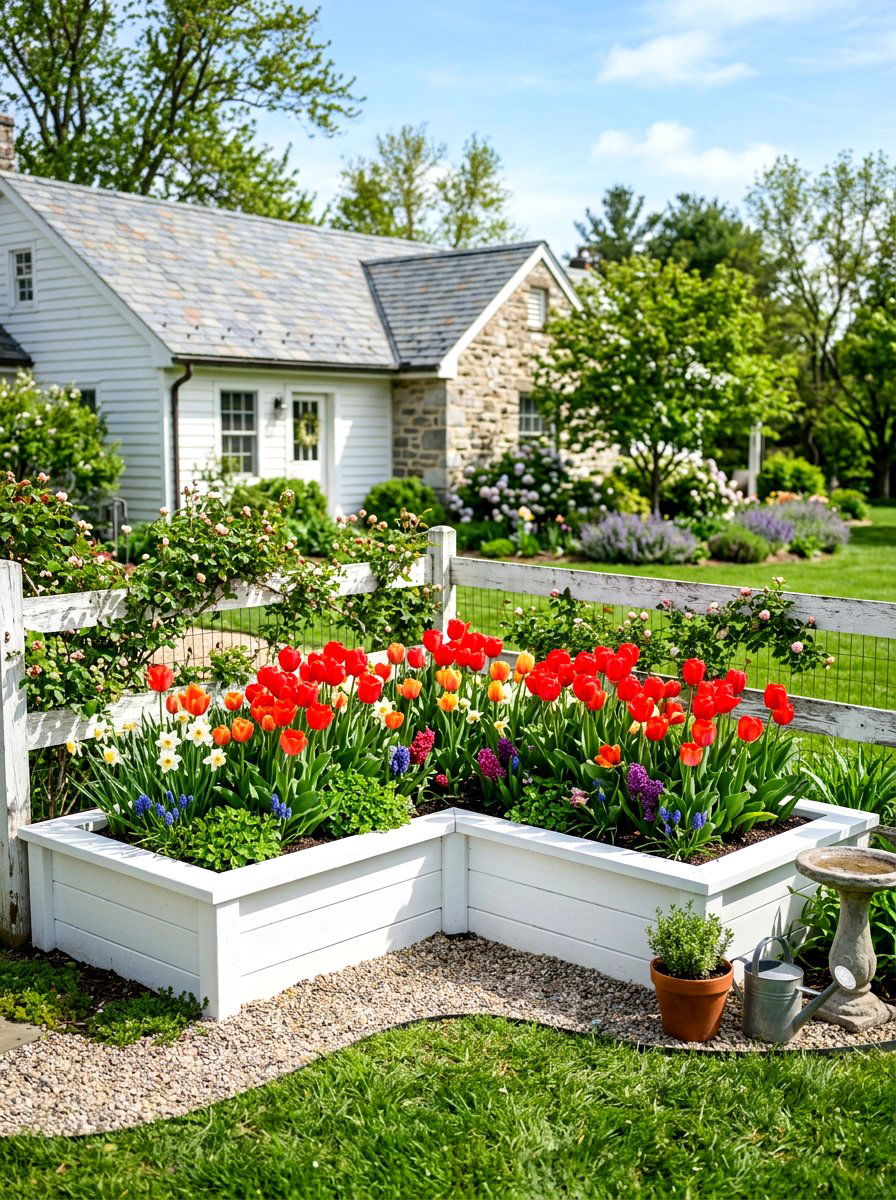
A painted corner garden bed is a quick and affordable way to add a pop of color to your backyard. You can choose a bold hue like cobalt blue or forest green to make the structure stand out, or a soft white to create a clean farmhouse look. Painting the wood or metal also adds an extra layer of protection against moisture and sun damage. It is a great way to tie the garden into the overall color palette of your outdoor furniture or home trim. This simple customization turns a basic planter into a stylish piece of decor that looks intentional and well-maintained throughout the seasons.
18. Composite corner garden bed
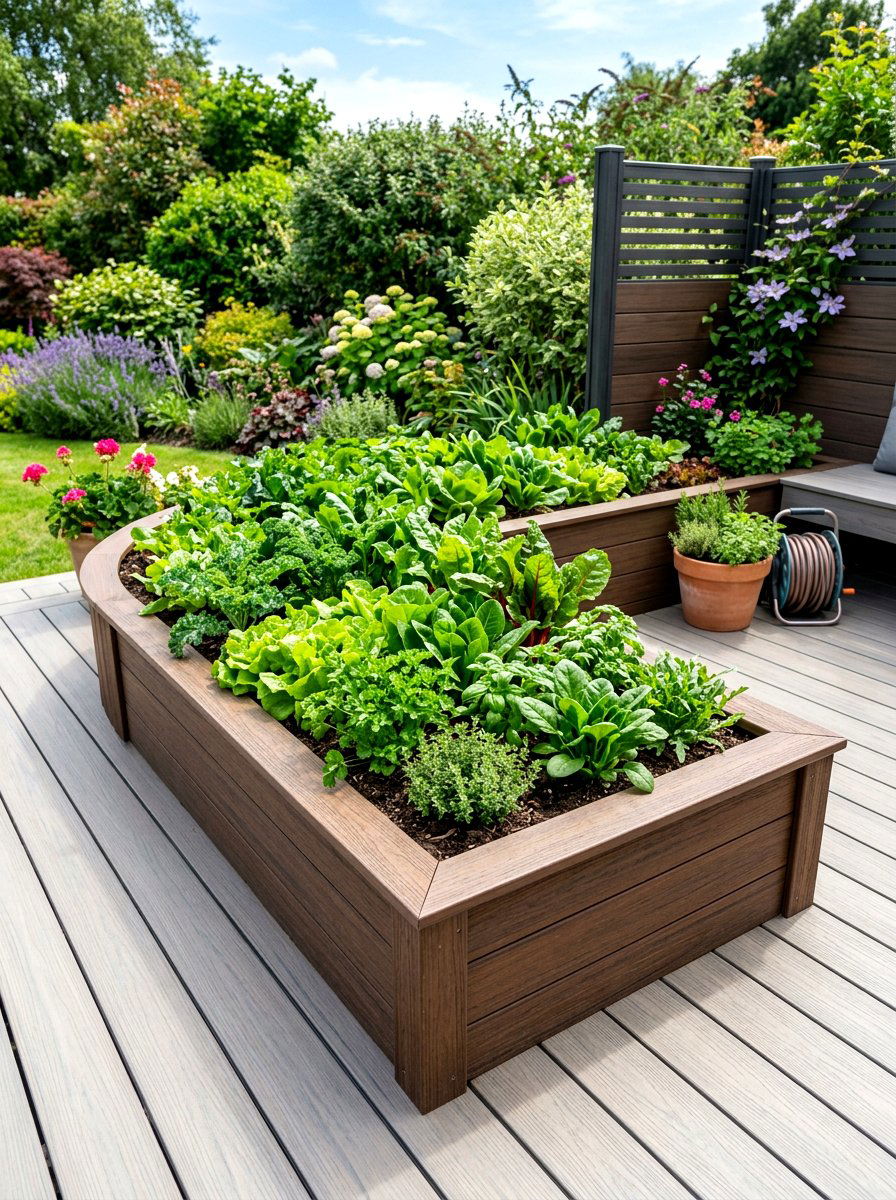
The composite corner garden bed is a high-tech alternative to traditional wood that offers unmatched durability. Made from a blend of recycled plastic and wood fibers, these beds will never rot, splinter, or warp. They are designed to withstand extreme weather conditions without needing to be stained or sealed. Many composite beds come in a variety of wood-like textures and colors, providing a high-end look with zero maintenance. They are very easy to clean with a simple garden hose and will look new for many years. This is a smart investment for anyone who wants a beautiful garden without the yearly upkeep.
19. Recycled corner garden bed
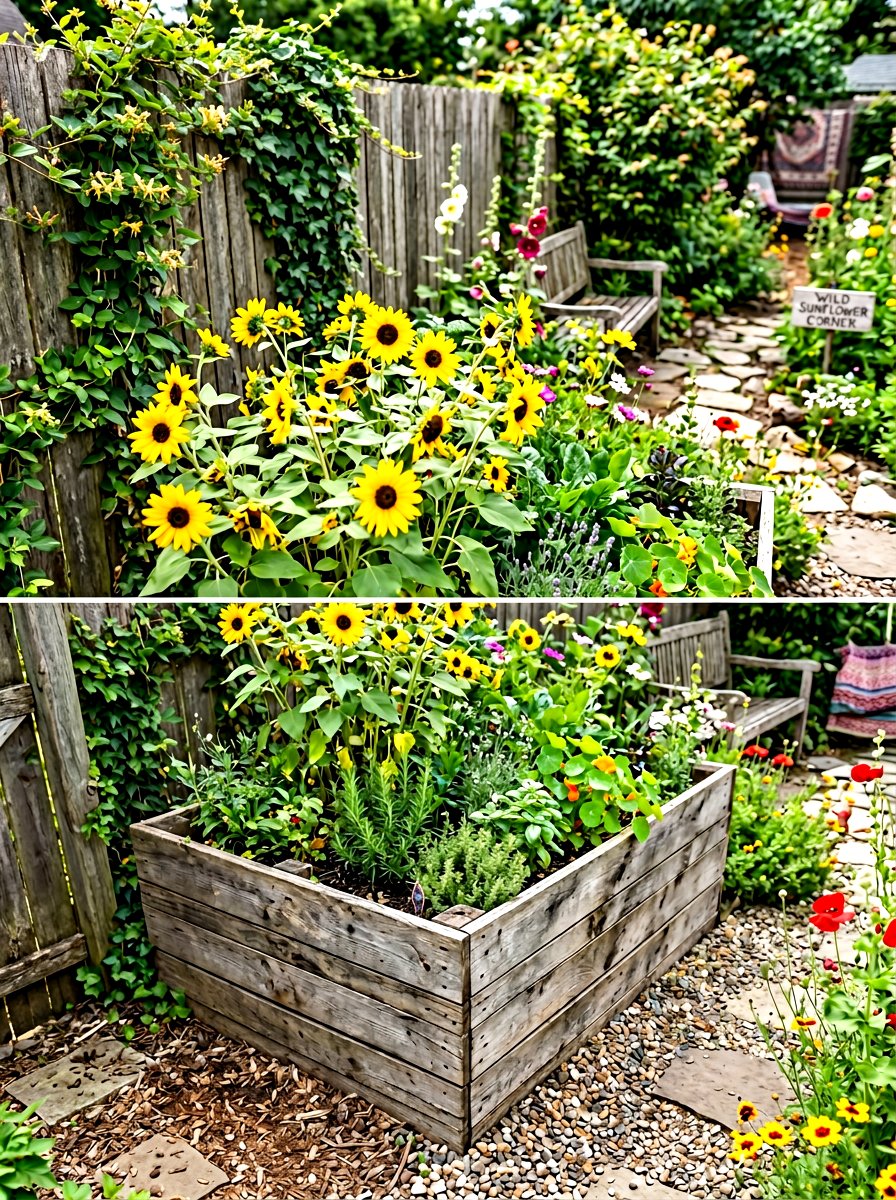
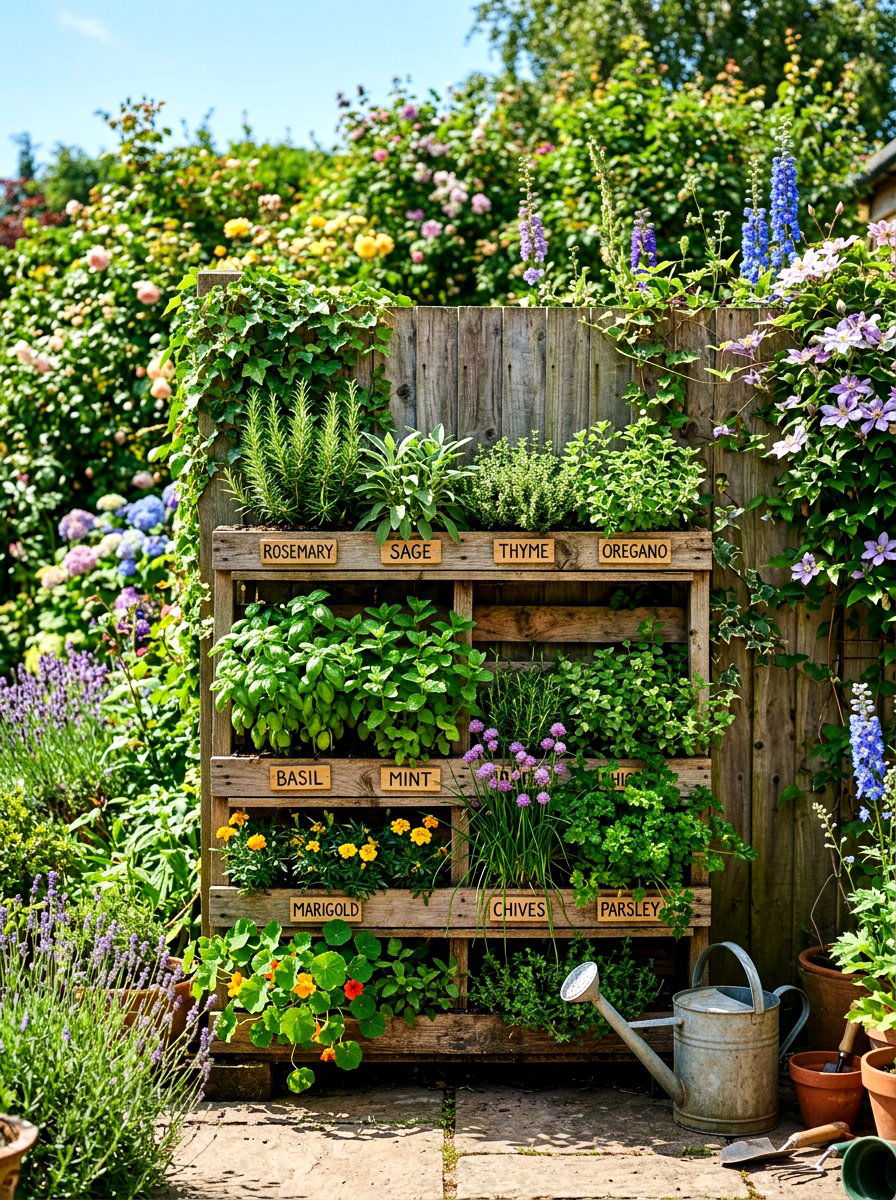
A recycled corner garden bed is an eco-friendly choice that adds unique character and history to your yard. You can repurpose old pallets, wooden crates, or even corrugated roofing to build a functional and stylish planter. This approach is not only cost-effective but also keeps materials out of landfills. The weathered look of recycled materials creates a charming, rustic aesthetic that works well in bohemian or naturalistic gardens. You just need to ensure the materials are safe for soil and haven't been treated with harmful chemicals. It is a creative way to show your commitment to sustainability while growing a beautiful garden.
20. Tropical corner garden bed
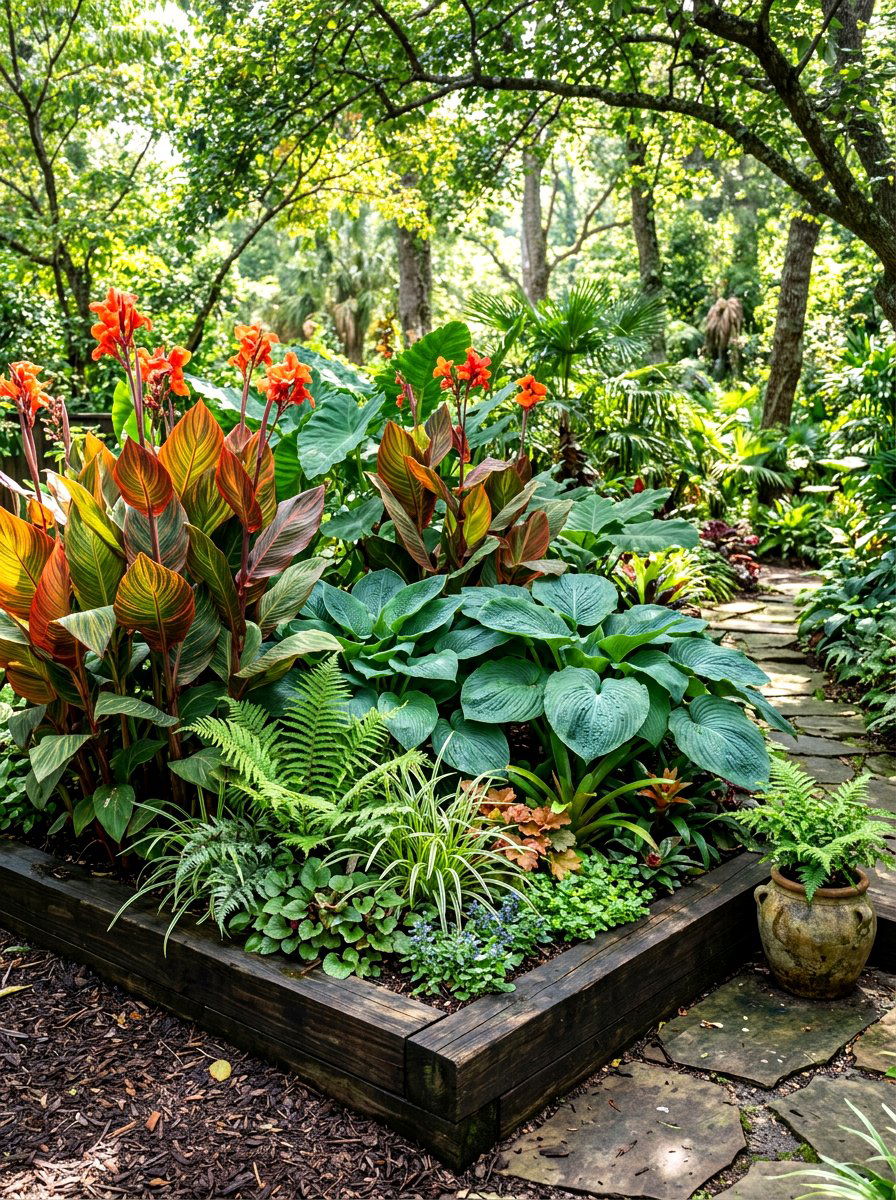
Bringing a touch of the tropics to your backyard is easy with a specialized tropical corner garden bed. You should choose plants with large, glossy leaves like hostas, canna lilies, or even hardy palms to create a lush jungle vibe. These beds often look best when built with darker materials like stained wood or charcoal stone to make the bright green foliage pop. Placing this bed in a corner helps create a microclimate that protects more sensitive plants from harsh winds. You can add a layer of organic mulch to keep the roots moist and mimic the humid forest floor for the best growth results.
21. Shade corner garden bed
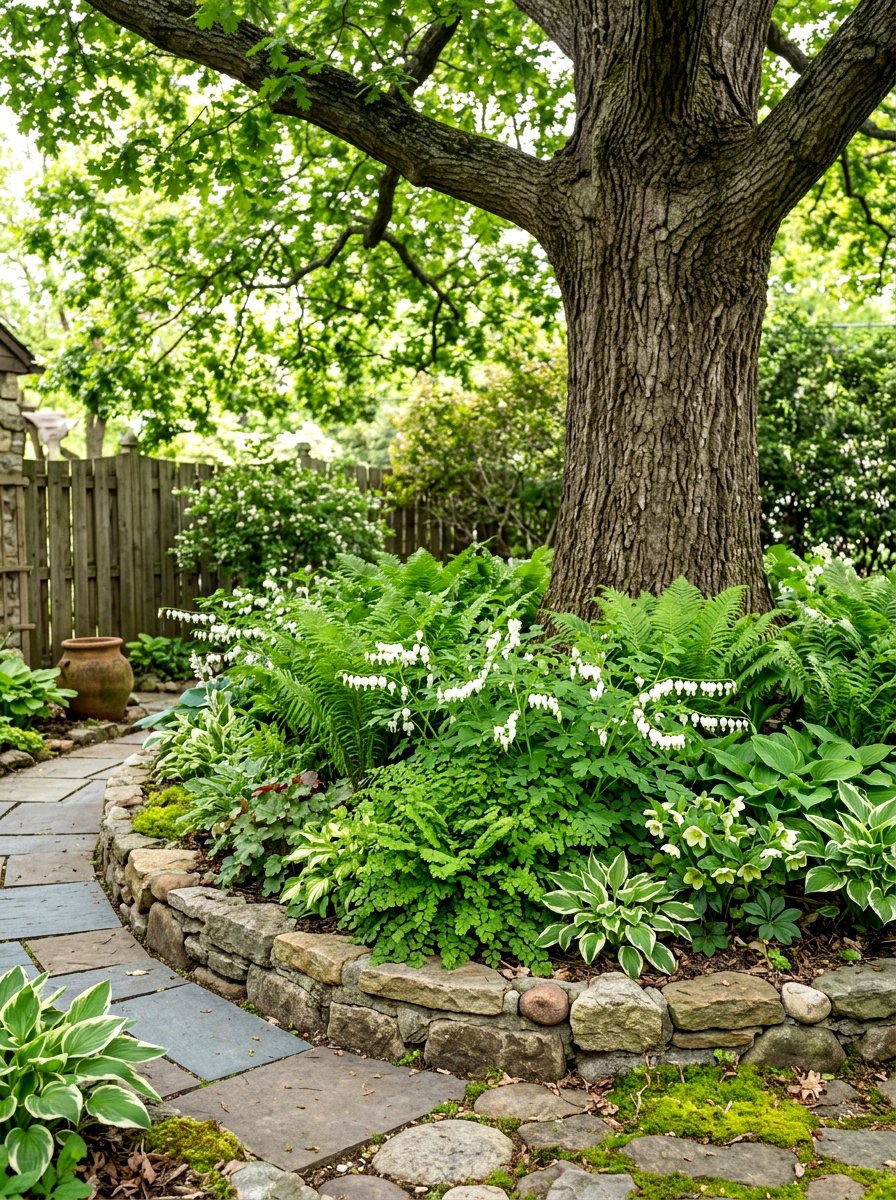
A shade corner garden bed is the perfect solution for those dark spots under trees or alongside tall fences. Instead of struggling with patchy grass, you can fill a raised bed with shade-loving plants like ferns, hostas, and bleeding hearts. The raised structure helps improve the soil quality in areas where tree roots might otherwise compete for nutrients. Using a lighter-colored material for the bed frame can help brighten up the shady corner. This type of garden creates a cool and peaceful retreat during the hot summer months. It transforms a neglected area into a thriving and beautiful woodland-style sanctuary for your yard.
22. Low corner garden bed
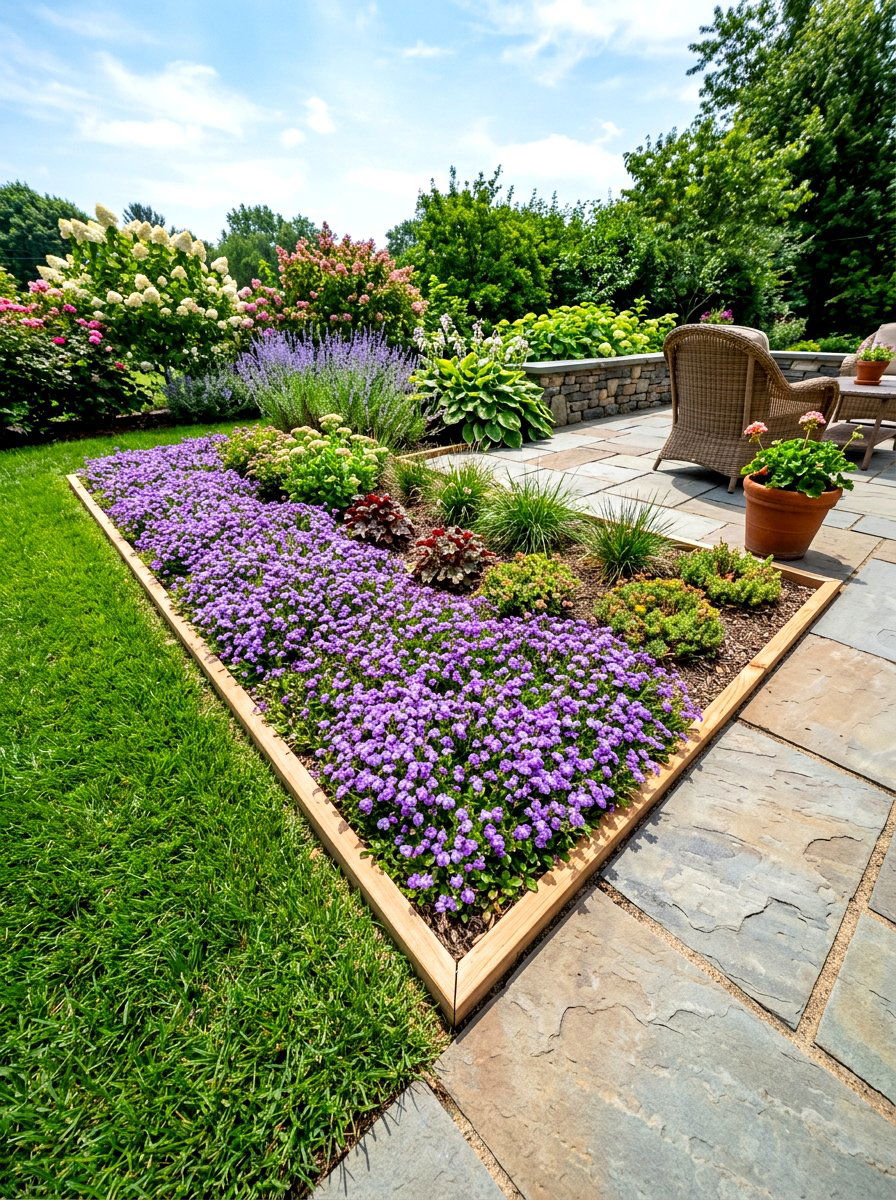
The low corner garden bed is a subtle and understated way to define the edges of your lawn or patio. These beds are usually only six to eight inches high, providing just enough lift to distinguish the planting area from the surrounding space. They are very easy to build and require less soil than taller versions. Low beds are perfect for growing groundcovers, small flowers, or shallow-rooted herbs. They provide a very clean and tidy look without obstructing views of the rest of the garden. This is a great choice for those who want a neat transition between different zones in their backyard.
23. Self watering corner bed
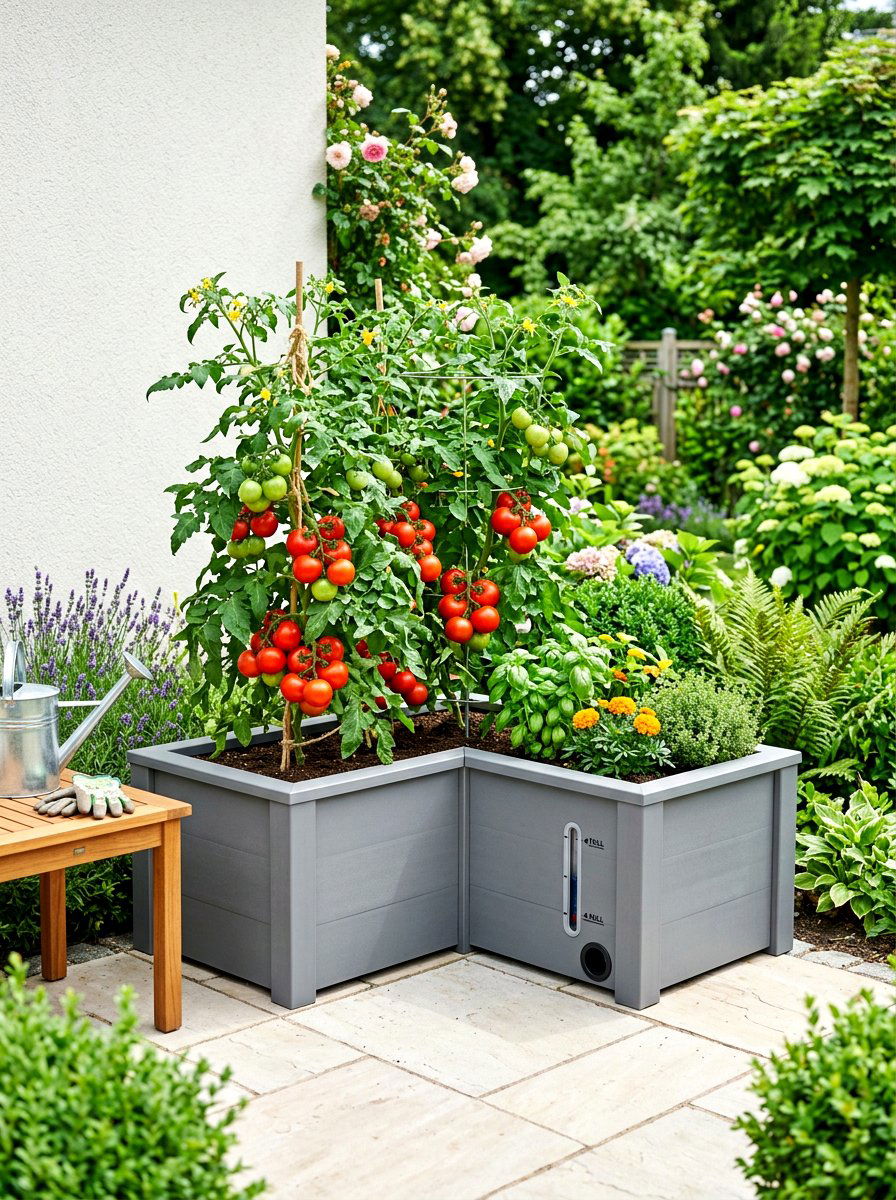
A self watering corner bed is a high-tech solution for busy gardeners who want to ensure their plants stay hydrated. These beds feature a built-in reservoir at the bottom that holds water and allows it to wick up into the soil as needed. This prevents the plants from drying out during hot spells and reduces the frequency of manual watering. The corner design allows you to hide the filling tube in the back for a cleaner look. These beds are excellent for thirsty plants like tomatoes or cucumbers. It is a convenient and efficient way to maintain a thriving garden with much less daily effort.
24. Corner flower garden bed
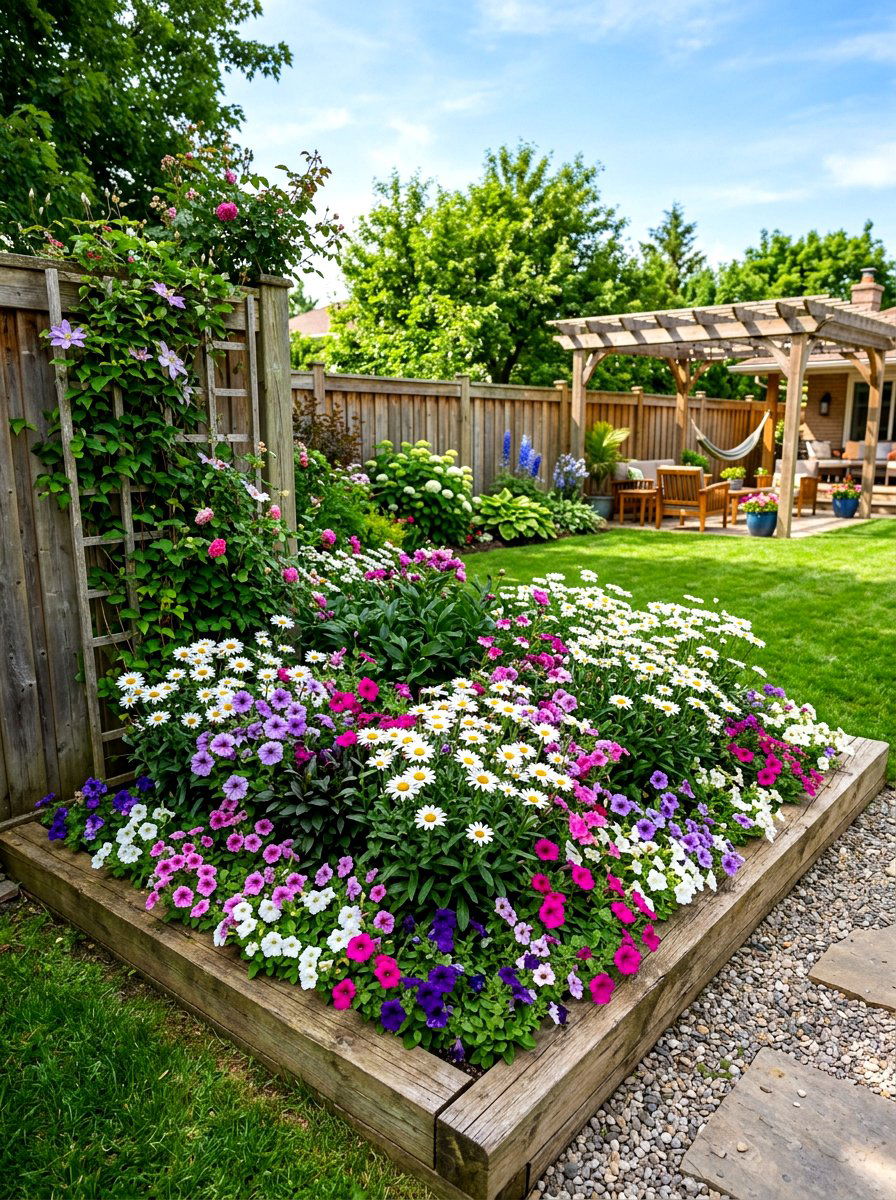
The corner flower garden bed is strictly designed for visual impact and fragrance. By filling the space with a mix of annuals and perennials, you can ensure a constant bloom from spring through autumn. You can arrange the flowers by height, placing tall lilies or delphiniums in the corner and shorter petunias or pansies along the front edge. This creates a dense and colorful display that attracts pollinators like butterflies and bees. A well-designed flower bed can become the main attraction of your backyard landscape. It is a joyful way to use a corner and brings life and movement to your outdoor space.
25. Modern corner garden bed
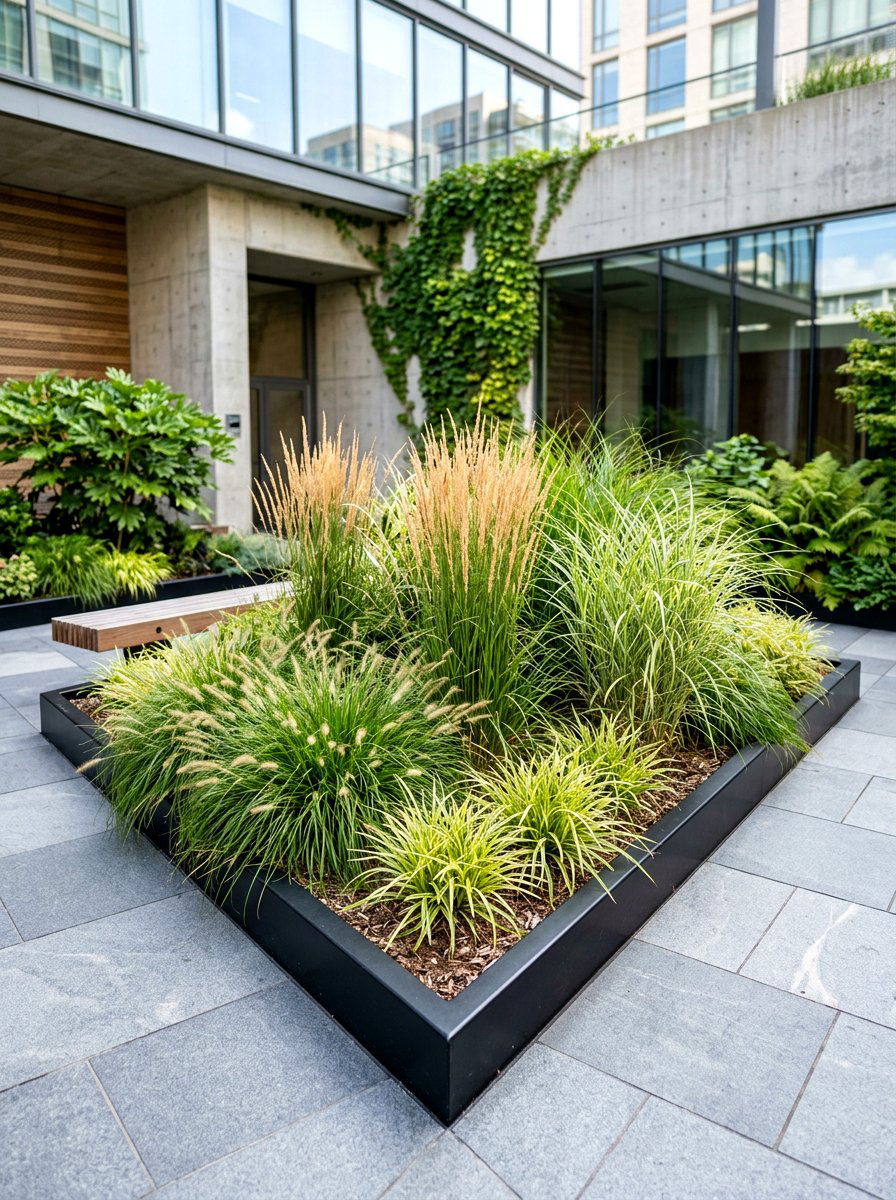
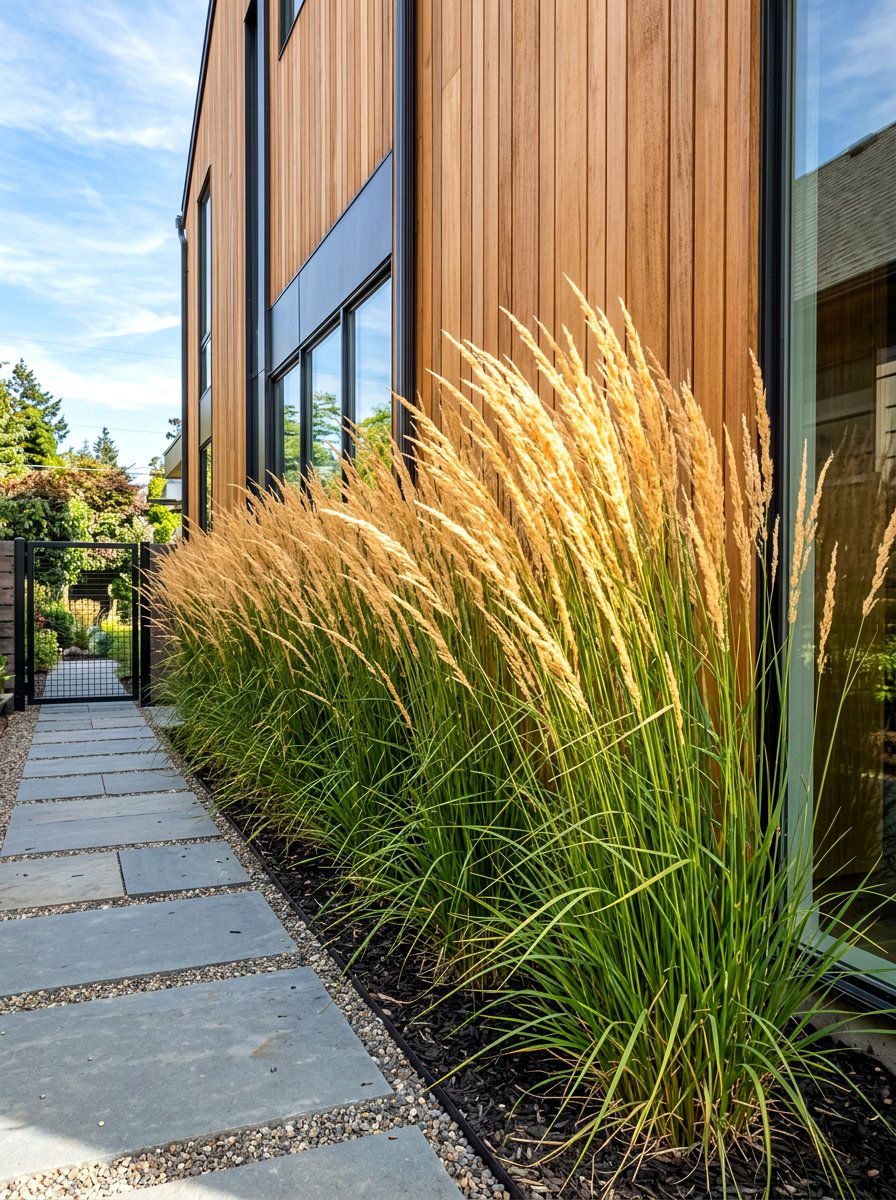
A modern corner garden bed is characterized by clean lines, high-quality materials, and a focus on simplicity. You might see black-stained wood, smooth gray concrete, or powder-coated metal used to create a sophisticated frame. The planting often involves architectural plants like ornamental grasses or succulents that emphasize the shape of the bed. This style works perfectly with contemporary home designs and minimalist outdoor living areas. It avoids clutter and focuses on the beauty of the structure and the texture of the plants. It is a high-end look that feels very intentional and polished, perfect for an urban setting or a new home.
26. Rustic corner garden bed
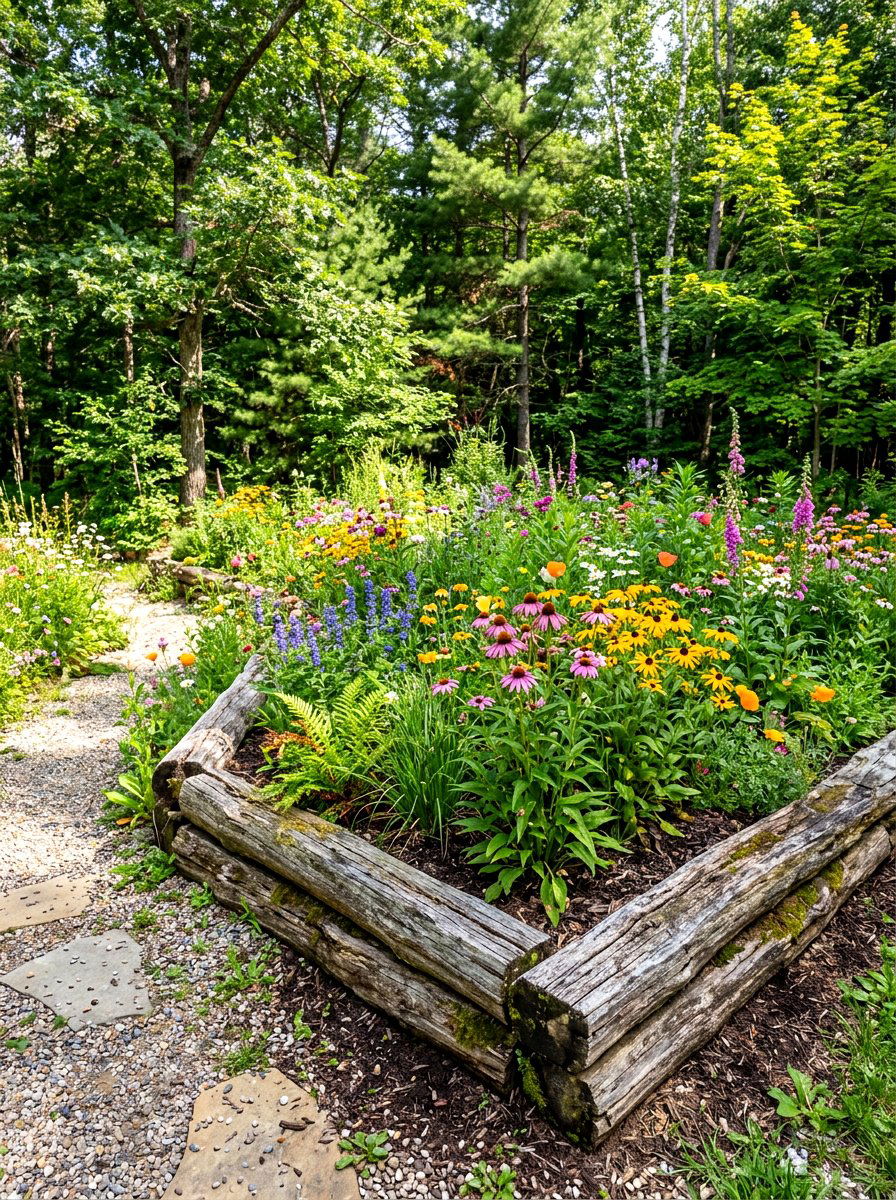
The rustic corner garden bed embraces the beauty of natural imperfections and aged materials. You can build these beds using rough-sawn timber, old logs, or weathered barn wood to create a cozy and inviting feel. This style works best in naturalistic landscapes or farm-style gardens where a relaxed atmosphere is desired. The irregular textures of the wood provide a beautiful backdrop for wilder, less formal plantings. You can even leave some moss or lichen on the wood to enhance the aged look. It is a warm and charming way to add a bit of personality and history to your outdoor garden space.
27. Vertical corner garden bed
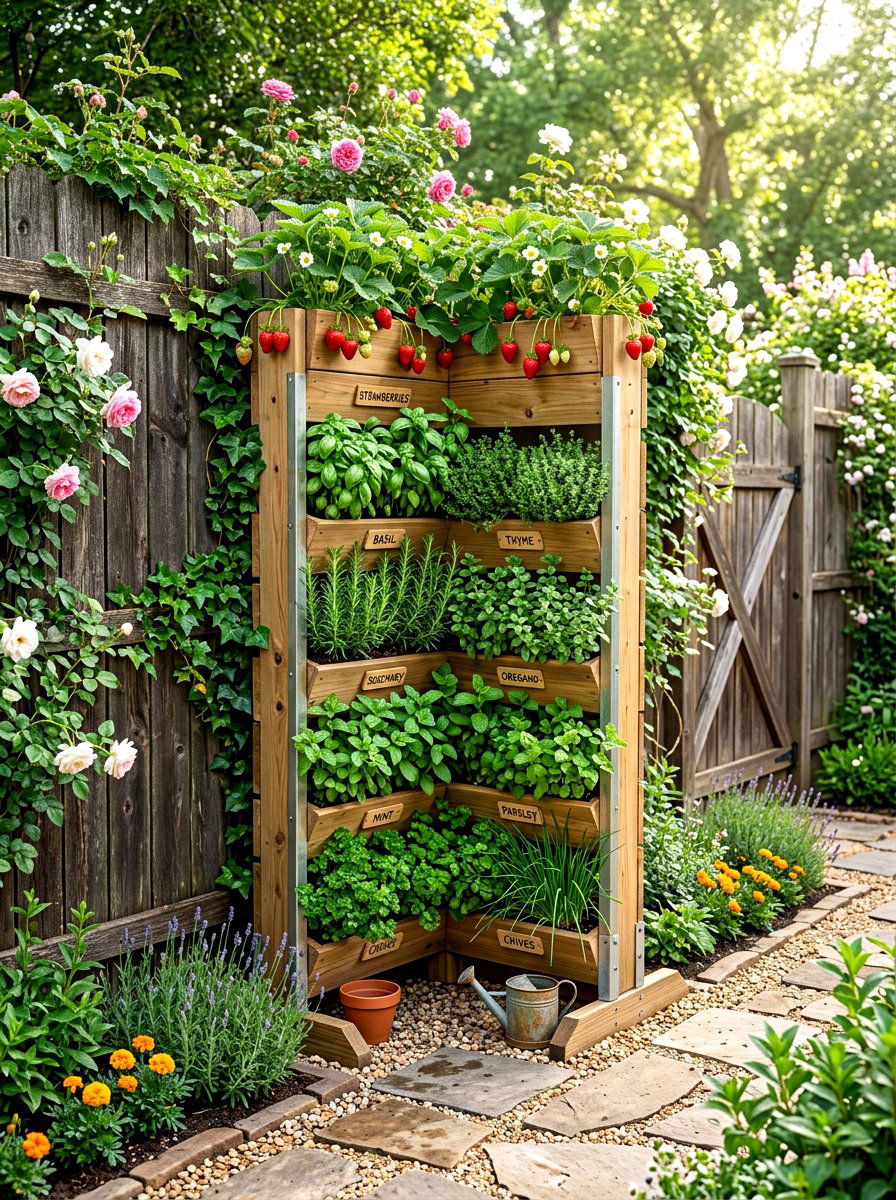
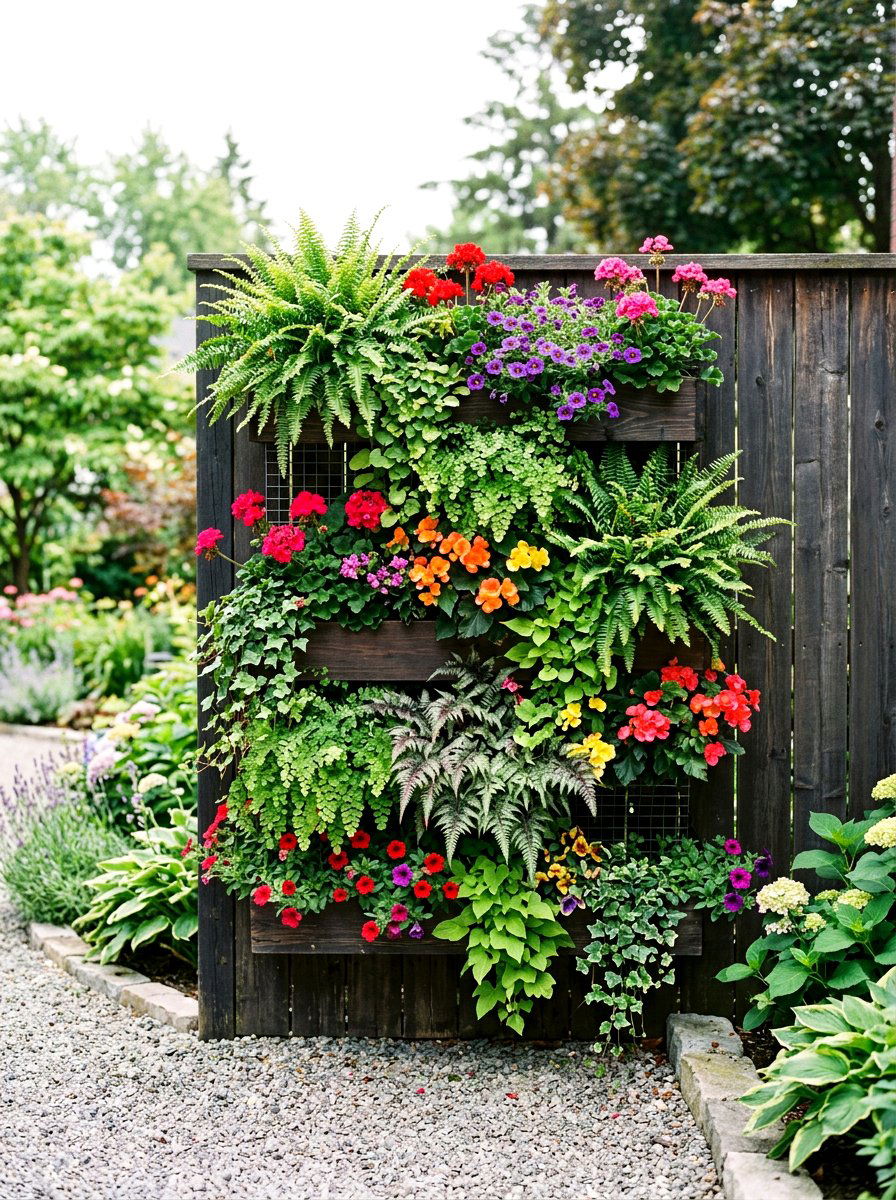
A vertical corner garden bed is the ultimate space-saver for those with very little ground area. This design features multiple planting pockets or small shelves stacked on top of each other in a corner configuration. It allows you to grow dozens of plants in a space that would normally only fit one or two. This is particularly effective for growing strawberries, succulents, or small herbs. The vertical orientation makes harvesting incredibly easy and keeps the plants away from ground-dwelling pests. It creates a stunning wall of greenery that acts as a piece of living art. It is a clever and innovative gardening solution.
28. Succulent corner garden bed
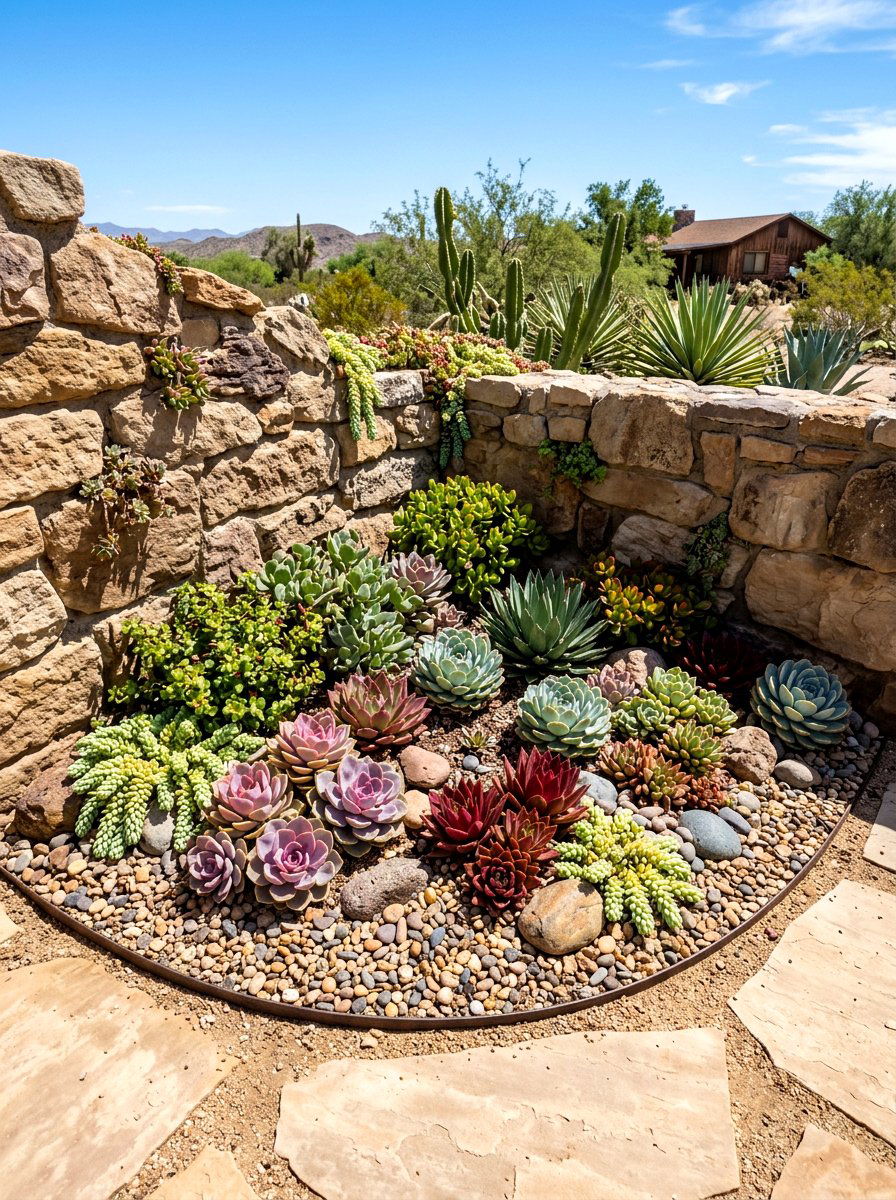
A succulent corner garden bed is a low-maintenance and water-wise choice for dry climates or sunny patios. These beds require very little soil depth and excellent drainage, which is easily achieved in a raised structure. You can mix different types of echeveria, sedum, and aloe to create a colorful and textured tapestry. The slow growth rate of succulents means you won't have to prune or thin them out very often. Adding a layer of decorative gravel or river rocks on top of the soil completes the desert-inspired look. It is a modern and durable garden option that looks beautiful year-round with very little water.
29. Paved corner garden bed
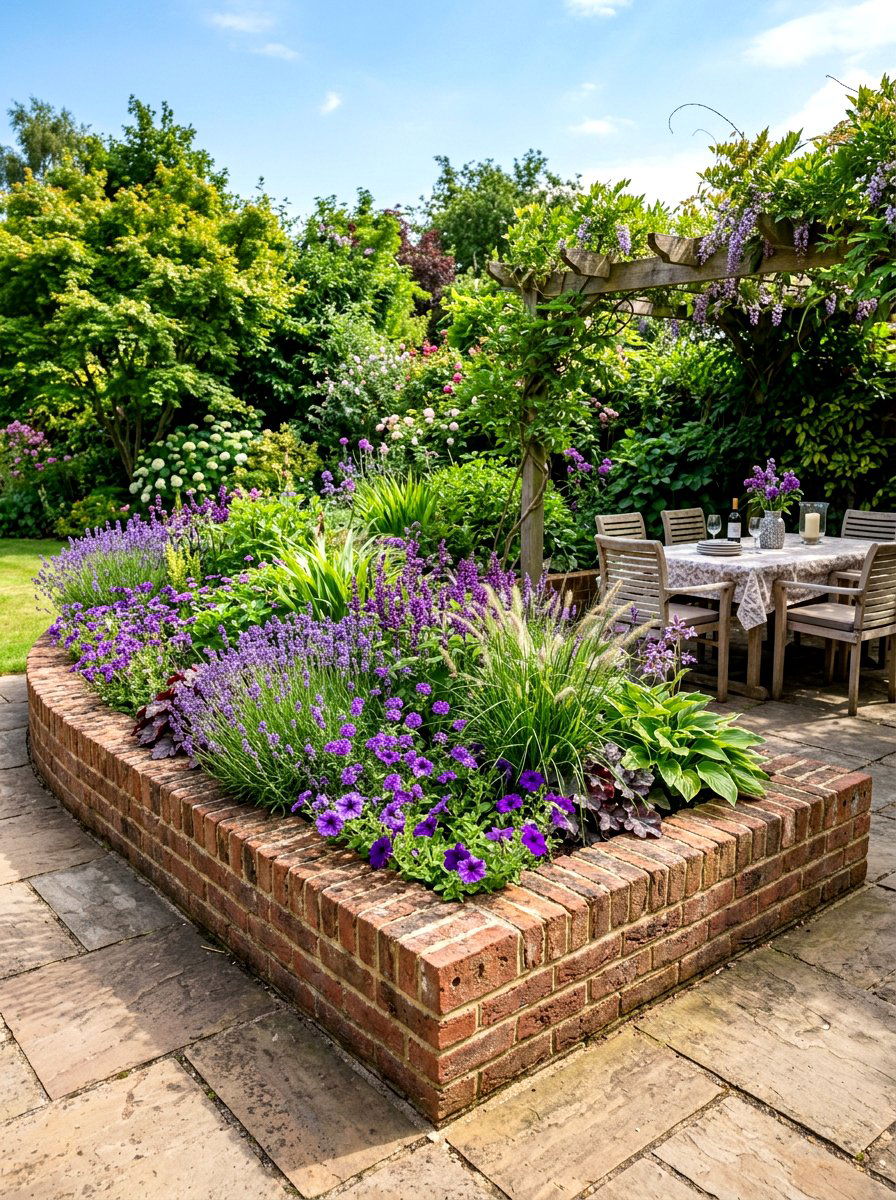
The paved corner garden bed is built directly onto a patio or deck using heavy-duty materials like masonry or thick timber. This allows you to bring the garden right up to your outdoor living area without needing a patch of grass. These beds often act as a built-in container that defines the edges of a seating or dining zone. They are perfect for creating a sense of intimacy and enclosure on a large, open terrace. Because they are on a hard surface, you must ensure they have proper drainage holes to prevent water from pooling. It is a seamless way to integrate nature into your architecture.
30. Tiered wood corner bed
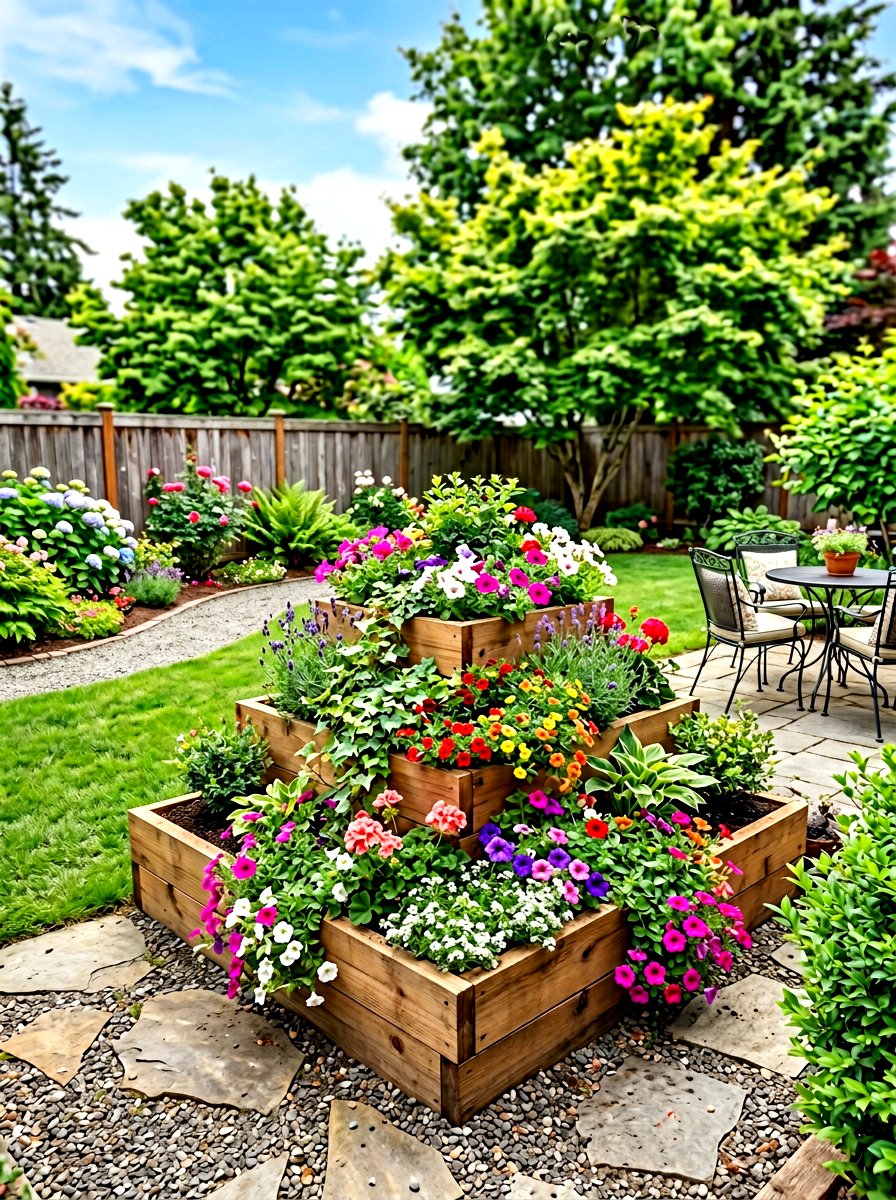
The tiered wood corner bed offers a classic look with added functionality for planting variety. By building three or more steps into the corner, you create separate zones that are easy to reach and visually distinct. This setup is perfect for creating a "staircase" of color, with trailing plants on the bottom and tall structural plants at the top. The wood construction is sturdy and provides a warm, traditional feel that complements any house style. It is a great weekend project for a homeowner who wants to significantly upgrade their yard. This design effectively doubles your planting space while keeping the layout neat and organized.
Conclusion:
Adding a corner raised bed is one of the smartest ways to enhance your garden's beauty and productivity simultaneously. These versatile structures allow you to grow a wide range of plants while solving the common problem of awkward, underutilized spaces in your yard. Whether you choose the modern look of metal or the timeless appeal of natural stone, each design offers unique benefits for your soil and your back. By following the ideas in this guide, you can create a customized outdoor feature that reflects your personal style. A well-planned corner garden bed will provide you with years of enjoyment and a bountiful harvest.

Related posts: