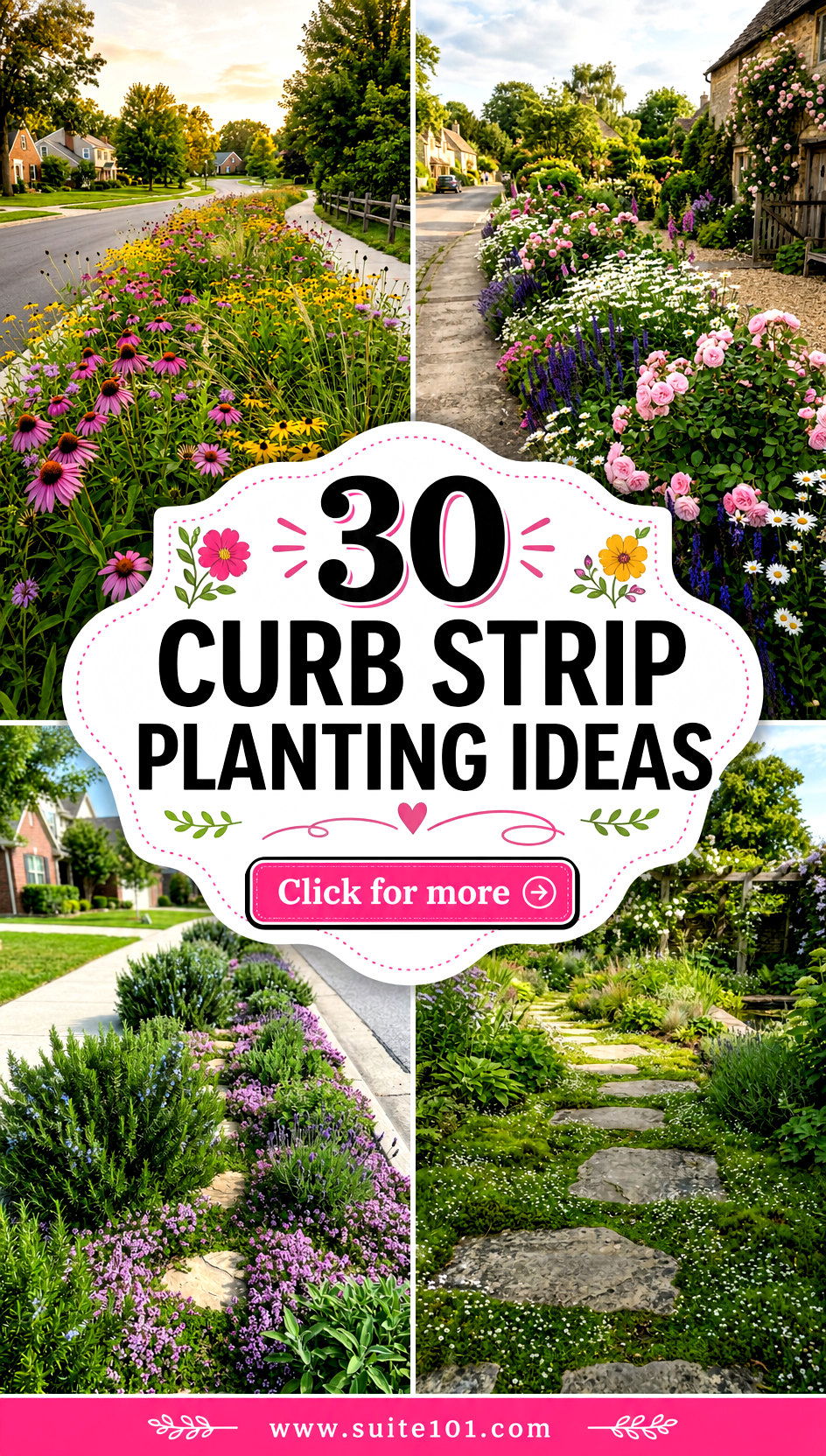
The small strip of land between your sidewalk and the street is often called a hellstrip because it is a very difficult place to grow plants. This narrow area faces many challenges like intense heat from the pavement, poor soil quality, and constant foot traffic from people and pets. However, transforming this neglected space into a lush garden can dramatically improve your home's curb appeal while also helping local pollinators. With the right selection of hardy plants and smart design choices, you can create a beautiful landscape that survives these tough conditions. This guide explores thirty creative ways to turn your curb strip into a stunning focal point.
1. Low maintenance curb strip
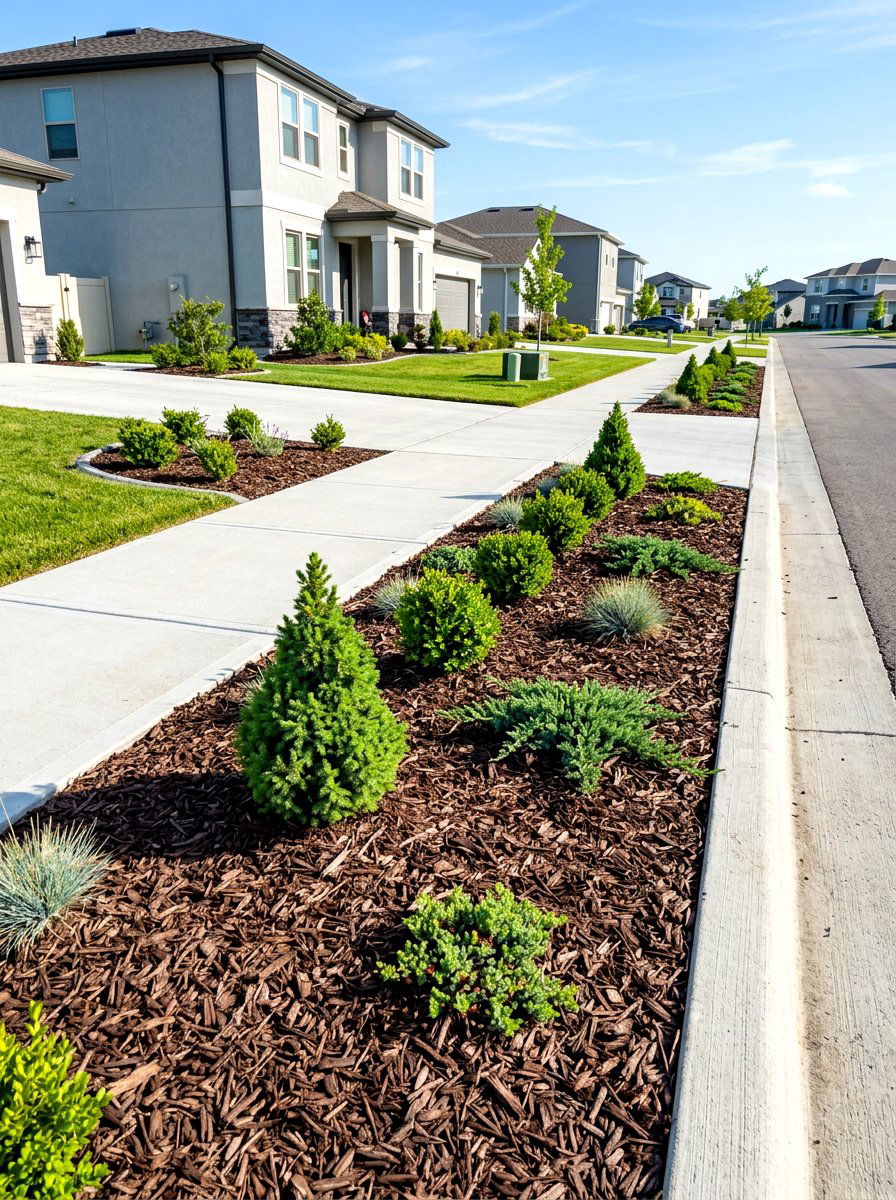
A low maintenance curb strip is the perfect solution for busy homeowners who want beauty without constant work. This design usually features very hardy shrubs and slow-growing groundcovers that require minimal pruning or watering once they are established. You can use a thick layer of organic wood mulch to help keep moisture in the ground and stop weeds from growing. Choosing plants like juniper or dwarf spireas ensures that the area stays green and tidy throughout the entire year. This simple approach creates a clean and professional look for your front yard. It also handles the tough conditions of the street quite well while remaining visually appealing to all your neighbors.
2. Drought tolerant hellstrip
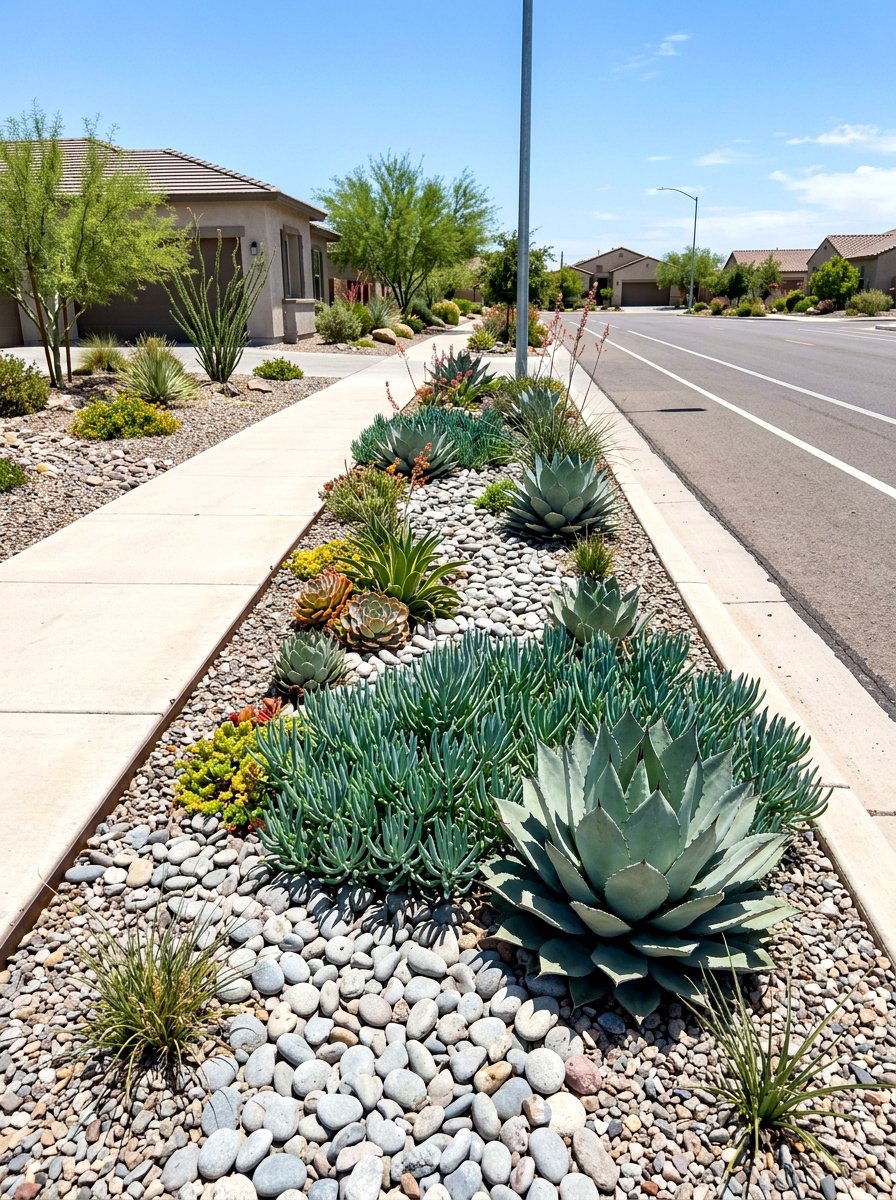
Creating a drought tolerant hellstrip is an excellent way to save water while maintaining a vibrant outdoor space. This design focuses on plants that naturally thrive in dry environments and can handle the reflected heat from the asphalt. You might choose a mix of colorful succulents, hardy sedums, and silver-foliage plants like lamb’s ear to add texture. Instead of traditional grass, use permeable materials like decorative gravel or river stones to help the soil breathe. This setup requires very little irrigation even during the hottest summer months. It is a sustainable choice that looks modern and intentional. The variety of shapes and sizes creates a very dynamic and interesting street-side view.
3. Native wildflower planting
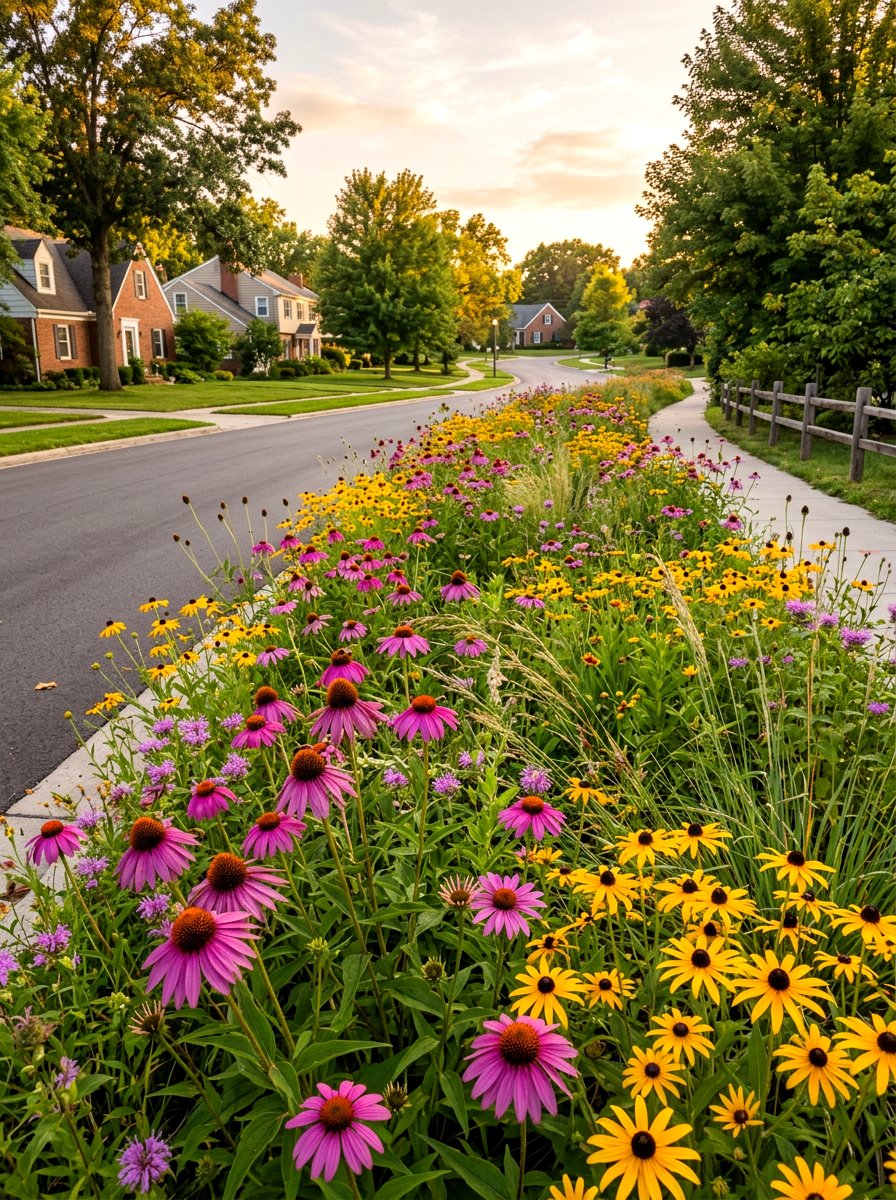
A native wildflower planting turns a boring curb strip into a miniature meadow that supports local wildlife and biodiversity. By choosing flowers that are indigenous to your specific region, you ensure that the plants are already adapted to the local climate and soil. These gardens often include colorful species like purple coneflower, black-eyed Susans, and milkweed for butterflies. The natural look of a wildflower strip adds a charming and whimsical feel to your home’s entrance. It also provides a vital habitat for bees and other beneficial insects in urban areas. This design changes beautifully with the seasons, offering a shifting palette of bright colors and varied heights for everyone to enjoy.
4. Modern gravel garden
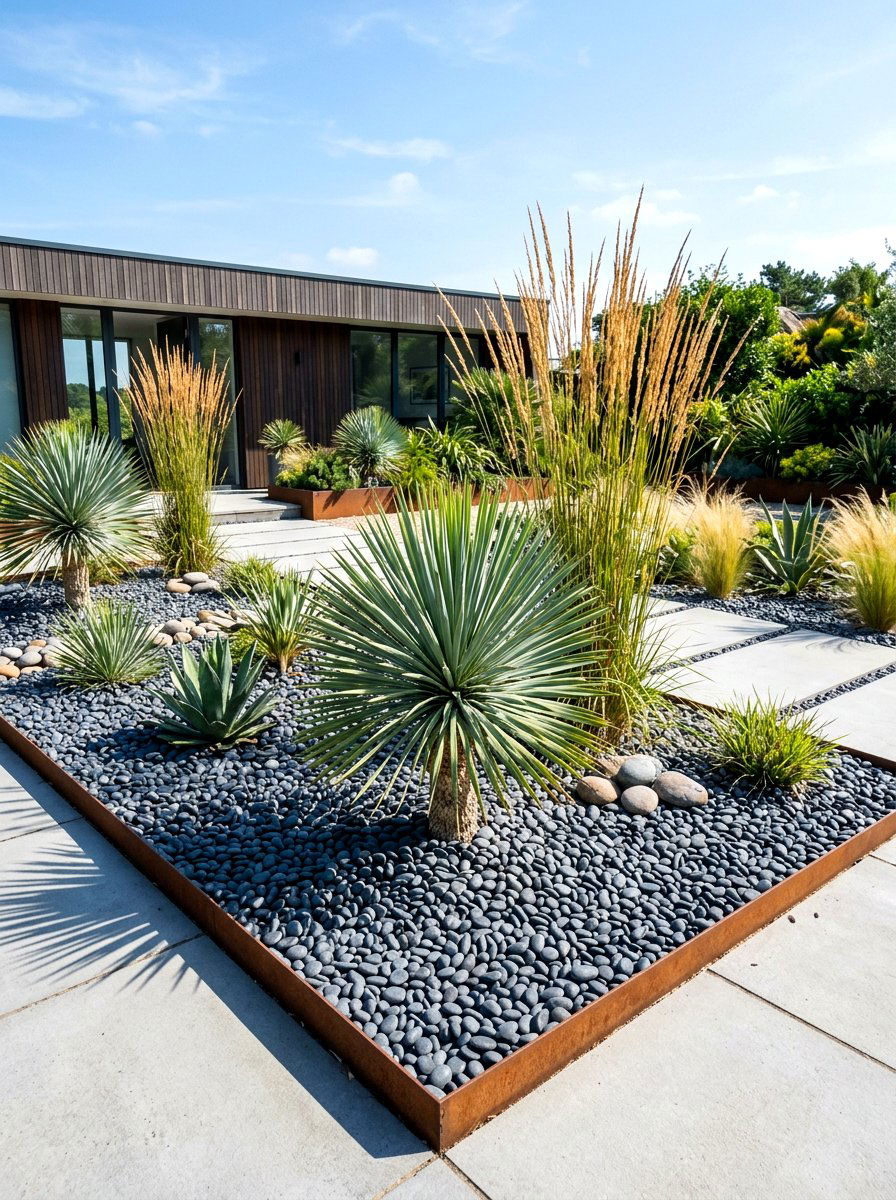
A modern gravel garden offers a sleek and minimalist aesthetic that perfectly complements contemporary home architecture. This design replaces messy soil or patchy grass with clean layers of crushed stone or smooth pebbles. You can place a few architectural plants like ornamental grasses or structural yuccas as focal points within the stone bed. The contrast between the soft plant textures and the hard grey or tan gravel looks very sophisticated and high-end. This layout is extremely functional because it allows for excellent drainage and prevents mud from splashing onto the sidewalk. It is a clutter-free option that stays looking sharp with almost no effort. It provides a very crisp edge to your property line.
5. Cottage garden curb strip
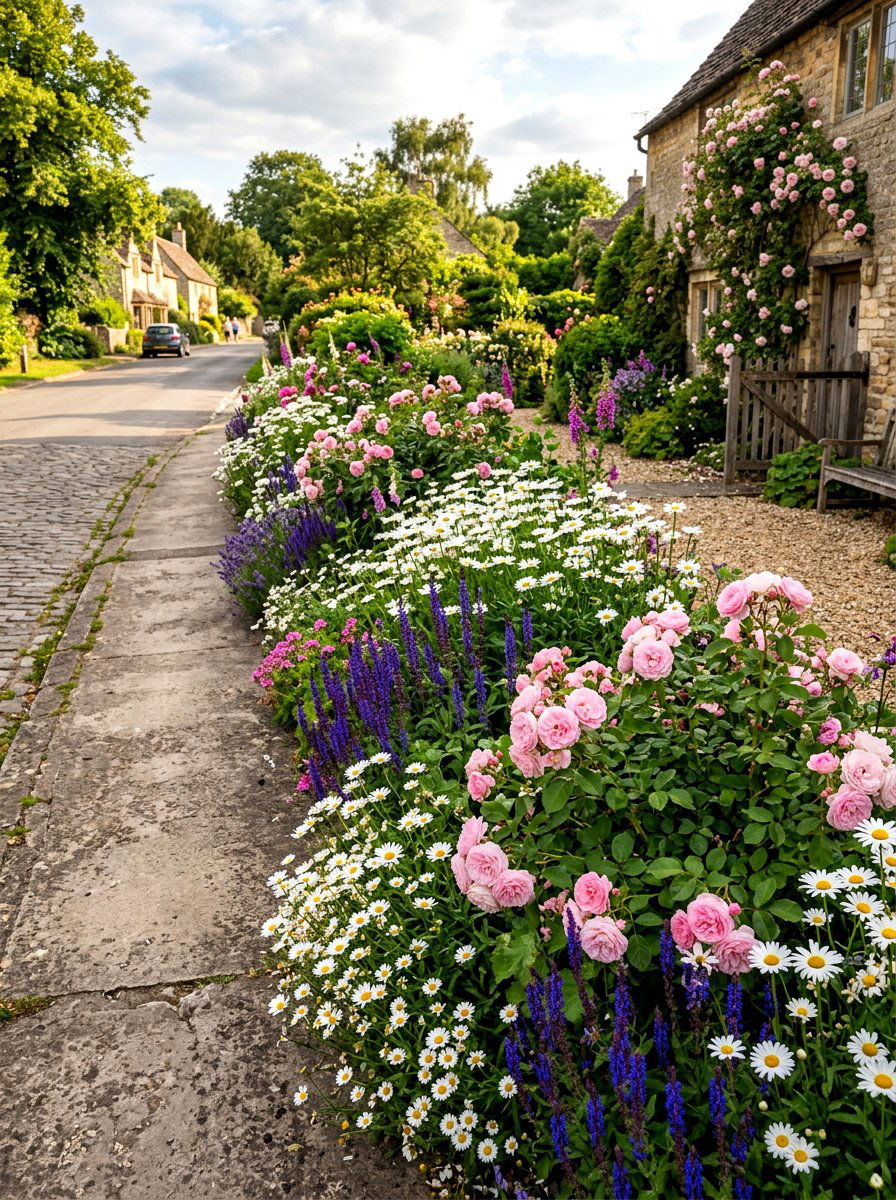
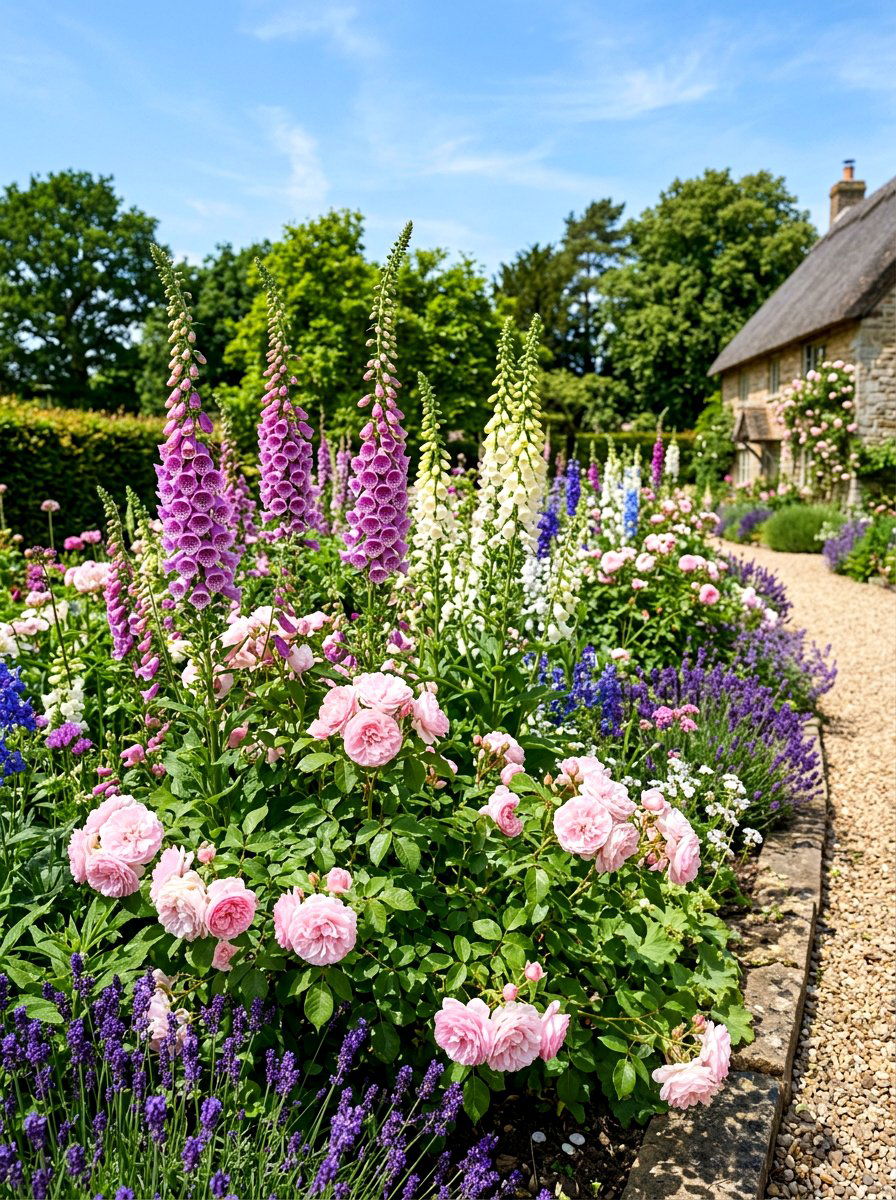
Transforming your curb into a cottage garden curb strip creates a soft and romantic look that feels like a traditional English landscape. This style uses a dense mix of flowering perennials, annuals, and even some small roses to create a lush wall of color. You can allow the plants to spill over the edges of the sidewalk slightly for a natural and relaxed vibe. This design prioritizes a high density of blooms, which creates a very inviting and cheerful atmosphere for visitors. Using a variety of heights and colors makes the narrow space feel much larger and more complex. It is a classic choice that brings a sense of old-world charm to a modern street.
6. Succulent hellstrip garden
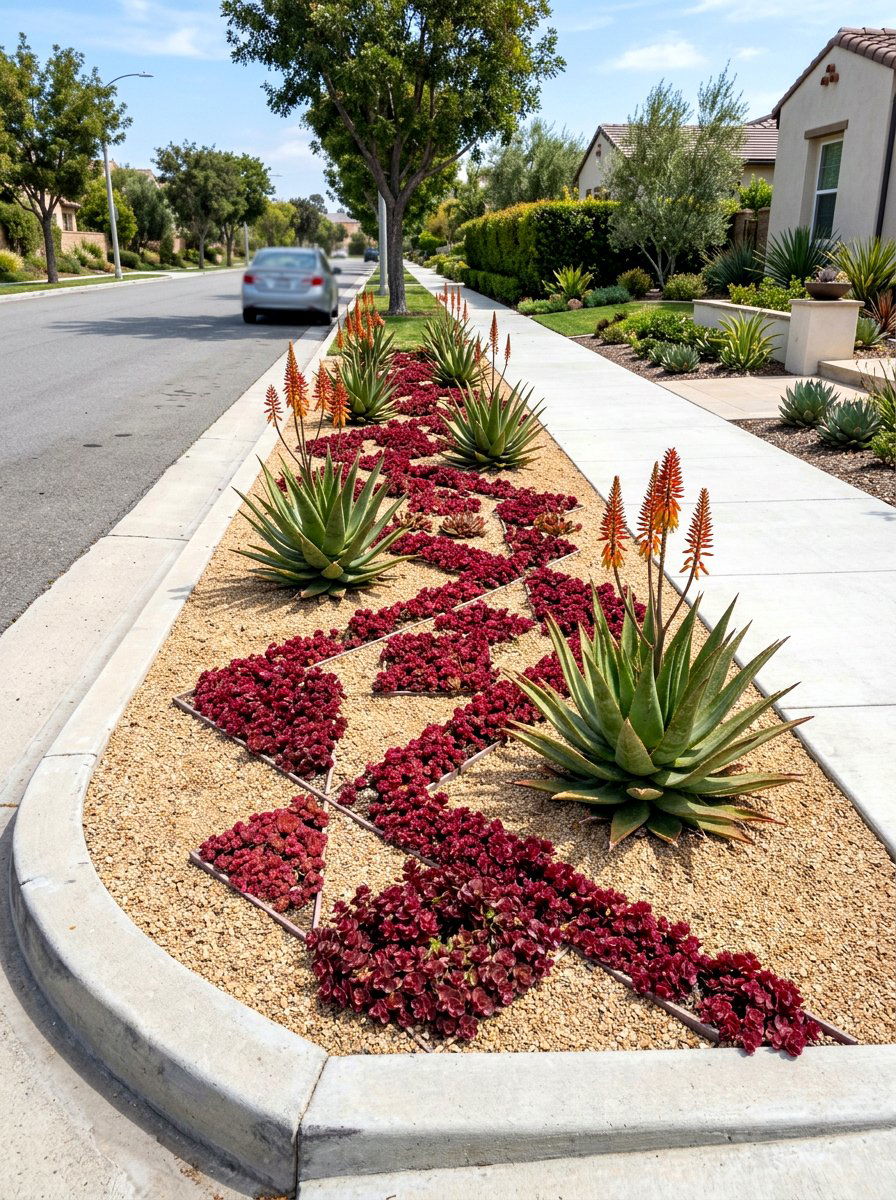
A succulent hellstrip garden is a visual masterpiece that uses the unique shapes and bold colors of desert plants. Succulents are ideal for these spaces because they store water in their leaves and can survive intense sunlight. You can mix tall agave or aloe plants with low-growing stonecrops to create a layered and sculptural effect. The different shades of blue, green, and burgundy found in succulents look stunning against a backdrop of light-colored sand or fine gravel. This type of garden is very structural and stays beautiful even during the coldest winter months in warmer climates. It is a very trendy and artful way to handle a difficult planting zone.
7. Ornamental grass border
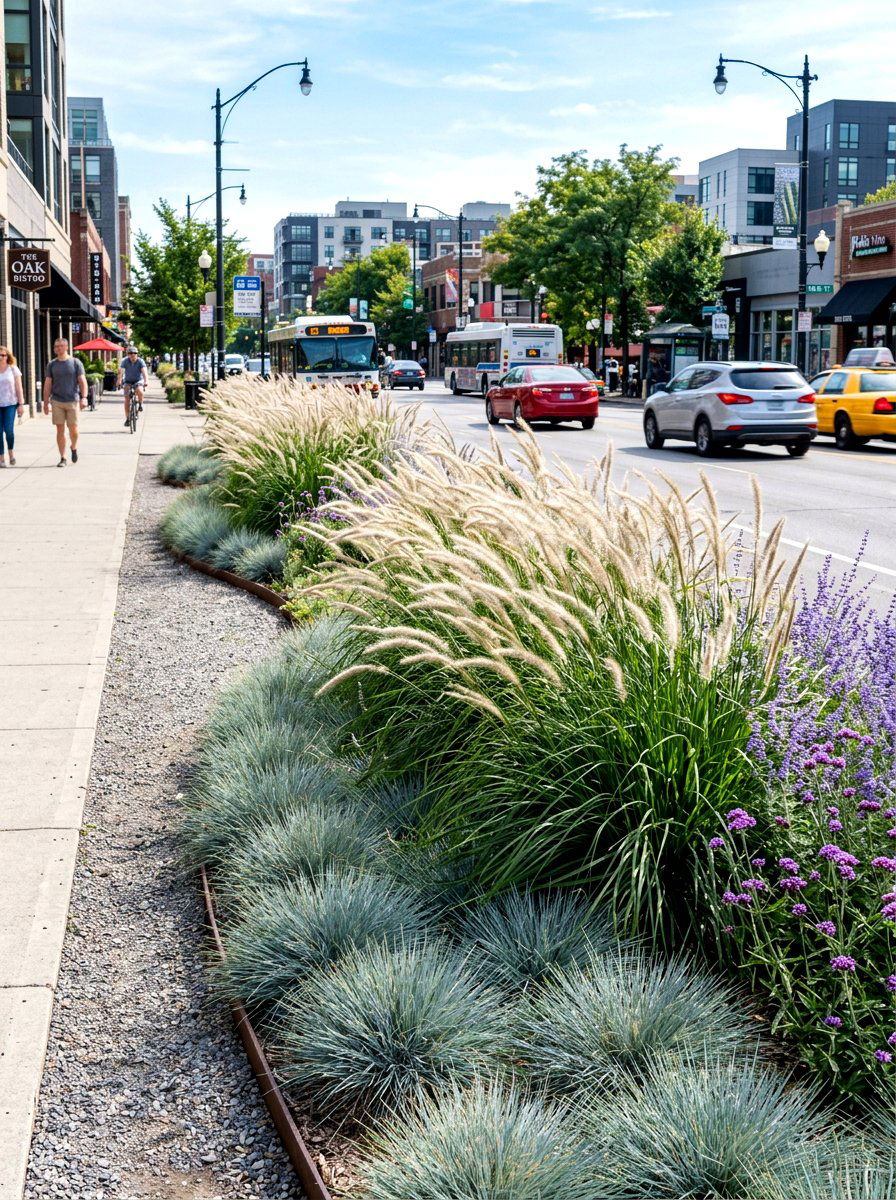
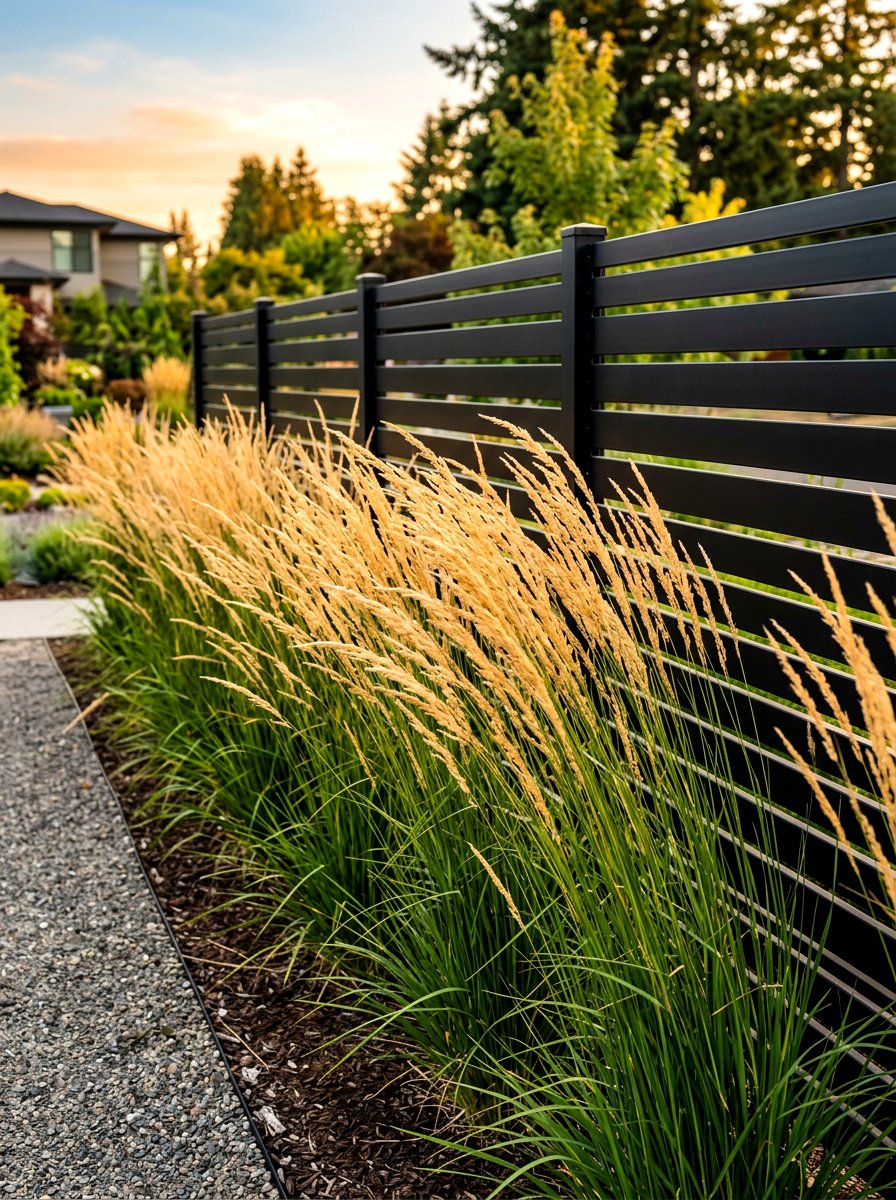
An ornamental grass border provides movement and sound to your curb area as the blades sway gently in the wind. Many types of grasses, such as blue fescue or little bluestem, are very tough and can handle road salt and poor soil. This design often uses different varieties to create a textured tapestry of gold, silver, and deep green hues. Grasses are excellent because they maintain their shape and interest throughout the fall and winter seasons. They also act as a soft buffer between the hard sidewalk and the busy street. This layout is very easy to manage and gives your home a modern, prairie-inspired look. It feels very peaceful and serene.
8. Lavender curb planting
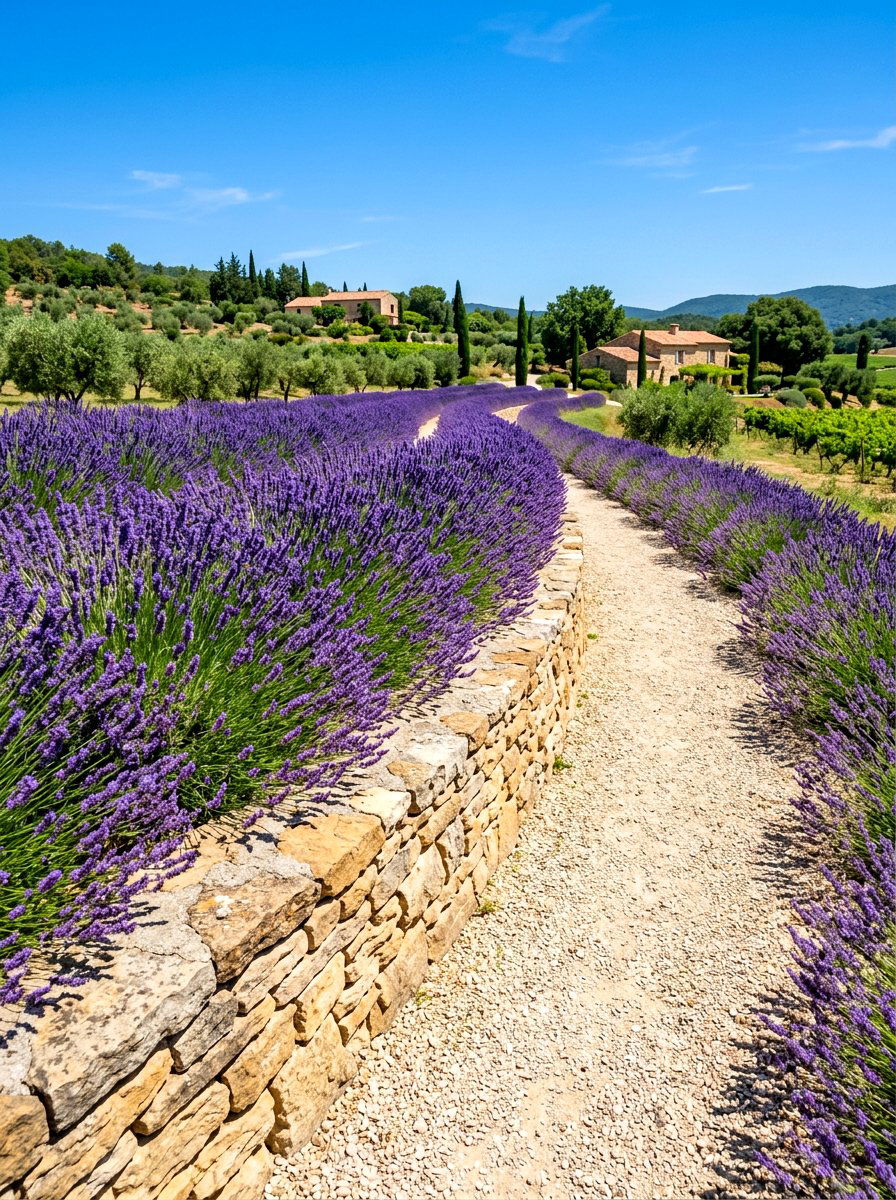
A lavender curb planting is a sensory delight that offers both stunning purple blooms and a calming fragrance for everyone walking by. Lavender is a very hardy herb that thrives in the well-drained and sun-drenched conditions of a typical street strip. This design usually features rows of mounded lavender plants that create a neat and uniform look. When the plants are in full bloom, they attract many butterflies and bees to your yard. The silvery-green foliage remains attractive even when the flowers are gone. This is a very Mediterranean-style choice that feels like a vacation in your own front yard. It is a timeless and elegant way to boost your home's appeal.
9. Edible herb hellstrip
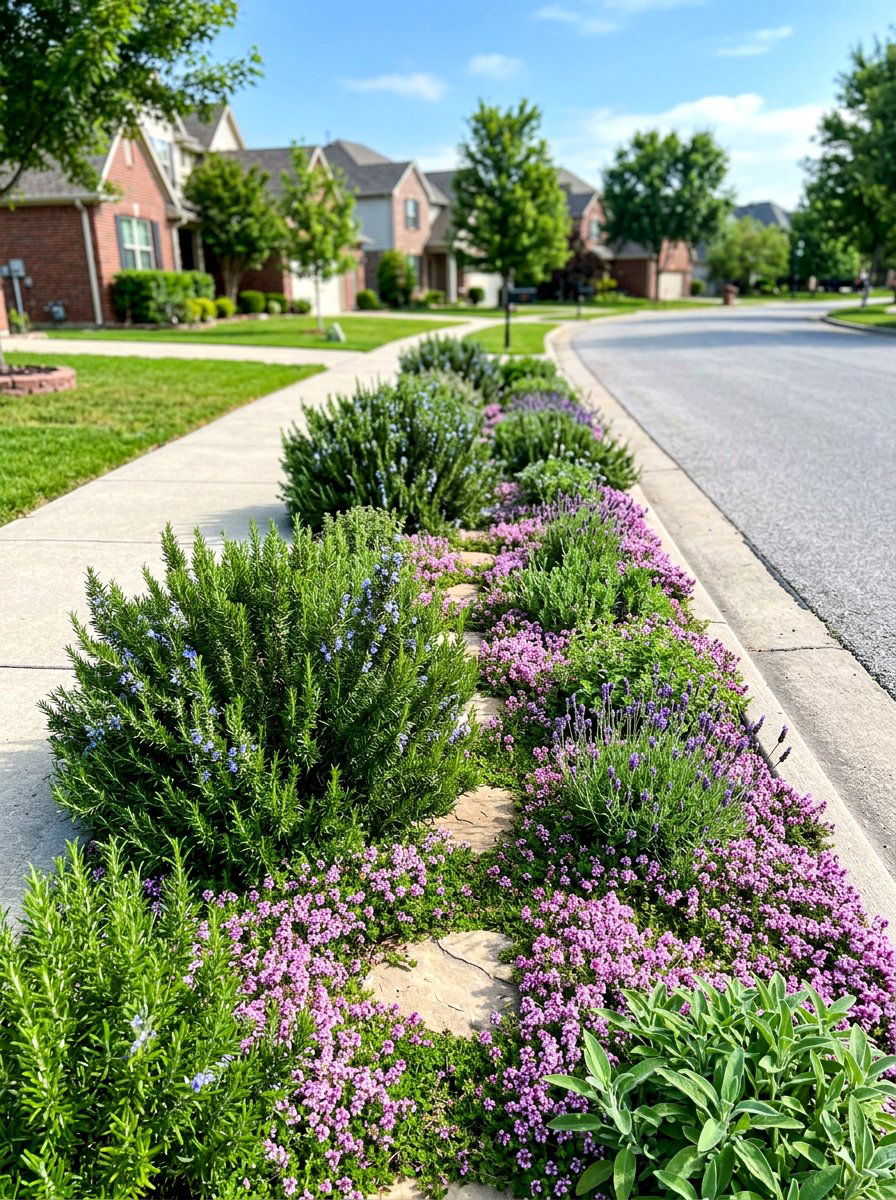
Creating an edible herb hellstrip is a smart way to use your land for both beauty and function. Many culinary herbs like rosemary, thyme, and oregano are incredibly resilient and grow well in confined spaces. You can plant these herbs in a dense border that looks lush and green while also being useful for cooking. The different textures of the leaves and the small, delicate flowers add a lot of visual interest to the curb. This design encourages community interaction as neighbors might stop to smell the fragrant leaves. It is a wonderful way to turn a "dead" zone into a productive part of your home garden. It smells absolutely wonderful after a light rain.
10. Pollinator friendly garden
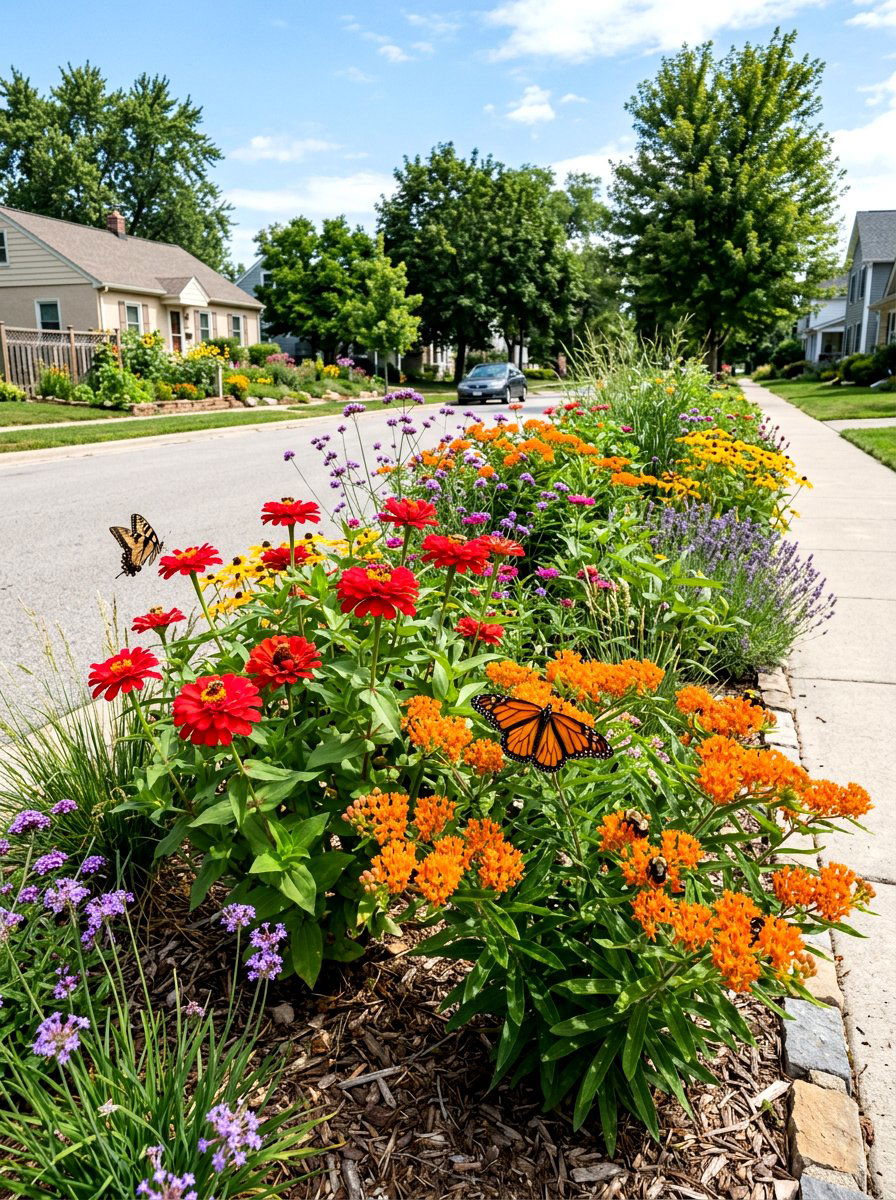
A pollinator friendly garden is specifically designed to attract and nourish bees, butterflies, and hummingbirds right at the edge of the street. This layout includes a variety of nectar-rich flowers that bloom at different times of the year. You should focus on plants like salvia, bee balm, and zinnias to provide a constant food source for local wildlife. This design often incorporates a small birdbath or a shallow dish of water to help the insects stay hydrated. It is a very rewarding project that helps the environment while creating a bright and cheerful display. The constant motion of wings and colorful petals makes your home feel alive and very welcoming.
11. Rock garden curb strip
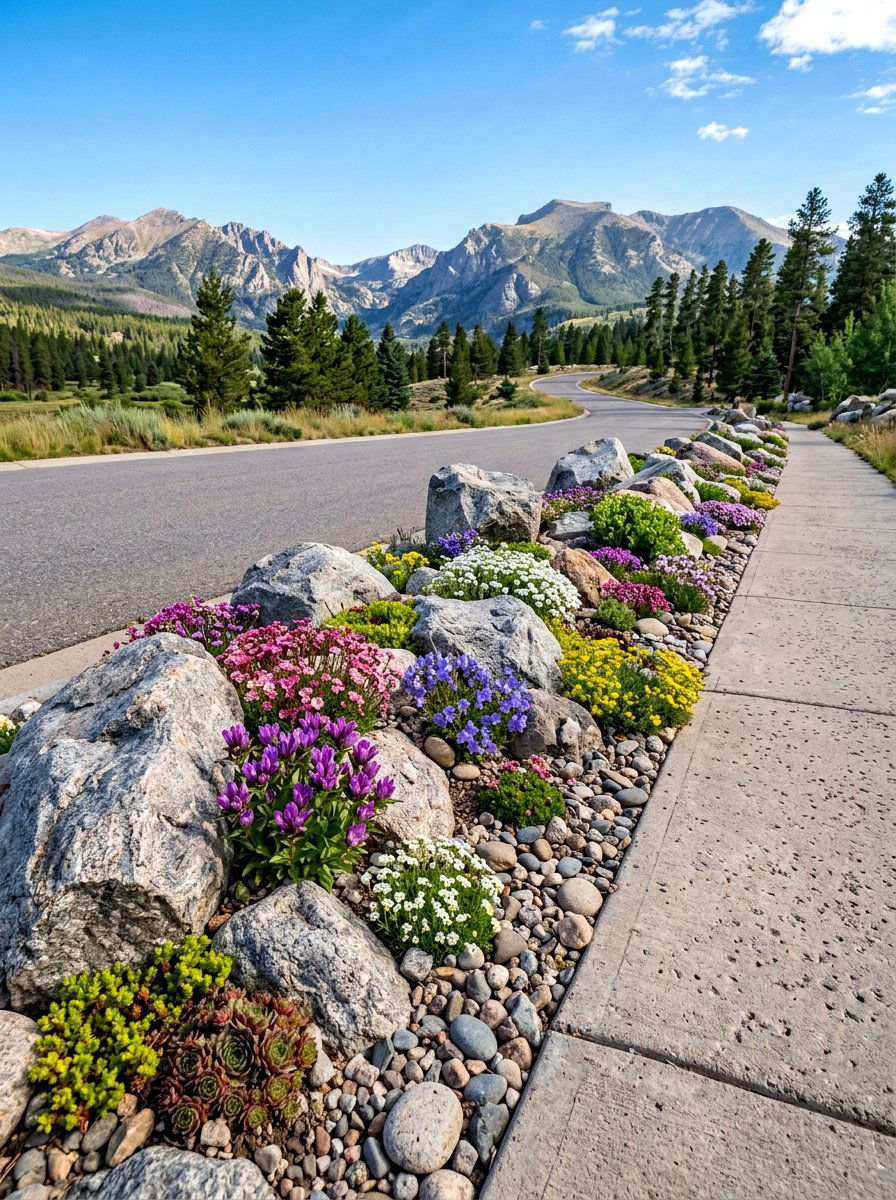
A rock garden curb strip uses large boulders and varied sizes of stones to create a rugged and natural landscape. This design is perfect for areas with uneven ground or where traditional plants struggle to take root. You can tuck small alpine plants and creeping groundcovers into the crevices between the rocks to add bits of green. The stones provide a permanent structure that looks great even in the middle of winter. This style of garden is very stable and requires almost no water or pruning once it is finished. It gives your curb a very grounded and organic look that mimics a mountain side. It is incredibly durable against foot traffic.
12. Coastal style hellstrip
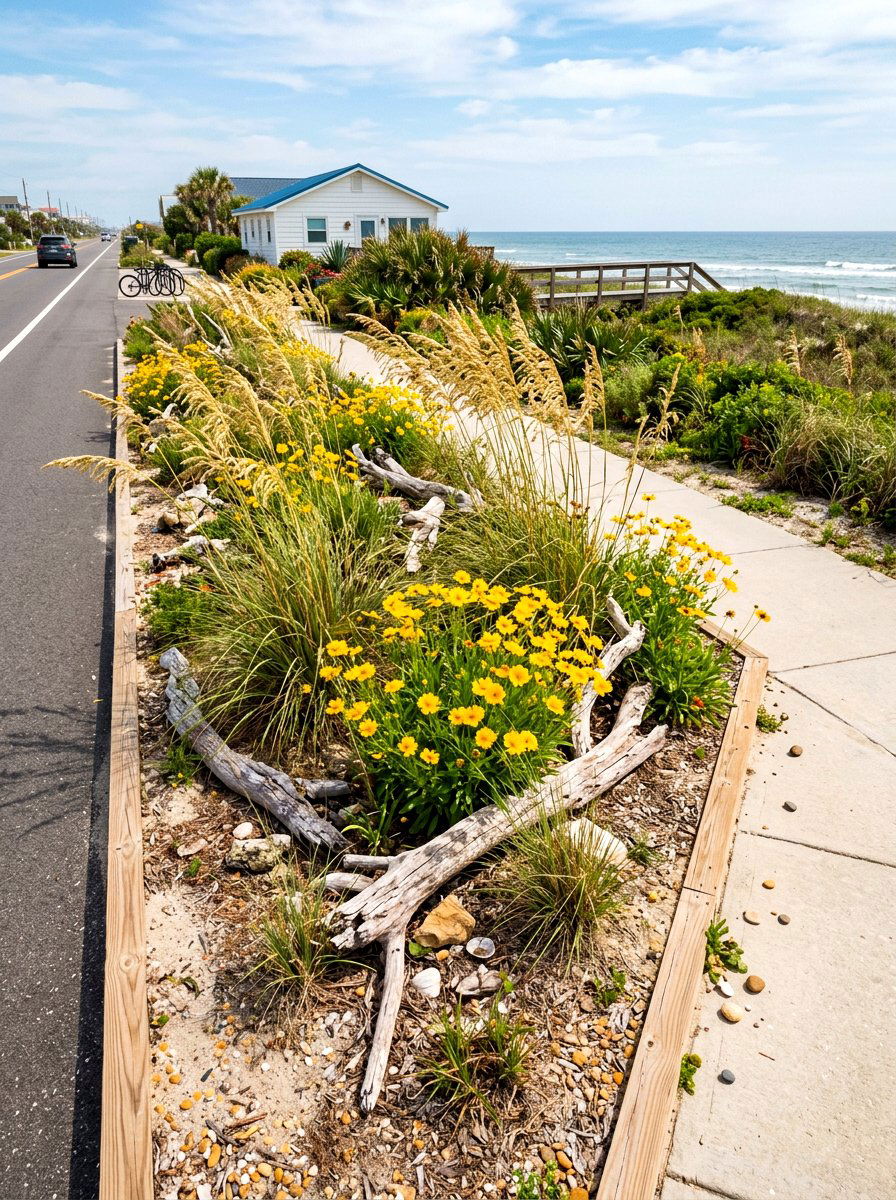
A coastal style hellstrip brings the relaxed feeling of the beach to your neighborhood with sandy soil and salt-tolerant plants. This design often features breezy grasses, sea thrift, and bright yellow coreopsis that can handle windy and harsh conditions. You might include some bleached driftwood or smooth white stones to enhance the seaside theme. The color palette usually sticks to soft blues, whites, and sandy tans to keep things looking light and airy. This is a perfect choice for homes near the ocean or for anyone who loves the aesthetic of the coast. It feels very fresh and clean. The plants used are typically very hardy and require very little extra care.
13. Shade loving curb plants
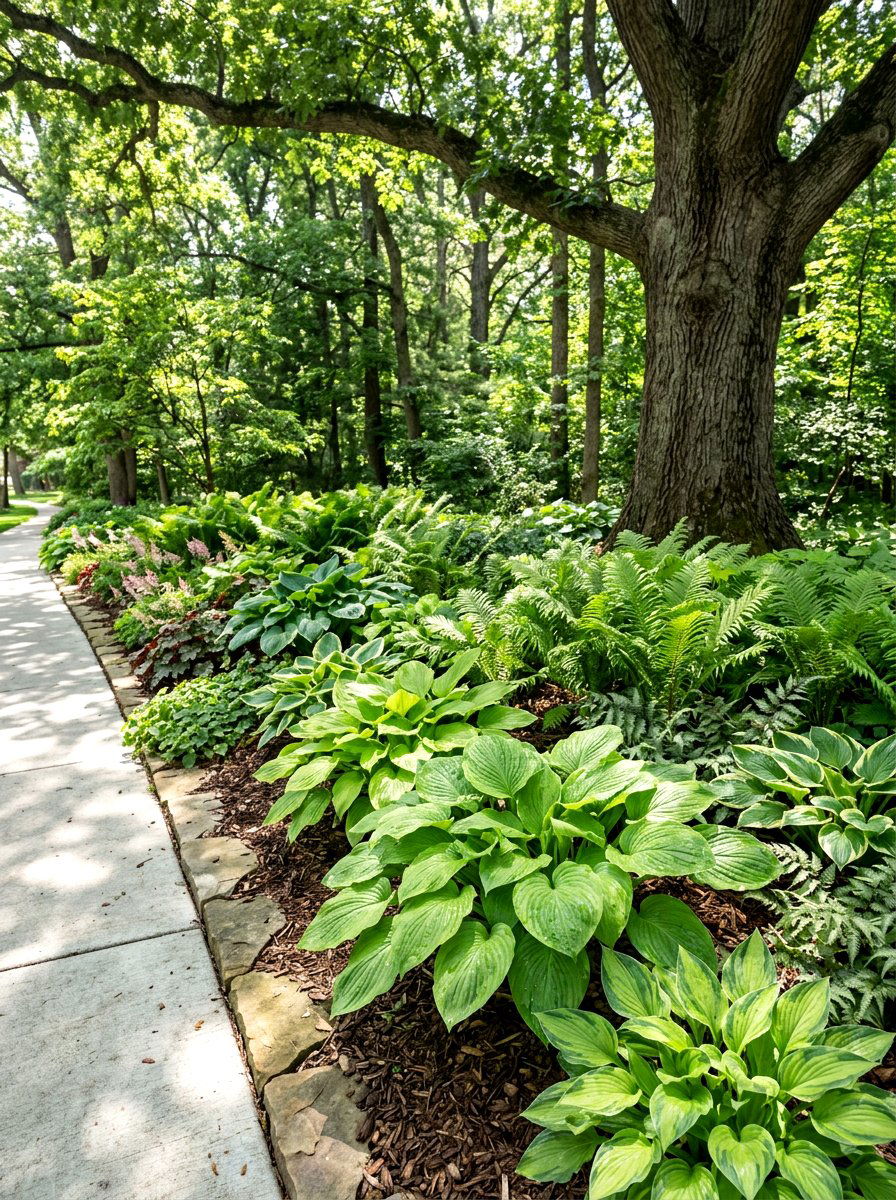
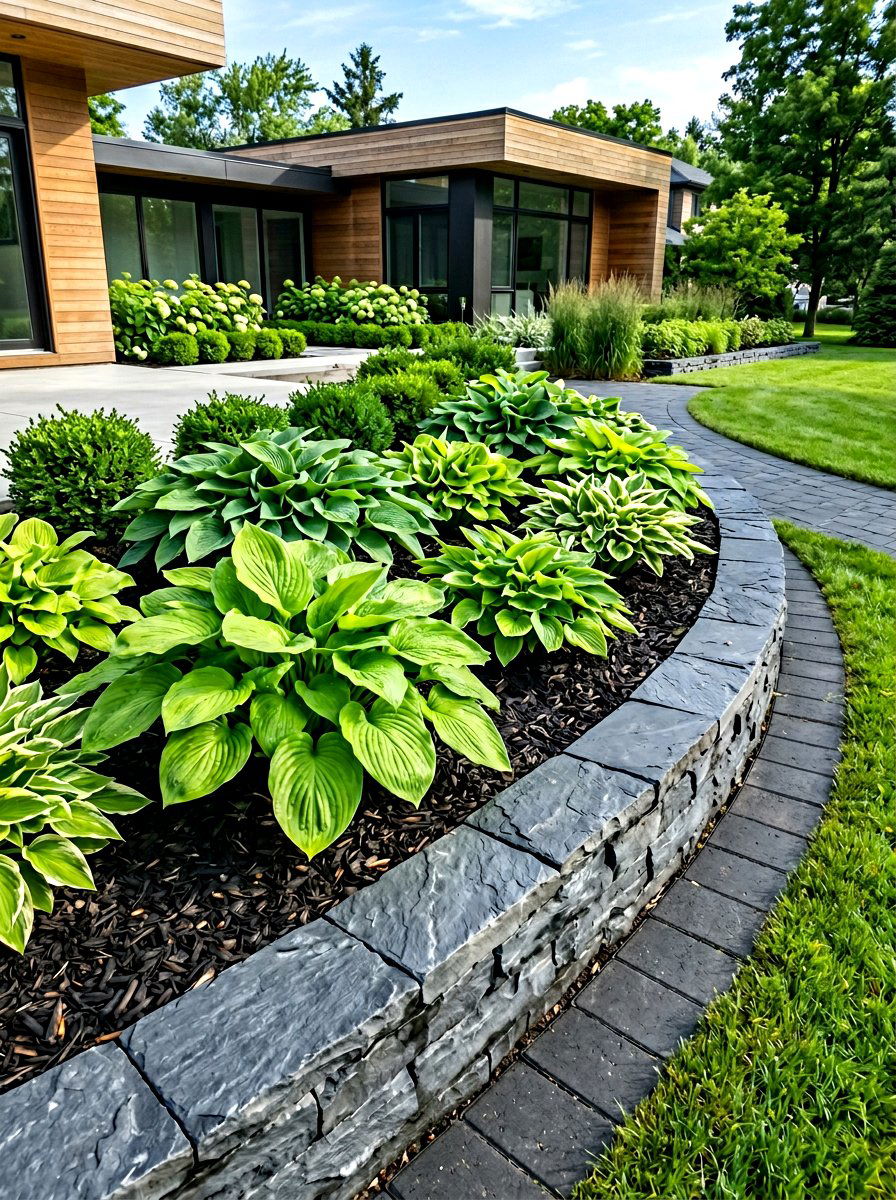
If your street is lined with mature trees, a shade loving curb plants design is necessary for success. This area can be transformed using plants like hostas, ferns, and coral bells that thrive in low-light environments. These plants often have very large and colorful leaves that provide plenty of visual interest without needing bright flowers. You can use a dark bark mulch to make the green and variegated foliage really stand out. This design creates a cool and lush feeling along the sidewalk, which is very pleasant on hot summer days. It turns a dark and damp strip into a beautiful woodland garden. It looks very lush and sophisticated.
14. Evergreen groundcover strip
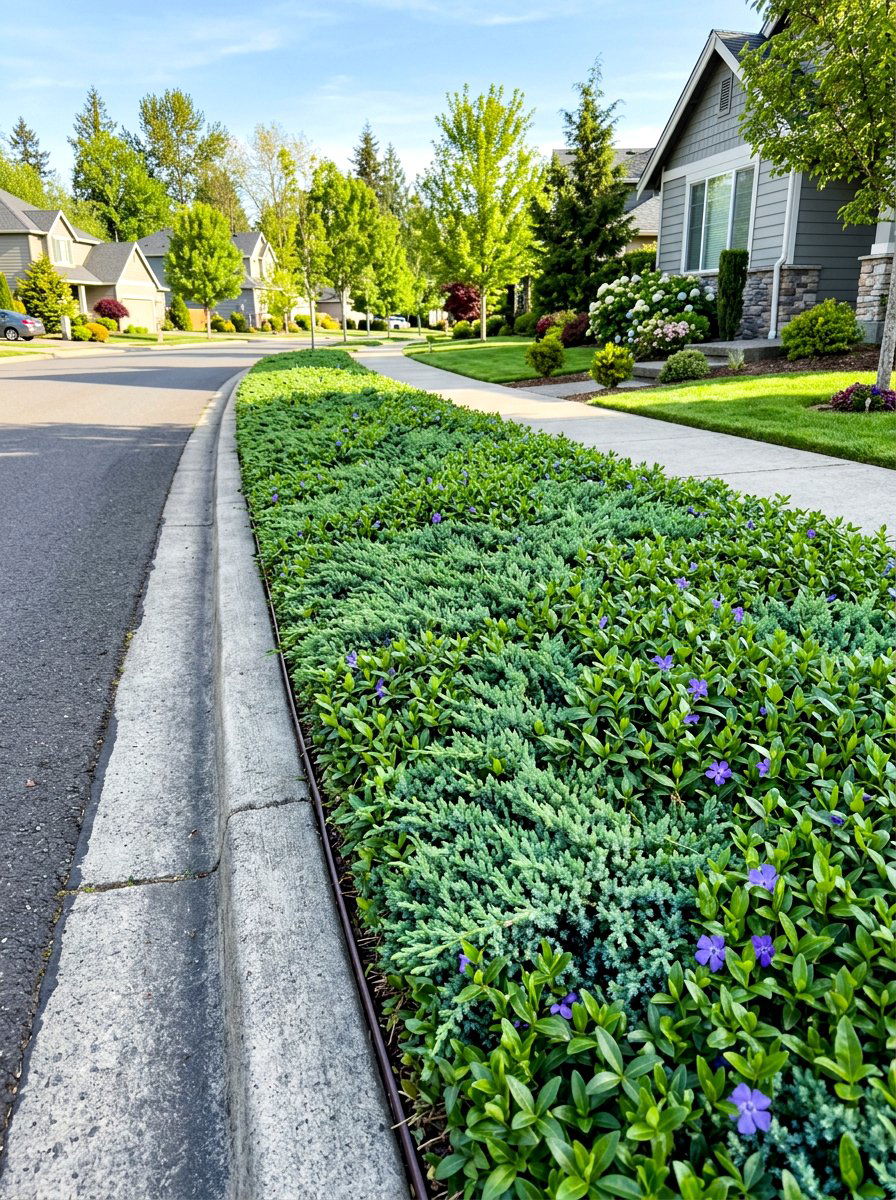
An evergreen groundcover strip is the ultimate choice for a curb that stays green all year long. By using low-spreading plants like creeping juniper or periwinkle, you can create a thick carpet of foliage that covers the ground completely. This dense growth helps to block out weeds and prevents soil erosion during heavy rains. This design is very uniform and tidy, making it a favorite for homeowners who prefer a formal look. It requires very little maintenance other than occasional trimming at the edges of the concrete. The consistent green color provides a beautiful frame for the rest of your front yard landscaping. It is a very reliable and practical garden option.
15. Perennial flower border
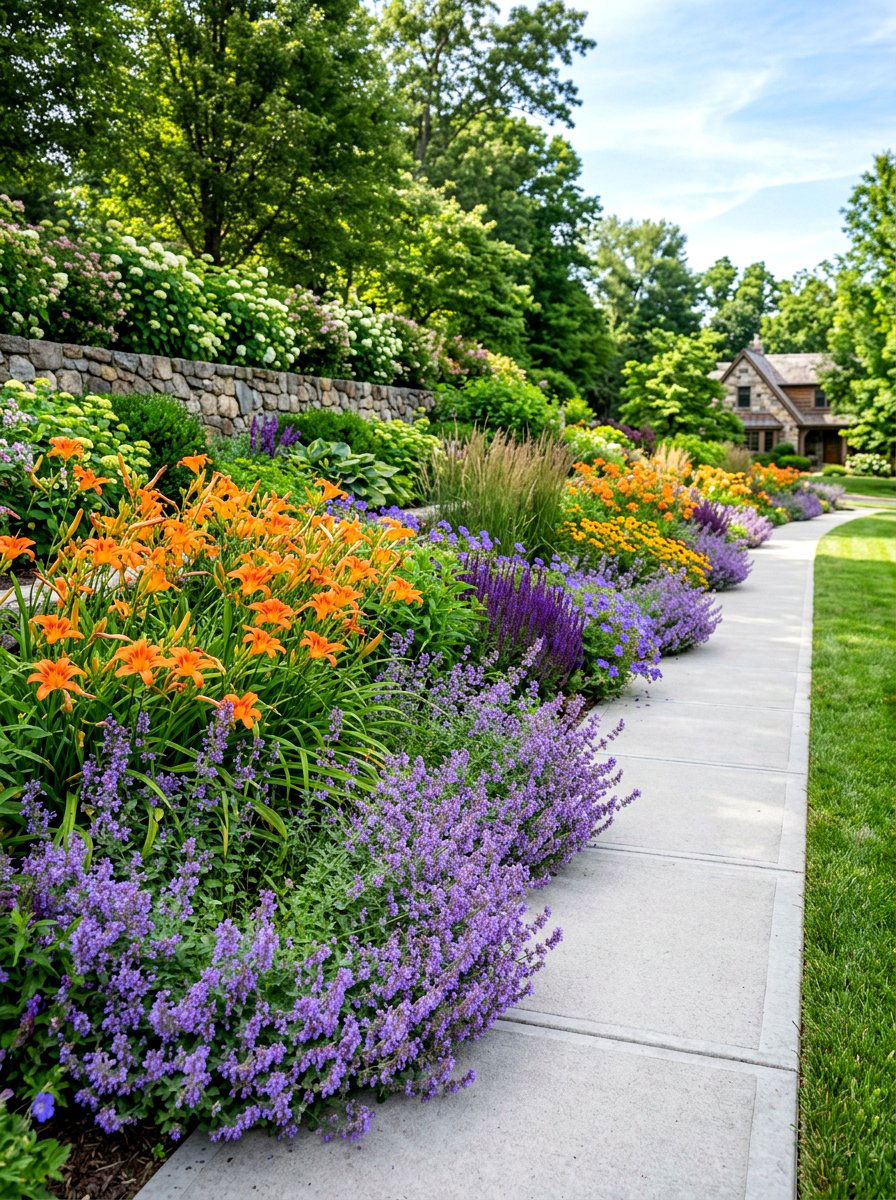
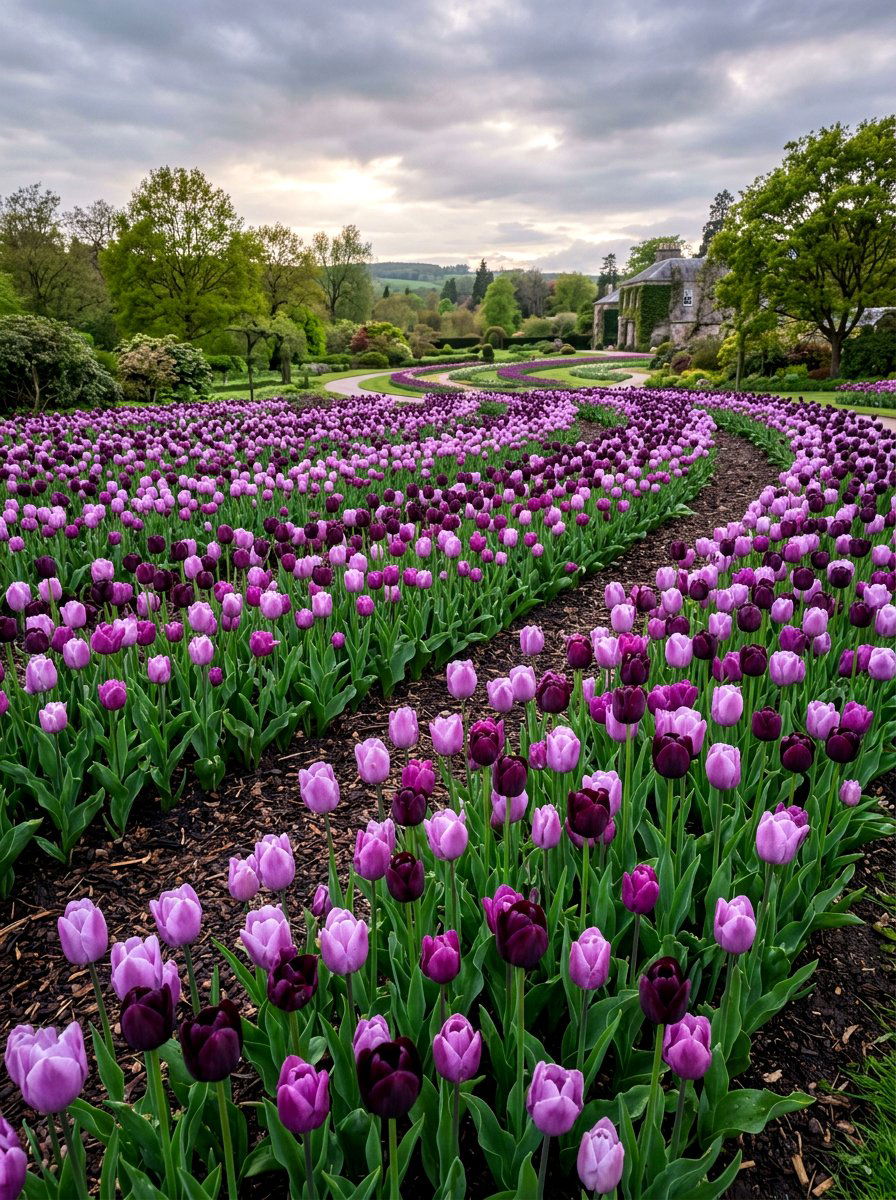
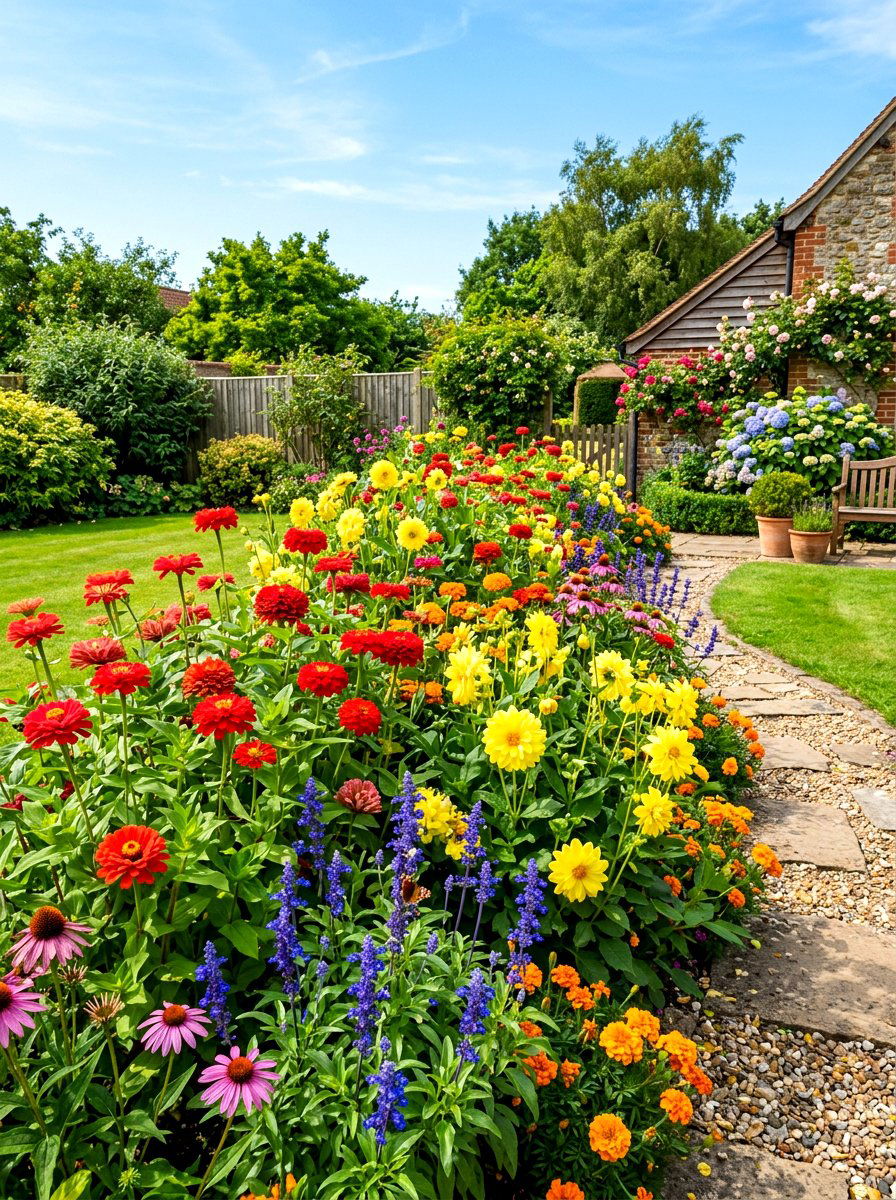
A perennial flower border offers a classic garden look with plants that come back bigger and better every year. This design focuses on a mix of hardy species like daylilies, peonies, and sedum that can handle the stress of the curb. By choosing a variety of perennials, you can ensure that there is always something blooming from spring until the first frost. This approach allows for a lot of creativity in terms of color and height. It creates a very traditional and high-value look for your property. Perennials are a great investment because they save you the cost of buying new plants every single season. It is a very rewarding long-term project.
16. Mediterranean hellstrip design
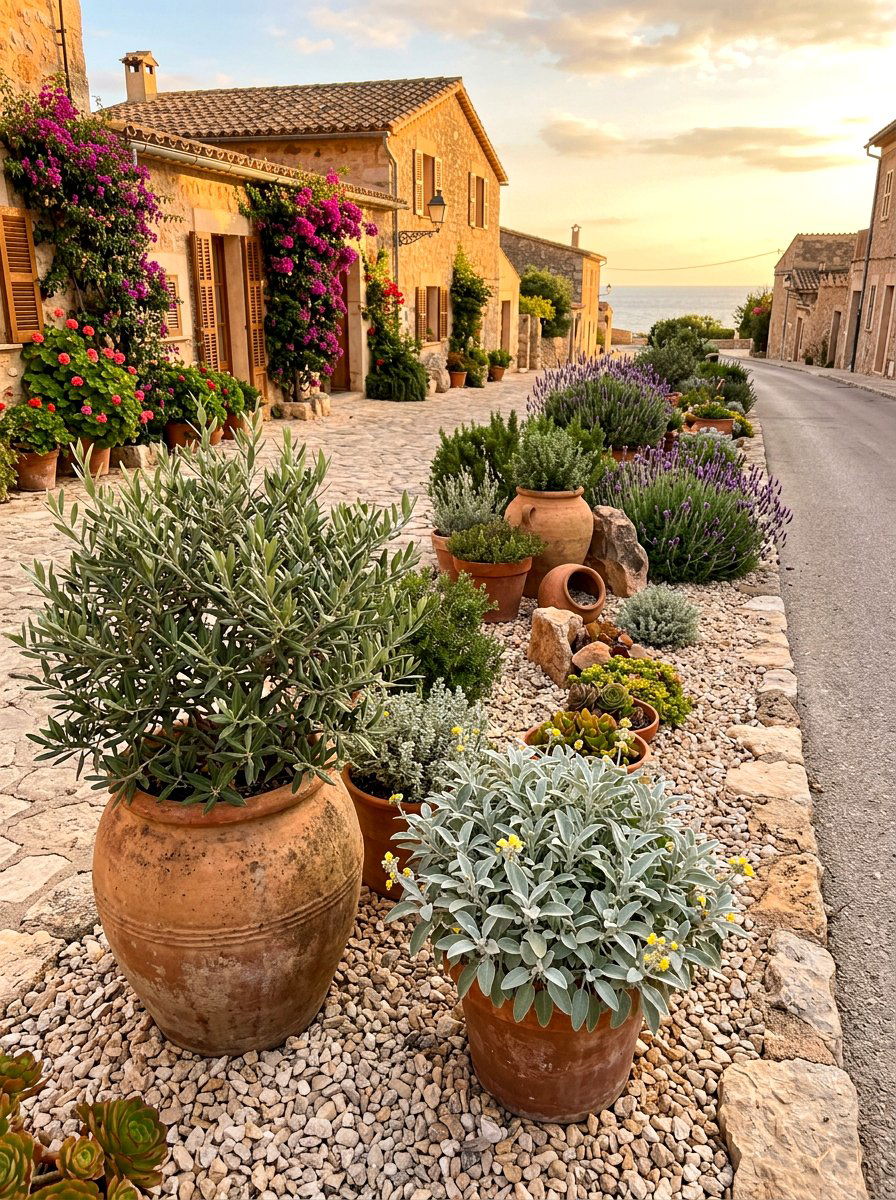
The Mediterranean hellstrip design uses heat-loving plants and stone accents to create a warm and inviting entrance. This style features plants like rosemary, sage, and drought-resistant olives that thrive in sunny and dry locations. You can use terracotta pots or warm-toned gravel to complete the look and add some rustic charm. This garden is very water-efficient and handles the baking heat of the street with ease. The aromatic leaves of the herbs provide a lovely scent that greets you every time you come home. It is a very stylish and sophisticated way to landscape a narrow space. It feels like a small slice of southern Europe right on your own sidewalk.
17. Minimalist boxwood border
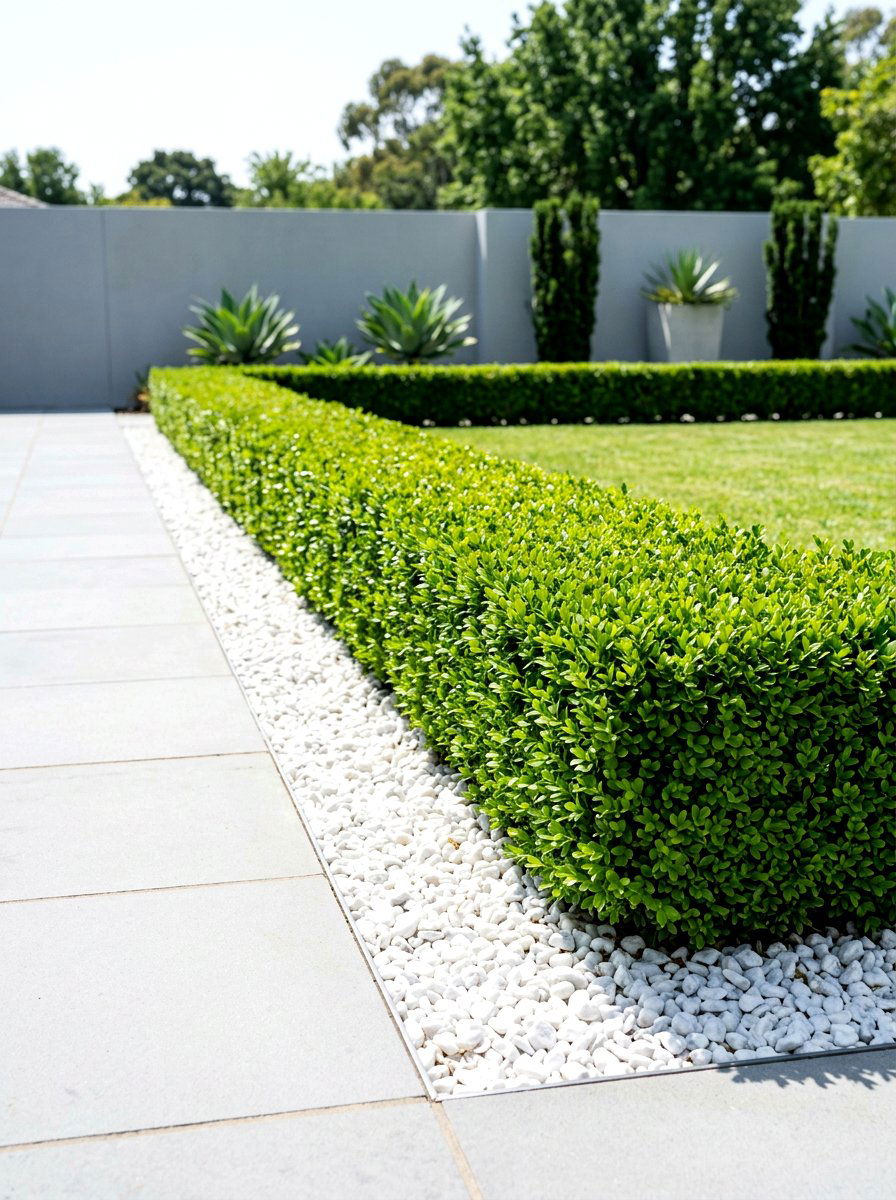
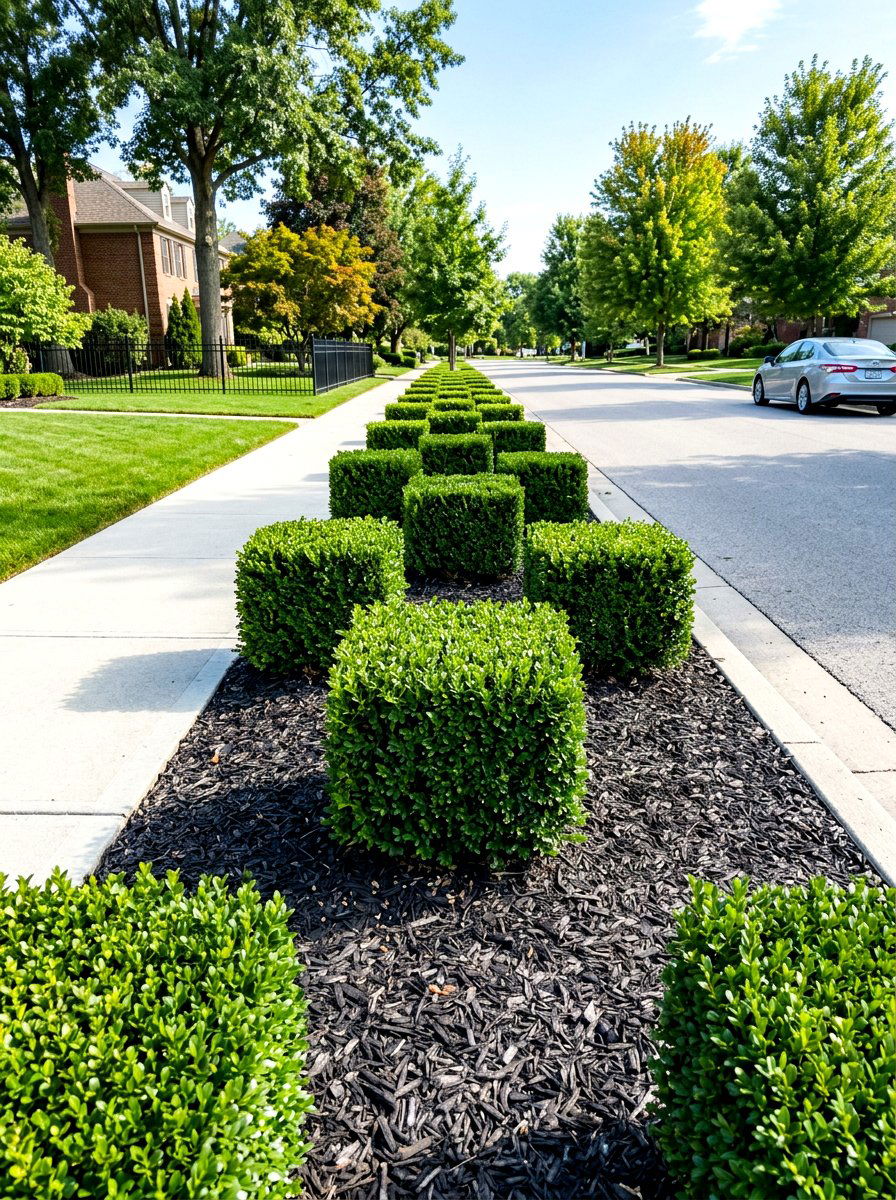
A minimalist boxwood border provides a very clean and structured look that is perfect for formal or modern homes. This design uses a single row of low-clipped boxwood shrubs to create a living green fence along the sidewalk. The uniform shape and dark green color look very high-end and intentional. You can fill the space behind the hedge with a simple layer of dark mulch or white river rock for a high-contrast finish. This layout is very easy to maintain with just a few trims a year to keep the edges sharp. It provides a very clear boundary between the public street and your private yard. It is a very timeless design.
18. Stepping stone garden
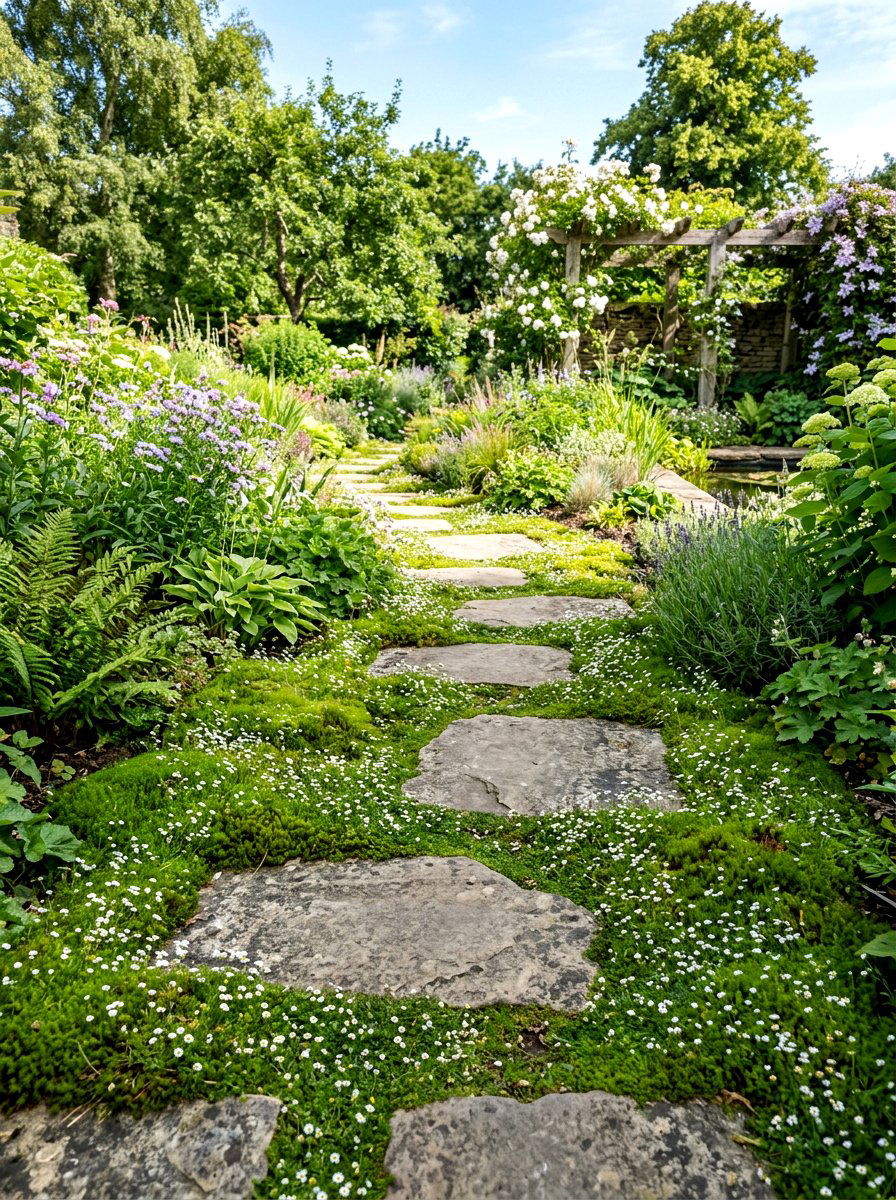
A stepping stone garden is a very functional design that allows people to easily walk across the curb strip to and from parked cars. This layout uses large, flat stones embedded in the ground, surrounded by low-growing plants like creeping thyme or moss. The stones provide a solid and clean surface for feet while the plants fill in the gaps with green and color. This design prevents people from trampling your more delicate flowers and keeps mud off their shoes. It is a very practical choice for busy urban streets with lots of parking. The combination of hard stone and soft plants creates a very balanced and attractive look.
19. Rain garden curb strip
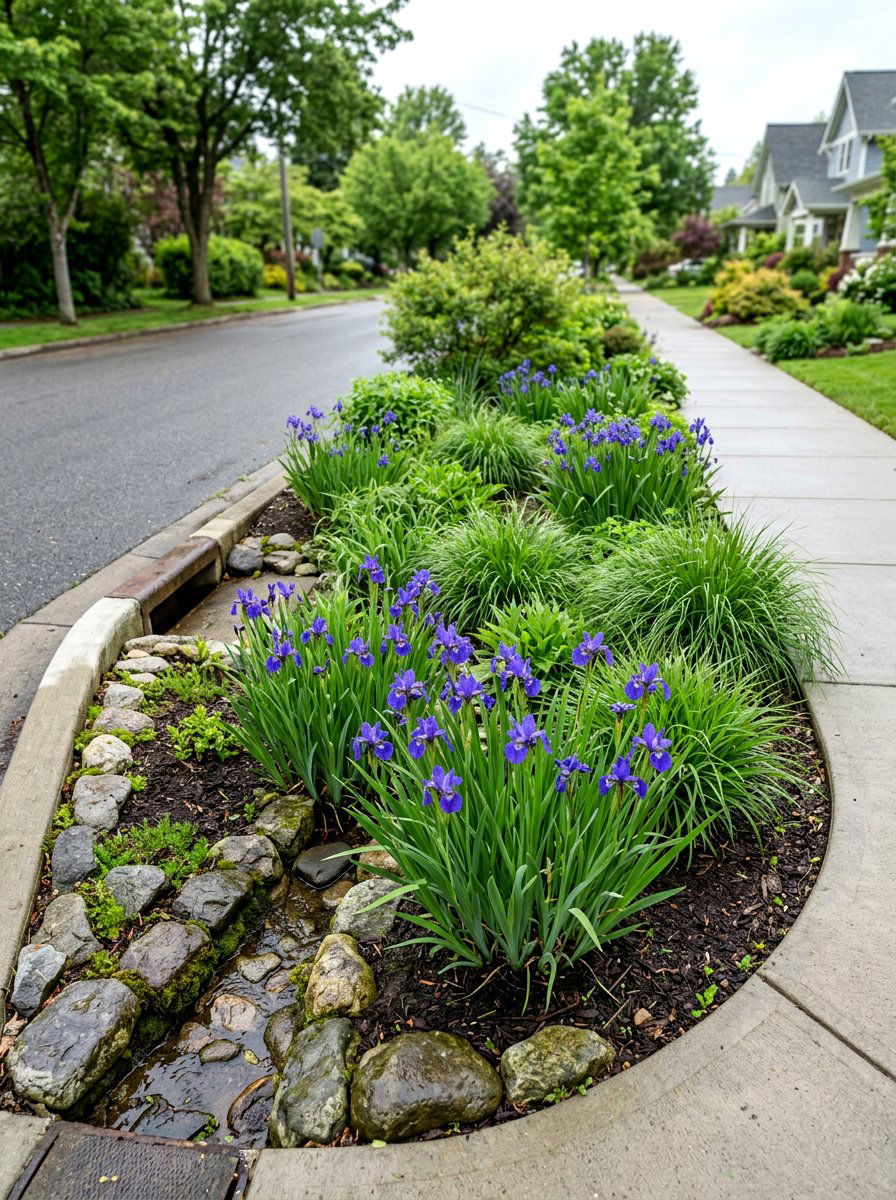
A rain garden curb strip is a brilliant ecological design that helps to manage stormwater runoff from the street and sidewalk. This area is slightly recessed to catch water, and it is planted with deep-rooted species that love moisture. Plants like swamp milkweed, sedges, and blue flag iris are perfect for this functional landscape. The garden acts as a natural filter, cleaning the water before it enters the city's drainage system. This is a very sustainable and environmentally friendly way to use your curb space. It looks very natural and lush, often resembling a small wetland area. It is a great way to solve drainage issues while adding beauty.
20. Colorful annual display
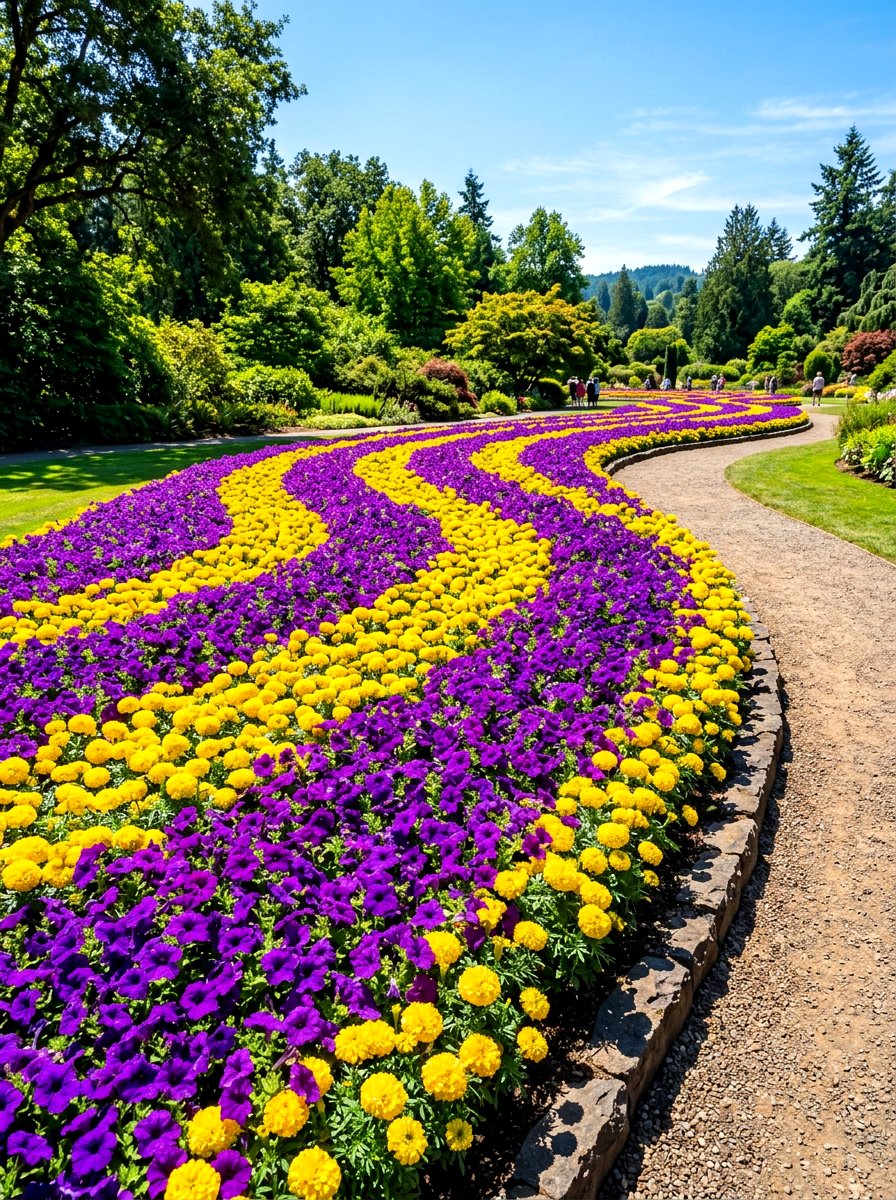
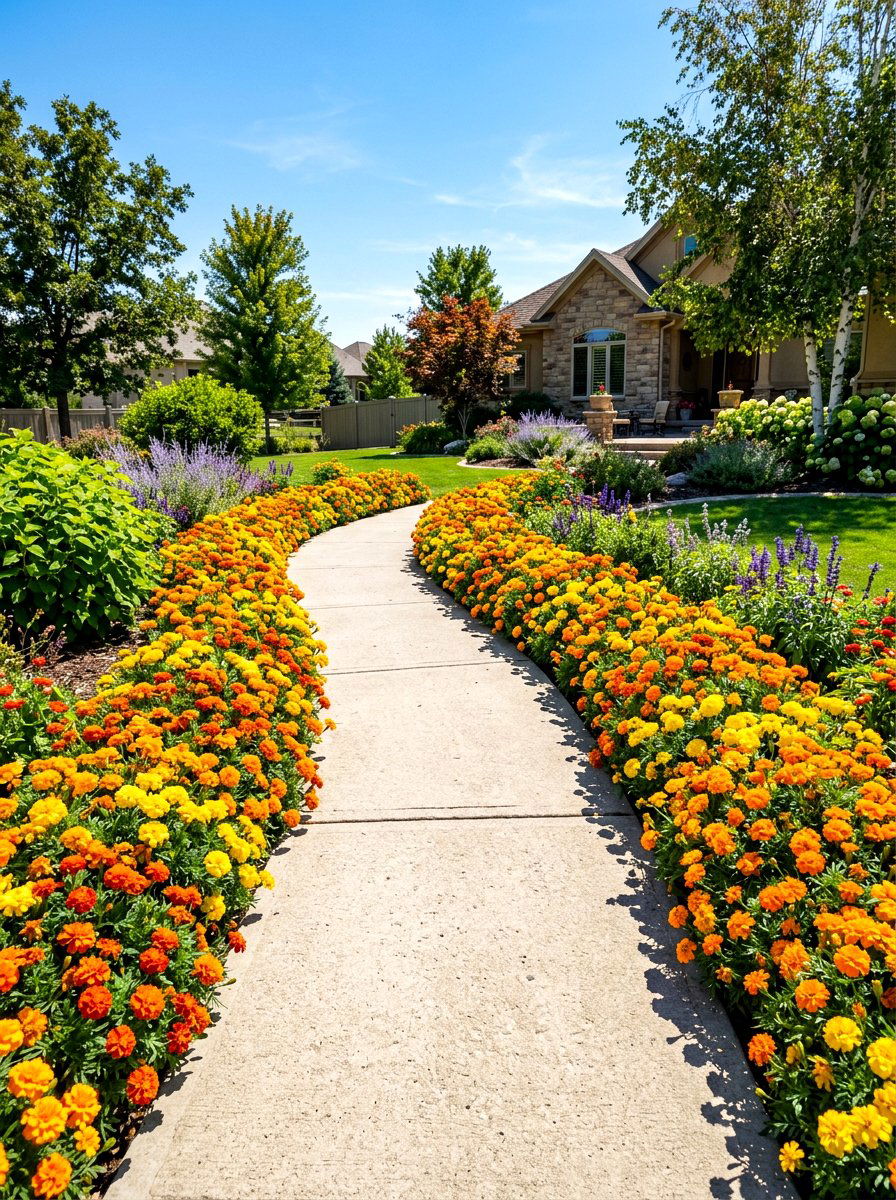
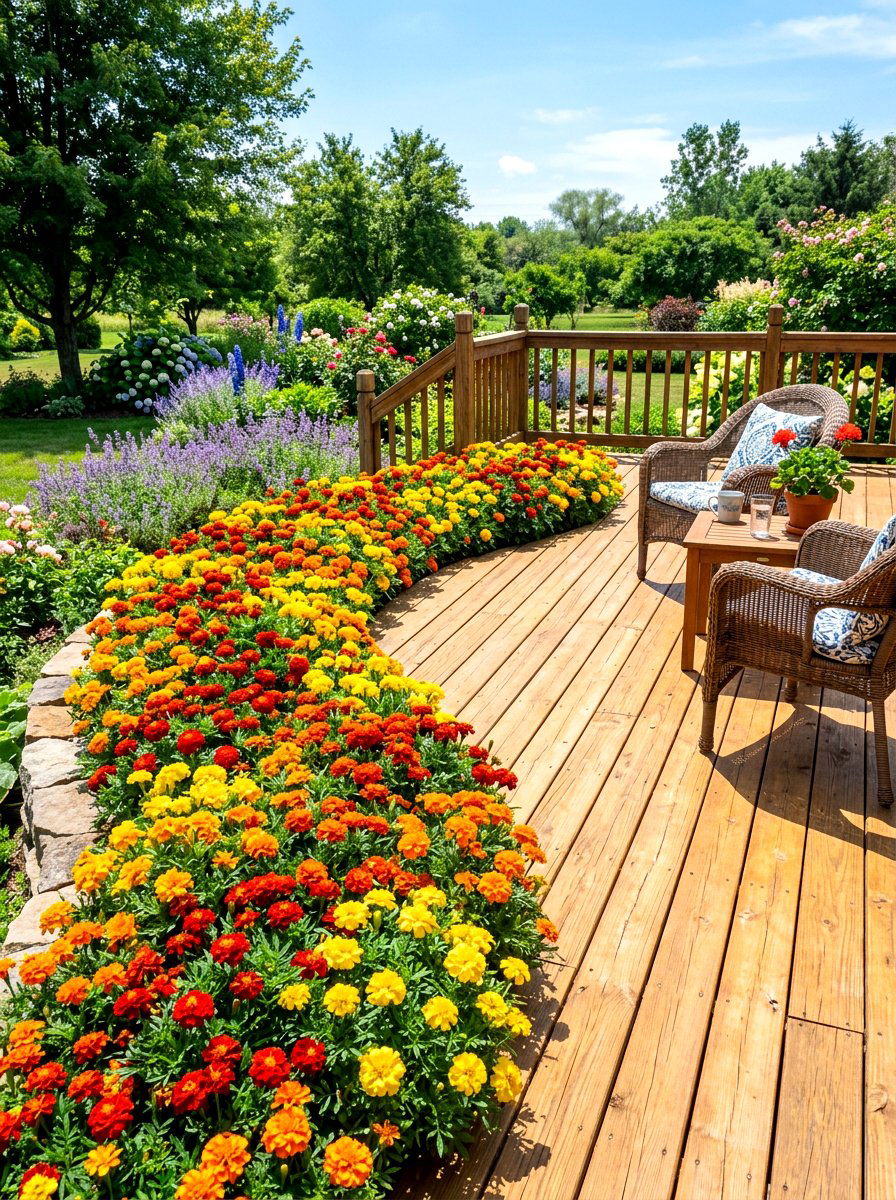
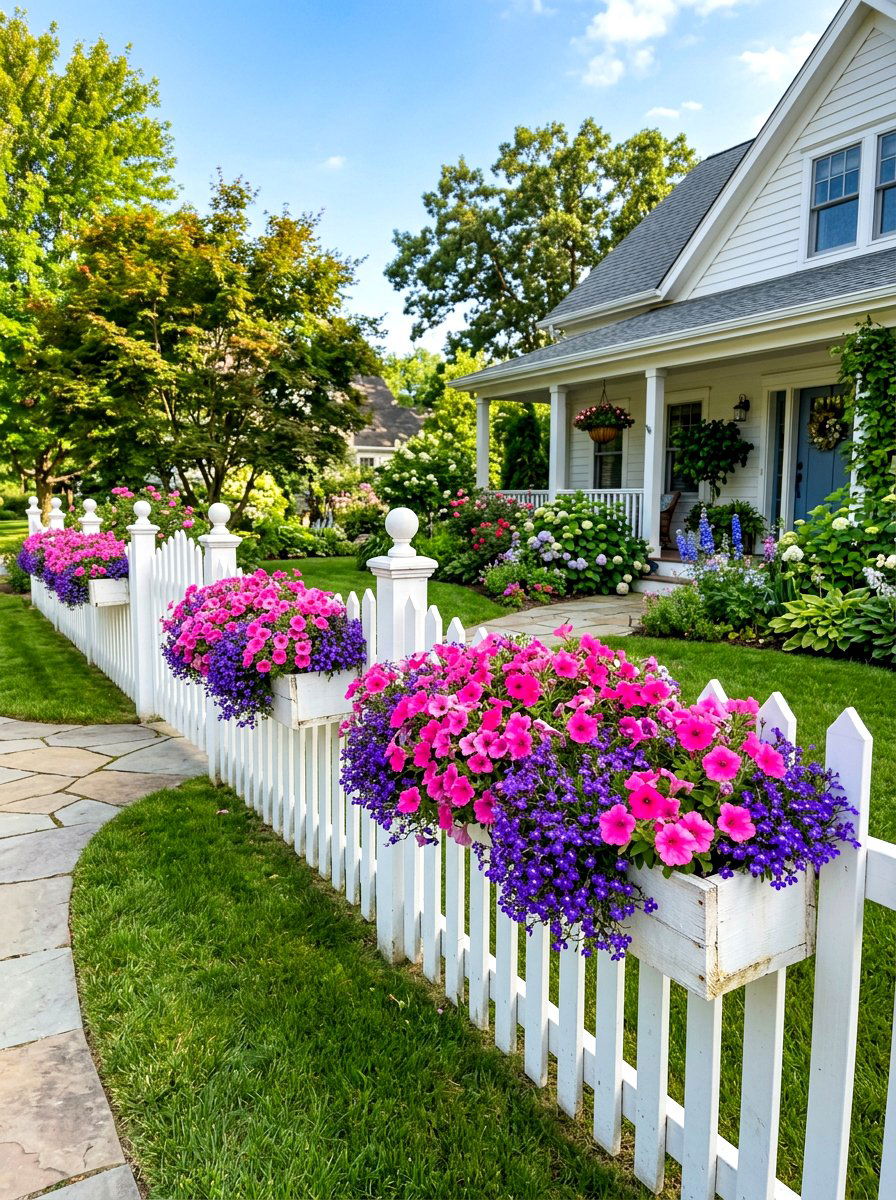
A colorful annual display is for the gardener who loves to change things up and have the brightest curb on the block. This design uses seasonal flowers like petunias, pansies, and marigolds to create a massive explosion of color. Because annuals only live for one season, you can try out different color schemes and patterns every single year. This approach requires more frequent watering and replanting, but the visual impact is much higher than other styles. It is a very cheerful and high-energy choice that will surely catch the eye of everyone who passes by. It makes your home look very well cared for and full of life.
21. Prairie style planting
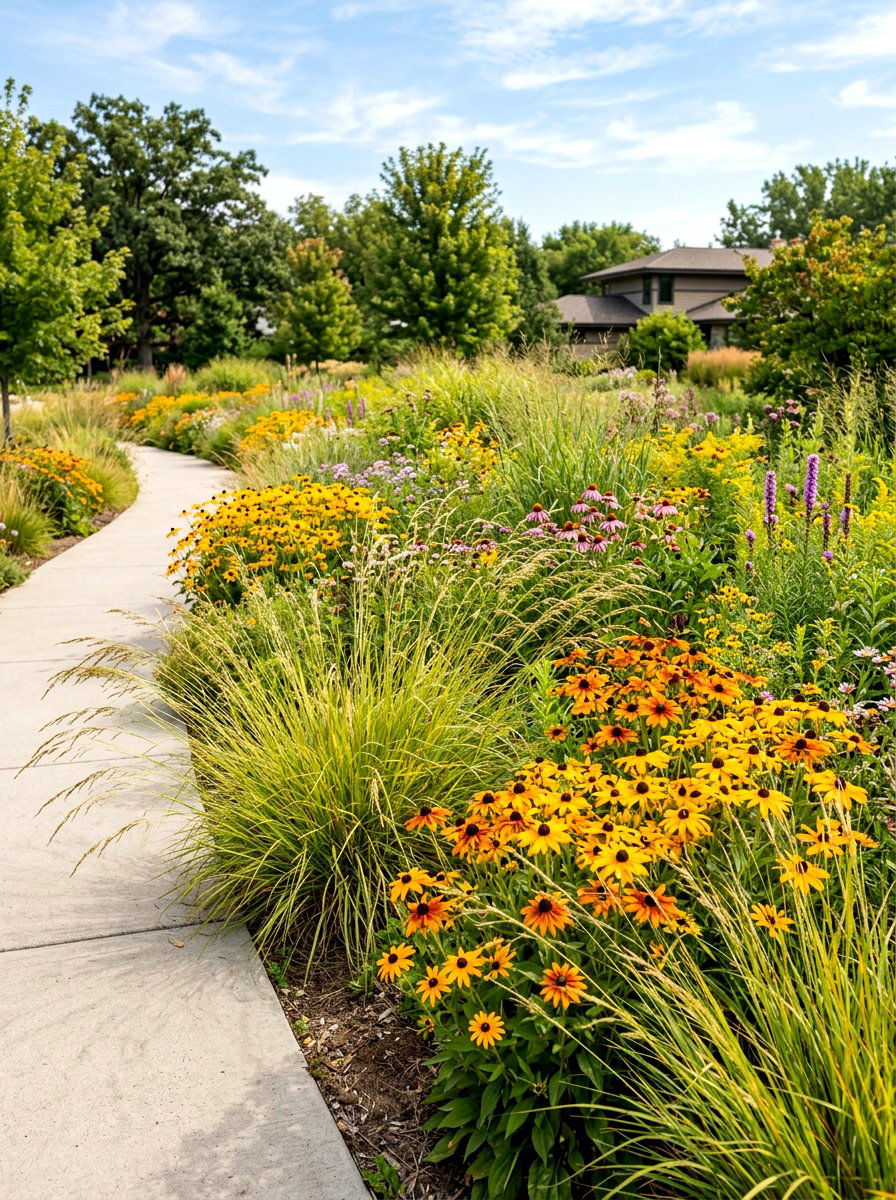
A prairie style planting uses native grasses and tall flowering perennials to mimic the vast and beautiful grasslands of North America. This design features plants like rudbeckia, Joe Pye weed, and switchgrass that create a tall and layered effect. The movement of the tall grasses in the wind gives the curb a very wild and free feeling. This garden is very hardy and can withstand extreme temperatures and wind quite easily. It provides a lot of vertical interest that can help to screen out the street and provide a little more privacy for your front yard. It is a very low-maintenance and ecologically beneficial choice for any suburban street.
22. Creeping thyme walkway
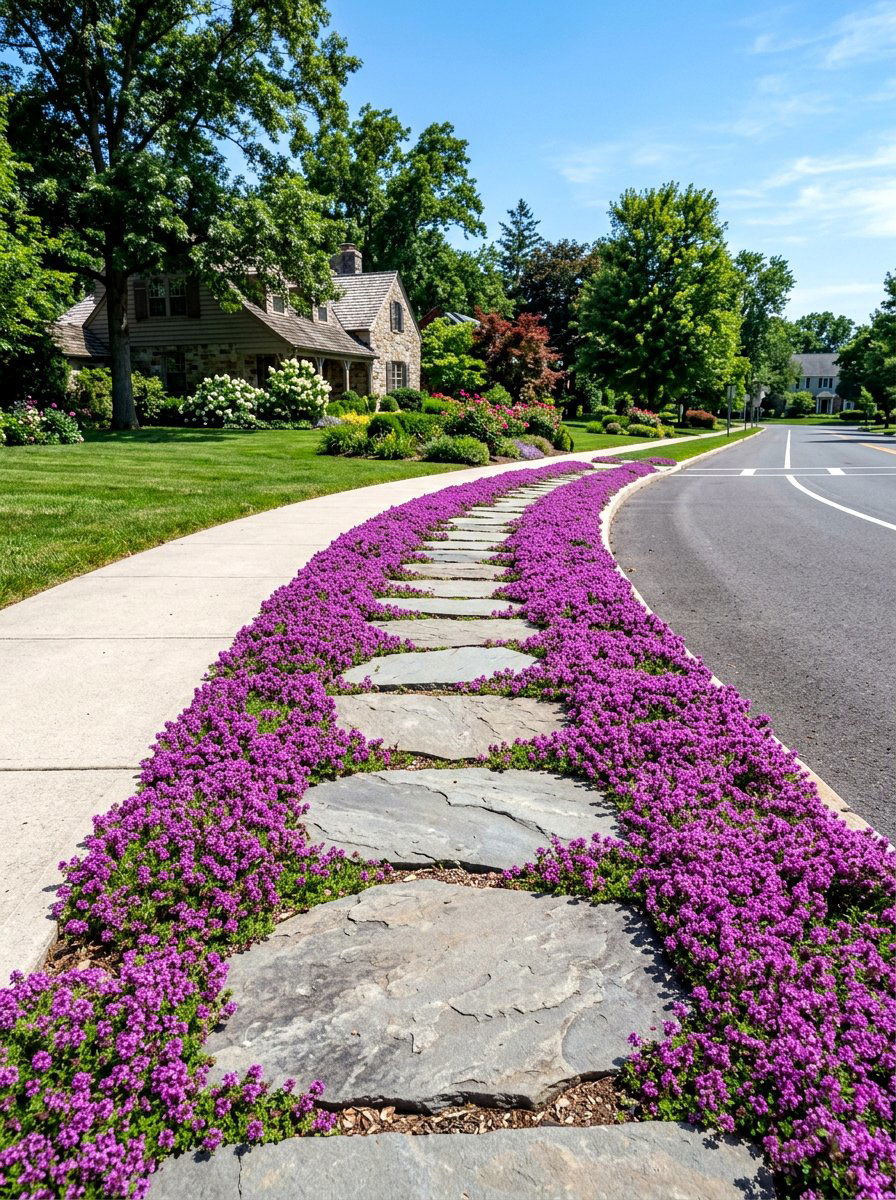
A creeping thyme walkway is a beautiful and fragrant groundcover option that releases a lovely herbal scent when stepped on. This tiny-leaved plant grows very flat to the ground and eventually forms a thick and springy green carpet. During the summer, it is covered in thousands of tiny pink or purple flowers that attract many bees. It is a very durable plant that can handle light foot traffic and poor soil conditions without any trouble. This is a great alternative to grass because it never needs to be mowed and stays green for most of the year. It creates a very soft and magical look for your sidewalk edge.
23. Xeriscape hellstrip
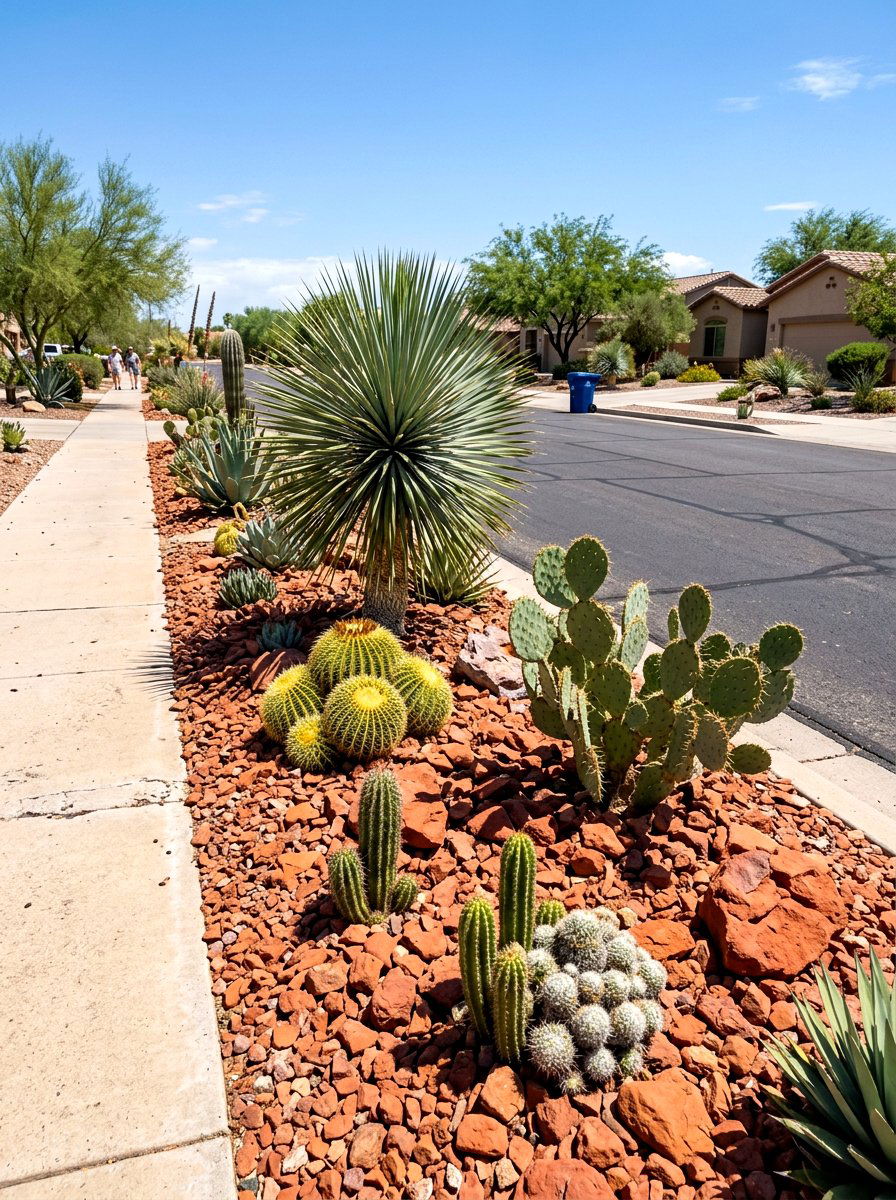
A xeriscape hellstrip is a specialized garden designed specifically to survive with almost no supplemental water at all. This design uses a combination of very drought-resistant plants, inorganic mulches like rock, and careful soil preparation. You can use interesting elements like cactus, yucca, and desert spoons to create a very unique and striking landscape. The focus is on conserving water while still creating a beautiful and intentional design. This is an ideal solution for arid climates or for anyone looking to reduce their environmental footprint. It looks very clean, modern, and incredibly tough. It is a very smart way to handle the harshest planting zones in your yard.
24. Tropical look garden
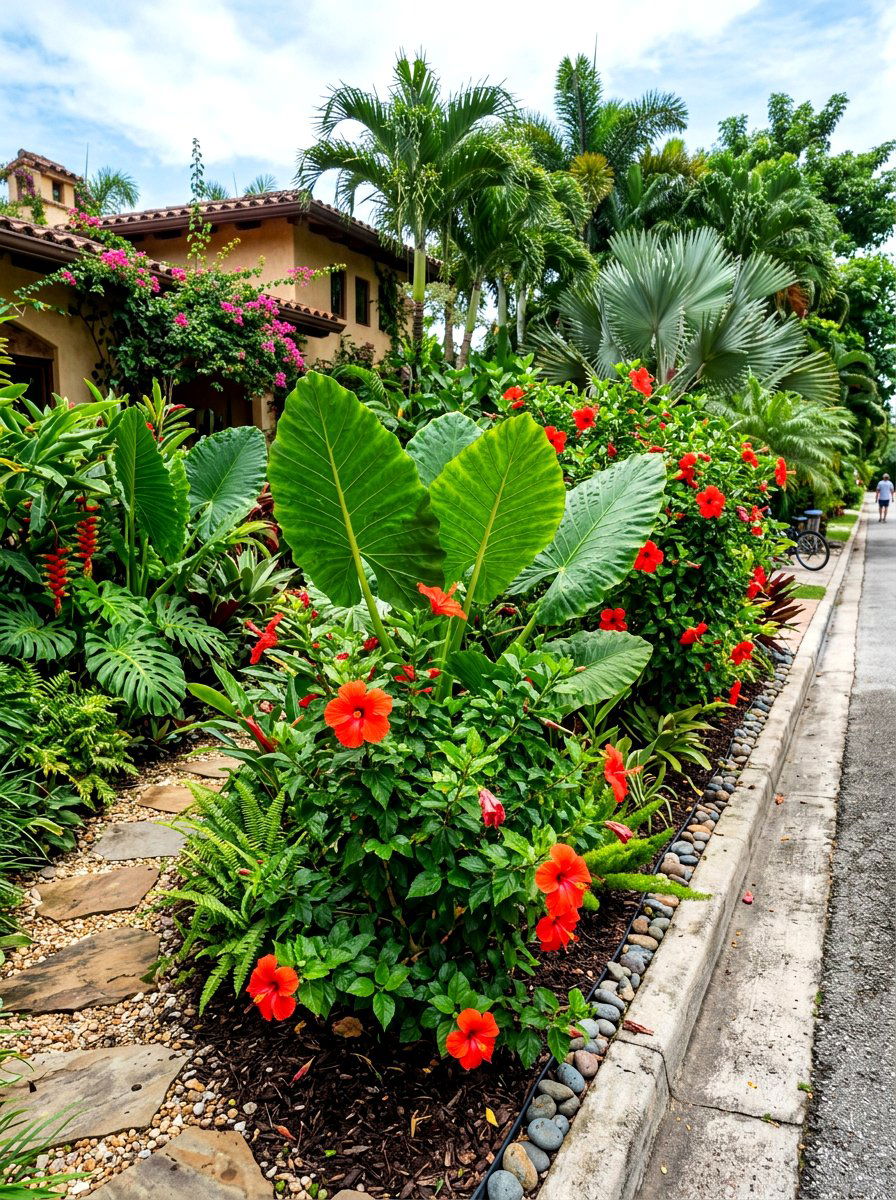
A tropical look garden uses plants with large, bold leaves and bright flowers to create a lush and exotic feel. You can use hardy plants that look tropical, such as canna lilies, hibiscus, or even dwarf palms in warmer areas. The dense foliage and vibrant colors like orange, red, and hot pink make the curb strip feel like a vacation destination. This design adds a lot of personality and drama to your home’s street presence. It works best in areas with plenty of sun and regular water to keep the large leaves looking fresh and healthy. It is a very bold and exciting way to transform a boring strip of land.

25. Wood chip mulch garden
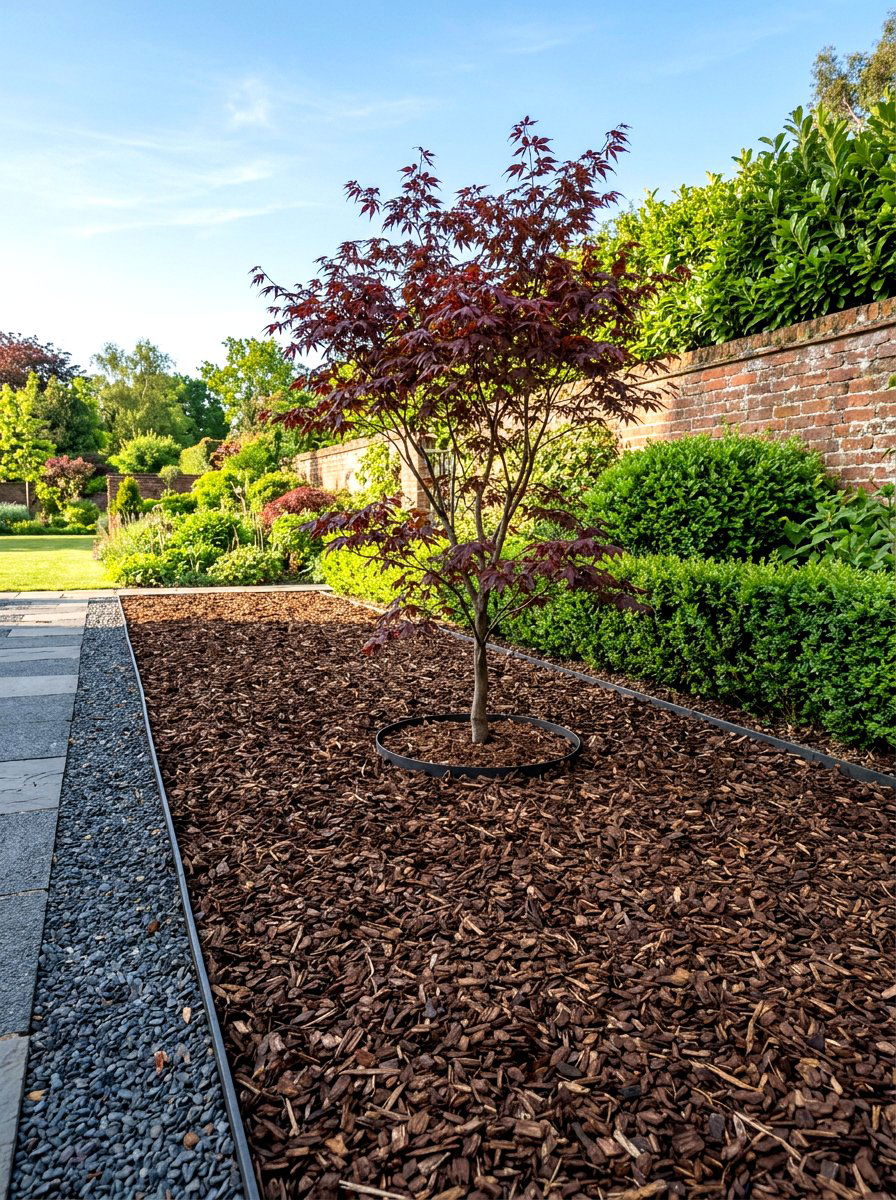
A wood chip mulch garden is the simplest and most cost-effective way to tidy up a curb strip. This design replaces weeds and dirt with a clean, uniform layer of high-quality wood chips or bark mulch. You can place a few hardy shrubs or a single small tree in the center to provide some height and structure. The mulch helps to keep the soil moist and prevents new weeds from sprouting up. This is a very professional and "finished" look that requires almost zero maintenance over time. It is a great baseline design that you can always add more plants to as your budget or time allows. It looks very neat and clean.
26. Raised bed curb strip
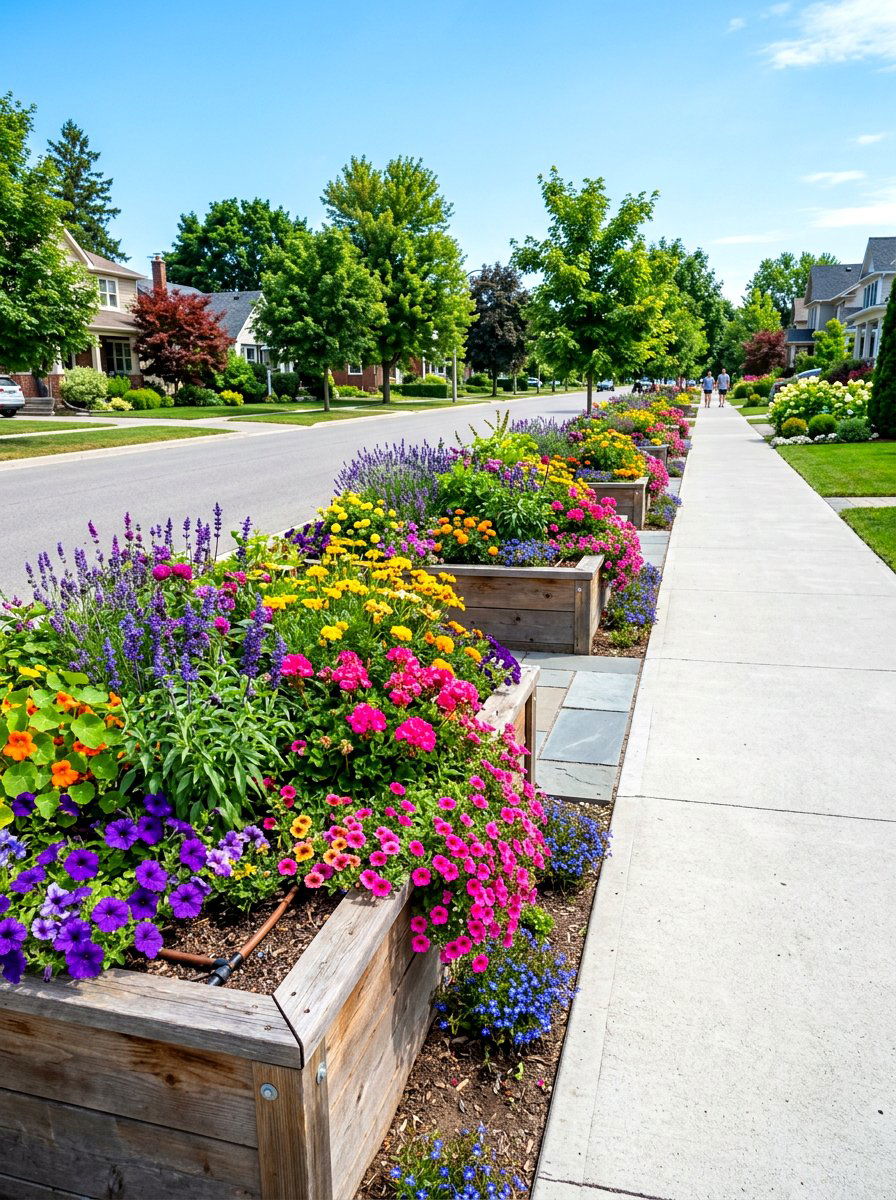
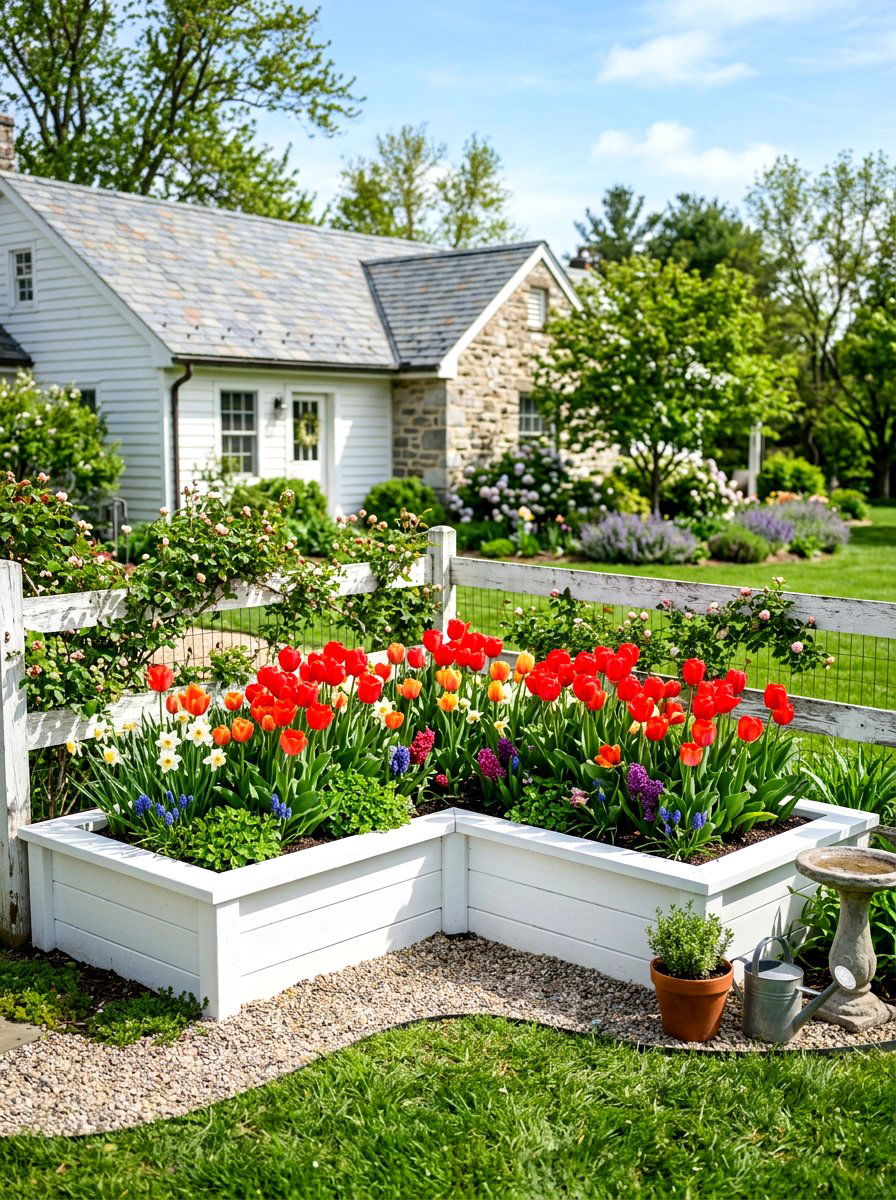
A raised bed curb strip uses wooden or stone borders to lift the planting area up off the ground. This design is helpful because it defines the garden space very clearly and prevents people from accidentally walking over your plants. The extra height also allows you to fill the beds with high-quality garden soil, which helps plants grow much better than they would in the compacted street dirt. You can plant a mix of flowers, vegetables, or trailing vines that spill over the edges of the beds. This approach gives your curb a very organized and intentional look. It makes the garden feel like a deliberate part of your home’s architecture.
27. Sedge grass planting
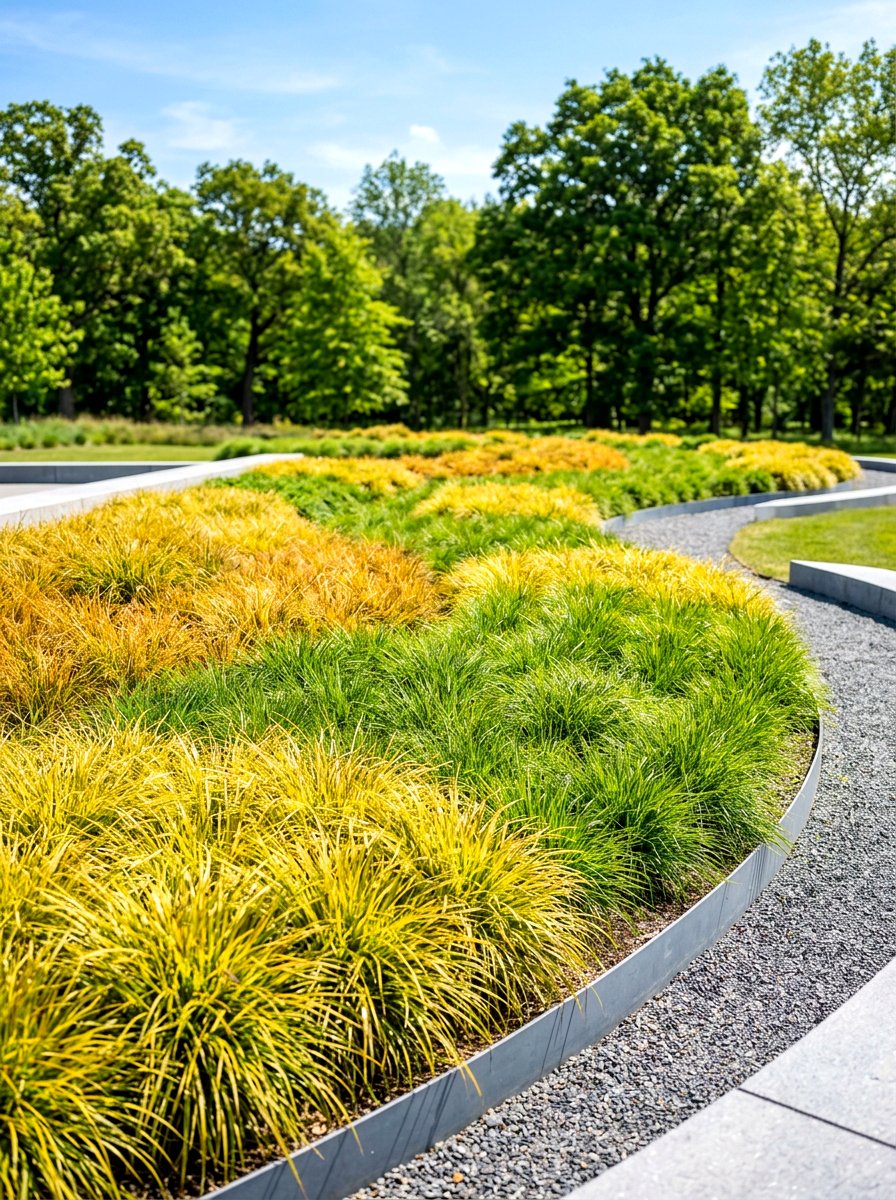
A sedge grass planting uses varieties of Carex to create a soft, mounded look that is very easy to maintain. Sedges are grass-like plants that come in many different colors, including bright gold, deep green, and variegated white. They are generally much tougher than traditional lawn grass and can handle both sun and part shade. This design often features a repetitive pattern of sedge clumps that create a very soothing and rhythmic visual effect. Sedges don't require mowing and stay looking good for most of the year with very little help. It is a very modern and elegant way to cover a large or narrow curb area.
28. Fern hellstrip garden
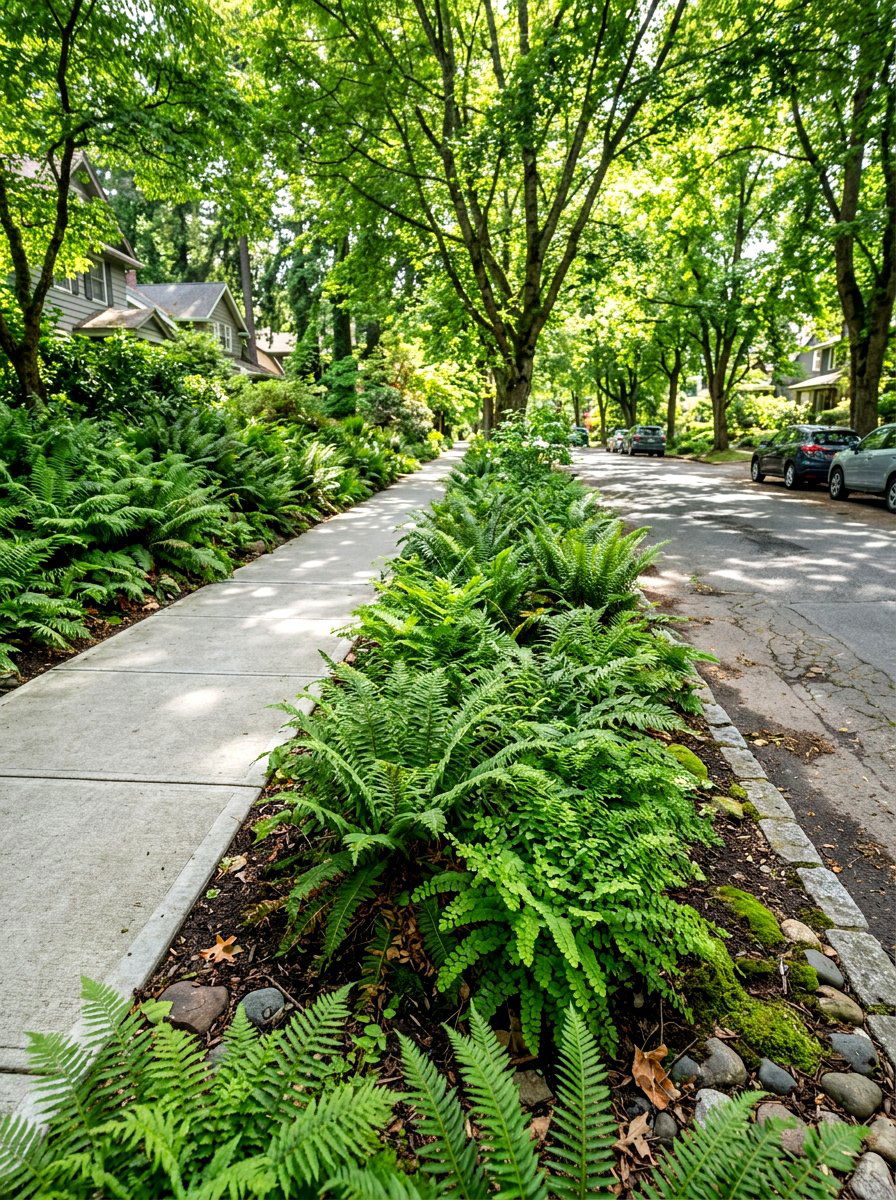
A fern hellstrip garden is the perfect solution for a shaded or damp area under large street trees. Many ferns are very resilient and provide a prehistoric, lush look with their intricate and delicate fronds. This design creates a very cool and green oasis along the hot sidewalk. You can mix different types of ferns, like ostrich ferns and autumn ferns, to get a variety of heights and colors. The soft texture of the leaves looks very beautiful against the hard grey concrete of the street. This is a very peaceful and serene design that makes your home feel like it is tucked away in a forest. It is very refreshing.
29. Rose bush border
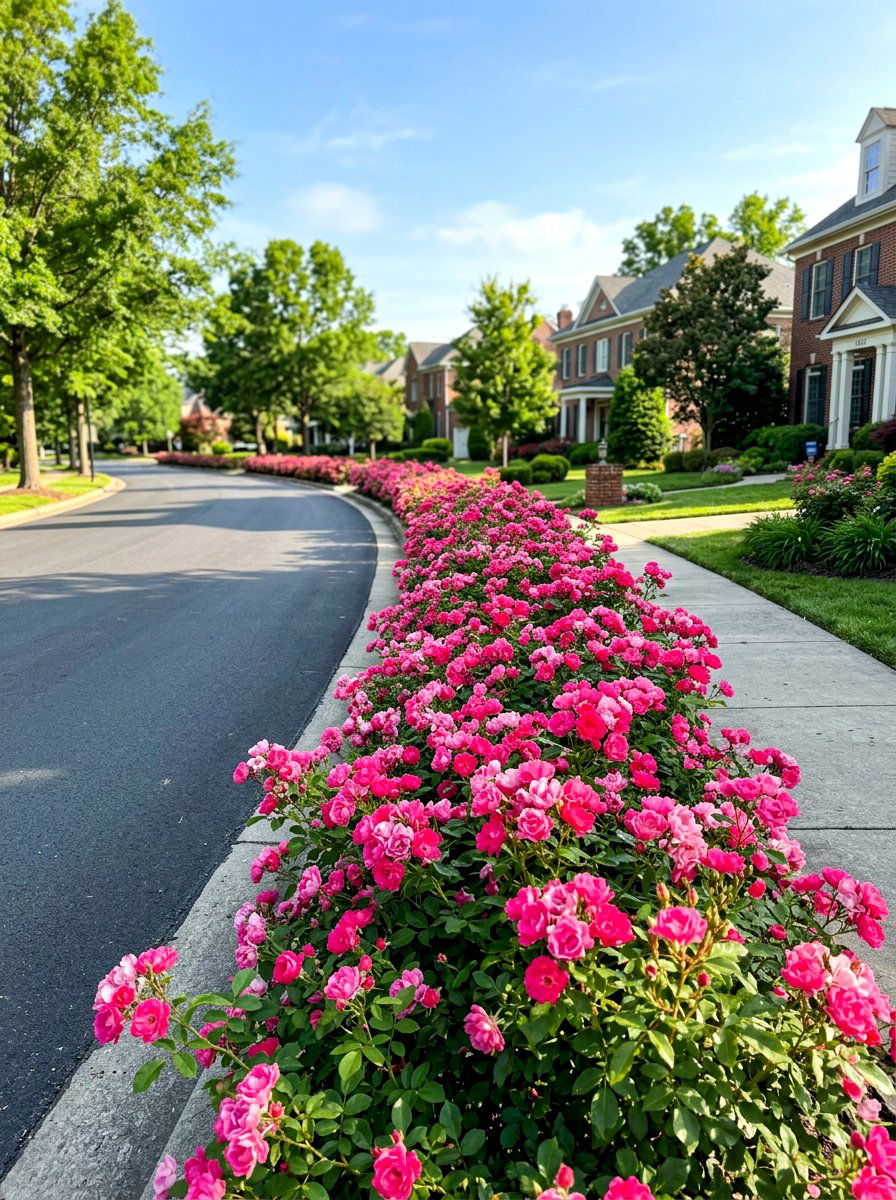
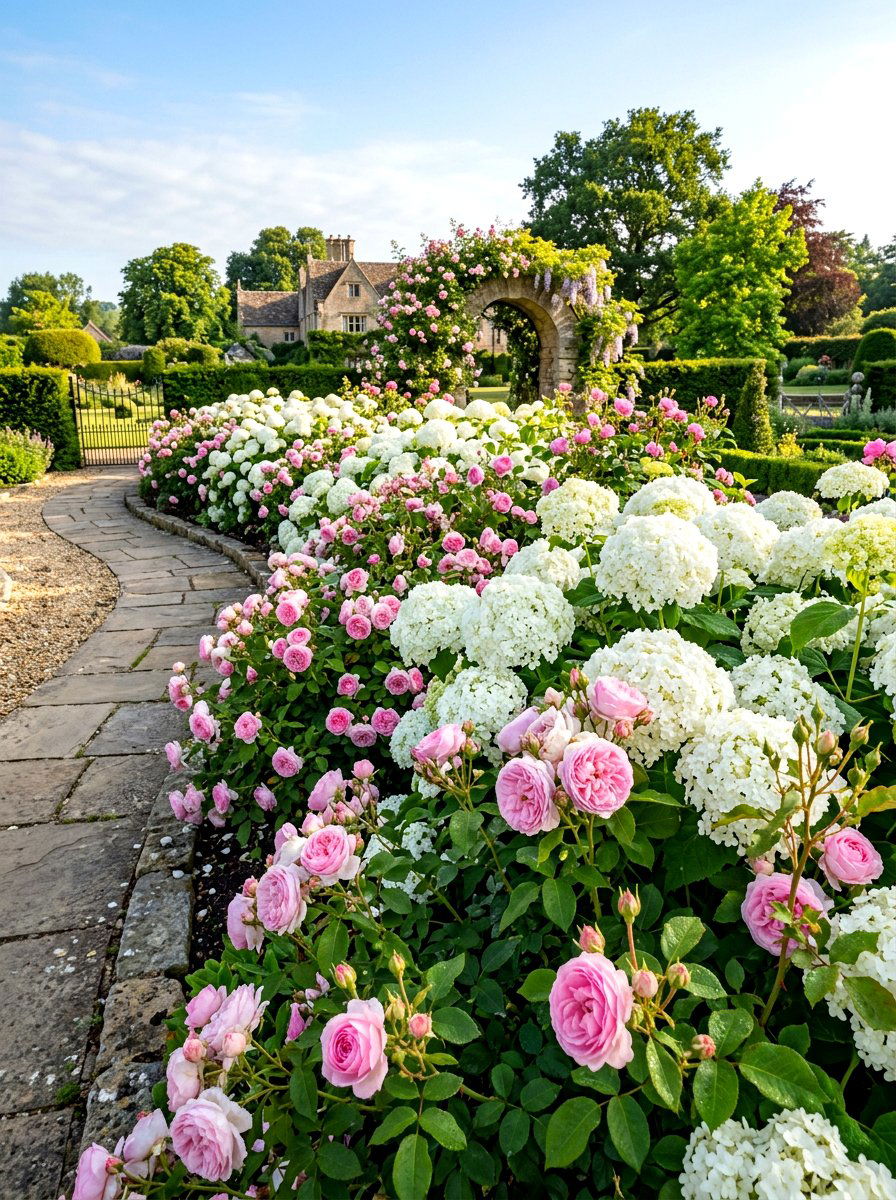
A rose bush border uses hardy landscape roses to create a wall of stunning flowers and beautiful scents. Modern varieties like drift roses or knock-out roses are very tough and can handle the pollution and heat of the street without getting sick. This design provides a massive amount of color for a very long time throughout the spring and summer. The thorny stems can also act as a natural deterrent, keeping pets and people from walking through your garden beds. This is a very classic and high-impact way to improve your home's value and beauty. It is a very romantic and traditional choice for any residential street.
30. Formal hedge strip
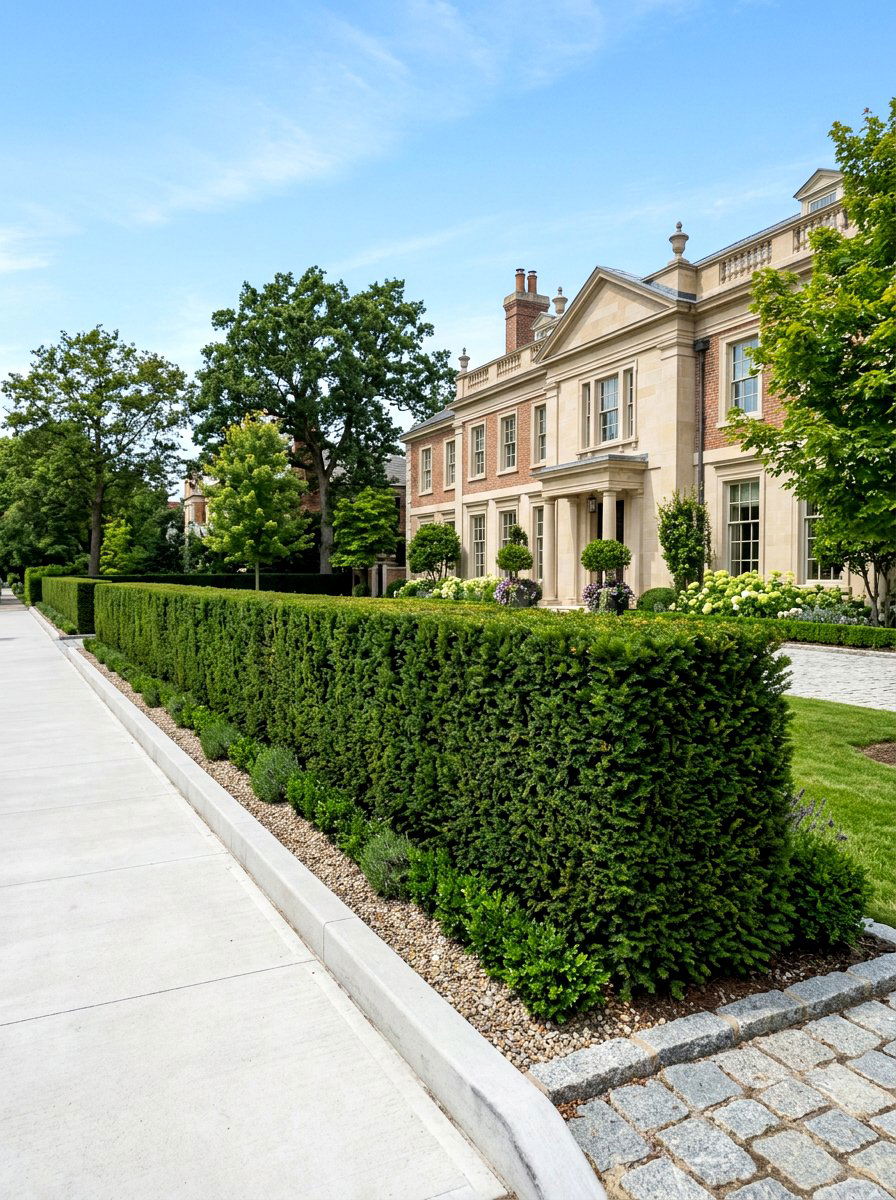
A formal hedge strip uses perfectly trimmed shrubs to create a solid green wall that looks very neat and tidy. This design is great for defining your property line and providing a clear boundary between the sidewalk and the road. You can use plants like privet, boxwood, or yew that respond well to frequent shearing. The uniform height and shape give your home a very stately and well-manicured appearance. This style requires regular maintenance to keep the edges straight, but the result is very professional and high-end. It is a timeless landscape choice that works well with almost any style of home. It provides a very crisp and clean look.
Conclusion:
Transforming your curb strip is one of the most effective ways to boost your home’s value and beauty. While these narrow areas are often called hellstrips due to their harsh conditions, they are actually full of potential for creative gardening. Whether you choose a low-maintenance gravel design, a vibrant wildflower meadow, or a structured evergreen border, you are making a positive impact on your neighborhood. These gardens not only look great but also help with drainage, support local pollinators, and make the sidewalk more pleasant for everyone. With a little planning and the right plants, you can turn a forgotten patch of dirt into a stunning landscape.

Related posts: