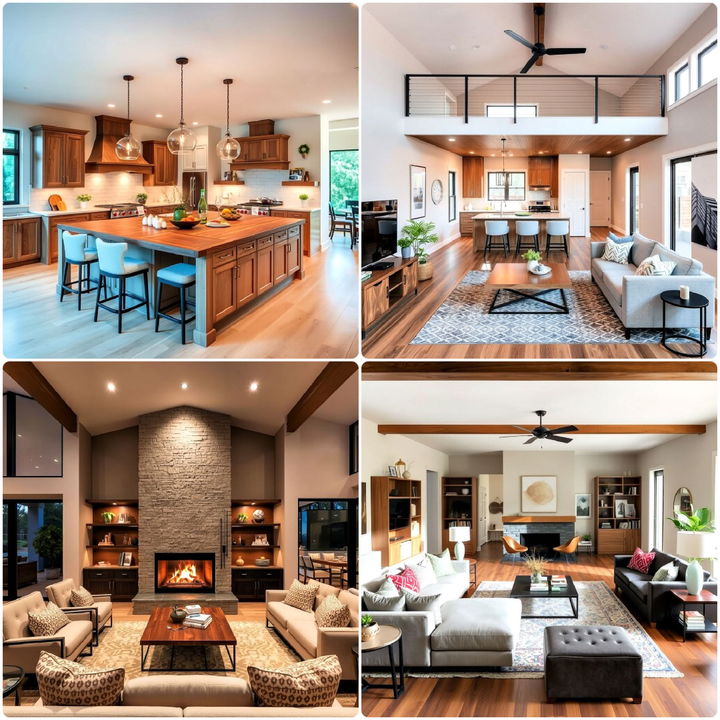
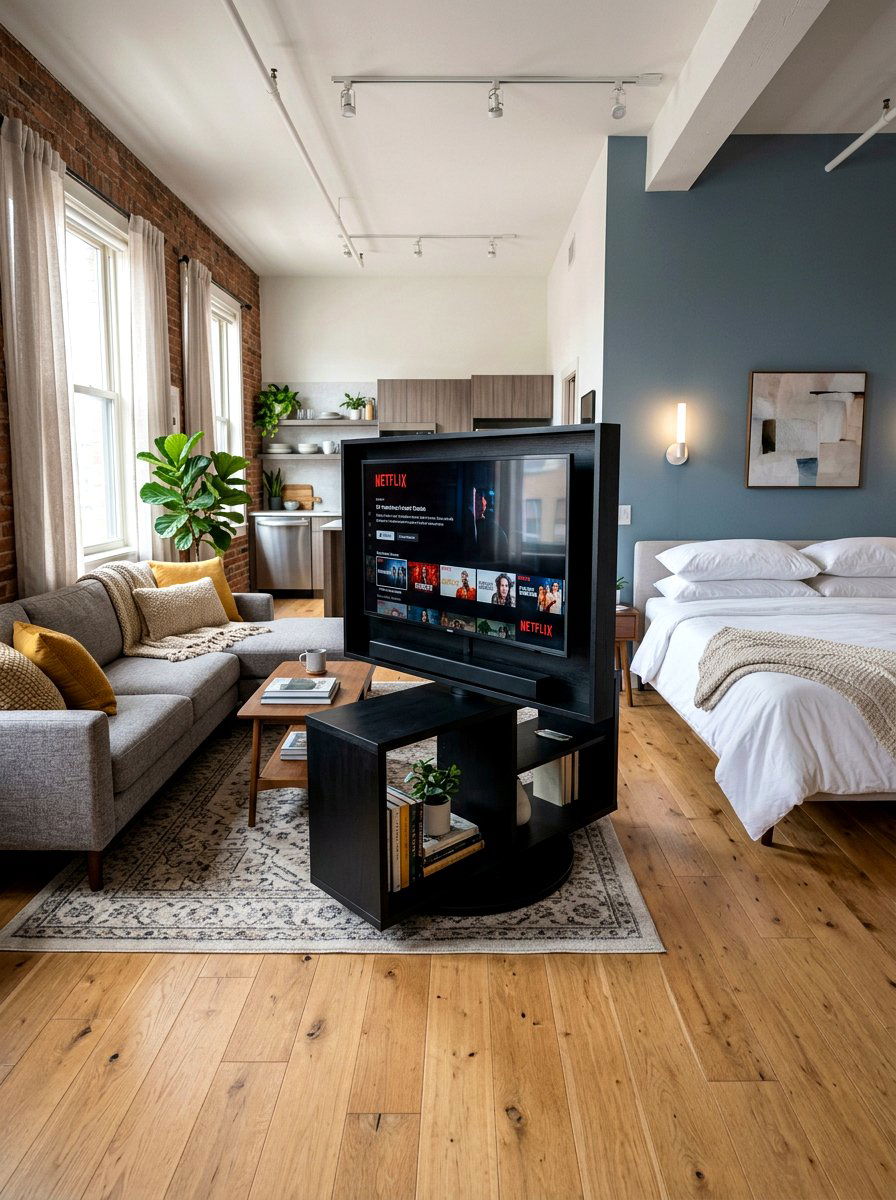
Open floor plans have completely transformed the way we view modern living by breaking down the physical barriers that once separated our daily lives. Instead of cramped, dark rooms, these layouts allow natural light to flow freely from one end of the home to the other, creating a sense of boundless energy and freedom. Whether you are hosting a large family gathering or simply keeping an eye on your children while preparing dinner, the connectivity offered by an open concept is truly unmatched. It encourages a more social lifestyle where conversations aren't interrupted by walls, making the entire home feel much larger and more inviting than it actually is today.
1. Modern Farmhouse Open Concept
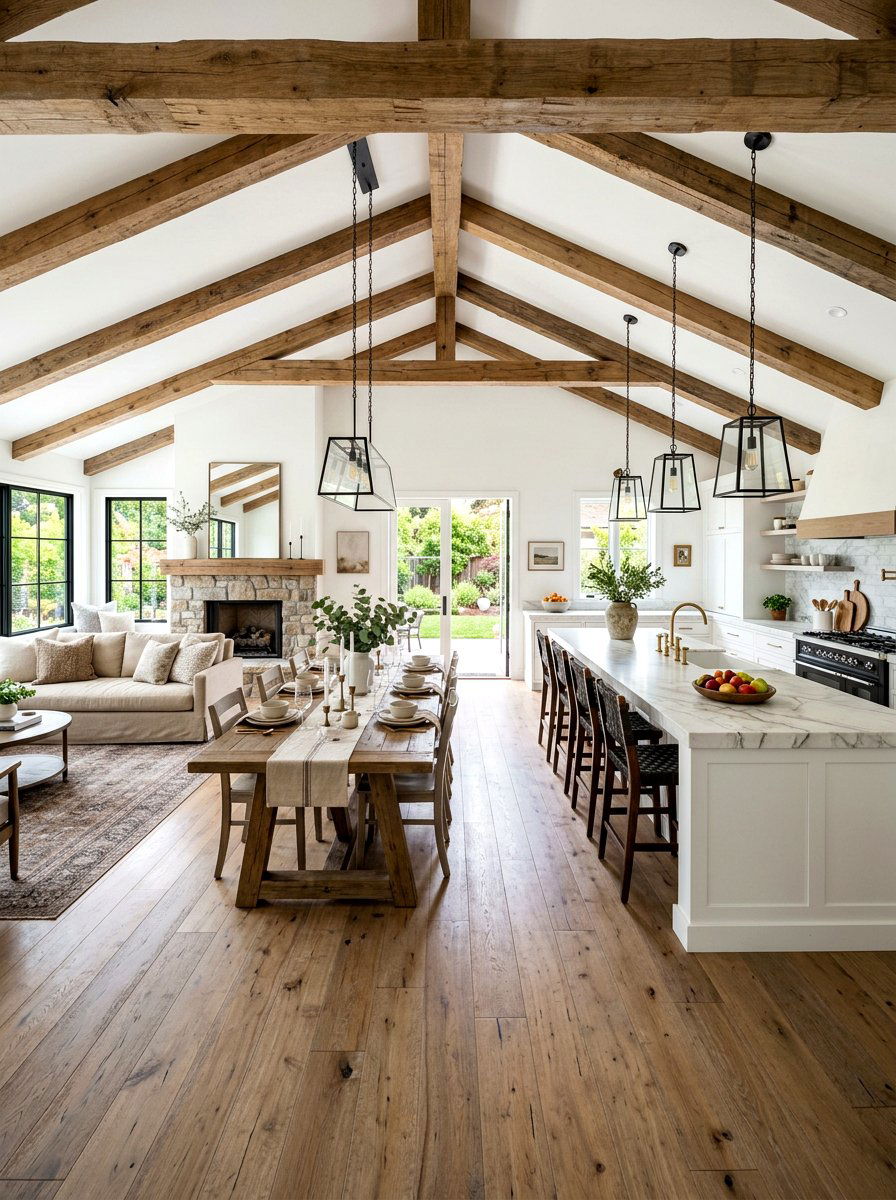
Have you ever noticed how a mix of rustic elements and clean lines can make a large space feel incredibly cozy? The modern farmhouse approach to an open floor plan relies heavily on high vaulted ceilings often accented with reclaimed wood beams. These architectural features help define the different zones without needing any walls at all. You might see a massive white kitchen island that serves as the heart of the home, naturally transitioning into a dining area with a long wooden trestle table. Wide plank hardwood flooring usually runs throughout the entire space to maintain a cohesive and continuous look that feels grounded and very warm.
2. Industrial Loft Layout
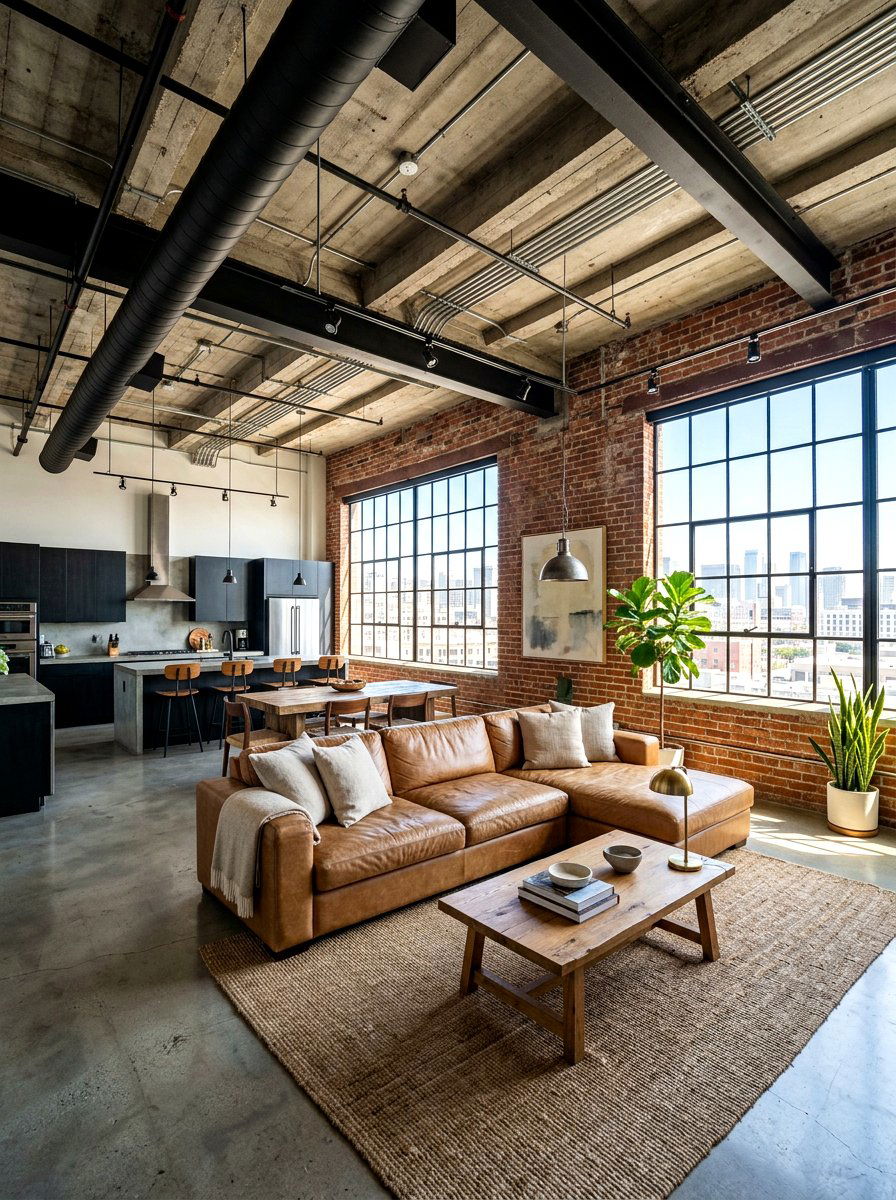
Stepping into an industrial loft feels like entering a world of raw textures and expansive volume. This open floor plan typically features exposed brick walls, visible ductwork, and large factory-style windows that flood the area with light. To keep the space from feeling cold, designers often use large area rugs to anchor the living and dining zones. Metal accents in the kitchen cabinetry or lighting fixtures provide a sharp contrast to the soft leather sofas and plush textiles found in the lounging area. The lack of interior walls allows for a flexible furniture arrangement that can be easily shifted to accommodate different events.
3. Small Apartment Open Plan
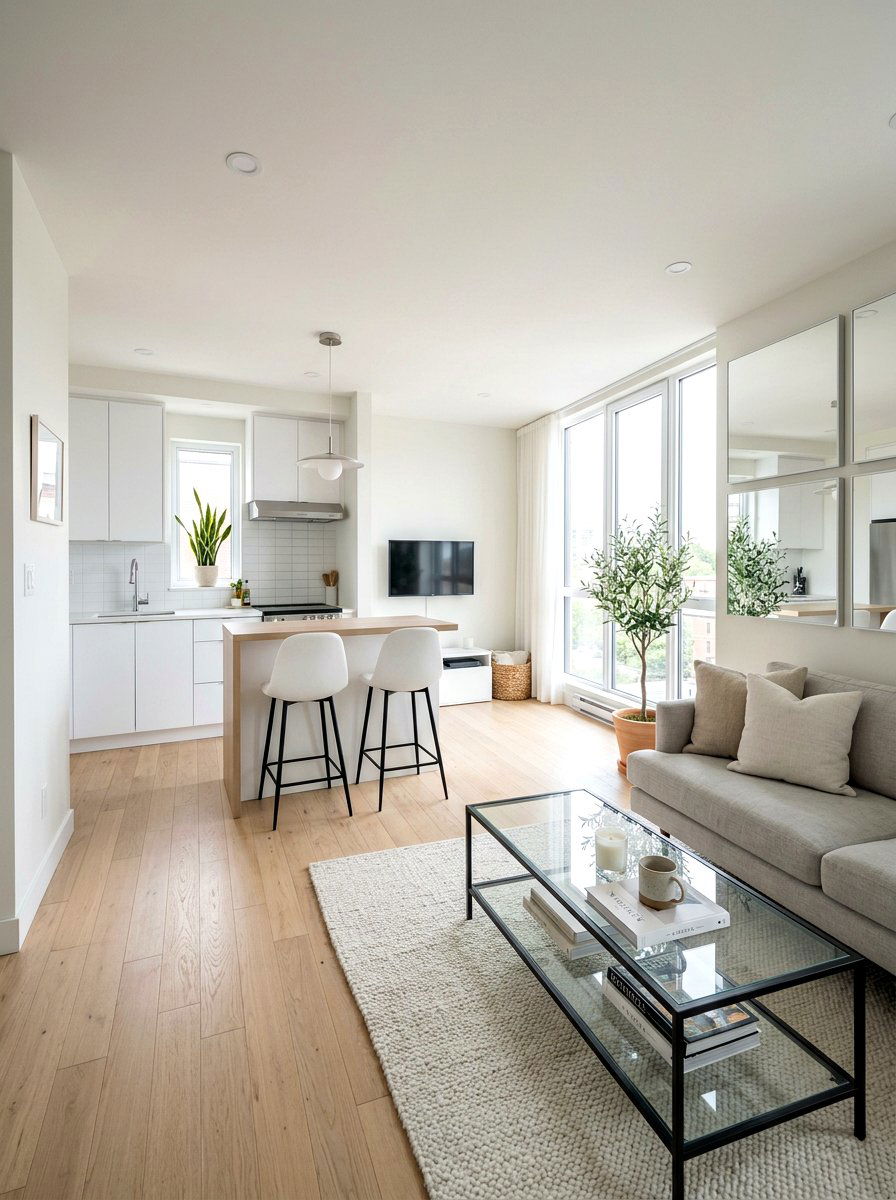
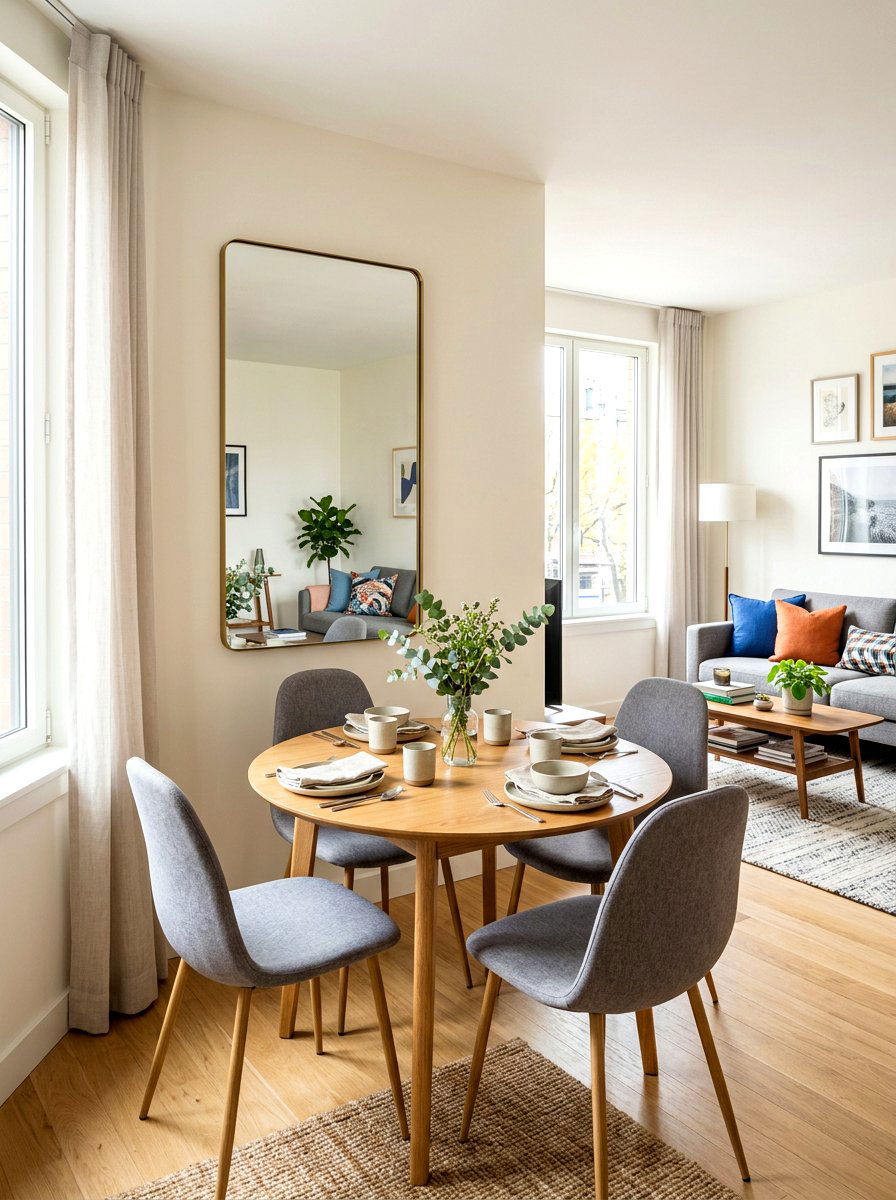
Living in a small apartment doesn't mean you have to feel boxed in if you embrace a smart open layout. By removing unnecessary walls between the kitchen and the living room, you create a multifunctional area that feels surprisingly airy. Many people use a breakfast bar or a slim console table to act as a subtle boundary between the cooking and relaxation zones. Choosing a light, monochromatic color palette helps the eyes glide across the room without interruption, making the footprint appear much larger than it is. Mirrored surfaces and glass coffee tables further enhance this sense of openness by reflecting light into every dark corner.
4. Kitchen Island Living Room Combo
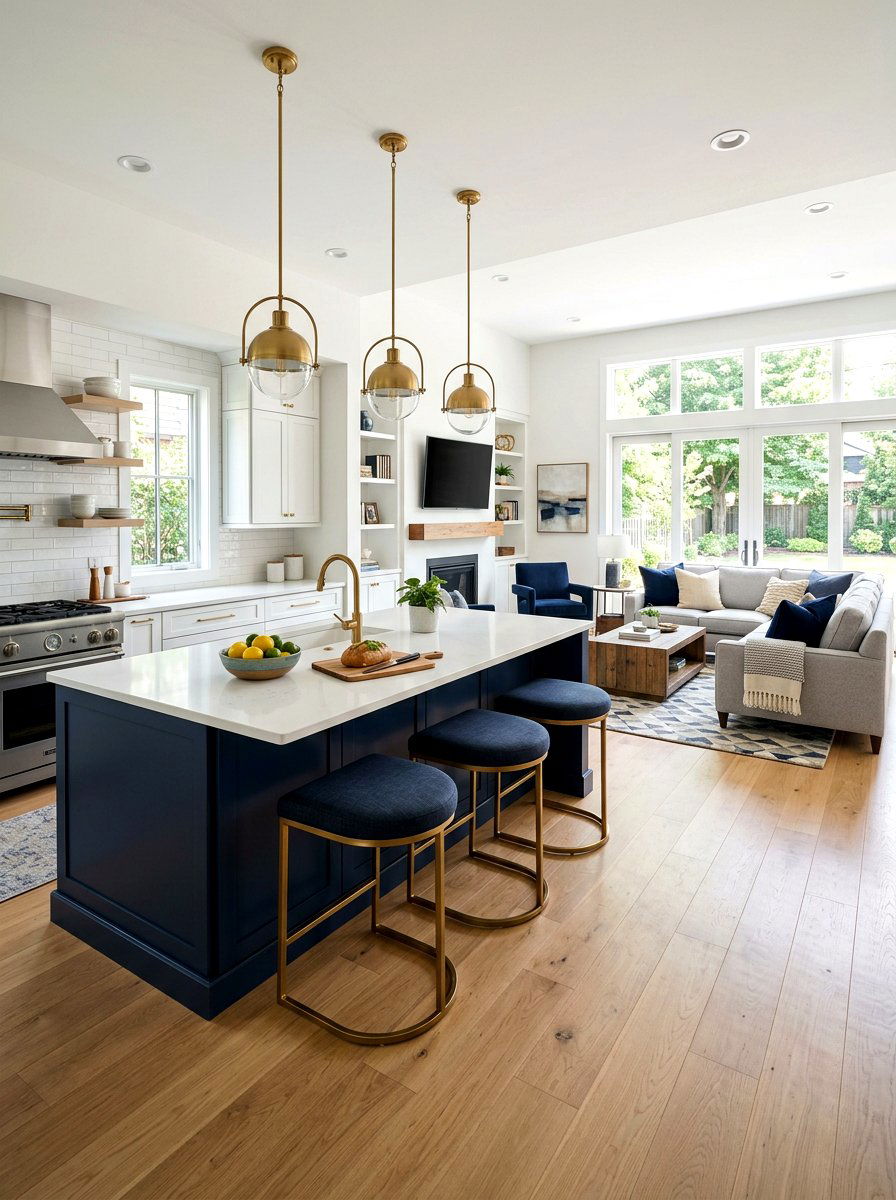
The kitchen island has evolved from a simple prep station into the ultimate social hub of the modern open floor plan. In this layout, the island serves as the primary divider between the workspace and the living area, often featuring bar stool seating for casual dining. This configuration allows the person cooking to remain part of the conversation happening on the nearby sofa or at the TV area. To make the transition feel intentional, designers often use matching pendant lights over the island and the coffee table. This visual repetition ties the two functional zones together while maintaining a clear and organized path for foot traffic.
5. Sunken Living Room Design
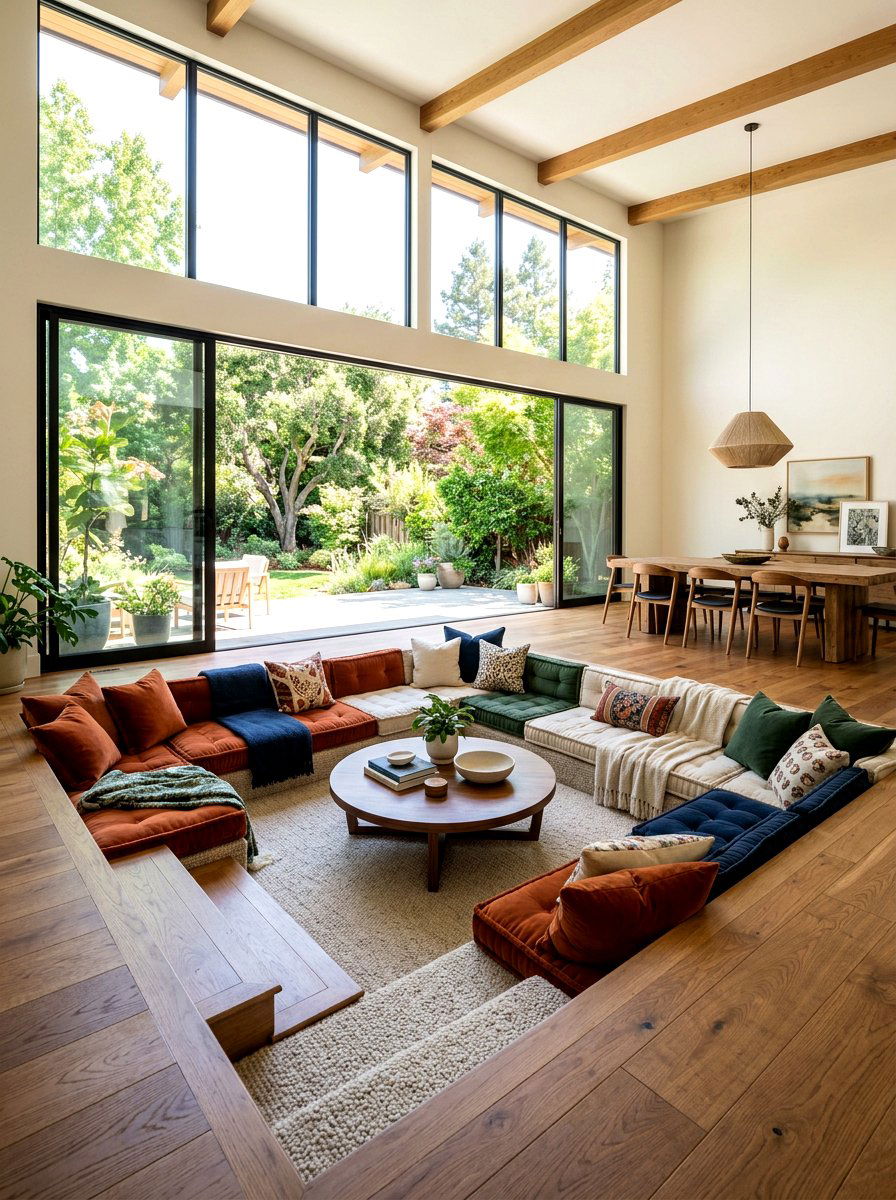
Adding a bit of architectural drama to an open space can be achieved through the use of varied floor levels. A sunken living room, often referred to as a conversation pit, creates a distinct cozy zone without the need for vertical partitions. By stepping down into the lounge area, you feel a sense of enclosure and intimacy that is perfect for movie nights or quiet reading. The surrounding higher floor level can then be dedicated to the kitchen and dining spaces. This design choice provides clear sightlines across the entire home while physically separating the high-traffic areas from the more relaxed, quiet lounging zones.
6. Glass Partition Room Divider
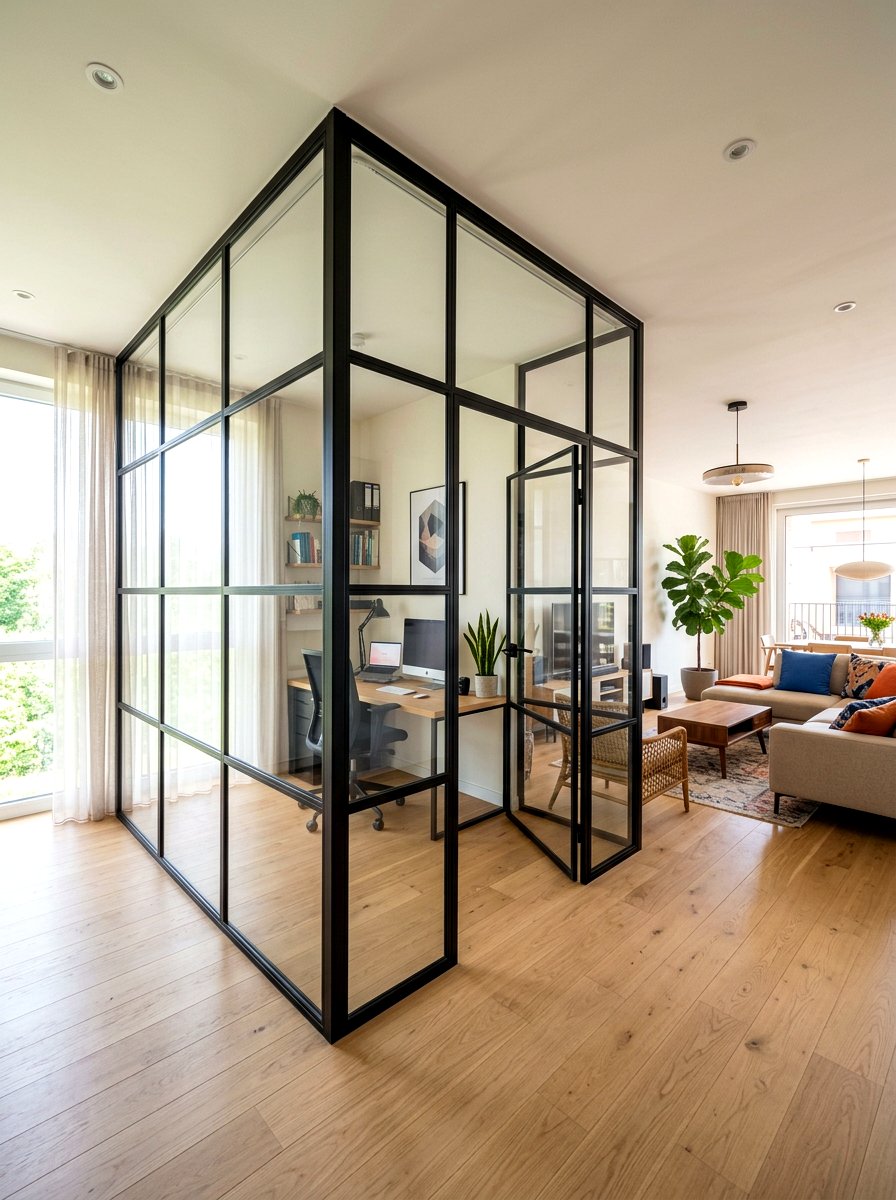
If you love the look of an open floor plan but still want some acoustic separation, glass partitions are a brilliant solution. These sleek steel-framed glass walls allow light to pass through completely, maintaining the visual openness of the home while blocking out kitchen noise or cooking smells. You can use them to enclose a home office or a small reading nook within a much larger living area. The black metal frames often used in these partitions add a sophisticated, modern touch that acts as a piece of architectural art. It is the perfect compromise for those who value both connectivity and a bit of peace.
7. L-Shaped Open Living Area
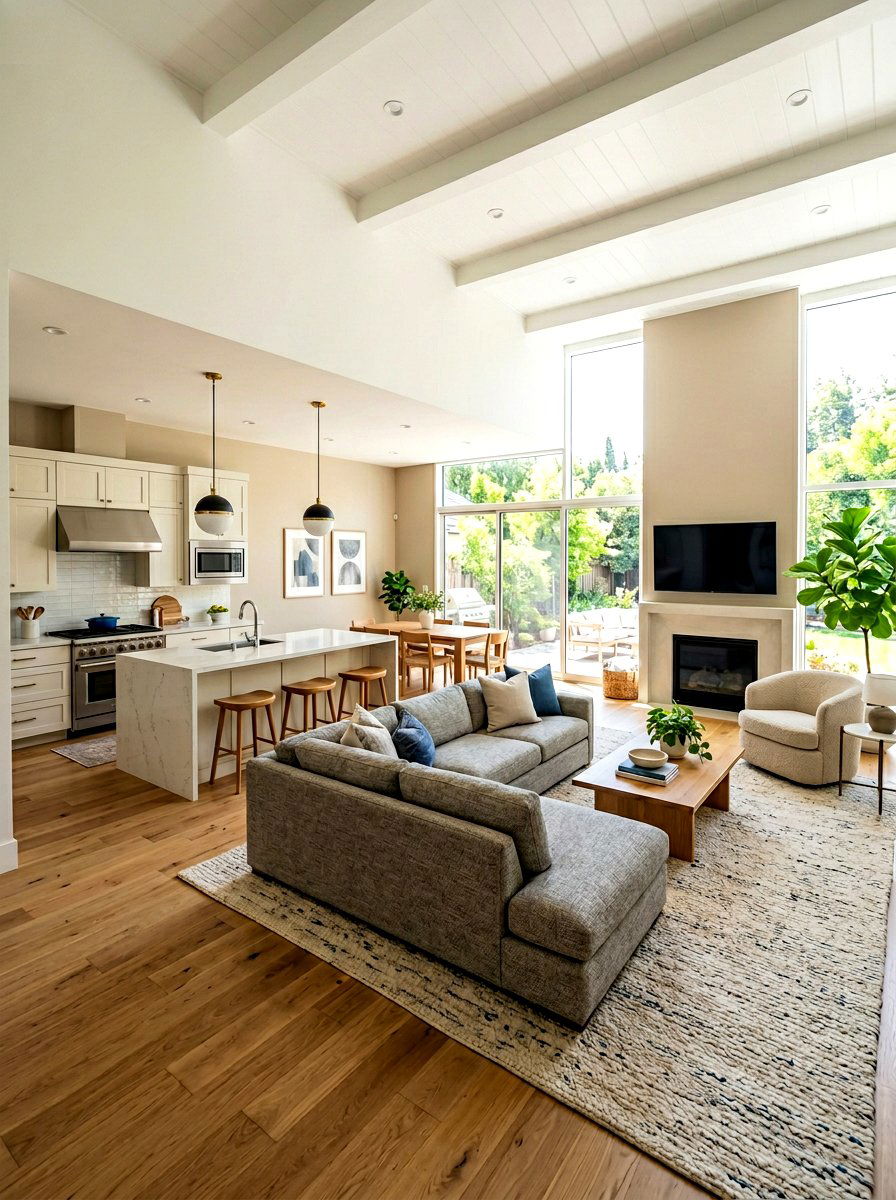
An L-shaped floor plan is one of the most popular ways to organize a large open space because it provides a natural sense of zoning. In this layout, the kitchen and dining area usually occupy one arm of the L, while the living room takes up the other side. This creates a semi-private feel for the lounge area without the need for a closed door. You can still see from one end to the other, but the "bend" in the room helps hide the mess of the kitchen from the main seating area. It is a very functional arrangement for families who want a truly connected lifestyle.
8. Modern Minimalist Great Room
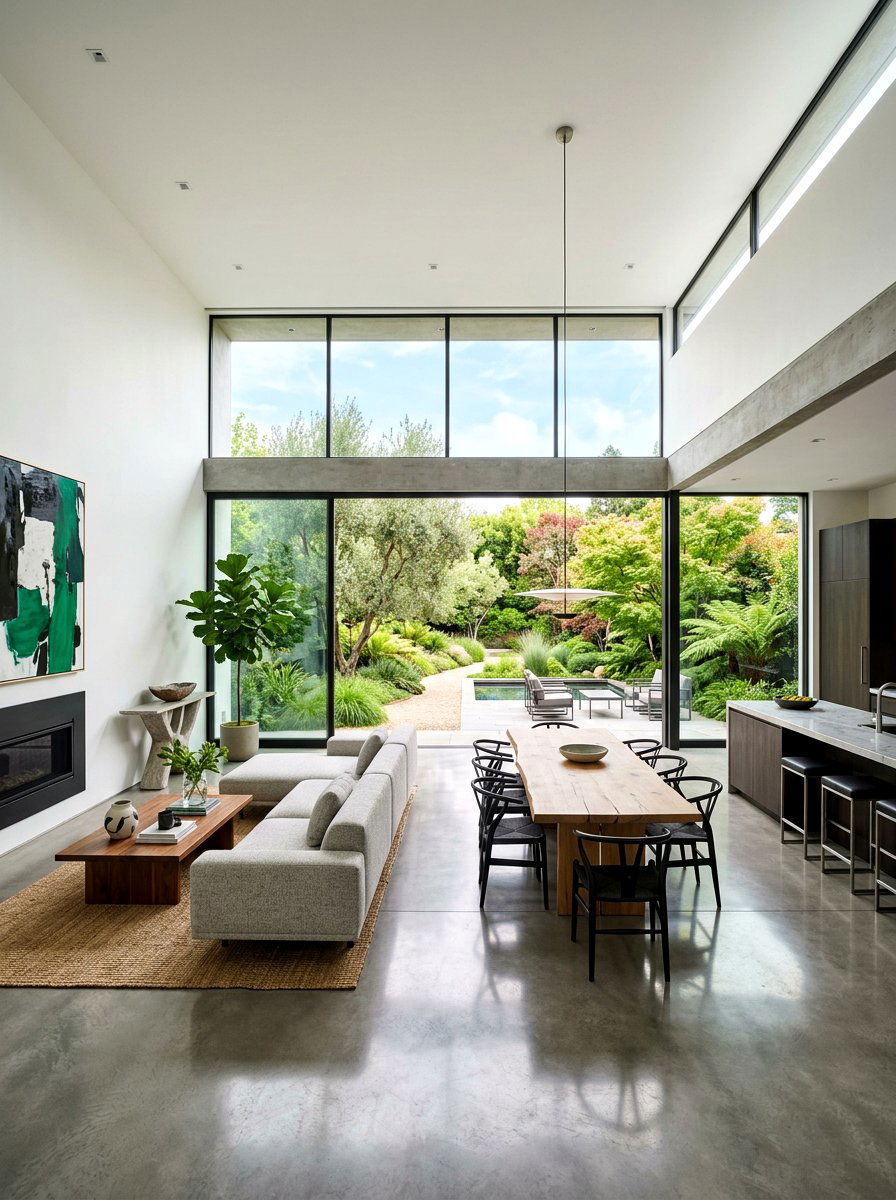
The minimalist approach to a great room focuses on "less is more" to emphasize the architectural beauty of a large, open space. This floor plan features very few pieces of furniture, each carefully selected for its form and function. With white walls and polished concrete or light wood floors, the space feels incredibly expansive and calm. Large-scale windows serve as the main focal point, bringing the beauty of the outdoors inside. Storage is often hidden behind seamless, handle-less cabinetry that blends perfectly into the walls. This creates a clutter-free environment where you can breathe easily and enjoy the sheer scale of the massive room.
9. Double Height Ceiling Floor Plan
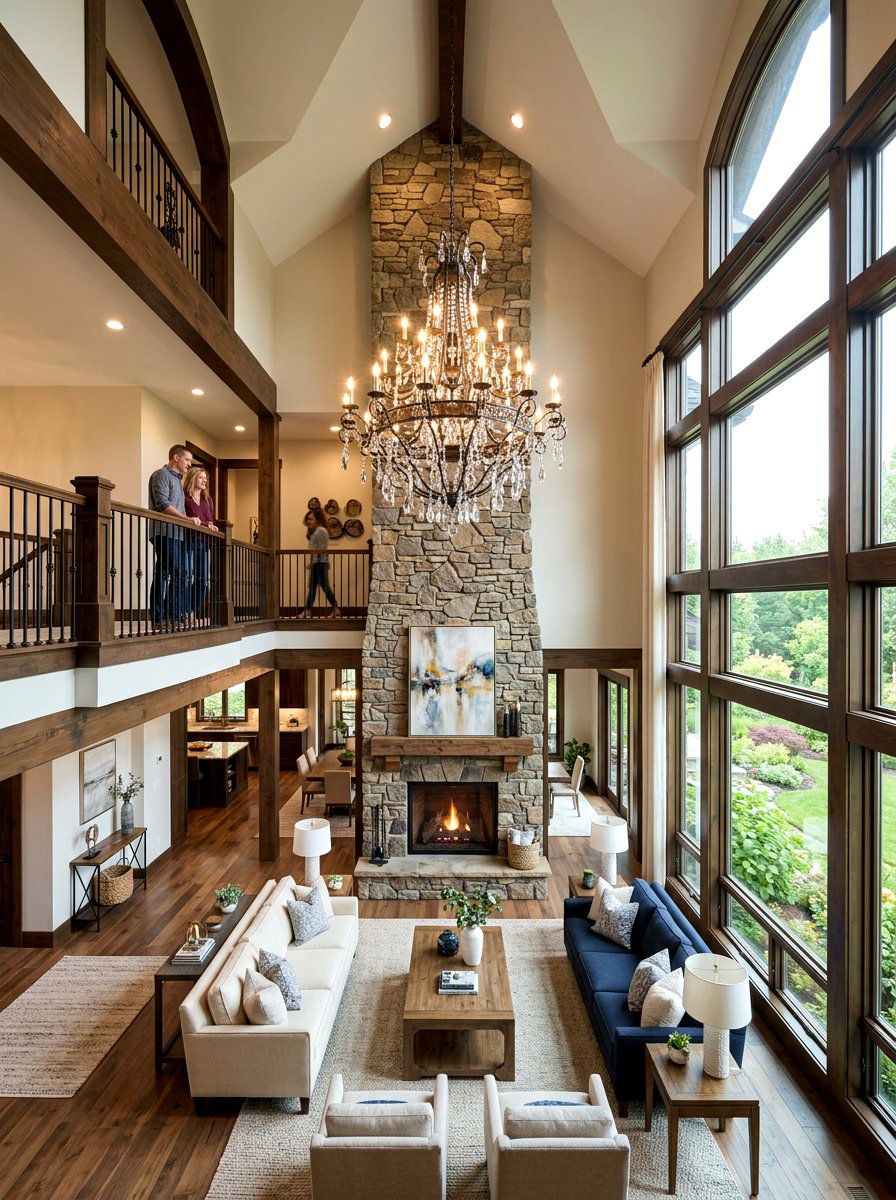
Creating a sense of grandeur in an open floor plan is easiest when you utilize double-height ceilings in the main living area. This design draws the eye upward and makes even a standard-sized home feel like a sprawling mansion. High windows placed near the roofline can bring in extra sunlight that reaches deep into the back of the kitchen or dining zones. To keep the space feeling balanced, many homeowners install oversized statement chandeliers that act as a visual anchor. The verticality of the room provides a perfect backdrop for a tall fireplace or a large-scale art gallery wall that connects the levels.
10. Scandinavian Open Concept
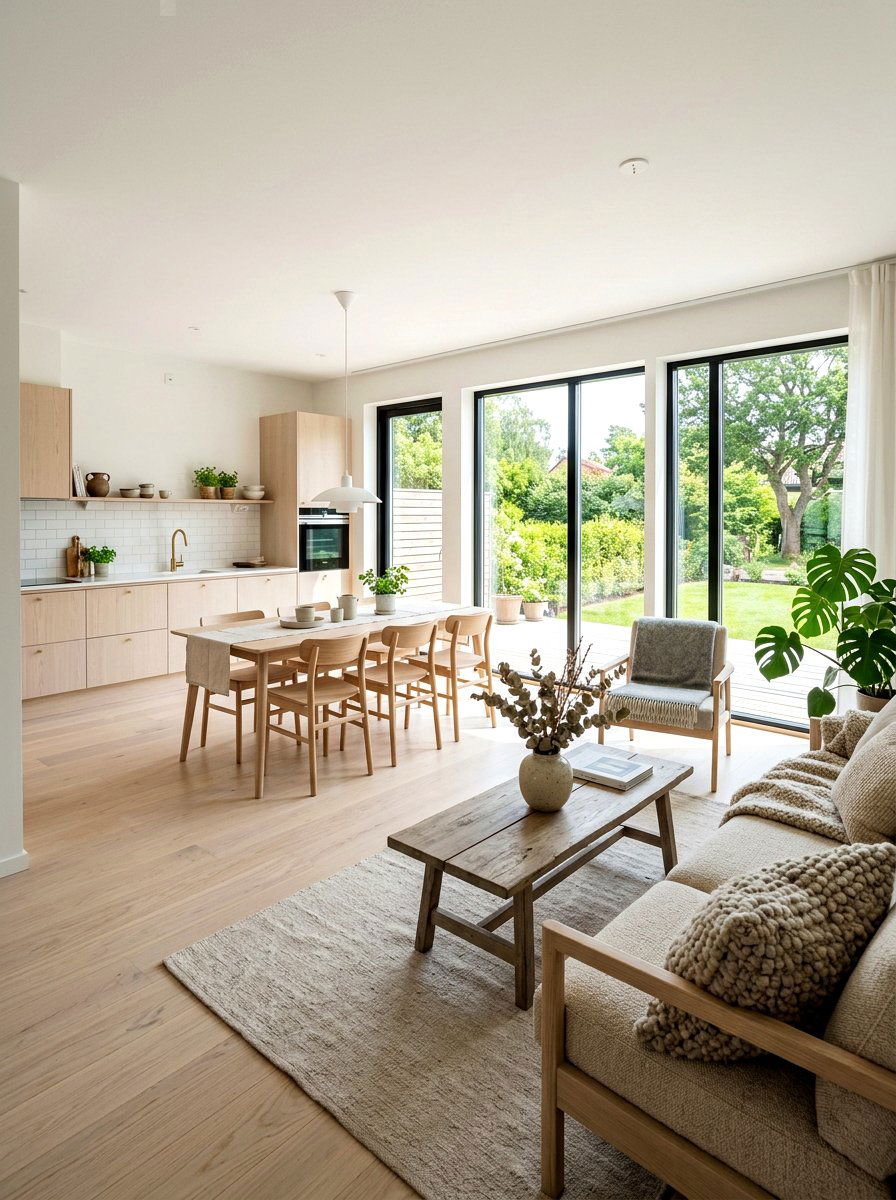
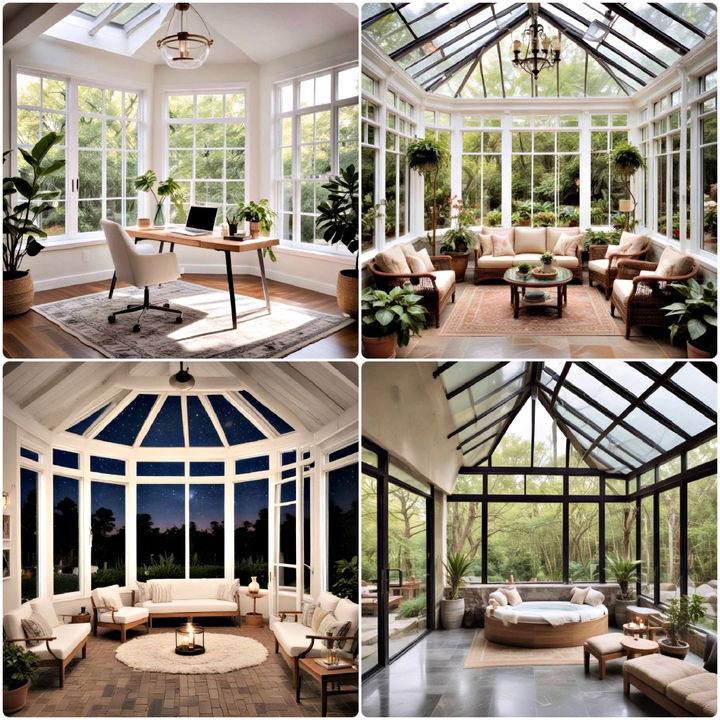
Scandinavian design is famous for its ability to make open spaces feel warm and functional at the same time. This layout often uses light-toned wood like ash or pine for the floors and furniture to create a bright, breezy atmosphere. The kitchen, dining, and living areas are typically unified by a neutral color palette of whites, grays, and soft blues. Hygge elements, such as wool throws and candles, are placed strategically to add texture and comfort. The simplicity of the furniture allows for easy movement between zones, making the home feel organized and peaceful. It is a timeless look that never feels overcrowded.
11. Indoor Outdoor Flow Living Space
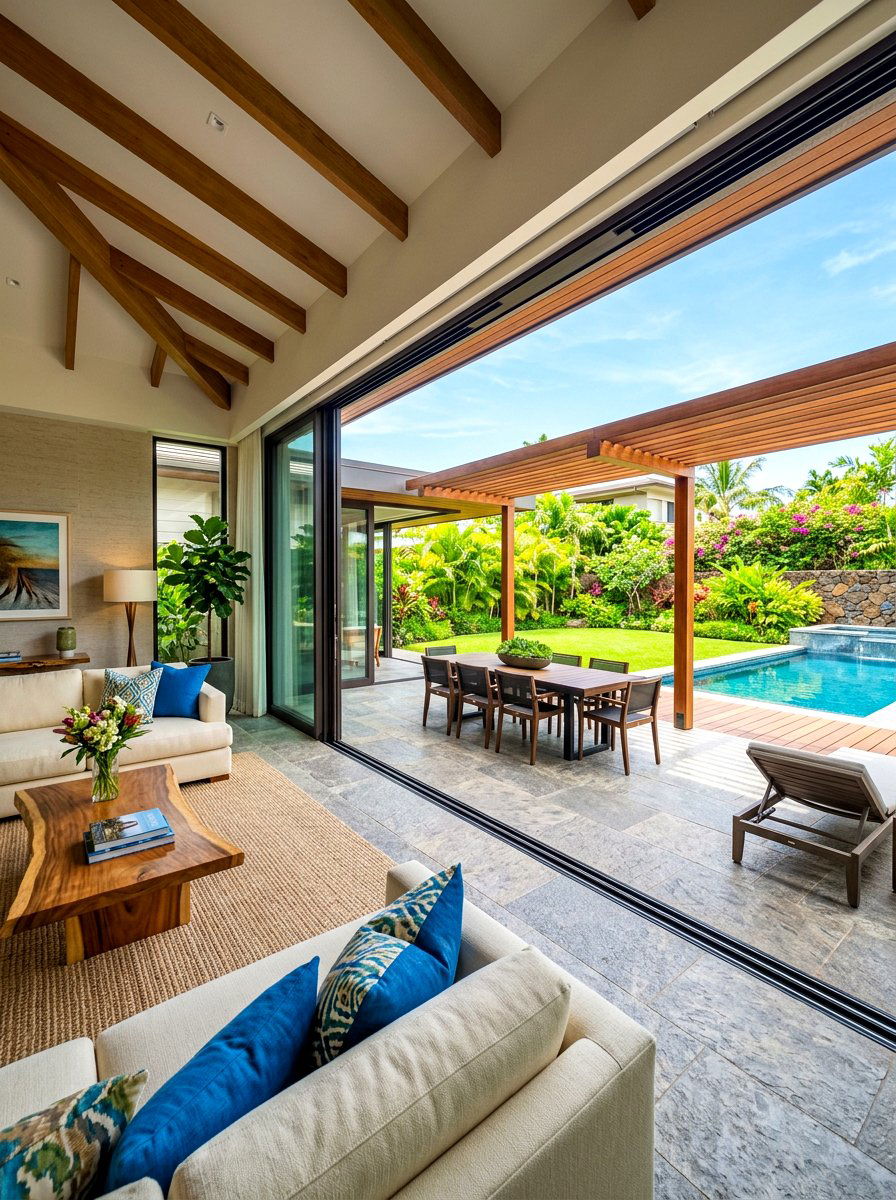
One of the greatest benefits of an open floor plan is the ability to seamlessly connect your interior living space with the outdoors. By using massive sliding or folding glass doors, the backyard becomes an extension of your living room. The same flooring material can even be used on the patio to create a continuous surface that blurs the lines between inside and out. This layout is perfect for those who love to entertain, as guests can move freely from the kitchen to the garden. It maximizes natural light and provides a constant view of nature, which is known to reduce stress levels.
12. Hardwood To Tile Floor Transition
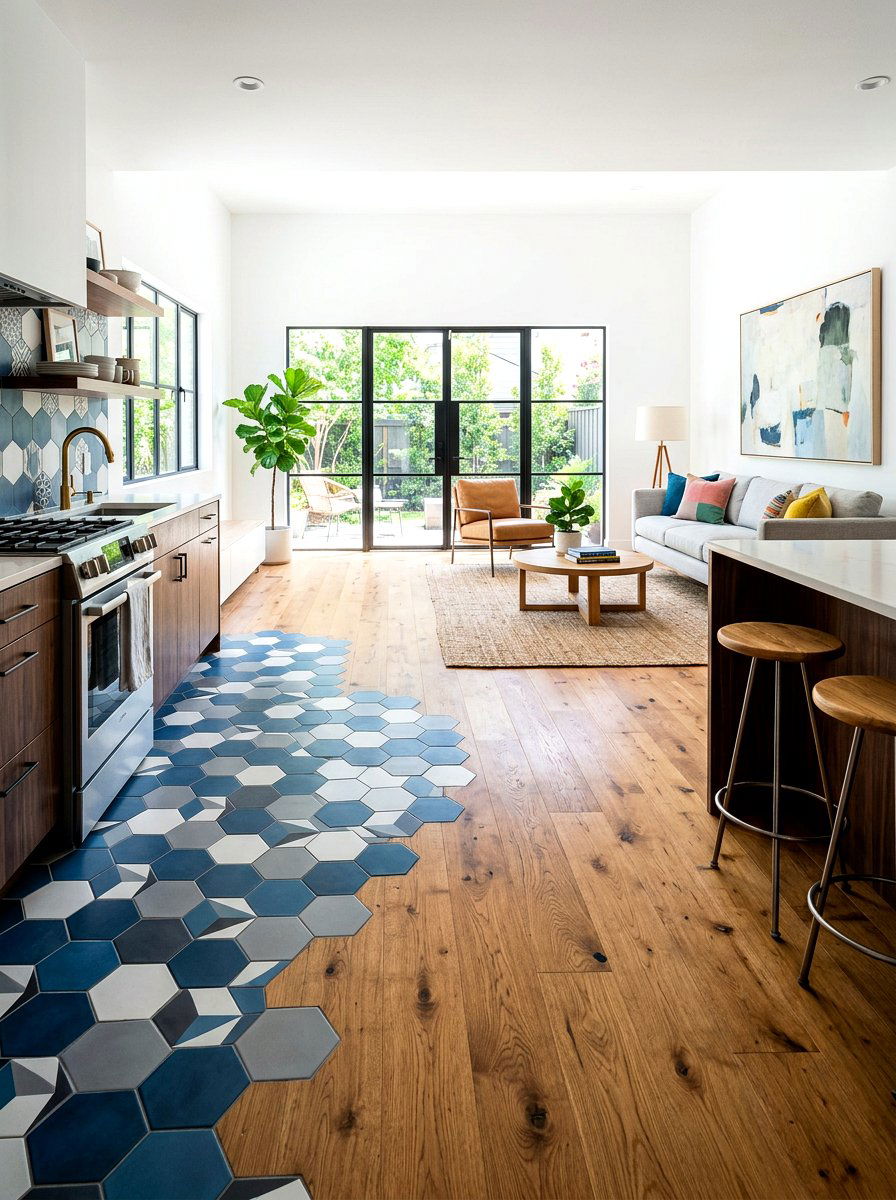
Zoning a large open area can be done creatively by changing the flooring material between different functional sections. For example, using durable tiles in the kitchen area and warm hardwood in the living room provides a clear visual and physical boundary. The transition can be a straight line or a more artistic honeycomb pattern where tiles gradually give way to wood planks. This technique defines the zones without the need for any furniture or walls, keeping the sightlines completely clear. It also serves a practical purpose, as tile is much easier to clean in high-spill areas like the kitchen and dining spaces.
13. Mid Century Modern Open House
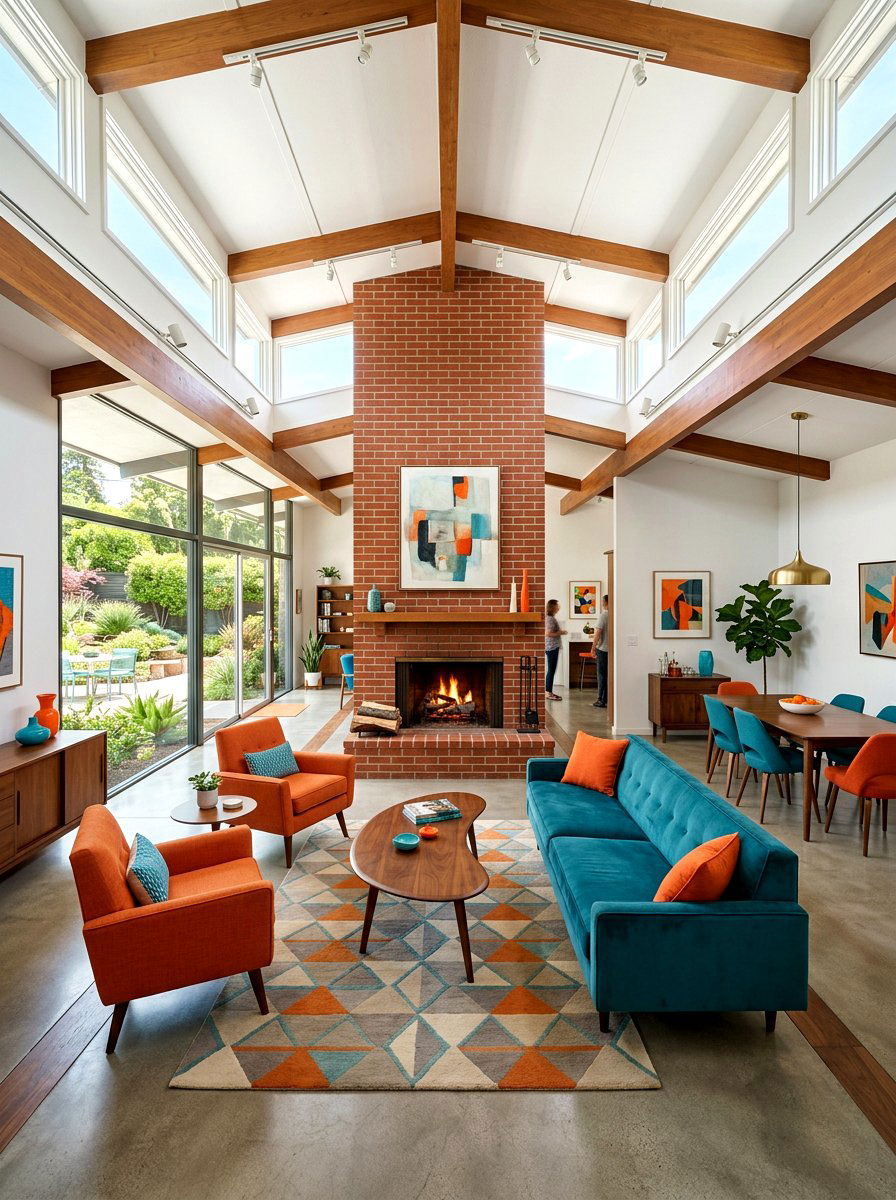
Mid-century modern homes were some of the first to truly embrace the open floor plan concept with their focus on flow and function. These layouts often feature a central fireplace that serves as a focal point, visible from the kitchen, dining, and lounging areas. Large glass walls and clerestory windows are used to bring in natural light from all angles. The furniture typically has thin, tapered legs, which allows light to pass underneath and makes the room feel even more spacious. Wood paneling and organic shapes help ground the large area, creating a sophisticated and nostalgic atmosphere that remains incredibly popular today.
14. Vaulted Ceiling Open Plan
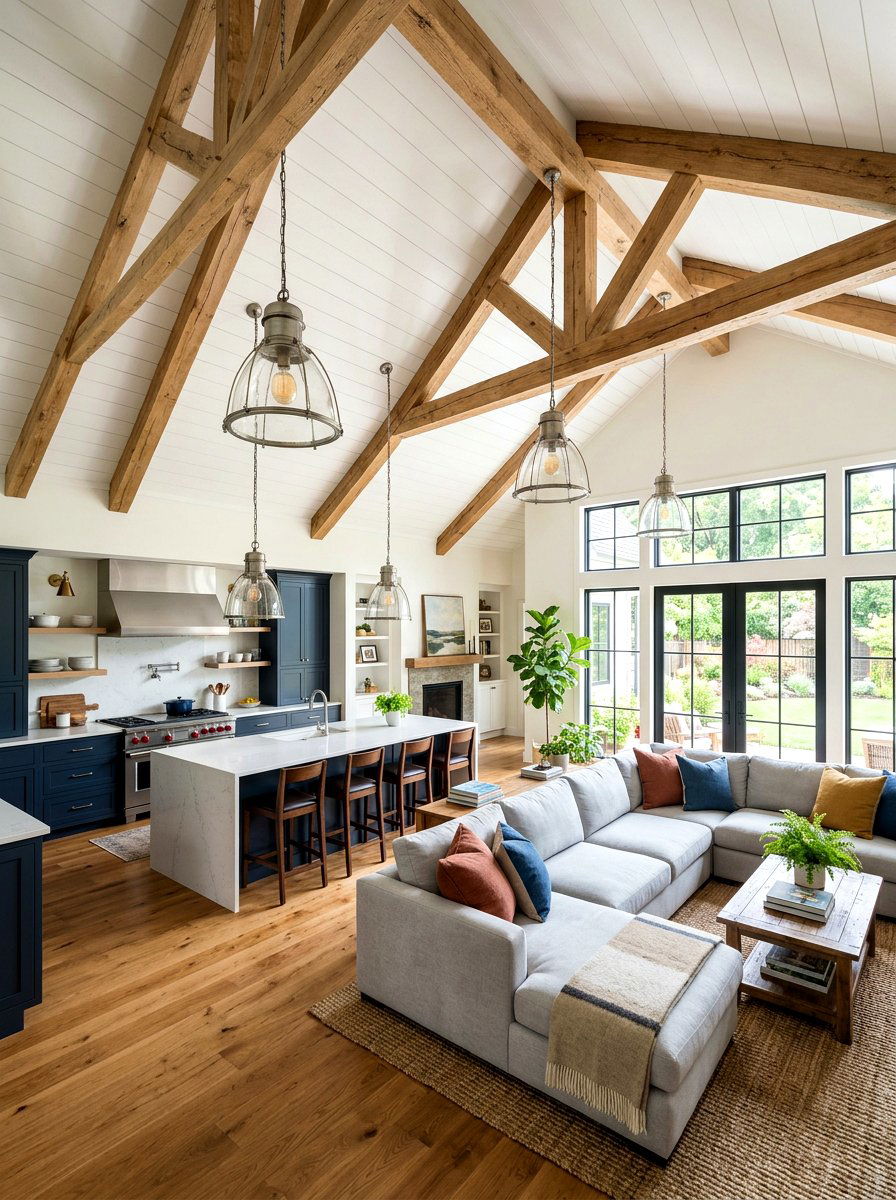
A vaulted ceiling adds an immediate sense of character and volume to any open floor plan. By following the roofline, the ceiling creates a dramatic peak that makes the entire room feel much more impressive. This architectural feature works particularly well in homes where the kitchen and living room are one large continuous space. You can enhance the look by adding decorative trusses or painted shiplap to the ceiling surface. The extra height also allows for larger pendant lights and taller windows, which significantly increases the amount of natural light. It is a fantastic way to make a smaller footprint feel like a grand estate.
15. Shared Dining And Living Space
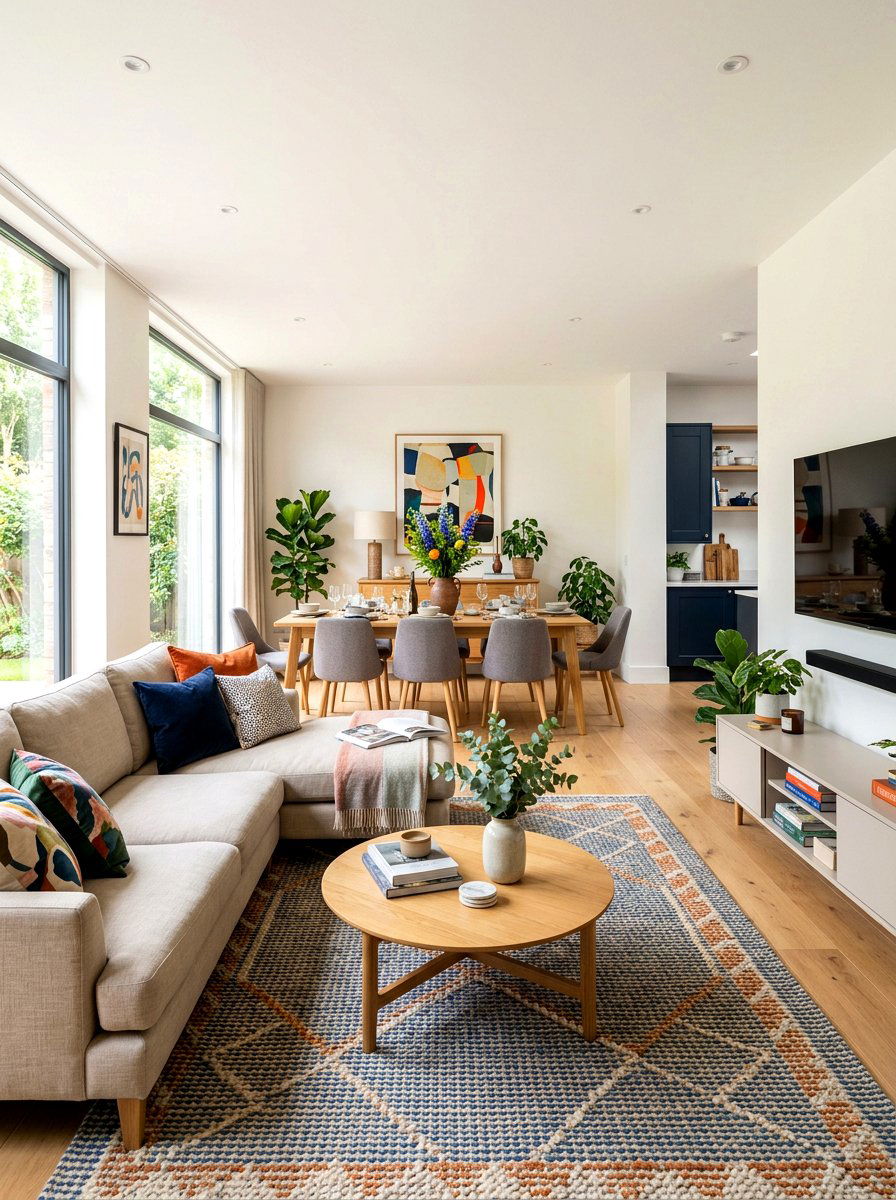
In many modern homes, the formal dining room has been replaced by a shared dining and living space that feels much more casual. This layout often places the dining table directly behind the sofa, creating a natural flow for after-dinner relaxation. To distinguish the two areas, you can use different types of lighting, such as a low-hanging chandelier over the table and recessed lighting in the lounge. A large area rug under the seating area can also help anchor that specific zone. This arrangement is perfect for families who want to maximize their square footage while encouraging more frequent communal meals.
16. Studio Apartment Zone Layout
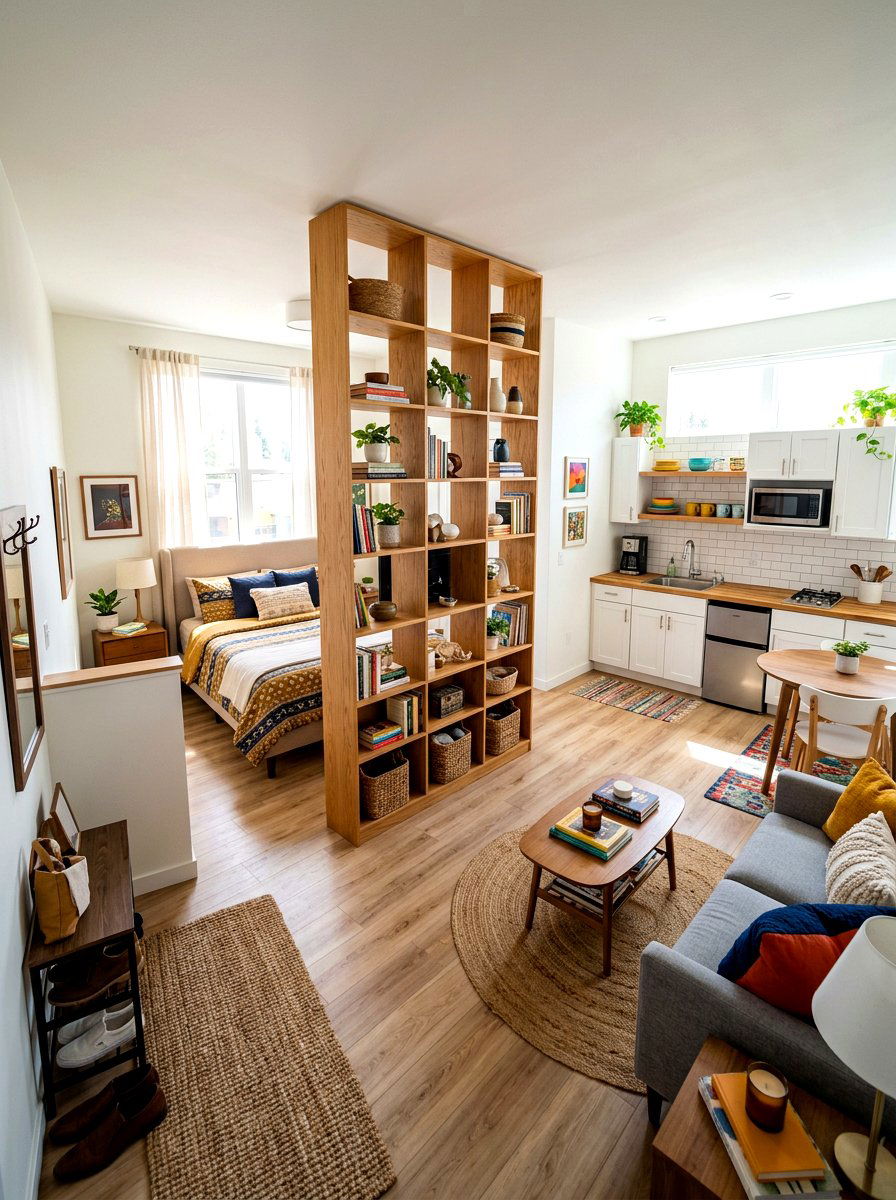
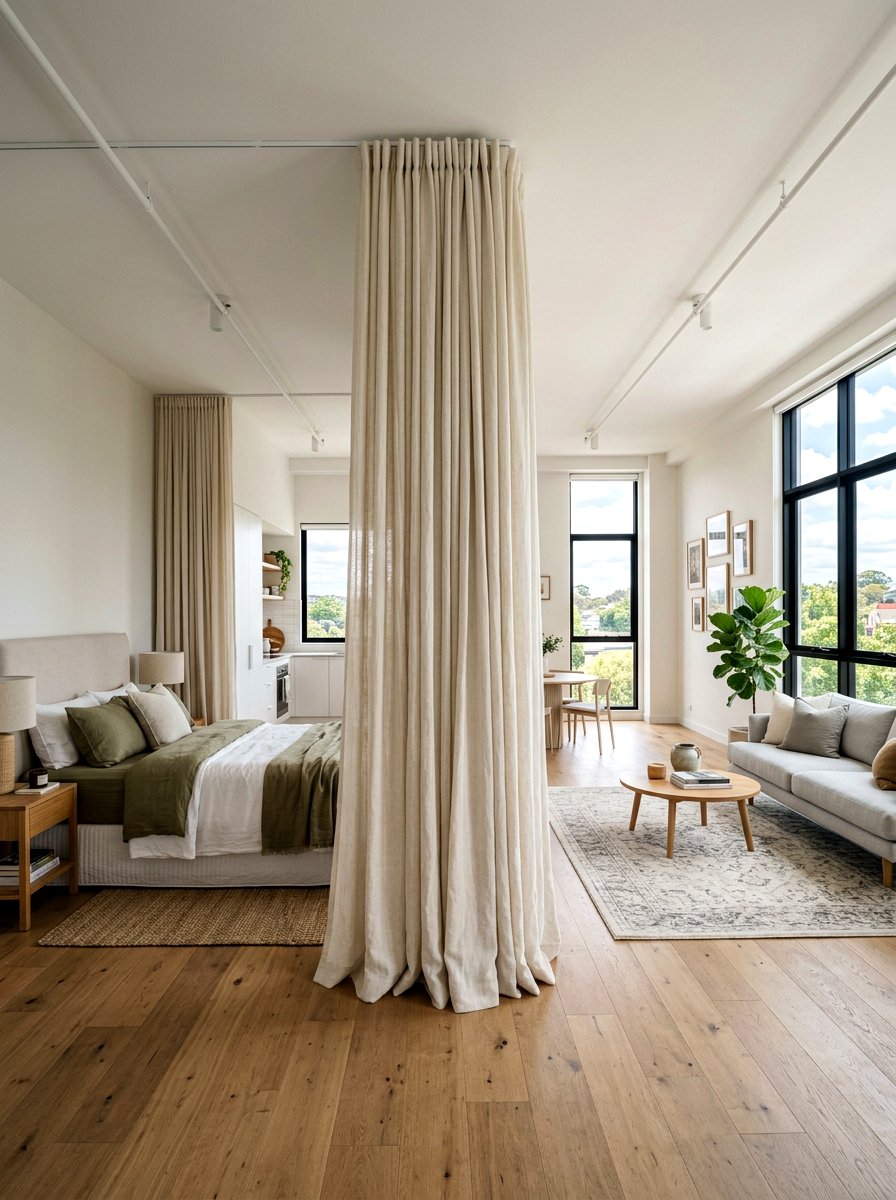
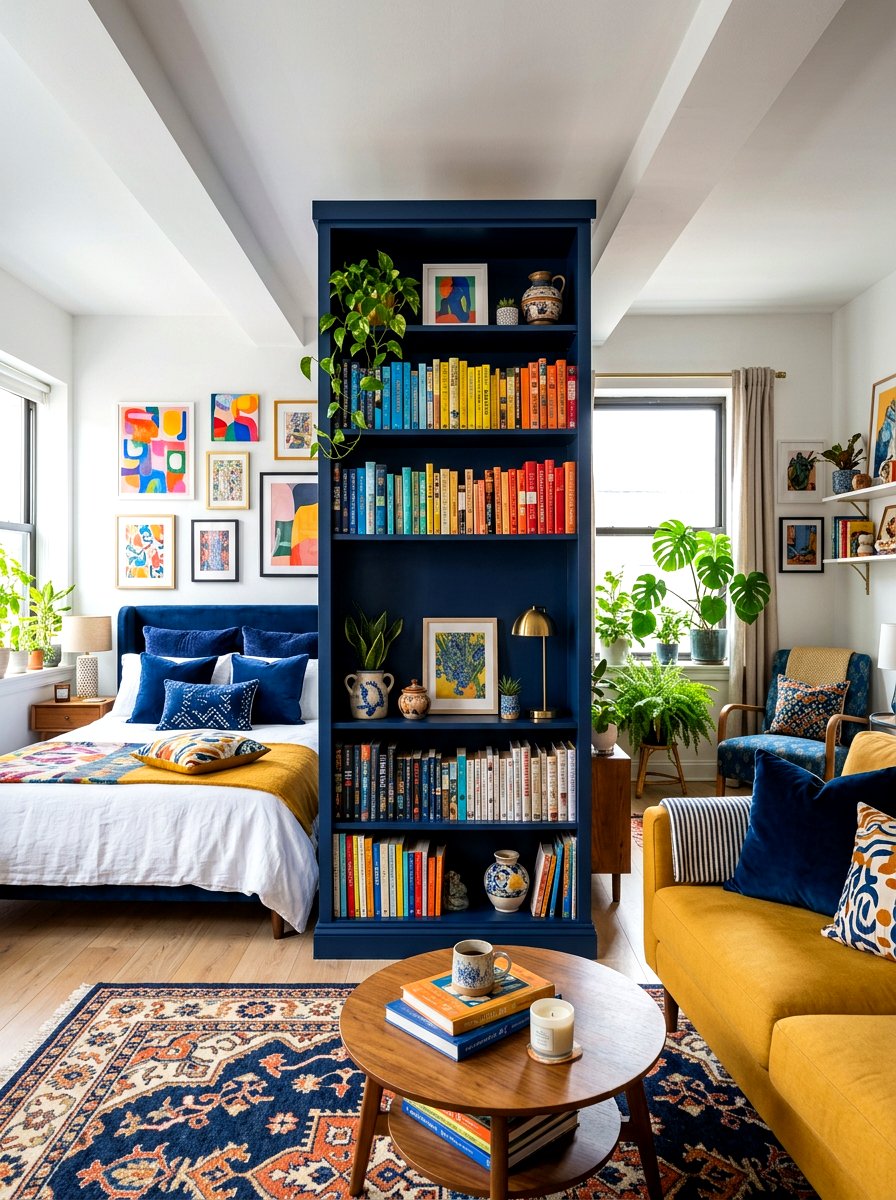
Creating a sense of "rooms" in a one-room studio apartment requires a very strategic open floor plan approach. Many people use a tall, open-backed bookshelf to separate the sleeping area from the main living and cooking zones. This allows light to still pass through while providing a necessary sense of privacy. Another popular trick is to use a rug to define the "living room" and a different wall color or wallpaper behind the bed. By carefully placing furniture, you can create a clear path of travel that makes the studio feel like it has multiple distinct areas instead of just one big cluttered room.
17. Wraparound Kitchen Layout
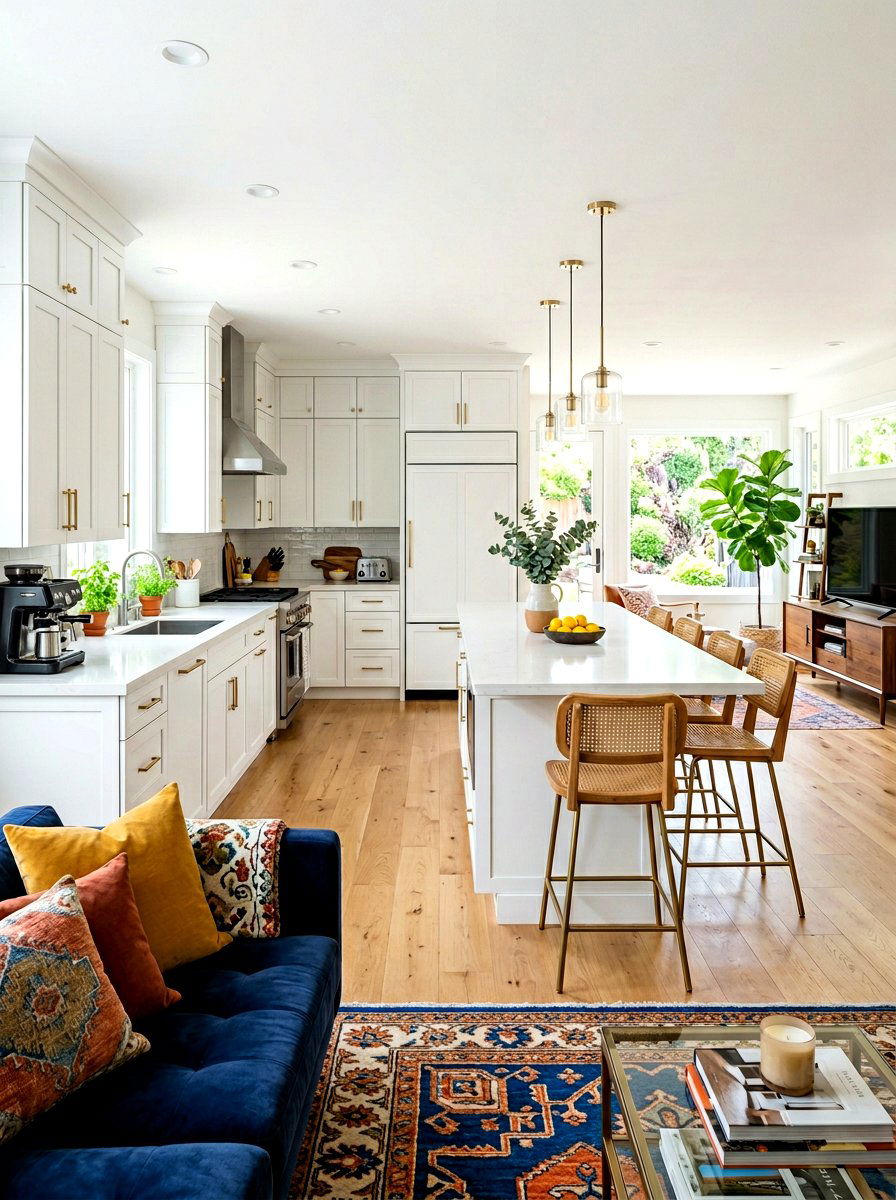
A wraparound kitchen, or U-shaped kitchen that opens into a larger room, is a fantastic way to define the cooking zone while staying connected. This layout usually features a long counter or peninsula that faces the living and dining areas, providing a clear boundary for the chef. It offers plenty of cabinet space and work surfaces while keeping the center of the room open for movement. You can add bar stools to the outer edge of the counter to create a casual breakfast spot. This setup ensures that the kitchen remains the heart of the home without feeling closed off or isolated.
18. Contemporary Open Layout With Columns
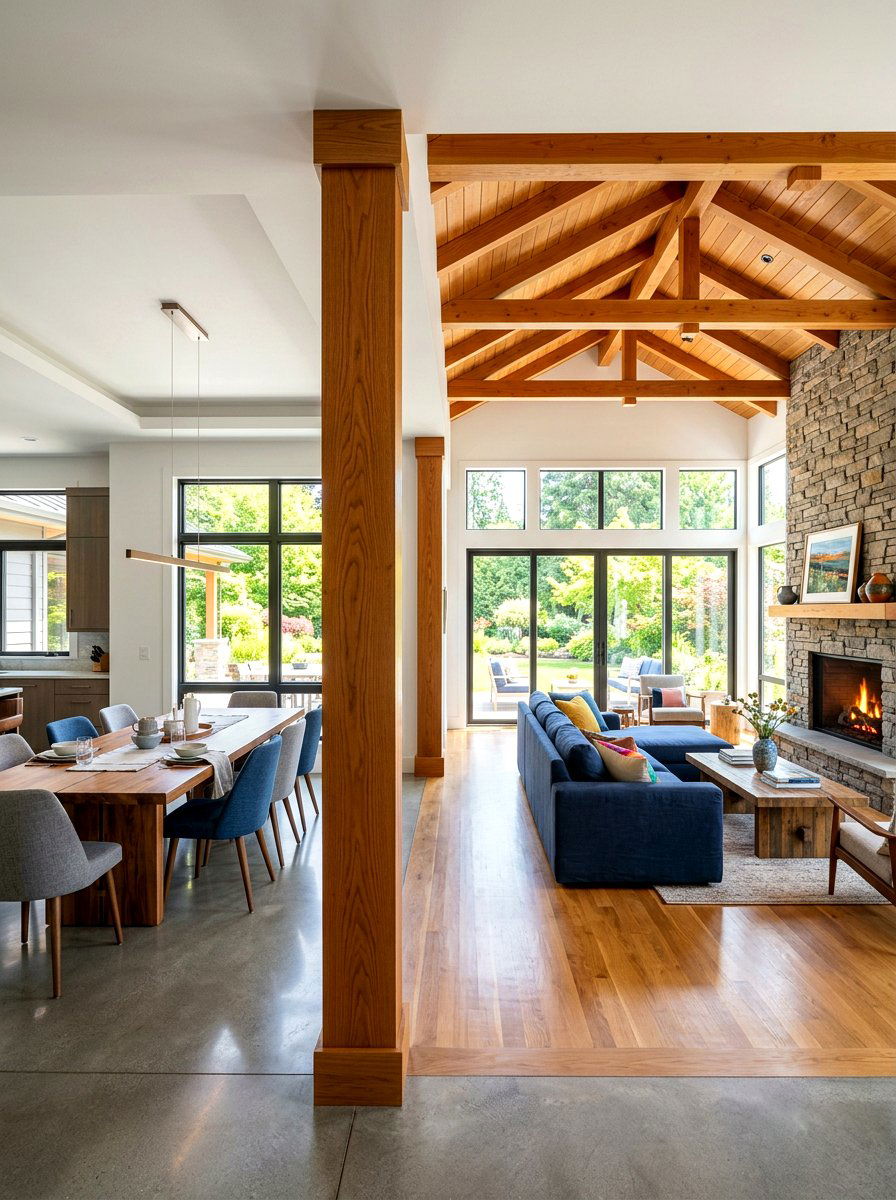
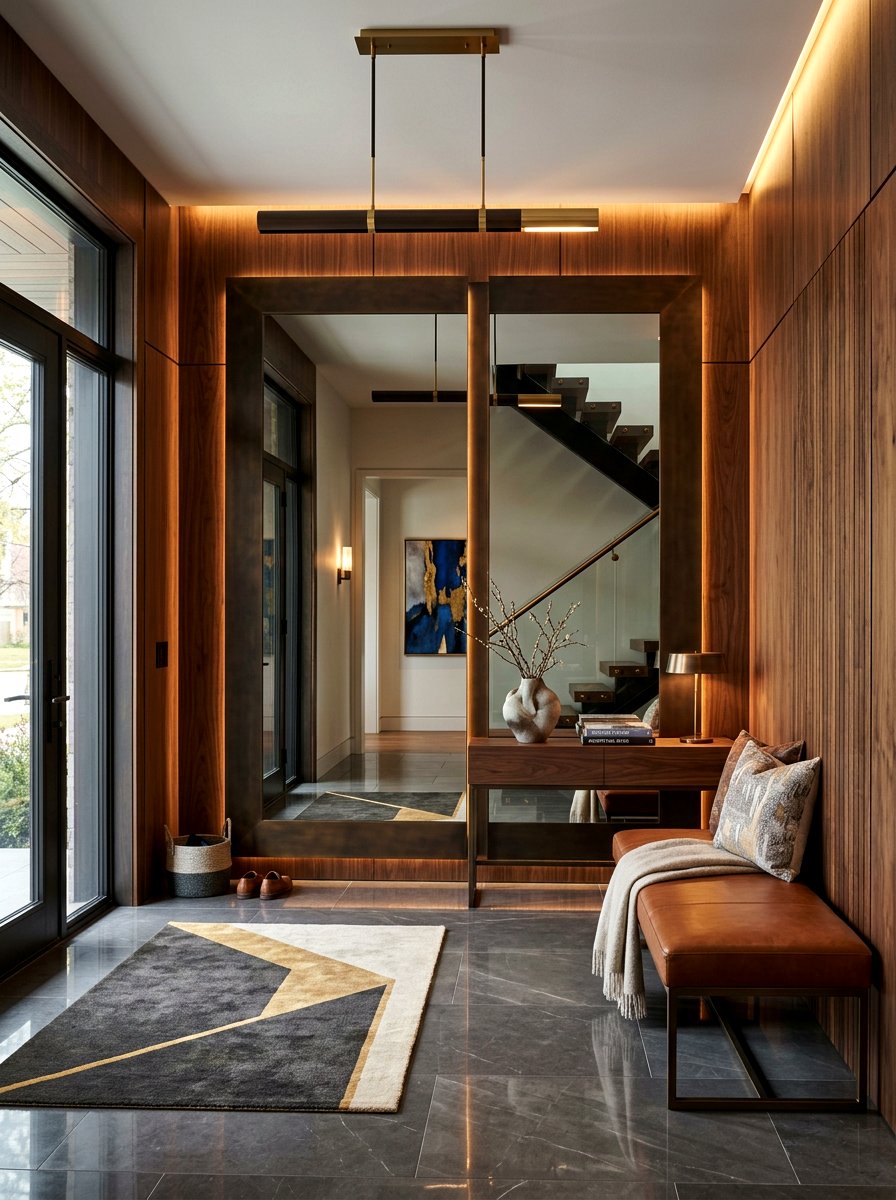
Sometimes structural columns are a necessity in large open floor plans, but they can actually be used to your design advantage. Instead of seeing them as obstacles, you can use them to help frame the different zones of your home. For instance, a pair of columns can mark the transition from the entryway into the main great room. You can wrap the columns in wood, stone, or decorative molding to match your interior style. This adds a layer of architectural detail that makes the vast space feel more intentional and structured. It provides a subtle sense of enclosure while maintaining a completely open feel.
19. Floating Furniture Arrangement
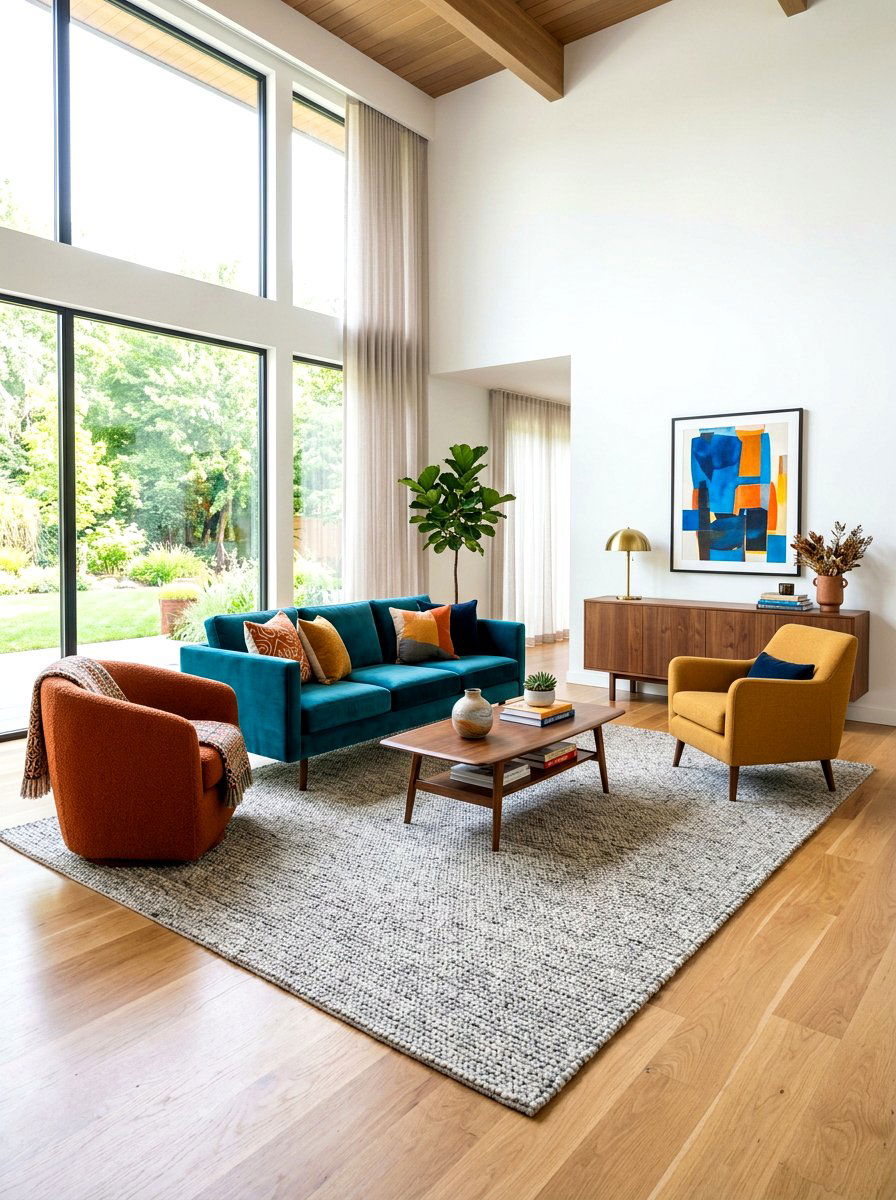
In a massive open floor plan, pushing all of your furniture against the walls can make the space feel like a cold gymnasium. Instead, a floating furniture arrangement involves placing your sofas and chairs in the center of the room to create an intimate "island" of comfort. By leaving space behind the furniture for walking paths, you define the seating zone more effectively. You can place a console table behind the sofa to act as a transition piece between the lounge and the dining area. This approach makes the room feel more balanced and professional, like a high-end designer showroom or luxury hotel.
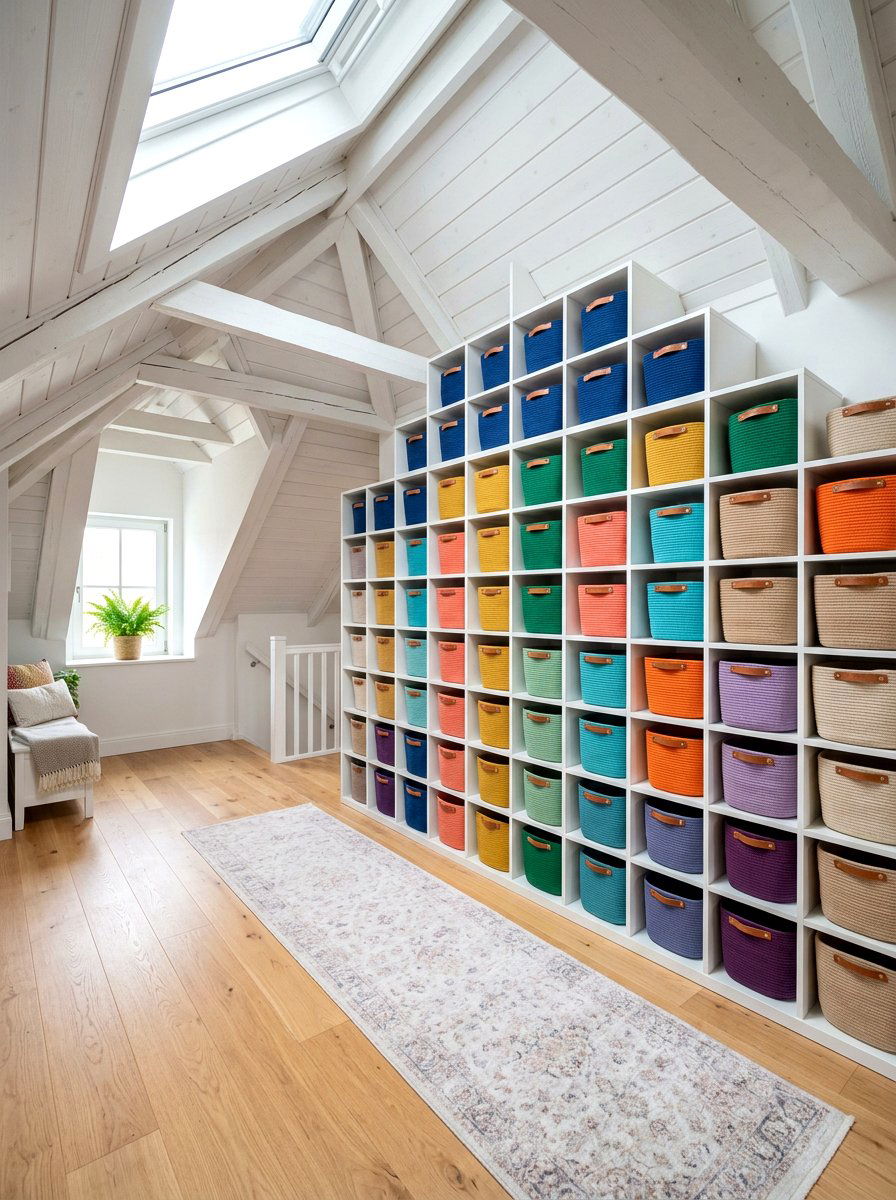
20. High Ceilings With Mezzanine
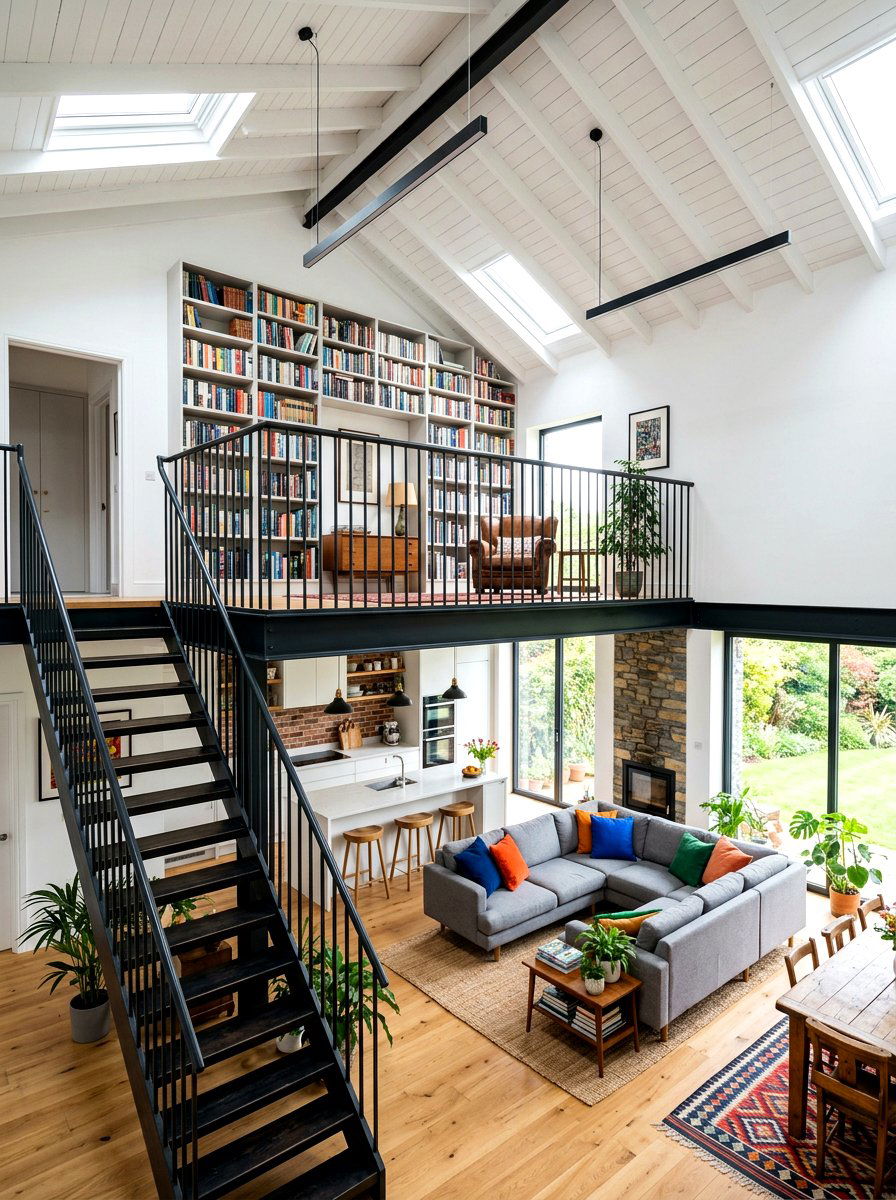
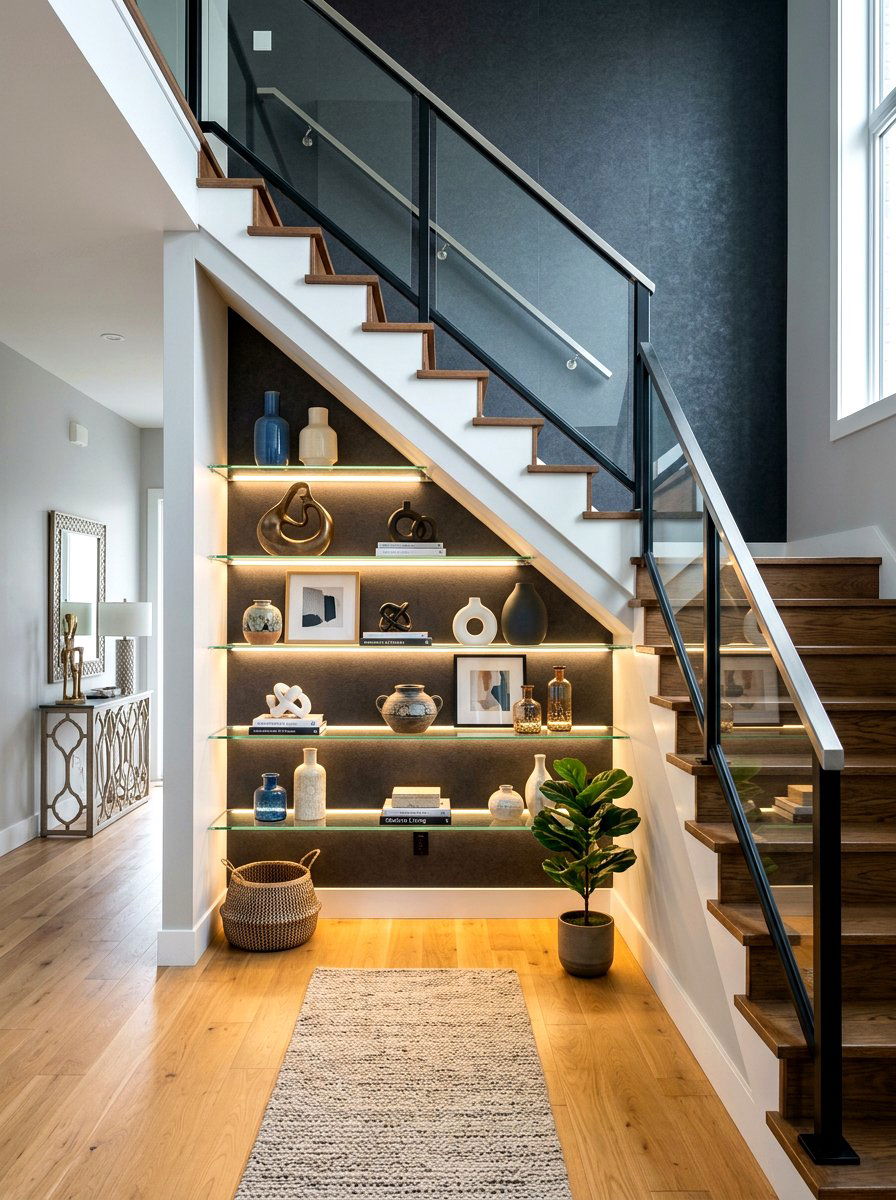
If you have incredibly high ceilings, adding a mezzanine level is a creative way to use vertical space within an open floor plan. The lower level can house the open kitchen and living area, while the mezzanine provides a semi-private spot for a library or home office. This design maintains the open visual connection between levels, allowing you to look down into the main living space. A glass railing on the mezzanine ensures that the view remains unobstructed and the light continues to flow freely. It is a sophisticated architectural solution that adds both functionality and a "wow" factor to the entire home.
21. Natural Light Open Concept
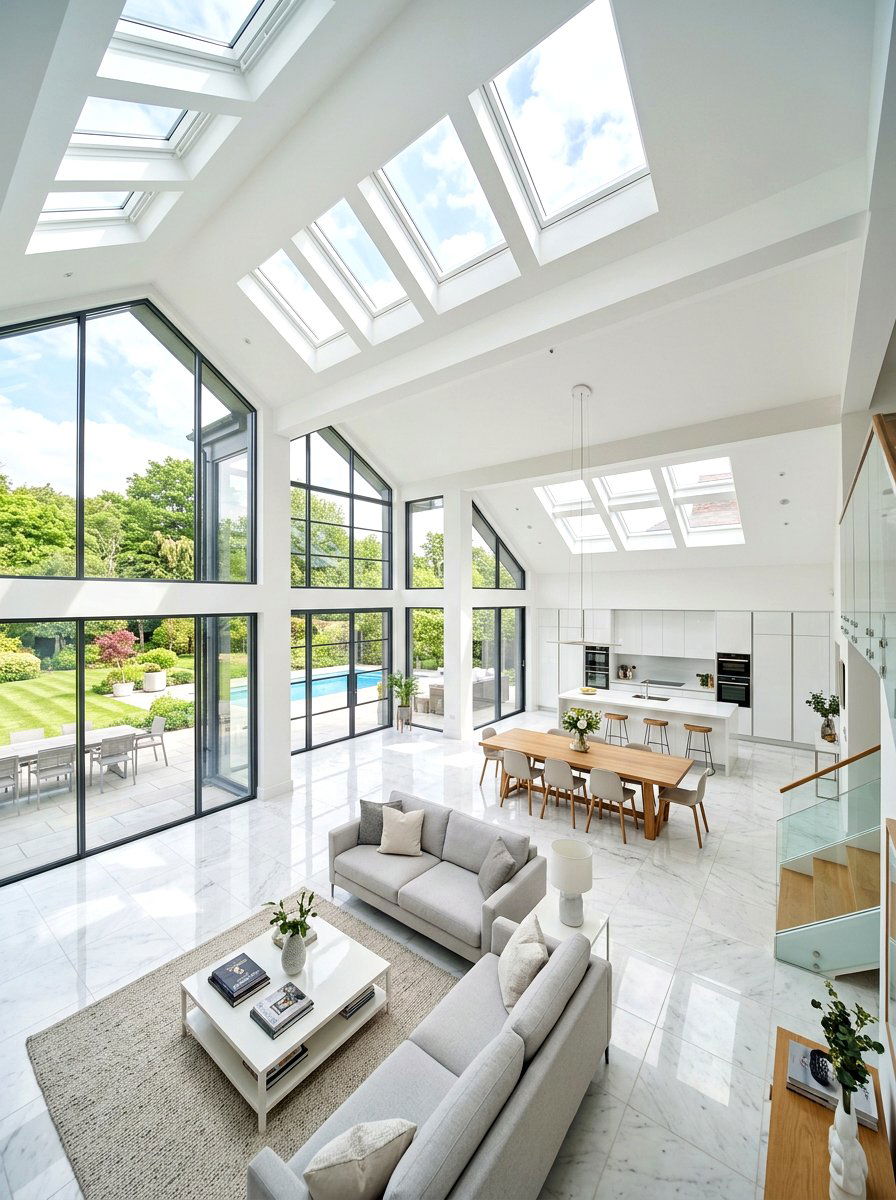
Maximizing natural light is often the primary goal when choosing an open floor plan, as it makes every square inch feel bright. This layout typically places the main living zones along the exterior walls with the largest windows. Skylights and floor-to-ceiling glass panels are used to ensure that even the center of the house receives plenty of sunshine. Light-colored surfaces, such as white cabinets and pale oak floors, help bounce the light throughout the room. By avoiding heavy curtains and bulky partitions, you create a space that feels fresh and energized from sunrise to sunset, which greatly improves the overall mood of the home.
22. Built In Shelving Room Divider
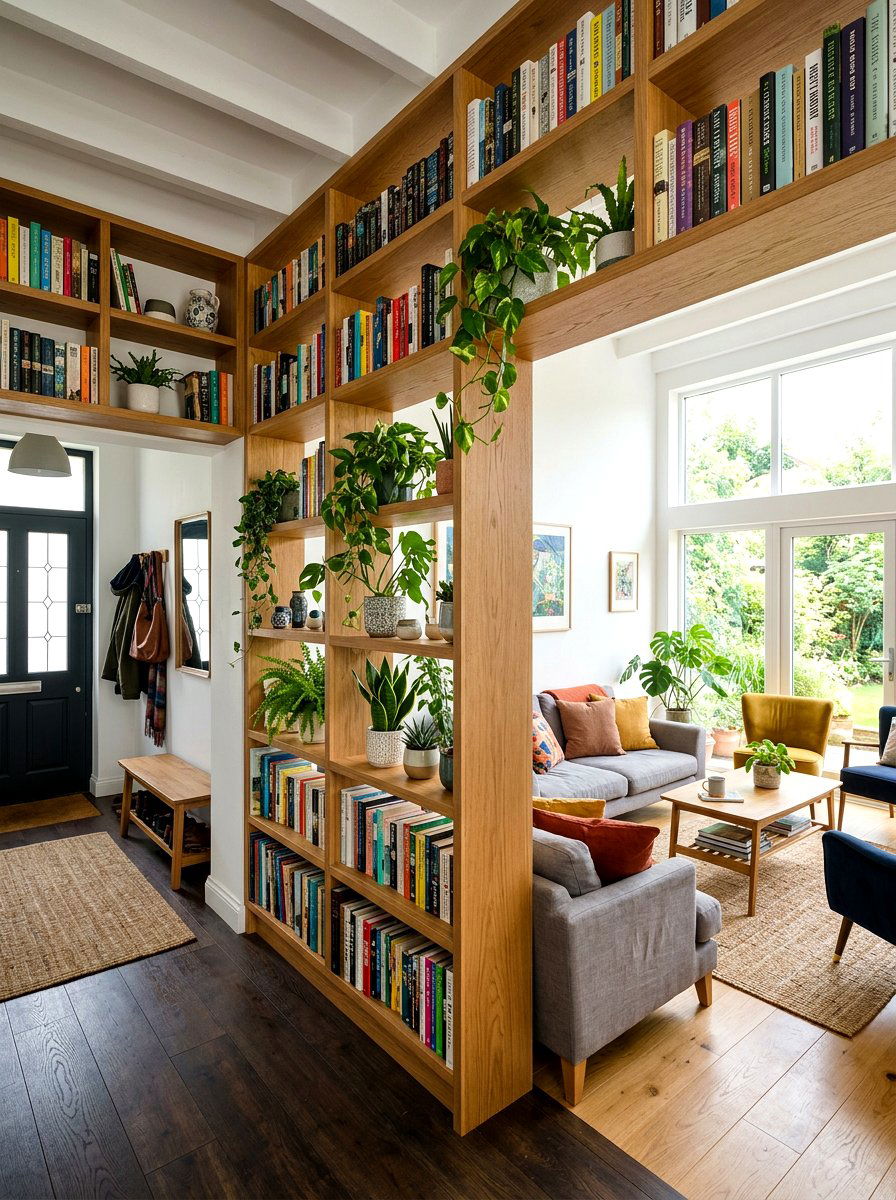
Using built-in shelving as a room divider is a practical and stylish way to zone an open floor plan. These units can be floor-to-ceiling or waist-high, depending on how much privacy you desire. An open-shelf design allows you to display books and decor while still letting light and sightlines pass through to the other side. This creates a soft boundary between the entryway and the living room or the dining area and the kitchen. It provides much-needed storage in an open layout and gives you a place to showcase your personality. The shelving acts as a functional piece of furniture that anchors the entire room.
23. Neutral Color Palette Open Space
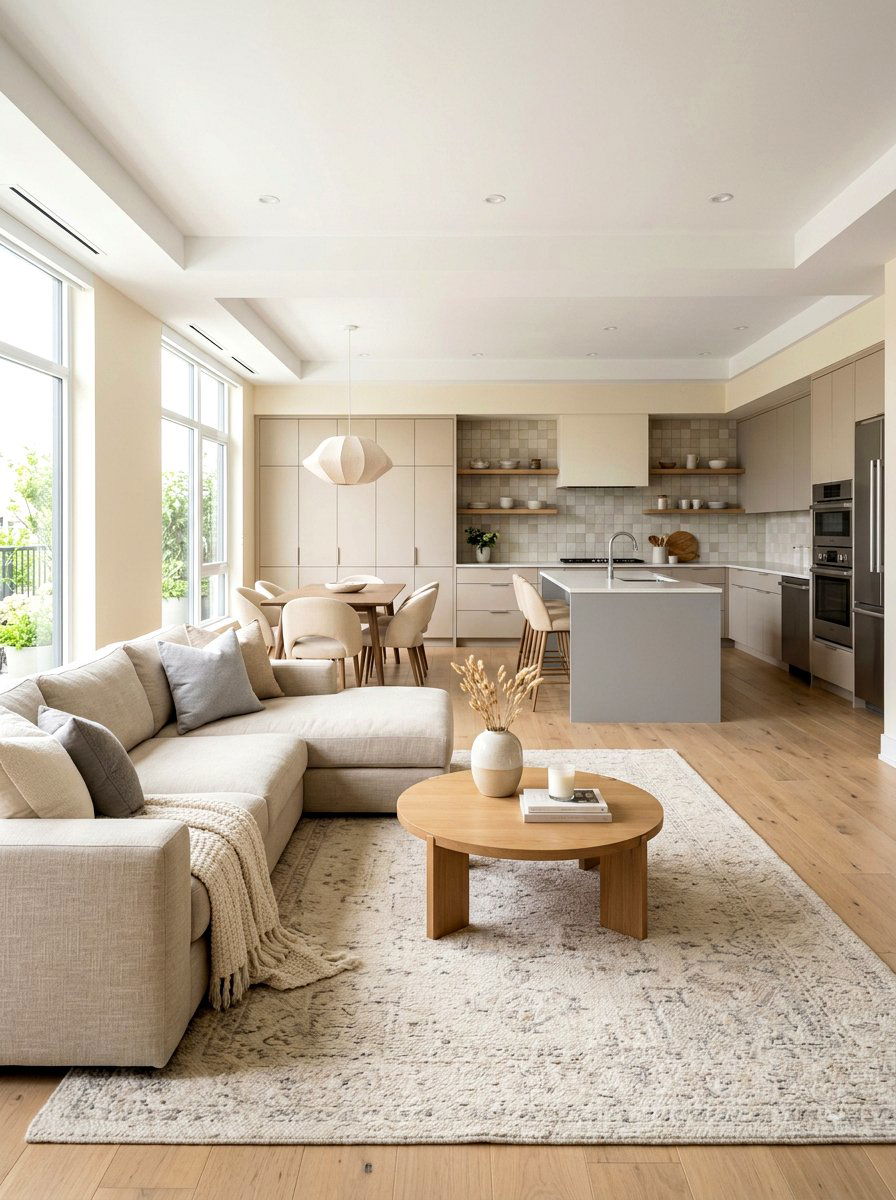
A neutral color palette is the secret to making a large, multi-zone open floor plan look cohesive and high-end. By using varying shades of beige, cream, and gray, you create a seamless flow that ties the kitchen, dining, and living areas together. You can add depth by mixing different textures, such as a velvet sofa, a jute rug, and smooth marble countertops. This subtle approach prevents the different zones from clashing and allows the architecture of the home to shine. It also makes it much easier to swap out accent pillows or artwork if you want to change the look of the room seasonally.
24. Large Window Open Plan
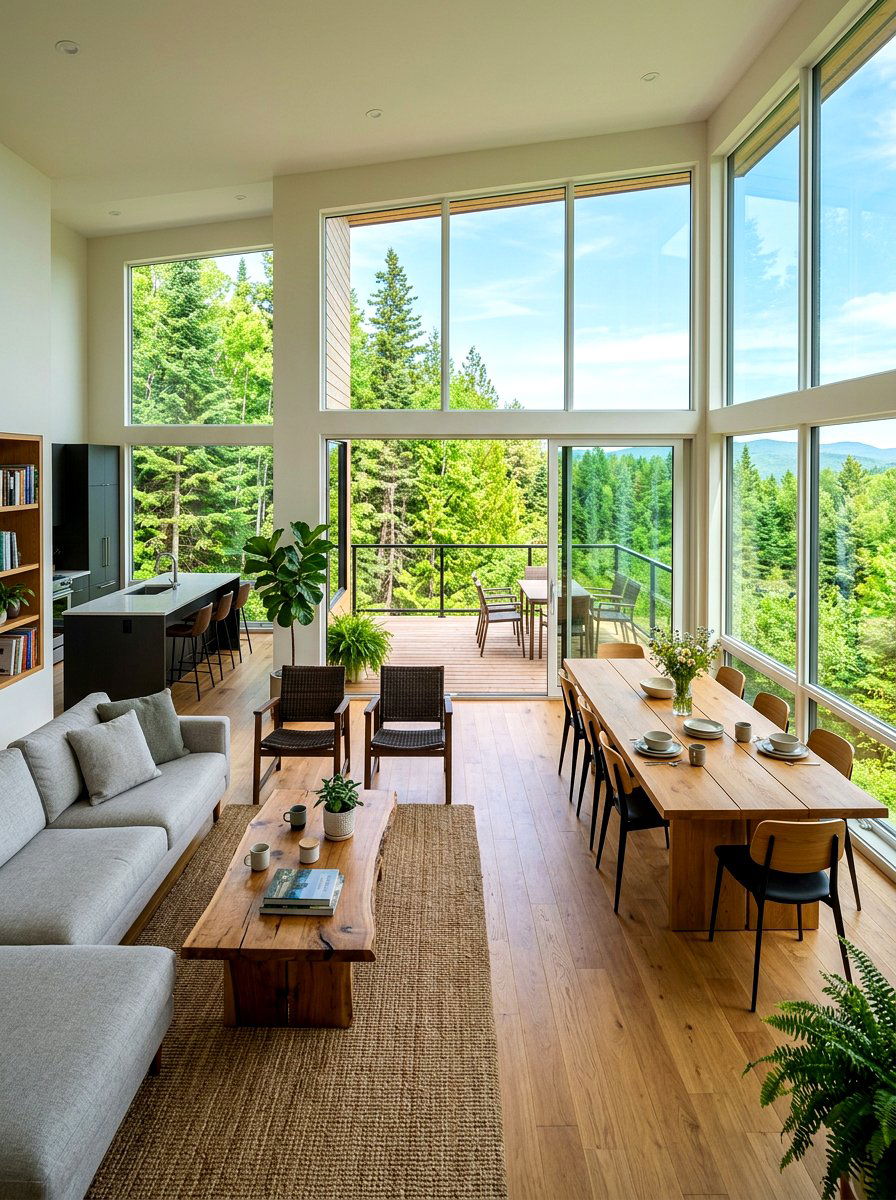
Centering an open floor plan around massive, panoramic windows is a great way to make the landscape the main feature of your home. In this layout, the furniture is often oriented toward the view rather than a television, creating a peaceful and meditative atmosphere. The kitchen and dining zones are placed so that you can enjoy the scenery while cooking or eating. This design works particularly well in homes located near mountains, forests, or the ocean. The huge windows make the walls feel like they have disappeared, merging the interior comfort of the home with the natural beauty of the surrounding outdoor environment.
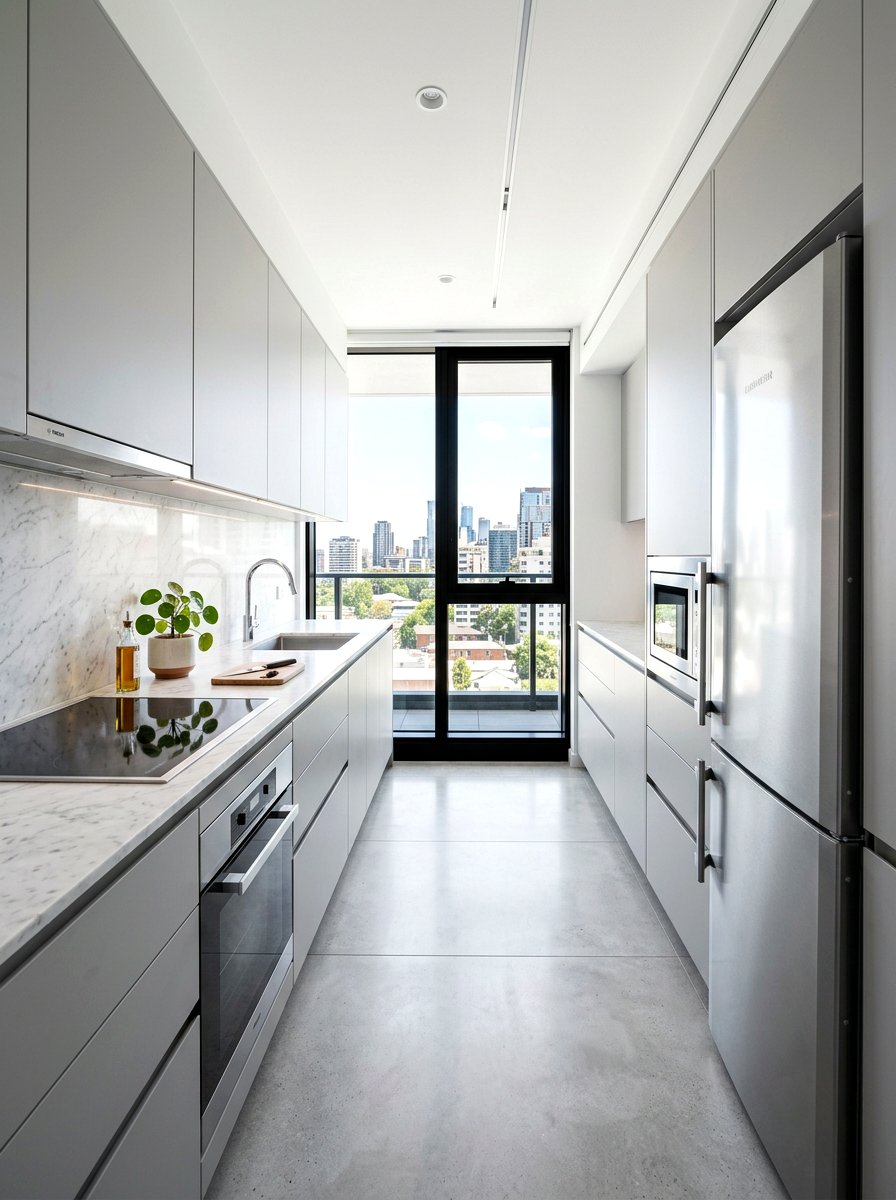
25. Coastal Open Concept Living
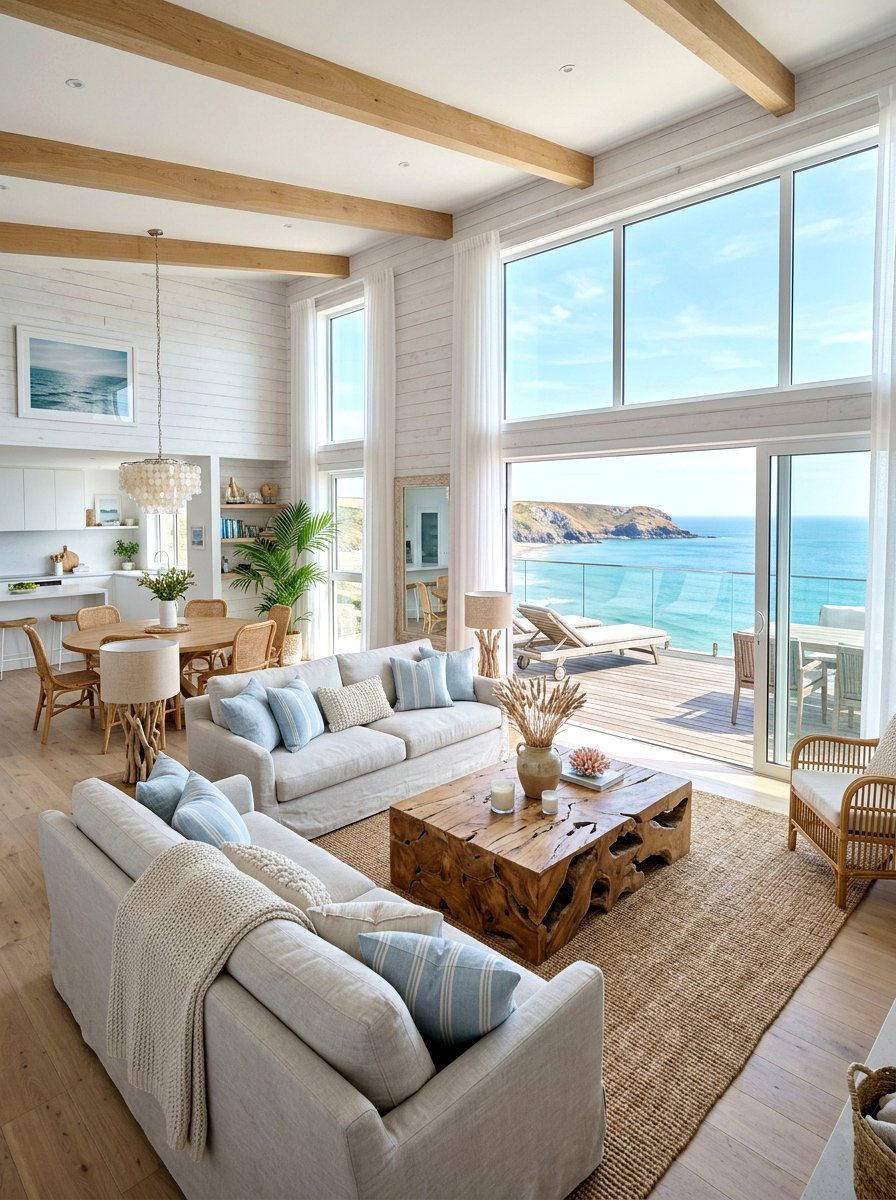
The coastal version of an open floor plan focuses on creating a breezy, relaxed vibe that feels like a permanent vacation. This style often features white-washed wood, woven textures, and a palette of sandy neutrals and soft sea blues. The layout is usually very open to allow for maximum airflow, which is essential in warmer climates. Shiplap walls and light-colored furniture keep the space feeling bright and clean. You might see a large driftwood dining table that connects the kitchen to a comfortable seating area filled with linen-covered sofas. It is a very approachable and comfortable way to live that feels very connected.
26. Dark Kitchen Cabinet Open Layout
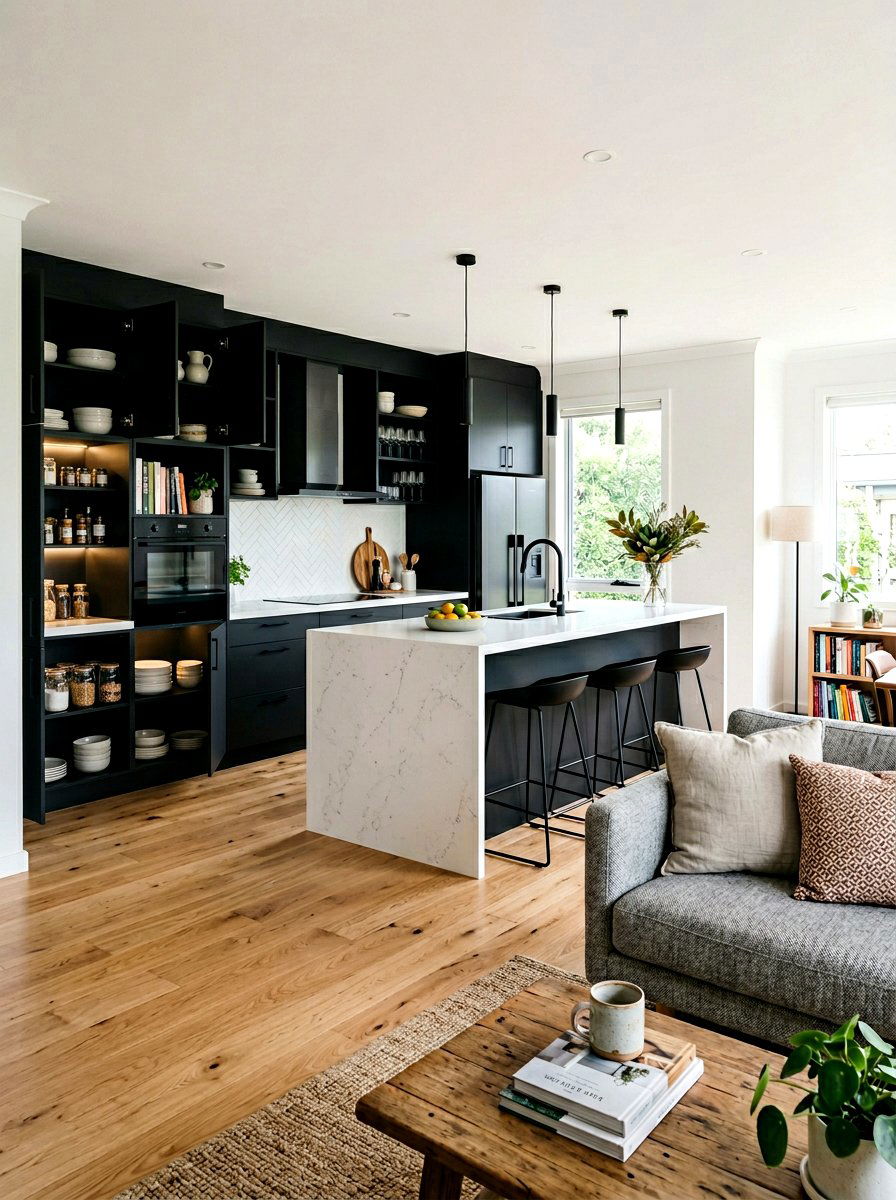
For those who want a bit of drama, using dark kitchen cabinetry in an open floor plan can create a stunning visual anchor. Matte black or deep navy cabinets provide a sharp contrast to a bright living area, making the kitchen feel like a sophisticated piece of furniture. To keep the space from feeling too heavy, you can use light-colored countertops and a white backsplash. Repeating the dark tones in other parts of the room, such as the legs of the dining chairs or the frames of the windows, helps tie the whole look together. It is a bold, modern choice that adds significant character.
27. Multi Level Open Floor Plan
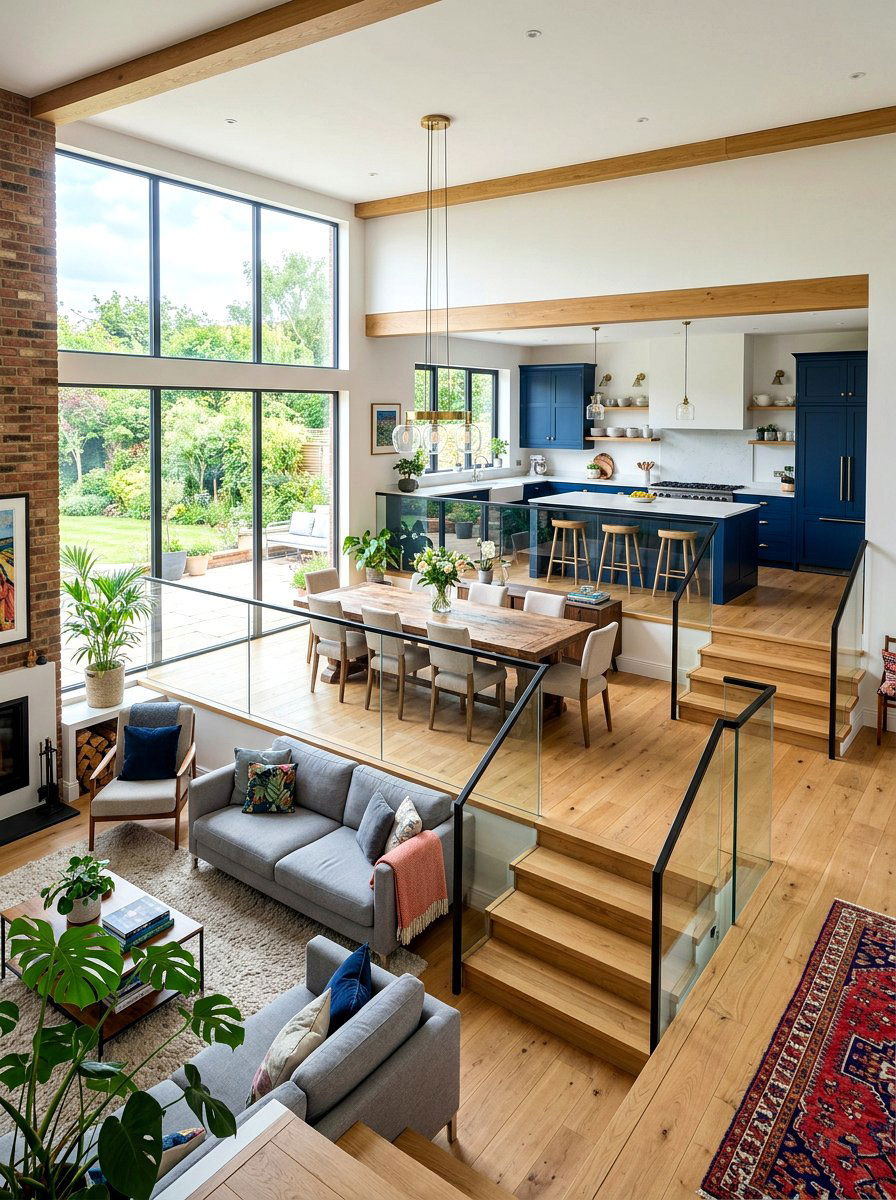
A multi-level open floor plan uses short sets of stairs to define different functional areas within a single large room. For example, the kitchen might be on the highest level, while the dining room is two steps down, and the living room is two steps below that. This "terraced" approach provides a very clear separation of zones without using any walls or tall furniture. It creates a dynamic and interesting interior that feels much more architectural than a flat floor. The change in elevation naturally guides the flow of traffic and makes each "room" feel like its own distinct and special destination.
28. Ceiling Beam Open Concept
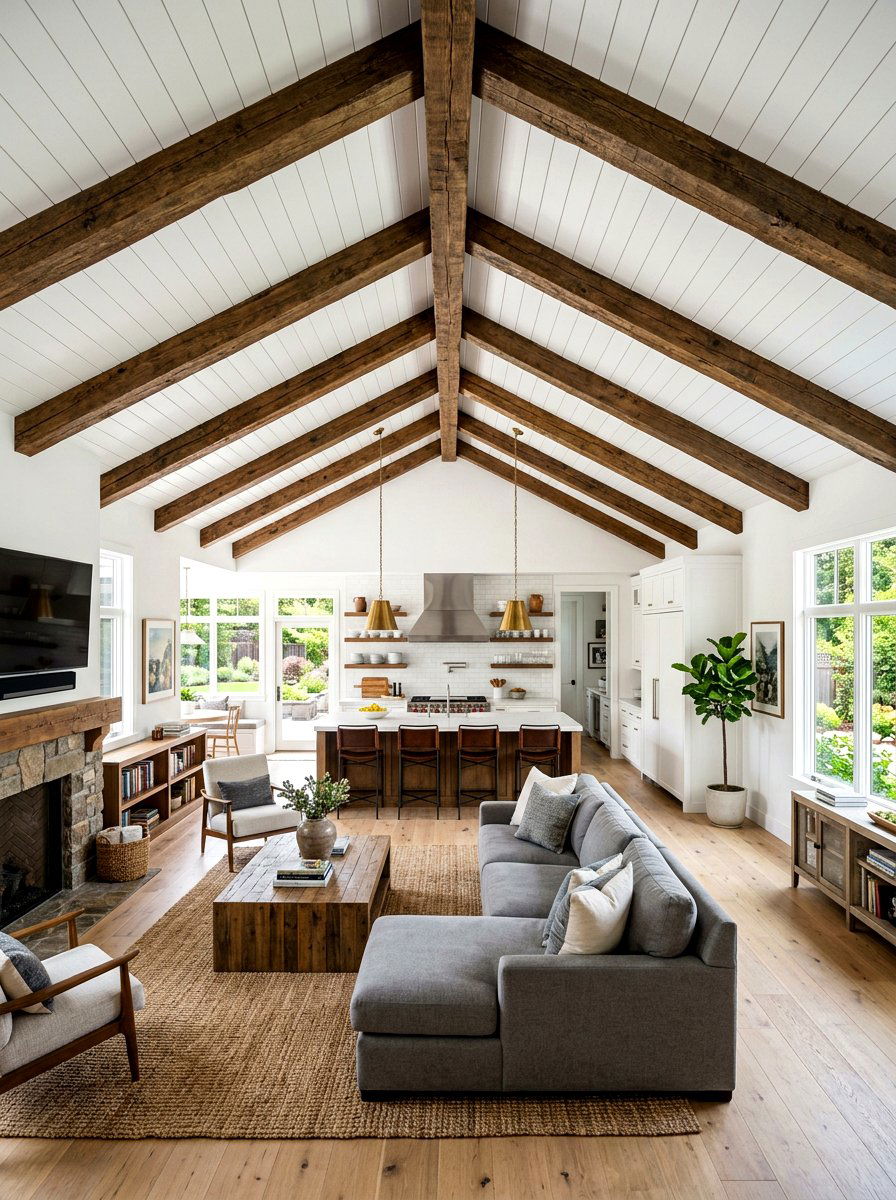
Ceiling beams are a fantastic way to add architectural rhythm and warmth to a large open space. Whether they are natural wood, painted white, or made of industrial steel, beams can be used to visually "lower" a high ceiling and make a vast room feel more intimate. You can also use the placement of the beams to highlight the boundaries between the kitchen and the lounging zones. For example, a heavy main beam can run exactly where a wall used to be, acting as a ghost partition. This adds a layer of history and craftsmanship to the home while maintaining a completely modern and open layout.
29. Fireplace Focal Point Open Space
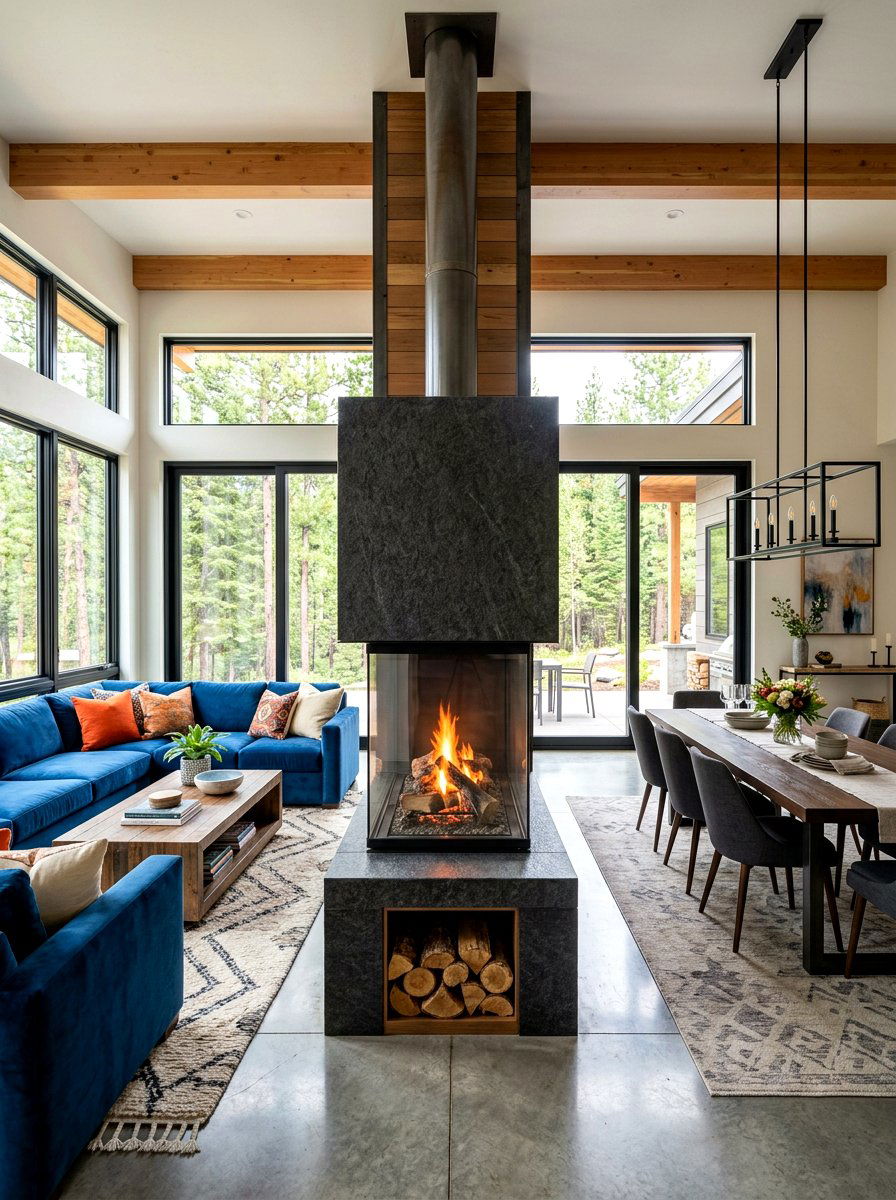
A double-sided or central fireplace is the ultimate way to ground an open floor plan. By placing the fireplace in the middle of the large room, you create a cozy focal point that can be enjoyed from both the kitchen and the living area. This acts as a natural room divider that doesn't block the flow of light or movement. A tall stone or tiled chimney breast that reaches the ceiling adds a sense of height and importance to the space. It provides a warm heart for the home where the family can gather, regardless of which part of the open room they are currently using.
30. Hidden Storage Open Concept
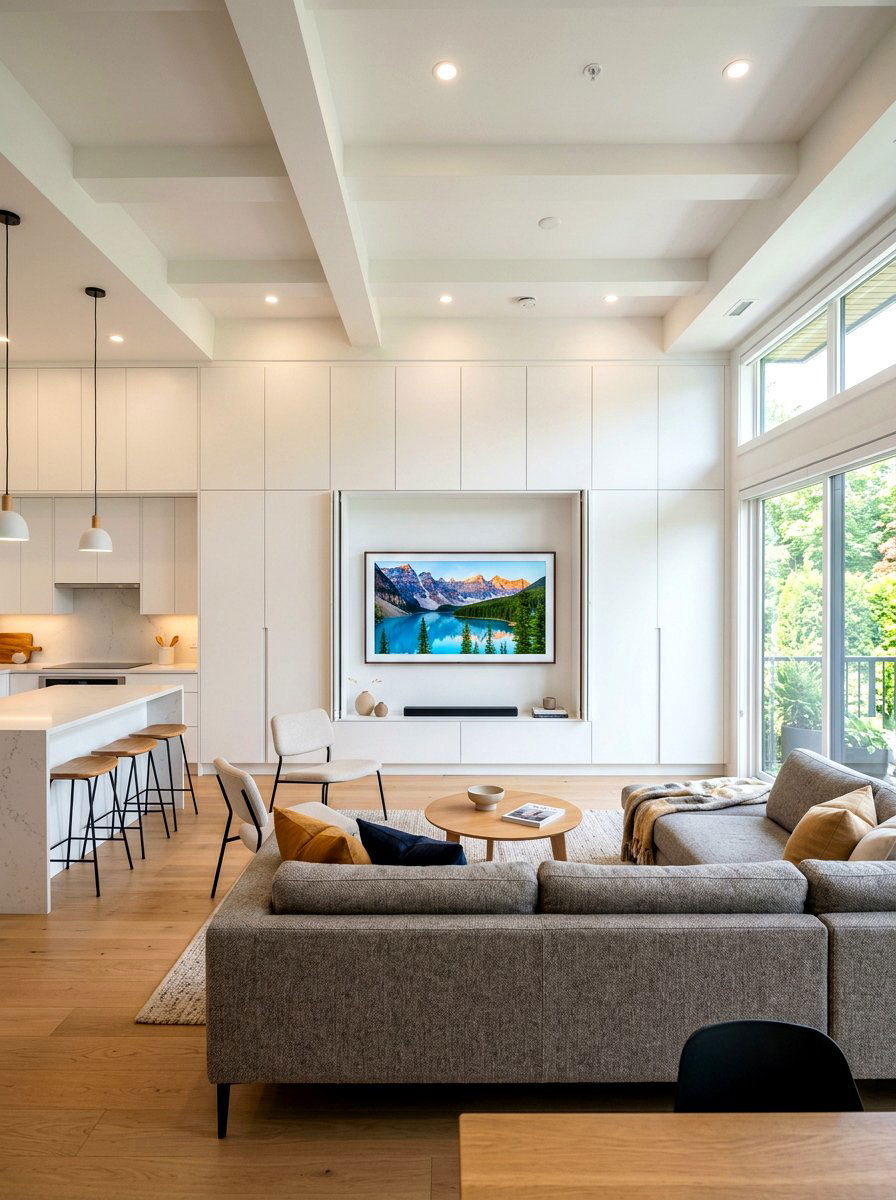
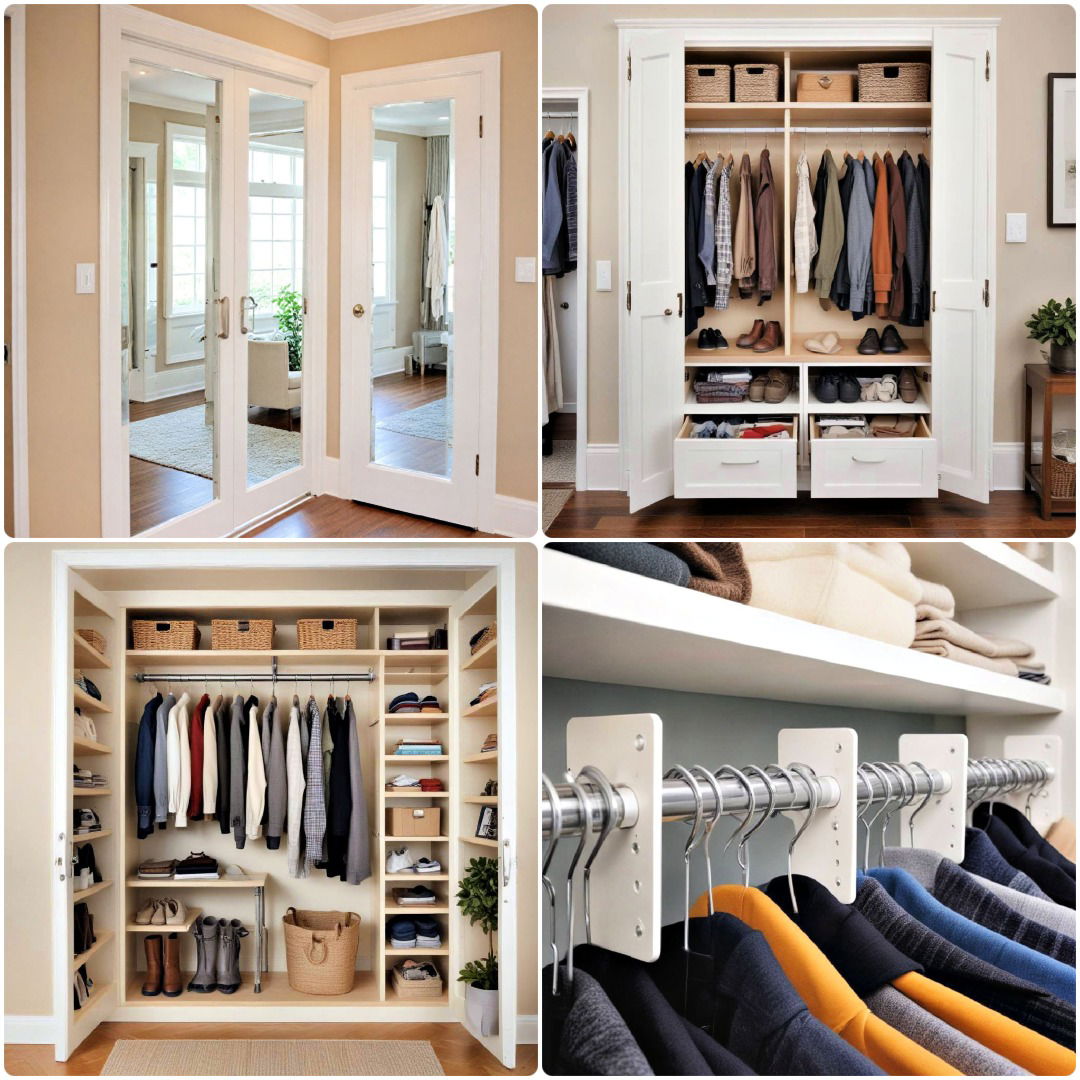
One of the biggest challenges of an open floor plan is the lack of walls for storage, but clever design can solve this easily. Many modern homes use "hidden" storage, such as floor-to-ceiling cabinets that look like wall panels or built-in benches under windows. This keeps the main living areas looking clean and uncluttered, which is vital for the open concept to work. You can hide the television behind sliding panels or tuck a small home office into a closet-like niche. By keeping everything organized and out of sight, you ensure that the sense of spaciousness and freedom is never compromised by daily life.
Conclusion:
Designing a successful open floor plan requires a thoughtful balance between total connectivity and functional zoning to ensure the home remains livable. As we have explored, there are countless ways to define your space using levels, lighting, furniture placement, and architectural details without ever needing to build a solid wall. These layouts not only make your home feel larger and brighter but also foster a more interactive and social environment for your entire family. By carefully considering how you move through your home and where you want to gather, you can create a viral-worthy interior that is both beautiful and highly practical for years to come.

Related posts: