google_search{queries: [
1. Internal glass walls
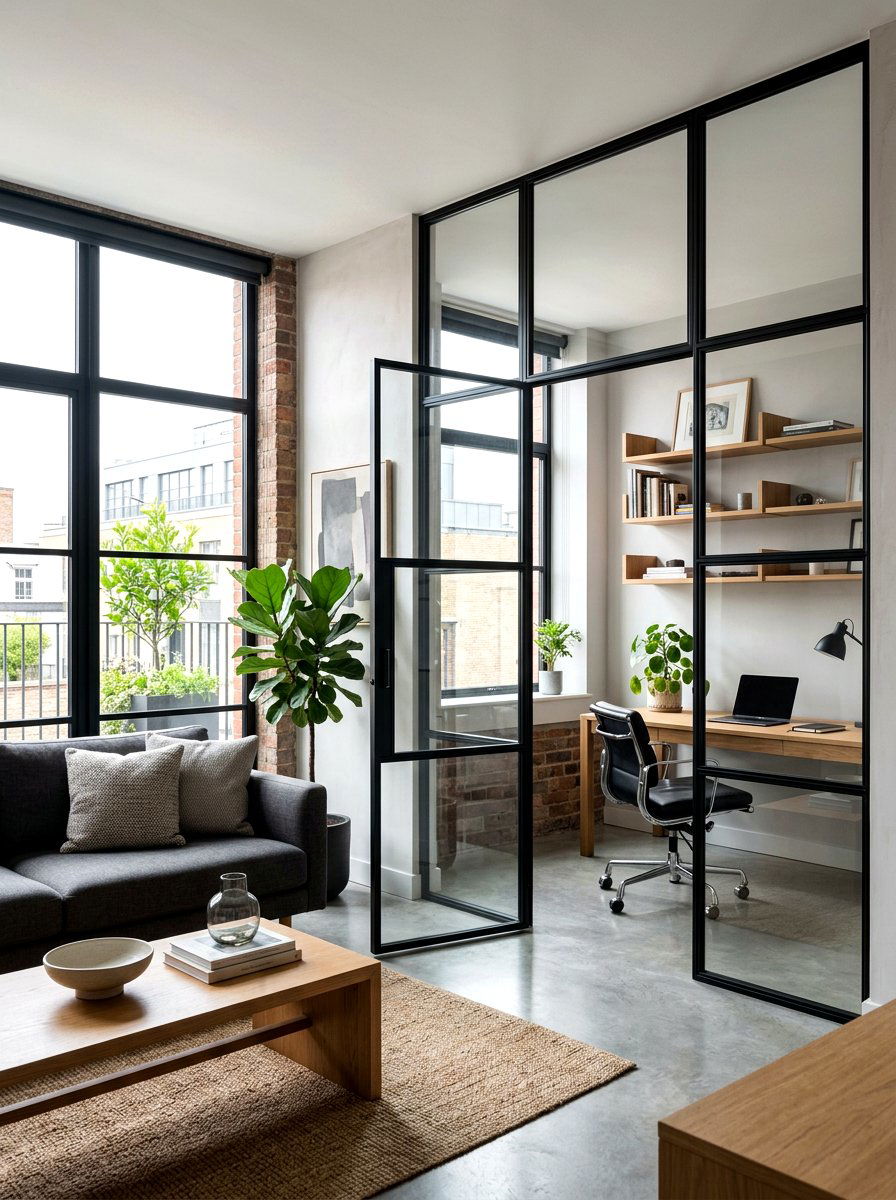
Installing internal glass walls is a brilliant way to divide a large space without sacrificing the flow of natural light. Often featuring black metal frames for an industrial Crittall look, these partitions create a clear physical barrier that blocks noise while keeping the visual connection between rooms intact. This design is particularly effective for separating a home office from a busy living room or enclosing a kitchen to contain cooking smells. By using clear or reeded glass, you maintain the airy feel of an open plan while enjoying the quietude of a traditional room. It is a sophisticated solution for modern homes seeking architectural depth.
2. Sunken living room
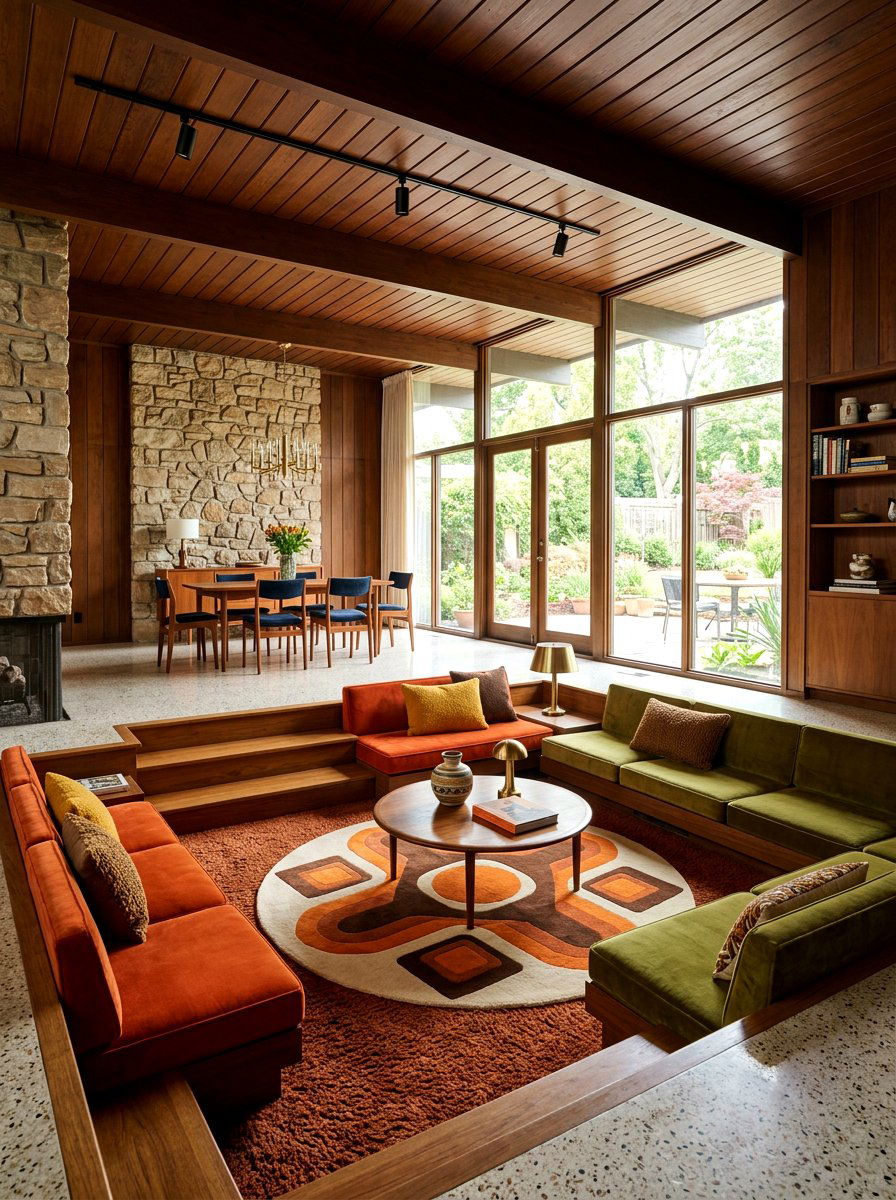
A sunken living room, also known as a conversation pit, is a classic architectural feature that defines a lounging zone through a change in floor elevation. By lowering the seating area, you create a distinct sense of enclosure and intimacy without the need for solid walls. This design encourages social interaction and creates a cozy, sheltered atmosphere that feels separate from the rest of the house. Surrounding the pit with steps or built-in cabinetry further emphasizes the boundary. It is an excellent way to add visual interest and a retro-modern flair to a large, open-plan ground floor while maintaining sightlines.
3. Double sided fireplace
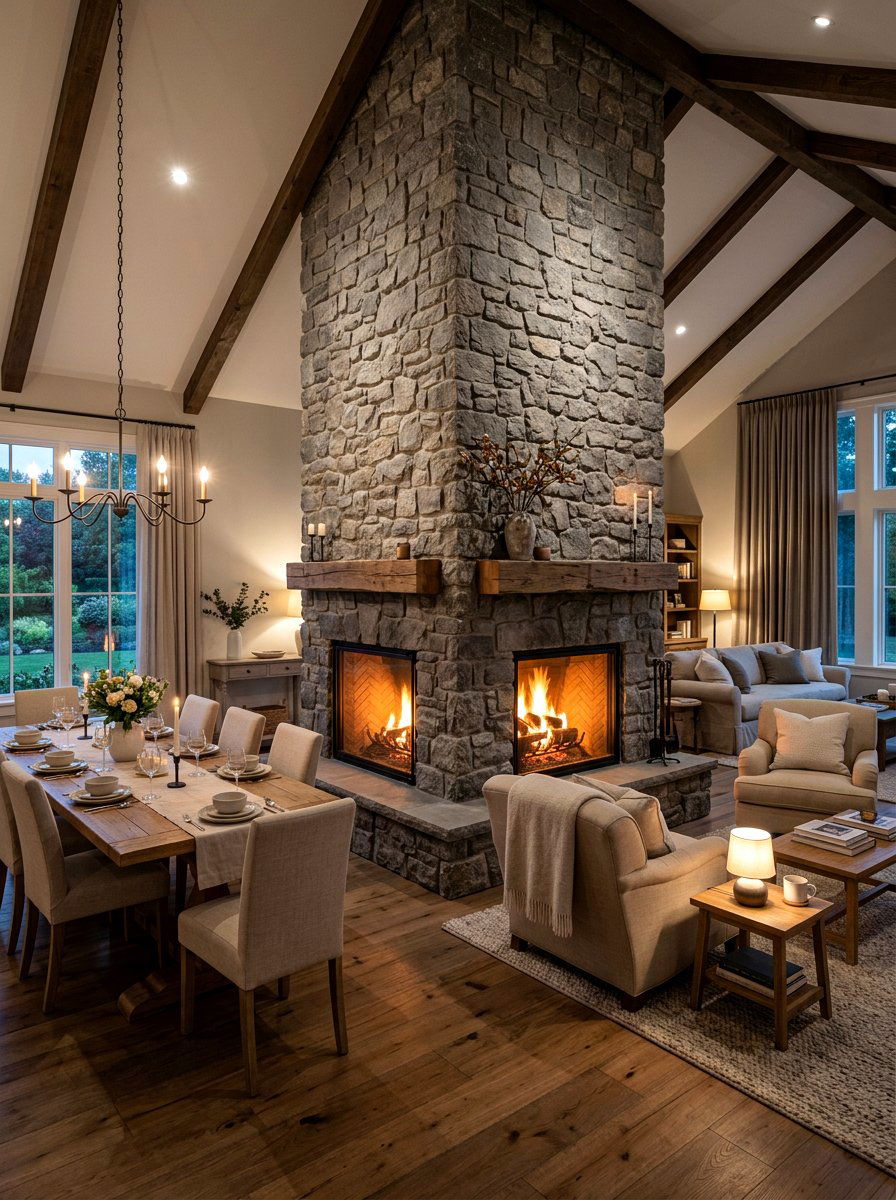
A double-sided fireplace serves as a stunning focal point that bridges two distinct functional areas, such as a dining room and a lounge. This structural element provides warmth and ambiance to both sides while acting as a sturdy vertical divider. Because the fireplace is open on both ends, it allows light and shadows to play across the space, ensuring neither side feels isolated or dark. You can choose a floor-to-ceiling stone chimney for a rustic look or a minimalist floating hearth for a contemporary feel. It effectively "breaks" the plan while offering a shared aesthetic element that anchors the entire home.
4. Internal windows
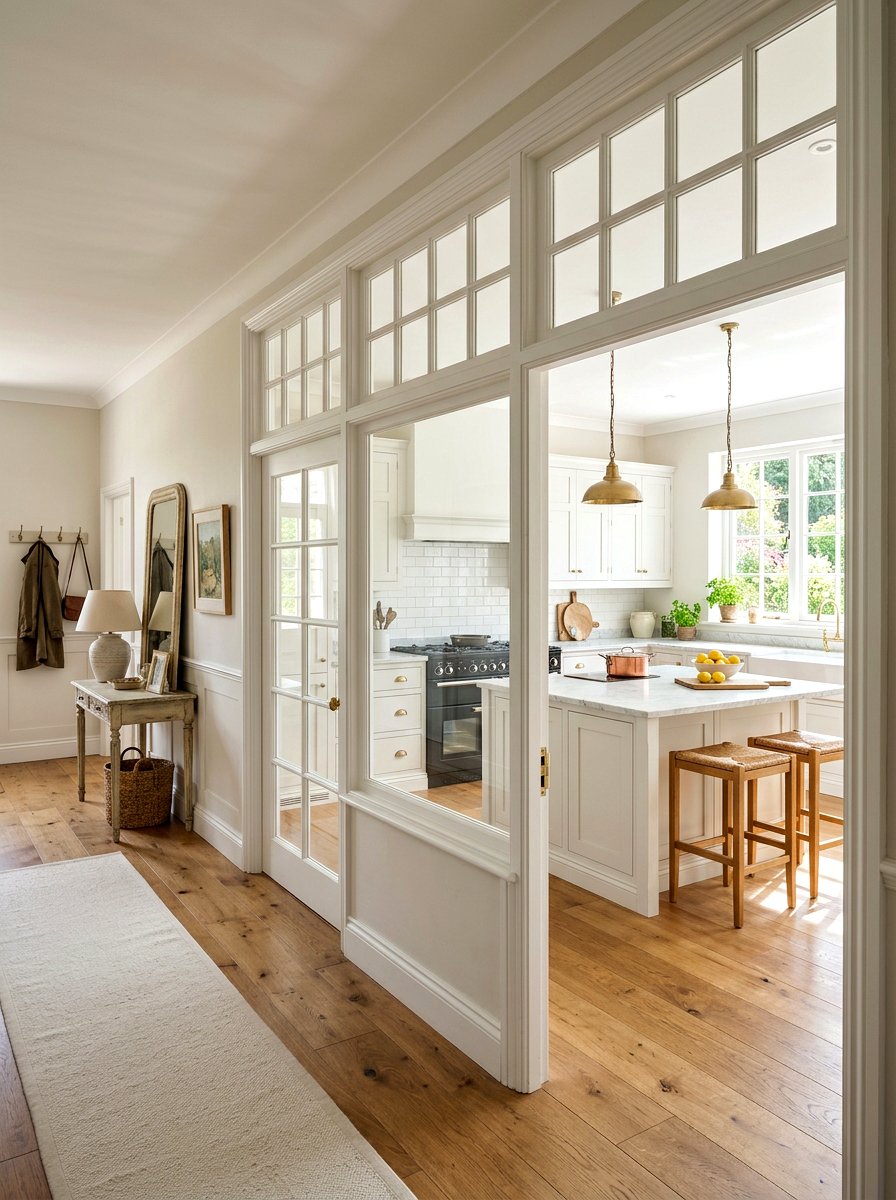
Internal windows are a charming way to bring light into darker, landlocked rooms while creating a sense of separation between different living zones. By placing a window in an interior wall, you allow sightlines to travel through the home, making smaller spaces feel significantly larger and more connected. This idea works beautifully between a hallway and a living area or even a kitchen and a dining space. You can use traditional timber frames for a farmhouse aesthetic or sleek aluminum for a modern touch. It provides the privacy of a wall with the brightness and openness of an open-concept layout.
5. Split level floor
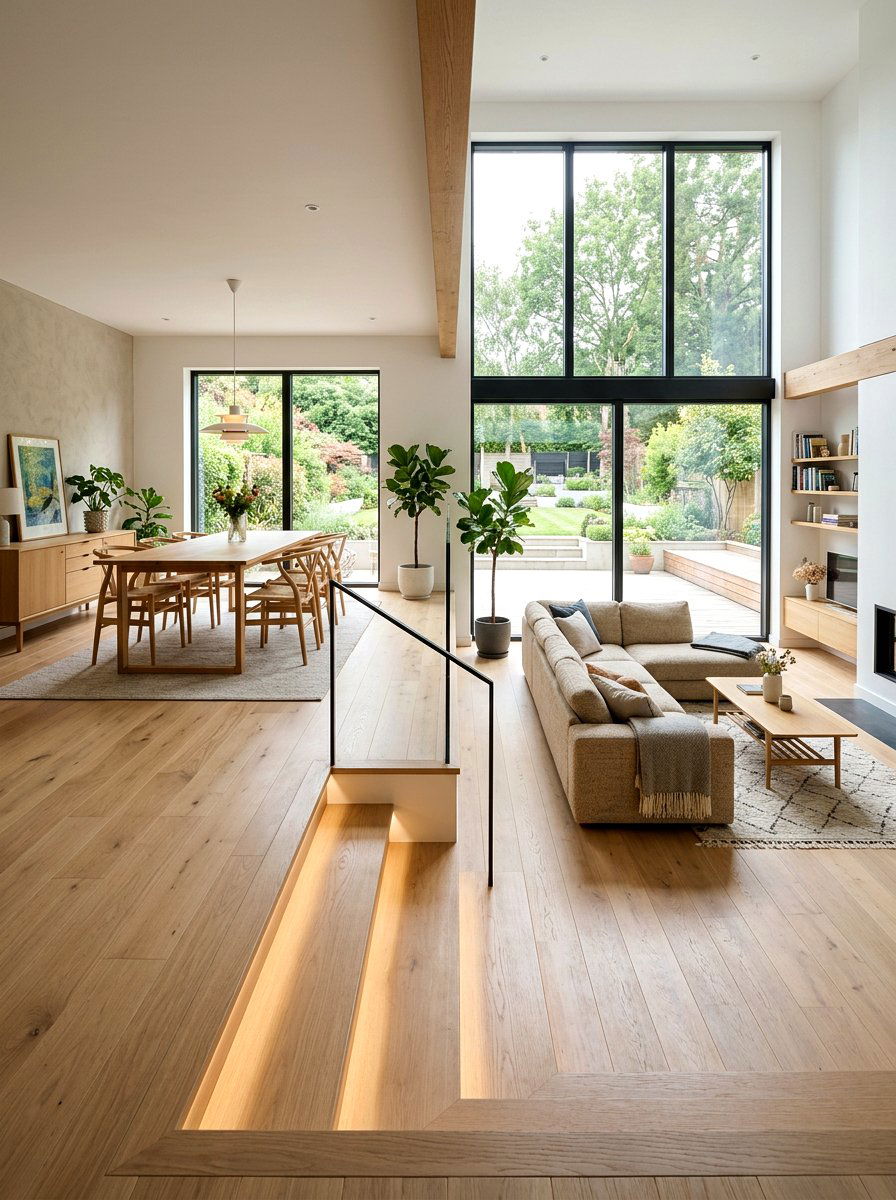
Using a split-level floor design is a smart architectural trick to differentiate zones in a home without using any vertical partitions. By raising or lowering a specific section, such as the dining area or a playroom, by just two or three steps, you create a clear psychological boundary. This elevation change naturally guides the flow of movement and signals a transition in the room's function. It is particularly useful in modern extensions where you want to distinguish the new living space from the original structure. The resulting hierarchy of levels adds a dynamic and custom feel to any interior.
6. Open bookcase divider
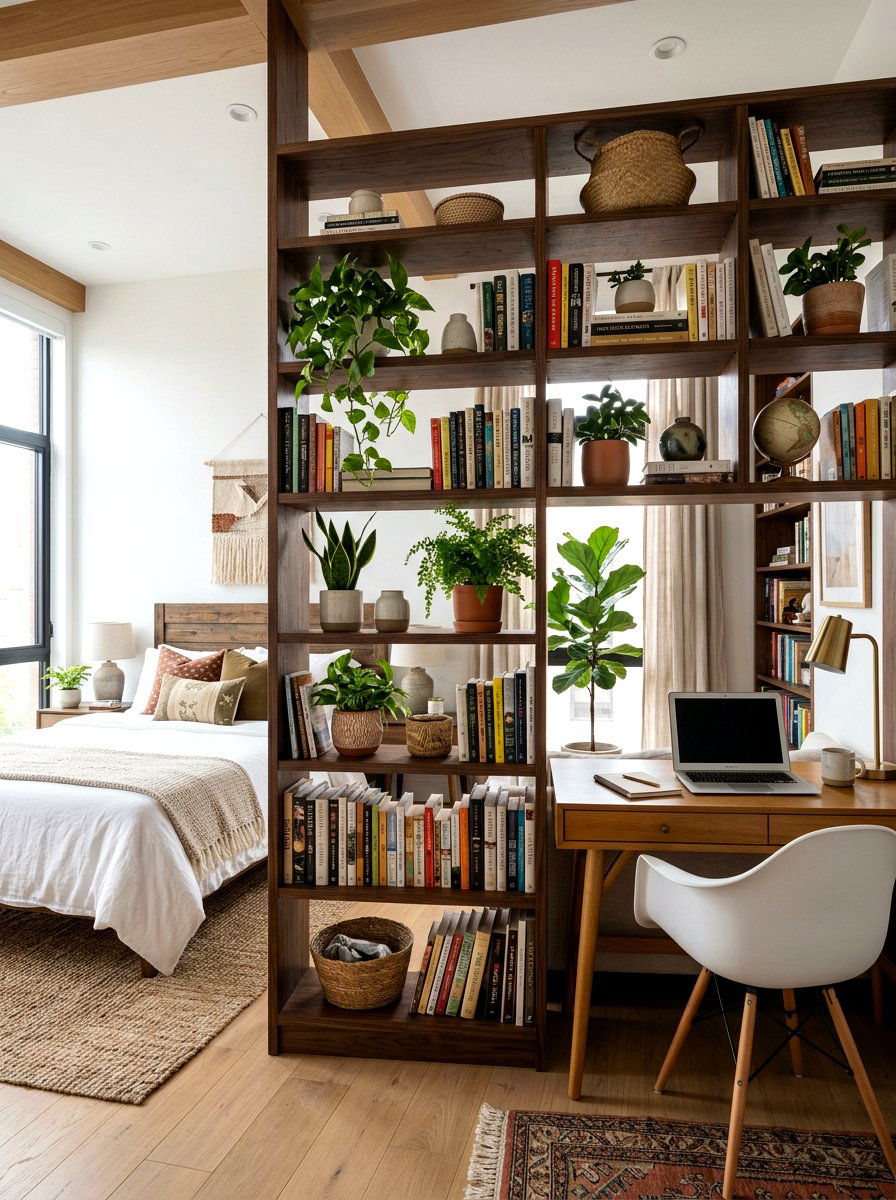
An open bookcase divider is a functional and stylish way to zone a room while adding valuable storage and display space. By choosing a unit without a back panel, you allow light to filter through the books and decorative objects, maintaining a sense of transparency. This approach is perfect for separating a bedroom from a small study area or a living room from an entryway. You can opt for floor-to-ceiling custom shelving for a dramatic architectural look or a mid-height console for a more subtle division. It is a flexible solution that can be easily updated to change the room's mood.
7. Kitchen half wall
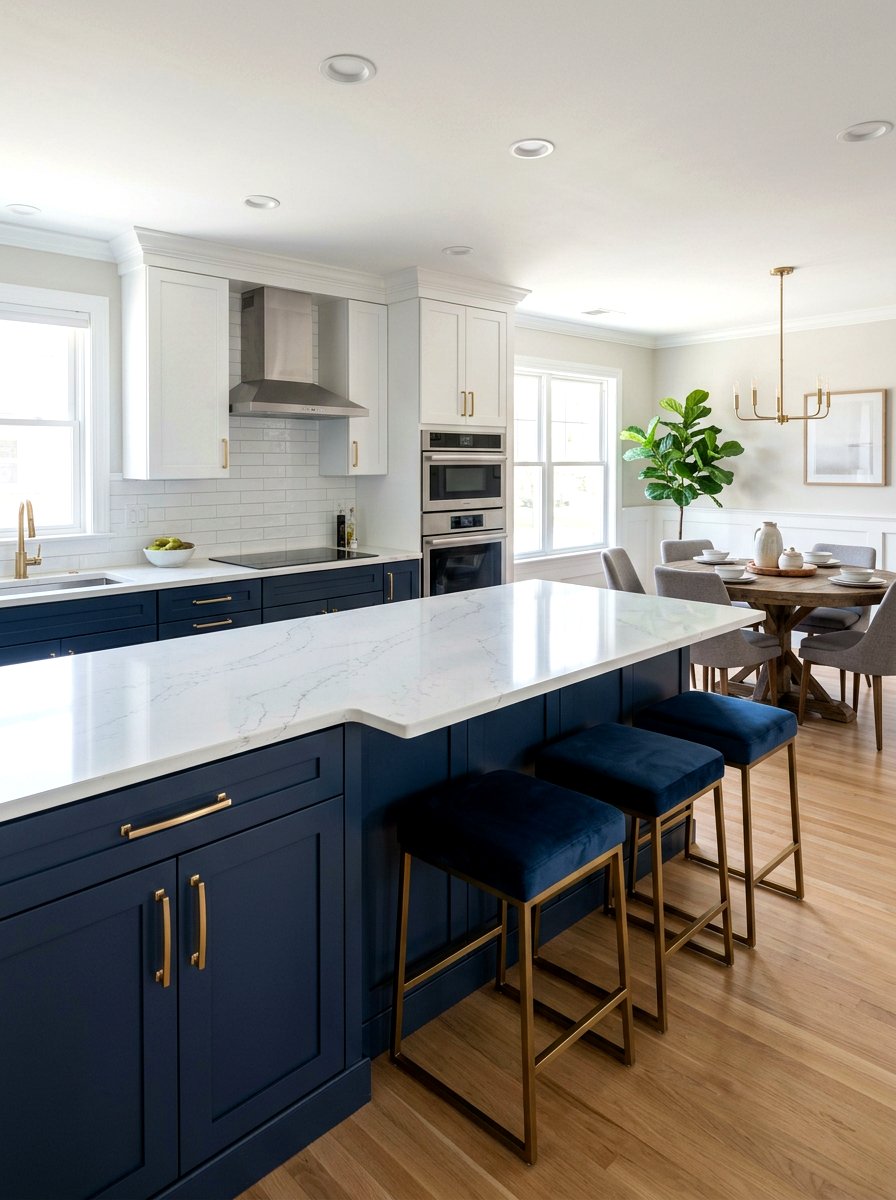
A kitchen half wall, often referred to as a pony wall, offers a practical compromise between a fully open kitchen and a separate room. This low partition hides the inevitable clutter of countertops and sinks from the main living area while allowing the cook to stay part of the conversation. It provides a natural place for a breakfast bar or additional cabinetry, maximizing the utility of the space. By capping the wall with stone or wood that matches the kitchen counters, you create a cohesive and polished look. This design maintains the social benefits of openness while providing necessary visual screening.
8. Sliding pocket doors
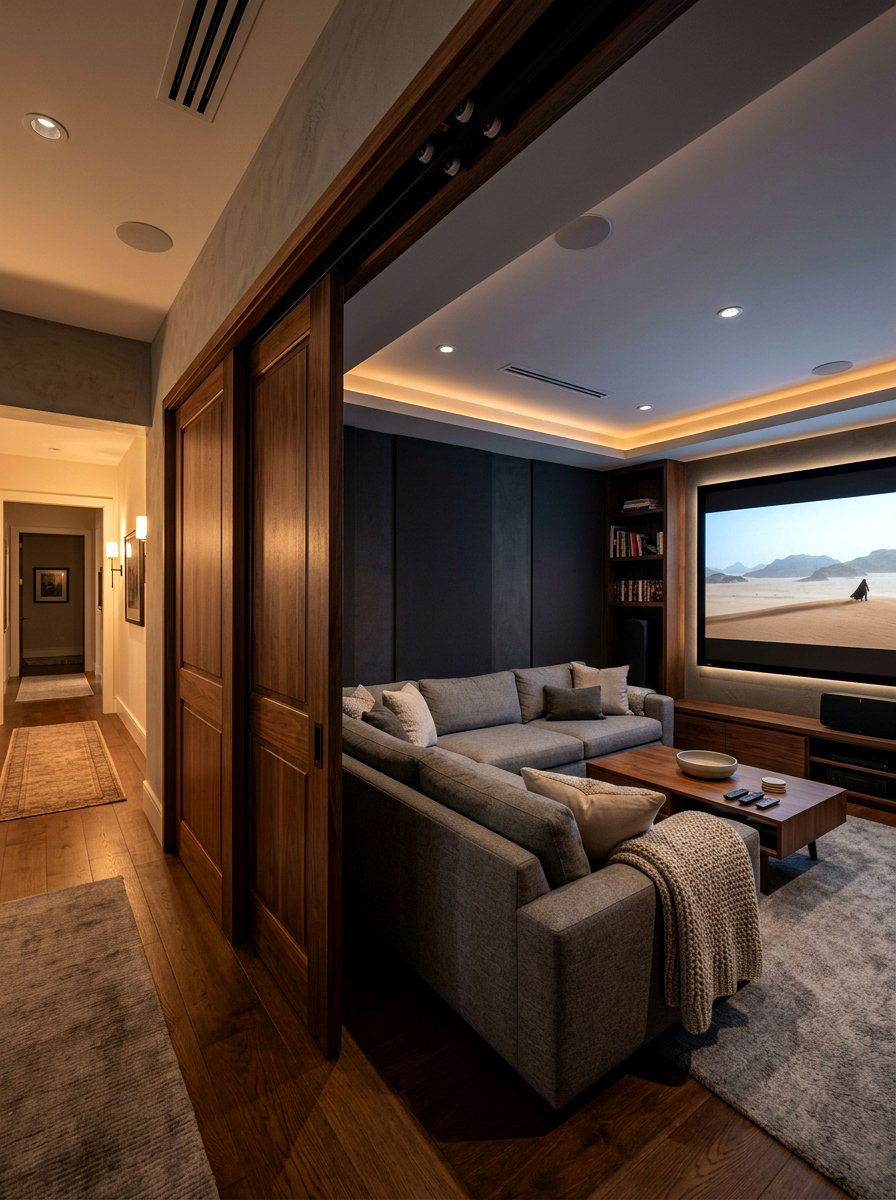
Sliding pocket doors provide the ultimate flexibility for a broken floor plan, allowing you to choose between total openness and complete privacy. When tucked away into the wall, these doors vanish, creating a seamless transition between two rooms. When closed, they provide acoustic separation and a cozy, traditional room feel. This is an ideal solution for a media room or a home library that occasionally needs to be shut off from the rest of the house. By using doors with glass inserts, you can still share light between the zones even when the doors are fully closed for quiet.
9. Mixed floor materials
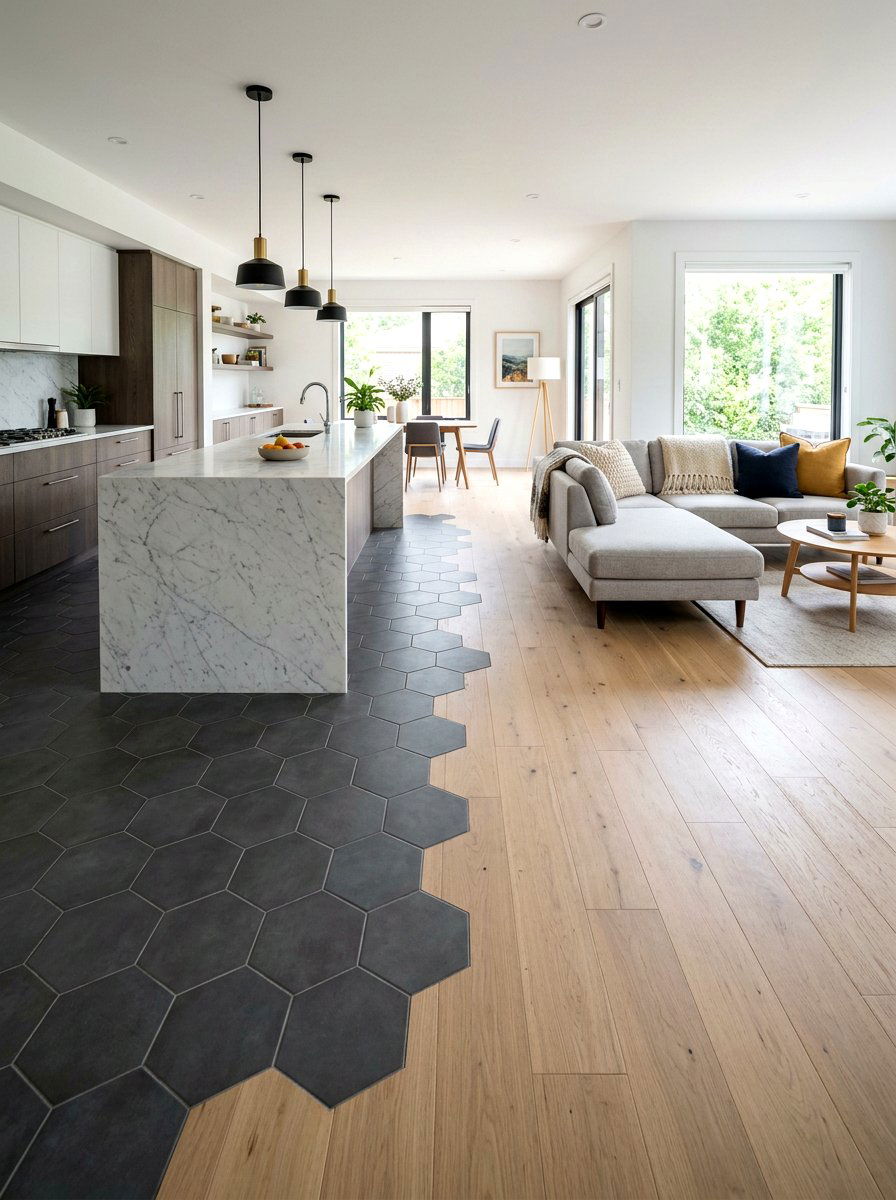
Transitioning between different flooring materials is a subtle yet highly effective way to mark the boundaries of different functional zones. For instance, swapping from durable porcelain tiles in a high-traffic kitchen area to warm oak floorboards in a living zone creates a clear visual break. This technique requires no walls or furniture, relying entirely on the contrast of textures and colors to define the space. It is a sophisticated way to organize a large room while keeping it feeling expansive and cohesive. Choosing materials that complement each other ensures the transition feels intentional and well-designed rather than cluttered.
10. Indoor courtyard
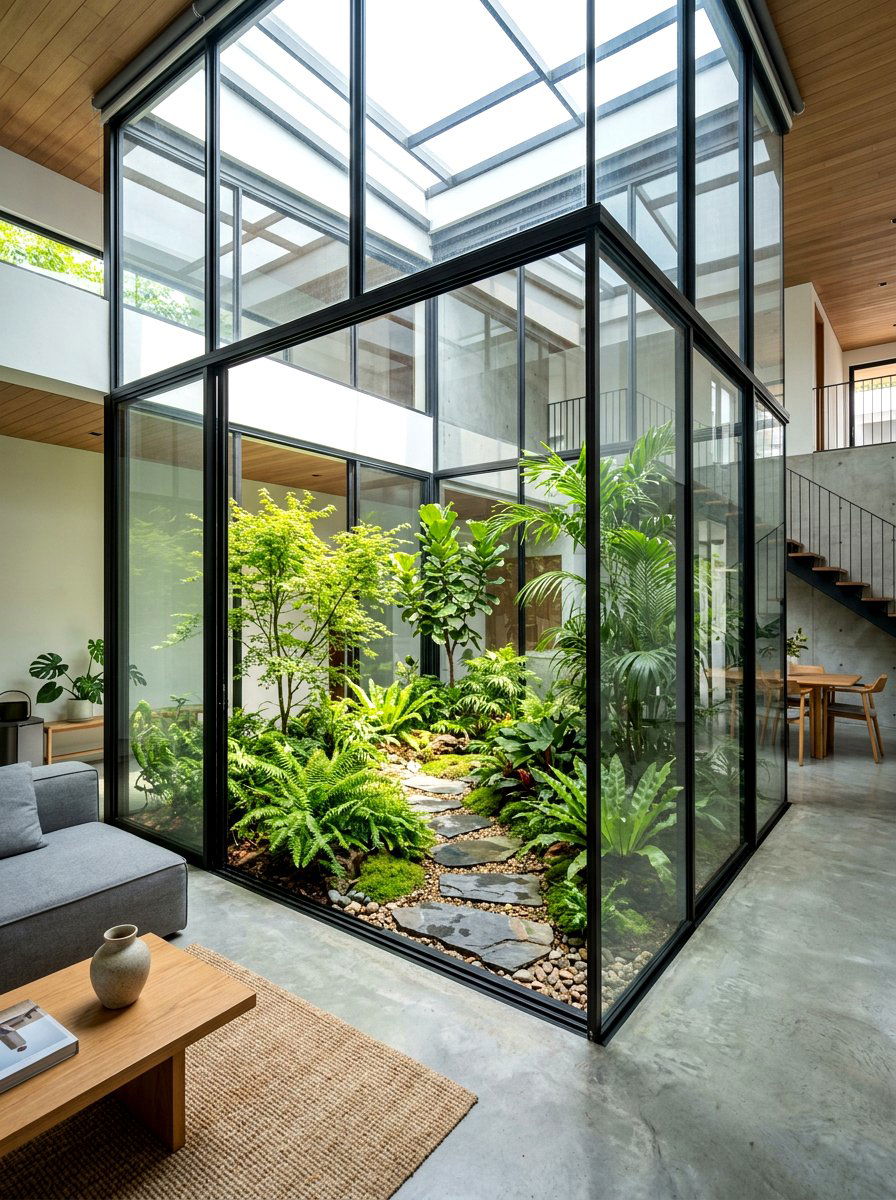
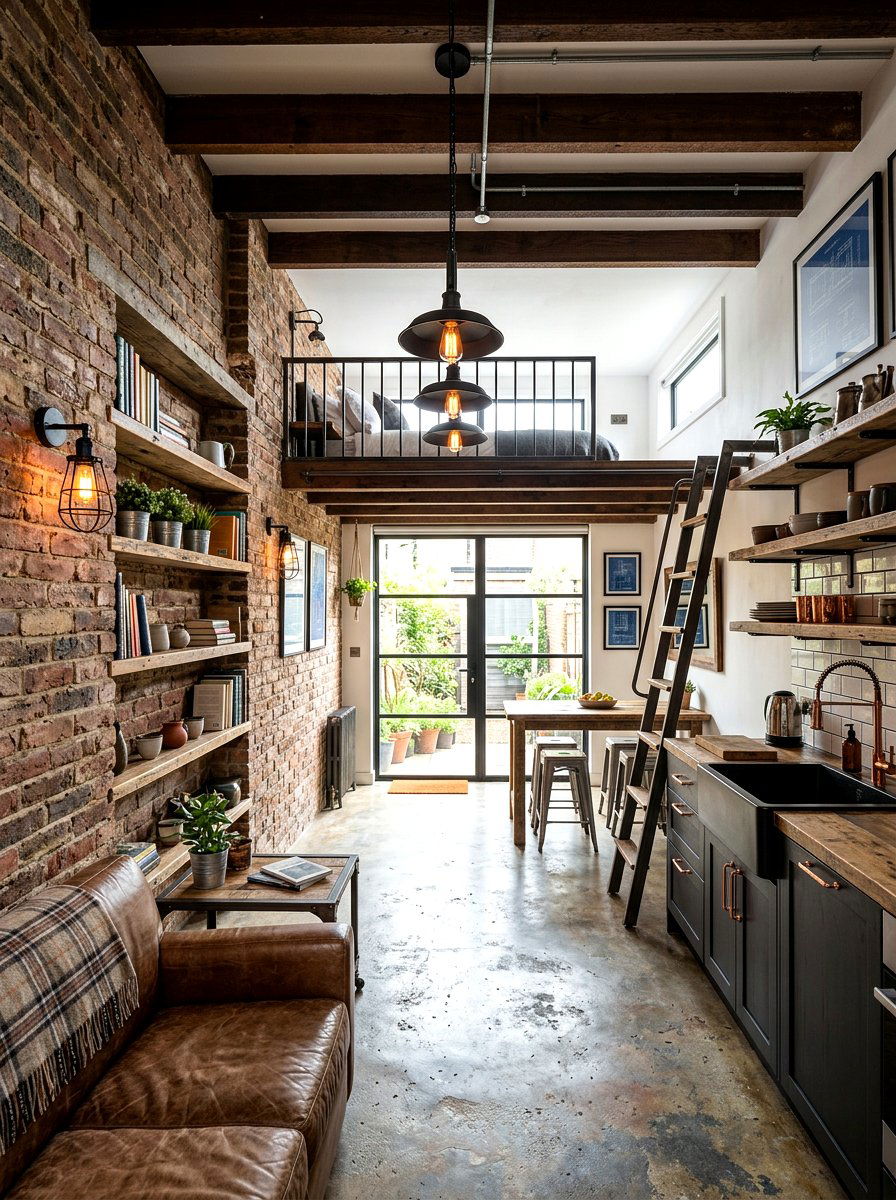
An indoor courtyard or a light well is a luxury architectural feature that breaks up a floor plan by introducing a central core of nature. Enclosed in glass, this small garden space acts as a living divider that separates different wings of a home while flooding the interior with natural light. It creates a serene focal point that can be viewed from multiple rooms, connecting the indoors with the outside world. This design is perfect for creating a sense of calm and separation between a master suite and the main social areas. It truly elevates the atmosphere of a modern broken-plan home.
11. Vertical wood slats
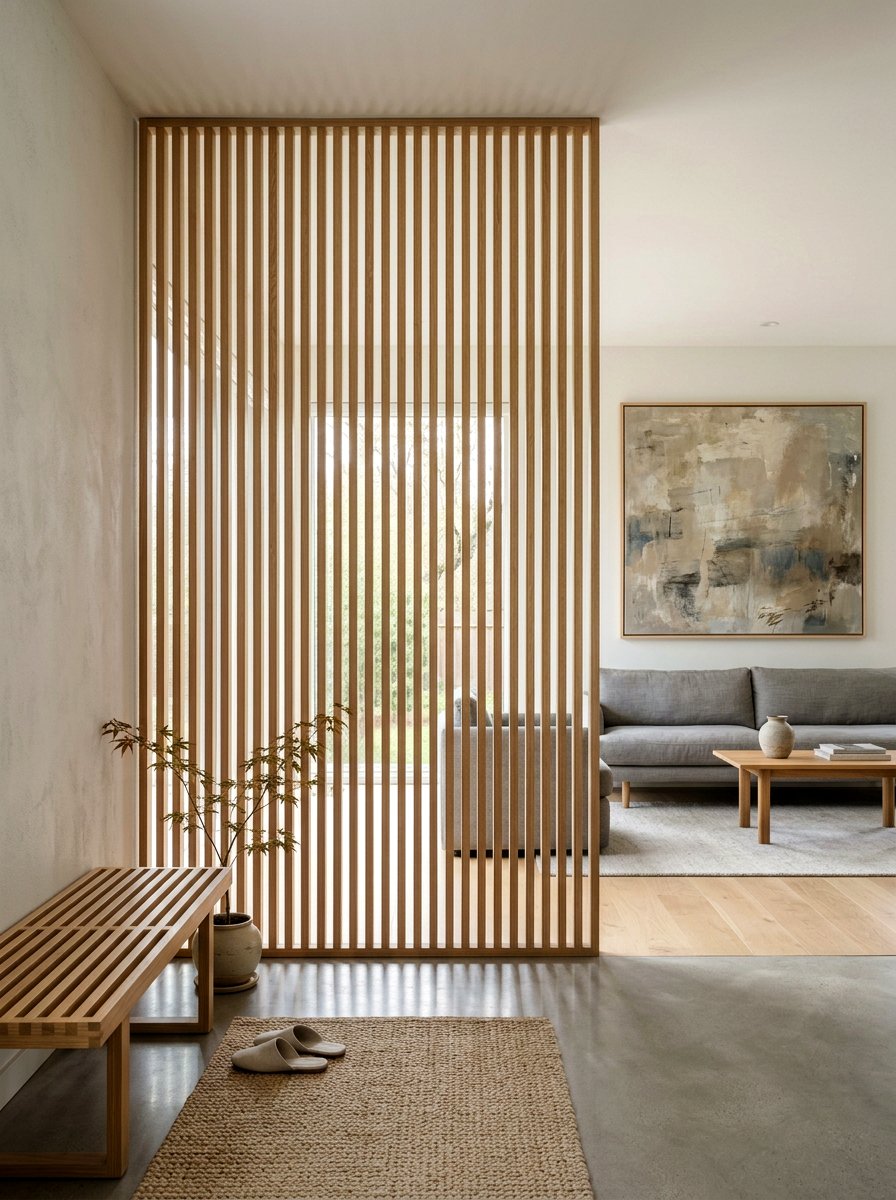
Vertical wood slats offer a contemporary and textured way to create a semi-transparent screen between rooms. These timber panels provide a sense of enclosure and privacy without blocking light or airflow, making them perfect for entryways or stairwells. The rhythm of the wooden slats adds a warm, organic element to the interior design, softening the lines of a modern home. You can vary the spacing between the slats to control the level of visibility and light penetration. It is an architectural feature that feels like a piece of art while serving a practical purpose in zoning the layout.
12. Mezzanine level
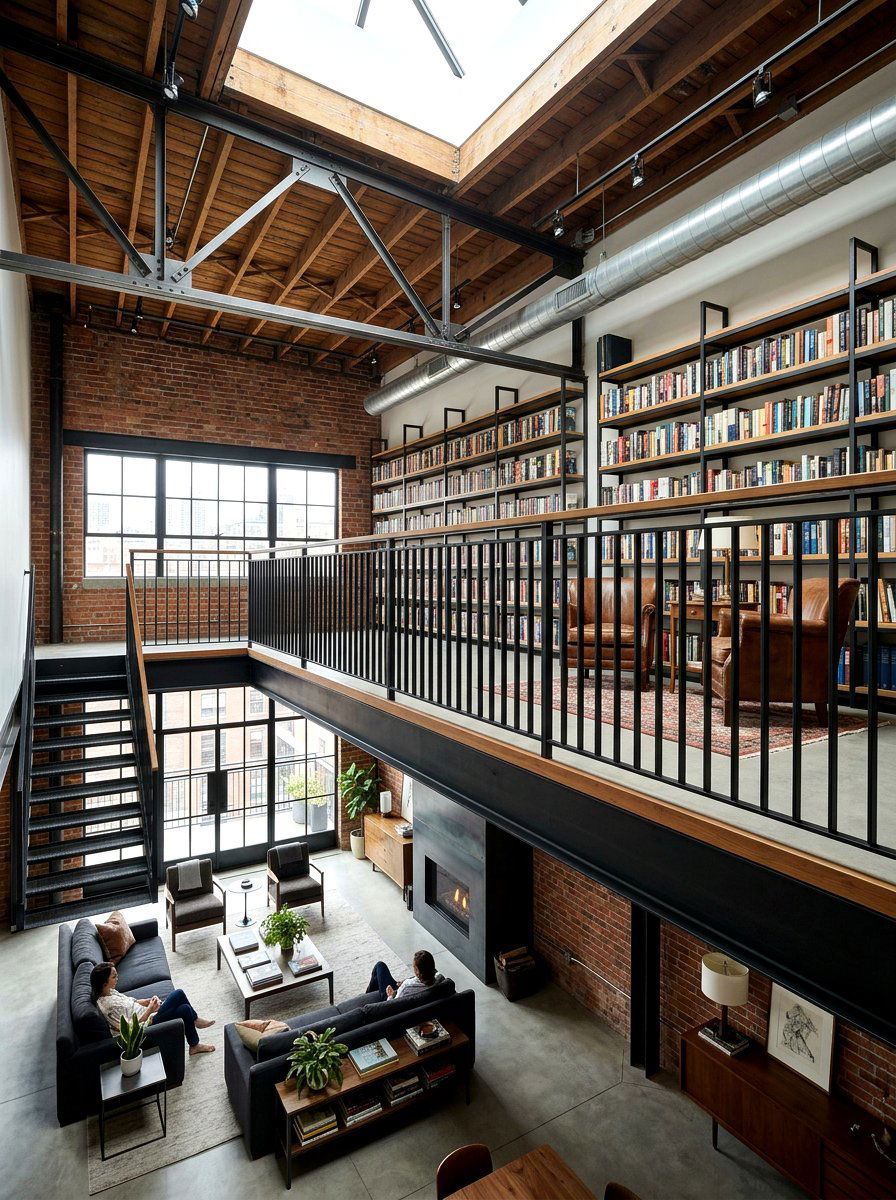
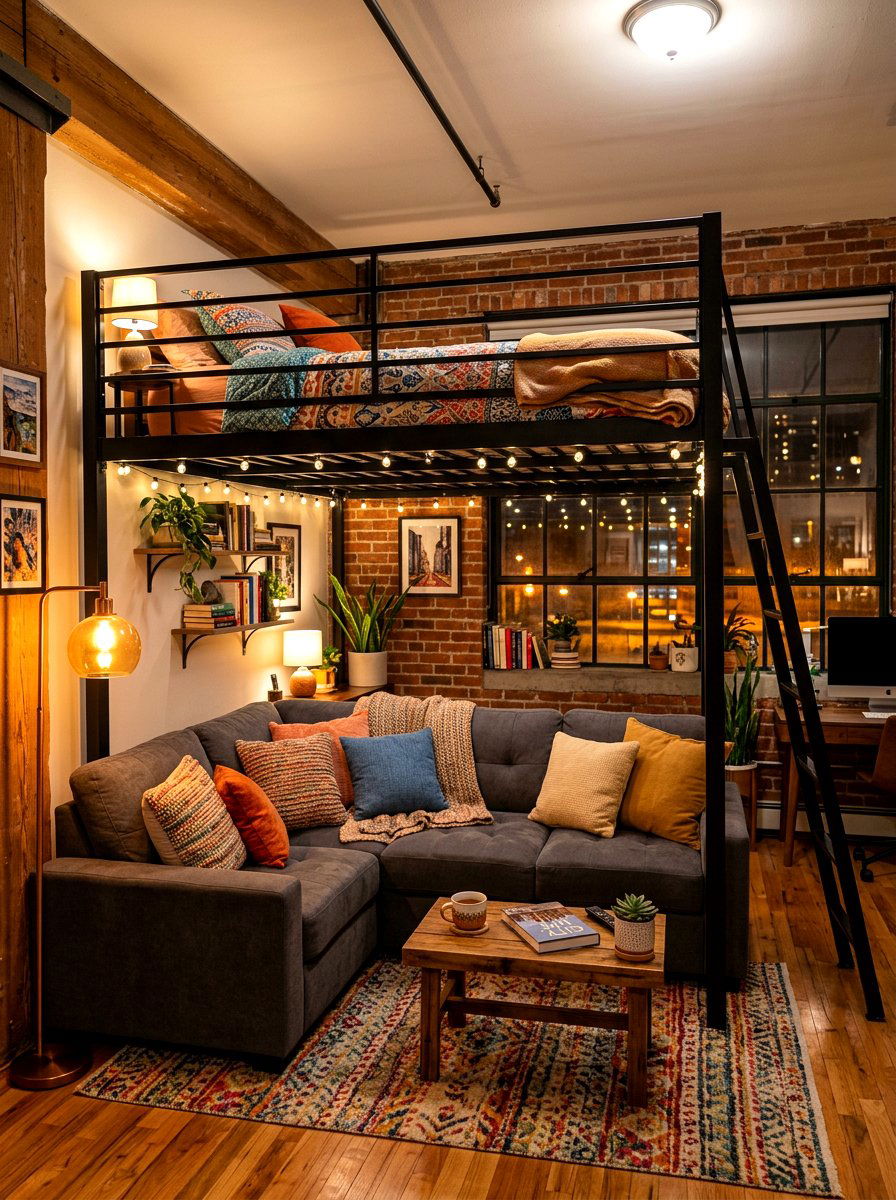
A mezzanine level is a dramatic way to "break" a floor plan vertically, creating a new zone that overlooks the main living area. This elevated platform is perfect for a home office, a guest bedroom, or a quiet reading lounge. By utilizing the height of a room, you add extra square footage without expanding the footprint of the house. The open railing maintains a visual and acoustic connection to the floor below, ensuring the home still feels like one cohesive unit. It is a spectacular design choice for barn conversions or modern homes with high ceilings and industrial-style architecture.
13. Archway partition
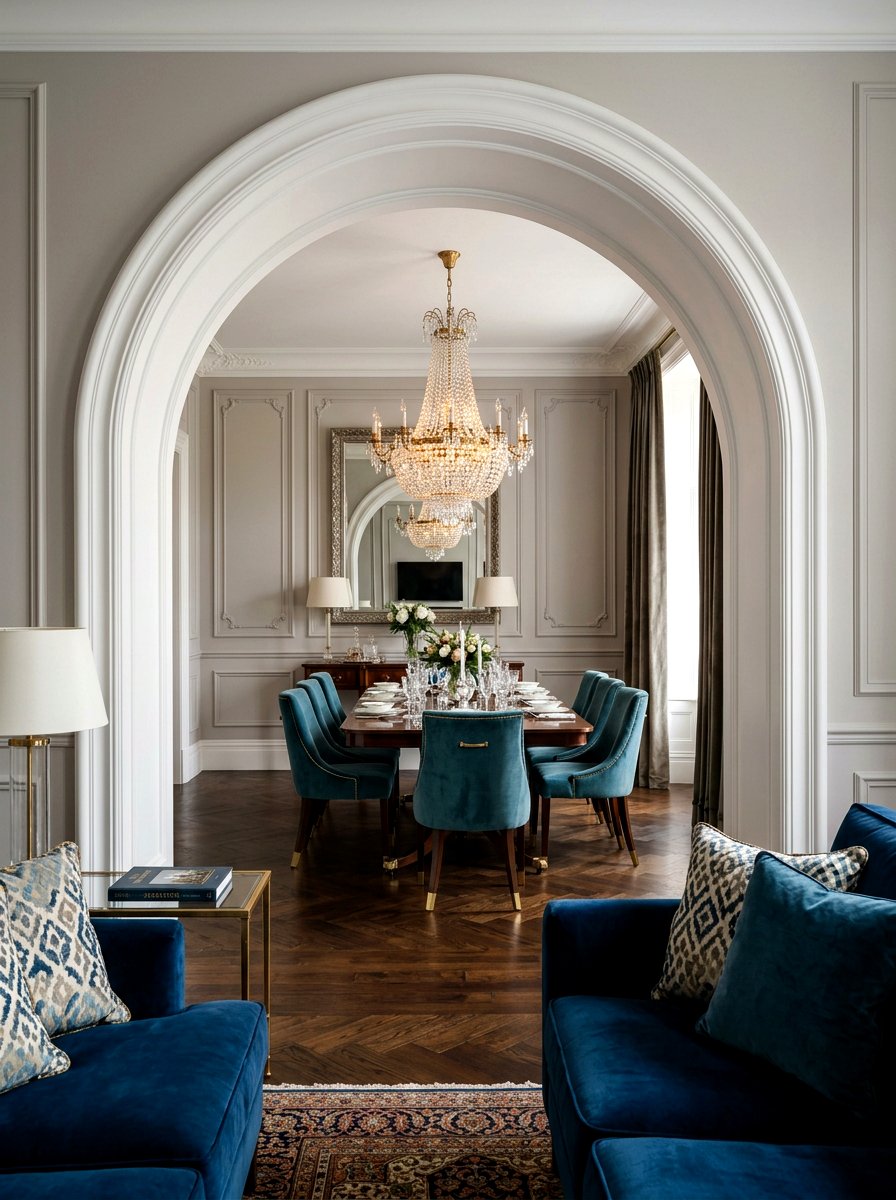
Arches are a beautiful architectural detail that can be used to frame different zones in a house, providing a soft alternative to standard doorways. By widening an opening and adding a curved top, you create a sense of transition and ceremony as you move from one room to another. This design maintains an open feel while clearly defining where one area ends and another begins. Arches work wonderfully in traditional and Mediterranean-style homes, adding a touch of elegance and history. They are a timeless way to break up a long hallway or separate a formal dining room from a lounge.
14. Built in seating
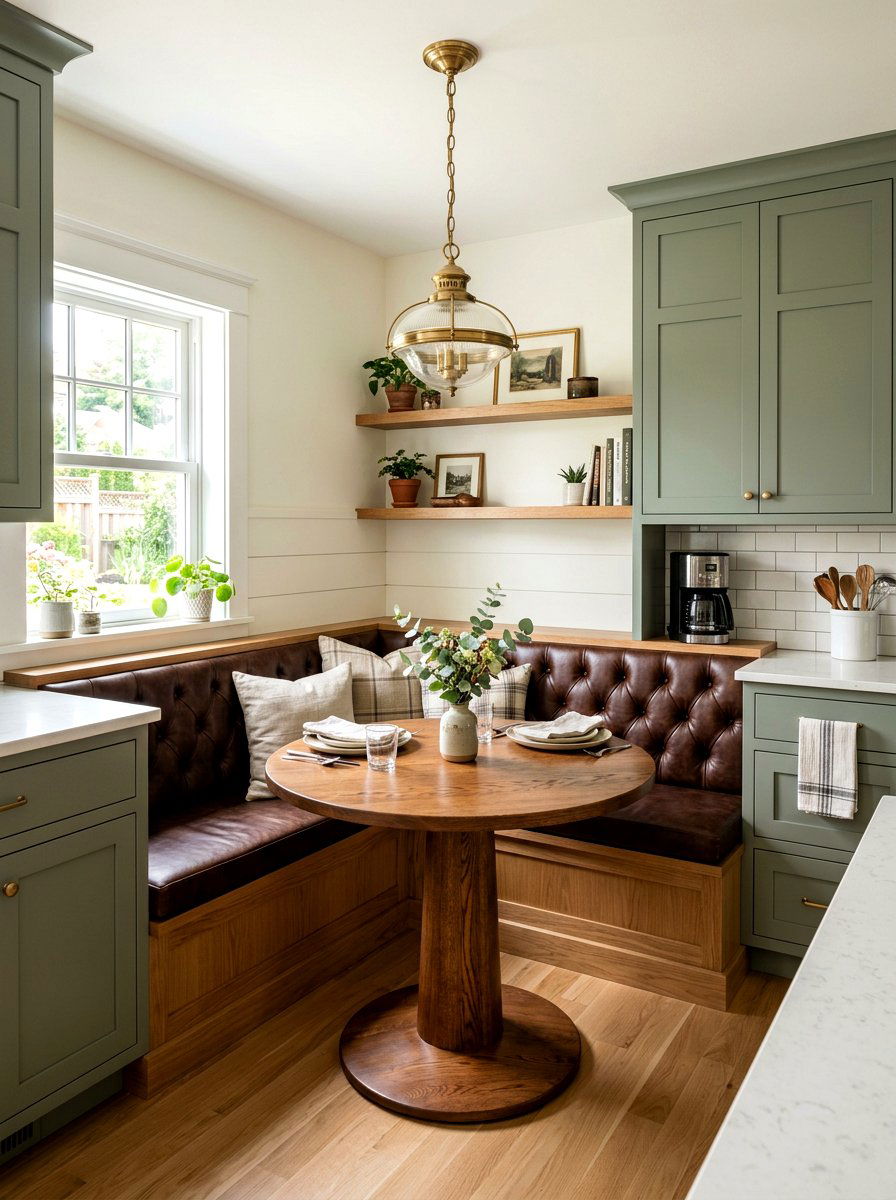
Incorporating built-in banquet seating is a space-saving way to define a dining or breakfast nook within a larger kitchen or living area. By nestling the seating into a corner or against a half-wall, you create a "room within a room" that feels intentional and cozy. This layout naturally directs traffic away from the dining zone, making it feel like a private retreat. You can use custom upholstery and specialized lighting to further distinguish the area from the surrounding space. It is a functional and stylish way to add a broken-plan element that maximizes every inch of your home.
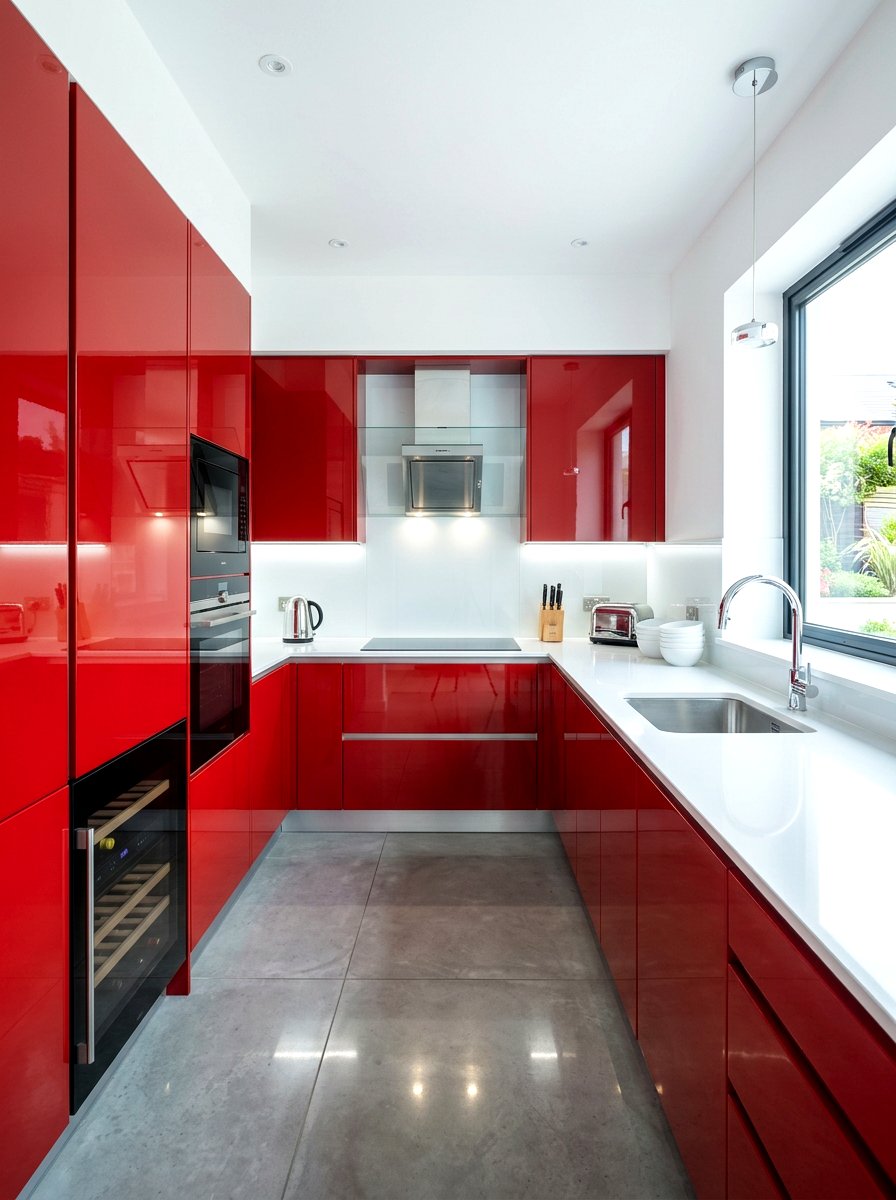
15. Dropped ceiling zone
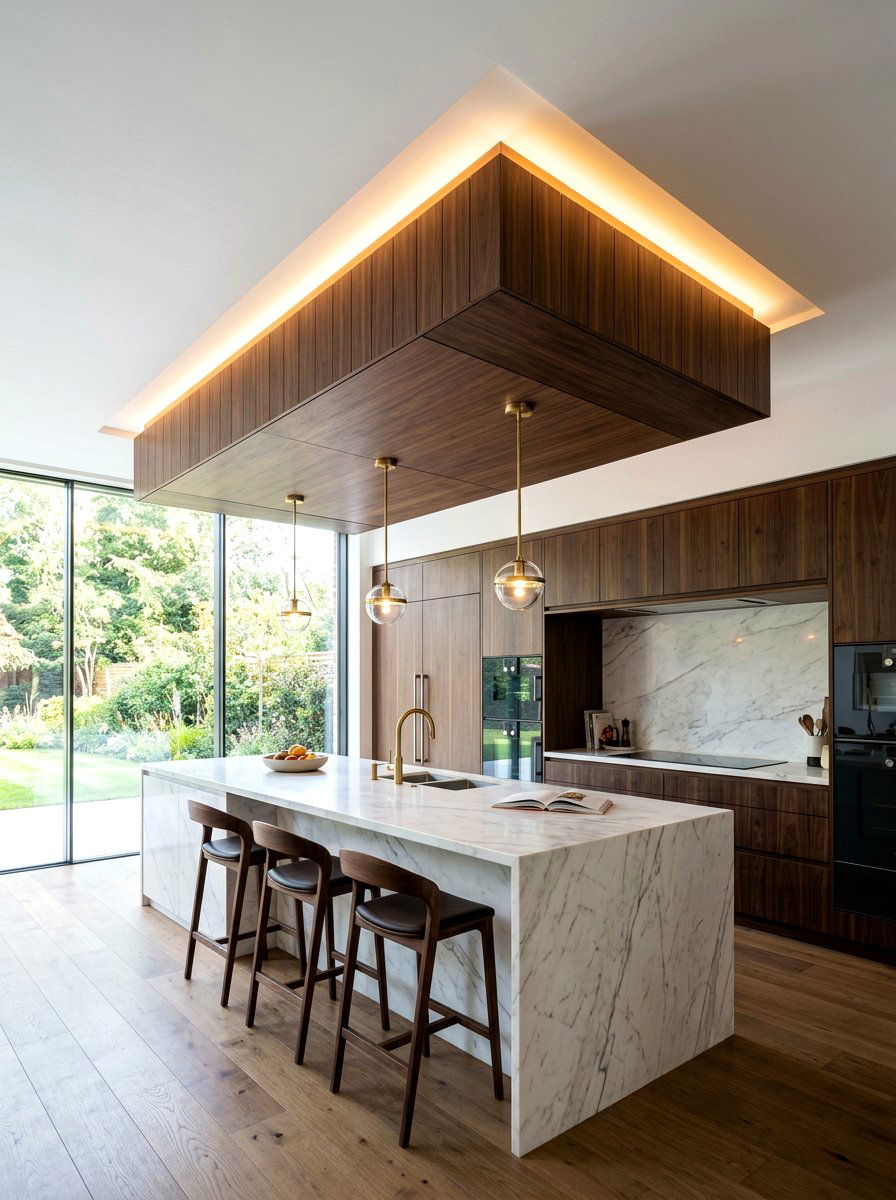
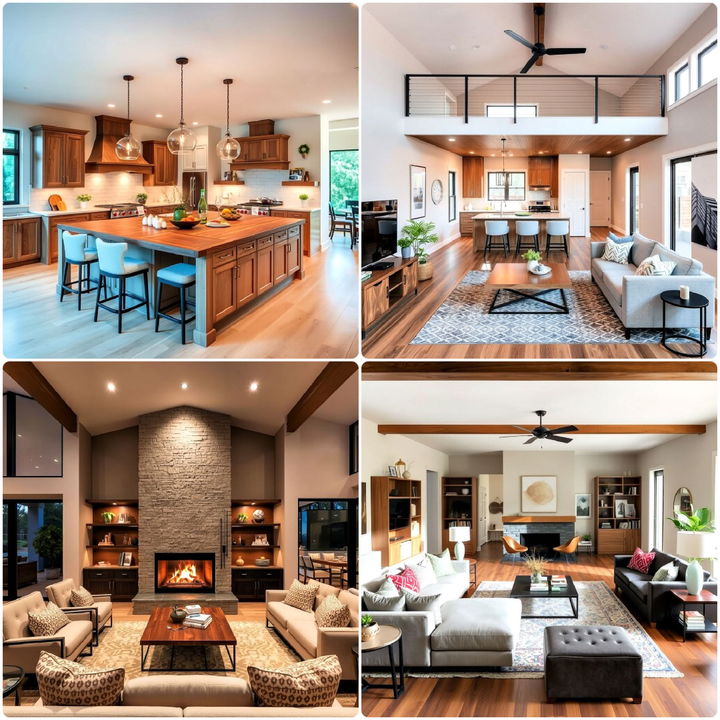
Varying the ceiling height is a sophisticated architectural method to define different areas in an open-concept home. By dropping the ceiling over a kitchen island or a dining table, you create a sense of intimacy and focus that differentiates that zone from the rest of the room. This can be achieved with a drywall soffit, decorative timber beams, or a coffered ceiling design. Integrated lighting within the lower ceiling further reinforces the boundary and highlights the area's specific function. It is a subtle way to add architectural character and zone a space without needing any floor-level partitions or walls.
16. Library room divider
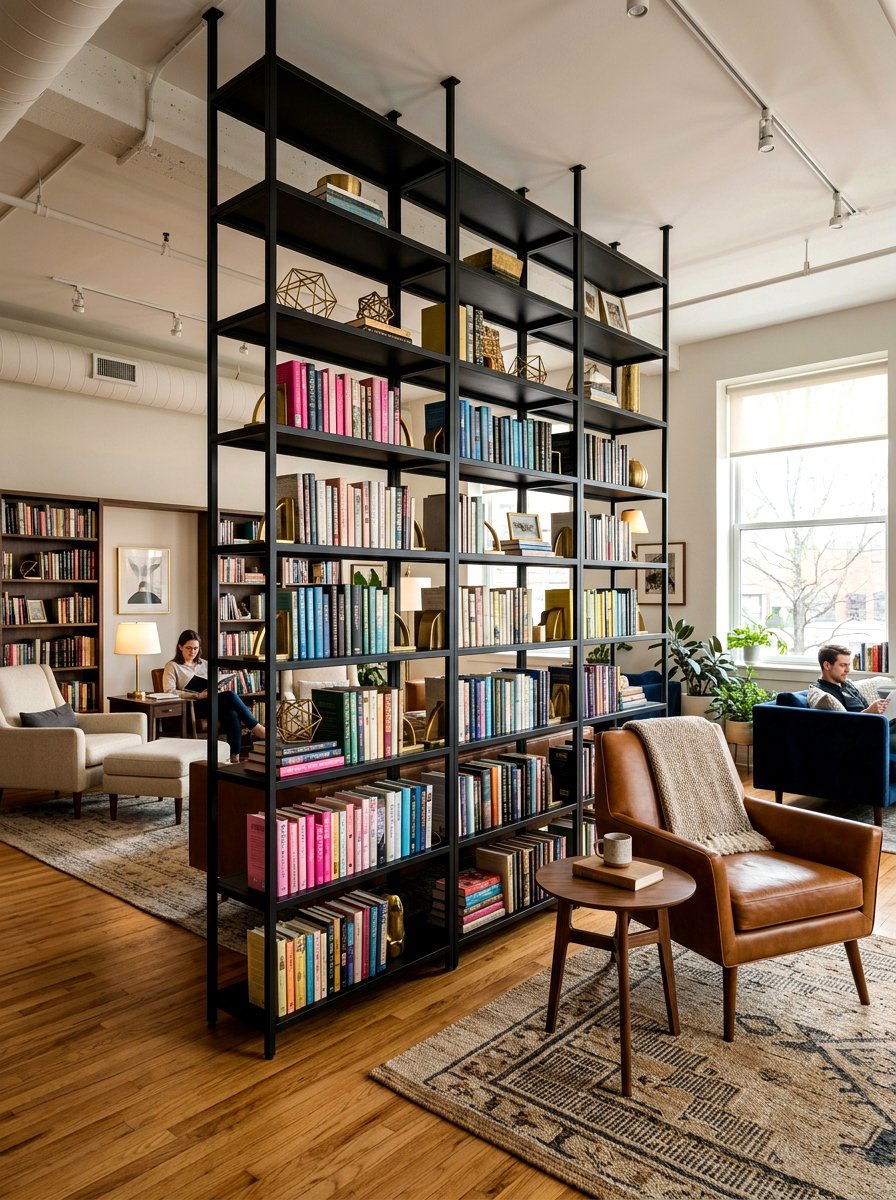
A floor-to-ceiling library wall can serve as a massive, functional room divider that provides both storage and a high-end aesthetic. Positioned between a study and a living room, this "book wall" creates a quiet atmosphere while allowing for a central walkthrough or a set of internal doors. The sheer scale of the shelving provides excellent acoustic dampening, which is often missing in fully open layouts. Filling the shelves with a mix of books, art, and greenery adds personality and warmth to the home. It is a dream feature for bibliophiles looking to create a structured yet open living environment.
17. Bi fold doors
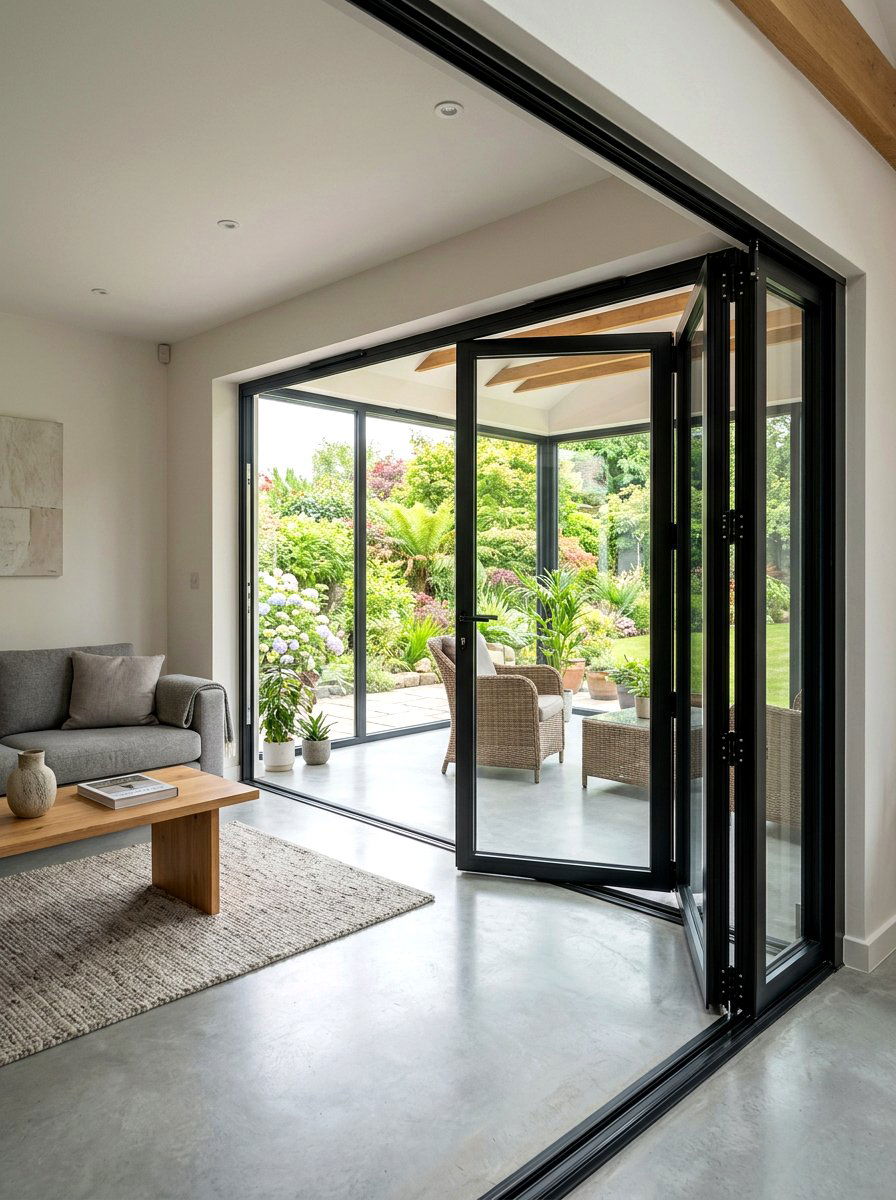
Internal bi-fold doors offer the ultimate versatility for modern living, allowing you to completely open or close a large section of your floor plan. These doors can span the entire width of a room, providing a massive opening that links a kitchen to a playroom or a dining area. When folded back, they disappear, creating a massive open-concept space perfect for entertaining guests. When closed, they provide the necessary separation for different activities to happen simultaneously without interference. Using glass-paneled doors ensures that light continues to flow through the home even when the zones are physically and acoustically separated.
18. Central staircase feature
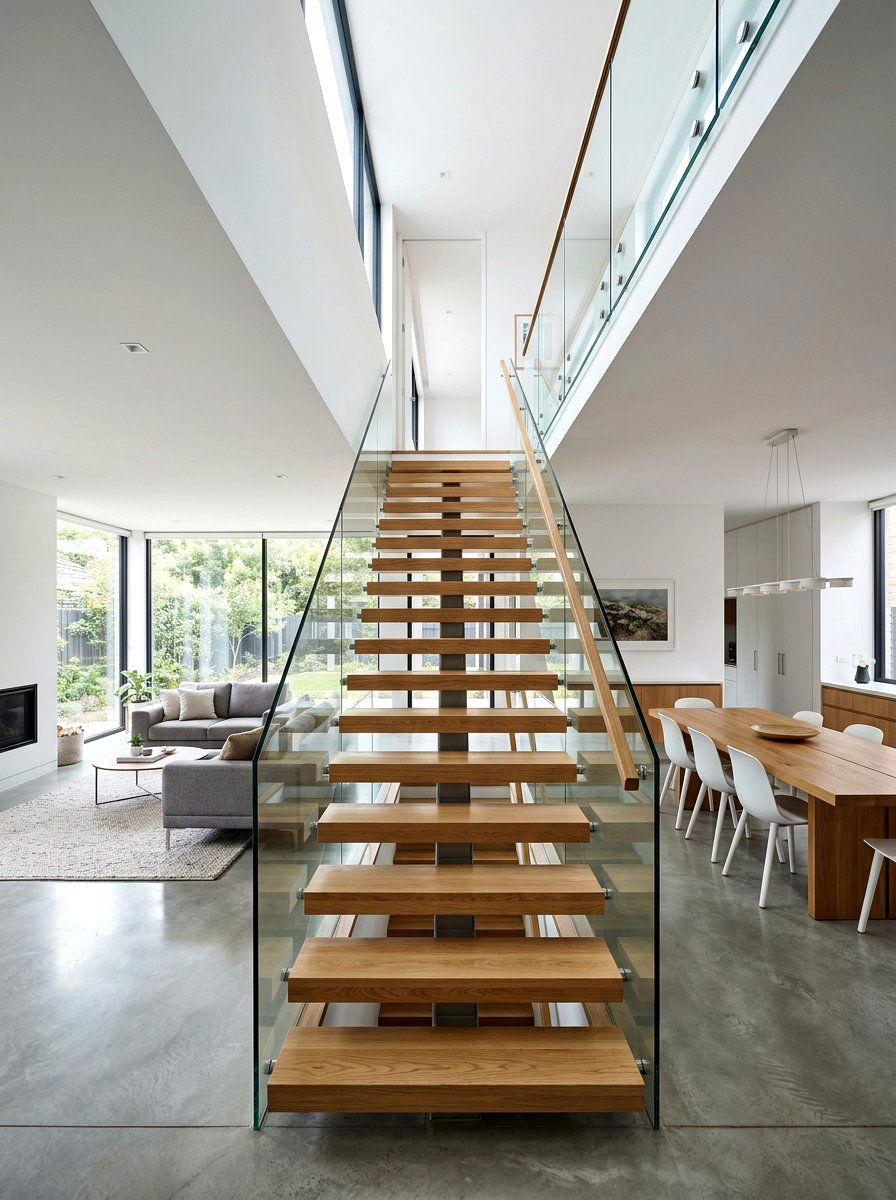
Positioning a staircase in the center of a ground floor is a powerful way to naturally divide a home into separate wings. Instead of tucking the stairs against a wall, making them a free-standing architectural feature creates a physical barrier that defines the lounge and dining areas. You can use open treads and glass balustrades to keep the look light and airy, ensuring the stairs don't feel like a heavy wall. This design encourages a circular flow around the home while providing a clear vertical element that "breaks" the plan. It is a bold and functional choice for contemporary architecture.
19. Floor to ceiling curtains
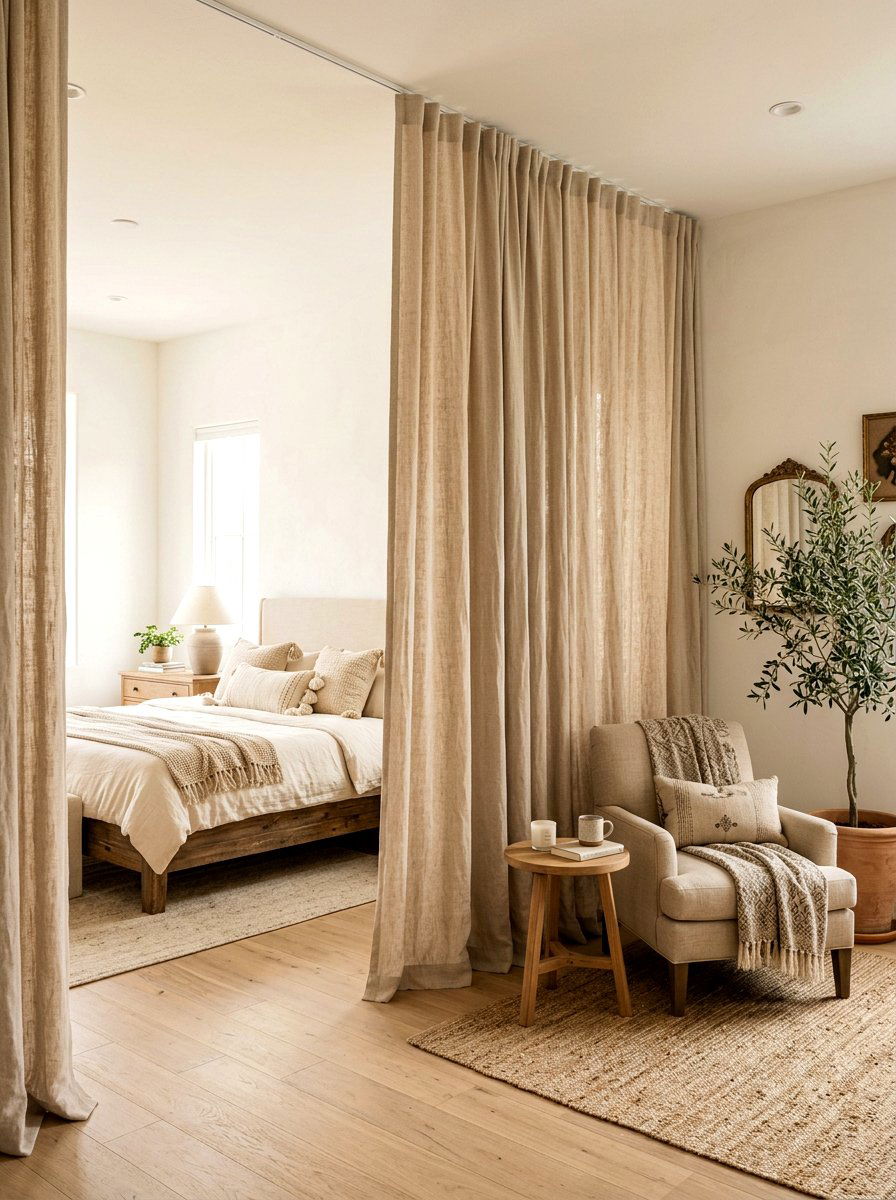
Floor-to-ceiling curtains are a soft and flexible way to zone a large room, providing an easy way to change the space's atmosphere instantly. When drawn, they create a private, cozy nook for sleeping or watching a movie, and when pulled back, they allow the room to feel expansive again. This approach adds a luxurious, tactile quality to the interior design, improving acoustics by absorbing sound. It is a particularly popular choice in studio apartments or master suites where you want to separate the bed from the lounge area without building permanent walls. They are affordable, stylish, and highly functional.
20. Glass balustrade
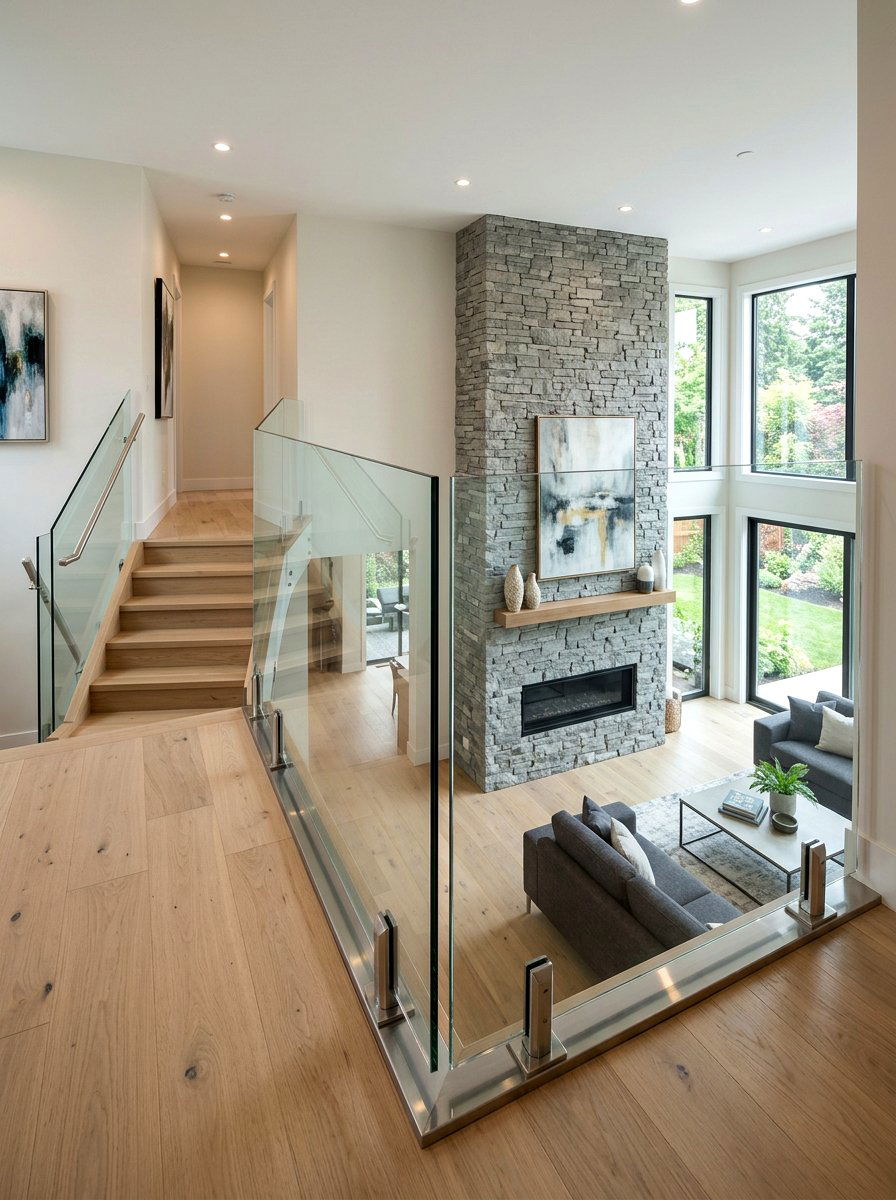
Using a glass balustrade on a mezzanine or a split-level floor maintains a completely unobstructed view while providing a safe and clear boundary. This "invisible" barrier is essential for broken-plan homes where you want to maximize the feeling of light and space. Unlike solid railings, glass allows the eye to travel across the entire floor plan, making the home feel much larger than it is. It is a sleek and modern choice that pairs beautifully with metal or wood accents. By using frameless glass, you can create a seamless look that emphasizes the architectural layers of your home’s unique interior layout.
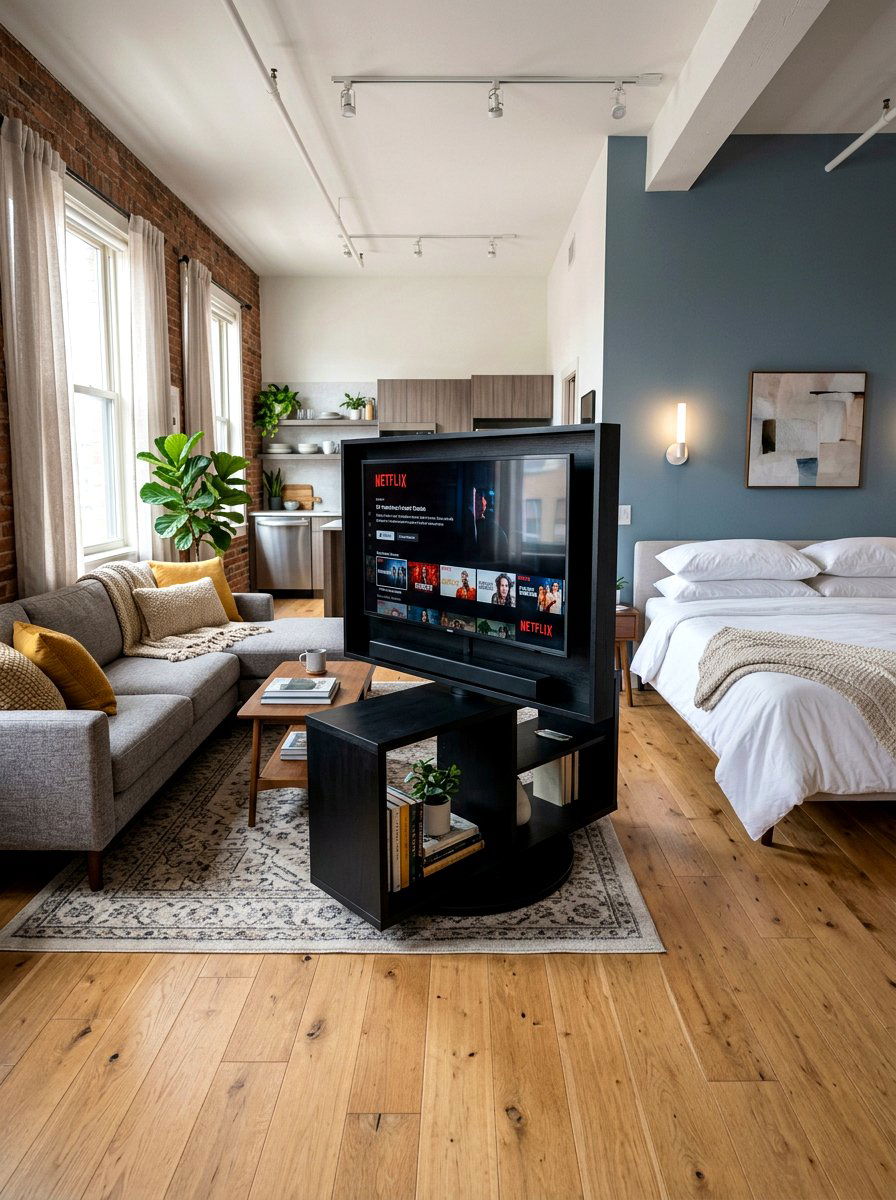
21. Swivel TV wall
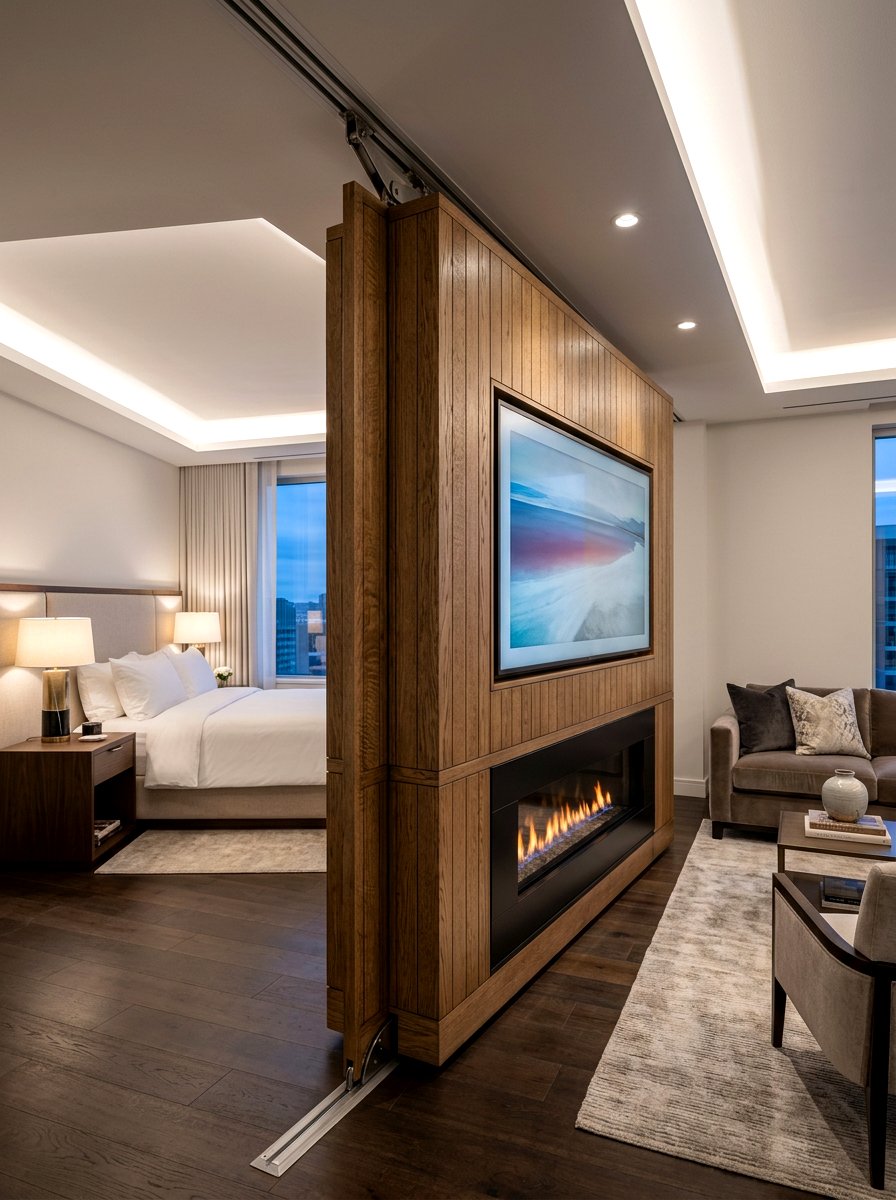
A rotating or swivel TV wall is a high-tech way to divide a master suite or a living-dining area. By building a partial wall with a central rotating panel, you can watch television from two different zones depending on your needs. This functional partition provides a visual break in the room while serving as a media hub for both sides. It is an excellent space-saving solution that eliminates the need for multiple screens. Often finished with decorative wood paneling or stone, this feature wall becomes a stylish focal point that anchors the broken-plan design while providing a clever and modern utility.
22. Built in planters
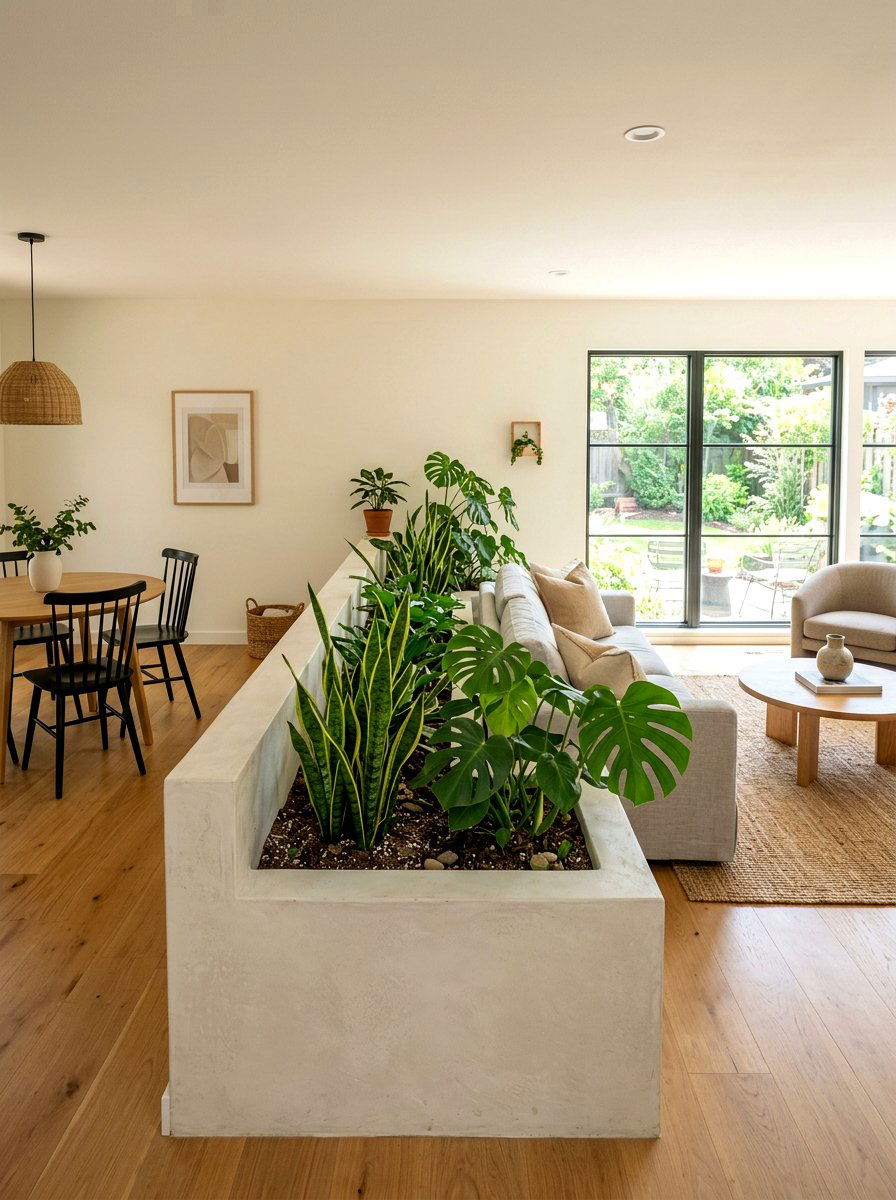
Integrating built-in planters as a low wall is a beautiful way to introduce greenery while zoning your living space. These waist-high partitions define the transition between an entryway and a living room or a dining area and a kitchen. The lush plants provide a soft, organic screen that adds life and color to the interior while maintaining an open feel. You can use a variety of species to create different heights and textures, further enhancing the "broken" effect. It is a healthy and aesthetically pleasing way to structure your home, bringing the benefits of nature directly into your daily living environment.
23. Sliding barn doors
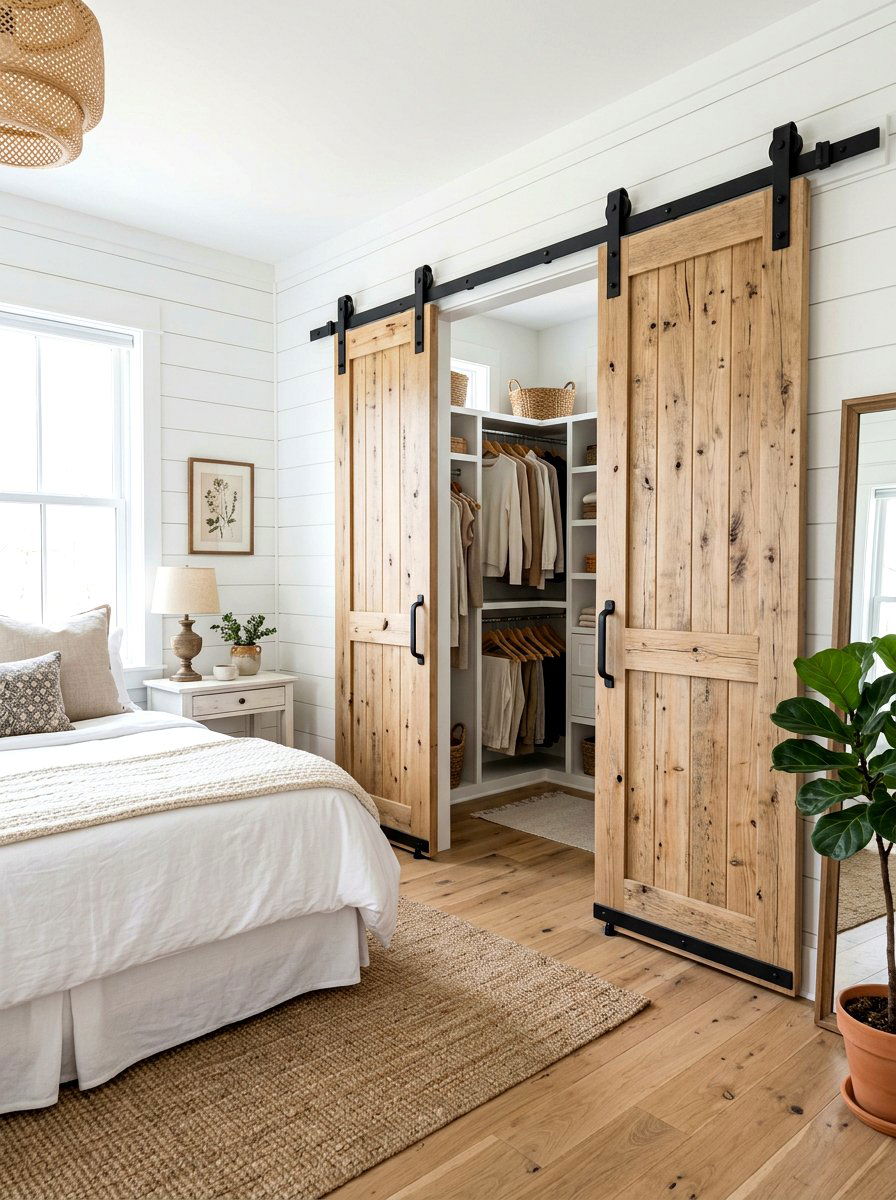
Sliding barn doors are a popular choice for adding a rustic or industrial touch to a broken floor plan while saving space. Unlike traditional swinging doors, they slide along a track, making them ideal for narrow hallways or dividing a bedroom from an ensuite. When open, they lean against the wall like a piece of functional art, keeping the layout feeling connected. When closed, they provide a solid barrier that ensures total privacy and quiet. You can choose from reclaimed wood for a farmhouse look or sleek metal and glass for a more modern, urban vibe that suits any interior.
24. Metal screen divider
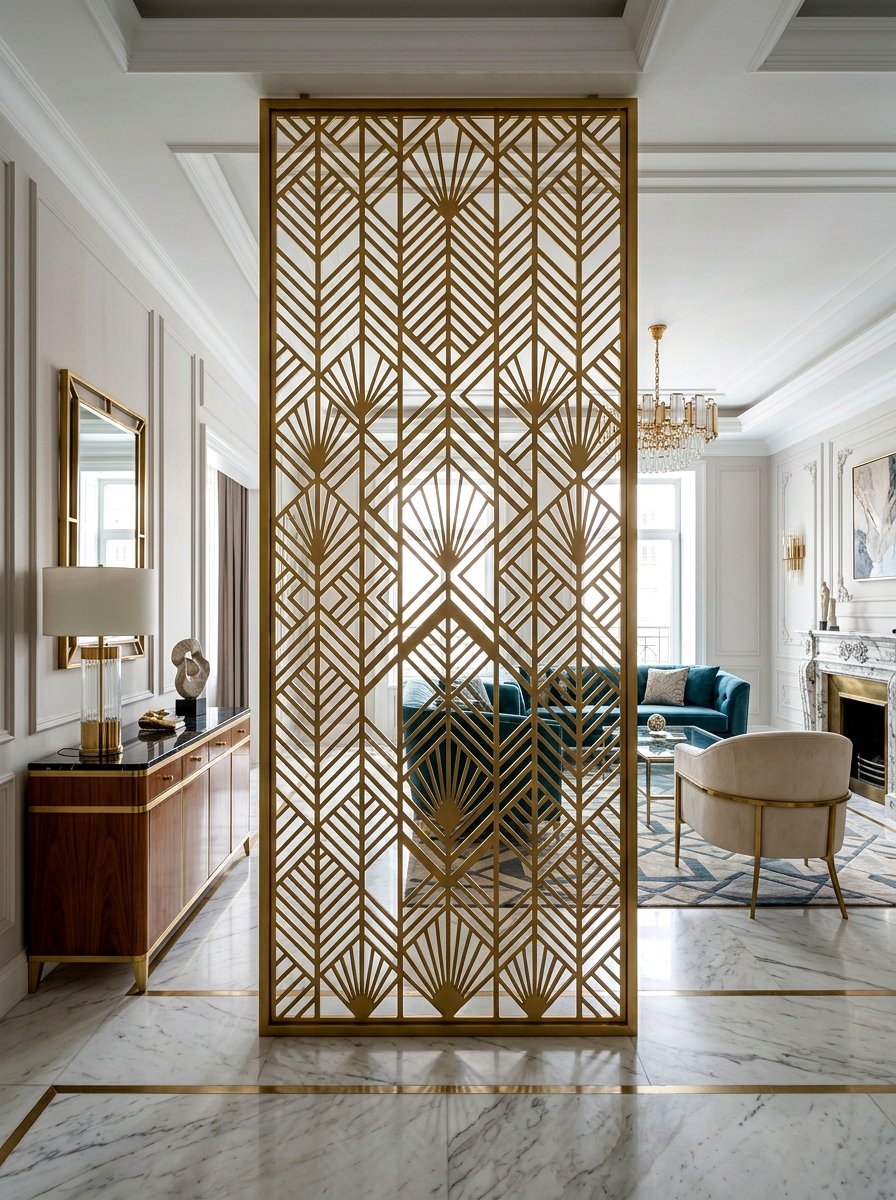
A decorative metal screen is a stunning architectural element that provides a delicate, lace-like partition between rooms. Laser-cut with geometric or organic patterns, these screens act as a semi-transparent filter for light and shadow. They are perfect for defining an entryway or screening off a staircase without the heaviness of a solid wall. The intricate designs add a layer of sophistication and artistic flair to the home, making the screen a focal point in its own right. It is a perfect solution for homeowners who want to add structure and privacy to their layout while maintaining a high-end design aesthetic.
25. Structural pillars
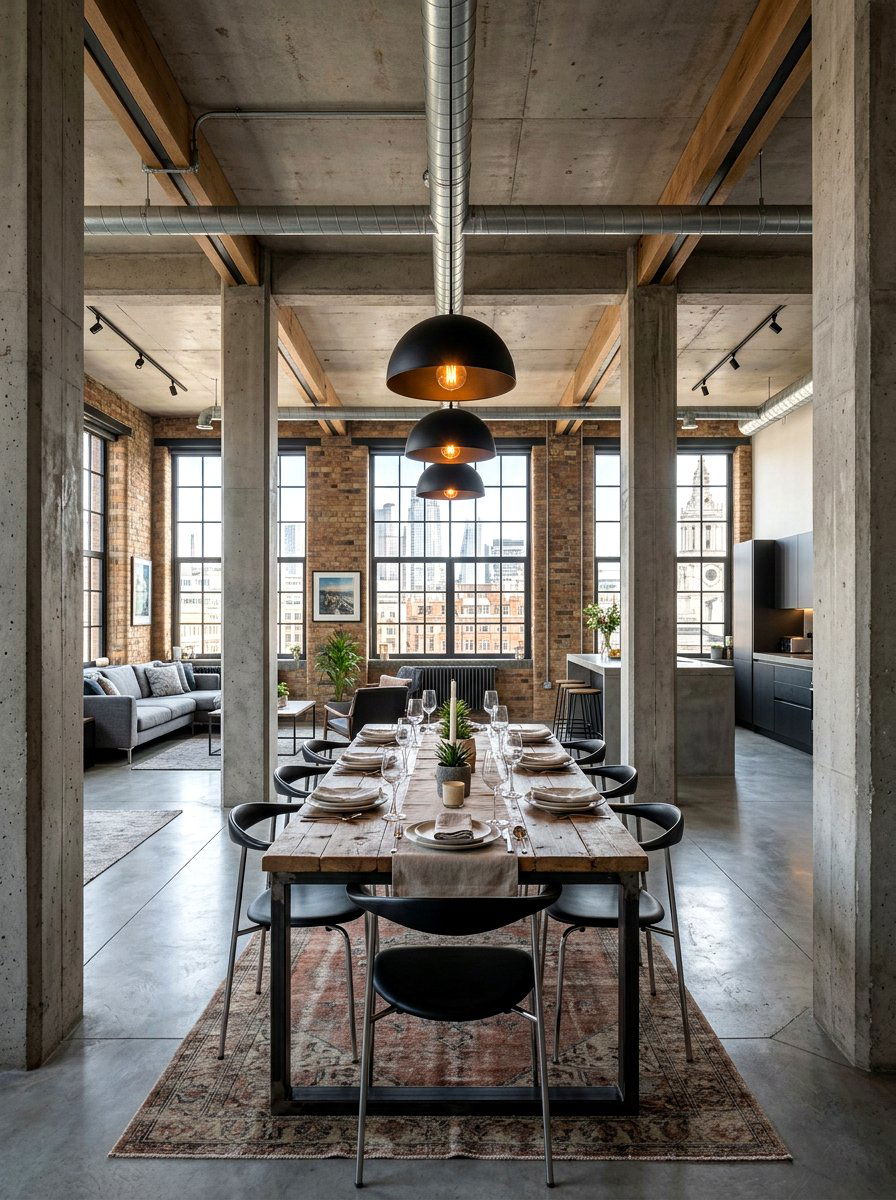
Using structural pillars or columns is a classic way to suggest the boundaries of a room without actually building any walls. In a large open-concept space, a series of pillars can frame a dining area or a central lounge, creating a sense of a "virtual room. " This approach maintains maximum airflow and light while providing the psychological comfort of a defined space. You can leave the pillars as raw concrete for an industrial look or wrap them in wood or plaster for a more traditional finish. It is a grand architectural gesture that adds a sense of scale and permanence to your home.
26. Walk through closet
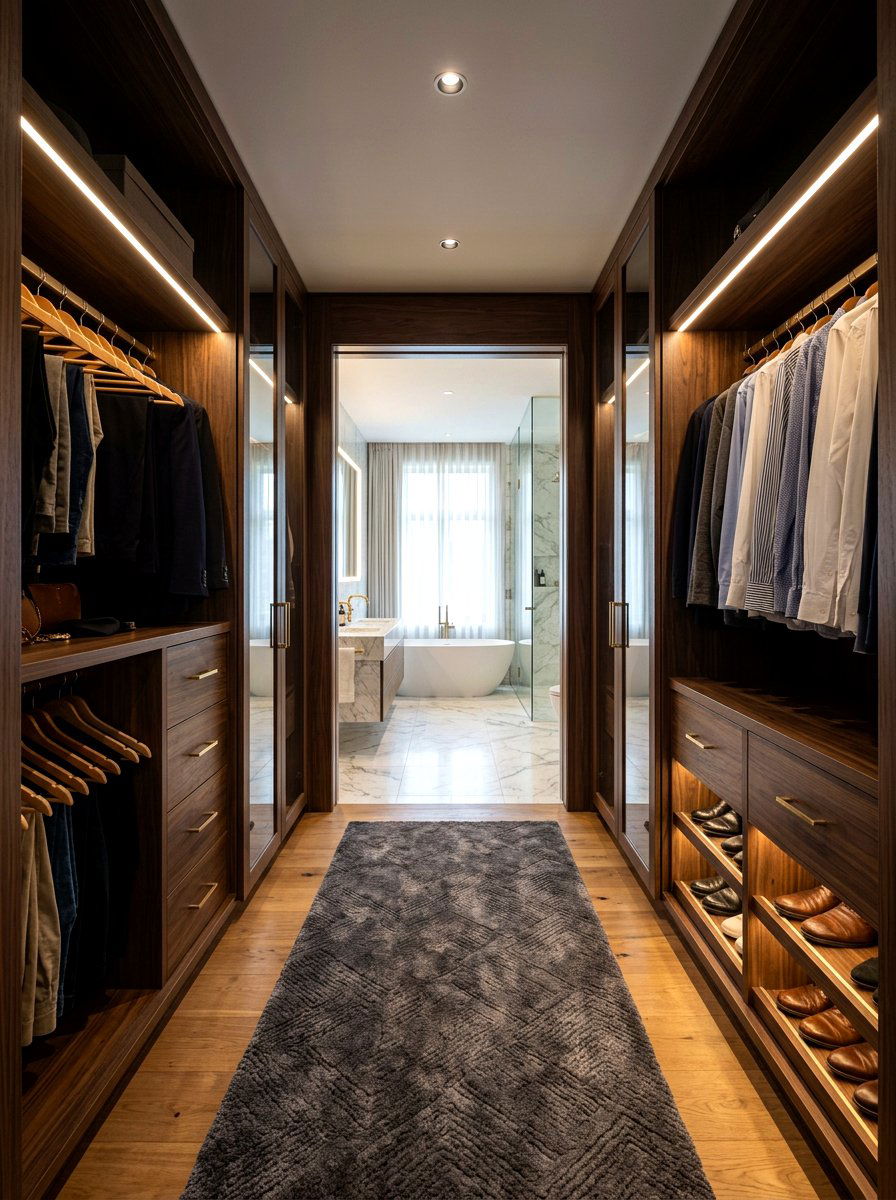
In a master bedroom, a walk-through closet can serve as a functional buffer between the sleeping area and the ensuite bathroom. By placing the wardrobes in a central island or along a dedicated corridor, you create a "broken" layout that provides privacy and organization. This design allows one person to get ready in the morning without disturbing the other, as the closet acts as both a storage zone and a physical barrier. It makes the master suite feel like a luxury hotel, with distinct areas for rest, dressing, and bathing, all within a cohesive and thoughtfully planned open space.
27. Sunken bathtub design
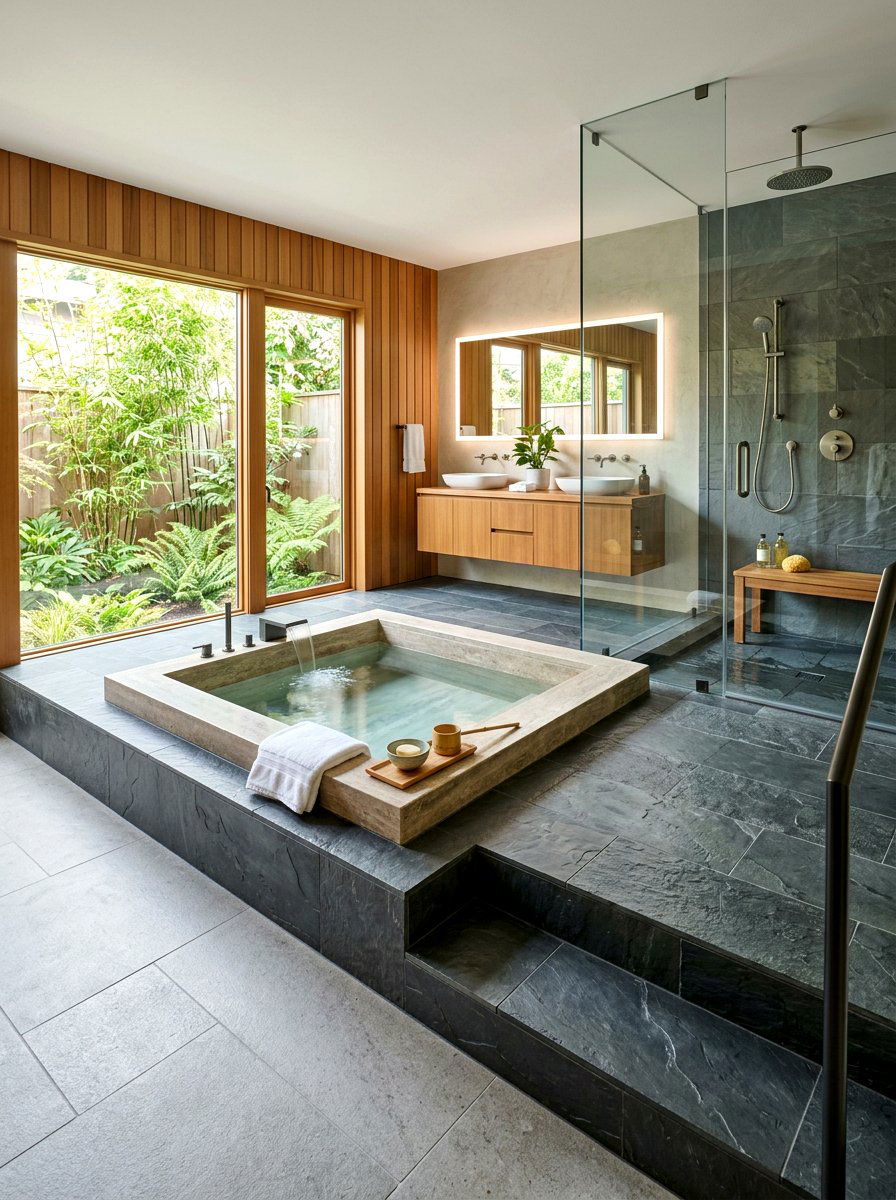
A sunken bathtub is a high-end design feature that zones a bathroom by changing the floor level, creating a spa-like retreat within the home. By lowering the tub into the floor, you eliminate visual clutter and create a seamless, open feel in the room. This works exceptionally well in master suites where the bedroom and bathroom flow into each other. The change in elevation marks the transition from the dry dressing area to the wet bathing zone. Surrounded by beautiful tiles or natural stone, the sunken tub becomes the centerpiece of the room, offering a unique and indulgent broken-plan experience.
28. Glass floor panel
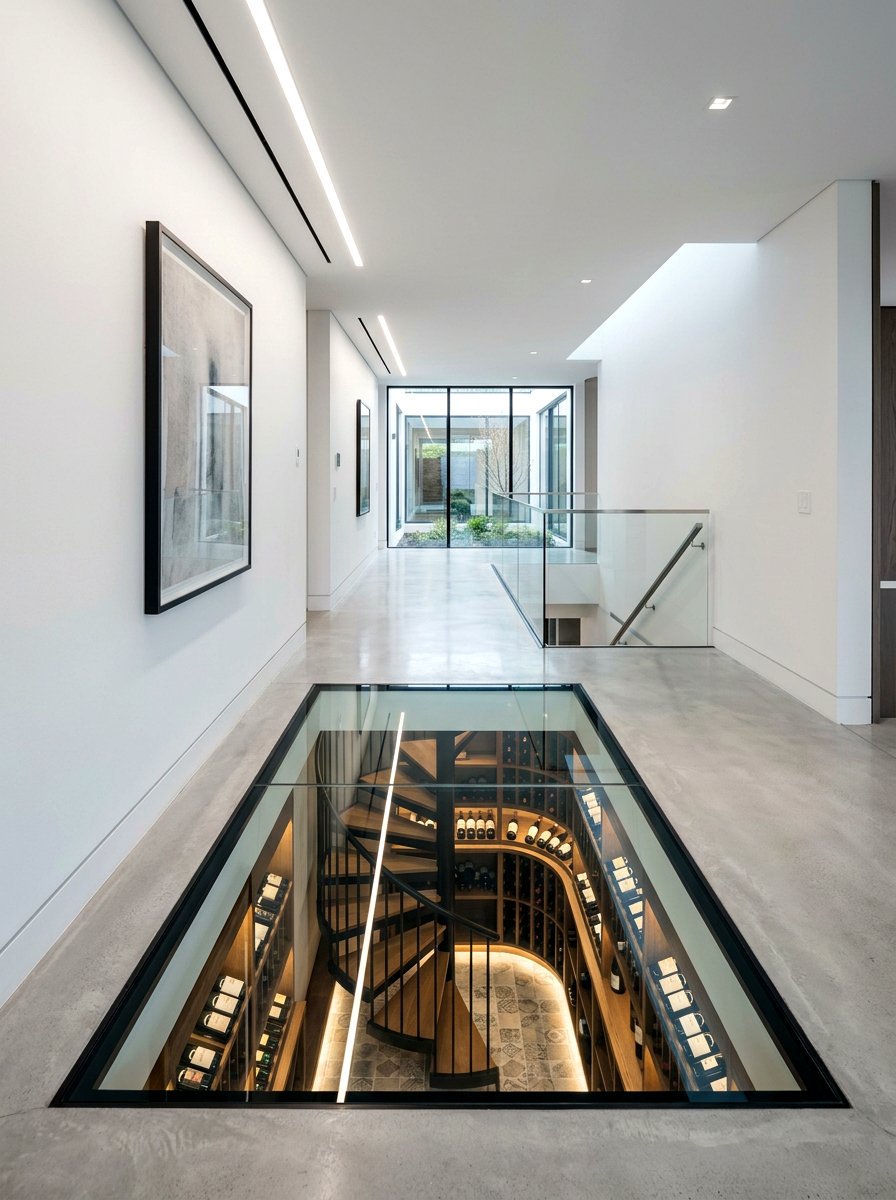
Installing a glass floor panel is an extraordinary way to connect different levels of a home while physically separating them. Often used in hallways or on mezzanines, a walk-on glass section allows light to travel between floors, making the lower levels feel much brighter and more open. It creates a sense of architectural drama and transparency that is unmatched by any other material. While it provides a clear physical boundary, the visual connection it offers makes the entire house feel like one interconnected, multi-layered space. It is a bold choice that truly exemplifies the innovative spirit of a broken-plan layout.
29. Reading nook
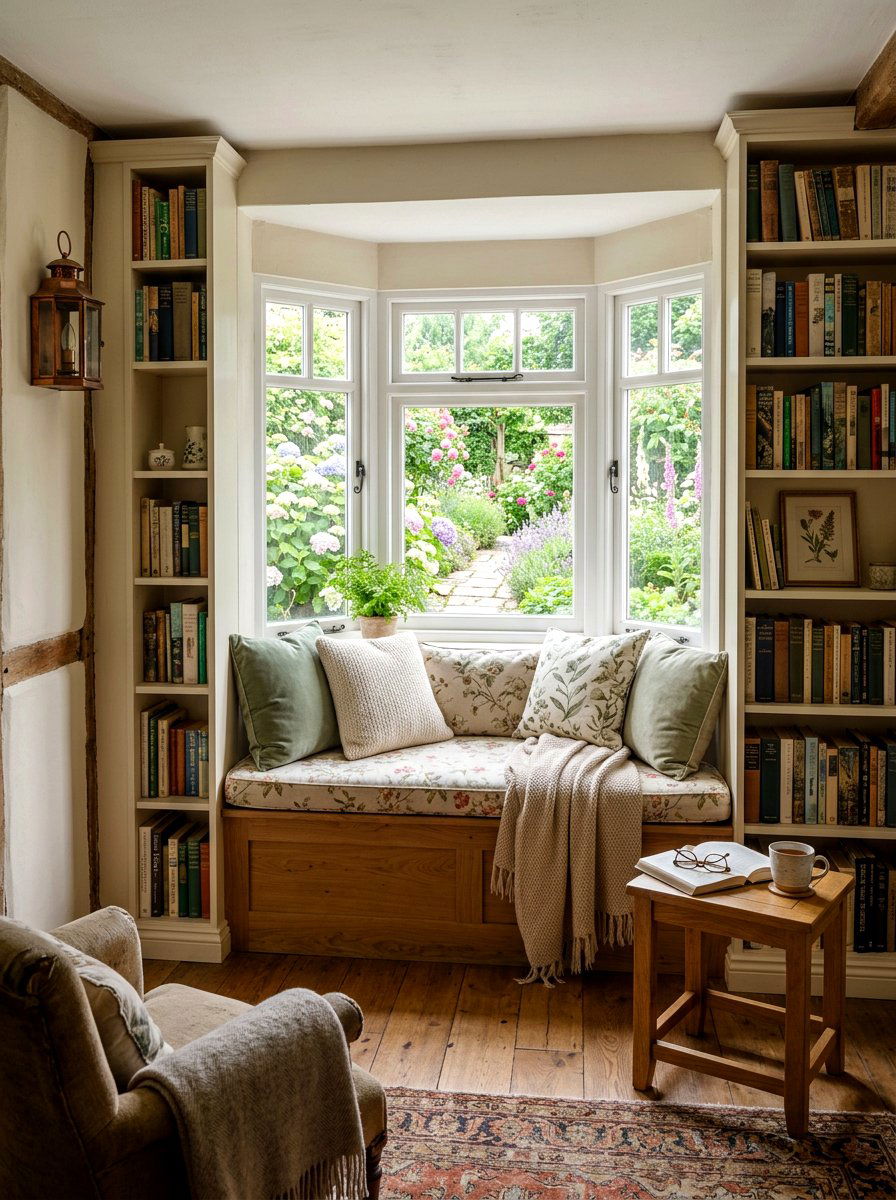
A dedicated reading nook can be carved out of a larger room using a combination of built-in shelving, a window seat, and a slight change in wall depth. By creating this specialized pocket of space, you provide a quiet retreat for relaxation that feels separate from the main household activity. Using a different wall color or texture can further define this zone, making it feel like a tiny room of its own. It is a perfect way to add charm and functionality to a bedroom or a living room corner, proving that you don't need a whole extra room to have a private sanctuary.
30. Floating wall unit
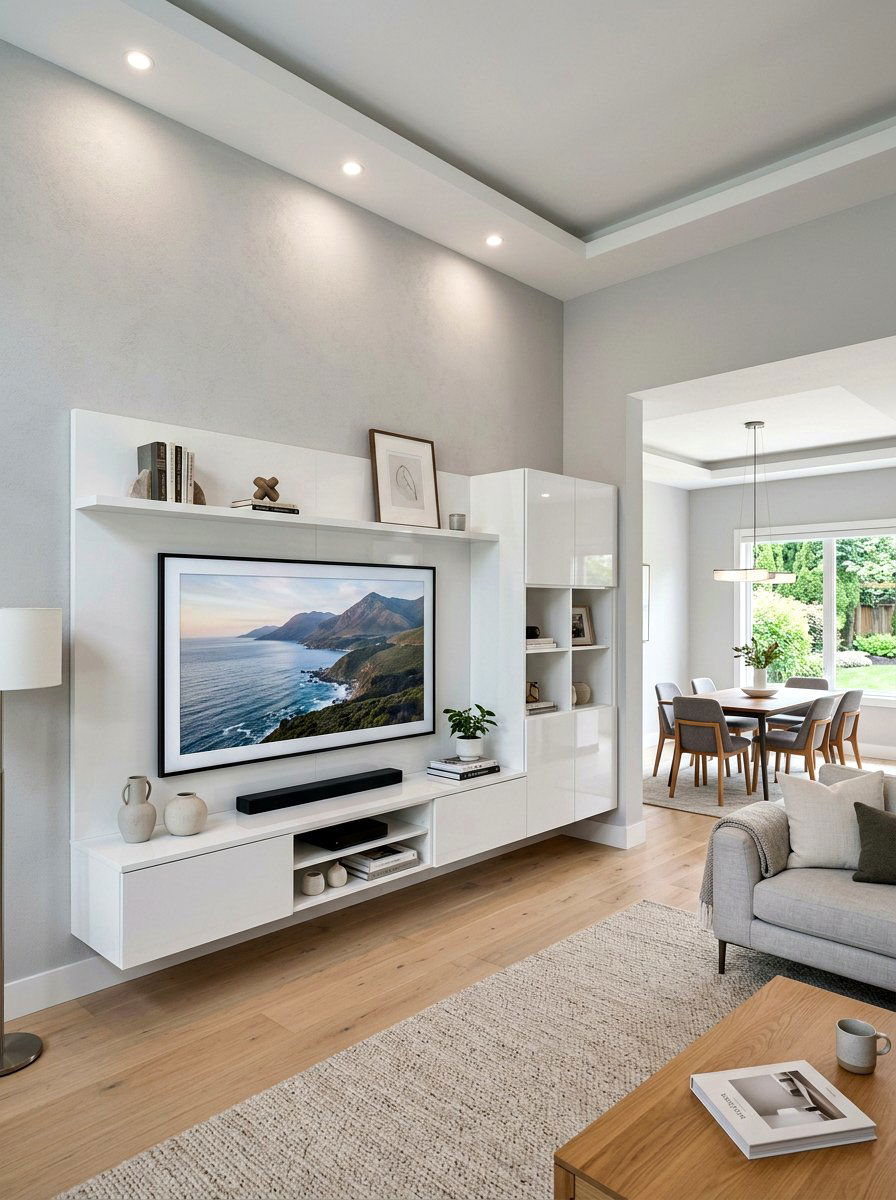
A floating wall unit or media console can act as a modern room divider that doesn't touch the ceiling, keeping sightlines open. Positioned in the middle of a large room, it can house a TV on one side and art or shelving on the other. This low-profile partition creates two distinct areas — perhaps a family lounge and a formal sitting room — without the need for permanent structural changes. Because the wall "floats" within the space, light continues to flow around and over it, maintaining an airy and contemporary feel. It is a sleek, versatile, and highly effective way to zone your home.
Conclusion:
Adopting a broken floor plan is a transformative way to modernize your home while enhancing its daily functionality and comfort. By moving away from the stark openness of the past, you can create a residence that feels both expansive and intimate, catering to the diverse needs of contemporary living. Whether through the elegance of glass partitions, the clever use of floor levels, or the warmth of double-sided fireplaces, these ideas allow for a customized environment that respects both social connection and personal privacy. Investing in a broken-plan layout ensures your home remains a versatile, stylish, and light-filled sanctuary for many years to come.

Related posts: