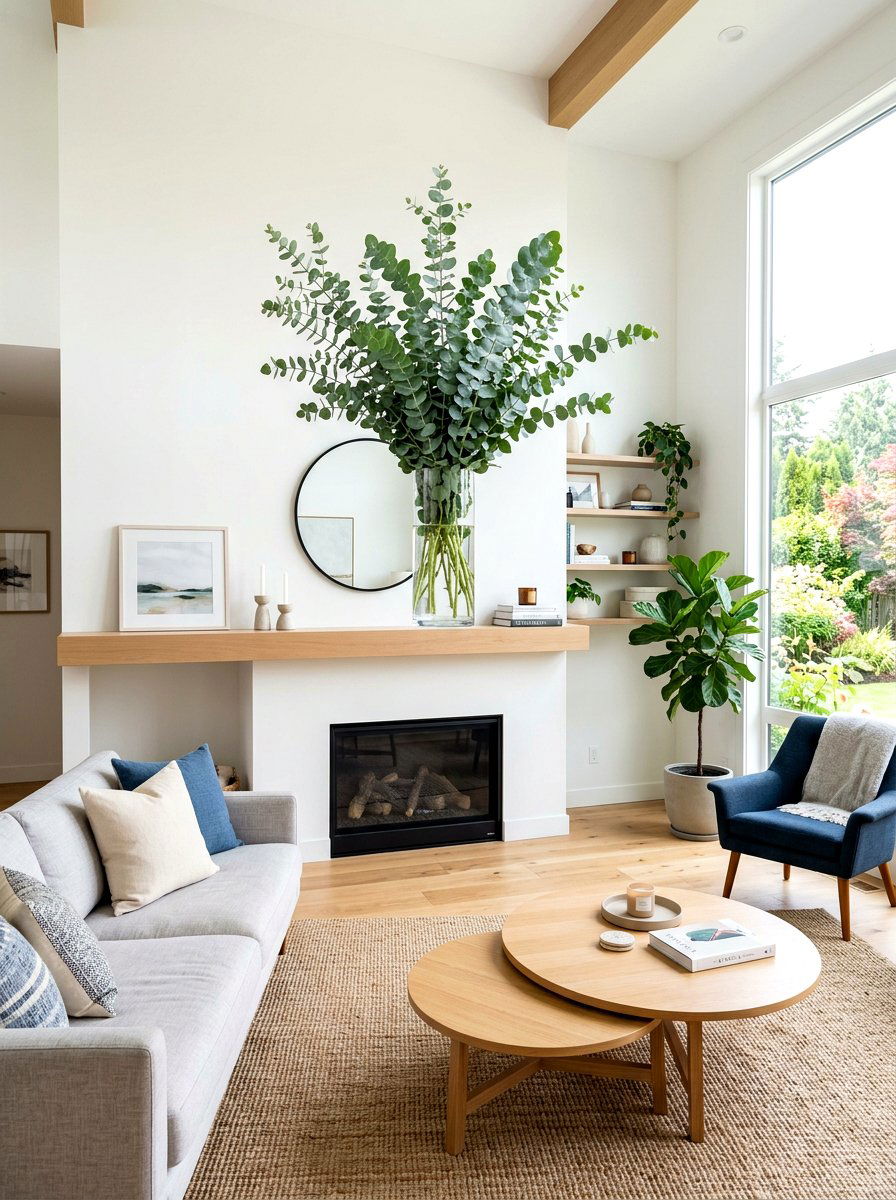
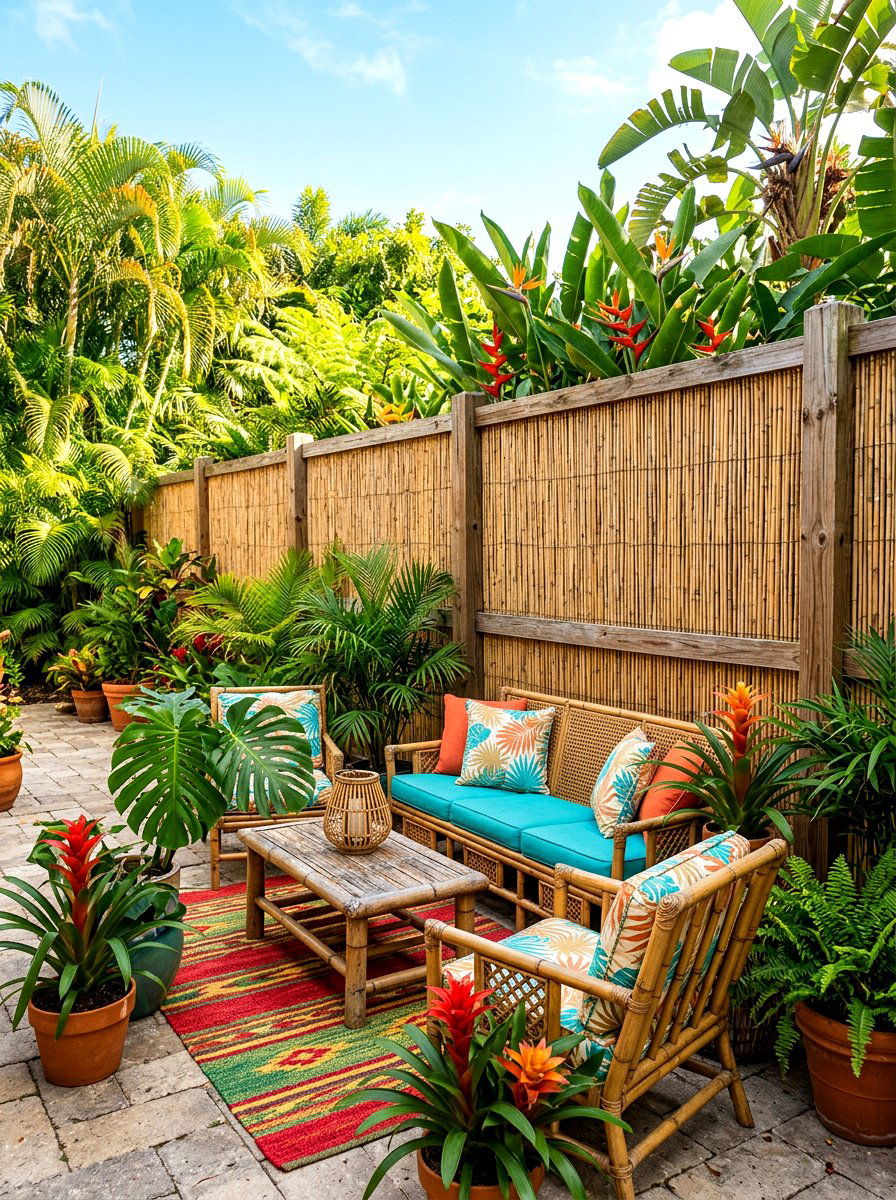
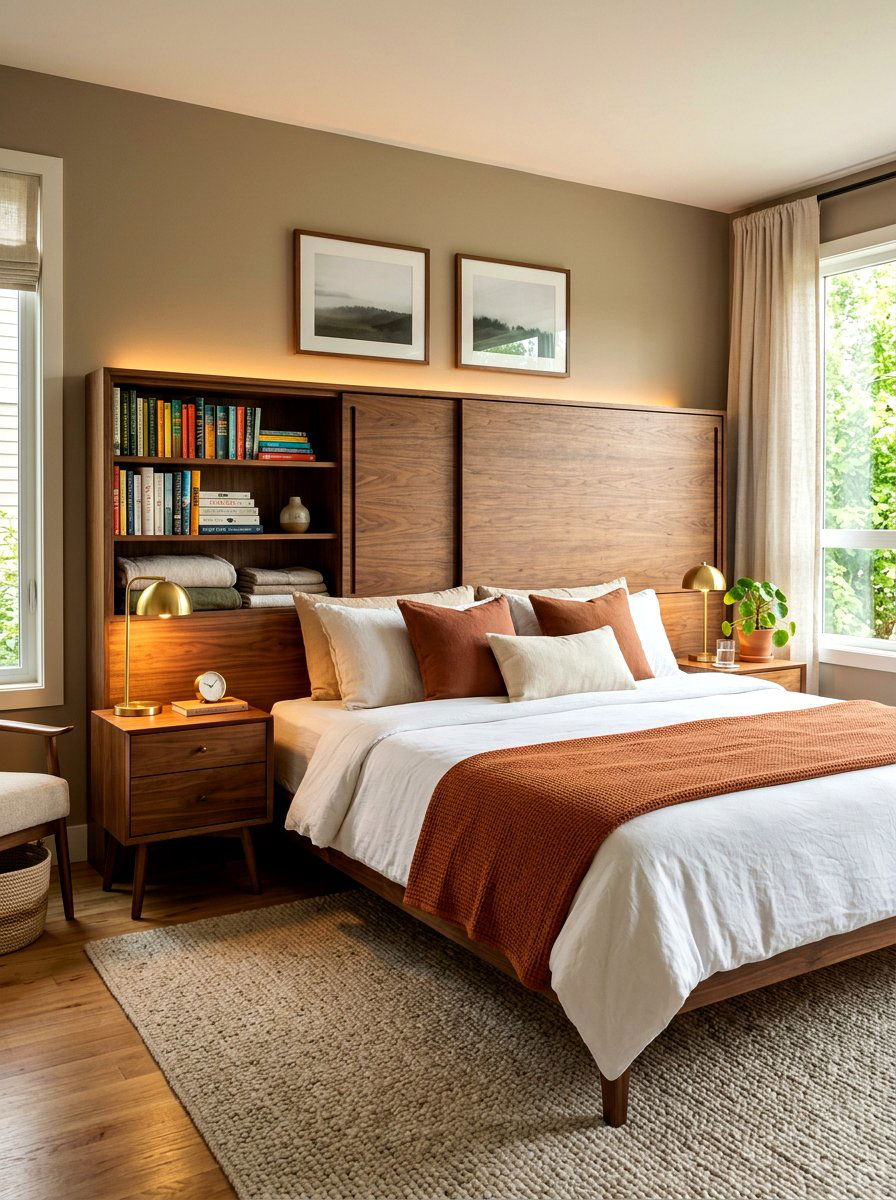
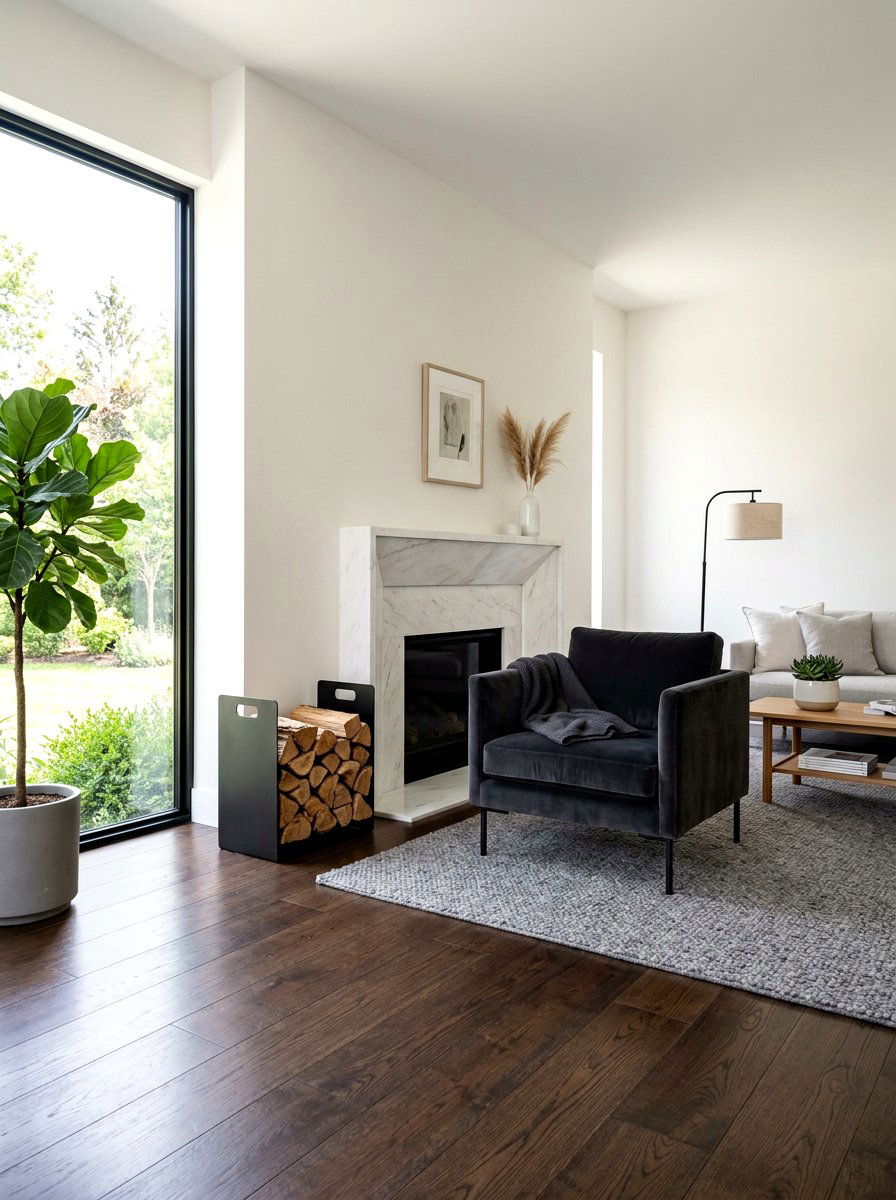
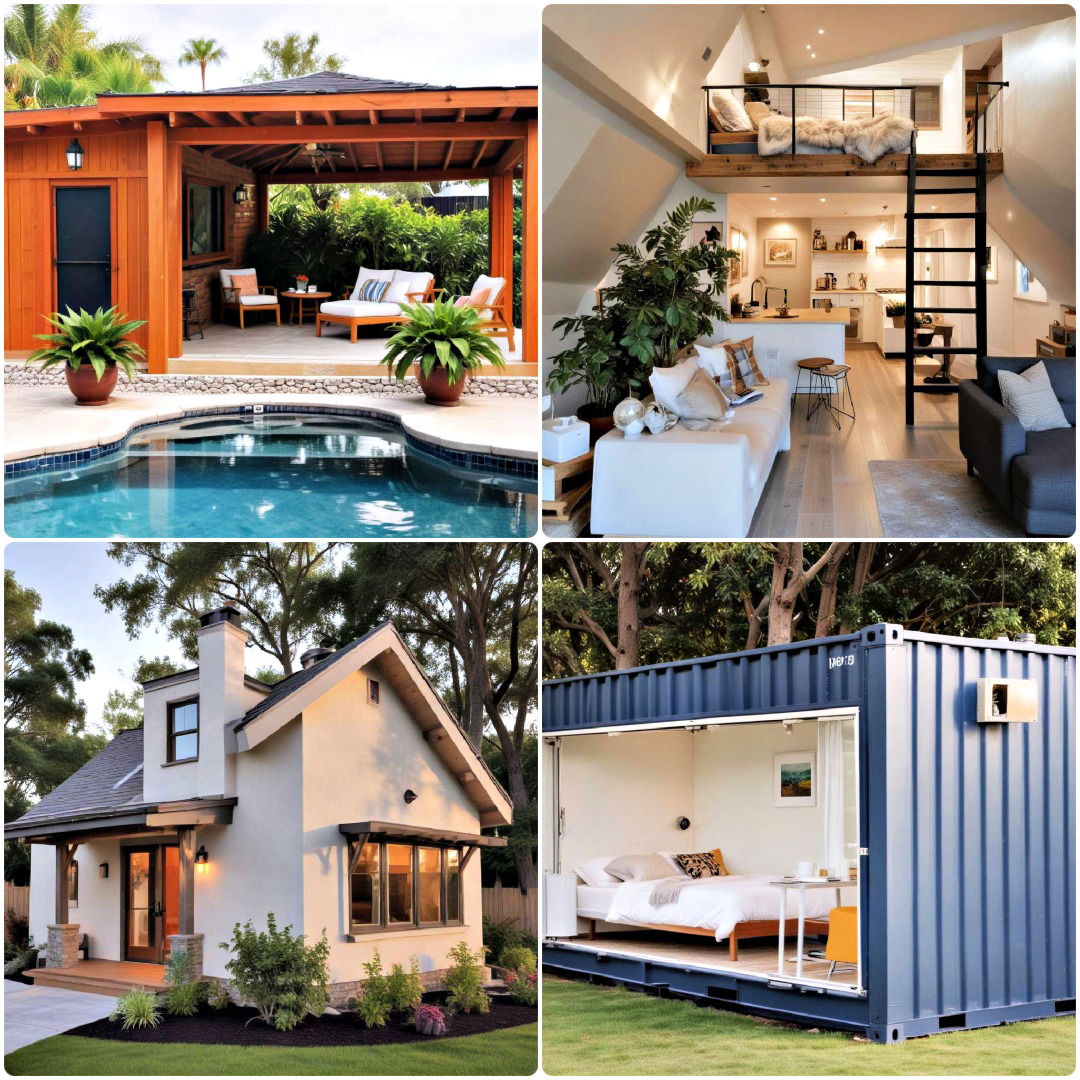
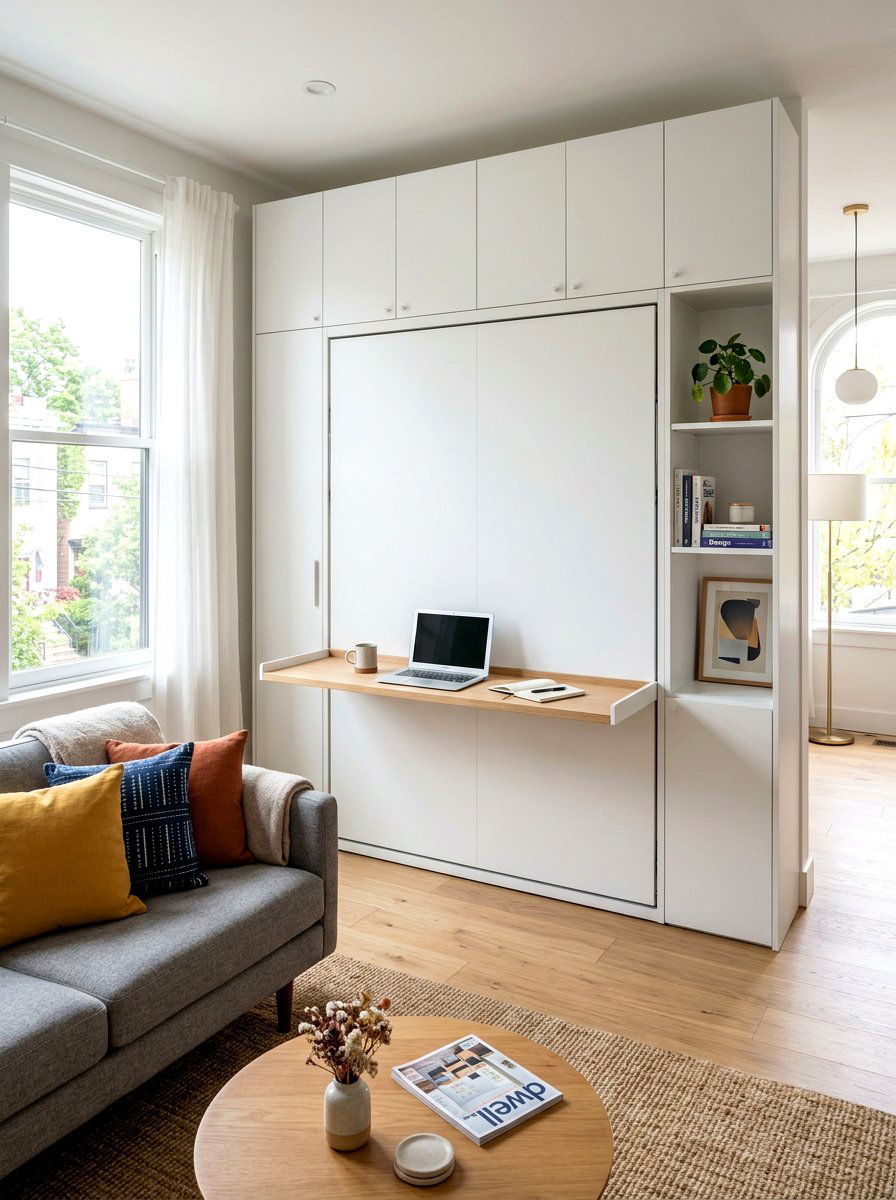
The tiny house movement is transforming how we think about living and home ownership by focusing on simplicity and freedom. Choosing to downsize allows people to reduce their financial burdens while embracing a more sustainable lifestyle that prioritizes experiences over material possessions. These creative dwellings prove that you do not need thousands of square feet to live a life full of comfort, style, and luxury. From mobile units on wheels to permanent foundations in the woods, the variety of available designs is truly staggering. This guide explores thirty unique concepts that maximize every inch of space through intelligent layouts and beautiful aesthetics. You will discover how to blend modern technology with cozy, traditional elements to create a perfect sanctuary.
1. Shipping container tiny house
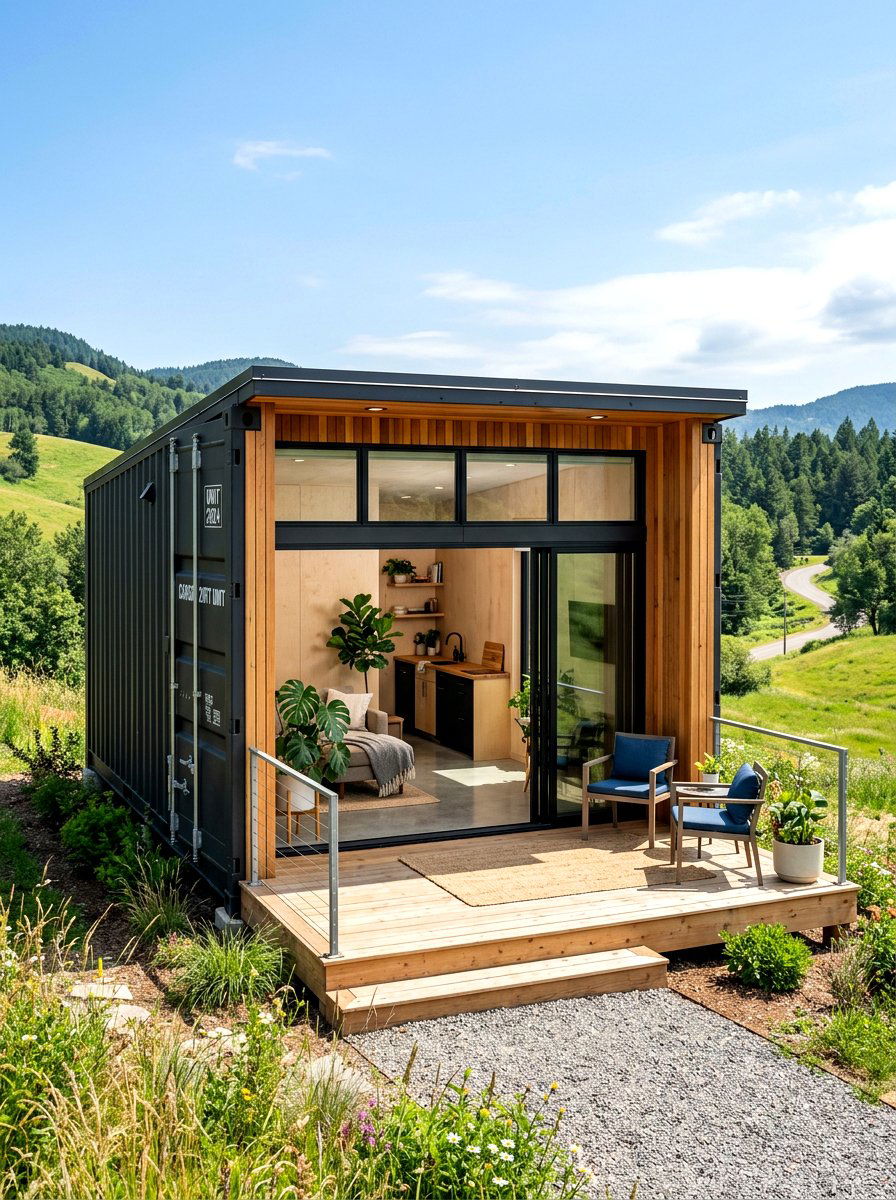
Building a home from a recycled shipping container offers an industrial aesthetic that is both durable and incredibly stylish. These steel structures provide a solid foundation that can withstand harsh weather while remaining relatively easy to transport to your site. You can cut large sections of the metal walls to install floor-to-ceiling glass doors that connect the interior with the landscape. Inside, the long and narrow layout encourages a linear flow where the kitchen, living area, and bedroom transition smoothly. Using white walls and light wood floors helps the interior feel much larger than its physical dimensions. Adding a rooftop deck on top of the container provides extra outdoor living space.
2. Lofted bedroom tiny house
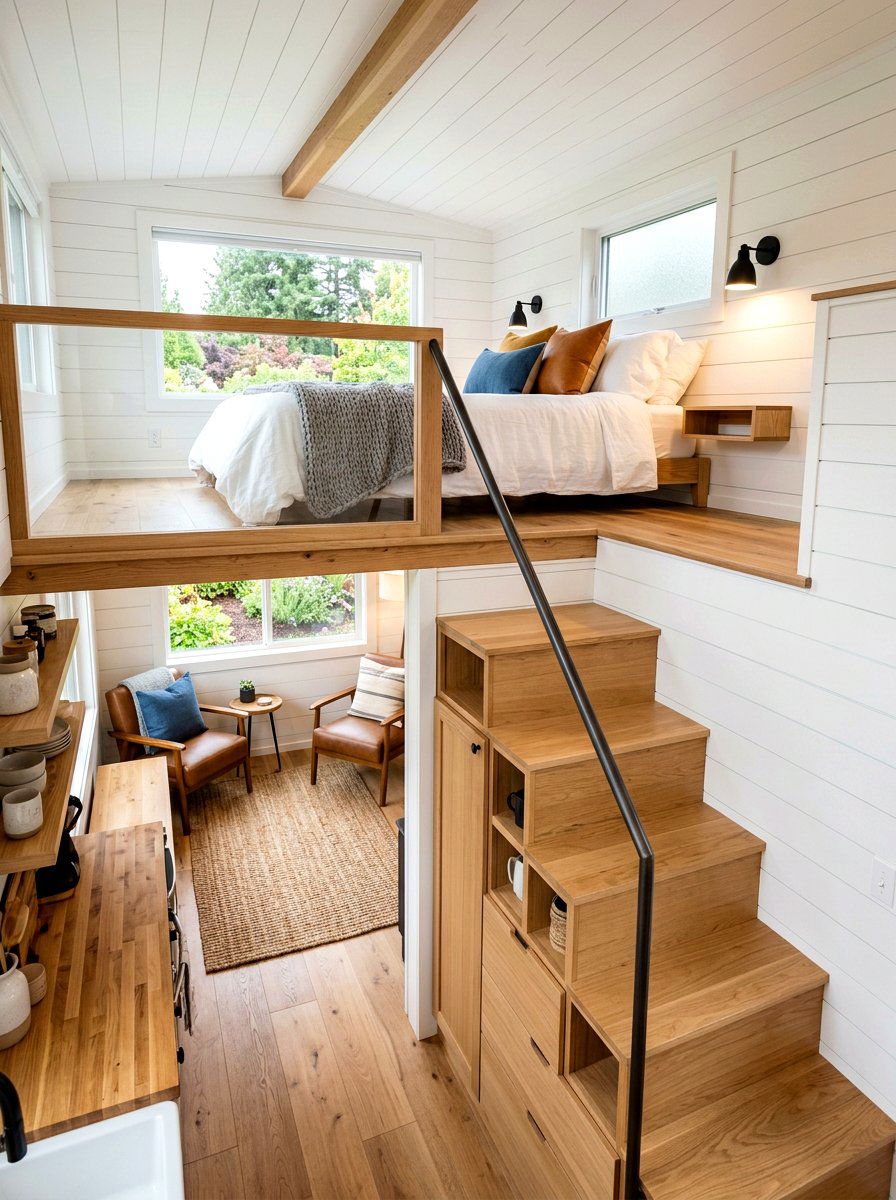
Utilizing vertical space is one of the most effective ways to make a small home feel expansive and organized. A lofted bedroom allows you to keep the sleeping area private while freeing up the entire main floor for daily activities. You can place a cozy queen-sized mattress in the loft with small windows for natural light and ventilation. Accessing the loft via a storage staircase ensures that every step doubles as a drawer for clothes or household essentials. Underneath the loft, you can create a full-sized bathroom or a spacious walk-in closet. High ceilings in the living area prevent the room from feeling cramped or dark.
3. A-frame tiny house
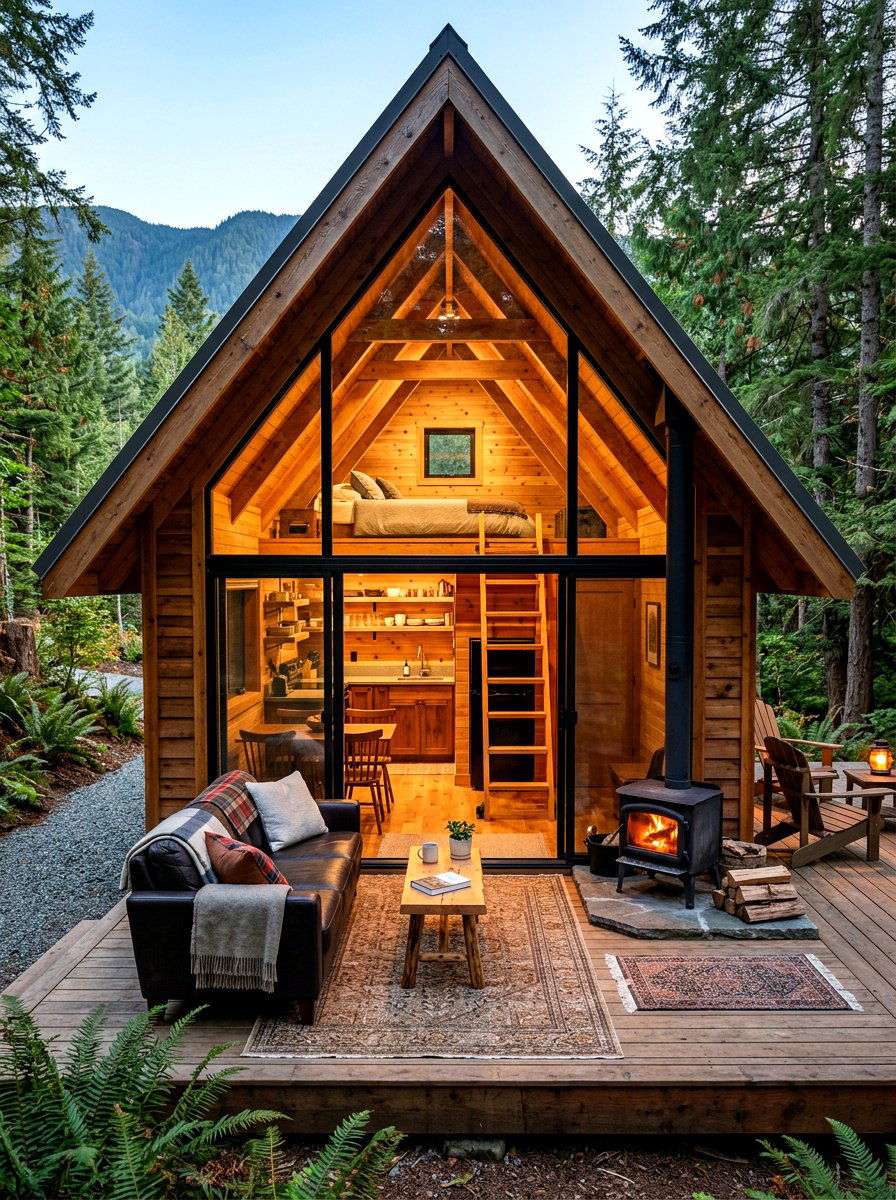
The classic triangular shape of an A-frame cabin creates a nostalgic and cozy atmosphere that is perfect for nature lovers. These structures are relatively simple to build and offer excellent structural integrity against heavy snow or wind. The steep roofline allows for a dramatic wall of windows at the front, which floods the entire interior with natural sunlight. Inside, the sloped walls provide unique opportunities for built-in shelving and intimate reading nooks. You can easily tuck a sleeping loft into the peak of the roof for a bird’s-eye view of the living space below. Natural wood finishes throughout the home enhance the warm, rustic feeling.
4. Tiny house on wheels
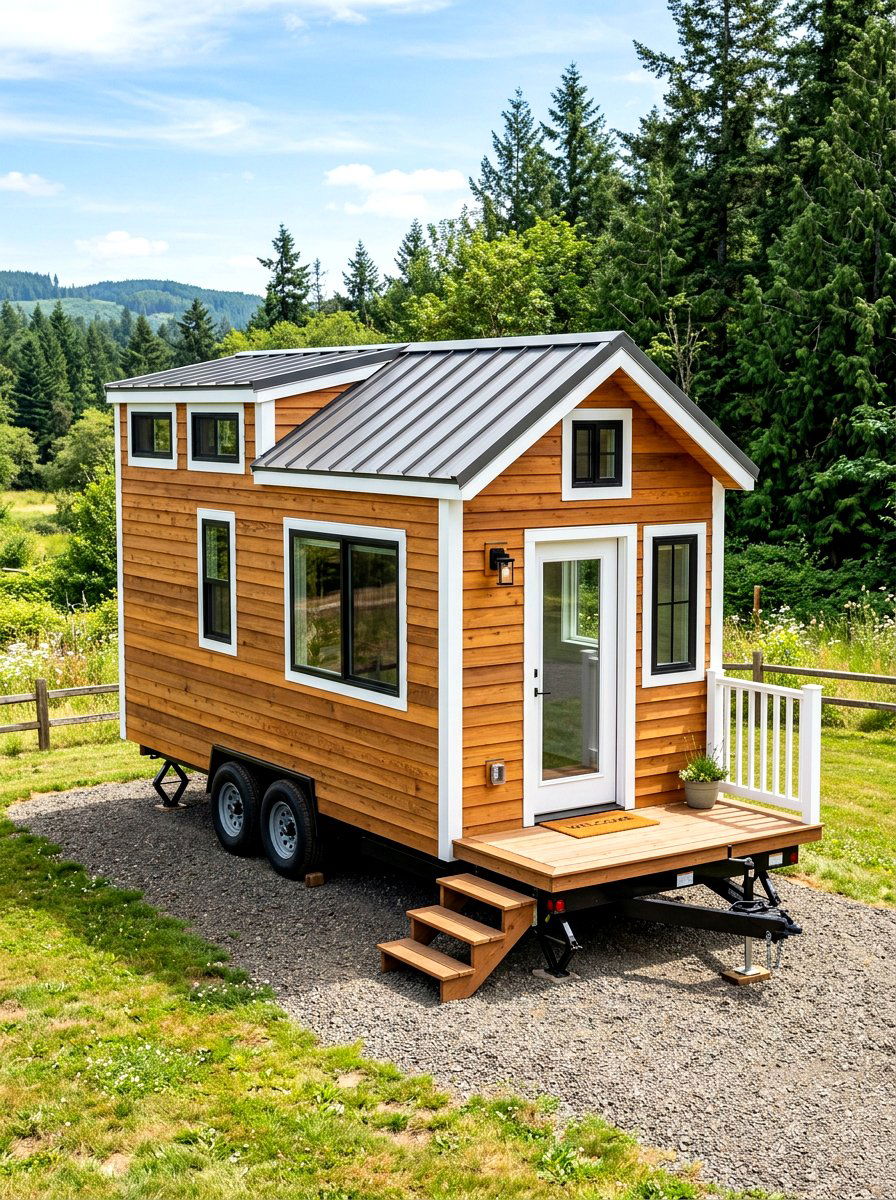
Living in a tiny house on wheels provides the ultimate freedom to travel without leaving the comforts of home behind. These mobile dwellings are built on specialized trailers, allowing you to change your scenery whenever the mood strikes. Because they must meet road regulations, the designs are often narrow and lightweight but highly efficient in their use of space. You can incorporate foldable furniture and lightweight materials to ensure the home remains easy to tow. Many owners choose off-grid features like solar panels and composting toilets to live anywhere. The exterior can be finished with cedar siding for a beautiful, high-quality look that lasts.
5. Modern farmhouse tiny house
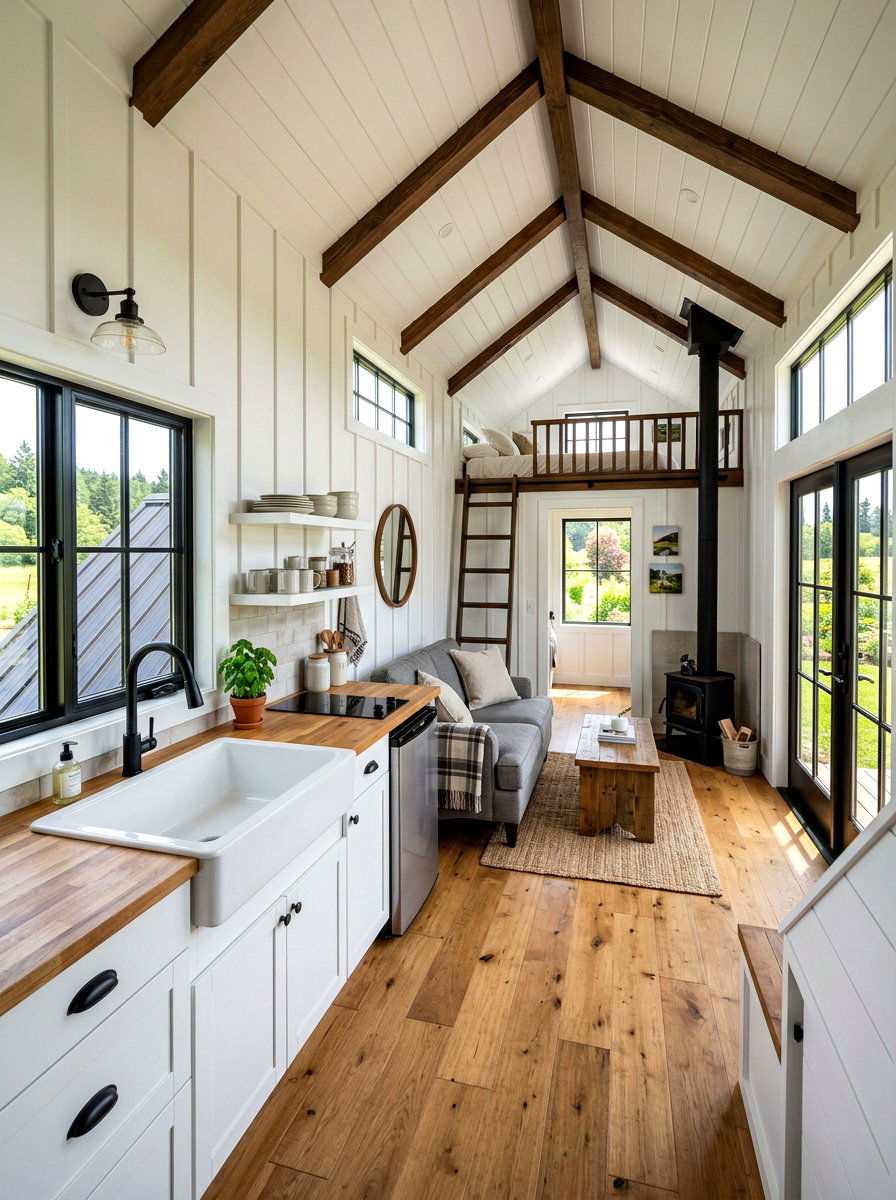
Combining traditional charm with contemporary clean lines creates a modern farmhouse style that feels timeless and welcoming. This design often features white board-and-batten siding paired with a dark metal roof for a striking visual contrast. Inside, you can use reclaimed wood accents and apron-front sinks to bring in that classic country feel. Shiplap walls provide texture without overwhelming the small space, especially when painted in a bright, neutral tone. Large windows with black frames frame the view like artwork and pull in plenty of daylight. This style is perfect for those who want their tiny home to feel like a traditional, permanent residence.
6. Scandinavian tiny house
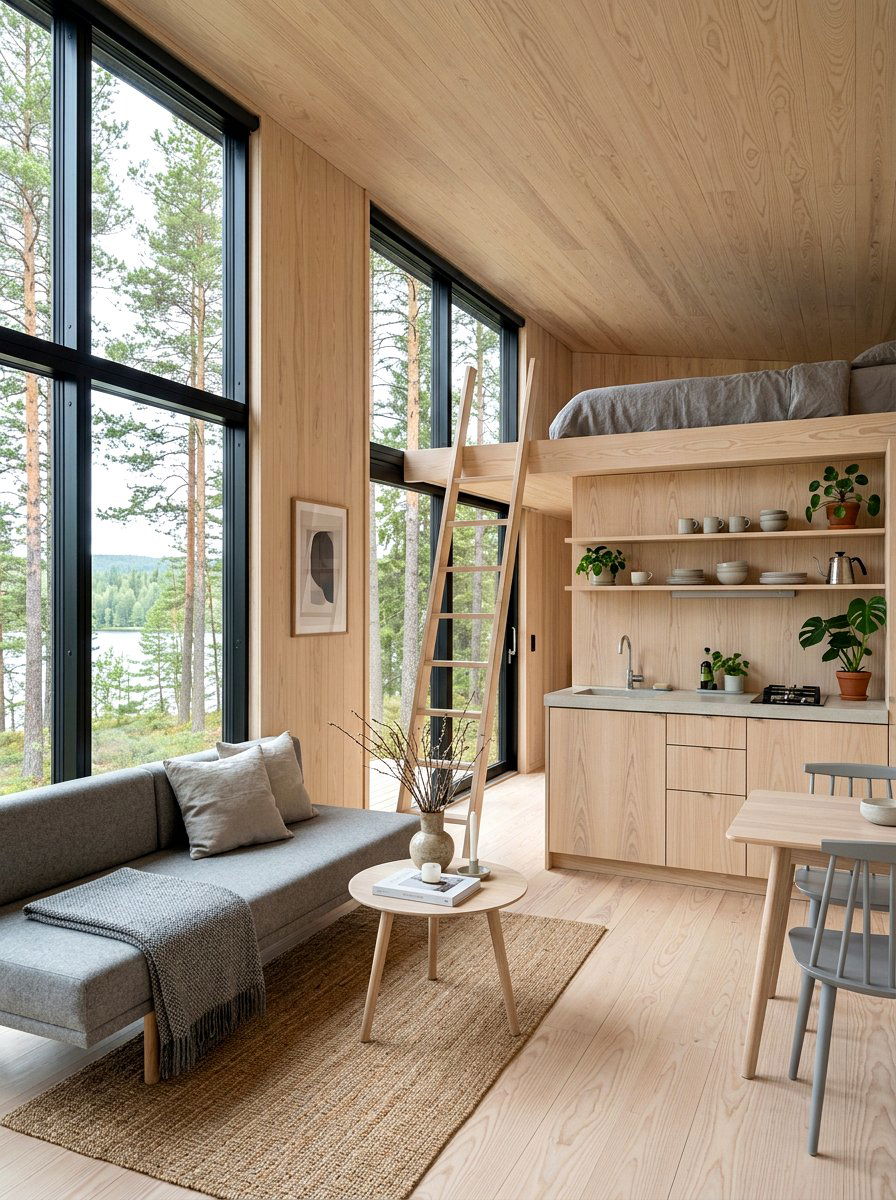
Scandinavian design focuses on functionality, simplicity, and a deep connection to the natural environment. A Scandinavian tiny home often utilizes a palette of light woods, neutral grays, and crisp whites to create a serene atmosphere. Large, unobstructed windows are essential for capturing as much natural light as possible during shorter winter days. The furniture should be minimalist and multi-functional, ensuring that every piece serves a clear purpose without adding visual clutter. You can add warmth with cozy textiles like wool rugs and sheepskin throws. The exterior usually features clean lines and natural timber cladding that blends perfectly with a forest or garden setting.
7. Modern studio tiny house
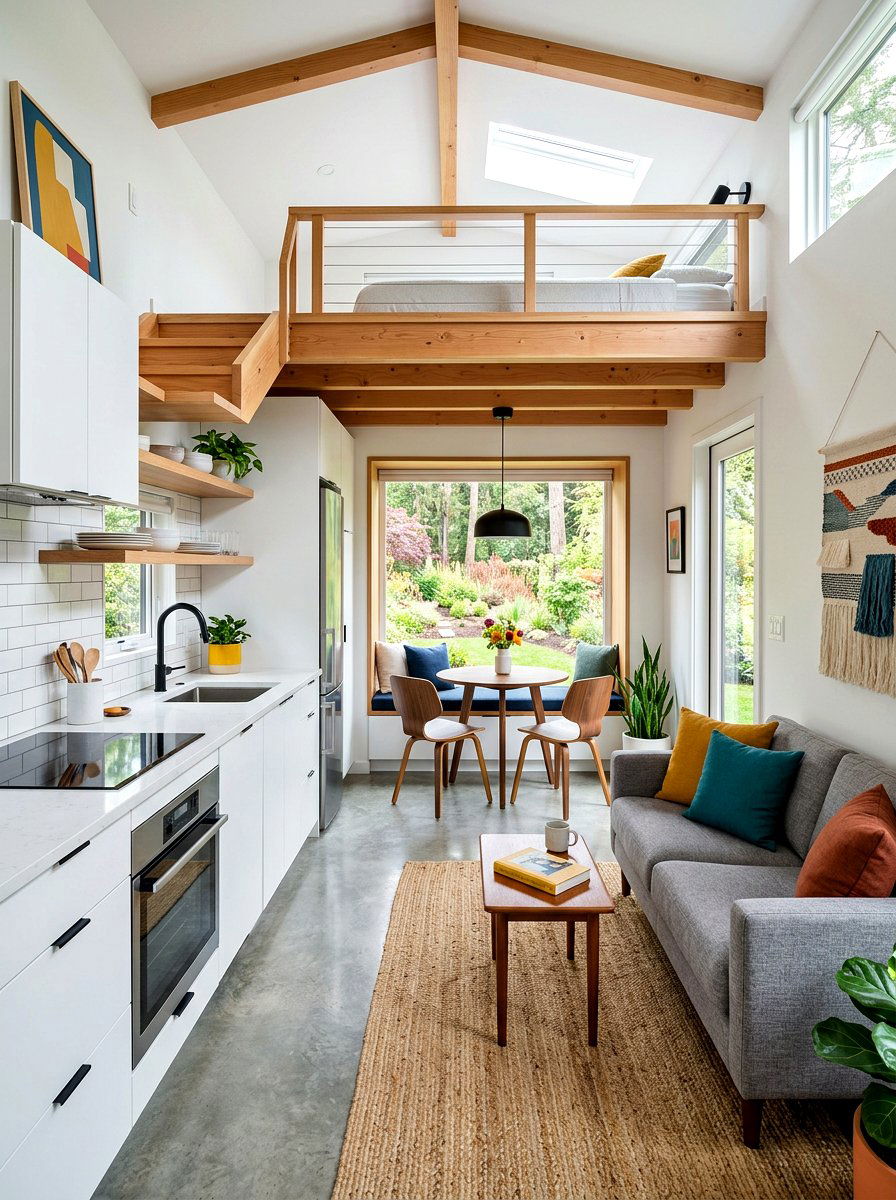
A studio-style layout is ideal for single occupants or couples who prefer an open and airy floor plan. By removing interior walls, you allow light and air to circulate freely throughout the entire living space. You can define different functional zones using rugs, furniture placement, or subtle changes in flooring material. A sleek, linear kitchen along one wall keeps the center of the room open for a dining table or workspace. Large sliding glass doors can open up to a private patio, effectively doubling your usable area during nice weather. Using a consistent color scheme helps the different zones feel like one cohesive and professional environment.
8. Rustic cabin tiny house
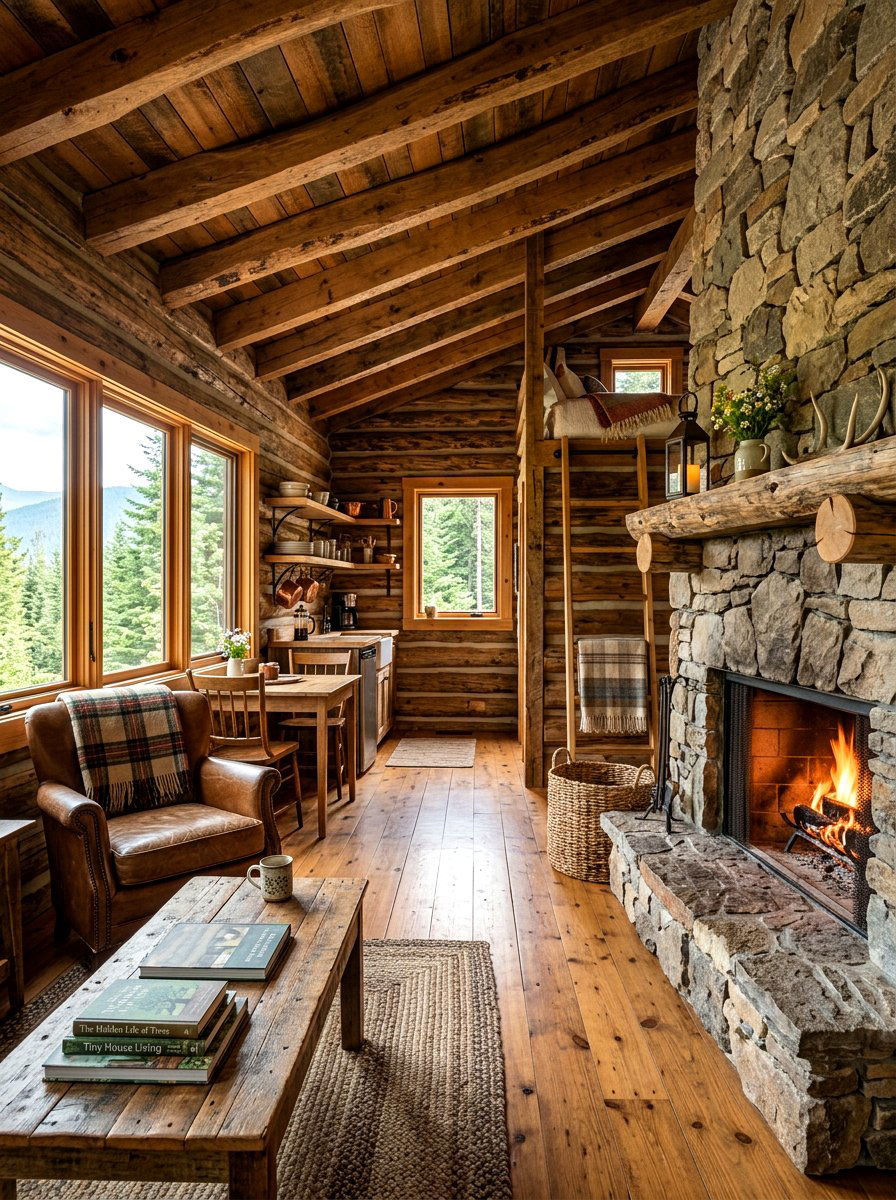
For those who dream of a woodland retreat, a rustic cabin design offers the perfect blend of comfort and nature. You can use log siding or rough-hewn timber to give the exterior an authentic, rugged appearance. Inside, exposed ceiling beams and stone accents around a small wood-burning stove create a cozy focal point for chilly evenings. Rich, warm colors and plaid textiles add to the traditional cabin aesthetic without making the space feel too small. Built-in benches near the windows provide extra seating and hidden storage for blankets or gear. This style emphasizes a slower pace of life and a deep appreciation for craftsmanship.
9. Boho tiny house
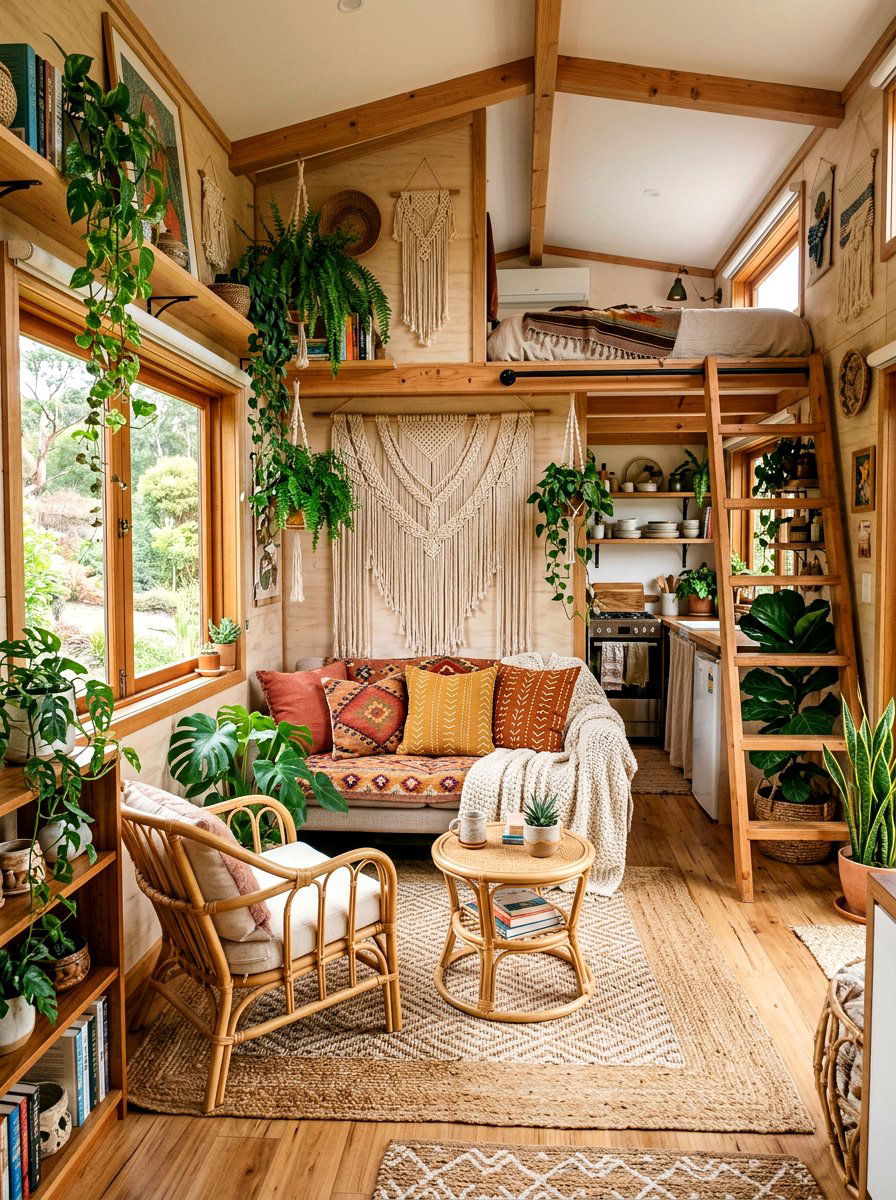
A bohemian-style tiny home is all about personal expression, vibrant textures, and a relaxed, eclectic vibe. You can mix and match different patterns and materials like macramé, rattan, and colorful tiles to create a unique interior. Hanging plants are a great way to bring life into the home without taking up valuable floor space. A low-profile floor sofa or a hanging chair can serve as a comfortable lounge area that feels casual and inviting. Using warm, earthy tones like terracotta and mustard yellow makes the small space feel sun-drenched and cheerful. This design is perfect for those who want a home that feels artistic.
10. Luxury tiny house
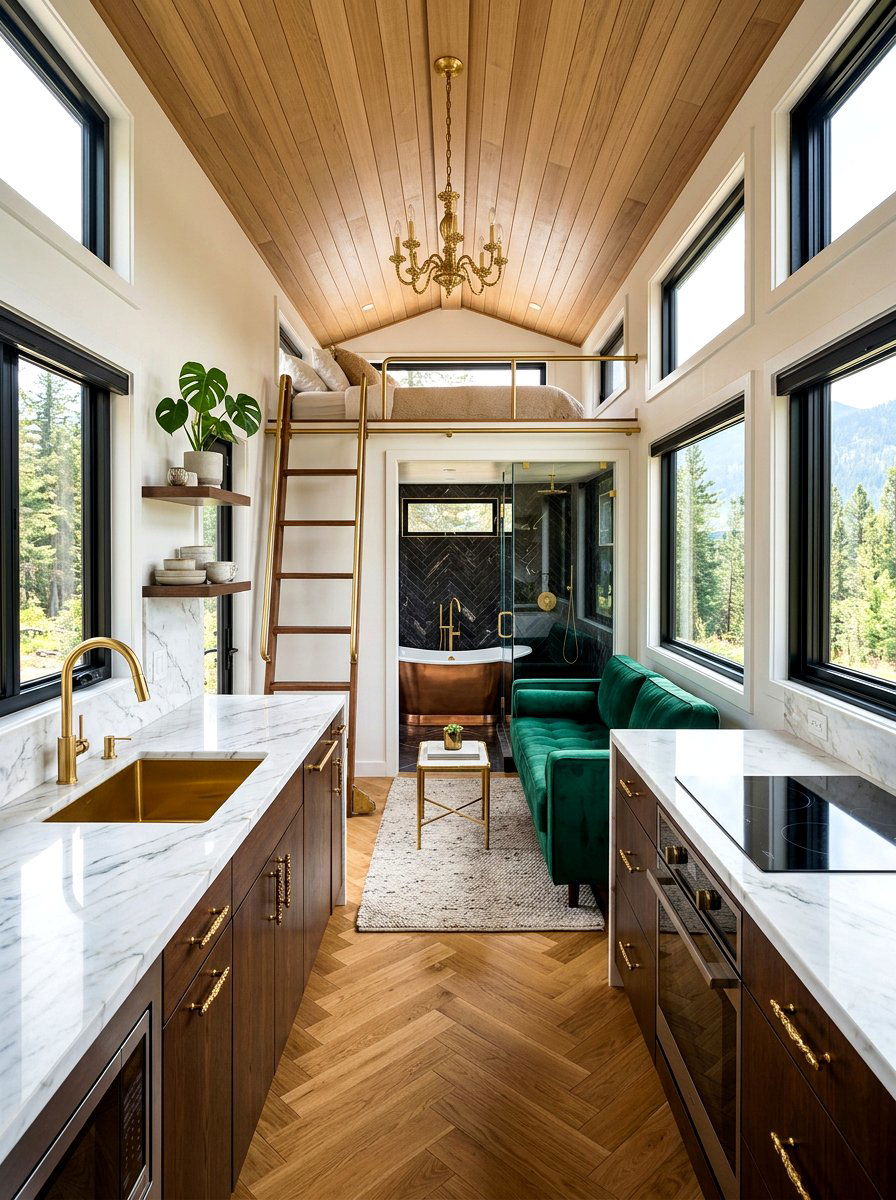
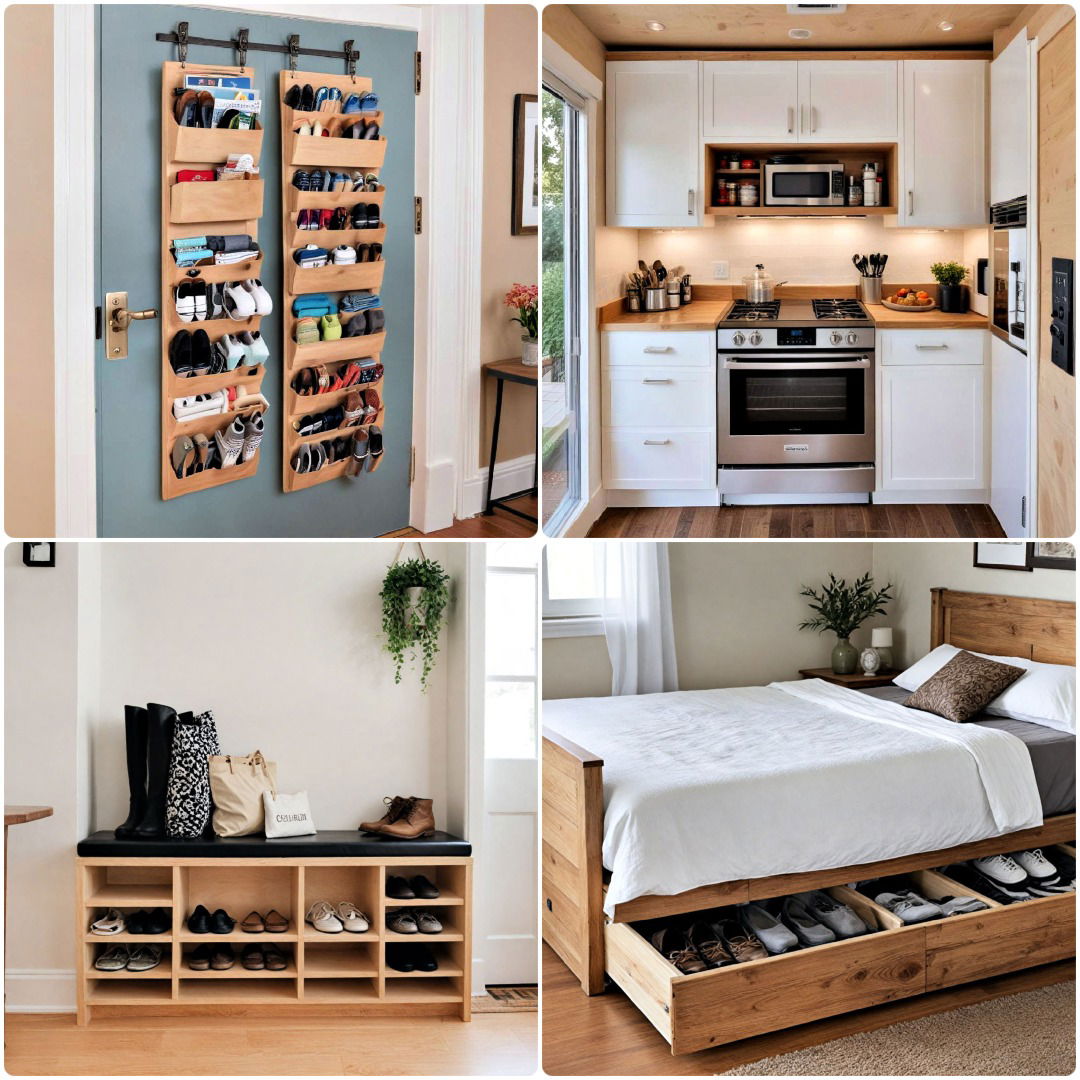
Living small does not mean you have to sacrifice high-end finishes or sophisticated modern amenities. A luxury tiny home can feature premium materials such as marble countertops, custom cabinetry, and designer lighting fixtures. You might include a full-sized spa bathroom with a soaking tub and a rainfall showerhead for ultimate relaxation. High-tech integrated home systems allow you to control lighting, temperature, and security from your smartphone. Expansive glass walls and high ceilings create a sense of grandeur that rivals much larger luxury estates. By focusing on quality over quantity, you can enjoy an opulent lifestyle within a very manageable and efficient footprint.
11. Off-grid tiny house
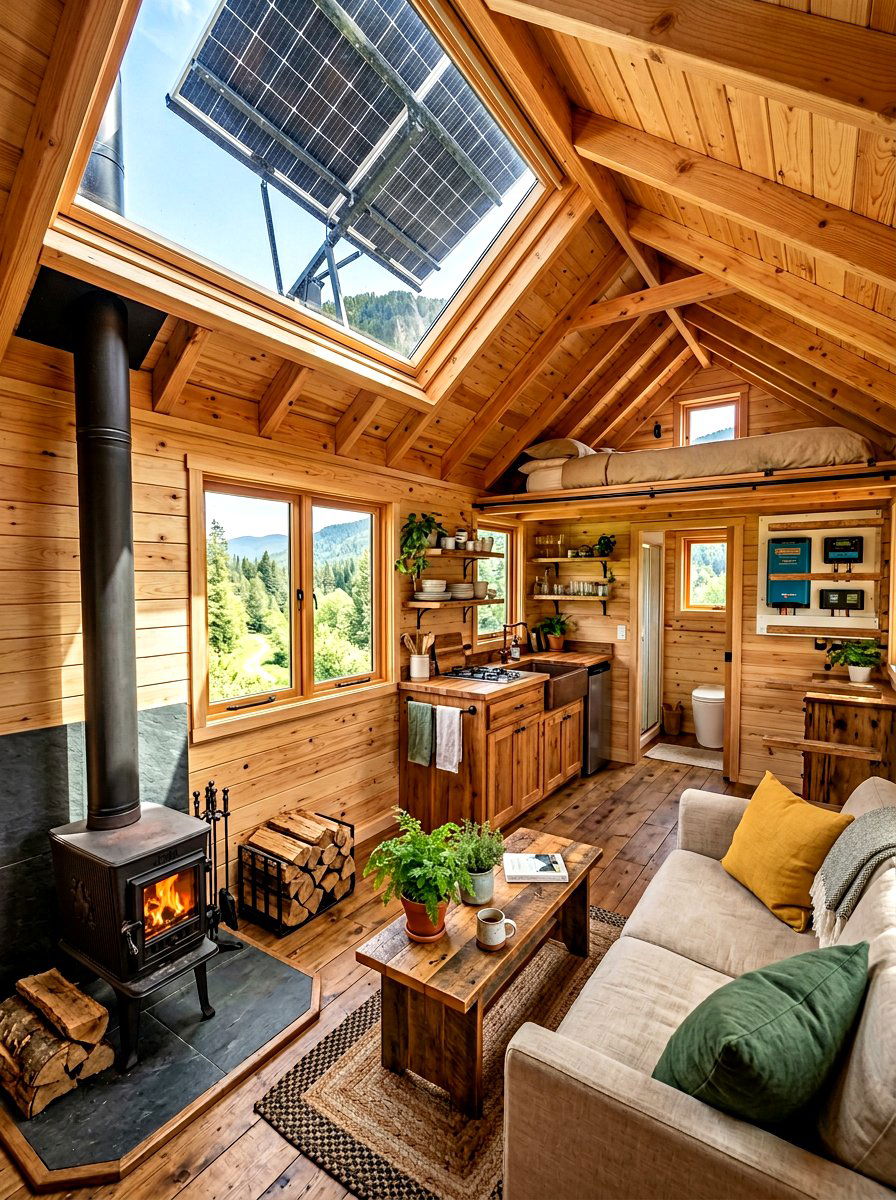
An off-grid tiny home is designed for complete independence from public utilities, making it perfect for remote locations. You can install a robust solar power system on the roof to provide electricity for all your appliances and lighting. Rainwater collection systems and advanced filtration allow you to have a sustainable water source for drinking and bathing. A composting toilet and graywater system manage waste responsibly without needing a traditional sewer connection. These homes often feature extra insulation and high-performance windows to maintain a comfortable temperature year-round. Living off-grid encourages a mindful lifestyle that is deeply connected to the surrounding natural environment and seasonal weather patterns.
12. Industrial tiny house
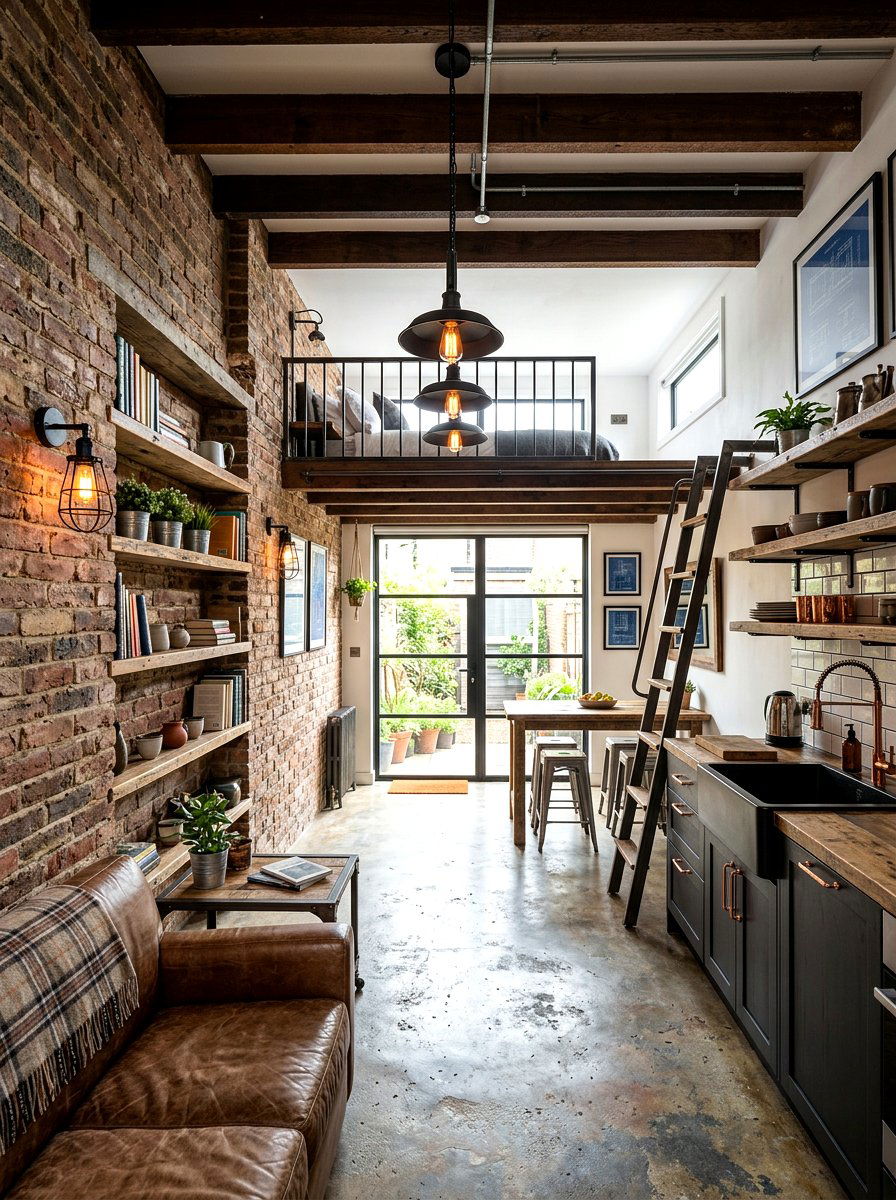
Industrial design brings a raw and edgy aesthetic to the tiny house world through the use of metal and wood. You can leave structural elements like pipes and beams exposed to create a warehouse-style feel in a small space. Distressed wood flooring and metal-framed furniture add to the rugged look while providing excellent durability for daily living. Large factory-style windows with black grilles allow plenty of light to enter while reinforcing the industrial theme. You can use a neutral color palette of grays, blacks, and browns to keep the interior feeling grounded. This style is perfect for urban dwellers who want a modern and low-maintenance home.
13. Victorian tiny house
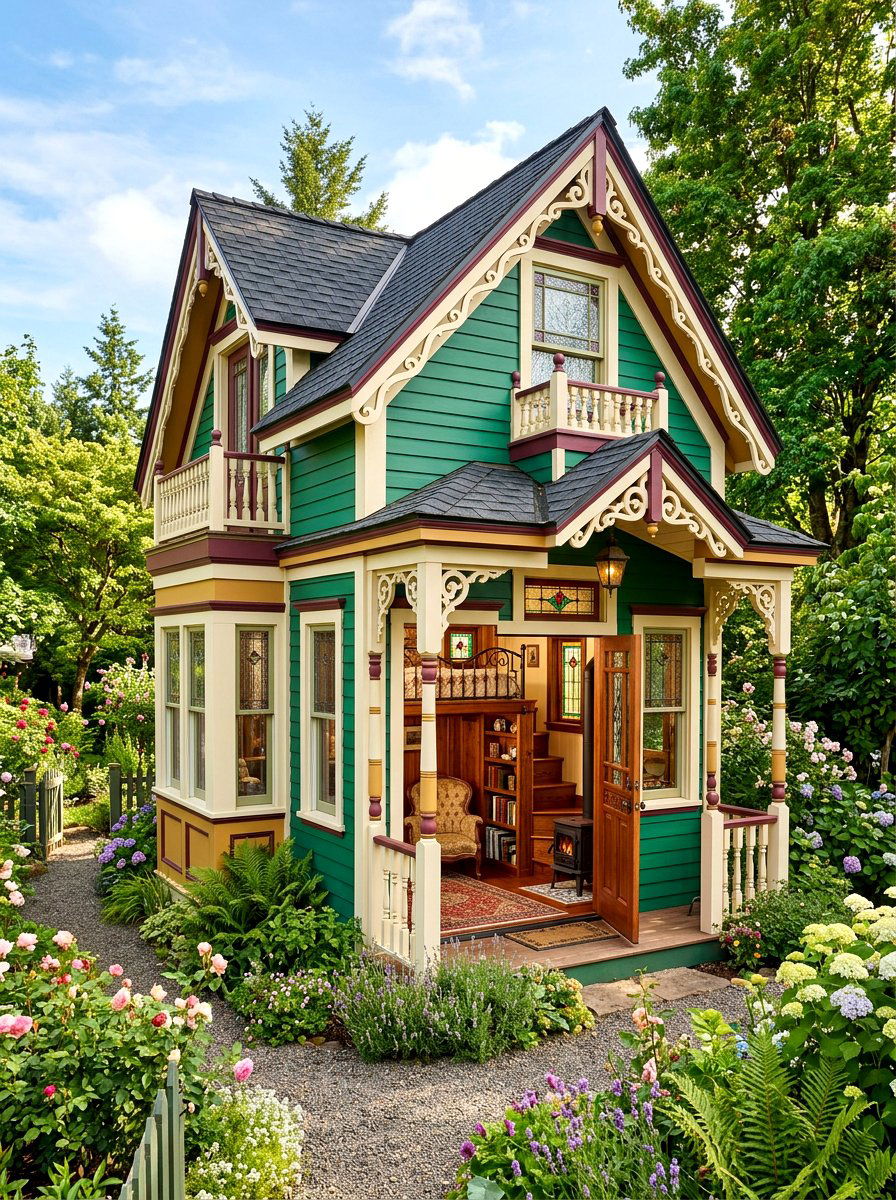
A Victorian-style tiny home captures the whimsical and ornate details of nineteenth-century architecture on a much smaller scale. You can incorporate decorative trim, gabled roofs, and even a small wrap-around porch to give the exterior character. Inside, using rich colors and vintage-inspired hardware can make the space feel like a historical jewel box. Stained glass window accents add a touch of color and privacy while maintaining an elegant aesthetic throughout. Built-in bookshelves and carved wooden details provide both functionality and a sense of timeless craftsmanship. This design is ideal for those who love traditional architecture and want a home with a story.
14. Black tiny house
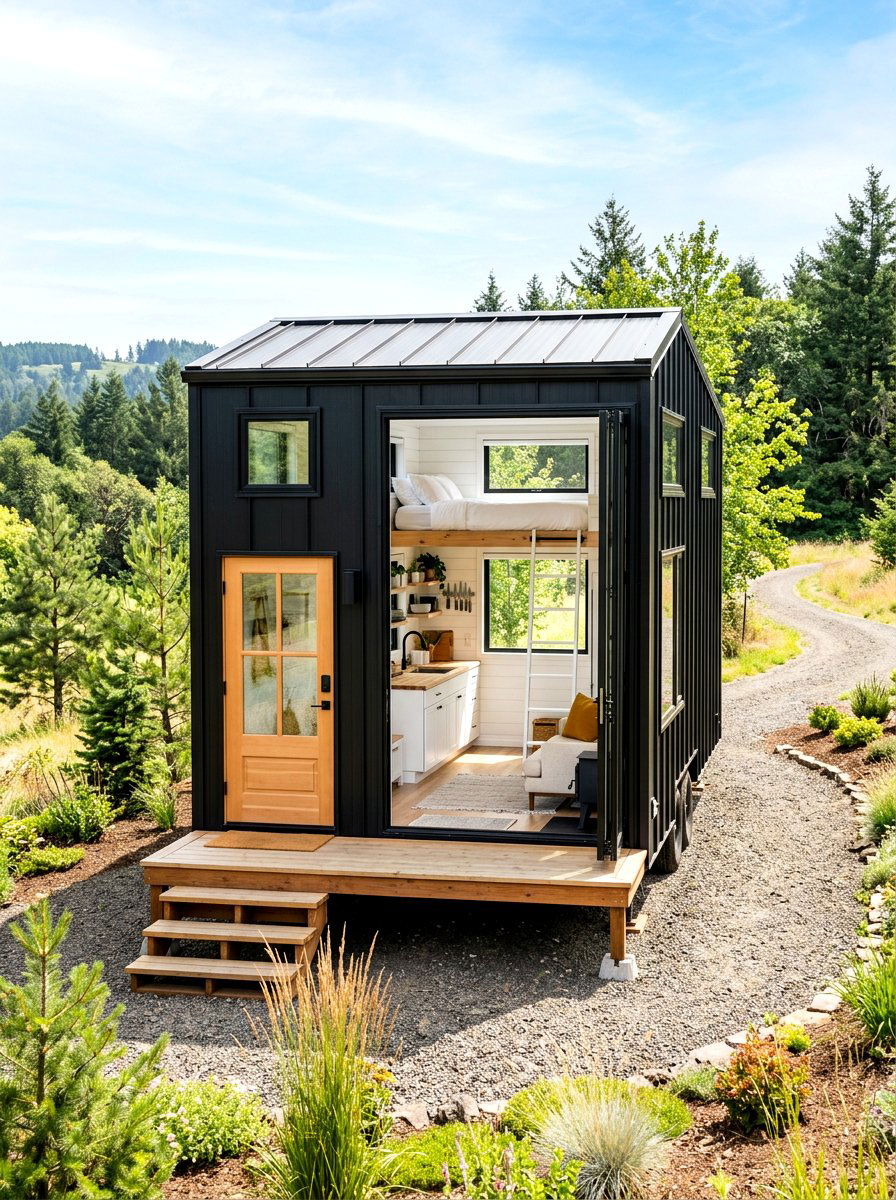
Choosing a dark exterior for your tiny home creates a bold and modern statement that stands out in any landscape. A matte black finish on wood or metal siding looks incredibly sleek and sophisticated, especially when paired with natural wood accents. Inside, you can continue the theme with dark cabinetry or balance the exterior with a bright, white-walled interior for contrast. The dark color helps the building recede into the shadows of a forest or look sharp against a snowy background. High-quality lighting is essential for a black house to ensure the interior remains warm and inviting during the evening hours.
15. Two story tiny house
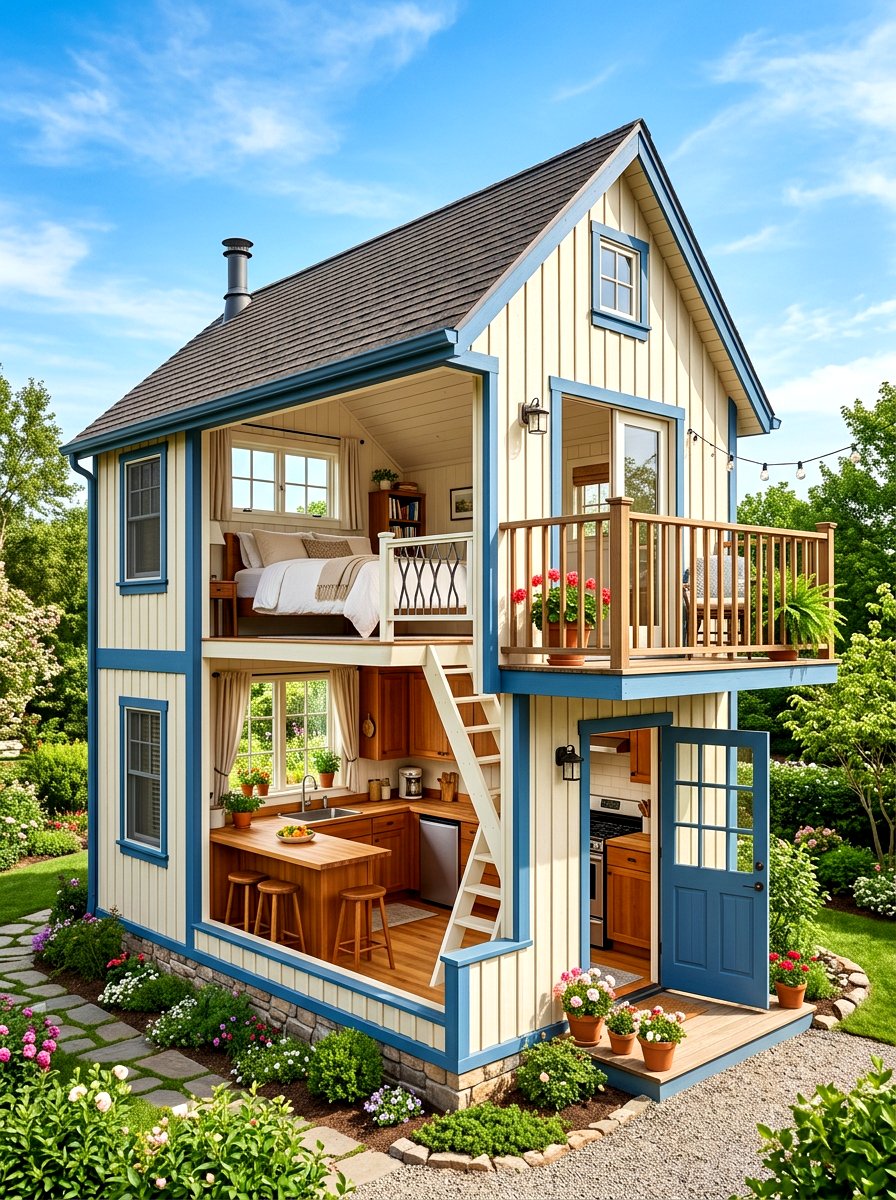
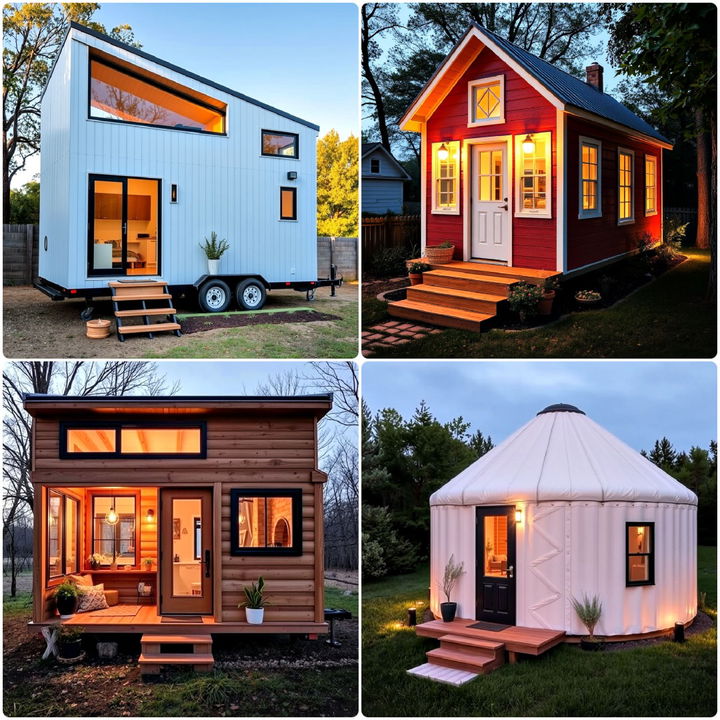
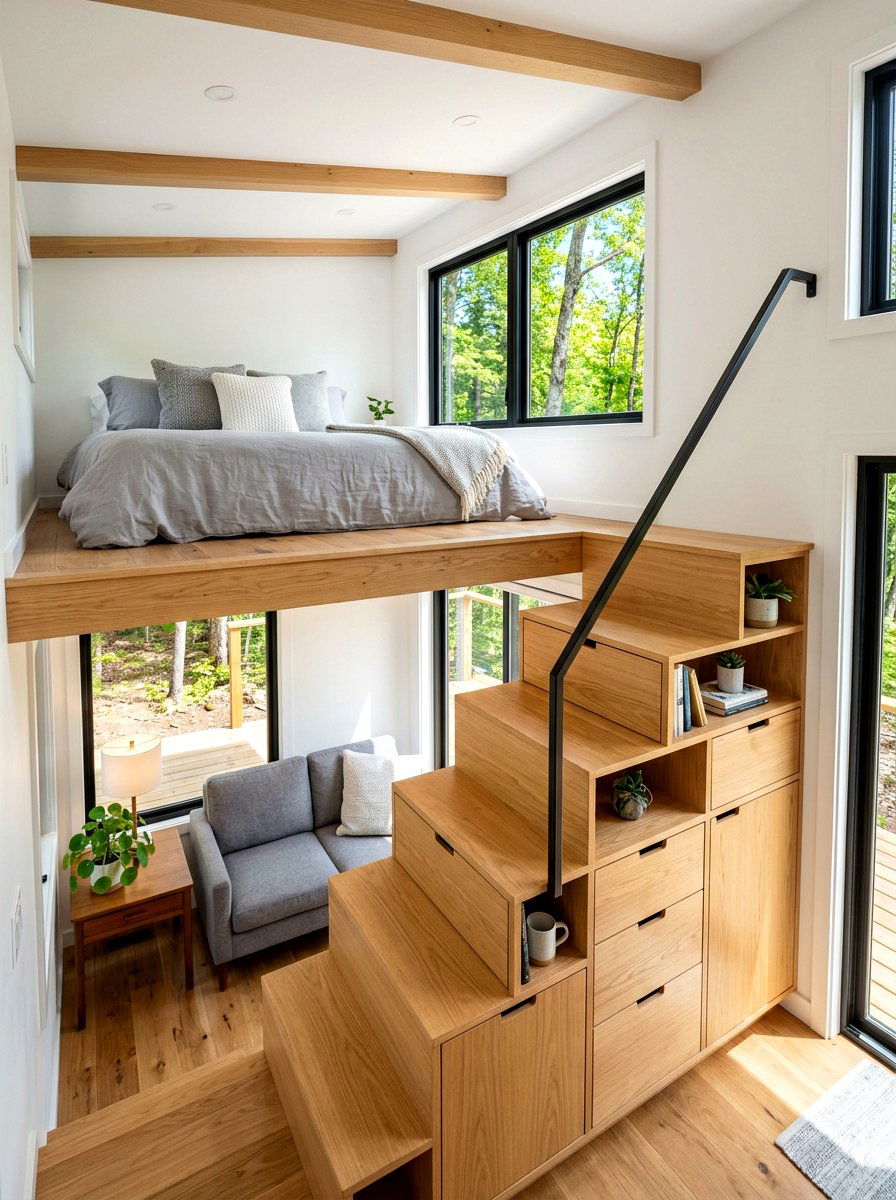
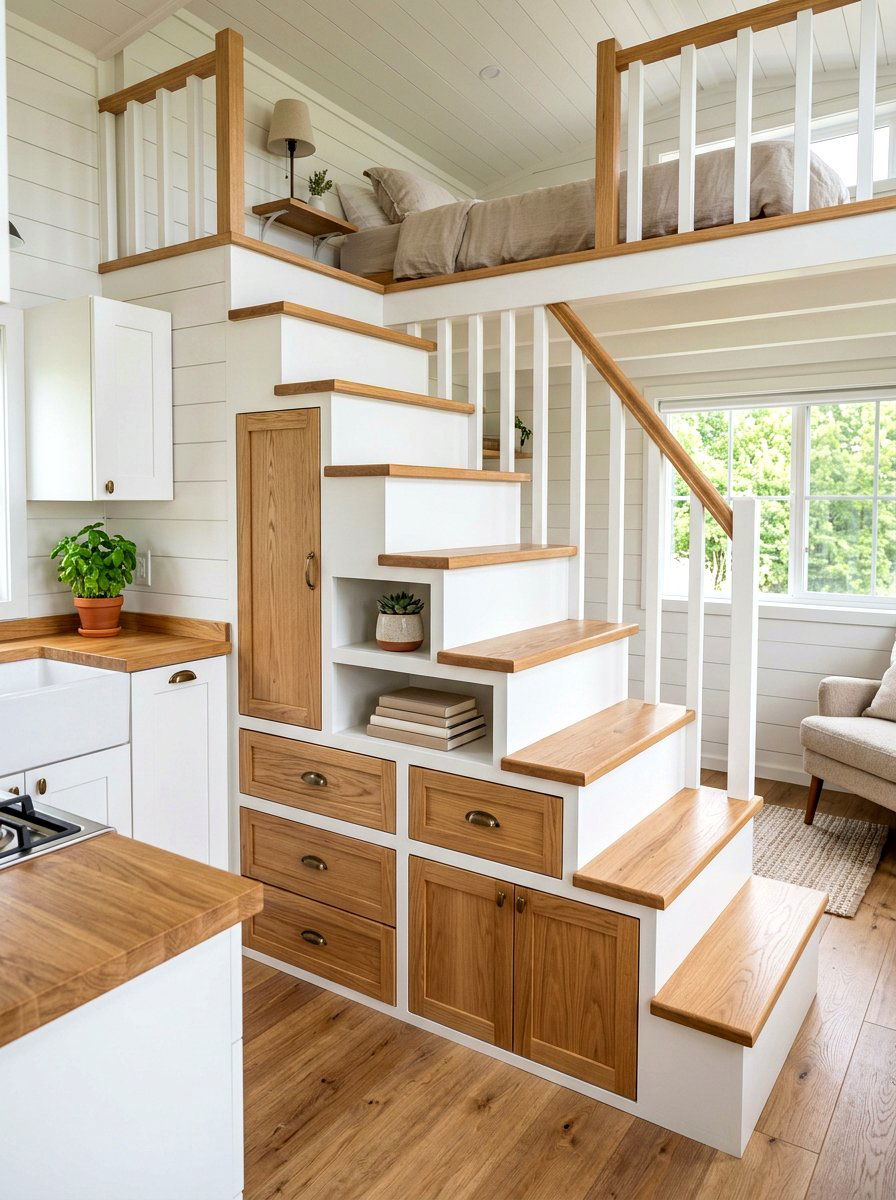
A two-story tiny home provides a clear separation between living and sleeping areas, making it feel like a traditional house. By building upward on a permanent foundation, you can maximize a small lot while enjoying more total square footage. The ground floor can house a spacious kitchen and living room, while the second floor can accommodate full-height bedrooms and a bathroom. This layout is excellent for families or those who work from home and need a dedicated office space away from the main living area. Adding a balcony on the second floor offers a private outdoor escape with a great view.
16. Bamboo tiny house
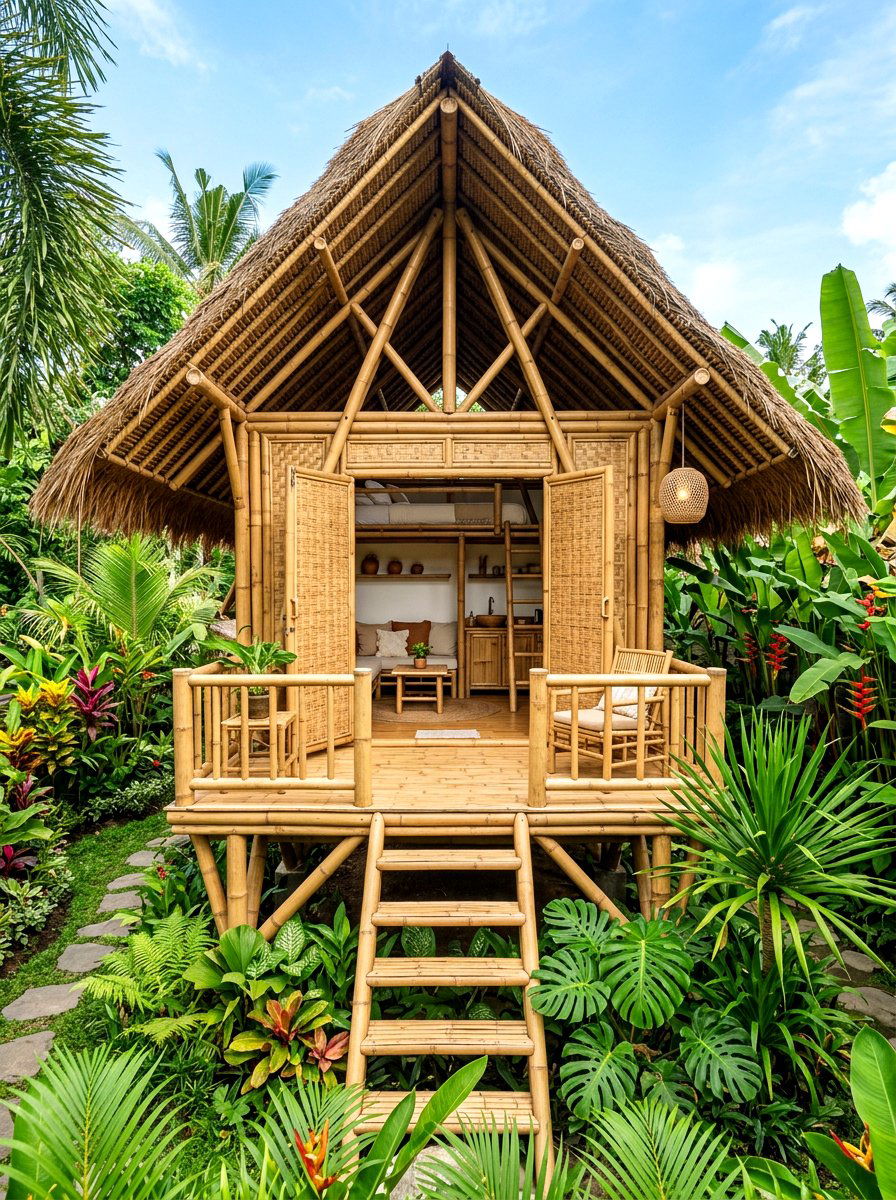
Using bamboo as a primary building material is an eco-friendly choice that provides incredible strength and a tropical aesthetic. Bamboo grows much faster than traditional timber, making it one of the most sustainable resources available for construction today. The natural texture and light color of bamboo create a warm, organic feel inside the home that promotes relaxation. You can use large bamboo poles for structural support and woven bamboo panels for walls or decorative ceilings. This style works beautifully in warm climates where natural ventilation is a priority for staying cool. Pairing bamboo with stone and plenty of greenery completes the tropical look.
17. Tropical tiny house
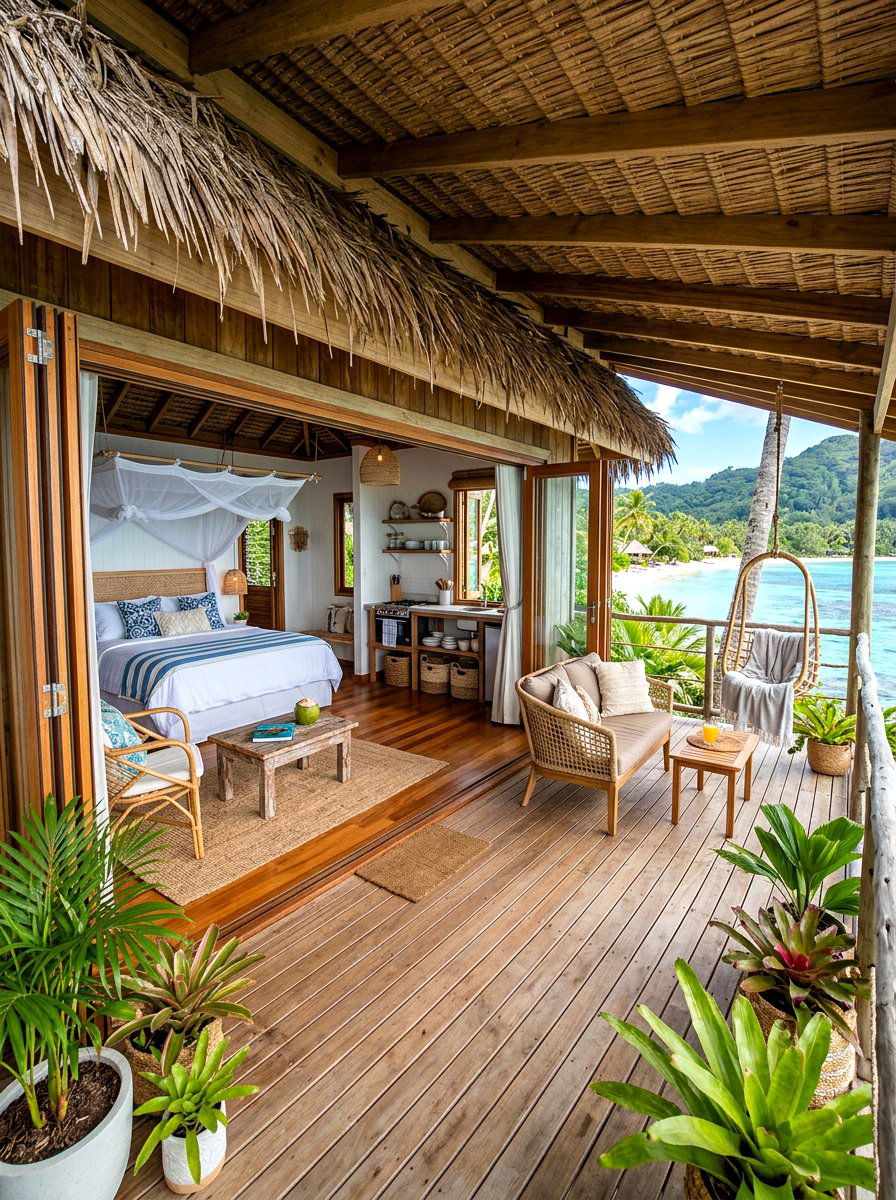
A tropical tiny home is designed to embrace outdoor living and keep the interior cool in humid environments. You can feature wide overhangs to provide shade and protection from heavy rain while keeping the windows open for breezes. Large folding glass walls can completely open the living area to a deck or garden, creating a seamless transition. Using light-colored materials and natural fibers helps reflect heat and maintain a breezy, relaxed atmosphere. A small plunge pool or an outdoor shower can add a touch of resort-style luxury to your private oasis. This design is perfect for coastal areas or lush garden settings.
18. Glass tiny house
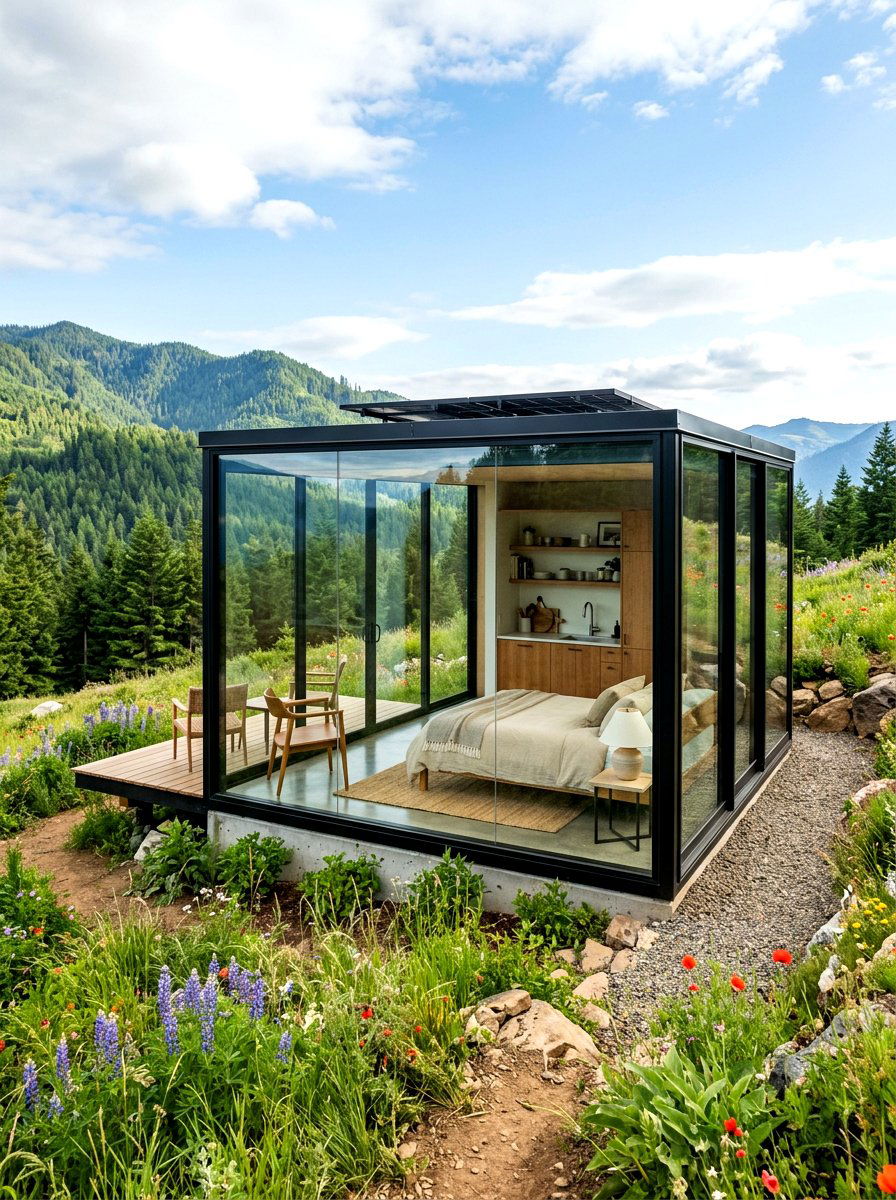
For the ultimate connection to nature, a glass-walled tiny home allows you to feel like you are living outside. Using high-performance, insulated glass ensures that the home stays comfortable while providing 360-degree views of your surroundings. This design is perfect for scenic locations where the landscape is the main attraction and should not be hidden. You can use structural steel or wood frames to support the glass panels and provide a sense of security. Inside, a minimalist approach ensures that the focus remains on the exterior views at all times. Privacy can be managed with integrated blinds or strategically placed landscaping around the home.
19. Tiny cottage
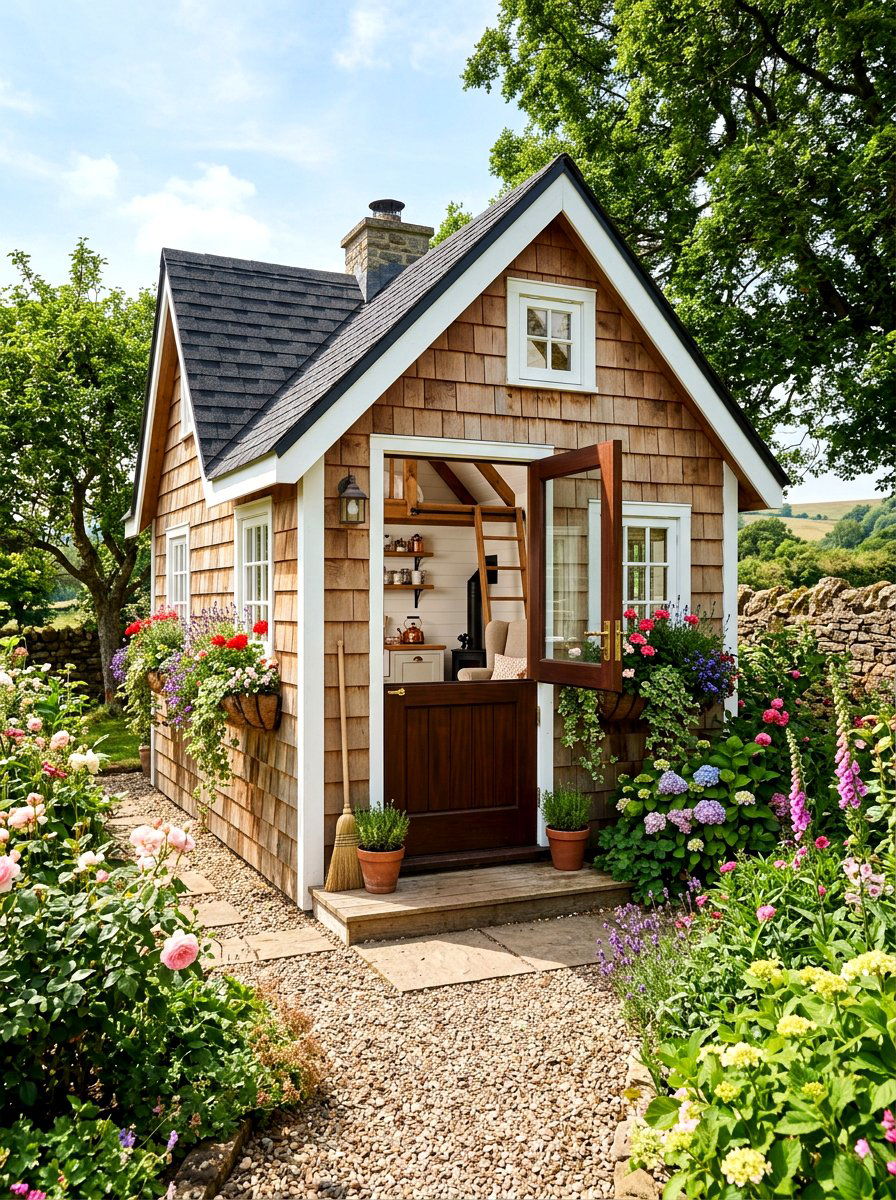
A tiny cottage design focuses on creating a cozy, fairytale-like atmosphere with soft lines and charming architectural details. You can use cedar shingles, window boxes, and a Dutch door to give the exterior a welcoming and traditional feel. Inside, a fireplace or wood stove serves as the heart of the home, providing warmth and a cozy glow. Soft, pastel colors and floral textiles add to the cottagecore aesthetic without overwhelming the small interior space. Built-in nooks and crannies provide perfect spots for displaying cherished items or creating a hidden reading area. This style is perfect for those seeking a peaceful and romantic retreat.
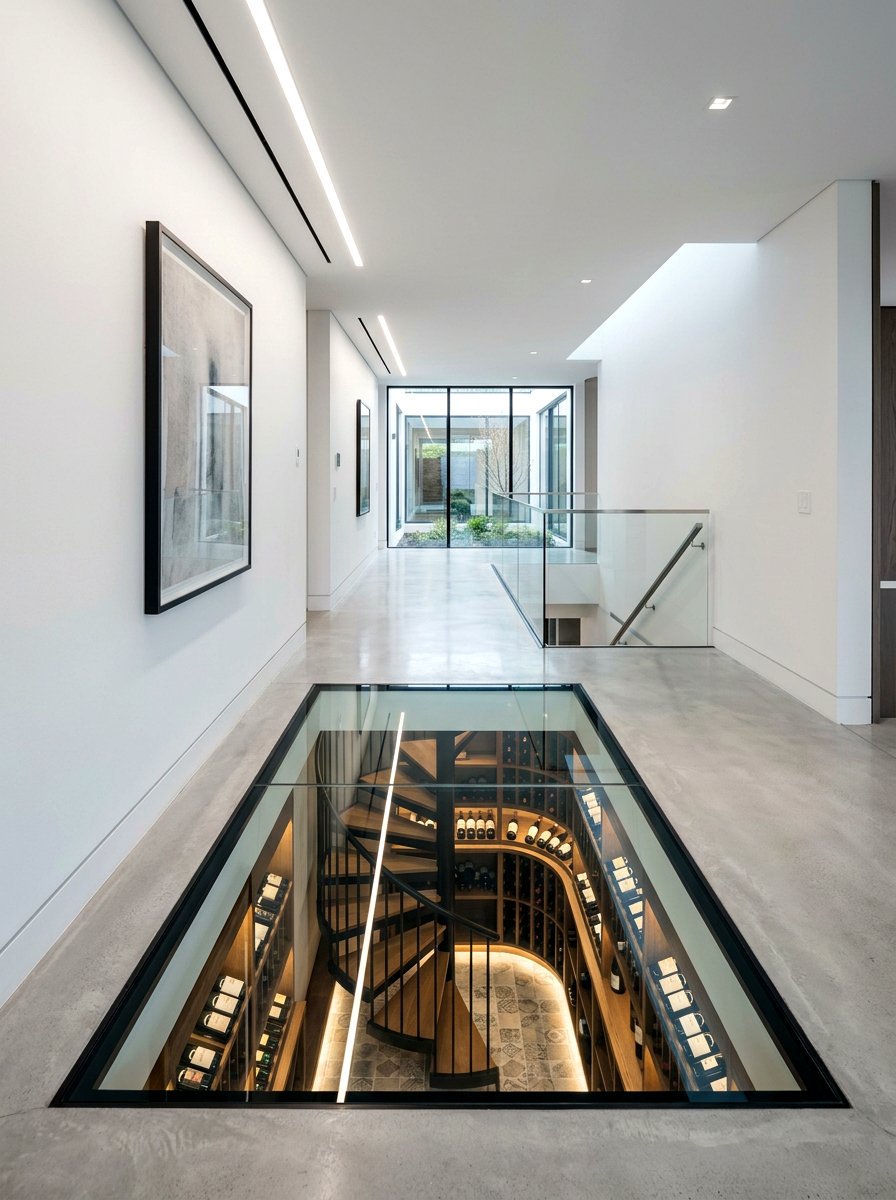
20. Shed tiny house
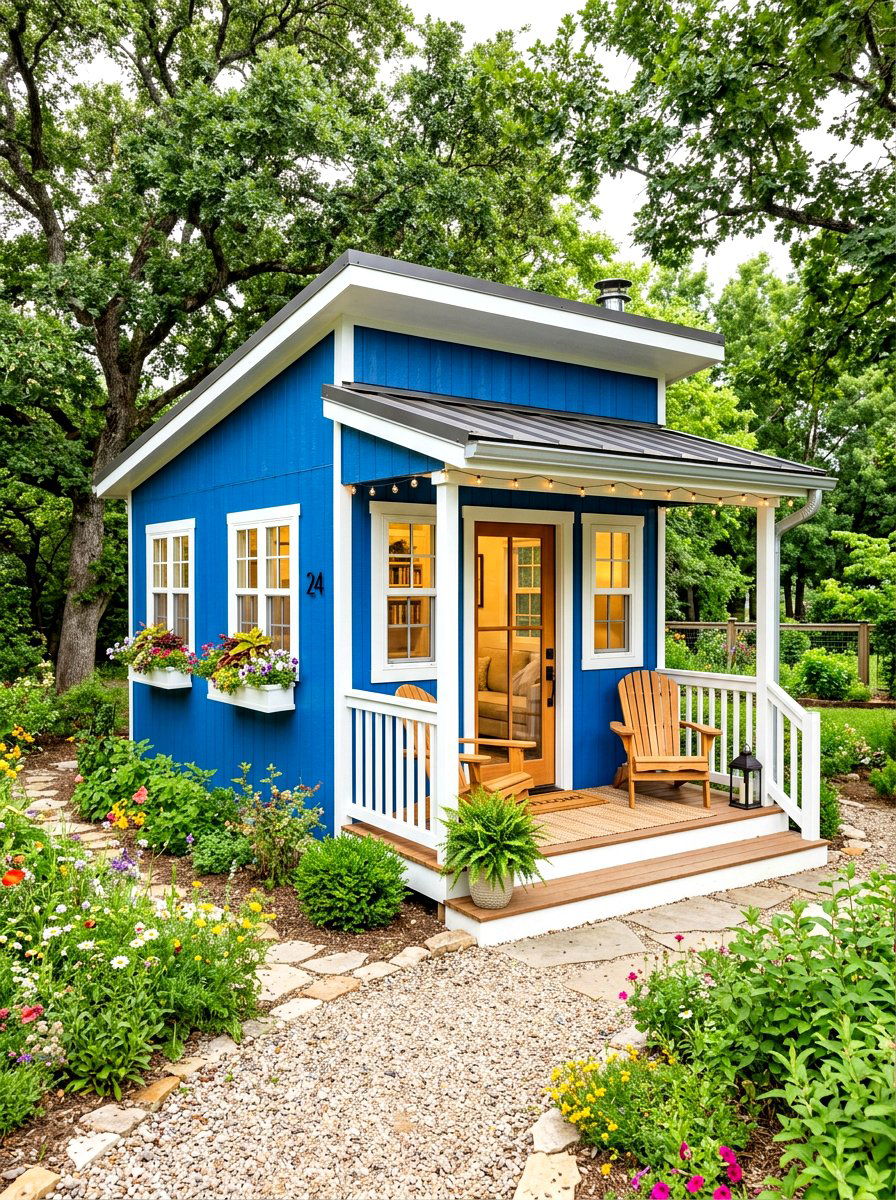
Converting a high-quality storage shed into a tiny home is a cost-effective way to enter the small living movement. Many pre-fabricated sheds offer excellent structural shells that can be easily insulated, wired, and finished to your specific needs. The simple rectangular or square shape makes it easy to plan an efficient layout for a kitchen, bathroom, and bedroom. You can add a porch or large windows to transform the basic structure into a beautiful and functional residence. This approach is ideal for those on a budget or those who want to complete a DIY project quickly. Painting the exterior a bright color adds instant curb appeal.
21. Mountain tiny house
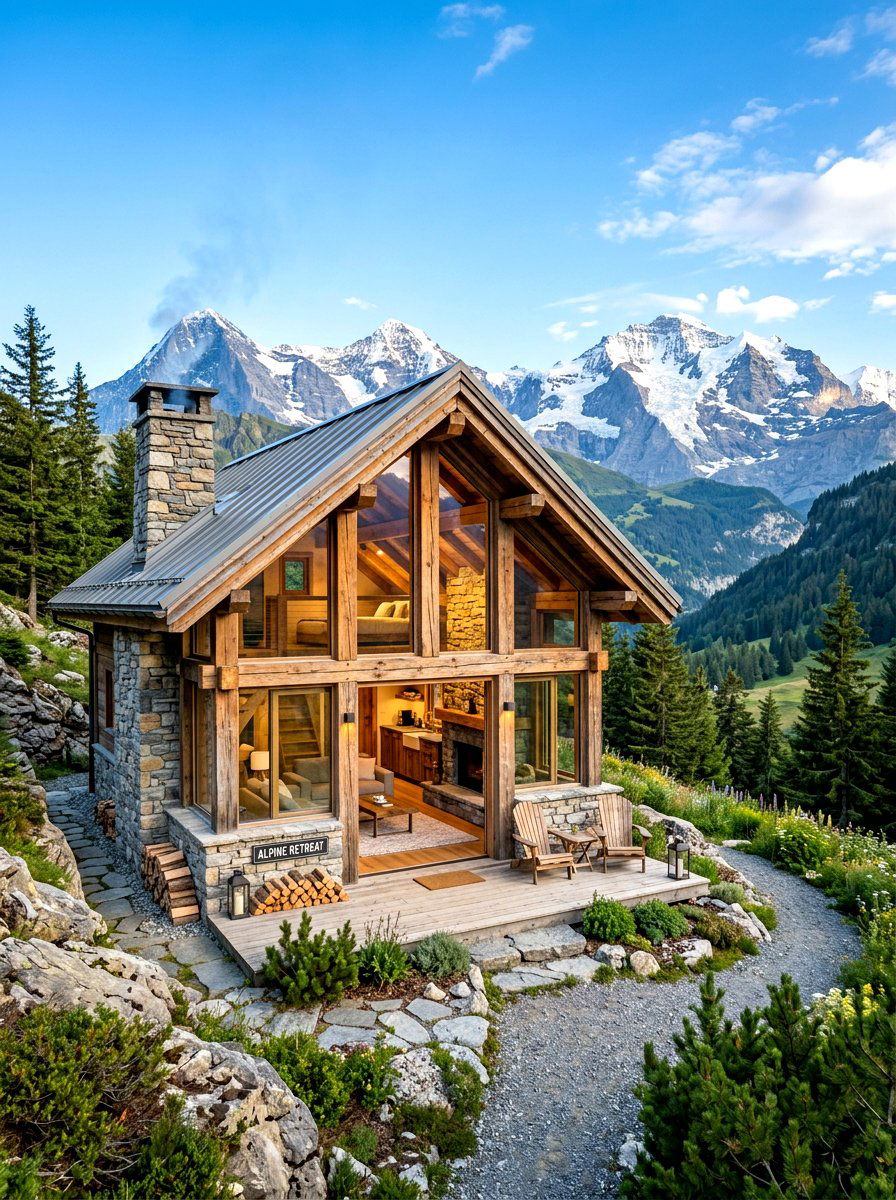
A mountain tiny home is built to withstand extreme weather while providing a warm and secure sanctuary from the cold. You can use heavy timber construction and thick insulation to ensure the interior remains toasty during long winter nights. Large windows are essential for capturing stunning mountain vistas and allowing the low winter sun to heat the space naturally. A mudroom at the entrance provides a practical area for storing heavy coats, boots, and outdoor gear. Inside, using natural stone and dark wood creates a grounded and rugged feeling that matches the alpine environment. This design is perfect for adventurers and skiers.
22. Beach tiny house
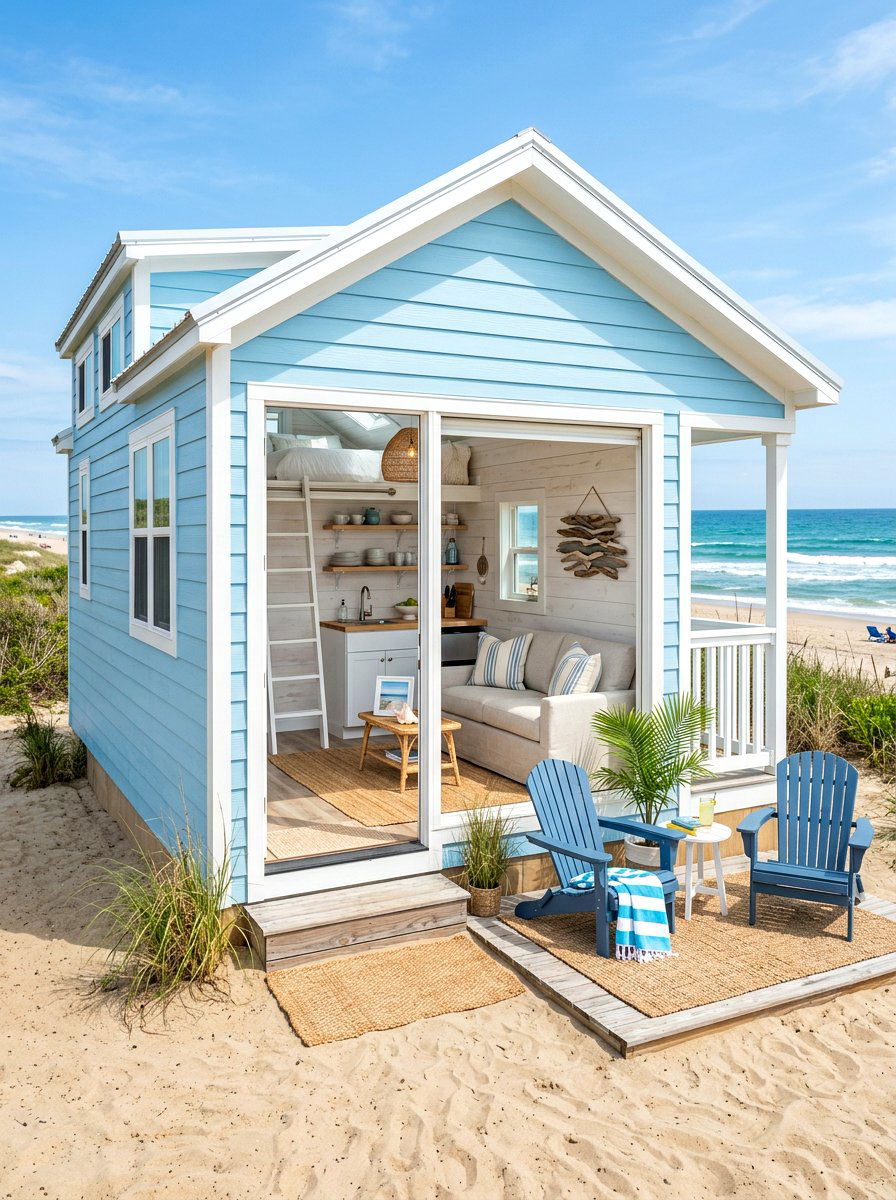
Coastal tiny homes should be bright, airy, and built with materials that can handle salt air and sandy feet. You can use light blue or sandy beige colors to reflect the seaside environment and create a calm atmosphere. Durable flooring like luxury vinyl plank or tile makes it easy to clean up sand after a day at the beach. Large windows and glass doors allow for cross-ventilation, keeping the home cool without always needing air conditioning. An outdoor deck with a shade sail provides the perfect spot for watching the sunset over the water. This style emphasizes relaxation and a connection to the ocean.
23. Modular tiny house
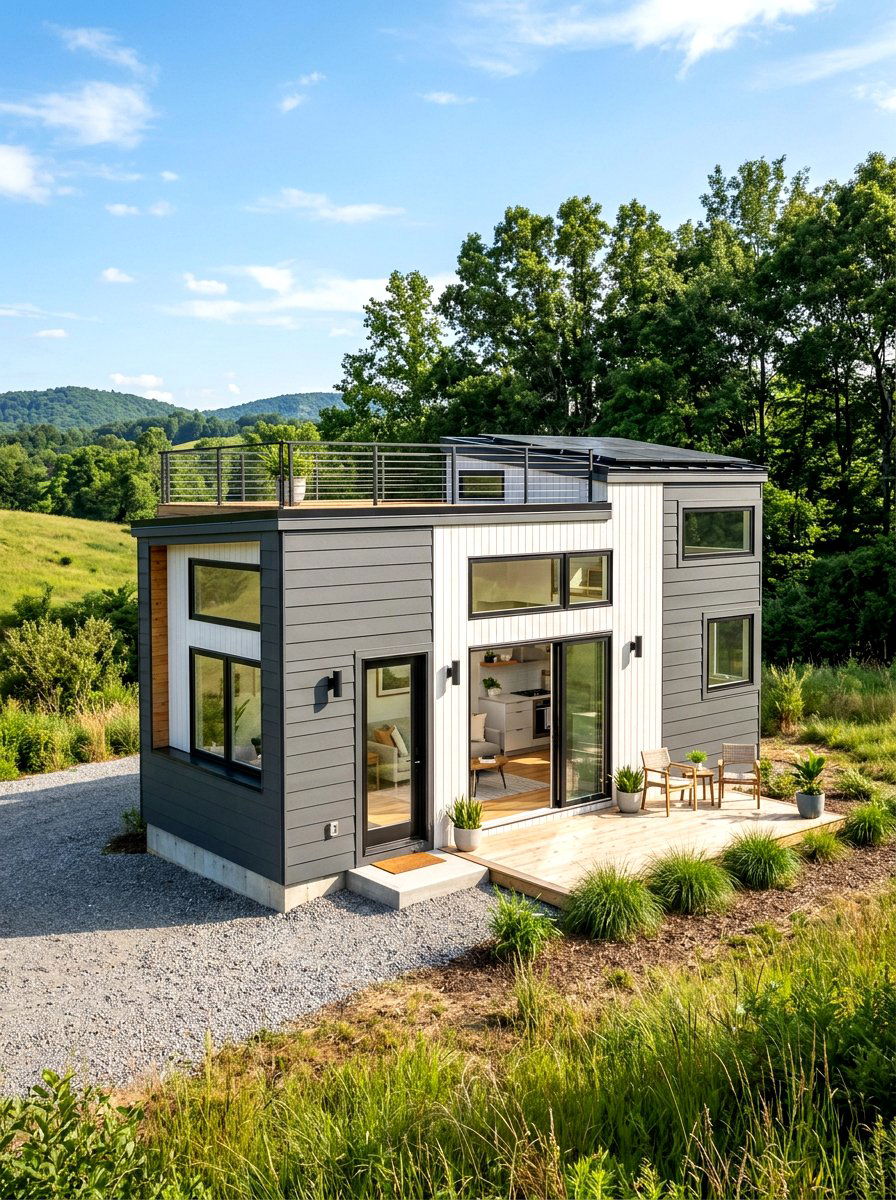
Modular tiny homes are built in a factory environment, ensuring high-quality construction and precision that is difficult to achieve on-site. These homes are delivered to your property in one or more sections and can be assembled quickly on a foundation. The modular approach allows for a wide range of contemporary designs that are both energy-efficient and structurally sound. You can easily expand your living space in the future by adding more modules as your needs or budget grow. This method of building reduces waste and minimizes the impact on your land during the construction process. It is a smart choice for modern living.
24. Japanese tiny house
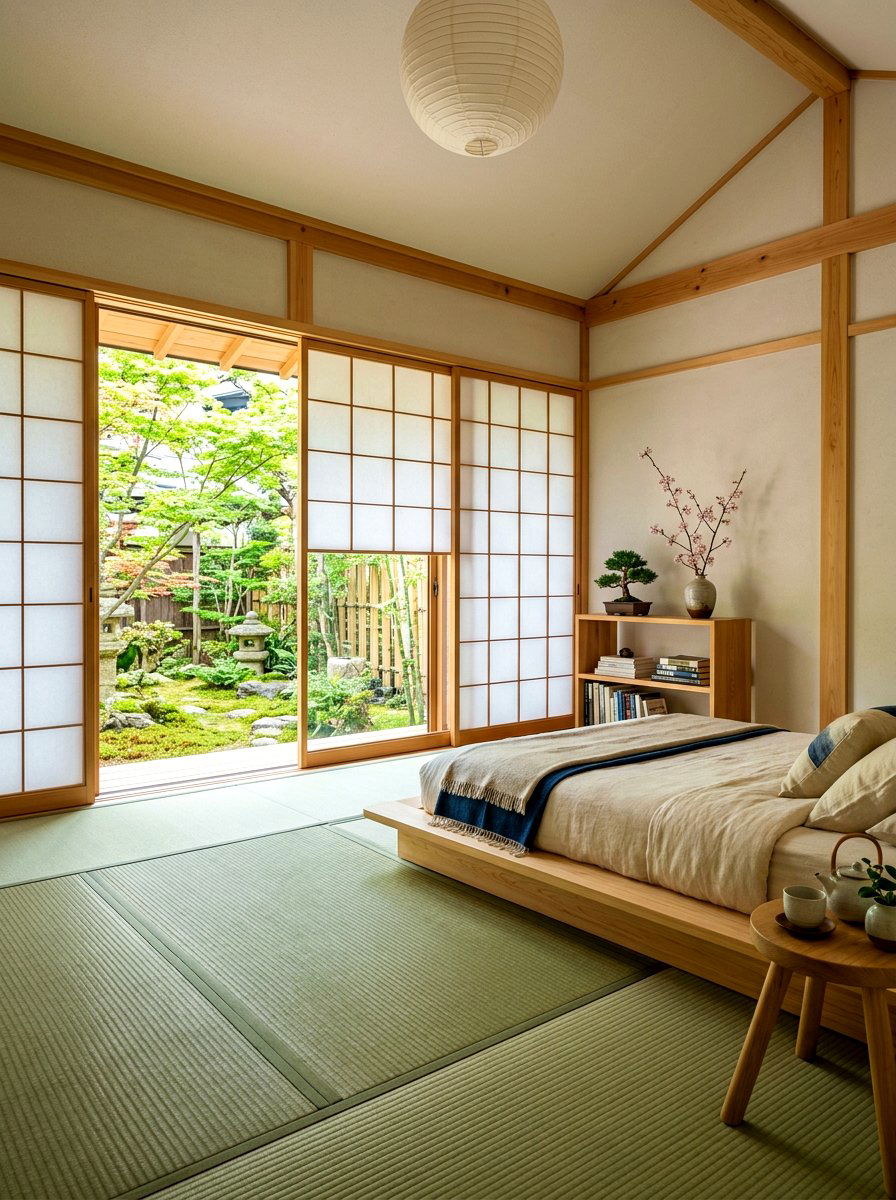
Inspired by traditional Japanese architecture, this tiny home style focuses on zen-like simplicity, natural materials, and clever spatial organization. You can use shoji-style sliding screens to divide the space without blocking light or making the room feel closed off. A raised platform can serve as a dining area during the day and a sleeping space with a futon at night. Natural wood, tatami mats, and stone accents create a peaceful and grounded environment that encourages mindfulness and relaxation. Hidden storage compartments in the floor or walls keep the interior clutter-free. This design is perfect for those who value tranquility and efficient living.
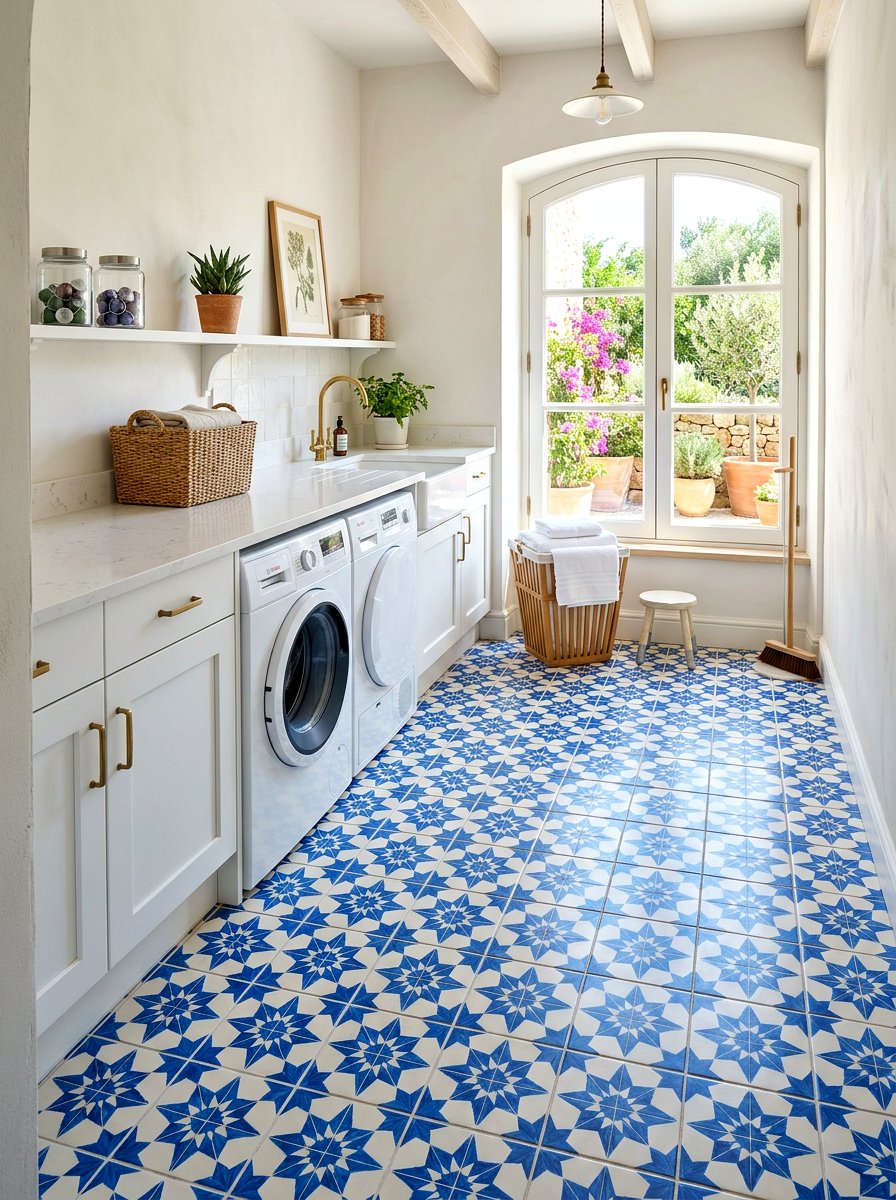
25. Desert tiny house
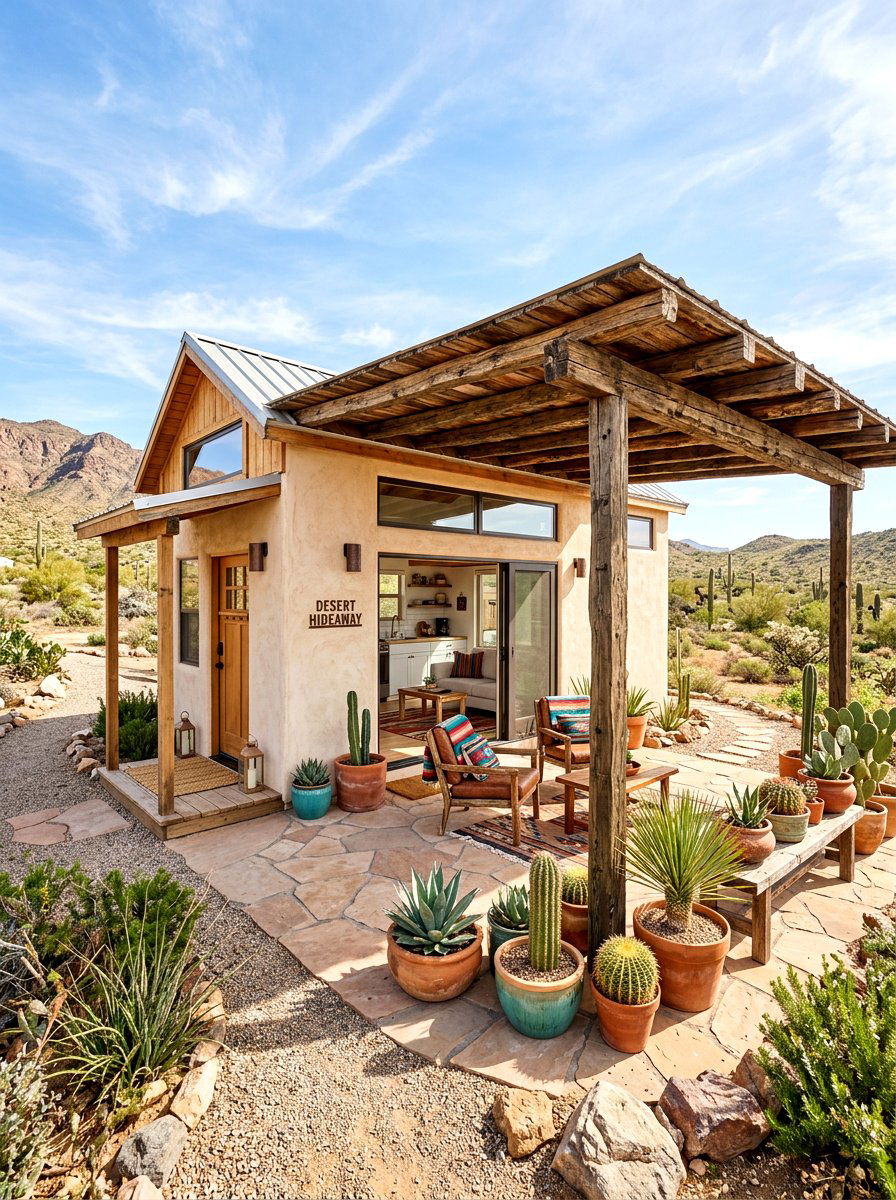
A desert tiny home must be designed to stay cool during the day and warm during the chilly nights of the arid landscape. You can use light-colored exterior walls and thick insulation to reflect the intense sun and maintain a stable temperature inside. Large overhangs and shaded patios are essential for creating usable outdoor space in the heat. Inside, a minimalist aesthetic with earthy tones and natural textures complements the surrounding desert scenery. Using drought-tolerant landscaping around the home ensures that the property looks beautiful while conserving water. This design celebrates the unique beauty and quiet solitude of the desert environment.
26. Modern brick tiny house
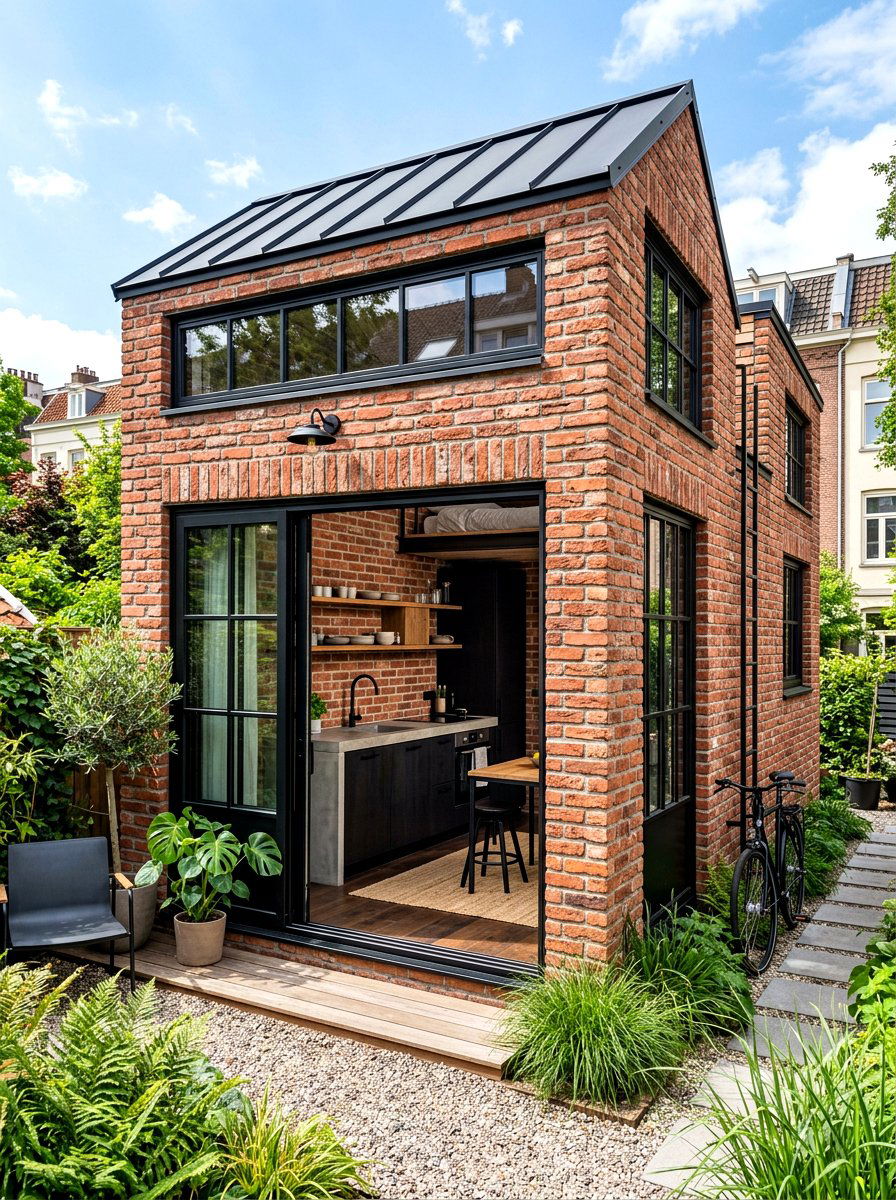
Using brick for a tiny home provides a sense of permanence, excellent thermal mass, and a classic urban aesthetic. A brick exterior is low-maintenance and can withstand the test of time while offering superior sound insulation from the outside world. You can use different brick patterns or colors to create a contemporary look that fits perfectly in a city or suburban lot. Inside, leaving some brick walls exposed adds texture and warmth to the living space. Large industrial-style windows pair beautifully with the brickwork to let in plenty of light. This style is ideal for those wanting a small but very sturdy home.
27. Mid century tiny house
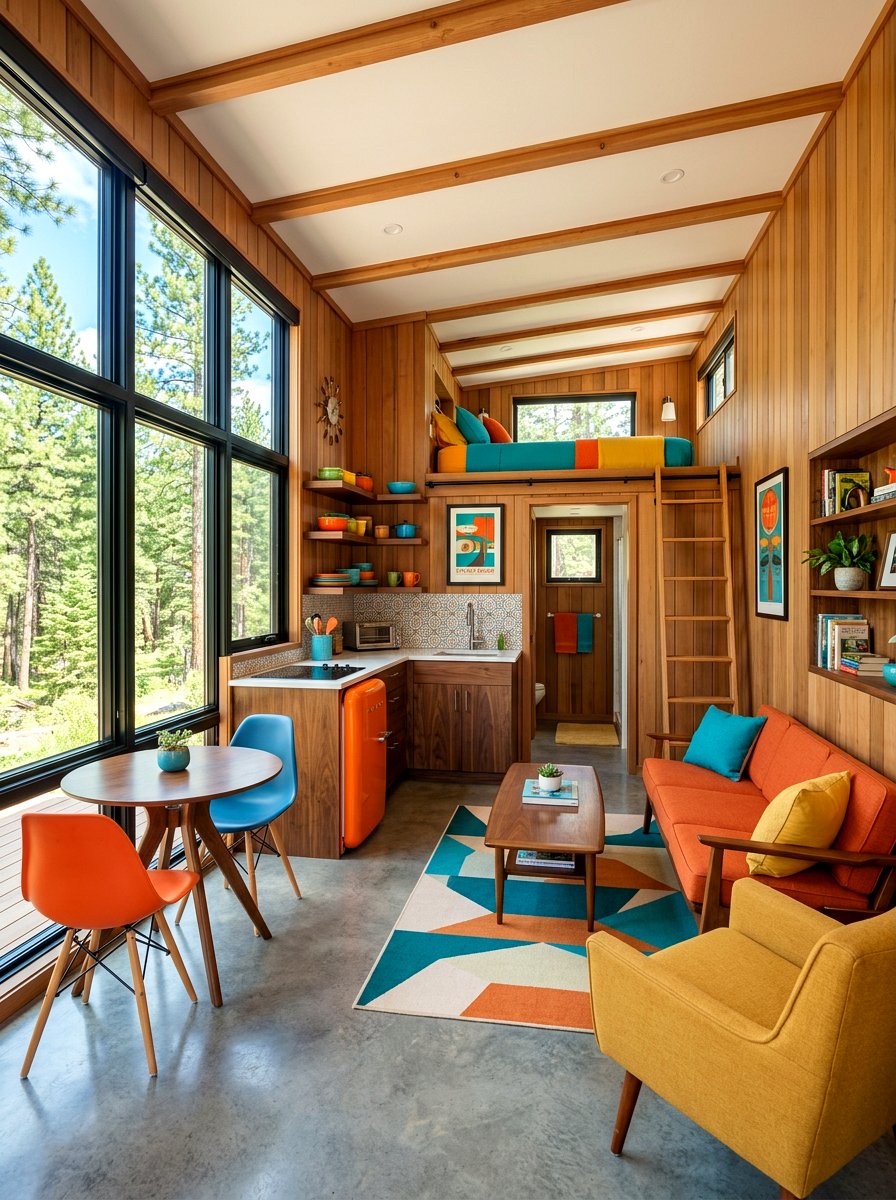
A mid-century modern tiny home features clean horizontal lines, large windows, and an emphasis on bringing the outdoors in. You can use iconic design elements like tapered furniture legs, geometric patterns, and a mix of natural and man-made materials. The open floor plan and vaulted ceilings make the small space feel much larger and more connected to the surrounding garden. A flat or low-sloped roofline adds to the authentic retro aesthetic while providing a modern profile. Using a palette of warm woods and pops of saturated color like orange or teal adds personality. This style is perfect for those who love vintage design.
28. Forest tiny house
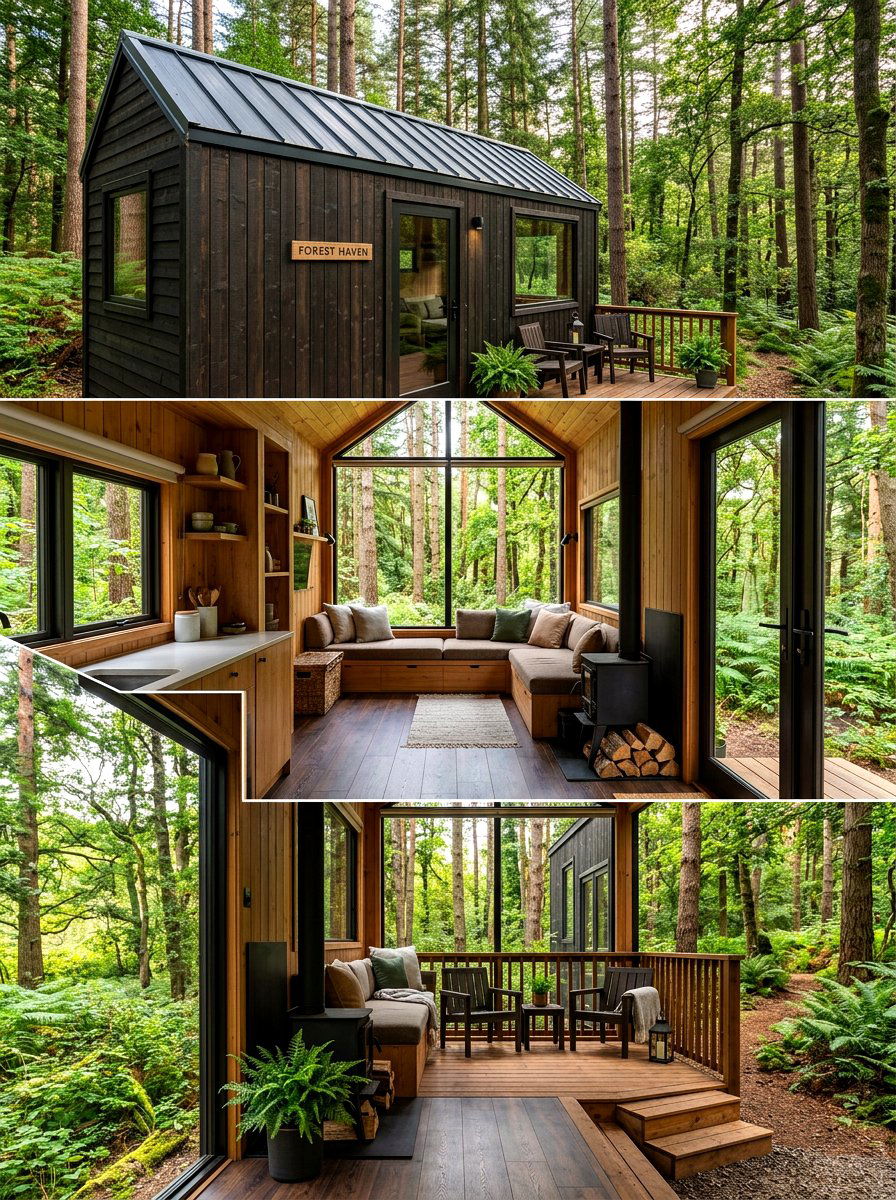
A forest tiny home is designed to blend seamlessly into a wooded environment, often featuring natural wood siding that weathers over time. You can use large windows and even skylights to capture views of the tree canopy and the changing forest floor. This design often prioritizes a vertical layout to minimize the building's footprint and preserve the surrounding trees. Inside, using green and brown tones helps the interior feel like an extension of the woods outside. A small deck or porch allows you to sit quietly and enjoy the sounds of nature. This home is a true sanctuary for those seeking peace and privacy.
29. Luxury glamping tiny house
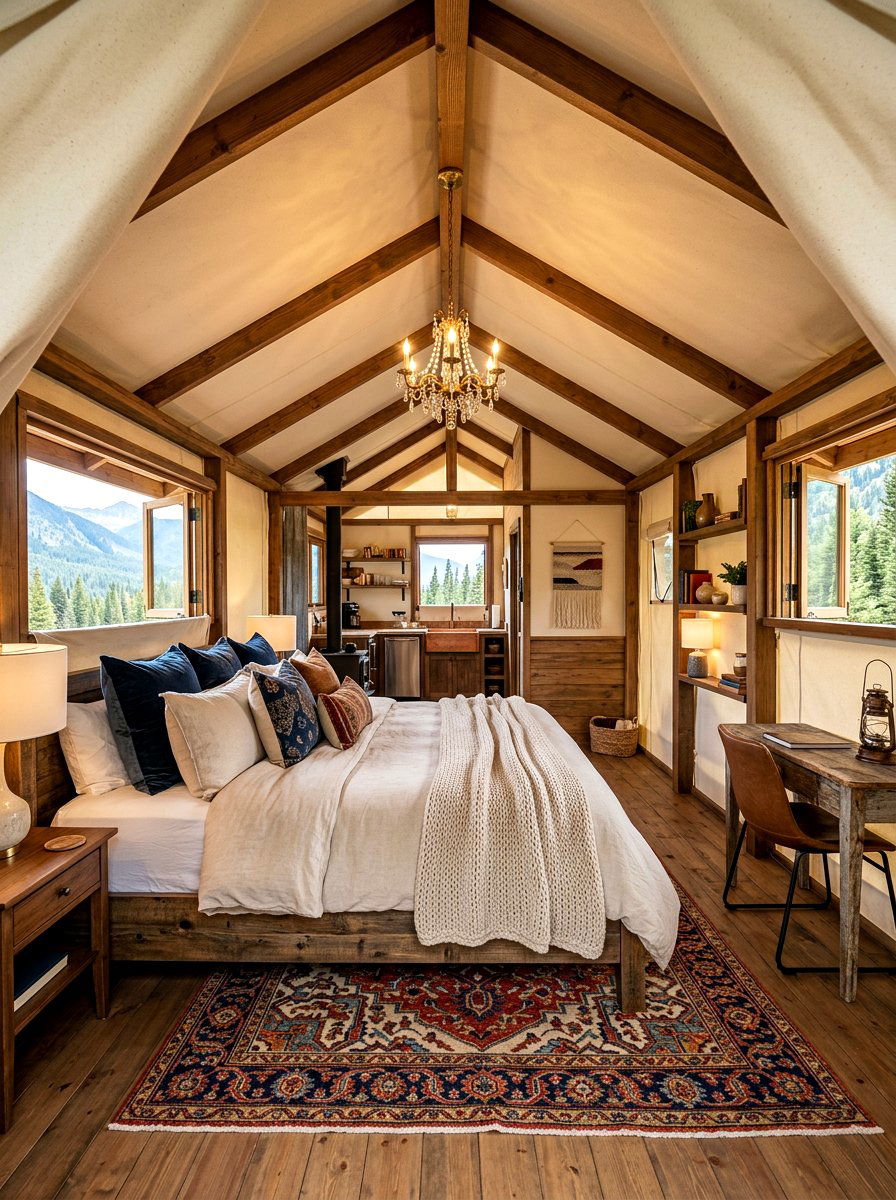
A glamping-style tiny home combines the adventure of camping with the comforts of a luxury hotel room. These designs often feature unique architectural shapes and high-end finishes that make the experience feel special and memorable. You might include a king-sized bed with premium linens, a small kitchenette, and a beautifully designed bathroom with modern fixtures. Large windows or even a canvas wall can open up to provide a direct connection to the outdoors. This style is perfect for use as a guest house, a vacation rental, or a weekend getaway on your own property. It emphasizes comfort and a connection to the landscape.
30. Multi functional tiny house
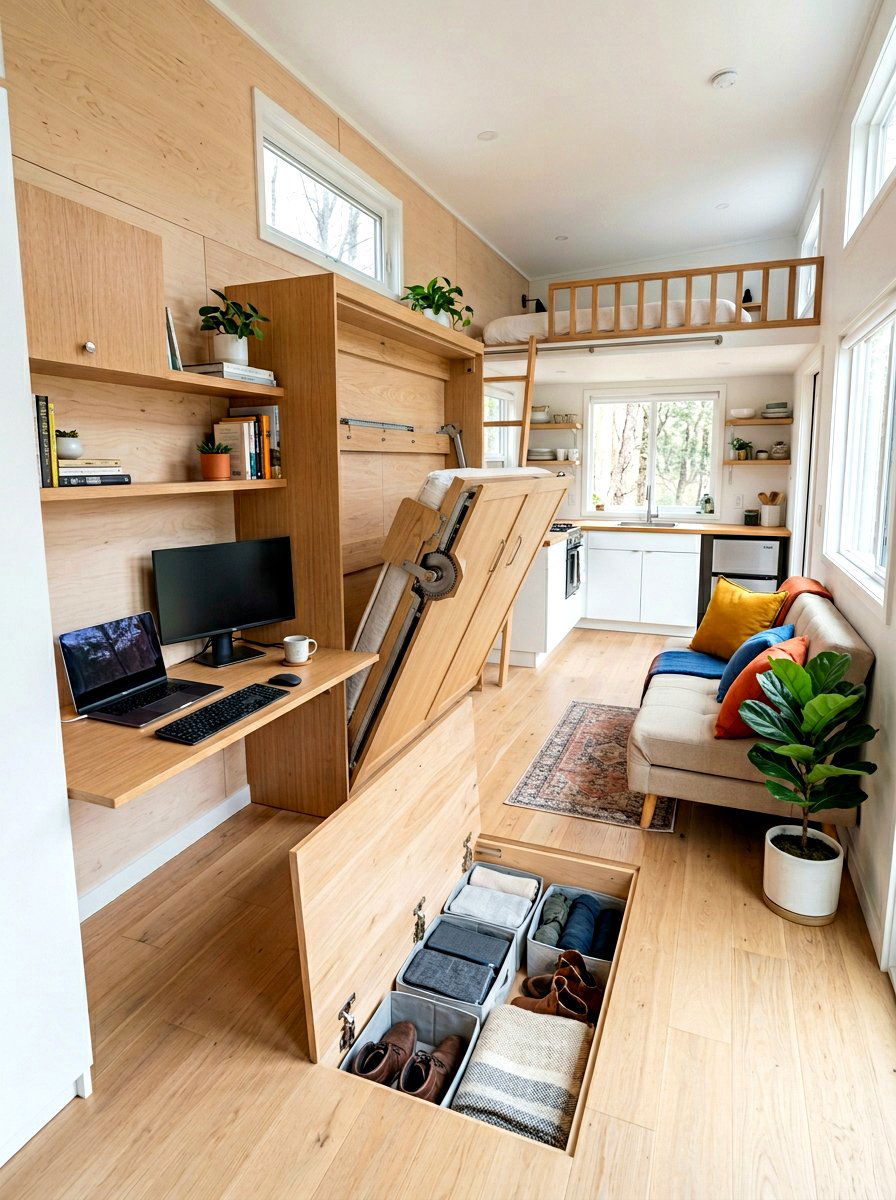
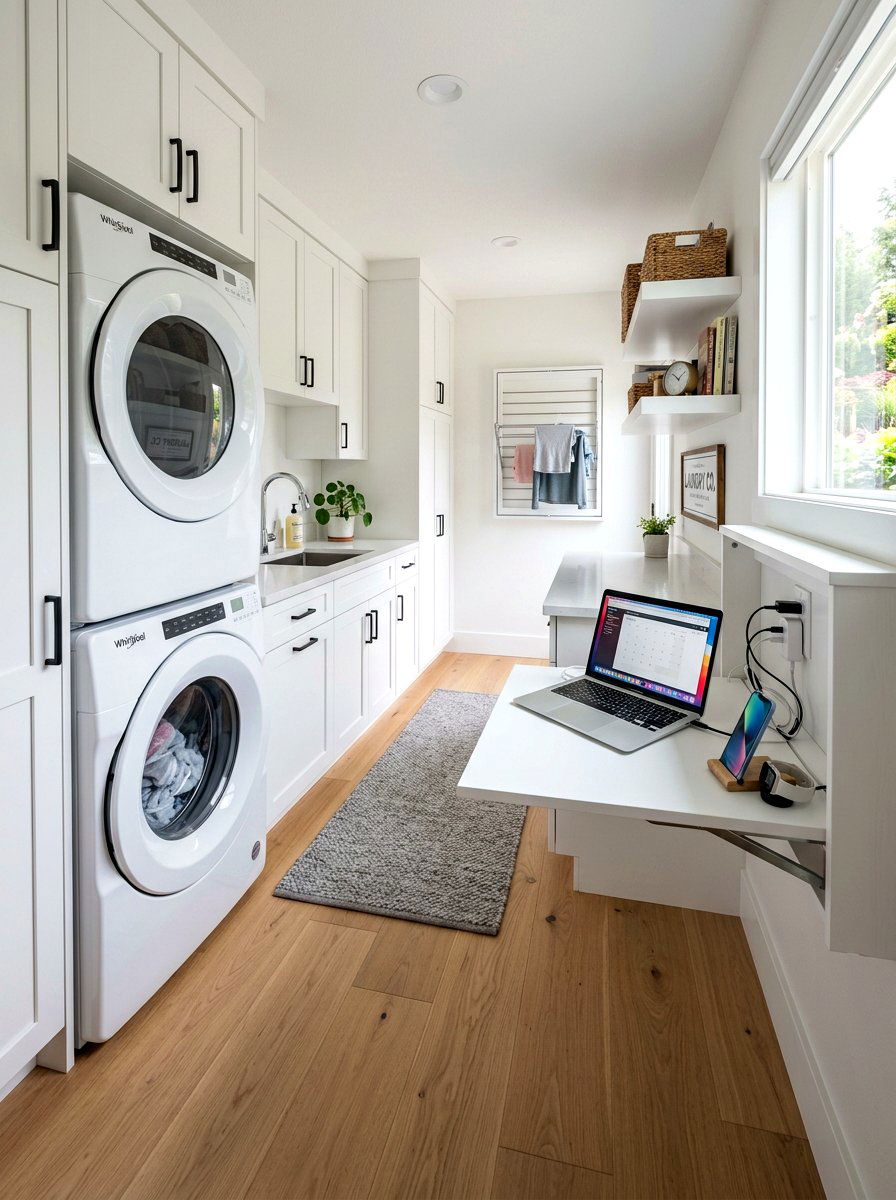
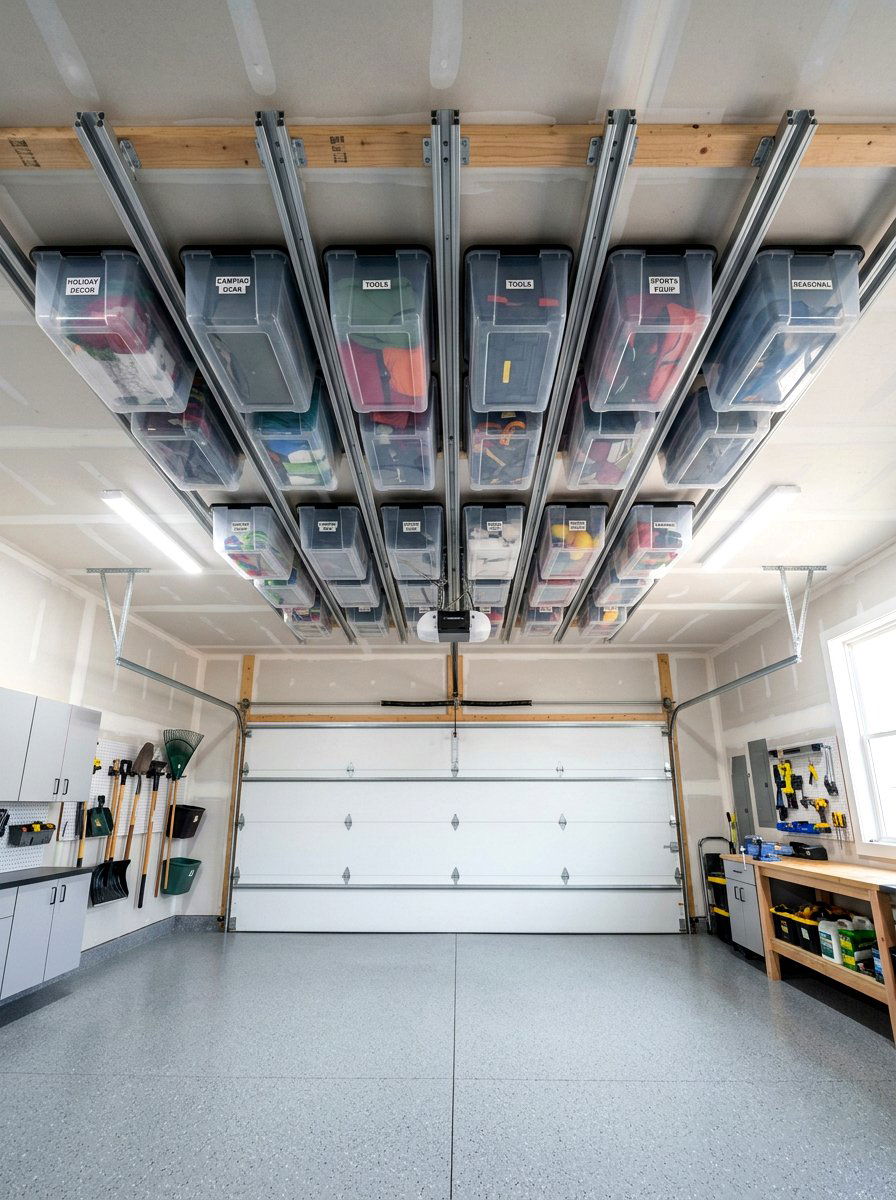
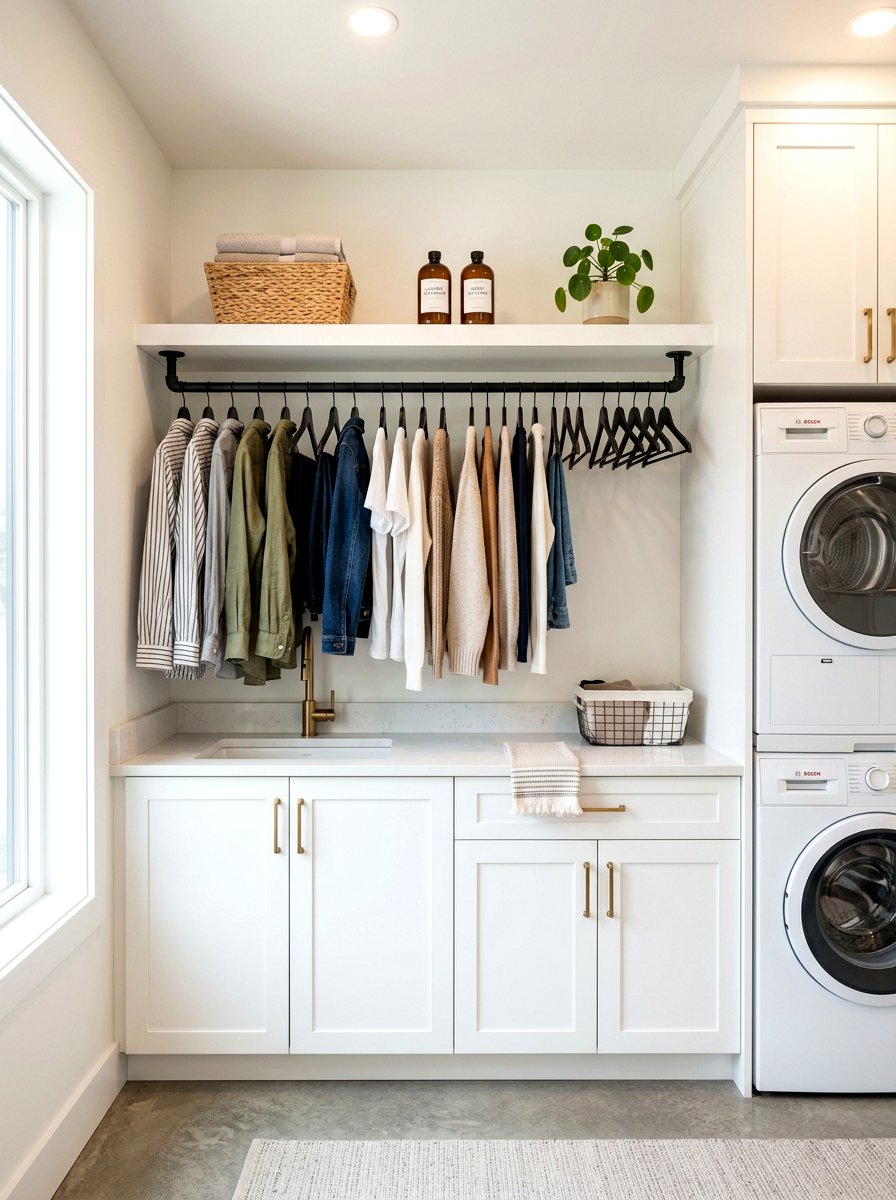
The most successful tiny homes utilize multi-functional furniture and clever design tricks to make a small footprint work like a large house. You can incorporate a Murphy bed that hides in the wall during the day to reveal a desk or a dining table. Storage can be built into every possible space, including under the floor, inside the stairs, and above the doors. Using mirrors and light colors helps bounce light around the room, making the interior feel bright and airy. Every inch of the home should serve at least two purposes to ensure maximum efficiency. This approach allows you to live comfortably without feeling restricted.
Conclusion:
Embracing the tiny house lifestyle is an inspiring journey that encourages you to focus on what truly matters in life. By choosing one of these thirty unique ideas, you can create a home that is perfectly tailored to your personal needs and values. Whether you prefer a modern industrial container or a cozy rustic cabin, the possibilities for creative and efficient living are endless. Reducing your living space leads to a smaller environmental footprint and more financial freedom to pursue your passions. These beautiful homes prove that with thoughtful design and a bit of creativity, you can live a very big life in a small space.

Related posts: