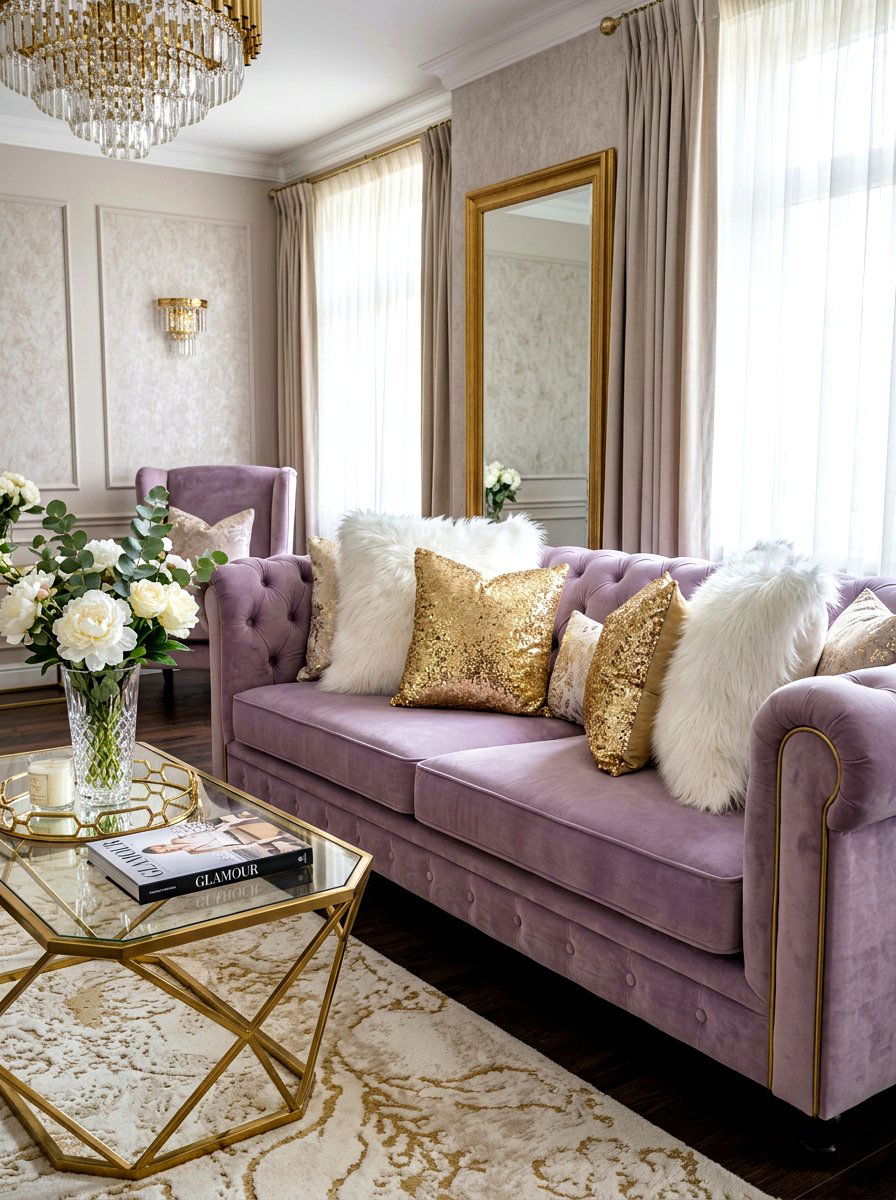
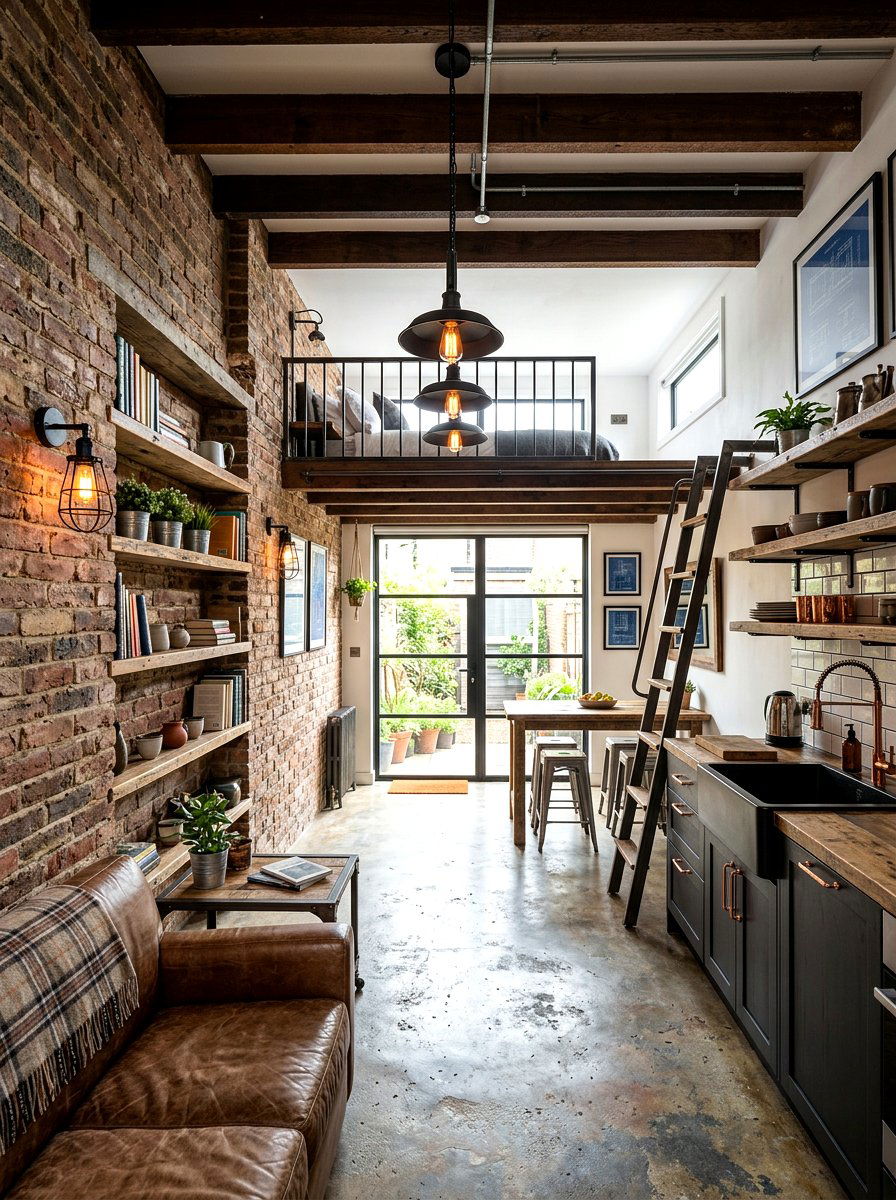
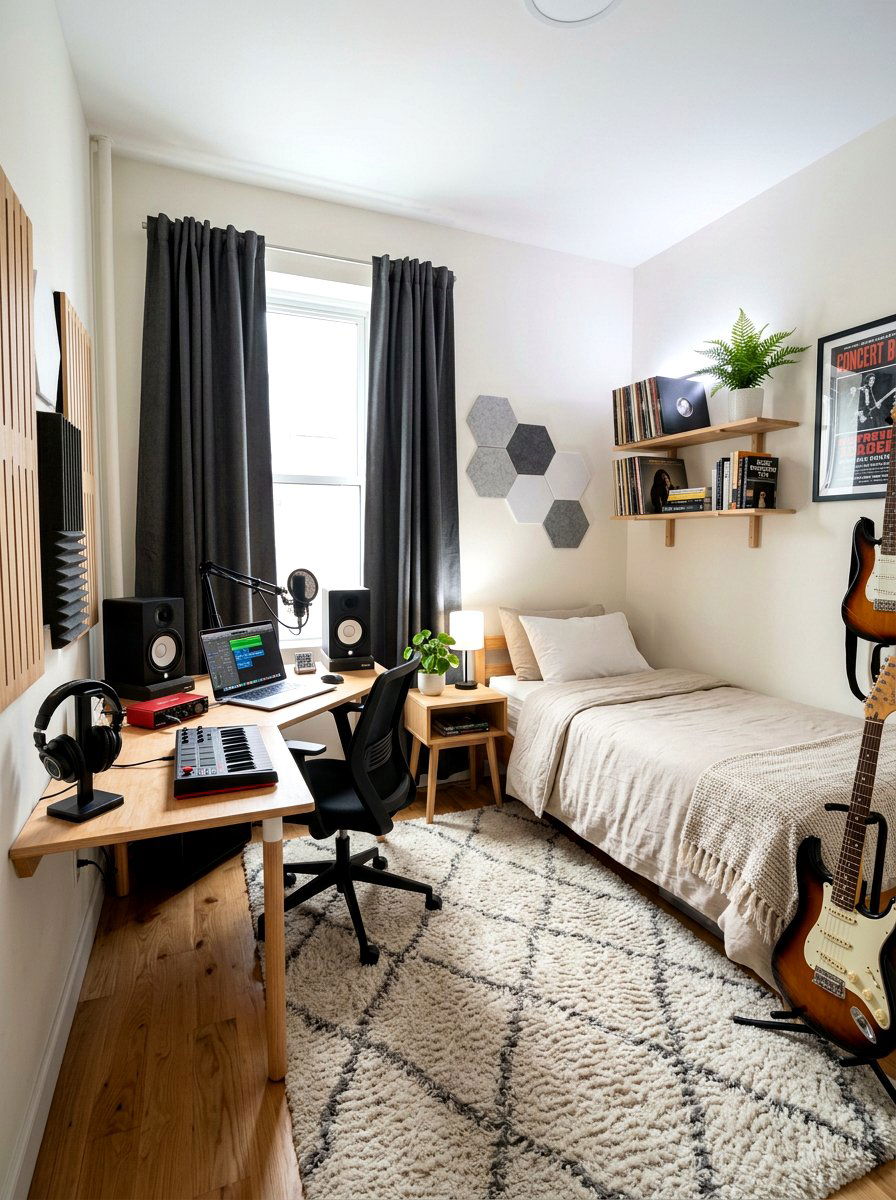
Creating a peaceful and quiet environment inside your home is about more than just finding silence; it is about managing the way sound behaves within your living space. Echoes and loud reverberations can make even the most beautifully designed rooms feel cold, hollow, and unwelcoming. By integrating specialized decor that absorbs noise, you can transform a chaotic atmosphere into a serene sanctuary without sacrificing your personal style. From heavy textiles to innovative wall treatments, sound-absorbing elements provide a dual purpose by enhancing the visual aesthetic while significantly improving the acoustic quality of the room. This guide explores creative ways to soften your surroundings and enjoy a much calmer lifestyle today.

1. Acoustic wall panels
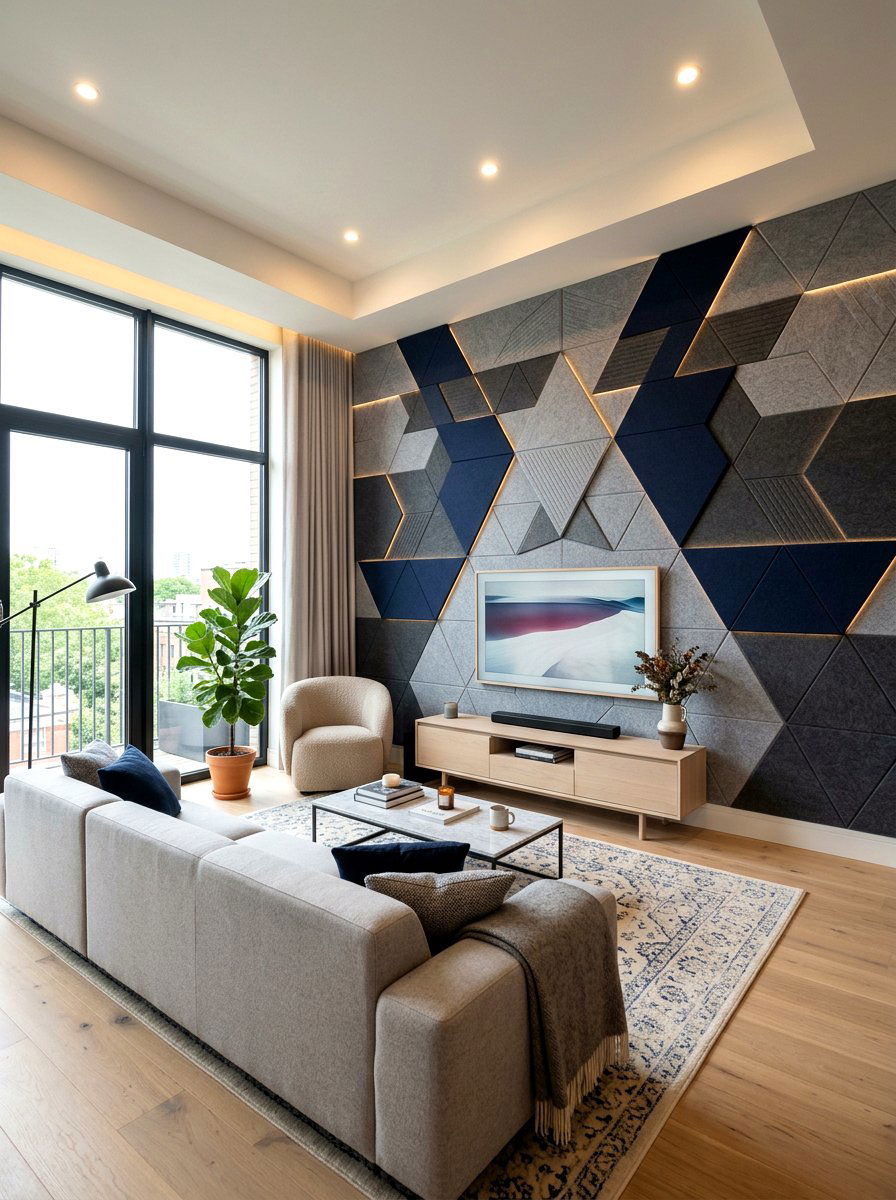
Modern acoustic wall panels are a fantastic way to combine high-end interior design with practical noise reduction. Unlike the industrial foam seen in recording studios, these decorative versions come in various geometric shapes, vibrant colors, and luxurious fabrics. When you install these panels on a large, bare wall, they effectively soak up sound waves that would otherwise bounce around the room. This makes the space feel much more intimate and quiet. You can arrange them in a mosaic pattern to create a stunning focal point in a living room or home office. They are especially helpful in open-concept layouts where sound travels easily across different functional zones.
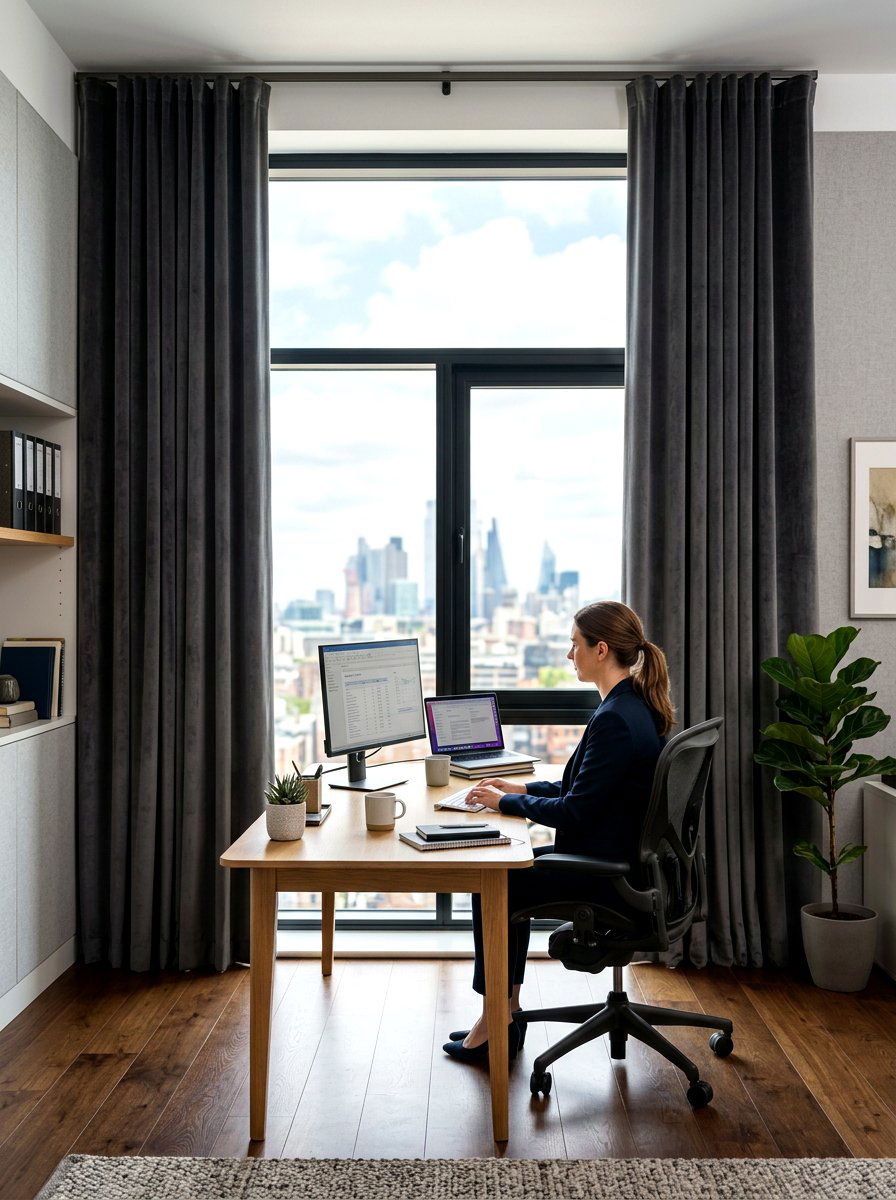
2. Sound absorbing curtains

Heavy, sound-absorbing curtains are an essential addition to any room with large windows or hard surfaces. These drapes are typically made from thick materials like velvet, wool, or specialized acoustic fabrics that feature a dense weave. By hanging these curtains from floor to ceiling, you create a soft barrier that dampens external street noise and prevents internal echoes. They also add a touch of timeless elegance and luxury to your windows. Beyond their acoustic benefits, these heavy textiles provide excellent thermal insulation, keeping your home warmer in the winter. Choosing a rich, deep color can ground the room and provide a cozy, high-quality feel.
3. Felt wall tiles
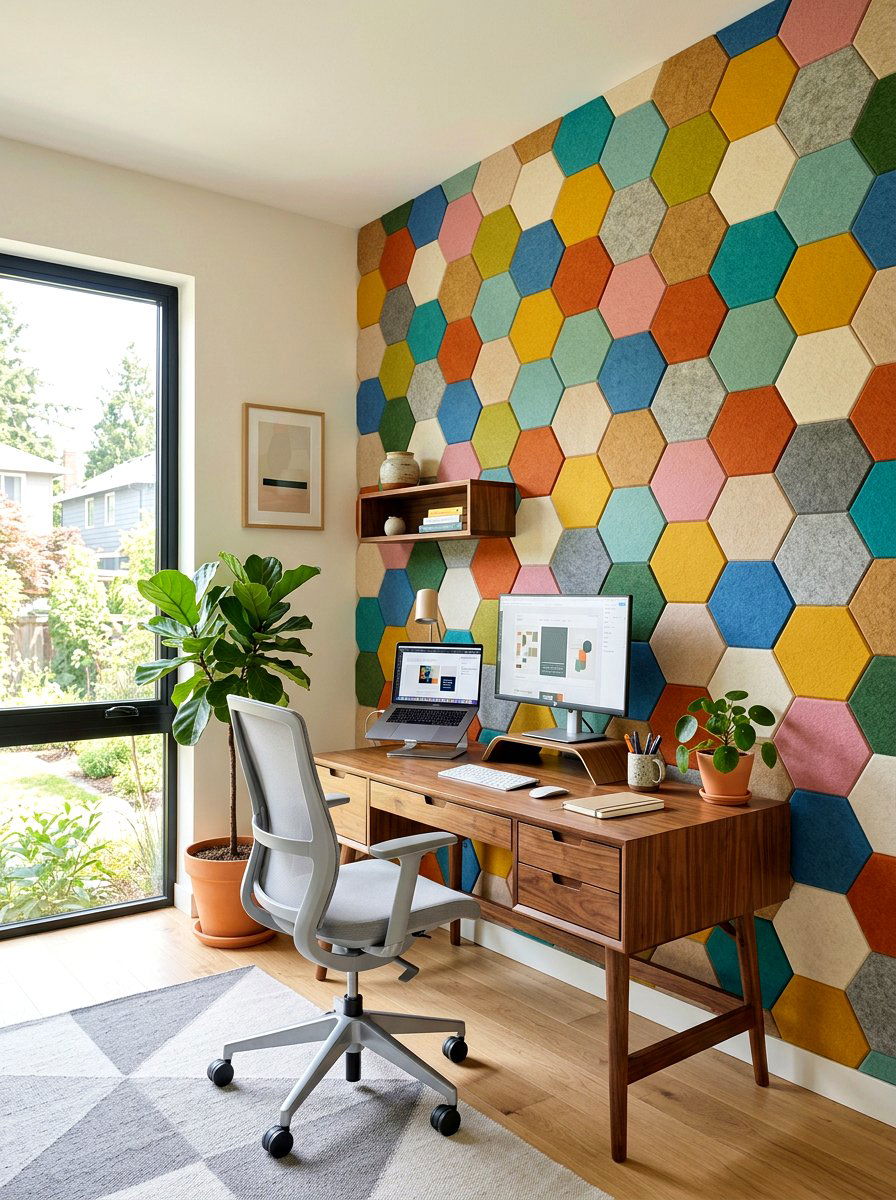
Felt wall tiles offer a versatile and playful approach to managing sound in modern homes or creative workspaces. These tiles are made from compressed felt fibers that are naturally porous, allowing them to trap and dissipate noise effectively. Because they are modular, you can mix and match different colors and shapes to create a custom art installation on your wall. They are incredibly lightweight and usually come with adhesive backings for easy installation. Using felt tiles in a hallway or a kid’s playroom can drastically reduce the sharp sounds of footsteps and voices. Their soft texture also introduces a tactile element that complements minimalist furniture.
4. Cork wall covering
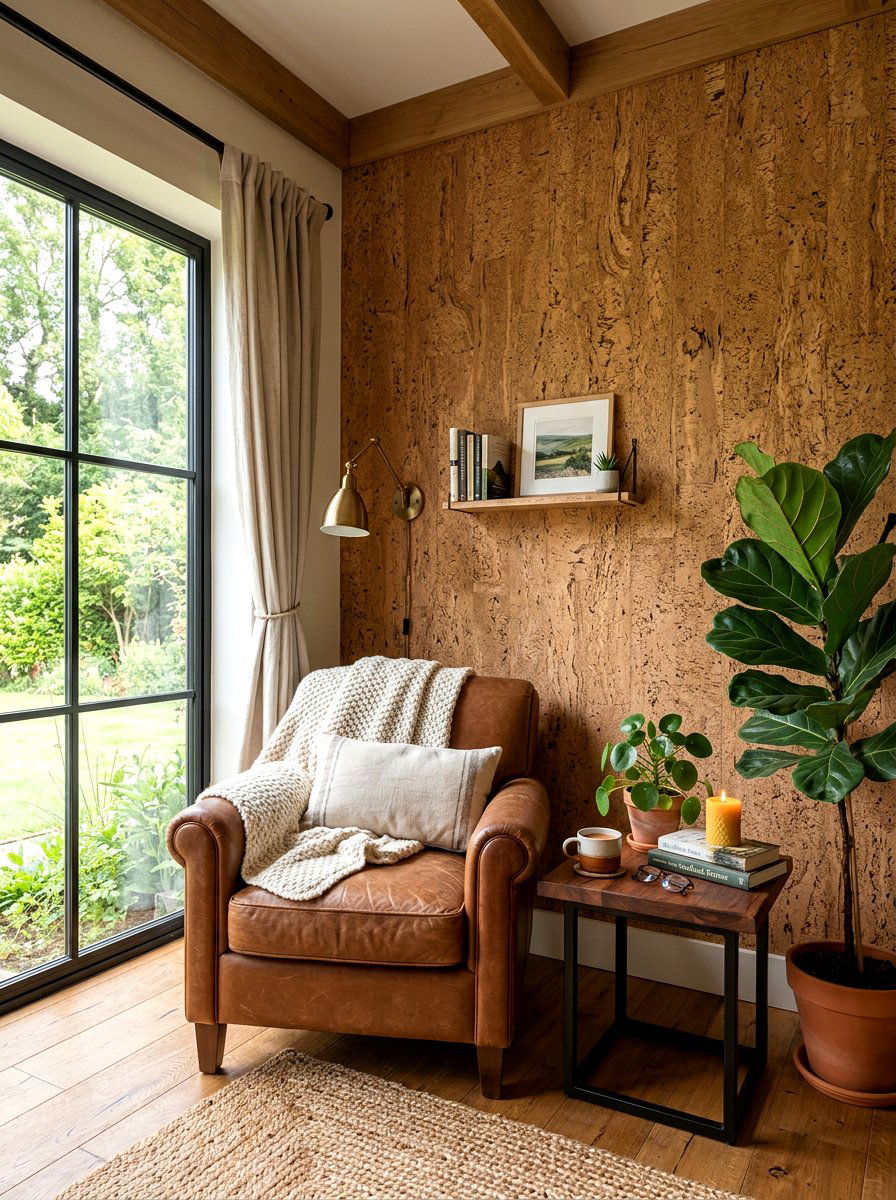
Applying a cork wall covering is an eco-friendly way to introduce natural texture and significant sound dampening to any interior space. Cork is a unique material filled with tiny air pockets that naturally resist sound transmission and vibration. Whether you choose large cork sheets or smaller decorative tiles, this material adds a warm, earthy aesthetic to your home. It works exceptionally well in home offices or bedrooms where a quiet atmosphere is a top priority. Additionally, cork is a sustainable resource that is naturally antimicrobial and easy to maintain over time. It provides a subtle, rustic backdrop that pairs beautifully with green indoor plants.
5. Large area rugs

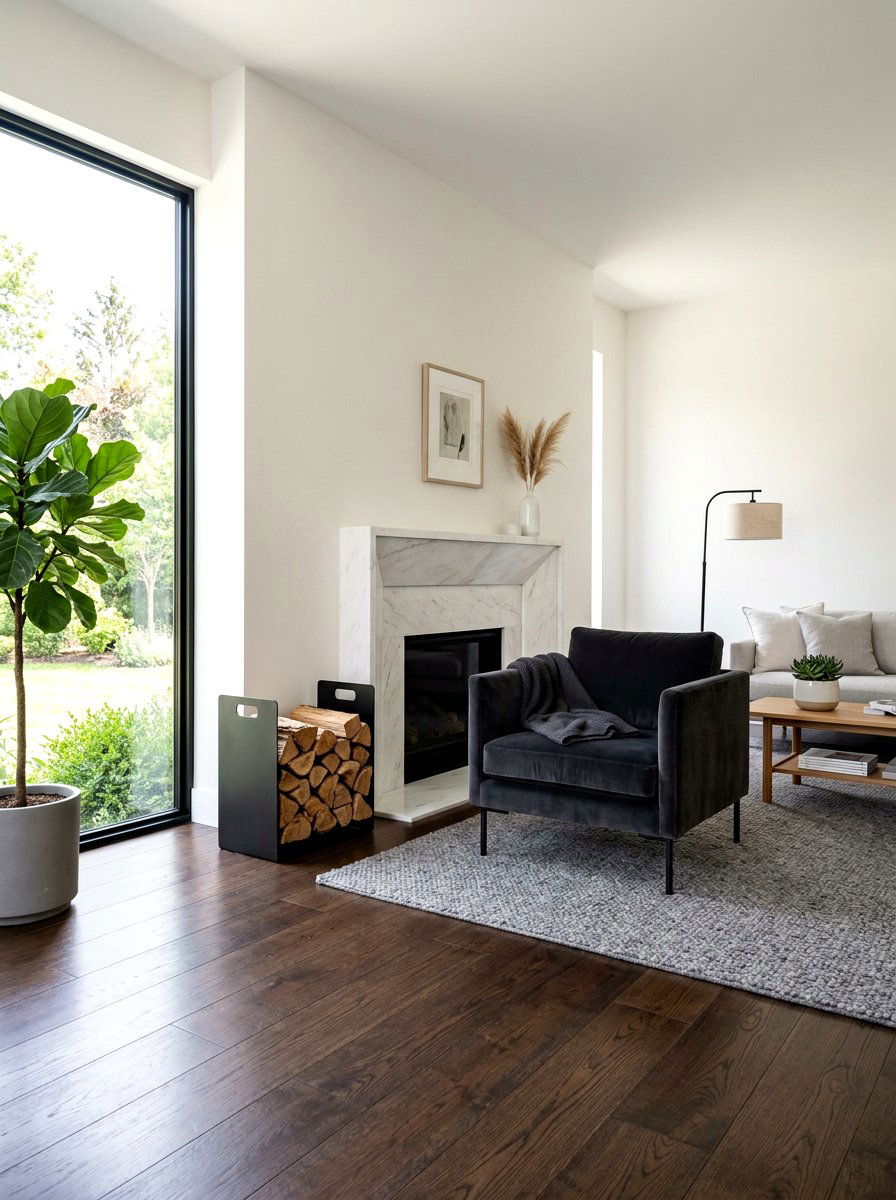
A large area rug is one of the most effective tools for softening the acoustics of a room with hard flooring. Hardwood, tile, and laminate floors are notorious for reflecting sound, but a thick rug can stop those vibrations in their tracks. Opting for a rug with a high pile or dense construction will provide the best noise-absorbing results for your living area. For even better performance, you can place a thick felt rug pad underneath to add an extra layer of cushioning. This setup not only quiets the room but also makes the floor feel much more comfortable and inviting for your feet.
6. Fabric upholstered headboard

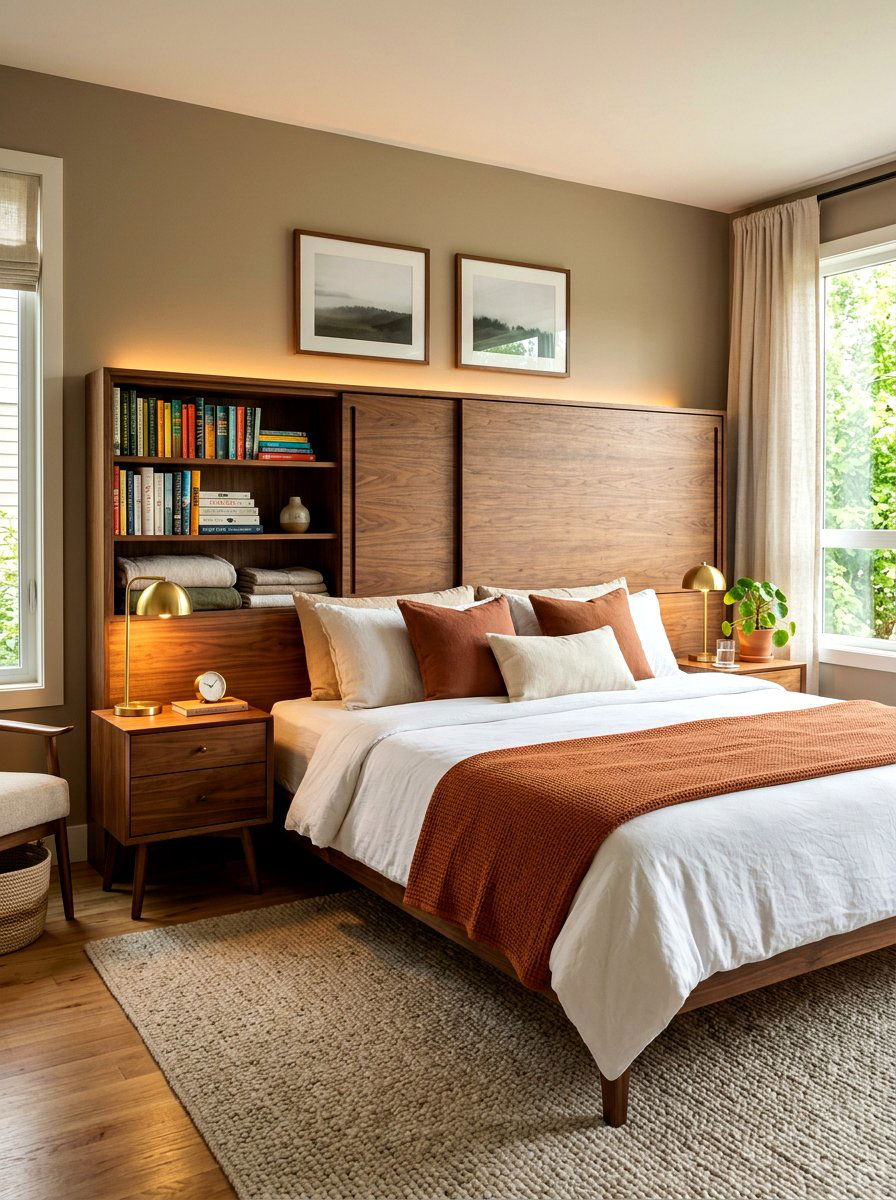
Installing a large fabric upholstered headboard in your bedroom is a smart design move that enhances both comfort and quietness. The soft, padded surface of an oversized headboard acts as a localized sound absorber right where you sleep. It prevents noise from bouncing off the wall behind your bed, creating a much more peaceful and cocoon-like environment. You can choose from deep tufted designs or sleek, modern flat panels wrapped in linen or velvet. This decor element adds a sense of high-end luxury to the master suite while effectively dampening the sounds of a television or conversation from an adjacent room.
7. Wood slat wall panels
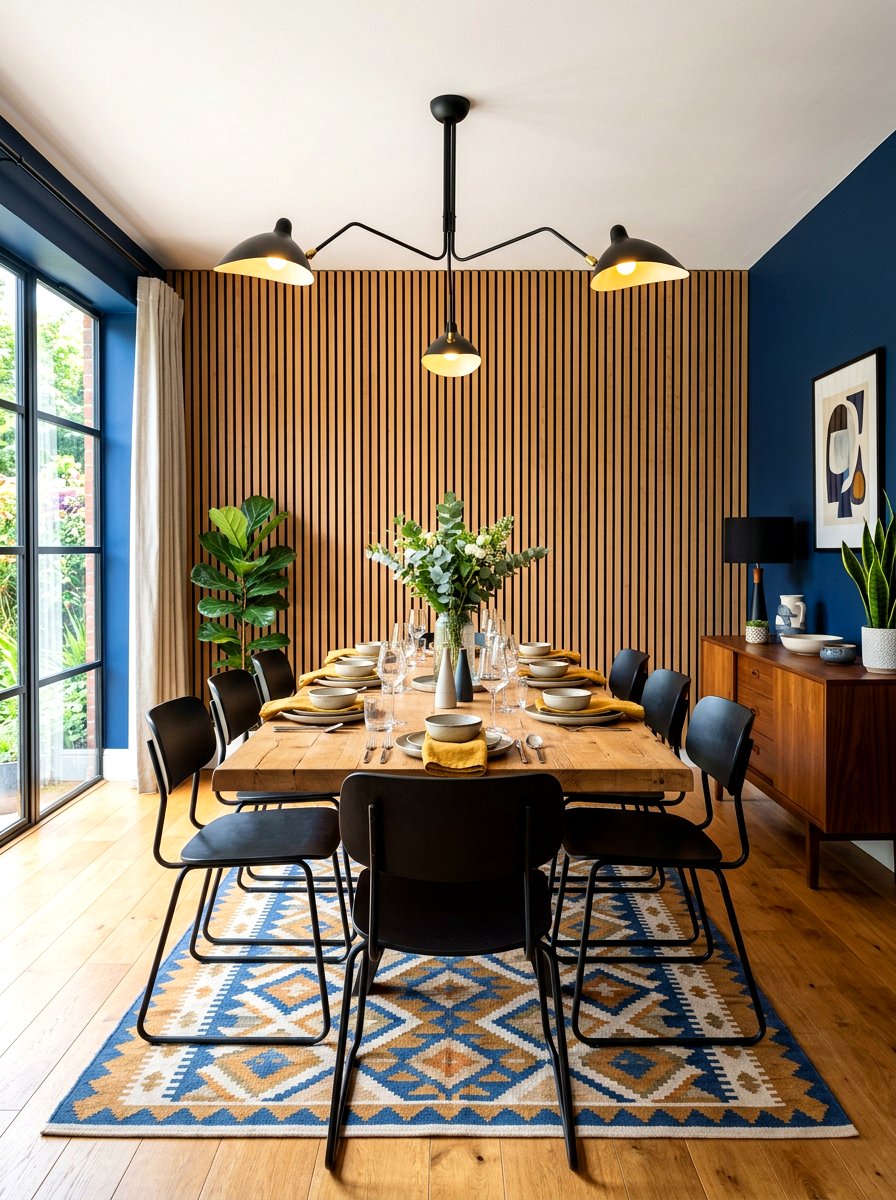
Wood slat wall panels have become a major trend in contemporary interior design because they offer a sophisticated, architectural look. These panels consist of thin wooden slats mounted onto a backing of acoustic felt, which is the secret to their sound-absorbing power. The gaps between the slats allow sound waves to pass through and get trapped in the felt layer behind them. This significantly reduces echo while introducing the natural warmth of wood into your home. They look stunning when used behind a media console or as a full-height feature wall in a dining room, blending natural beauty with modern technology.
8. Hanging acoustic baffles

Hanging acoustic baffles are a creative solution for high ceilings where sound often gets trapped and amplified. These vertical panels are suspended from the ceiling to intercept sound waves as they rise, preventing them from creating a loud, hollow effect. While often seen in commercial spaces, modern residential designs are now incorporating stylish baffles made of felt or fabric. They can be hung at varying heights to create a dynamic, sculptural look that draws the eye upward. By breaking up the empty air space above, these baffles make large, airy rooms feel more grounded and noticeably quieter for everyone inside.
9. Velvet sofa

Choosing a velvet sofa is a brilliant way to introduce a large, soft surface that naturally absorbs noise in your living room. The dense, fuzzy pile of velvet fabric is much more effective at dampening sound than smooth materials like leather or vinyl. A large sectional sofa upholstered in velvet can act as a massive acoustic sponge, soaking up the chatter and background noise of a busy household. In addition to its functional benefits, velvet provides a rich, opulent texture that instantly elevates the style of the room. It creates a welcoming spot to relax while making the overall environment feel much more intimate.

10. Preserved moss wall

A preserved moss wall is a stunning biophilic decor piece that brings the beauty of nature indoors while providing excellent acoustic properties. The irregular, porous surface of the moss is naturally designed to scatter and absorb sound waves, making it a perfect functional art piece. Unlike living walls, preserved moss requires no watering or sunlight, making it a low-maintenance option for any room in the house. It adds a vibrant pop of green and a soft, organic texture that contrasts beautifully with hard architectural lines. Placing a moss installation in an entry or dining area creates a calm, serene first impression.
11. Decorative acoustic clouds
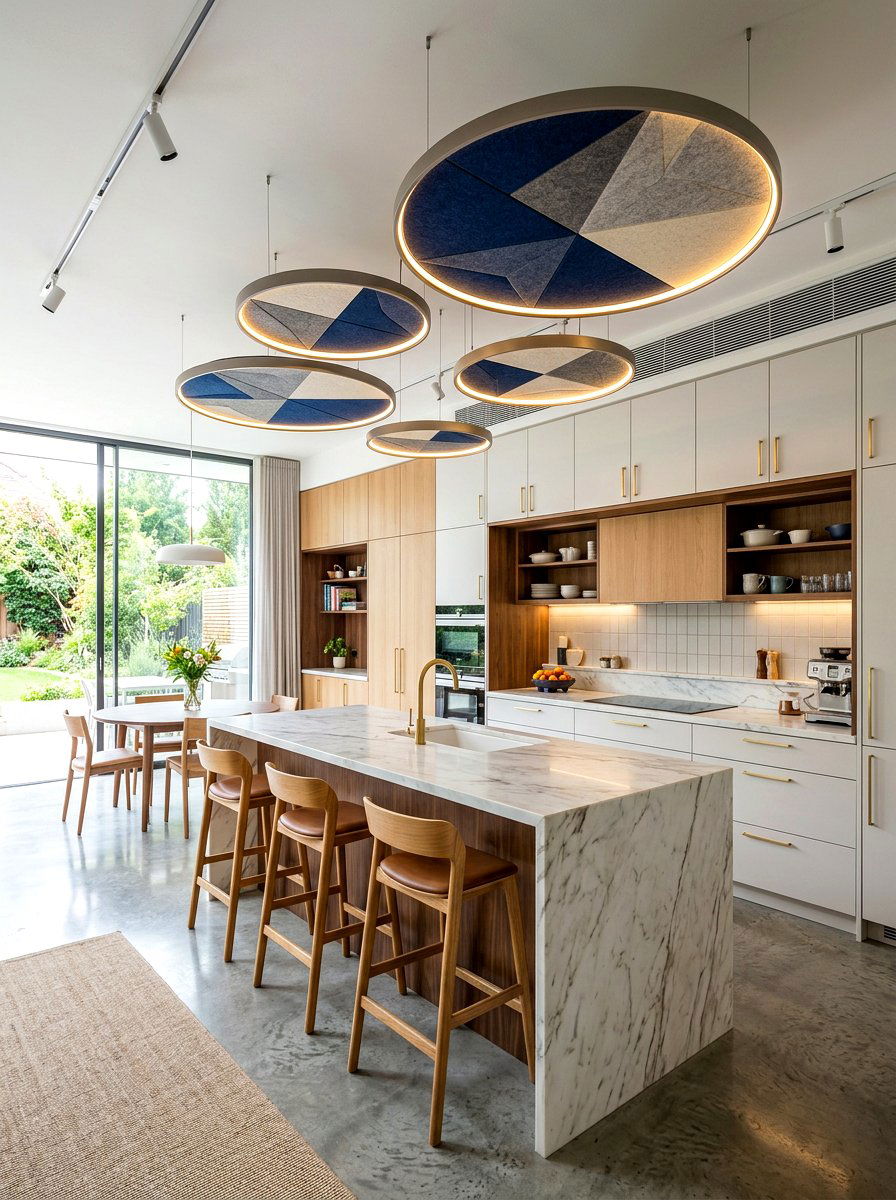
Decorative acoustic clouds are horizontal panels that hang from the ceiling to target noise in specific areas of a room. These clouds are particularly effective in kitchens or dining rooms where hard surfaces like countertops and floors create a lot of clatter. They are designed to be visually appealing, often featuring soft curves or interesting geometric shapes that resemble floating sculptures. By positioning them over a dining table or kitchen island, you can improve speech clarity and reduce the overall volume of the space. They add a layer of sophistication to the ceiling while performing a very important acoustic function.
12. Bookshelf wall

A floor-to-ceiling bookshelf wall is a classic decor choice that doubles as a highly effective sound barrier. When you fill shelves with books of various sizes and paper types, the uneven surface helps to diffuse and absorb sound waves. This prevents noise from reflecting off the flat wall behind the shelf, making the room feel more solid and quiet. A heavy bookshelf also adds mass to a wall, which can help block noise from traveling between different rooms in your home. This functional storage solution creates a cozy, library-like atmosphere that is perfect for a study or a relaxed living room.
13. Heavy room divider
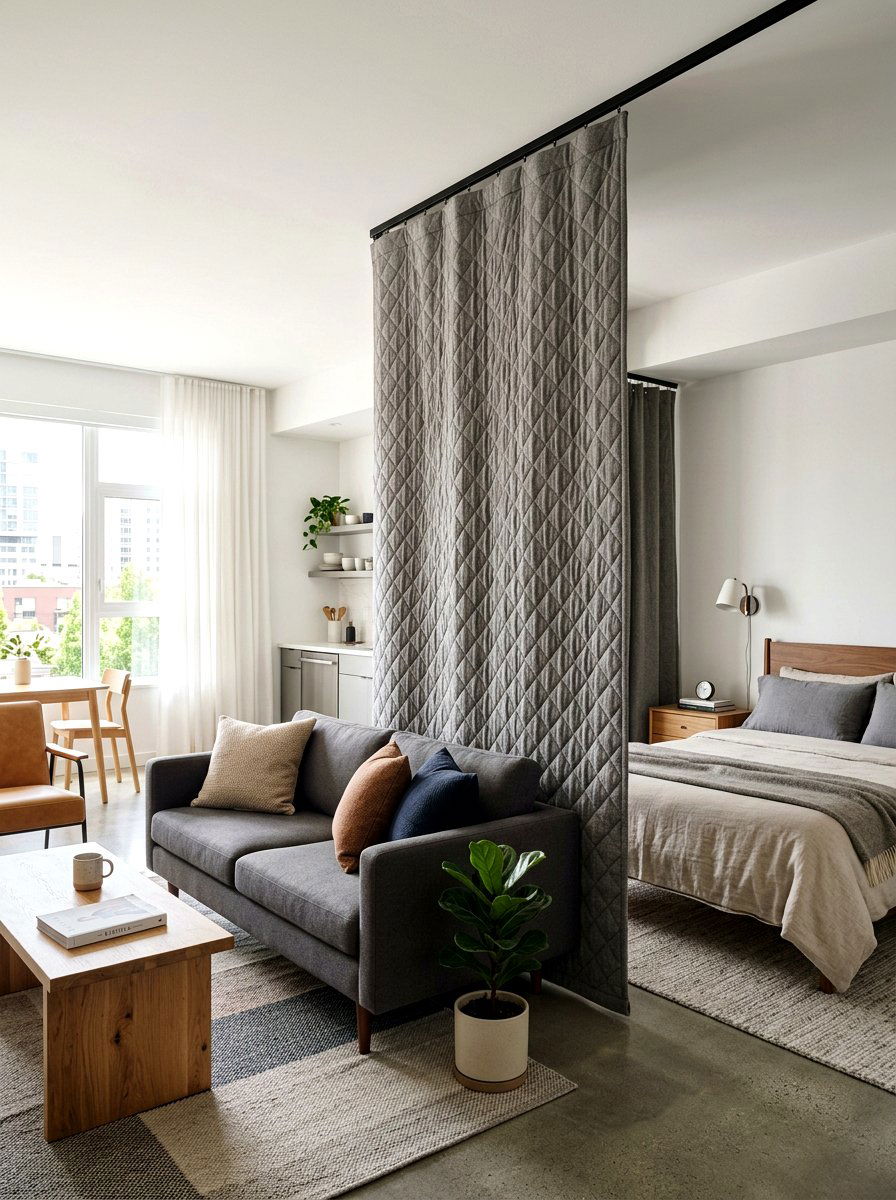
Using a heavy room divider made of thick fabric or upholstered panels is an excellent way to zone a large space and control sound. In open-plan homes, noise can travel freely from the kitchen to the living area, which can be distracting. A tall, fabric-covered screen can act as a movable wall that catches and muffles sound before it reaches the other side. This is particularly useful for creating a quiet home office nook or a private reading corner. These dividers come in many stylish patterns and materials, allowing you to enhance your privacy while also improving the acoustic comfort.
14. Fabric wall hangings

Fabric wall hangings like tapestries or woven textile art are a simple and artistic way to dampen sound in any room. Large pieces of fabric cover the hard, reflective surface of the wall, preventing sound from bouncing back into the space. Woven wall art adds a beautiful, handcrafted feel that introduces warmth and personality to your decor. You can choose heavy wool weaves or light cotton designs depending on your style and the level of sound absorption you need. These pieces are easy to swap out, making them a flexible decor option for renters who want to improve their home's acoustics.

15. Canvas art

Large canvas art pieces can be surprisingly effective at reducing noise, especially if they are backed with acoustic foam. Standard canvas prints are better at absorbing sound than framed glass art because they lack a hard, reflective surface. To maximize their performance, you can hide a thin layer of sound-absorbing material inside the frame behind the canvas. This transforms your favorite paintings or photographs into stealthy acoustic panels that look exactly like traditional decor. This is a great solution for those who want to keep their walls looking clean and artistic while still addressing the problem of an echoey room.
16. Upholstered wall panels

Upholstered wall panels offer a high-end, custom look that provides maximum sound absorption for a theater room or bedroom. These panels consist of a wooden frame filled with acoustic batting and wrapped in a high-quality fabric of your choice. When installed across an entire wall, they create a soft, cushioned surface that virtually eliminates all echoes. This treatment makes a room feel incredibly luxurious and quiet, similar to the interior of a high-end boutique hotel. You can use different fabric textures like silk, linen, or suede to create a sophisticated pattern that adds depth and architectural interest to your home.
17. Acoustic ceiling tiles
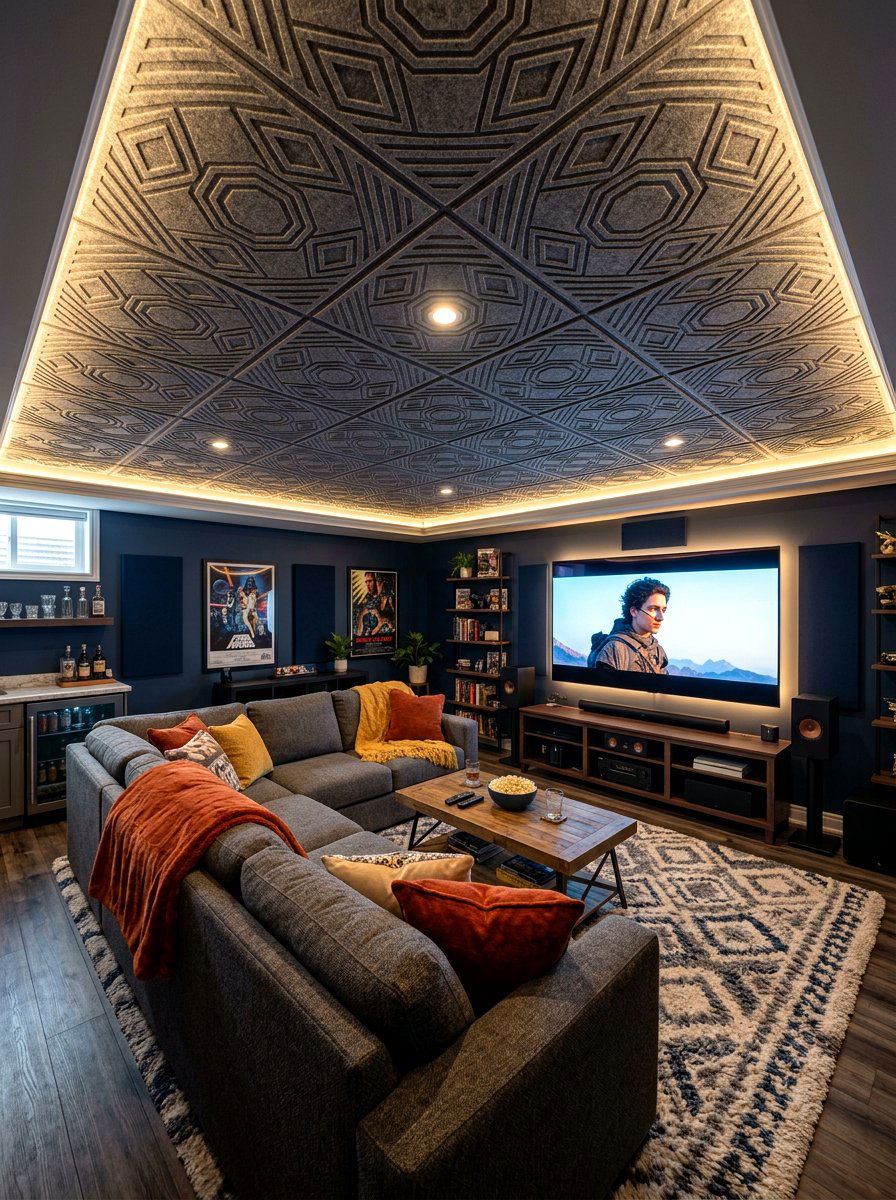
Acoustic ceiling tiles have come a long way from the basic white squares found in old office buildings. Modern residential versions feature beautiful textures, embossed patterns, and a variety of contemporary finishes that blend seamlessly with your home design. These tiles are designed to be installed directly onto the ceiling or within a drop-ceiling grid to catch sound waves from above. They are particularly useful in basements or media rooms where sound insulation is a major concern. By choosing a stylish, patterned tile, you can add a unique design element to the "fifth wall" while creating a much quieter environment.
18. Wool floor rugs
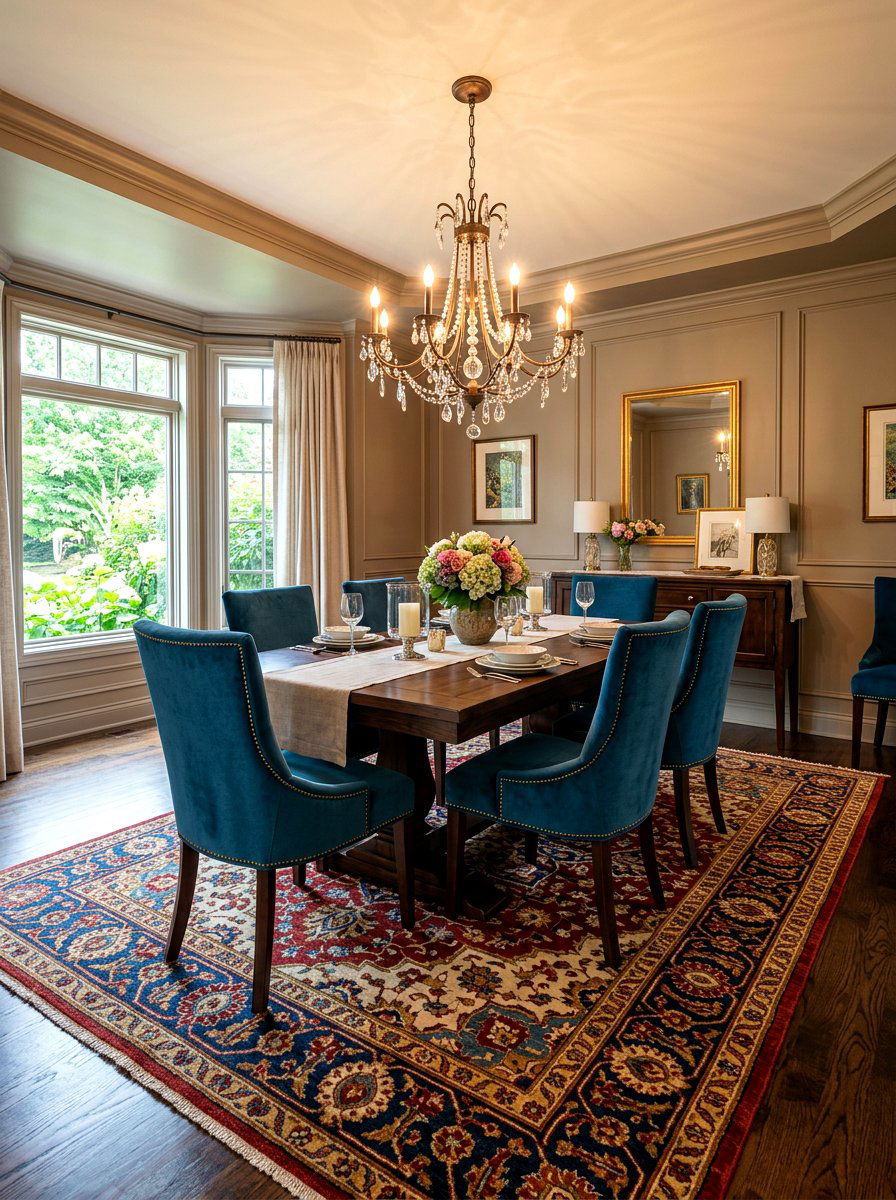
Natural wool floor rugs are world-renowned for their incredible durability and superior sound-absorbing qualities. The natural fibers of wool are crimped and dense, which allows them to trap sound much more effectively than synthetic alternatives. A thick wool rug in a high-traffic area will muffle the sound of footsteps and furniture movement, making the entire house feel more settled. Wool is also naturally stain-resistant and long-lasting, making it a wise investment for a busy household. The soft, matte finish of a wool rug brings a grounded and sophisticated feel to a living room, dining space, or even a cozy home library.
19. Macrame wall art
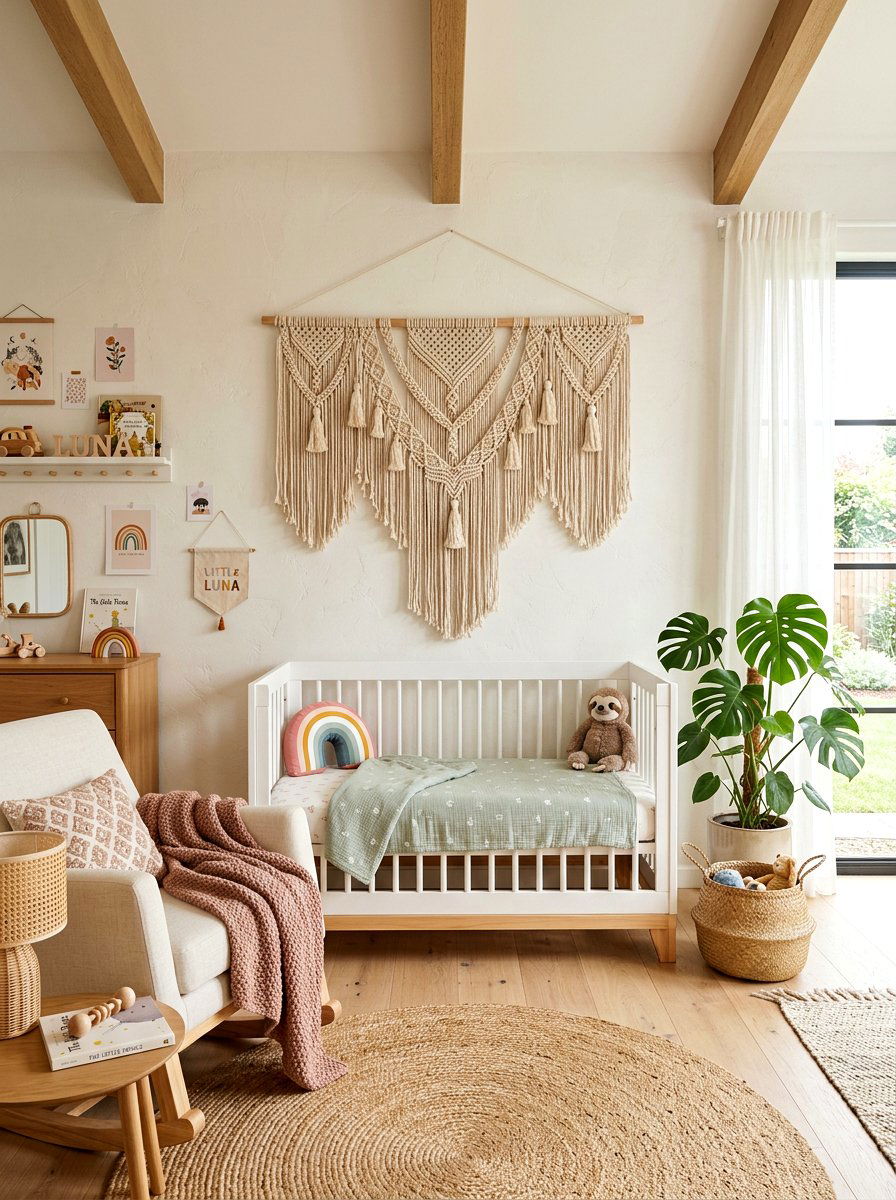
Macrame wall art is a popular boho-chic decor trend that provides a surprising amount of acoustic benefit to a room. The intricate knots and layered strings of cotton or jute create a complex, textured surface that helps to break up sound waves. Instead of hitting a flat wall and bouncing back, the sound is diffused by the soft fibers of the macrame piece. These handmade items add a sense of craftsmanship and organic warmth to your walls, making them a perfect addition to a bedroom or nursery. They are an affordable and stylish way to soften both the look and sound of your space.

20. Indoor plants

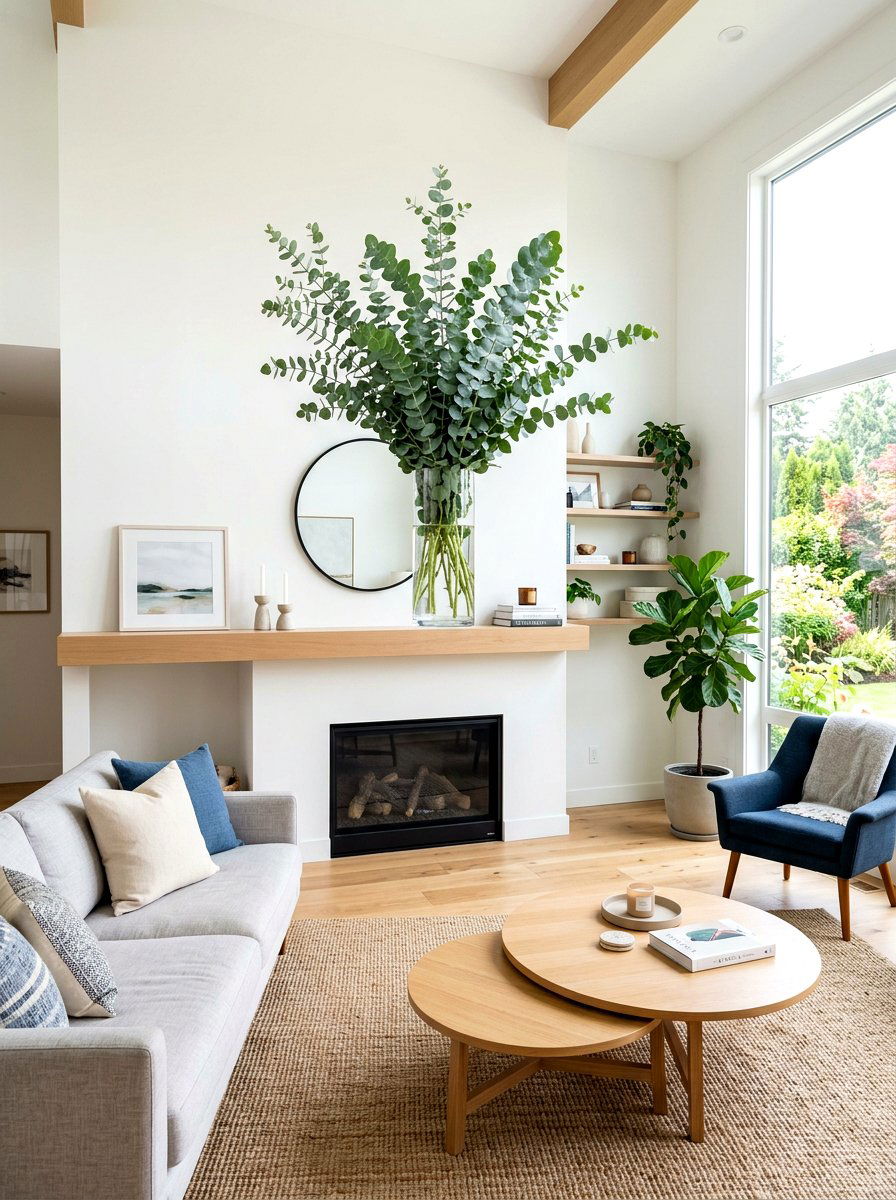
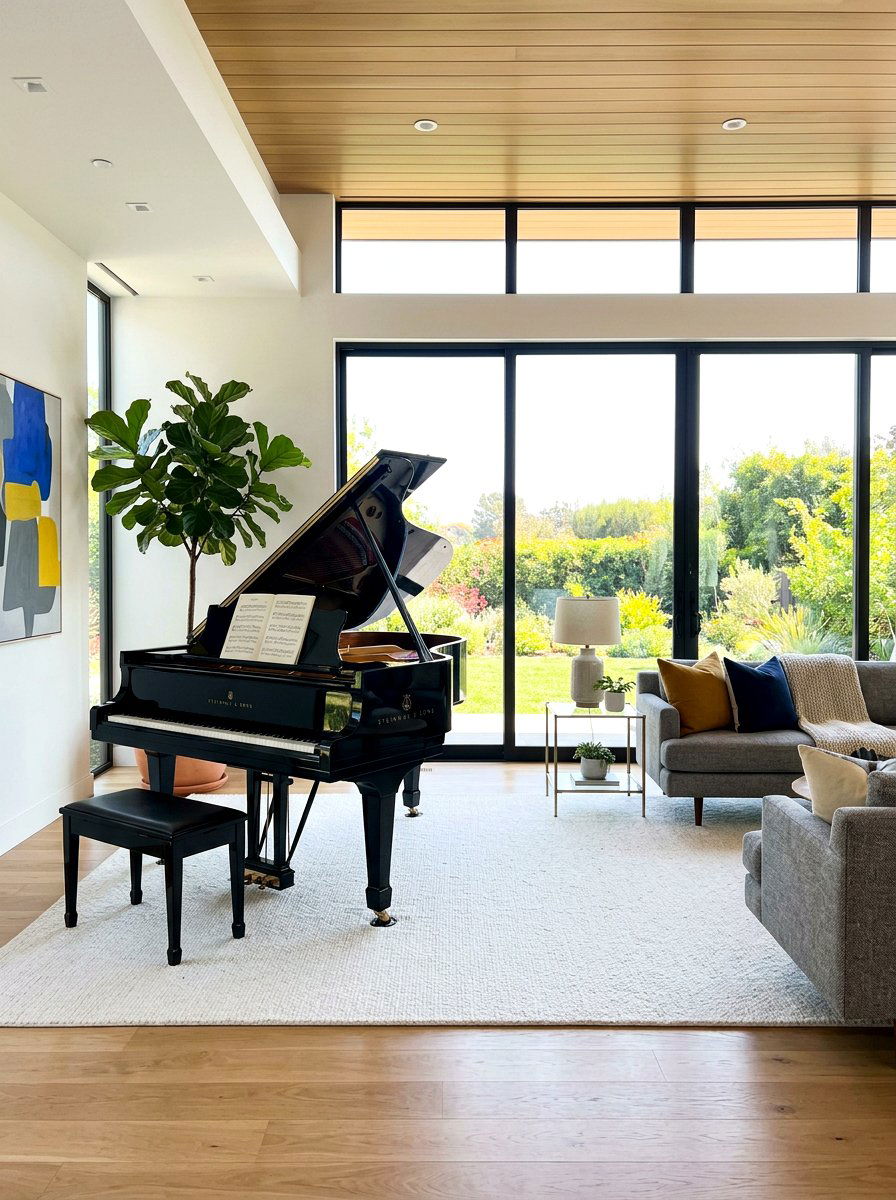
Large indoor plants with broad, leafy foliage are nature's very own sound absorbers and diffusers. When sound waves hit the leaves of a plant like a Fiddle Leaf Fig or a Monstera, they are broken up and scattered in different directions. This reduces the overall intensity of noise in a room, especially when plants are clustered together in a corner. While a single plant may only have a small effect, a lush indoor garden can significantly improve the acoustic quality of a living space. Plants also purify the air and provide a calming visual element that makes any room feel more peaceful.
21. Window inserts
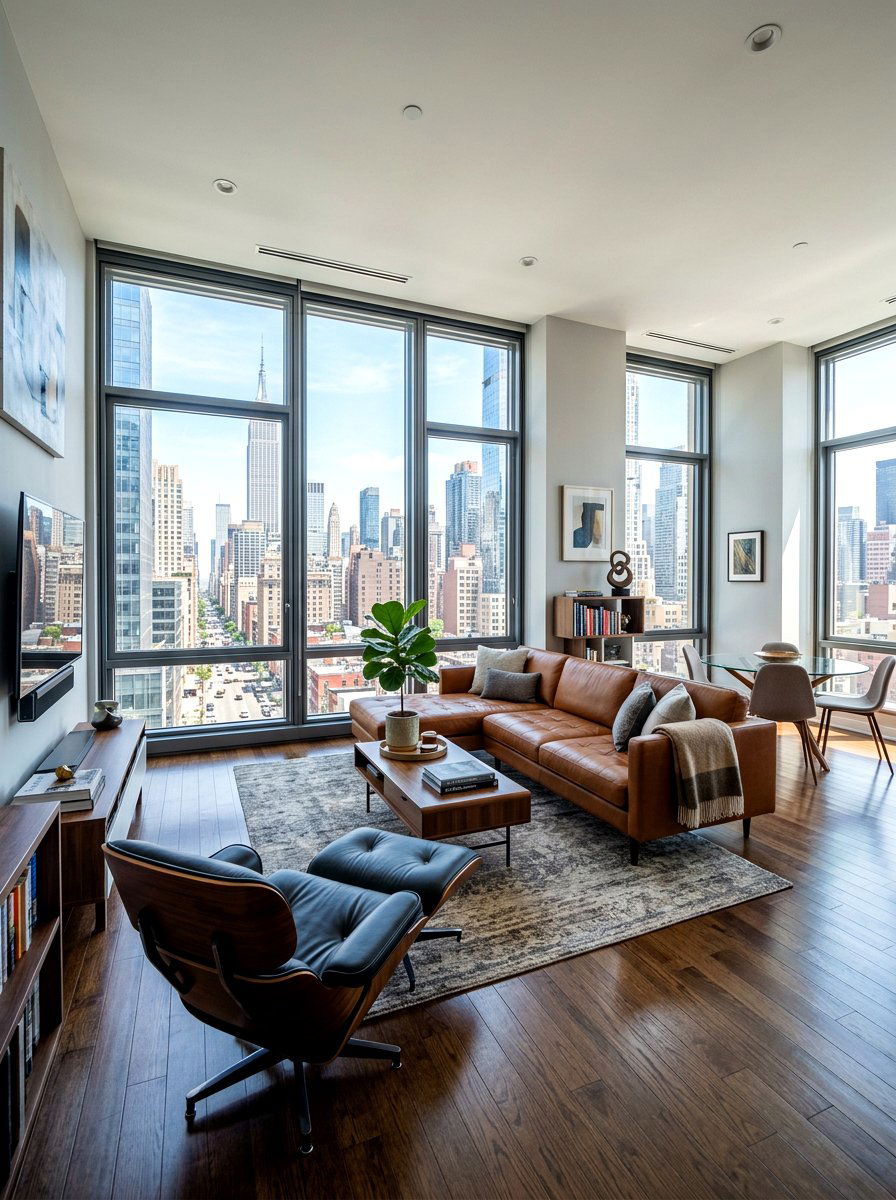
Soundproof window inserts are a practical decor solution for homeowners living in noisy urban environments or near busy streets. These are secondary panes of glass or acrylic that are installed inside your existing window frame, creating an airtight seal. This gap between the two panes acts as a powerful buffer that blocks out a significant amount of exterior noise. Many modern inserts are designed to be almost invisible, maintaining the clear view and natural light of your windows. They are a much more affordable alternative to replacing entire windows and can be removed easily if you are renting your home.
22. Soft textured wallpaper
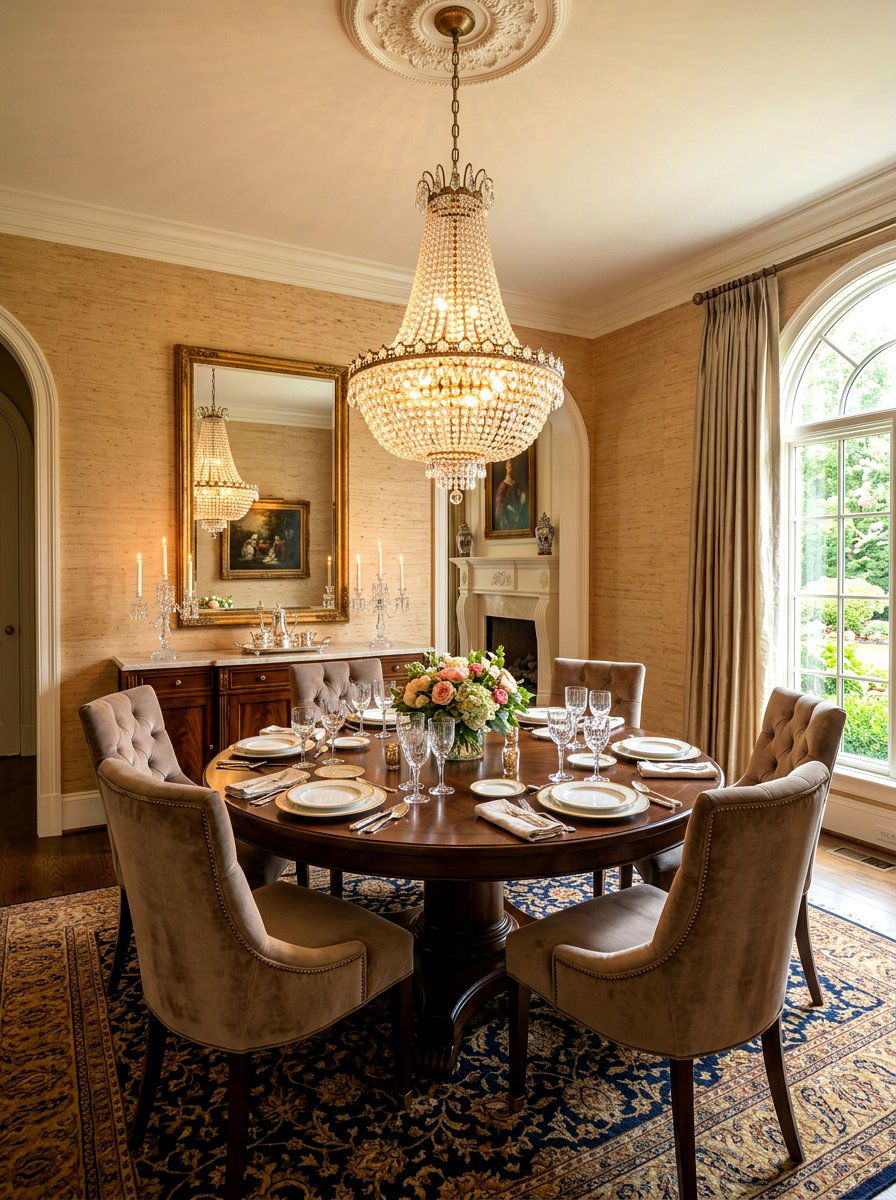
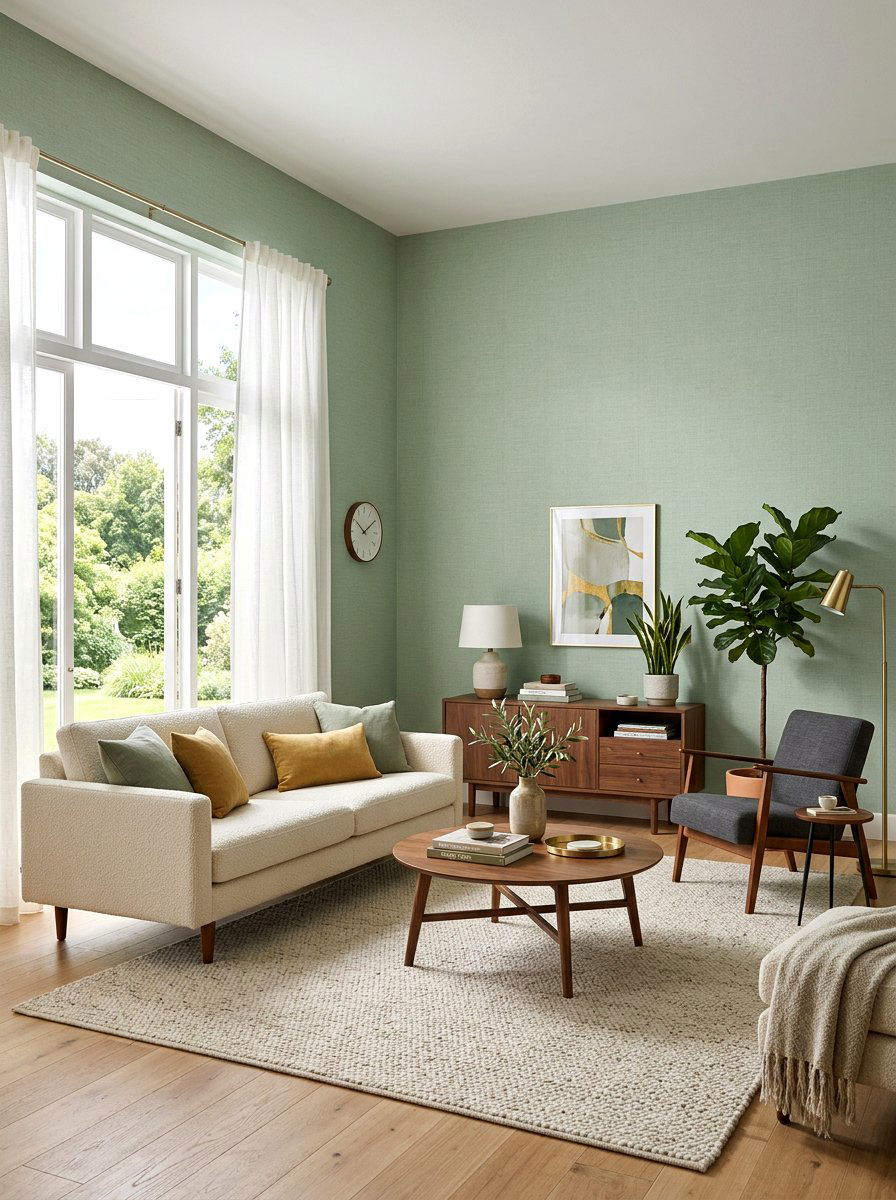
Installing soft textured wallpaper is a subtle yet effective way to add a layer of sound dampening to your walls. Unlike traditional smooth paper, textured options like grasscloth, flocked designs, or fabric-backed wallpaper have a physical depth that helps to absorb sound. These materials prevent sound from reflecting off the hard drywall, making the room feel quieter and more finished. Textured wallpaper also introduces a sophisticated visual element that can hide minor wall imperfections. It is an excellent choice for a dining room or master bedroom where you want to create a rich, layered look that feels calm and cozy.
23. Acoustic lighting fixtures
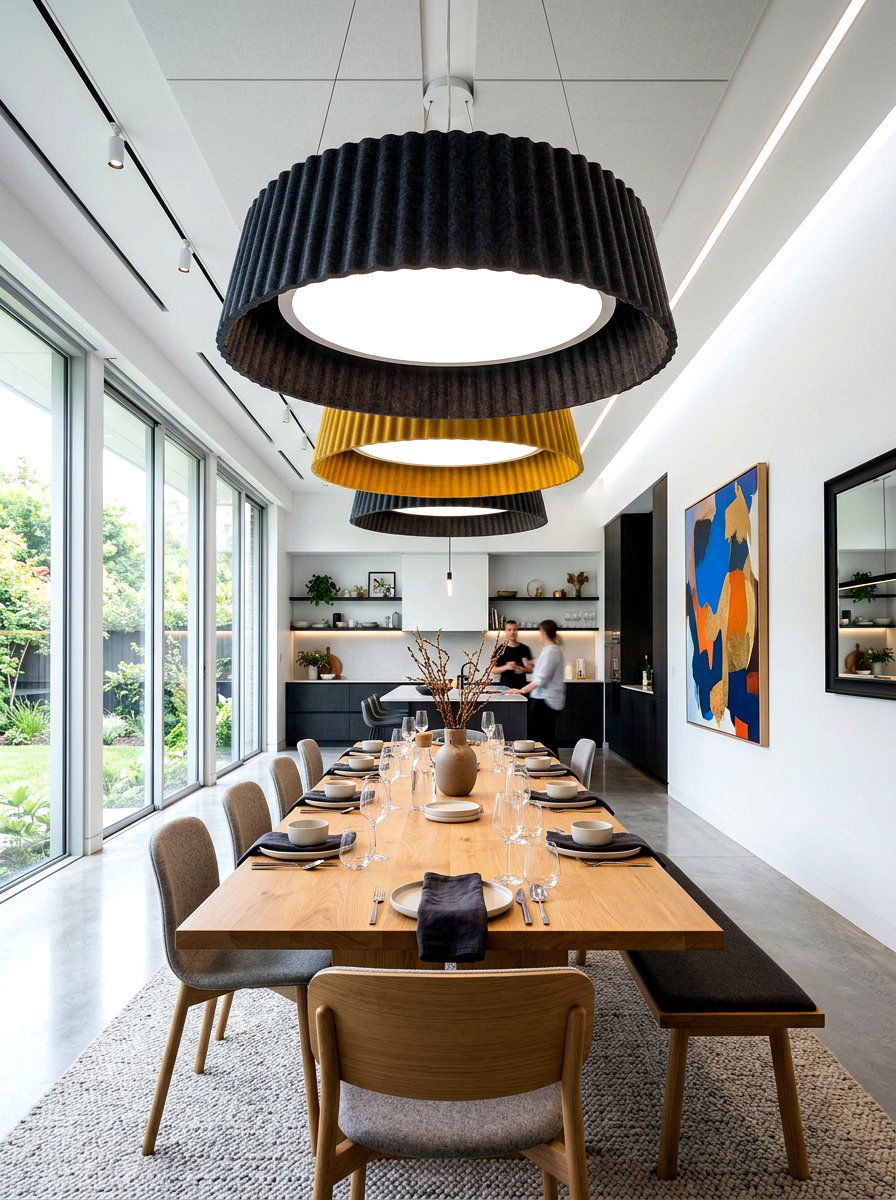
Acoustic lighting fixtures are a modern innovation that combines high-quality illumination with integrated sound-absorbing materials. These large pendants or chandeliers often feature shades made from thick felt or specialized acoustic fabrics that trap noise from below. Because they are often placed in the center of a room or over a dining table, they are perfectly positioned to catch rising sound waves. These fixtures come in bold, architectural shapes that serve as a striking focal point in any interior design project. They are a clever way to address lighting and acoustic needs simultaneously, making them ideal for modern, open-concept living spaces.
24. Quilted room partitions
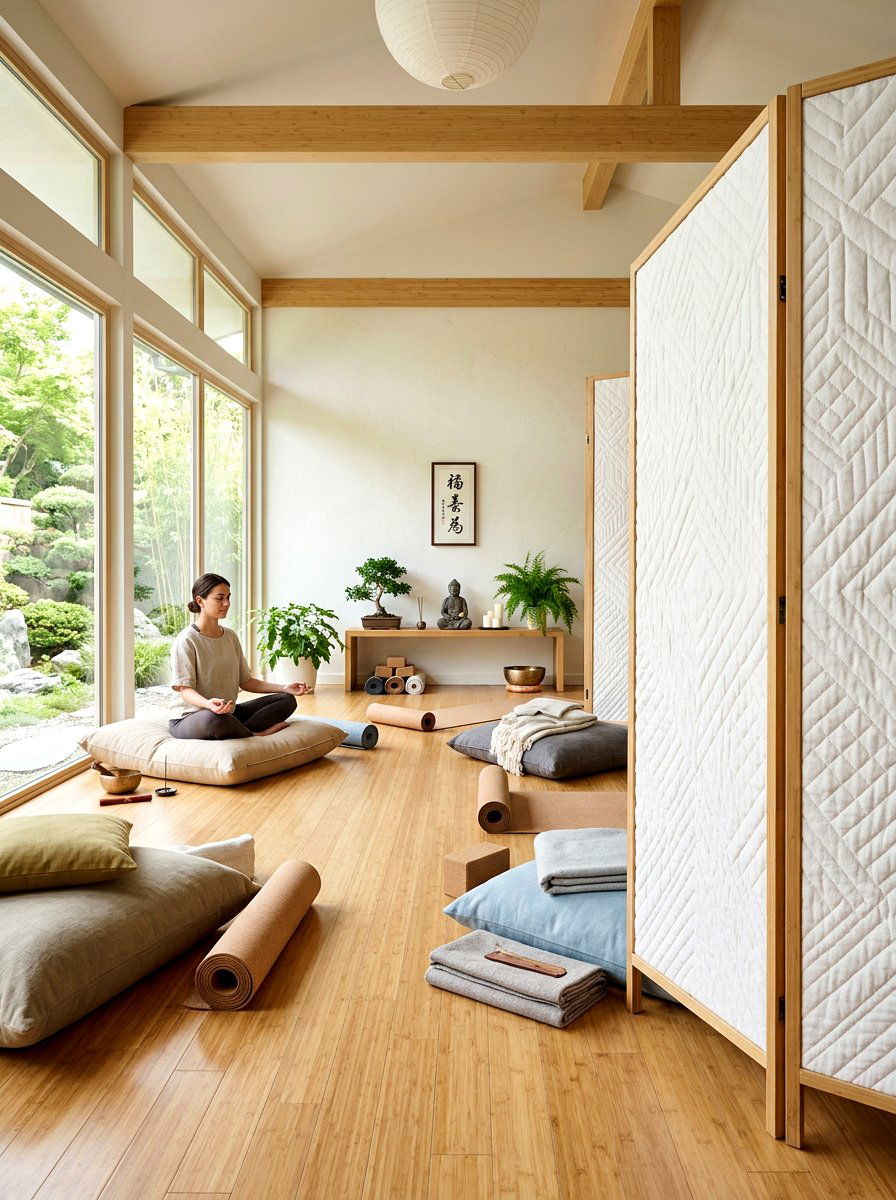
Quilted room partitions are a soft and flexible way to manage acoustics while providing a unique visual texture to a room. These partitions are made from layers of padded fabric that are stitched together in decorative patterns, creating a dense barrier for sound. They can be used as hanging screens or folding panels to divide a large room into smaller, quieter zones. The quilted surface adds a sense of comfort and warmth that is reminiscent of traditional home crafts but with a modern edge. These partitions are perfect for creating a quiet meditation space or a temporary guest bedroom in a larger area.
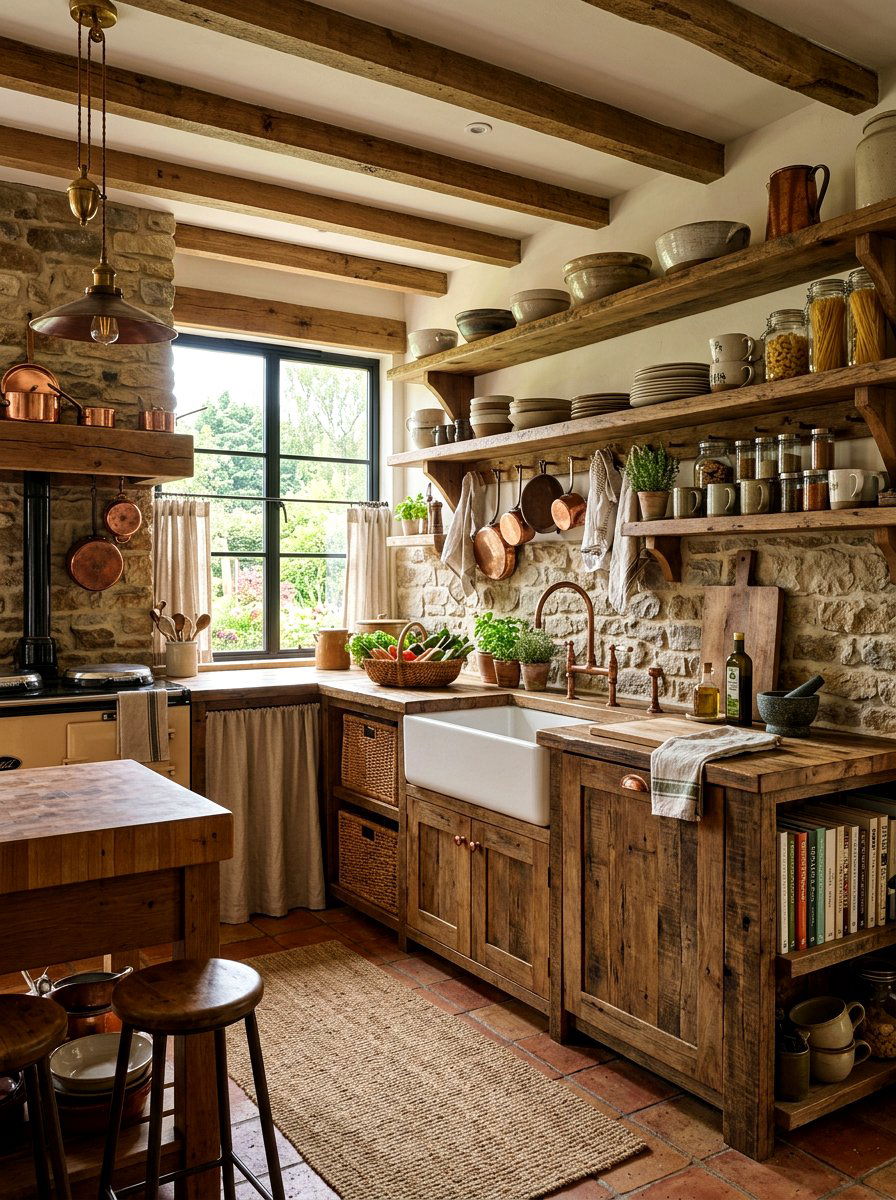




25. Shag carpet
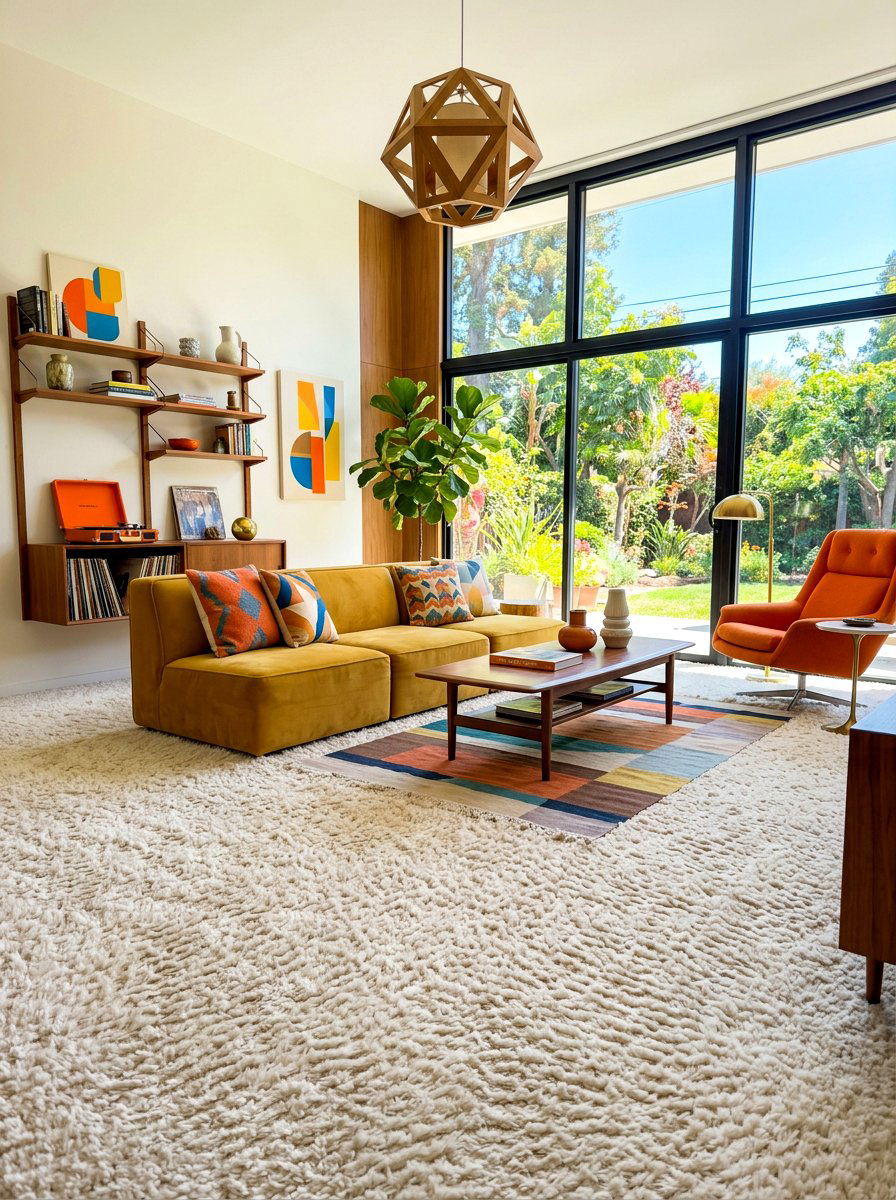
A plush shag carpet is perhaps the ultimate flooring choice for someone looking to maximize sound absorption in their home. The long, loose fibers of a shag rug provide a massive surface area that effectively captures and muffles sound waves from all directions. This type of flooring is incredibly efficient at dampening the noise of children playing or heavy objects being moved across the floor. In addition to its acoustic performance, a shag carpet offers a nostalgic and cozy aesthetic that feels wonderful underfoot. It is the perfect addition to a family room where comfort and quiet are the top priorities.
26. Fabric ottoman sets
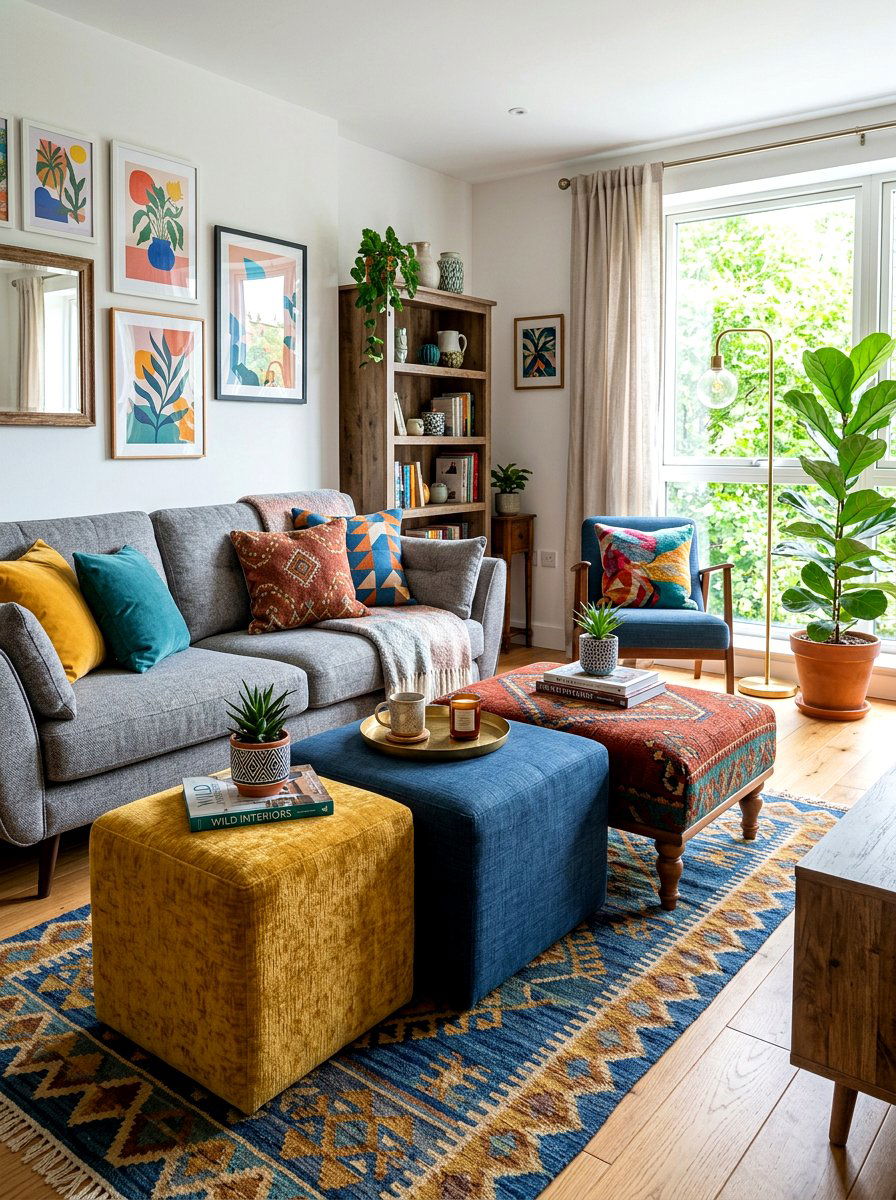
Using fabric ottoman sets in your living room is a functional way to add more sound-absorbing surfaces to the space. Unlike hard coffee tables made of wood or glass, upholstered ottomans are soft and porous, which prevents sound from bouncing off them. You can group several small ottomans together to create a modular coffee table that is both stylish and acoustic-friendly. Choosing a fabric with a visible weave or a soft velvet finish will further enhance their noise-dampening capabilities. These versatile pieces also provide extra seating or a place to rest your feet, making the room feel more comfortable and lived-in.
27. Padded bench seating
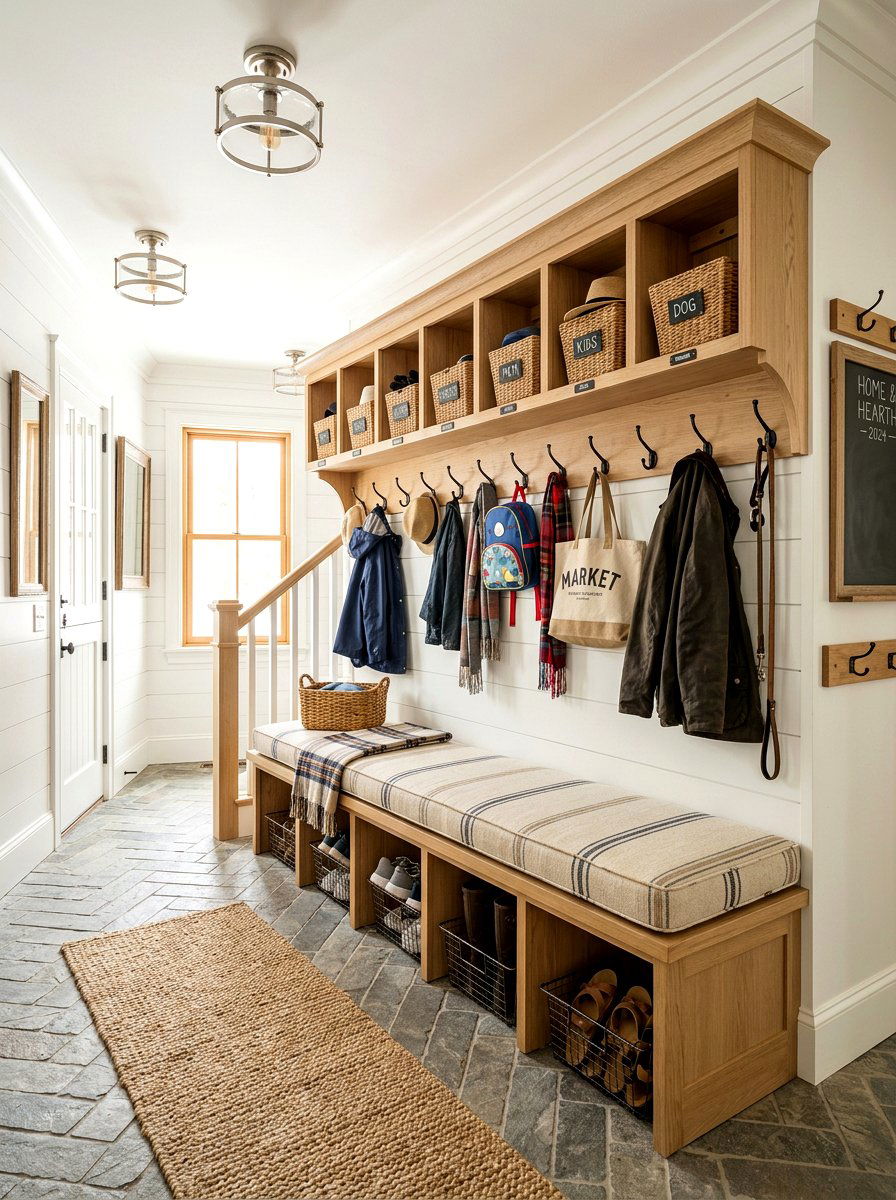
Padded bench seating is a great design choice for dining rooms or entryways where hard surfaces often cause noise to echo. A long bench upholstered in a thick, durable fabric provides a large area of sound absorption at a mid-level height in the room. This helps to quiet the sounds of chairs being moved and the general chatter that occurs during a meal. You can customize the fabric to match your dining chairs for a cohesive and high-quality look. Padded benches also offer a more relaxed and communal seating arrangement, making your dining area feel more like a cozy bistro than a formal hall.
28. Floor to ceiling drapes
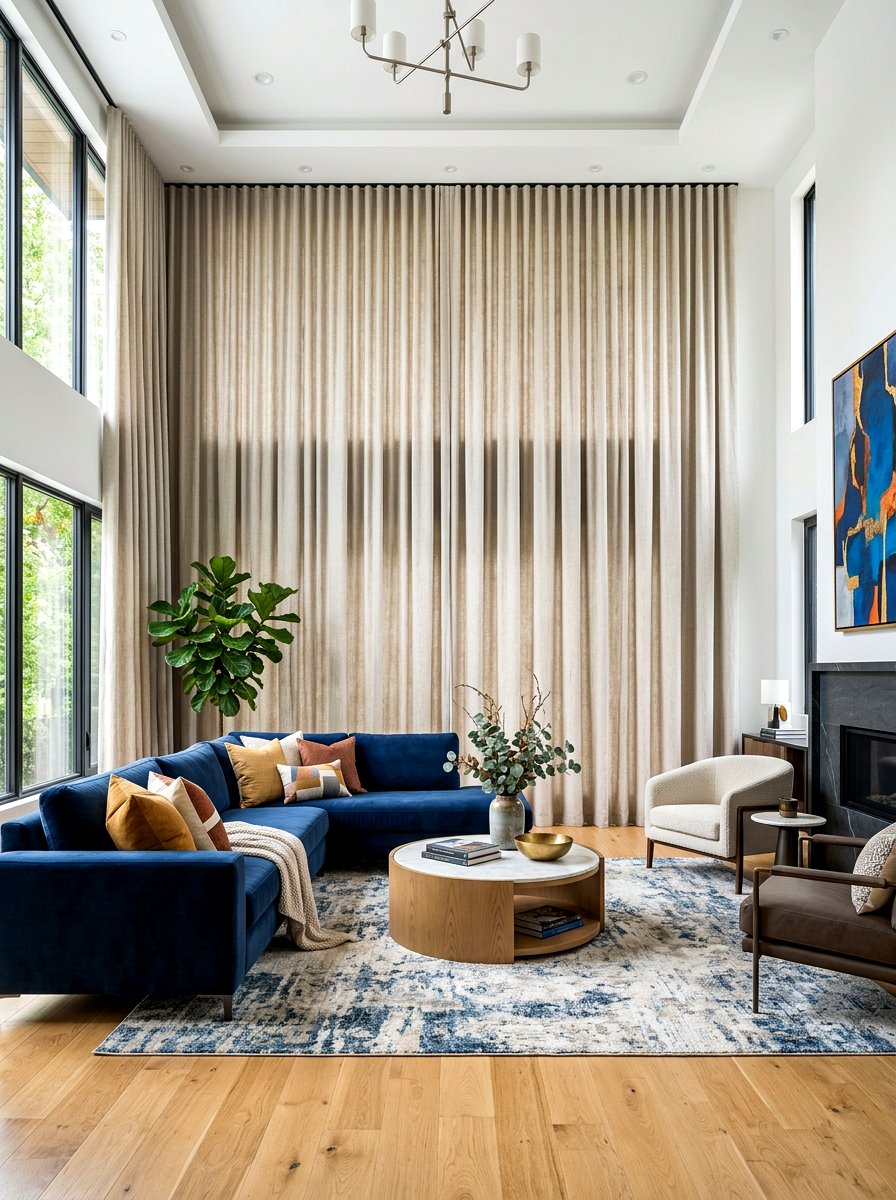
Hanging floor-to-ceiling drapes is a classic interior design trick that significantly improves the acoustics of any large room. By covering the entire height of the wall, you eliminate a large portion of the hard, reflective surface area that causes echoes. This creates a soft, continuous background that makes the room feel much more expensive and professionally designed. Even when the curtains are open, the gathered fabric at the sides continues to absorb sound and soften the corners of the space. This approach works beautifully in bedrooms and living rooms, providing both privacy and a significant reduction in ambient house noise.
29. Acoustic room screen
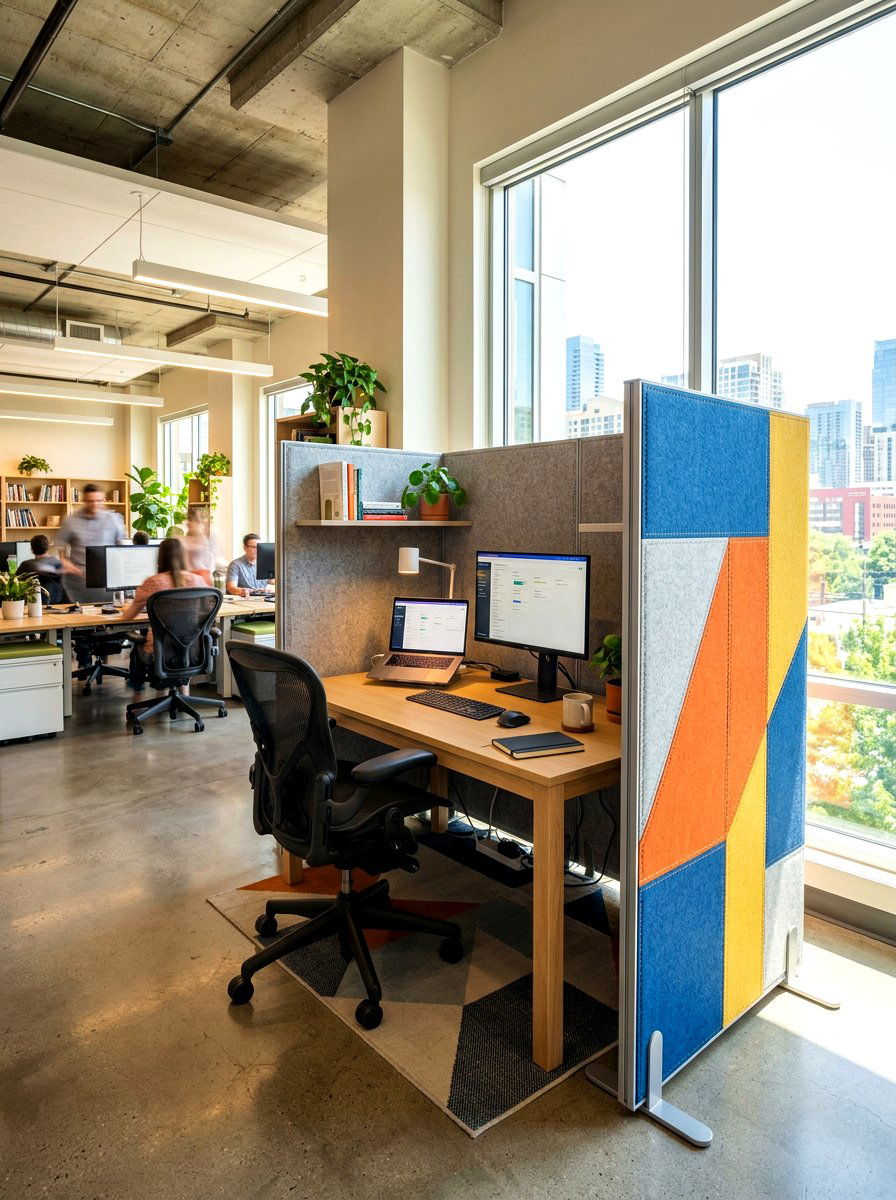
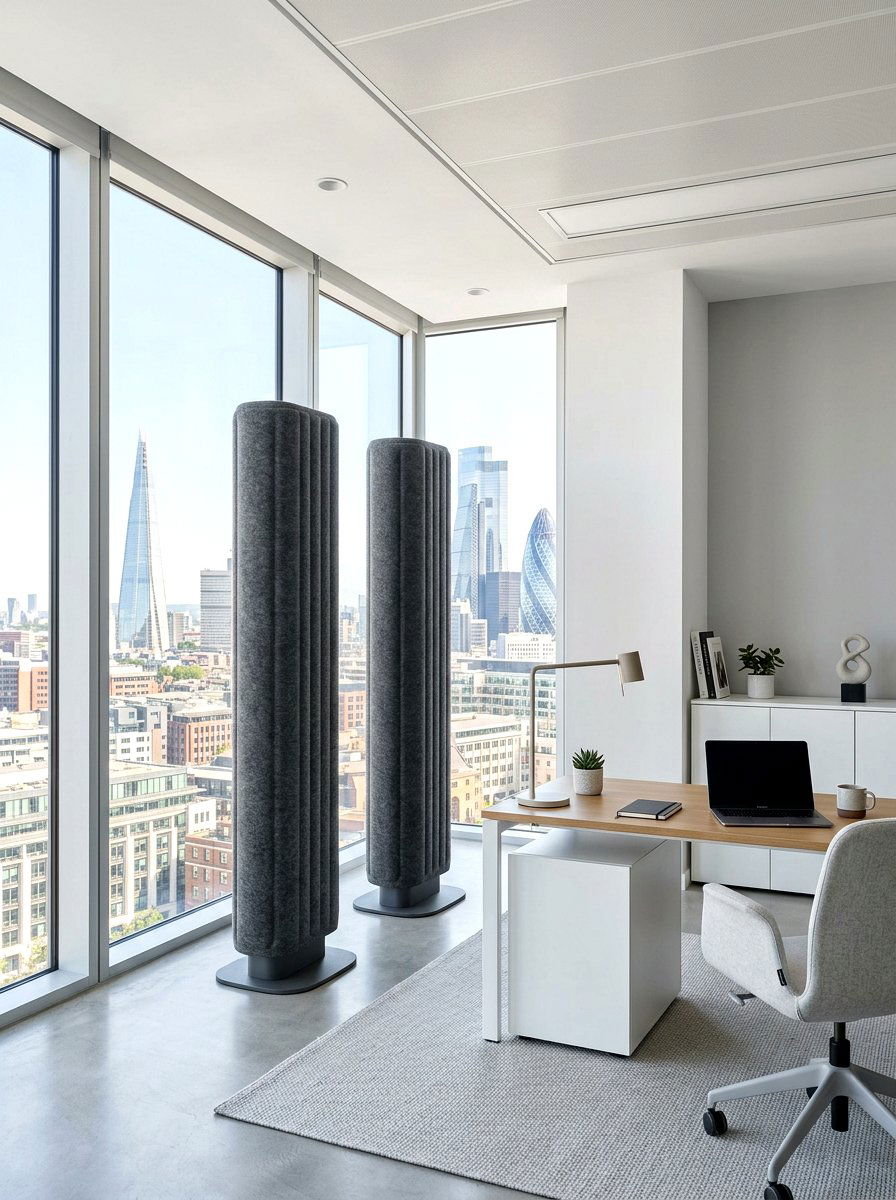
An acoustic room screen is a portable and stylish piece of furniture designed specifically to block and absorb sound in open spaces. These screens are often constructed with a solid core and a thick felt or fabric exterior that prevents noise from passing through. They are perfect for creating a temporary quiet zone in a living room for reading or working from home. Because they are freestanding, you can easily move them around to wherever you need the most acoustic help. Many designs feature beautiful colors and patterns, allowing the screen to serve as a decorative room divider when it is not in use.
30. Jute floor mats
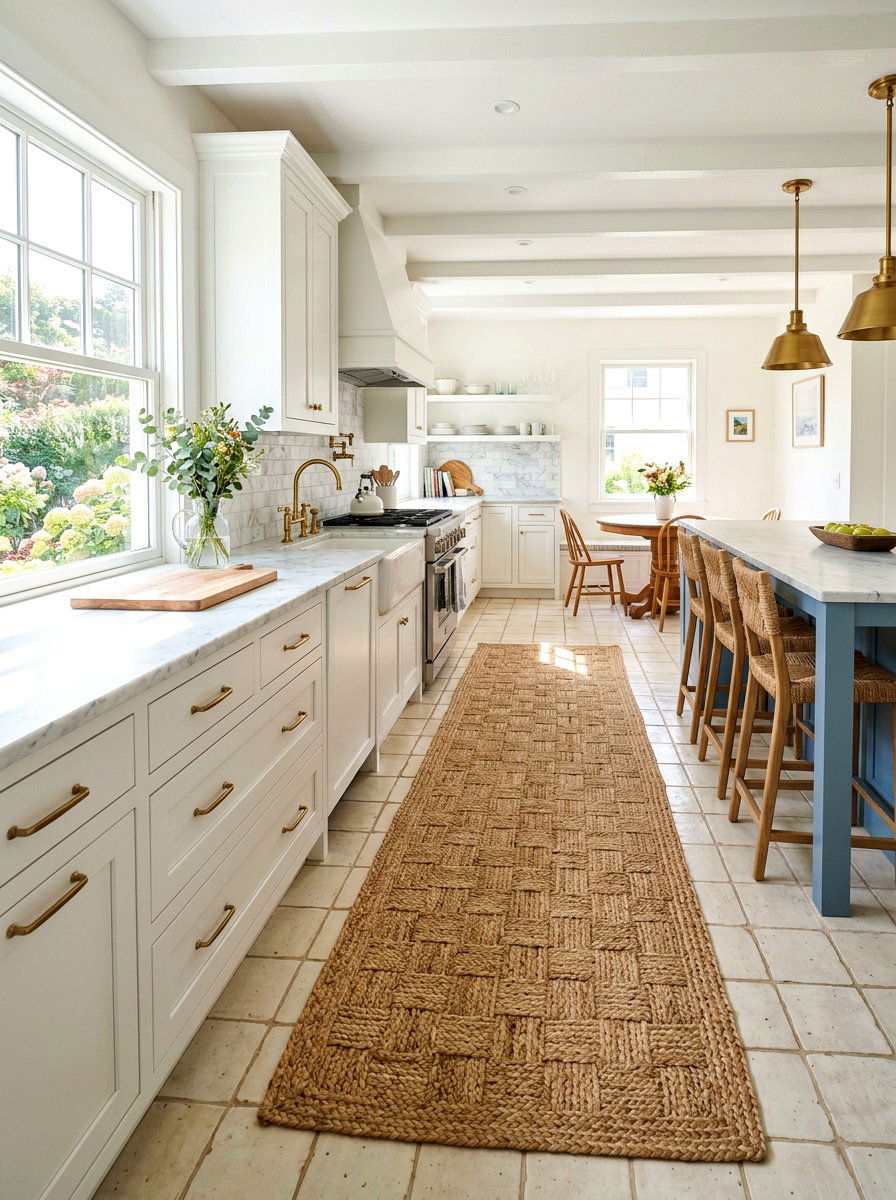
Jute floor mats are a natural and textured way to improve the acoustics of high-traffic areas like kitchens and mudrooms. The thick, braided fibers of jute are excellent at absorbing the sound of footsteps and preventing noise from echoing off hard floors. These mats add a rustic, organic feel to your home that pairs well with almost any decor style. They are also very durable and easy to clean, making them a practical choice for busy households. By placing a jute mat in a hallway or entry, you can create a quieter transition between the outdoors and your peaceful indoor sanctuary.
Conclusion:
Investing in sound-absorbing decor is a thoughtful way to enhance the comfort and tranquility of your living environment. By carefully selecting materials like heavy velvet, natural wool, and innovative acoustic panels, you can mitigate the daily noise that often disrupts a peaceful home. These design choices prove that functional utility and high-end style can exist in perfect harmony within a modern space. Whether you are dealing with a busy city street or just want to reduce the echo in a high-ceilinged room, these ideas provide a comprehensive roadmap. Start transforming your home into a quiet retreat that feels as good as it looks.

Related posts: