Setting up a dedicated recording room is a transformative journey that balances technical acoustic requirements with the need for a deeply inspiring creative environment. Whether you are an aspiring podcaster, a professional music producer, or a voice-over artist, the design of your space directly impacts the quality of your work and your daily motivation. A successful recording room effectively manages sound reflections while showcasing your personal style through intentional lighting and furniture choices. This guide explores a diverse range of layouts, from compact bedroom corners to expansive basement conversions, ensuring every artist can find a functional and visually stunning setup that elevates their unique creative process and technical output.
1. Small bedroom recording studio
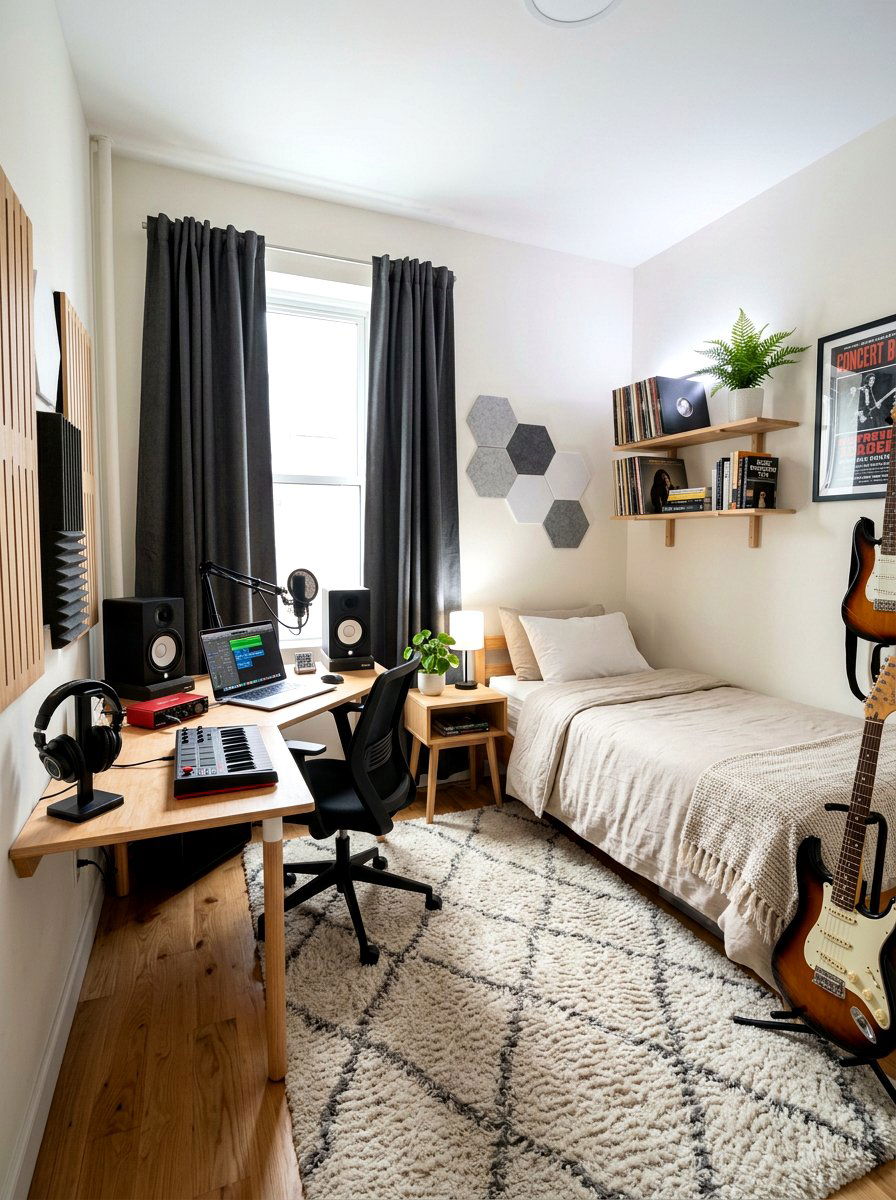
Setting up a professional audio environment in a compact sleeping area requires a strategic focus on space optimization and acoustic balance. You can maximize a small bedroom by utilizing multi-functional furniture, such as a compact desk that fits neatly into a corner or an alcove. Wall-mounted shelves are essential for keeping audio interfaces, preamps, and headphone amplifiers off the main workspace, leaving more room for your MIDI keyboard or mixing console. To manage sound reflections, incorporate heavy blackout curtains and thick area rugs that serve both aesthetic and functional purposes. This approach creates a cozy, efficient workstation where creative inspiration remains high despite the limited physical footprint of the room.
2. Professional home podcast studio
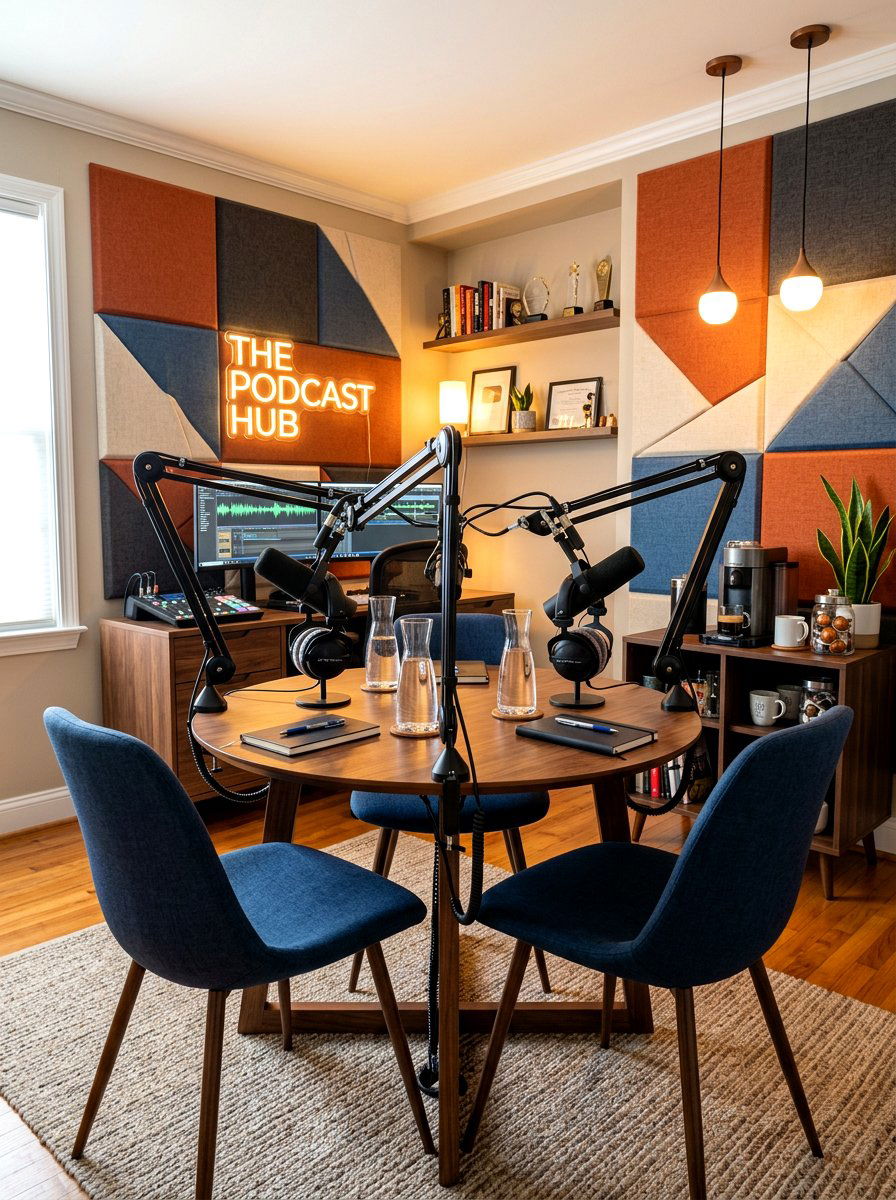
Designing a space specifically for high-quality spoken word content involves prioritizing vocal clarity and a welcoming, conversational atmosphere for guests. A dedicated podcast studio often features a central table equipped with multiple adjustable boom arms to keep microphones at the perfect height and distance. Soft textures are vital in this setting, so consider using upholstered chairs and fabric-wrapped wall panels to dampen echoes and prevent a hollow sound. Many modern creators also integrate customizable LED accent lighting to create a visually appealing backdrop for filmed segments. This layout ensures that both the technical audio quality and the visual presentation meet the high standards expected by contemporary digital audiences.
3. Minimalist music workstation layout
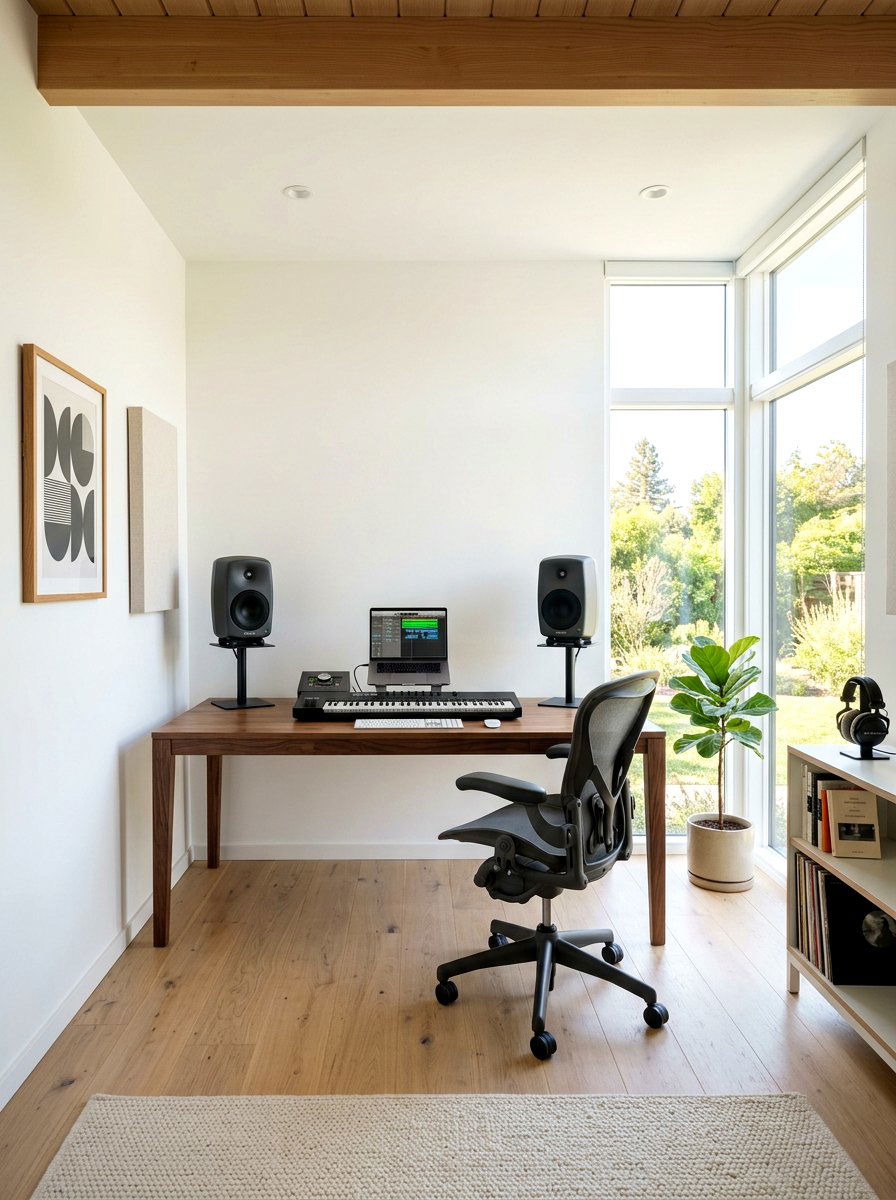
A minimalist approach to studio design focuses on removing distractions to foster deep focus and a streamlined creative workflow. This design typically features a sleek, cable-managed desk with only the most essential gear visible, such as a pair of high-end studio monitors and a single controller. Neutral color palettes, like soft greys or whites, help create a calm environment that reduces visual fatigue during long hours of composition and editing. Hidden storage solutions are used to tuck away extra cables and peripherals when they are not in use. By keeping the workspace clutter-free, you allow your mind to stay entirely on the music, resulting in a more efficient and peaceful production process.
4. Modern attic studio conversion
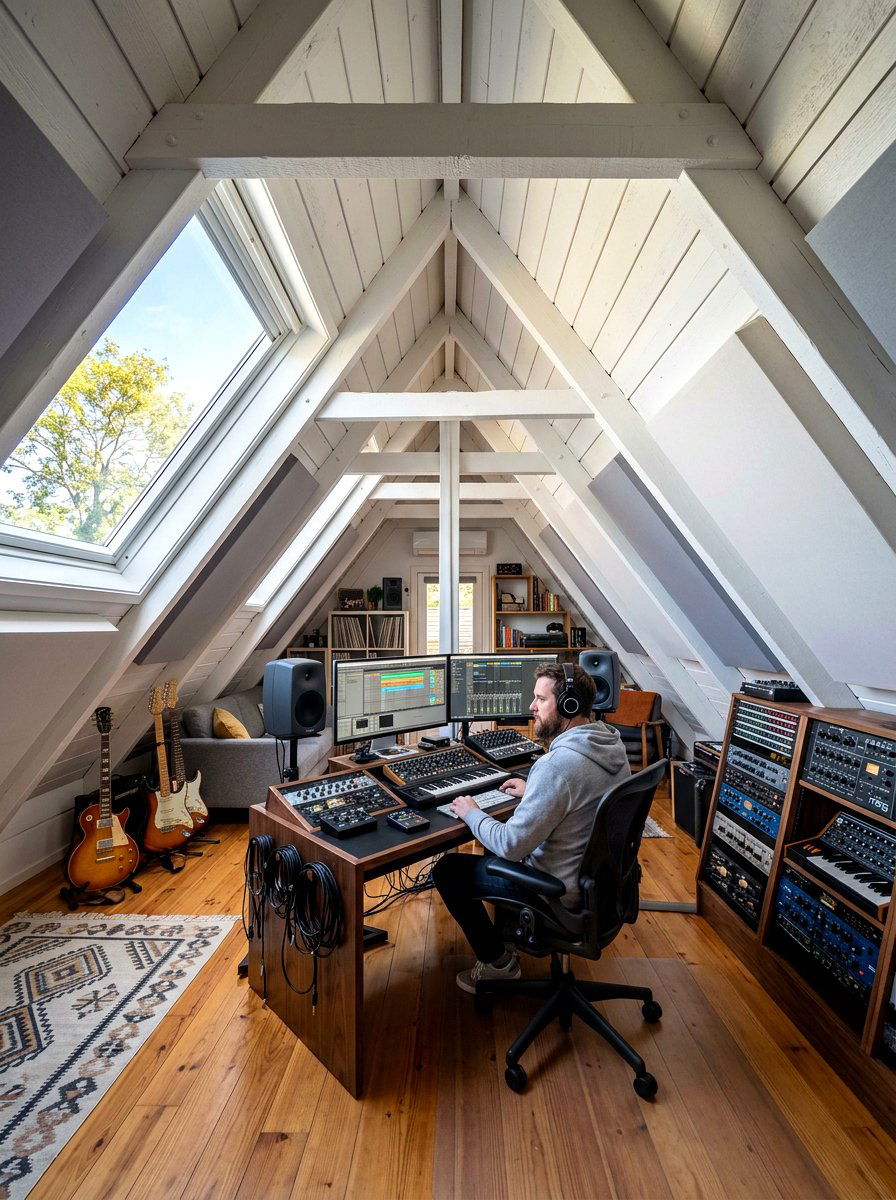
Transforming an attic into a recording space offers a unique architectural character thanks to slanted ceilings and secluded placement within the home. The angled walls naturally help in diffusing sound waves, reducing the occurrence of standing waves that often plague standard rectangular rooms. You can build custom shelving into the low-clearance areas under the eaves to store gear and instruments without sacrificing valuable floor space. Incorporating a skylight provides plenty of natural light, which can boost your mood and energy levels throughout the day. Using light-colored wood finishes and recessed lighting further enhances the airy, open feel of this specialized sanctuary, making it a perfect retreat for serious musical exploration.
5. Soundproof basement music room
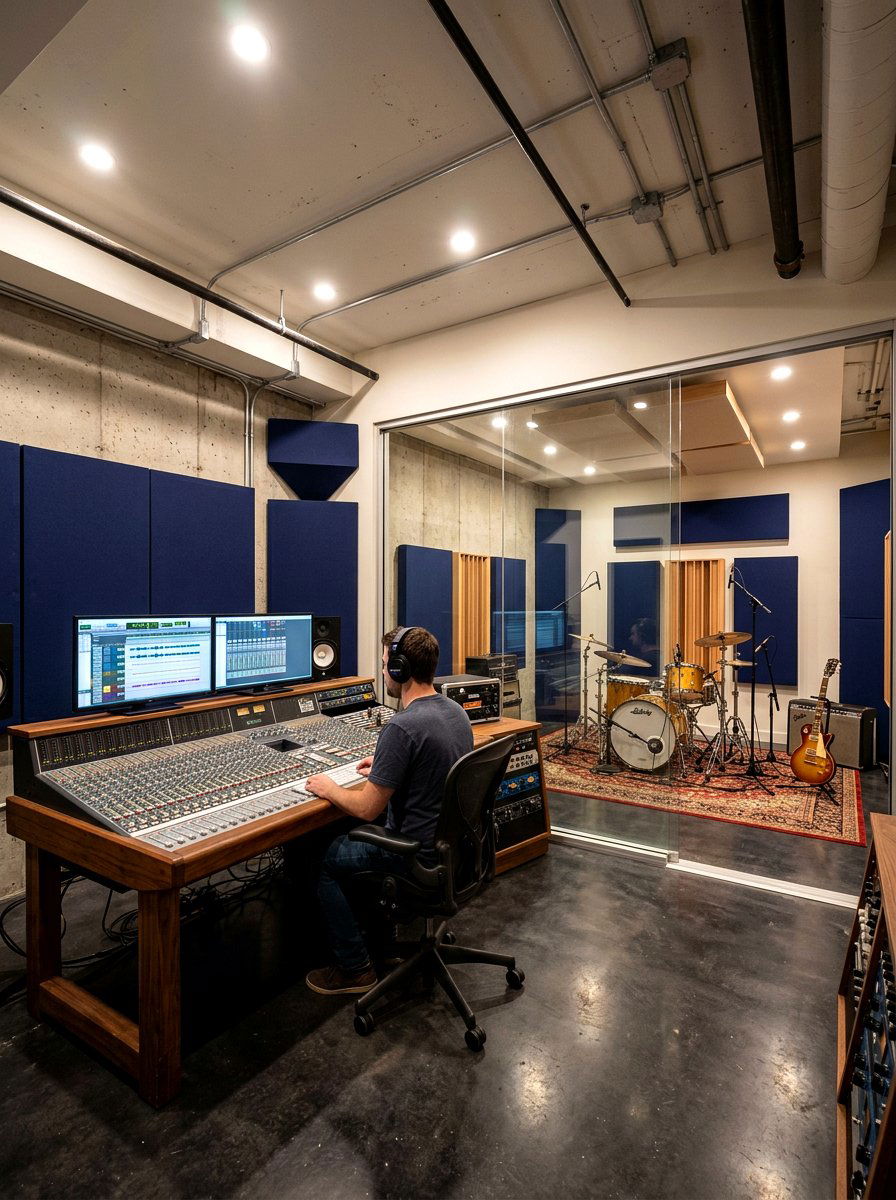
A basement offers the ideal foundation for a high-performance recording room because the surrounding earth provides natural sound isolation from external noise. To fully realize this potential, you should focus on structural soundproofing, such as adding a second layer of drywall with damping compound between the sheets. Dividing a large basement into a separate control room and a live recording area allows for a more professional workflow when tracking instruments or vocals. Deep bass traps are particularly effective in these underground spaces to prevent low-end frequencies from becoming muddy or overwhelming. With the right ventilation and lighting, a basement can become a world-class studio that provides total creative privacy.
6. Garage recording studio setup
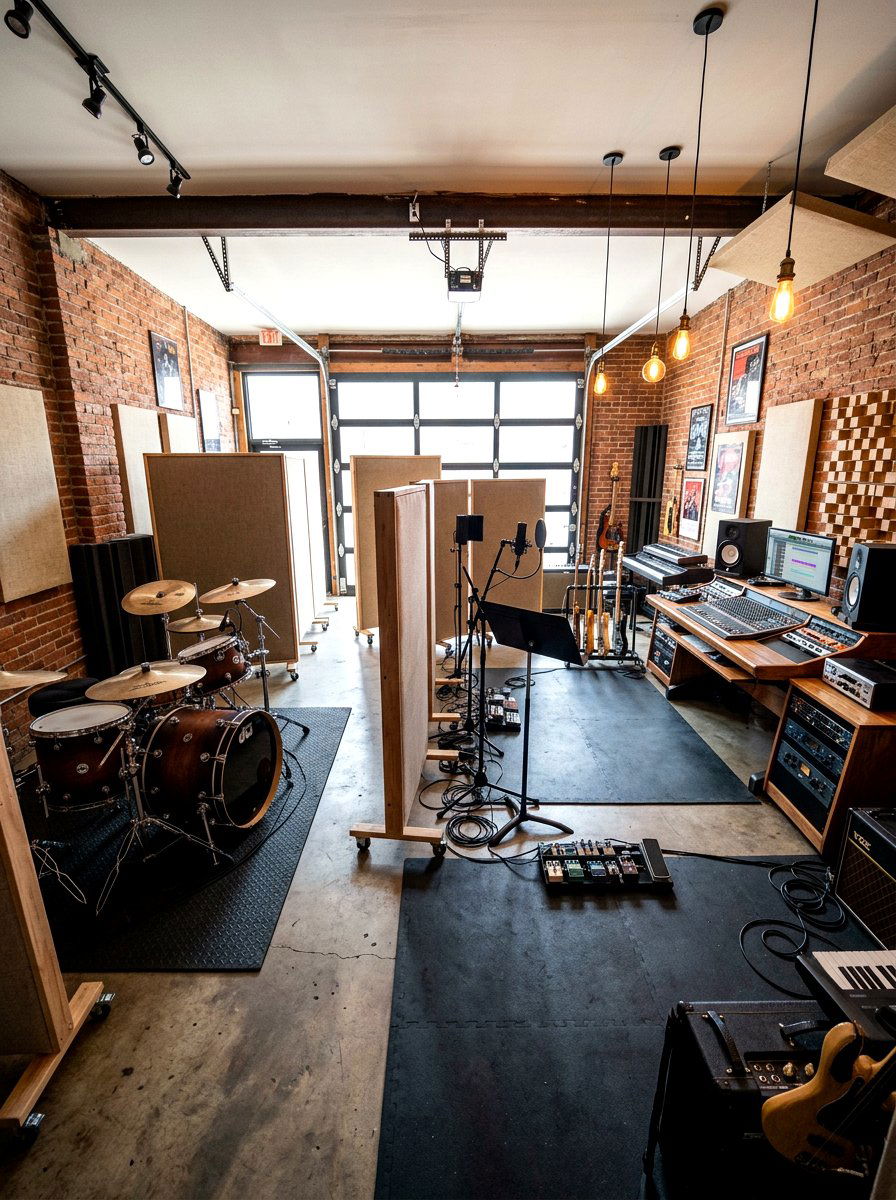
Converting a garage into a studio provides a large, versatile area that can accommodate full-band rehearsals and complex recording sessions. Since garages often have concrete floors, adding thick rubber matting or specialized subflooring is necessary to improve the acoustic response and provide comfort for long periods of standing. You can use large, mobile acoustic baffles to partition the space according to the needs of each specific project, allowing for a highly flexible environment. Industrial-style lighting and exposed brick or wood elements can give the room a rugged, professional aesthetic that inspires raw energy. This setup is perfect for creators who need a robust space that handles high-volume recording with ease.
7. Industrial style recording room
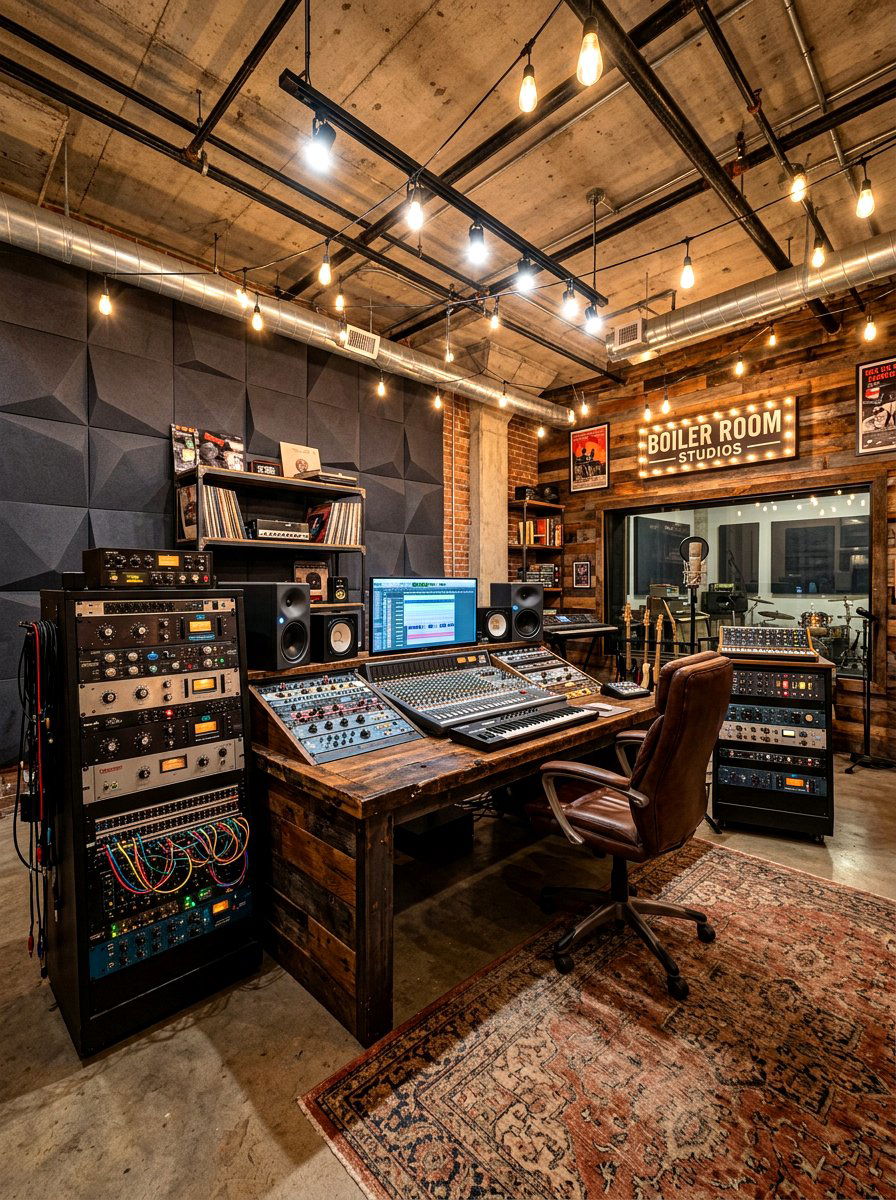
The industrial aesthetic brings a bold, professional vibe to a recording room by combining raw materials like metal, reclaimed wood, and exposed pipes. This design style often features large-scale acoustic panels with dark fabric covers that contrast sharply against brick walls or polished concrete floors. Using vintage-inspired Edison bulbs and sturdy metal equipment racks adds to the workshop-like atmosphere, suggesting a place of serious craftsmanship. To balance the hard surfaces typical of industrial design, integrate plush rugs and heavy velvet curtains to ensure the room remains acoustically dead enough for clean recordings. This theme perfectly suits producers who want a workspace that feels both edgy and functionally sophisticated.
8. Vocal booth closet conversion
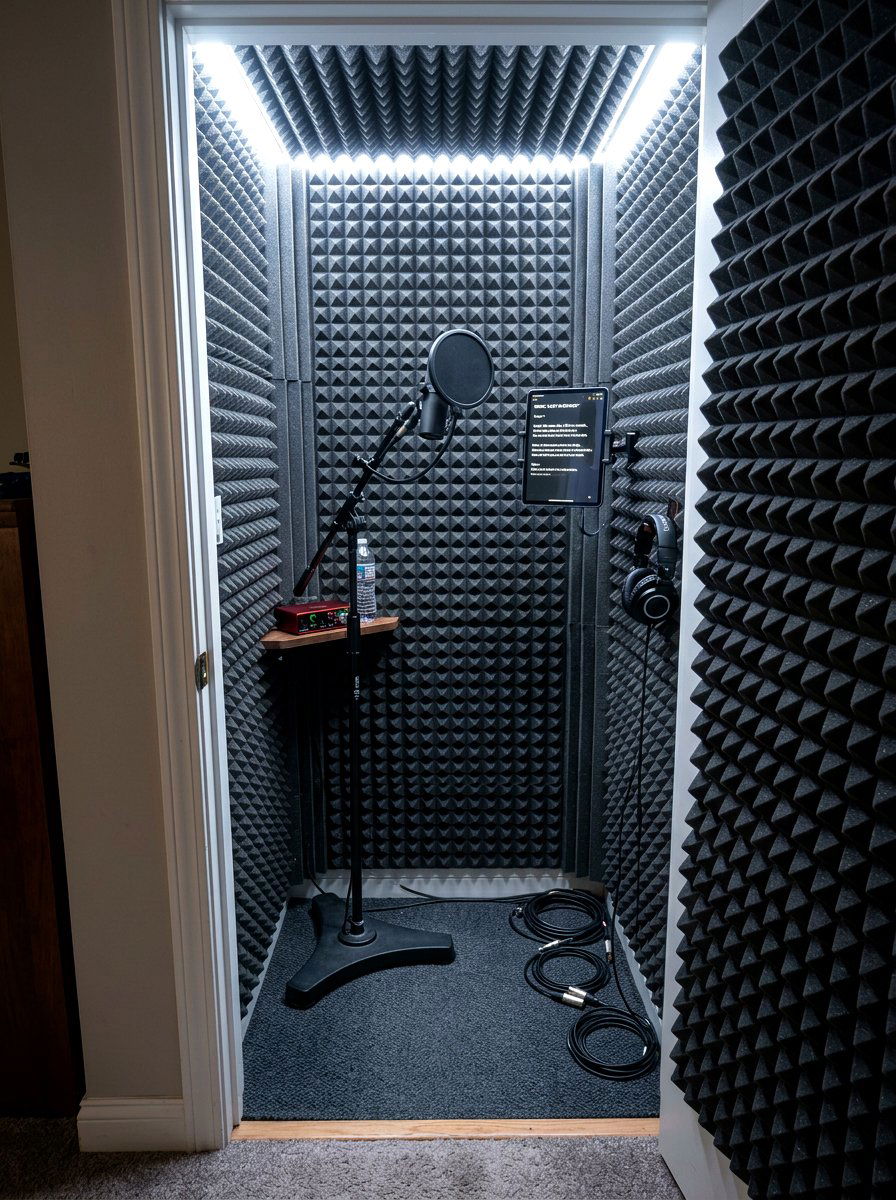
When floor space is at a premium, a walk-in closet can be ingeniously repurposed into a high-quality vocal isolation booth. The small, enclosed nature of a closet makes it relatively easy to treat with thick acoustic foam or heavy moving blankets to create a completely dry recording environment. Lighting should be kept cool and bright to ensure visibility without generating excessive heat in the confined space. Installing a small wall-mounted monitor or a tablet holder allows the vocalist to see lyrics or cues without needing a bulky music stand. This compact solution provides professional-grade vocal tracks while keeping the main room free for mixing and other creative production tasks.
9. Geometric acoustic panel wall
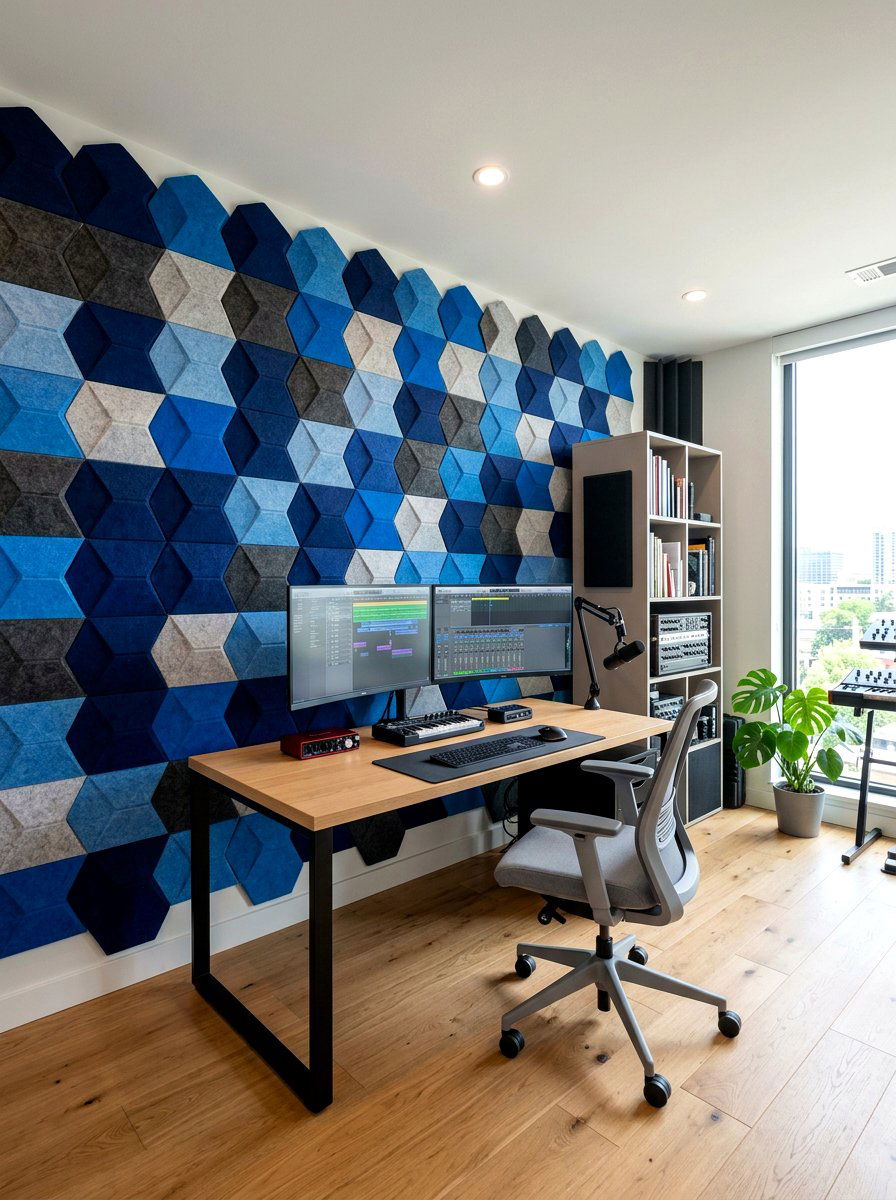
Using geometric acoustic panels is a fantastic way to combine technical sound treatment with modern interior design art. Instead of standard rectangular foam, you can arrange hexagonal or triangular felt panels in intricate patterns to create a stunning visual focal point behind your monitors. These panels come in a wide variety of colors, allowing you to match the room’s palette or introduce a vibrant pop of energy to the space. Beyond their looks, these panels are highly effective at scattering and absorbing mid-to-high frequency reflections that can interfere with your listening accuracy. This approach proves that professional acoustic treatment can also be a beautiful and expressive part of your studio decor.
10. Mid century modern studio
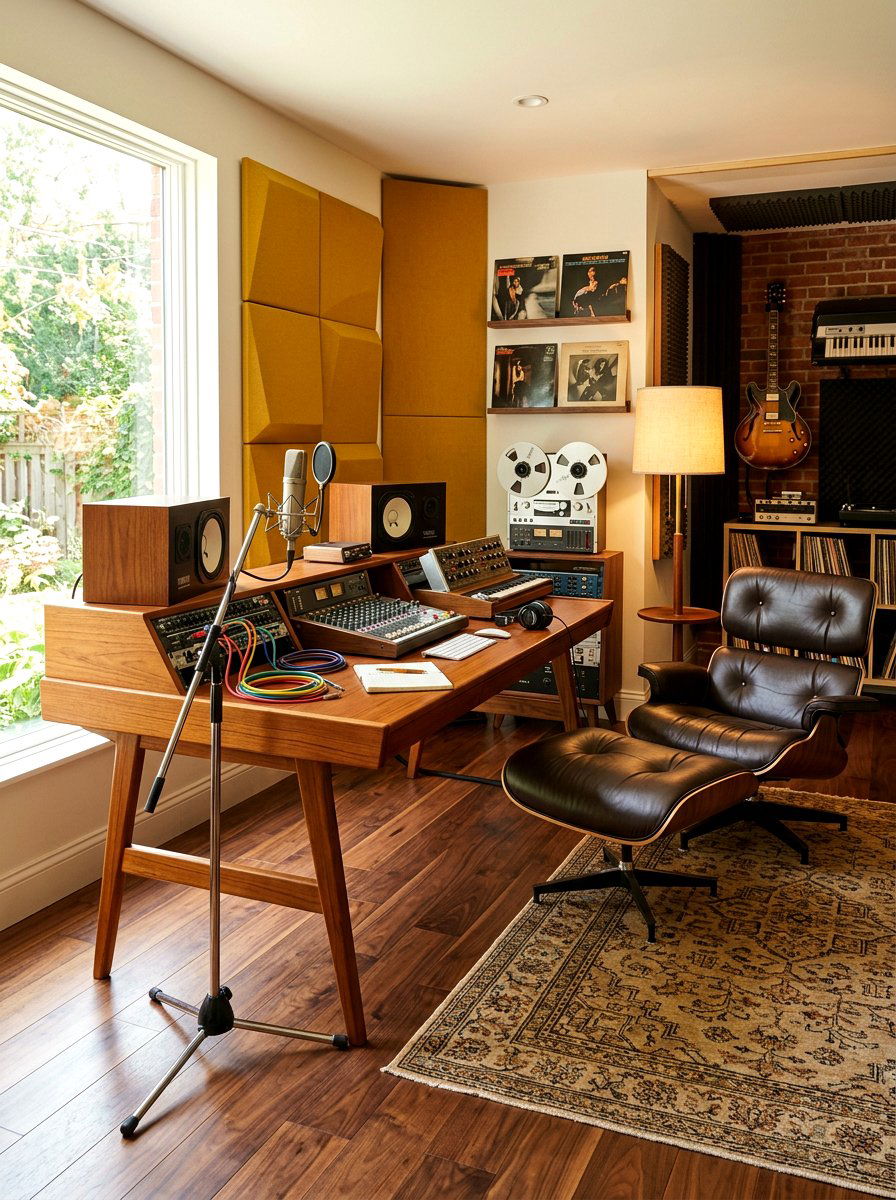
A mid-century modern theme brings a timeless sense of sophistication and warmth to a recording room through the use of organic shapes and rich woods. Teak or walnut desks with tapered legs provide a sturdy yet elegant foundation for your gear, while retro-styled chairs offer ergonomic support with a vintage flair. Acoustic treatments can be cleverly disguised as minimalist wall art, using wooden slats or fabric panels in earth tones like mustard yellow or burnt orange. Soft, ambient lighting from iconic floor lamps helps create a relaxed mood that is perfect for late-night songwriting sessions. This style creates a polished, professional environment that feels like a classic high-end studio.
11. Wood slat acoustic studio
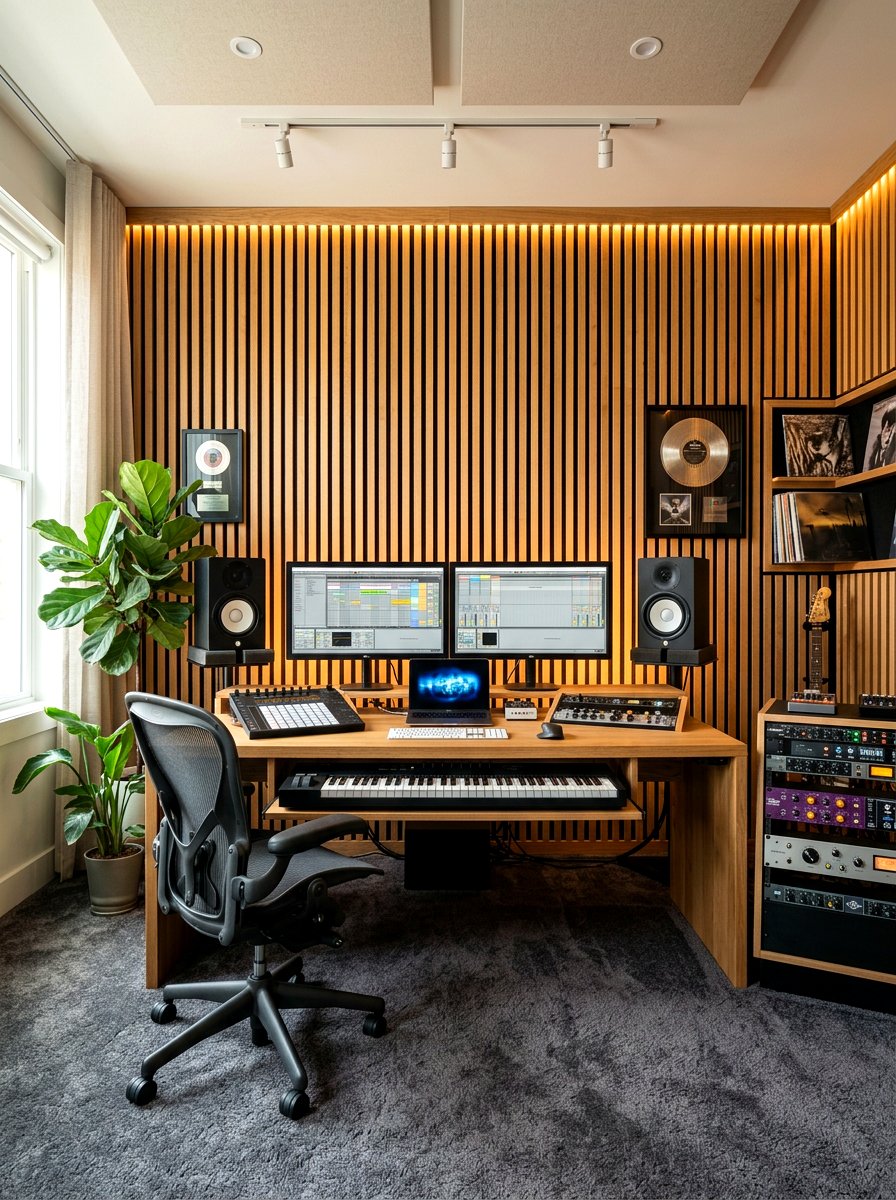
Wood slat walls have become a premier choice for modern studios because they offer a perfect balance of sound absorption and natural diffusion. By mounting thin wooden strips over a layer of dark acoustic felt, you create a surface that looks incredibly high-end while effectively treating the room's acoustics. This design prevents the space from sounding too "dead, " which is often a problem with rooms covered entirely in foam. The natural grain of the wood adds a biophilic element that reduces stress and promotes a sense of calm during intense sessions. This theme works exceptionally well in larger rooms where the architectural detail can truly shine as a major design element.
12. Gaming and music production
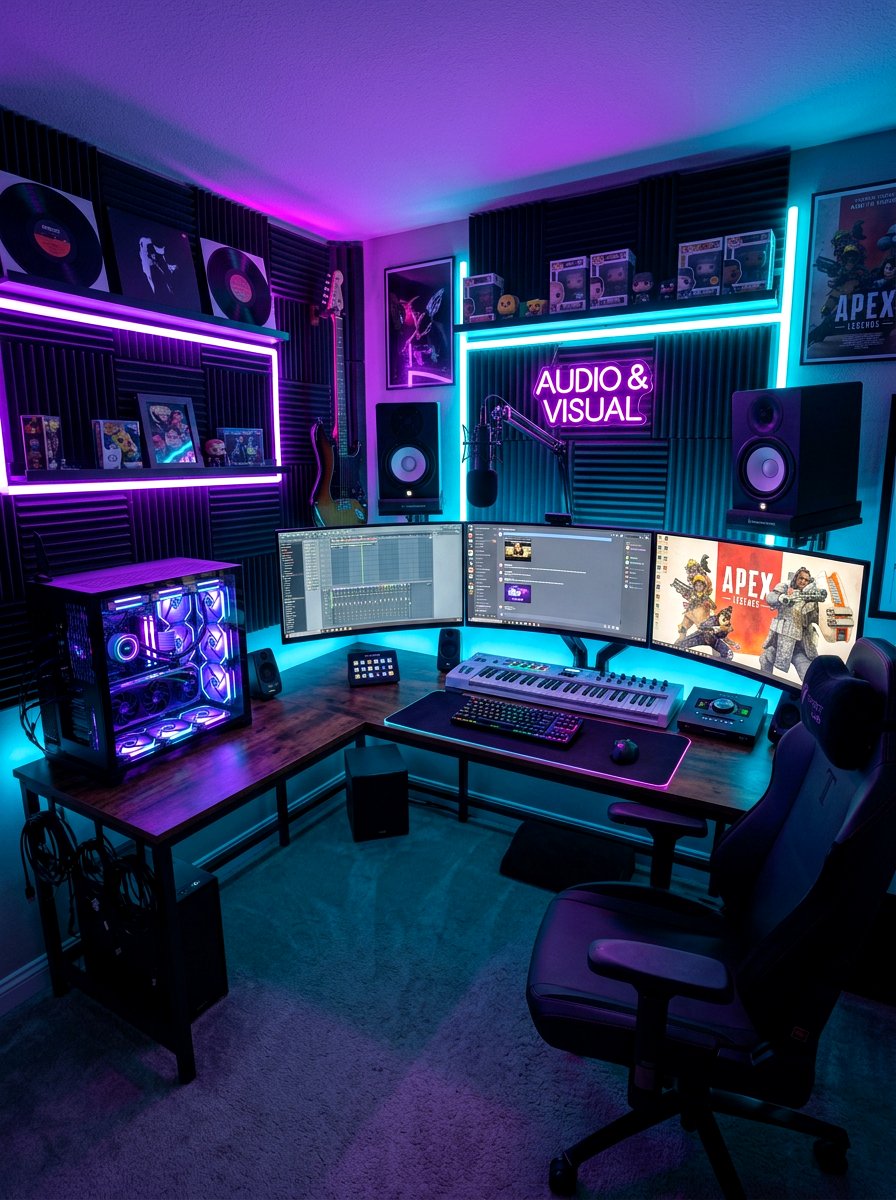
Creating a hybrid room that serves both high-level gaming and professional music production requires a focus on versatile ergonomics and immersive lighting. A wide, sturdy desk is necessary to accommodate multiple monitors, a gaming PC, and your essential studio gear like an audio interface and MIDI keyboard. Integrated RGB lighting can be synced to both your gameplay and your music software, creating a cohesive visual experience that changes with your current activity. High-quality boom arms allow you to switch your microphone position easily between streaming and vocal recording. This dual-purpose setup is ideal for the modern content creator who needs a high-performance environment for diverse digital pursuits.
13. Bohemian creative music space
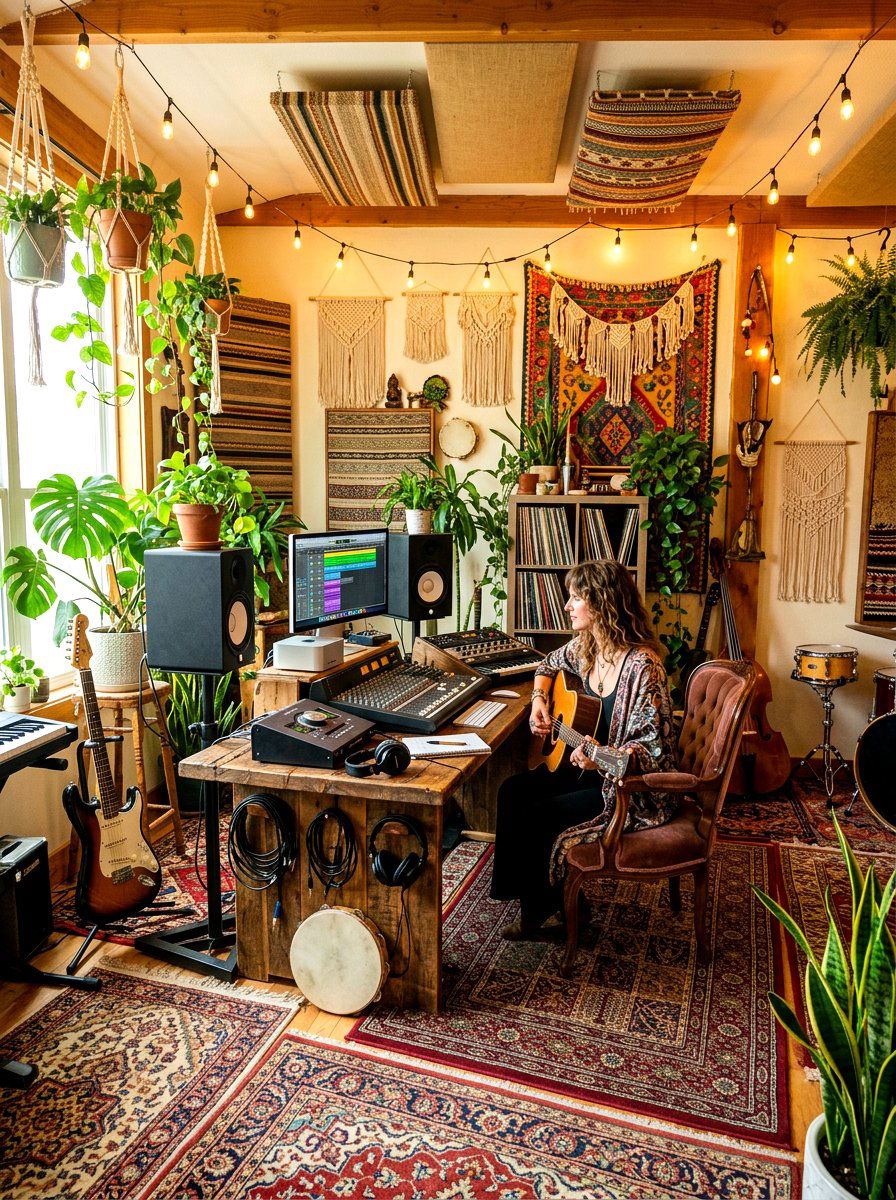
A bohemian-style recording room prioritizes comfort, texture, and a relaxed, free-spirited atmosphere to encourage uninhibited creative expression. This design often features a mix of layered oriental rugs, plush floor cushions, and an abundance of indoor plants that bring life to the space. Acoustic treatment can be integrated using decorative tapestries or macramé wall hangings placed over hidden insulation panels to maintain a consistent aesthetic. Soft, warm lighting from string lights or floor lanterns creates a dreamy, low-pressure environment that is perfect for acoustic sessions and songwriting. This approach turns a technical workspace into a sanctuary where artists feel comfortable taking risks and exploring new musical ideas.
14. Dark moody studio aesthetic
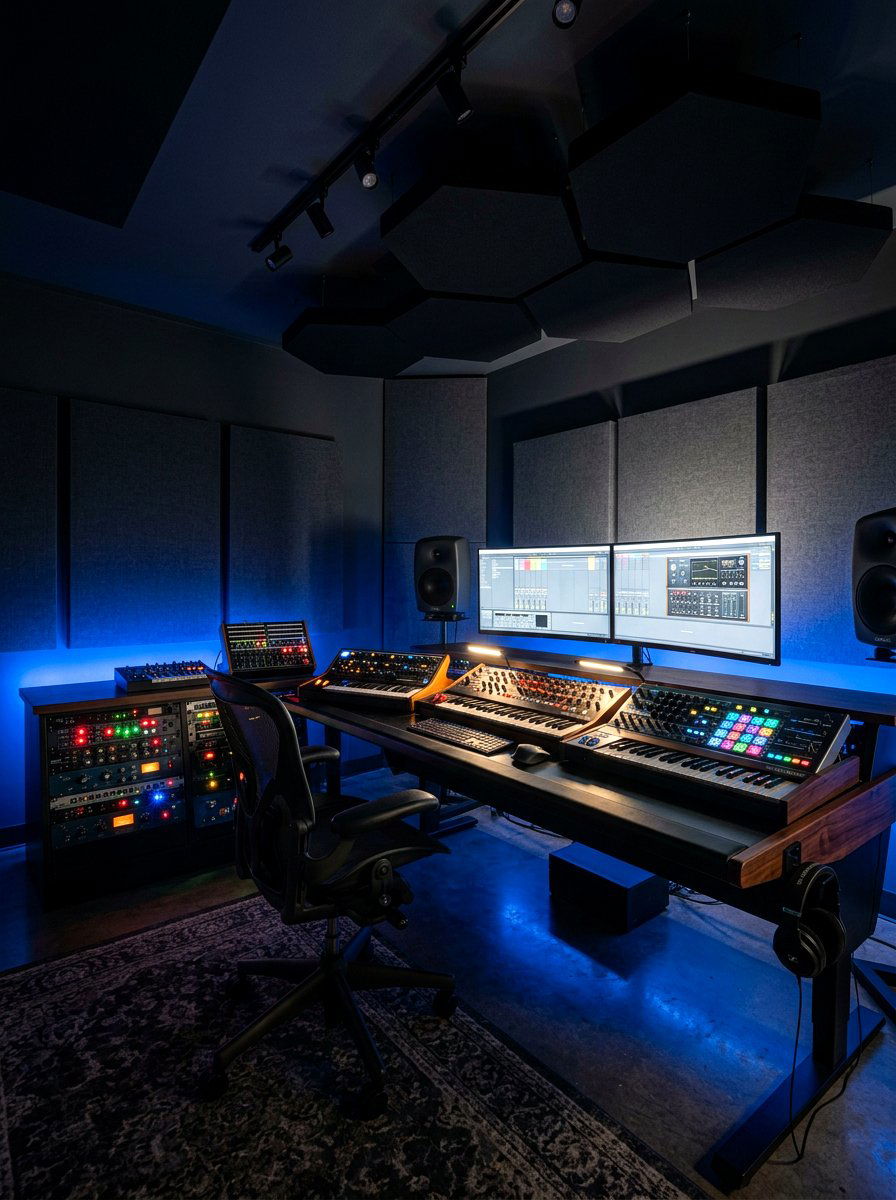
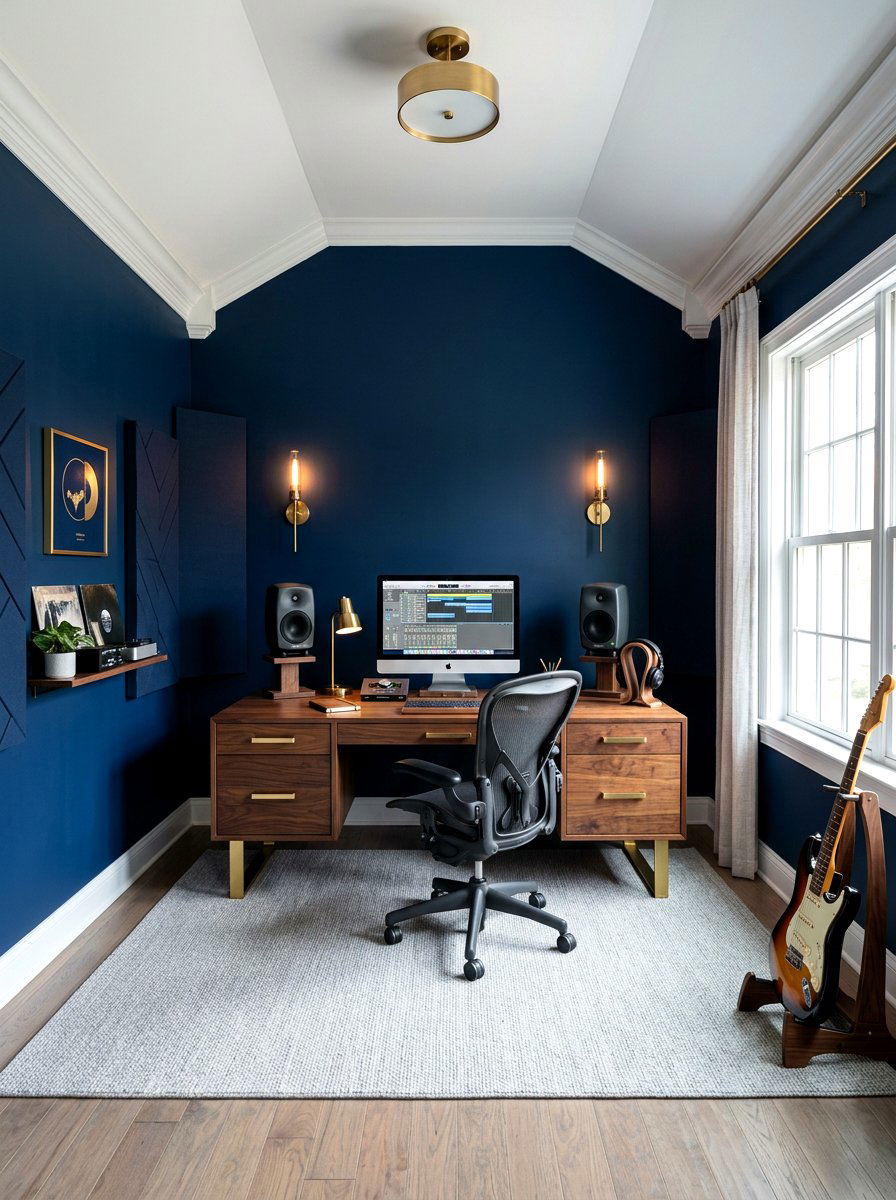
The dark moody aesthetic is a popular choice for producers who prefer a focused, late-night vibe that feels private and immersive. By using deep charcoal, navy, or black on the walls and acoustic panels, you minimize visual distractions and create a cocoon-like environment. Strategic accent lighting, such as dimmable LED strips or small spotlights on key pieces of gear, provides enough visibility while maintaining the room's mysterious character. This high-contrast look makes high-tech equipment like glowing synthesizers and monitor screens stand out beautifully. The resulting atmosphere is sophisticated and intense, often helping creators tap into a deeper level of focus during the mixing and mastering stages.
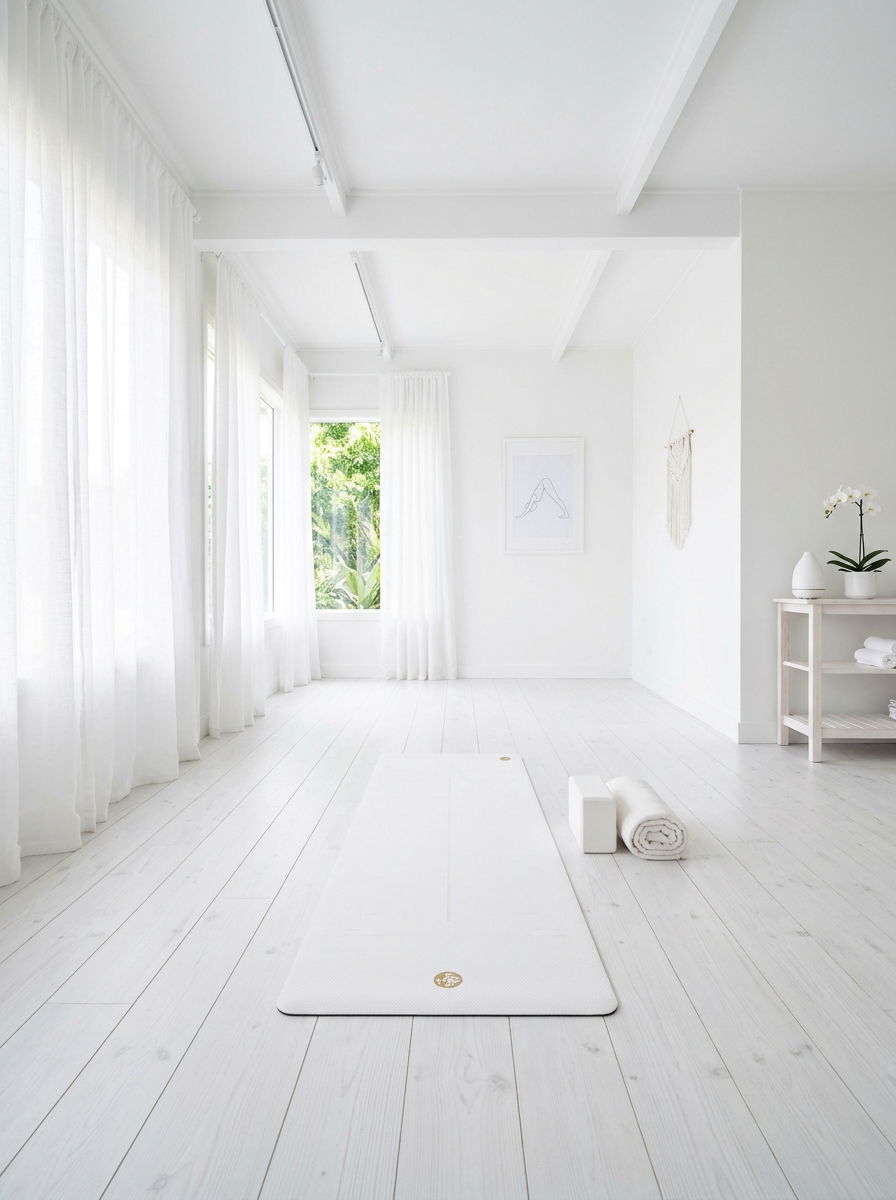
15. White minimalist recording area
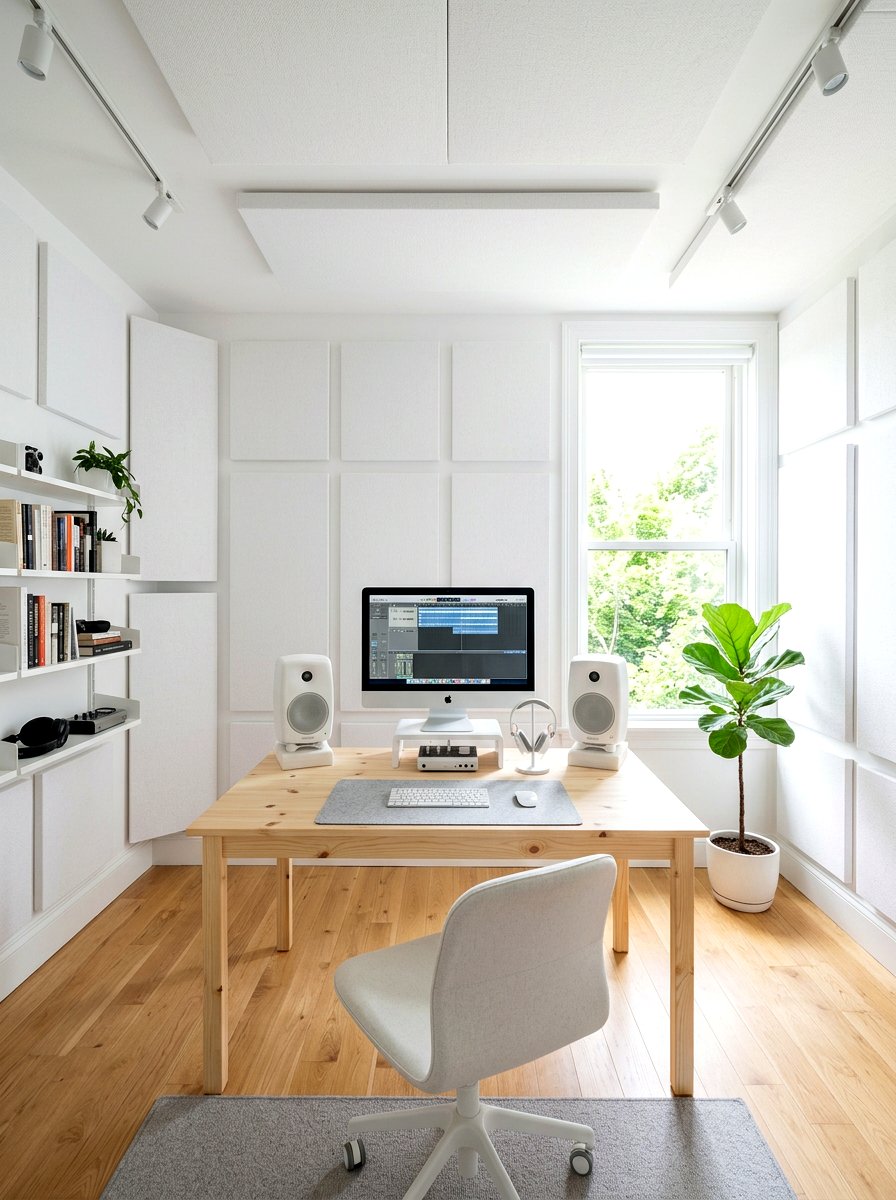
A bright, white minimalist recording room offers a clean and airy feeling that can make even a small basement or spare room feel much larger. This design relies on white acoustic panels and light-toned furniture to reflect light and maintain a sense of openness and clarity. To prevent the room from feeling sterile, you can introduce subtle textures through light wood accents or a single statement plant. The lack of visual clutter helps keep your mind clear and organized, which is especially beneficial when managing complex projects with many tracks. This aesthetic is perfect for creators who want a modern, professional look that feels fresh and incredibly organized.
16. Floating ceiling acoustic clouds
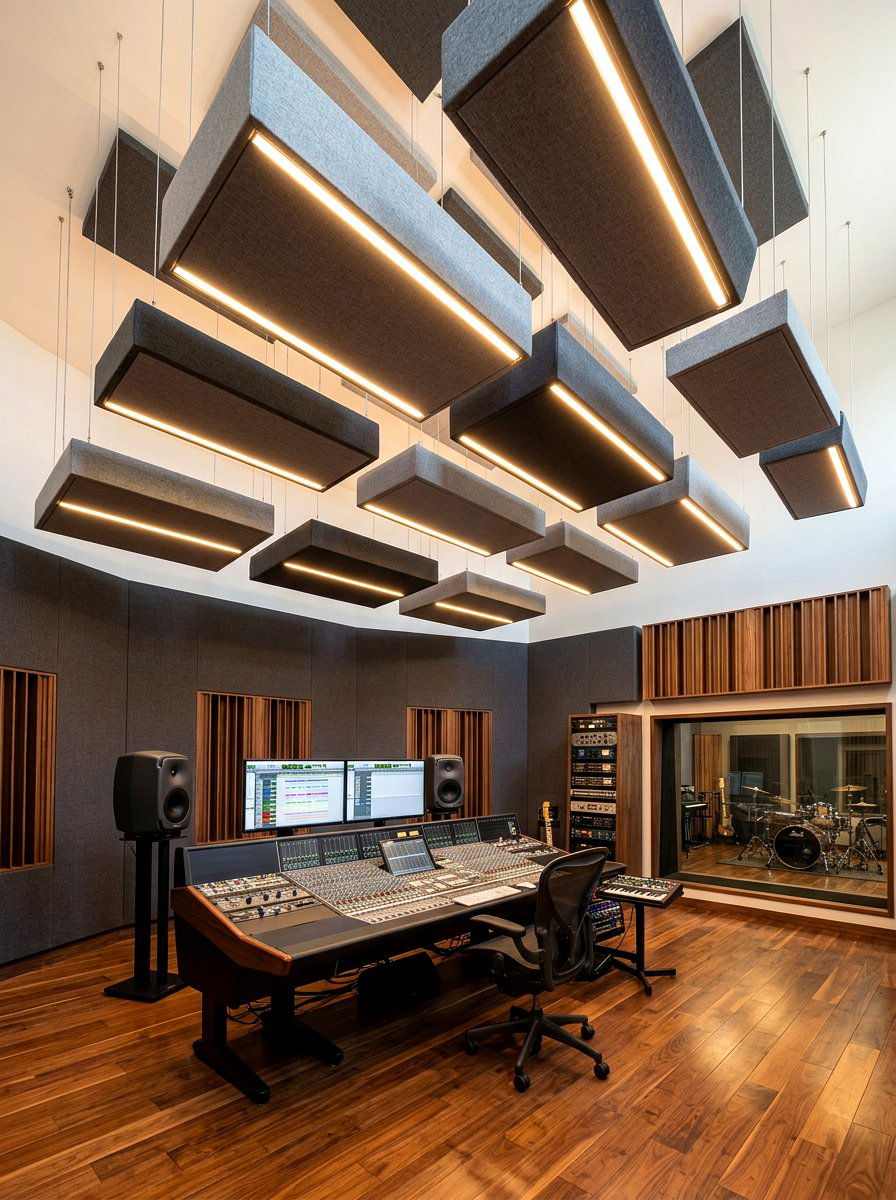
Installing floating acoustic clouds is an advanced technique that addresses sound reflections from the ceiling while adding a dramatic architectural element to the room. These suspended panels are typically positioned directly above the mixing desk or the recording area to capture upward-traveling sound waves before they can bounce back. You can customize the look of these clouds by choosing different fabric colors or even integrating recessed LED lighting into the panels for a futuristic glow. By treating the "fifth wall" of the room, you significantly improve the overall stereo imaging and clarity of your studio monitors. This feature is a hallmark of professional-grade studios and adds a high-end feel to any home setup.
17. Portable mobile recording station
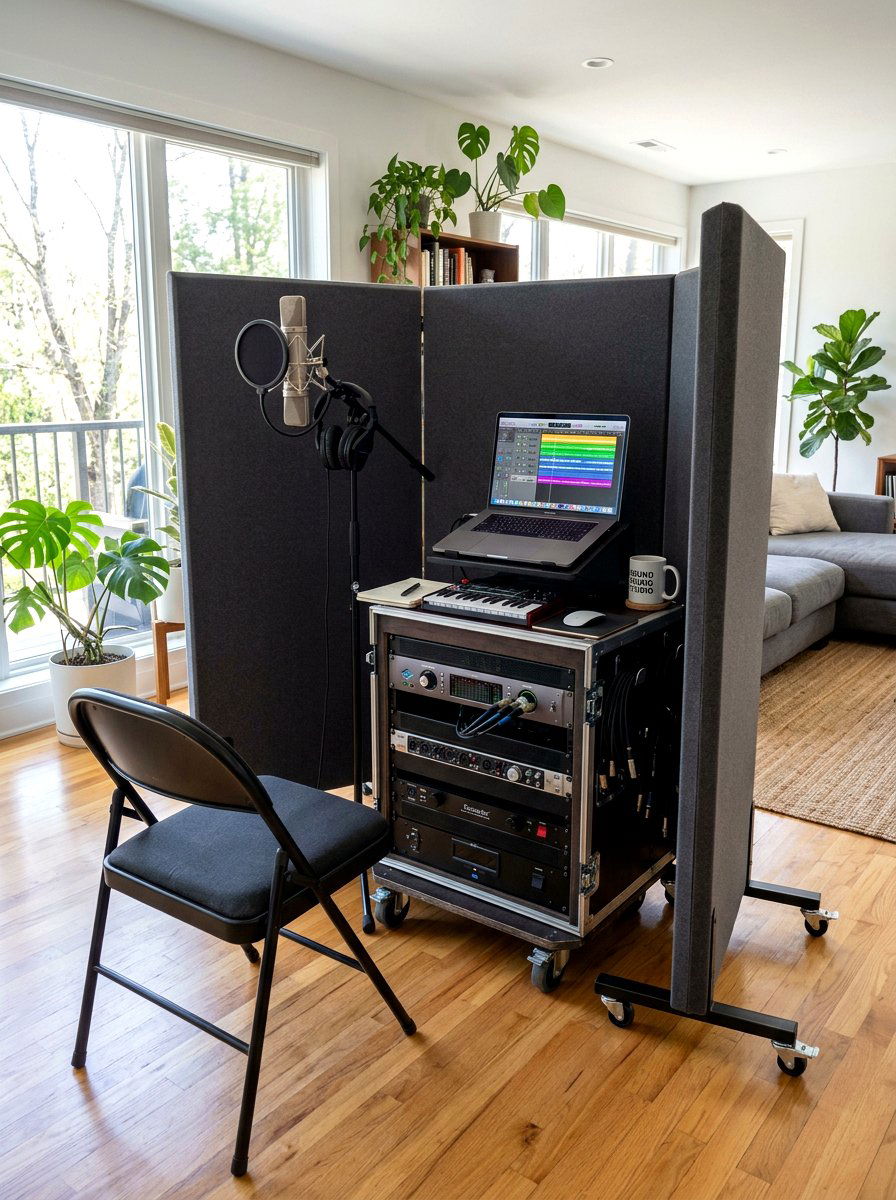
A mobile recording station is an excellent solution for creators who need flexibility or have limited space that must serve multiple purposes throughout the day. By mounting your essential gear onto a heavy-duty rolling rack or a specialized mobile desk, you can easily move your entire setup to the best-sounding part of the room. This approach allows you to stow your equipment in a closet when not in use, keeping your living space tidy. Portable acoustic screens can be positioned around the mobile station to create a temporary recording booth wherever it is needed. This versatile setup is ideal for those who record in different locations or live in shared housing.
18. Professional control room arrangement
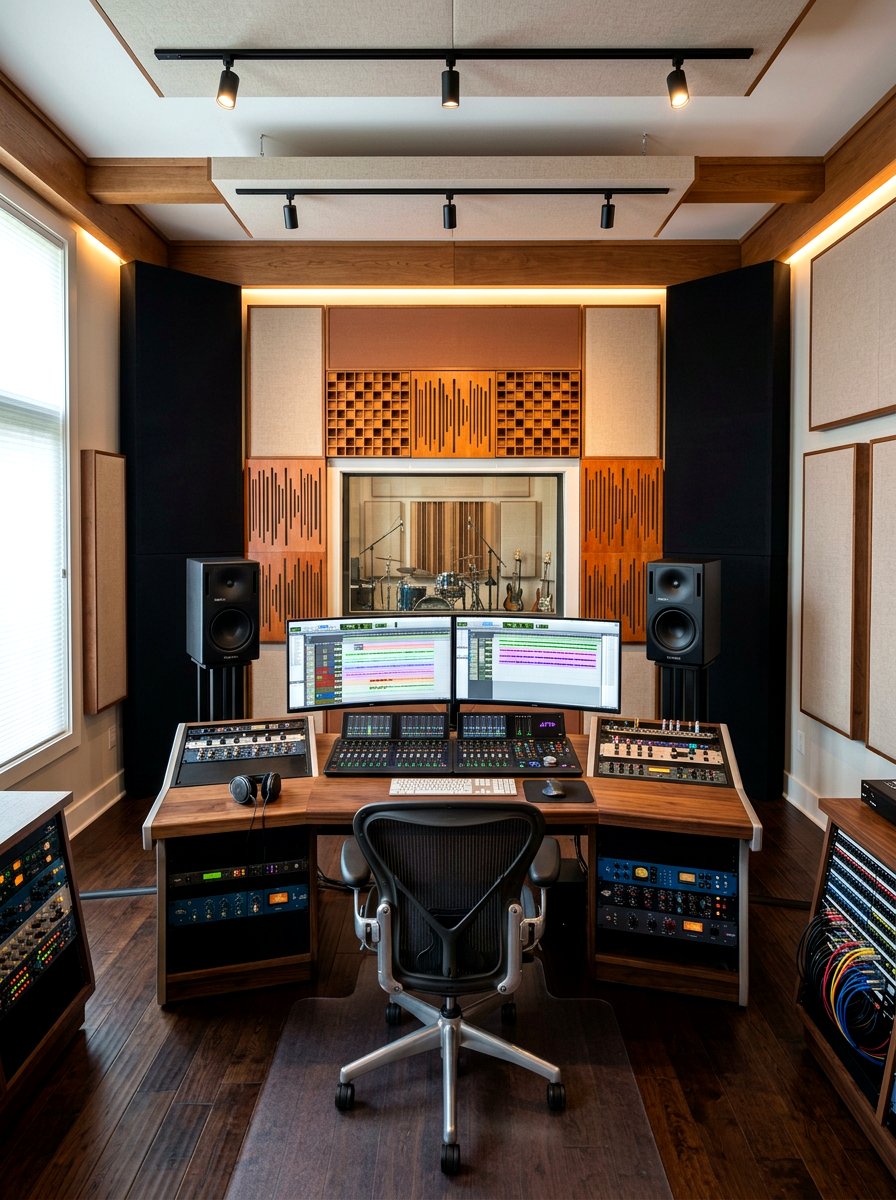
Designing a recording room with a dedicated control room layout prioritizes the accuracy of the listening environment for mixing and mastering. The primary focus is the symmetrical placement of the desk and studio monitors along the shorter wall to ensure a balanced soundstage. Heavy bass traps are essential in the corners to manage low-end buildup, while diffusers on the back wall help maintain a sense of space. A comfortable, ergonomic task chair is a must for the long hours spent refining audio details. This structured environment is tailored for the technical side of production, providing the precise feedback needed to create professional-grade mixes that translate well across all speaker systems.
19. Live band rehearsal space
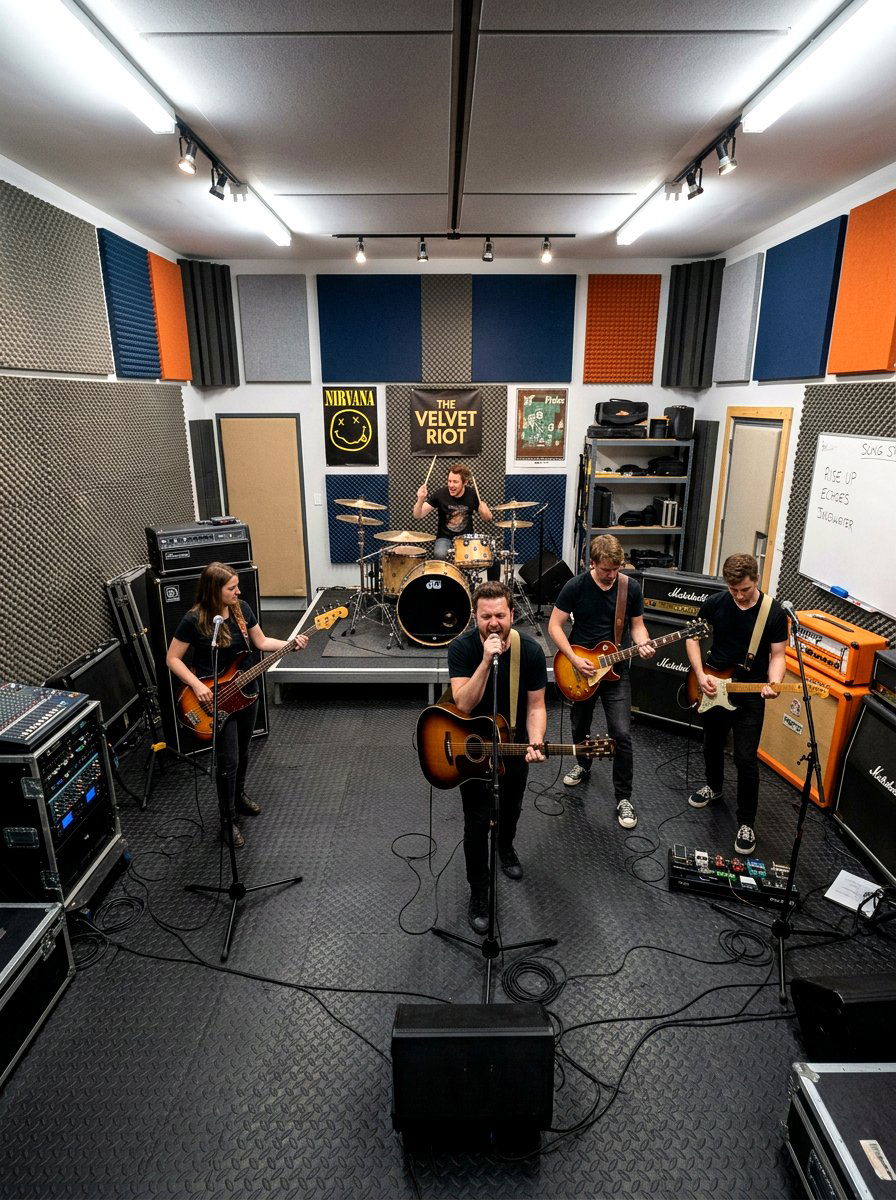
A room designed for live band recording and rehearsal must be large enough to accommodate multiple musicians while providing excellent sound isolation from the rest of the house. You should focus on creating a layout that allows for clear sightlines between the drummer, guitarists, and the engineer to facilitate communication during a take. Using rugged, durable materials for wall treatments and flooring ensures the room can handle the wear and tear of heavy equipment and frequent foot traffic. Integrated cable channels in the floor or walls can help keep the space organized and prevent tripping hazards during energetic sessions. This setup is built for collaboration and the high-energy demands of live performance.

20. Synthesizer workstation room design
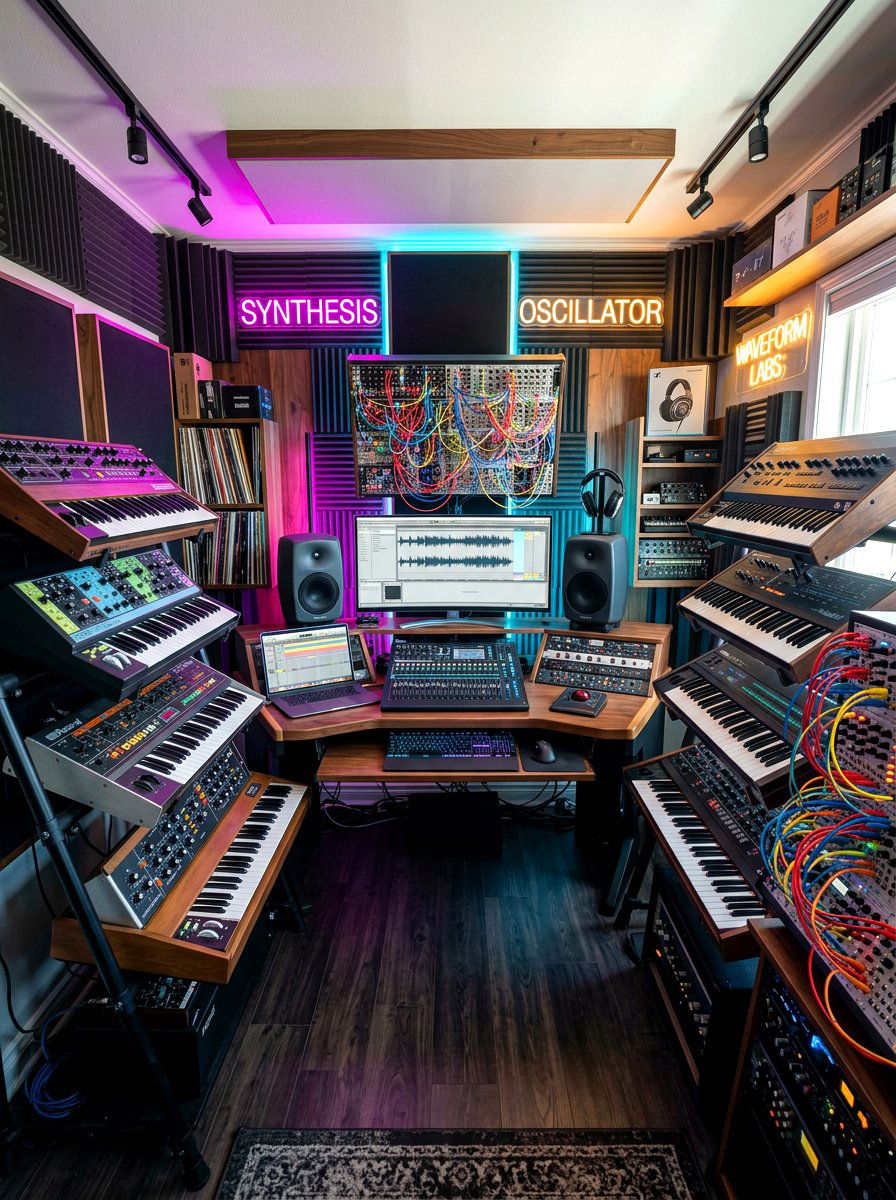
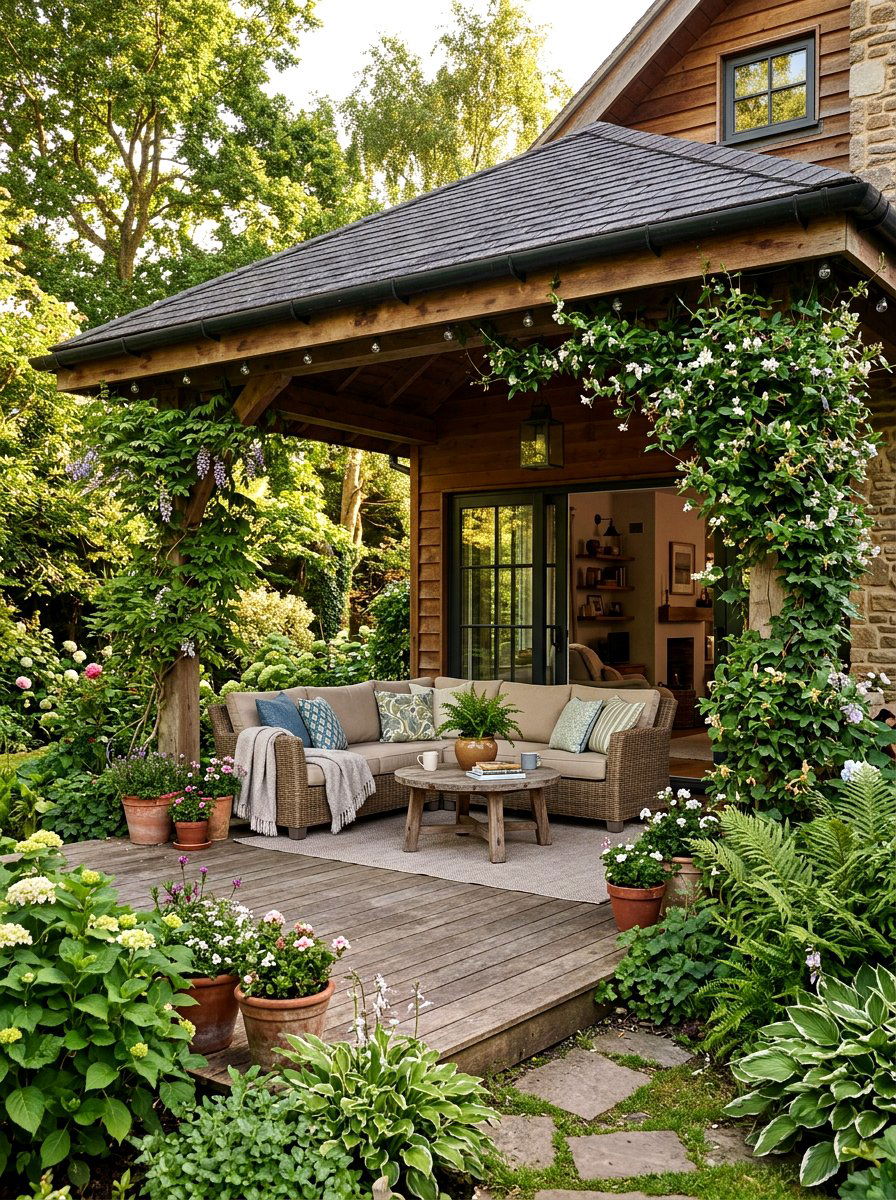
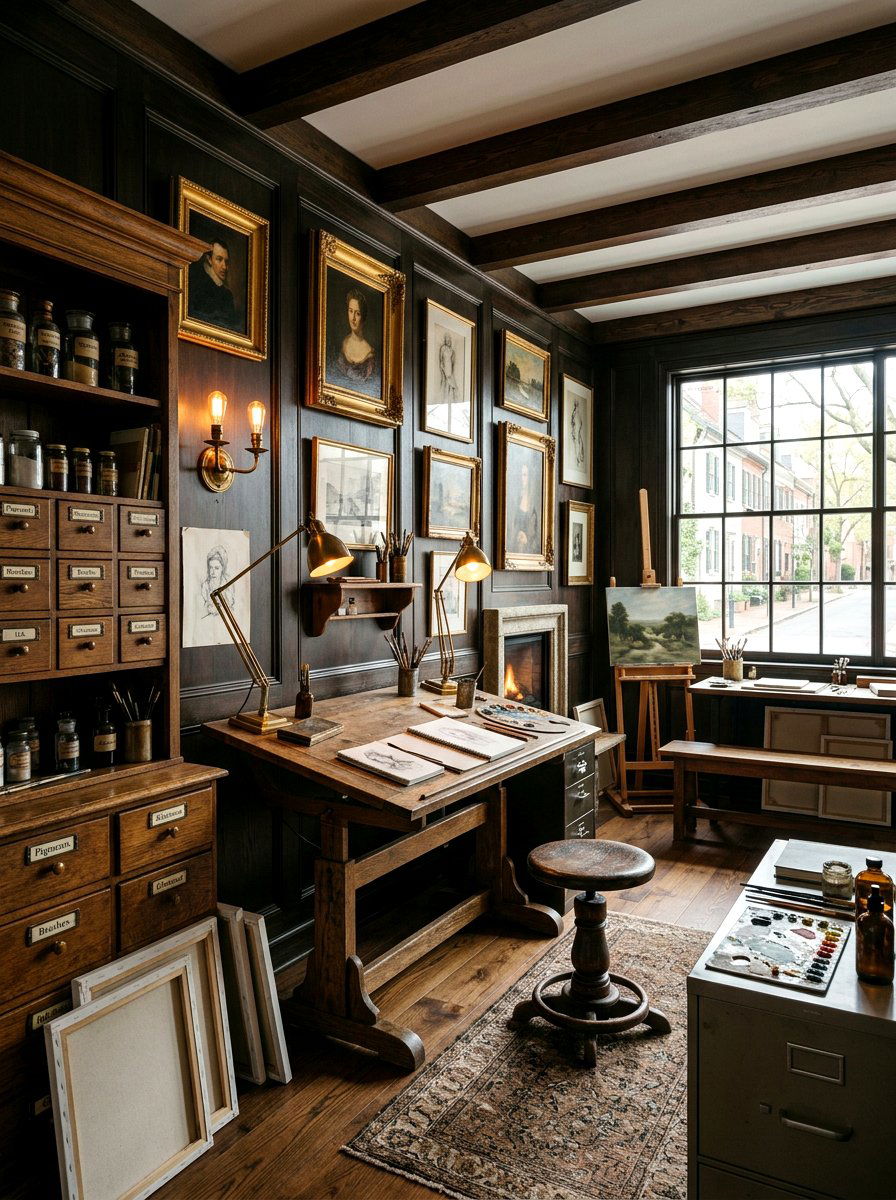
A studio dedicated to electronic music and synthesizers requires a layout that makes a large amount of hardware easily accessible and inspiring to play. Multi-tiered keyboard stands or custom-built shelving allow you to stack multiple instruments vertically, saving valuable floor space while keeping everything within arm's reach. Cable management is a top priority here to prevent a "spaghetti" of wires from cluttering the workstation and interfering with the creative flow. Many synth enthusiasts use colorful patch cables and vibrant LED lighting to emphasize the tech-focused nature of the room. This design turns an collection of instruments into a cohesive, futuristic workstation that invites endless sonic experimentation and tactile sound design.
21. Biophilic studio with plants
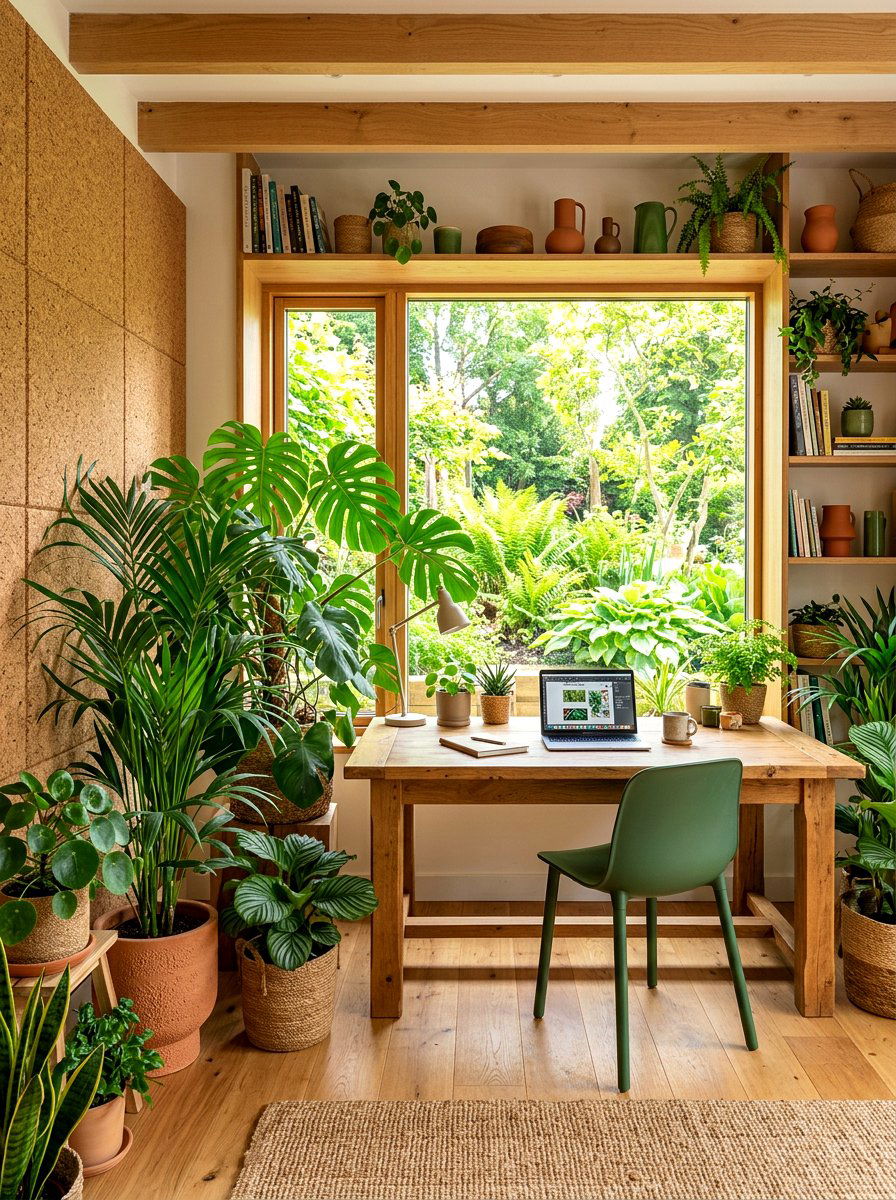
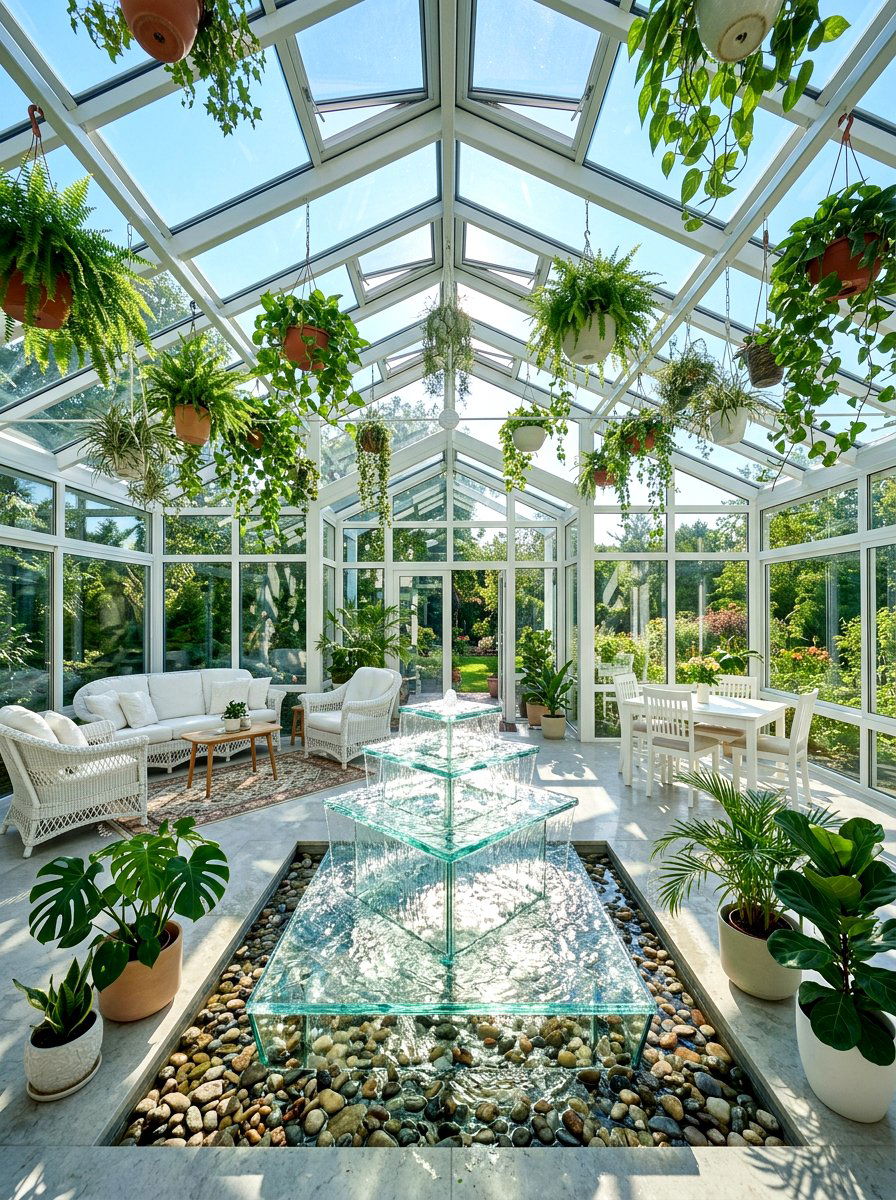
Integrating biophilic design into a recording room involves using natural elements like indoor plants and sunlight to create a healthier and more inspiring workspace. Lush greenery not only purifies the air but also acts as a subtle natural diffuser for high-frequency sound waves. Large leafy plants like monsteras or fiddle leaf figs can be placed in corners to soften the room’s aesthetics and improve the overall vibe. Using natural materials like bamboo or cork for acoustic panels further enhances the connection to nature. This theme is known to reduce stress and boost creativity, making it a wonderful choice for artists who want a serene and life-filled environment for their music.
22. Luxury modern music suite
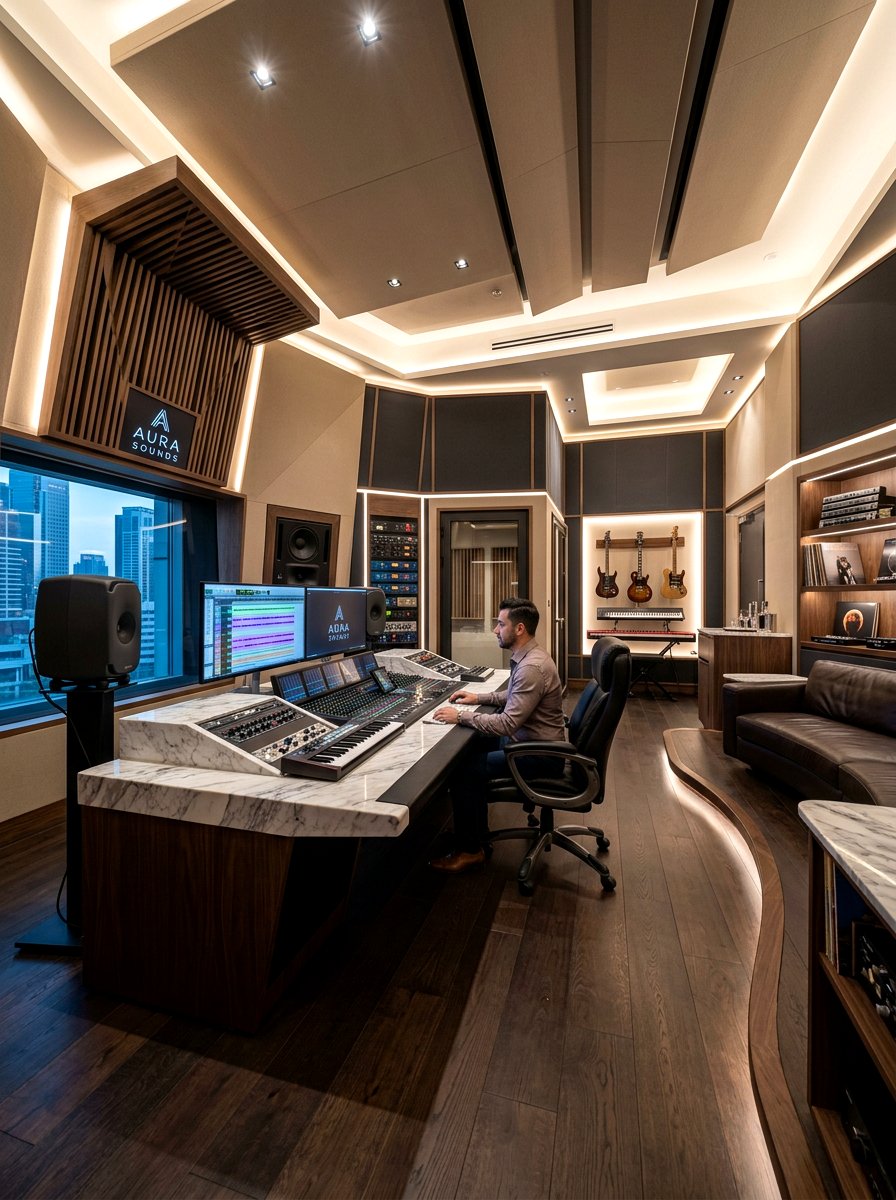
A luxury music suite represents the pinnacle of home studio design, combining top-tier equipment with high-end interior finishes and customized architectural details. This style often features premium materials such as marble accents, custom leather seating, and sophisticated cabinetry to hide away any non-essential items. The lighting is typically a mix of elegant pendant fixtures and hidden architectural accents that can be adjusted to suit the mood of the session. Every piece of acoustic treatment is integrated seamlessly into the room’s design, appearing as a deliberate architectural feature rather than an afterthought. This creates a prestigious environment that is both a powerful technical tool and a stunning showcase of personal success and style.
23. Glass partition recording studio
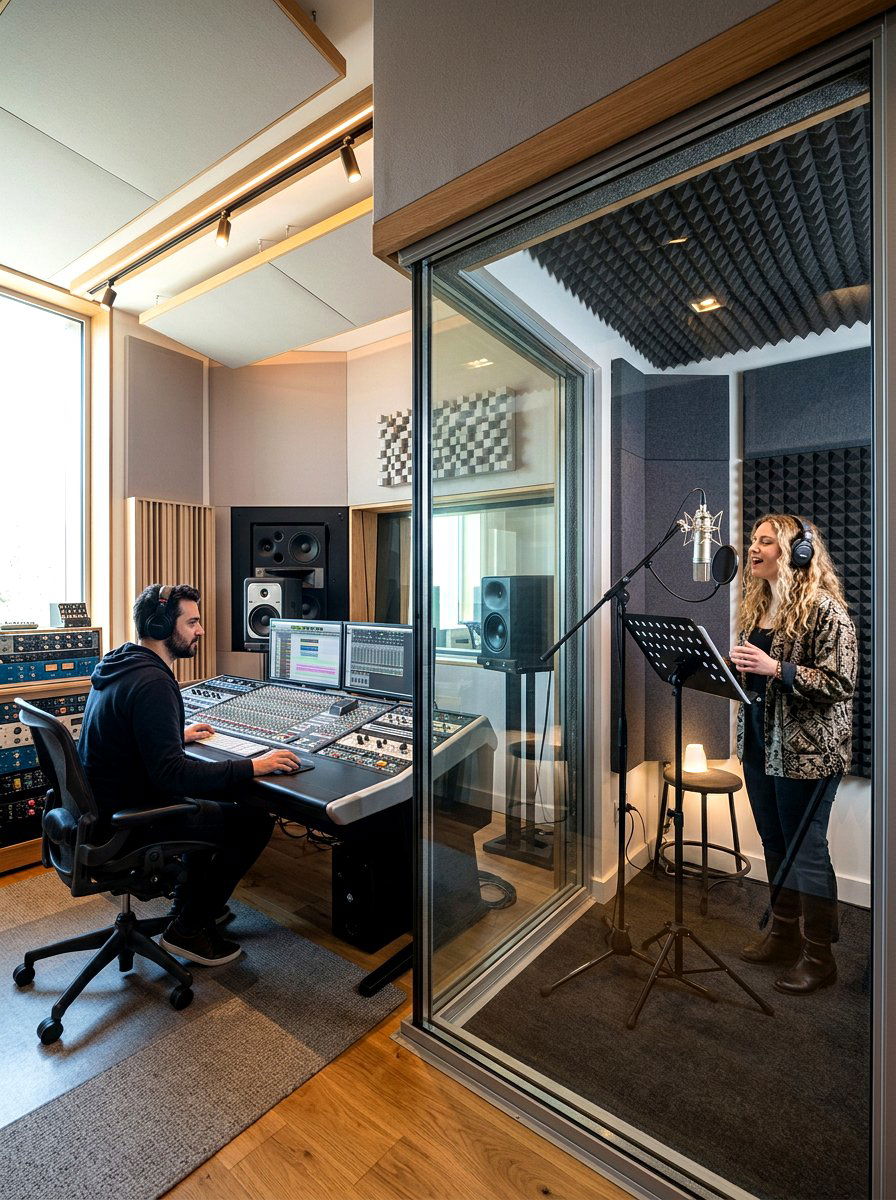
Using a glass partition is a sophisticated way to divide a recording room into separate zones while maintaining a sense of openness and visual connection. A thick, double-paned glass wall between the control room and the live recording area allows the producer to communicate visually with the artist during a performance. This layout is classic in professional studios and helps to isolate the sound of loud instruments or vocals from the monitoring environment. Modern glass partitions can be framed in sleek metal or wood to match the room’s overall aesthetic. This design provides the practical benefits of multiple rooms without making the individual spaces feel cramped or isolated from one another.
24. Modular pegboard studio wall
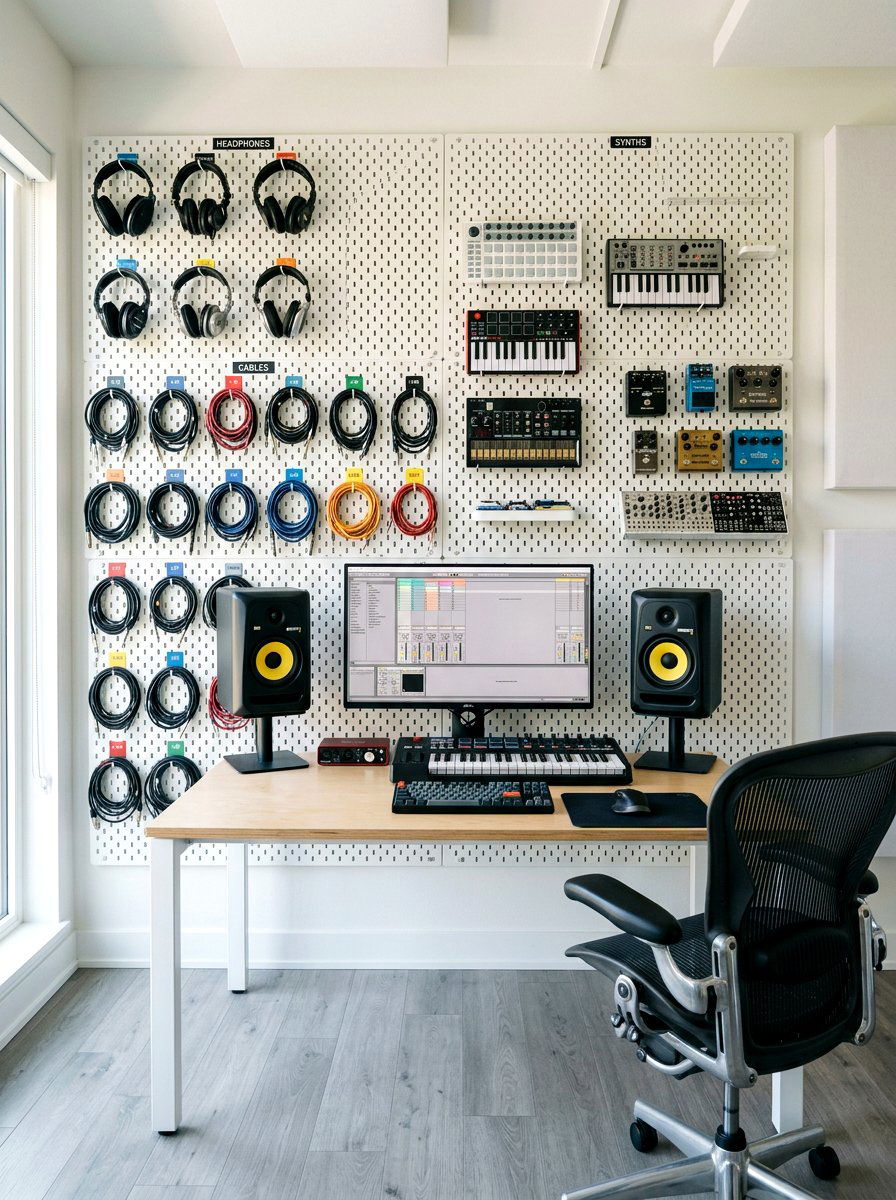
A pegboard wall is an incredibly practical and trendy solution for organizing a recording room, especially for those who use a lot of small peripherals and cables. By installing a large-scale pegboard system, you can easily hang headphones, coiled cables, and small MIDI controllers exactly where you need them. This keeps your desk surface clear and makes it easy to find gear at a glance during a busy recording session. You can paint the pegboard to match your room’s color scheme, turning a storage solution into a decorative feature. This modular approach allows your studio to evolve as your gear collection grows, providing a flexible and highly organized creative workspace.
25. Compact corner recording desk
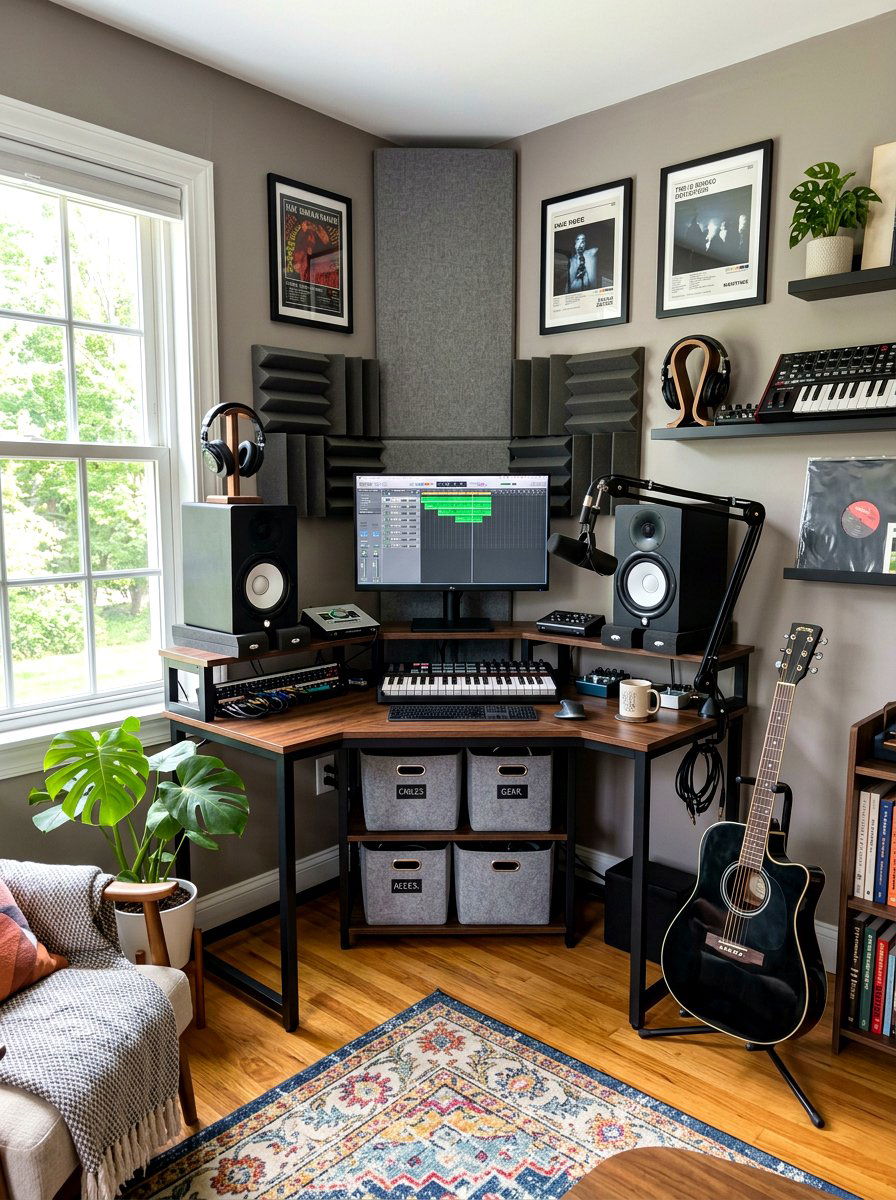
A corner recording desk is the ultimate space-saving solution for creators working in multi-use rooms like a living area or a bedroom. By utilizing the often-wasted space of a corner, you can create a focused workstation that feels separate from the rest of the room. Wrap-around desks provide plenty of surface area for your computer and monitors, while keeping everything within an easy 90-degree reach. Adding corner-specific bass traps behind the desk helps to manage the natural acoustic buildup that occurs where two walls meet. This setup is highly efficient and proves that you don't need an entire spare room to build a professional-quality recording environment that produces great results.
26. Analog vintage recording room
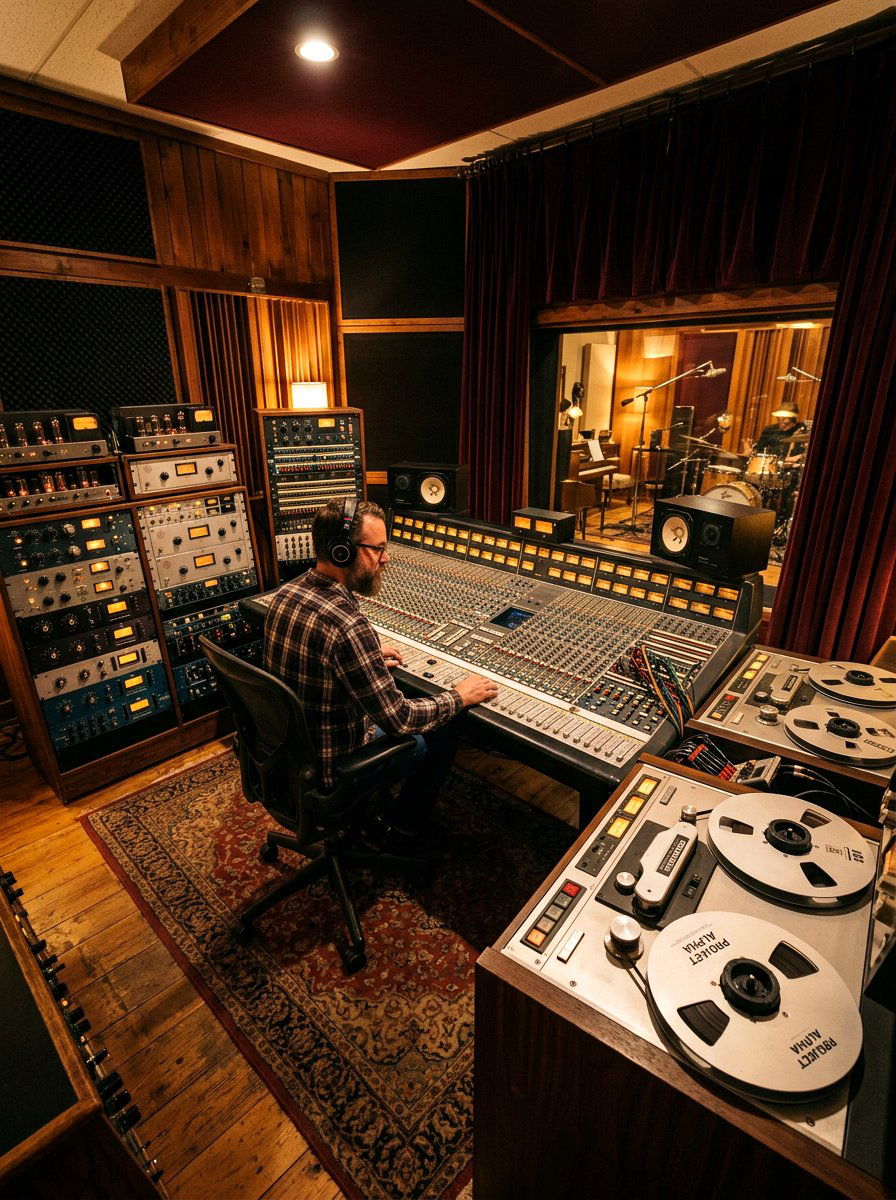
An analog-themed recording room celebrates the history of music production by focusing on vintage hardware, tape machines, and a warm, classic aesthetic. This design often features rich wood paneling, velvet-upholstered chairs, and antique-style lighting that evokes the feeling of a mid-century professional studio. Large mixing consoles become the focal point of the room, surrounded by racks of glowing outboard gear and classic microphones. The acoustic treatment is often subtle, using heavy fabric-wrapped panels and thick rugs to create a controlled but slightly "live" sound. This environment is perfect for producers who value the tactile experience and the unique sonic character of classic analog recording technology and traditional studio craftsmanship.
27. Vibrant neon music studio
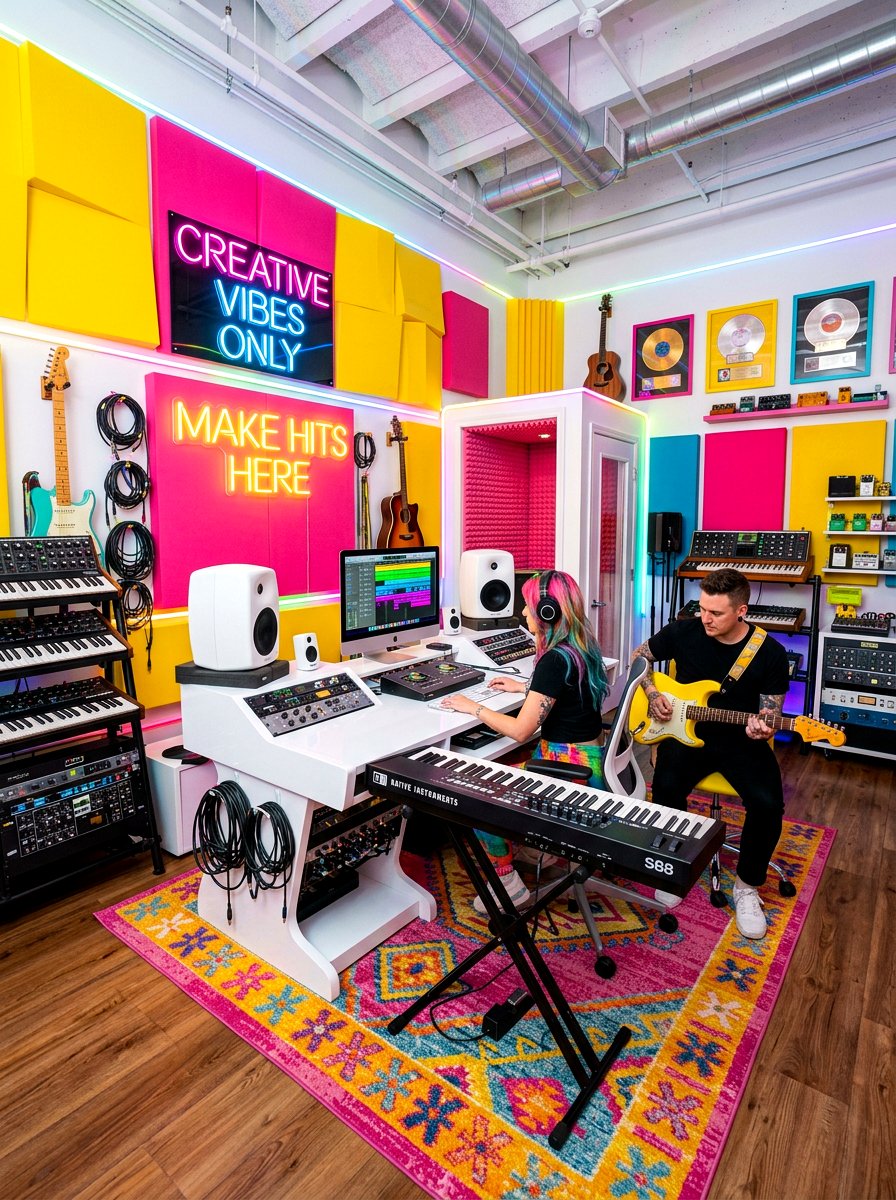
A vibrant neon studio design uses bold colors and dramatic lighting to create a high-energy environment that feels like a modern club or a futuristic creative hub. Dimmable RGB LED strips are used extensively around the desk, monitors, and acoustic panels to allow for instant mood changes at the touch of a button. Acoustic panels in bright, saturated colors can be arranged in eye-catching patterns to further enhance the room's visual impact. This style is particularly popular with electronic music producers and streamers who want their workspace to look as exciting as it sounds. The result is a dynamic and playful atmosphere that keeps energy levels high during long, intensive creative sessions.
28. Open plan living room studio
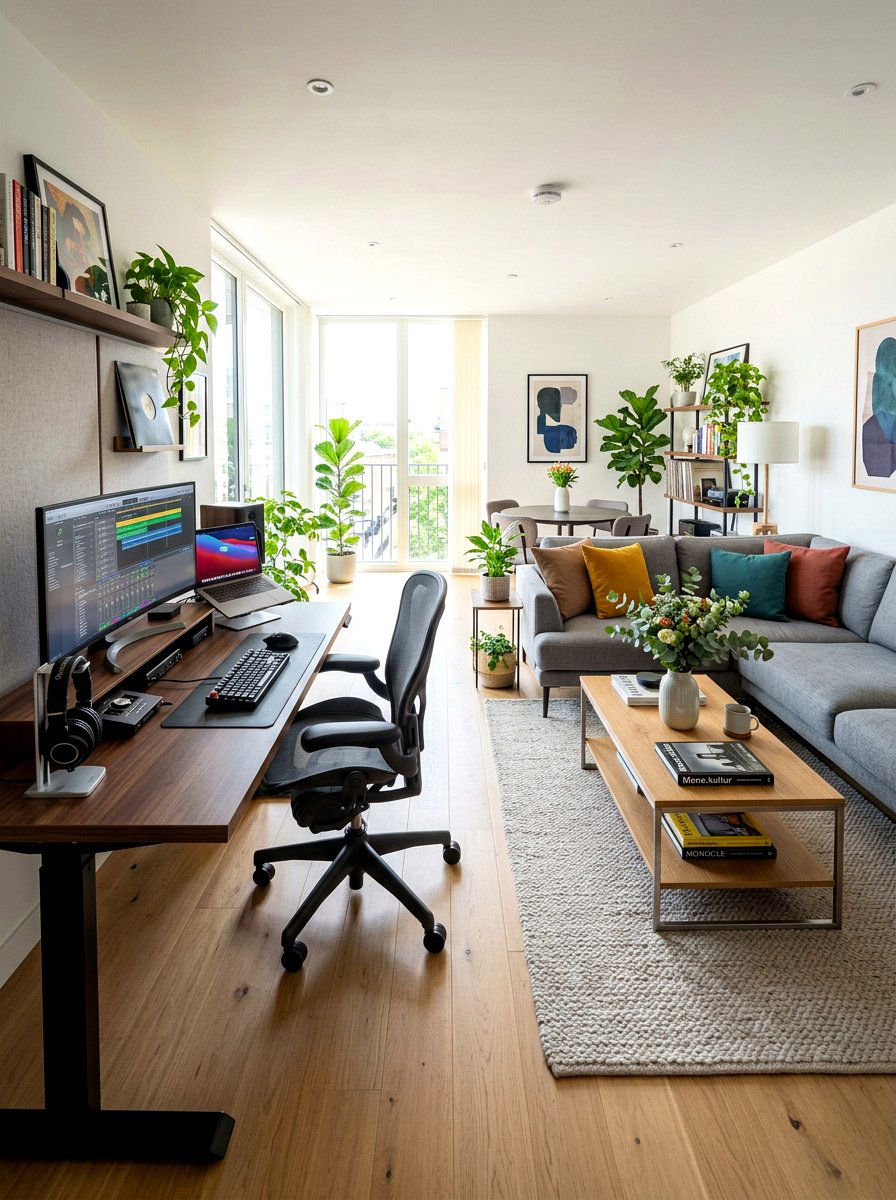
Integrating a recording studio into an open-plan living room requires a design that is both highly functional and visually harmonious with the rest of the home. You can use stylish acoustic furniture, such as "sound-absorbing" sofas or decorative room dividers, to define the studio area without building permanent walls. A sleek, high-quality desk that matches your existing decor ensures the setup looks like a deliberate part of the room rather than a cluttered workspace. Using hidden cable management and wireless peripherals helps maintain a clean, tidy appearance that doesn 't disrupt the home' s aesthetic. This approach is perfect for creators who want to stay connected to their household while pursuing their musical passions.
29. High ceiling baffle studio
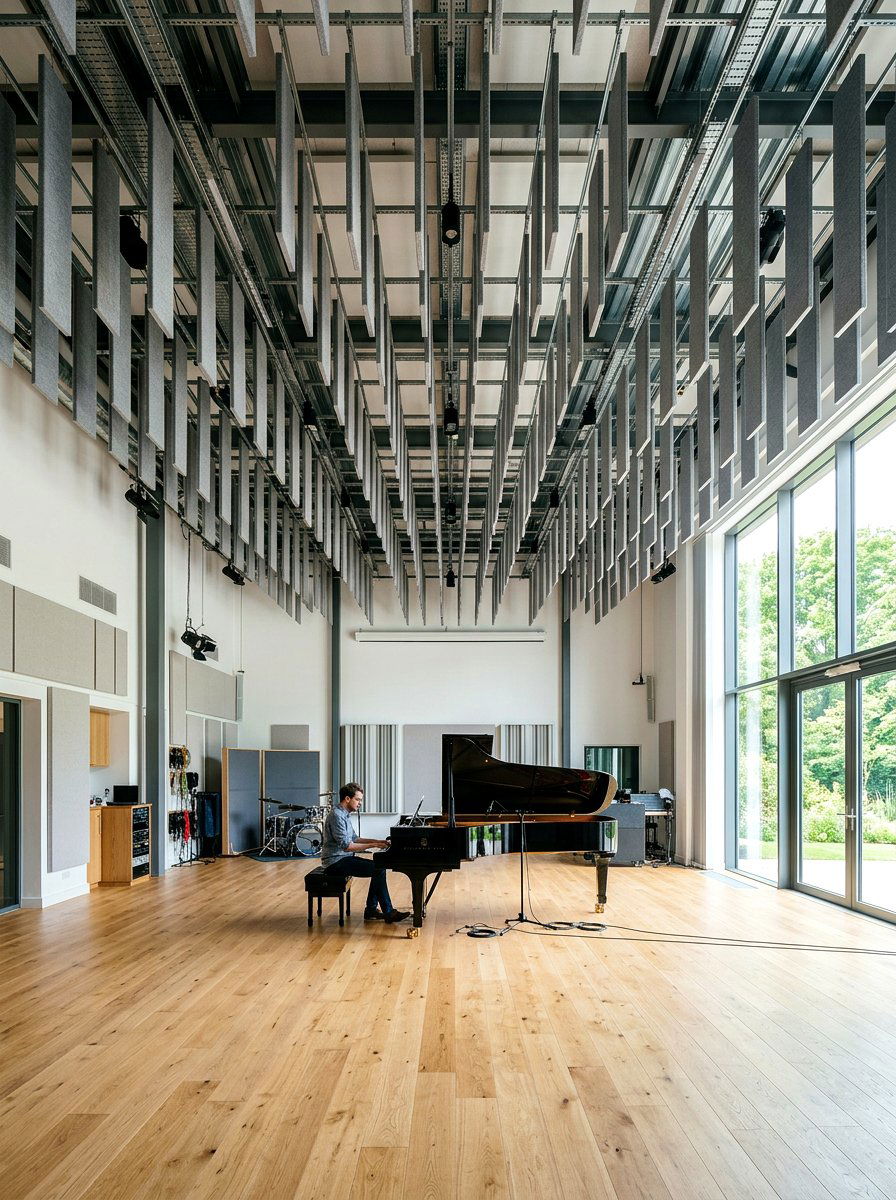
Rooms with exceptionally high ceilings present unique acoustic challenges that can be effectively managed with the use of vertical acoustic baffles. These large, flat panels are hung vertically from the ceiling and are highly effective at absorbing sound waves in spaces where wall treatment alone isn 't enough. The baffles can be arranged in interesting geometric formations, adding a modern, industrial-scale design element to the recording room. This treatment is particularly useful for recording drums or large acoustic ensembles, as it helps to control the room' s natural reverberation without making it sound too cramped. This design turns a challenging architectural feature into a professional-grade acoustic asset with a striking visual presence.
30. Smart lighting recording environment
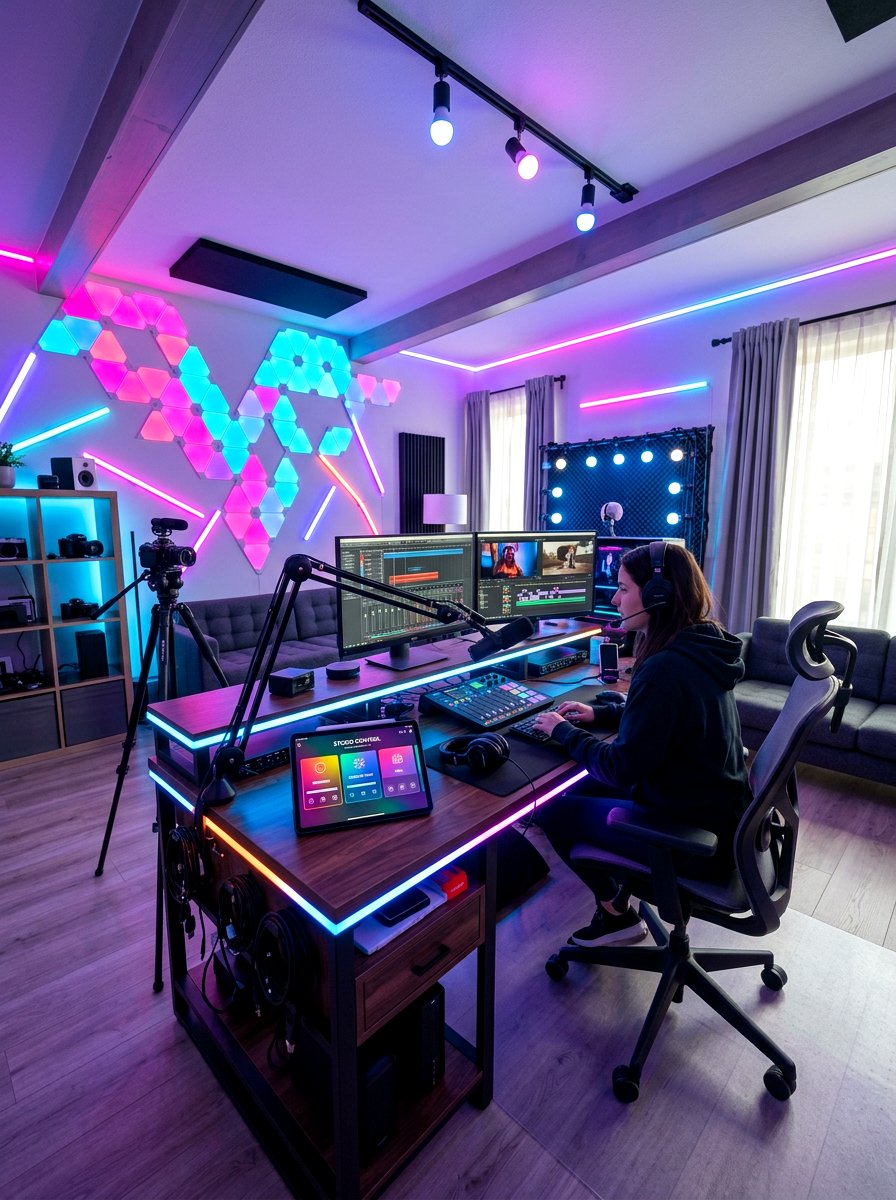
A recording room centered around smart lighting technology allows for a fully customizable and automated environment that responds to your specific creative needs. You can program different lighting "scenes" for various tasks, such as a bright, energizing setup for editing and a warm, dim atmosphere for vocal tracking. Smart bulbs and light strips can even be synced to your music software, pulsing in time with the beat or changing color based on the frequency of the audio. This level of control helps to reduce eye strain and can actually improve your focus by creating the perfect visual backdrop for every stage of production. It is a modern, tech-forward approach to professional studio design.
Conclusion:
Creating the perfect recording room is a deeply personal project that combines the science of acoustics with the art of interior design. As we have explored, whether you have a large basement or a small corner of your bedroom, there are endless ways to build a space that is both technically capable and visually inspiring. By prioritizing sound treatment, intentional lighting, and ergonomic furniture, you can transform any area into a professional-grade creative sanctuary. Ultimately, the best recording environment is one where you feel most comfortable and motivated to experiment, allowing your unique artistic voice to shine through every track you produce in your well-designed home studio.

Related posts: