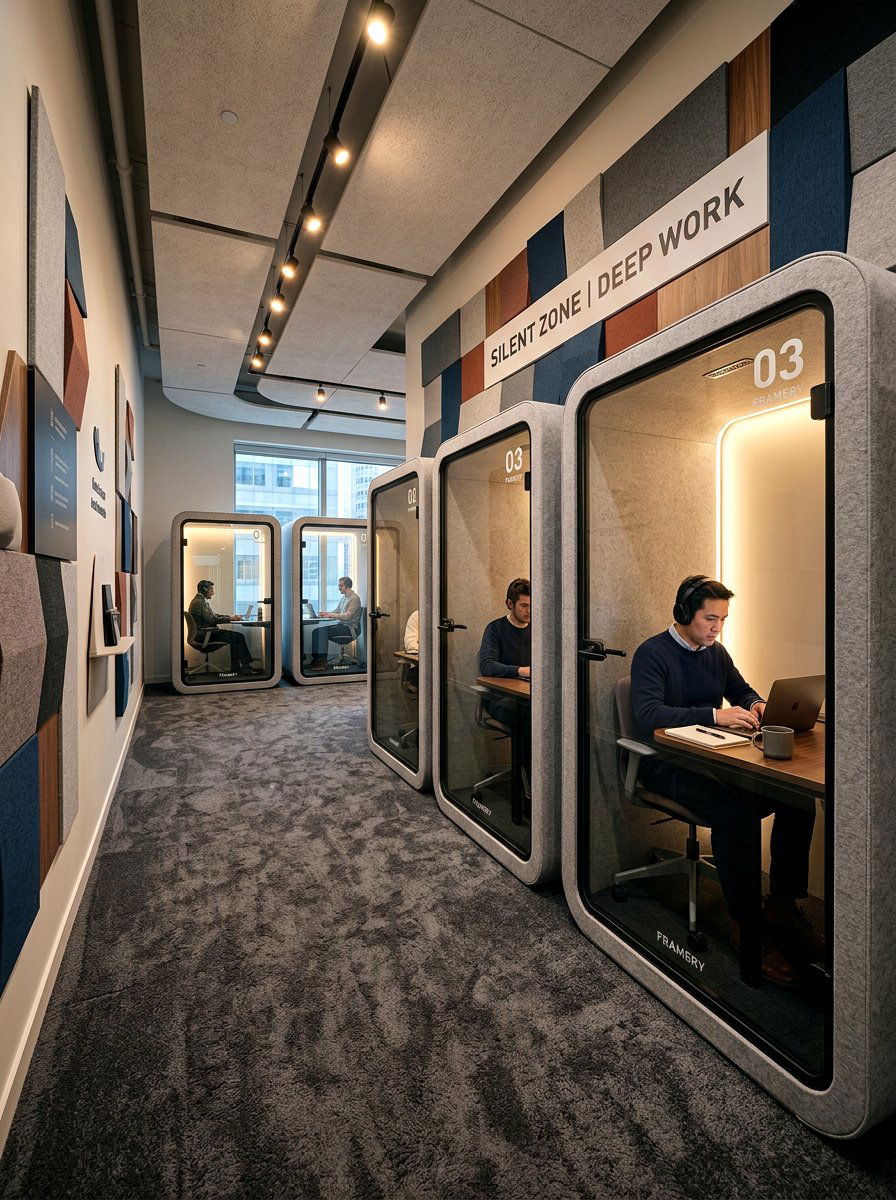
Creating a workspace that fuels your imagination is essential for any professional looking to boost productivity and joy. Whether you are an artist, a writer, or a digital creator, the environment where you spend your hours significantly impacts your mental clarity and output. Pinterest is filled with stunning visuals, but finding the perfect balance between aesthetics and functionality can be a daunting task for many people. This comprehensive guide explores various ways to transform a standard room into a high-energy creative hub that reflects your unique personality. From minimalist setups to eclectic workshops, we have gathered a wide variety of inspirations to help you build the studio of your dreams today.
1. Minimalist White Workspace
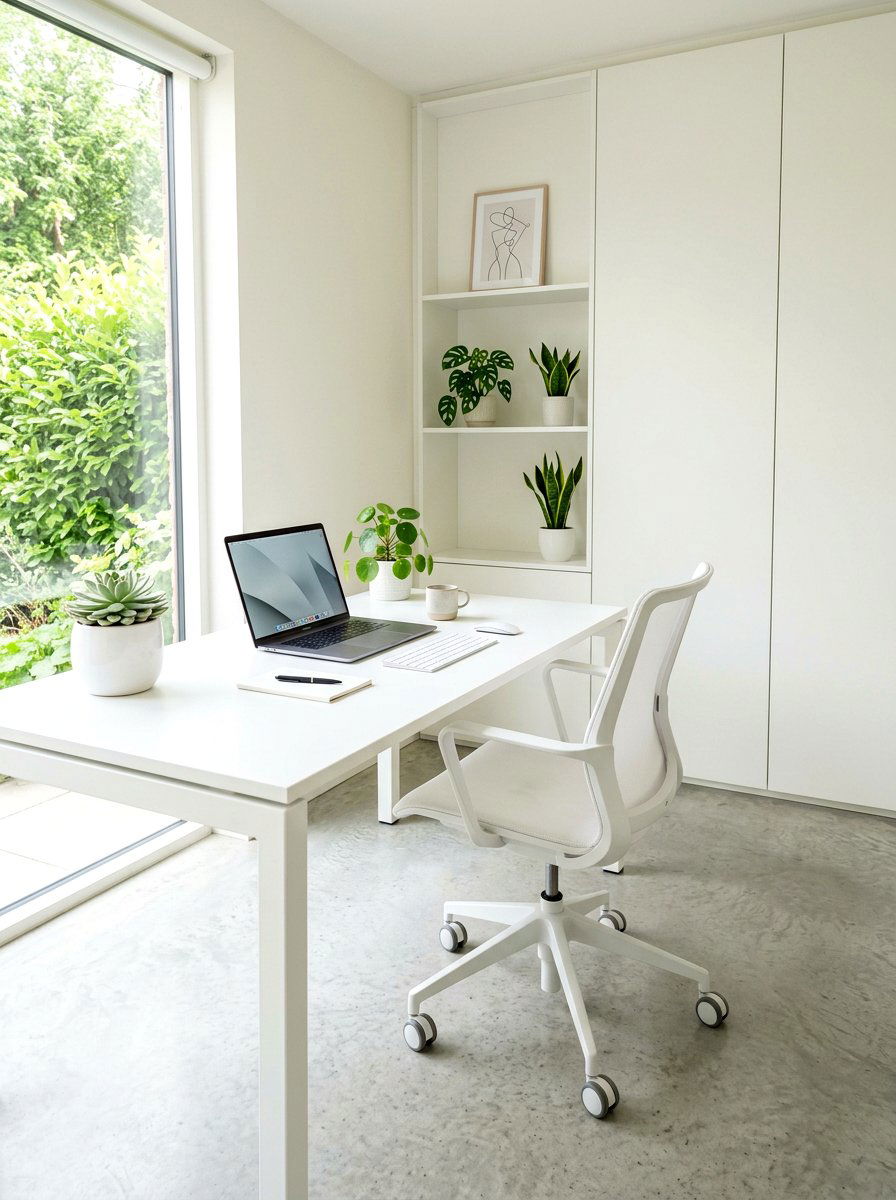
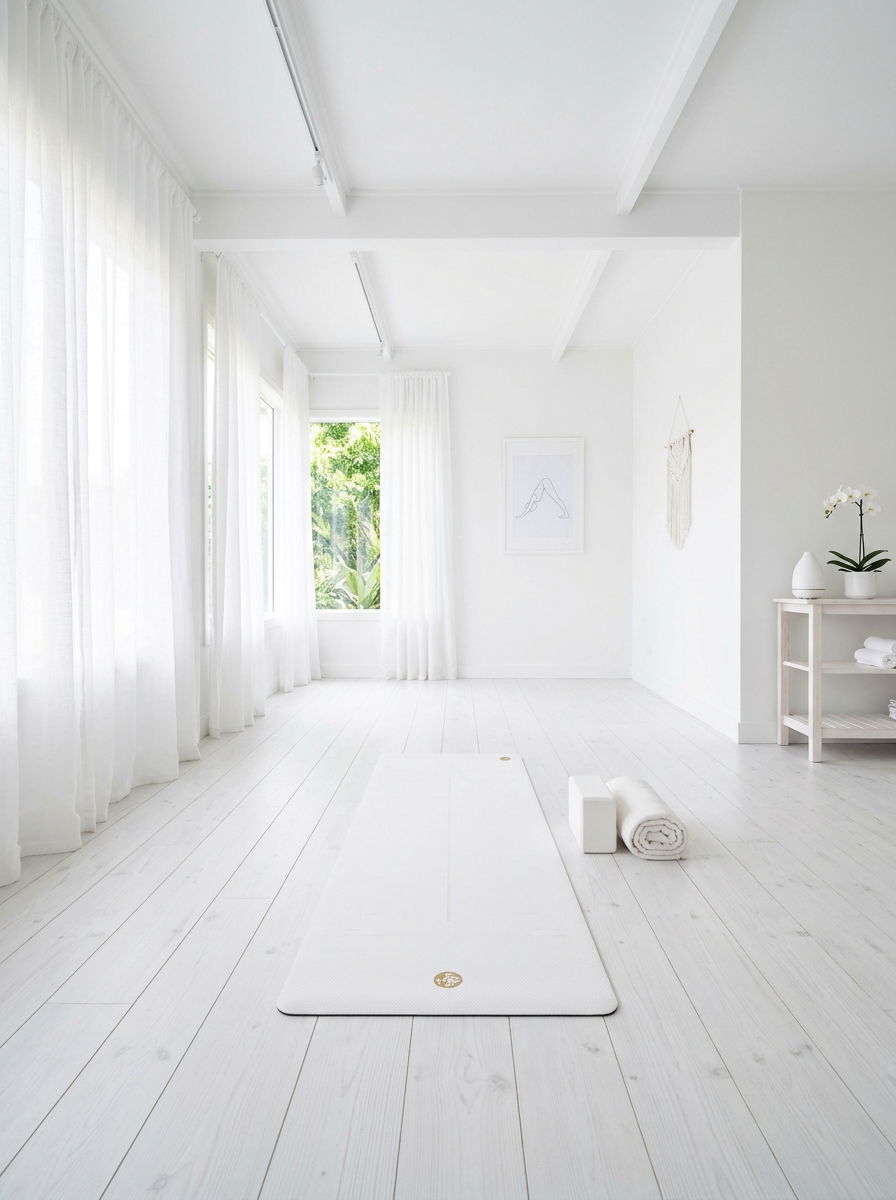
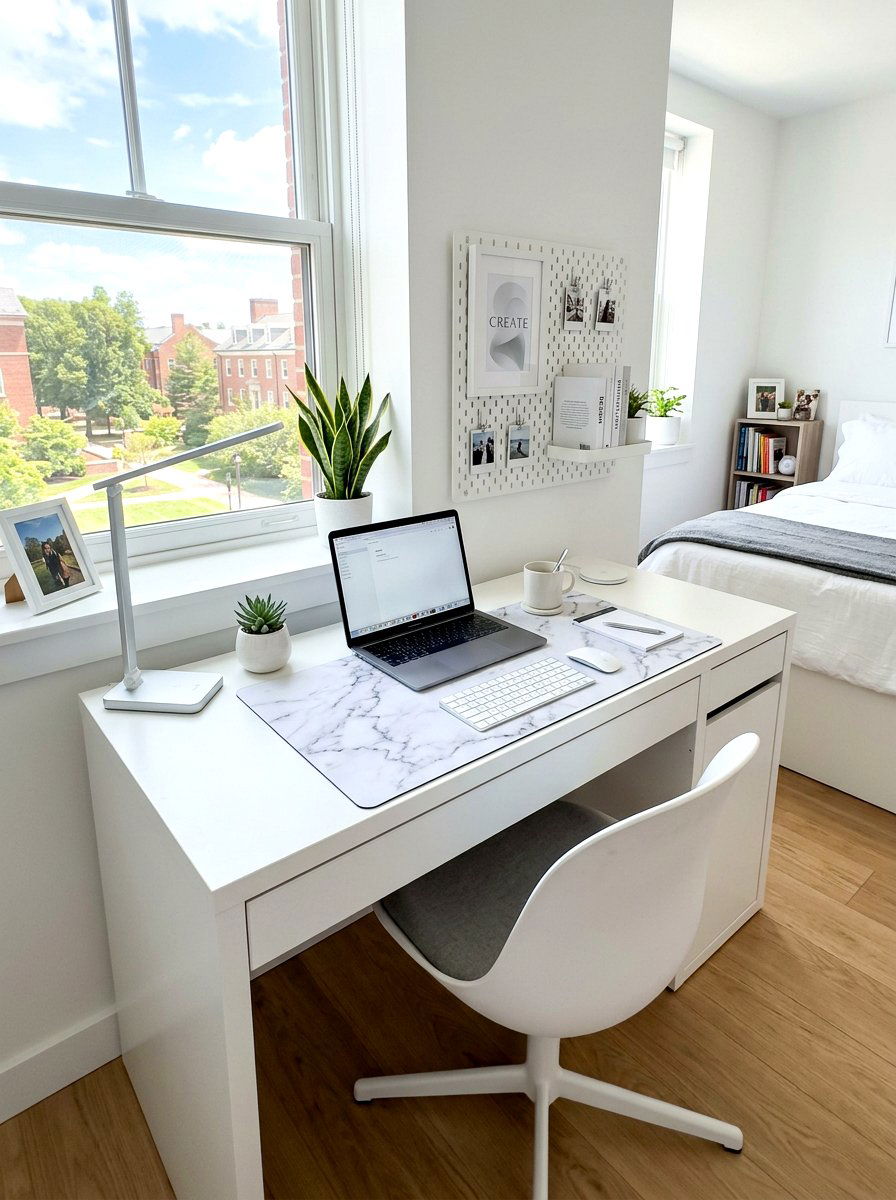
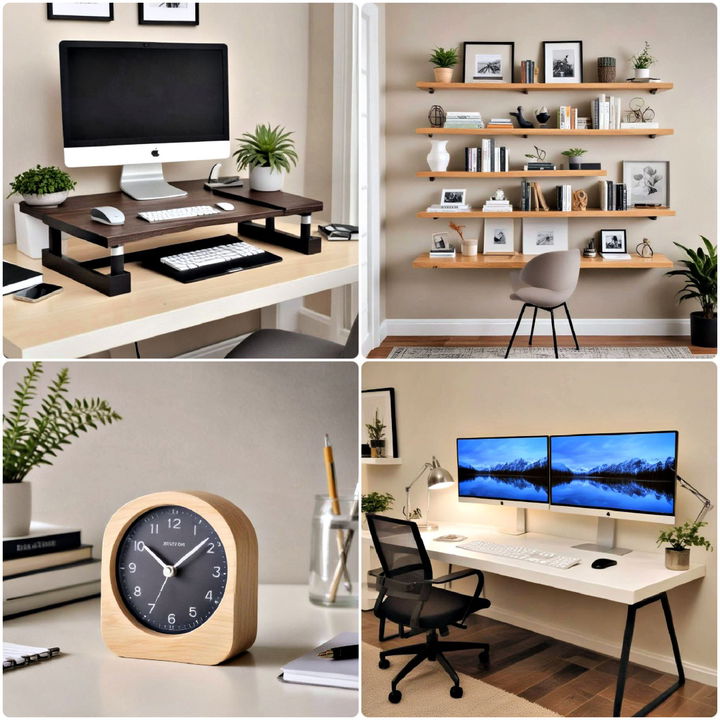
Do you ever feel like a cluttered desk leads to a cluttered mind? A minimalist white workspace offers the perfect solution for those who crave mental clarity and a fresh start every single morning. This specific look focuses on clean lines, a monochromatic color palette, and hidden storage solutions that keep visual distractions at a minimum. By using white walls and light-colored furniture, the entire room feels significantly larger and more inviting than it actually is. You can add a single green plant or a piece of subtle art to provide a touch of warmth without overwhelming the senses. It is a timeless choice for modern professionals everywhere.
2. Industrial Loft Studio
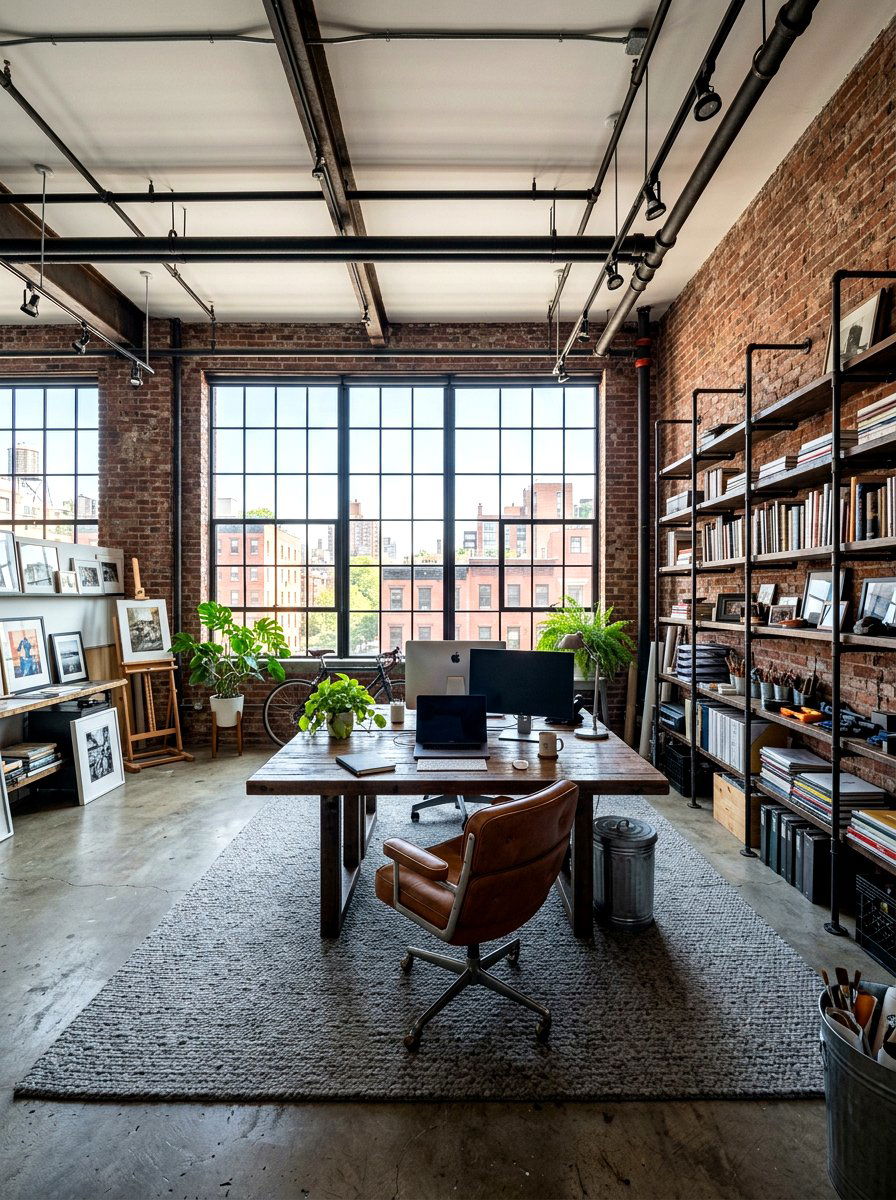
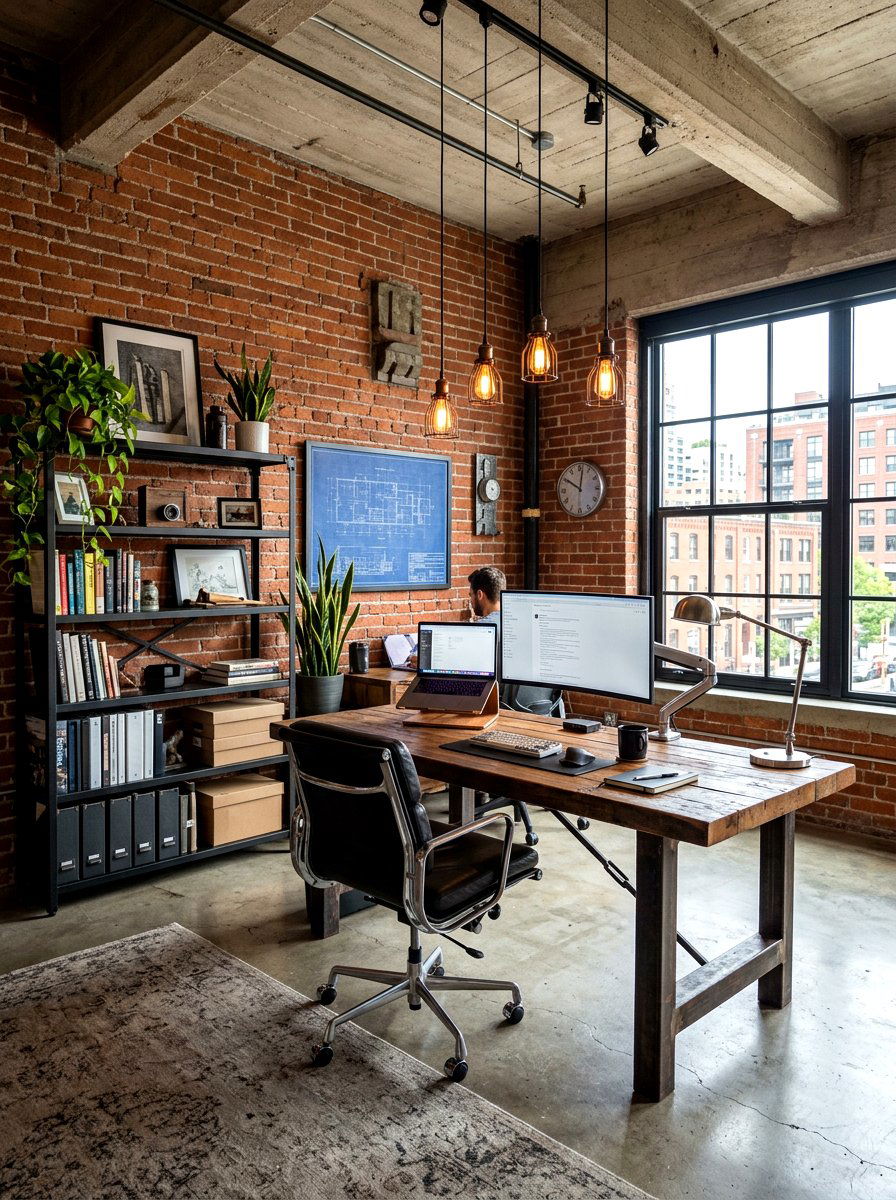
Imagine walking into a room with high ceilings, exposed brick walls, and massive windows that let in plenty of sunlight. The industrial loft style is a favorite for many creatives because it combines raw architectural elements with a functional, edgy vibe. Metal shelving units and reclaimed wood desks work together to create a sense of history and strength within the workspace. You can use large area rugs to define different zones, such as a dedicated area for brainstorming or a spot for focused computer work. This design style thrives on imperfections, making it a very approachable and highly durable option for busy studio environments.
3. Biophilic Office Greenery
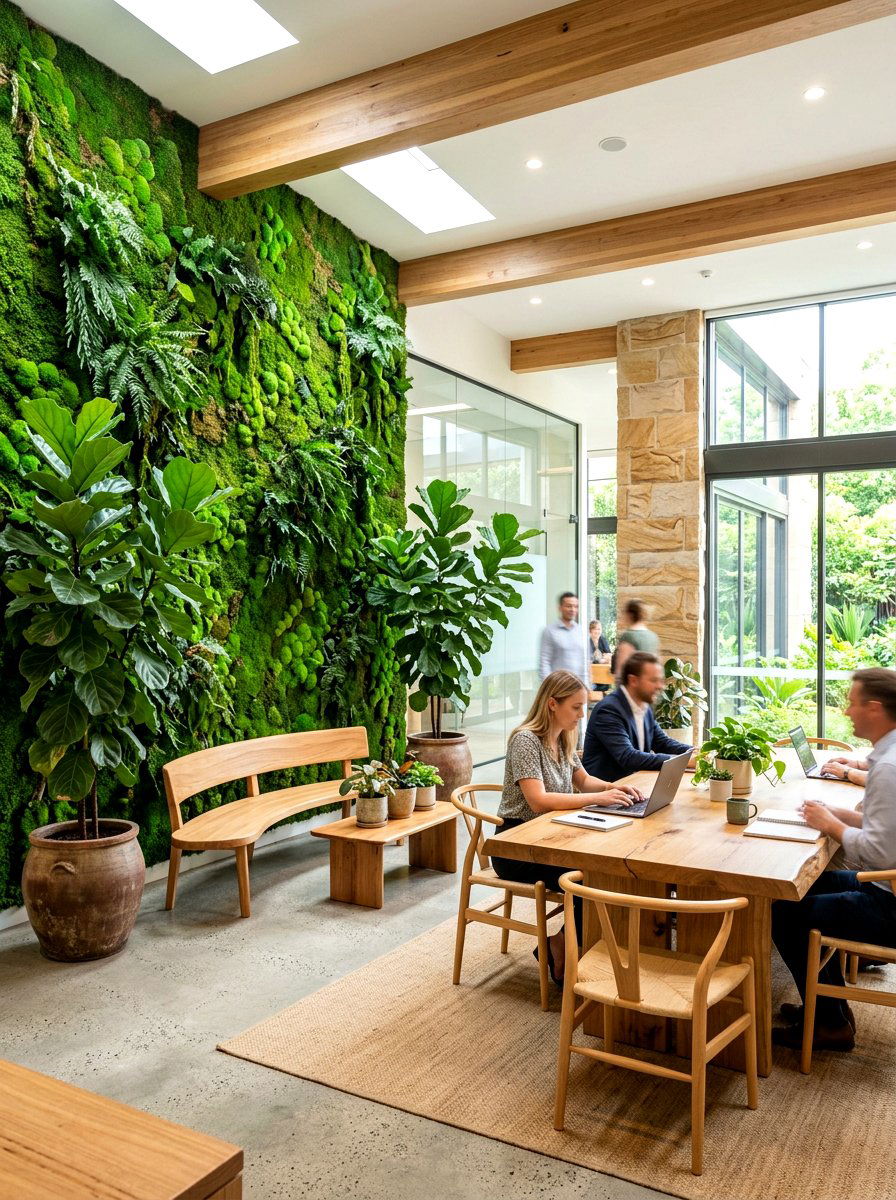
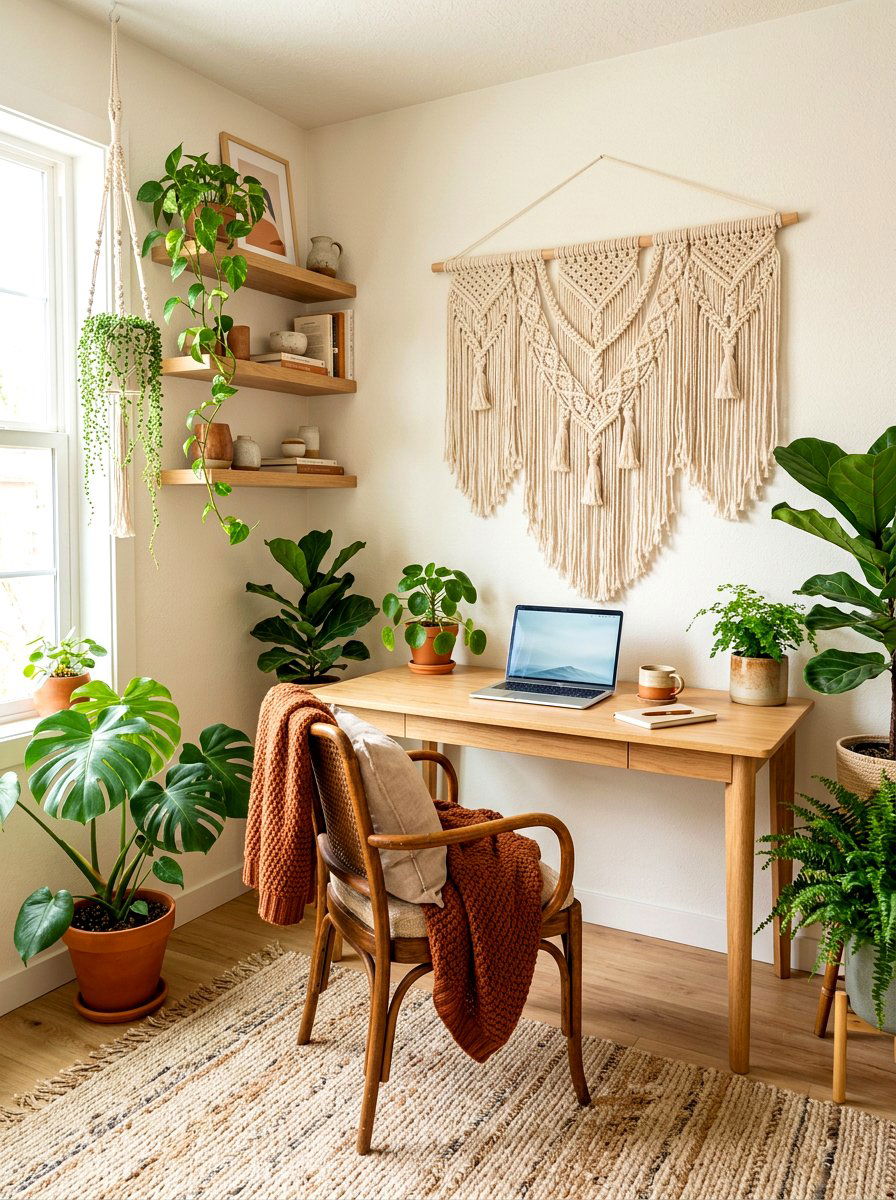
Bringing the outdoors inside is more than just a decor trend; it is a way to improve your overall well-being. A biophilic office focuses on incorporating natural elements like large leafy plants, moss walls, and wooden textures to create a soothing atmosphere. Being surrounded by greenery has been shown to reduce stress levels and increase creative thinking during long work sessions. You might choose to hang trailing vines from the ceiling or place a variety of potted succulents on your shelving units. This living environment breathes life into your daily routine and makes the workday feel much more connected to the natural world.
4. Modern Home Studio
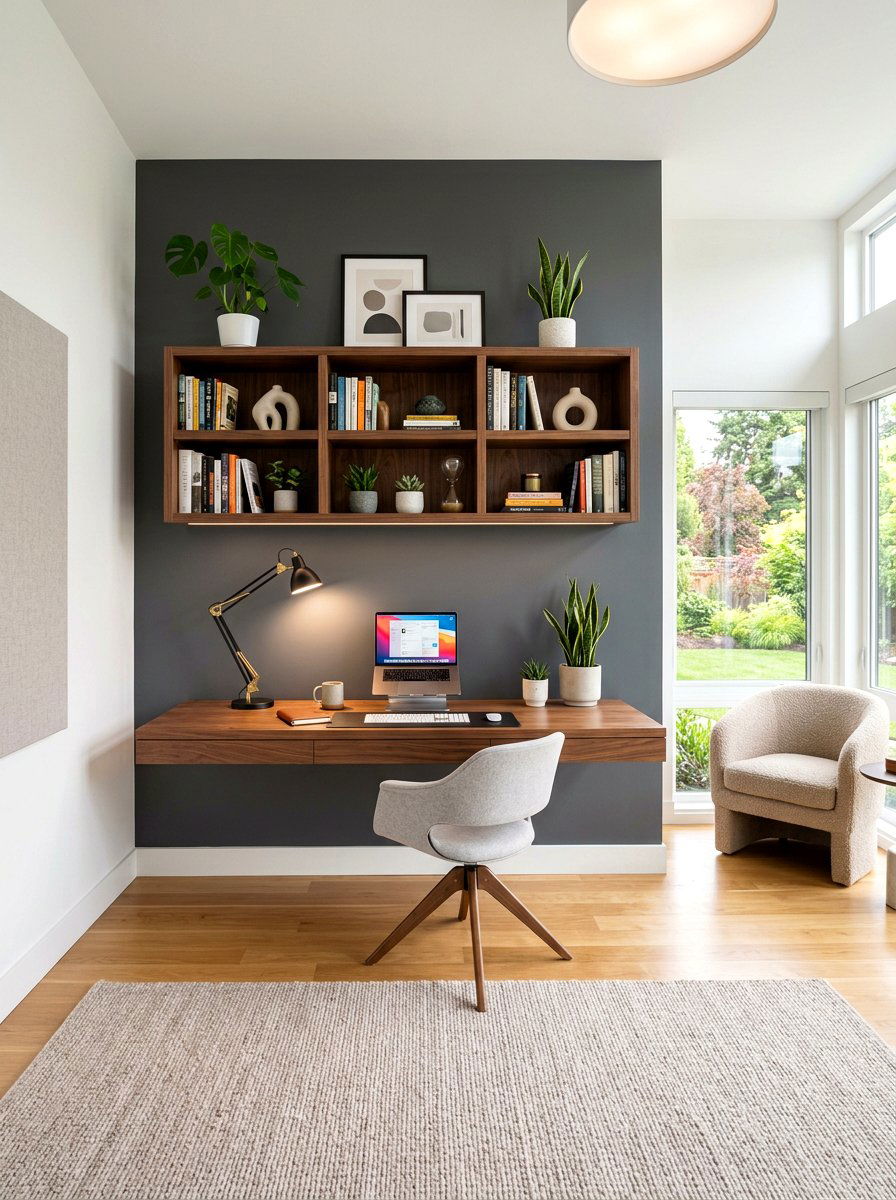
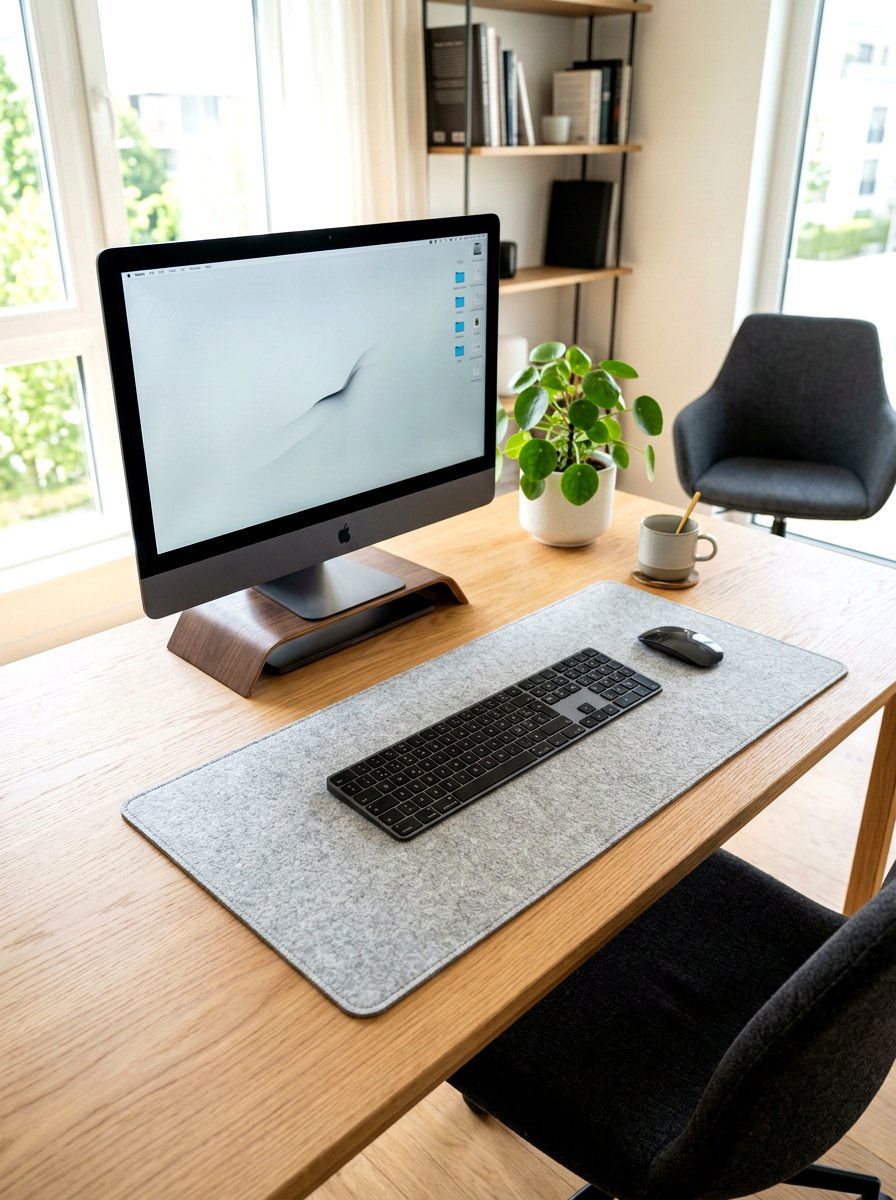
Designing a professional area within your residence requires a thoughtful approach to separate your personal life from your career tasks. A modern home studio utilizes sleek furniture and smart organizational tools to make the most of your available square footage. Neutral tones like charcoal, light gray, and soft beige often dominate these spaces to create a sophisticated and focused look. Integrated technology, such as hidden cable management and built-in charging stations, ensures that your desk remains tidy and functional. This type of setup is perfect for remote workers who want a high-end, gallery-like feel while working from the comfort of their own house.
5. Small Closet Office
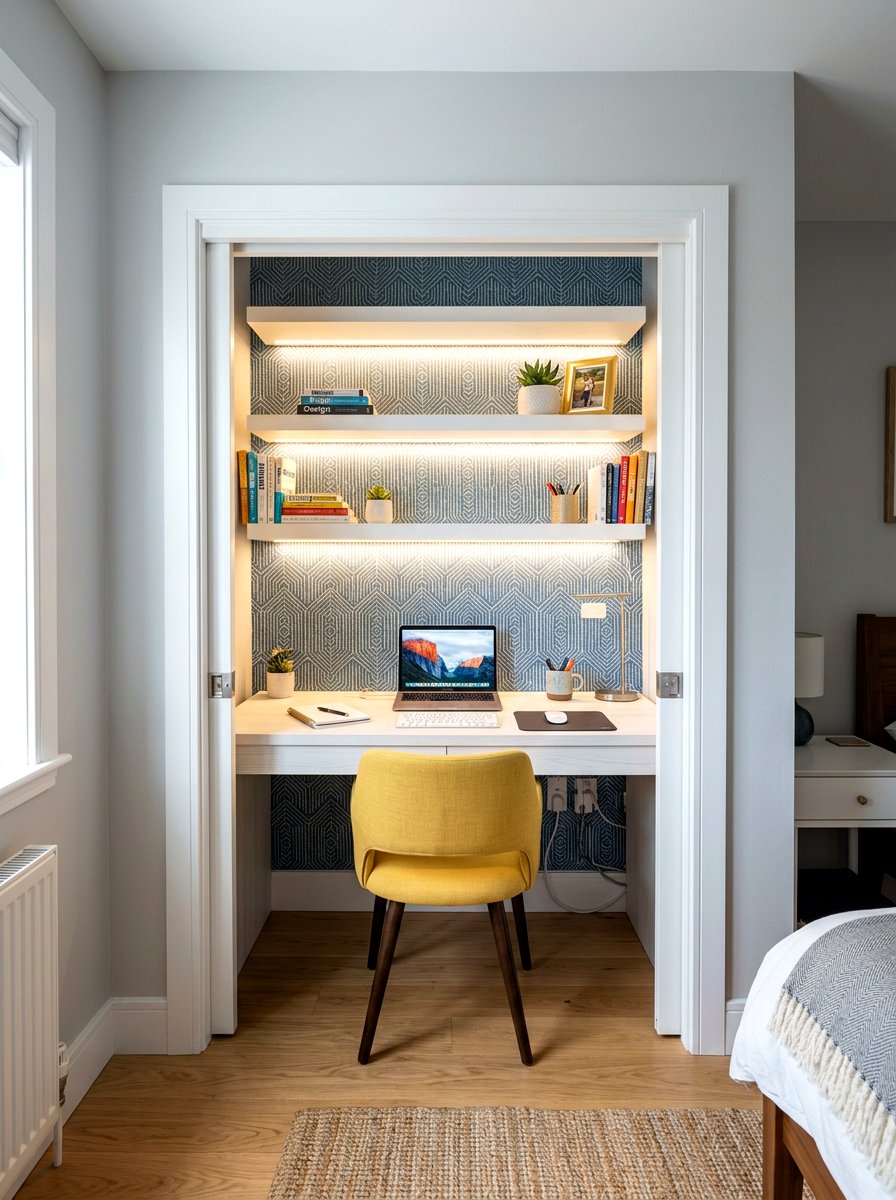
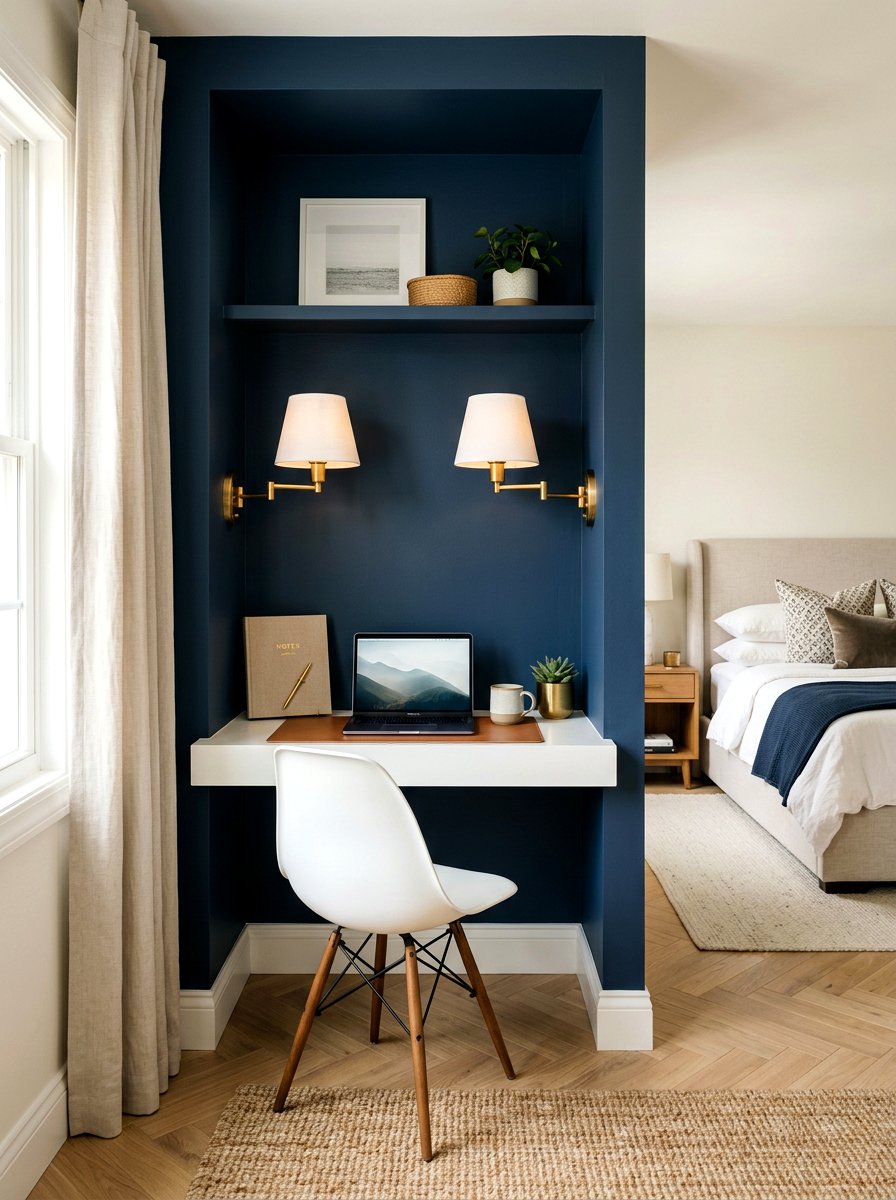
If you are short on space, transforming a standard closet into a functional work nook is a brilliant and efficient solution. These "cloffice" setups maximize vertical space by using floating shelves and compact desks that fit perfectly within the existing frame. You can paint the interior a bold color or use patterned wallpaper to give the small area its own distinct personality. Installing bright LED task lighting is crucial since closets usually lack natural windows. When you are finished with your tasks for the day, you can simply close the doors and leave your work behind, providing a physical boundary between your career and relaxation.
6. Artist Studio Natural Light
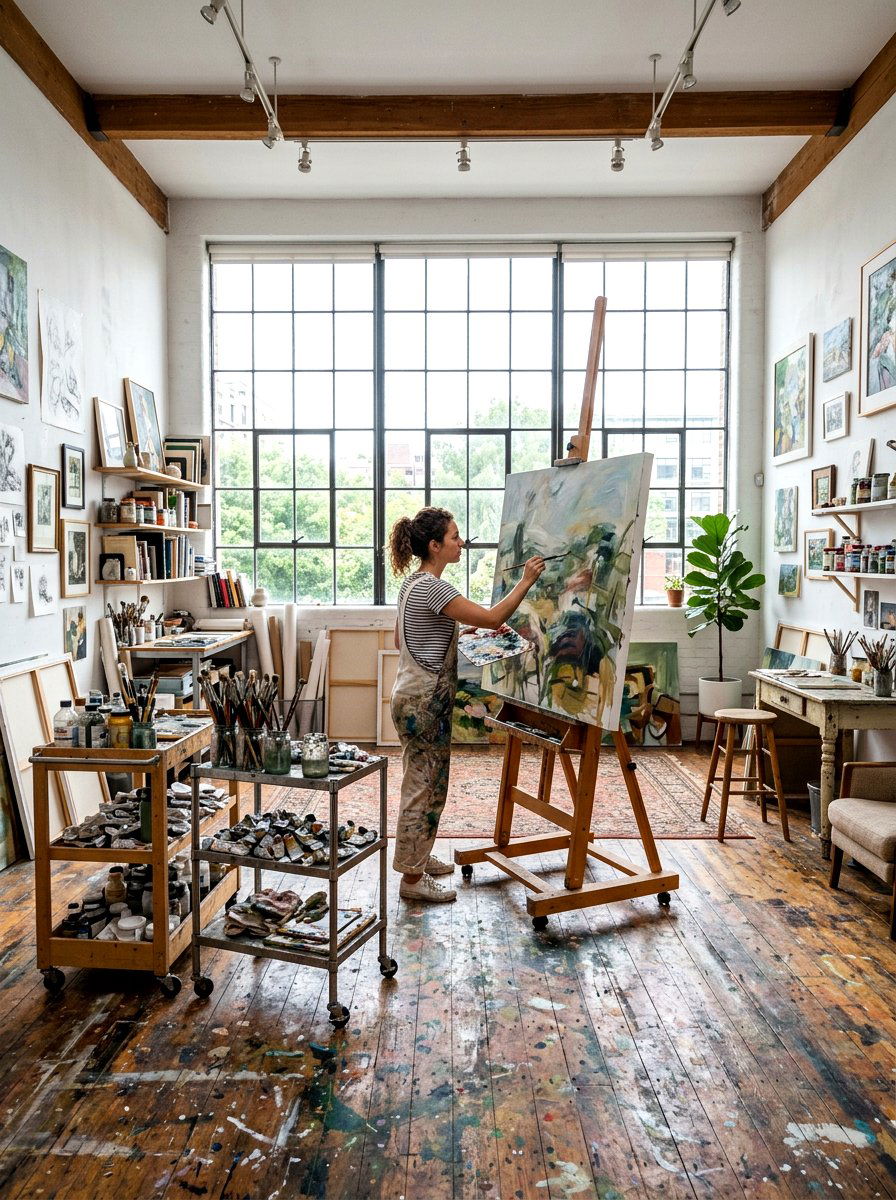
For painters and illustrators, the quality of light in a room can make or break the creative process. A dedicated artist studio should prioritize large, north-facing windows or skylights that provide consistent and diffused natural illumination throughout the day. White walls reflect this light beautifully, ensuring that colors remain true and vibrant on the canvas. Ample floor space is necessary for easels, drying racks, and large storage carts filled with supplies. By keeping the layout open and airy, the artist feels a sense of freedom to move around and experiment with different mediums without feeling restricted by their physical surroundings.
7. Mid Century Modern Desk
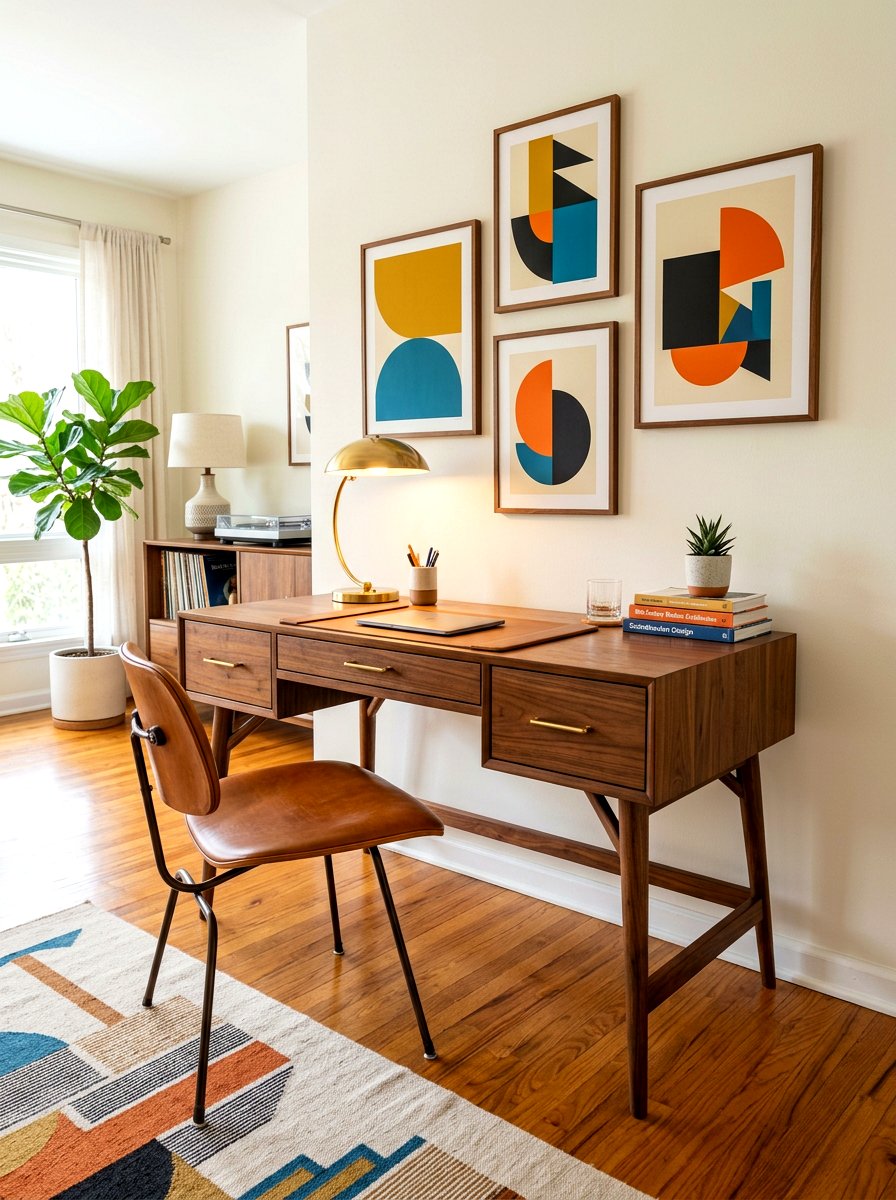
Drawing inspiration from the 1950s and 60s, a mid-century modern workspace emphasizes organic shapes and warm wood finishes. Tapered legs on desks and chairs create a lightweight visual profile that works exceptionally well in both large and small rooms. You can pair a walnut desk with a vintage-inspired leather chair to achieve a look that feels both professional and nostalgic. Adding a brass desk lamp or a geometric clock can further enhance the retro aesthetic without making the room feel dated. This style is incredibly popular on Pinterest because it offers a sophisticated balance of form and function for any creative professional.
8. Collaborative Team Workspace
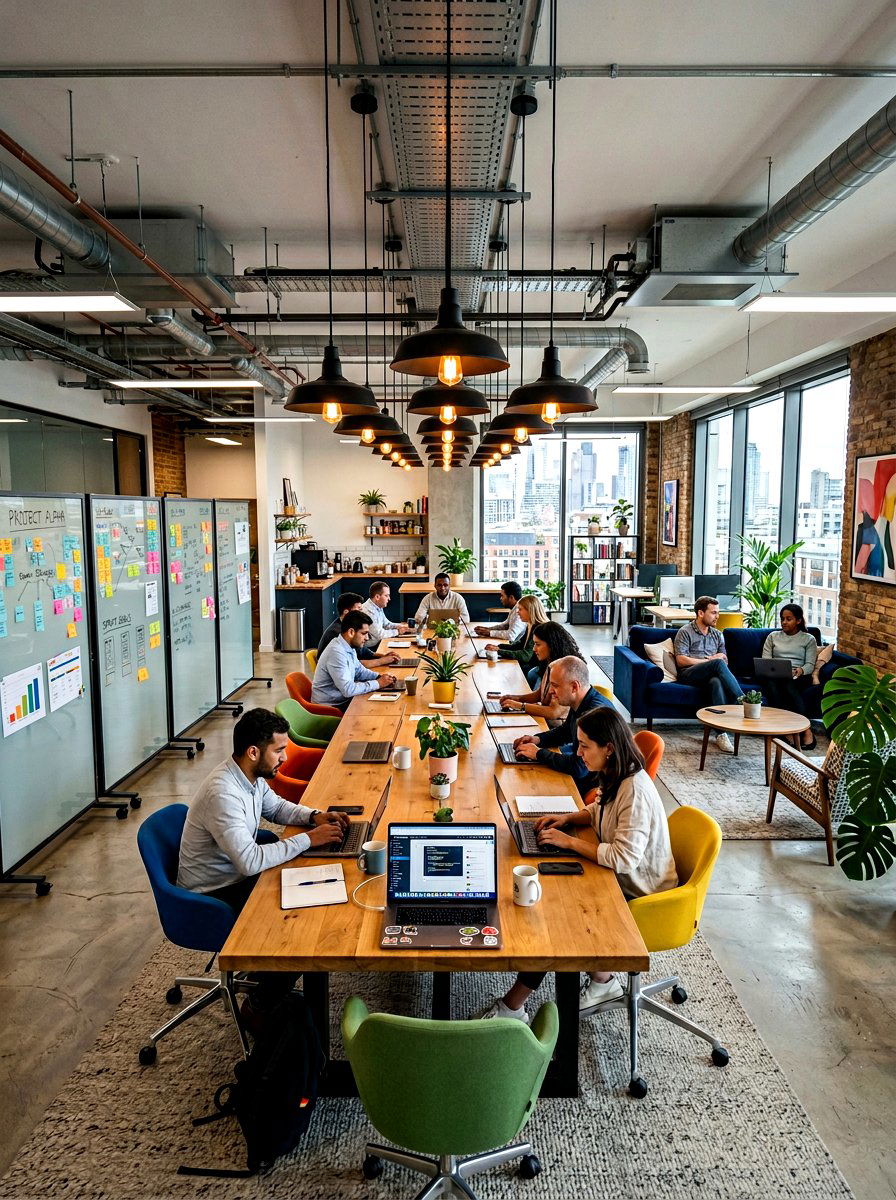
When working with a group, the layout of your studio must encourage communication and the free flow of ideas. A collaborative team workspace often features large communal tables where members can sit together and share resources easily. Mobile whiteboards and glass walls allow for spontaneous brainstorming sessions that can be seen by everyone in the room. Comfortable lounge seating in a corner provides a space for more relaxed discussions or quick breaks between intense projects. By removing physical barriers like high cubicle walls, the studio becomes a dynamic hub where innovation thrives through constant interaction and shared creative energy.
9. Scandinavian Studio Decor
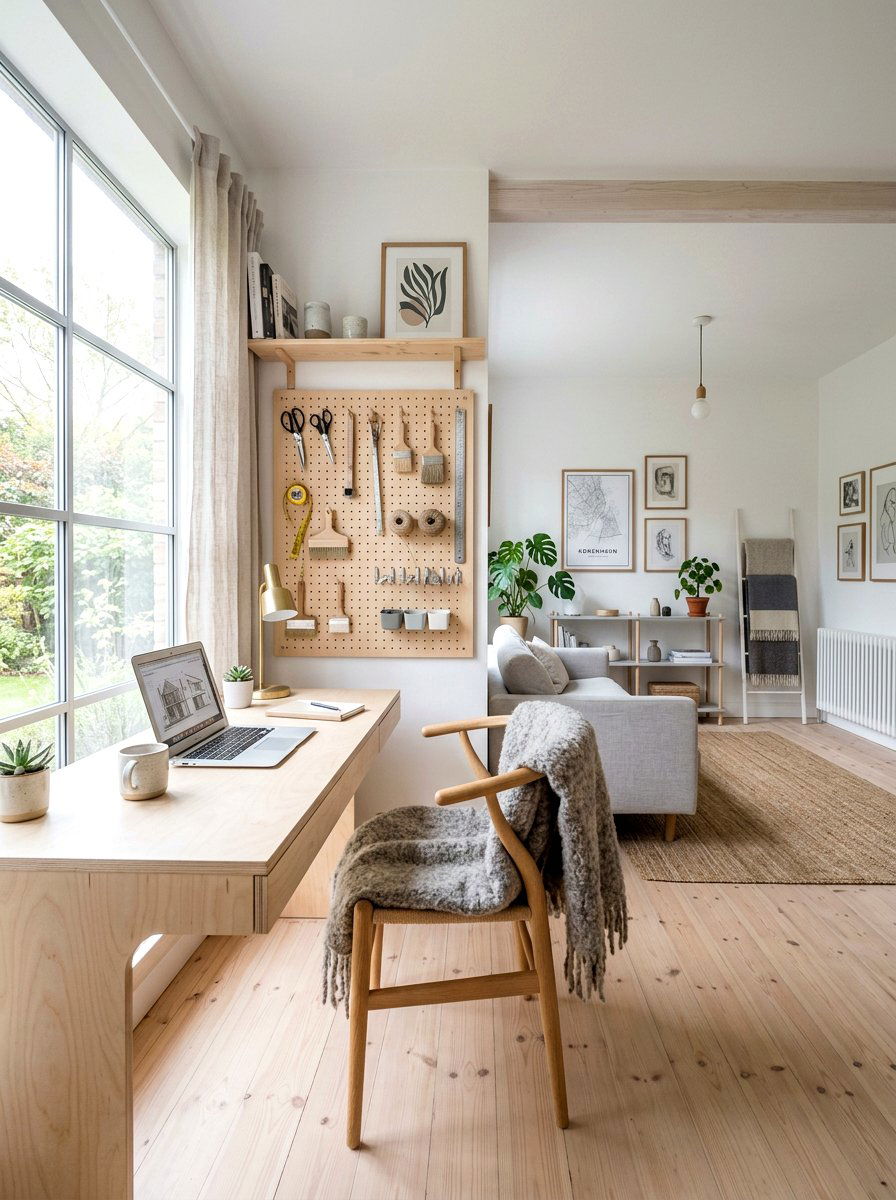
Scandinavian design is famous for its simplicity, functionality, and use of light-colored natural materials. A studio decorated in this style often features light wood flooring, soft textiles, and a palette of whites and pastels. The focus is on "hygge, " or creating a cozy and comfortable atmosphere that makes work feel less like a chore. Functional pieces like pegboards and minimalist shelving keep tools organized while contributing to the overall aesthetic. This approach is ideal for those who want a serene and bright environment that feels warm even during the coldest months. It is a very clean and highly photogenic style for social media.
10. Sustainable Office Materials
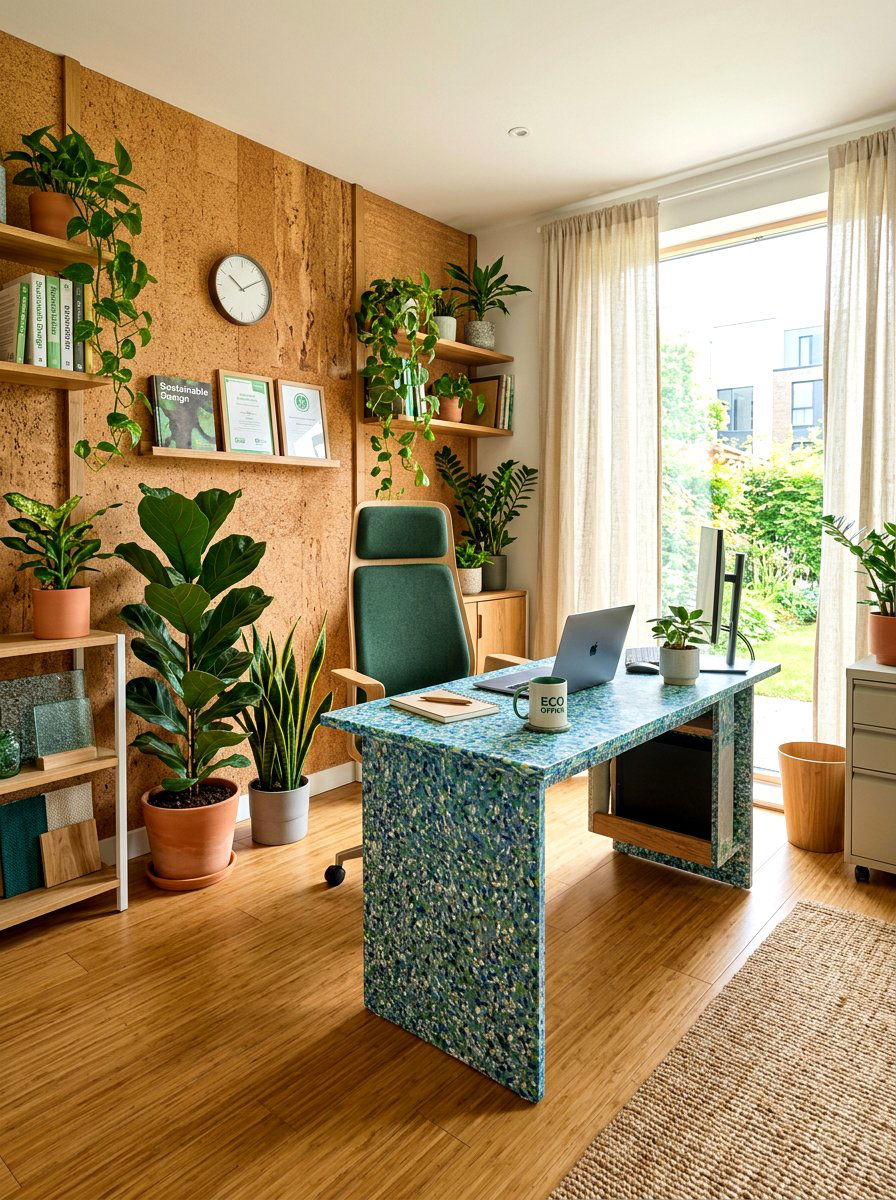
Building an eco-friendly workspace is a great way to align your environment with your personal values and global responsibility. A sustainable office utilizes furniture made from recycled plastics, reclaimed wood, or fast-growing materials like bamboo. Cork flooring and natural clay wall finishes can provide excellent acoustic properties while being gentle on the planet. You can also incorporate energy-efficient LED lighting and smart power strips to reduce your overall electricity consumption. Choosing vintage or secondhand decor items further reduces waste and adds a unique story to your studio. This thoughtful approach creates a healthy and inspiring space that truly honors the environment we live in.
11. Professional Photography Studio
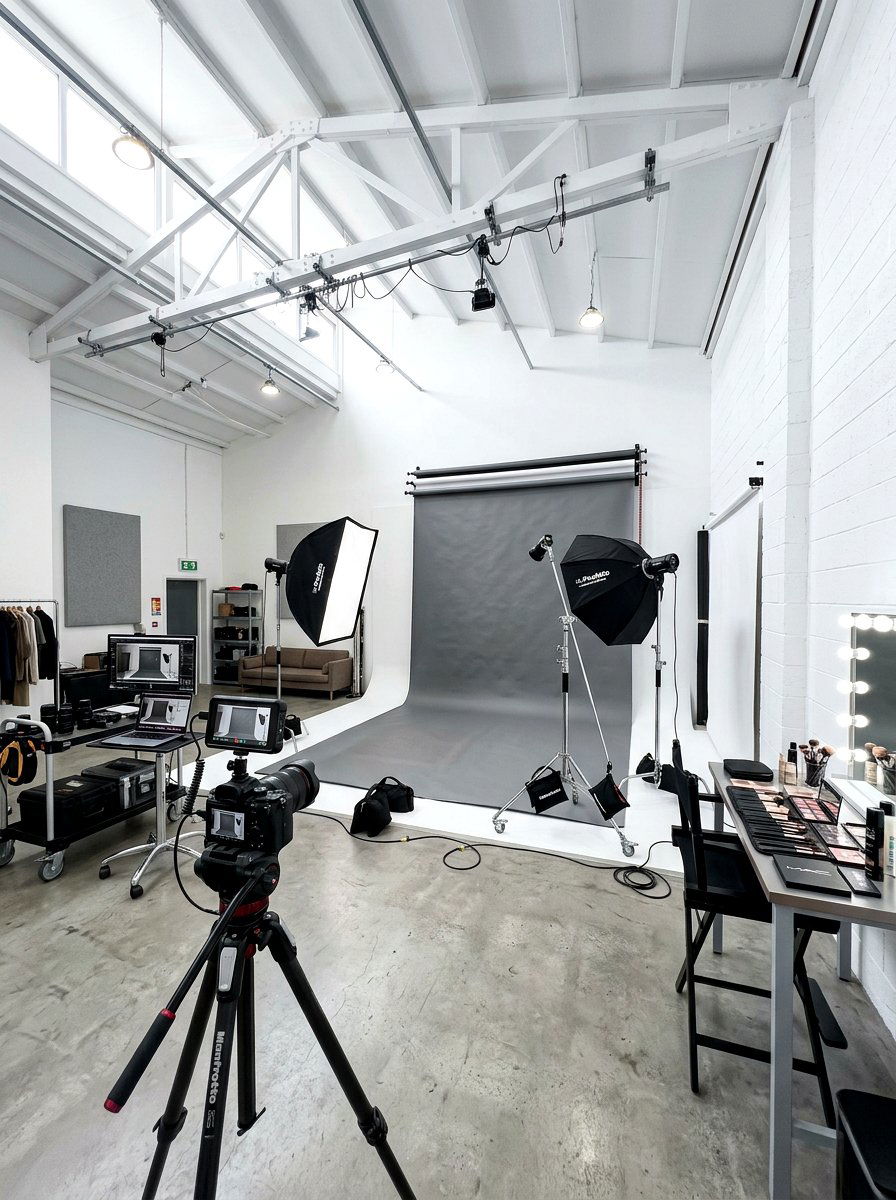
A space designed specifically for photography needs to be highly versatile and capable of adapting to different lighting requirements. High ceilings are often preferred to accommodate large light stands and backdrops without feeling cramped. A neutral gray or white floor allows for better light control and prevents unwanted color casts on your subjects. Storage is key in a photography studio, with dedicated cabinets for lenses, cameras, and delicate gear. Including a small makeup station or a changing area for models makes the space feel more complete and professional. This setup ensures that every shoot runs smoothly and that the technical aspects are well-managed.
12. Colorful Graphic Studio
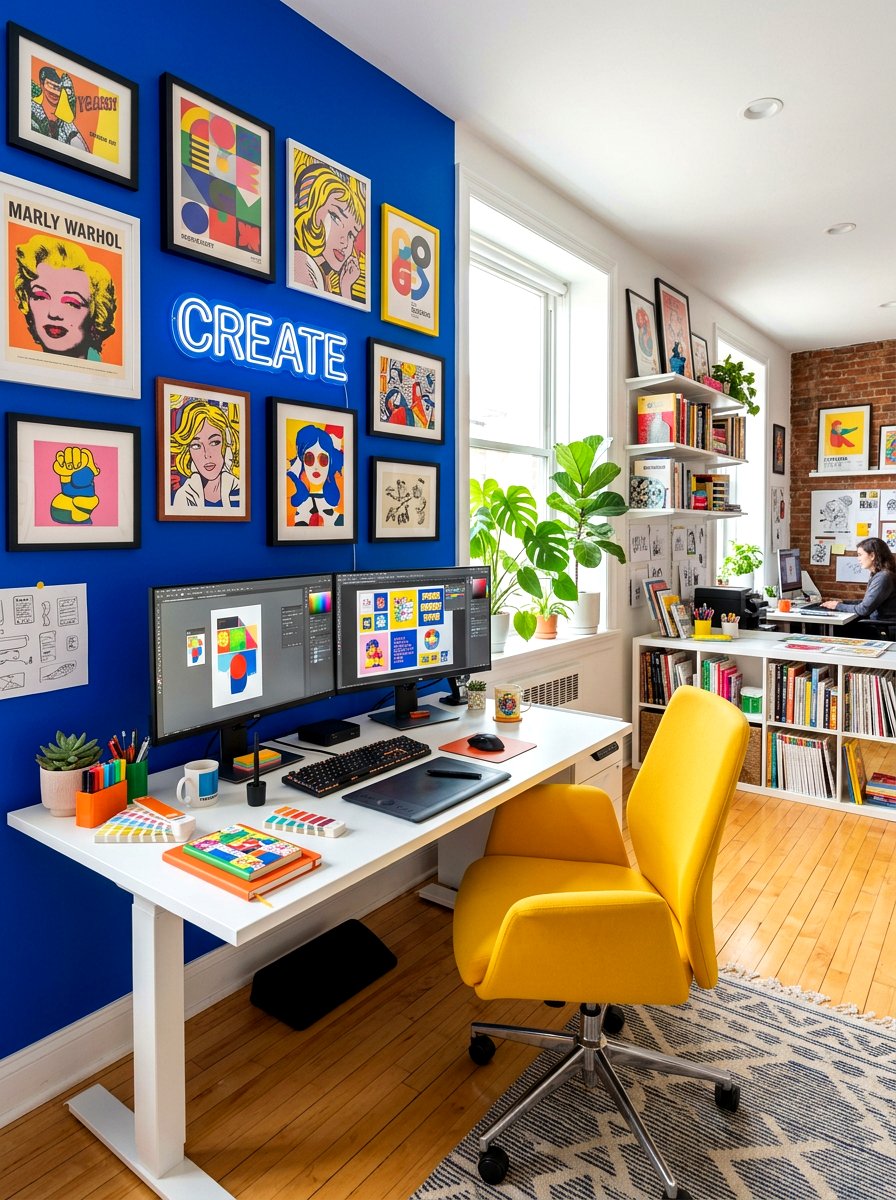
Graphic designers and illustrators often find inspiration in bold colors and vibrant patterns that stimulate the visual senses. A colorful graphic studio might feature a bright accent wall in a shade like cobalt blue or sunny yellow to spark creativity. Shelving units can be used to display a collection of art books, toys, and design magazines that serve as a constant source of reference. Ergonomic furniture in contrasting colors adds a playful touch to the room while providing the necessary support for long hours at the computer. This energetic environment is perfect for those who want their workspace to reflect their bold and imaginative design style.
13. Rustic Wood Workshop
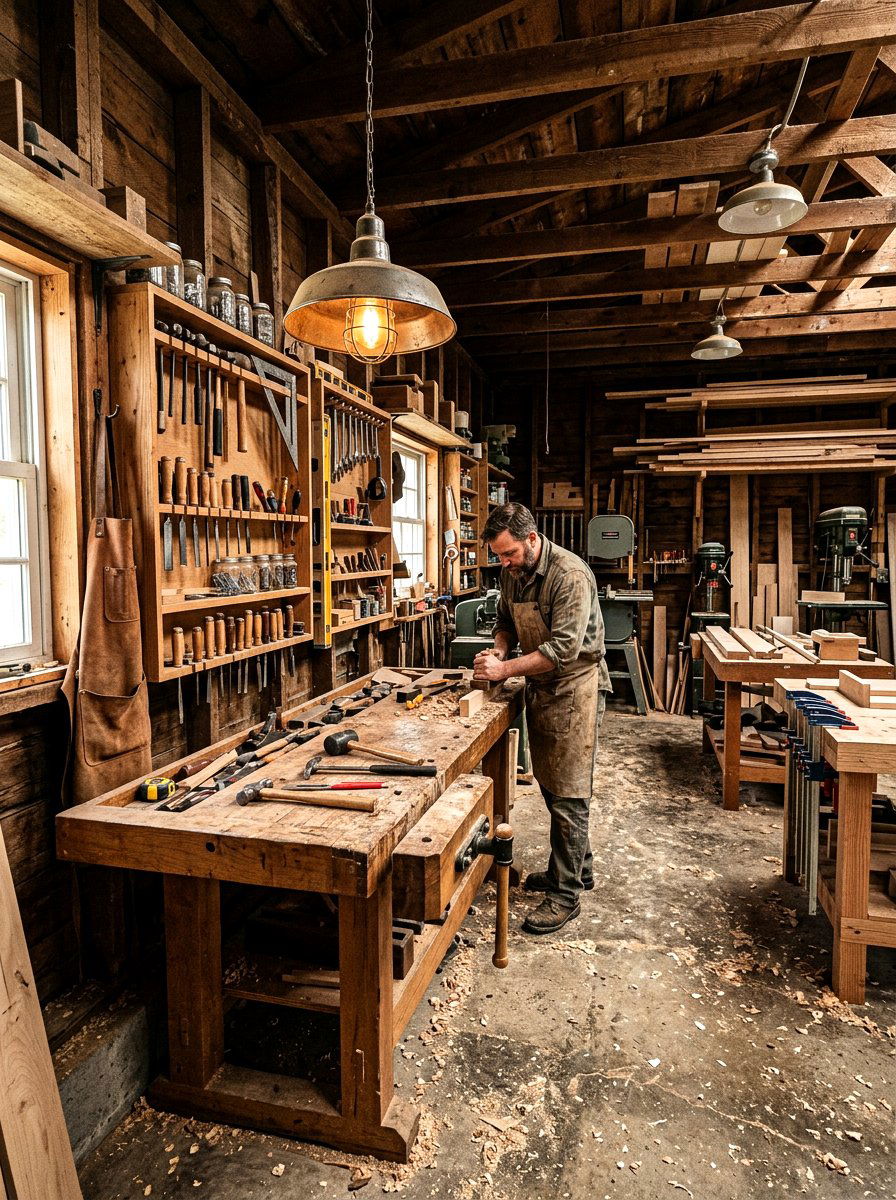
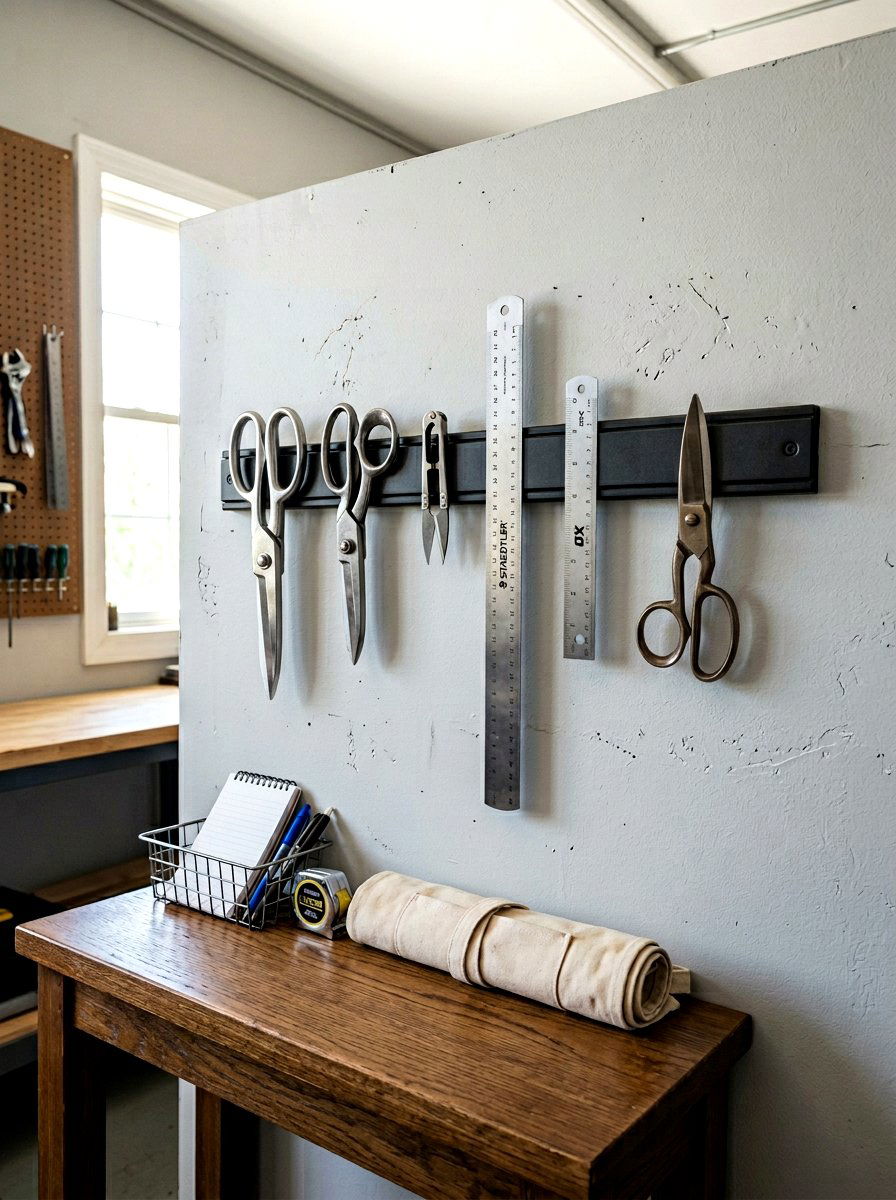
There is something incredibly grounding about working in a room filled with the scent and texture of natural timber. A rustic wood workshop is perfect for makers, woodworkers, or anyone who enjoys a more traditional and tactile environment. Heavy-duty workbenches made from solid oak or maple provide a sturdy surface for hands-on projects and heavy machinery. Pegboards and magnetic strips are excellent for keeping hand tools organized and within easy reach at all times. Exposed wooden beams and warm Edison bulb lighting can enhance the cozy, workshop feel. This space is built for durability and hard work, celebrating the beauty of manual craftsmanship.
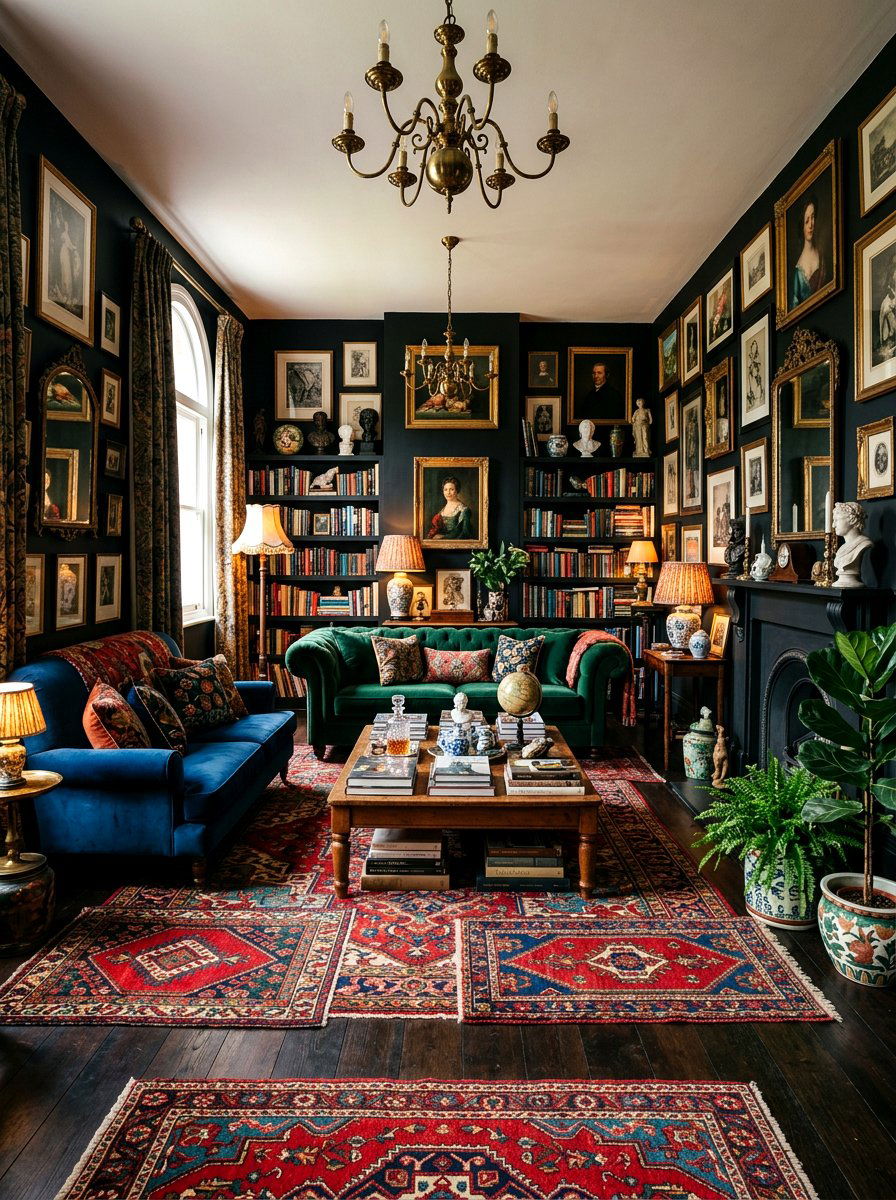
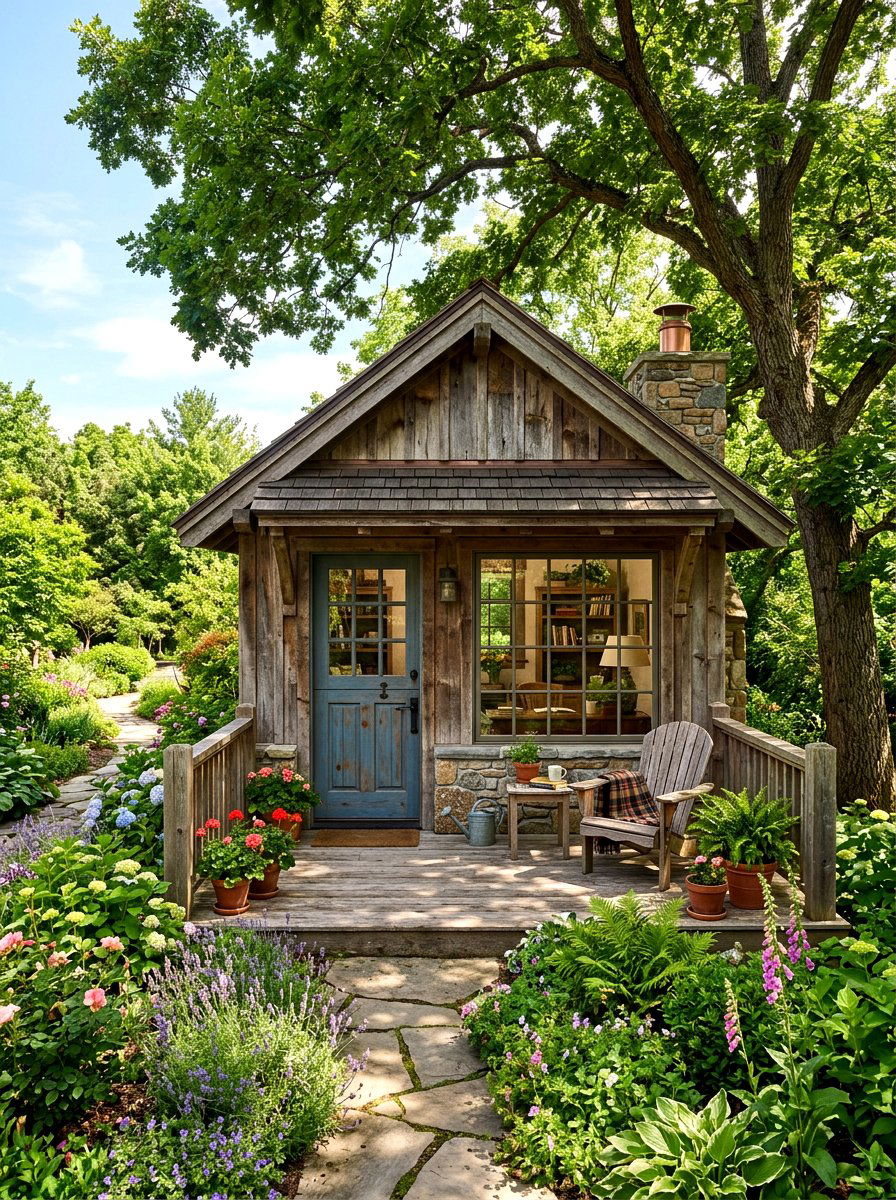
14. Dark Academy Workspace
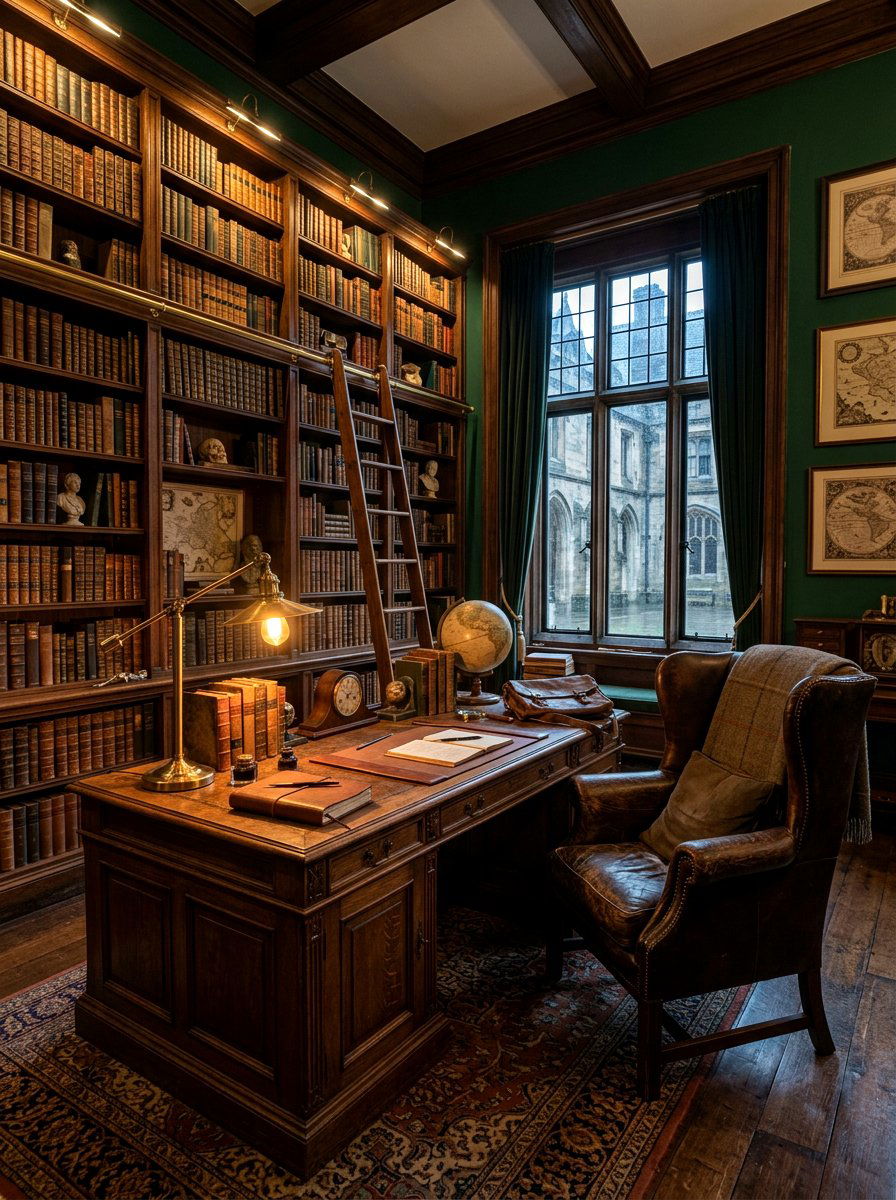
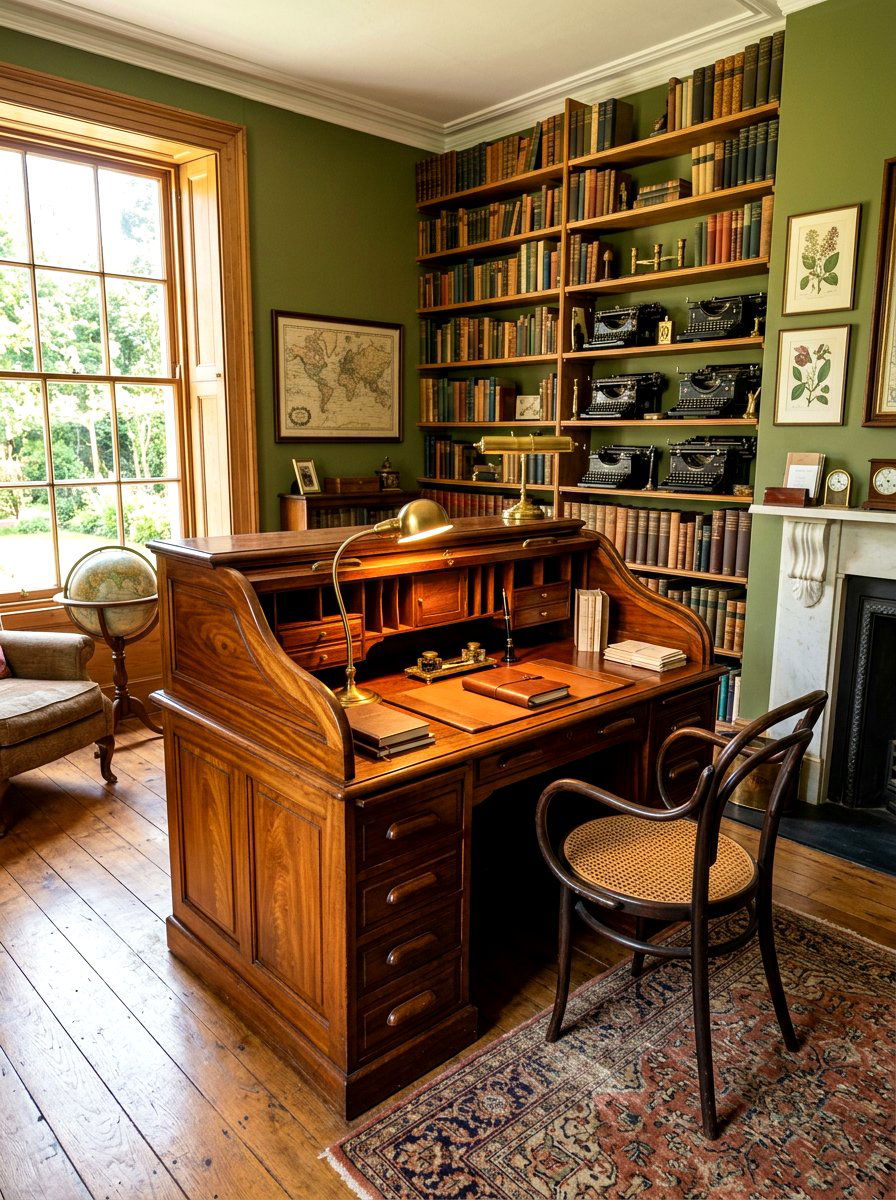
The "Dark Academy" aesthetic is perfect for writers, researchers, and anyone who loves a moody and intellectual atmosphere. This style features dark-stained bookshelves, deep emerald or navy walls, and heavy velvet curtains that block out the world. A classic leather armchair and a vintage brass desk lamp create a focused environment that feels like a private library. You can decorate with old globes, framed botanical prints, and stacks of hardcover books to complete the look. The low-light setting encourages deep focus and contemplation, making it an excellent choice for those who do their best work during the quiet evening hours.
15. Attic Studio Conversion
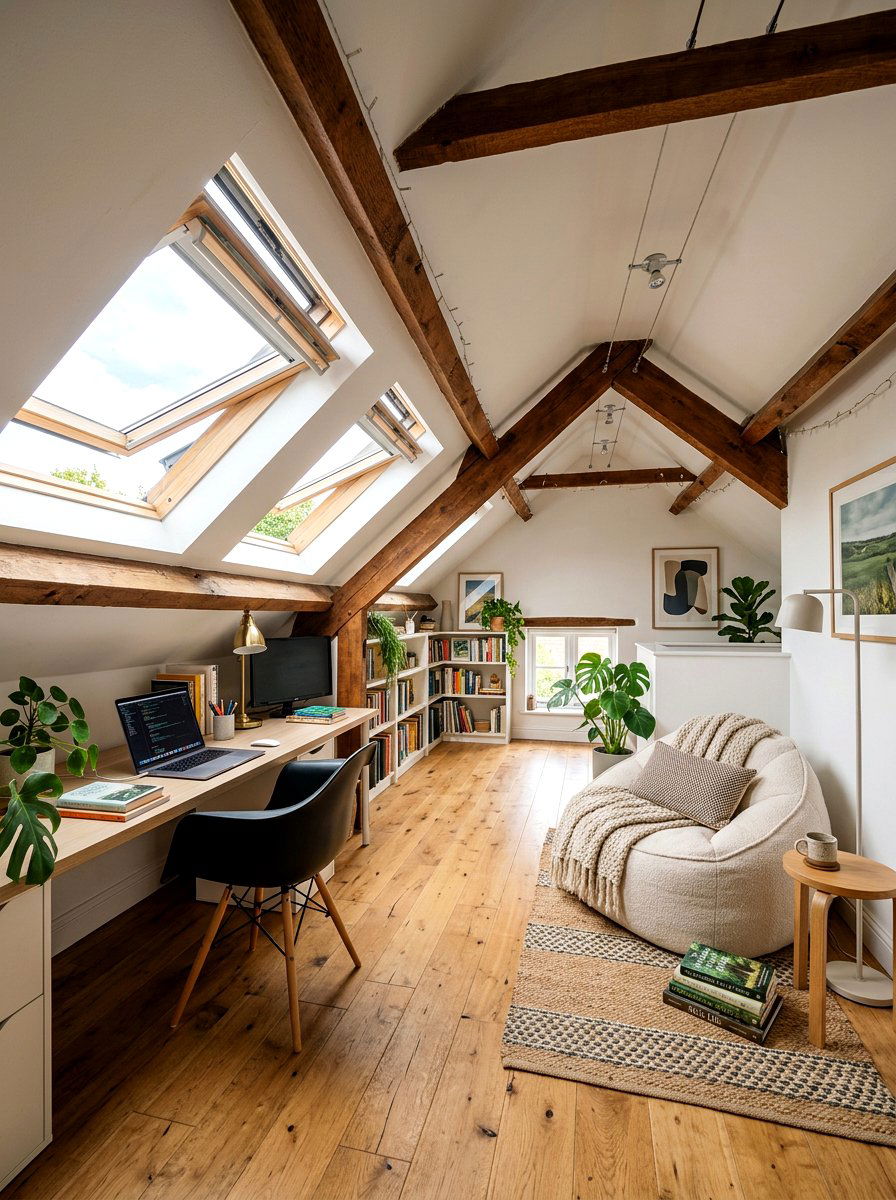
An unused attic can be transformed into a secluded and charming studio that offers plenty of privacy from the rest of the house. The unique angles of the roofline provide a cozy, architectural interest that you won't find in standard rectangular rooms. Installing large skylights can flood the space with natural light, making the sloping ceilings feel much higher and more open. Built-in storage tucked into the eaves is a great way to maximize every inch of available space. This elevated sanctuary is perfect for creatives who need a quiet place to retreat and focus on their projects without being interrupted by household noise.
16. Garage Office Makeover
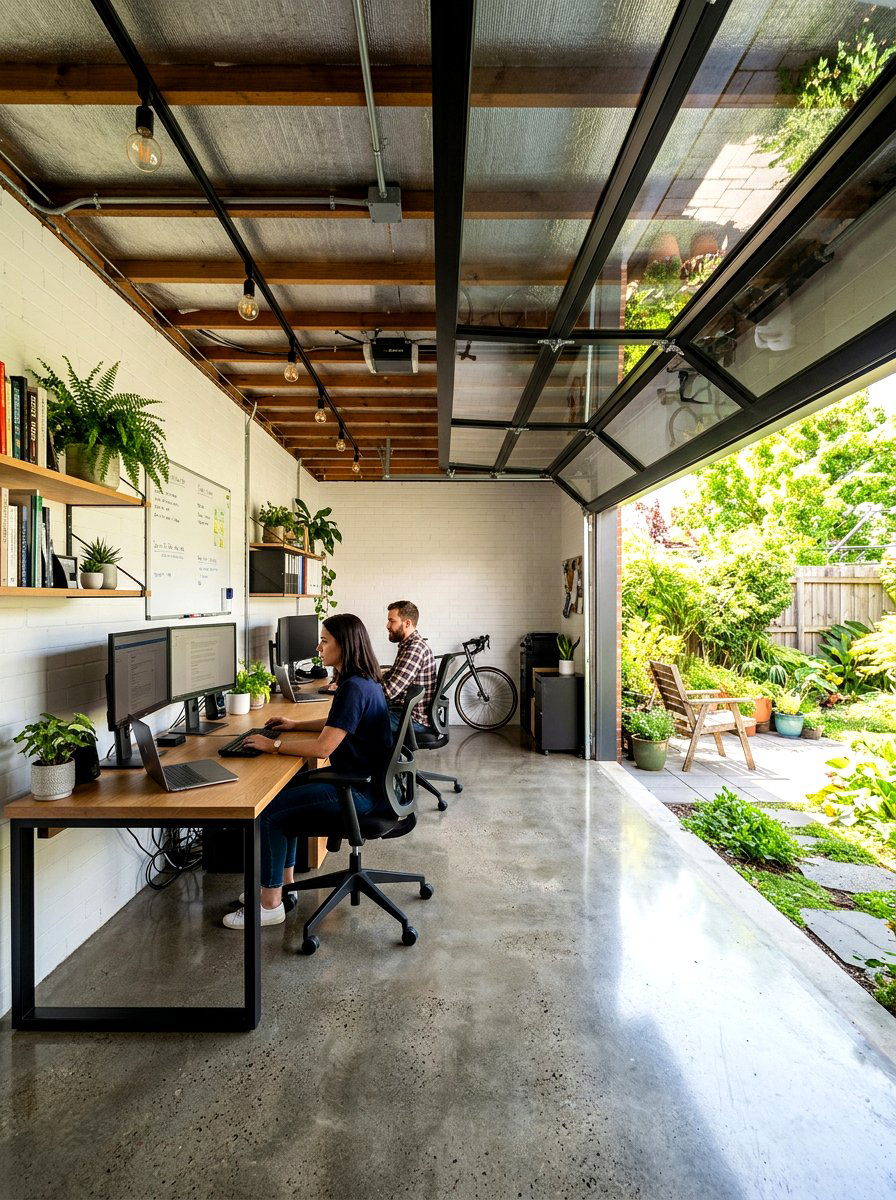
Turning a garage into a professional studio is a popular way to gain significant square footage without building an extension. Concrete floors can be polished or painted for a modern look, while insulation and drywall make the space feel like a proper room. Large glass garage doors can be installed to replace traditional ones, allowing for an abundance of light and a seamless connection to the outdoors. This type of conversion provides a large, open floor plan that can accommodate heavy equipment or multiple workstations. It is a fantastic option for creators who need a separate entrance for clients or team members to visit.
17. Modular Office Furniture
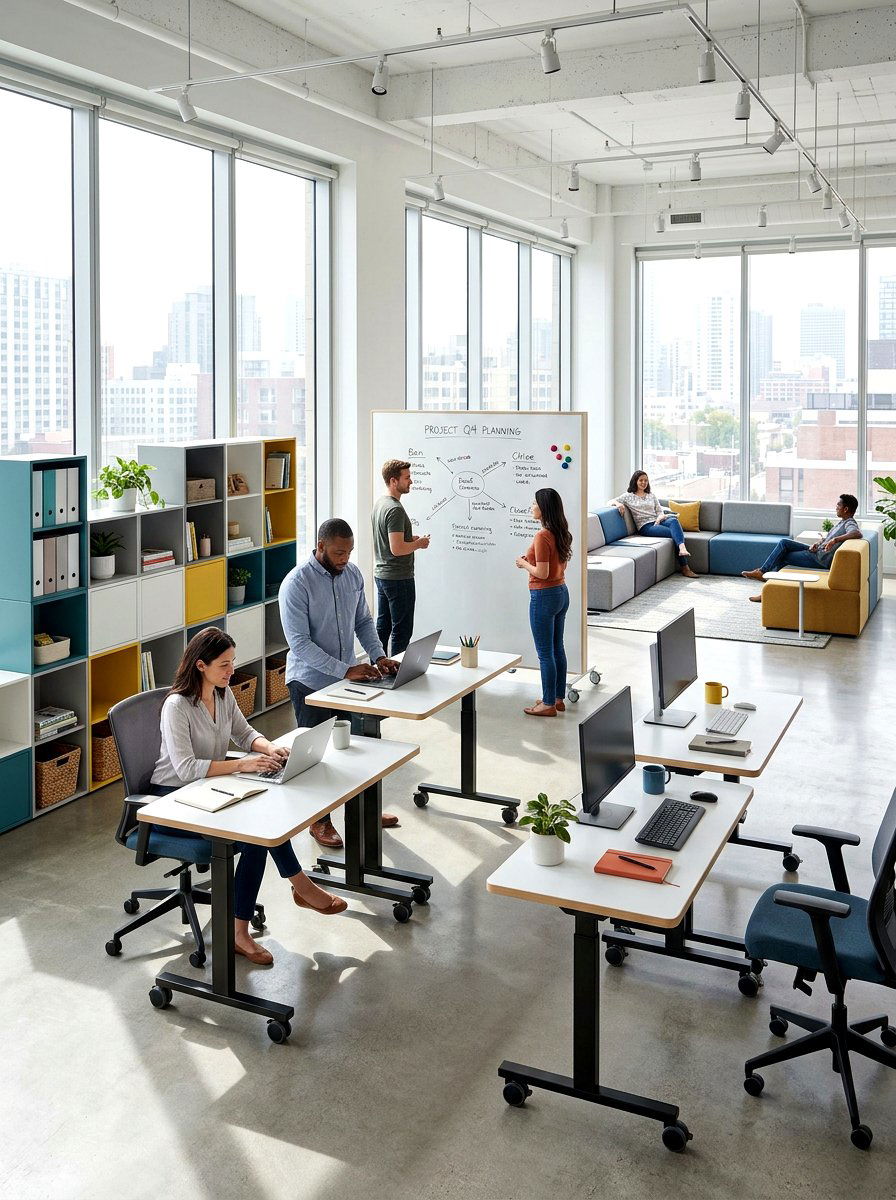
Flexibility is the hallmark of a modern creative studio, and modular furniture allows you to change your layout whenever inspiration strikes. Desks on wheels and shelving units that can be rearranged make it easy to transition from solo work to group collaboration. You can use modular seating blocks to create a temporary lounge area or a structured meeting space in just a few minutes. This adaptability is especially useful for fast-growing businesses or individuals who take on a wide variety of different projects. By investing in pieces that can grow and change with you, you ensure that your workspace always remains highly functional.
18. High Tech Digital Studio
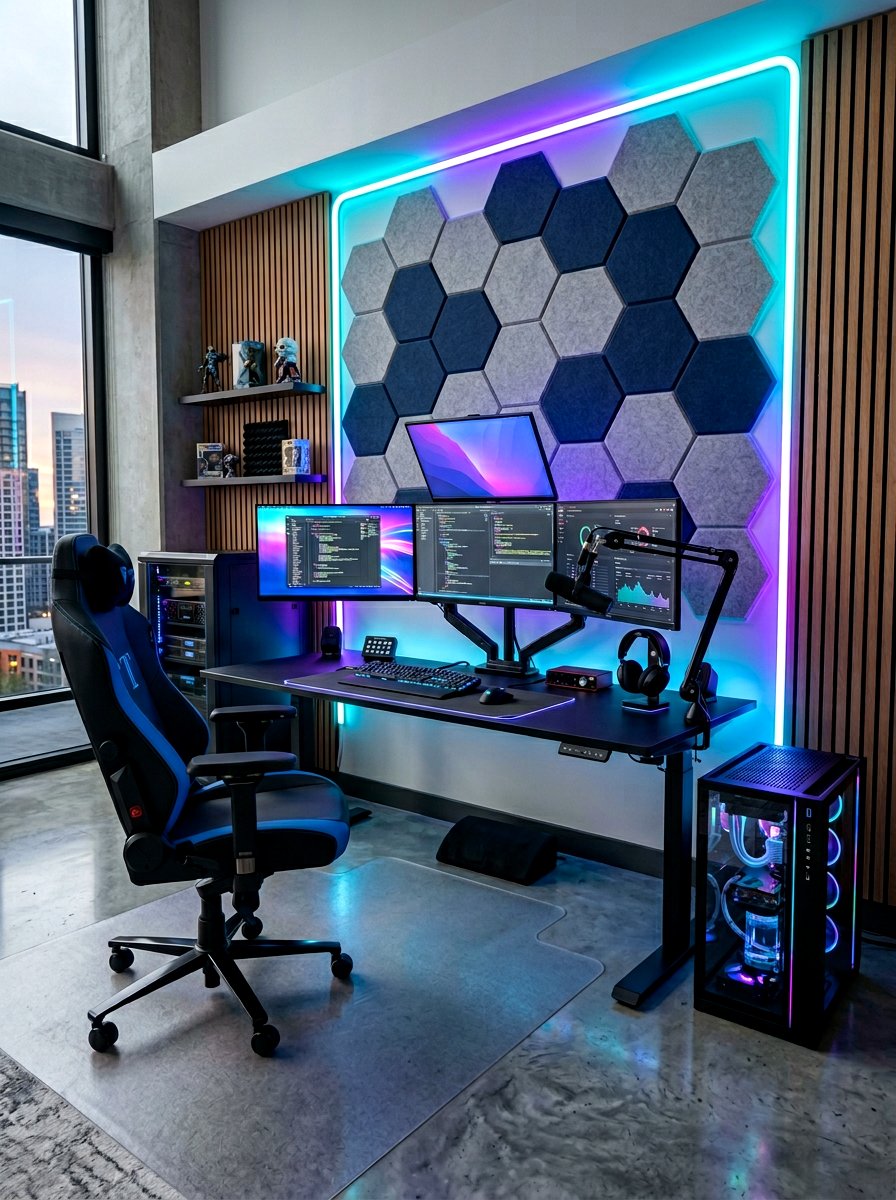
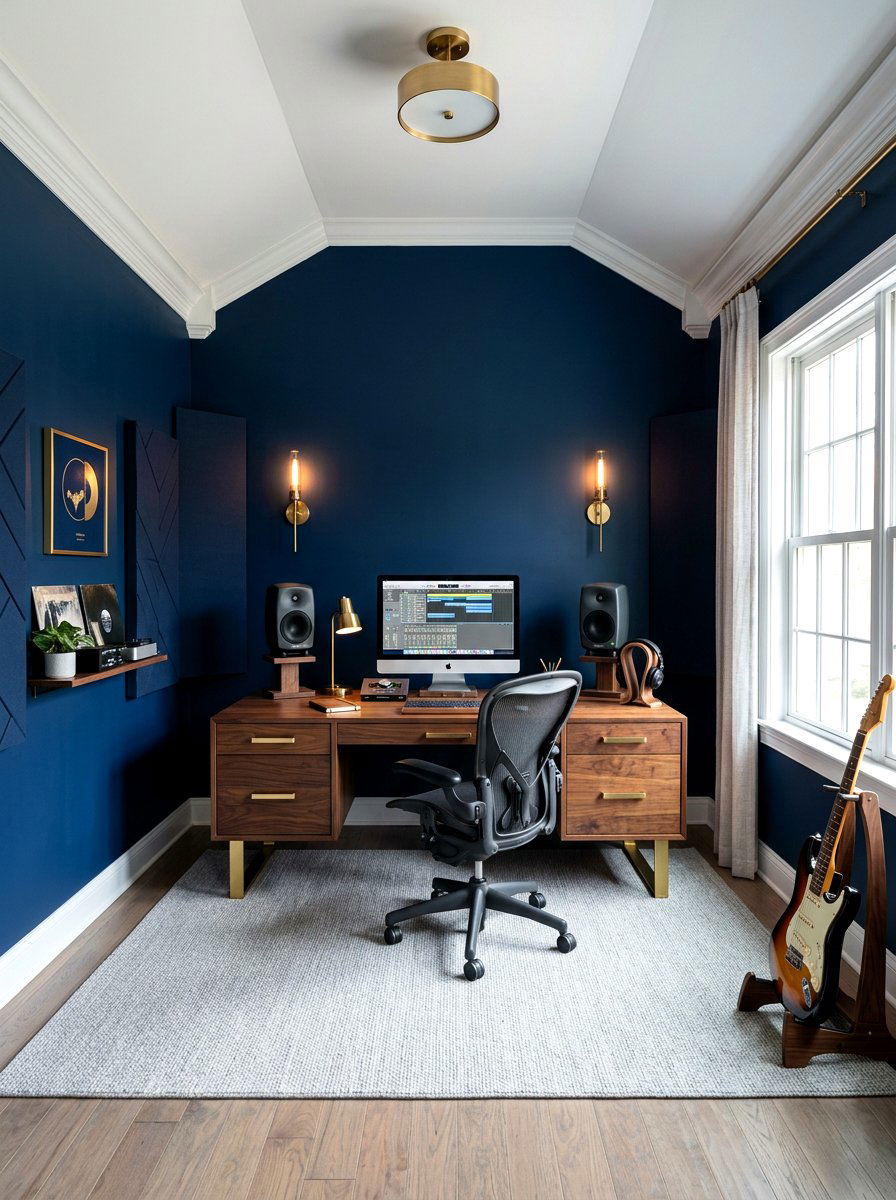
For those working in video editing, 3D modeling, or software development, a high-tech studio is an absolute necessity. This space focuses on high-performance computer setups, multiple large monitors, and professional-grade sound systems. Acoustic foam panels on the walls help to manage sound reflections and create a better listening environment for detailed audio work. Smart lighting systems that can change color temperature throughout the day help to reduce eye strain and maintain your energy levels. Cable management is prioritized to keep the space looking clean and organized despite the large amount of hardware. It is a sleek, futuristic environment built for maximum digital efficiency.
19. Fashion Atelier Workspace
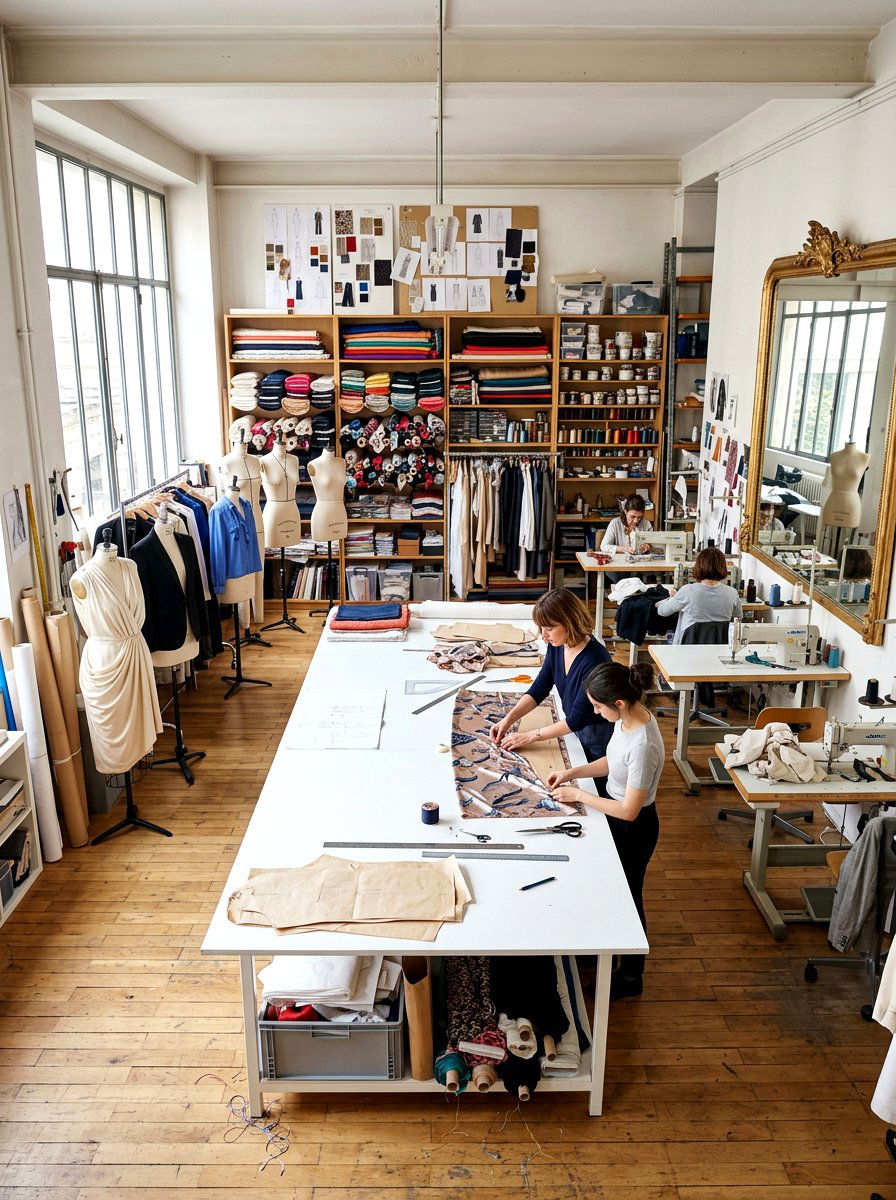
A fashion atelier requires a specific layout that accommodates large cutting tables, sewing machines, and dress forms. Open shelving is essential for organizing fabric bolts, threads, and various notions so that they are always visible and accessible. A large mirror is a must-have for fitting sessions and checking the drape of a new garment design. Bright, overhead lighting combined with focused task lamps ensures that every stitch is clearly visible. Many designers choose a neutral backdrop to let the colors and textures of their textiles take center stage. This functional yet stylish environment is where beautiful garments come to life from initial sketches.
20. Urban Rooftop Studio
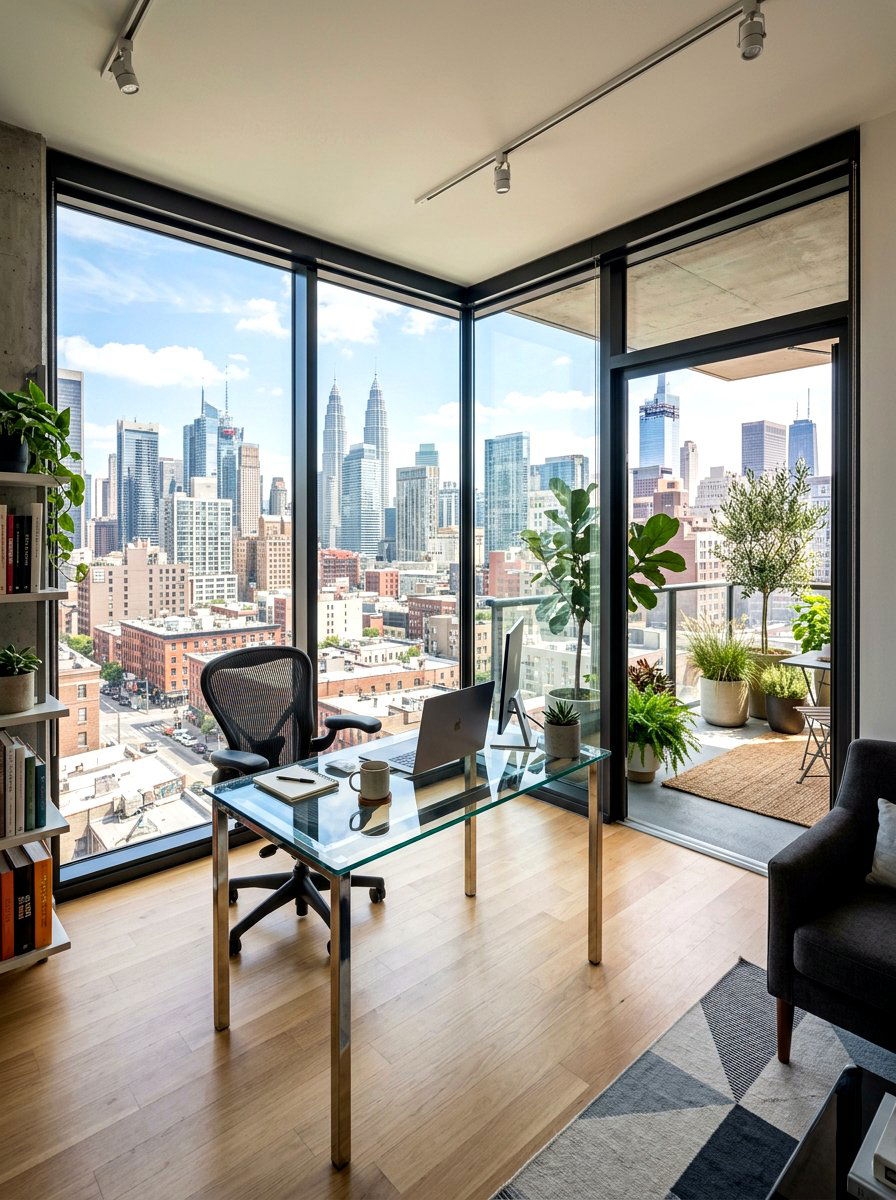
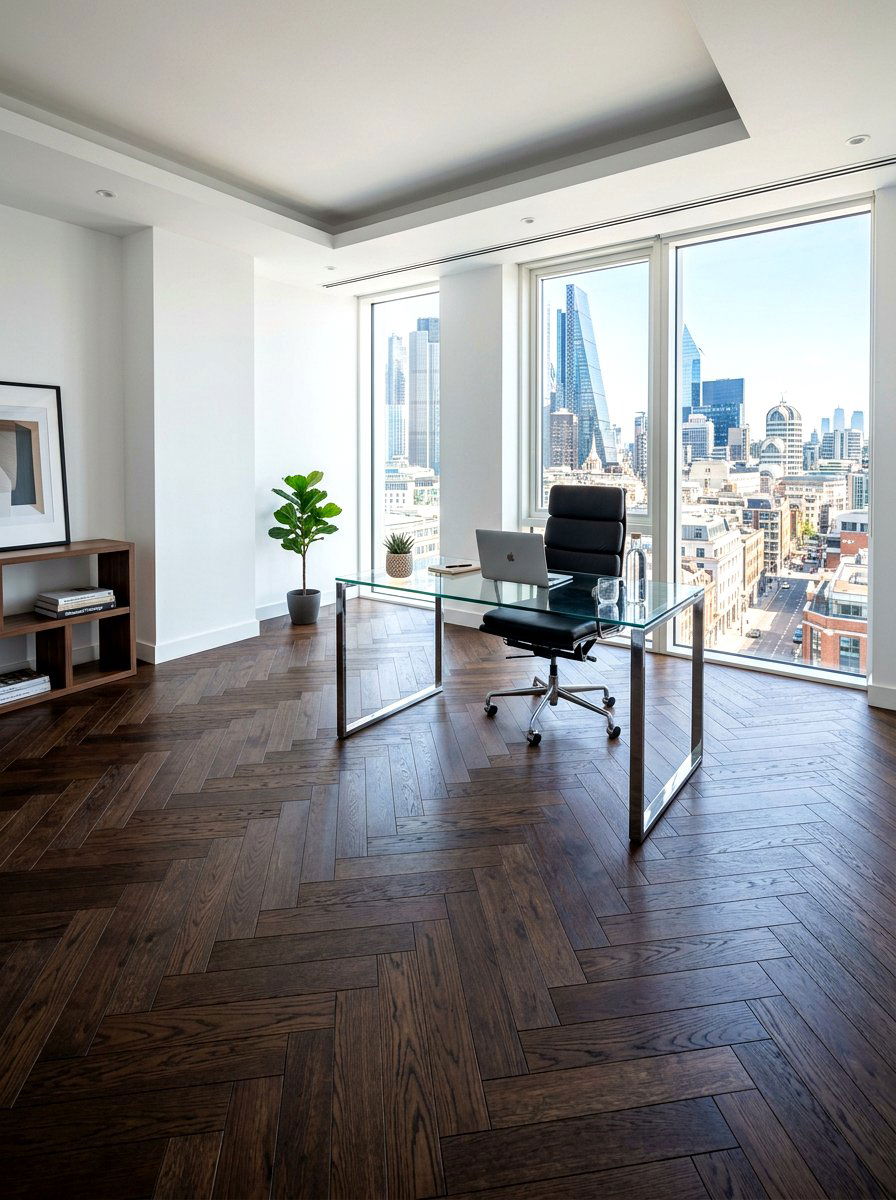
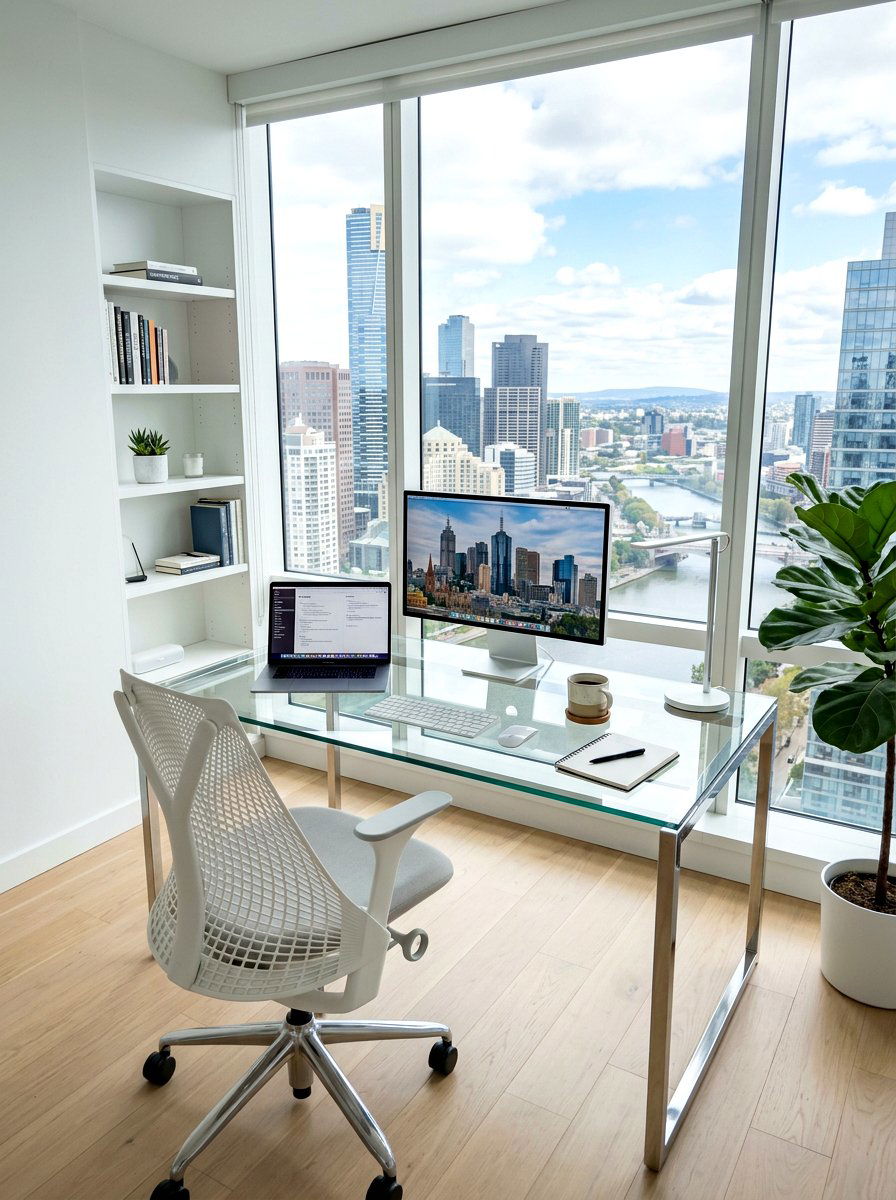
Working from a rooftop studio provides a breathtaking view of the city skyline that can serve as a constant source of inspiration. These spaces are often characterized by floor-to-ceiling windows and a modern, minimalist interior that doesn't compete with the outdoor scenery. Small outdoor terraces allow you to step out for fresh air and a quick mental break during the day. The play of light across the urban landscape changes throughout the hours, providing a dynamic and ever-evolving backdrop for your creative work. It is a luxurious and high-energy setting that is perfect for those who thrive on the pulse of a busy city.
21. Zen Inspired Workspace
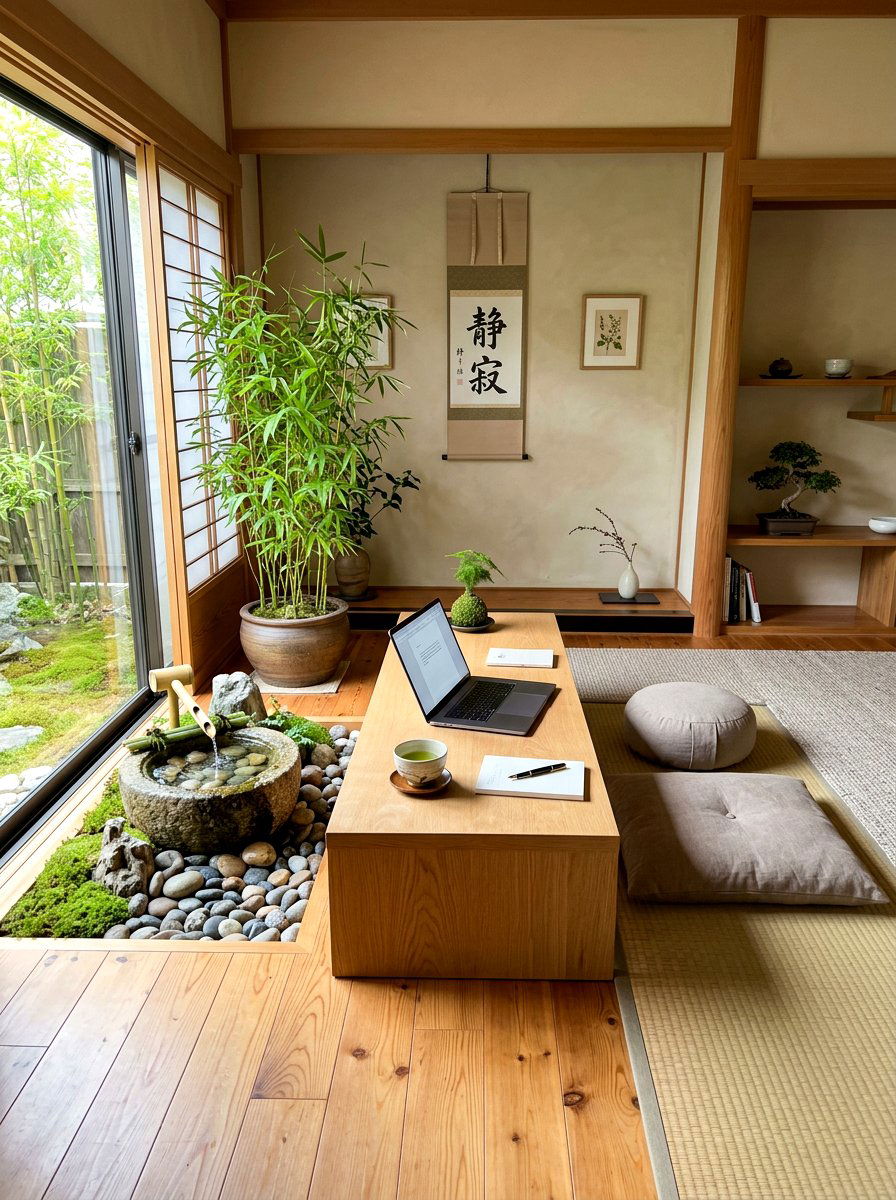
A Zen-inspired studio focuses on creating a calm and balanced environment where stress is kept at bay. This style uses a palette of soft earth tones, natural materials like stone and bamboo, and a minimal amount of furniture. A small indoor water feature or a tabletop rock garden can provide a soothing soundscape that helps with concentration. Low-profile desks and floor cushions encourage a different, more grounded posture while working or meditating. By removing all unnecessary clutter and focusing on tranquility, this workspace becomes a peaceful sanctuary that supports both your mental health and your creative output during the most hectic days.
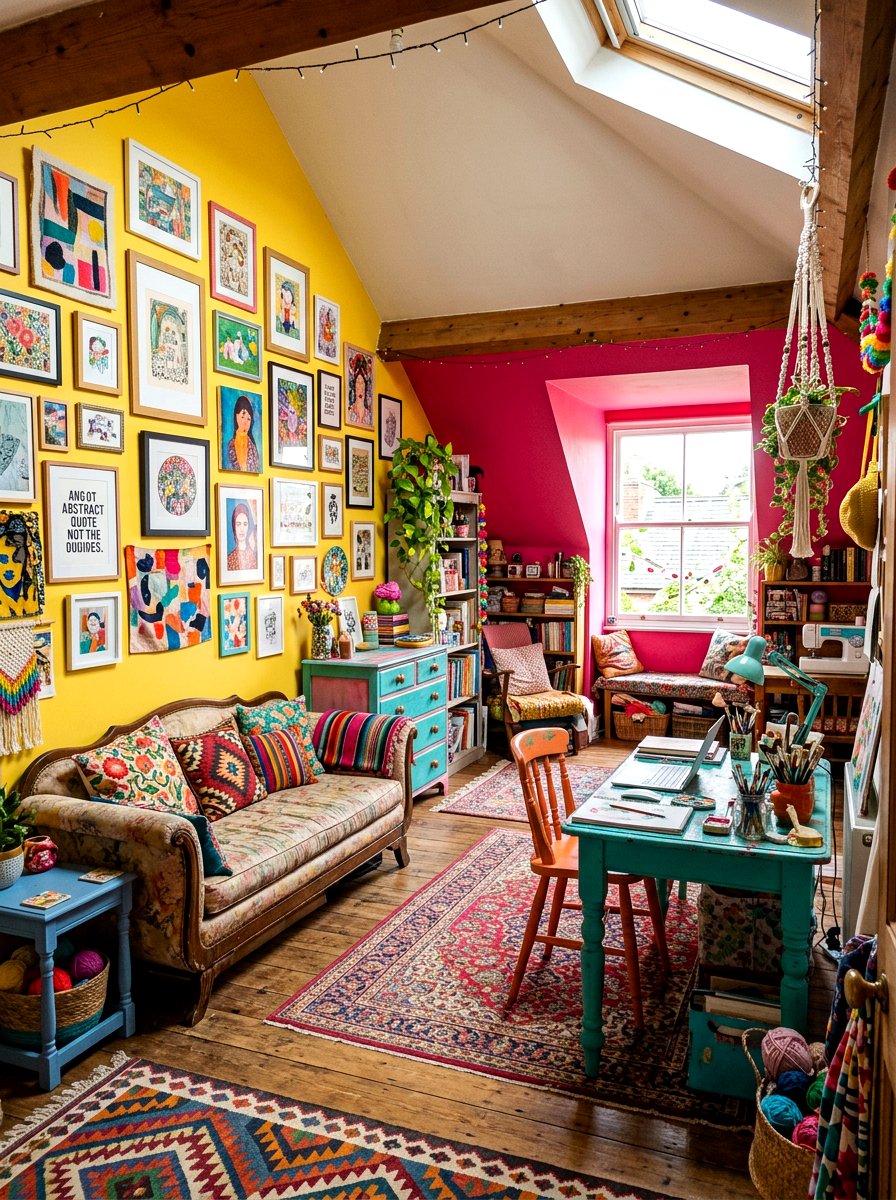
22. Maximalist Studio Aesthetic
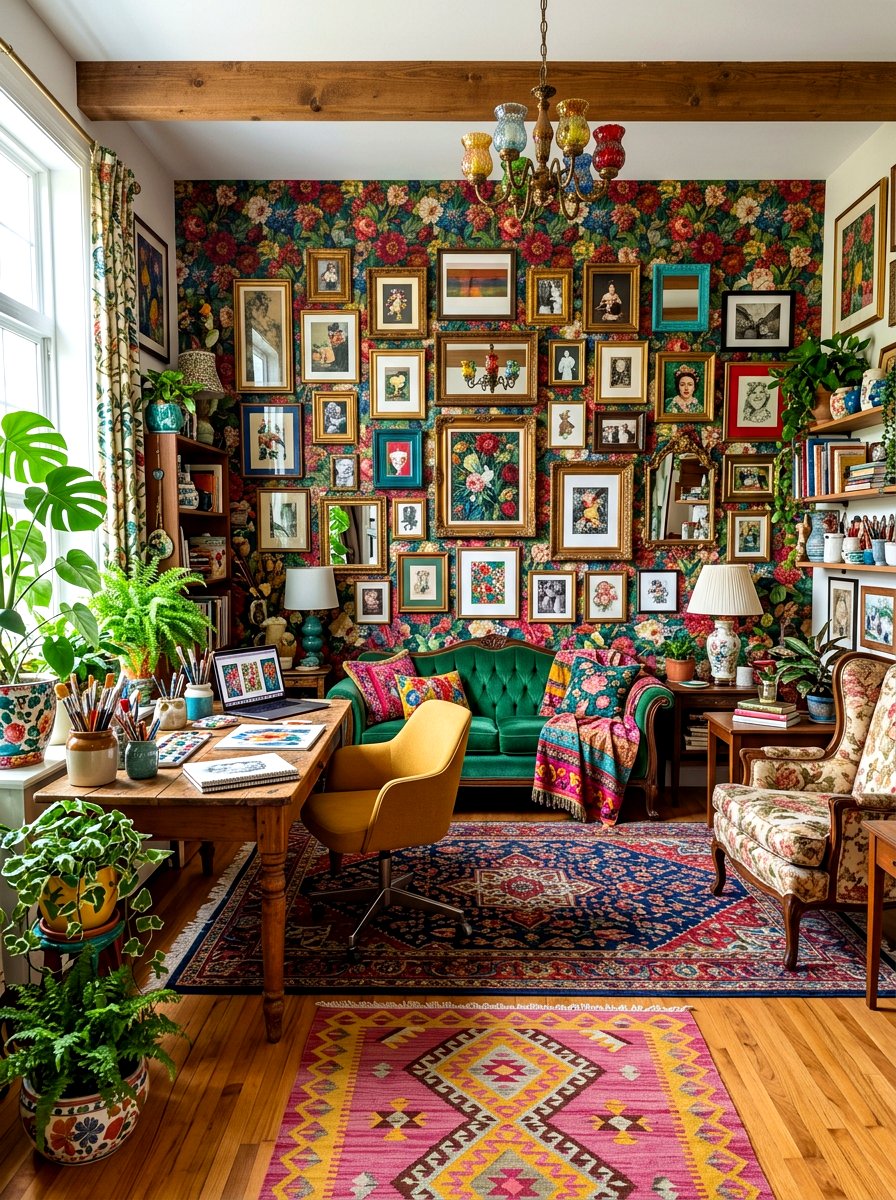
If you believe that more is more, a maximalist studio allows you to surround yourself with all the things you love. This style is characterized by bold wallpapers, gallery walls filled with art, and a mix of different textures and patterns. It is a highly personal space that acts as a physical mood board for your current projects and past inspirations. You can use vintage cabinets to display collections of unique objects, creating a room that feels curated and full of life. This high-energy environment is perfect for people who find that a busy and eclectic space actually helps to stimulate their imaginative thinking.
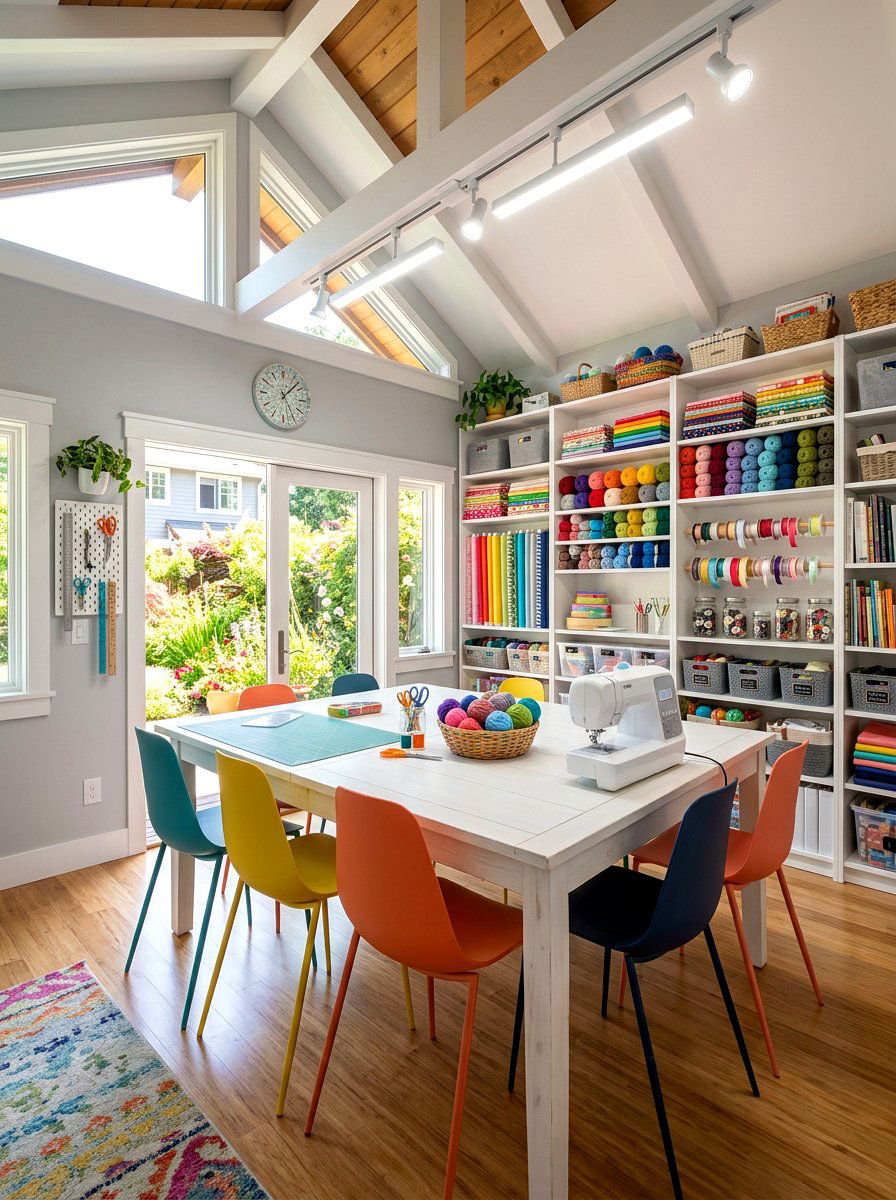
23. Craft Room Organization
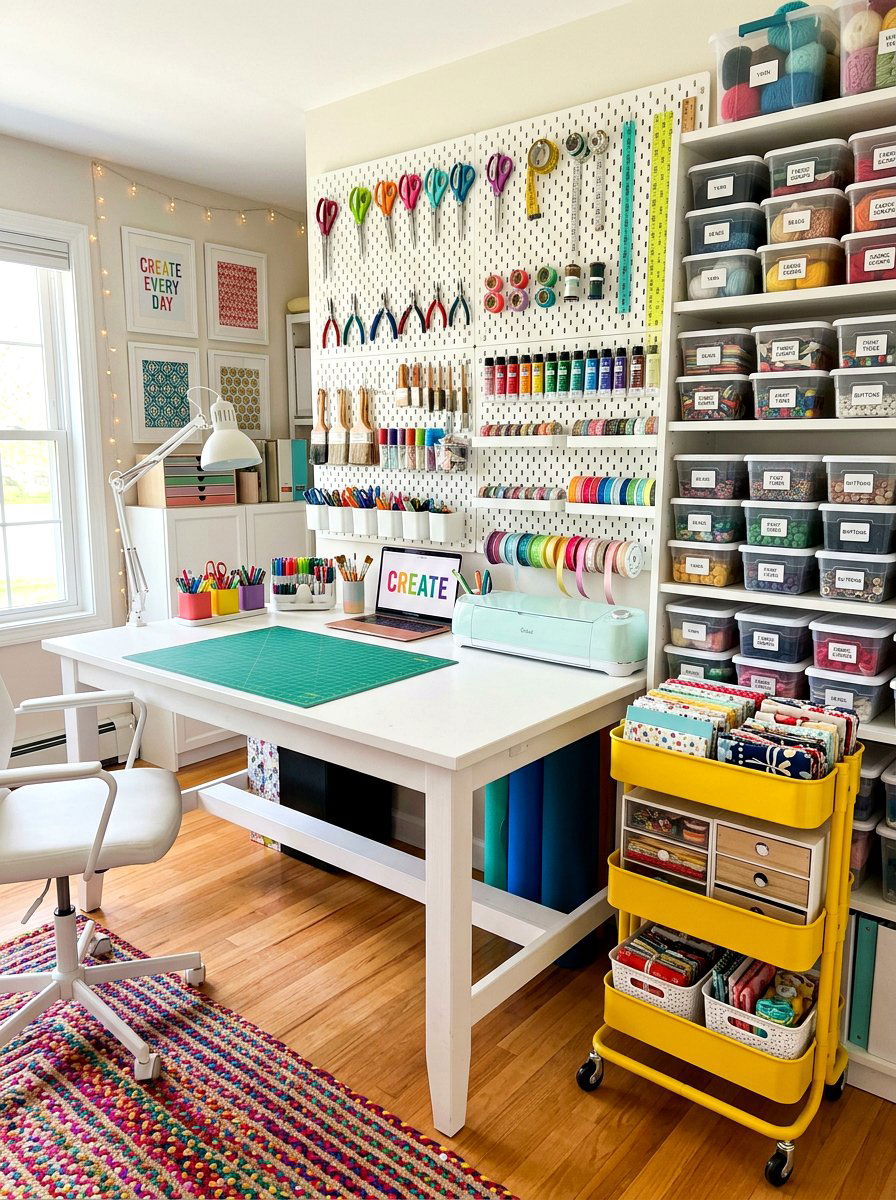
For those who love DIY projects, a well-organized craft room is essential for keeping track of endless small supplies. Utilizing clear storage bins, pegboards, and labeled drawers ensures that you can find exactly what you need in a matter of seconds. A large, durable work surface is necessary for spreading out materials like paper, beads, or yarn without feeling restricted. You can organize your supplies by color to create a visually stunning display that also serves a functional purpose. Adding a comfortable chair and some personalized decor makes the space feel inviting and ready for hours of creative experimentation and fun projects.
24. Podcast Studio Layout
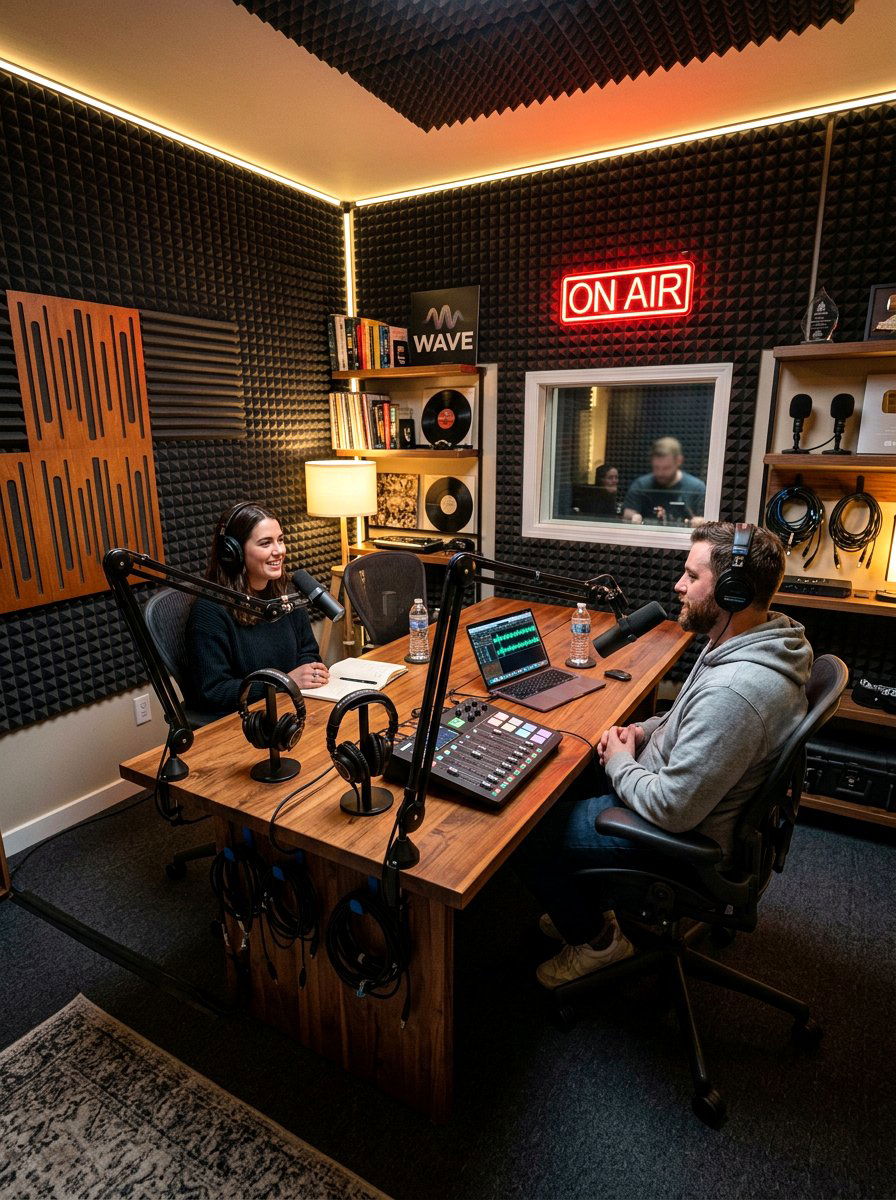
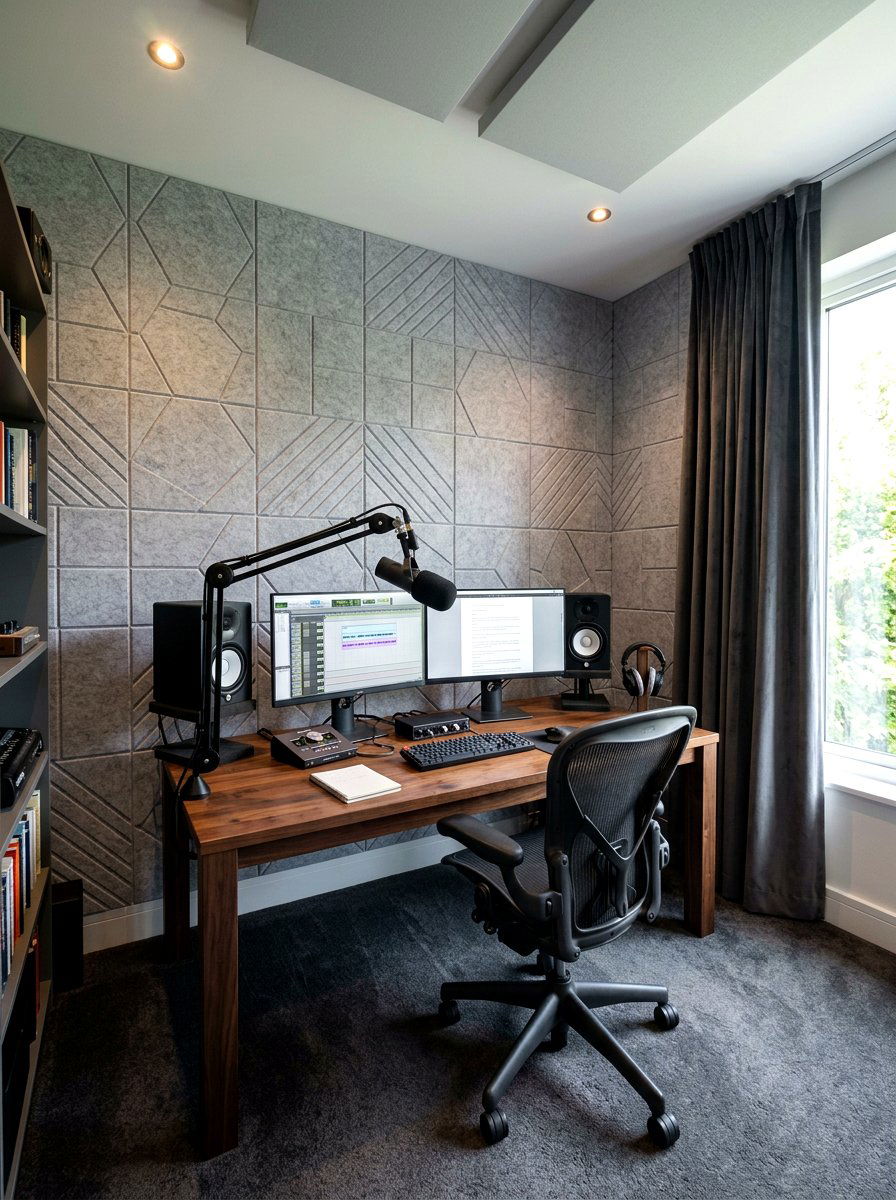
Recording high-quality audio requires a studio that is specifically designed for sound isolation and clarity. A podcast studio usually features heavy acoustic curtains or foam panels to prevent echoes and block out external noise from the rest of the house. A sturdy desk with adjustable microphone arms allows for a comfortable and professional recording setup for multiple guests. You might also include a small lounge area where you can conduct more informal interviews in a relaxed setting. Soft, warm lighting creates a cozy atmosphere that helps guests feel at ease while the "on air" light provides a fun and functional touch for your sessions.
25. Sunroom Office Environment
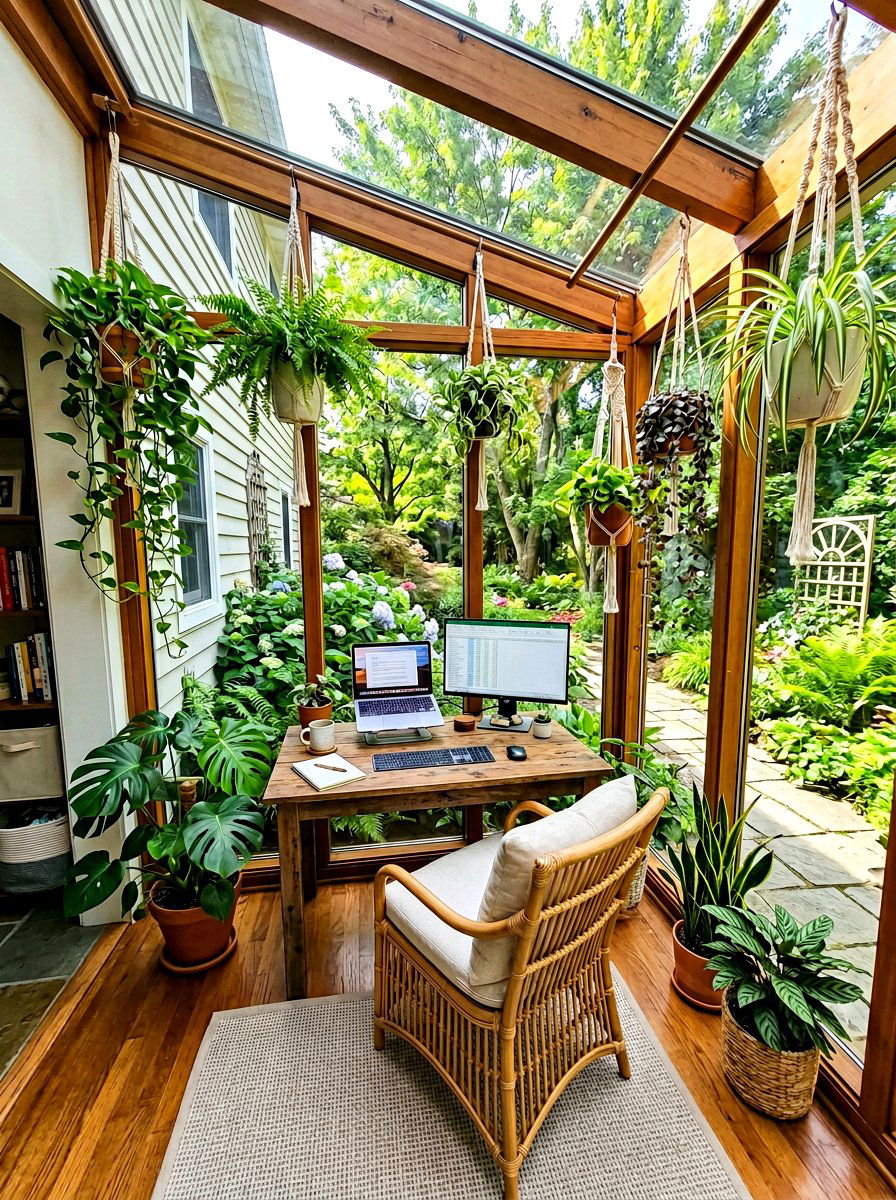
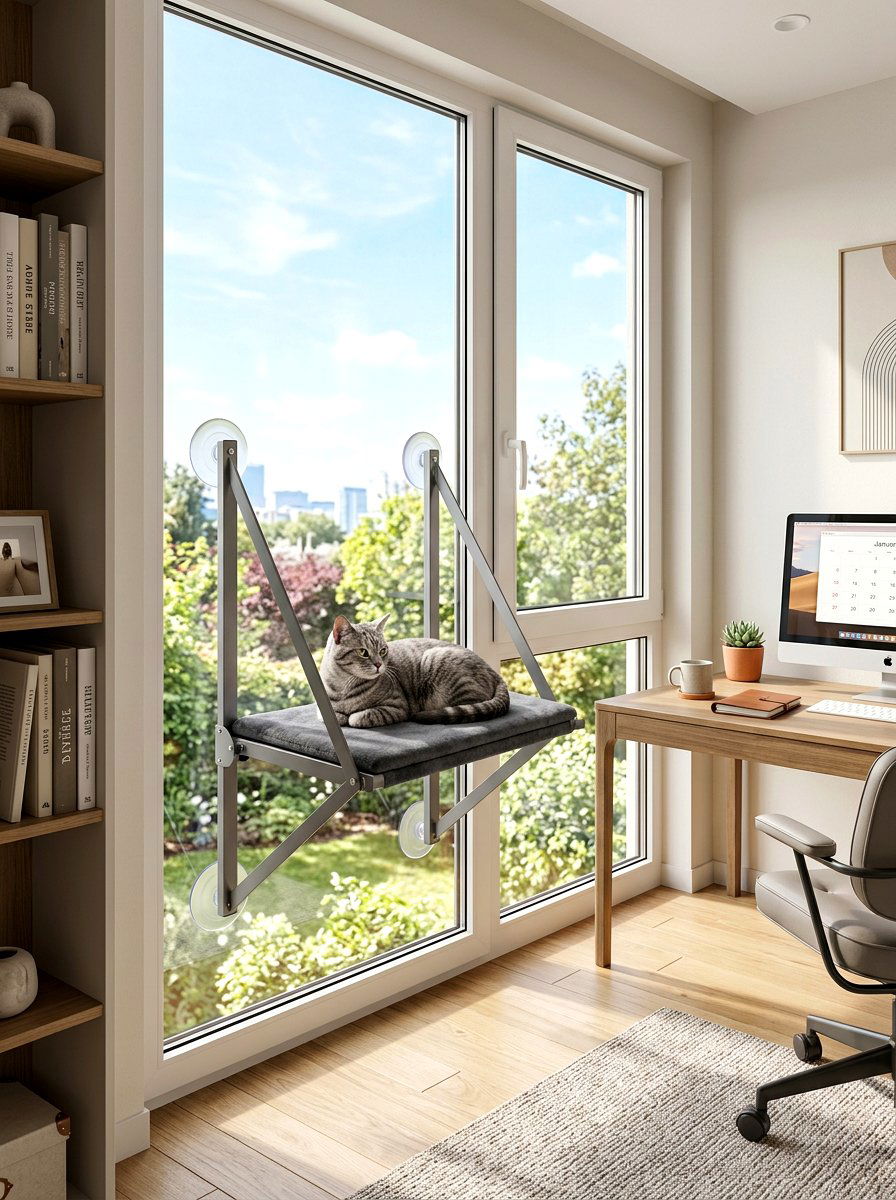
A sunroom offers the unique benefit of feeling like you are working outside while being protected from the various weather elements. Surrounded by glass on three sides, this workspace provides a panoramic view of your backyard or garden area. The abundance of natural vitamin D can boost your mood and keep you feeling energized throughout the entire afternoon. You can use lightweight furniture and natural fiber rugs to maintain the breezy and open feel of the room. During the summer, blinds or sheer curtains can help to control the temperature and reduce glare on your computer screens, making it a comfortable year-round workspace.
26. Vintage Inspired Workspace
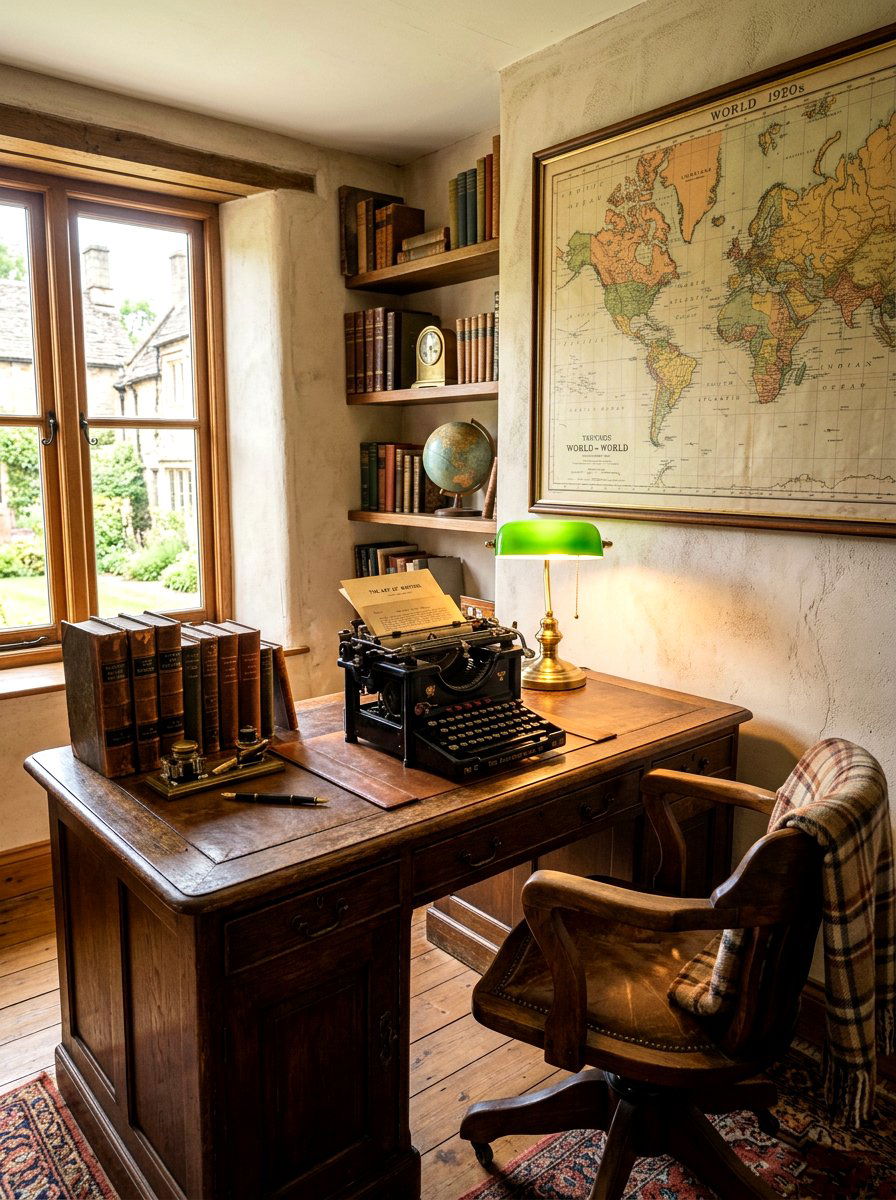
Decorating your studio with vintage pieces adds a sense of character and history that modern furniture often lacks. You can hunt for unique items like an old wooden filing cabinet, an antique typewriter, or a retro industrial chair to anchor the room. Mixing these older pieces with modern technology creates a "new-meets-old" vibe that is very popular in contemporary interior design. Using a palette of muted jewel tones or warm sepia shades can further enhance the nostalgic feeling of the space. This approach allows you to create a one-of-a-kind studio that tells a story and feels completely different from a standard corporate office.
27. Modernist Architecture Office
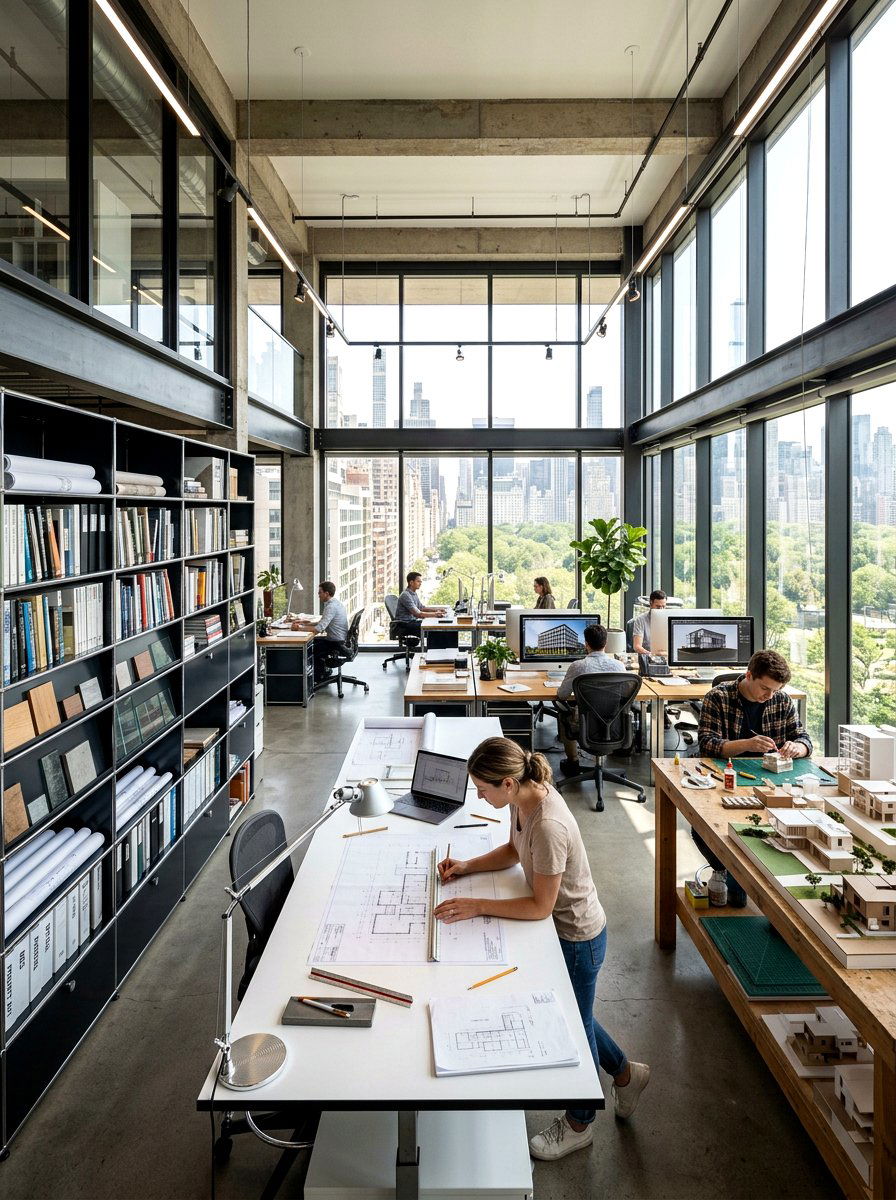
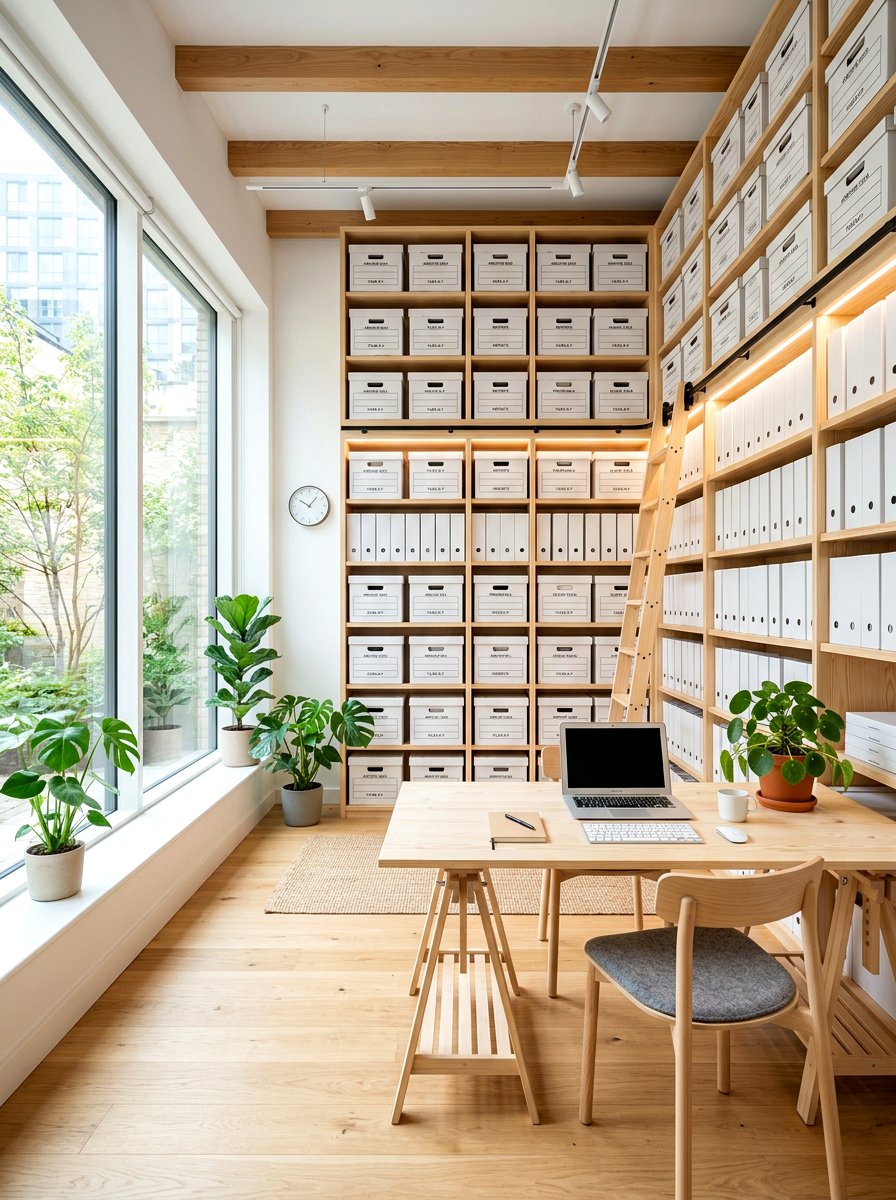
Architects and designers often prefer a studio that reflects their own professional principles of structure and precision. A modernist office features clean lines, industrial materials like glass and steel, and a very organized layout. Large flat-file cabinets are used to store blueprints and oversized drawings, while a dedicated area for model making provides a space for physical prototyping. The color palette is usually very restrained, focusing on black, white, and raw concrete textures. This disciplined environment supports the deep focus required for technical drawing and complex problem-solving. It is a space where every element has been carefully considered for its specific function.
28. Ergonomic Studio Setup
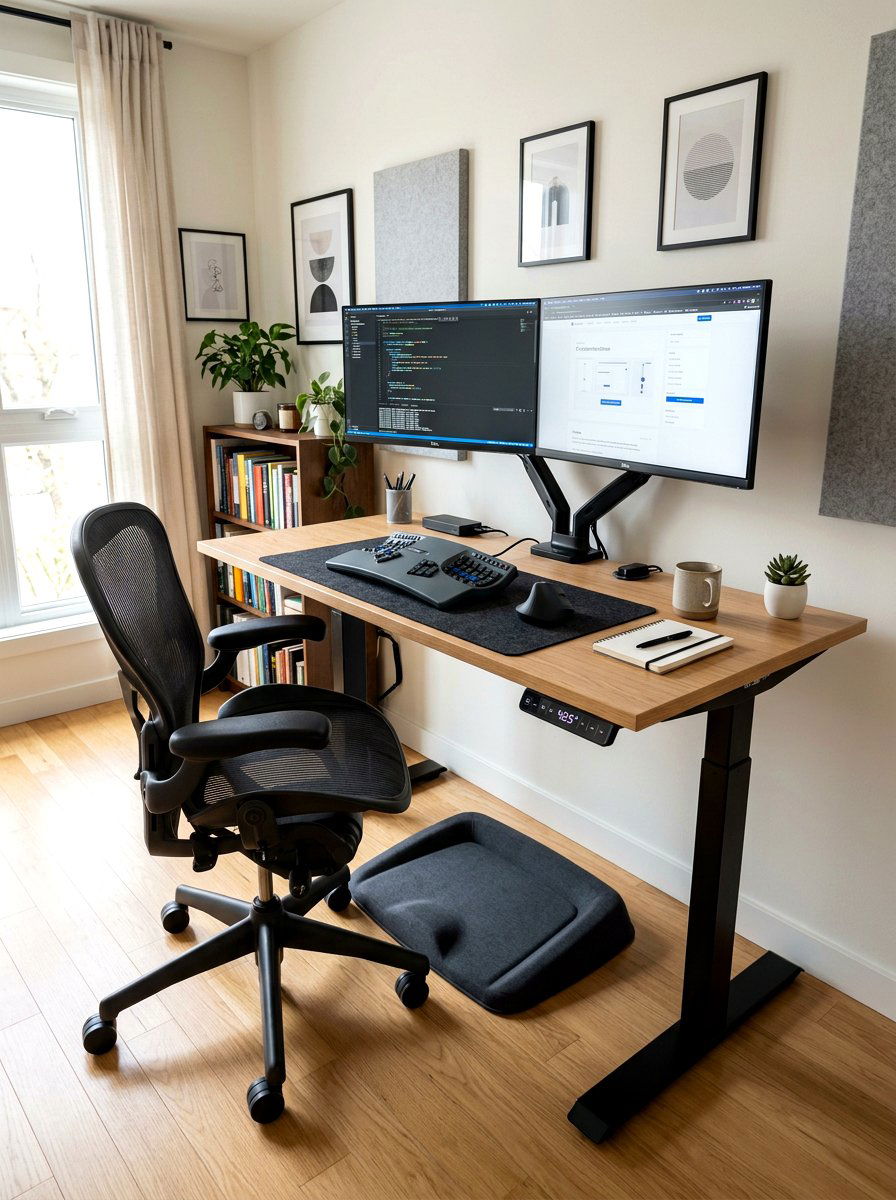
Long hours spent at a desk can take a toll on your body, making an ergonomic setup a vital investment for your health. This type of studio prioritizes adjustable furniture, such as sit-stand desks and high-quality chairs with proper lumbar support. Monitor arms allow you to position your screen at the perfect eye level to prevent neck strain during long sessions. Anti-fatigue mats and footrests provide additional comfort when you are working on your feet or sitting for extended periods. By focusing on physical well-being, you can maintain your productivity levels and avoid the common aches and pains associated with modern office work.
29. Art Deco Office
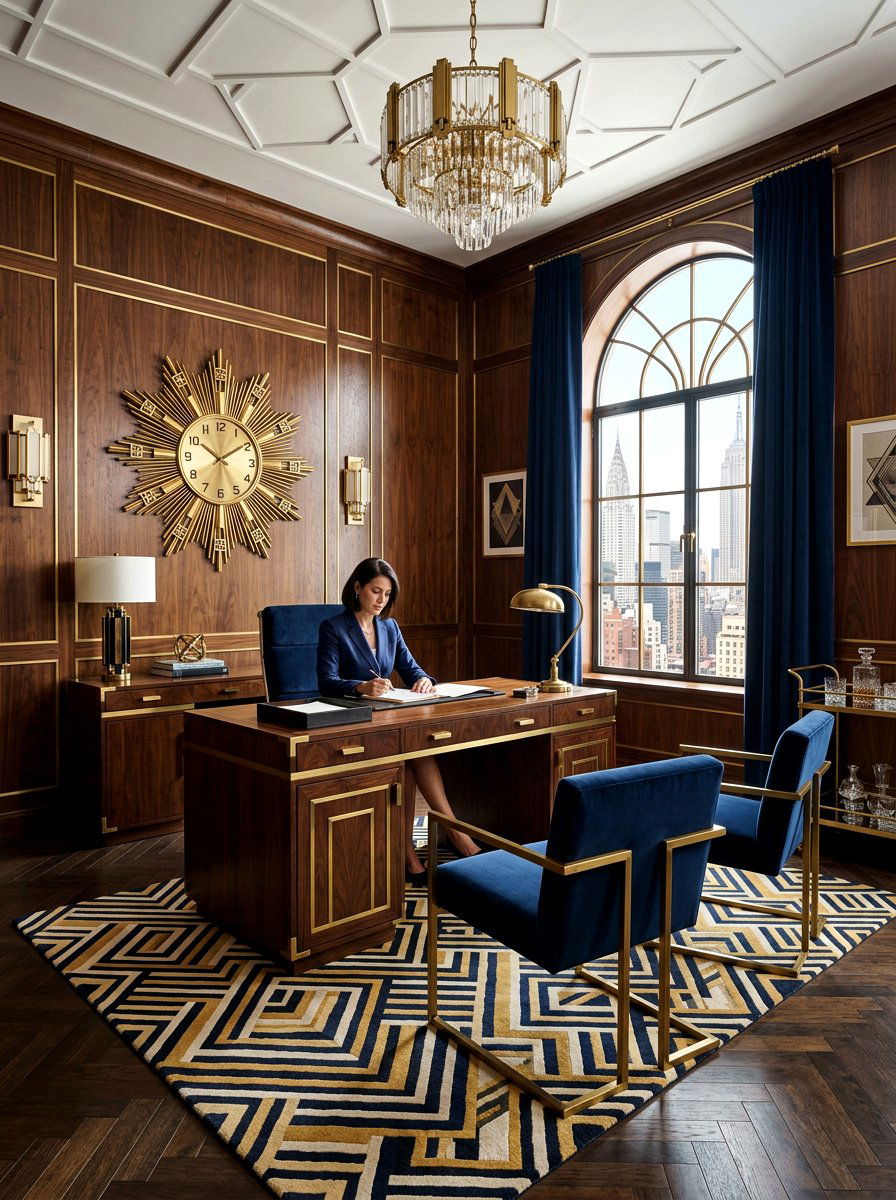
For a touch of glamor and sophistication, an Art Deco-inspired workspace utilizes bold geometric shapes and luxurious materials. Think polished brass accents, rich velvet upholstery, and dark lacquered wood surfaces that shine under soft lighting. A symmetrical layout provides a sense of order and elegance that feels very powerful and professional. You can incorporate patterned rugs with sunburst or chevron motifs to add visual interest to the floor. This style is perfect for those who want their creative studio to feel like a high-end executive suite from a classic era. It is a bold statement that combines artistic flair with timeless luxury.
30. Monochrome Studio Interior
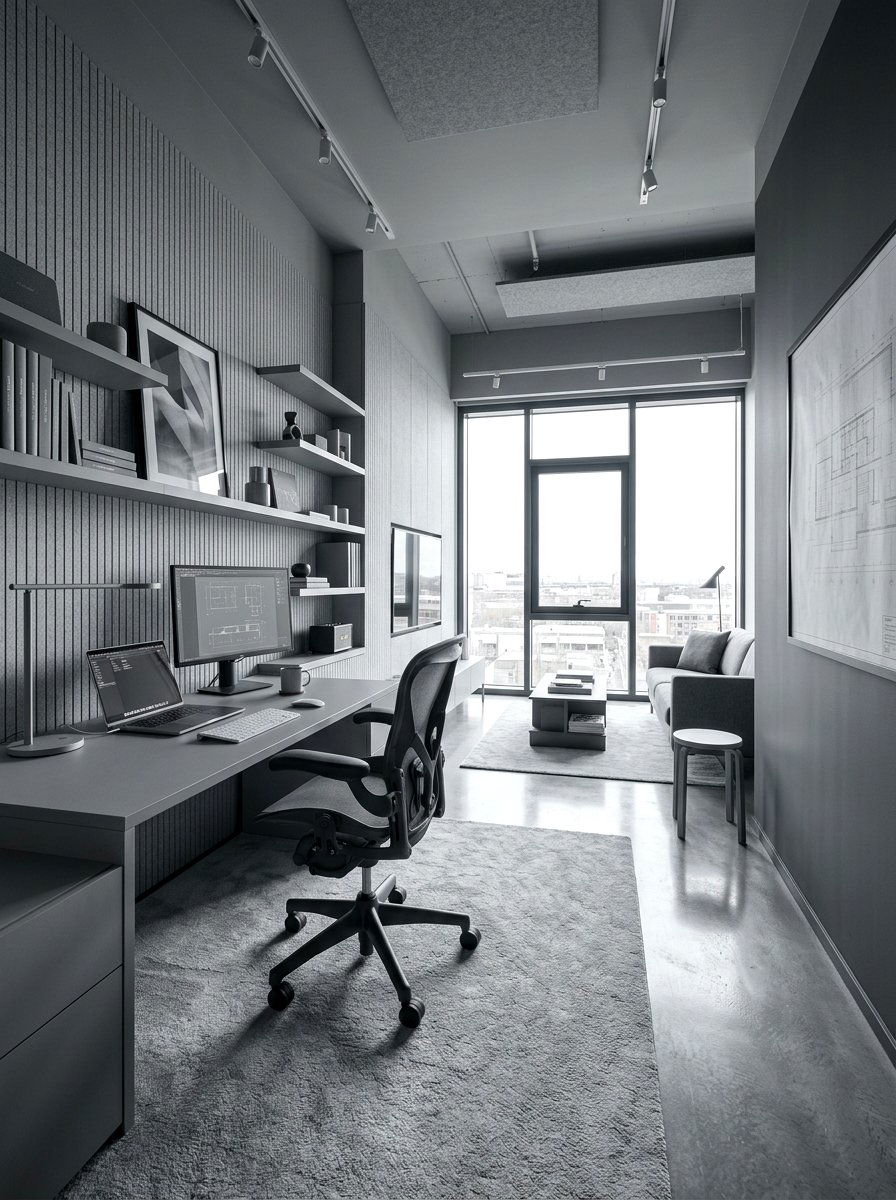
A monochrome studio uses different shades of a single color to create a cohesive and visually striking environment. Whether you choose all-gray, all-blue, or all-beige, the key is to vary the textures to prevent the room from feeling flat or boring. Using matte finishes alongside glossy surfaces and soft fabrics creates depth and interest within the limited color palette. This approach is very soothing to the eyes and provides a consistent backdrop that doesn't compete with your creative work. It is a sophisticated and modern choice for anyone who wants a highly organized and unified look for their professional workspace or home studio.
Conclusion:
Designing a creative studio office is a journey of self-expression that directly influences how you perform your best work every day. Throughout this guide, we have explored a wide range of styles, from the raw textures of industrial lofts to the serene balance of Zen-inspired sanctuaries. The most successful workspaces are those that prioritize both your physical comfort and your unique aesthetic preferences. By carefully selecting your furniture, lighting, and organizational tools, you can build an environment that not only looks stunning on Pinterest but also truly supports your professional growth. Now is the perfect time to start transforming your current space into the studio you deserve.

Related posts: