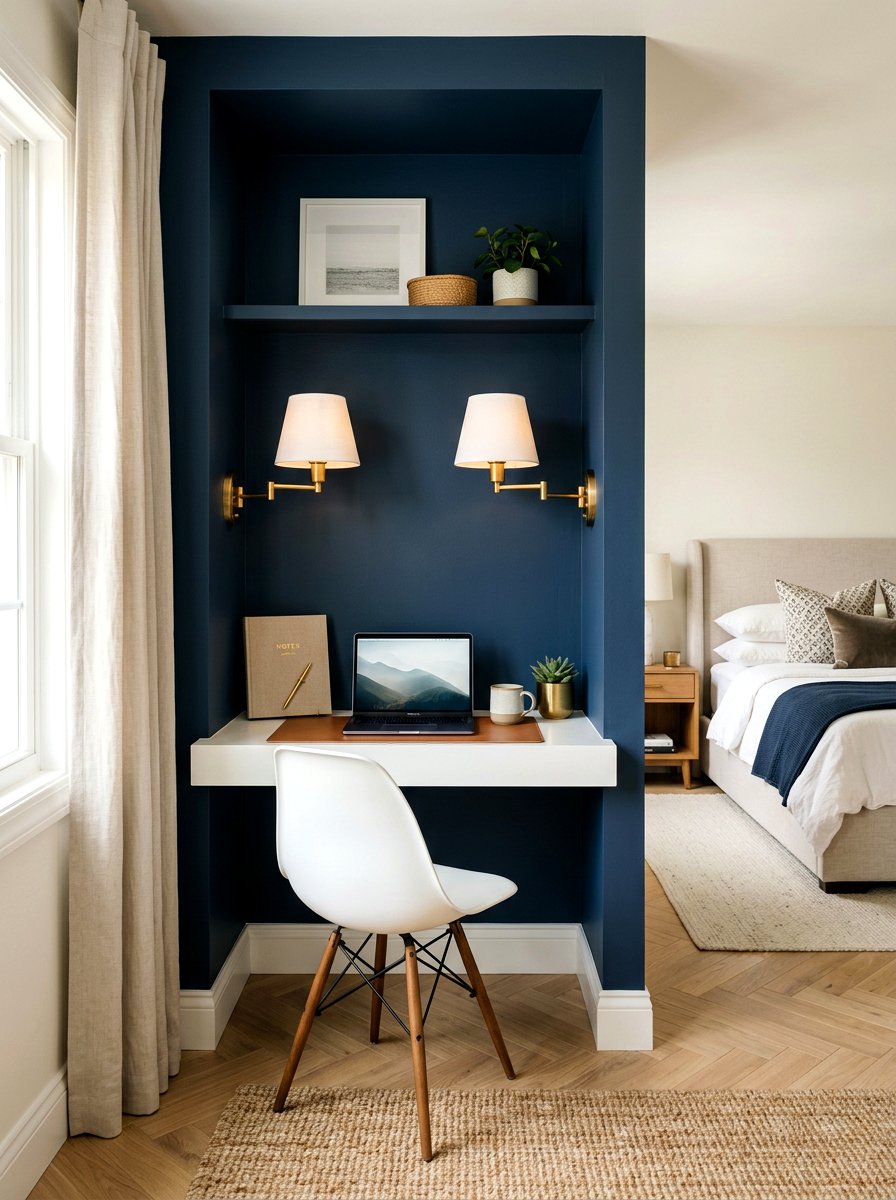
Designing a professional editorial office requires a unique balance between high-energy collaboration and the quiet focus needed for deep storytelling. Whether you are managing a bustling digital newsroom or a boutique print magazine, the environment must inspire creativity while maintaining peak organizational efficiency. A well-planned editorial space serves as the heartbeat of a publication, where brainstorming sessions meet rigorous deadlines in a seamless flow. From expansive mood boards that visualize upcoming issues to ergonomic workstations designed for long editing hours, every detail matters. This guide explores thirty distinct ways to elevate your professional workspace, ensuring your team stays motivated, focused, and ready to produce world-class content every single day for your readers.
1. Modern open plan editorial workspace
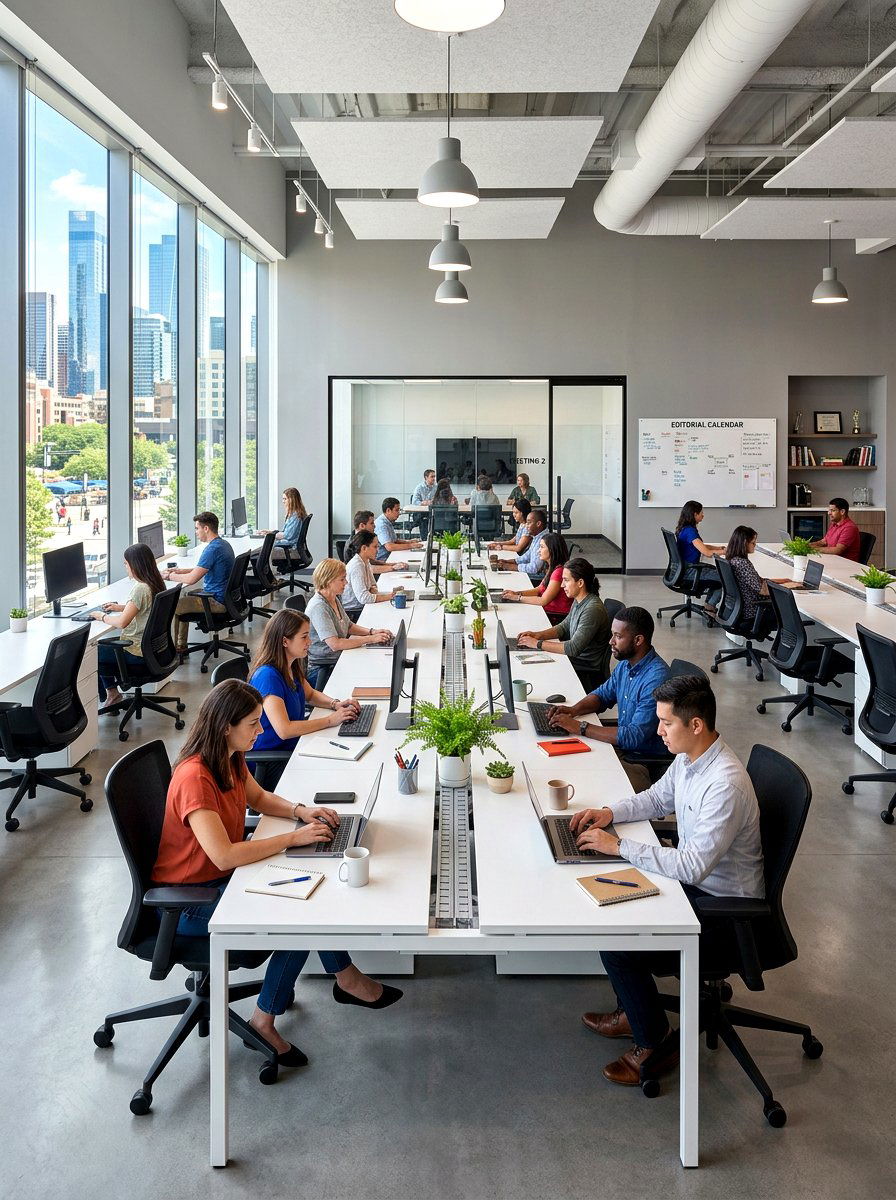
Have you ever wondered how top-tier magazines keep their teams so perfectly in sync during production? A modern open plan editorial workspace is often the secret ingredient to a highly functional and communicative publishing team. This layout removes physical barriers like cubicle walls, replacing them with long, continuous desks that encourage spontaneous brainstorming and quick feedback loops. By using minimalist furniture and integrated technology, the room stays organized despite the fast-paced nature of the industry. Large windows and overhead LED panels ensure the space remains bright and inviting. This setup is particularly effective for digital-first teams who need to pivot quickly and share information across departments instantly.
2. Large editorial mood board wall
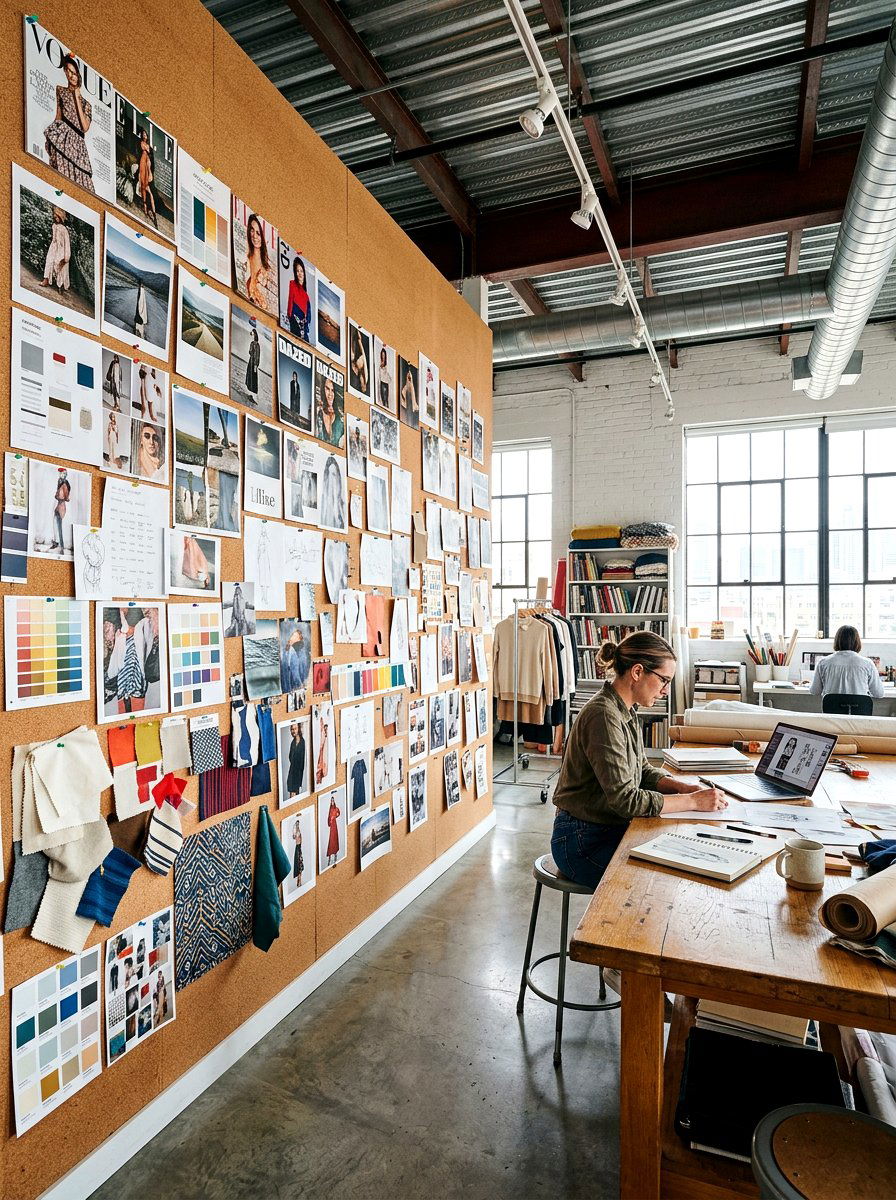
Visualizing a story before it hits the press is a vital part of the creative journey. A large editorial mood board wall acts as a living canvas where editors can pin inspiration, color palettes, and draft layouts. This feature often spans an entire wall, using cork, magnetic metal, or floor-to-ceiling fabric panels to hold various media. It serves as a focal point for the room, drawing everyone’s attention to the current project’s aesthetic direction. Beyond its functional use, a well-curated mood board adds a layered, artistic texture to the office. It encourages team members to contribute ideas visually, making the creative process feel inclusive.
3. Industrial style newsroom layout
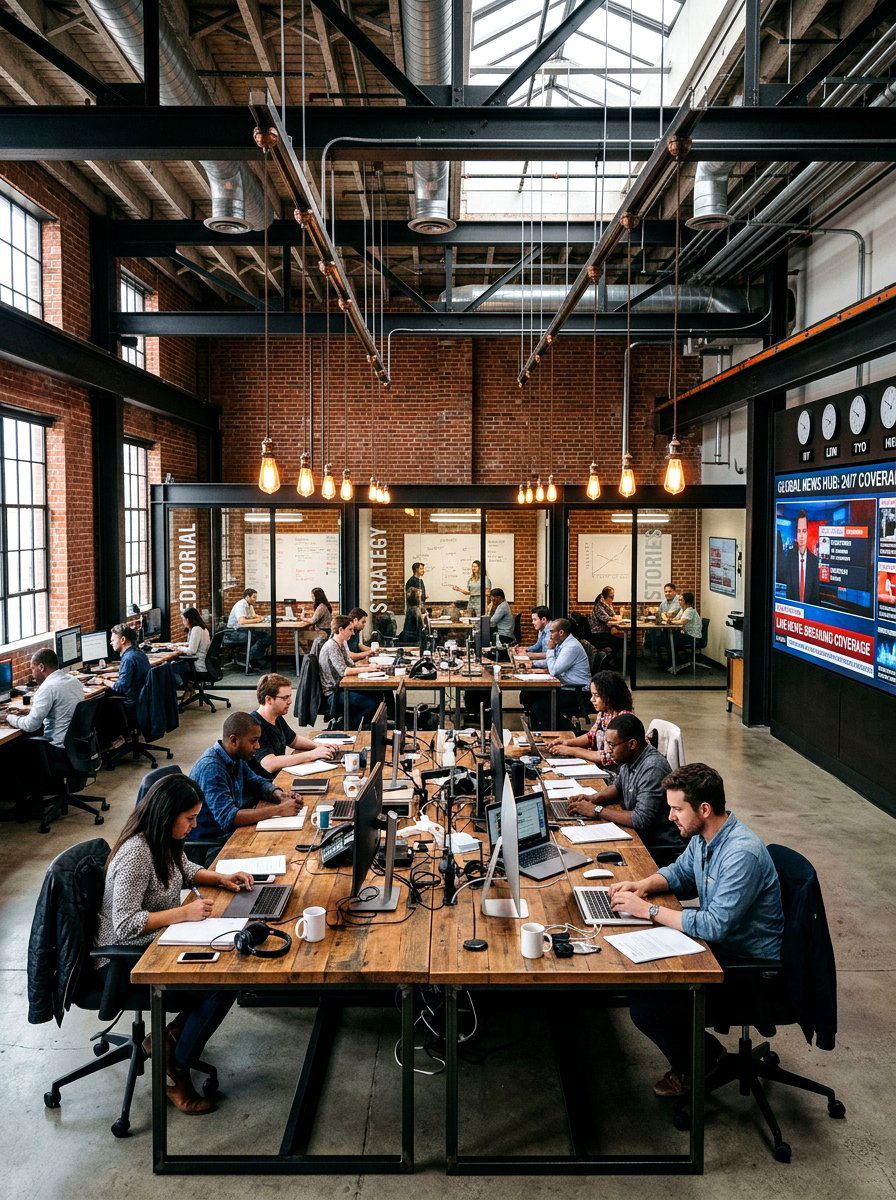
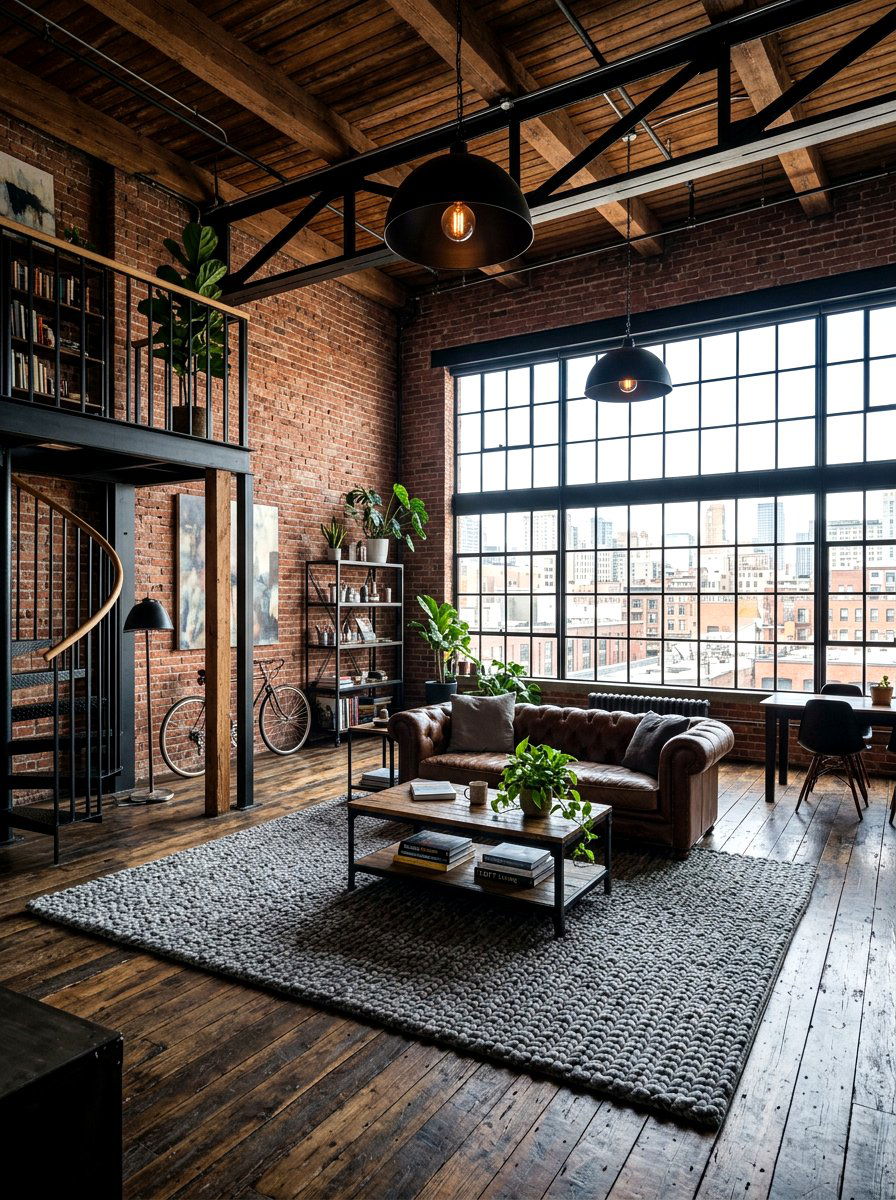
There is something undeniably energetic about an industrial style newsroom layout that mirrors the grit and hustle of traditional journalism. This design often features high ceilings, exposed ductwork, and raw materials like steel and reclaimed wood. Large, heavy-duty communal tables serve as central hubs for editorial meetings, while metal-framed glass partitions provide semi-private areas for senior editors. The aesthetic is typically anchored by a neutral color palette of grays and blacks, accented by warm wood tones. Adding vintage-inspired pendant lighting can enhance the atmosphere, creating a space that feels both historic and cutting-edge. It is a perfect choice for news-heavy publications that value durability.
4. Minimalist writer studio furniture
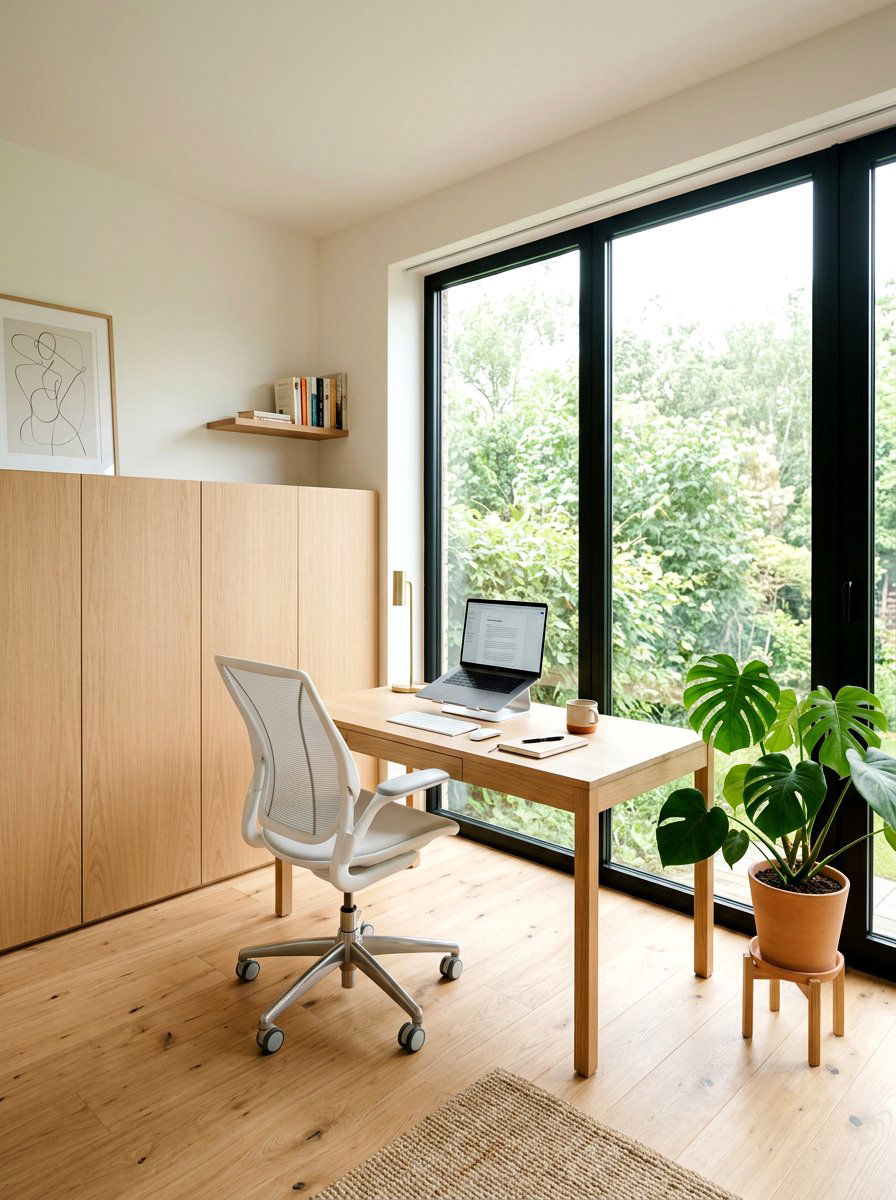
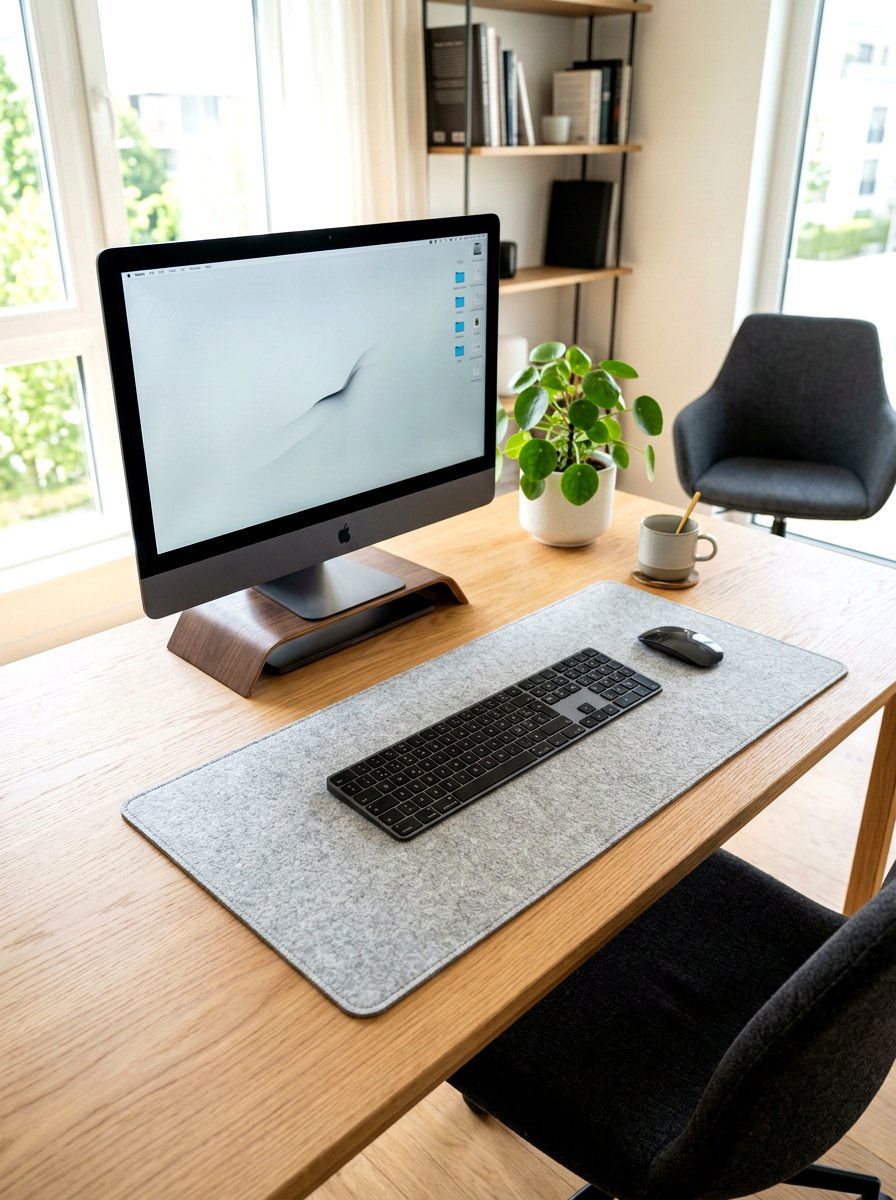
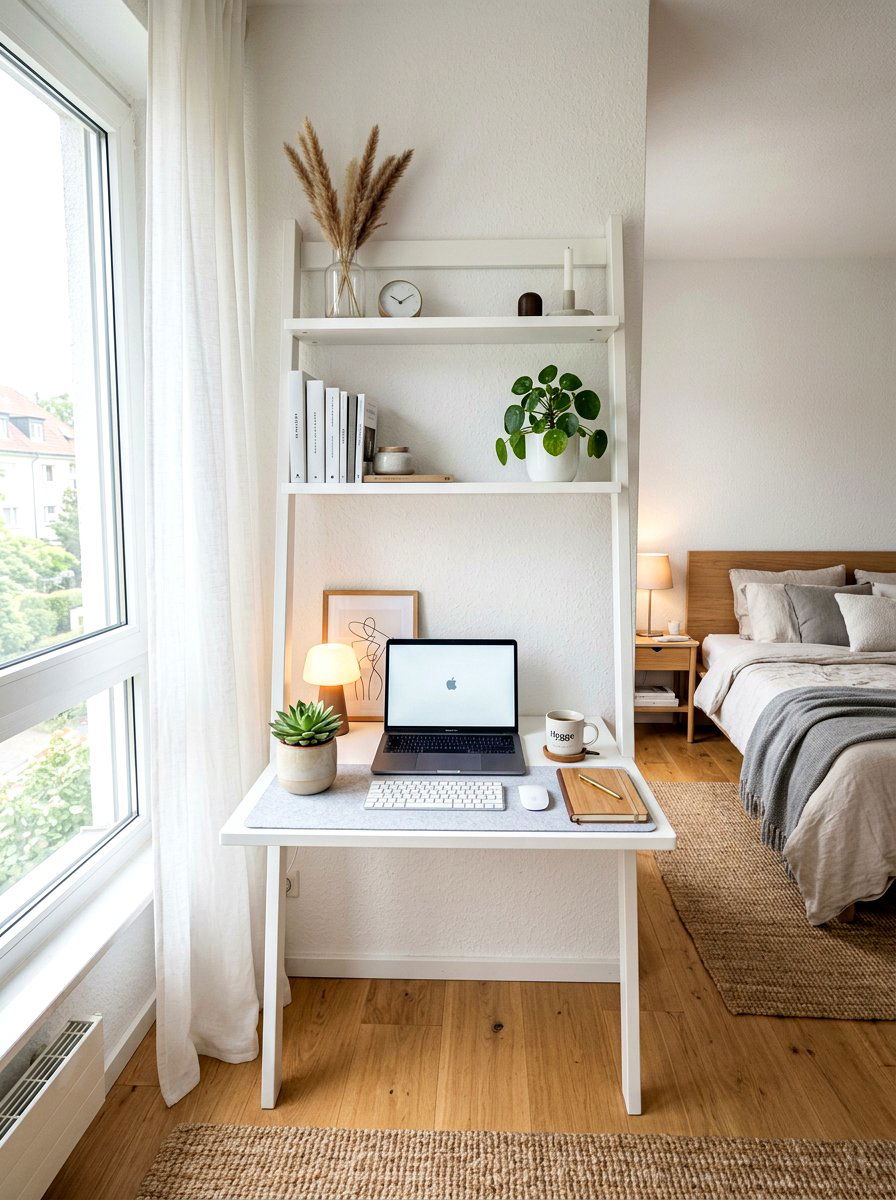
Clutter can be the ultimate enemy of a writer’s concentration and creative flow. Minimalist writer studio furniture focuses on clean lines and essential functionality to keep the mind clear and the work moving forward. A sleek, sturdy desk with hidden cable management is the centerpiece, paired with an ergonomic chair that supports long hours of drafting. This style avoids unnecessary ornamentation, opting instead for high-quality materials like light oak or matte white surfaces. Built-in drawers or small, mobile pedestals provide just enough storage for essential tools without inviting messes. The result is a calm, serene environment where words can take center stage without any distraction.
5. Collaborative editorial meeting area
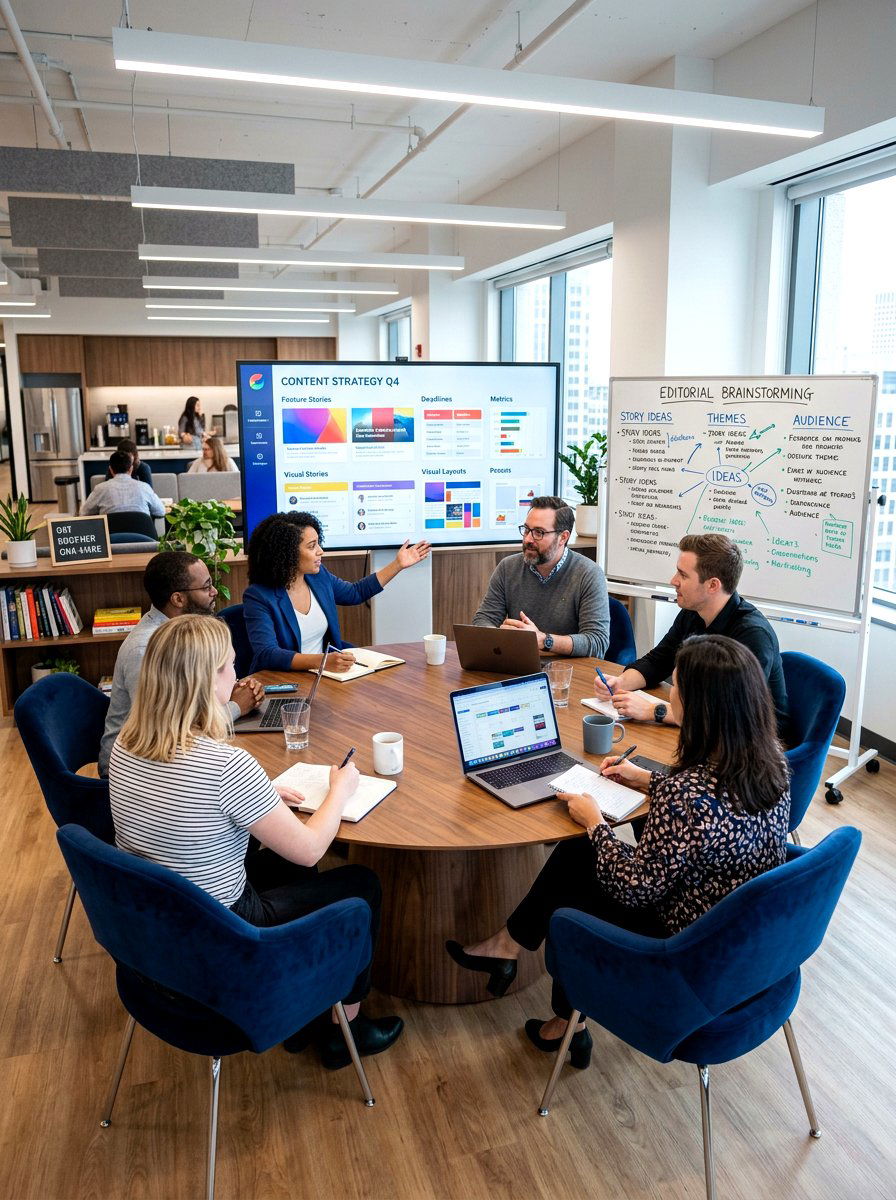
Great stories are often born from a group of passionate editors sitting around a table. A collaborative editorial meeting area should be designed to facilitate high-level communication and brainstorming without feeling overly formal or stiff. Instead of a traditional boardroom setup, consider a large, round wooden table or a series of modular desks that can be rearranged easily. Comfortable, upholstered chairs encourage longer discussions, while a nearby whiteboard or digital screen allows for real-time note-taking and visualization. This space should feel like a safe zone for sharing experimental ideas, making it a crucial component for any creative publication’s daily workflow.
6. Creative agency library shelving
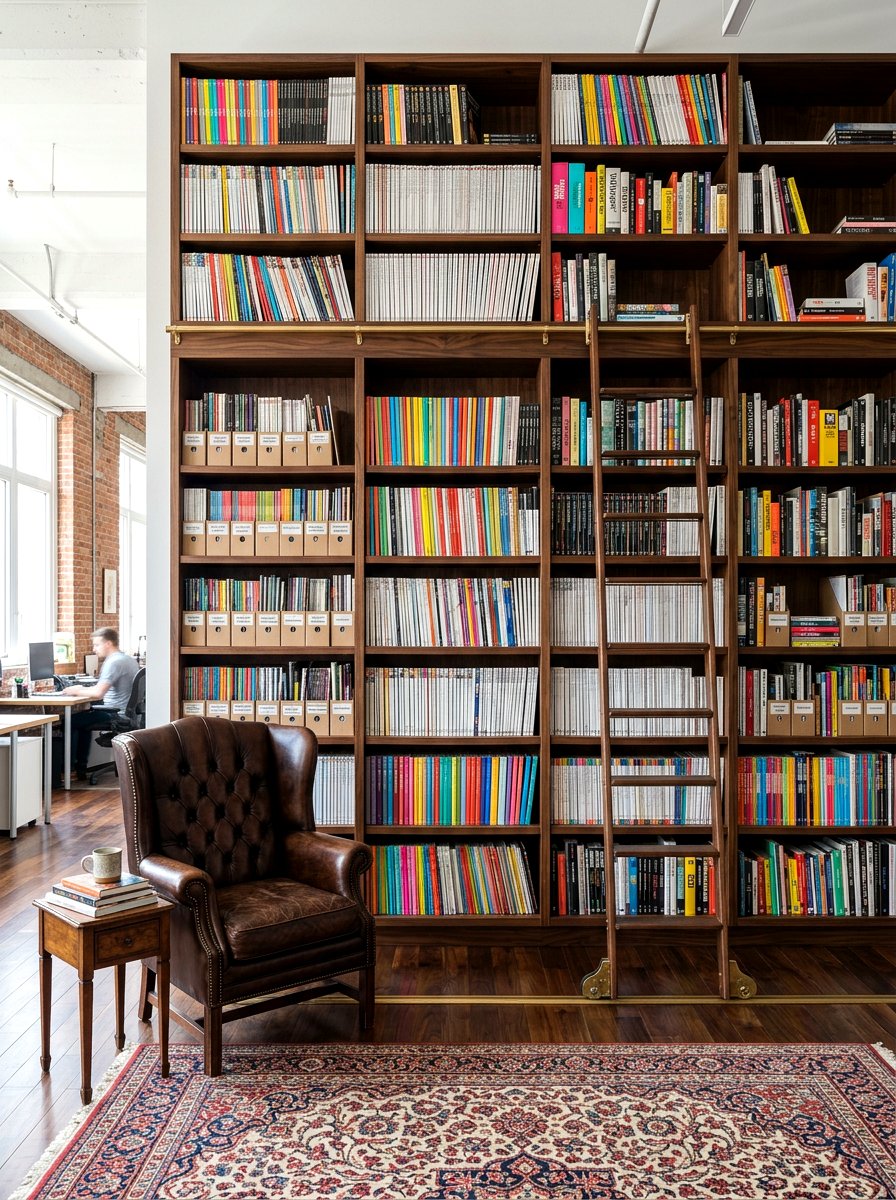
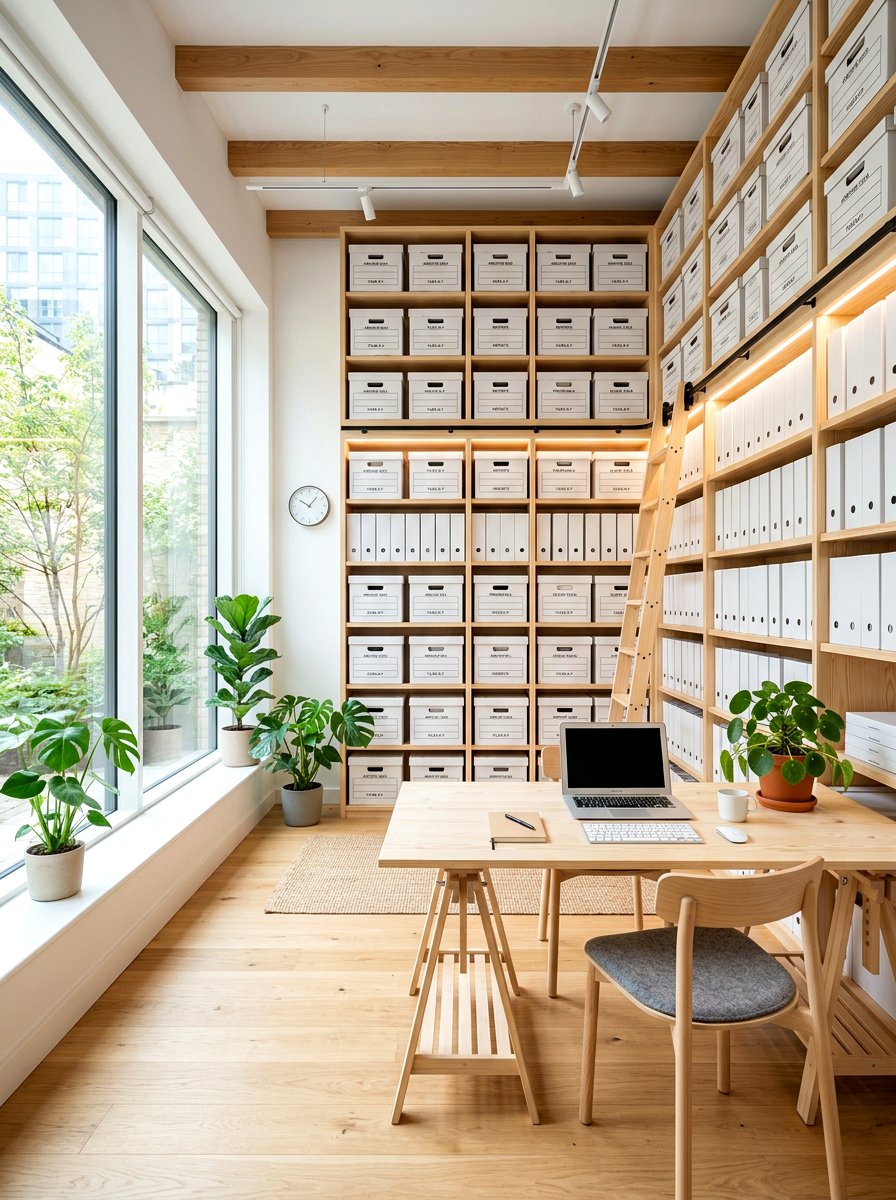
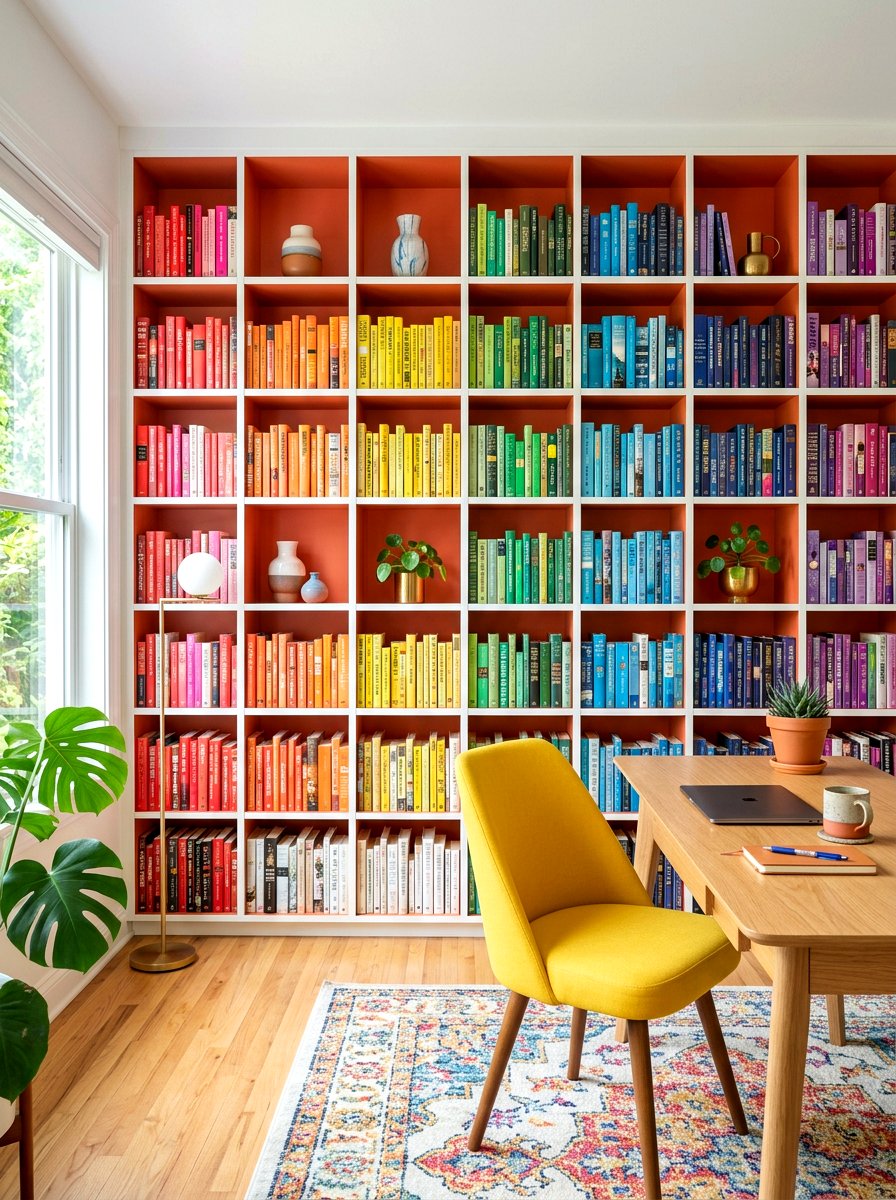
An editorial office is rarely complete without a vast collection of past issues, reference books, and design guides. Creative agency library shelving provides a dedicated home for these resources while doubling as a stunning architectural feature for the room. Floor-to-ceiling wooden bookshelves create a sense of history and authority, suggesting a deep respect for the written word. You can organize books by color for a modern look or by topic for maximum utility. Adding a rolling library ladder makes even the highest shelves accessible and adds a touch of classic charm. This area serves as a quiet retreat for research and inspiration.
7. Boutique publishing office decor
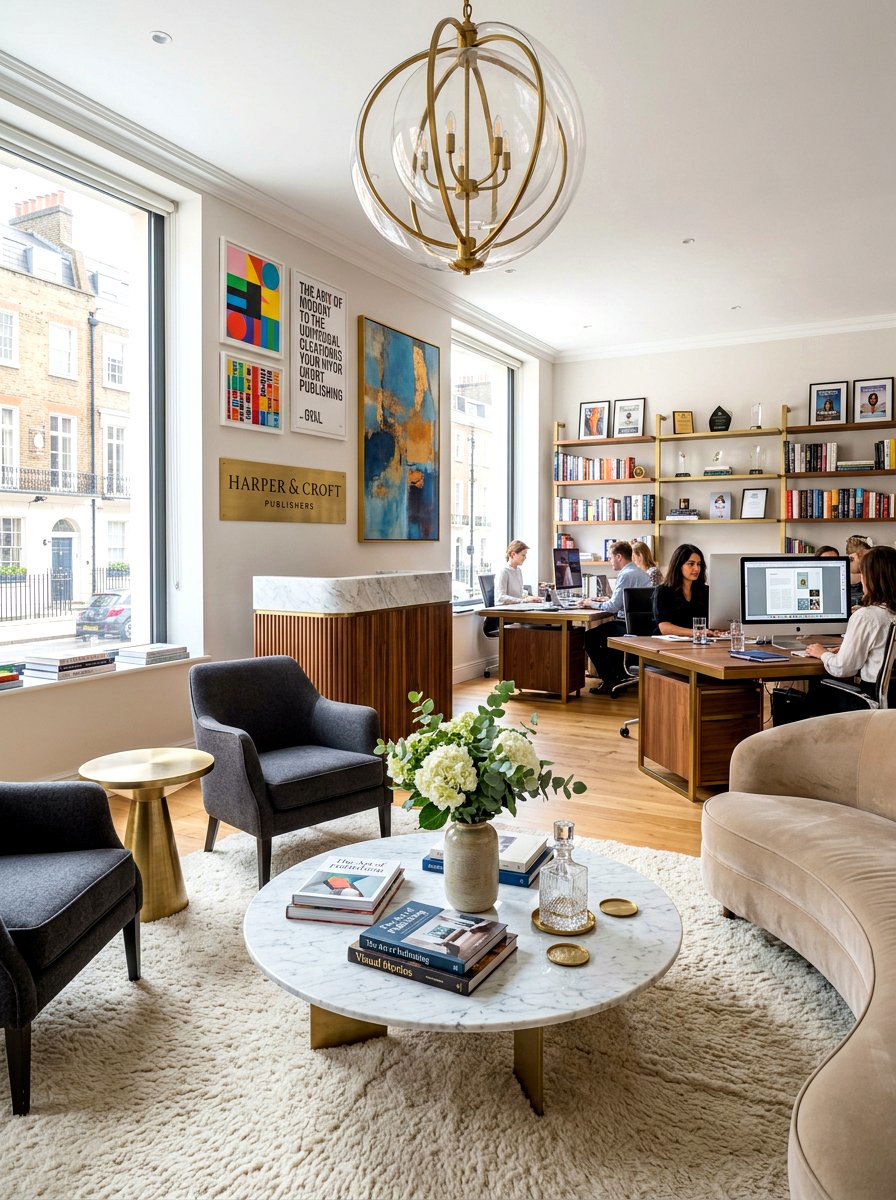
Boutique publishing offices often lean into a more curated, residential feel to reflect their niche and specialized content. The decor in these spaces might include plush area rugs, designer lounge chairs, and unique artwork that mirrors the magazine’s specific aesthetic. Instead of standard corporate lighting, you might see sculptural floor lamps or elegant chandeliers that provide a warm, inviting glow. Every object in the room is chosen with intention, from the ceramic vases on the shelves to the custom-made coffee table books on display. This high-end approach creates an atmosphere of sophistication that impresses visiting contributors and nurtures a high-quality brand image.
8. Editorial team breakout lounge
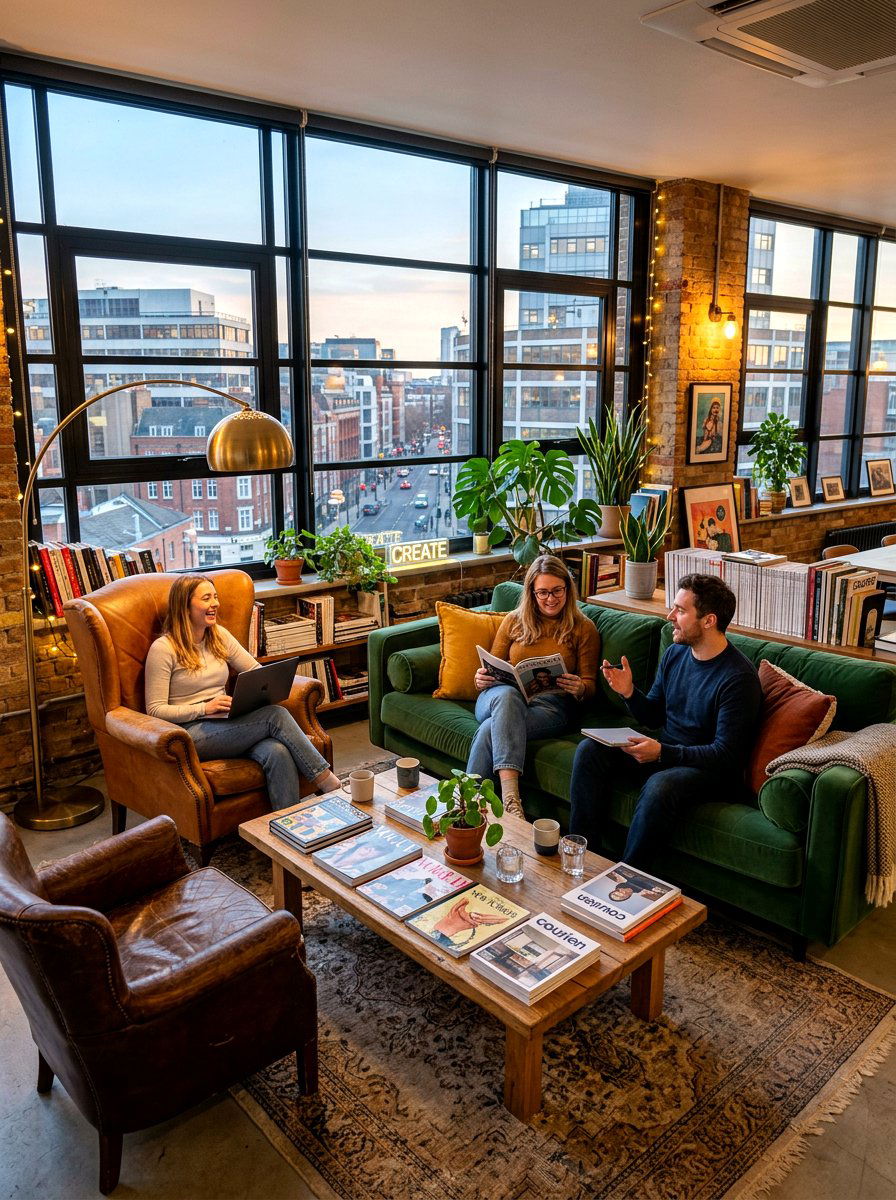
Sometimes the best editing happens when you step away from the desk and sink into a sofa. An editorial team breakout lounge provides a relaxed environment where staff can read through proofs or have informal chats away from their computers. This area typically features soft seating like velvet couches or leather armchairs, arranged around a low coffee table. To keep the creative energy flowing, include a selection of current magazines and art books within easy reach. This space acts as a mental reset zone, helping to prevent burnout during intense production cycles and encouraging a more social, connected office culture.
9. Bright airy writing room
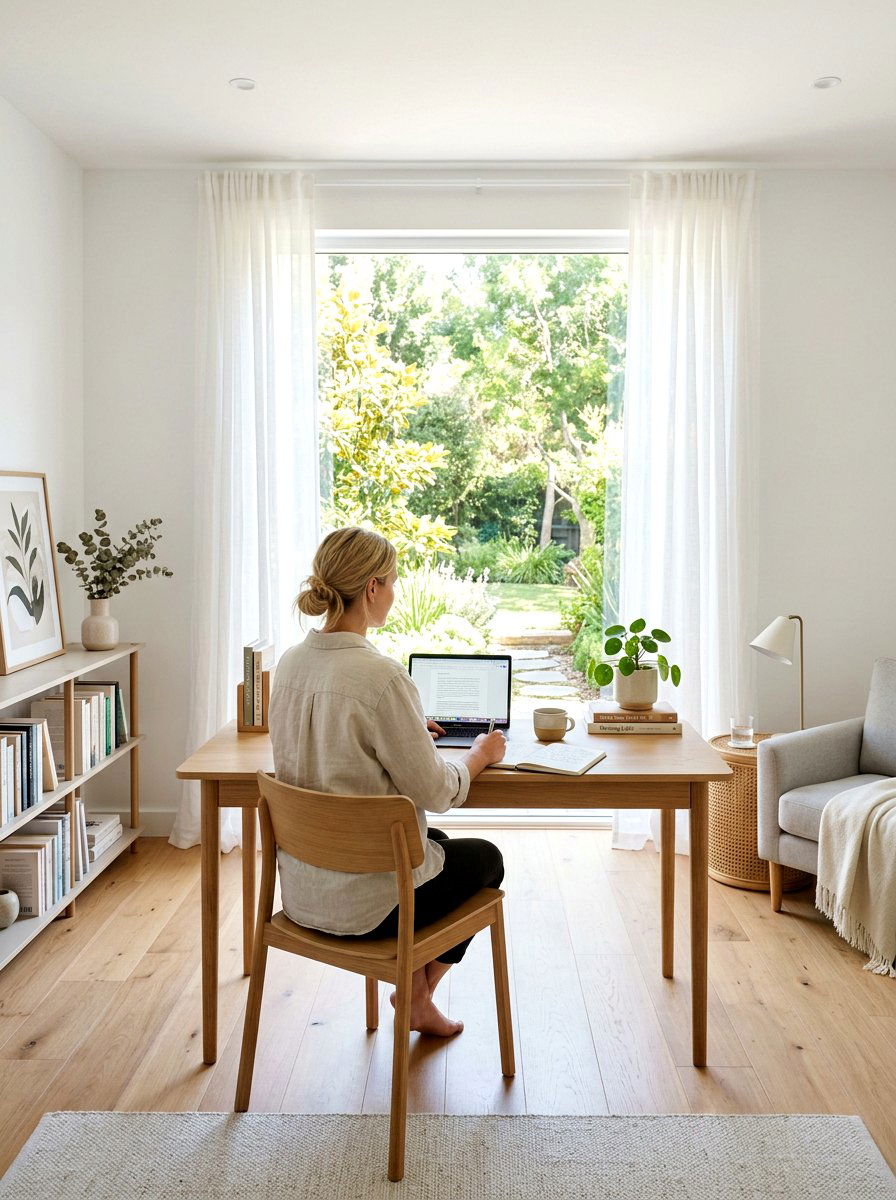
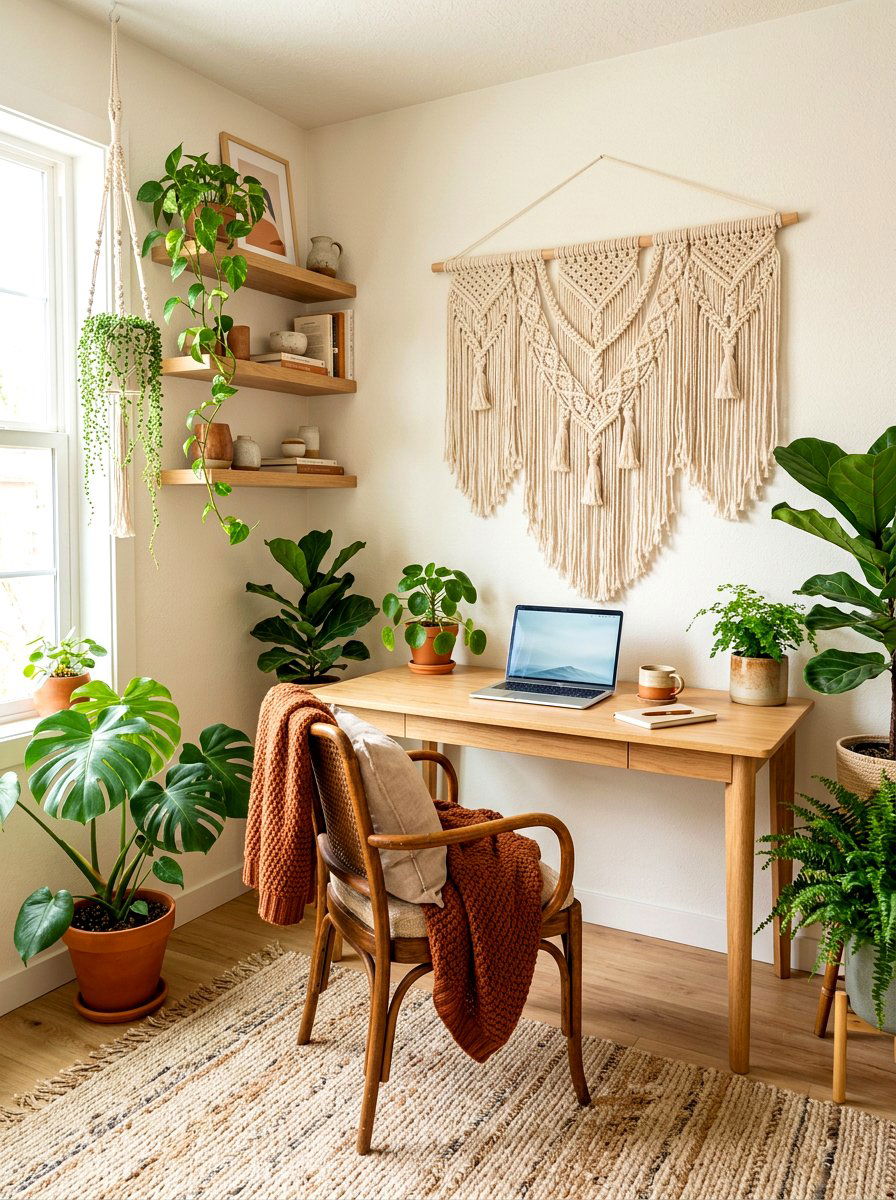
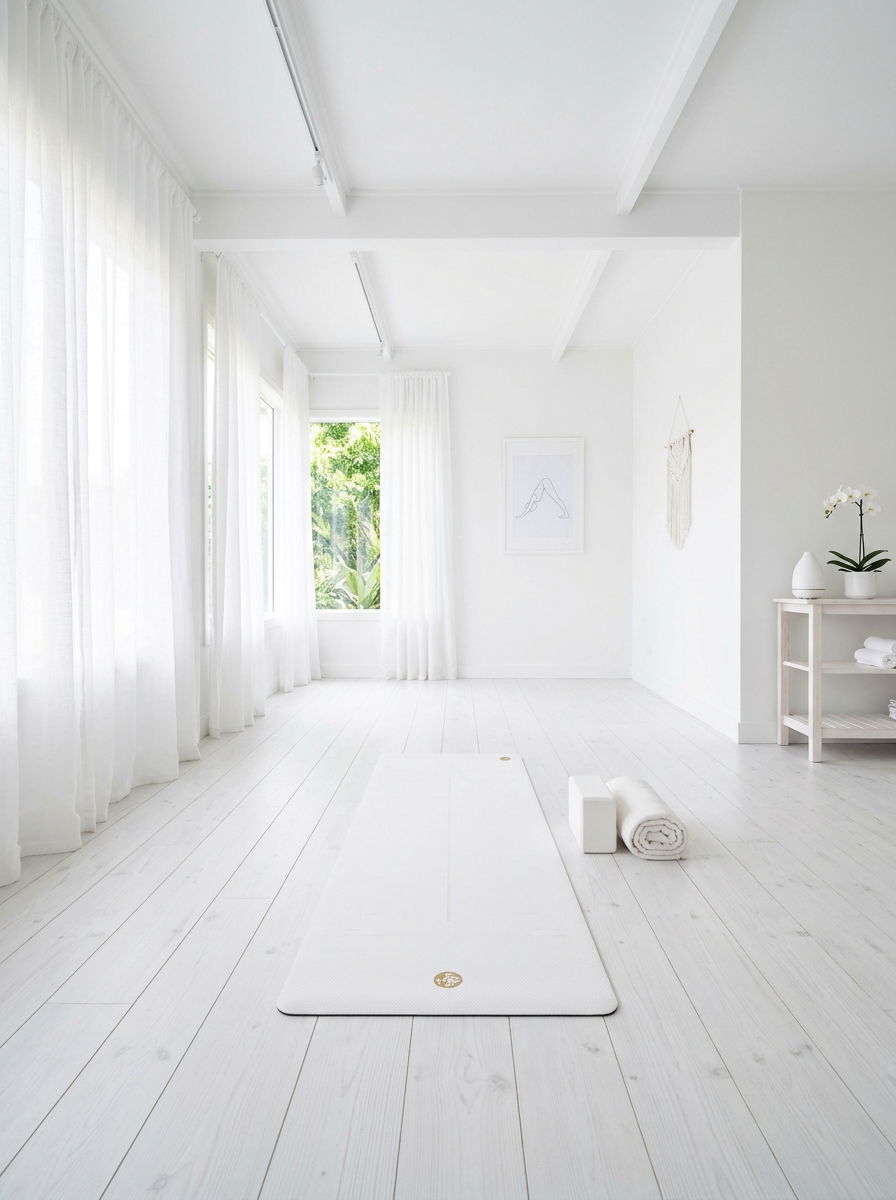
Natural light is a powerful tool for boosting productivity and maintaining a positive mood in an editorial setting. A bright airy writing room maximizes large windows and light-colored walls to create a space that feels open and energized. Sheer curtains can soften harsh sunlight while still allowing the room to be filled with a gentle, natural glow throughout the day. Using light wood flooring and white or pale gray furniture further enhances the sense of space and cleanliness. This type of environment is ideal for long-form writers who need a cheerful and distraction-free place to tackle complex subjects and manuscripts.
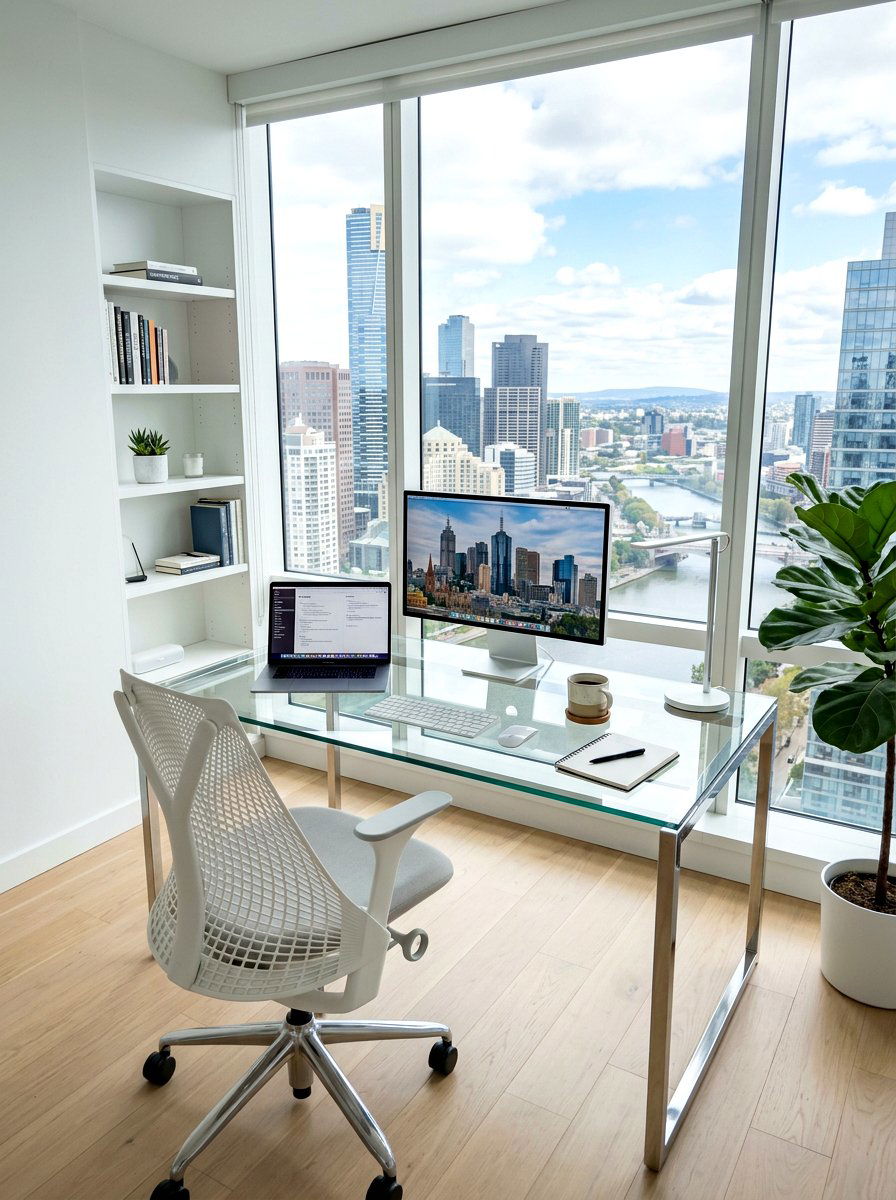
10. Dark academia editorial study
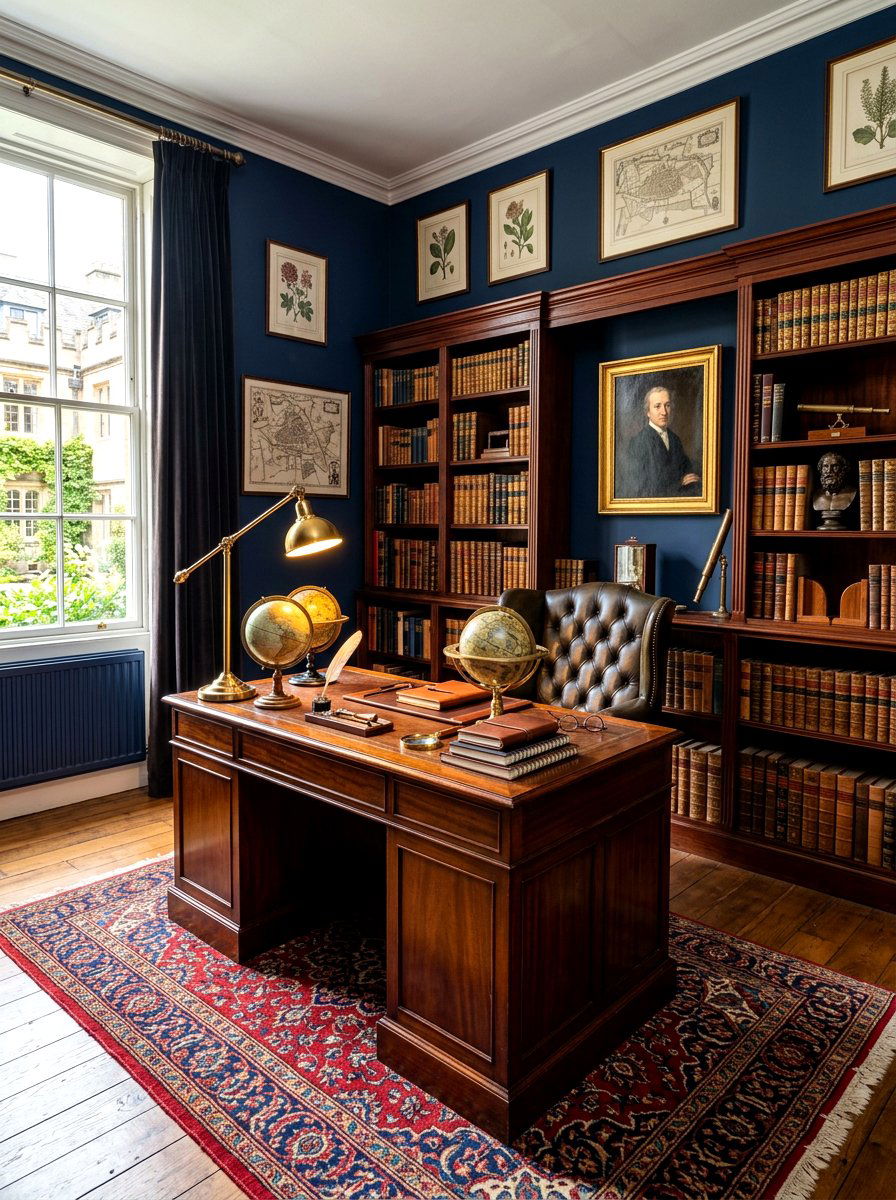
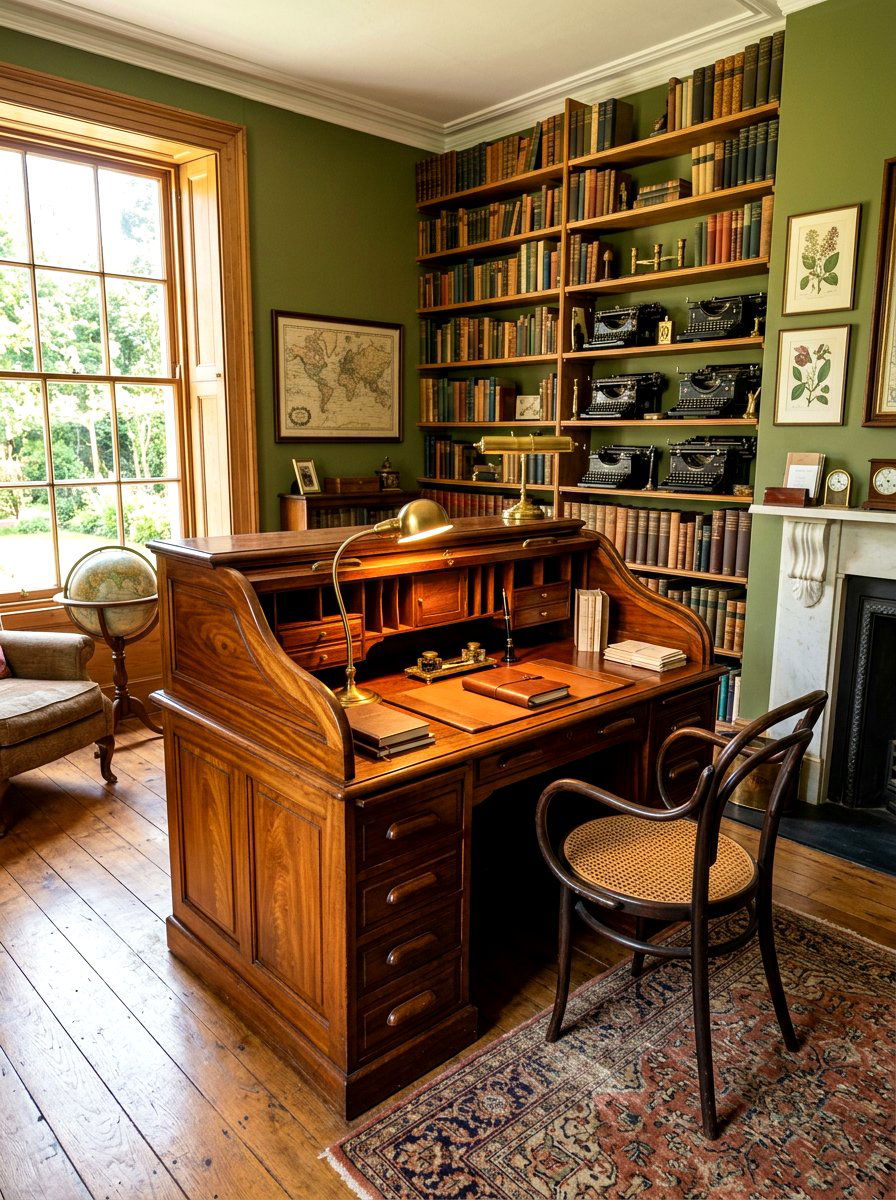
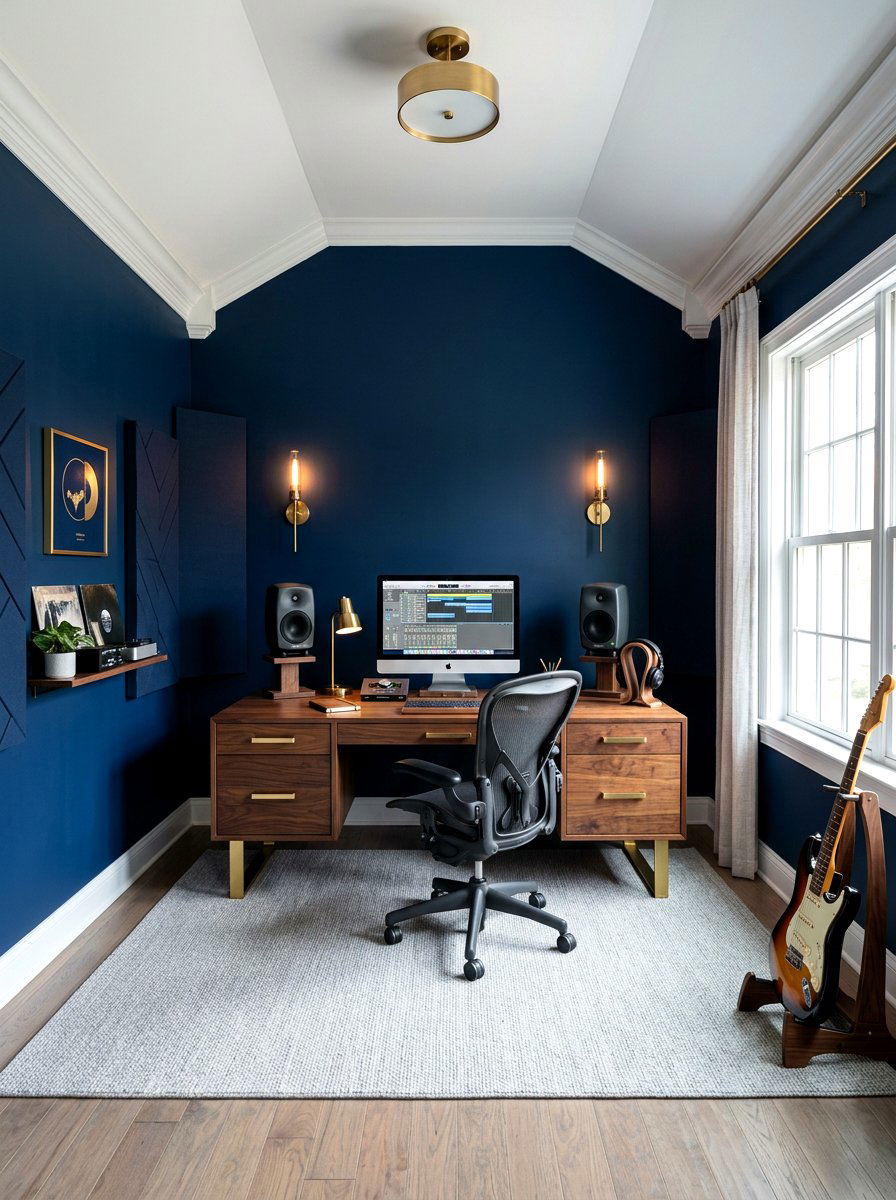
For publications that focus on history, literature, or deep intellectual thought, a dark academia editorial study offers a moody and inspiring atmosphere. This design style uses rich, dark wood tones, deep green or navy walls, and vintage-inspired leather furniture to create a sense of timelessness. Brass desk lamps and antique-style globes serve as perfect decorative accents that enhance the scholarly vibe. Heavy velvet drapes can be used to control light and provide a cozy, cocoon-like feeling. This is a space that encourages slow, thoughtful editing and deep research, making it a favorite for those who value tradition and the classics.
11. Scandinavian editorial studio setup
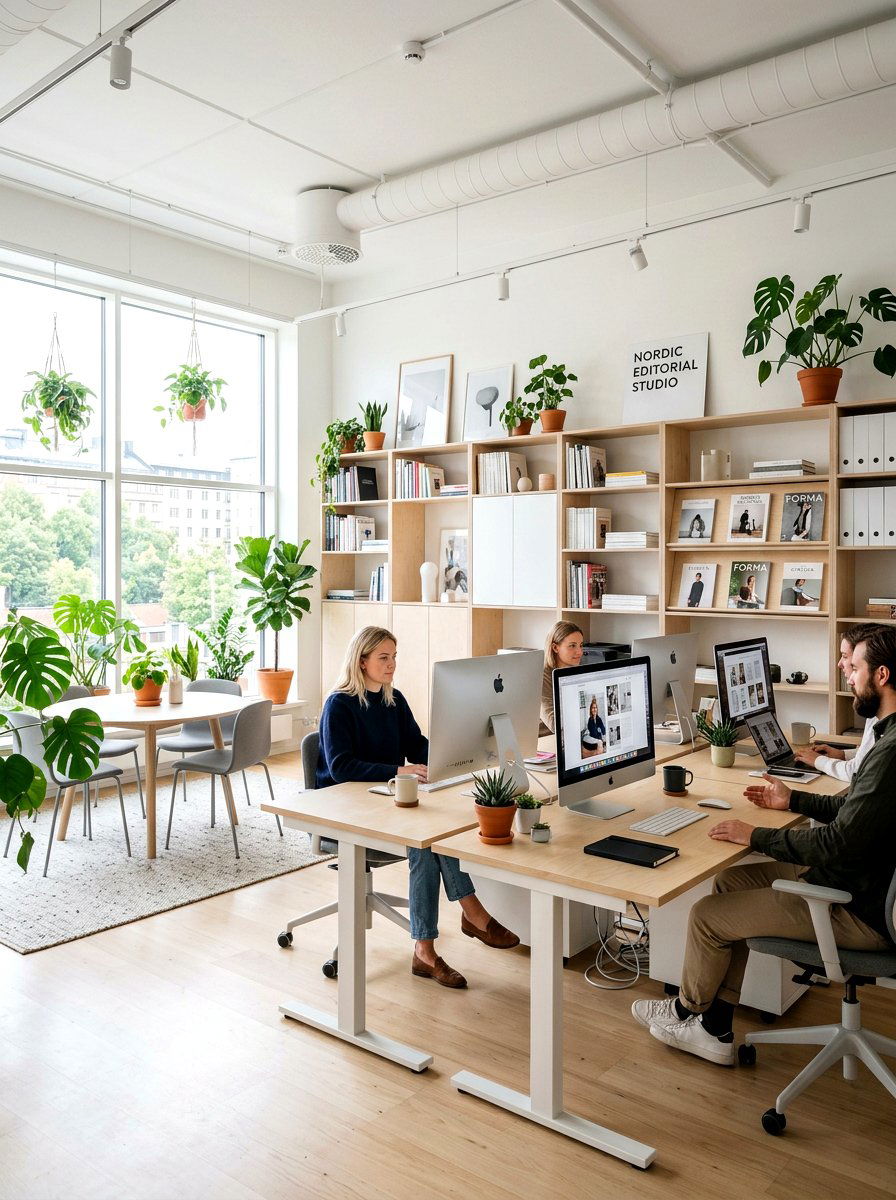
Cleanliness and functionality are the hallmarks of a Scandinavian editorial studio setup, making it a popular choice for modern design magazines. This aesthetic relies on a palette of whites, creams, and light woods to create a calm and highly organized workspace. Furniture is typically lightweight and modular, allowing the team to adapt the room for different tasks like photo shoots or layout reviews. You will often find integrated storage solutions that keep clutter hidden, such as sleek cabinets with push-to-open doors. Potted plants are a common addition, bringing a touch of nature indoors and softening the minimalist lines of the furniture.
12. Mid century modern editor suite
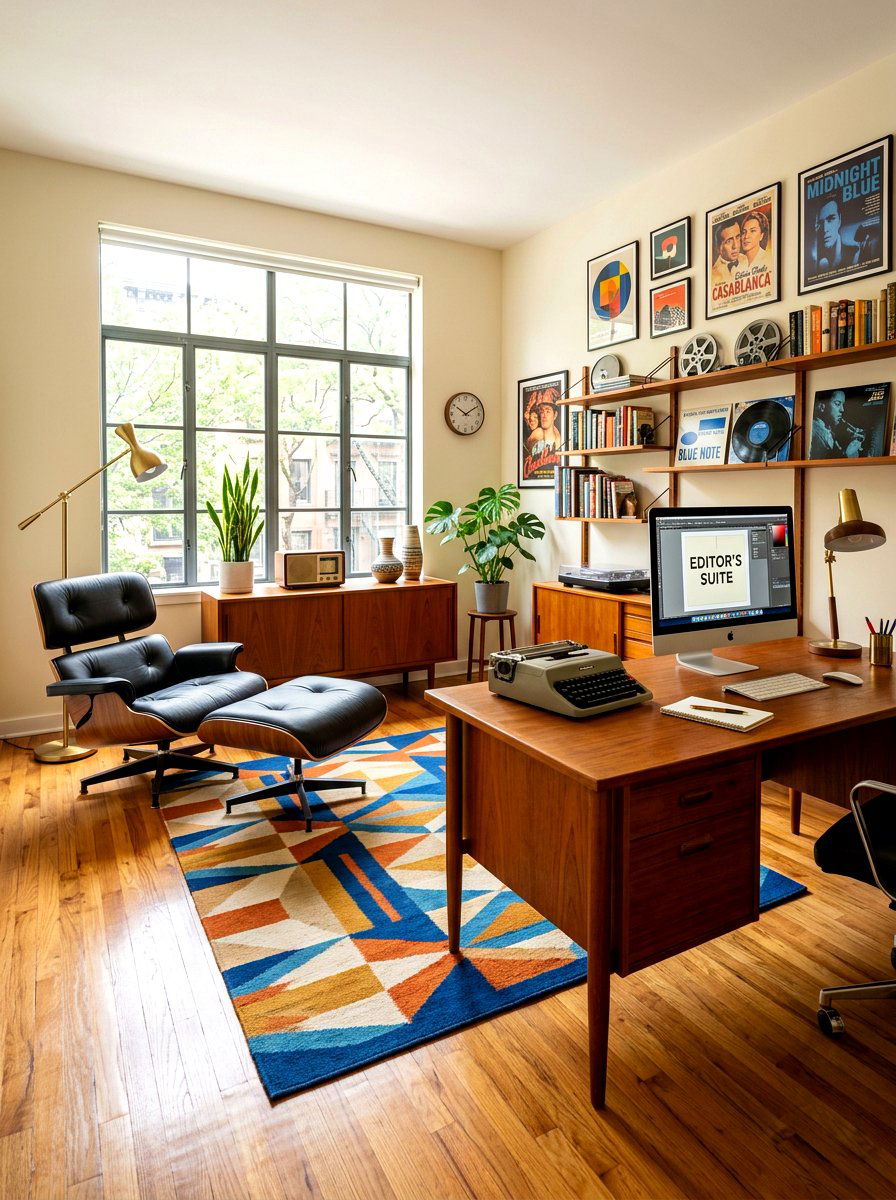
Capturing the classic era of 1950s and 60s publishing, a mid century modern editor suite brings a sense of retro style to the office. This design features iconic tapered legs on desks and chairs, often crafted from warm teak or walnut wood. Bold geometric patterns in area rugs or wall art can provide a pop of color without overwhelming the space. An Eames-style lounge chair in the corner offers a perfect spot for reading through final drafts in total comfort. This aesthetic feels both professional and artistic, making it ideal for editors who want a workspace that has a strong personality and historical soul.
13. Communal editorial work table setup
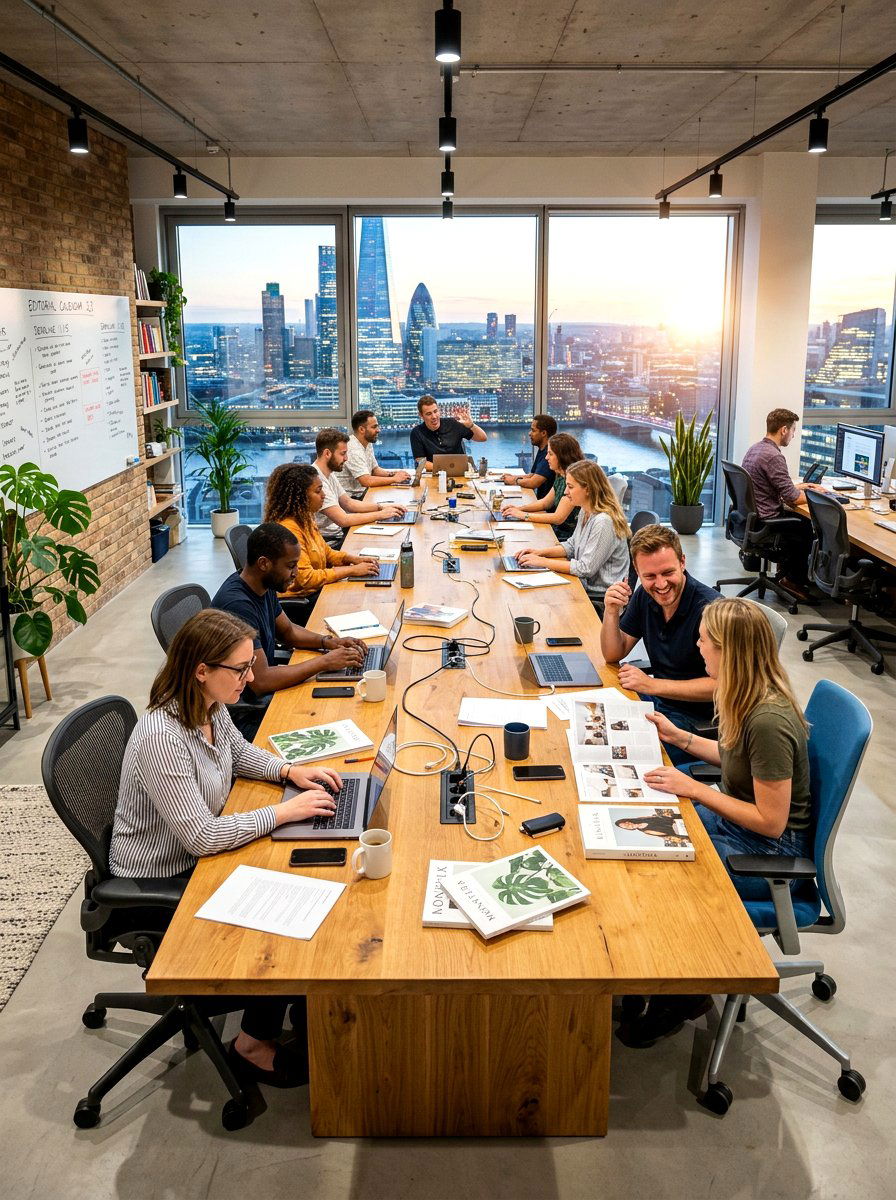
Collaboration is the lifeblood of any newsroom, and a communal editorial work table setup places that priority front and center. By using a single, oversized table instead of individual desks, the team is forced to interact and share their progress naturally. This setup is excellent for checking page proofs or organizing the sequence of a magazine issue, as everyone can see the physical layout at once. Integrated power hubs in the center of the table keep laptops charged without a mess of tangled wires. It creates a sense of unity and shared purpose that is hard to replicate with traditional, separate office furniture.
14. Editorial archive storage system
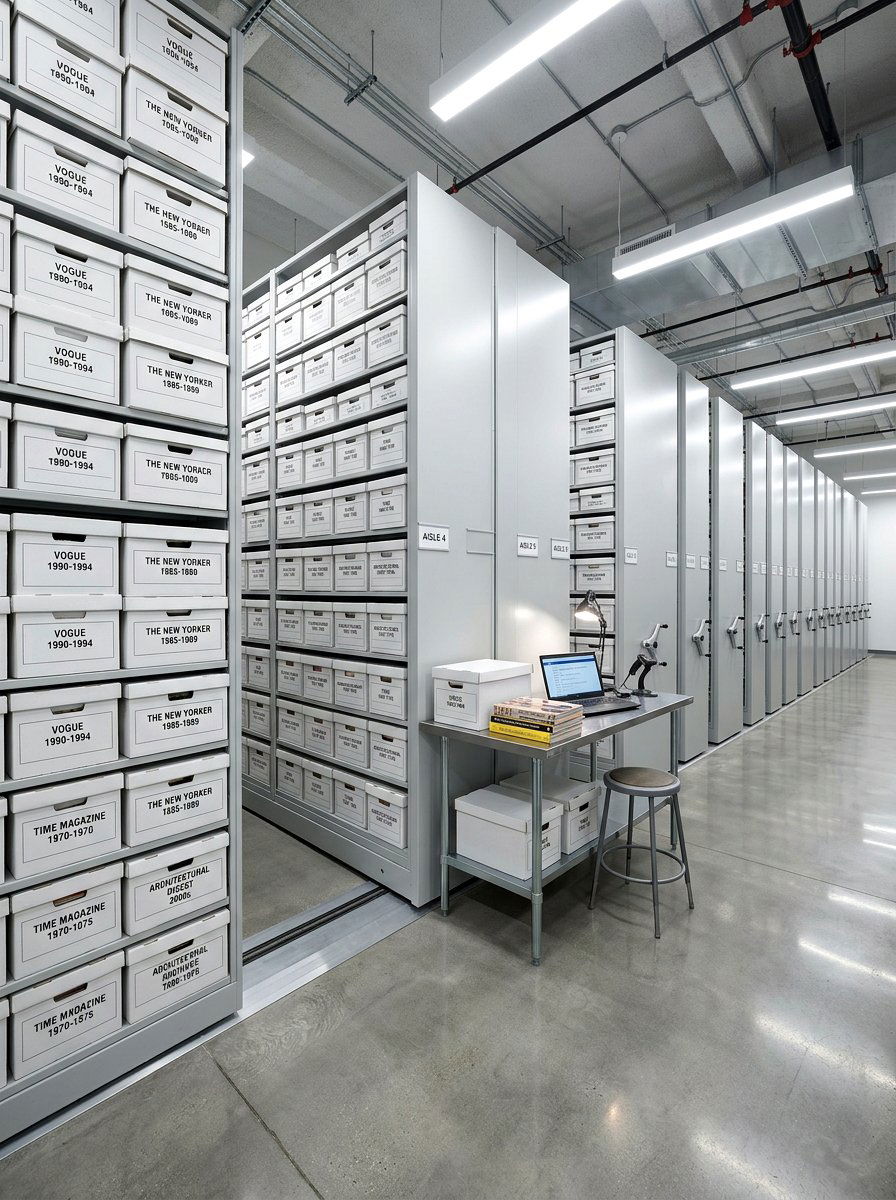
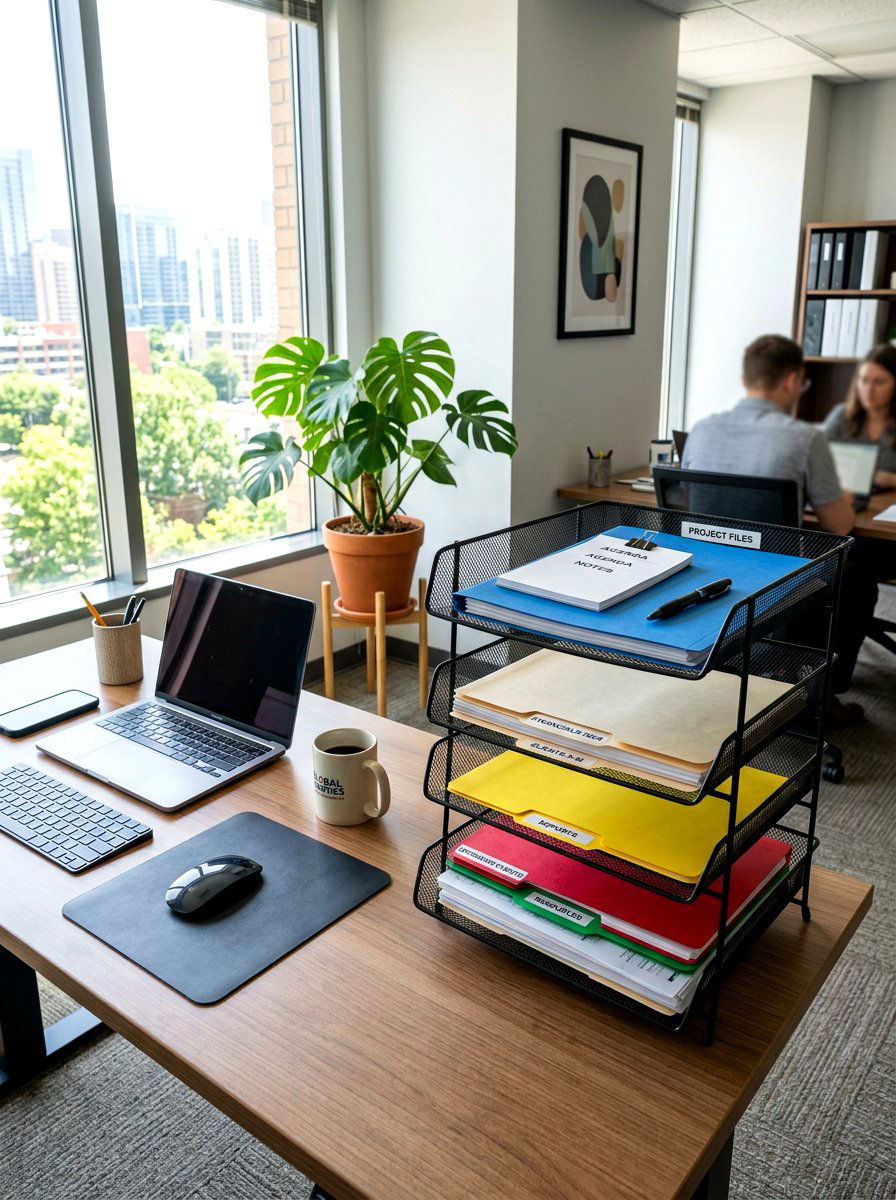
Managing decades of past publications requires a sophisticated and well-organized editorial archive storage system. This is more than just a few filing cabinets; it is a dedicated area that ensures the history of the publication is preserved and accessible. High-density mobile shelving is a great solution for saving space while holding thousands of issues and documents. Labeled boxes or custom binders in a consistent color can make the archive look professional and easy to navigate. This section of the office serves as a valuable resource for newer staff members who need to reference previous work or understand the brand’s evolution.
15. High tech digital newsroom
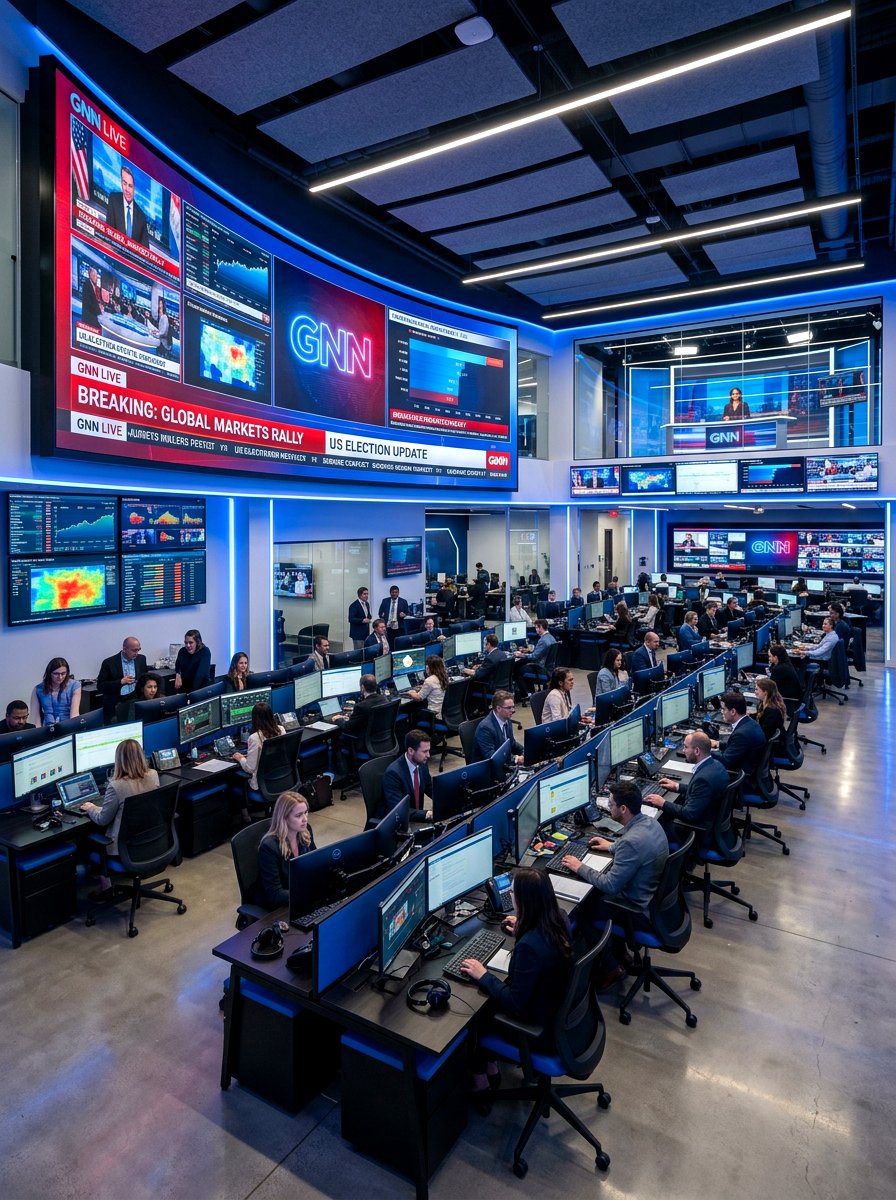
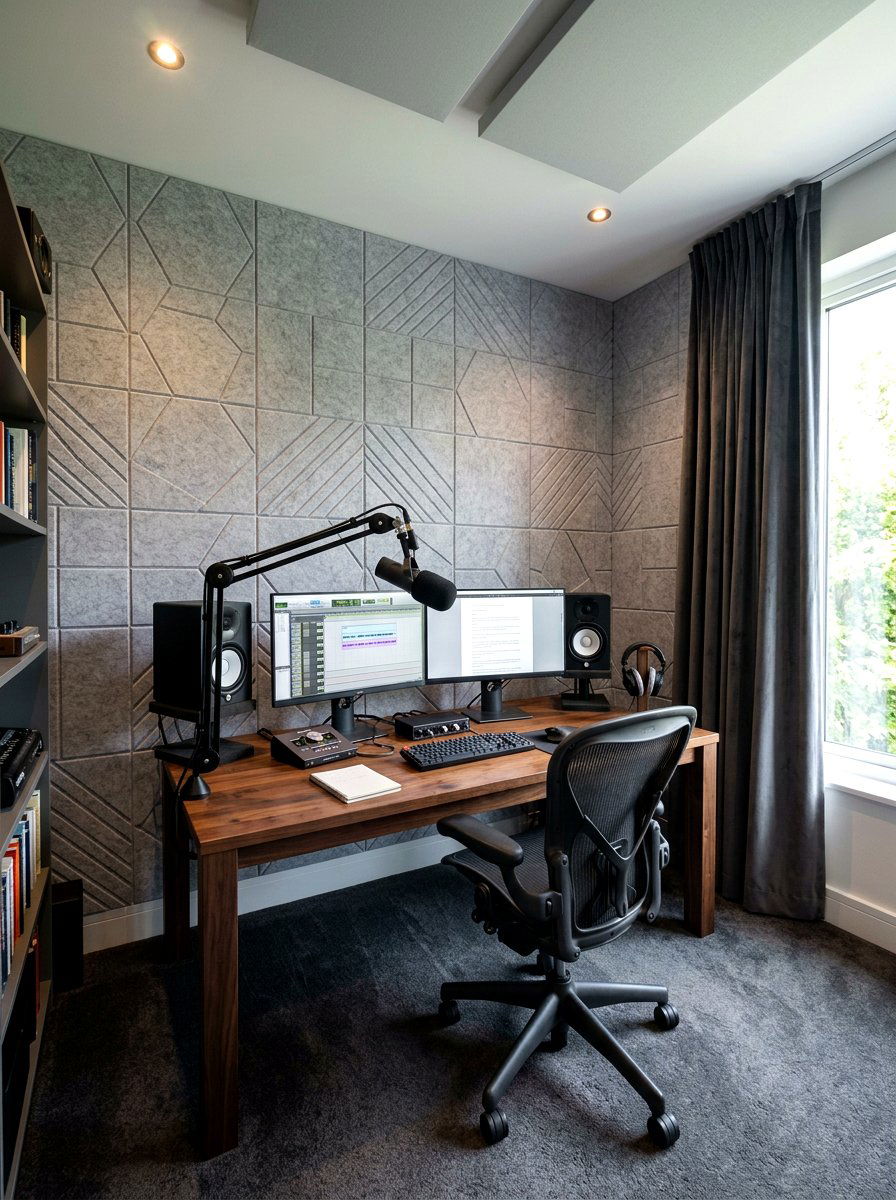
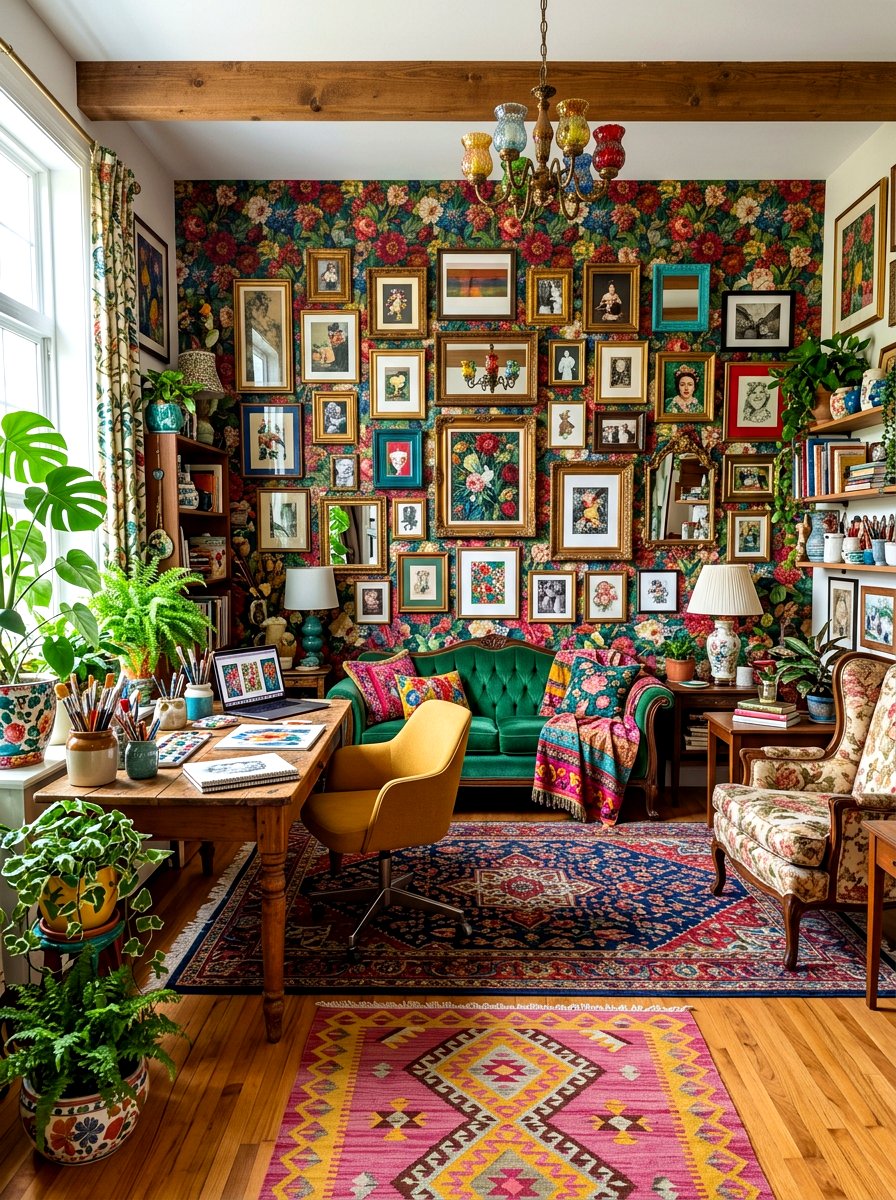
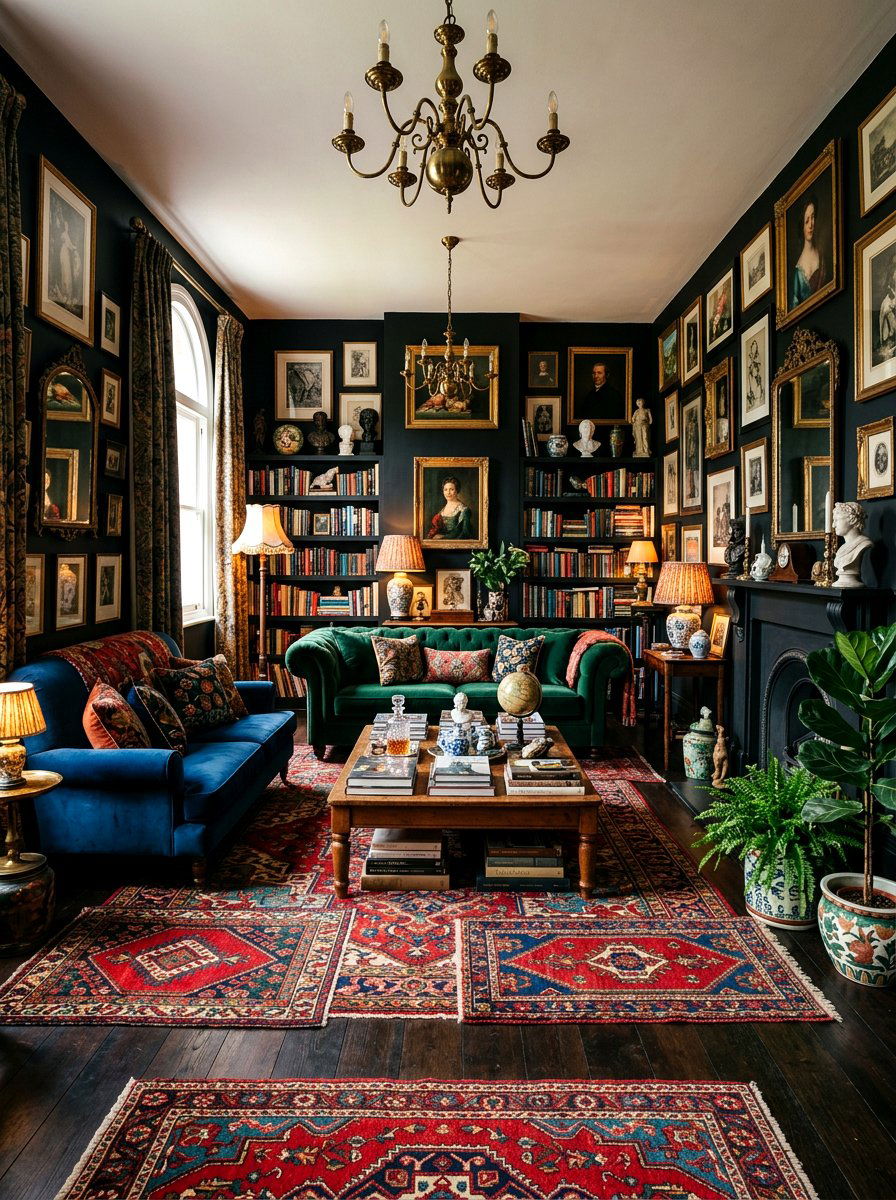
In the world of 24-hour news and digital publishing, a high tech digital newsroom is essential for staying ahead of the curve. This space is defined by large, wall-mounted monitors that track real-time website traffic, social media trends, and breaking news alerts. Editors sit at desks equipped with dual or triple monitors and high-speed fiber-optic connections to ensure seamless content delivery. The lighting is often adjustable and flicker-free to reduce the strain on eyes during long digital shifts. It is a high-energy environment where the design focuses on speed, connectivity, and the seamless integration of hardware and software for maximum efficiency.
16. Sustainable eco friendly office
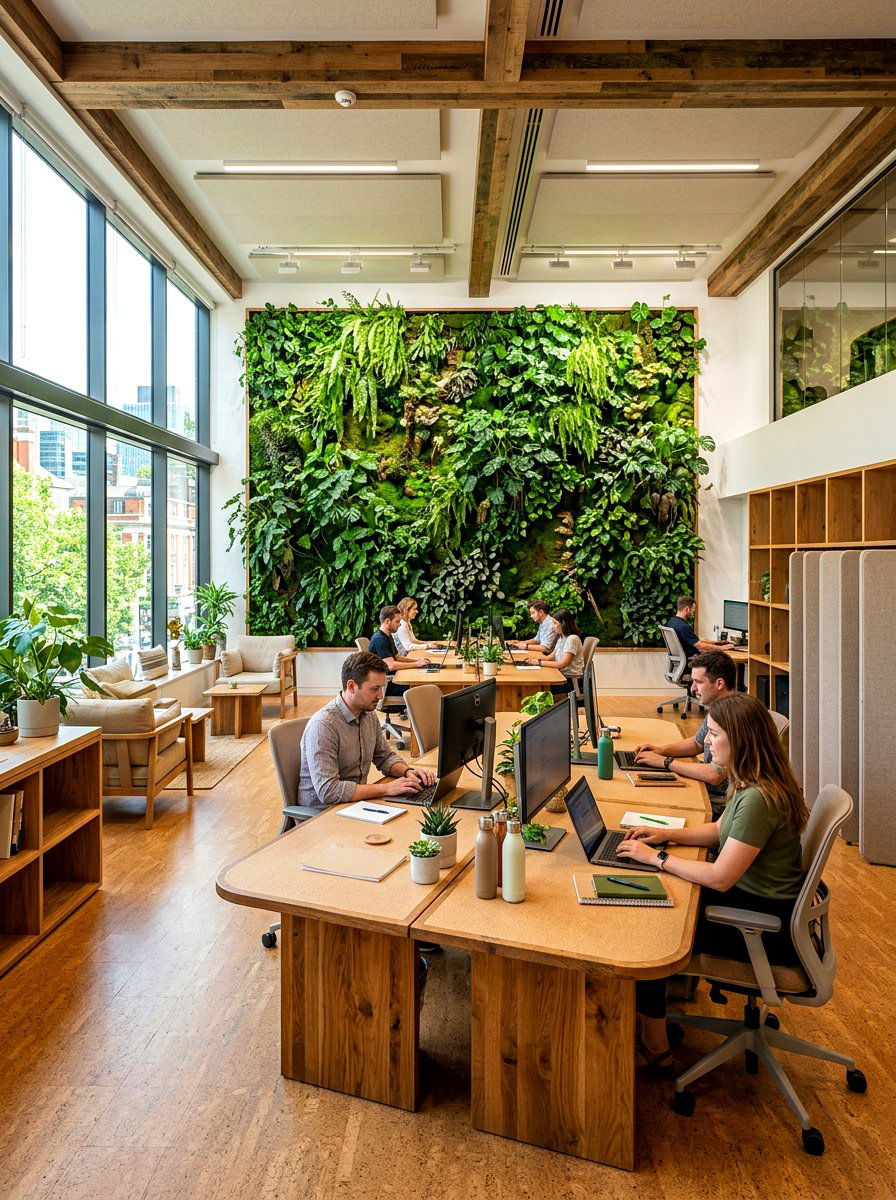
Modern publishing brands are increasingly choosing a sustainable eco friendly office to align with their environmental values and corporate responsibility. This design utilizes recycled materials, such as desks made from reclaimed timber or floor tiles made from sustainable cork. Energy-efficient LED lighting and smart climate control systems help reduce the office's carbon footprint significantly. Indoor vertical gardens or "living walls" not only look beautiful but also improve air quality for the staff. By prioritizing non-toxic paints and natural fabrics, the office becomes a healthier place for the team to work, proving that high design and environmental consciousness can coexist perfectly.
17. Loft style creative workspace
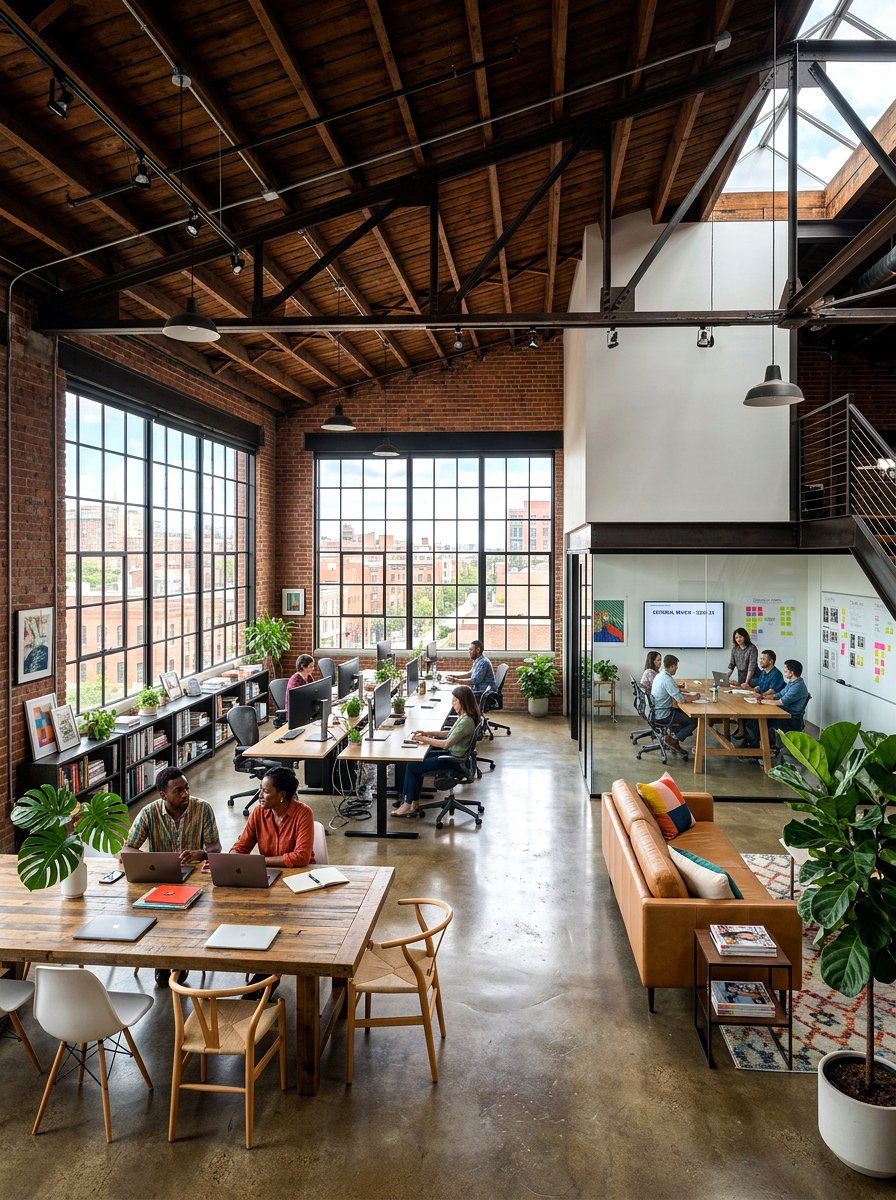
Converting an old warehouse into a loft style creative workspace offers an expansive and inspiring environment for an editorial team. These spaces often feature original architectural details like large industrial windows, high timber-beamed ceilings, and polished concrete floors. The open nature of a loft allows for distinct zones to be created using furniture and area rugs rather than permanent walls. You might have a centralized "war room" for planning and peripheral nooks for solo writing. The raw, unfinished look of the space encourages a gritty, creative spirit that is perfect for experimental publications and startup digital media companies.
18. Editorial brand identity office
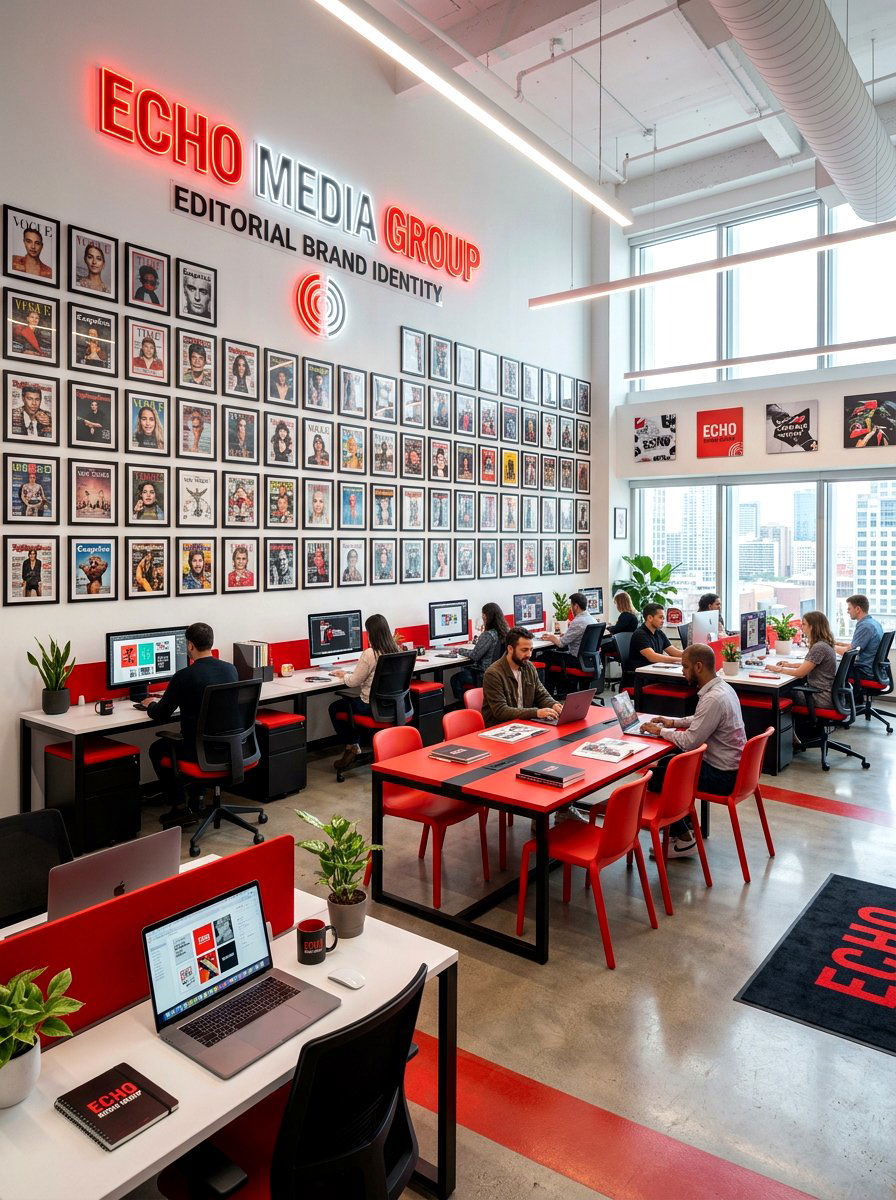
An office should be a physical extension of a magazine’s brand, and an editorial brand identity office achieves this through custom design. This means using the publication’s signature fonts on wall signage and incorporating its primary color palette throughout the furniture and decor. Custom-printed wallpaper featuring iconic past covers can act as a powerful background for the reception area or conference room. When the physical space reflects the brand’s voice, it strengthens the connection between the staff and their work. It also creates a memorable experience for advertisers or high-profile interviewees who visit the office for meetings or photo shoots.
19. Quiet deep work zone
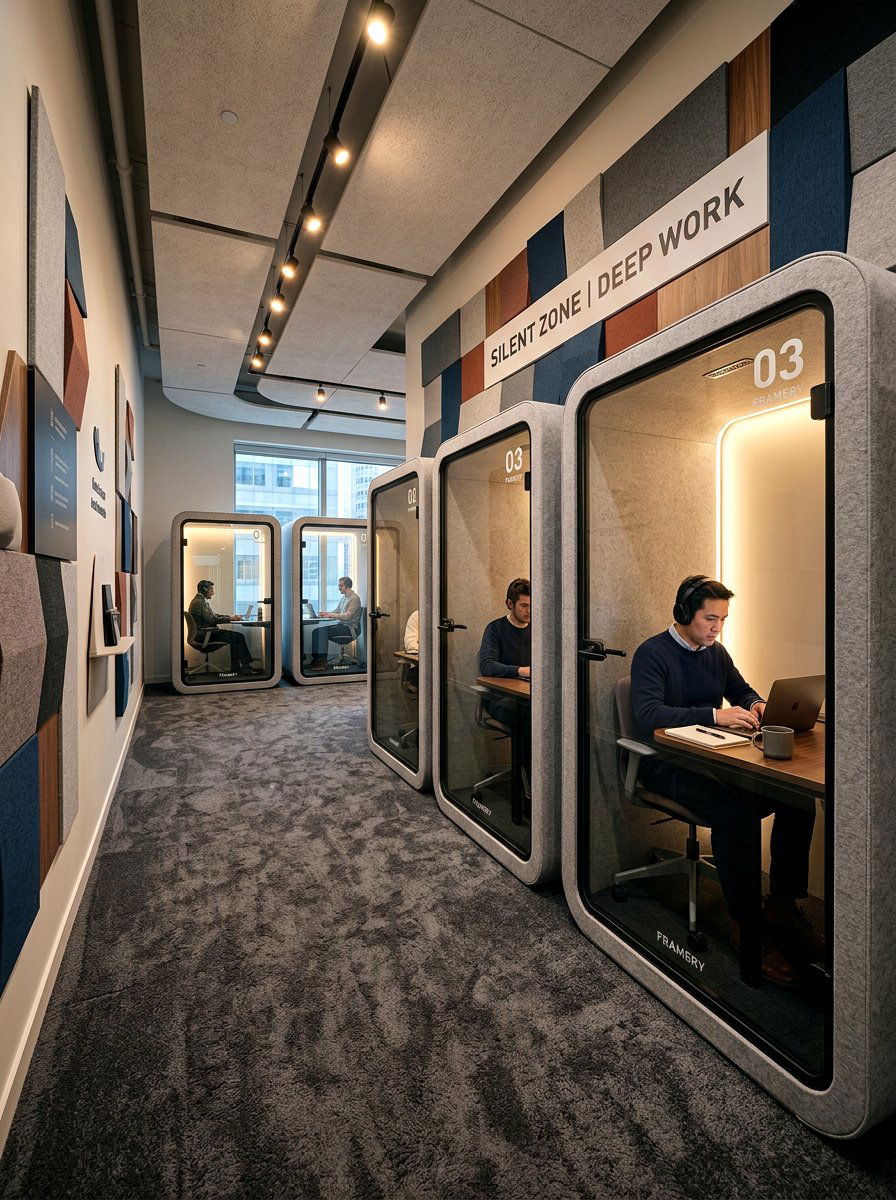
While collaboration is key, every writer and editor occasionally needs a quiet deep work zone to escape the office noise. These areas are designed with acoustic panels on the walls and thick carpeting to absorb sound and create a hushed environment. Instead of open desks, these zones often feature high-backed "privacy pods" or small individual carrels that block out visual distractions. There is usually a strict no-talking policy in these sections to ensure everyone can focus on intense tasks like complex structural editing or investigative writing. This balance of public and private space is vital for maintaining a productive and satisfied editorial team.
20. Art deco inspired editorial office
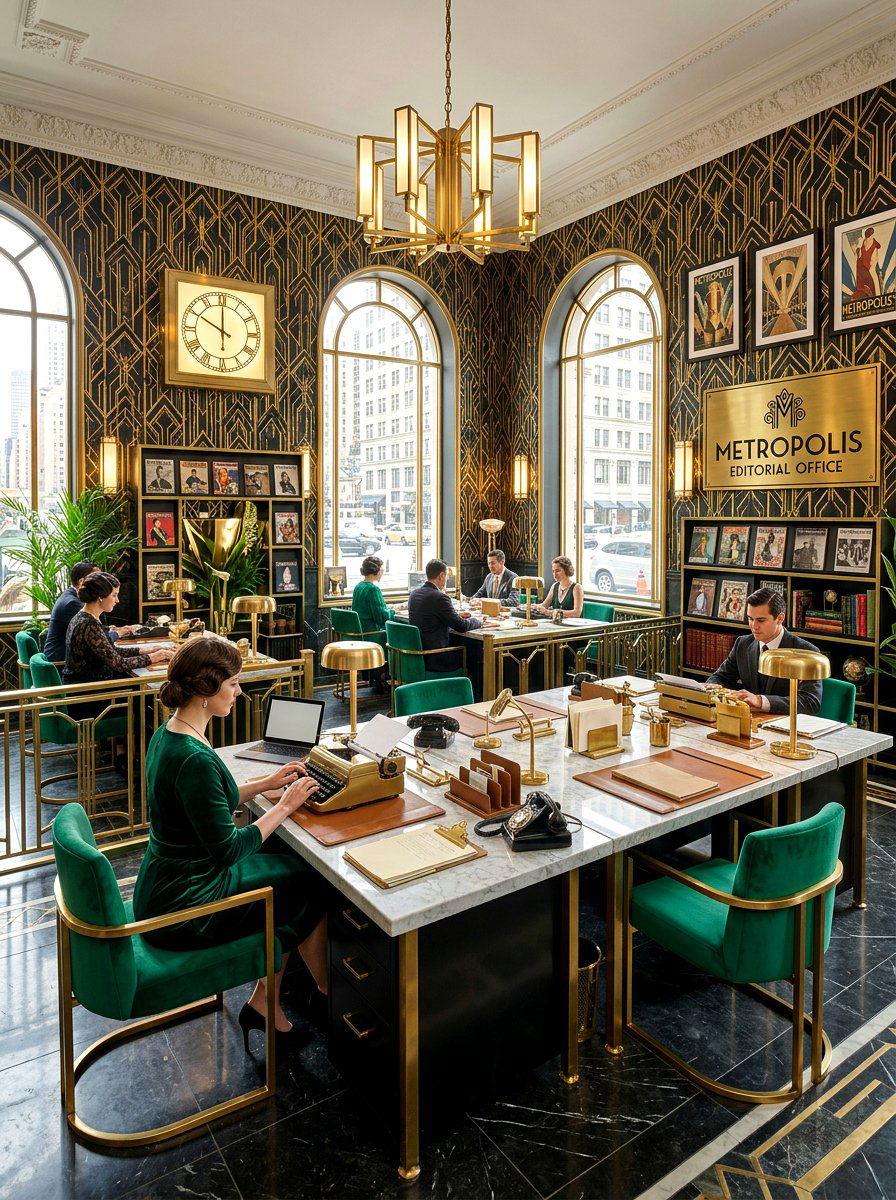
For a touch of vintage glamour and sophistication, an art deco inspired editorial office uses bold lines and luxurious materials. Think polished brass accents, geometric patterned rugs, and velvet-upholstered chairs in jewel tones like emerald or sapphire. Desks might feature dark lacquered finishes or elegant marble tops that make a strong statement. This style feels very "old-school Manhattan, " bringing a sense of prestige and history to the publication. Large, circular mirrors and stylized light fixtures complete the look, creating a workspace that feels like it belongs to a legendary fashion or lifestyle magazine from the golden age of print.
21. Colorful vibrant editorial space
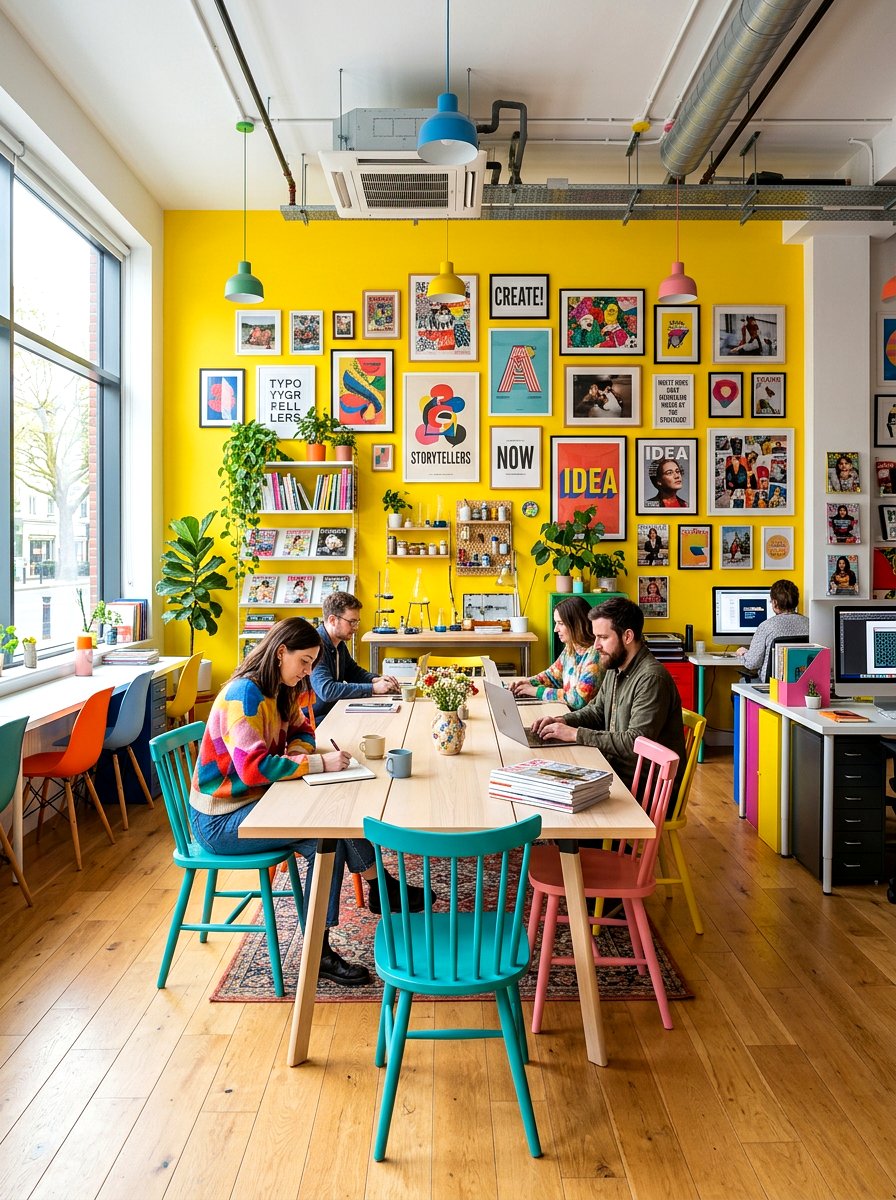
Creativity often thrives in environments that aren't afraid of color, and a colorful vibrant editorial space uses this to its advantage. By mixing bright accent walls with mismatched, colorful seating, the office gains a playful and energetic character. This approach is particularly effective for youth-focused magazines or pop culture websites where the brand voice is fun and irreverent. Using colorful storage bins and bright desk accessories keeps the mood light even during stressful deadline weeks. The goal is to create a space that feels like a laboratory of ideas, where the visual stimulation encourages staff to think outside the box.
22. Monochromatic sleek office layout
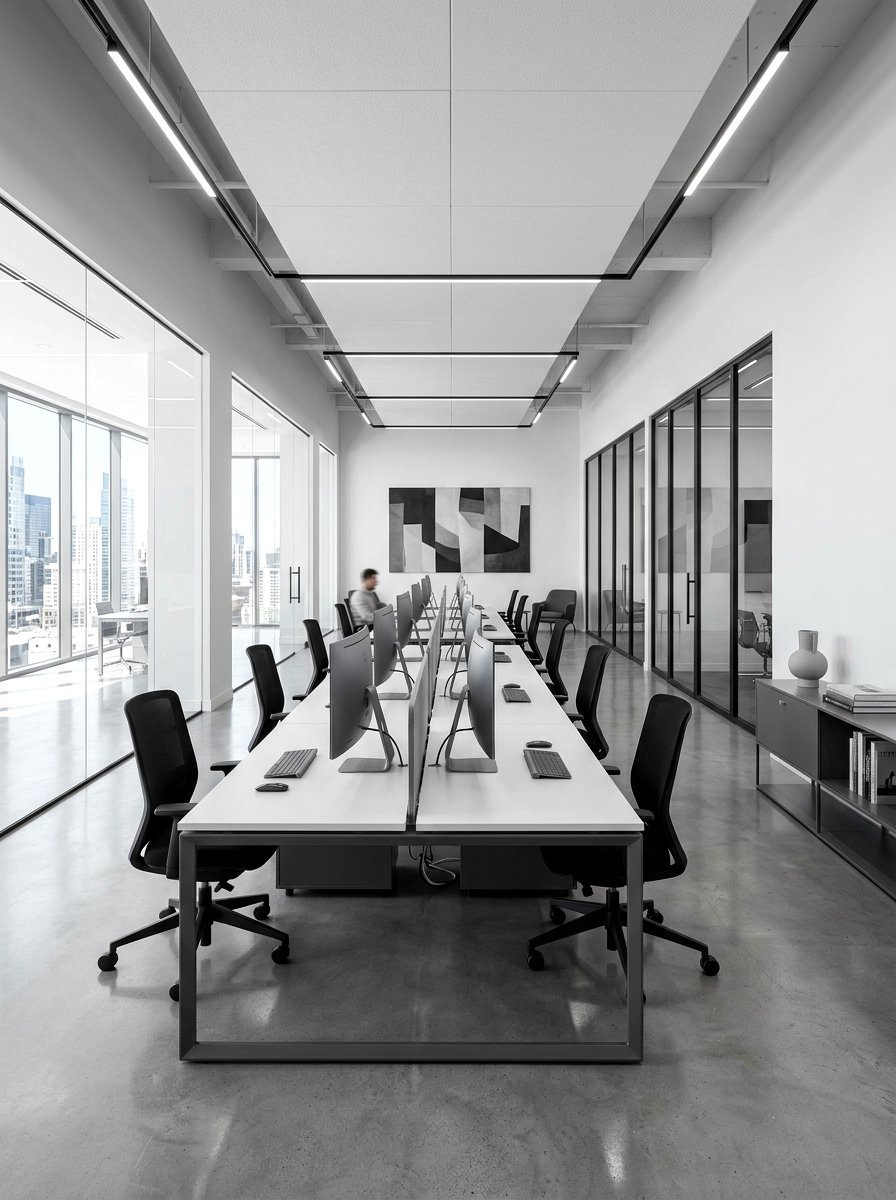
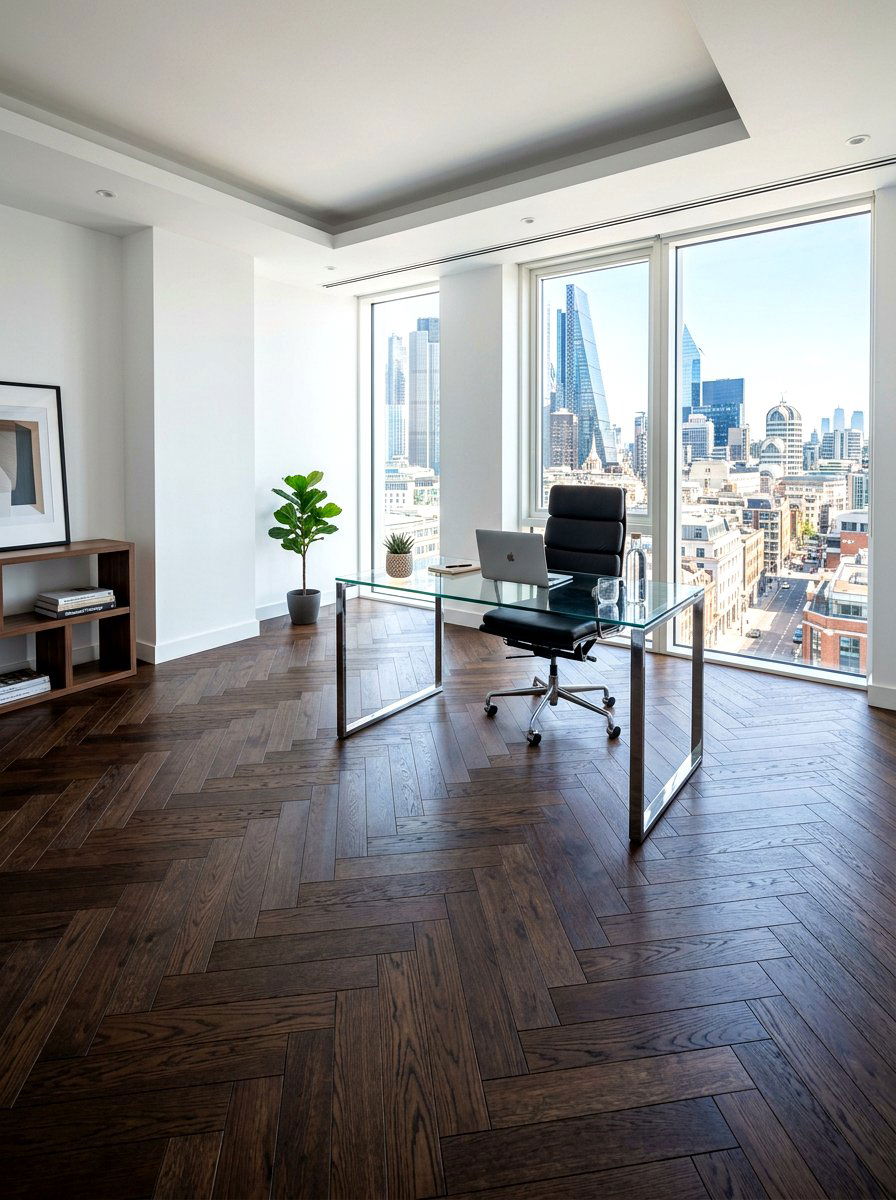
On the opposite end of the spectrum, a monochromatic sleek office layout offers a sense of ultimate professionalism and focus. By sticking to a single color family — usually shades of white, gray, or black — the design creates a cohesive and ultra-modern look. This style allows the content of the magazine, like colorful layouts and photography, to truly stand out when displayed on the walls or desks. Texture becomes very important in a monochromatic space, so mixing materials like matte metal, brushed wool, and smooth stone adds depth. It is a sophisticated choice for high-end architecture or business publications that value clarity.
23. Editorial lounge area seating
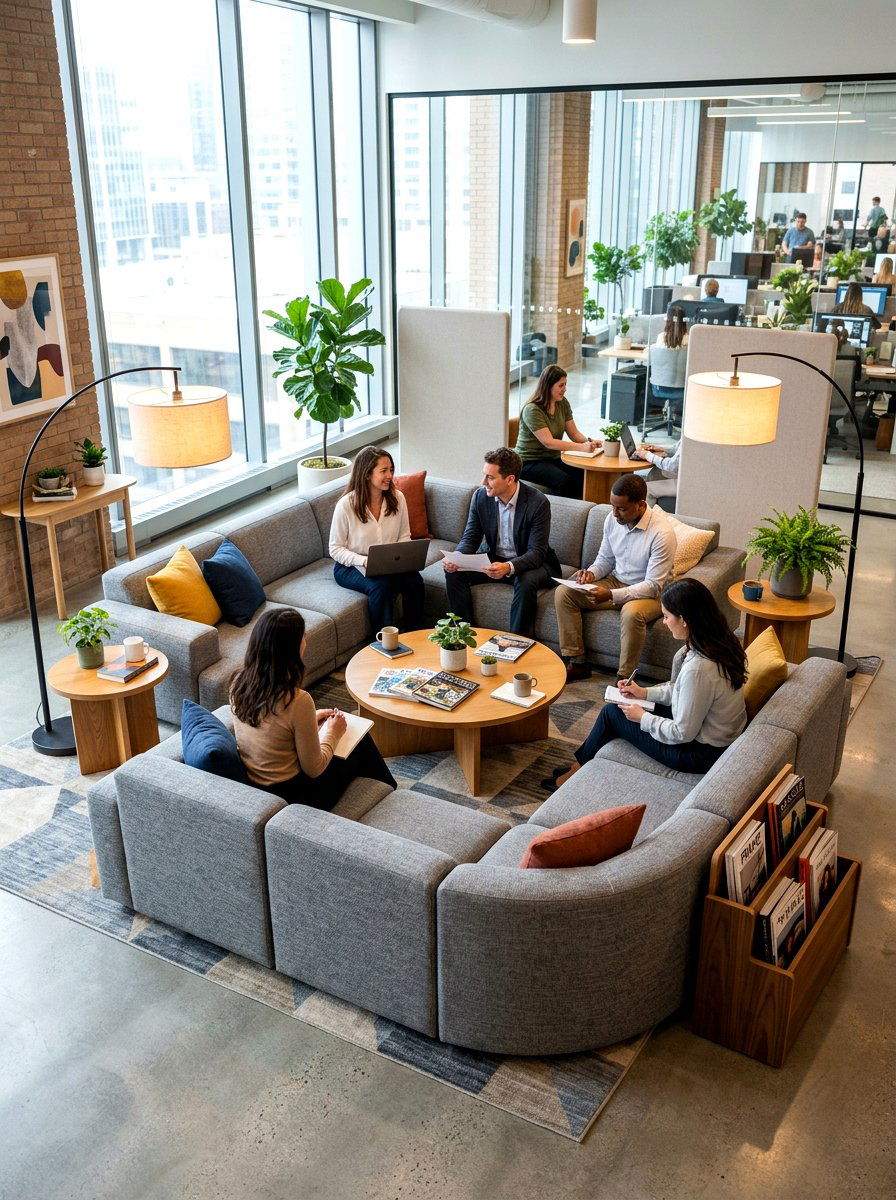
Modern editorial offices are moving away from traditional cubicles in favor of comfortable editorial lounge area seating. This trend recognizes that people often do their best brainstorming and reading when they are in a relaxed posture. Soft, oversized sectionals and modular ottomans can be moved around to accommodate different group sizes or solo work. Low tables are provided for laptops and coffee, while nearby lamps offer warm, task-specific lighting. This design approach creates a "resimercial" feel — a mix of residential and commercial — that makes the office feel like a home away from home, which is essential for long production nights.
24. Glass partition editorial office
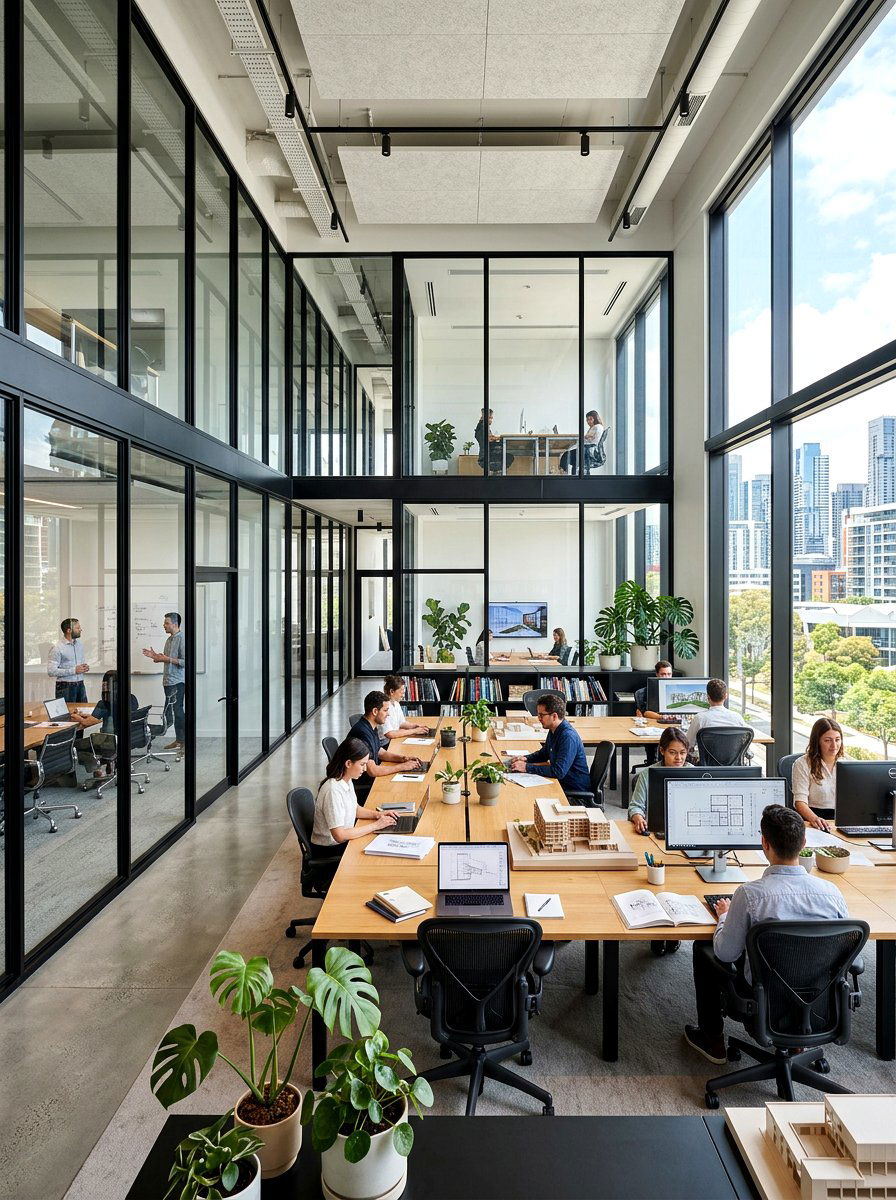
If you want to maintain an open feel while still providing necessary sound privacy, a glass partition editorial office is the perfect solution. Using sleek, black-framed or frameless glass walls allows light to flow through the entire office, keeping everyone visually connected. These partitions can be used to create private offices for senior editors or small "huddle rooms" for sensitive team meetings. Adding a subtle frosted film or a brand logo at eye level can provide a degree of visual privacy without closing off the space entirely. This design balances the benefits of an open plan with the practical needs of a quiet workplace.
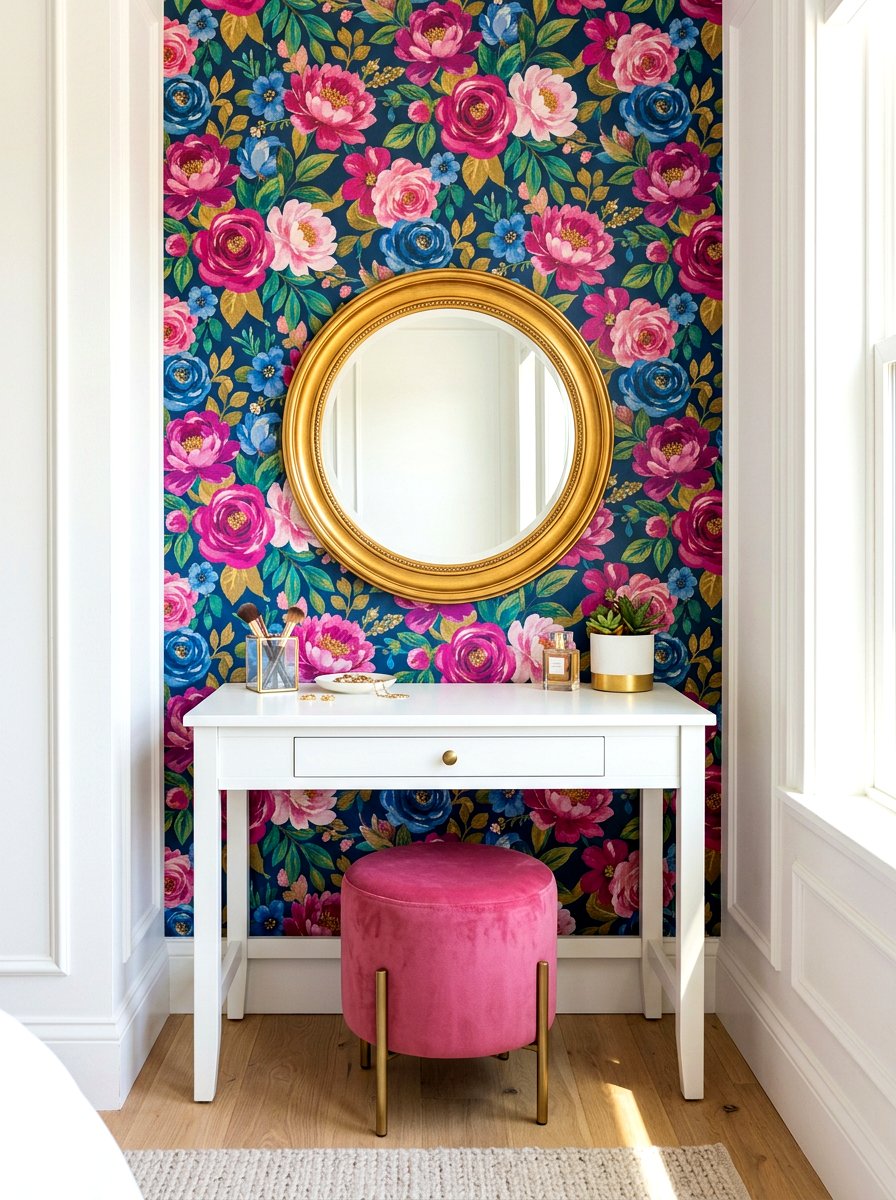
25. Exposed brick editorial loft
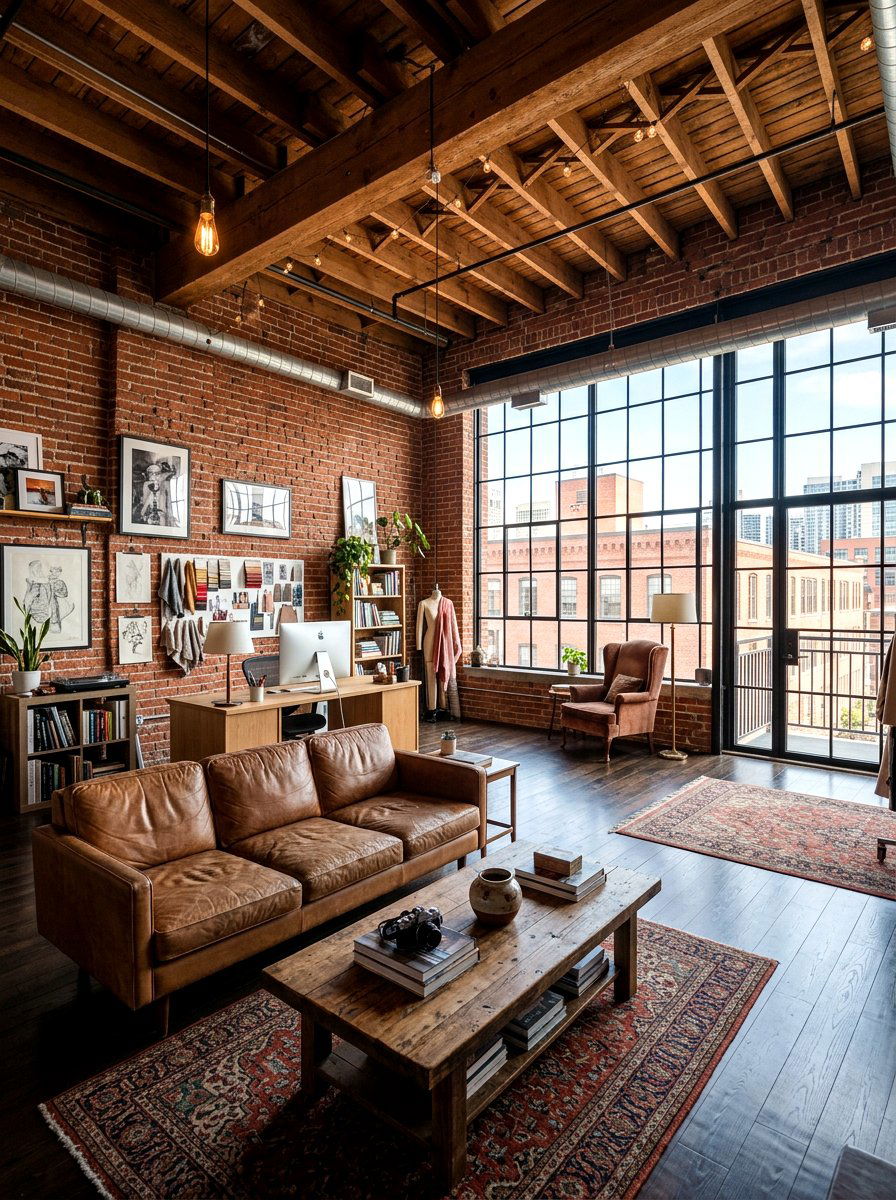
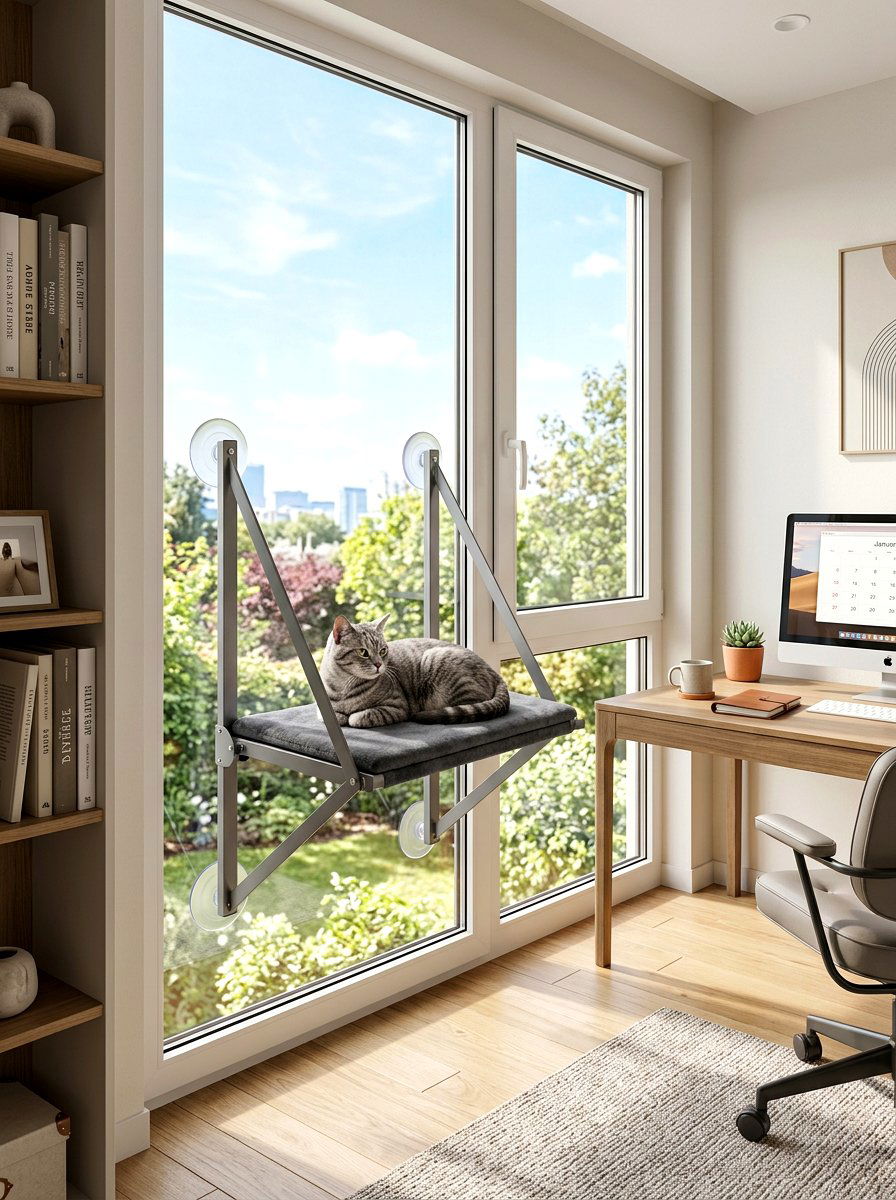
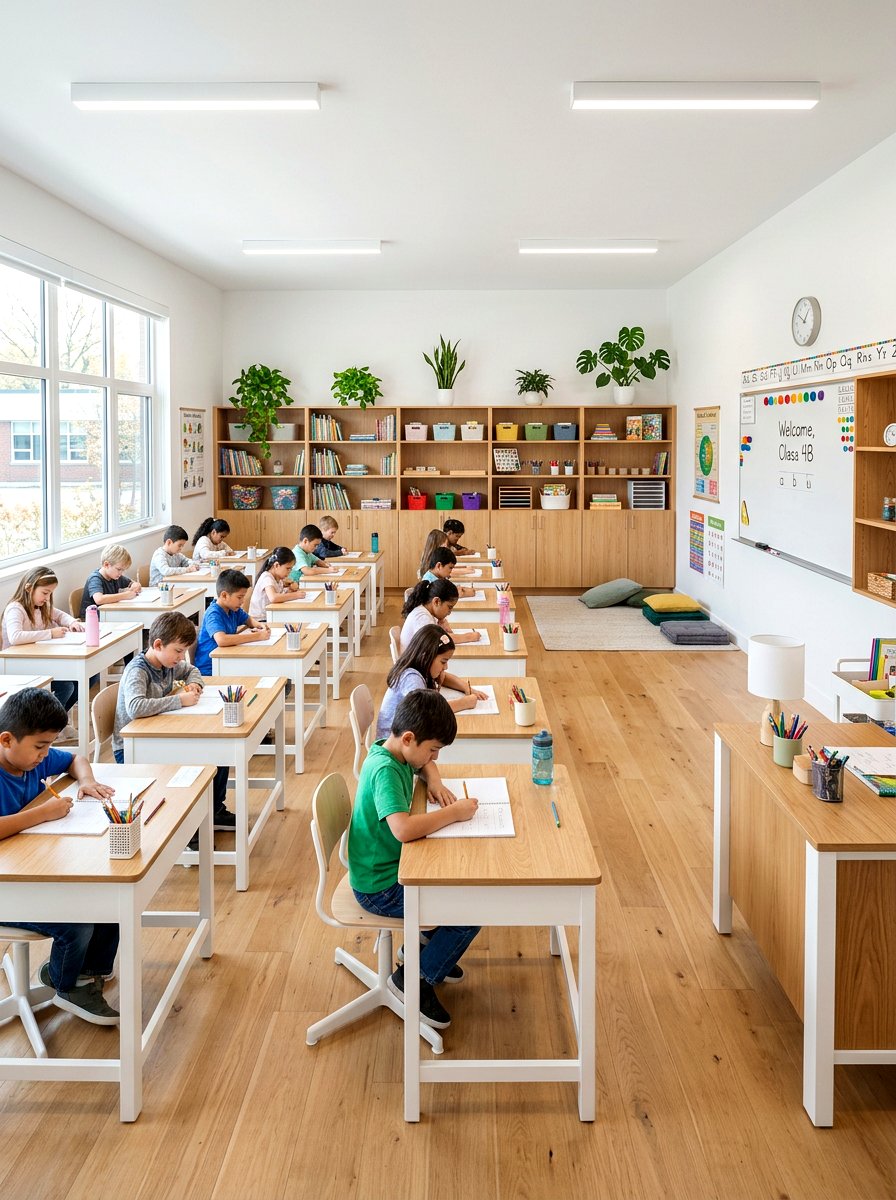
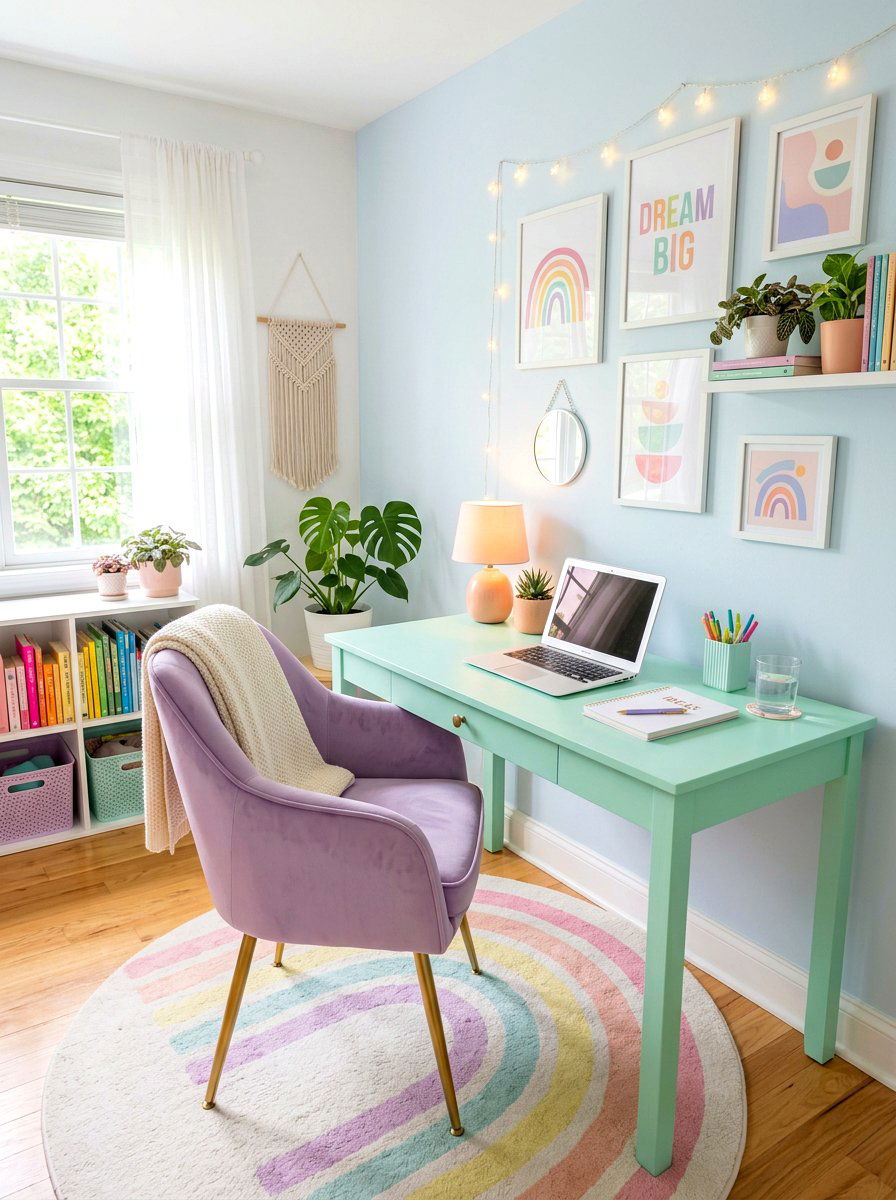
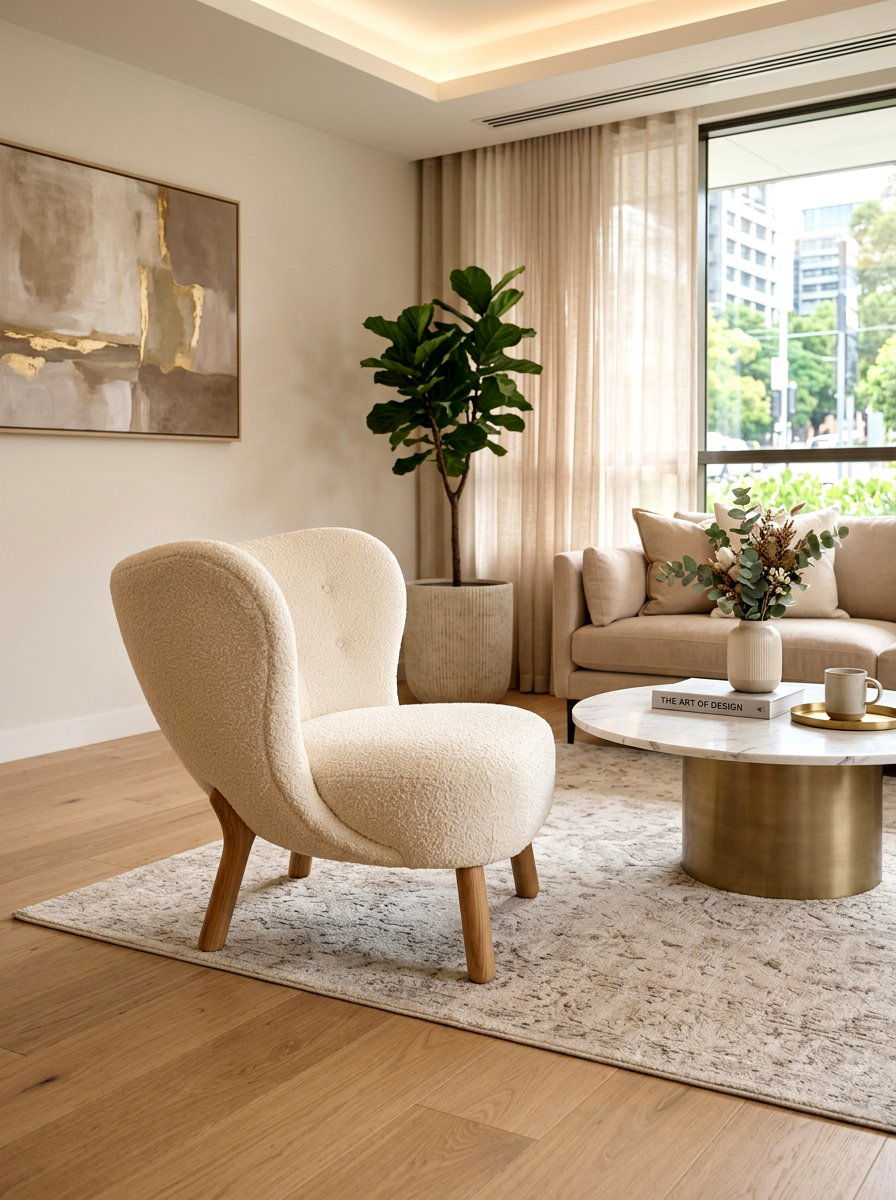
Nothing says "creative studio" quite like an exposed brick editorial loft with its warm, textured walls and historic character. The natural red or brown tones of the brick provide a beautiful backdrop for modern office furniture and vibrant art. This look is often paired with industrial lighting, such as Edison bulb chandeliers or track lighting that highlights the architectural details. Because brick is a hard surface, it is important to add rugs and acoustic panels to prevent the room from becoming too echoey. The resulting space feels grounded, authentic, and full of the raw energy needed to produce cutting-edge journalism and design.
26. Editorial office coffee bar
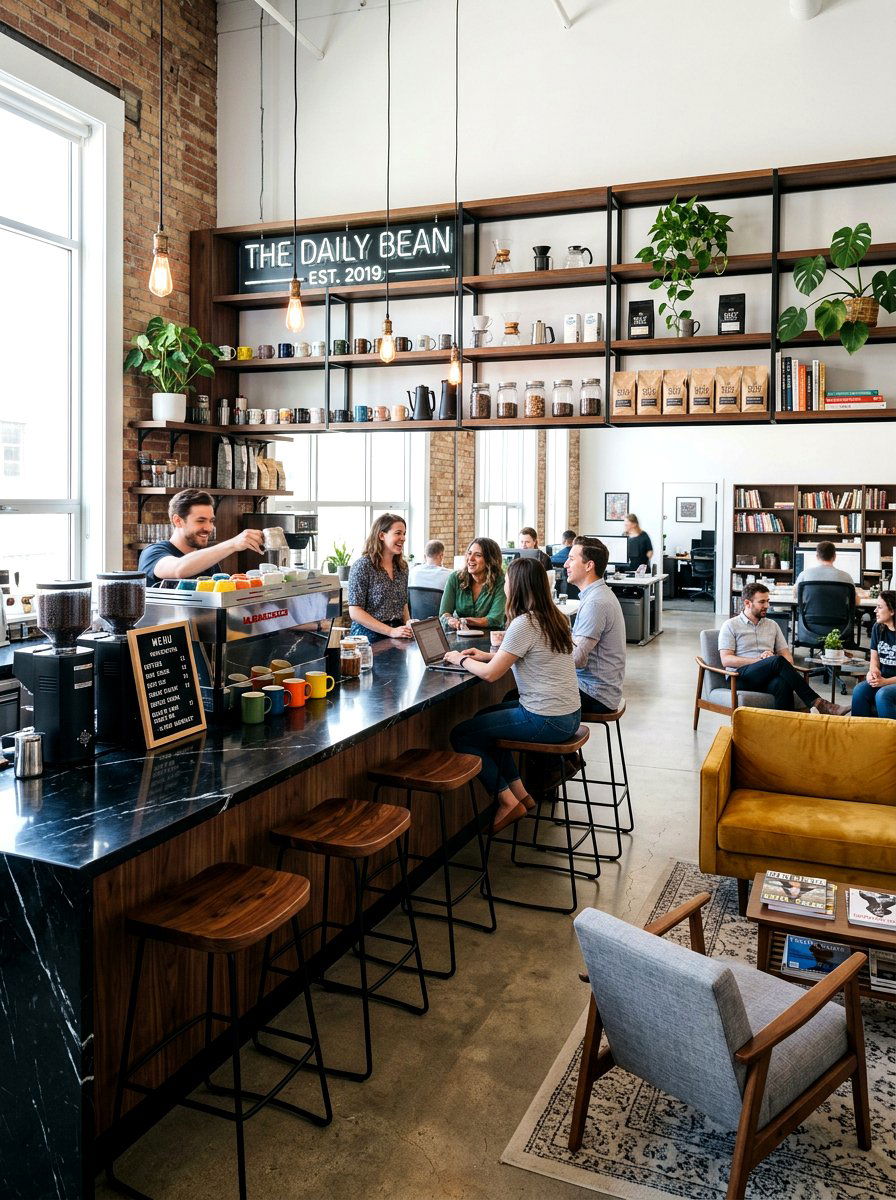
Coffee is practically a required fuel for any successful editorial team, so a dedicated editorial office coffee bar is a must-have. This shouldn't just be a machine in a corner; it should be a designed space with a sleek counter, stools, and perhaps some open shelving for mugs and beans. It serves as a natural gathering spot where staff can take a quick break and chat informally about their current projects. Adding a small refrigerator for milk and snacks keeps everyone energized throughout the day. A well-designed coffee bar fosters a sense of community and provides a much-needed mental break during busy afternoons.
27. Integrated technology editorial desk
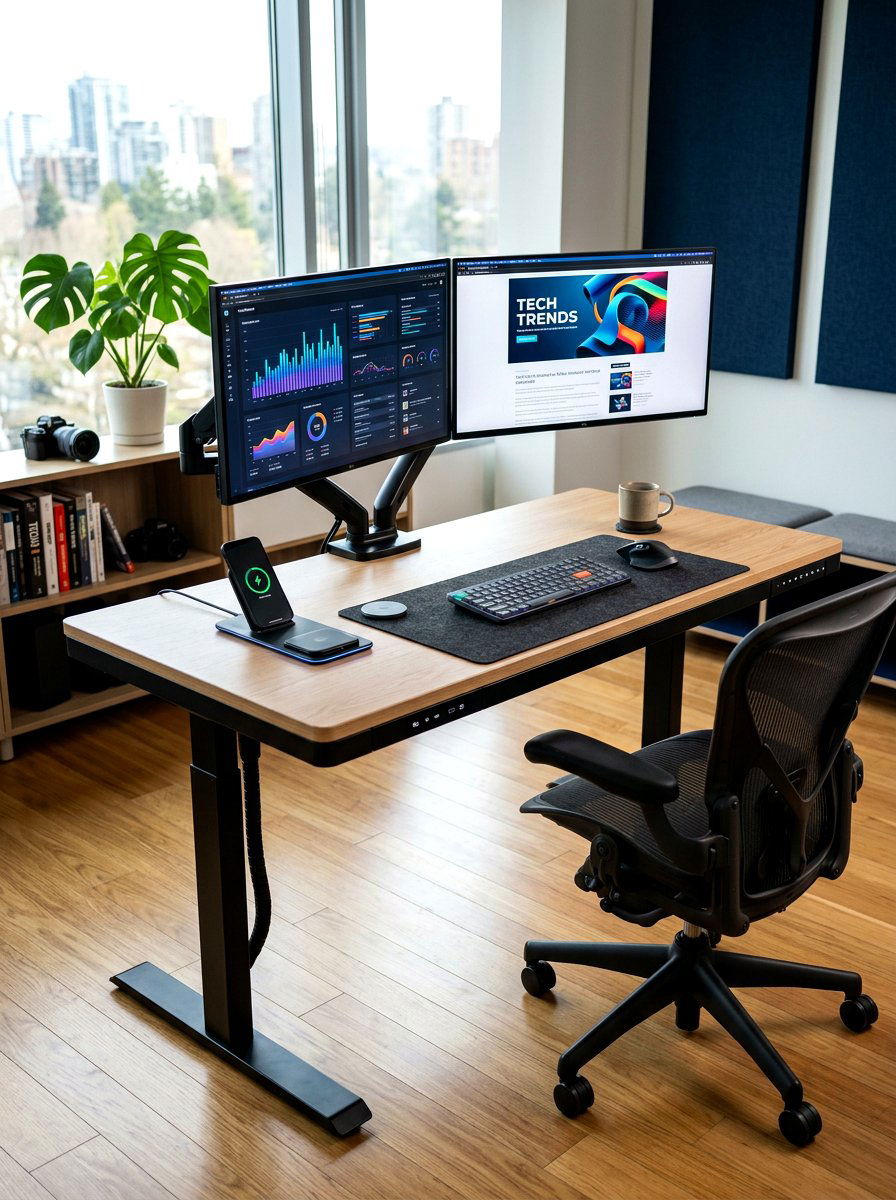
The modern editor’s desk is a hub of digital activity, and an integrated technology editorial desk makes managing that activity effortless. These desks often feature built-in wireless charging pads, hidden cable tracks, and touch-sensitive height adjustment controls. Some even include integrated screens for monitoring social media feeds or video conferencing without taking up valuable surface area. By hiding the mess of wires and peripherals, the desk remains a clean and professional space for focused work. This high-tech approach ensures that the editorial team has all the tools they need within arm's reach while maintaining a minimalist and clutter-free aesthetic in the office.
28. Vertical shelving editorial office
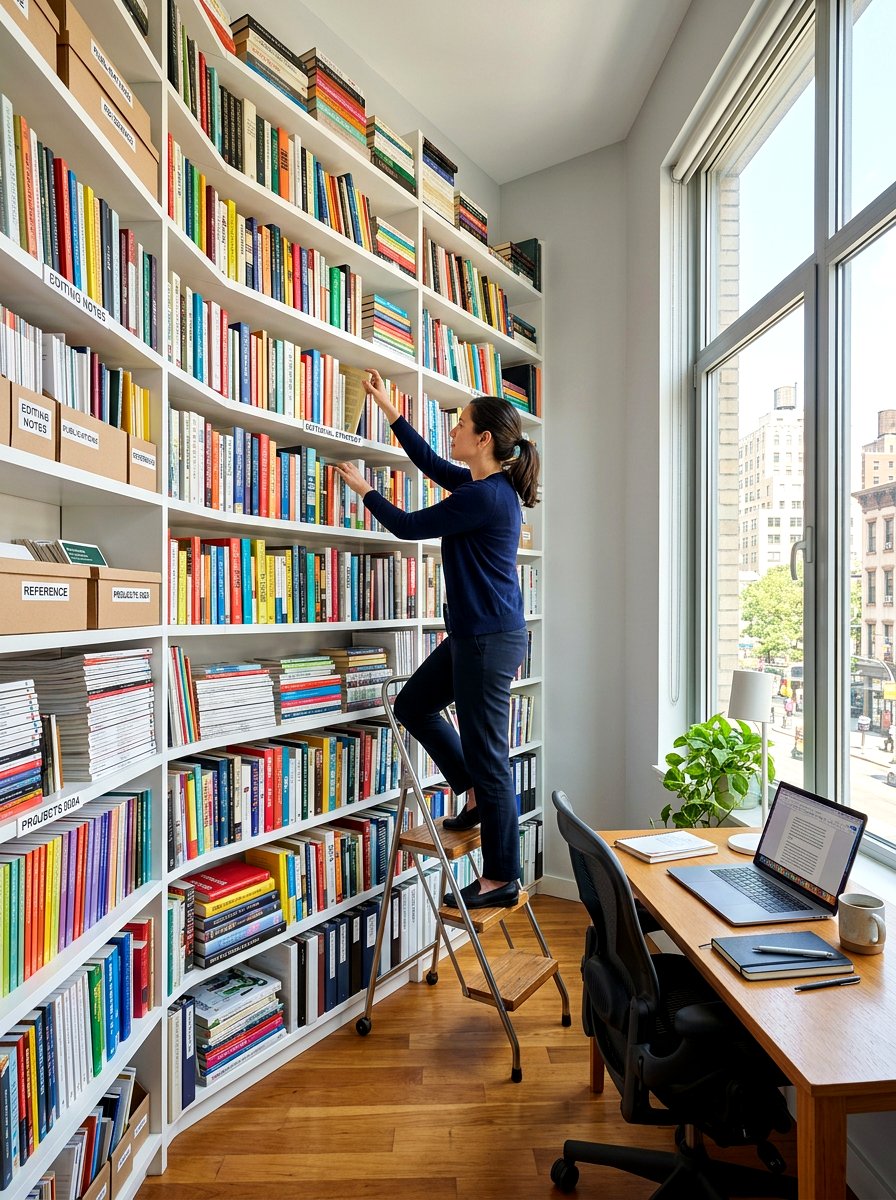
When floor space is limited, vertical shelving editorial office designs help maximize every square inch for storage and display. Tall, slim shelving units can be placed between windows or in unused corners to hold reference books, archives, and office supplies. Using the full height of the room draws the eye upward, making a smaller office feel much larger and more grand. You can mix functional storage boxes with decorative items like awards or framed magazine covers to create a balanced look. This strategy is essential for urban editorial offices where space is at a premium but organizational needs remain high for the whole team.
29. Natural light writing studio
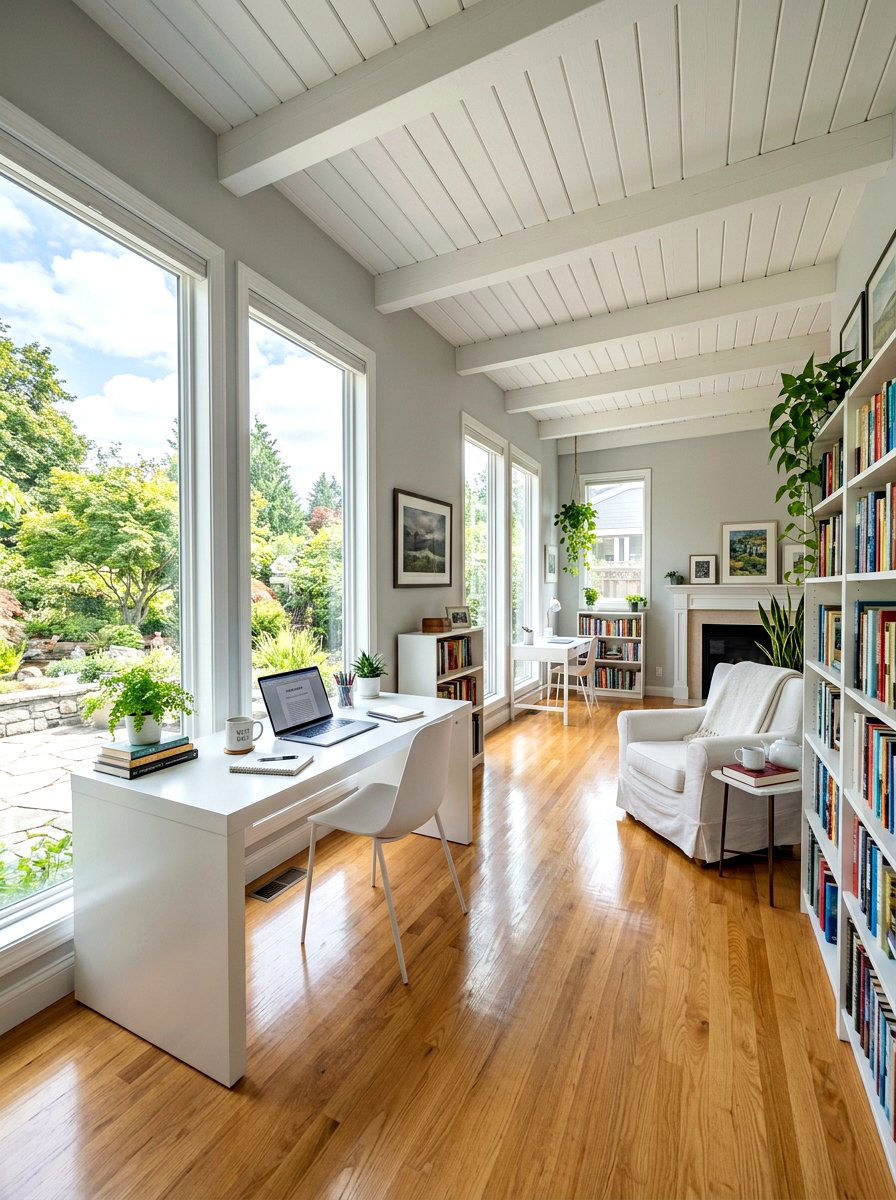
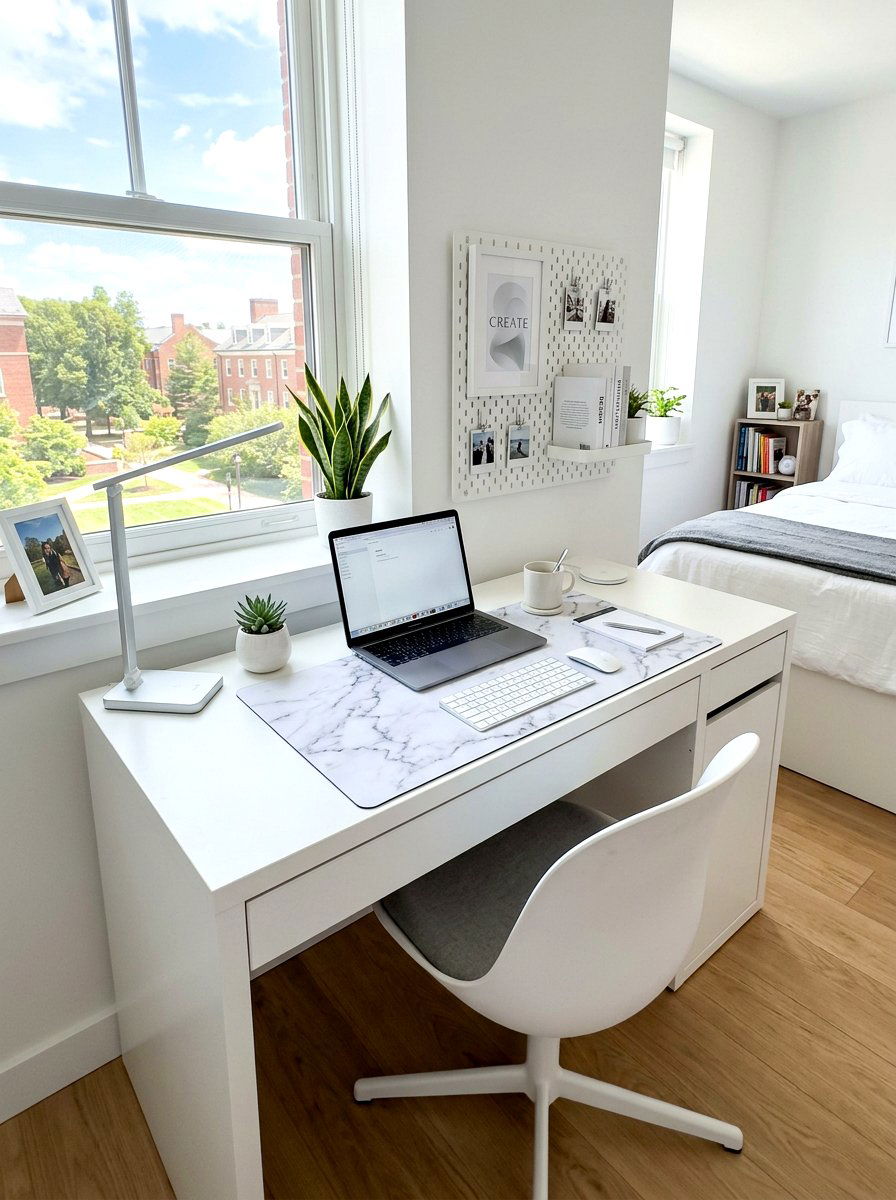
A natural light writing studio is designed specifically to harness the power of the sun to create a productive and healthy environment. Desks are strategically positioned perpendicular to windows to provide plenty of light without creating glare on computer screens. Light-colored surfaces and mirrors can be used to bounce natural light into the deeper parts of the room, ensuring no one is working in a dark corner. This focus on "daylighting" has been shown to improve concentration and reduce the headaches associated with artificial office lighting. It creates a serene, garden-like atmosphere that makes the challenging work of writing feel much more enjoyable.
30. Professional home editorial office
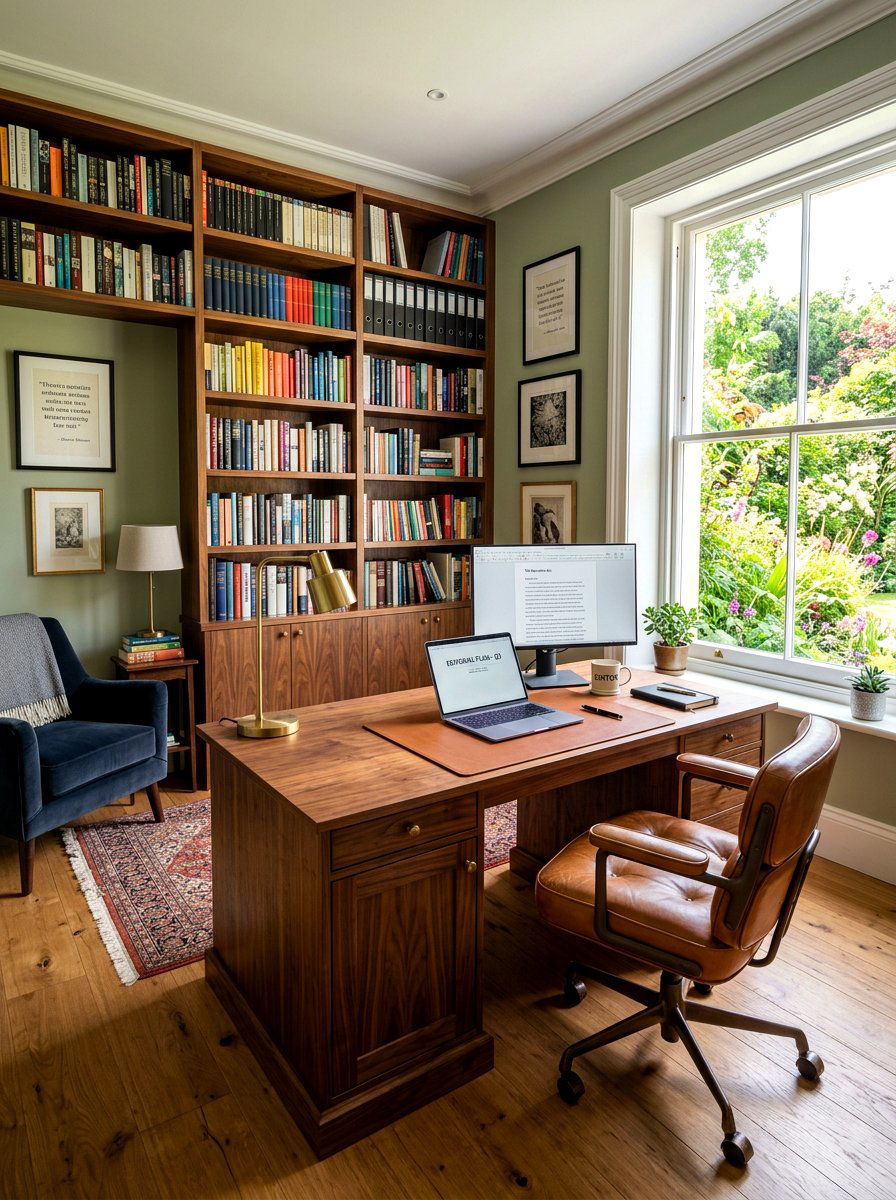
With the rise of remote work, a professional home editorial office has become a vital space for many freelance writers and editors. This design focuses on creating a "commute-free" environment that still feels strictly professional and separate from the rest of the house. It often includes a high-quality desk, a library wall for reference books, and a small mood board for current projects. Personal touches, like a favorite piece of art or a high-end espresso machine, make the space feel uniquely yours. The key is to create a dedicated zone that signals to your brain that it is time to focus on the story.
Conclusion:
Building a successful editorial office is an ongoing journey that should evolve alongside your publication’s brand and your team’s unique needs. By integrating a mix of collaborative zones, quiet retreats, and high-tech tools, you create a workspace that supports every phase of the creative process. Whether you are inspired by the raw energy of an industrial loft or the quiet elegance of a Scandinavian studio, the right environment acts as a catalyst for innovation and storytelling. Remember that the best offices prioritize both the well-being of the staff and the functional demands of a fast-paced industry. With these thirty ideas, your editorial office can become a vibrant, organized, and truly inspiring hub where world-class content is born every day.

Related posts: