In a world increasingly dominated by seamless digital interactions and instant AI-driven results, the rising friction maxxing office trend offers a necessary corrective for modern professionals. This philosophy encourages workers to intentionally introduce physical obstacles and tactile elements into their workspace to reclaim focus and deepen their engagement with tasks. By prioritizing manual processes over automated shortcuts, you can significantly lengthen your attention span and build mental resilience against the constant pull of digital distractions. Whether it is using a physical ledger or a manual typewriter, these intentional speed bumps transform a sterile workspace into a grounding sensory environment that celebrates the human element of creative work.
1. Analog Desk Planner
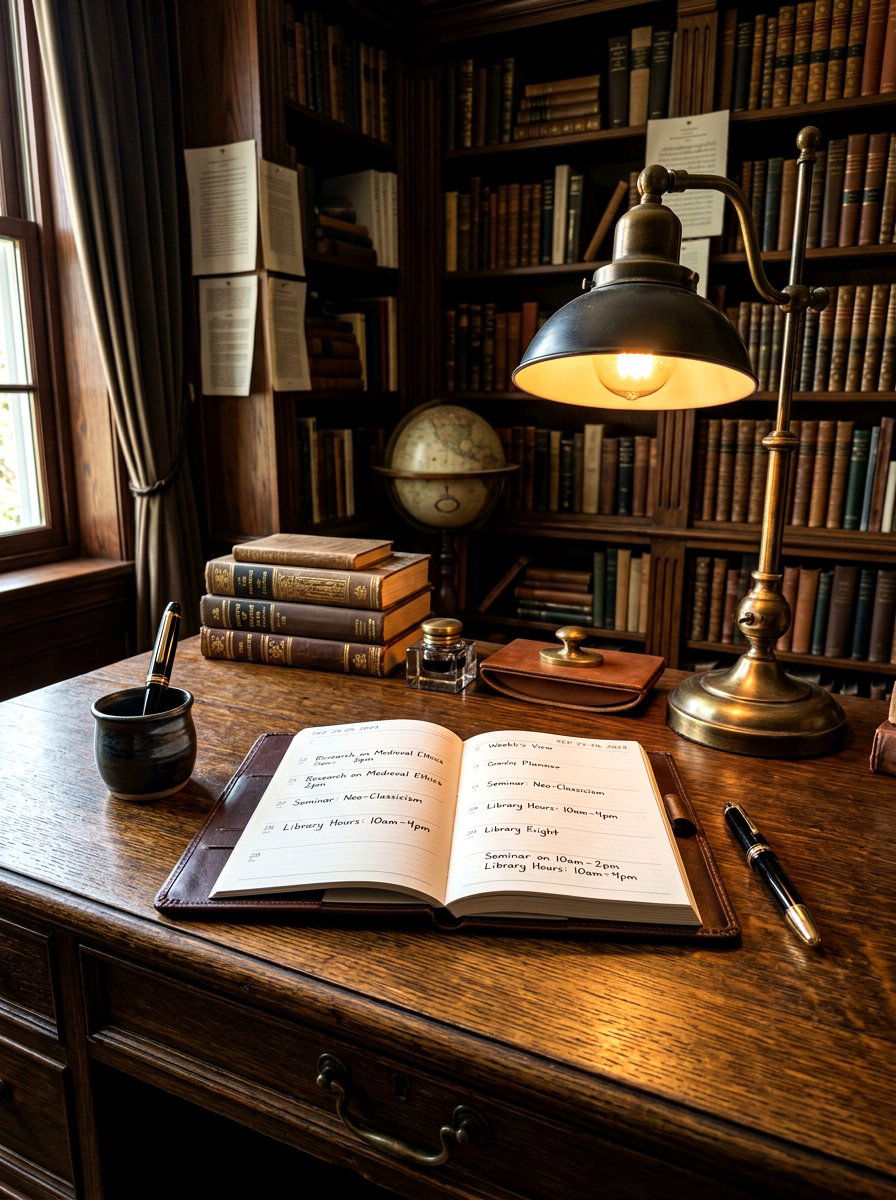
Implementing an analog desk planner is a foundational step in creating a workspace that prioritizes intentionality over pure digital speed. Unlike digital calendars that often trigger notifications and distractions, a paper planner requires you to physically write down your goals and schedule each morning. This tactile interaction helps to encode information more deeply in your brain, making your daily objectives feel more concrete and achievable. By choosing a planner with thick, high-quality paper and a structured layout, you create a satisfying ritual that encourages you to pause and reflect on your priorities before the busy workday begins in earnest.
2. Physical Phone Lockbox
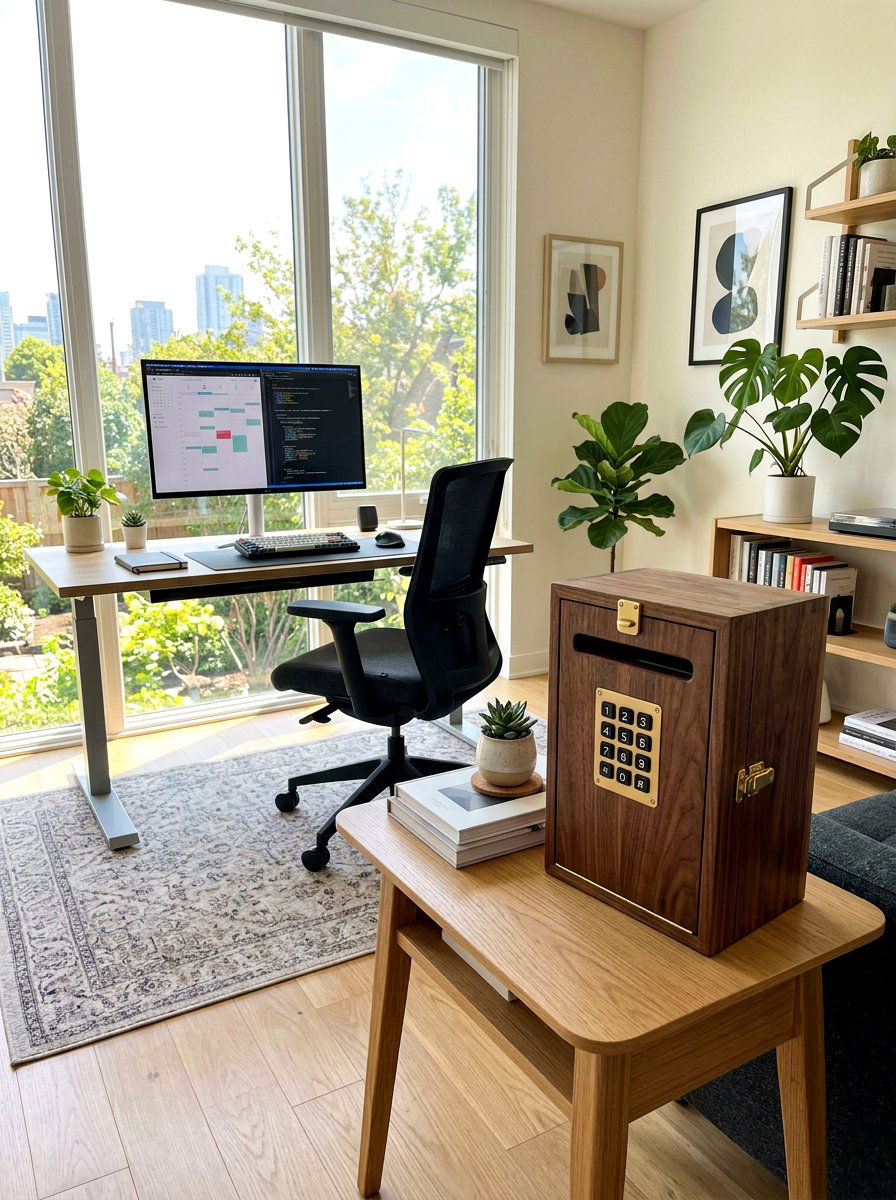
Using a physical phone lockbox is one of the most effective ways to remove the temptation of digital distractions during deep work sessions. By placing your smartphone inside a timed container, you create a literal barrier that prevents you from mindlessly scrolling through social media or checking non-urgent messages. This intentional friction forces you to commit fully to the task at hand without the constant pull of your device. Many professionals find that the mere act of locking away their phone provides a significant psychological boost, allowing them to enter a state of flow much faster and maintain it for longer periods.
3. Mechanical Keyboard Setup
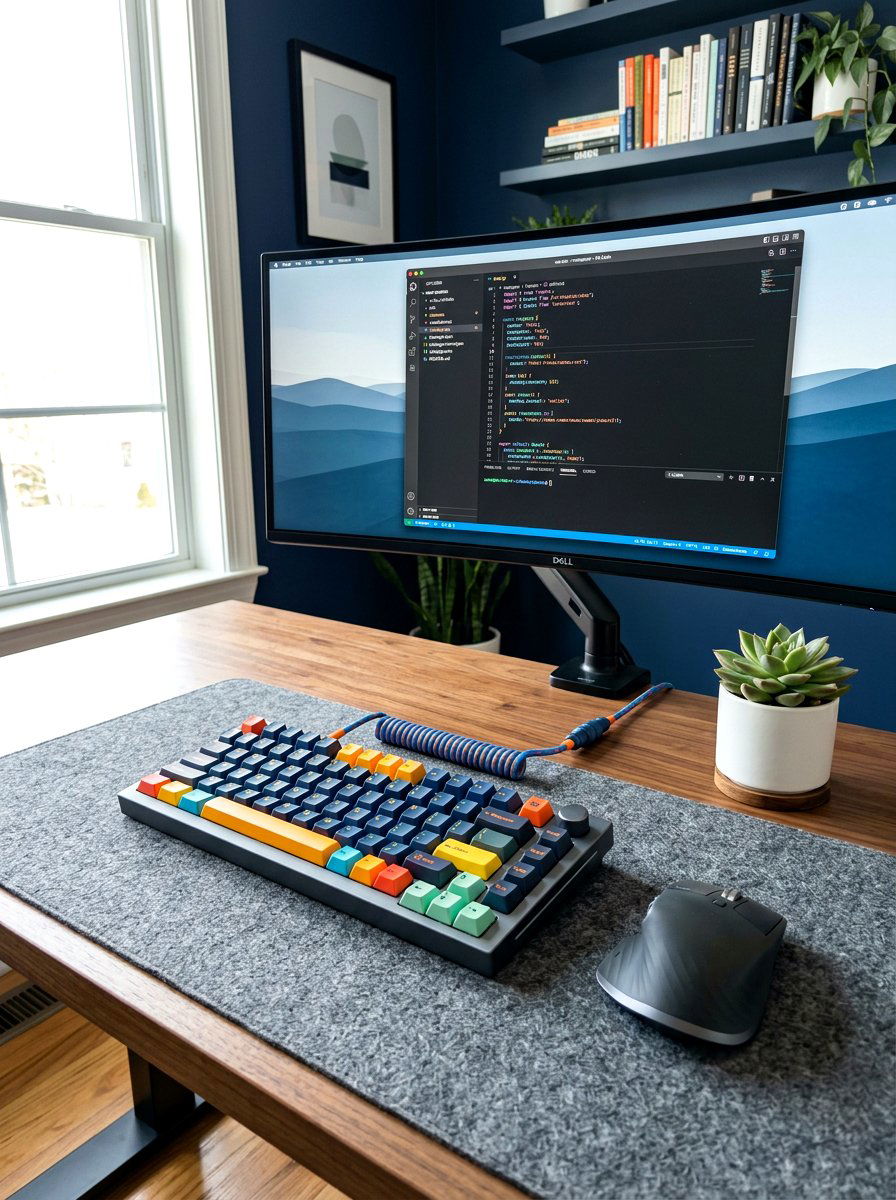
Investing in a high-quality mechanical keyboard setup introduces a vital tactile and auditory element to your daily typing experience. Every keystroke provides distinct physical resistance and a satisfying click, which helps to ground your focus in the physical act of creation. This added sensory feedback can make the process of drafting emails or writing reports feel much more deliberate and less like a mindless chore. Many enthusiasts enjoy customizing their keyboards with different switches and keycaps to find the perfect level of resistance that matches their personal typing style, further enhancing the intentionality of their work environment throughout the day.
4. Manual Standing Desk
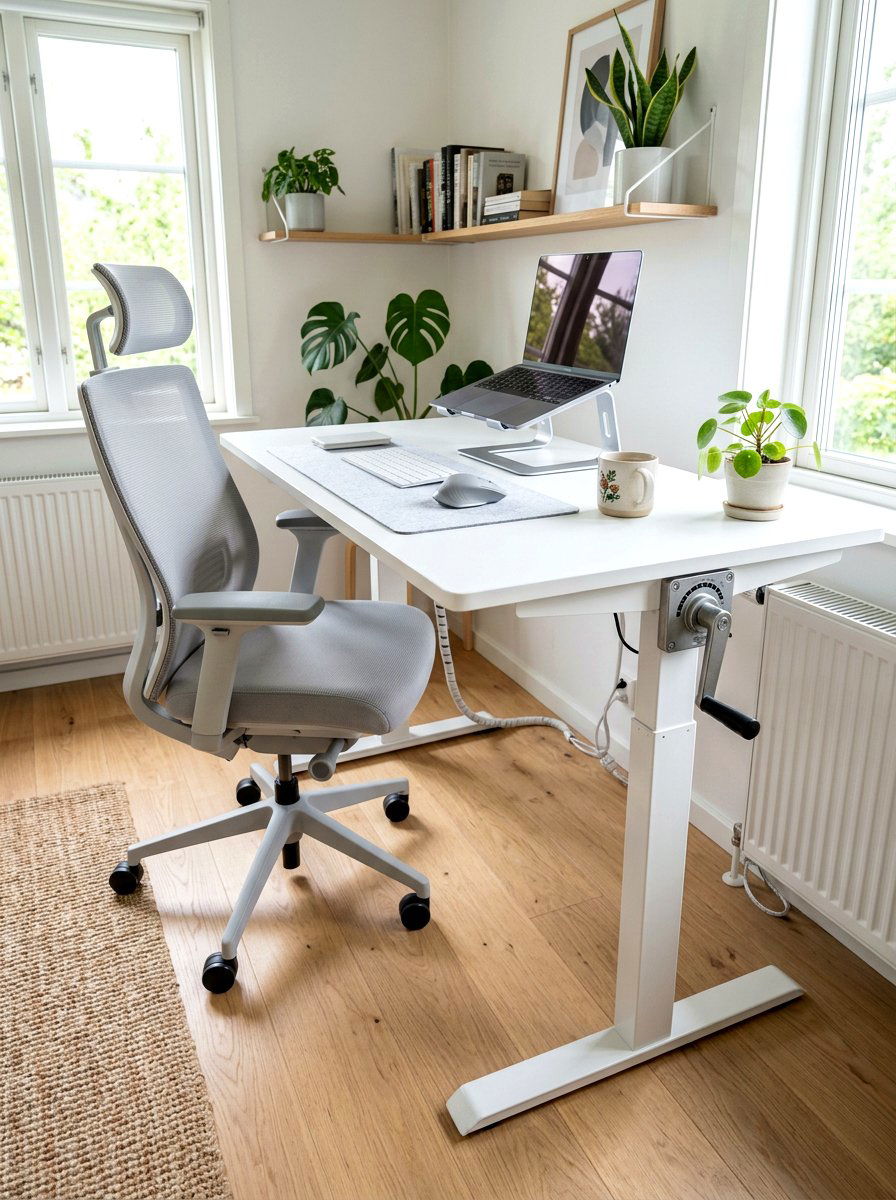
Choosing a manual standing desk instead of an electric version is a subtle yet powerful way to incorporate physical movement into your workday. Rather than pressing a button to change your position, you must manually turn a hand crank to raise or lower the surface. This physical effort serves as a reminder to check in with your body and adjust your posture as needed. The slow, rhythmic process of cranking the desk creates a natural transition between different work modes, helping you to stay mentally alert. This intentional movement prevents the sedentary fatigue that often accompanies long hours spent working in one fixed position.
5. Wall Mounted Chalkboard
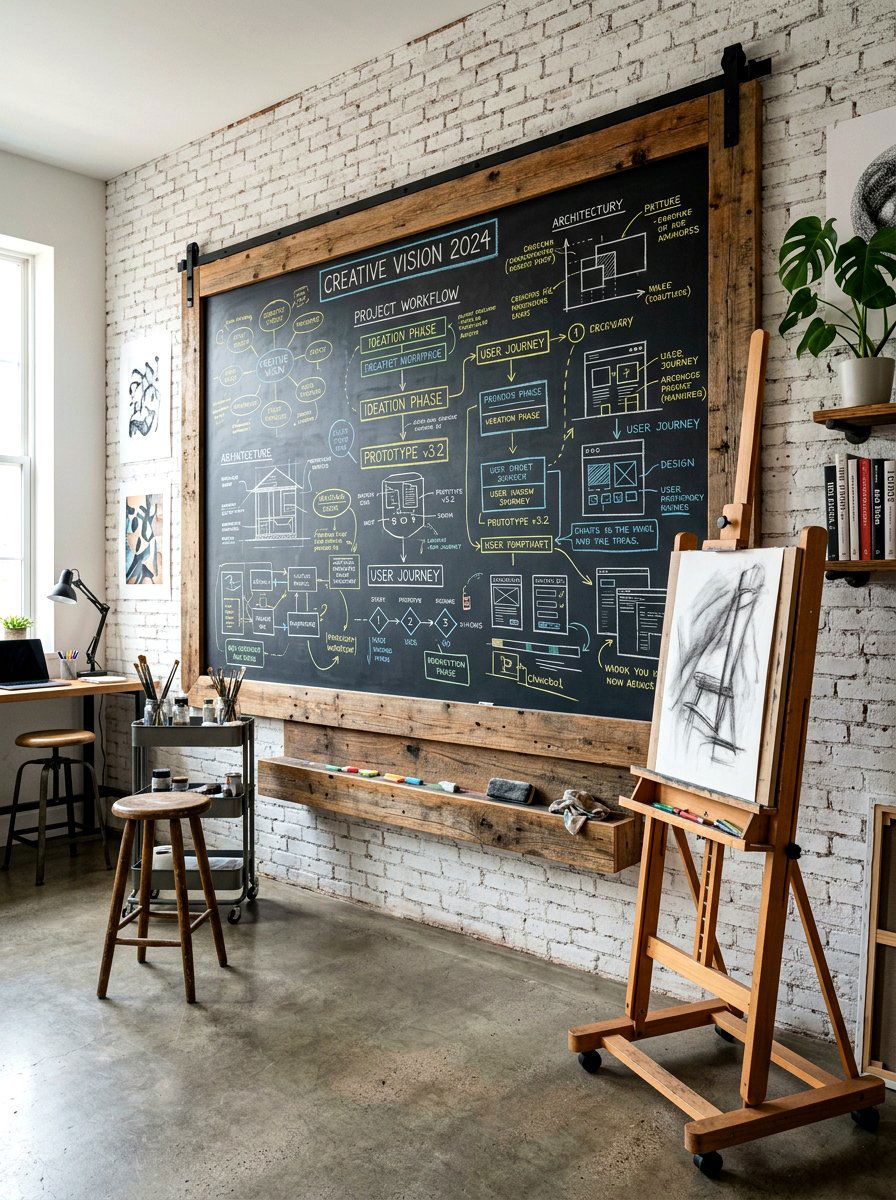
A large wall mounted chalkboard serves as a dynamic focal point for brainstorming and visual planning that feels remarkably grounded. Writing with physical chalk requires more deliberate movement than typing on a screen, which can often lead to more creative and expansive thinking during project planning sessions. The dusty texture of the chalk and the ability to physically erase and redraw ideas provide a raw, analog experience that digital tools cannot replicate. This large-scale visual aid keeps your most important concepts in constant view, serving as a persistent reminder of your long-term goals without the need to open any specific apps.
6. Hand Crank Pencil Sharpener
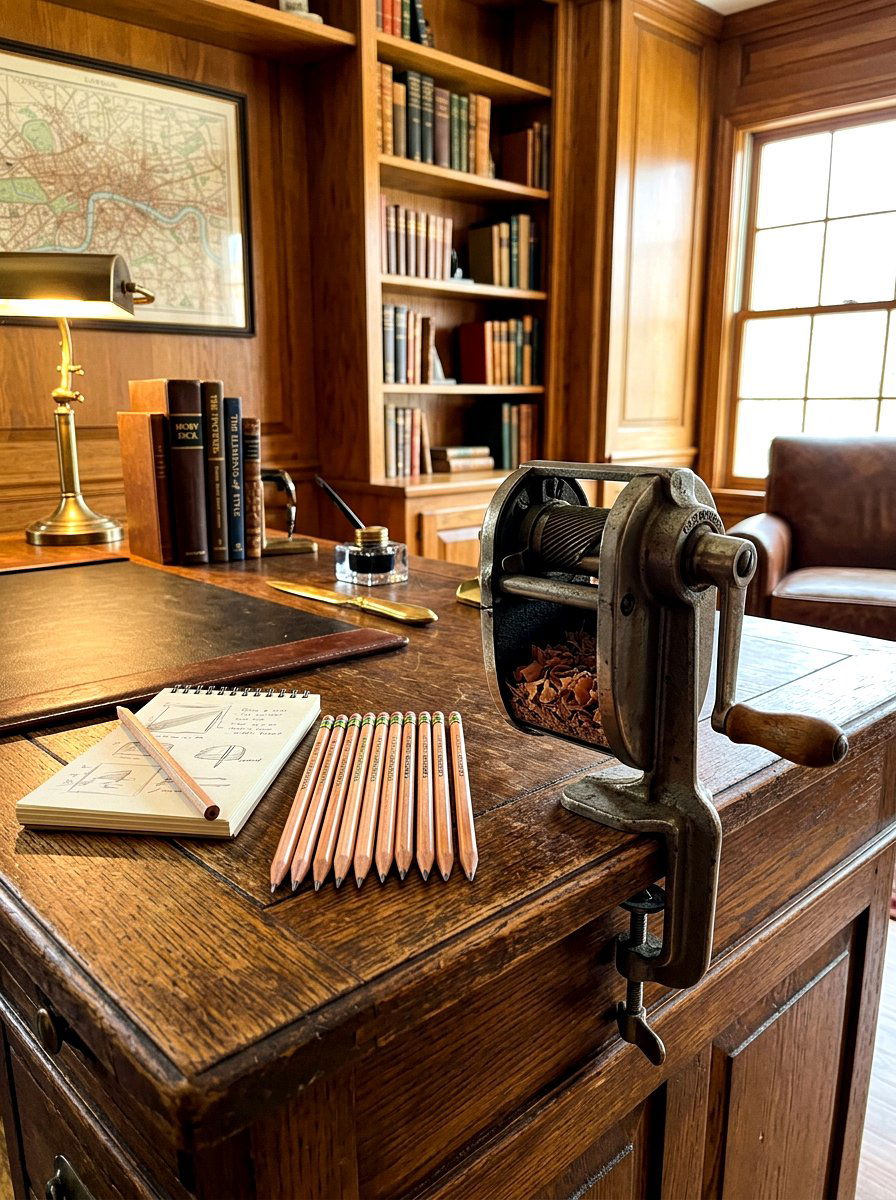
Installing a vintage hand crank pencil sharpener on your desk introduces a delightful moment of manual labor into your creative process. There is a profound sense of satisfaction in the physical resistance and the rhythmic sound of the internal blades shaping a cedar pencil to a perfect point. This small, intentional delay encourages you to slow down and appreciate the tools you use for sketching or note-taking. Unlike electric sharpeners that provide instant results, the manual version requires a brief moment of patience and attention, offering a tiny sensory break that can help to reset your focus between demanding cognitive tasks.
7. Paper Wall Calendar
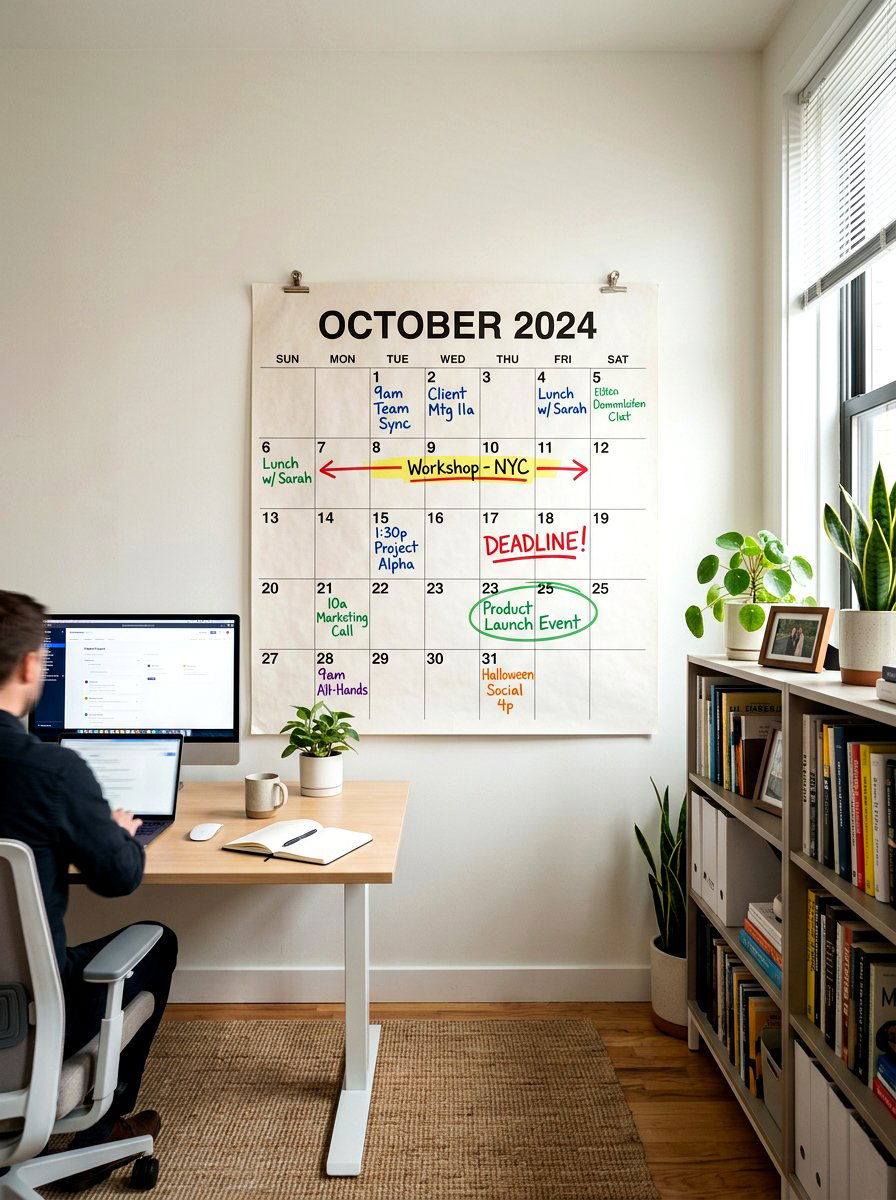
Hanging a large paper wall calendar provides a permanent, non-digital overview of your monthly commitments and major project deadlines. Unlike a digital calendar hidden behind browser tabs, a physical calendar is always visible, forcing you to confront your schedule every time you look up from your desk. Marking off days with a bold pen creates a tangible sense of progress and helps you visualize the passing of time more effectively. This constant visual presence reduces the mental load of remembering upcoming events and provides a reliable anchor for your planning sessions, ensuring that nothing important ever gets lost in the digital shuffle.
8. Leather Desk Mat
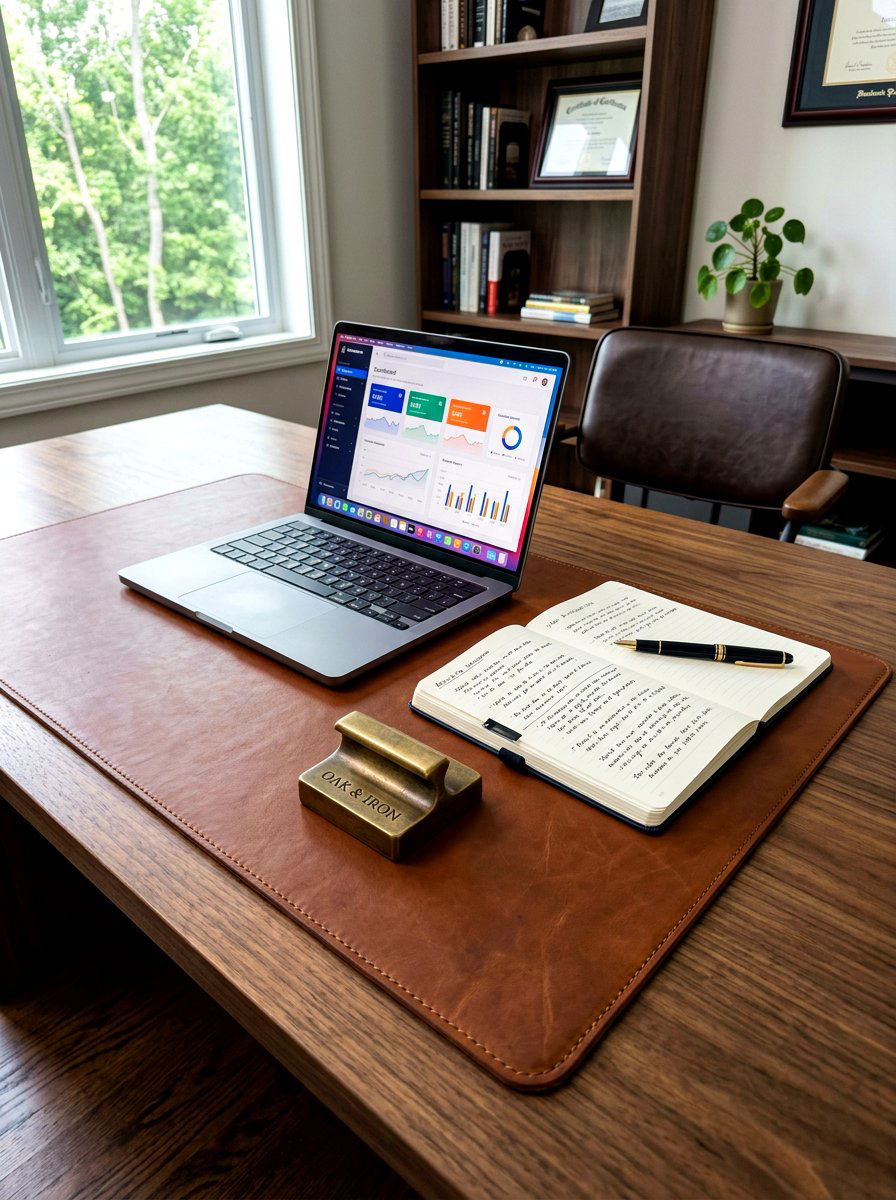
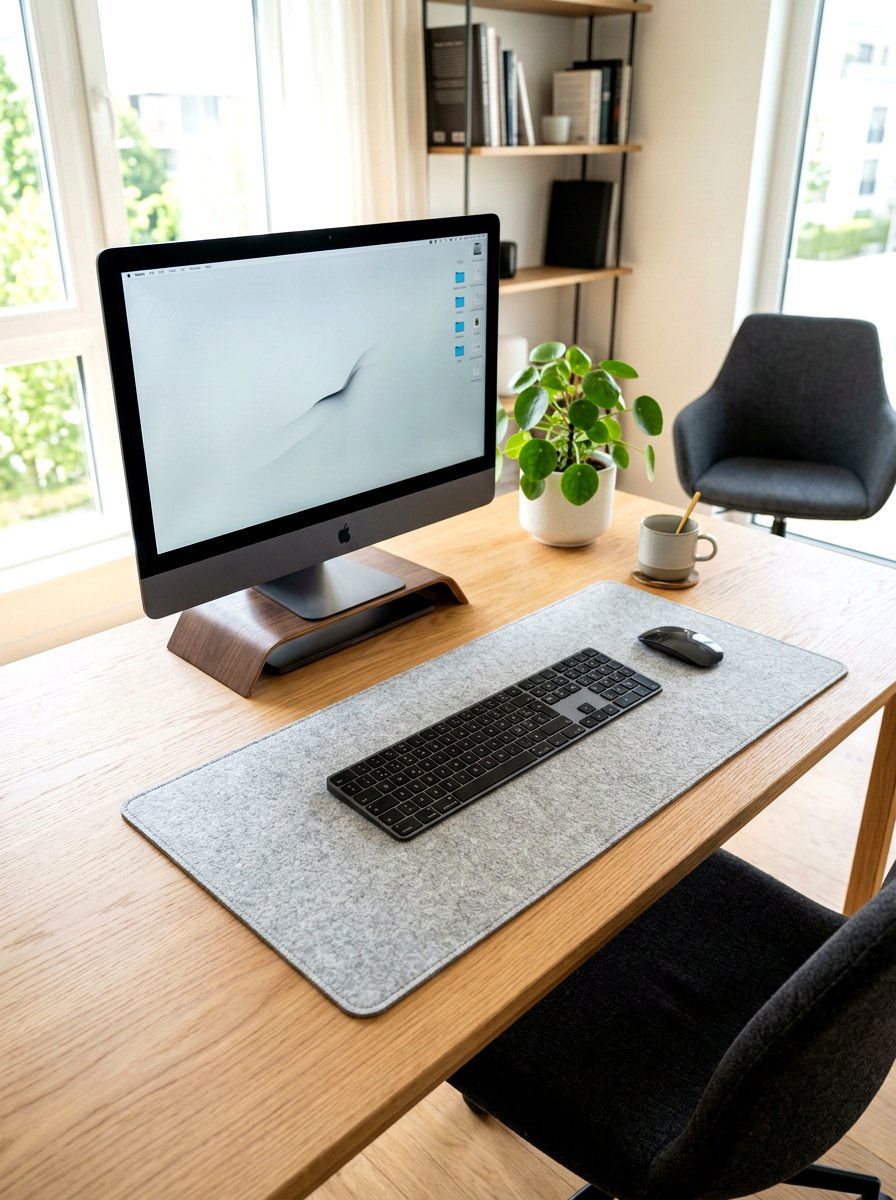
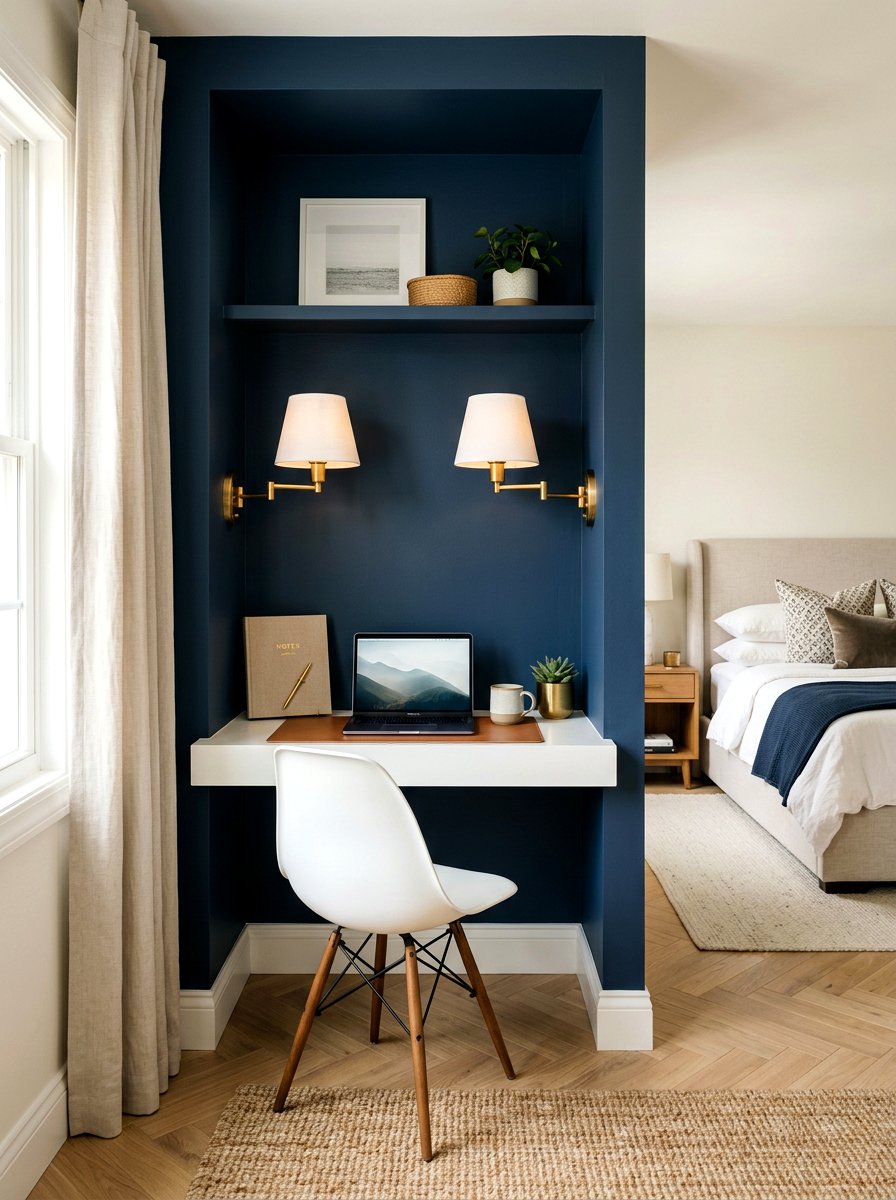
A premium leather desk mat adds a significant layer of physical texture and comfort to your primary work surface. The natural grain of the leather provides a slight resistance to your movements, which can help to prevent your tools from sliding around mindlessly. Over time, the leather develops a unique patina that reflects your specific work habits, making your office feel more personal and grounded. This tactile element enhances the sensory experience of working at your desk, providing a warm and inviting base for your computer, journals, and pens. It elevates the overall aesthetic of your space while encouraging a more deliberate approach.
9. Rolling Library Ladder

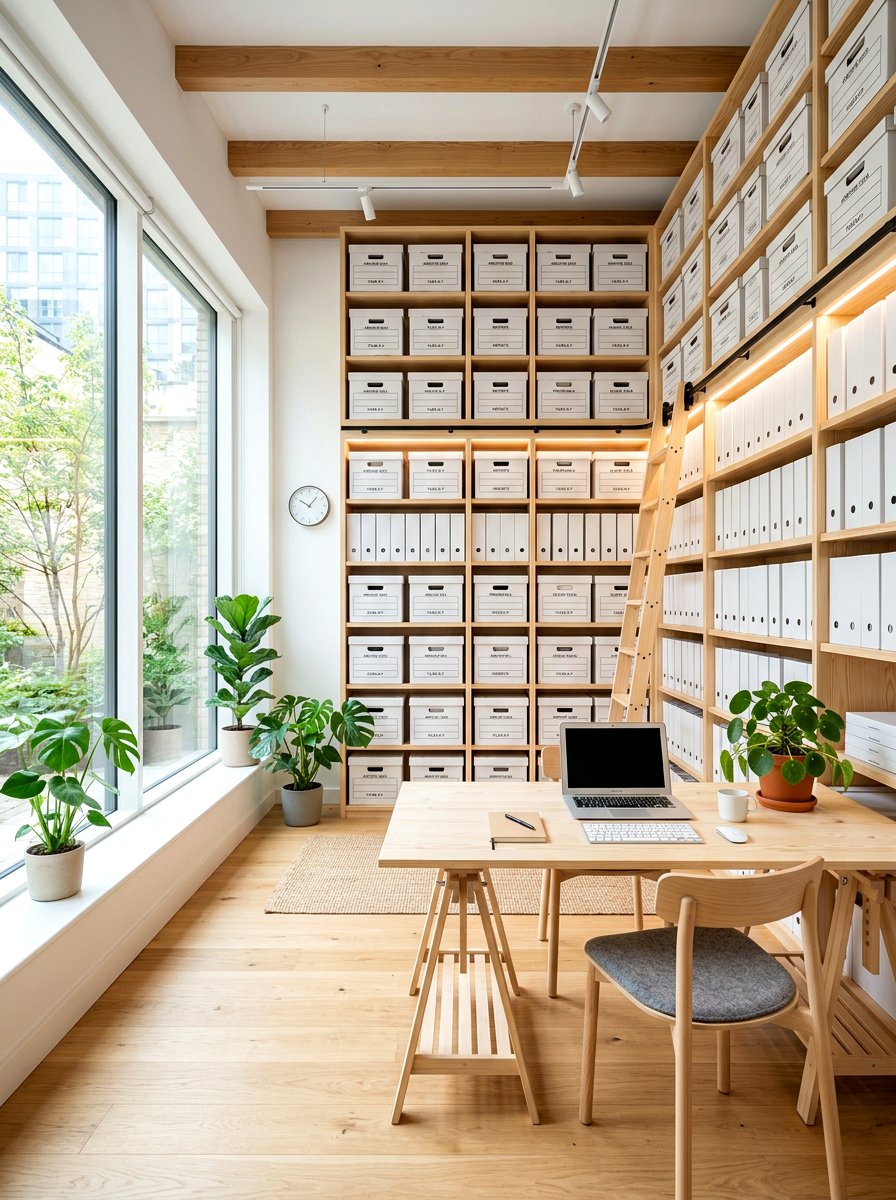
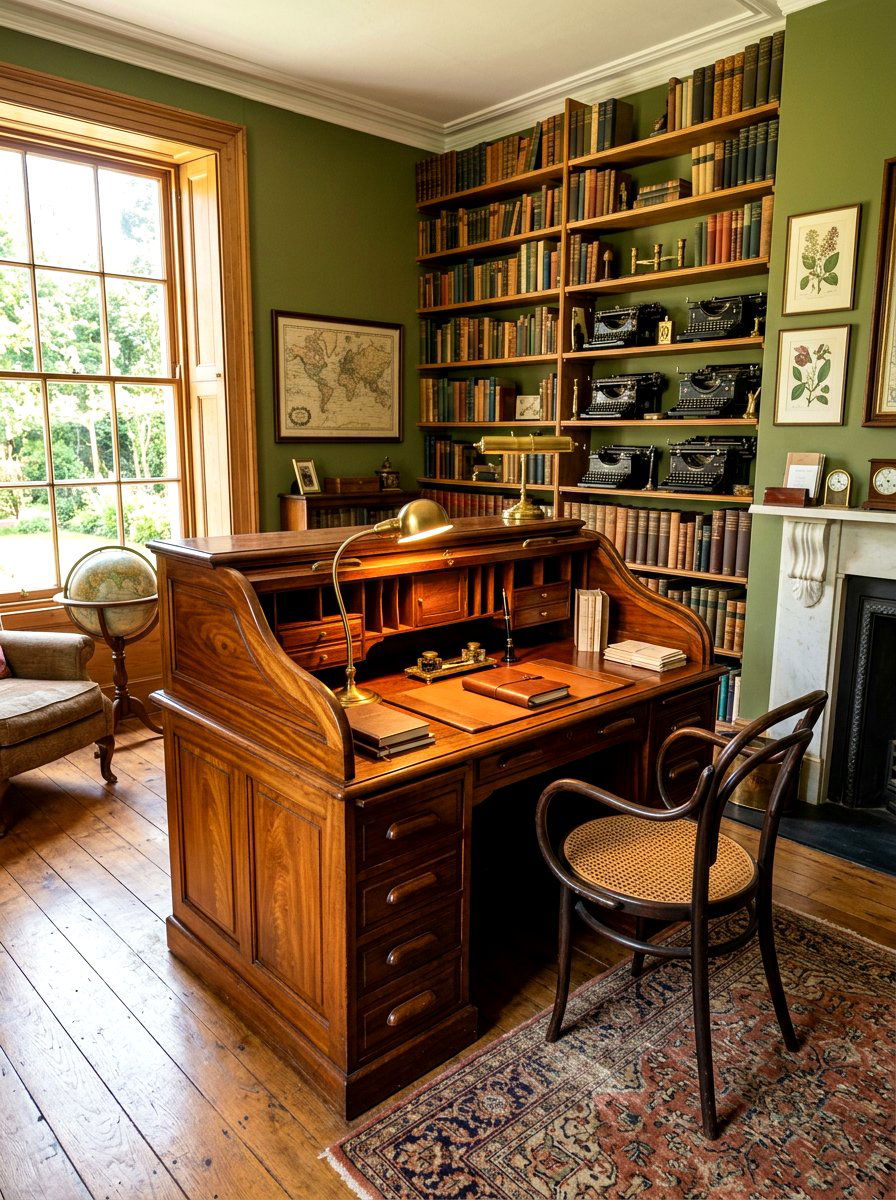
Integrating a rolling library ladder into your office design encourages you to engage with your space in a more physical and adventurous way. When your reference materials and books are stored on high shelves, you must physically move the ladder and climb to retrieve what you need. This extra effort transforms a simple task into a brief moment of activity that breaks up the monotony of sitting at a desk. The sturdy feel of the wood or metal and the smooth glide of the wheels provide a high-quality tactile experience that makes your home library feel like a curated, professional sanctuary for deep study.
10. Metal Filing Cabinet
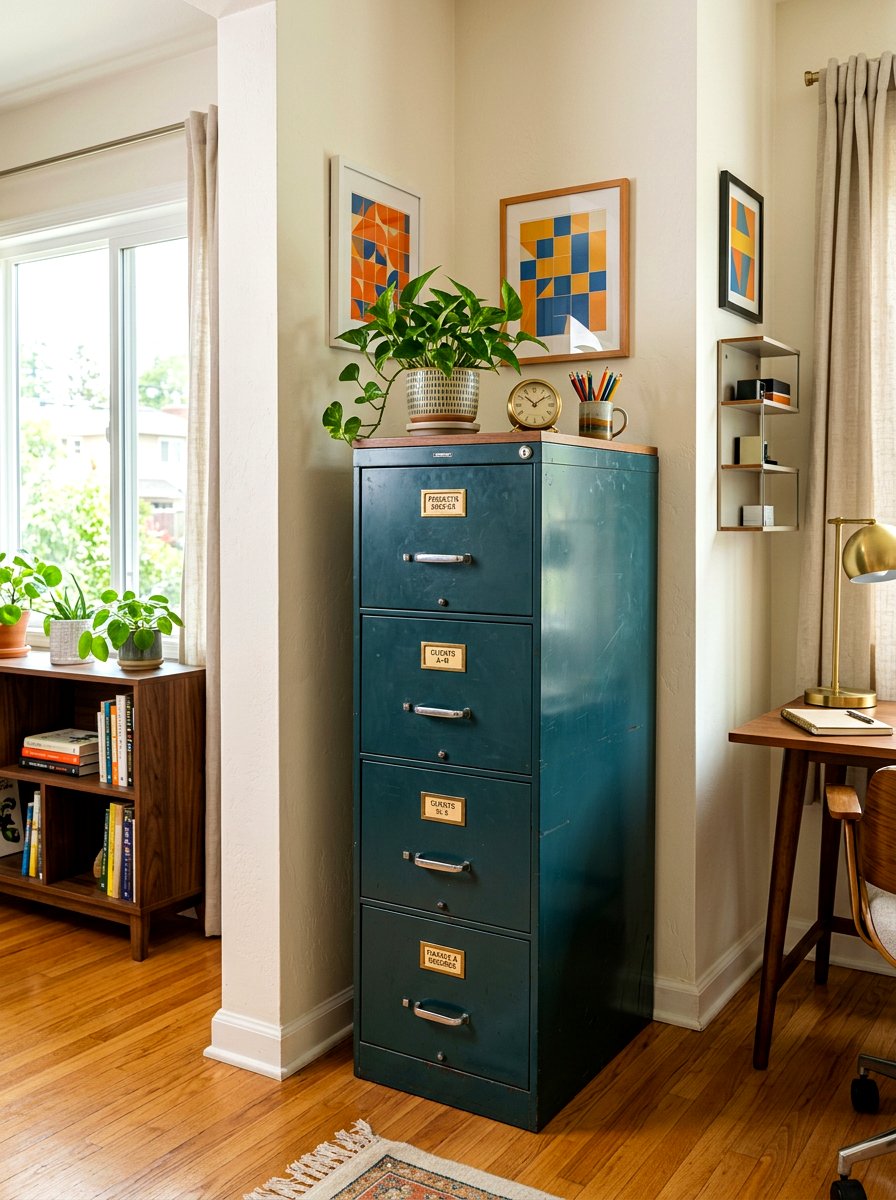
A classic metal filing cabinet offers a secure and physical way to organize your most important documents and project files. The heavy thud of a drawer closing and the tactile process of flipping through physical folders create a sense of permanence and order that digital folders often lack. By physically sorting your paperwork into labeled tabs, you engage more actively with your filing system, which can lead to better information retention and organization. This analog approach to document management ensures that your essential records are always within reach, protected from the ephemeral nature of cloud storage and digital file corruption.
11. Glass Hourglass Timer
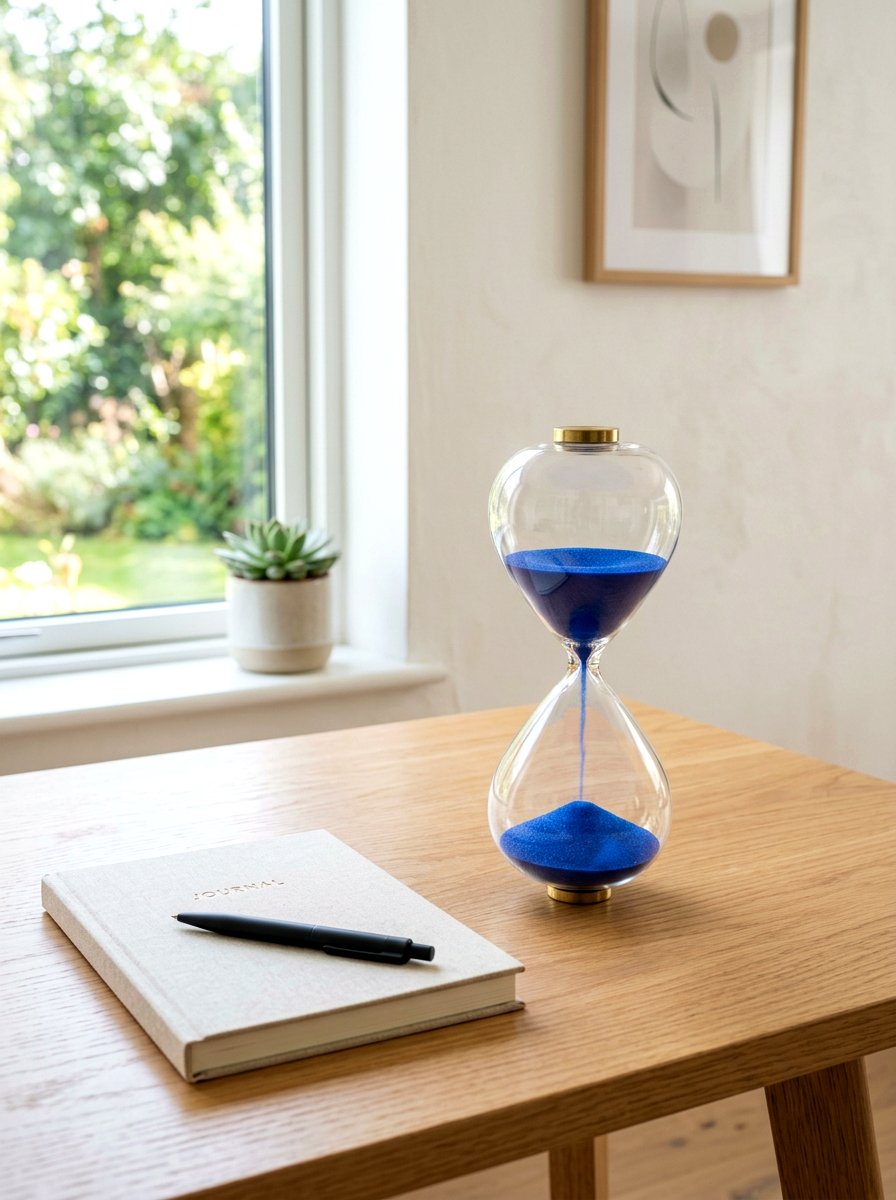
Using a glass hourglass timer is a beautiful and effective way to practice time-boxing without the intrusion of digital alarms. The silent, visual descent of the sand provides a calming way to track your progress during focused work intervals or short breaks. Because you cannot adjust the time once it has started, the hourglass forces you to commit to a specific duration of work with total intentionality. Watching the sand flow serves as a gentle reminder of the finite nature of time, encouraging you to make the most of every minute without the stress of a ticking clock or a digital countdown.
12. Fountain Pen Ink
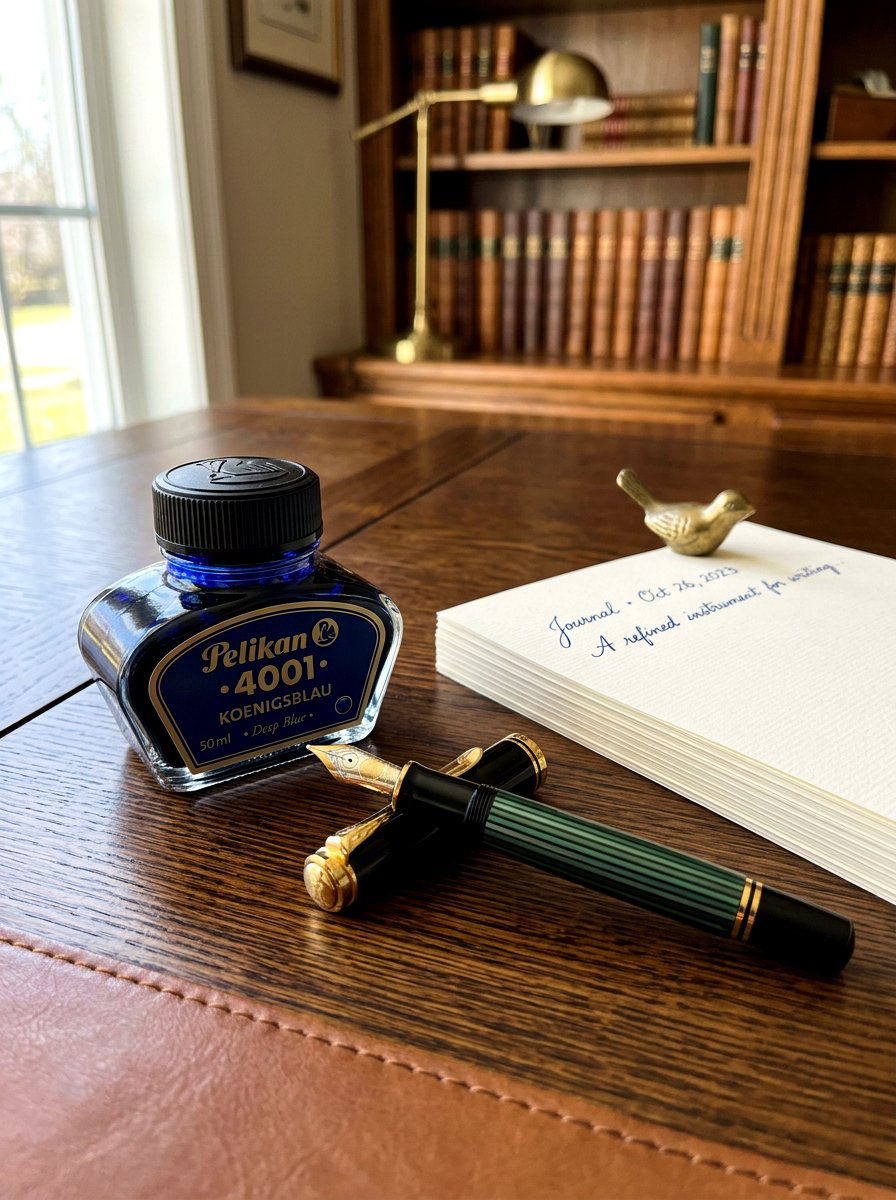
Switching to a fountain pen and bottled ink is a classic friction maxxing technique that turns every note-taking session into a mindful ritual. The process of manually filling the pen and feeling the nib glide across the paper requires a higher level of attention and care than using a standard ballpoint. This slower pace of writing encourages you to choose your words more carefully and enjoy the physical sensation of the ink drying on the page. The variety of rich ink colors and the elegant design of the pen make your daily correspondence feel more personal and significant, adding a touch of luxury.
13. Brass Pull Chain Lamp

Incorporating a brass pull chain lamp into your desk setup adds a satisfying mechanical interaction to your lighting control. Instead of flicking a standard wall switch or using a voice command, you must reach out and physically pull the metal chain to illuminate your workspace. This small action signals the beginning of a work session and helps to define the boundaries of your professional life. The warm glow of the lamp and the solid feel of the brass pull provide a traditional, grounding experience that enhances the overall mood of your office, making it feel like a dedicated space for serious, intentional work.
14. Wire Document Tray
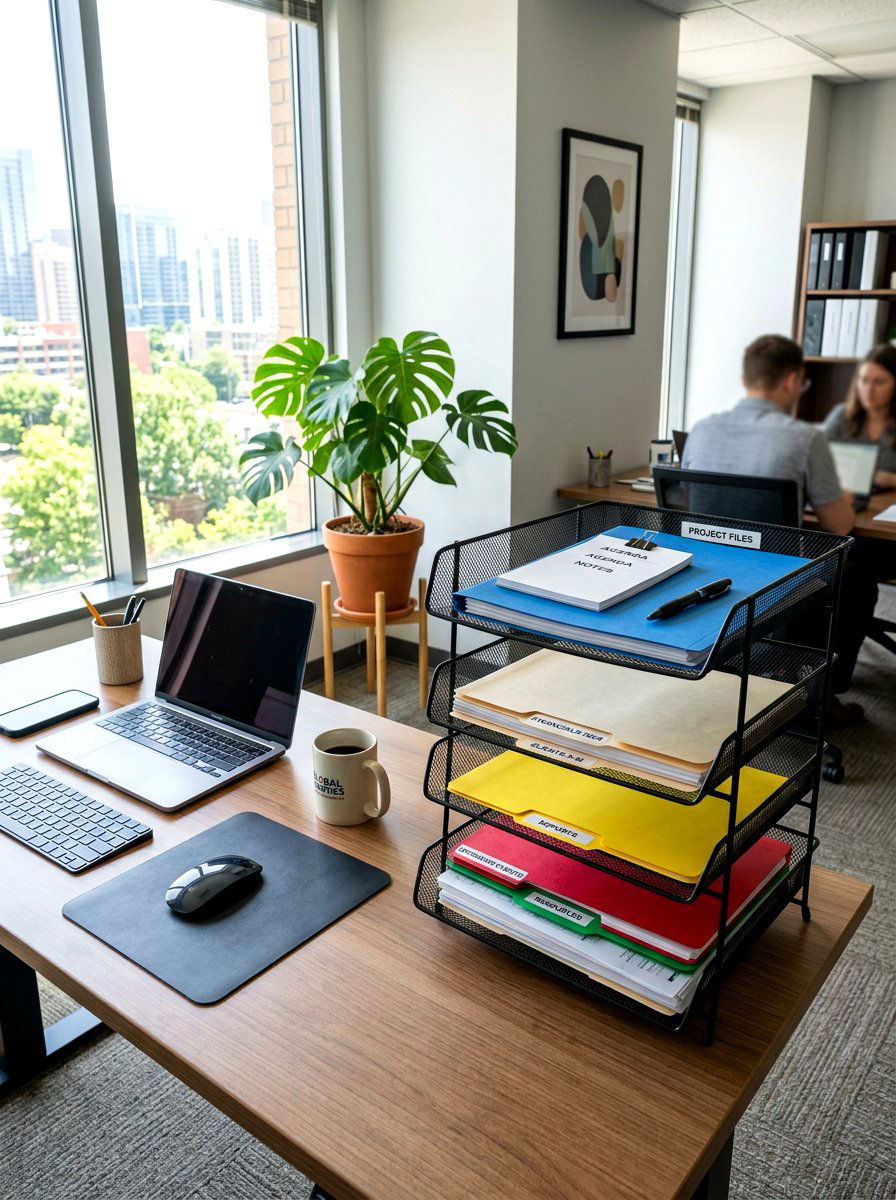
A sturdy wire document tray provides a clear physical system for managing incoming paperwork and active projects. By designating specific levels for "inbox, " "in-progress, " and "outbox, " you create a visible workflow that is easy to navigate and maintain. This analog sorting method prevents papers from piling up haphazardly on your desk, reducing visual clutter and mental stress. The open wire design allows you to see exactly what needs your attention at a glance, serving as a persistent reminder of your current responsibilities. This physical organization helps to keep your mind clear and your focus directed toward your most pressing professional tasks.
15. Wood Step Stool
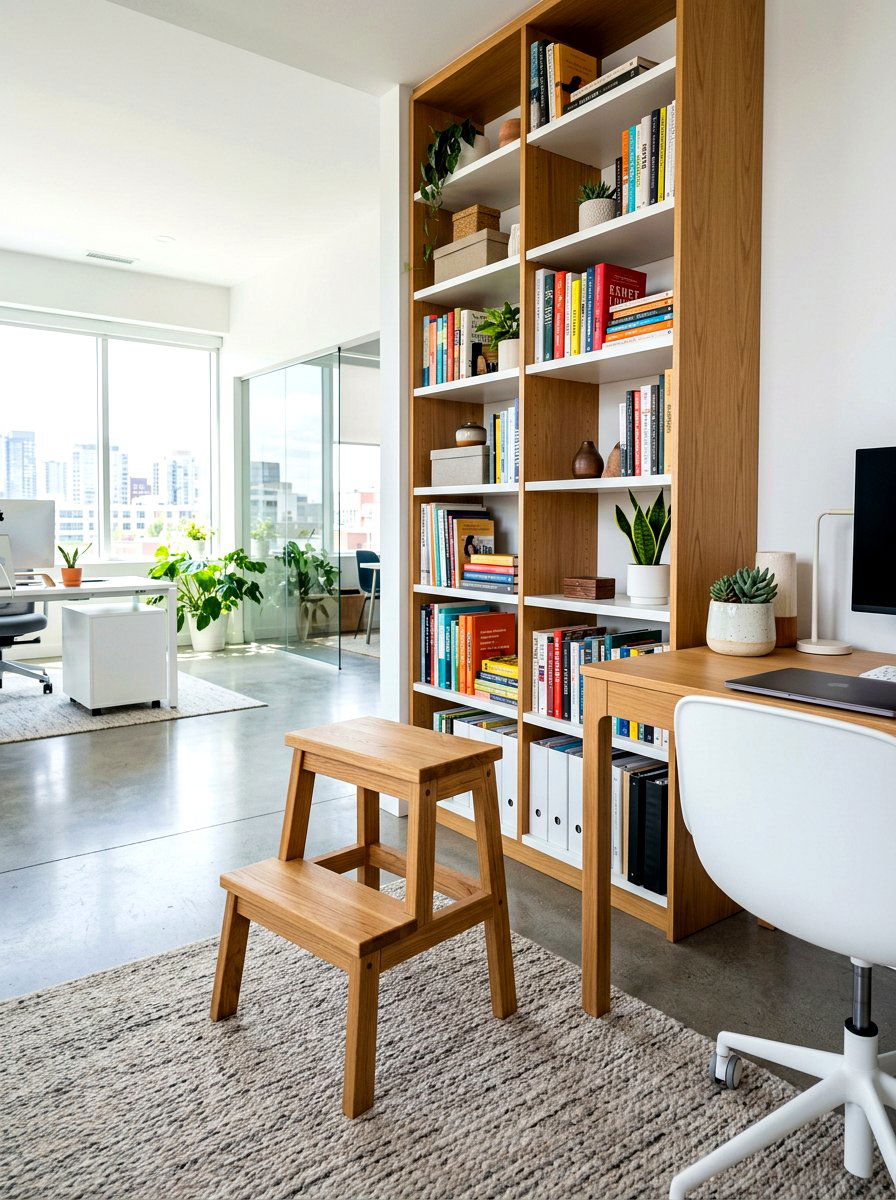
Keeping a simple wood step stool in your office is a practical way to encourage movement and accessibility within your workspace. Whether you are reaching for a high shelf or adjusting a wall-mounted display, the act of stepping up requires a brief moment of balance and physical engagement. A well-crafted wooden stool adds a natural, warm element to your office decor while serving as a versatile tool for various tasks. This small addition to your environment supports a more active work style, helping you to stay physically engaged with your surroundings and preventing the sluggishness that often comes with a sedentary lifestyle.
16. Physical Wall Map
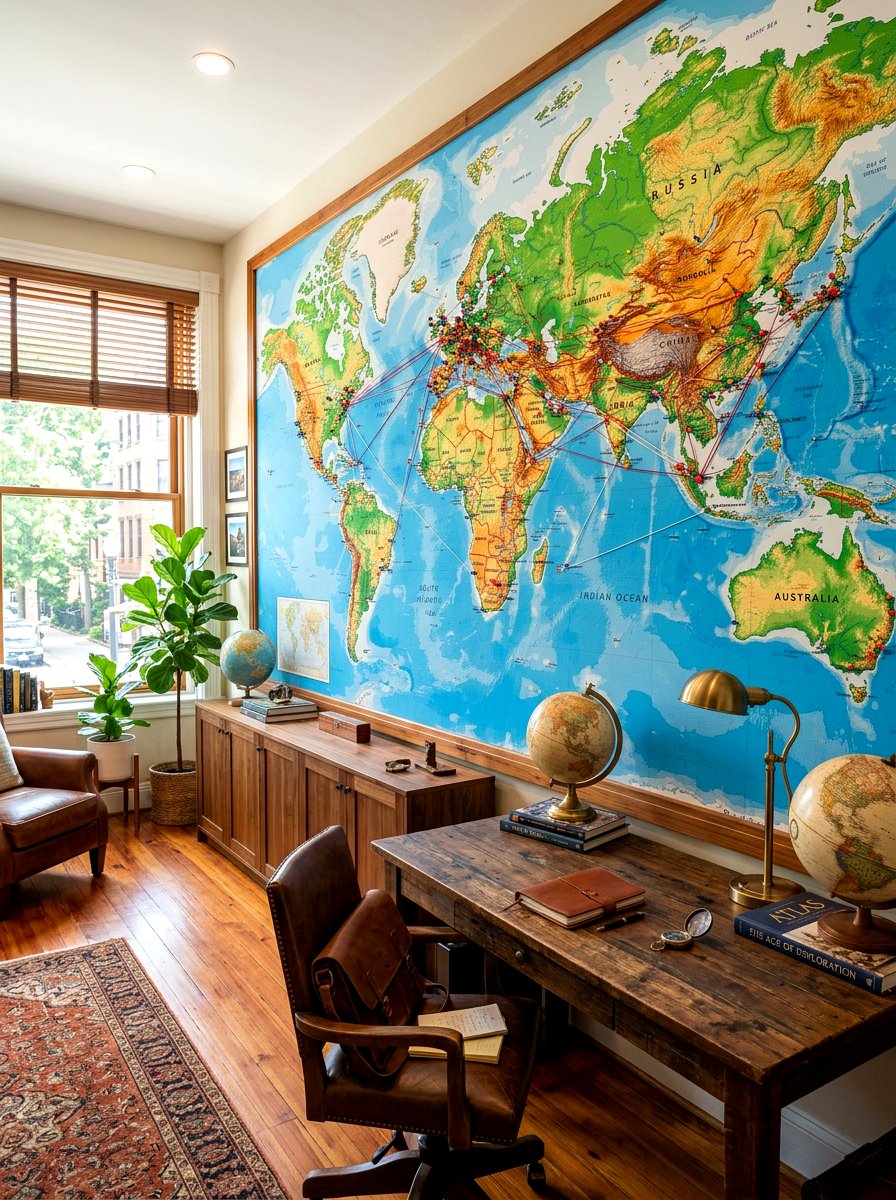
Displaying a large physical wall map in your office provides a grand perspective on the world and can serve as a powerful tool for visual planning. Whether you are tracking global clients or planning future travel, the ability to physically point to locations and visualize distances is incredibly grounding. You can use pins or dry-erase markers to highlight key areas, turning the map into an interactive display of your professional reach. This large-scale reference tool encourages you to step away from your screen and think about your work in a broader, more physical context, sparking creativity and long-term strategic vision.
17. Manual Record Player
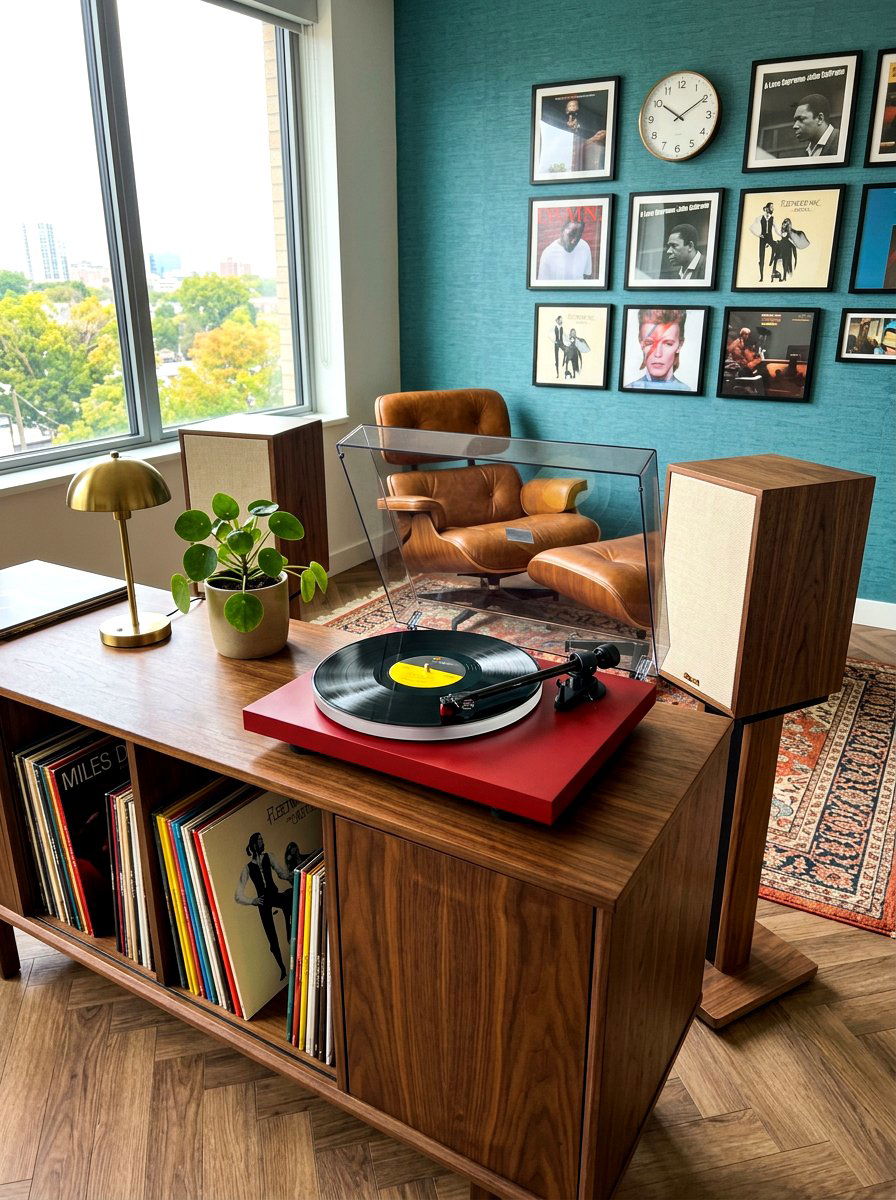
Setting up a manual record player in your office creates a rich auditory environment that requires intentional interaction. Unlike digital playlists that fade into the background, a vinyl record demands that you physically select an album, place it on the platter, and lower the needle. This process forces you to take a brief break every twenty minutes or so to flip the record, providing a natural rhythm to your workday. The warm, analog sound quality and the tactile experience of handling large album art make the act of listening to music a deliberate choice that enhances your mood and overall productivity.
18. Potted Desk Plant
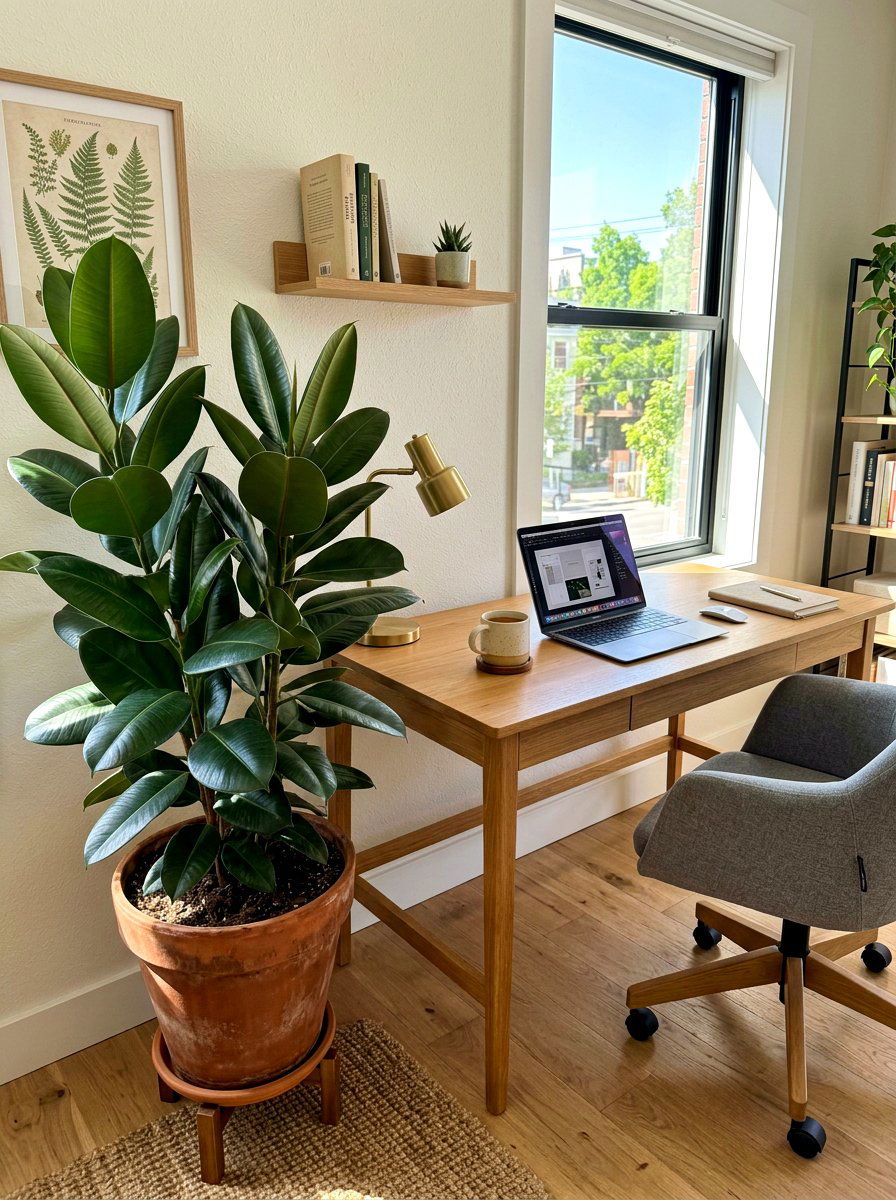
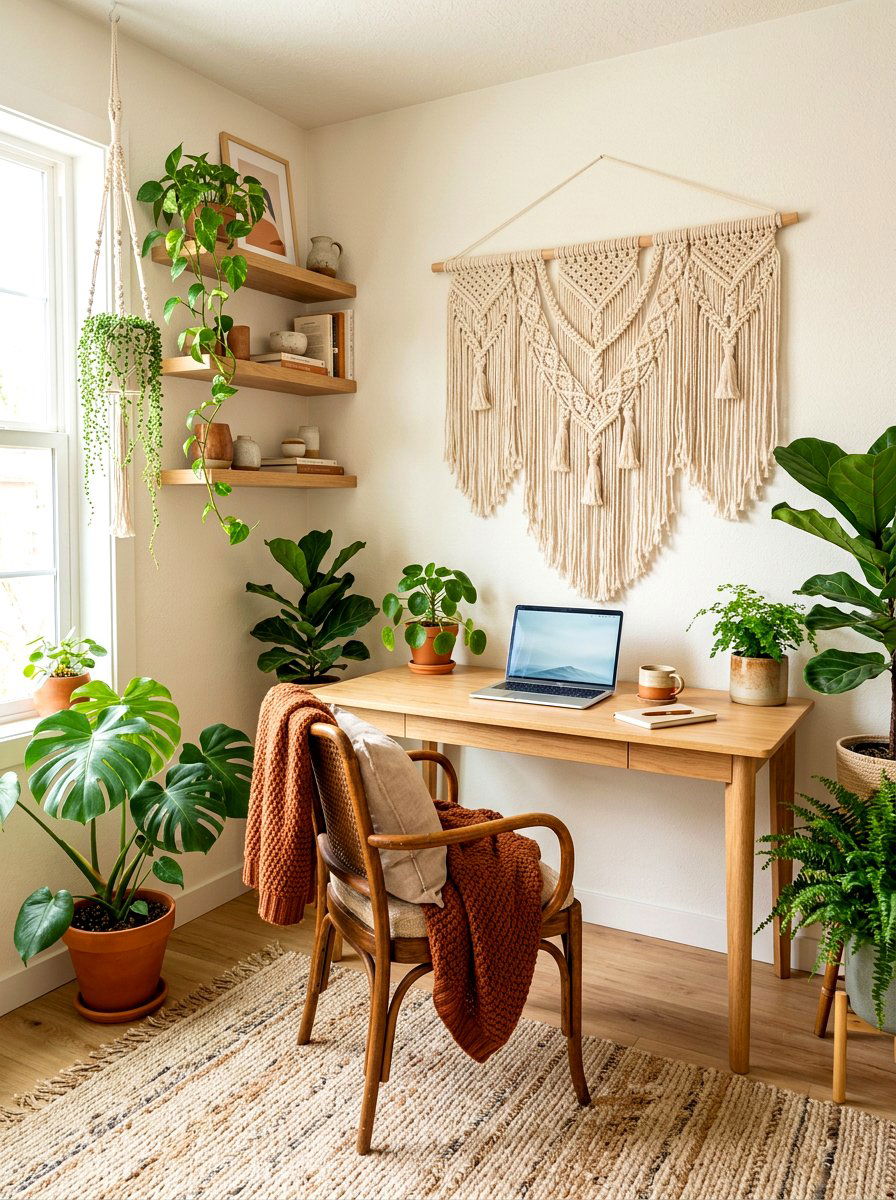
Placing a large potted desk plant in your workspace introduces a living element that requires regular physical care and attention. The act of watering, pruning, and checking the soil provides a brief sensory break that connects you to the natural world. This small amount of intentional friction helps to reduce stress and improve the air quality in your office, creating a more vibrant and healthy environment for work. Watching your plant grow over time offers a quiet sense of accomplishment and serves as a gentle reminder to slow down and appreciate the slower, more organic processes of life amidst a busy schedule.
19. Manual Coffee Press
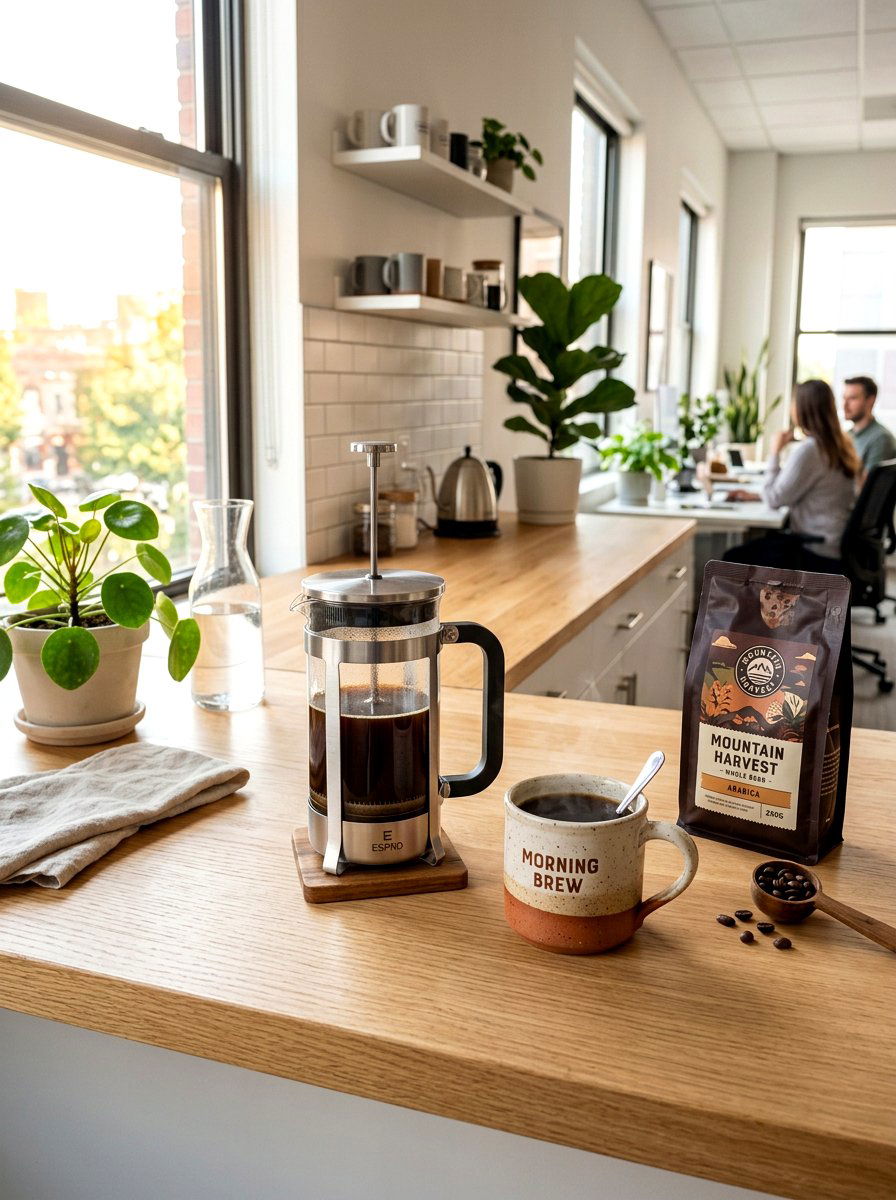
Using a manual coffee press to prepare your daily brew is a perfect example of productive friction that rewards your effort with a superior sensory experience. The process of grinding beans by hand, measuring the water, and carefully pressing the plunger requires your full attention for several minutes. This intentional delay provides a necessary mental reset before you dive into your most challenging tasks. The rich aroma of the fresh coffee and the physical resistance of the press make your morning caffeine ritual feel like a significant event rather than an automated habit, setting a mindful tone for the rest of your productive day.
20. Wired Desktop Headphones
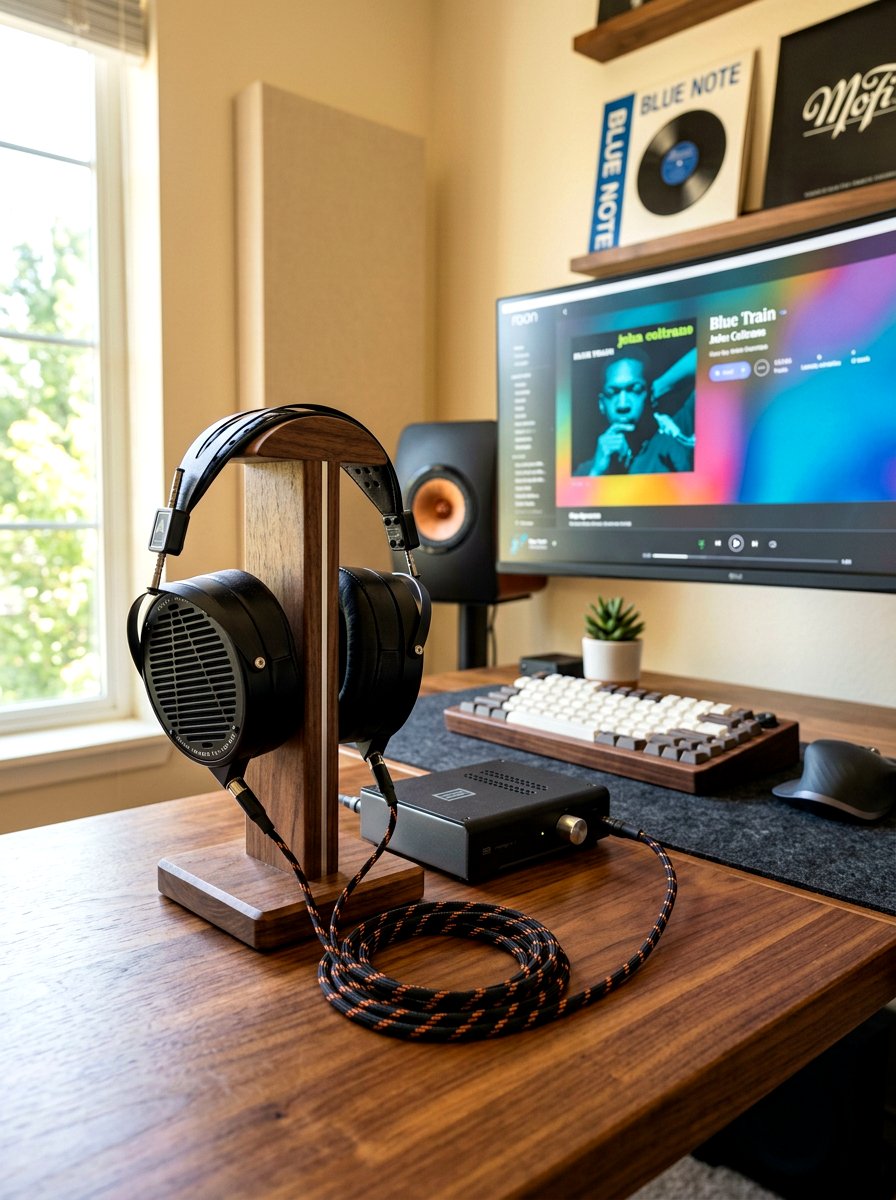
Choosing high-quality wired desktop headphones over wireless alternatives is a simple way to introduce intentionality into your listening experience. The physical act of plugging in the cable connects you directly to your audio source, providing a more stable and reliable connection for long work sessions. Wired headphones often offer superior sound quality and eliminate the need to worry about battery levels or Bluetooth pairing issues. This physical tether serves as a psychological signal that you are entering a focused work mode, helping to block out environmental noise and allowing you to immerse yourself fully in your tasks without any technical interruptions.
21. Wooden Stationery Chest
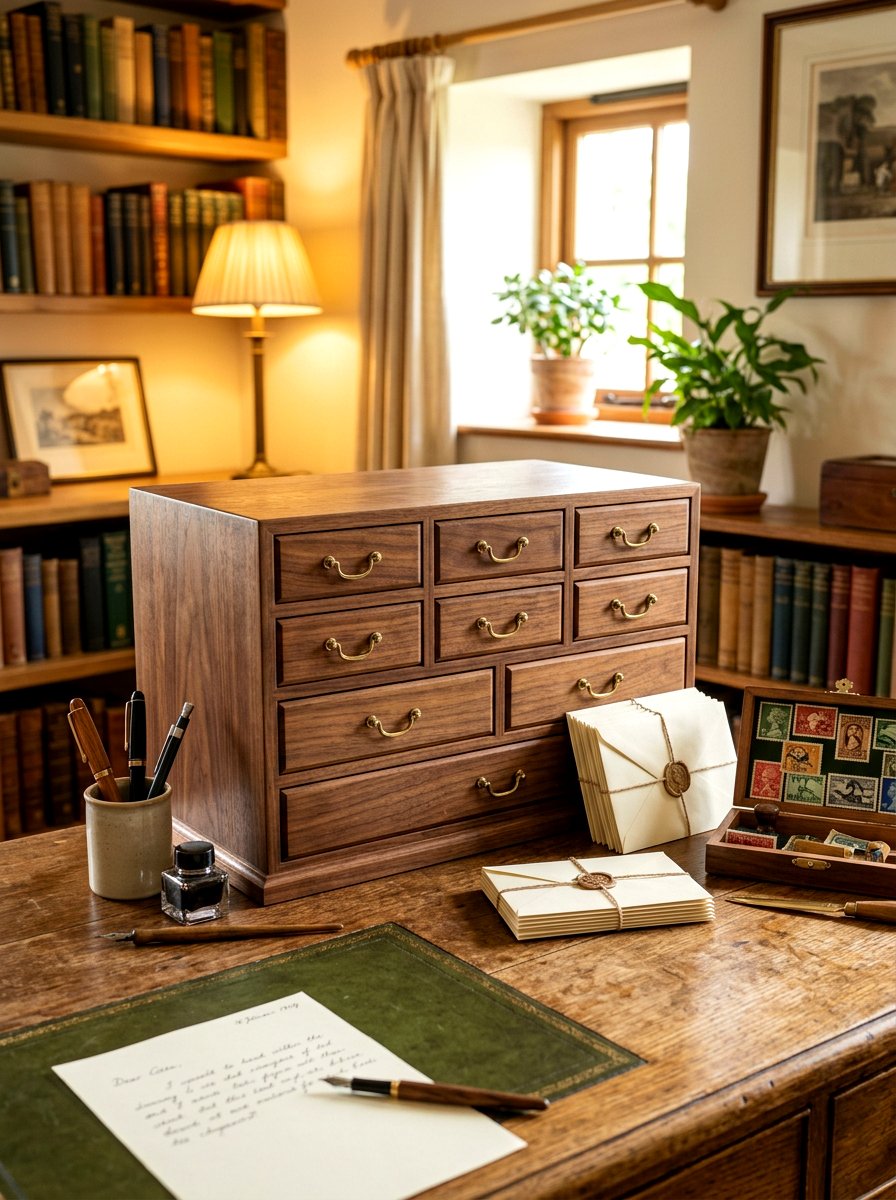
A beautiful wooden stationery chest provides a dedicated and organized home for your pens, paper, and other physical tools. By keeping your supplies tucked away in a series of small drawers, you must intentionally open each one to find what you need. This process prevents your desk from becoming cluttered with loose items while adding a touch of classic elegance to your workspace. The smooth finish of the wood and the subtle click of the drawers provide a high-quality tactile experience that makes the act of organizing your tools feel like a pleasurable part of your daily routine, rather than a chore.
22. Full Wall Corkboard
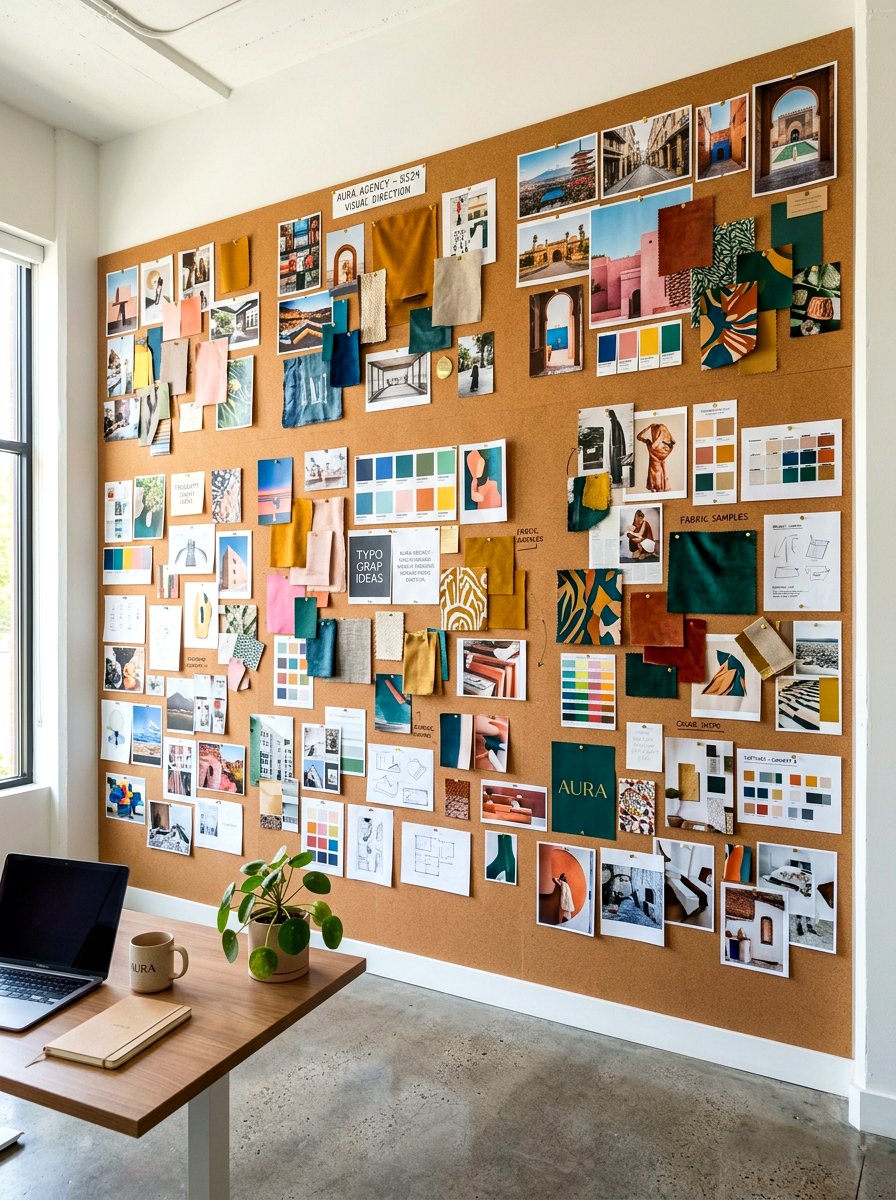
Installing a full wall corkboard transforms one side of your office into a massive, interactive canvas for your ideas and inspirations. You can physically pin up sketches, notes, photographs, and clippings, creating a rich visual landscape that evolves as your projects progress. The tactile process of using push pins and arranging physical items encourages a more hands-on approach to creative thinking and planning. This large-scale display keeps your current inspirations always in view, serving as a powerful source of motivation and a practical way to manage complex information without relying on digital folders or tabs hidden away on screens.
23. Analog Wall Clock
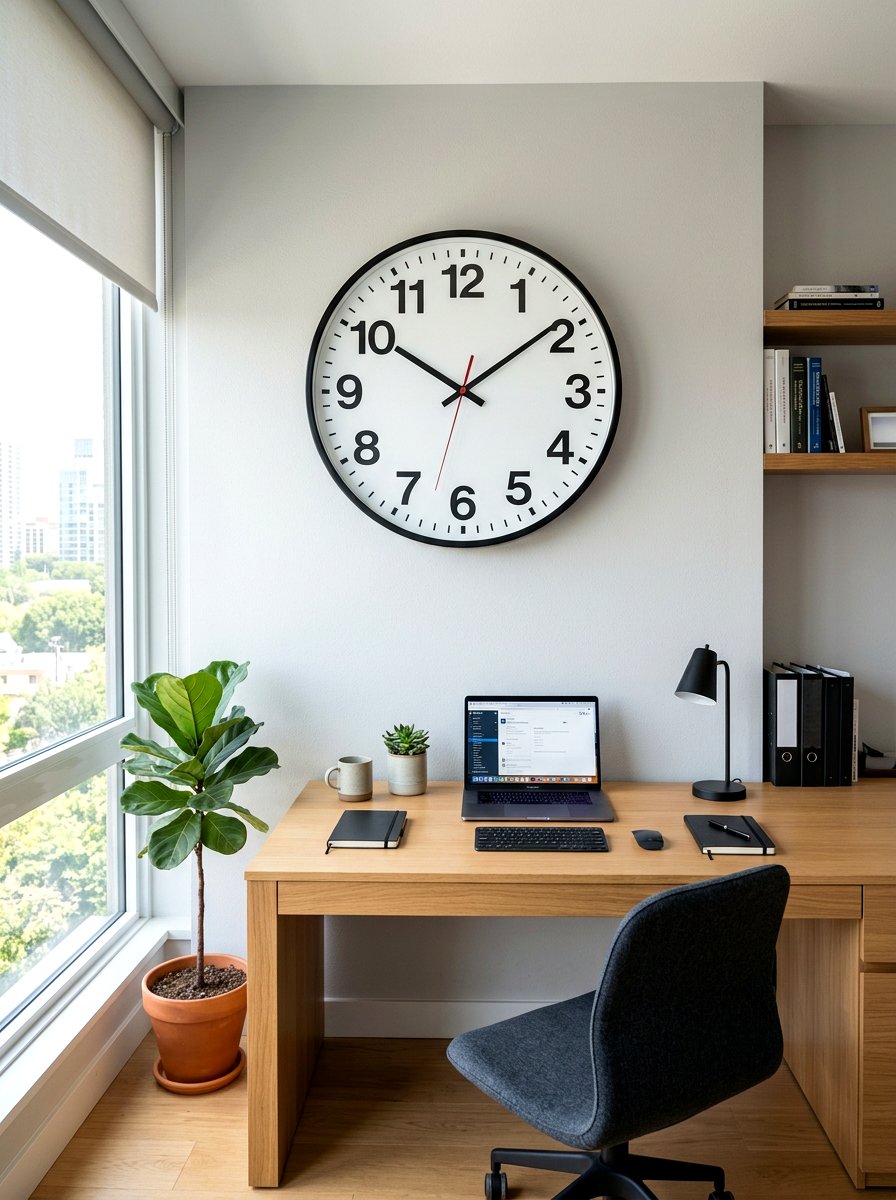
A large, clear analog wall clock serves as a constant and reliable reference for the passage of time in your workspace. Unlike a digital clock on your computer screen, an analog clock provides a visual representation of time as a physical quantity, helping you to judge the duration of your tasks more effectively. The steady sweep of the second hand and the rhythmic ticking sound can create a calming environment that encourages steady focus. By relying on a physical clock, you can reduce your dependence on your phone or computer for timekeeping, helping to minimize the risk of being pulled into digital distractions.
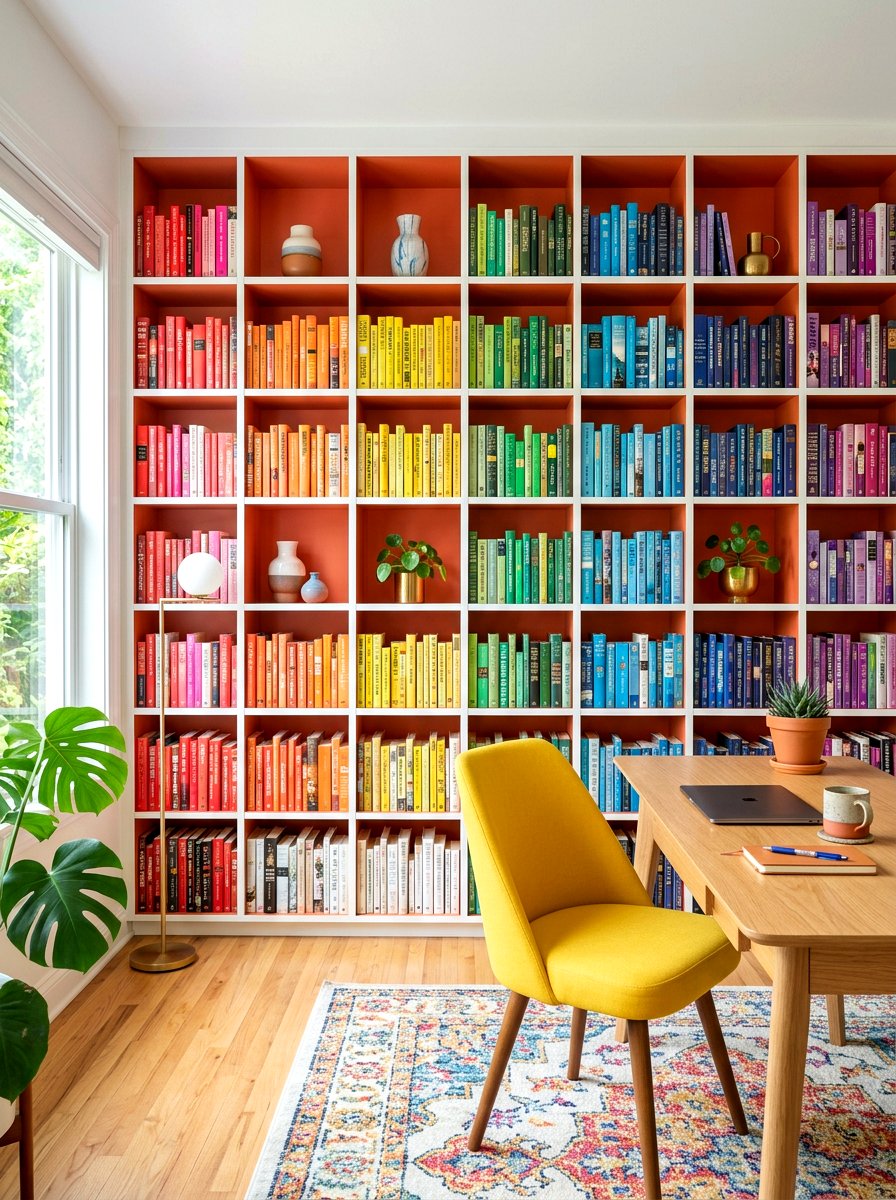
24. Hardback Book Collection
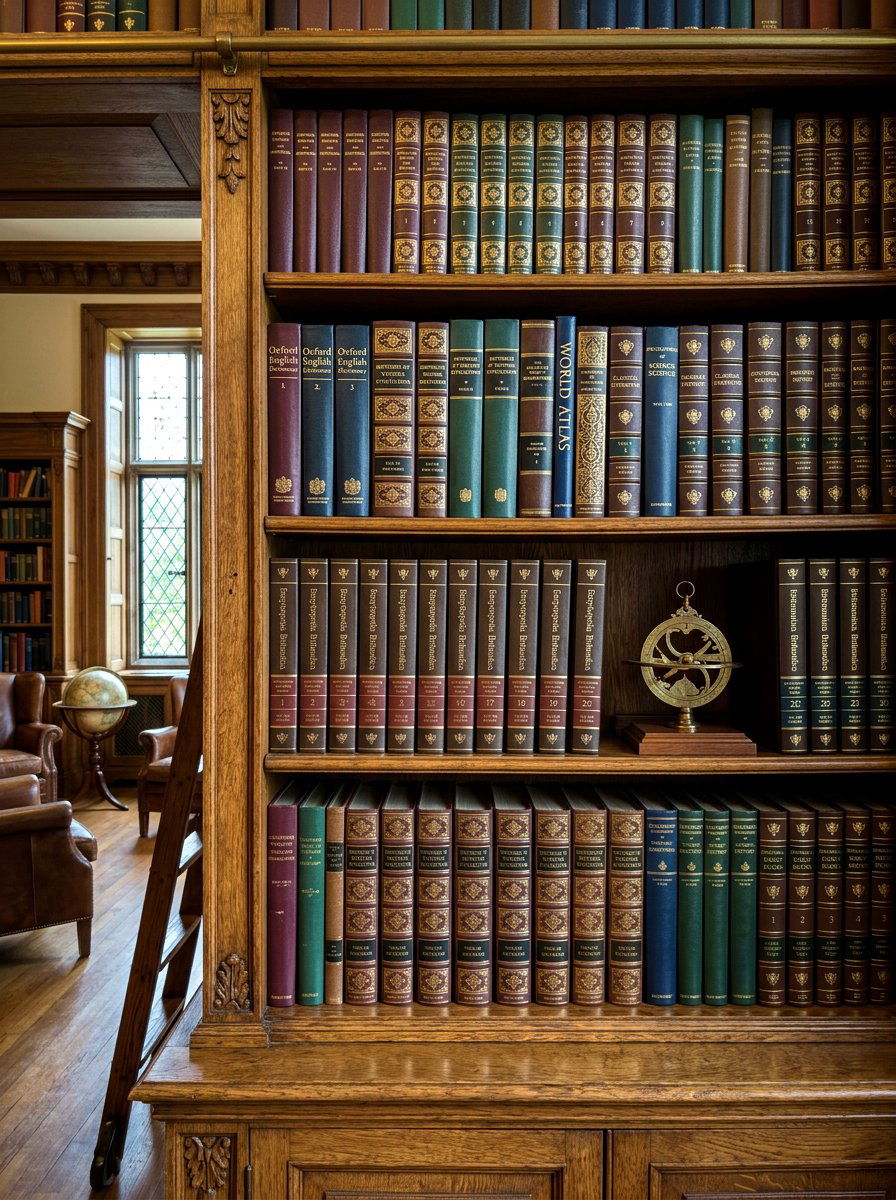
Building a collection of hardback reference books related to your field provides a substantial and permanent source of knowledge within your office. The physical act of taking a heavy book from the shelf and flipping through the pages encourages a more thorough and contemplative approach to learning than quick online searches. The weight of the books and the texture of the paper provide a grounding sensory experience that helps to improve information retention and focus. This physical library serves as a testament to your professional expertise and a reliable resource that is always available, regardless of your internet connection or any digital subscription.
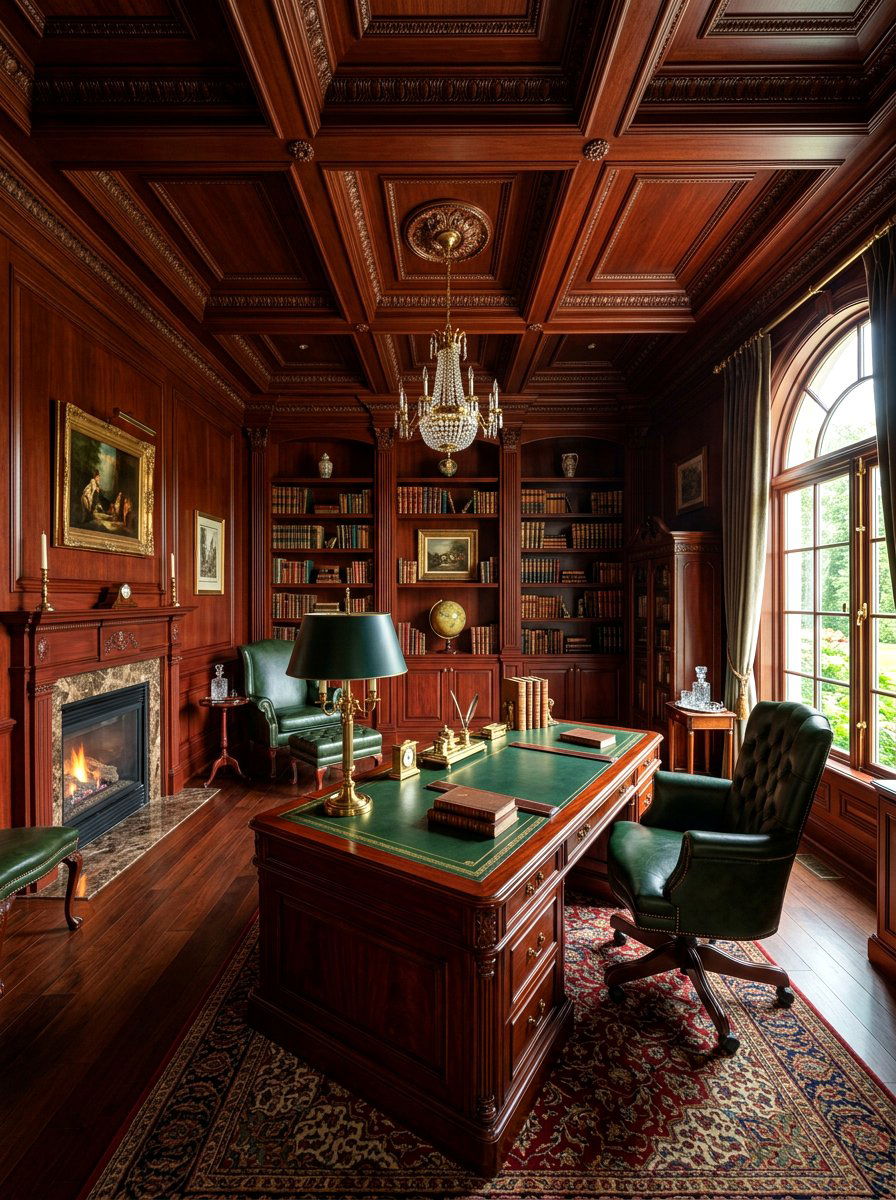
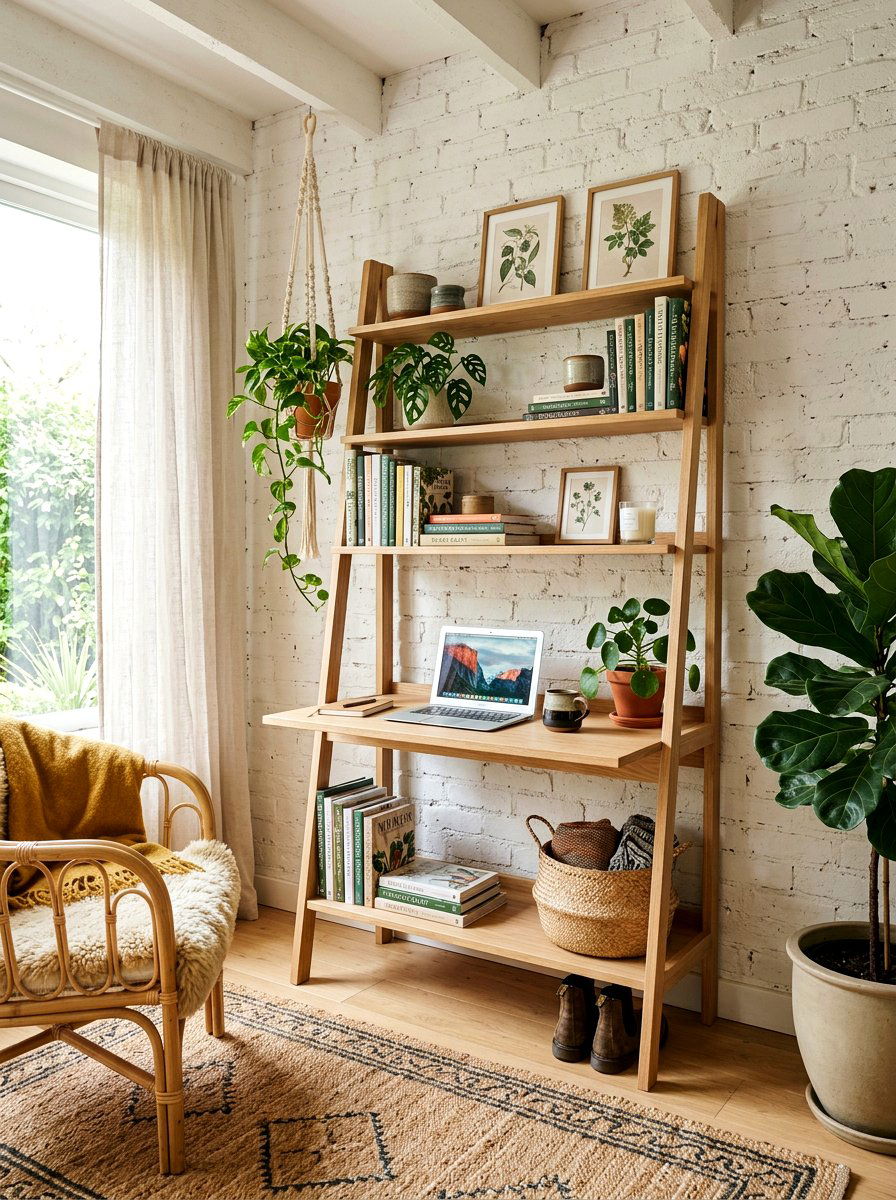
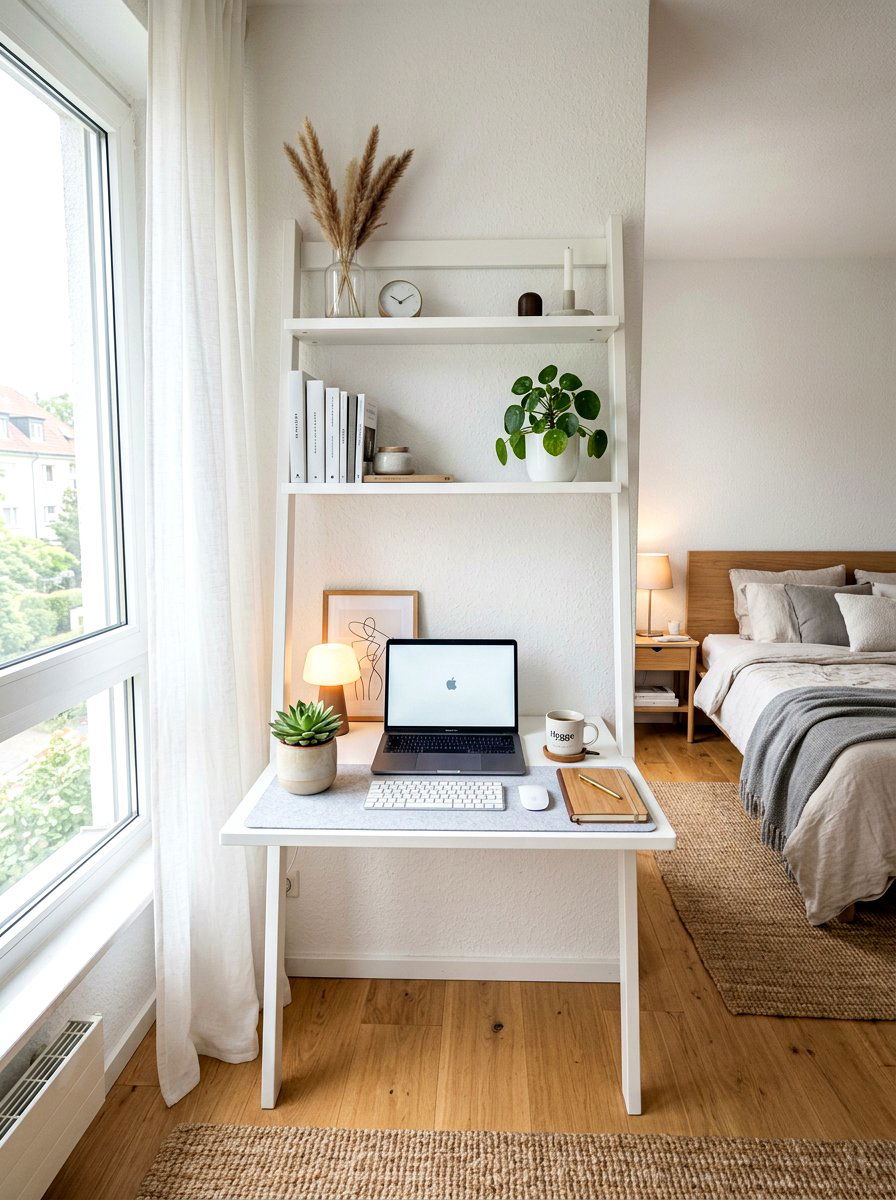
25. Physical Ledger Book
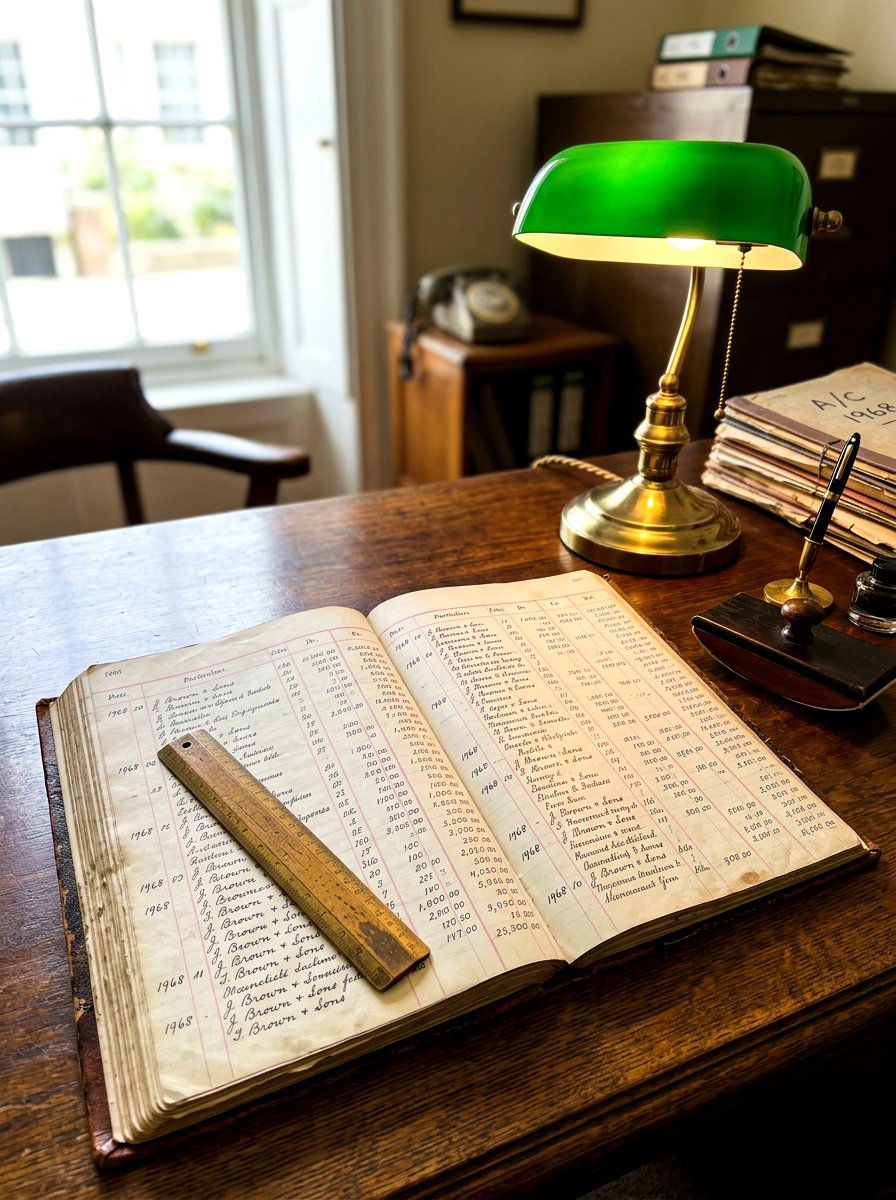
Maintaining a physical ledger book for tracking your expenses or project progress is a powerful way to bring intentionality to your record-keeping. Hand-writing your entries requires you to engage more deeply with the data, helping you to spot patterns and trends that might be overlooked in a digital spreadsheet. This analog method provides a permanent and tangible record of your financial history or professional growth that feels much more significant than a file on a hard drive. The process of physically balancing your books provides a sense of clarity and control over your business affairs, encouraging a more disciplined and thoughtful approach.
26. Corded Landline Phone
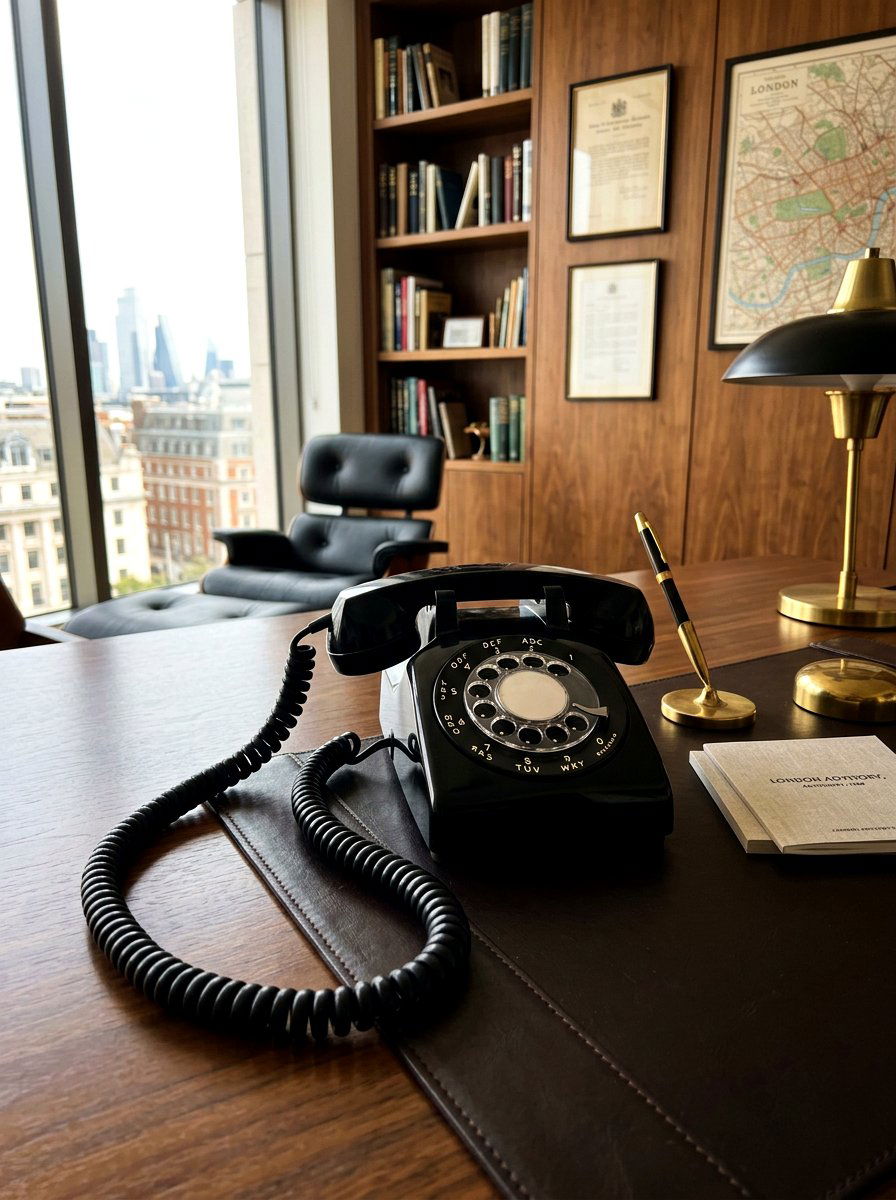
Reintroducing a corded landline phone to your office setup can significantly reduce the distractions associated with modern mobile devices. The physical tether of the cord limits your movement during calls, encouraging you to stay focused on the conversation at hand rather than multitasking. A dedicated landline phone often provides better audio quality and eliminates the risk of dropped calls due to poor cellular reception. This clear separation between your personal and professional communications helps to establish firm boundaries, ensuring that your work time remains dedicated to your goals and that you are not constantly interrupted by non-urgent notifications from your smartphone.
27. Manual Typewriter Station
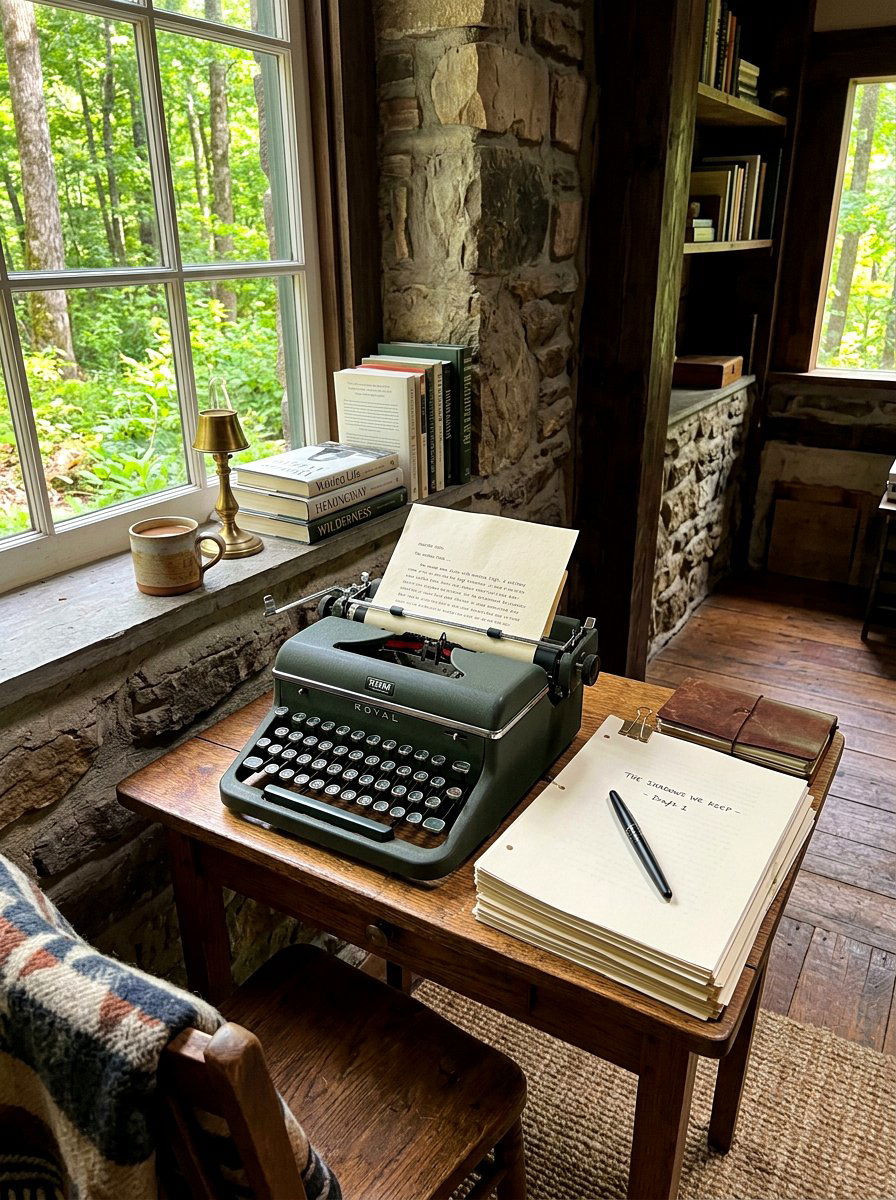
Setting up a dedicated manual typewriter station offers a unique and highly engaging way to draft initial thoughts or creative pieces. The physical resistance of the keys and the mechanical sound of the carriage return provide an intense sensory experience that digital word processors simply cannot replicate. Because there is no easy way to delete or edit text on a typewriter, you are forced to commit to your ideas and move forward with total intentionality. This process encourages a state of deep flow and can lead to more raw, authentic writing, making it a favorite tool for many modern authors and creative thinkers.
28. Remote Printer Setup
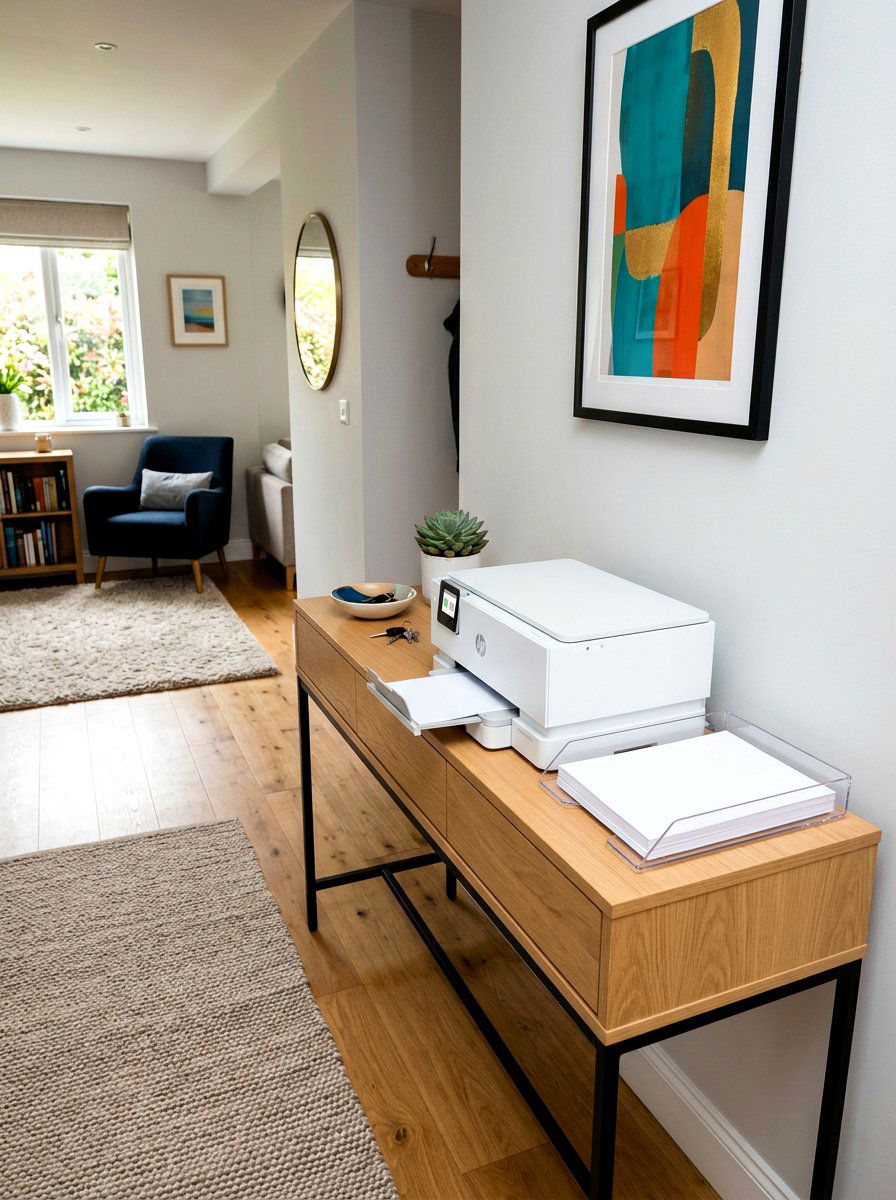
Placing your printer in a different room or across the office is a clever way to force a brief physical break into your workflow. When you need to retrieve a document, you must stand up and walk to the printer, providing a natural opportunity to stretch and reset your focus. This small amount of intentional friction breaks the cycle of continuous sitting and encourages you to be more selective about what you choose to print. The short walk serves as a productive pause that can help to clear your mind between intensive tasks, making you more alert and energized when you return.
29. Physical In Tray
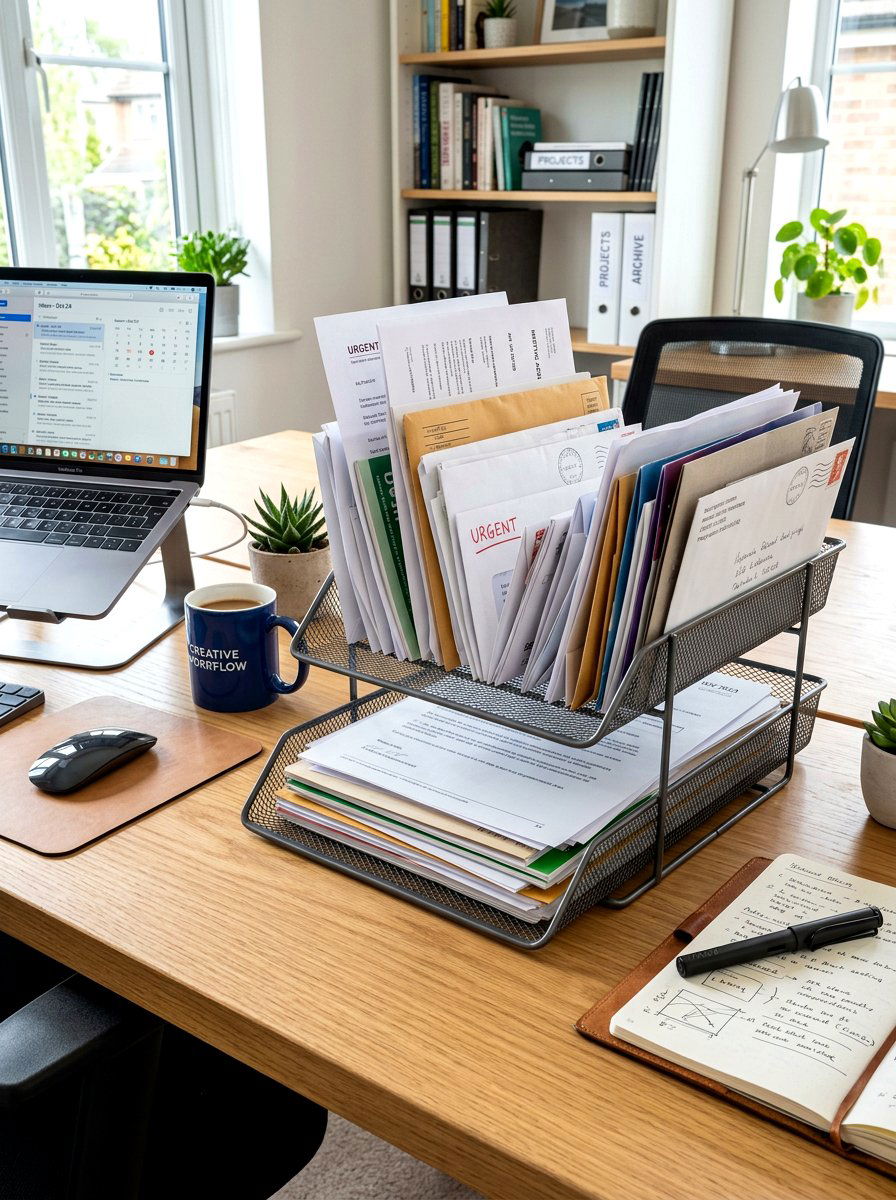
A classic physical in tray provides a clear and undeniable focal point for all incoming physical tasks and correspondence. By placing all new items in one designated spot, you prevent them from scattering across your desk and causing mental clutter. This analog system forces you to periodically sort through and process your tray, ensuring that every item receives the attention it deserves. The physical presence of the tray serves as a constant reminder of pending work, helping you to stay organized and proactive in managing your daily responsibilities. This simple tool brings a sense of traditional order and efficiency to your office routine.
30. Magazine Floor Rack
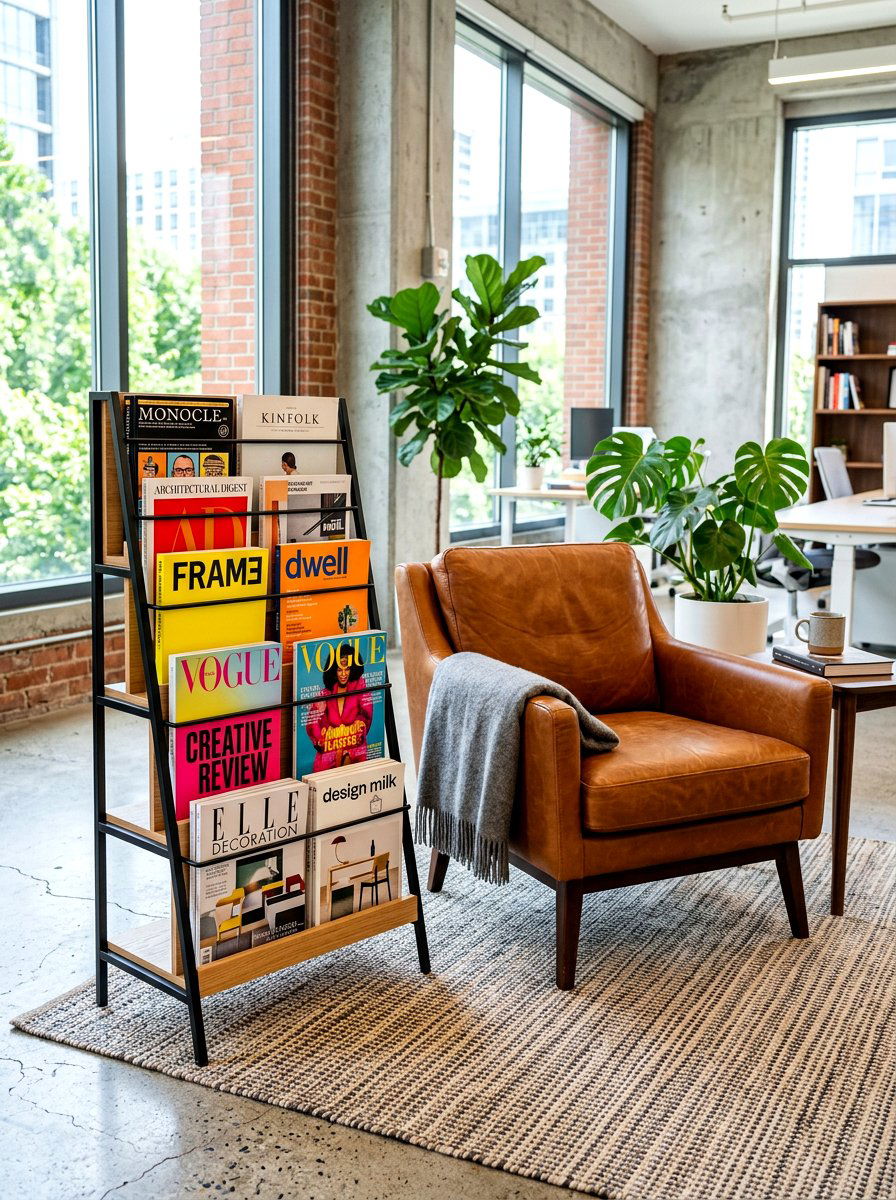
A stylish magazine floor rack offers a dedicated and accessible home for your professional journals and inspirational publications. By keeping your reading materials organized and within reach, you encourage yourself to take brief breaks for learning and reflection. The act of selecting a magazine and flipping through the pages provides a tactile and visual break from your digital screens, helping to reduce eye strain and mental fatigue. This physical archive of inspiration keeps your workspace feeling creative and dynamic, serving as a constant source of new ideas and perspectives that can fuel your professional growth and long-term success in your field.
Conclusion:
Embracing the friction maxxing office trend is ultimately about reclaiming your attention and building a workspace that respects the human need for physical engagement and slow, thoughtful processes. By intentionally choosing analog tools and manual methods, you create a sanctuary that fosters deep work and creative resilience in an increasingly fast-paced digital world. These small, daily speed bumps serve as vital reminders to slow down, reflect, and engage fully with the work that matters most. As you curate your environment with these tactile elements, you will find that your productivity becomes more meaningful and your overall professional satisfaction increases significantly throughout the year.

Related posts: